1/2
How to Organize Your Home in January and Make It Last All Year
This article outlines a comprehensive, step-by-step guide to organizing one's home effectively at the beginning of the year, with strategies designed for long-term maintenance. It addresses the common challenge of feeling overwhelmed by the task and breaks it down into manageable segments, ensuring the organizational system integrates seamlessly into one's lifestyle. The process begins with an initial walkthrough of the entire home, starting from the entryway. During this walkthrough, individuals are encouraged to use a pen and notepad or a digital notes app to meticulously record primary organizing tasks for each room. This includes identifying items for decluttering, donation, or disposal, as well as making a running shopping list for necessary organizing and cleaning supplies.
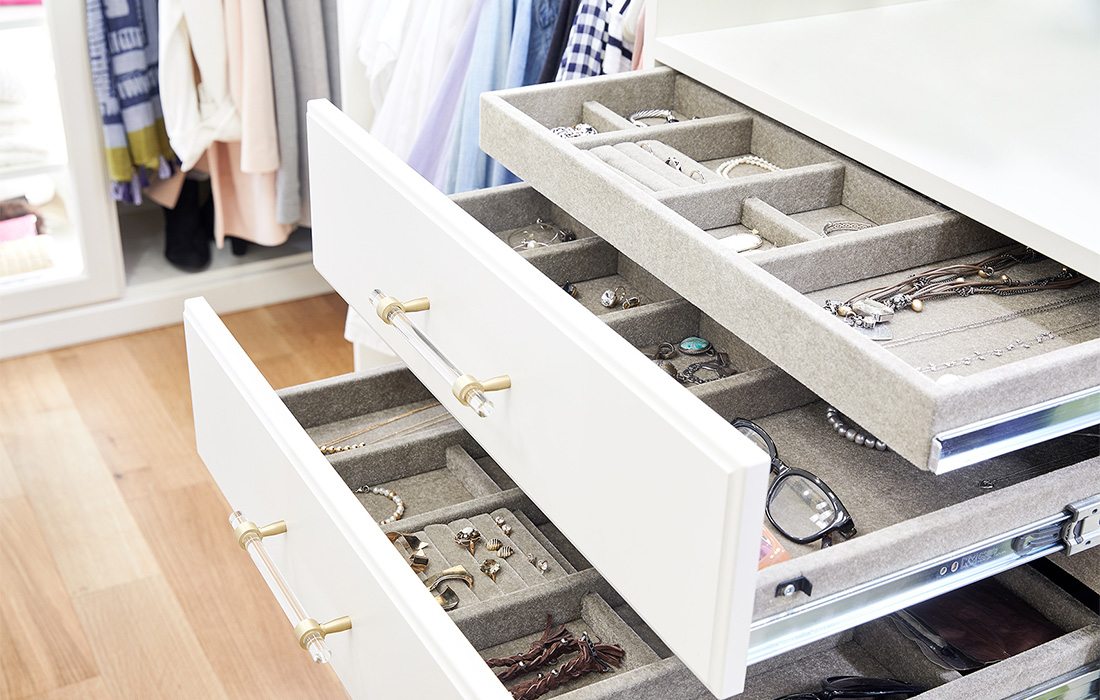
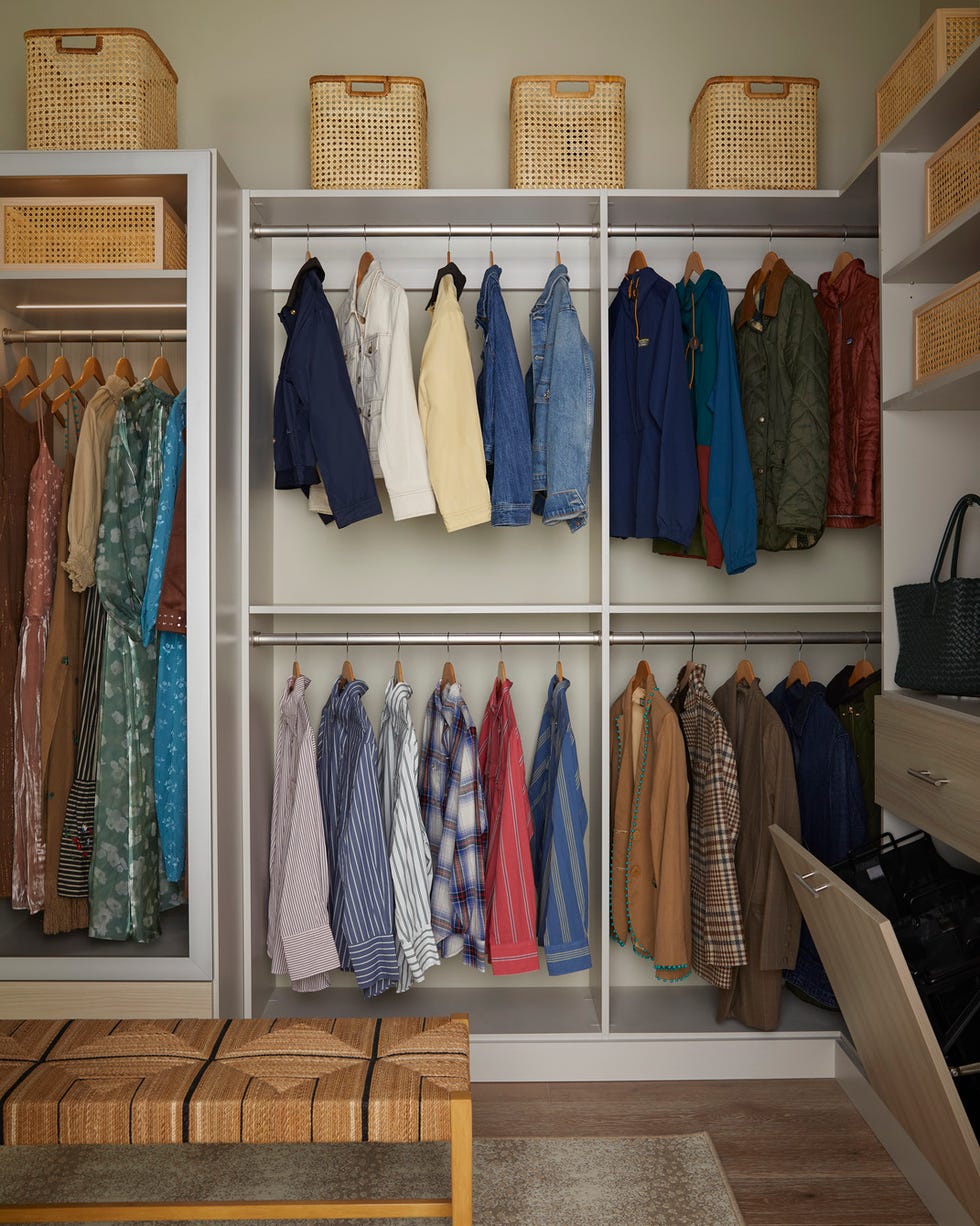
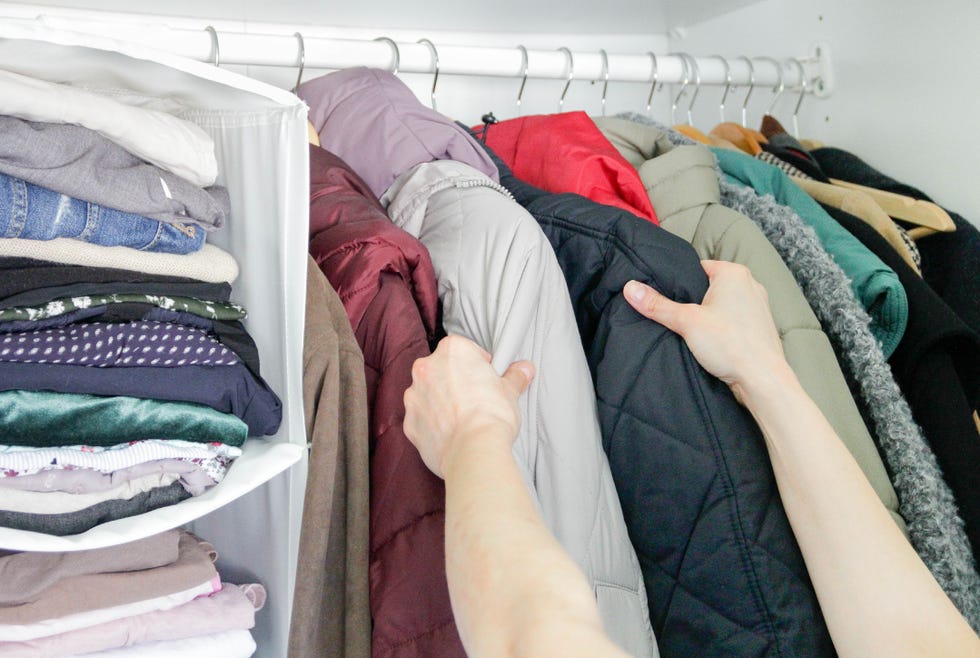
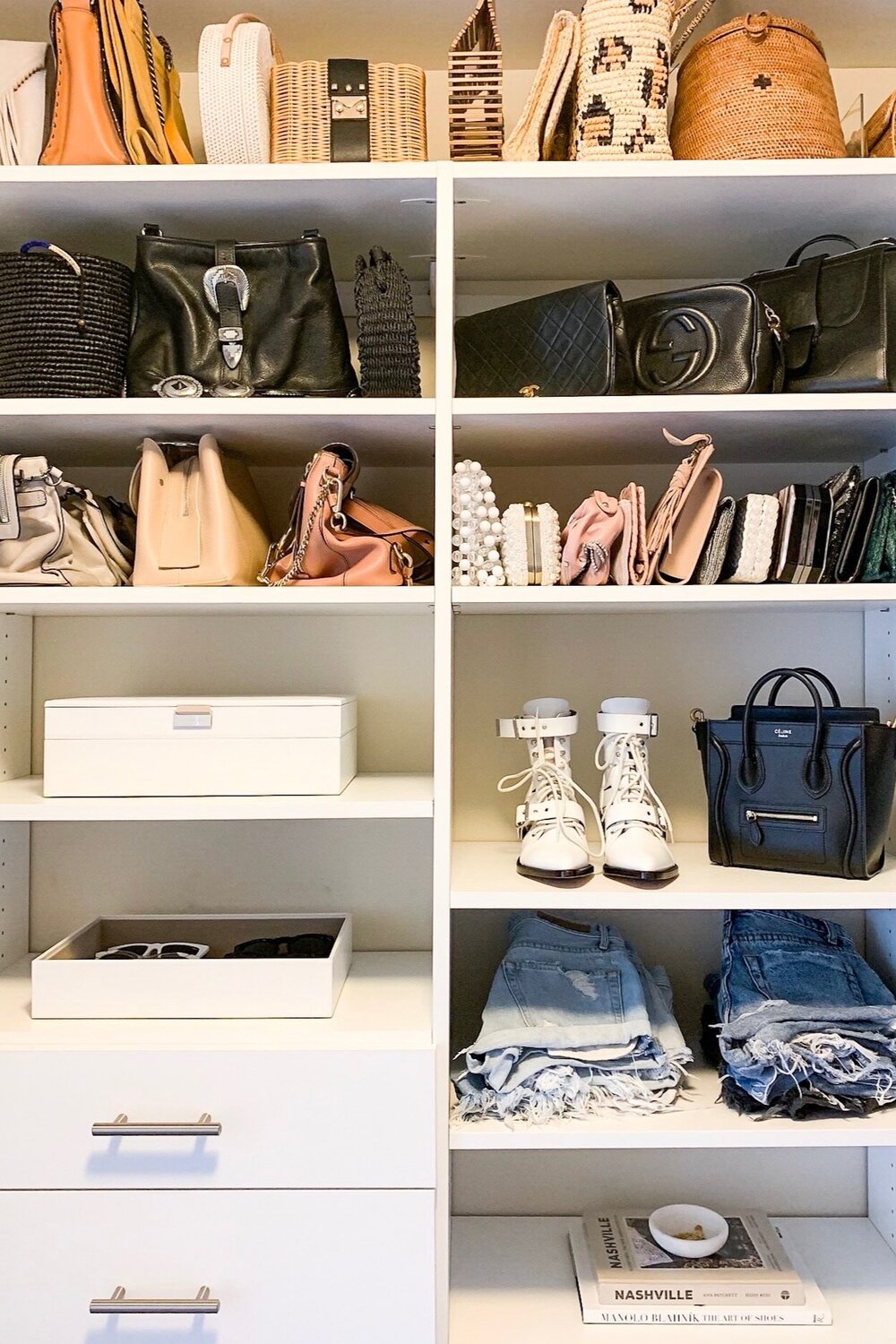
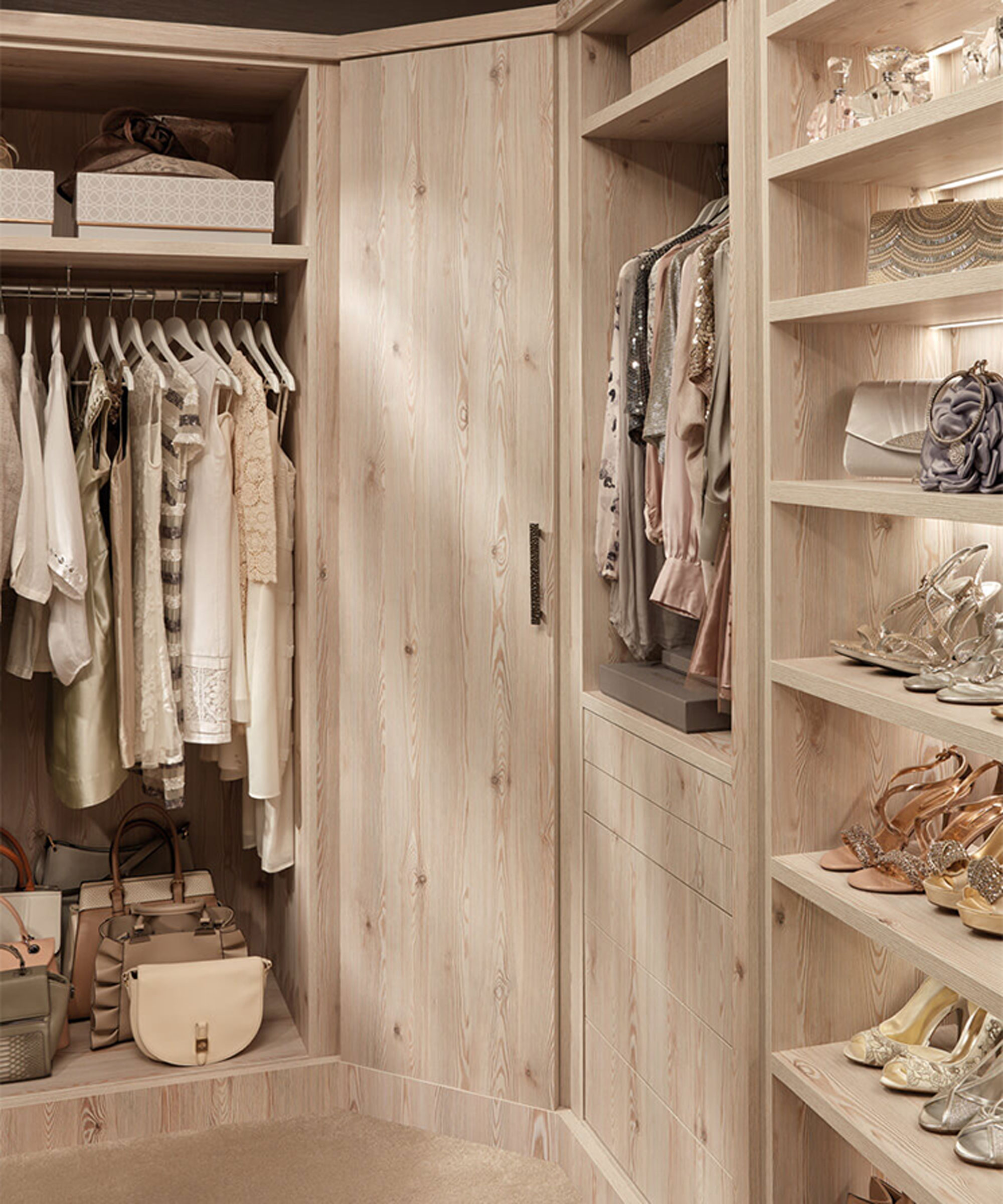
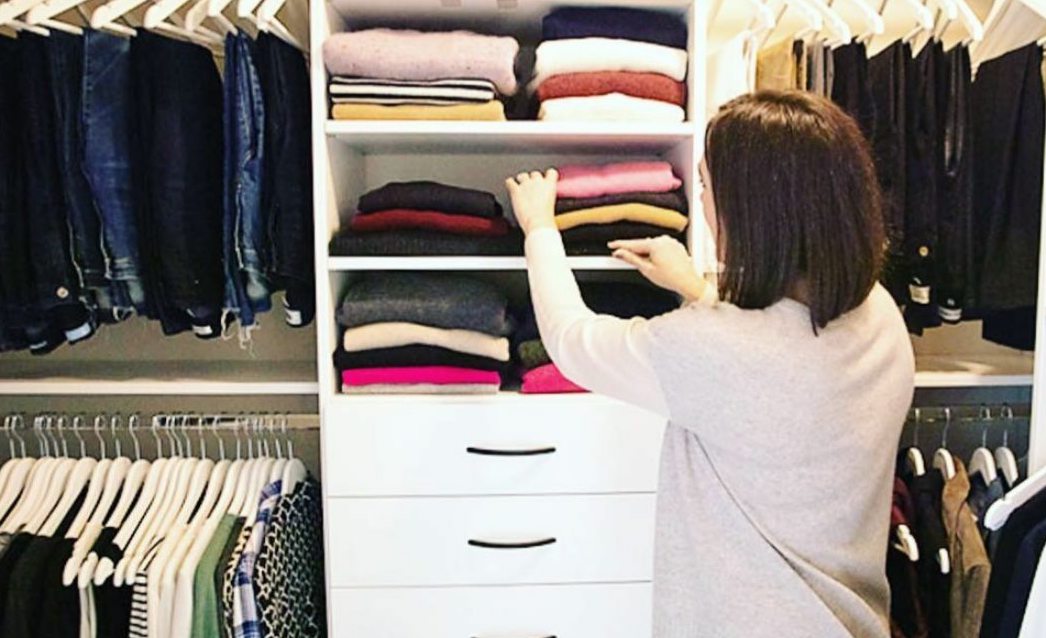
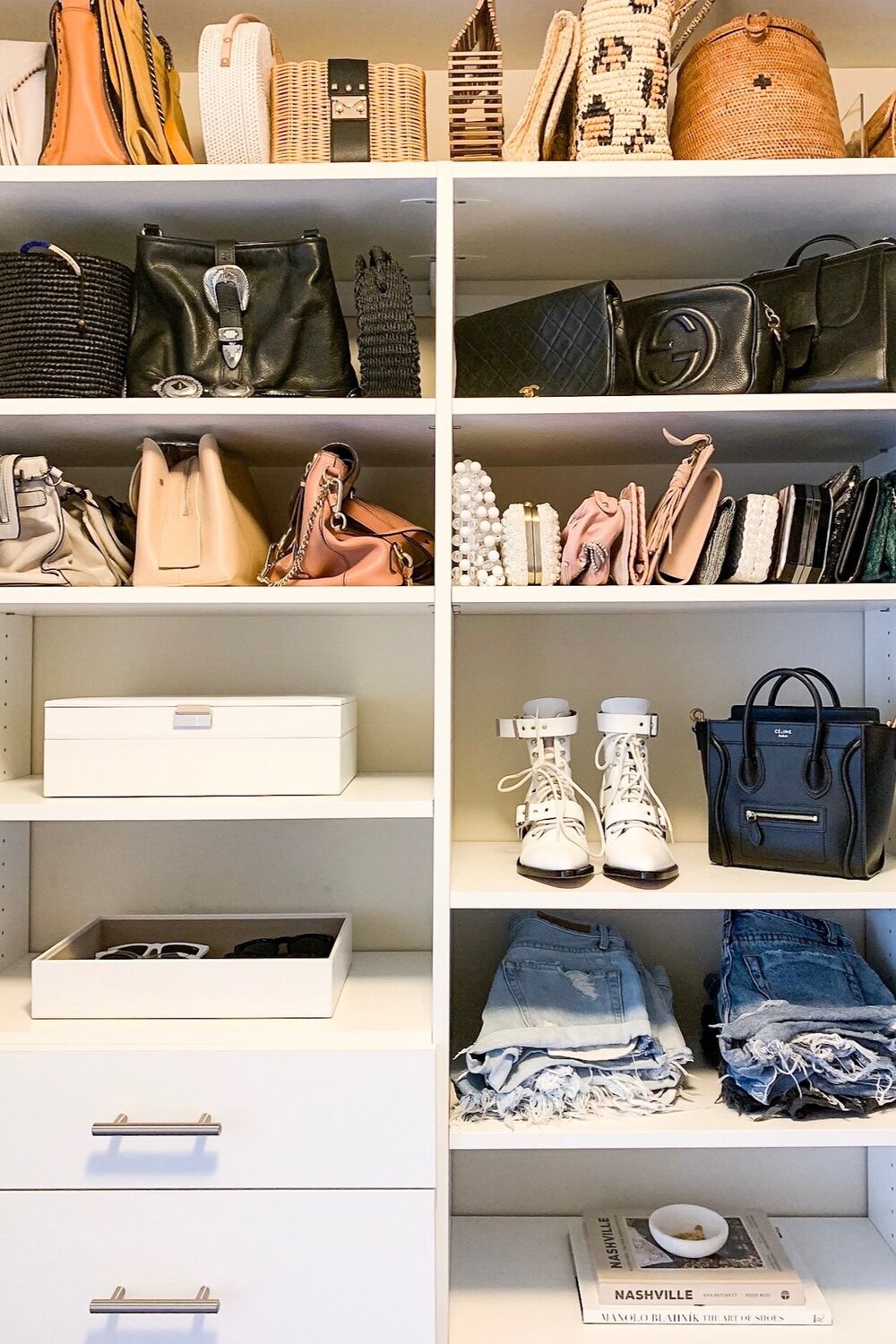
The second crucial step involves decluttering storage spaces, such as closets and pantries, which often become areas for miscellaneous items. The article suggests tackling these spaces first to create room for items relocated from other areas. For instance, when organizing a bedroom closet, all items should be removed and sorted into three categories: items to keep, items to donate, and items to discard. Following this, the existing organizational system is evaluated, and improvements are made using storage containers and hanging racks to optimize space and prevent damage.
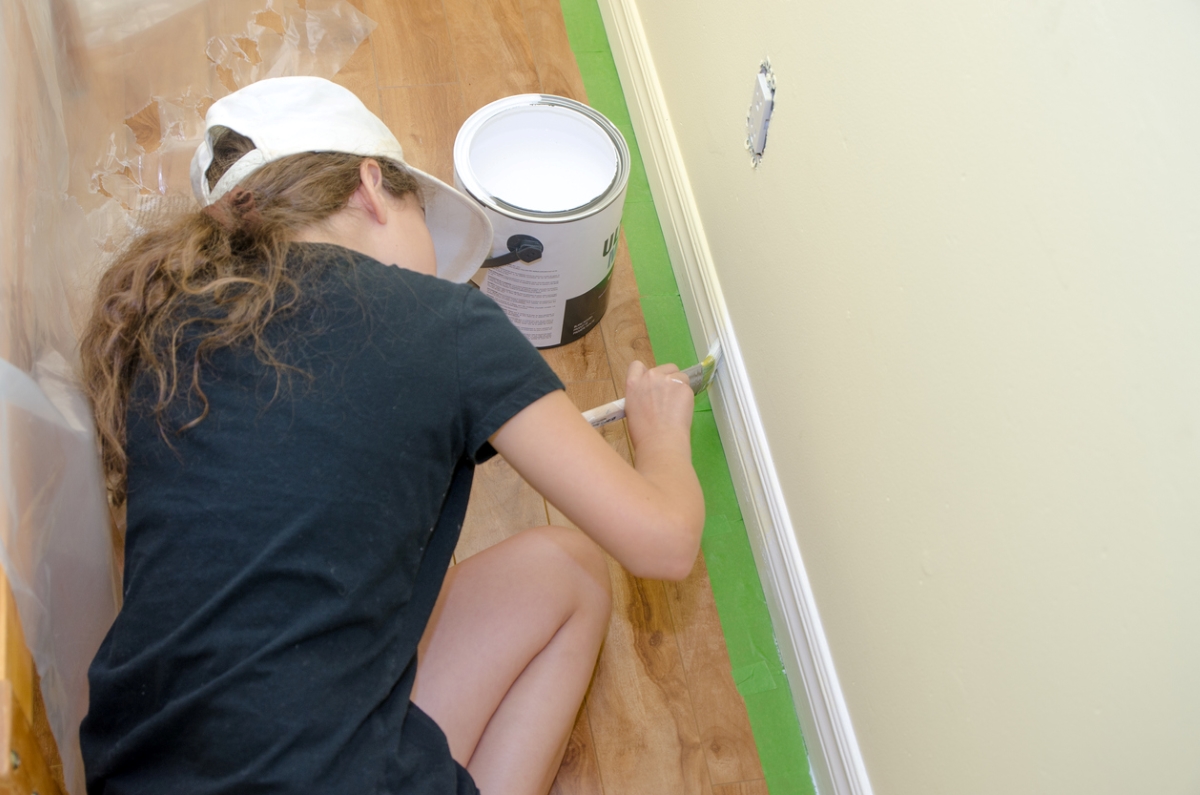
A thorough deep cleaning is recommended next, even for homes with regular cleaning routines. This deep clean focuses on areas often overlooked, providing a pristine foundation for the newly organized spaces. A detailed checklist is provided, covering tasks like washing windows, steam cleaning carpets, polishing hardwood floors, dusting, cleaning blinds and baseboards, disinfecting hardware, and cleaning behind furniture.
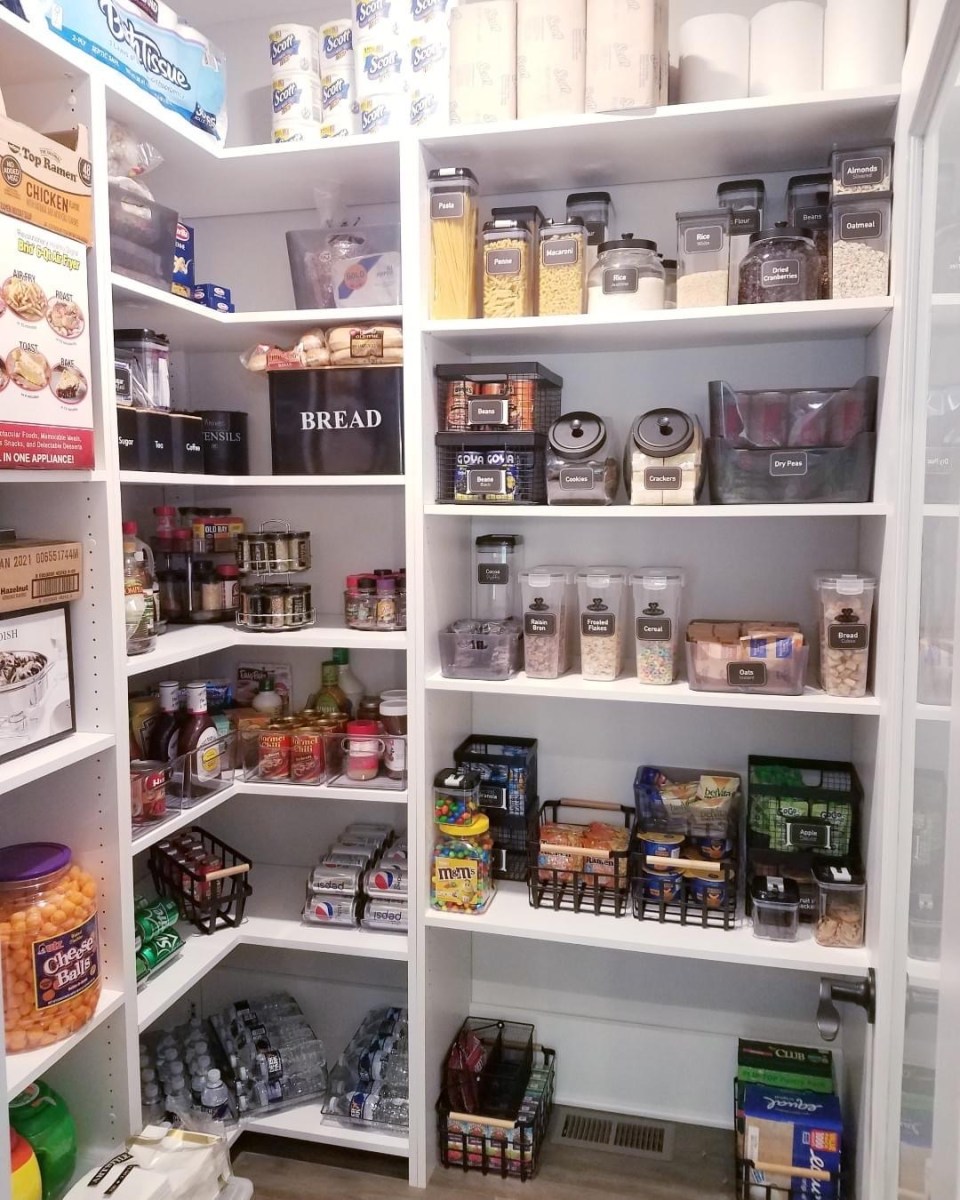
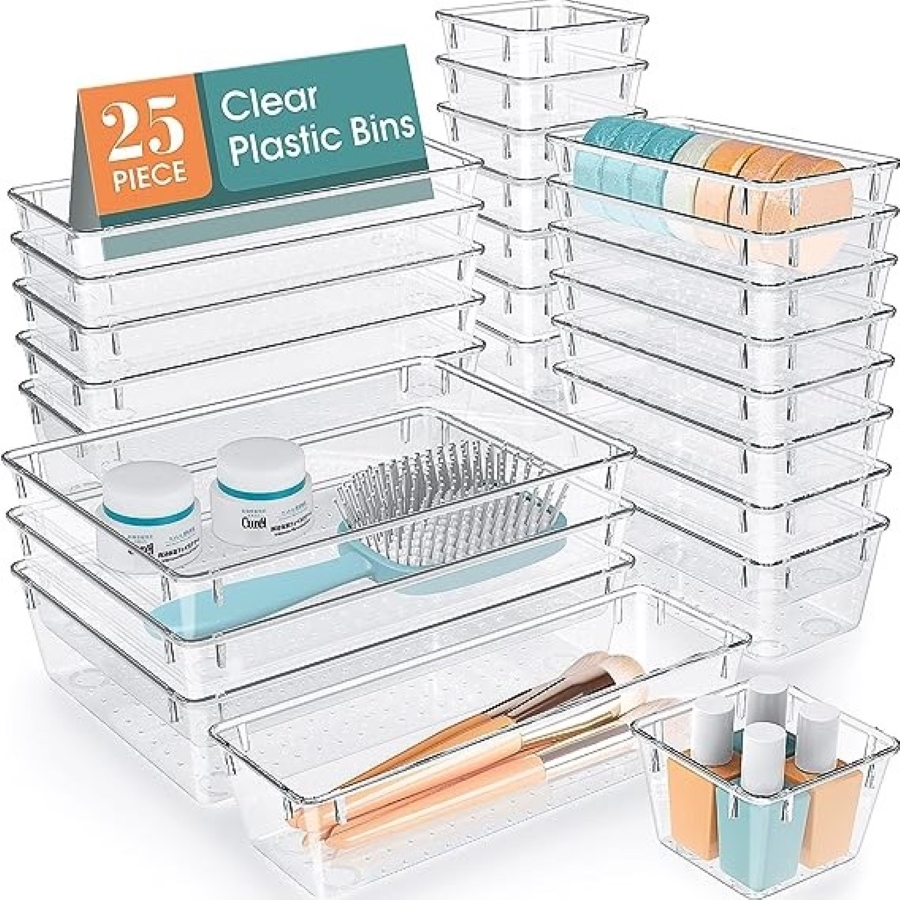
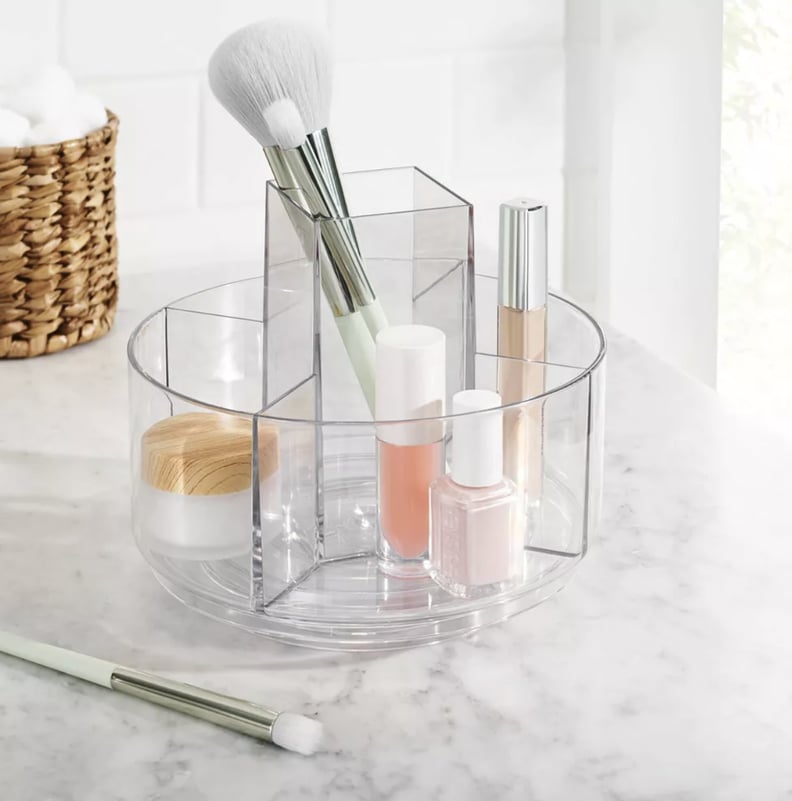
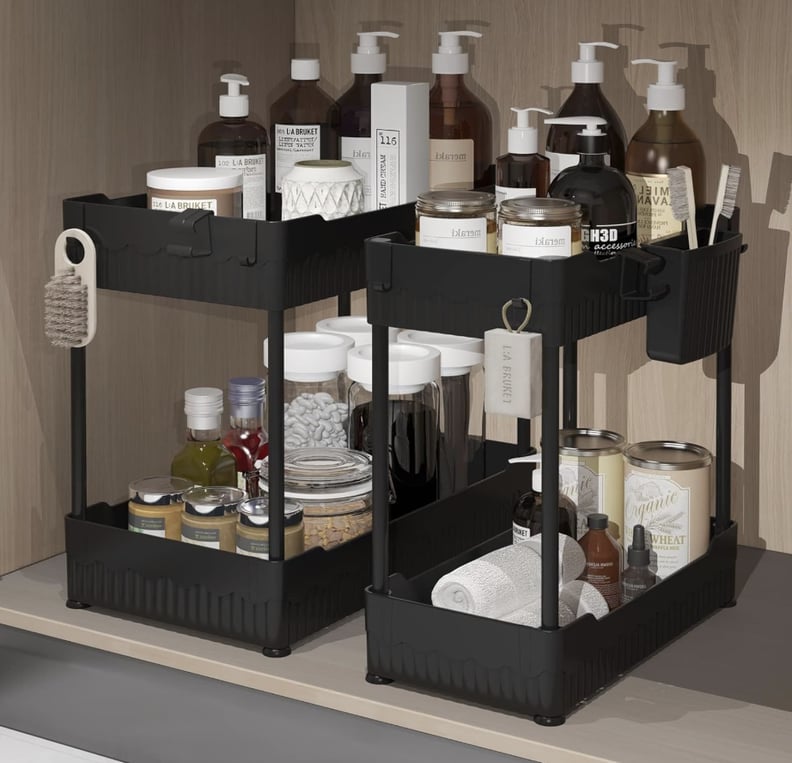
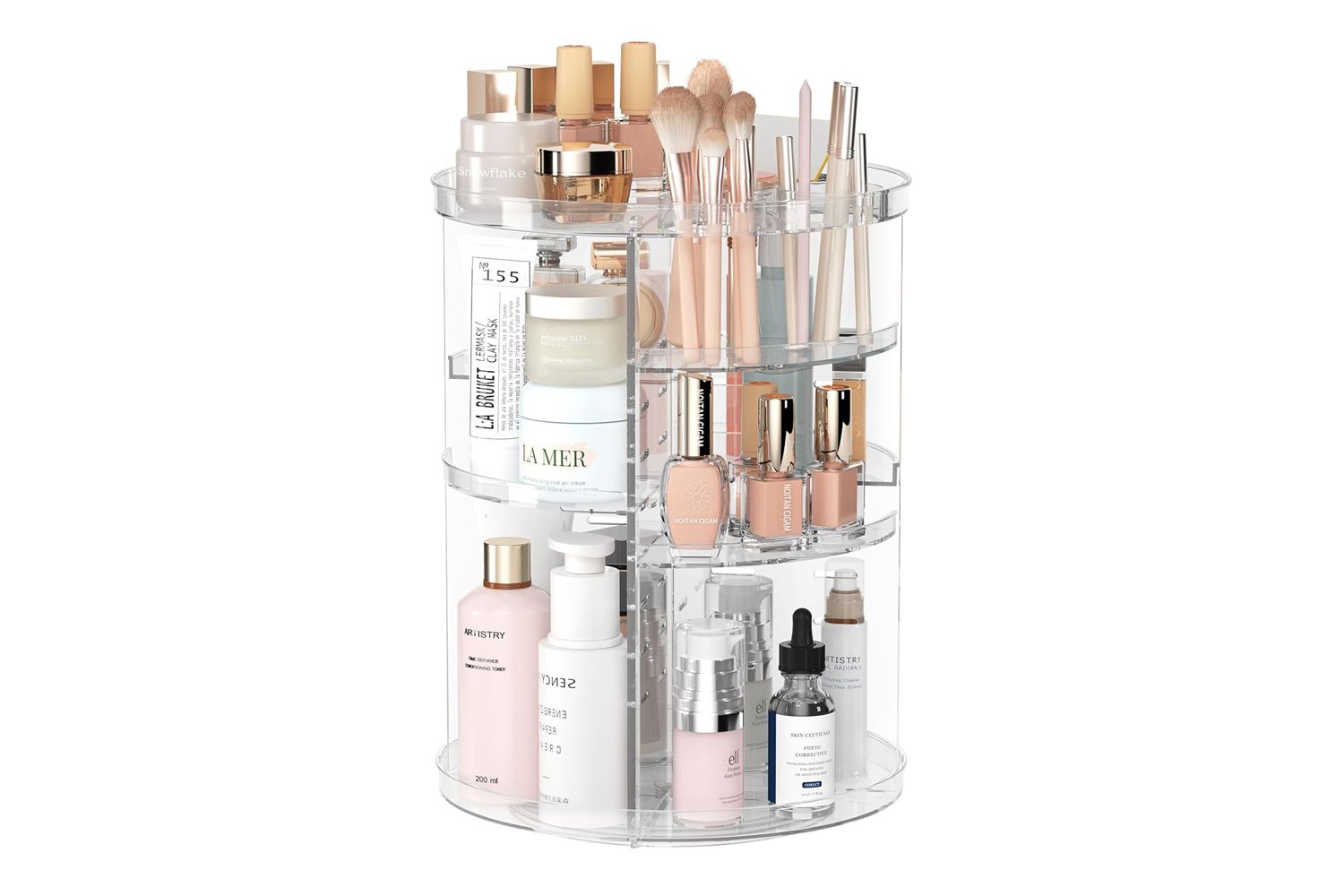
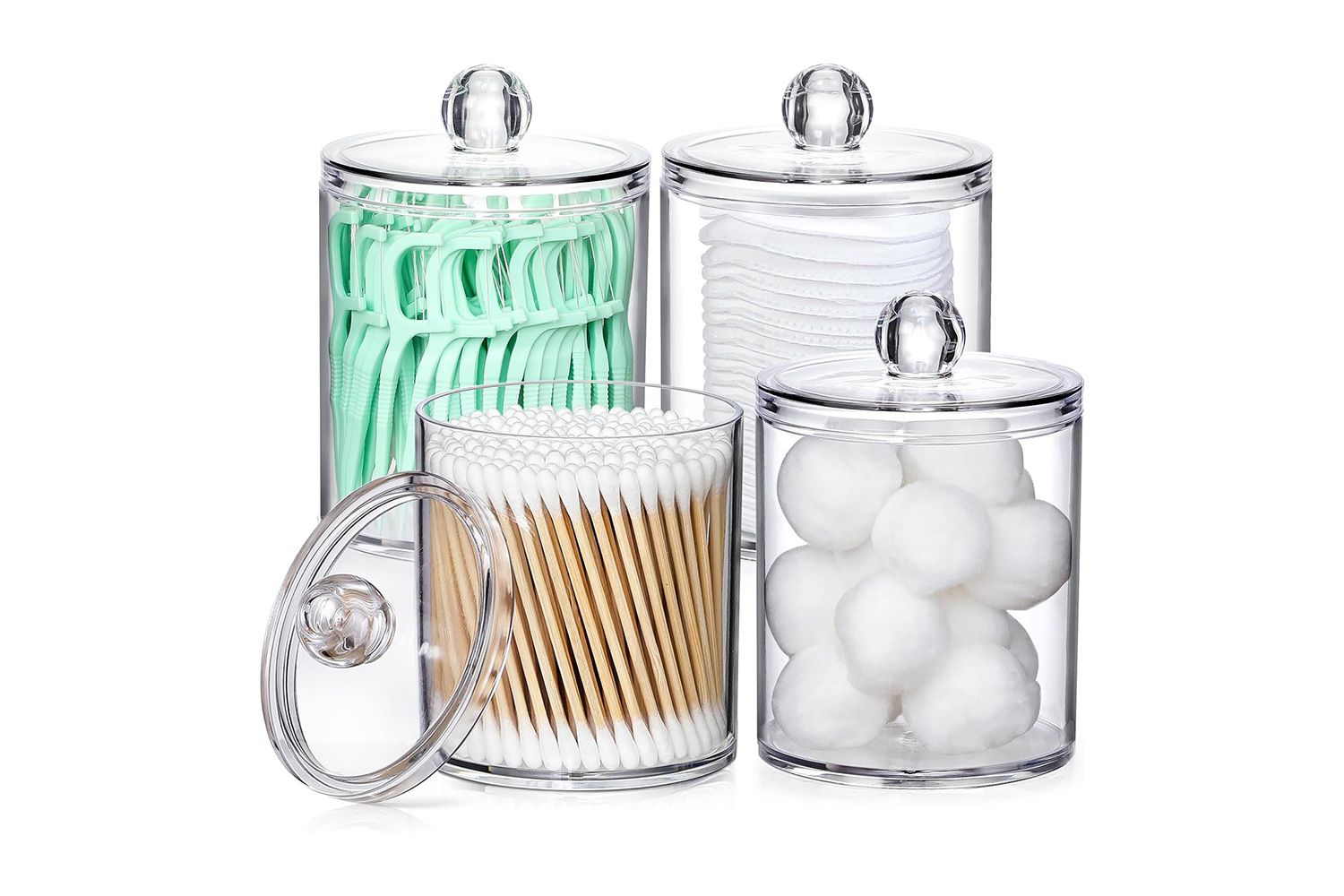
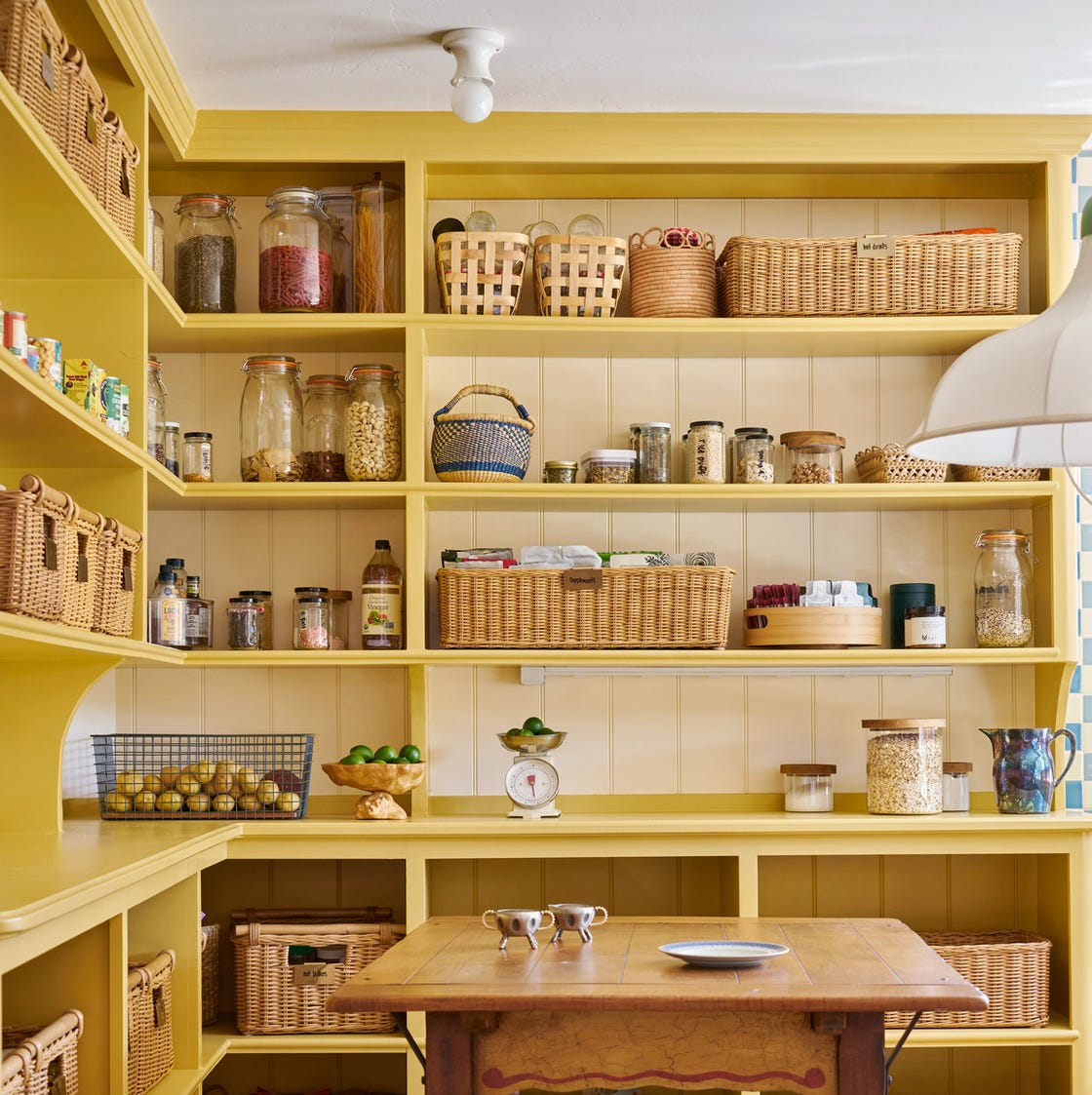
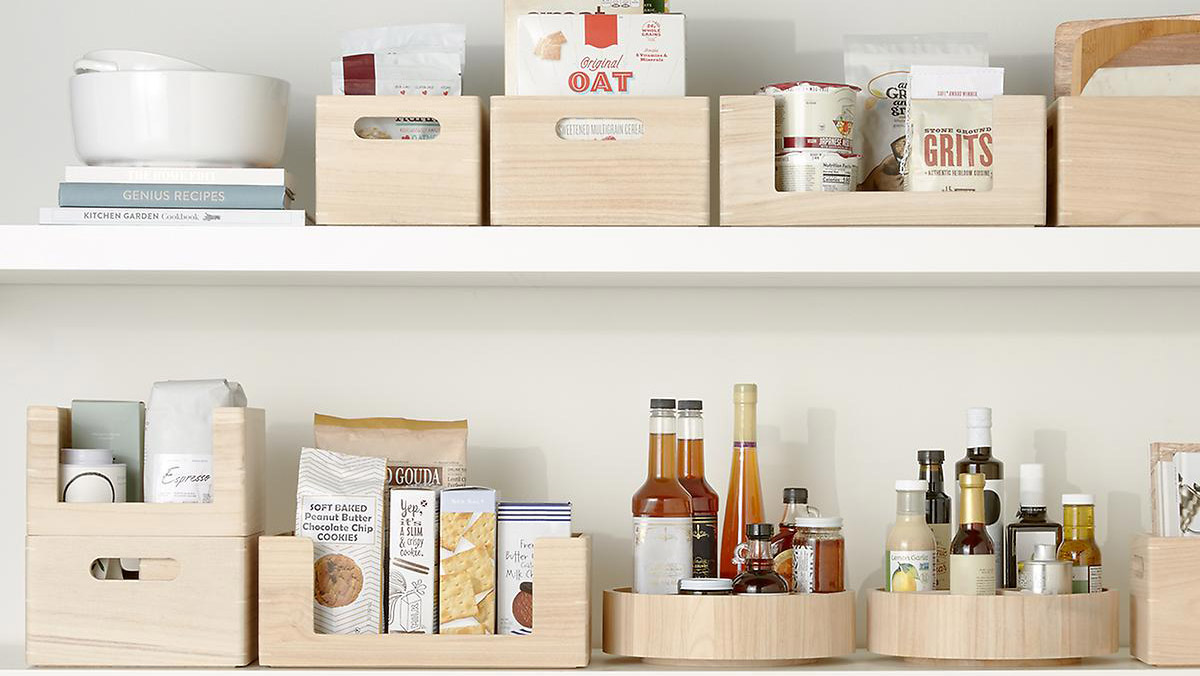
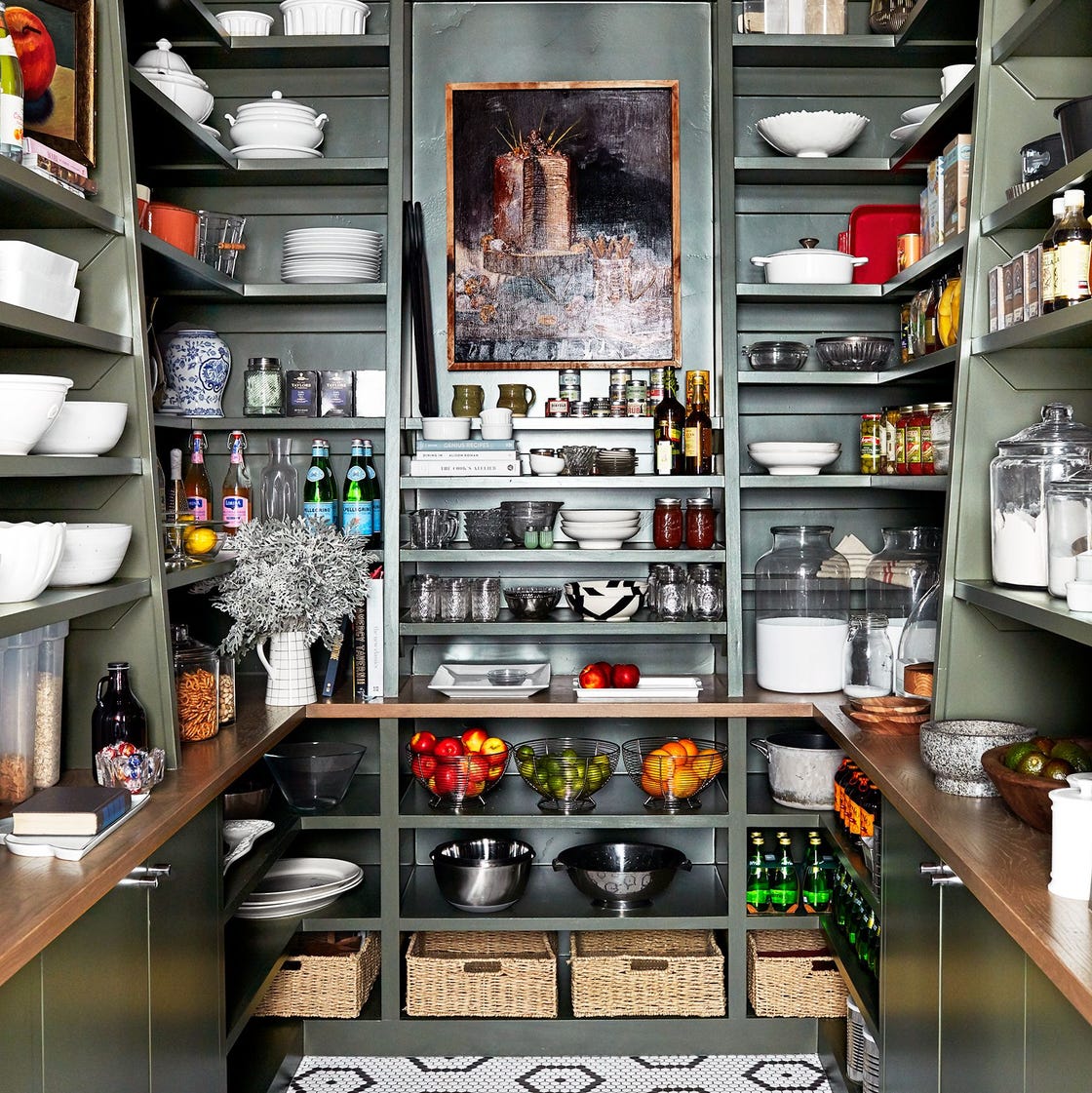
The process then moves to specific areas, starting with refreshing bathrooms. This involves removing all items for a deep clean, replacing linens, and reorganizing storage shelves and drawers by discarding old or expired products. The kitchen and pantry are identified as potentially the most time-consuming but necessary areas. The pantry is addressed first by emptying its contents, cleaning shelves, washing containers, and mopping the floor. To maximize space, an over-the-door tiered rack is suggested, and items are categorized into clear plastic bins or airtight containers, with labels added for clarity and aesthetic appeal.
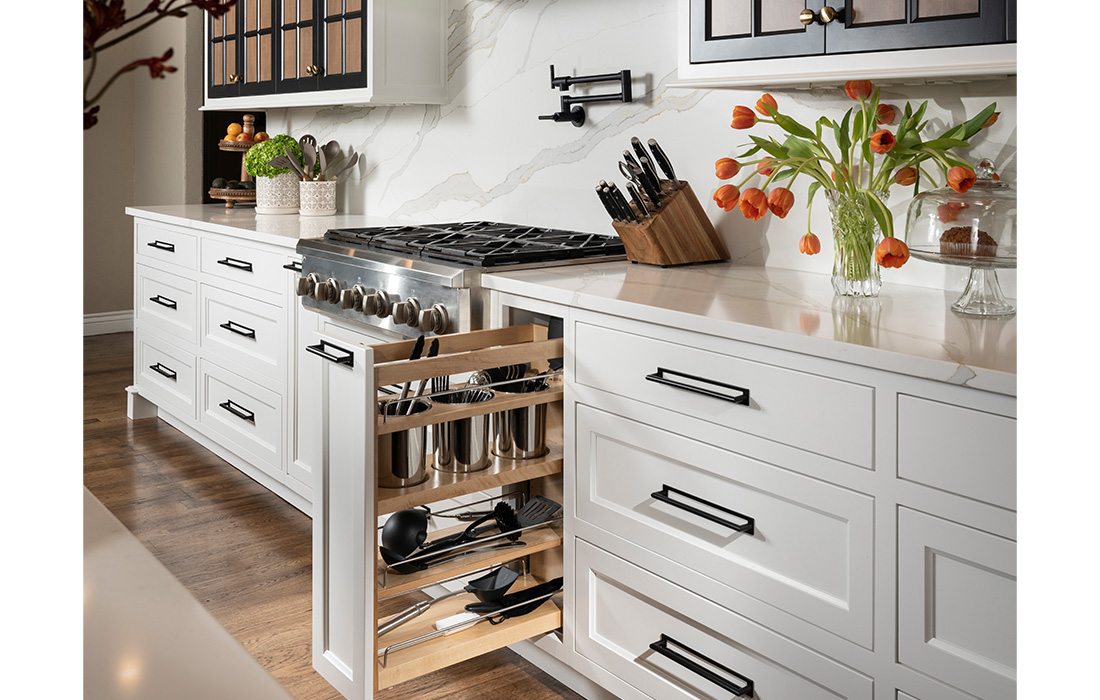
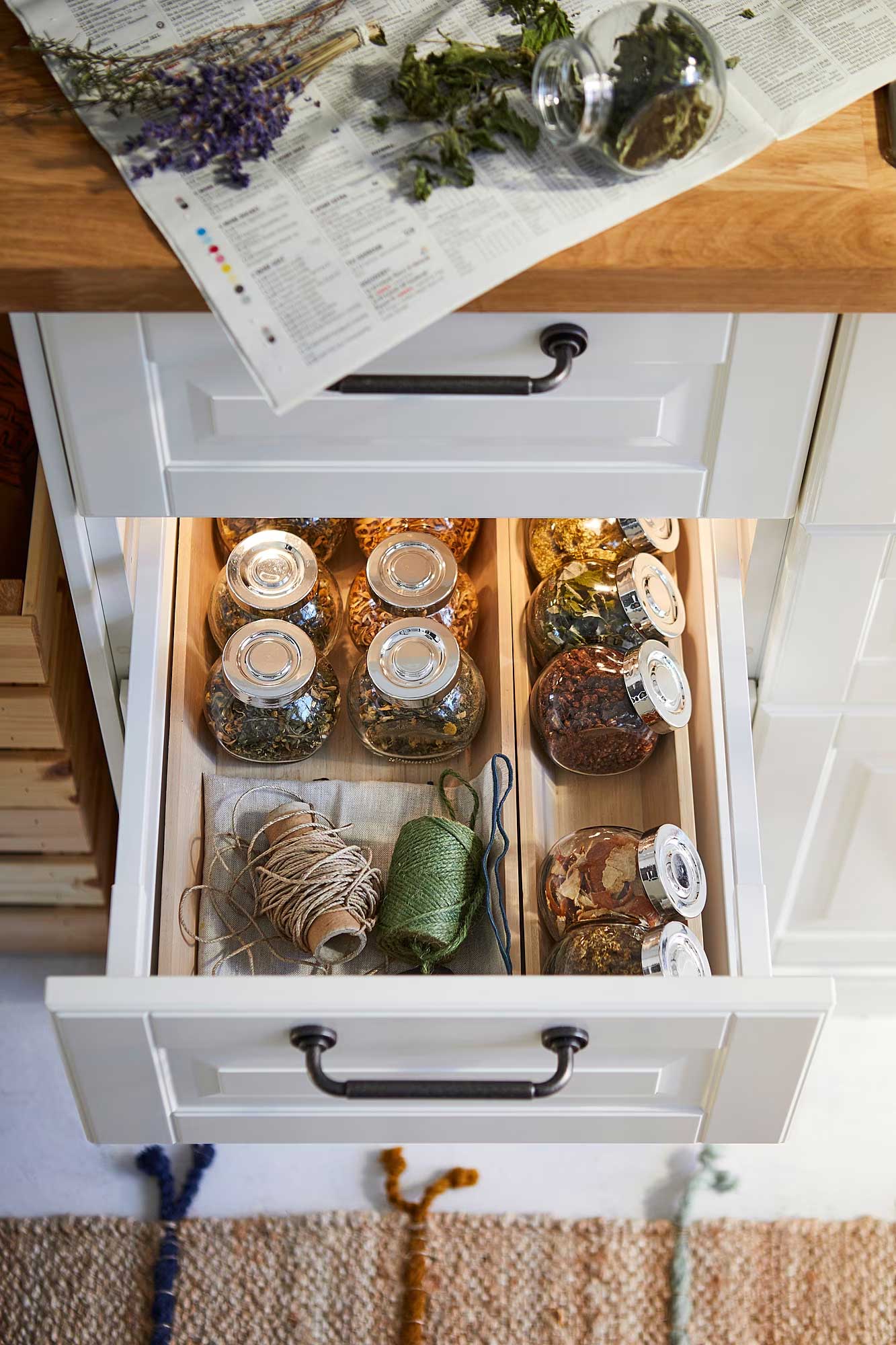
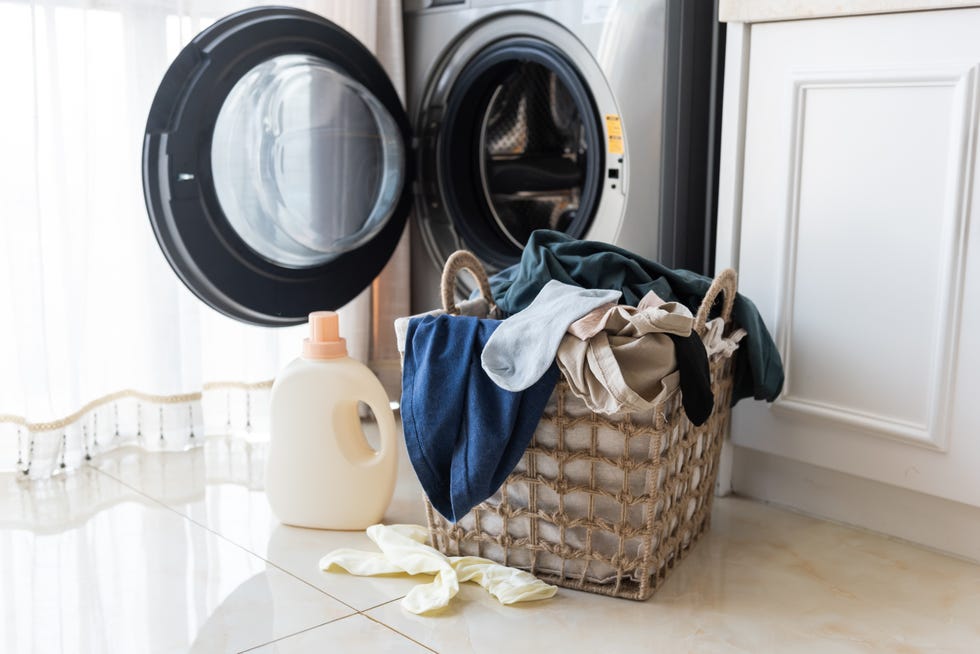
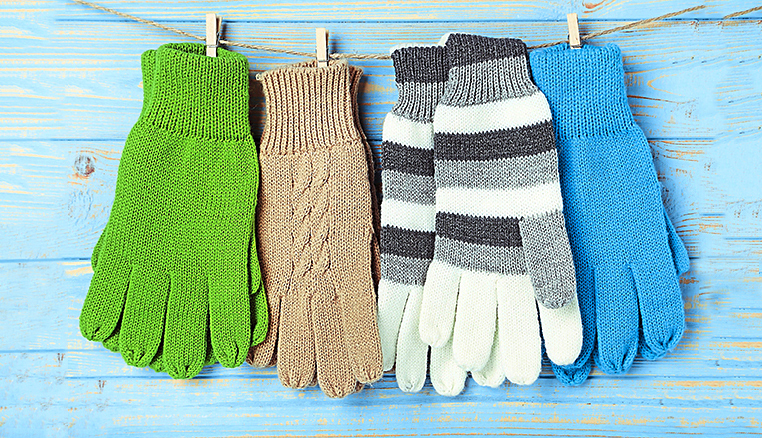
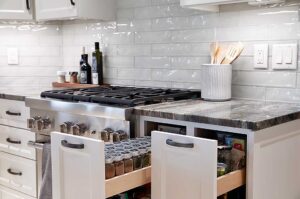
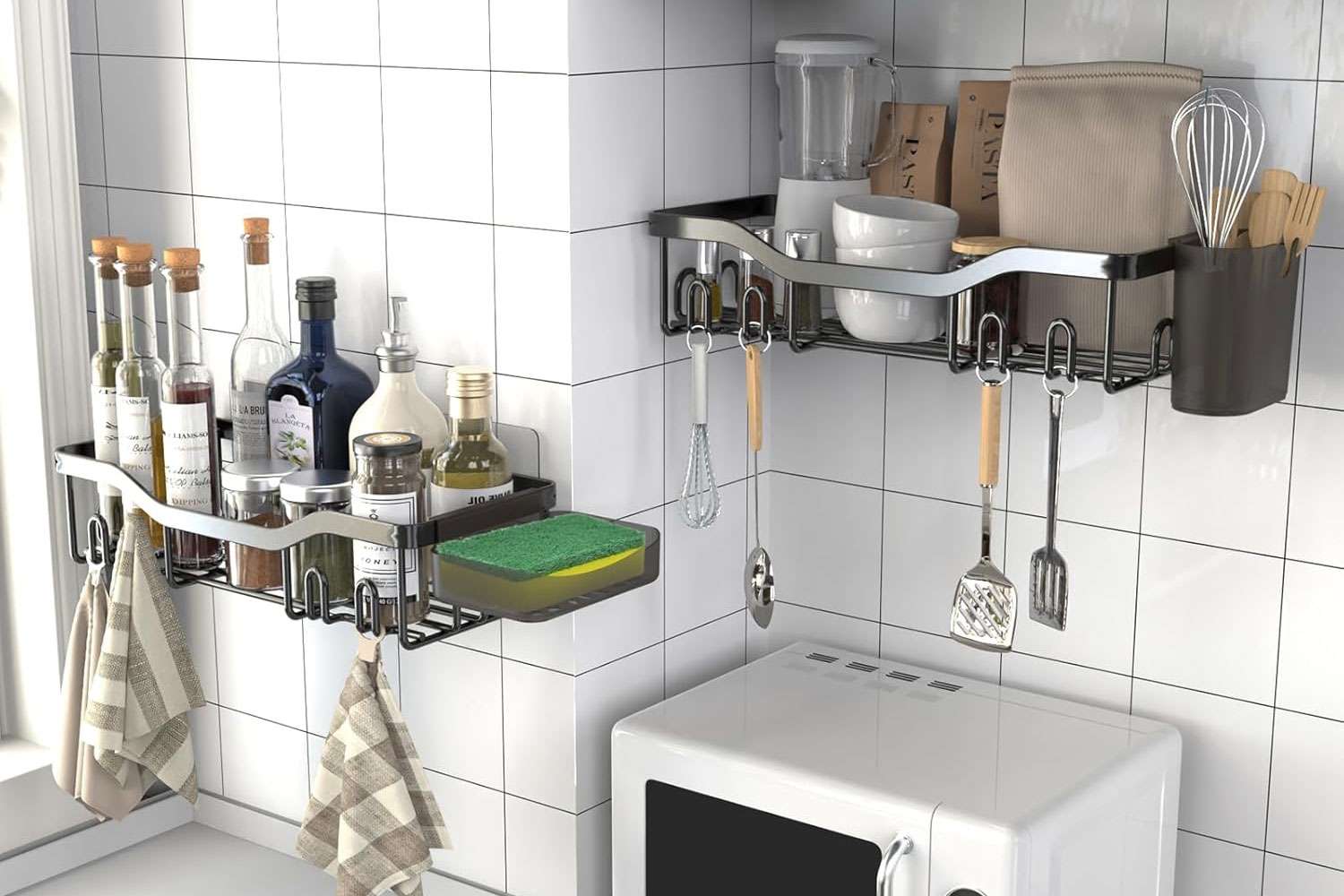
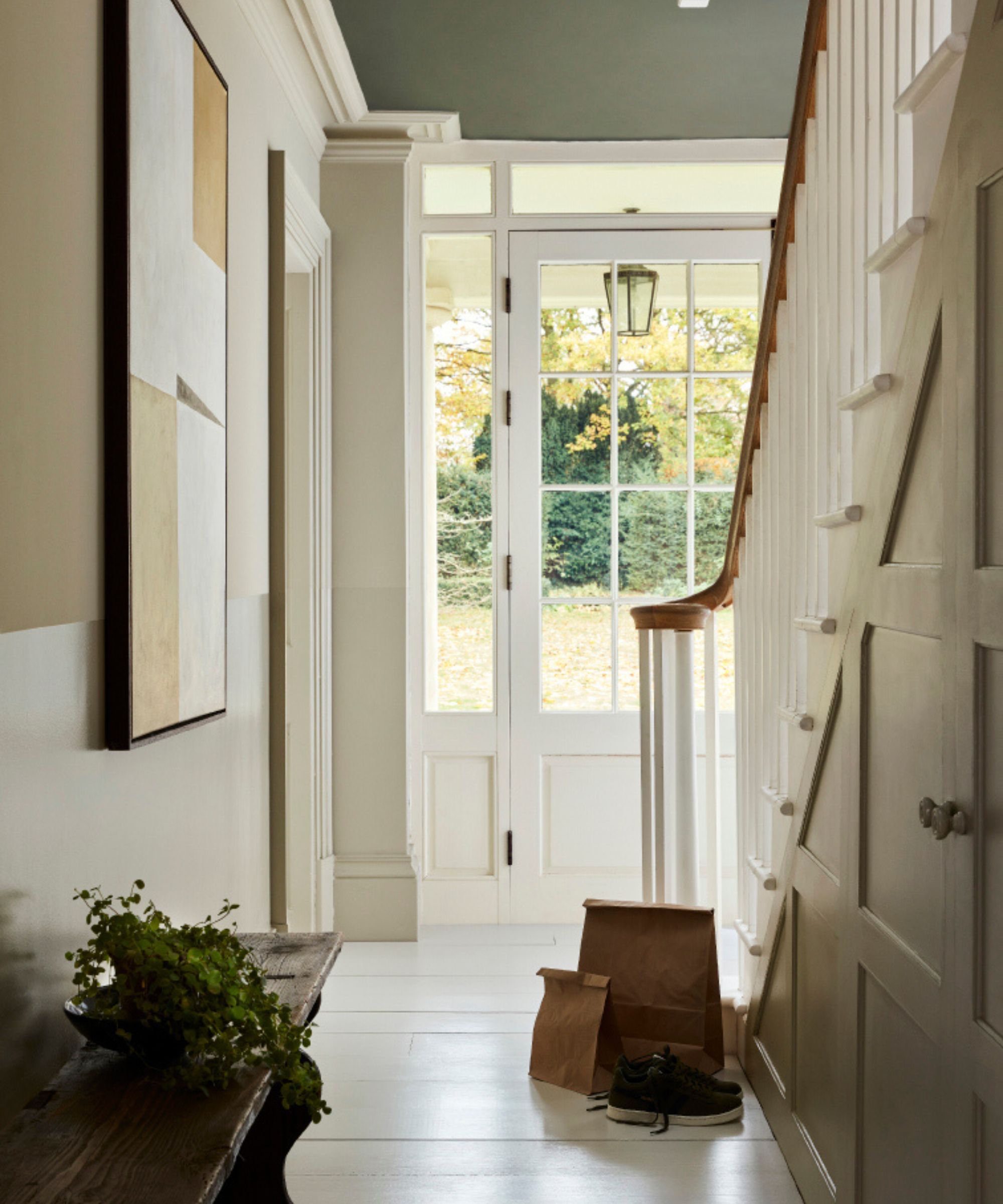
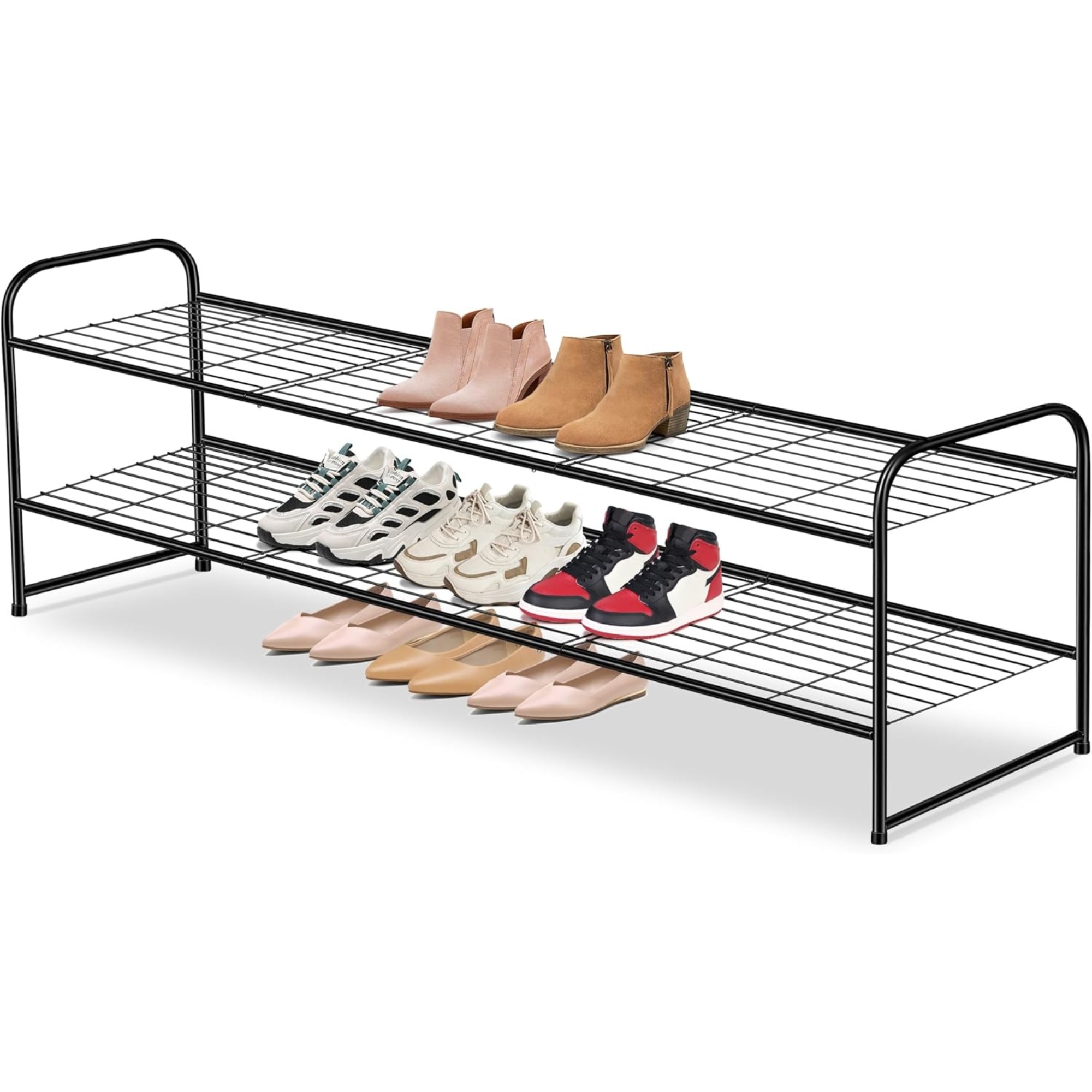
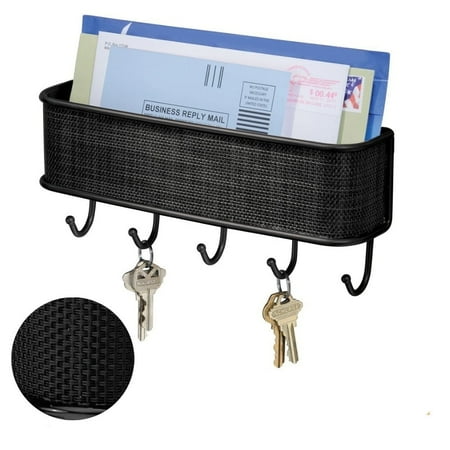
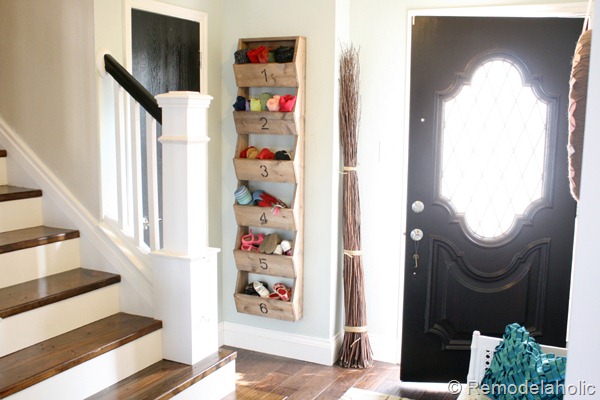
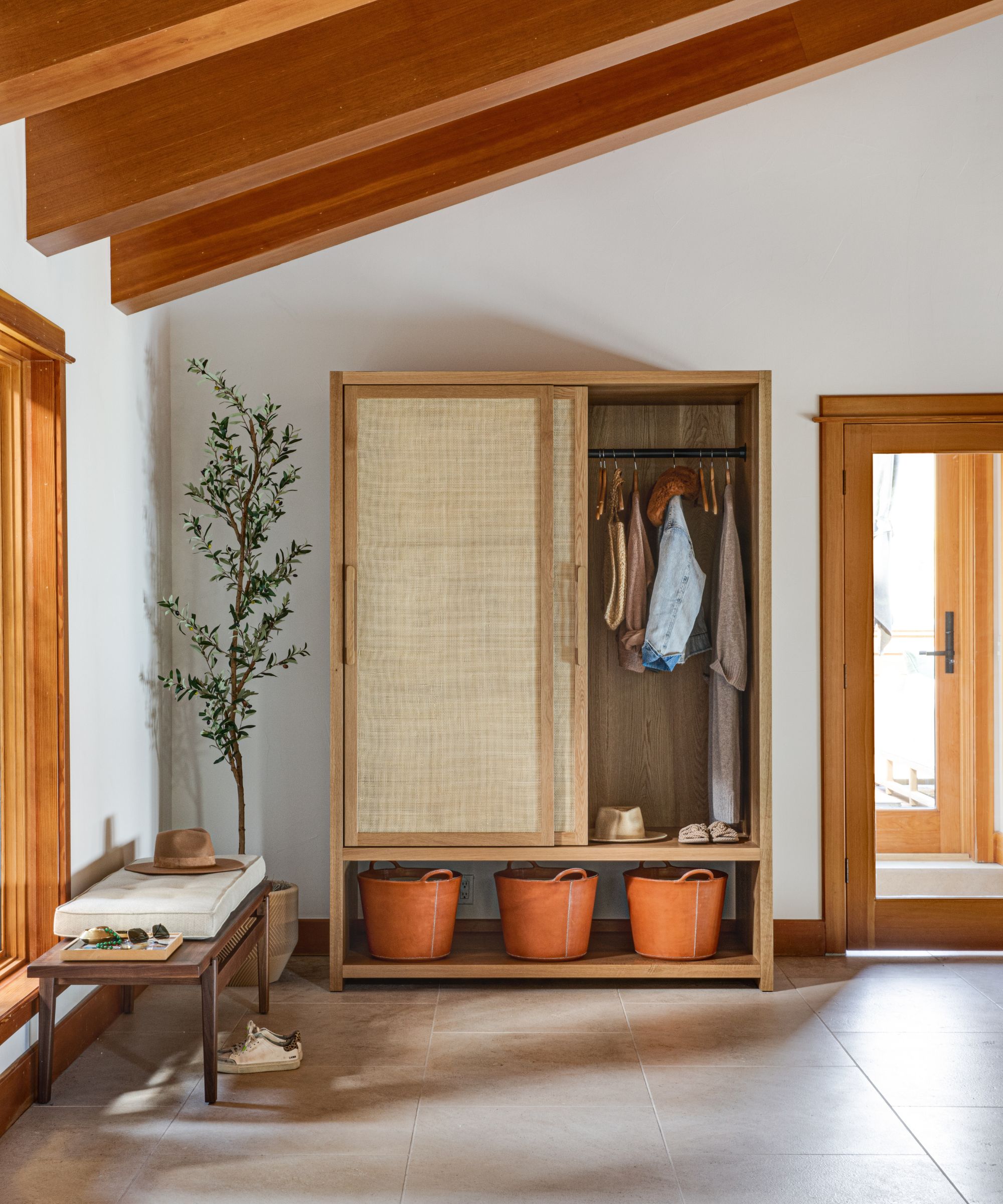
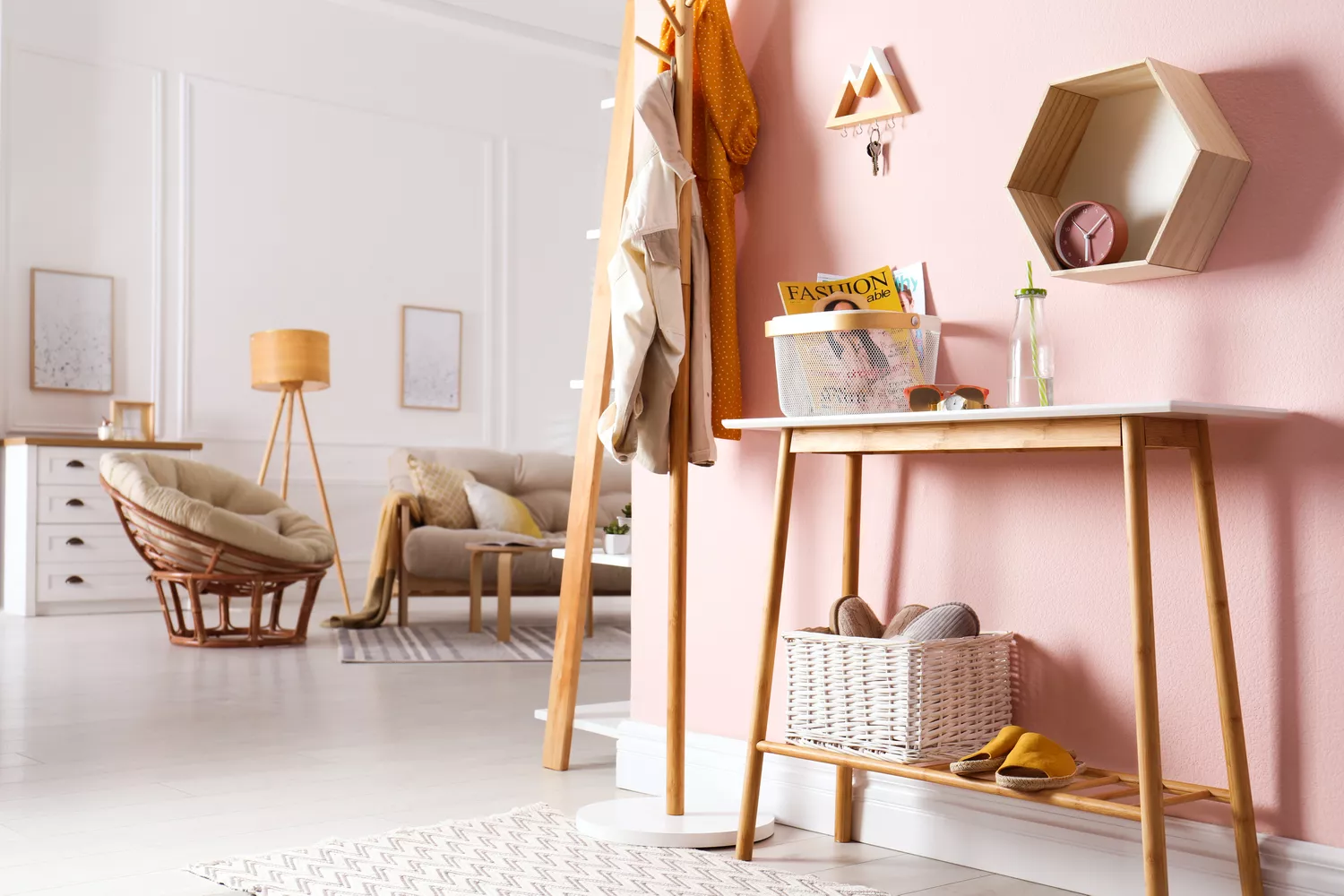
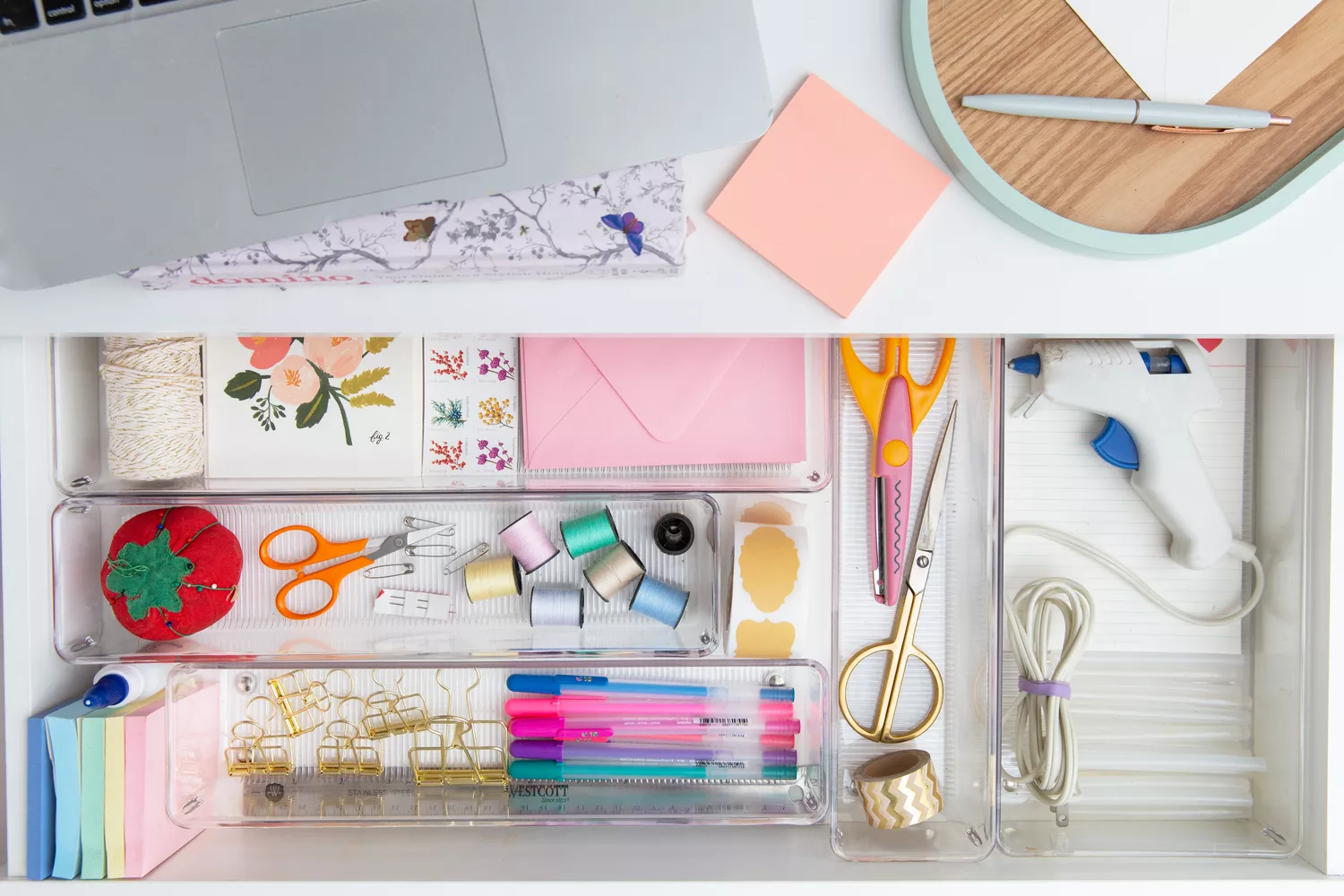
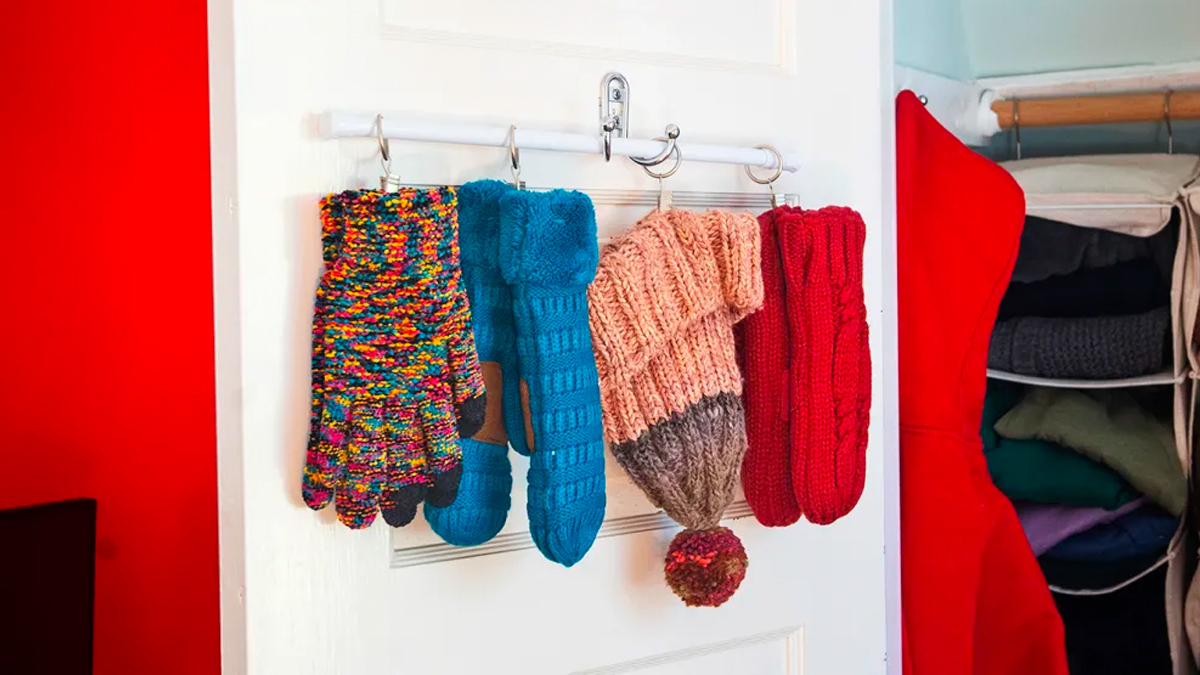
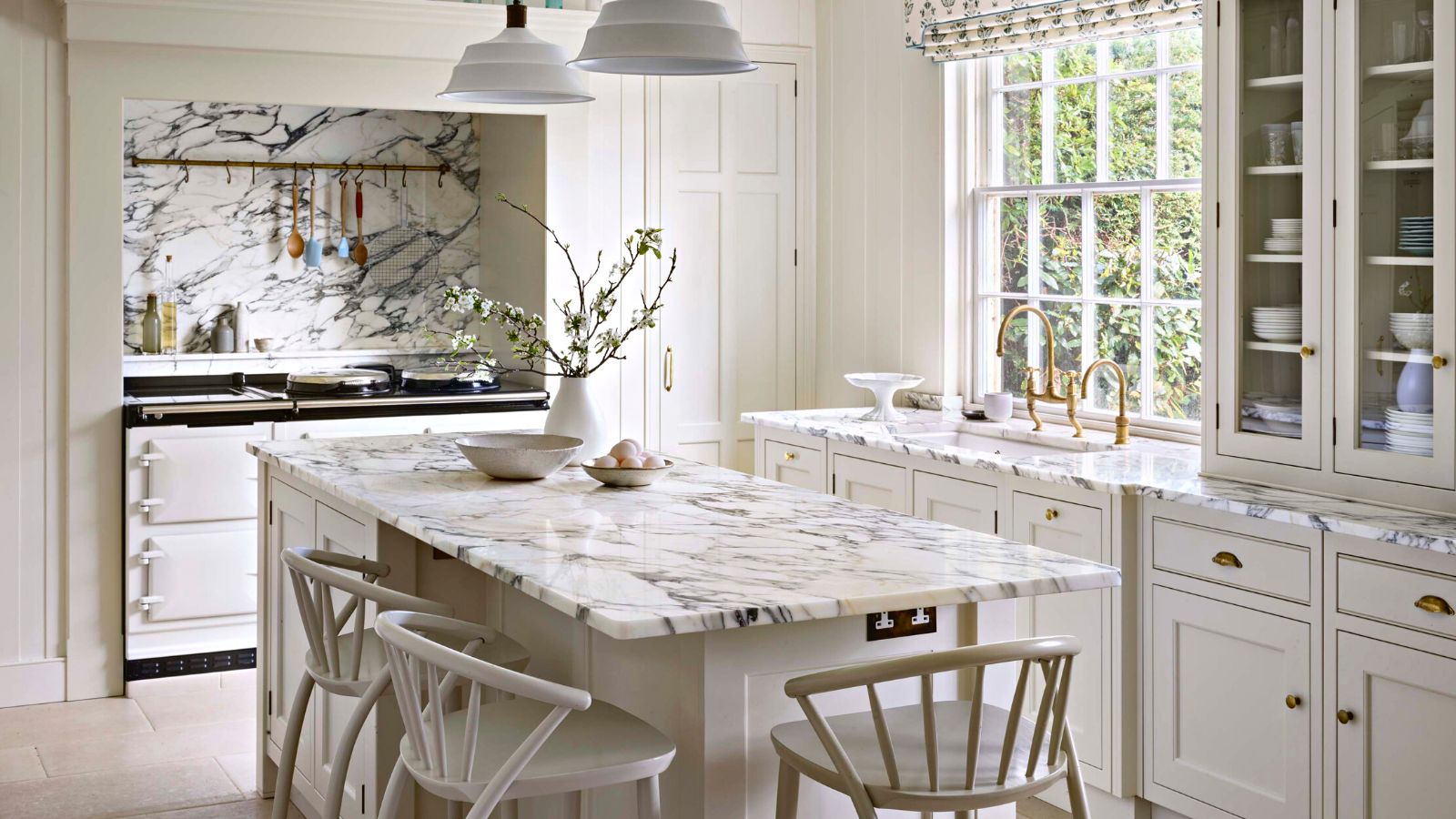
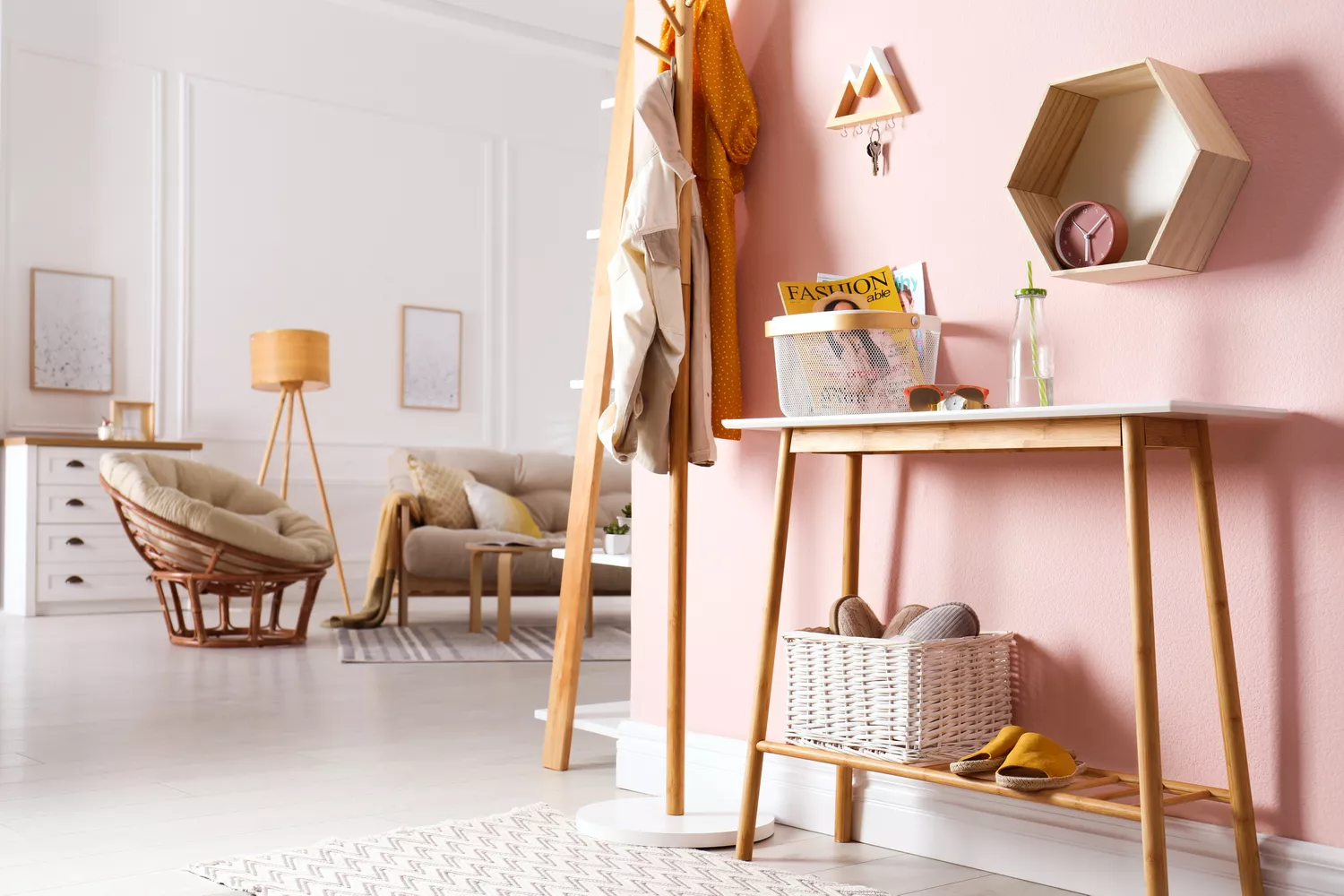
Reorganizing the kitchen follows, with a recommendation to divide it into sections (e.g., by walls or cabinets) for systematic cleaning and decluttering. Only frequently used items are returned to easily accessible locations, while less common items are stored on higher shelves or in alternative rooms. Organizing tools like drawer dividers are emphasized to maintain order and prevent junk drawers. The next step focuses on small, high-traffic areas like laundry rooms, entryways, and mudrooms. Seasonal adjustments are suggested, such as switching outdoor mats, using boot trays, and incorporating freestanding coat racks or wicker baskets for seasonal accessories to keep these transitional spaces organized.
Finally, the guide advises tackling less frequently used rooms, such as guest rooms and guest bathrooms. Although not used daily, organizing these spaces ensures they are ready for visitors. The cleaning checklist from earlier steps is applied, and attention is given to clean linens, made beds, fresh towels, and stocked toiletries to create a welcoming environment for guests.
#HomeOrganization #DeclutteringTips #DeepCleaning #PantryOrganization #KitchenOrganization #HomeMaintenance #NewYearResolution #InteriorDesign #StorageSolutions #HomeOrganization #DeclutteringTips #DeepCleaning #PantryOrganization #KitchenOrganization #HomeMaintenance #NewYearResolution #InteriorDesign #StorageSolutions
0 comment in total
 No comments yet
You may also like
Freshen Up Your Home in 2025 with These Easy Organizational Tips

I Gave My Home a Seasonal Refresh — Here's How

Add Personality to your Home this Year
Wayfair's New Year's Resolution Shop Has Storage, Organizers, and More for Your 2026 Home Goals—Starting at $24
Make 2023 the year of home organization with these simple tips from a local design expert

13 Things EVERY Professional Organizer Does to Keep Their Home Clutter-Free

The Best Home Organizers for New Year’s Cleaning Like Hollywood-Loved Pros


It's Time to Prepare Your Home for Winter With These 10 Quick, Easy Ways
'They'll Change Your Life' – 5 Organizer Buys Endorsed by Professionals That Promise to Start 2024 off Right

6 Easy Ways To Start The Year More Organized
11 Storage and Organizational Finds Under $20 That’ll (Hopefully) Quell Some of Your Anxiety in 2025

15 Ridiculously simple life hacks to organize your home

5 Things Professional Organizers ALWAYS Do in January

Genius Tension Rod Hack Makes Your Winter Gloves and Hats So Easy to Find

10 things to declutter in March that will banish any clutter-tastic remnants of a chilly winter spent indoors


6 warning signs it is time to quickly reorganize your closet and make stressful mornings easy to navigate again

Streamline Your Entire Home With These 16 Organizing Products
Bedroom Organization Q&A With Life In Jeneral

DIY Project Planner: The Best Home Tasks to Conquer Each Month

5 Things Making Your Entryway Look Messy—and How to Fix Them