1/2
5 Things Making Your Entryway Look Messy—and How to Fix Them
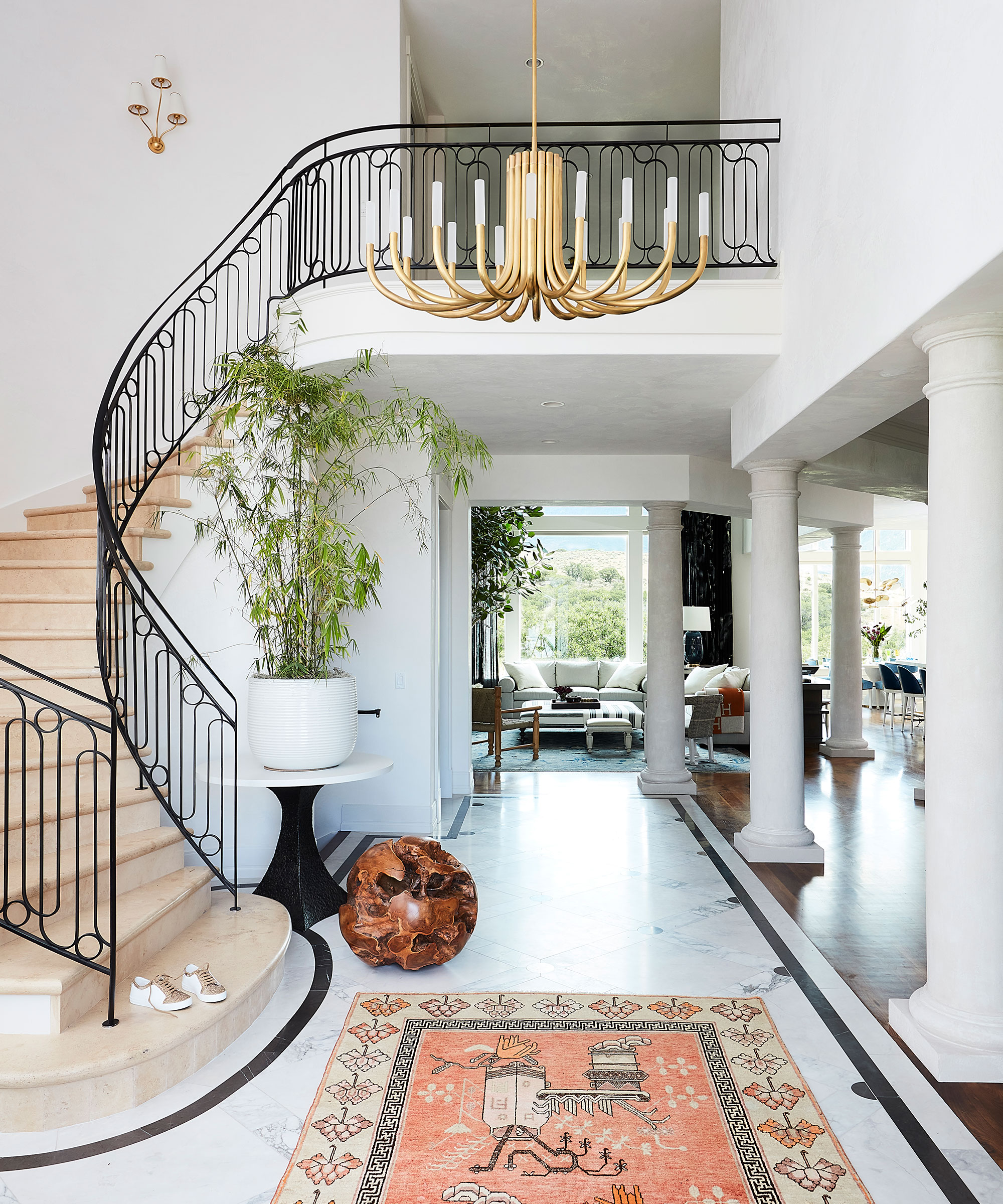
The entryway of a home serves as the initial impression for guests and the final one upon their departure, making its organization crucial for setting the tone of the entire house. Despite its importance, this area often becomes a magnet for various items such as coats, shoes, packages, and miscellaneous knick-knacks, leading to a cluttered and stressful environment. This article, featuring insights from professional organizer Amanda Stuckey Dodson, LCSW, offers practical solutions to address common entryway clutter without necessitating a complete overhaul.
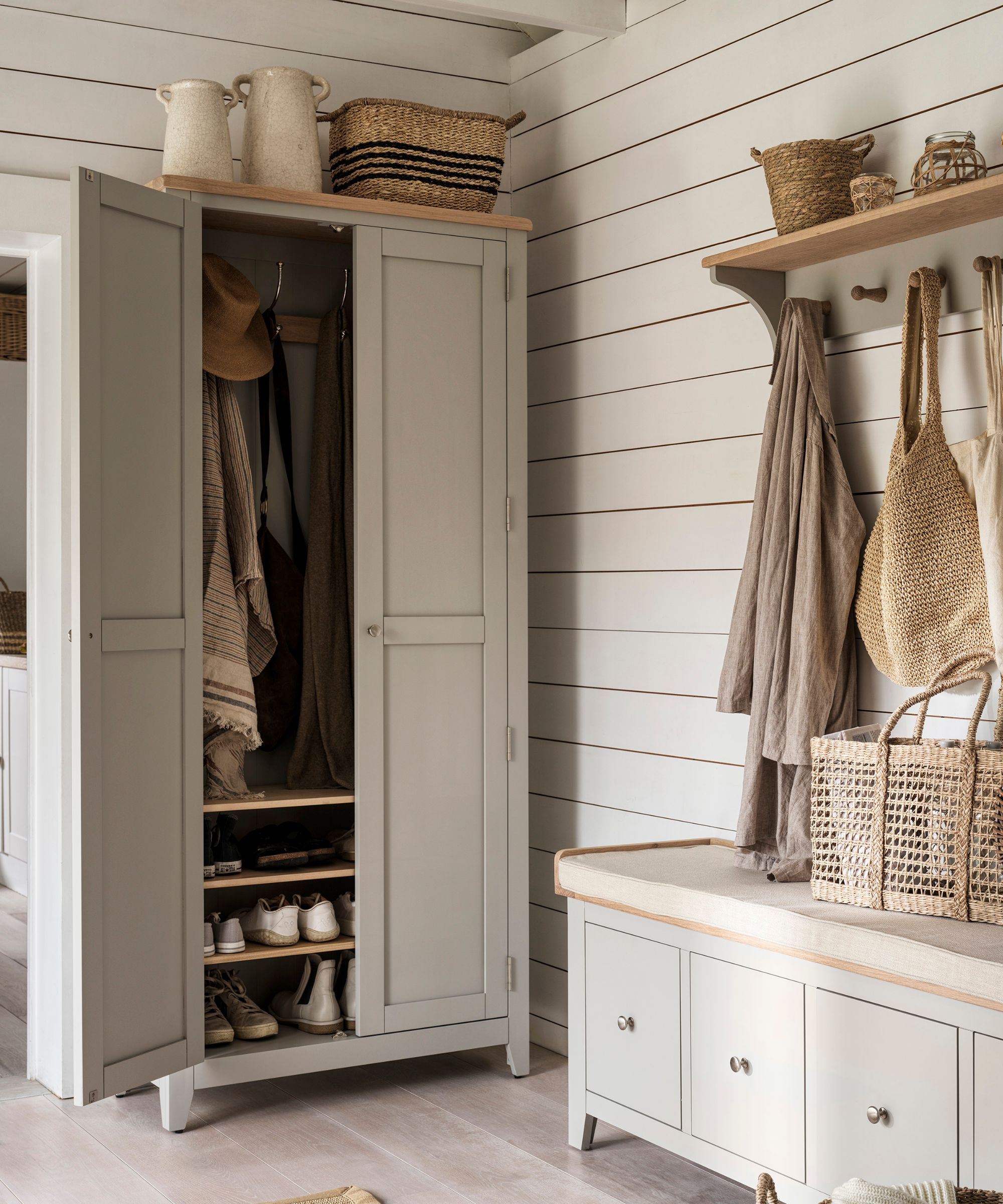
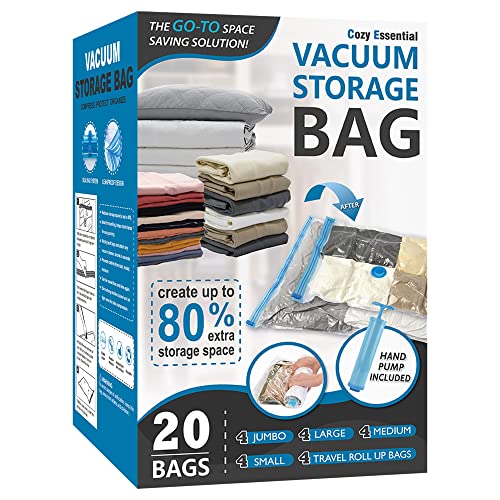
Dodson emphasizes that an organized entryway is less about achieving perfection and more about intentional design. By identifying the everyday items that tend to accumulate, homeowners can implement simple yet effective changes to restore order and aesthetic appeal. One significant source of clutter is out-of-season gear. Dodson suggests conducting seasonal sweeps to store items like winter parkas and snow boots during summer, and flip-flops and sun hats during winter, in less accessible storage areas. Setting calendar reminders for seasonal rotations ensures that only currently relevant items occupy the entryway.
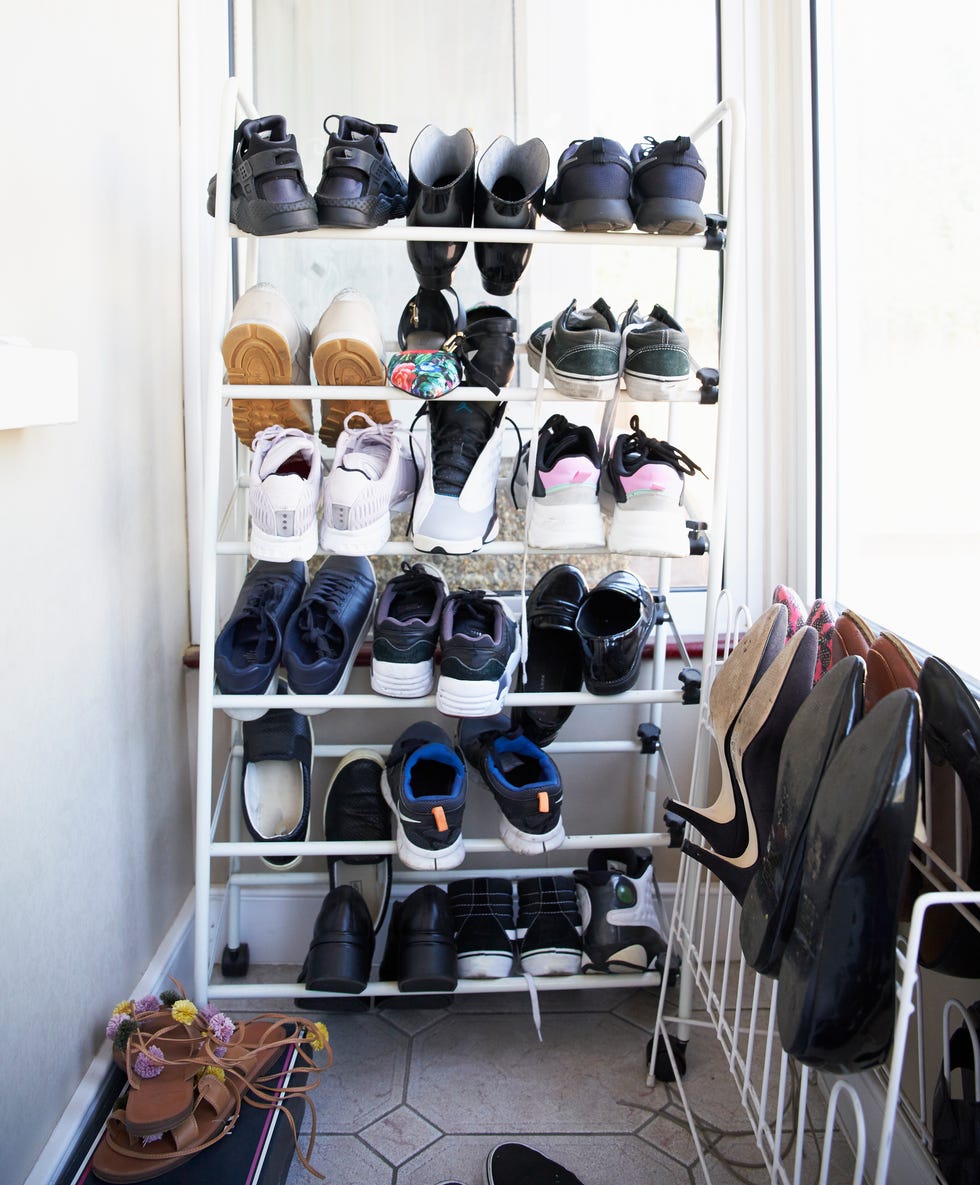
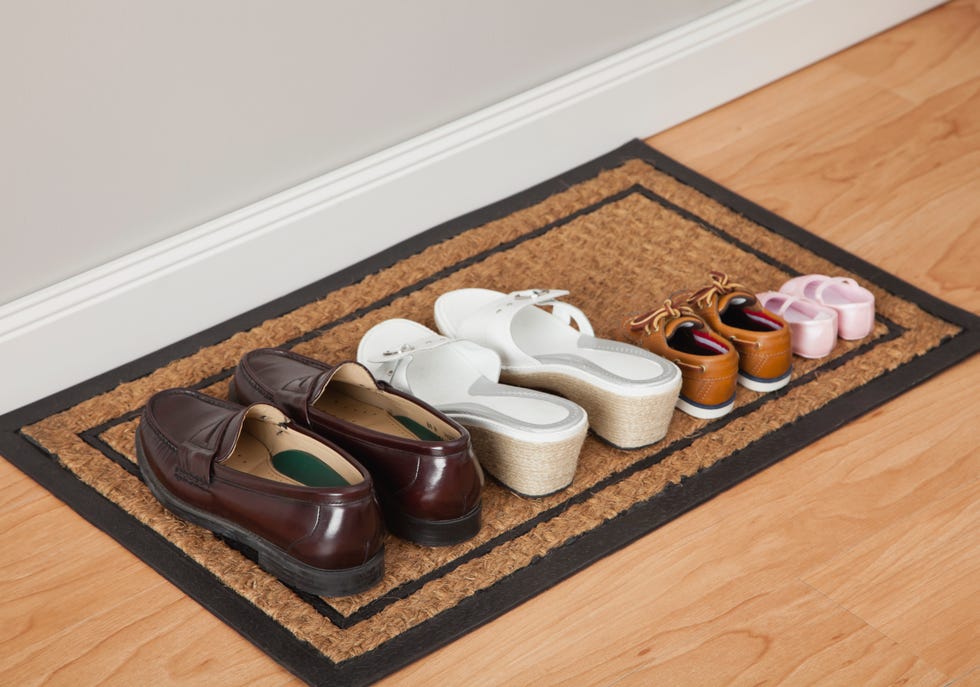
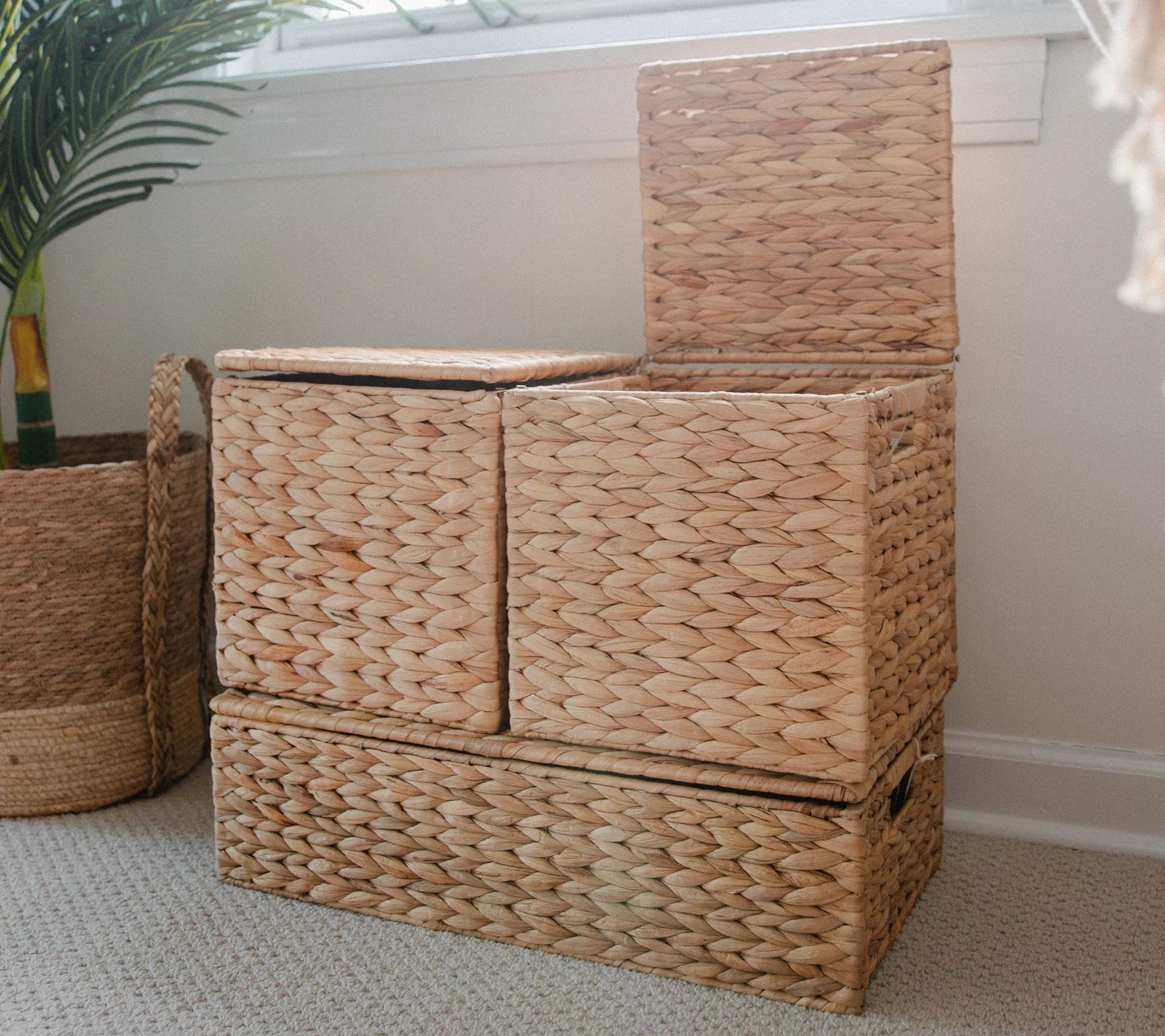
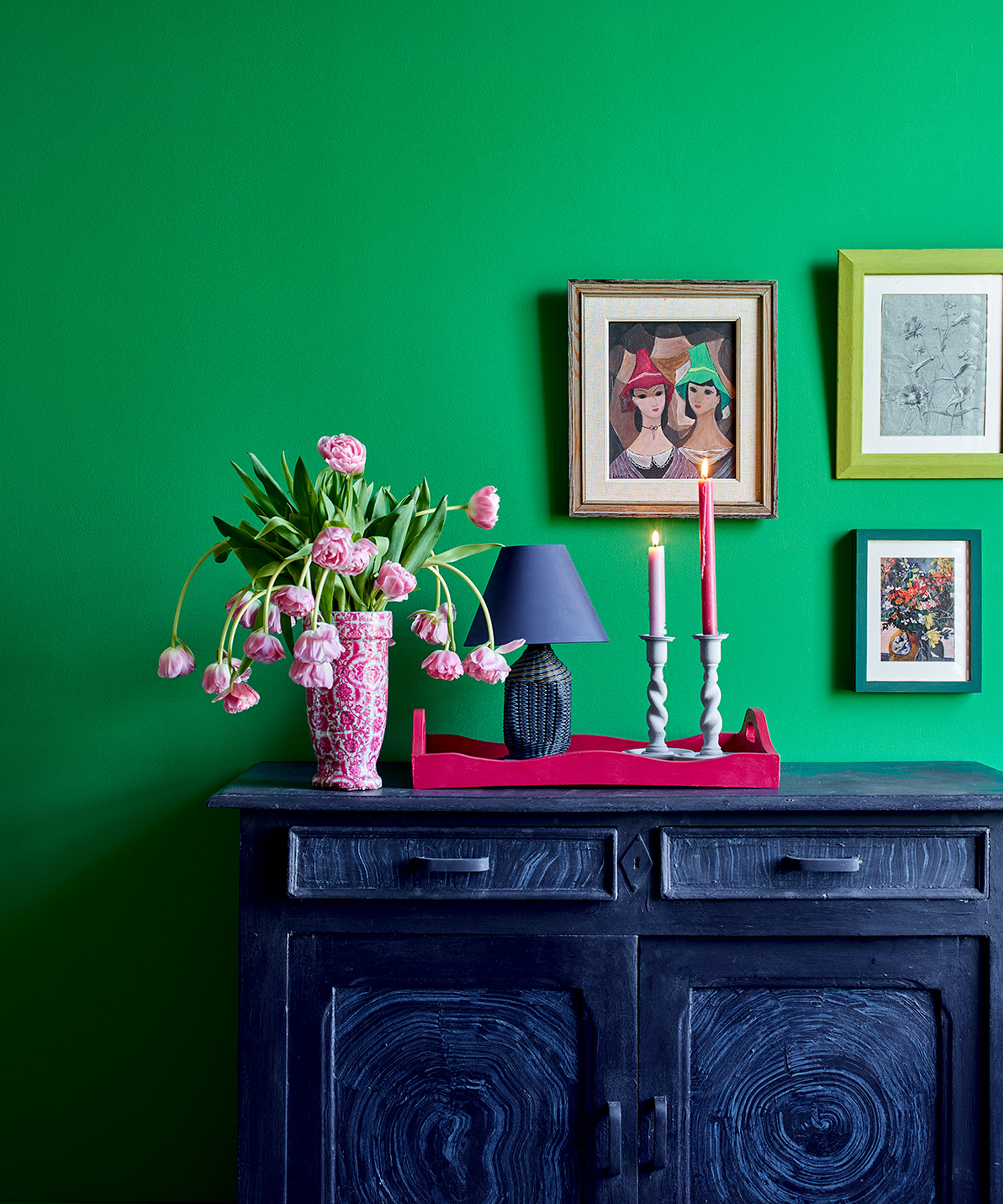
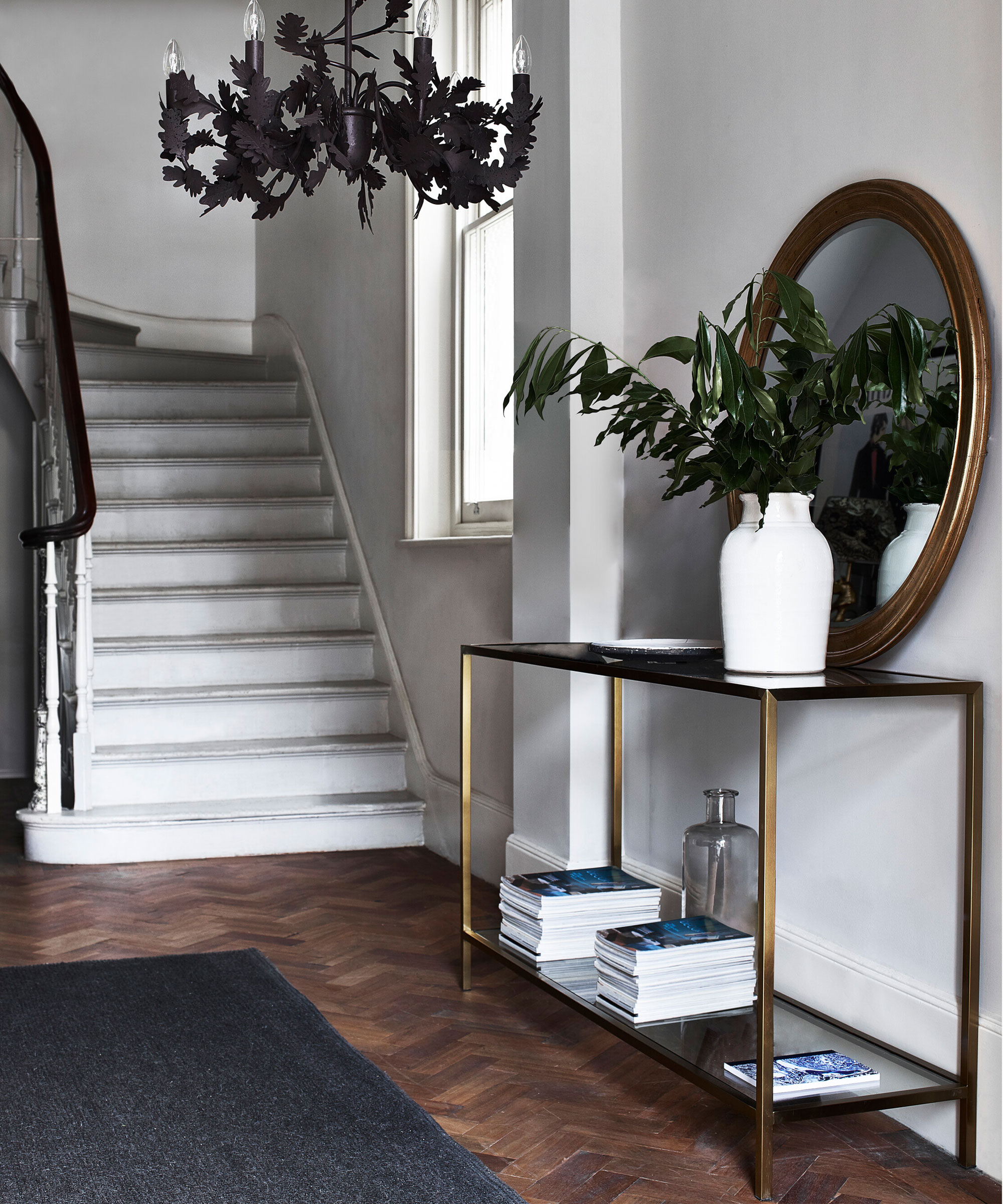
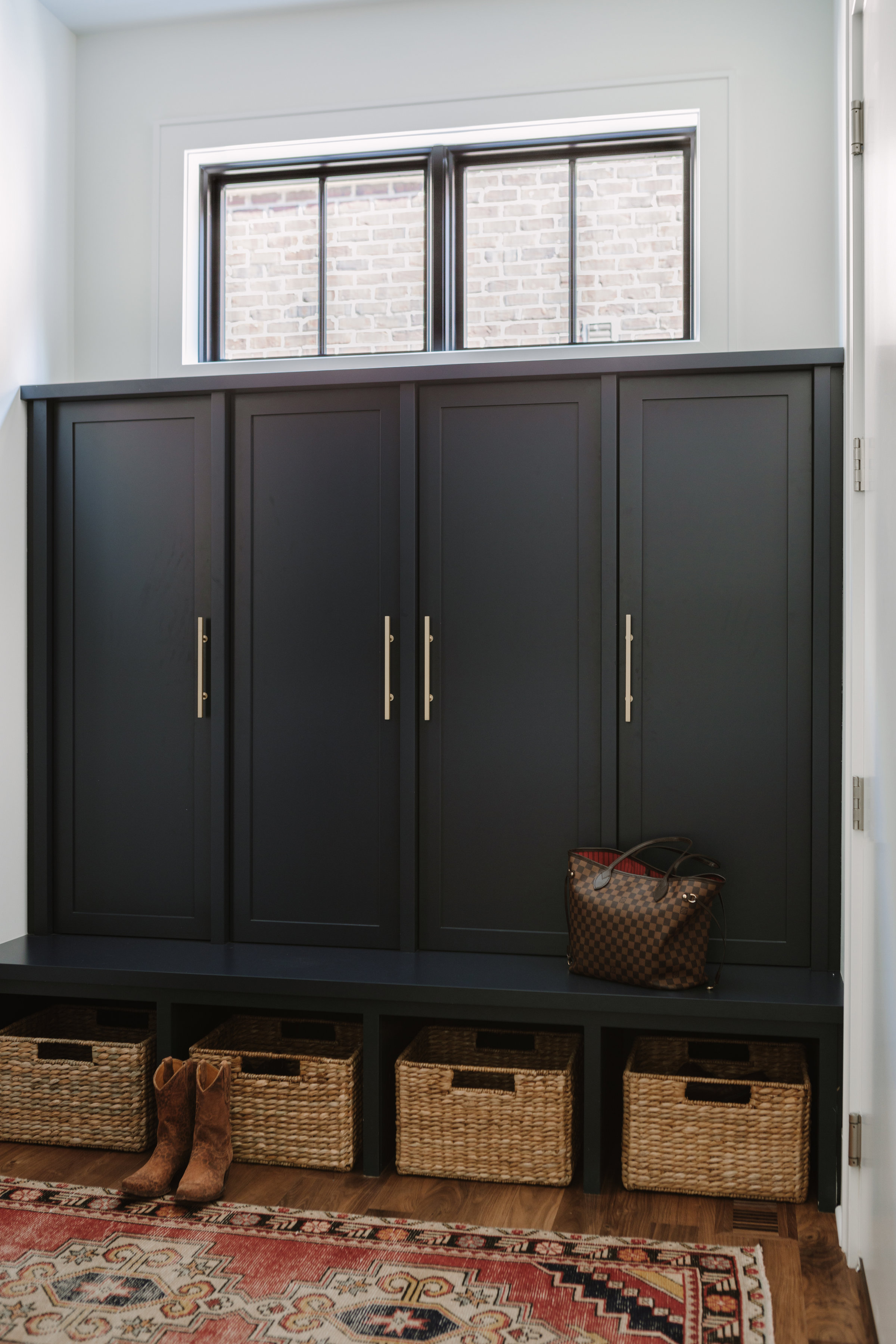
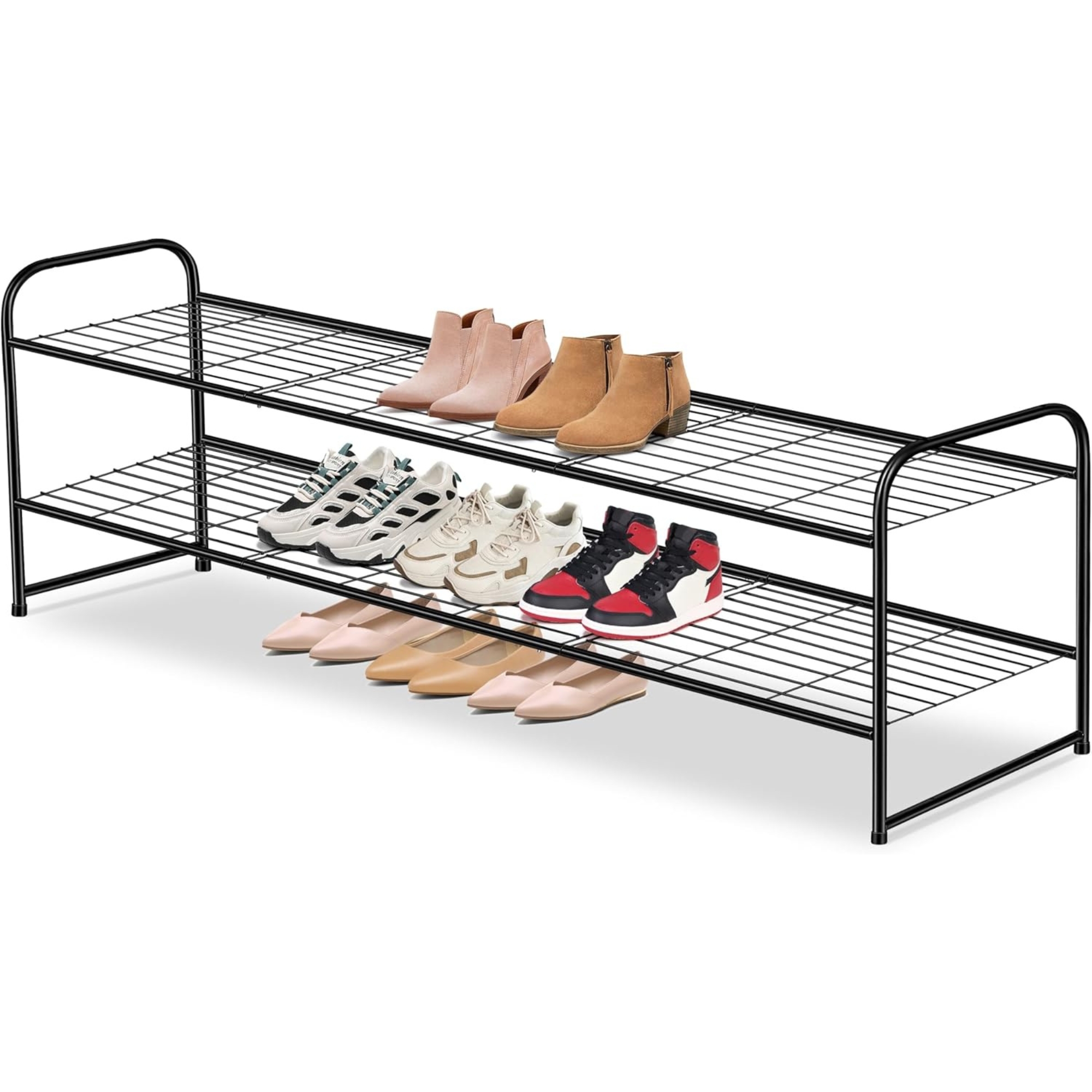
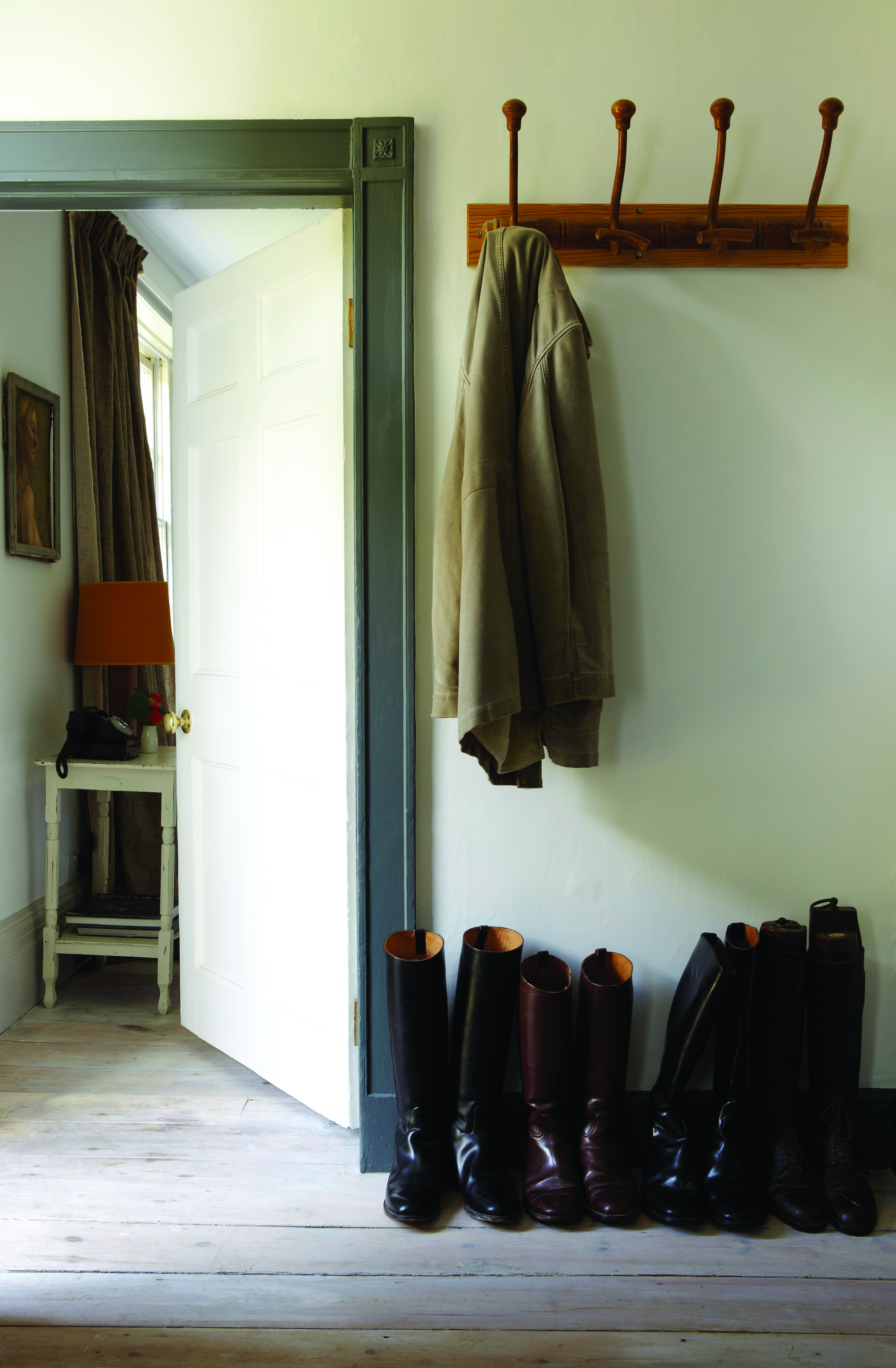
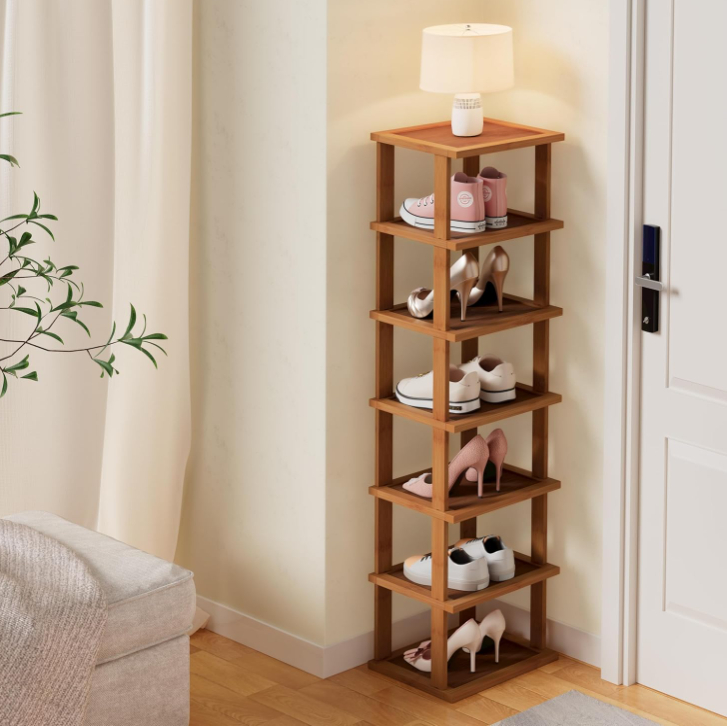
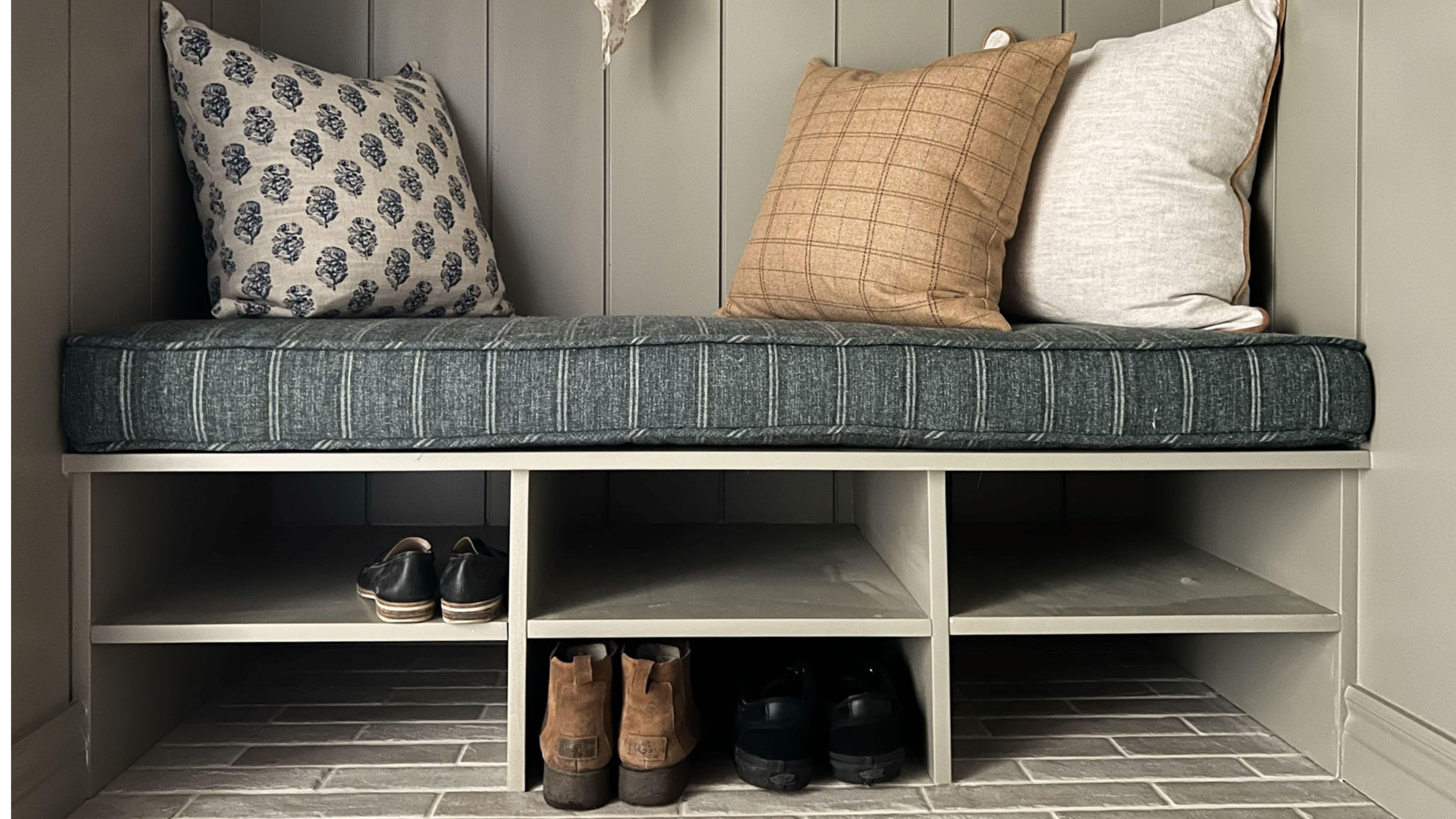
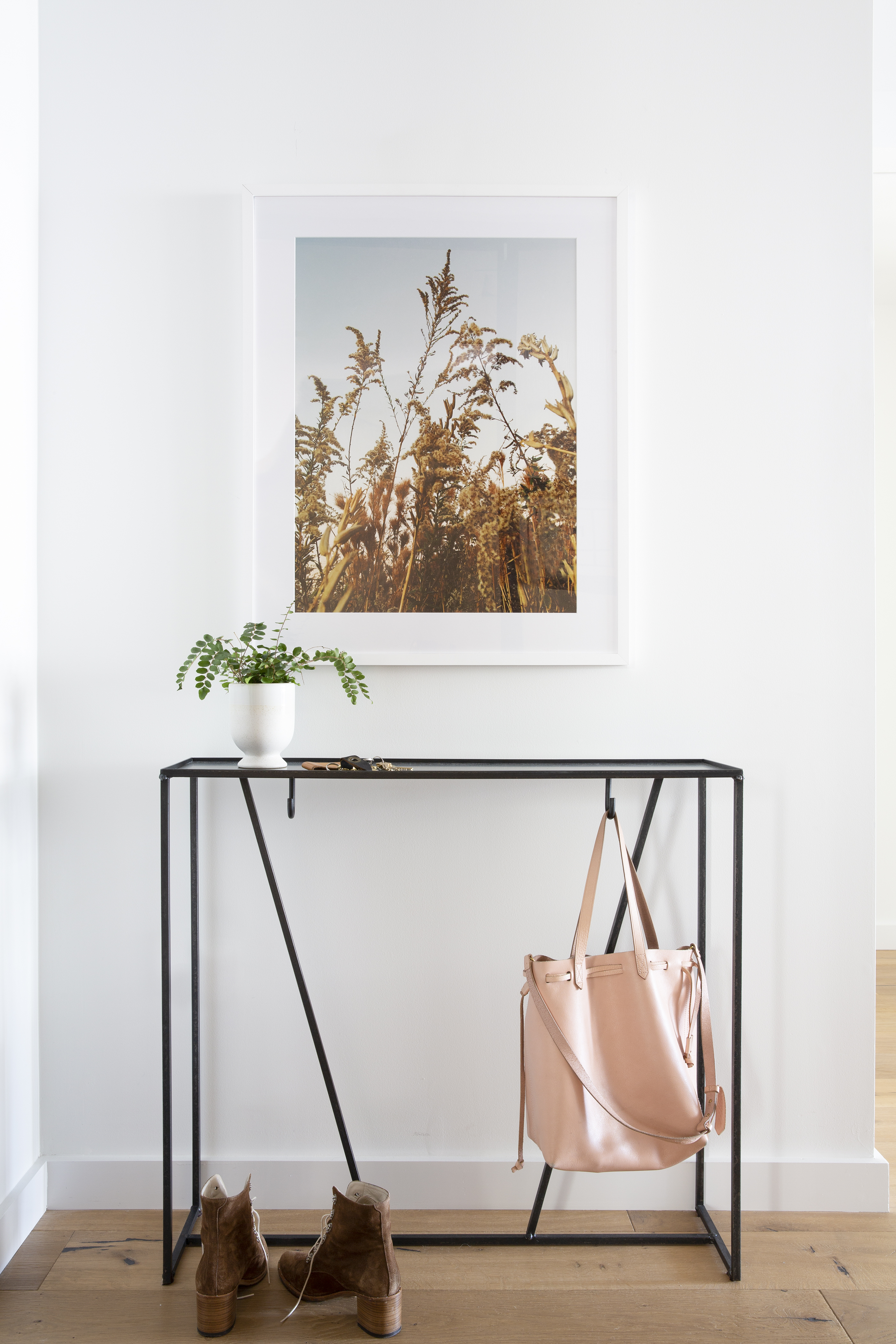
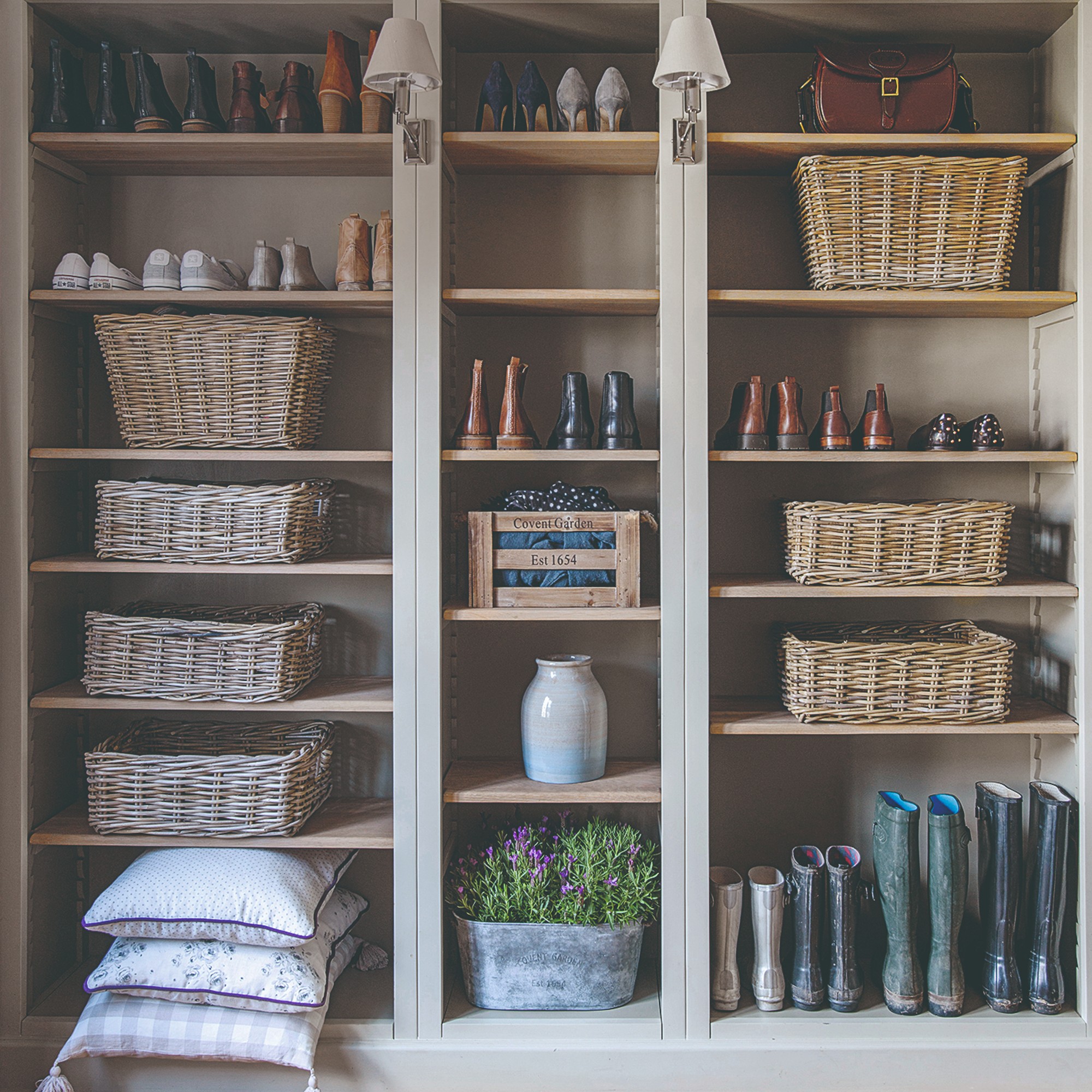
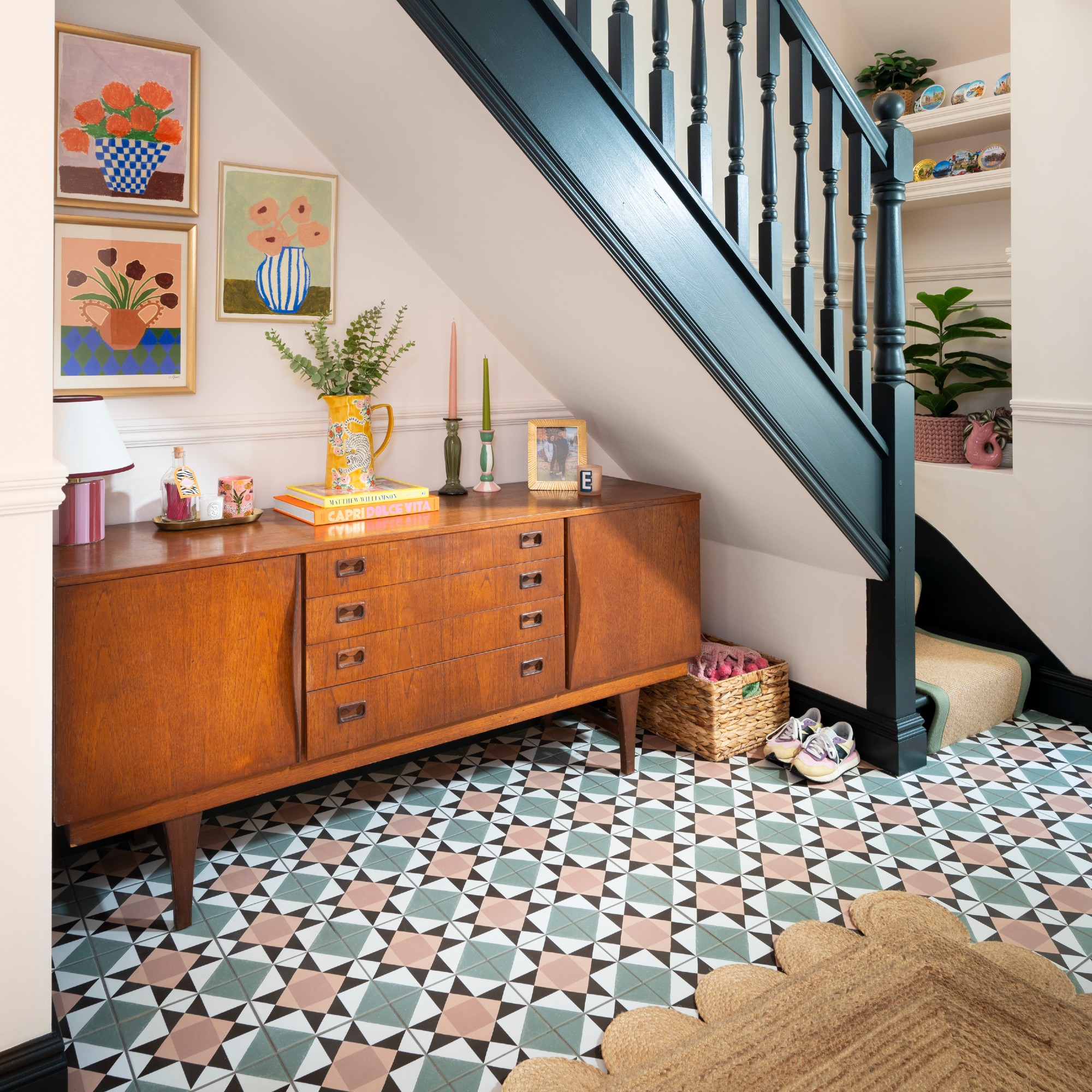
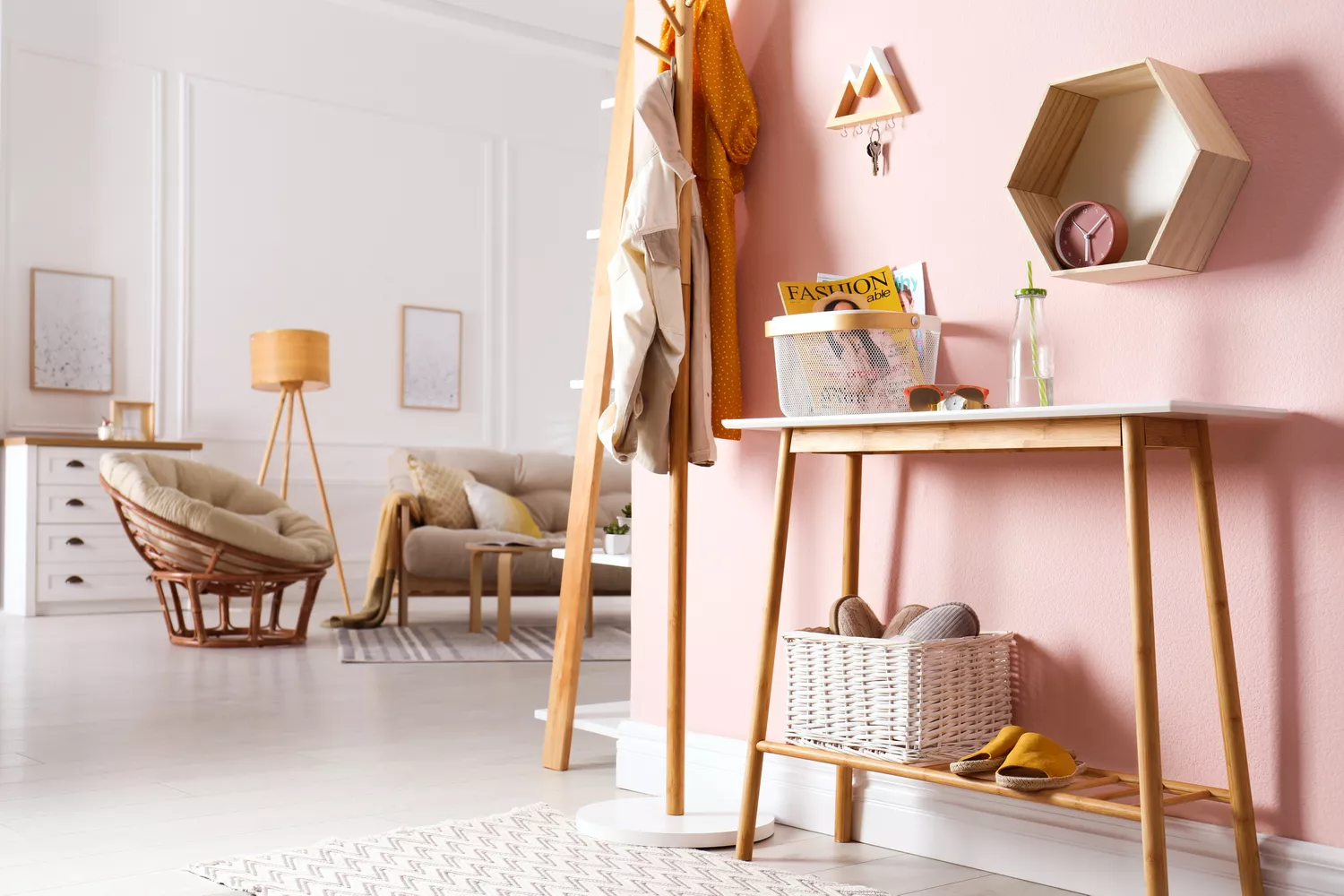
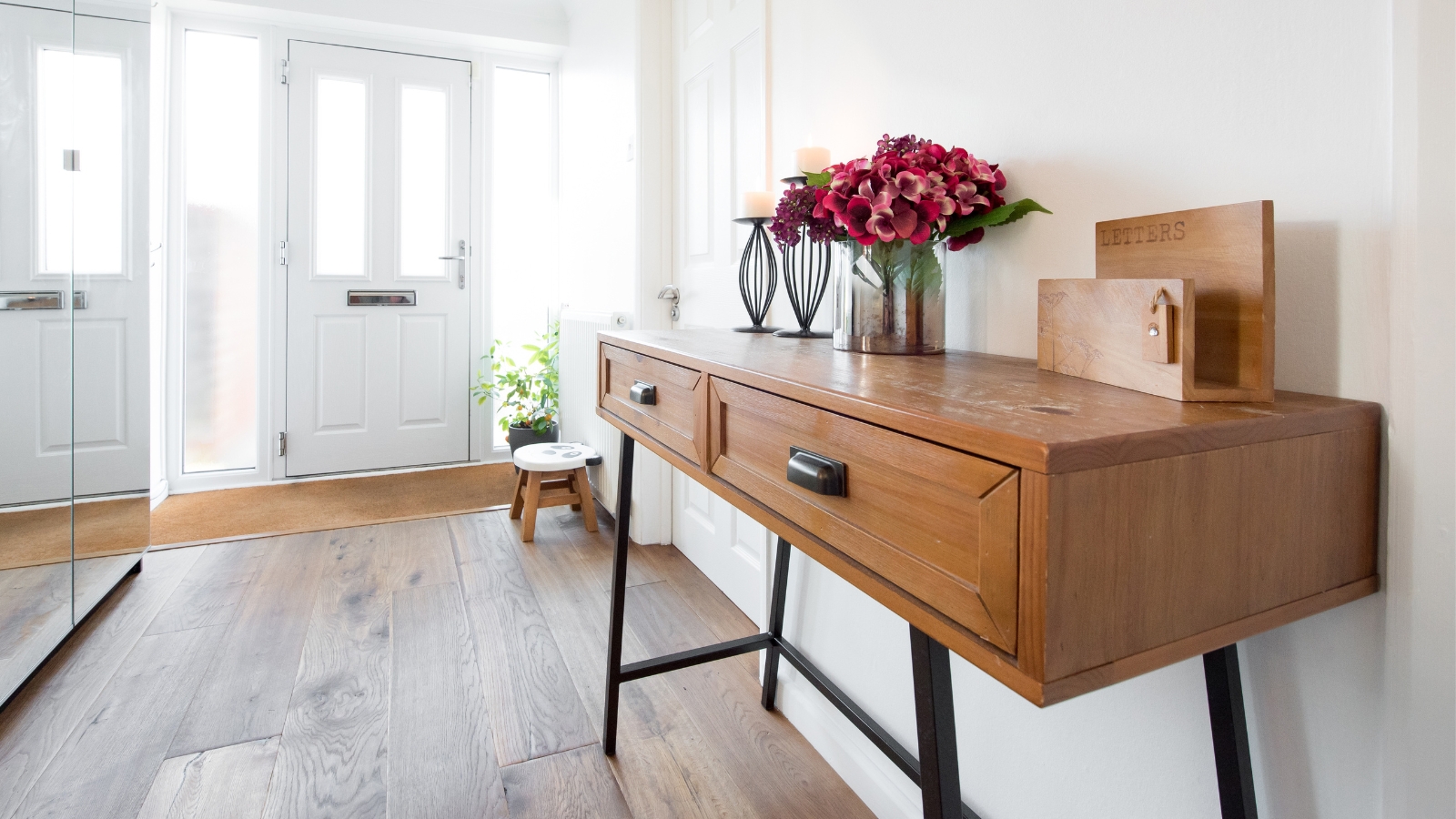
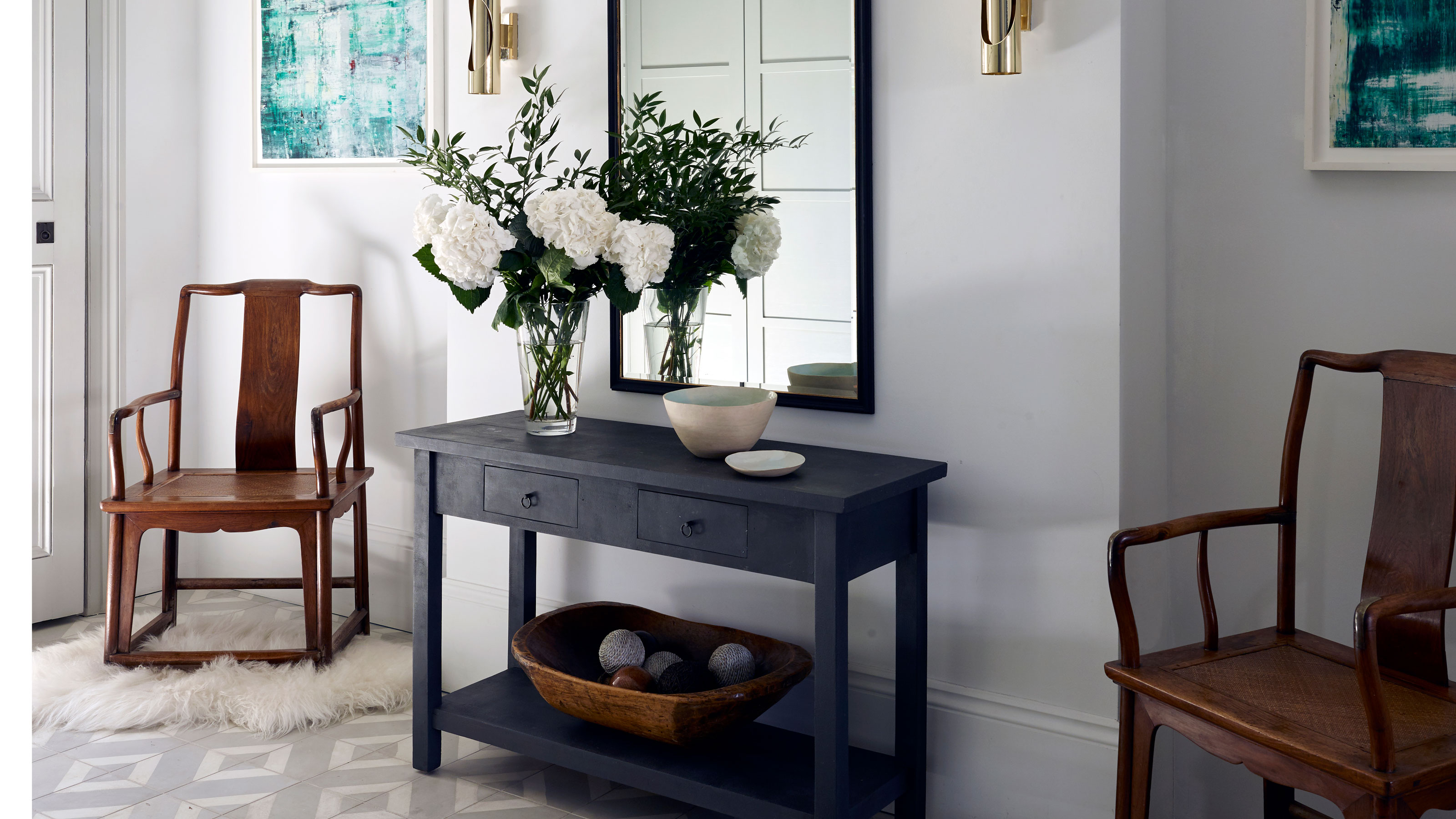
Another common issue is the accumulation of loose change and pocket clutter, described as "general in-and-out-of-the-house detritus." Dodson recommends placing a tray on an entry table to temporarily hold these items. A monthly review of the tray allows for sorting, discarding, or re-homing items, transforming random clutter into a manageable collection. Shoes also contribute significantly to entryway mess, even when homeowners intend to remove them at the door. While shoe racks are a theoretical solution, Dodson acknowledges that they often require consistent effort to maintain. Instead, she suggests using a large basket under the entry table. When the basket becomes full, excess shoes can be moved to a shoe rack in a bedroom closet, providing a practical overflow solution.
Unopened packages and shopping bags are another frequent culprit for clutter. The article advises designating a specific time each week to open purchases and put them away immediately, keeping scissors and a trash bin nearby to manage packaging on the spot. Paper pile-up, particularly mail, is also addressed. Dodson suggests limiting the capacity of a mail caddy to prevent overwhelm and placing a small recycling bin next to it to immediately dispose of junk mail.
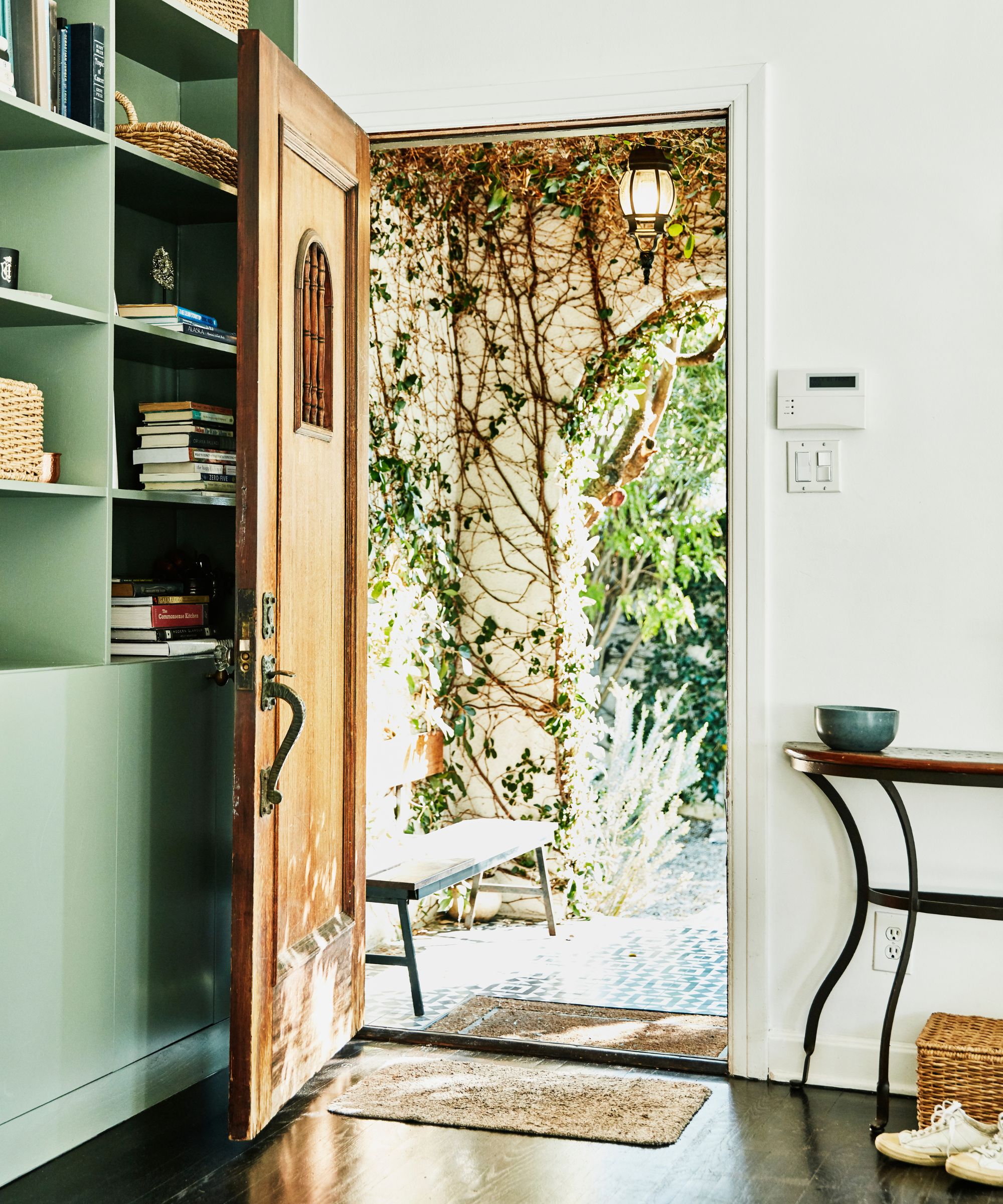
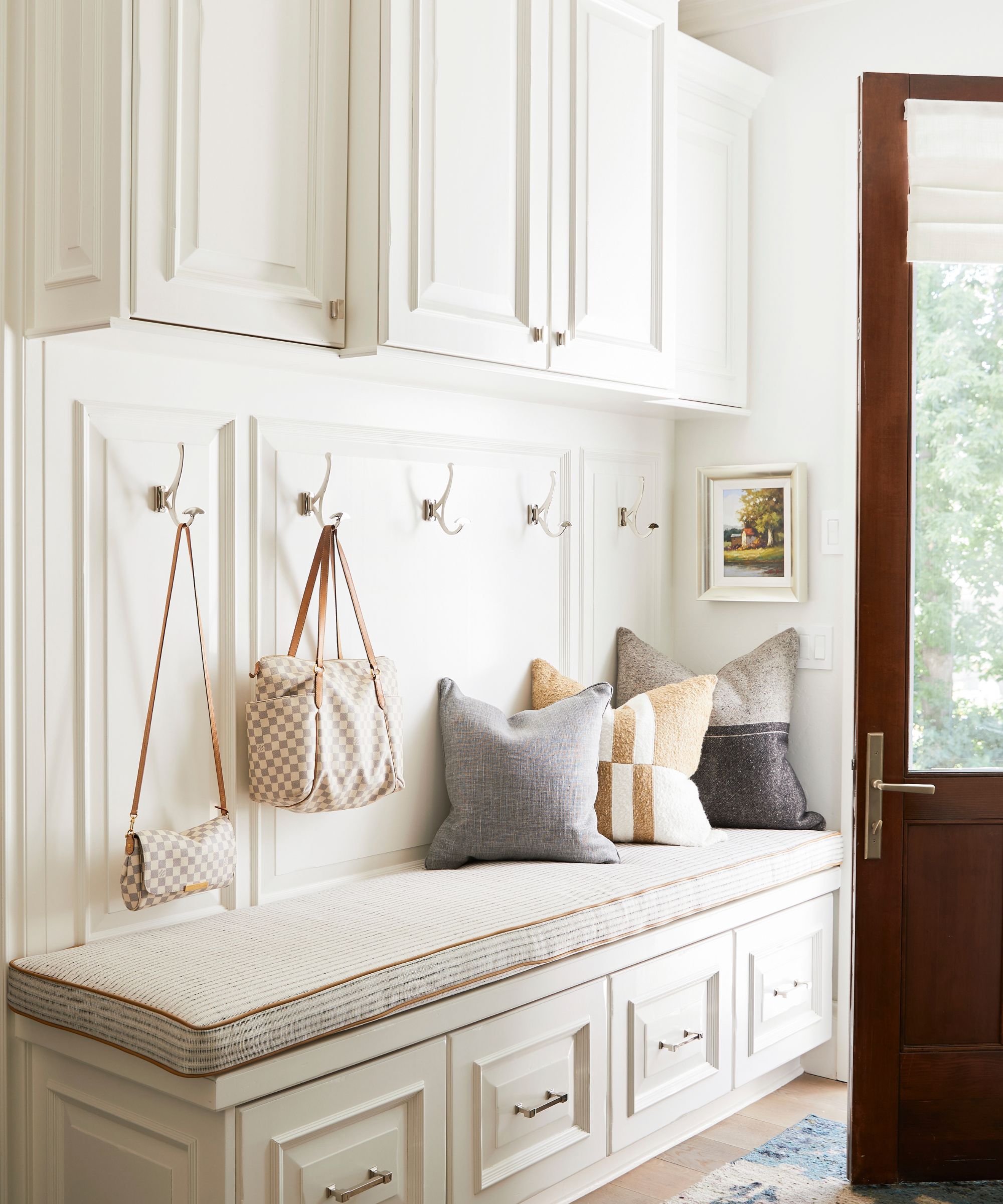
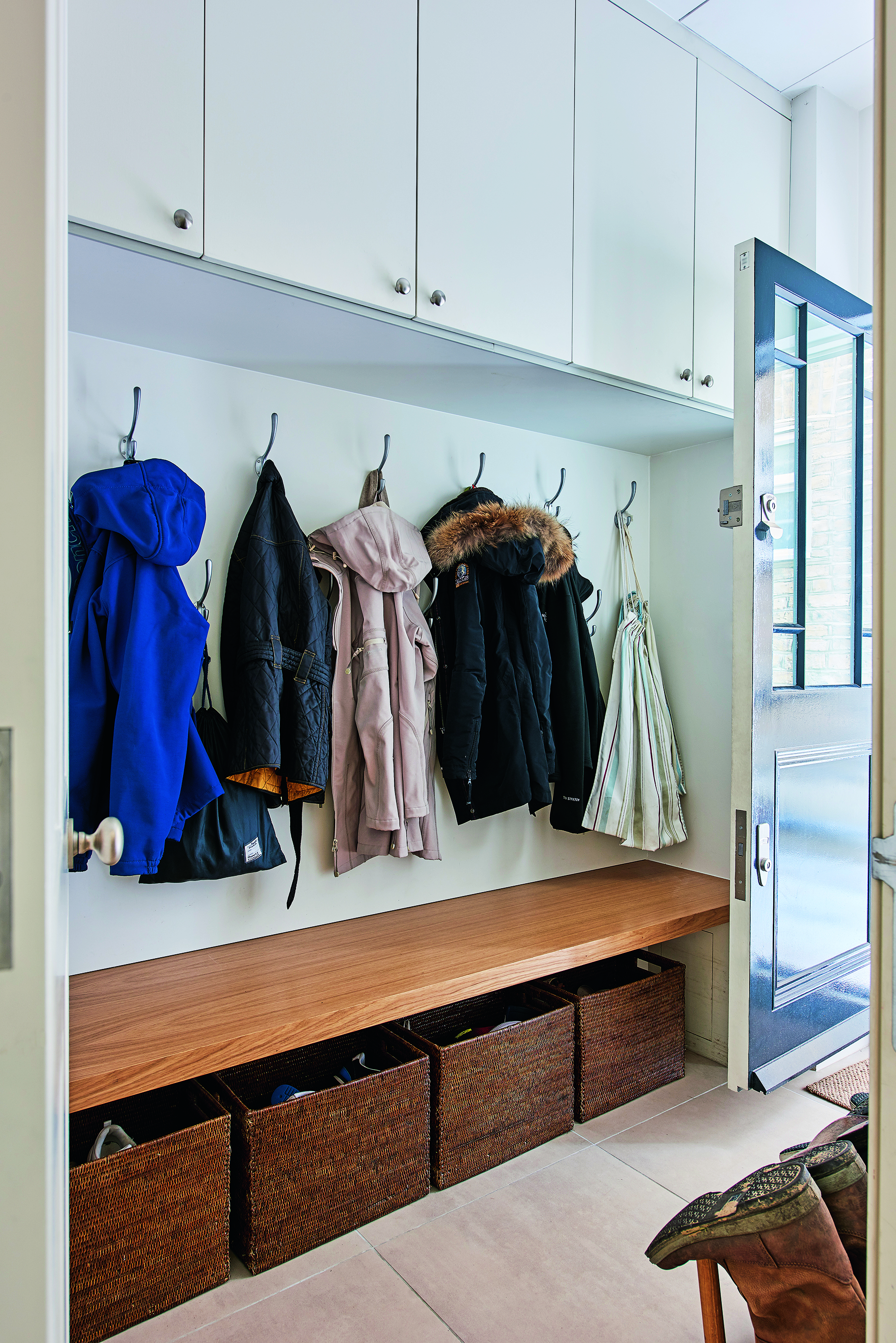
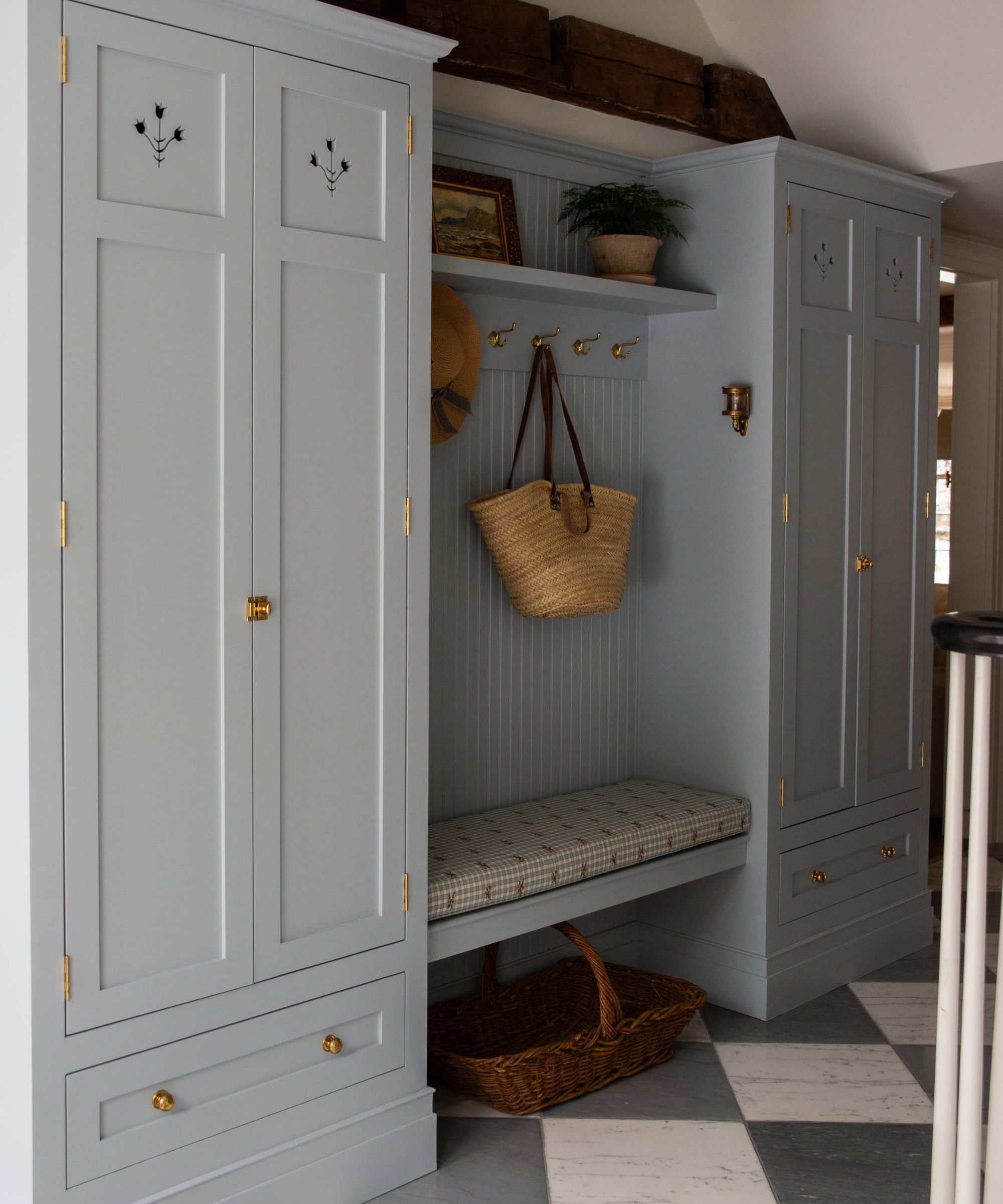
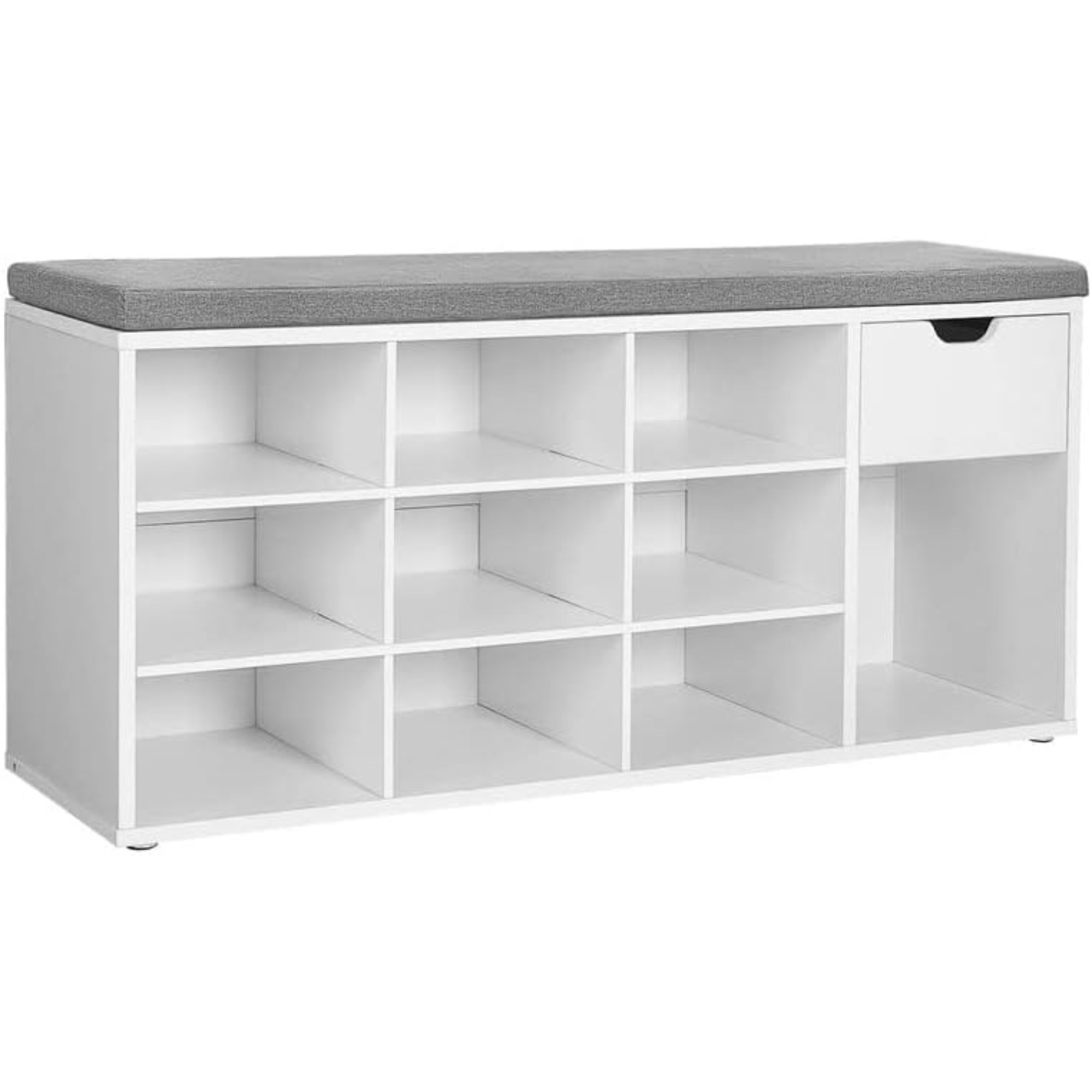
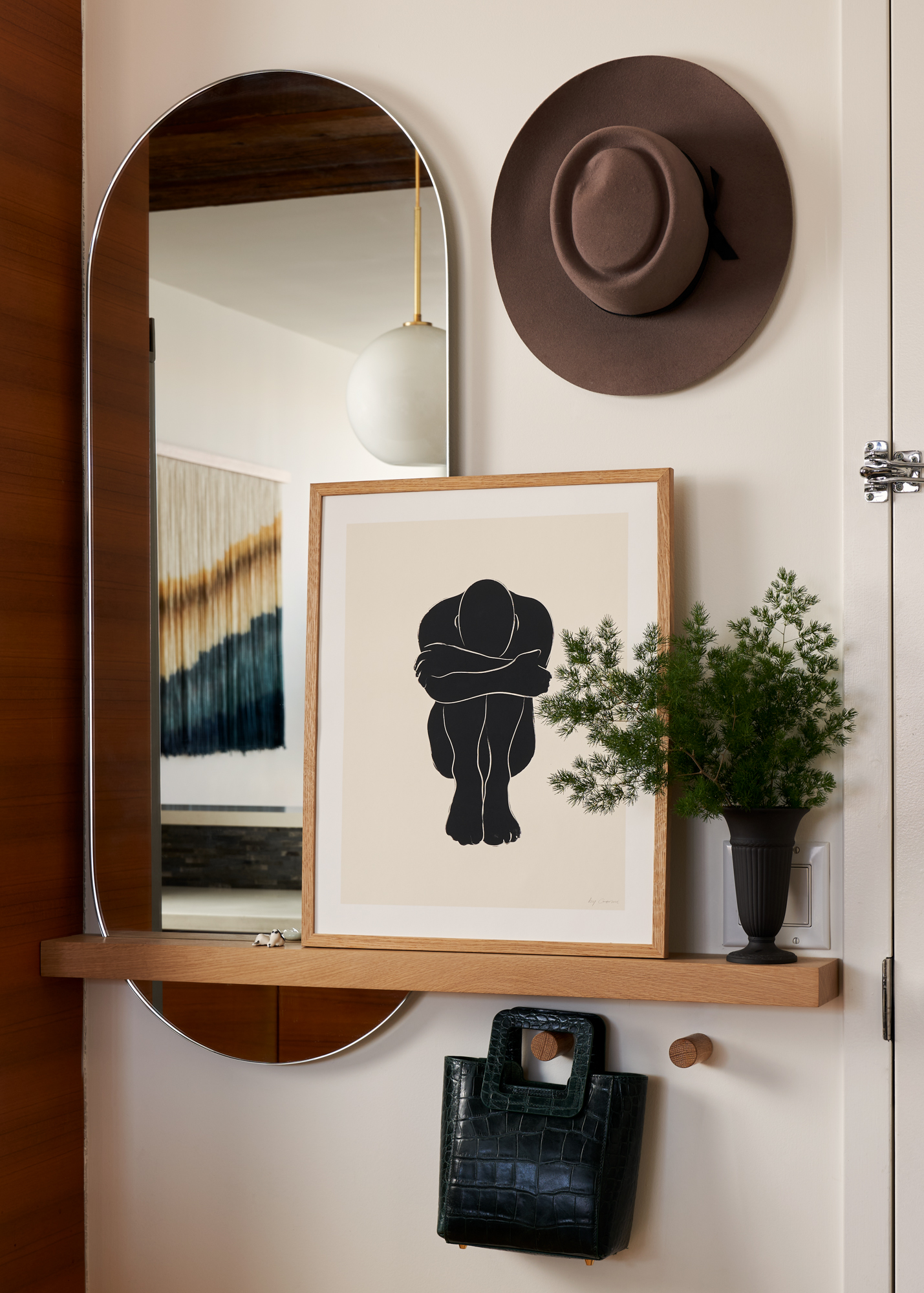
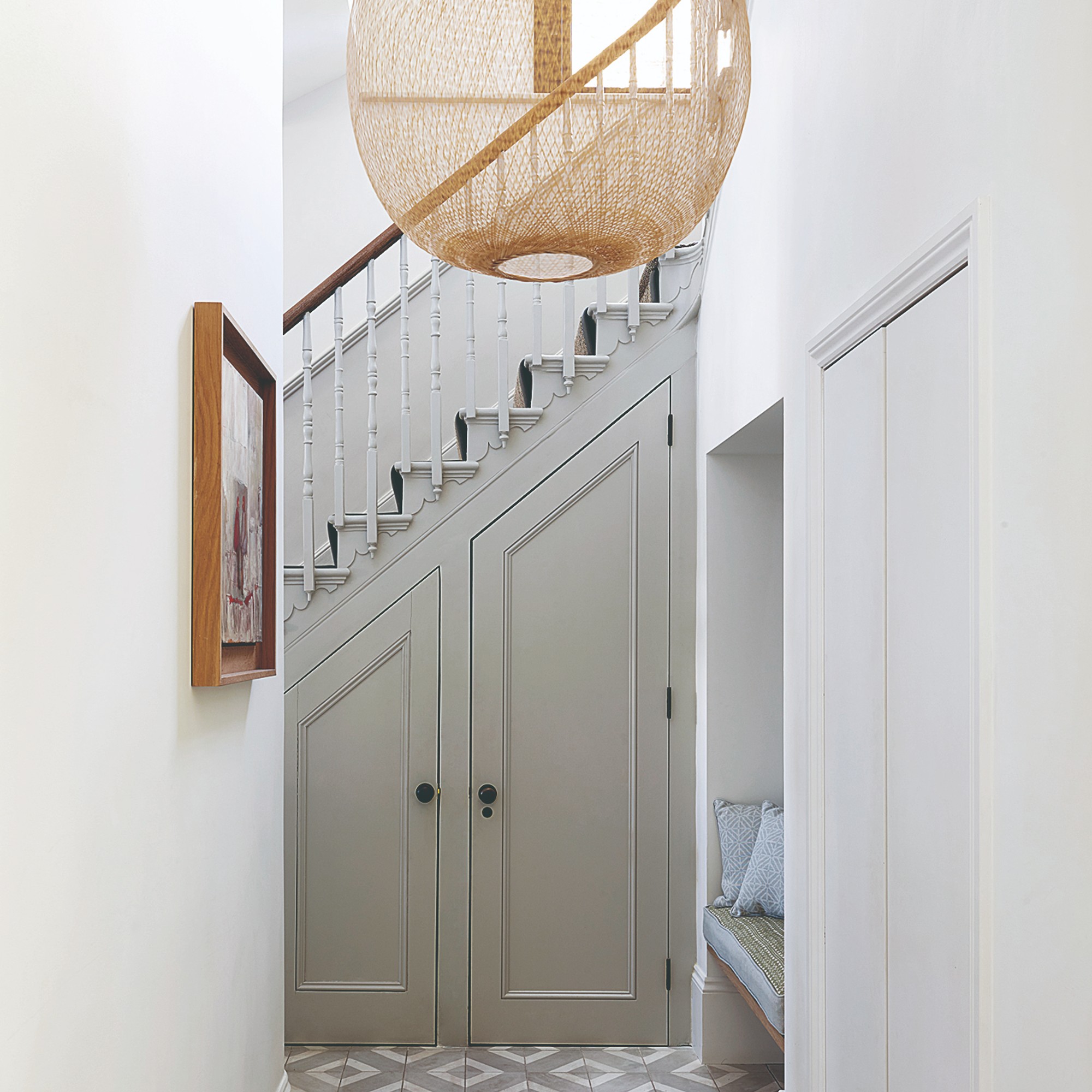
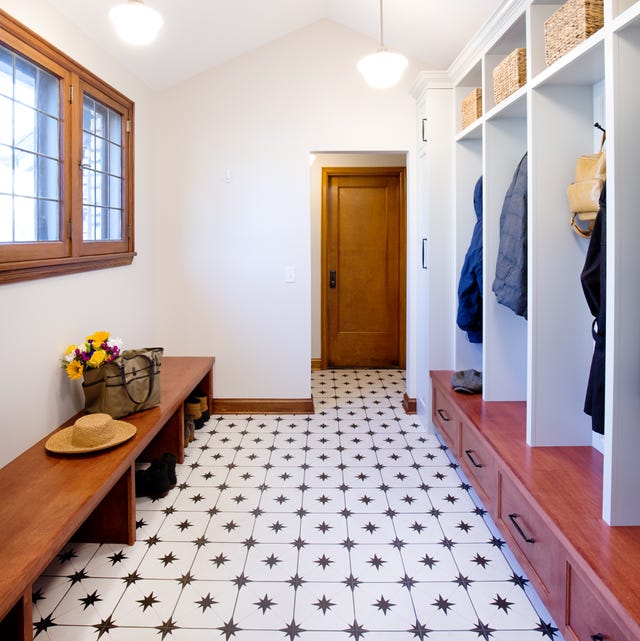
The overarching solution proposed is to design a "drop zone" that aligns with one's real-life habits, even when exhausted. This involves creating a functional space with multiple hooks, floating shelves, or a bench with hidden storage. Convenient containers, such as a cup for pens, a bin for mail, and a jar for pocket change, should be readily available for frequently dropped items. Dodson's philosophy is to "plan with your chaotic nature, not against it," highlighting that containers requiring minimal effort to use are more likely to succeed.
Finally, the article underscores the importance of realistic expectations and regular maintenance. Even the most effective organizational systems require occasional attention. A monthly five-minute reset—clearing the shoe basket, rotating seasonal gear, and re-homing stray items—can bring the entryway back into balance. Dodson reassures readers that occasional clutter is natural and that the goal is not perfection, but rather creating an entryway that serves as a soft landing at the end of a long day, allowing for authentic living rather than striving for an idealized image.
#HomeOrganization #EntrywayDecor #ClutterControl #StorageSolutions #DeclutteringTips #SeasonalStorage #HomeDesign #ProfessionalOrganizer #HomeOrganization #EntrywayDecor #ClutterControl #StorageSolutions #DeclutteringTips #SeasonalStorage #HomeDesign #ProfessionalOrganizer
0 comment in total
 No comments yet
You may also like
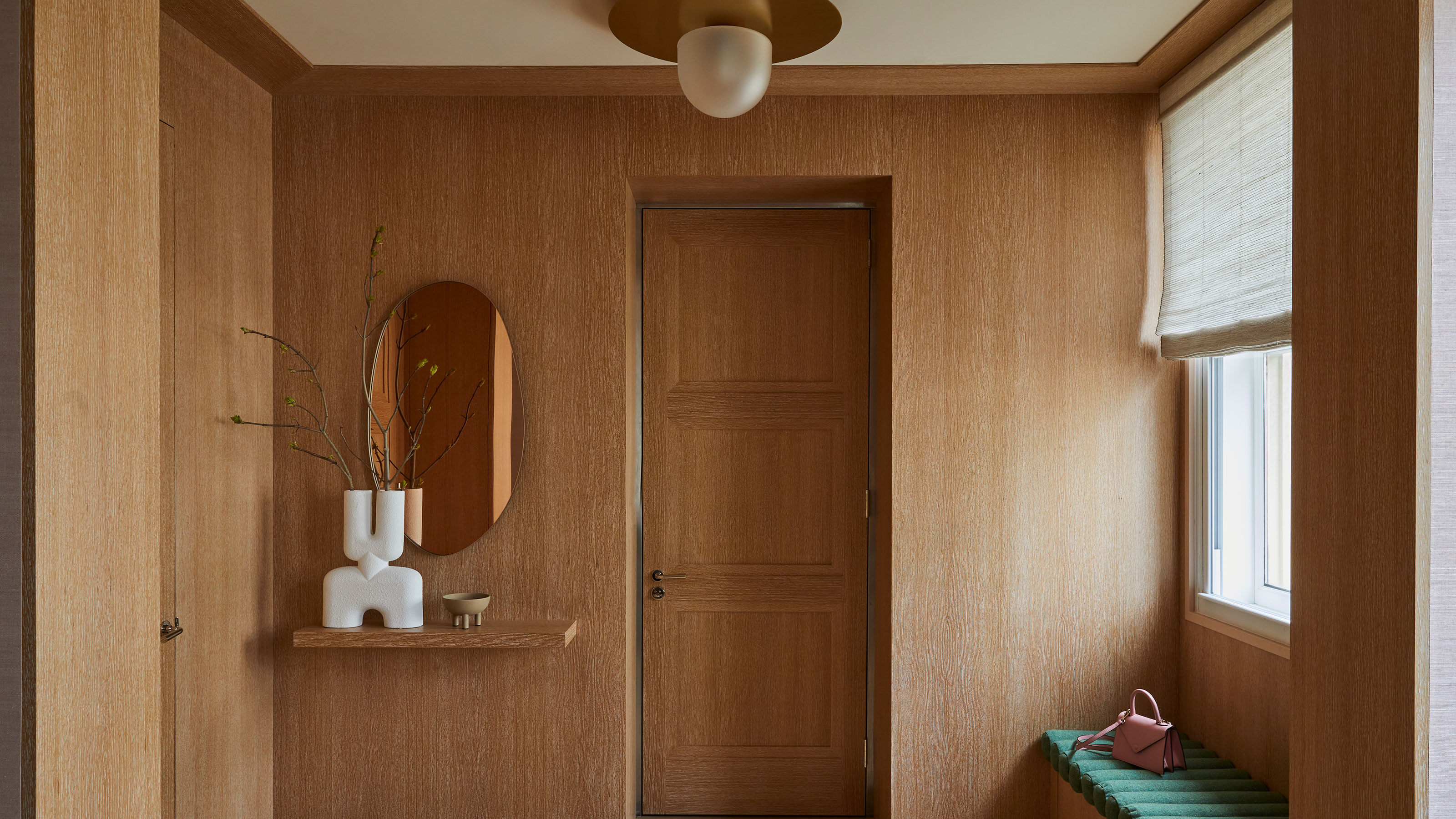
5 So-Simple Ways to Make Your Entryway More Useful — and Look Better at the Same Time

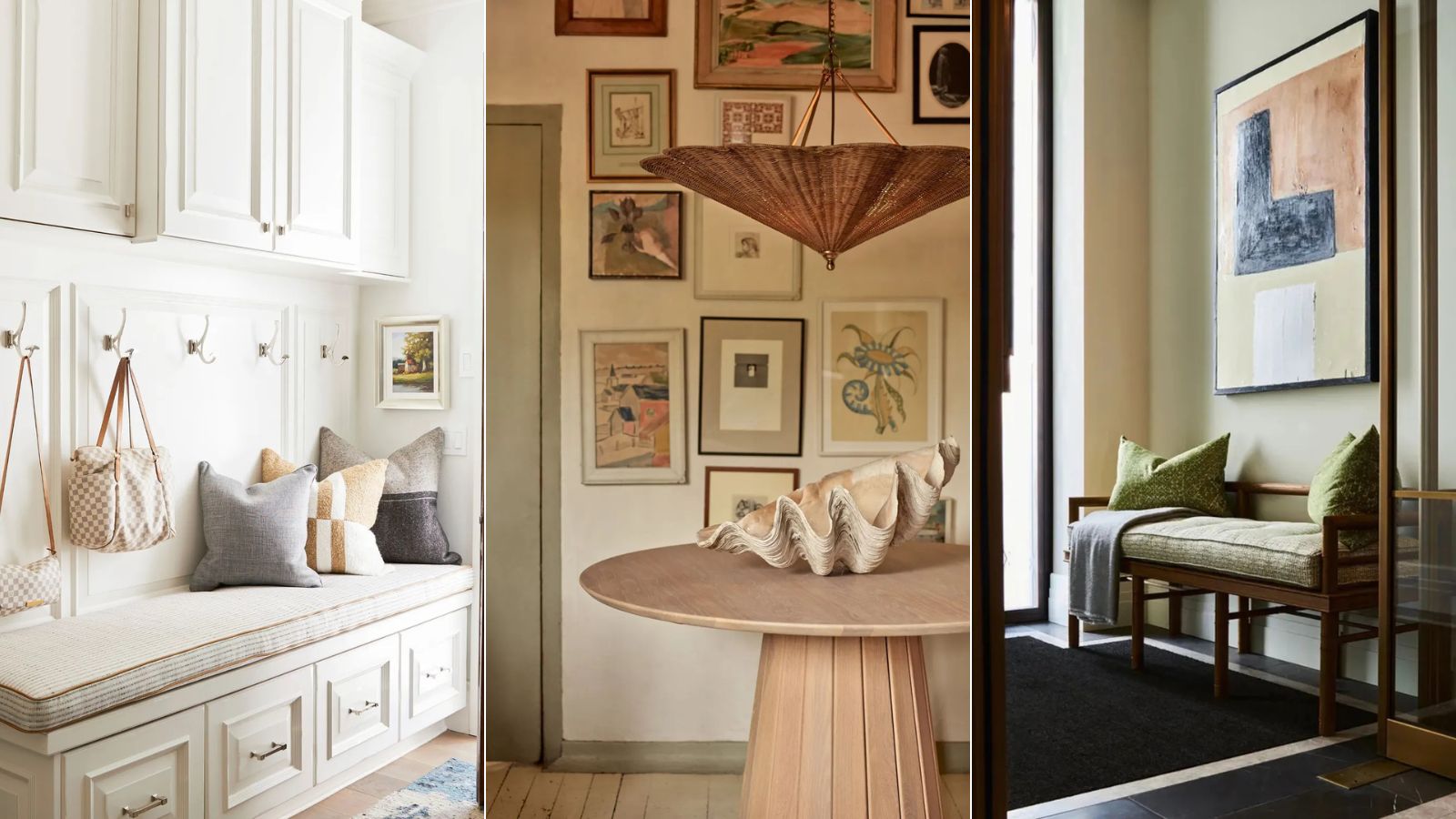
What makes an entryway look cheap? 6 mistakes to immediately switch out in 2025

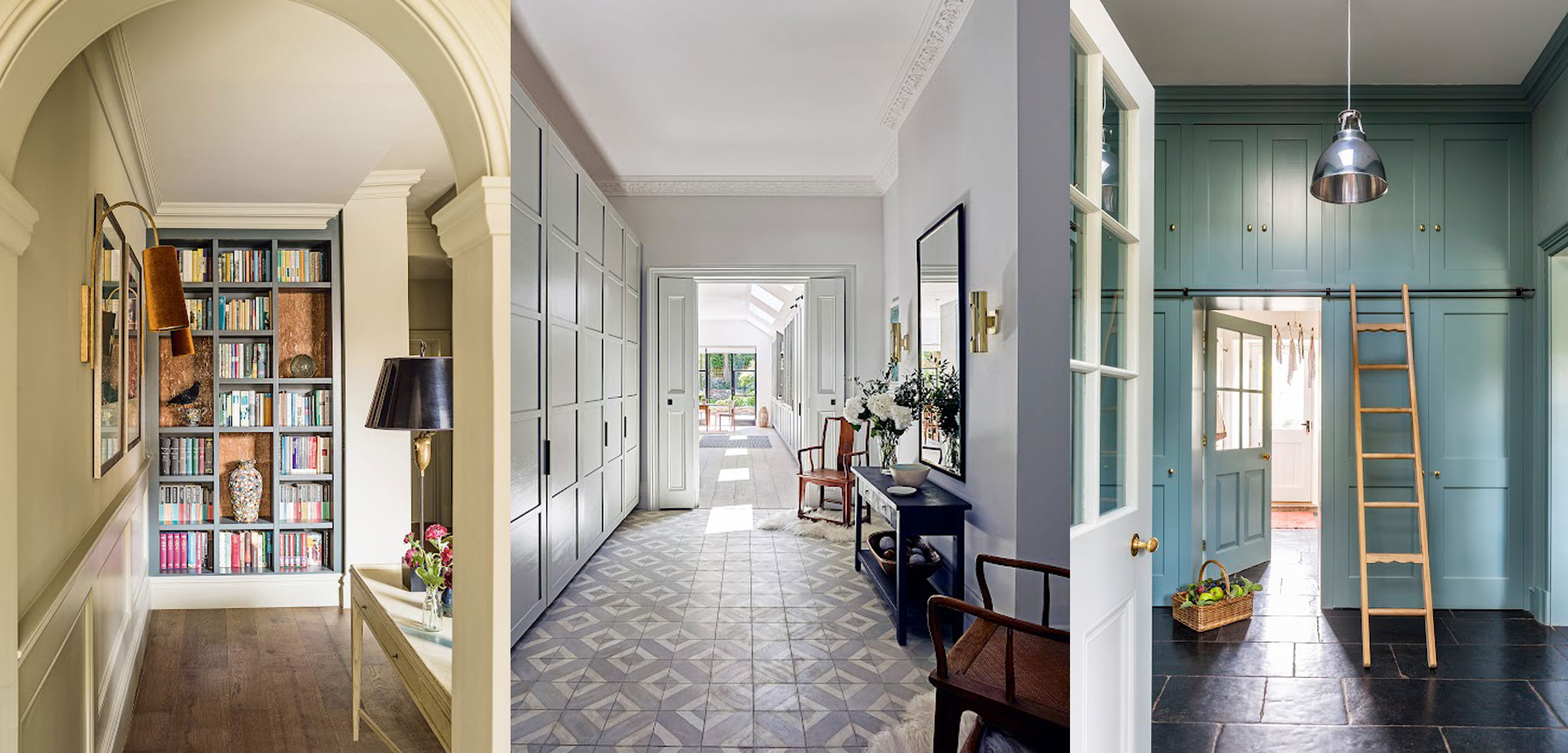
Organizing an entryway – 10 clever ways to arrange a home’s entrance
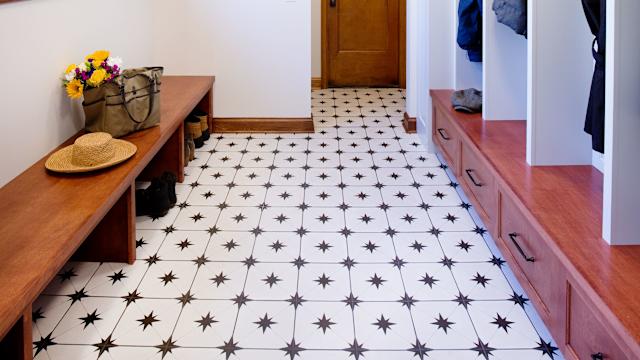
6 Things That Make Your Entryway Look TACKY, According to Designers

6 Things That Make Your Entryway Look TACKY, According to Designers

Don't make these 5 entryway decor mistakes

5 Common Entryway Mistakes That Make The Wrong First Impression
Impress Dates, Halloween Visitors, and In-laws With These 5 Ways to Organize an Entryway With No Storage
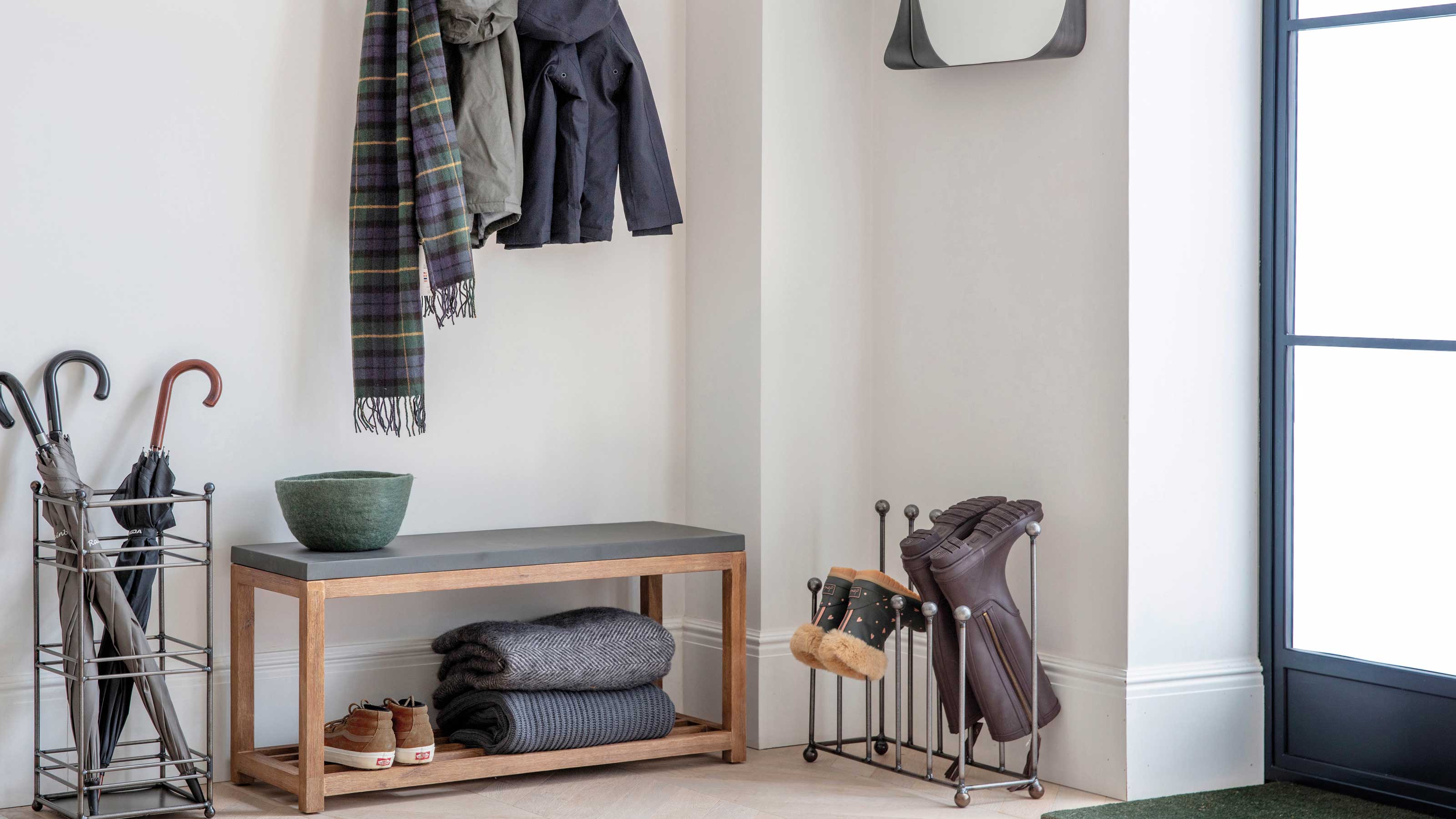
The 7 dirtiest places in an entryway – and how to keep them sparkling
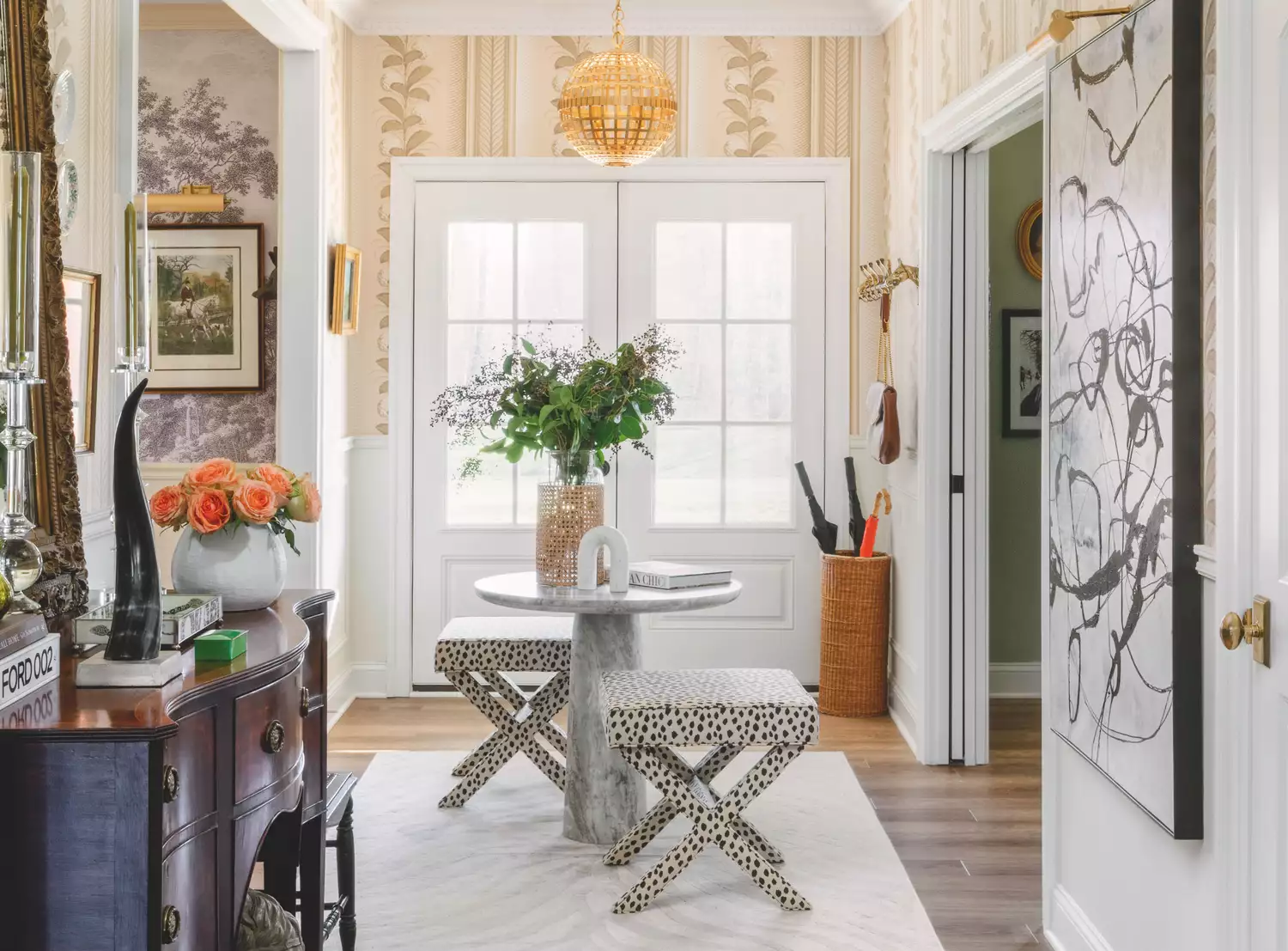
5 Mistakes That Are Making Your Entryway Look Bad, According to a Designer

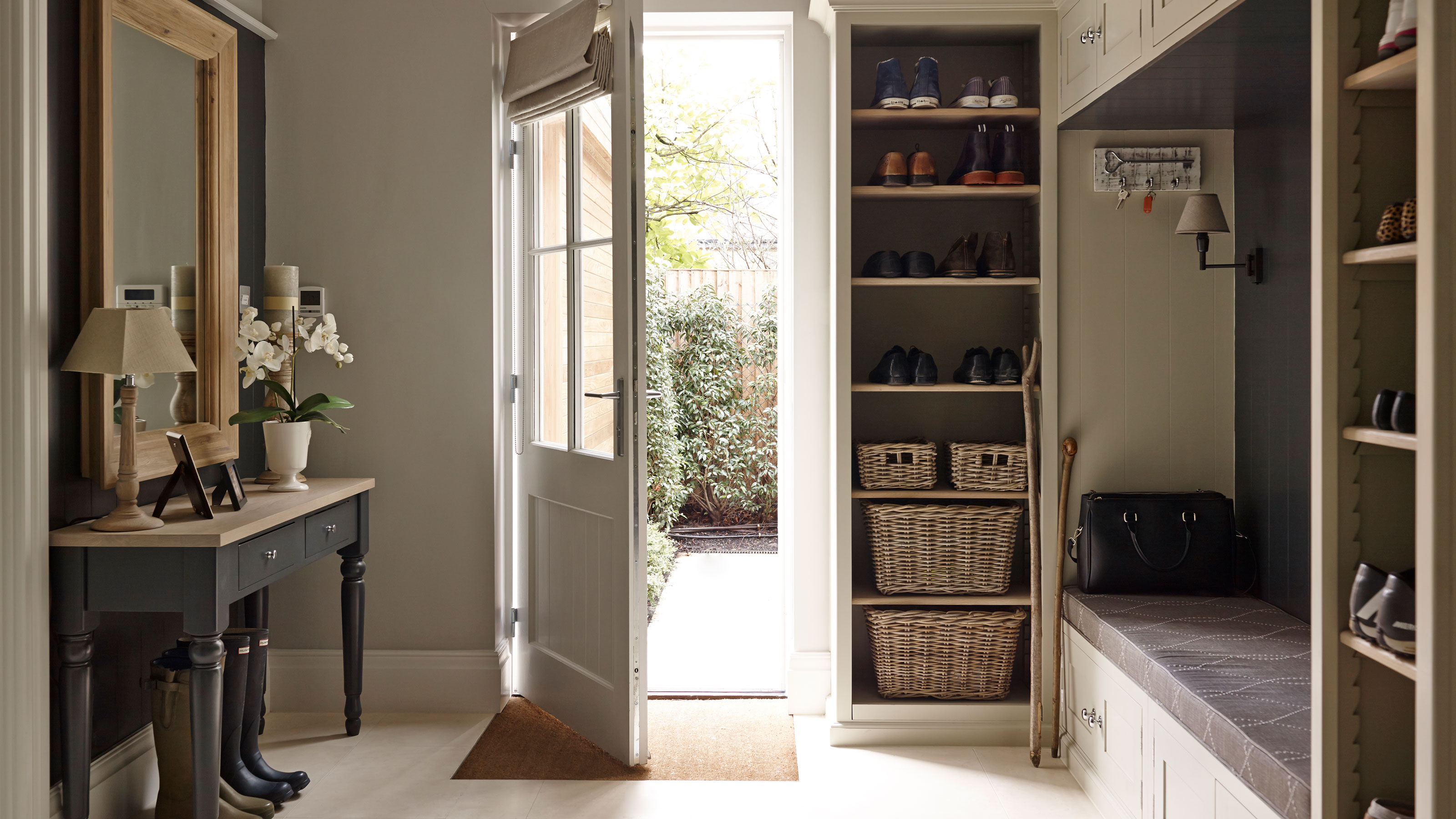
Entryway decluttering rules pro organizers always follow – and you should too

How do you decorate an awkward entryway? 7 designer-approved tricks for tough-to-style entrances

Apartment entryway a mess? Here's how to add organization and style
Items to never store in an entryway, according to cleaning, organizing and interiors experts
6 golden rules for a clutter-free entryway and how a 'landing pad' is crucial, say experts
4 things that people with an organised hallway always do – expert tips that guarantee a neat entranceway
'Where there are hooks, people will always hang coats' – 8 things you should never store in your entryway to avoid it becoming a dumping ground
5 entryway mistakes we all make – and how designers suggest we avoid them

6 things to never put in an entryway, according to interior designers
5 Things Guests Instantly Notice About Your Entryway—And Not in a Good Way