1/36
10 things to declutter in March that will banish any clutter-tastic remnants of a chilly winter spent indoors
As winter transitions into spring, March presents an opportune moment for a thorough home decluttering, preparing living spaces and routines for the warmer months ahead. Professional organizers recommend a targeted approach, focusing on specific areas that tend to accumulate clutter during extended periods indoors. This strategy not only refreshes the home environment but also streamlines daily life, making way for new seasonal activities and improved well-being.
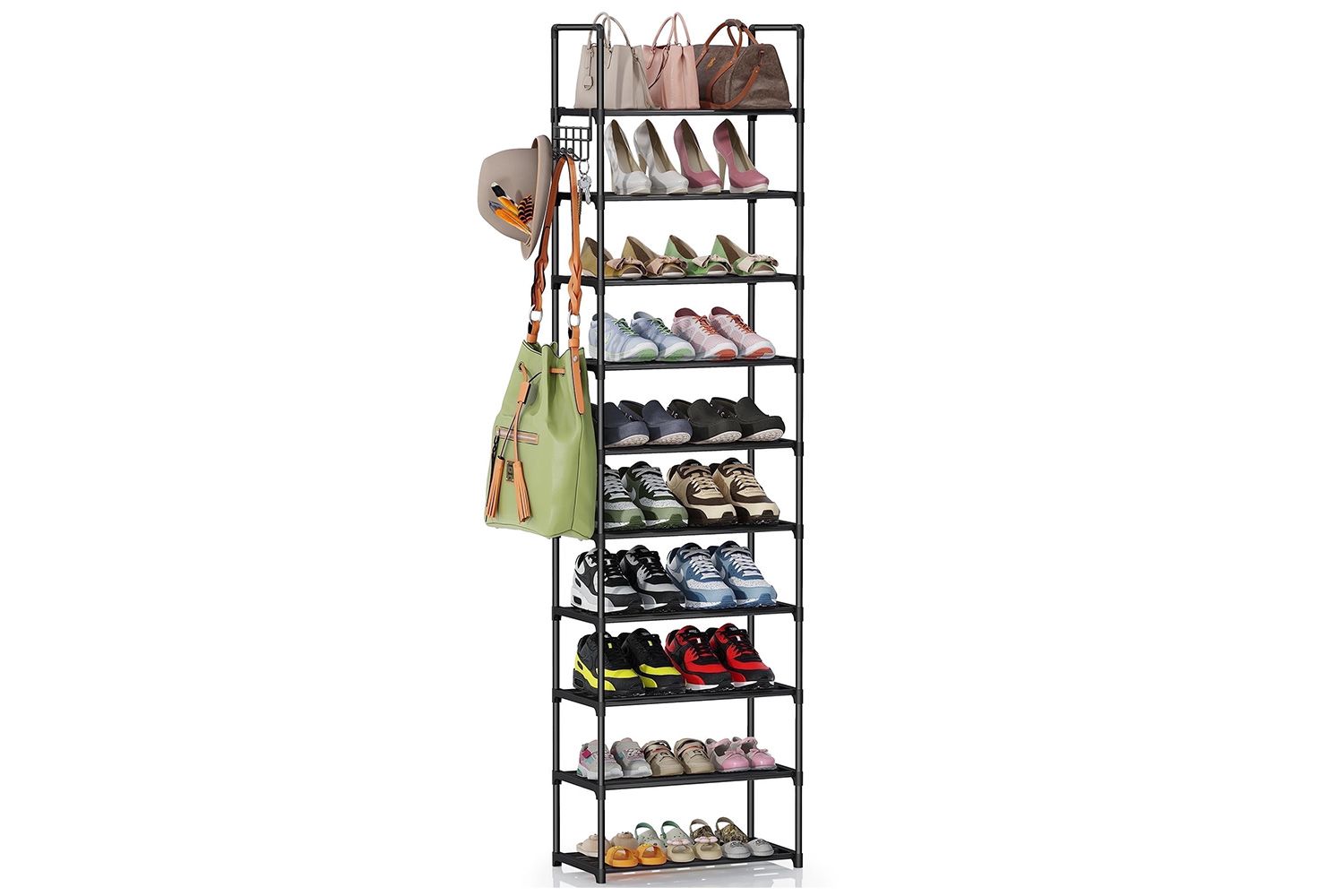
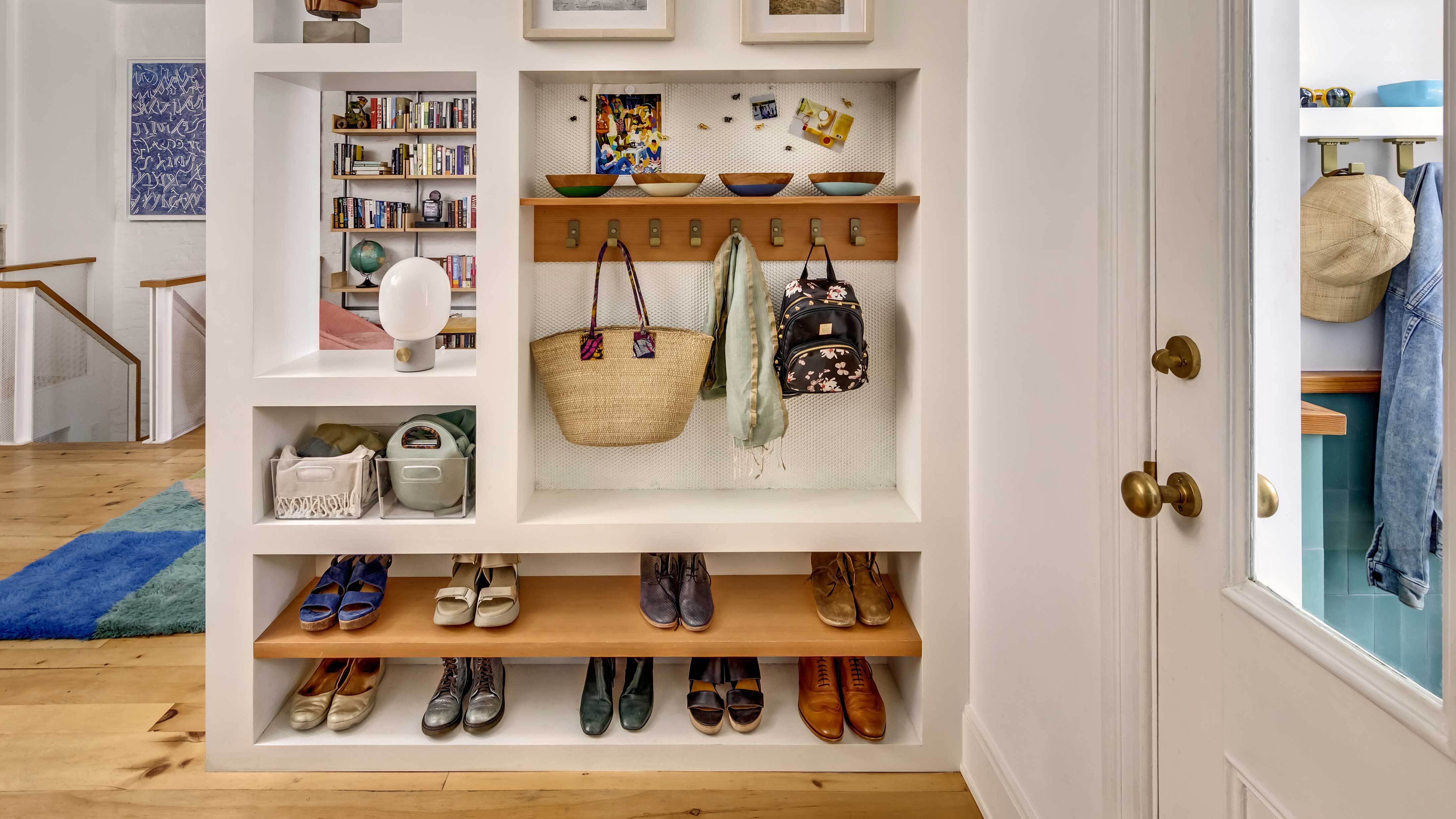
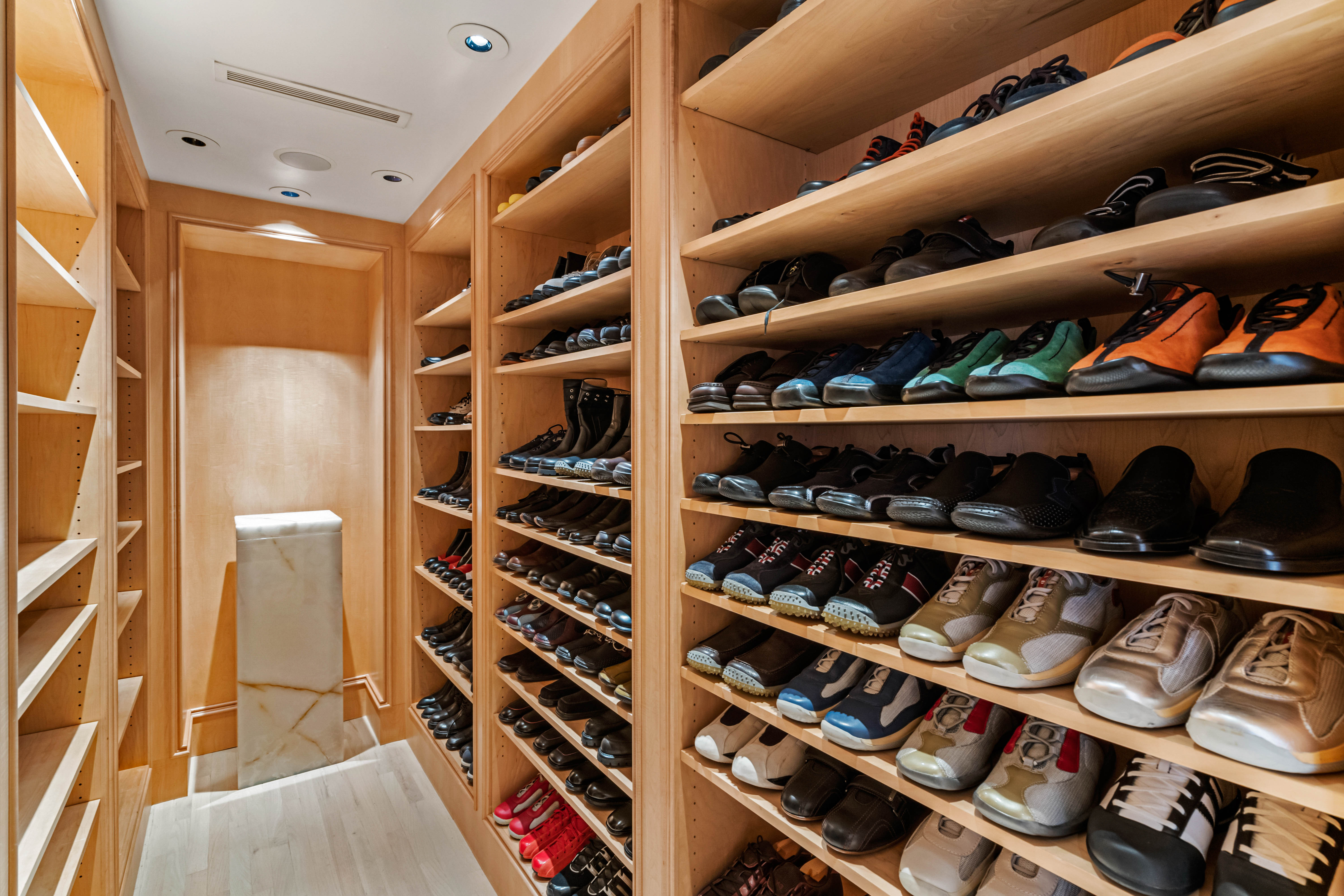
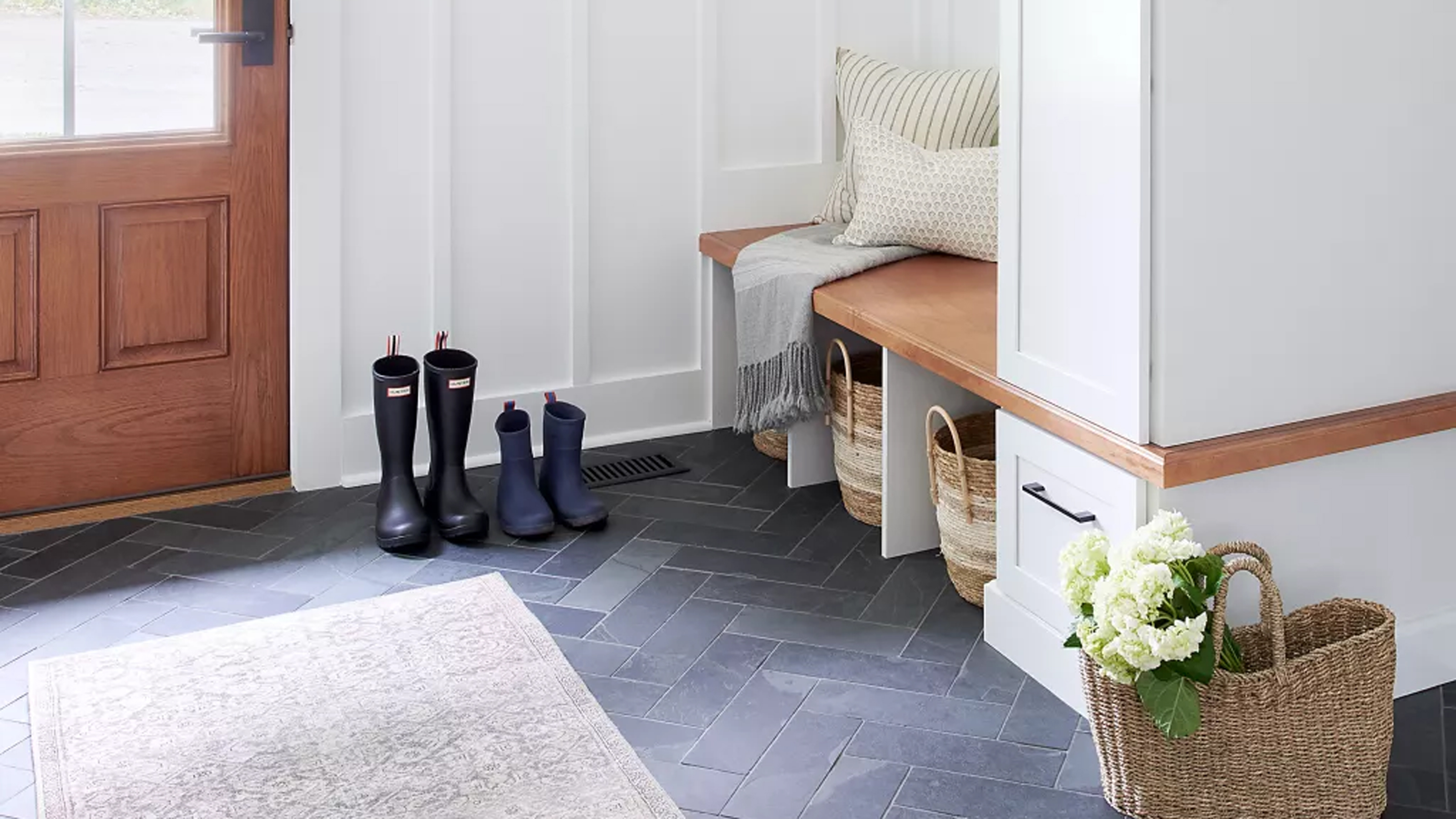
Beginning with the entryway or mudroom, a critical zone for seasonal transitions, it is essential to re-evaluate items like spring jackets, boots, and outerwear. Any items that went unworn during the previous winter or have been outgrown should be discarded or donated. Assessing existing entryway storage solutions is also crucial to ensure they adequately accommodate seasonal items, facilitating an organized and functional space for the upcoming rainy and muddy spring. This involves optimizing storage for shoes, coats, hats, and umbrellas, and creating convenient drop zones for keys and mail to prevent clutter accumulation.
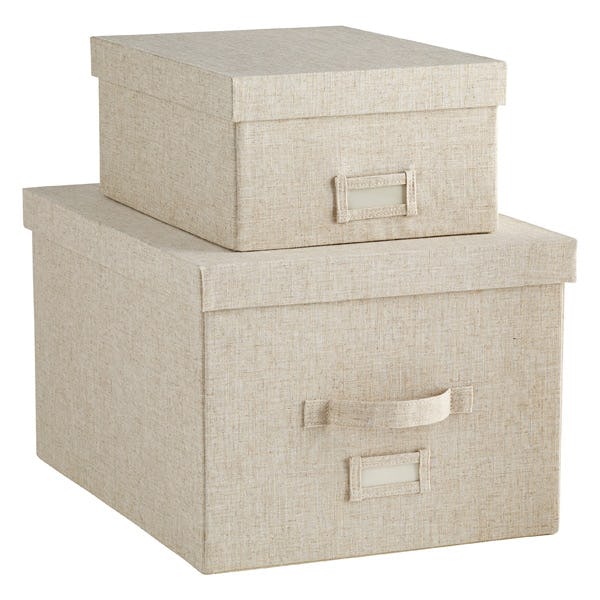
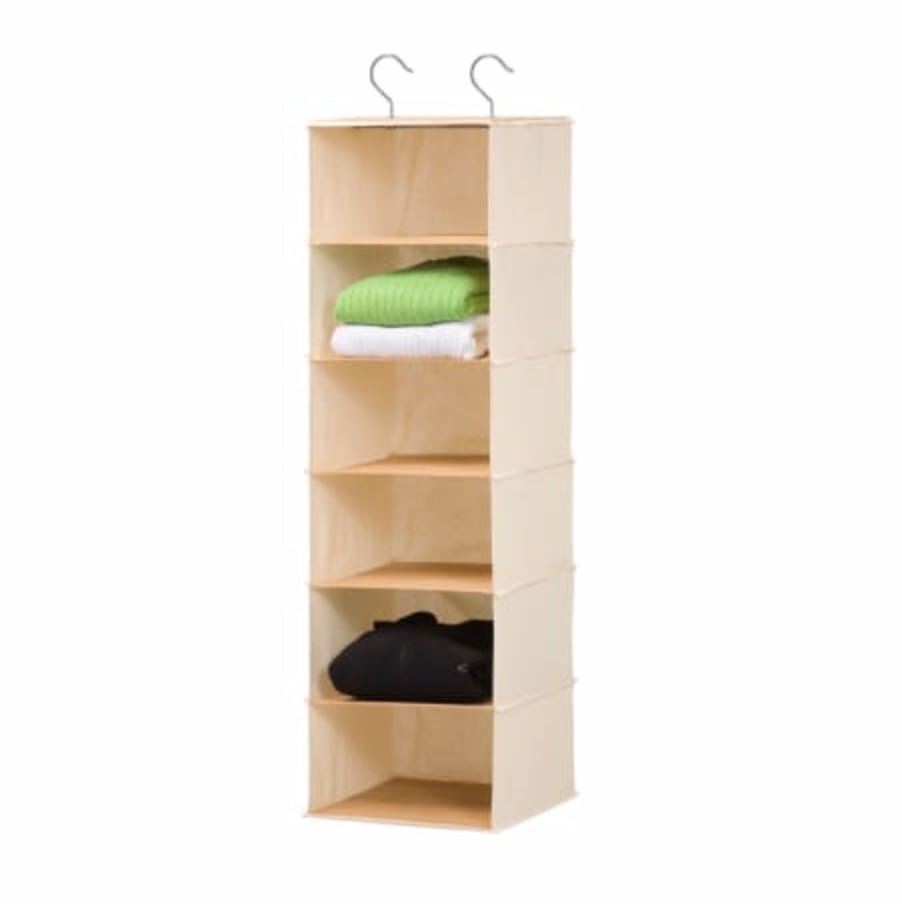
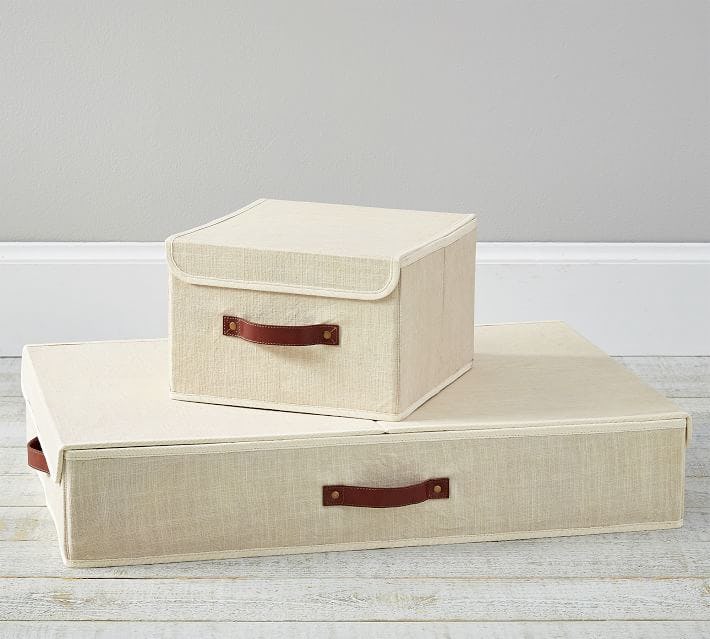
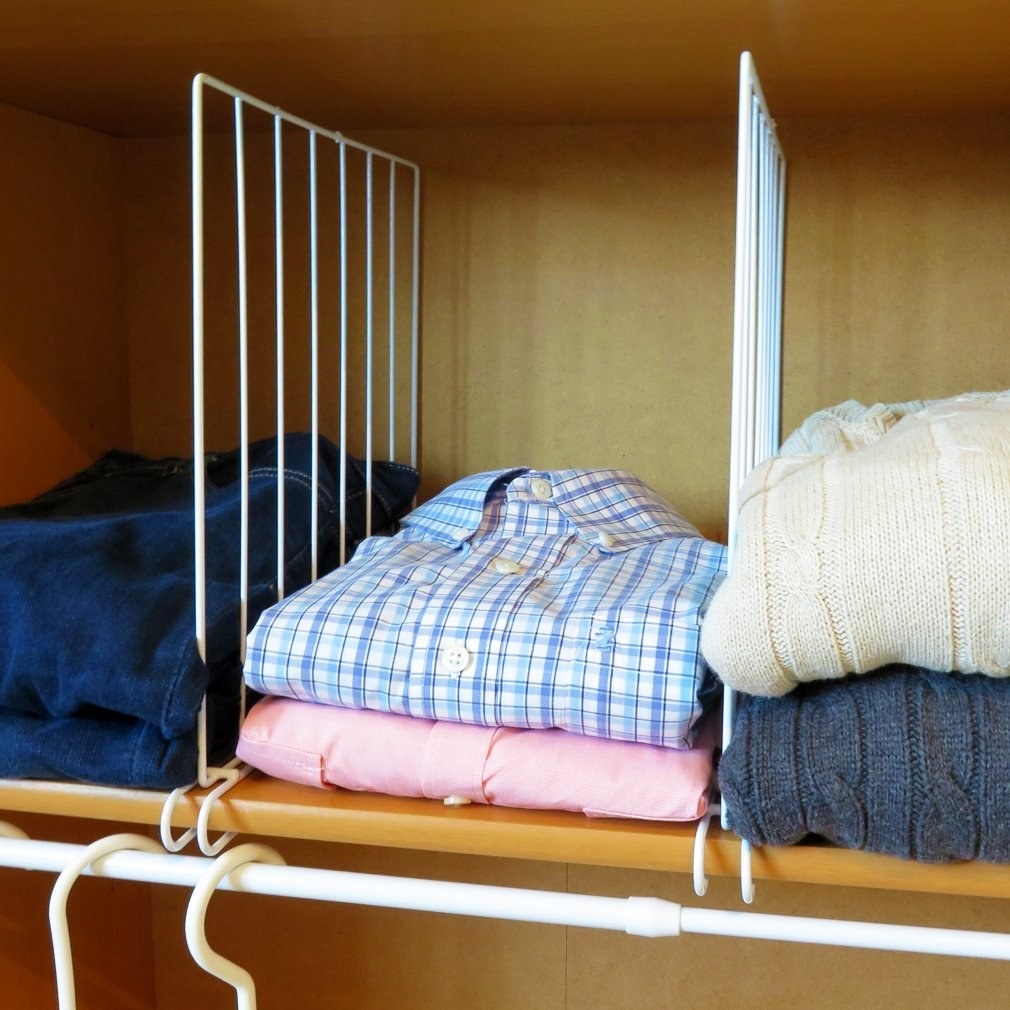
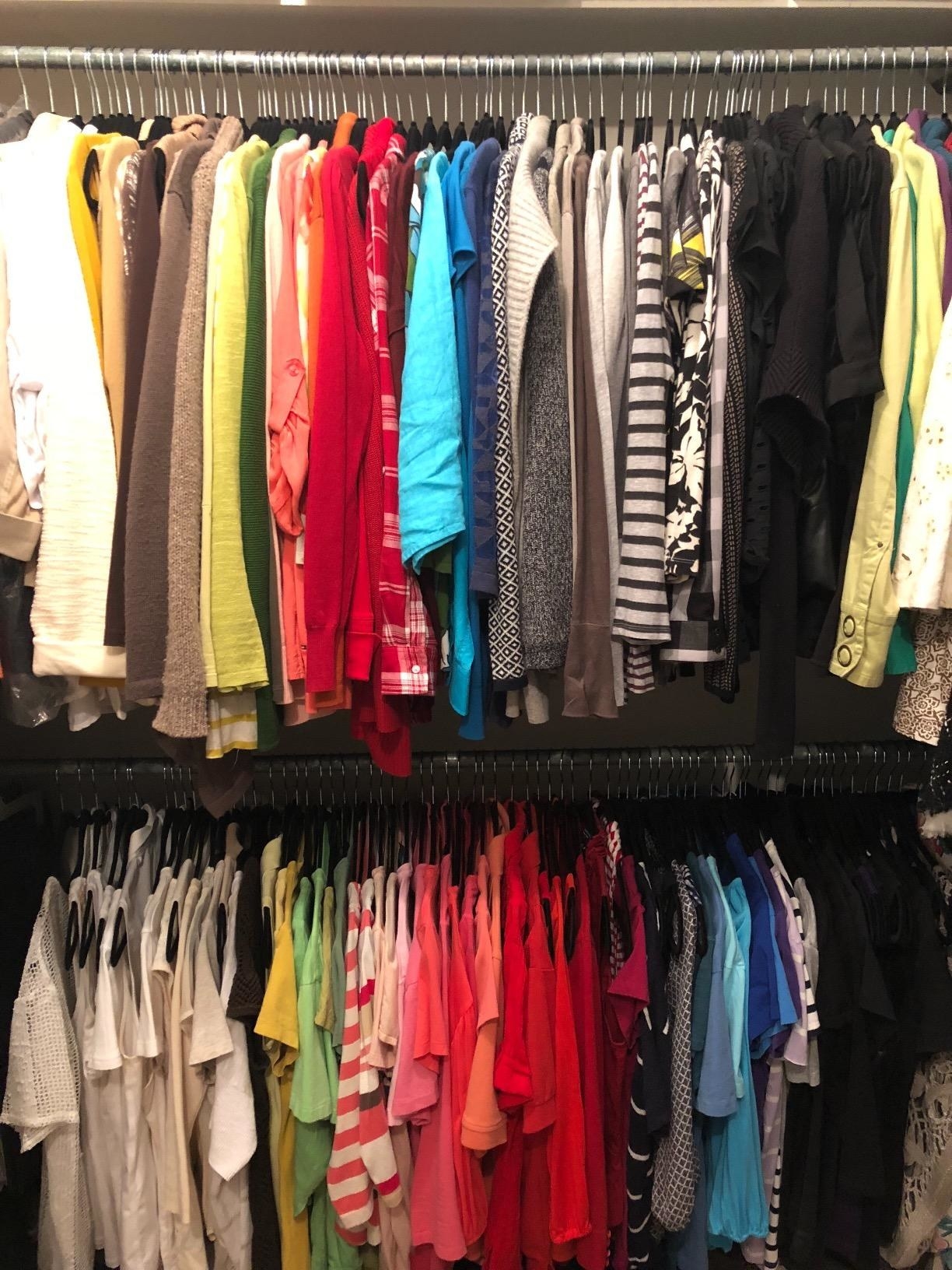
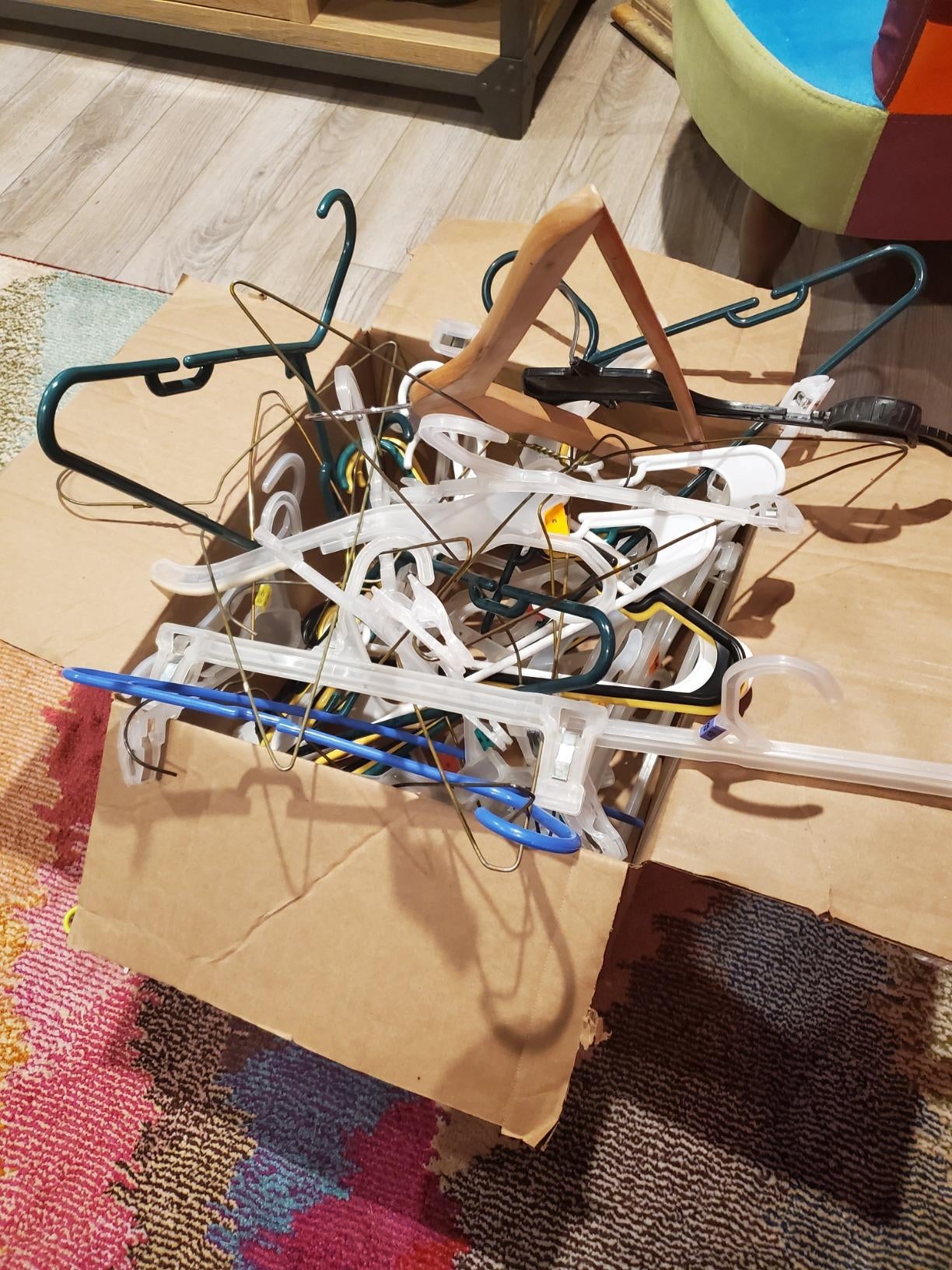
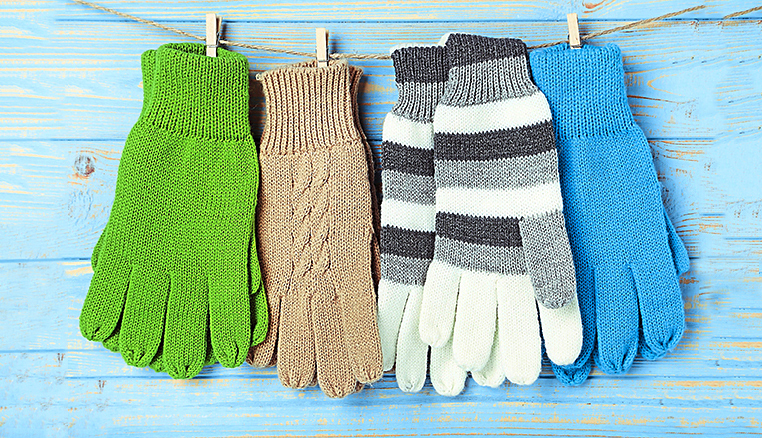
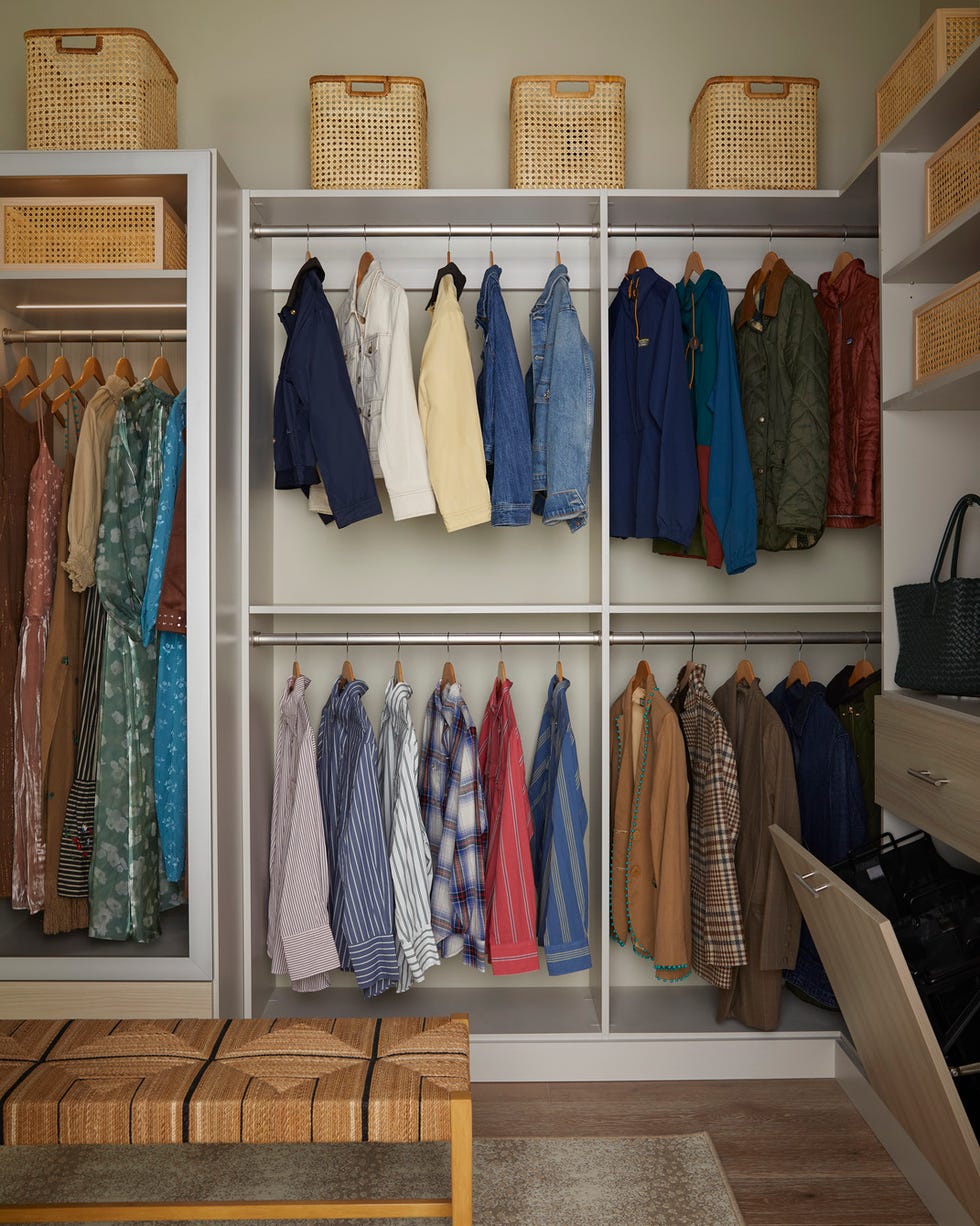
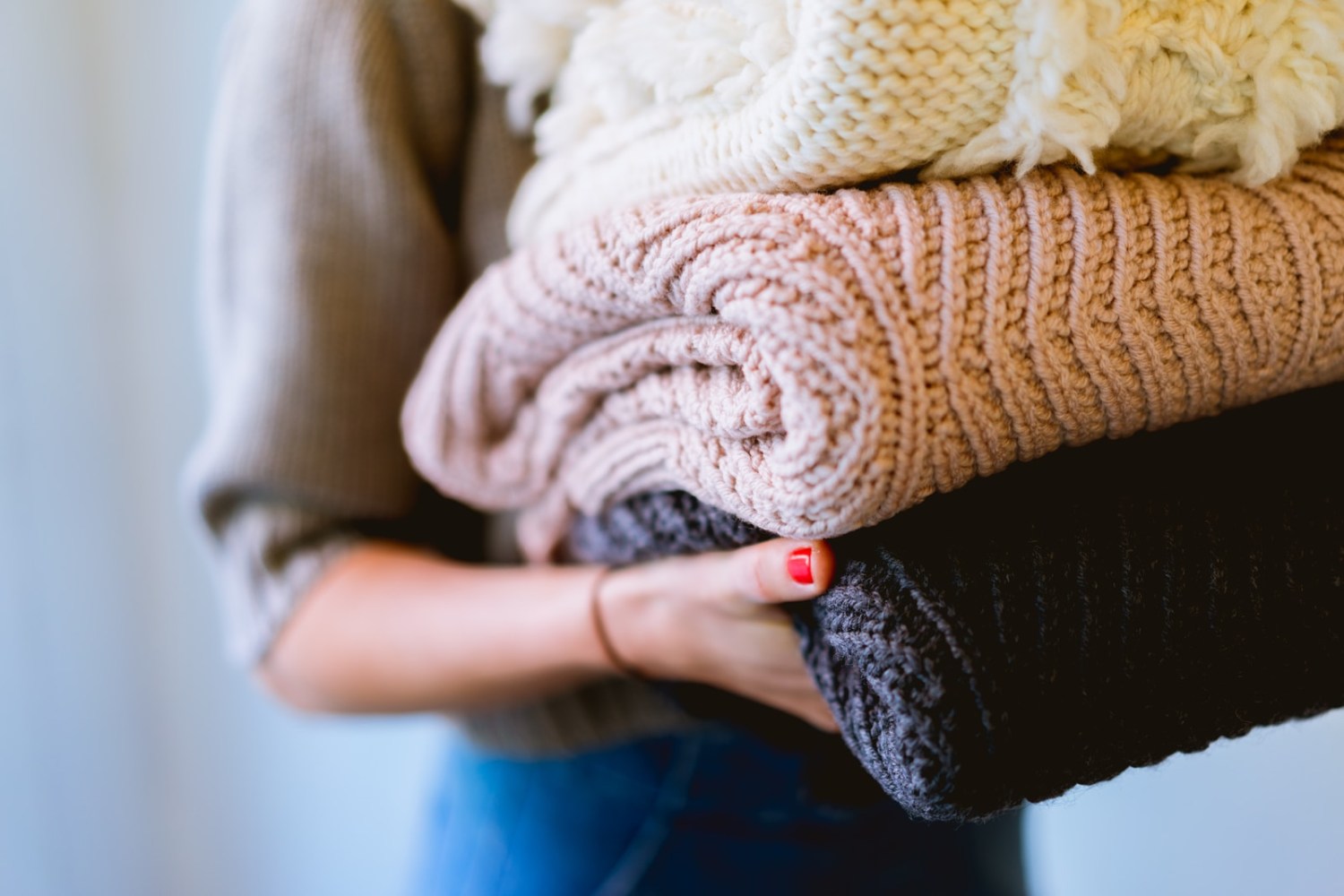
The wardrobe demands attention next, specifically winter clothing. With spring approaching, it is advisable to sort through winter coats, sweaters, boots, and accessories. Items that remained unused throughout the colder months are candidates for donation or consignment. This decluttering step ensures a seamless shift to spring attire, preventing unnecessary clutter in closets. For those without dedicated seasonal storage, winter items should be reduced to a capsule selection and stored collectively at one end of the closet, away from current-season clothing. Utilizing vacuum storage bags for bulky items and slimline velvet hangers for other garments can maximize space and maintain organization.
Medicine cabinets are another key area for decluttering. The end of flu season and increased outdoor activity signal a good time to review and safely dispose of expired medications, vitamins, and over-the-counter remedies. Simultaneously, checking and restocking spring-specific medications, such as hay fever tablets, prepares the household for allergy season. Proper disposal of old medicines through local pharmacies is emphasized to ensure safety.
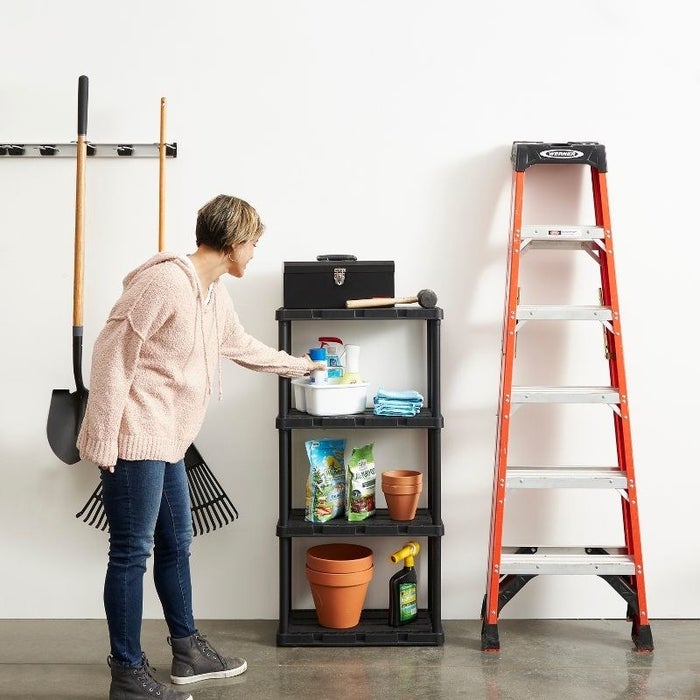
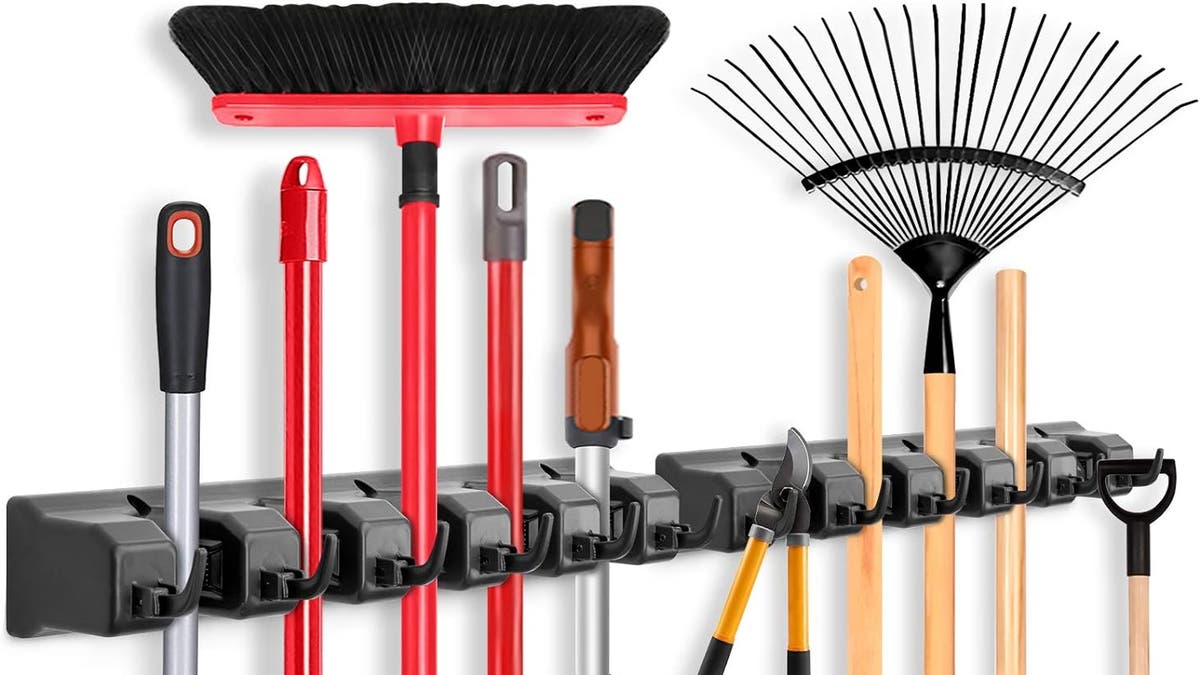
Winter tools and equipment, having served their purpose, should be prepared for storage. Any items that are broken, dysfunctional, or went unused should be discarded. Functional items like snow shovels and sleds need to be cleaned and properly stored to preserve their condition for the following winter. Wall-mounted organizers in garages or sheds can effectively utilize vertical space for long-handled tools.
Outdoors, the yard requires attention to prepare for spring gardening and outdoor entertaining. Taking inventory of garden tools and outdoor seating is a sensible step. Broken or non-functional tools should be replaced, and a shopping list should be created for necessary garden supplies. Outdoor furniture should be inspected for damage, cleaned, and made ready for use, including checking the condition of cushions. Essential items like garden tool sets, heavy-duty brooms, and outdoor chair cushions can aid in this process.
For those planning spring break travel, decluttering luggage and travel items is beneficial. This includes discarding broken luggage, expired travel toiletries, and any travel gadgets that proved ineffective. Cleaning existing luggage readies it for future trips, and storing suitcases efficiently prevents them from obstructing living spaces.
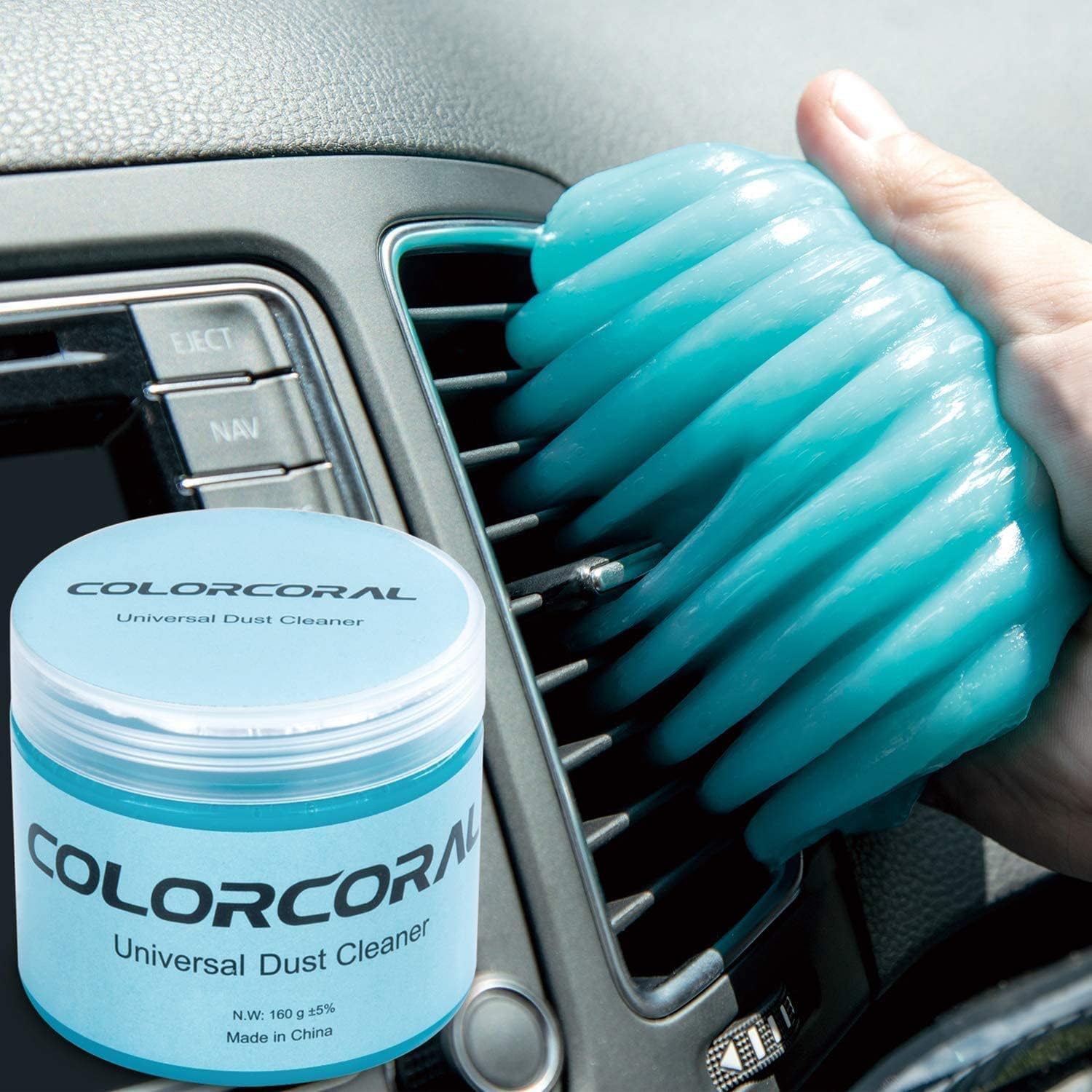
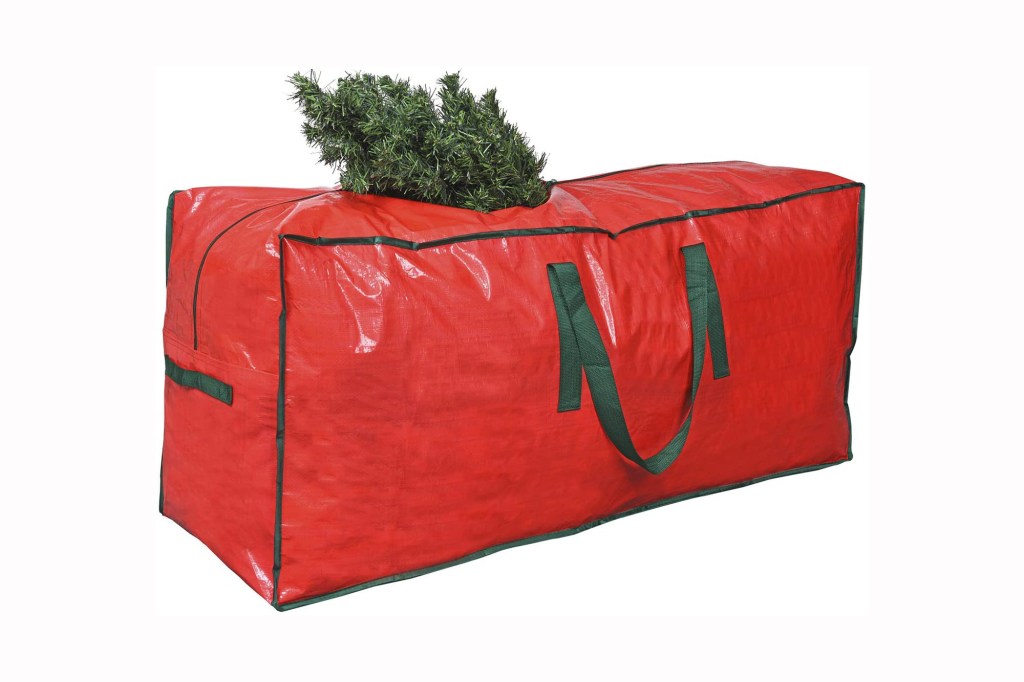
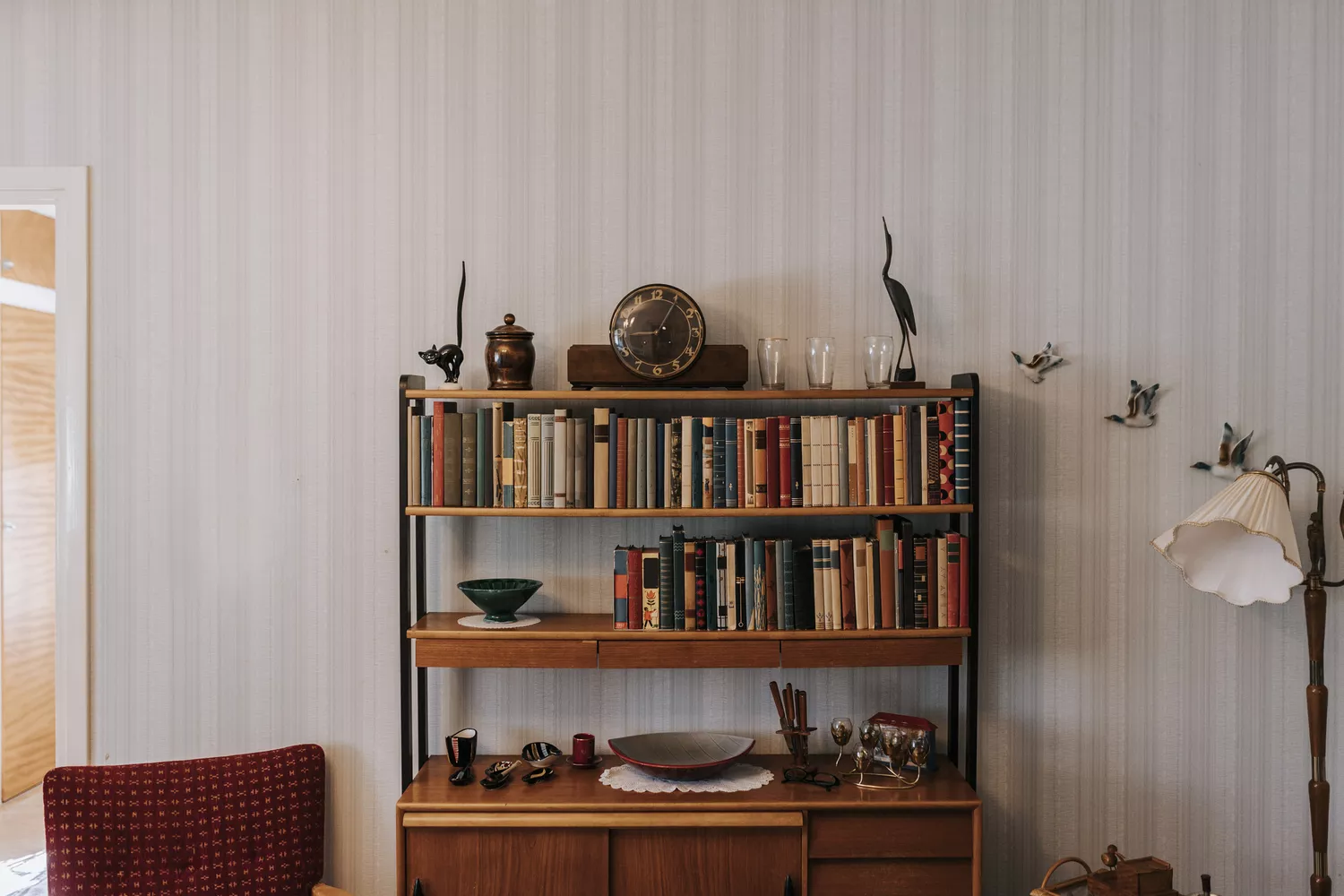
Seasonal decor also needs to be addressed. Transitioning from winter to spring themes involves sorting through decor pieces. Items that no longer resonate with current tastes or fit the aesthetic should be decluttered to free up space, both in living areas and in storage. Clear plastic storage totes are recommended for organizing off-season decor, especially in attics or basements, allowing for easy identification of contents. Using microfiber cloths and fragranced cleaning sprays during this process helps tackle dust and refreshes the home's ambiance.
The pool area, though not yet ready for swimming, benefits from early decluttering. Broken equipment and unused accessories like floats should be removed. This clears the space and allows for a fresh start before the more intensive cleaning and maintenance required in late spring or early summer, such as using leaf vacuums to clear debris.
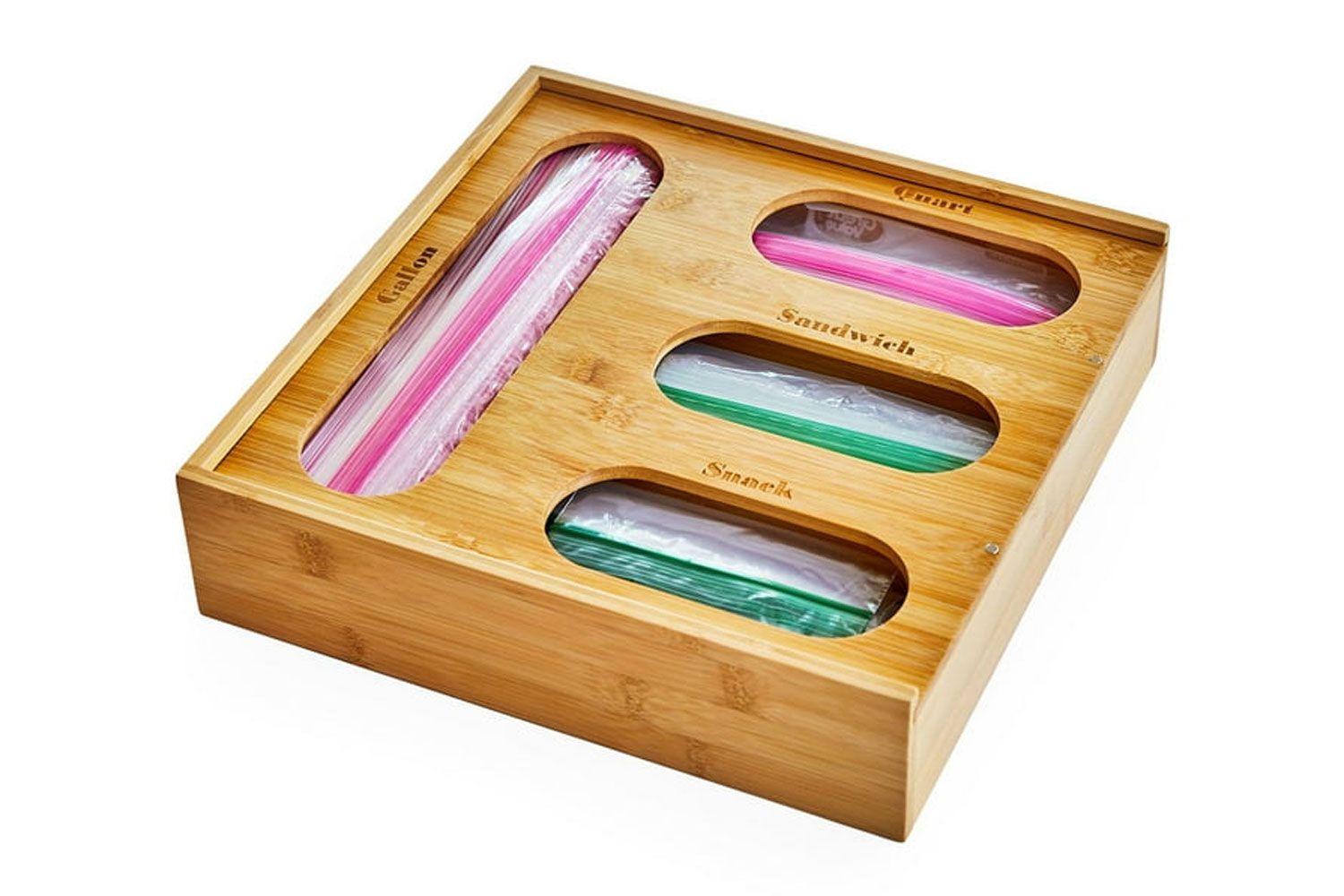
Pantry and fridge organization aligns with dietary shifts towards lighter, fresh foods. Checking expiration dates, discarding stale ingredients, and reorganizing shelves to prioritize nutrient-dense items promote healthier eating habits and more efficient meal preparation. Using antibacterial cleaners for surfaces, perforated storage baskets for snacks, and meal prep containers facilitates a functional and clean kitchen environment.
Finally, addressing candles and home scents helps to usher in a spring atmosphere. Winter-themed or disliked candles, particularly those made with paraffin or that have tunneled, should be removed. Opting for non-toxic alternatives like soy wax candles with light, spring-like scents or essential oil diffusers allows for a customizable and refreshing home fragrance, contributing to a sense of renewal as the seasons change.
#Decluttering #SpringCleaning #HomeOrganization #SeasonalDecor #EntrywayOrganization #WardrobeDeclutter #MedicineCabinet #GardenTools #TravelPreparation #PantryOrganization #Decluttering #SpringCleaning #HomeOrganization #SeasonalDecor #EntrywayOrganization #WardrobeDeclutter #MedicineCabinet #GardenTools #TravelPreparation #PantryOrganization
0 comment in total
 No comments yet
You may also like
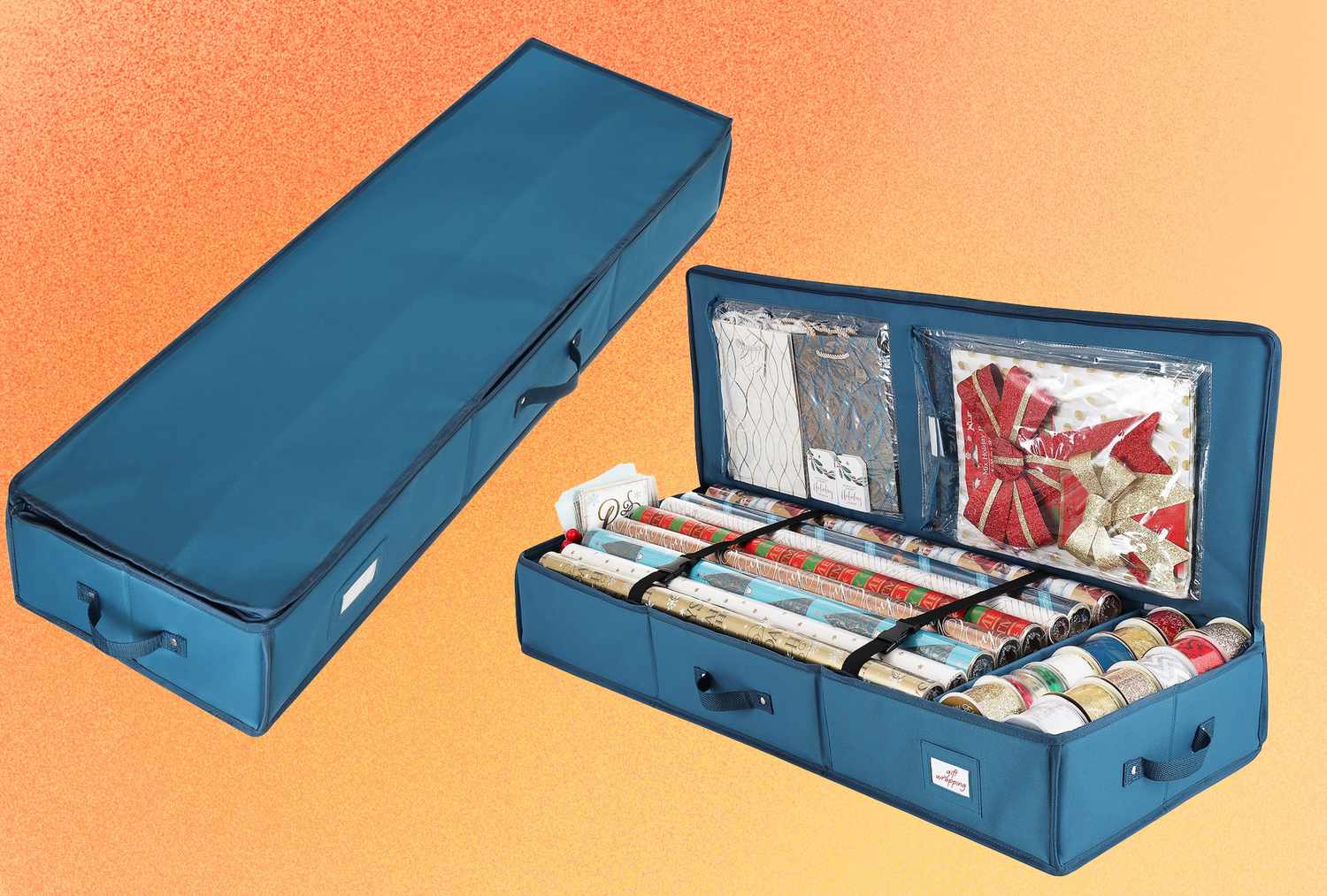
It’s Time to Declutter Your Home, and These 10 Storage Solutions Start at $3

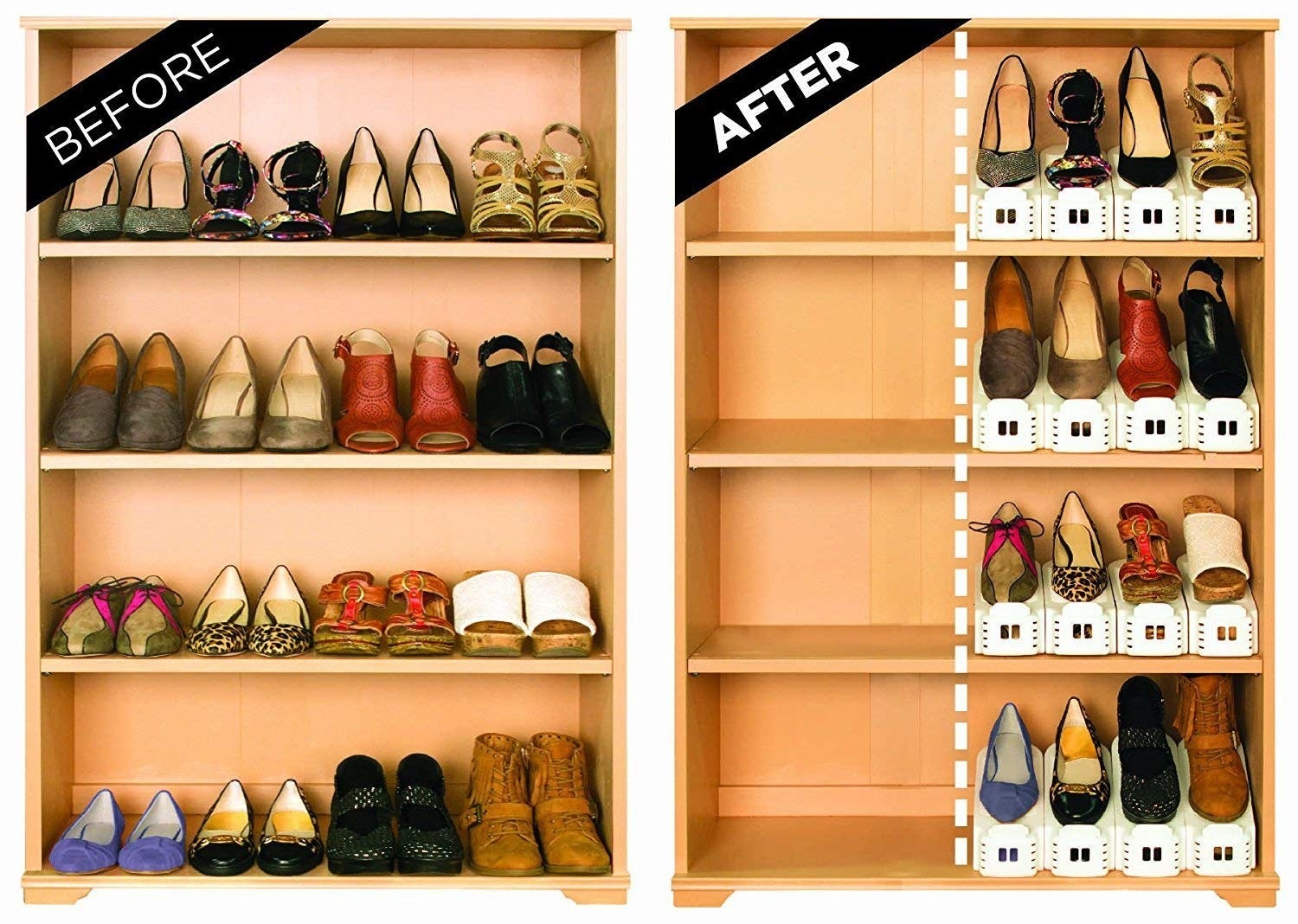
If You Didn’t Clean And Organize Your Closet For The New Year, Spring Is The Perfect Time To Do It — These 19 Products Will Help

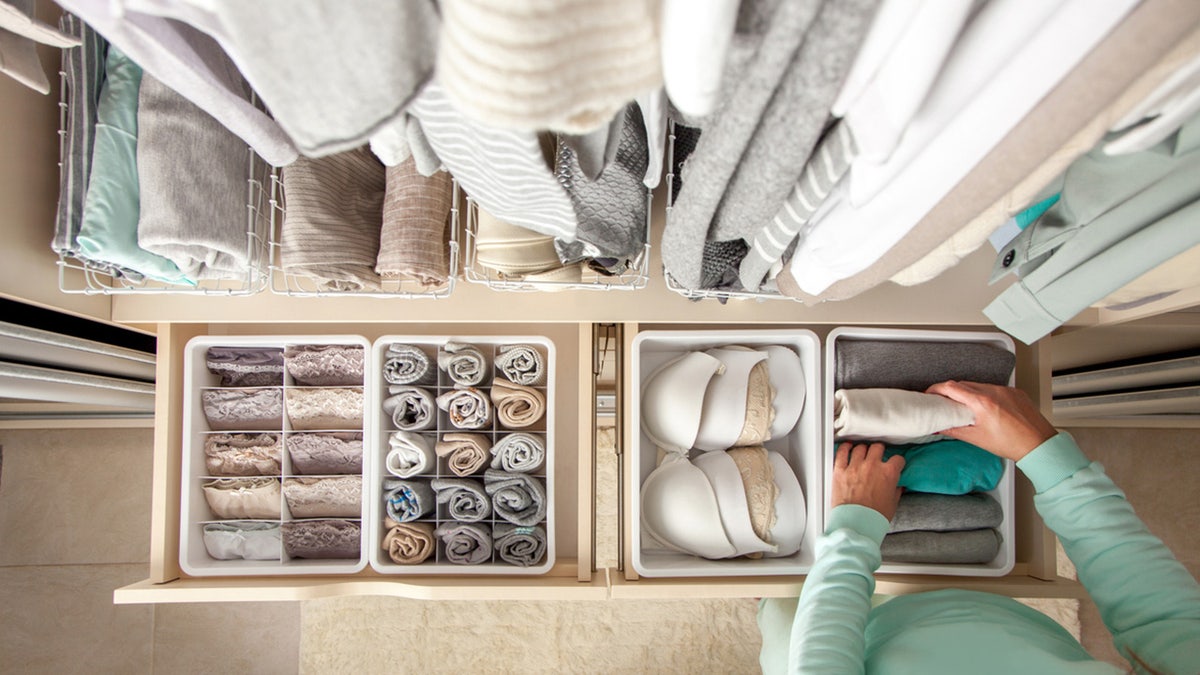
Declutter your home with these 12 organizational items

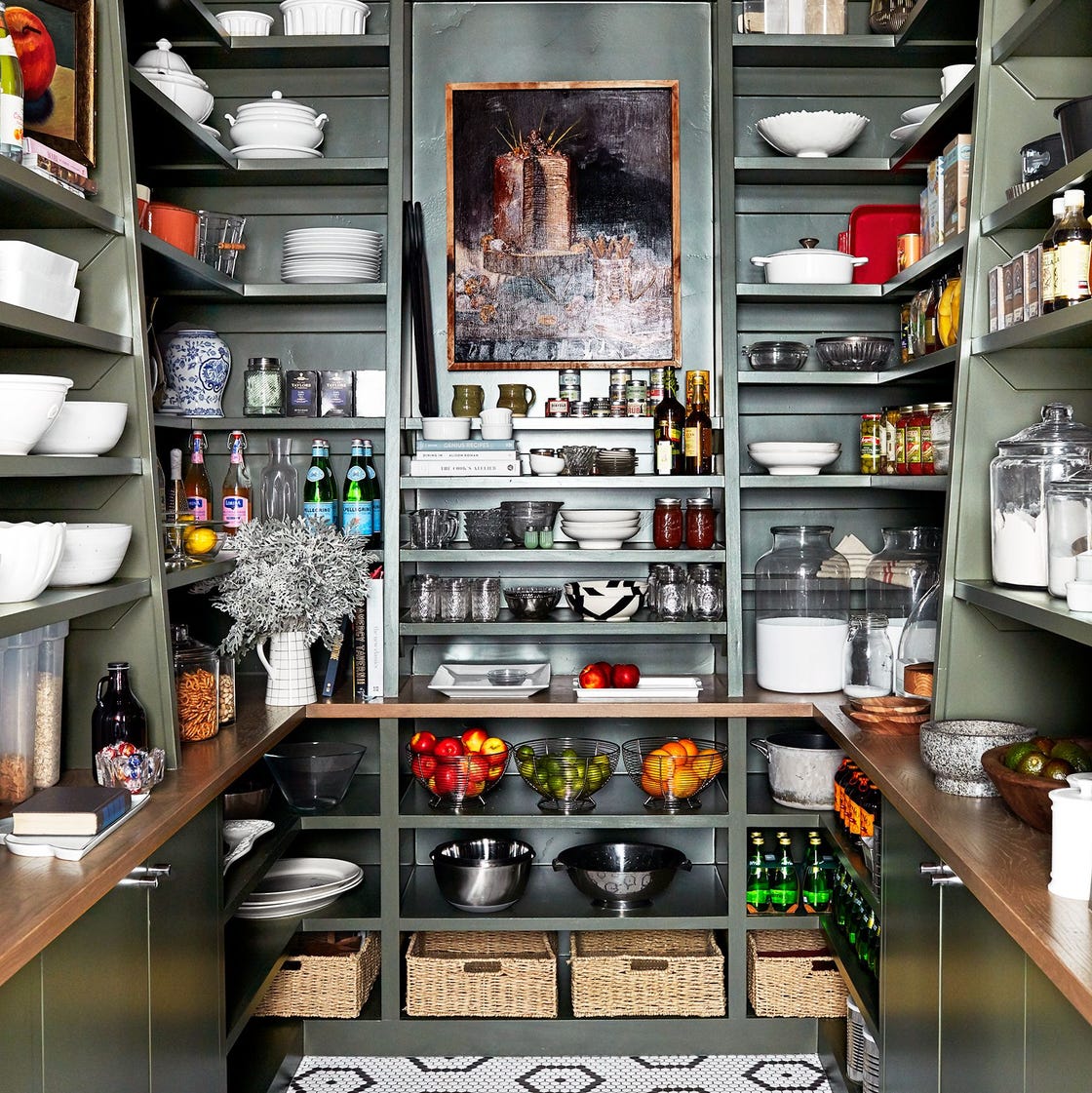
5 Things Professional Organizers ALWAYS Do in January

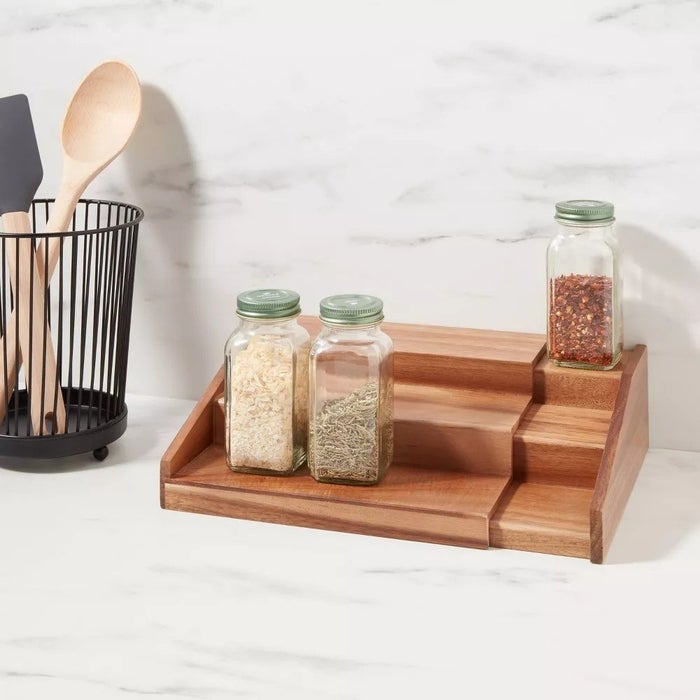
23 Organization Products From Target You Need If Piles Of Stuff Are Ruining Your Home's Vibe
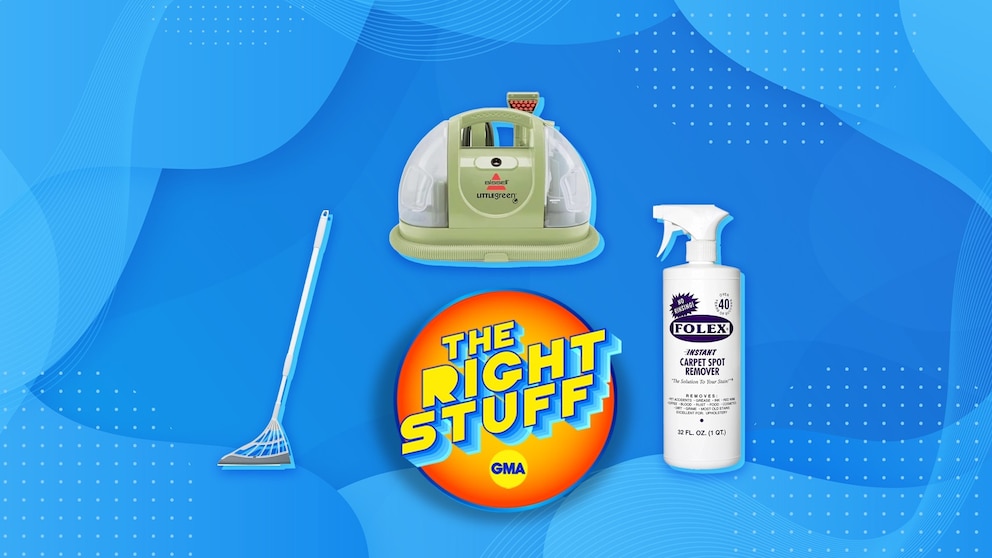
The best spring cleaning supplies to freshen up your space
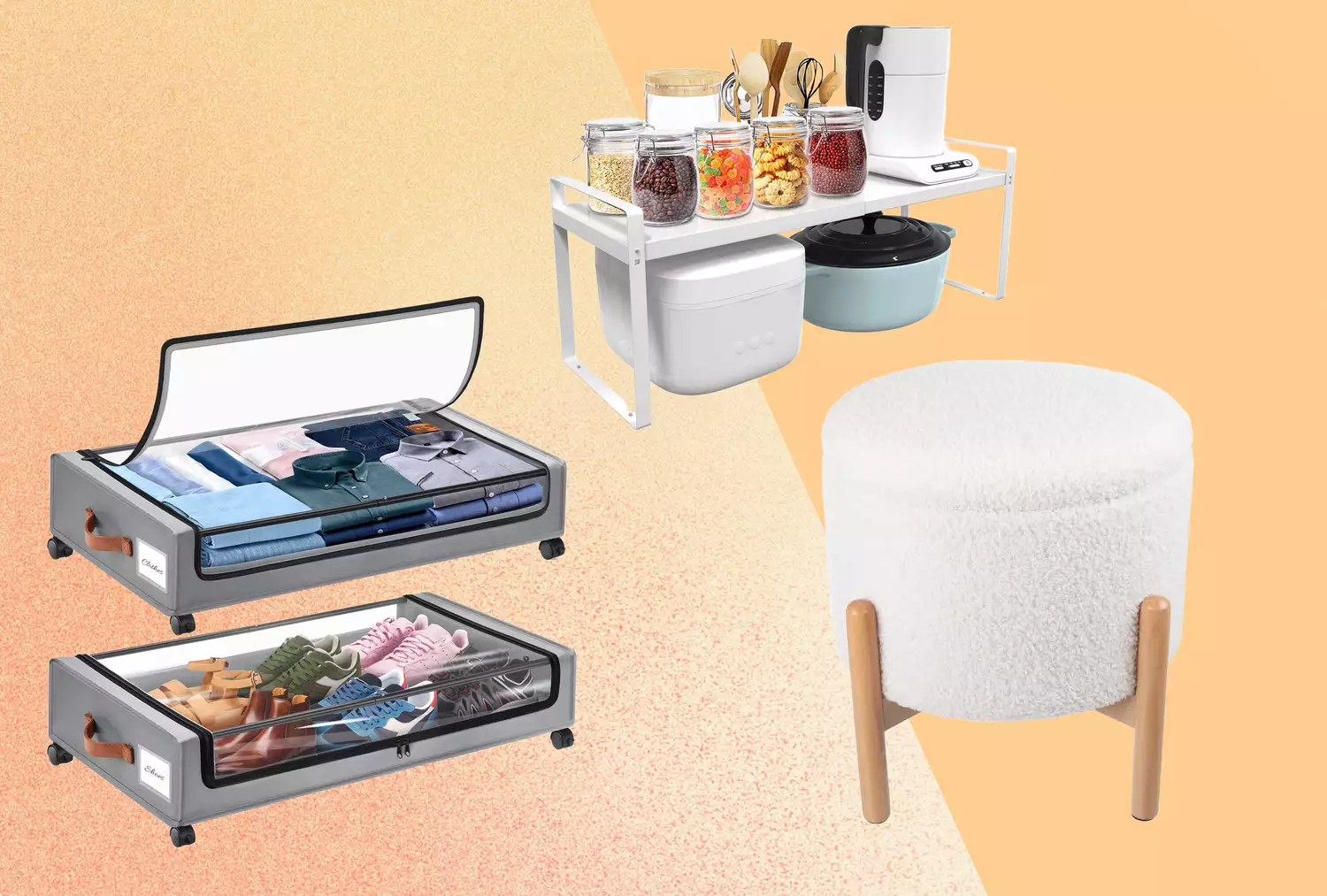
10 Clever Storage Solutions Worth Buying for a Total Home Reset—From $3
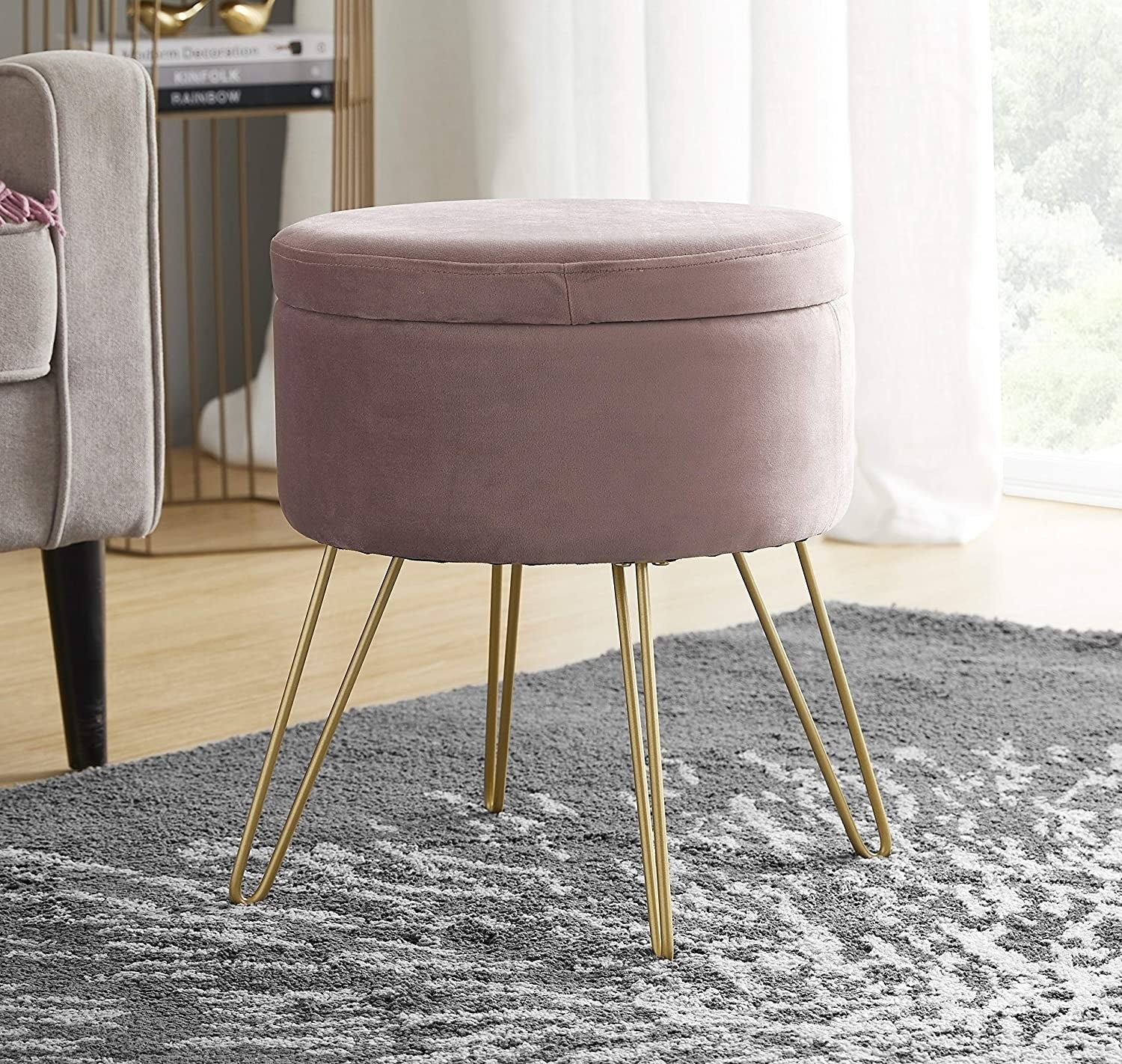
If You're Trying To Hide All Your Junk In Plain Sight, Try These 24 Organization Products

15 Random-But-Useful Home Items That Will Make Spring Cleaning Less Painful
The Outdated Home Decor You Should Toss While Spring Cleaning, According to Designers

3 boot storage ideas to organize your winter footwear - 'They'll tidy up your mudroom once and for all!'

New year, no mess! Christmas storage solutions you need to clean up after the holidays
15 Clever Storage Solutions to Spring Clean Your Home Into Tip-Top Shape—From $9

5 Things Designers Quietly Declutter Living Rooms Before Winter

It's Officially Time to Refresh Your Closet for Spring


5 simple springtime organization tips—local design experts get real

I Bested My Fashion Burnout With These Expert Closet Cleanout Tips
Genius Tension Rod Hack Makes Your Winter Gloves and Hats So Easy to Find


Items to get rid of in your living room – 10 things decluttering experts want to clear out
Our 30-Day Spring Cleaning Checklist Is Here to Save Your Home from Mess