1/5
5 Outdoor Lighting Tricks People With Well-Lit Yards Always Use — They'll Make Your Yard Look 100 Times Better
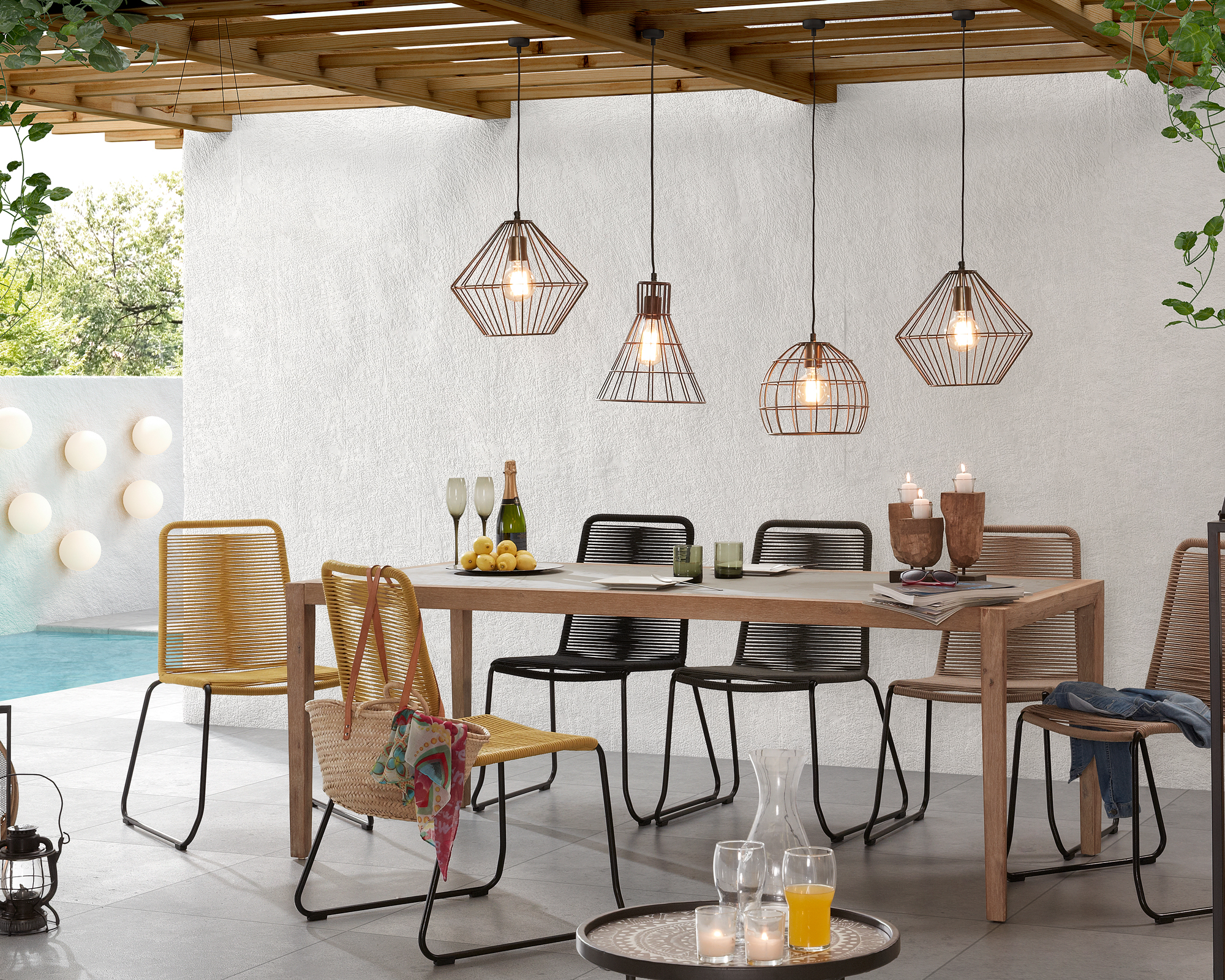
Outdoor lighting is an essential element for enhancing a home's exterior, offering both aesthetic appeal and practical benefits. Investing in outdoor lighting transforms a dark yard into a viewable extension of the home during colder months and allows for extended enjoyment of outdoor spaces on warm evenings. While any lighting is better than none, expert advice can significantly elevate the impact and efficiency of outdoor lighting.
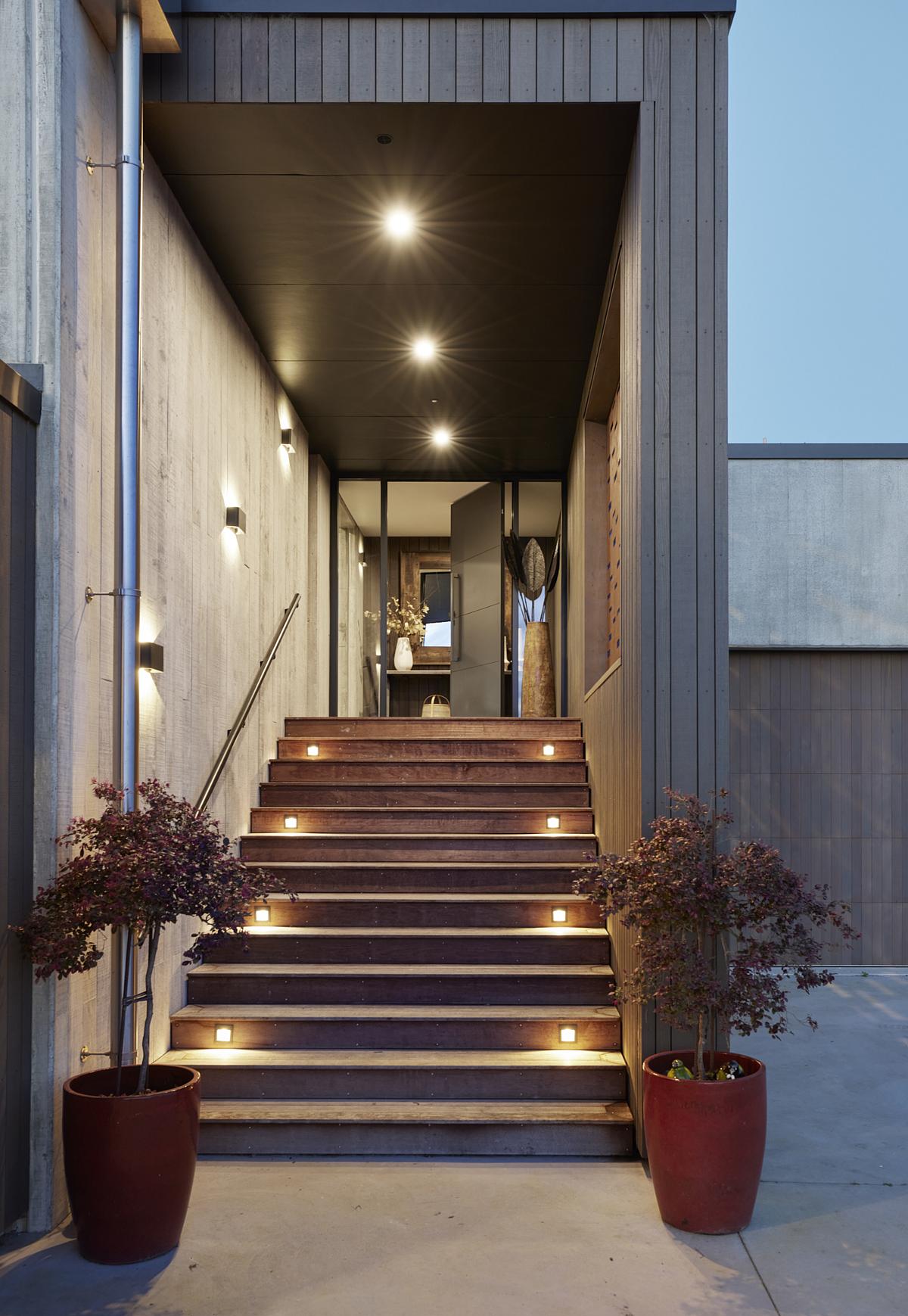
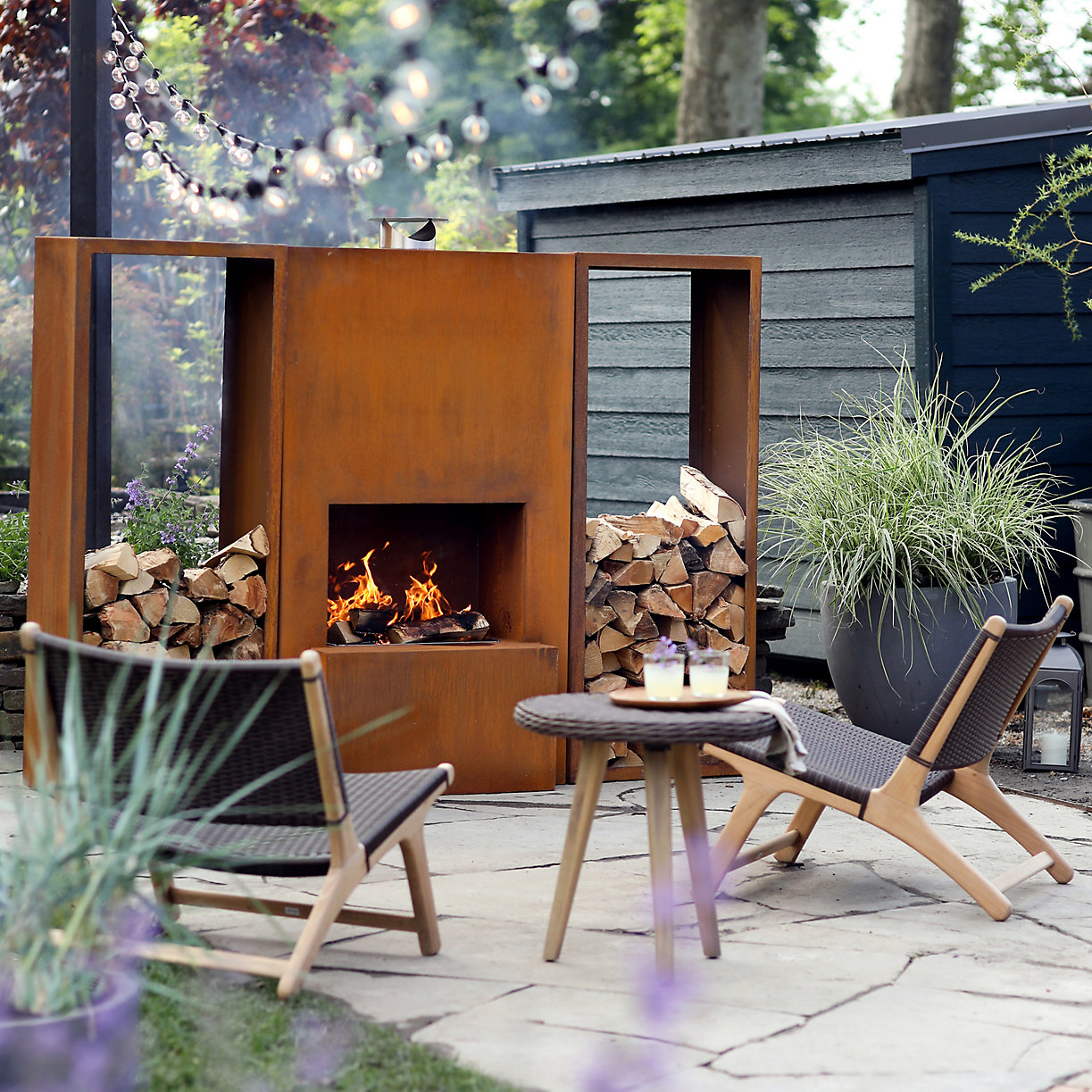
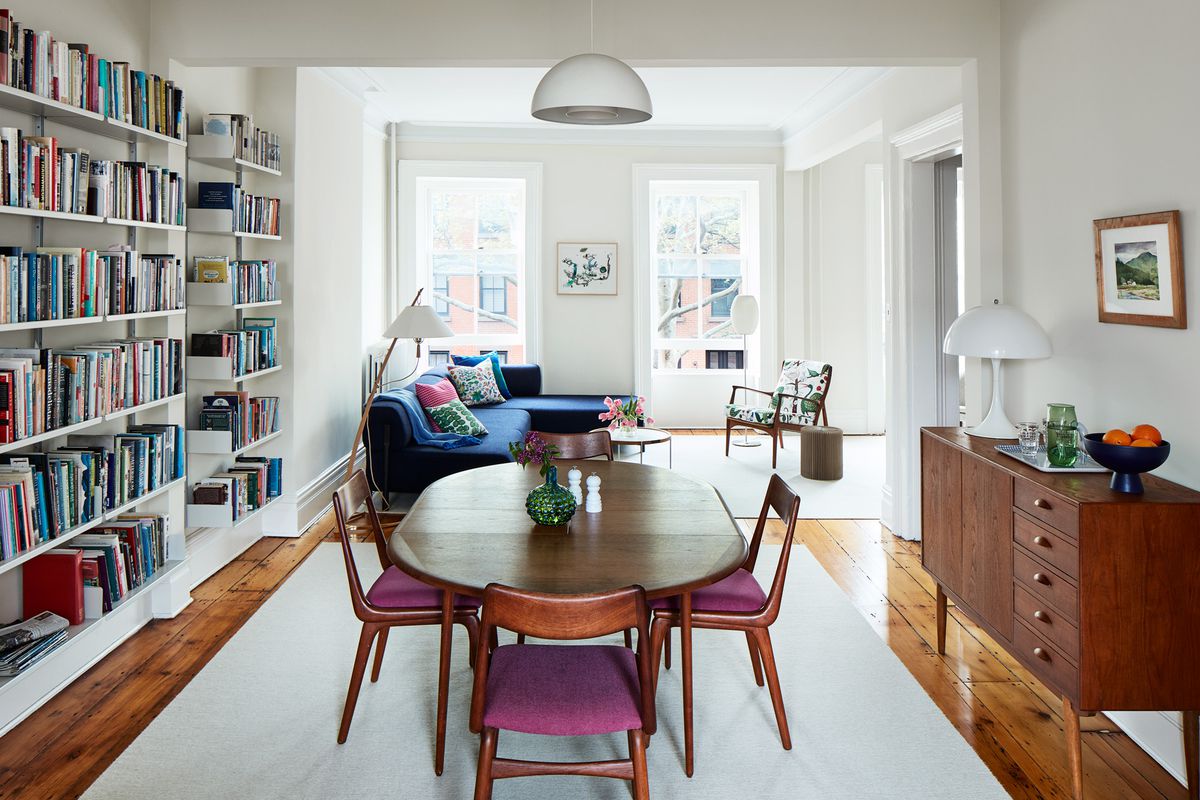
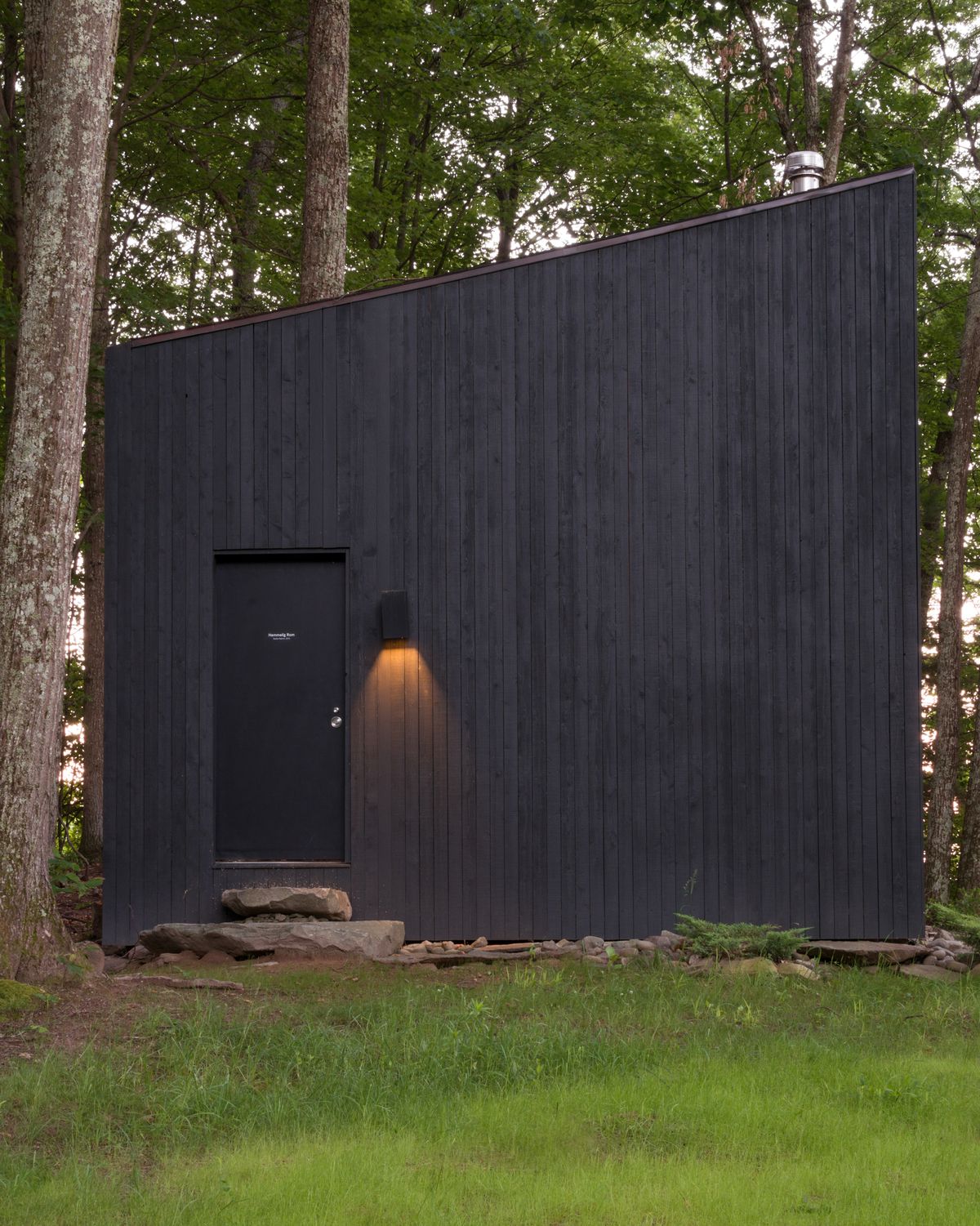
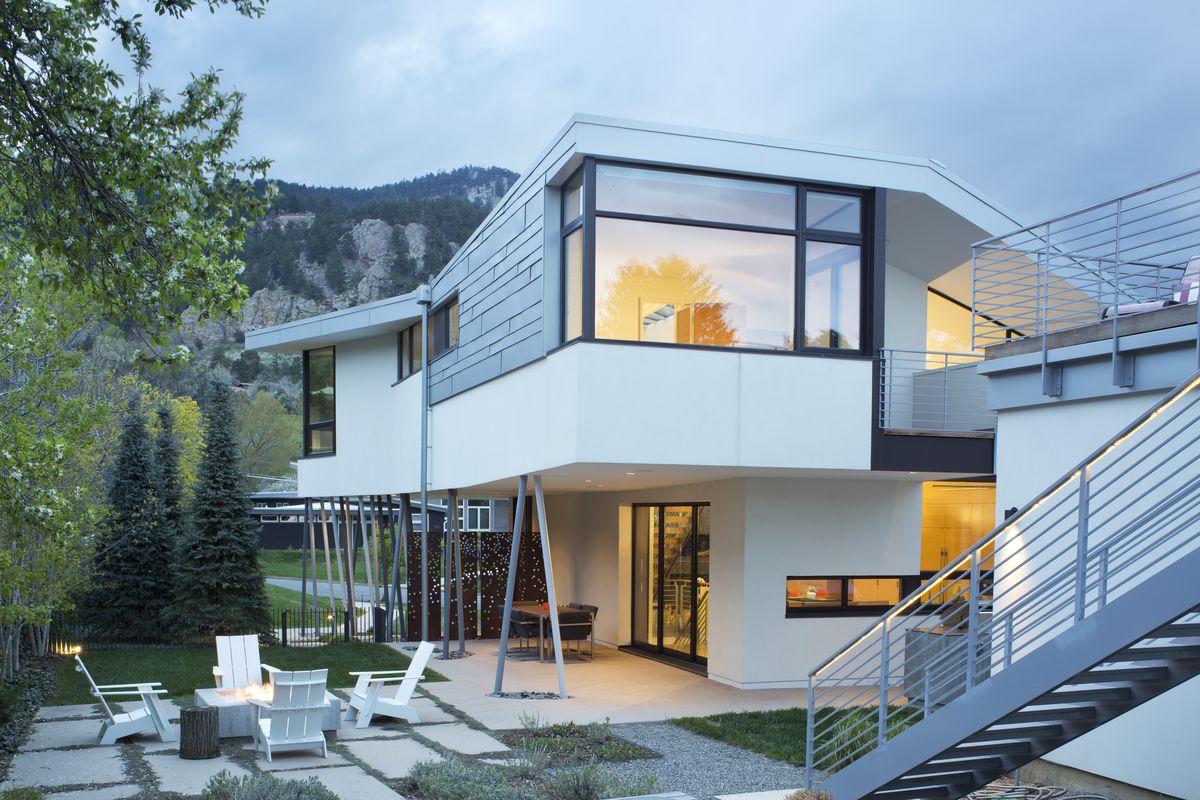
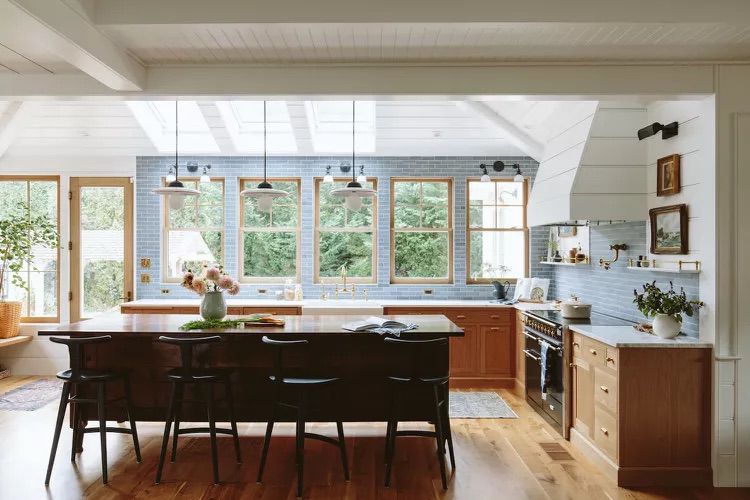
One crucial tip is to consider the existing lighting from the home's interior. Designers emphasize that the house itself acts as a 'lantern,' emitting considerable light into outdoor areas. Therefore, landscape lighting should primarily serve to accent specific features rather than provide overall illumination. This approach ensures that the outdoor lighting complements, rather than competes with, indoor light sources.
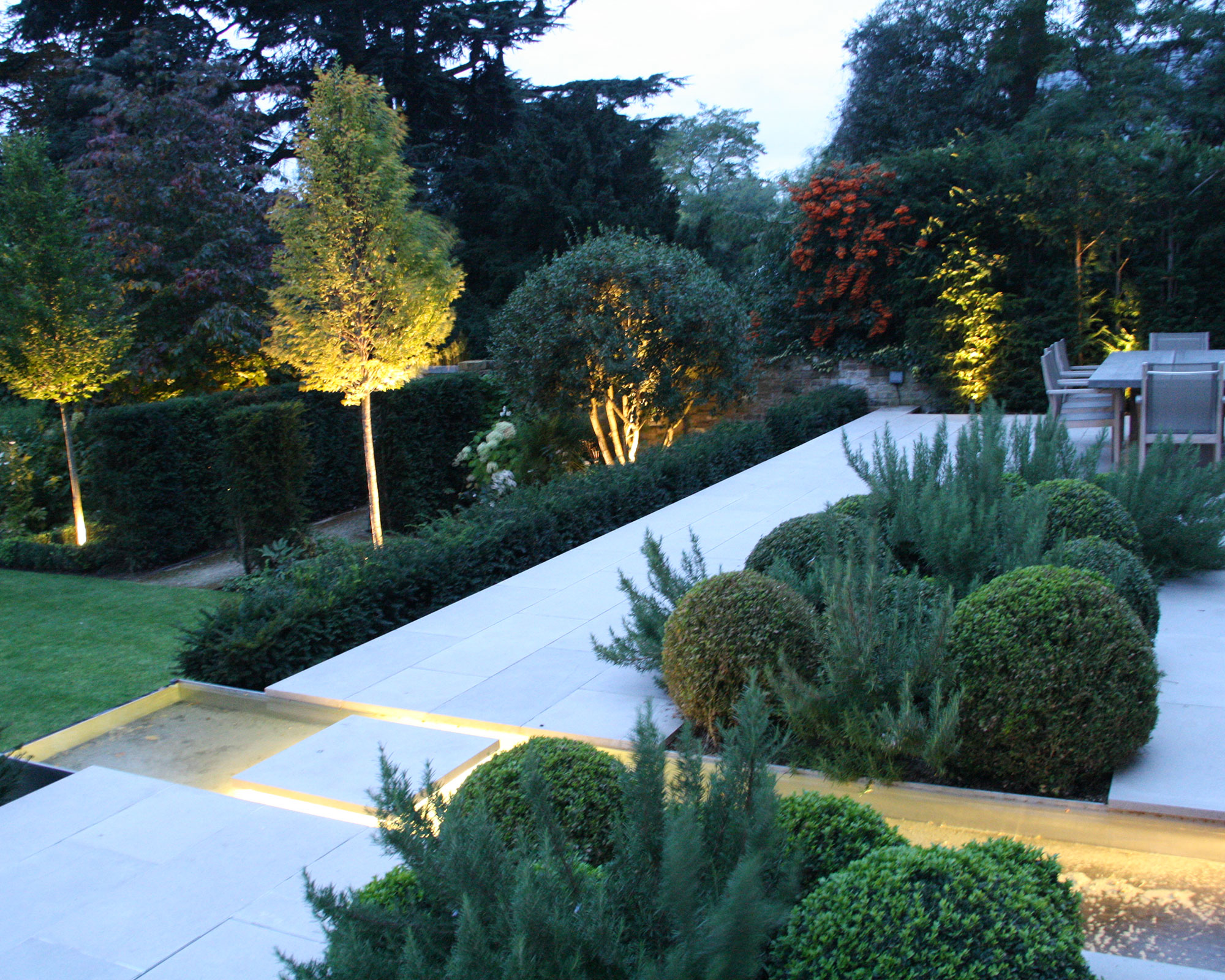
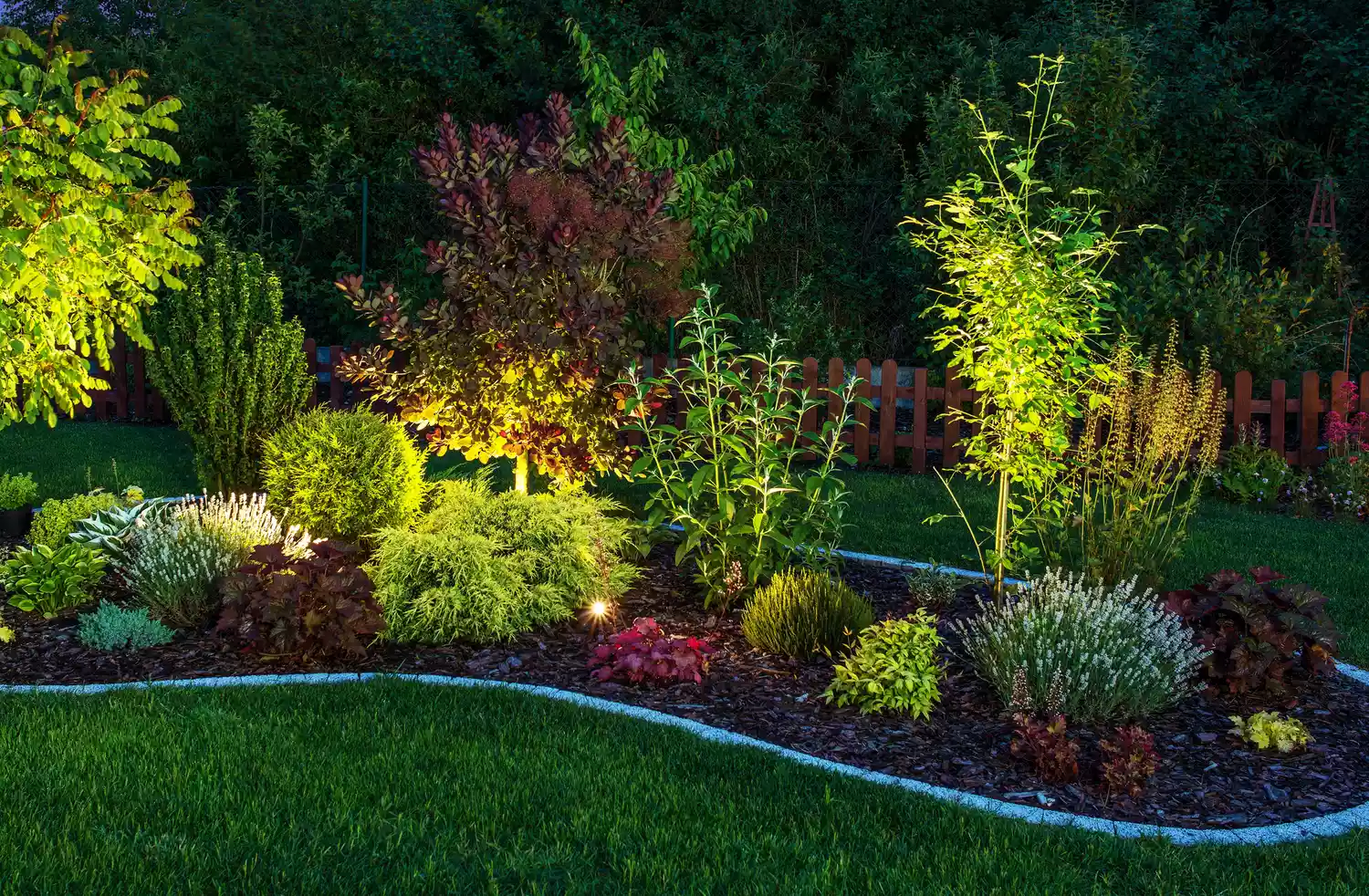
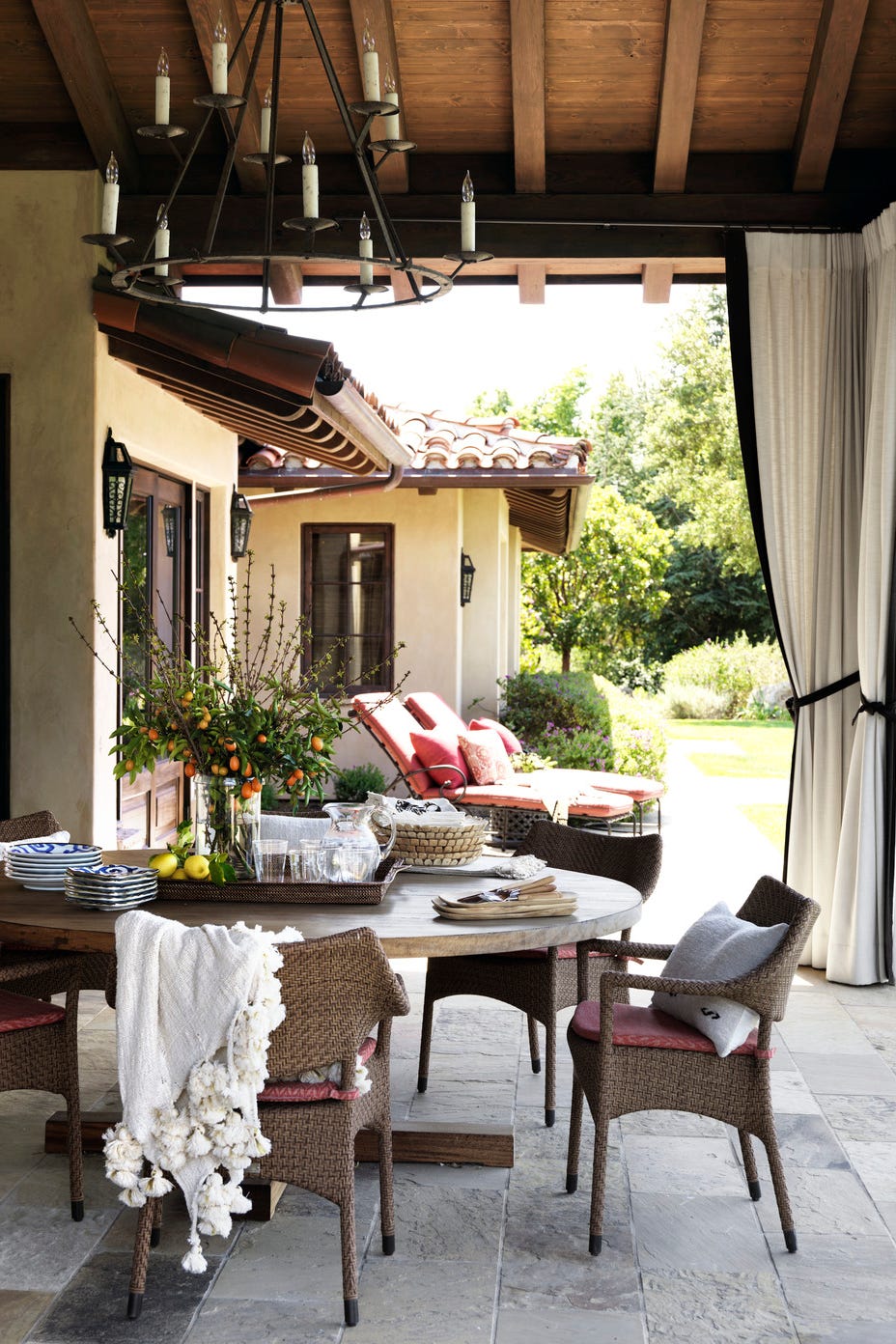
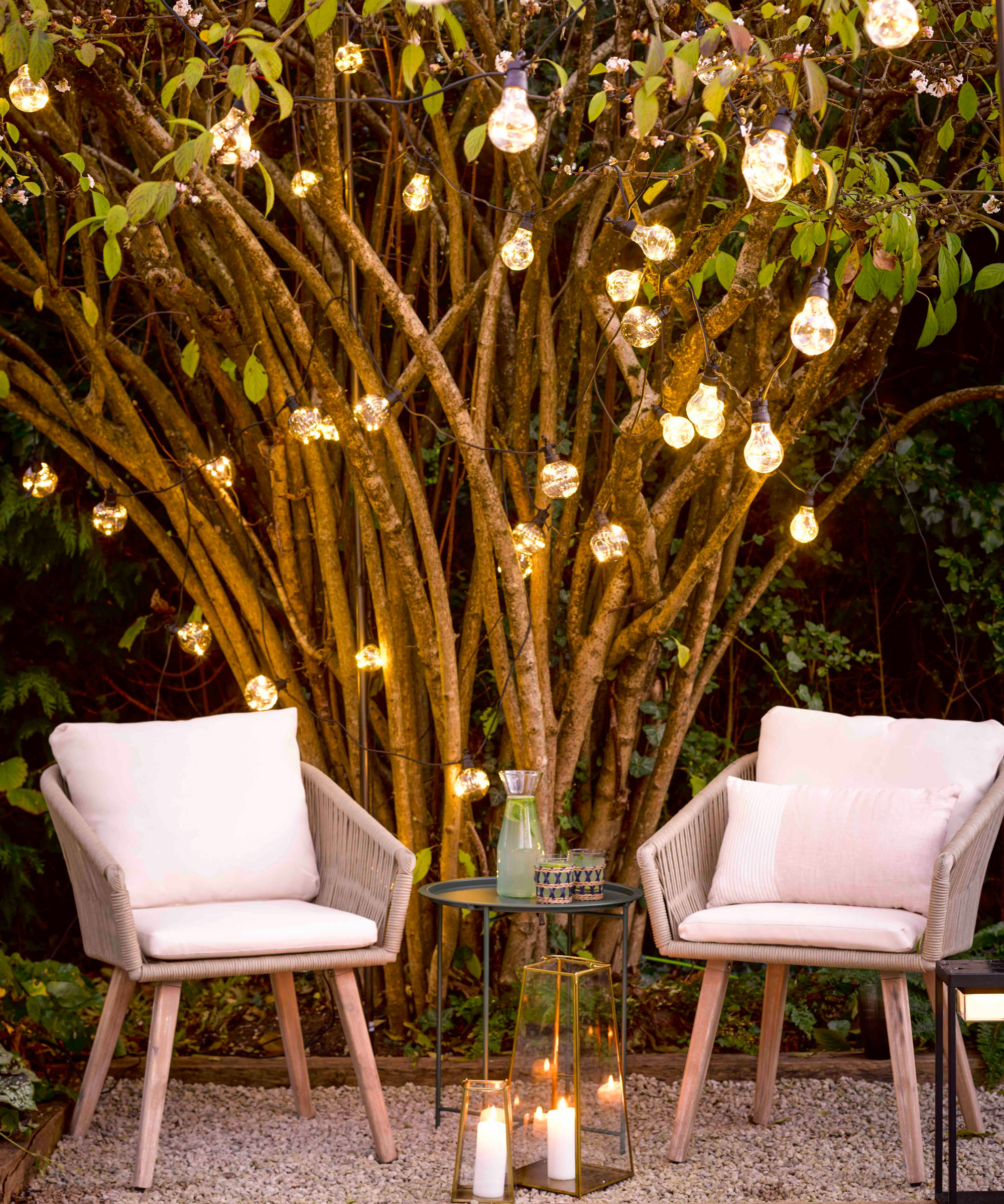
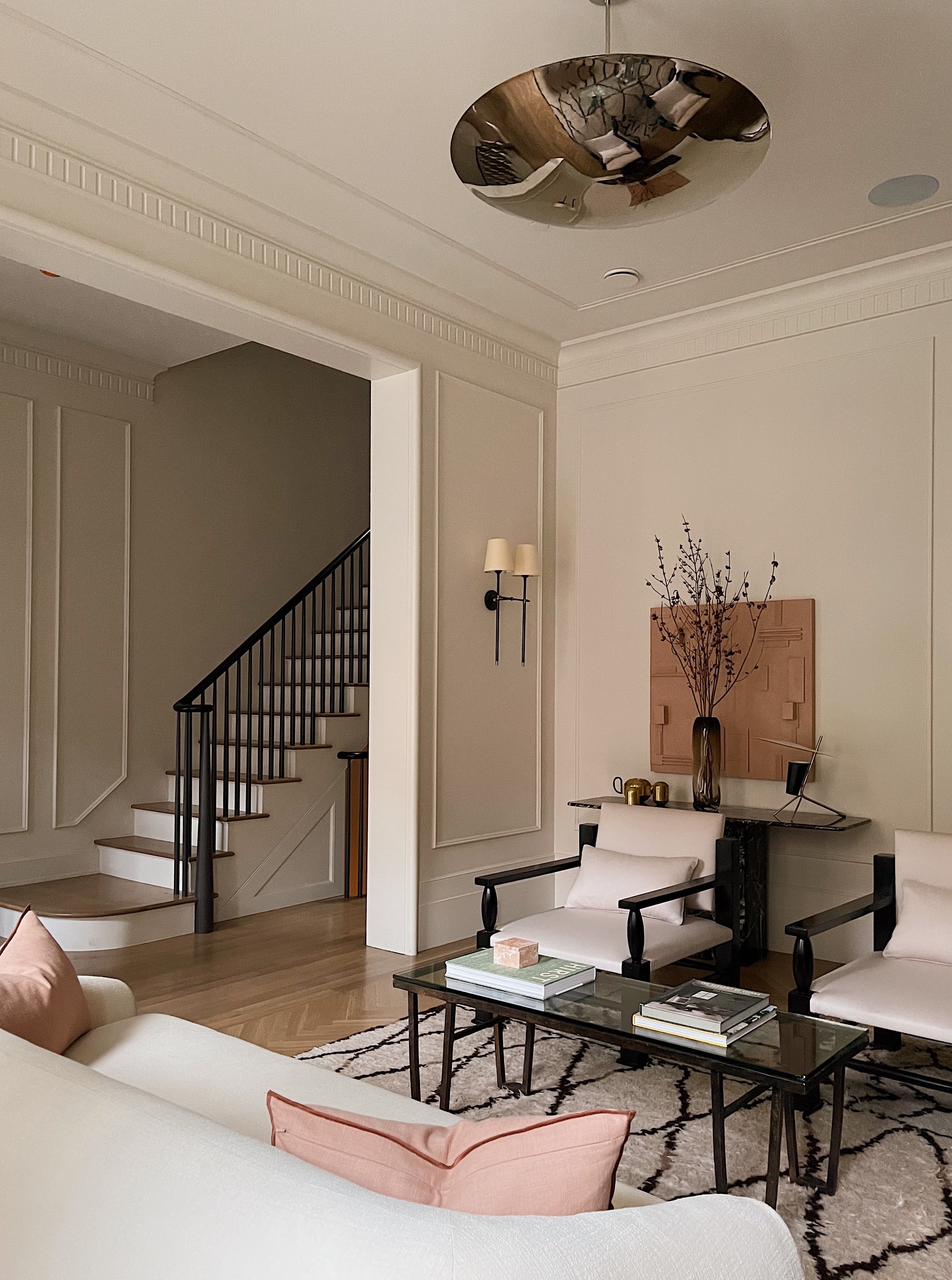
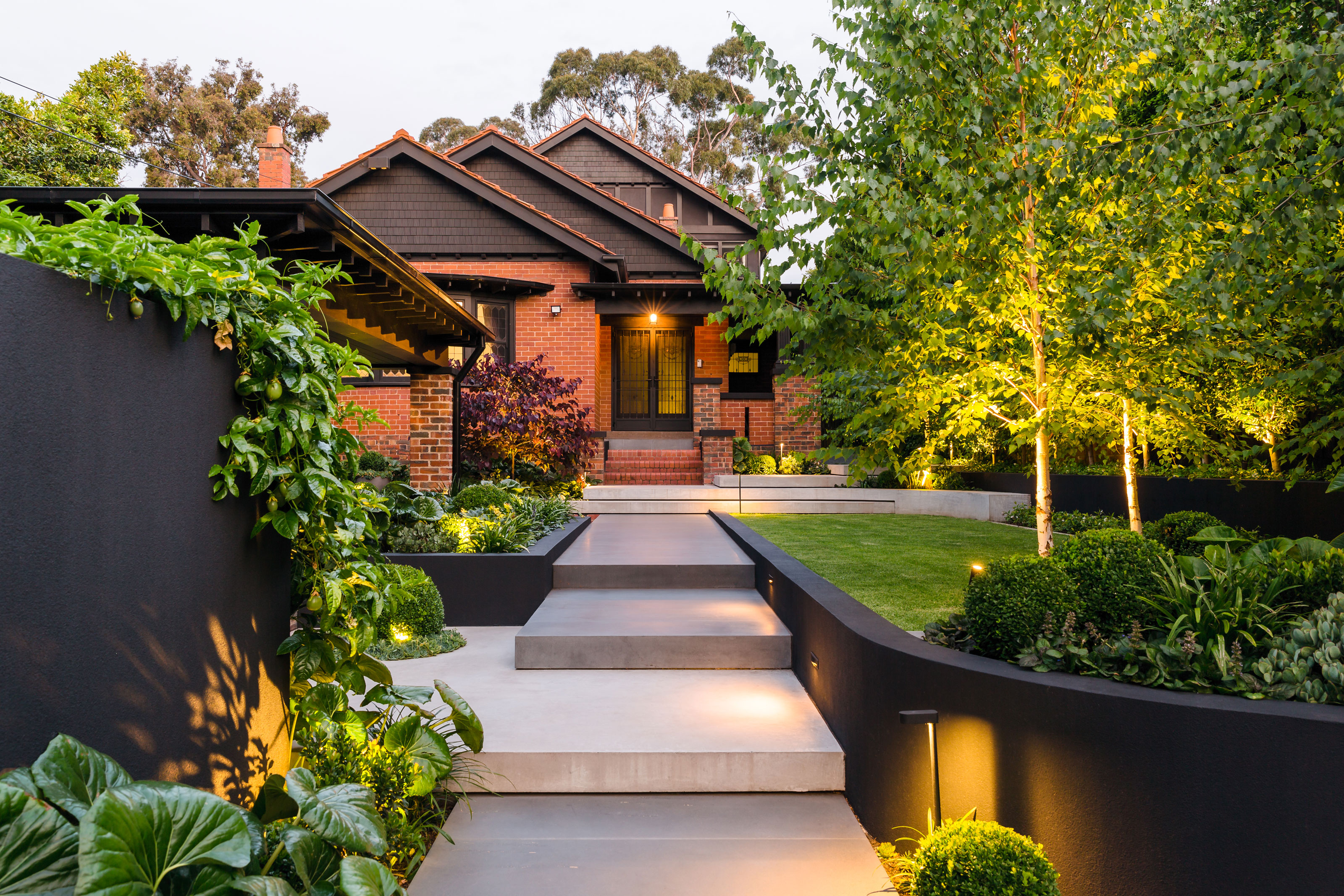
Layering is another fundamental principle, borrowed from interior design, that applies effectively to outdoor spaces. A well-designed outdoor lighting scheme incorporates a mix of ambient, task, and accent lighting. Task lighting is suitable for functional areas like pathways and decks, accent lighting highlights architectural features or landscaping, and ambient lighting provides general illumination. This layered approach creates depth, visual interest, and a versatile, inviting outdoor environment.
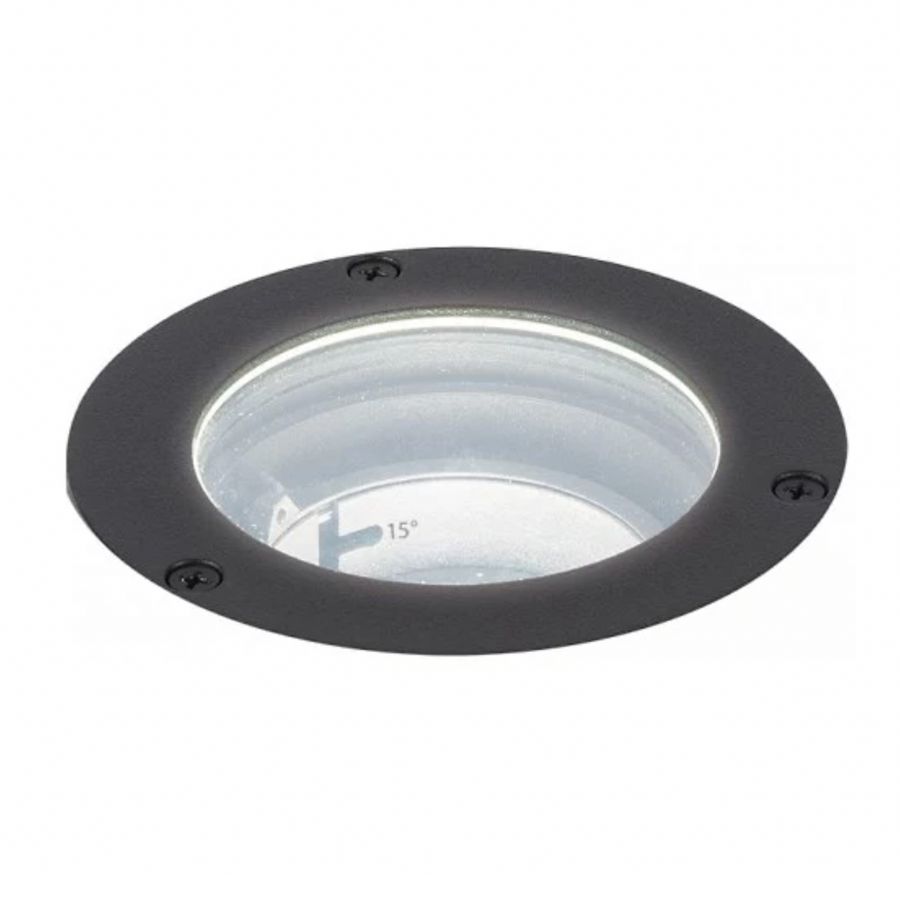
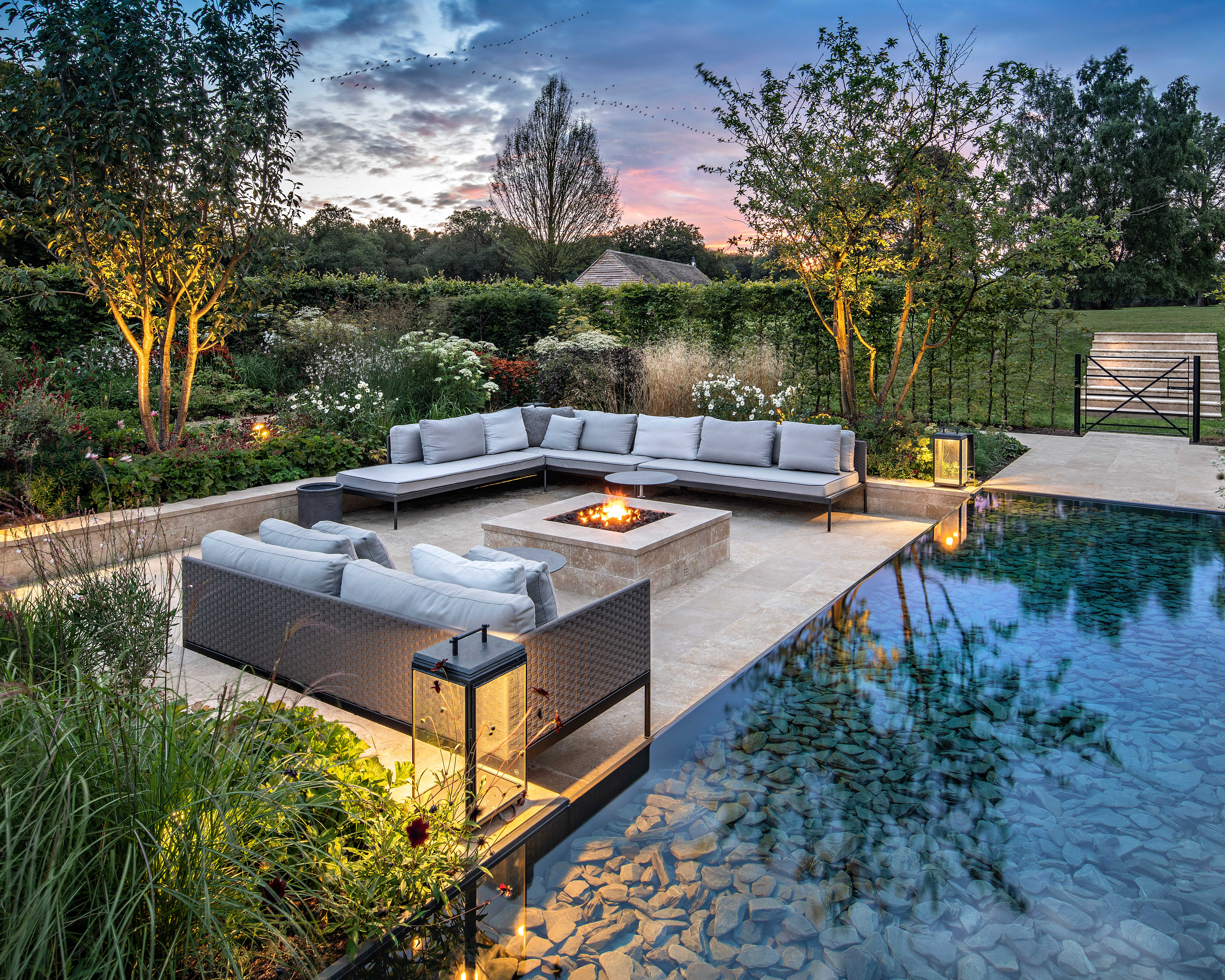
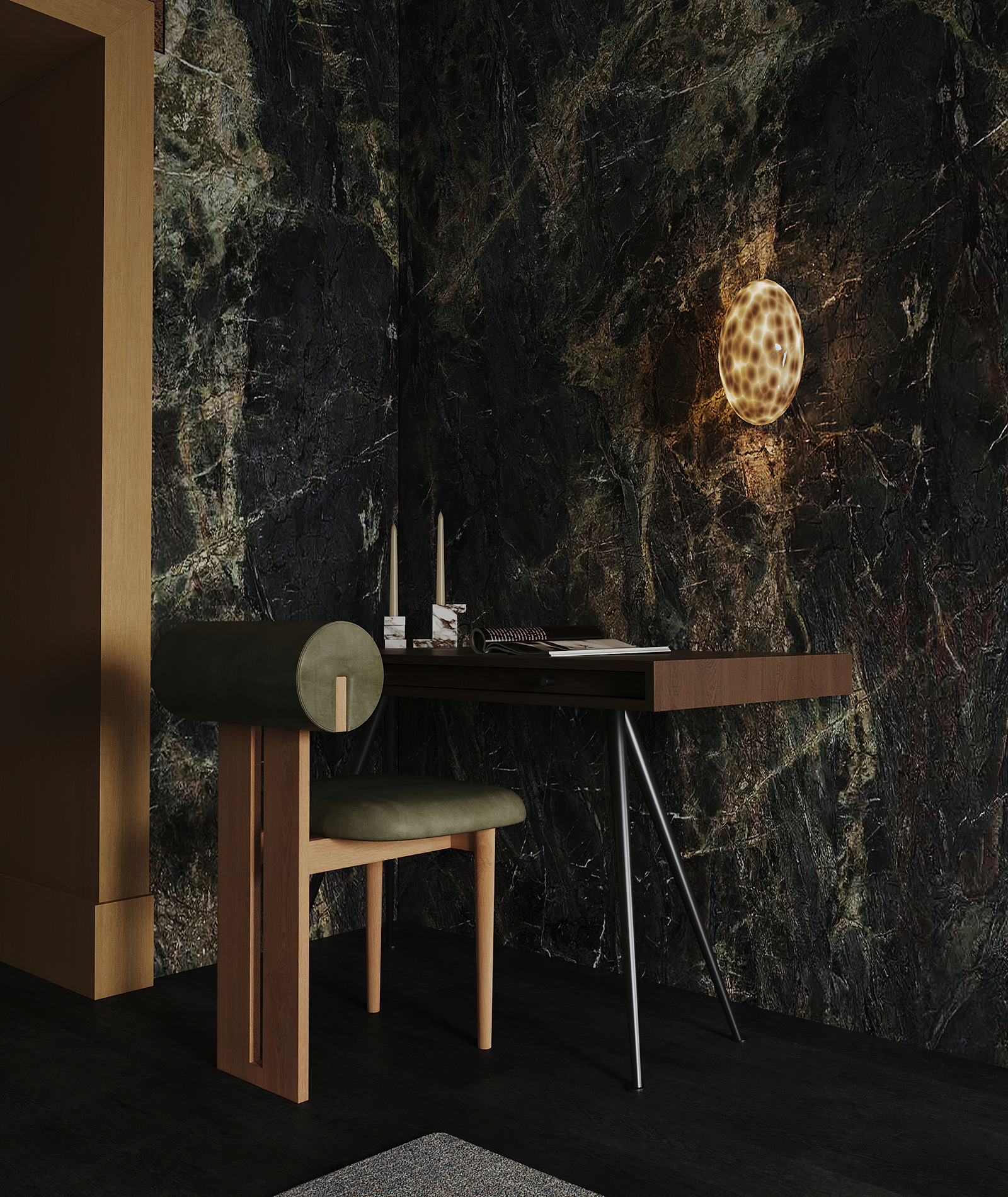
Underlighting, particularly with recessed LED strips, offers a modern and subtle way to illuminate outdoor areas. Similar to its application in interiors for kitchen shelves or staircases, recessed lighting provides illumination without visible fixtures, maintaining a clean and uncluttered look. This technique can accentuate features like benches or garden elements, adding a sophisticated touch to the landscape.
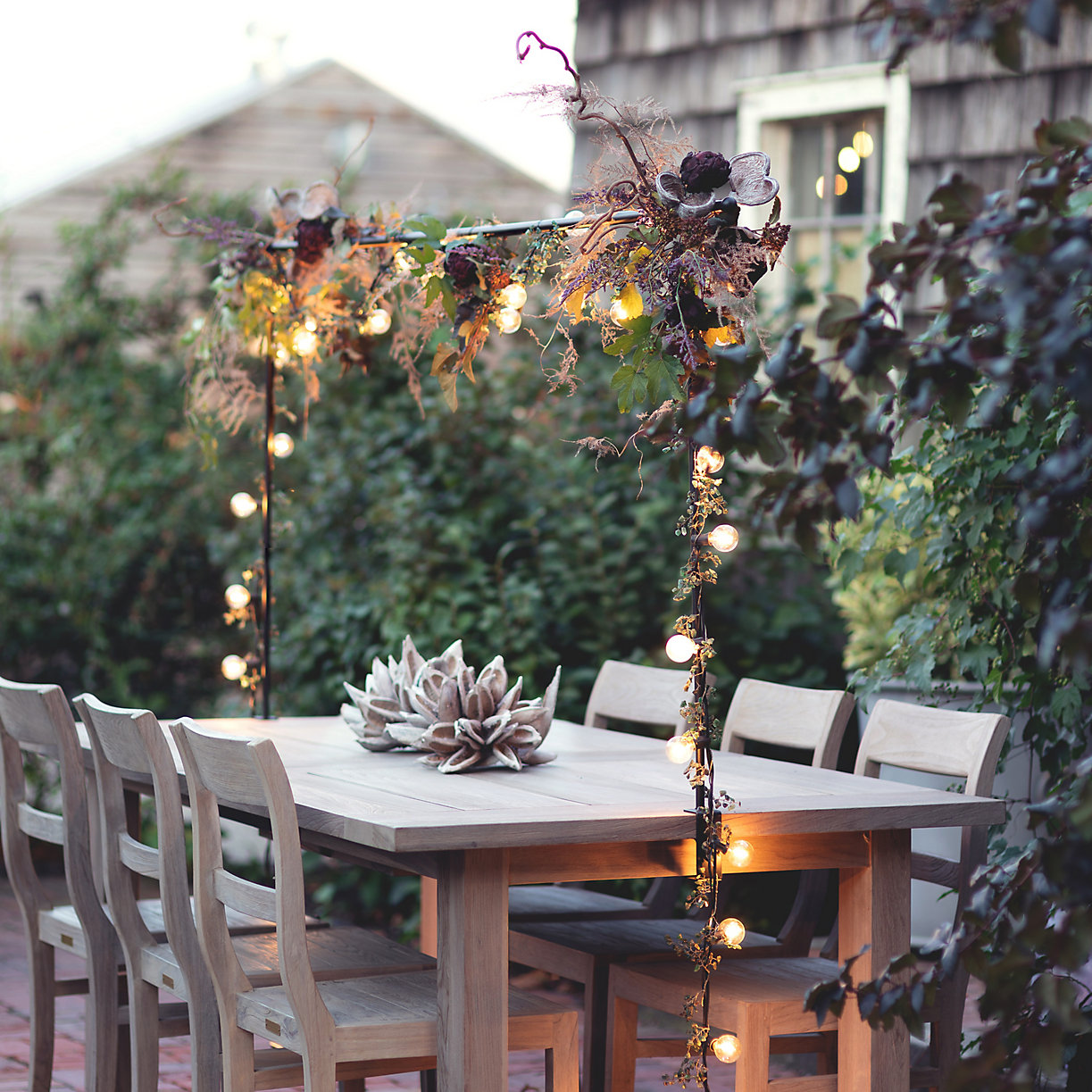
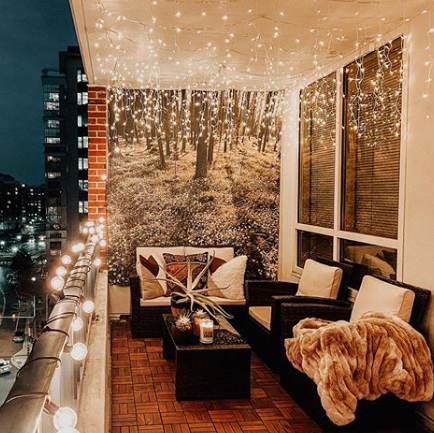
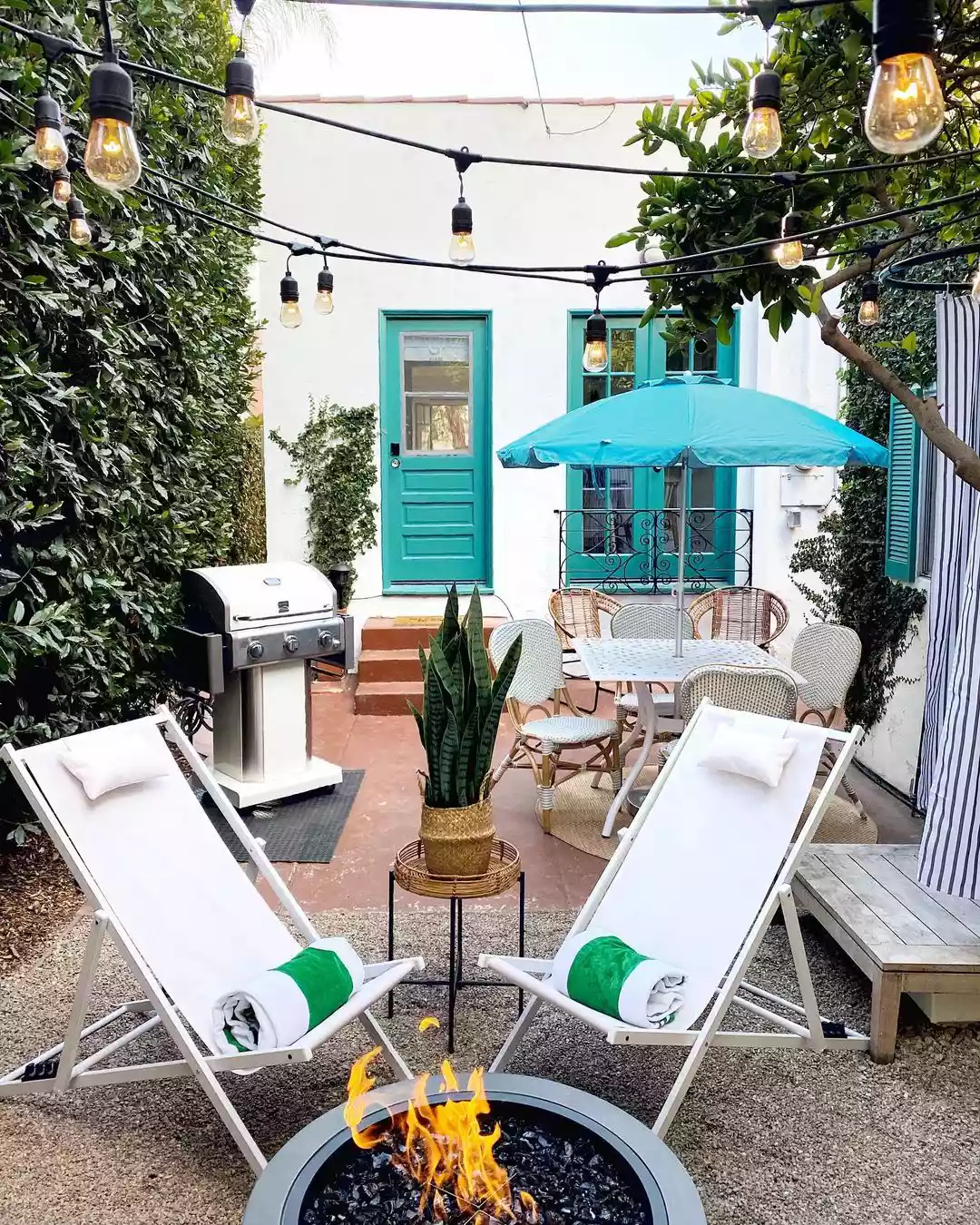
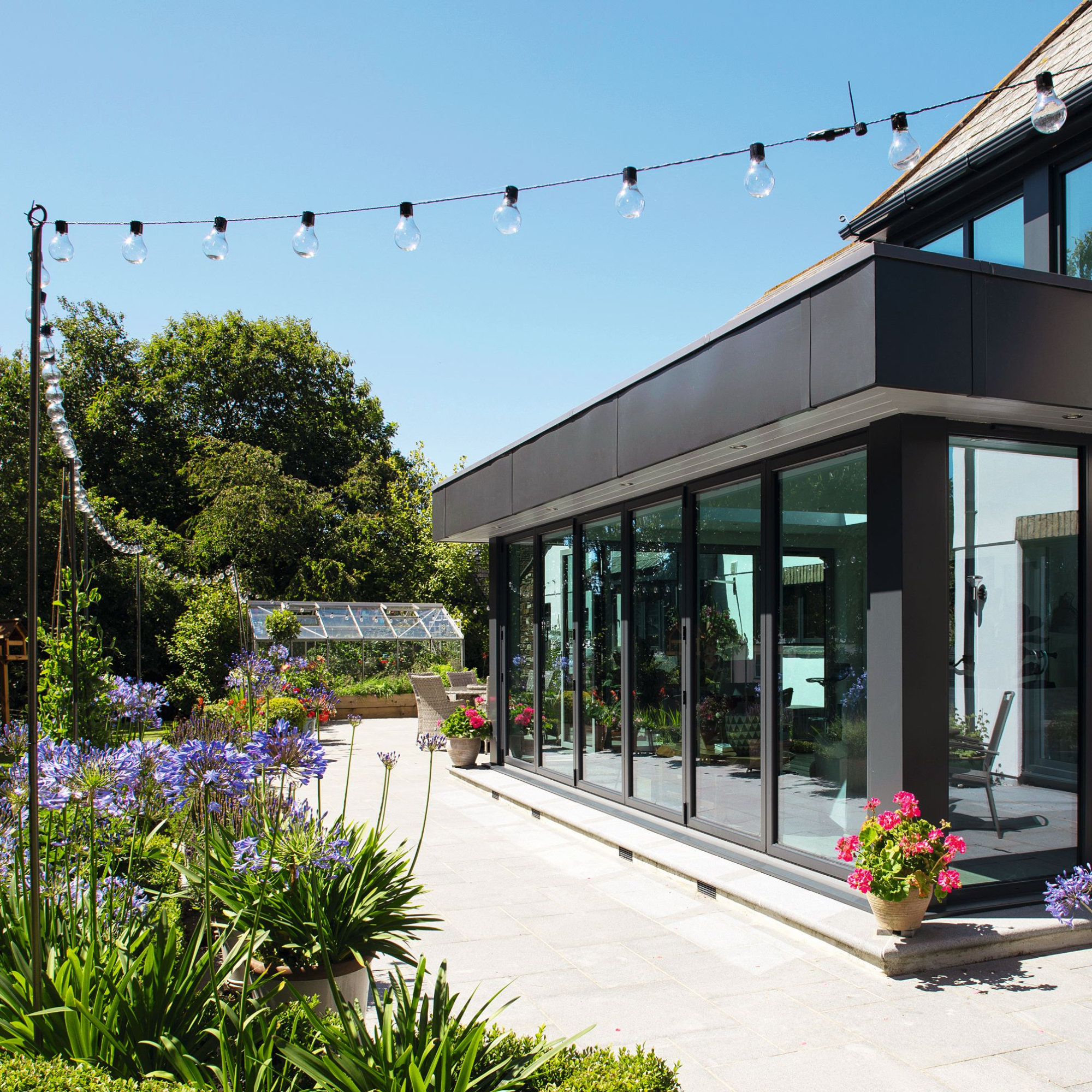
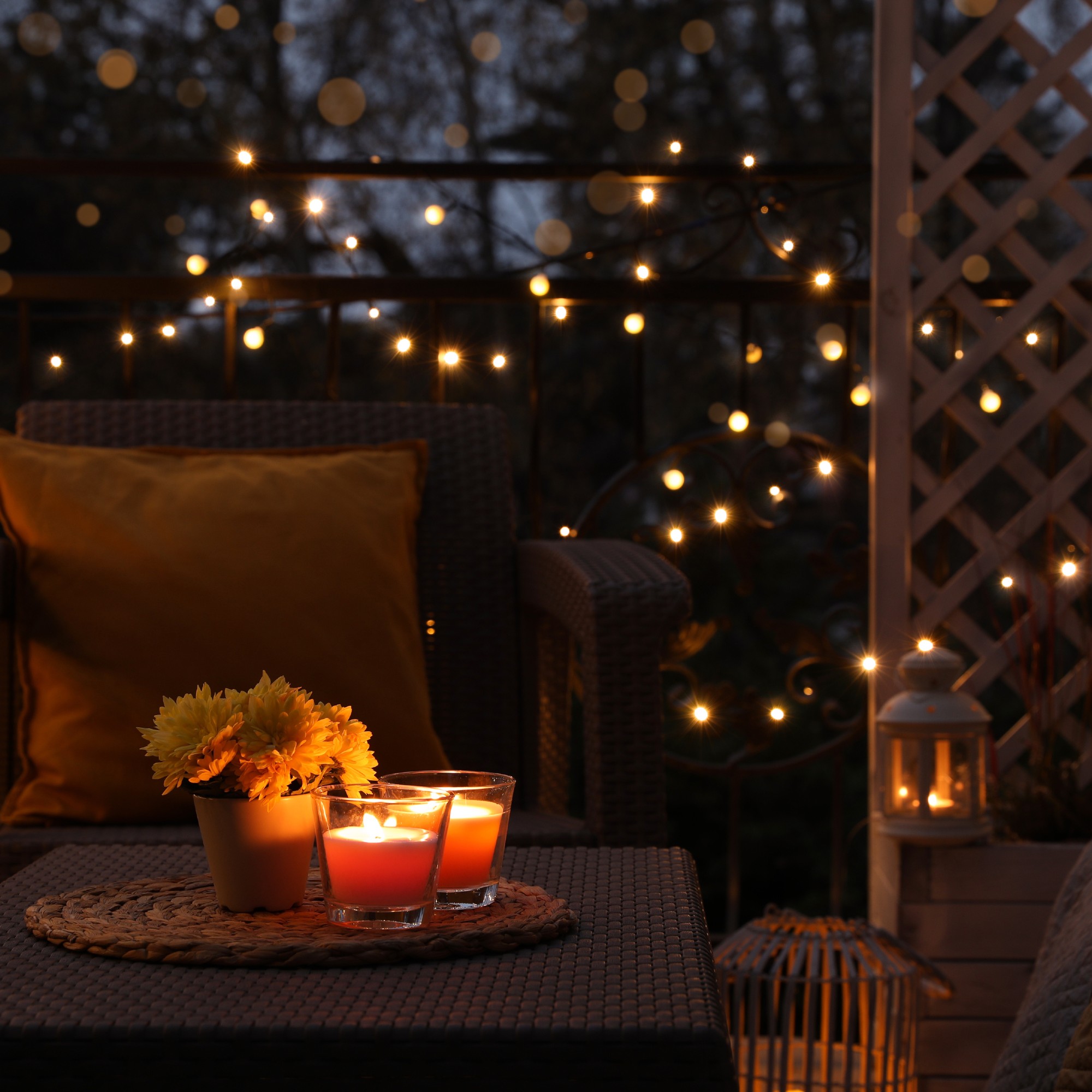
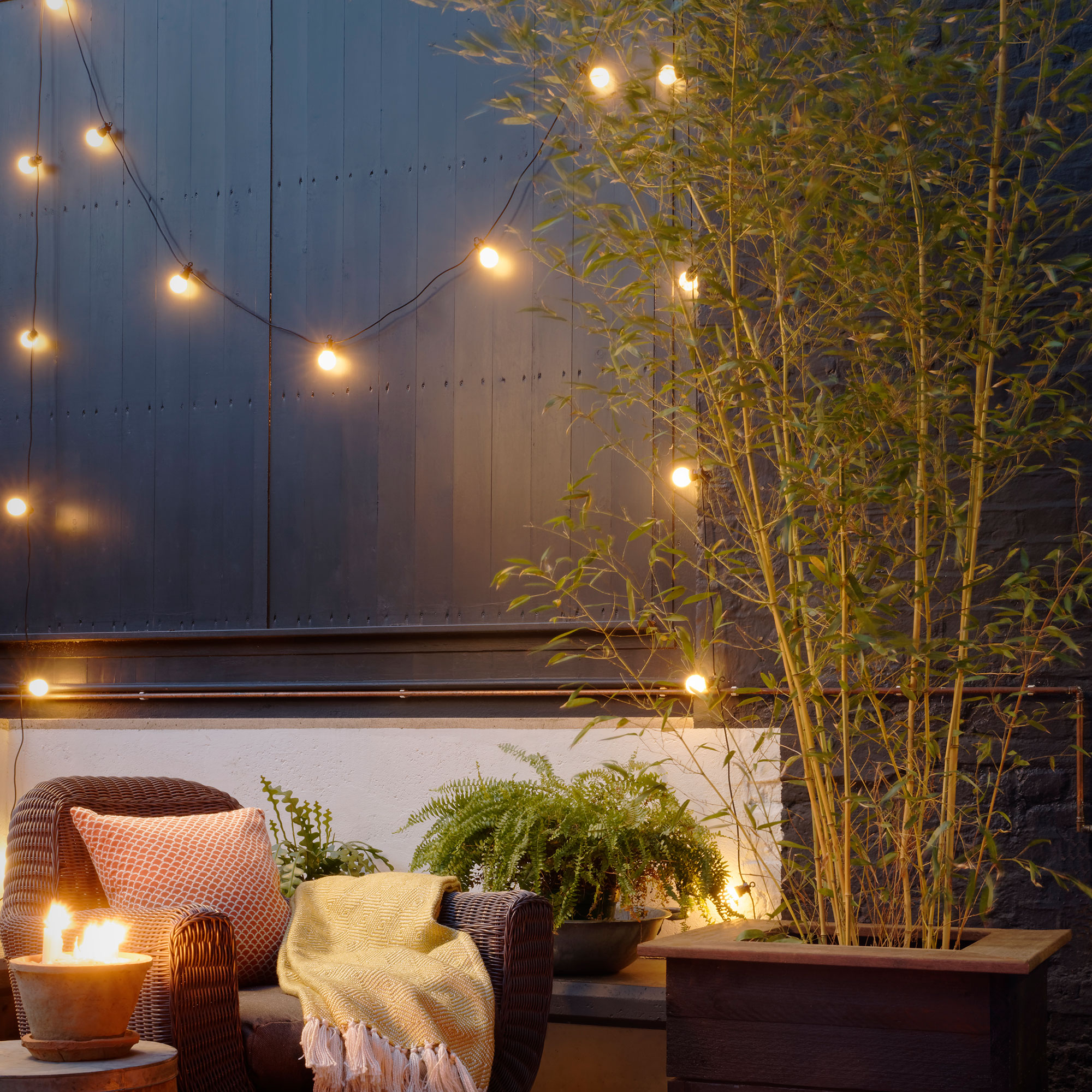
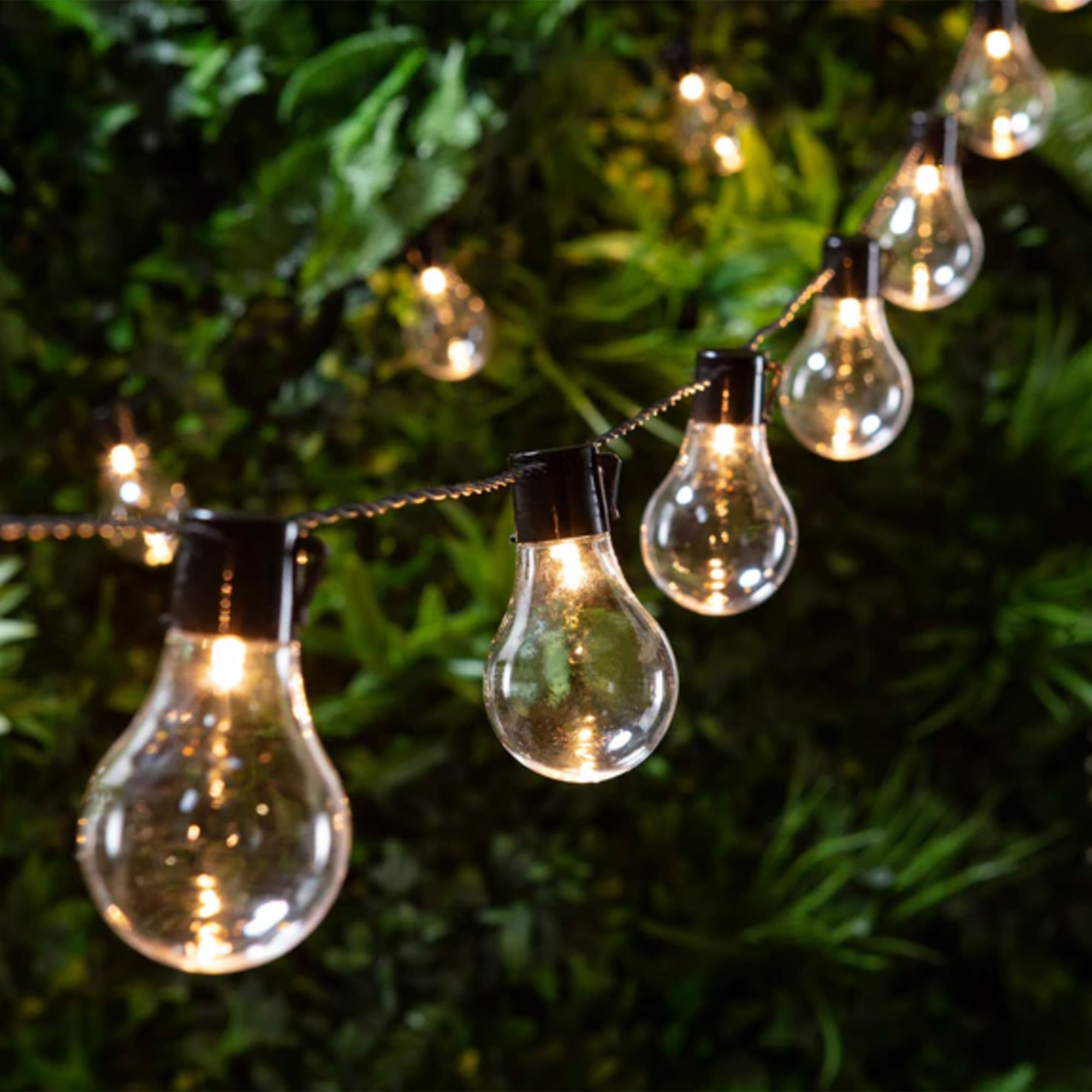
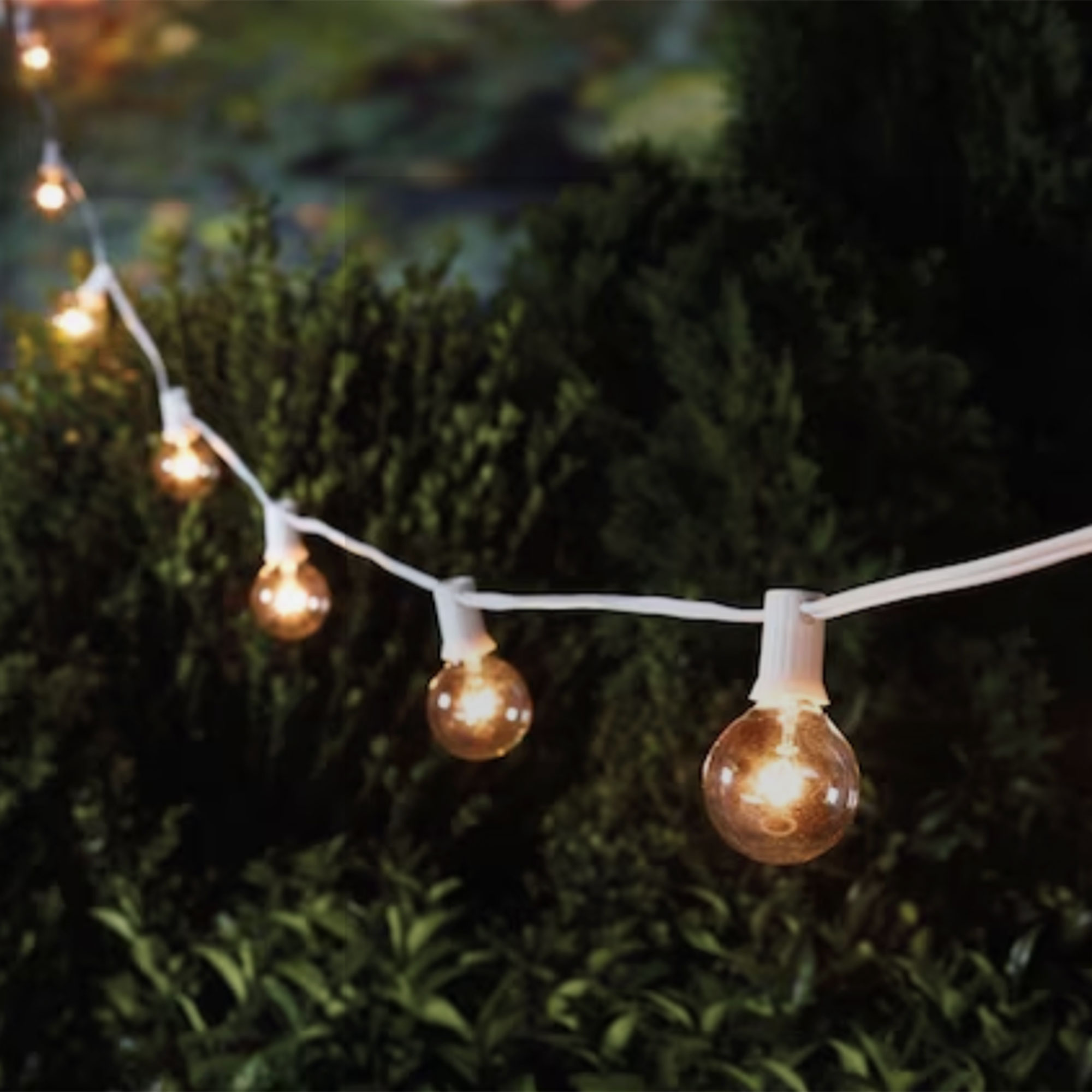
The choice of color temperature for outdoor lights is critical, with warm white LED lights being highly recommended. Warm white light mimics traditional incandescent bulbs, creating a cozy and inviting atmosphere that harmonizes with natural outdoor settings. Cool-toned lights, in contrast, can appear stark and unwelcoming in an intimate garden. Beyond aesthetics, warm LED lighting is also less attractive to insects, making outdoor spaces more comfortable. This insect-friendly characteristic also helps draw attention to desired features and enhances the overall garden aesthetic.
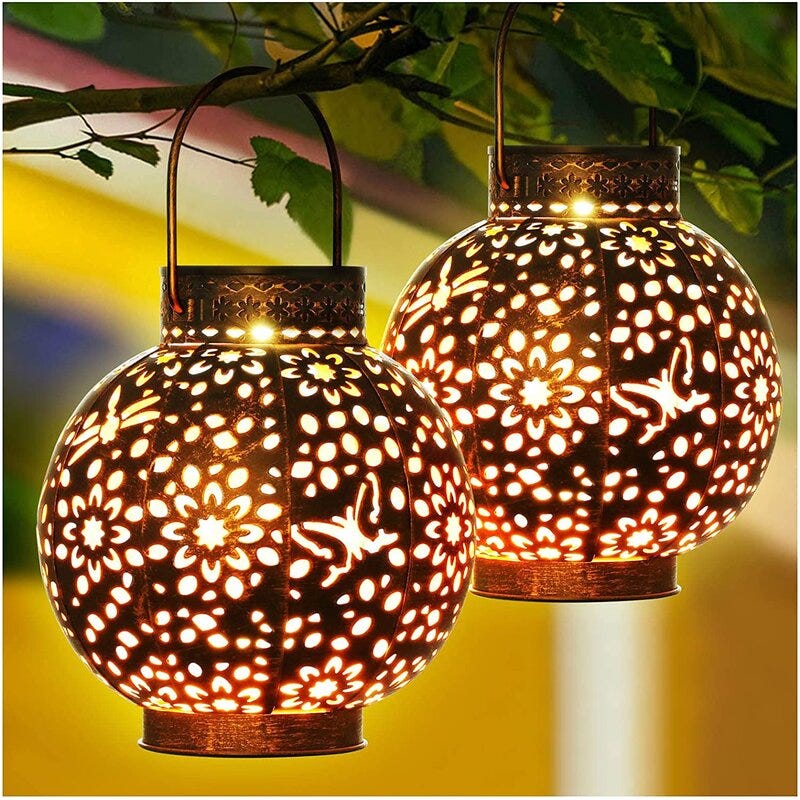
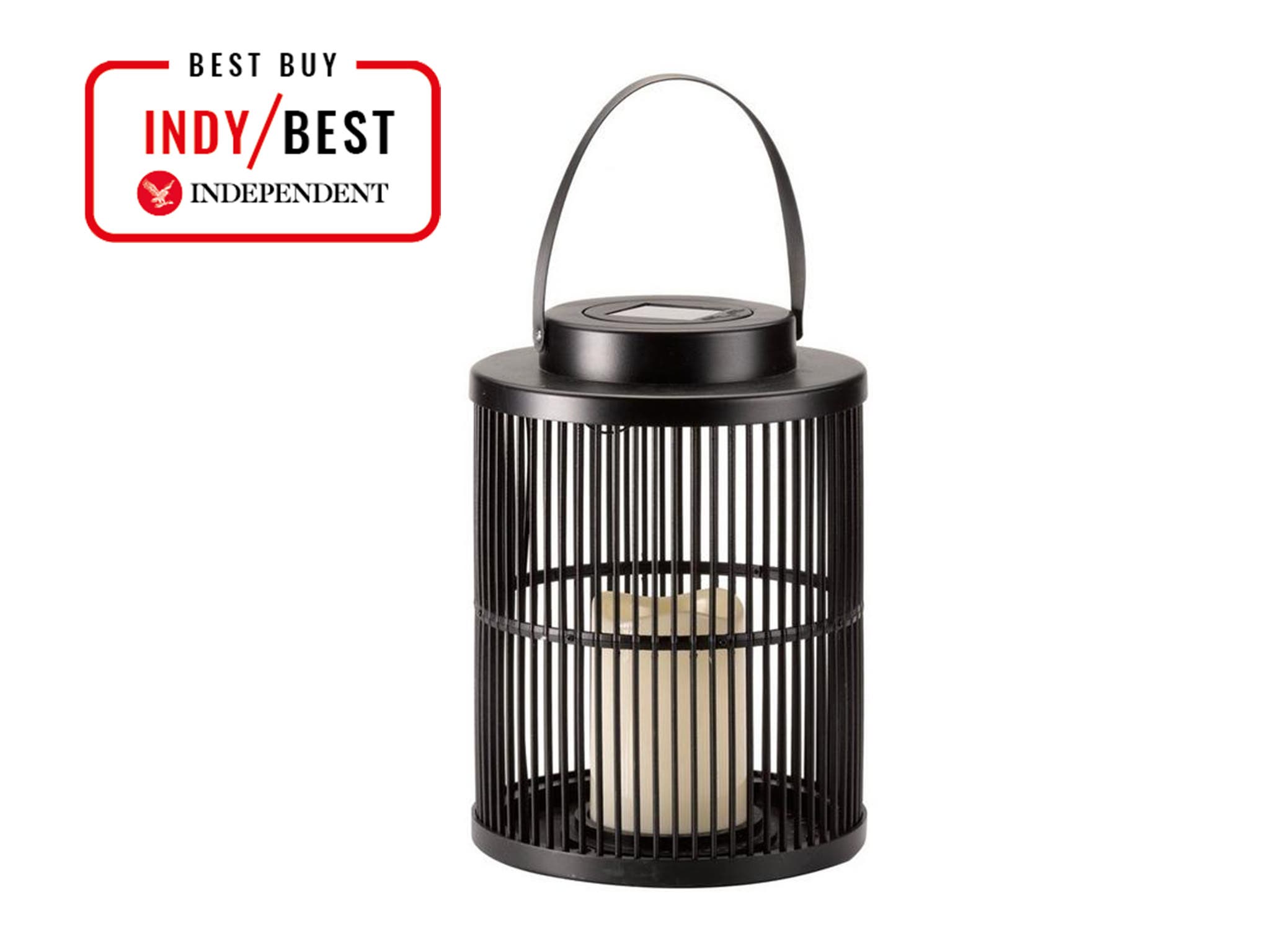
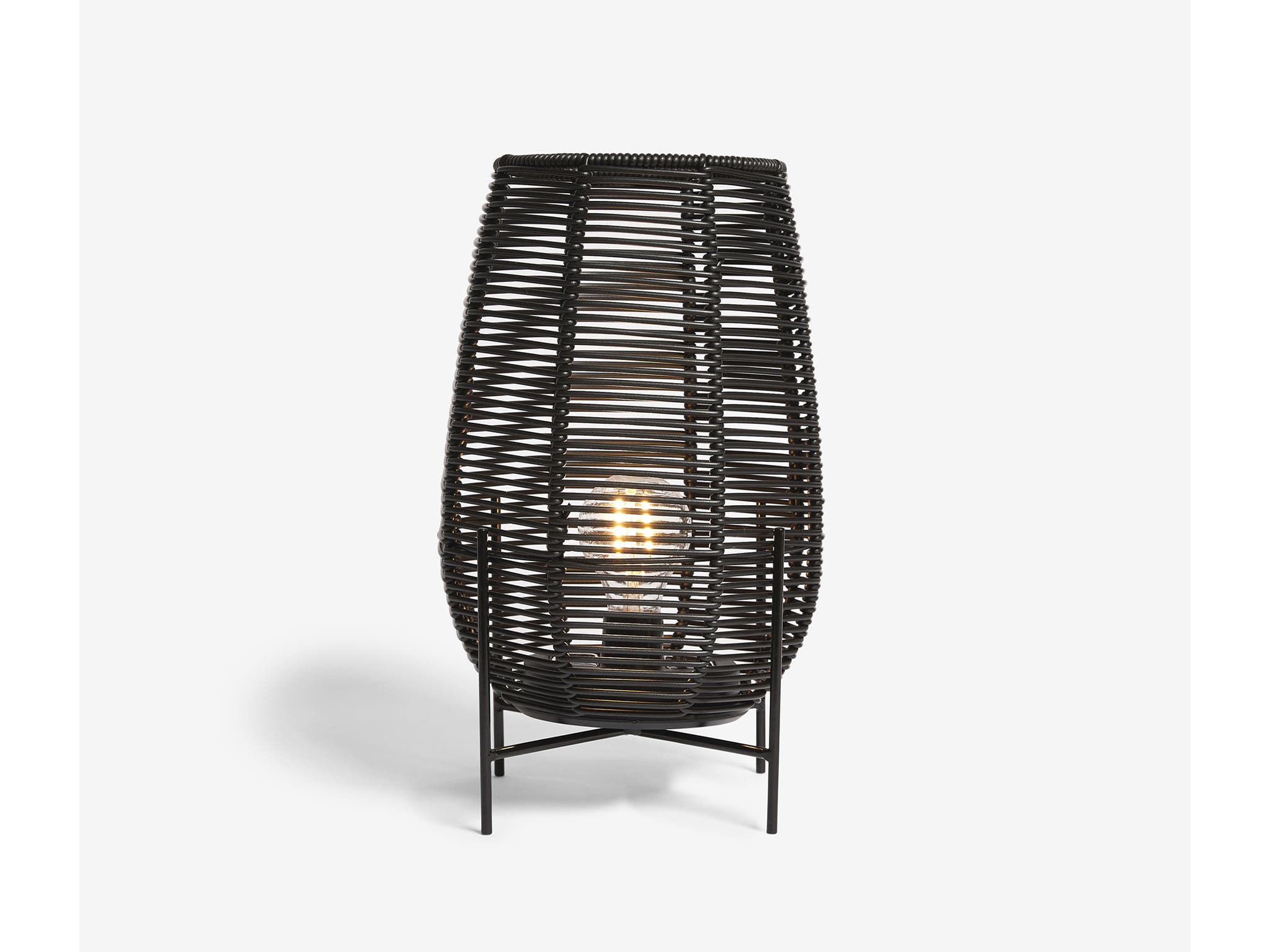
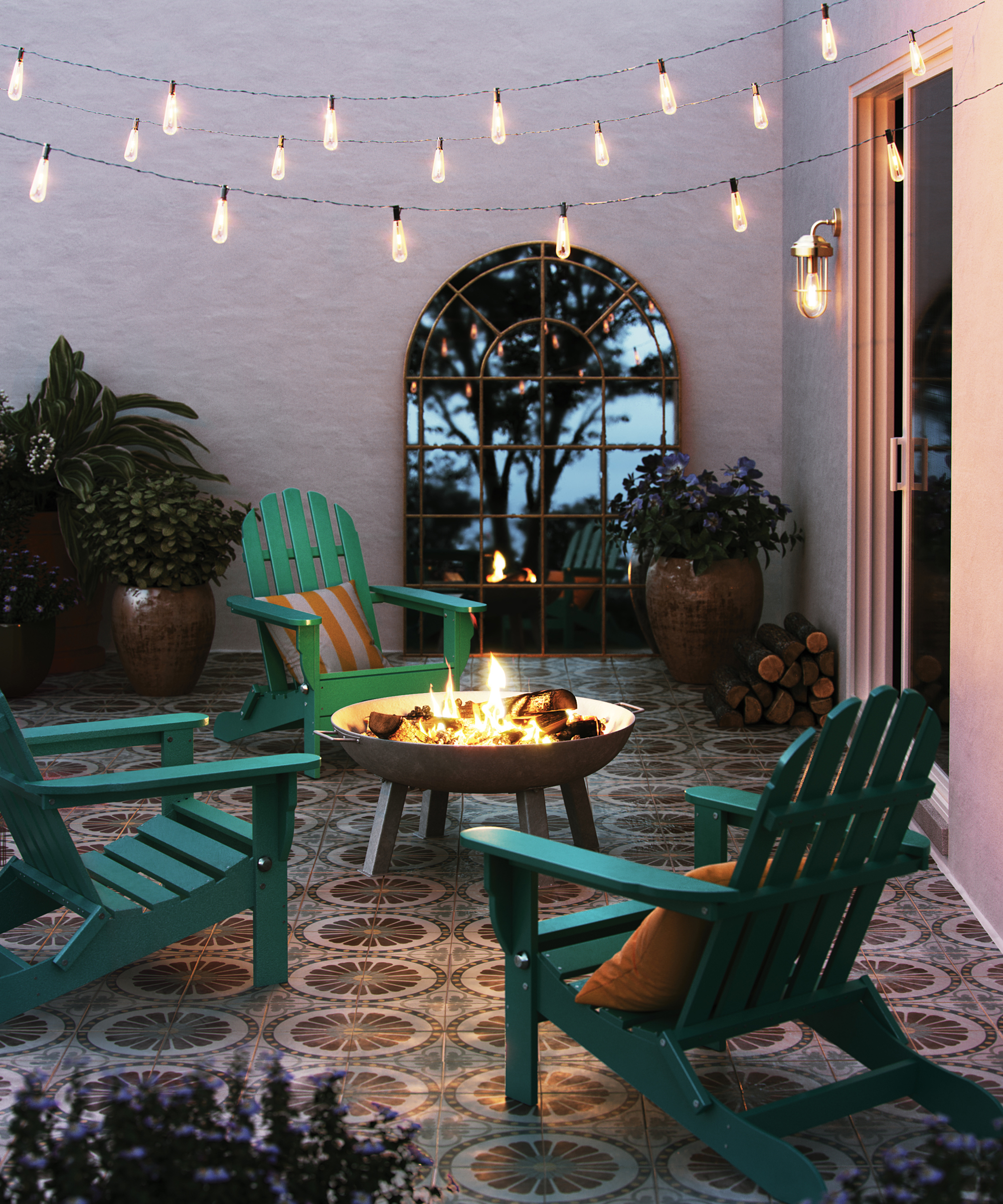
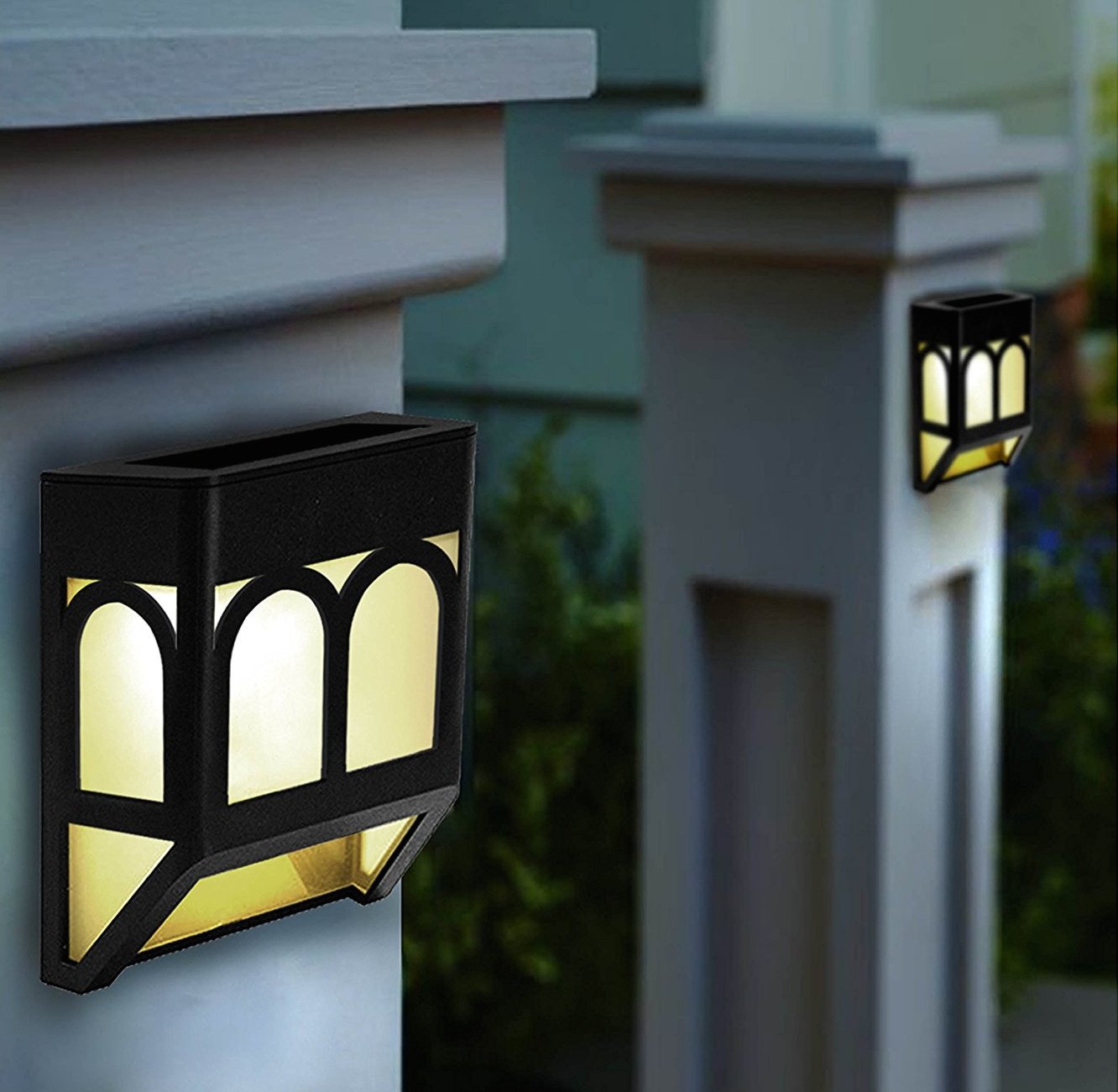
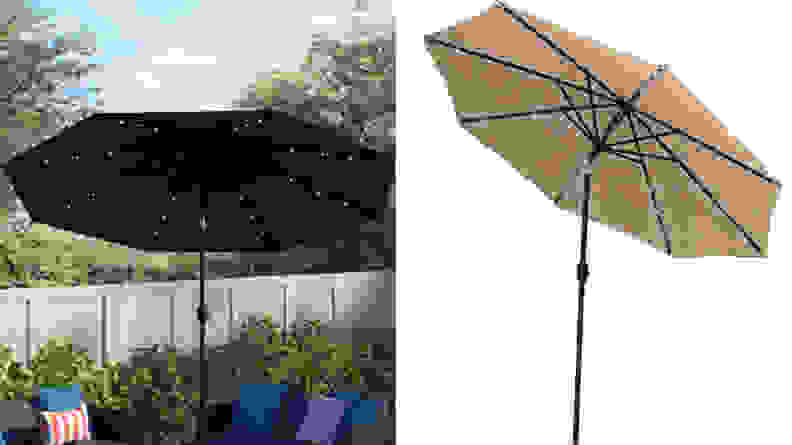
Finally, integrating solar-powered lighting is a practical and environmentally friendly option, especially for renters or homeowners seeking cost-effective solutions. Solar lights are easy to install, requiring no wiring or power outlets, and are ideal for illuminating pathways, decorative lanterns, or string lights. However, their effectiveness in winter or shady areas may be limited, so strategic placement in areas receiving ample daylight is important for optimal performance. By incorporating these expert-backed strategies, homeowners can create a well-lit, functional, and visually appealing outdoor space that seamlessly integrates with their home.
#OutdoorLighting #LandscapeDesign #HomeExterior #LEDLighting #GardenLighting #WarmLighting #LayeredLighting #SolarLighting #DesignTips #OutdoorLighting #LandscapeDesign #HomeExterior #LEDLighting #GardenLighting #WarmLighting #LayeredLighting #SolarLighting #DesignTips
0 comment in total
 No comments yet
You may also like

'The journey to the door is important!' 5 outdoor pathway lighting ideas for a better-looking and more practical yard
10 outdoor lights to make your backyard pop


These Patio Lighting Ideas Amp Up Your Outdoor Ambiance


The Secrets Of Good Lighting
Backyard lighting ideas – 15 ways to illuminate your space beautifully

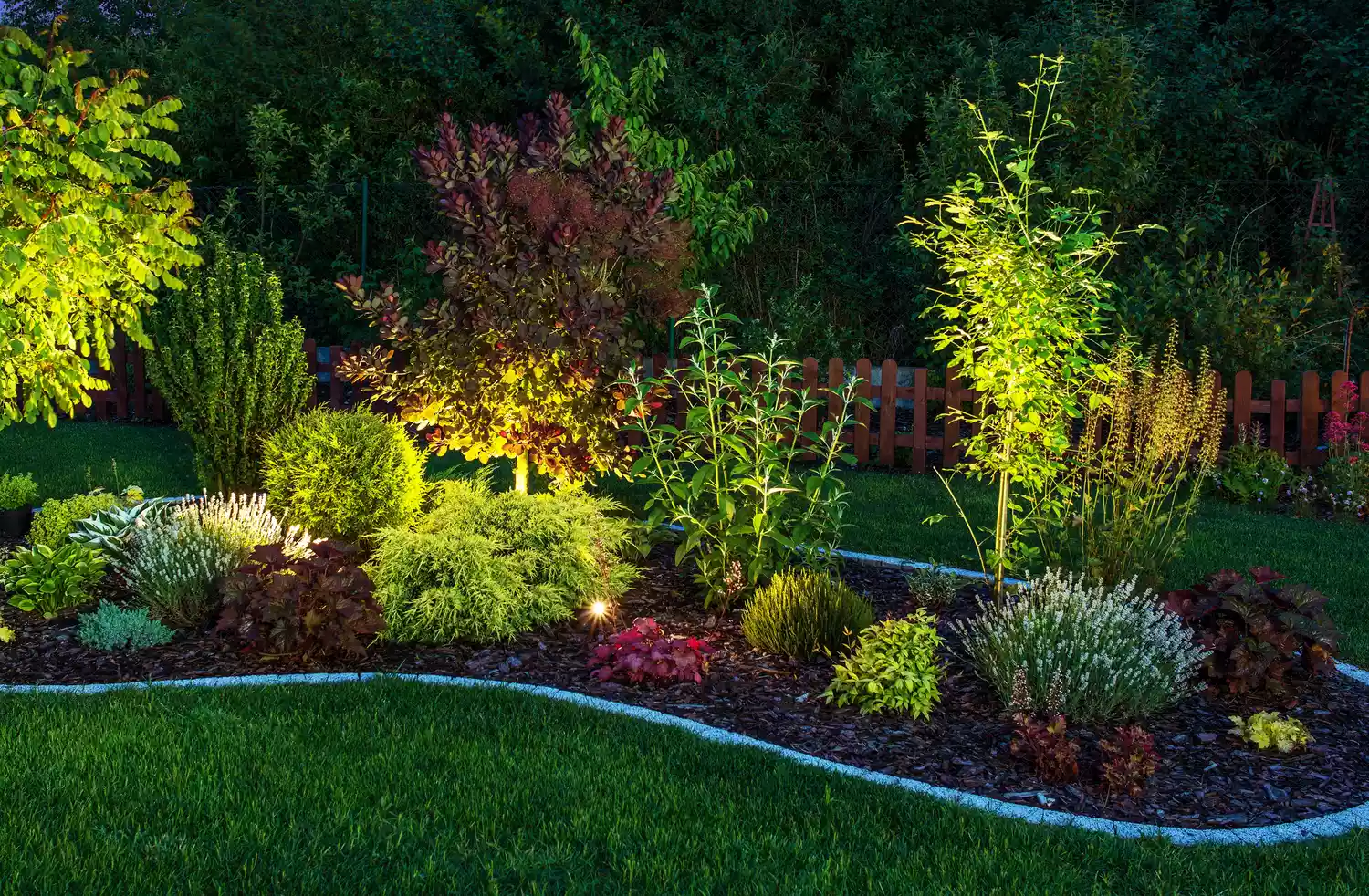
30 Garden Lighting Ideas to Make Your Plants Shine


Try these outdoor lighting trends to up your hosting game


5 Tricks to Maximize Your Home's Natural Light on Darker Autumnal Days Using Artificial Lighting
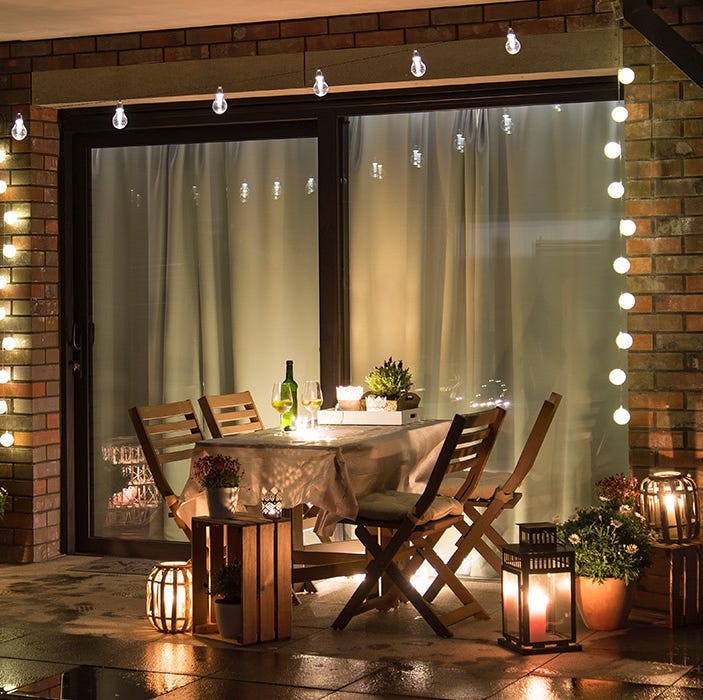
Make Your Backyard Magical with These Gorgeous Outdoor Lighting Ideas
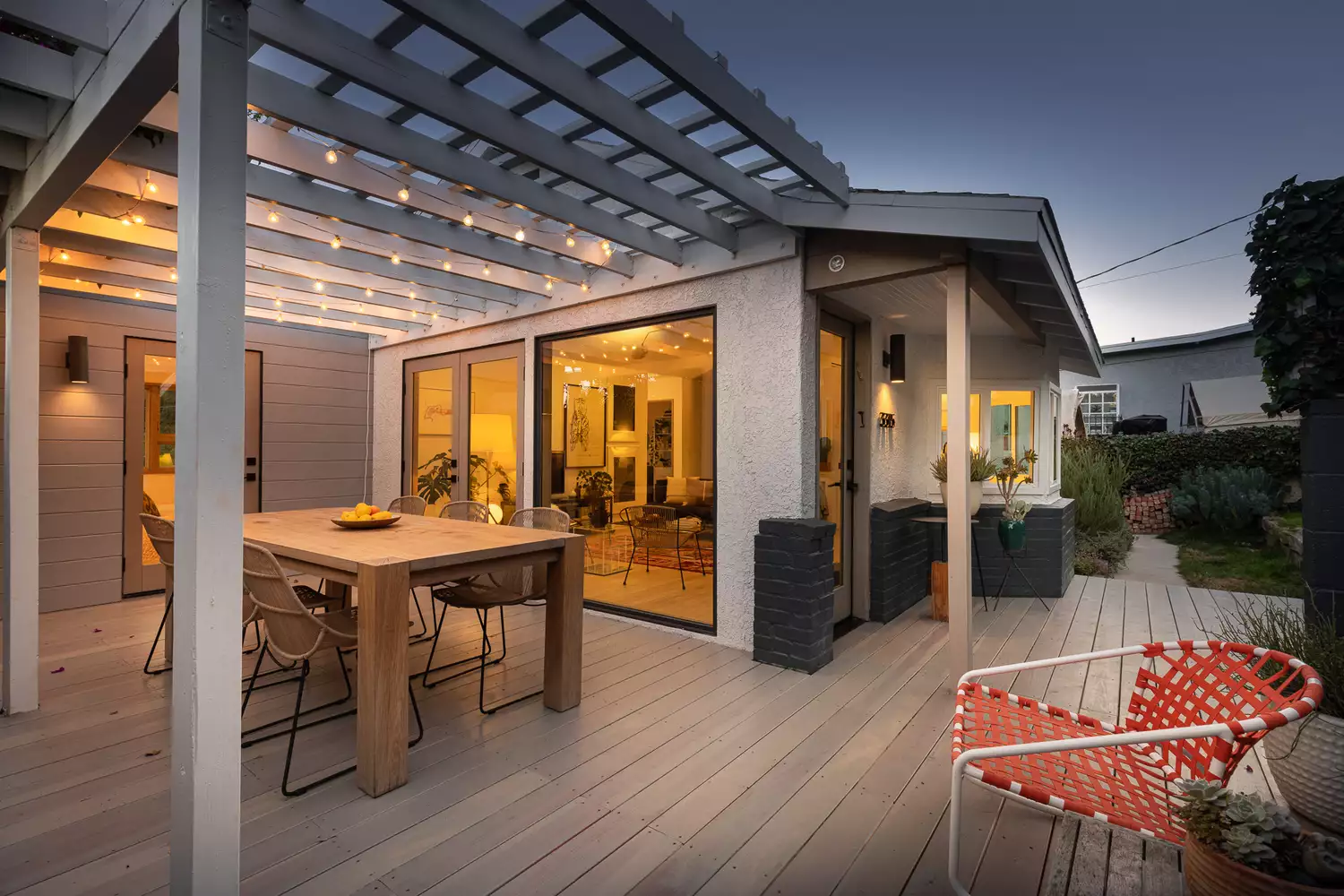
41 Outdoor Lighting Ideas to Brighten Up Your Yard
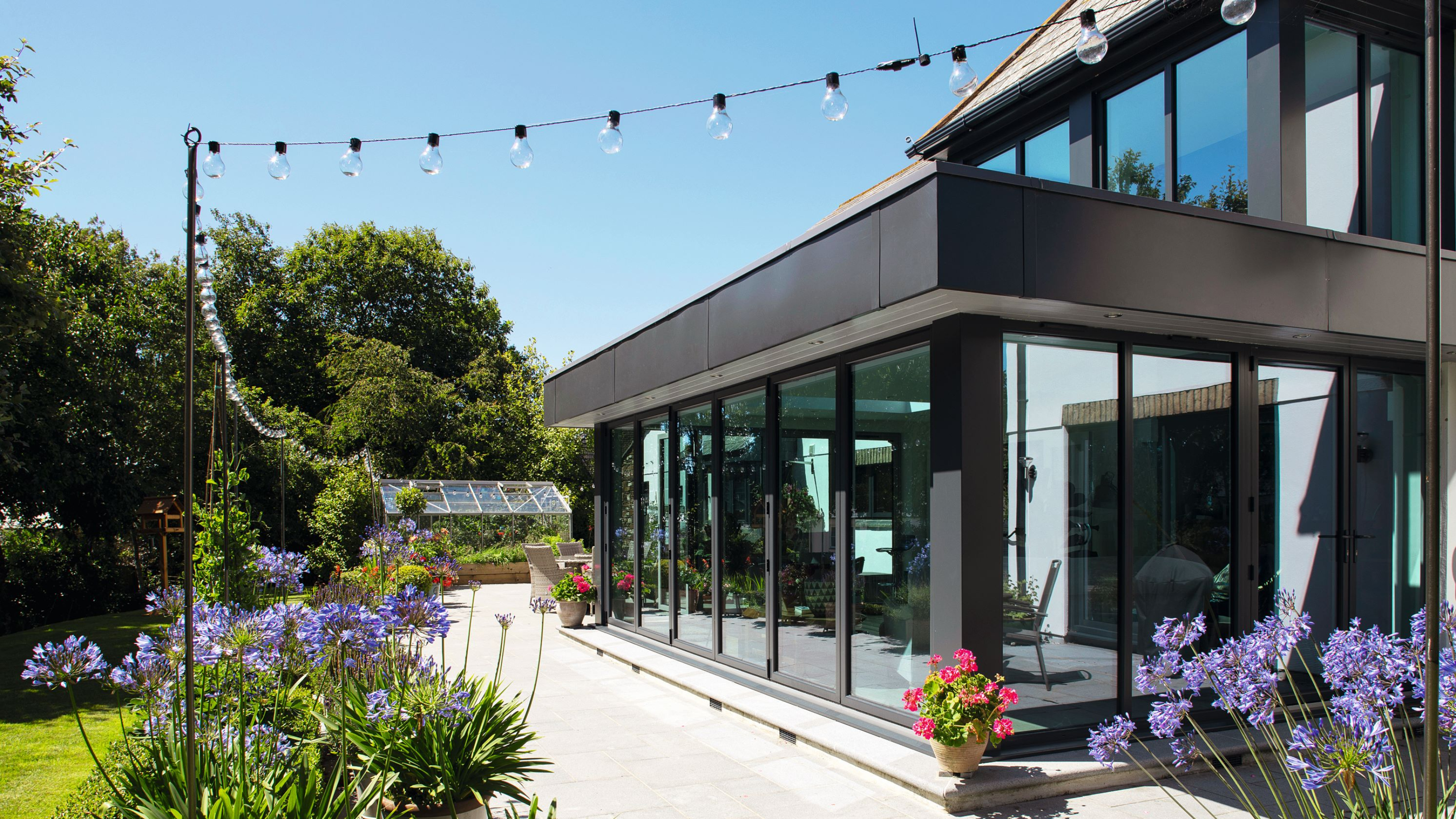
35 garden lighting ideas to breathe life into your outdoor space after dark
Outdoor lighting: A beginner’s guide
5 Easy, Designer-Approved Lighting Hacks to Brighten Up Your Home
Outdoor lighting ideas – 30 best ways to use garden lighting
Outdoor wall lighting ideas to illuminate your garden to perfection
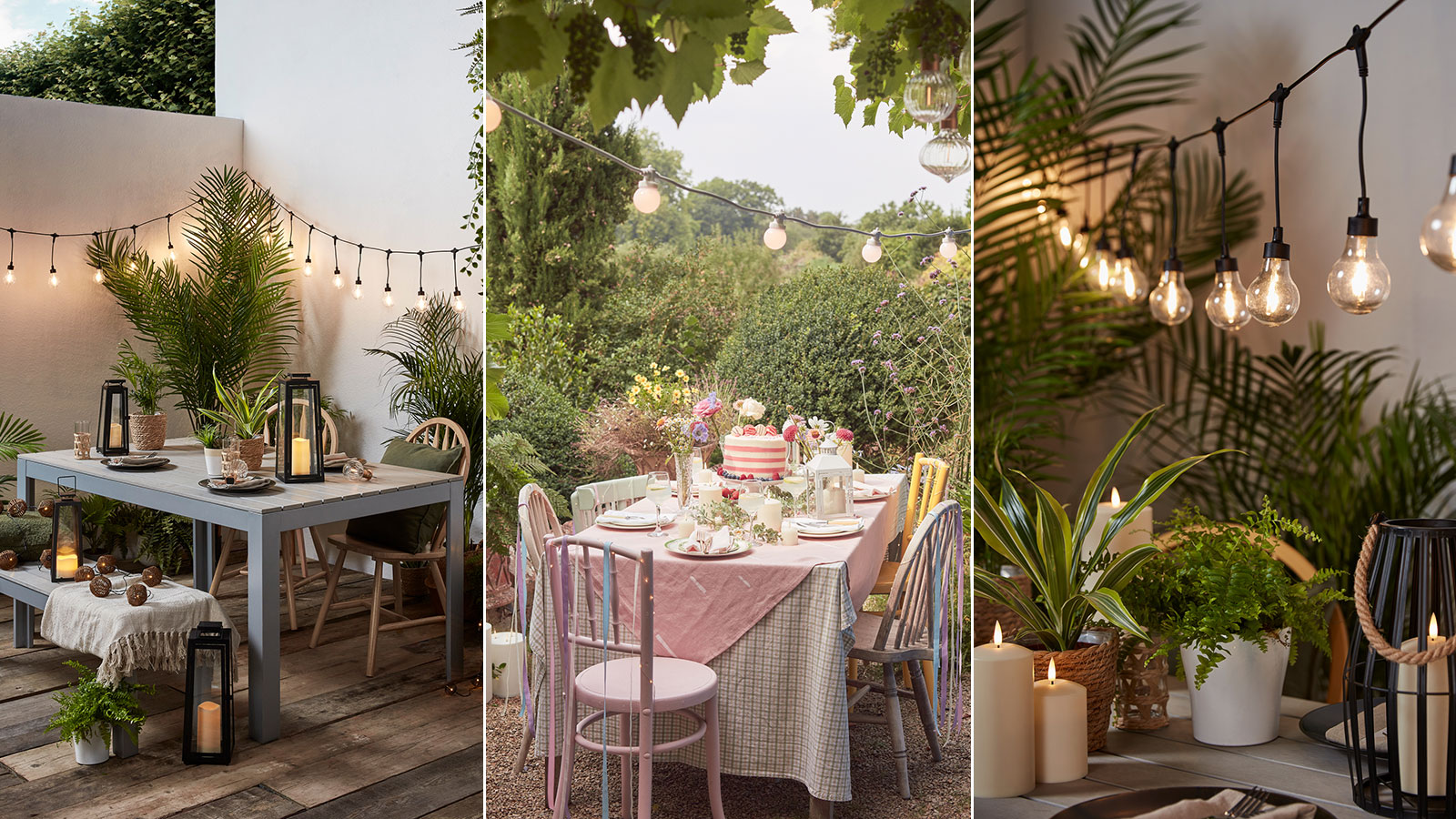
Outdoor string lighting ideas – 15 pretty ways to illuminate your backyard
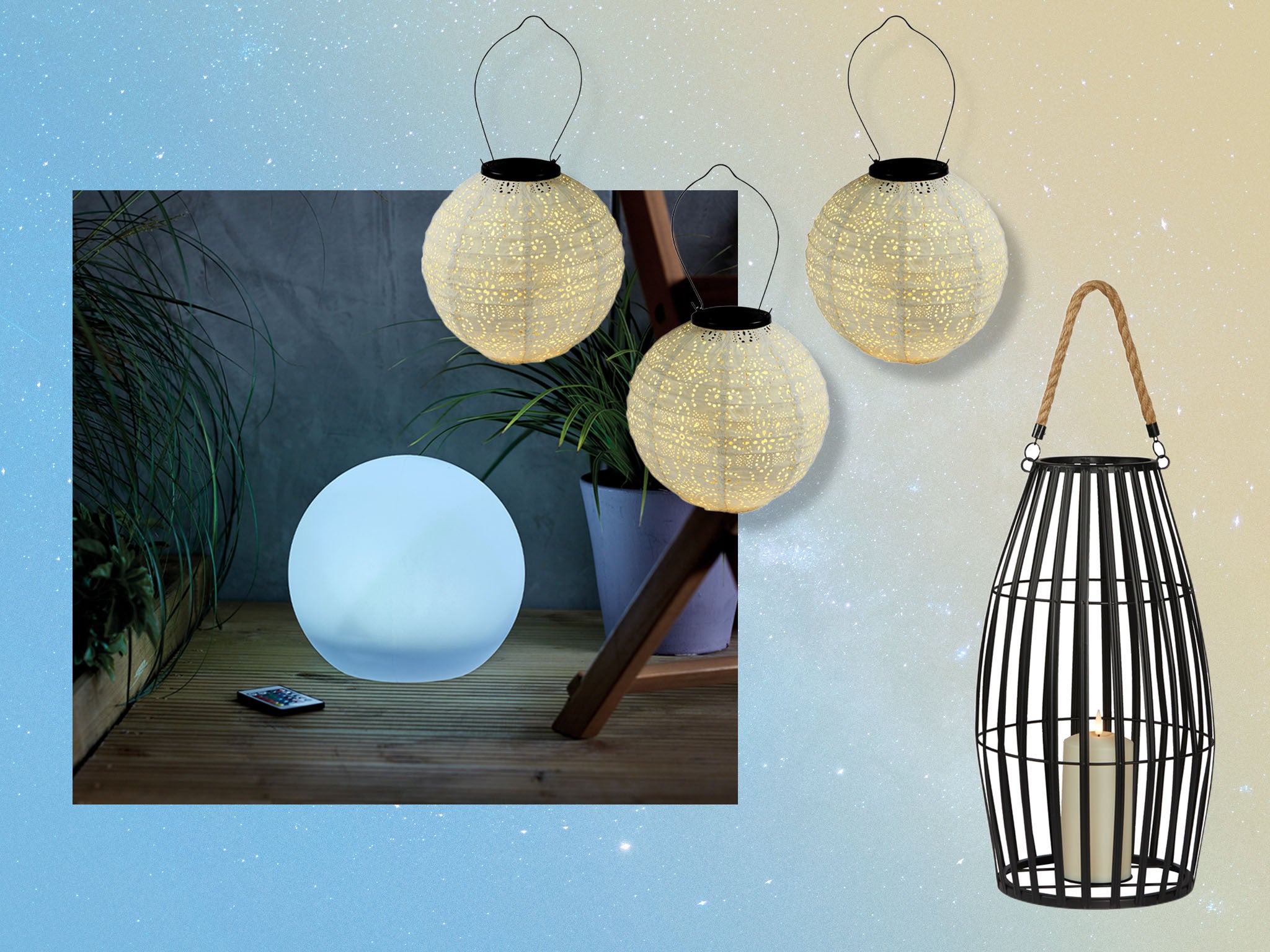
11 best outdoor lights to bring ambience and style into your garden
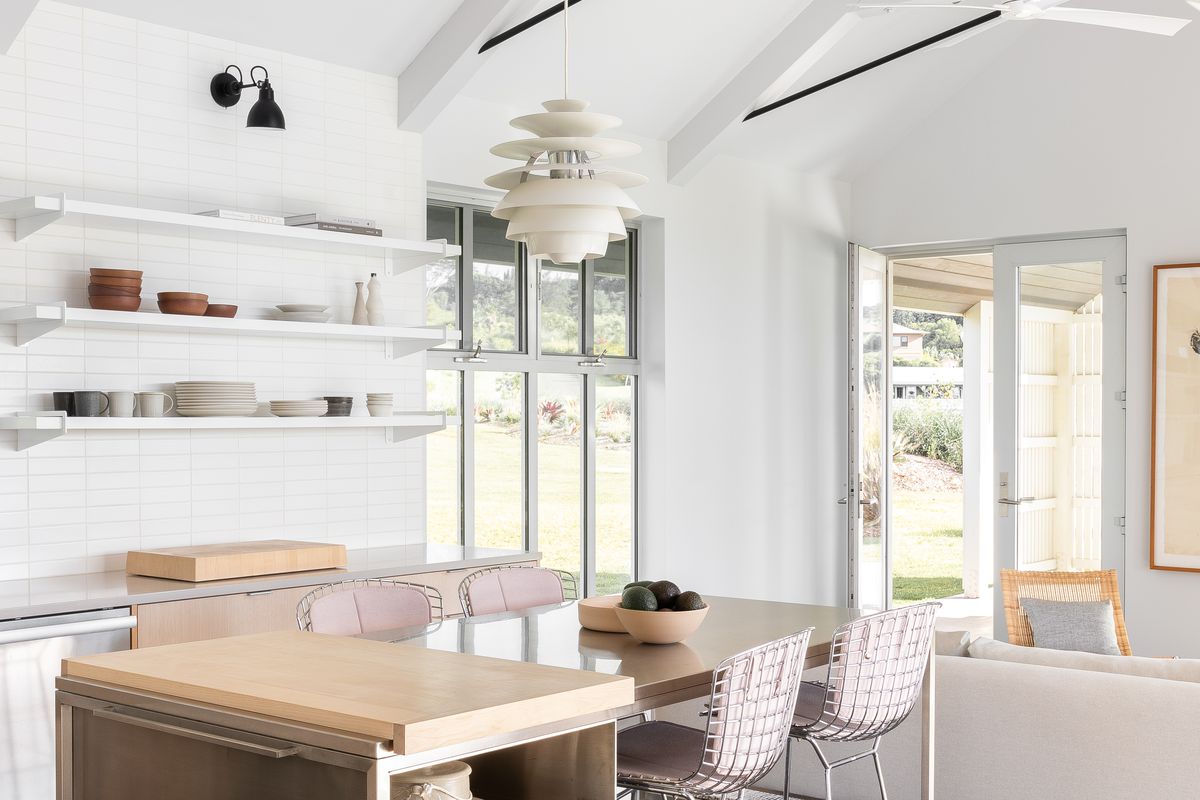
Pro tips to improve your home’s lighting—without an electrician
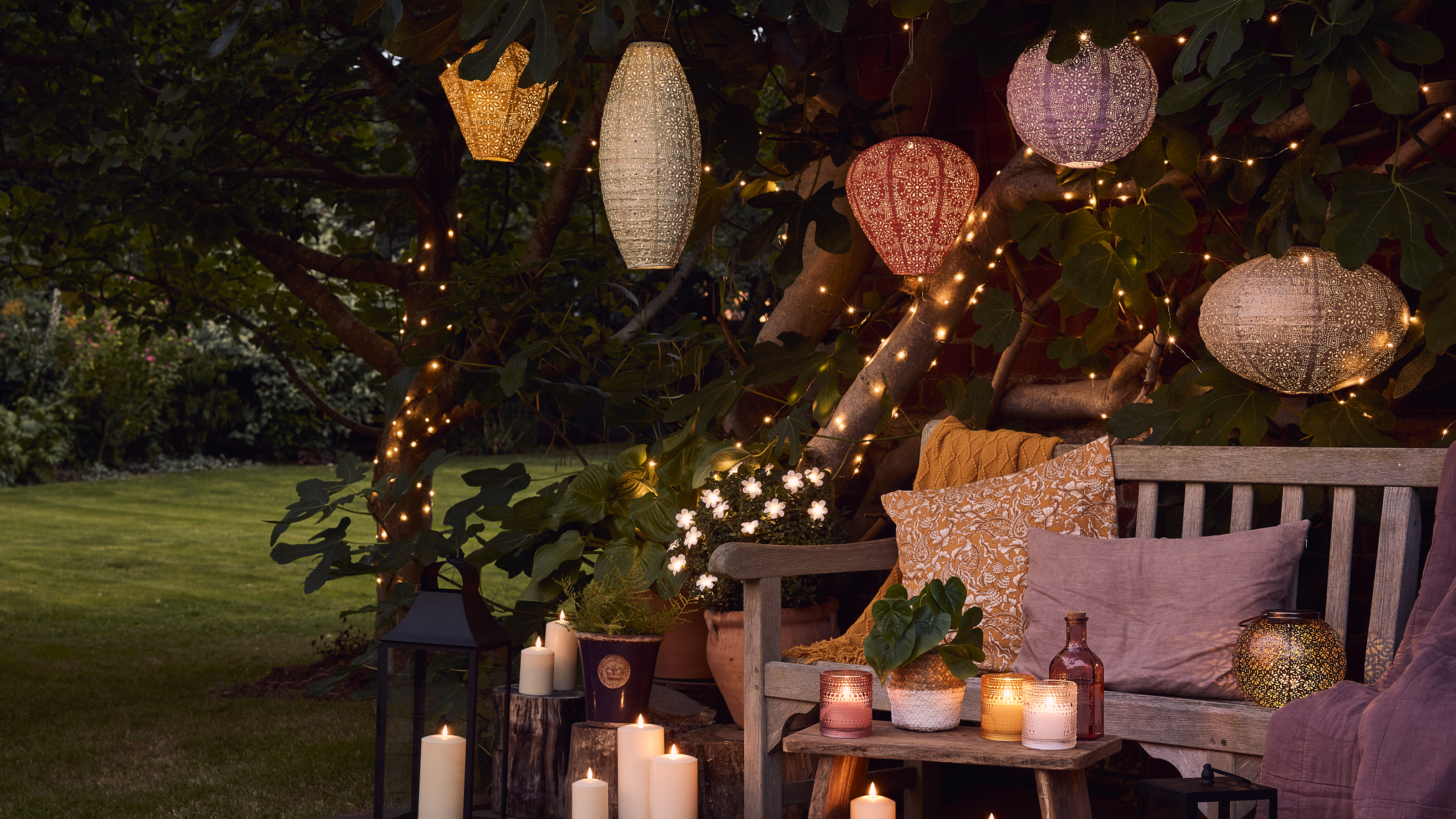
36 garden lighting ideas for a bright and beautiful outdoor space all year

5 Lighting Upgrades Pros Recommend to Instantly Increase Your Home’s Value