Designers Talk ’tops
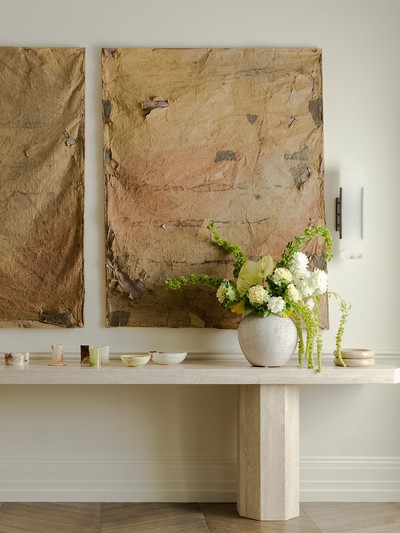
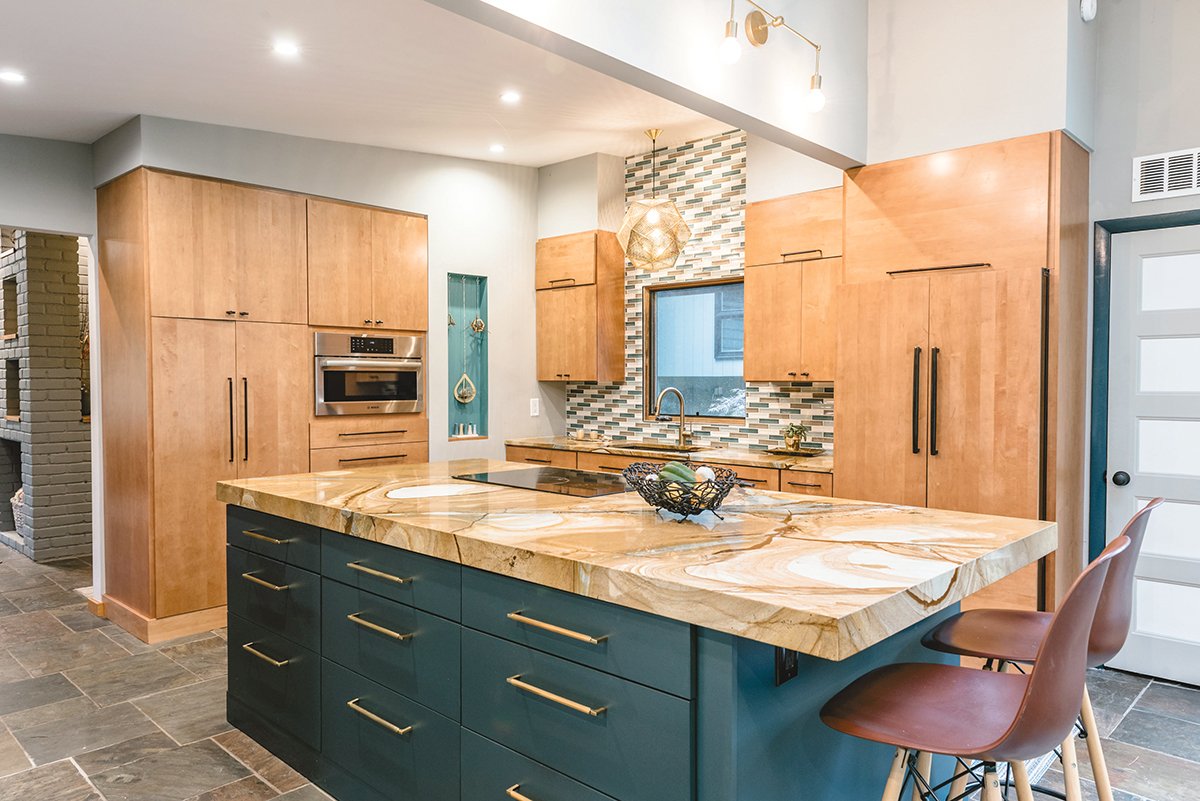
The selection of countertops plays a pivotal role in kitchen design, often considered shortly after cabinetry. While cabinets typically lead the design process, countertops profoundly influence the overall aesthetic and functionality of a space, dictating choices for backsplashes, lighting, and even flooring. Designers emphasize that countertops act as a central element, positioned at eye level, which makes their material, pattern, and texture significant in shaping the room's atmosphere.
Designers generally view the wide array of countertop materials available as a benefit, allowing for diverse design possibilities. Options range from various natural stones like granite, marble, quartzite, and soapstone, to engineered materials such as quartz and commercial-grade concrete, and even wood butcher block. Advances in quartz manufacturing have made it increasingly popular, as it effectively mimics the appearance of natural stone while offering enhanced durability. Clients' preferences are evolving, with many seeking materials that combine aesthetic appeal with practical considerations like low maintenance and resistance to heat, cold, scratches, and stains.
Functionality is a key driver in countertop selection, with designers initiating discussions by understanding how clients intend to use their kitchen surfaces. This involves evaluating a material's ability to withstand daily tasks. For instance, designers might recommend durable options like concrete for perimeter counters and more elegant, yet still robust, materials like soapstone for focal points such as islands. Soapstone, in particular, is valued for its elegance, durability, and ability to develop a unique patina over time, which appeals to clients seeking a timeless or historical aesthetic.
Beyond durability, the aesthetic impact of countertops is crucial. Designers often leverage countertops as artistic elements, using materials with stunning colors, dramatic veining, or unique textures to create focal points. Examples include a Palomino quartzite slab with geode-like patterns that complemented a mid-century home's aesthetic, or a Delirium quartzite with deep purples, greens, and blacks designed to echo an existing art piece. Book-matched slabs, especially in materials like Sea Pearl quartzite, are used to create striking backsplashes, blurring the lines between indoor and outdoor spaces.
Color choices also significantly contribute to the overall design. Some designers favor dark, contrasting materials like leathered Titanium granite to complement white cabinetry in cottage-style kitchens, bringing a natural, earthy feel. Others embrace modern materials like Dekton, which can resemble rusted metal, offering a contemporary edge when paired with simpler elements like white Shaker cabinetry. The use of waterfall edges on islands further showcases the unique characteristics of these materials.
Current trends indicate a strong demand for quartz due to its durability, low maintenance, and expanding range of colors and patterns, especially those that mimic natural marble and granite. Clients are also increasingly requesting matte and satin finishes over high-gloss, polished surfaces for both natural and engineered stones, signifying a shift towards more subdued and textured aesthetics. Incorporating unexpected textures, such as leathered granite or rough concrete in an otherwise stark white kitchen, is a design technique used to add warmth and visual interest. Wood, particularly walnut and butcher block, is also gaining popularity, offering natural warmth and versatility, with custom butcher block options allowing for unique designs and material mixes tailored to specific client needs and preferences.
#KitchenDesign #CountertopMaterials #InteriorDesignTrends #QuartzCountertops #NaturalStone #Soapstone #Quartzite #DesignFunctionality #KitchenAesthetics #KitchenDesign #CountertopMaterials #InteriorDesignTrends #QuartzCountertops #NaturalStone #Soapstone #Quartzite #DesignFunctionality #KitchenAesthetics
0 comment in total
 No comments yet
You may also like
A night to talk about design


Designers Talk Client Relationships At Arizona re:Source

Rich colors and sumptuous textures are on designers' minds
6 Fashion Designers Spill Their Secrets to a Clutter-Free Closet
2 Interiors Designers Talk Style, Inspiration & The Concept Of ‘Future Heritage’
Home & Design | Conversation Piece

Watch Every Talk From the AD PRO Global Design Summit

Talking Colour with American Design Duo The Novogratz |

A Cool Furniture Designer Talks Style, Inspiration & More
Watch Two Next Wave Designers Choose the Ideal Materials for Their Projects
An Interior Designer Talks Style Inspiration, Wish List Items & Her Clever New Launch
Designers flip over tile, go for the bold

Design Bloggers Talk at Darien Library About Their Hit Video Series
Dressed for Bed: Ticking Suppliers Tease With Tints and Talk of Tech

15 Rising Stars of Product Design
EyeSwoon’s Athena Calderone Talks Design & Fashion

Four designers weigh in on Pantone's Colour of the Year

A Cool Interior Designer Talks Style, Inspiration & More
Designers showcase creative lighting solutions at recent exhibit


HGTV’s Monica Pedersen talks design from World Market Center | Fashion | Life