1/11
Hide and sleek: The rising popularity of a kitchen behind closed doors
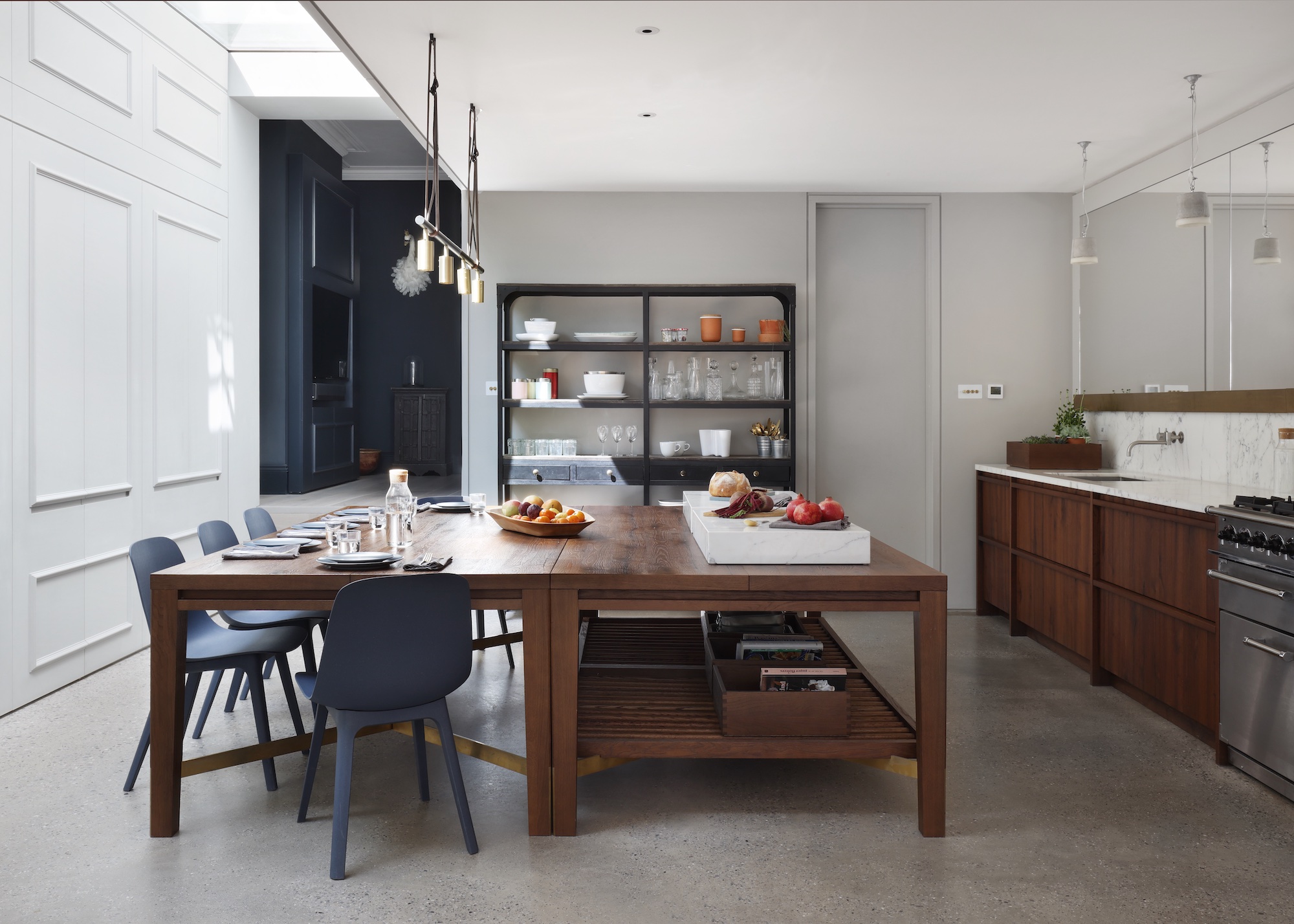
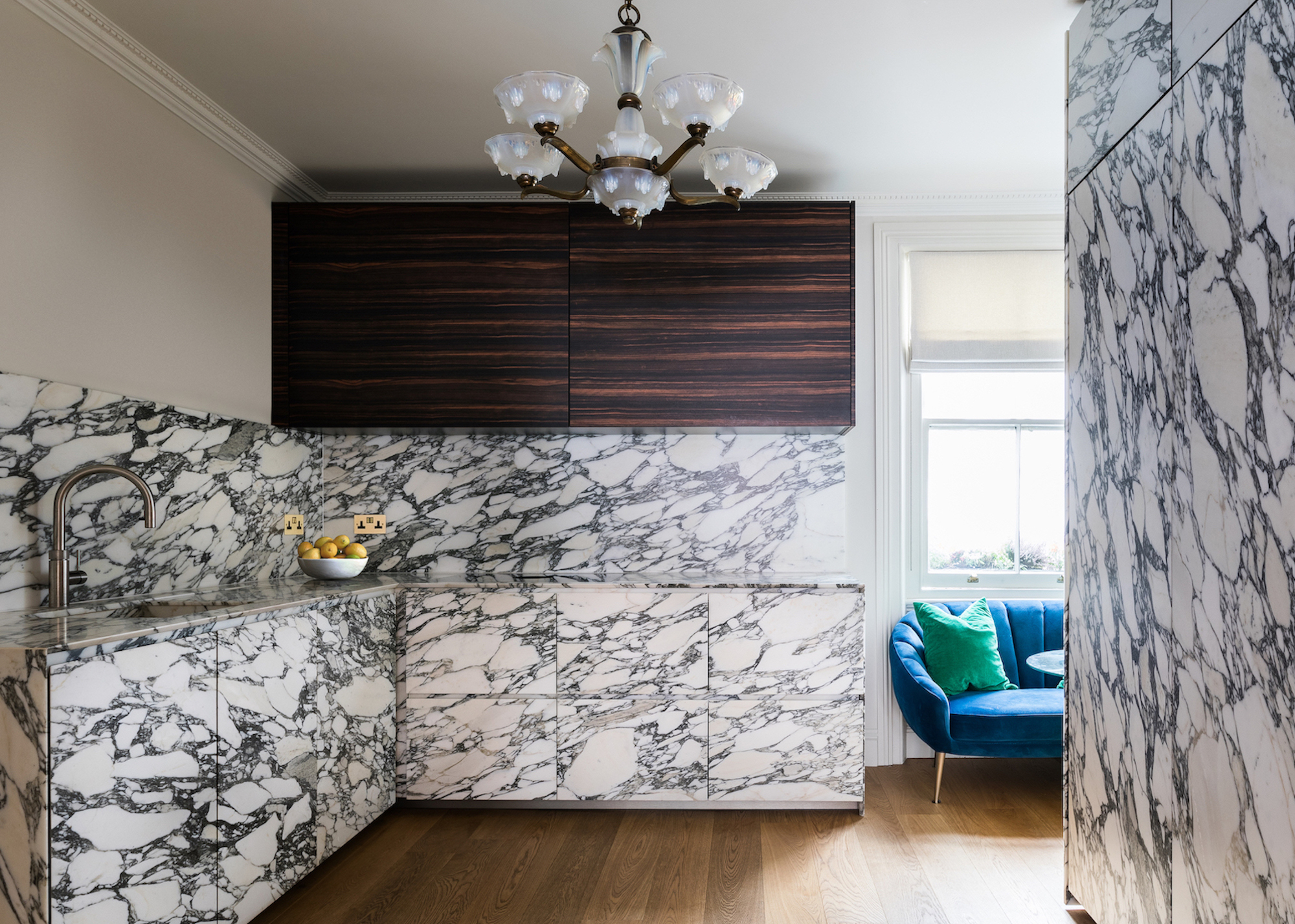
The increasing popularity of hidden and second kitchens is a multifaceted trend, significantly influenced by what is termed the 'pandemic effect.' During periods of lockdown, individuals spent more time within their homes, engaging in various activities such as working, homeschooling, and exercising. Following the lifting of restrictions, there has been a noticeable shift towards increased home entertaining rather than dining out. This change in lifestyle has heightened the demand for kitchens to be multifunctional and capable of being maintained as clear and clutter-free spaces when desired. The ability to 'shut off' certain areas within the kitchen has become a primary concern for homeowners.
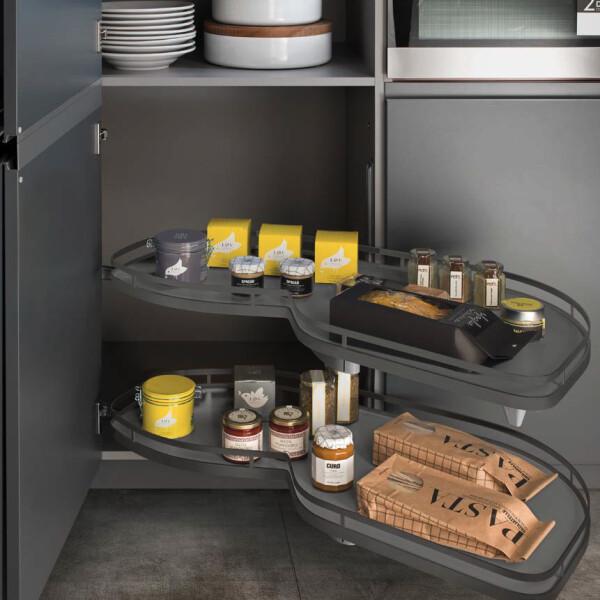
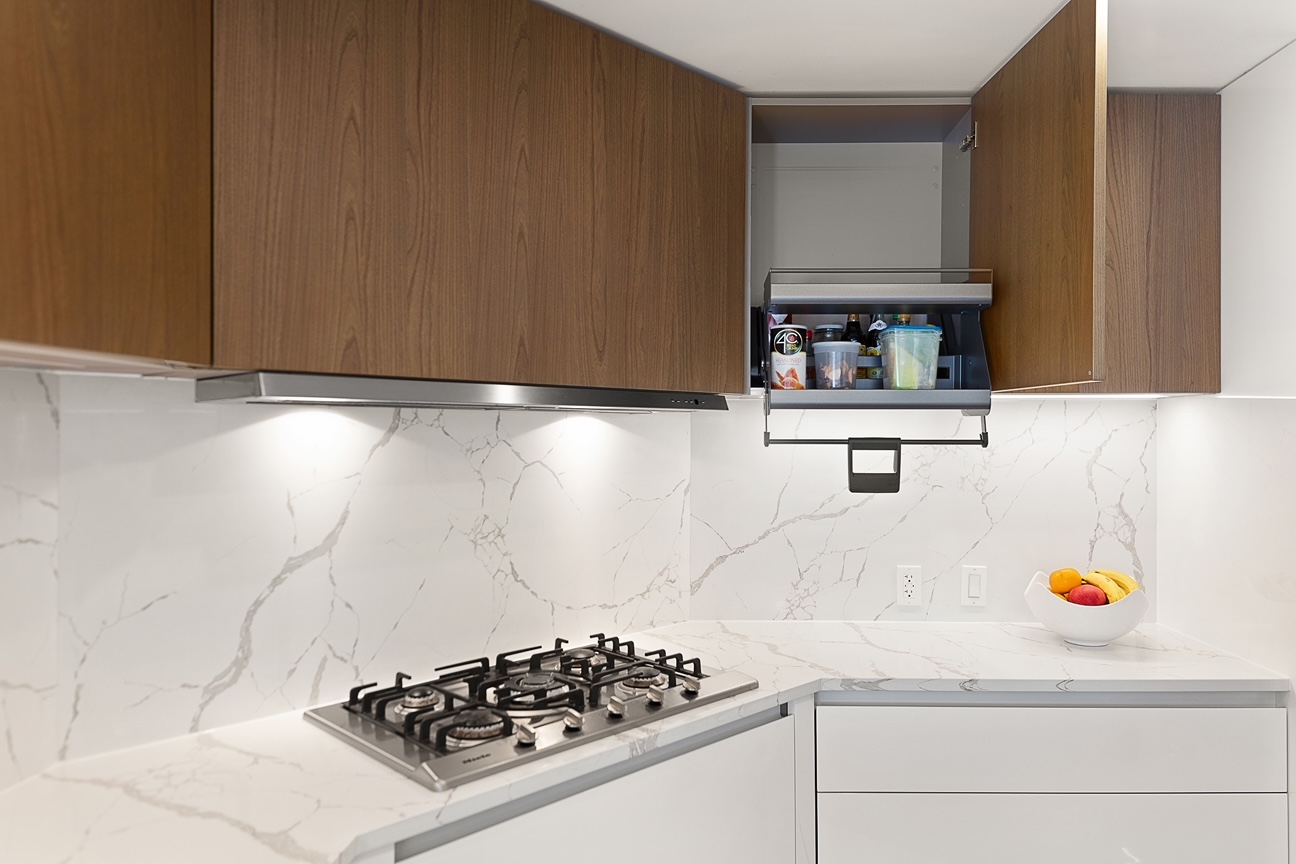
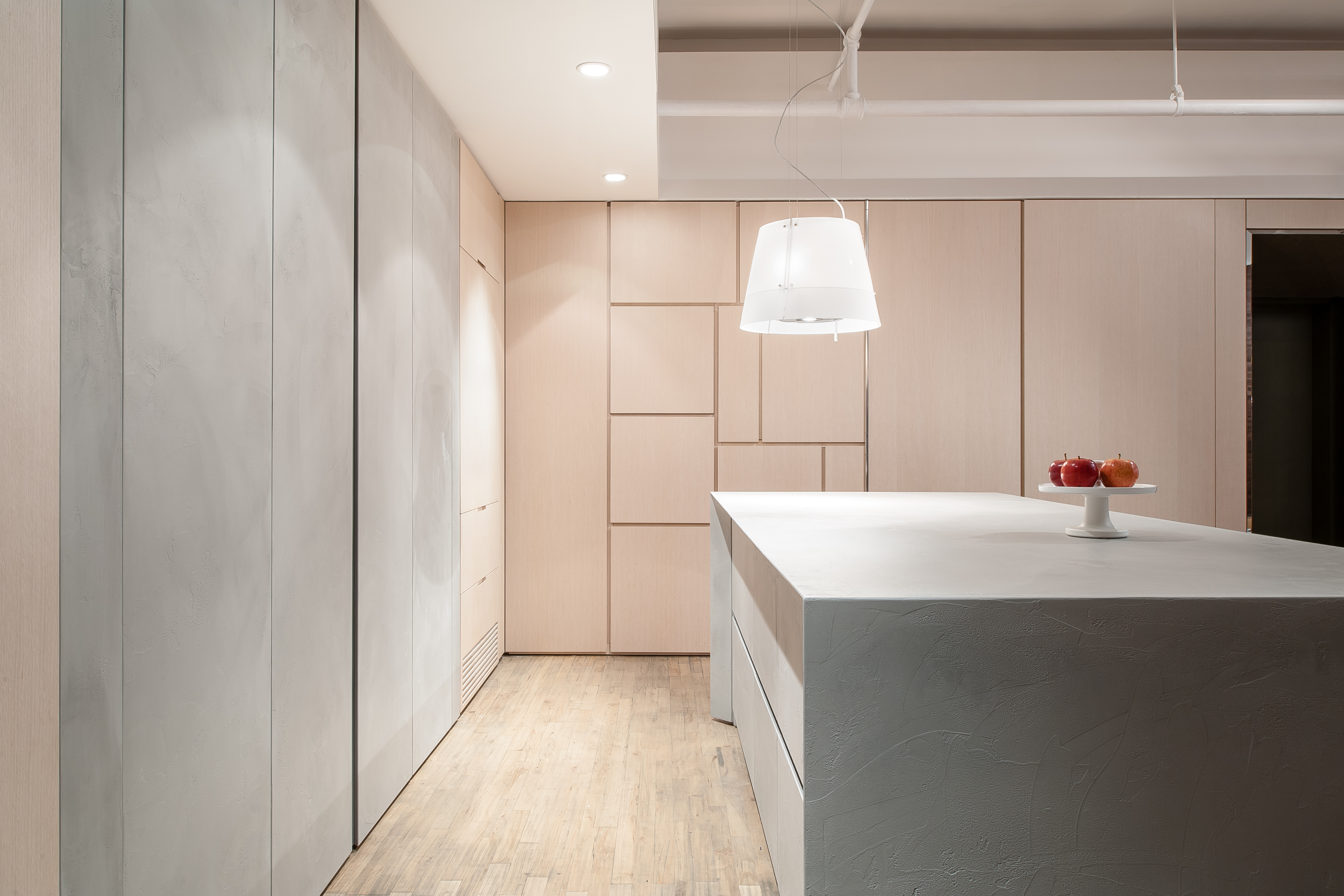
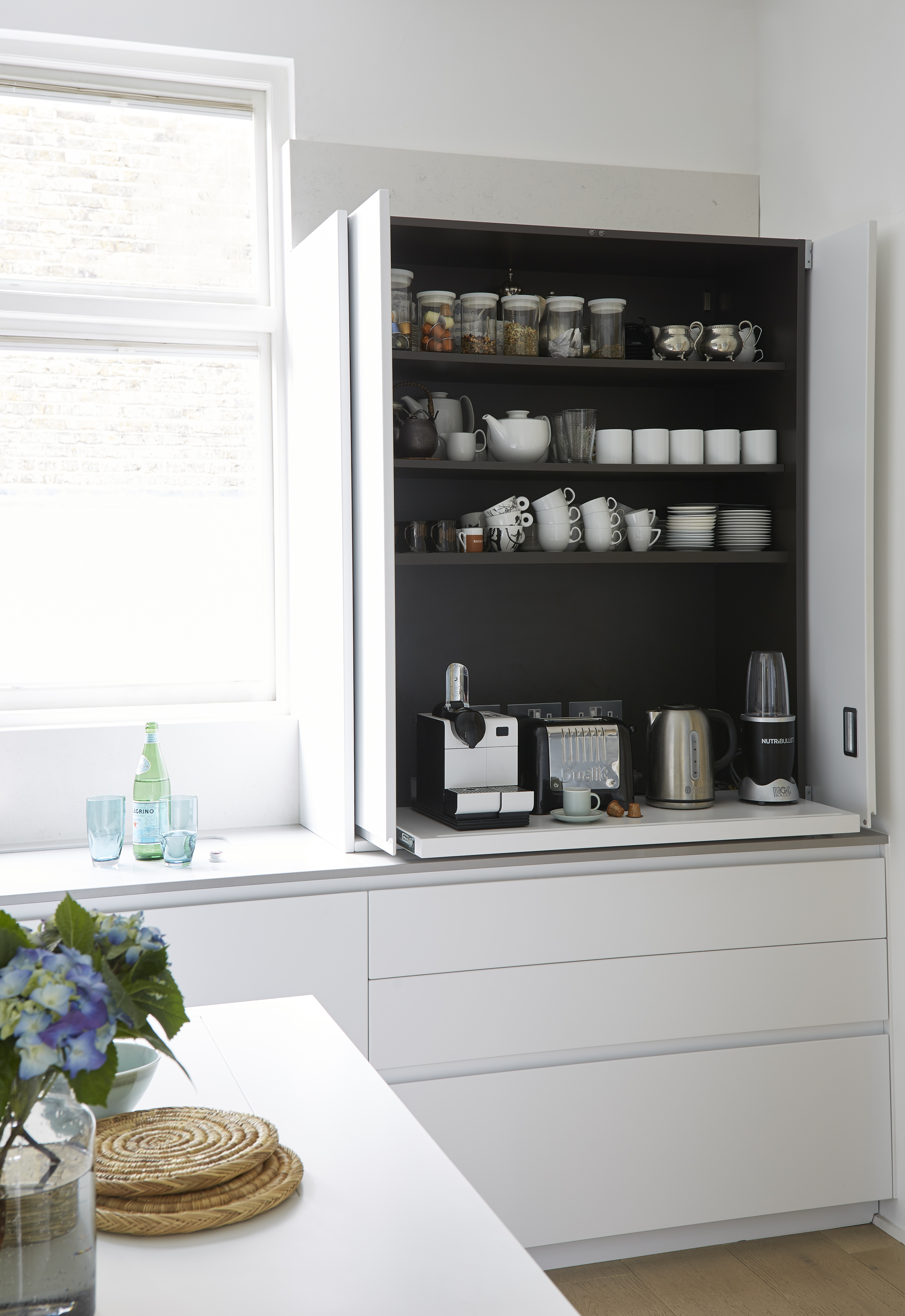
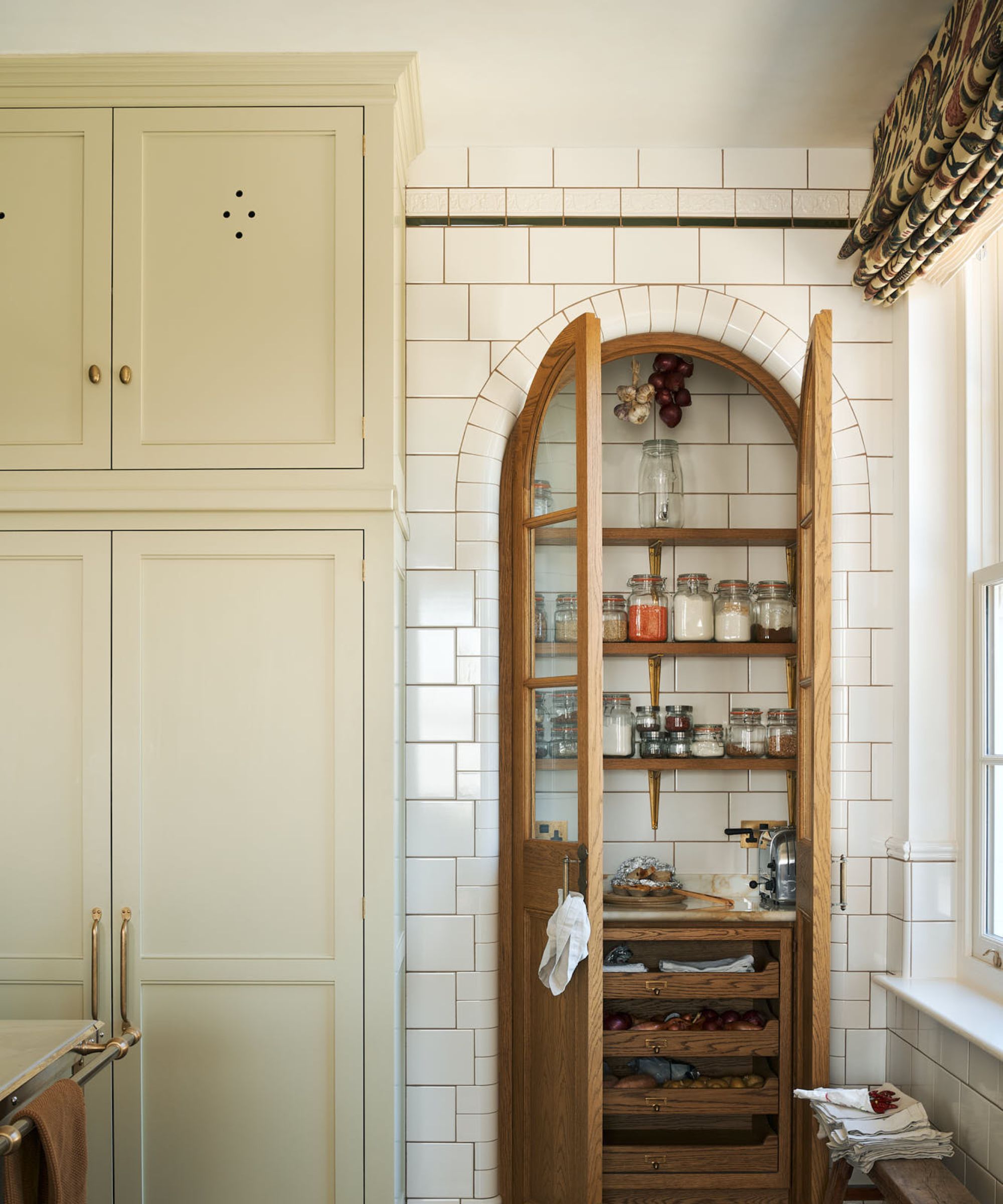
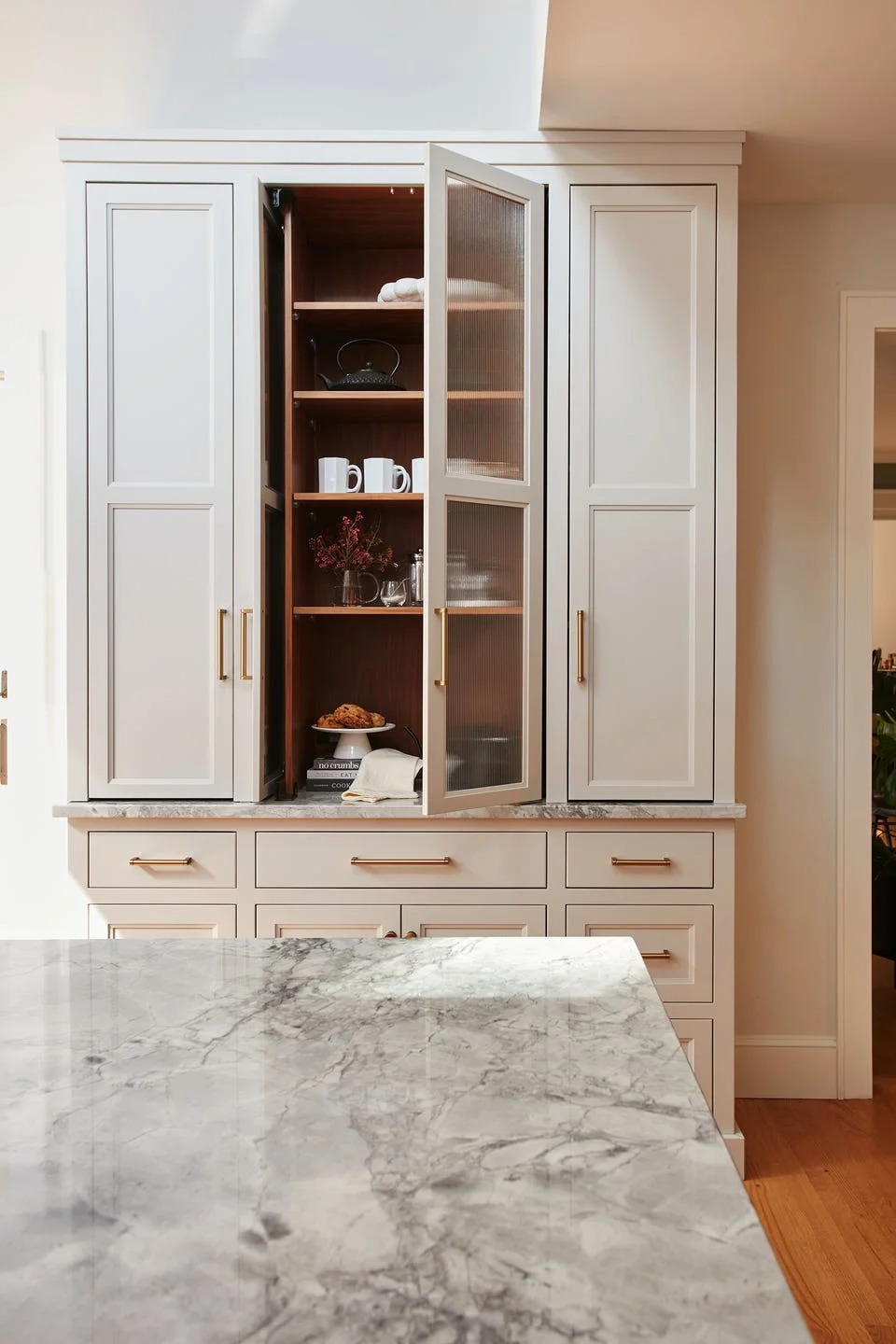
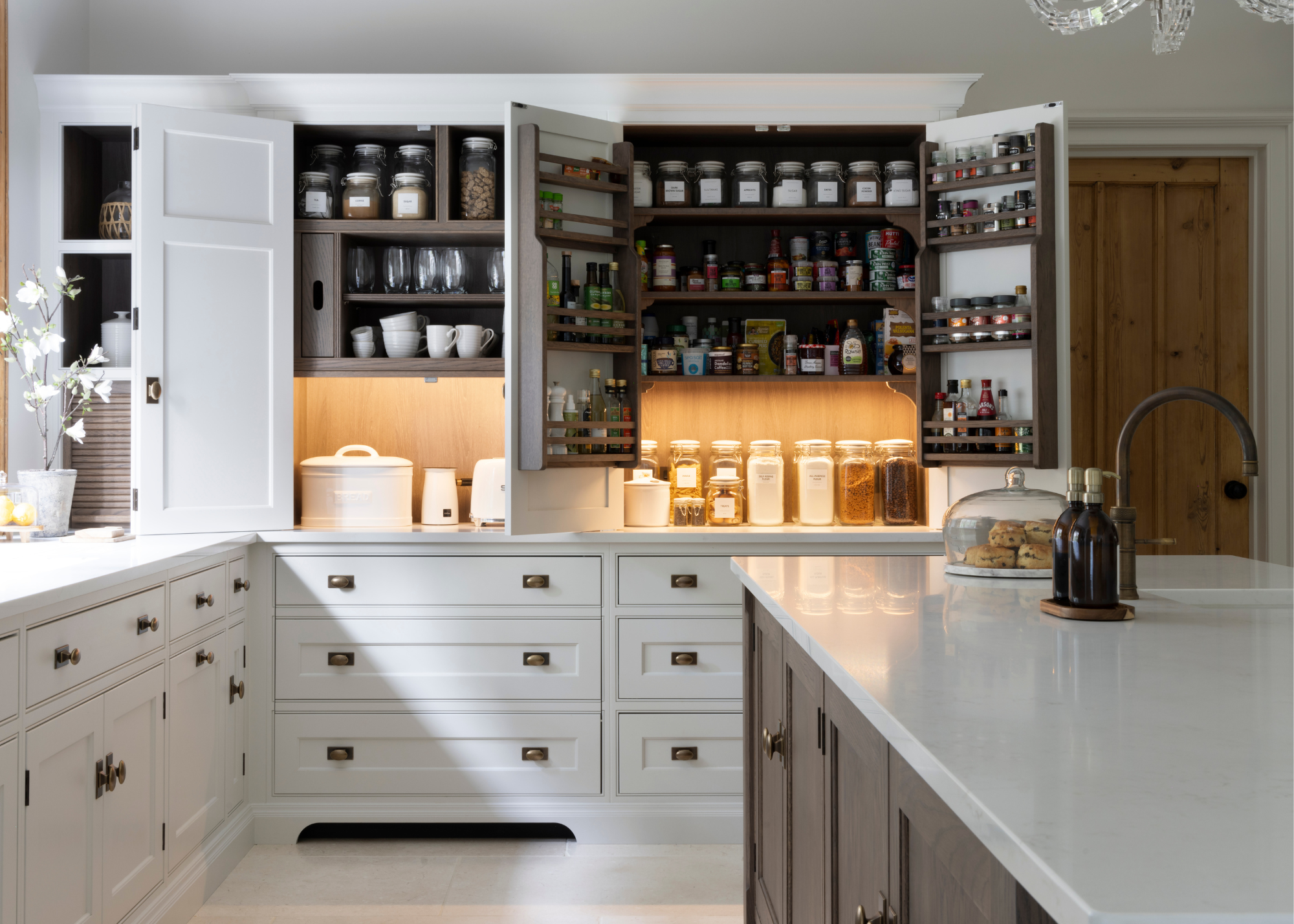
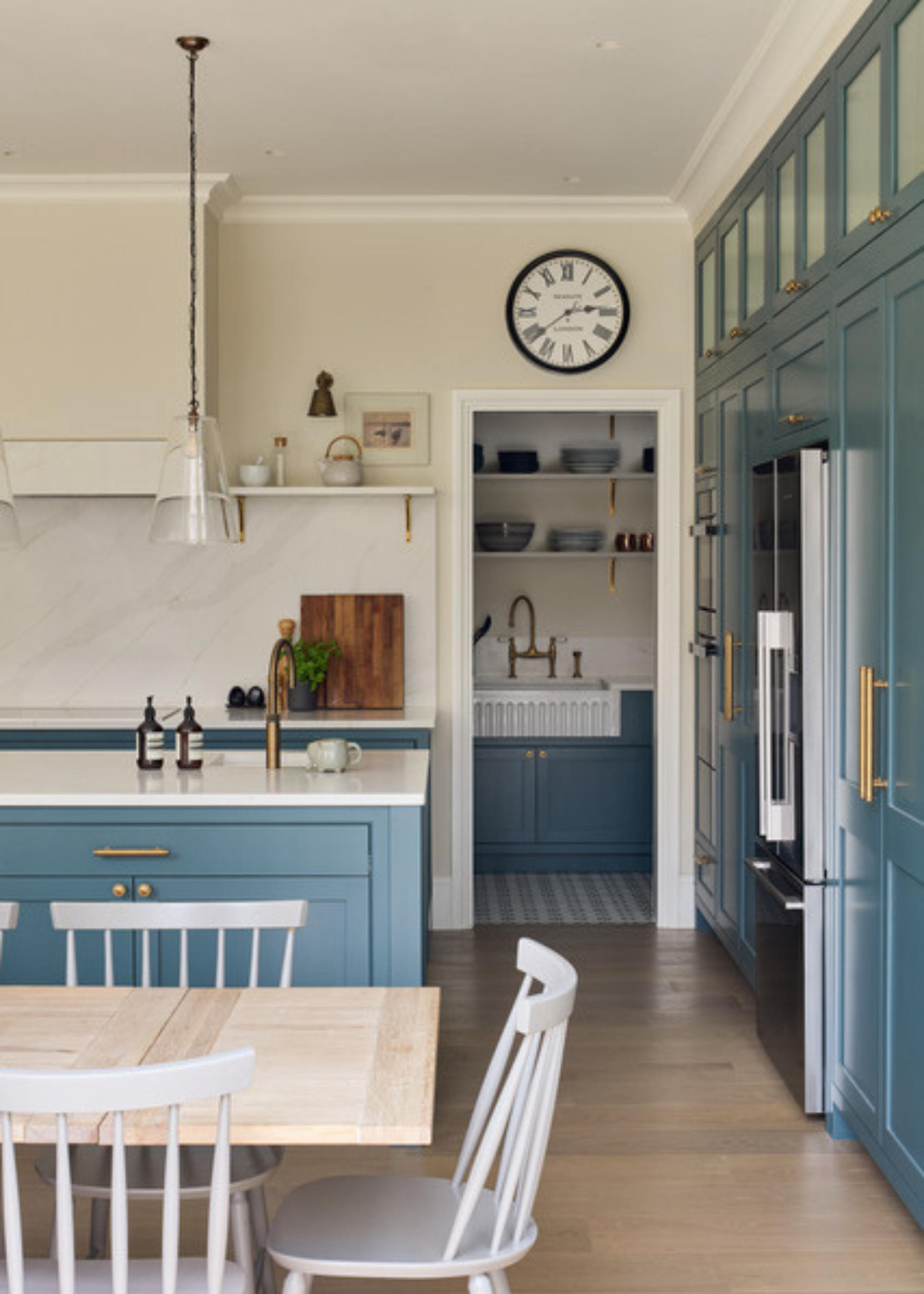
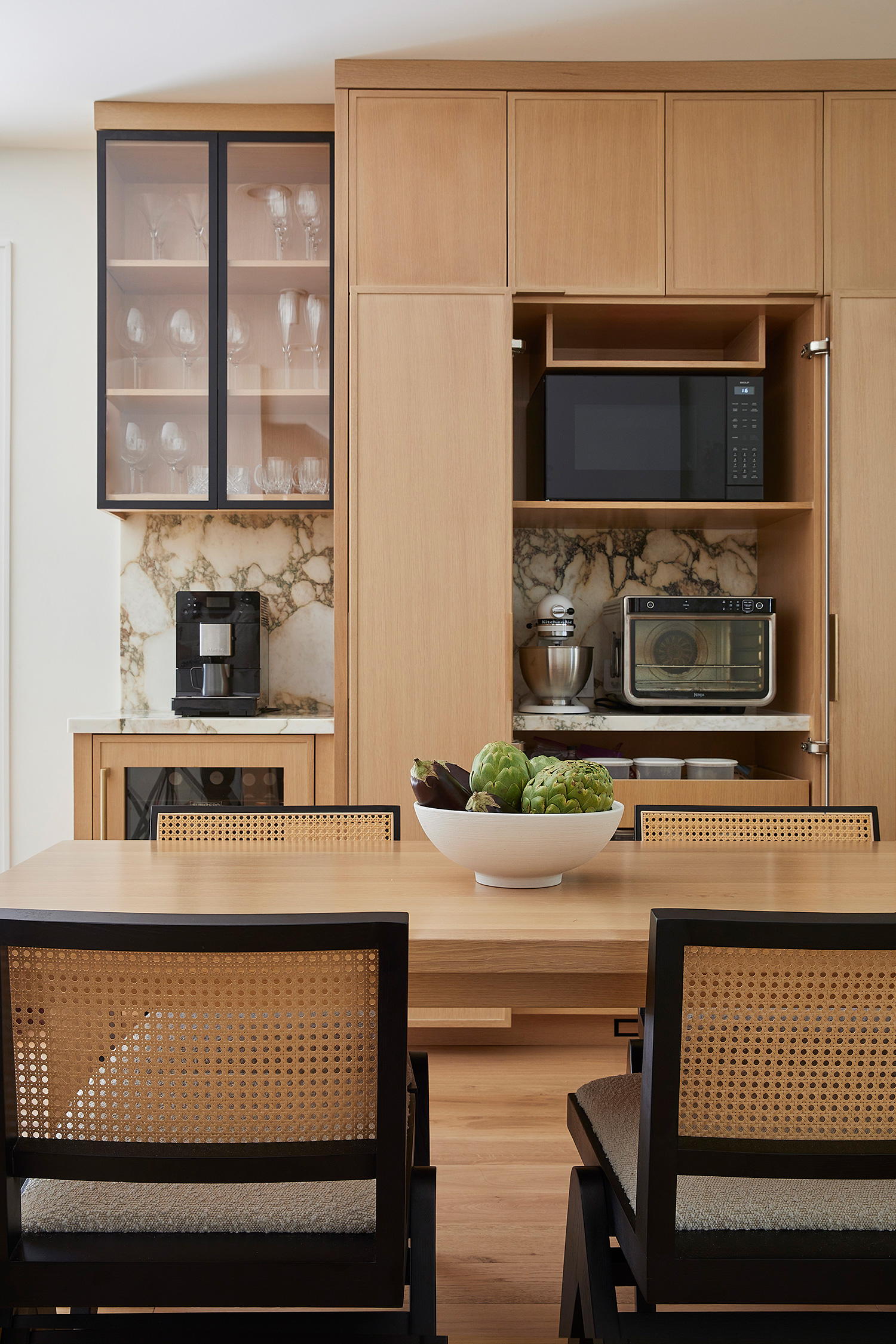
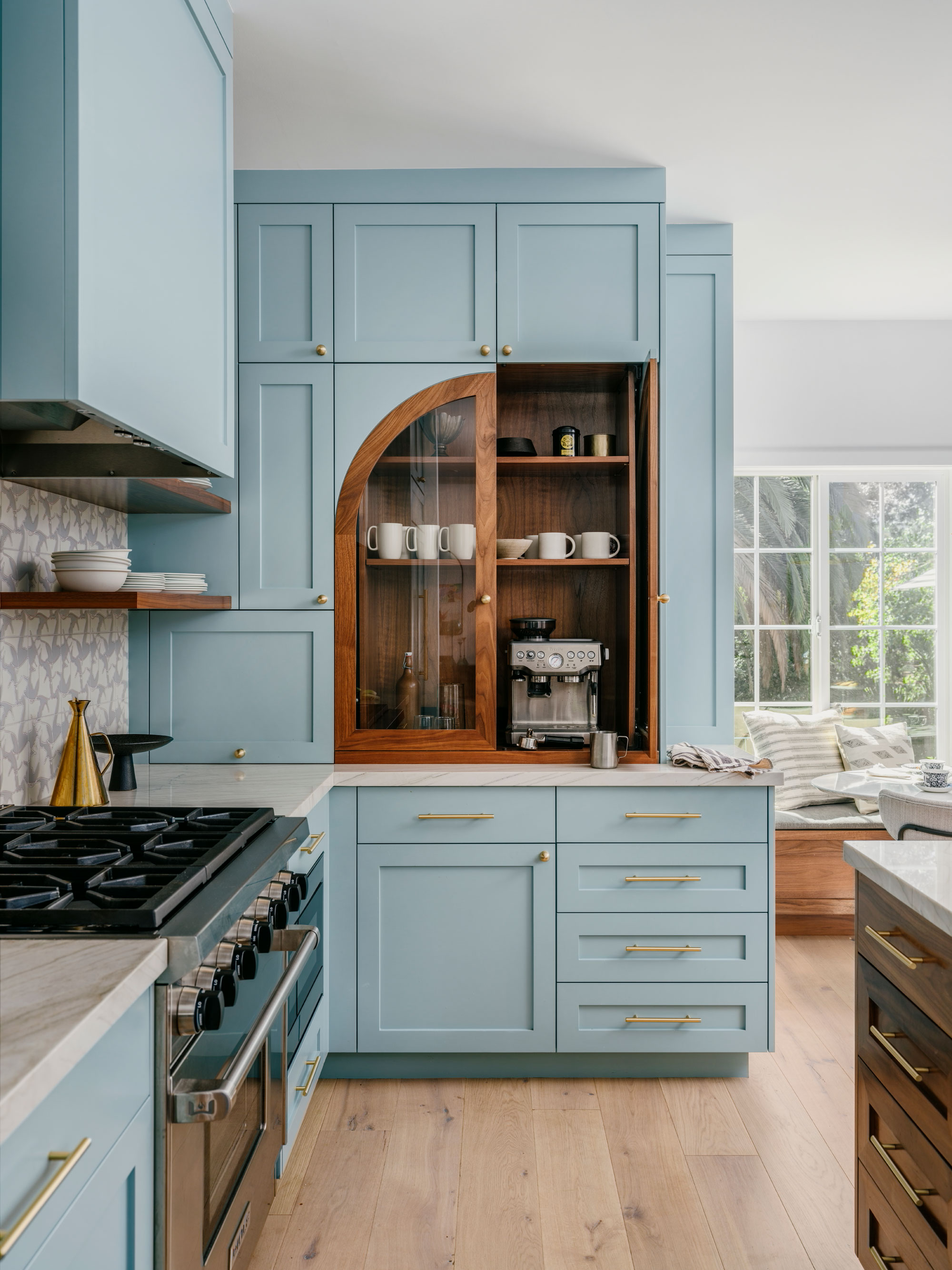
Research conducted by Häfele revealed that this capability is considered critical when selecting a new kitchen, with 15% of homeowners expressing a desire to change the function of a room by closing off areas to conceal mess or alter the space's use. Häfele collaborated with architect and designer Laura Jane Clark to investigate the elements of a functional kitchen. Clark provided insights on integrating hidden features into kitchen designs, emphasizing that accessories like toasters, microwaves, and kettles often do not complement high-end design schemes. She recommends incorporating breakfast cupboards to store these items out of sight. Furthermore, she suggests that doors matching kitchen cabinetry can conceal utility rooms, WCs, or garage entrances, blending them seamlessly into the overall design and creating a 'Narnia-like' effect with hidden storage or functional zones.
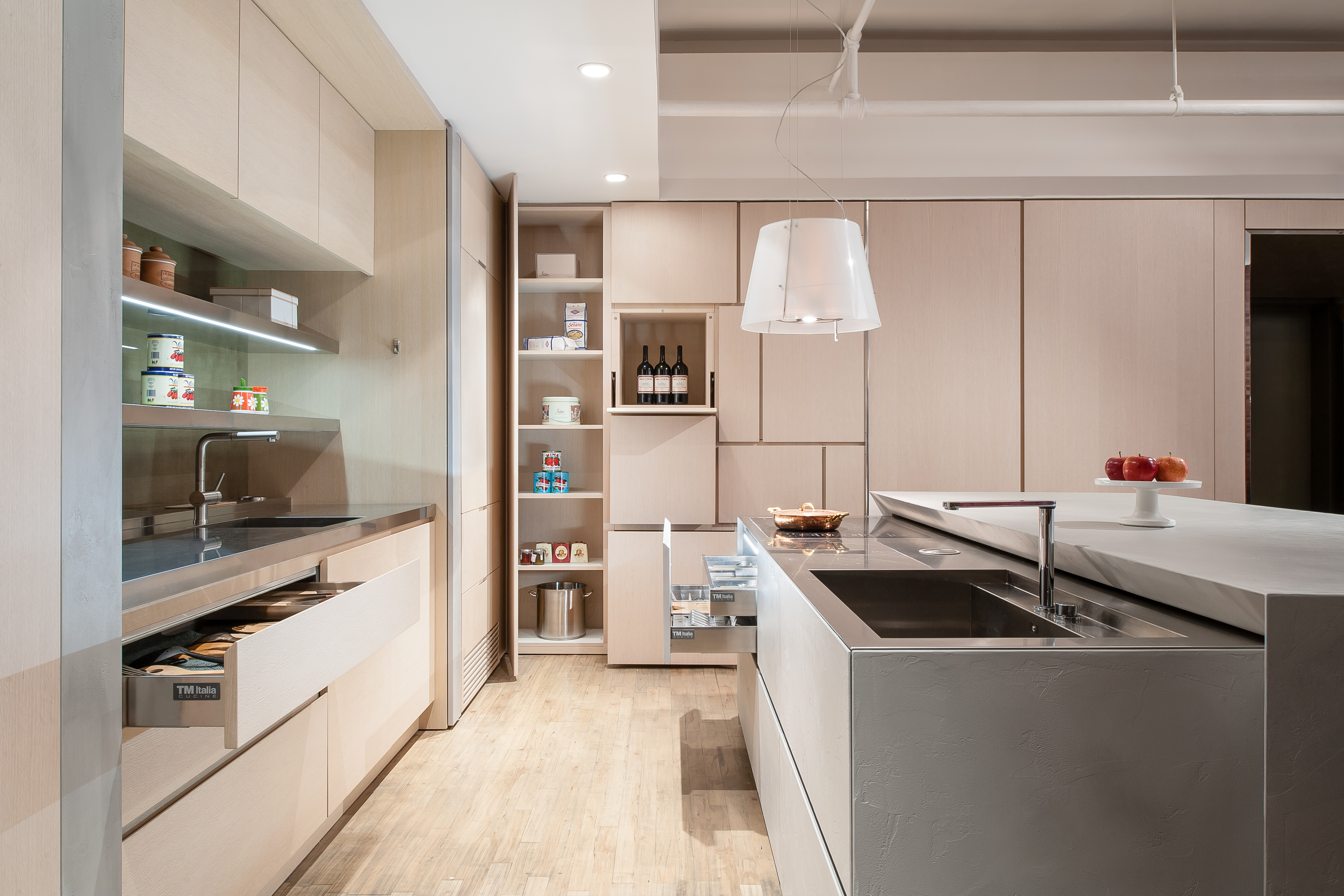
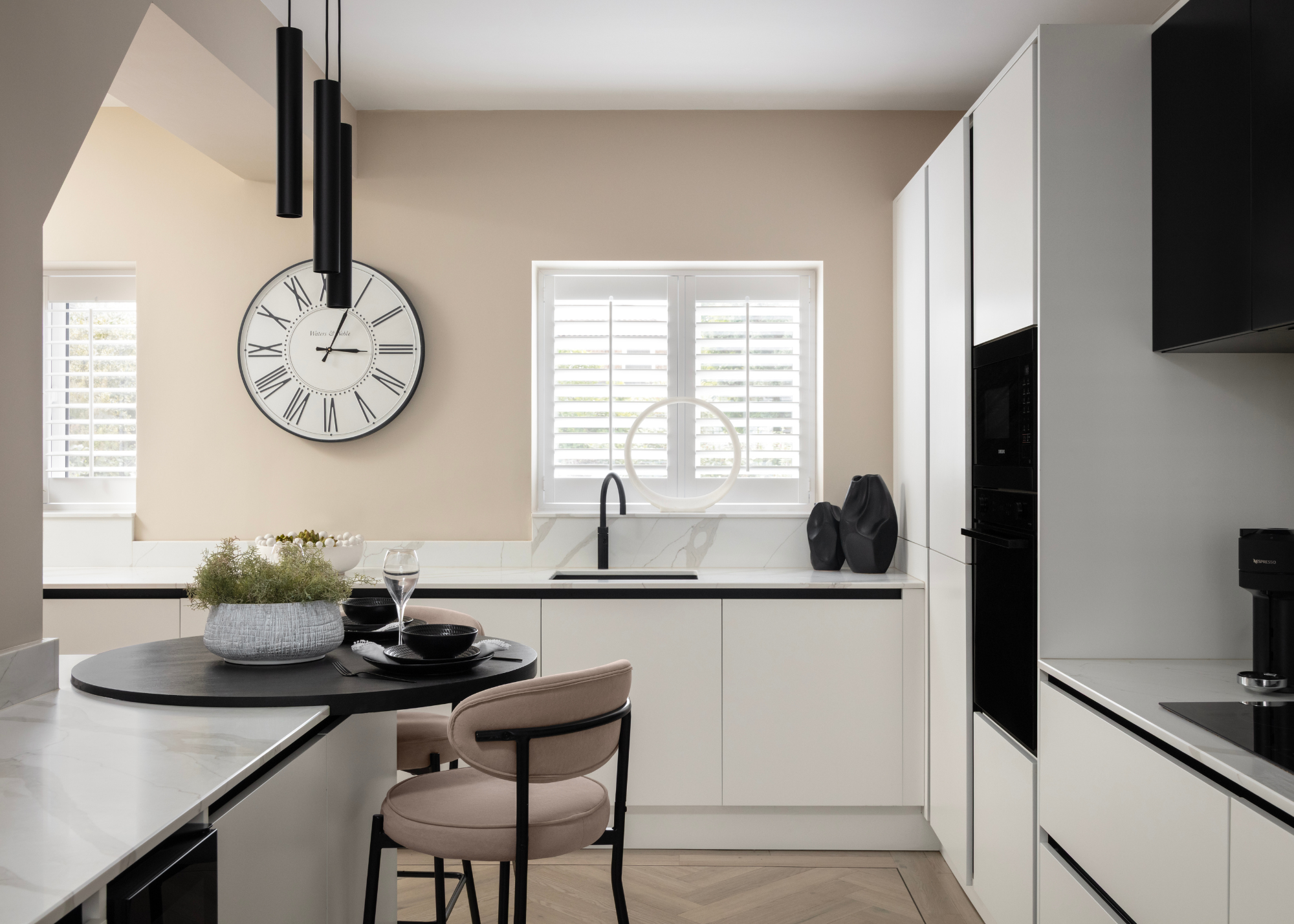
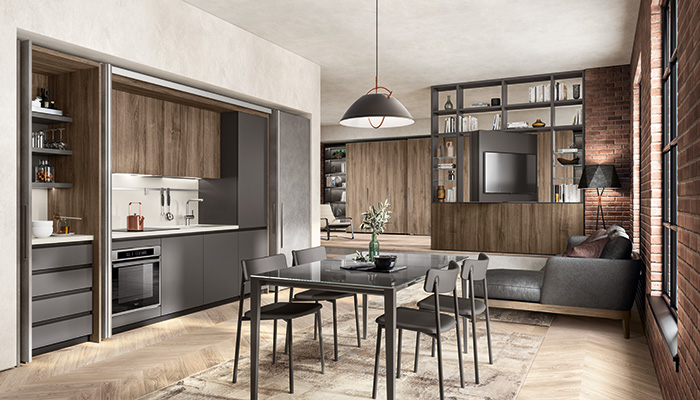
Brani Hadzhi of Scavolini by Multiliving suggests that hidden kitchens represent a preference rather than a fleeting trend. While some homeowners prefer to display functional kitchen elements, those in open-plan living spaces often seek to keep the working aspects of their kitchen out of constant view. A hidden kitchen offers a solution to the problem of visible mess, allowing cooking activities to be concealed behind bi-fold or sliding doors until cleanup. Concealing functional elements like ovens can make the kitchen appear more integrated with the living space when the doors are closed. Scavolini's BoxLife collection, a collaboration with Rainlight, utilizes pocket doors to completely hide the kitchen, with doors sliding into pocket cavities when in use to maximize space.
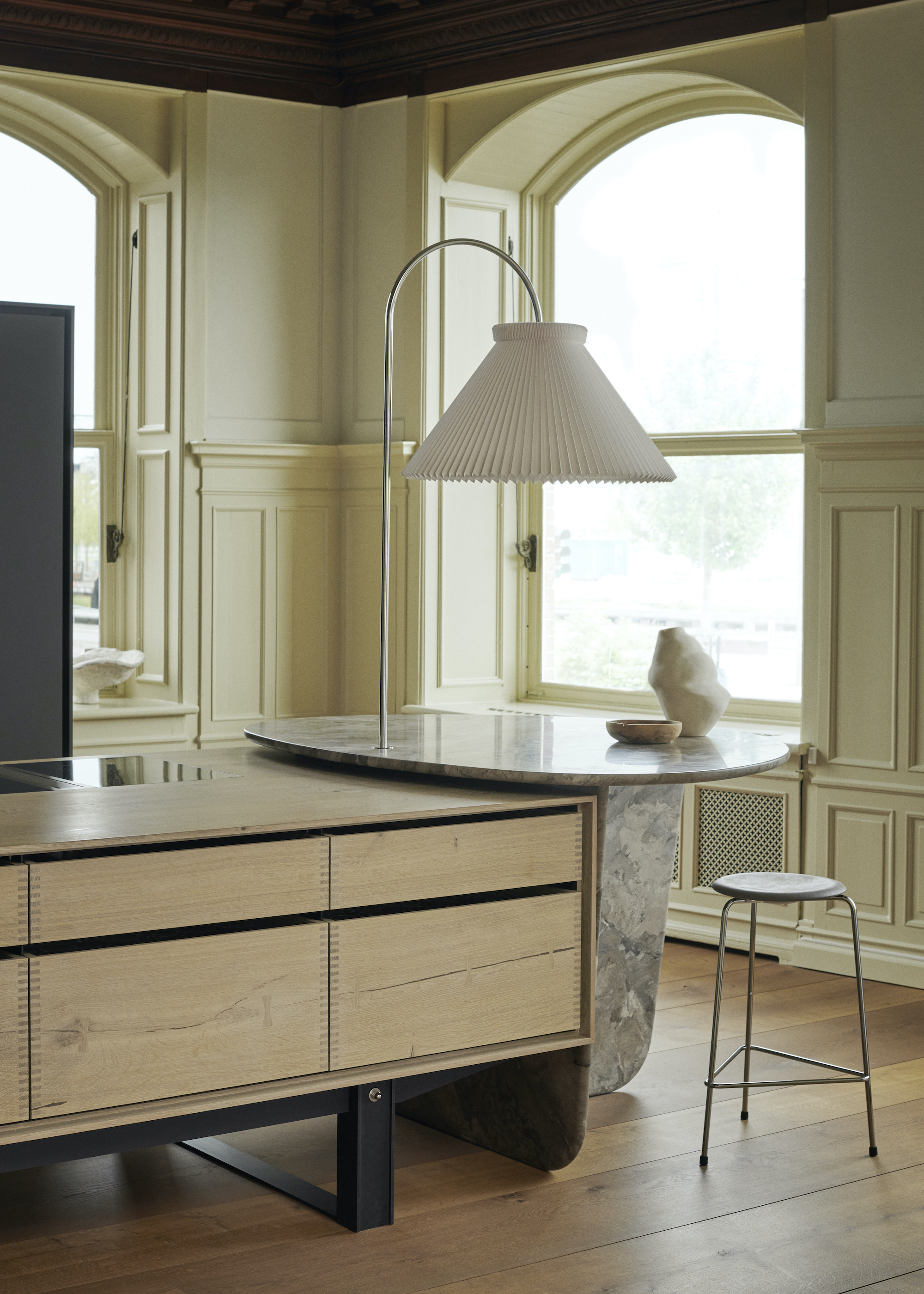
Gary Singer of Eggersmann Design notes the growing popularity of pocket doors for creating an unobtrusive backdrop that highlights a statement island. He describes a kitchen design featuring 1.5m of concealed workspace for a washing-up station, coffee machine, and toaster, with the interior matching the rest of the kitchen for aesthetic continuity. The article highlights that achieving the simplest-looking kitchens often involves significant technical complexity, with careful attention to details such as shadow lines around ovens acting as recessed handles. Pull-out worktops, such as Atim systems available through Häfele, are presented as practical solutions for maximizing the potential of concealed kitchen areas, offering stability and a load capacity of up to 60kg.
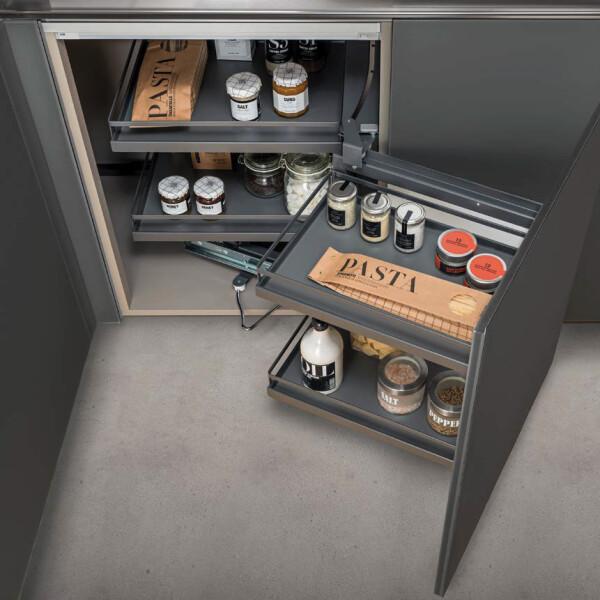
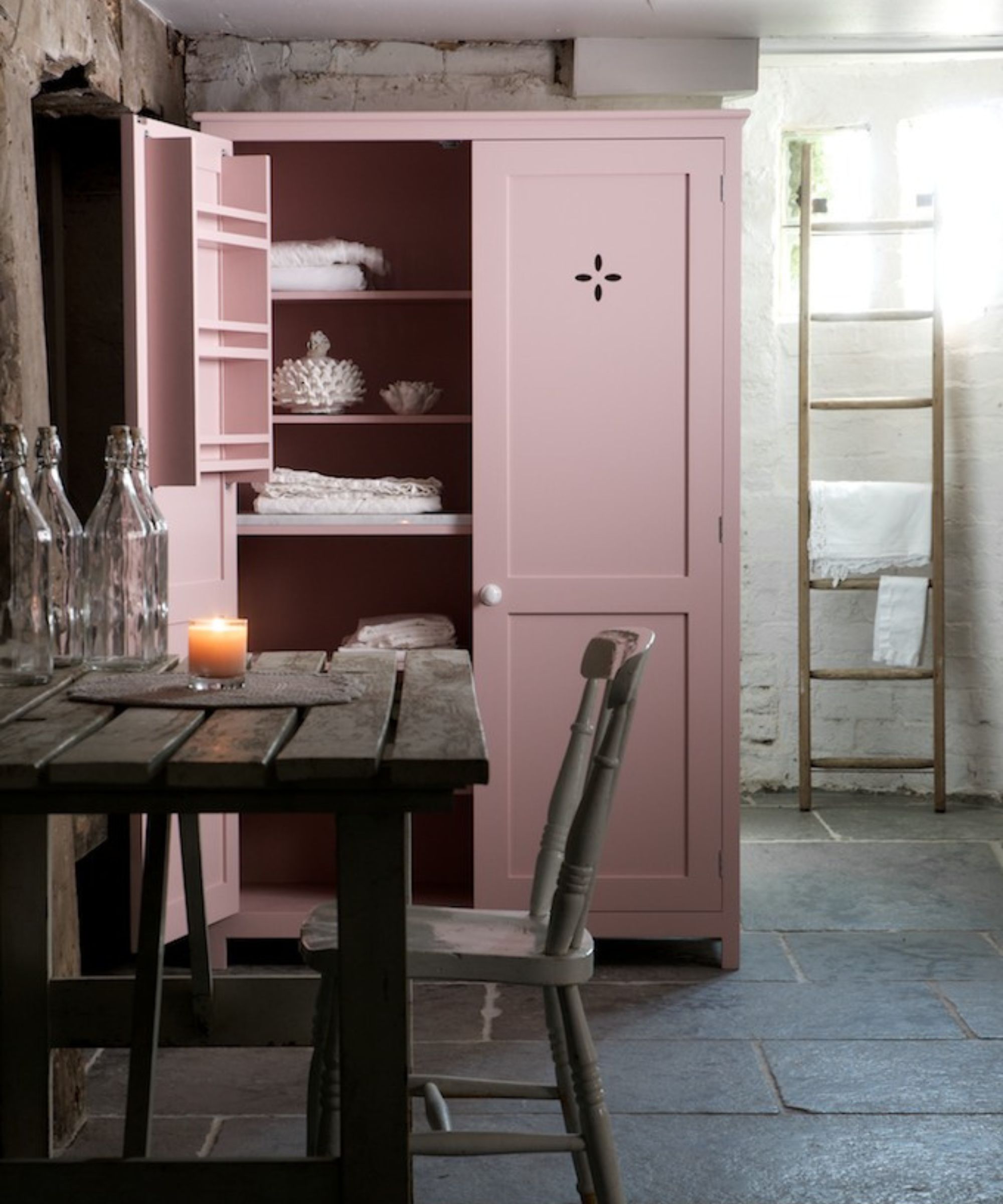
Richard Atkins of DesignSpace London advises clients to evaluate their usage of kitchen space for cooking, eating, and general living before deciding on a hidden kitchen. This approach enables designers to create aesthetically pleasing and practical solutions that seamlessly integrate the kitchen zone into the living area. Studio apartments, in particular, benefit from hideaway kitchens due to spatial constraints, leading to a trend of concealing appliances and working areas. Common concealed elements include 'breakfast' or 'baking' cupboards for small appliances. For larger kitchens, 'Ghost' cupboards can hide sinks and work surfaces, as seen in Modulnova’s 'Fly' kitchen collection which uses satin lacquer pocket doors.
The concept of a second, smaller kitchen often functions as the primary working area, with the main kitchen serving as a 'show kitchen' for entertaining. Designers should consider incorporating premium products and floor-to-ceiling access doors for discreet entry to these second kitchens, maintaining privacy and a clear boundary between daily life and social events. Matt Phillips of Rotpunkt identifies the utility room or second kitchen as a significant growth area for designers. Simon Bodsworth of Daval Furniture emphasizes the importance of space flow and accessibility within a second kitchen, recommending a simple design approach with additions like extra lighting and mirrored splashbacks to enhance illumination and functionality. Daval’s custom hideaway kitchen, featuring 100% recycled Renzo Furniture, exemplifies this approach in a home studio setting.
#KitchenDesign #HiddenKitchens #SecondKitchens #OpenPlanLiving #HomeDesignTrends #InteriorDesign #SpaceSavingSolutions #KitchenCabinetry #SmartStorage #KitchenDesign #HiddenKitchens #SecondKitchens #OpenPlanLiving #HomeDesignTrends #InteriorDesign #SpaceSavingSolutions #KitchenCabinetry #SmartStorage
0 comment in total
 No comments yet
You may also like
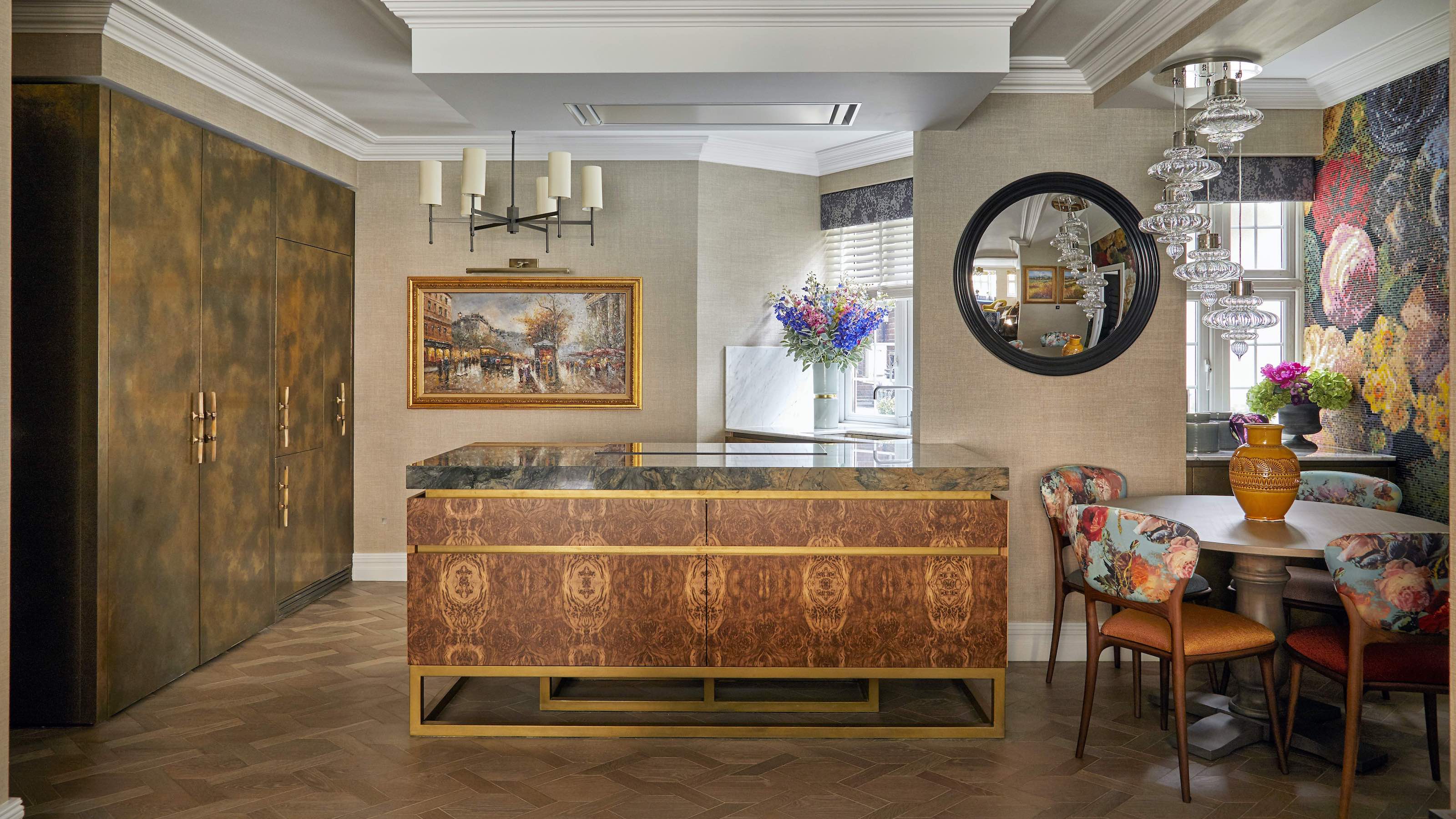
15 'Hidden Kitchens' That Conceal the Action (and Mess), Making for More Streamlined Schemes

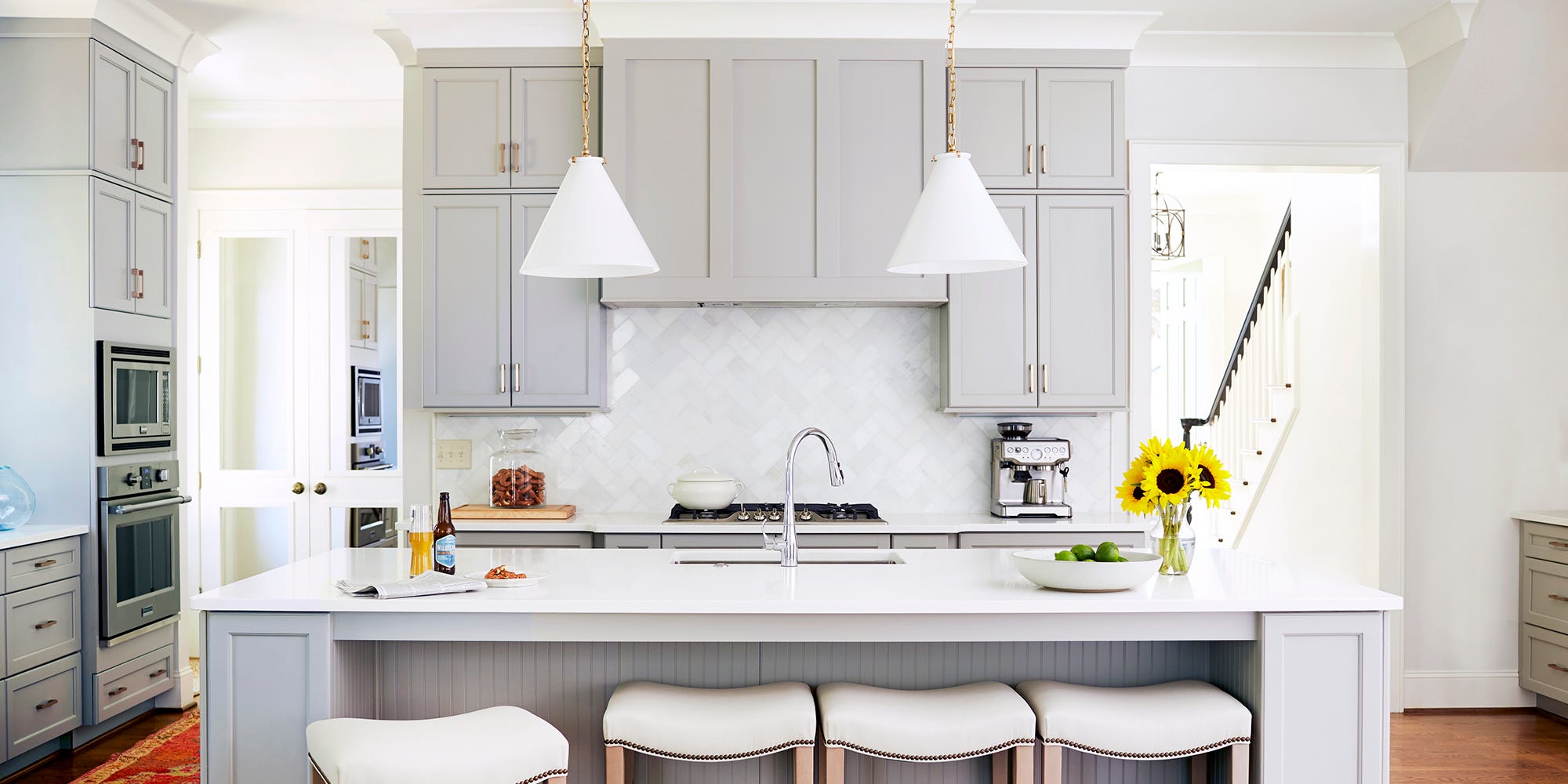
28 Stylish Kitchens with Concealed Range Hoods

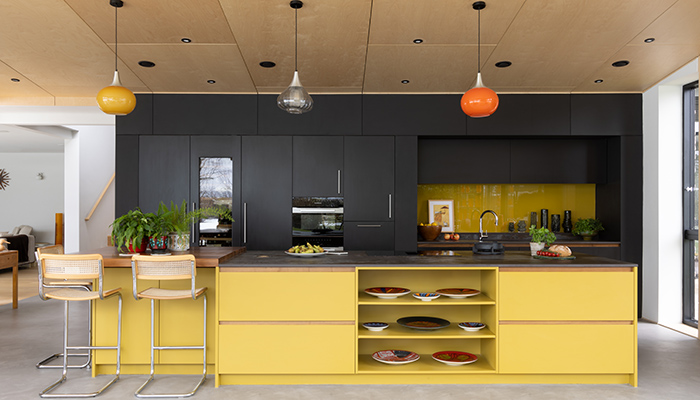
How discreet extraction has made space for statement kitchen lighting
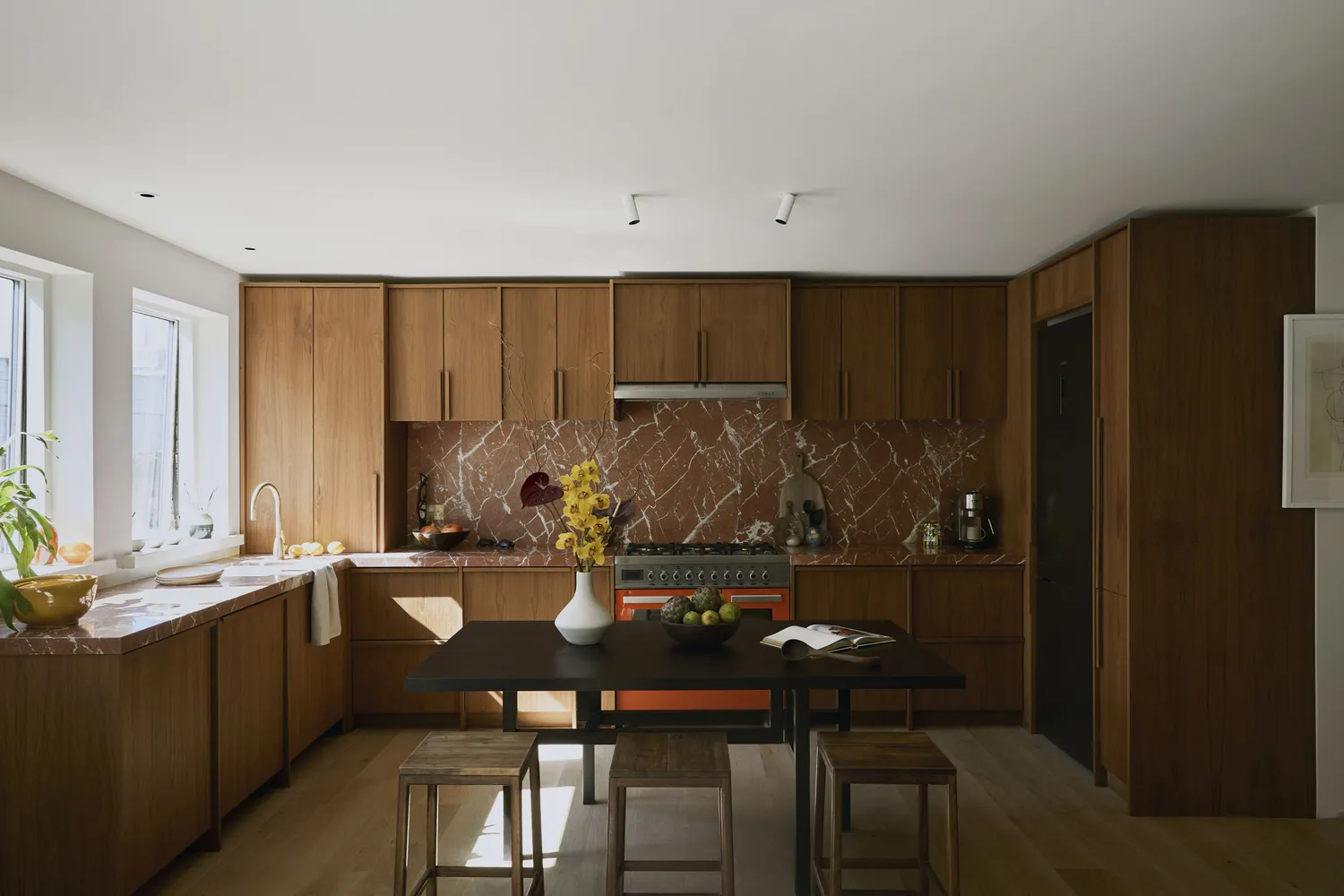
Why “Invisible Kitchens” Are the Sleekest New Trend Designers Can’t Stop Using

Forget Open Shelving: It’s Now Trendy to Hide Kitchenware
Small space living makes invisible kitchens the most practical (and stylish) of new design trends

Design Pros Reveal the Surprising Kitchen Trend That's About to Take Over
Modern, minimal and Insta-ready: The open kitchen trends you need right now | Hindustan Times

This Forgotten Kitchen Feature Is Popping Up More and More

Design Experts Agree: This Kitchen Style Is Making a Major Comeback
Why a Former Chef Swears by This Style of Open Kitchen Shelving
10 Lessons in Good Kitchen Design I Learned For 2025
Open shelving, built-in amenities lead kitchen trends
This Once-Taboo Kitchen Flooring Is Climbing the Ranks
5 Things Interior Designers Always Include in Eat-in Kitchens to Help Hide the Mess When Hosting
These are the kitchen trends designers say will elevate your design
The Tucked Away Kitchen and Rise of the Butler’s Pantry
This Traditional Kitchen Detail is Making an Unexpected Comeback This Year

This Bright and Open Kitchen Cleverly Conceals Its Appliances
This Kitchen Design Trend Is Making a Major Comeback—but There's a Catch