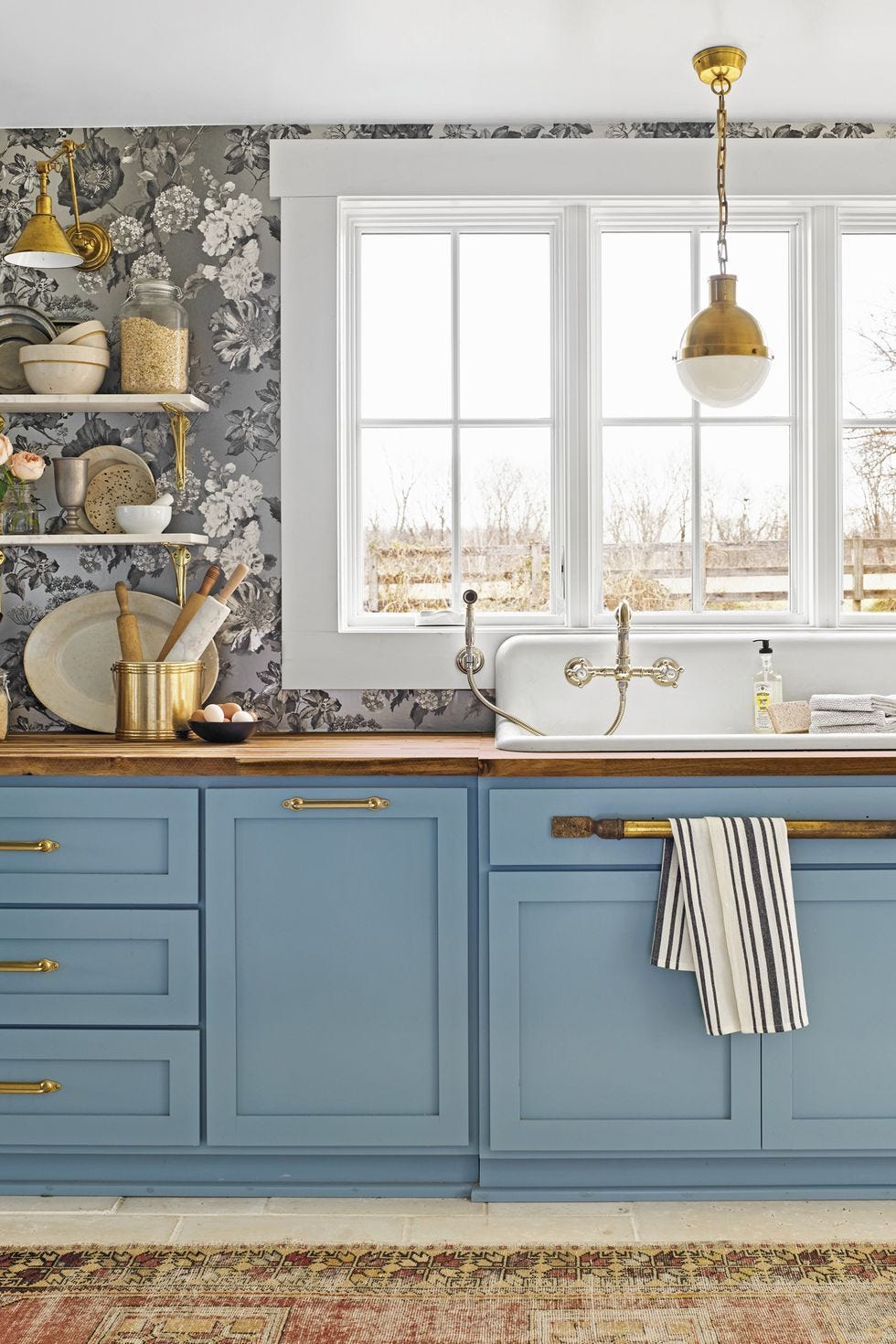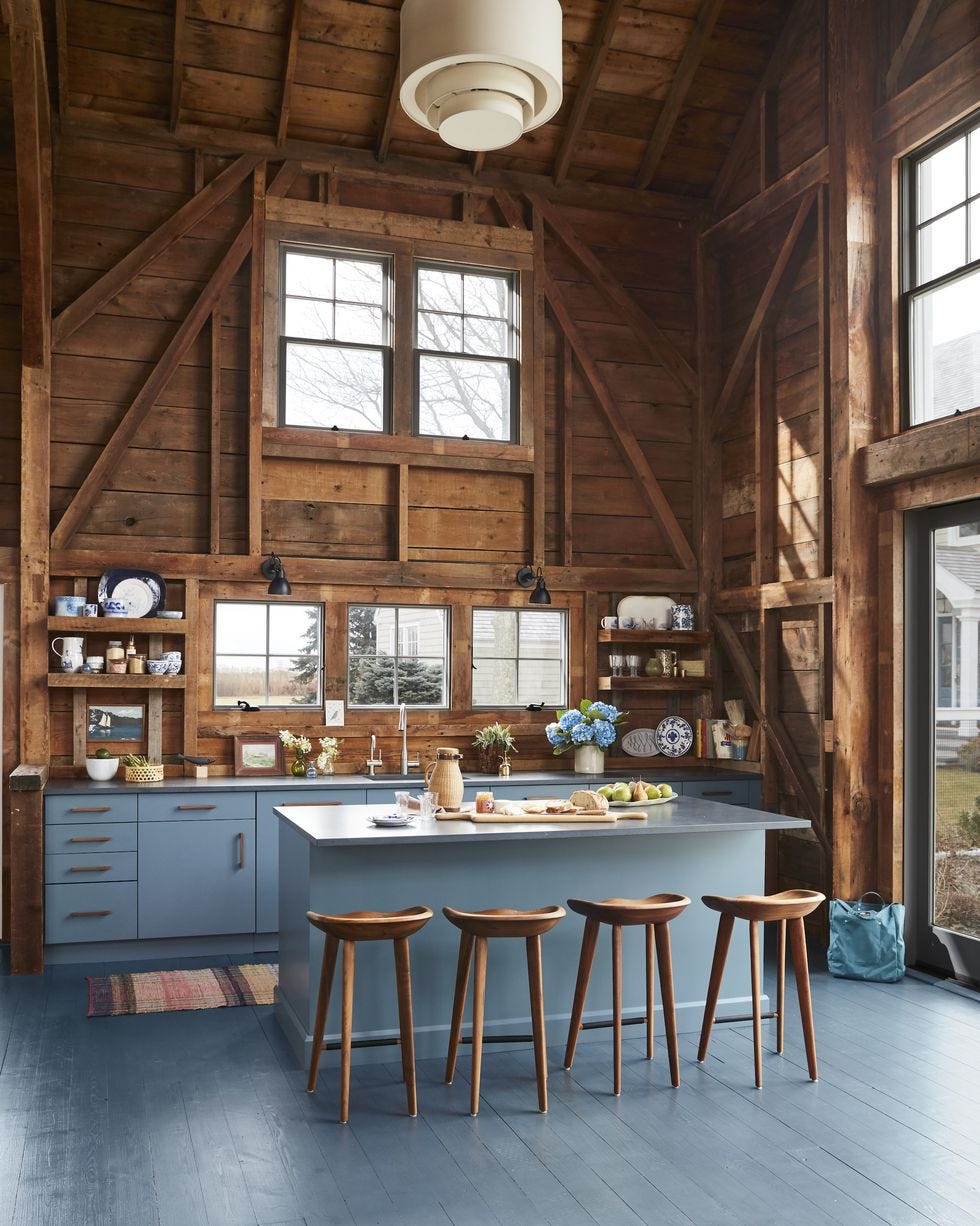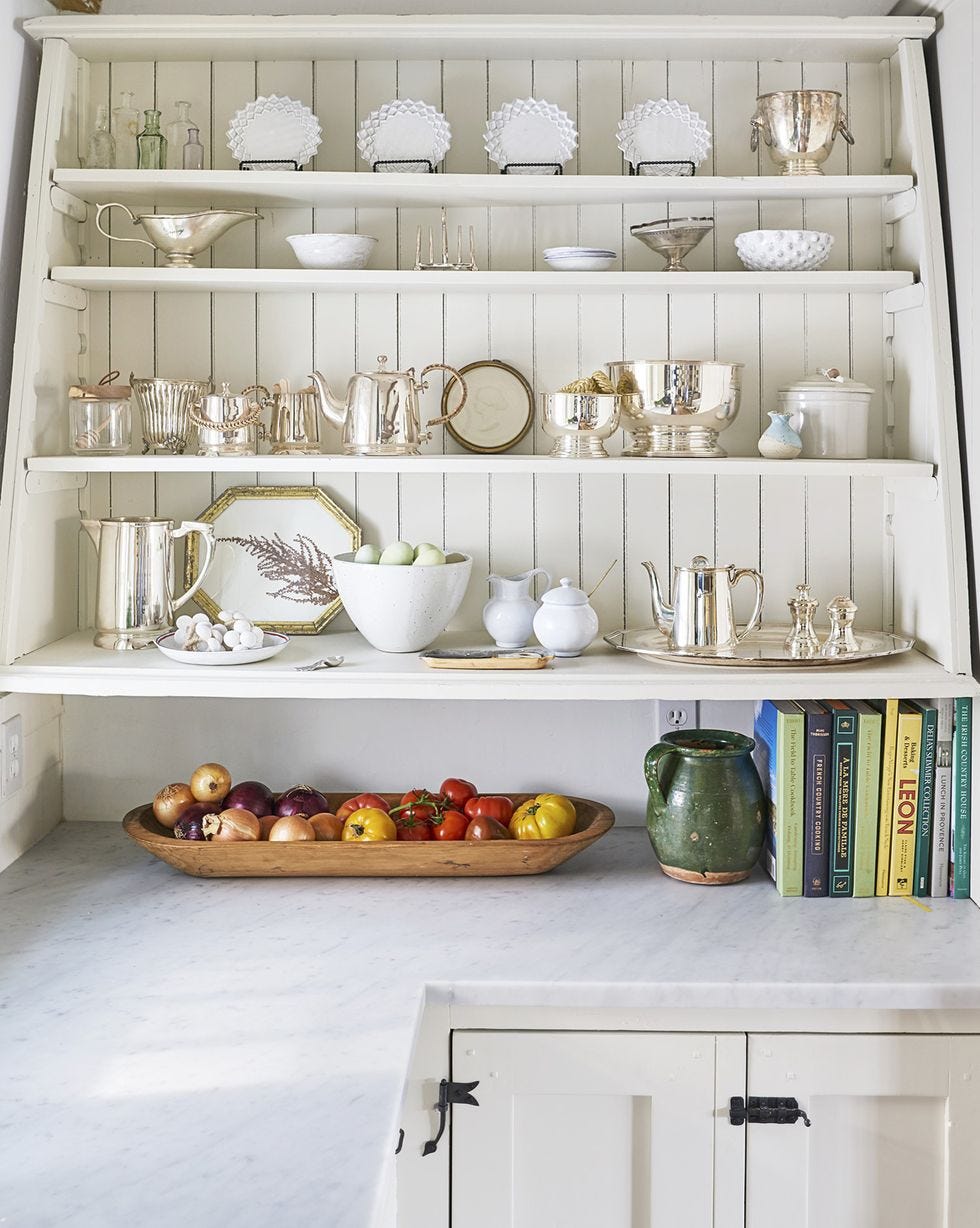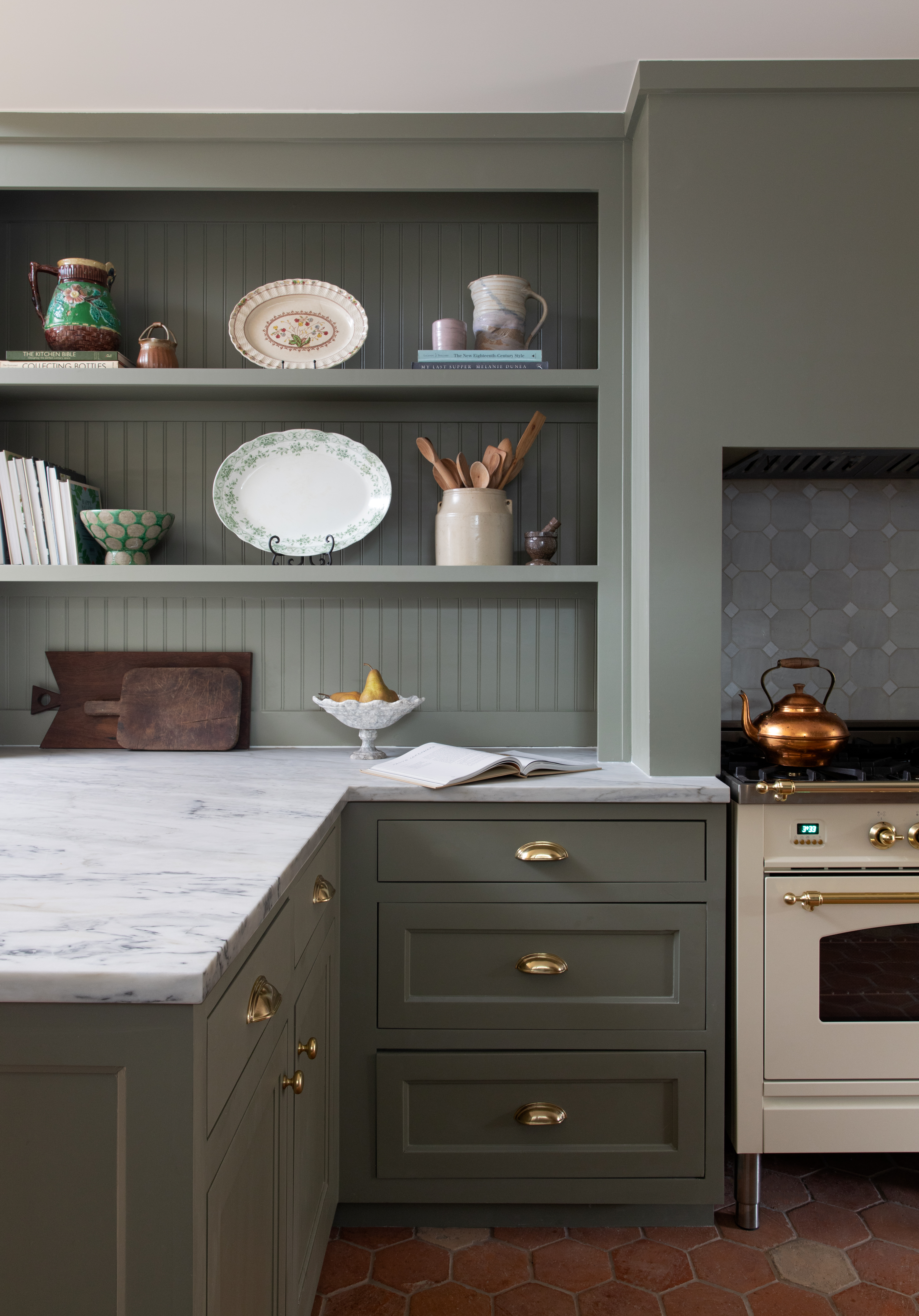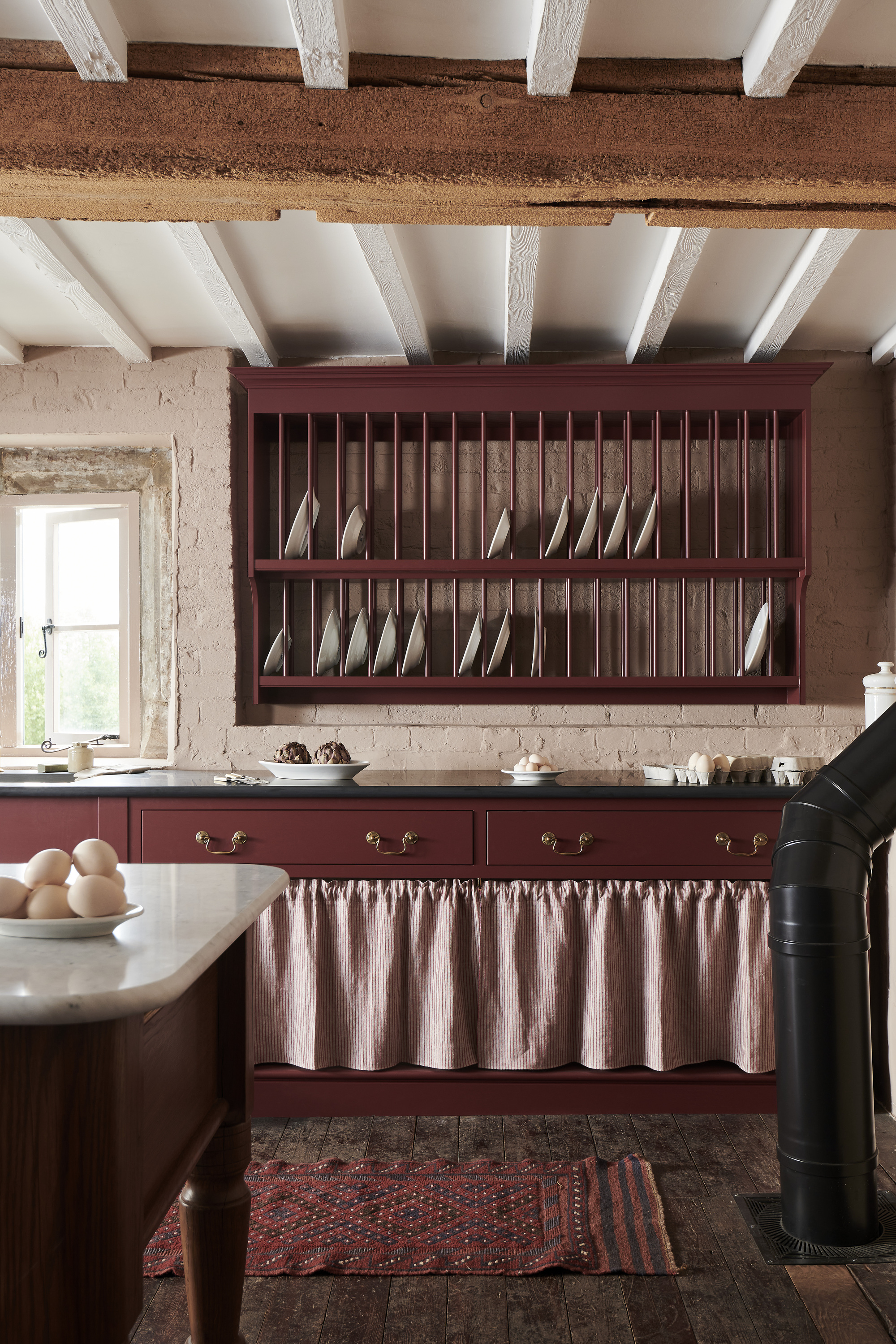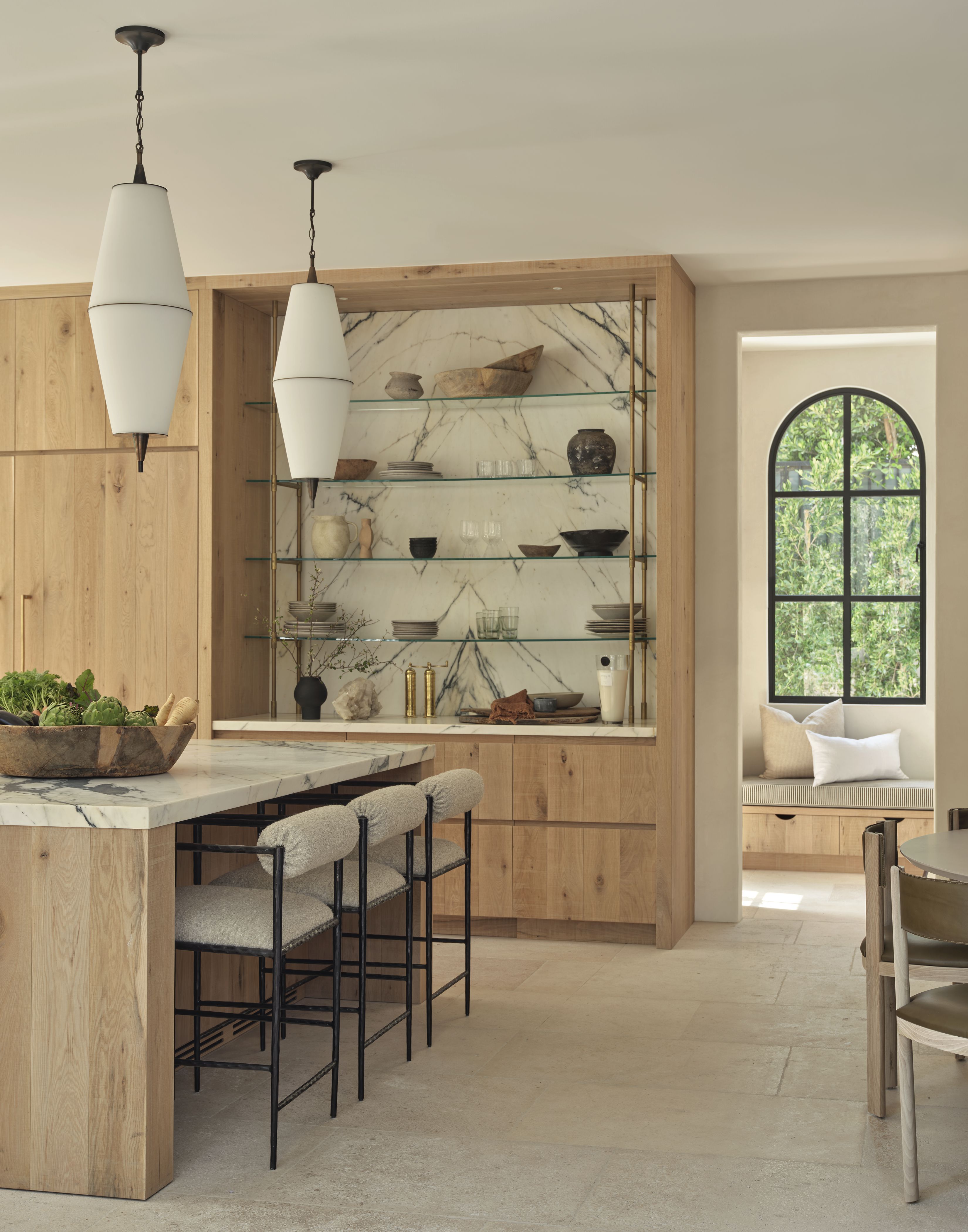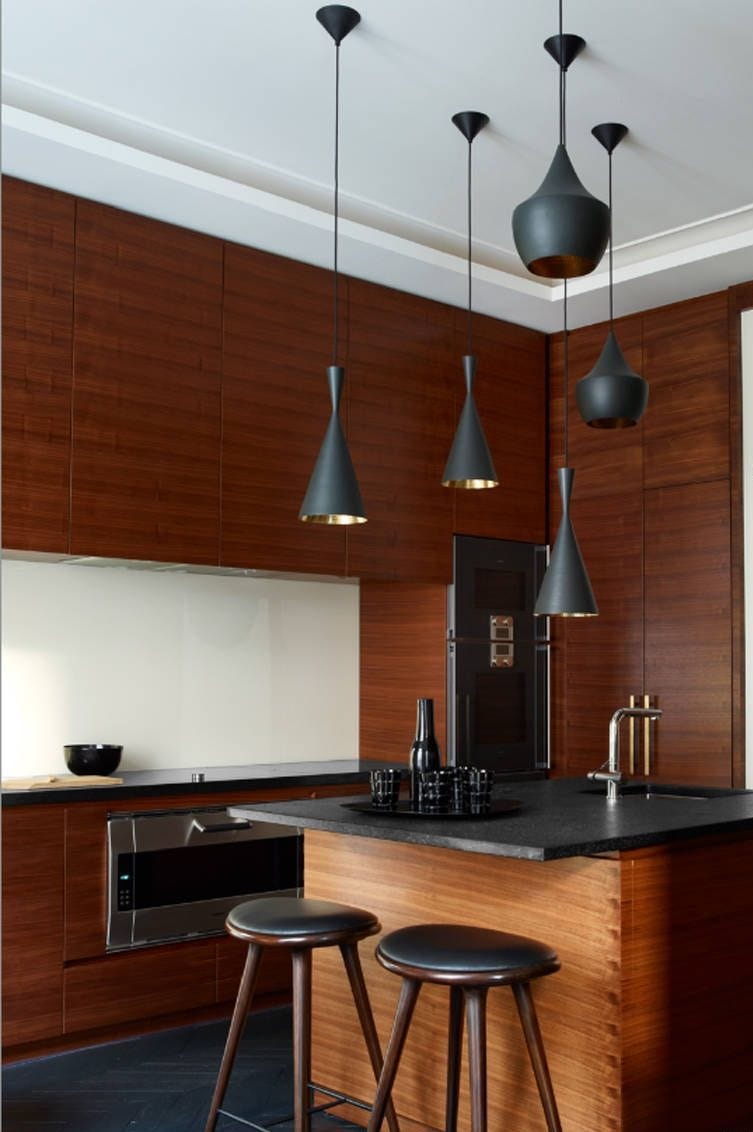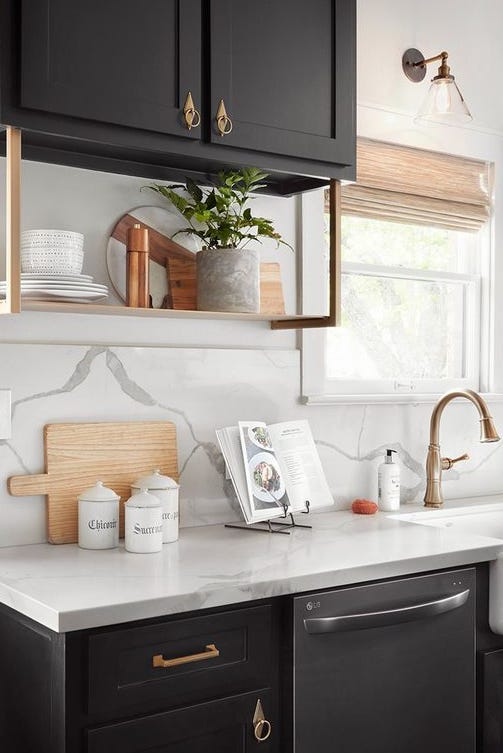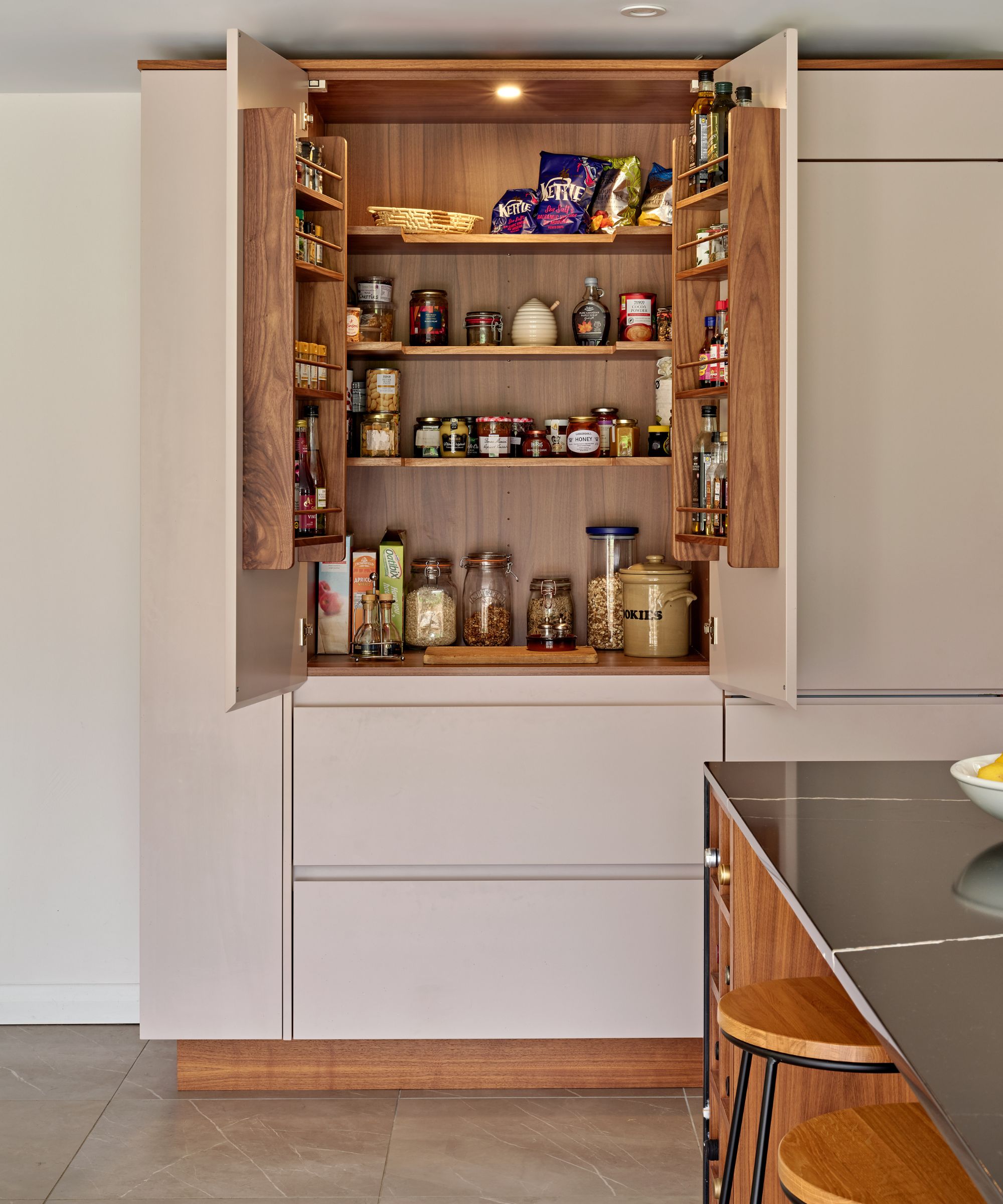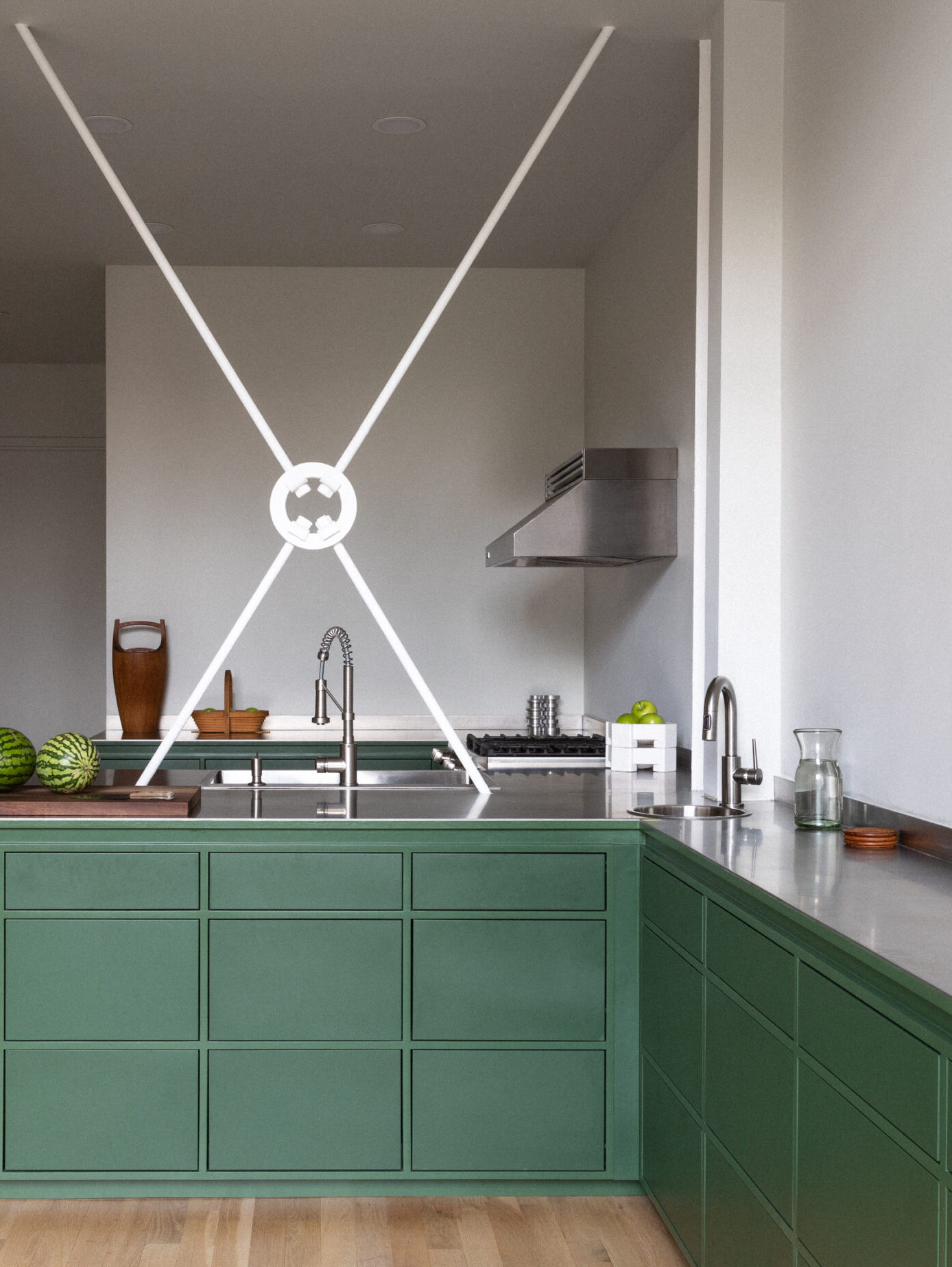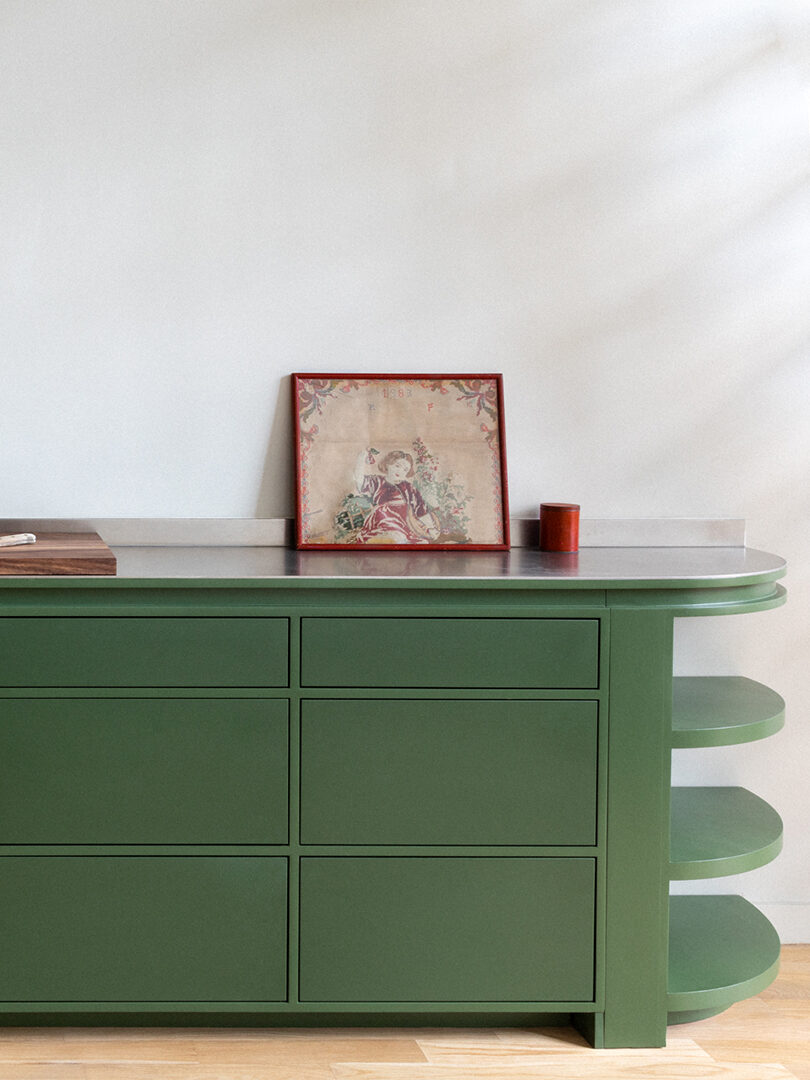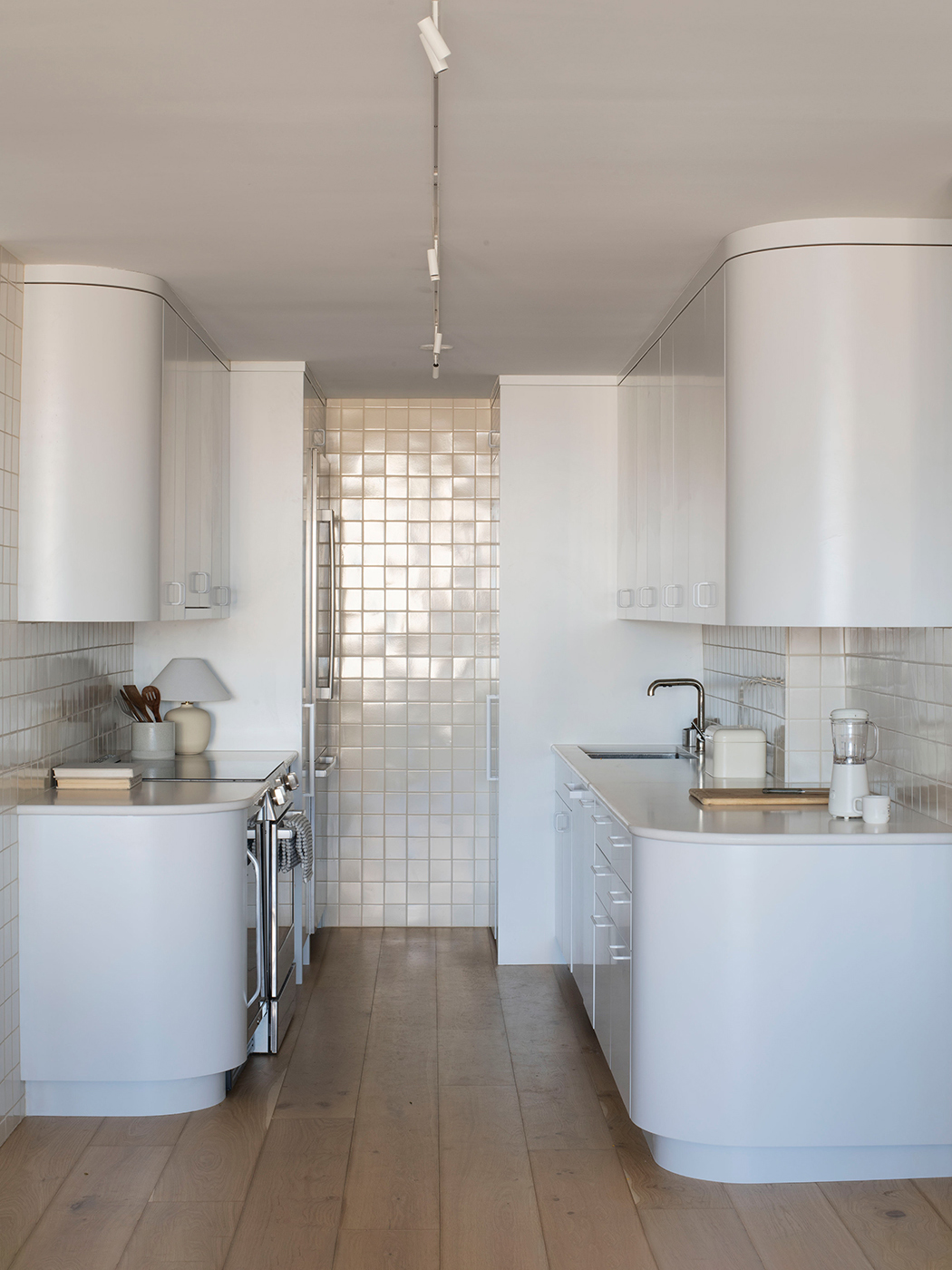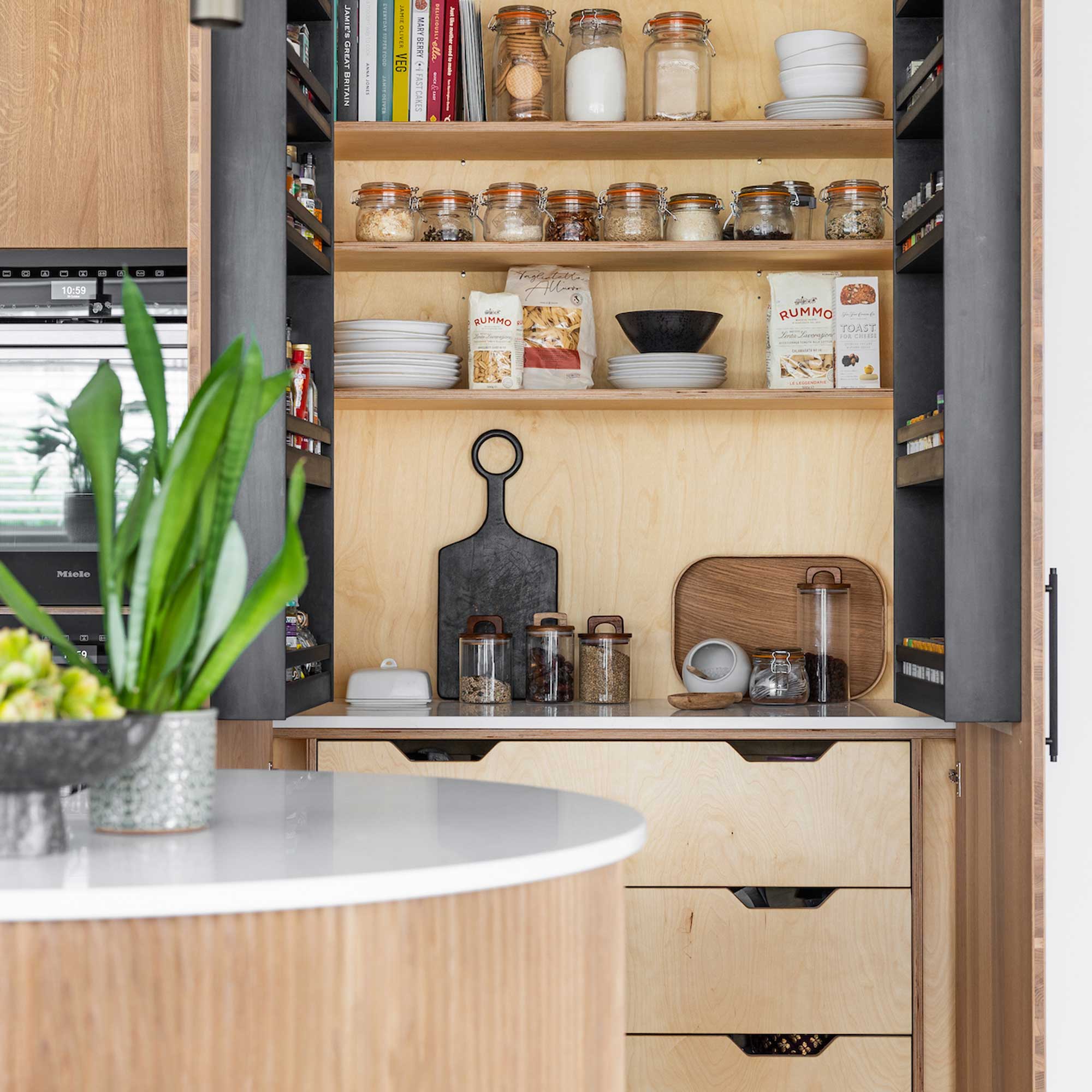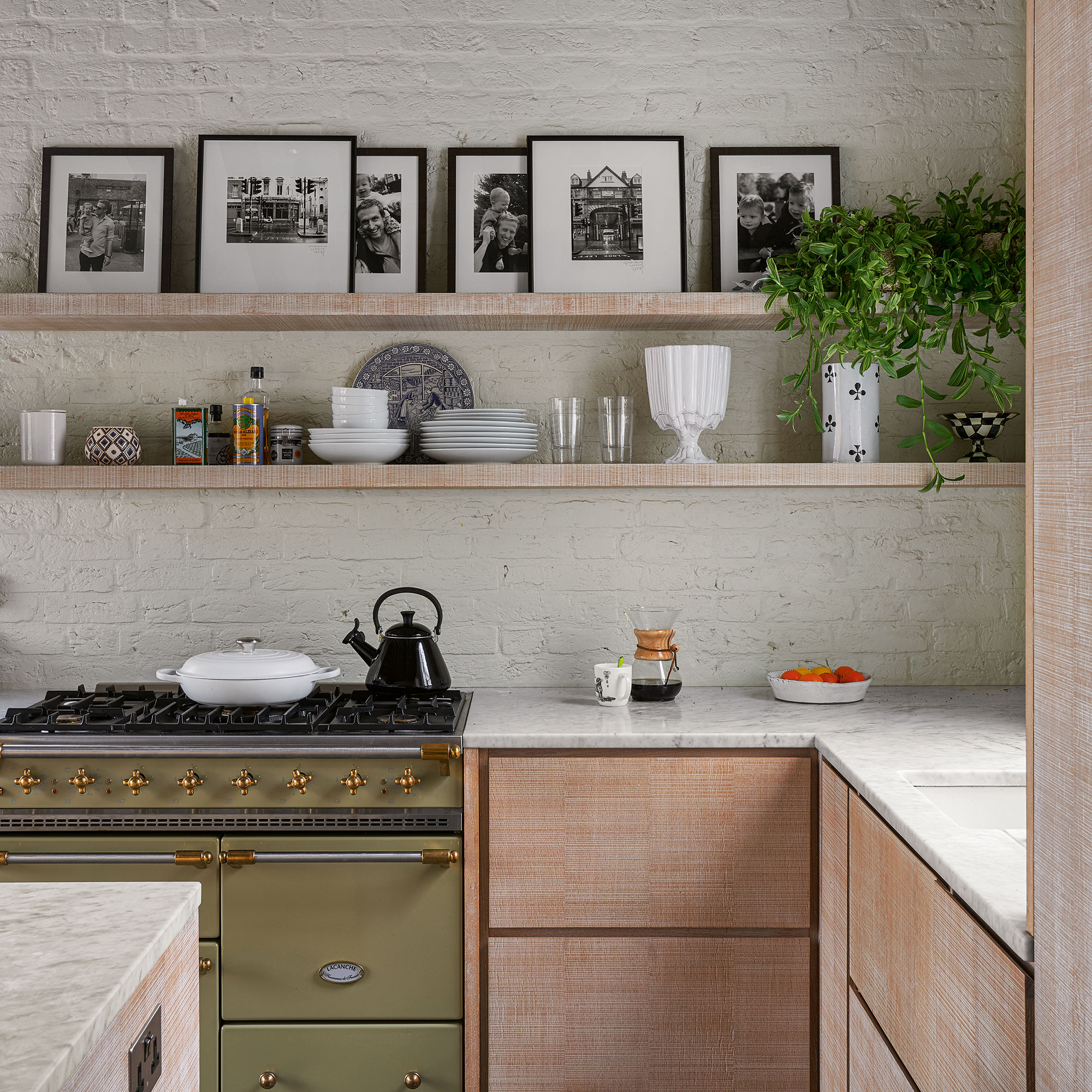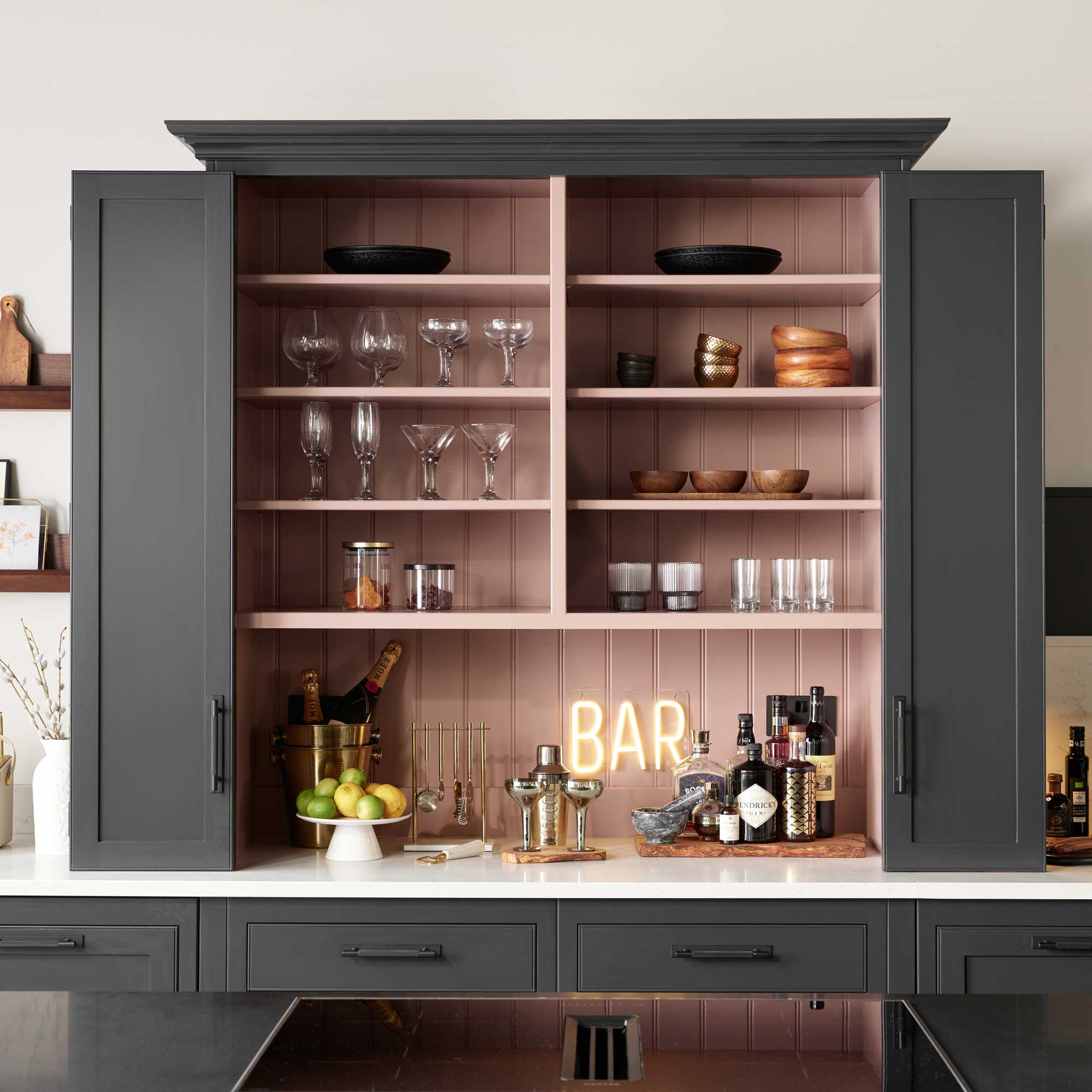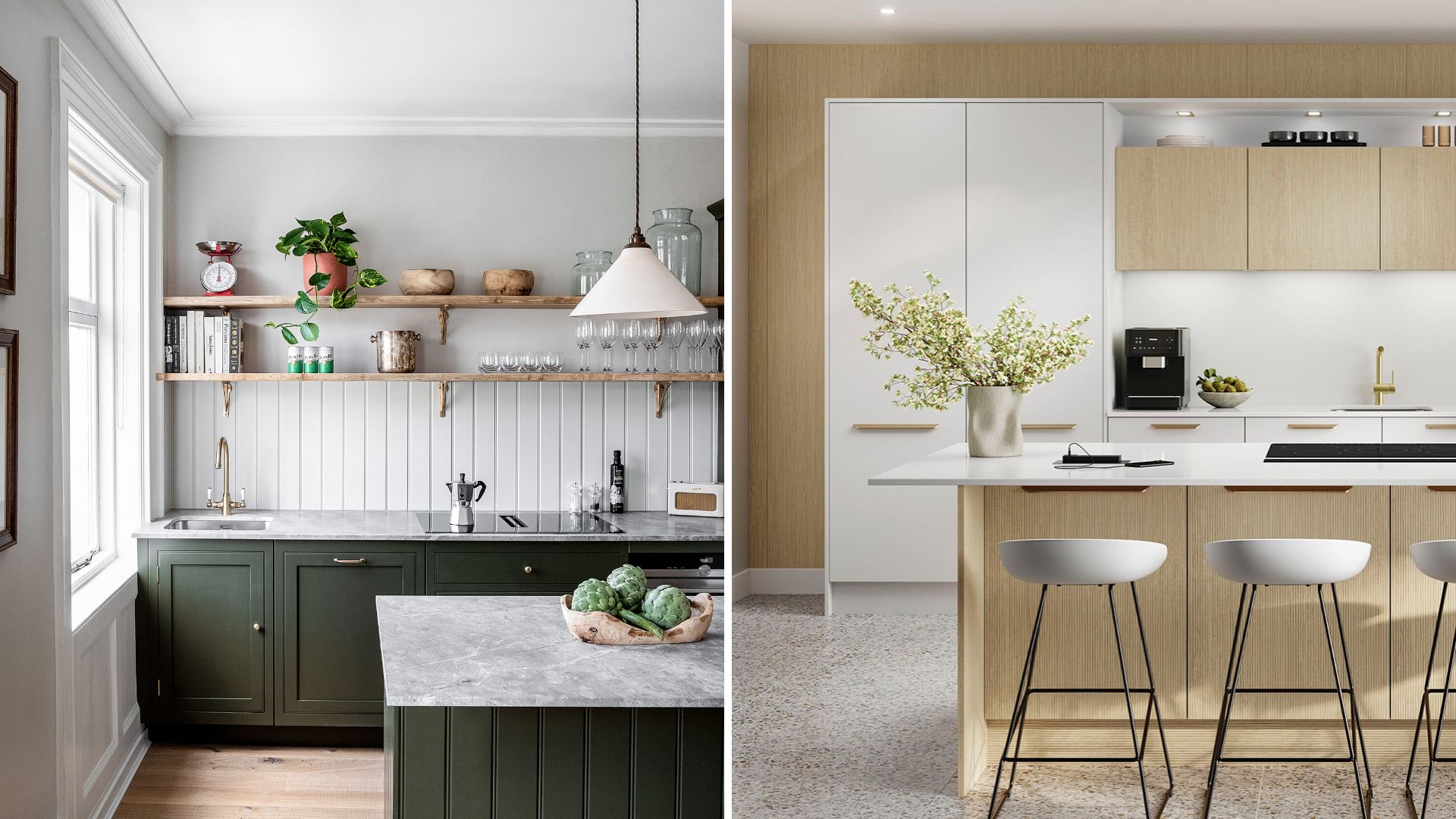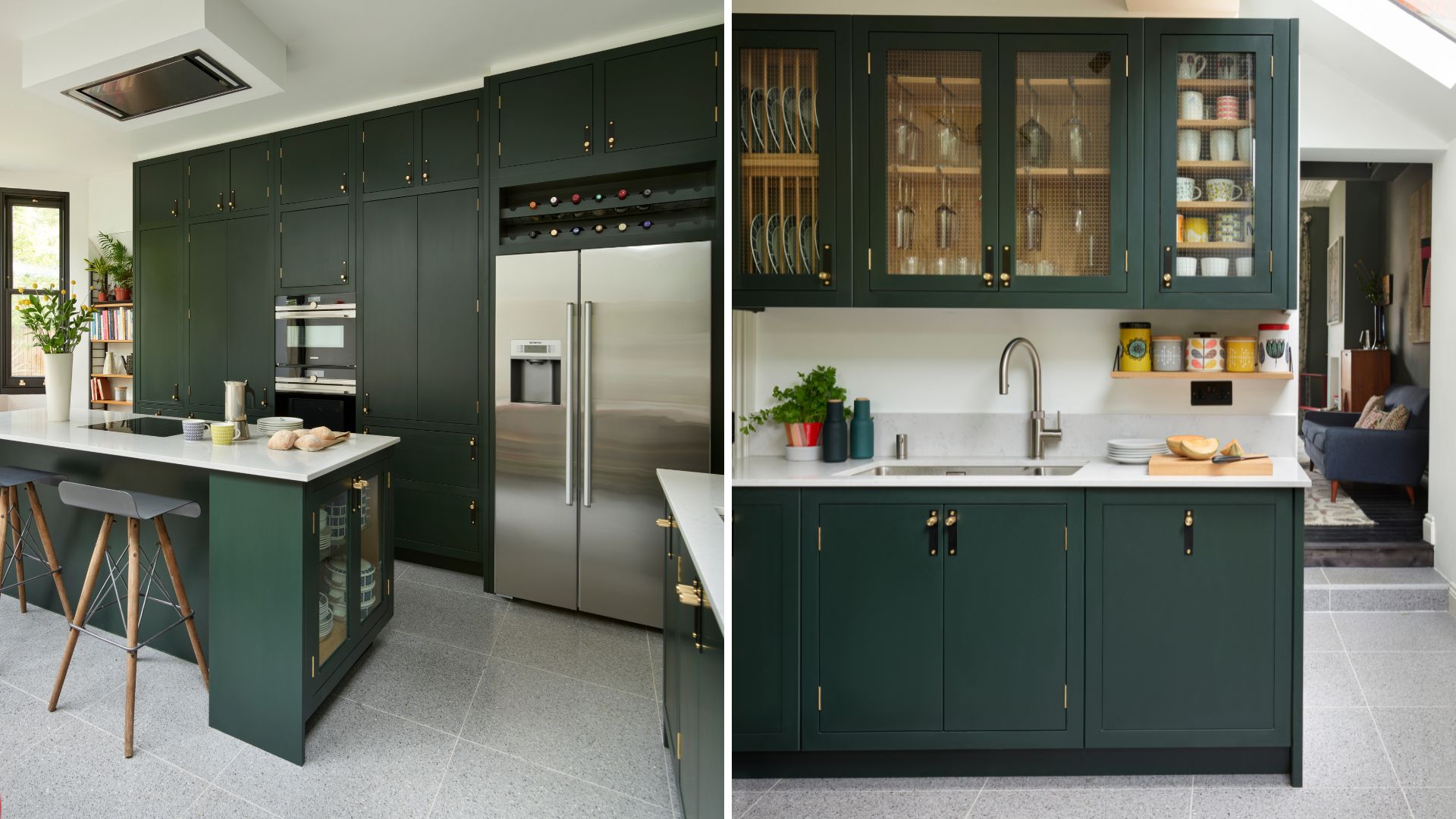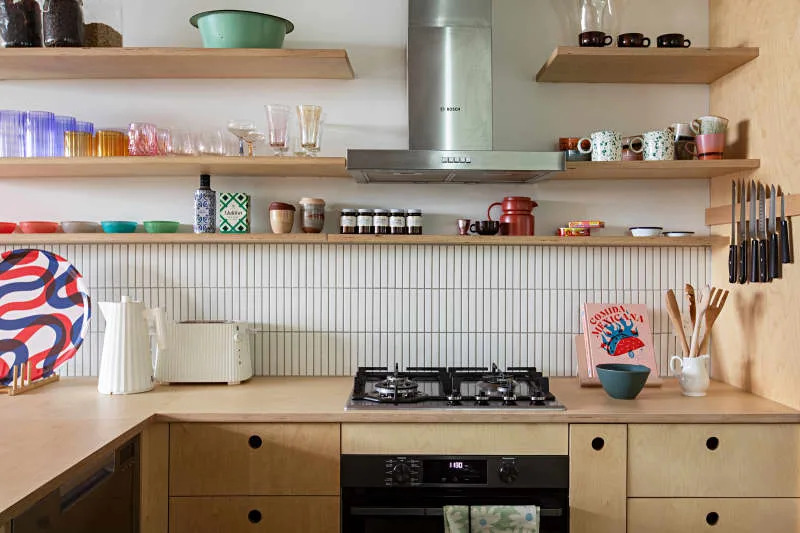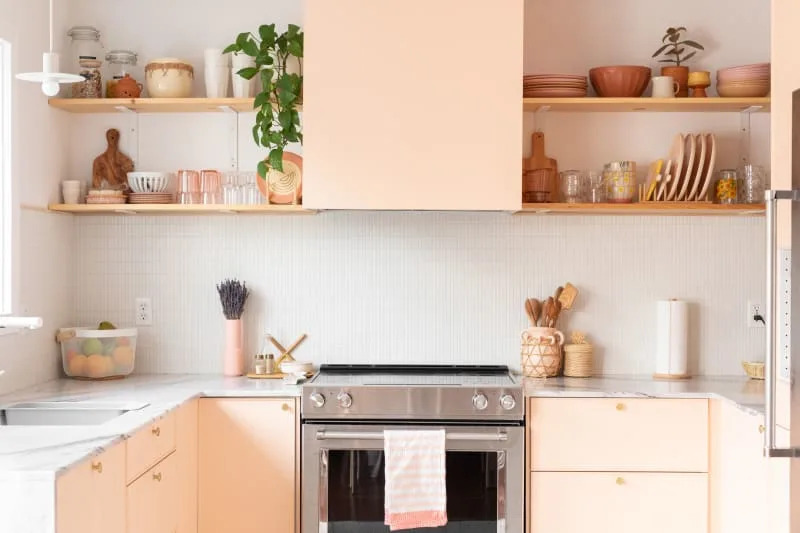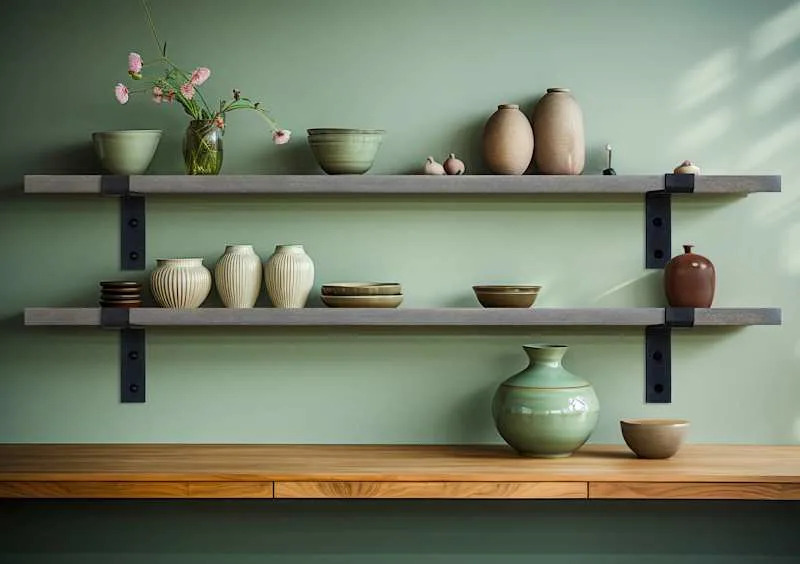
Open shelving, built-in amenities lead kitchen trends
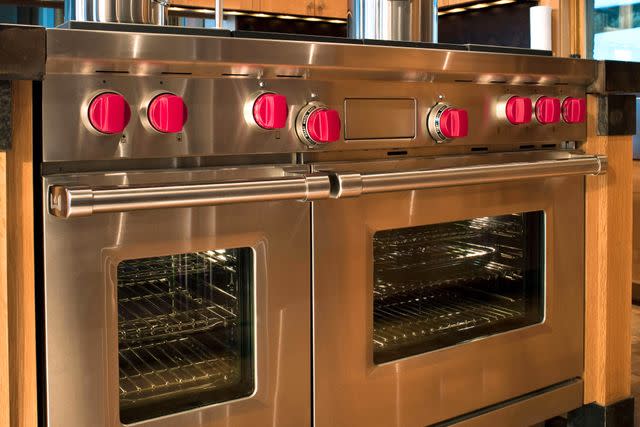
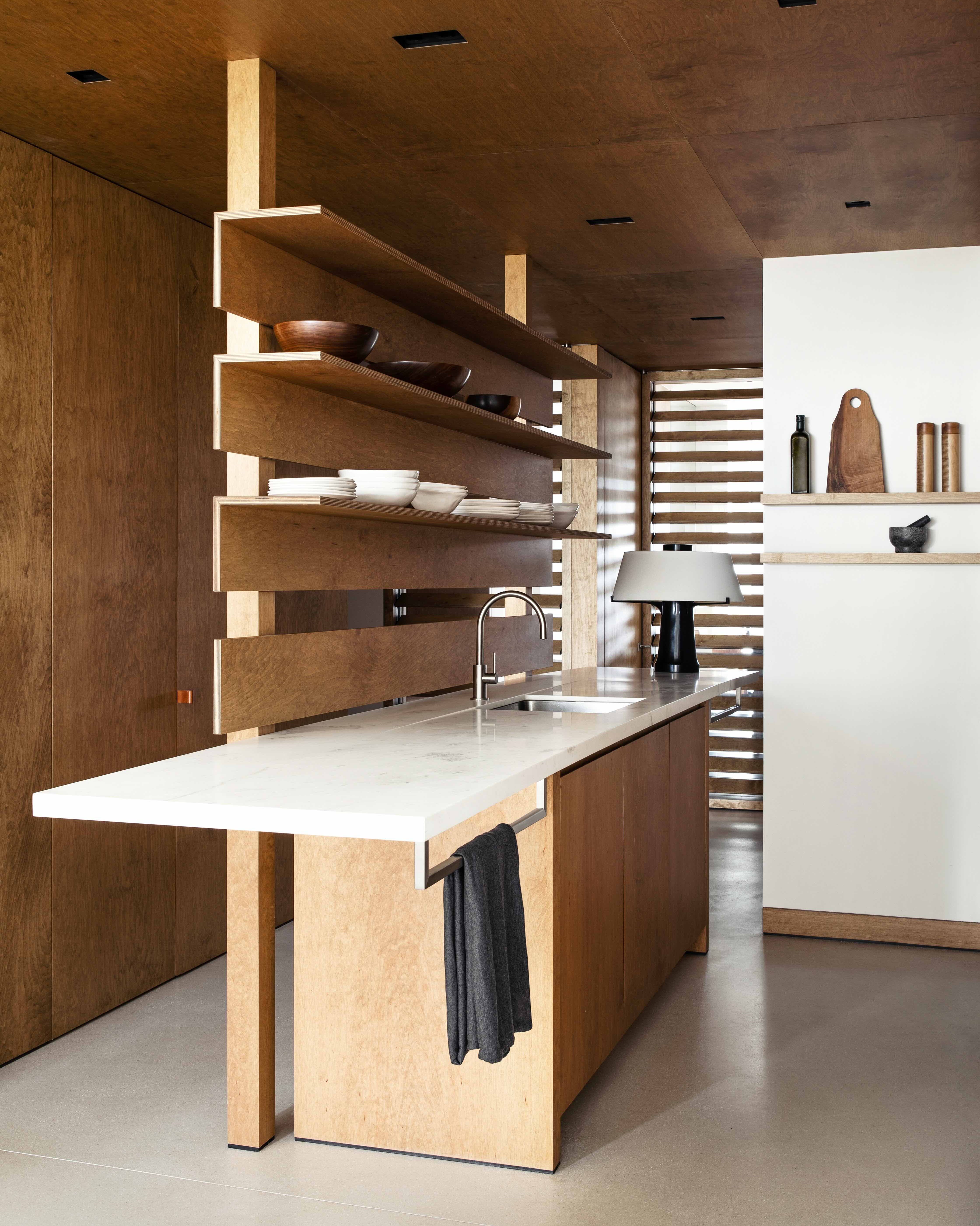
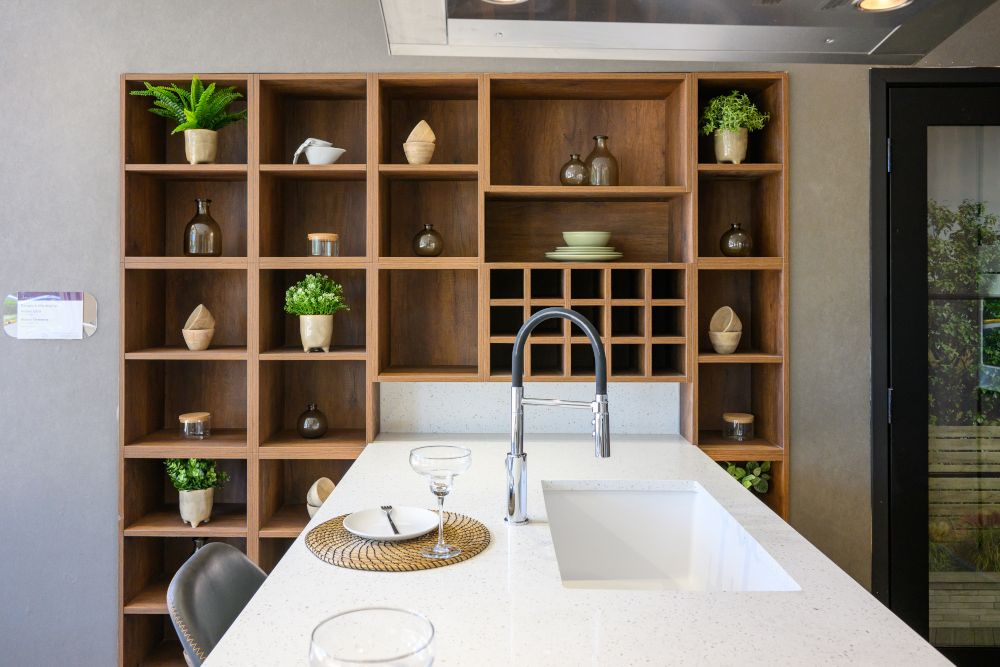
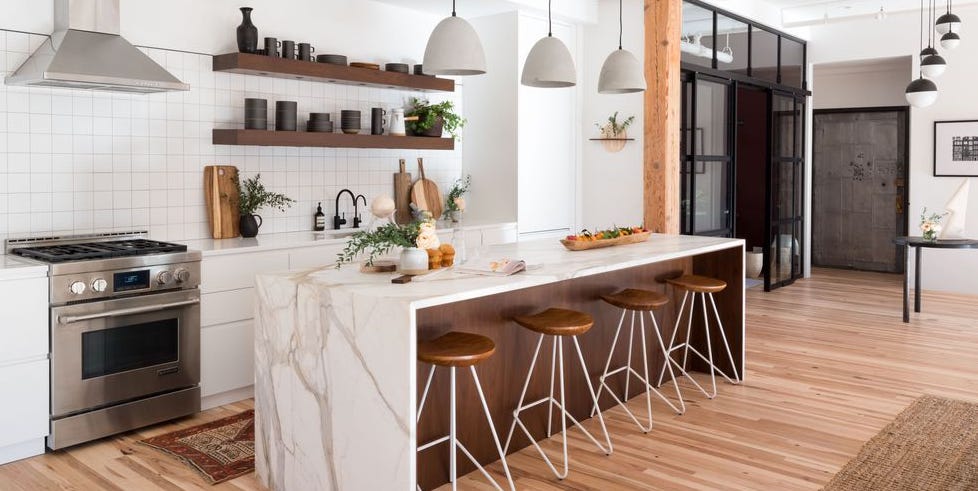
The kitchen and bath industry's annual trade shows consistently reveal emerging trends in home design. Manufacturers showcase a wide array of new products, from faucets and sinks to appliances, cabinetry, and surface materials. These exhibitions allow industry professionals and journalists to identify common themes in color, finish, materials, patterns, and specific design features like open shelving. The complexity of modern kitchen design, encompassing both aesthetic choices and functional requirements, often necessitates the expertise of a designer. These professionals guide clients through decisions ranging from appliance capabilities, such as high-BTU cooktops or steam/convection ovens, to practical considerations like pot fillers versus second dishwashers, instant hot/cold faucets, and optimal storage solutions (drawers vs. pull-outs).
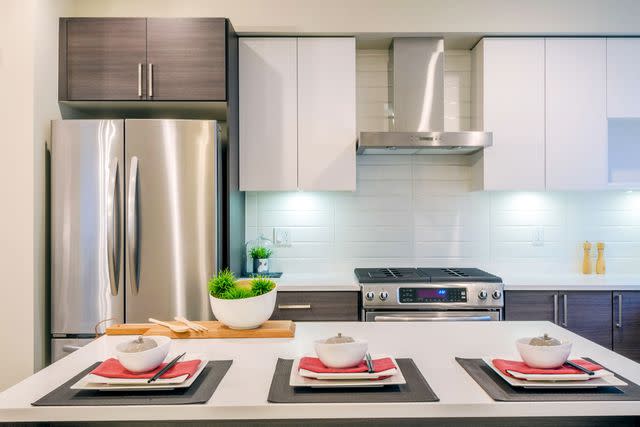
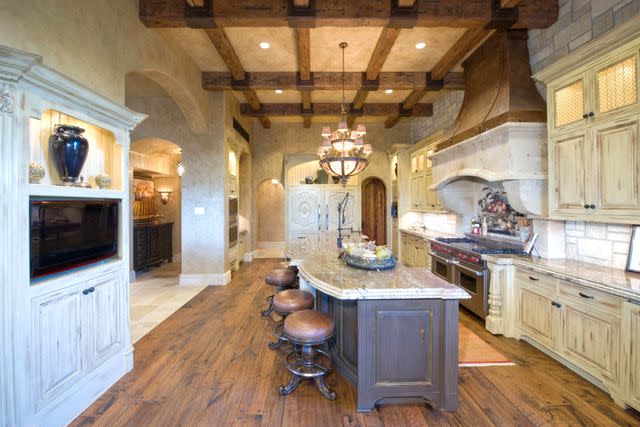

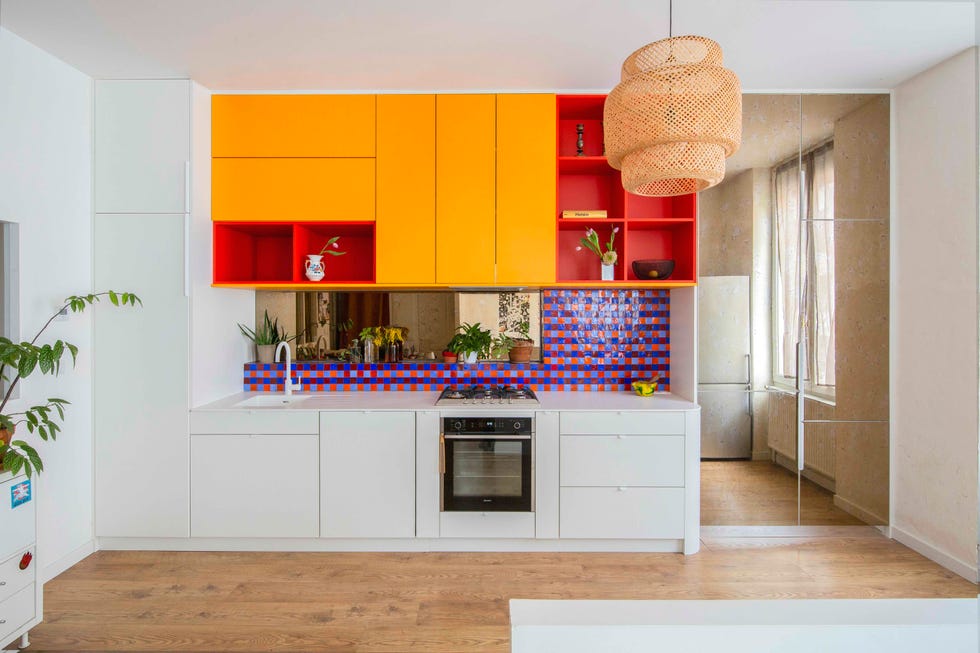
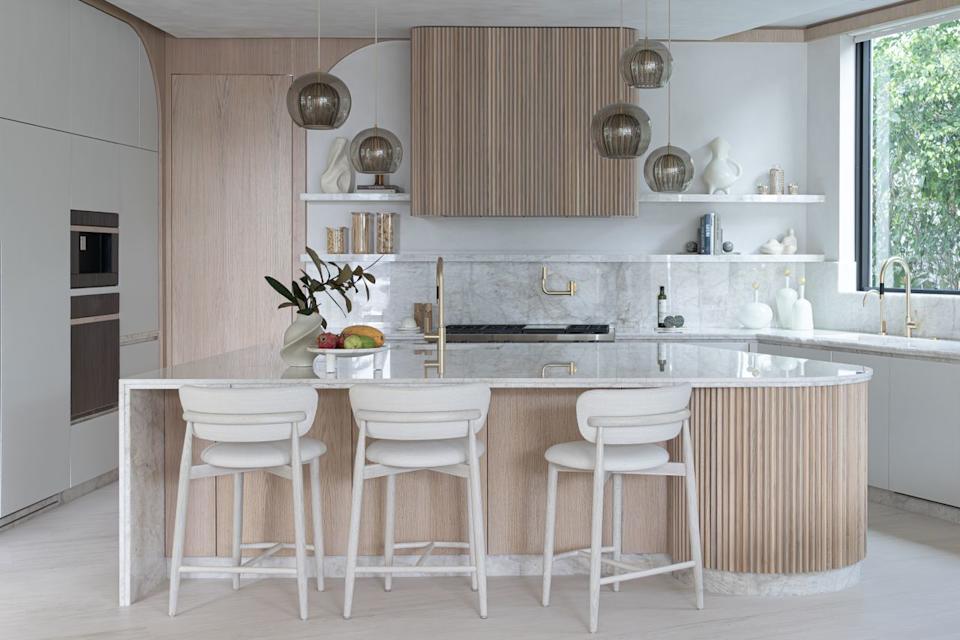
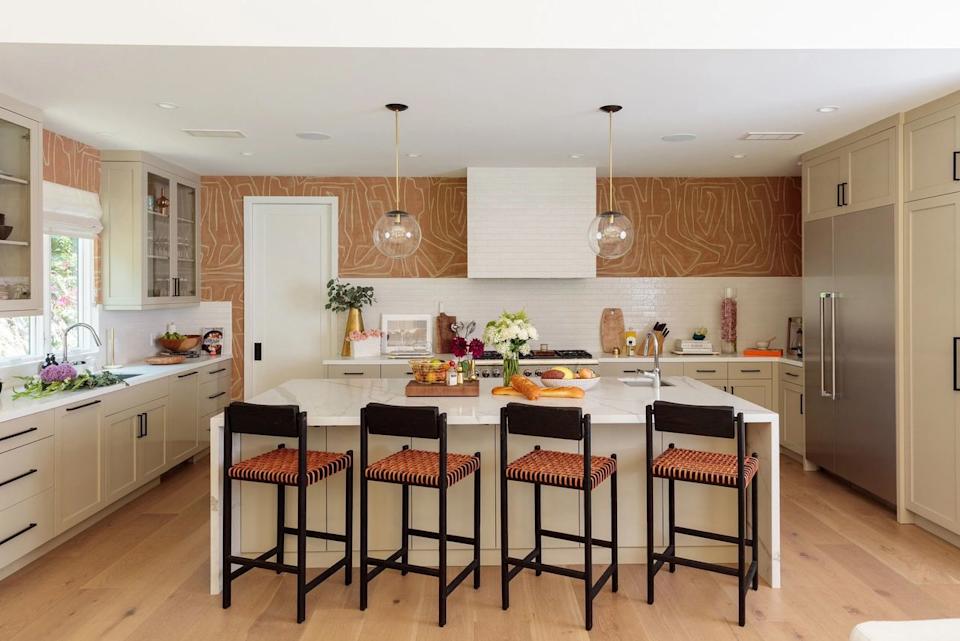
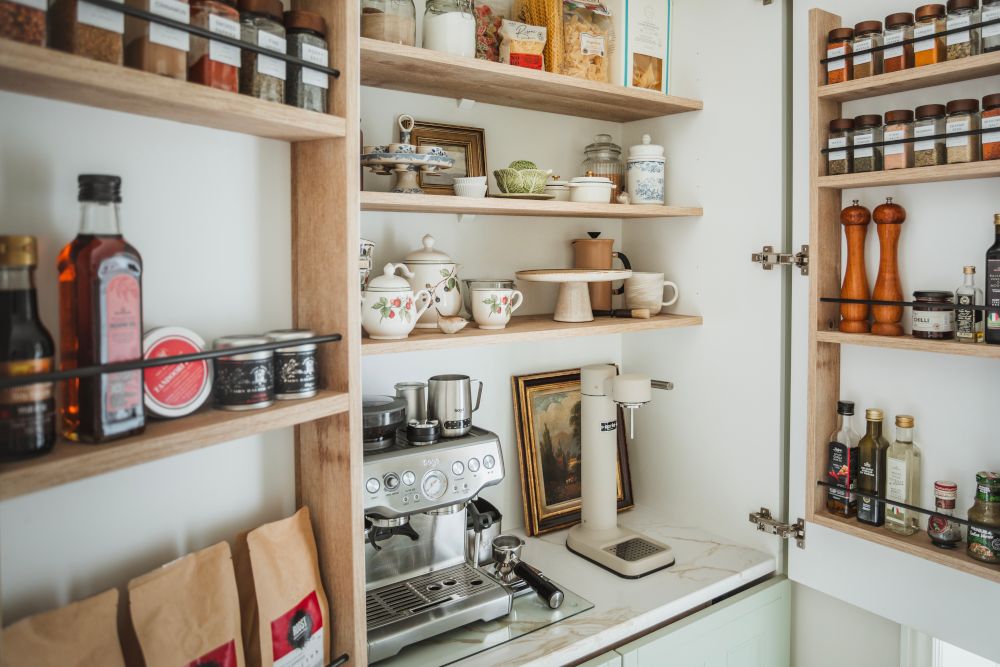
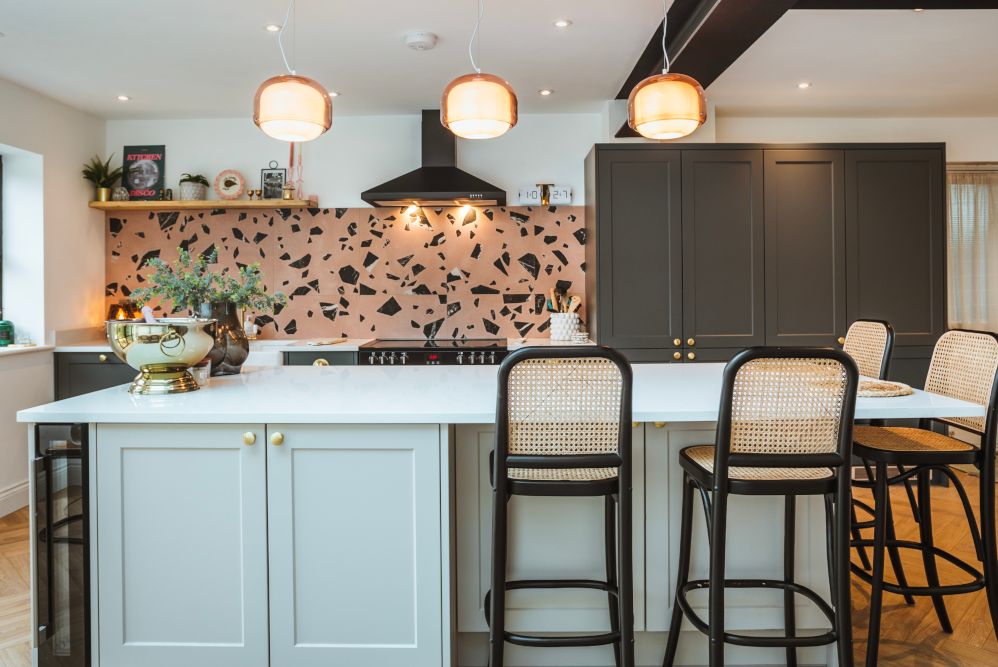
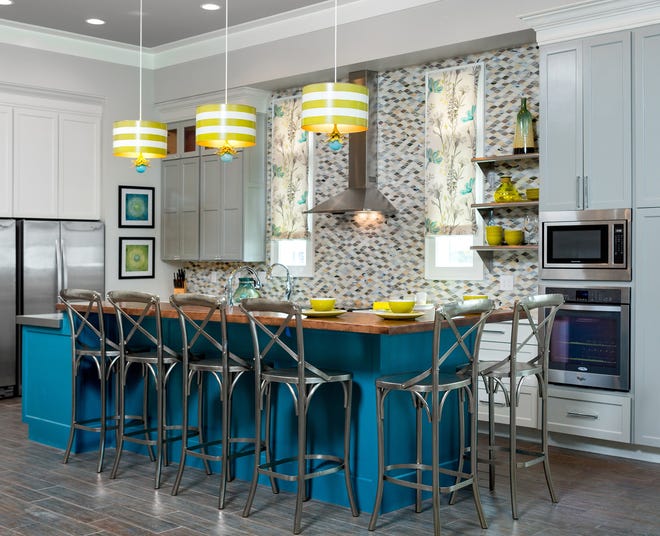
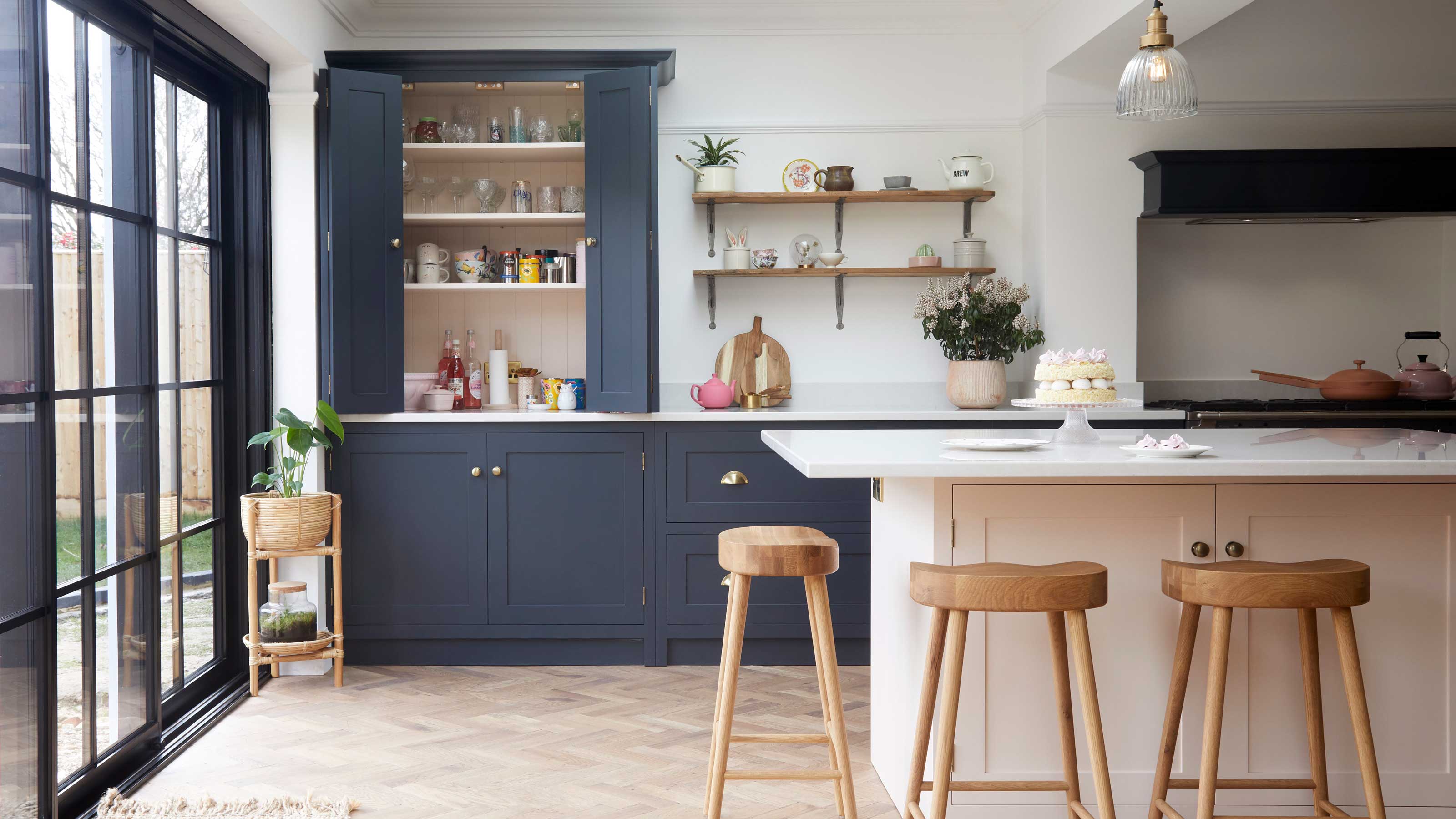
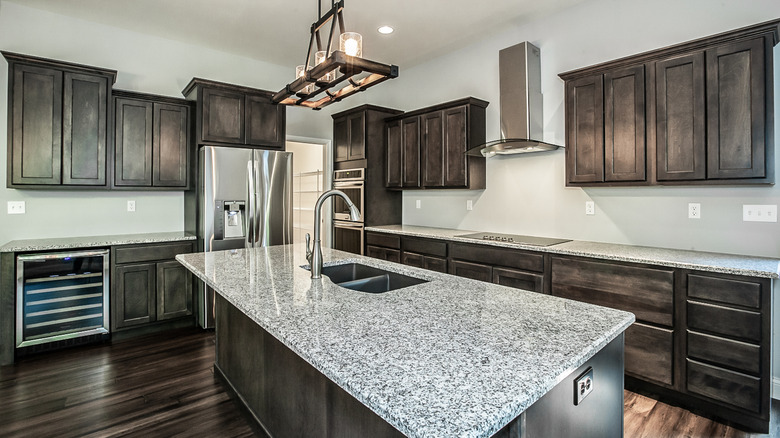
The National Kitchen and Bath Association (NKBA), with over five decades of tracking design directions, recently surveyed 450 members across the U.S. to understand current trends in new construction and remodeling. The survey indicated that nearly half of kitchen projects fall within the $20,000 to $49,000 range, with a third of clients being empty nesters and about 20% representing multi-generational households or families with teenagers. The top ten kitchen trends for 2016 identified by the NKBA include a preference for transitional styles characterized by clean lines and minimal ornamentation. A notable trend is the use of two or more cabinet colors or finishes within the same kitchen, frequently employing a light/dark combination. Practical storage solutions like pull-outs, tilt-outs, and tilt-ins for easy access to items and waste disposal systems are also popular. Wood flooring, whether actual wood or wood-look ceramic tile, is a dominant choice, and kitchens often feature different countertop materials and colors for islands versus perimeter surfaces. Outdoor kitchens are gaining popularity, especially in the Southeast, alongside built-in amenities such as coffee stations, wet bars, and wine refrigerators. Pocket doors are also trending, as are dedicated pet spaces including built-in feeding stations, food storage, and crates. Finally, docking and charging stations are increasingly integrated into kitchen designs.
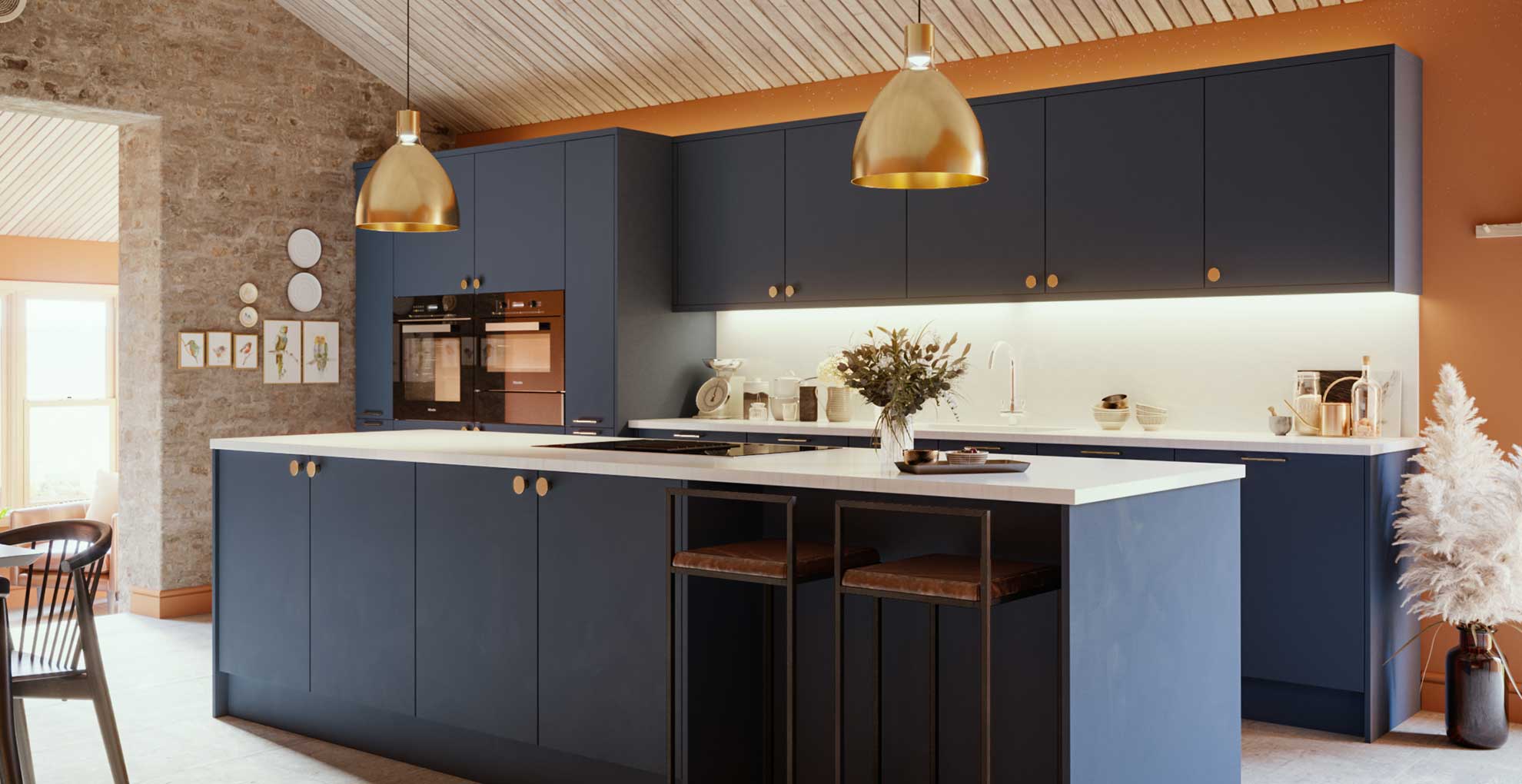
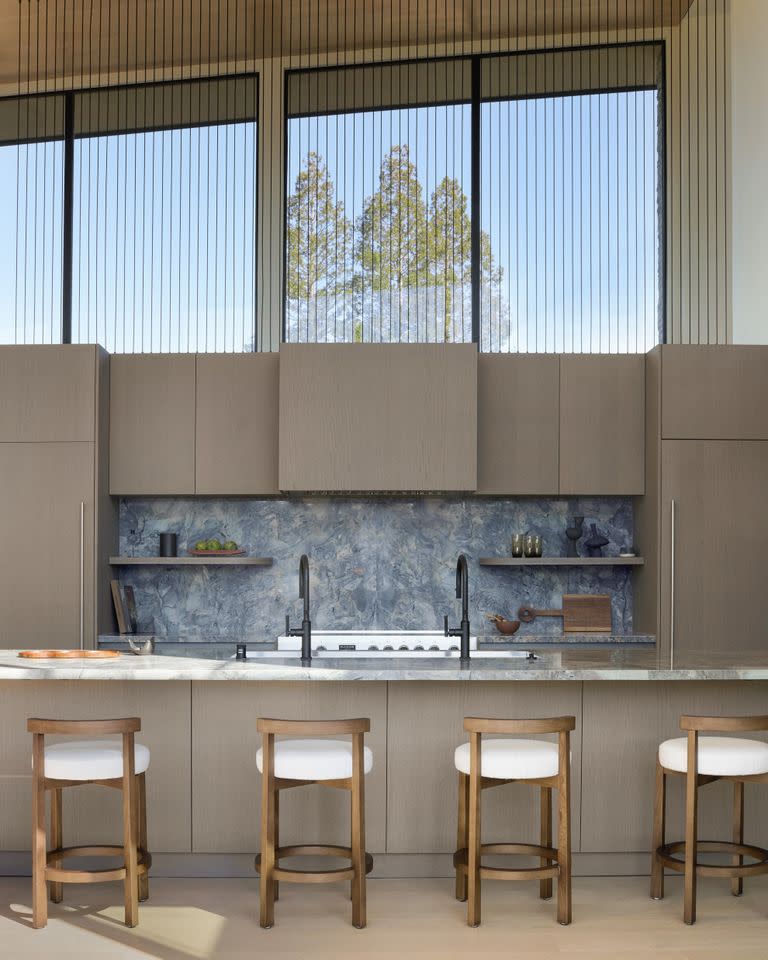
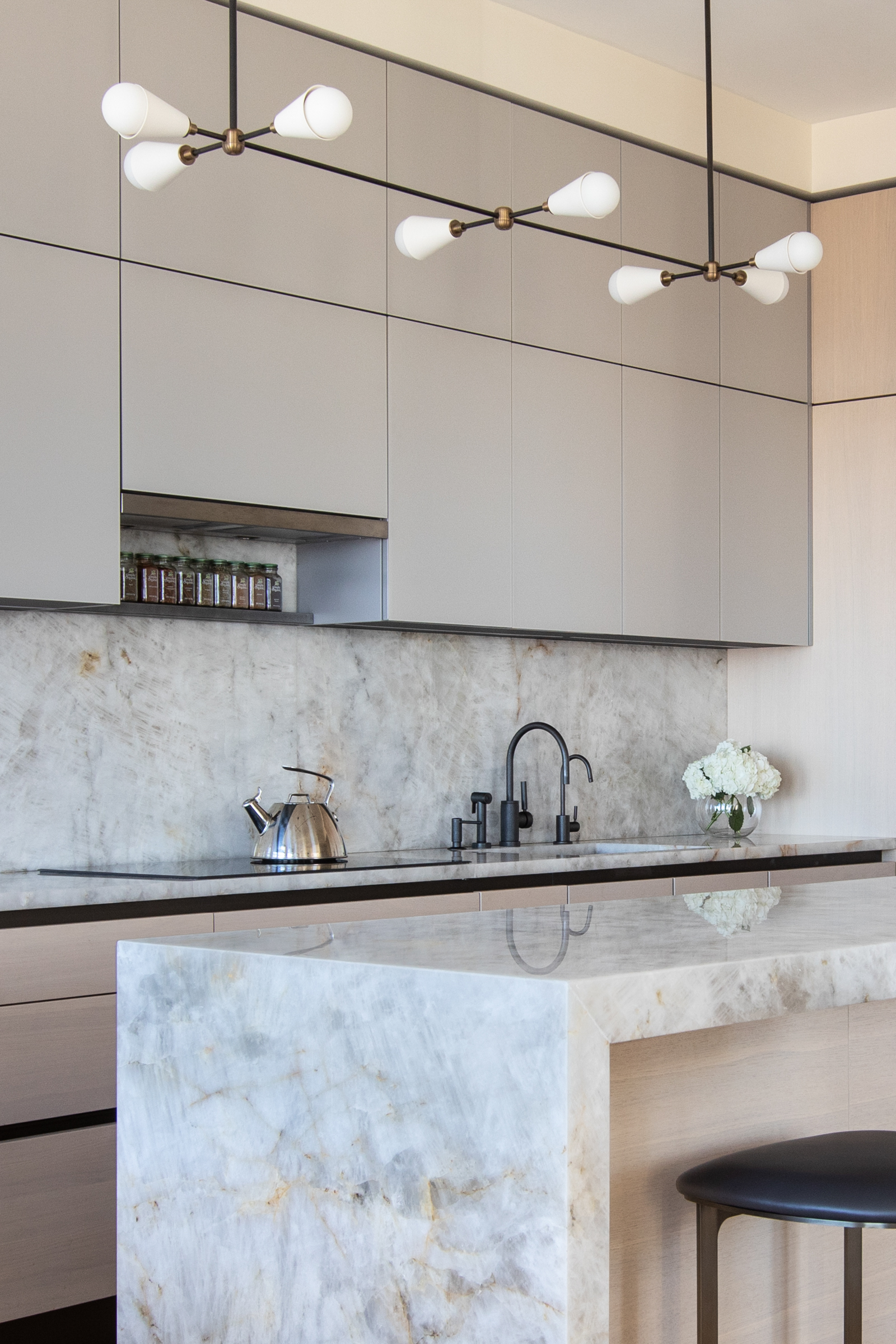
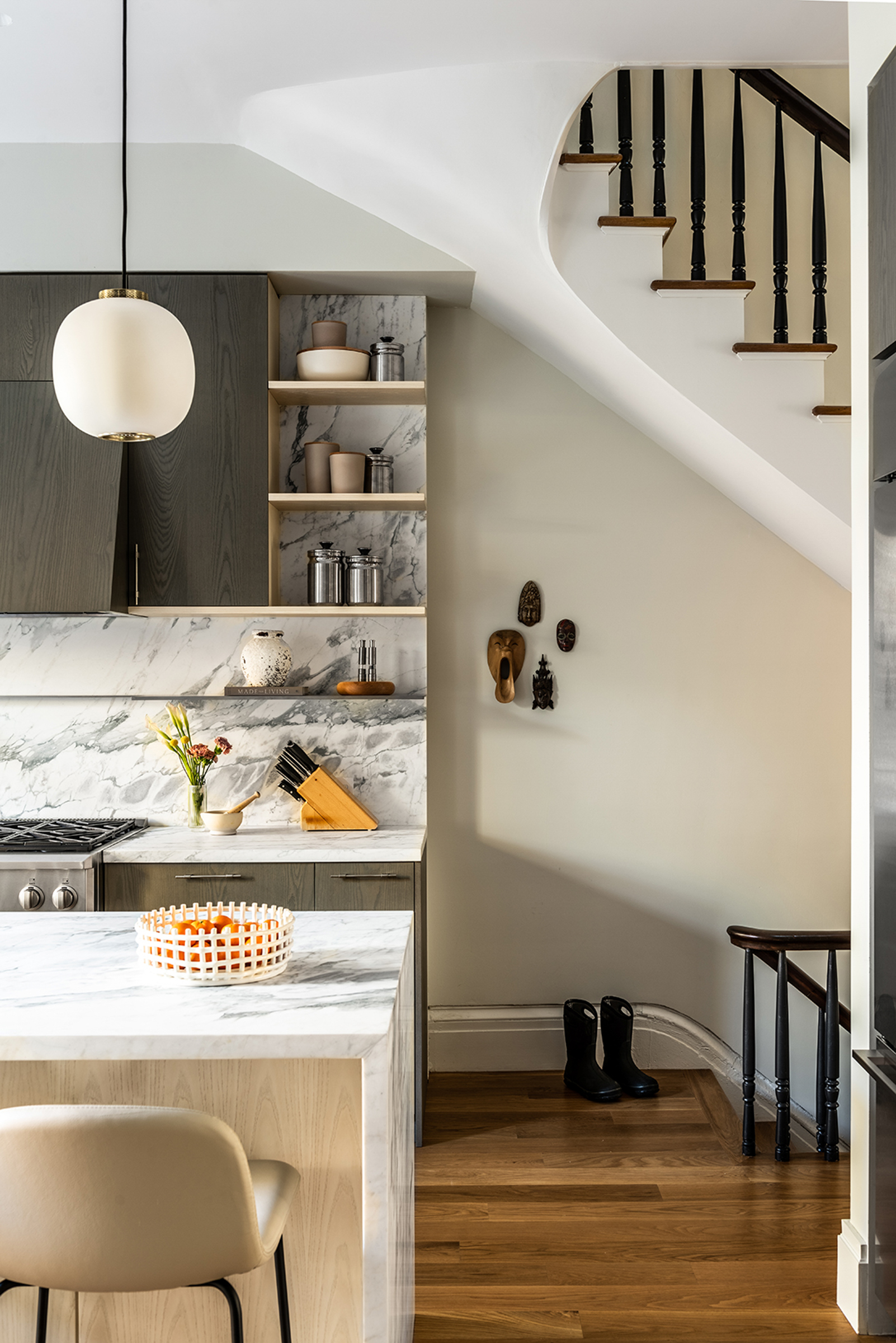
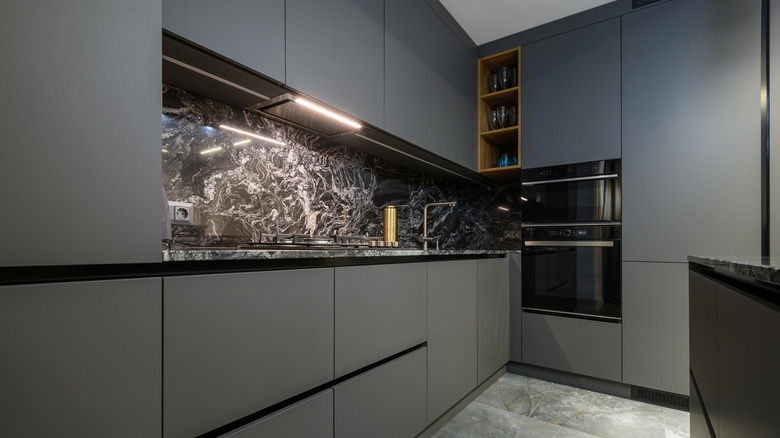
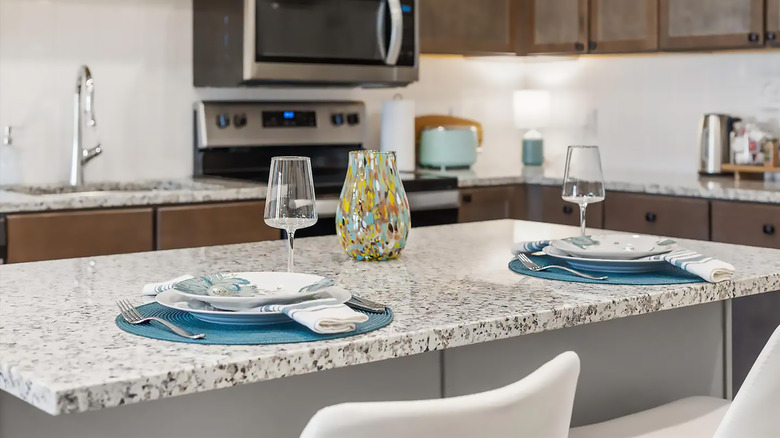
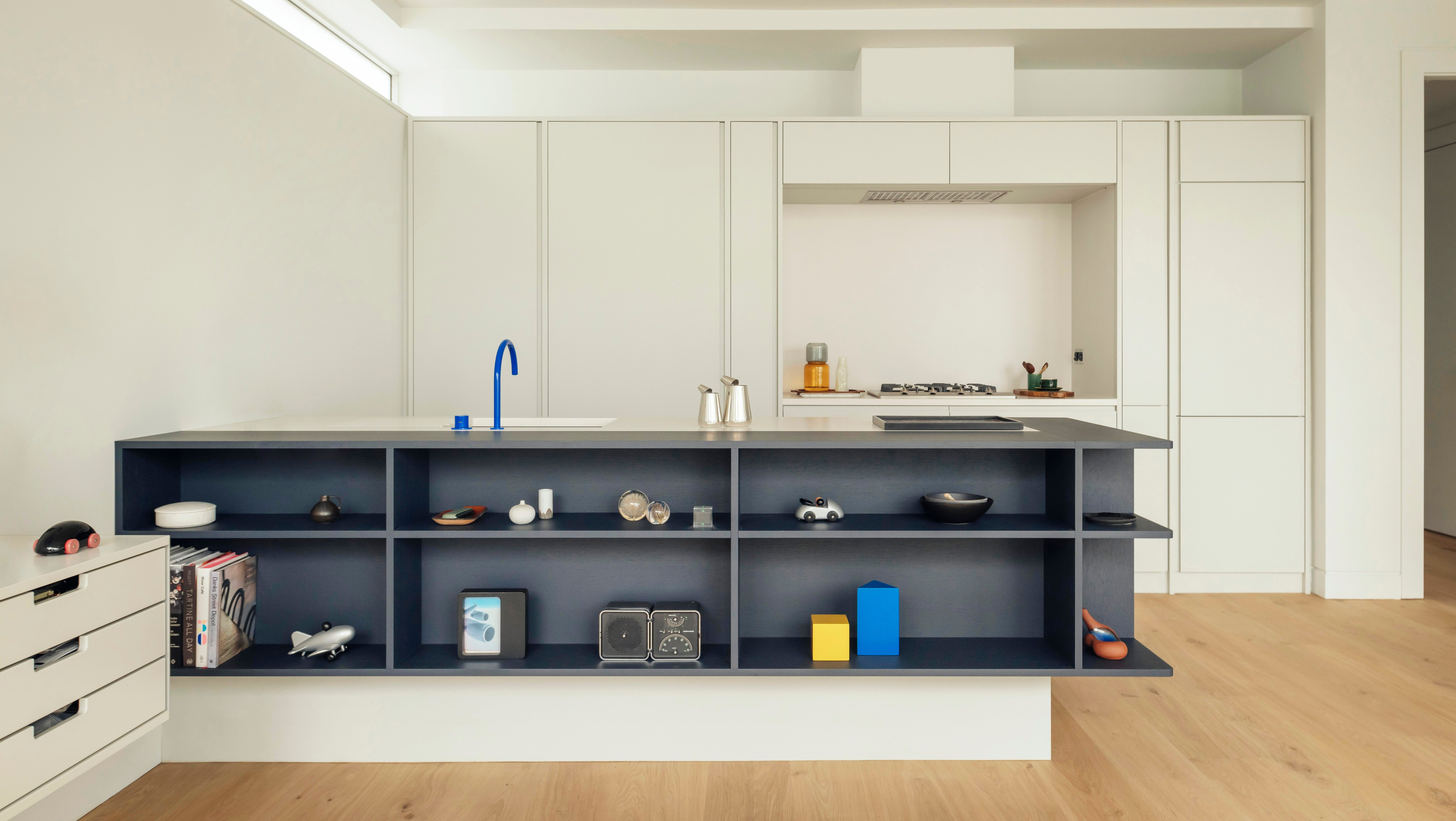
Modern aesthetics, emphasizing simplification, reduced visual clutter, and enhanced organization, are a consistent thread in interior design. This approach often involves mixing various materials like wood, stone, quartz, metal, porcelain, glass, or concrete tiles to create an effortless yet sophisticated look. A significant development is the increased input from men in kitchen design, driven by the need for kitchens to seamlessly integrate into open-plan living spaces, demanding more luxurious palettes and styles. Consumers are embracing combinations of two or more finishes, often using darker values to anchor islands. Quartz is gaining traction for countertops due to its aesthetic versatility, low maintenance, and resistance to heat, scratches, and stains. Countertop profiles vary widely, from very slim to several inches thick. Designers like Mark Williams emphasize breaking up spaces with textural changes, especially in neutral palettes, by combining elements perceived as masculine (dark colors, strong wood grains) with softer shapes and textured tiles. The interplay of rough and smooth textures, such as rugged stone with smooth marble and swirled glass, creates visual interest.
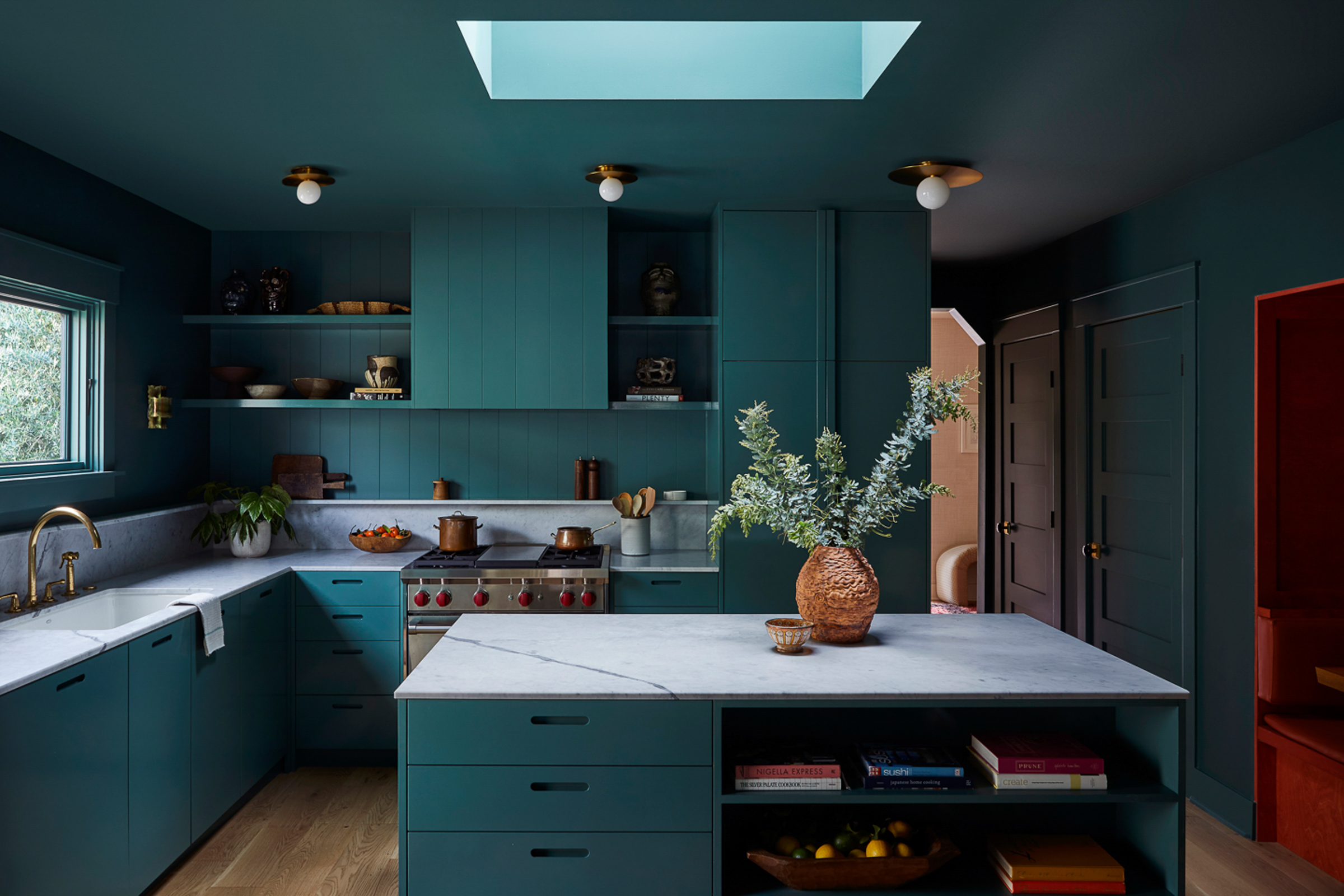
Designers like Cheryl Kees Clendenon note a growing willingness among consumers to experiment with mixing cabinet colors. Gray tones are becoming a popular alternative to traditional cherry or espresso wood, offering versatility across various styles from country to coastal, with weathered, transitional, or modern finishes in matte or high-gloss paints. While white remains a classic, the trend is towards layering different textures and shades within white-toned spaces rather than a monolithic white-on-white approach. The contemporary philosophy eschews a one-size-fits-all approach, encouraging homeowners to personalize their kitchens. As designers like Julia Buckingham and Kelli Kaufer suggest, the goal is to create a unique kitchen that reflects individual tastes and needs, ensuring its appeal and functionality endure over time.
#KitchenDesignTrends #HomeRenovation #InteriorDesign #KitchenCabinetry #CountertopMaterials #SmartKitchens #OpenShelving #TransitionalStyle #NKBA #KitchenDesignTrends #HomeRenovation #InteriorDesign #KitchenCabinetry #CountertopMaterials #SmartKitchens #OpenShelving #TransitionalStyle #NKBA
0 comment in total
 No comments yet
You may also like
Modern, minimal and Insta-ready: The open kitchen trends you need right now | Hindustan Times

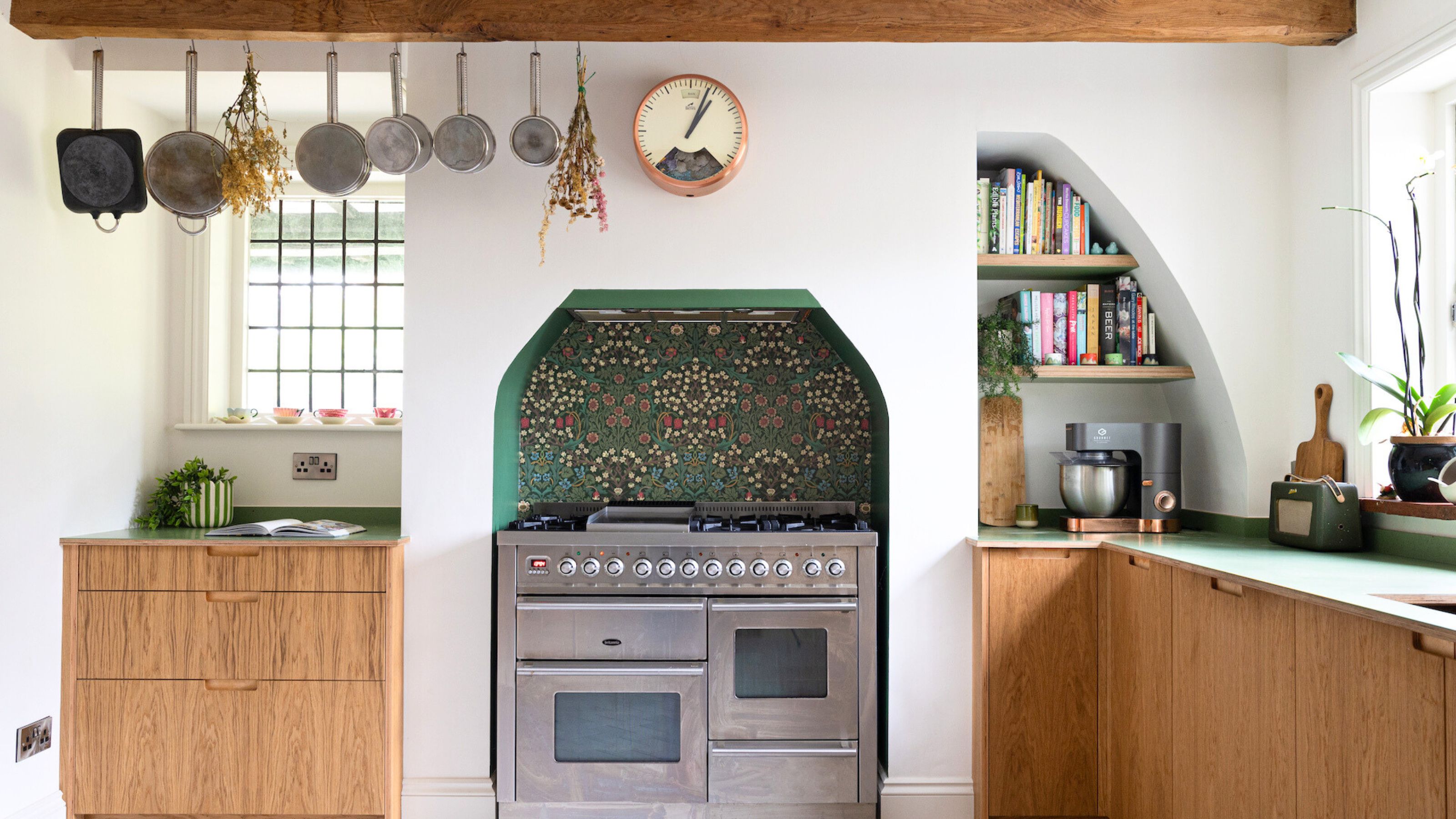
7 kitchen cabinet trends designers say will elevate your cooking space

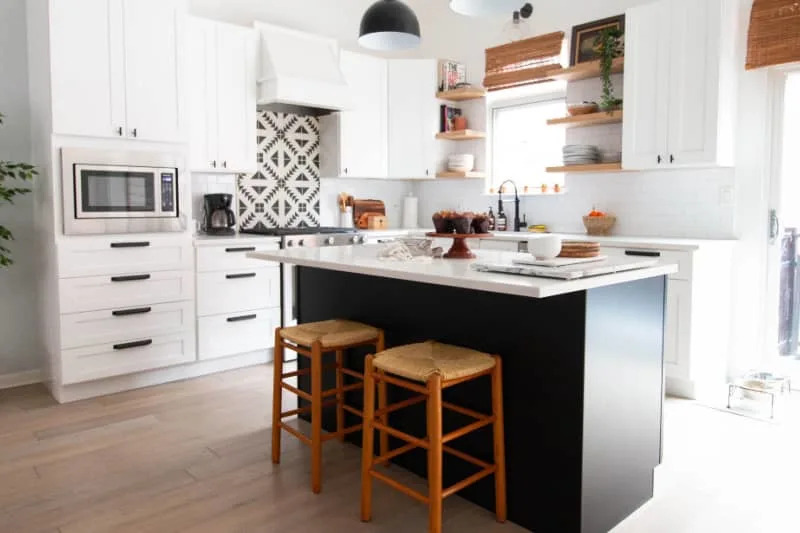
Upper Kitchen Cabinets Are on Their Way Out in 2025 — Here’s What’s Replacing Them
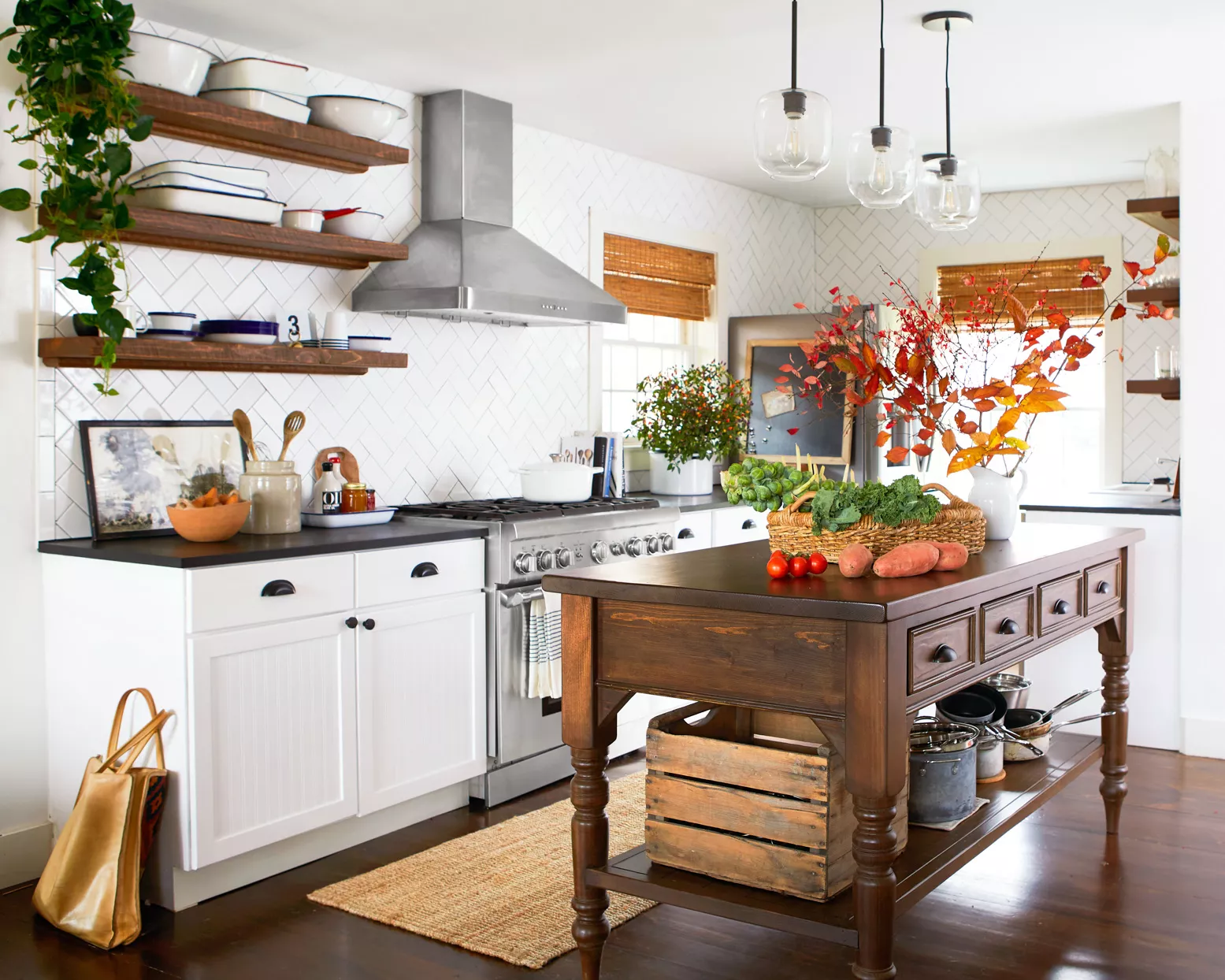
Designers Say They Secretly Hate This Popular Kitchen Design Trend

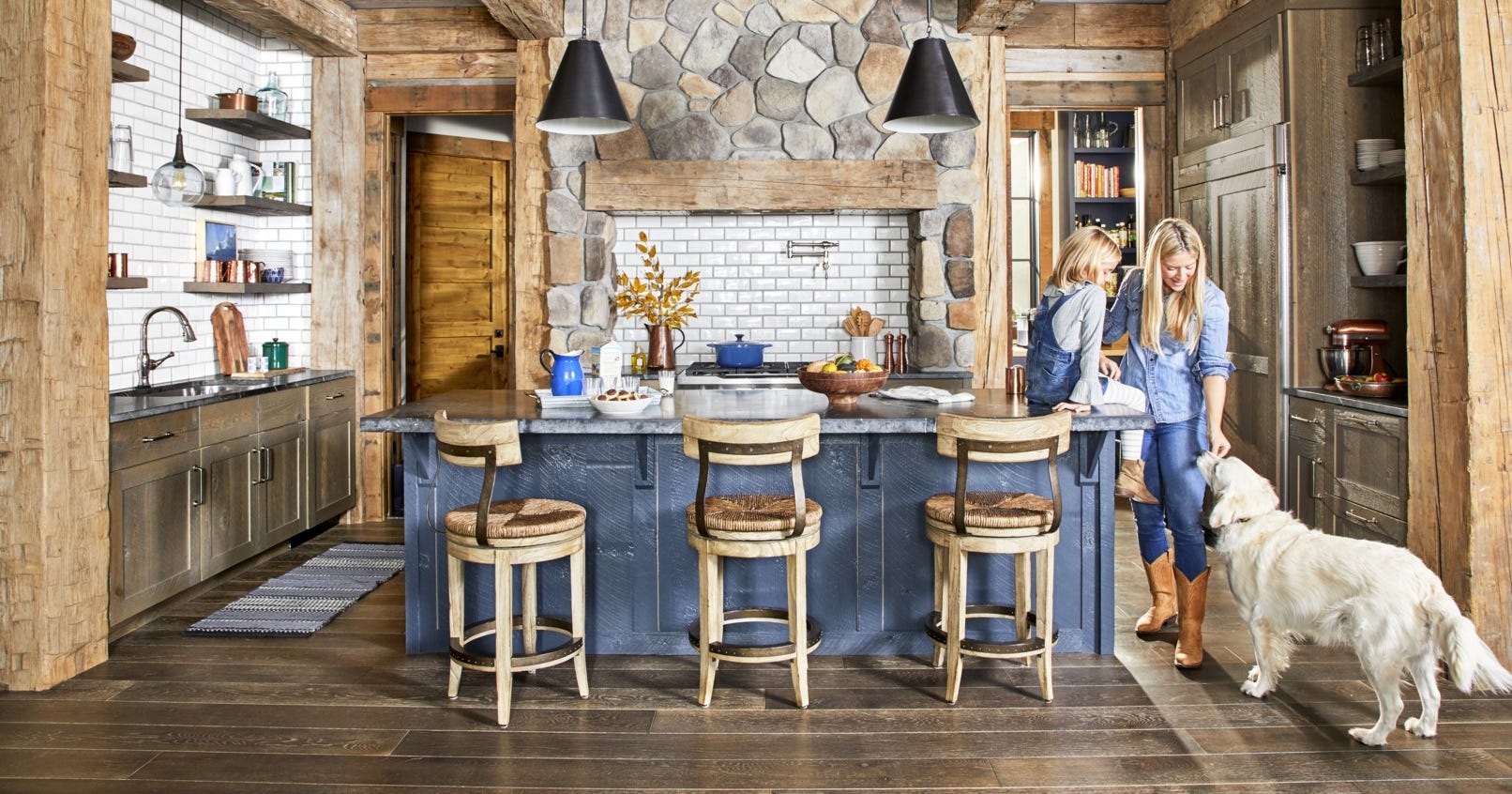
We Predict These Kitchen Trends Will Be Everywhere in 2023

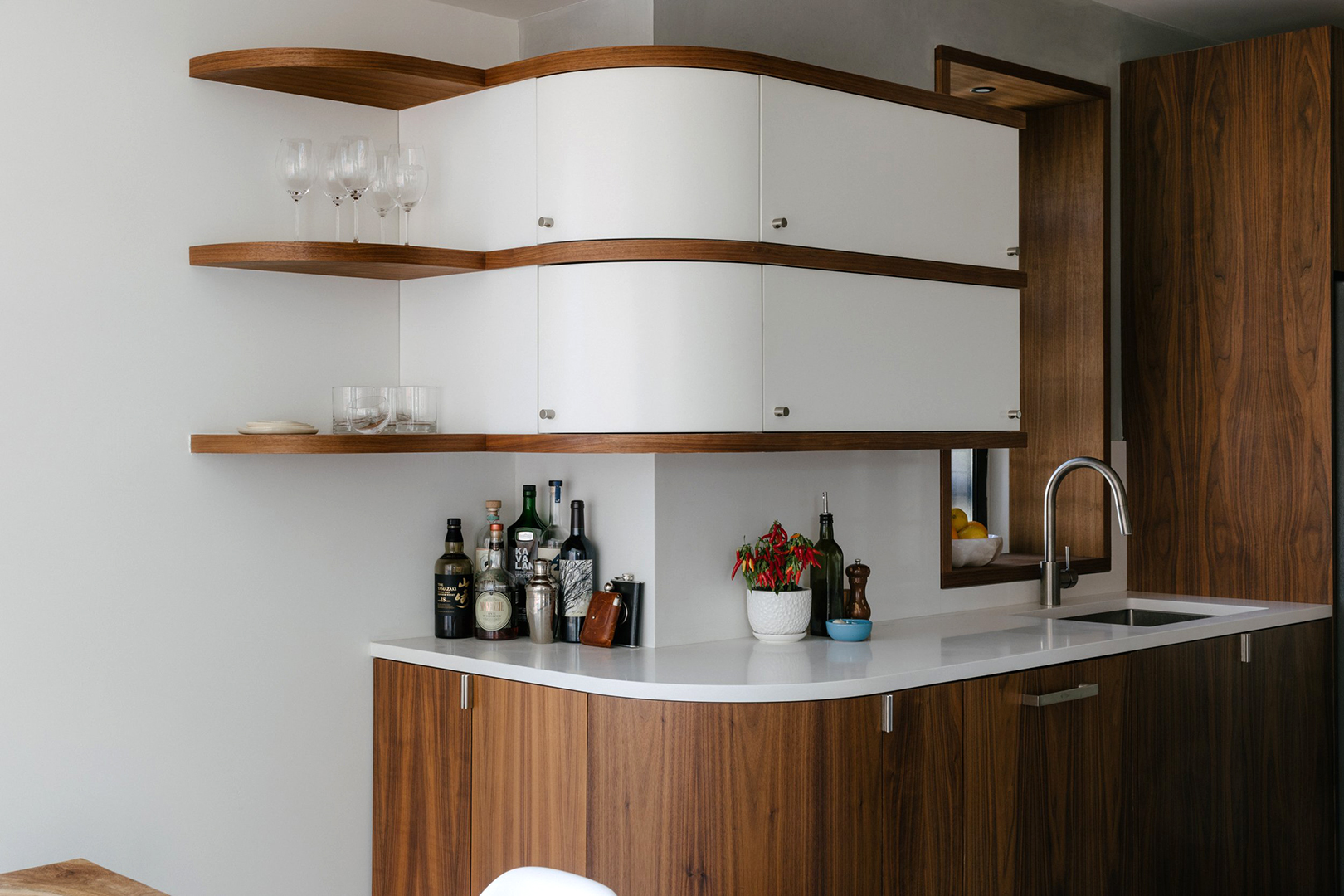
The Curved Trend Has Reached the Kitchen

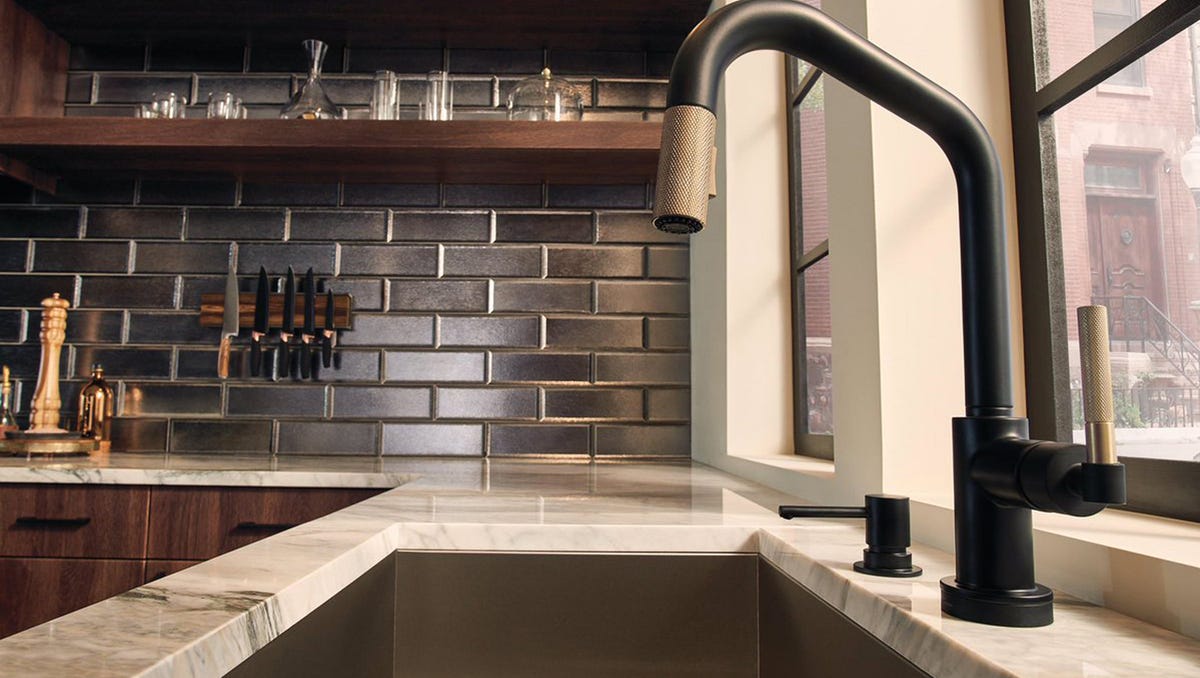
Kitchen trends
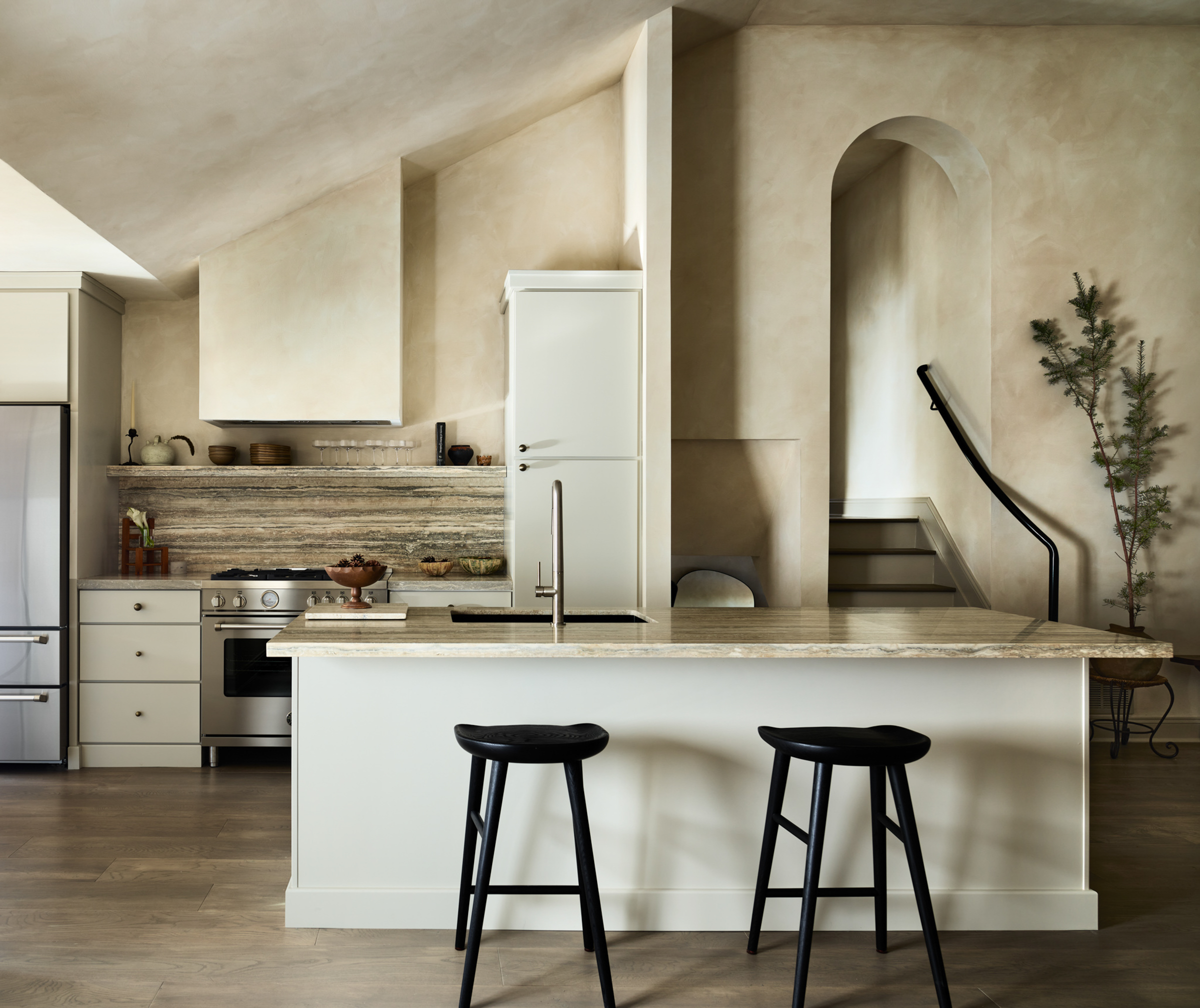
This Is the Most Optimal Place for an Open Shelf in Your Kitchen

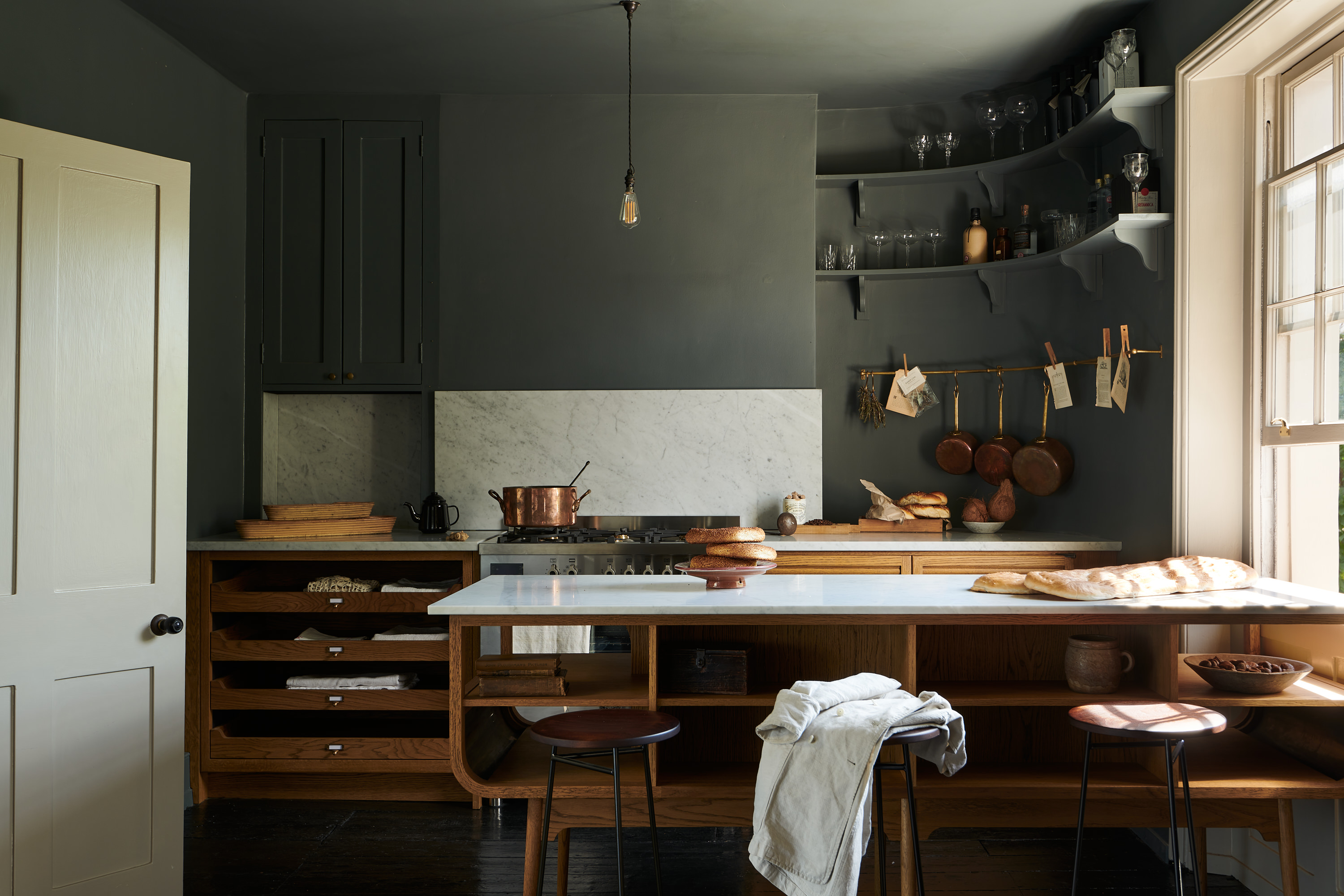
Are Open Kitchen Shelves Still in Style? This Interior Designer Told Us to Ditch Them — Here's Why

Designers Agree: This Kitchen Trend Instantly Makes Your Home Look Outdated

The Top 25 Kitchen Design Trends That Defined the Past 25 Years
Bold splashbacks and open shelving will dominate kitchens in 2025

6 Kitchen Trends That Will Transform Your Space in 2025, According to Designers
The trends replacing kitchen wall cabinets in 2025
The big kitchen trends of 2025 explained by top designers

10 Kitchen Trends On The Way Out In 2026

Top Designers Reveal the Biggest Kitchen Design Trends of the Year

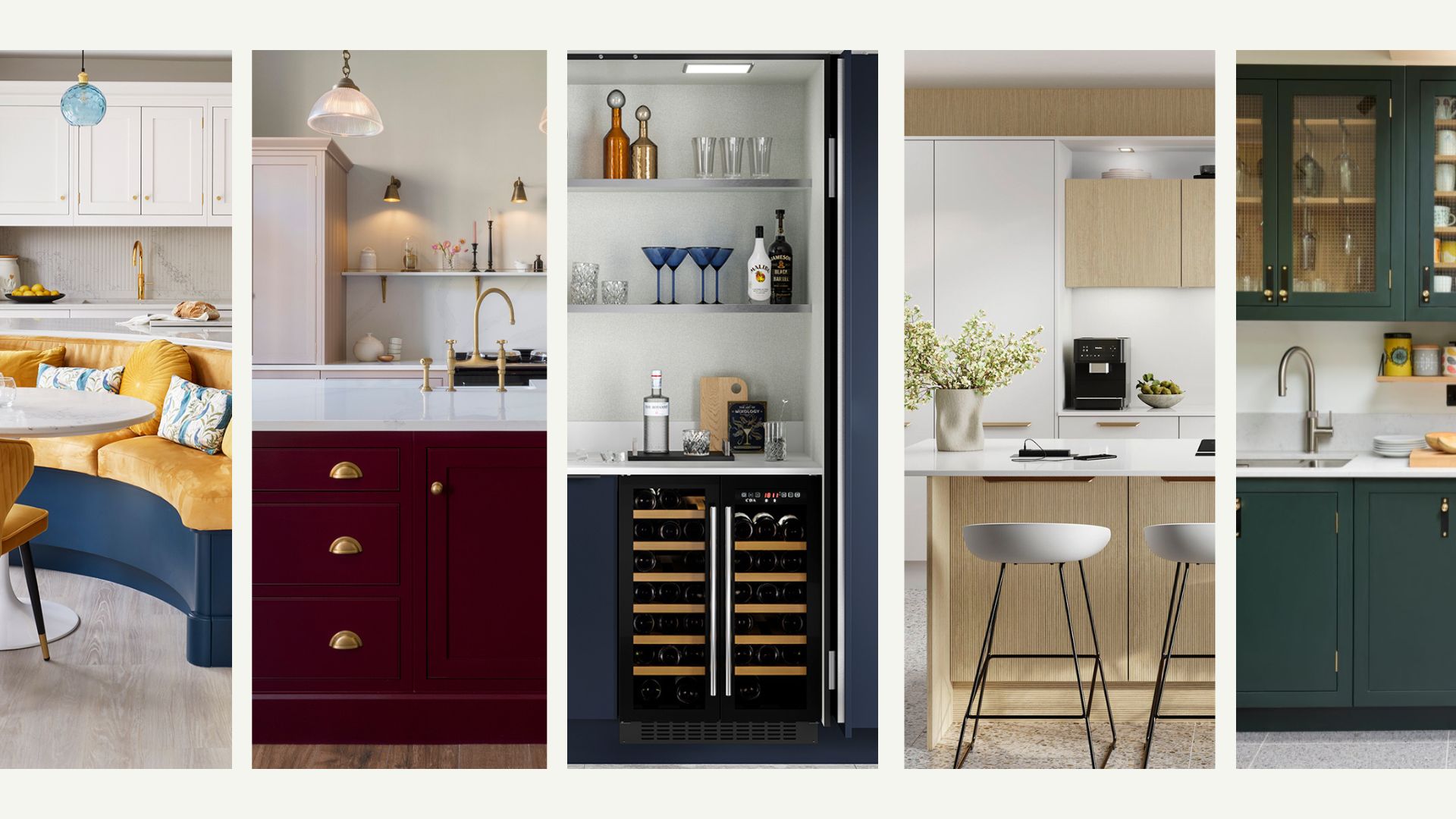
Kitchen Trends 2025: standout designs and colours inspiring home improvement projects

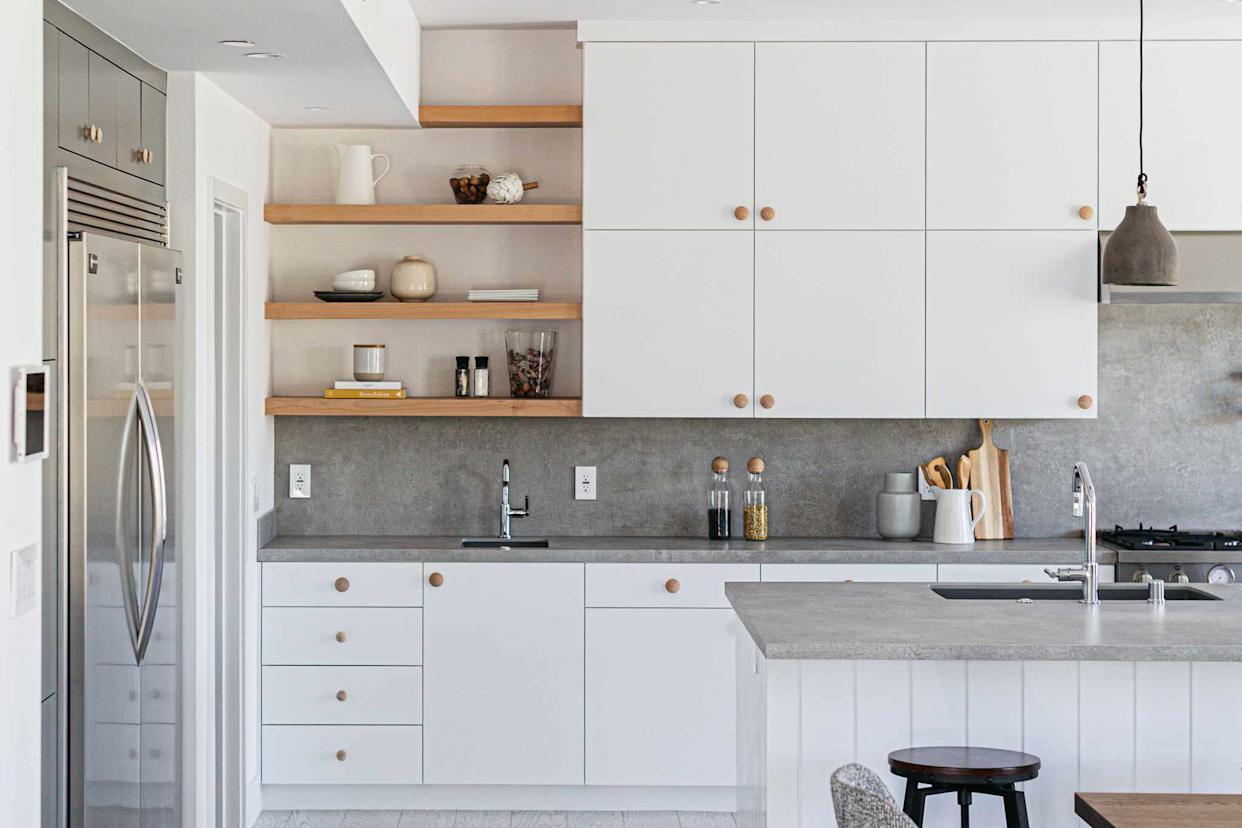
Are Open Shelves Finally Out of Style in 2026? Designers Weigh In
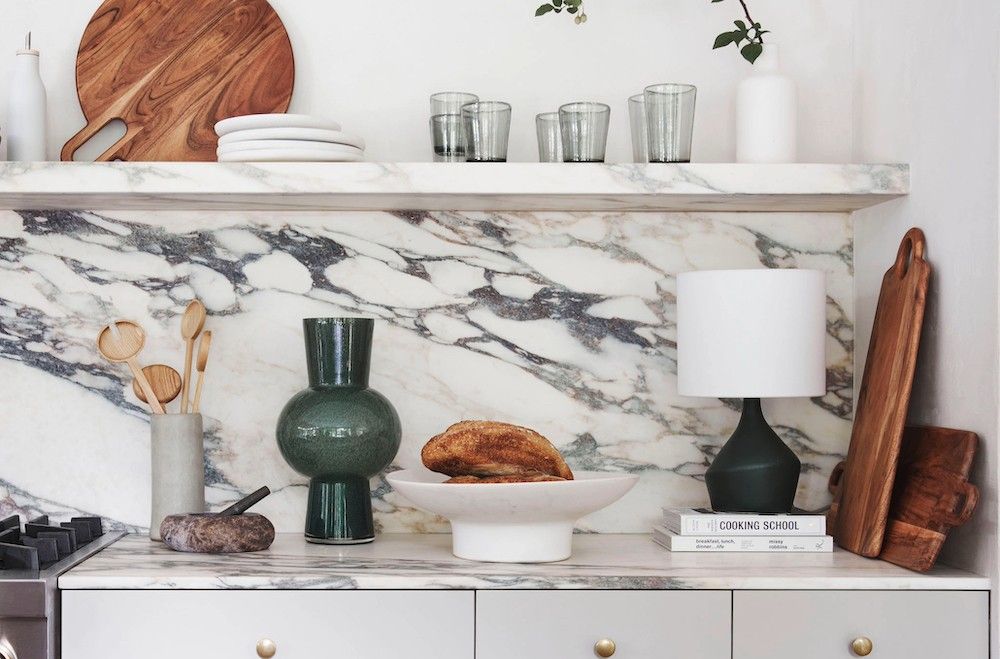
Upper Kitchen Cabinets Are Totally "Outdated" For 2025 — What You Want Instead