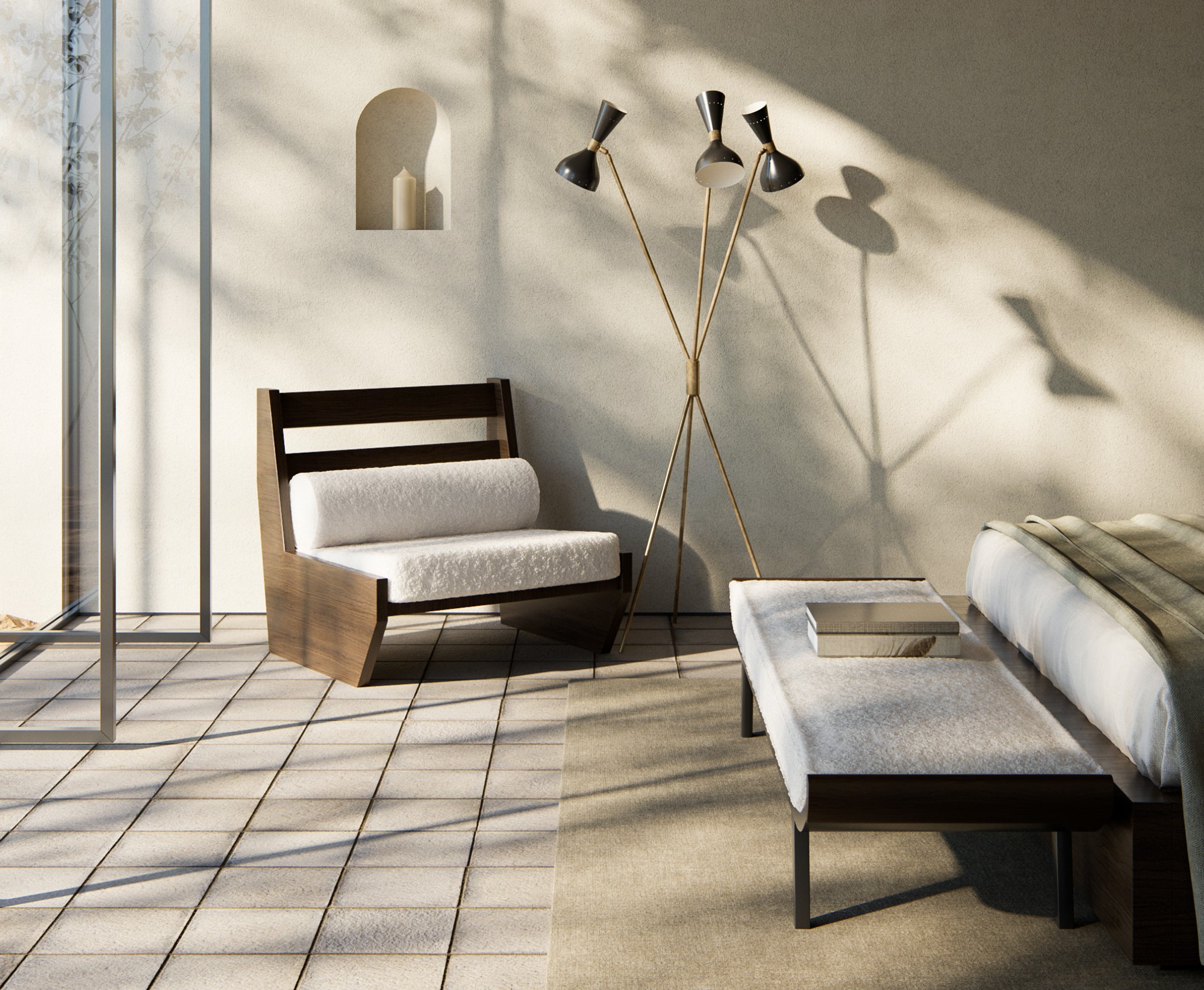
1/8
What actually is task lighting? Designers explain, plus offer their best advice so you don't get it wrong
Task lighting is a crucial element in home design, specifically designed to enhance visibility and ease of performing specific activities like reading, writing, cooking, or intricate work. Unlike ambient lighting, which provides general illumination for a space, task lighting focuses a brighter, more concentrated light on a particular area. This targeted illumination is essential not only for convenience but also for health, as inadequate lighting can lead to eye strain and potential long-term vision problems. Interior designers emphasize the importance of incorporating task lighting in various rooms, including living rooms, bedrooms, kitchens, and study areas, to support day-to-day activities.
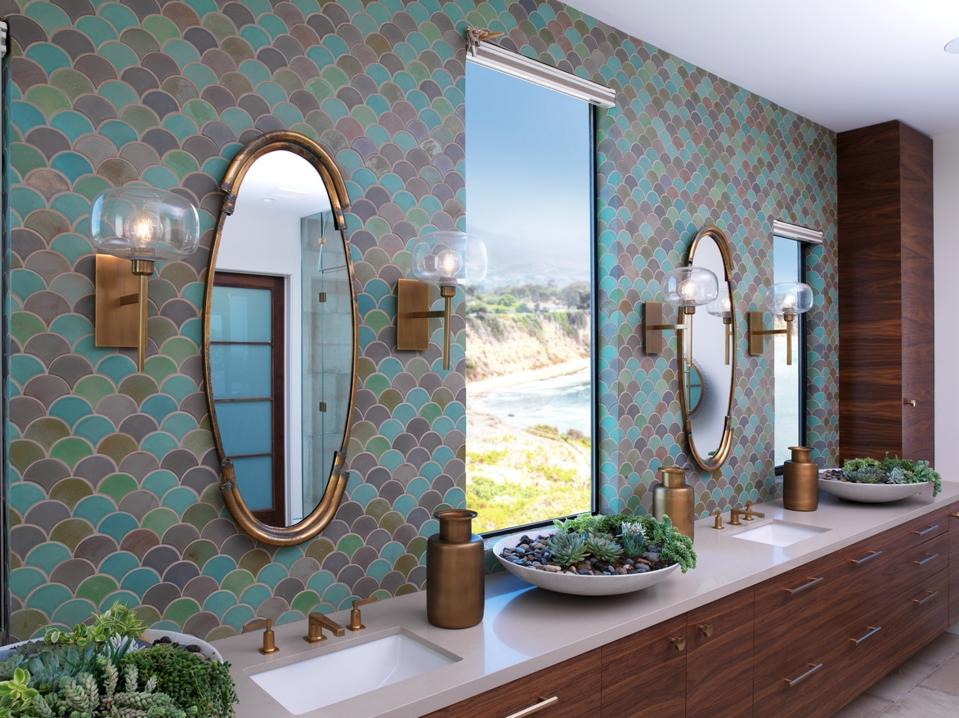
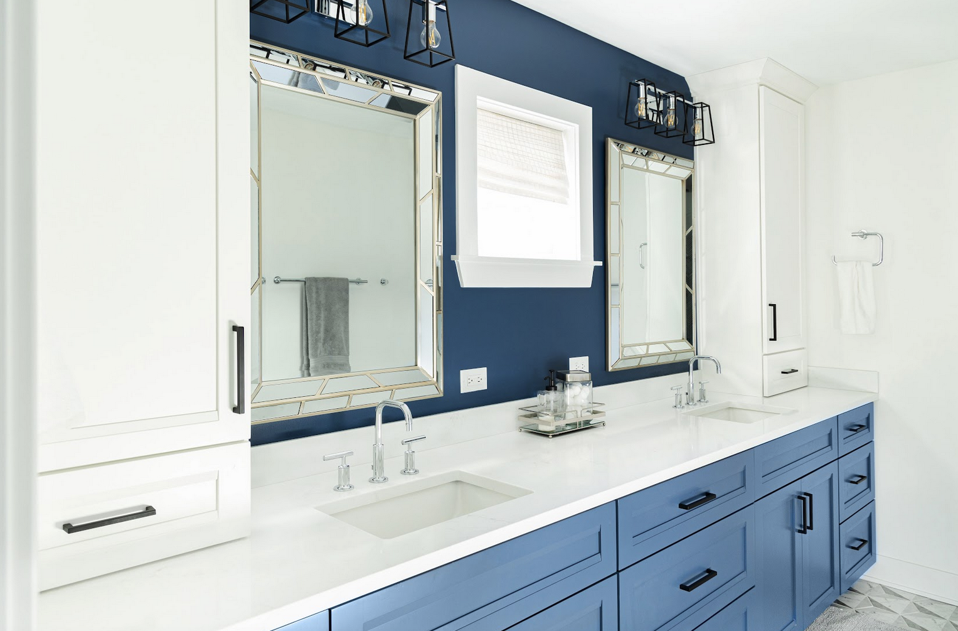
Experts like Aryaman Jain, CEO of Innovative Lighting Designs Limited, highlight that task lighting is vital for illuminating small areas without straining the eyes and maintaining adequate illumination when paired with ambient lighting. Meenu Agarwal, founder of MADS Creations, further elaborates that task lighting is more functional than decorative, aiming for closer inspection rather than general room brightening. The strategic placement of task lighting can prevent shadows and ensure uniform illumination, making tasks safer and more comfortable. For instance, in a kitchen, task lighting above countertops is critical for safe food preparation, while in a bathroom, it ensures accurate application of makeup or shaving.
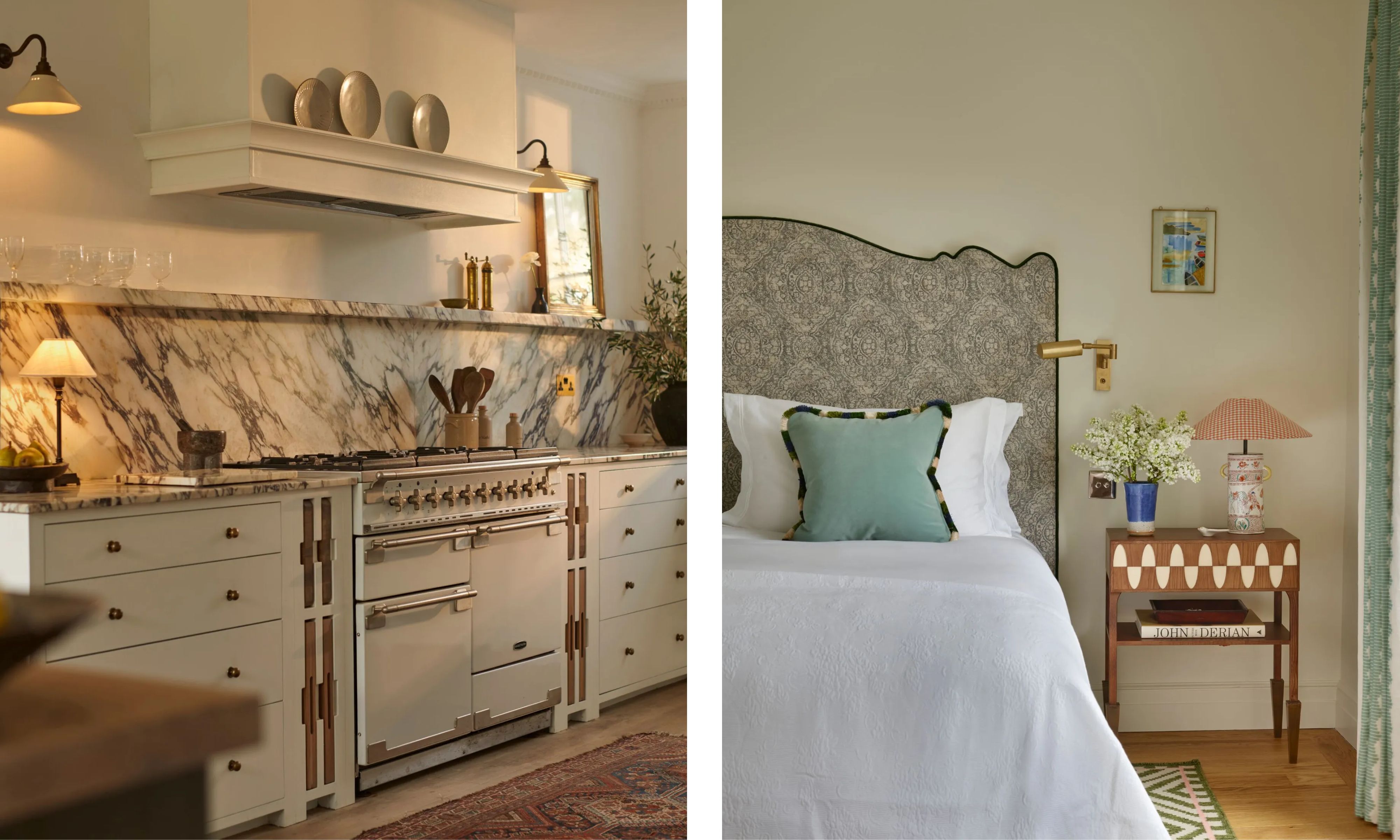
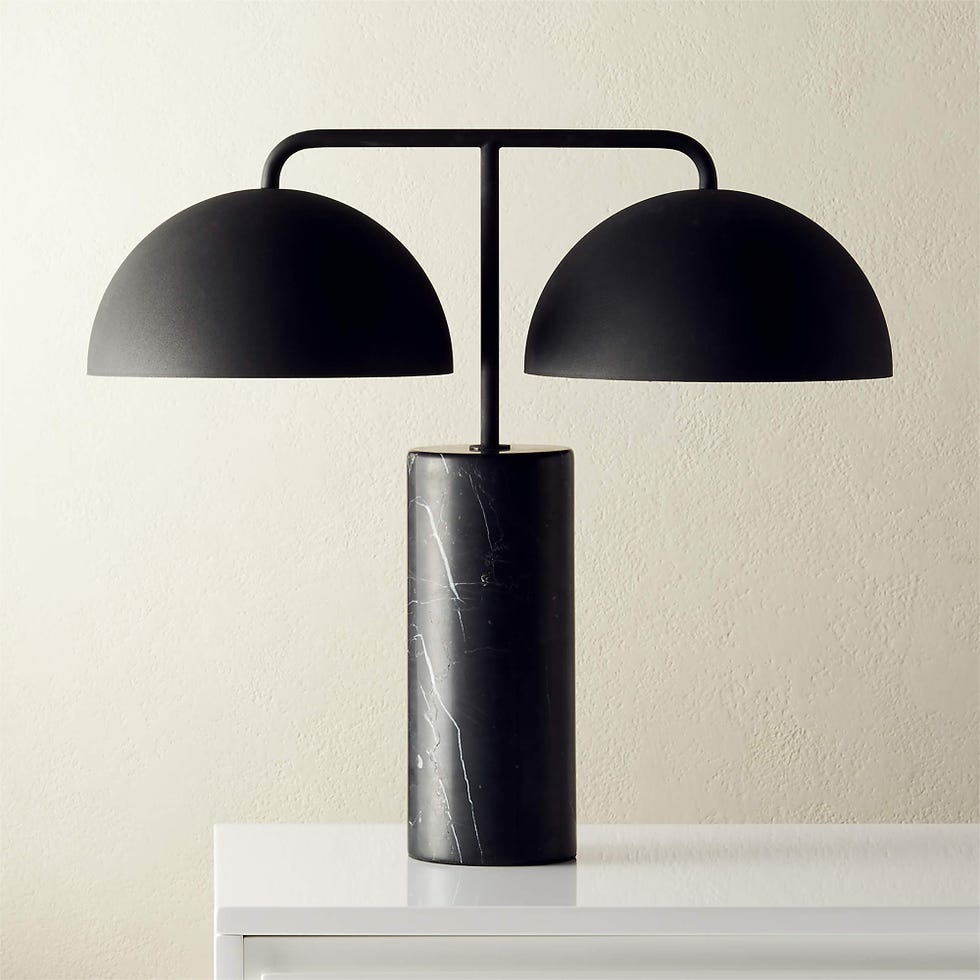
The article outlines several common types of task lighting suitable for different areas of a home. Bedroom lighting, for example, often includes bedside lamps, nightstands, or sconces integrated into the headboard. These fixtures provide focused light for reading in bed without disturbing a partner or relying on general room lighting. Akshita Mehra, principal designer at Studio Goya, points out that reading lights in bedrooms, table lamps for study areas, and pendants on either side of a bathroom mirror are highly effective forms of task lighting, improving visibility for specific activities.
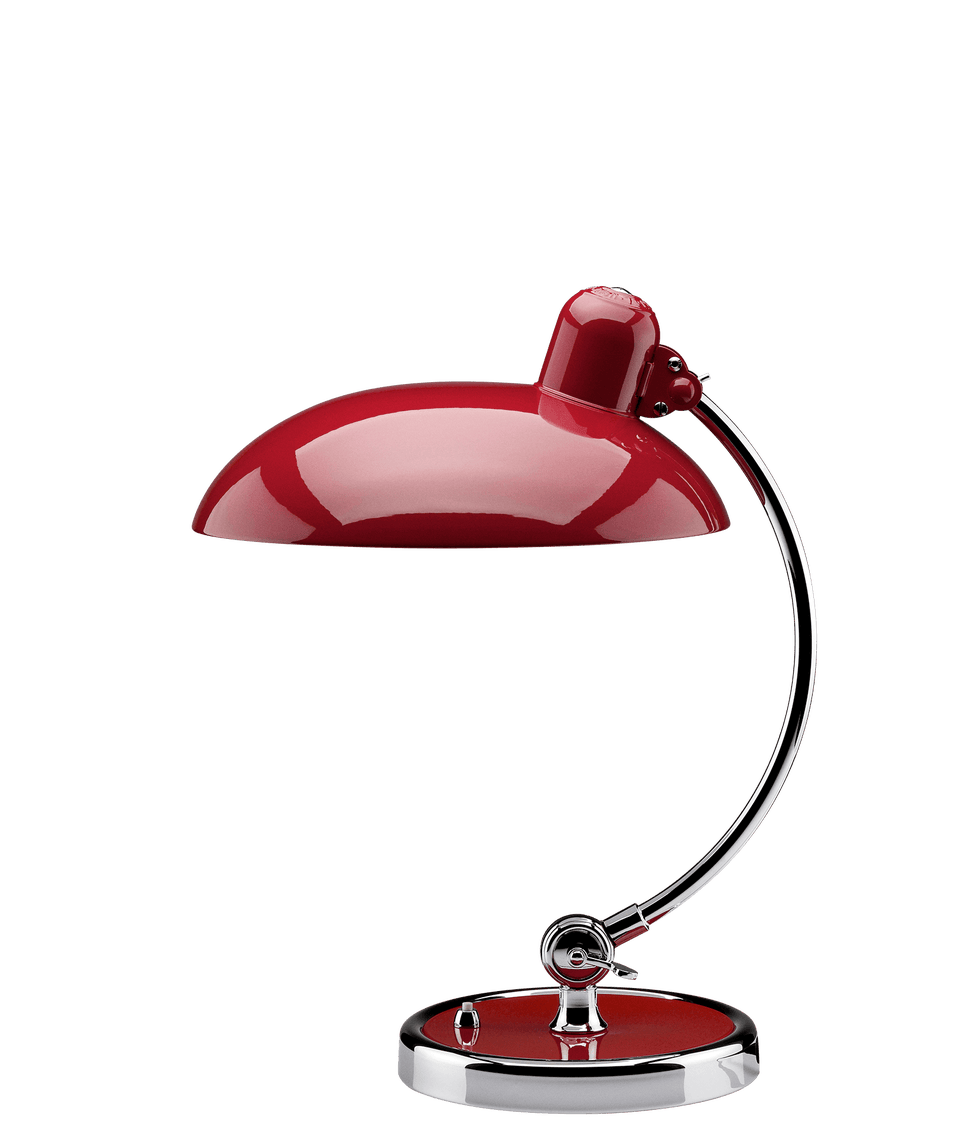
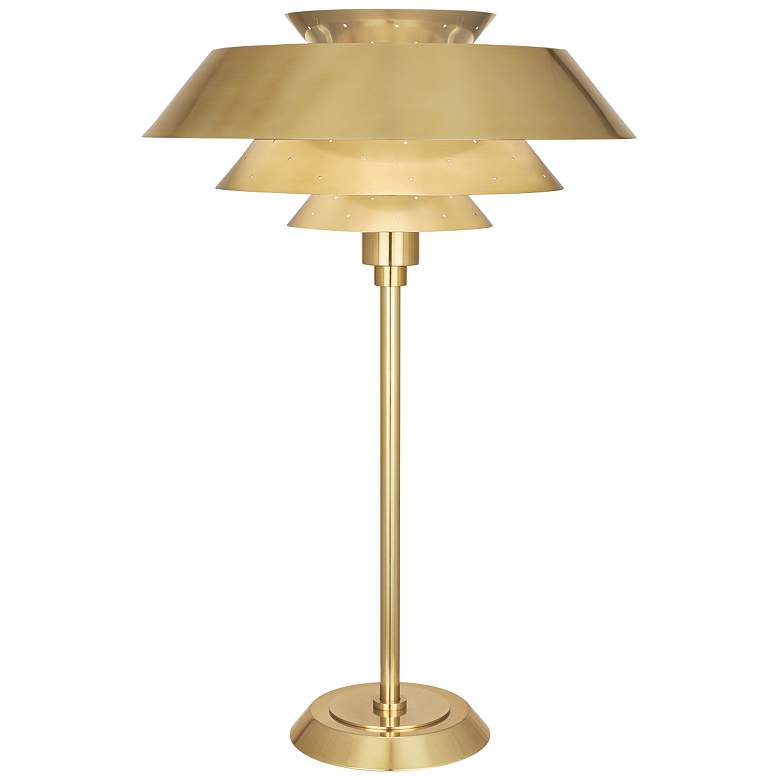
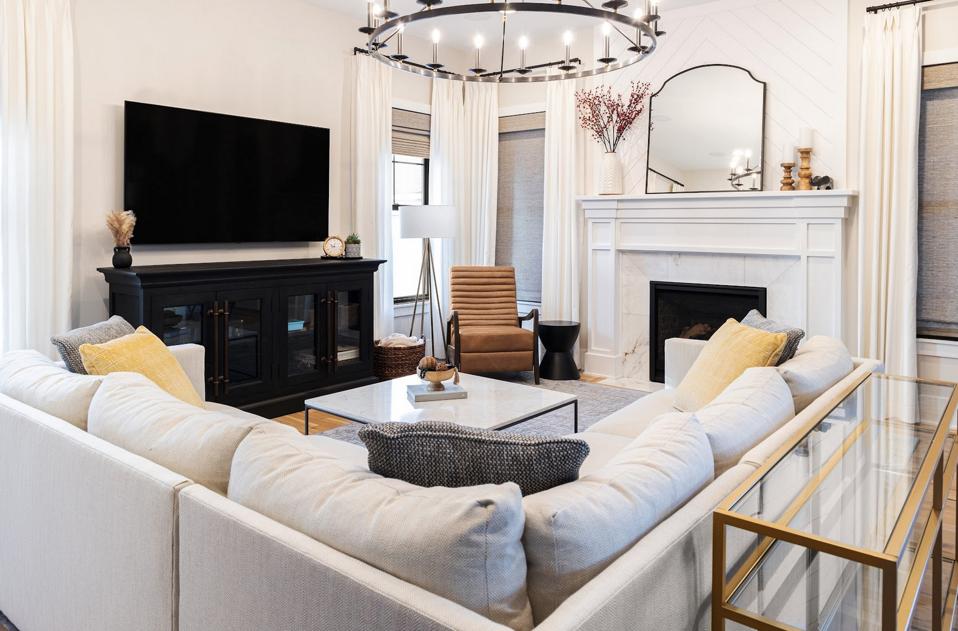
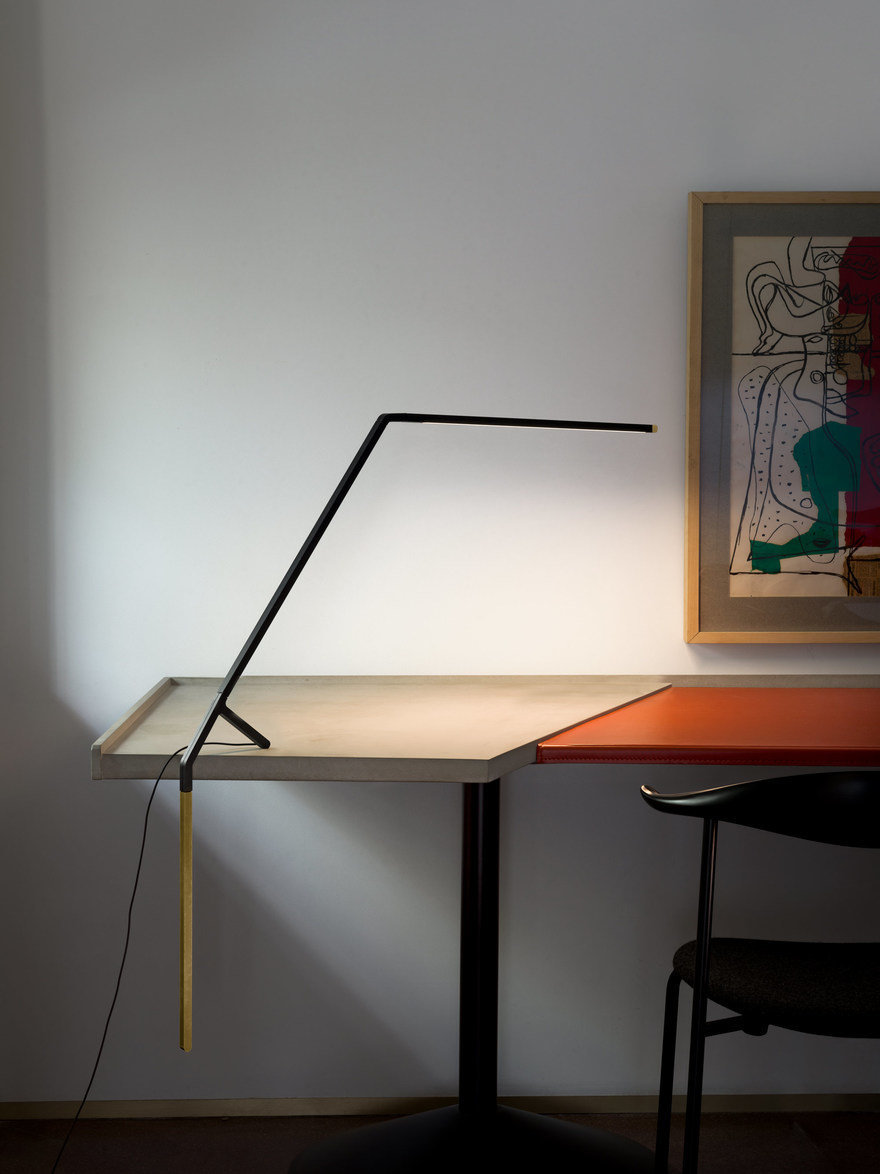
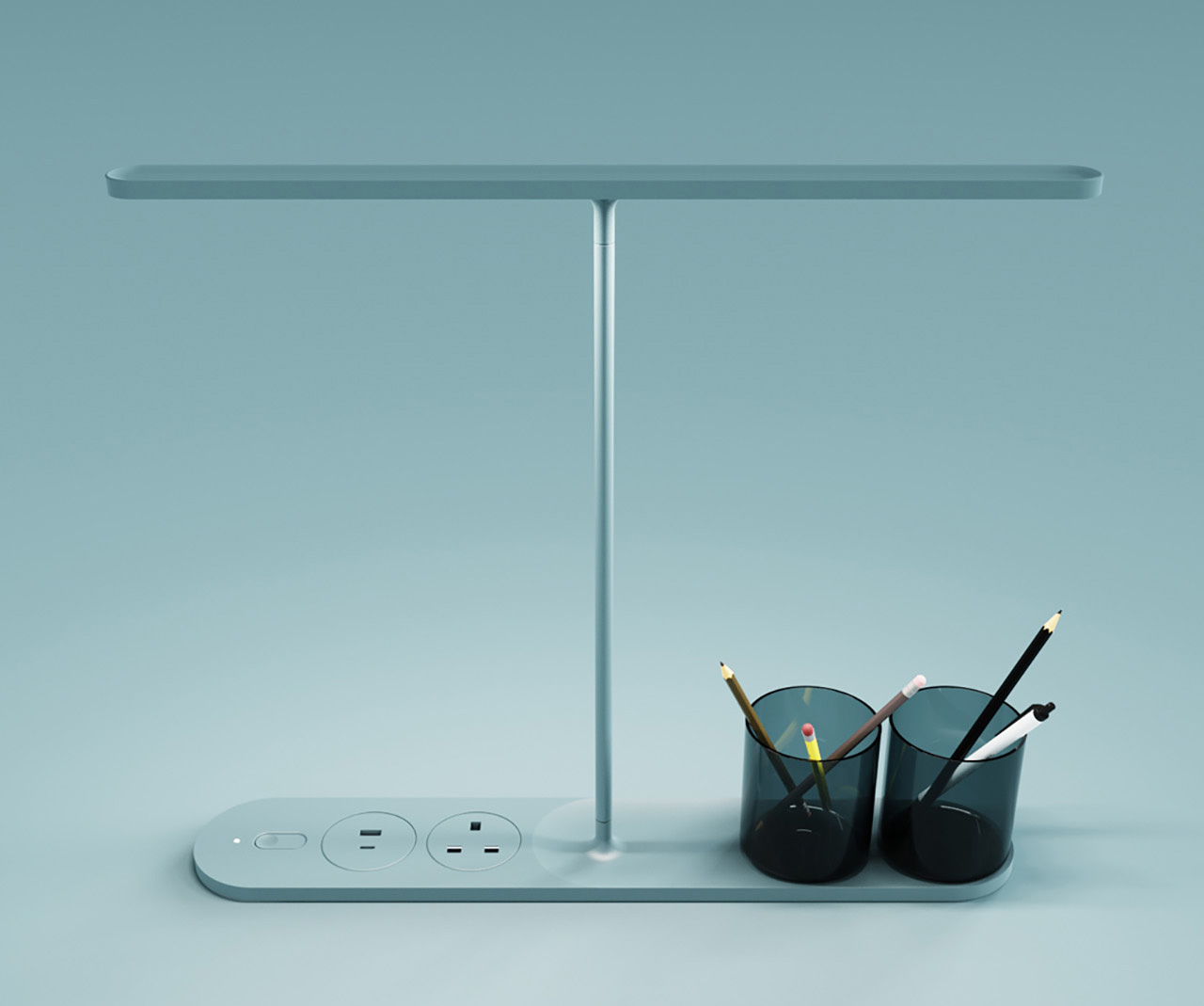
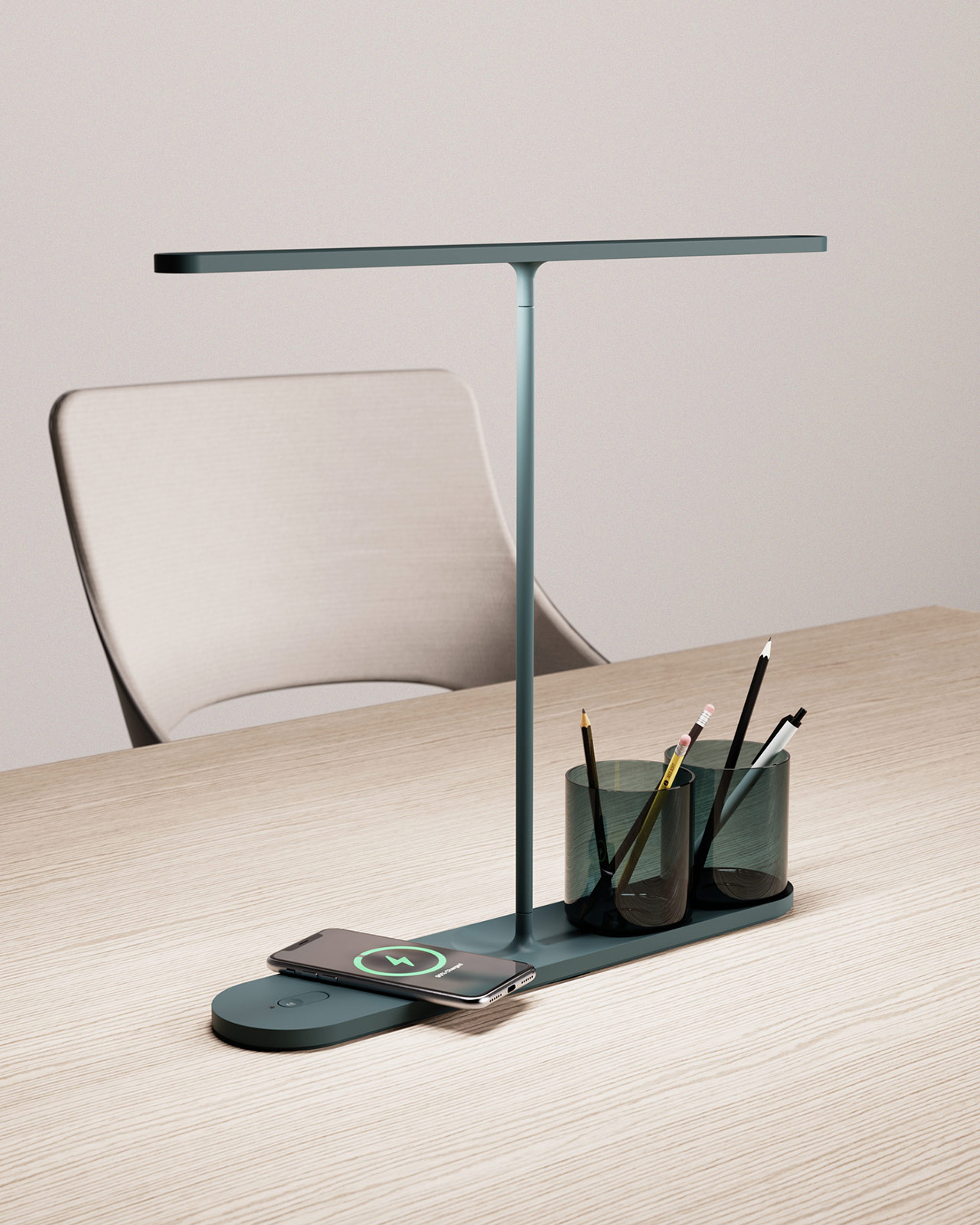
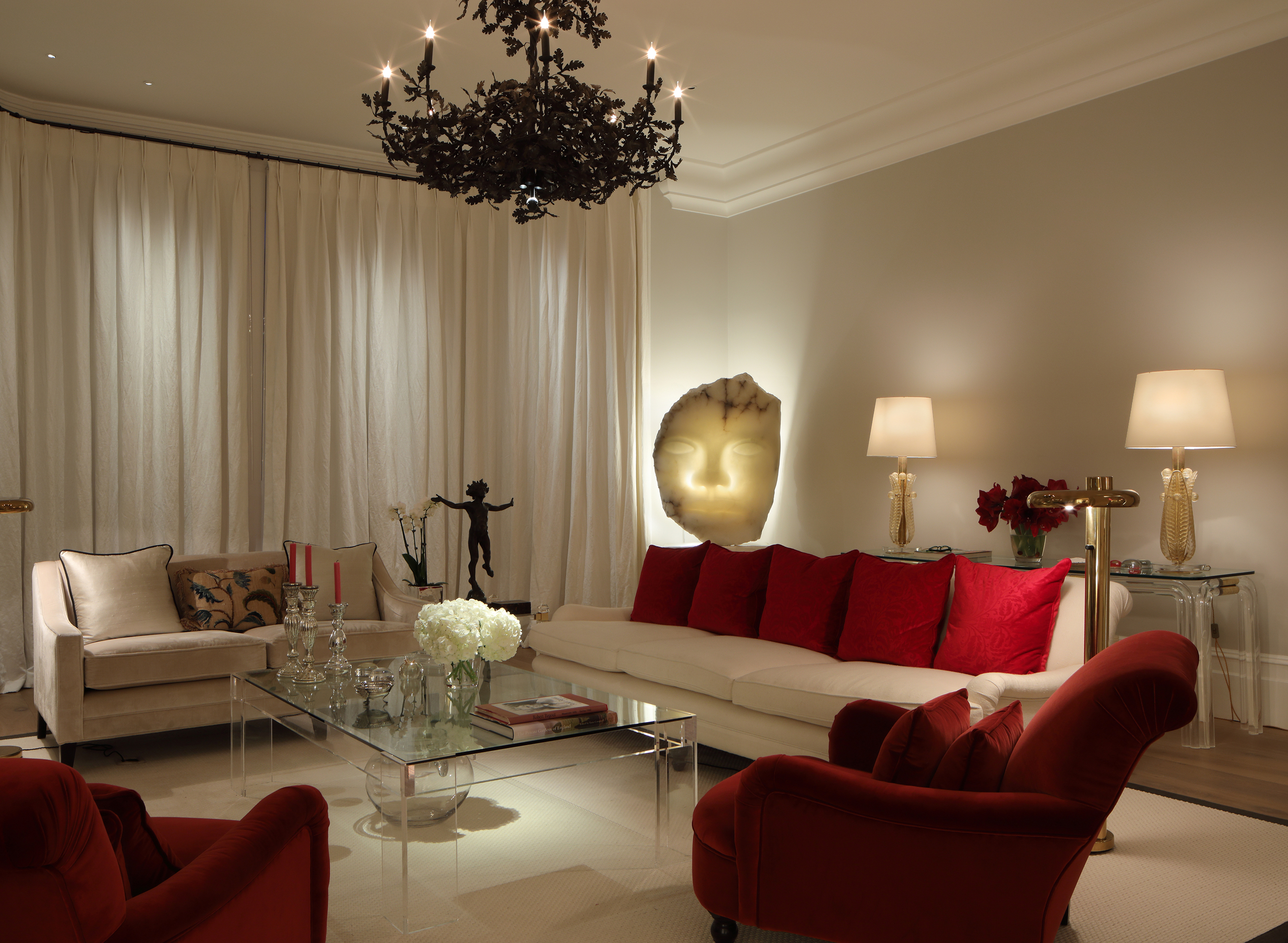
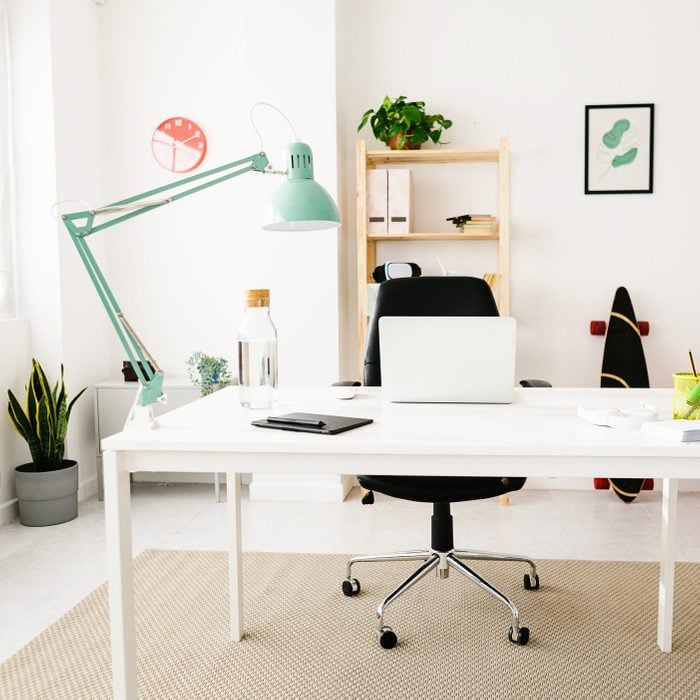
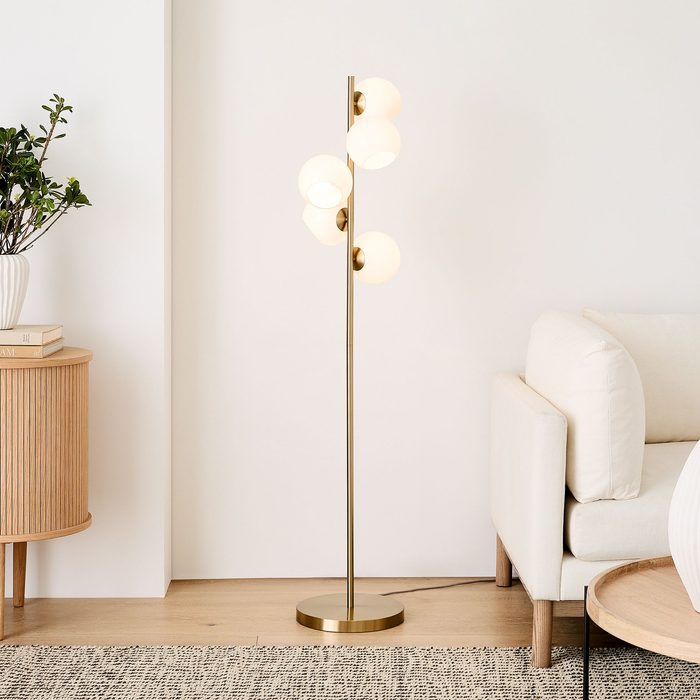
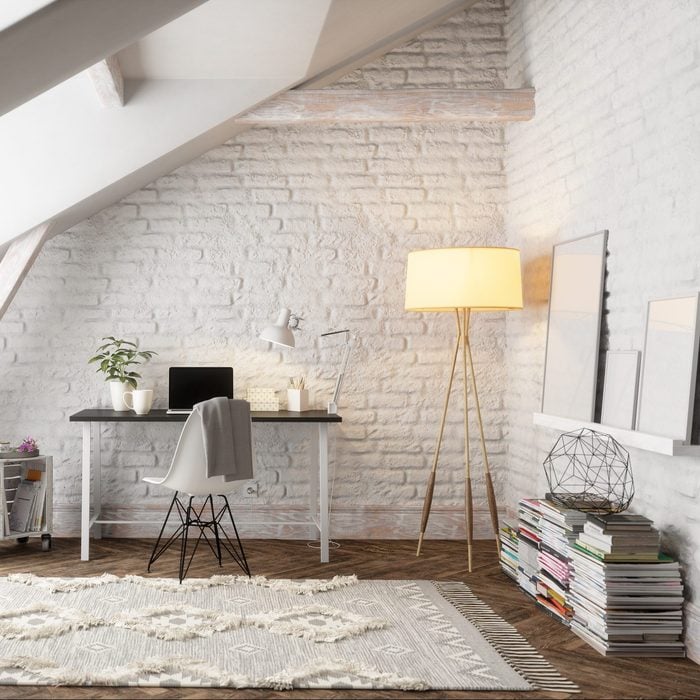
Lamps, such as standing lamps and desk lamps, offer versatile task lighting solutions. For home offices, strategic placement of a standing lamp to the side or behind the desk can illuminate the work surface without causing glare on computer screens, which is a common issue with overhead or improperly positioned lights. These lamps are also ideal for reading nooks or living room corners, providing focused light where needed and can easily be moved or adjusted. Standing lamps can highlight architectural features or provide light for a specific chair, while desk lamps are perfect for tabletops and work areas. Their ease of installation, typically requiring only an electrical outlet, makes them a practical choice.
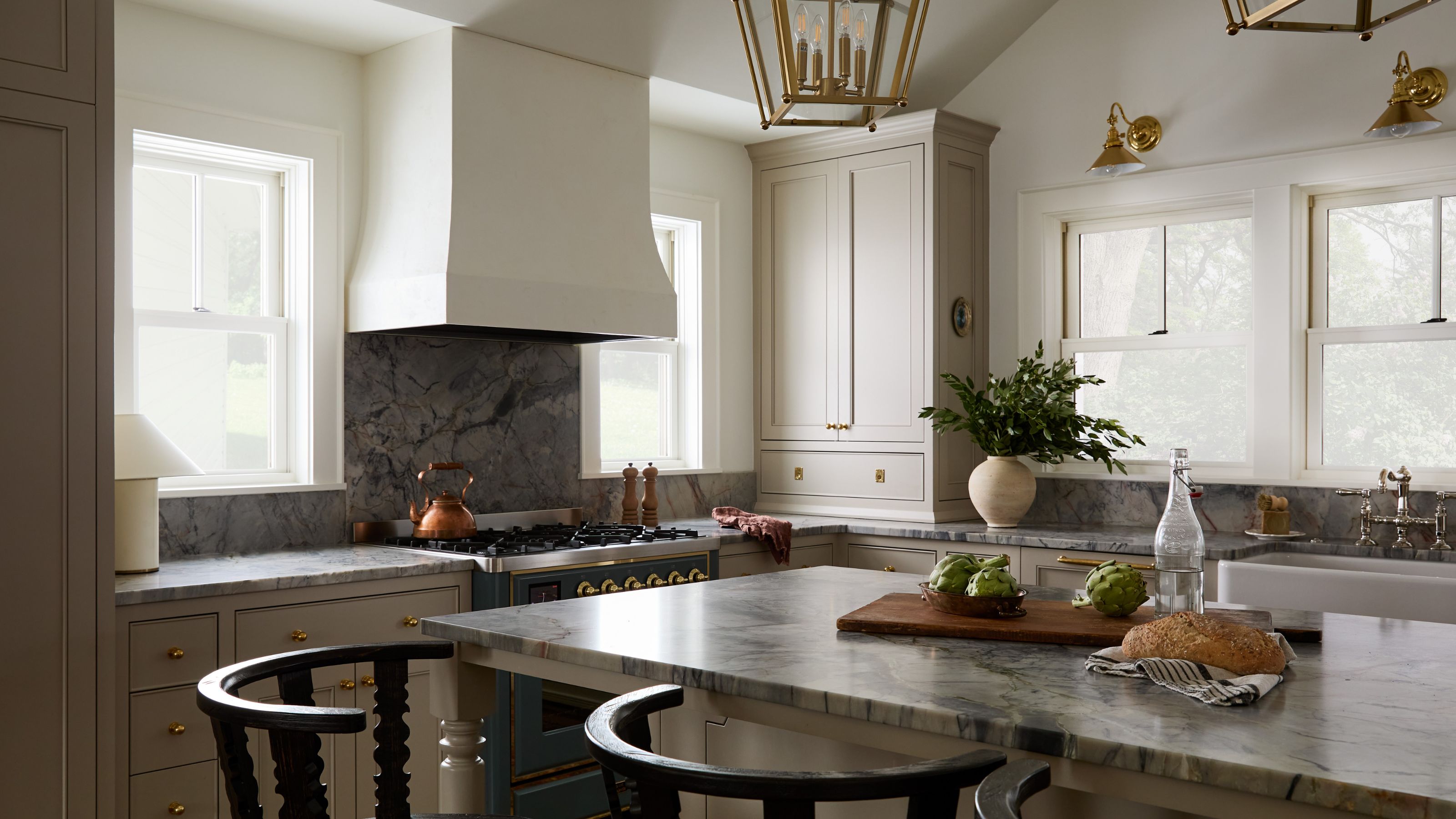
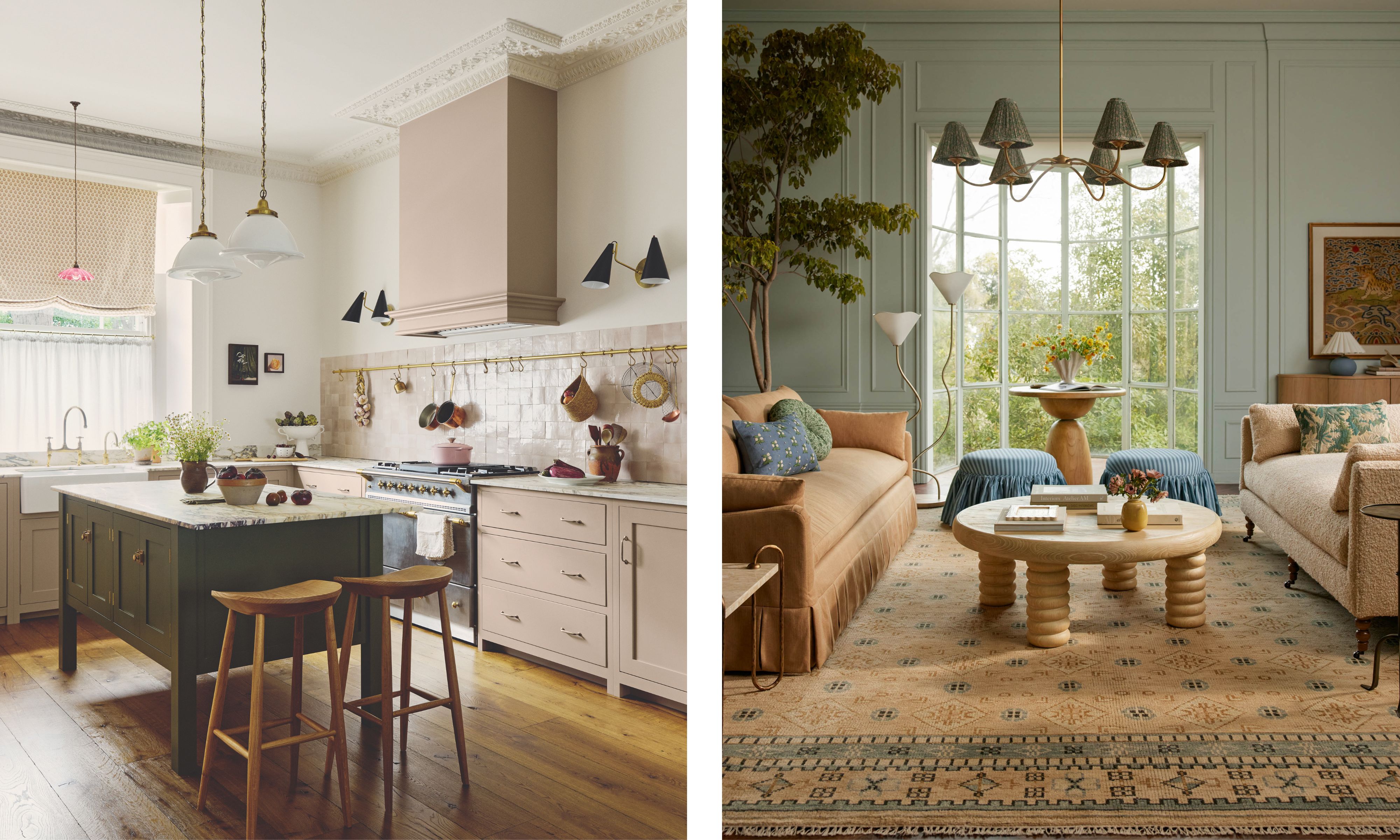
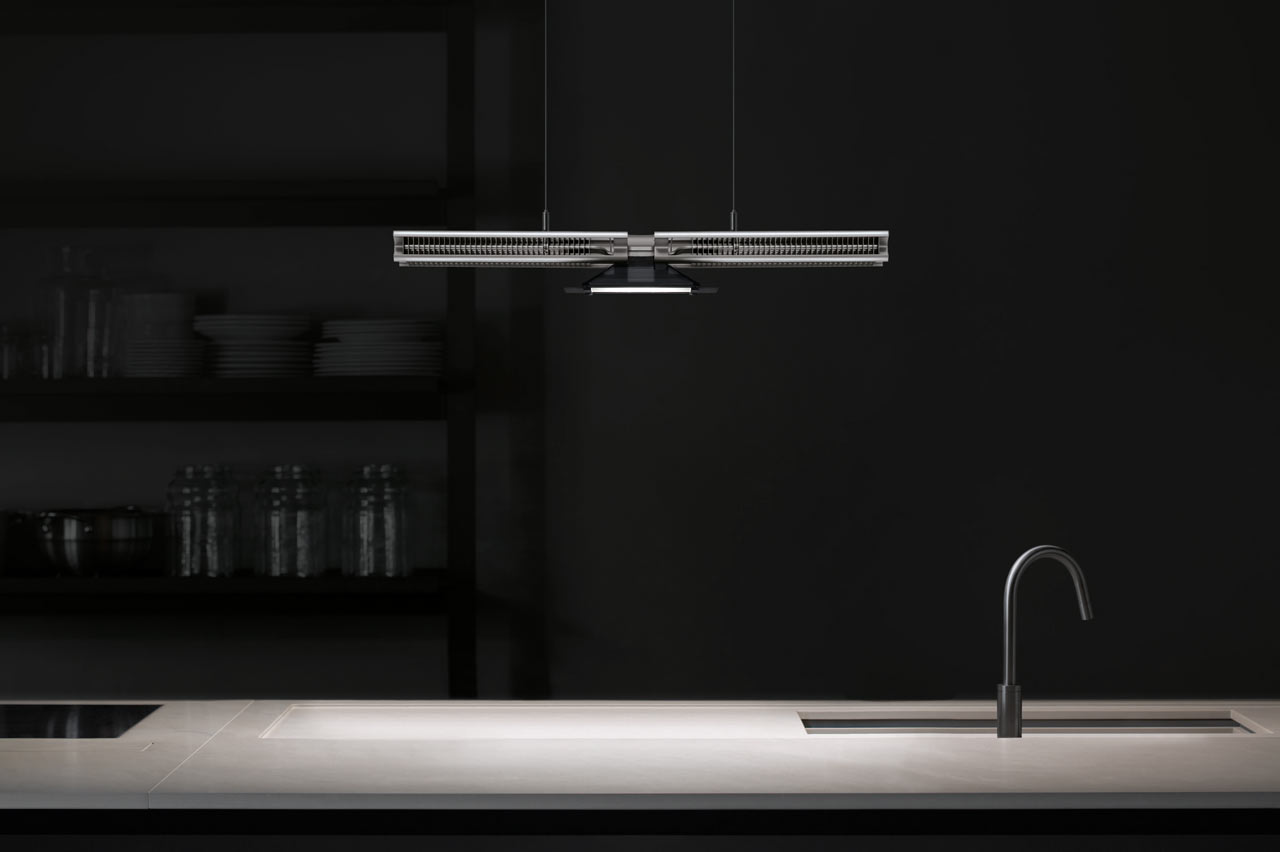
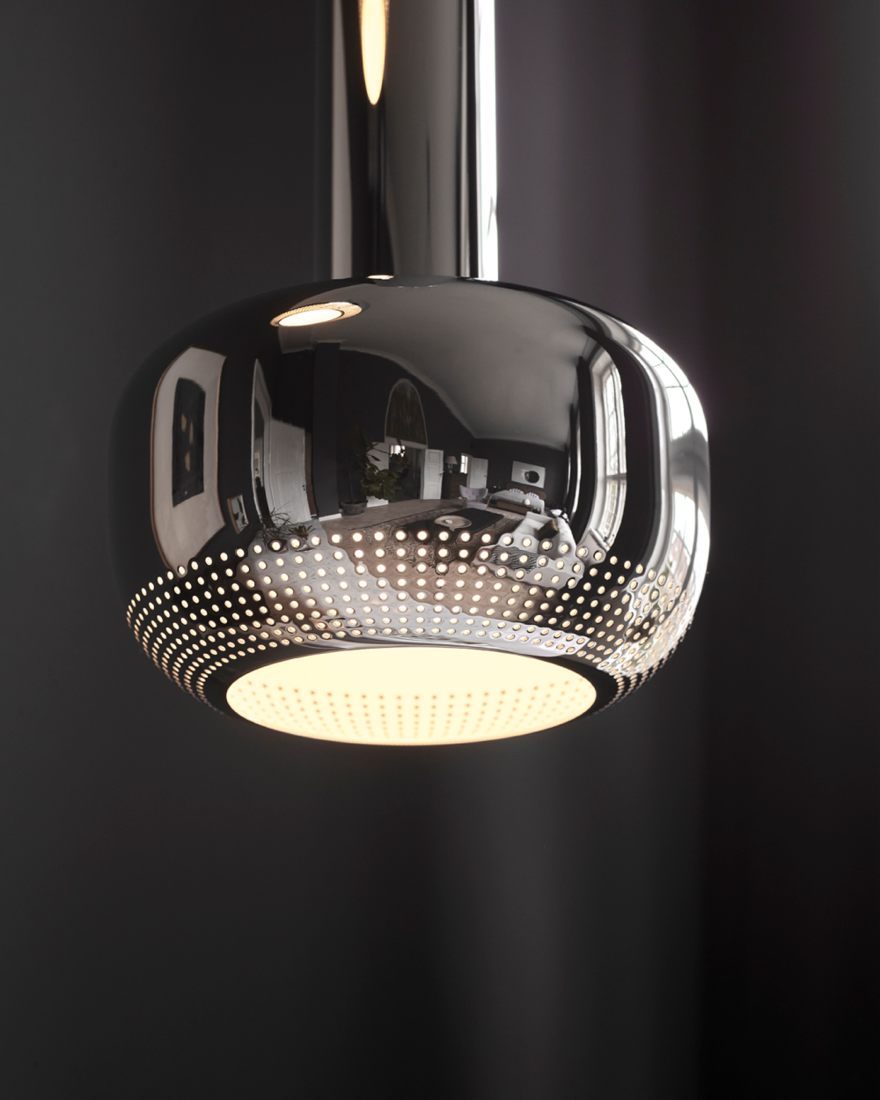
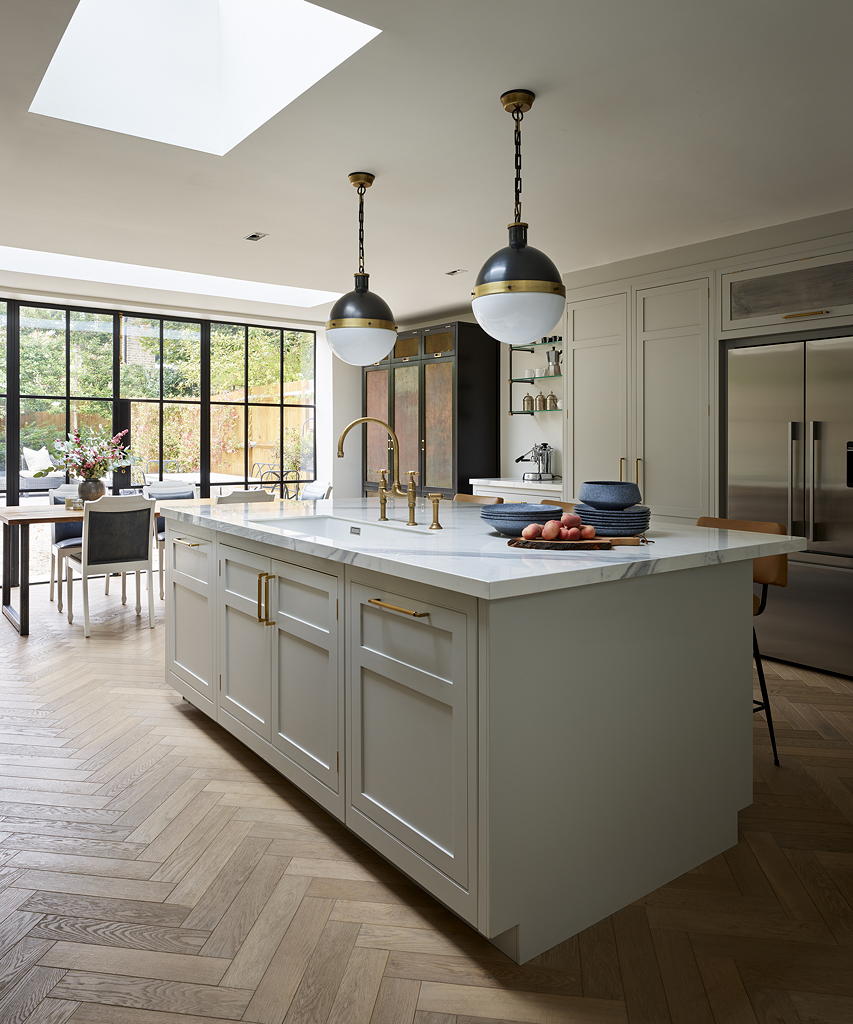
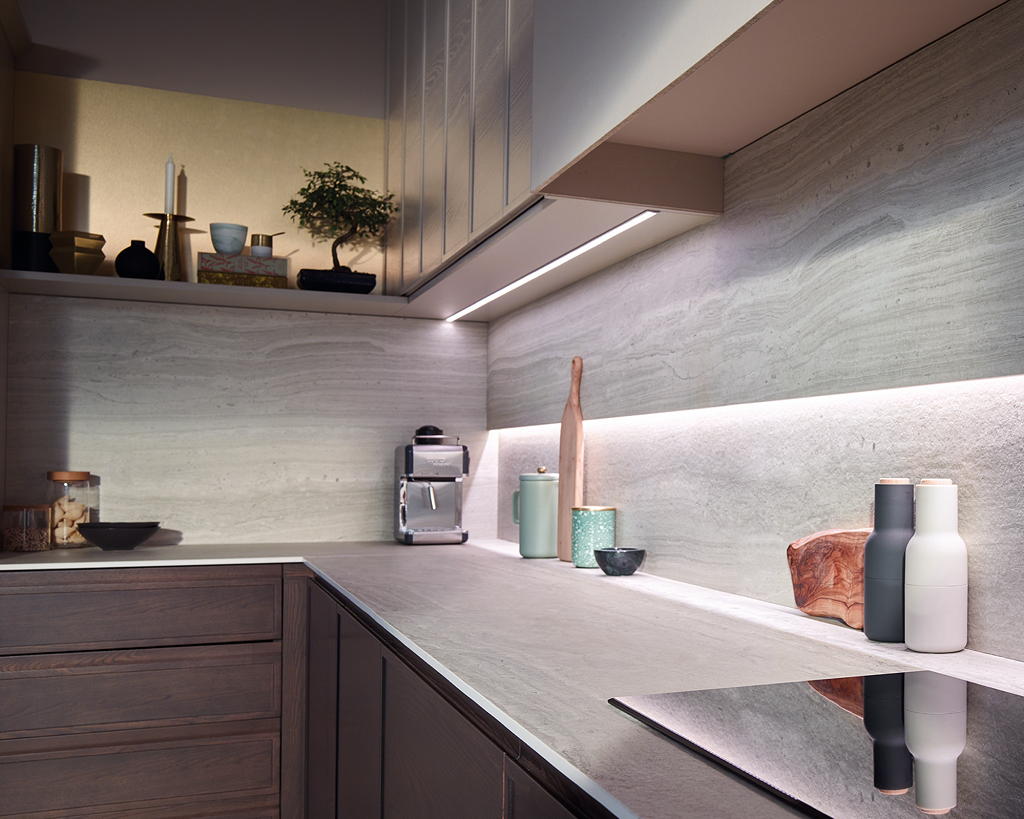
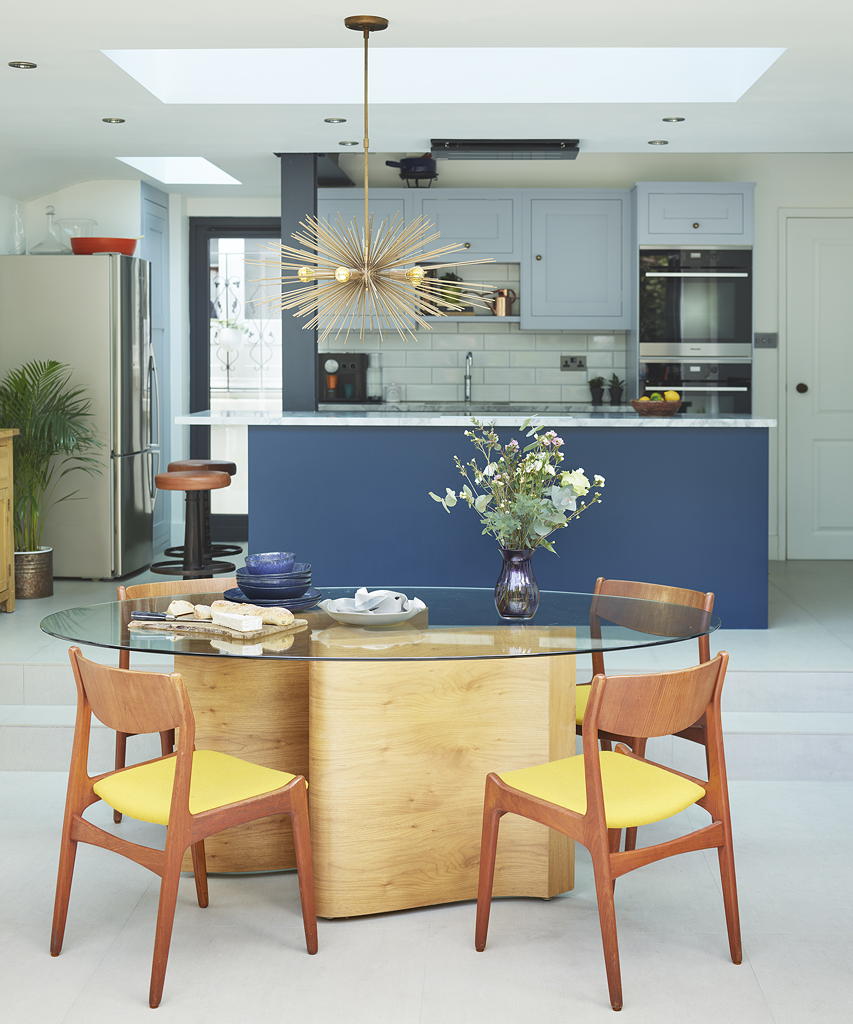
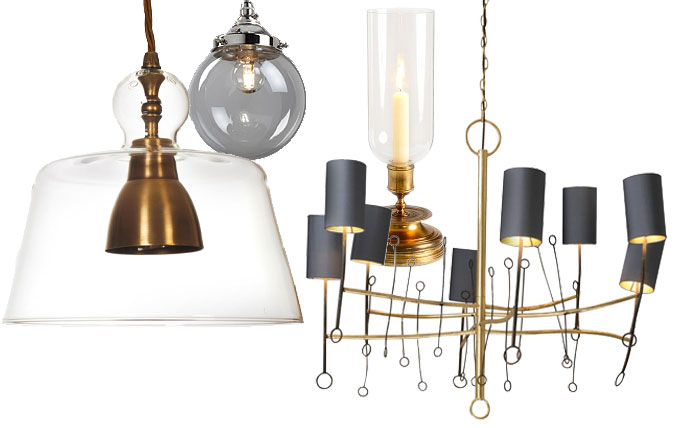
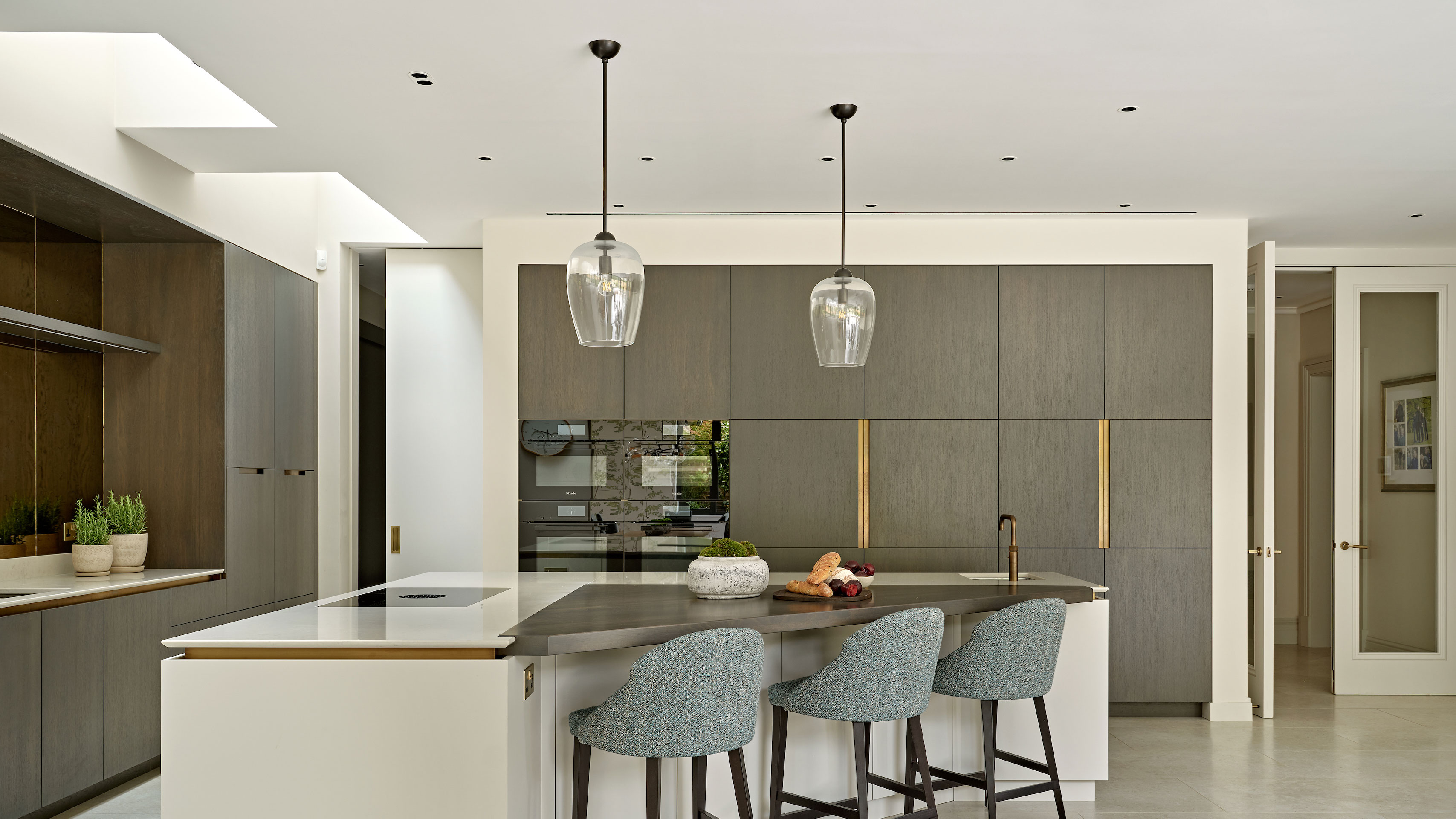
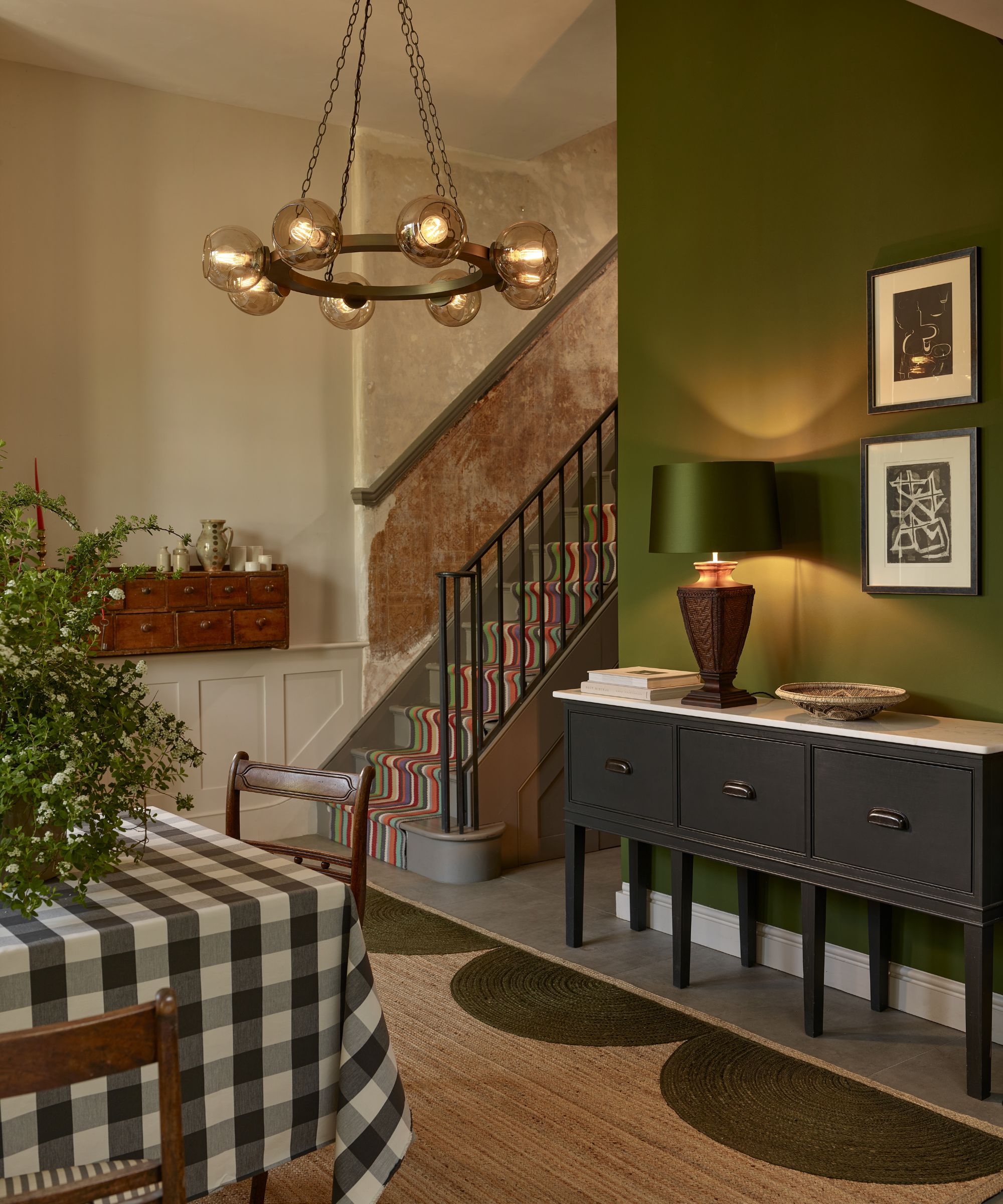
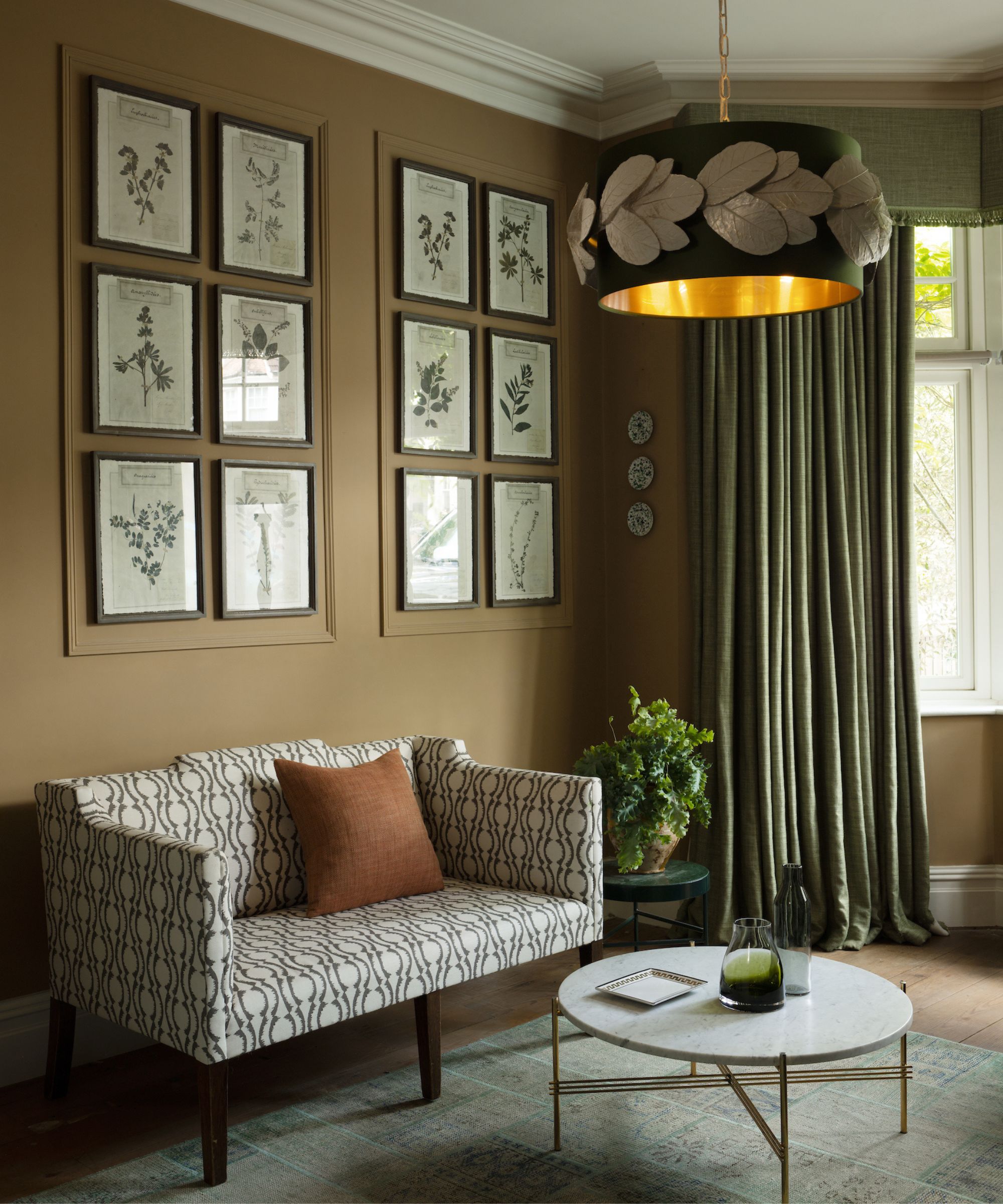
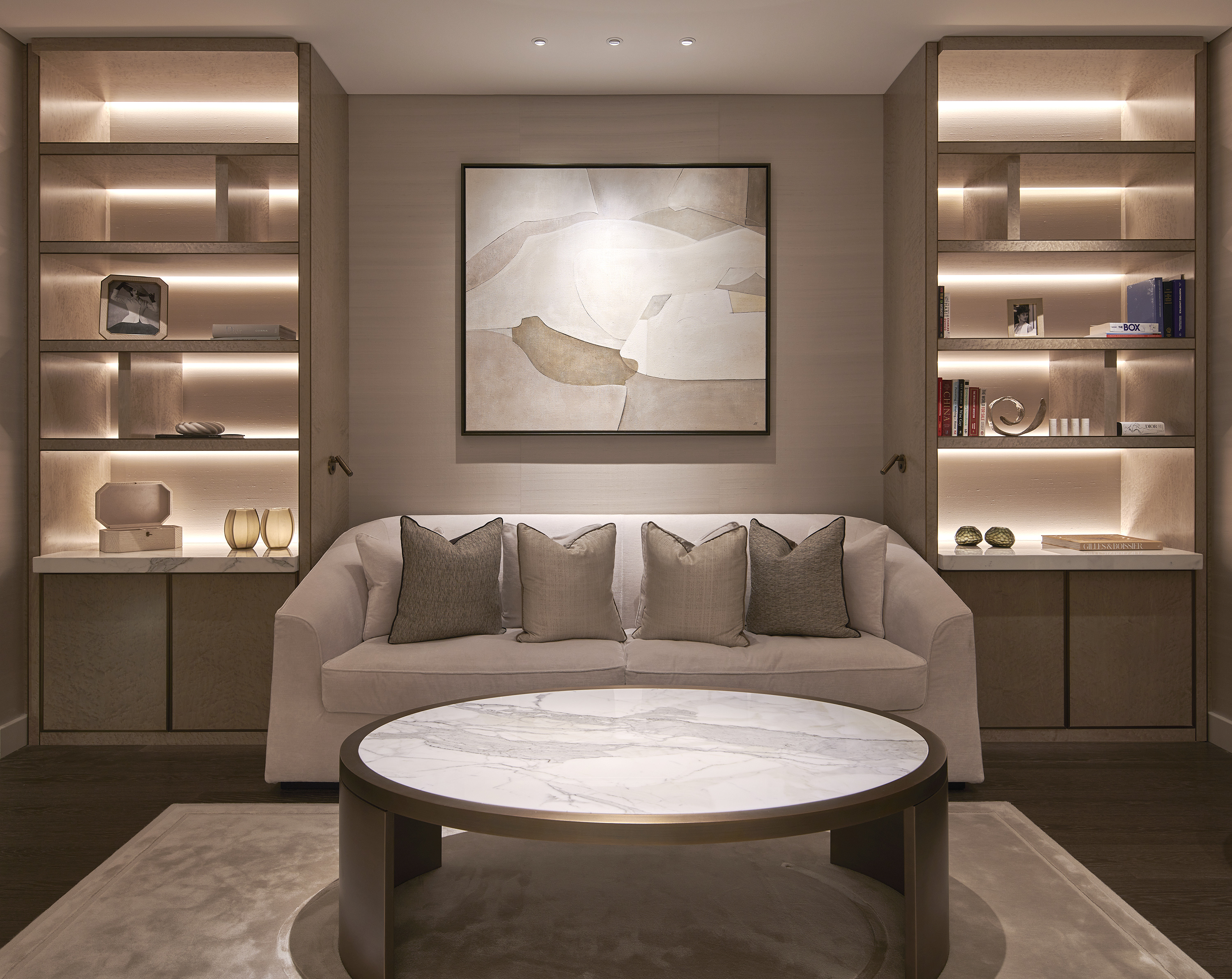
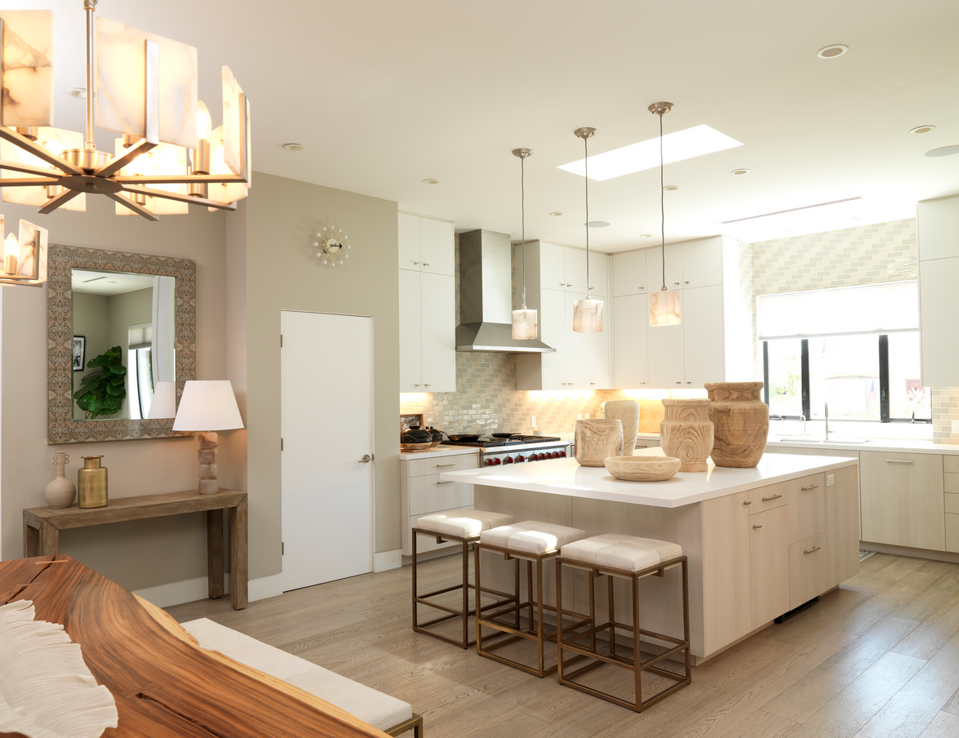
Kitchens benefit significantly from cabinet lighting, which can be installed under cabinets or above counters. These lights serve a dual purpose: they add a decorative touch and provide essential task illumination for cooking, chopping, and baking. Options like puck lighting or long strip lights can be integrated discreetly into cabinetry, saving space while ensuring functional brightness. Pendant lights are another versatile task lighting option, suspended from the ceiling to direct light over specific zones. They are commonly used over kitchen islands, dining tables, or even coffee tables (when hung at an appropriate height), offering both aesthetic appeal and focused illumination. Jonas Bjerre-Poulsen of Norm Architects describes how a pendant's design can mimic architectural elements and diffuse light both downwards and upwards, often incorporating materials like Washi paper to soften the light and hide the bulb, creating a warm and indirect glow.
When selecting and installing task lighting, designers advise considering existing light sources in the room to ensure complementary placement that reduces shadows and maximizes overall illumination. The positioning of task lights is critical; for instance, reading lights should be placed to the side and slightly behind the reader to direct light onto the page without creating harsh shadows or direct glare. The goal is always to create an environment where tasks can be performed comfortably and safely, minimizing eye strain and enhancing the functionality of the space.
#TaskLighting #HomeDesign #InteriorLighting #BedroomLighting #KitchenLighting #HomeOfficeLighting #DesignTips #LightingSolutions #EyeComfort #TaskLighting #HomeDesign #InteriorLighting #BedroomLighting #KitchenLighting #HomeOfficeLighting #DesignTips #LightingSolutions #EyeComfort
0 comment in total
 No comments yet
You may also like
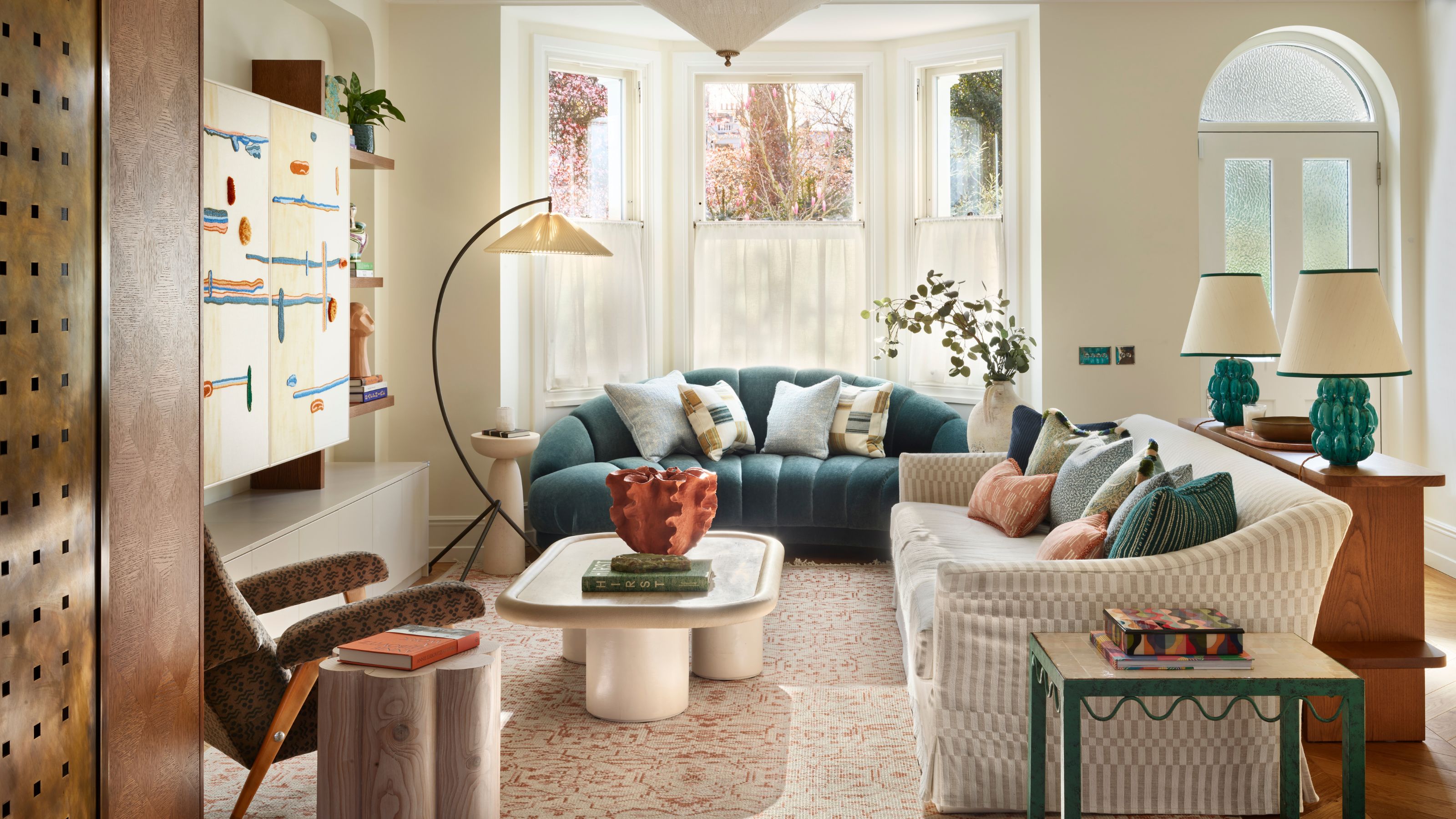
The Library: All the Basics You Need to Know About Lighting Before Starting Your Next Project, According to the Experts

Best Lighting Designs Spotted in 2023

How artist Jason Krugman turns power into striking light sculptures

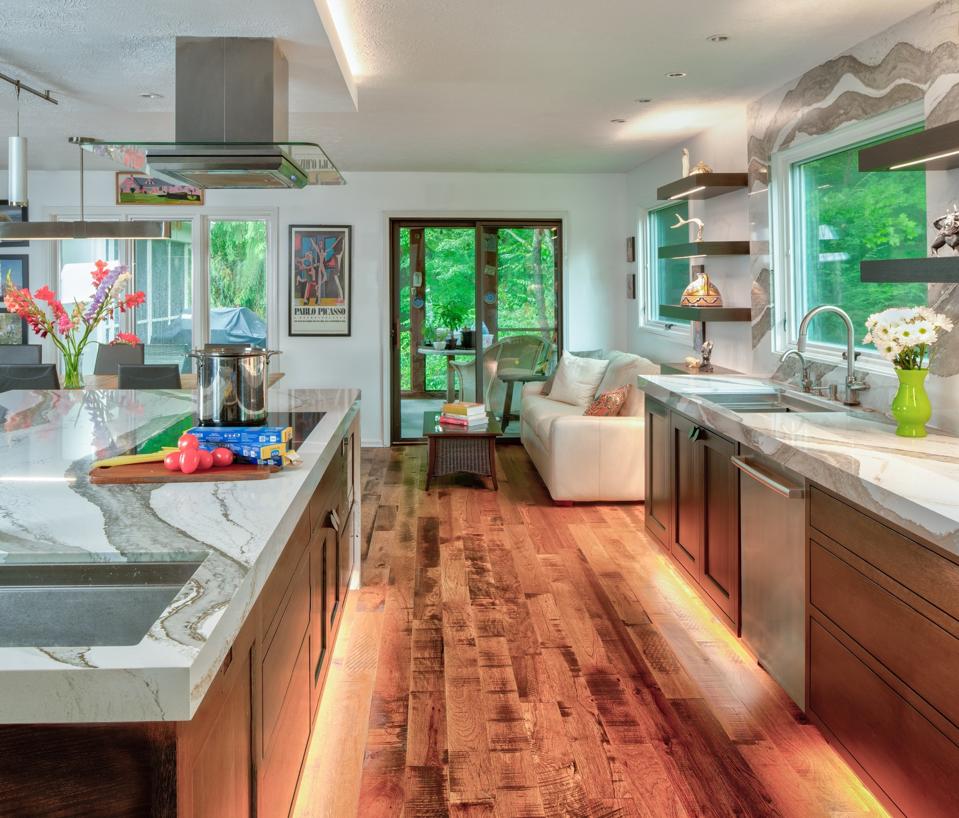
What Design Pros Need You To Know About Lighting Your Home Today

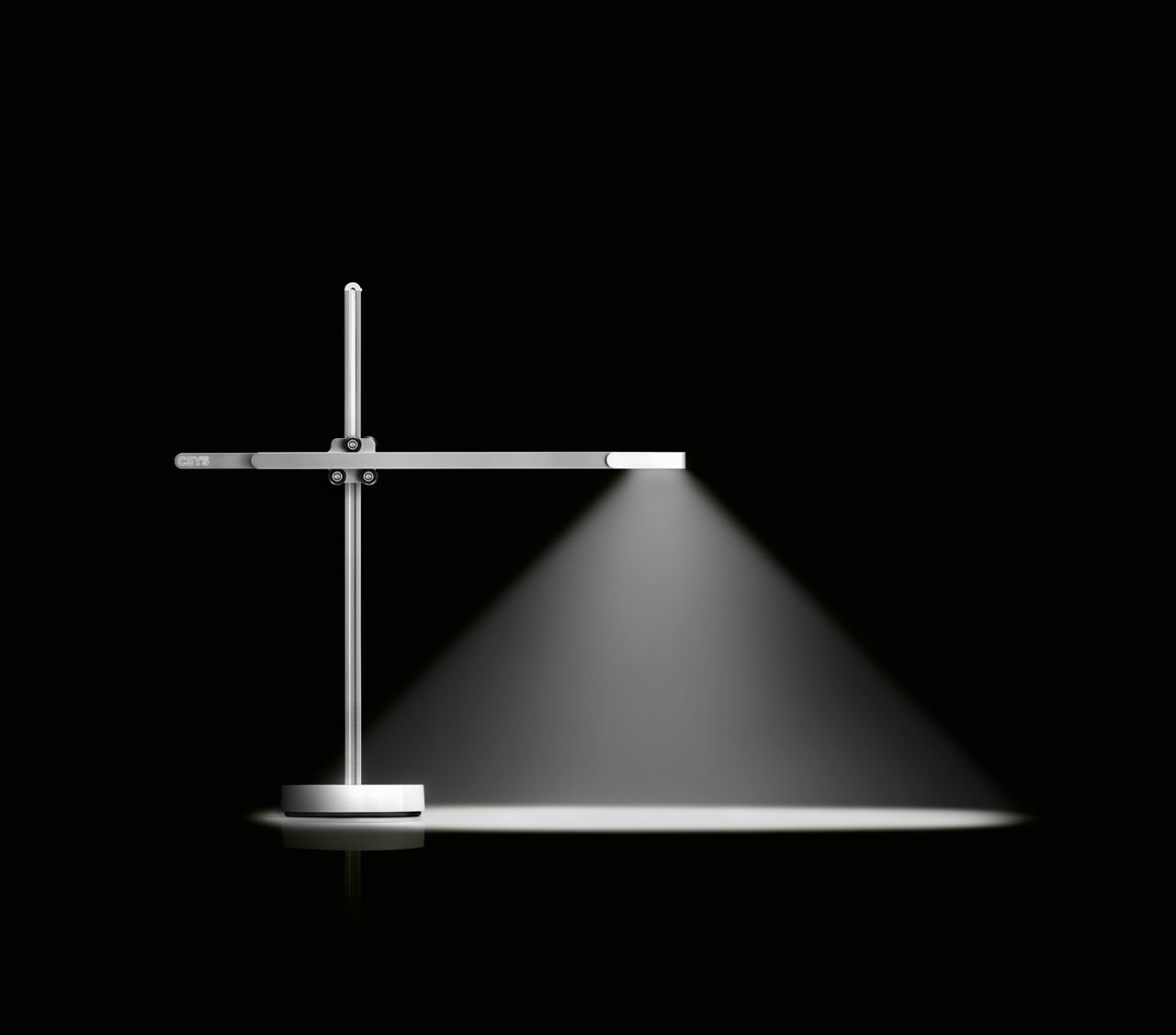
CSYS™ Task Light by Jake Dyson
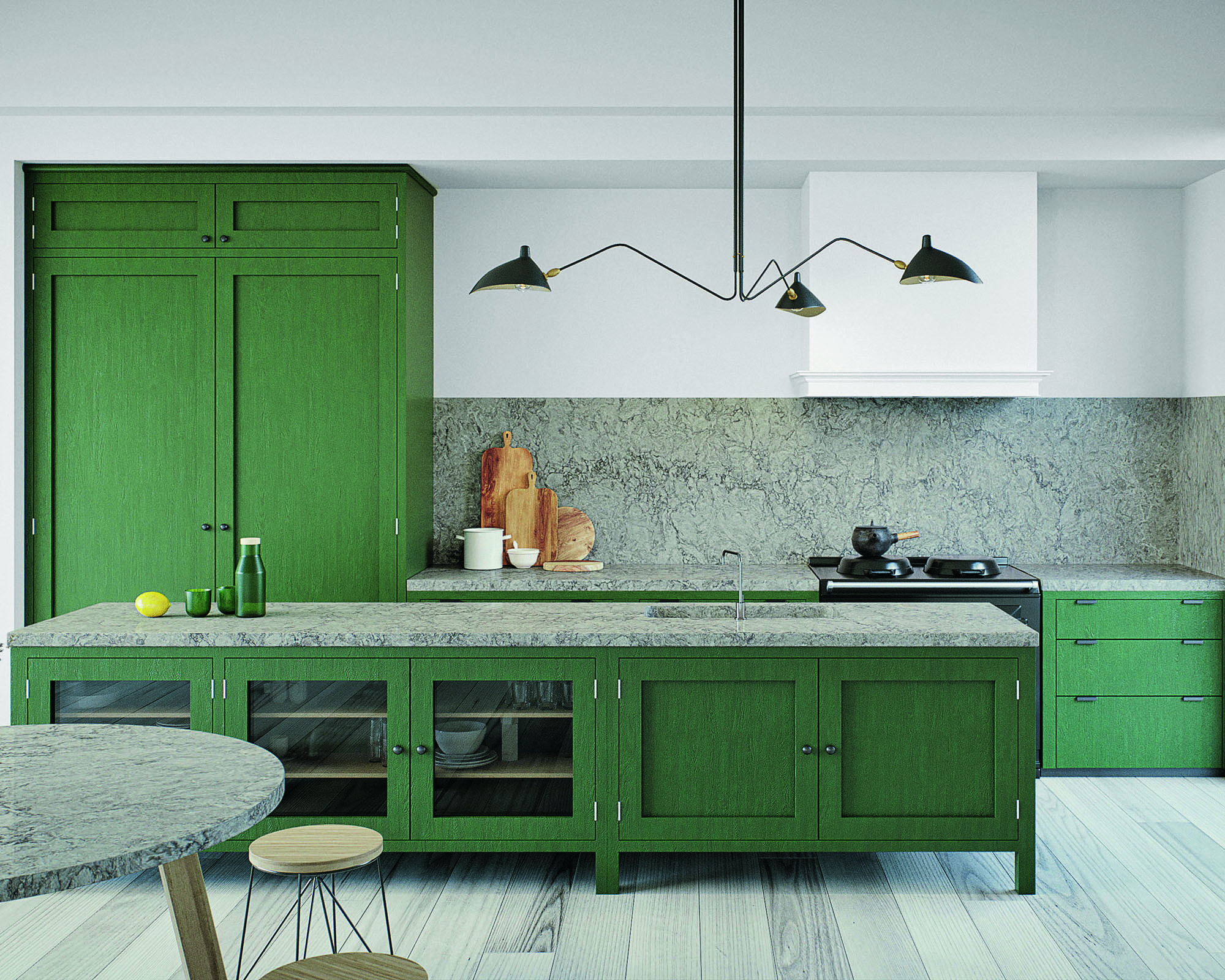
How to plan kitchen lighting — create a scheme in sync with your routine
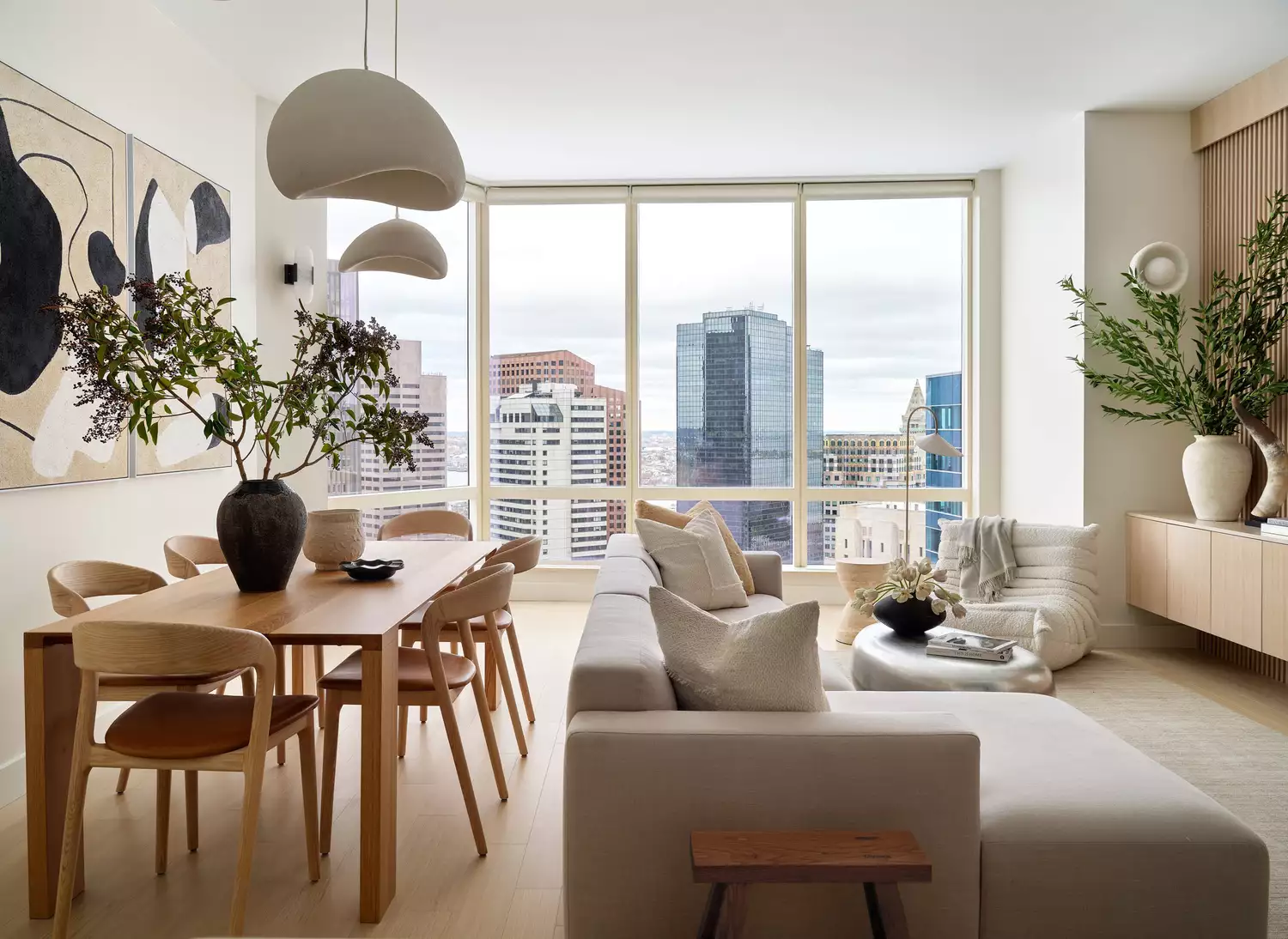
We're Spilling Designers' Go-To Formula for Perfect Lighting in Any Room

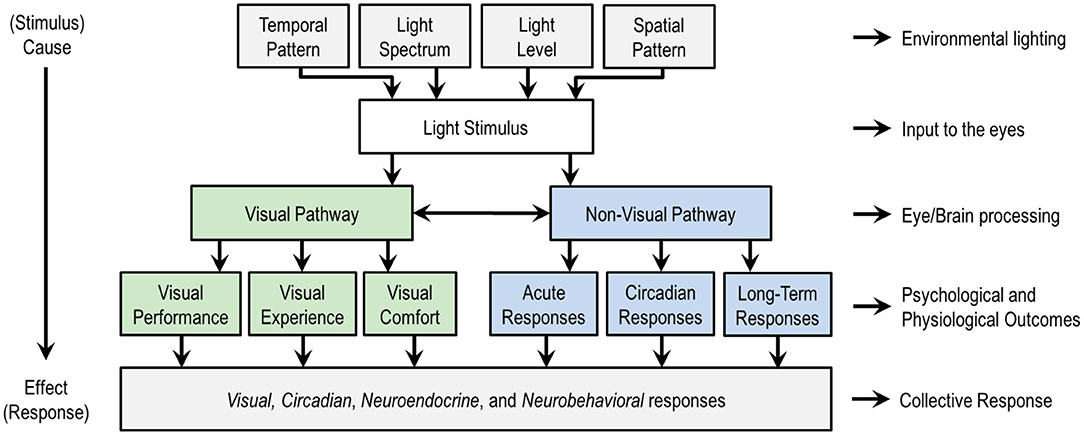
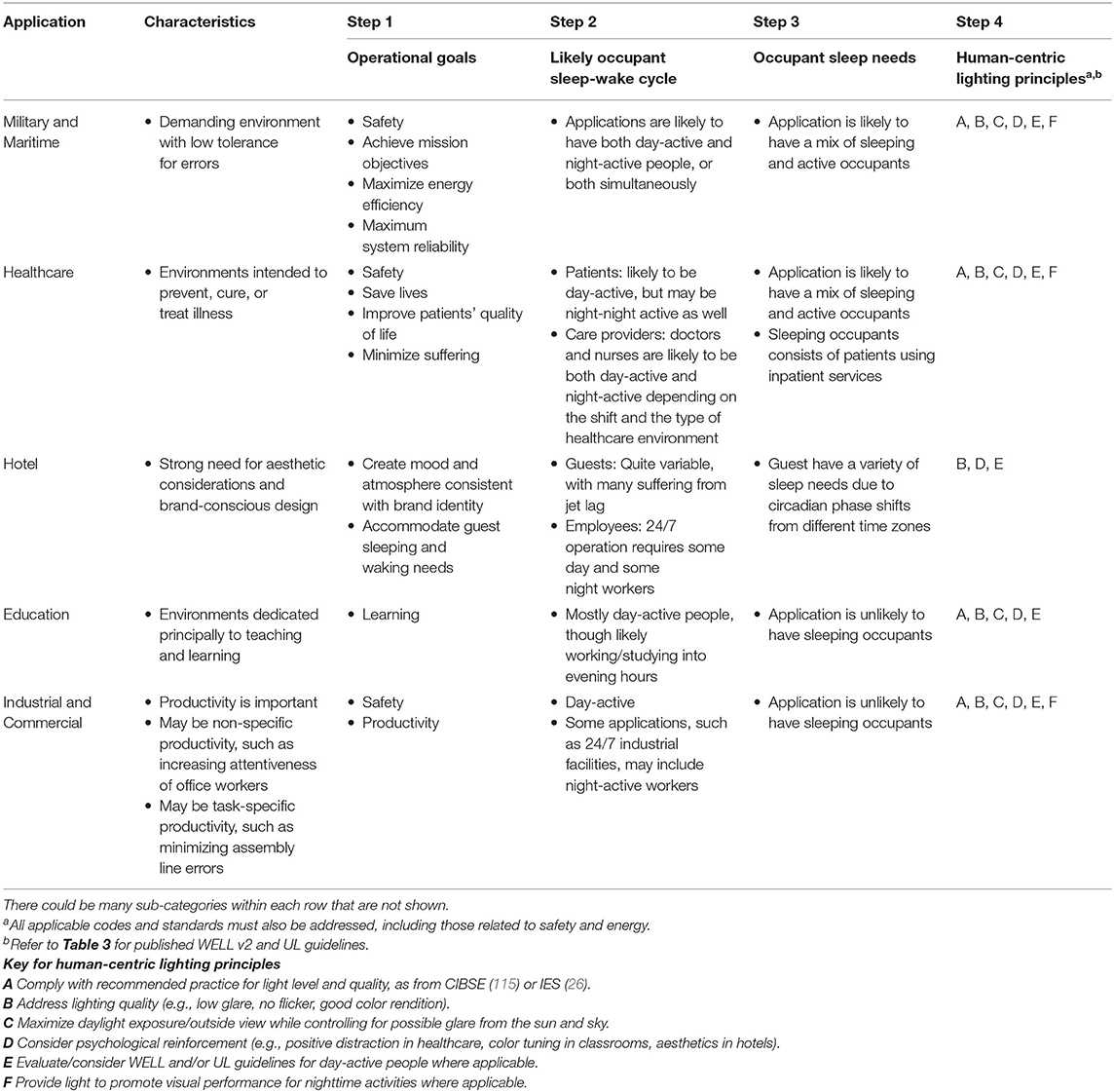
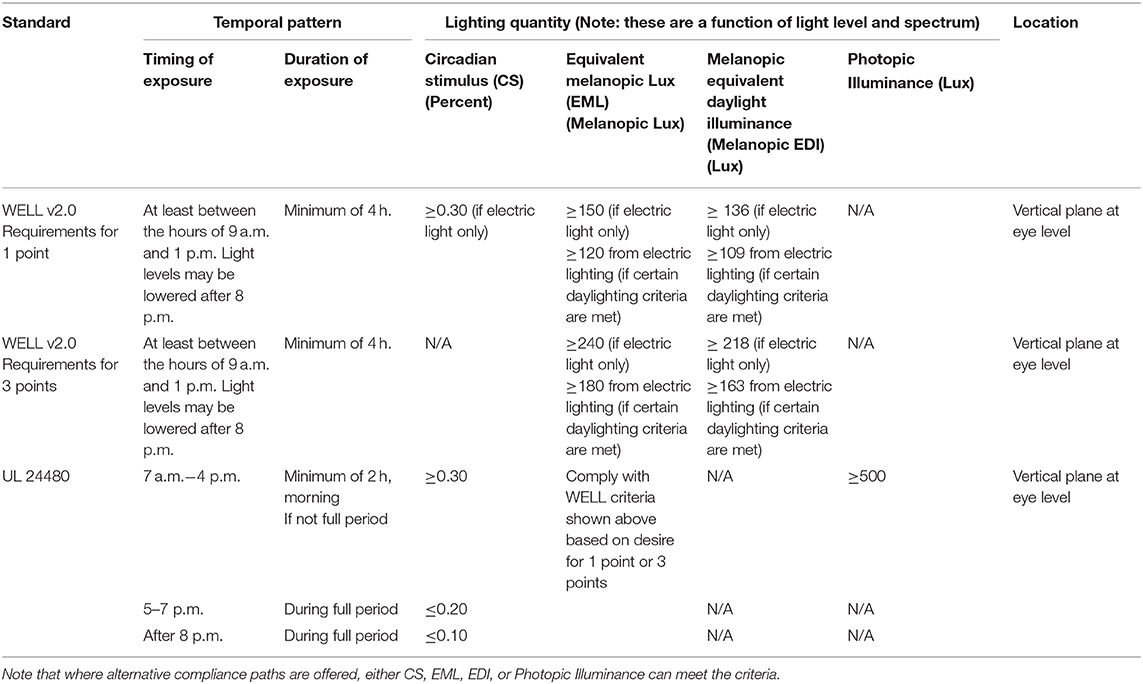
Human-Centric Lighting: Foundational Considerations and a Five-Step Design Process
These 10 Task Lights Will Take Your WFH Setup to the Next Level

How to Light Your Home So Even the Overhead Haters Are Happy

What is layered lighting and how can it transform your home from so-so to stunning?

You Hung the Art — Now Light It Like a Curator Would (Here's How)
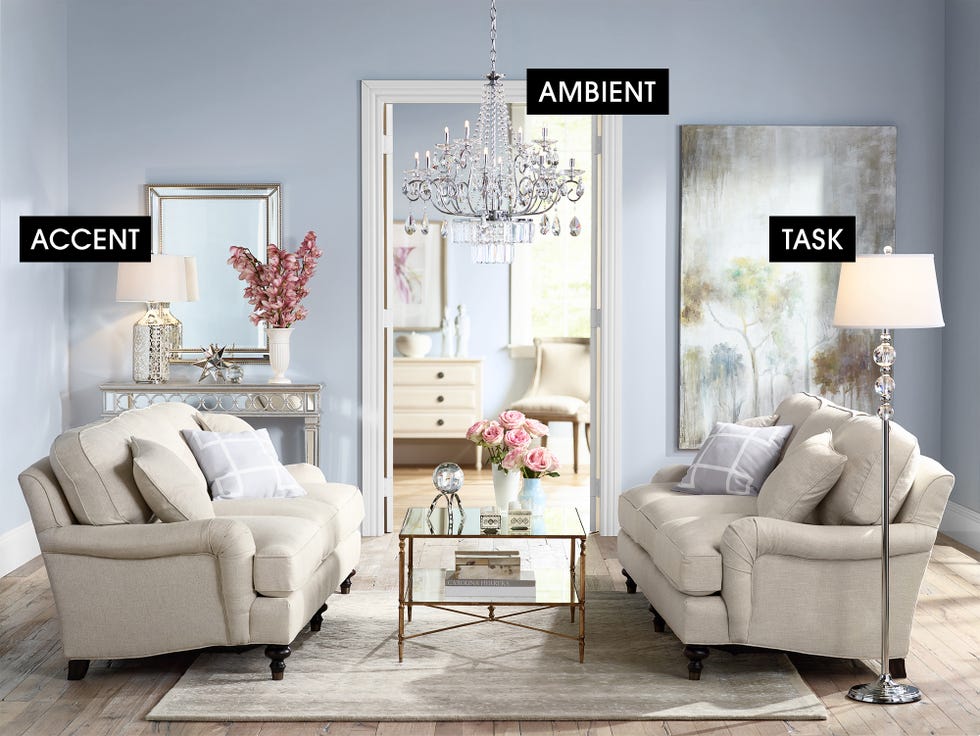
The 3 Types Of Lighting Every Room Needs
Current Task Light Takes Charge of Recharging All of Your Devices
How to layer lighting – expert tips to create the perfect soft yet practical scheme for every room
12 Home Office Lighting Ideas

These Task, Accent, And Ambient Lighting Tips Can Transform Your Home
Get your home's lighting just right: Seven questions answered
Transforming a messy pile of cables into an illuminating everyday product
lighting design Archives