4 Rules You Should Always Follow When Landscaping a New Backyard, Lawn Pros Share
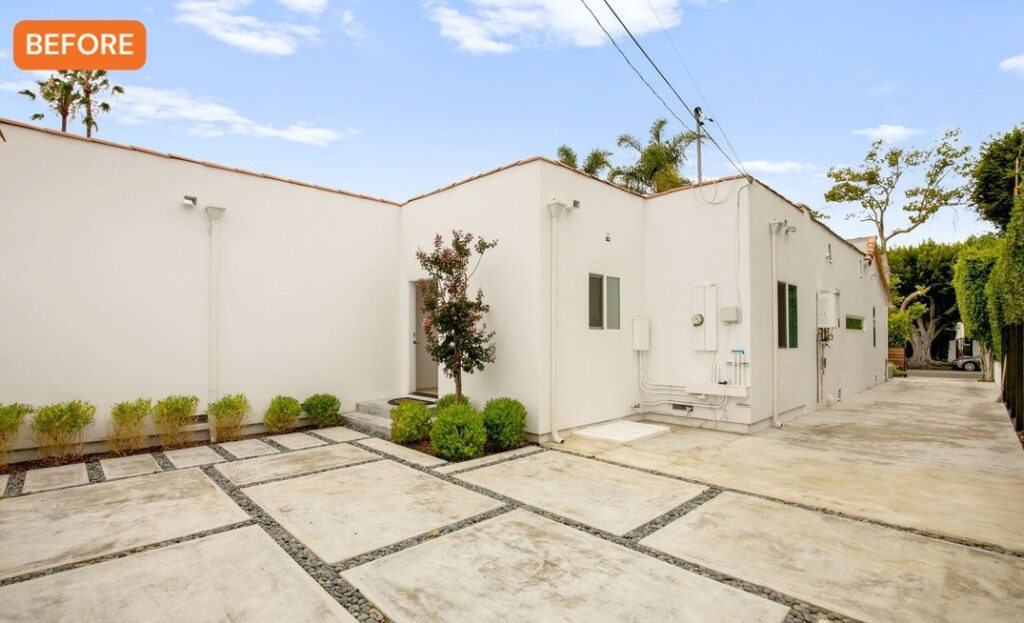
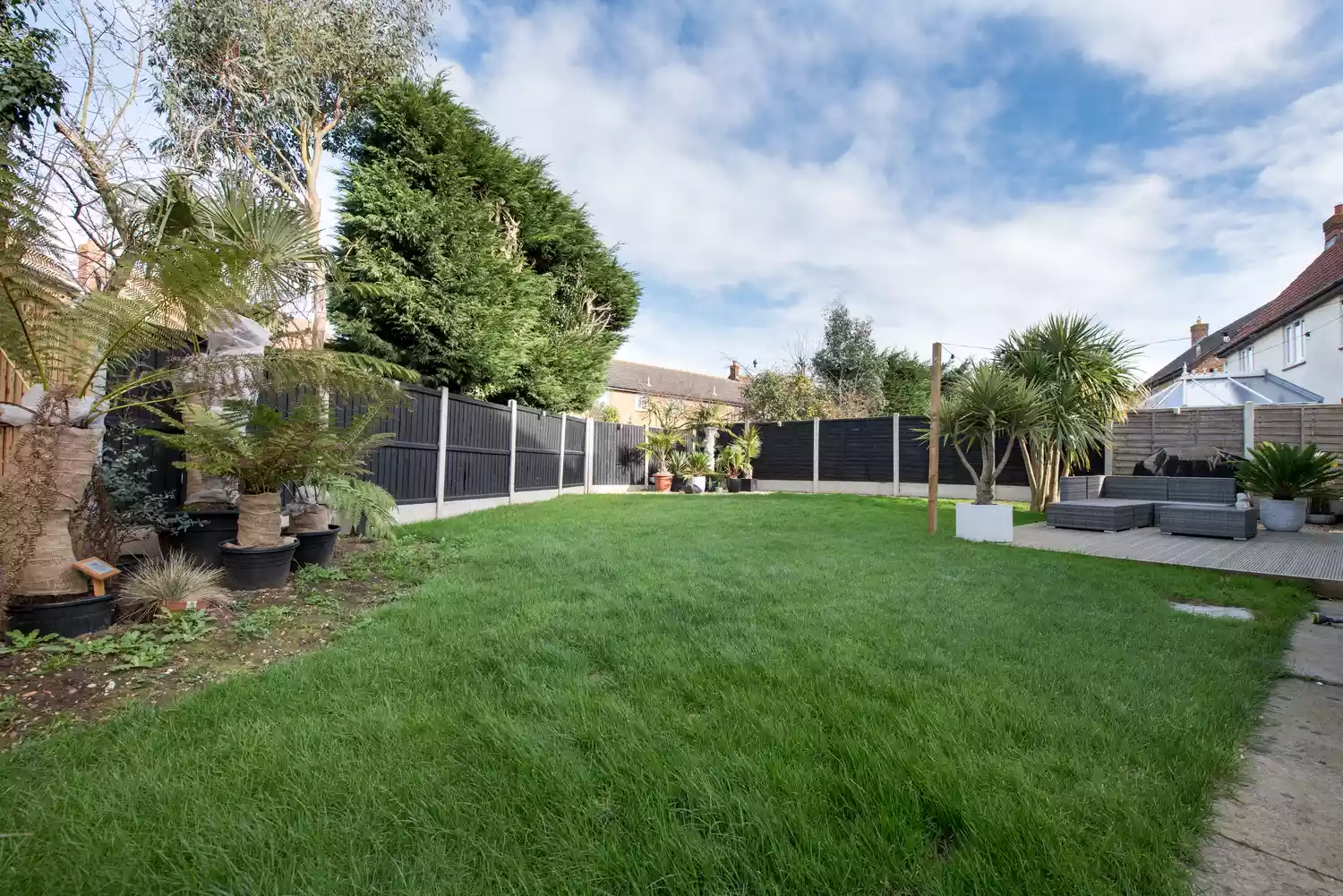
Newly built homes often come with a blank canvas for outdoor spaces, offering both opportunity and a challenge for homeowners to create their dream backyard. Transforming these areas into charming and functional extensions of the home requires strategic planning and design. To help navigate this process, yard design professionals offer four key rules for landscaping a new backyard.
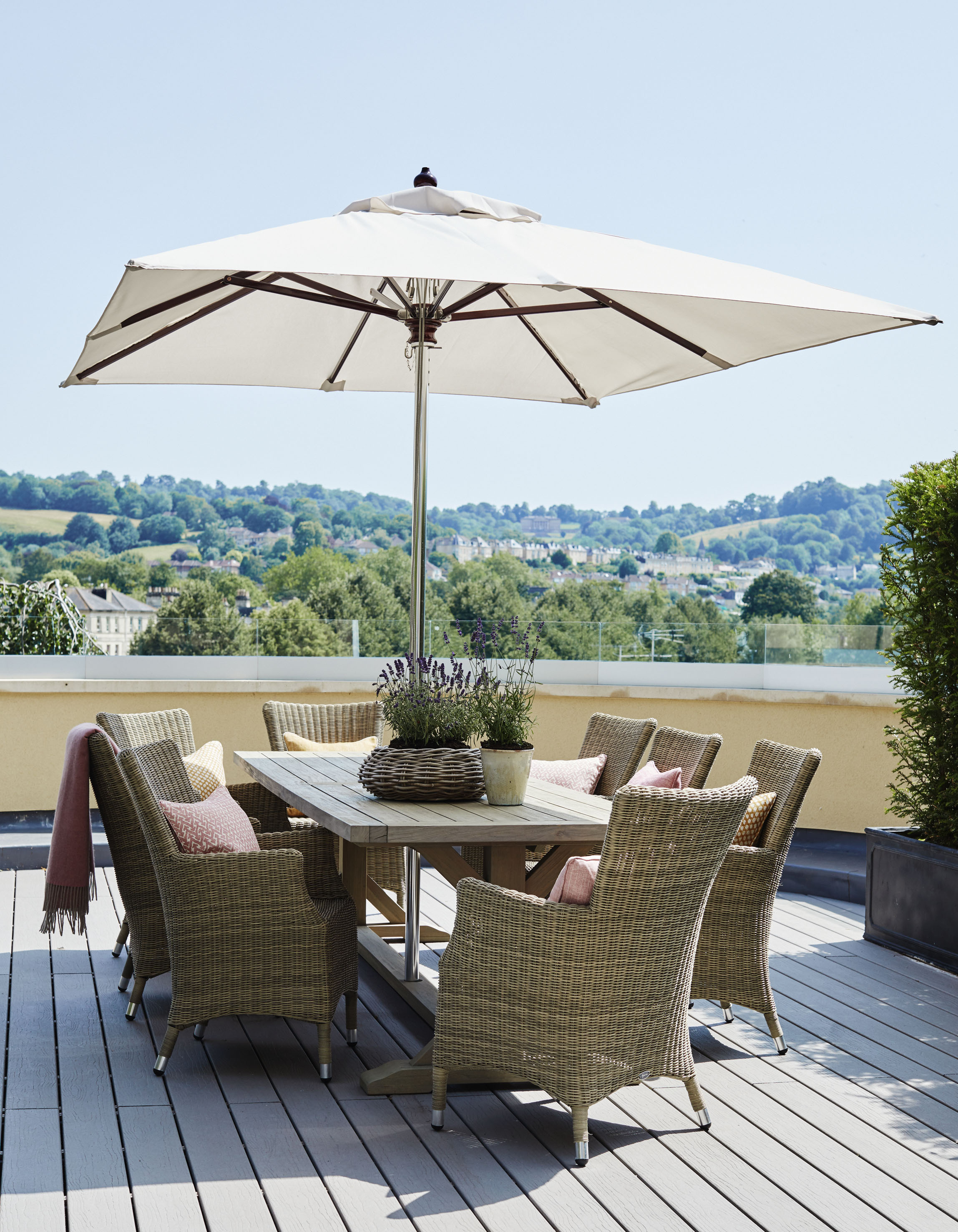
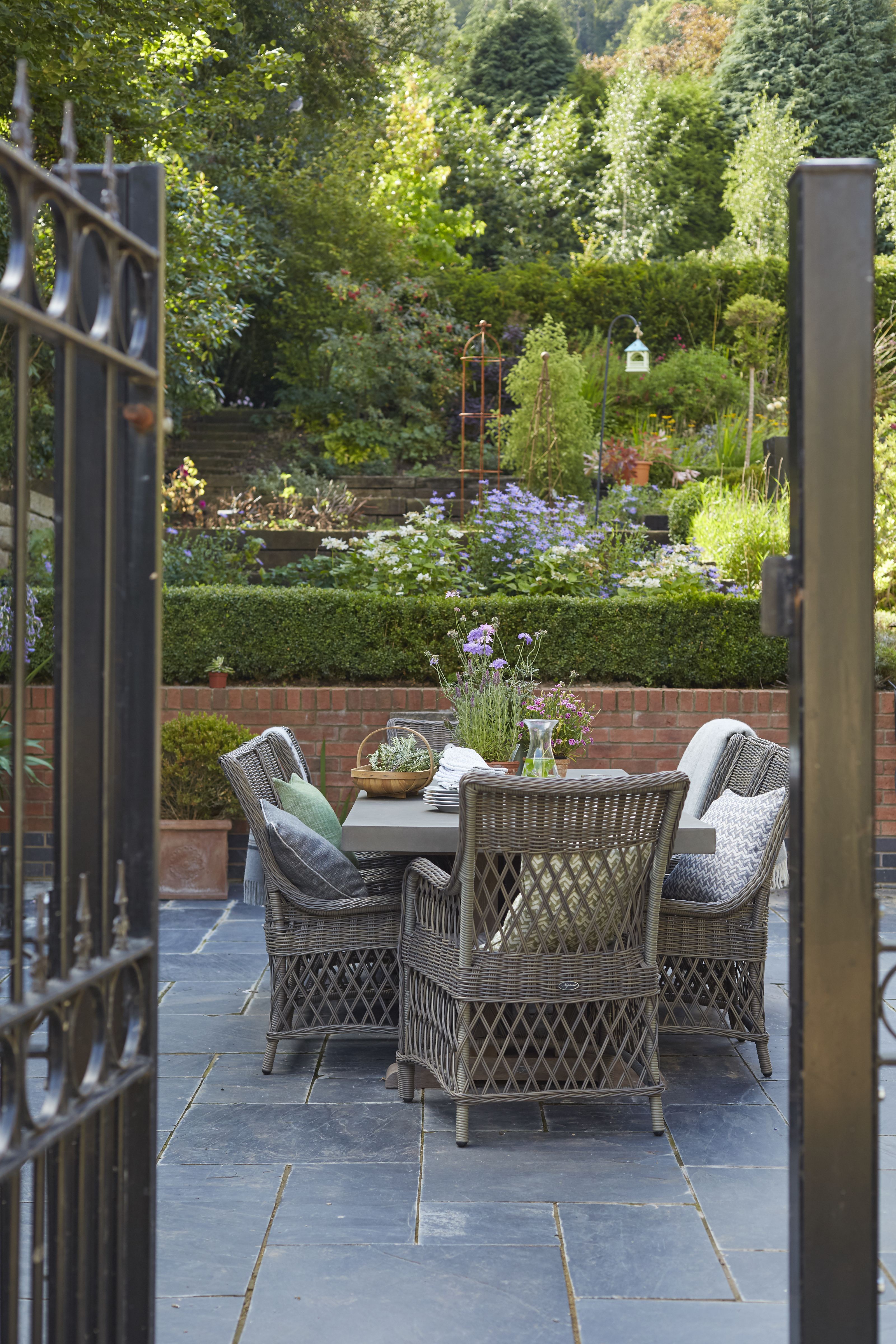
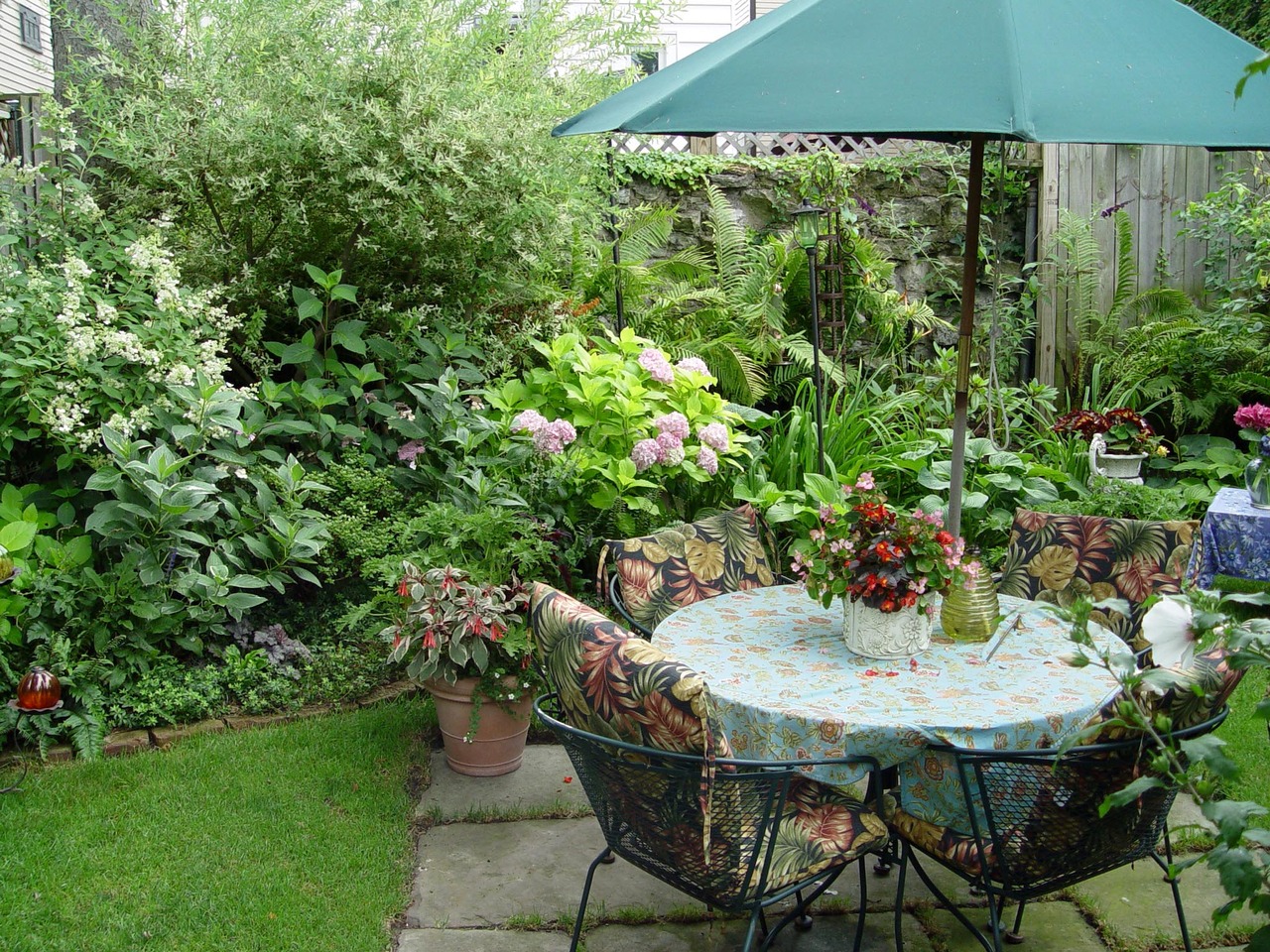
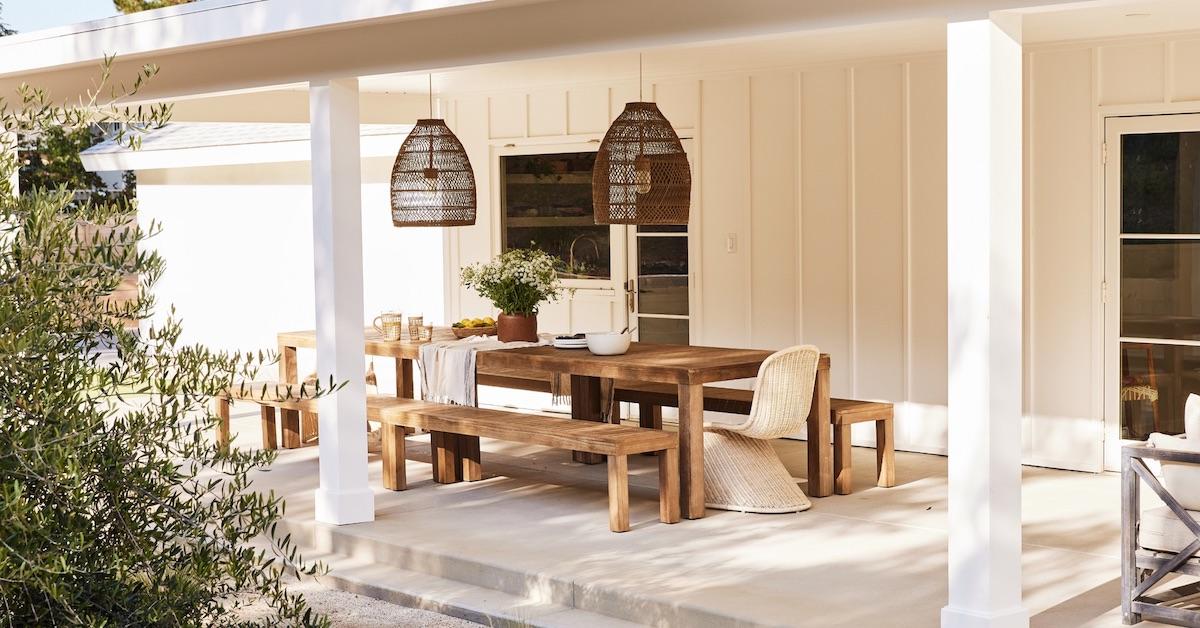
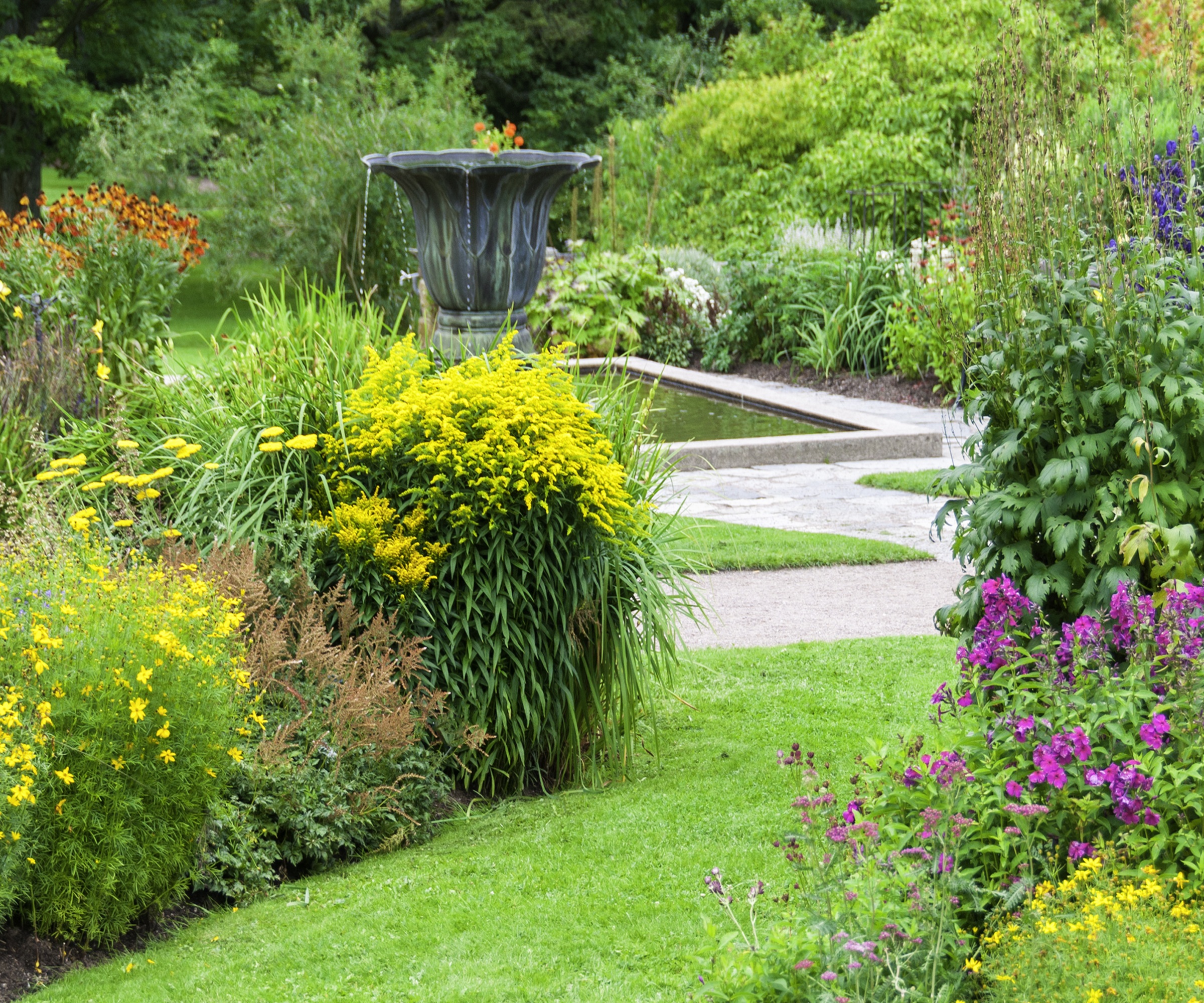
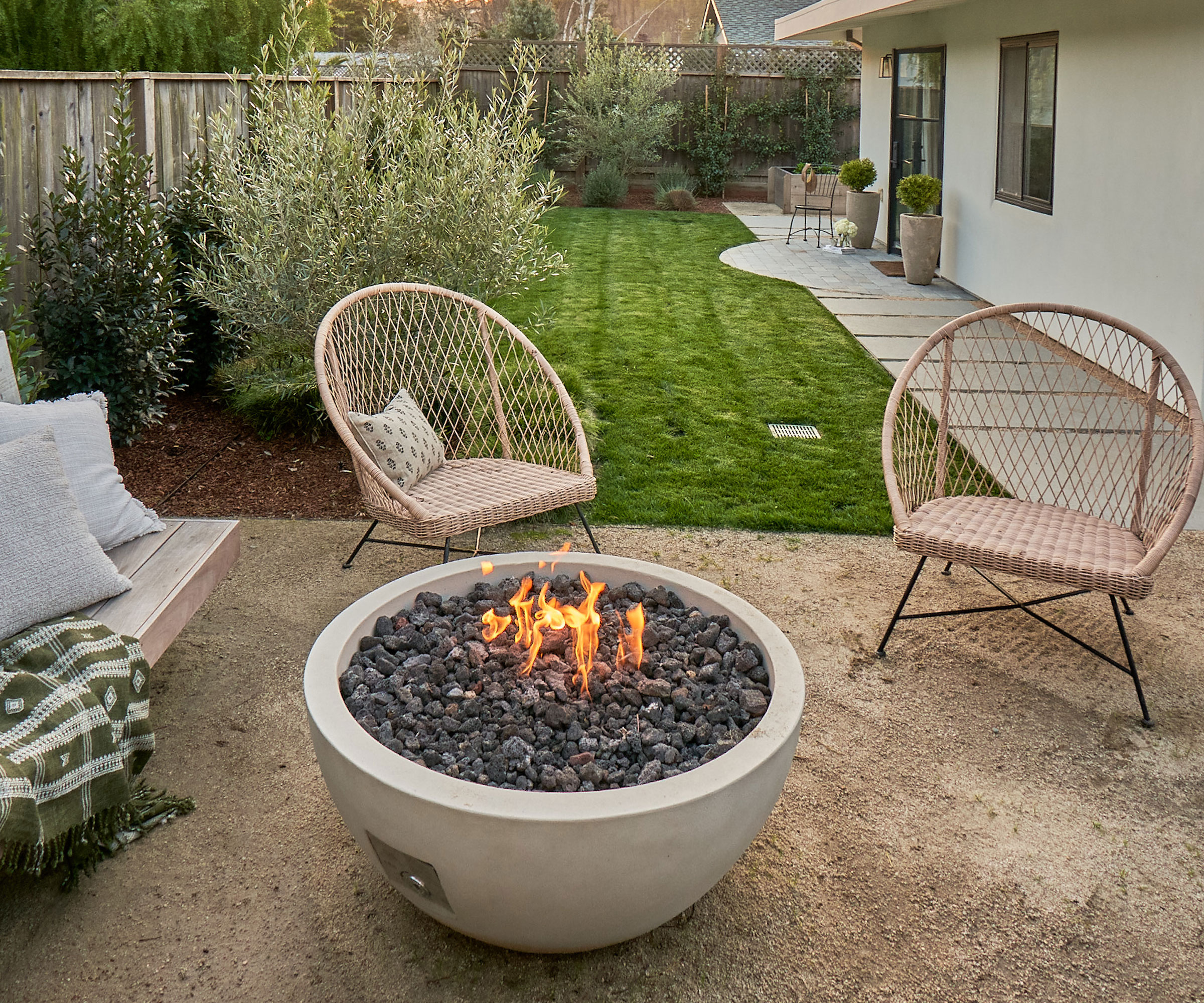
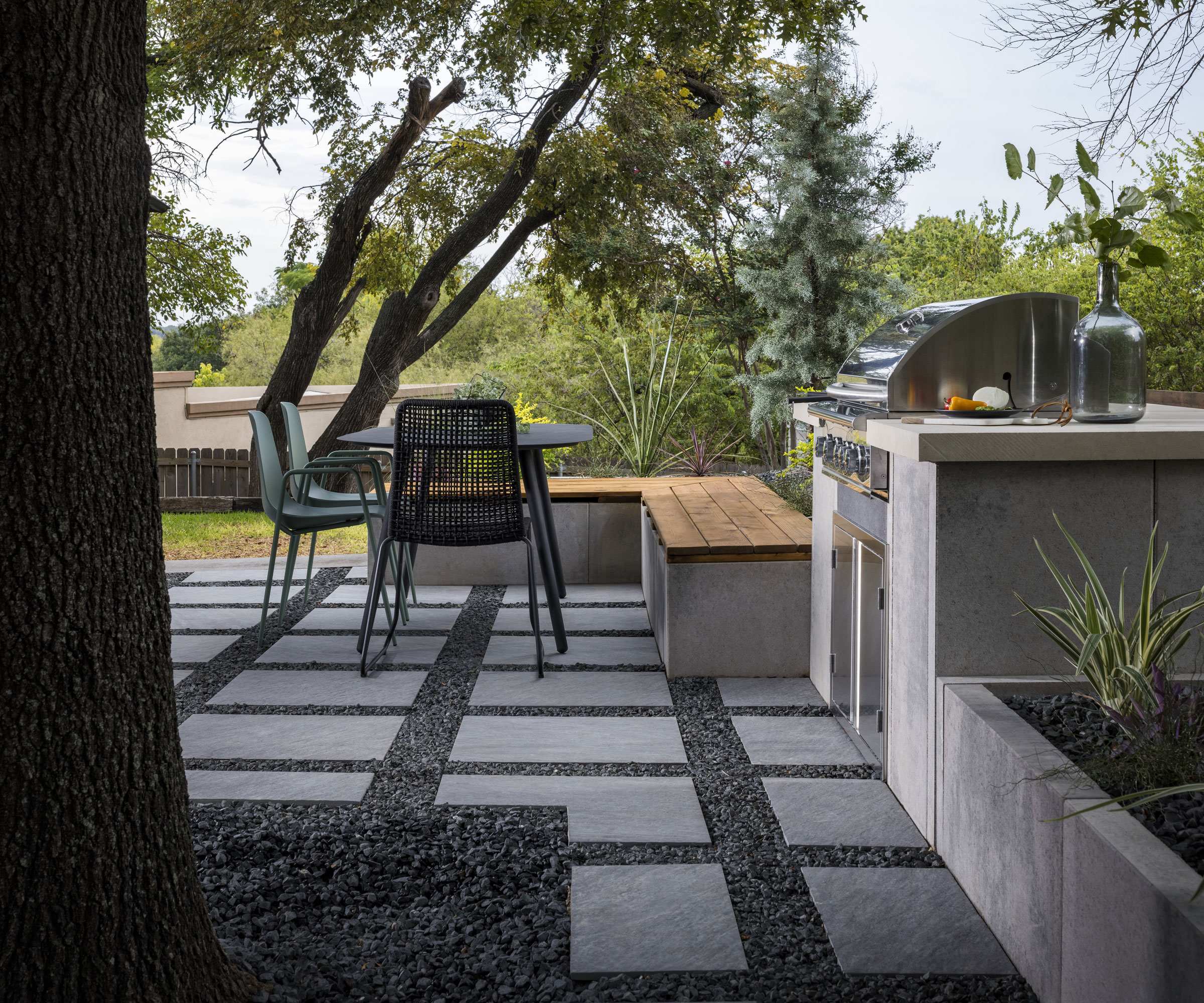
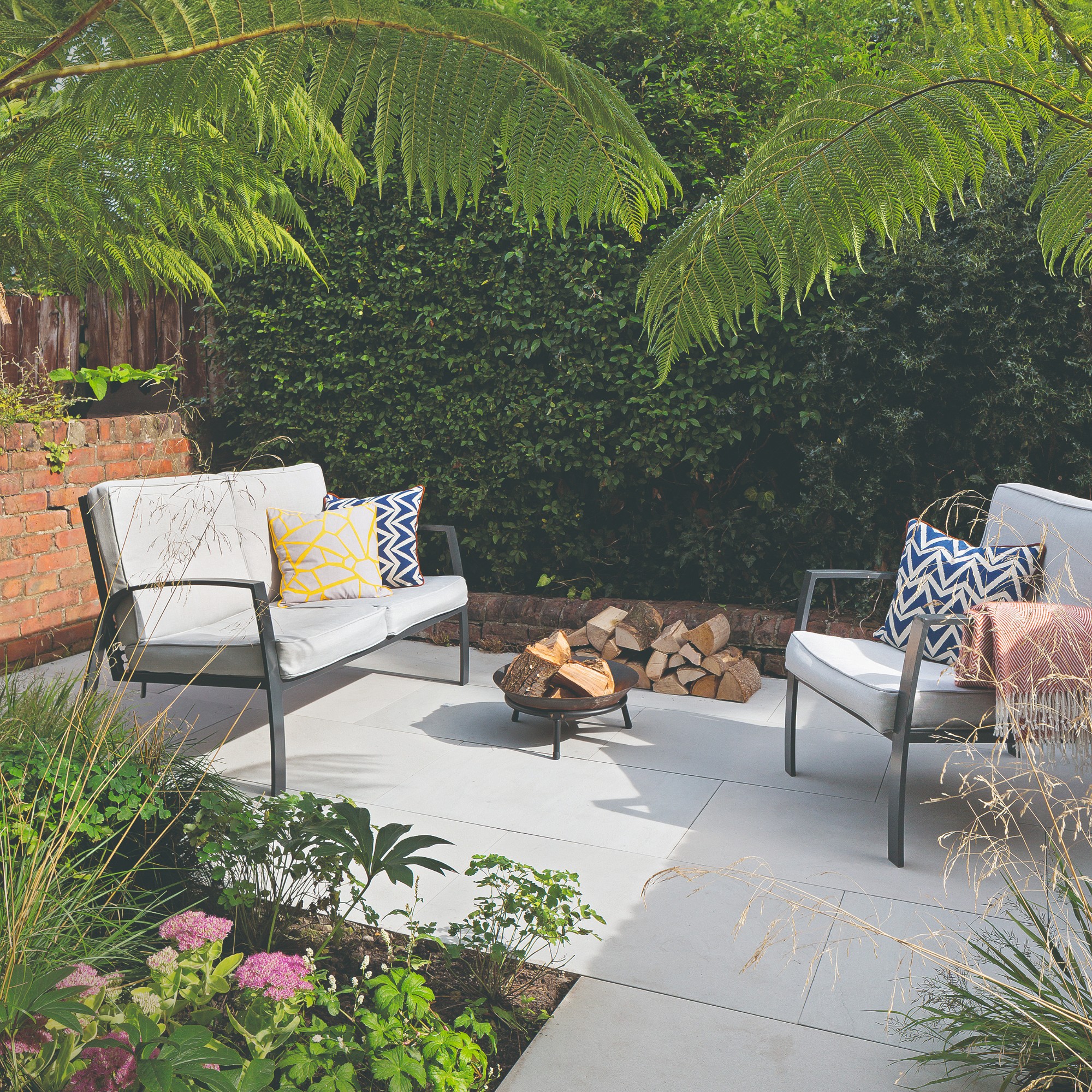
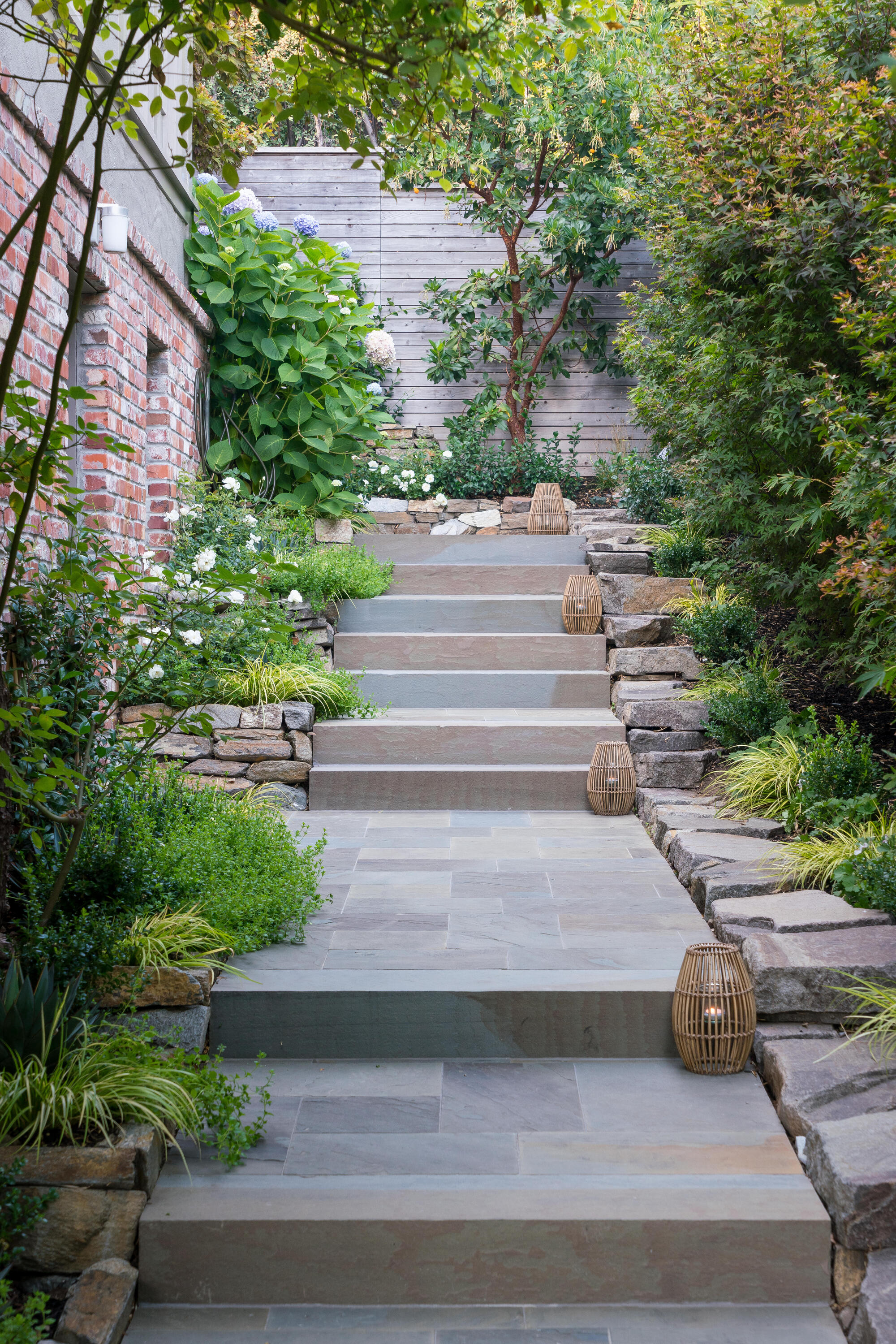
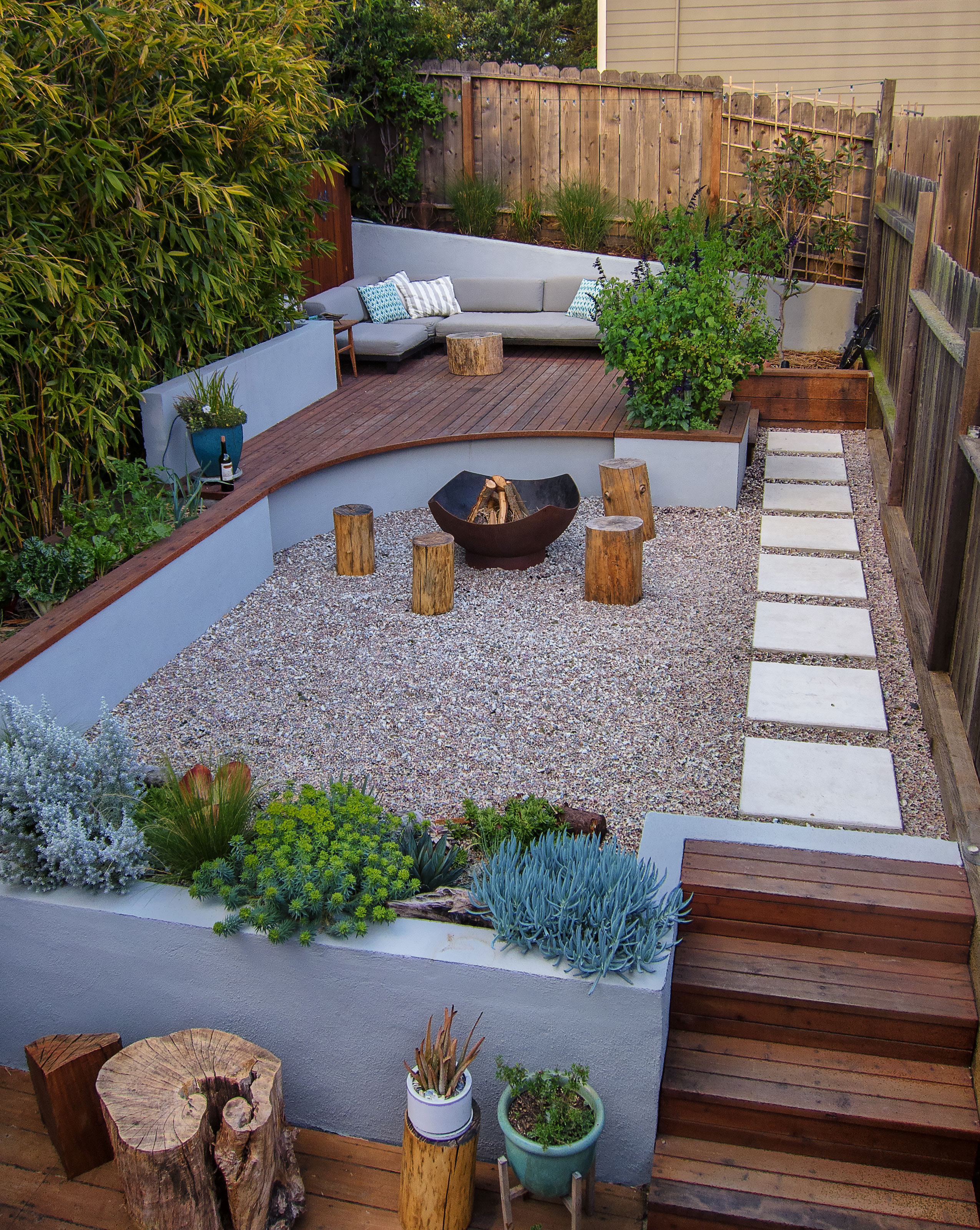
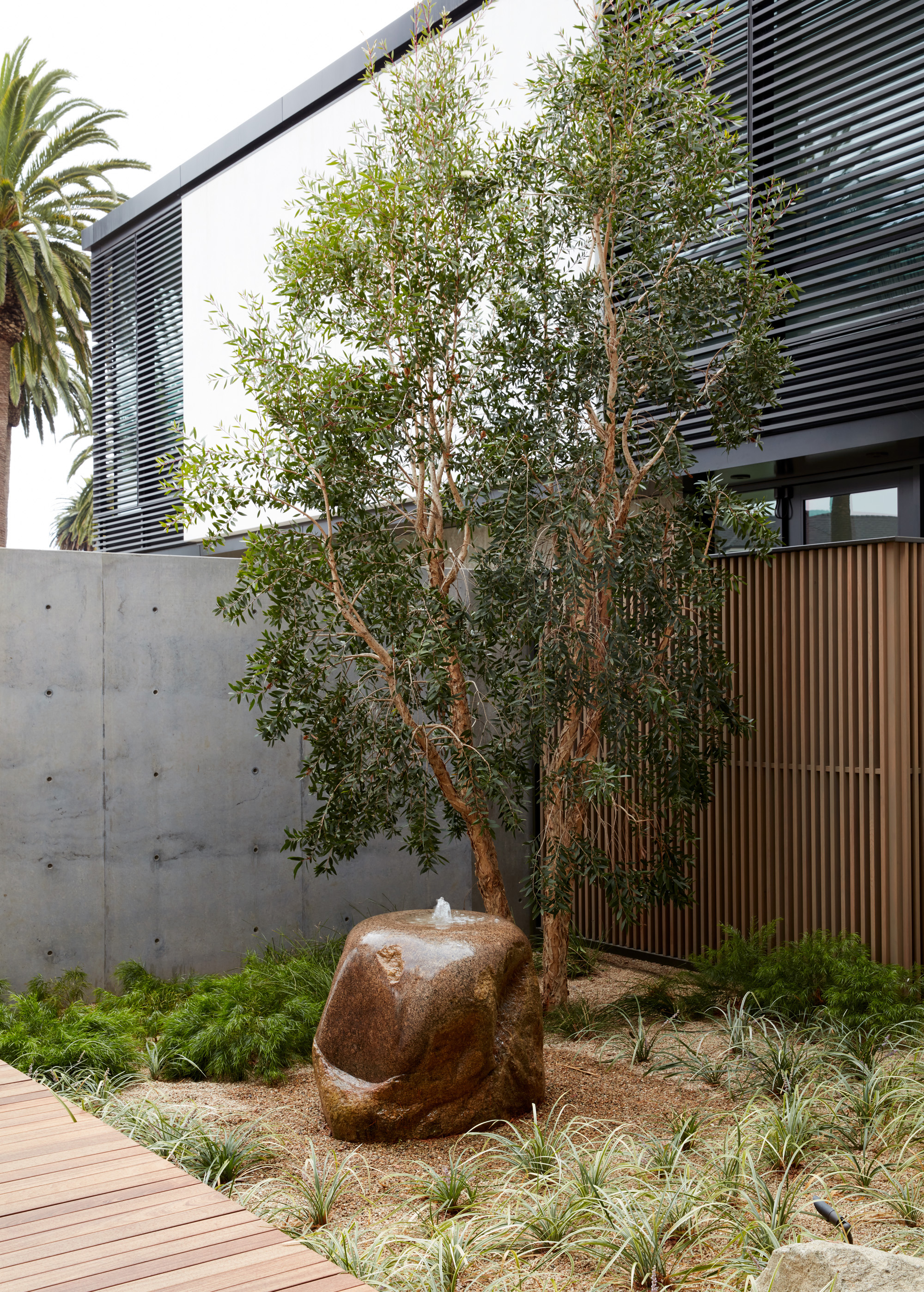
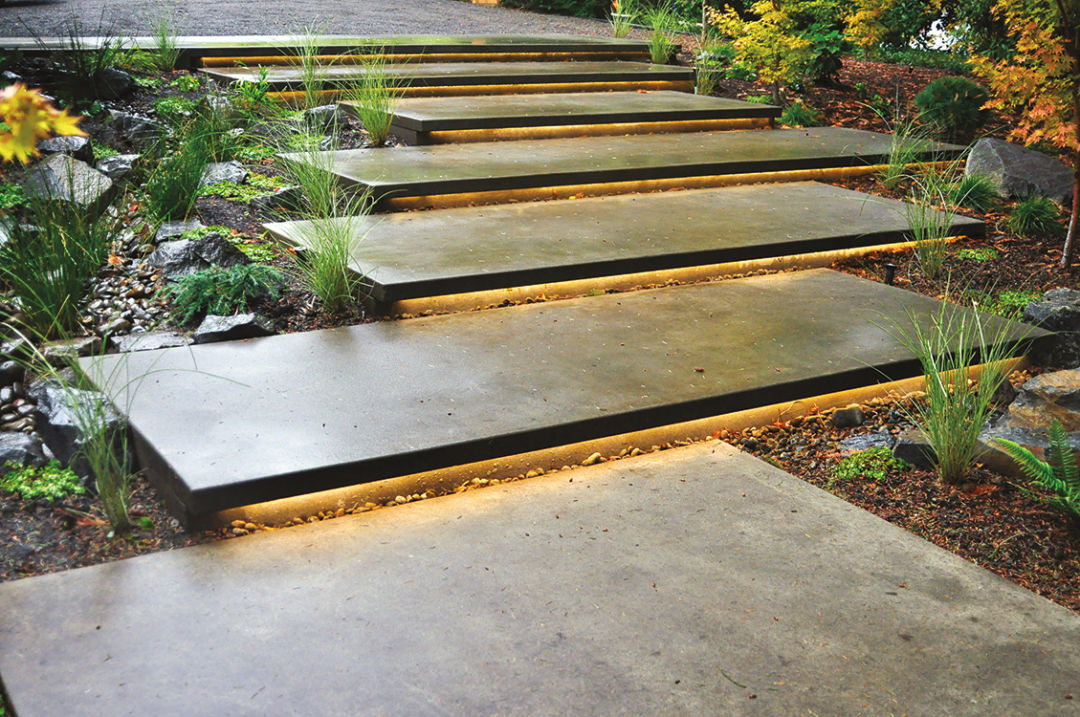
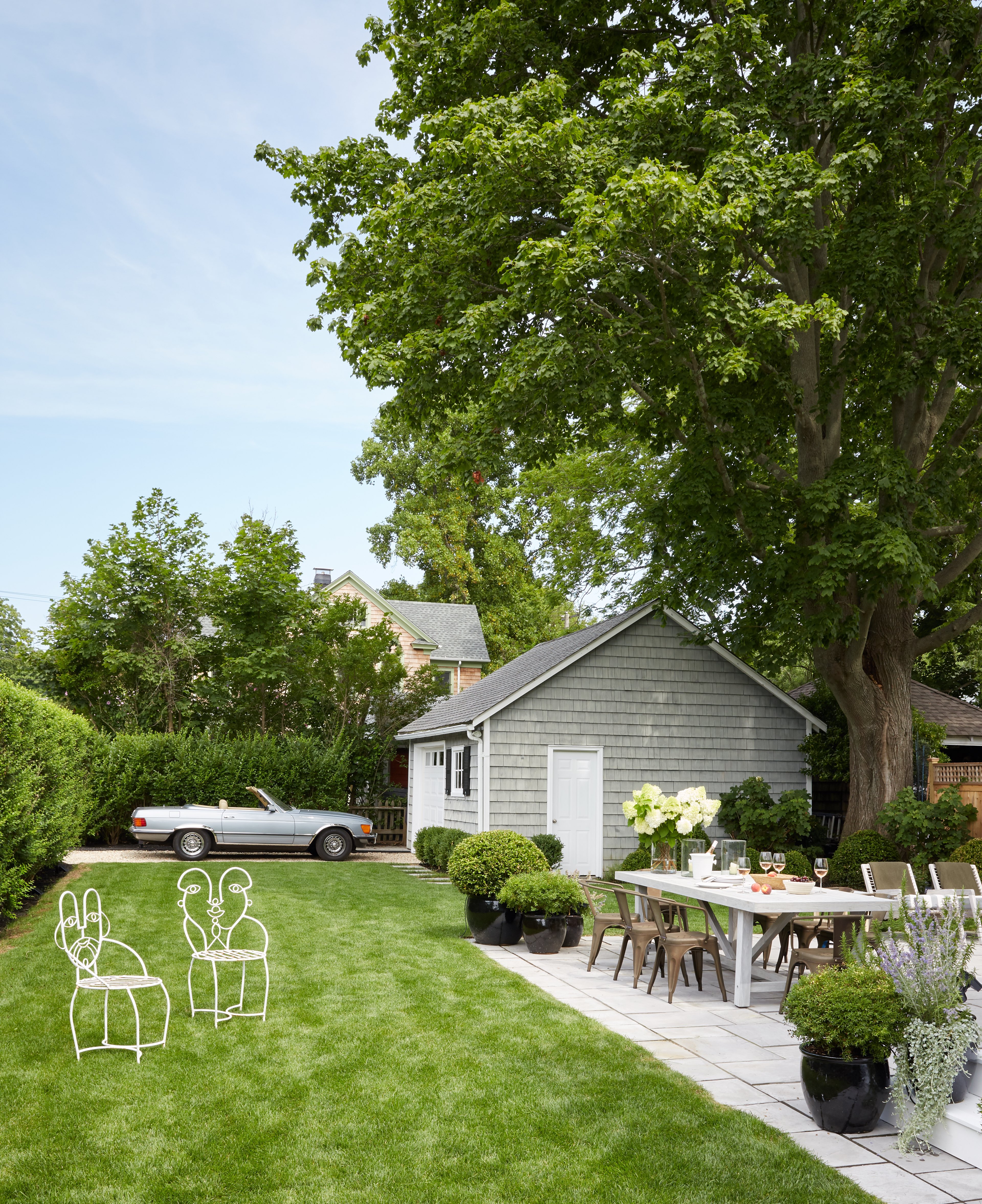
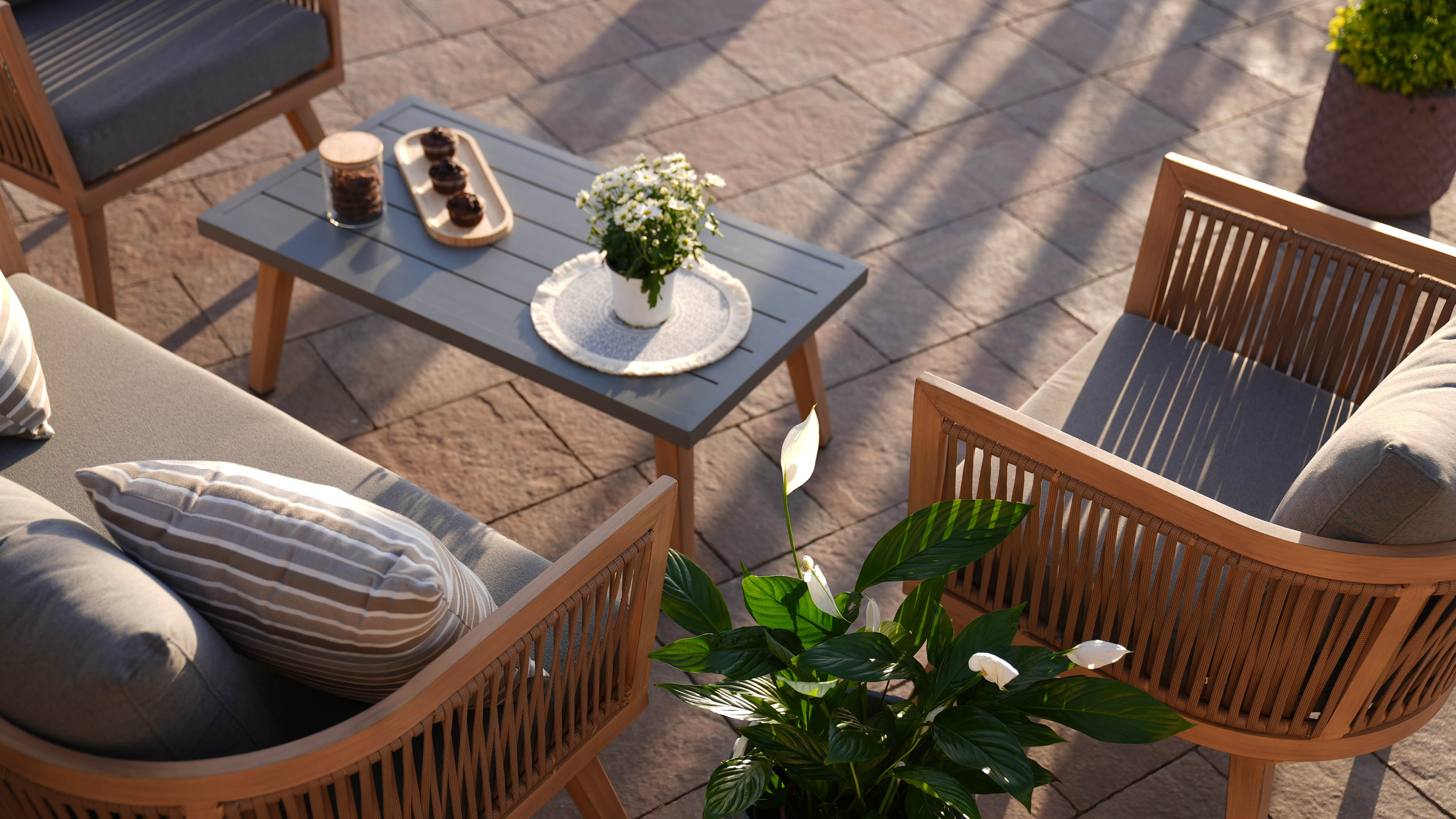
One fundamental rule is to divide the yard into distinct zones. This approach helps manage the planning process by assigning specific purposes to different areas, such as a patio for entertaining, a space for a greenhouse, or a water feature. Using varied materials, such as pavers or concrete for entertaining areas and stones or mulch for garden or pet zones, can visually delineate these spaces and enhance their usability. This method also allows homeowners to tackle landscaping projects in phases, which can be particularly beneficial given the cost of landscaping. Prioritizing hardscaping, creating garden beds, and planting large trees first provides a solid foundation, followed by filling in with smaller bushes, shrubs, and plants.
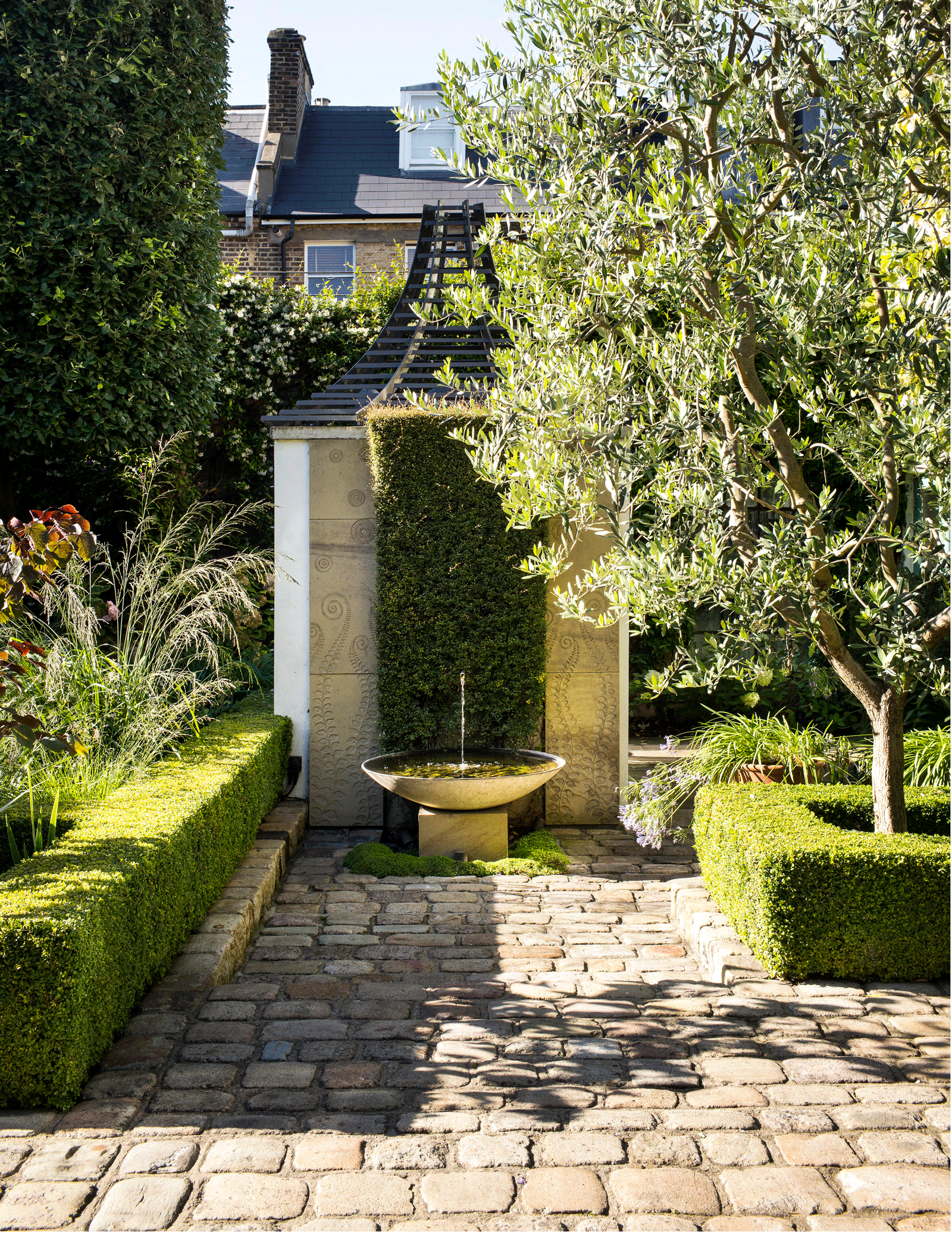
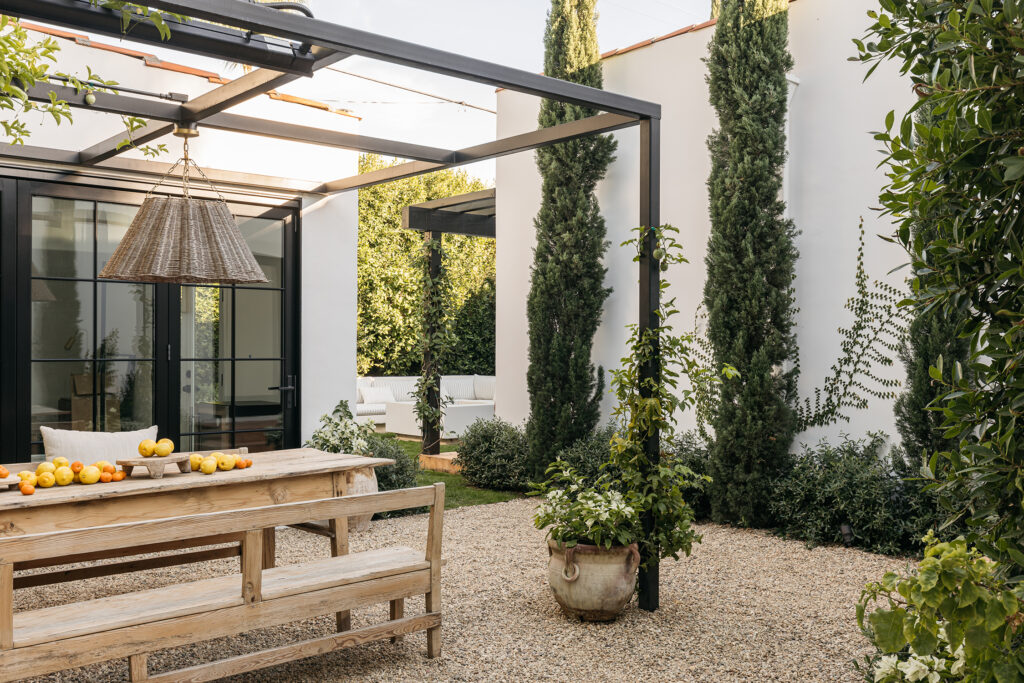
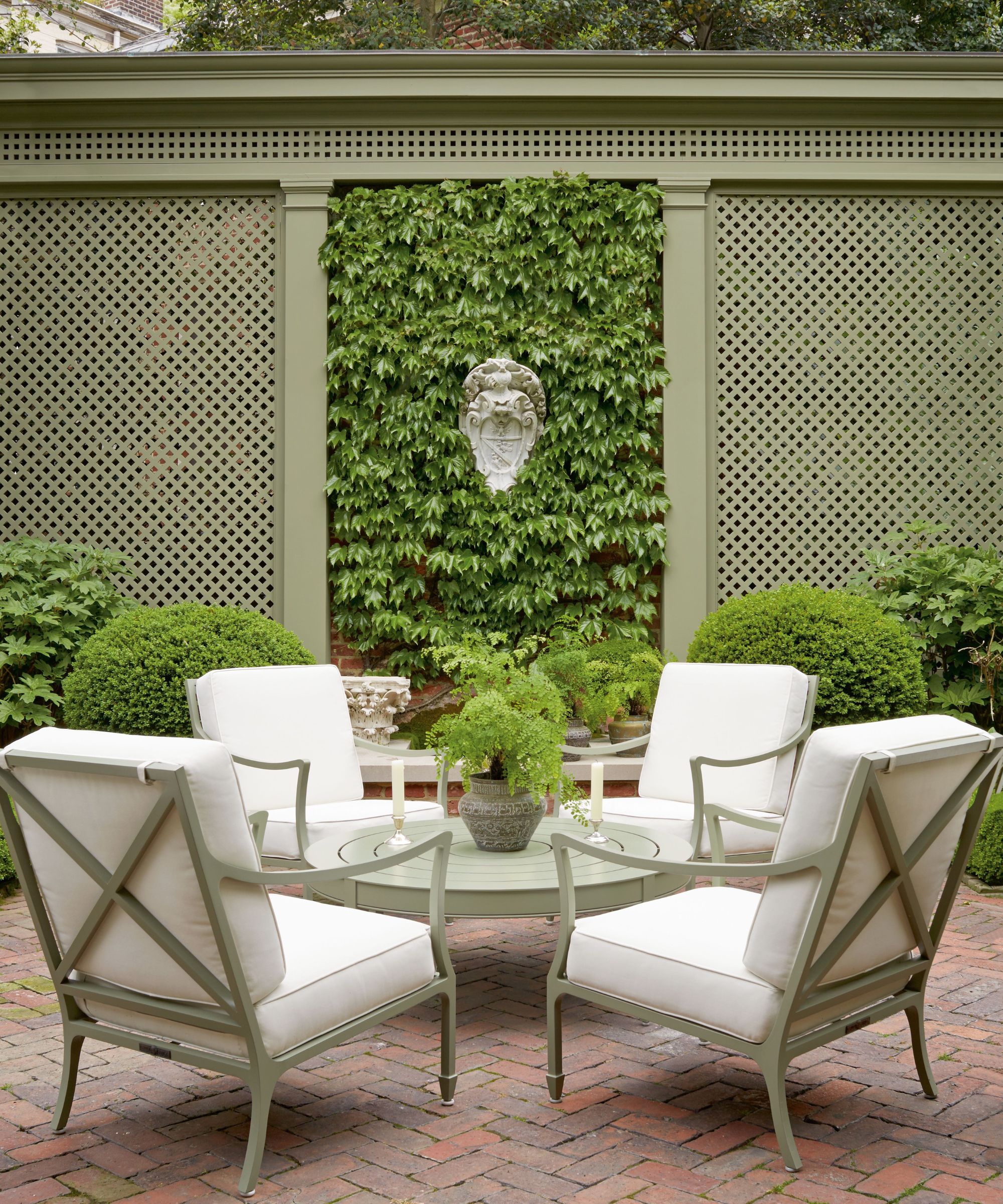
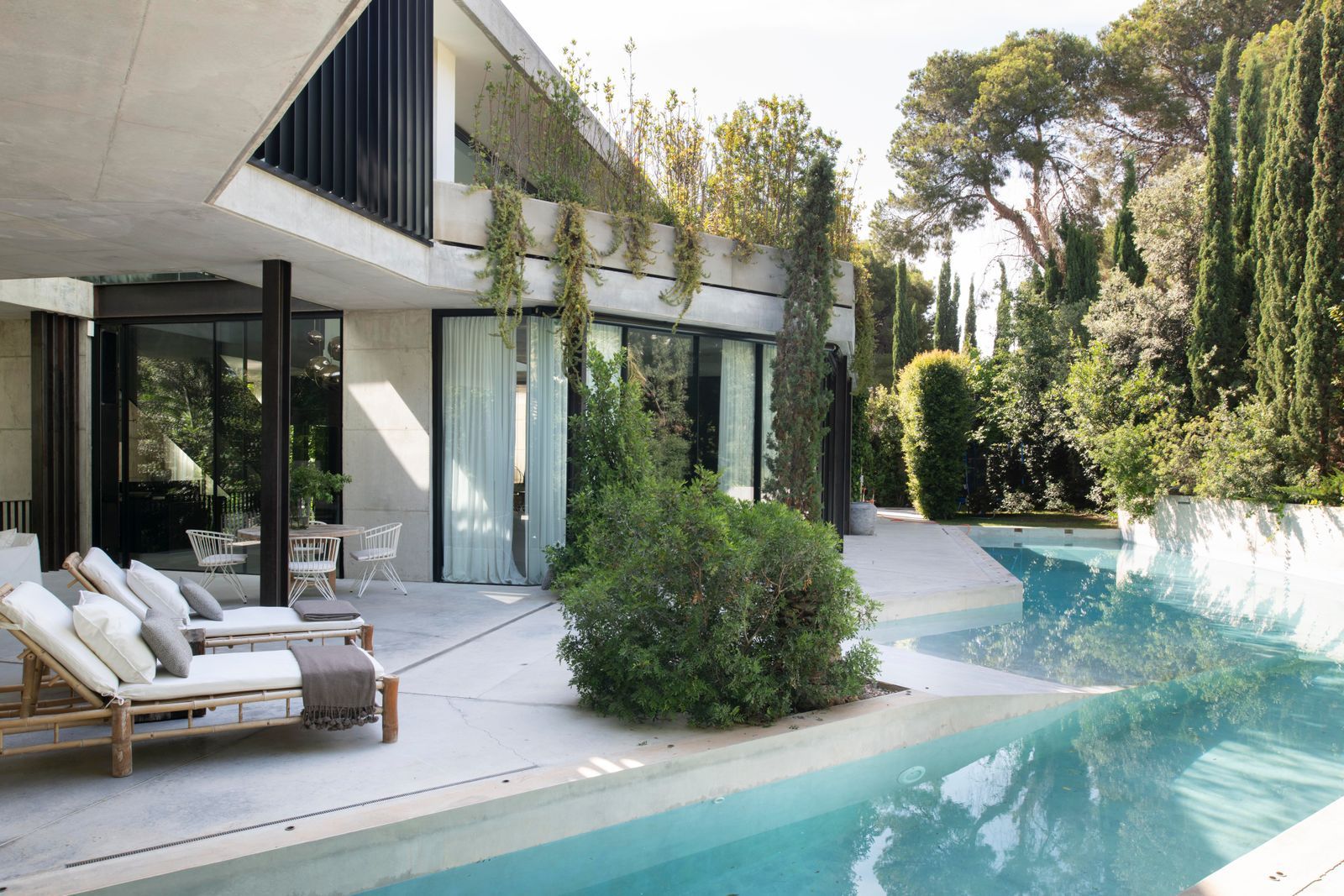
Another crucial aspect for new build backyards is establishing privacy. Many new homes lack existing fencing, making privacy a significant concern. Planting a border of evergreens around the property offers year-round greenery and creates a sense of solitude from neighbors. Mixing evergreen varieties can provide a more natural aesthetic, while using uniform plants can achieve a structured look. It's essential to consider the mature size of plants during selection and placement to ensure they meet long-term privacy needs and fit harmoniously within the planned layout.
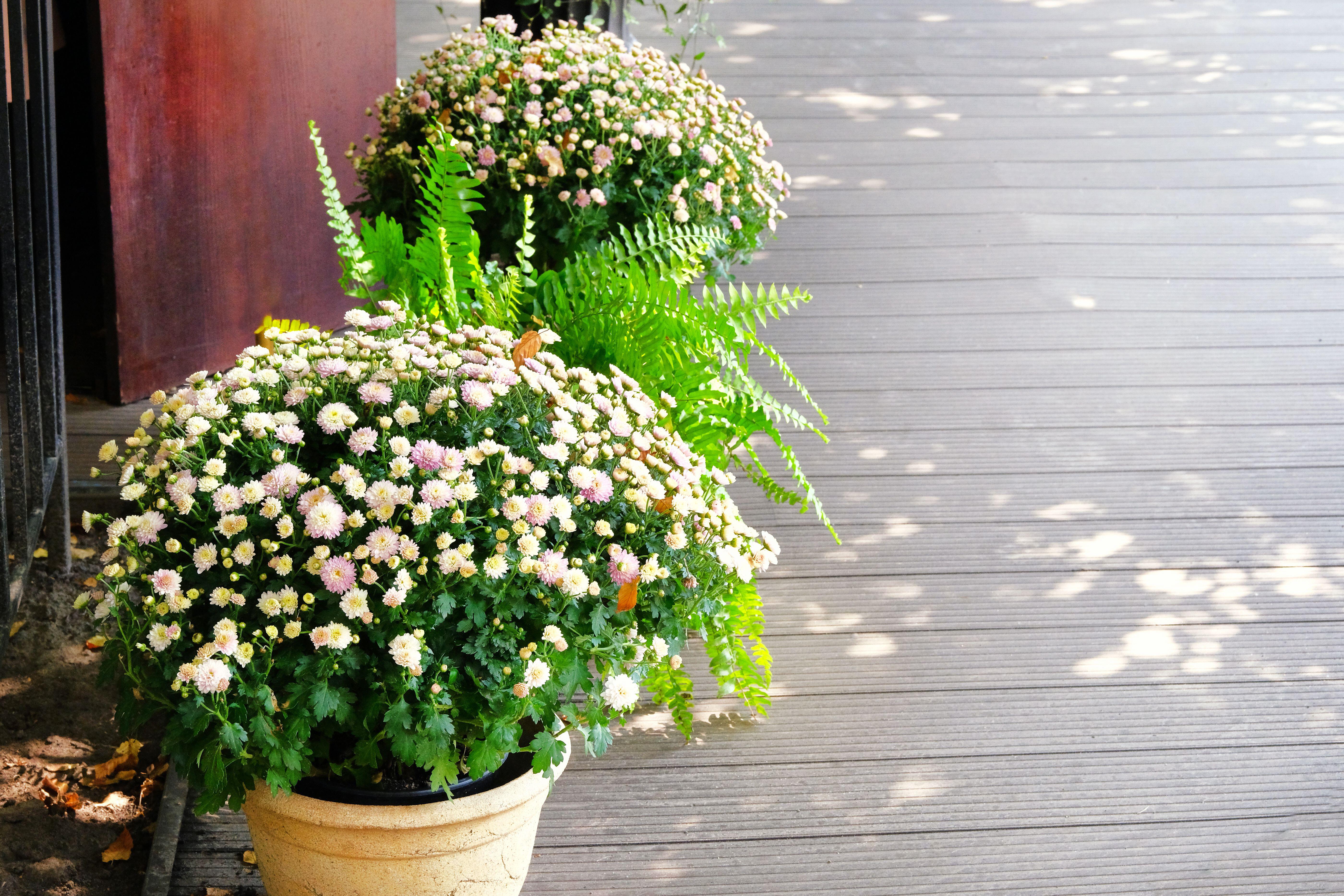
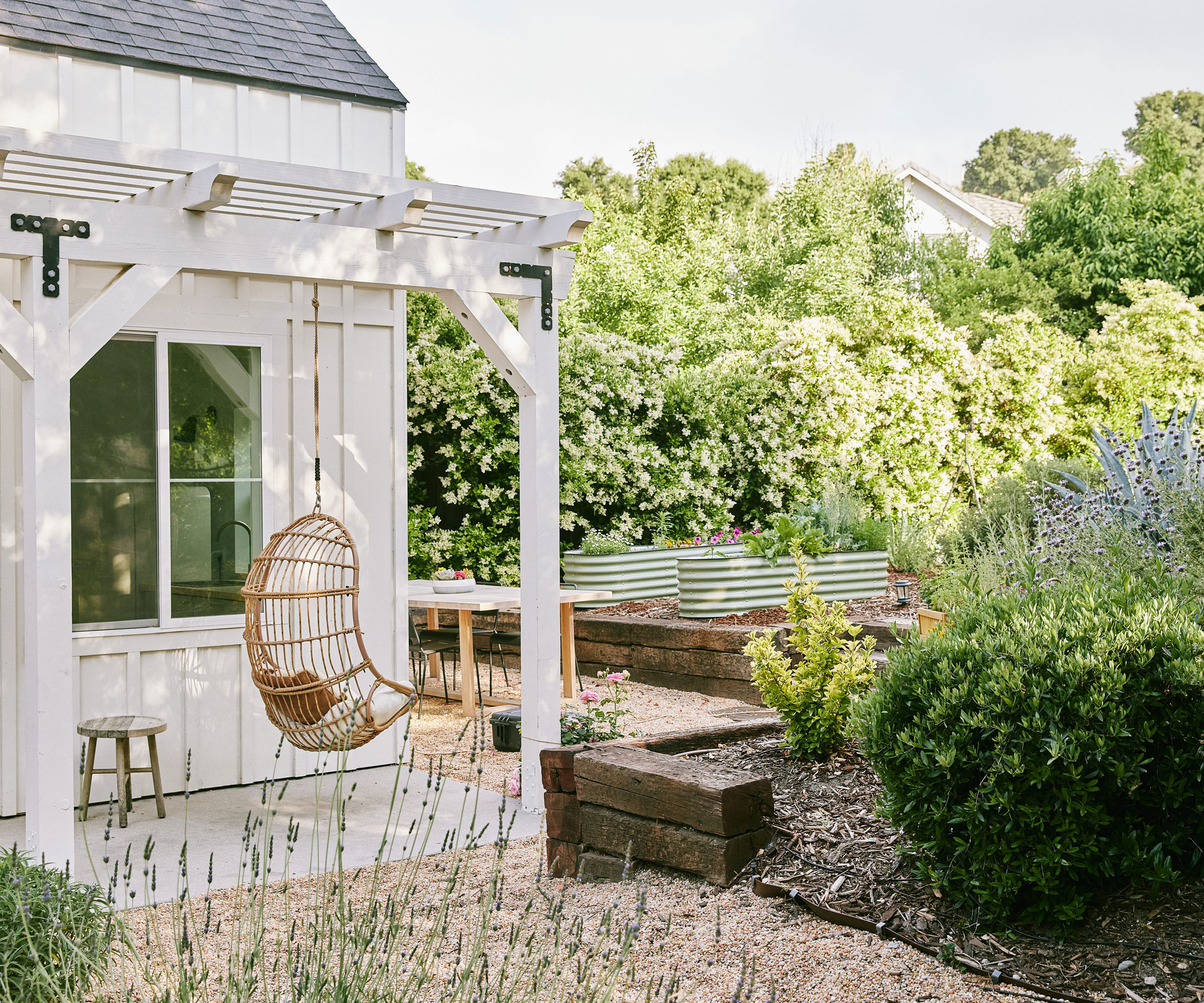
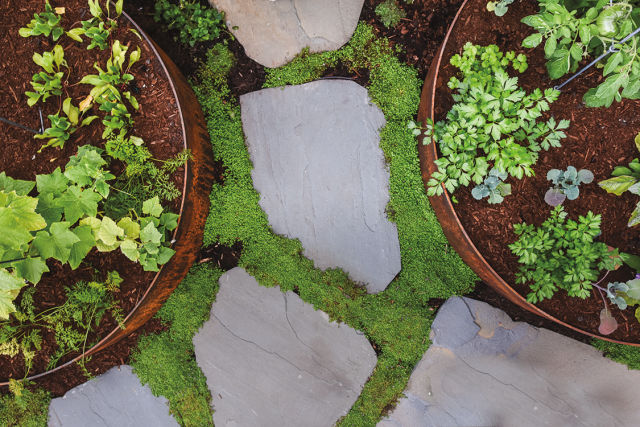
Incorporating fruits, vegetables, and other plants is another way to transform a bland backyard into a vibrant and functional oasis. Options range from planting fruit trees to constructing ground-level or raised garden beds, or a combination of these. Researching plants that thrive in the local climate and soil conditions is vital for successful growth. This not only adds beauty but also provides the benefit of homegrown produce.
Finally, the use of raised garden beds is a strategic choice, especially in new build yards that might feature tall fencing. Such fencing can inadvertently shade lower-set plants for a significant portion of the day. Raised beds elevate plants, allowing them to receive adequate sunlight, thereby maximizing growth and yield. This approach optimizes the use of space and sunlight, crucial for the health and productivity of the garden. By following these four rules—dividing the yard into zones, creating privacy, growing edible plants, and utilizing raised beds—homeowners can effectively transform their new build backyard into a personalized and thriving outdoor living space.
#NewBuildLandscaping #BackyardDesign #YardZones #PrivacyLandscaping #EvergreenBorders #EdibleGardening #RaisedGardenBeds #OutdoorLiving #NewBuildLandscaping #BackyardDesign #YardZones #PrivacyLandscaping #EvergreenBorders #EdibleGardening #RaisedGardenBeds #OutdoorLiving
0 comment in total
 No comments yet
You may also like
3 design expert tips for preparing your backyard for spring

This Is Your Sign to Rip out Your Concrete Backyard and Turn It into a Lush Retreat
Outdated backyard trends and what's replacing them in 2025 – 8 expert suggestions to refresh your outdoor space
A Landscape Architect’s Advice for Maximizing Your Small Backyard
Great landscaping ideas for ‘regular people’ from a design expert

11 tips from the professionals to get your garden ready for spring

A Landscape Architect’s Advice for Maximizing Your Small Backyard

6 simple ways you can make your front yard look beautiful without having to plant anything new

'It mimics nature's randomness' - this simple gardening trick is how landscape designers make a backyard look more put together

7 Landscape Design Tips for Beginners

6 Easy Design Ideas to Add Height to a Backyard That Feels Flat
8 Designer-Approved Tips for Turning a Small Backyard Into an Outdoor Oasis

Sustainable Landscaping Tips From a Professional (Exclusive)
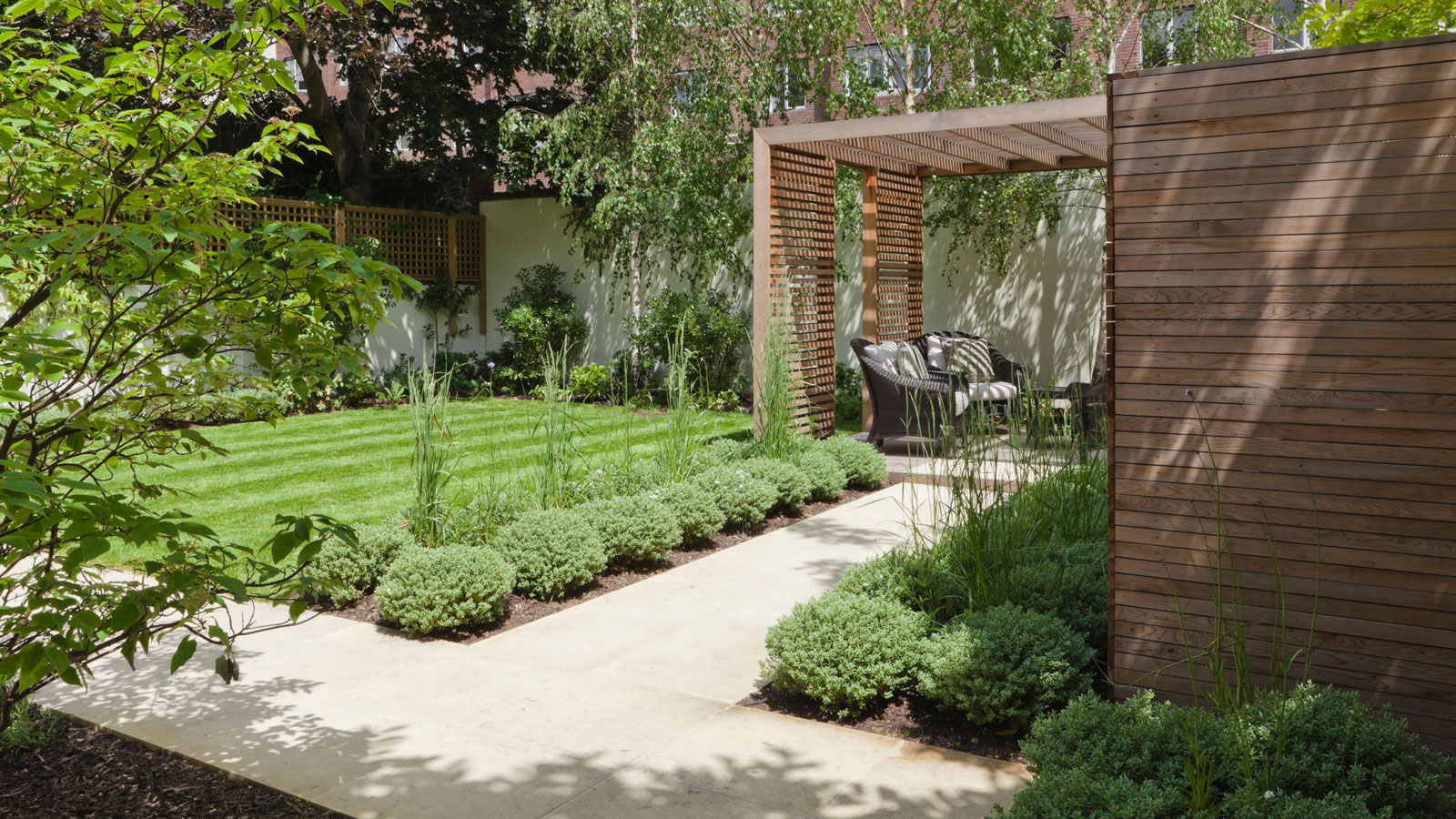
L-shaped garden ideas to help you create a visually pleasing space
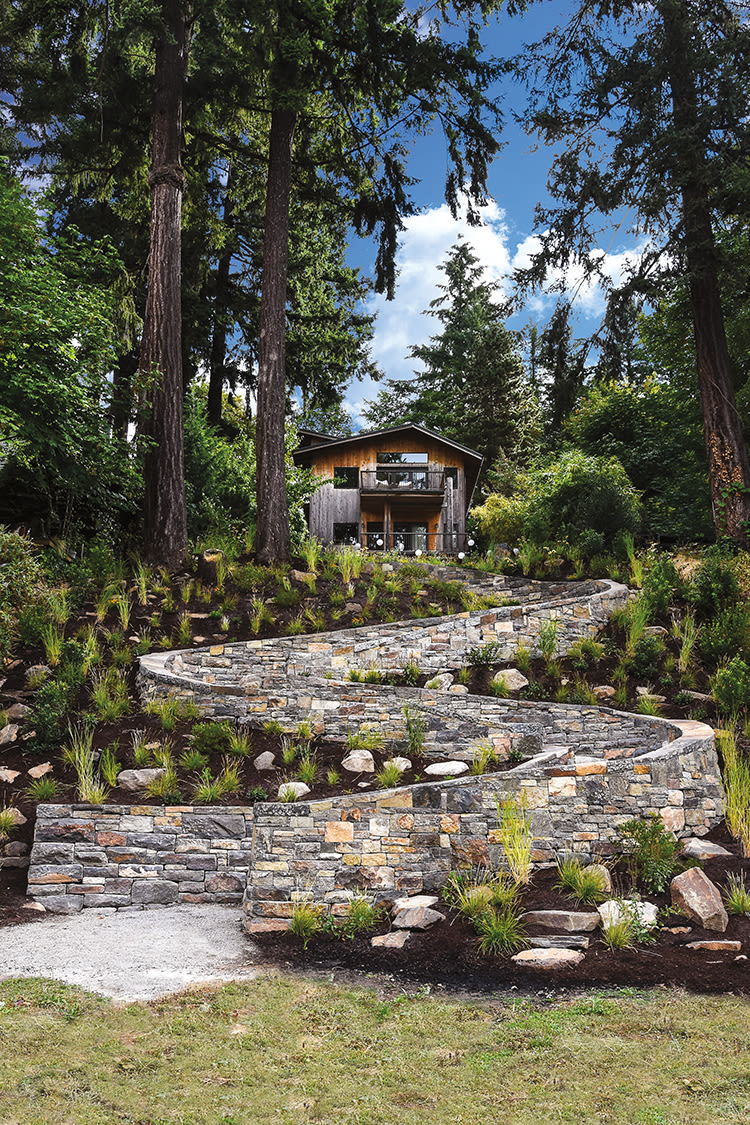
Build Your Perfect Backyard Patio in 5 Easy Steps

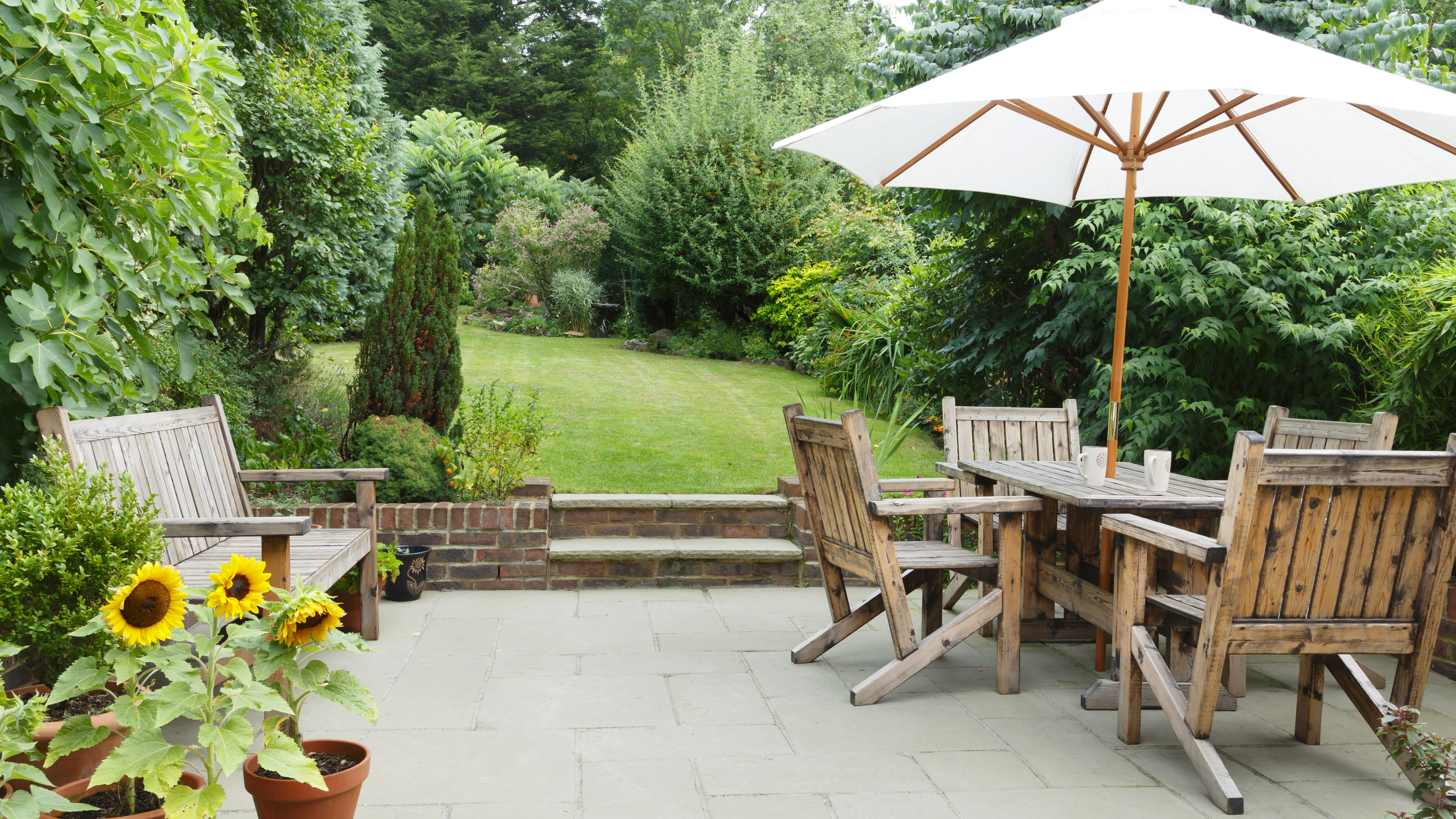
Don't ruin your patio! 7 steps experts say you must take before the first frost

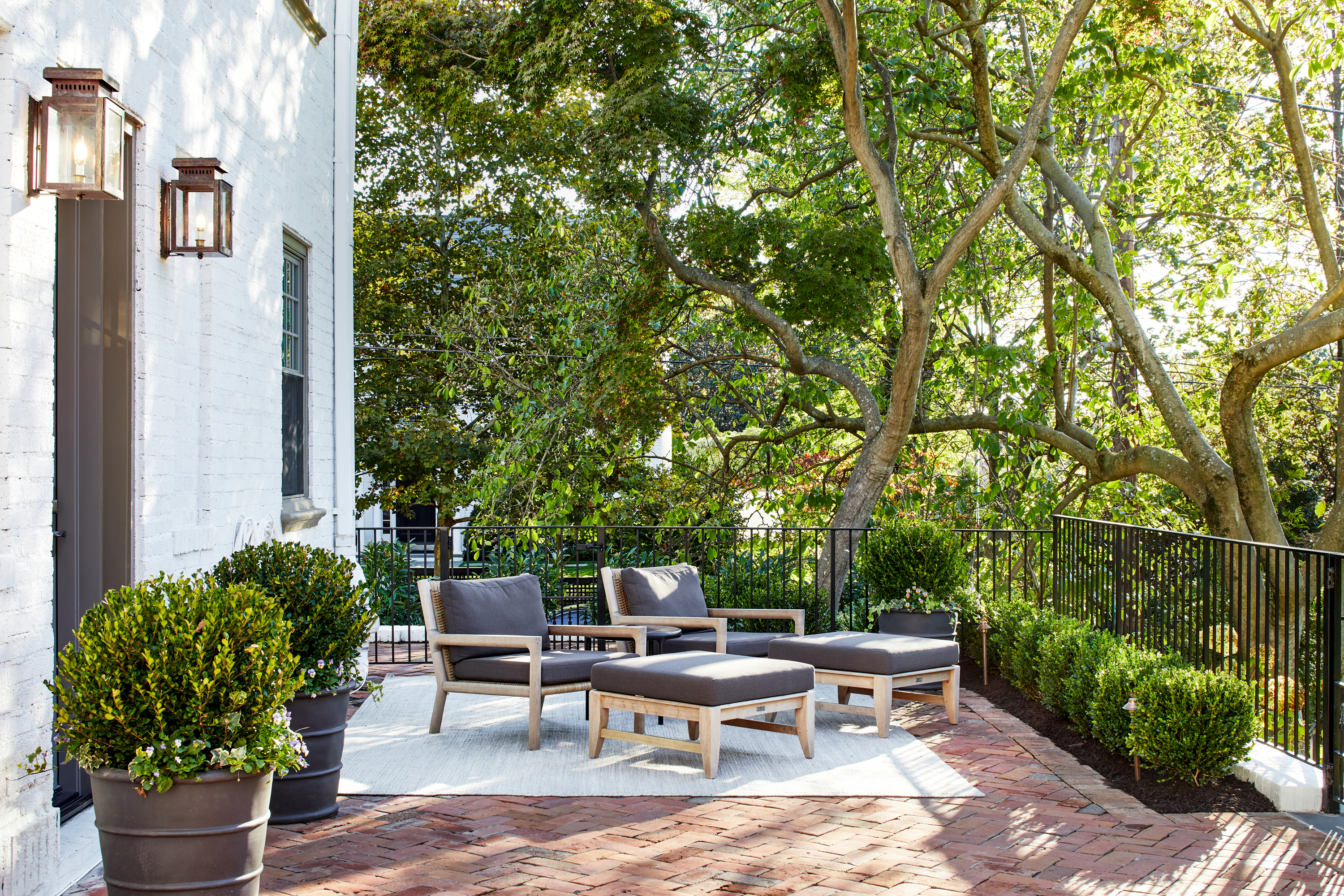
These 10 Feng Shui rules for backyards have completely changed how I look at my outdoor space's layout and planting
7 outdated rules to ignore when designing a small patio – experts say ditching them will transform your space

Vertical Gardens: 10 mistakes to avoid, according to the experts

26 Backyard Landscaping Ideas That Look Like They Were Styled by an Outdoor Architect