1/7
These 10 Feng Shui rules for backyards have completely changed how I look at my outdoor space's layout and planting
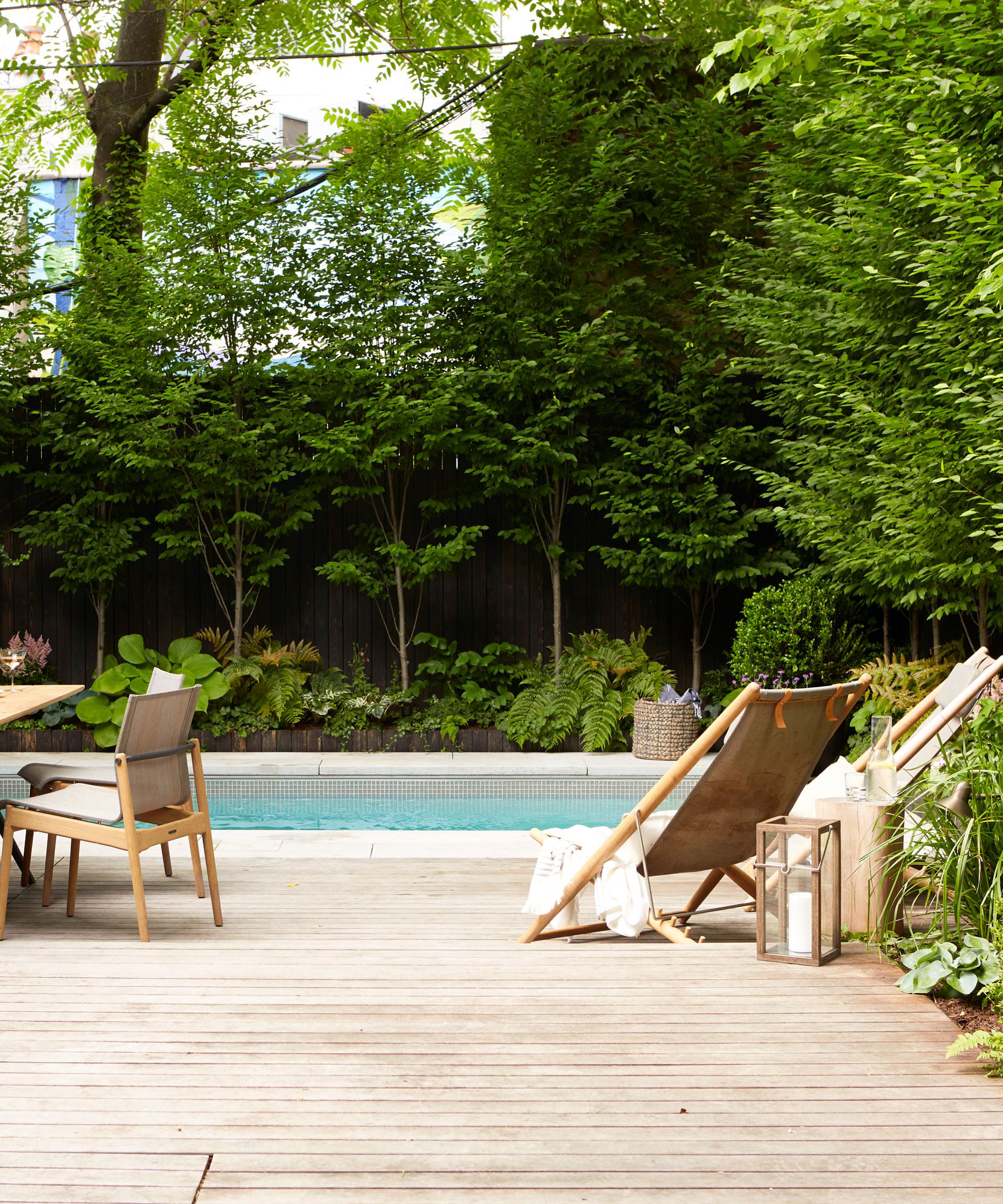
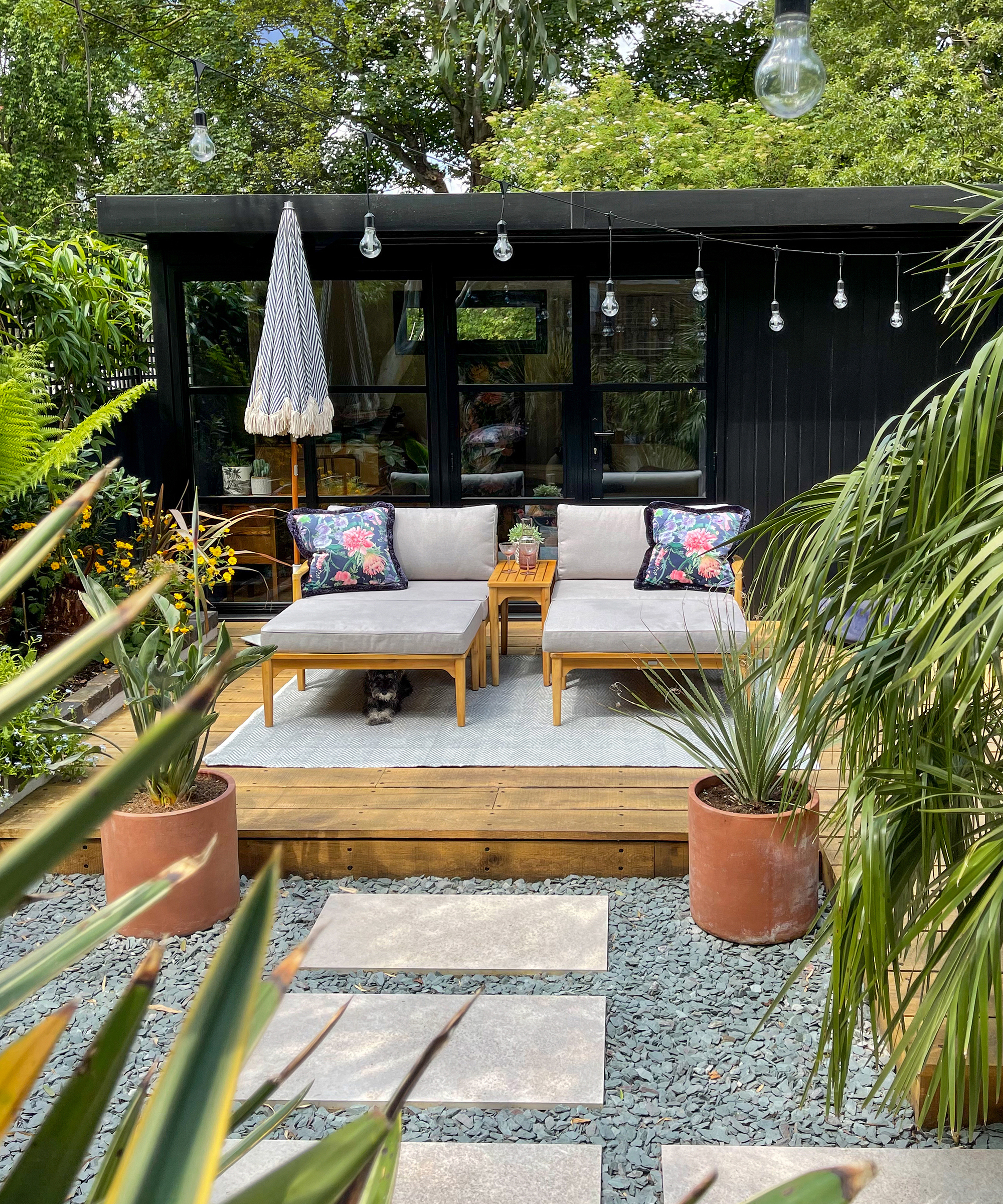
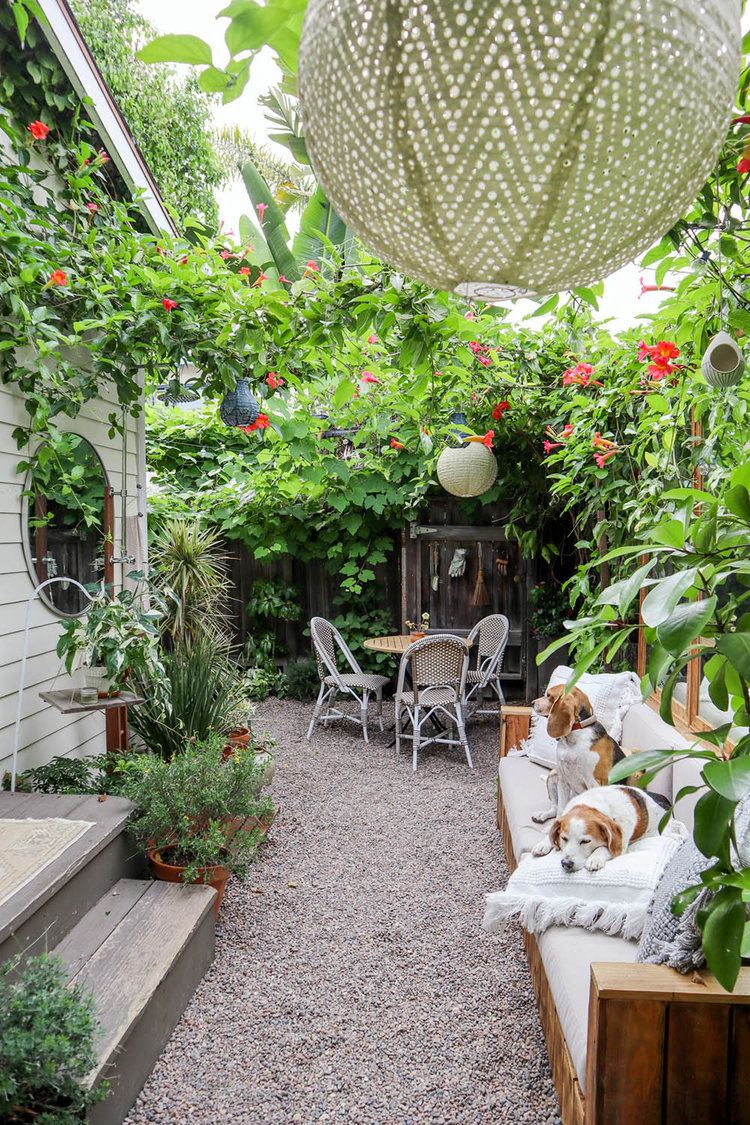
Feng Shui, an ancient Chinese practice of arranging objects to optimize energy flow, extends beyond indoor spaces to significantly influence backyard design. The primary goal of applying Feng Shui principles to a backyard is to create a harmonious, peaceful, and positive outdoor environment by balancing the five elements: earth, metal, water, wood, and fire. This approach not only enhances the aesthetic appeal of a garden but also promotes the free circulation of "qi" (energy).
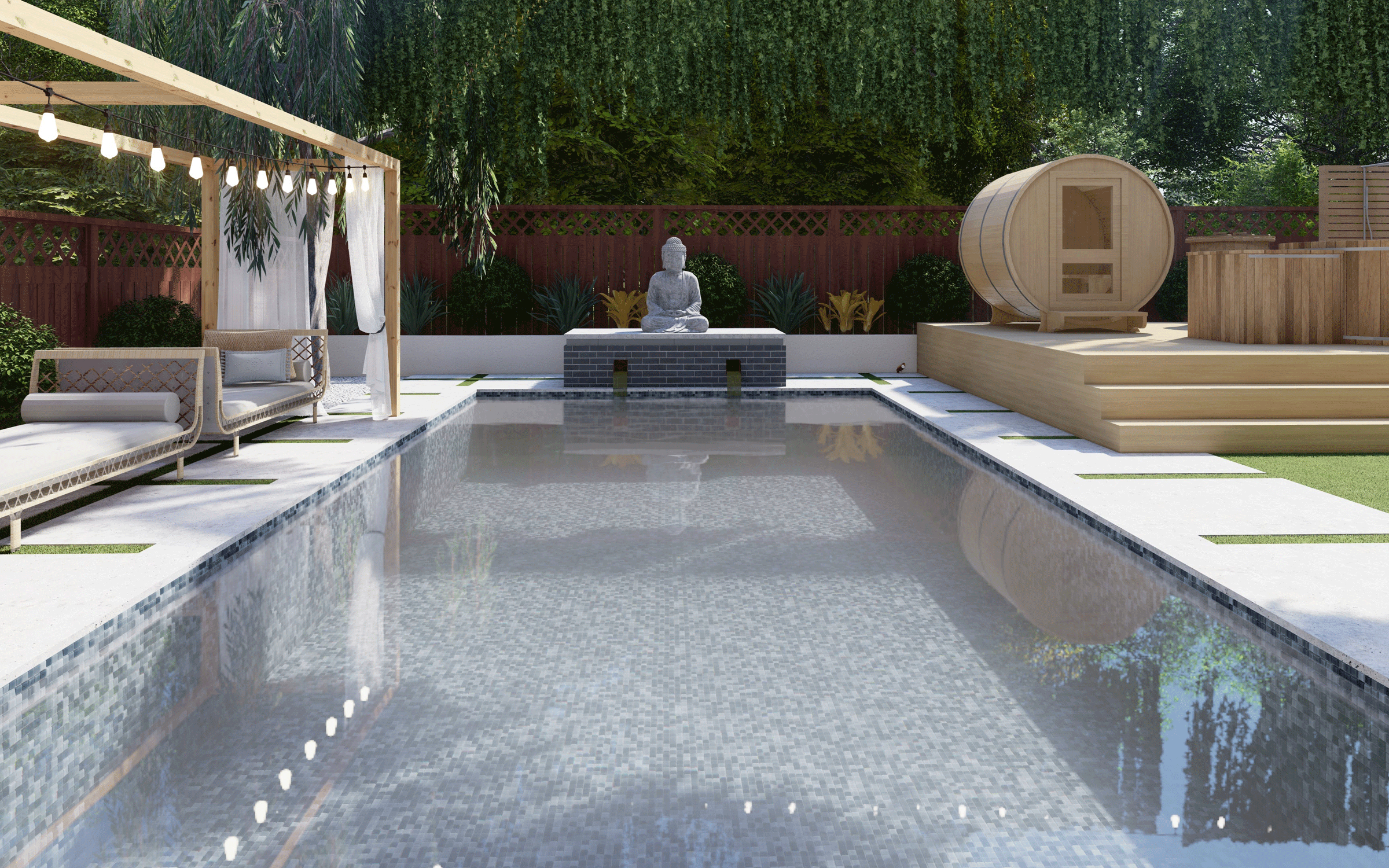
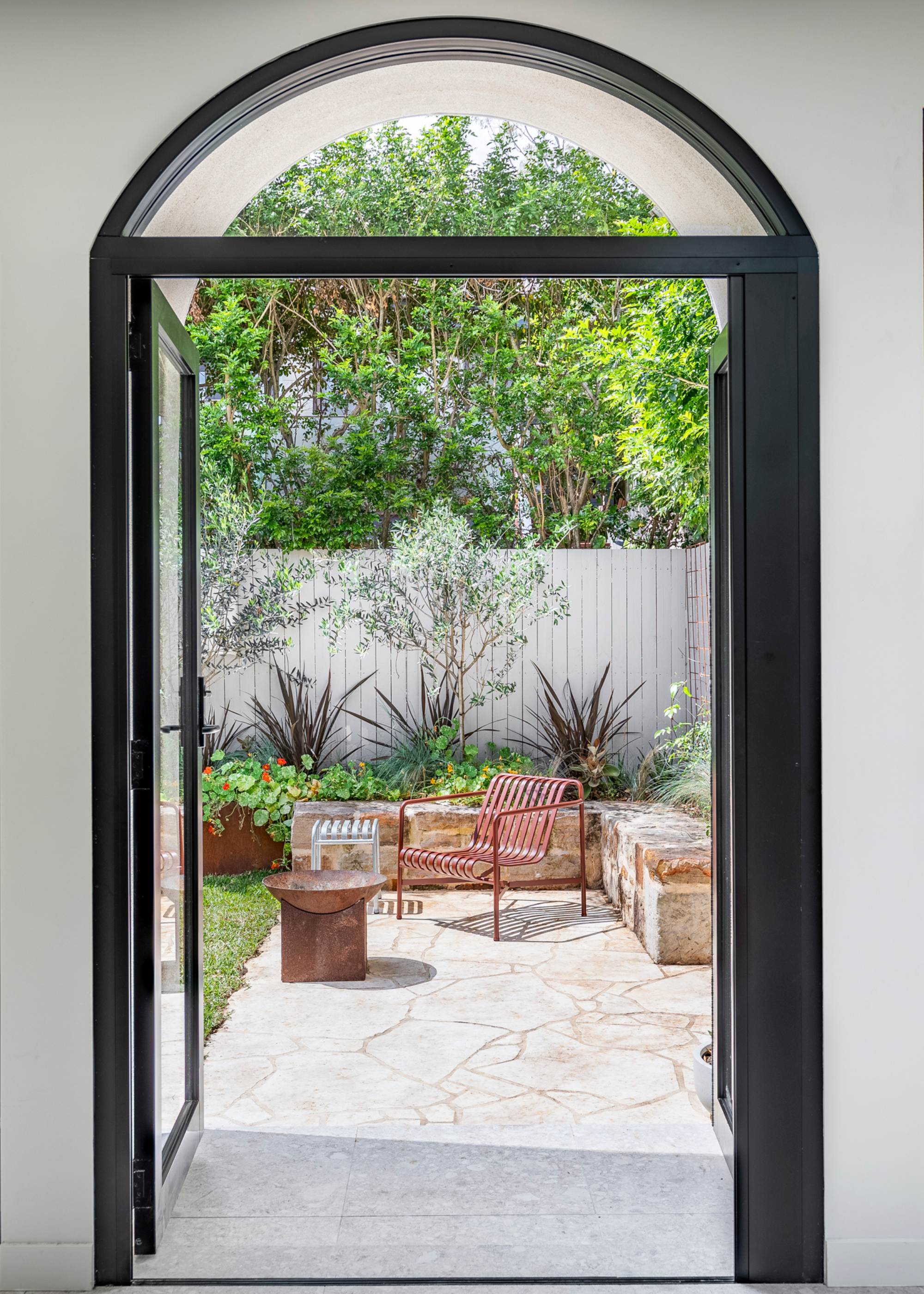
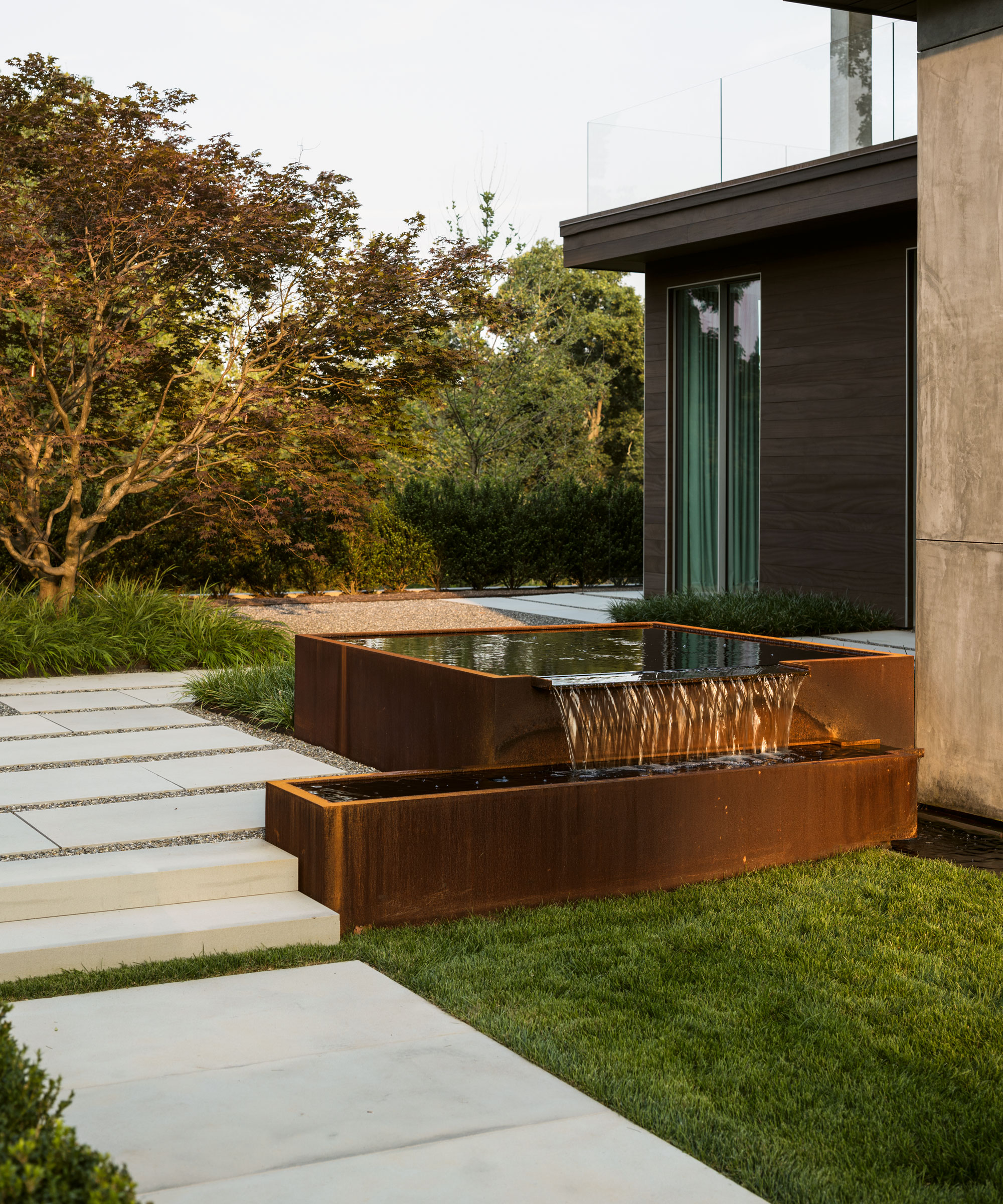
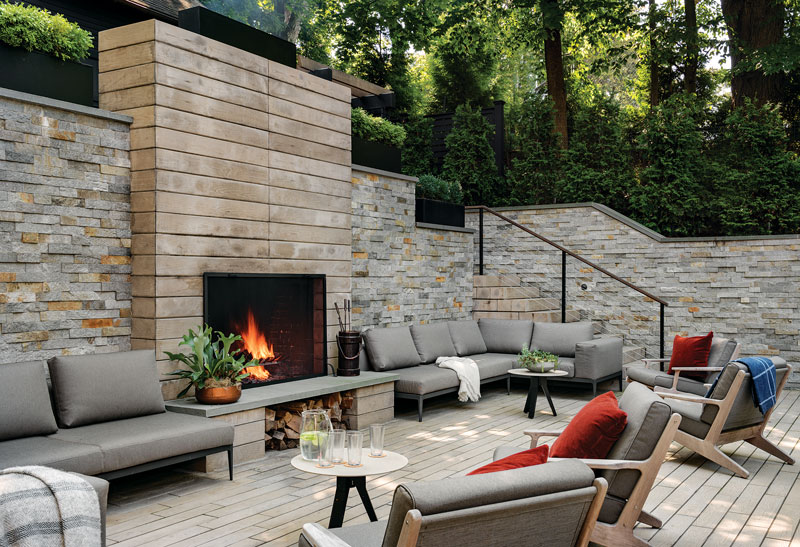
Integrating the five elements into garden design involves deliberate choices for each component. Wood is represented by lush green trees and plants, symbolizing growth and vitality. Fire, signifying passion and transformation, can be introduced through elements like a firepit or warm-colored flowers. Earth, representing stability and nourishment, is best incorporated using natural stones, boulders, and various hardscaping materials. Metal, associated with clarity and precision, can be introduced through round wind chimes or white-flowering plants. Lastly, water, symbolizing wealth and wisdom, is embodied by water features such as fountains or streams, as well as patio furniture that encourages relaxation and contemplation. The careful placement and maintenance of these elements are crucial for a balanced energy flow.
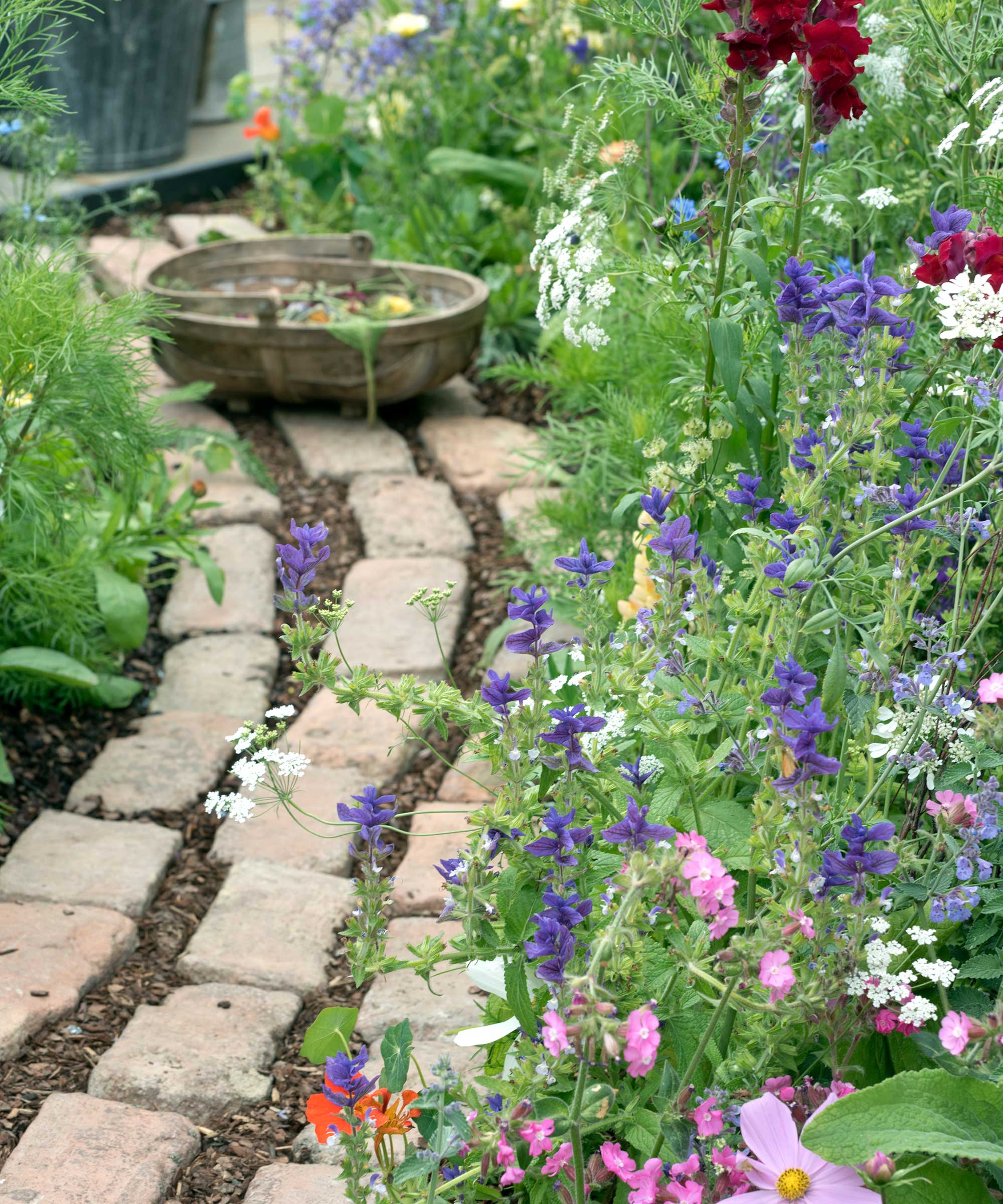
Pathways are another critical aspect of Feng Shui backyard design. Straight paths are discouraged as they allow "qi" to move too quickly, potentially leading to stress. Instead, meandering, curvy, or zig-zag paths are recommended to slow down the energy flow, creating a more tranquil and mindful journey through the garden. This design choice is not only aesthetically pleasing but also, according to Chinese mythology, deters negative entities by making it difficult for them to follow in a straight line. Softening hard lines with rounded and curved garden beds further enhances this gentle flow.
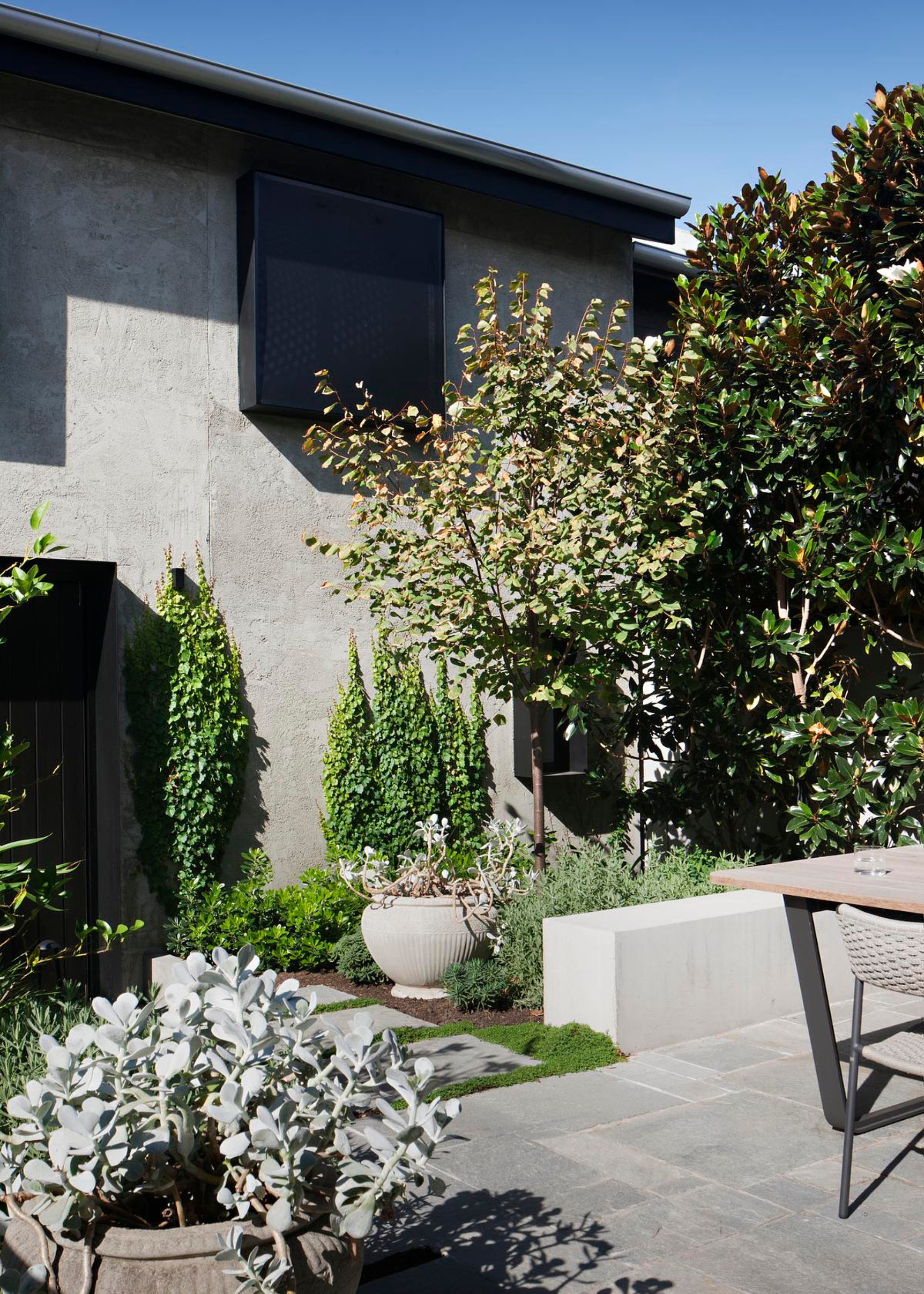
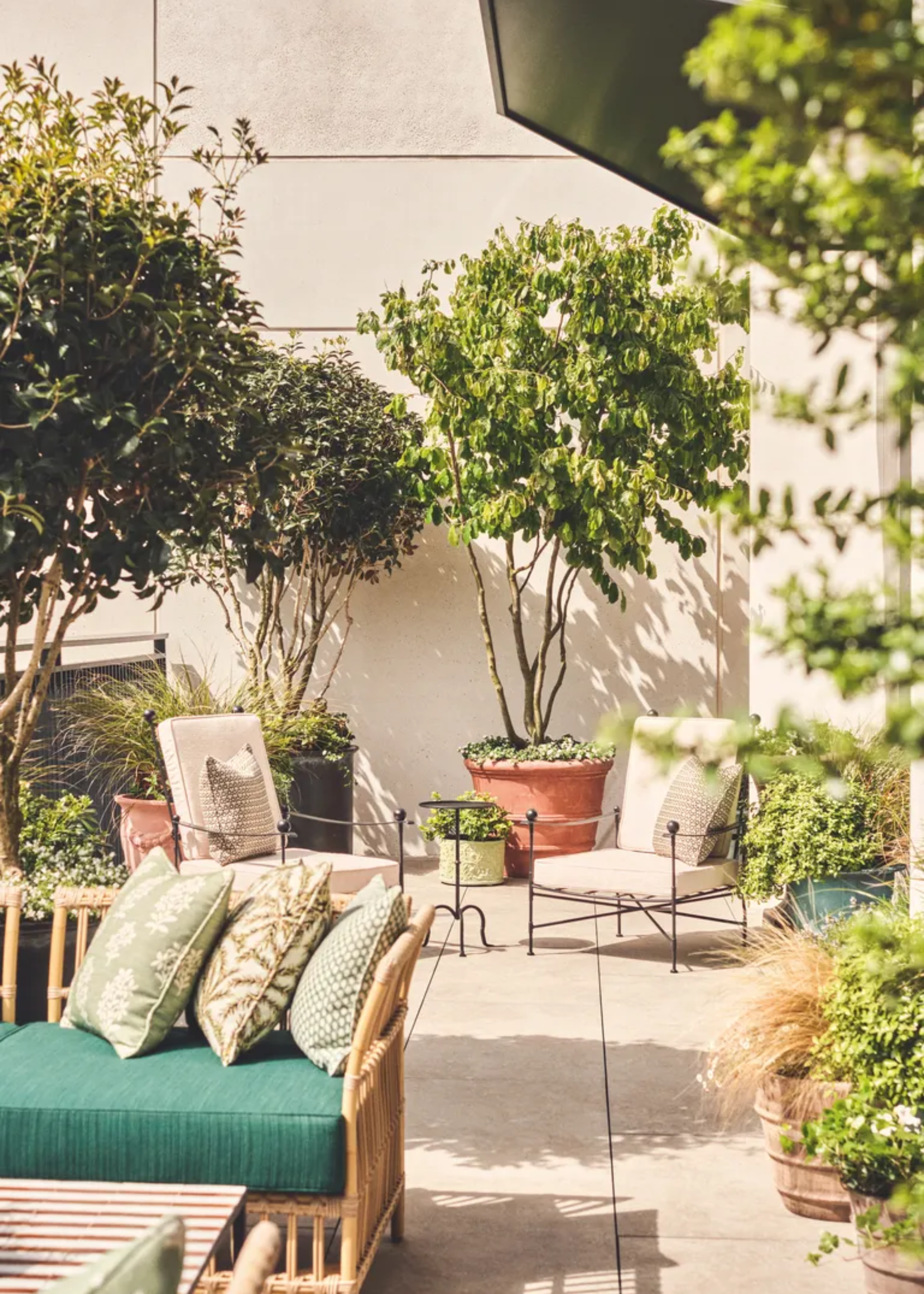
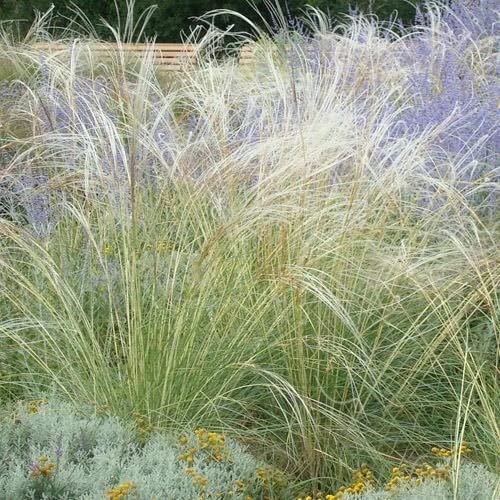
Plant selection should focus on a diverse mix of textures, sizes, and groupings to foster harmony and avoid monotony. Healthy, thriving plants are vital, as they symbolize abundance and positivity, while dying or unhealthy plants can introduce negative energy. Certain plants are also chosen for their symbolic meanings and sensory qualities; for instance, citrus plants symbolize good fortune, roses represent love, and jade plants attract prosperity. Incorporating plants that appeal to all five senses, such as fragrant flowers or those that attract birds and butterflies, further enriches the garden's positive energy.
Wind chimes are a direct embodiment of the "feng" (wind) element, promoting movement and the free flow of "qi." They also serve a practical purpose by creating soothing sounds that can mask undesirable external noise. Similarly, water features represent the "shui" (water) element, circulating energy and fostering tranquility. However, these features must be meticulously clean and well-maintained, as stagnant or dirty water can impede positive energy. Their placement should ideally be advised by a Feng Shui master to amplify positive energy.
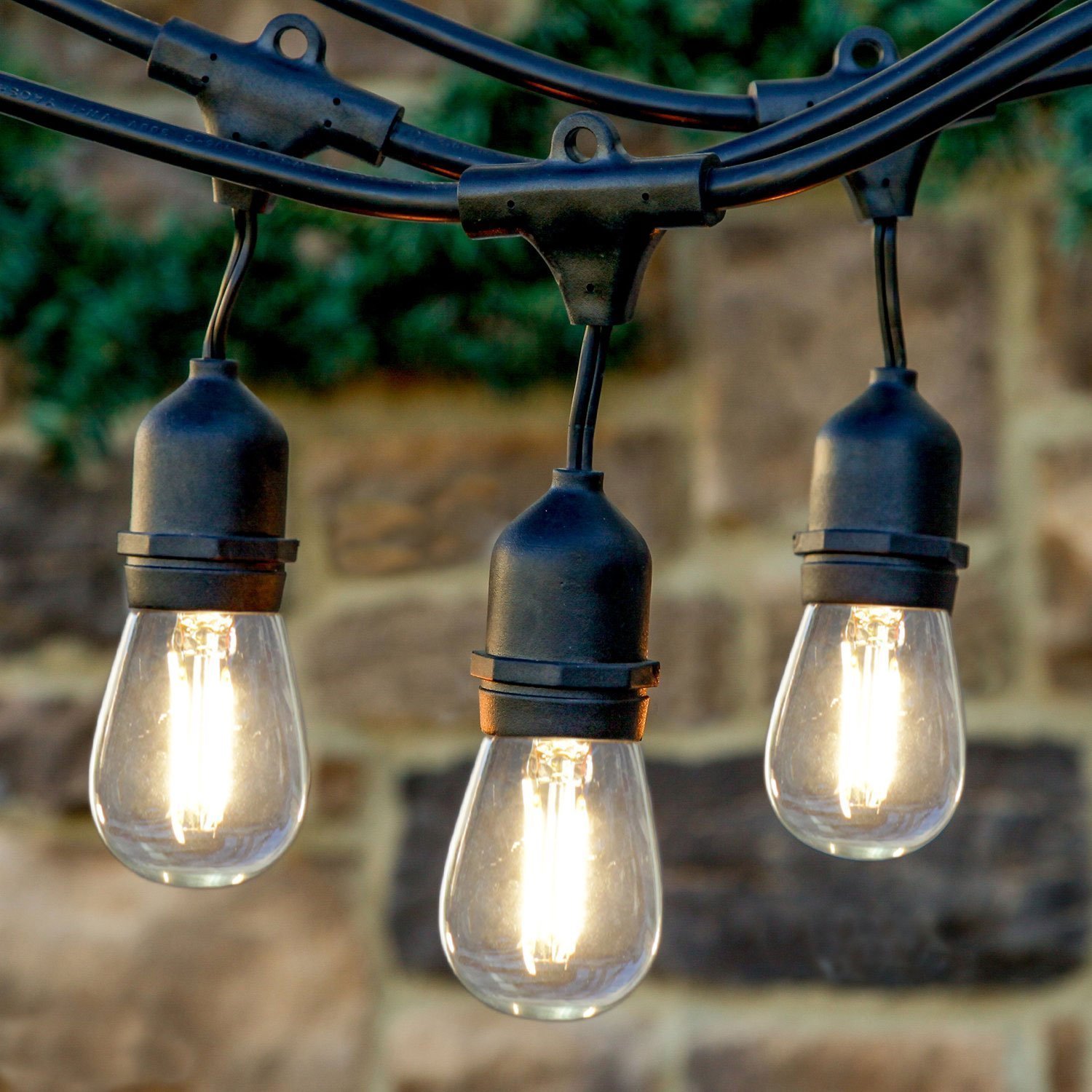
Maintaining a clutter-free environment is paramount for unimpeded "qi" flow. Excess garden ornaments, broken items, or unused furniture can create obstacles, blocking energy from entering and circulating through the space. A tidy and well-organized garden not only promotes peace but also prevents feelings of stagnation or a lack of opportunities. Thoughtful outdoor lighting, including string lights, uplighting, and lanterns, enhances the garden's beauty and illuminates the path of energy. Conversely, certain plants, such as those with sharp or spiky leaves (e.g., yucca) and bonsai trees, are generally avoided in Feng Shui due to their potential to disrupt positive energy flow.
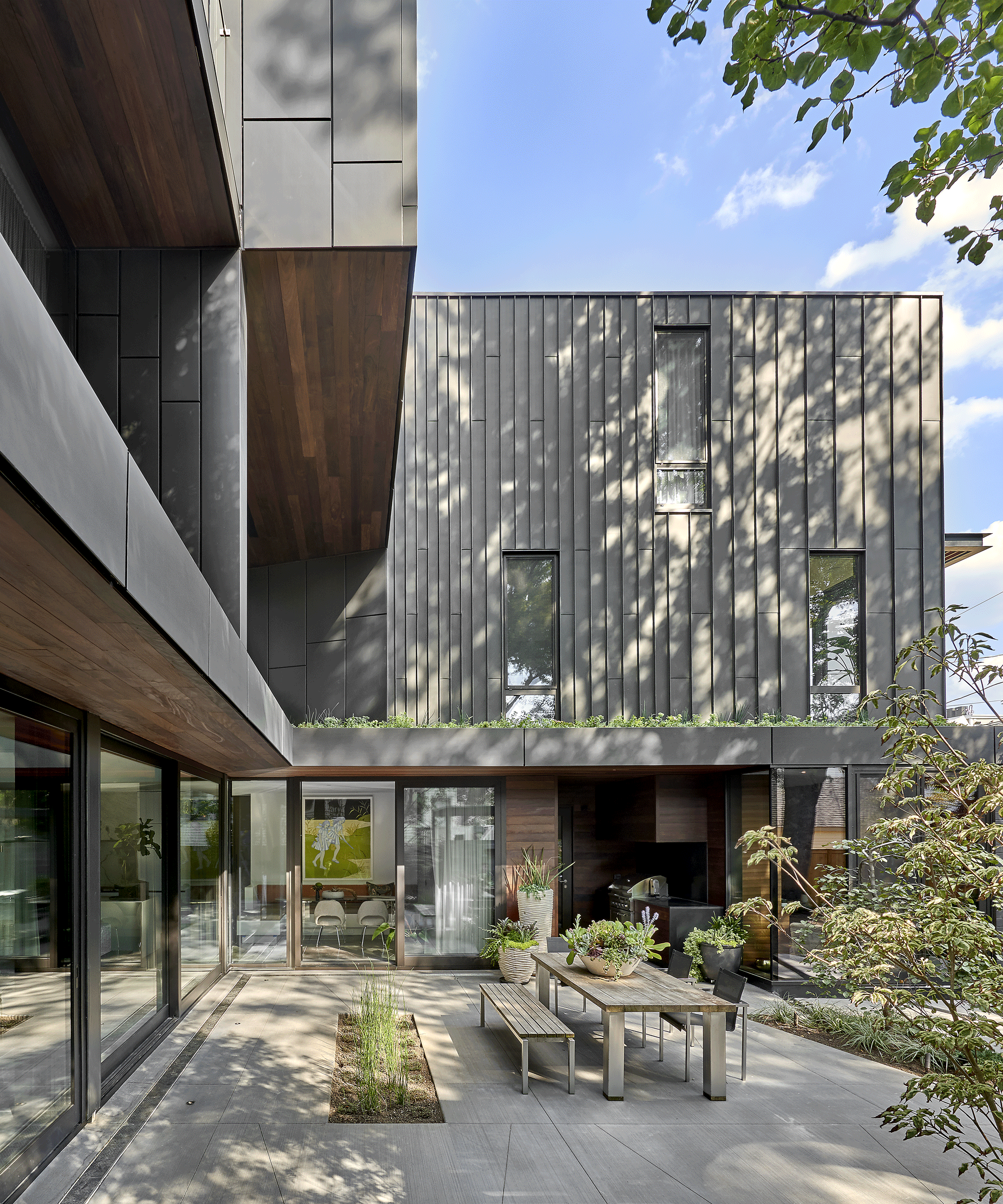
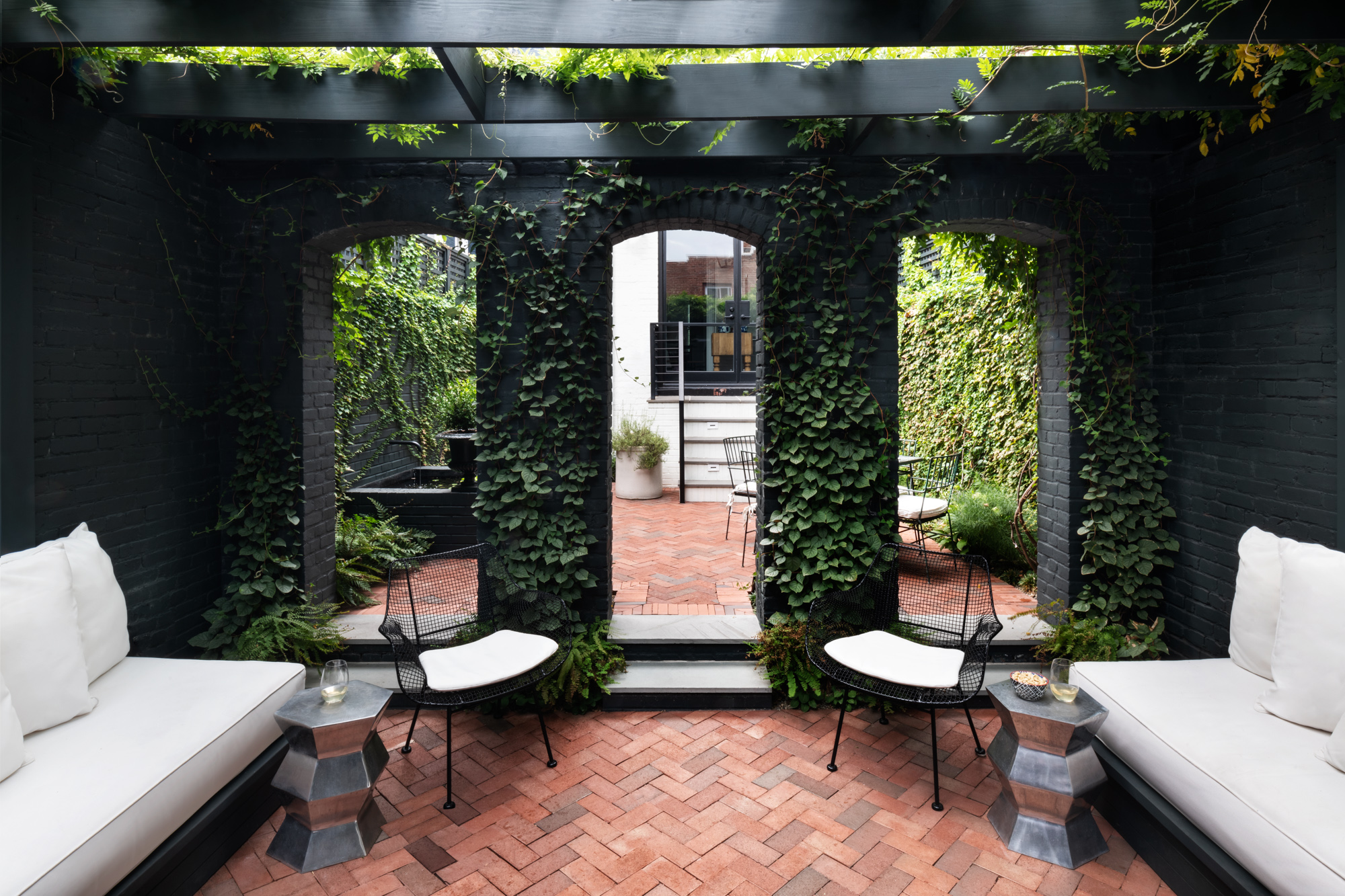
Ultimately, a successful Feng Shui backyard design achieves a balance between yin and yang elements. Yin represents softer, passive aspects like plants and curves, while yang represents harder, active elements such as rocks, water features, and straight lines. A harmonious garden integrates these opposing forces, blending hard architectural lines with soft plantings and varying plant heights to create a sense of equilibrium and vitality. This holistic approach ensures that the backyard serves as a true extension of a peaceful and prosperous home.
#FengShui #BackyardDesign #GardenDesign #OutdoorLiving #EnergyFlow #FiveElements #LandscapeArchitecture #QiCirculation #HarmoniousSpace #FengShui #BackyardDesign #GardenDesign #OutdoorLiving #EnergyFlow #FiveElements #LandscapeArchitecture #QiCirculation #HarmoniousSpace
0 comment in total
 No comments yet
You may also like

Livingetc's 10 favorite backyards ever to inspire and help elevate your own alfresco space
This biophilic designer's secret to a more relaxing backyard will change how you think about your landscaping for good
8 Designer-Approved Tips for Turning a Small Backyard Into an Outdoor Oasis

How to incorporate the elements into your garden to improve your zen

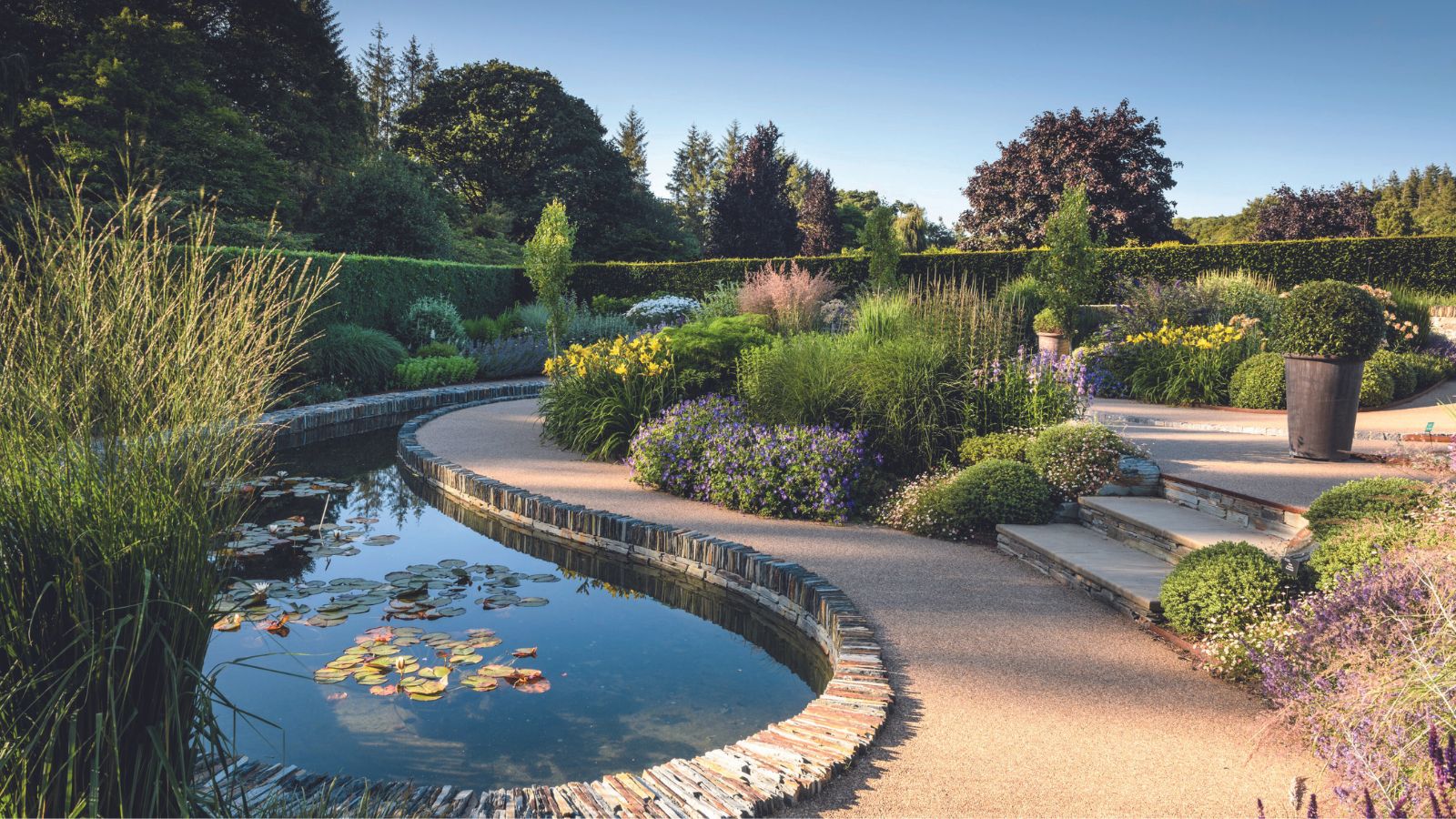
How to use garden Feng Shui – the dos and don'ts for a relaxing retreat

8 Feng Shui Tips You Need To Follow At Home, Revealed By A Local Master
12 Backyard Design Ideas That Will Make You Rethink Your Outdoor Space

How to make a backyard look bigger – 8 space-enhancing tricks that work every time

My 1,000-Square-Foot Patio Was Completely Transformed Thanks to These 10 Products

4 Rules You Should Always Follow When Landscaping a New Backyard, Lawn Pros Share

I Had a "Feng Shui Color Reading" — Here's What It Taught Me About How I Should Decorate My Home
Great landscaping ideas for ‘regular people’ from a design expert
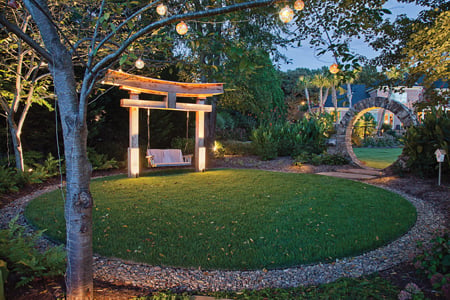
Backyard Zen

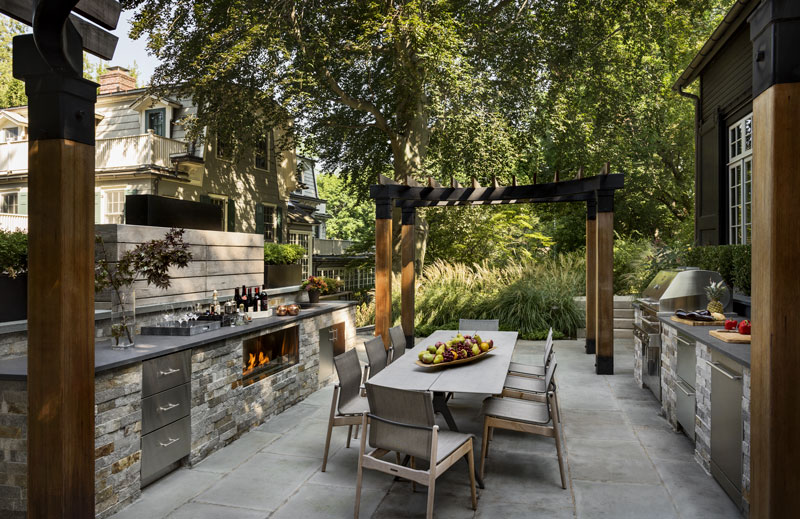
5 Great Backyards to Inspire Your Own Outdoor Renovation

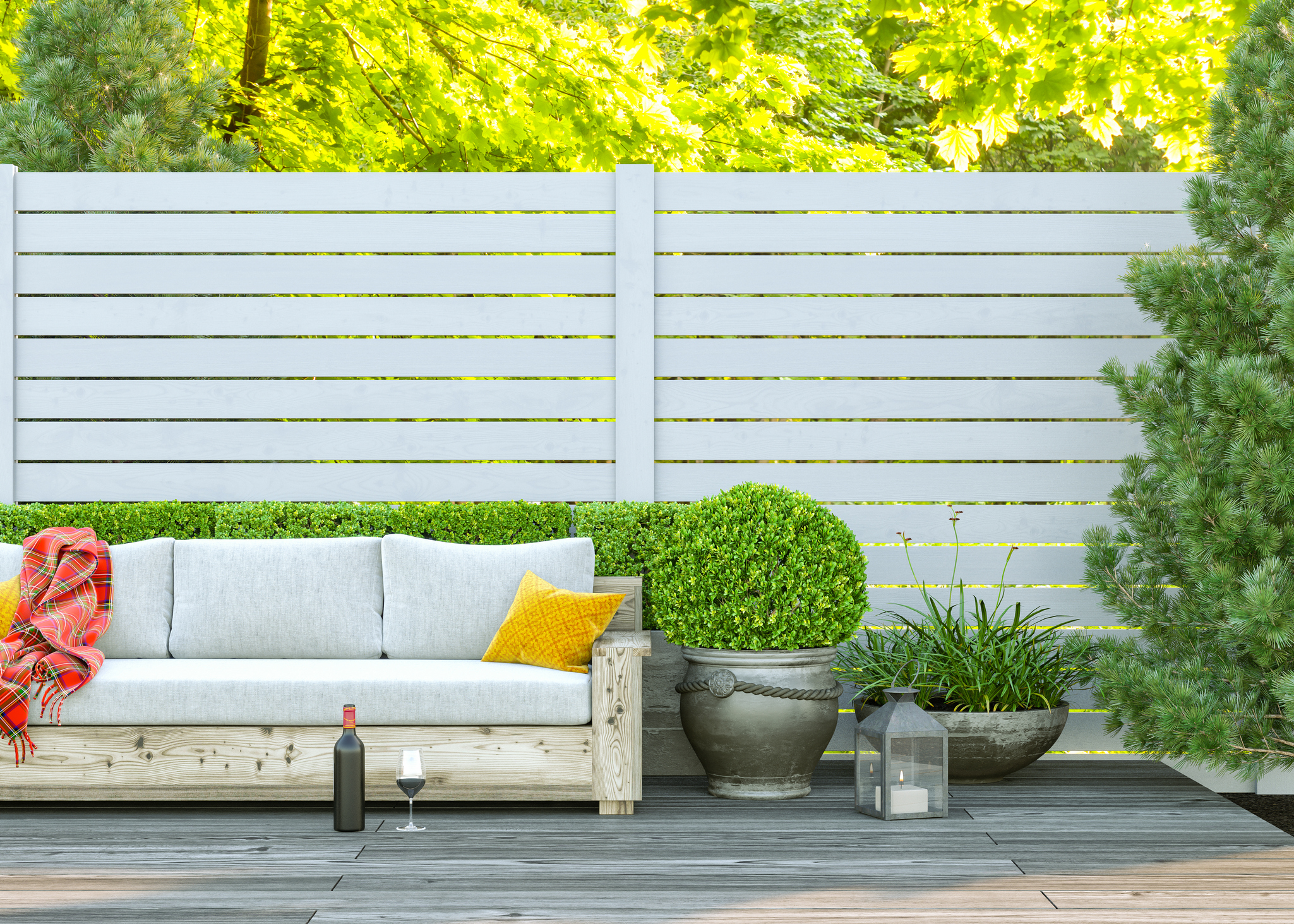
10 Decorative Fence Panels, Toppers and Trellises That Will Make Your Backyard Look a Millions Times More Beautiful
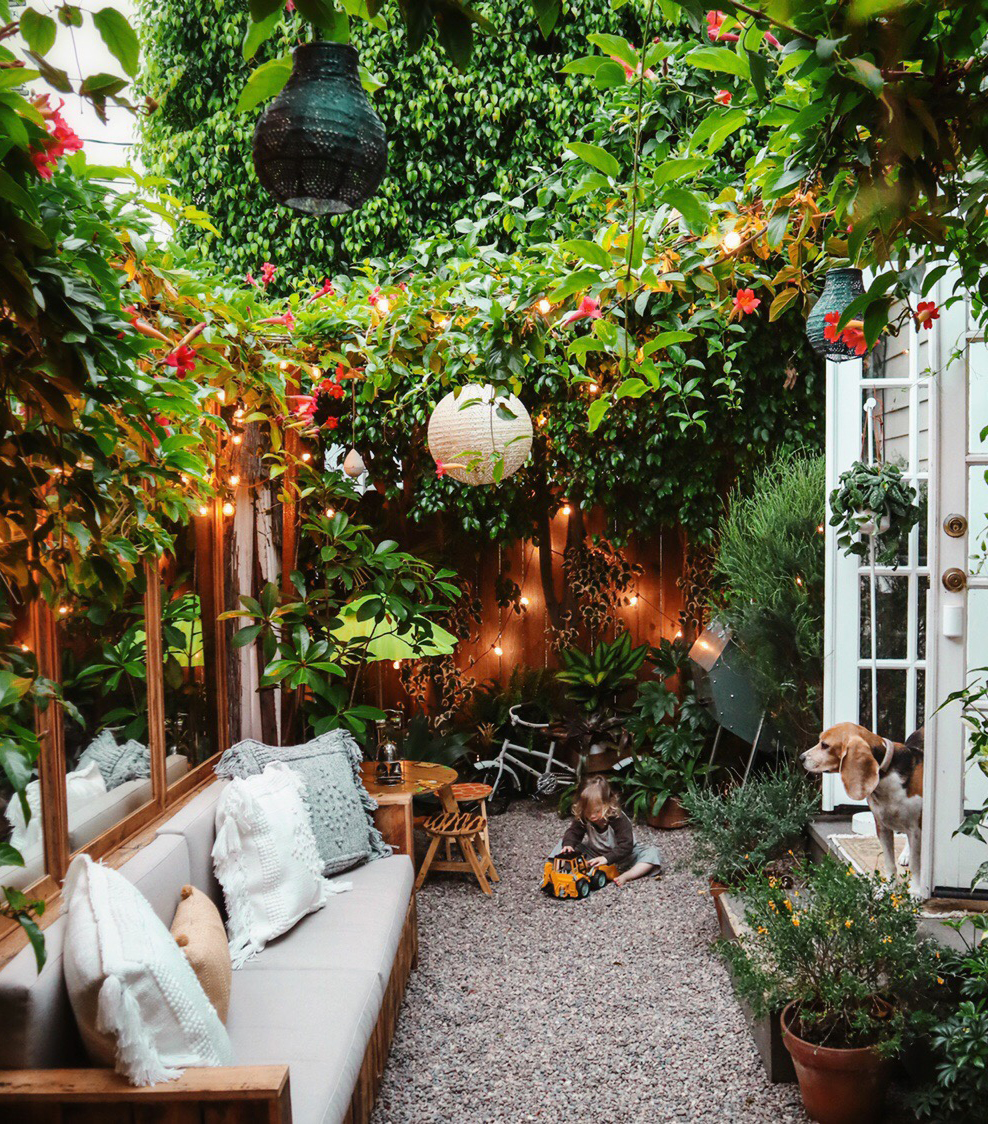
How I Turned My Tiny Backyard Into an Outdoor Oasis
How to Feng Shui a Patio With Plants — 4 Things to Consider for a Lush Space That’s Enriched With Energy
10 Feng Shui Rules To Live By For A Calm, Restorative Space

10 easy DIY landscaping ideas to elevate your backyard

10 Small Front Yard Landscaping Ideas That Make a Big Impact, According to Designers