1/8
Where to put a pool in your backyard – 5 essential tips from the experts
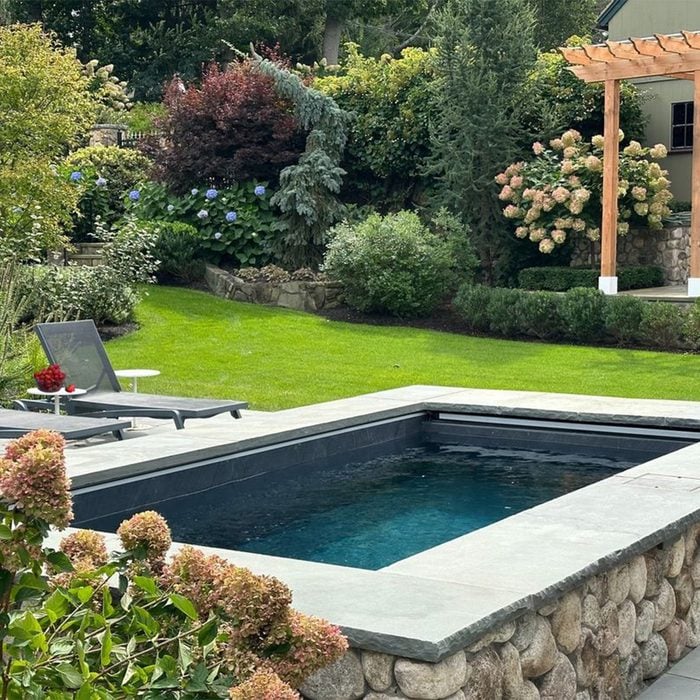
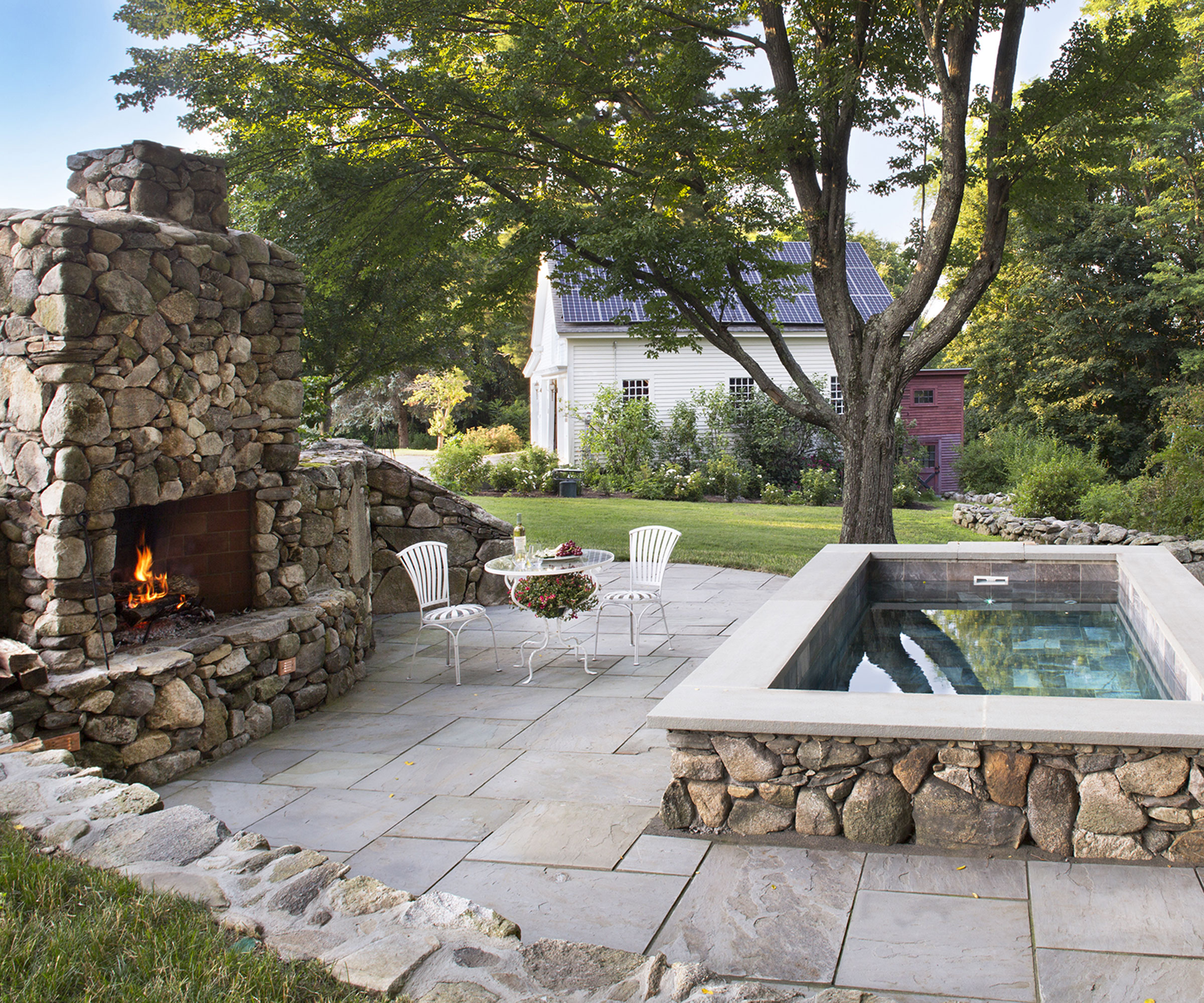
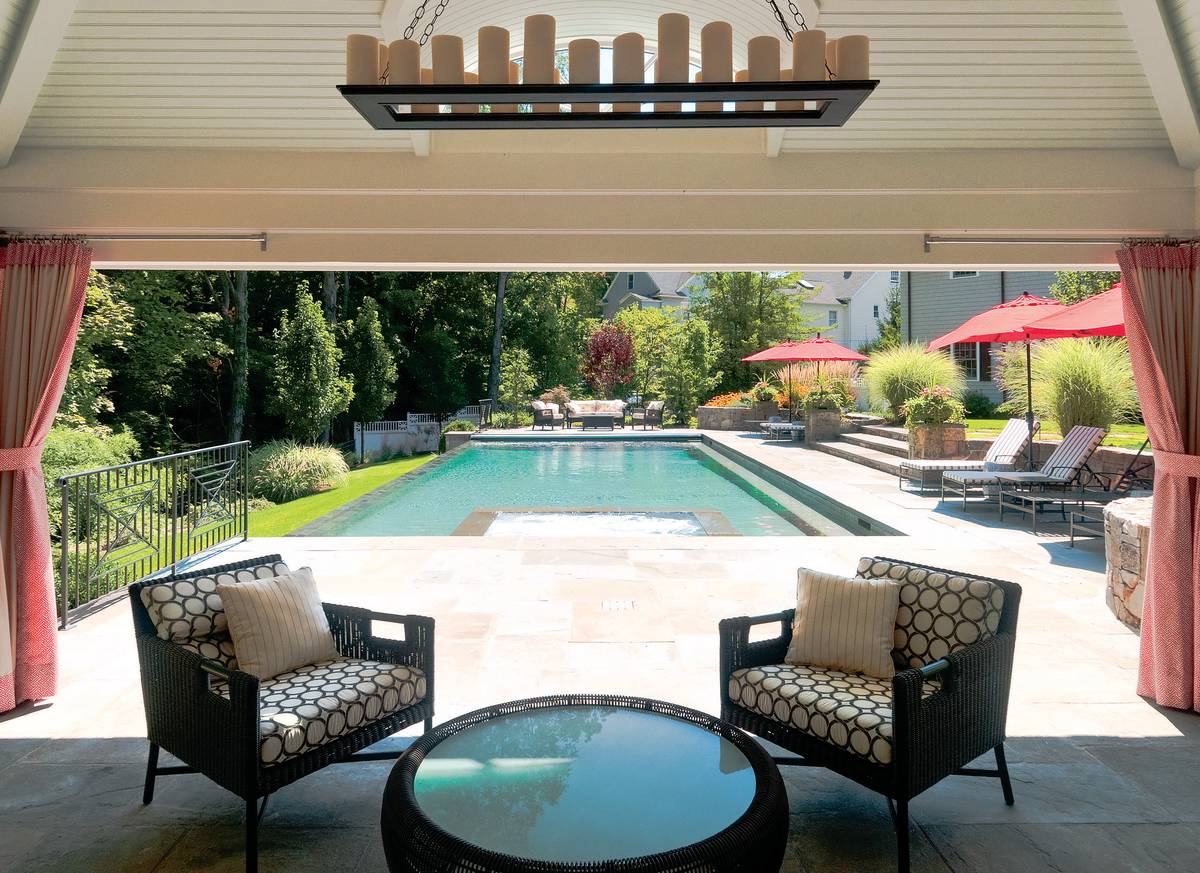
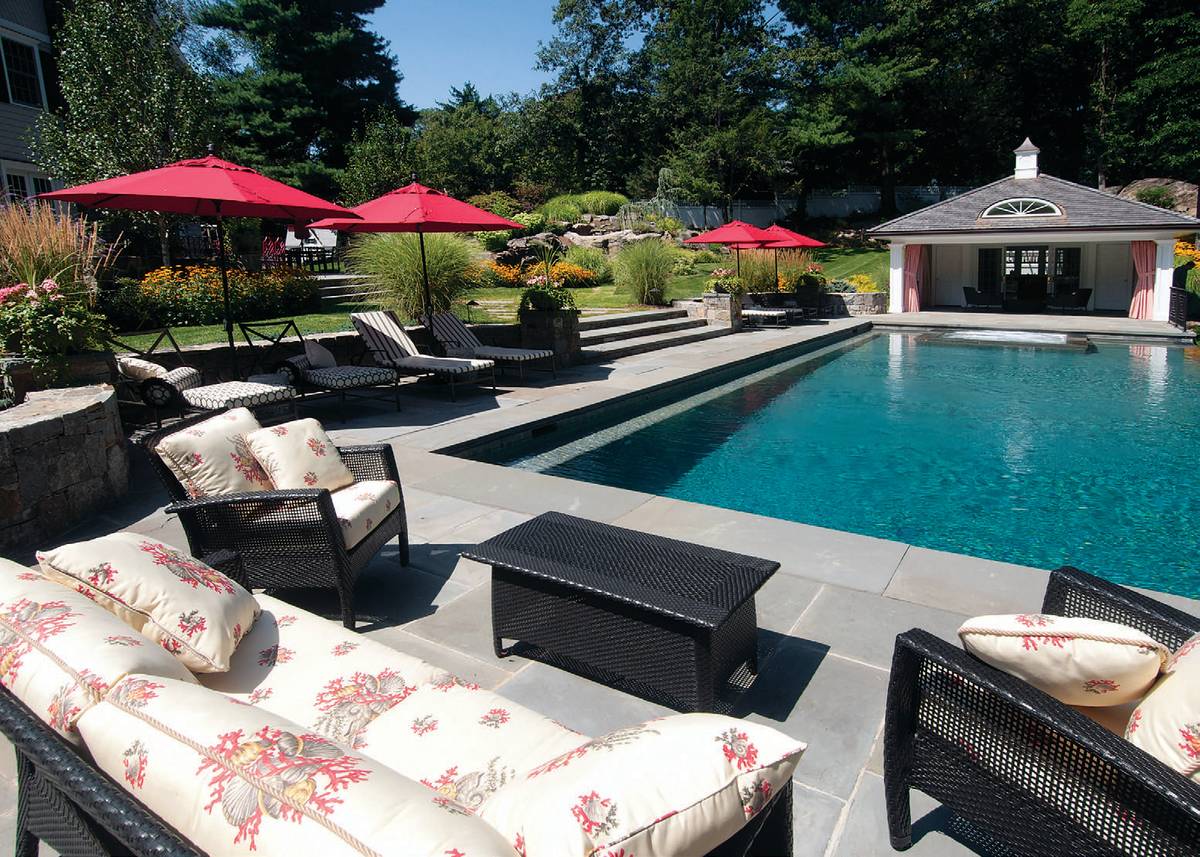
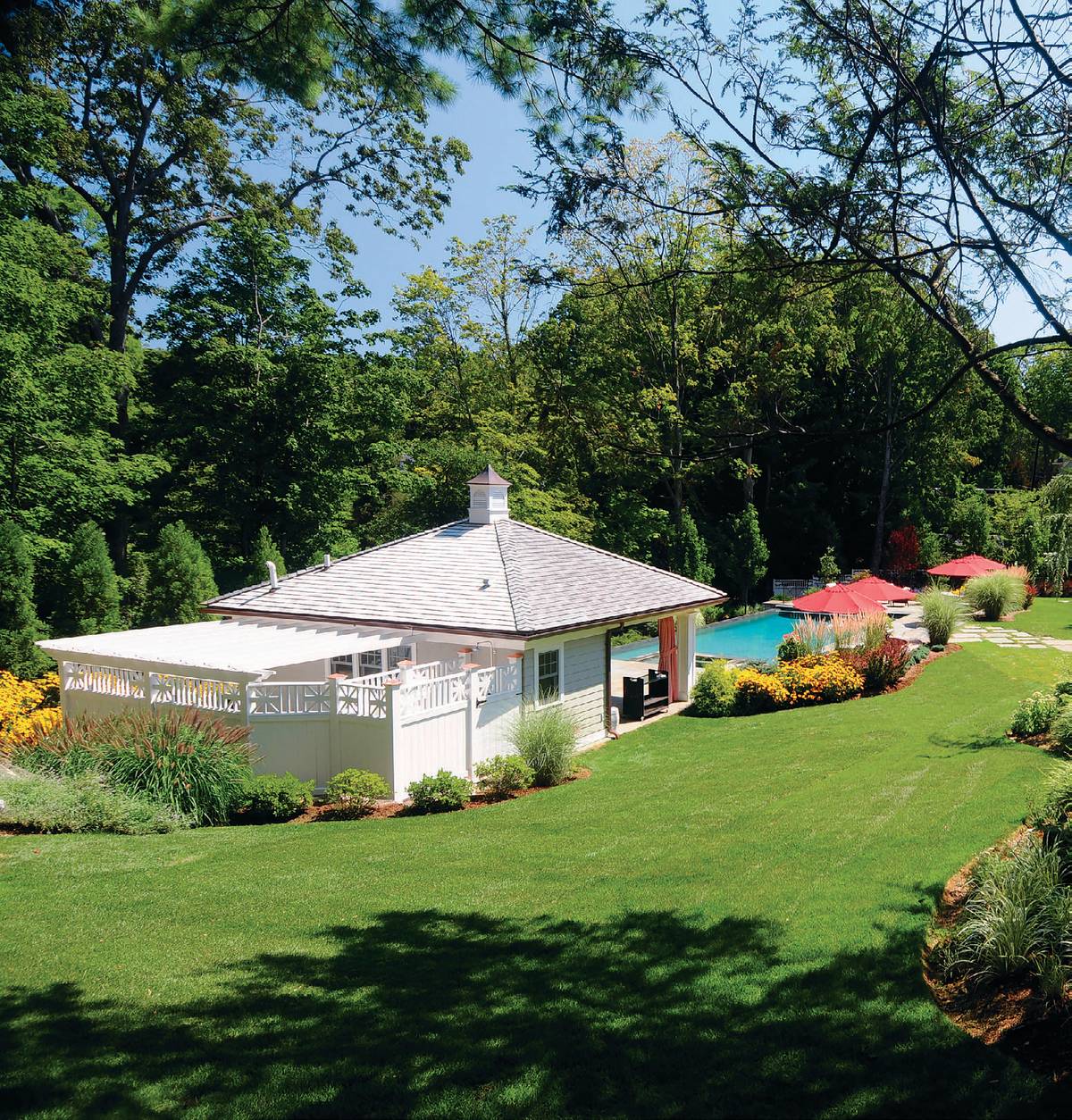
Planning for a new backyard pool involves several crucial considerations to ensure it becomes a valuable and enjoyable addition to your home. Beyond the initial excitement, careful thought about placement is paramount, as an improperly situated pool can lead to ongoing issues and detract from the overall experience. The size and shape of your property are foundational factors, but expert advice extends to five key areas.
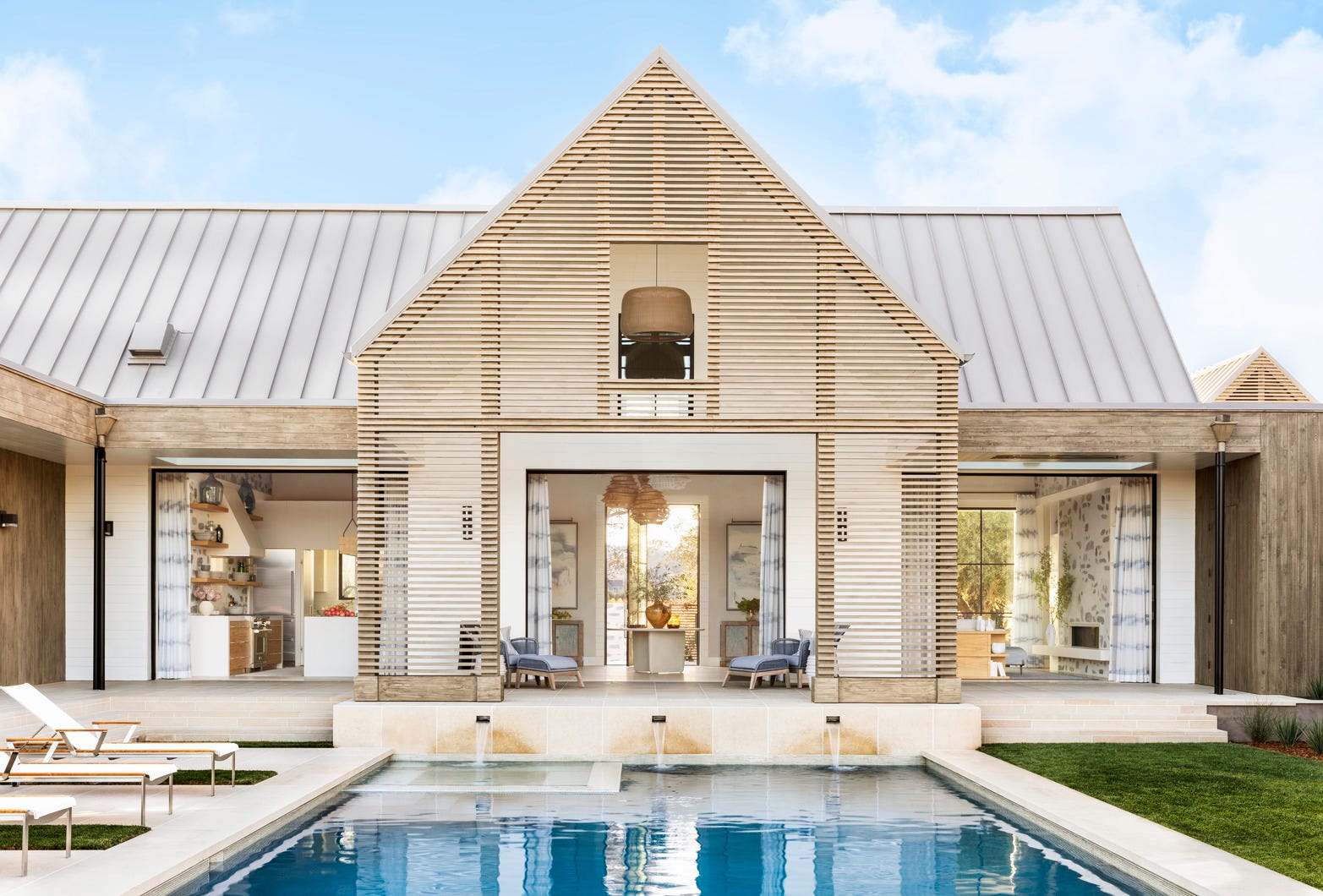
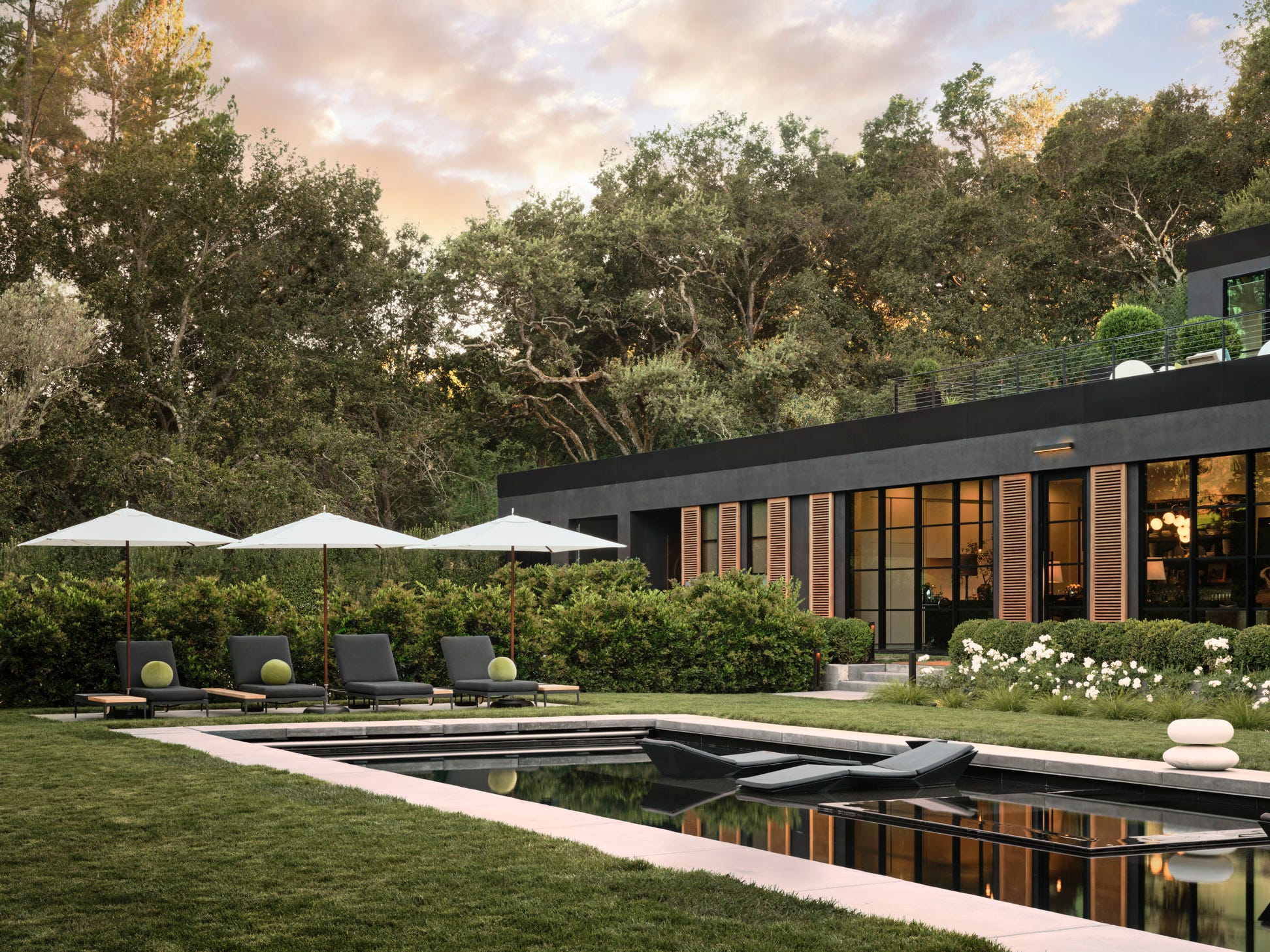
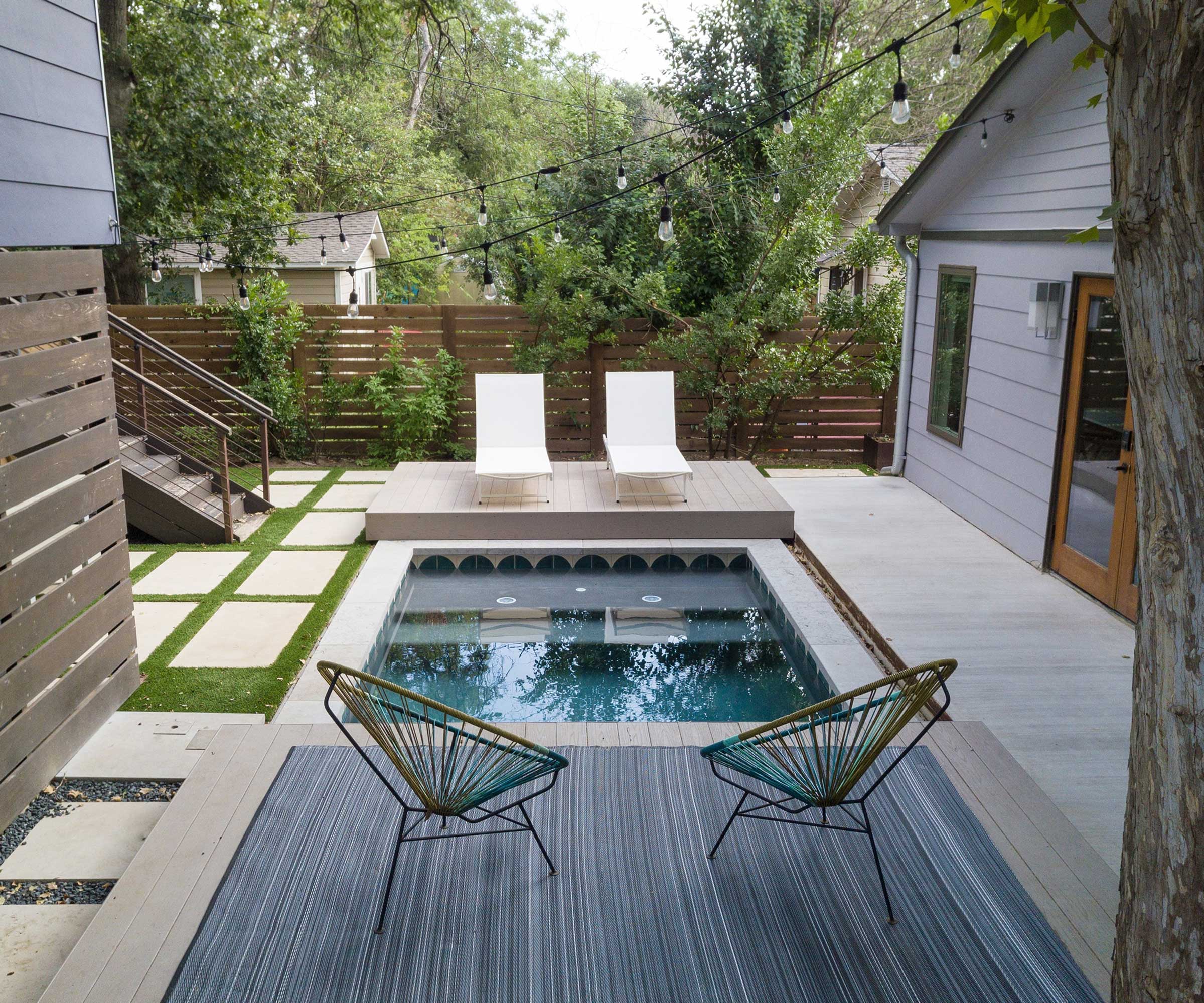
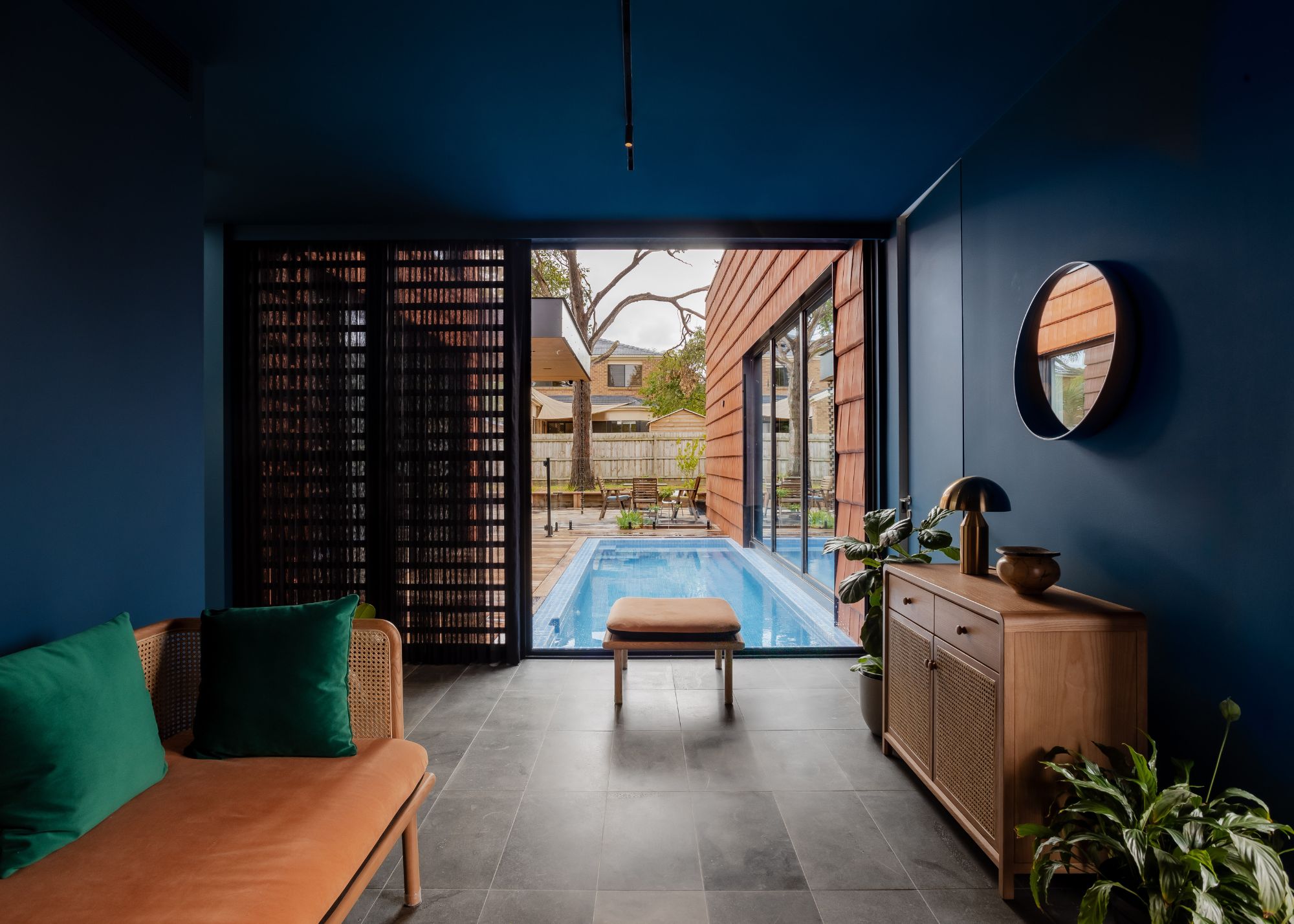
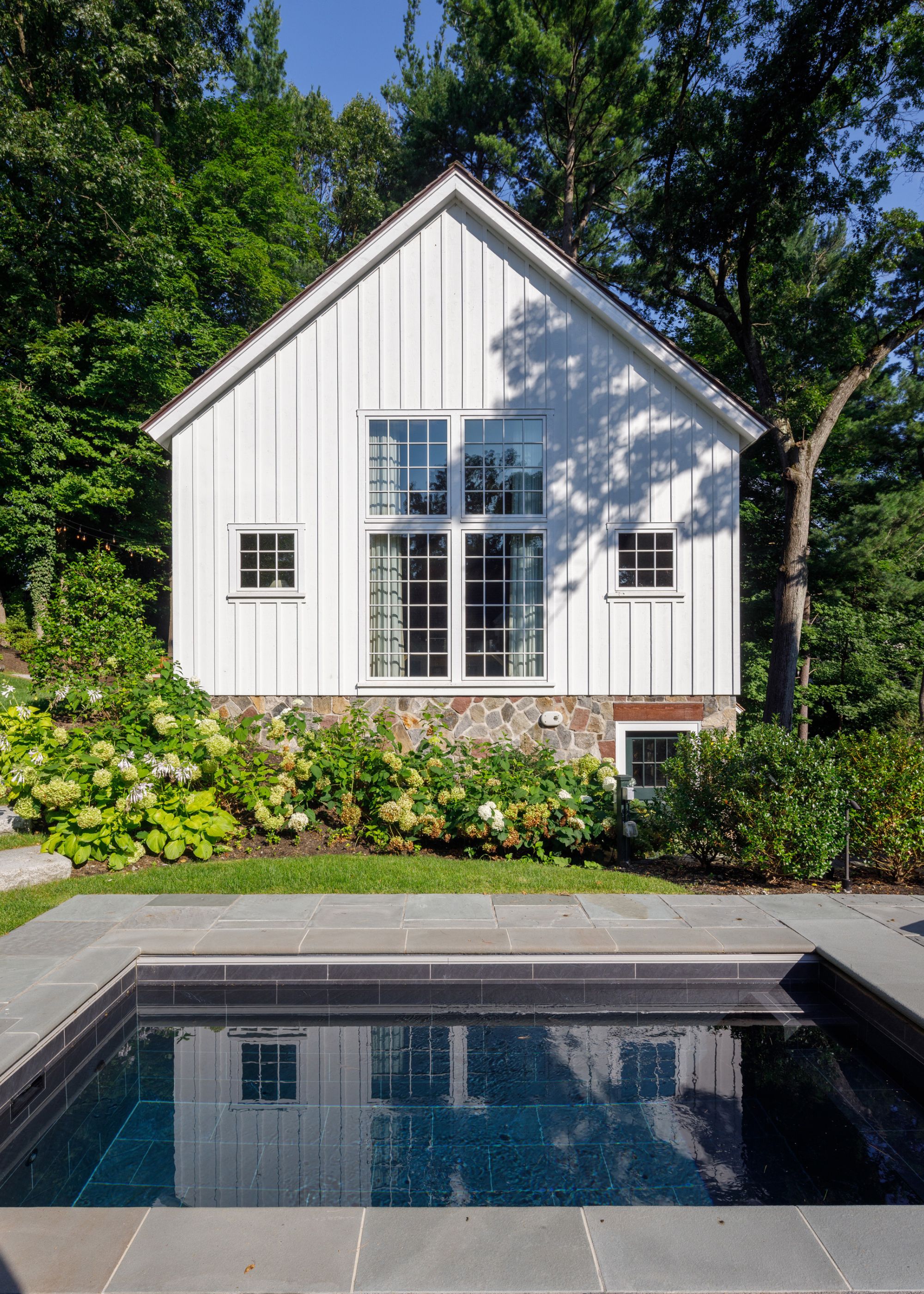
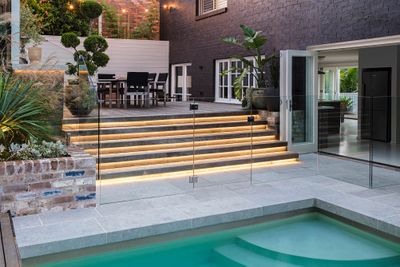
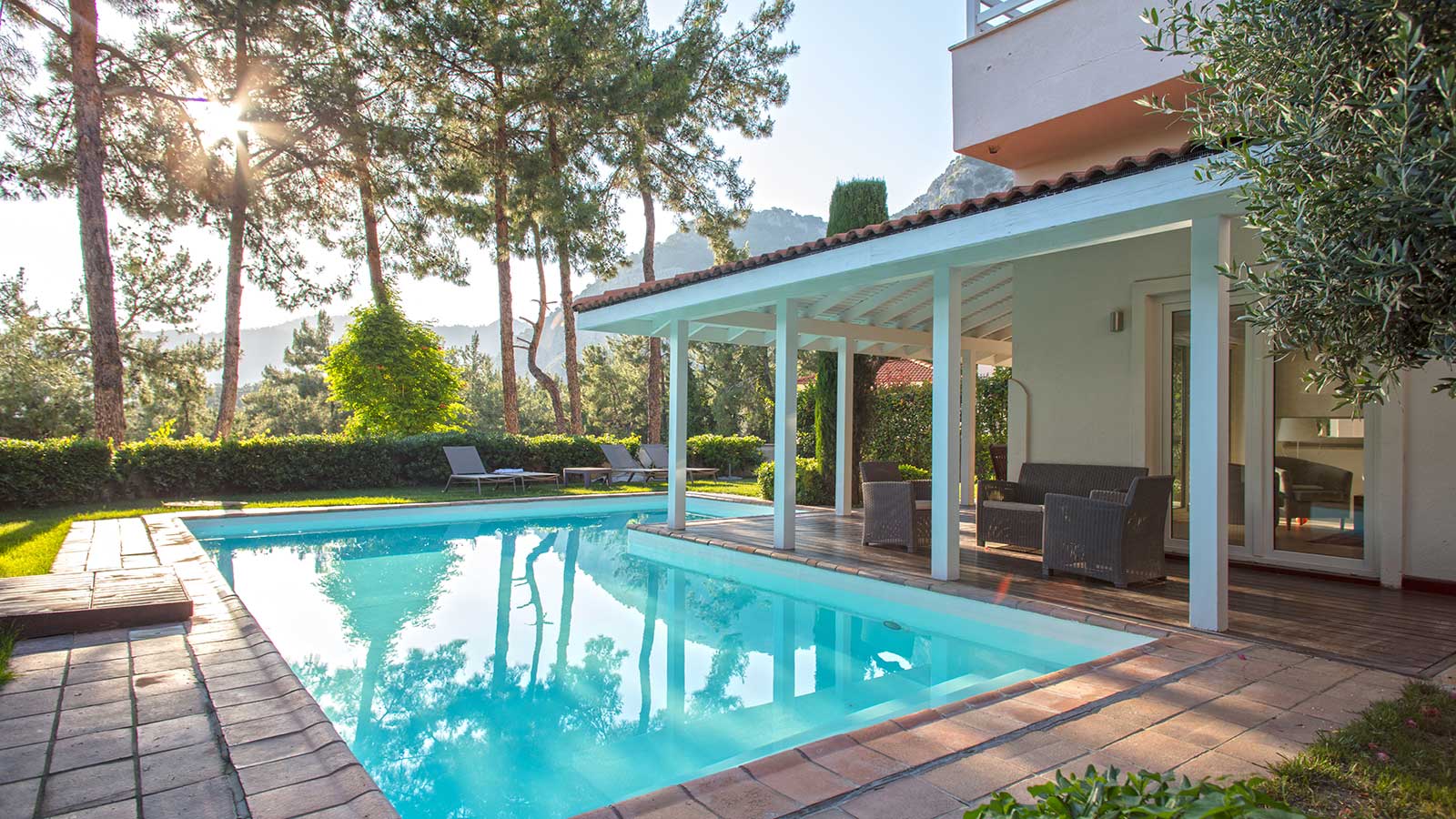
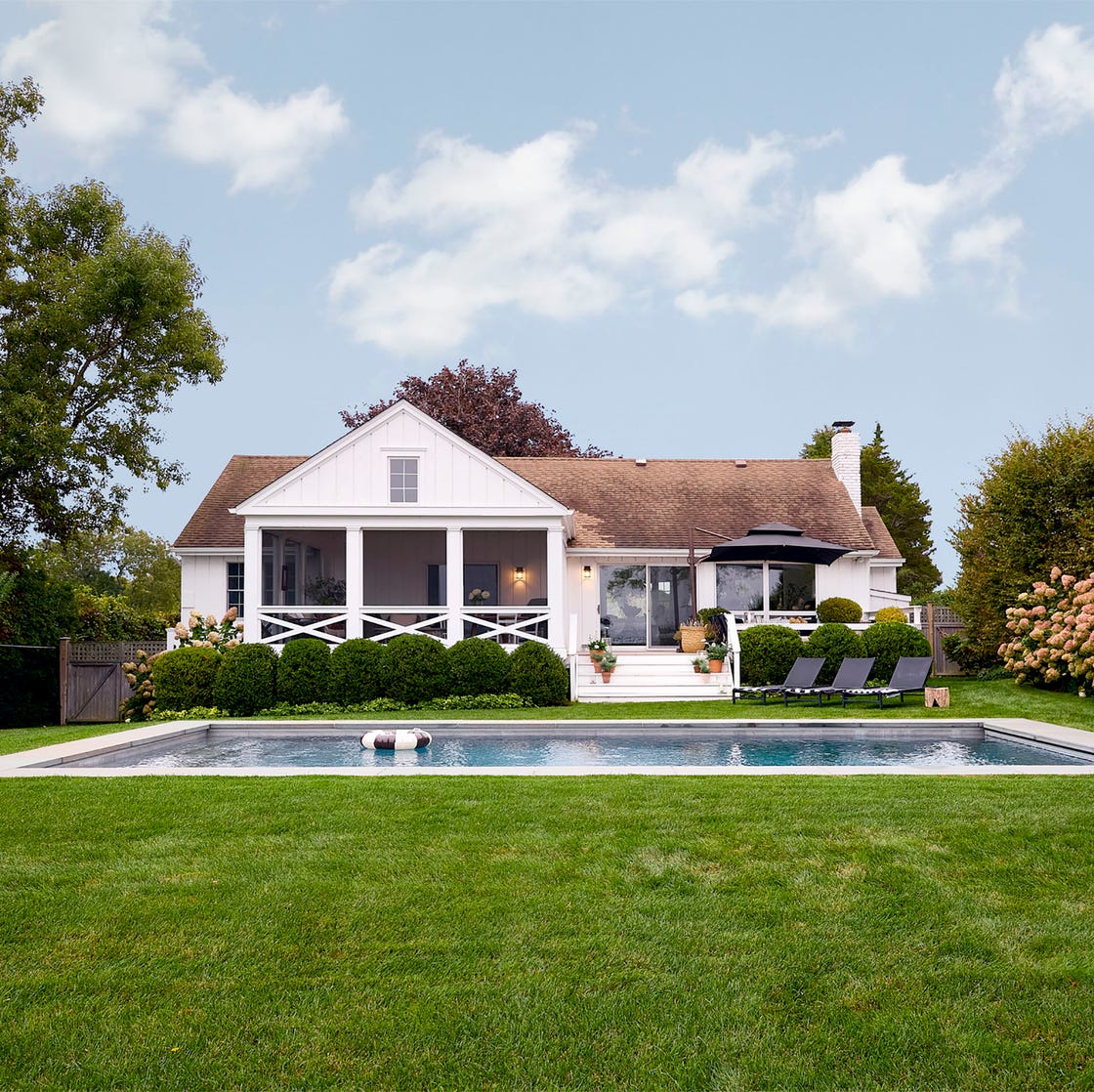
First, the proximity of the pool to your home is significant. Building a pool close to the house can seamlessly extend your living space, fostering an indoor-outdoor lifestyle. This proximity also enhances pool safety by allowing quicker access in emergencies and improving overall visibility for supervision. However, it's vital to avoid placing the pool too close to the home, as water splashes can cause long-term damage to the foundation. Experts recommend integrating features like well-designed pathways, non-slip surfaces, and adequate handrails to improve accessibility and safety.
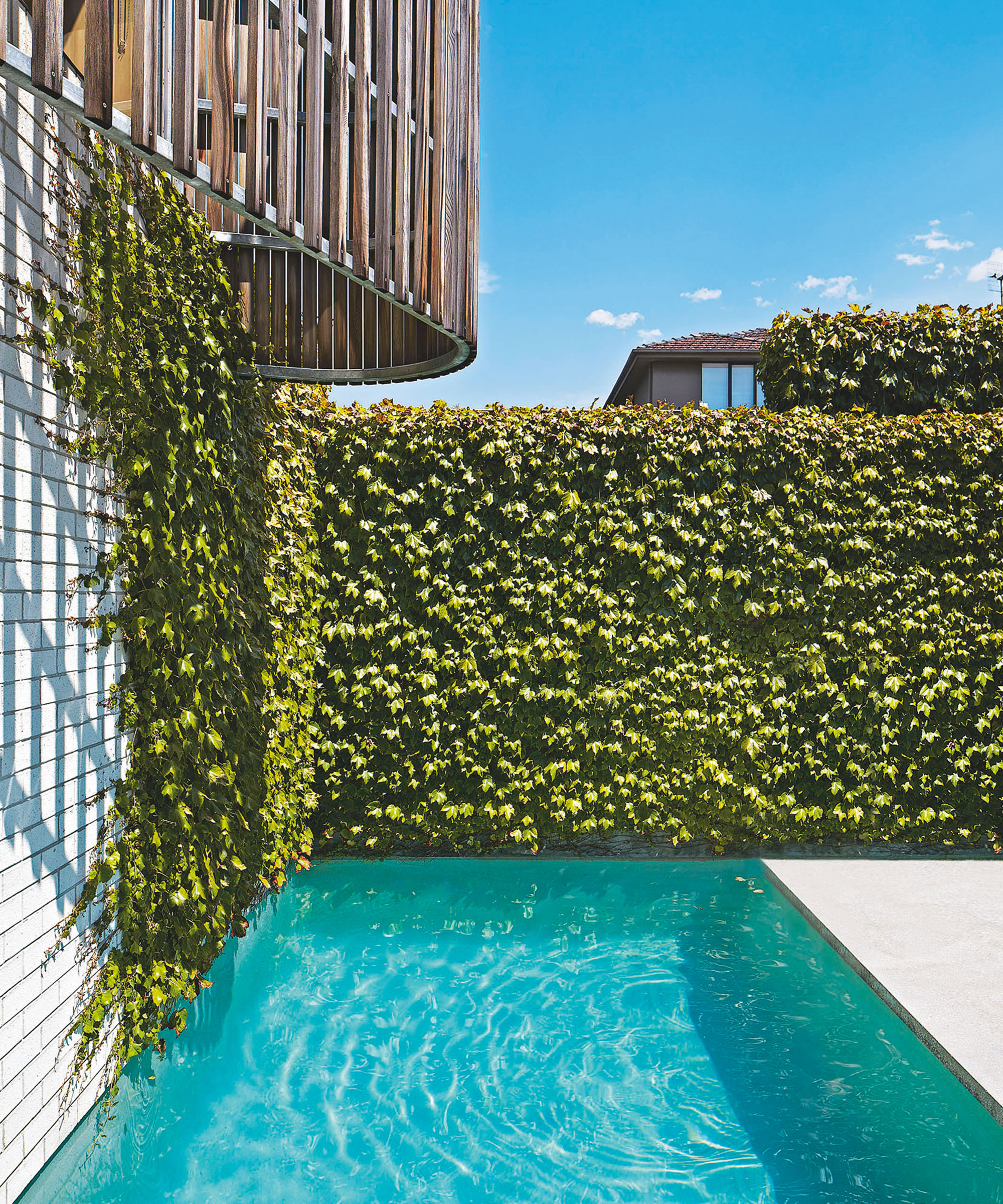
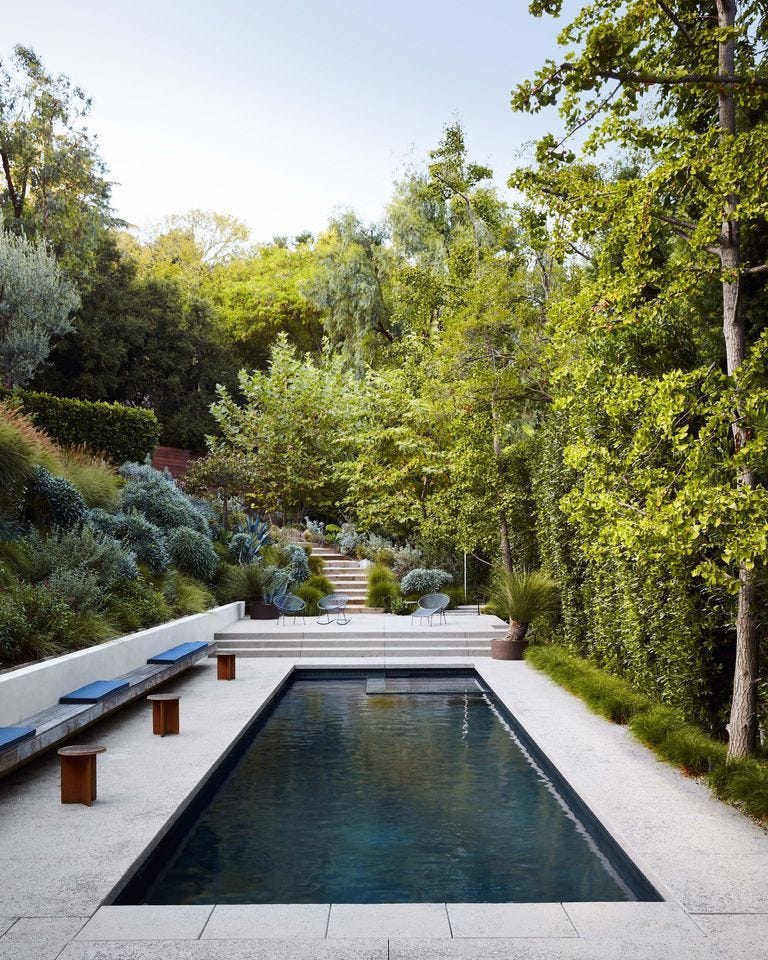
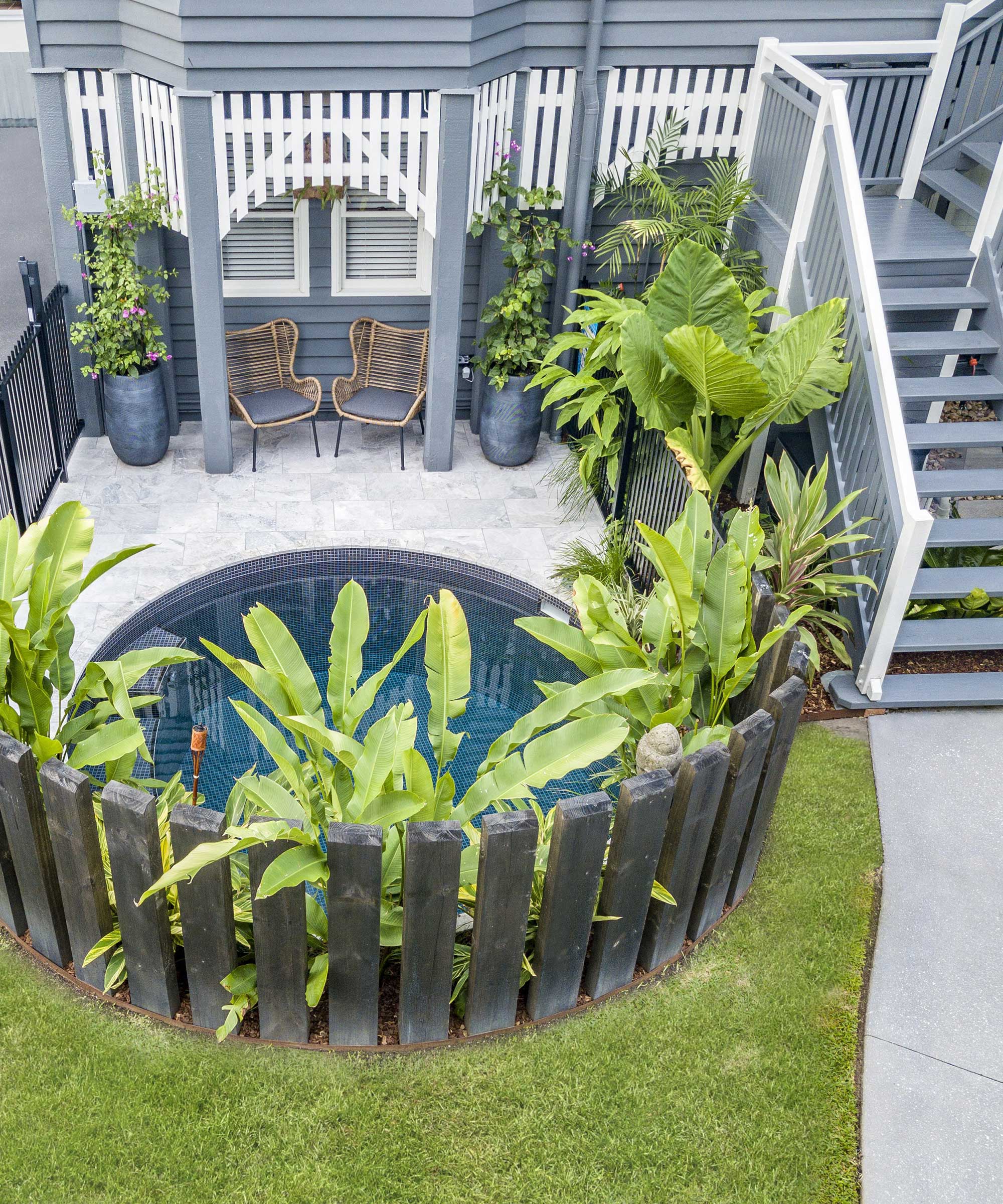
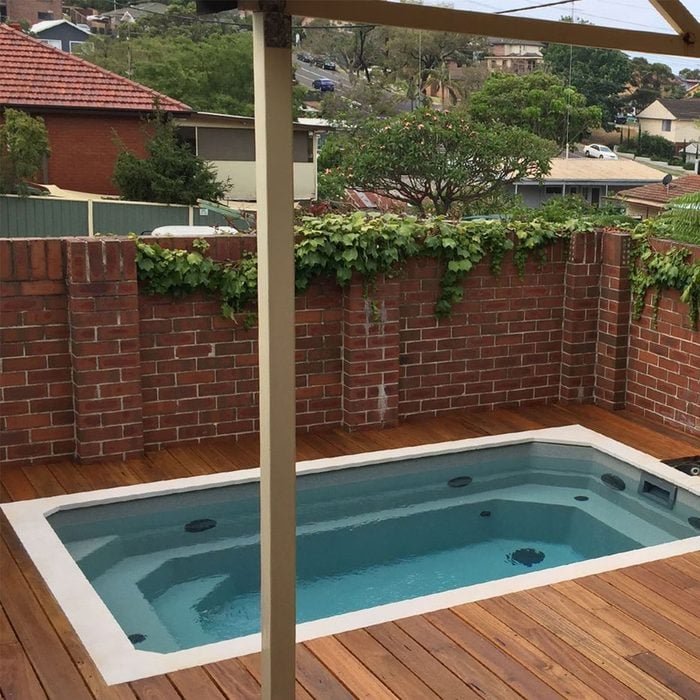
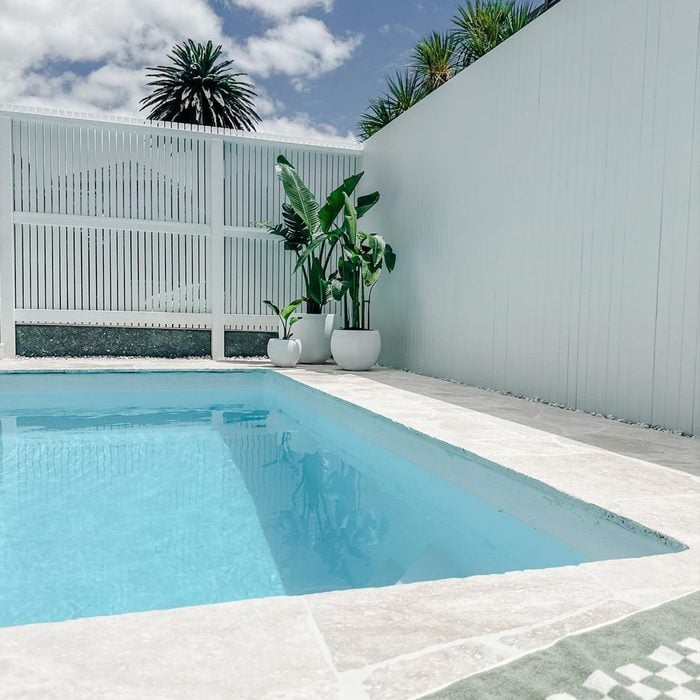
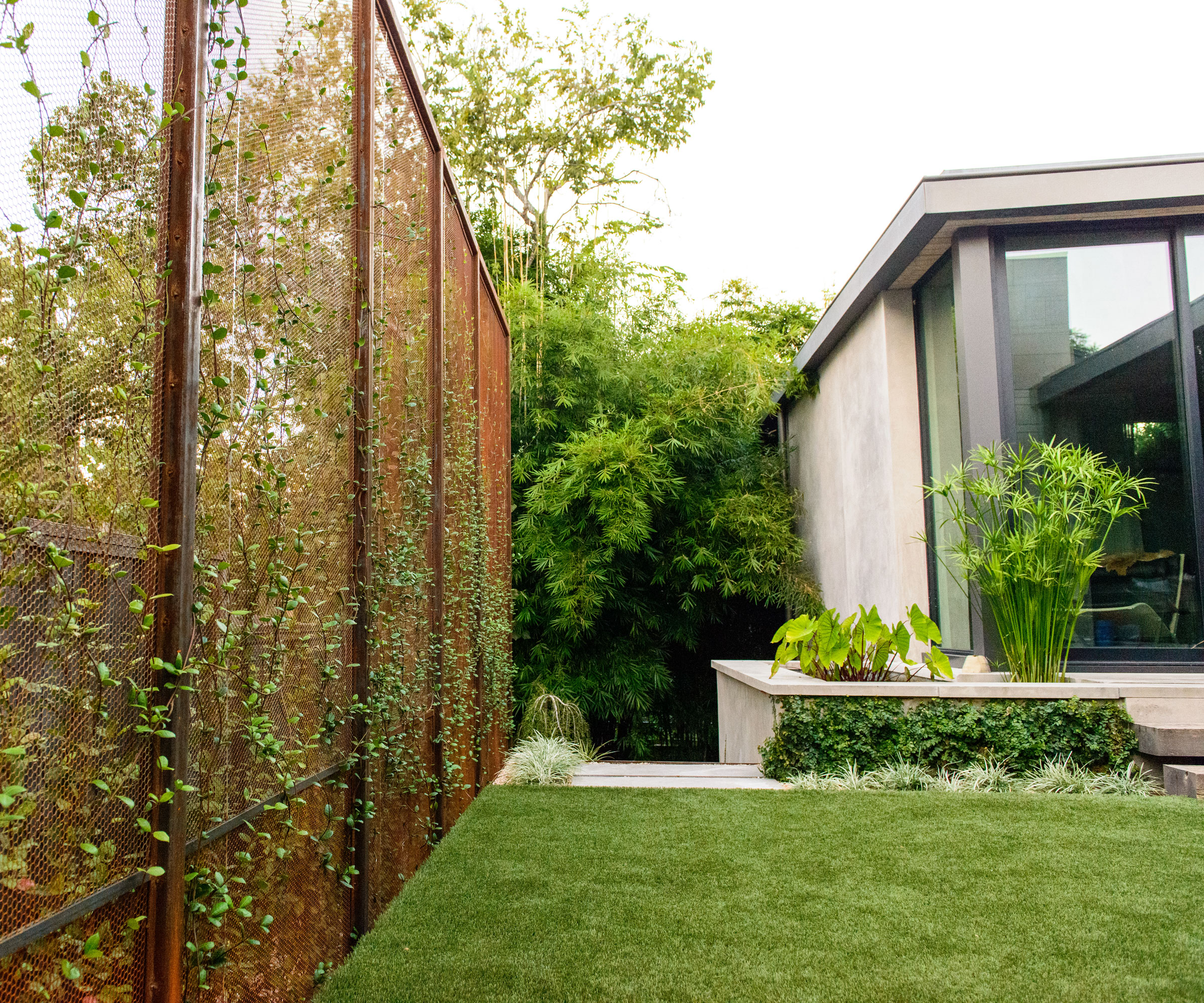
Second, privacy is a major concern for many homeowners. Strategically positioning the pool away from busy streets and public areas is recommended. Moving the pool further from neighbors can also contribute to a more private swimming experience. Additional privacy measures, such as planting dense shrubs, installing screens, or incorporating decorative fencing, can further enhance the secluded feel of the pool area.
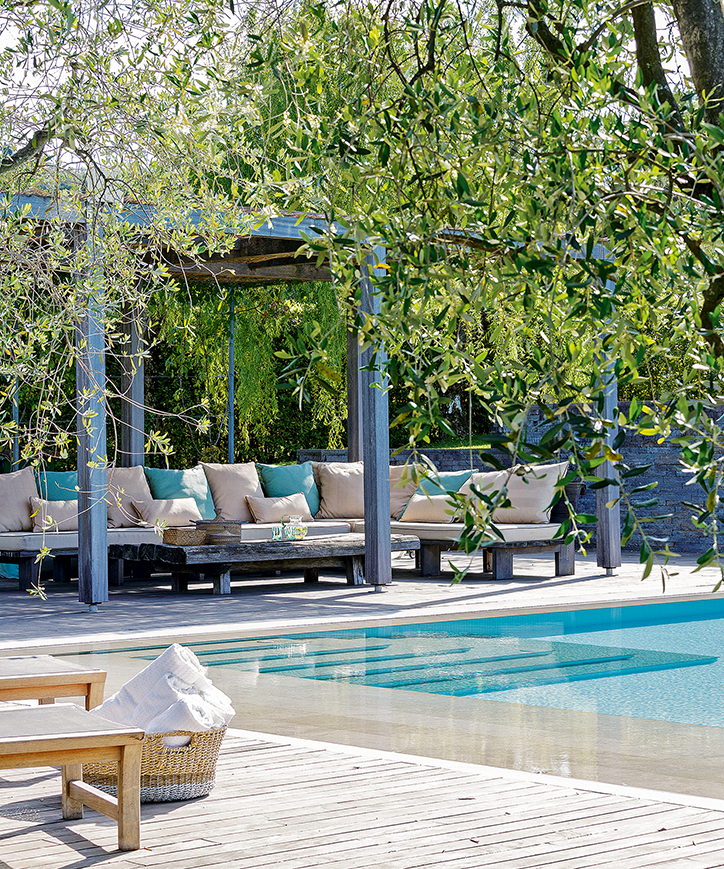
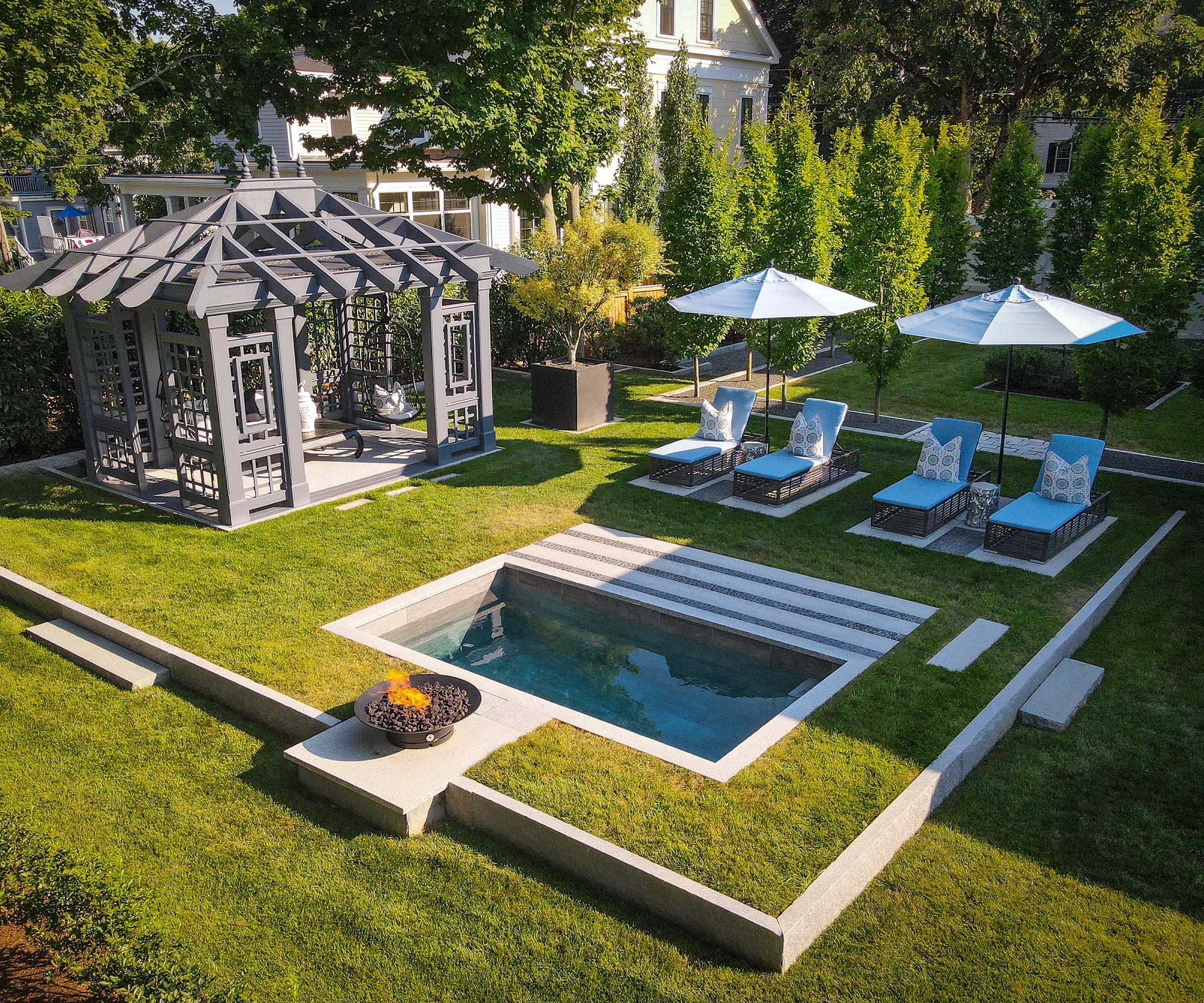
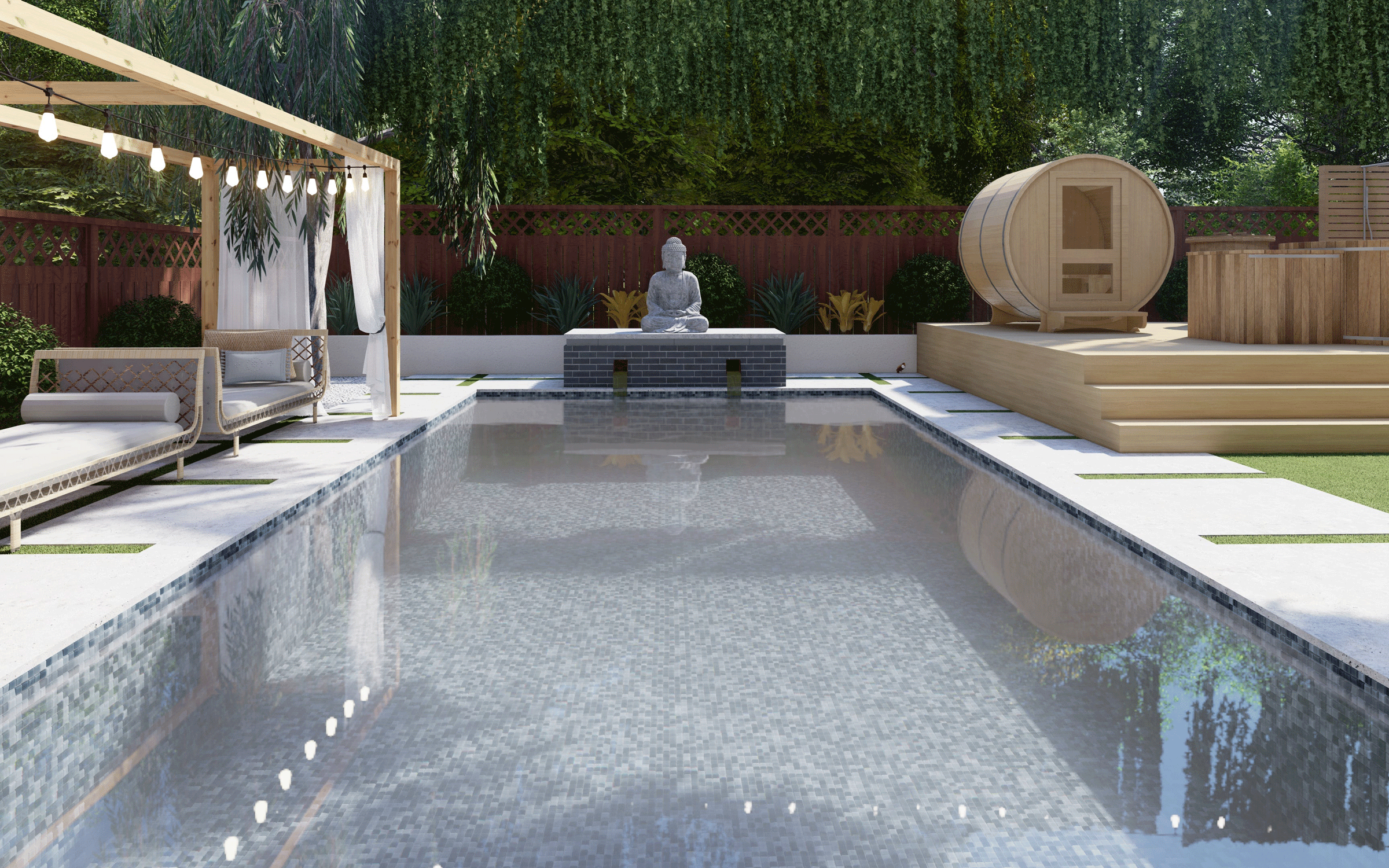
Third, assessing the sun and shade exposure is critical for comfort and usability. A pool area that receives several hours of direct sunlight daily helps keep the water warm and well-lit. Conversely, in hotter climates, excessive sun can make the pool area uncomfortably hot and increase UV exposure risks. In such cases, a location that offers partial shade or the addition of shade solutions like pergolas or shade sails becomes beneficial.
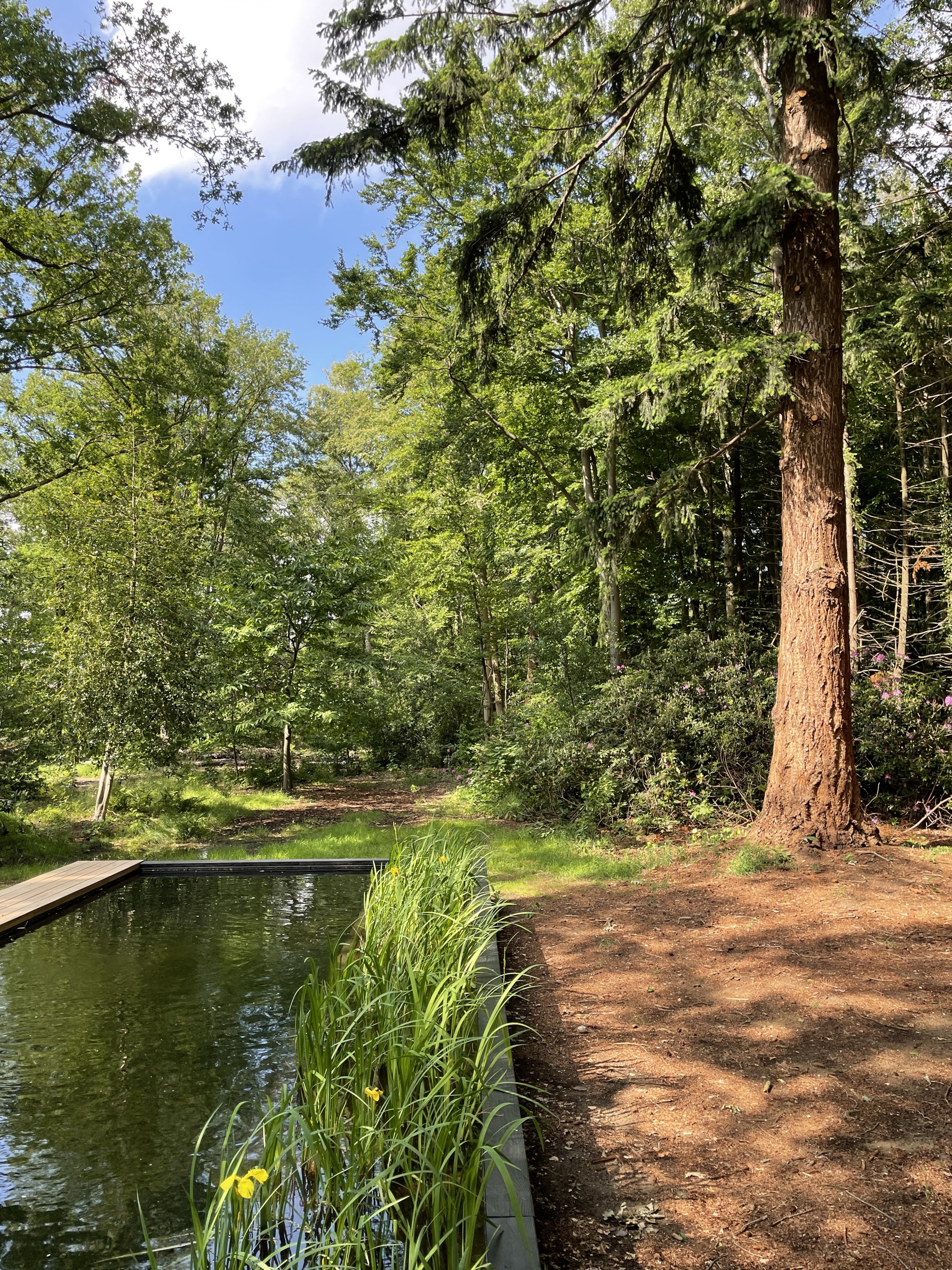
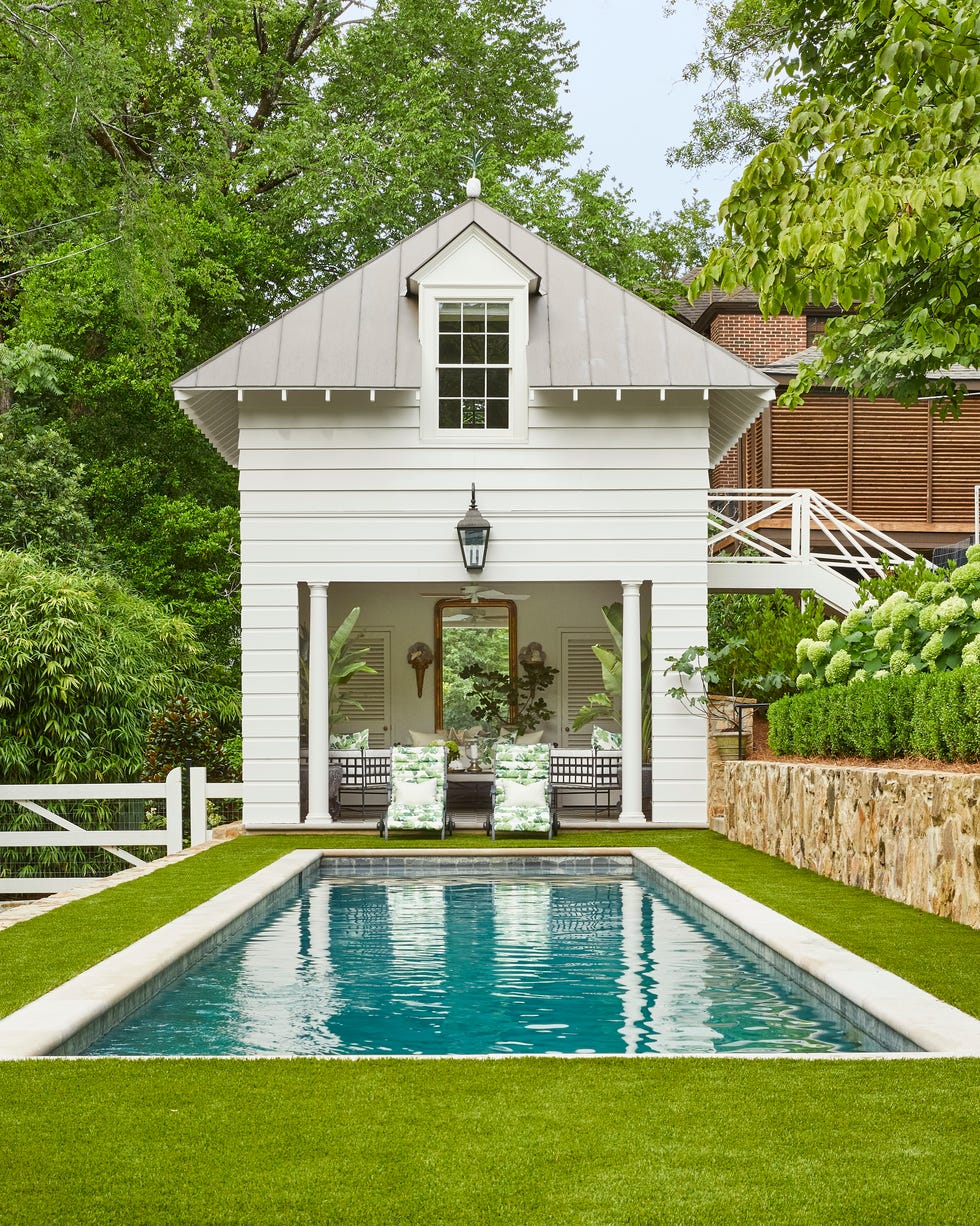
Fourth, existing trees in the backyard require careful consideration. If the pool is to be built near trees, the design must account for their health, particularly their critical root zones, to prevent damage or death. The type of trees also influences pool maintenance; trees that shed a lot of debris will necessitate more frequent cleaning. For new plantings, trees should not be placed too close to the pool's edge to avoid issues with plumbing lines and uneven ground caused by root growth, which can create hazardous conditions.
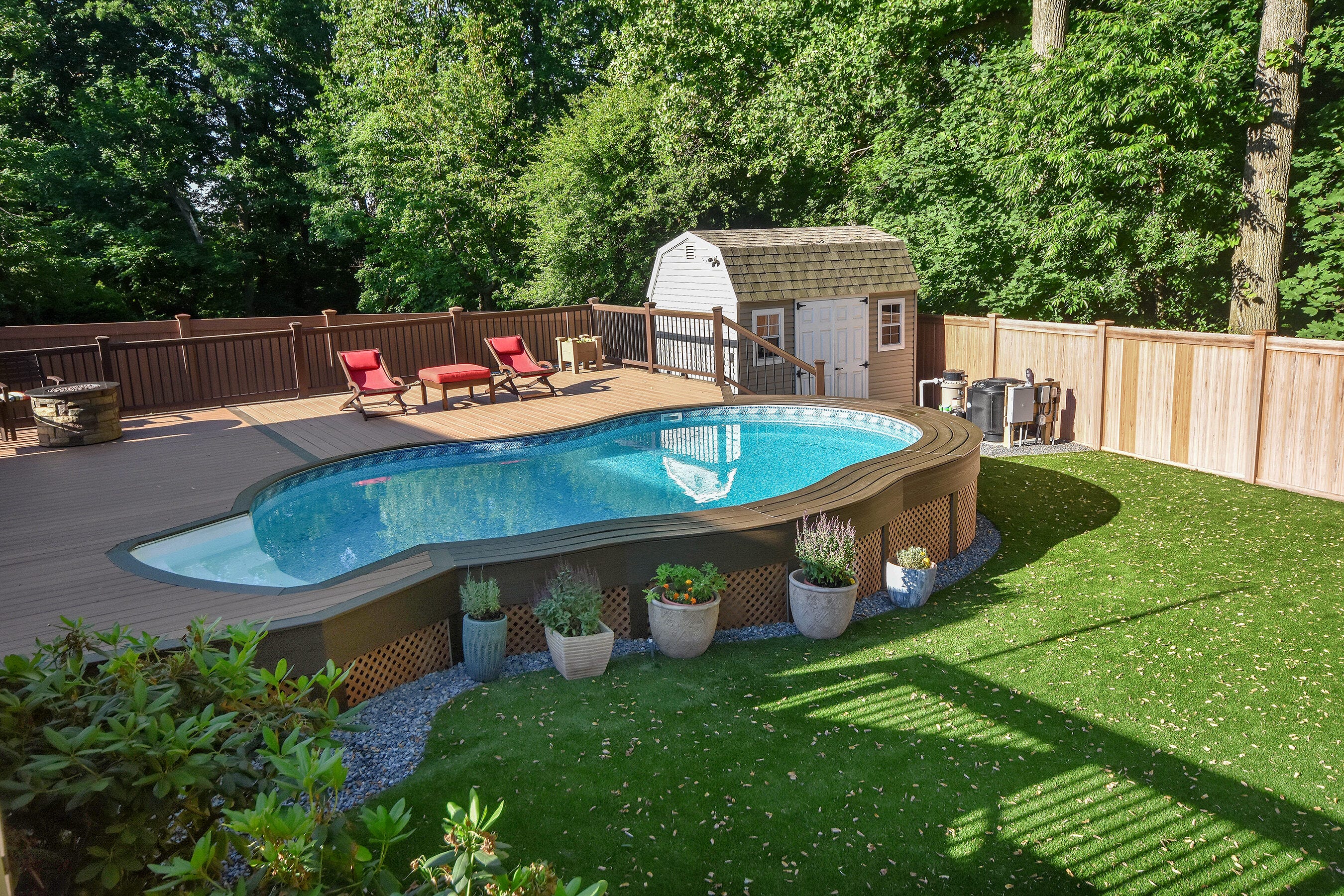
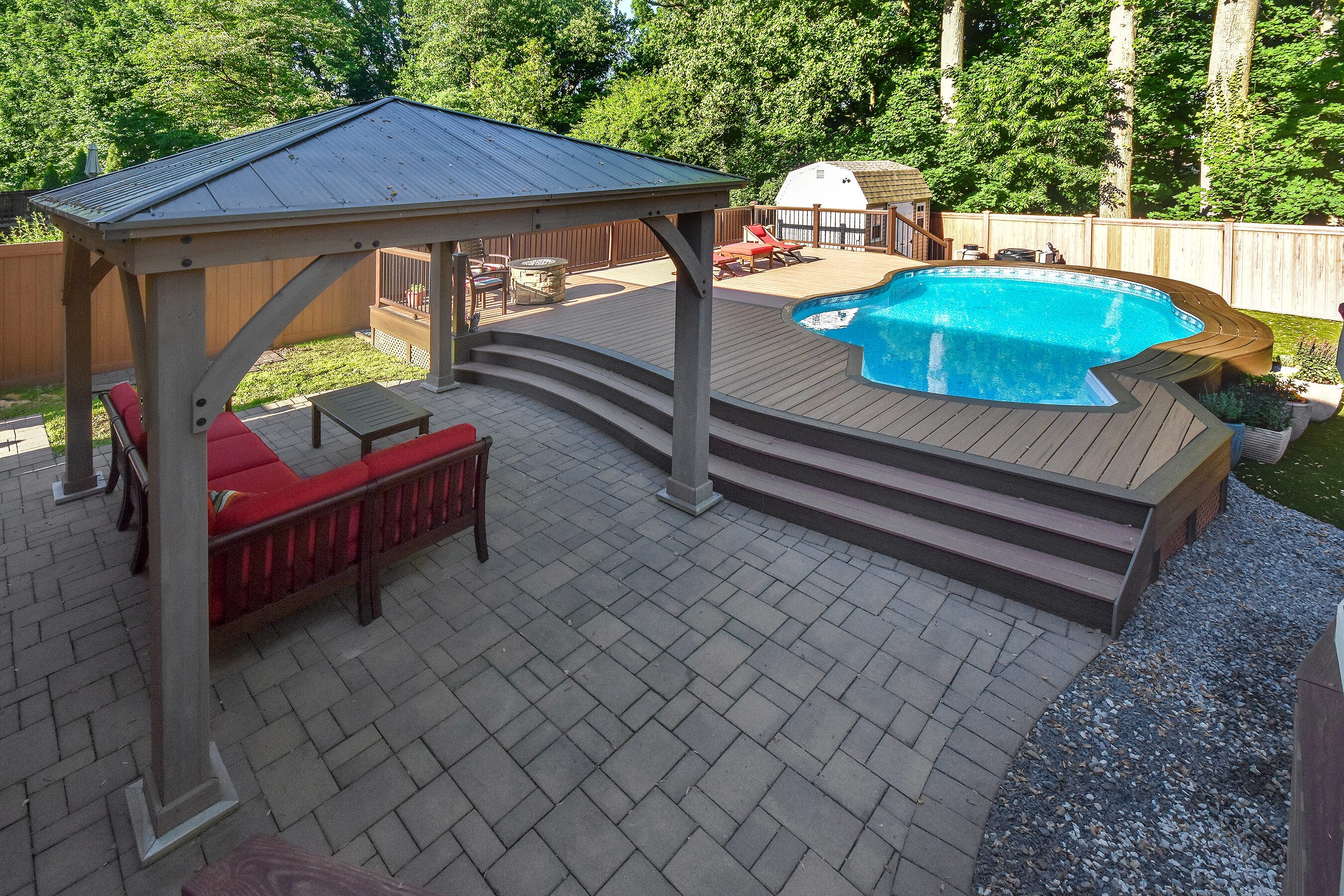
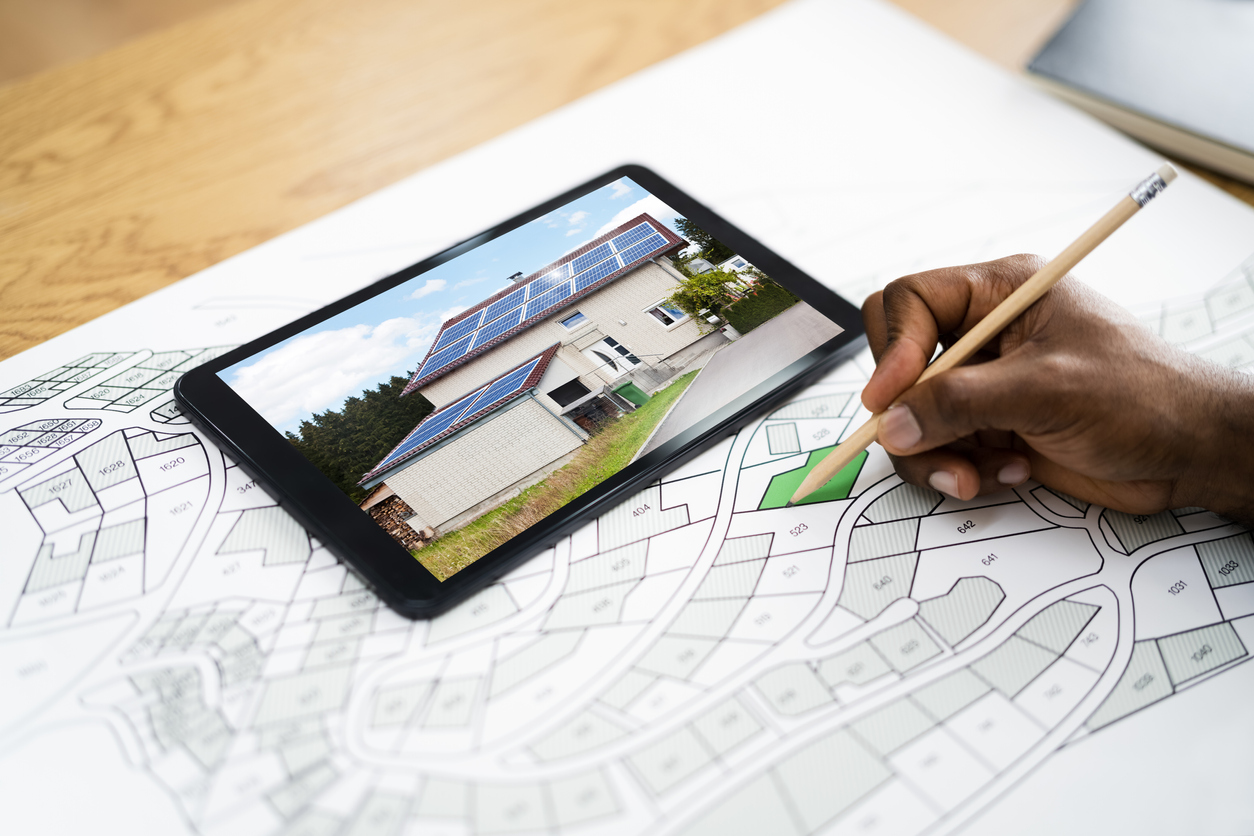
Finally, adhering to local laws, building codes, and safety regulations is non-negotiable. These regulations often dictate setback requirements, proximity to protected trees, and other placement restrictions. Before construction, it's essential to consult with local plumbers to identify and avoid existing underground utilities like sewage pipes or water lines. Awareness of overhead power lines is also crucial. A comprehensive survey of the property is highly recommended to ensure compliance and avoid future complications. For above-ground pools, these considerations largely mirror those for in-ground pools, with added attention to the ground's levelness and clear sightlines from the home for supervision. Building on a slope is possible but will significantly increase costs and complexity, requiring specialized construction to ensure structural integrity and prevent issues like soil erosion. Ultimately, while aesthetics are important, functionality and safety should always be the top priorities when planning pool placement.
#BackyardPool #PoolPlacement #OutdoorLiving #GardenDesign #PoolSafety #HomeImprovement #LandscapeDesign #PrivacySolutions #SunAndShade #BackyardPool #PoolPlacement #OutdoorLiving #GardenDesign #PoolSafety #HomeImprovement #LandscapeDesign #PrivacySolutions #SunAndShade
0 comment in total
 No comments yet
You may also like
Backyard staycation ideas – 12 ways to holiday at home

These Rules Dictate Where You Can Place Your Pool, Shed, or ADU—Even on Your Property
12 Clever Ways to Design a Small Pool Into Your Yard That Are Ideal for Hot Summers and Feel Perfectly to Scale

Plunge Pools Are the Popular Upgrade That Will Keep You Cool All Summer

Above-Ground Pools Are Having a Serious Style Moment

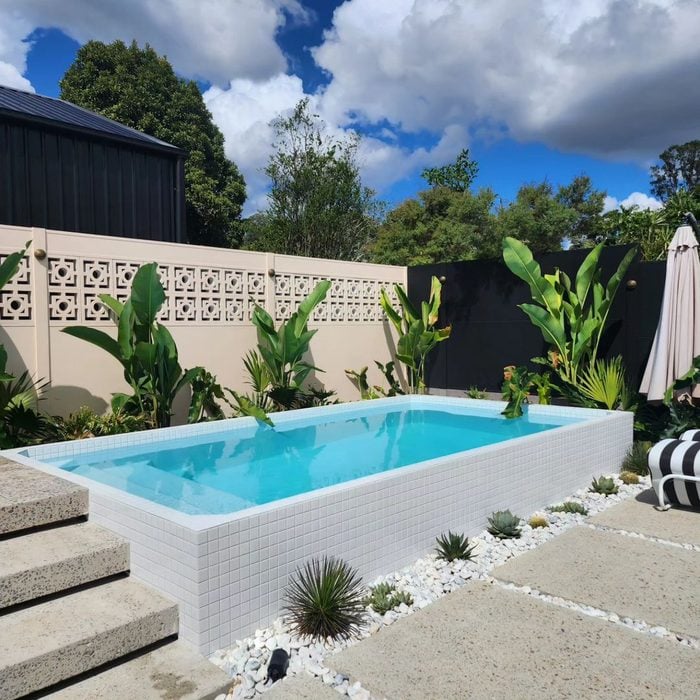
What Is a Plunge Pool? 9 of the Best Plunge Pool Ideas

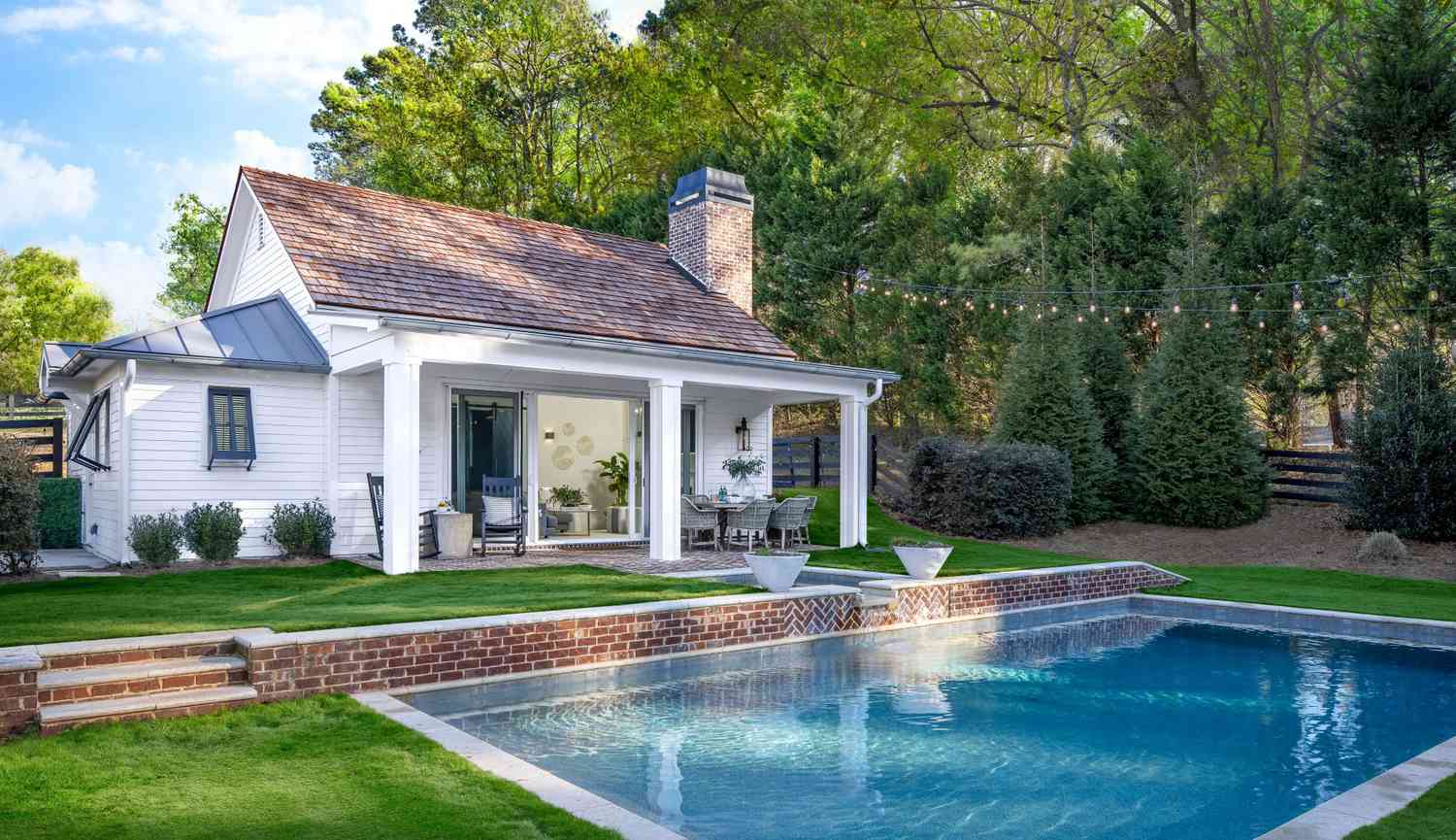
The Perfect Pool House Plan For Backyard Entertaining
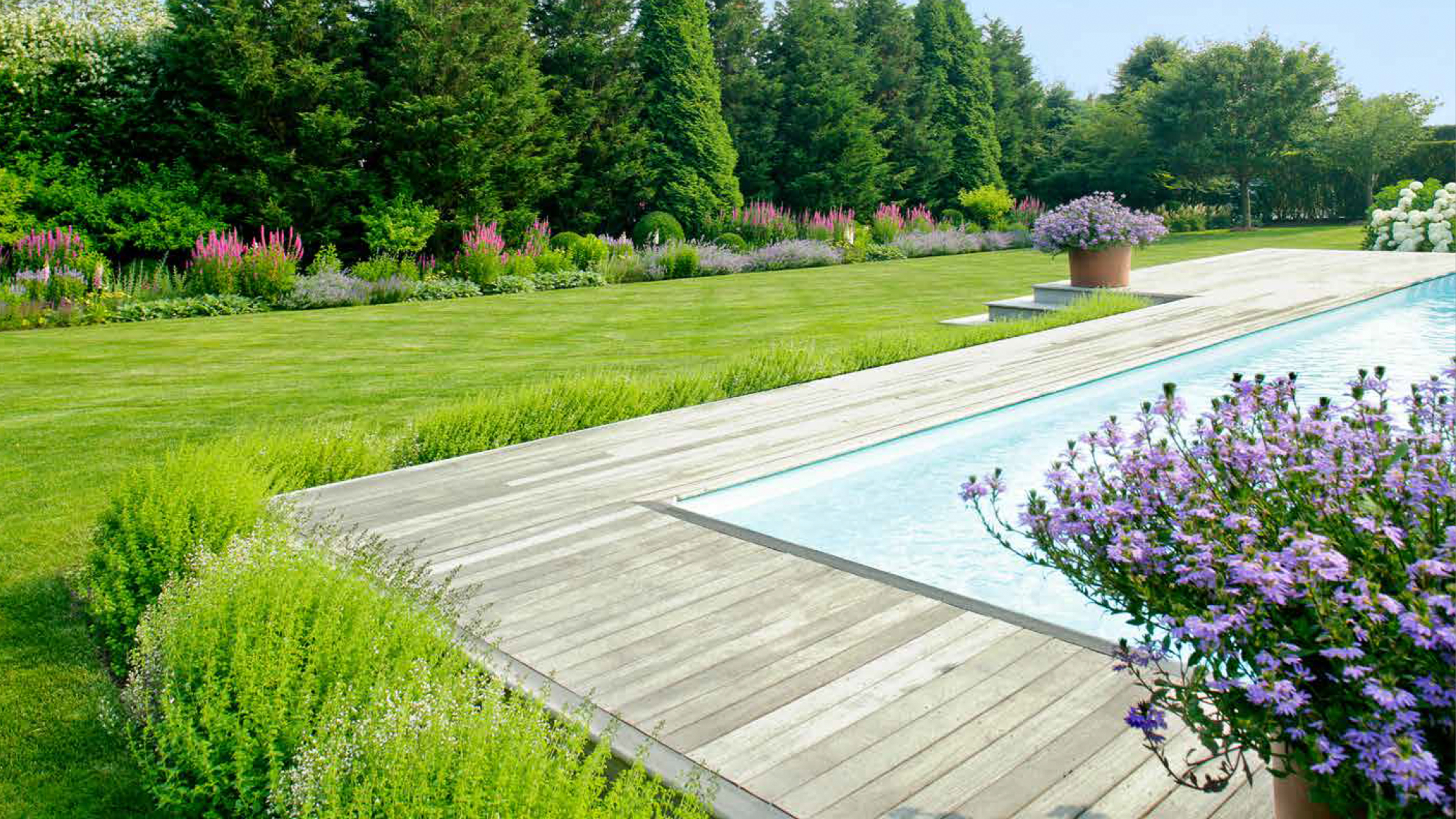
10 pool landscaping ideas to splash-proof your outdoor space

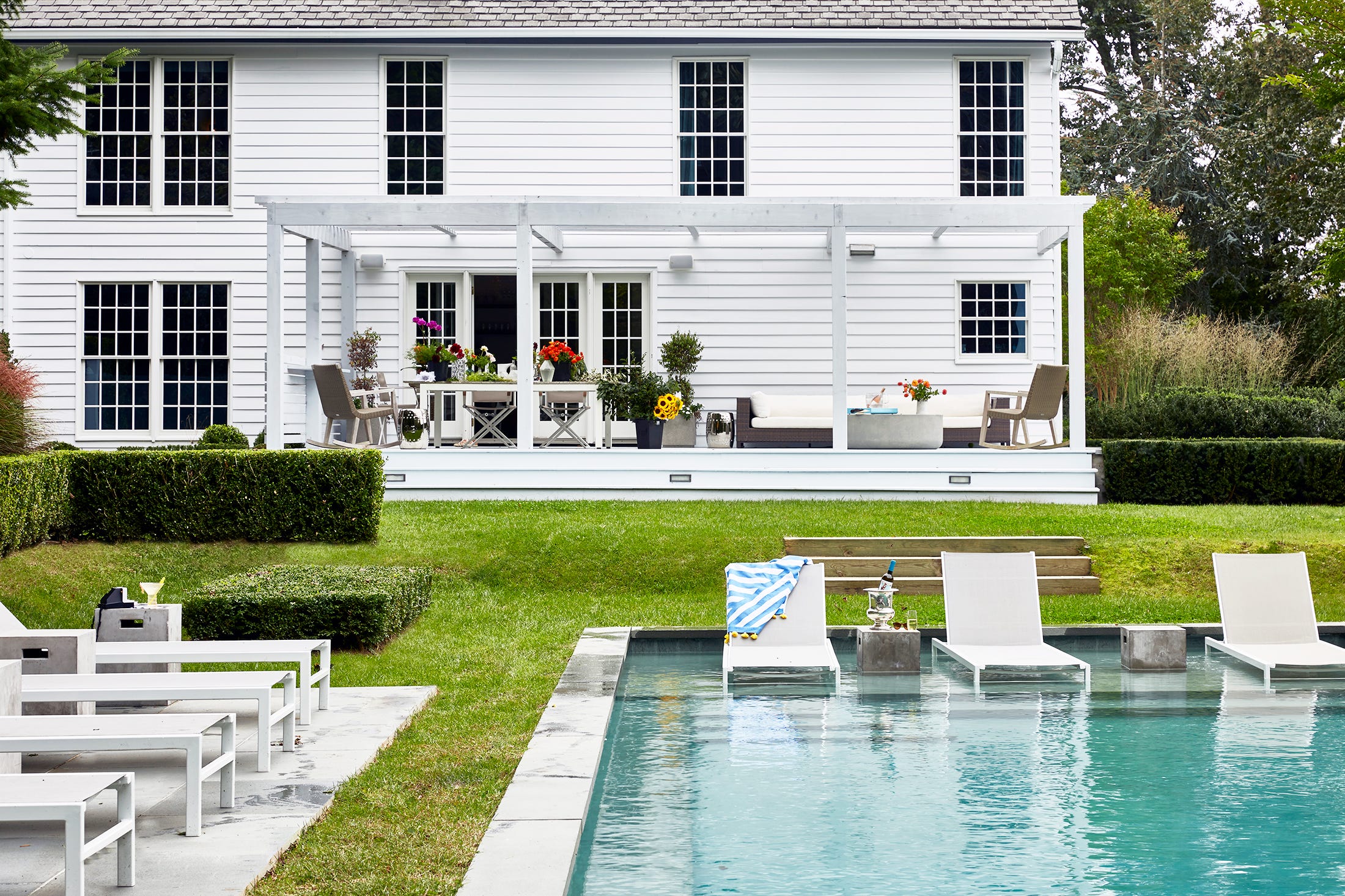
50 Dreamy Pool Designs to Inspire Your Own Outdoor Escape
Turn Your Backyard (or Patio) Into A Poolside Oasis — Summer Goals 2020

Build Your Perfect Backyard Patio in 5 Easy Steps

3 Beautiful Backyards Made for Summers Outdoors in Westchester

26 Insanely Cool Backyard Pool Ideas That Are 1,000x Cooler Than That Overrated Beach Trip
Livingetc's 10 favorite backyards ever to inspire and help elevate your own alfresco space
Backyard ideas that kids and parents will love

Townhouse backyard ideas – 10 designer-approved schemes to max out your space
11 compact plunge pool ideas that will revitalize both you and your yard
Backyard hot tub ideas – 11 smart ways to install a spa in your outdoor space
Forget Kitchens—Zillow Says This is Where Homeowners Are Spending Big in 2025
Seven Ideas for Do-It-Yourself Backyard Pools