How to Choose the Perfect Grout Color for Your Next Project, According to a Designer
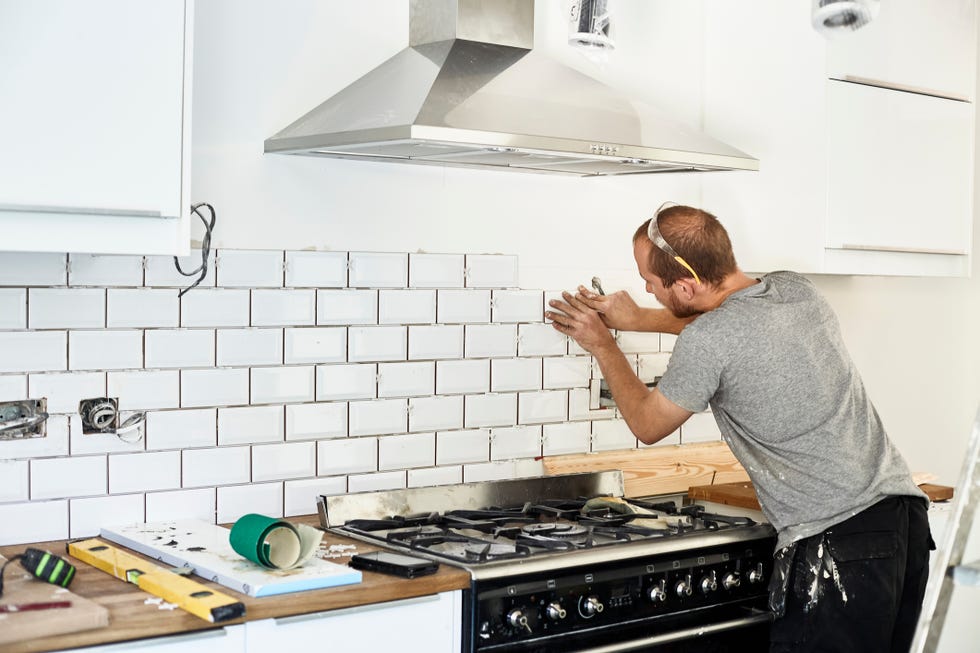
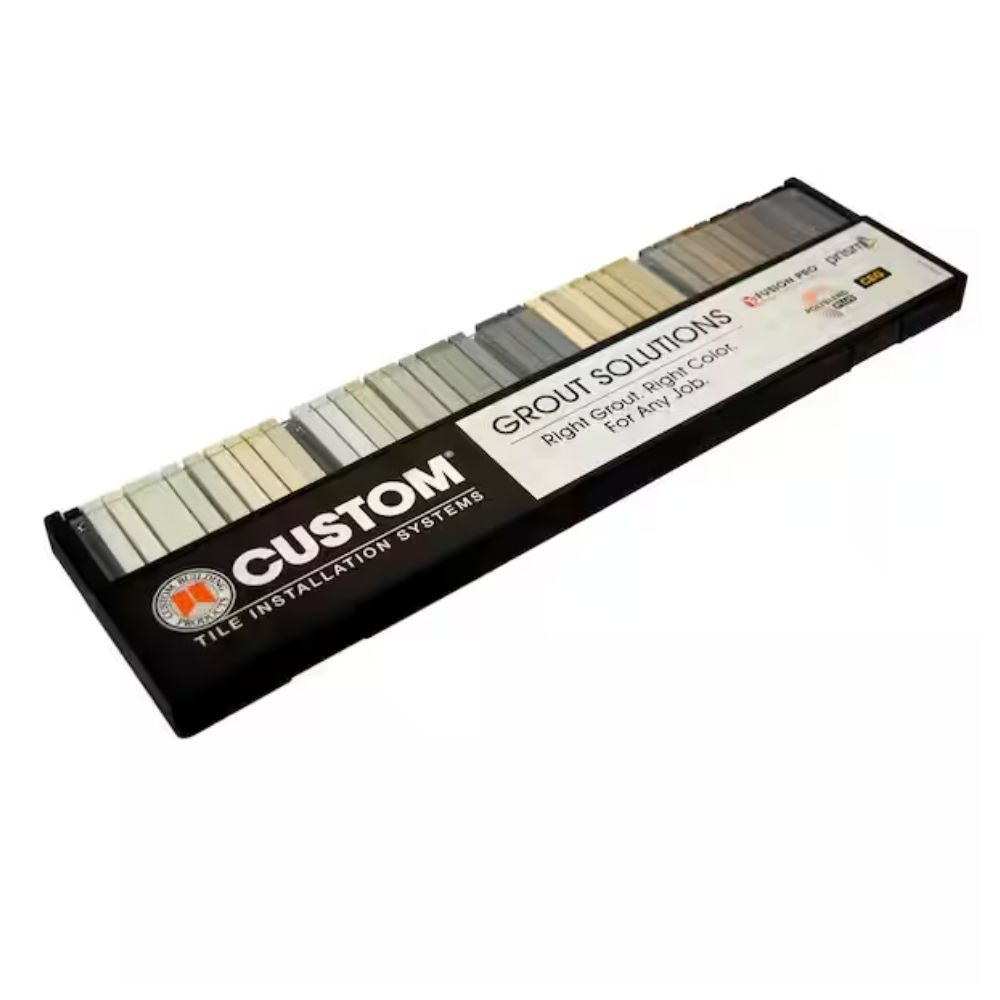
Choosing the right grout color is a crucial decision in any tiling project, impacting both the aesthetic appeal and the long-term maintenance of the tiled surface. Grout, a cement-based material consisting of cement, sand, and water, fills the gaps between tiles, providing stability, durability, and preventing moisture infiltration. Additives like polymers or colorants can be included to improve flexibility, water resistance, and color consistency. The primary considerations when selecting grout color revolve around whether to match the tile, create contrast, or opt for a non-neutral shade.
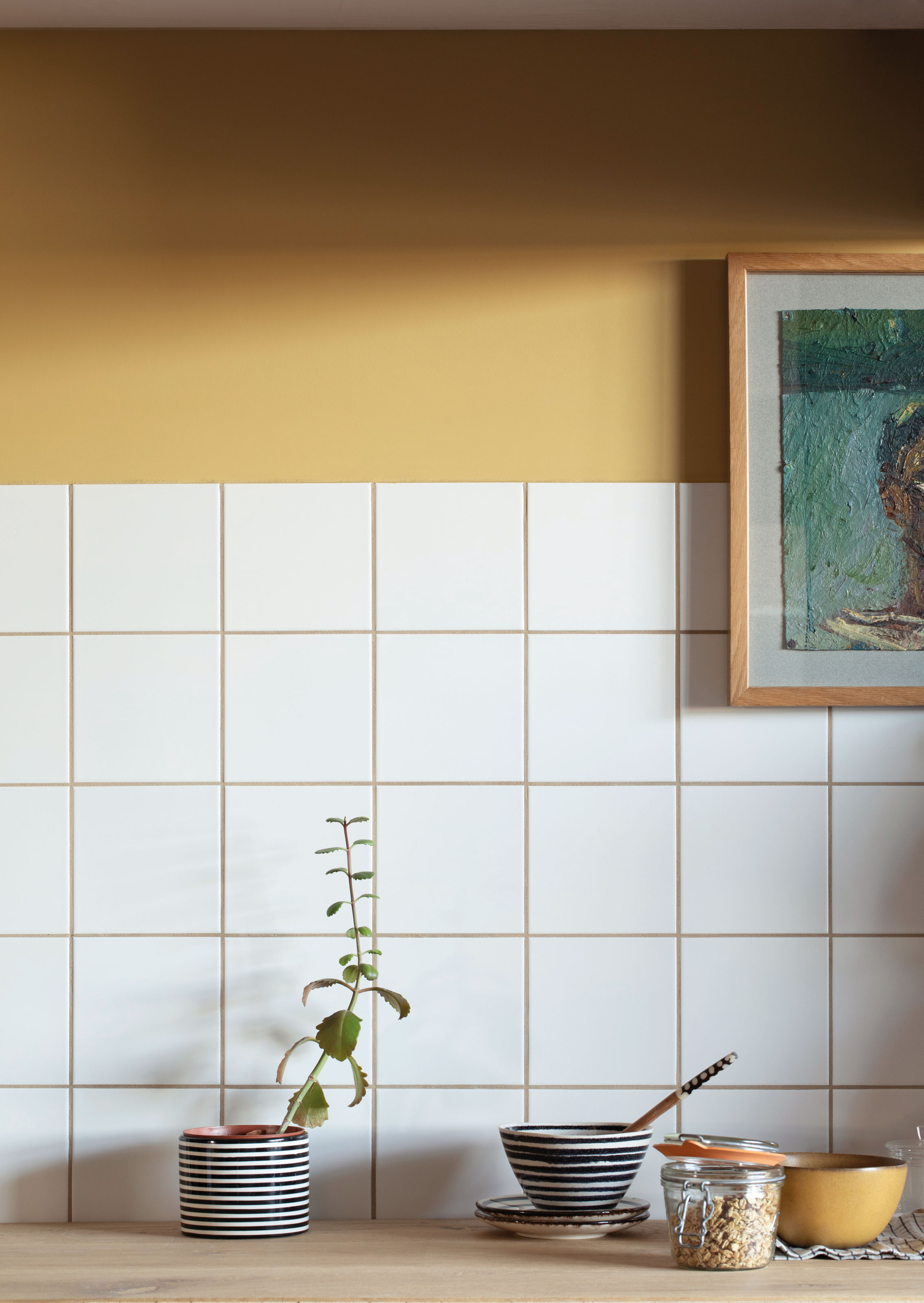
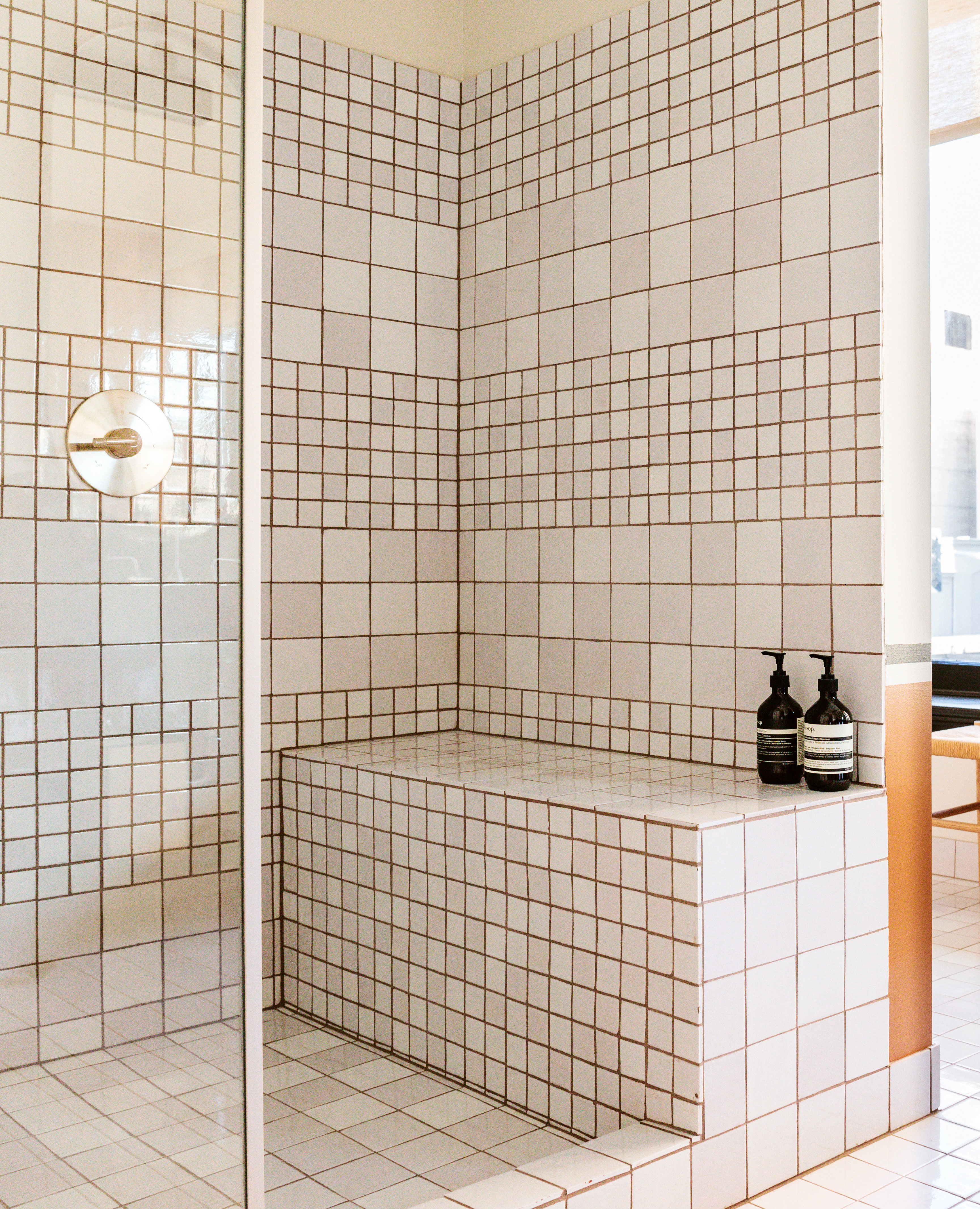
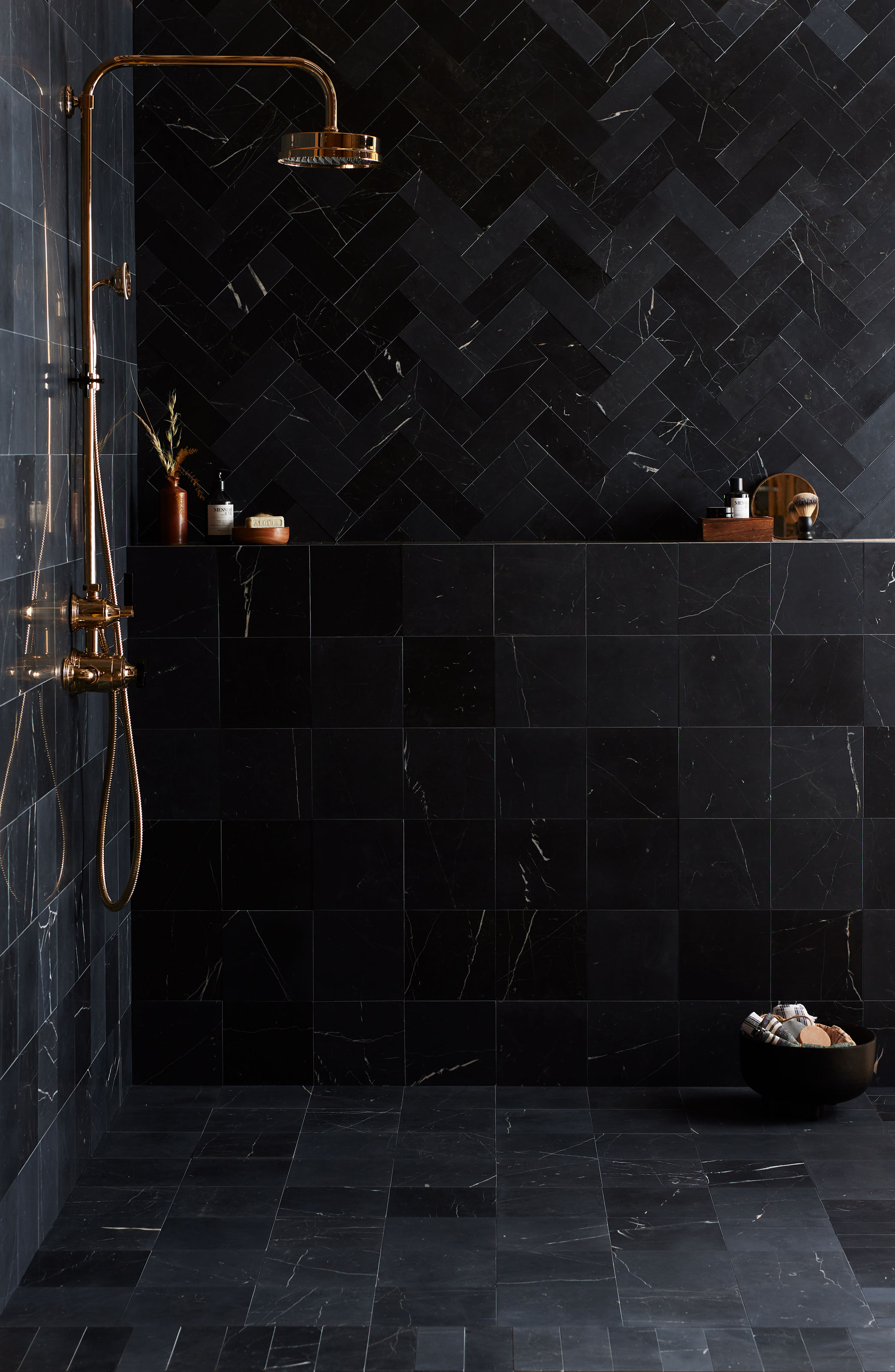
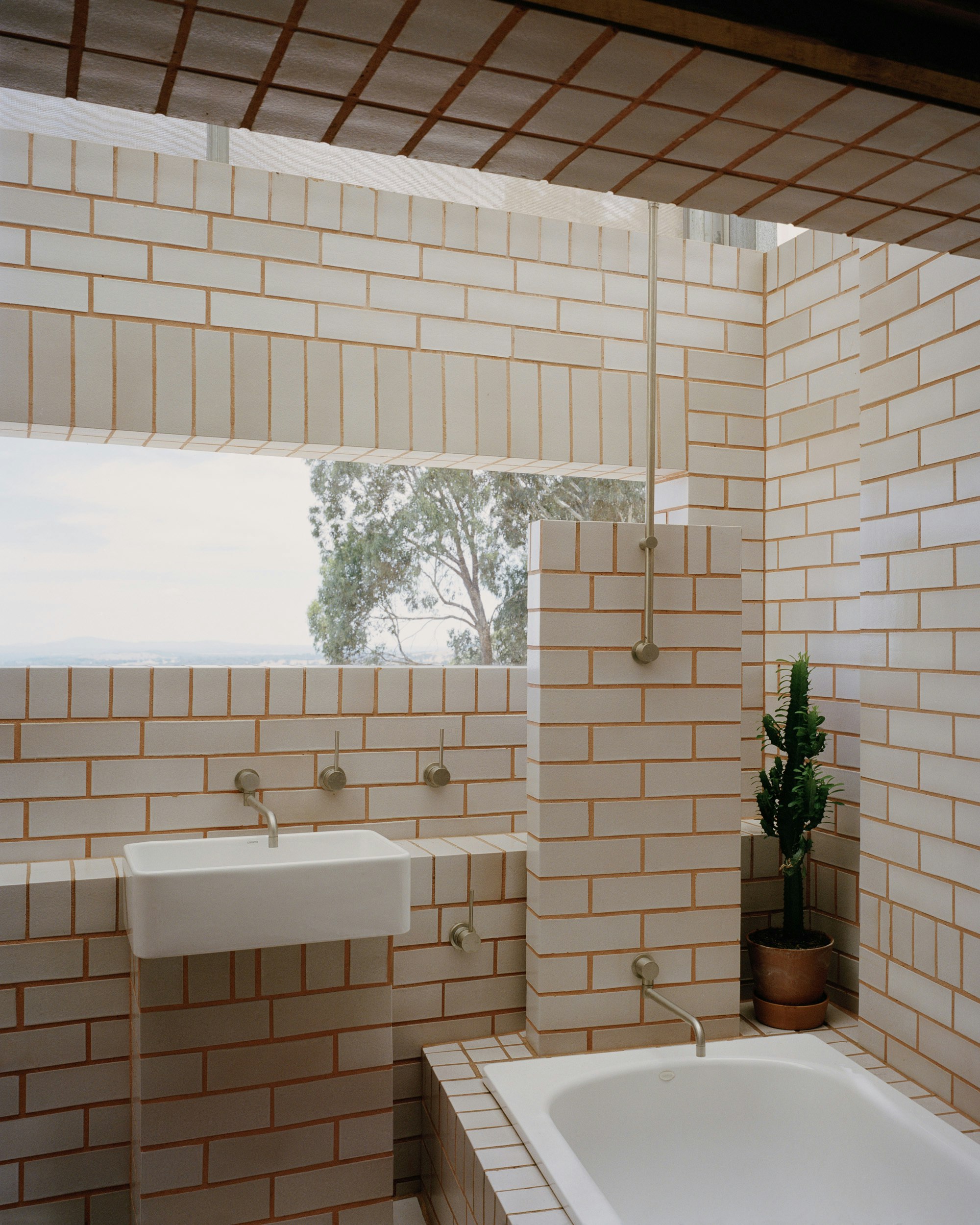
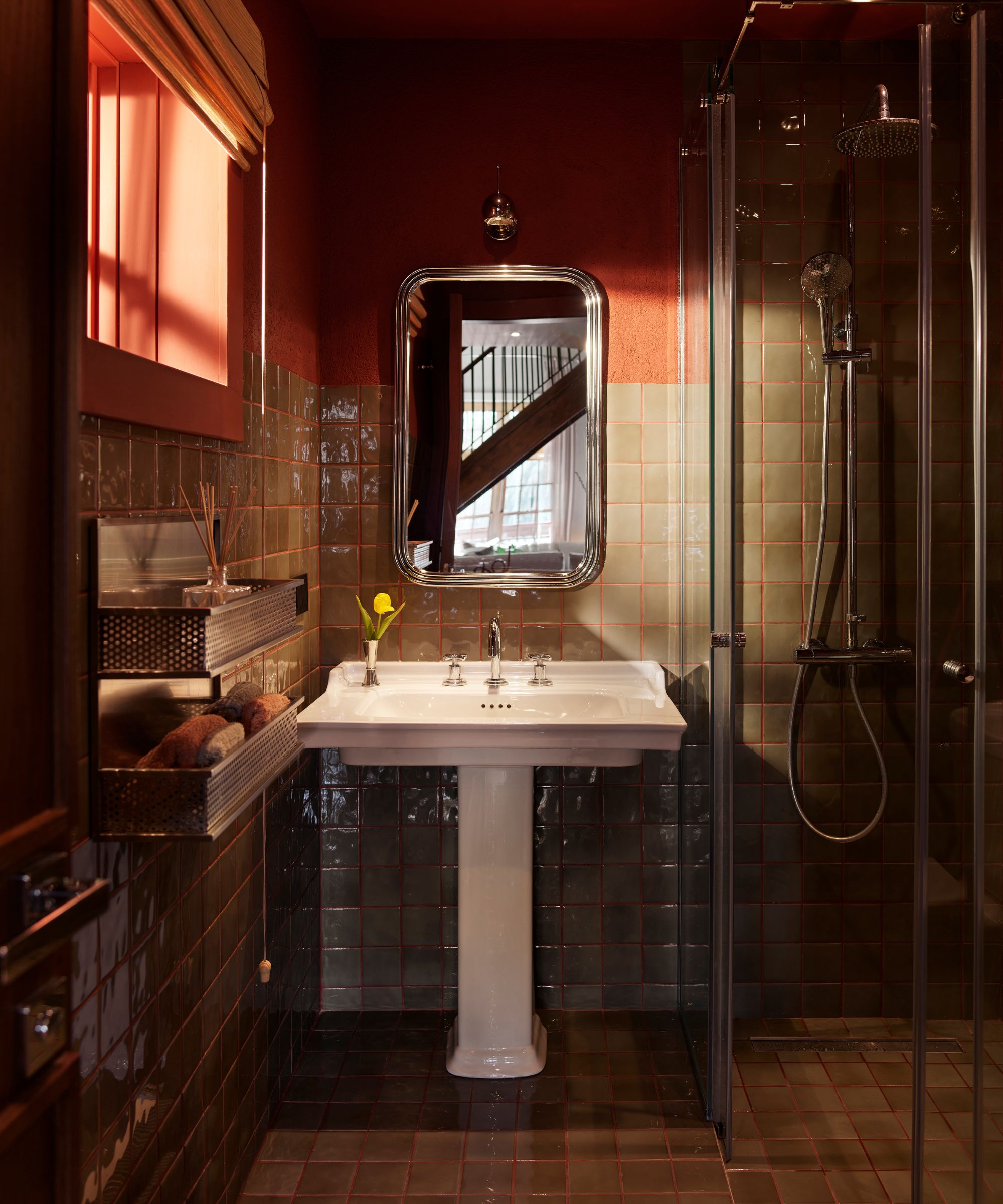
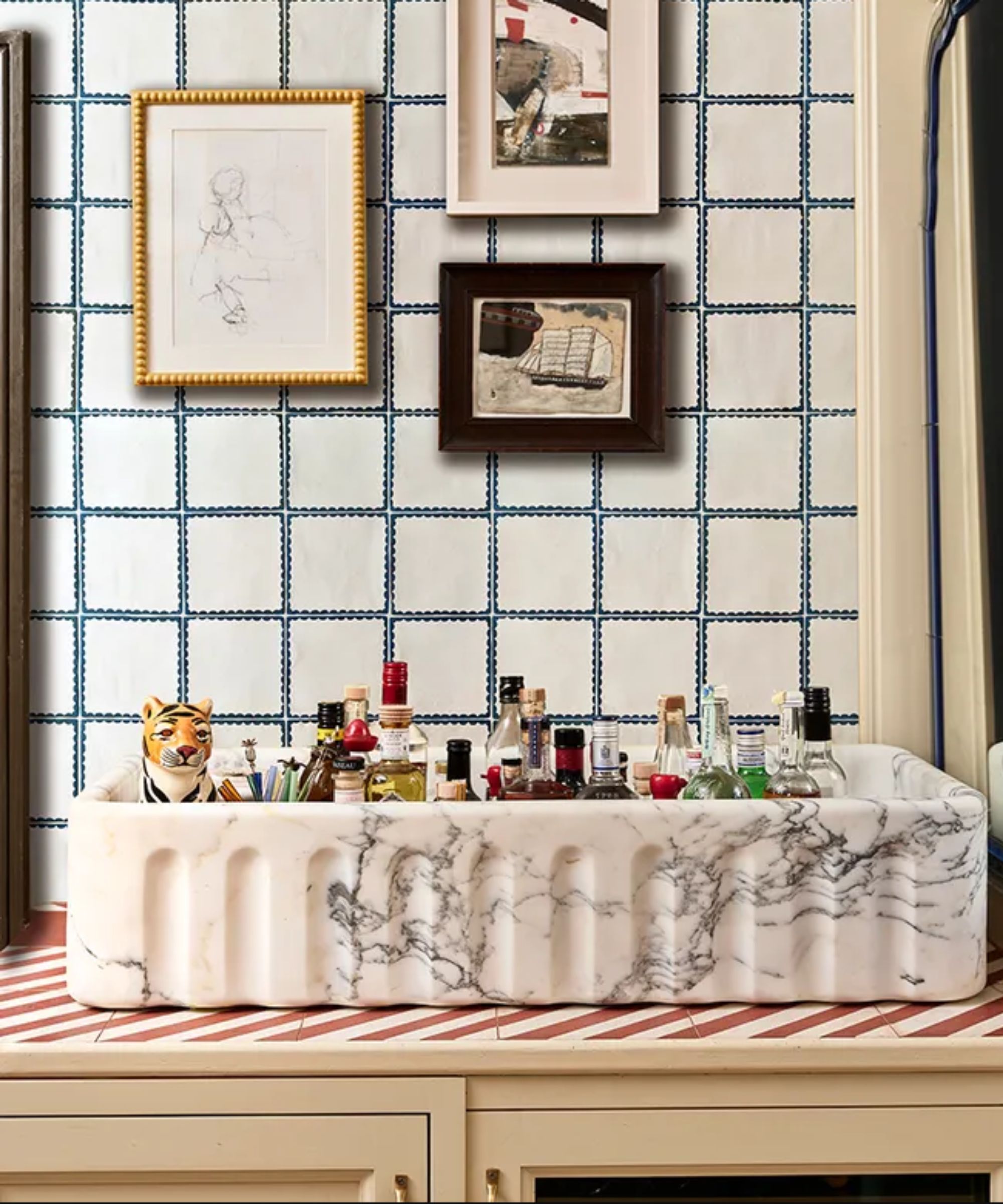
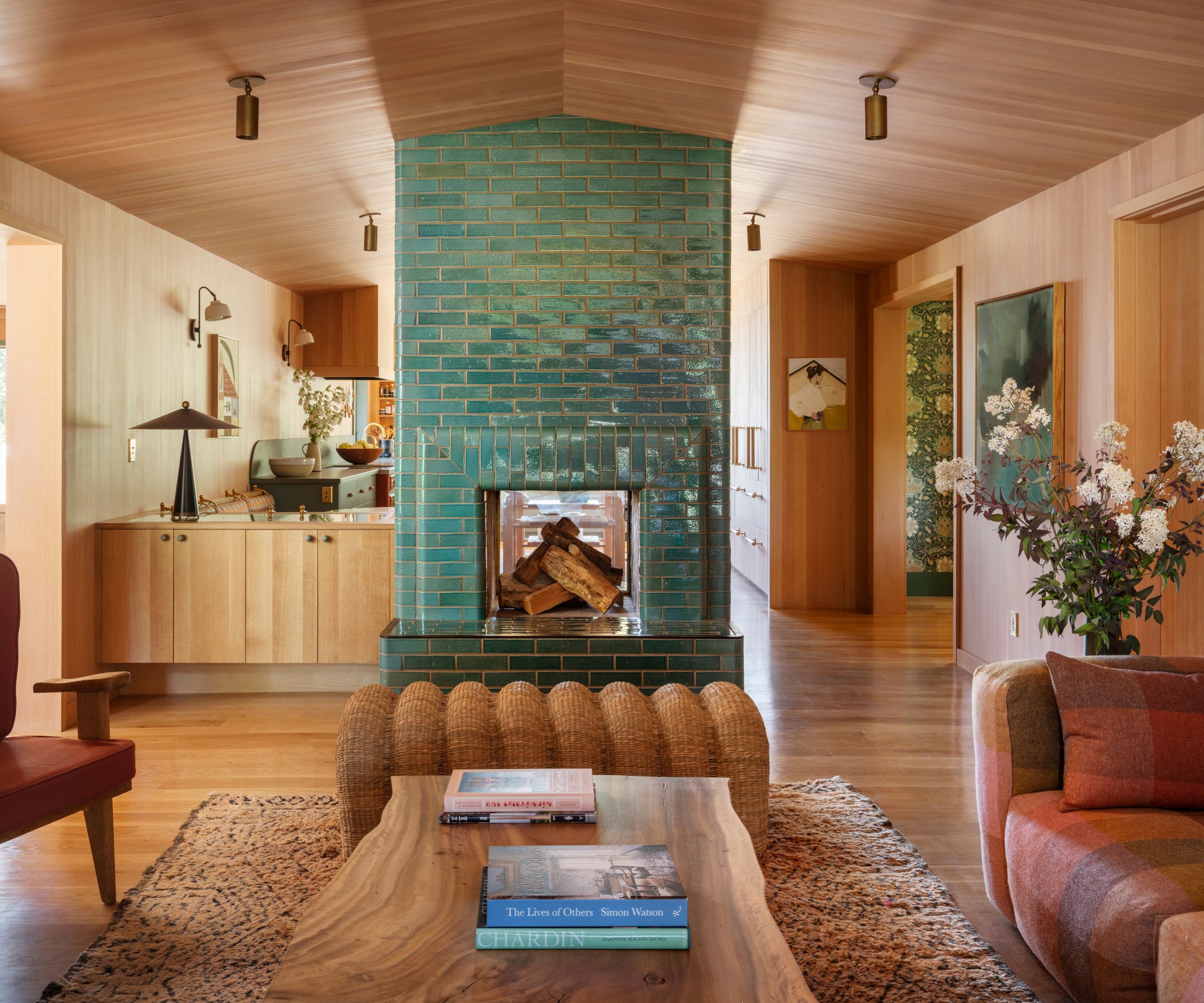
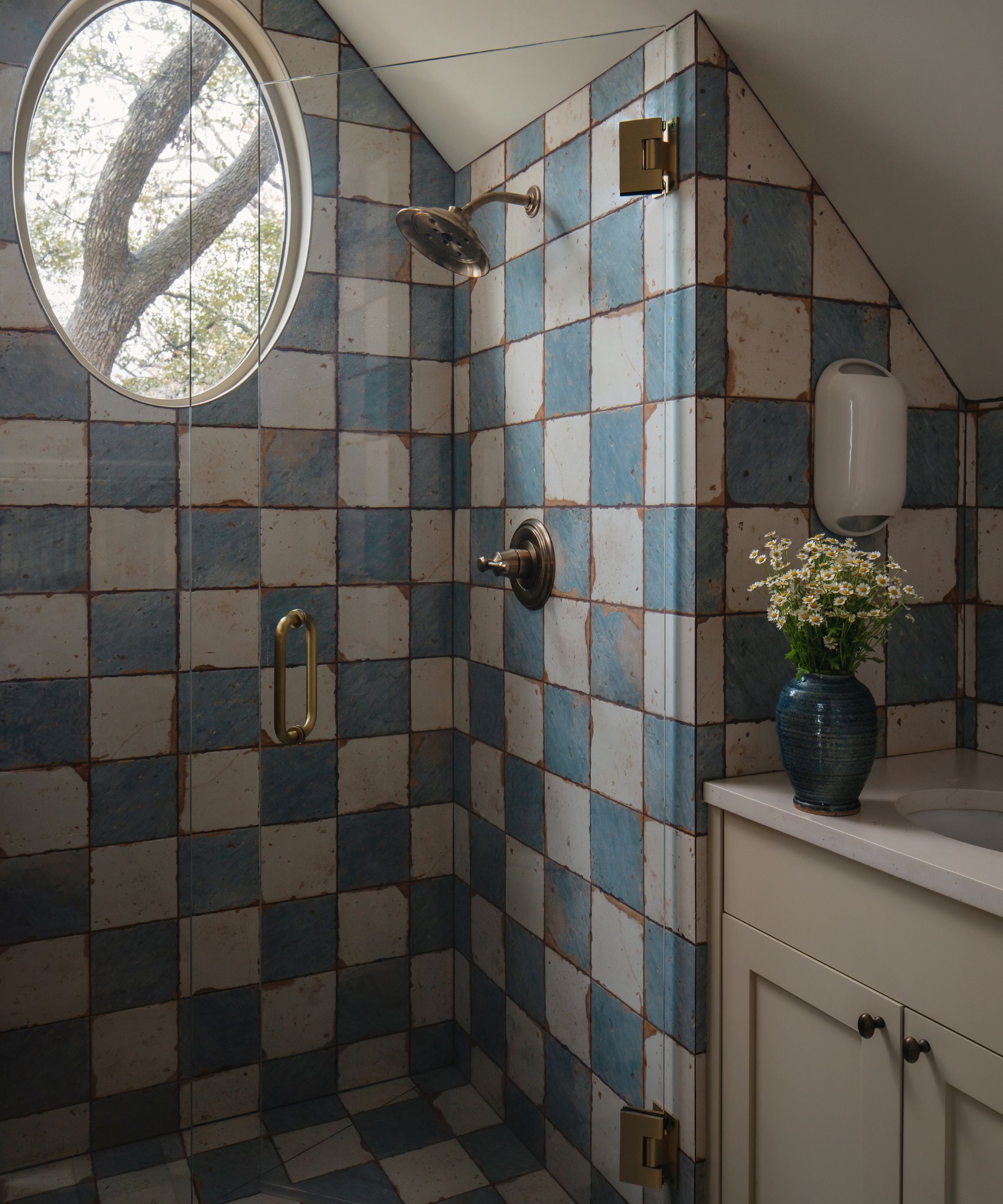
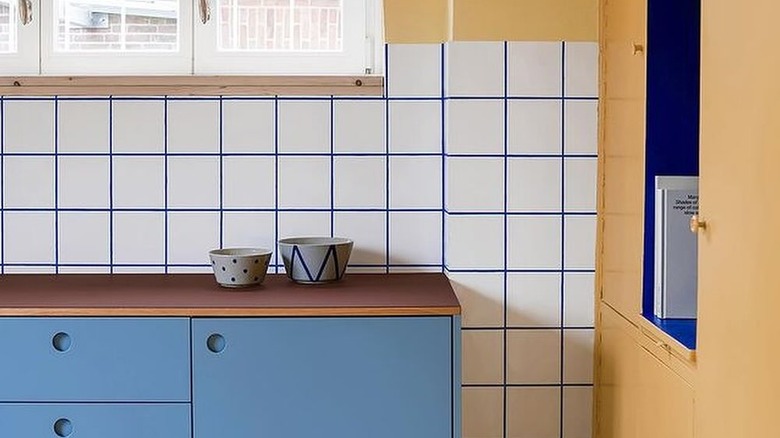
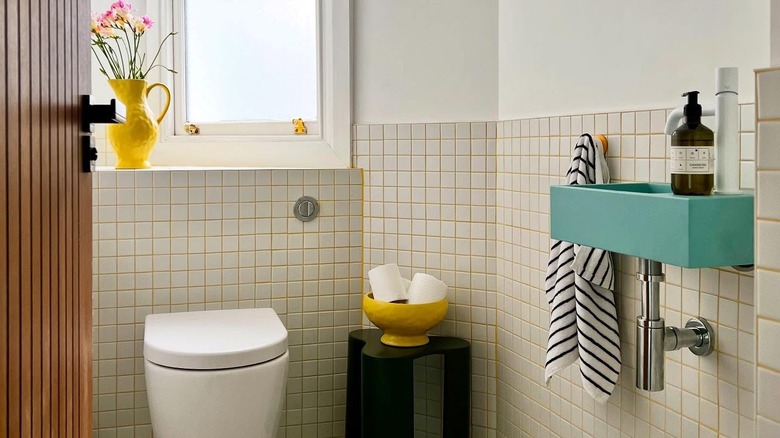
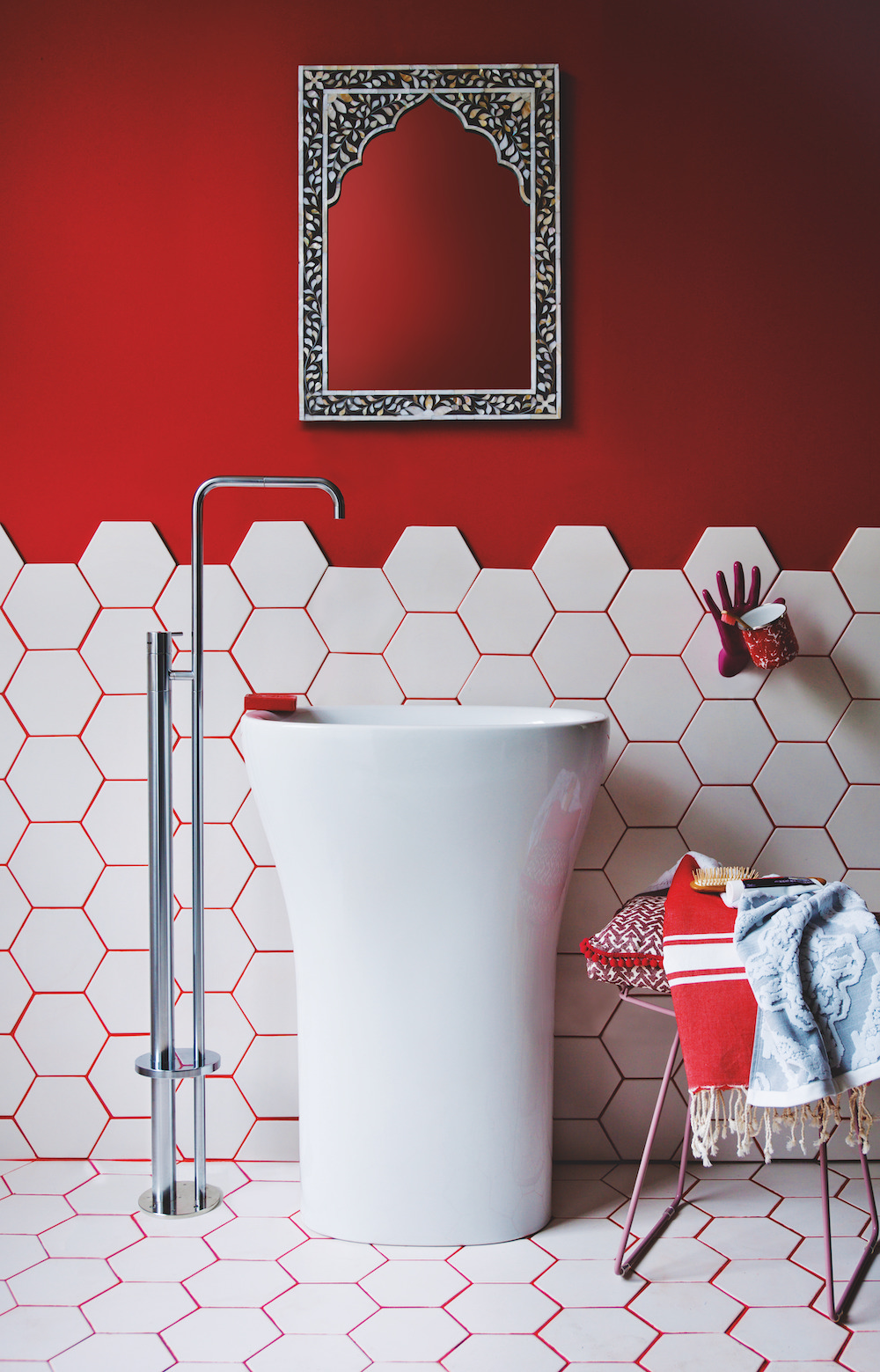
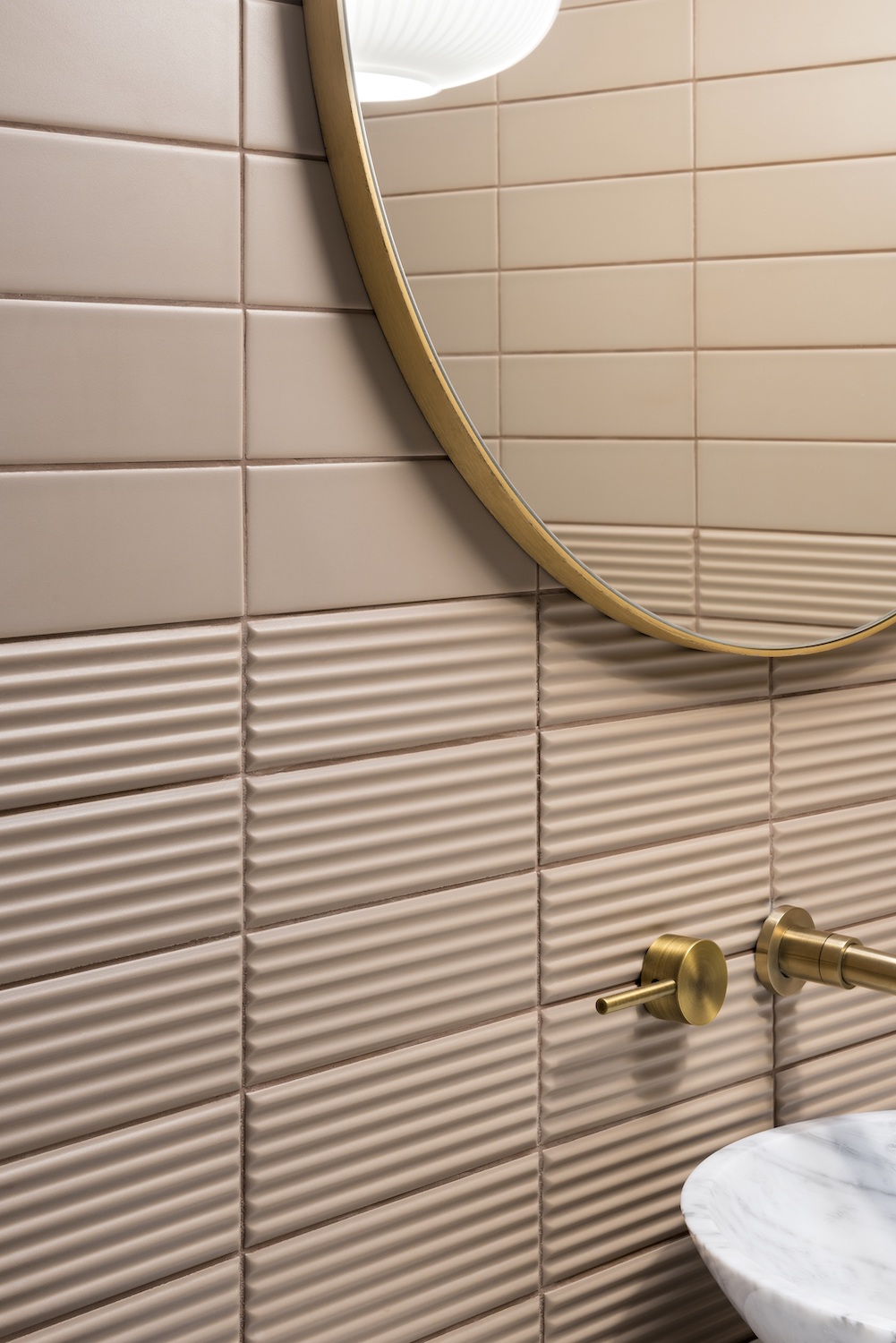
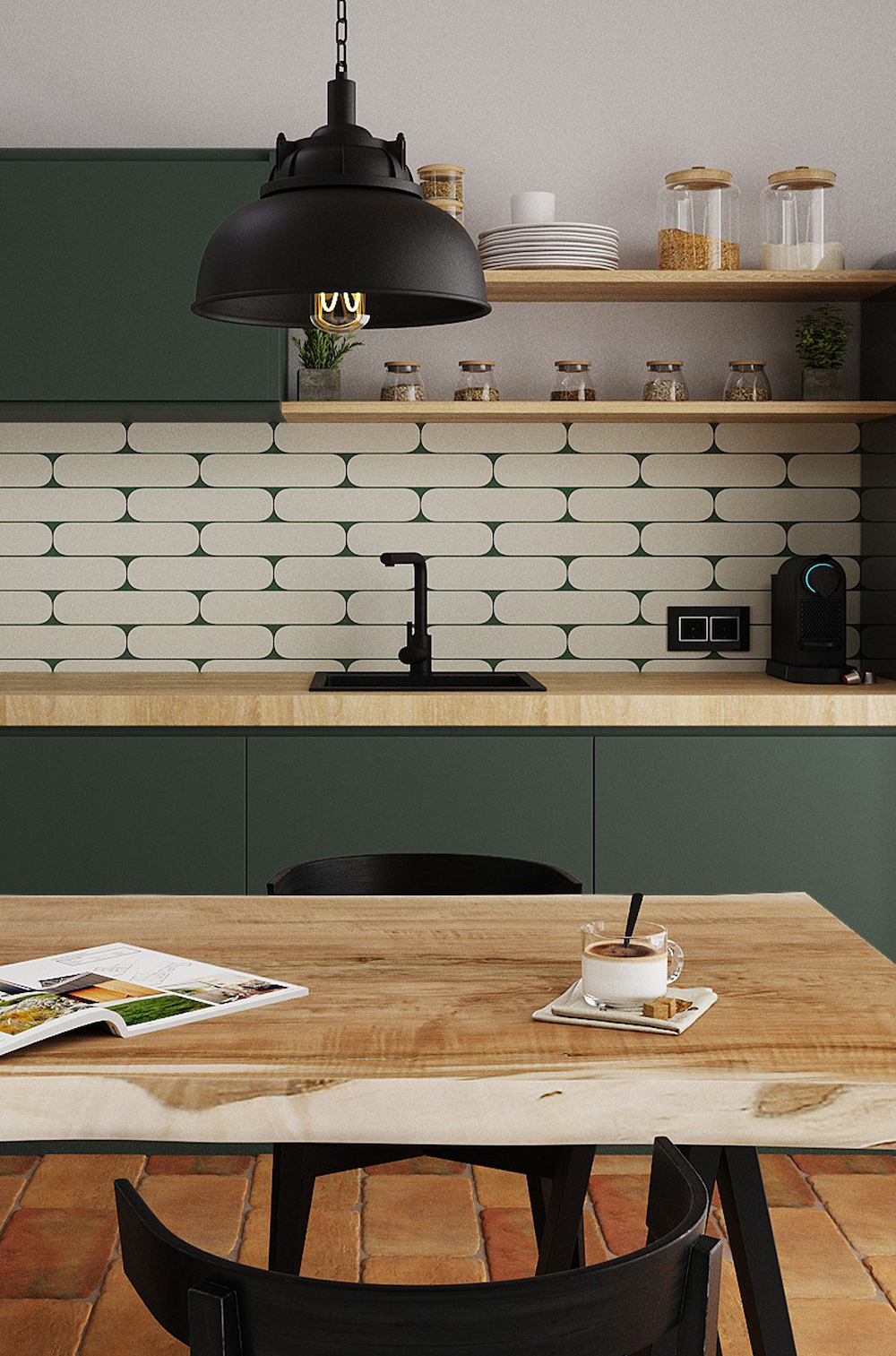
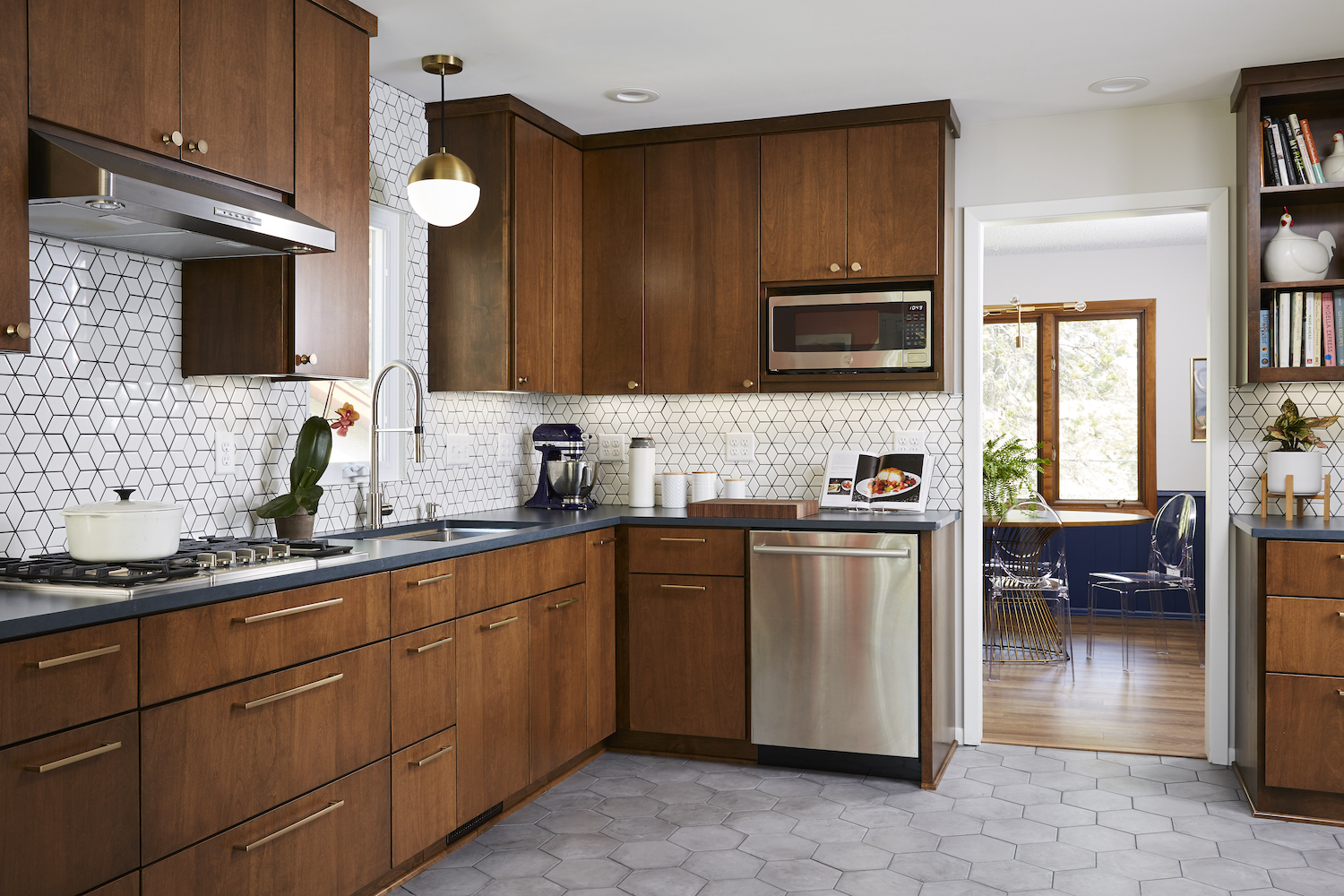
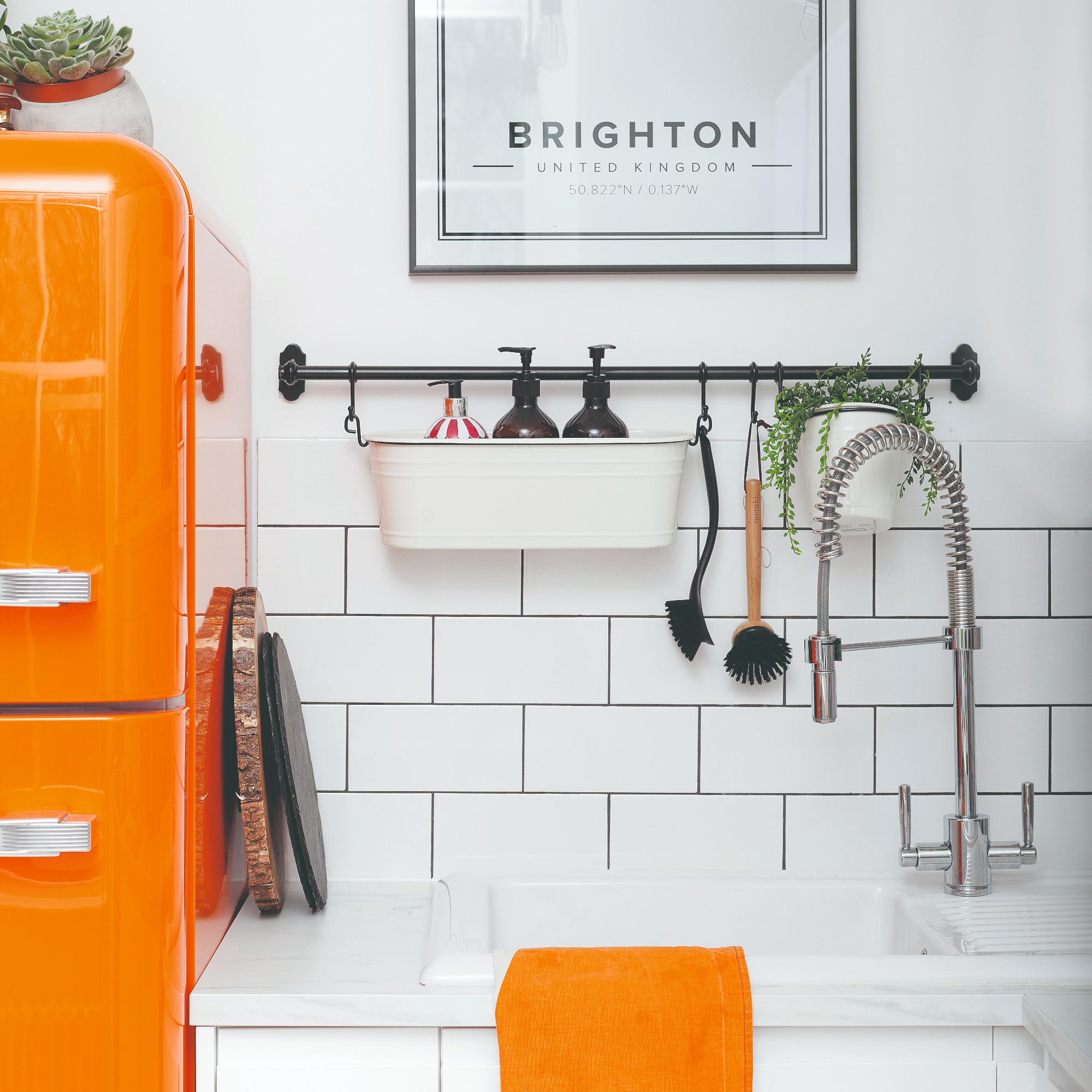
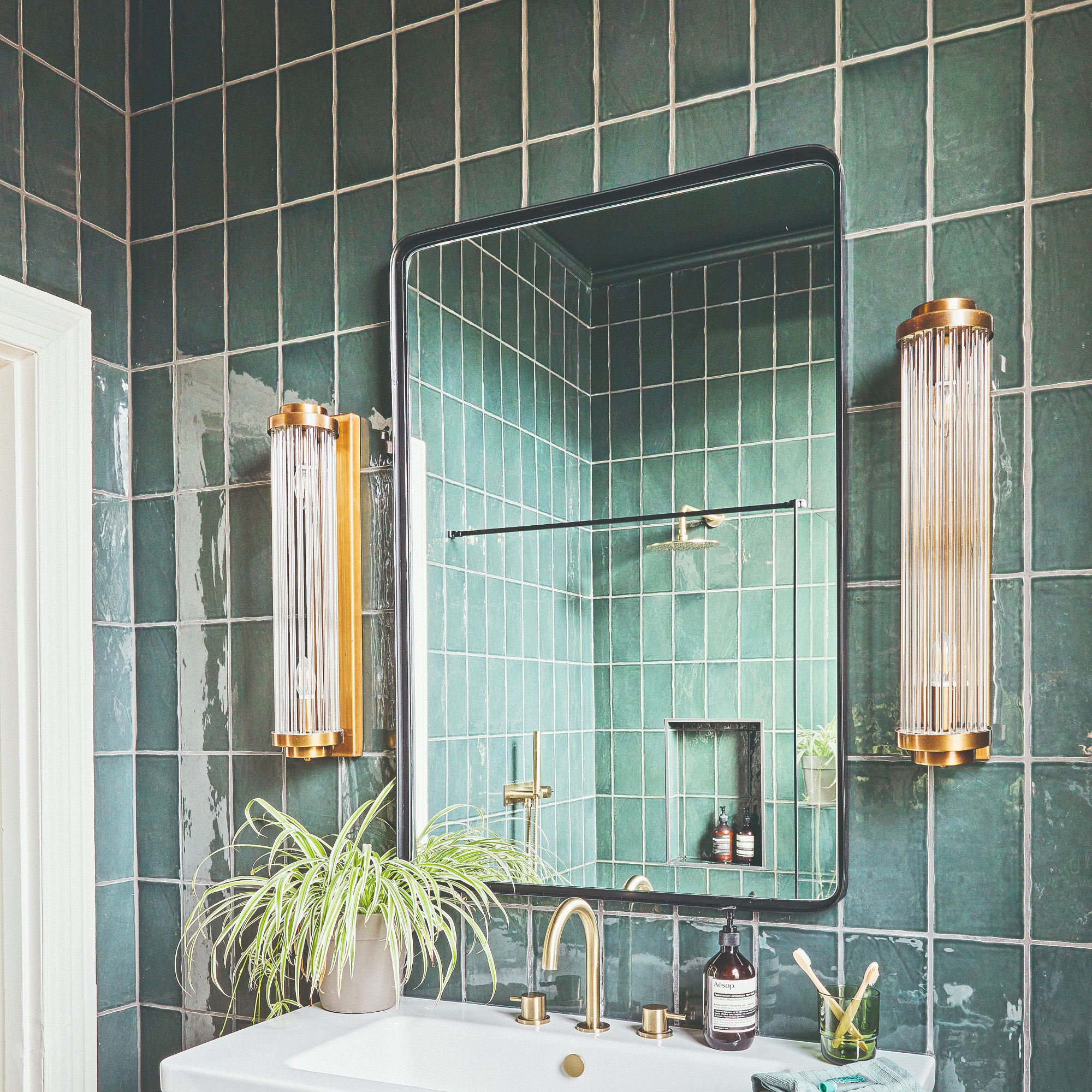
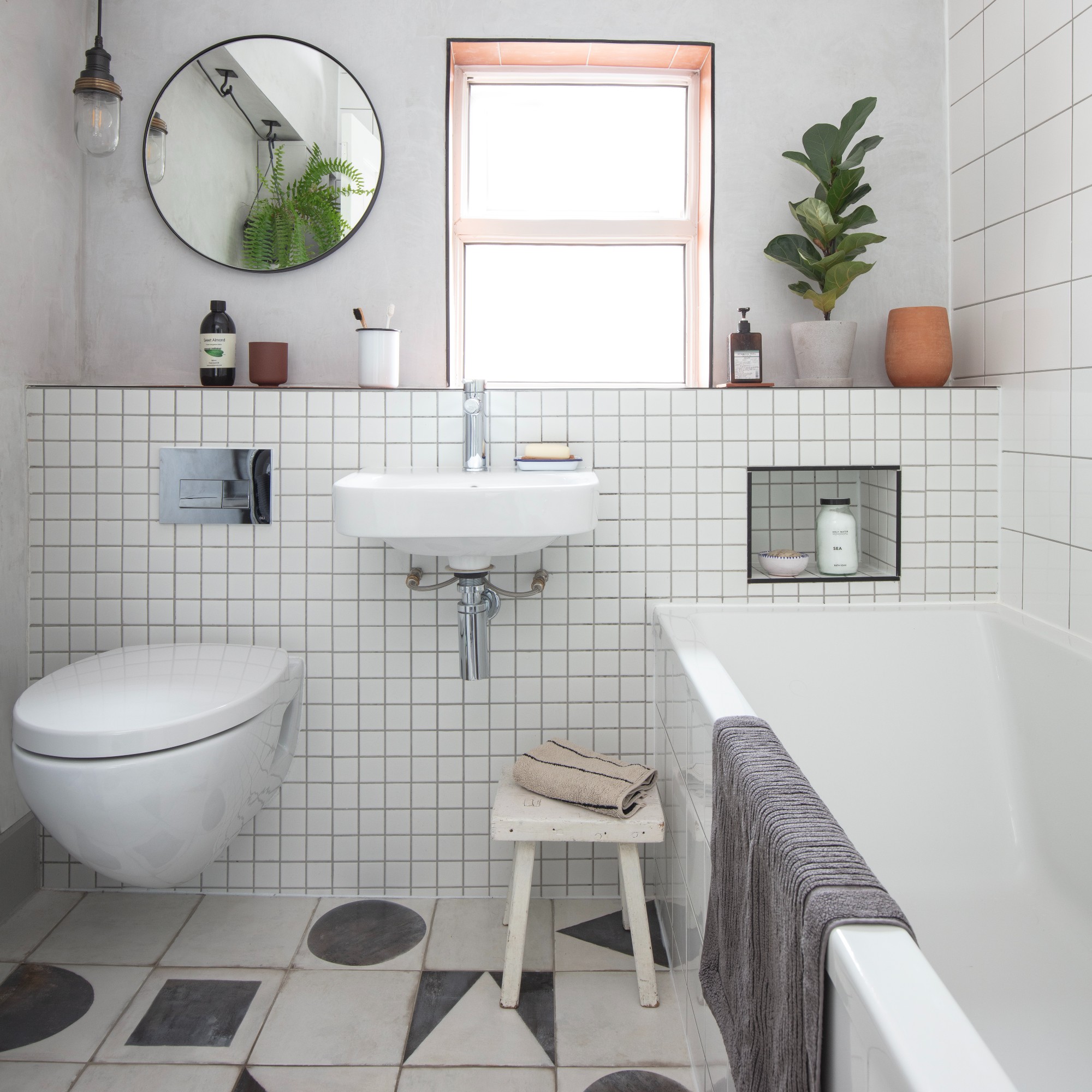
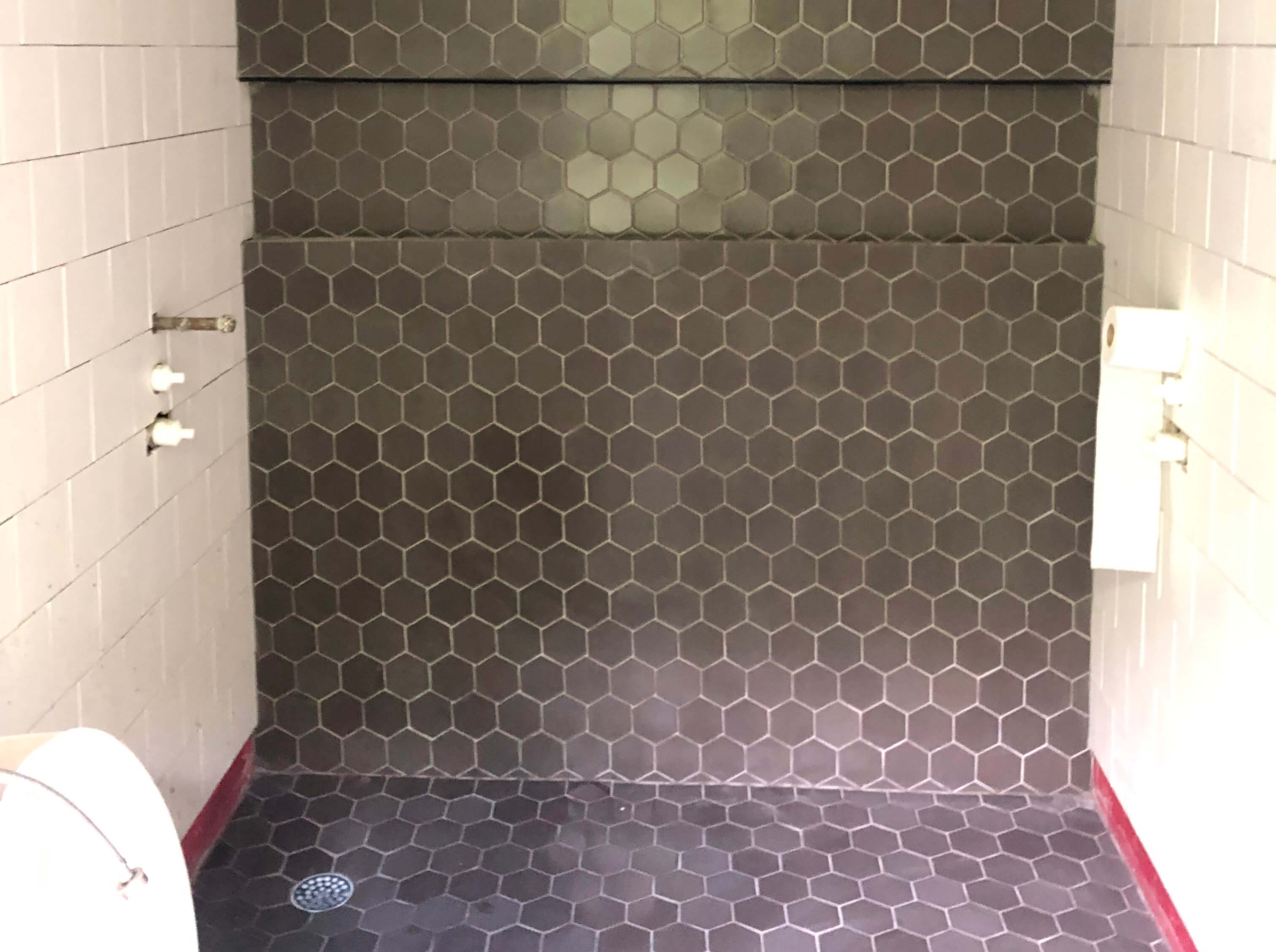
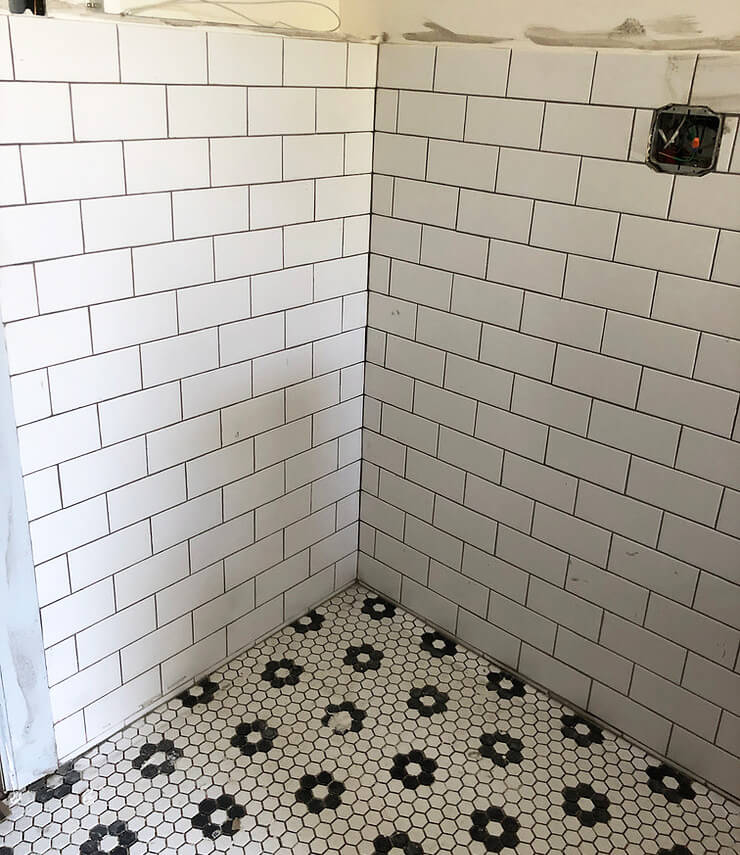
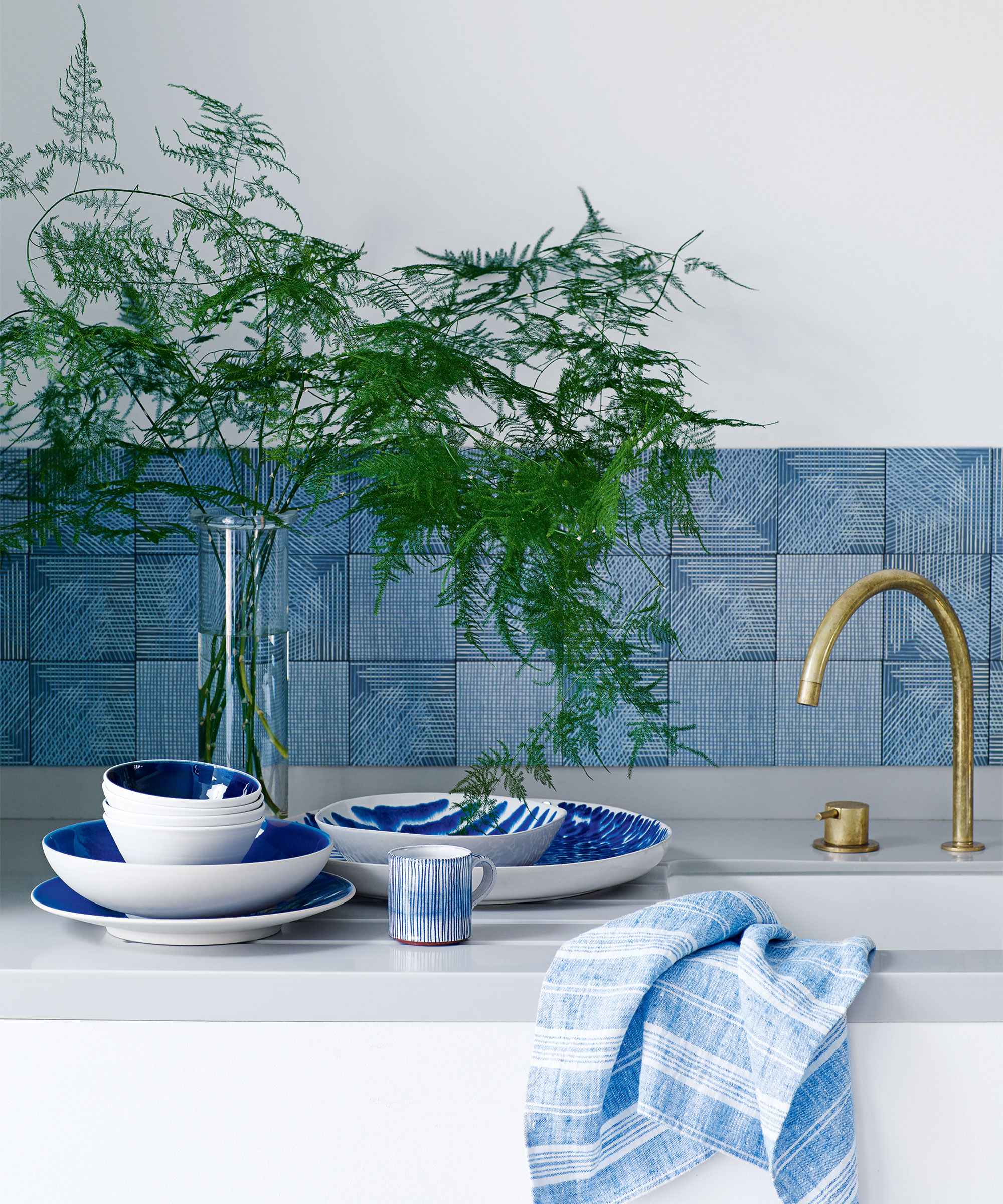
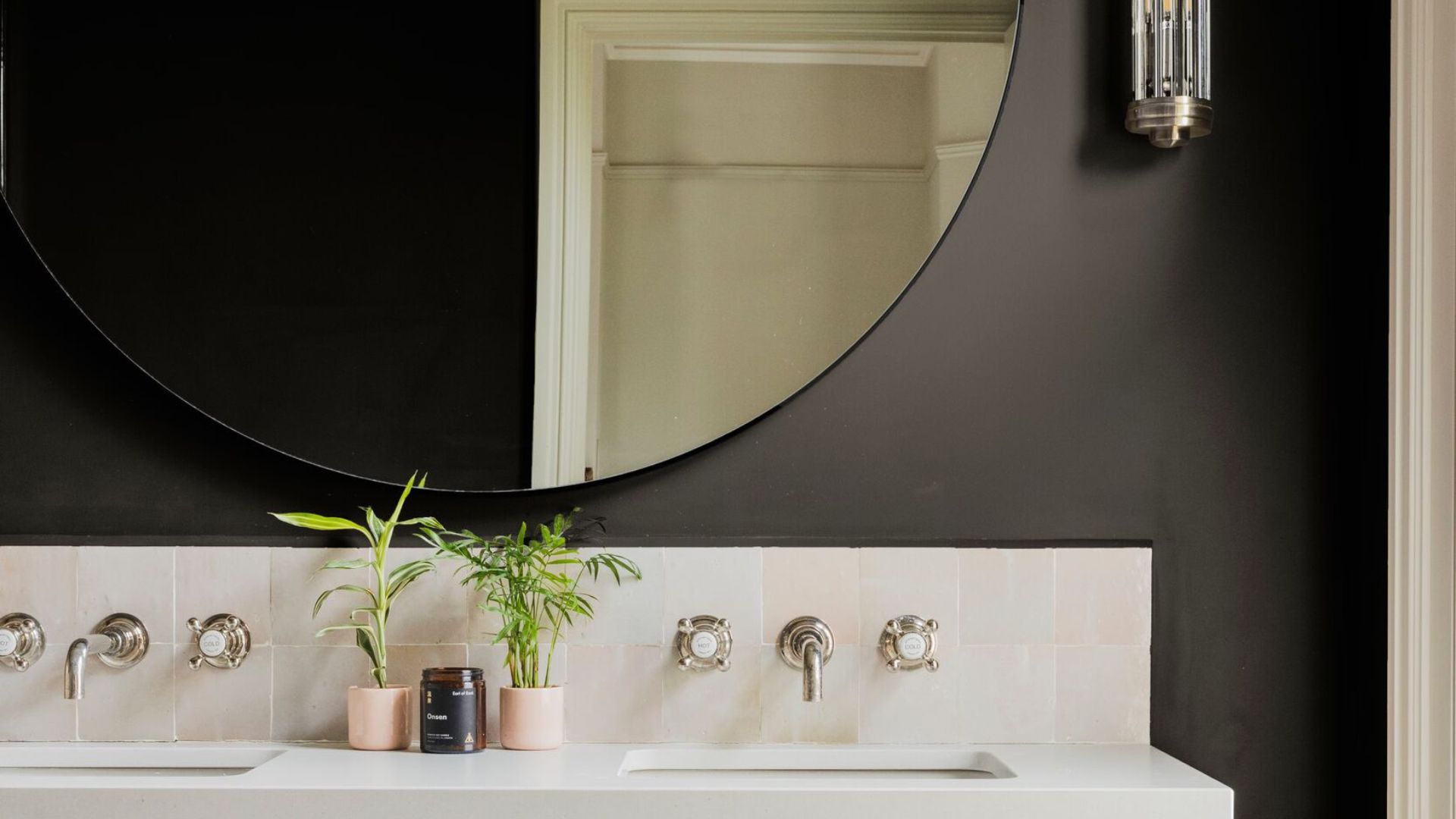
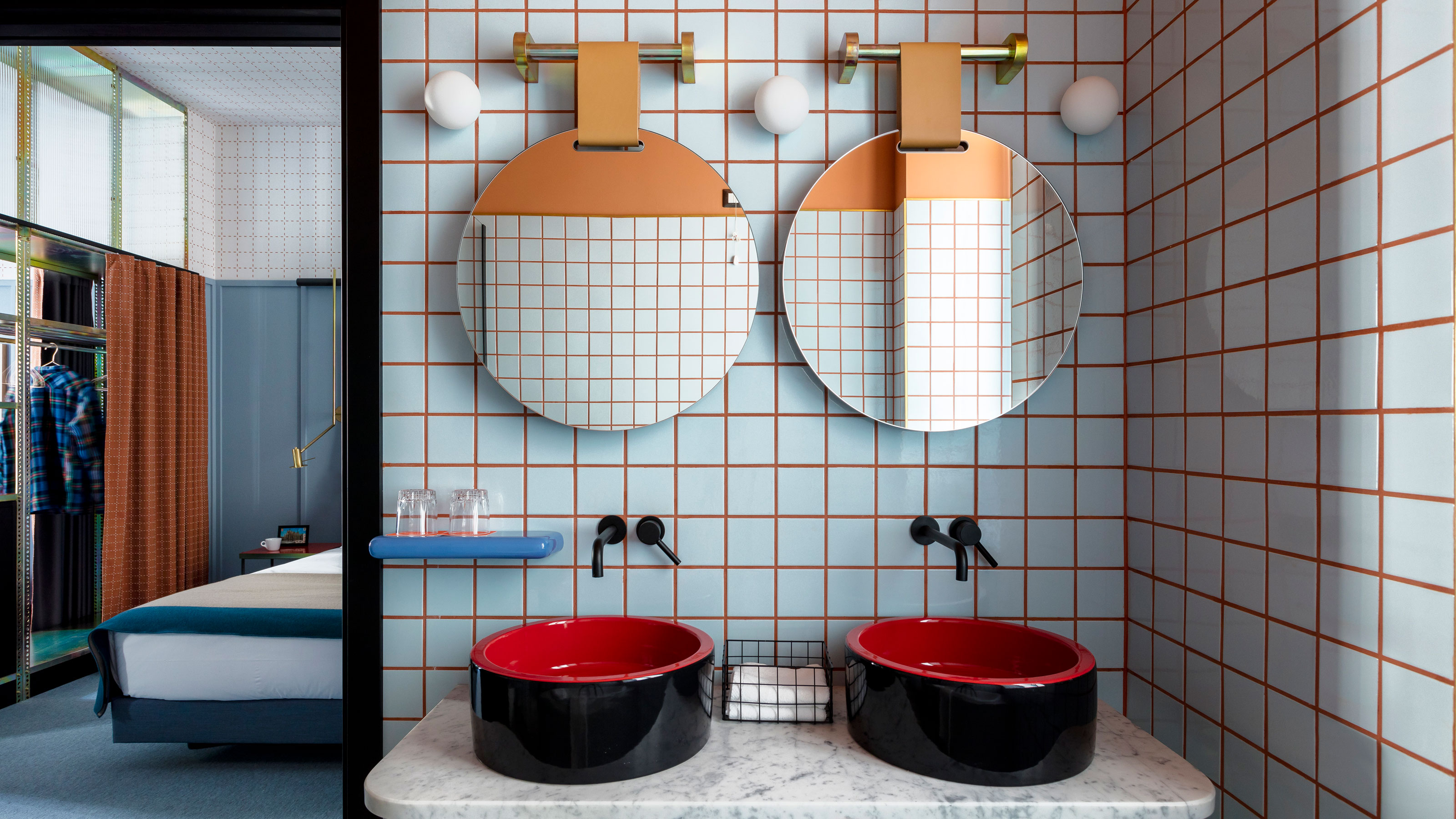
Matching grout and tile colors creates a cohesive, seamless look, making the tiled surface appear as a single, large slab. This approach is particularly effective with neutral color schemes or highly textured, small-scale tiles, such as penny rounds, where it can produce a sophisticated, monochromatic effect. Matching colors also contribute to the illusion of a larger space by minimizing visual segmentation. Conversely, contrasting grout colors can create a bold, graphic statement. For instance, dark grout against white subway tiles or light grout against dark Moroccan Zellige tiles can evoke different stylistic impressions, from modern to Old World. The choice between matching and contrasting depends on the desired visual impact and the overall design aesthetic.
Regarding maintenance, neutral shades like sand, taupe, mocha, or light gray are considered the easiest grout colors to keep clean. Contrary to common belief, dark grouts can reveal mineral deposits from water over time, while very light grouts are prone to showing dirt. Sealing grout is imperative for all colors, as it repels dirt and grime, creates a barrier against water and moisture, and prevents mold and mildew.
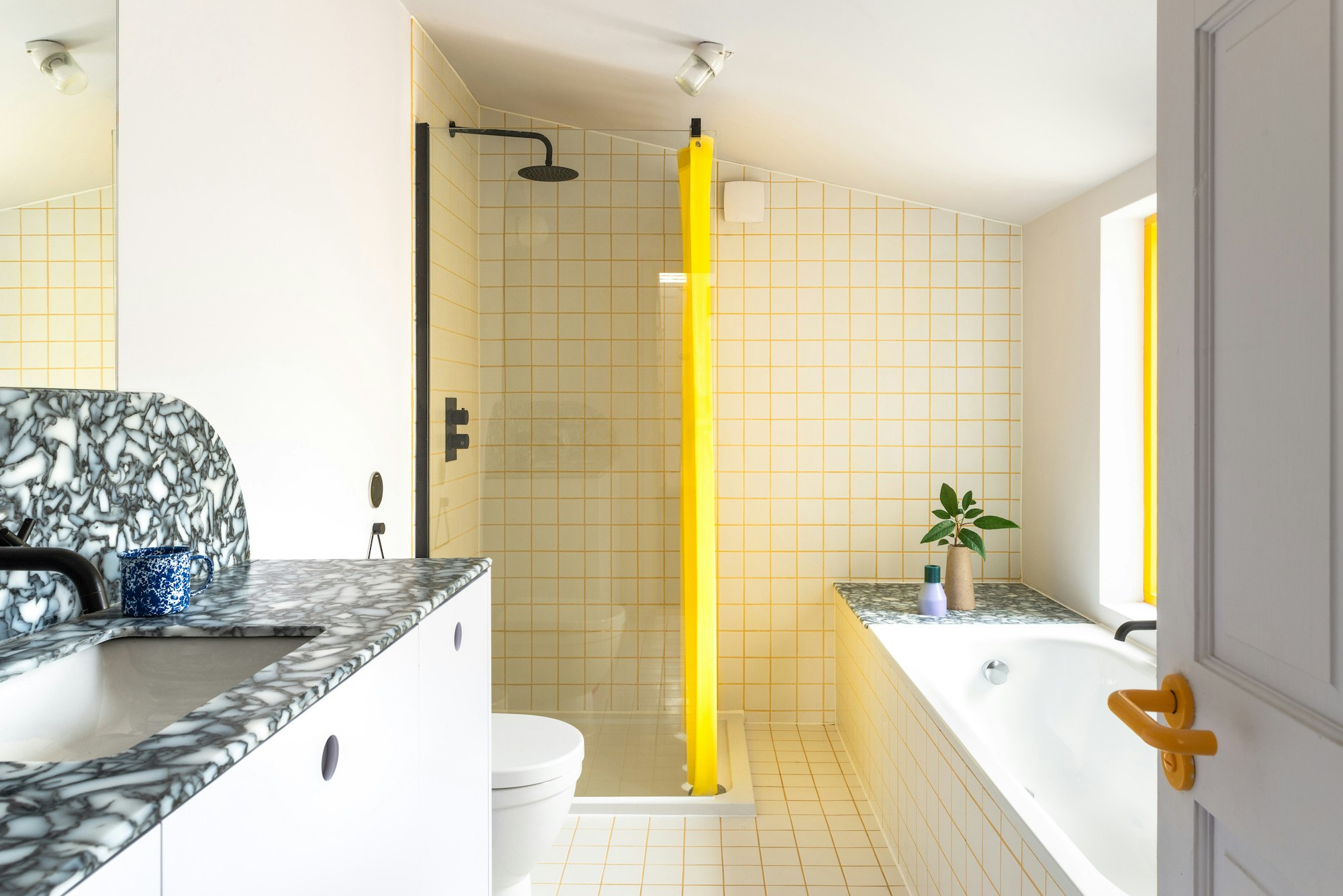
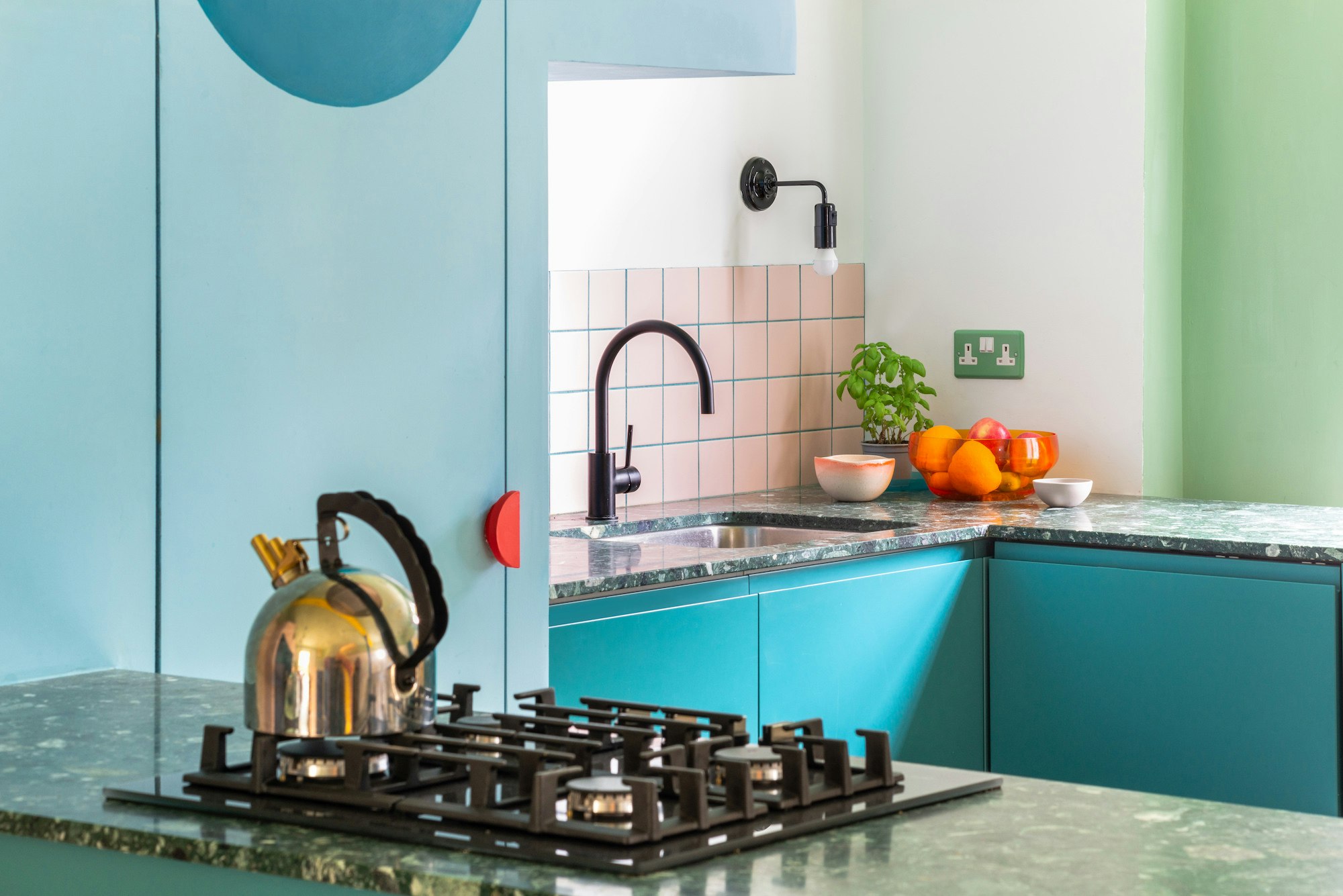
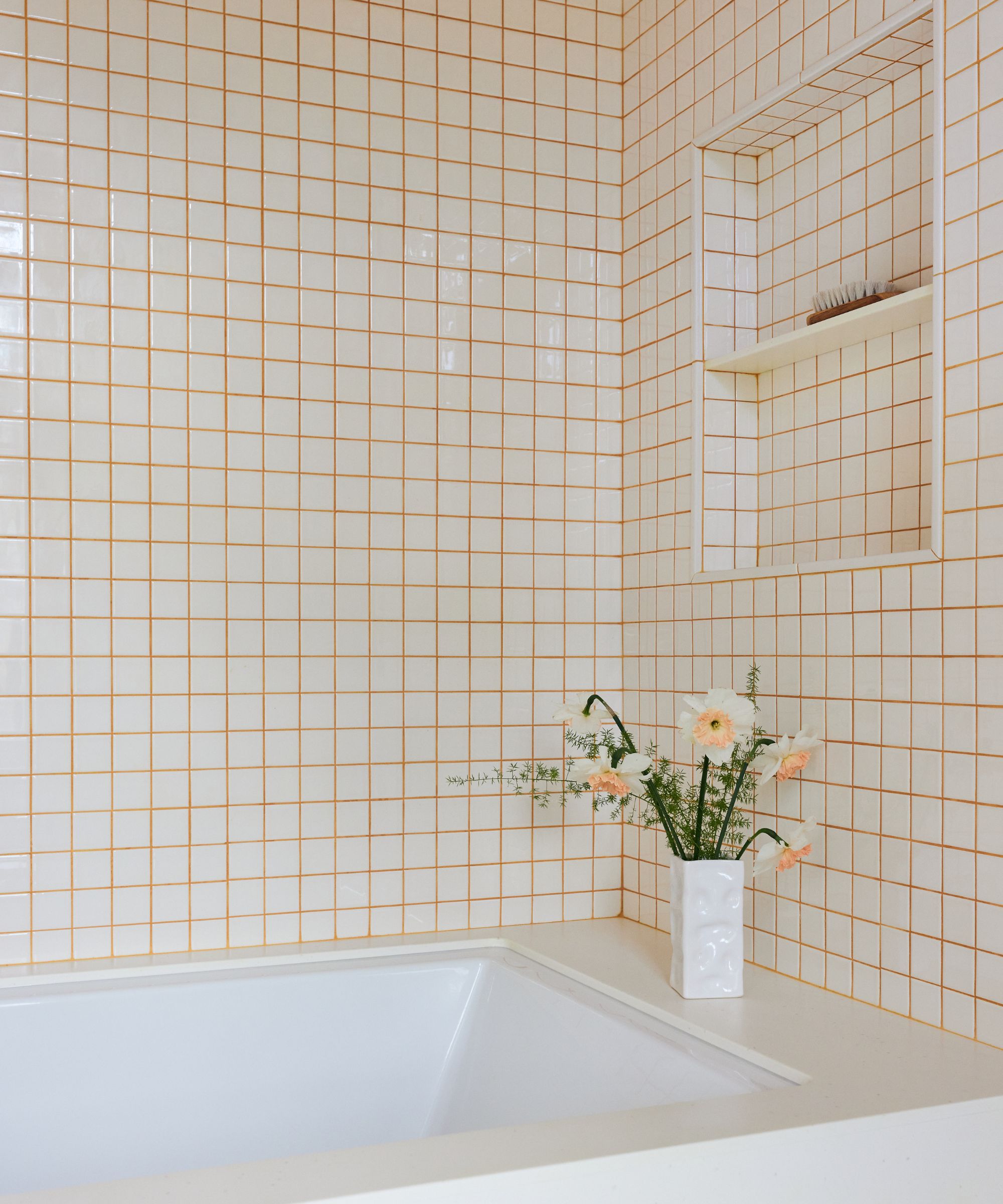
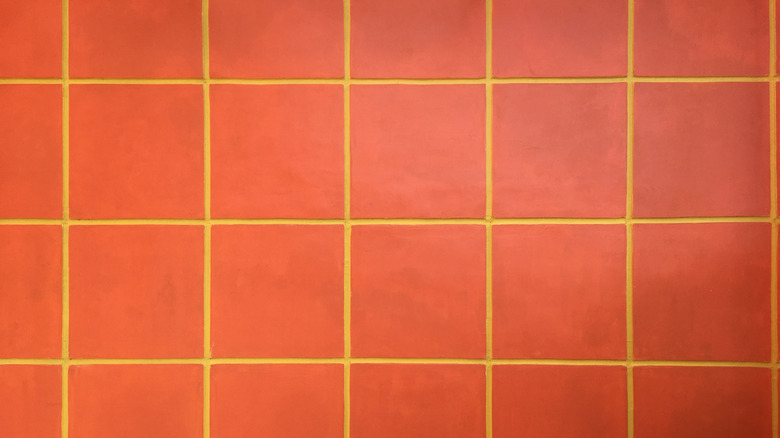
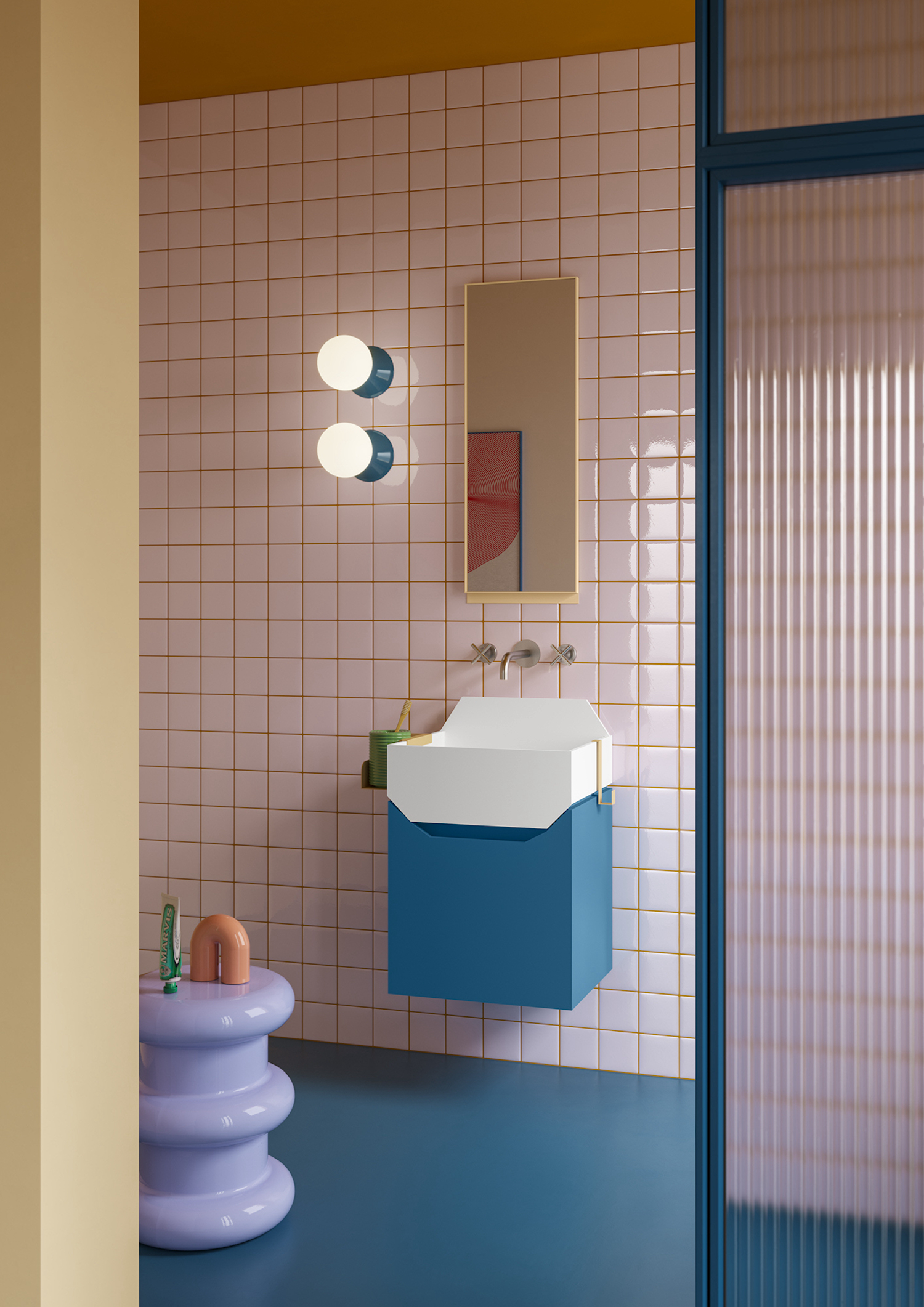
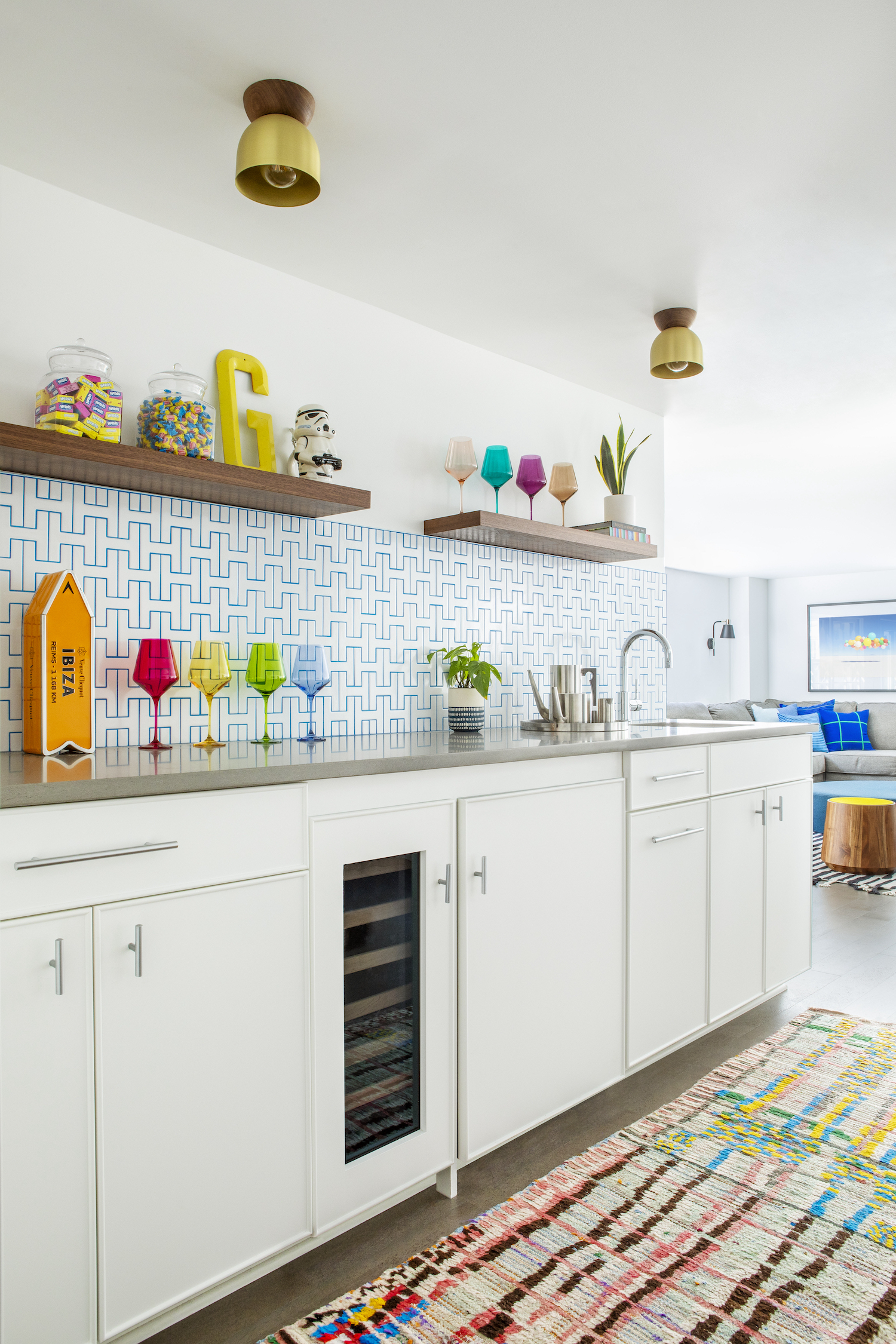
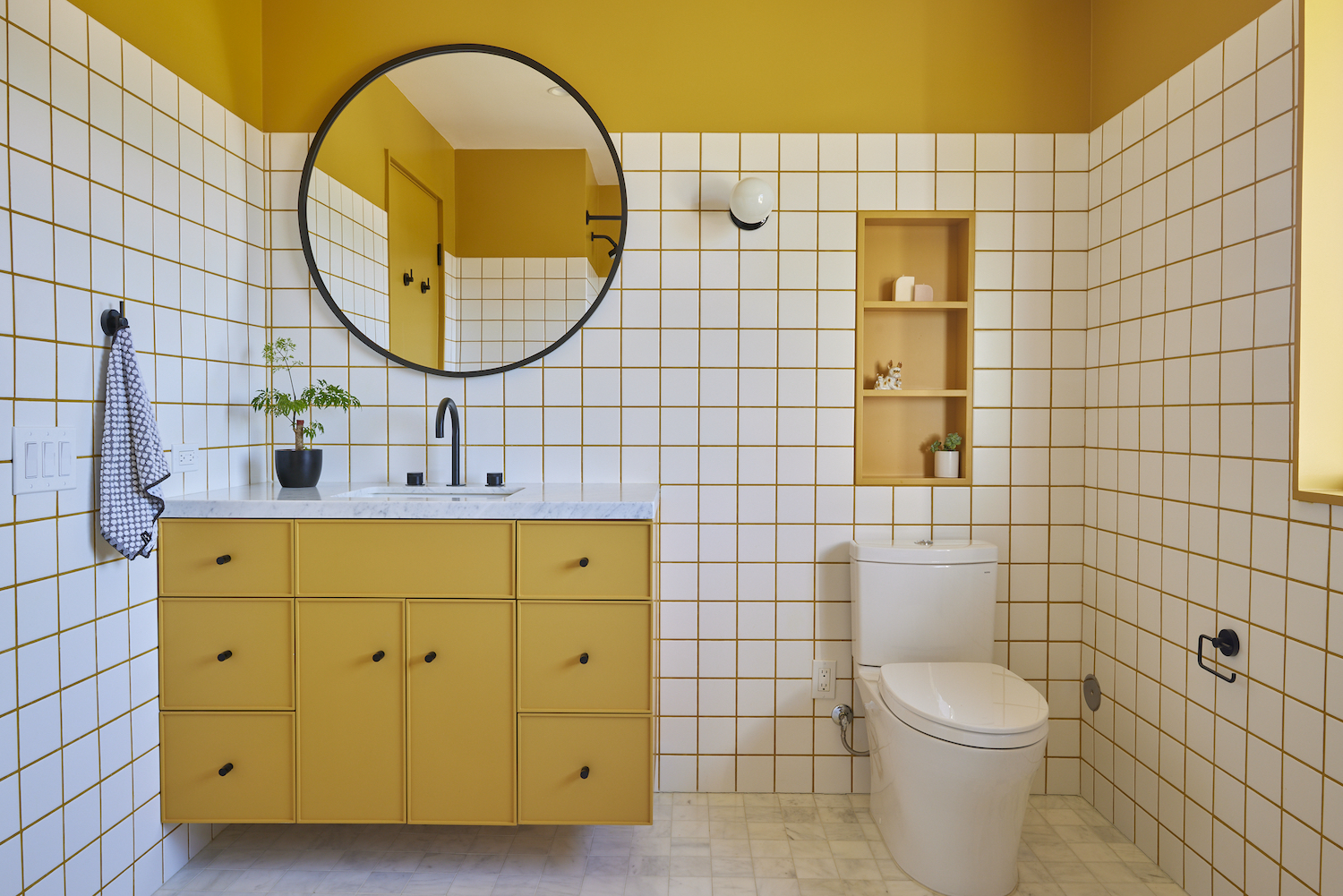
Non-neutral or colored grouts offer opportunities for unique and whimsical designs. An aqua blue grout with white tiles in a pool bath, or green grout with blue-glazed subway tiles in a child's bathroom, can add a playful and unexpected element to a space. The suitability of certain grout colors also varies by room and aesthetic style.
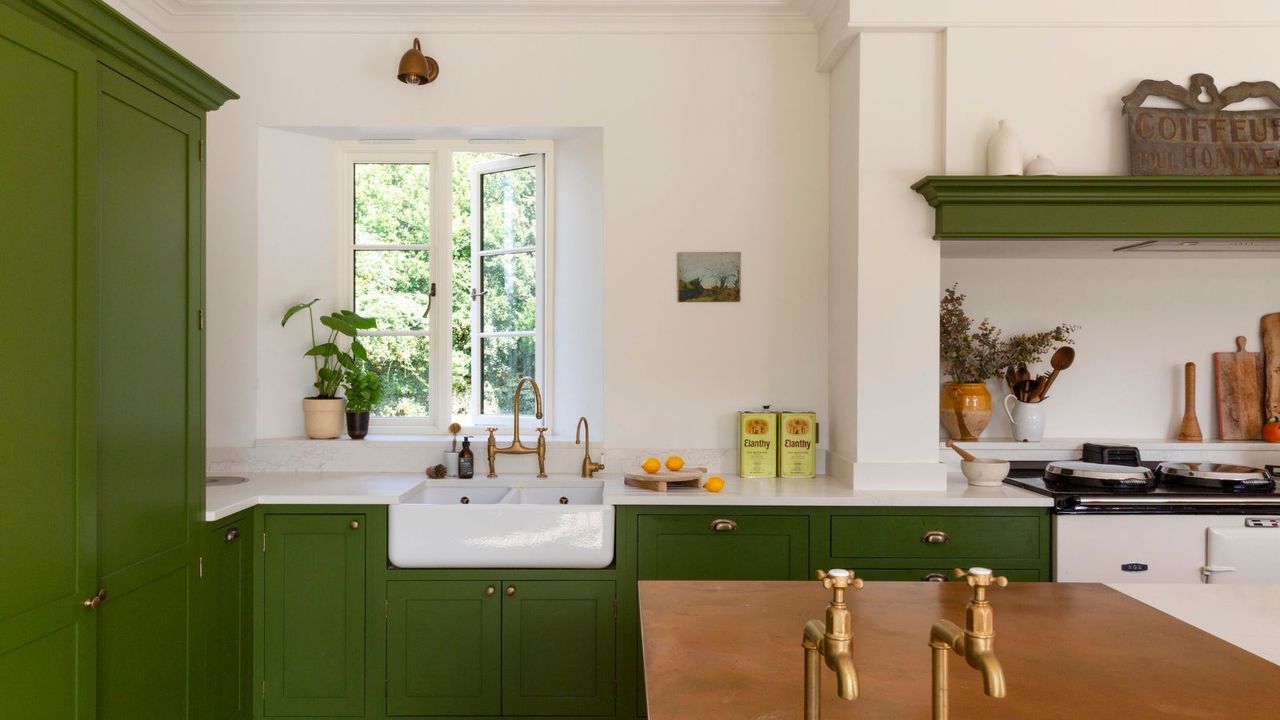
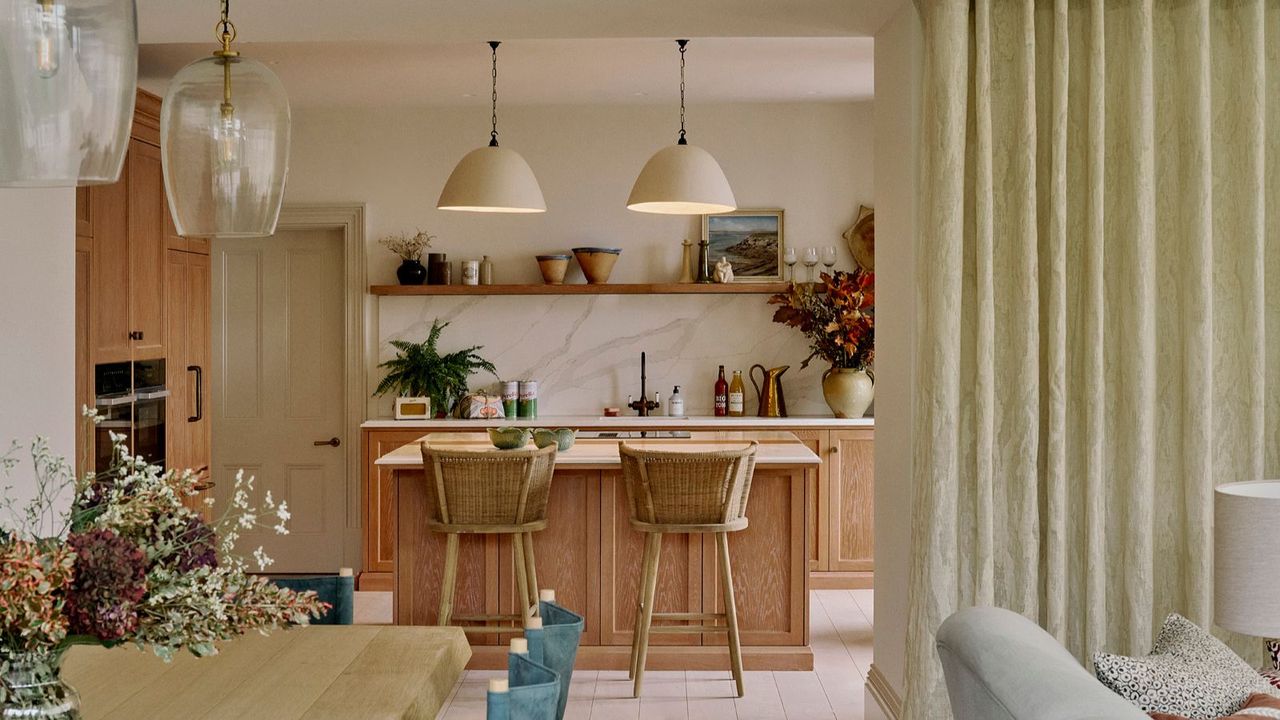
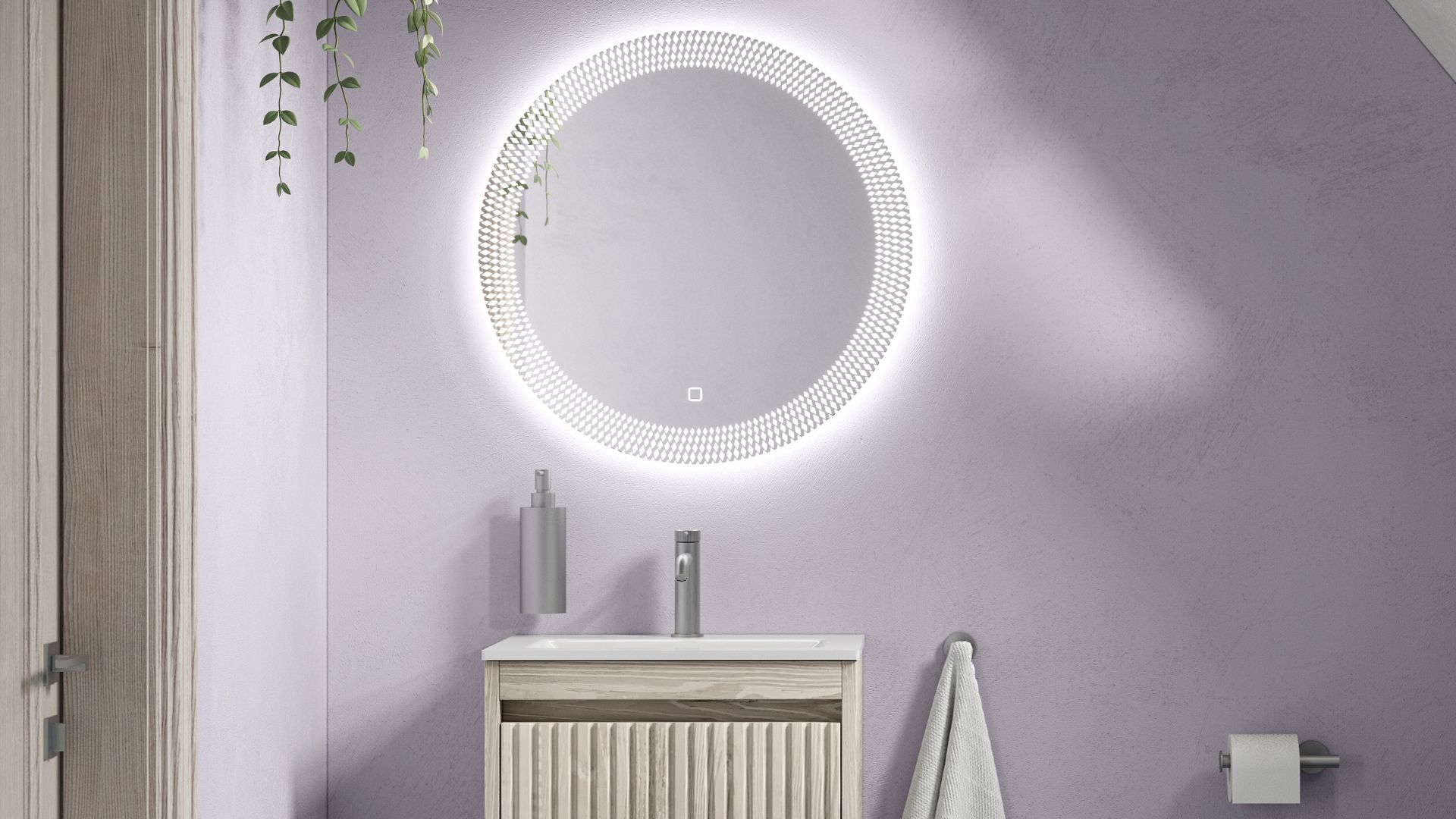
For bathrooms, light gray grout is a practical choice, offering a clean look while effectively hiding stains. In bedrooms, a lighter grout color can foster a softer, more inviting atmosphere. Kitchens, which experience heavy foot traffic and potential spills, benefit from easy-to-clean colors such as beige, mocha, or light gray. Hallways, despite being high-traffic areas, are less prone to water stains, making darker colors like black or charcoal suitable options.
Different aesthetic styles also inform grout color choices. Farmhouse interiors, characterized by warmth and natural materials, often incorporate warm grays, beige, charcoal, or terracotta grout. Modern aesthetics can leverage bold black and white or colored grouts to highlight tiles or add a retro touch. Minimalist designs typically benefit from grout colors that closely match the tile, minimizing contrast to create a seamless, understated look.
#GroutColor #TileDesign #InteriorDesign #HomeImprovement #DesignTips #KitchenDesign #BathroomDesign #GroutMaintenance #GroutColor #TileDesign #InteriorDesign #HomeImprovement #DesignTips #KitchenDesign #BathroomDesign #GroutMaintenance
0 comment in total
 No comments yet
You may also like
4 Grout Color Ideas That Take Ordinary Tile to the Next Level

Why Joanna Gaines says grout color deserves more attention

5 Times Interior Designers Used Colorful Tile Grout That Make Me Never Want to Choose White Again

Real Simple Home Designers Share Their Secrets for Picking the Perfect Wall Color

The best tile and grout color combinations – designer-approved pairings for more creative tiling
27 Colorful Grout And Tile Combinations That Will Inspire You To Join The Bold Decor Trend
5 Secrets To Picking Paint Colors Like A Designer
Sanded vs. unsanded grout – the differences, pros, cons, and how to choose the best fit for your DIY project
Grout Expectations: Ways to Play With Tinted Paste


How To Choose The Right Paint Color For Your Home, According To An Interior Design Expert

Kitchen Color Selection Tips from 5 Designers
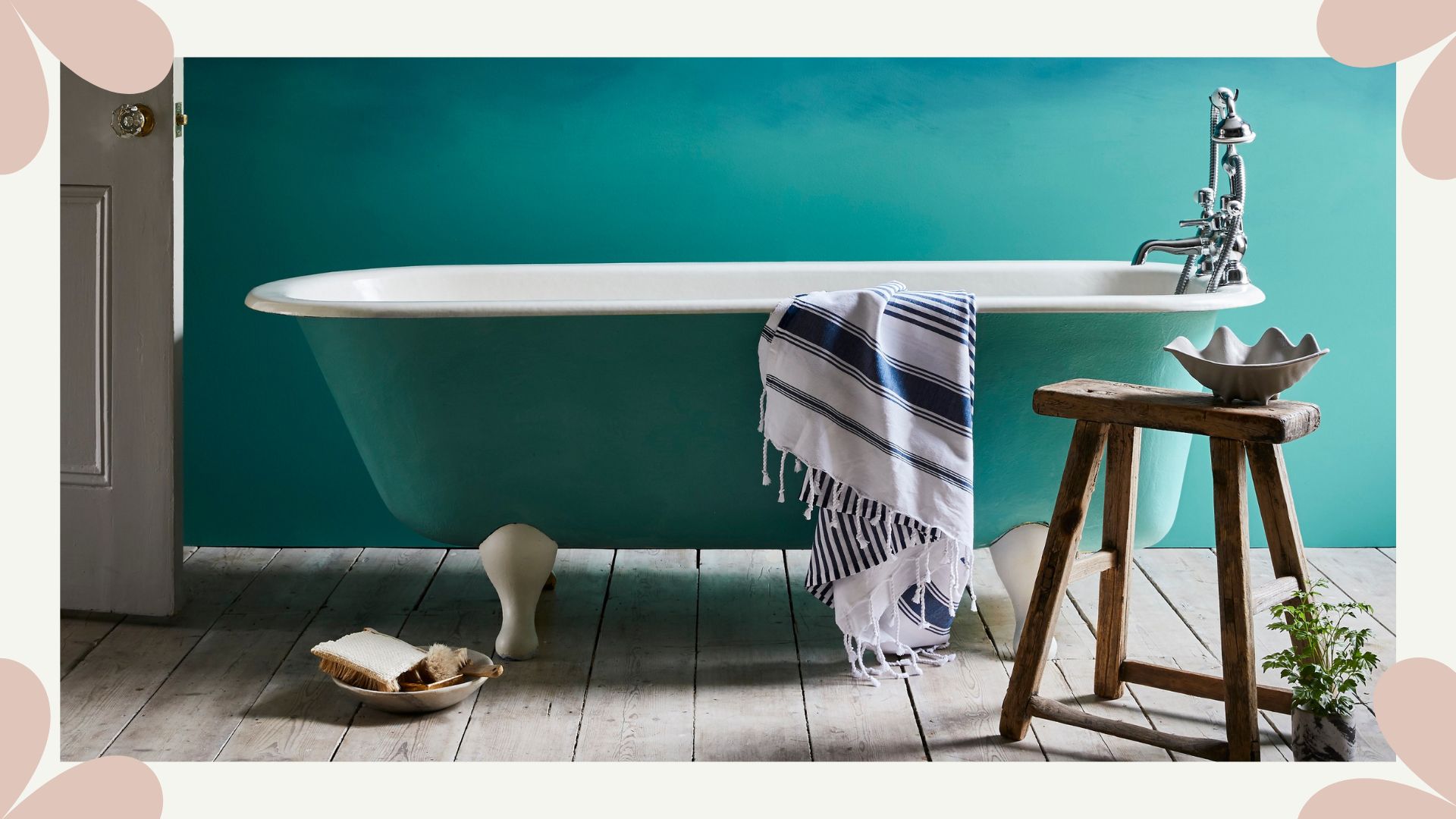
Paint color ideas for bathrooms: expert advice for choosing the best shades

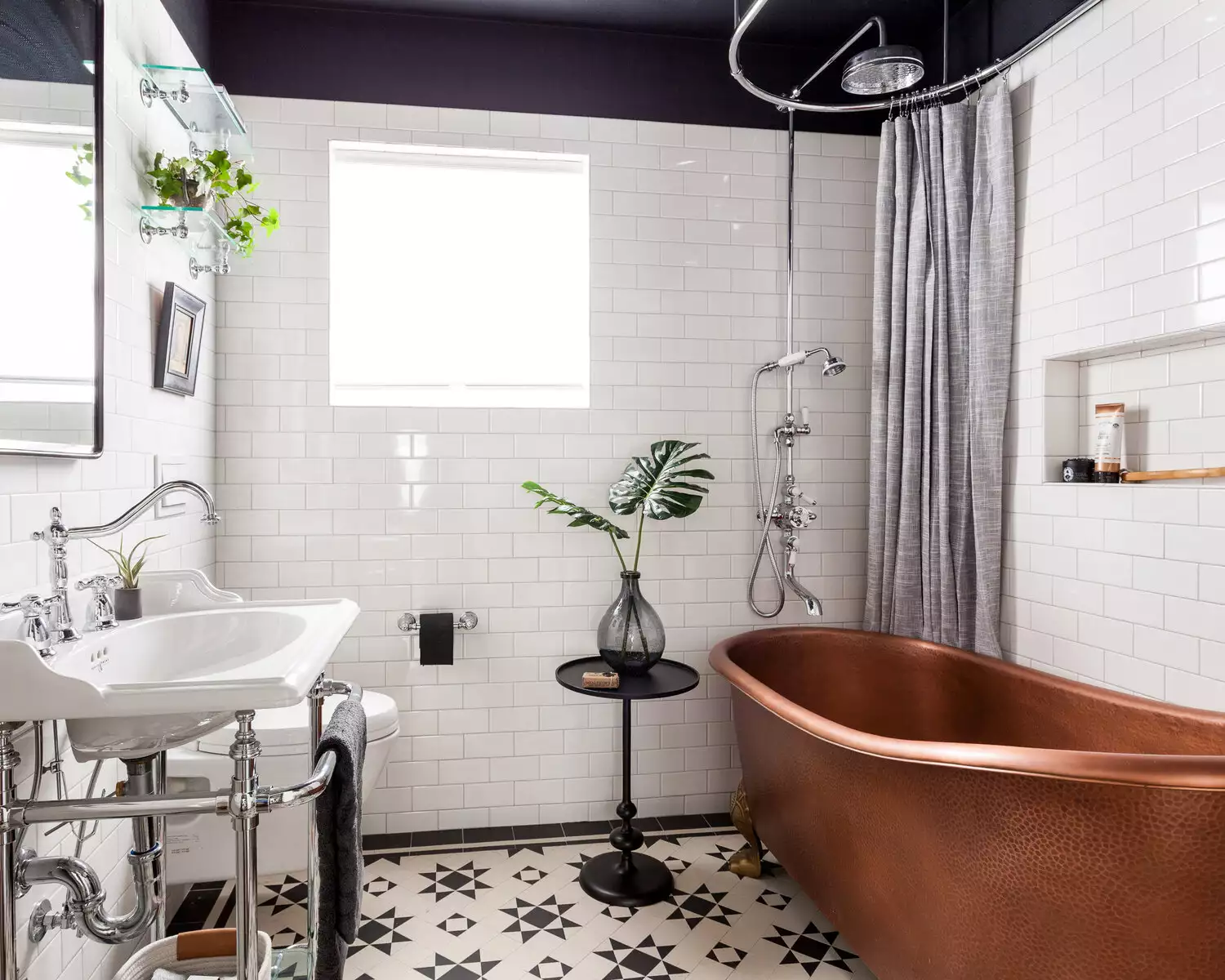
How to Choose Bathroom Tile That You'll Love Forever, According to a Designer
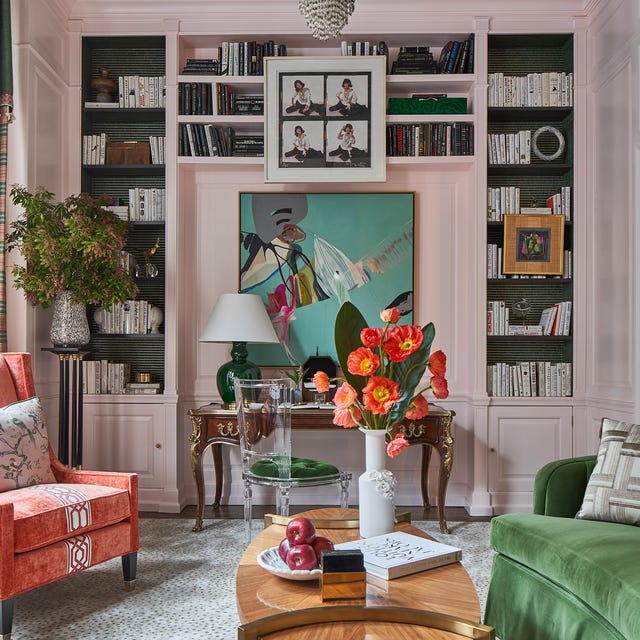
An A-List Designer’s Secrets To Picking Perfect Paint Colors

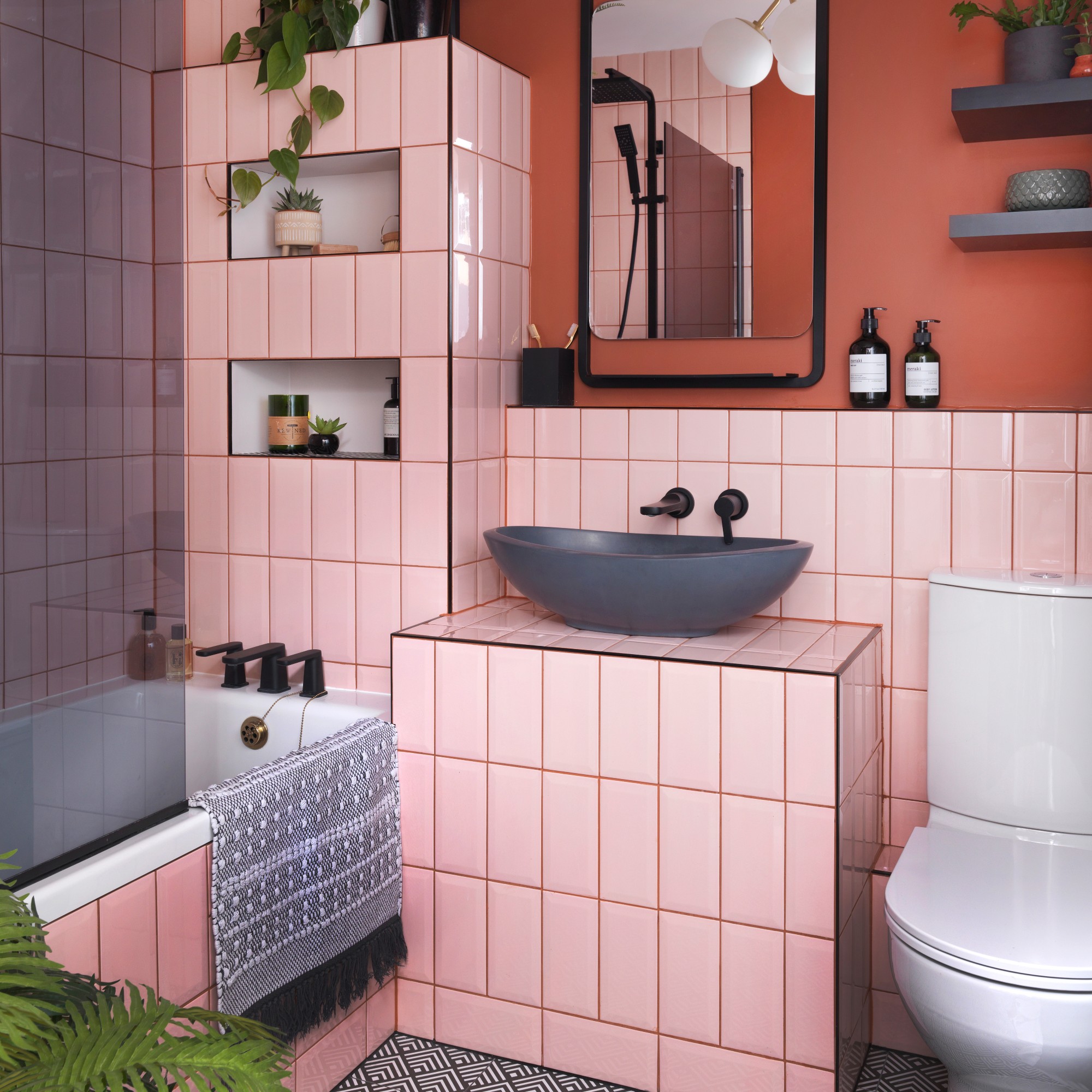
This is how you can easily replicate the colourful grouting trend - and for less than £4!

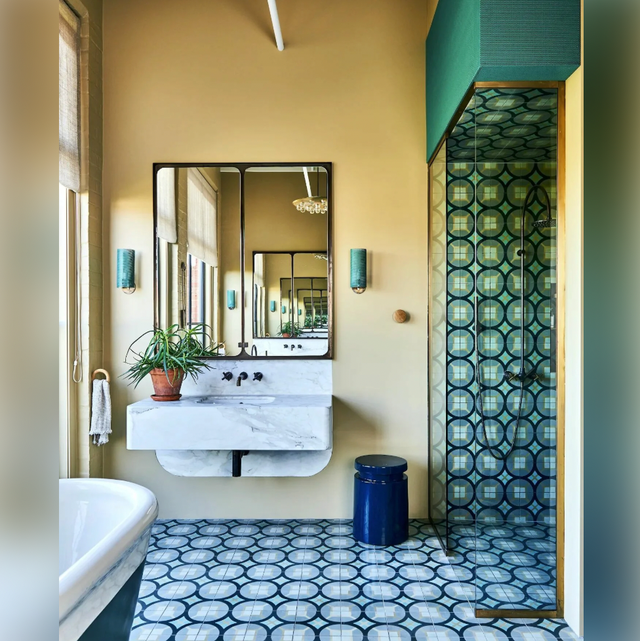
Try These Expert-Approved Bathroom Paint Colors for Your Next Home Makeover

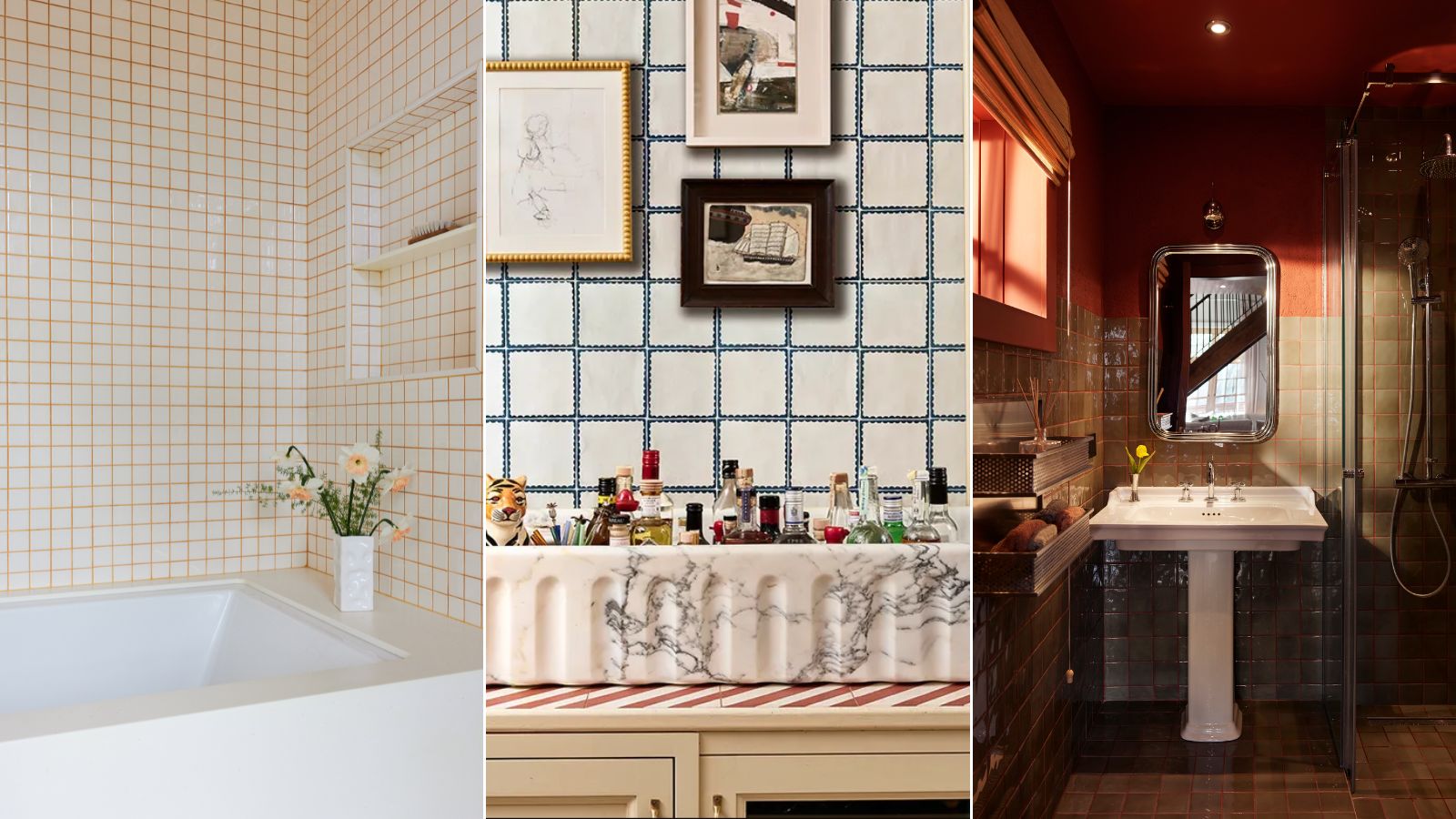
3 unexpected grout colors that prove you don’t have to decorate with just white
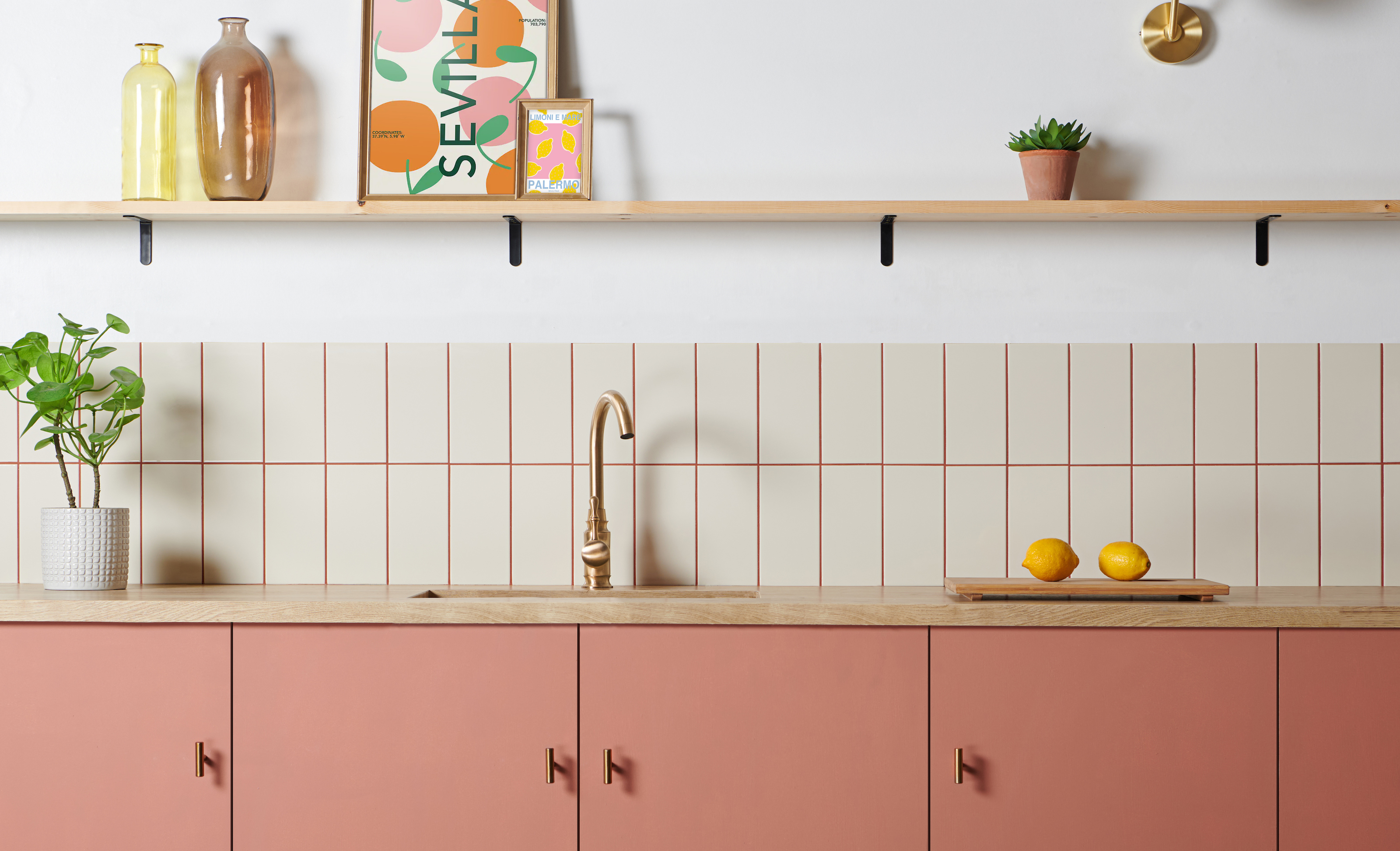
How to change grout color - the easiest little touch to make your home feel fresh again

Getting the Grout Right
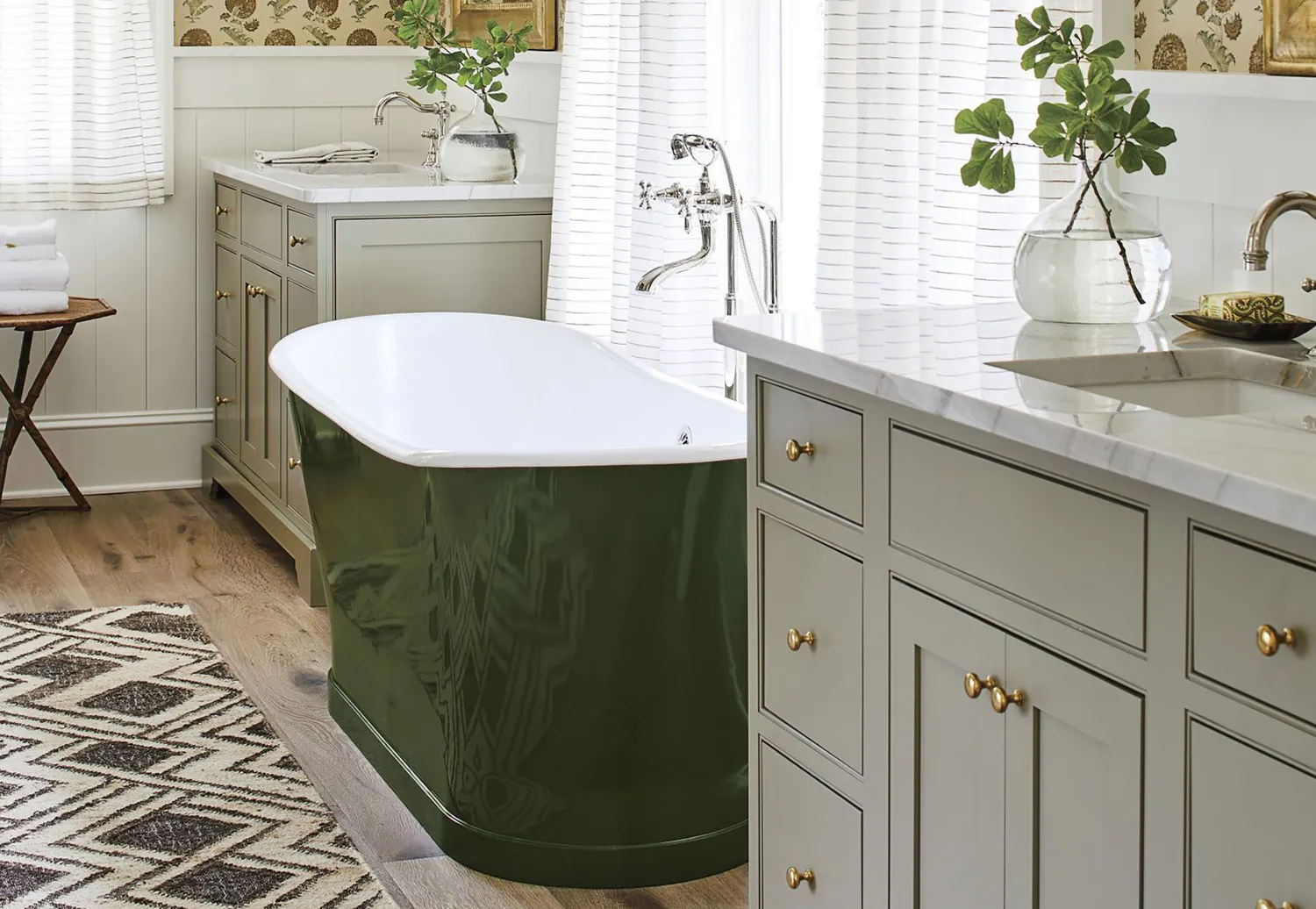
10 Greige Paint Colors Designers Recommend Again And Again