1/5
This 200-year-old 'gossip' seating layout is having a revival – and it's perfect for hosting
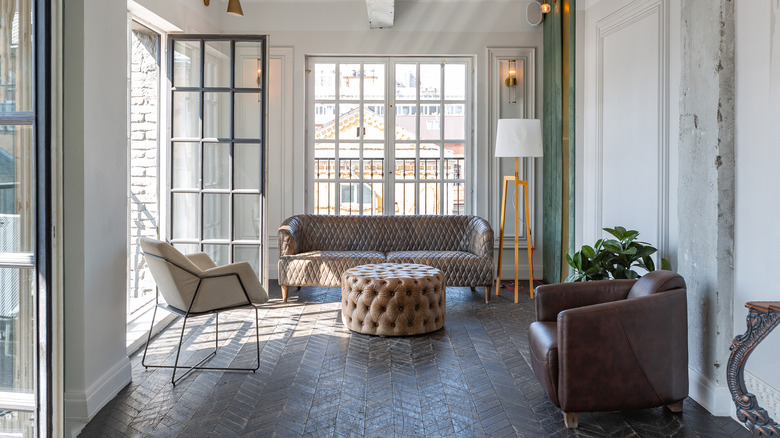
The concept of 'conversational seating,' also known as 'gossip seating,' is experiencing a resurgence in interior design. Originating in the 19th century with the French S-shaped 'conversation chair,' this seating arrangement prioritizes social interaction over television viewing. Initially, these chairs, designed for two people to sit face-to-face and exchange news, were a mark of sophistication in living spaces. However, their popularity, along with the broader conversational seating layout where chairs and sofas face each other, declined with the introduction of television, which shifted the living room's focus to entertainment.
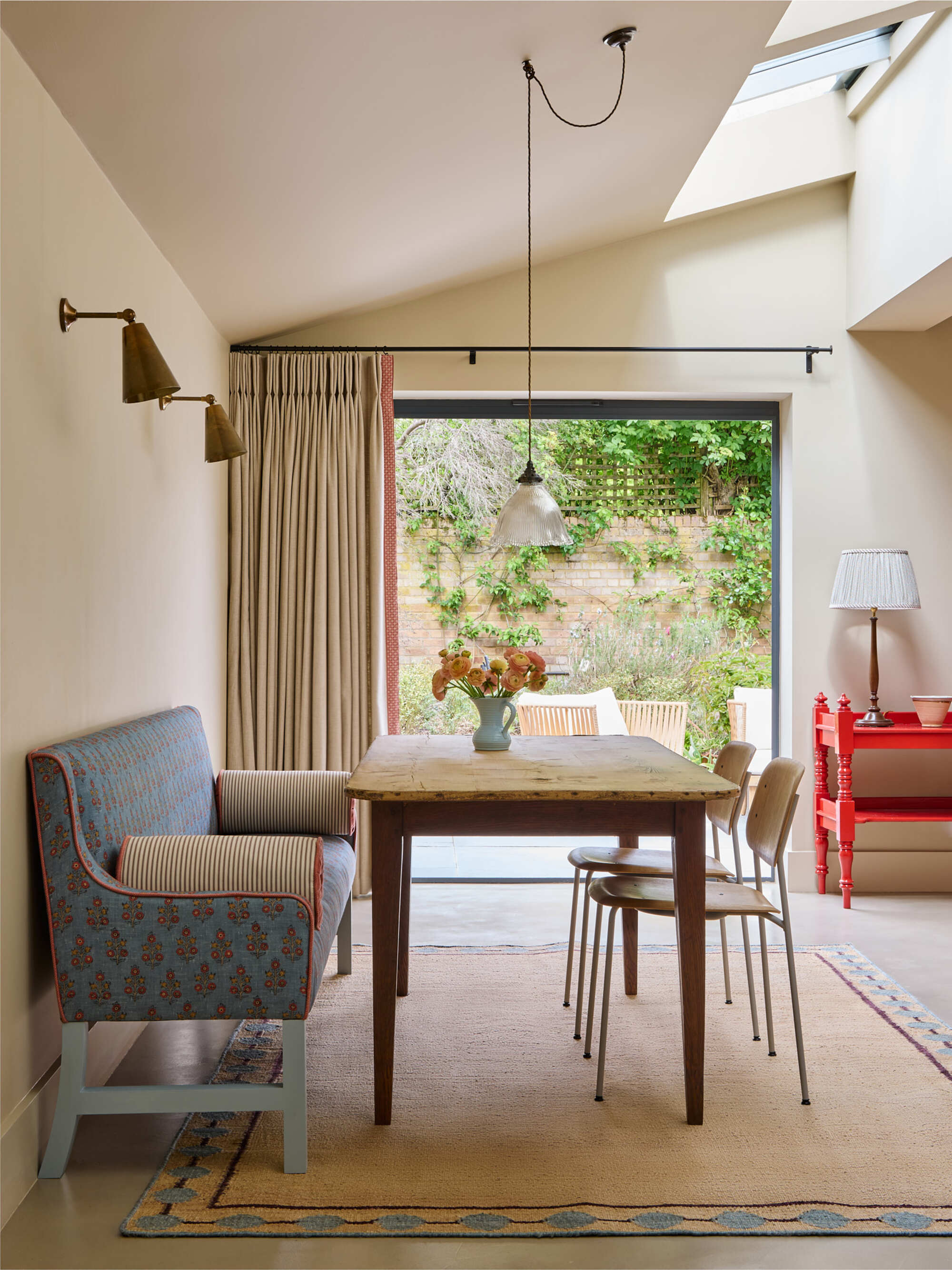
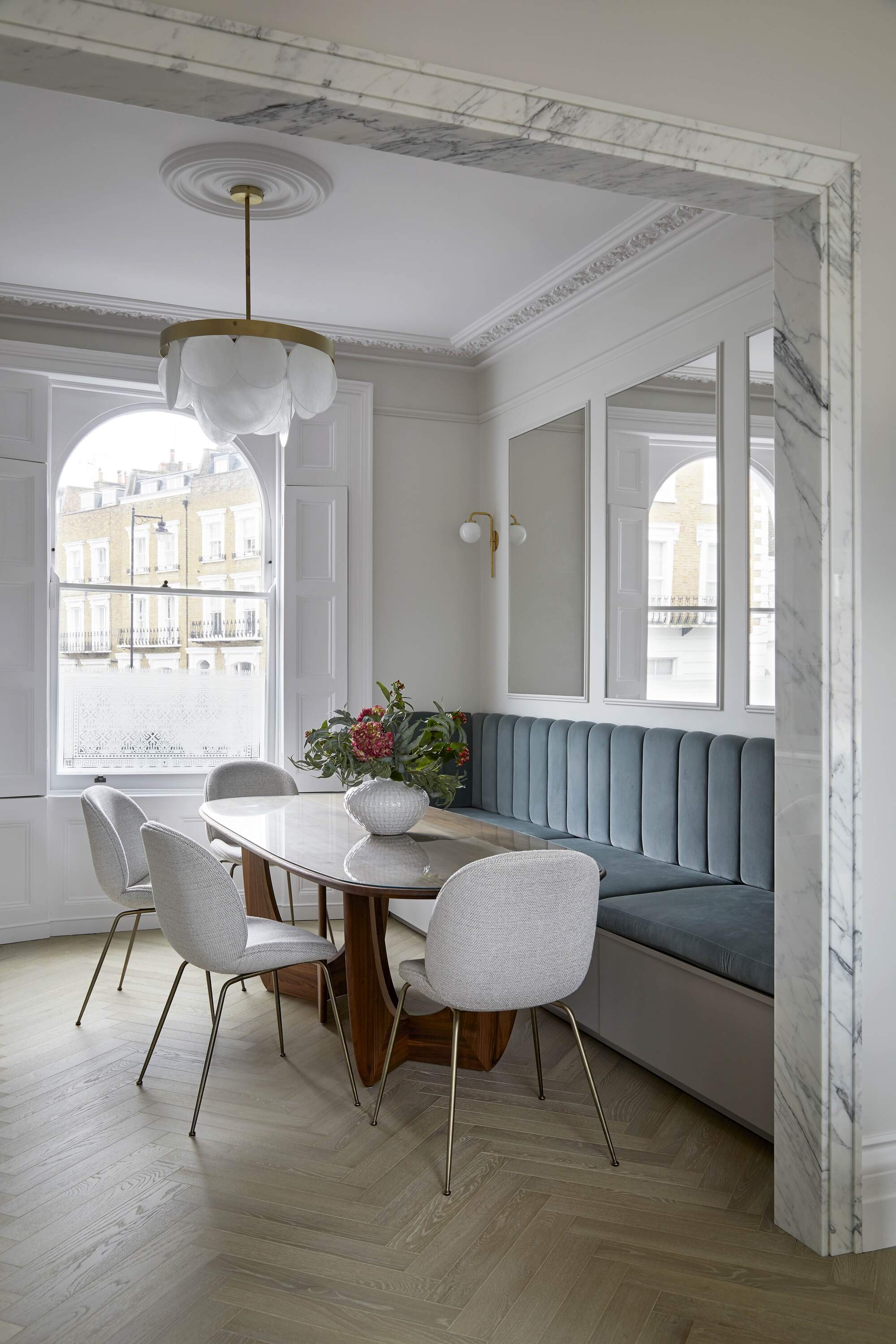
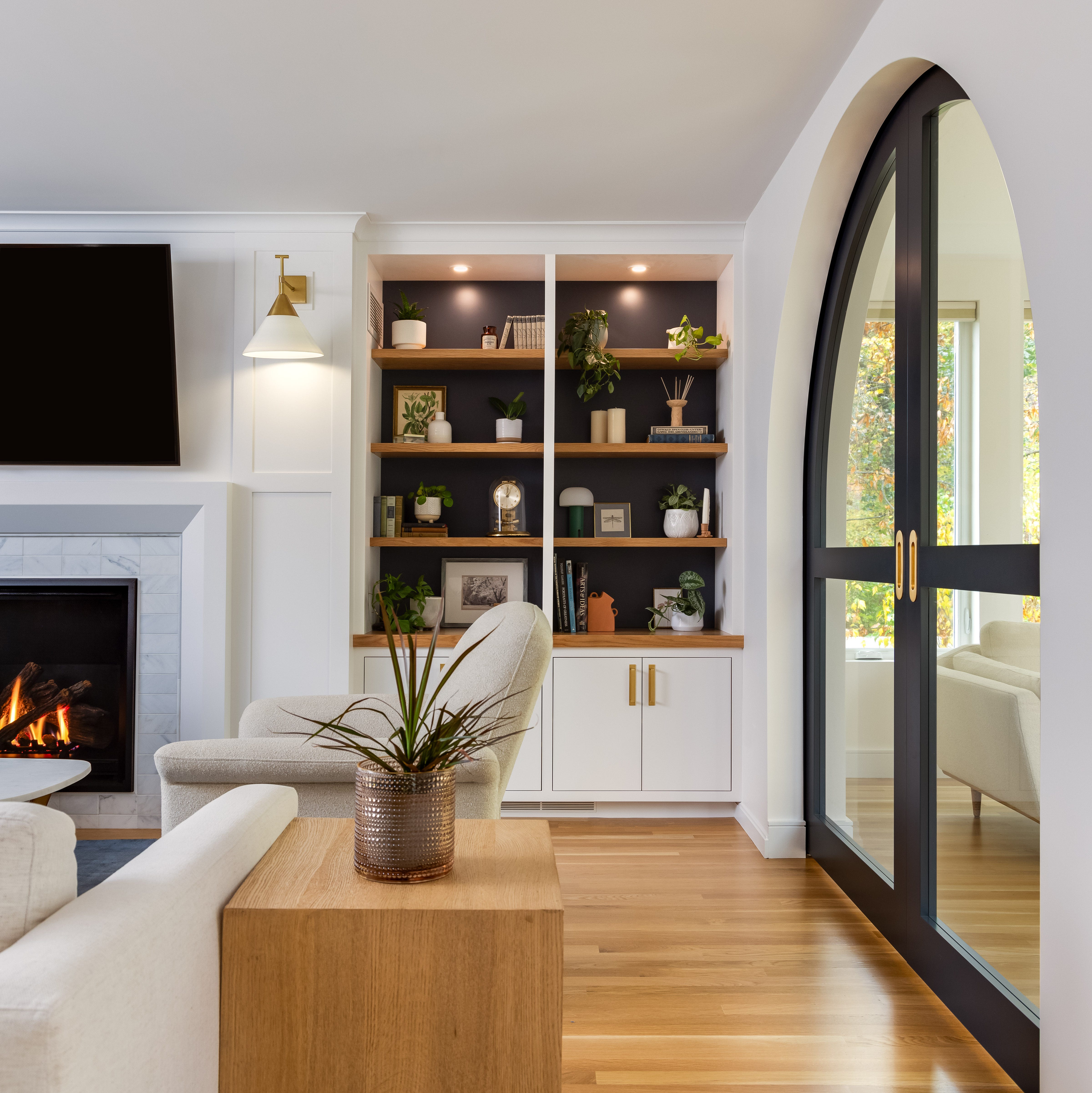
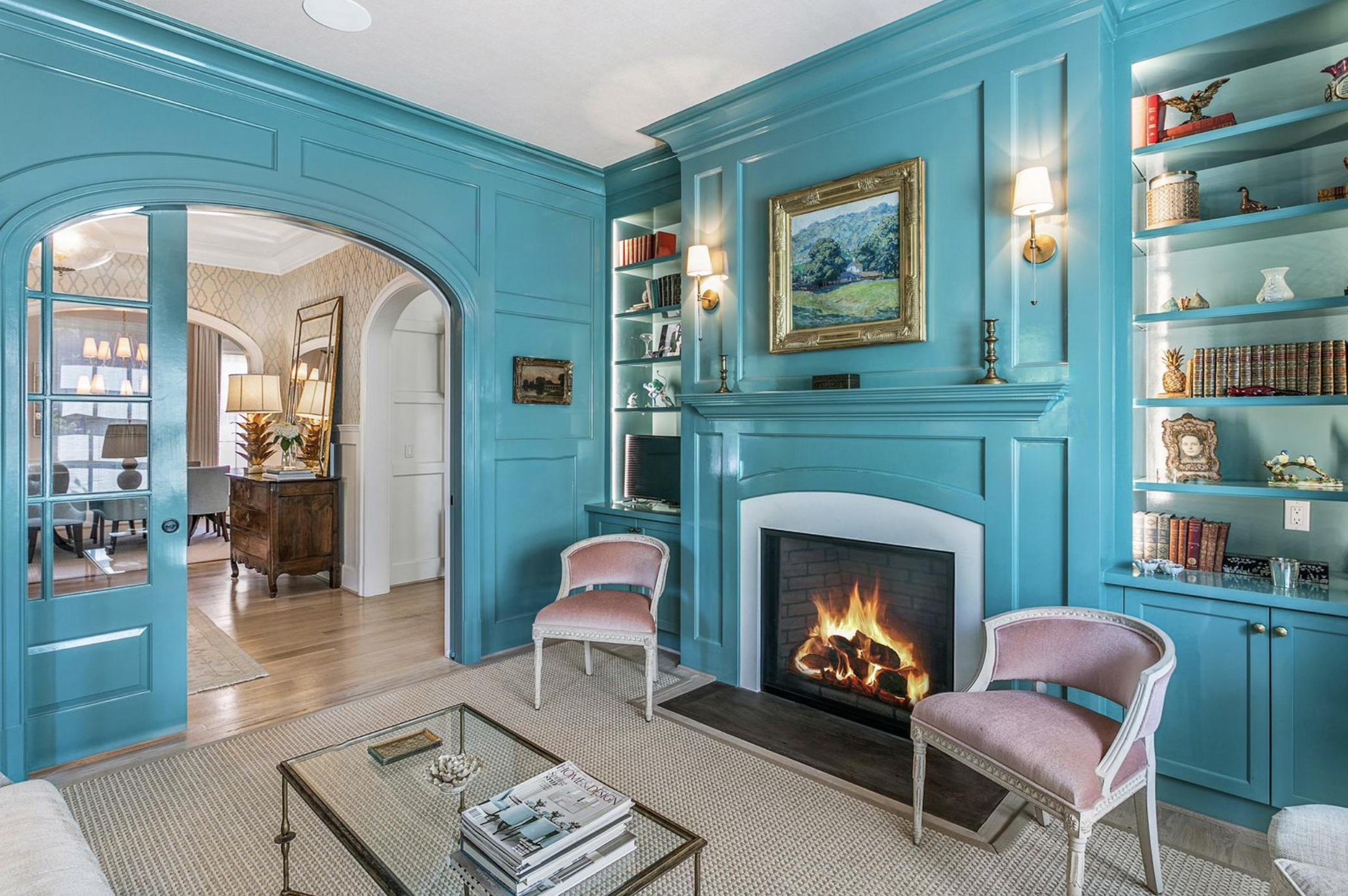
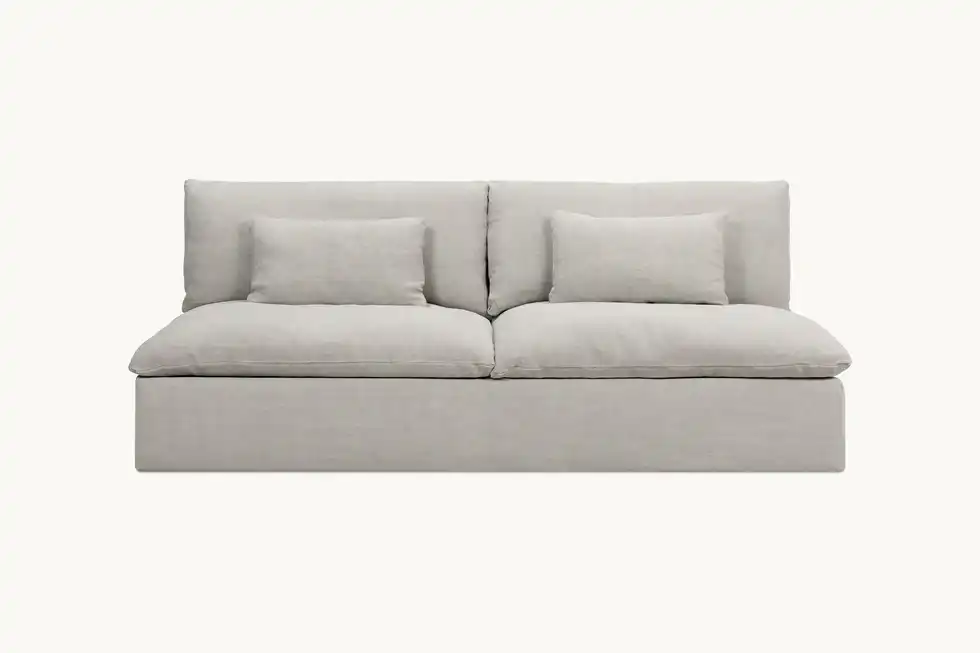
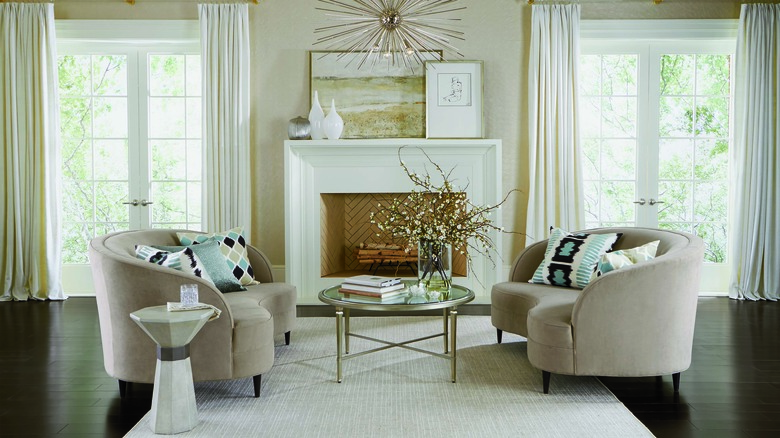
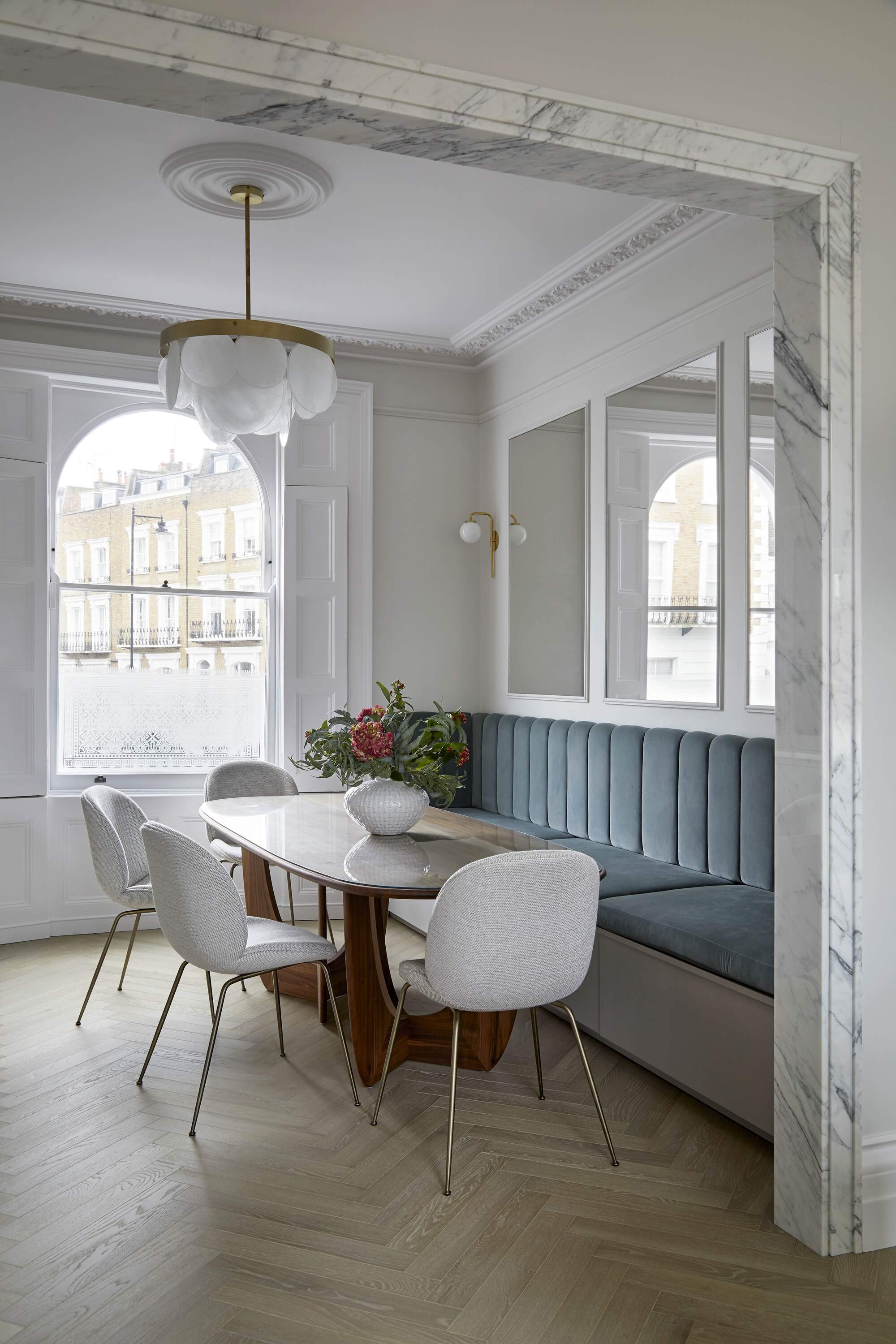
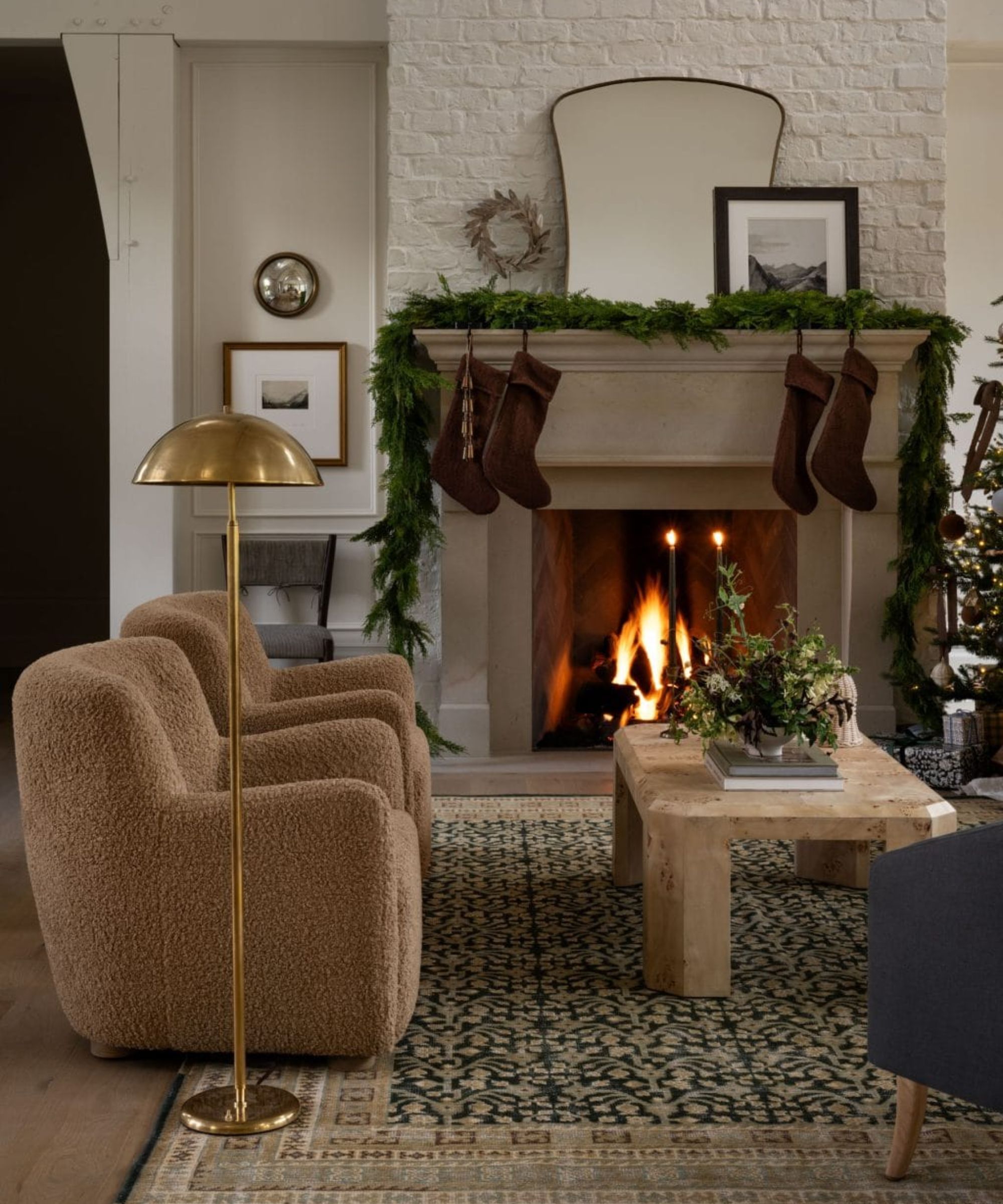
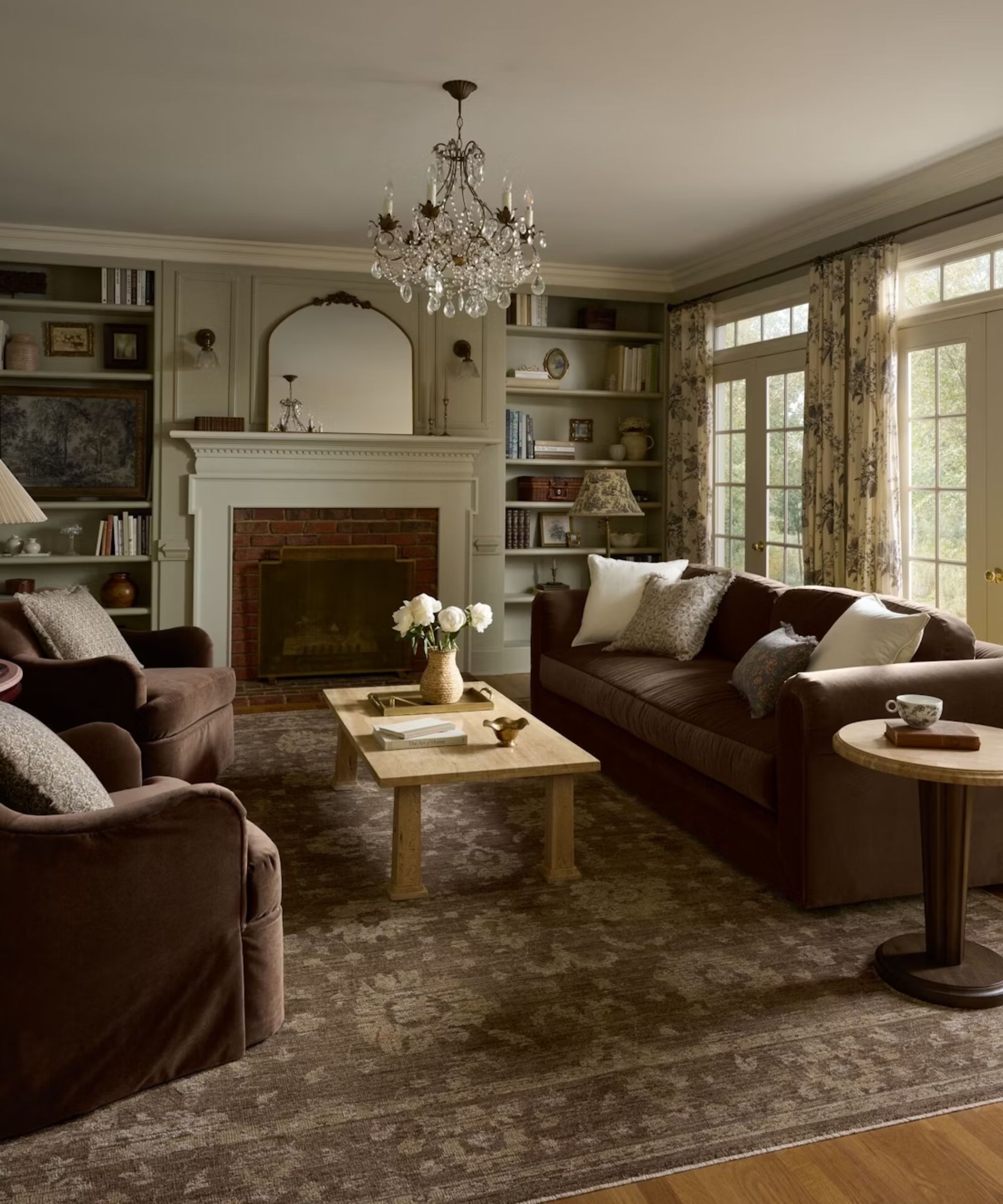
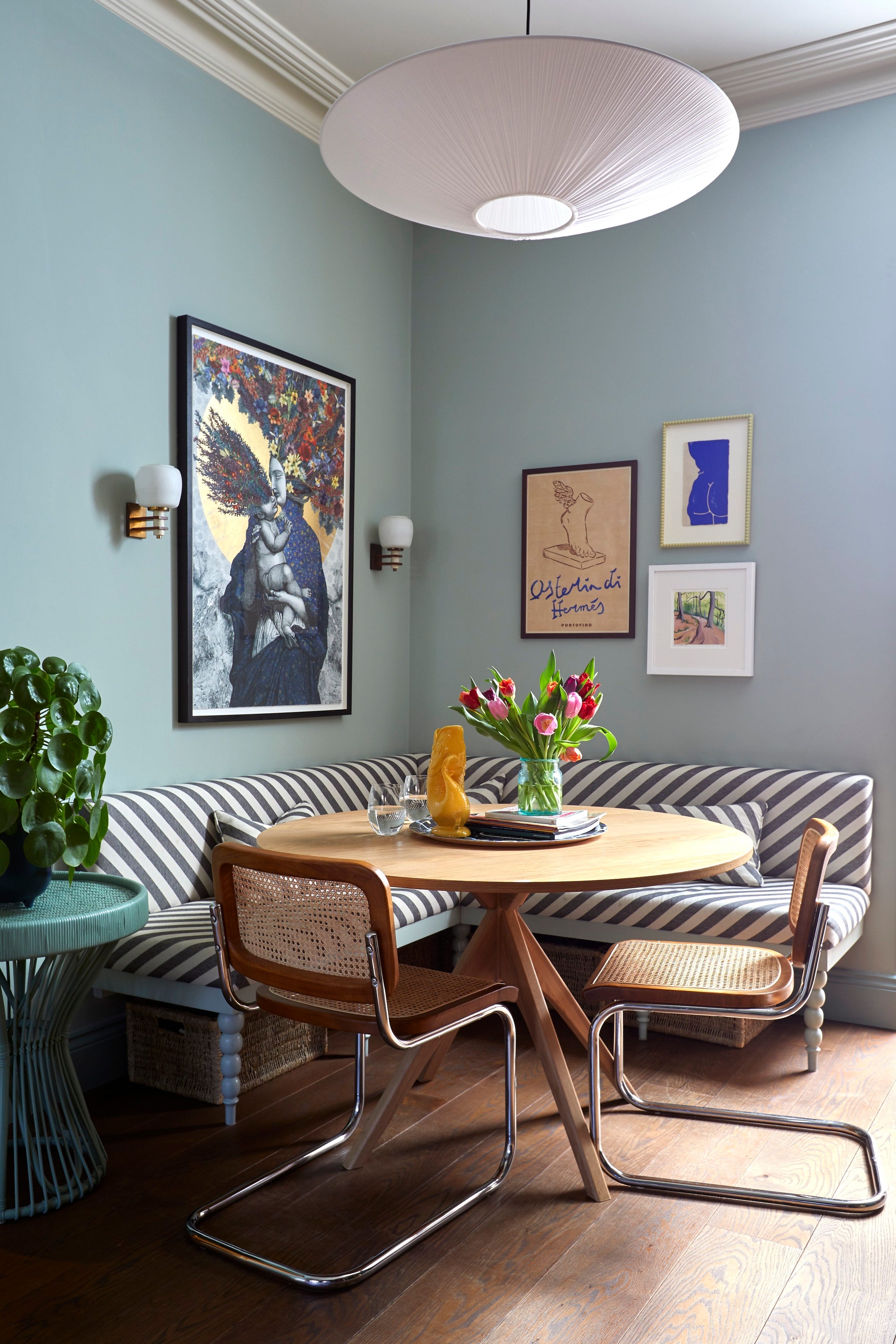
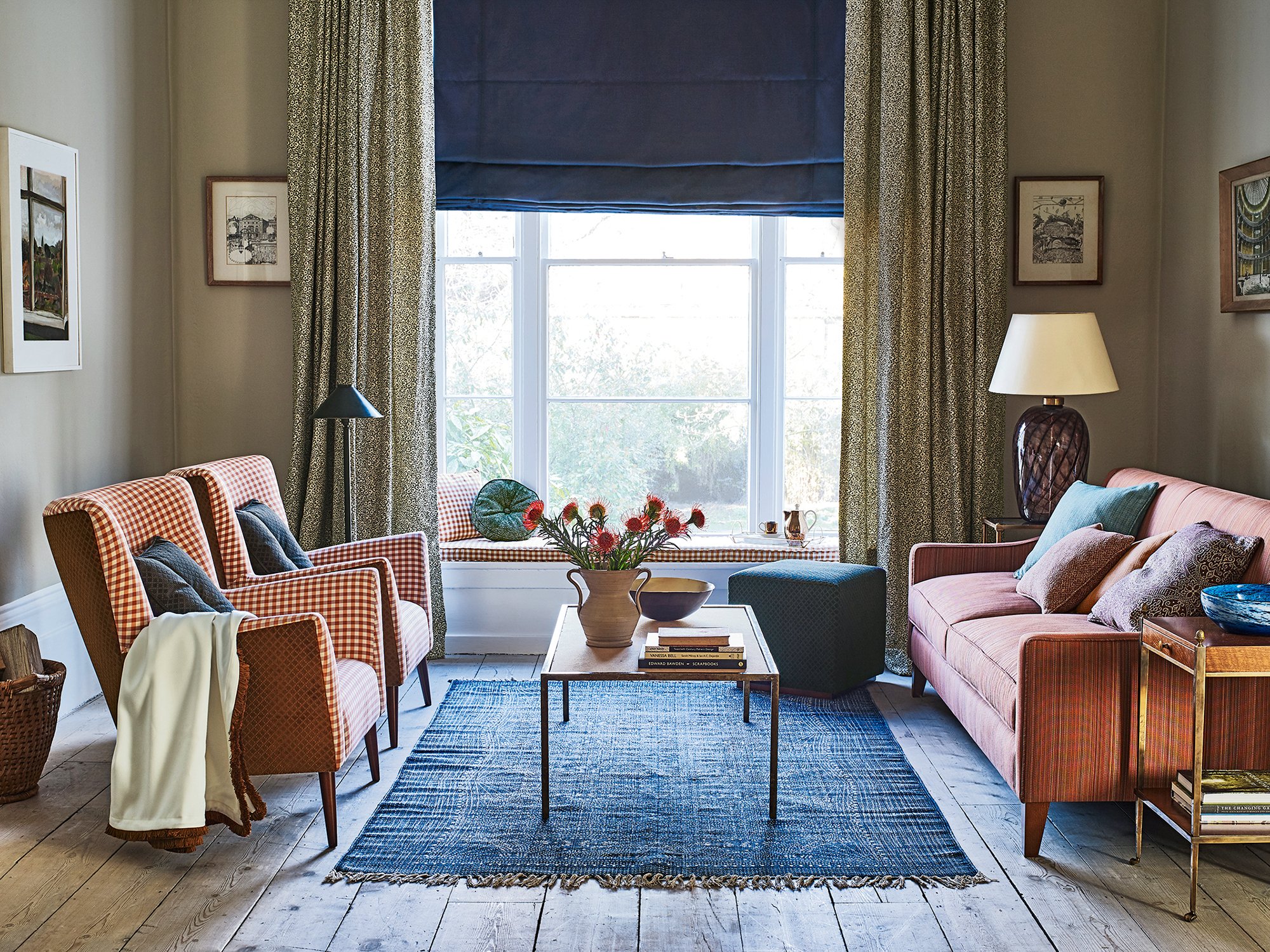
Today, interior designers are observing a renewed interest in conversational seating among their clients. Nina Campbell, a prominent interior expert, emphasizes the importance of this layout for fostering sociability. She highlights that effective seating arrangements are crucial for festive gatherings, much like seating plans at a dinner table. Campbell provides practical advice for implementing conversational seating, starting with the layout. She suggests creating a central focal point, such as a fireplace, and arranging seating to facilitate small group conversations. A classic setup involves placing a chair on either side of a fireplace, potentially supplemented by a 'chauffeur' chair pulled close to the wall. Incorporating a sofa or a corner banquette can further enhance group gatherings, making it conducive for activities like playing cards.
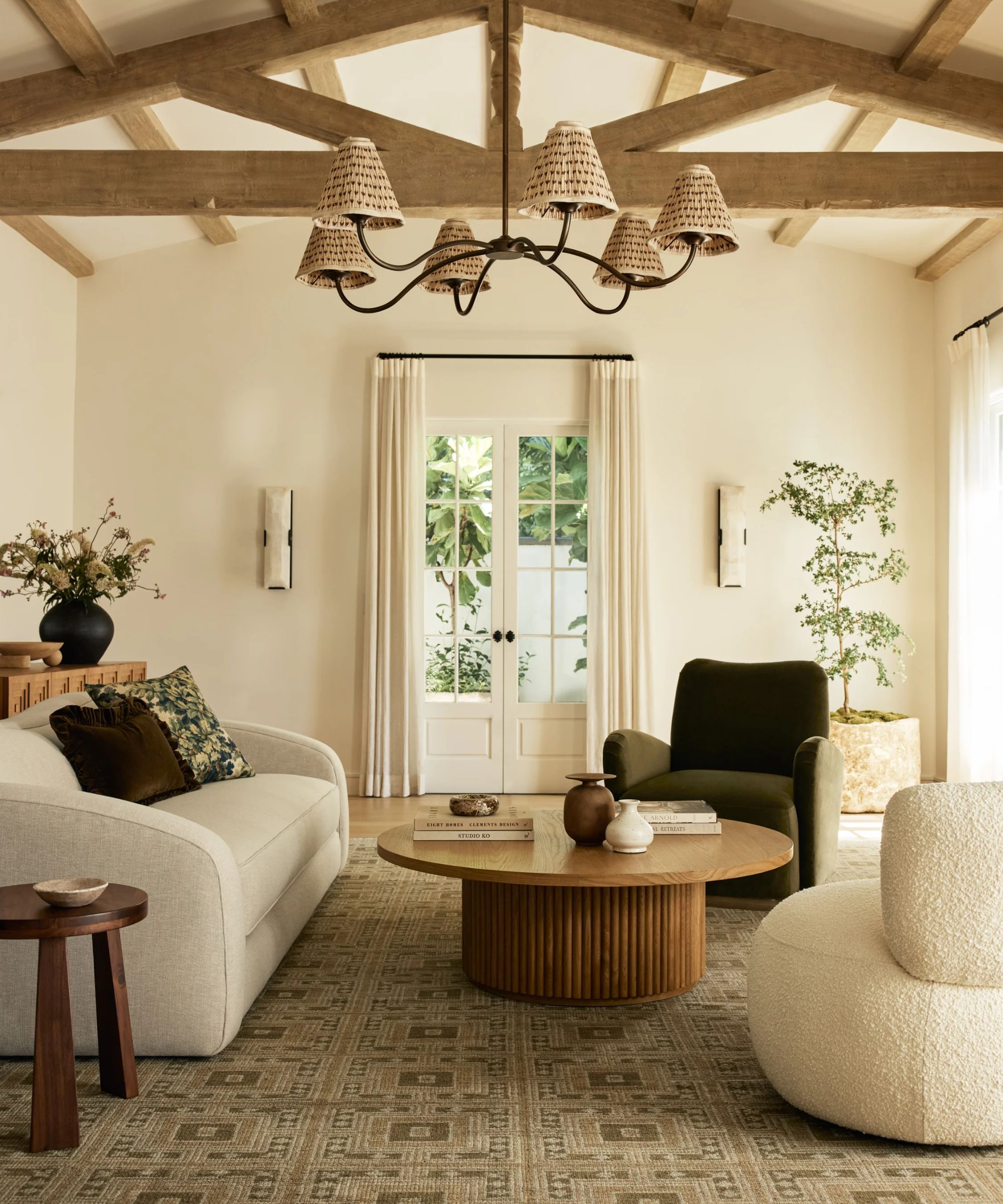
Another key aspect is managing the number of chairs. Campbell advises using an odd number of chairs to encourage guest rotation and interaction. She references Elsie de Wolfe's 1913 observation about avoiding solitary chairs, as they can isolate shy guests. Instead, Campbell suggests that while two chairs side-by-side might not always spark conversation, positioning an occasional chair diagonally can create 'conversational triangles,' encouraging more dynamic interaction.
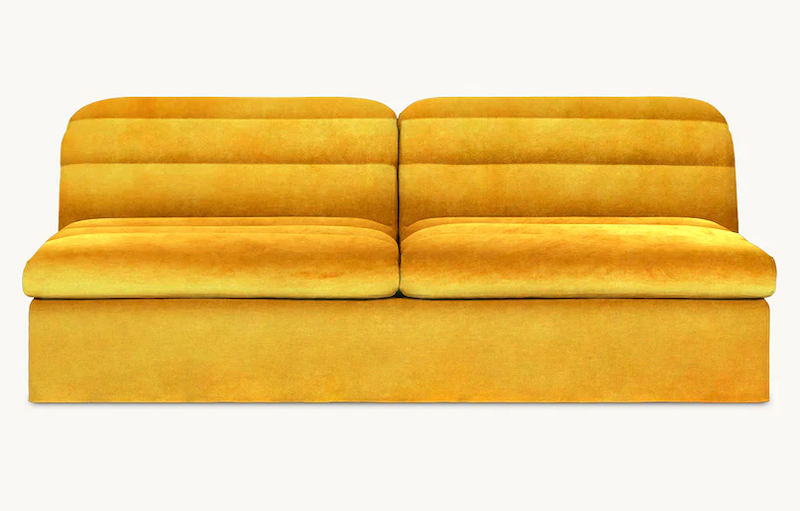
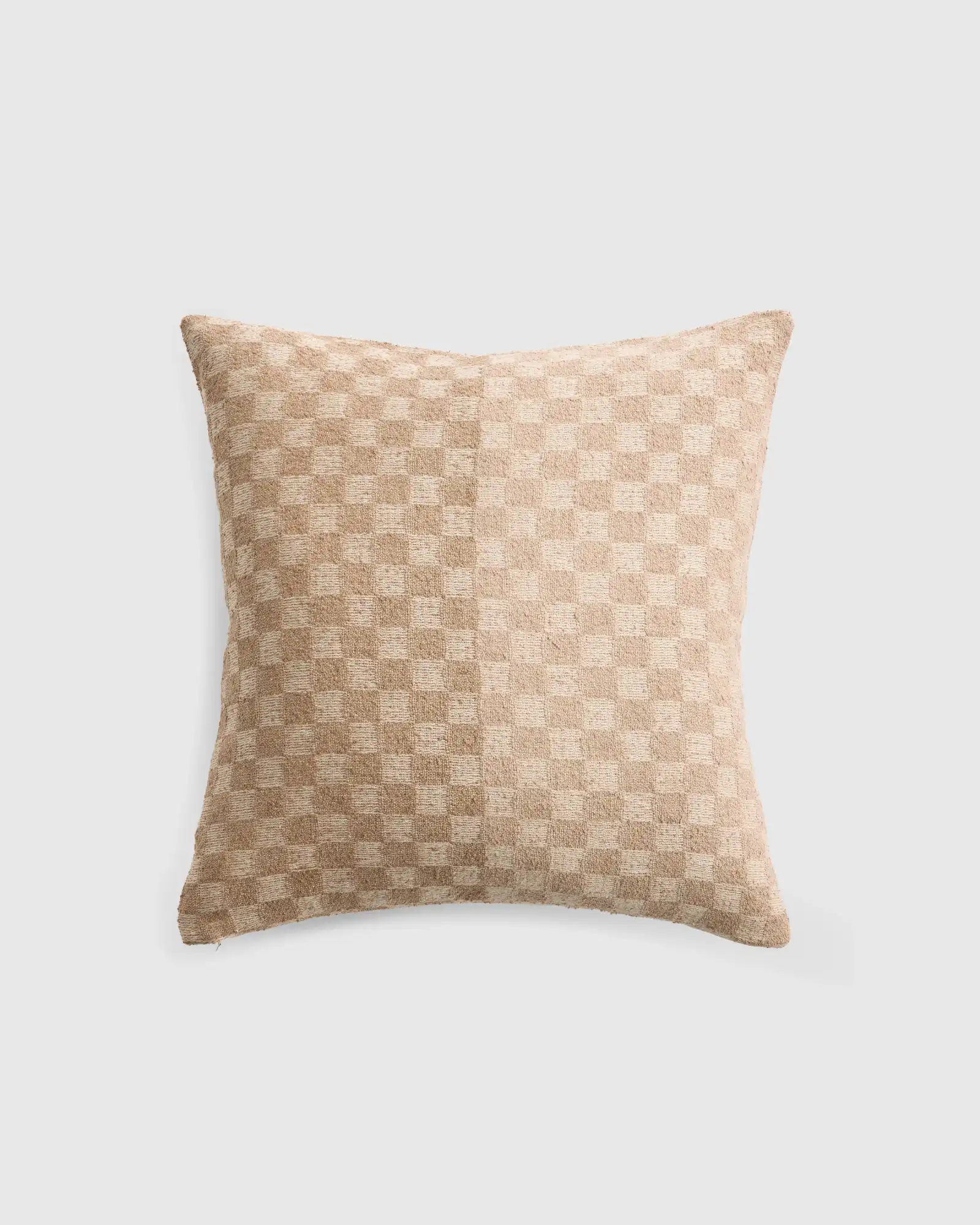
Beyond arrangement, Campbell stresses the importance of aesthetics and comfort. She recommends a mix of fabric patterns—some with large designs, others plain, and some introducing color. She advises against cheap imitations of beloved fabrics, suggesting instead to invest in what is affordable, even if it's just for one chair or a pillow. For larger furniture pieces like sofas, durable, strong, and relatively plain fabrics are preferable to ensure longevity and avoid quick re-covering costs, with cushions and throws used for jazzing up the look. Incorporating antiques, re-covering them if necessary, helps retain a sense of history and character.
Finally, comfort is paramount. Campbell suggests physically testing each chair before a social event to ensure it is comfortable and to assess the need for additional cushions. She also highlights the necessity of convenient surfaces for drinks, recommending side tables or a large central coffee table, preferably one with a shelf for tidying away daytime items, to ensure guests have easy access to their beverages and feel at ease. Conversational seating, in essence, is an arrangement of comfortable seating that faces inwards to promote social interaction. This arrangement ensures that chairs are close enough for easy hearing but spaced adequately for comfortable movement, often centered around a circular coffee table.
#InteriorDesign #ConversationalSeating #LivingRoomLayout #HomeDecor #FurnitureArrangement #SocialGatherings #NinaCampbell #HostingTips #DesignTrends #InteriorDesign #ConversationalSeating #LivingRoomLayout #HomeDecor #FurnitureArrangement #SocialGatherings #NinaCampbell #HostingTips #DesignTrends
0 comment in total
 No comments yet
You may also like
This Furniture Trend From the 1920s Is Officially Back

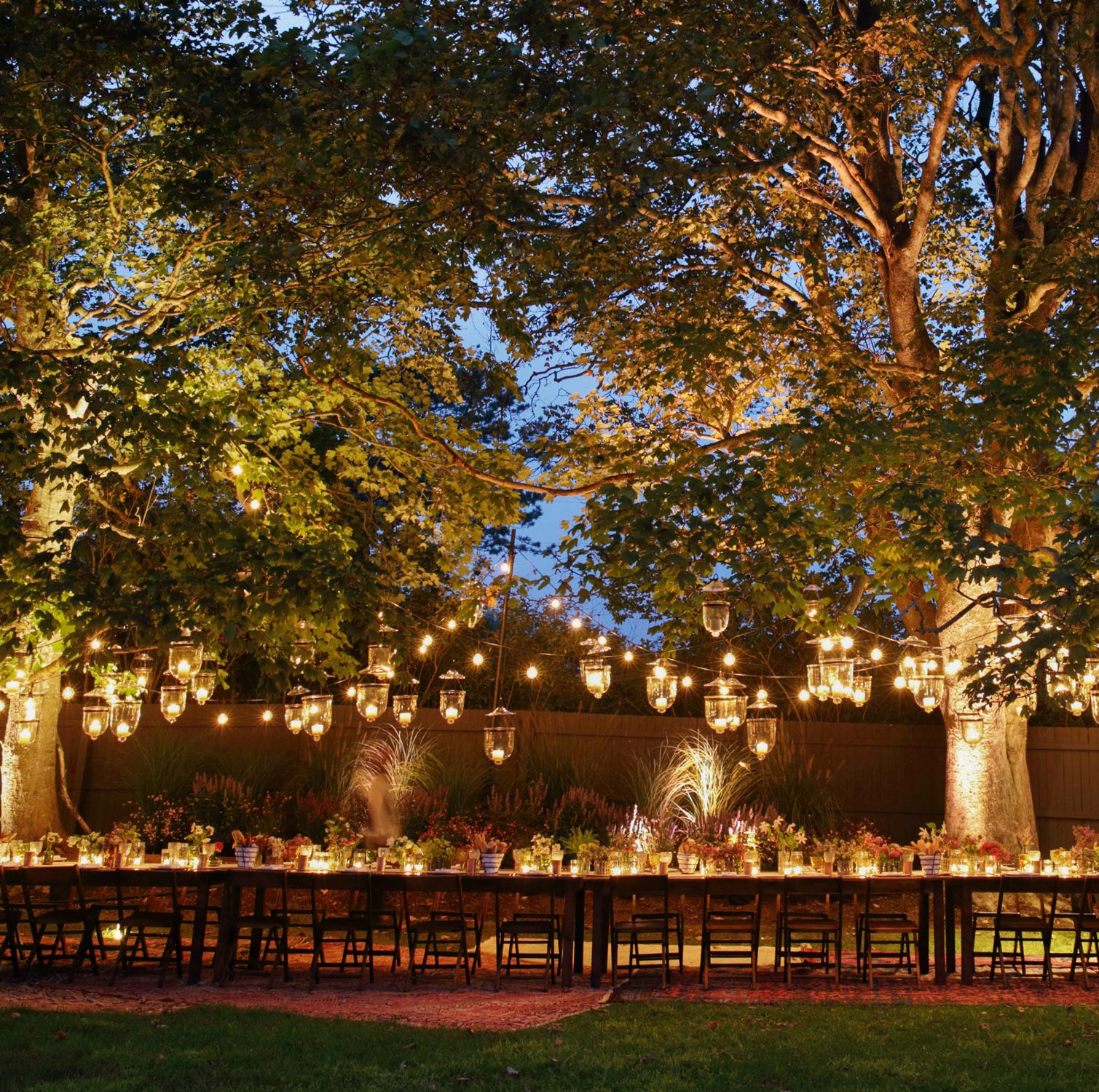
Did Instagram Kill Round Tables at Dinner Parties?

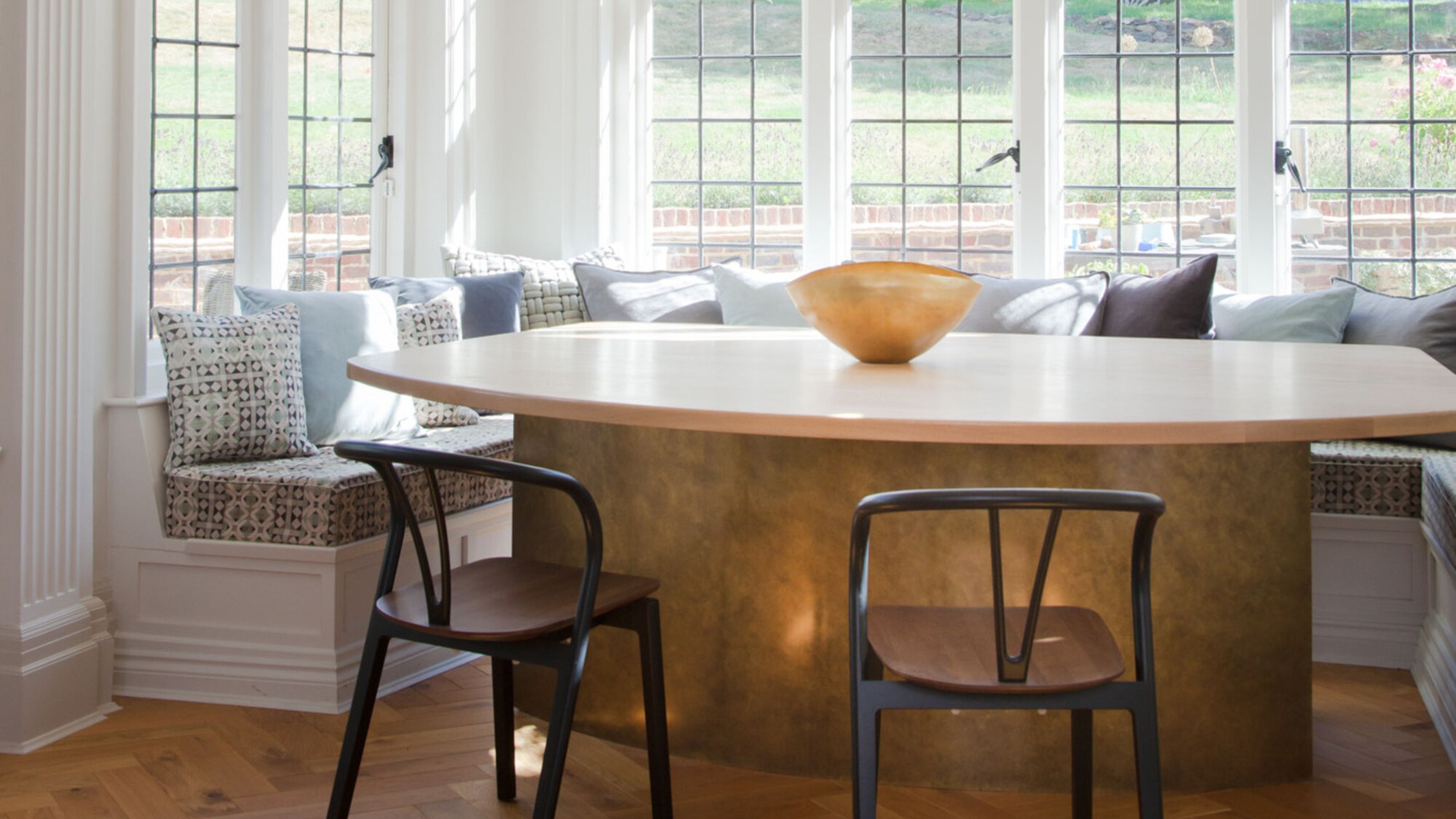
Forget Chairs — This Dining Room Seating Trend Takes Your Space From Casual to Comfortable, Convivial, and Curated

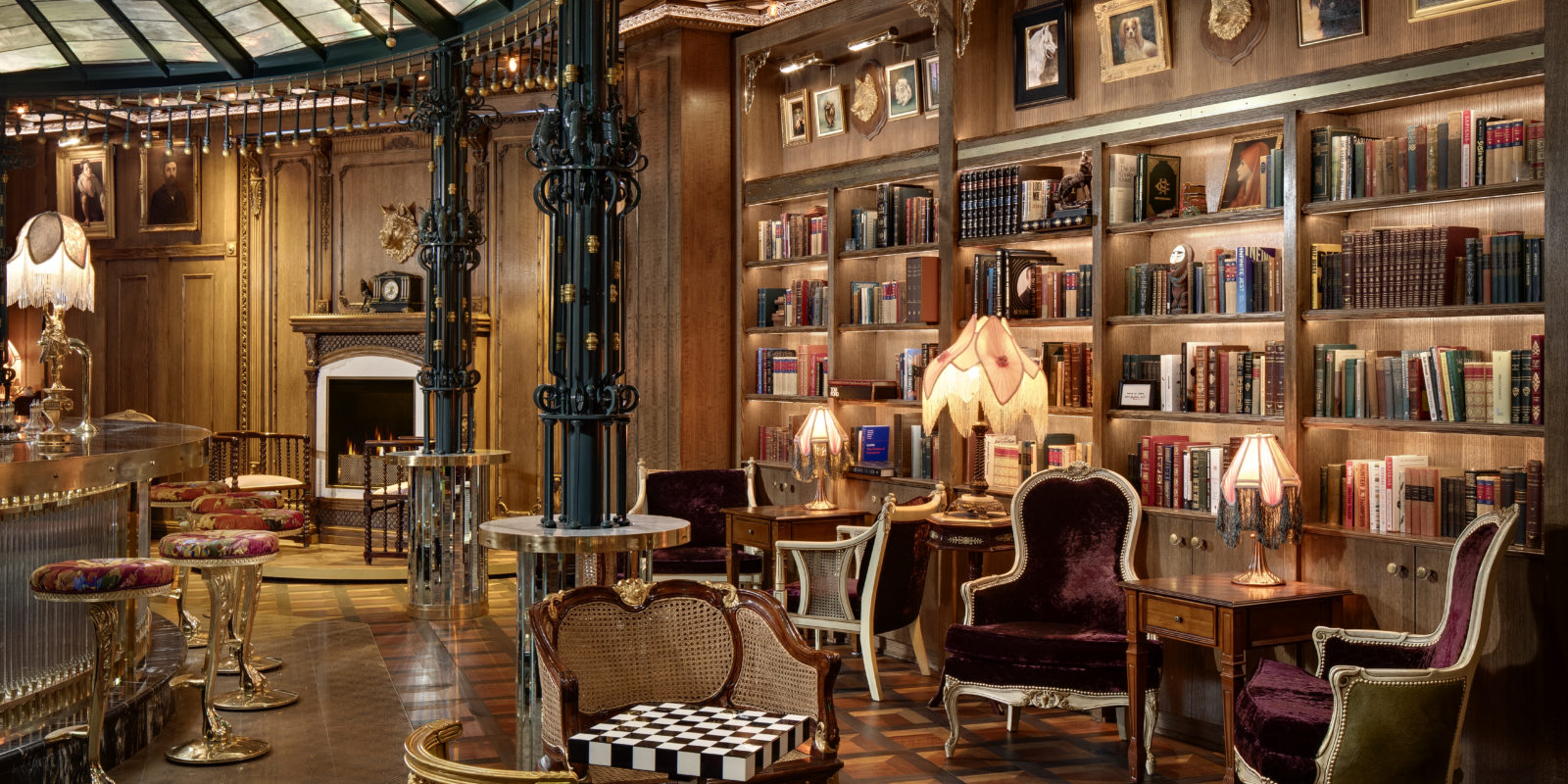
We’re Crushing on This Art Nouveau-Style Speakeasy
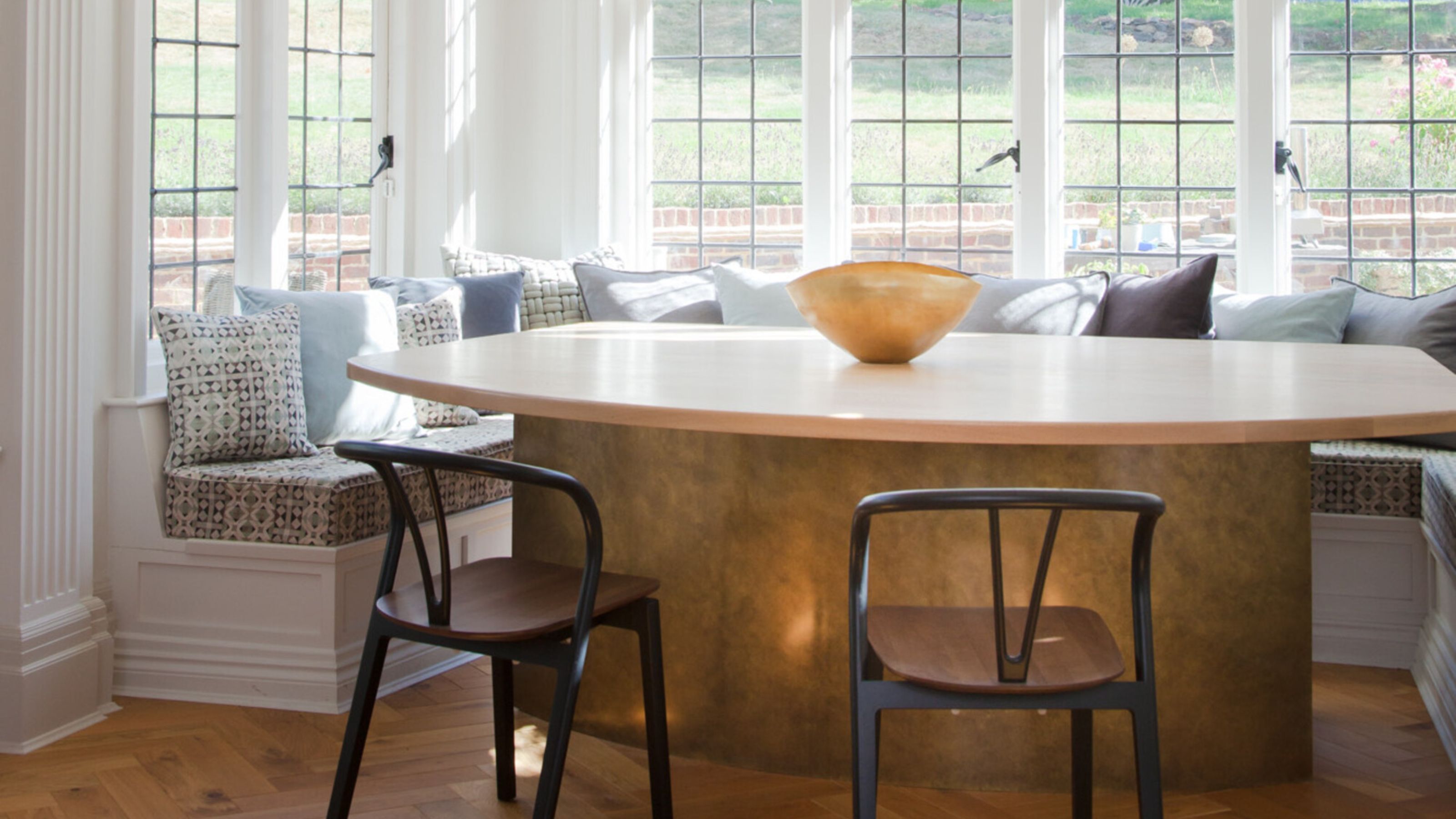
This Dining Room Seating Trend Transforms Your Setup
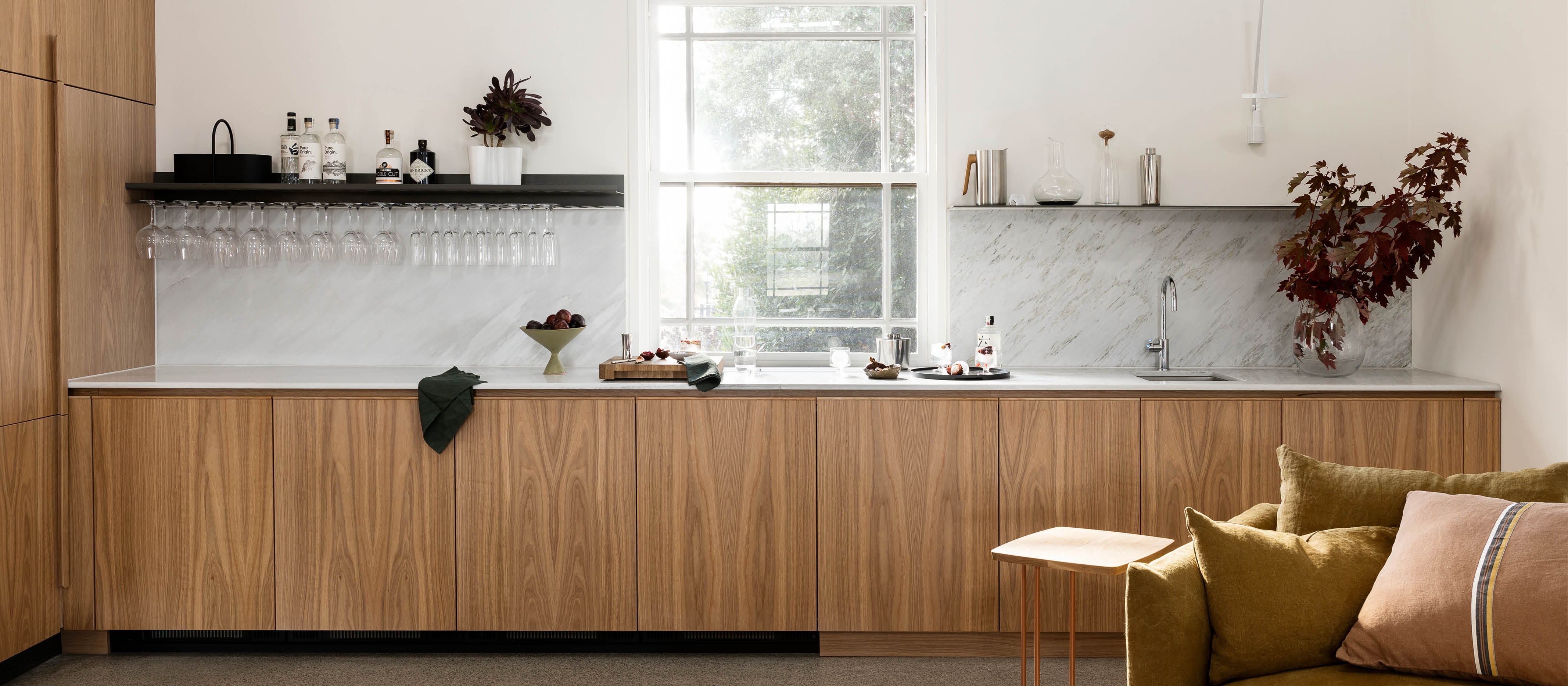
An Old Stables Turned Contemporary Home, Designed For Entertaining

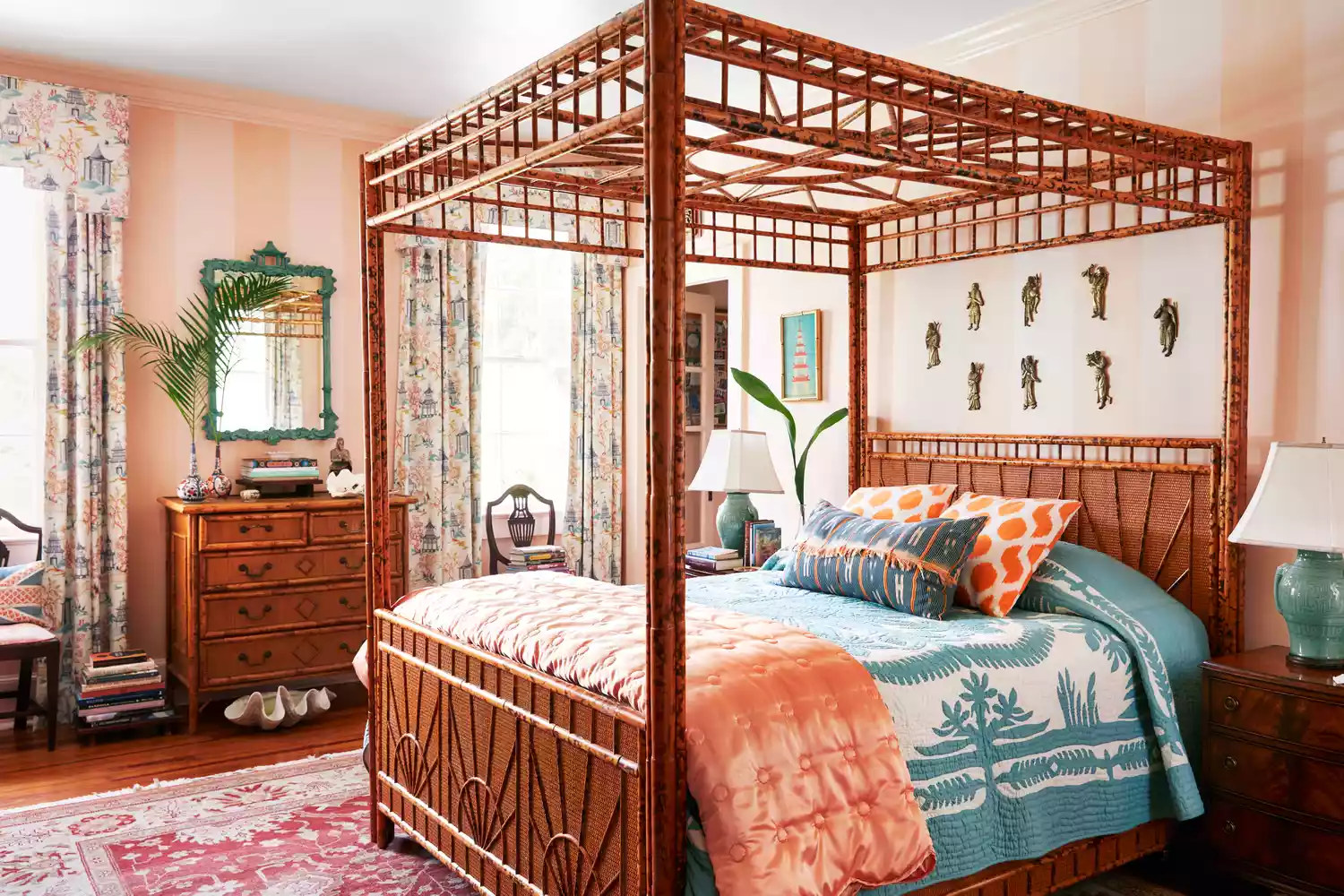
This Classic Bedroom Feature Is Officially Back
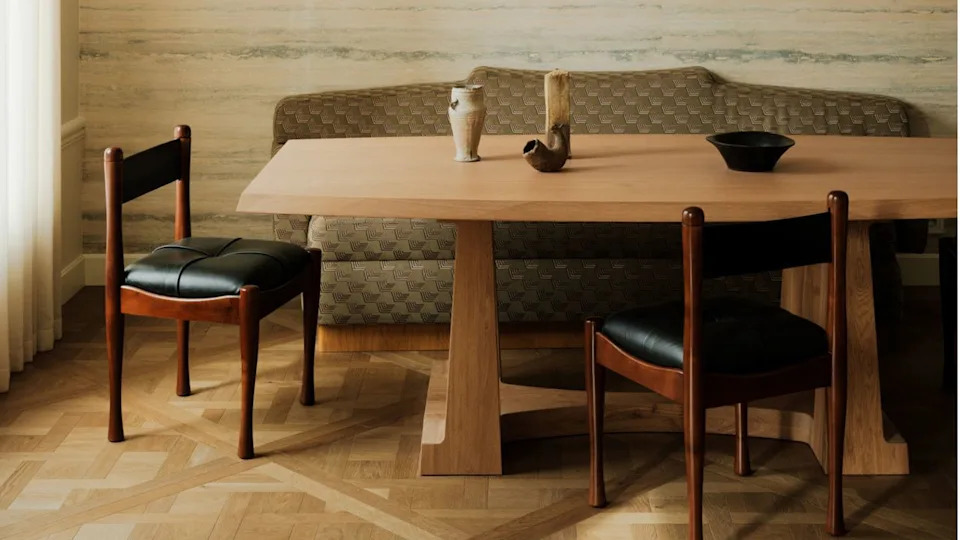
The Dining Table Trends for 2026 Have Been Set
Designers Say This Vintage Home Feature Is Back

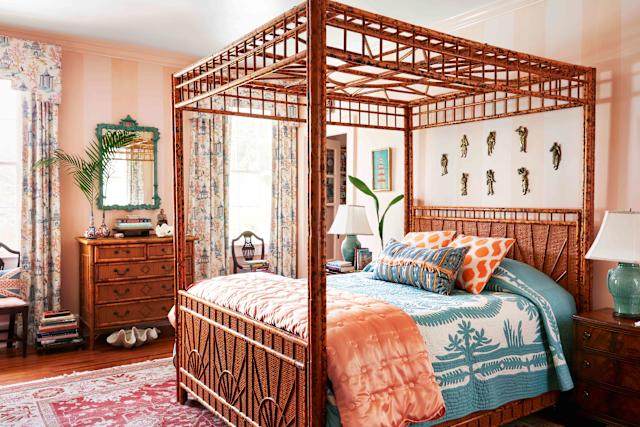
This Classic Bedroom Feature Is Officially Back
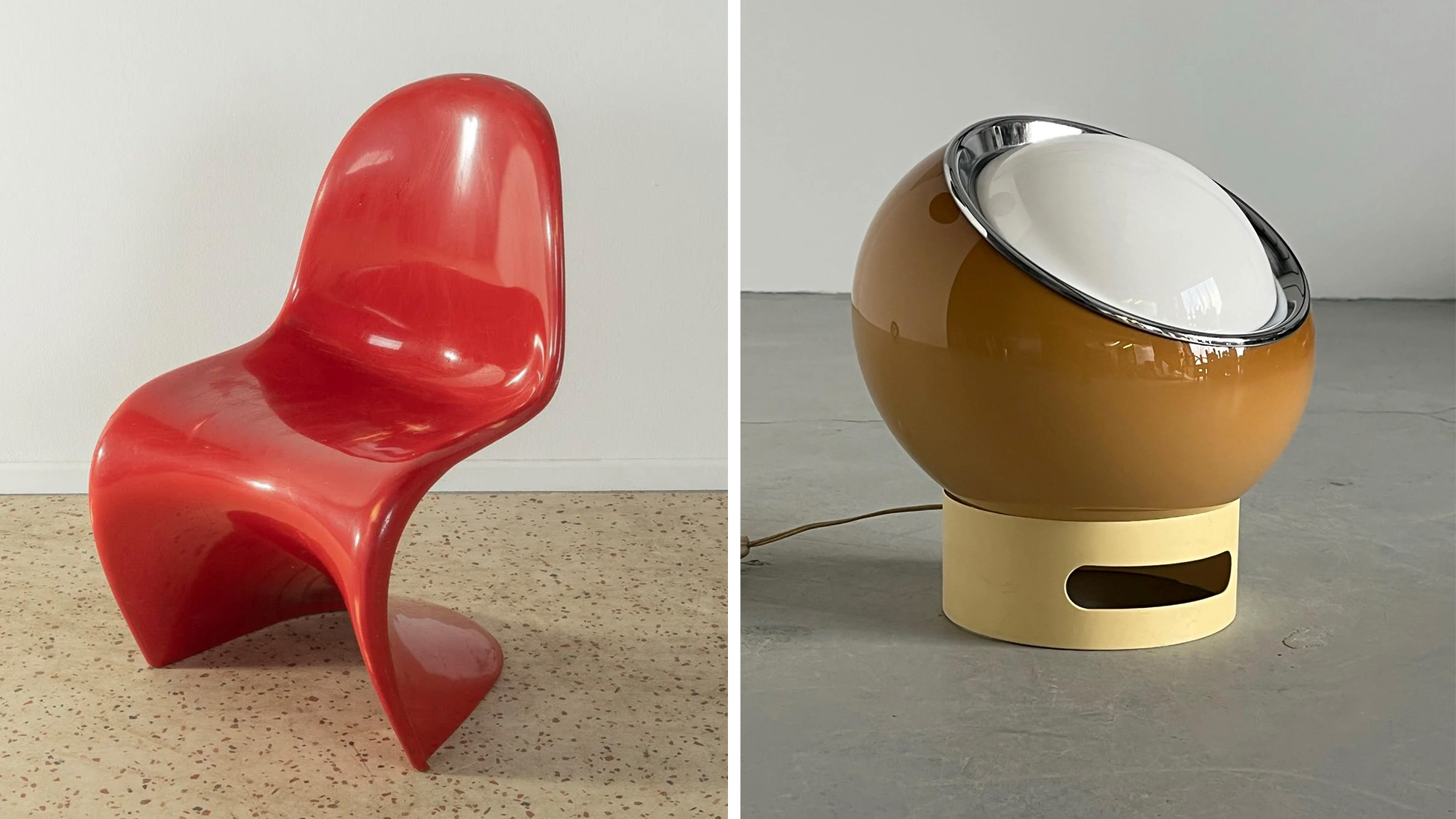
Looking to score rare designer pieces online? Check out these second-hand furniture websites

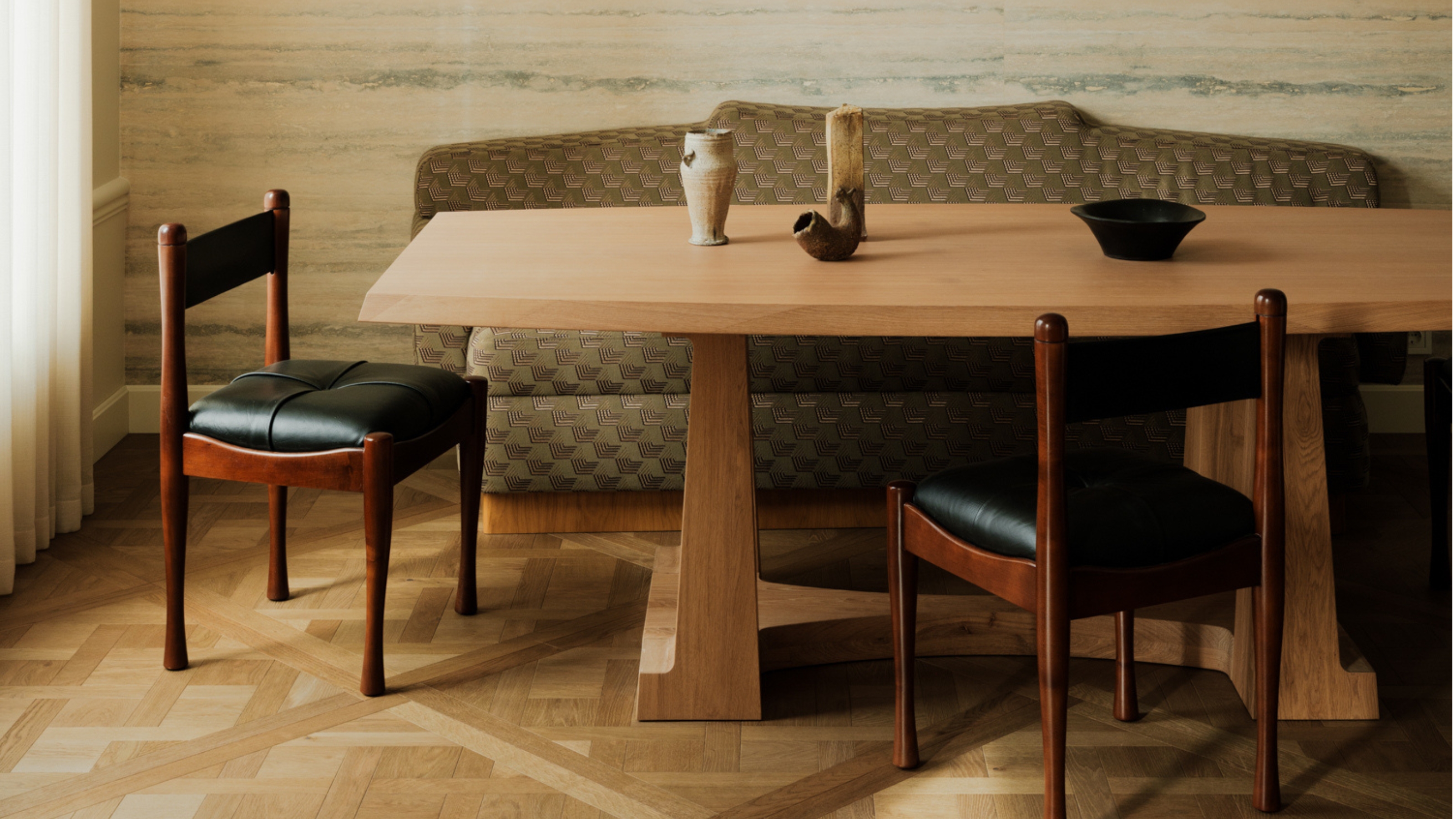
The Dining Table Trends for 2026 Have Been Set
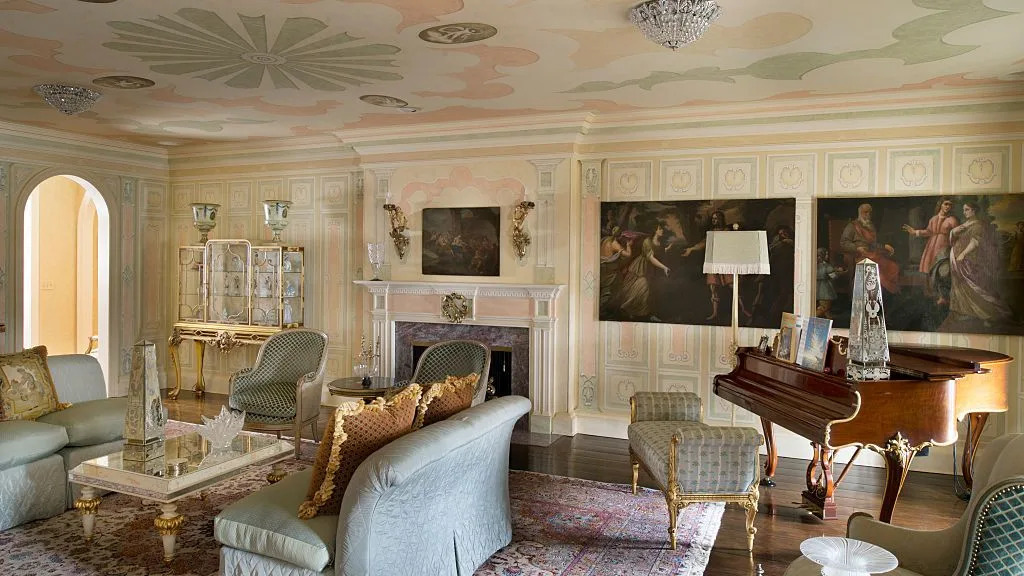
The Return of the "Exclusive" Living Room

Comfy carpet, once dismissed as out-of-date, is back in vogue

The One Unexpected Seating Style Designers Call Their ‘Secret Weapon’ for a More Social Living Room This Hosting Season
Top 12 dining room trends for 2025, according to design experts

This Convenient Couch Trend Is Making a Comeback

Outdated Furniture Pieces That Are Having A Comeback

Established & Sons Release Two Collaborations: ISLAND + Crate
Why Is Everyone Talking About Justin Bieber’s Sofa?