1/10
9 Vintage Dishware Brands To Bring Your Kitchen Retro Charm
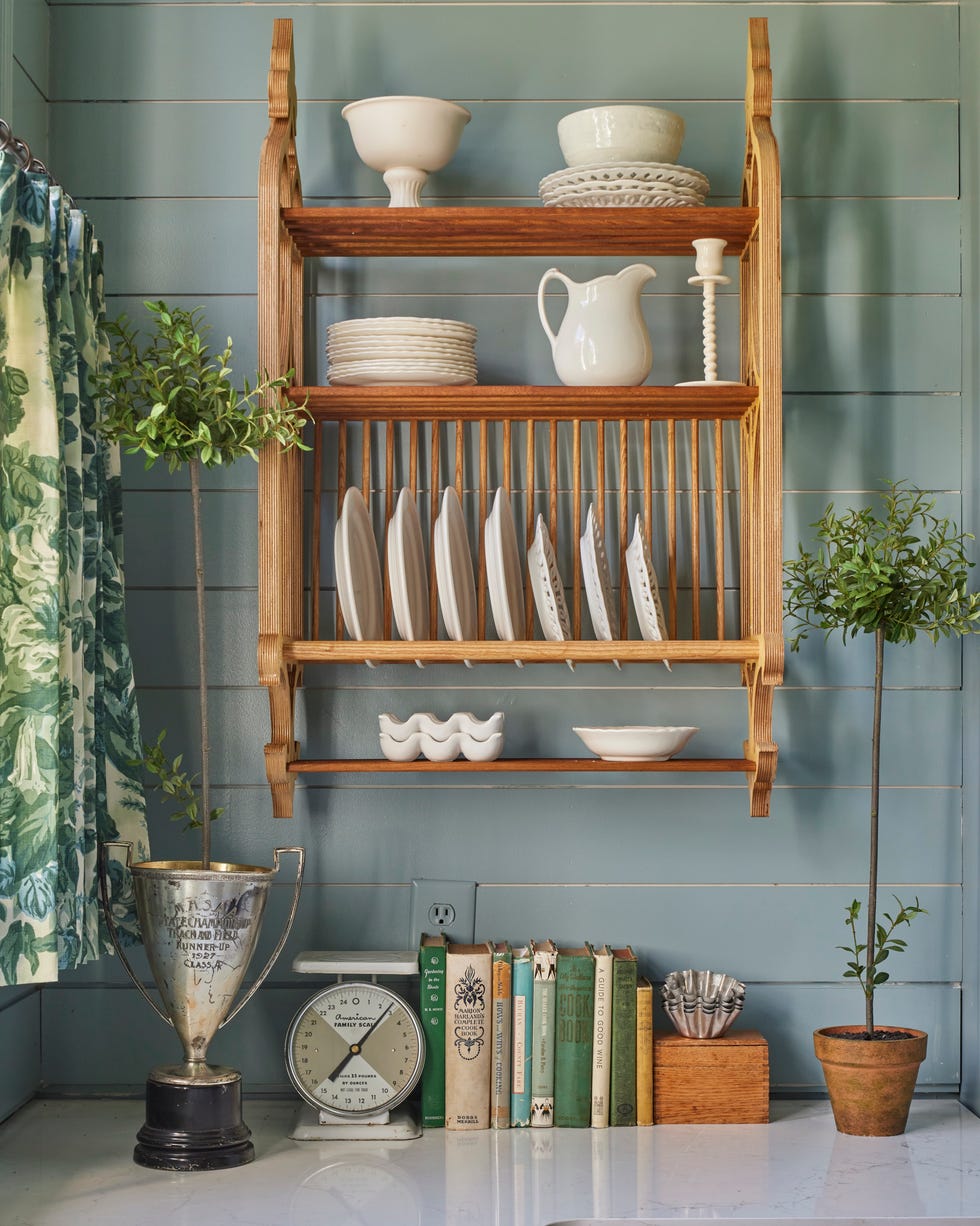
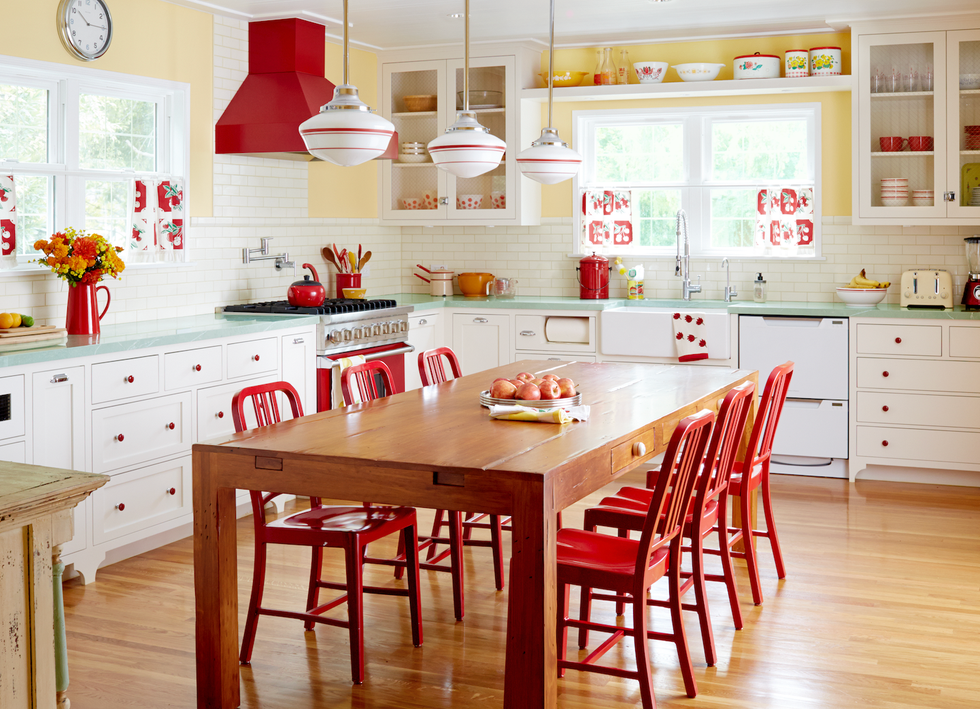
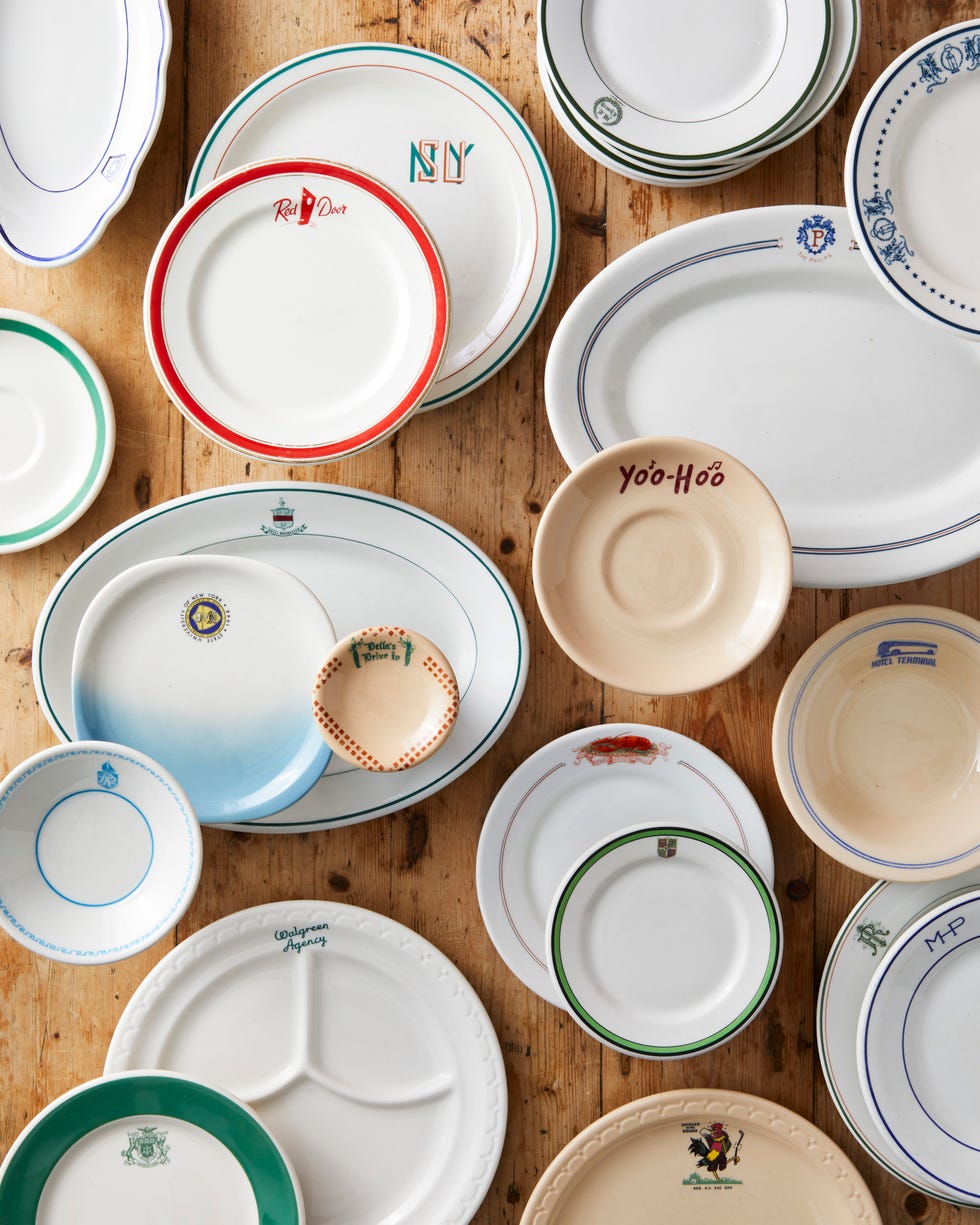
Vintage and antique dishware offers a unique way to infuse kitchens with retro energy and a sense of history. These pieces can be used for everyday dining, displayed as decor, or collected. The variety of styles, ranging from inexpensive finds at flea markets to highly coveted collector's items, ensures there's something for every taste. Identification often relies on stamps and labels found on the bottom of the pieces. Whether seeking vintage items (older than 20 years) or antiques (older than 100 years), specific brands and styles stand out as desirable additions to a kitchen.
Pyrex, introduced by Corning Glass Company in 1915, remains popular and highly collectible. While still manufacturing cookware, vintage Pyrex patterns from the 1950s to 1970s are particularly sought after, offering an affordable entry into vintage dishware collection for those aiming for a colorful, retro kitchen design. Fiestaware, produced by Homer Laughlin China Company since the 1930s, is known for its vibrant, glossy colors. These mid-century favorites ceased production in the early 1970s but were revived in the 1980s, with current pieces closely resembling the original vintage designs.
Fireking Jadeite, first produced in 1945 by a division of Anchor Hocking Company, is characterized by its milky green glass. The unique luminescence was initially achieved with uranium until the 1940s. Its popularity endures, with contemporary designers like Martha Stewart and Joanna Gaines creating similar jadeite dishware. Corelle ware, introduced by Corning in 1970, was prevalent in 1970s and 1980s kitchens with its botanical patterns in gold, green, and brown. These were among the first dishwasher and microwave-safe dishes, but due to higher lead levels, vintage pieces are best for display.
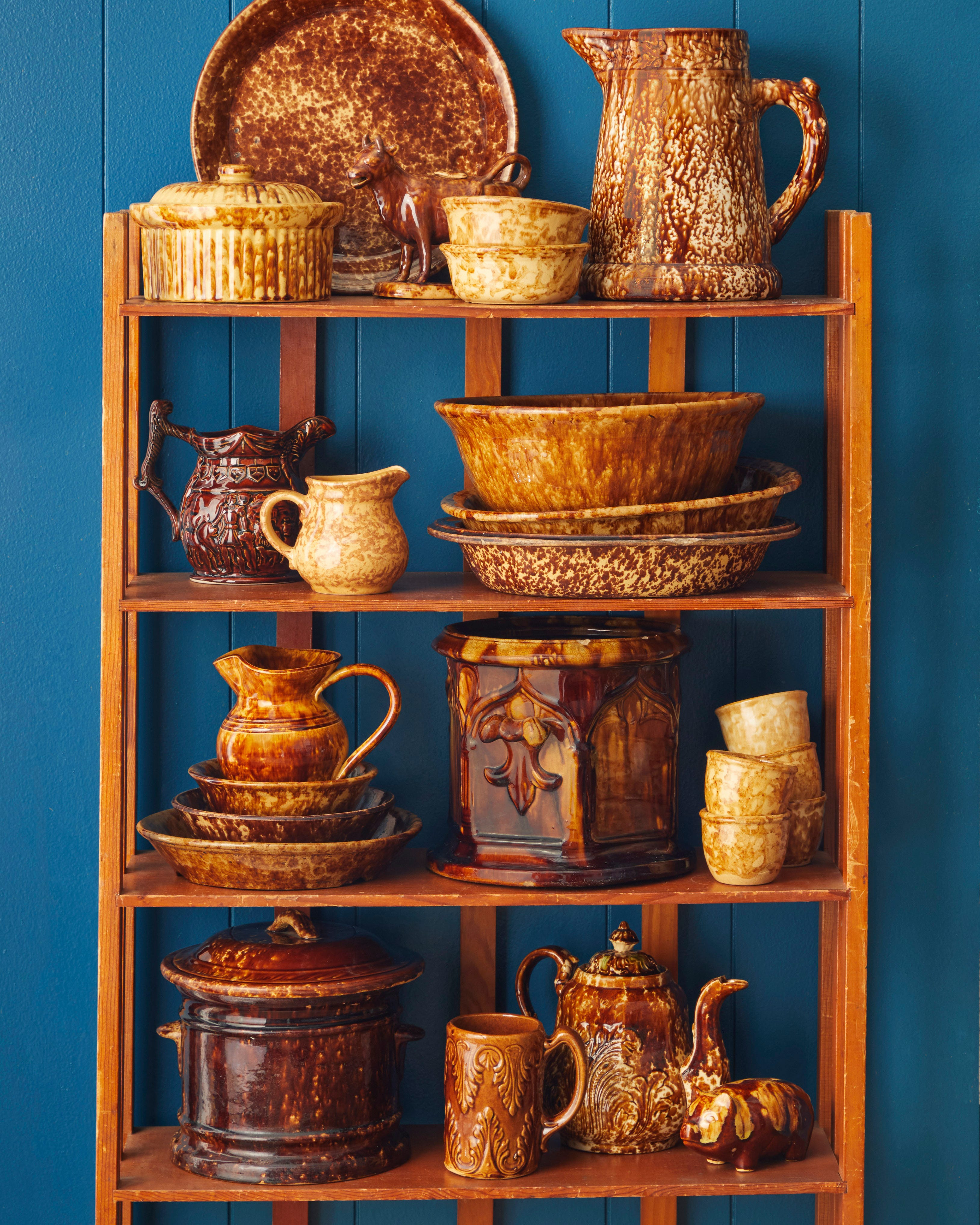
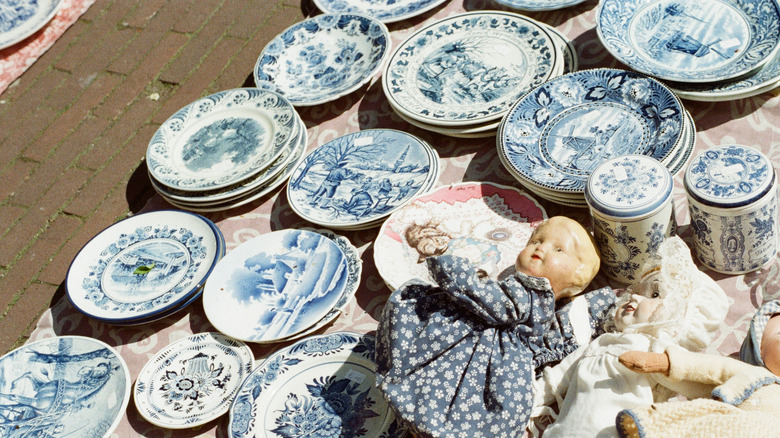
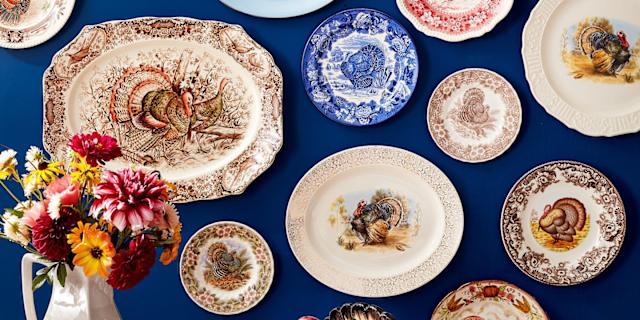
Hull drip ware, manufactured by Hull Pottery Company from 1960 to the 1980s, features a distinctive brown or green base with a lighter drip effect along the edge. This line included a full range of kitchen items, and its unique manufacturing process ensures each piece is distinct. Spode transferware, with a legacy dating back to 1776, pioneered the transferware process, allowing elaborate designs to be applied to earthenware before glazing. Other companies, like Wedgewood, adopted this technique, producing dishware in various colors beyond the signature blue.
Anchor Hocking Depression glass was widely produced during the 1930s, reflecting an emphasis on affordability during economic hardship. These mass-manufactured dishes often contain unique flaws and were distributed in various shades as customer incentives. Franciscan's Starburst line, created in the 1950s, showcases atomic motifs with its distinct turquoise, green, and gold starburst patterns on unique oblong shapes. Its signature glazing process ensures vibrant colors that resist cracking. Finally, Fenton milk glass, popular in the mid-20th century, is a semi-translucent glass known for its hobnail pattern, particularly on bowls, vases, and cups, reaching peak popularity in the 1960s and 1970s.
#VintageDishware #RetroKitchen #HomeDecor #KitchenDesign #CollectibleItems #Pyrex #Fiestaware #MidCenturyModern #ThriftStoreFinds #VintageDishware #RetroKitchen #HomeDecor #KitchenDesign #CollectibleItems #Pyrex #Fiestaware #MidCenturyModern #ThriftStoreFinds
0 comment in total
 No comments yet
You may also like
9 Outdated Kitchen Trends to Watch Out For

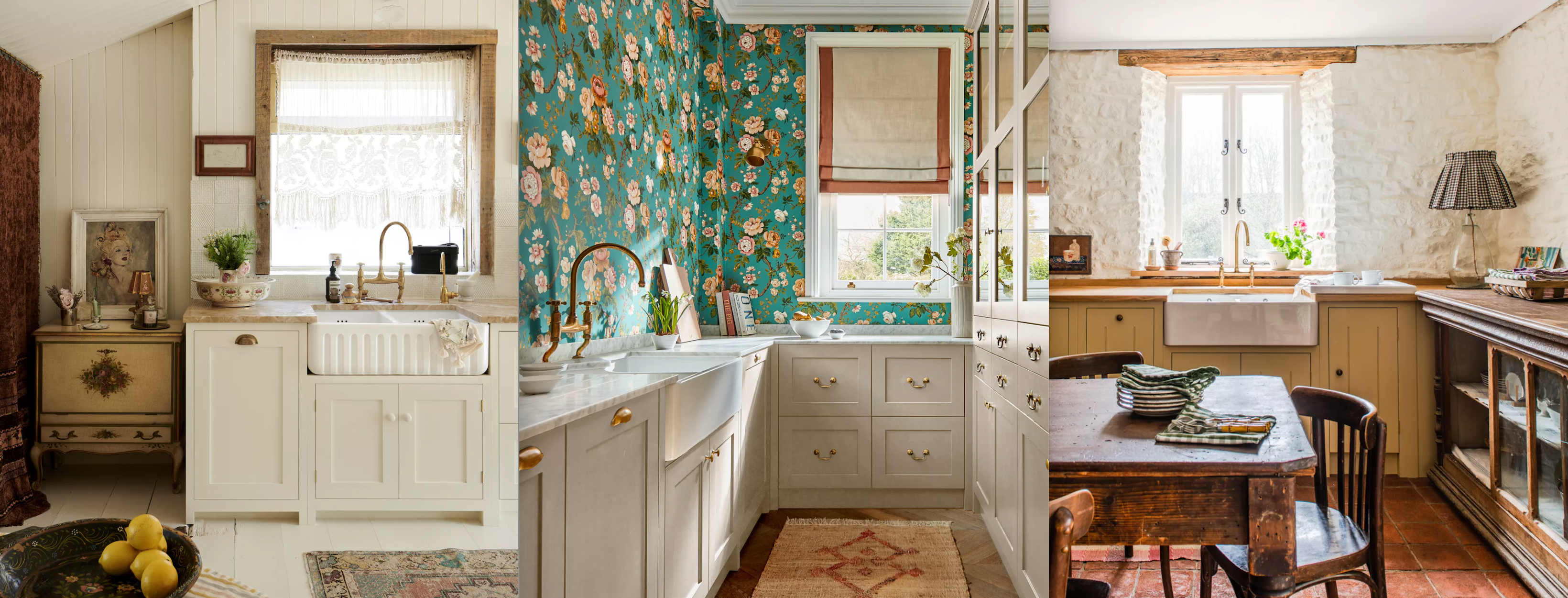
Vintage kitchen ideas – 12 designs for character and charm

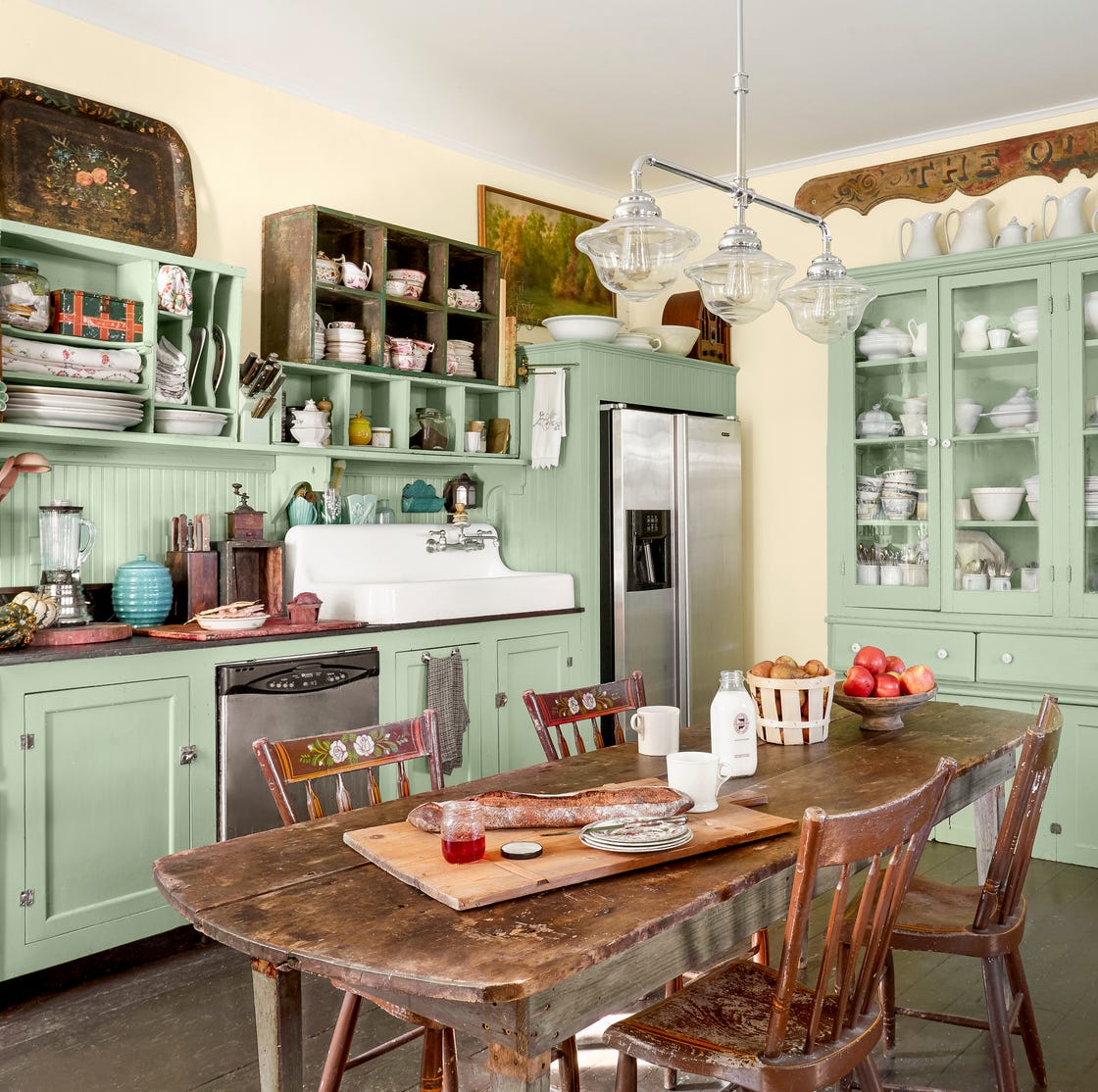
7 Nostalgic Kitchen Details That Take You Back to Grandma’s House
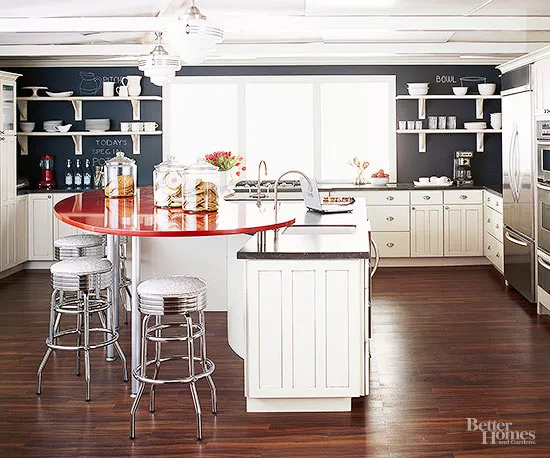
15 Retro Kitchen Ideas with Vintage Decor and All the Amenities
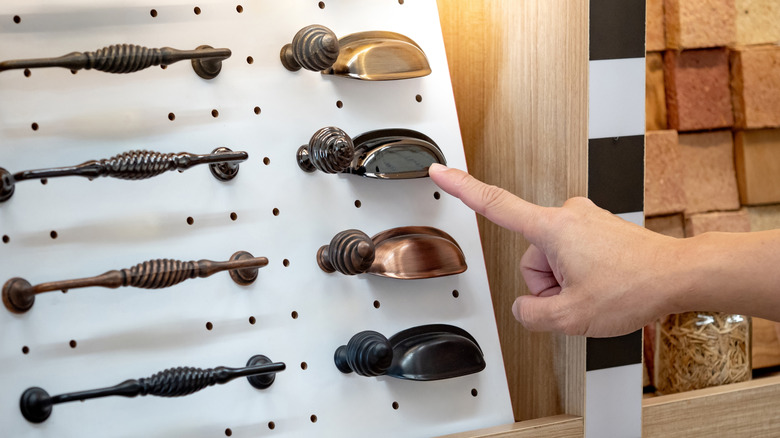
Give Your Kitchen A Historical Touch With 5 Vintage Hardware Styles
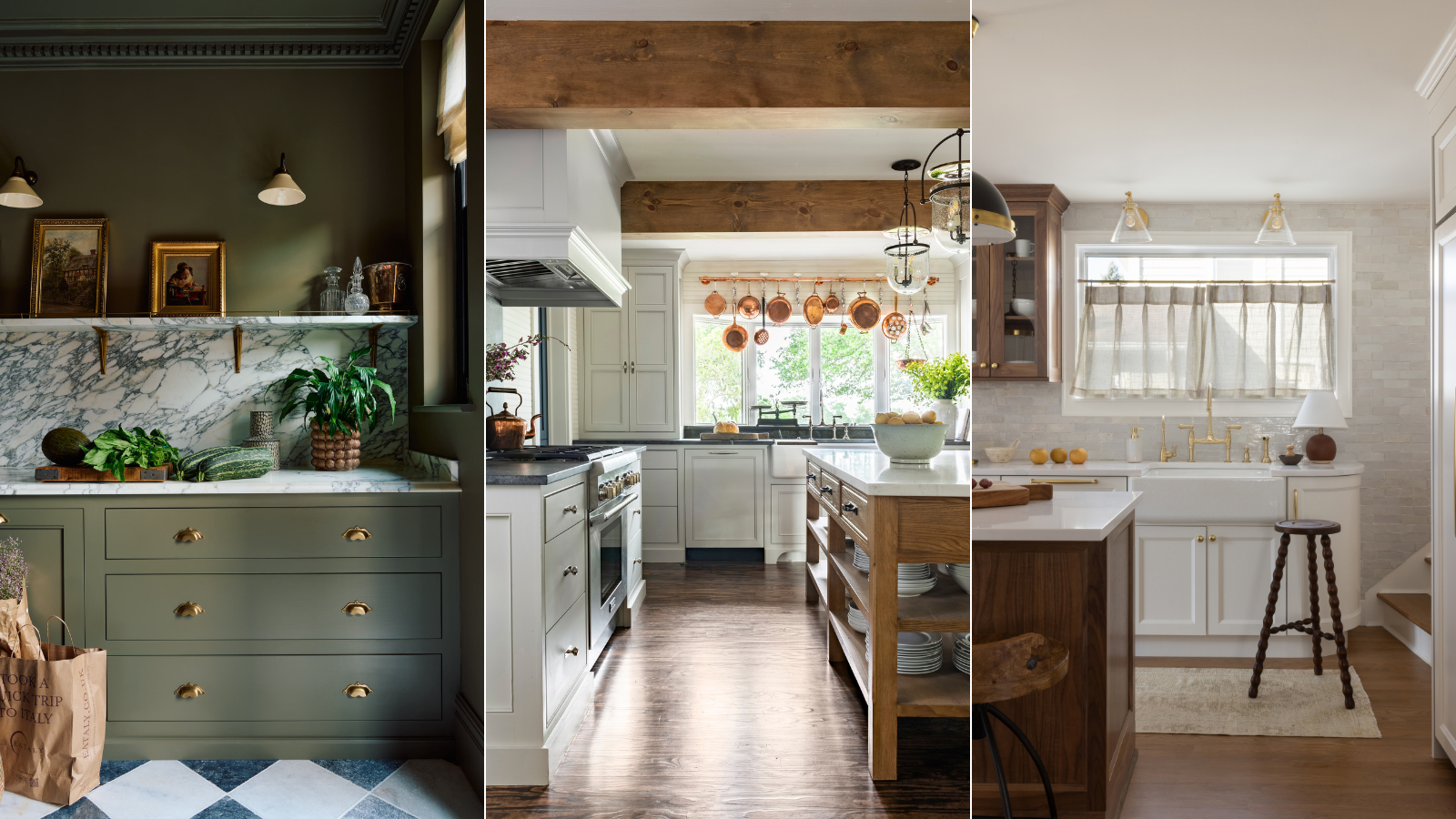
How to bring vintage pieces into a kitchen – 6 easy ways to add instant charm
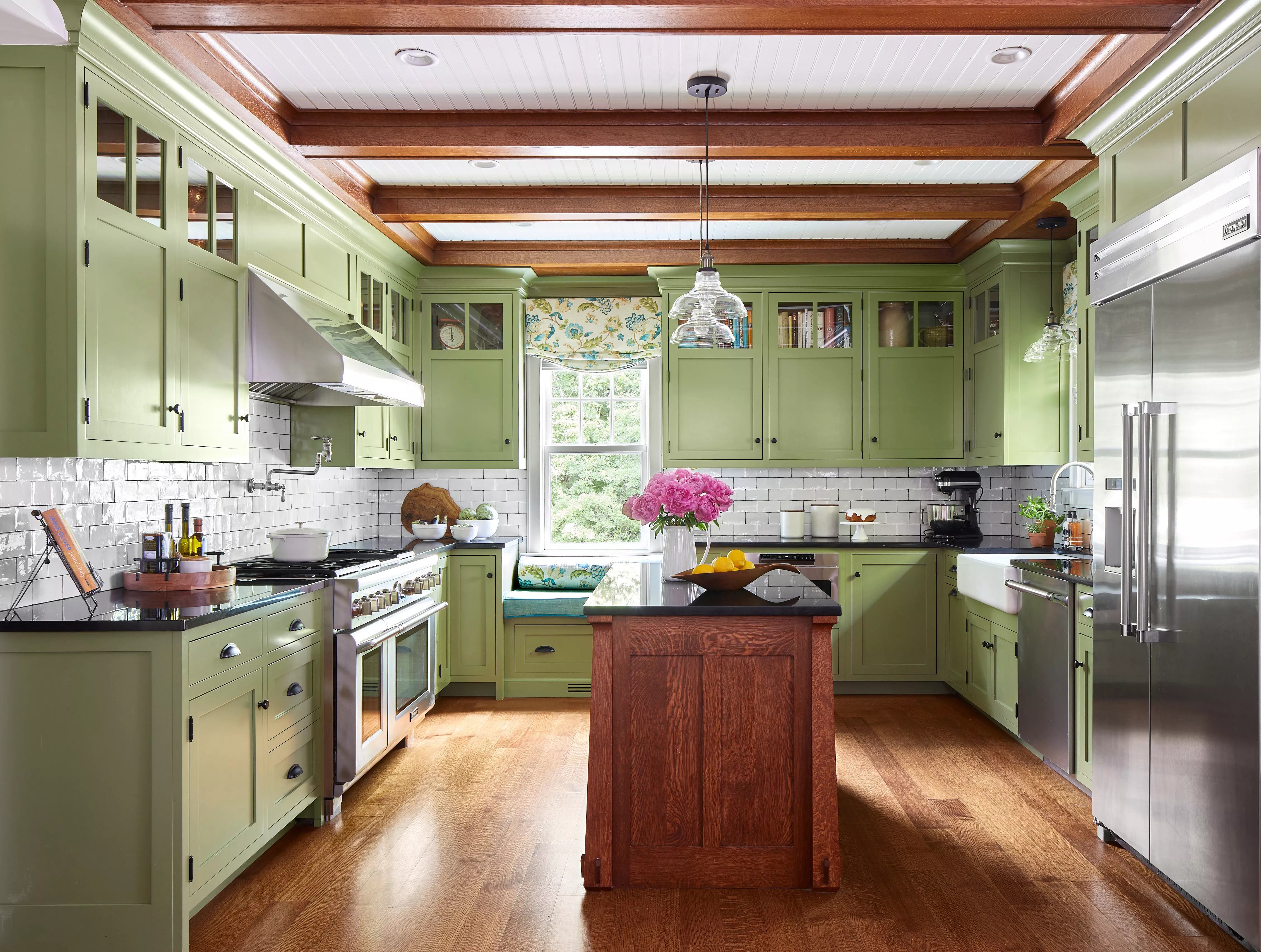
Retro Kitchens Are Back—Designers Share Their Best Tips to Get the Nostalgic Look

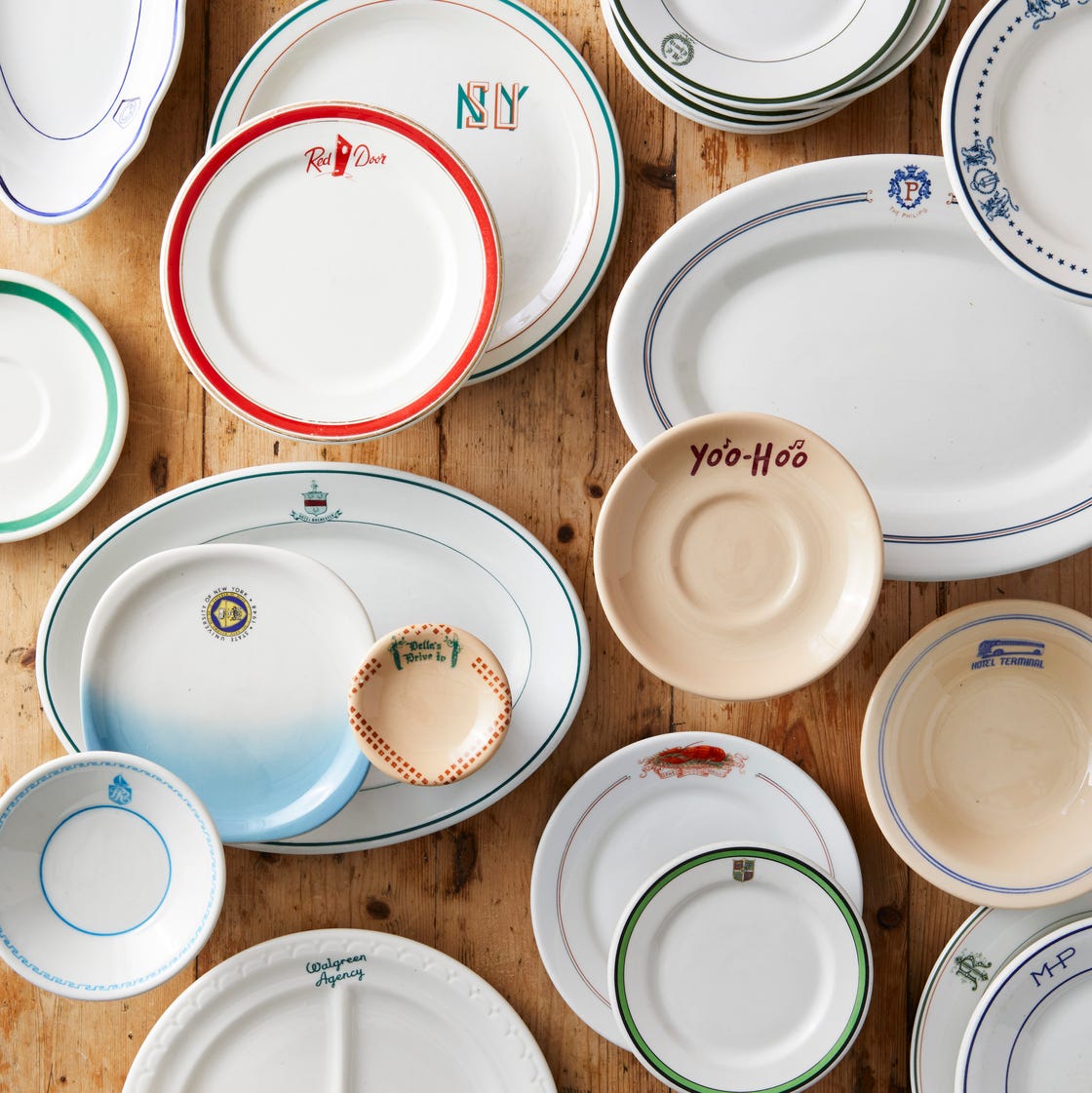
8 Retro Kitchen Ideas To Give Yours the Luke’s Diner Treatment
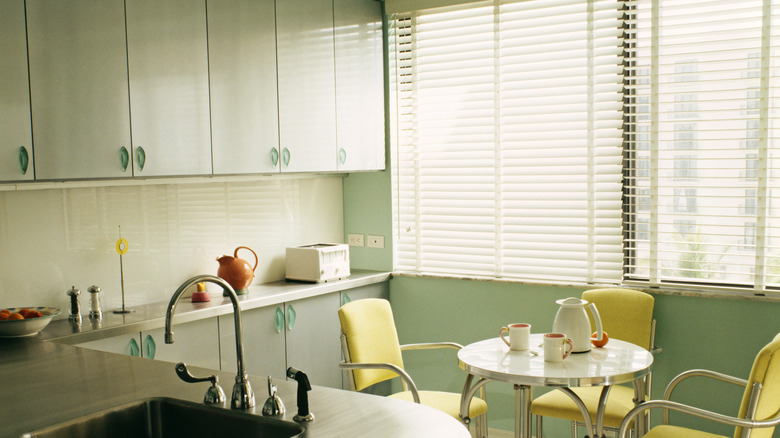
7 Vintage Kitchen Design Trends Boomers Remember Fondly

6 Vintage Dishware Patterns To Thrift This Fall
9 Kitchen Trends From The '90s That Are Making A Comeback

16 Outdated Kitchen Features That Are Unexpectedly Coming Back In Style
Wait, Are Retro Kitchen Appliances Still in Style? Here's What Designers Think

12 Vintage Kitchen Design Trends We Want To Bring Back

6 Vintage-Inspired Kitchen Trends That Will Be HUGE This Fall
10 Vintage Tile Brands That Will Make A Big Statement In Your Kitchen Or Bathroom

11 Retro Kitchens We Love From AD PRO Directory Designers

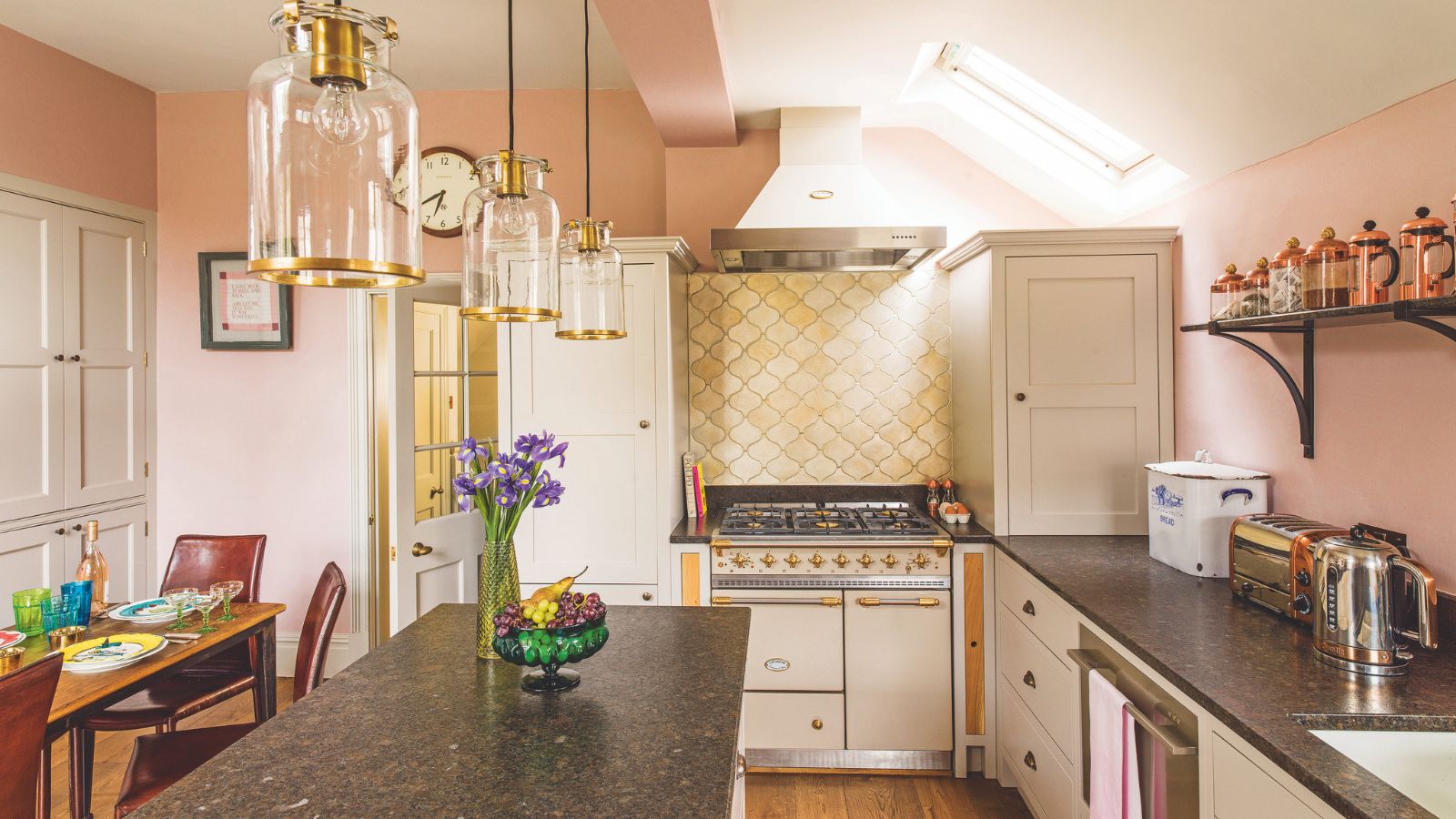
5 vintage pieces every kitchen should have, according to designers
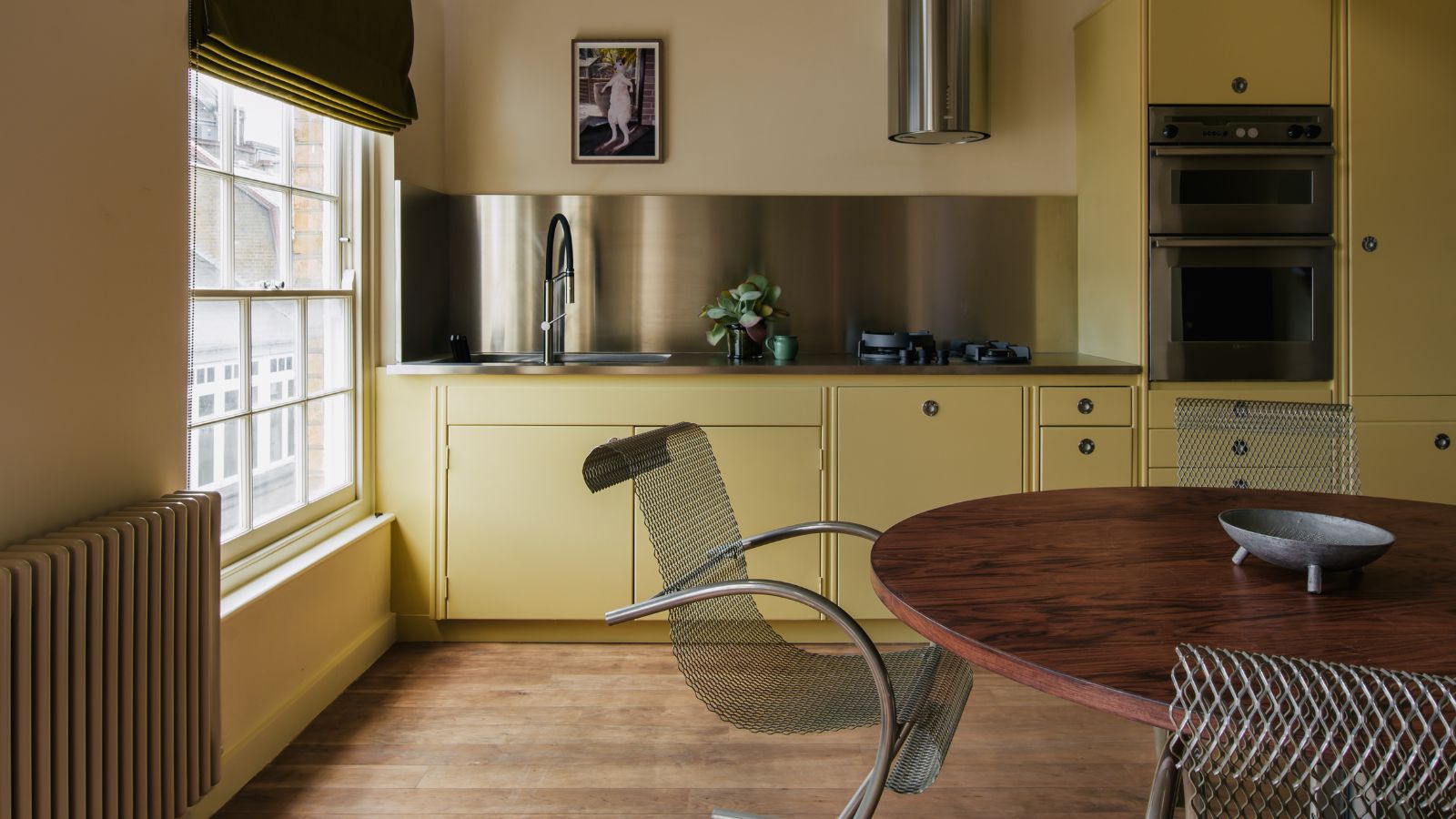
9 ideas to steal from the kitchens of the 1990s and how to make them actually look chic in 2025
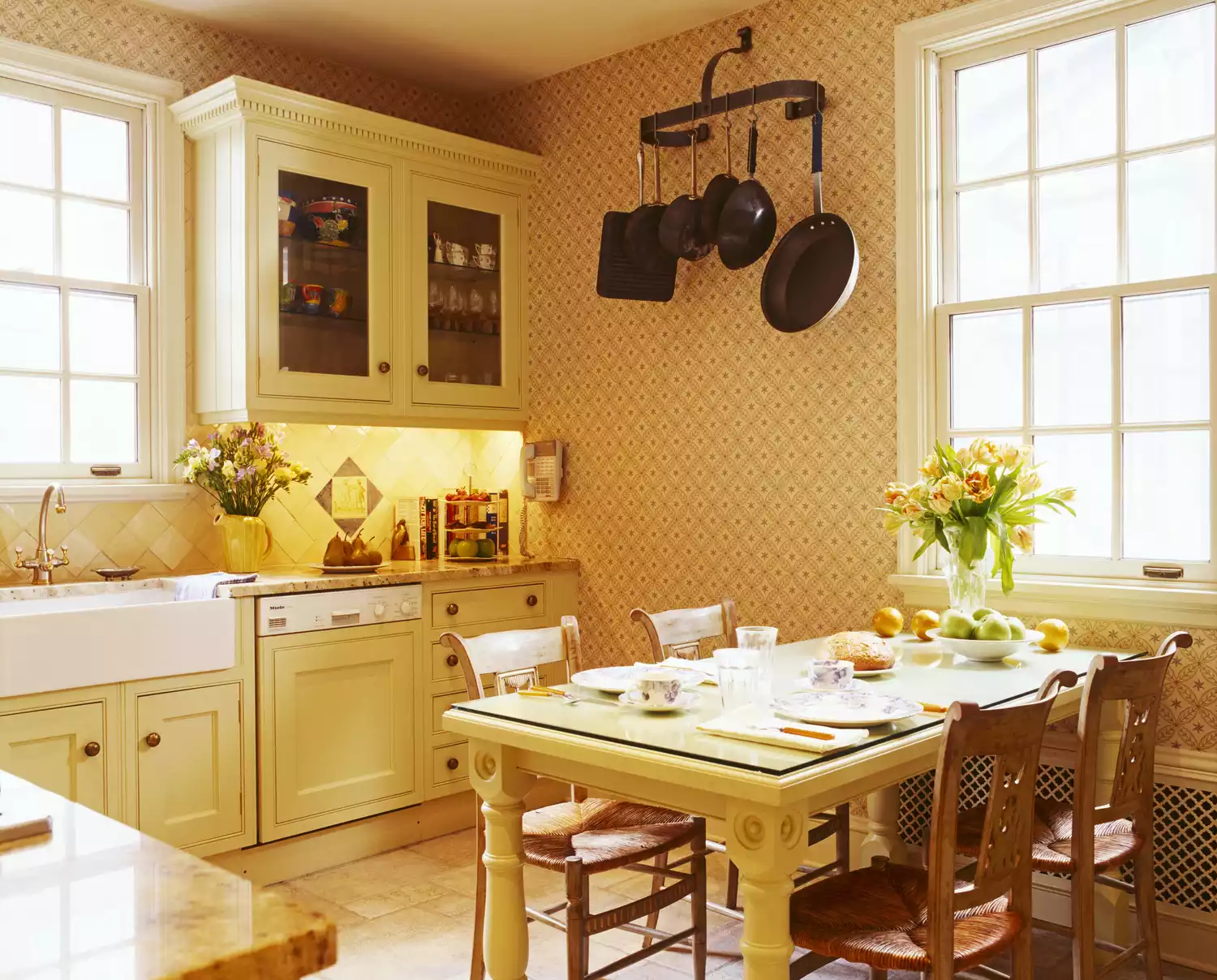
1990s Kitchen Trends We’re Falling In Love With All Over Again