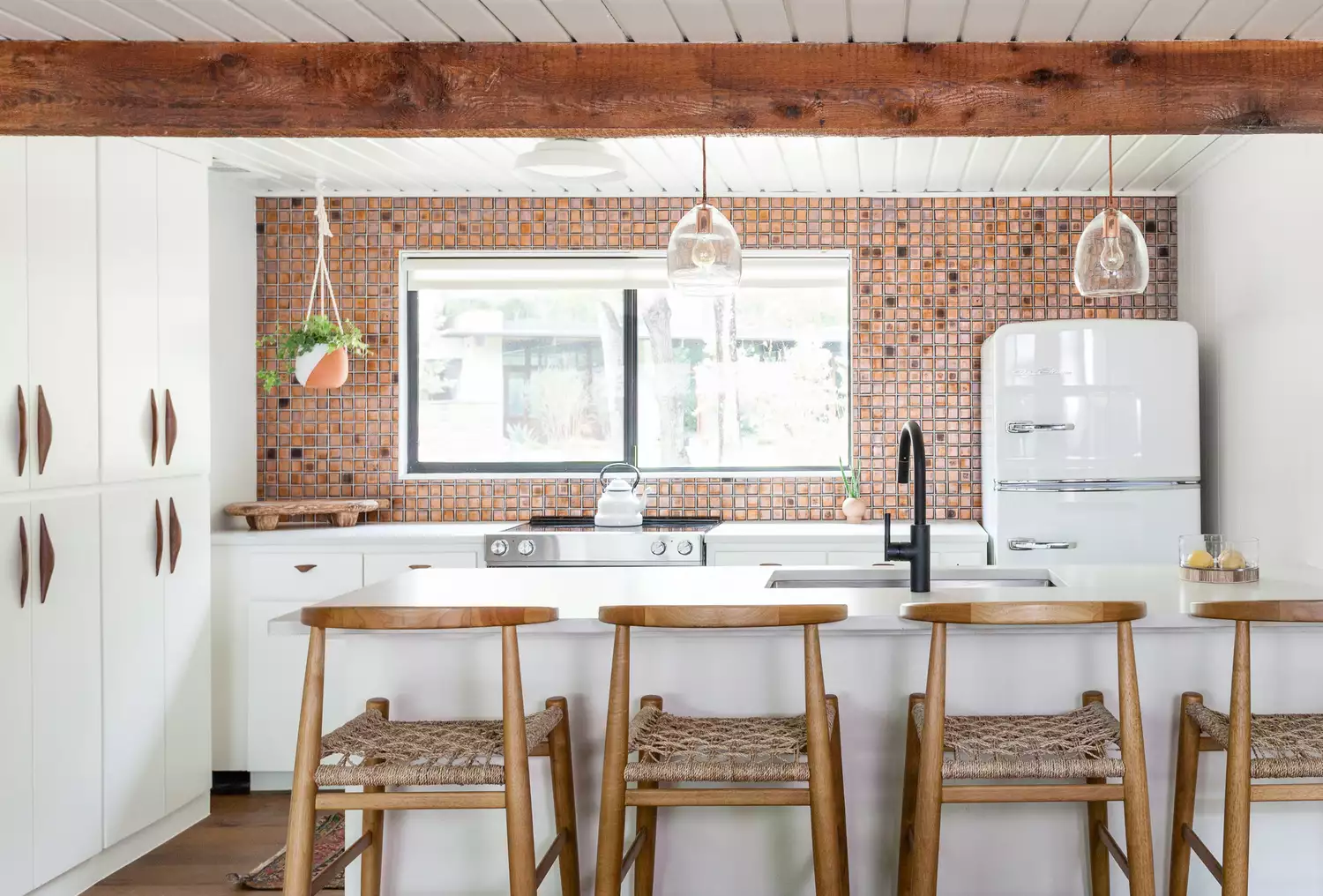
Wait, Are Retro Kitchen Appliances Still in Style? Here's What Designers Think
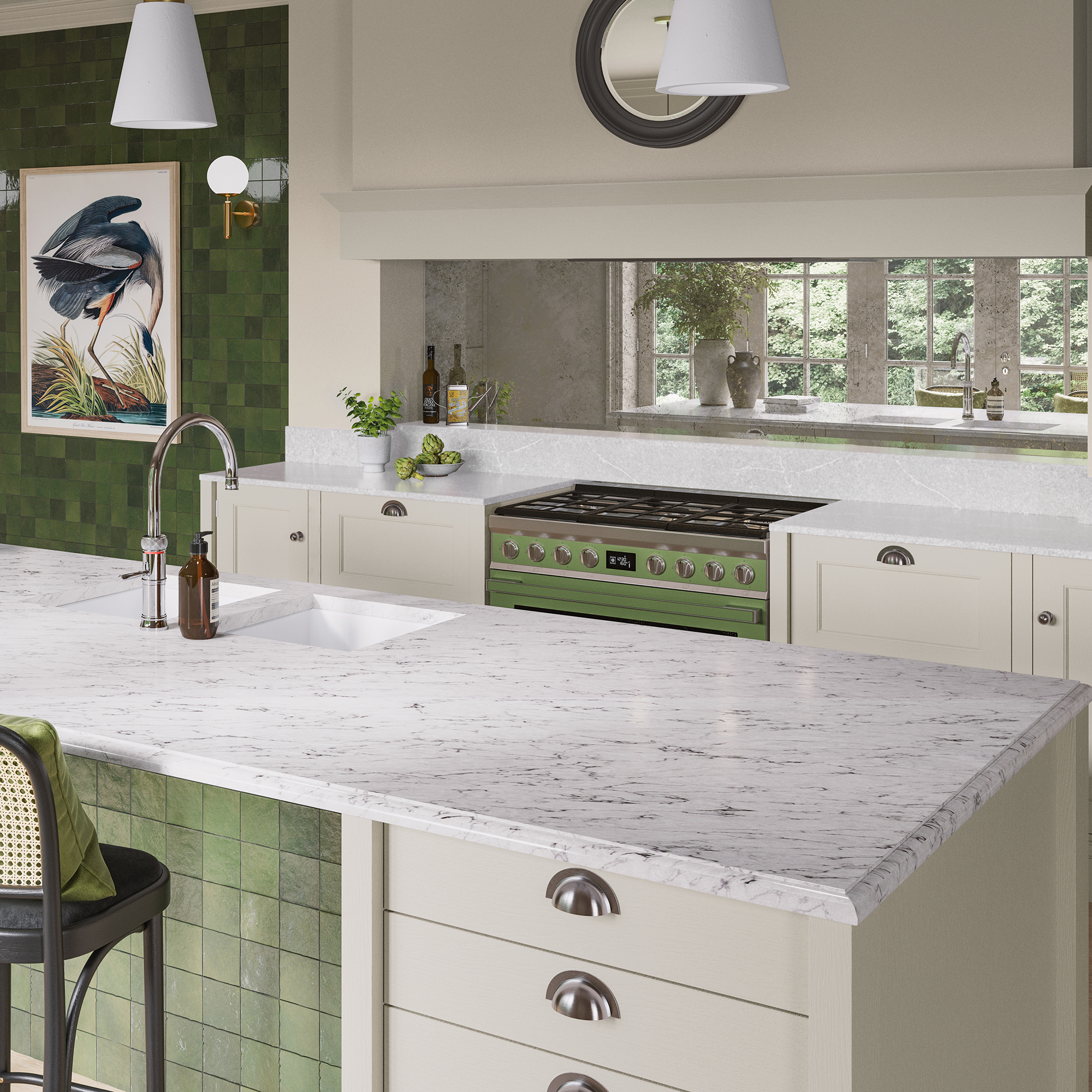
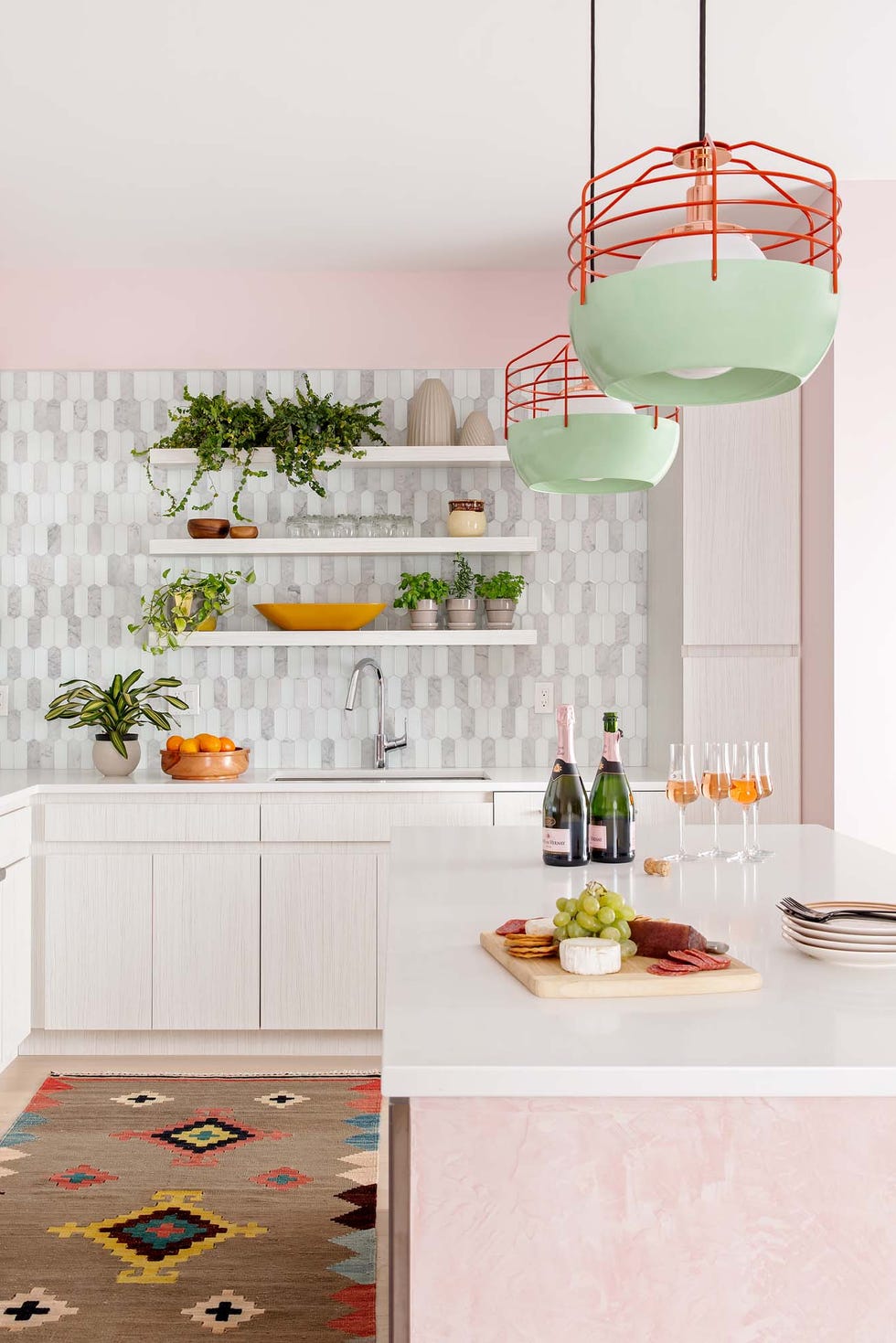
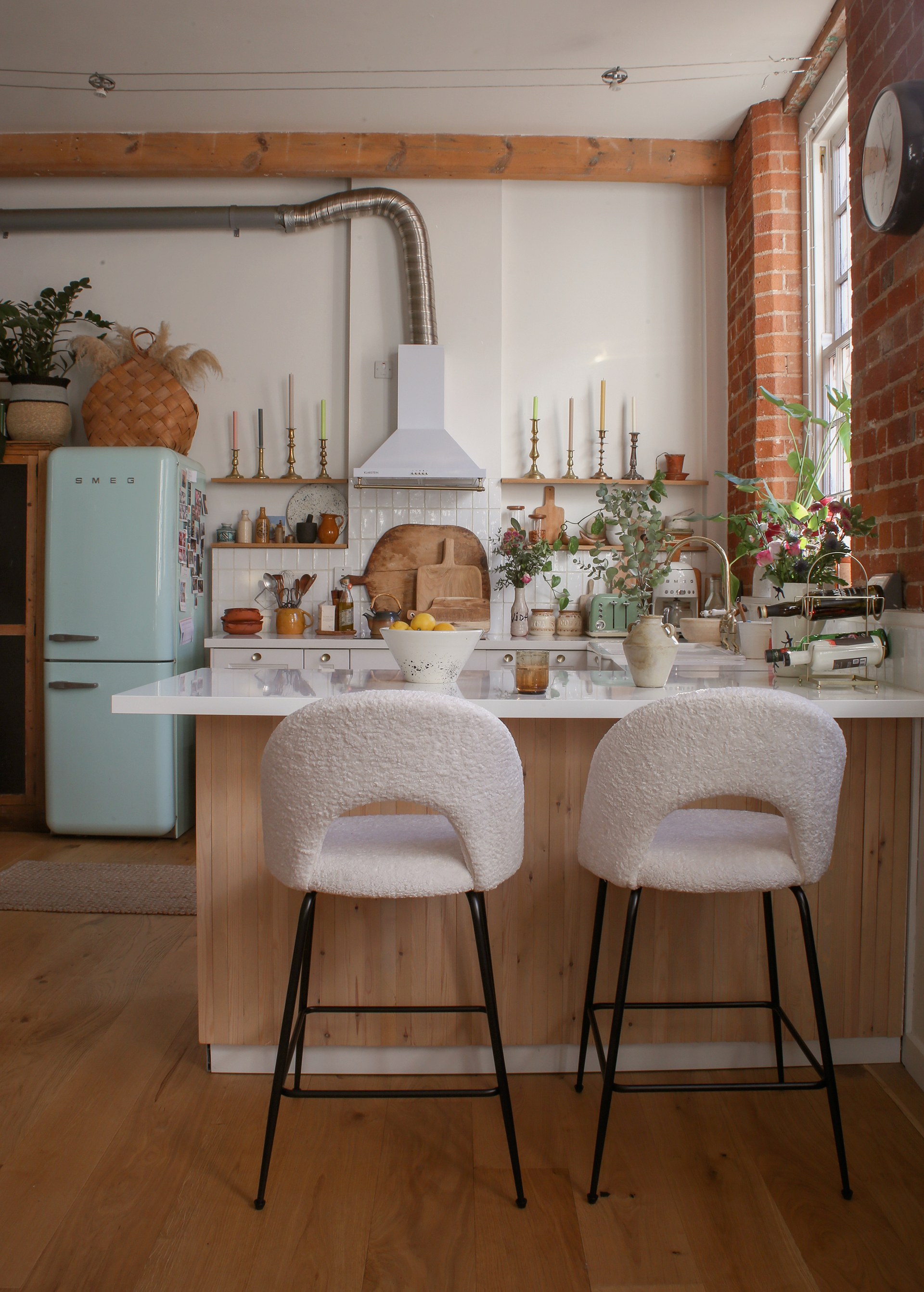
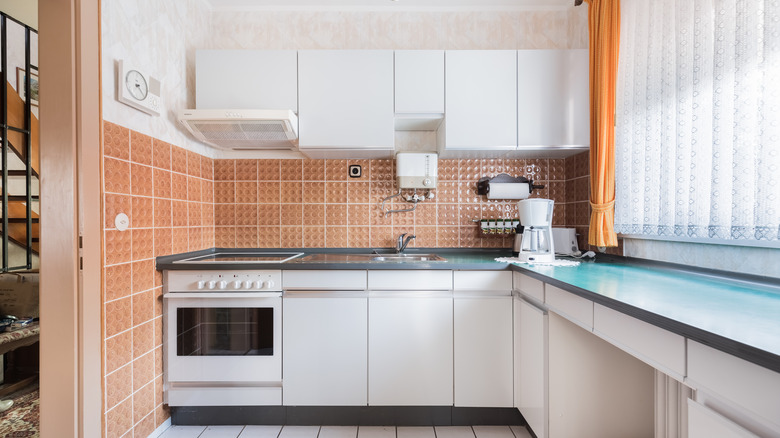
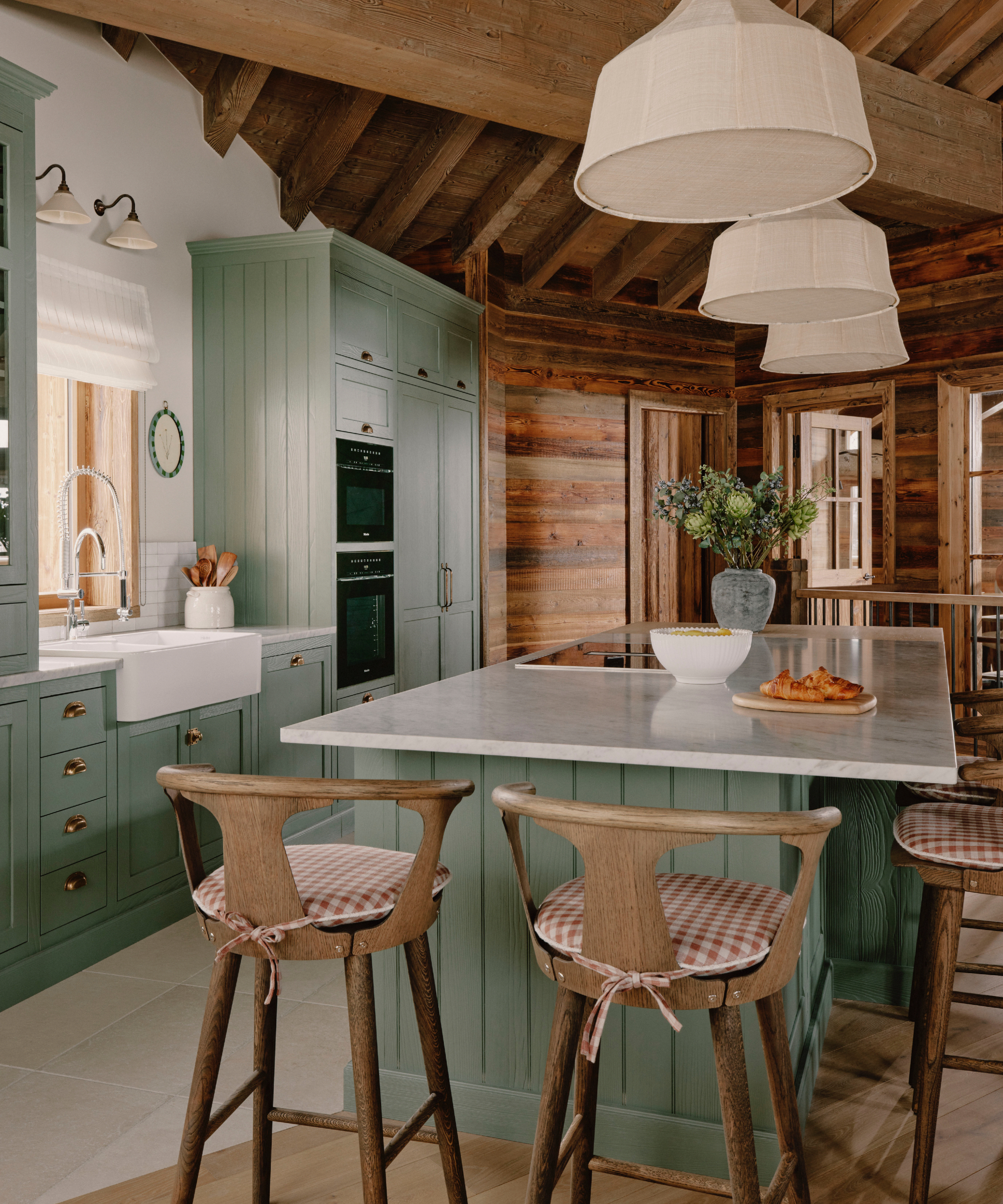
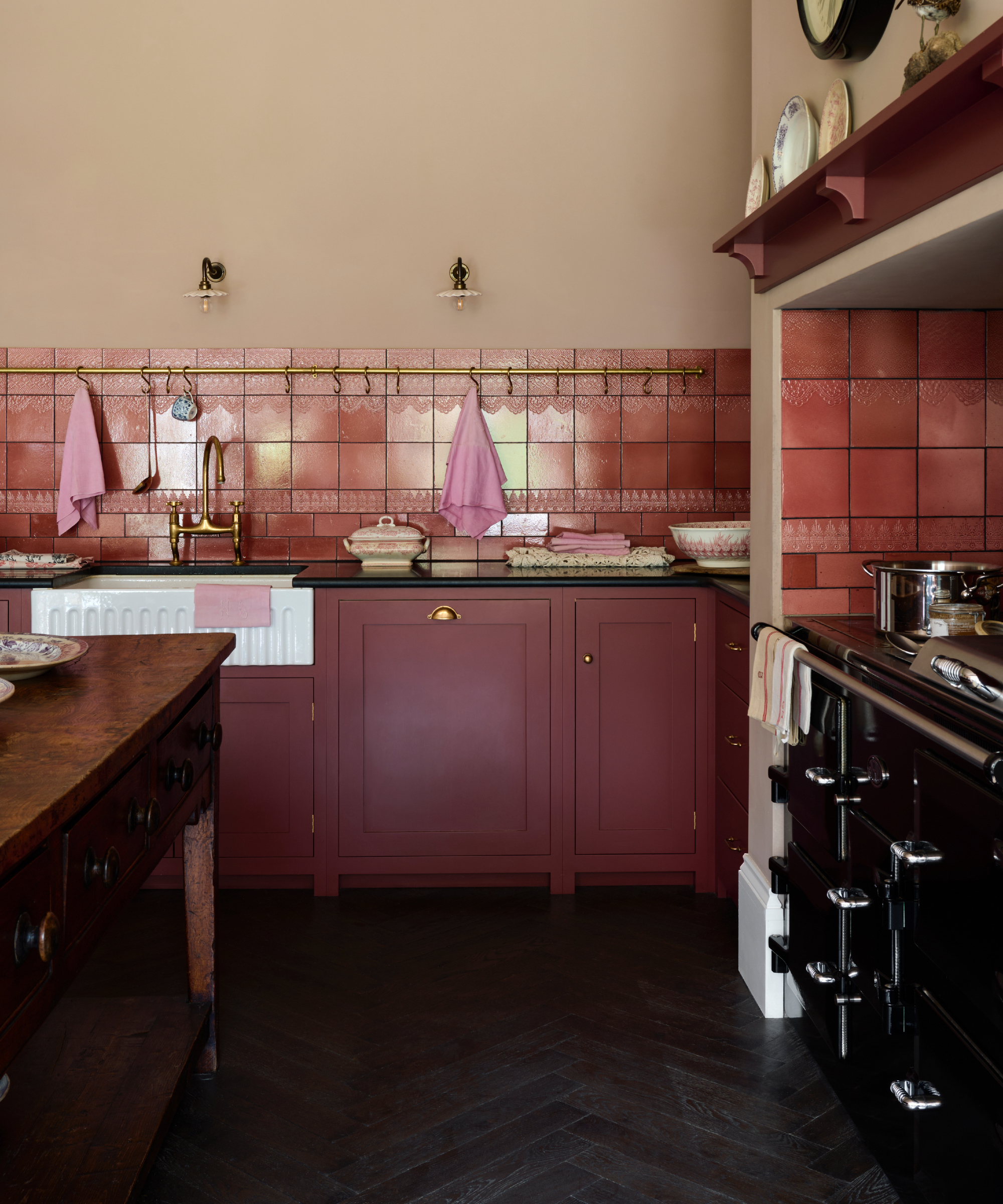
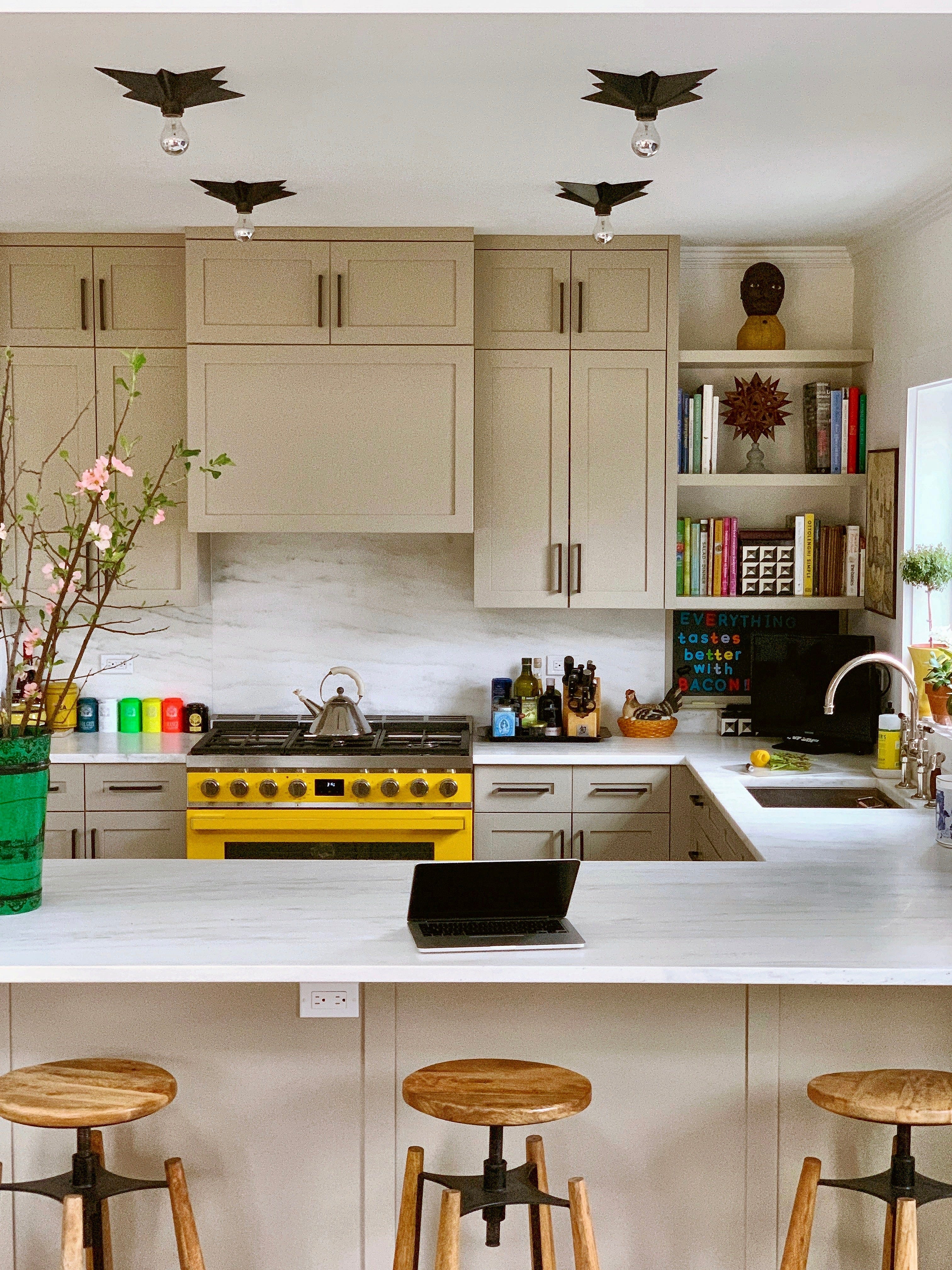
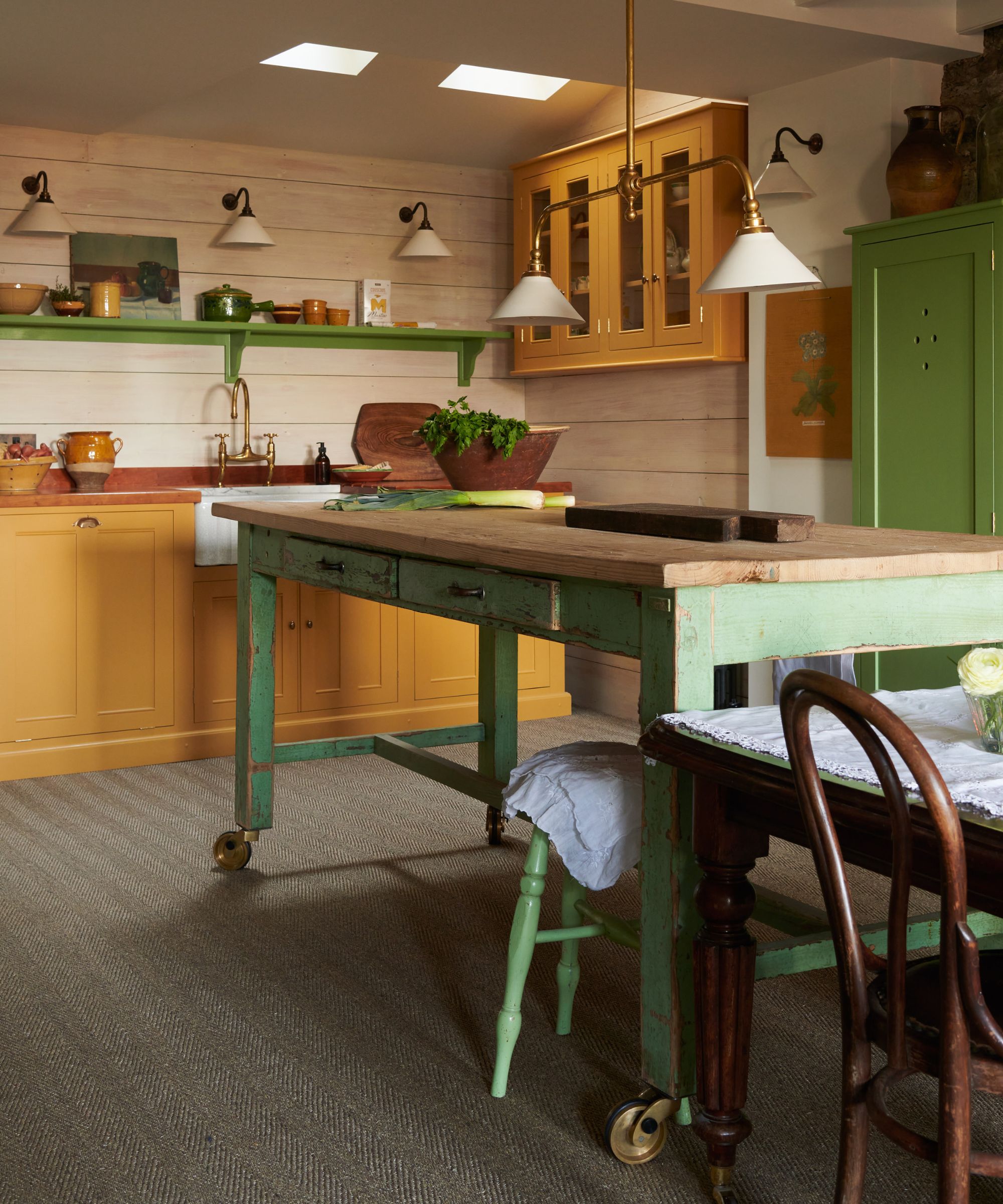
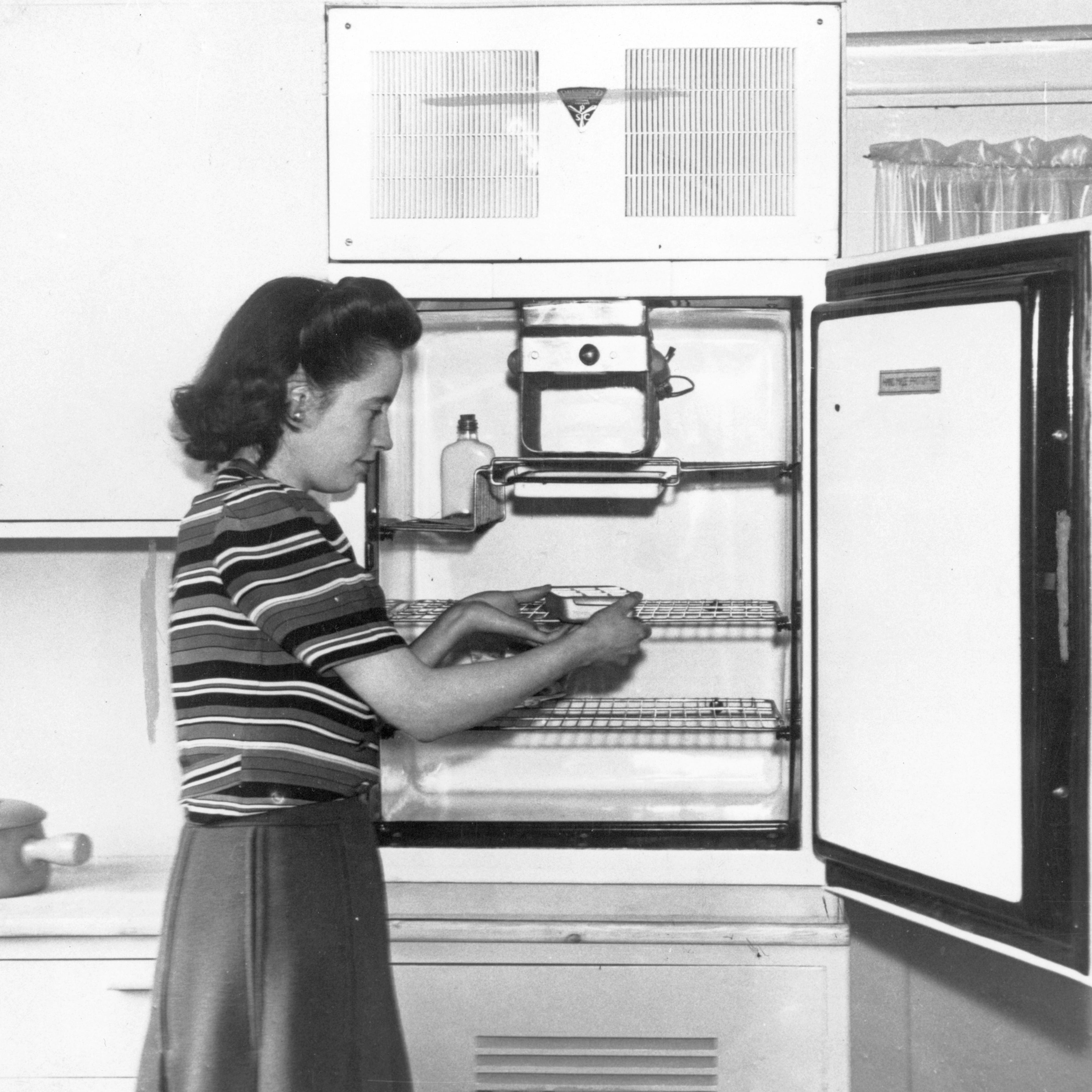
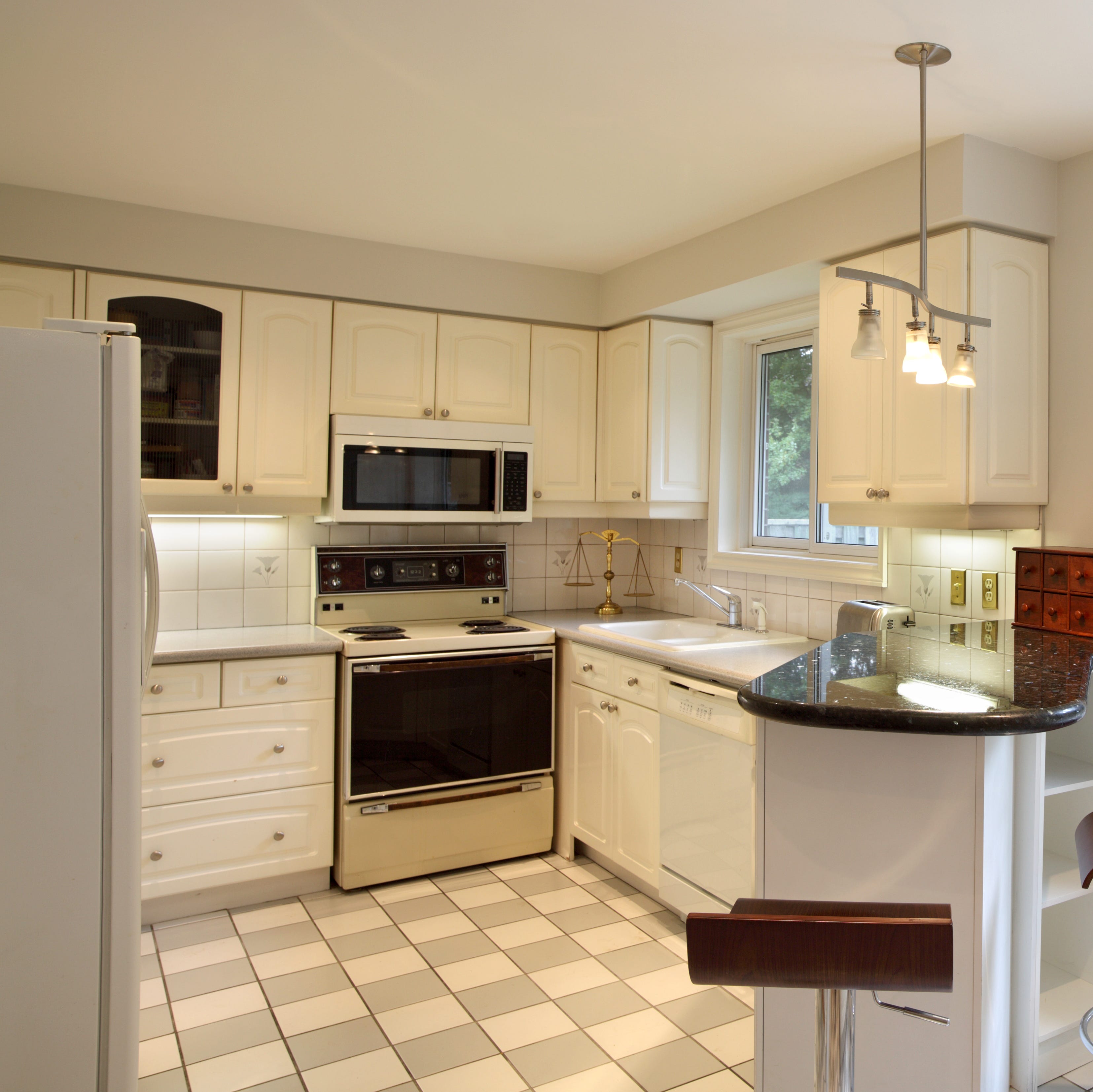
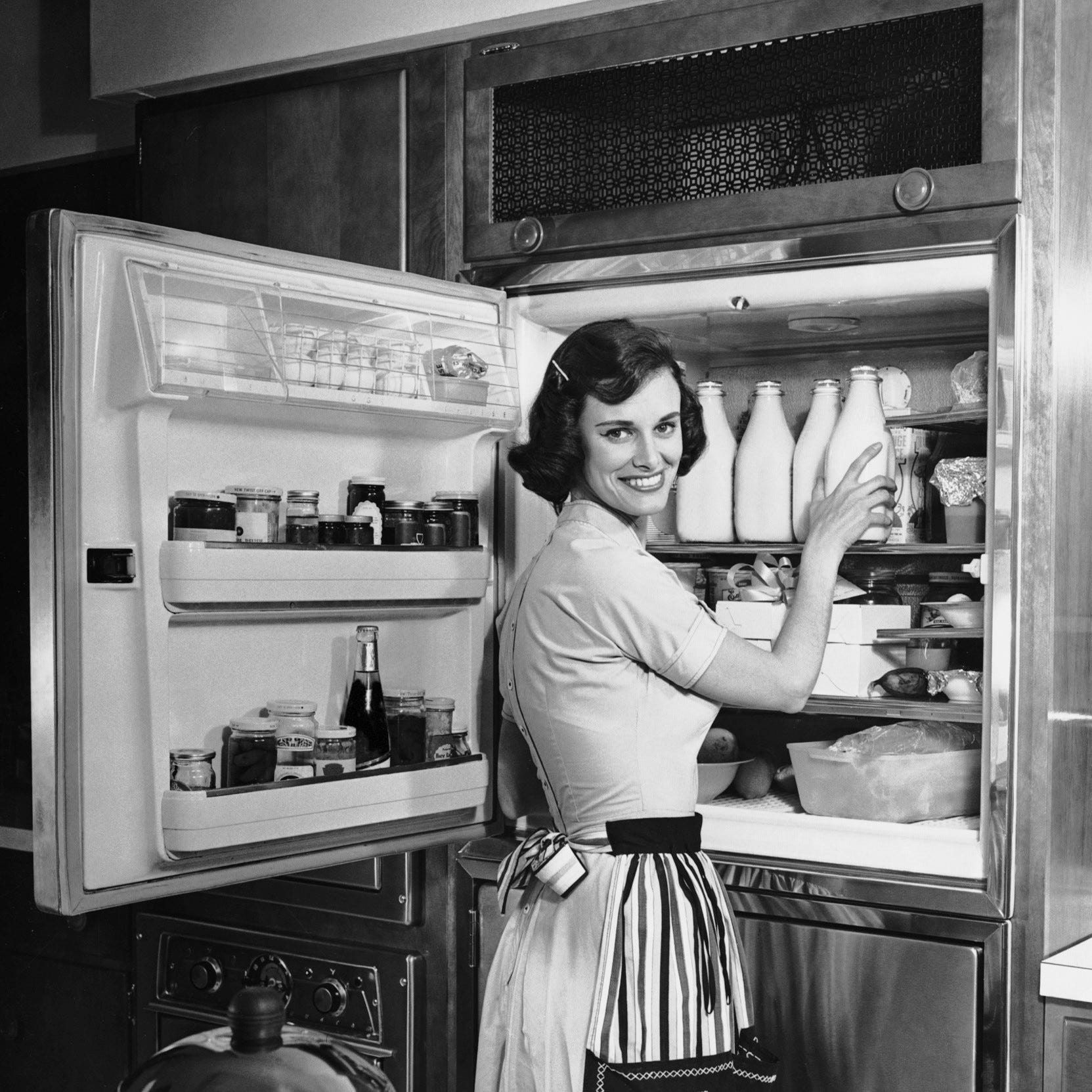
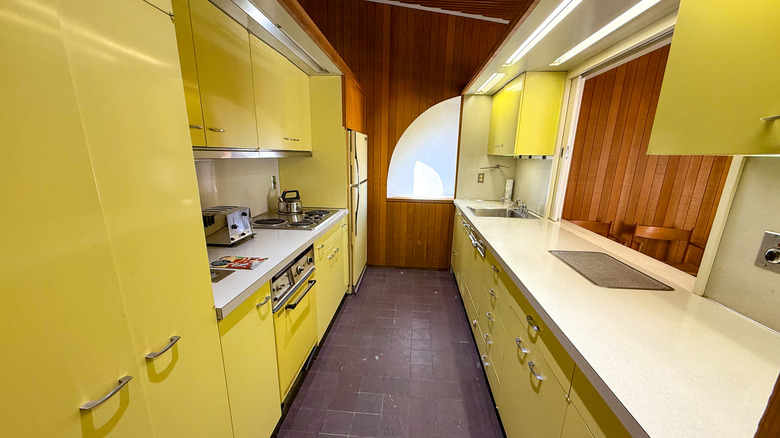
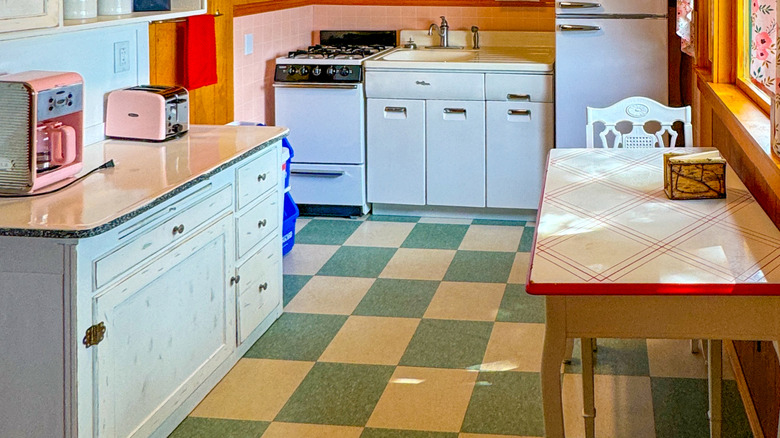
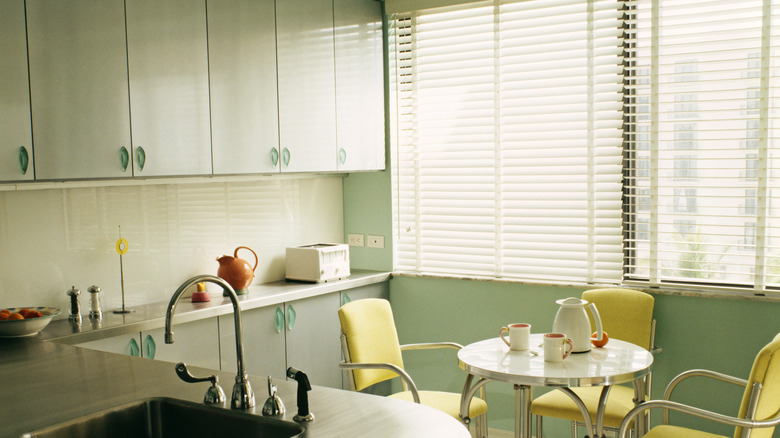
The enduring appeal of retro kitchen appliances is a topic frequently discussed in interior design circles. These appliances, often characterized by their vibrant colors and classic curves, can infuse a space with character and style, making a kitchen feel more warm and welcoming. While home trends are cyclical, designers suggest that retro appliances continue to hold their own, particularly when integrated thoughtfully into specific design aesthetics. They are especially effective in vintage-inspired, maximalist, or midcentury modern kitchens, where their distinct design elements complement the overall theme.
However, it's acknowledged that not every kitchen style benefits from a bold, retro appliance. For instance, a modern farmhouse kitchen might find a statement red or pink fridge incongruous. Nevertheless, designers propose that retro appliances can excel in secondary kitchen areas like kitchenettes, basement kitchens, pool houses, game rooms, or in-law suites. These spaces offer more creative freedom, allowing homeowners to experiment with playful designs, even if their primary kitchen adheres to a more traditional, modern, or refined aesthetic.
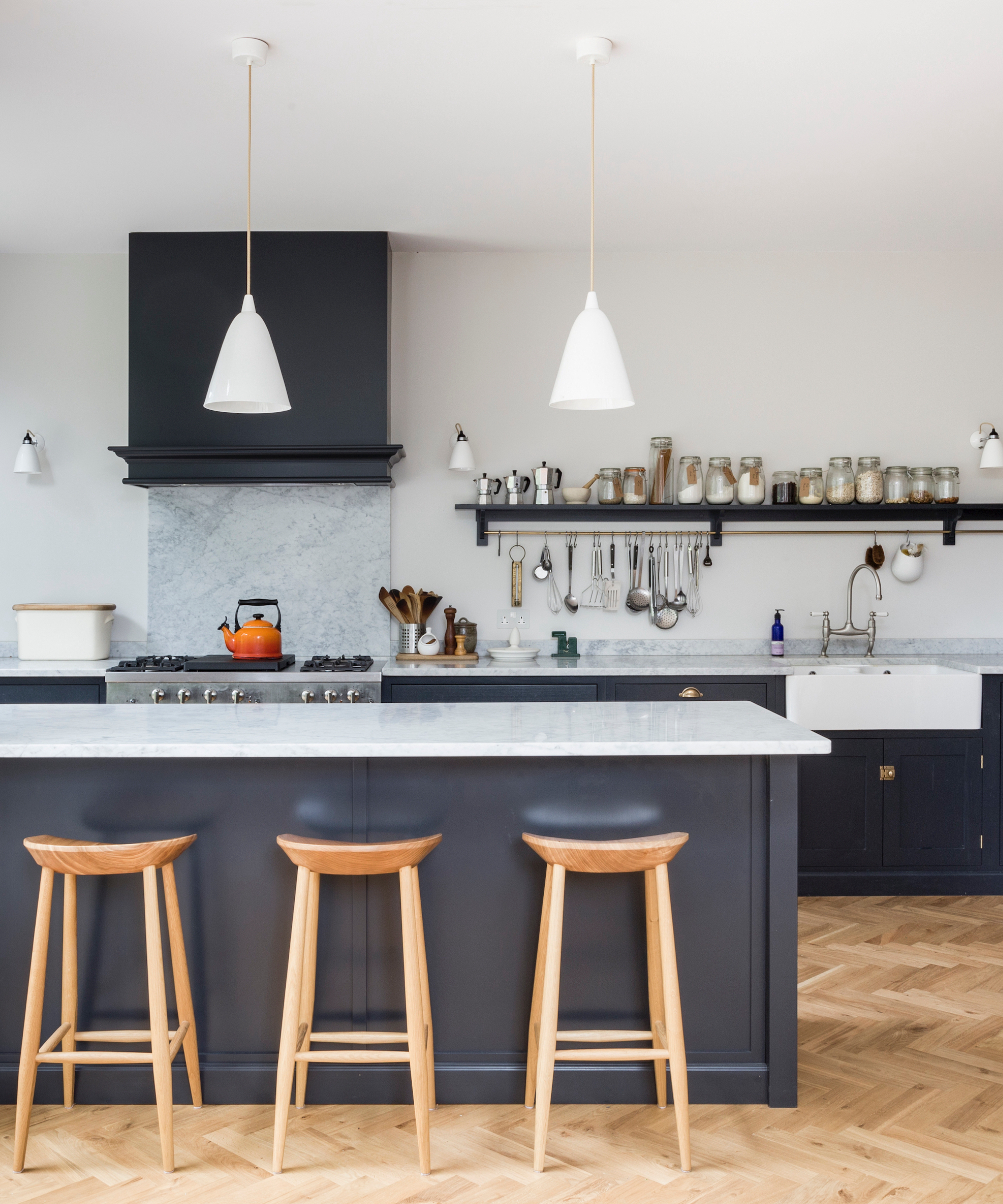
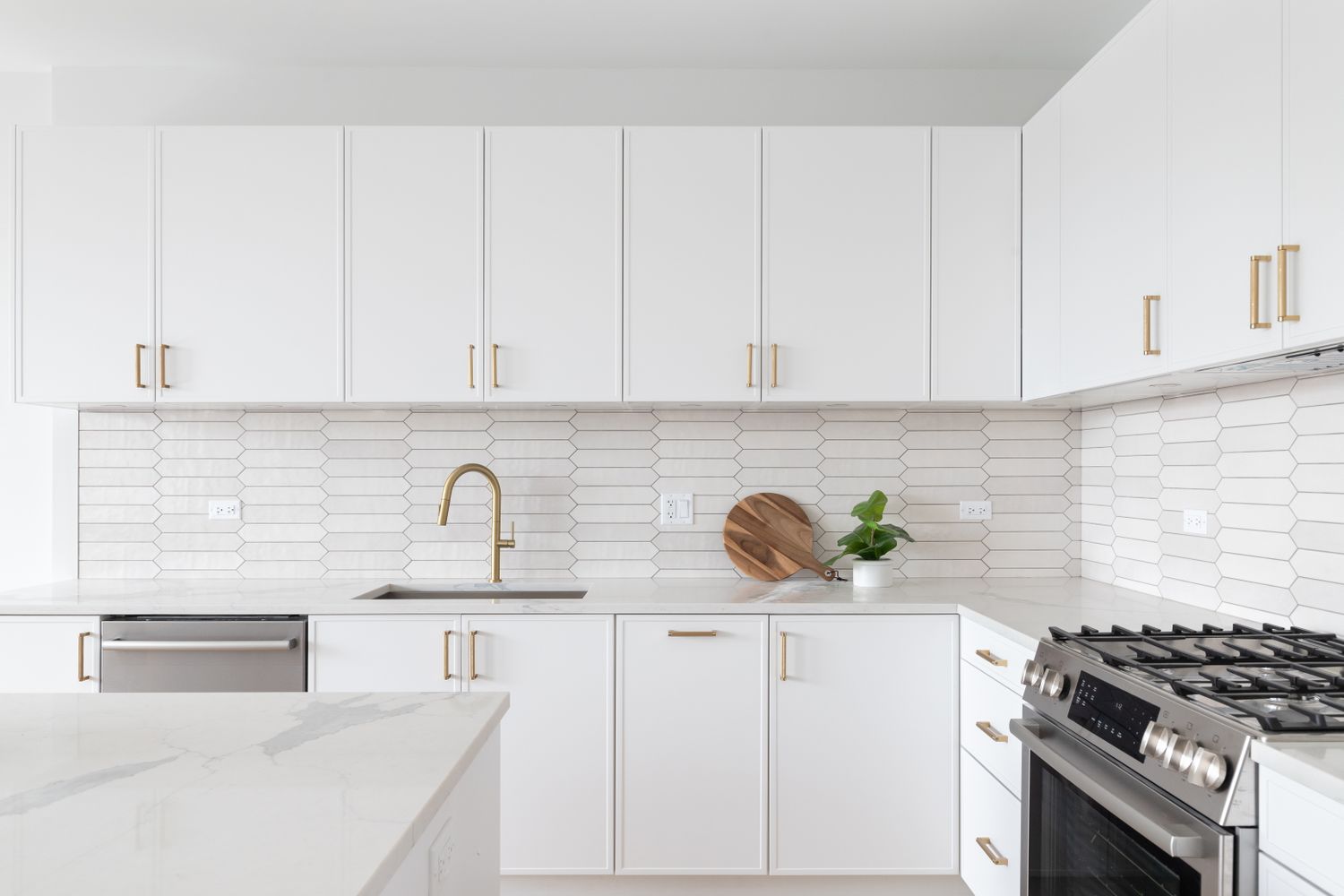
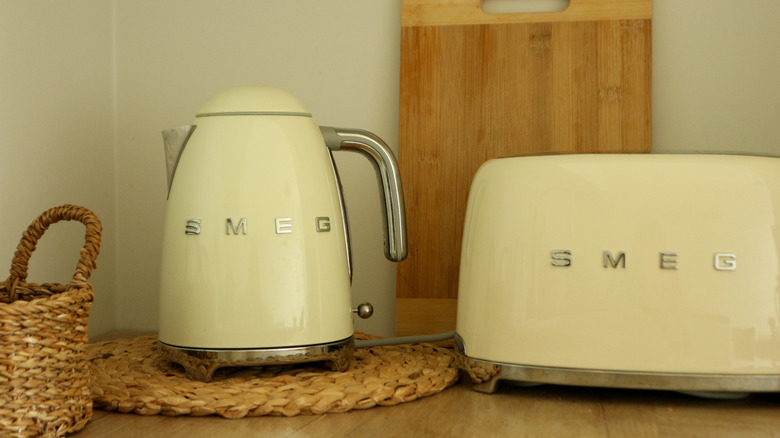
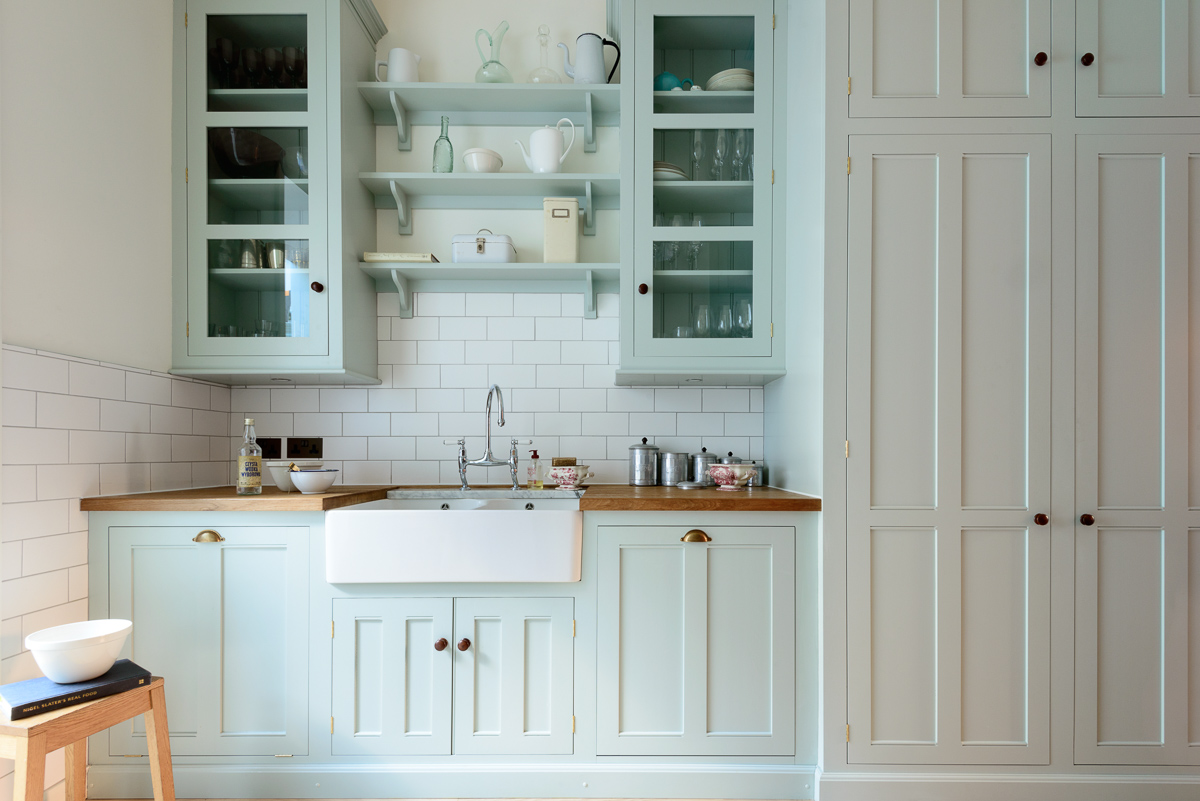
Successfully incorporating retro appliances into a modern kitchen centers on balance and accentuation. The key is to let the retro piece serve as an accent rather than allowing it to dominate the space. This involves keeping the rest of the kitchen design simple and ensuring that other colors or elements within the room complement the appliance. For example, a retro mint fridge can be beautifully paired with timeless white shaker-style cabinets that feature stainless steel fixtures, echoing the appliance's chrome accents, and sleek, minimalist countertops. Another approach for those hesitant to commit to a full-sized retro appliance is to start with smaller countertop appliances such as blenders, toasters, or coffee machines. These items, available in neutral, all-chrome, or pastel shades, can introduce a touch of nostalgia and warmth into even the most contemporary and minimalist kitchen environments.
Despite their aesthetic advantages, there are practical considerations when opting for retro kitchen appliances. Older, actual retro appliances (as opposed to new retro-style ones) may consume more power, potentially leading to higher energy bills. Full-sized retro fridges often have non-standard dimensions, making them challenging to fit into existing cabinetry. Furthermore, many retro and retro-style appliances might lack modern conveniences like water and ice dispensers. They are also typically smaller and more expensive than their modern counterparts. Lastly, maintenance can be an issue, as retro appliances may be harder to clean, repair, and require less common replacement parts, highlighting the need for thorough research before purchase.
#RetroKitchen #KitchenAppliances #InteriorDesign #HomeTrends #DesignTips #KitchenRenovation #HomeDecor #VintageStyle #ModernKitchen #RetroKitchen #KitchenAppliances #InteriorDesign #HomeTrends #DesignTips #KitchenRenovation #HomeDecor #VintageStyle #ModernKitchen
0 comment in total
 No comments yet
You may also like
This nostalgic kitchen trend is back and here to stay, according to experts
Are Shaker kitchens still on trend? Interior design experts weigh in on whether this classic style is looking dated

Top Designers Say These Kitchen Trends are Long-Lasting

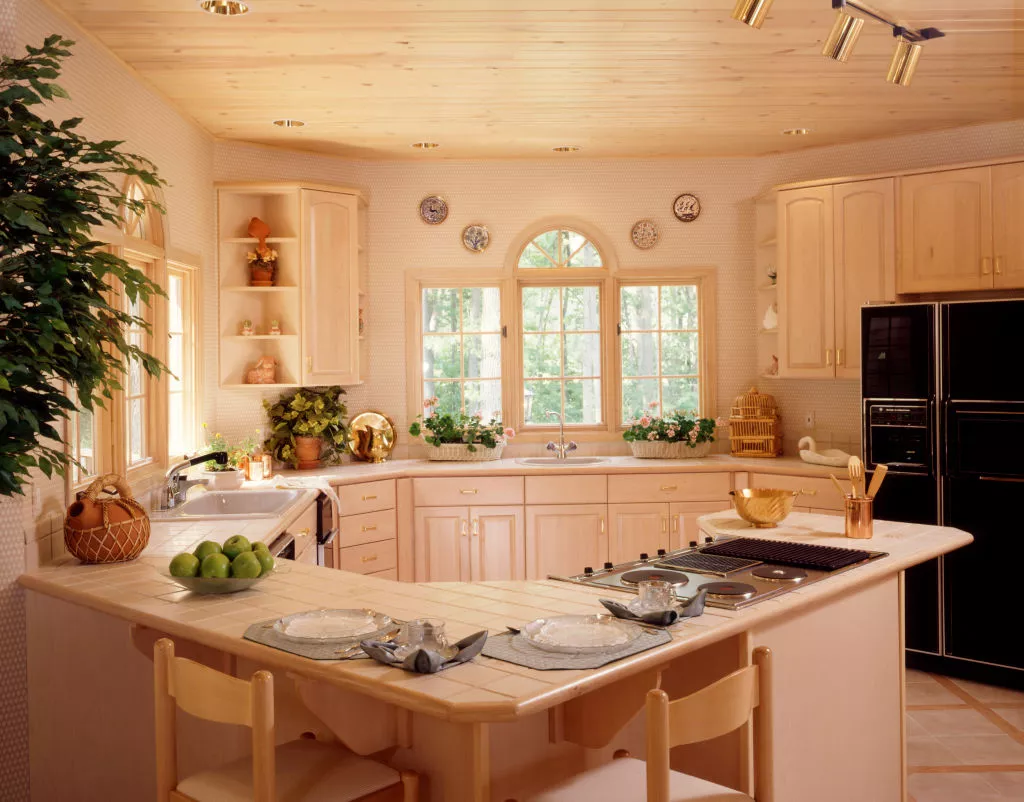
Wait, Are '90s Kitchens Back in Style? Why Designers Are Embracing Them Again
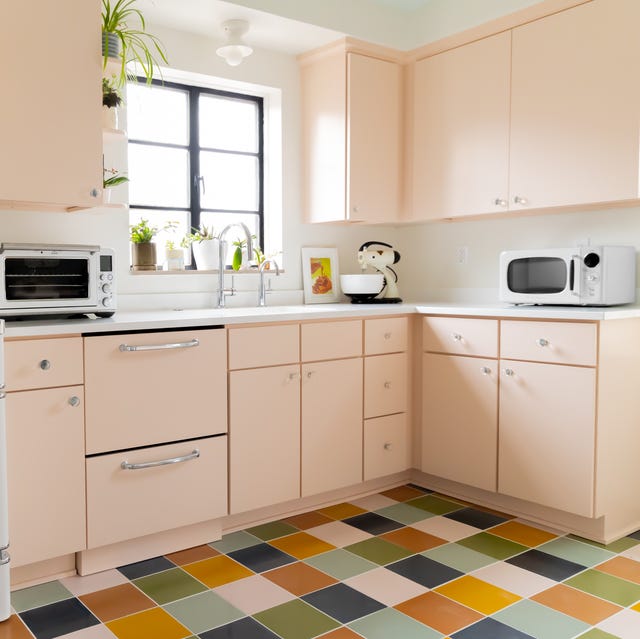
The Surprising Retro Kitchen Design That's Making a Major Comeback

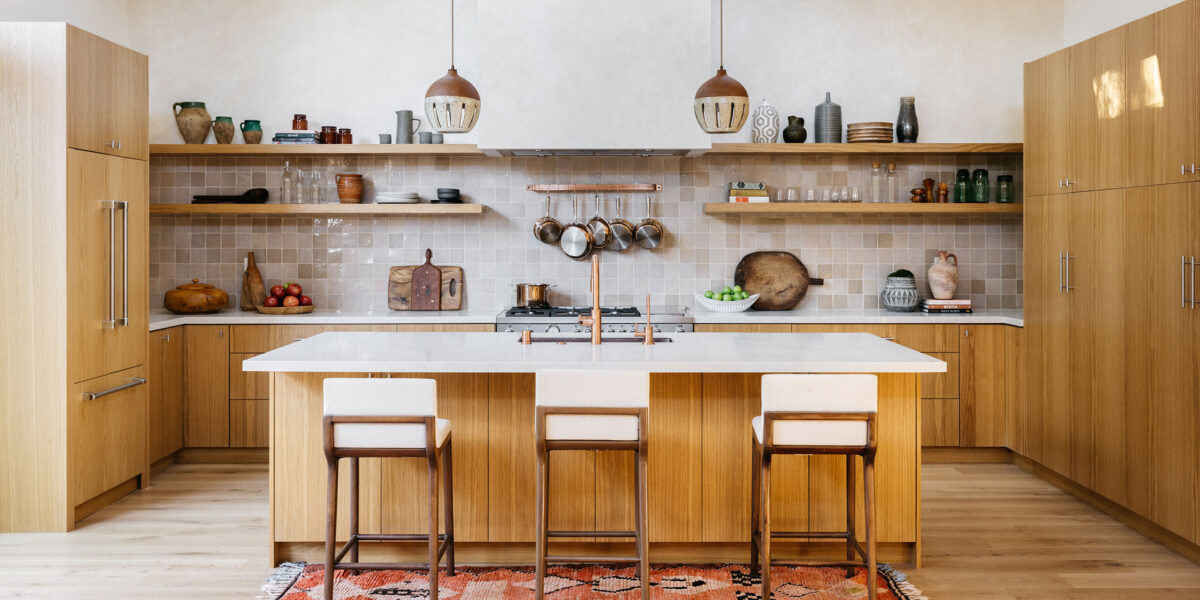
This Outdated Kitchen Design Style Is Coming Back (and That’s a Good Thing)
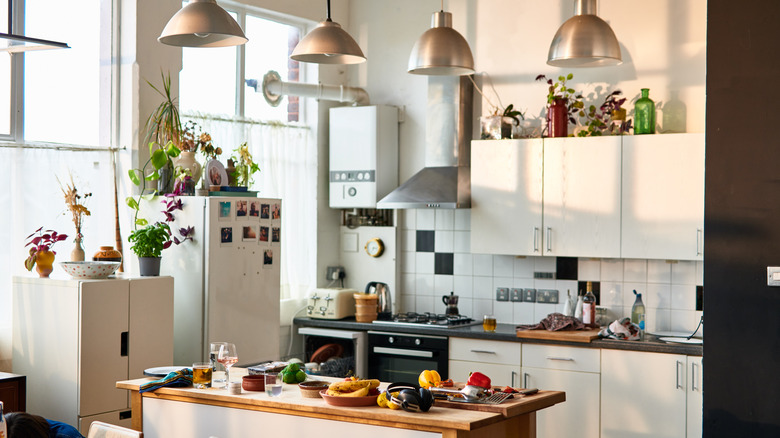
The Classic Kitchen Design Trend That Might Never Go Out Of Style

7 Vintage Kitchen Design Trends Boomers Remember Fondly

Are integrated appliances still on trend? Interior designers share their do's and don'ts of designing around appliances
5 Kitchen Styles That Are Definitely Out of Style, Designers Say
We Asked Kitchen Remodel Experts What Trends Are Actually Timeless
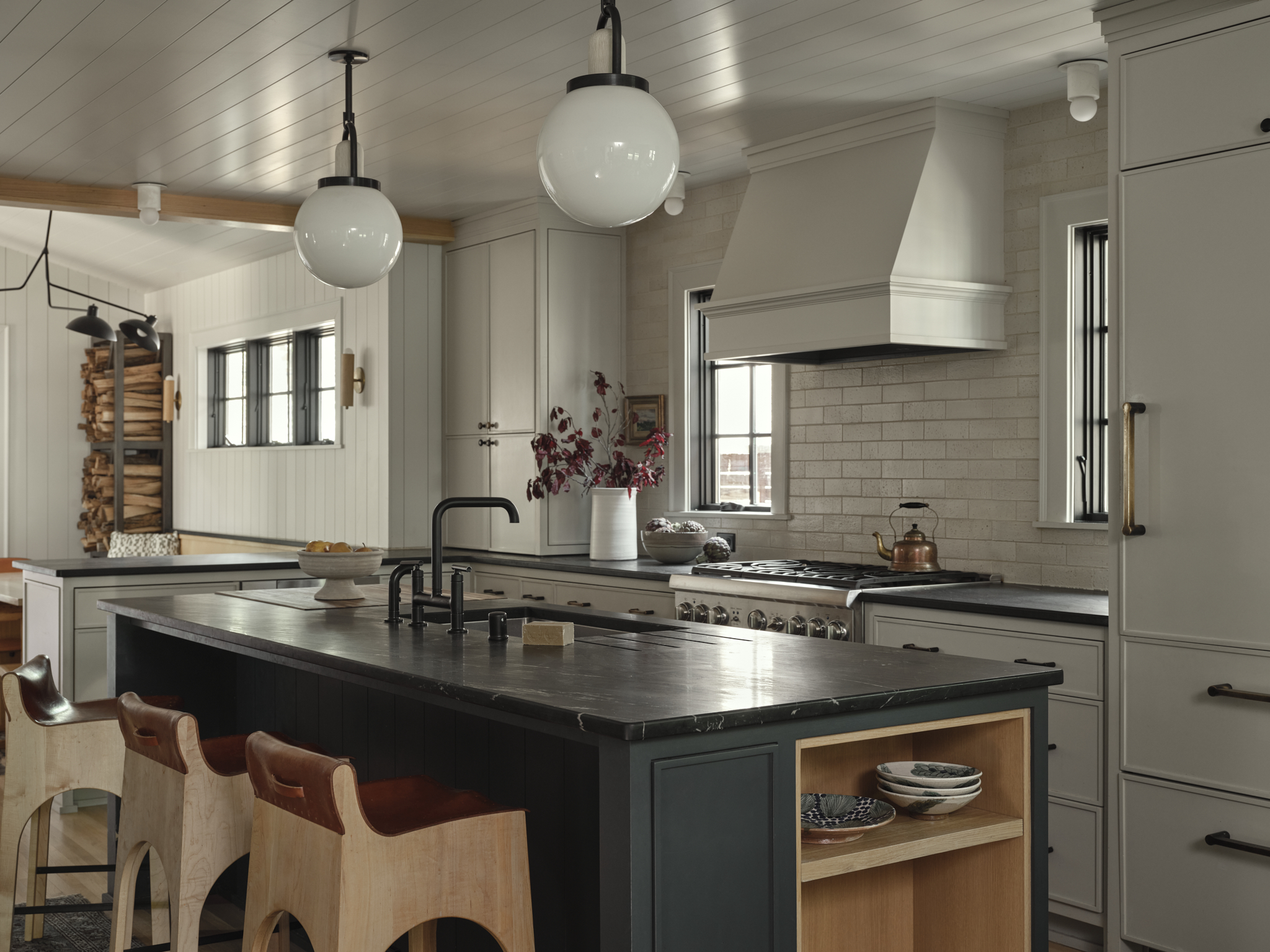
Are Modern Farmhouse Kitchens Out of Style? Designers Tell Us Which Elements Are Kicky — and Which to Kick Out

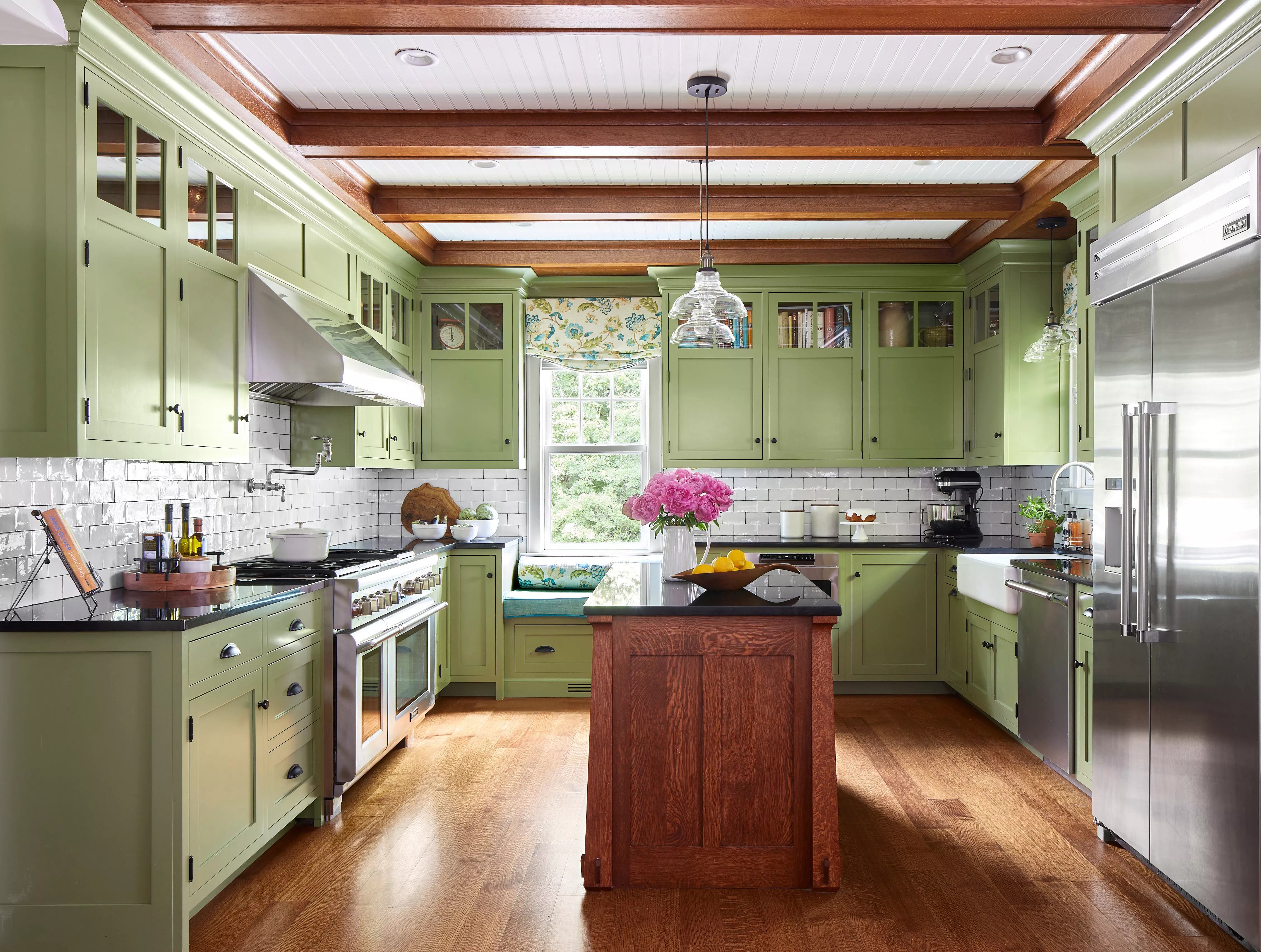
Retro Kitchens Are Back—Designers Share Their Best Tips to Get the Nostalgic Look

10 Outdated Kitchen Trends Making A Comeback, According To A Design Expert

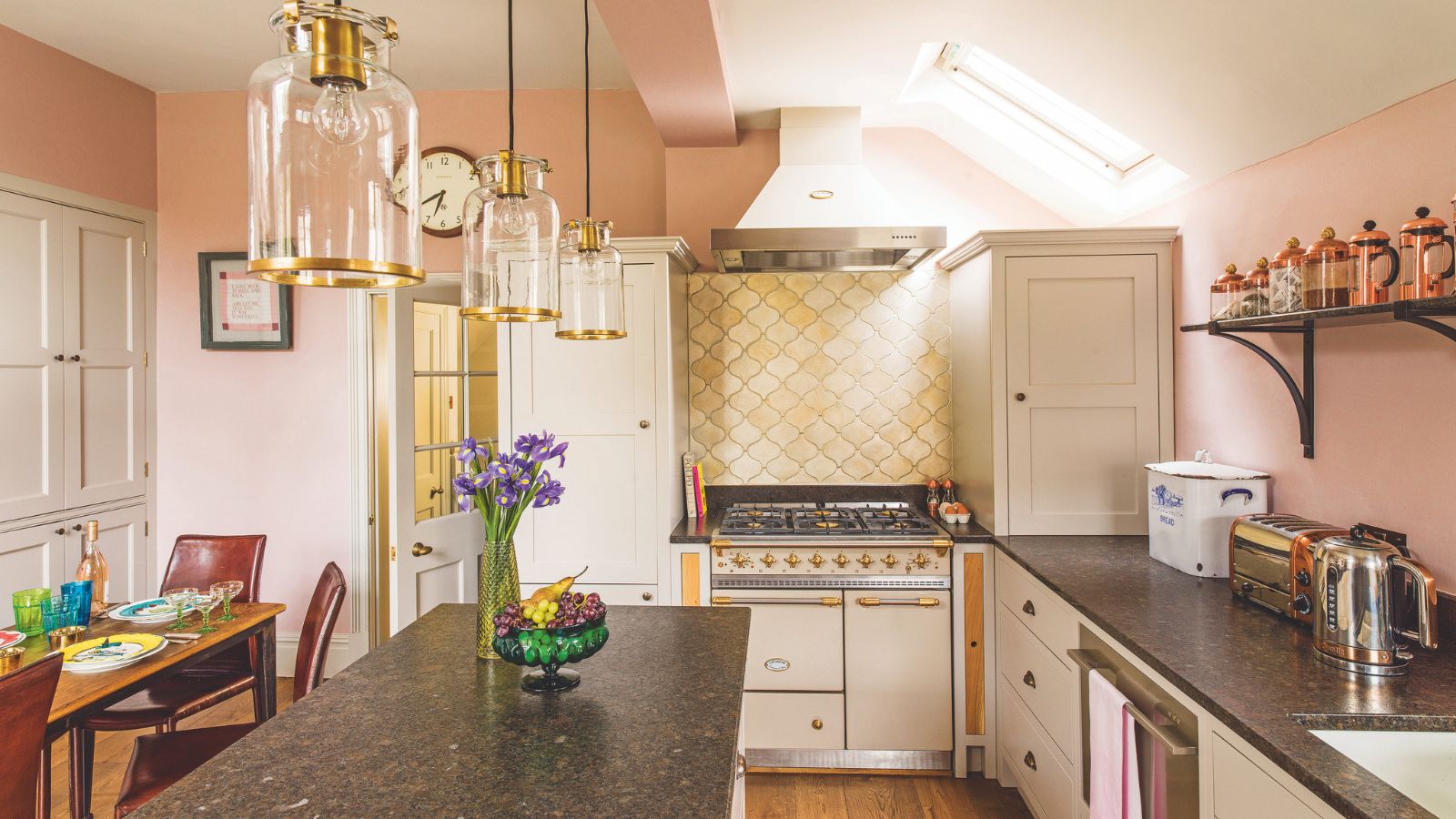
5 vintage pieces every kitchen should have, according to designers
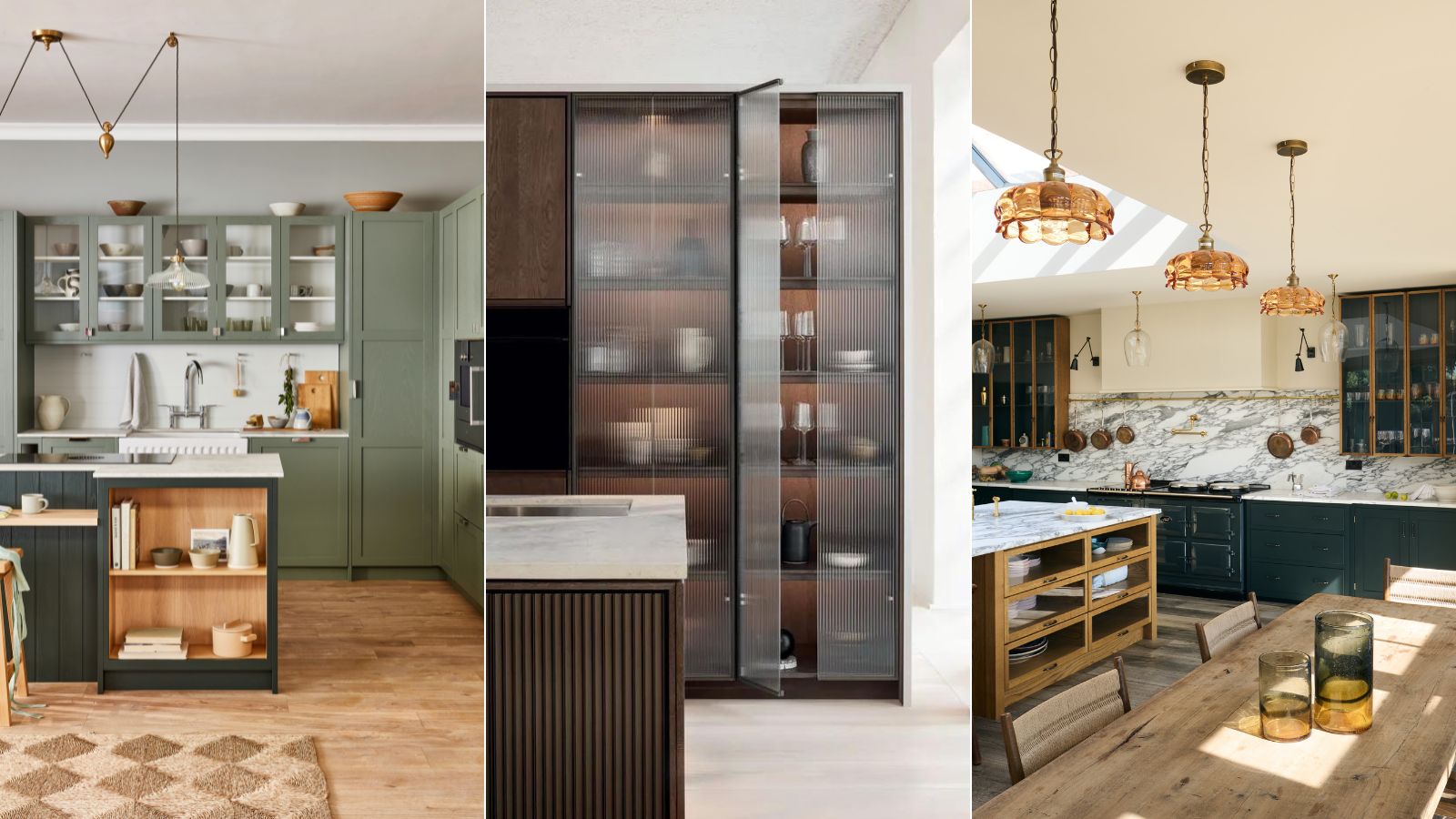
Are glass-fronted kitchen cabinets still on trend? Experts weigh in on whether this classic design is timeless or outdated
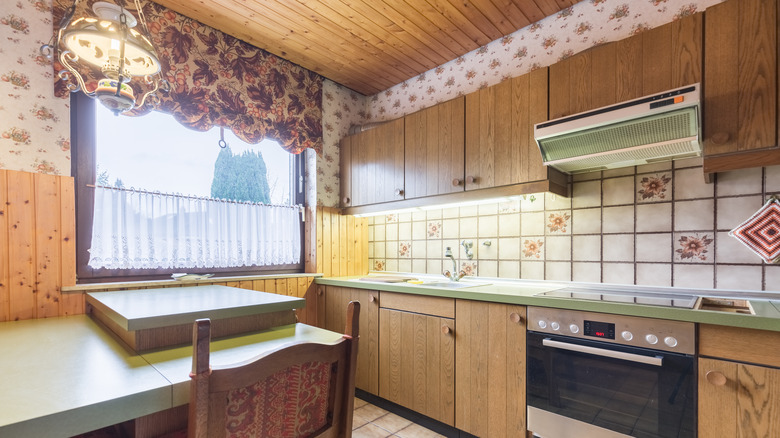
12 Once-Popular Kitchen Trends That Won't Be Coming Back Anytime Soon
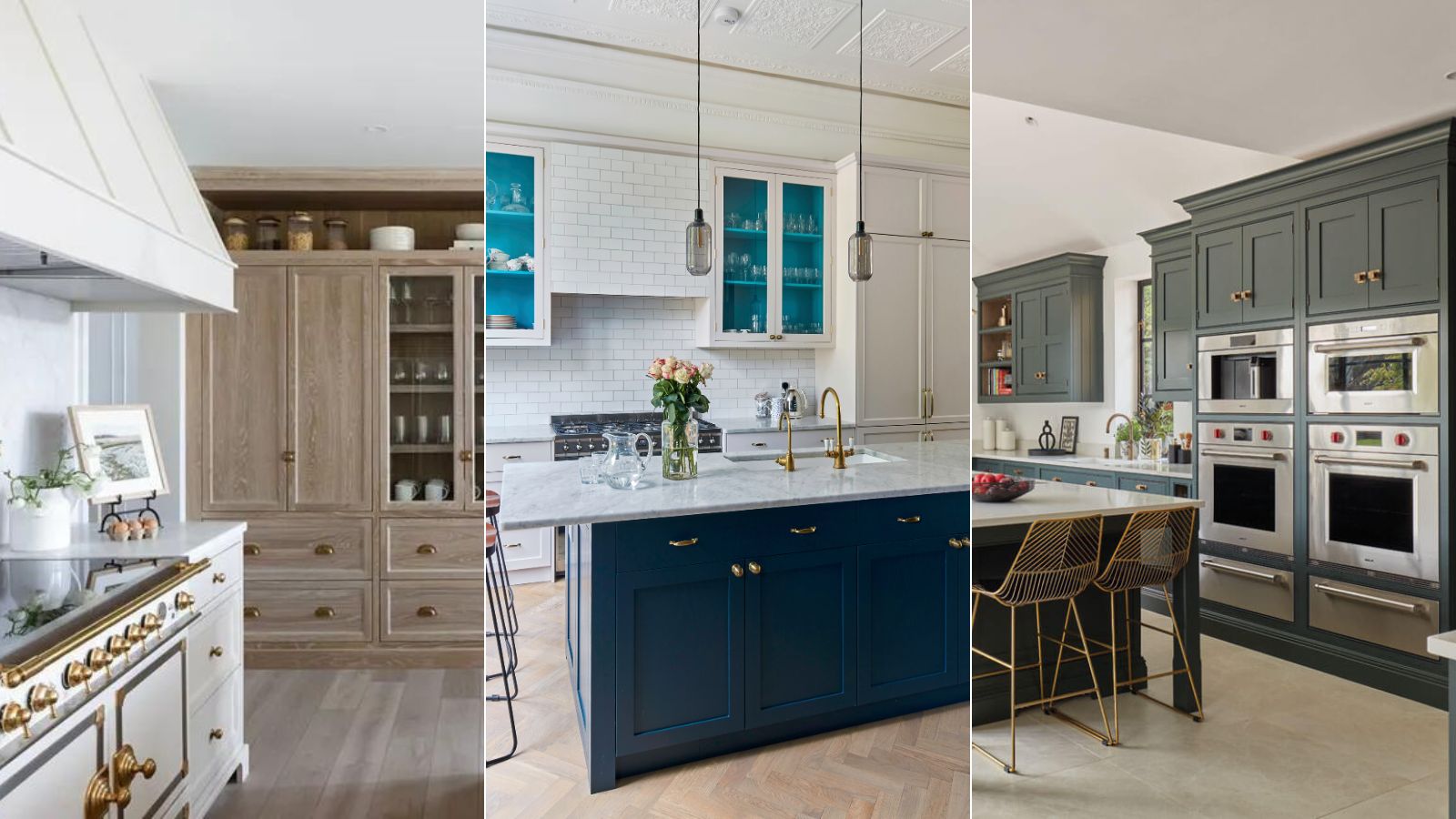
What's the most timeless kitchen hardware? These are the designs that transcend trends, say interior designers
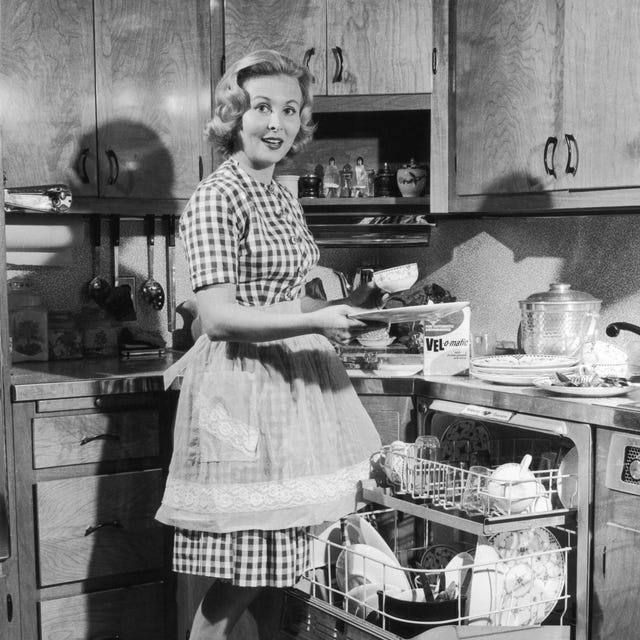
21 Retro Kitchen Photos That Will Transport You Back In Time

'90s Wood Kitchens Might Be Back in Style, According to Designers