1/16
15 highlights from Heimtextil: spot the textile trends for 2025
Heimtextil, the largest international trade fair for home and contract textiles, showcased the future of the textile industry for 2025 in Frankfurt, Germany. The event, held from January 14-17, featured over 3,000 exhibitors from 130 countries, with designer Patricia Urquiola as a special guest. The fair highlighted significant advancements in sustainable materials, digital technologies, and wellness-focused textiles, offering a comprehensive look at emerging trends.
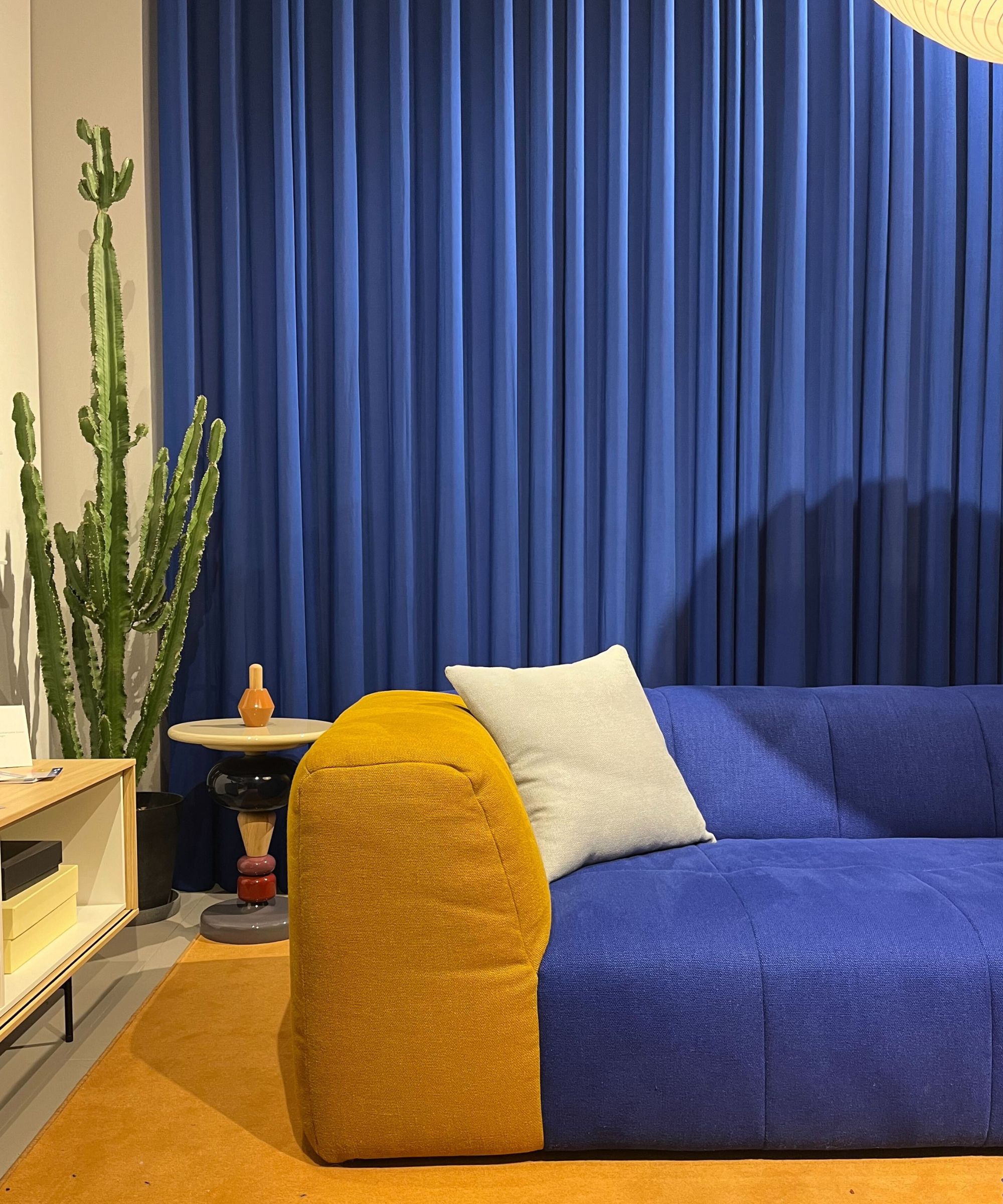
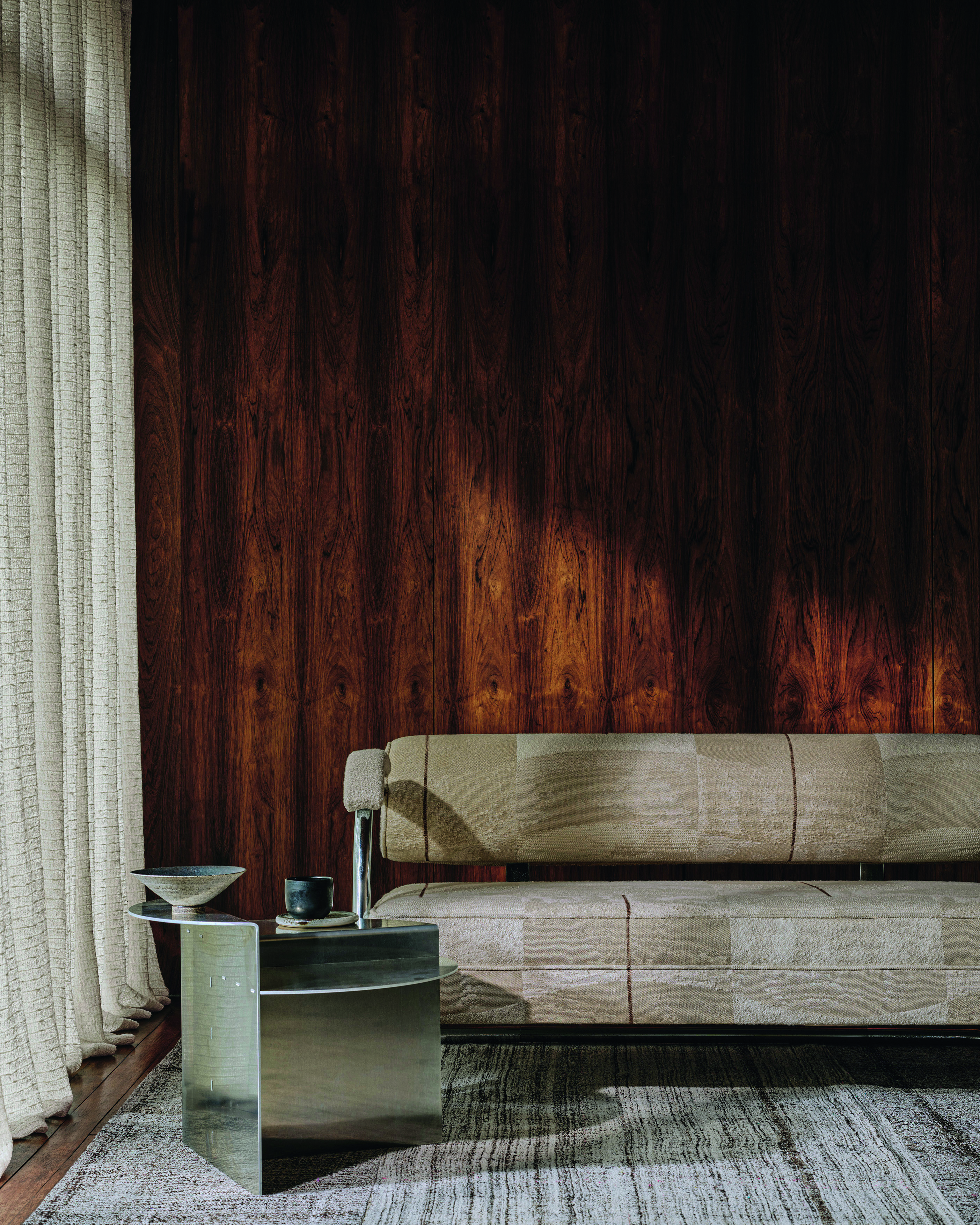
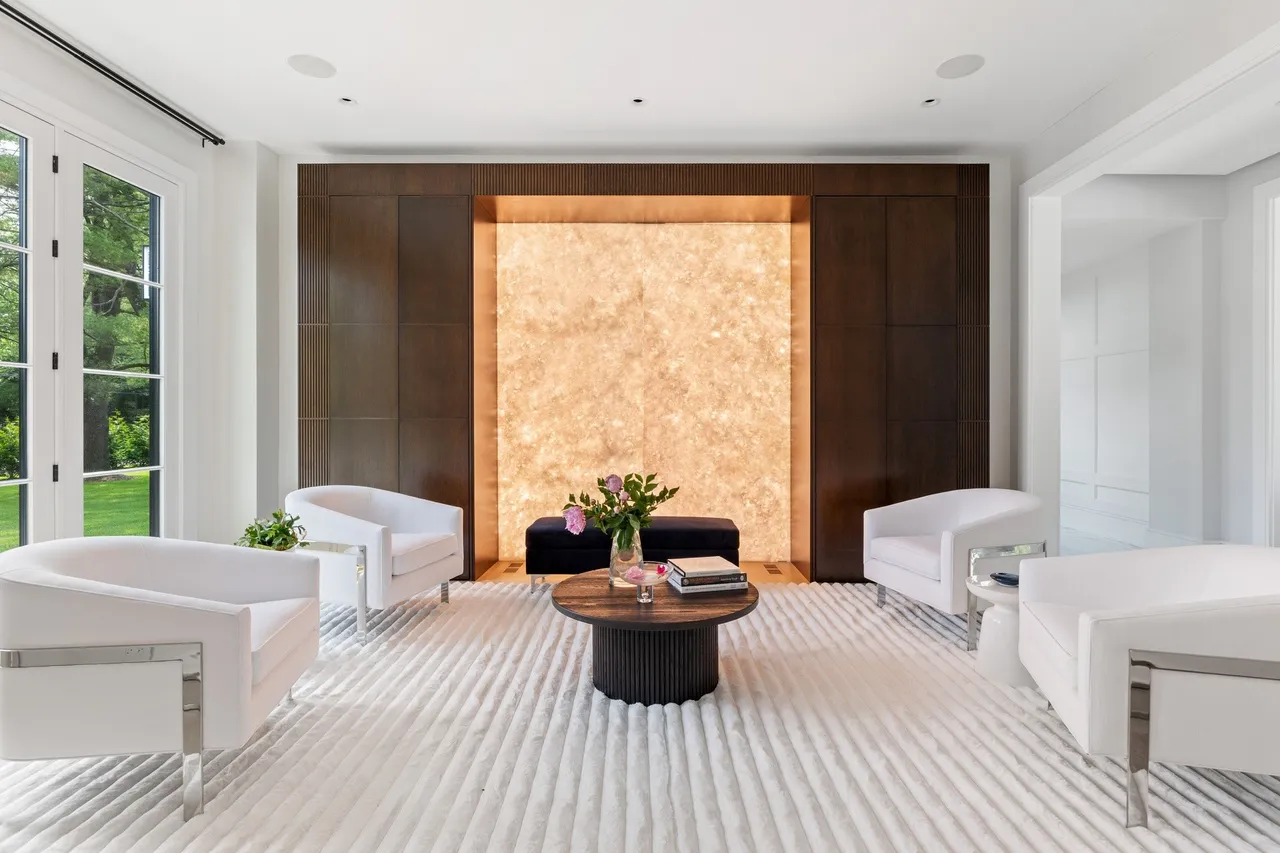
Patricia Urquiola's installation, 'among-us,' was a sensory experience designed to offer respite from the busy fairgrounds. Visitors were invited to remove their shoes and walk on soft surfaces within a sculpture park-like setting. The installation featured modular sofas from Kettal upholstered in soft Kvadrat wool and tapestries by CC-tapis created with innovative robo-tufting machines using Econyl, a yarn made from nylon waste. Other elements included hanging structures made from mineral aggregates and Cimento, and 'massive creatures' by Moroso incorporating fabrics produced with water-based printing methods to reduce environmental impact. Urquiola emphasized the importance of breaking boundaries and embracing fluidity in creative work, particularly in her first experience with printing materials.
Alcova, a Milanese design platform, curated the Heimtextil Trends 25/26 show with the theme 'Future Continuous.' This segment explored three key areas: 'Regenerative,' focusing on biodegradable fabrics and extending material lifespans; 'Radically Restructured,' investigating digital weaving and techniques that mimic natural production; and 'Naturally Uneven,' celebrating the inherent imperfections of natural materials.
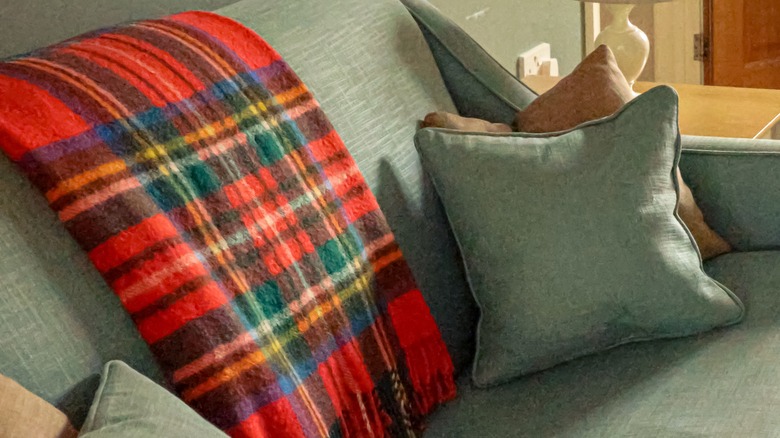
Innovations in textile care were evident with Lanerossi's 'Lavabili' collection, offering machine-washable plaids and blankets made from 100% cashmere and wool, certified by the Global Organic Textile Standard. Lavatech introduced a new polyester made from finely crushed Mount Fuji lava powder, designed to provide far-infrared radiation for health and wellbeing benefits, including improved blood circulation, sleep, and muscle recovery. The focus on wellbeing extended to bedding, with Beddinghouse presenting skincare pillowcases with collagen fibers and sheets designed for athletes to boost circulation and muscle recovery. Lameirinho introduced pyjamas with advanced chemical inducers for temperature regulation, addressing common issues faced by couples with differing thermal preferences.
Digital technology played a significant role, particularly artificial intelligence. Kornit Digital showcased on-demand digital fashion and textile production, including pigment printing that creates a 3D effect. The company also debuted a furniture collection with Niso Furniture. MYTH AI demonstrated the use of generative AI for designing bedding, wall decor, home textiles, and flooring, highlighting its ability to accelerate design, offer customization, reduce costs, and ensure design security through blockchain certification and IP protection.
Natural materials and traditional craftsmanship were also prominent. Isidore Bryant, a textile design studio founded by Elizabeth Ballon, showcased tactile collections made from silk, wool, cashmere, cotton, and linen using restored vintage looms. Libeco, Belgium's largest flax weaving mill, emphasized sustainable and local linen production, noting that their natural products can return to nature at the end of their lifecycle. The 'Q581 changeant Laundered' linen-wool blend was particularly noted for its soft feel.
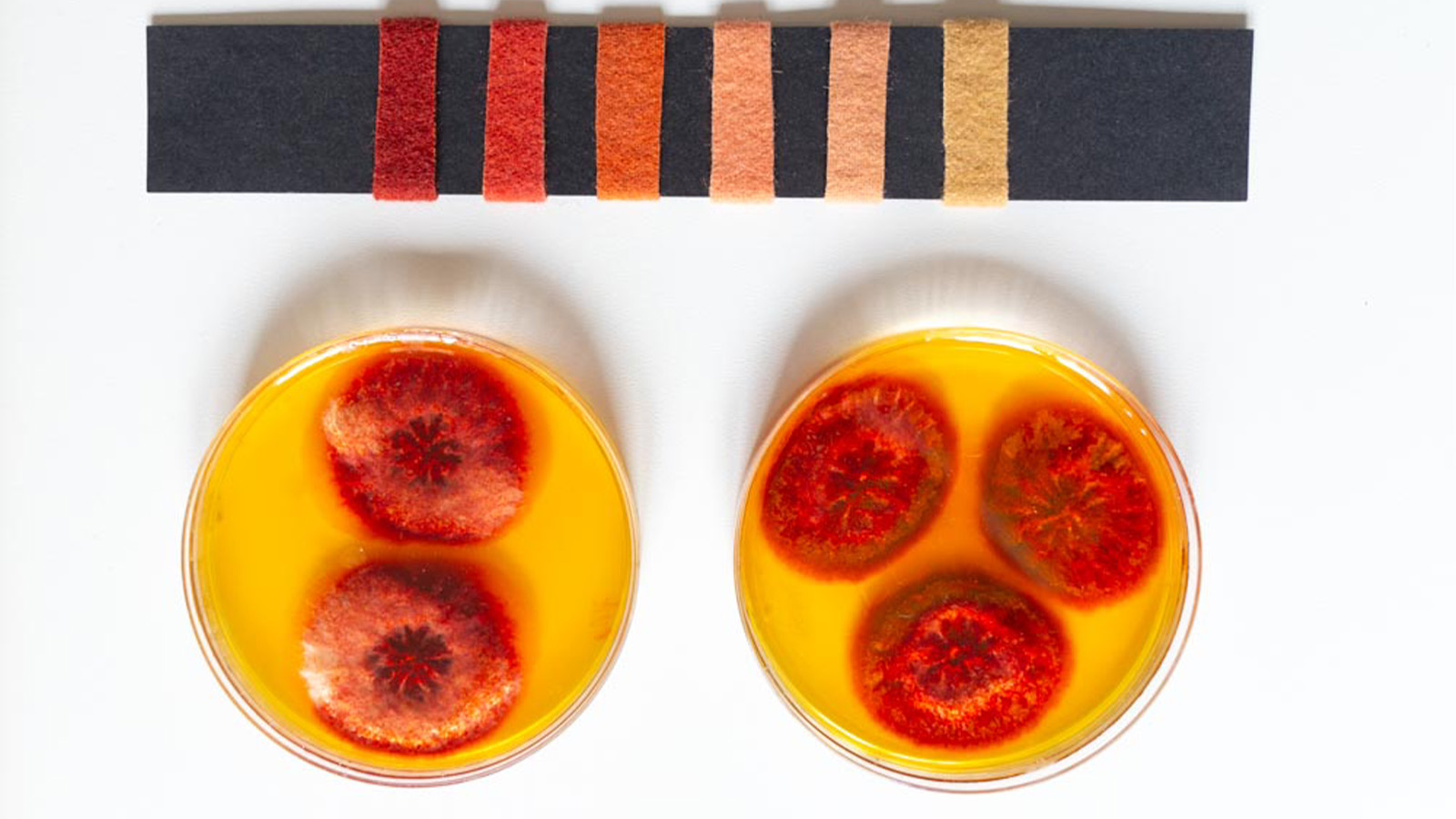
Young talents presented groundbreaking research, such as Birke-Katharina Weber's MycoColors, which explores mushrooms as a sustainable source for textile dyes. Kateryna Basiuk's Silent Canvas project investigated the use of recycled yarns in aesthetically pleasing and effective circular acoustic absorbers, drawing inspiration from the ultrasonic-absorbing microstructures of moth wings. The Rug Republic launched an artisanal lighting collection, featuring the 'Argo Denim' lamp made from upcycled denim, symbolizing circular supply chains. Edmund Bell unveiled 'Diversity,' a double-sided textured blackout fabric addressing technical constraints in the industry. Salgado Group introduced innovative sheets made from milk and soya bean proteins, pineapple leaves, and nettle plant stalks, as well as waste carpet blended with sustainably sourced wood pulp.
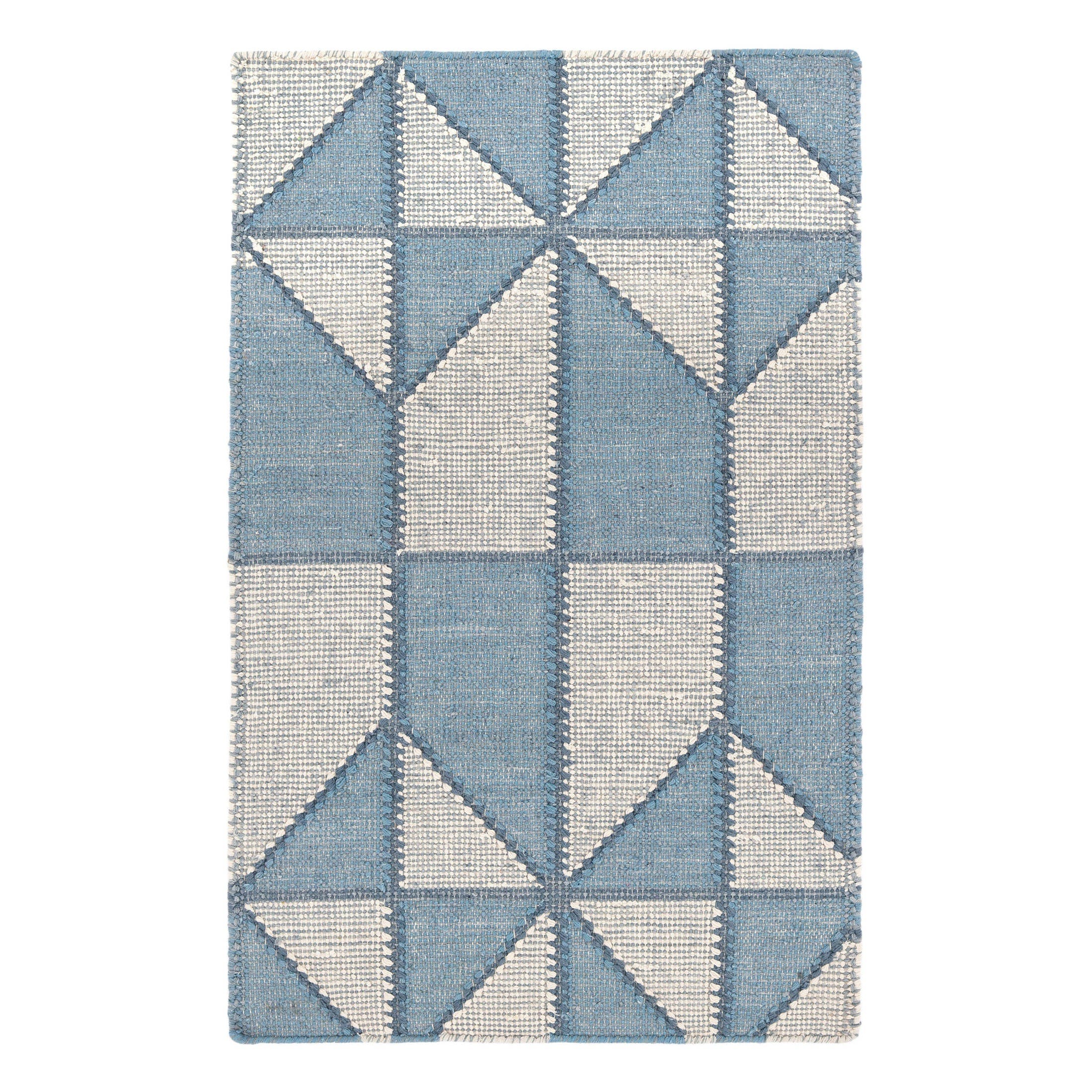
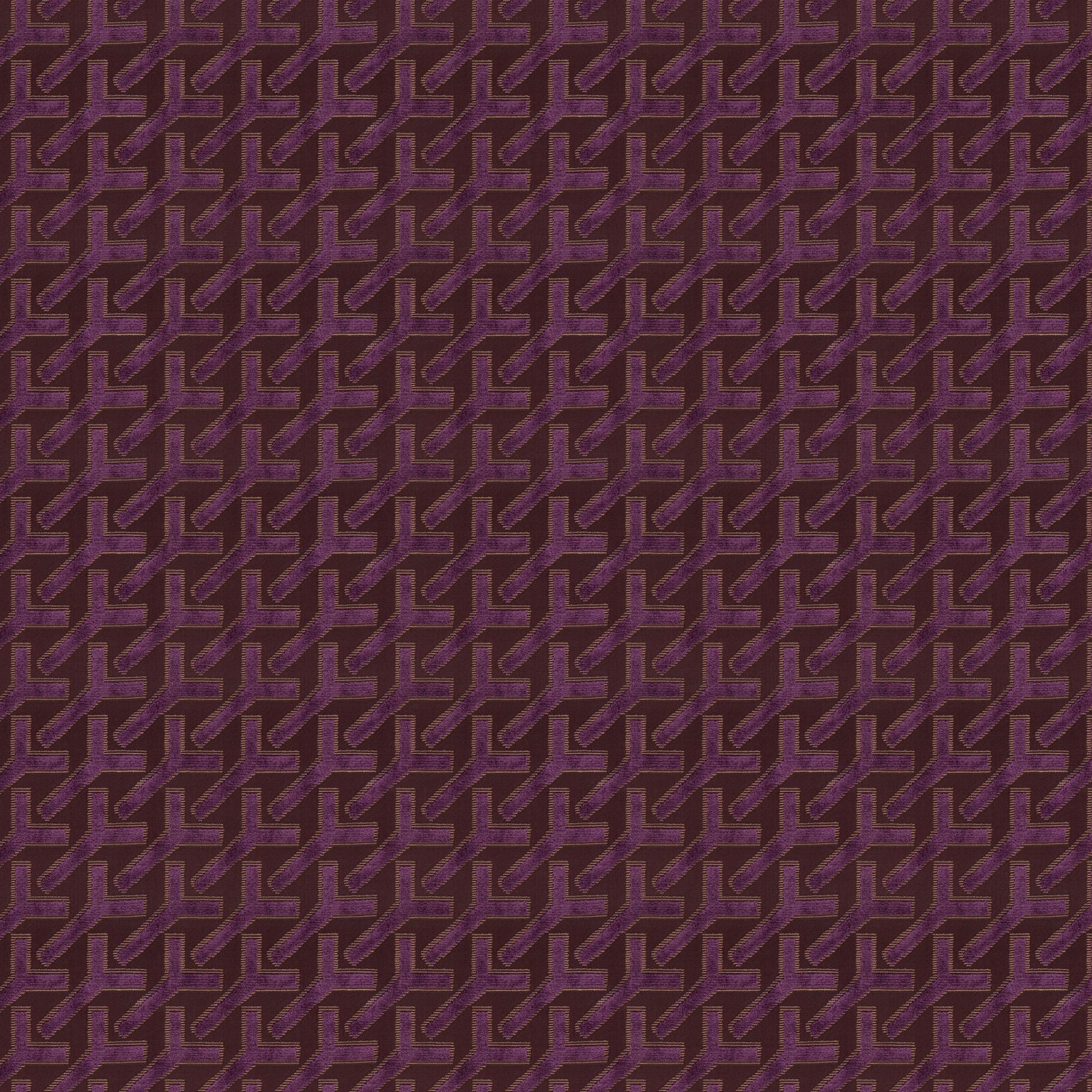
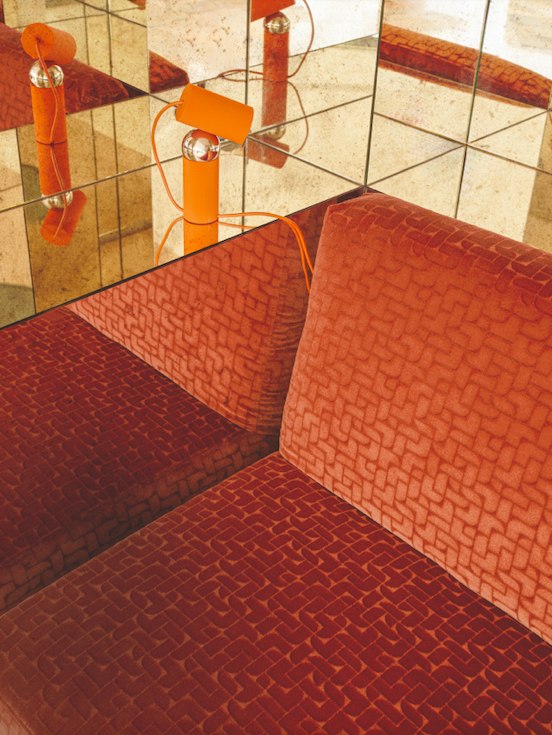
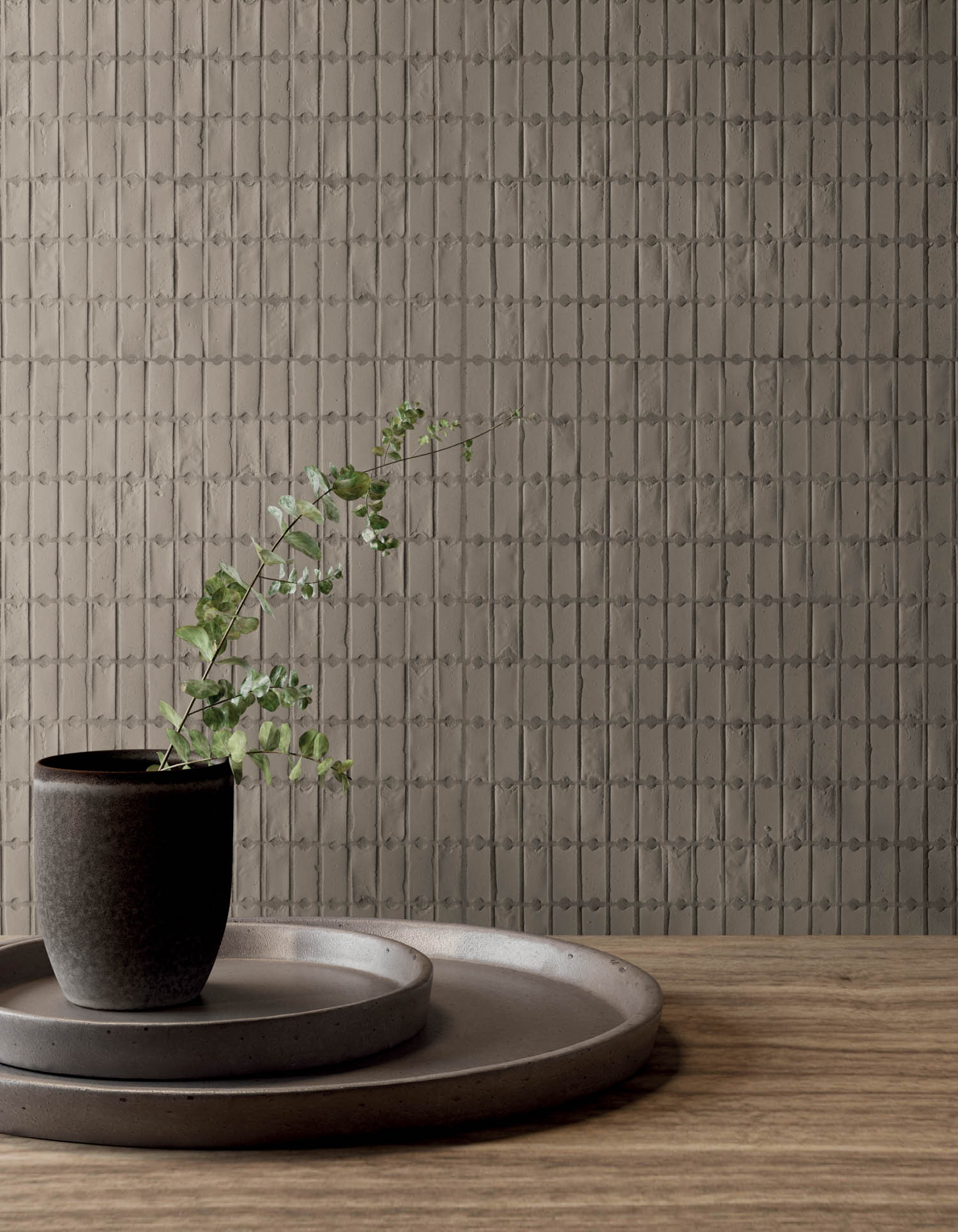
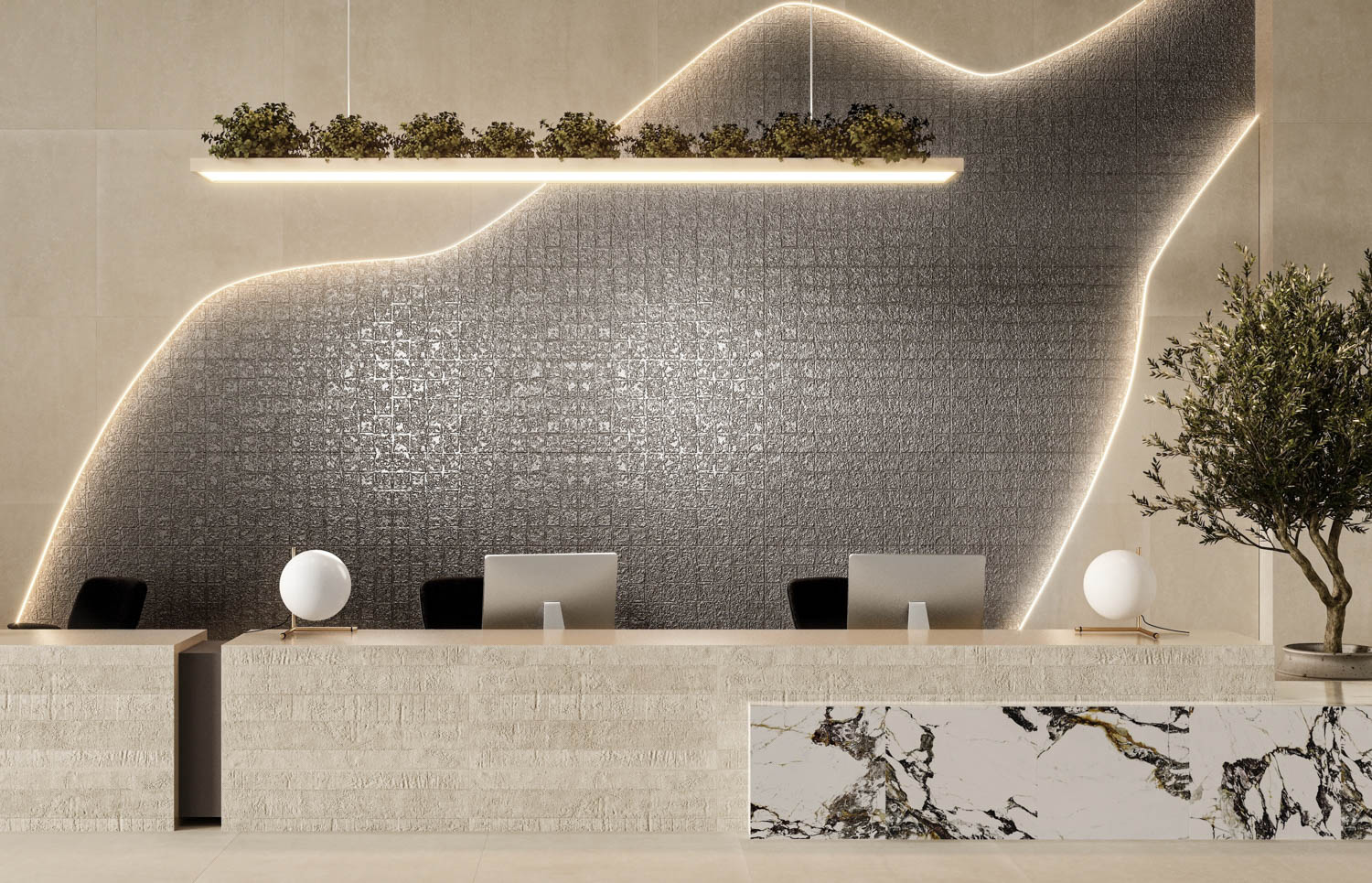
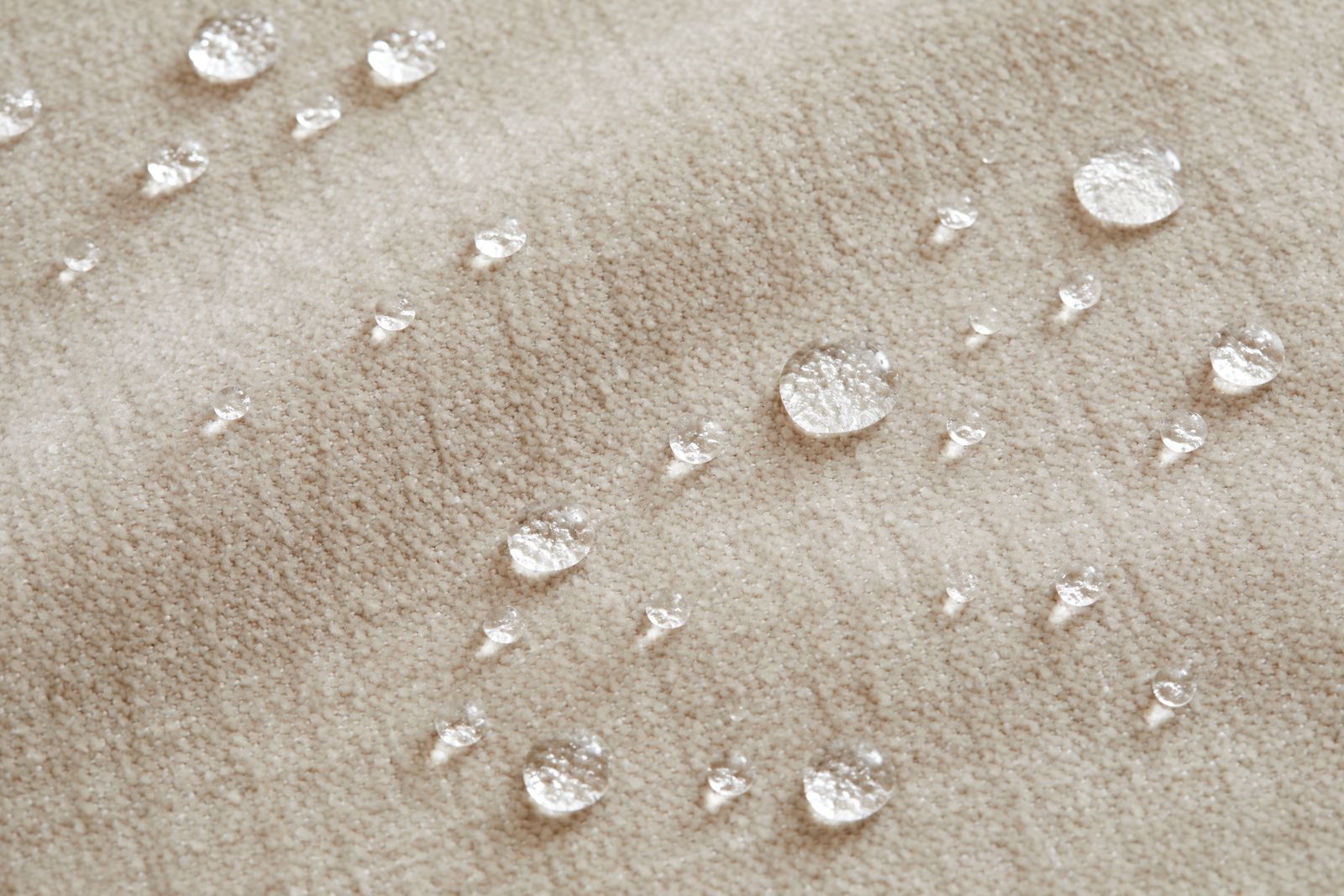
Wall coverings also saw innovations, with Marburger Tapetenfabrik introducing Terra, its first clay-based wallpaper collection, which is plasticiser-free and uses local clay-based colors. Their Celsius collection, a heat-reflecting wallpaper, also garnered interest. K'moor presented Cemento, an environmentally friendly wallpaper made from biomass, and Flax, derived from compostable flax-plant fibers. Attention to animal welfare was highlighted by Boyteks, with a line of vegan mattress fabrics made entirely from plant-based materials. Elastron's 'Chanel' collection of velvet upholstery, inspired by the fashion house, was designed to be tear-resistant, scratch-resistant, and easy to clean. Finally, a talk on rug trends by Lucy Upward of Cover magazine discussed the importance of storytelling, the prevalence of dark and warm neutrals, the 'Unexpected Red Theory' for adding pops of color, and the emergence of AI-designed rugs with 3D textures and abstract patterns.
#Heimtextil2025 #TextileTrends #SustainableTextiles #PatriciaUrquiola #DigitalTextiles #AIinDesign #WellnessTextiles #NaturalMaterials #CircularEconomy #Heimtextil2025 #TextileTrends #SustainableTextiles #PatriciaUrquiola #DigitalTextiles #AIinDesign #WellnessTextiles #NaturalMaterials #CircularEconomy
0 comment in total
 No comments yet
You may also like
These are set to be the biggest fabric trends of 2025
The Furnishing Fabrics of 2024
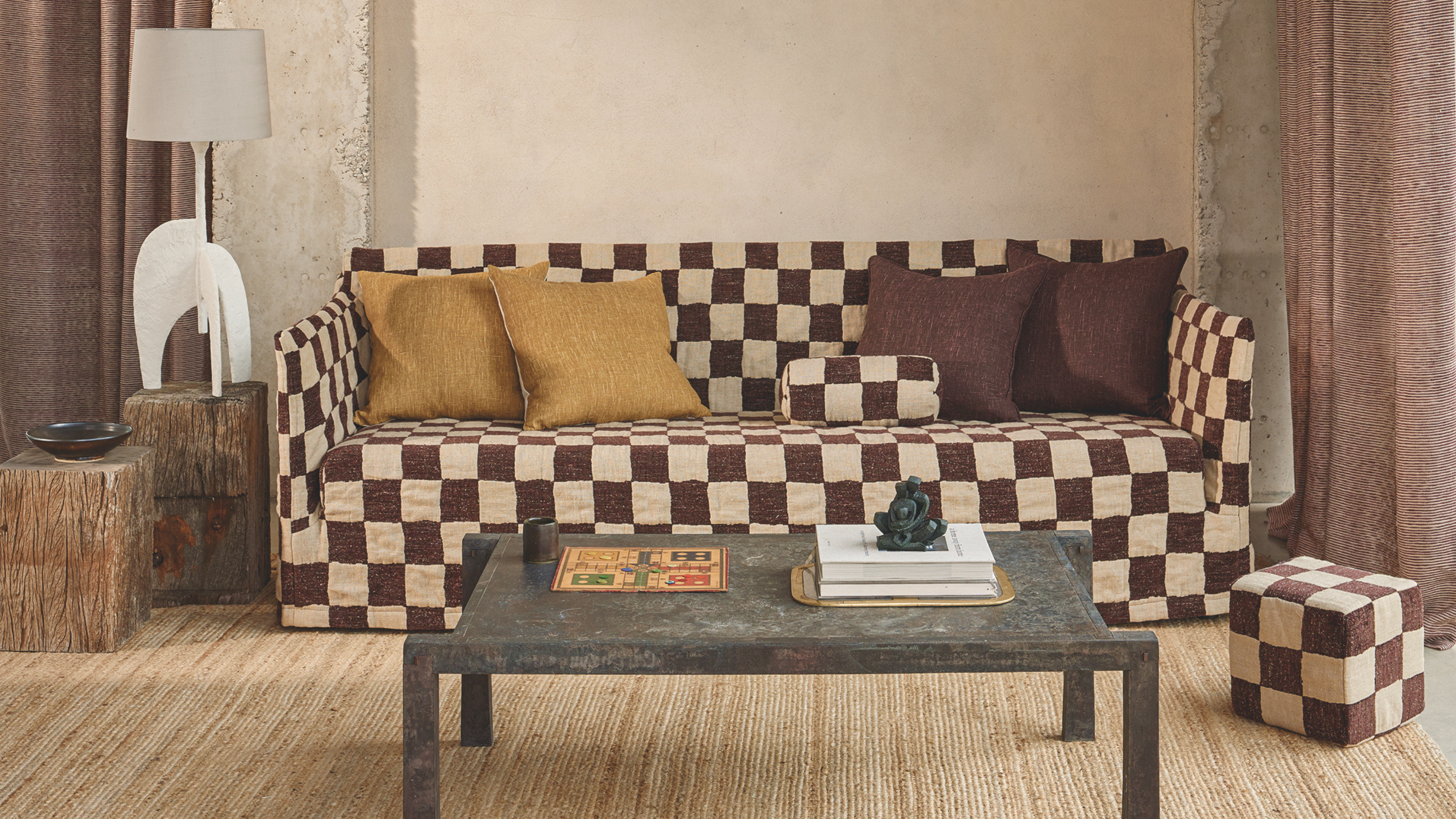
6 Fabric Trends Editors Want You to Use More in 2025 — Because There's More to Life Than Just Boucle

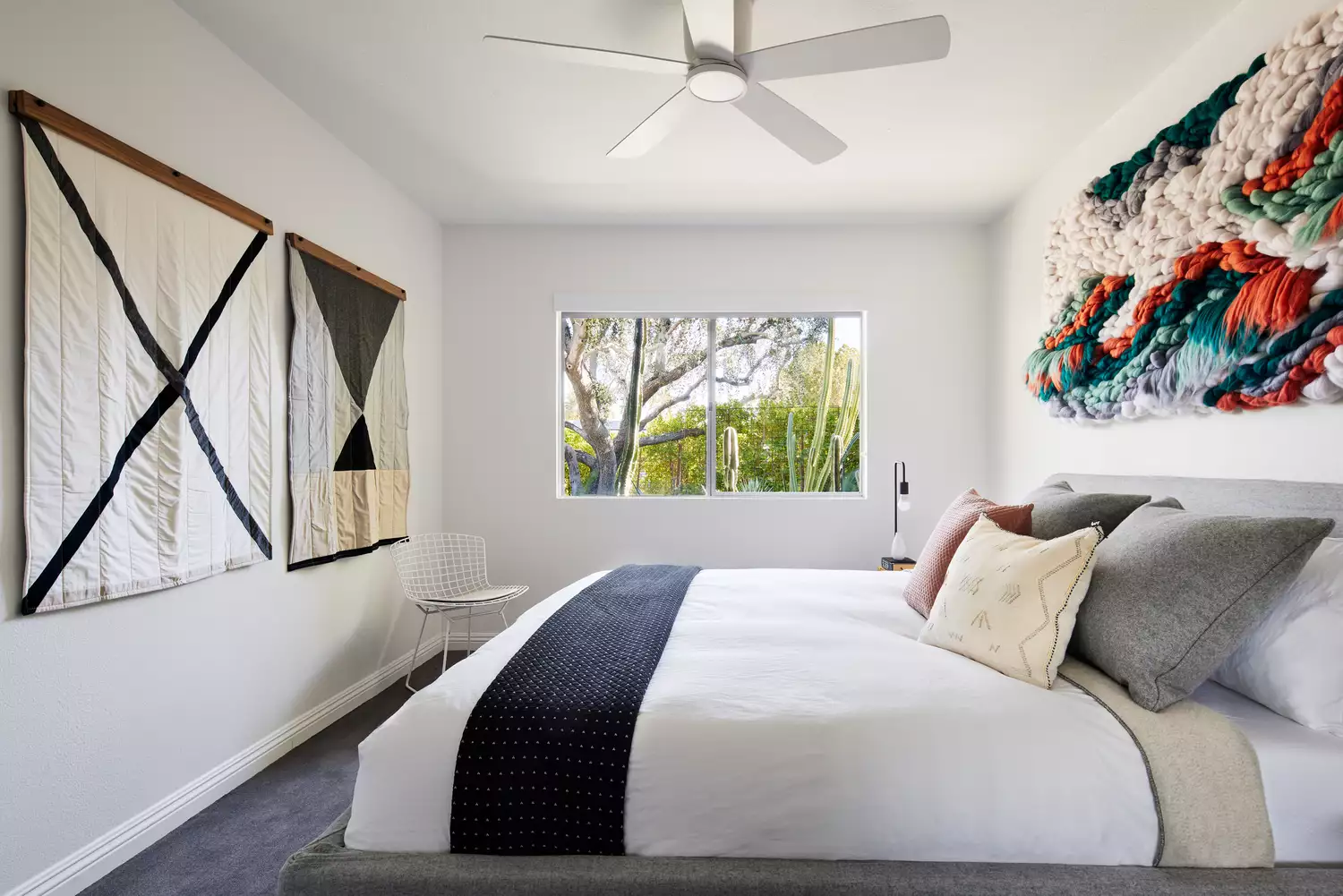
Fabric Wall Décor Is One of the Biggest Design Trends of 2025

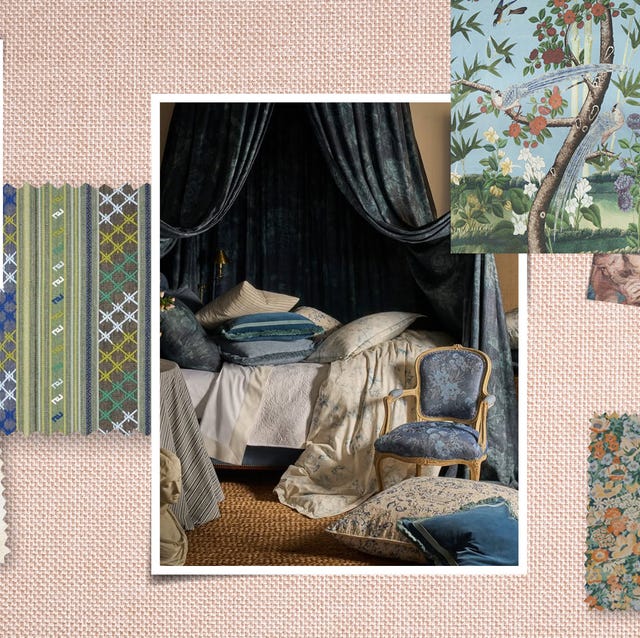
These 5 Textile and Wallpaper Trends Will Dominate the Design World in 2025

The Best Upholstery Fabrics of 2025: Comfort, Durability, and Style

The Classic, Preppy Or Punk Textile That's About To Be A Major Trend For 2026

The 5 fabric trends ruling interiors now, according to the pros

Designers Have Spoken: Here Are the Top Rug Trends of 2025

Spring 2025 Bedding Trends: Embracing Maximalism in Home Textiles
Carpet Trends — 17 Styles, Prints, and Designs Taking Over 2025
These are the biggest pattern trends designers are using in 2025 and beyond

Home Textile Industry News: Growth and Challenges in 2025
32 Spectacular Fabrics and Trims Coming to Market This Year

Why Statement Trims Are the Big Design Trend of 2026
Hottest Home Trends in 2025
The 2025 Interior Design Fabric Trend That's A Maximalist's Dream
8 fabric trends that are defining the world of interior design
Top Tile Trends Spotted At Coverings 2025

Upholstery Chic Is the Fall Runway Trend You Didn't Know You Needed