1/2
33 Ways to Make the TV Over a Fireplace Look Better, With Expert Tips
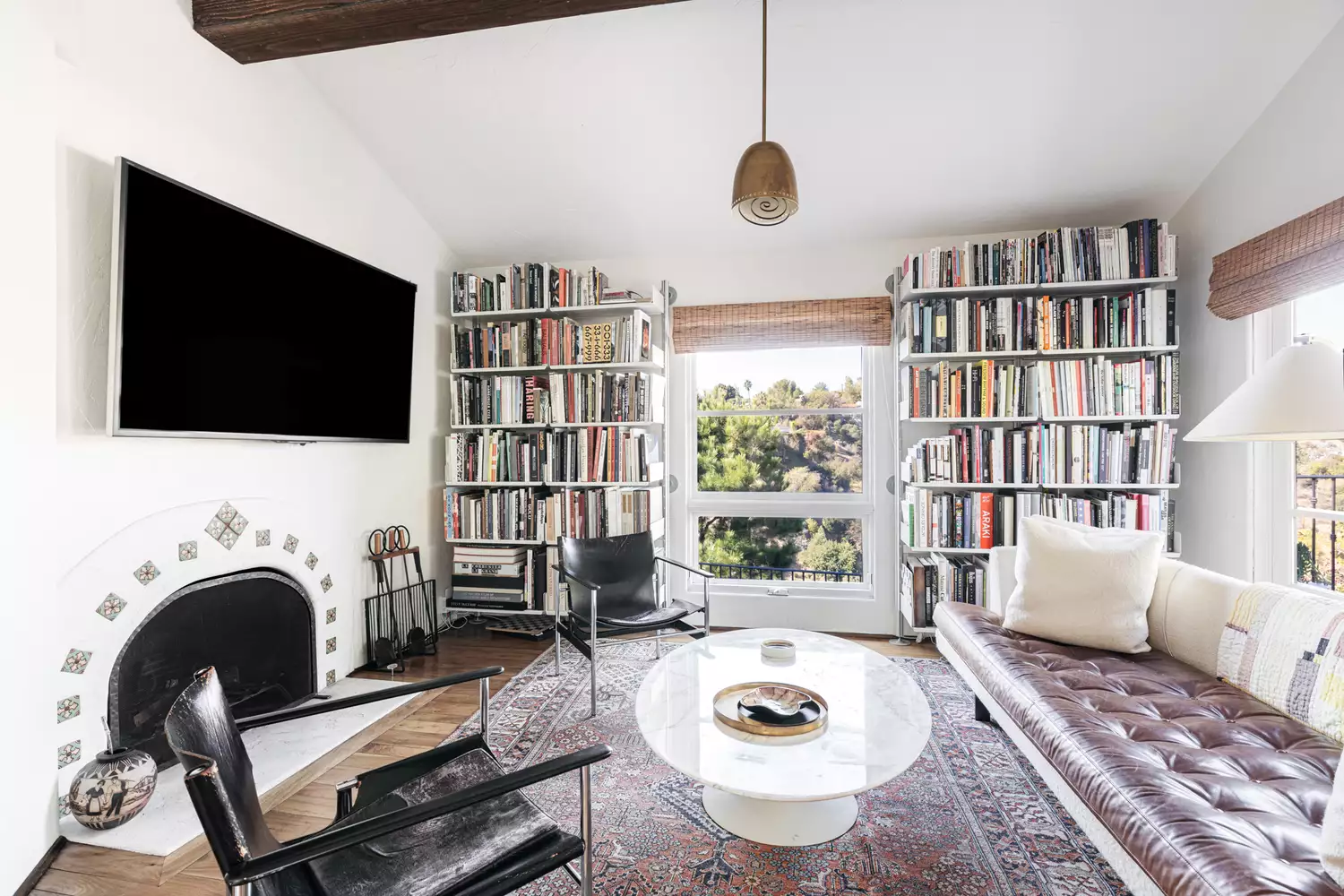
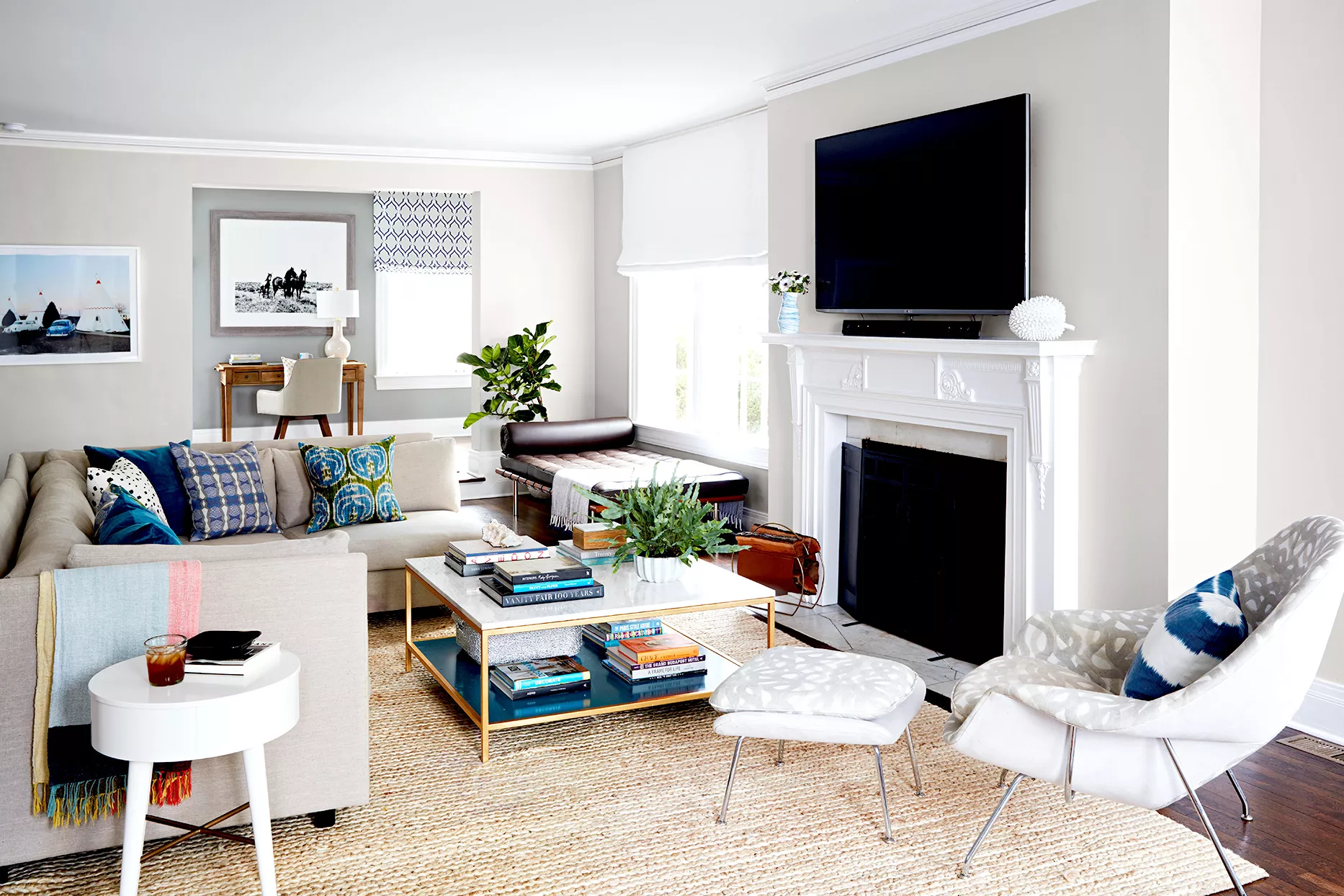
Mounting a television above a fireplace can be a challenging design choice, often leading to aesthetic and functional concerns. However, with careful planning and expert advice, it is possible to integrate a TV seamlessly into a fireplace setup, enhancing the living space rather than detracting from it. The primary considerations revolve around proper mounting, material understanding, heat containment, viewing angle, power sources, and aesthetic integration.
First, ensuring proper mounting is crucial. The mounting system must be suitable for the TV's weight, and identifying wall studs is essential for secure installation. Interior designer Jessica Neuman emphasizes understanding the fireplace materials to avoid structural damage during mounting. Heat management is another critical aspect; televisions and heat sources are generally incompatible. It is important to maintain a safe distance between the TV and any heat emanating from the fireplace, whether it's gas or electric. Manufacturers' heat limits specified in the TV's technical specifications should be strictly followed to prevent damage.
Viewing ergonomics also play a significant role. Ideally, televisions should be at eye level, but this is often not feasible when mounted above a standard fireplace. To mitigate neck strain, adjustable mounting systems that allow for angle modifications are recommended. If a fireplace is exceptionally tall, an alternative TV placement within the room might be more appropriate. Adequate and safely routed power sources are also necessary, potentially requiring consultation with an electrician to ensure cables are kept away from heat or open flames.
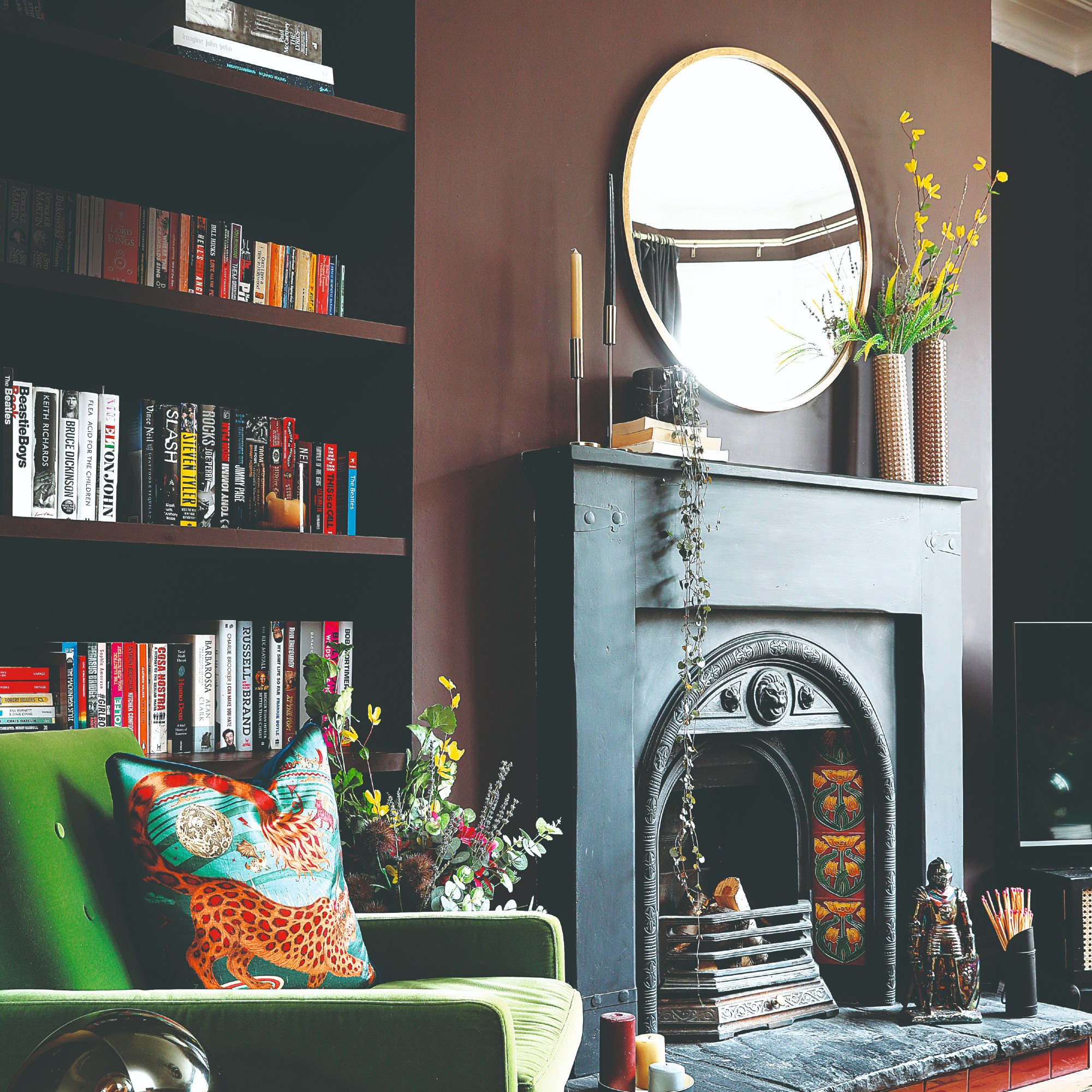
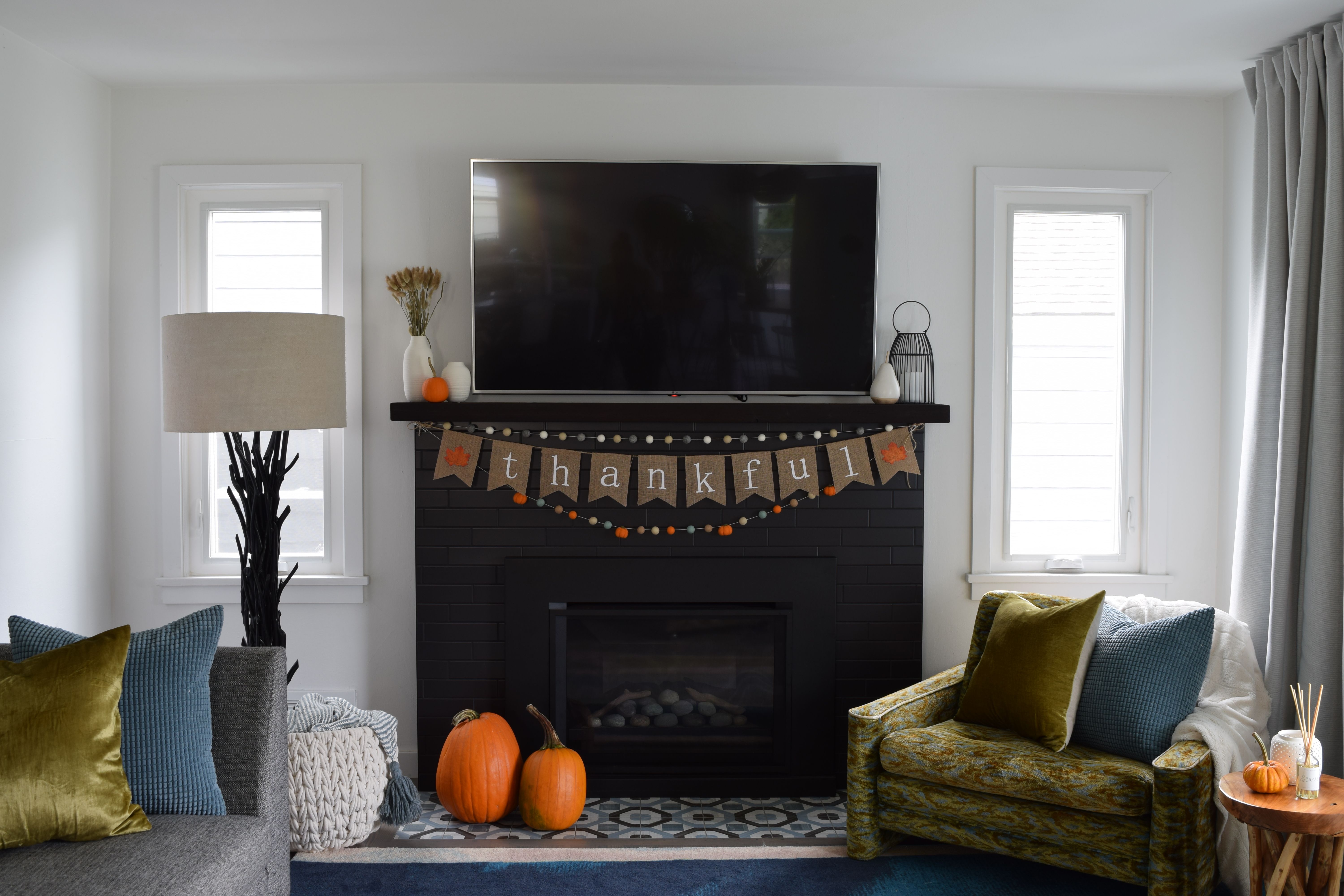
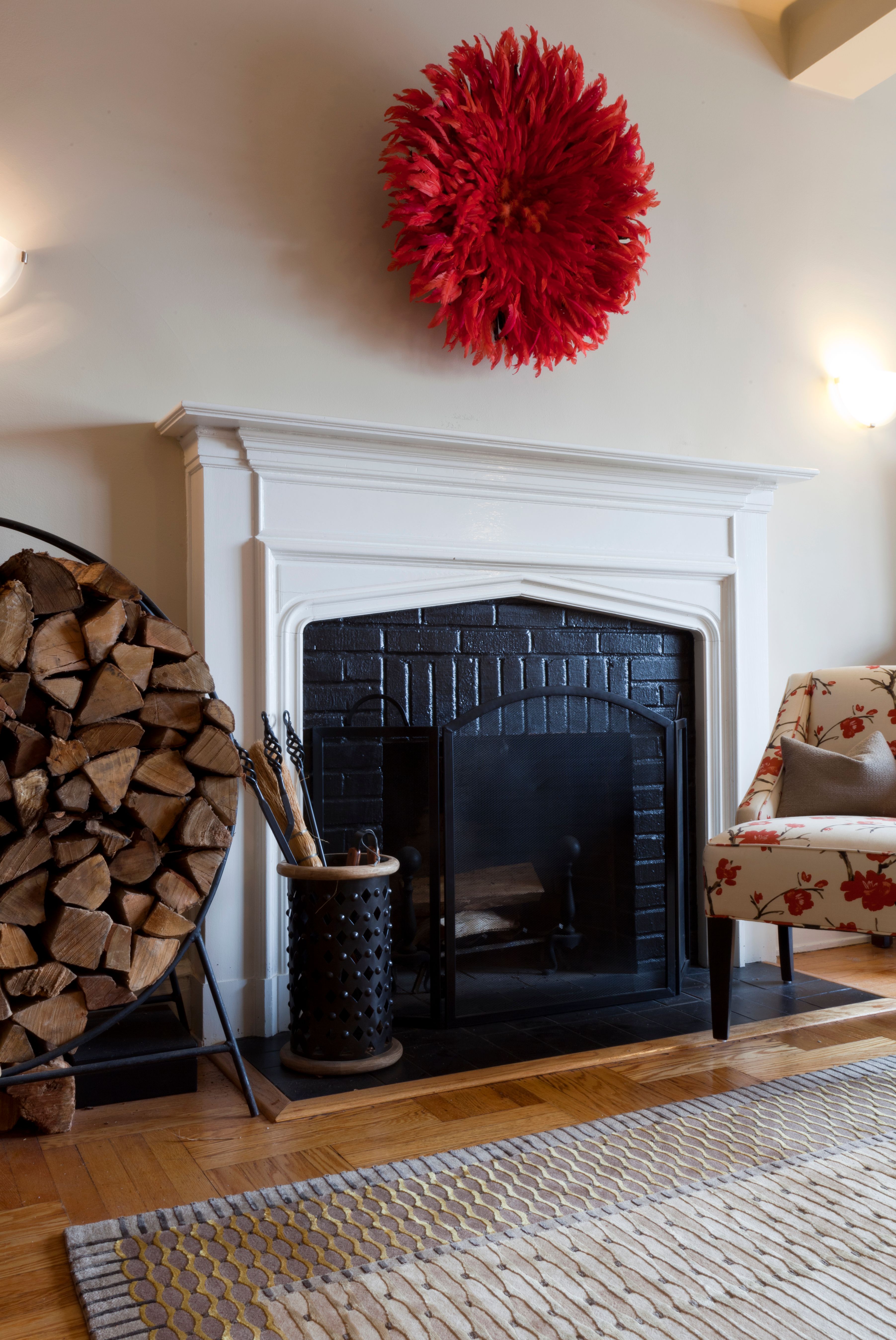
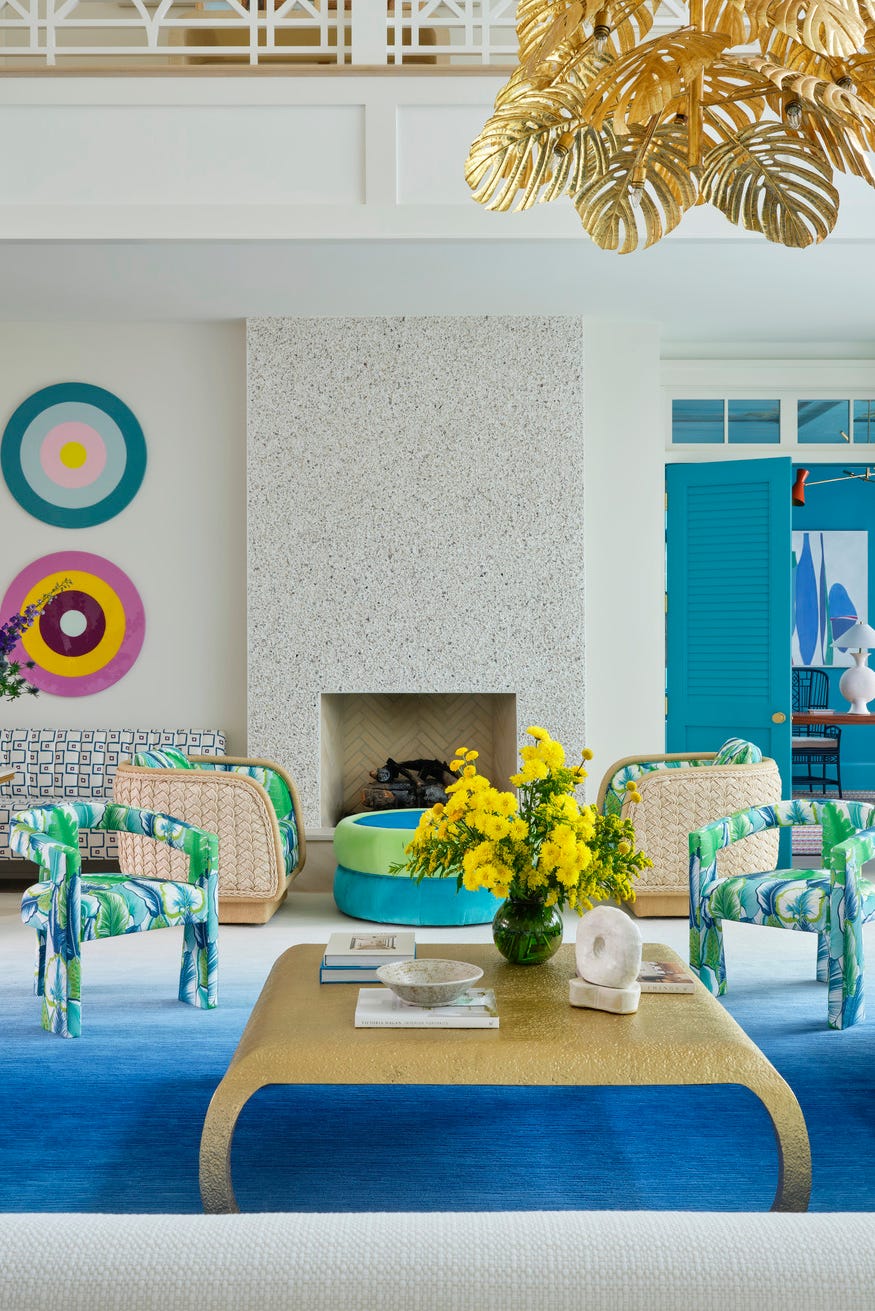
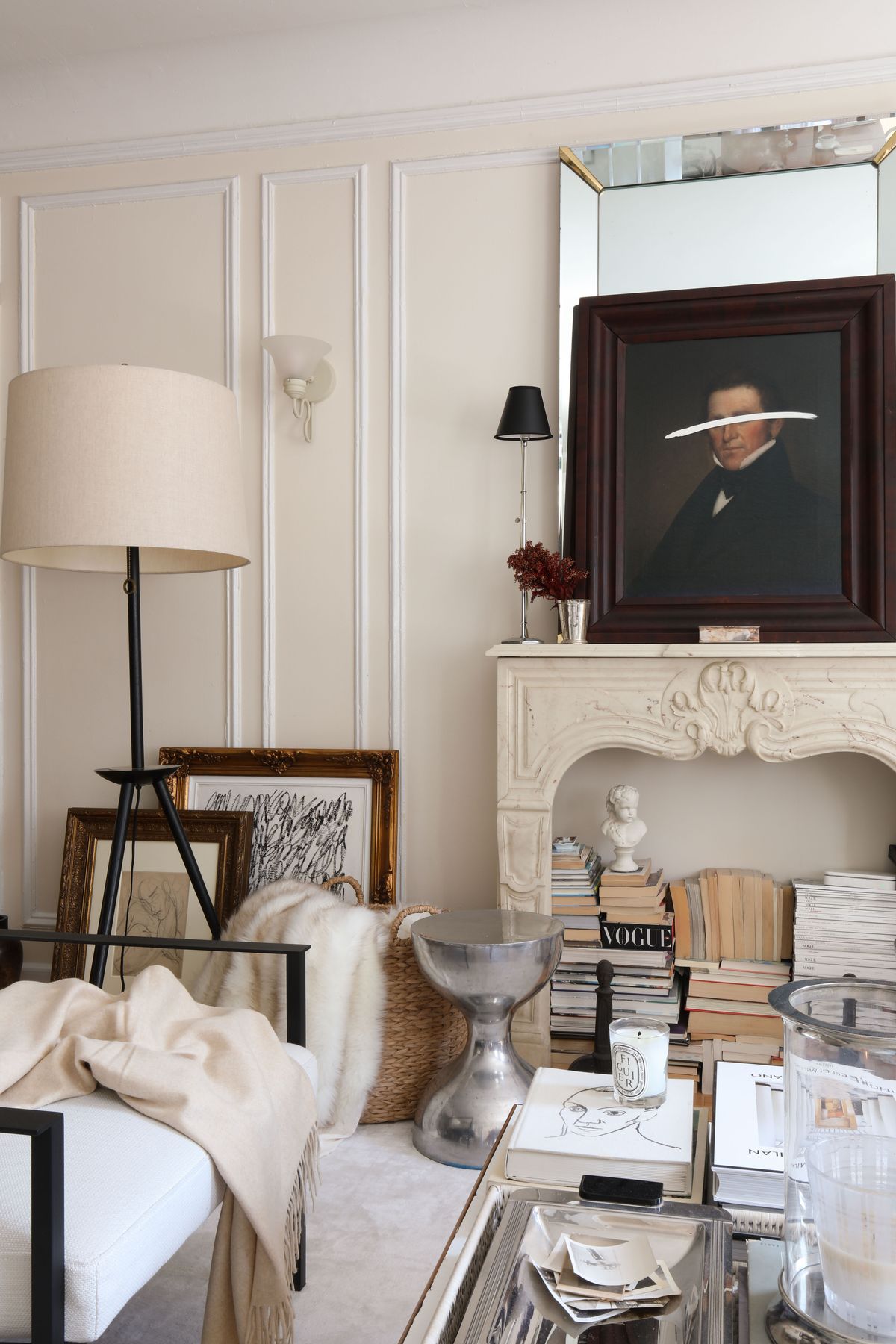
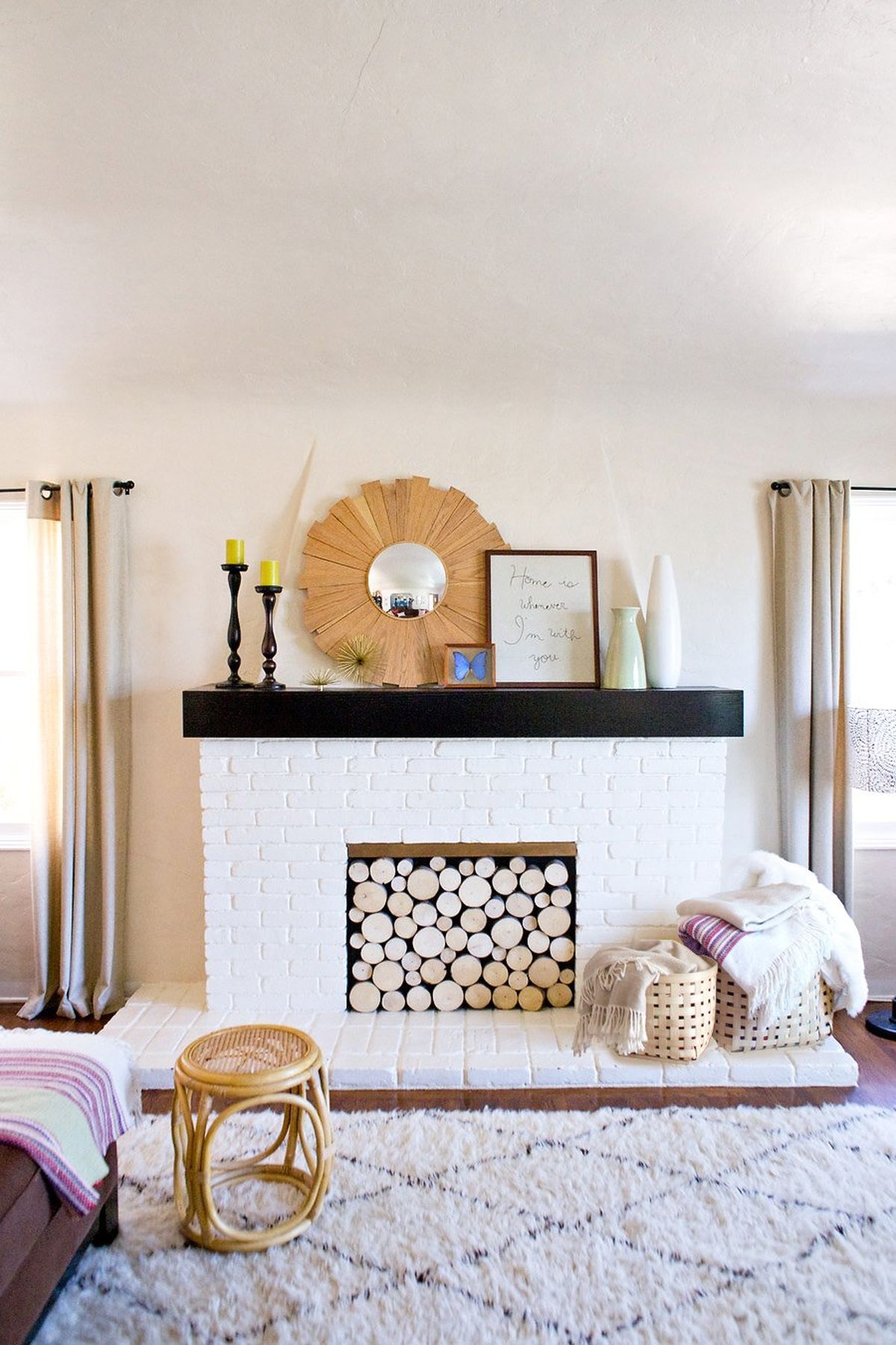
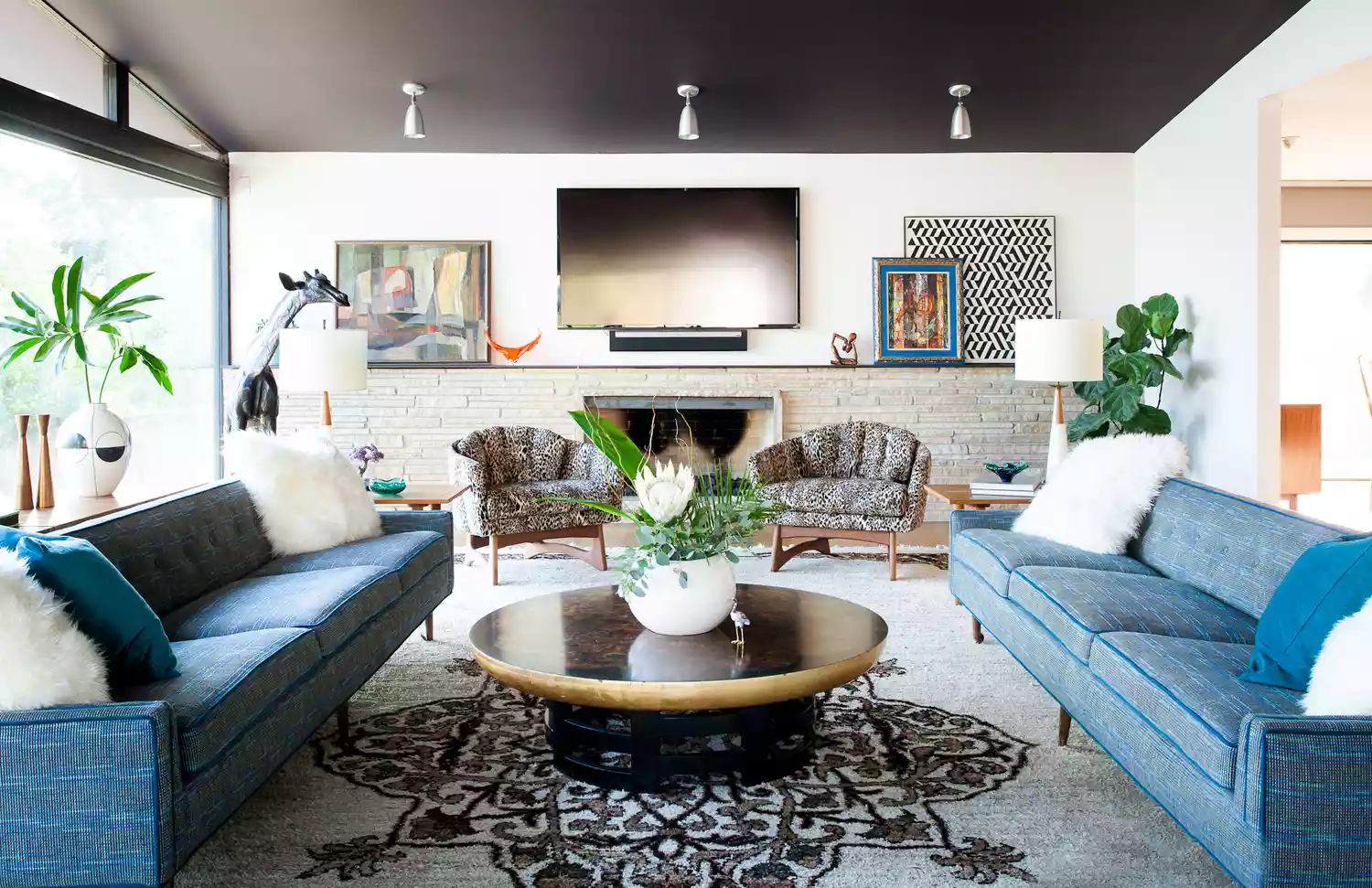
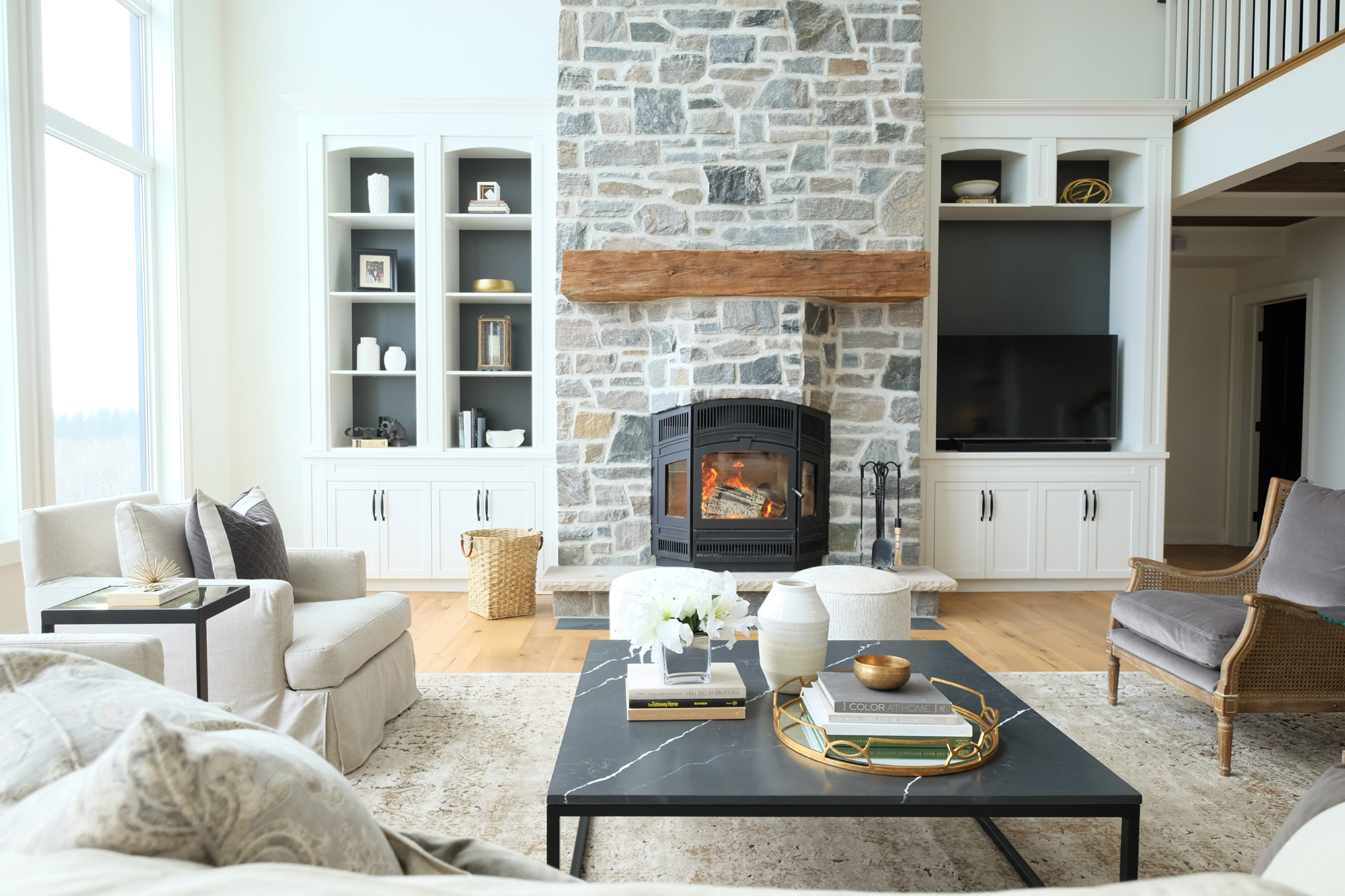
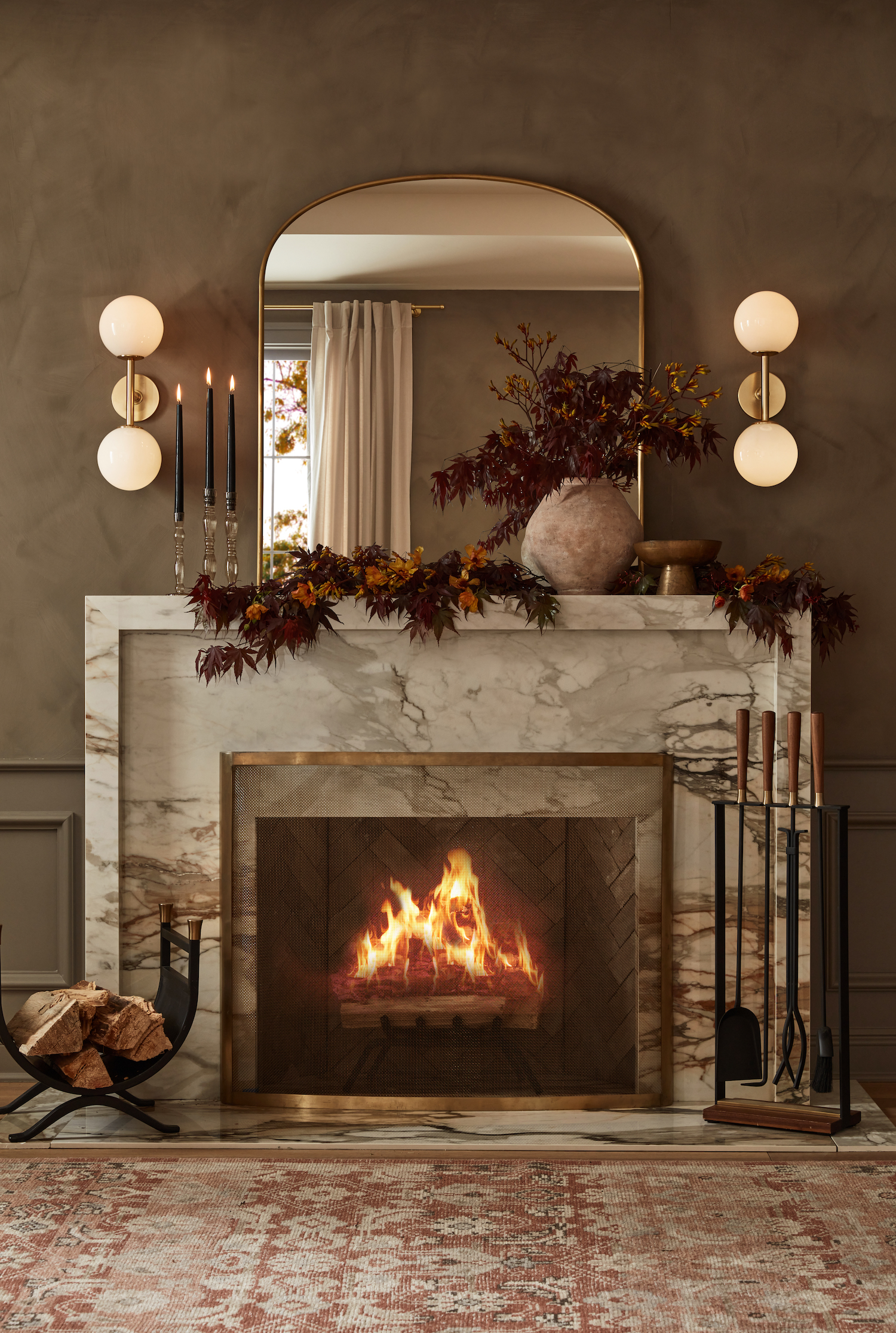
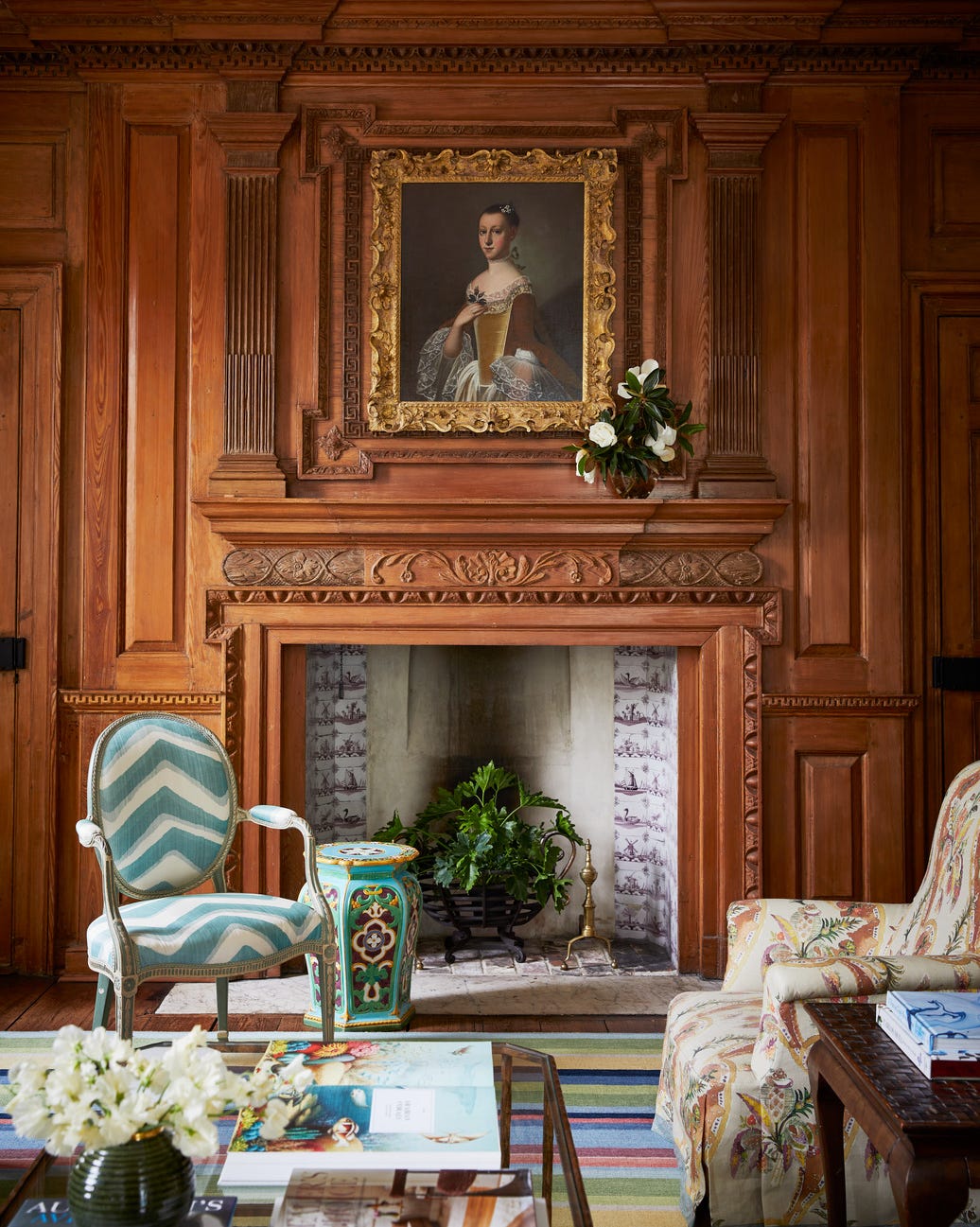
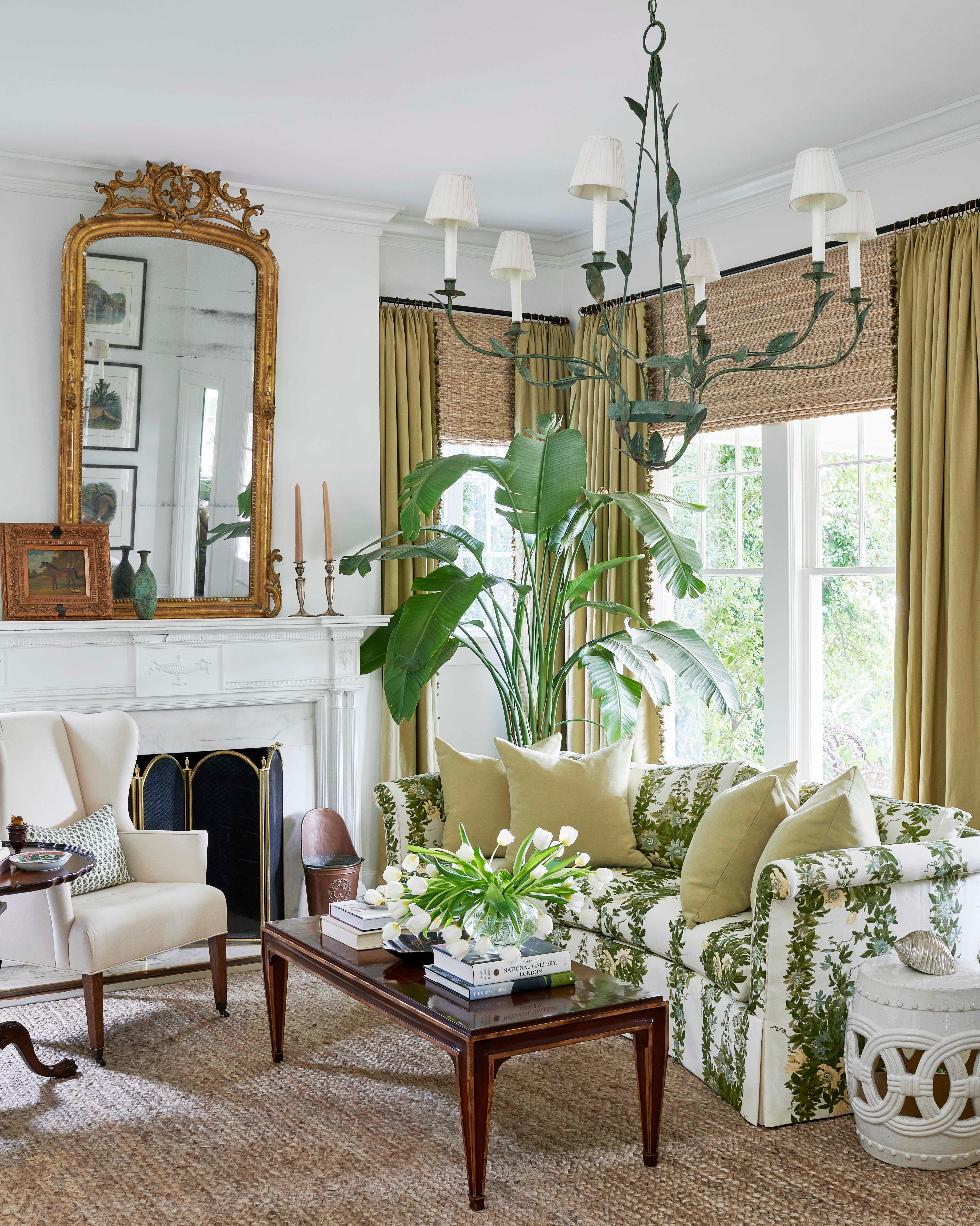
From an aesthetic perspective, the area around the fireplace should be kept clean to allow the TV and mantel to serve as the focal point. Clutter, such as excessive photo memories or decorative collections, should be avoided. Incorporating plants can add color and life to the space, emphasizing the fireplace as recommended by Andre Kazimierski, CEO of Improovy. Interior designer Karen B. Wolf suggests using colorful artwork, throw pillows, and other bright accessories to balance a darker TV and fireplace combination.
To conceal the TV when not in use, several design solutions are available. Folding doors or custom cabinetry can hide the television, allowing for easy access while maintaining a clean aesthetic when closed. More high-tech options include mechanized panels that raise and lower or the use of projectors that can be hidden away. For contemporary designs or new constructions, installing a lower mantel can alleviate viewing height issues. Hiding cables and wires is also essential for a polished look, preventing a dangling mess that can detract from the overall design.
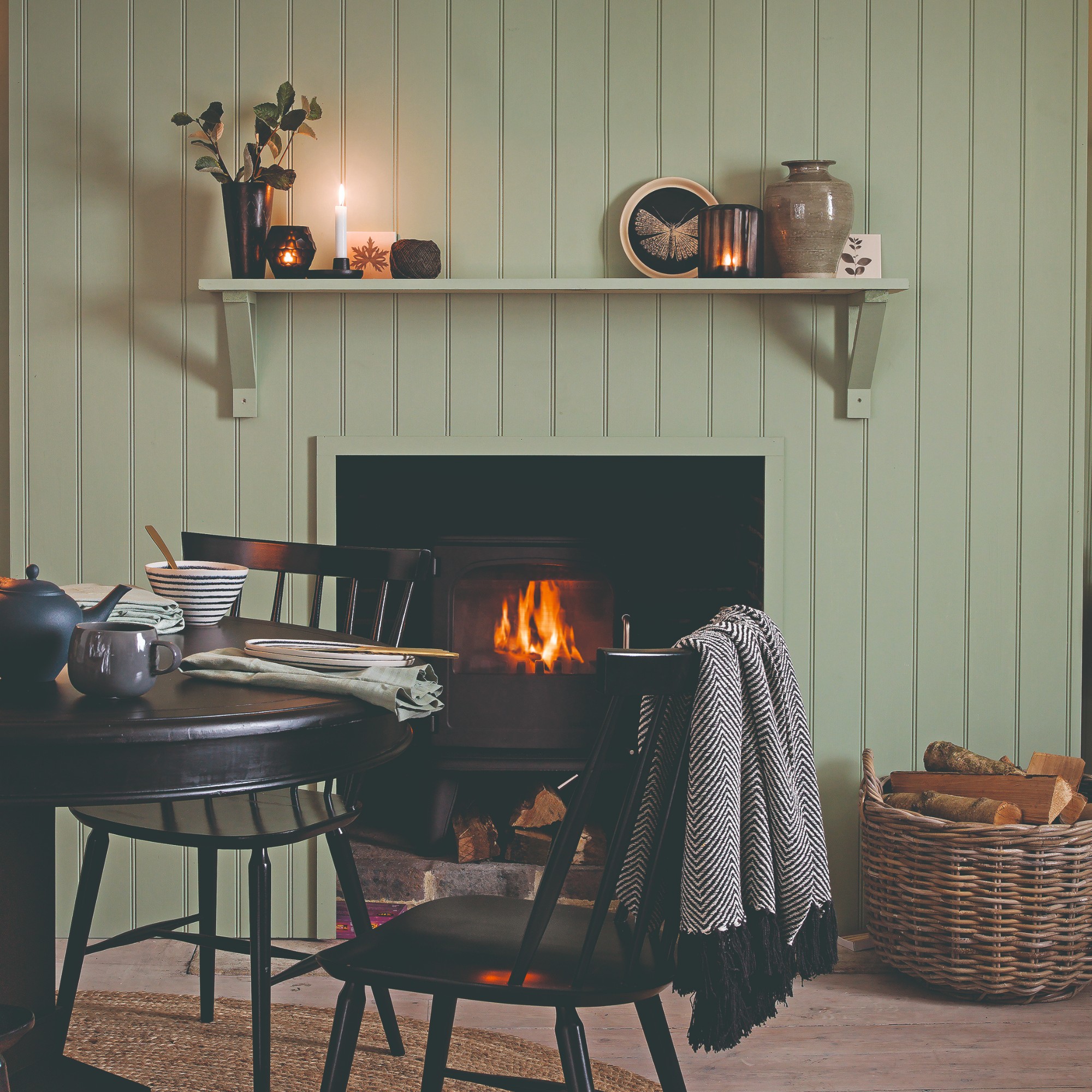
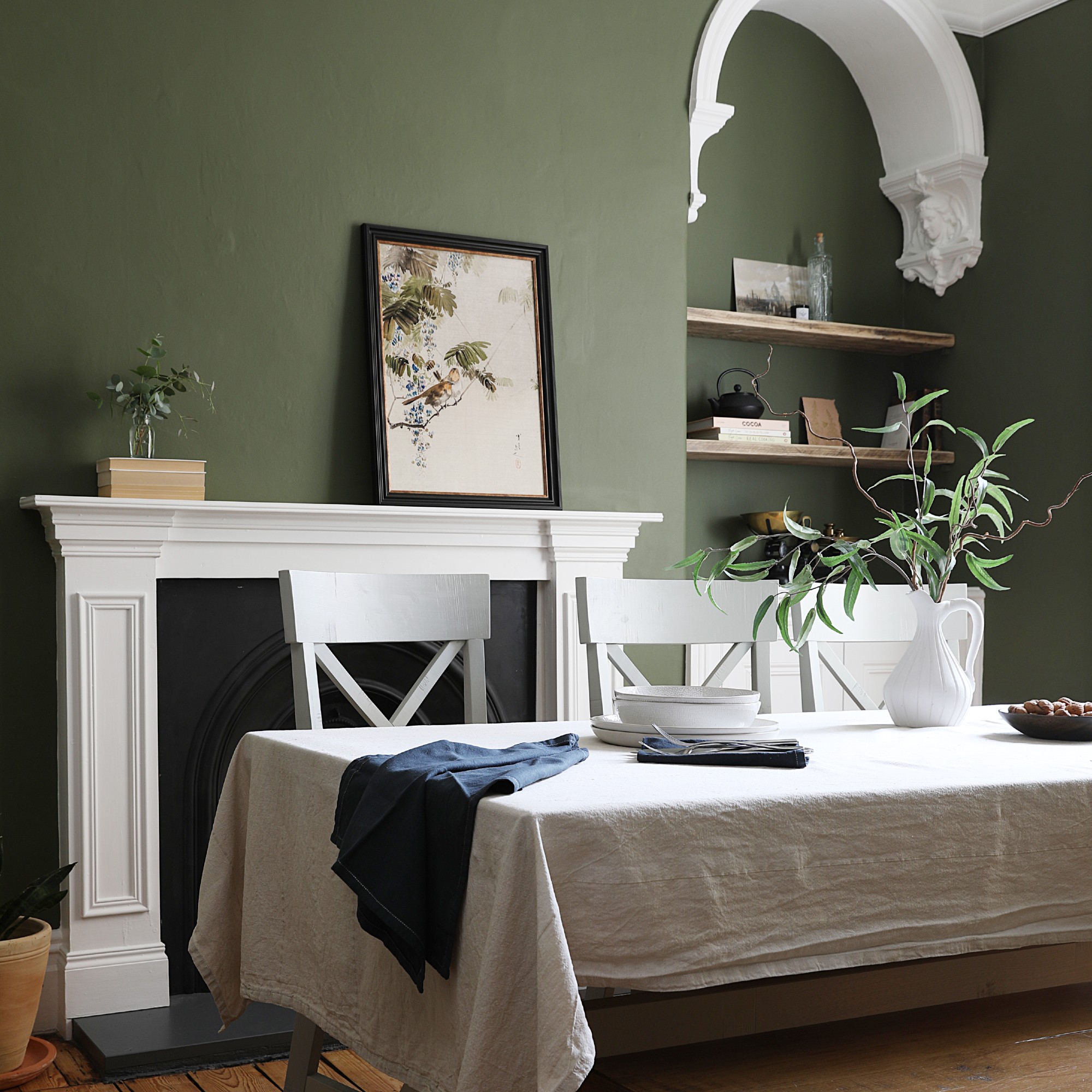
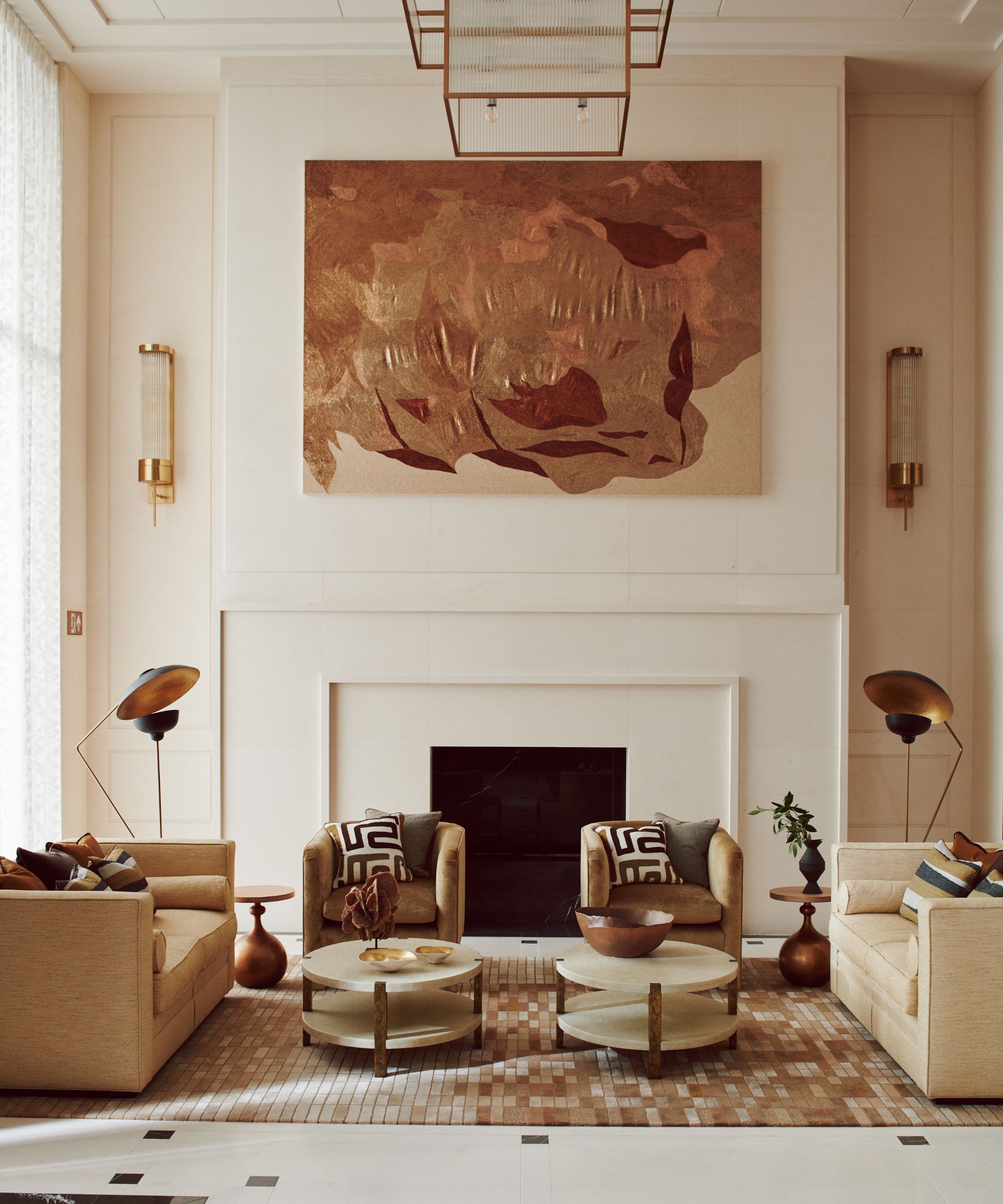
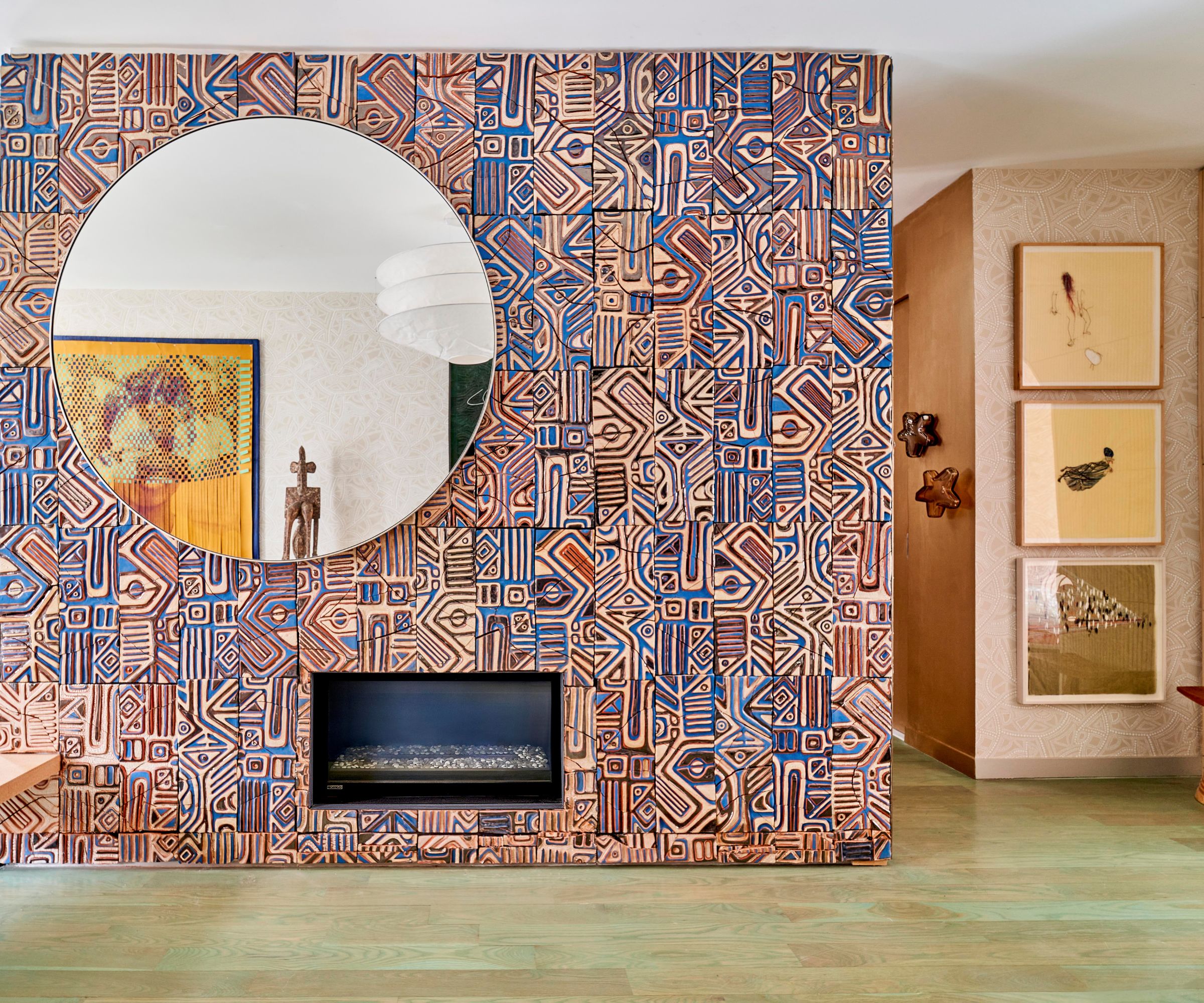
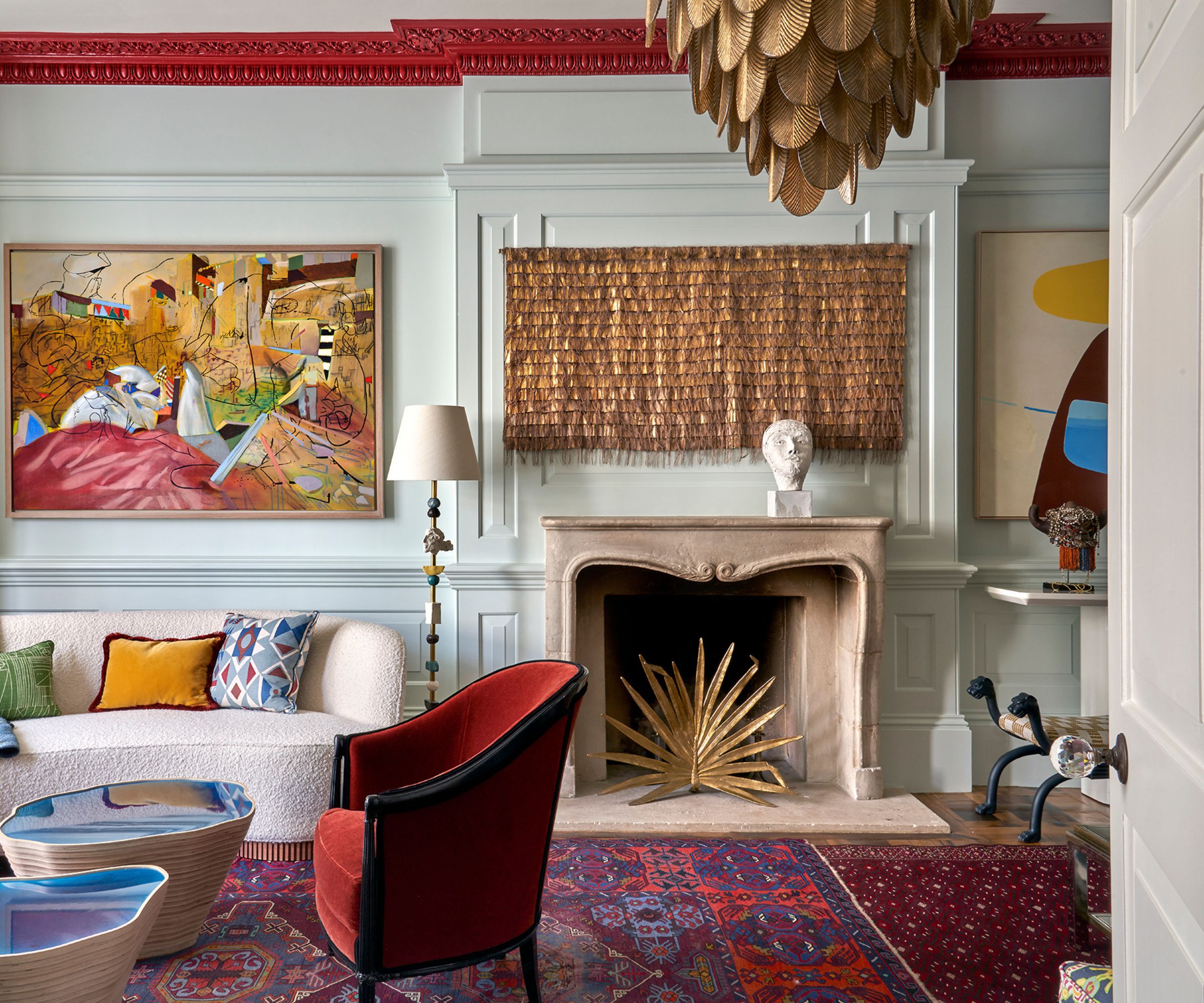
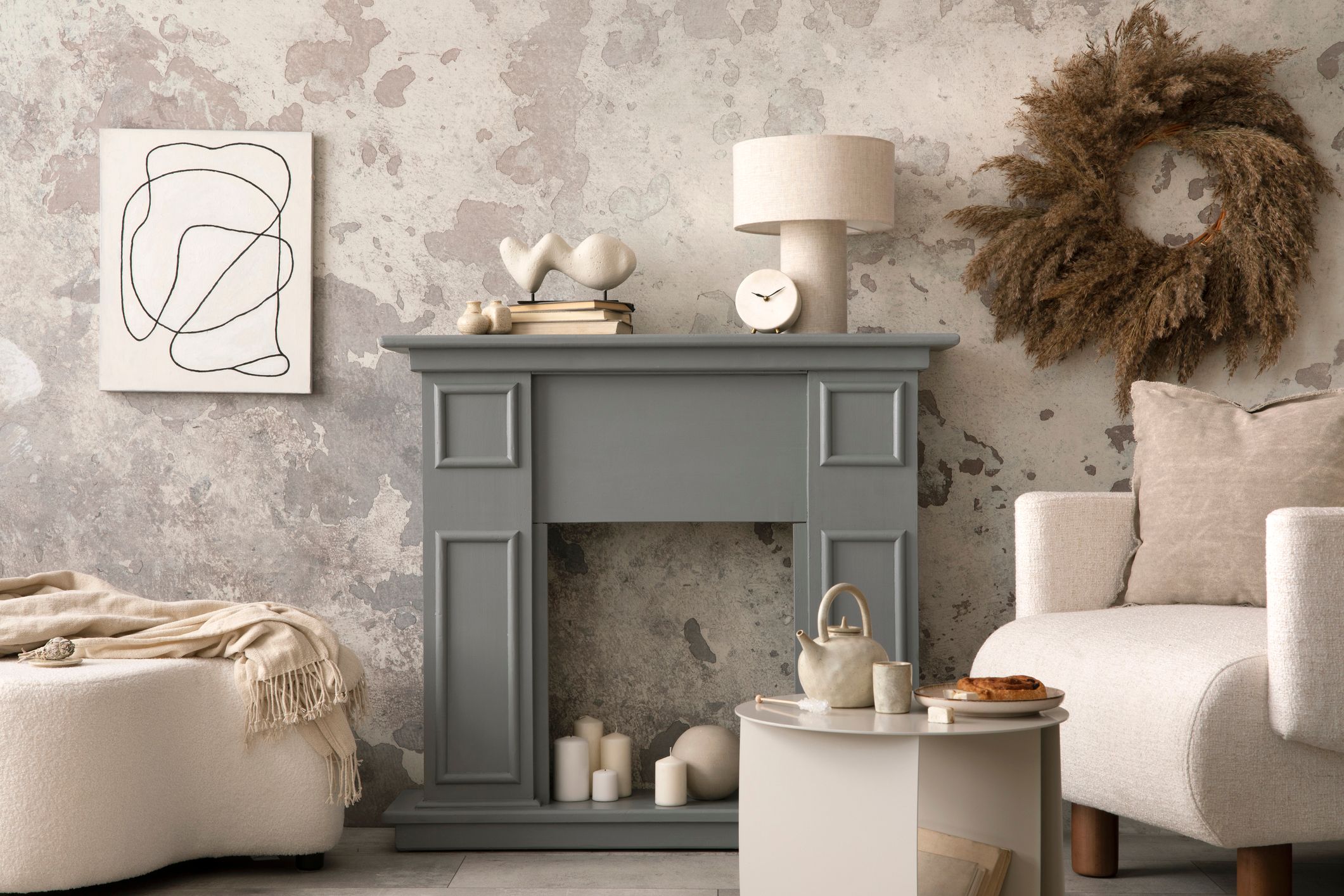
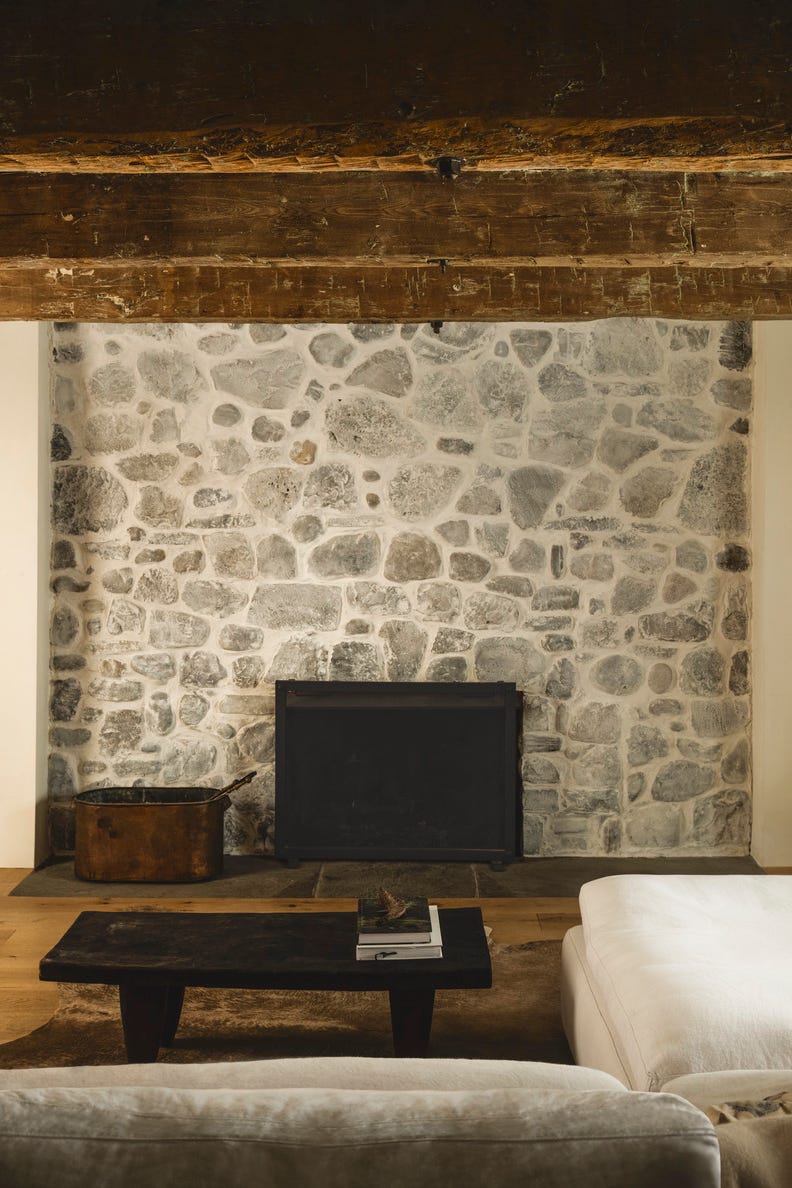
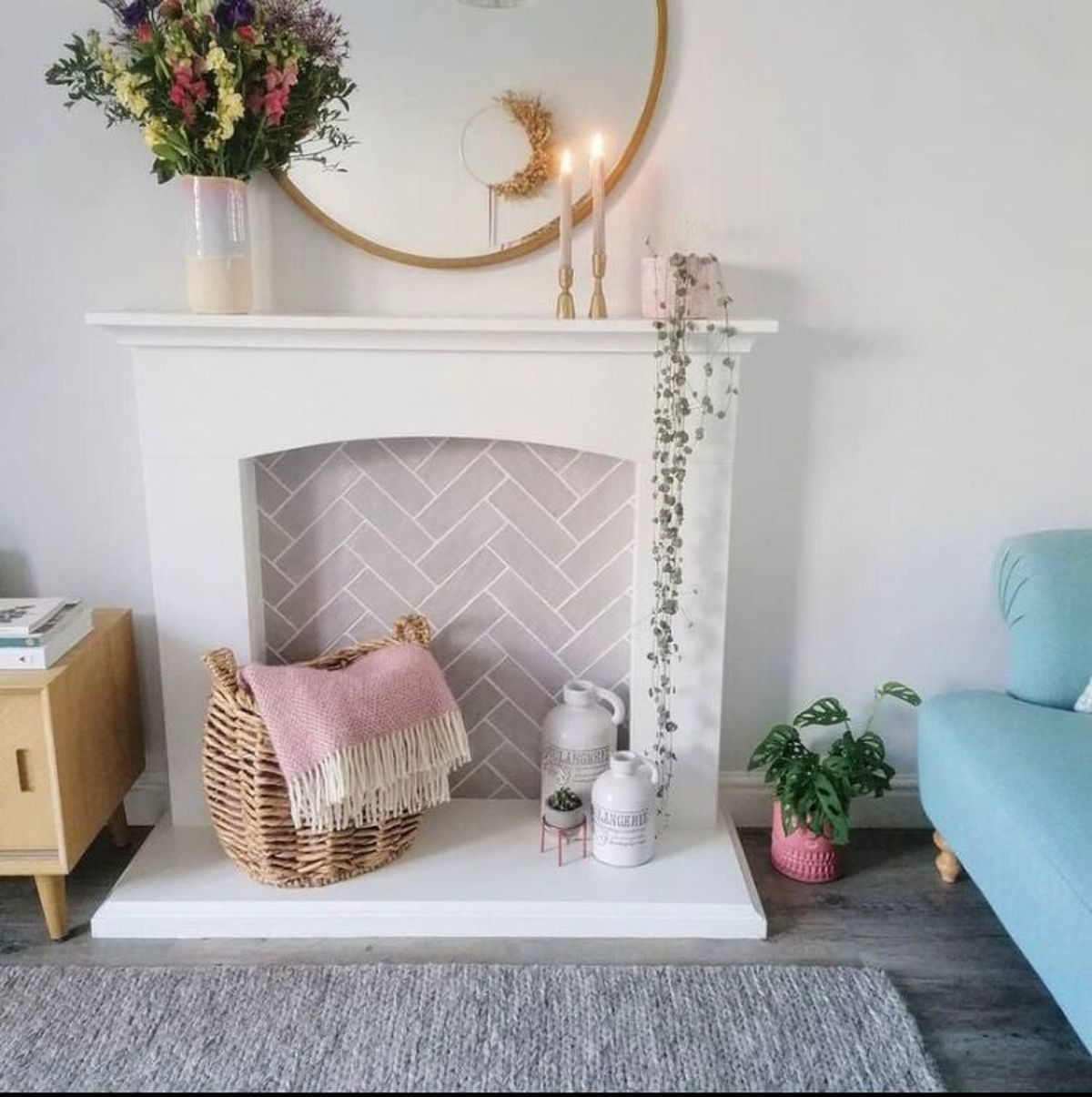
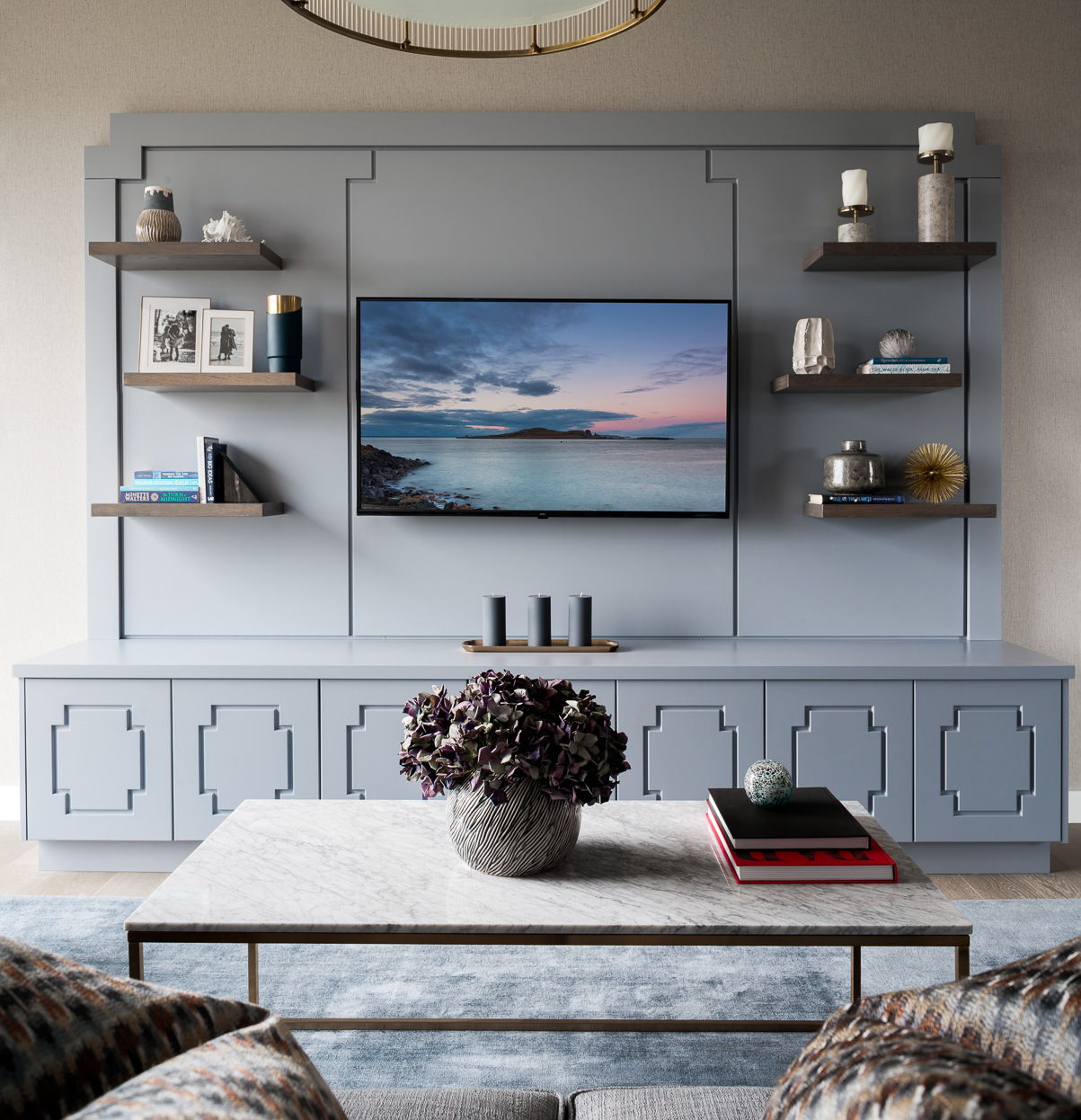
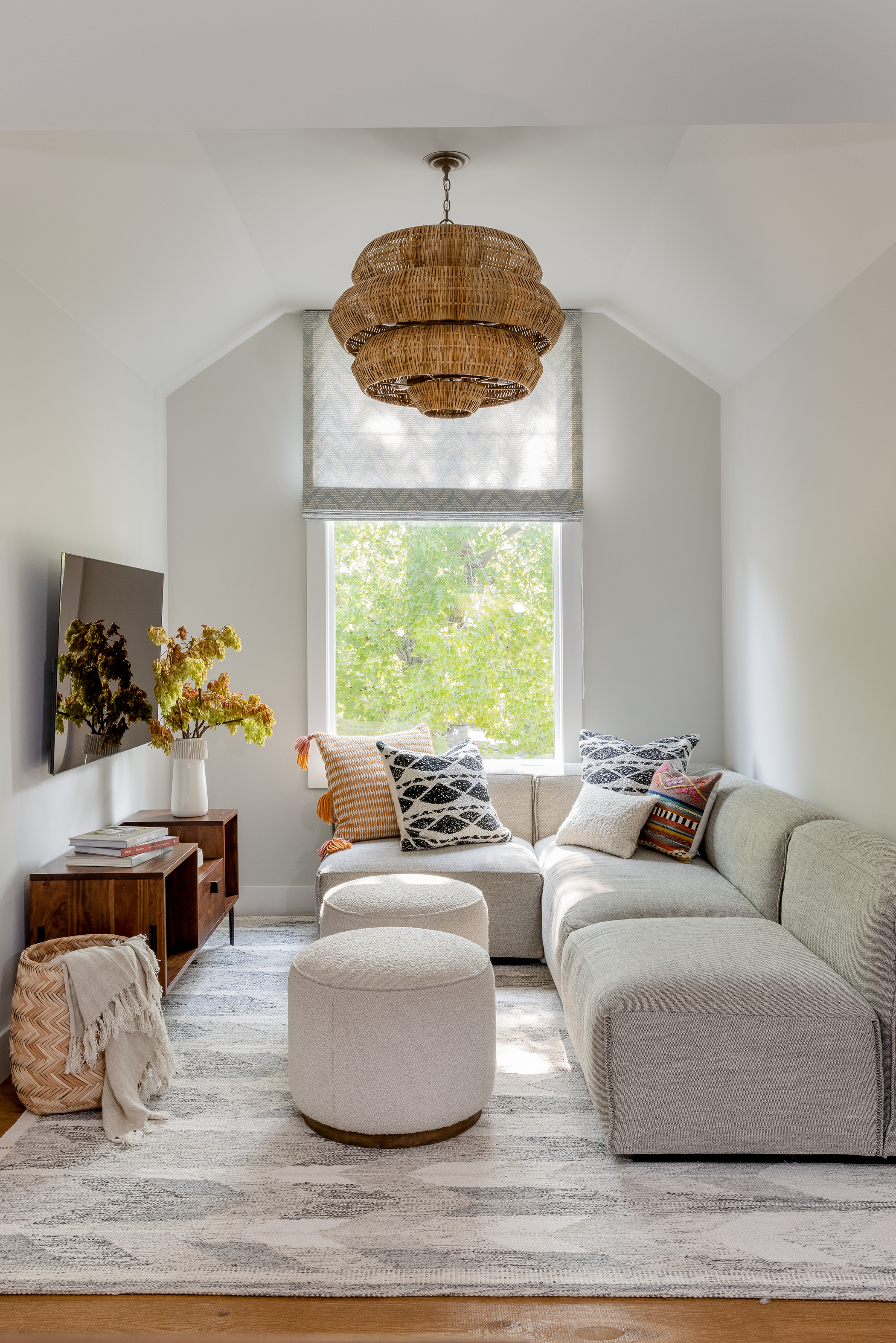
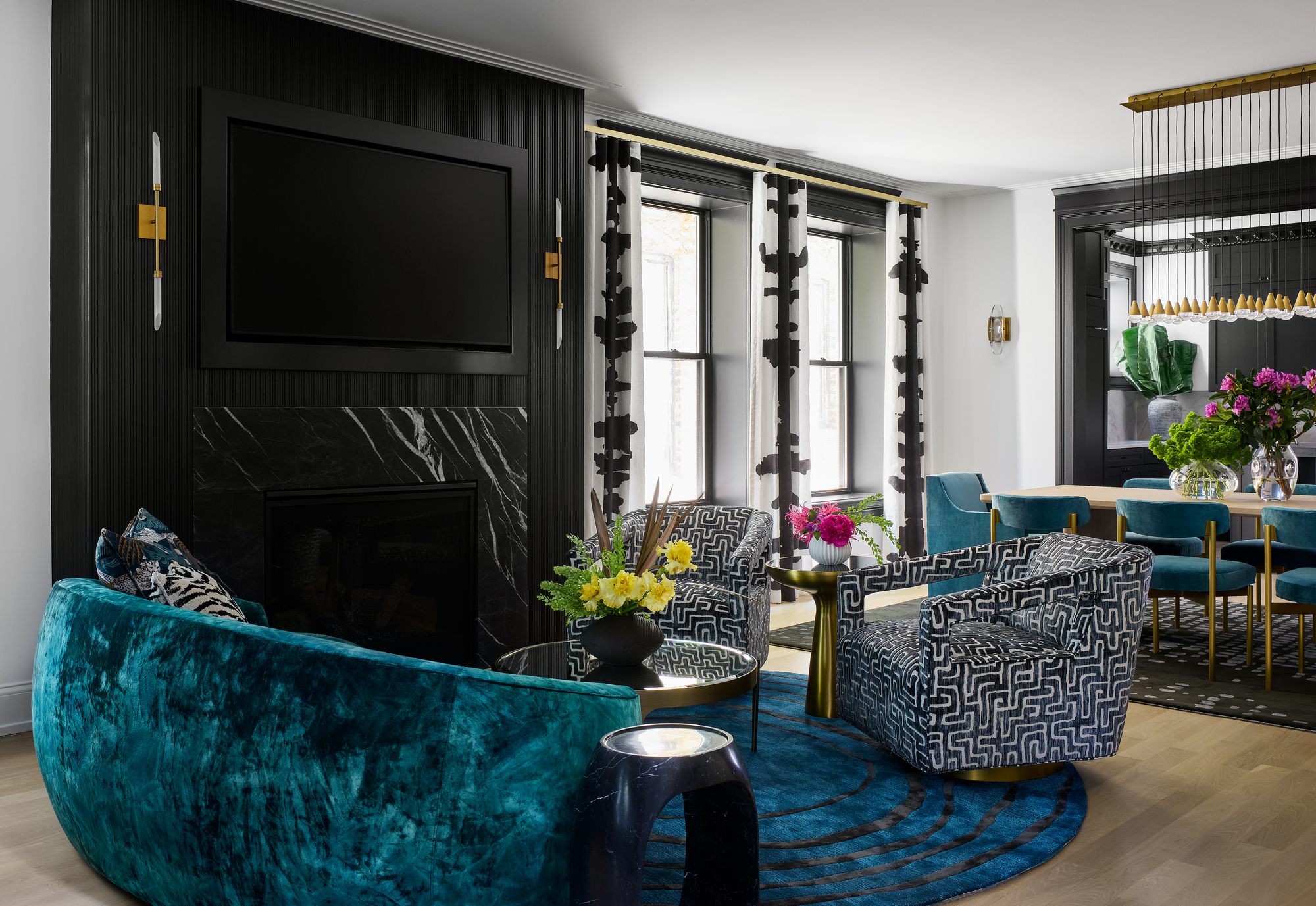
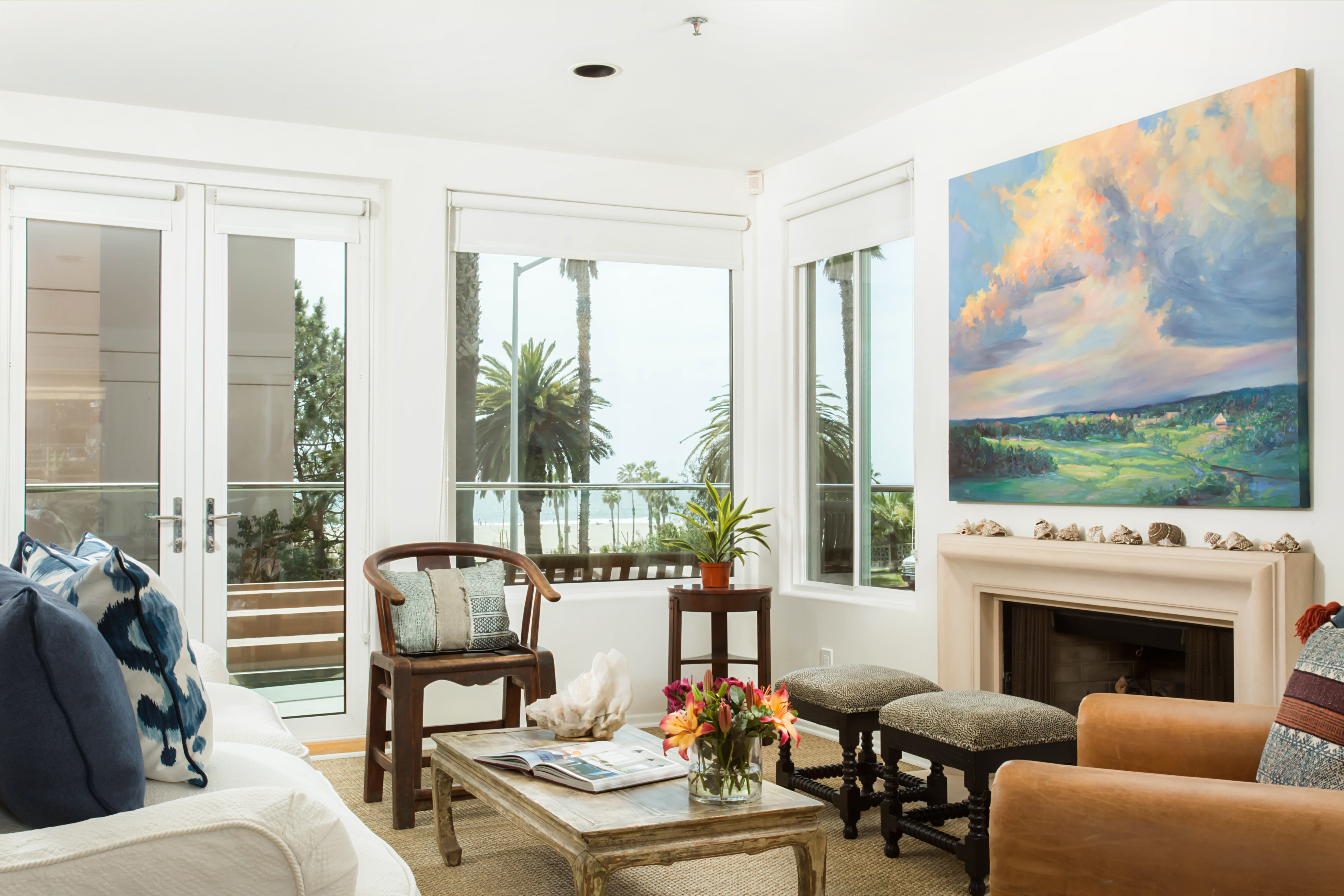
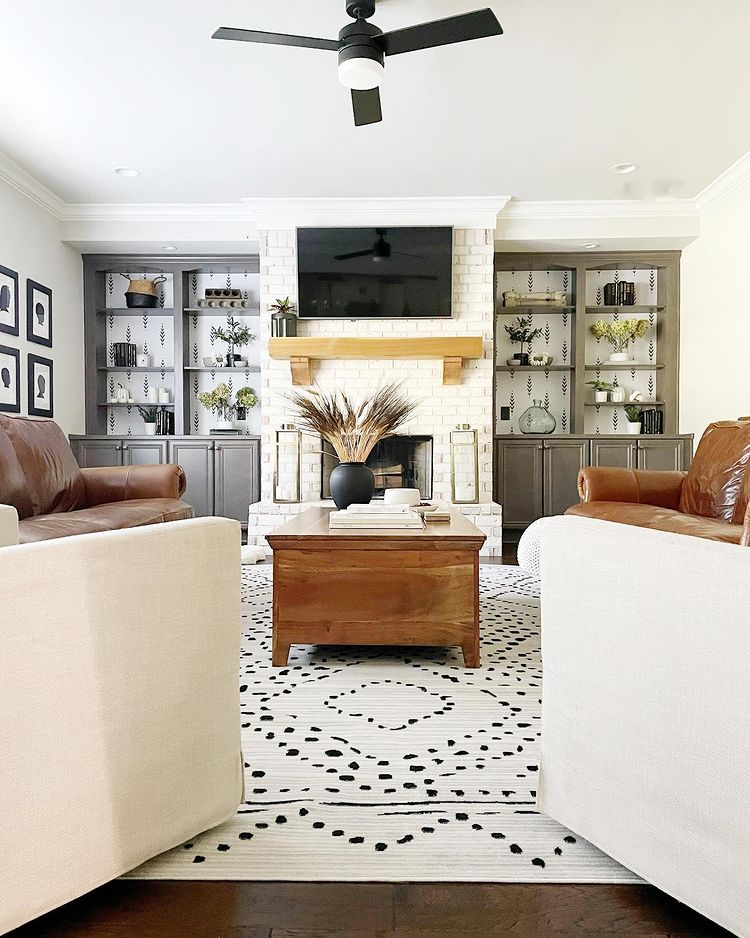
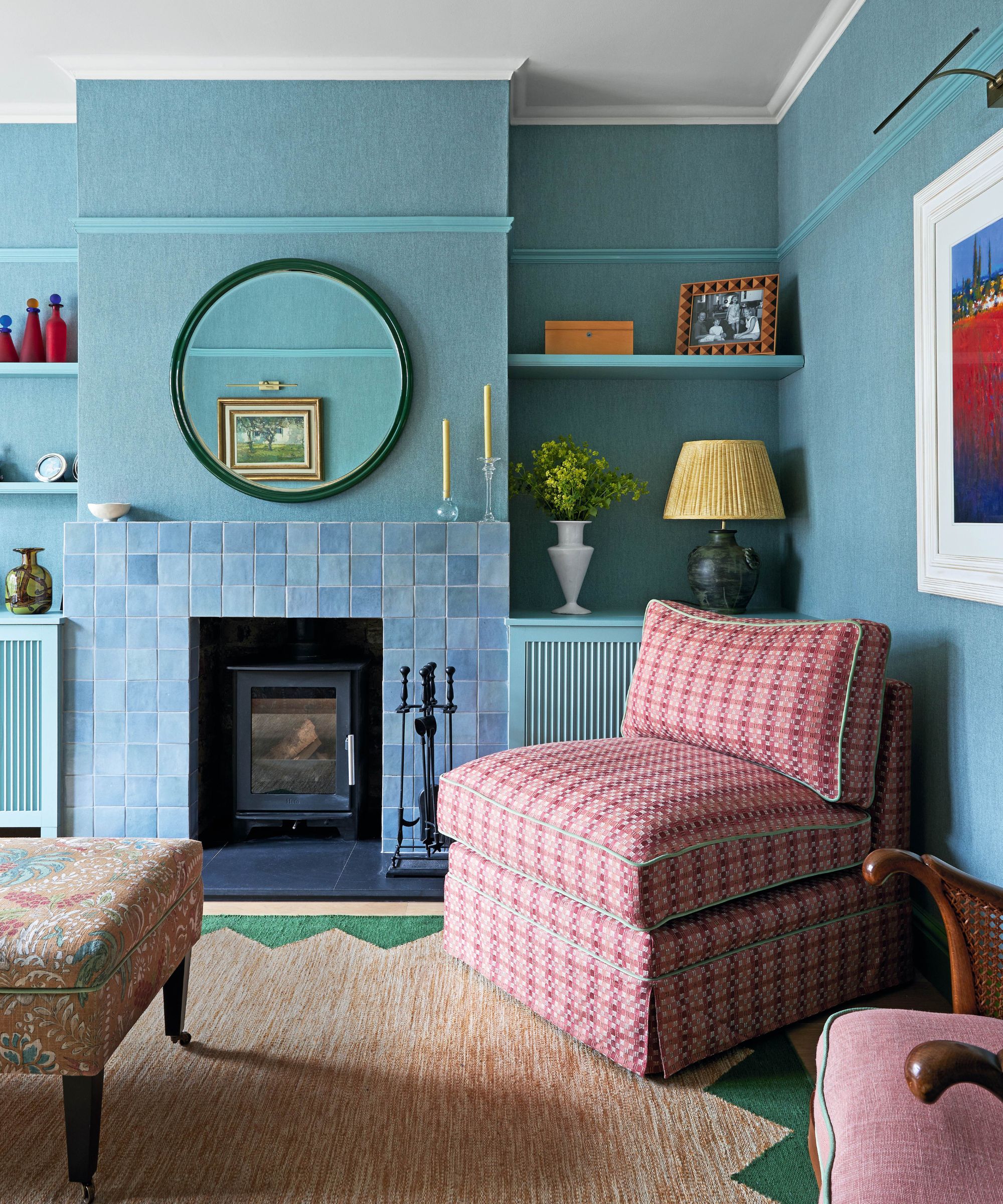
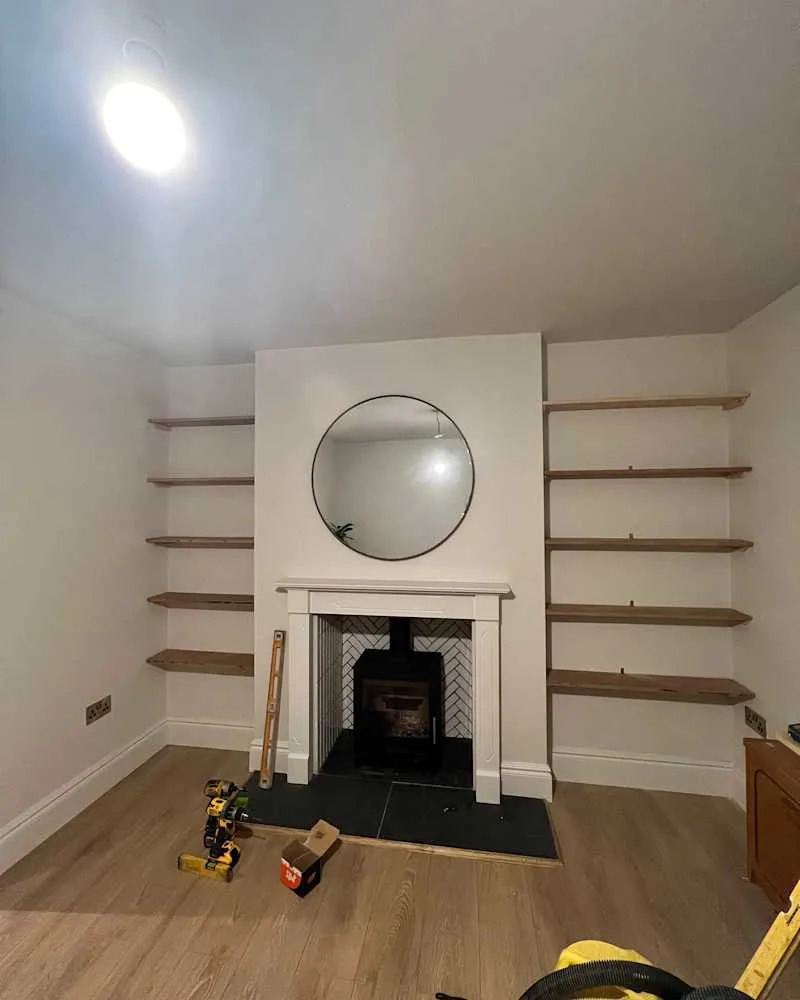
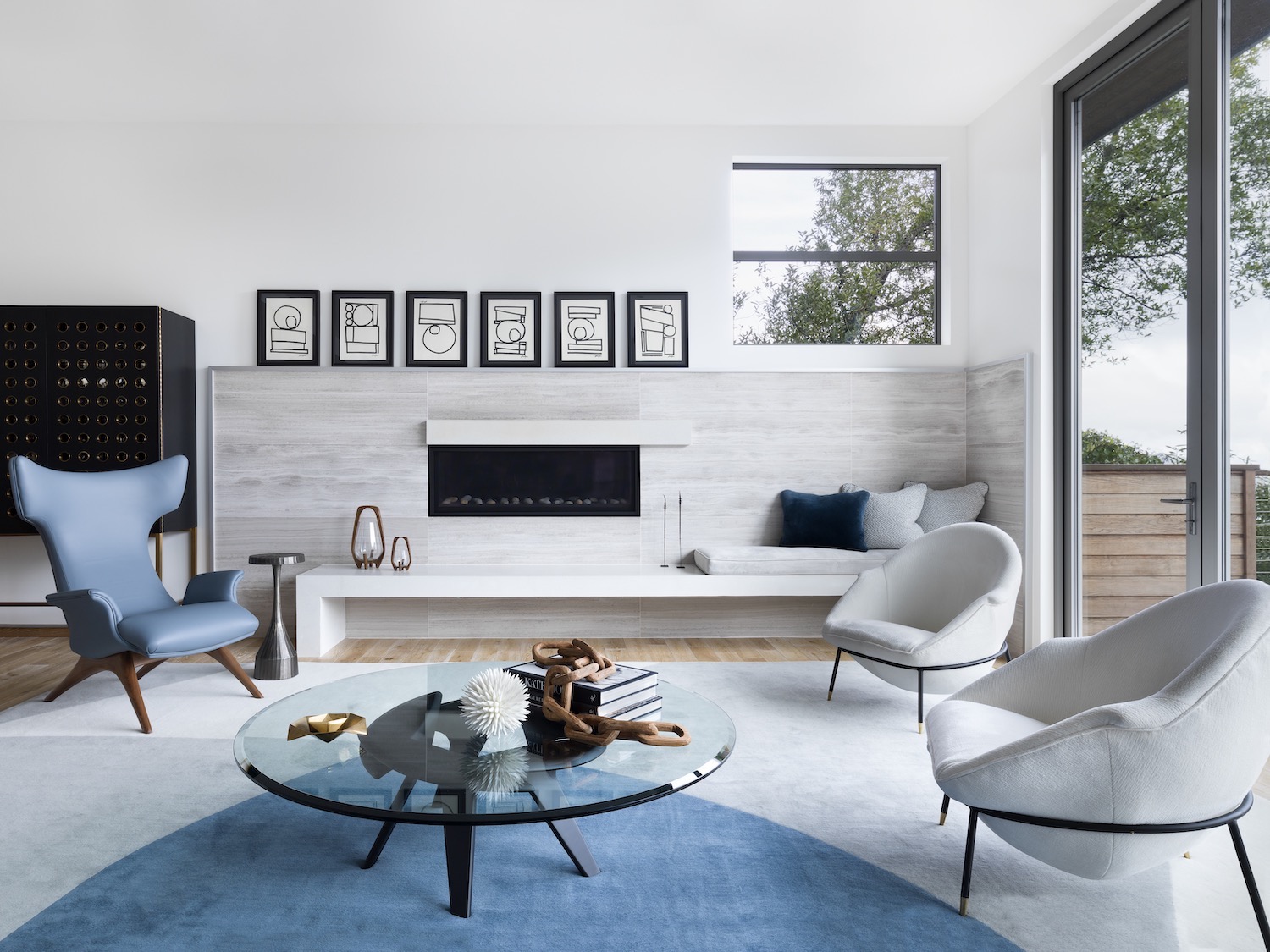
Further design strategies involve creating an electric fireplace for visual appeal without the complexities of a traditional chimney, or incorporating an alcove or recessed wall for the TV. If designing from scratch, an alcove provides a modern and safe solution. For existing spaces, adding floating shelves or cabinetry can enhance texture. Painting the wall around the fireplace in a neutral, bright color can make the fireplace the main focus, while a modern backsplash or a board-and-batten wall can update a dated fireplace. Strategic TV placement, such as mounting it off-center or diagonally, can suit unconventional spaces. Preserving original features like brick or stone walls can add inherent character. Darkening the fireplace wall can help the TV blend in, especially with smaller Frame TVs displaying art. Pairing a modern flat screen with reclaimed wood, hanging colorful wallpaper, or mounting it on shiplap are other ways to add visual interest and balance. Using dark navy or midnight blue paint can camouflage the TV effectively. For outdoor spaces, a TV over an outdoor fireplace can create an entertainment area, balanced by wall-mounted speakers. A patterned tile insert, a wide Frame TV tailored to the fireplace width, or painting the firebox black to coordinate with the TV can further refine the look. Opting for a modest-sized TV prevents it from overwhelming the space, while a custom insert can achieve a flush, seamless look. Creating a corner focal point with an outdoor TV or hugging the ceiling in basements with low ceilings can optimize placement. Finally, a black-and-white palette can create a bold, integrated look, and layering the mantel with art can balance the TV and add visual appeal when the screen is off.
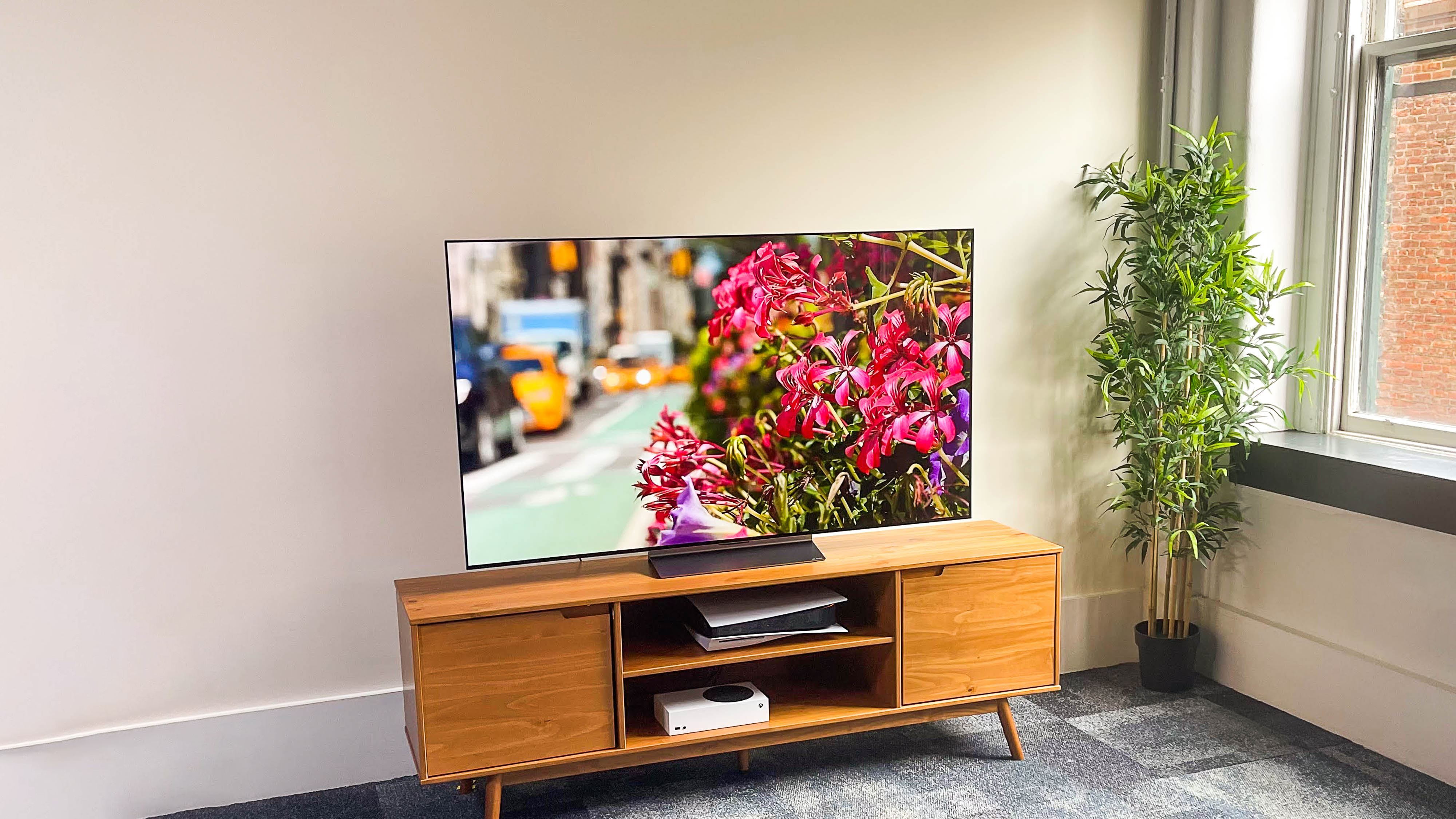
While some designers view a visible TV as a design flaw, others see its placement above a fireplace as a viable option. Employing solutions like Frame TVs that display art or painting the fireplace wall dark can minimize the TV's visual impact when not in use. The ideal TV size depends on the fireplace, room, and seating arrangement, though some experts suggest under 55 inches. It is crucial to consider that many fireplaces place the TV too high for comfortable viewing, which might necessitate alternative placements to avoid neck strain.
#FireplaceDesign #TVMounting #InteriorDesign #LivingRoomDecor #HomeImprovement #AestheticIntegration #SpaceOptimization #ModernHome #FireplaceDesign #TVMounting #InteriorDesign #LivingRoomDecor #HomeImprovement #AestheticIntegration #SpaceOptimization #ModernHome
0 comment in total
 No comments yet
You may also like
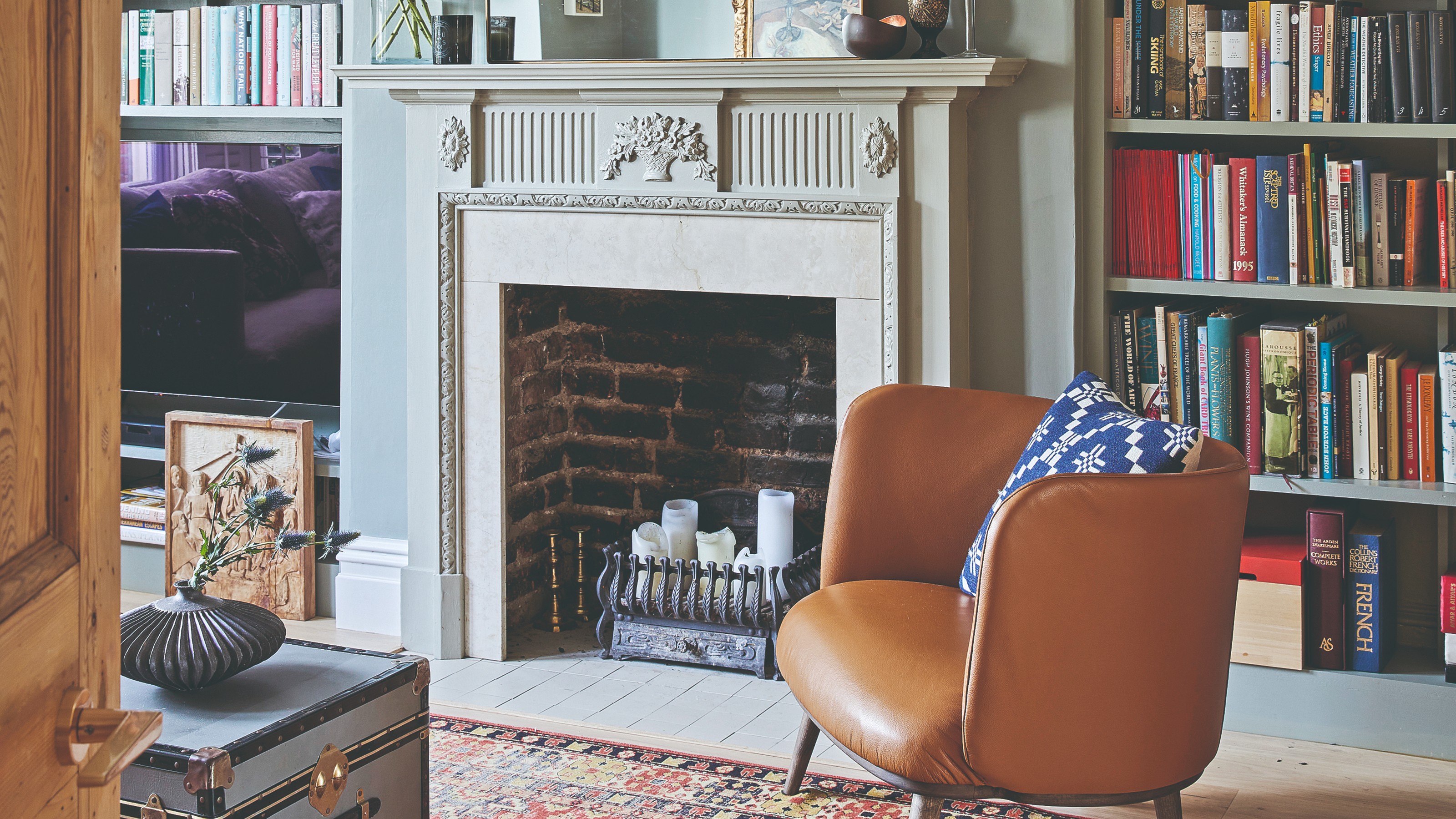
Fireplace ideas – 43 ways to turn your mantel and hearth into a showstopping feature
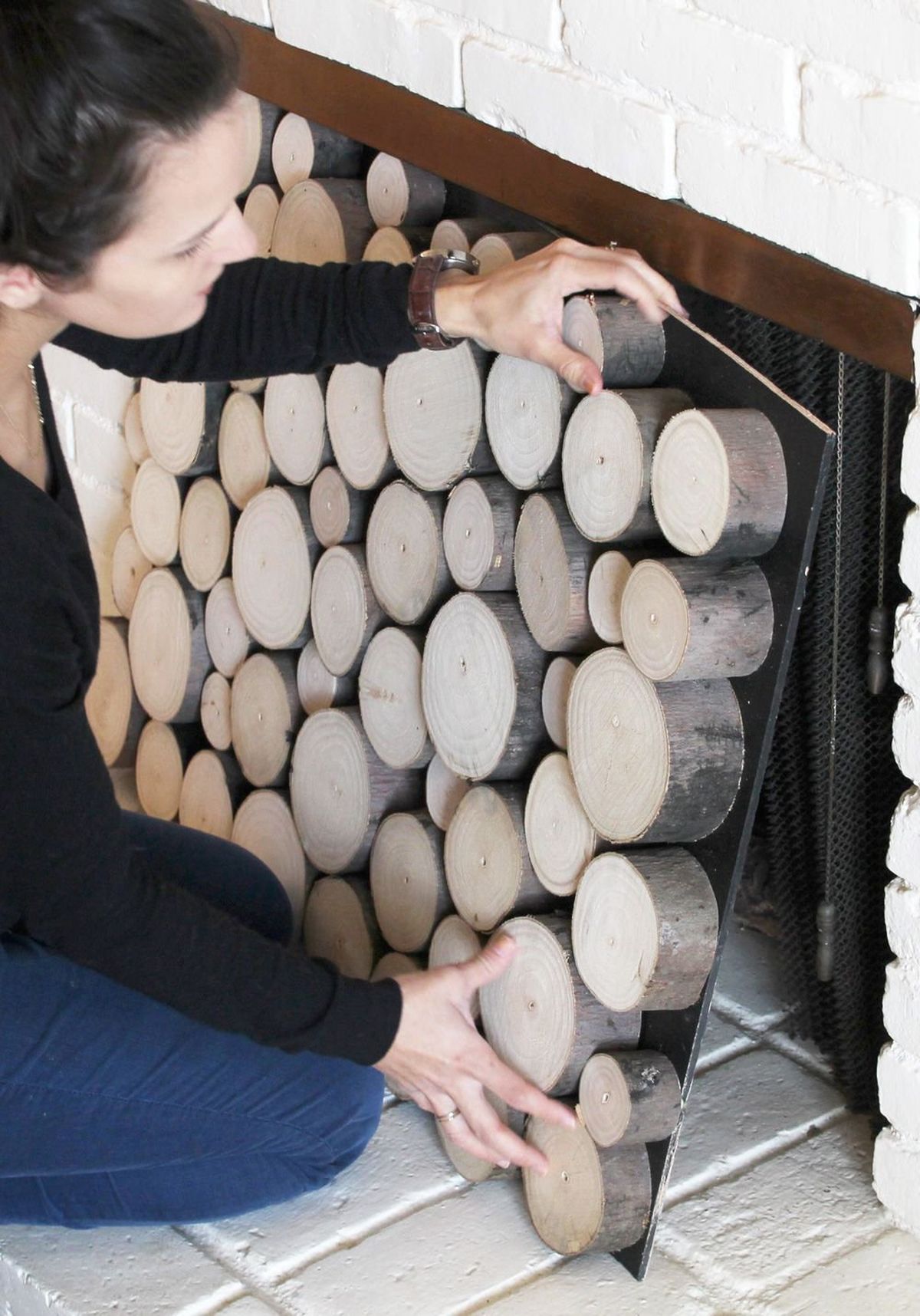
Turn your nonworking fireplace into something beautiful

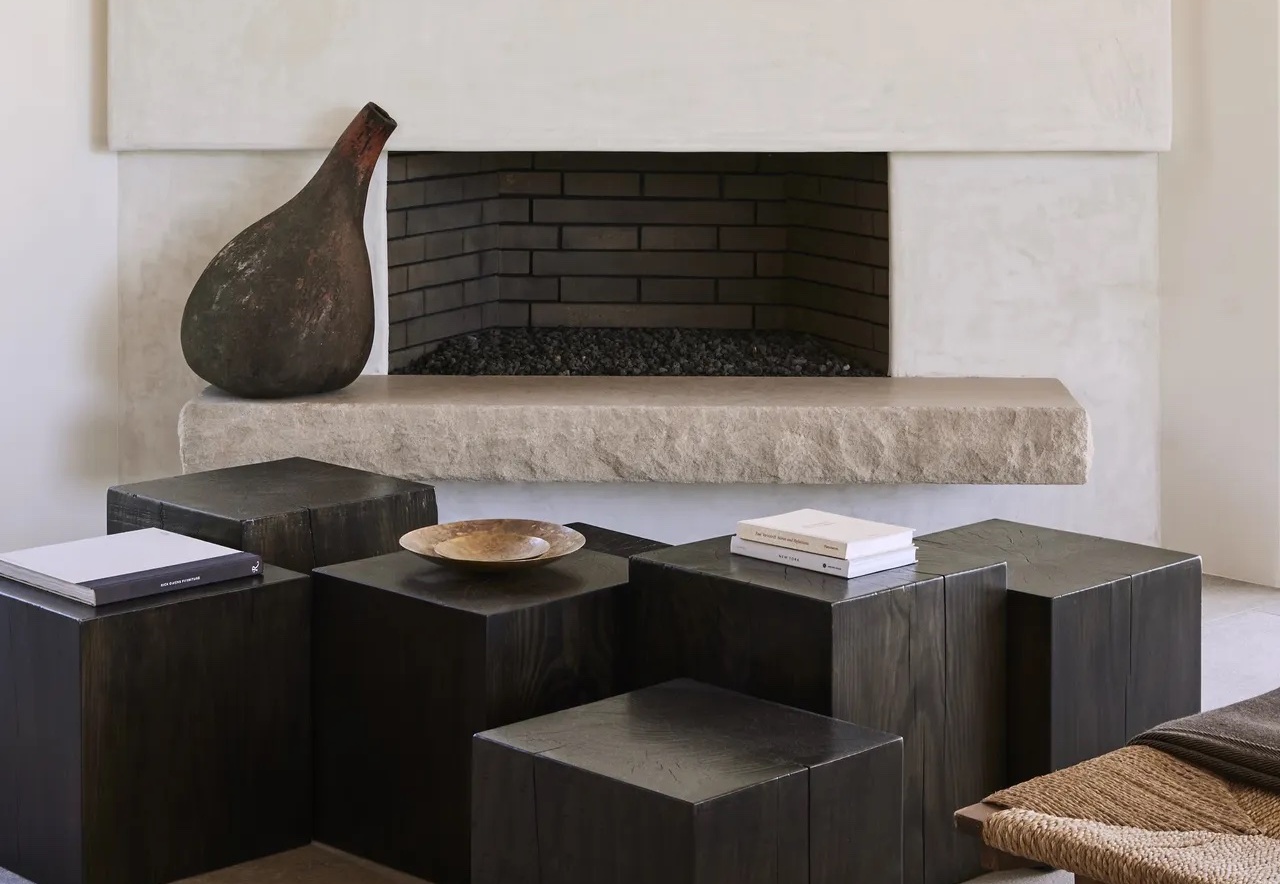
6 Before and After Fireplace Makeovers That Have Transformed These Focal Points From Tired to Showstopping

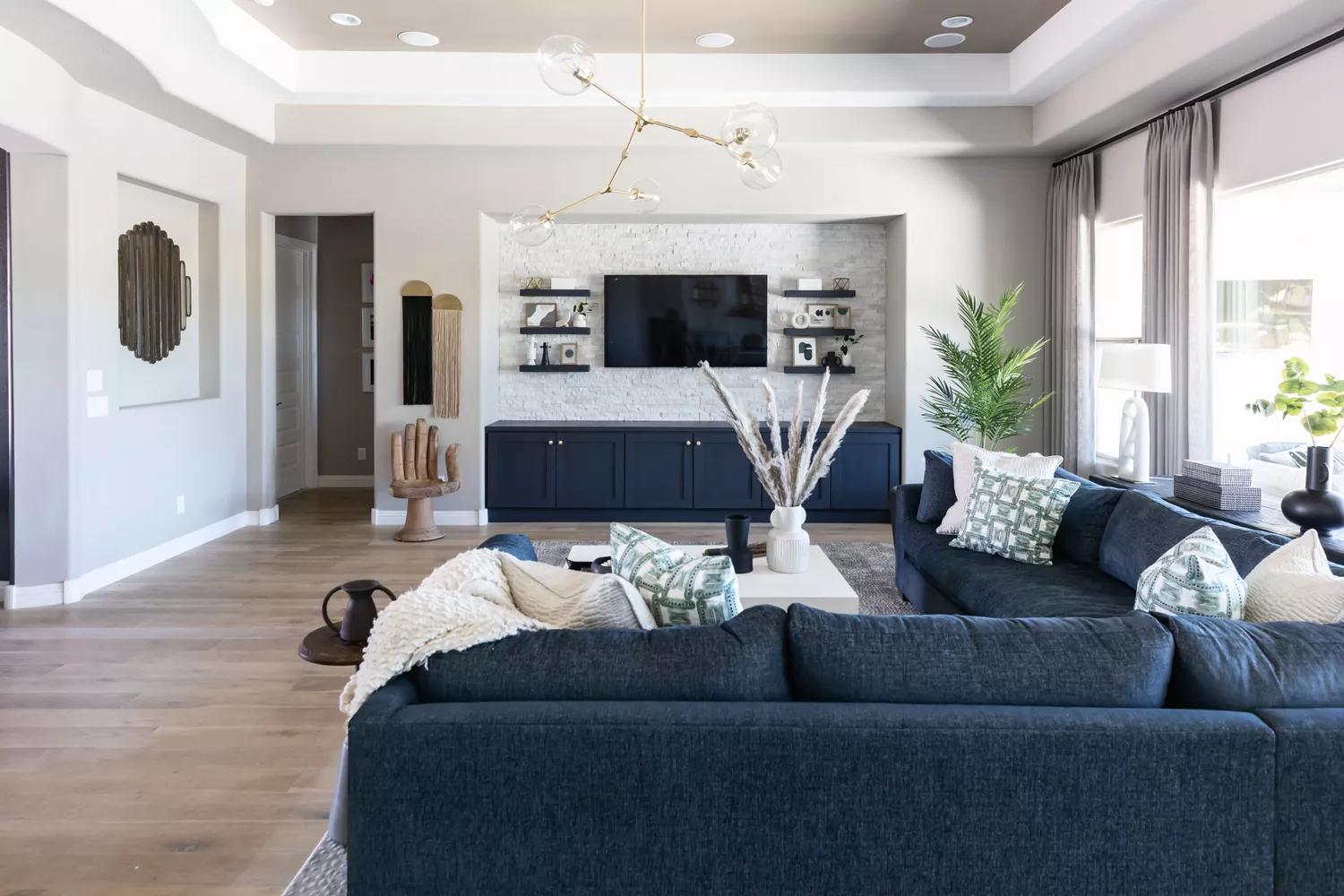
20 Creative Ways to Make Your TV Blend in With Your Wall Décor
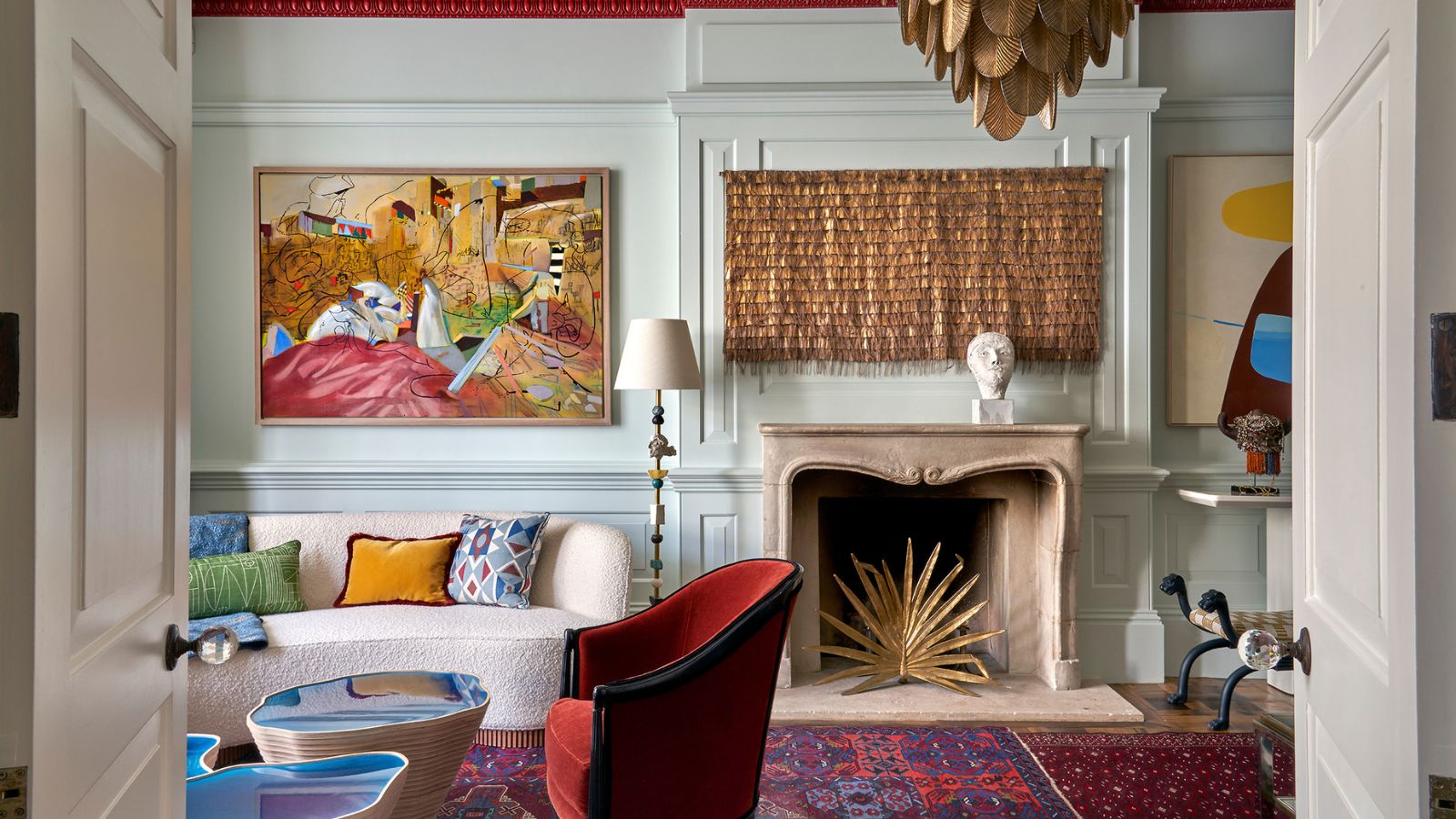
10 Designer Tips for Decorating the Space Above Your Fireplace

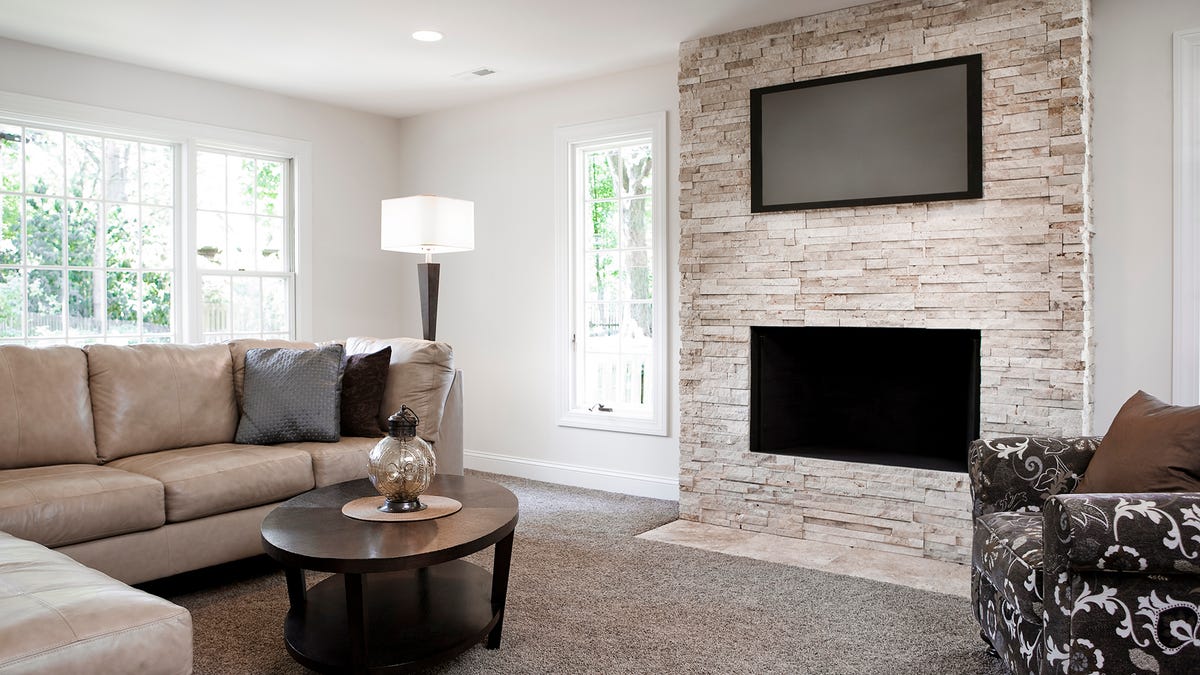
Don't Mount Your TV Above Your Fireplace: Here's Why

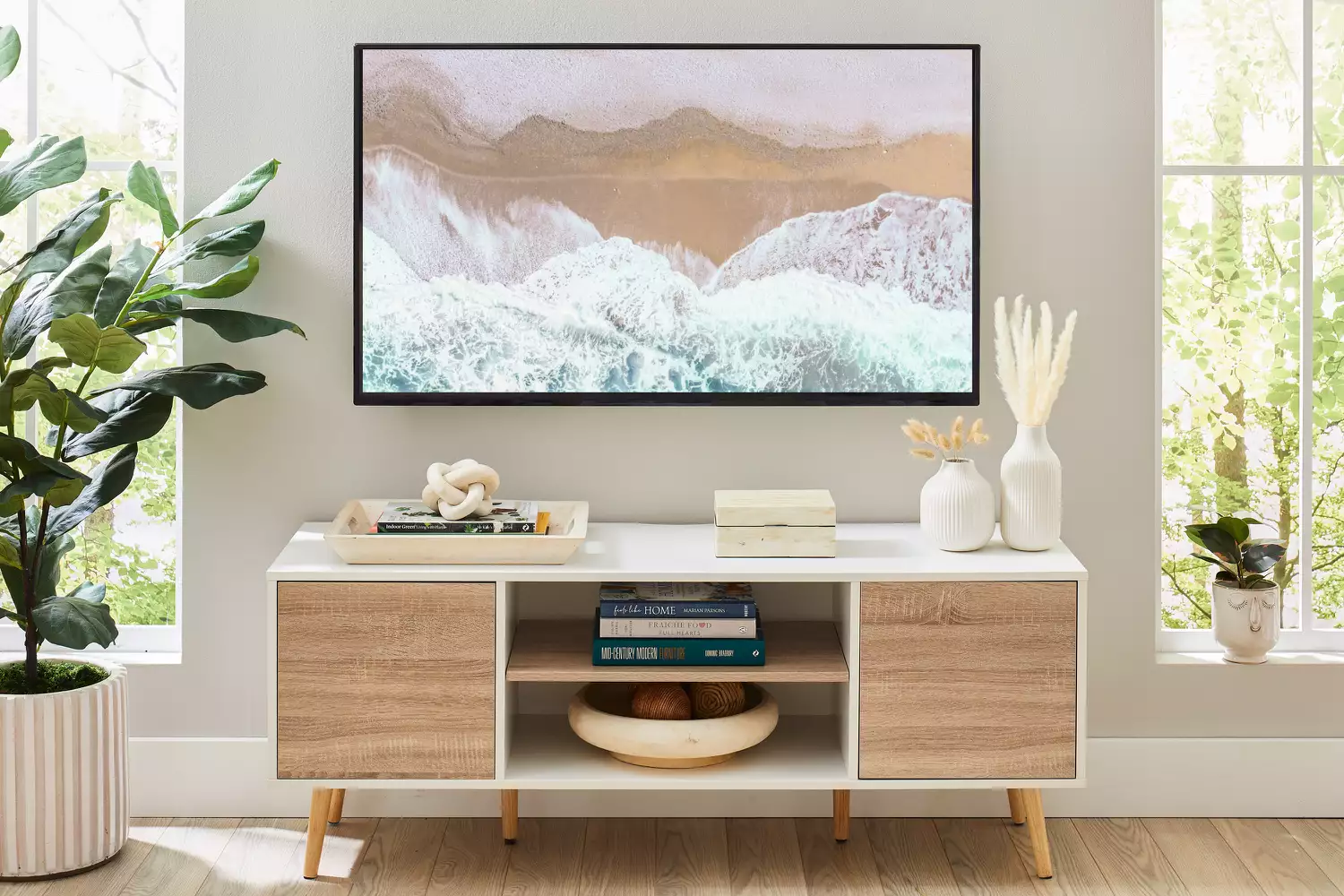
Is Your TV an Eyesore? Designers Use These 41 Tricks to Help It Blend In
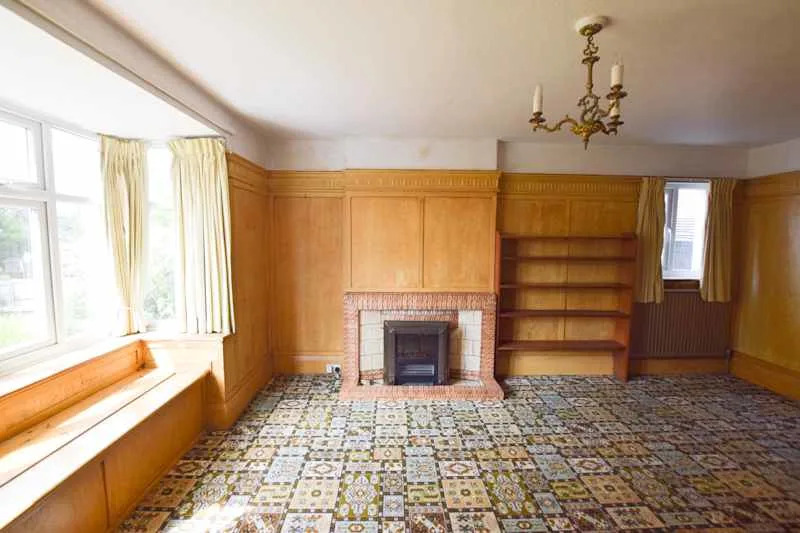
A Fireplace Makeover Completely Transforms This “Dated” Living Room

Add flair to your fireplace this season with tips from interior designers

24 Fireplace Built-Ins Ideas You’ll Wish You Tried Before Mounting the TV
How to decorate a mantel according to experts – 11 pro tips for your fireplace

5 Over Fireplace Decor Ideas That Will Give Your Living Room's Focal Point the Wow Factor
Should You Hang a TV Above Your Mantel? Experts Settle the Design Debate

The Best Electric Fireplace TV Stands to Keep You Cozy and Entertained

Fireplace Ideas and Installation

30 Mantel Decor Ideas to Style Your Fireplace

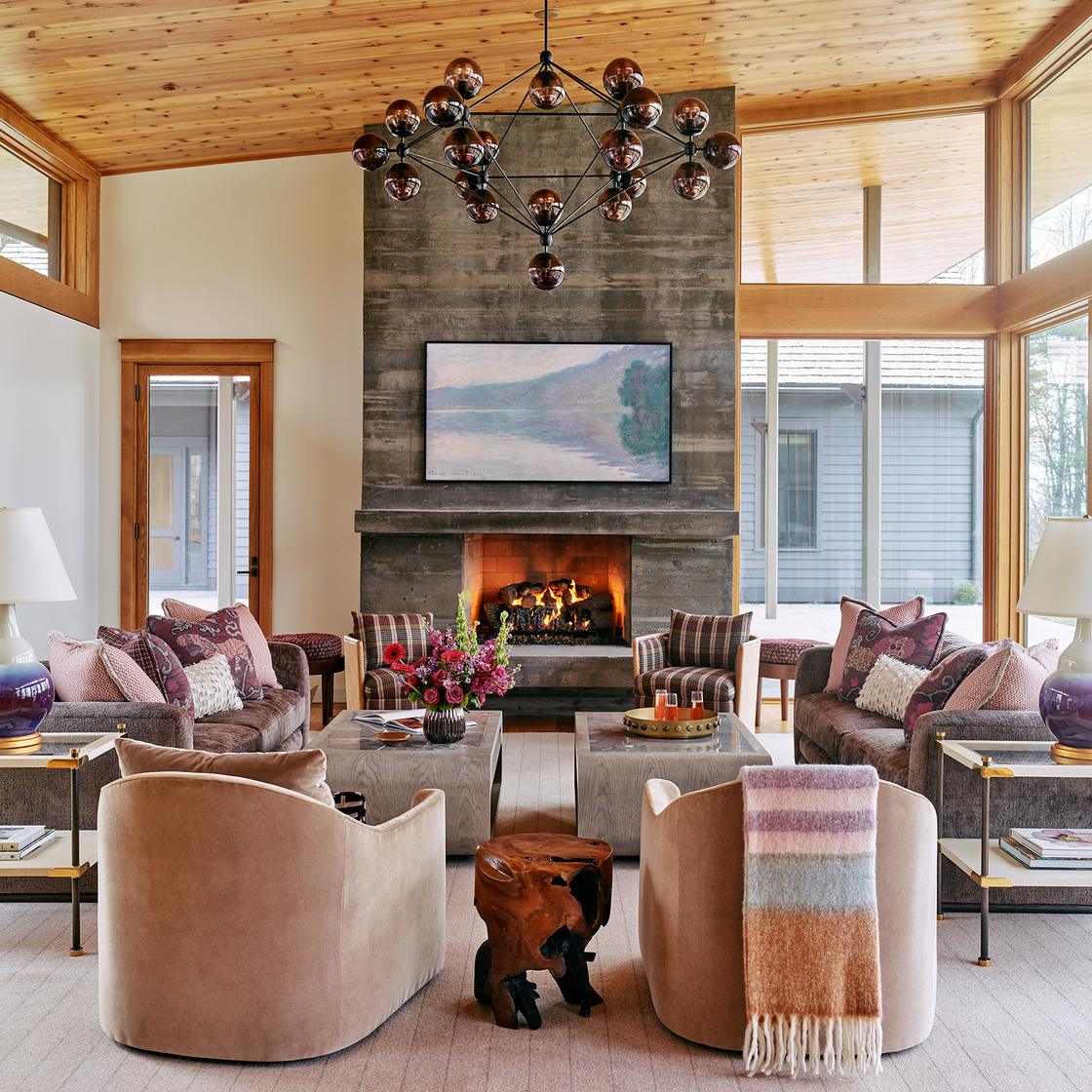
Designer-Approved Ways to Make Your Fireplace the Centerpiece of Your Home

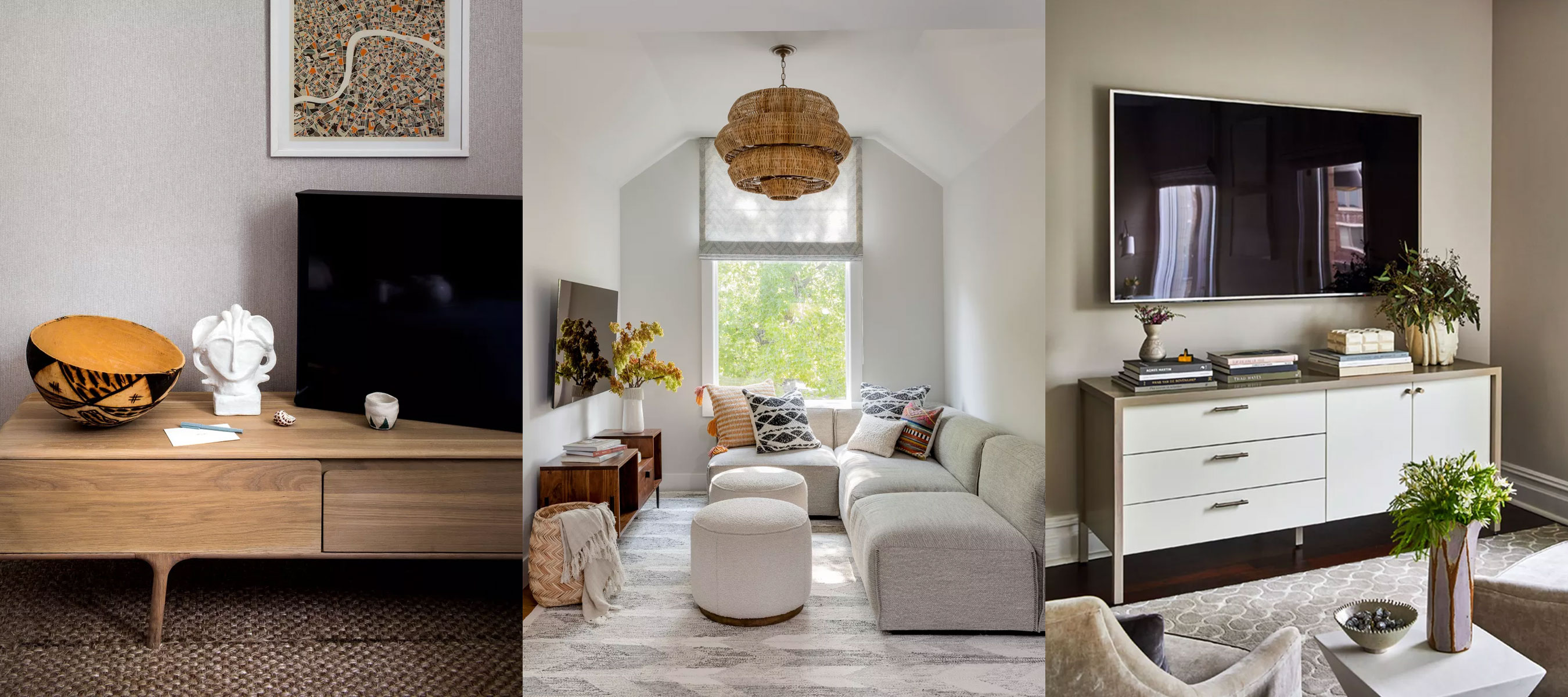
8 TV stand decor ideas that will beautifully elevate your TV – and transform your view
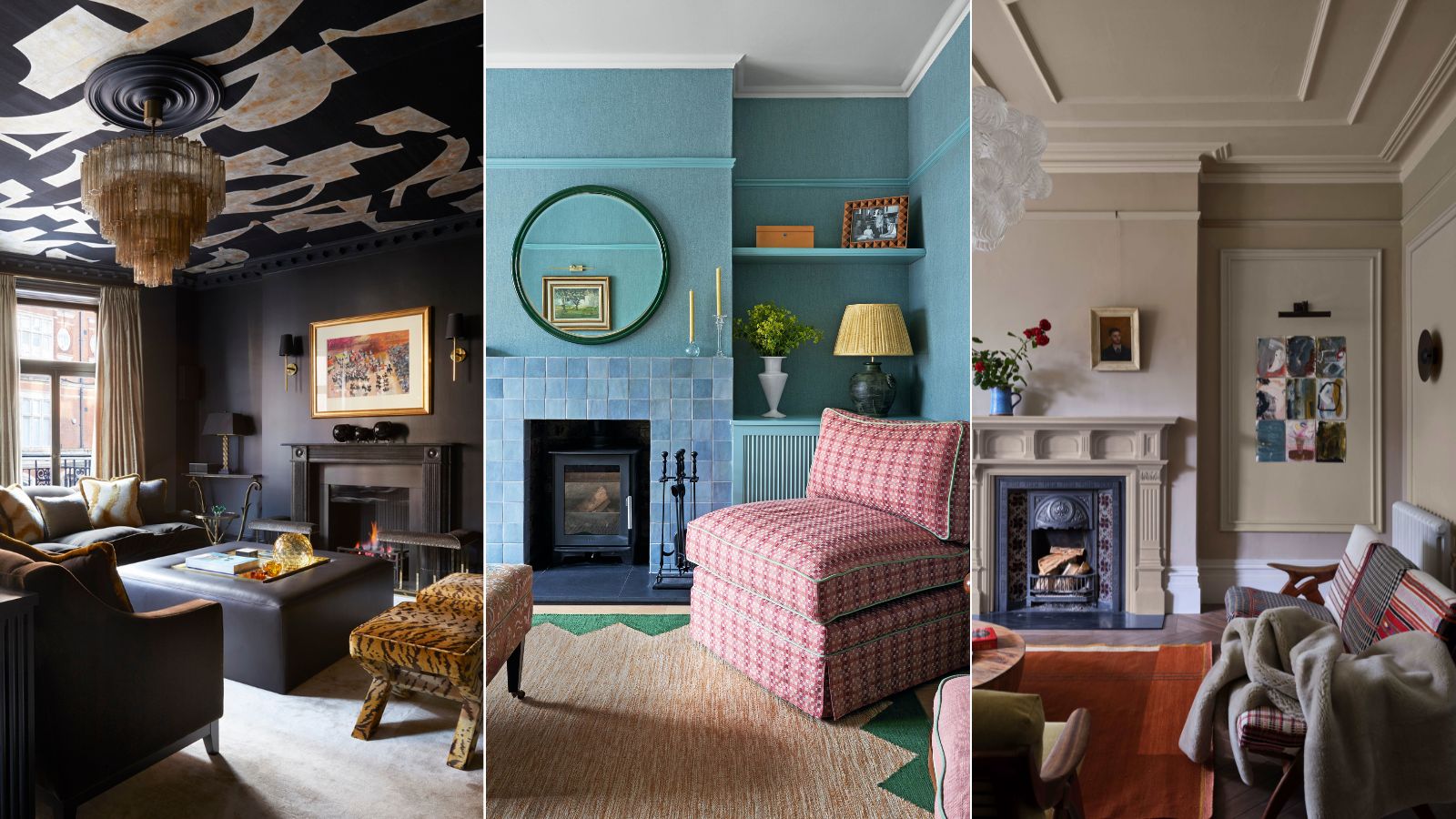
How to update a fireplace – 6 ways to refresh this focal point
How to turn your TV into a fireplace for Christmas