Should You Hang a TV Above Your Mantel? Experts Settle the Design Debate
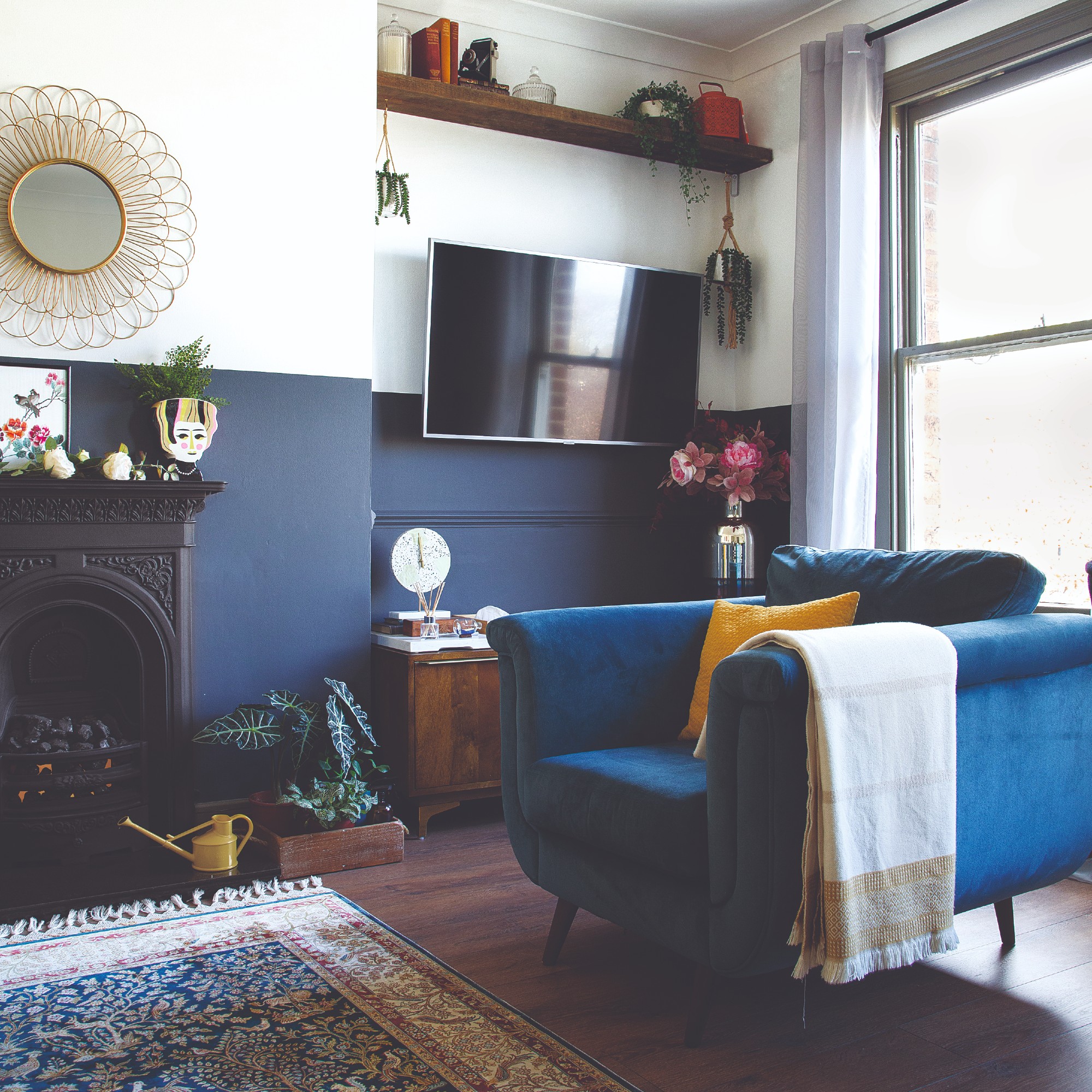
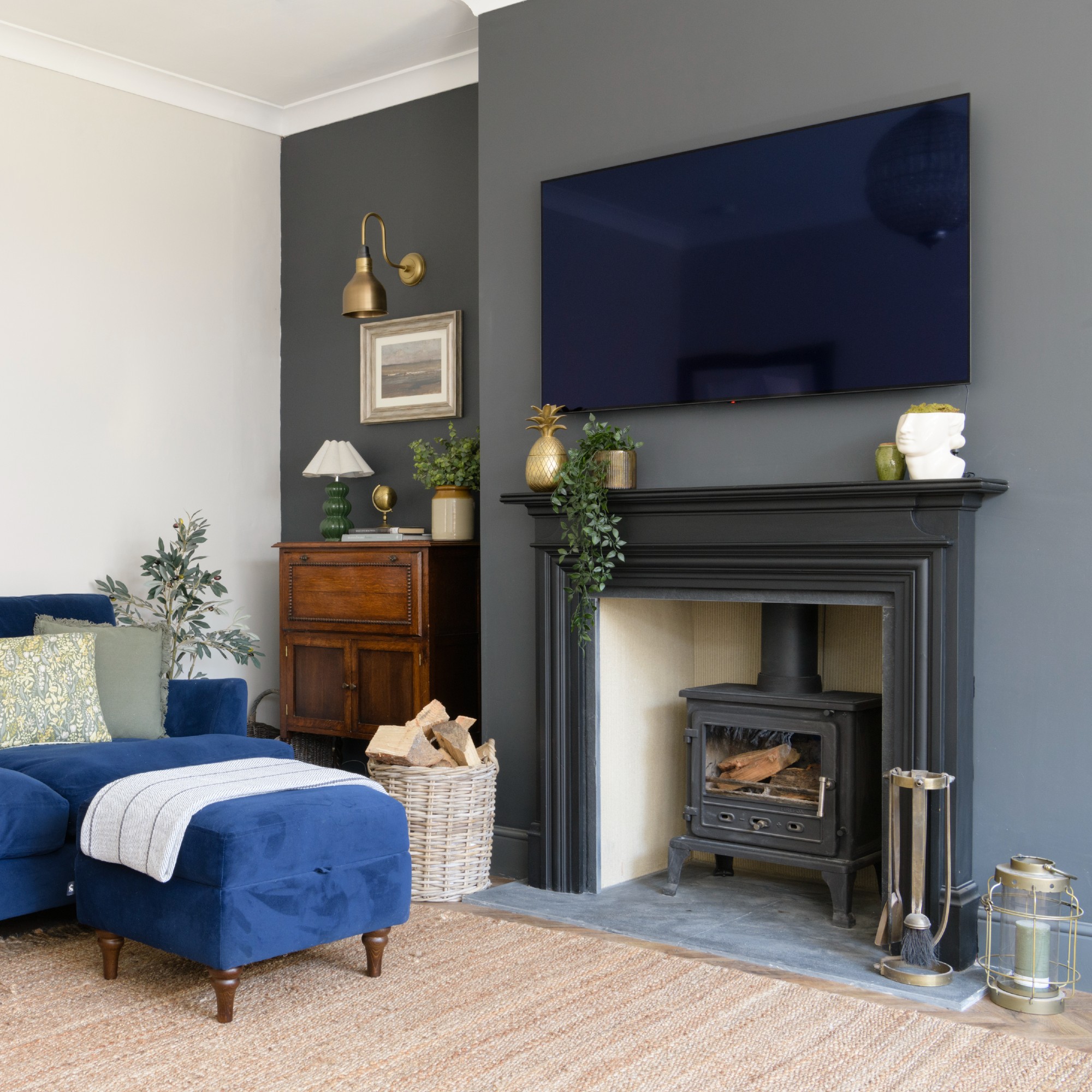
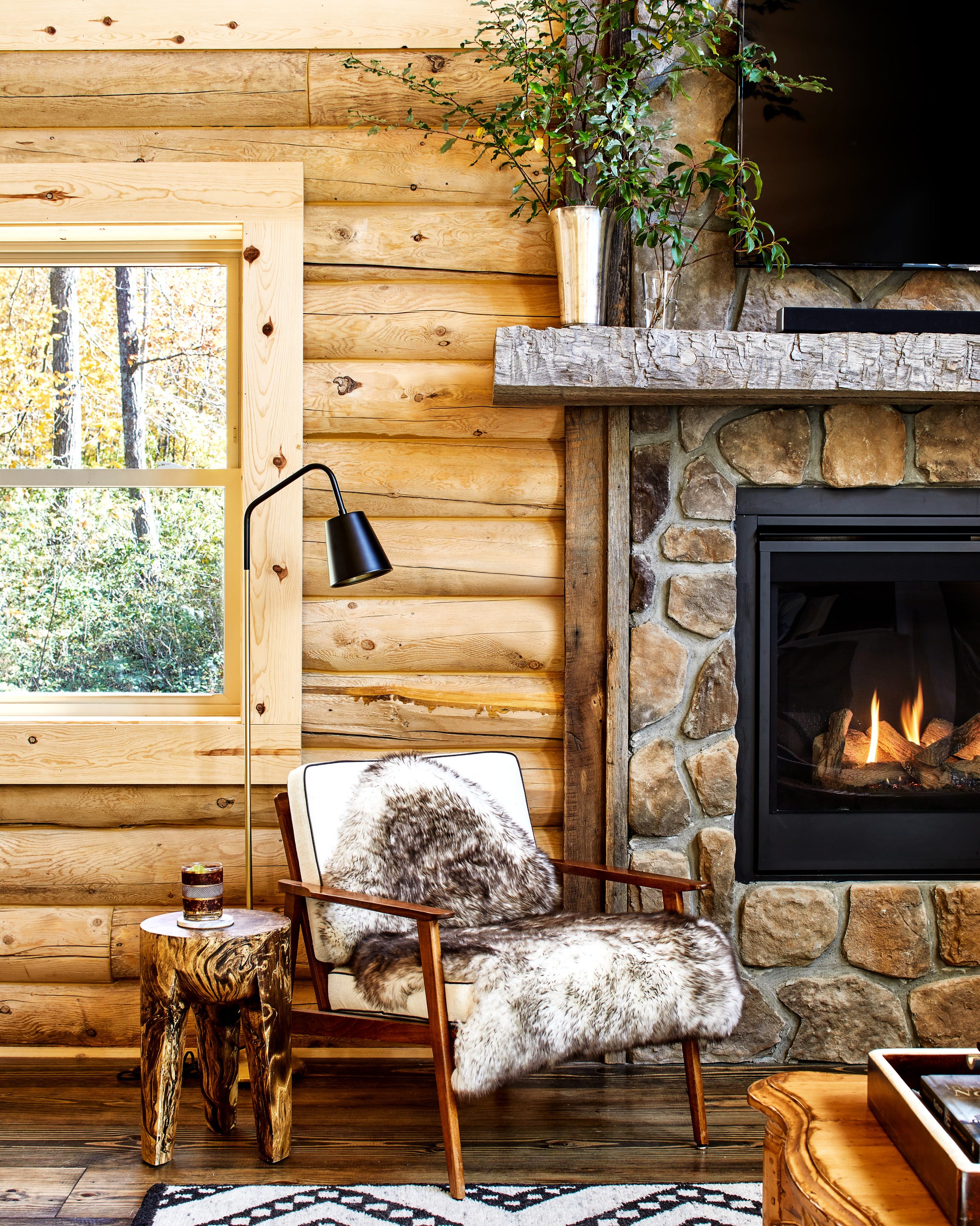
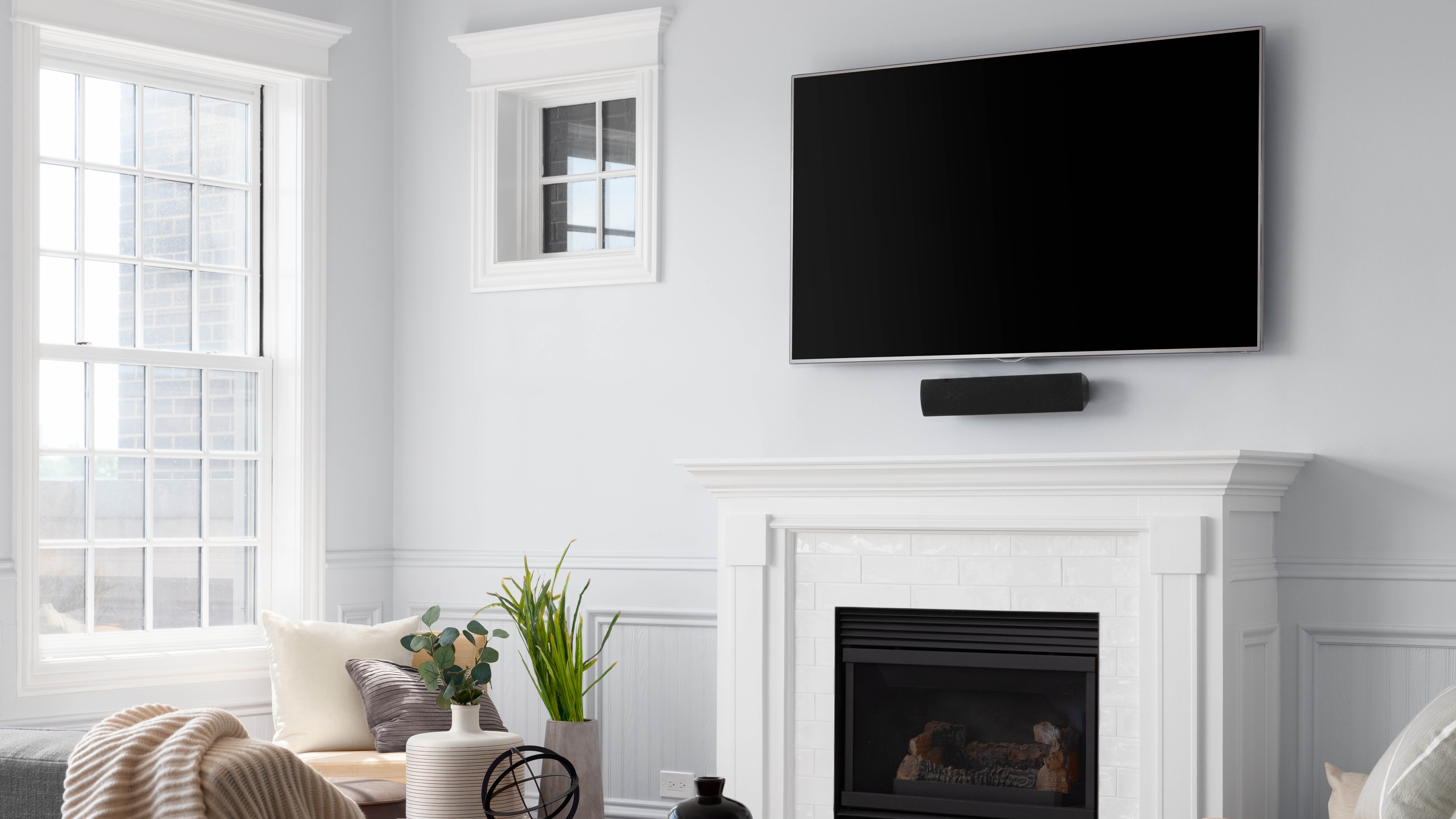
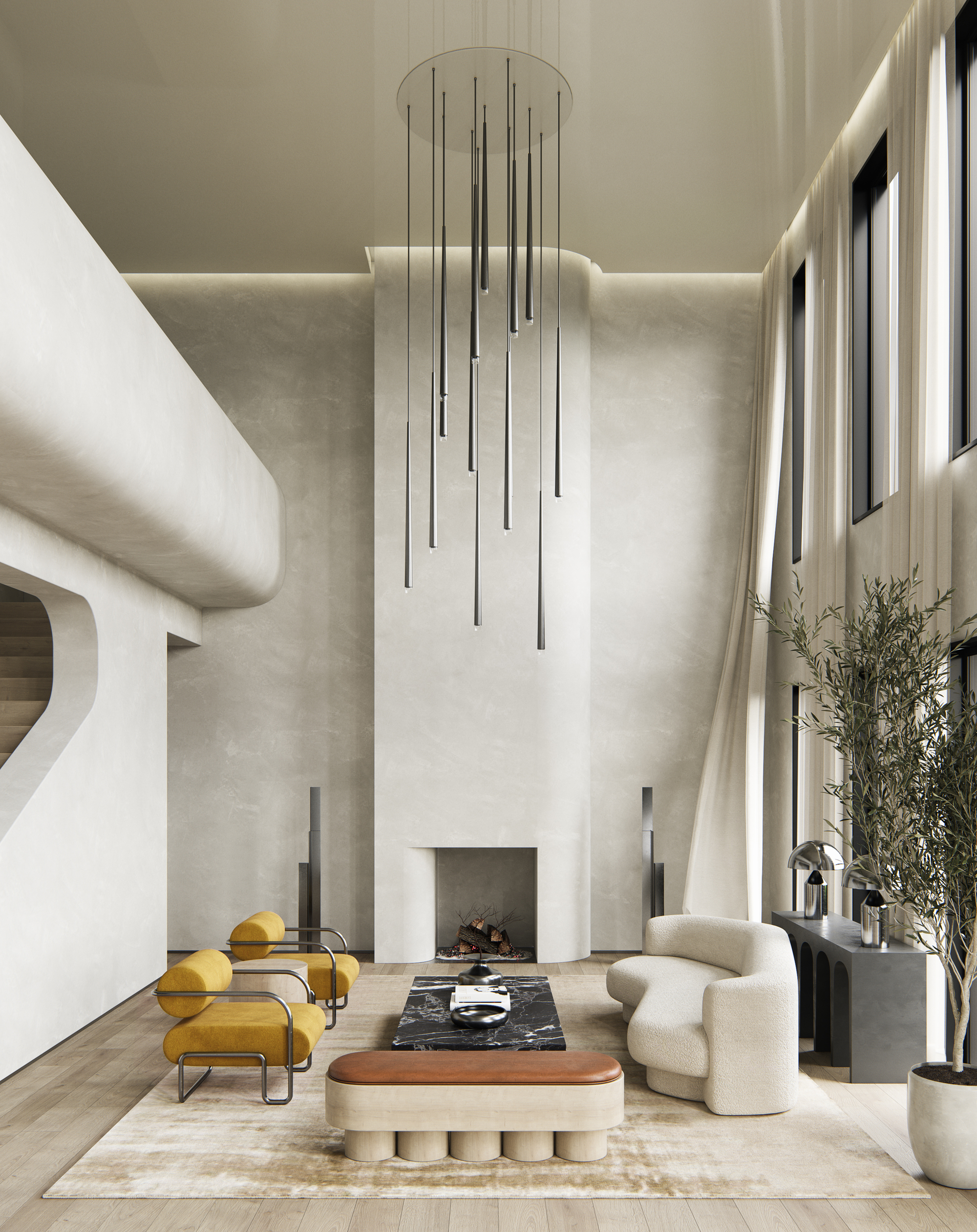
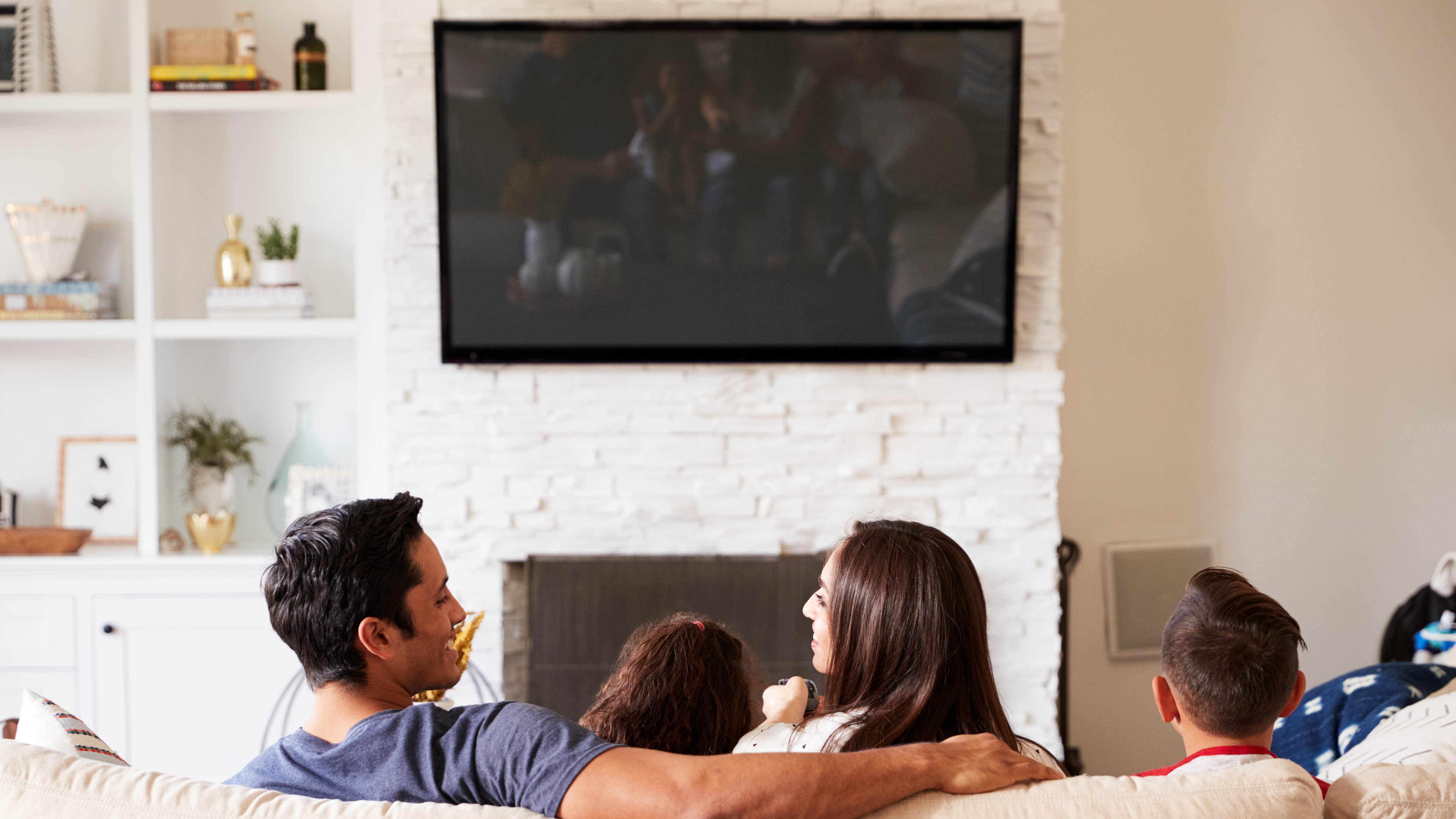
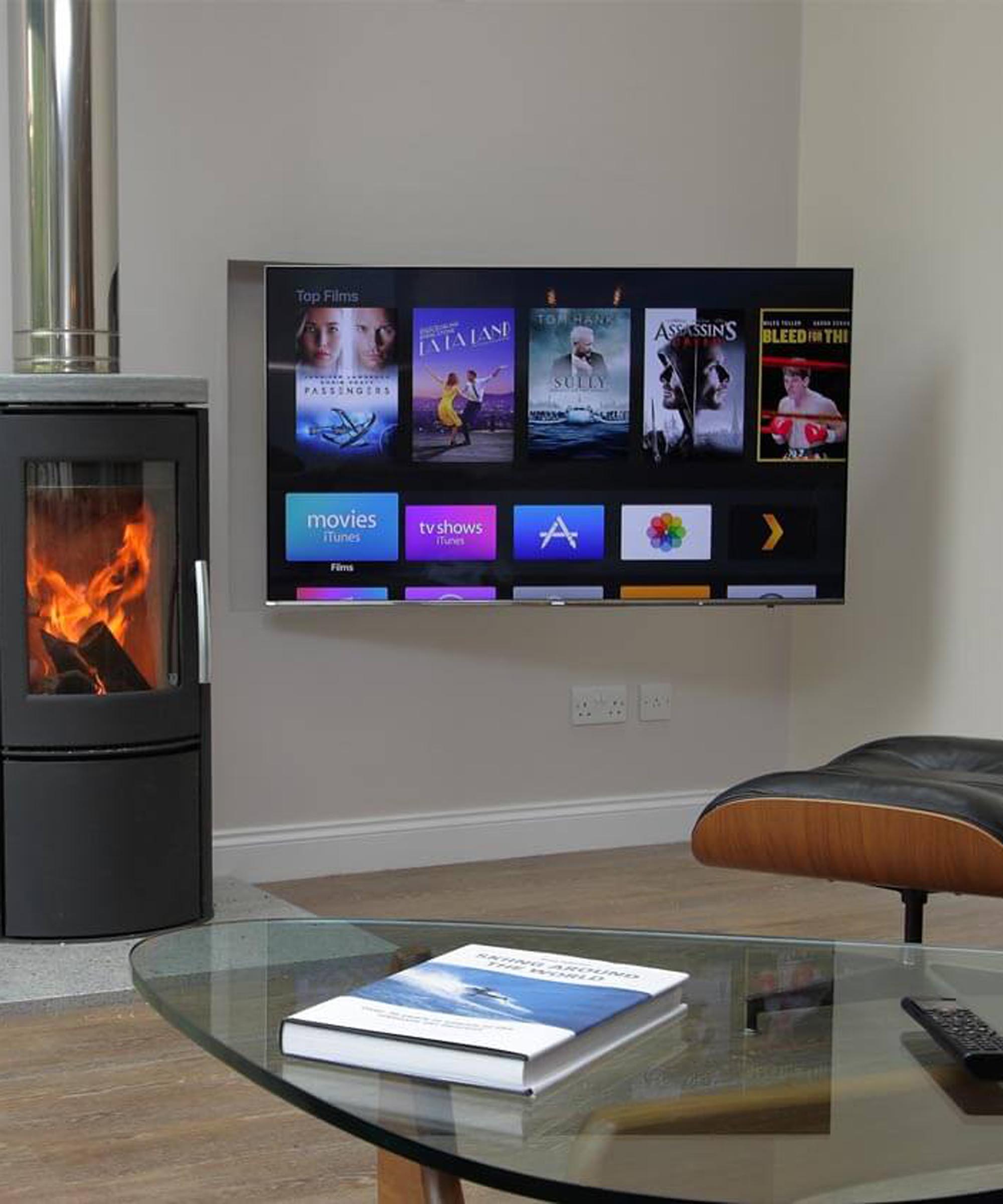
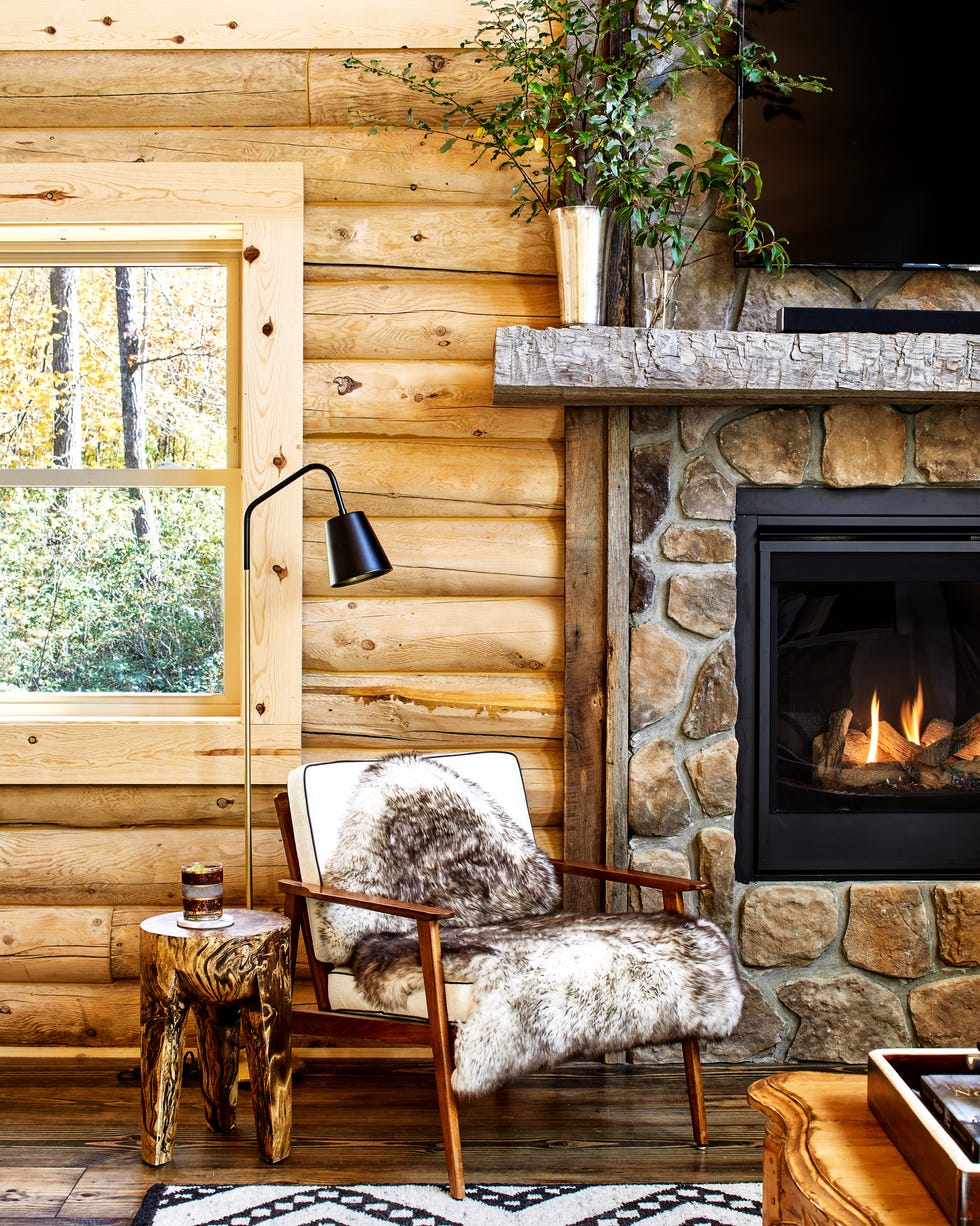
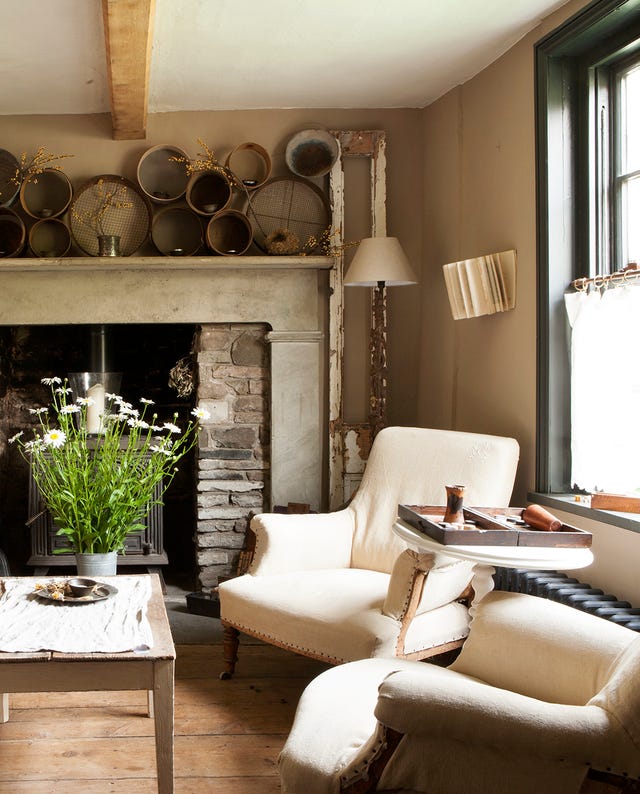
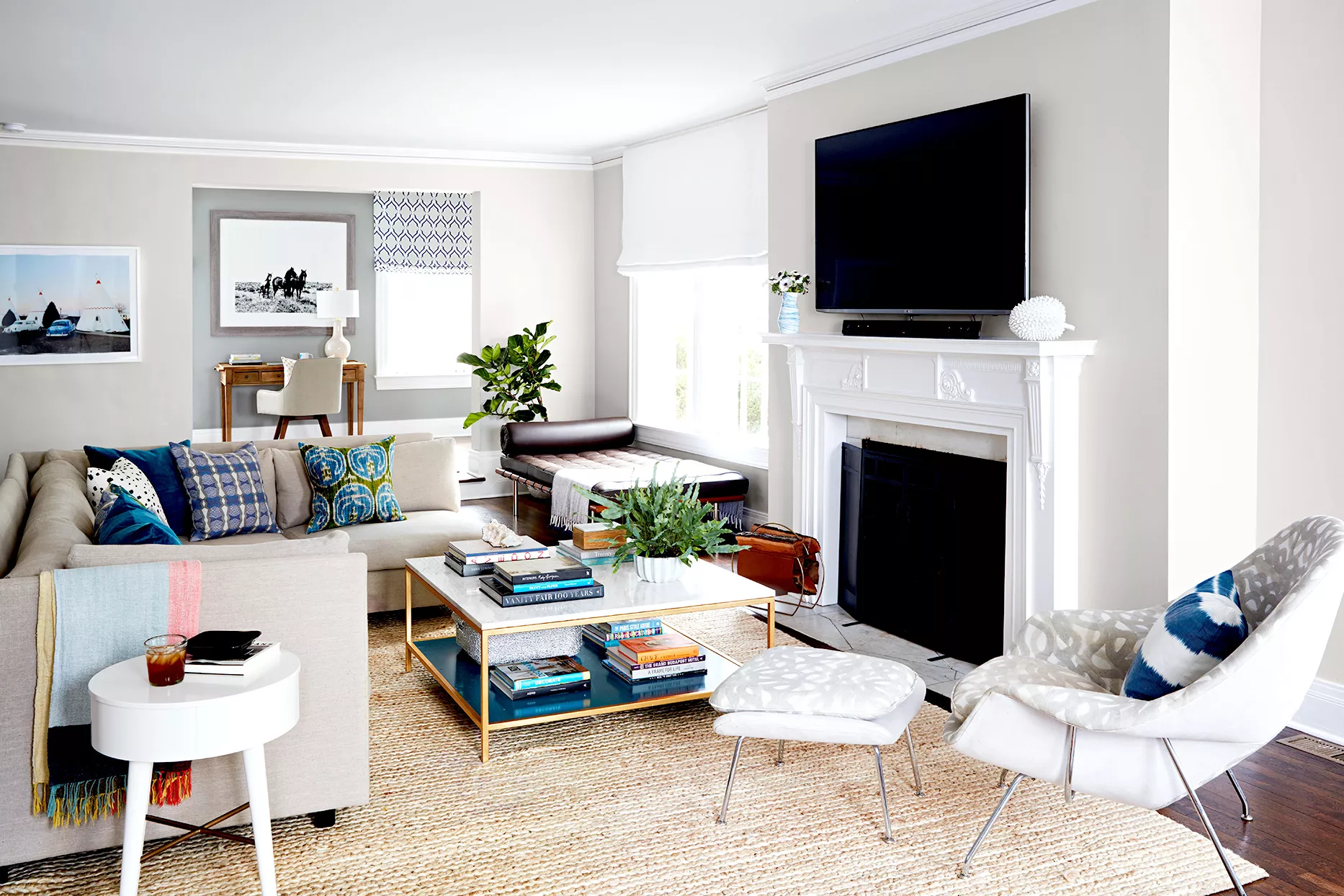
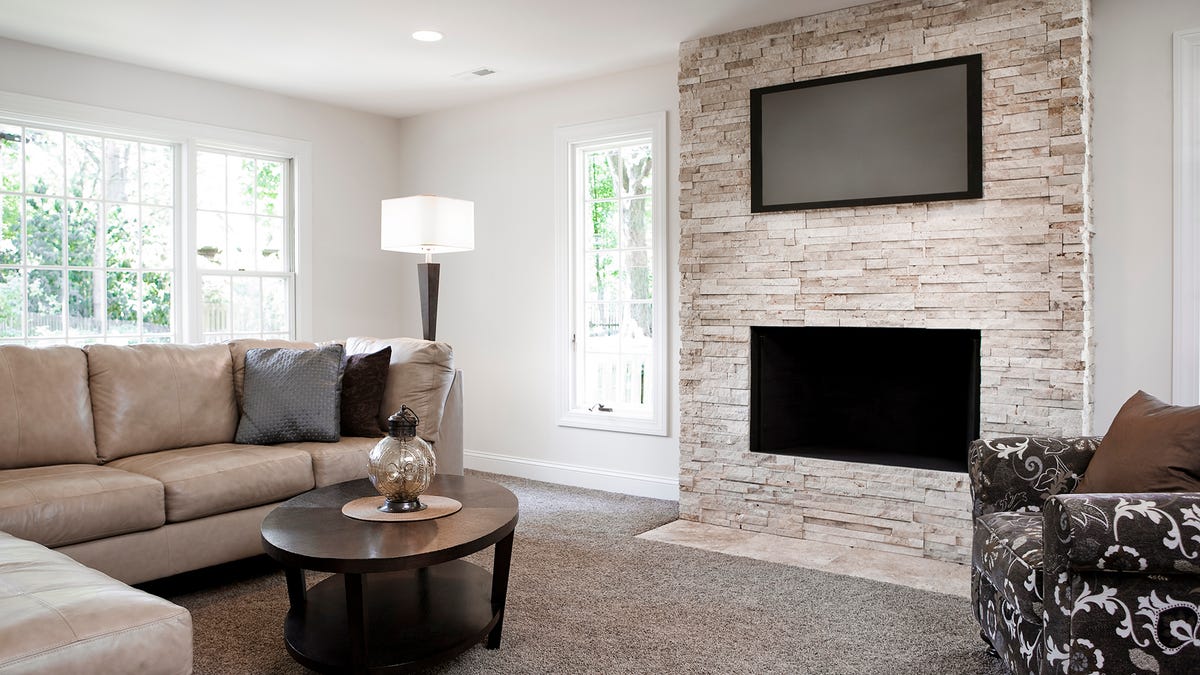
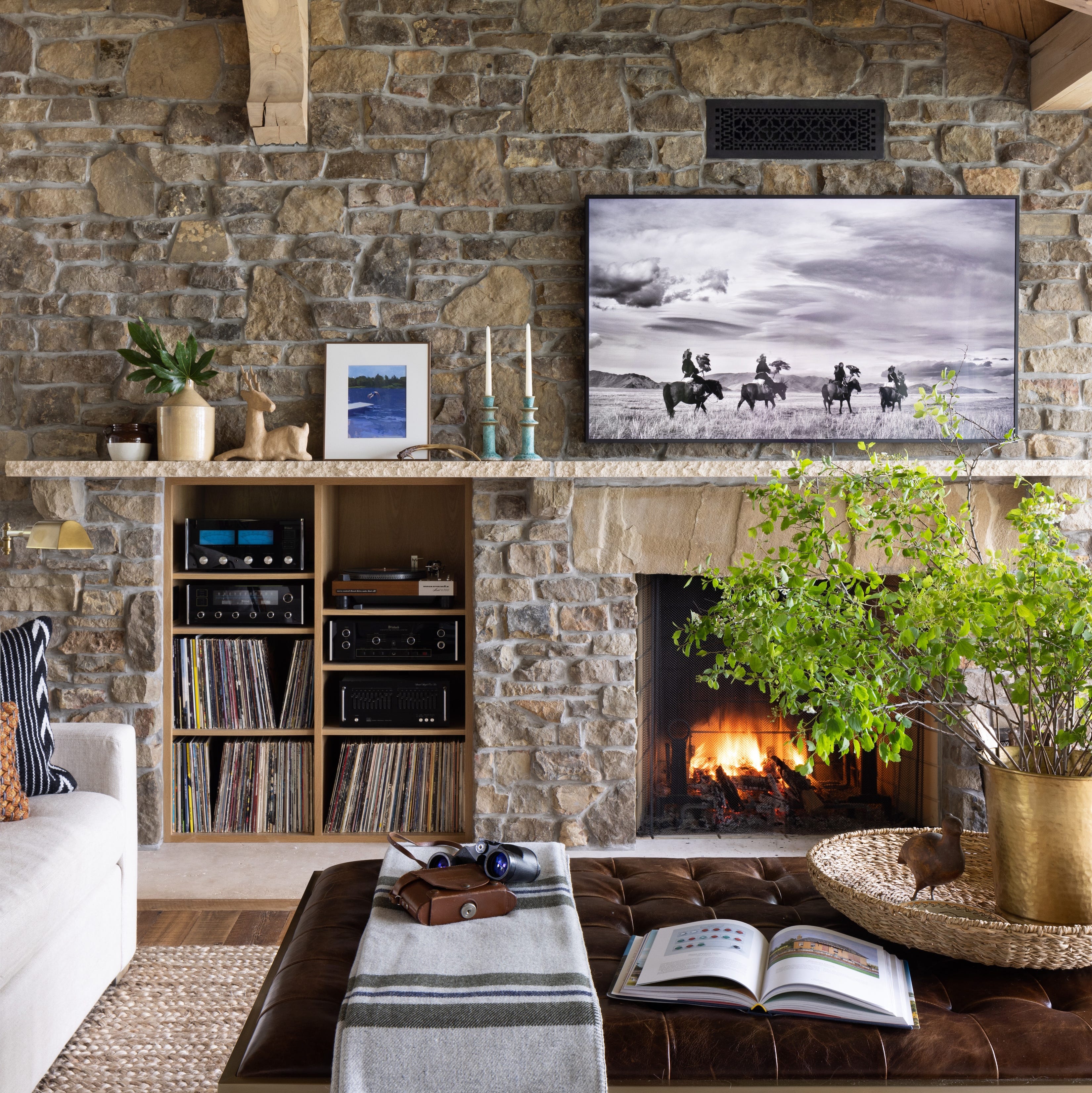
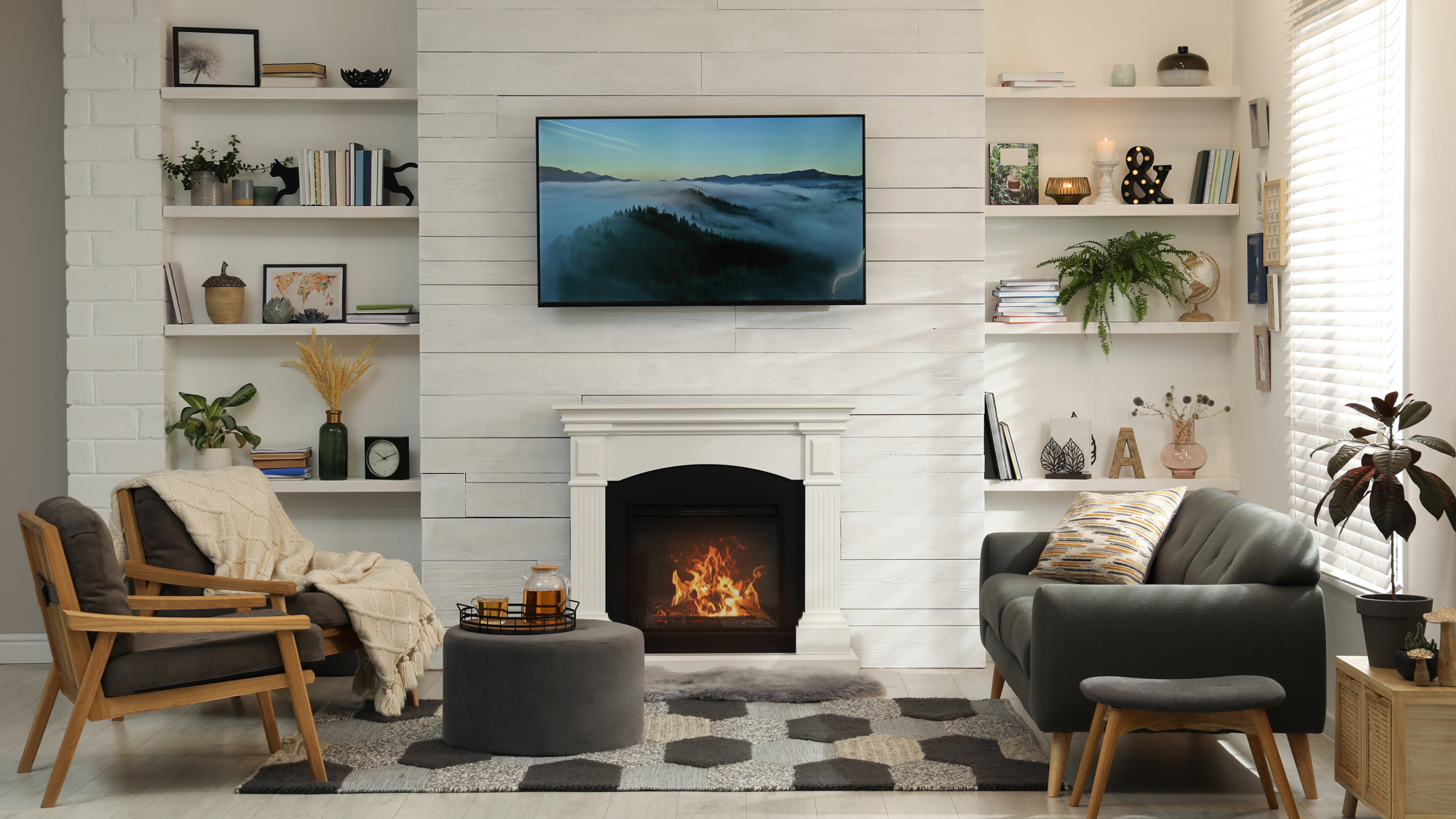
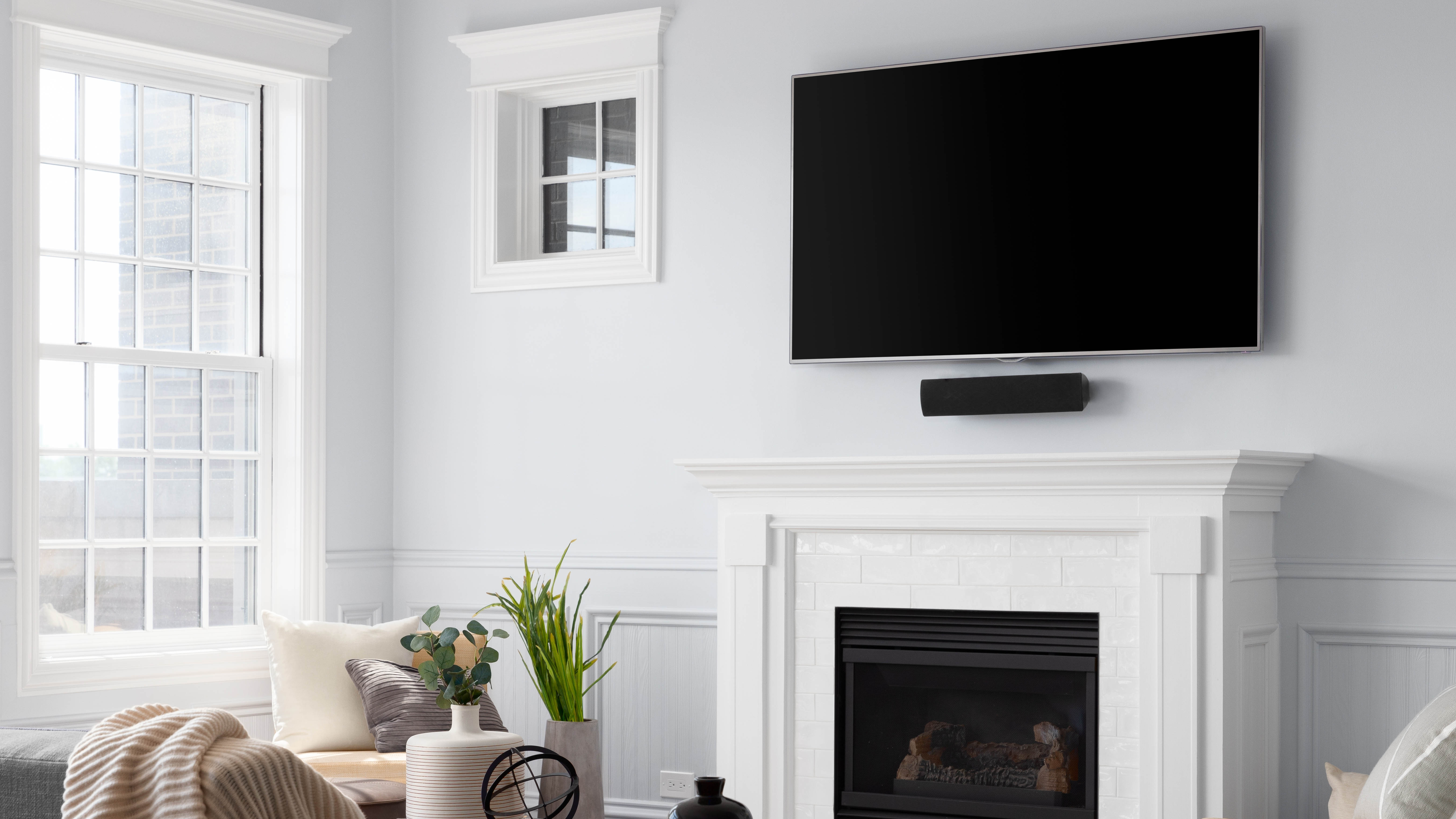
The placement of a television above a fireplace mantel is a long-standing debate among interior designers, balancing aesthetic concerns with practical functionality. While some designers prefer a mantel free of electronic distractions, others acknowledge its common use and offer strategies to integrate it seamlessly into a living space. Vyanca Soto, owner and principal designer at Market Studio Interiors, primarily leans towards a mantel without a TV, emphasizing balance, aesthetics, and function in her design considerations. She recognizes that a fireplace serves as an architectural anchor, drawing the eye and setting the room's tone, and a TV can disrupt this visual harmony, creating a top-heavy and disproportionate composition.
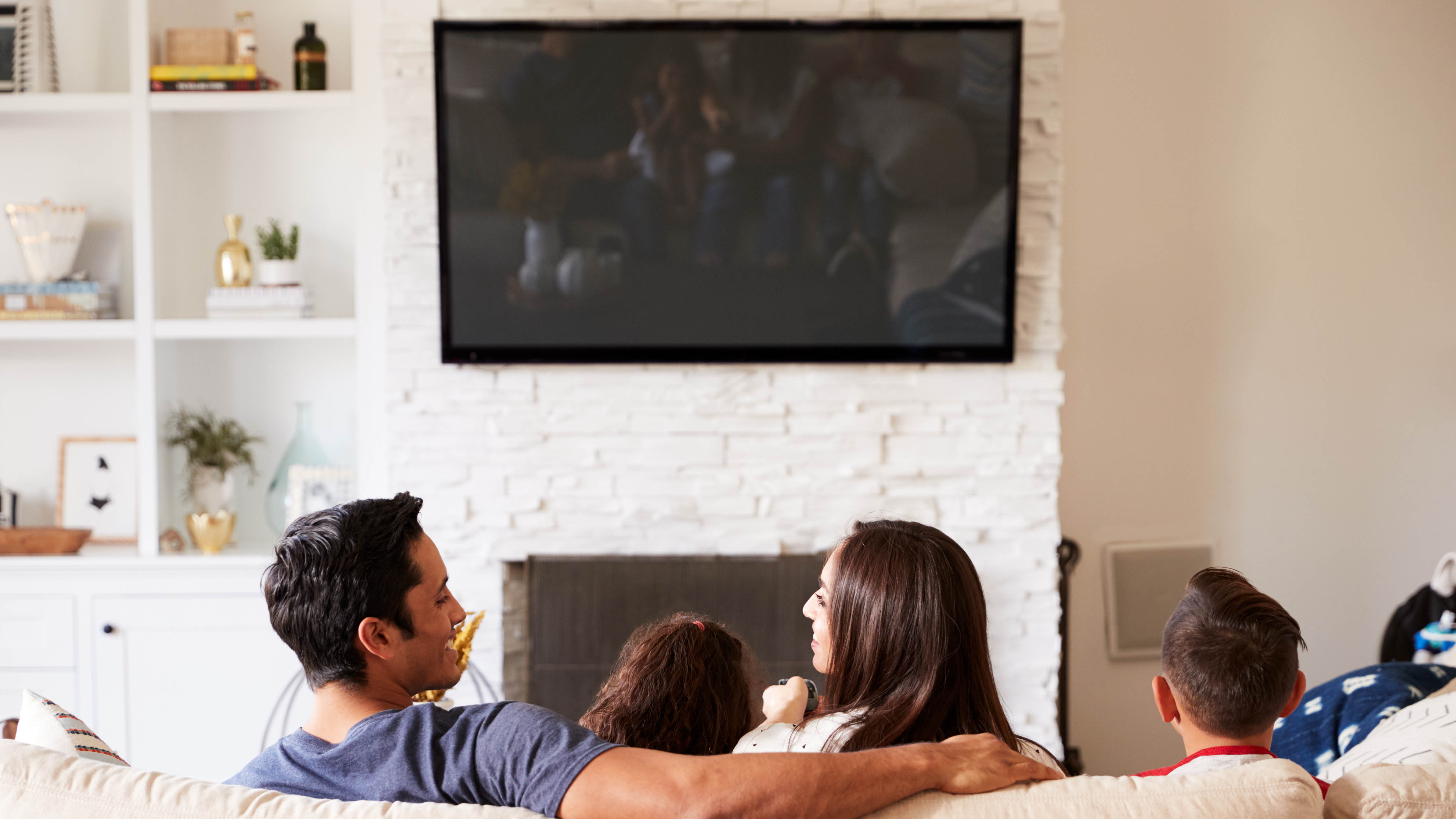
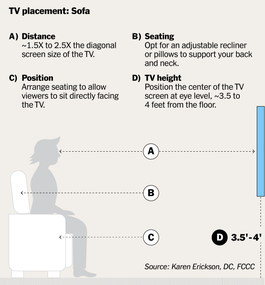
Beyond aesthetics, ergonomic concerns are also a factor. A TV positioned too high above the mantel can lead to uncomfortable viewing angles, particularly in rooms with tall ceilings where mantels are often placed higher. Despite these reservations, Soto acknowledges that personal preference and how clients live in and use their space are paramount. The ultimate goal is to create a comfortable and livable environment that reflects the homeowner's lifestyle, even if that means incorporating a TV above the mantel.
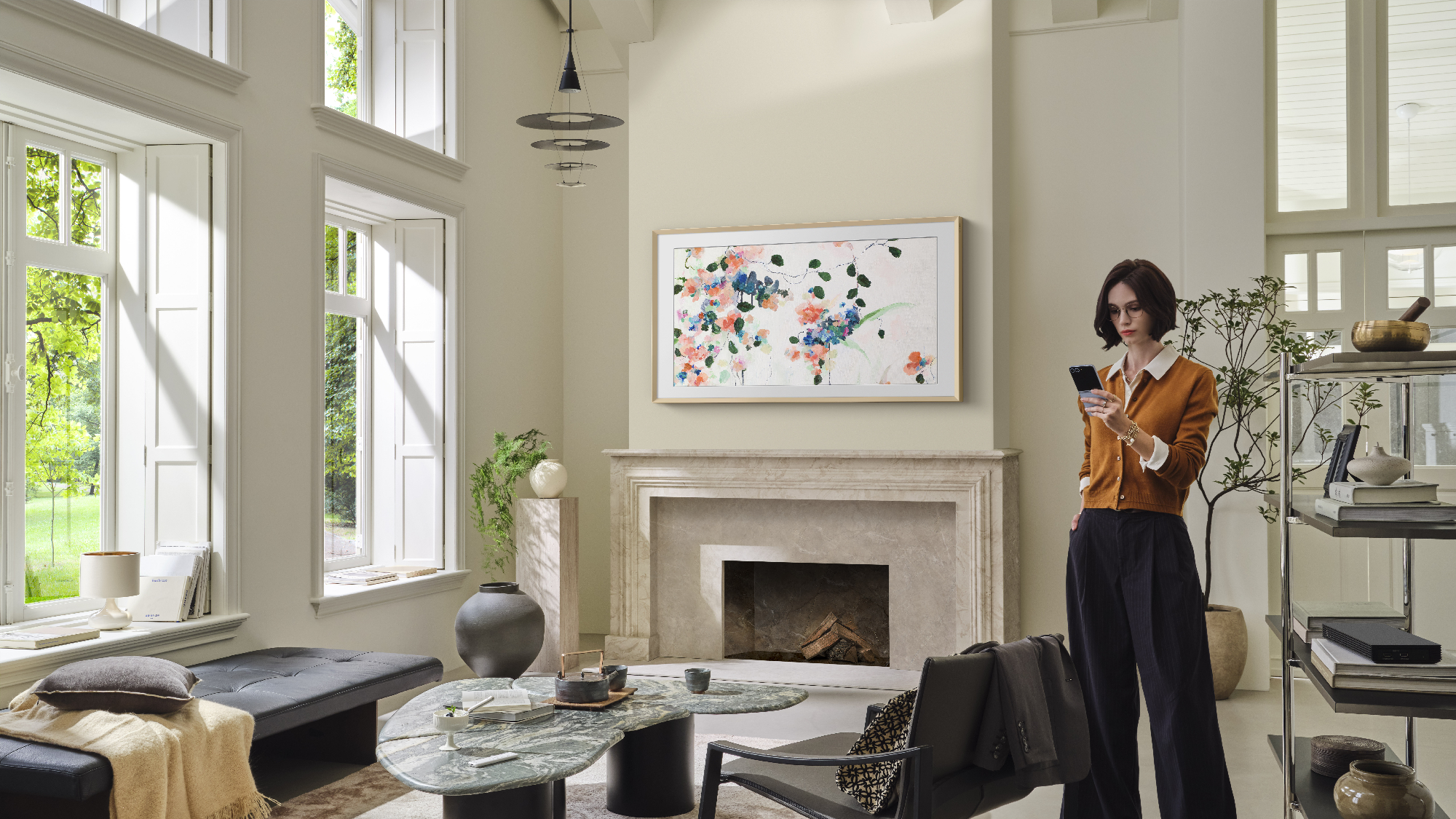
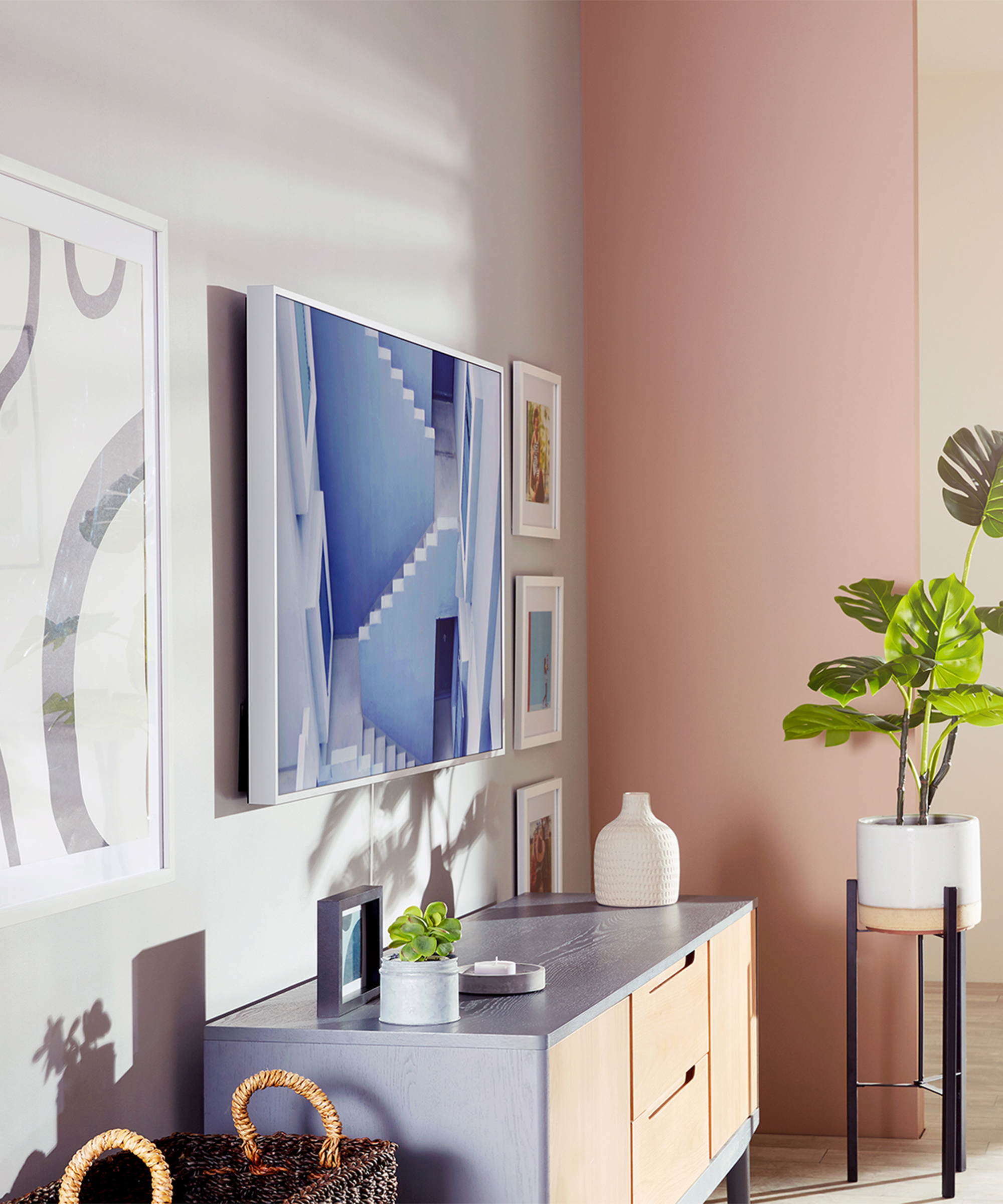
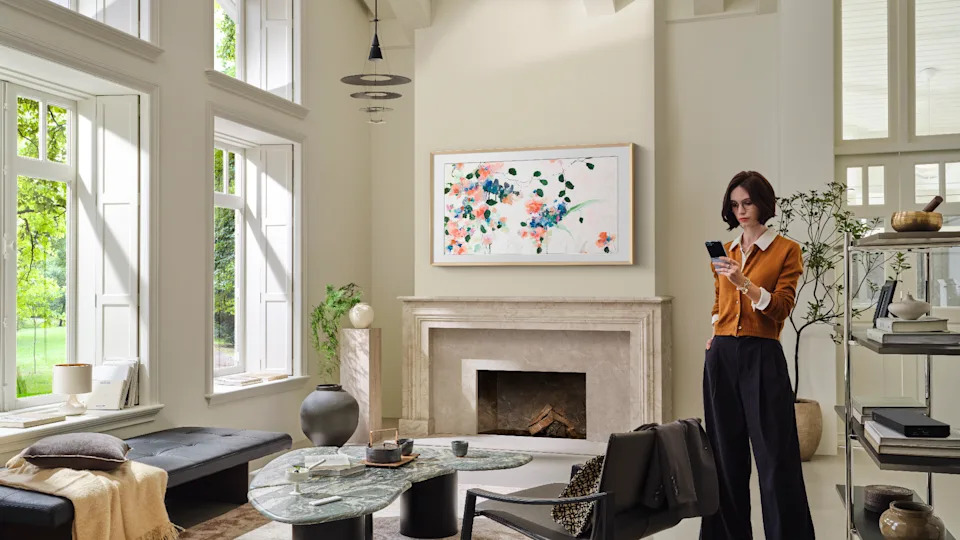
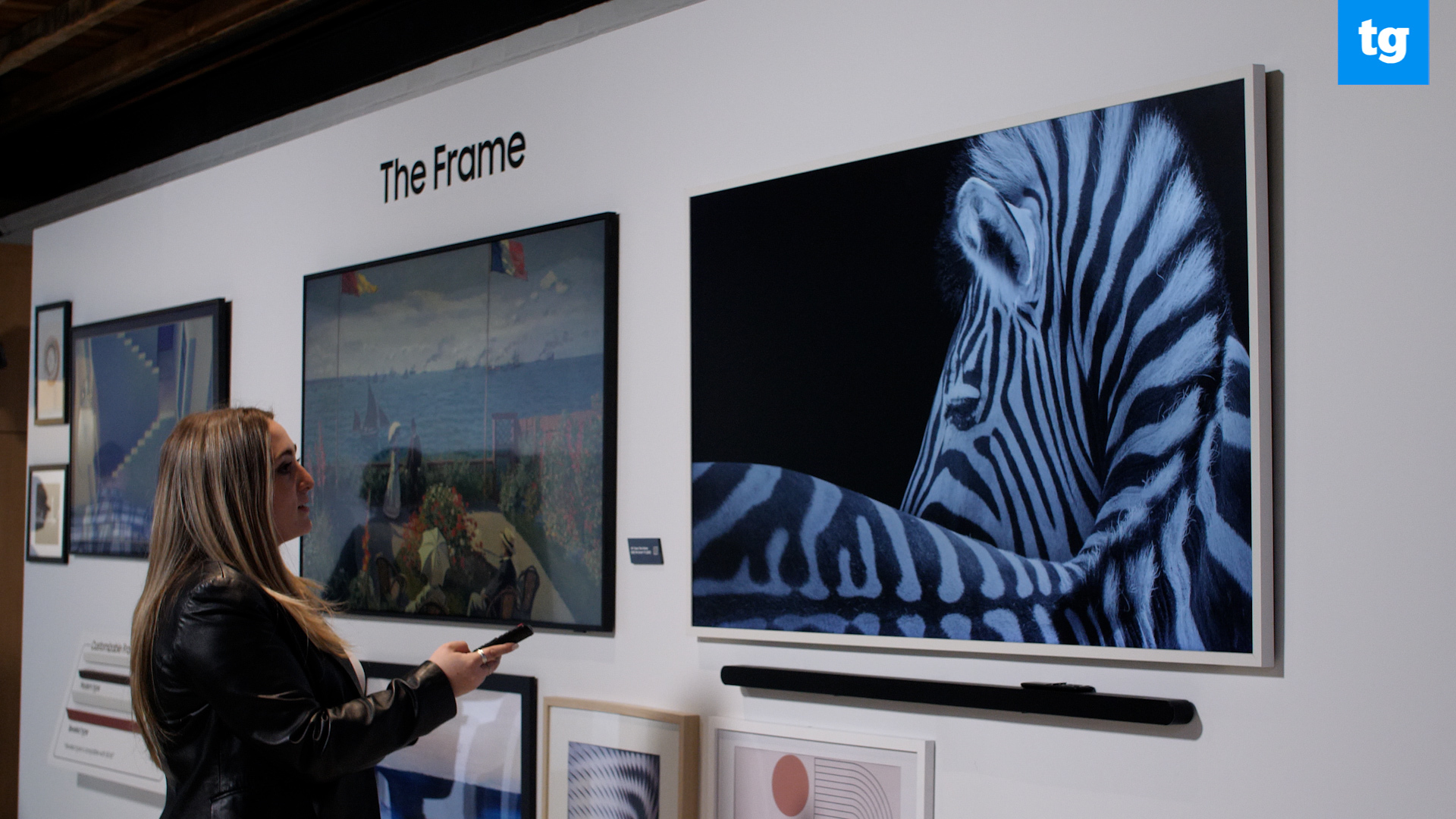
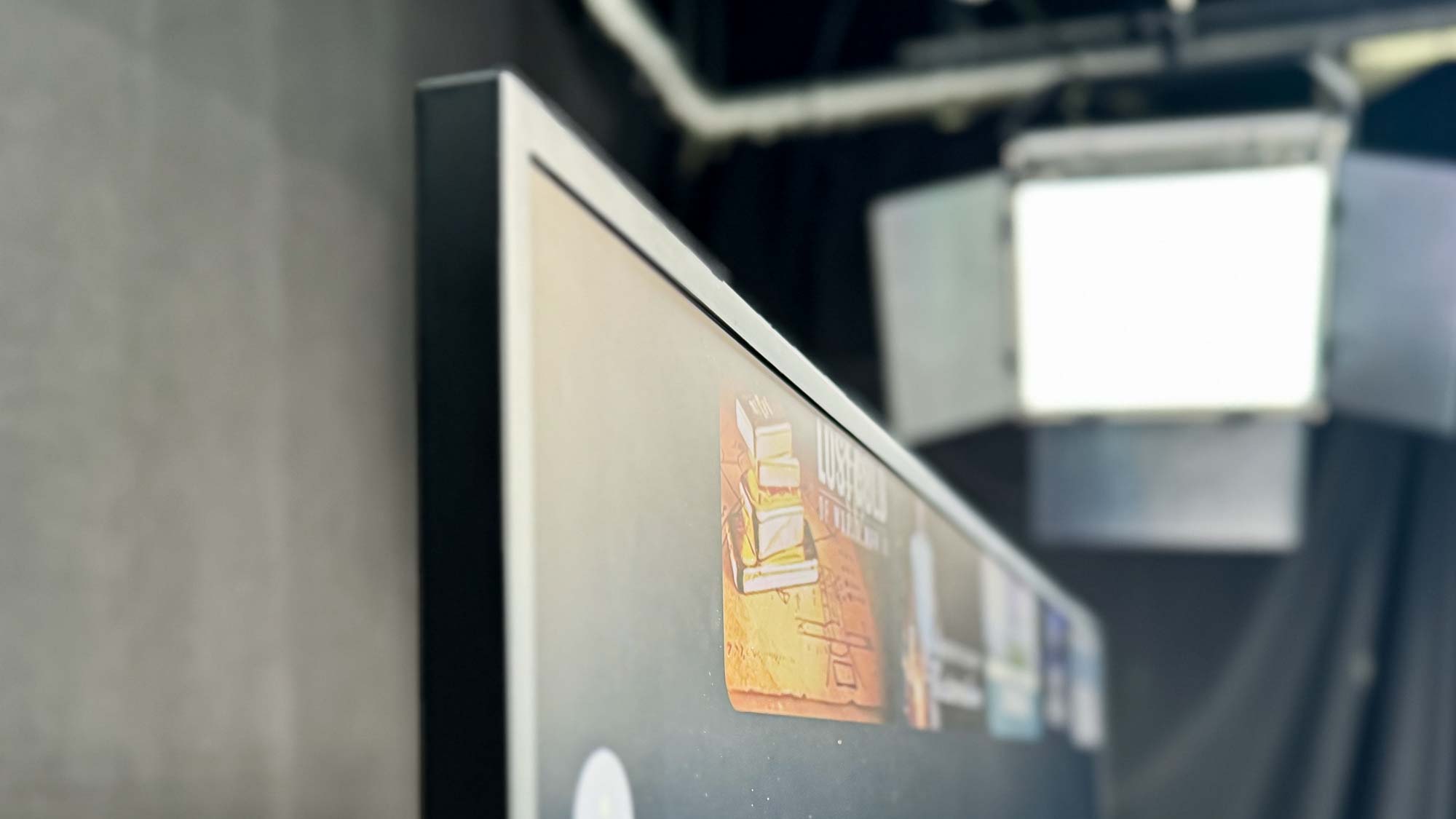
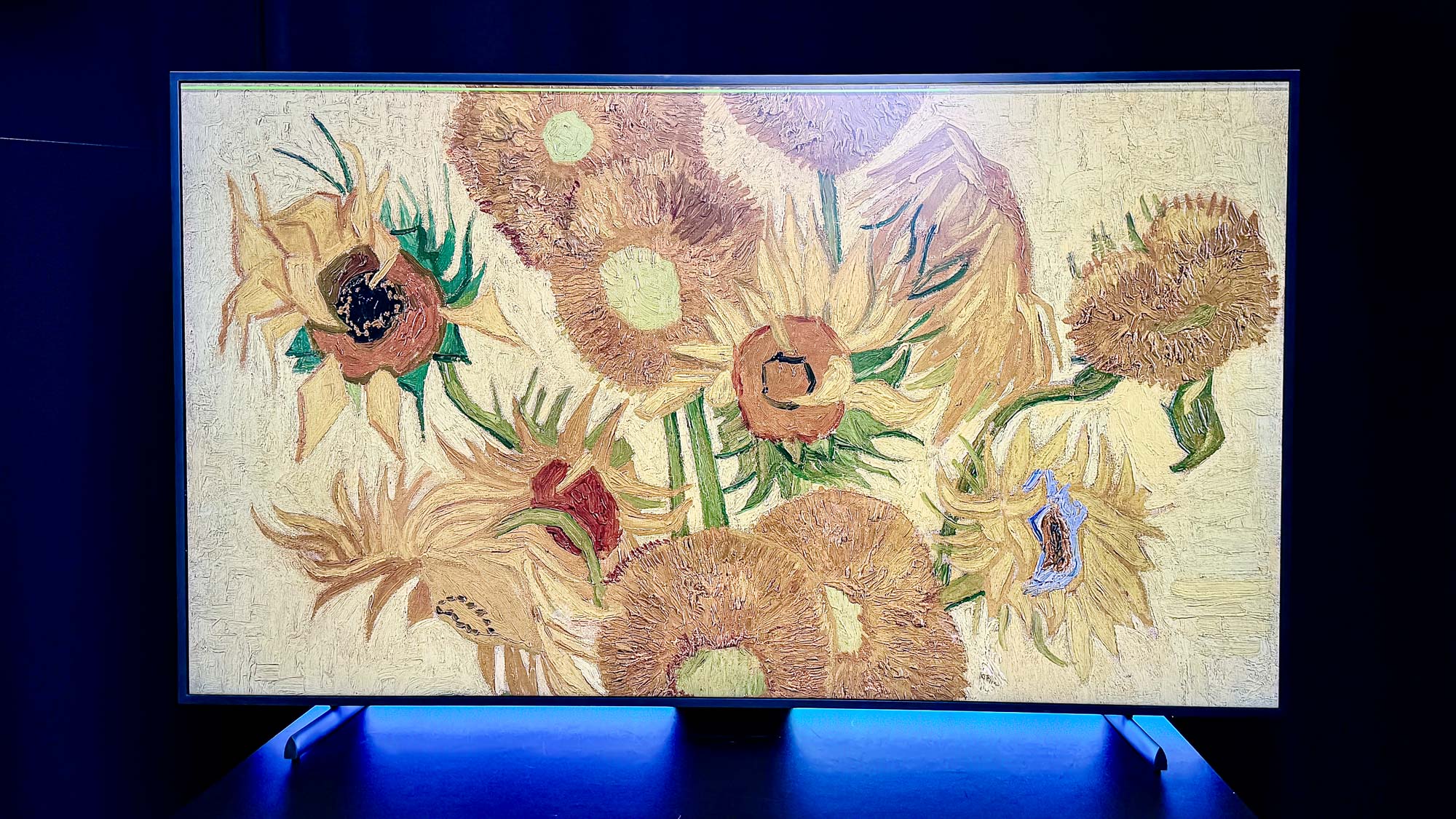
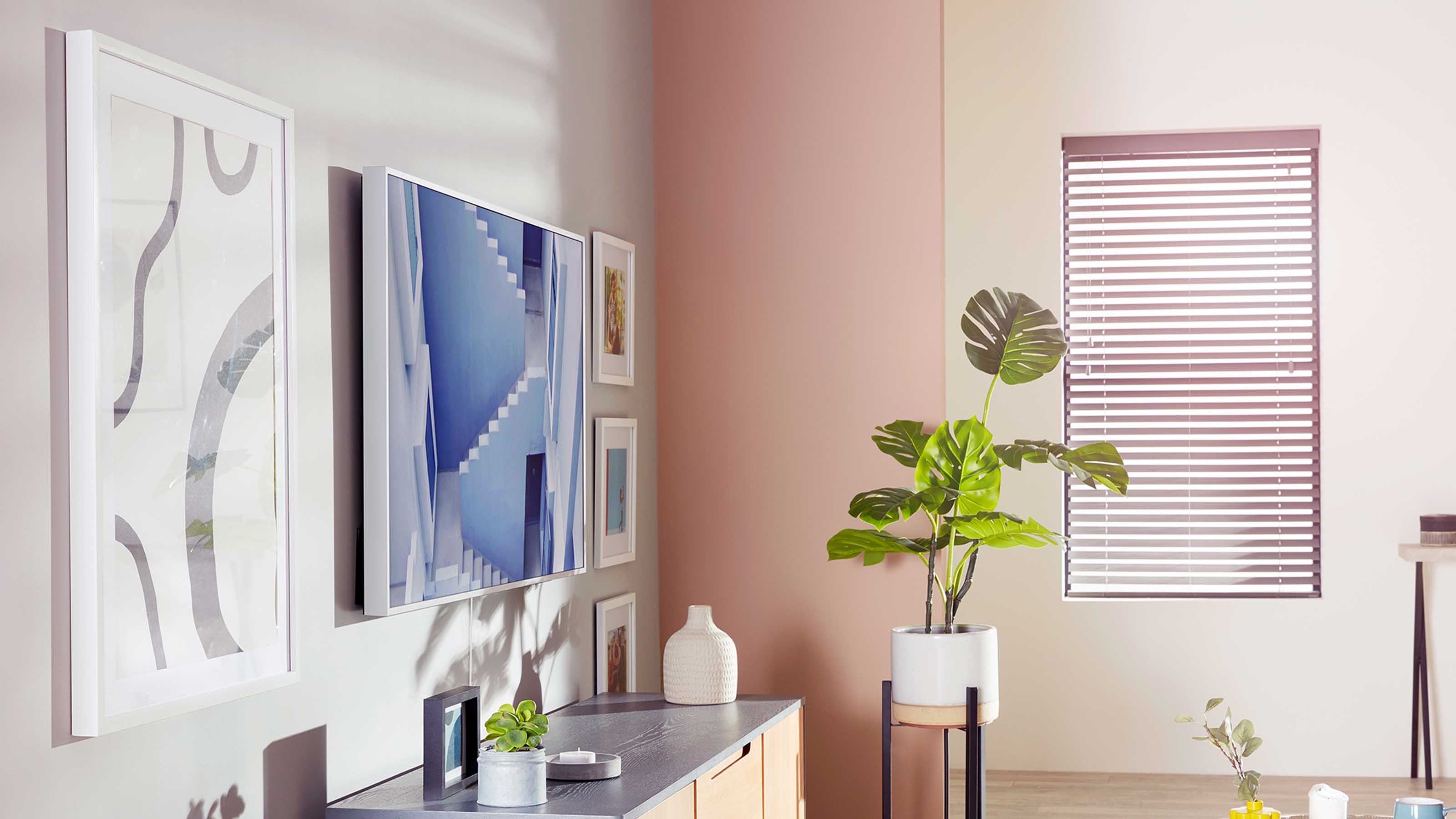
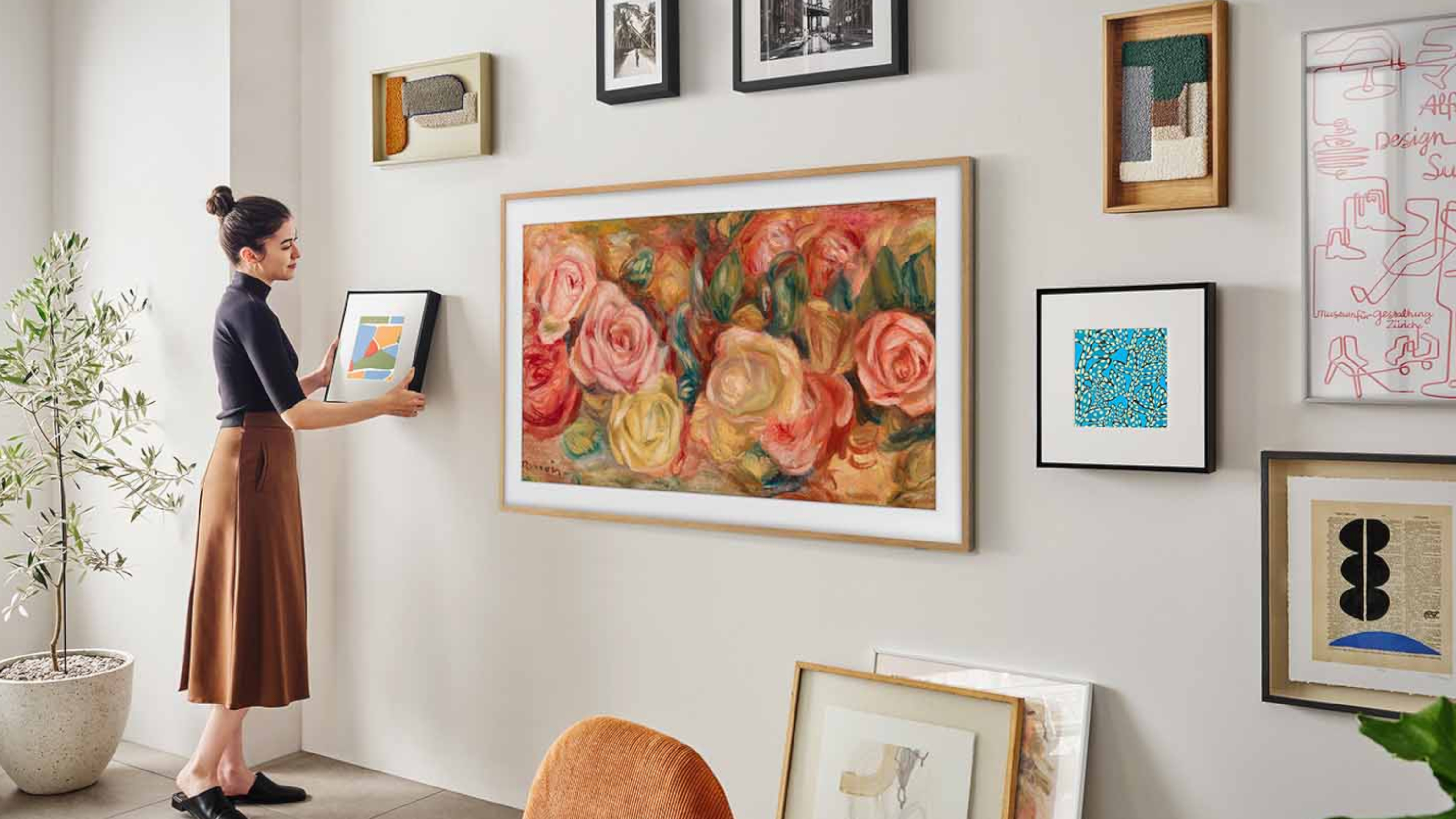
For those who choose to place a TV above the mantel, Soto offers several design tips to maintain design integrity. One suggestion is to opt for a sleek, frame-style TV, which can mimic artwork when not in use. However, she cautions about the installation process, noting that many frame TVs require a connection box that should be recessed into the wall for a truly seamless look. Improper planning can result in the TV sitting awkwardly on top of the mantel, detracting from the desired clean aesthetic.
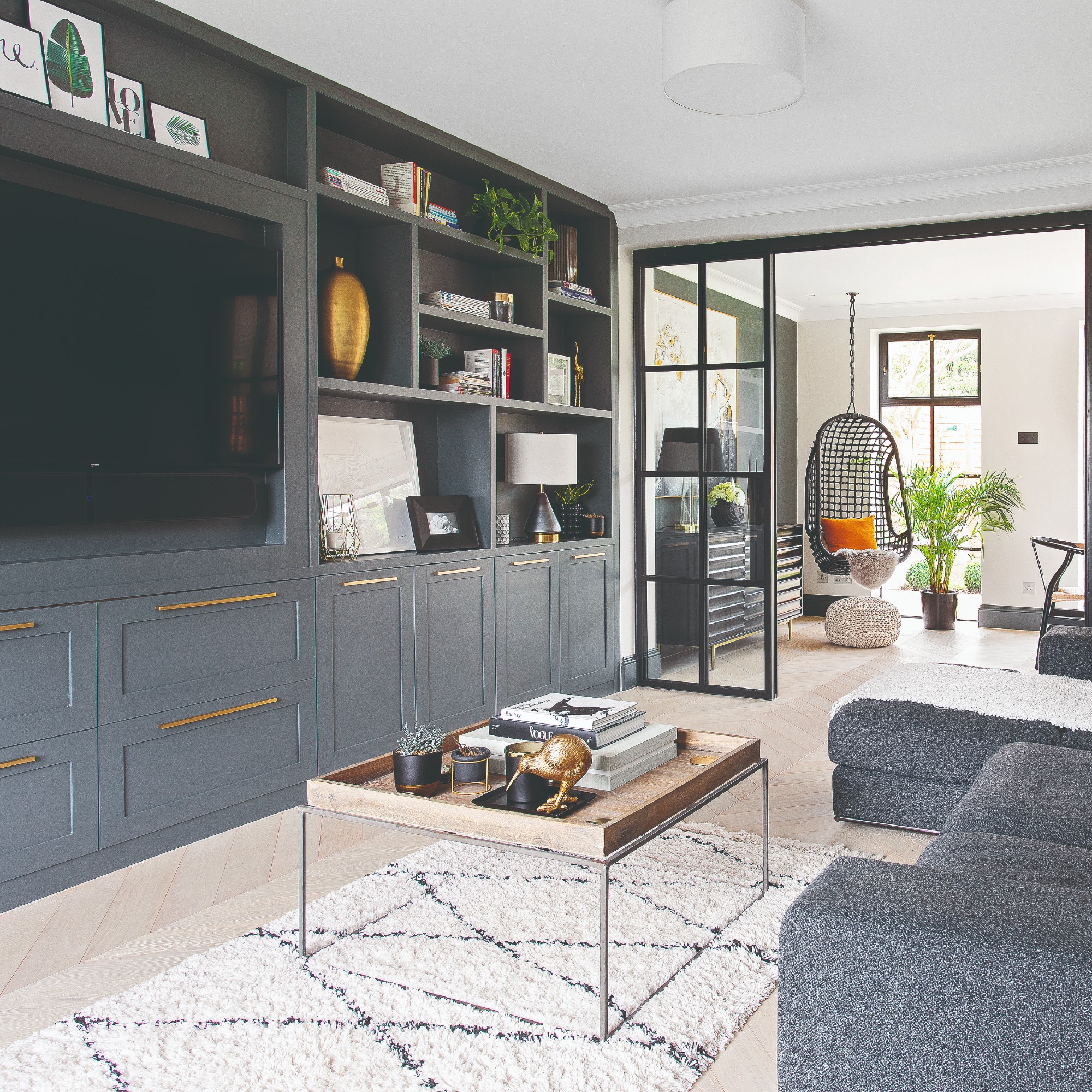
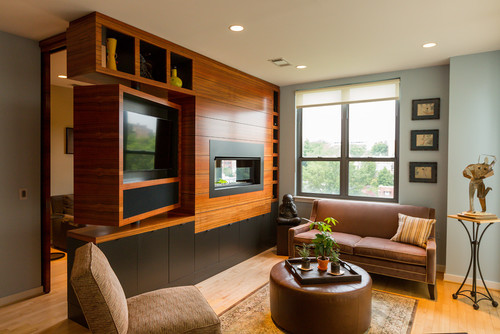
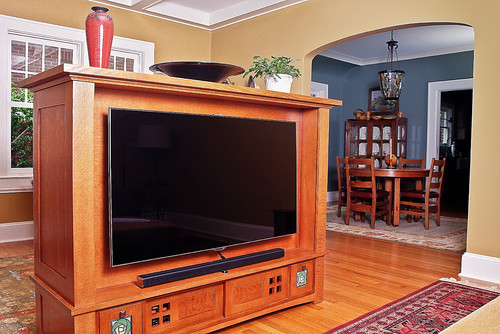
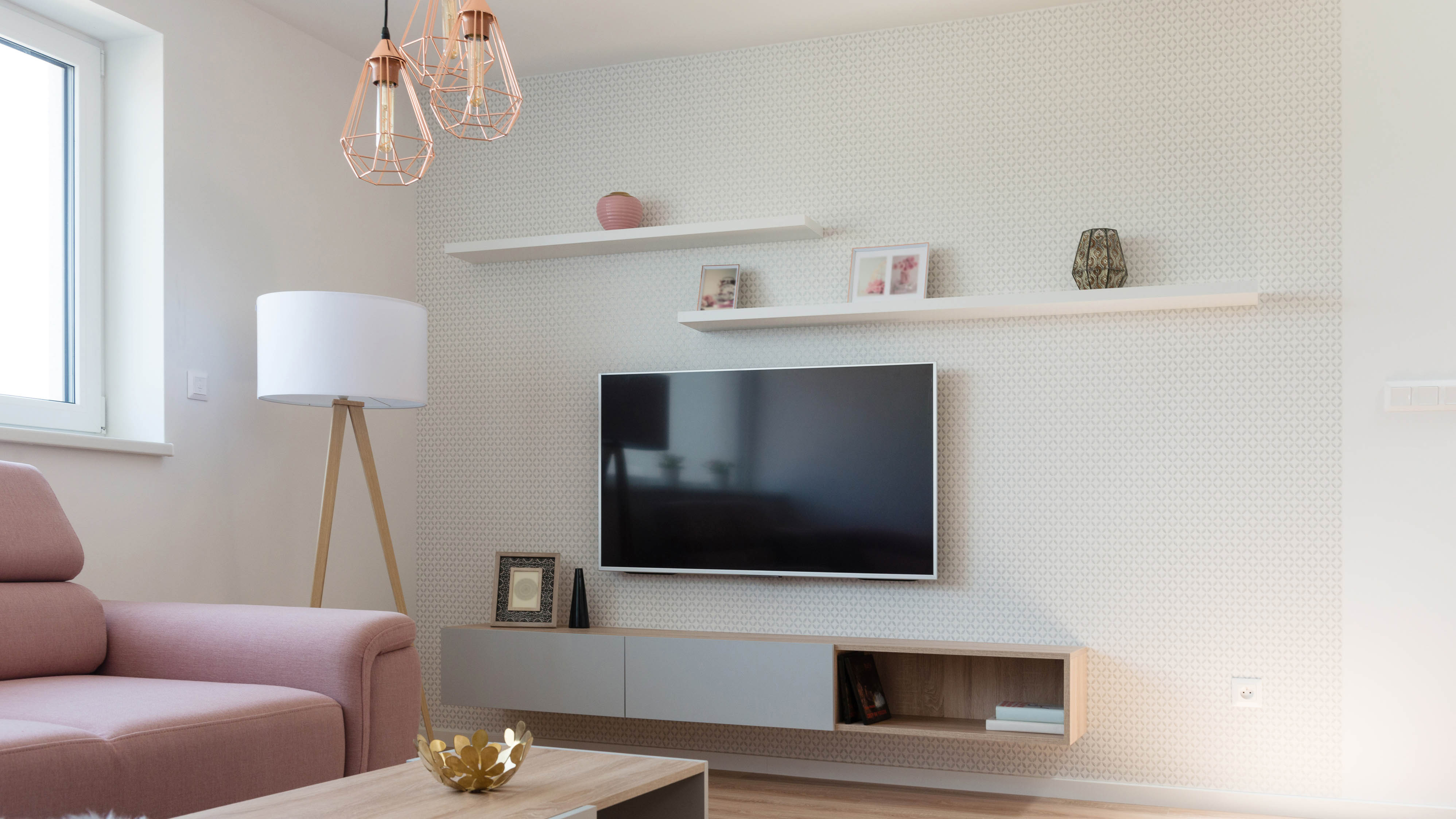
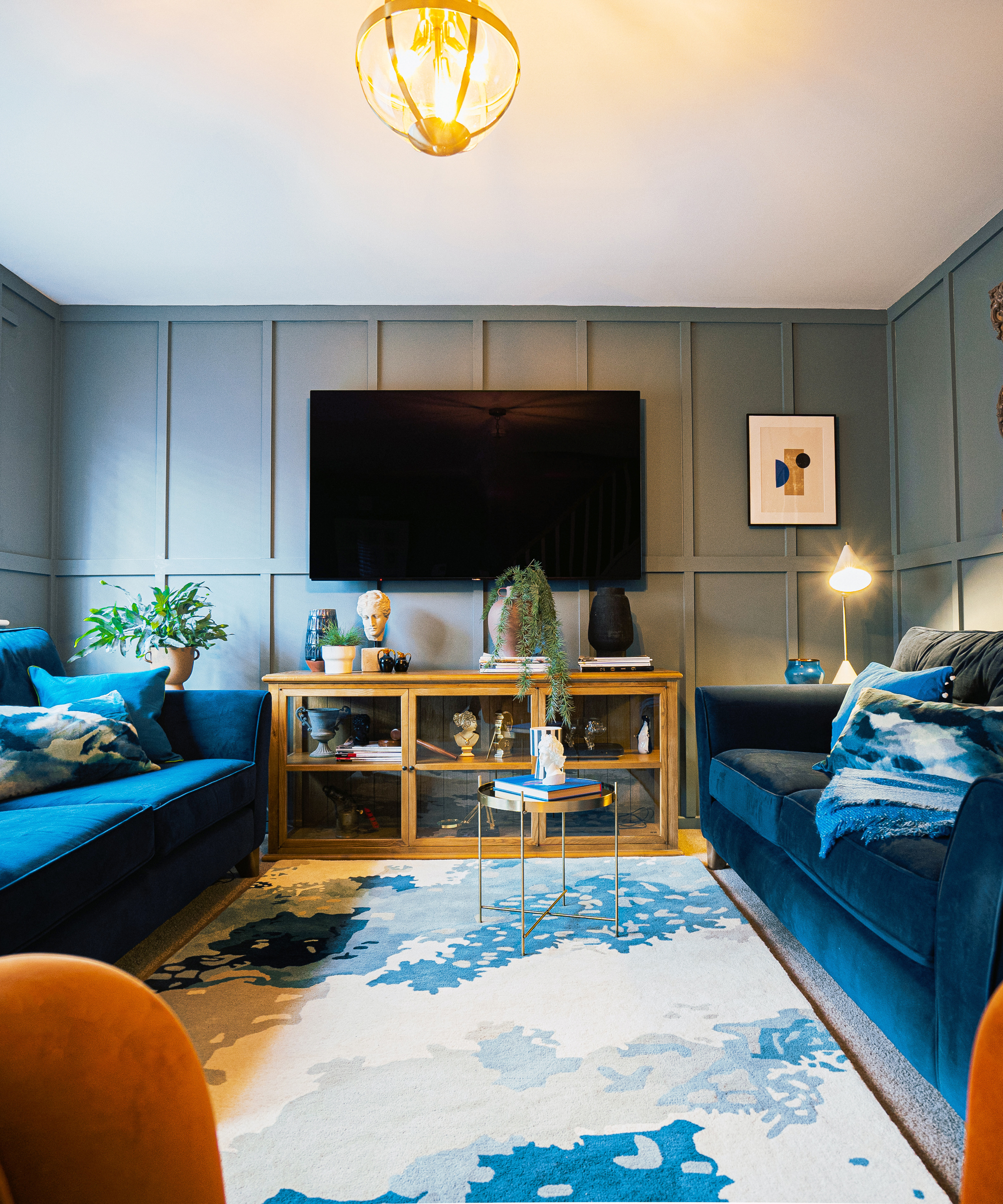
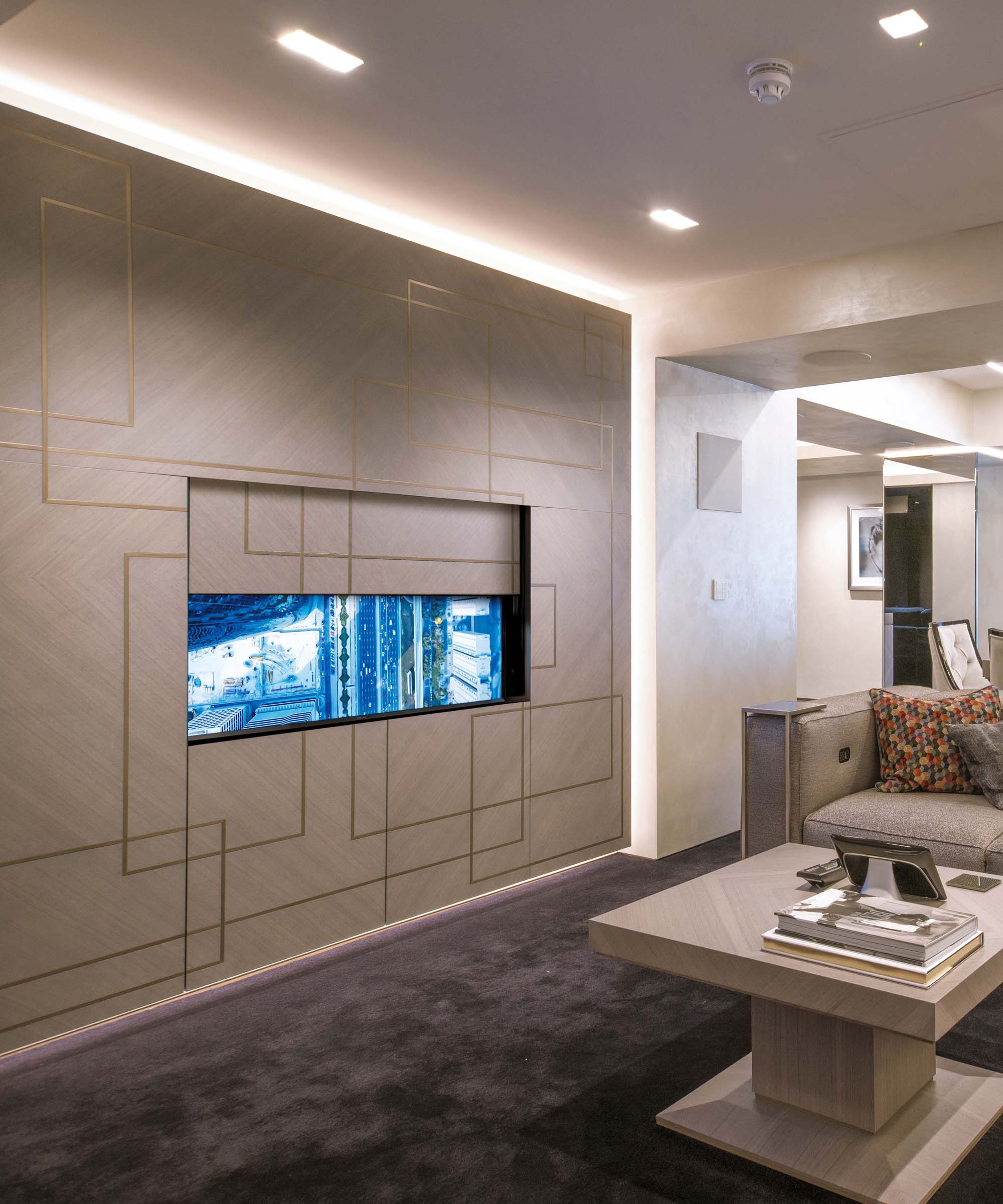
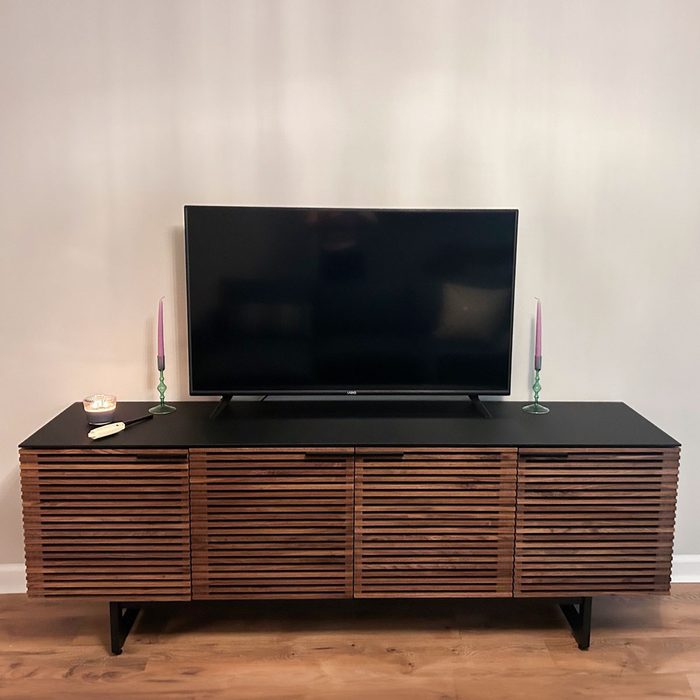
Alternatively, if a TV is a crucial element for some family members while others value the elegance of a standalone fireplace, designating a separate media wall is a viable solution. This approach allows for flexible seating arrangements, such as swivel chairs or movable ottomans, enabling effortless transitions between viewing the TV and enjoying the fireplace. Another more costly but effective option involves flanking the fireplace with custom shelving or built-in cabinetry. These built-ins can discreetly house a television, either by integrating it directly into the design or concealing it behind cabinet doors.
For those seeking to completely hide their screen, more advanced and expensive solutions exist, such as motorized lifts that raise and lower the TV, or artwork that slides open to reveal a hidden screen. These options offer a sleek, multifunctional approach to media integration. Lastly, in situations where placing a TV above the mantel seems unavoidable, a projector with a hidden drop-down screen can provide a cinema-like experience without the permanent visual disruption of a black TV screen. While this may not replicate the effect of a high-end flat screen, it offers a practical compromise in households where the TV placement debate is prevalent.
#InteriorDesign #TVPlacement #FireplaceMantel #HomeDecor #DesignTips #LivingRoomDesign #Ergonomics #BuiltInCabinetry #HiddenTV #HomeEntertainment #InteriorDesign #TVPlacement #FireplaceMantel #HomeDecor #DesignTips #LivingRoomDesign #Ergonomics #BuiltInCabinetry #HiddenTV #HomeEntertainment
0 comment in total
 No comments yet
You may also like
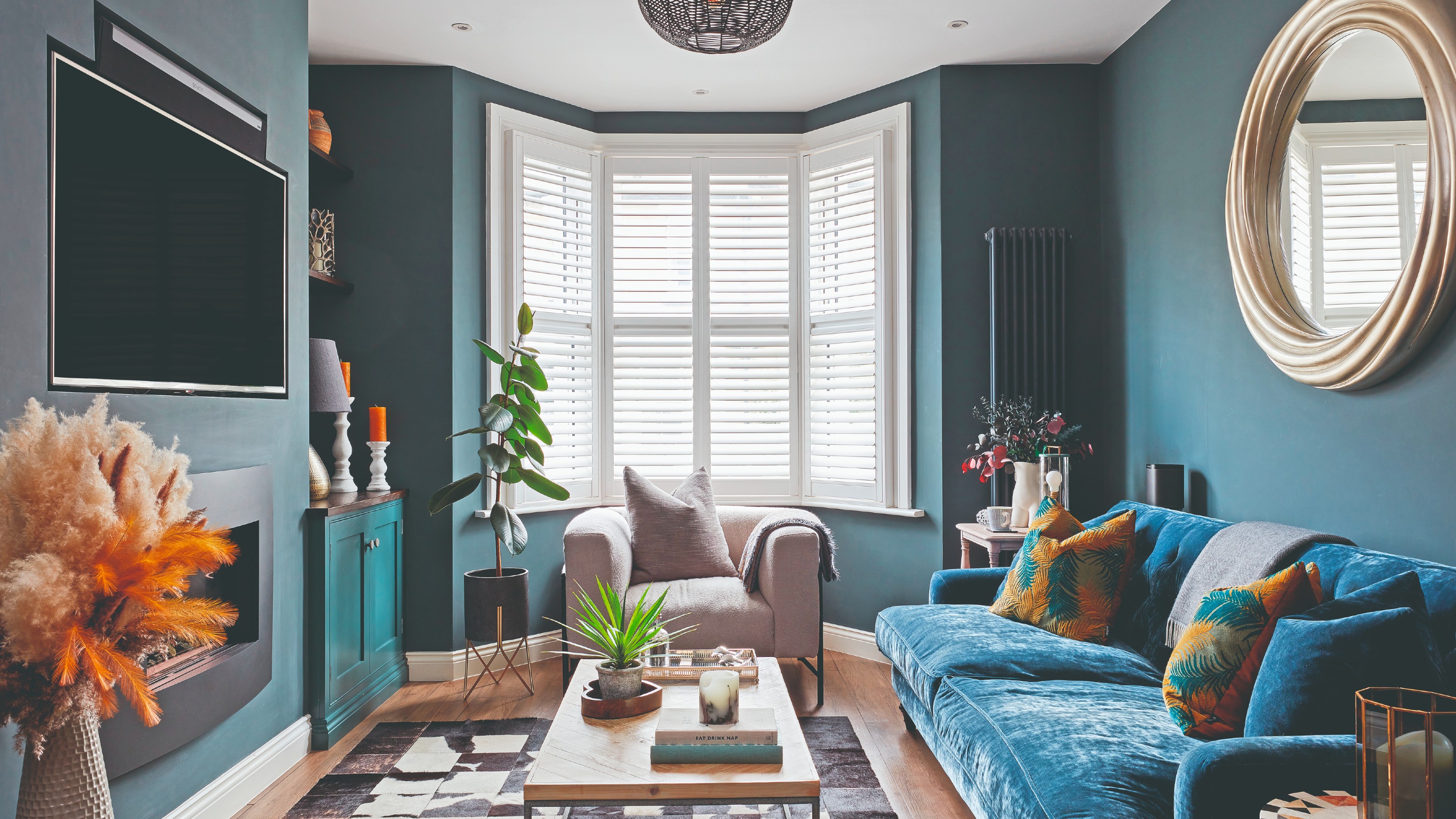
Should you put a TV above the mantelpiece? Experts all agree on this newly sparked debate

Your TV’s Probably Too High (And Other TV-Mounting Mistakes You May Be Making)
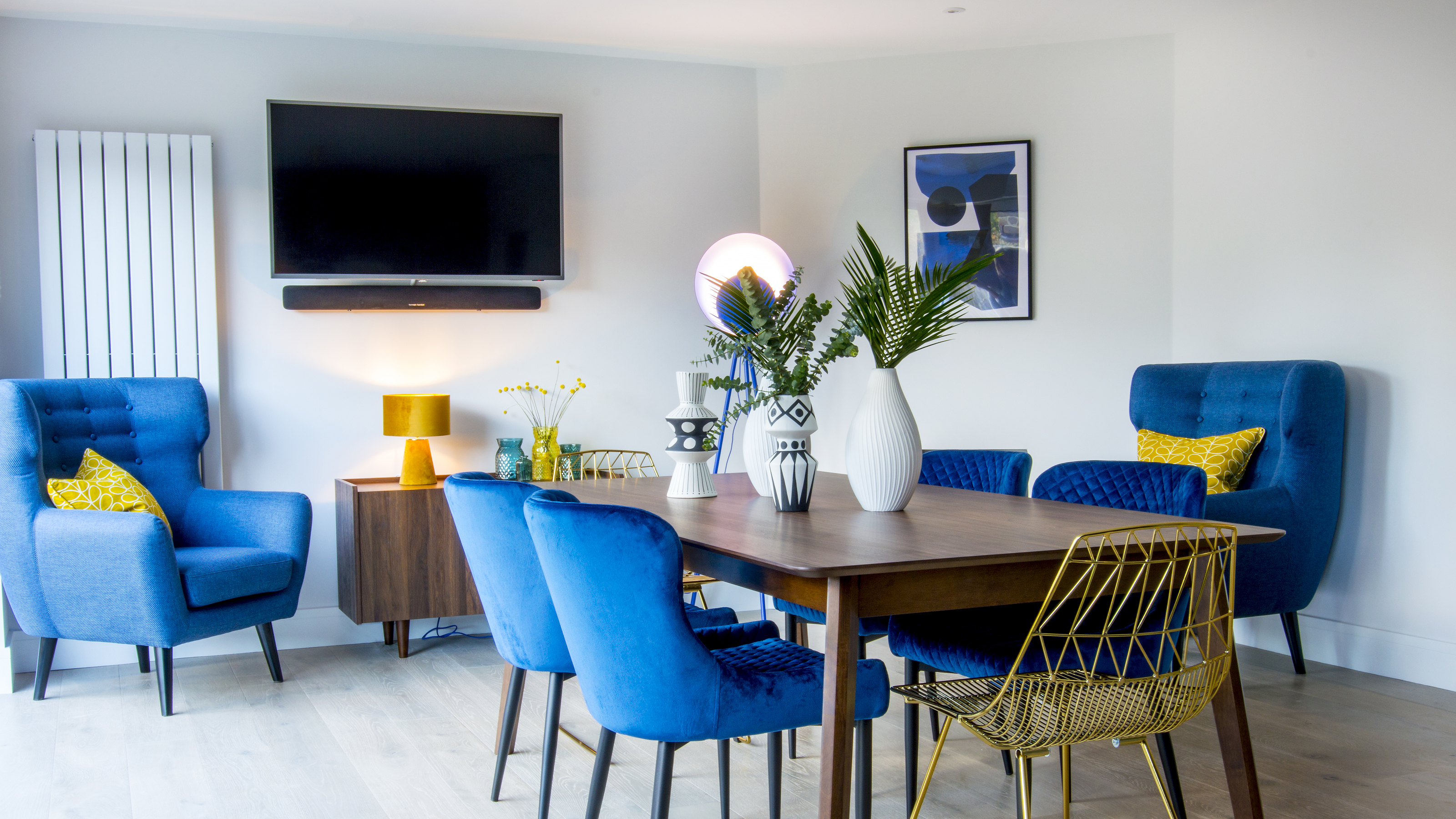
How to mount your TV to a wall in a way that's smart and safe

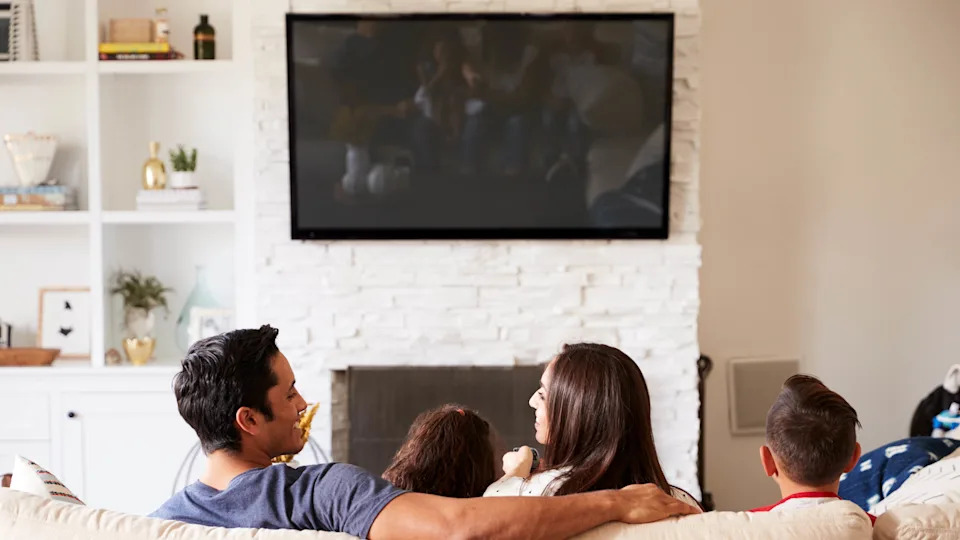
I test TVs for a living, and this is the one spot in my living room I would never put my TV

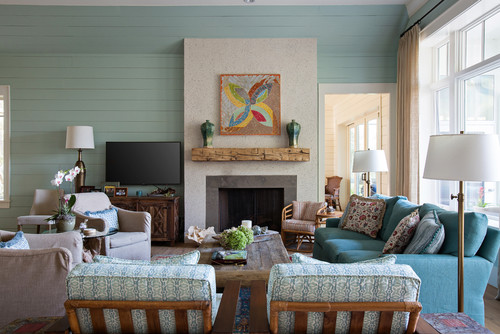
Is it OK to hang the TV over the fireplace?

Don't Mount Your TV Above Your Fireplace: Here's Why

Opinion: At Home: Ceiling fans: To see or not to see is the question
5 Best TV Stands That’ll Stand the Test of Time, Tested and Reviewed


Overhead Lighting vs. Lamps: Experts Settle This Great Debate

What's wrong with putting a TV above the fireplace?
8 stylish ways to hide your TV around your home
Our Favorite TV Wall Mount is Just $30 on Amazon

Should You Really Put Your Television Over Your Mantel?
Should a living room have a ceiling light? Finally, design experts settle the debate

Where should your living room TV go? Designers weigh in on the best spots
The TV as we know it is finally changing — and these designs are leading the charge

I test TVs for a living, and this is the one spot in my living room I would never put my TV
Interior expert reveals the common TV placement mistakes you're probably making

Shopping edit: 11 stylish TV stands to upgrade your setup


Where to Put a TV in the Bedroom: 8 Ideas and Tips