1/4
Don't Mount Your TV Above Your Fireplace: Here's Why
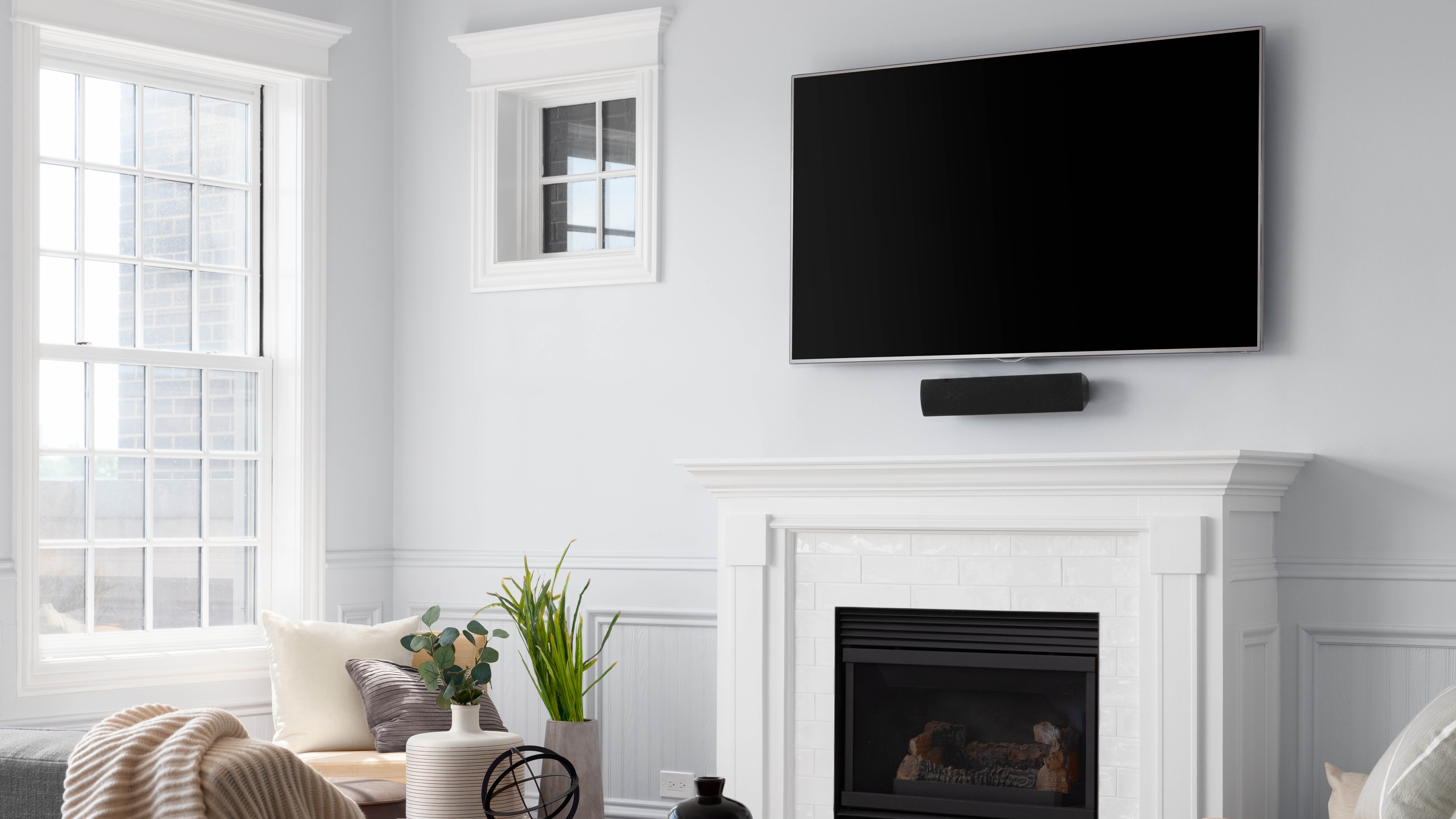
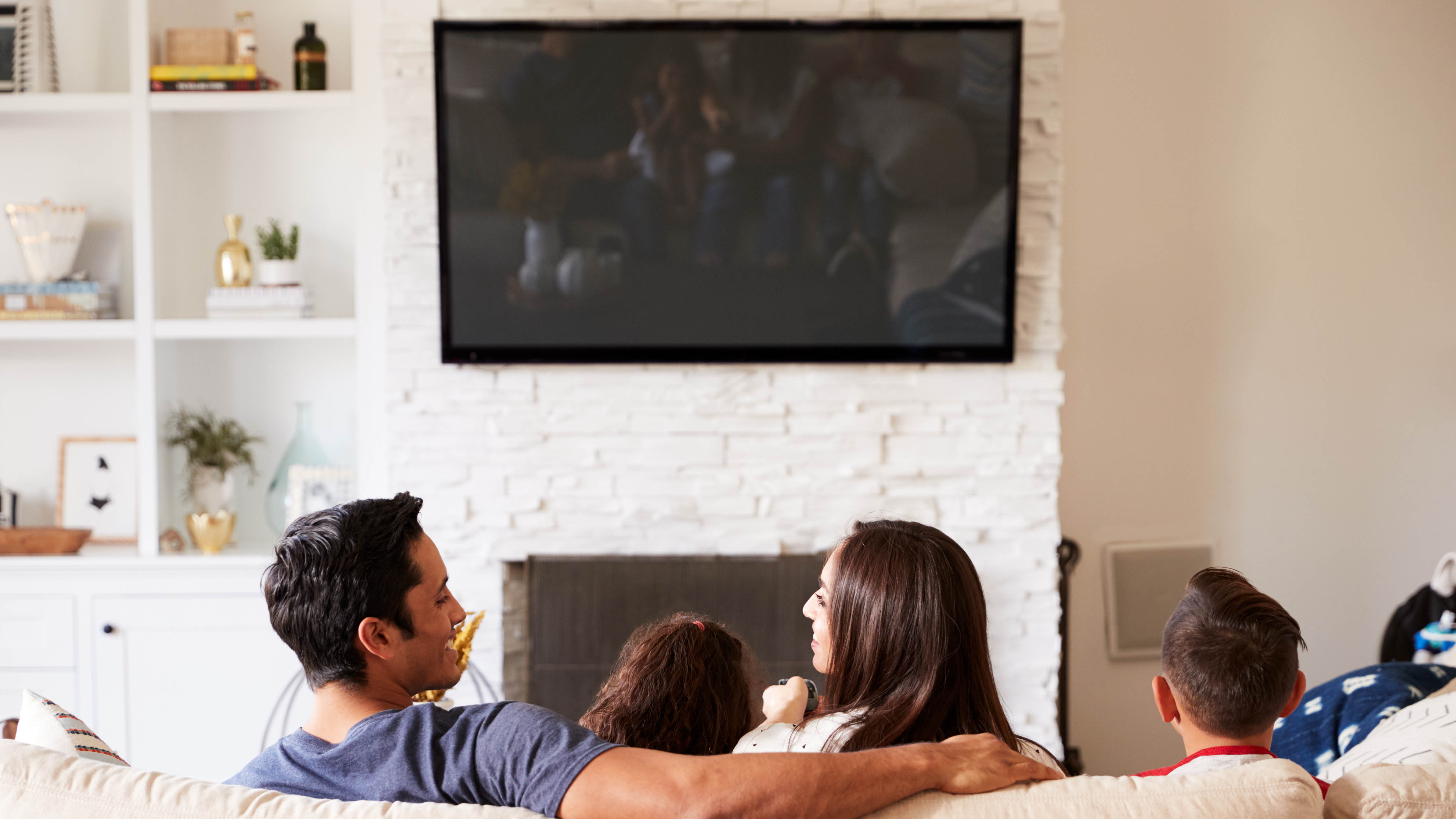
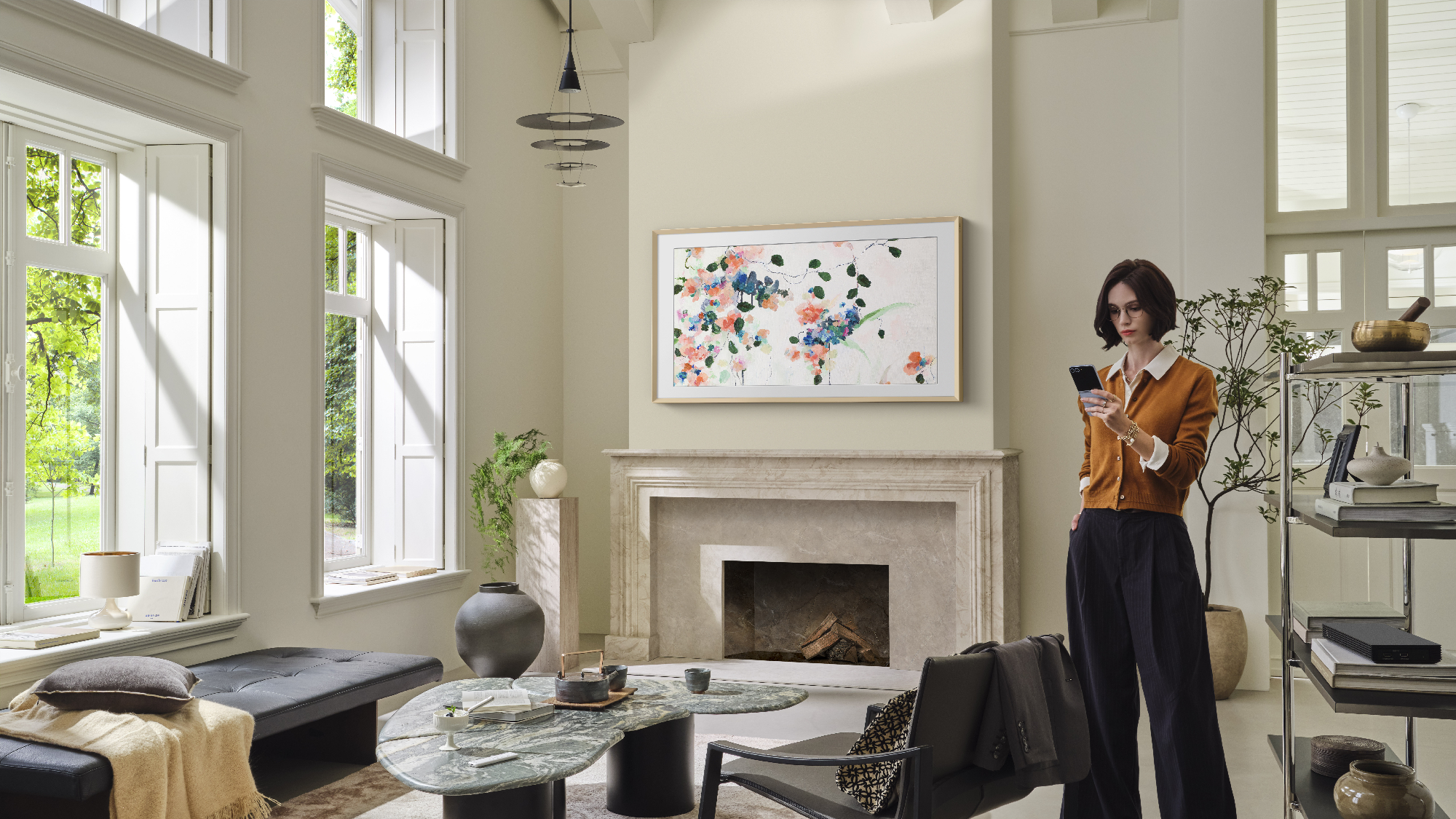
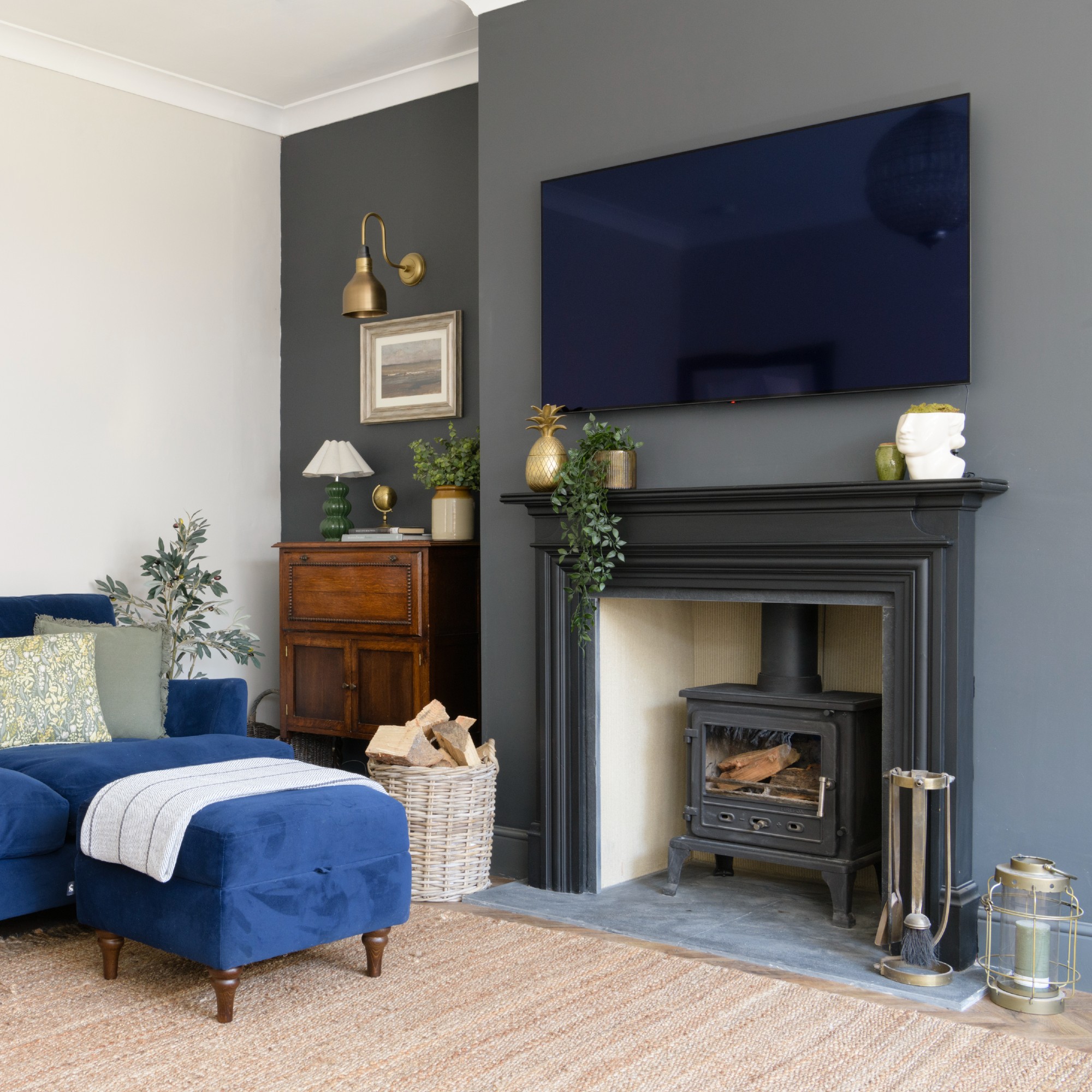
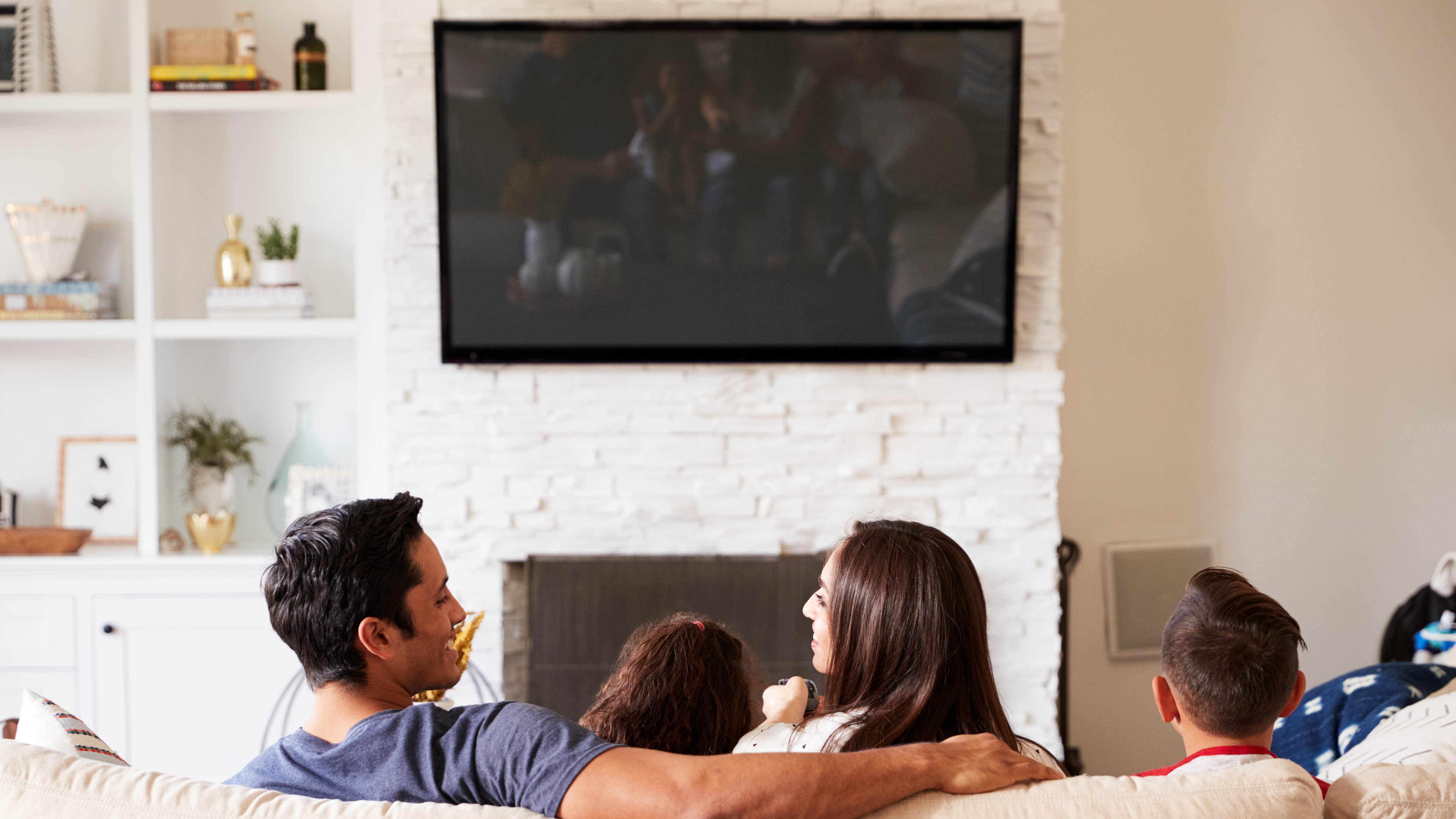
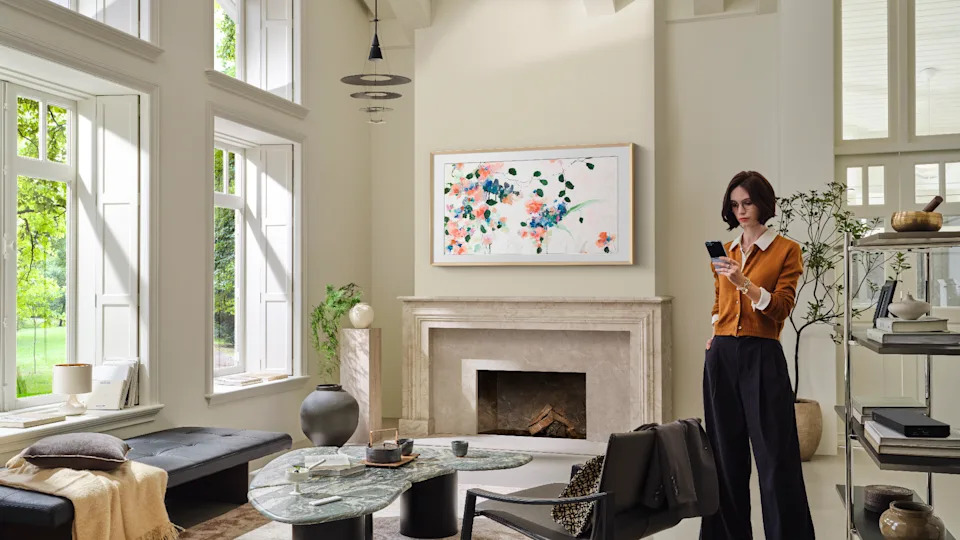
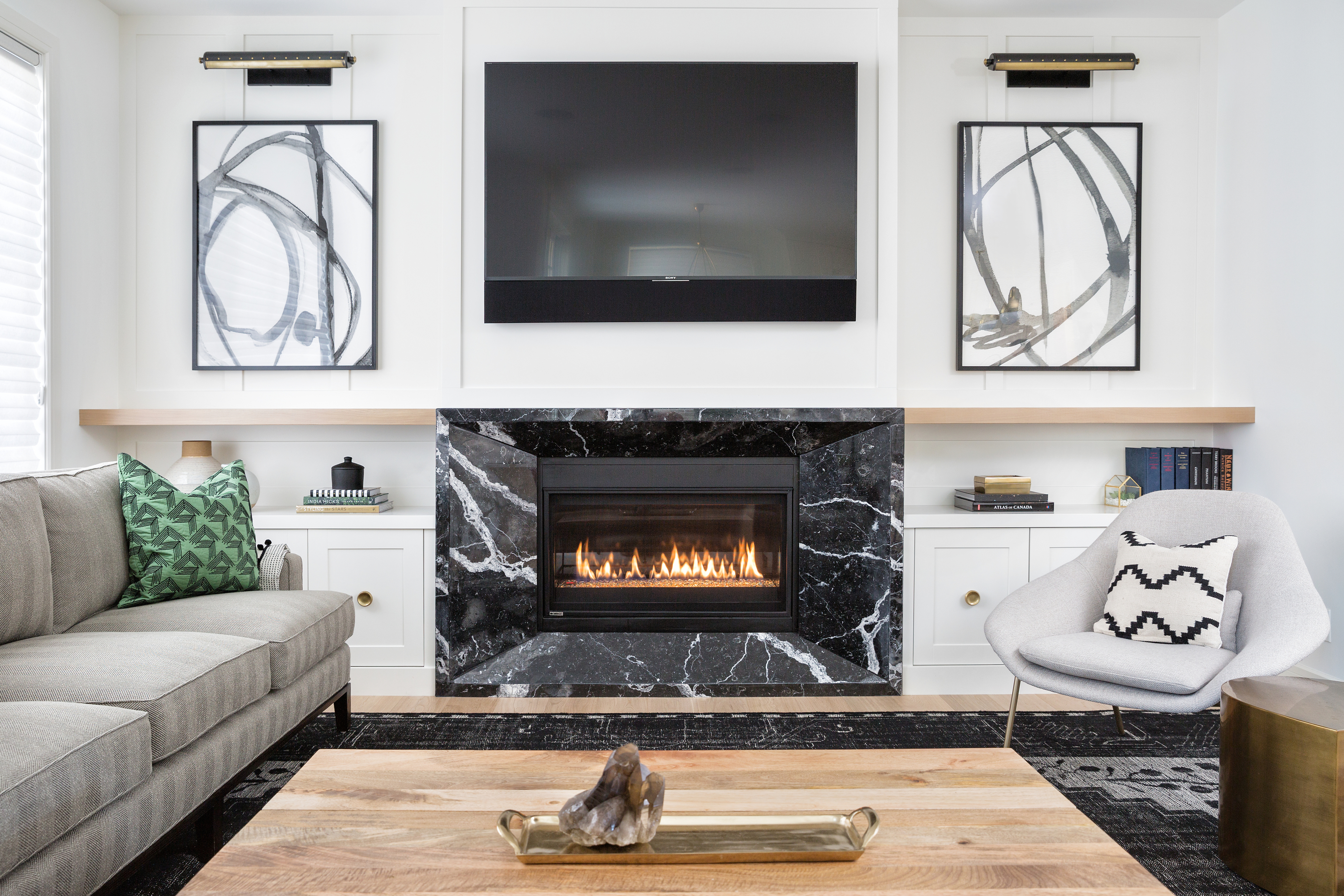
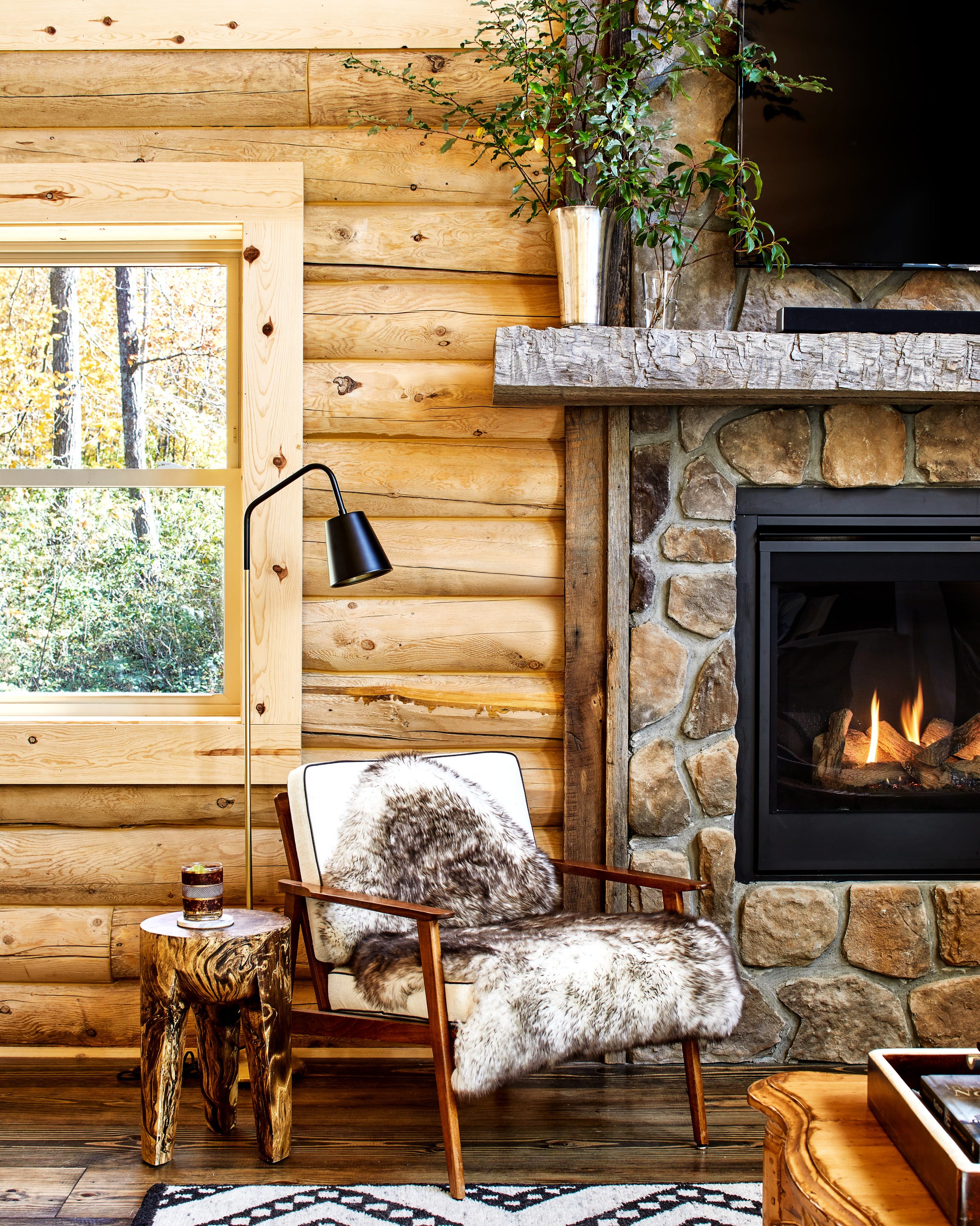
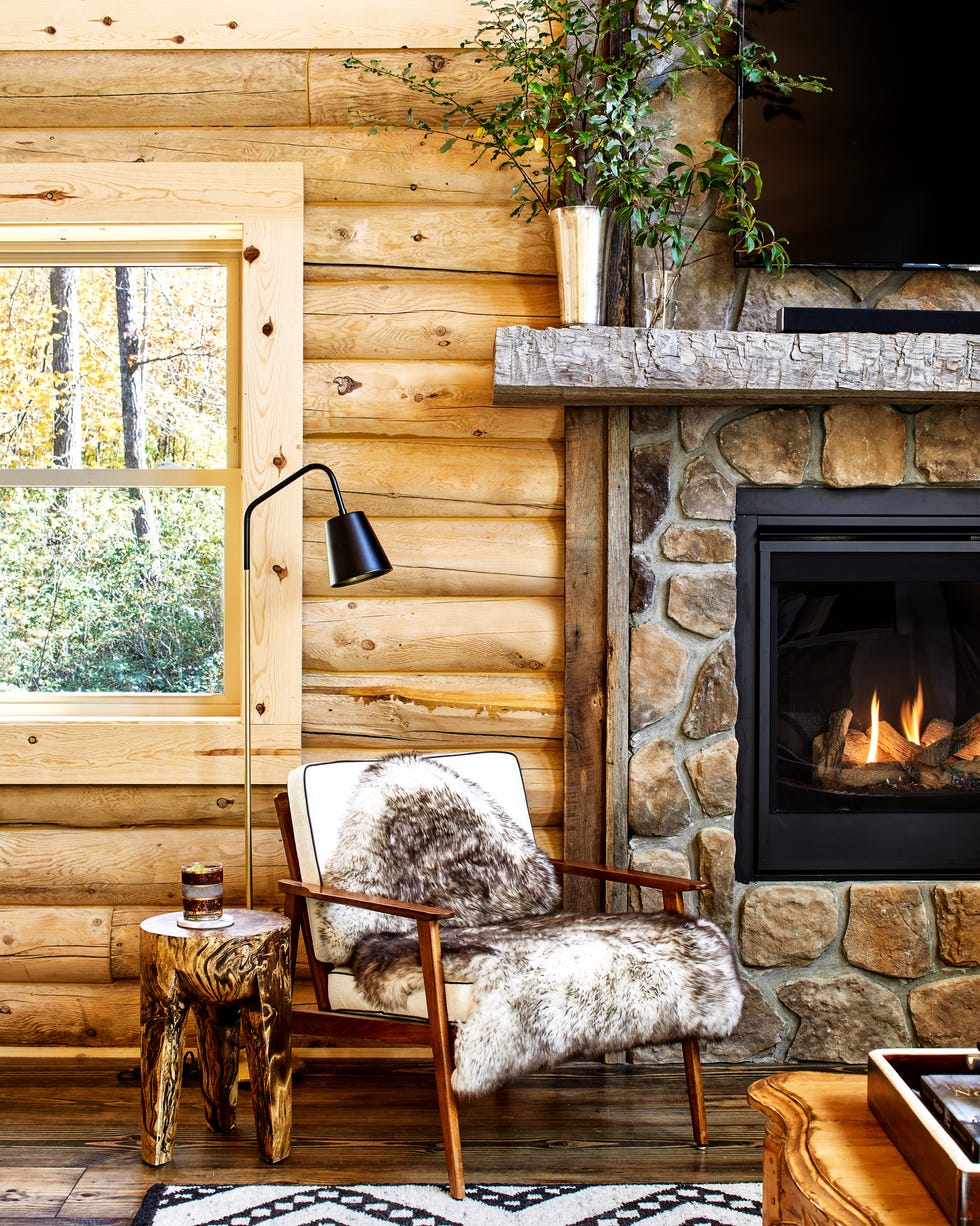
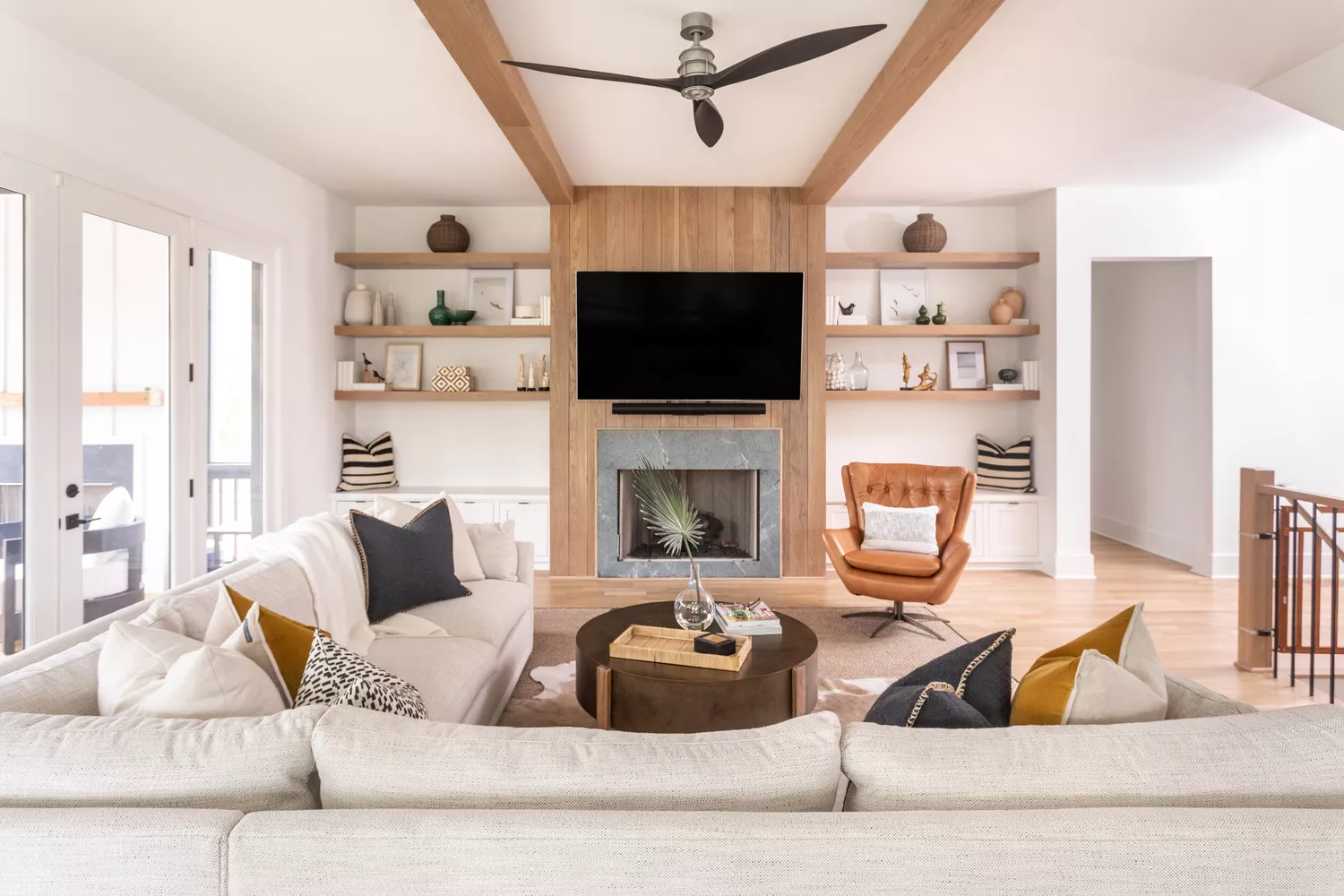
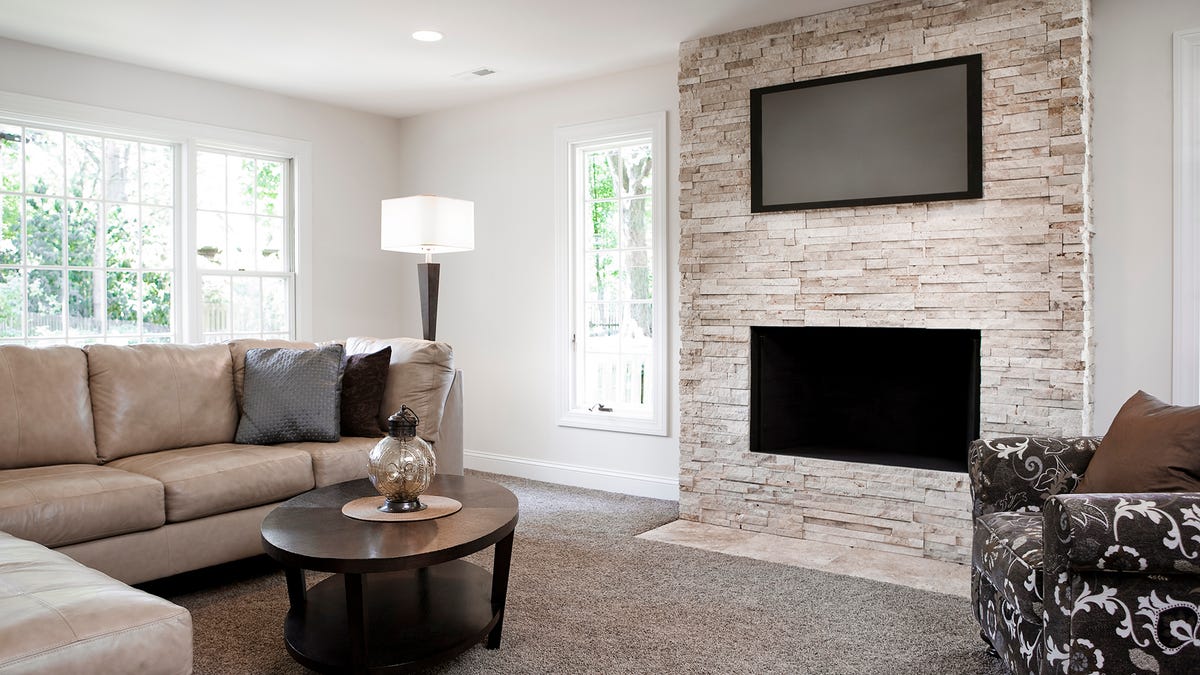
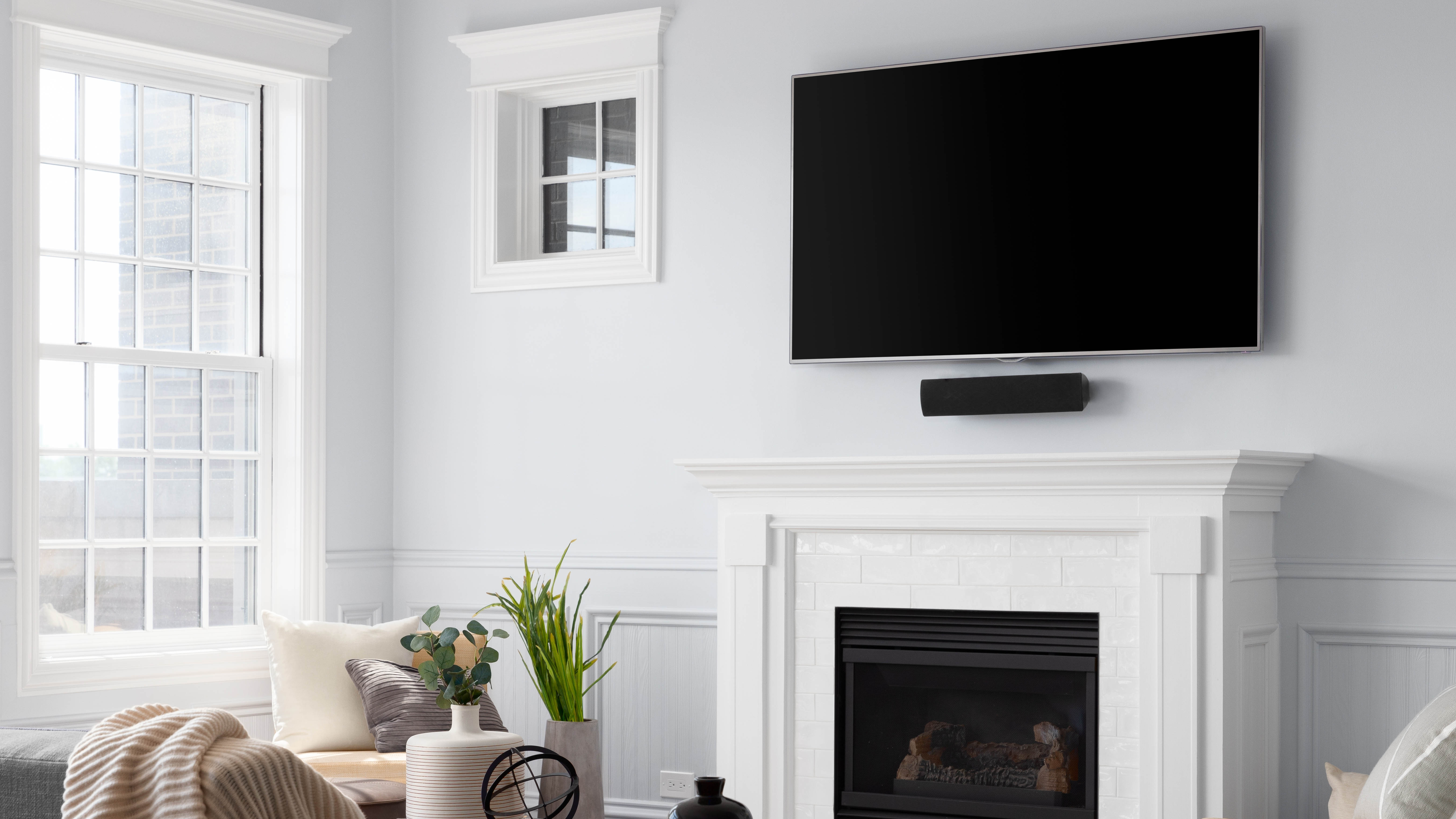
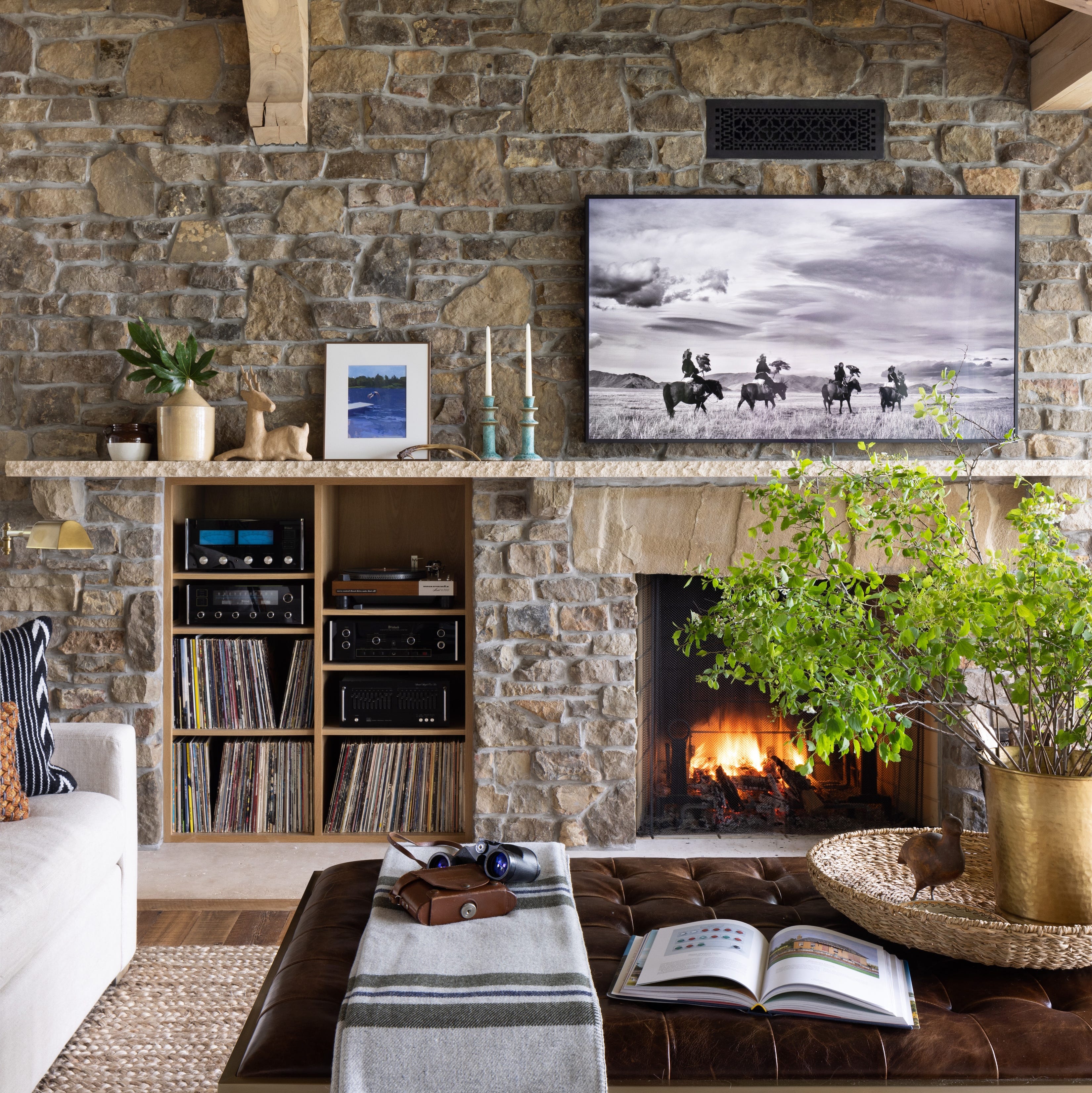
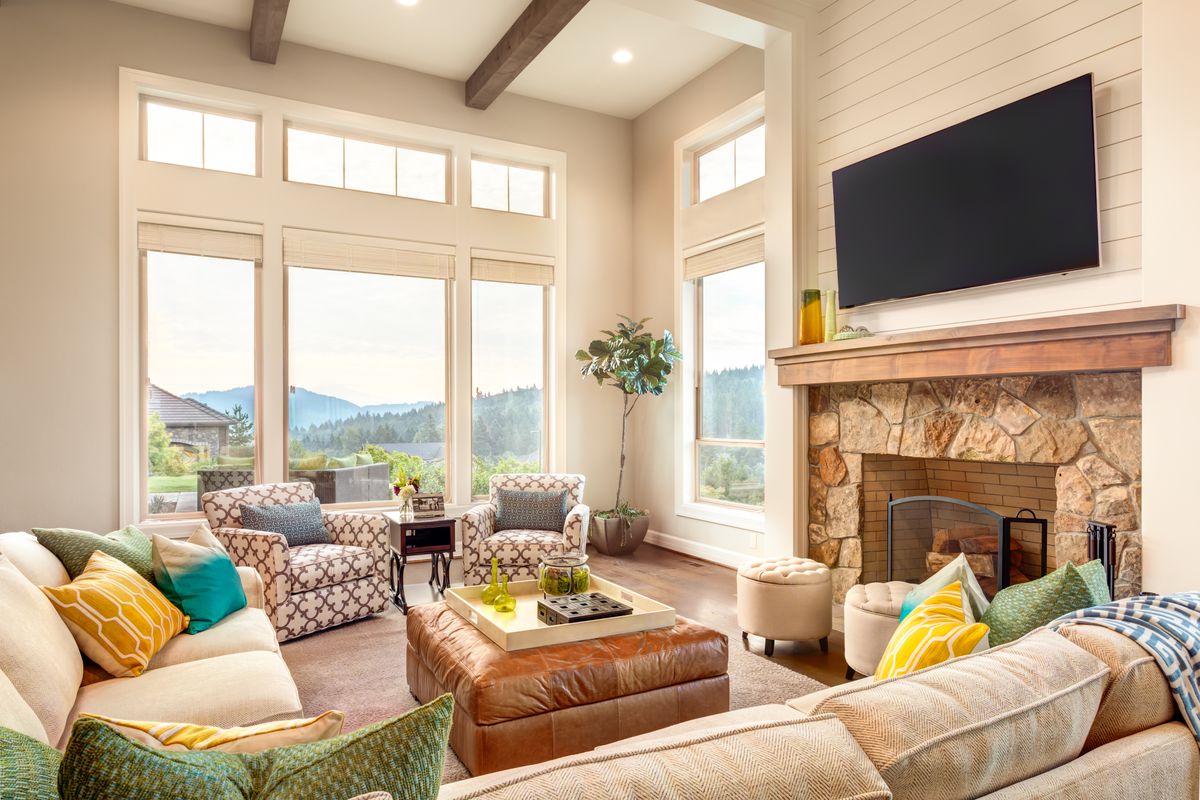
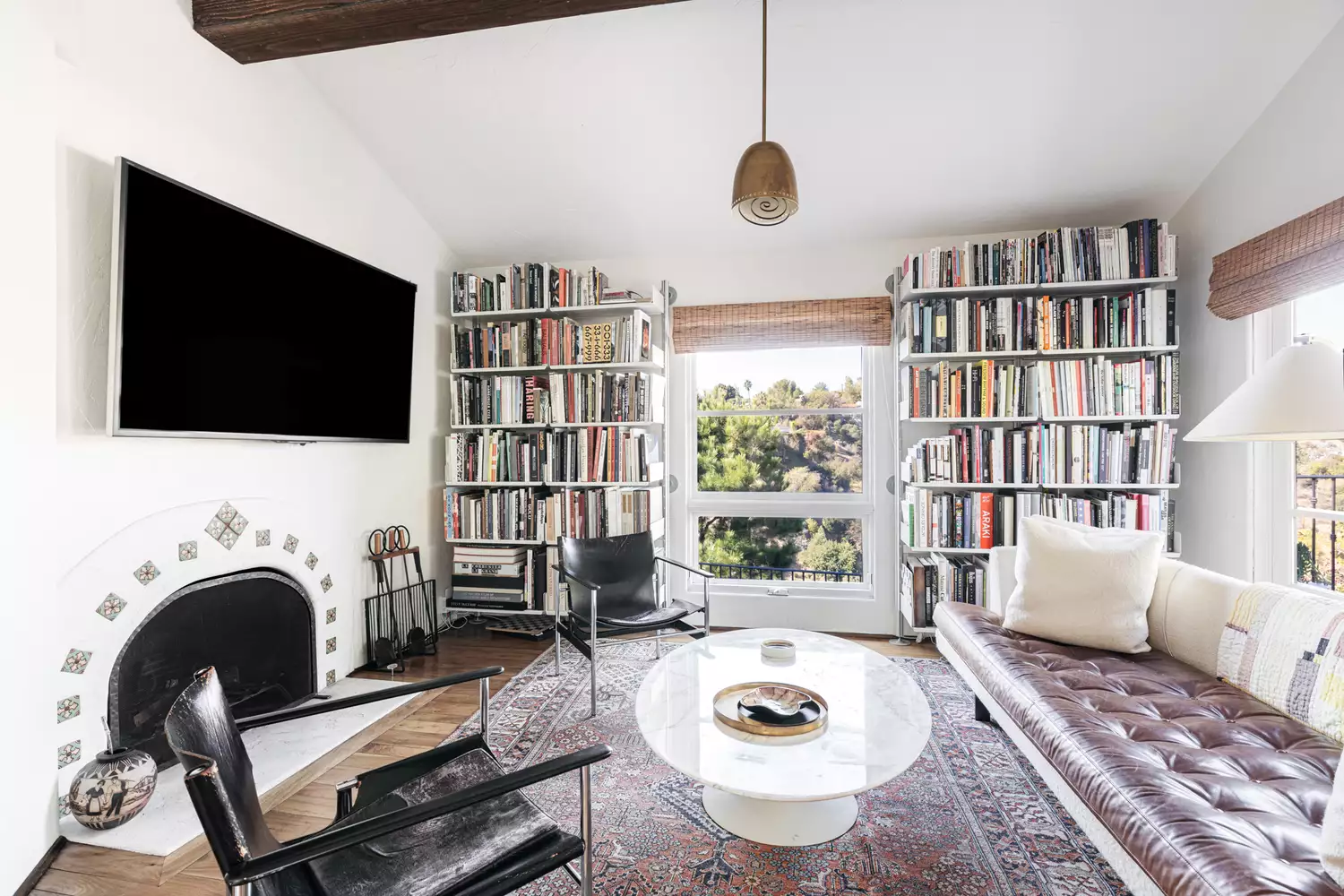
Mounting a television above a fireplace, though often considered a popular and stylish placement, is generally a bad idea due to several significant drawbacks that can affect both viewing quality and the TV's longevity, as well as lead to potential physical discomfort. While fireplaces and televisions are frequently considered focal points in a room, making this placement seem logical or even easy, the downsides outweigh any aesthetic or convenience benefits.
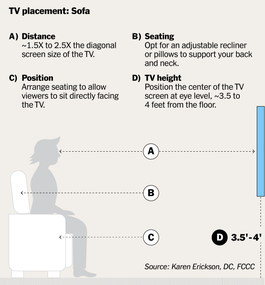
One of the primary concerns is the viewing angle. A TV mounted above a fireplace is almost always too high for comfortable viewing. This elevated position often forces viewers to crane their necks upwards for extended periods, similar to sitting in the front row of a movie theater. Such an unnatural viewing posture can lead to neck strain, discomfort, and potentially more serious neck problems over time. Ideally, a television should be positioned so that a viewer can maintain a neutral and relaxed neck position, usually meaning looking slightly downwards. This optimal height will vary depending on seating arrangements and the specific height of the fireplace, but a fireplace mount rarely achieves this ergonomic ideal. The common occurrence of this issue is highlighted by the popularity of online communities dedicated to mocking excessively high TV placements.
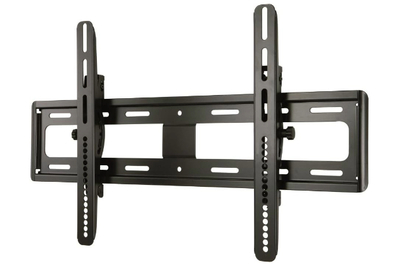
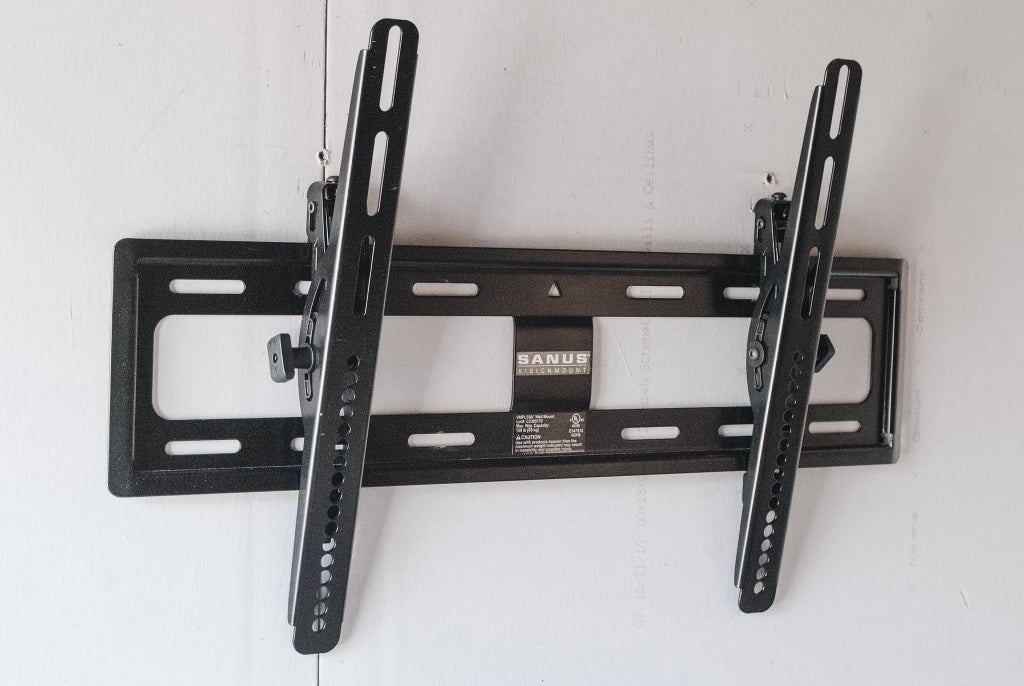
Another critical issue is the impact on picture quality, particularly for most modern televisions which utilize LCD technology. LCD screens are known to suffer from a degradation in image quality when viewed off-axis. When a TV is mounted high above a fireplace, viewers are often looking at it from several degrees below its centerline, which can result in noticeable shifts in color accuracy, contrast, and overall picture clarity compared to direct, head-on viewing. While some specialized wall mounts allow for tilting the TV downwards to adjust the viewing angle, these solutions add complexity and cost, and still might not fully compensate for the inherent height problem. OLED televisions offer better off-angle viewing performance, but they represent a more expensive option.
Furthermore, heat and soot generated by an active fireplace can cause significant damage to electronic components. Heat is detrimental to the lifespan of electronic devices, and prolonged exposure to elevated temperatures can accelerate the aging process of a television, potentially shortening its operational life well before its expected duration. In addition to heat, soot particles from wood-burning fireplaces can infiltrate the TV's internal mechanisms, causing gradual but irreversible damage. Even gas fireplaces, while not producing soot, can generate enough heat to warm the wall above, posing a risk to the television. This damage often accumulates slowly, manifesting after the manufacturer's warranty has expired, making it a costly problem for consumers. While some individuals report no immediate issues, the long-term effects of heat and soot exposure are a genuine concern.
Given these problems, it is advisable to consider alternative placements for a television. If mounting above a fireplace is unavoidable due to room layout or personal preference, it is crucial to use a mount that allows for significant vertical adjustment and downward tilting to improve the viewing angle. However, even with such adjustments, the risks associated with heat and soot remain. Exploring other options for TV placement within the room or investing in professional installation advice can help avoid these common pitfalls and ensure a better, more comfortable, and longer-lasting viewing experience.
#TVPlacement #HomeEntertainment #InteriorDesign #TVMounting #ViewingAngle #TVDamage #Fireplace #HomeDecor #ElectronicLifespan #TVPlacement #HomeEntertainment #InteriorDesign #TVMounting #ViewingAngle #TVDamage #Fireplace #HomeDecor #ElectronicLifespan
0 comment in total
 No comments yet
You may also like
Is it OK to hang the TV over the fireplace?

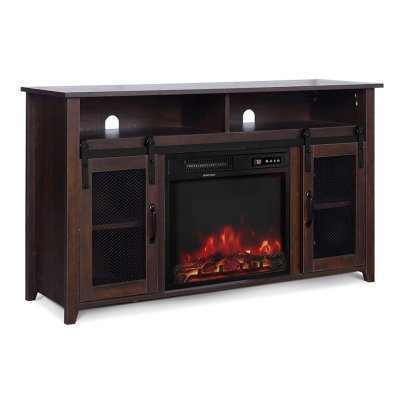
The Best Electric Fireplace TV Stands to Keep You Cozy and Entertained

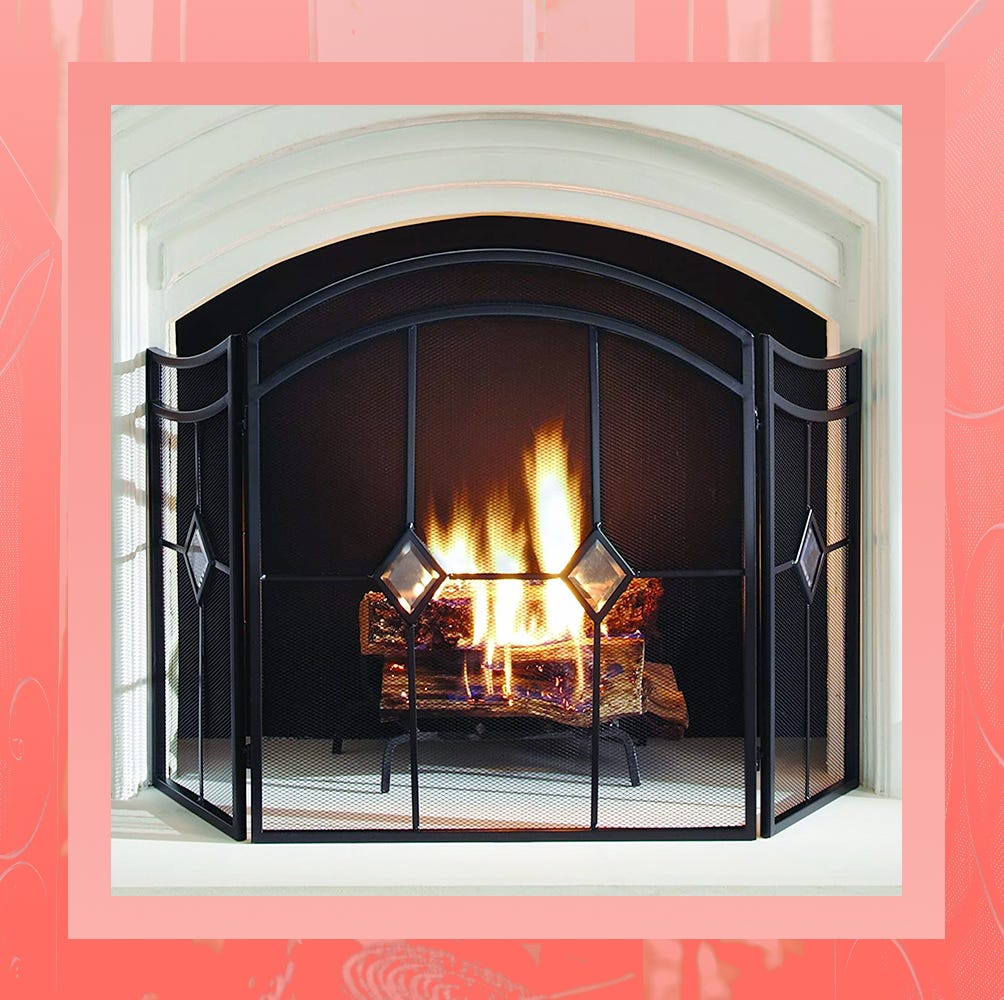
Don’t Even Think About Having a Fire at Home Without This One Essential Product
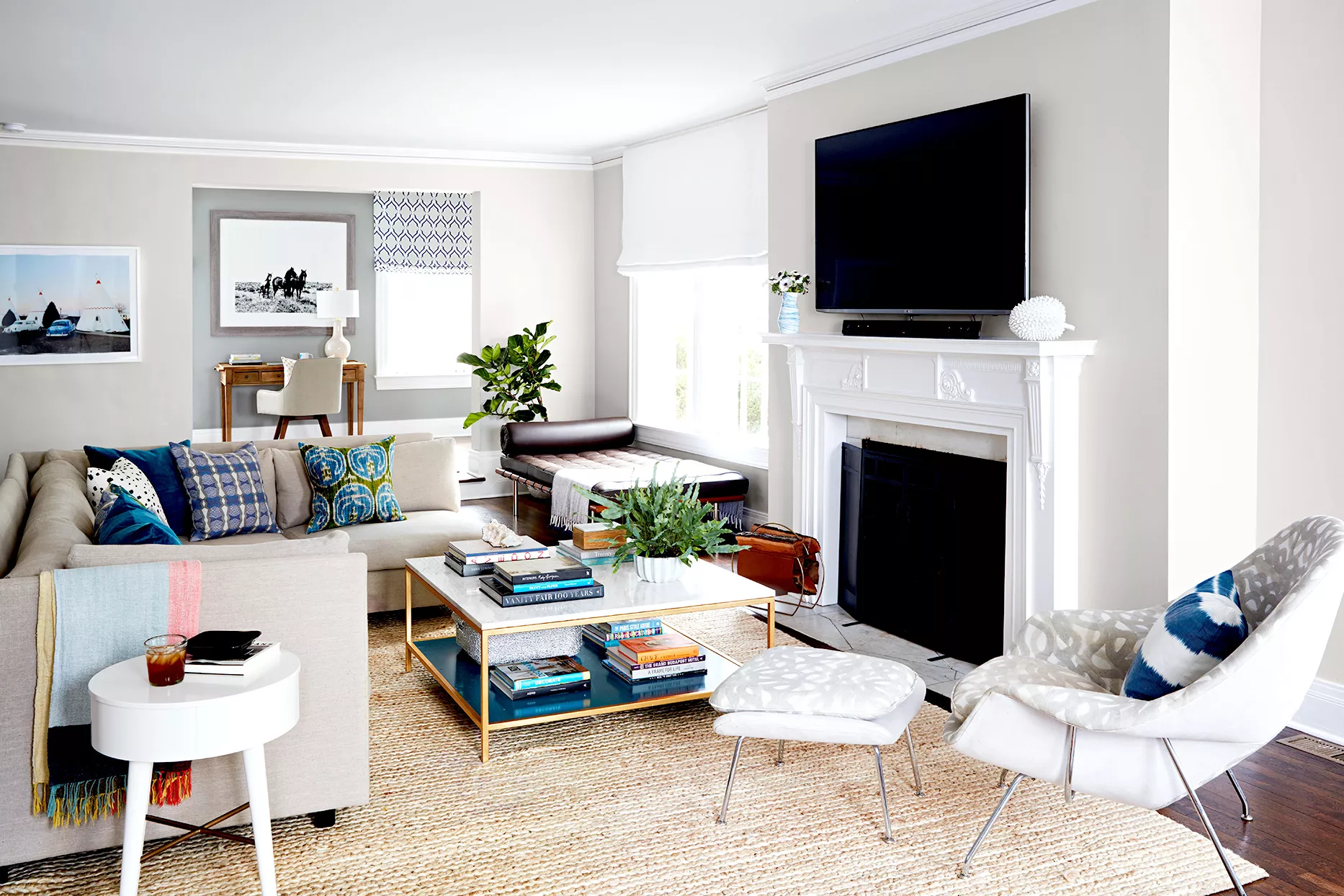
Should You Hang a TV Above Your Mantel? Experts Settle the Design Debate

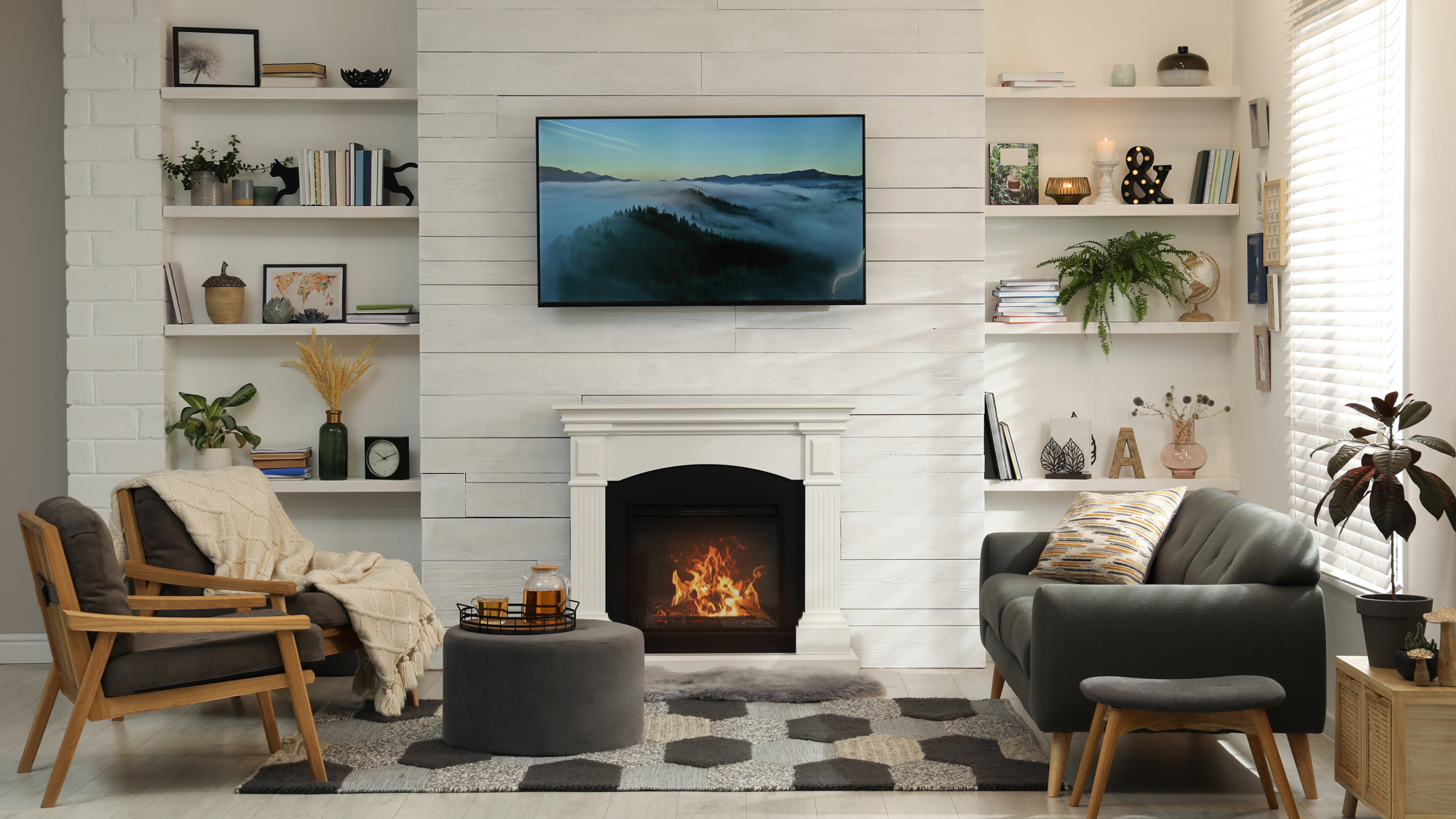
I test TVs for a living, and this is the one spot in my living room I would never put my TV

Interior expert reveals the common TV placement mistakes you're probably making
Should You Really Put Your Television Over Your Mantel?

Where should your living room TV go? Designers weigh in on the best spots
Should you put a TV above the mantelpiece? Experts all agree on this newly sparked debate
I test TVs for a living, and this is the one spot in my living room I would never put my TV

Which wall should a TV be on? – Feng Shui TV placement advice for your living room

8 stylish ways to hide your TV around your home

What's wrong with putting a TV above the fireplace?
These are the 7 biggest mistakes you can make when deciding where to put your TV, according to Feng Shui masters
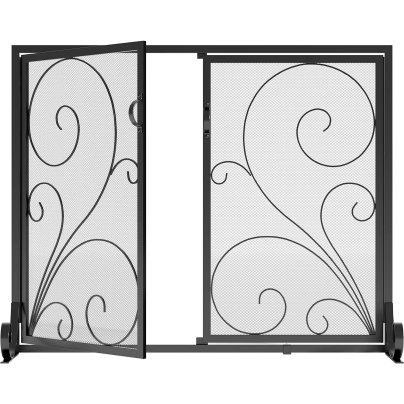
The Best Fireplace Screens for a Safe, Inviting Hearth
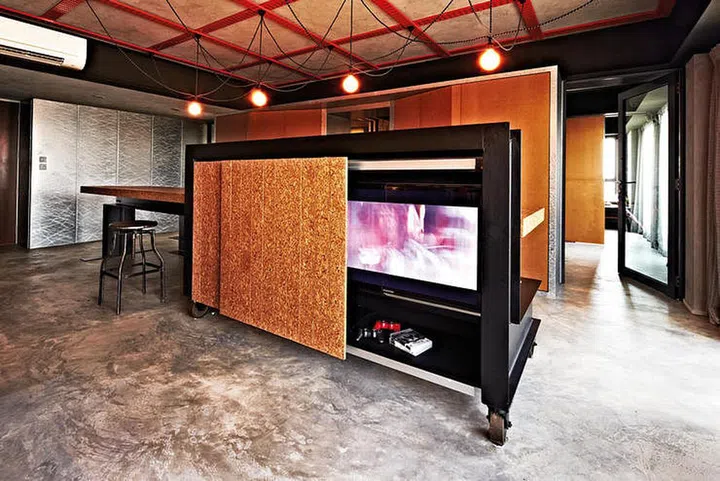
Living room design ideas: 6 ways to conceal your TV

Your TV’s Probably Too High (And Other TV-Mounting Mistakes You May Be Making)
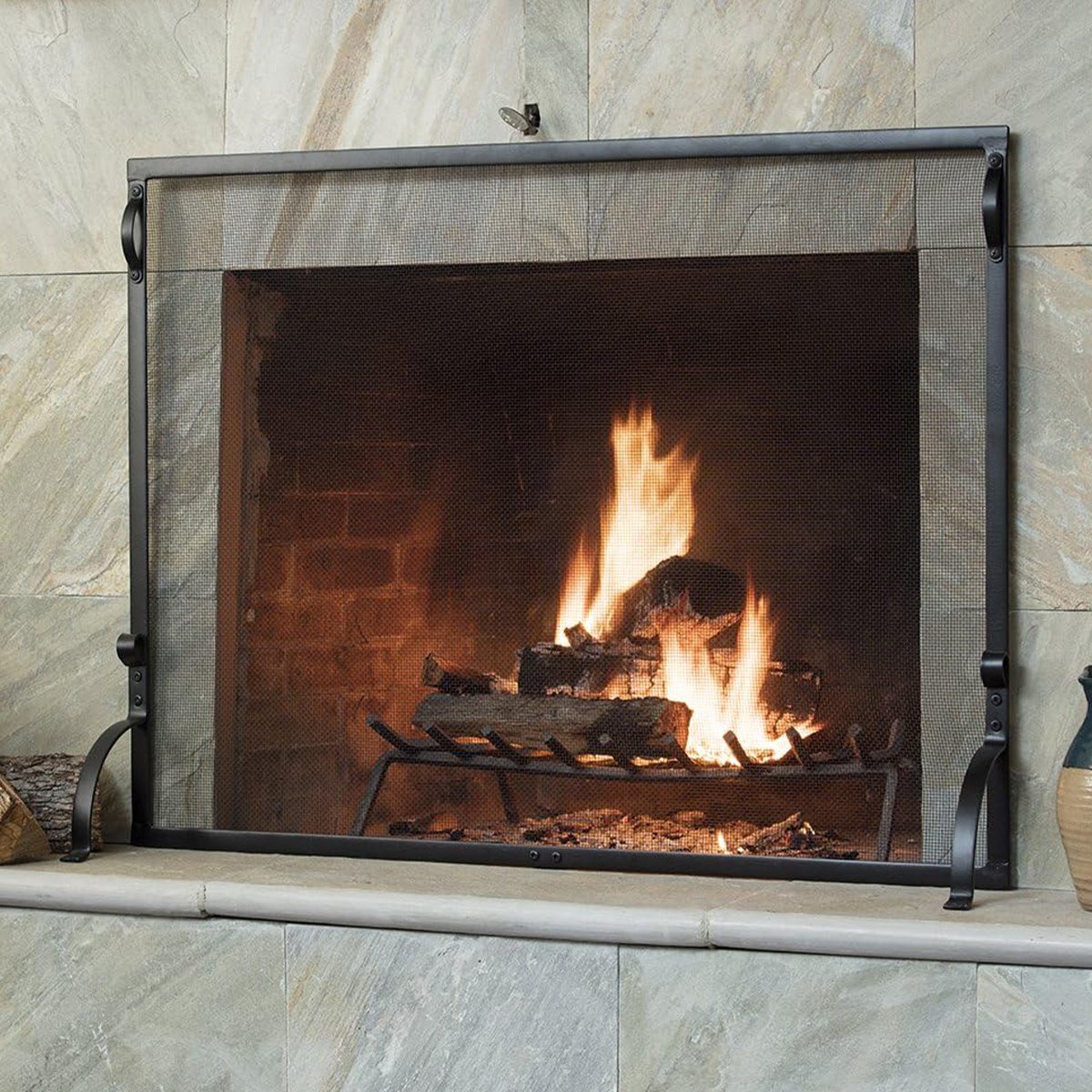
Best Fireplace Guard Screens for Safe and Elegant Indoors

Here’s How to Not Mess Up Mounting Your TV on the Wall | Reviews by Wirecutter
33 Ways to Make the TV Over a Fireplace Look Better, With Expert Tips