1/10
From Portugal to Belgium and Germany, explore 9 European design trends that are far from fleeting
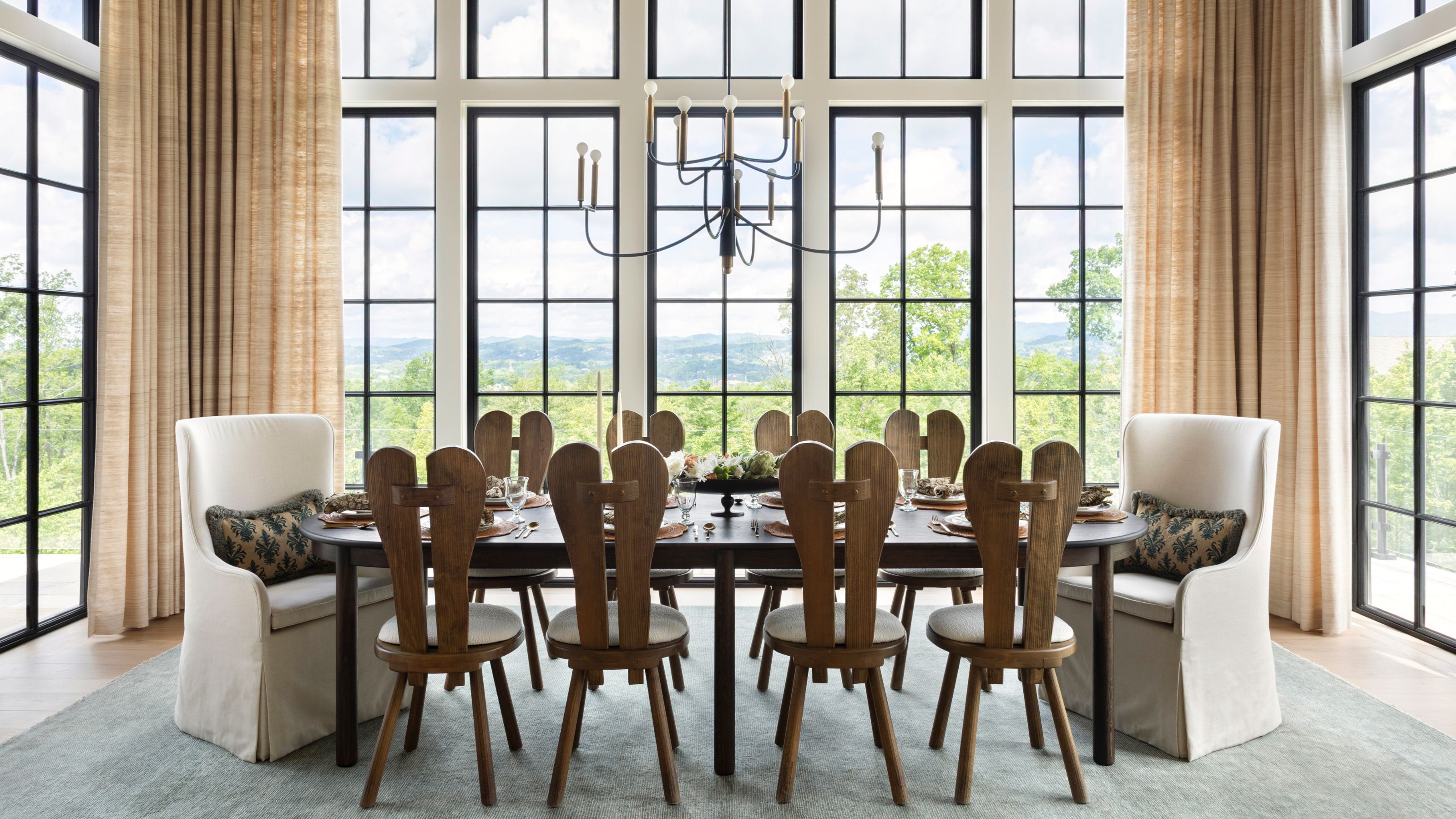
This article explores nine prominent European design trends expected to influence home interiors in 2025 and beyond, emphasizing styles that are both contemporary and enduring. Drawing insights from various European designers, the piece highlights how travel and cultural influences contribute to the evolution of interior aesthetics, offering readers a global perspective on decorating.
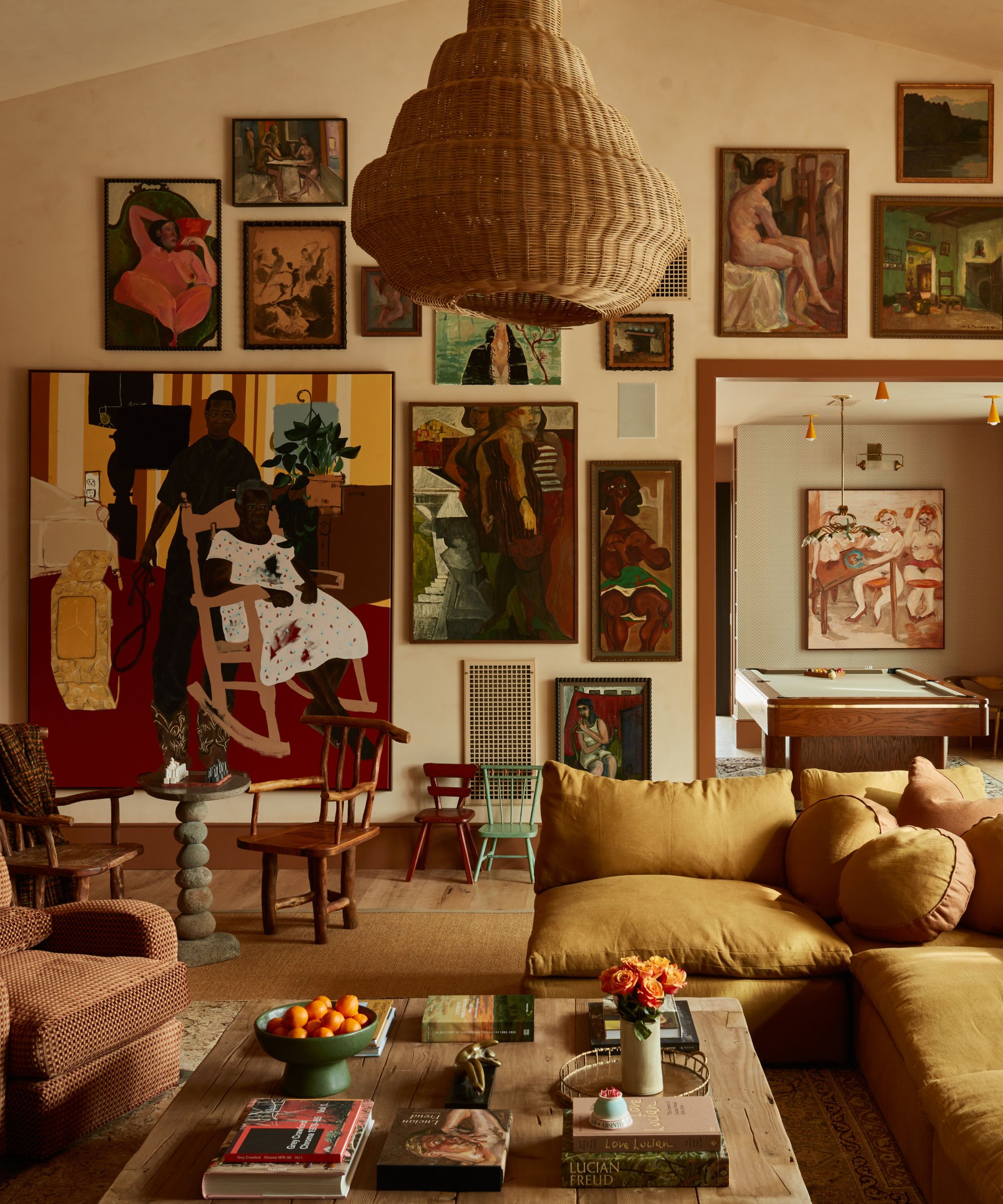
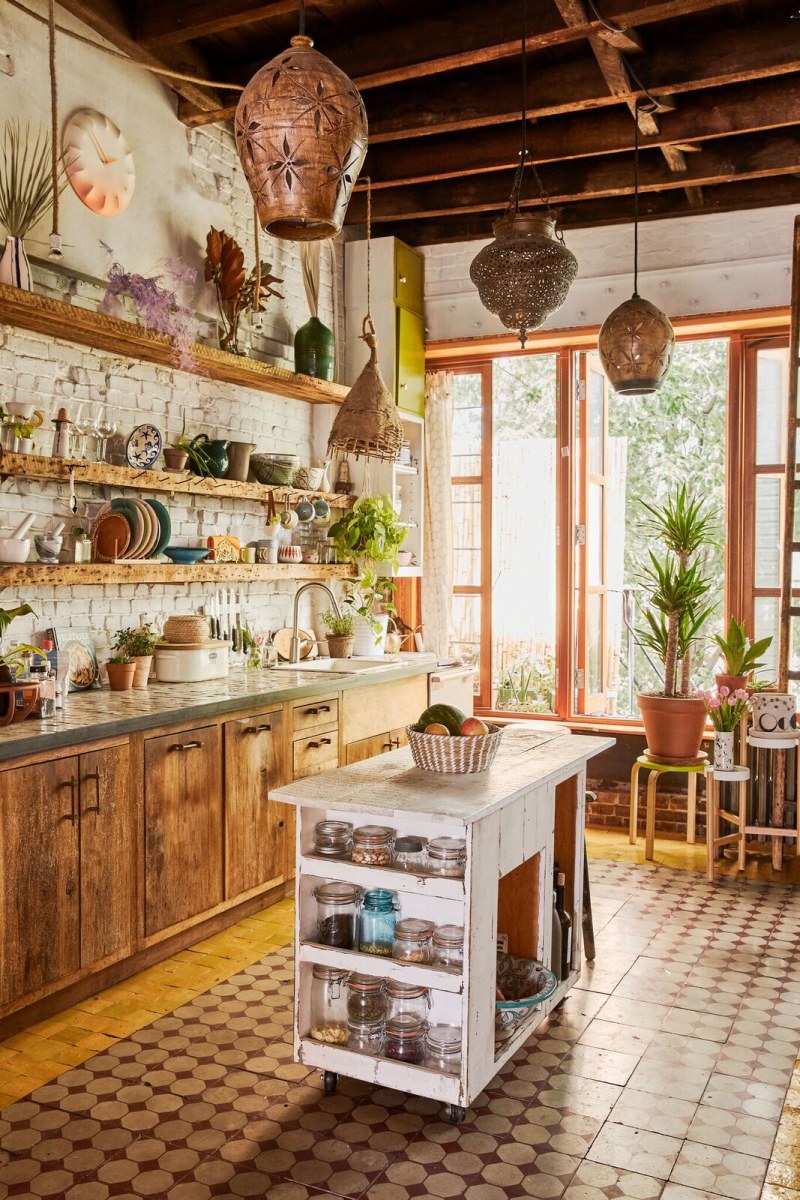
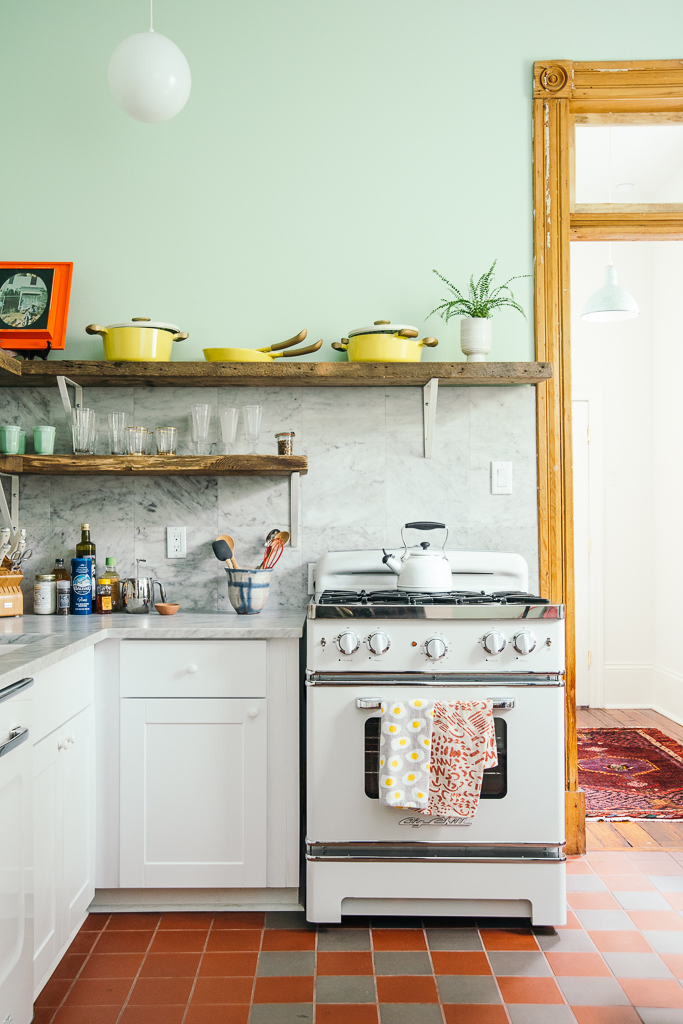
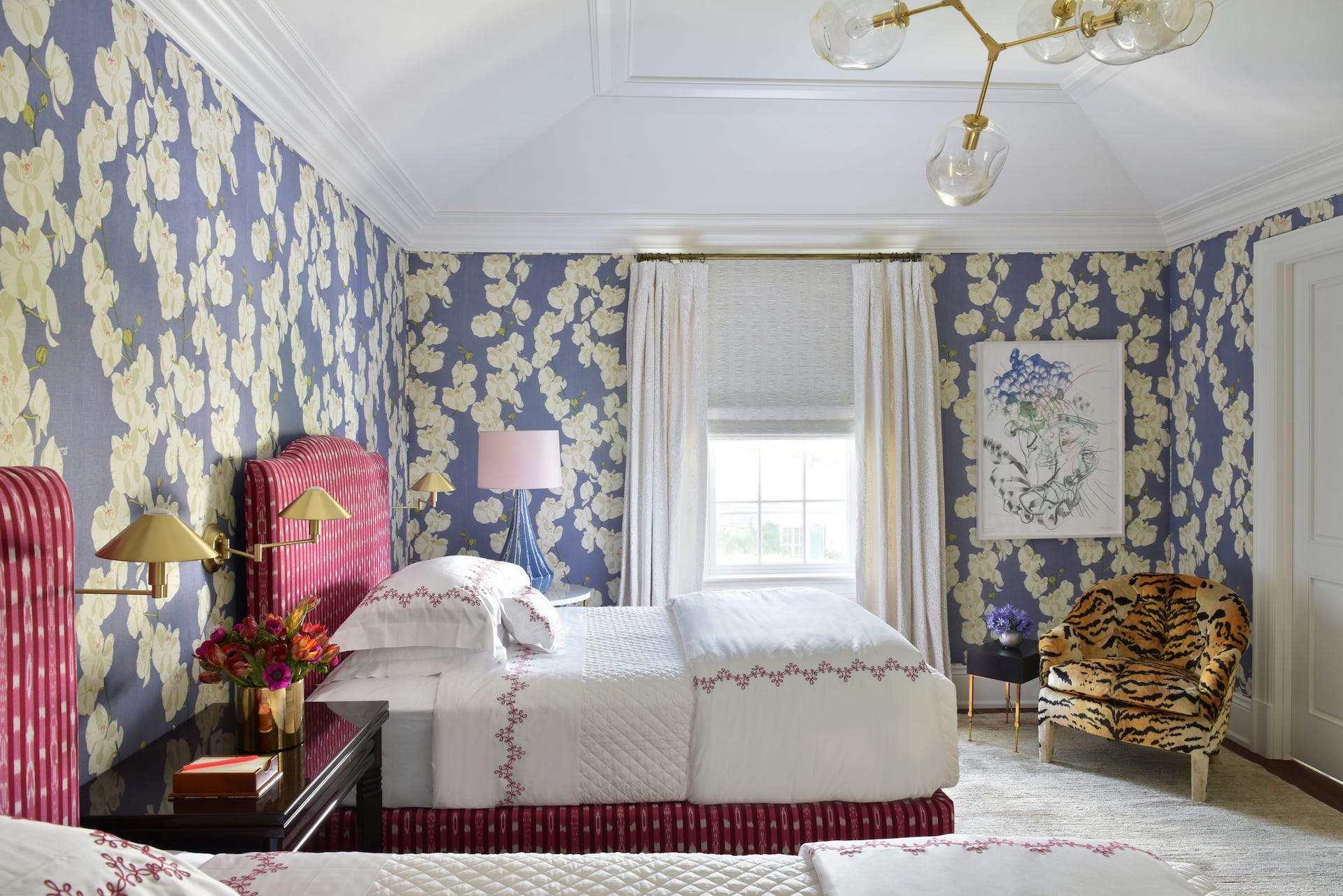
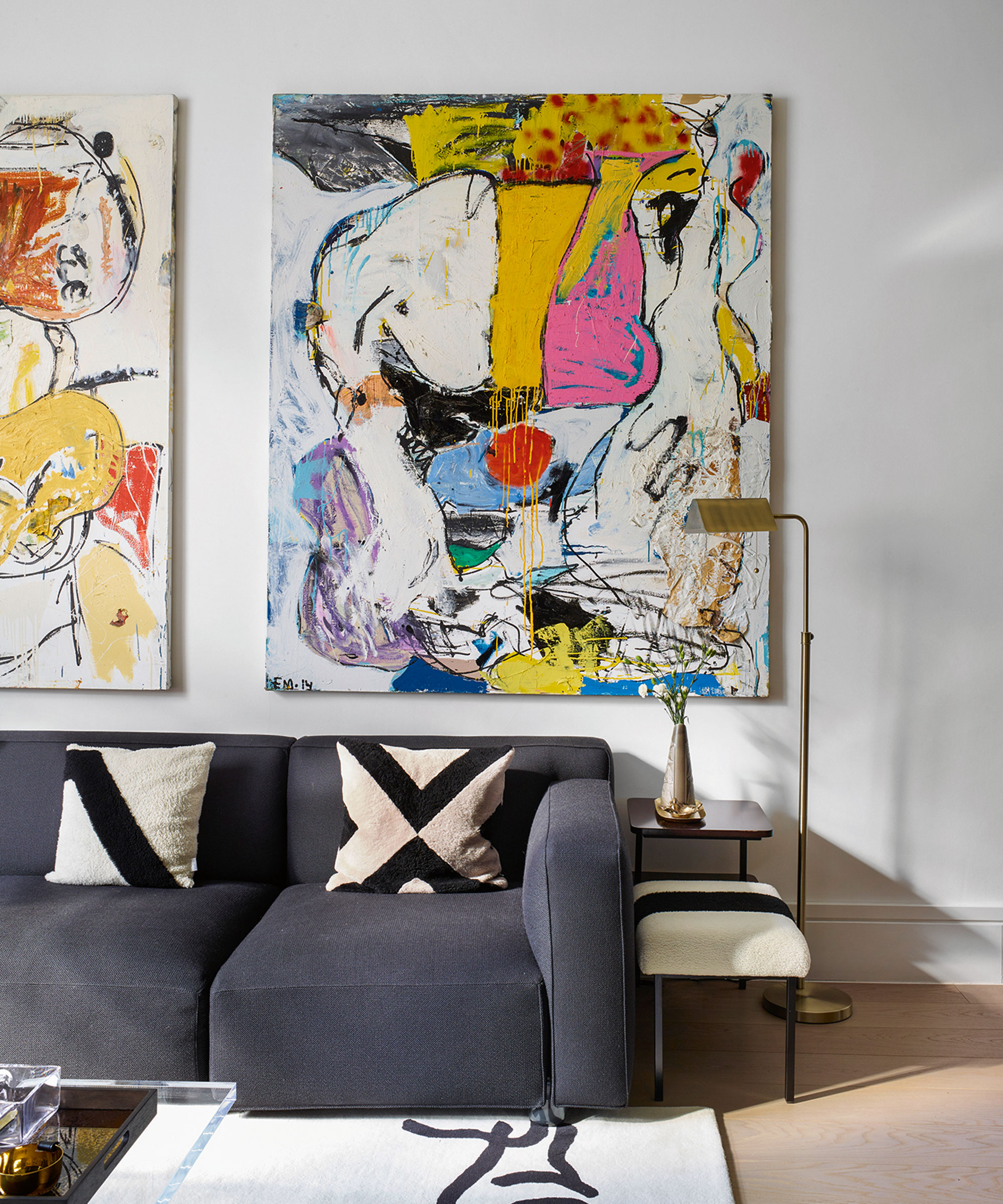
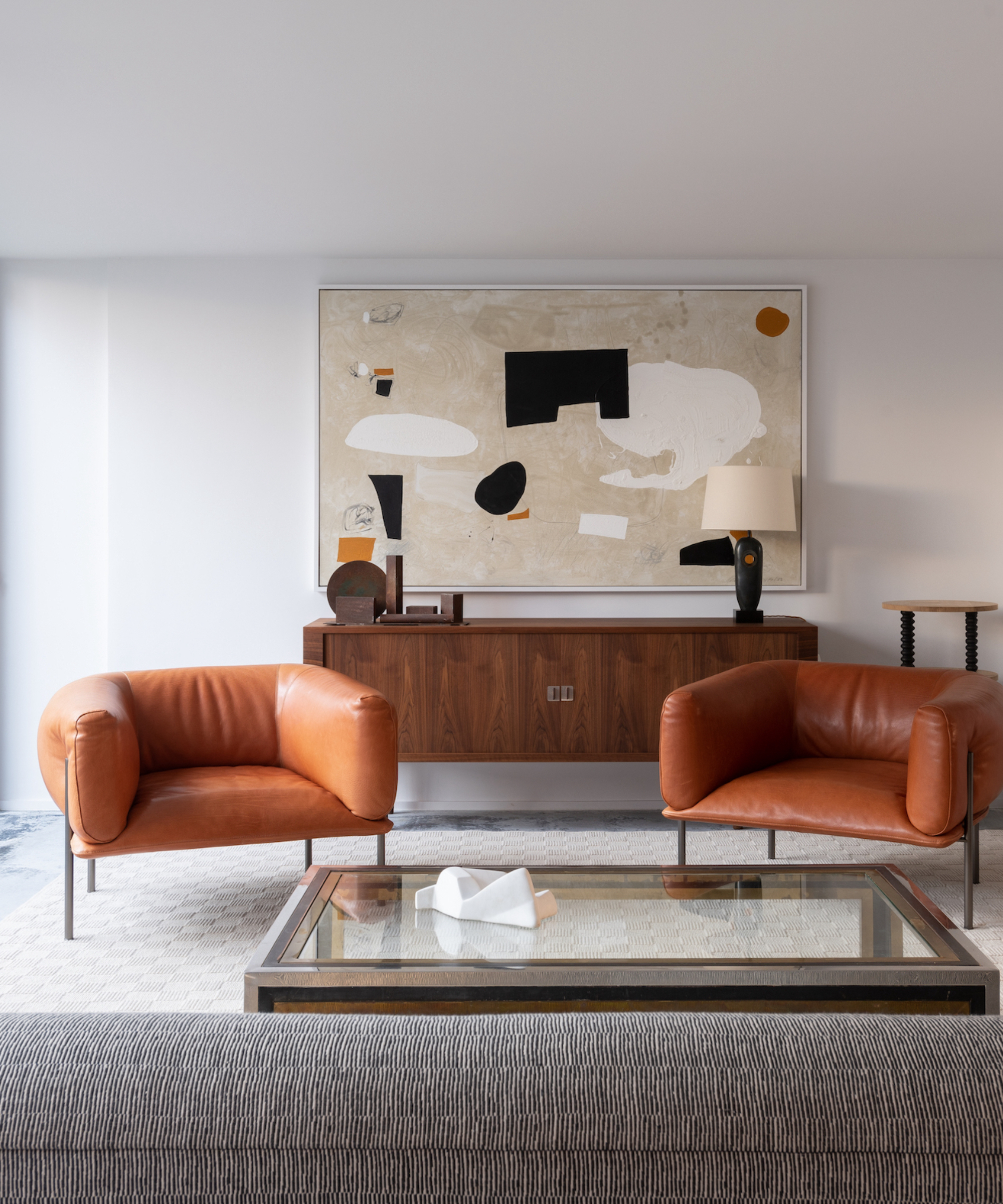
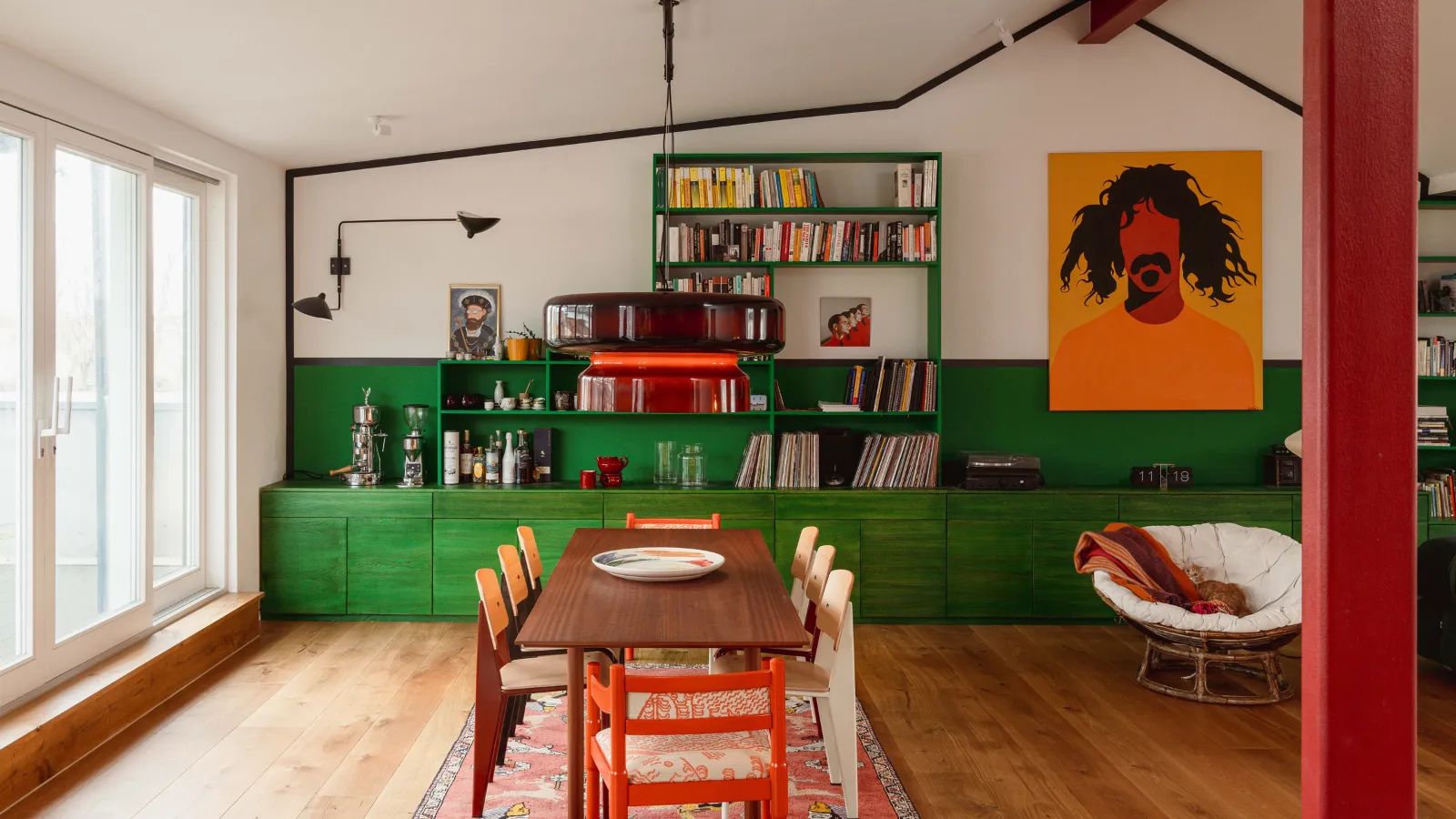
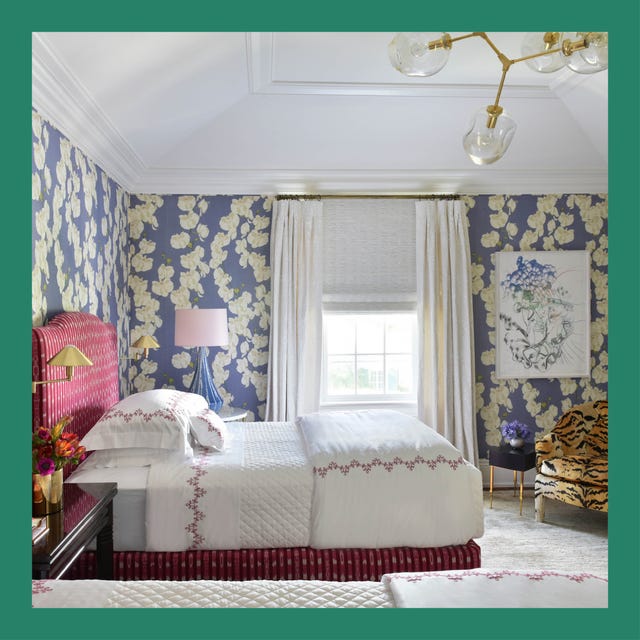
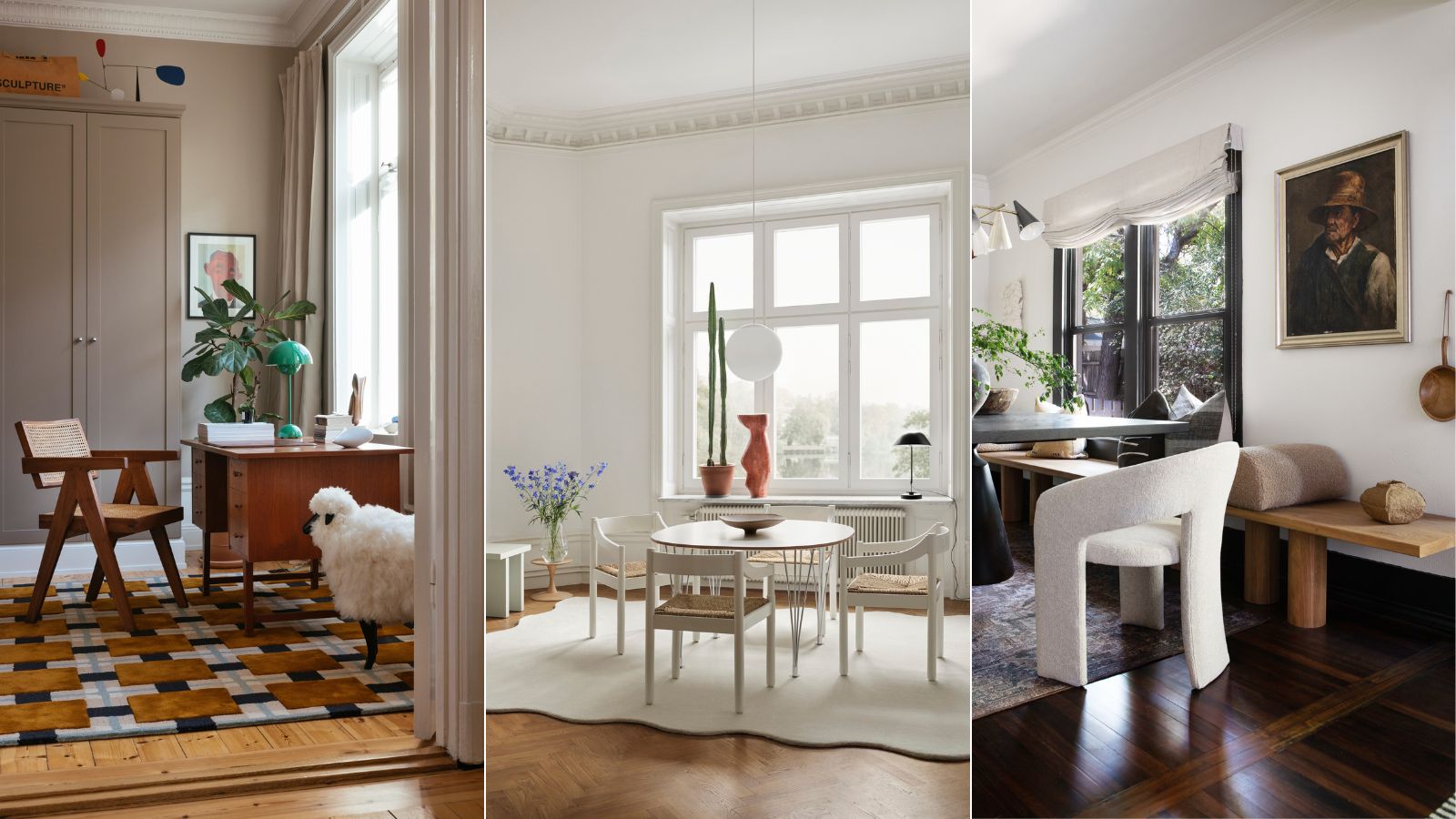
One significant trend is a bold and playful return to color. Designers note a shift towards more vibrant and unexpected color combinations, moving away from previous neutral-heavy palettes. This embrace of color, incorporating hues like yellows, deep browns, and various wood tones, is seen as a way to inject warmth, optimism, and energy into living spaces, reflecting a post-pandemic desire for positivity. The article emphasizes experimenting with such combinations, noting that they add personality and a sense of joy.
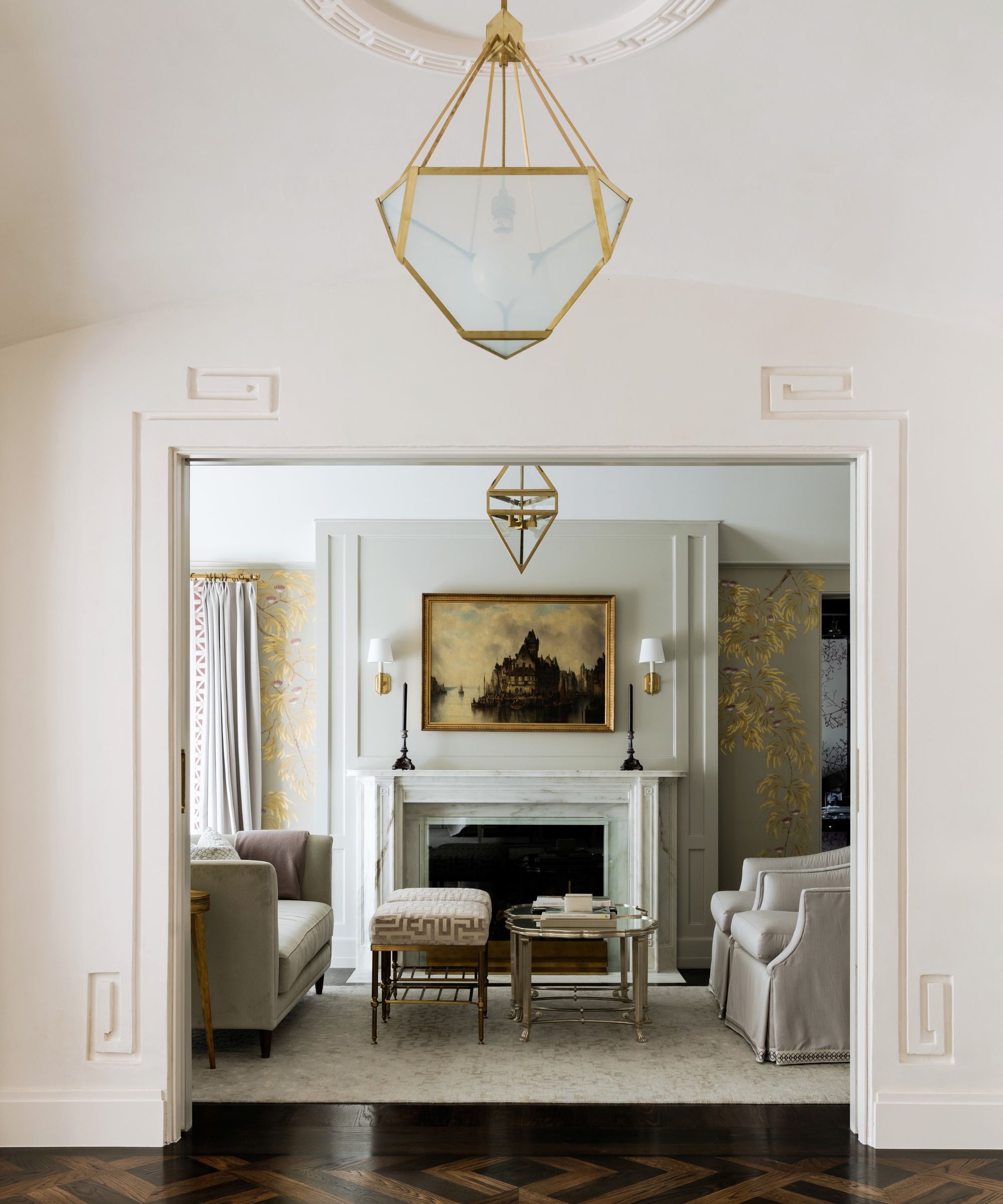
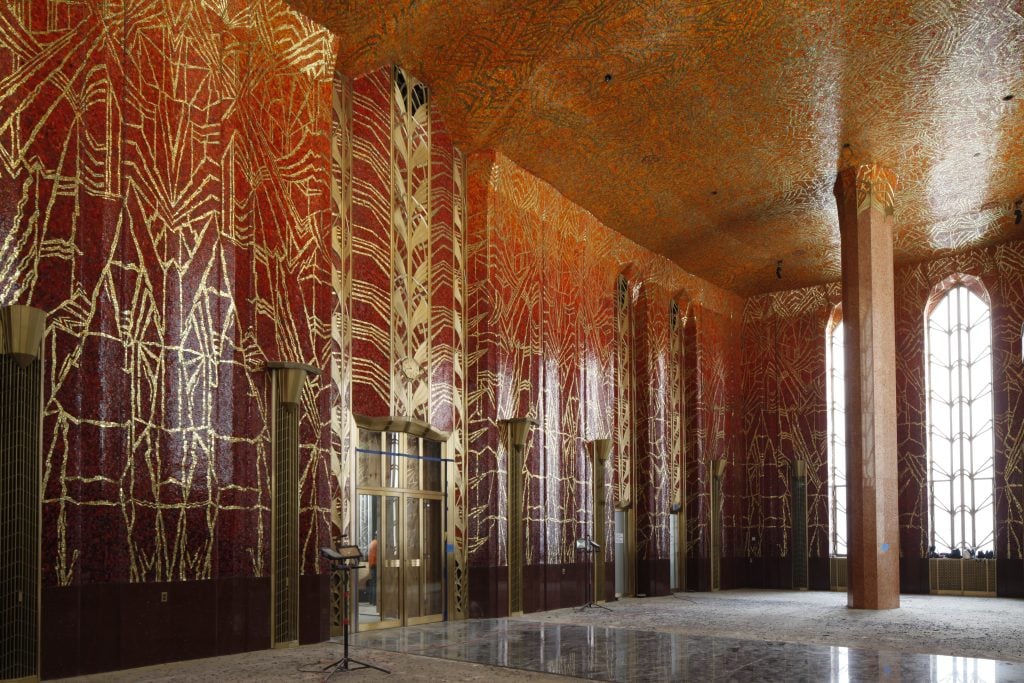
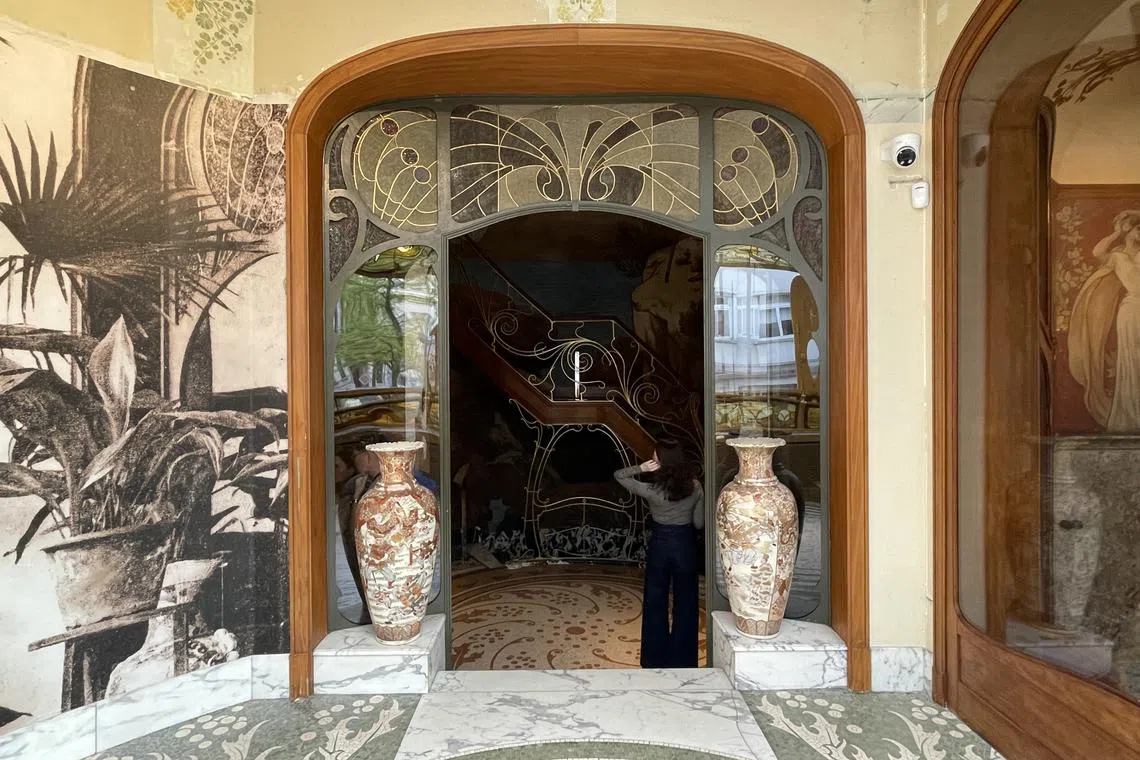
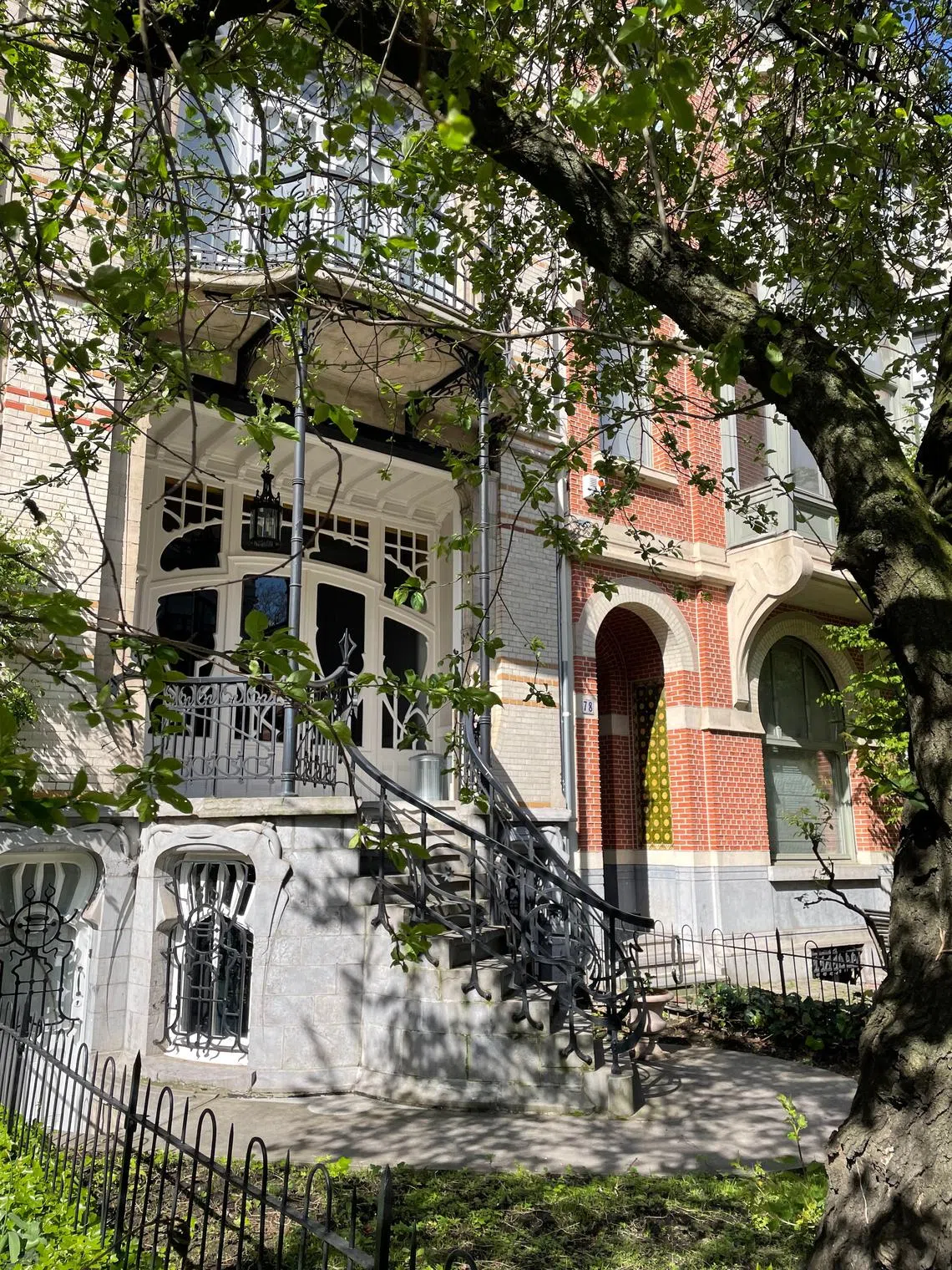
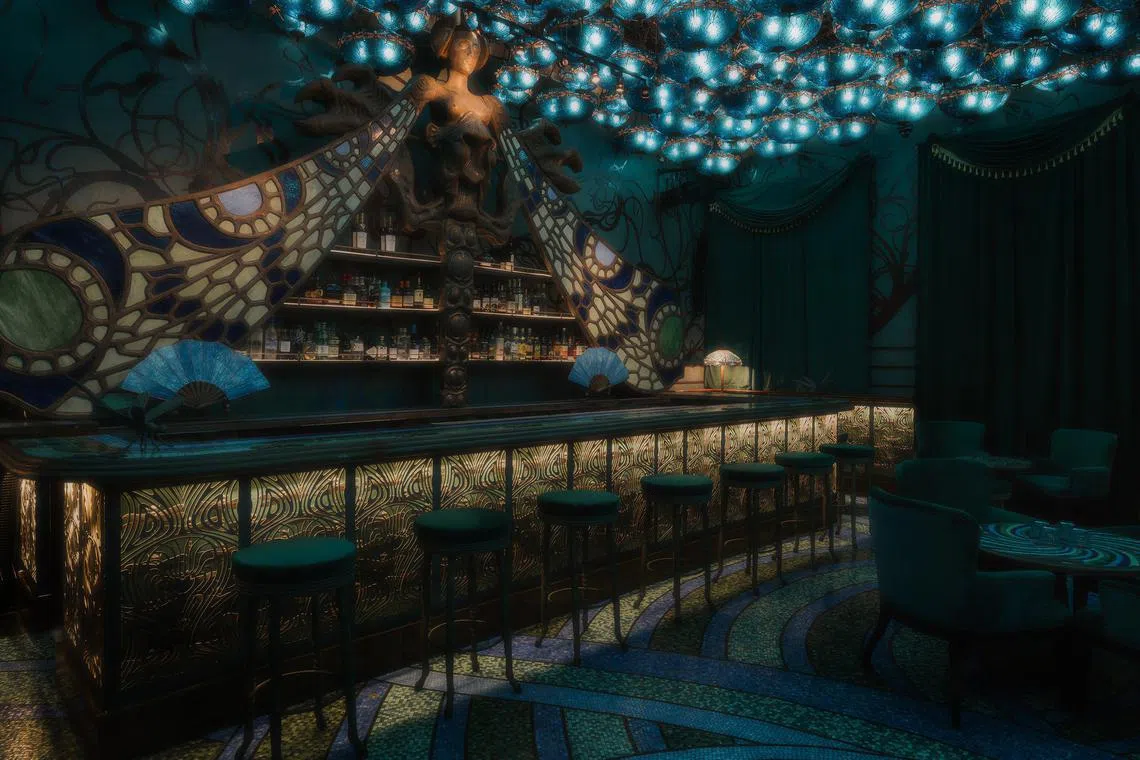
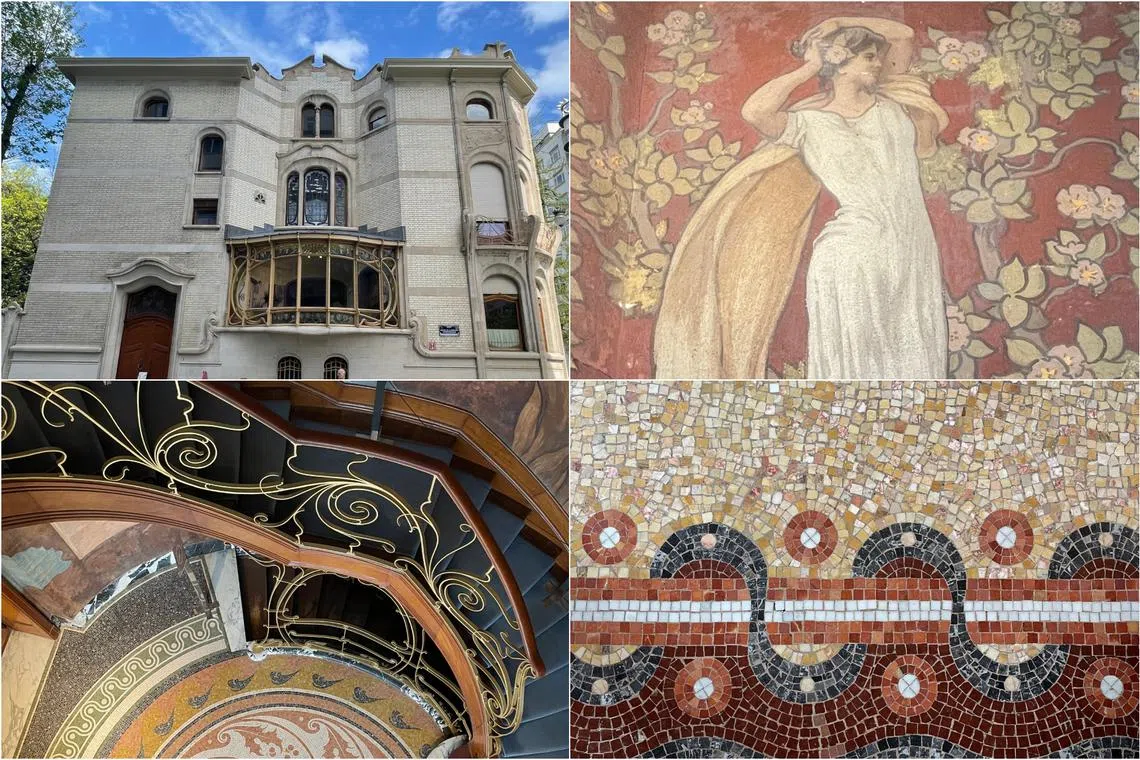
Another re-emerging and celebrated trend is Art Deco, which is marking its 100th anniversary. This style, characterized by geometrics, metallics, mirroring, and bold lines, is gaining traction across Europe. Designers are captivated by its luxurious mood, striking color contrasts like black and gold, and opulent details. The article suggests that while Art Deco can be bold, it can also be subtly incorporated as statement pieces, particularly original antique and vintage items, to add depth and history to an interior. Variations in Art Deco styles, such as Polish and Belgian interpretations, are also highlighted for their distinct character.
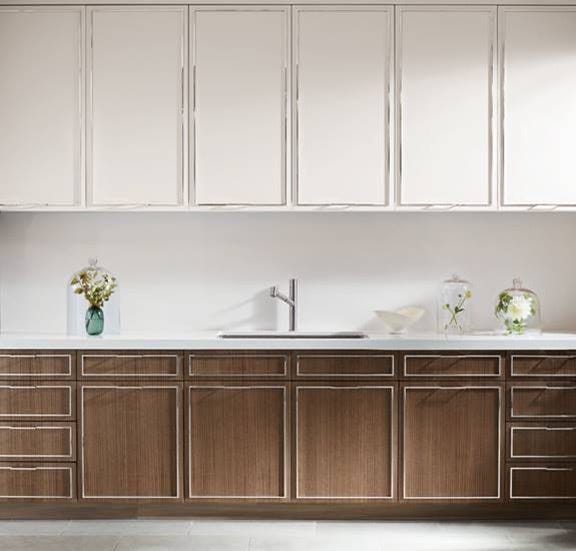
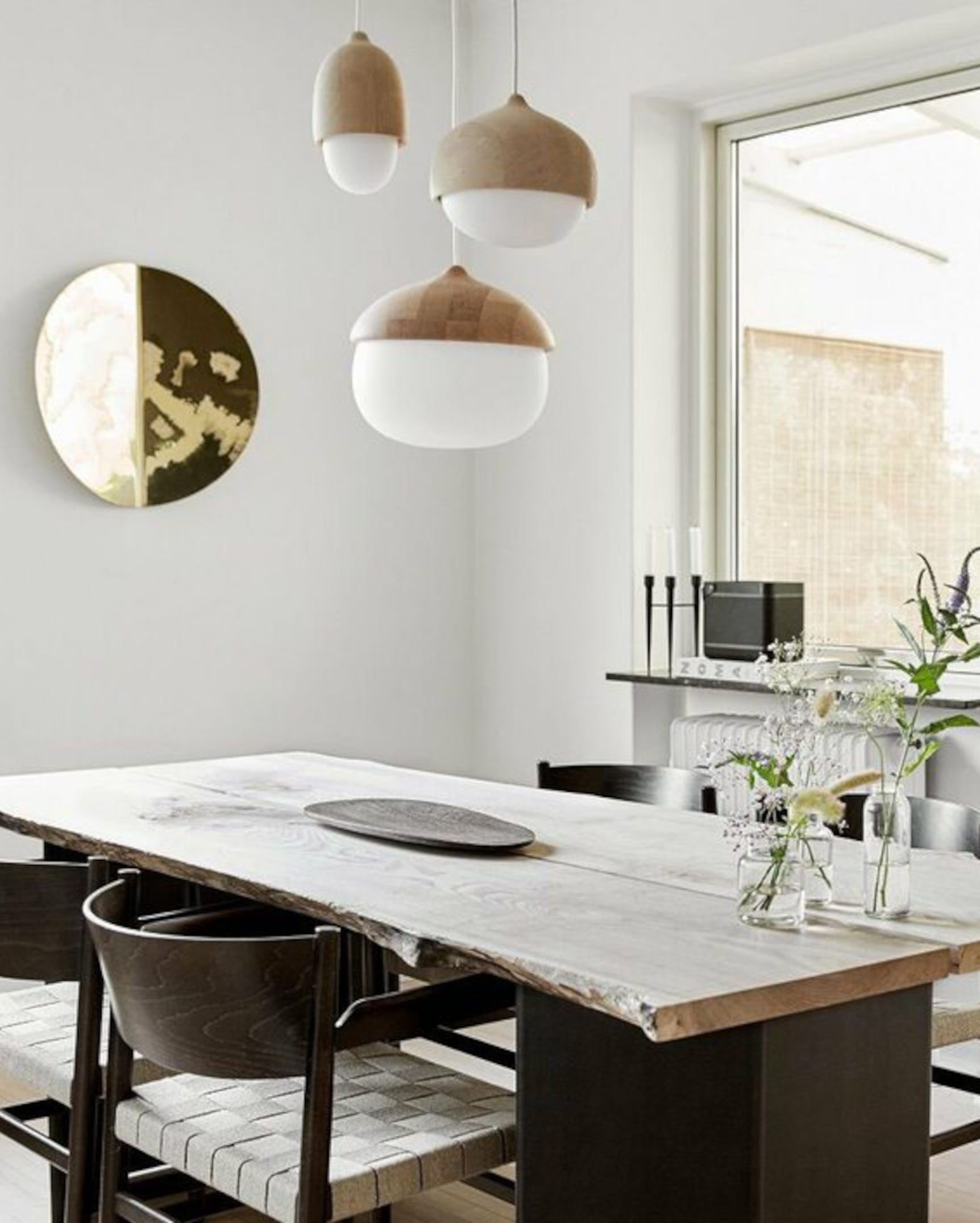
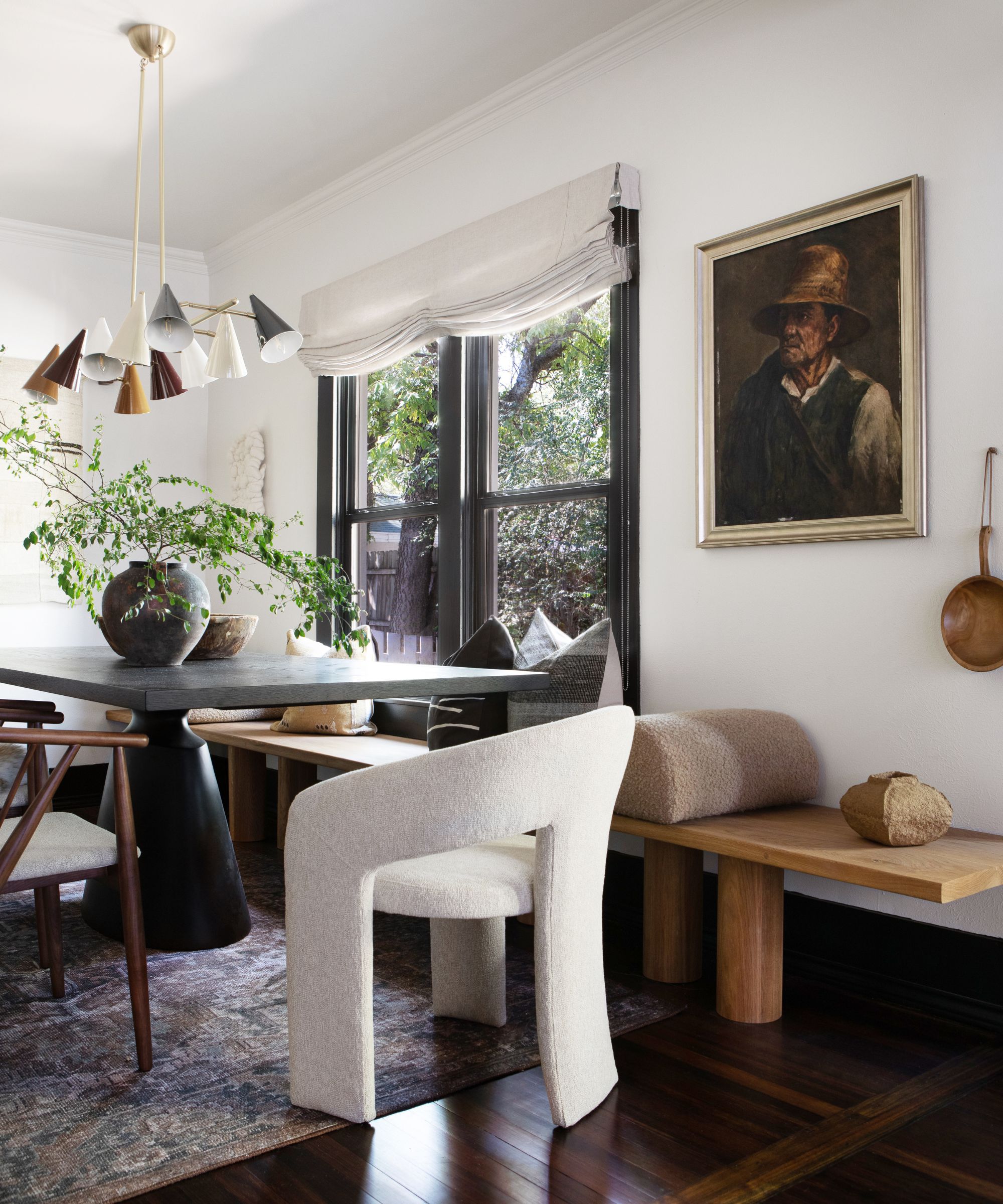
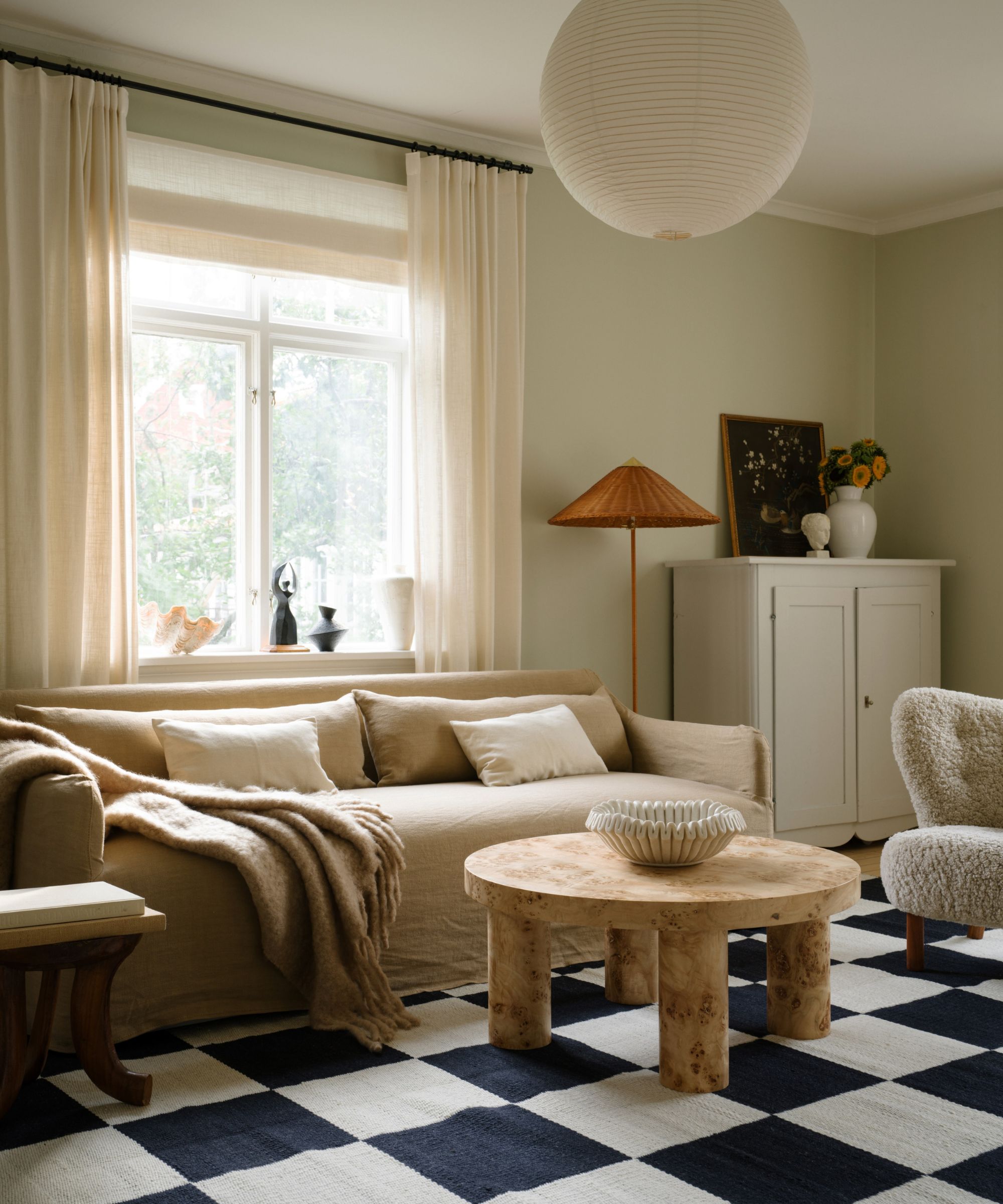
The importance of materiality and layering is also stressed as a key European design trend. Designers are focusing on combining different textures and surfaces, such as glass with textiles and wood, to add visual depth and stimulate the senses. There's a notable resurgence in natural fabrics like wool, hand-knitted felt, and organically produced leather, moving away from bouclé. Mocha and deep brown velvet fabrics are gaining popularity for their warmth and depth, with linen and leather contributing to cozy, inviting atmospheres.
The concept of curated, 'un-decorated' spaces, often associated with the 'quiet luxury' trend, is also explored. This approach prioritizes personal interiors that convey luxury subtly through thoughtful design rather than overt display. It involves bespoke designs tailored to lifestyles, carefully chosen furniture that fits the space, drawing inspiration from local cultural and historical contexts, and integrating heirlooms and art collections. The goal is to create a home that feels personally curated and tells a story, emphasizing effortless functionality and individual expression.
Blending design eras and embracing an 'anti-trend' philosophy is presented as a way to create unique and personal interiors. Designers advocate for mixing furnishings from different periods and provenances, allowing cherished items to coexist harmoniously. The focus shifts from following fleeting trends to creating spaces that reflect the homeowner's personal story and intuition. This approach encourages homeowners to prioritize timelessness and individuality over transient popular styles, a sentiment particularly strong in countries like the Netherlands where mixing styles and vintage pieces is highly valued.
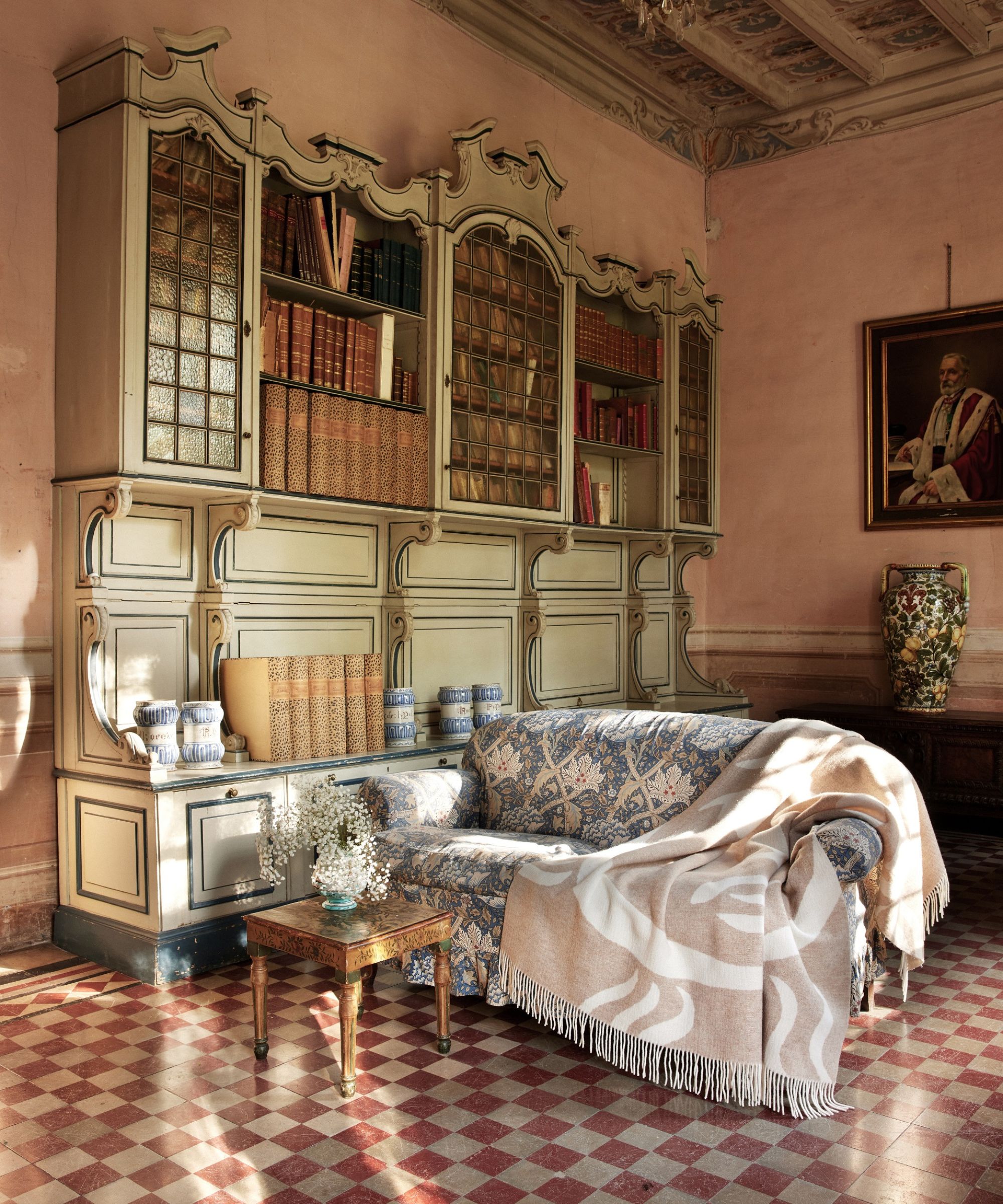
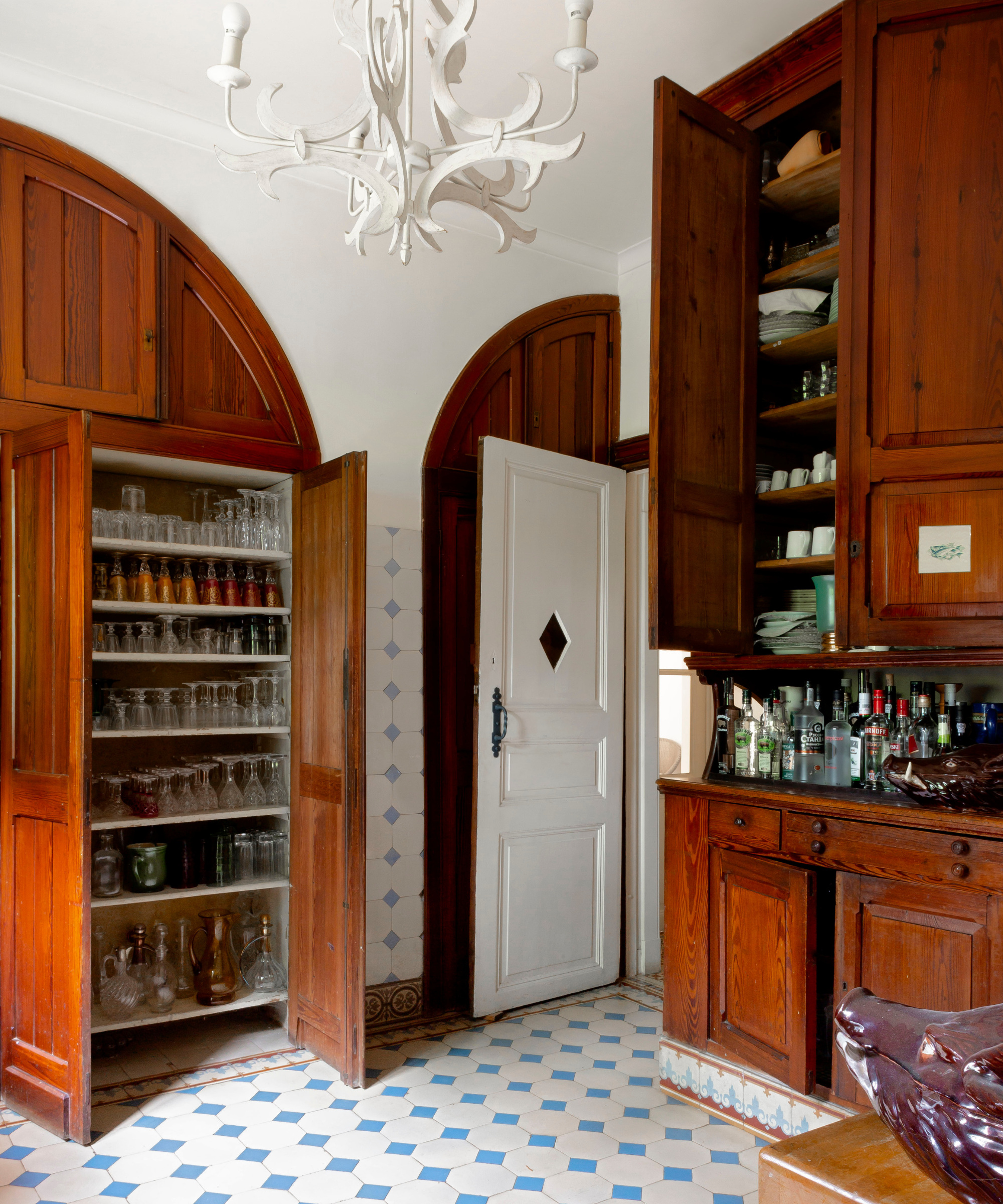
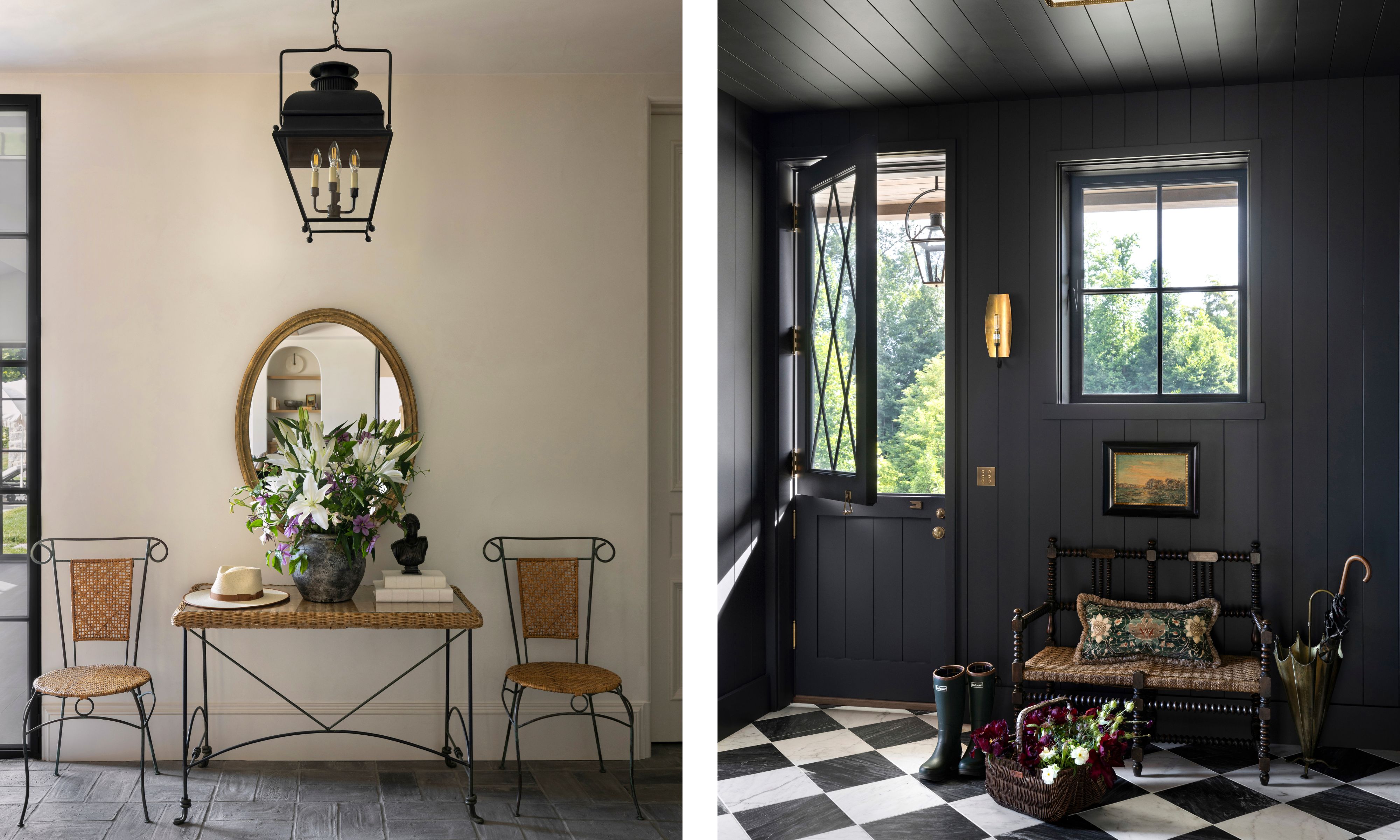
Vintage and heritage elements are consistently favored for their ability to spark curiosity and add character. European designers frequently incorporate vintage finds, from chinoiserie wallpaper to iconic prints and rare light fixtures, to enrich the narrative of a home. This practice not only adds historical depth but also ensures a unique and distinguished aesthetic. The article references examples of designers who blend antiques into period homes to create a sense of history and intrigue.
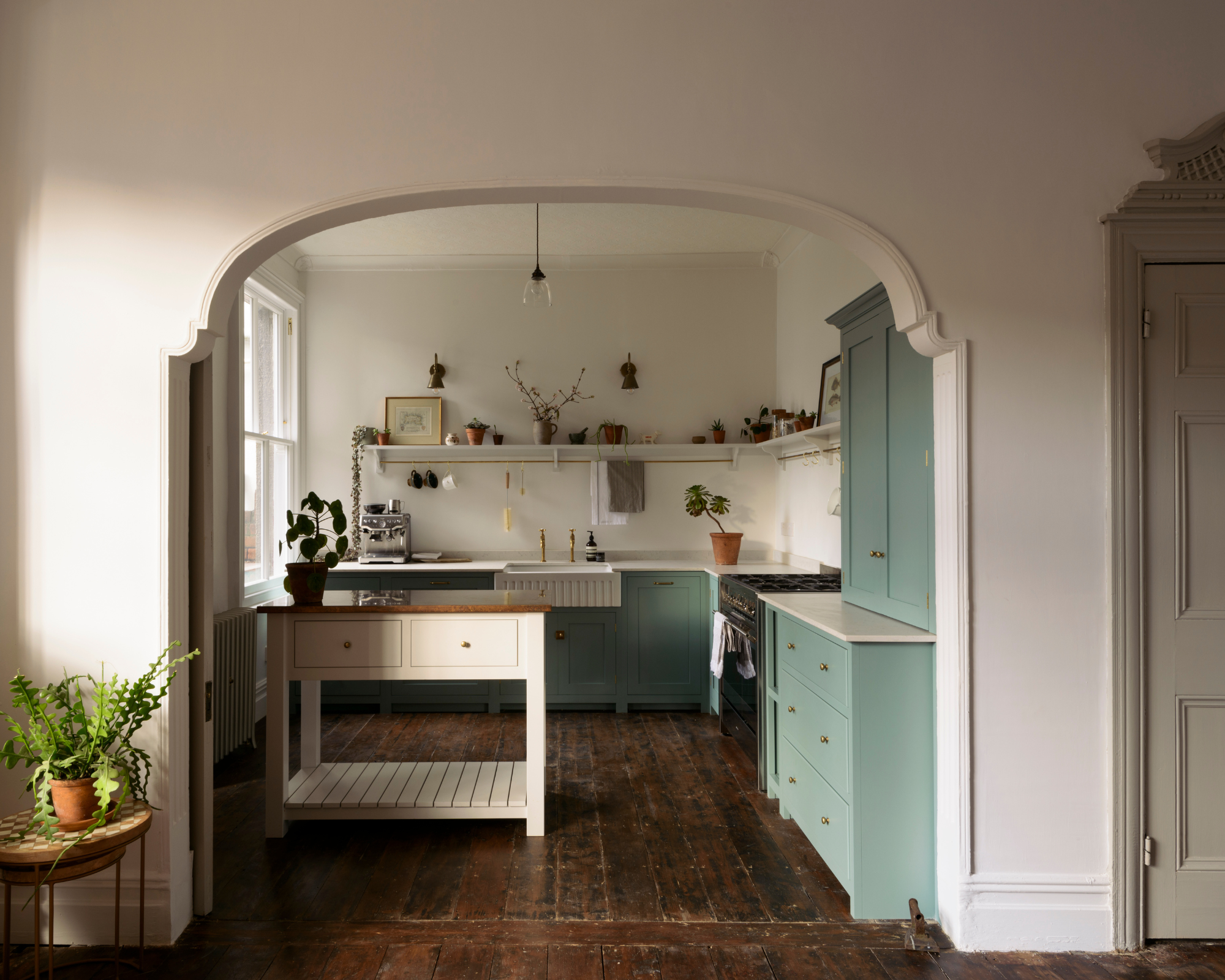
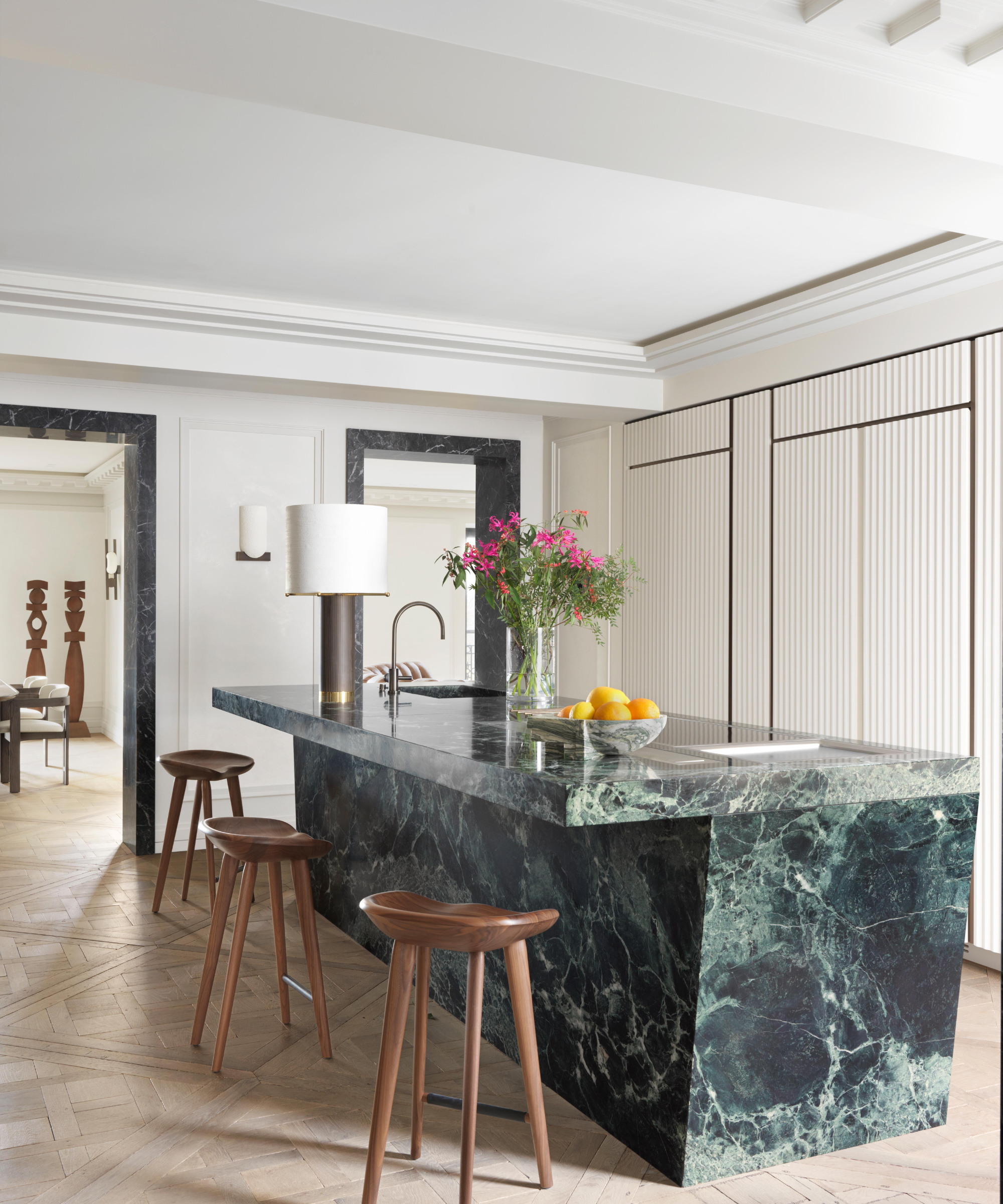
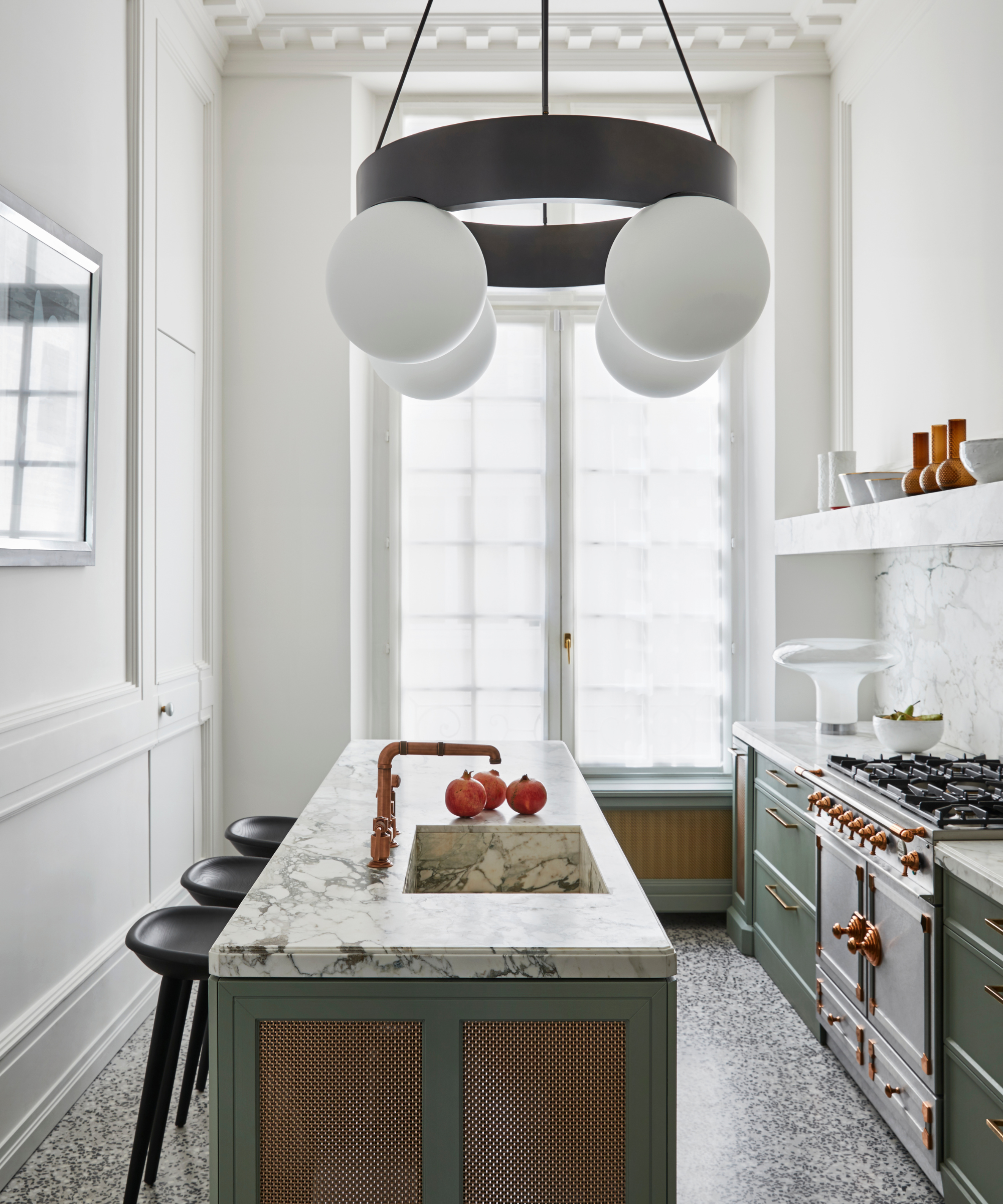
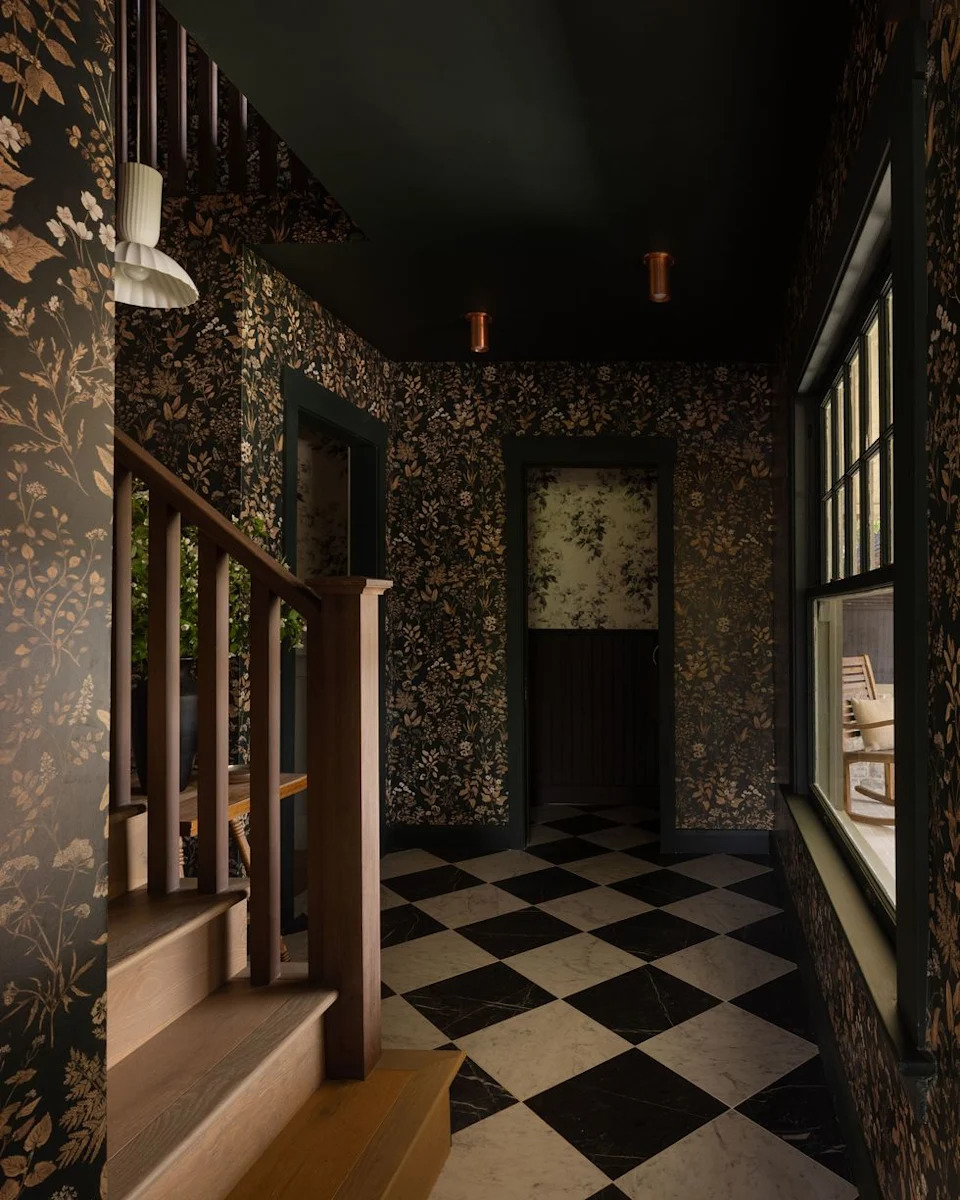
Nature's moodiest and most cocooning colors represent another emerging trend. Beyond bright hues, rich, dark, and pigmented colors like ochres, deep browns, and muted greens are becoming central to European interiors. These earthy tones create warmth, depth, and a connection to the natural world. Paired with natural materials such as wood and stone, they foster a calming, cocoon-like atmosphere that is both modern and inviting, even in spaces like bathrooms, as exemplified by the use of maroon-red marble.
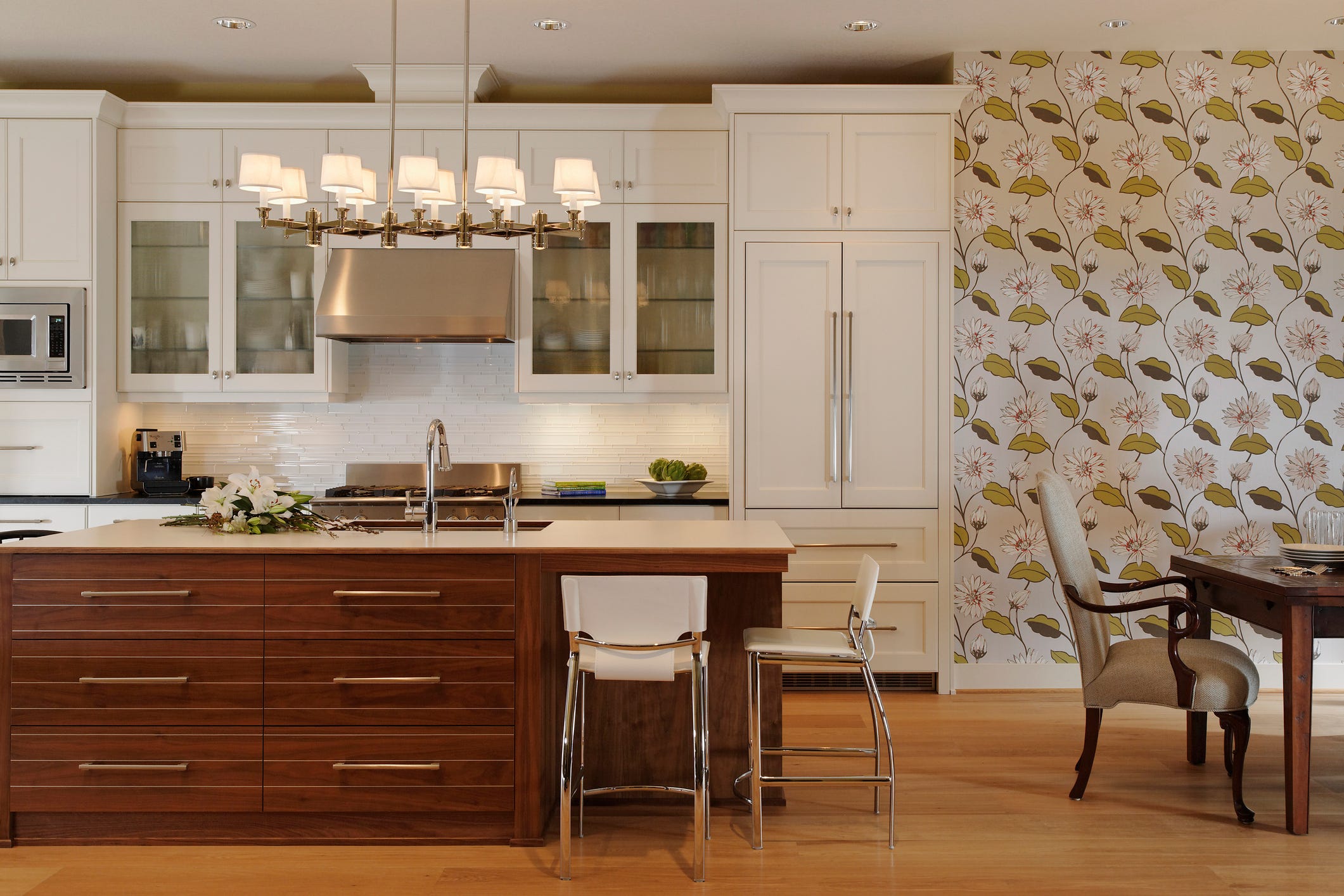
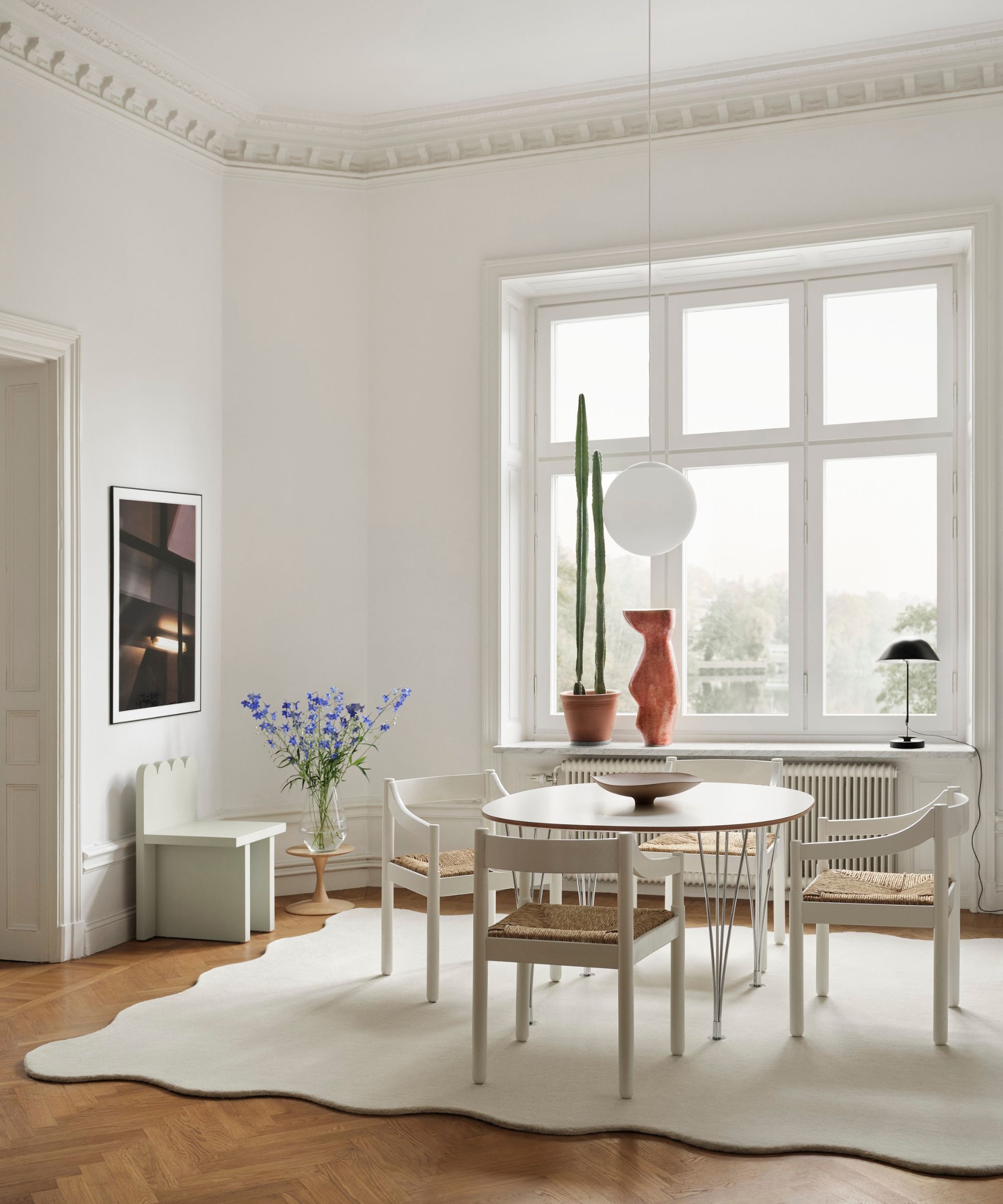
Curves and "organic modernism" are also trending, creating softer, more inviting spaces. This aesthetic seamlessly blends mixed metals with natural wood tones and deep brown hues, not just in furniture but also on walls and art. Curved sofas, round dining tables, and rounded kitchen islands are adopted to add flow, counteract harsh lines, and evoke relaxation and sophistication. This design direction focuses on creating environments that feel cozy and comfortable while maintaining a modern elegance.
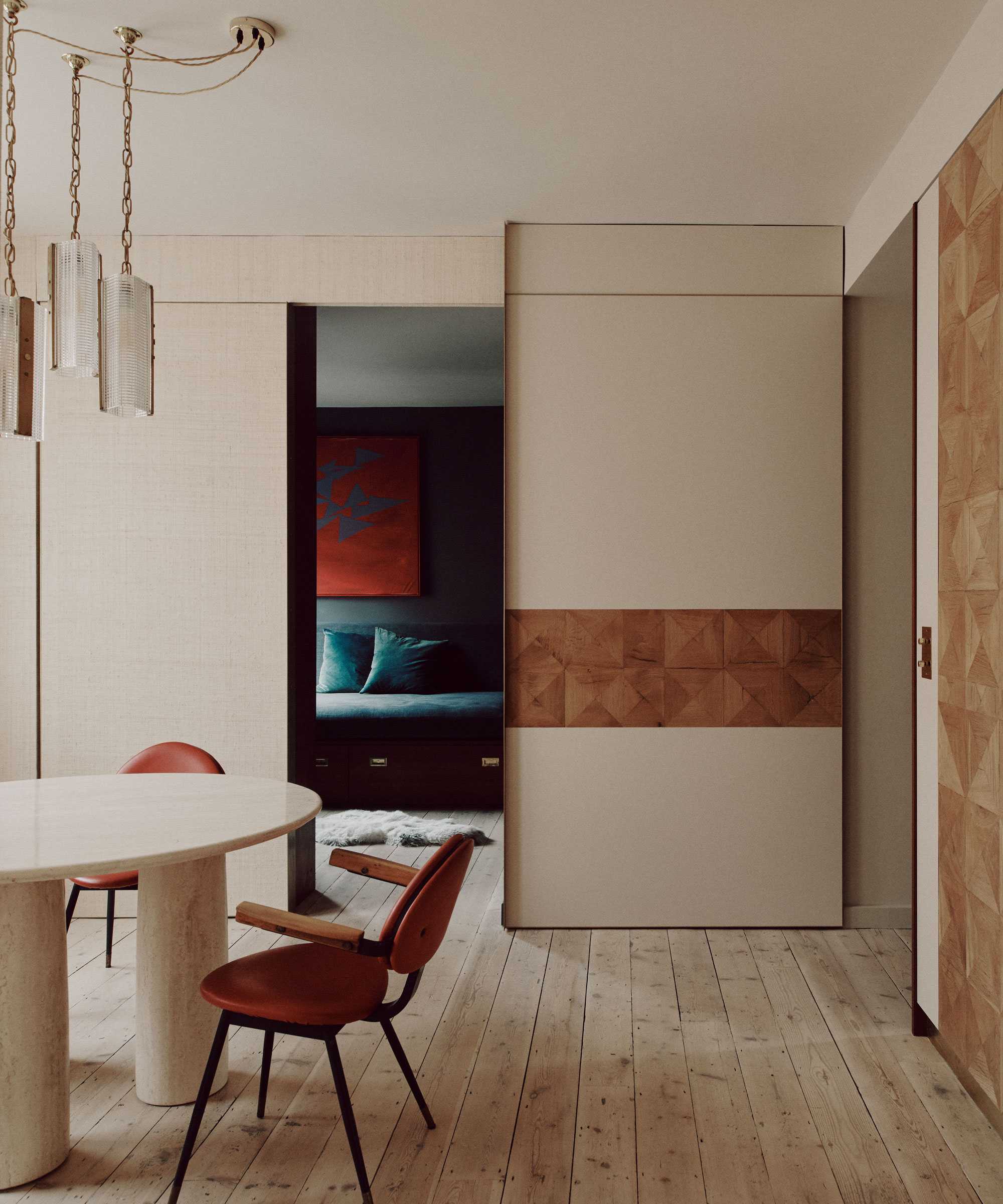
Finally, the curation of locally-sourced materials reflects a growing emphasis on sustainability and regional heritage. Designers are prioritizing materials like travertine, reclaimed wood, and linen, which age beautifully and enhance the connection between indoor spaces and the natural world. This trend also involves echoing the region's beauty and history in the interior design narrative, ensuring that projects are environmentally conscious and deeply rooted in their geographical context. The article concludes by stressing that European interior design trends tend to be more enduring than fashion trends, evolving into timeless styles when aligned with personal taste.
#EuropeanDesignTrends #InteriorDesign #ColorTrends #ArtDeco #MaterialityAndLayering #CuratedSpaces #VintageElements #OrganicModernism #SustainableDesign #EuropeanDesignTrends #InteriorDesign #ColorTrends #ArtDeco #MaterialityAndLayering #CuratedSpaces #VintageElements #OrganicModernism #SustainableDesign
0 comment in total
 No comments yet
You may also like
Designers say we should all take these 7 lessons from European style for an eclectic take on luxury

Add These Installations To Your Milan Design Week Itinerary

9 Style Lessons From European Kitchens for Sophisticated Spaces That Are Great to Cook in

5 Stunning Wall Treatments That Will Make Your Home Feel Truly European
European Kitchen Design Trends to Know for 2019
Older’s Blade Runner-inspired furniture has an agenda

Ruffled Vases, Chaises Longues Made of Pipes, and More Design Finds
Antwerp Is Europe's Effortlessly Cool Design Destination
These Are The Top Design Trends Worth Trying

Surprising Things About European Homes From American Who Lived in Them
Modern European style is the laid-back aesthetic we all want to achieve – here designers tell us how it's done
Global Design: Be inspired by Art Nouveau spaces in Belgium and Singapore
European-inspired kitchen designs go Modern
Revealed: the countries inspiring interior design trends the most
A long weekend in Berlin taught me these 5 unexpected anti-trend design lessons
'I wanted each room to feel as though it had lived a few lives before we ever moved in' – how a designer created their dream 'European' home in Tennessee
European kitchens are having a moment – here's how to master the look for a timeless, homey cook space
Core77 2011 Year in Review: Fine Furniture, Brilliant Lighting and Design from Around the World

These 20 Architectural Styles Were Once Popular But Suddenly Disappeared

5 Stunning Wall Treatment Ideas That Will Make Your Home Feel Truly European