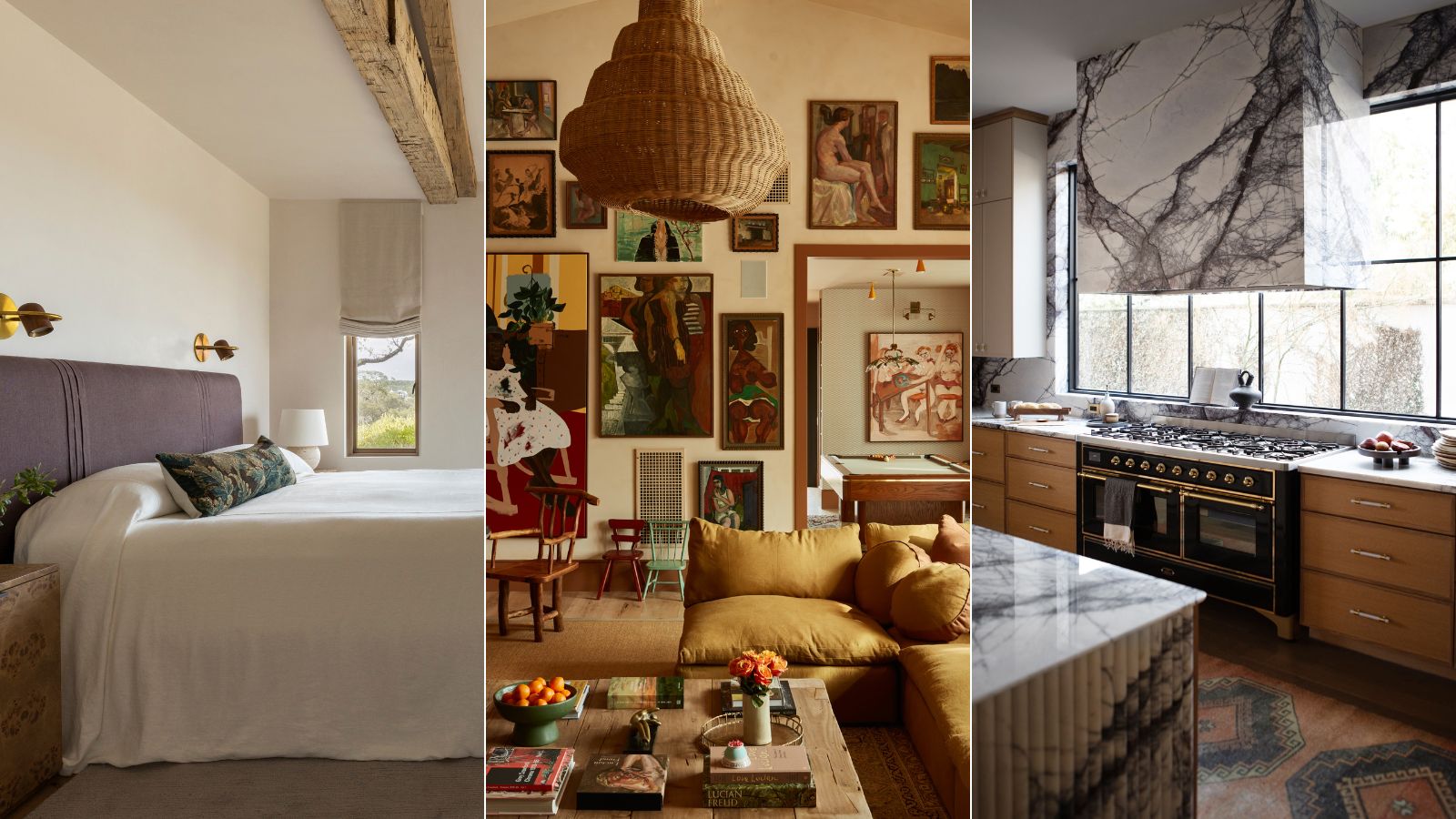
1/9
Designers say we should all take these 7 lessons from European style for an eclectic take on luxury
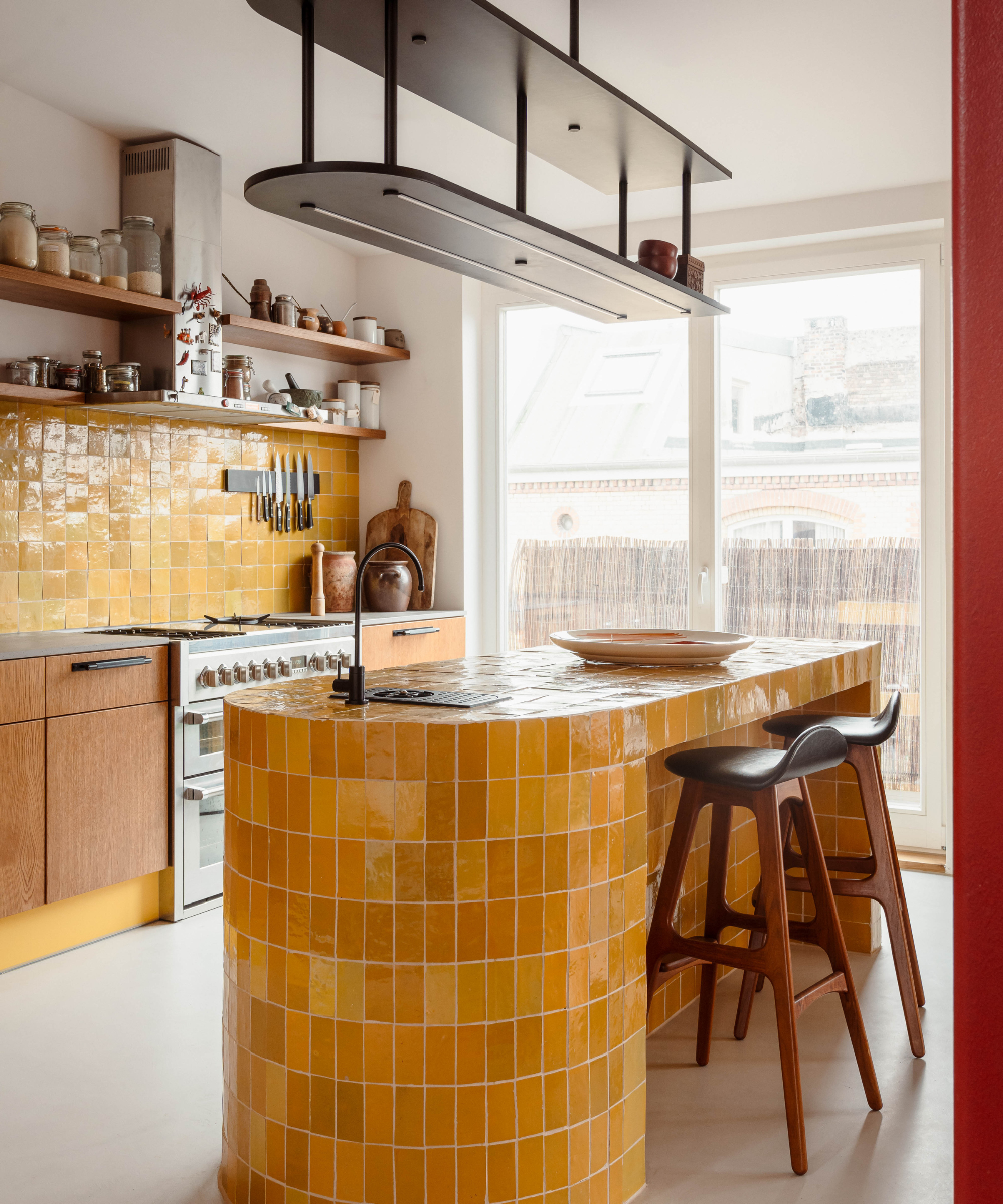
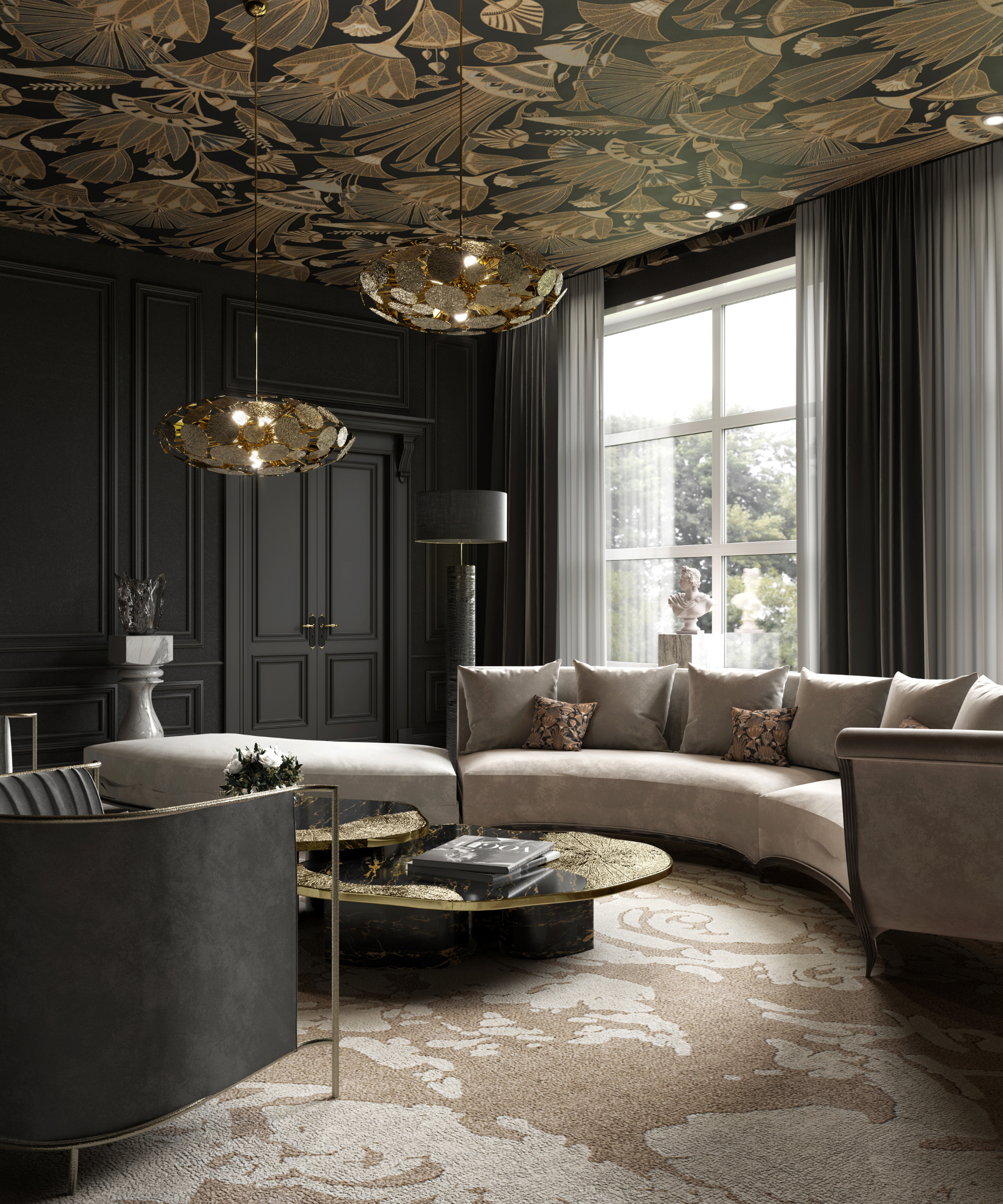
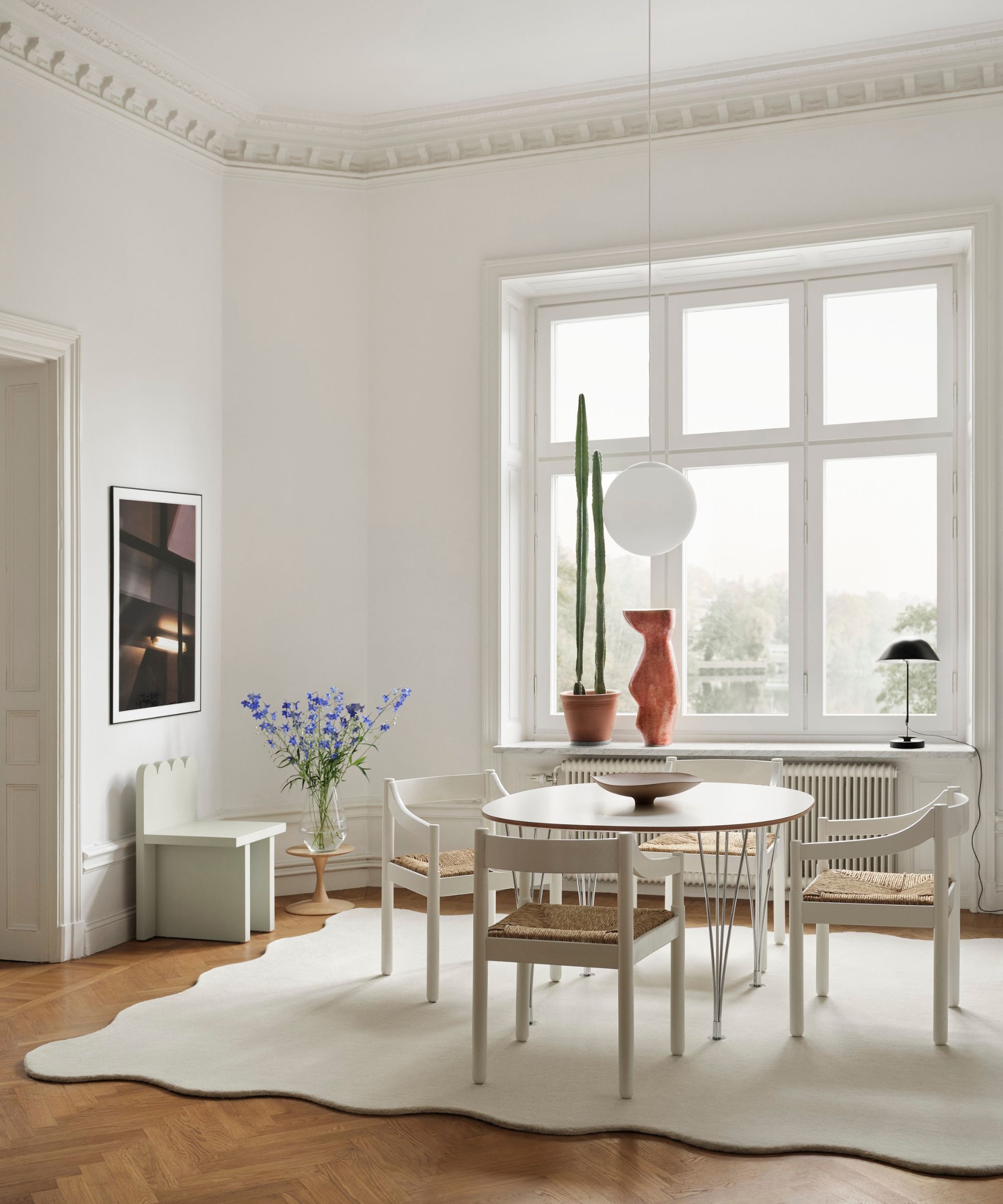
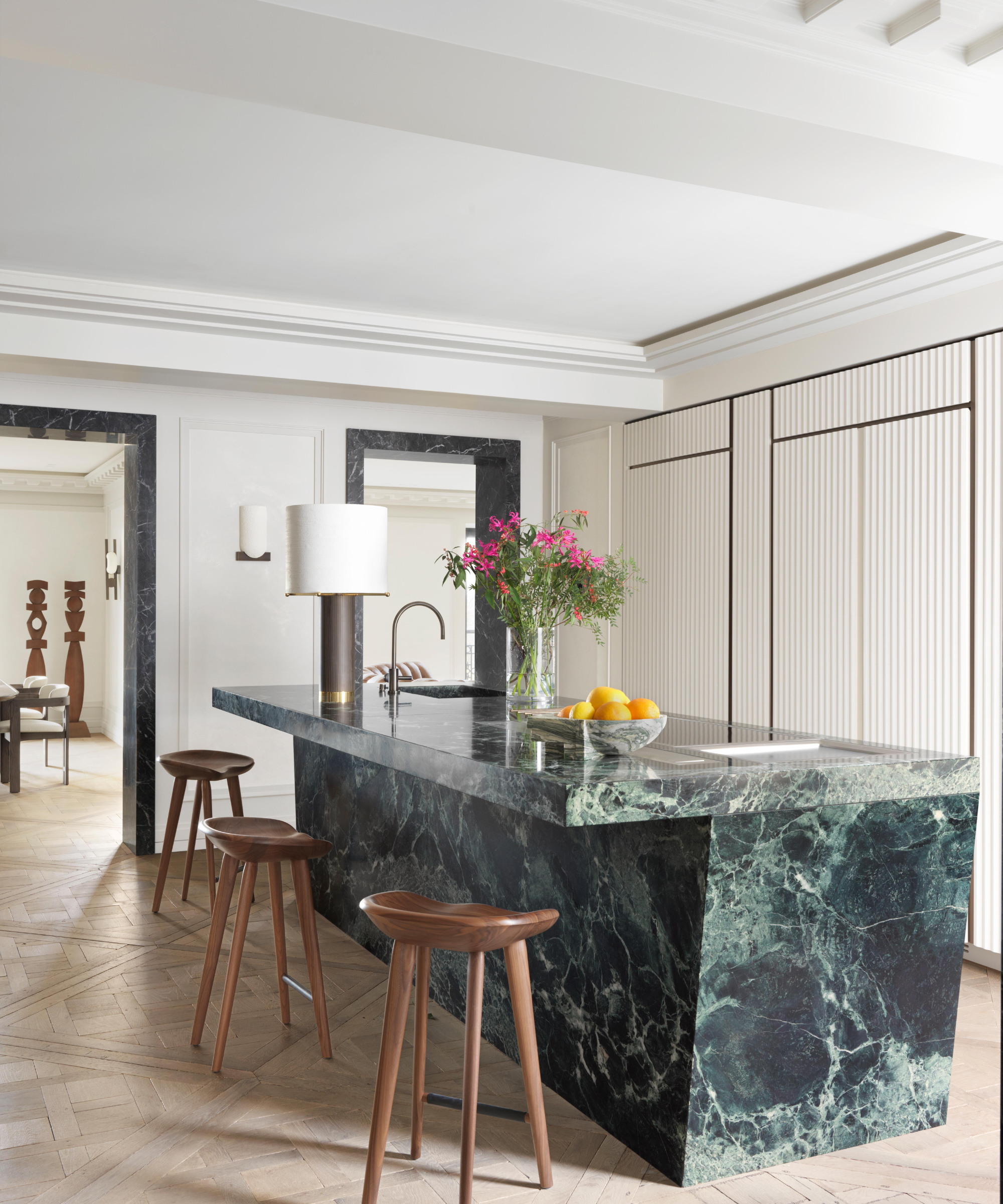
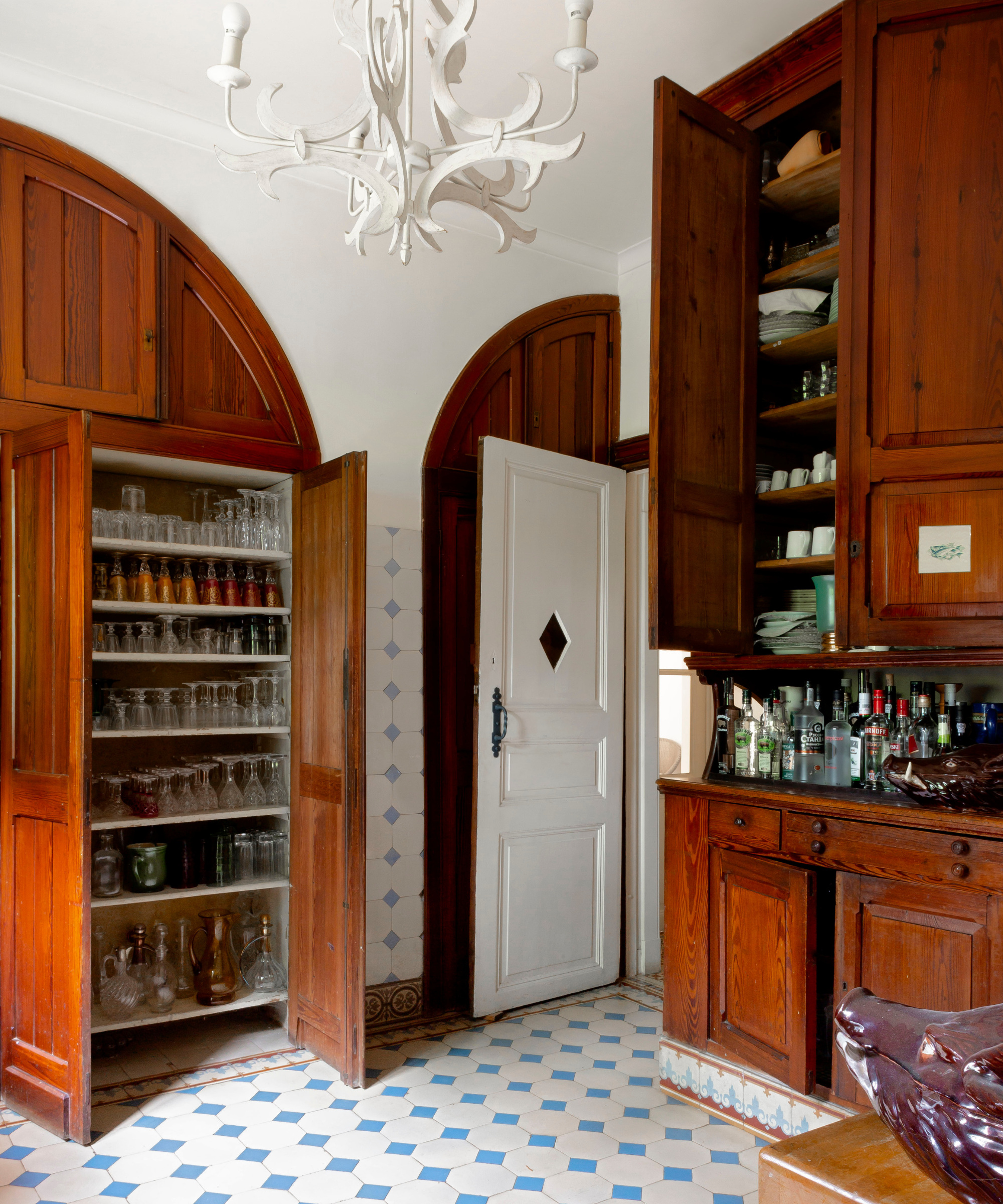
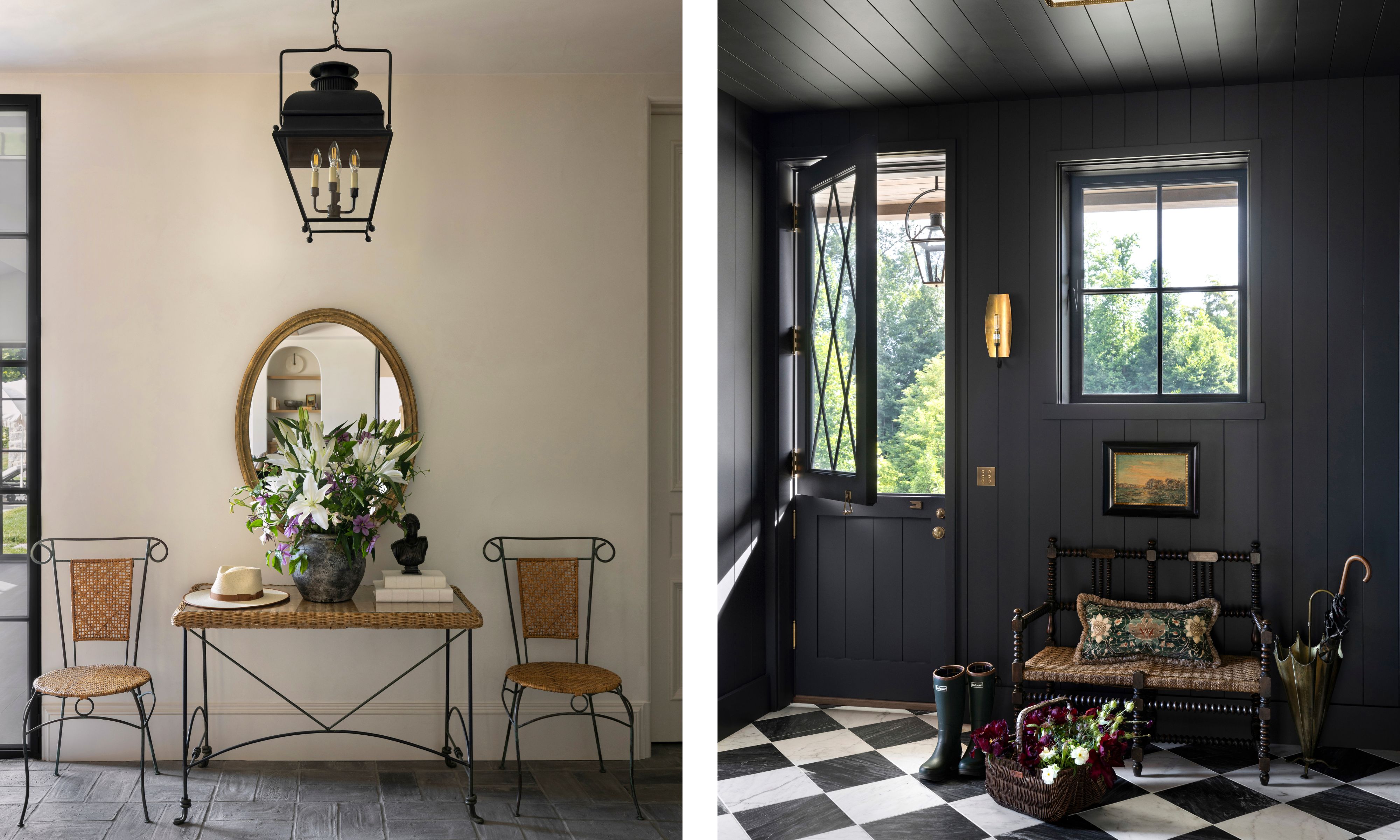
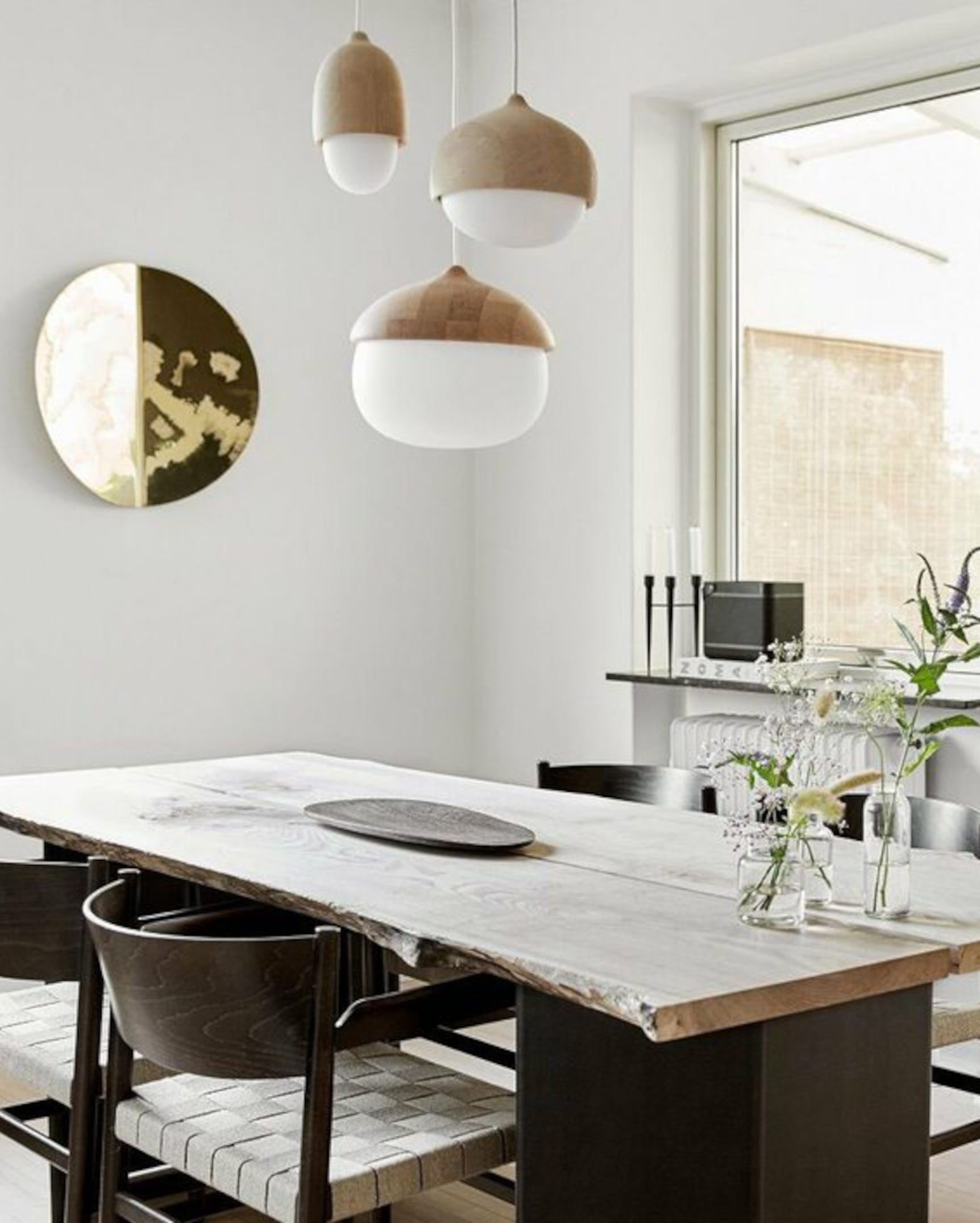
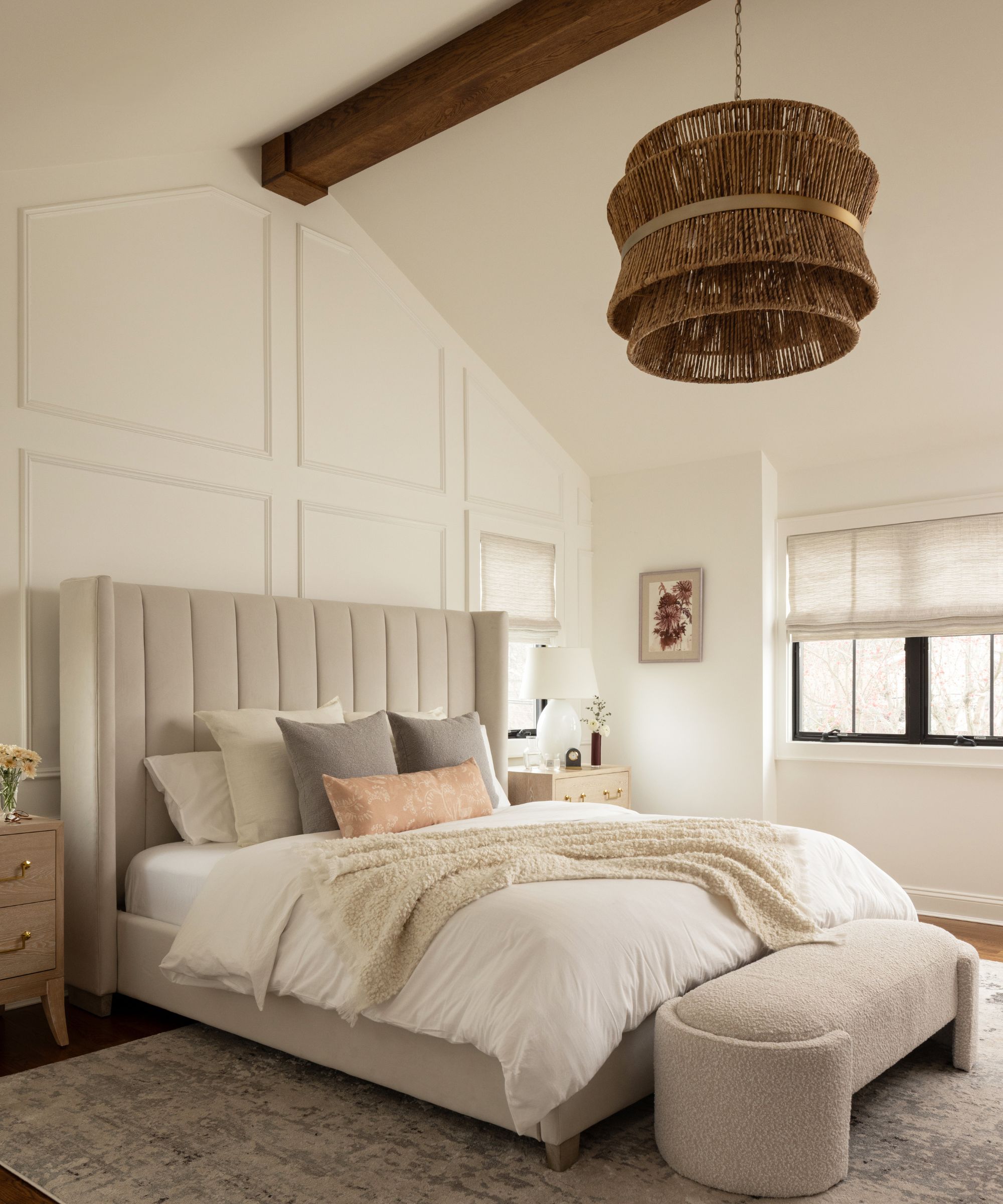
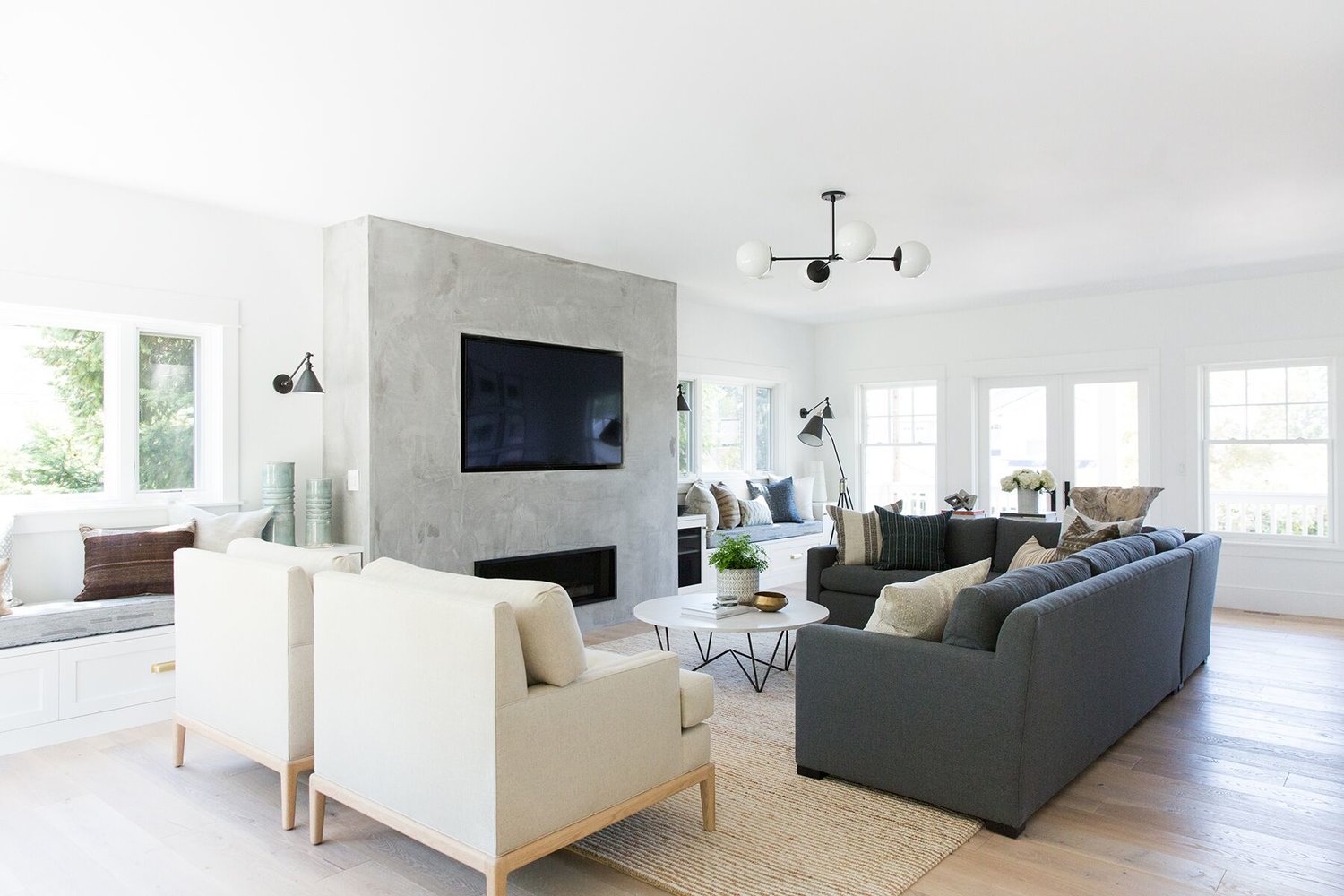
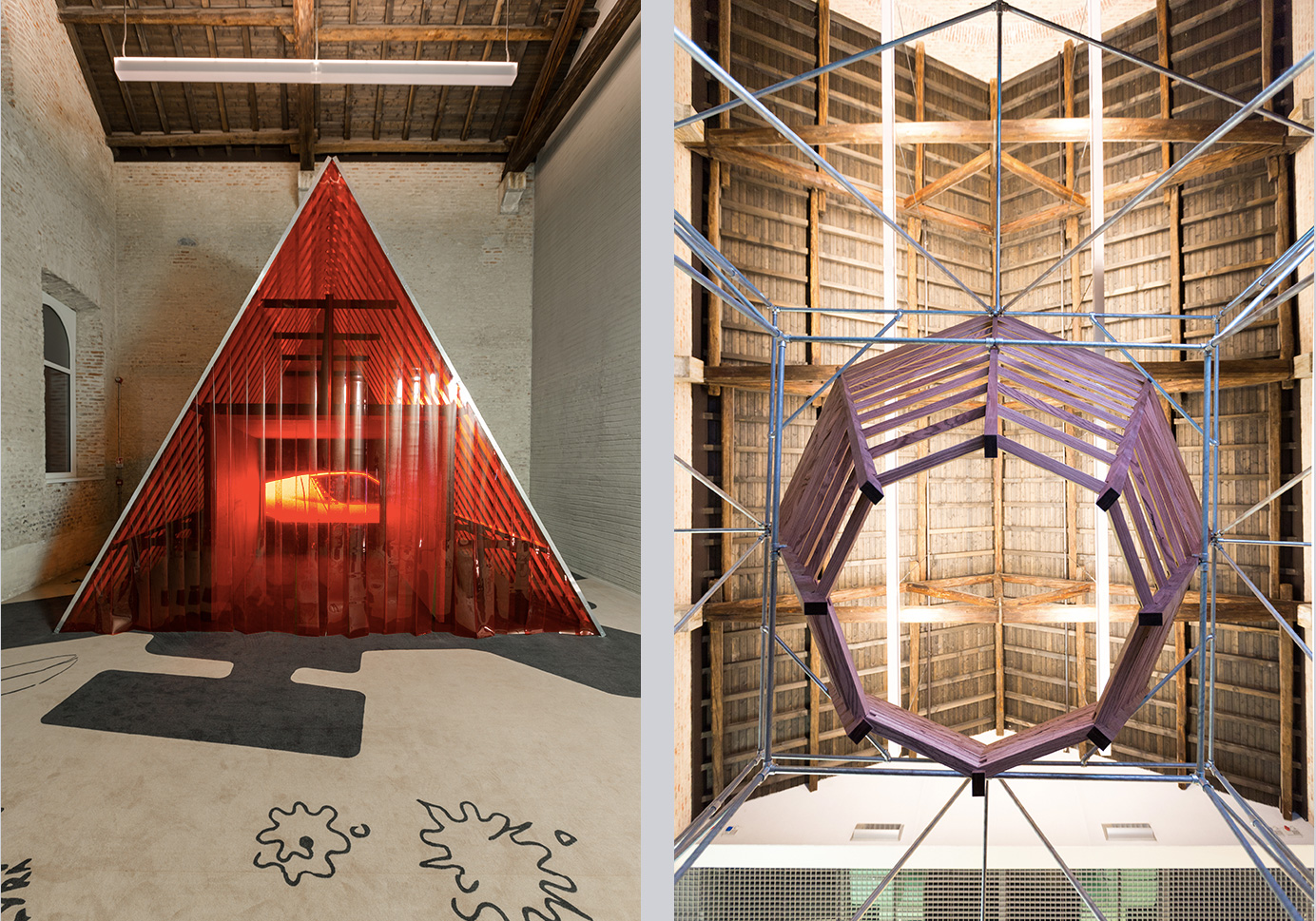
European interior design, encompassing diverse styles like Italian, French, English, Scandinavian, and Spanish, is celebrated for its ability to blend tradition with enduring charm and elegance. This approach emphasizes history, craftsmanship, and the beauty of the natural world, resulting in timeless and stylish homes. Interior designers frequently draw inspiration from these sensibilities, integrating key elements into their projects to create sophisticated and inviting spaces. This includes high ceilings with exposed beams, rustic flooring like stone or terracotta (often in a checkerboard pattern), abundant wood tones, old-world art, and an appreciation for luxurious natural materials such as marble. To infuse European romance and `je ne sais quoi` into a home, designers recommend focusing on several core lessons.
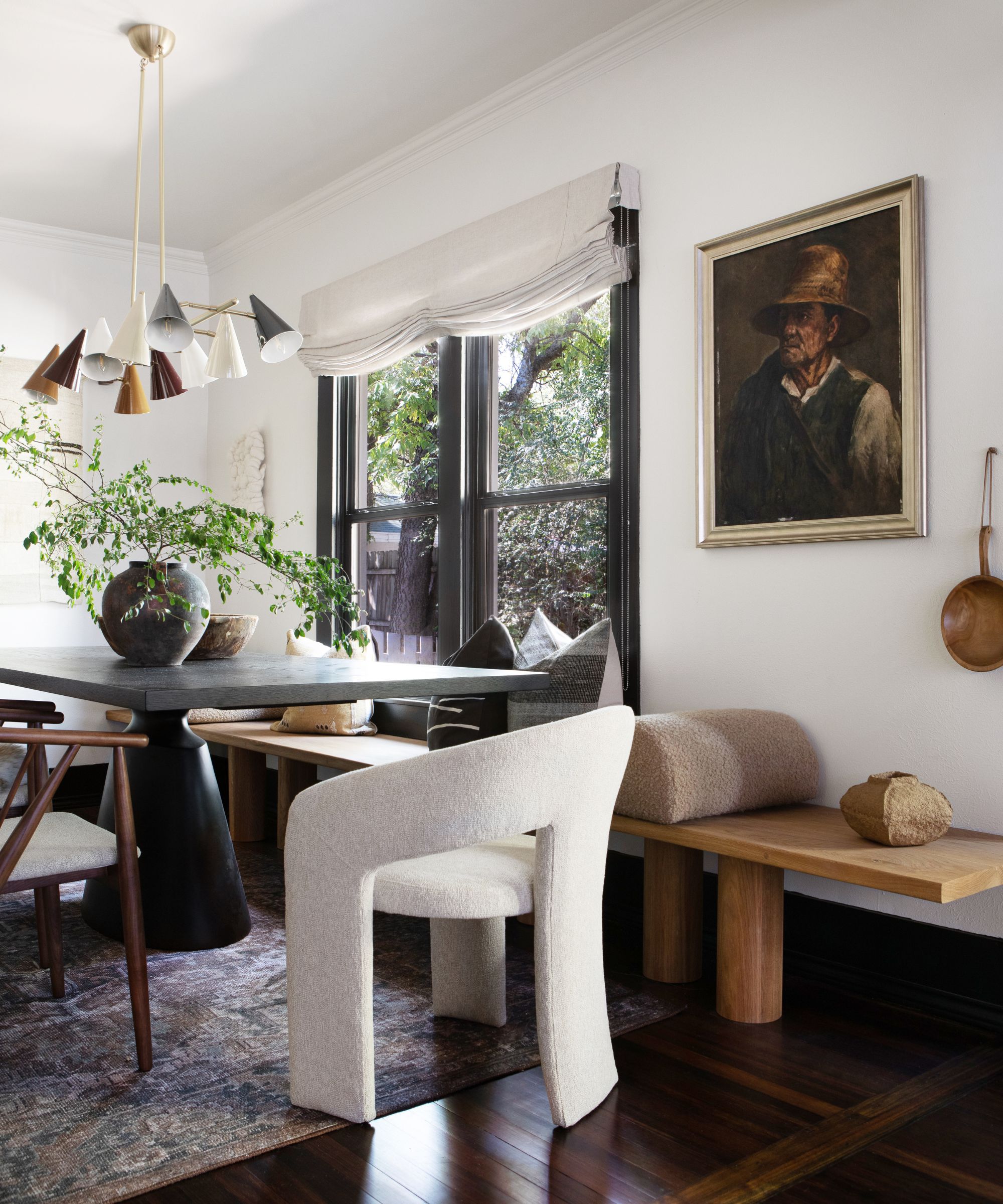
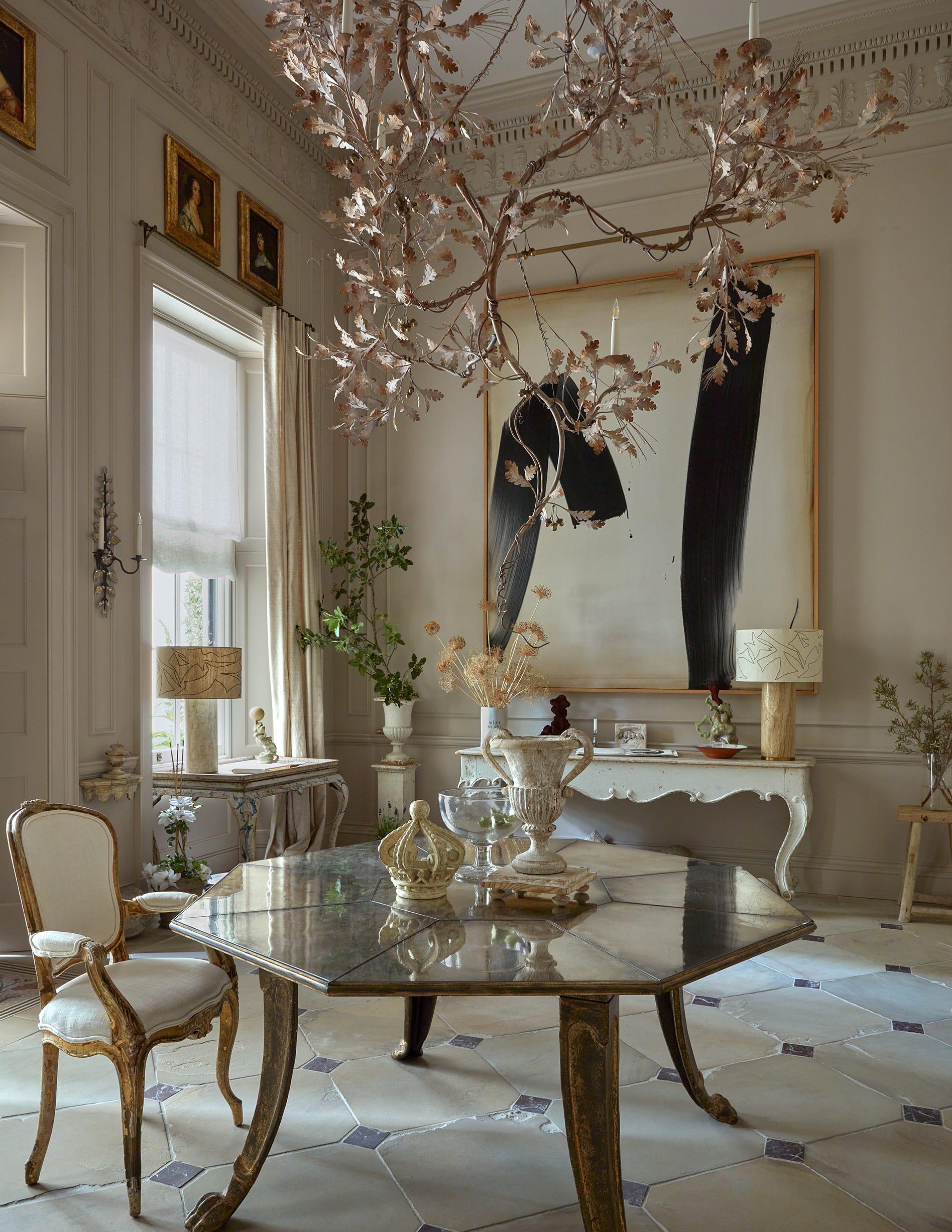
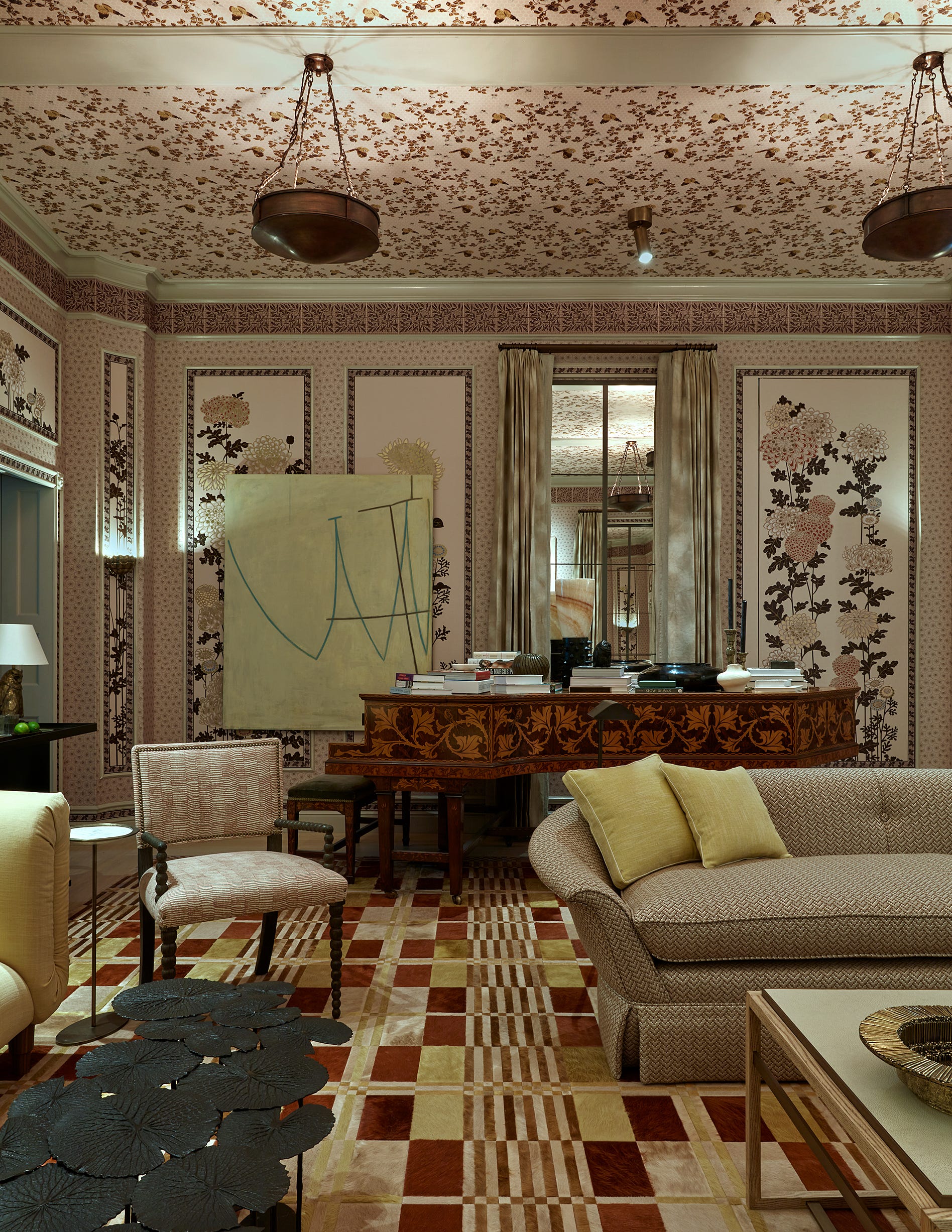
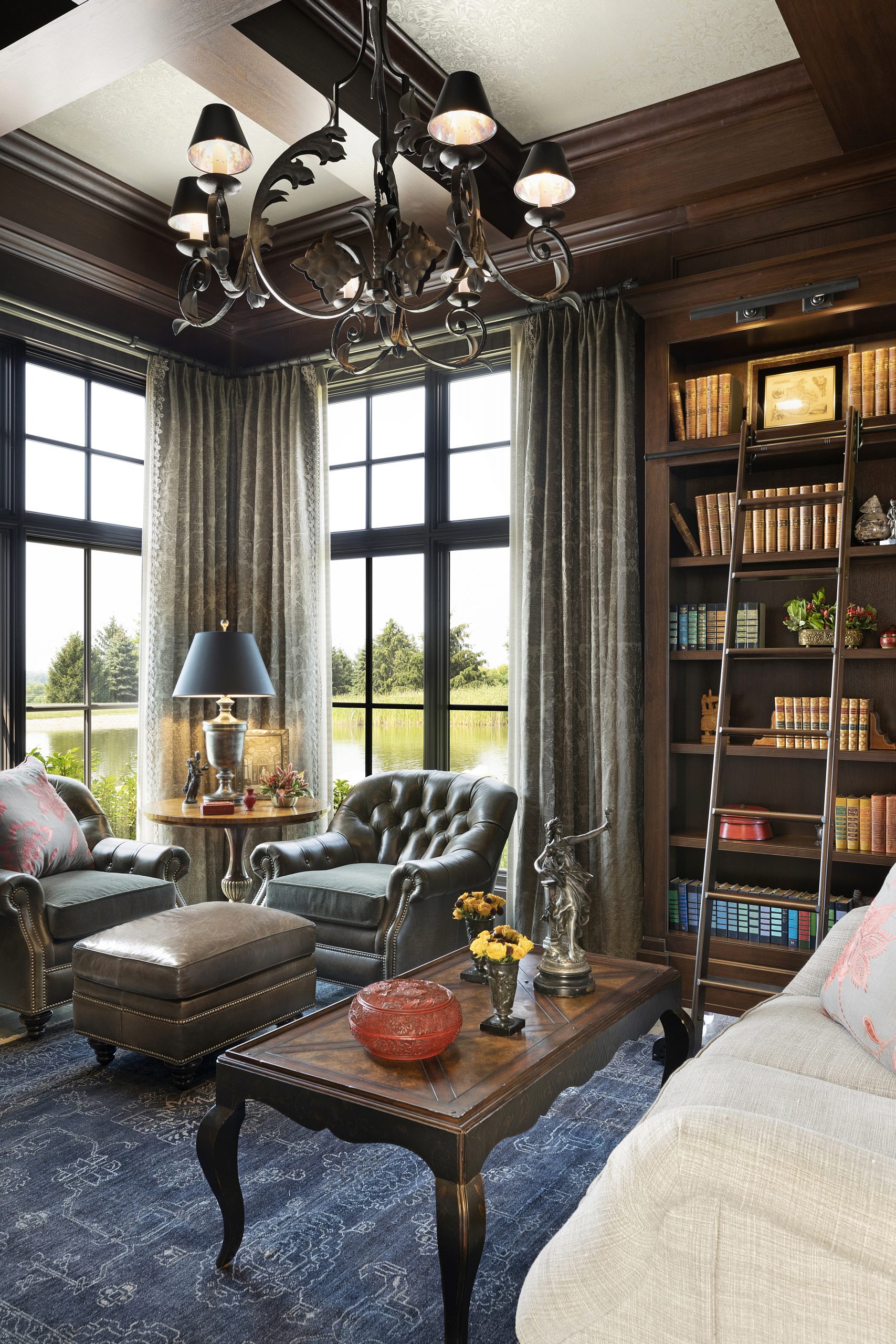
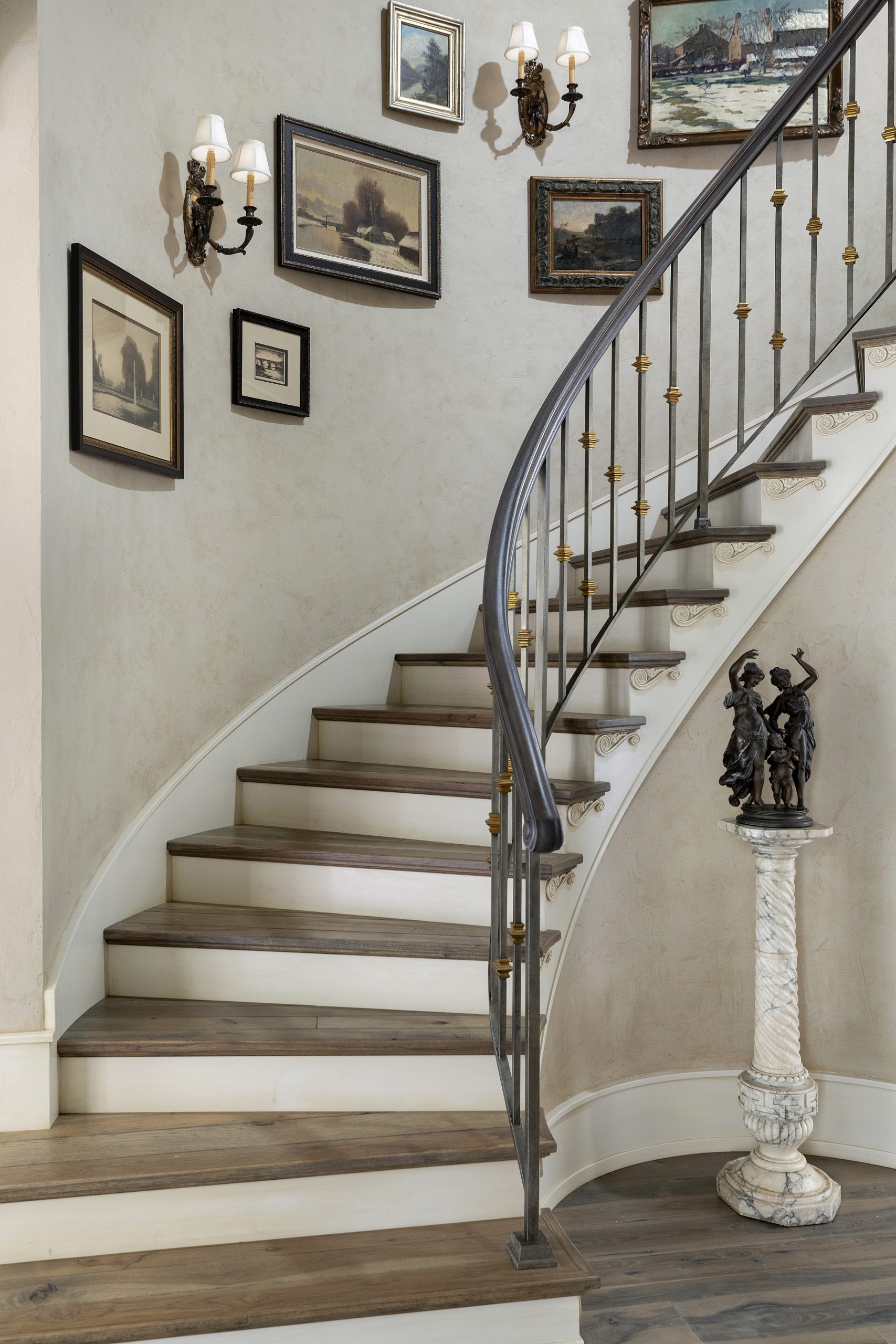
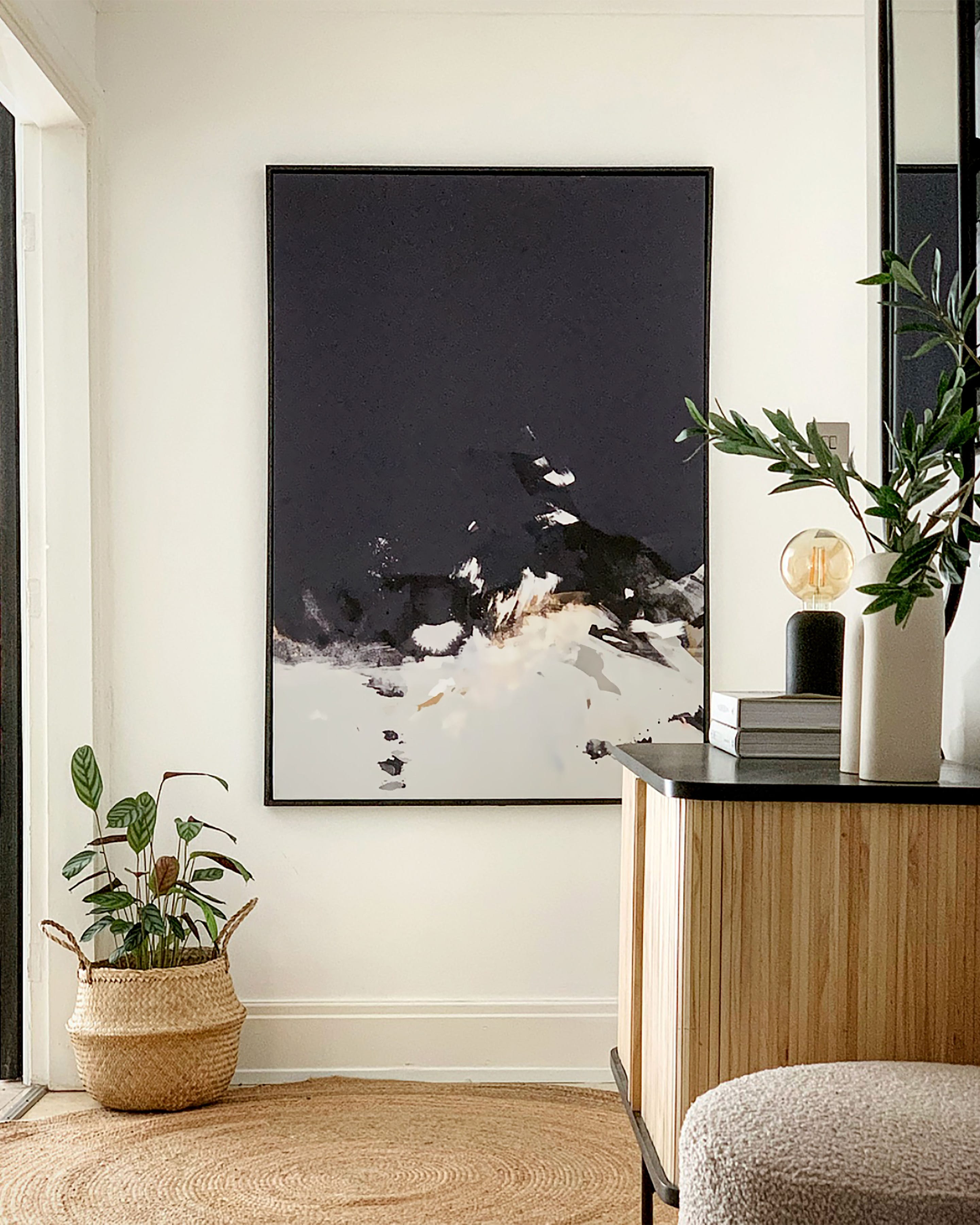
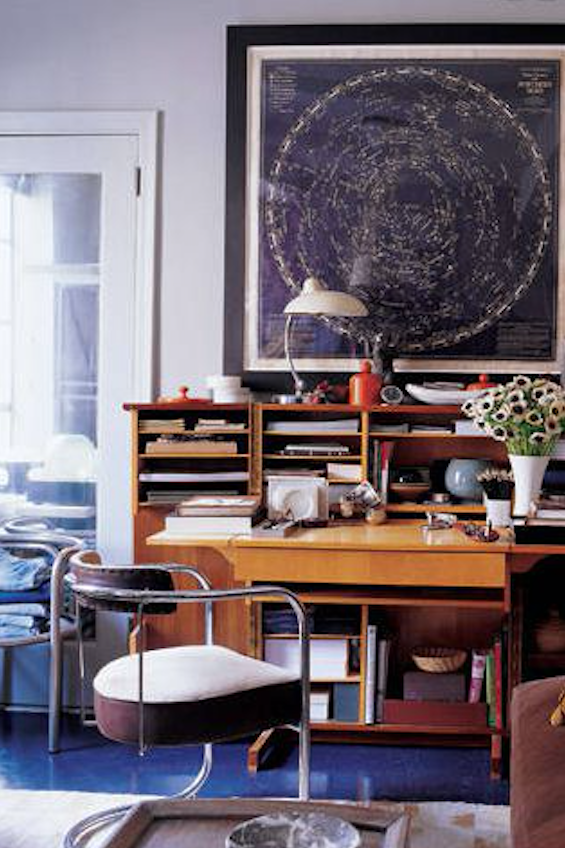
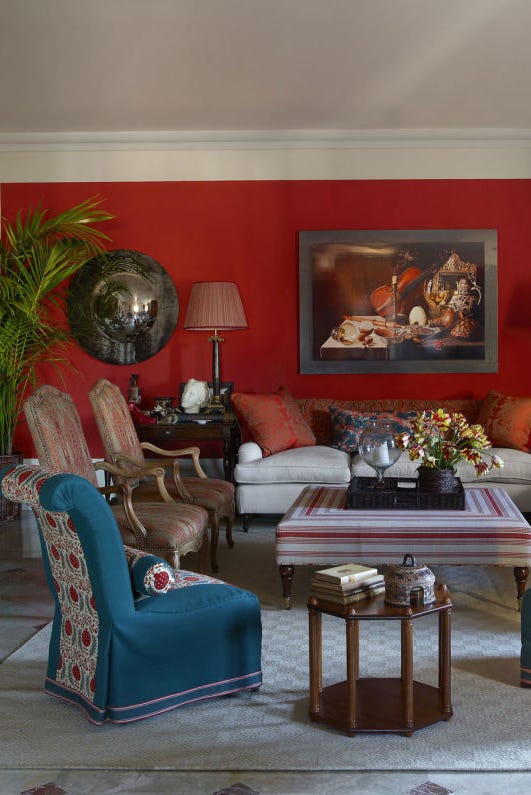
Craftsmanship forms the backbone of European design, prioritizing well-made pieces over fleeting trends. This involves preserving traditions and showcasing artistry through hand-carved furniture, intricate moldings, and specialized wall finishes like Venetian plaster. Investing in high-quality, durable materials ensures longevity and a timeless aesthetic. Similarly, old-world and vintage art, including classic oil paintings, sculptures, and tapestries, add layers of depth, intrigue, and a sense of history. These pieces can evoke nostalgia and fascination, transporting occupants to different eras and cultures. Designers suggest exploring antique shops, auctions, and online marketplaces for pieces that resonate with personal style, encouraging a curated, eclectic mix of different art styles and periods.
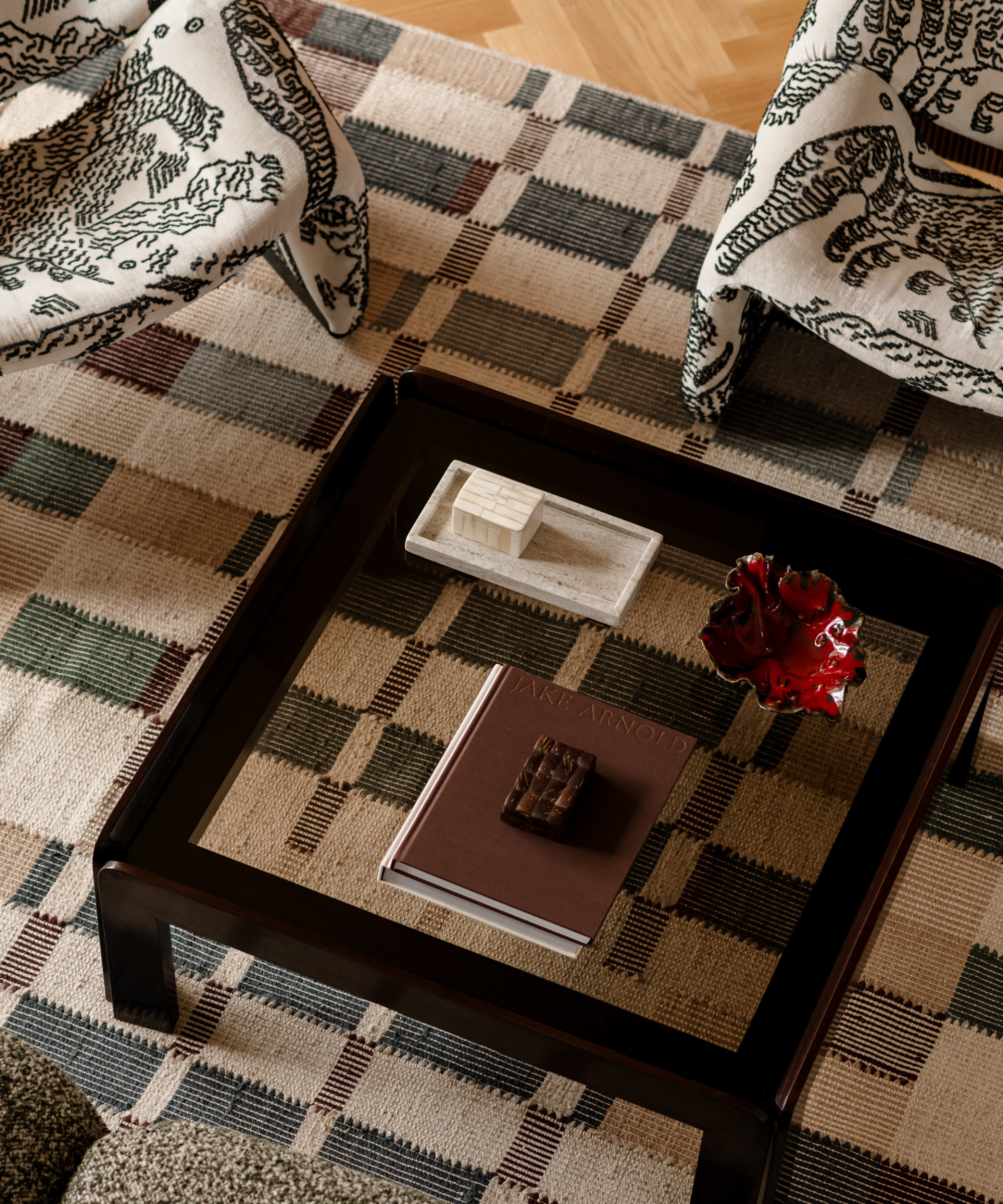
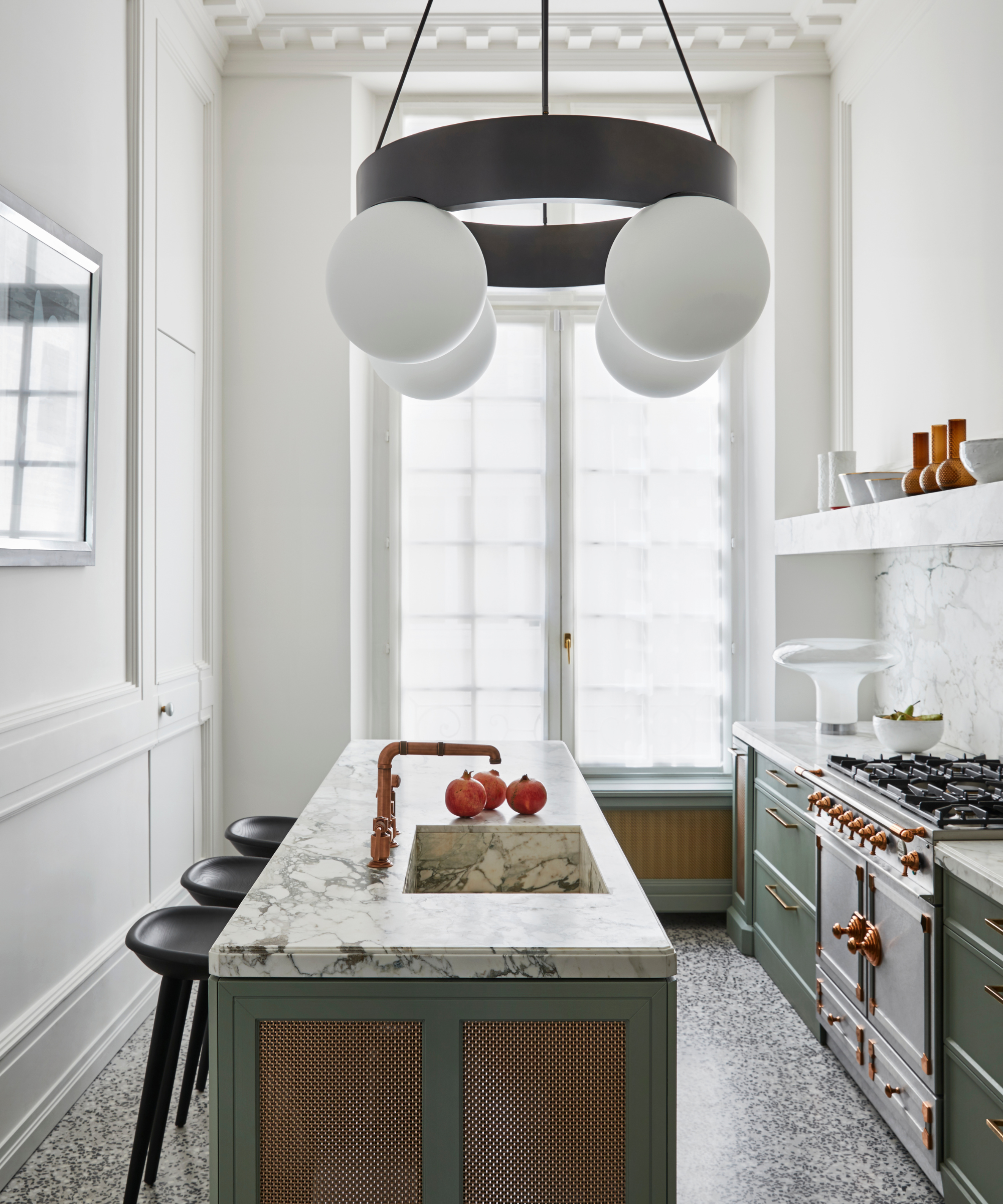
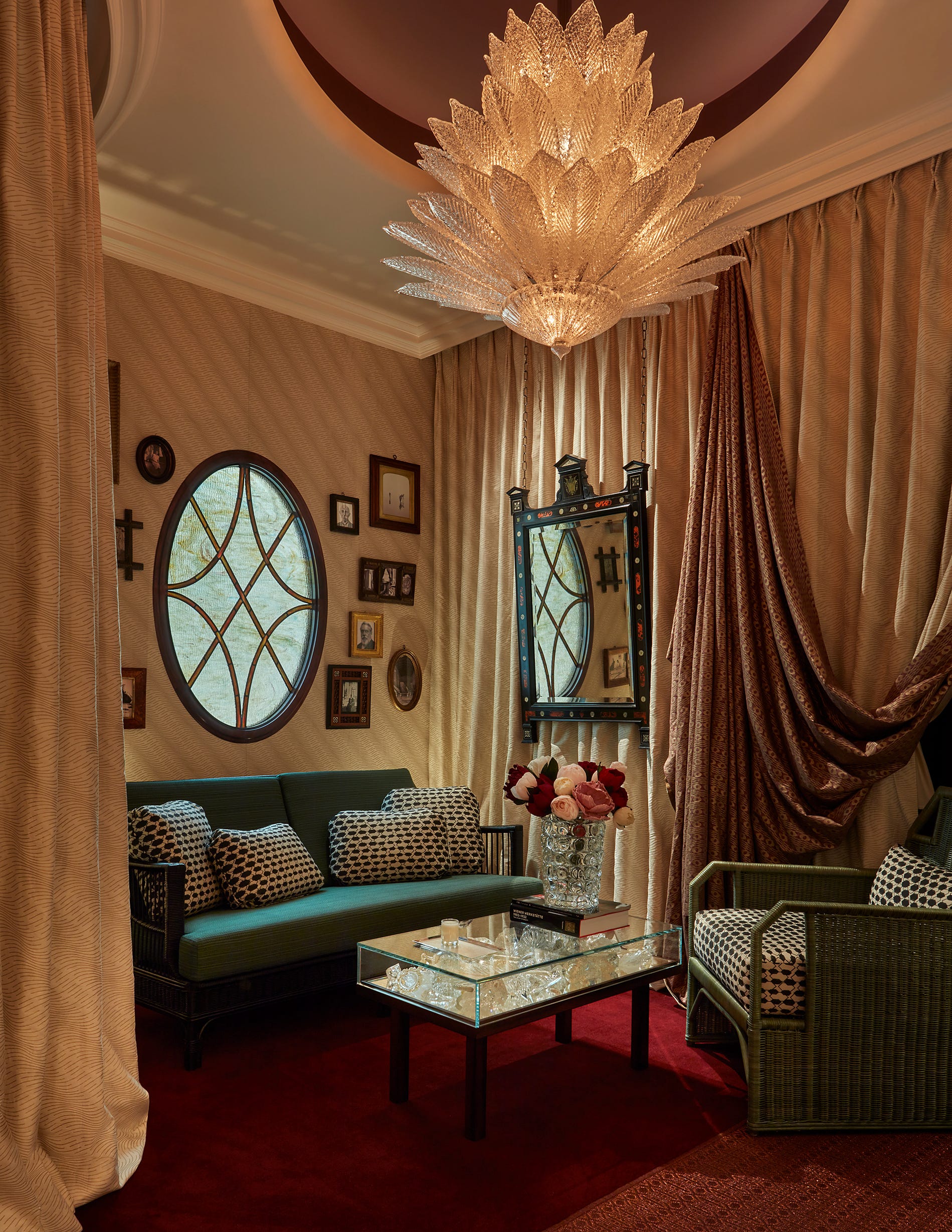
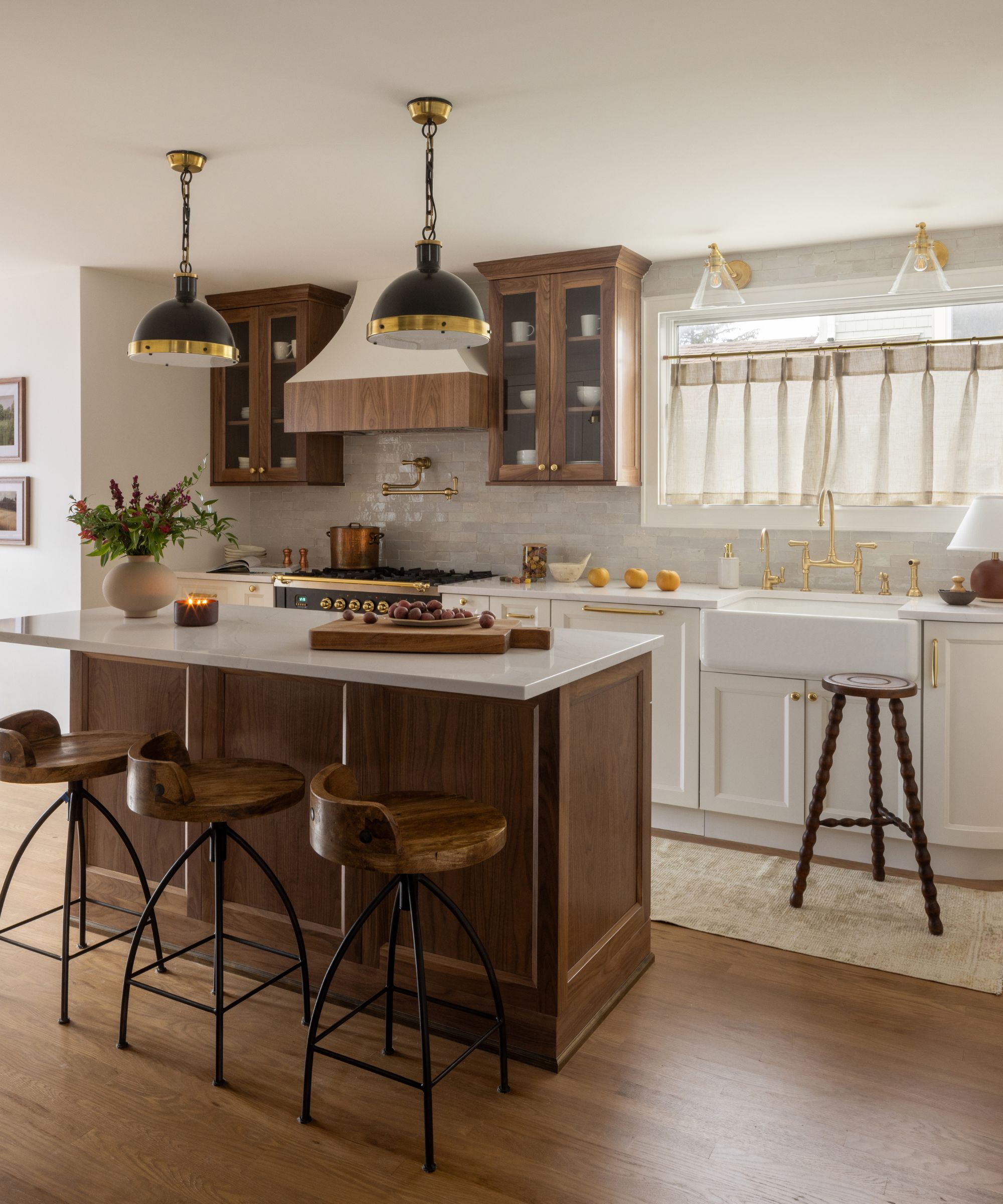
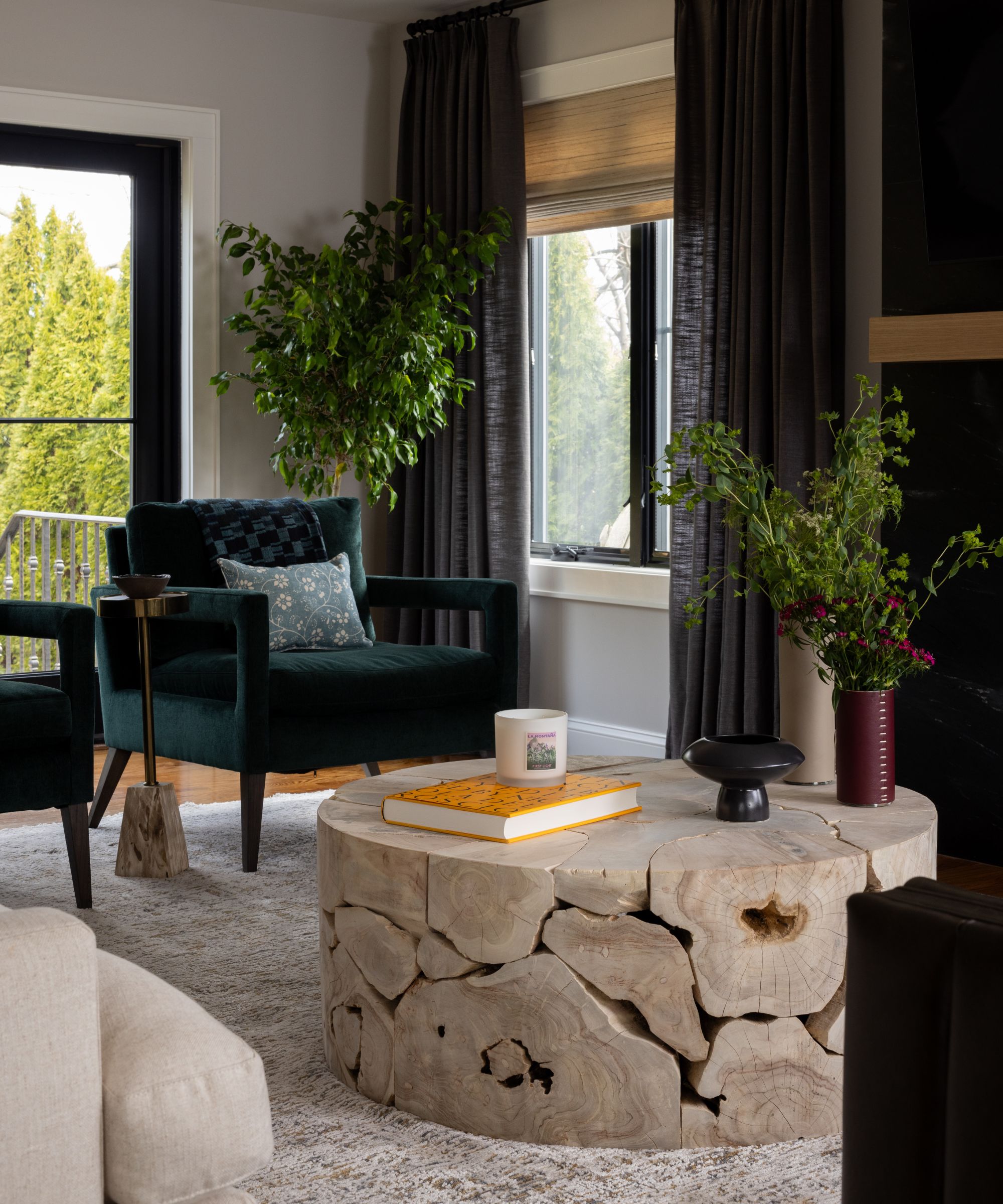
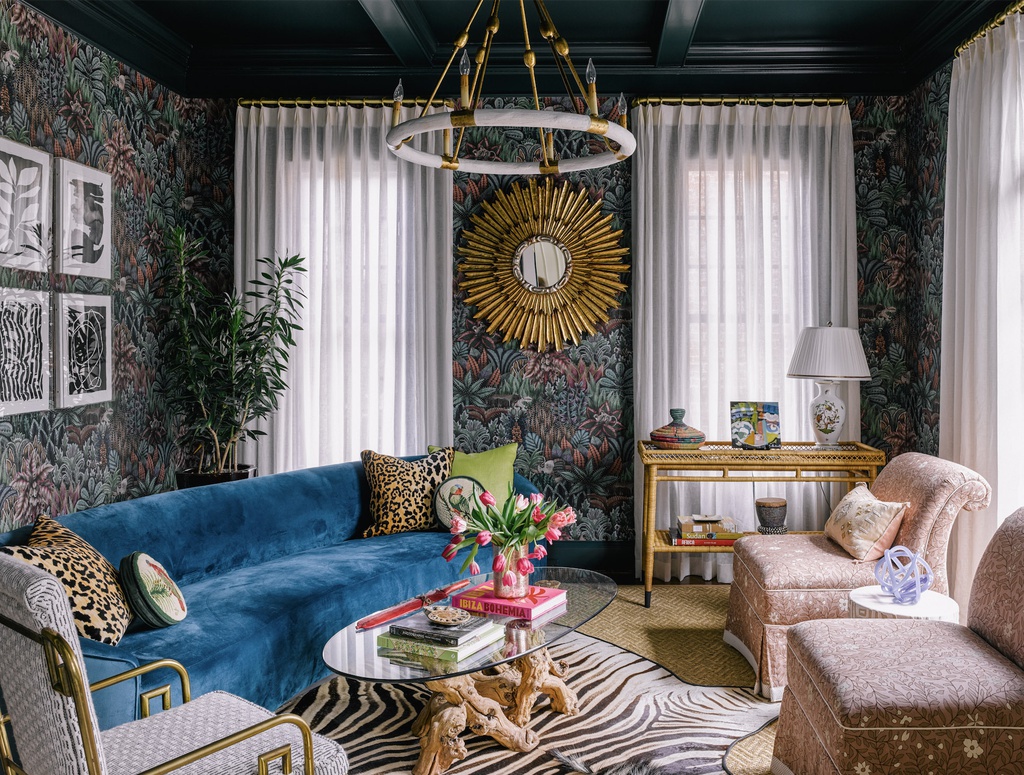
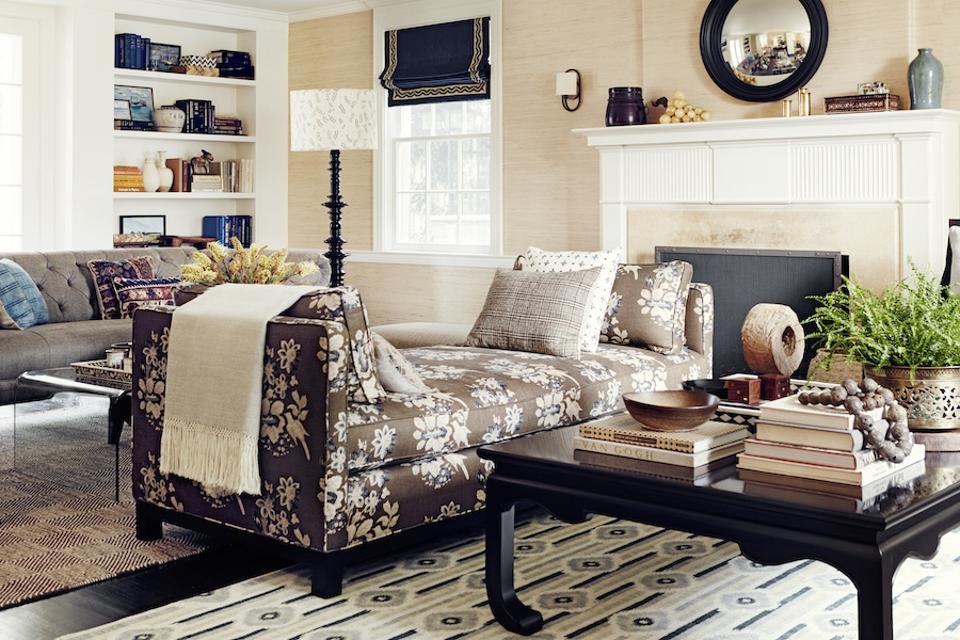
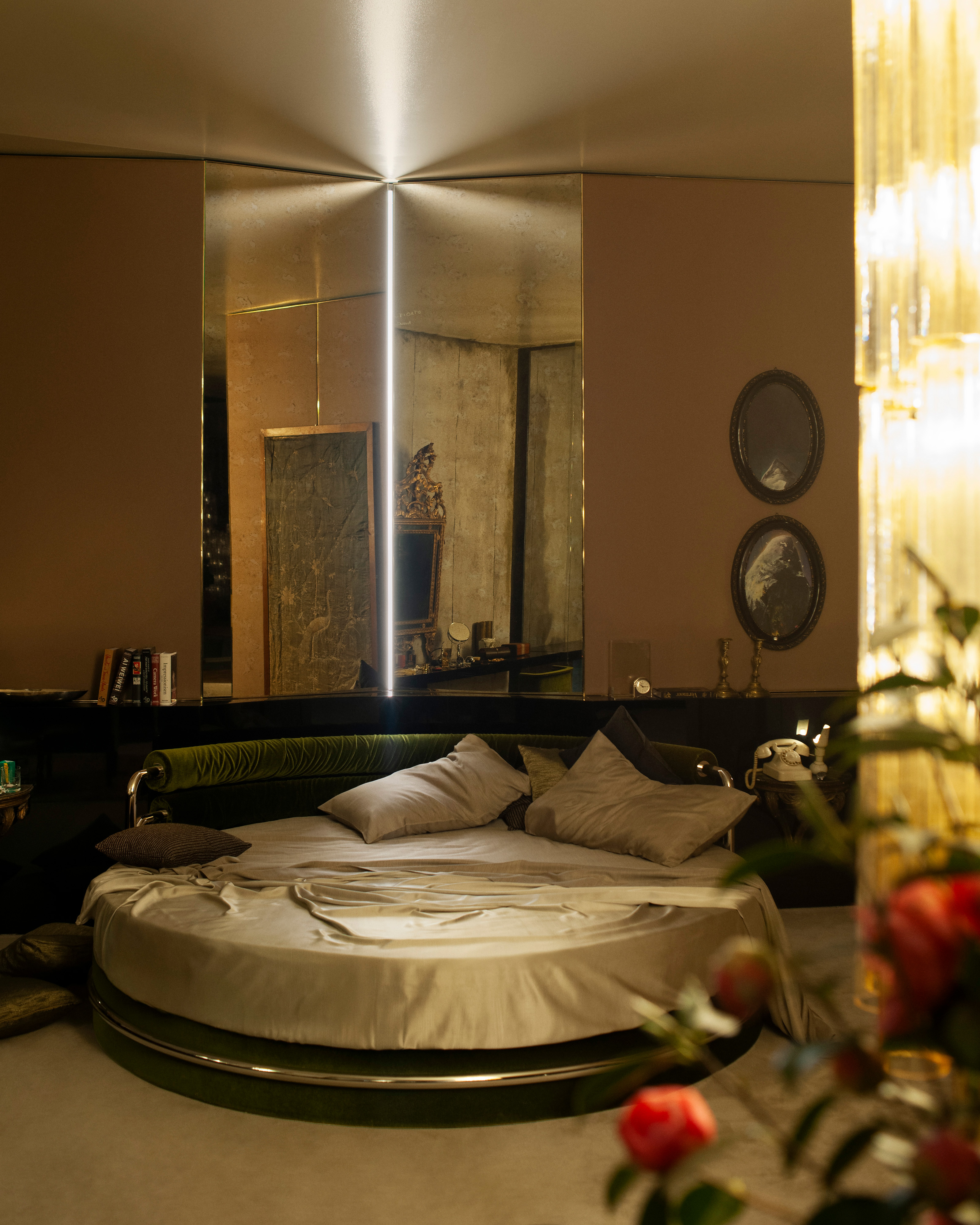
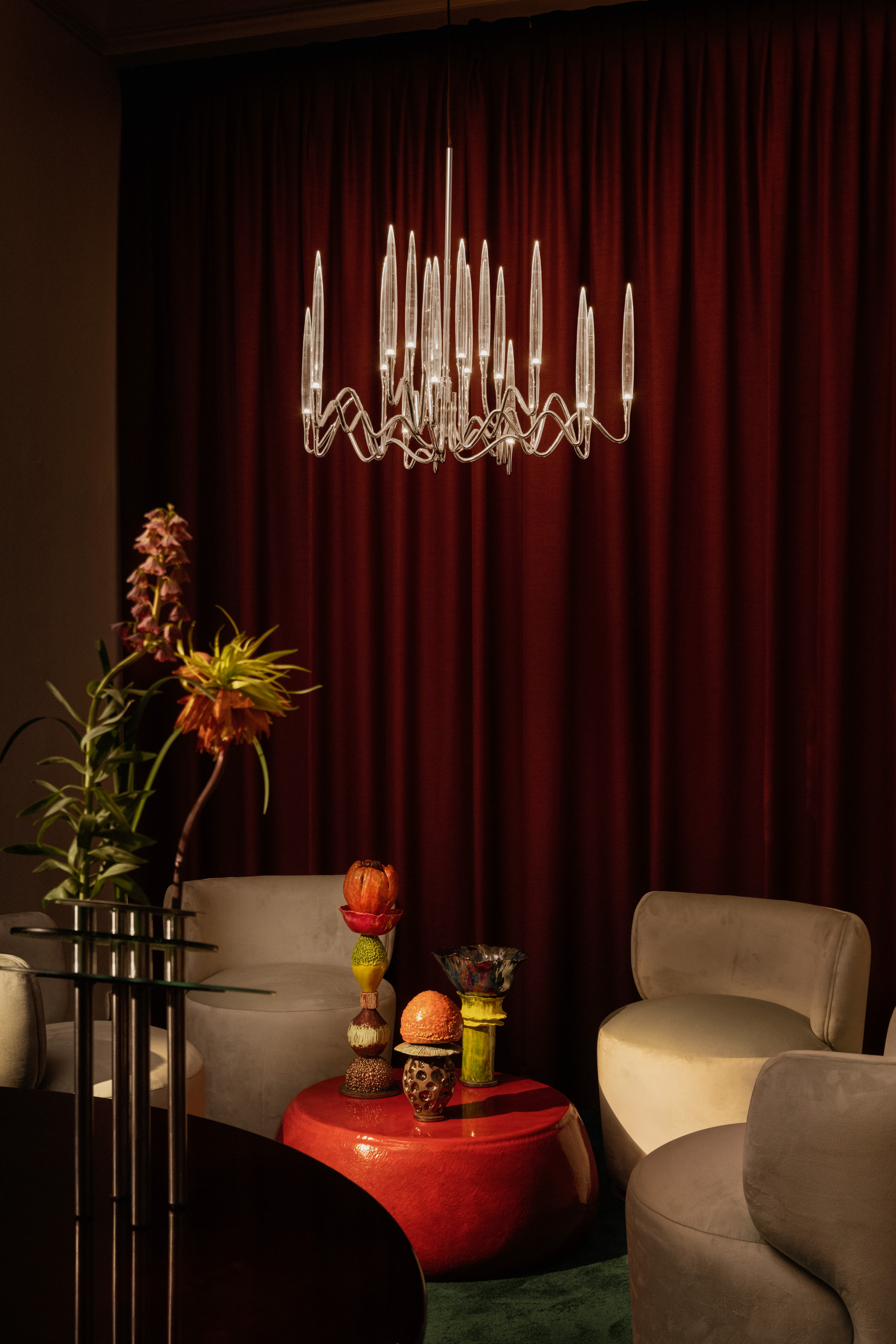
European homes also masterfully blend the old and the new, creating transitional spaces that feel both classic and contemporary. This eclectic approach involves juxtaposing antique furnishings, vintage textiles, art, and decor with modern fixtures and fittings. Such a mix helps to create interiors rich in character, history, and personality, while also ensuring functionality. Vintage or vintage-inspired lighting and accessories are particularly effective in adding a European flavor, contributing to spaces that appear thoughtfully curated and lived-in. Another distinctive feature is the use of living finishes, which evolve and develop a natural patina over time. Materials like aged metals, natural stone, unlacquered brass, or copper lend warmth, character, and reflect the life and history of the space. Imperfect textiles, such as silk velvet that shows wear or tapestry-like fabrics with antique charm, further enhance this authentic, grounded aesthetic.
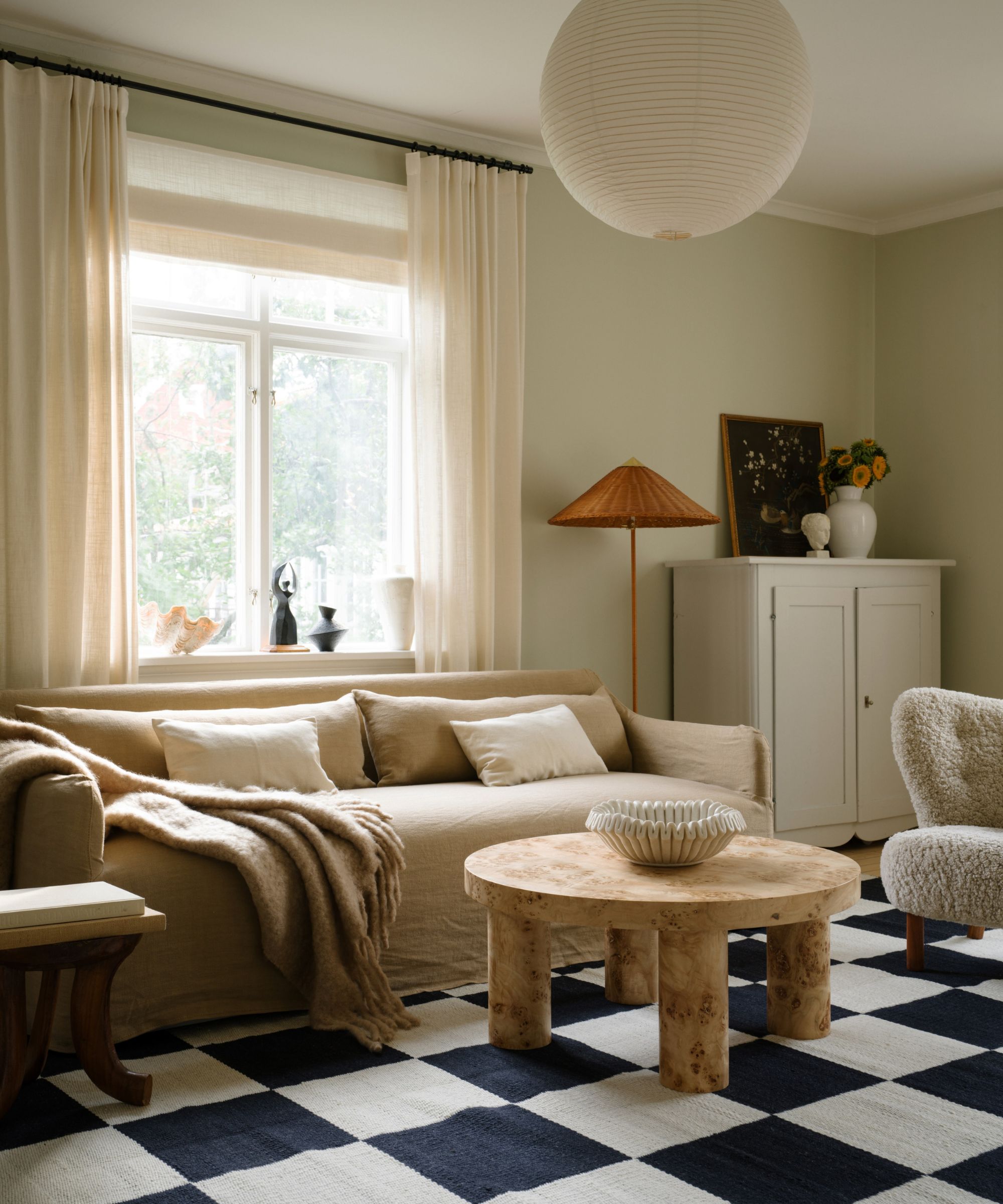
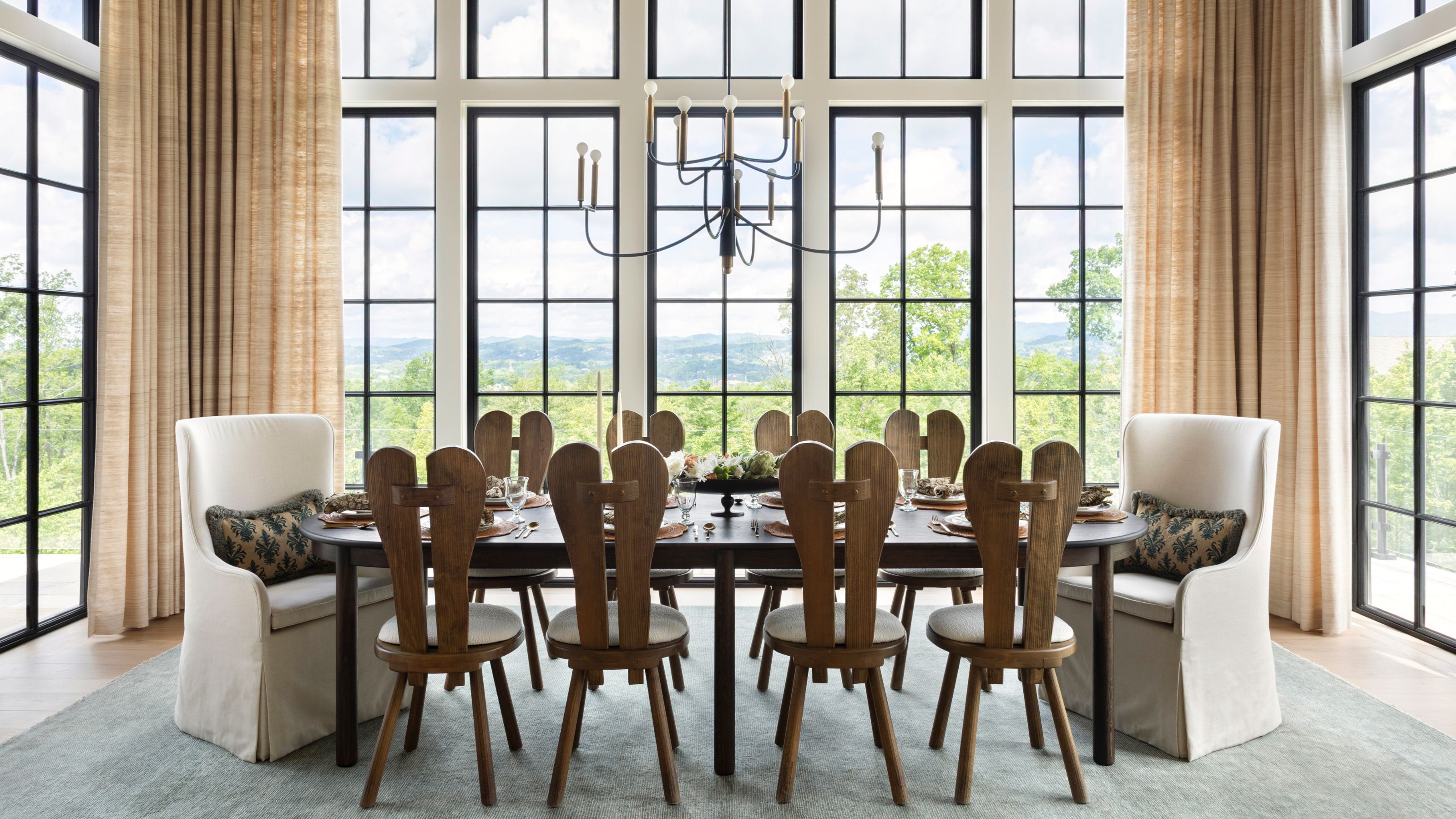
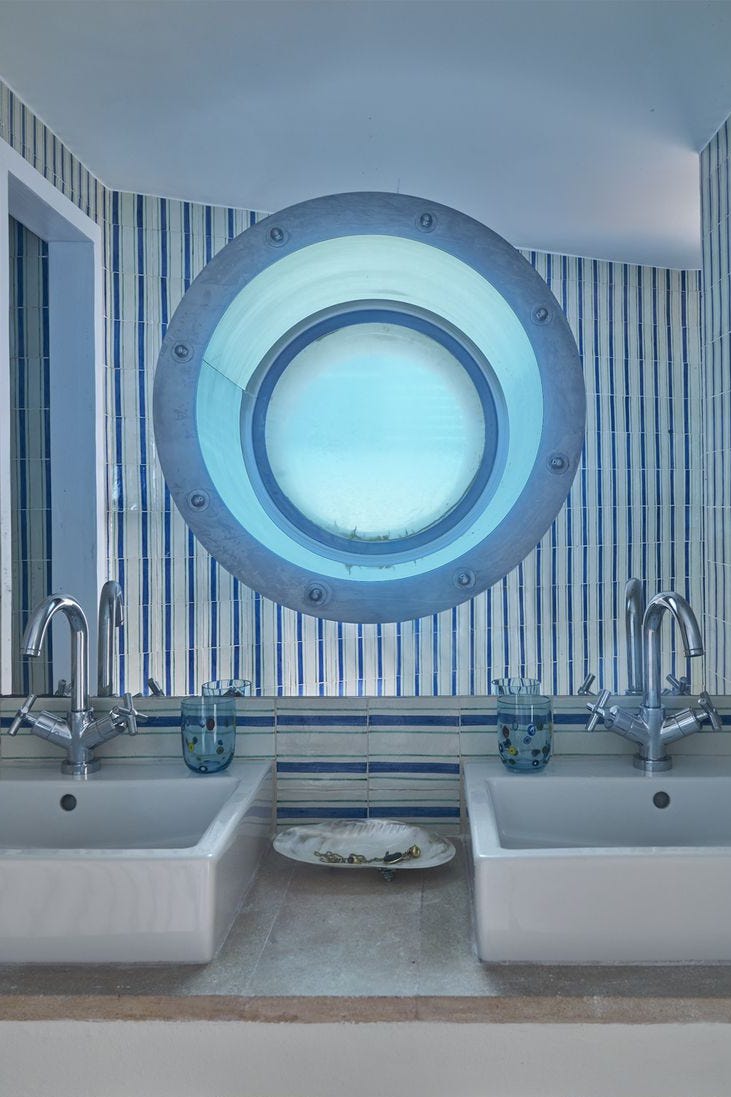
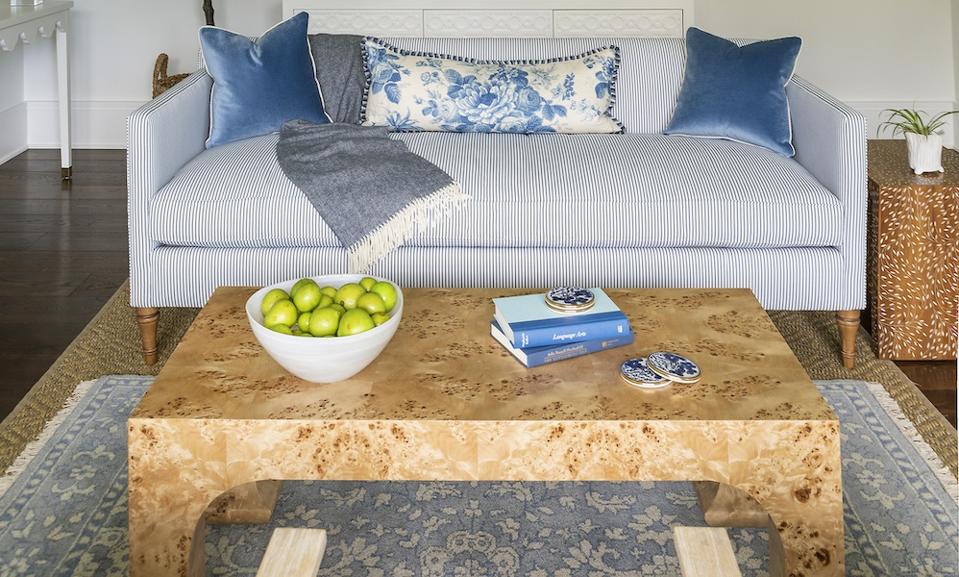
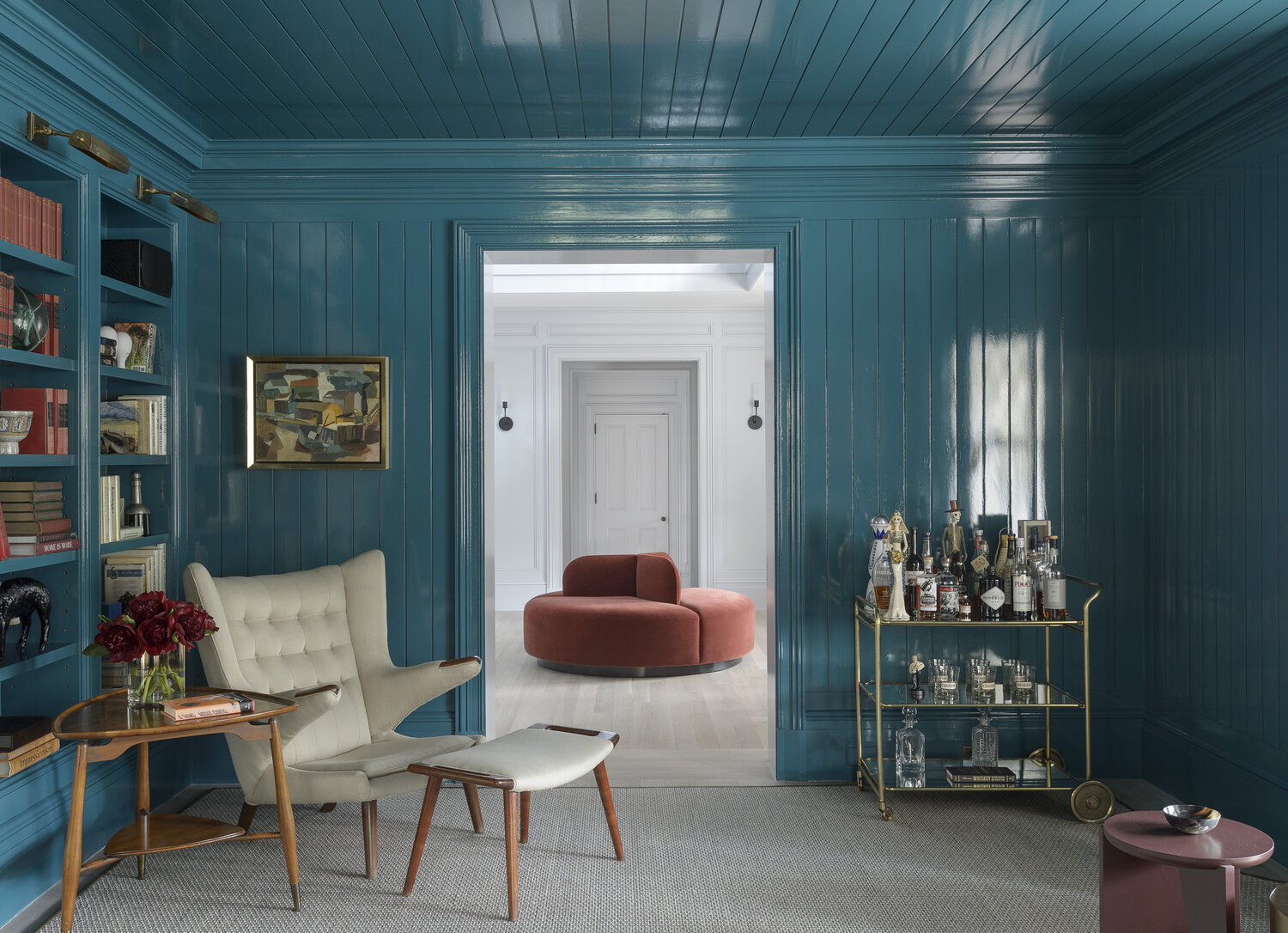
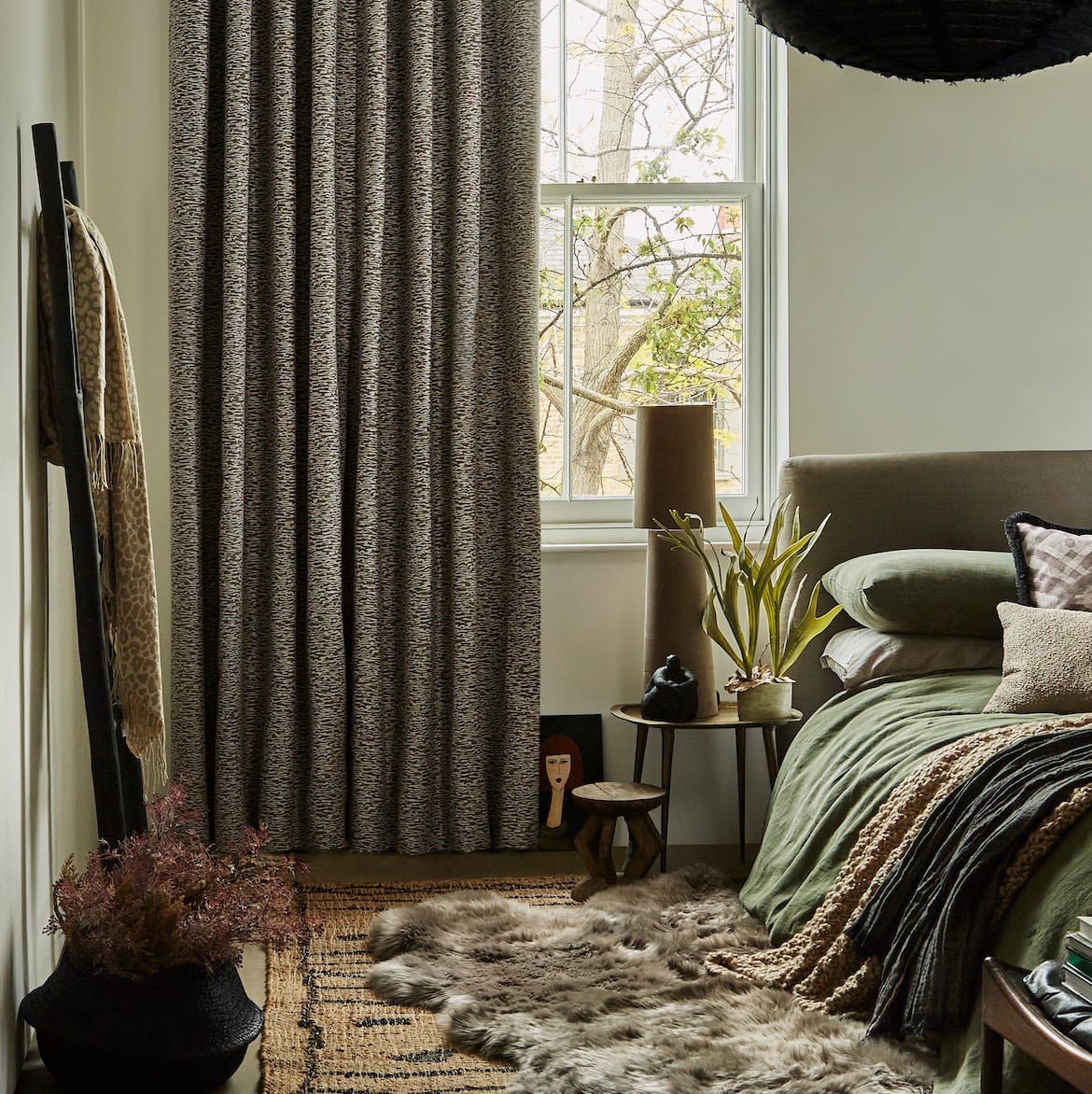
A serene color palette, typically featuring soft, muted tones like pale blues, earthy greens, and warm neutrals, is another hallmark of European design. These colors, often inspired by the natural landscape, create a sense of calm and serenity, steering clear of overwhelming bright hues. Designers like Marie Flanigan advocate for this approach, particularly drawing from Belgian influences that combine elegance, simplicity, and natural materials like weathered wood, stone, wool, and linen. The strategic addition of unlacquered brass or polished nickel in fixtures and hardware further elevates the luxury of these spaces. While European interiors exude a sense of grandeur, the key is not to overdo it. The focus is on quality over quantity, investing in timeless pieces, and incorporating luxurious materials like marble, velvet, and brass. The aim is to create a layered scheme that prioritizes comfort and reflects a certain effortless elegance.
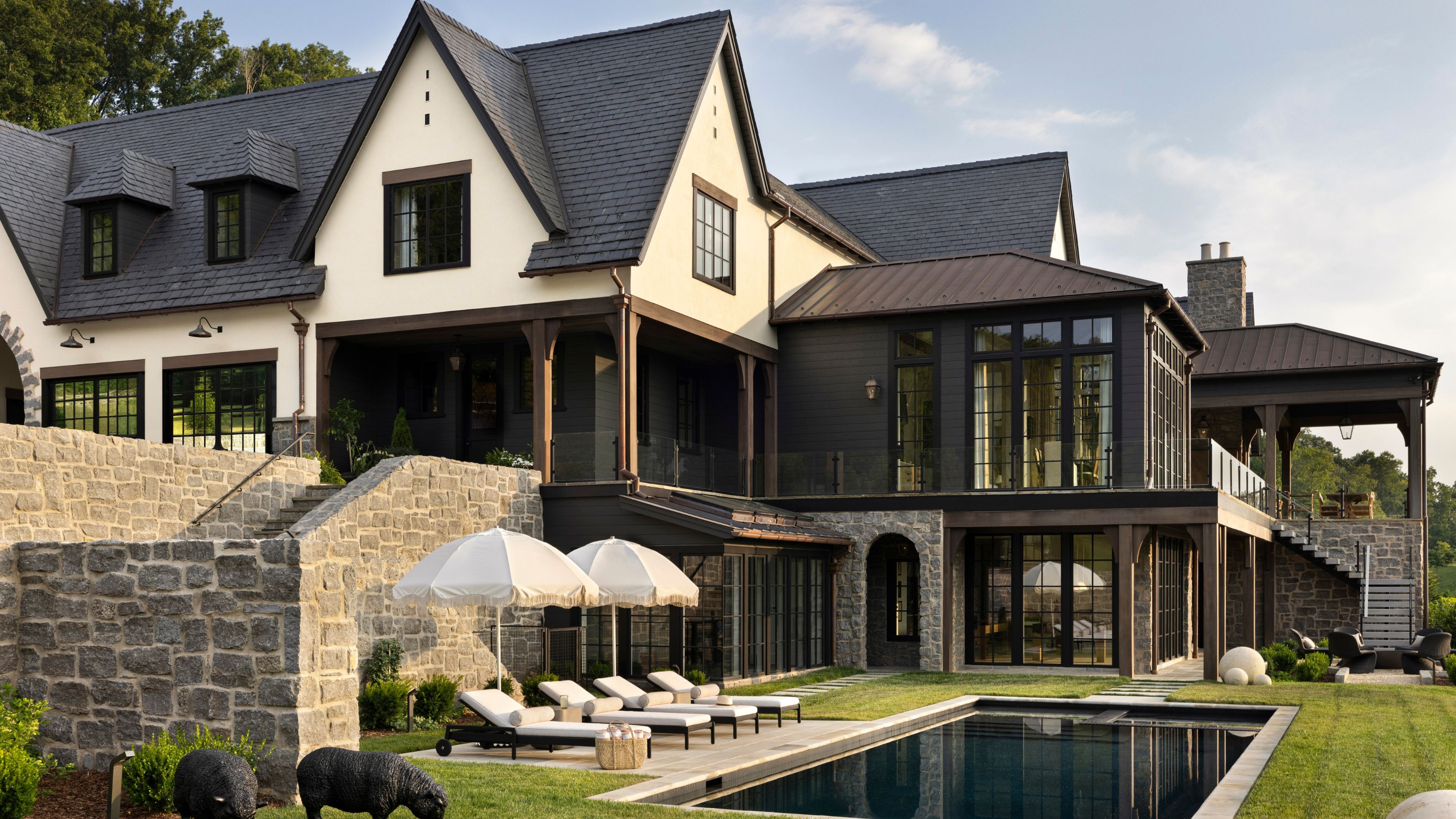
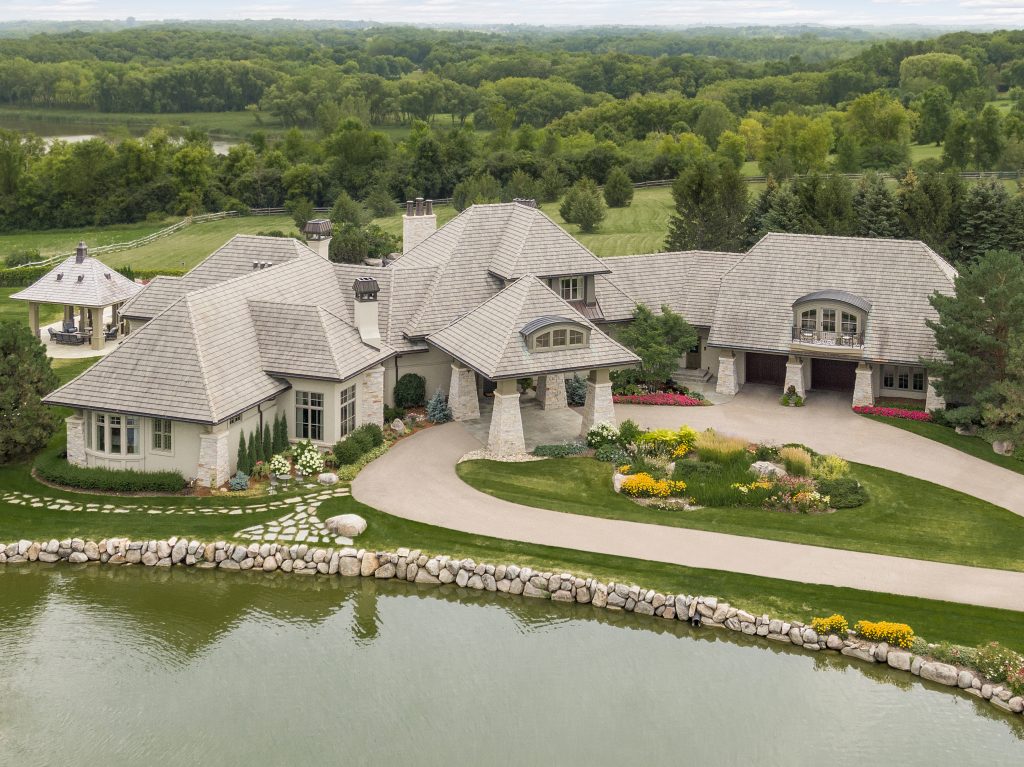
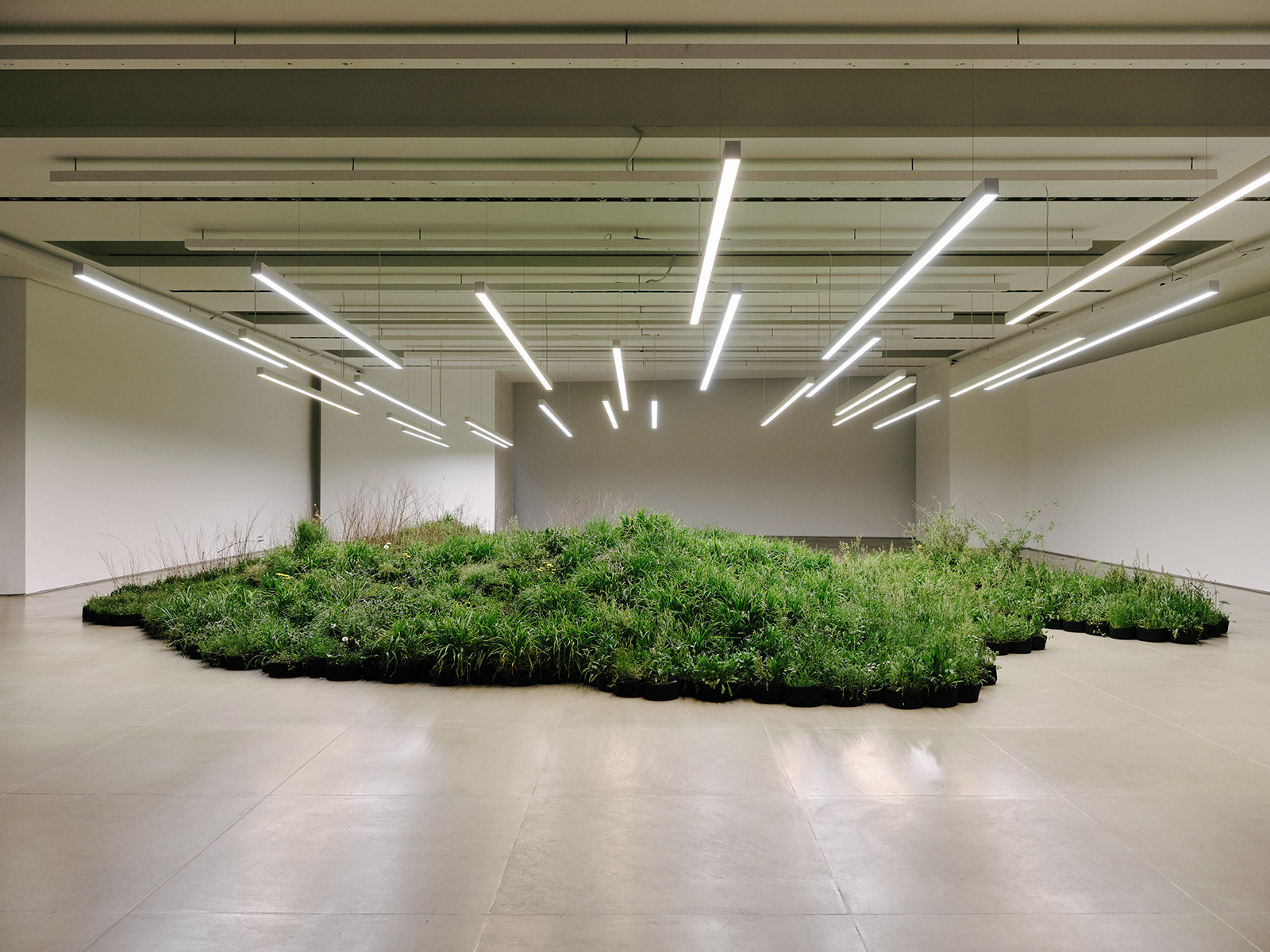
Finally, bringing the outside in is a significant aspect of European design. This involves integrating elements of nature into living environments through indoor gardens, living walls, and water features, which foster a sense of rejuvenation. Large windows frame picturesque views, allowing natural light to flood the space and promoting biophilic design. The use of natural materials such as wood, stone, and rattan further blurs the boundaries between indoors and outdoors, creating a warm and inviting atmosphere. Incorporating antique olive jars and aged copper gas lanterns can add a romantic, bygone-era charm, reinforcing the seamless flow between interior and exterior spaces. By adopting these seven lessons, one can create a home that not only reflects personal style but also evokes a rich sense of history, culture, and sophistication characteristic of European design.
#EuropeanInteriorDesign #Craftsmanship #VintageArt #EclecticDecor #LivingFinishes #SereneColorPalette #LuxuryInteriors #BiophilicDesign #TimelessStyle #EuropeanInteriorDesign #Craftsmanship #VintageArt #EclecticDecor #LivingFinishes #SereneColorPalette #LuxuryInteriors #BiophilicDesign #TimelessStyle
0 comment in total
 No comments yet
You may also like
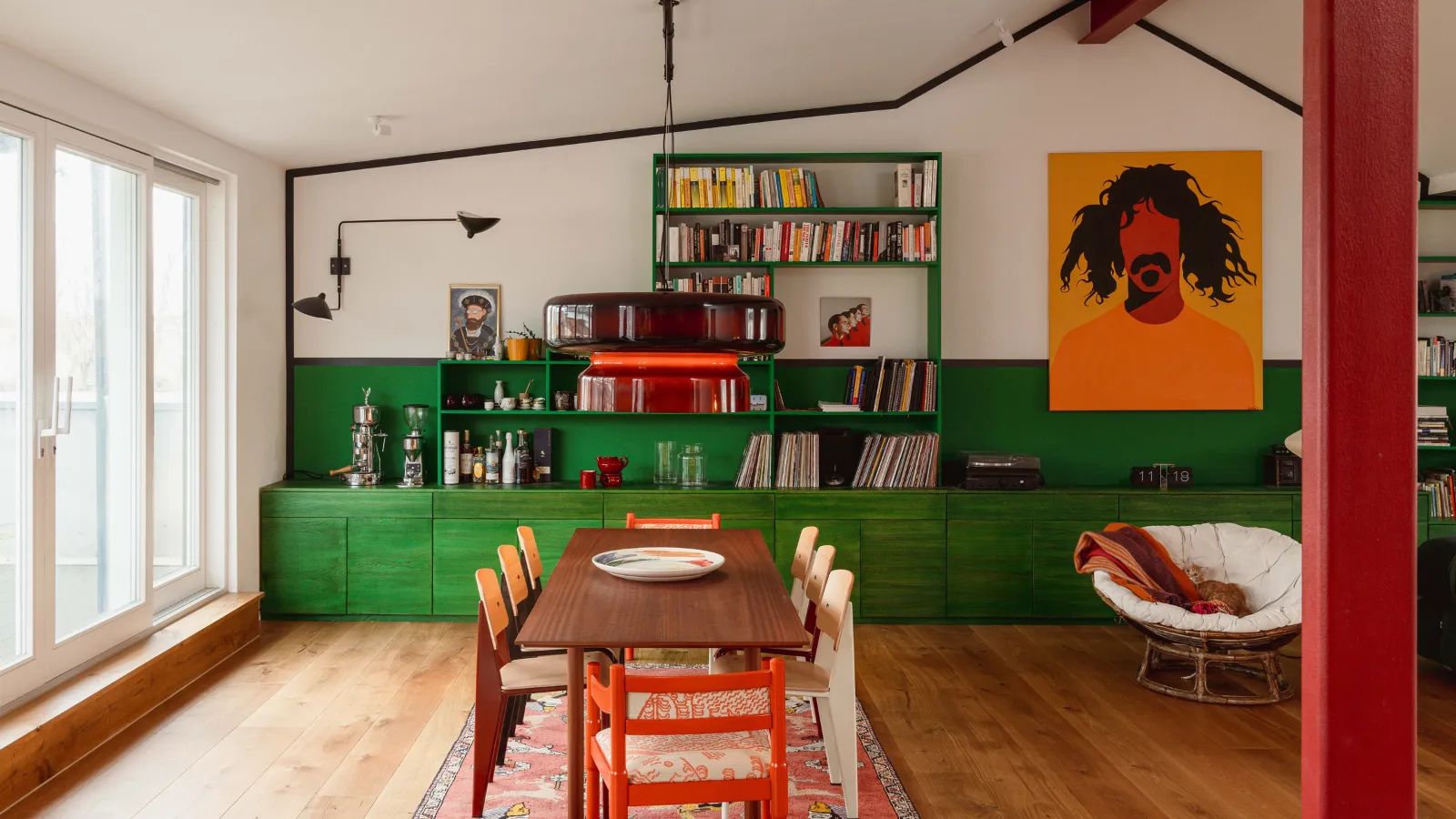
From Portugal to Belgium and Germany, explore 9 European design trends that are far from fleeting
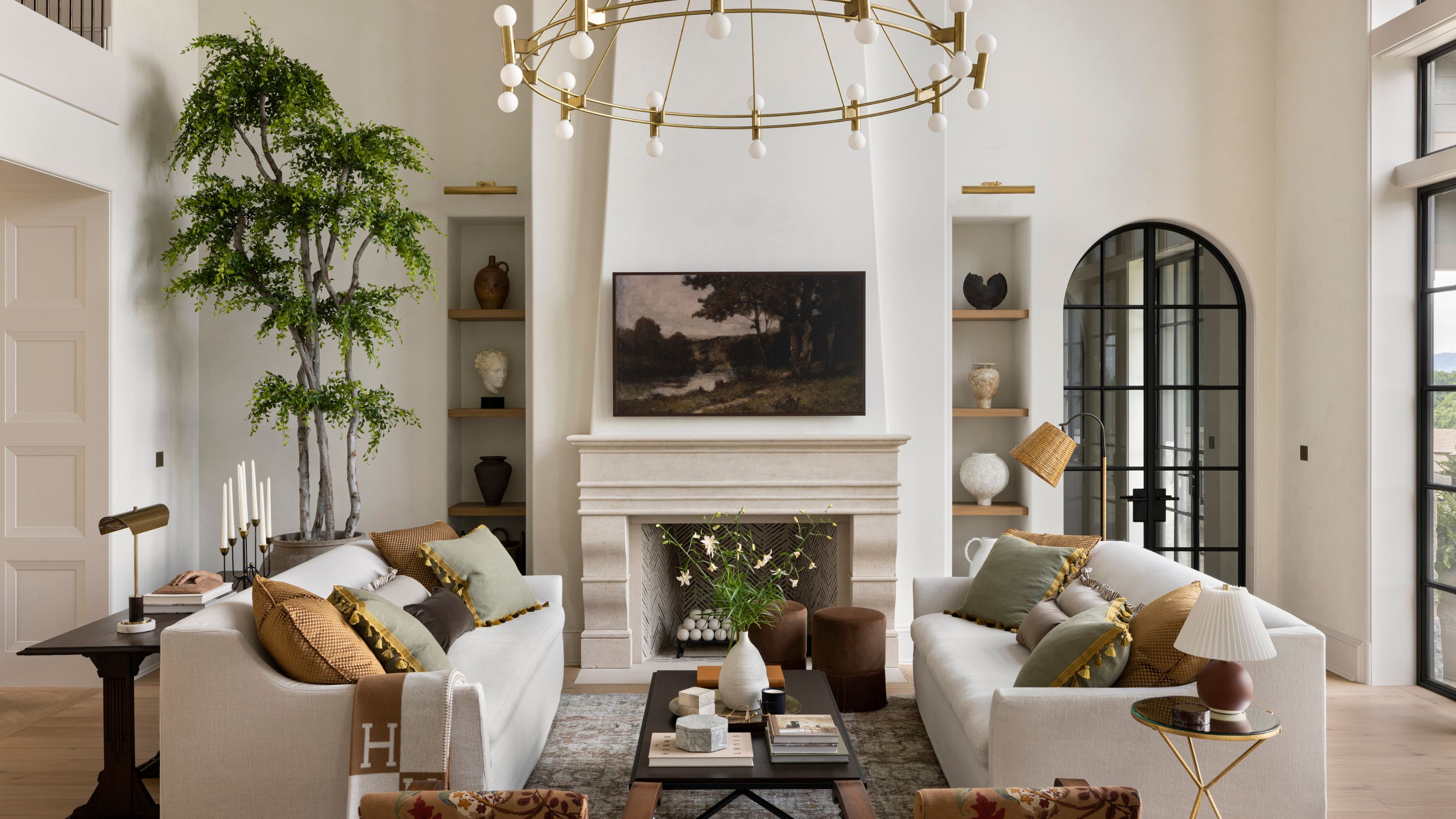
'I wanted each room to feel as though it had lived a few lives before we ever moved in' – how a designer created their dream 'European' home in Tennessee
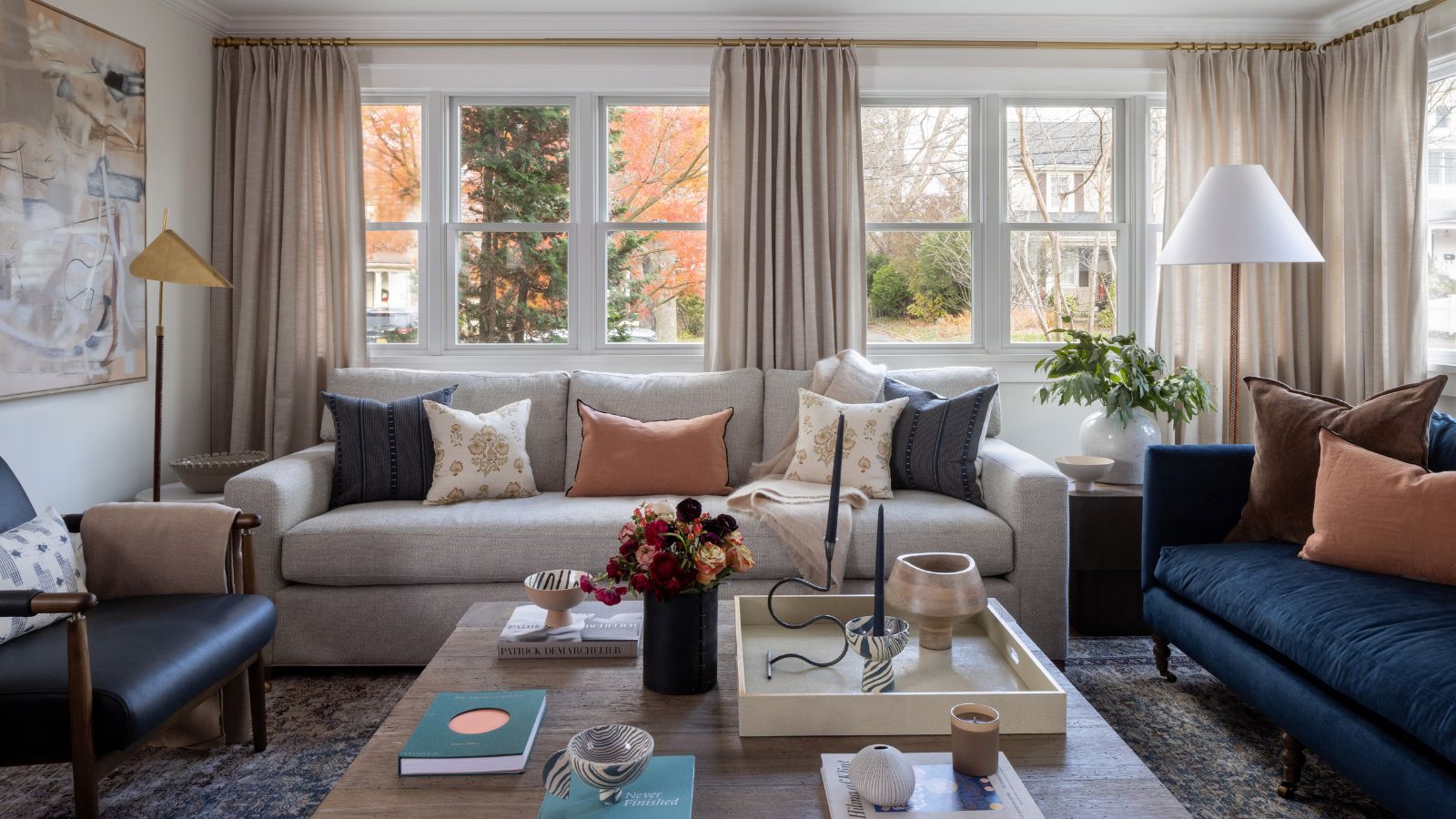
5 simple tips to create eclectic interiors that still feel luxurious – from an interior designer who's perfected the balance
In This Chic City Condo, Spectacular Views are Just the Beginning
Modern European style is the laid-back aesthetic we all want to achieve – here designers tell us how it's done
The 12 Smartest Design Ideas We Spotted at London’s Chicest Showhouse
Top current home decor and design trends in the luxury market

Interior Designers Share Their Best Traditional Design Tips

Older’s Blade Runner-inspired furniture has an agenda


"Interior design borrows from cultures it finds aesthetically pleasing"
Don’t Know Your Design Style? These Are the 5 Most Popular Ones

Milan Design Week: the 7 best fashion installations
DIVINE DESIGN: Living space infused with old-world charm
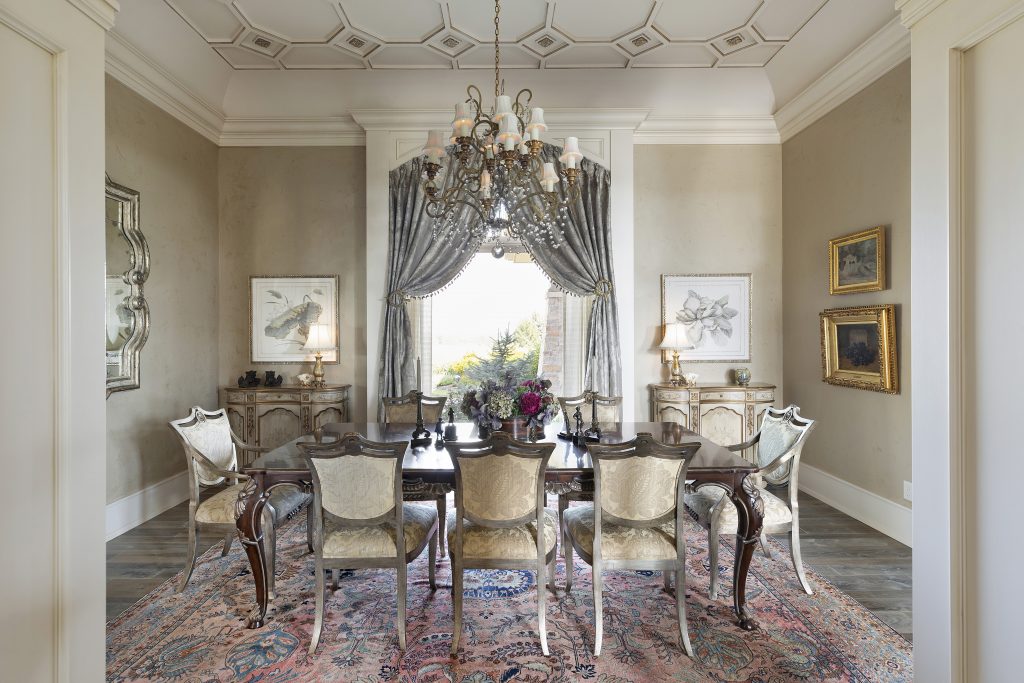
A Suburban Countryside Home’s European-Inspired Makeover

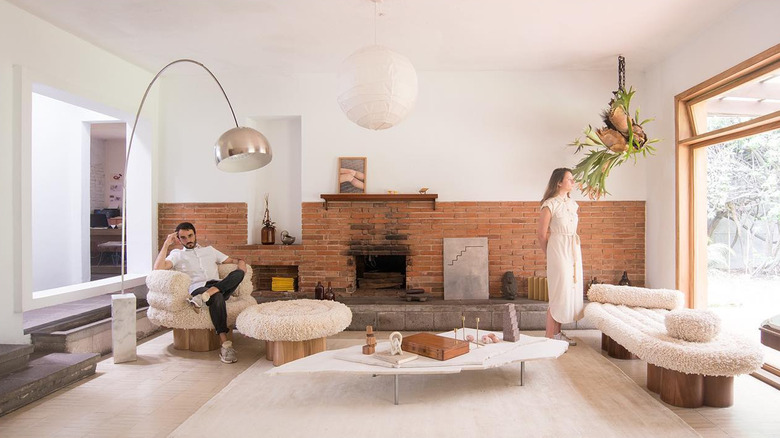
Latinx-Owned Interior Design Studios That Should Be On Your Radar Right Now

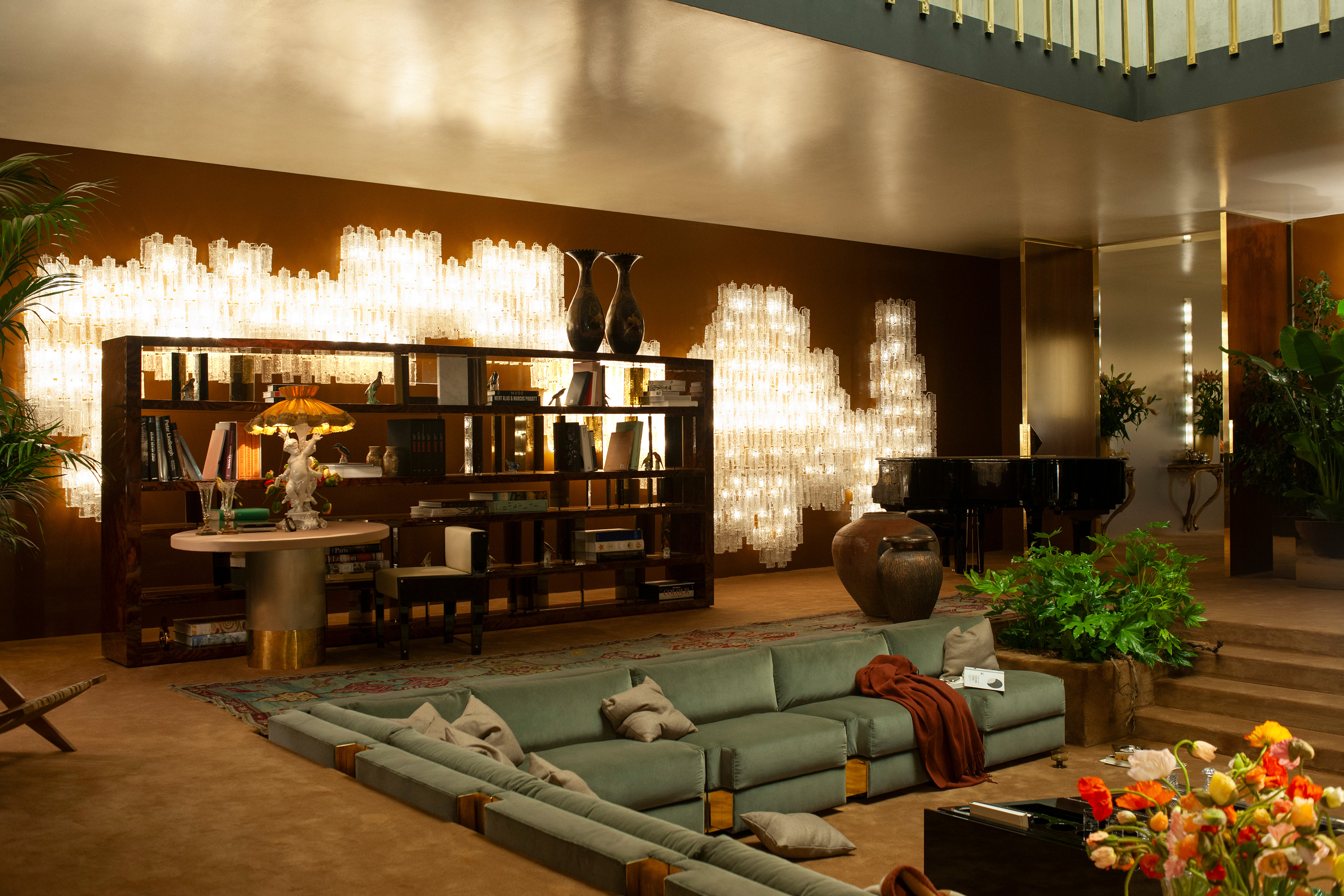
The Biggest Interior Design Trends for 2025

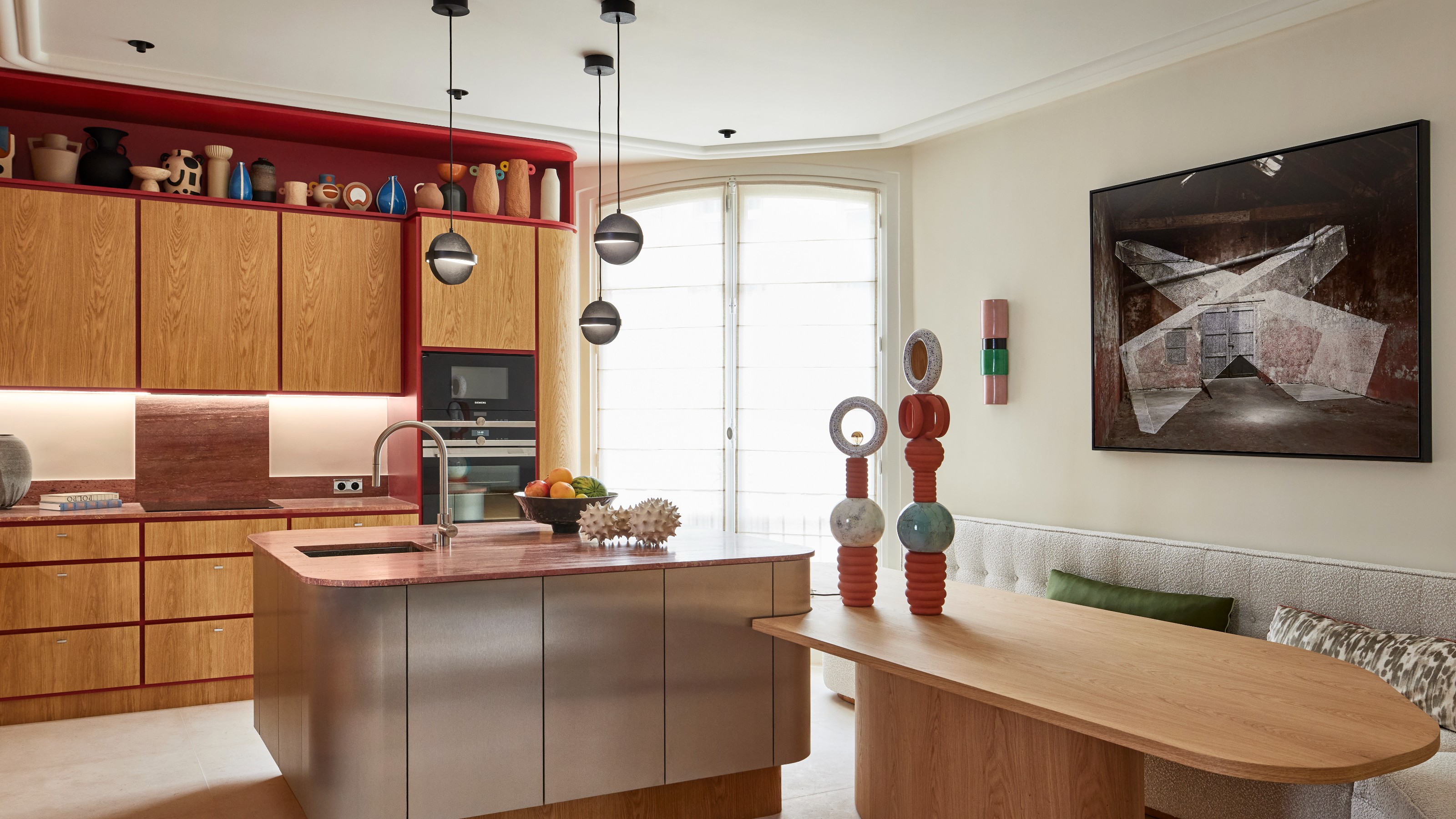
9 Style Lessons From European Kitchens for Sophisticated Spaces That Are Great to Cook in

Revealed: the countries inspiring interior design trends the most


The 2020 A-List: 125 of the Best Interior Designers in the World
6 top trends in luxury homes: Comfort & convenience for everyday life