The Wicked Reason Behind Slanted Windows on New England Homes
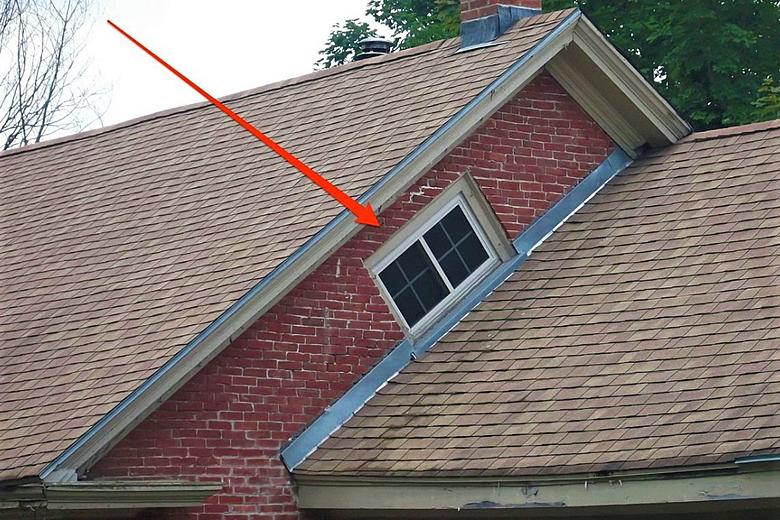
This article explores the phenomenon of 'Witch Windows' or 'Vermont Windows,' which are diagonal, unusual-looking windows found primarily in older farmhouses in New Hampshire, Maine, and especially Vermont. These windows are typically double-hung and installed at a 45-degree angle on the second story, often running parallel to the roofline of the first and second floors. Despite their distinctive appearance, many long-time New England residents, including the author, may not have noticed them.
The article delves into both the practical and folkloric reasons behind these uniquely angled windows. From an architectural standpoint, 'Witch Windows' offered a practical solution for adding extensions to homes without the complex and expensive process of altering the existing roof structure. By simply reinstalling old windows at an angle, homeowners could introduce light into new additions more easily. This method avoided the need for extensive structural modifications that would typically be required to integrate a standard vertical window into a sloped roof or a newly built extension.
Beyond their practical utility, these windows are steeped in local folklore and superstition. One popular belief, particularly in Vermont, posits that witches are unable to fly diagonally. Consequently, these crooked windows were thought to serve as a deterrent, preventing witches from entering the home. This adds a whimsical and historical dimension to the architectural feature, reflecting the cultural beliefs prevalent in the region during earlier times. Another intriguing, albeit more macabre, theory suggests that these windows were sometimes referred to as 'Coffin Windows.' This name stems from the idea that the slanted opening provided the only feasible way to remove a deceased person in a coffin from the upper stories of a house, especially in homes where staircases were too narrow to navigate with a coffin. This highlights a blend of practical necessity and the constraints of traditional home design in the past.
The article encourages readers to observe their surroundings more closely for these distinctive windows, now equipped with the knowledge of their varied origins. The discussion illuminates how architectural elements can carry both functional significance and a rich tapestry of historical and cultural narratives, making these 'Witch Windows' a fascinating subject for those interested in New England's unique heritage and home design.
#WitchWindows #VermontWindows #NewEnglandArchitecture #FolkloricDesign #ArchitecturalHistory #HomeDesign #HistoricalHomes #RegionalFolklore #WitchWindows #VermontWindows #NewEnglandArchitecture #FolkloricDesign #ArchitecturalHistory #HomeDesign #HistoricalHomes #RegionalFolklore
0 comment in total
 No comments yet
You may also like
Awkwardly Placed Windows Are No Match for These Designer Tricks
Once-Popular Window Treatments That Are Now Dating Your Home
The Windows in This Brooklyn Home Were Too Good, the Owner Nixed Curtains Altogether
Walls of glass: How to decorate a NYC apartment with floor-to-ceiling windows
Eight living spaces with industrial Crittal-style windows
8 Best Window Brands, According to Home Renovation Experts

What are casement windows, and why are they being used in new NYC apartments?
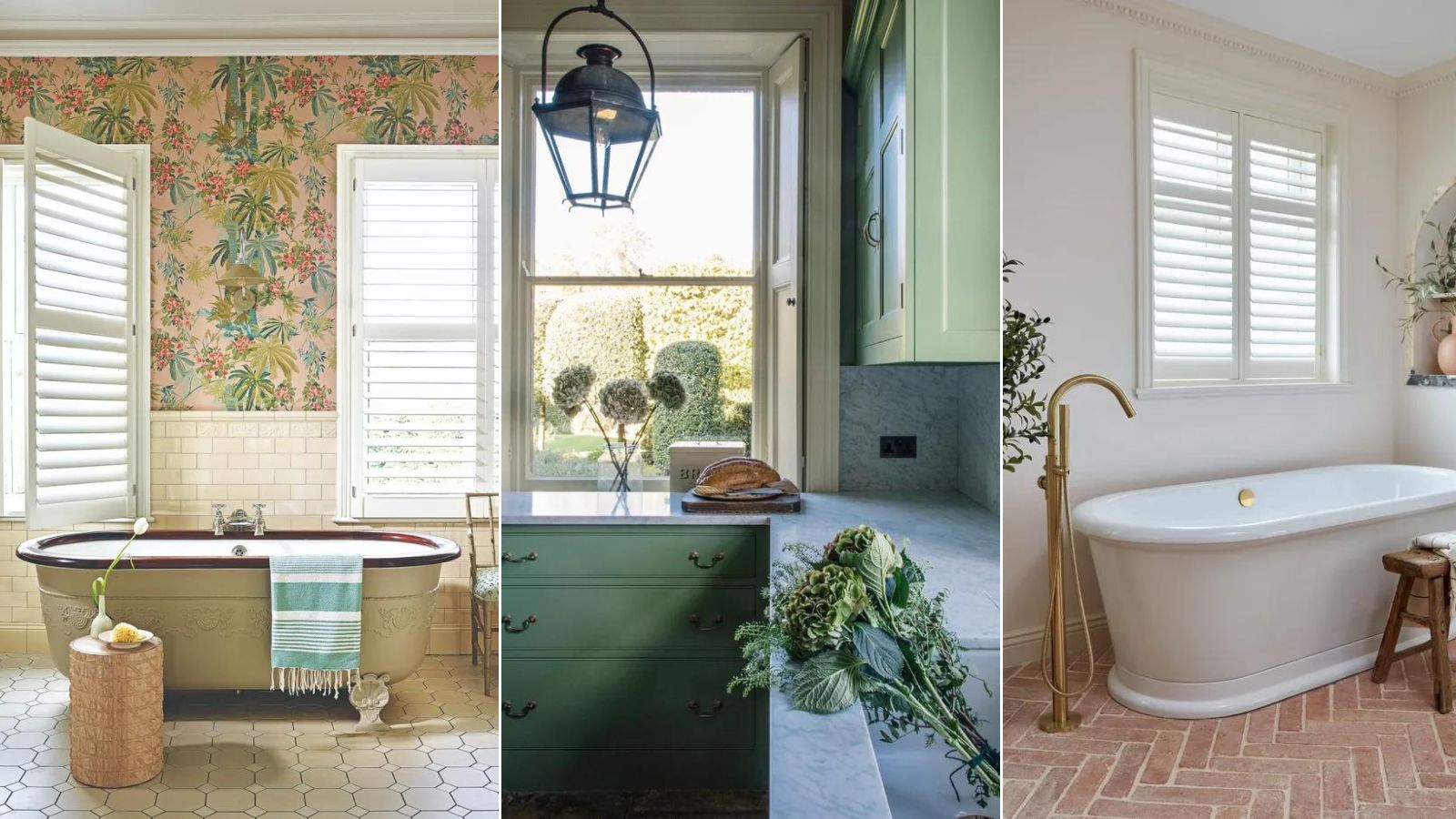
Are window shutters out of style? Interior designers weigh in

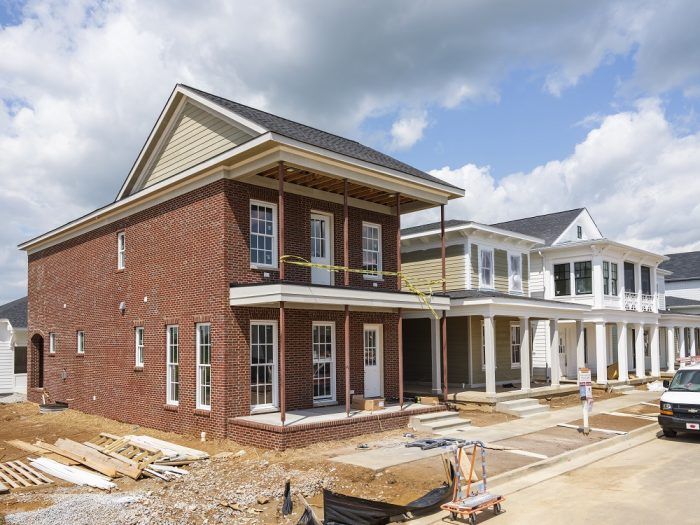
Using Windsor Windows and Doors to Big Effect
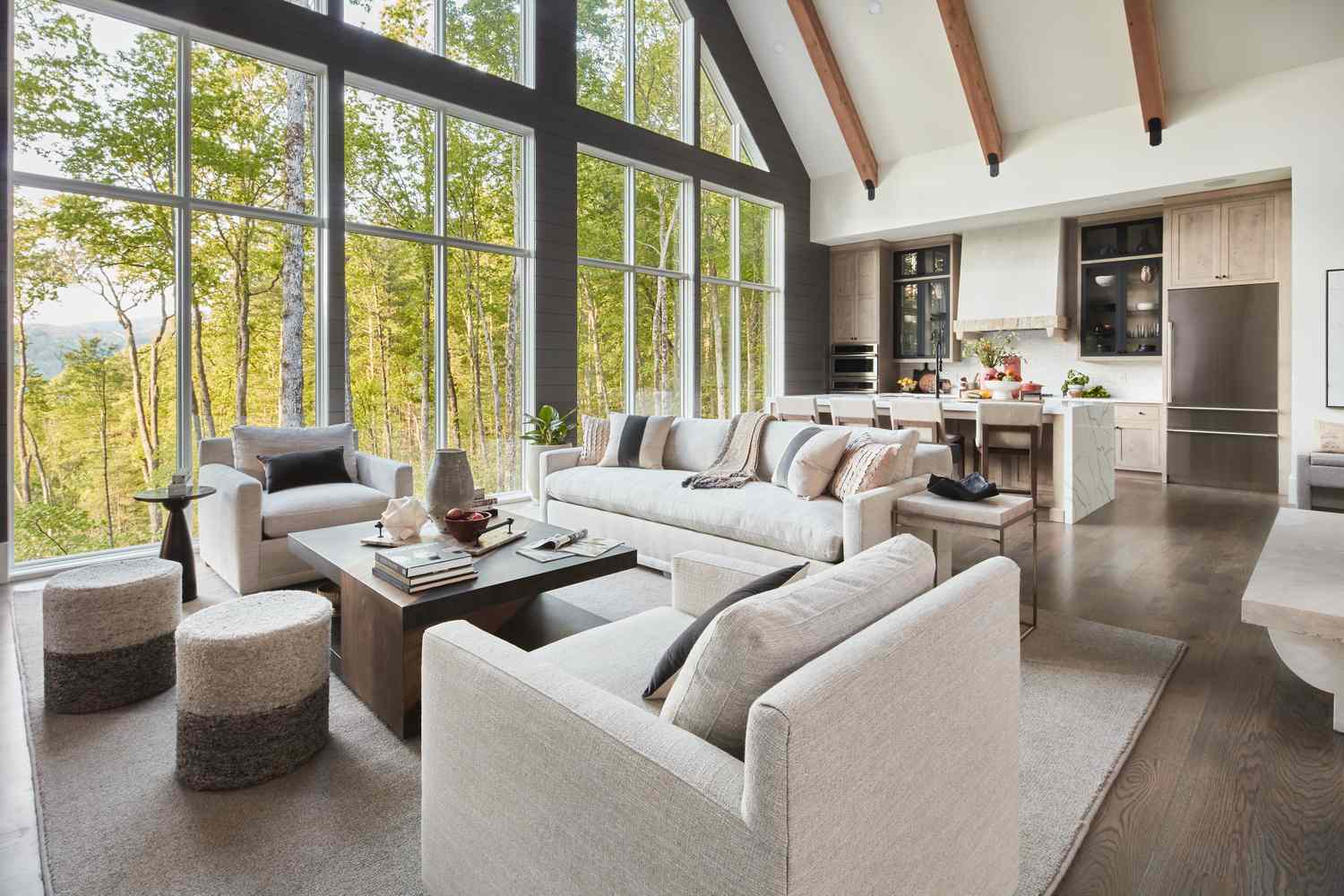
How Window Placement Can Make Or Break Your Home Design
Kolbe Windows & Doors Enhances a Sleek Indoor/Outdoor Oasis
These are the dated window treatments interior designers are encouraging you to avoid in 2024
Why These Windows Are a Cut Above

In the frame: windows and skylights with a different perspective

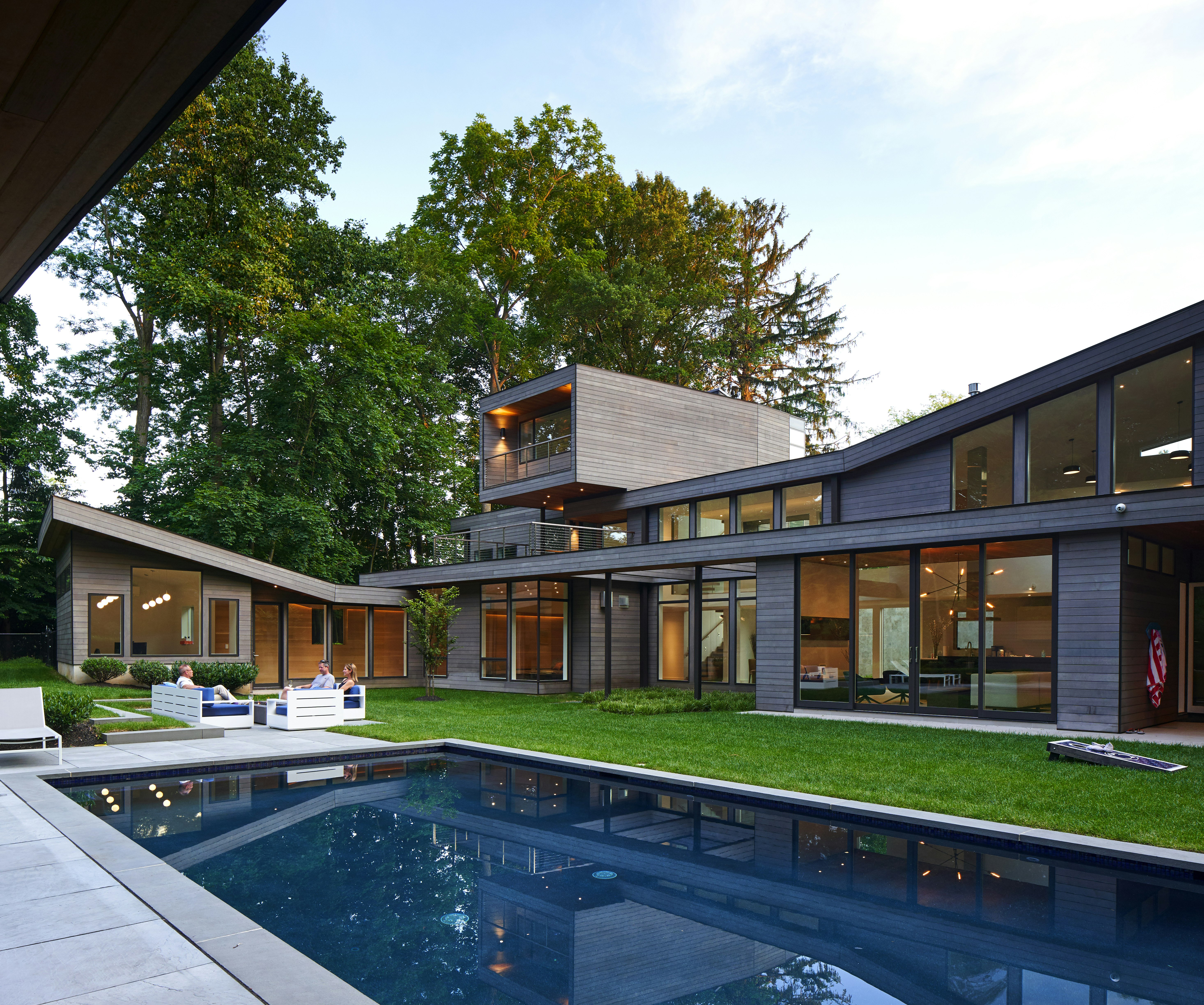
Walls of Windows Connect a Home With Earth and Sky

This Controversial Window Treatment Trick Might Just Make Your Room Feel Bigger and Brighter

These 8 Unusual Windows Will Take You by Surprise
Window Pros Break Down Six Styles

The Best Window Brands for the Home

High-Tech Windows