What are casement windows, and why are they being used in new NYC apartments?
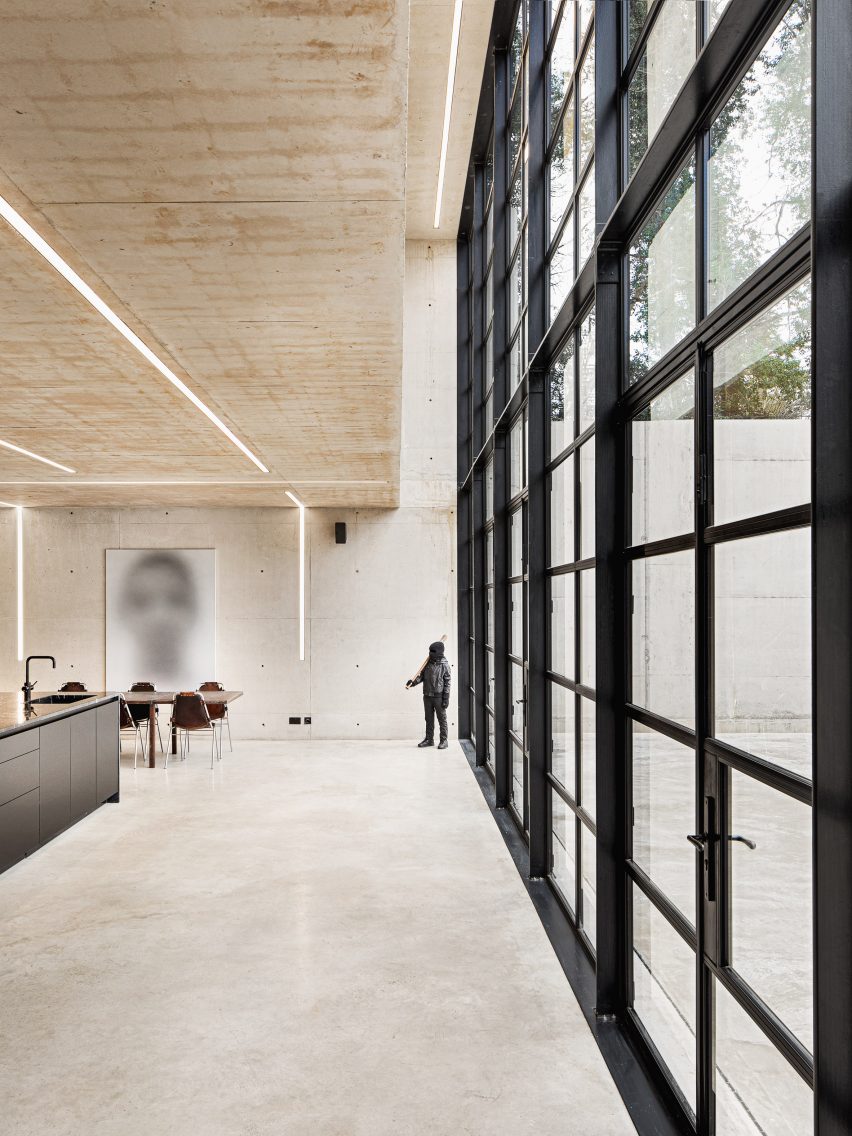
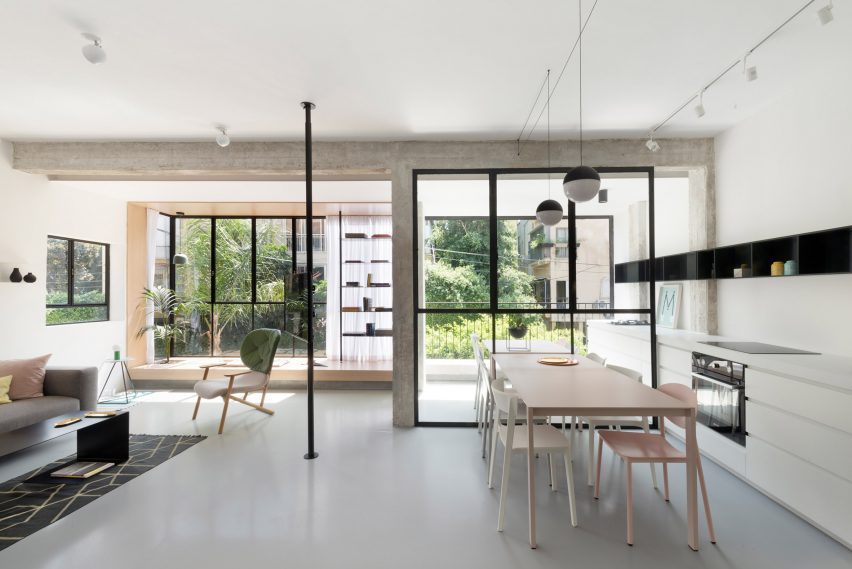
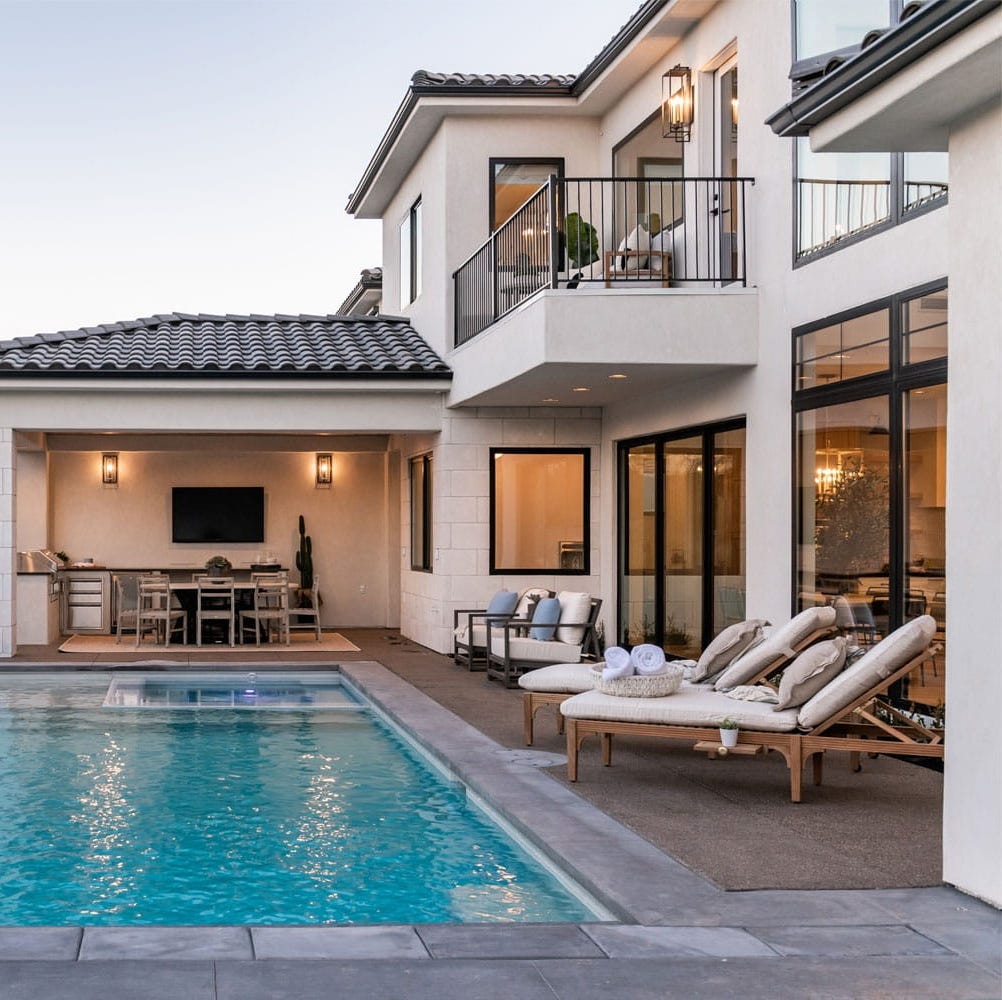
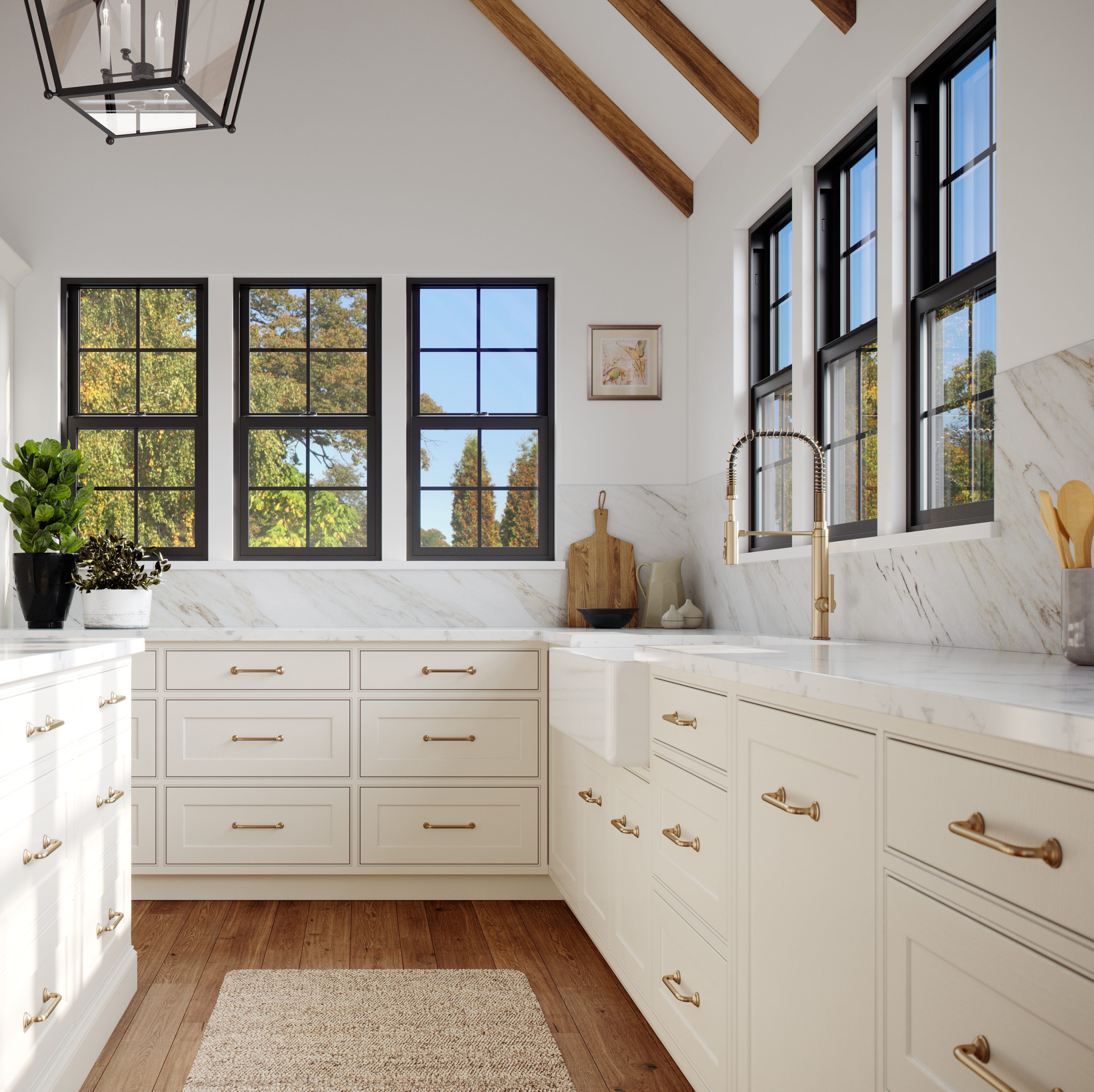
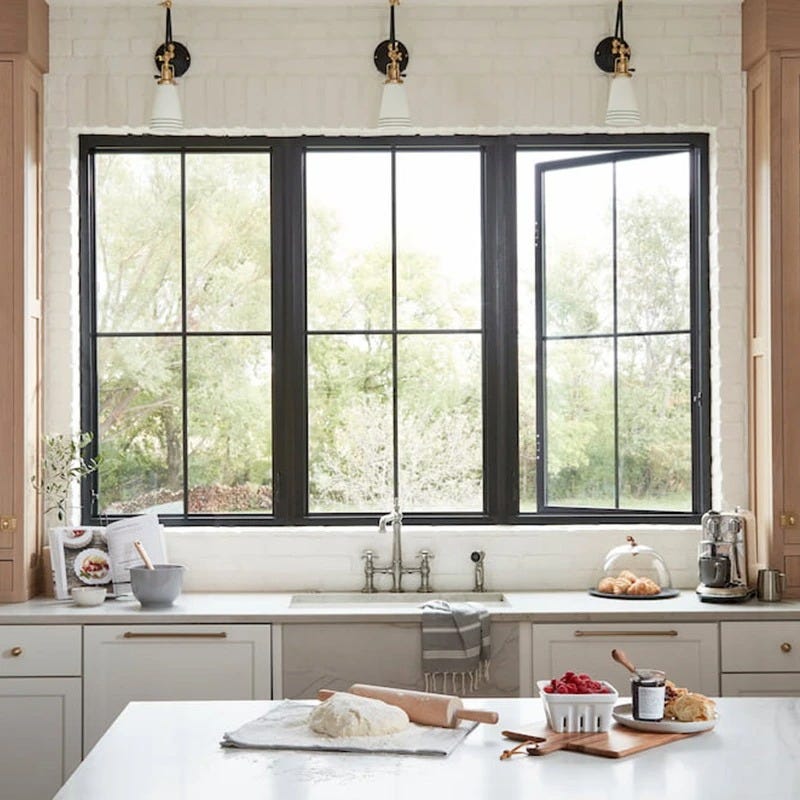
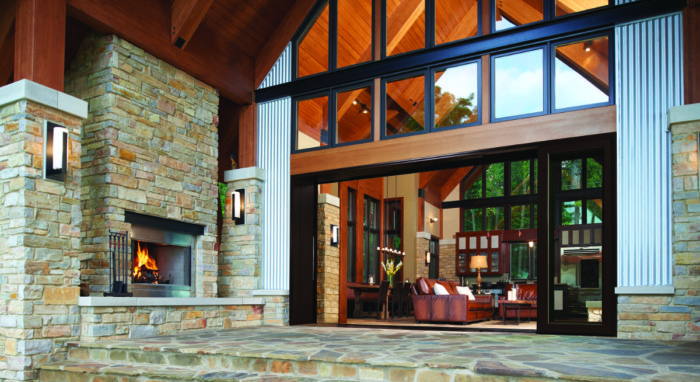
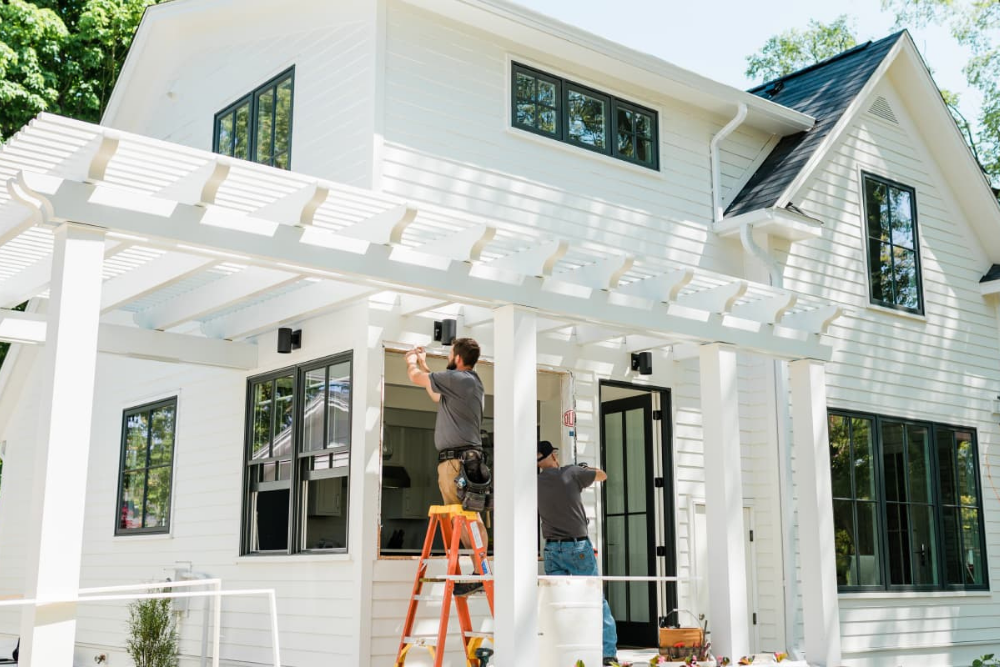
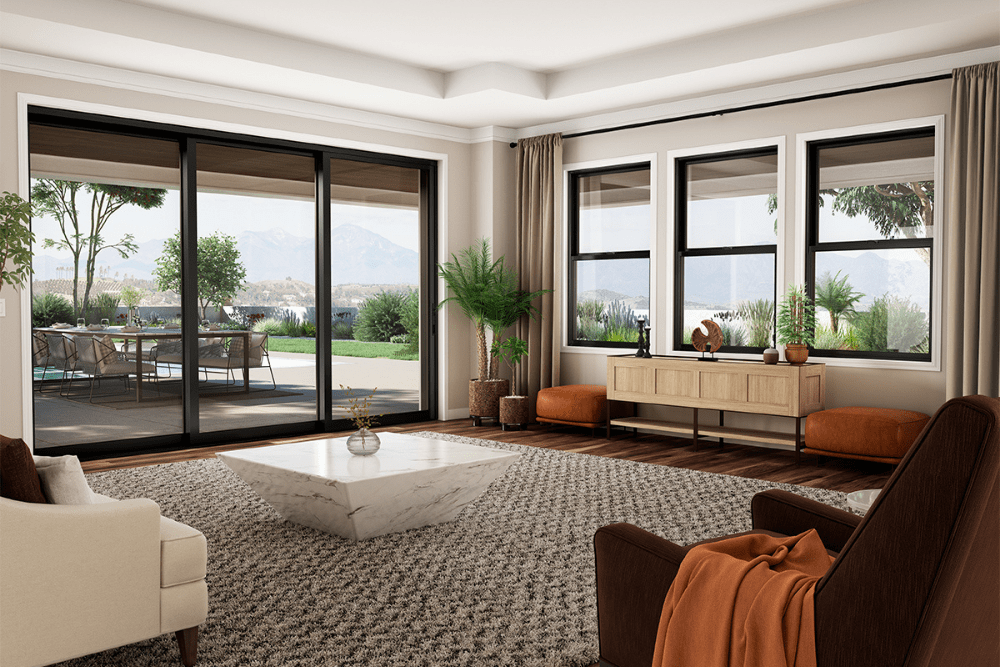
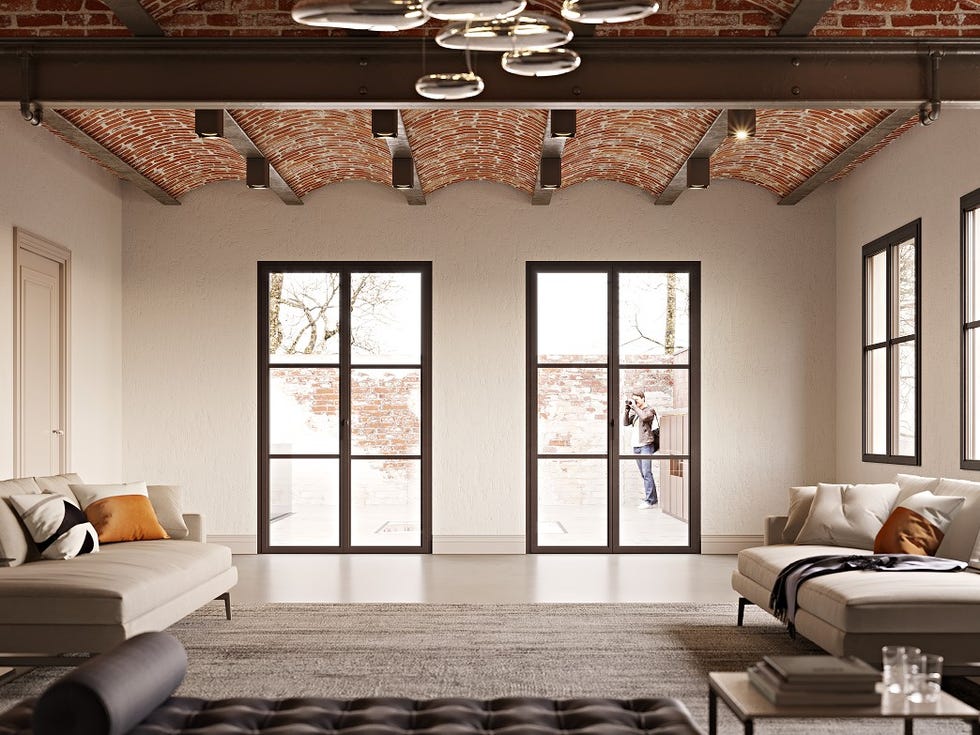
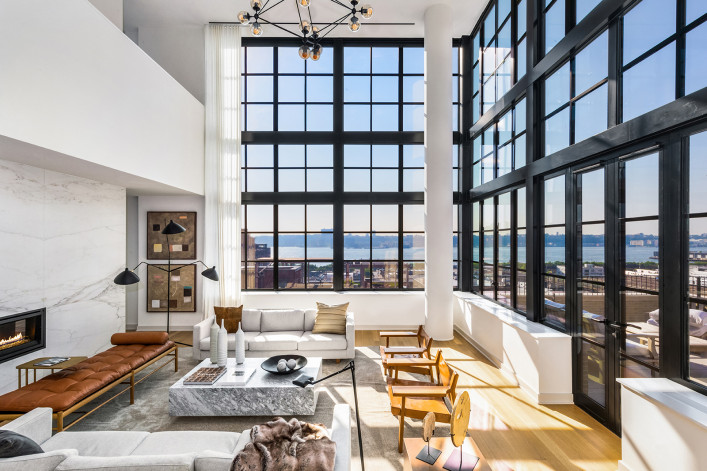
Casement windows, traditionally associated with prewar buildings and former factories in New York City, are gaining renewed popularity in new developments. These windows are characterized by multiple square panes held within black metal frames and typically open on a hinge, evoking a classic NYC design aesthetic. Christian Rogers, a broker with CORE, notes that these windows recall the romanticism of loft buildings, offering expansive spaces and walls of windows that resonate with potential buyers.
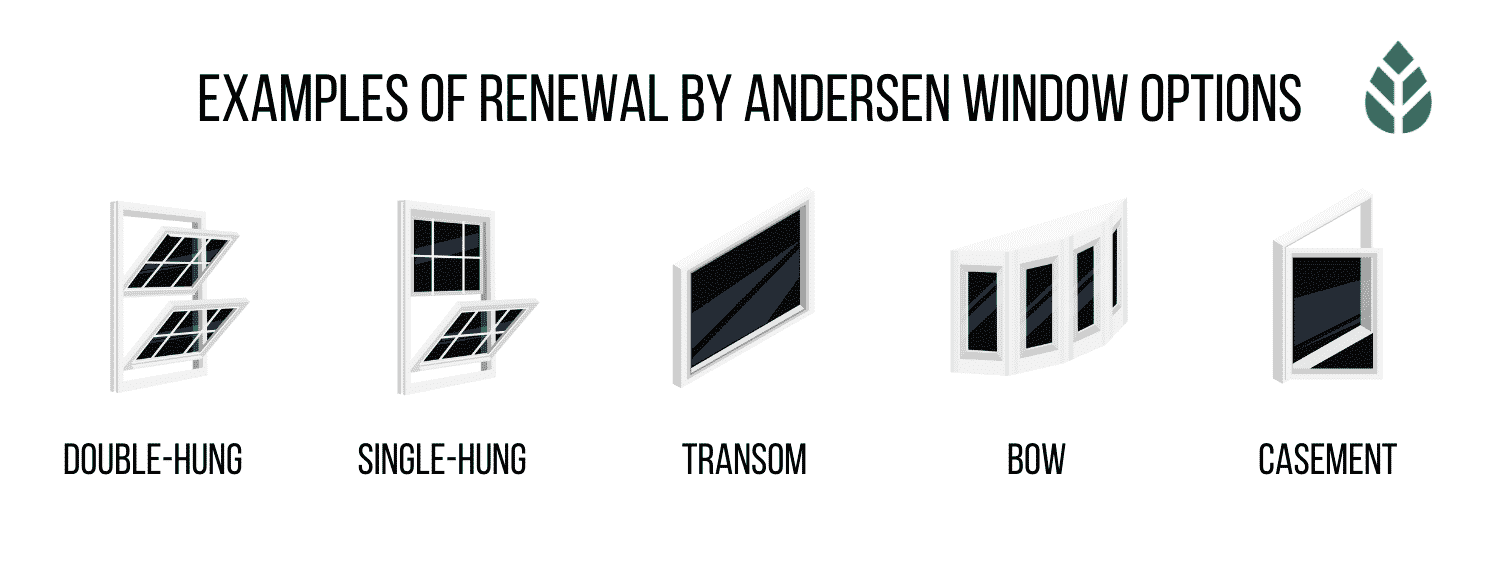
While the term "casement window" technically refers to any window hinged on the side, in New York real estate, it has increasingly come to describe gridded, metal-framed, industrial-style divided windows. This interpretation harks back to historical loft or warehouse windows, a style particularly championed by architect and developer Cary Tamarkin. Tamarkin Co. began incorporating these windows 25 years ago in their first project at 140 Perry St. They found this style to be architecturally appropriate for the historic industrial building, and variations of these windows subsequently became a signature of their work, especially in downtown buildings.
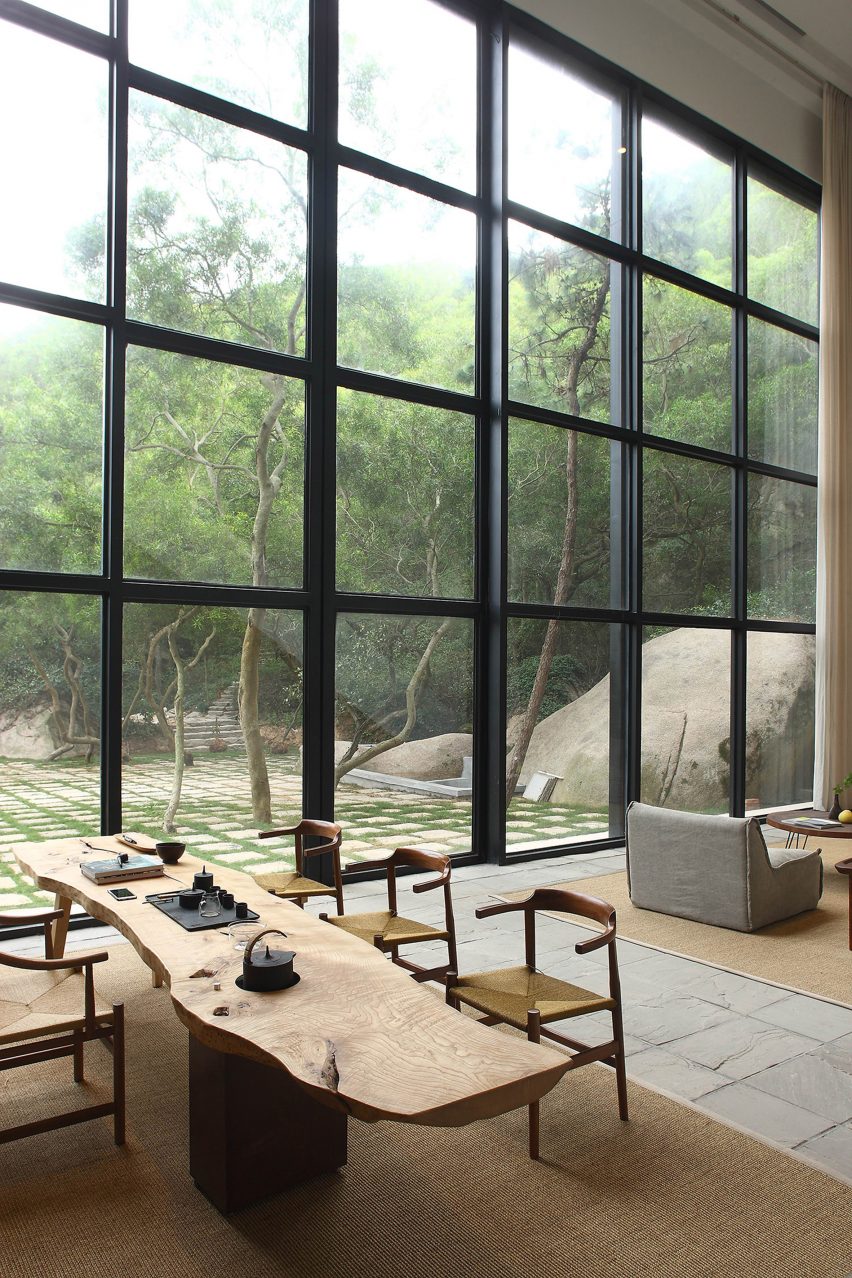
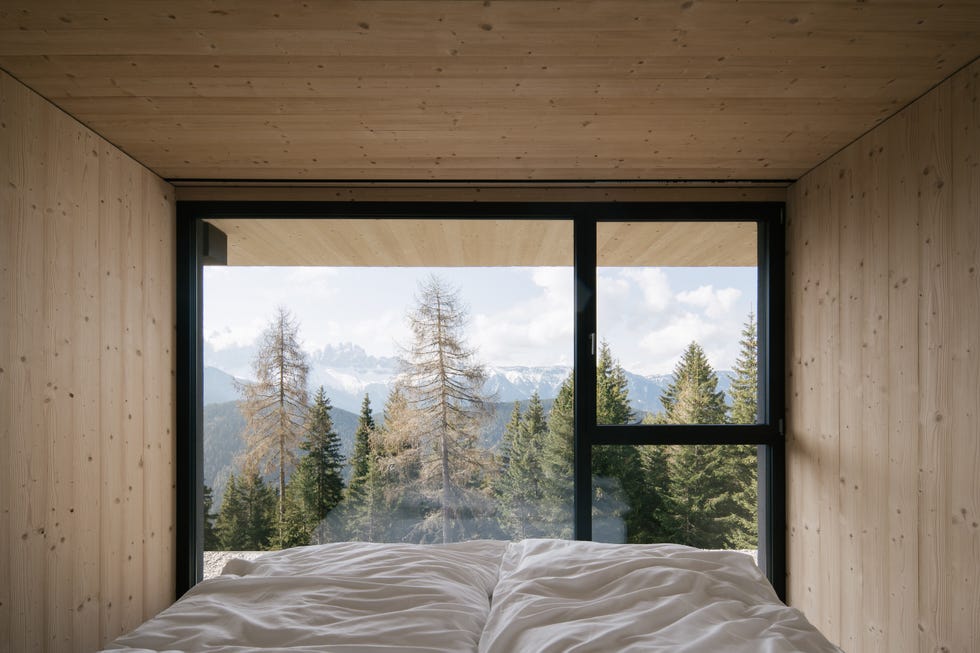
Kartik Desai, president and CEO of Tamarkin Co., explains that the style gained traction among other developers and designers, leading to its common designation as "casement windows" in the NYC market. This revival is not just about aesthetics; potential buyers consistently react positively to these windows. Rogers highlights that these windows enhance natural light, a valuable commodity in NYC apartments, and create a unique viewing experience. People are often drawn to touch the window mullions, which are the dividers that break up large panes of glass.
Beyond their interior appeal, casement windows also contribute significantly to a building's exterior character. They lend a more traditional and less overtly sleek, modern design to facades, creating the impression of a conversion project rather than a newly built structure. This traditional touch can make modern spaces feel more inviting and approachable, especially for individuals with more conventional tastes. Desai further emphasizes that the grid provided by the mullions creates a visual separation between the inside and outside, making occupants feel less exposed, despite the large window size. This design element adds to the overall charm and comfort of the living space, effectively softening contemporary designs with a touch of historical elegance.
#CasementWindows #NYCRealEstate #WindowDesign #ArchitecturalStyle #NewDevelopments #TamarkinCo #LoftDesign #HomeImprovement #HistoricPreservation #CasementWindows #NYCRealEstate #WindowDesign #ArchitecturalStyle #NewDevelopments #TamarkinCo #LoftDesign #HomeImprovement #HistoricPreservation
0 comment in total
 No comments yet
You may also like
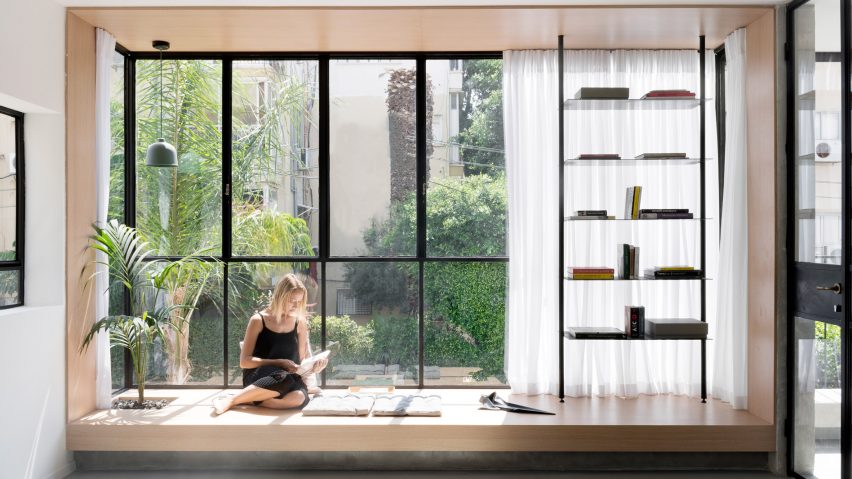
Eight living spaces with industrial Crittal-style windows
5 Best Window Brands for Your Home (2026)


Compare the 5 Best Window Replacement Companies of 2026

The Best Window Shades in New York
Using Windsor Windows and Doors to Big Effect


Compare the 5 Best Window Replacement Companies of 2025

Contemporary Casement

5 Best Window Brands for Your Home (2025)
8 Best Window Brands, According to Home Renovation Experts

Walls of glass: How to decorate a NYC apartment with floor-to-ceiling windows

Once-Popular Window Treatments That Are Now Dating Your Home
Windows and Frames: The Silent Revolution Changing the Way We See Light and Landscapes

Cranking Out Casements
Eight home interiors enhanced and brightened by clerestory windows
The Best Window Brands for the Home


Renewal by Andersen Window Review (2025)
These 8 Unusual Windows Will Take You by Surprise

Sash windows – what to do when choosing, restoring or replacing your frames and glass

These are the dated window treatments interior designers are encouraging you to avoid in 2024
It's an open and shut case