Walls of glass: How to decorate a NYC apartment with floor-to-ceiling windows
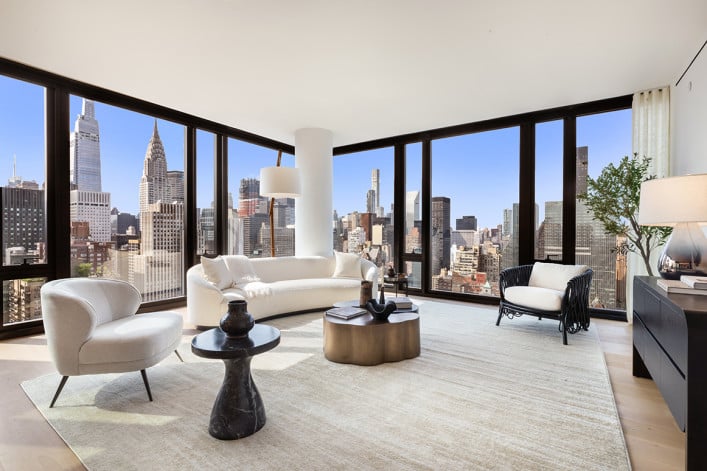
Living in New York City often presents opportunities for spectacular views from higher-floor apartments, and floor-to-ceiling windows are a popular feature that maximizes this advantage. Initially a high-end architectural element popularized by designers like Richard Meier, these expansive windows are now more common across various price points, making them accessible to a wider range of New Yorkers. Additionally, many brownstone owners have incorporated glass walls into their renovations, extending the rear of their homes to capture views of private gardens rather than cityscapes. While these glass walls offer abundant natural light and stunning vistas, they also introduce several interior design challenges, such as maintaining privacy, optimal furniture placement, managing excessive light, and regulating indoor temperatures.
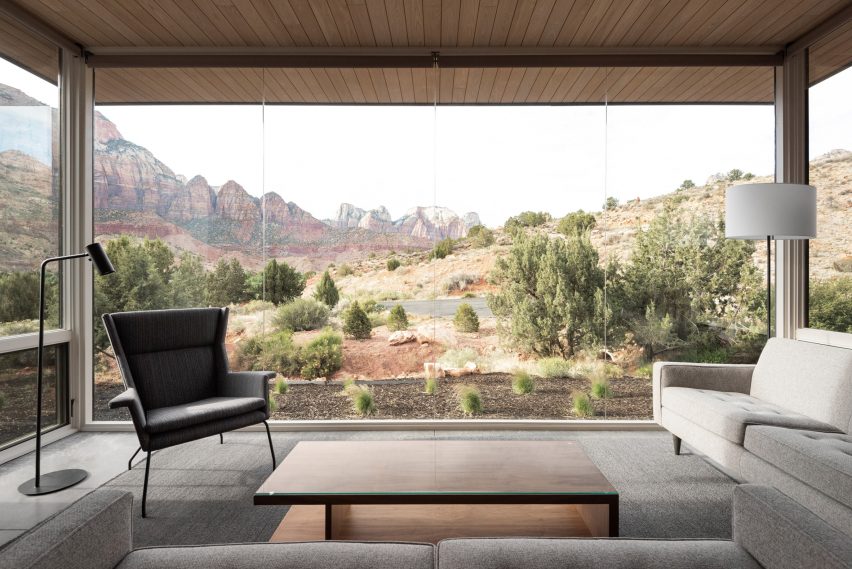
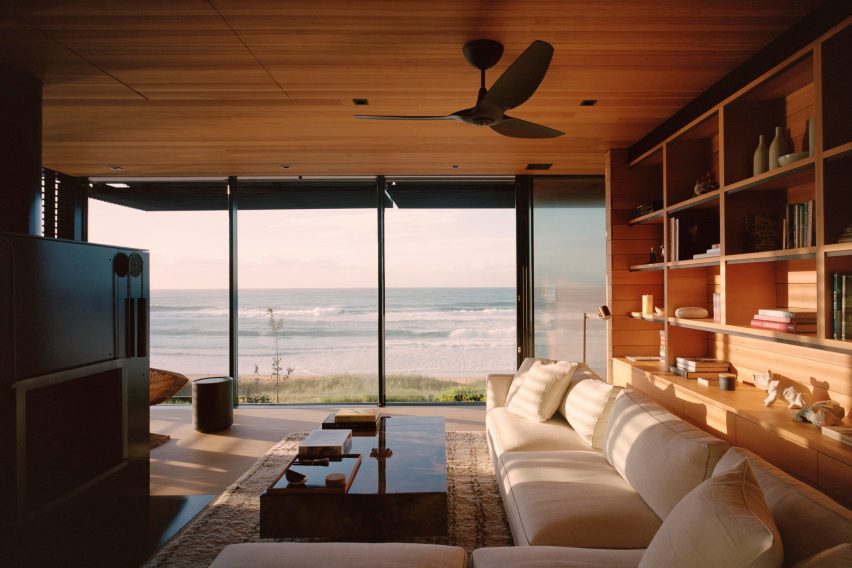
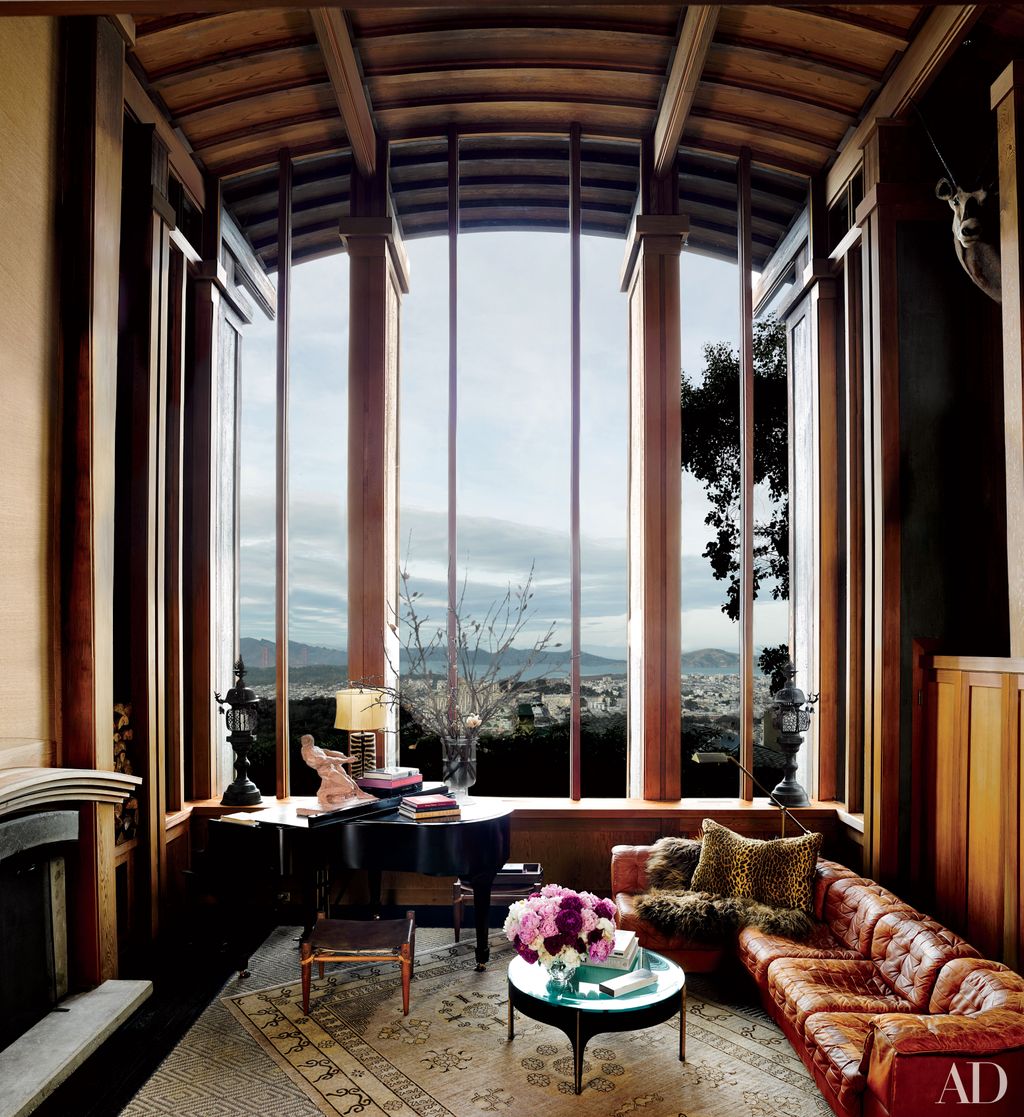
Interior designers Jamie Alexander and Guillaume Coutheillas emphasize the importance of accentuating the view when decorating. Coutheillas, for instance, used a neutral color palette and low-profile furniture in a model residence at One United Nations Park to ensure the eye is naturally drawn to the outside. Similarly, Alexander suggests using bold-patterned drapery to frame the view and integrating striking art pieces or decorative objects that complement the outdoor scenery. In some cases, where privacy is not a concern, foregoing window treatments can be the best approach to fully capitalize on the unobstructed view.
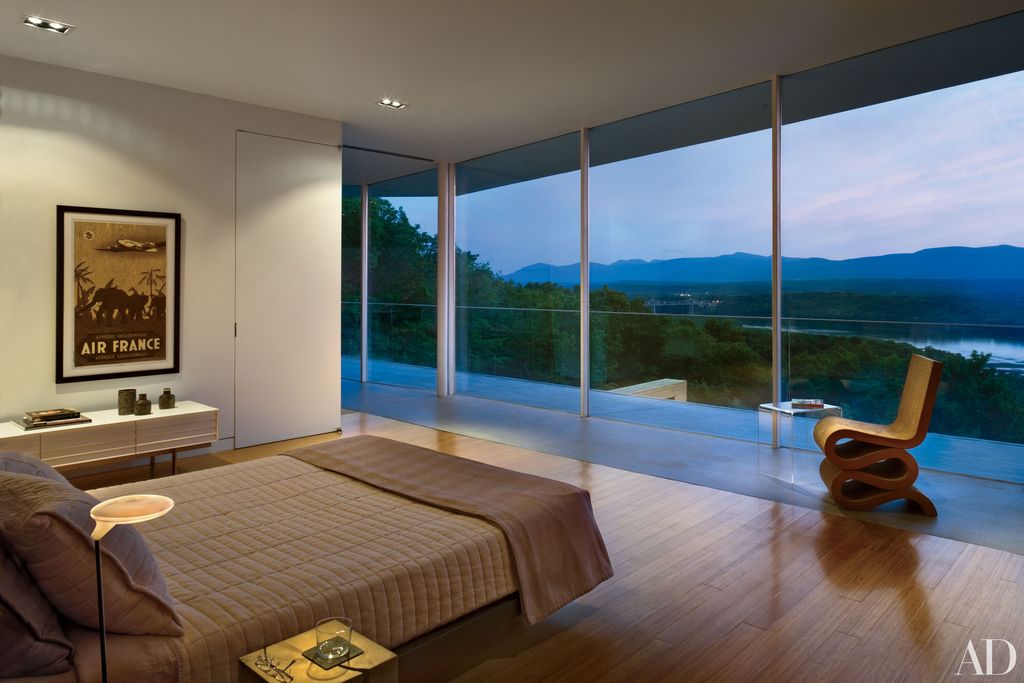
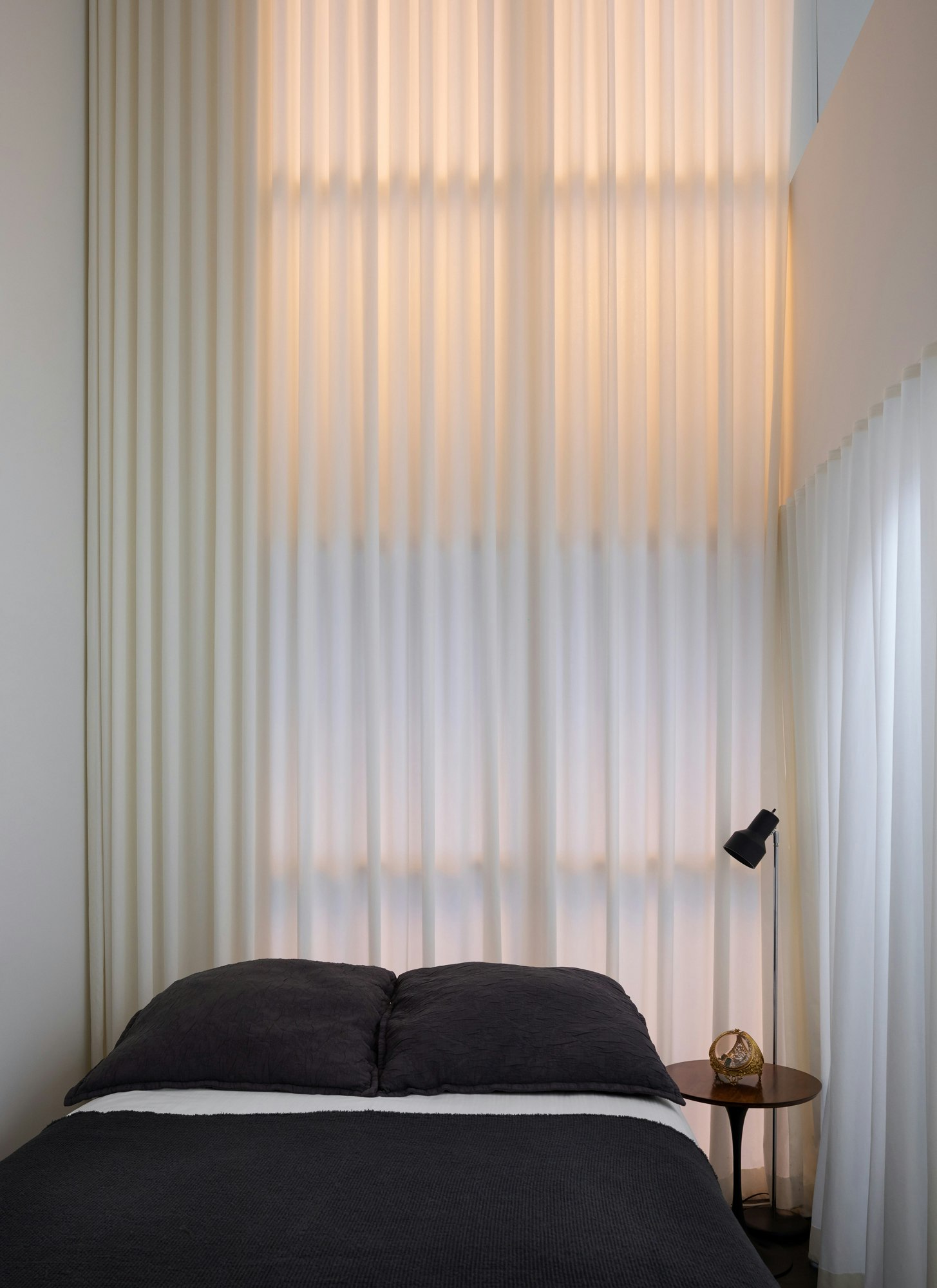
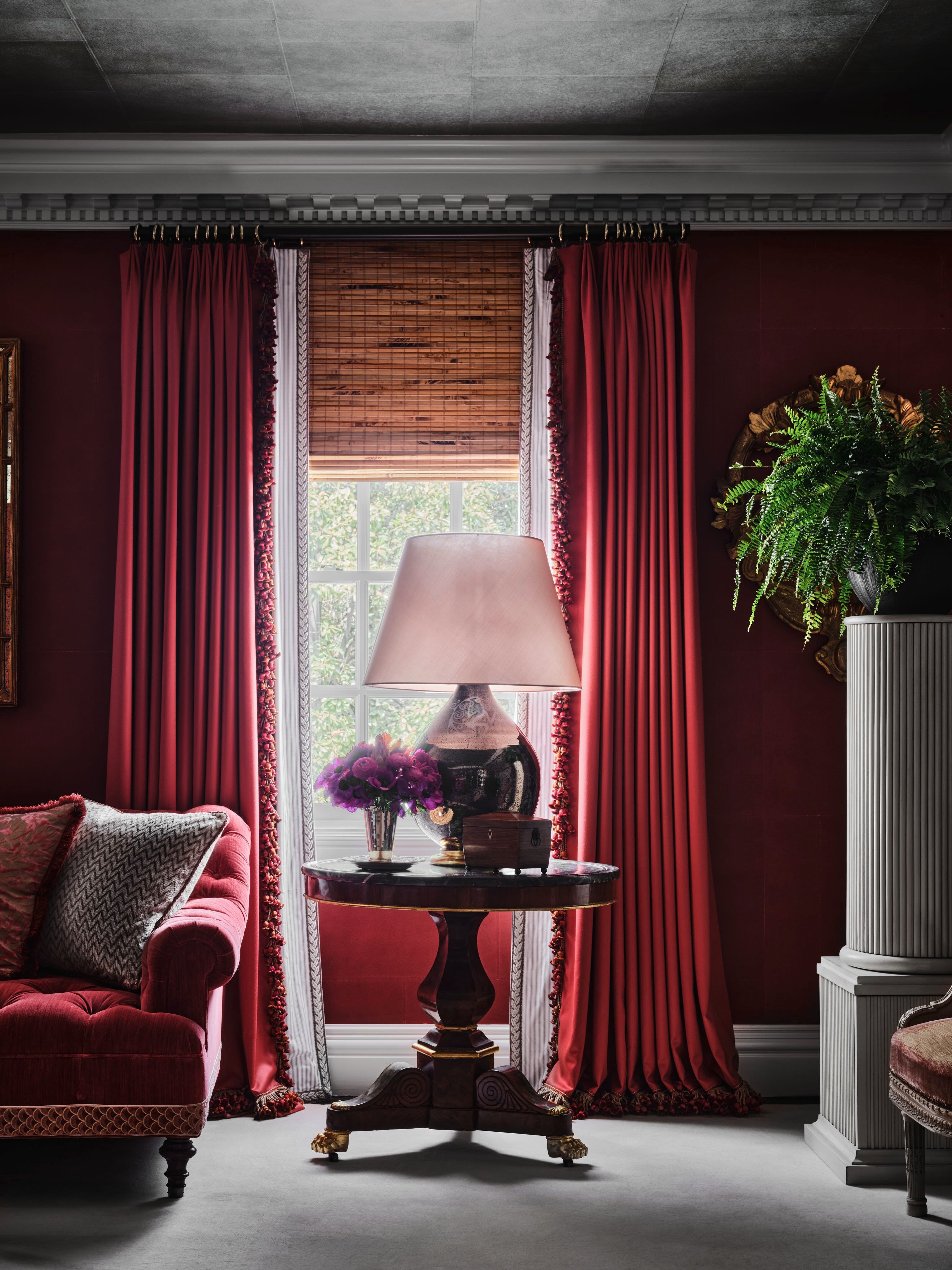
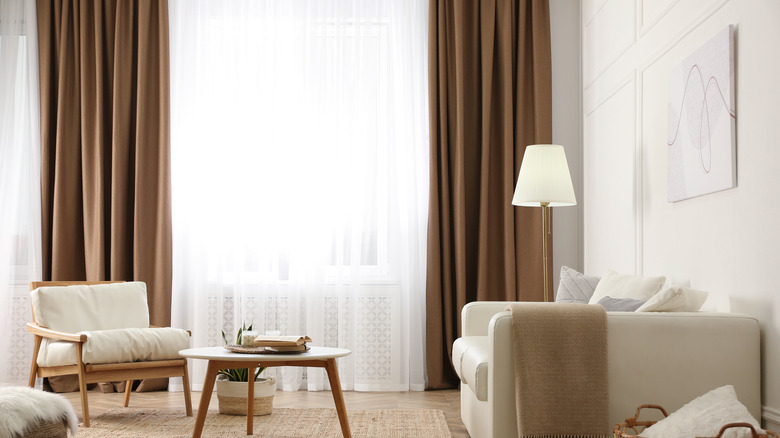
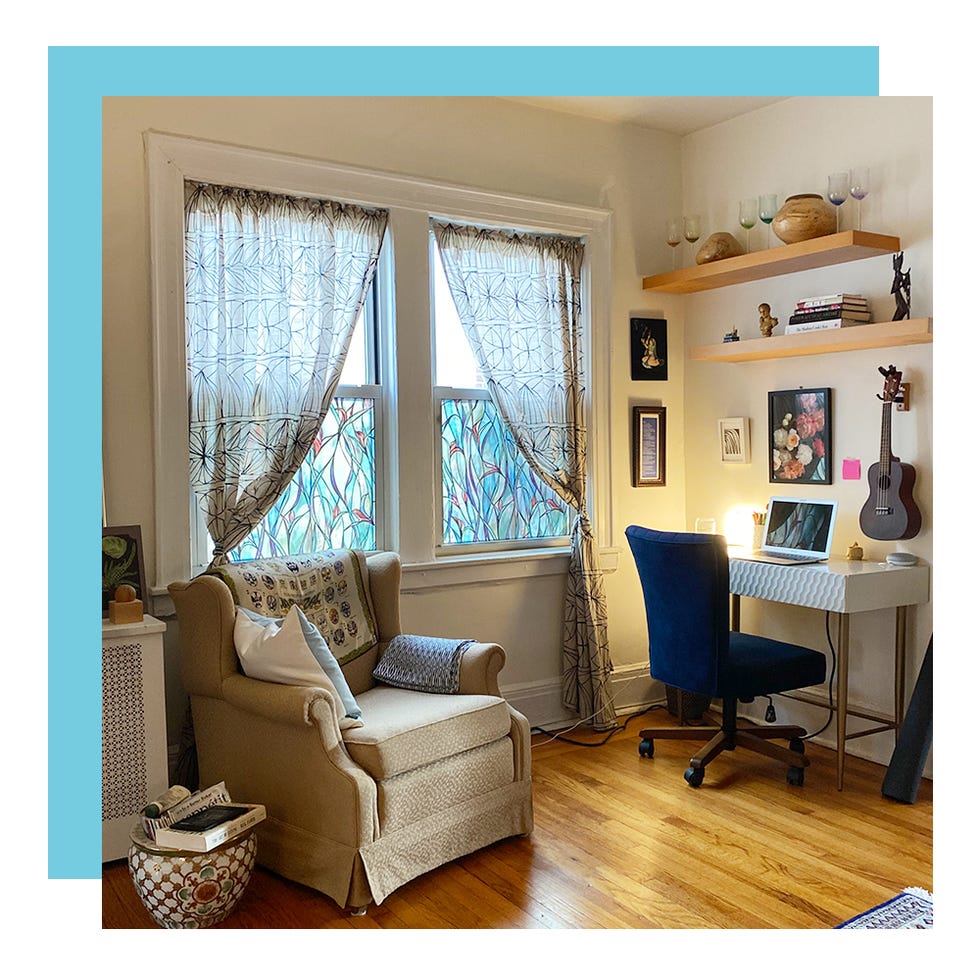
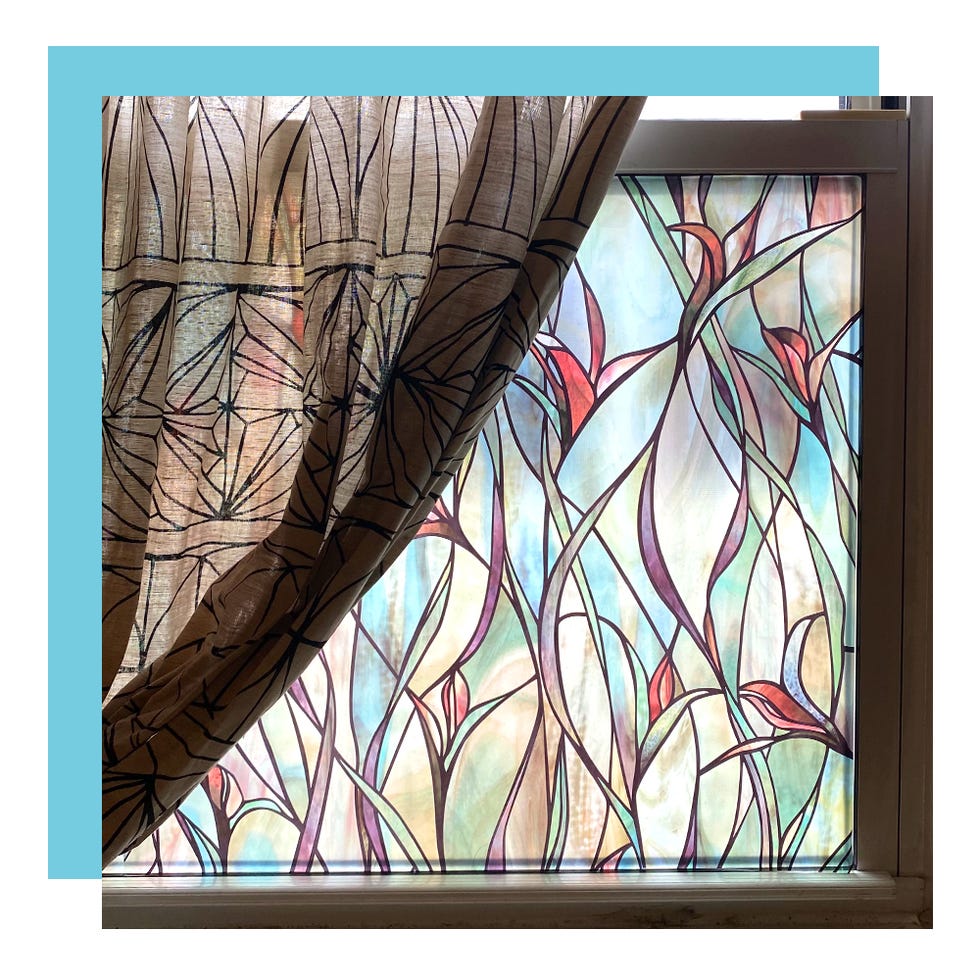
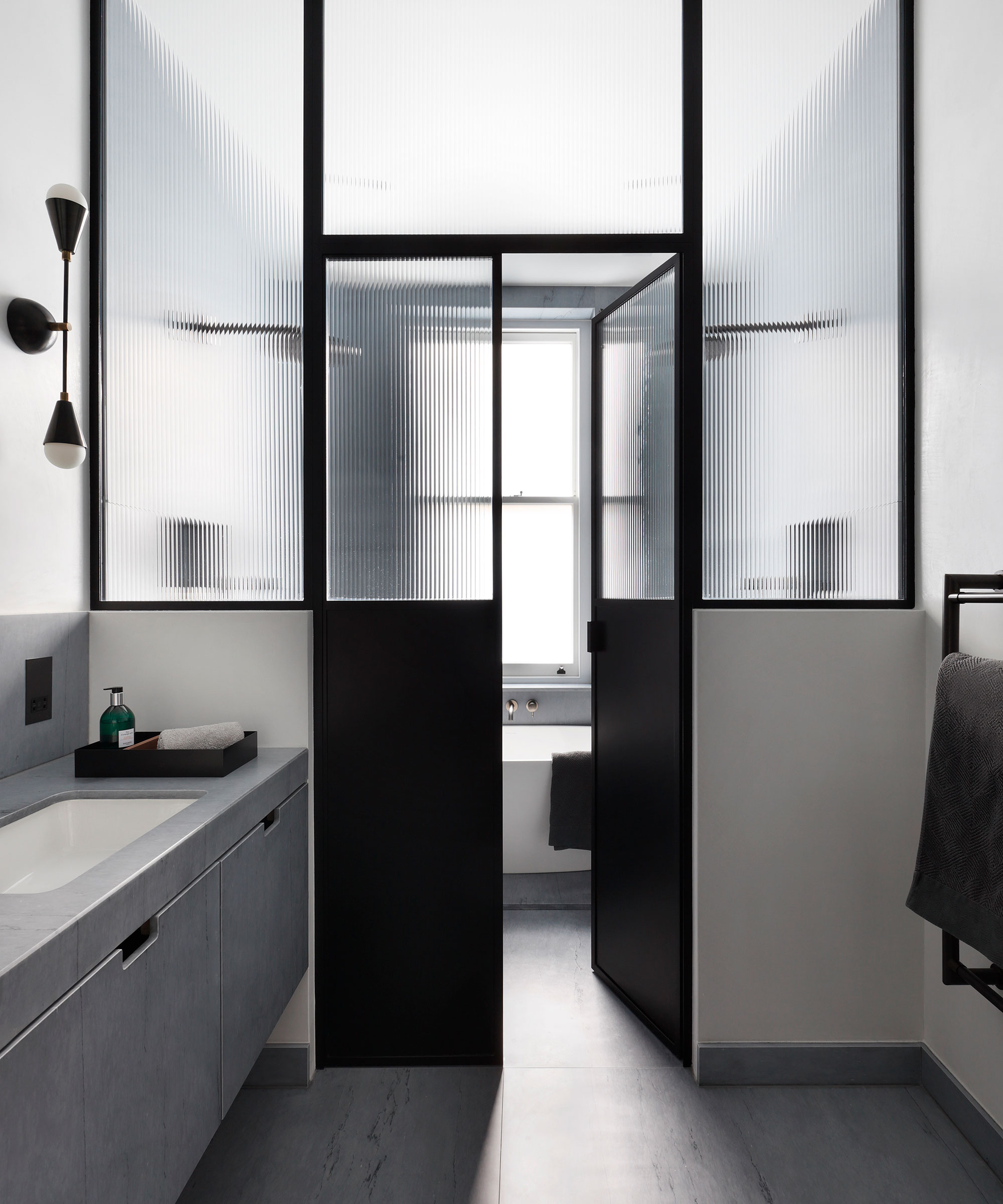
However, the transparency of floor-to-ceilling windows means a clear view in, especially at night, which necessitates effective privacy solutions. Blackout curtains or blinds are essential for bedrooms to ensure restful sleep. These are available in various styles, including solar and honeycomb shades, with options for manual, cordless, battery-operated, or remote-controlled mechanisms. Brands like Blinds.com, Blinds to Go, Blinds Chalet, and Smith & Noble offer custom sizes. High-tech solutions like Serena Smart Roller Shades by Lutron and MySmartRollerShades by SmarterHome can integrate with smart home systems. For bathrooms or other areas requiring enhanced privacy, window films or strategically designed doors can be employed. Sheer linen and wool curtains, as used by Coutheillas at One United Nations Park, offer a balance of light and privacy, especially when combined with strategic lighting to enhance evening views.
Excessive sunlight through large windows can lead to issues such as fading fabrics and artwork, and glare on screens. Solar shades are recommended to mitigate these problems. They block glare and protect against UV damage while allowing light to filter through, and come in varying opacities. These can be layered with drapes for additional light control. Designers frequently favor Lutron solar shades and sheer fabrics, which soften light and provide privacy without completely obstructing views, as demonstrated in residences designed by Pembrooke & Ives and CetraRuddy. Installing window treatments for floor-to-ceiling windows should ideally be done by professionals, as precise measurements and appropriate hardware are crucial due to potential ceiling and floor irregularities and the weight of the fabric. Quality fabrics from vendors like Hartmann & Forbes or Zarin Fabrics are also recommended.
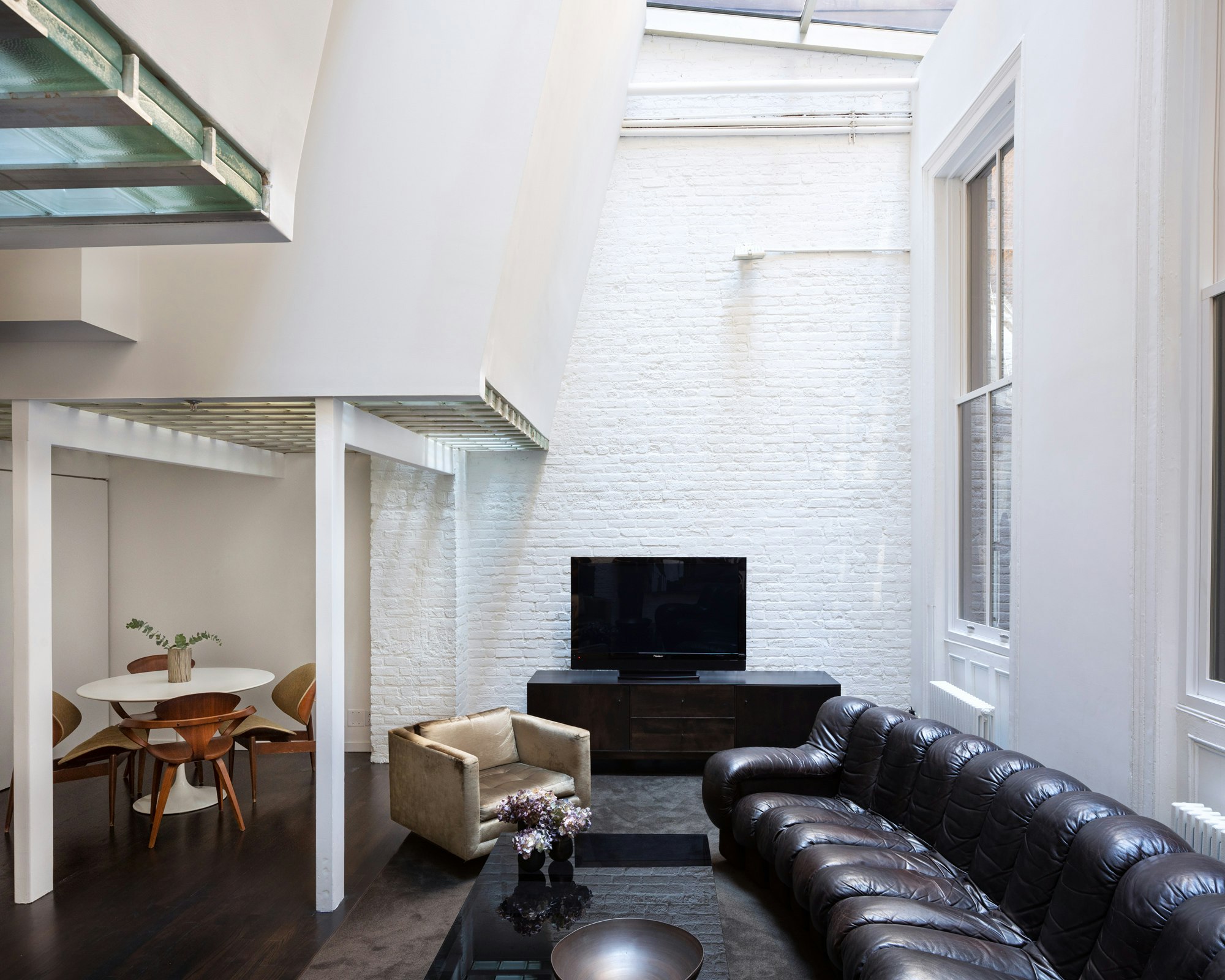
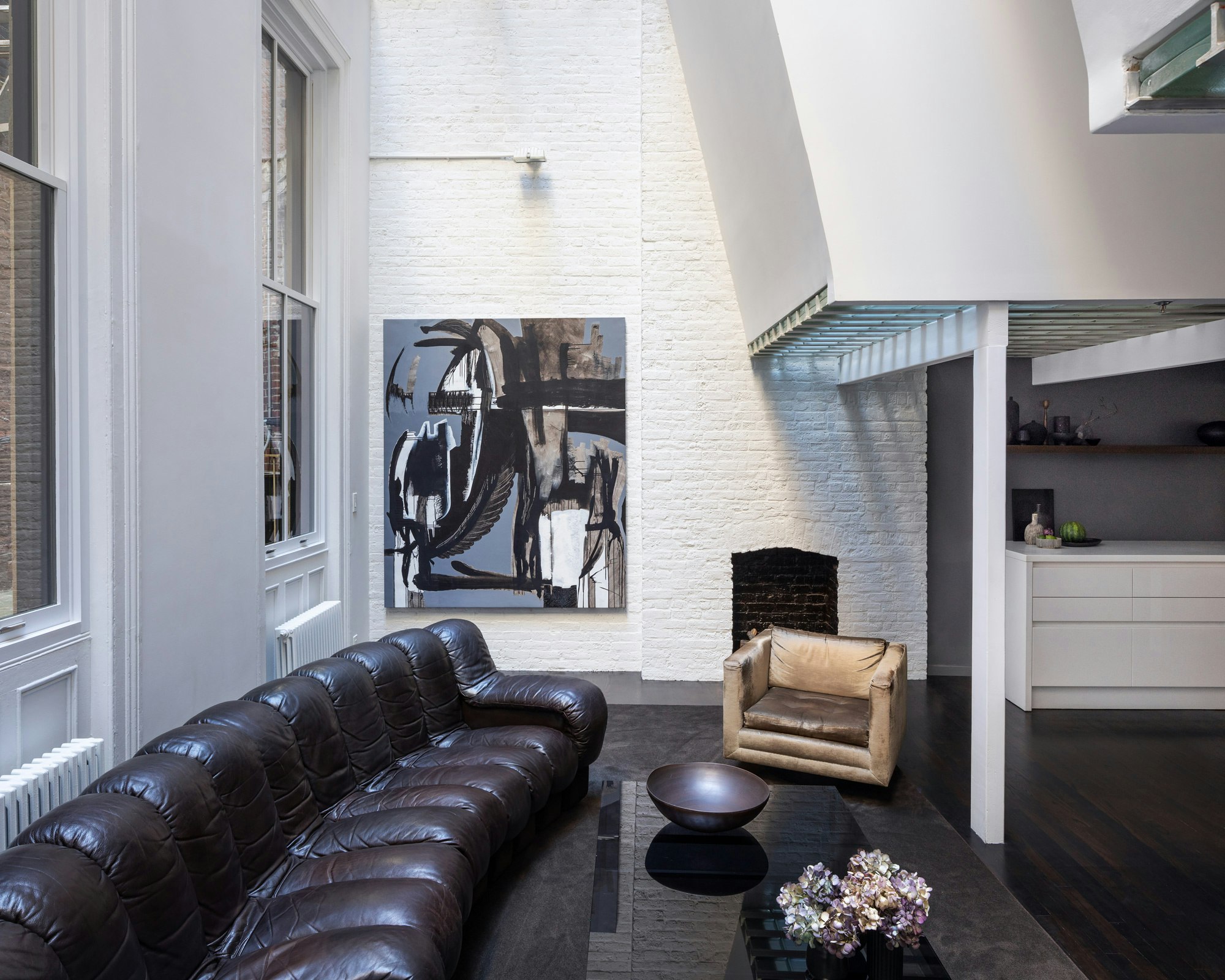
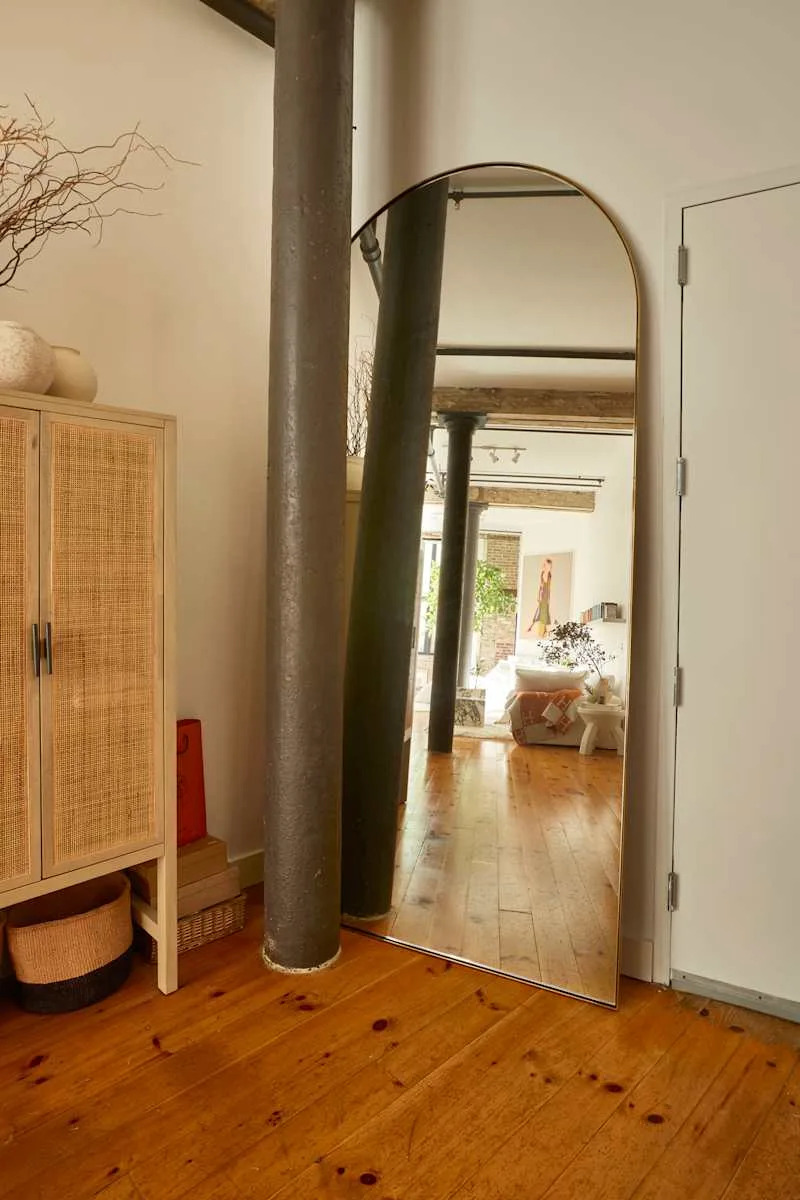
Strategic furniture placement is another critical consideration. With a wall of windows, there's less wall space for furniture. Designers suggest floating sculptural sofas in the living area and placing smaller, occasional pieces along the windows. Dining tables can be aligned with glass walls, sometimes paired with a mirror on the opposite side to create an illusion of an expanded glass room. Nancy Ruddy of CetraRuddy advises positioning furniture approximately two feet from windows to create a gracious, airy feel and avoid obstructing sightlines. Flexibility in furniture use is also important, particularly in multi-functional rooms where day and night requirements may differ. Custom-made or easily movable furniture can accommodate these varying needs. Finally, a practical consideration for apartments with floor-to-ceiling windows is the increased heating and cooling costs due to glass's lower insulation properties compared to traditional walls. Well-designed window treatments can, however, contribute to climate control and energy efficiency, especially when integrated into home automation systems.
#NYCRealEstate #InteriorDesign #FloorToCeilingWindows #WindowTreatments #ApartmentDecor #SmartHome #Renovation #HomeImprovement #LuxuryLiving #NYCRealEstate #InteriorDesign #FloorToCeilingWindows #WindowTreatments #ApartmentDecor #SmartHome #Renovation #HomeImprovement #LuxuryLiving
0 comment in total
 No comments yet
You may also like

Ten living rooms that use floor-to-ceiling glazing to bring the outdoors in

21 Window Sill Decorating Ideas to Make the Most of Your Space


Wallpaper Is the Secret to Multiple Optical Illusions in This NYC Apartment

Hanging curtains: You’re probably doing it wrong


25 Light-Flooded Rooms with Floor-to-Ceiling Windows

Glass wall design ideas - all you need to know about glass partition walls

Beautiful Homes with Floor-to-Ceiling Glass and Steel Windows

Glass partition walls – how to replace internal walls and create a timeless design feature

A Loftlike SoHo Apartment With Glass Block Floors Could Be Yours for $2.35M

Window treatment tips to liven up your living quarters


These Brilliant Window Treatment Ideas Will Infuse Luxe Style into Every Room
Windows and Frames: The Silent Revolution Changing the Way We See Light and Landscapes


Soaring Ceilings & Wrapped Windows

AGI Case Study: 500 Walnut


An Interior Design Expert Explains How To Style Your Windows To Make Them Look Bigger

$2.2M Brooklyn Heights Loft with Gothic-Style Stained Glass Windows Is Simply Heavenly

I’m Amazed by This NYC Loft’s 15-Foot Ceilings (It’s Like an Art Gallery!)

This New DIY Will Make Your Windows and Wall Treatments Look Way More Luxe and Fun
'I Tried Artscape's Stained Glass Window Film and Here's My Full Review'

Window Dressing