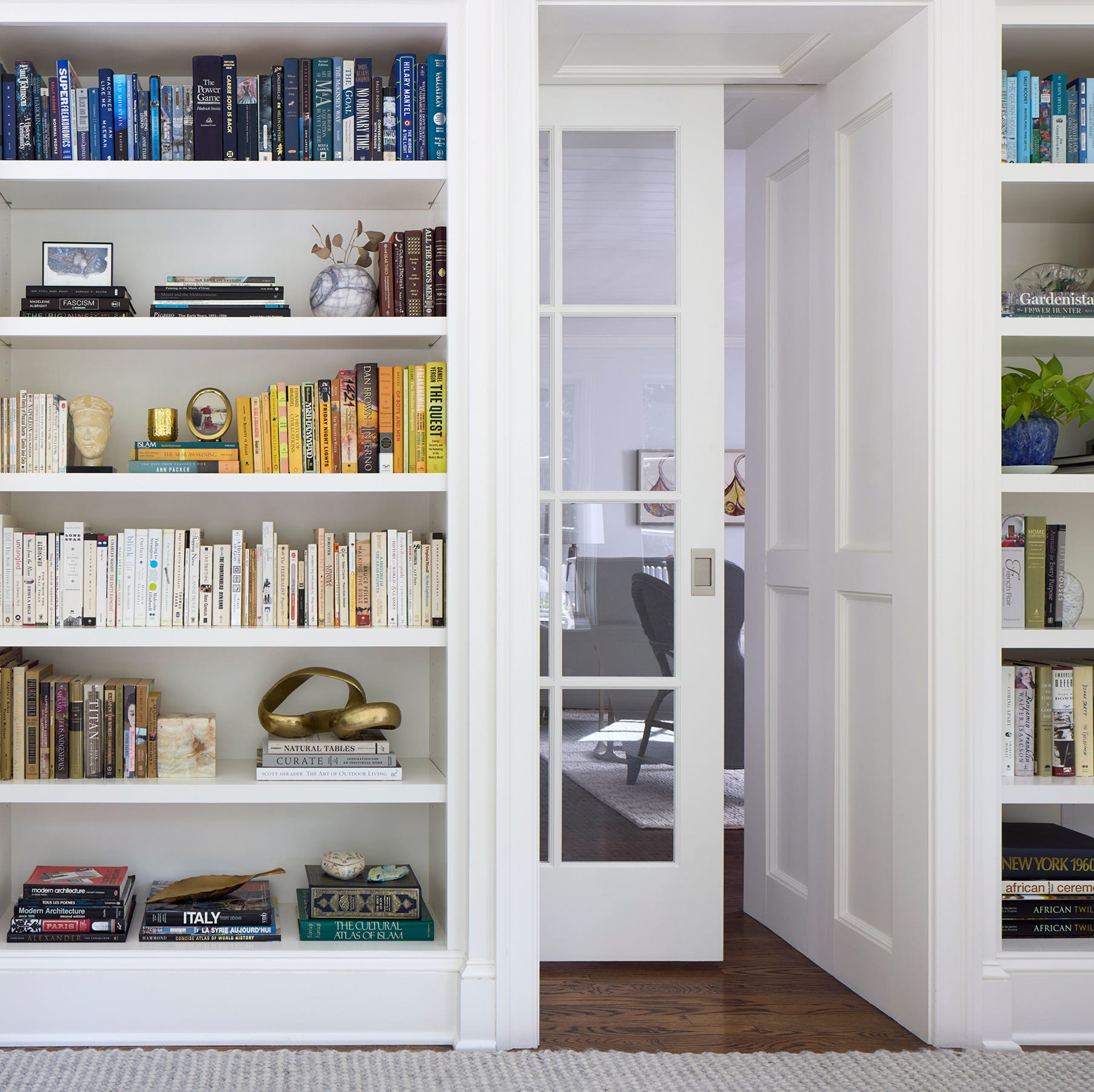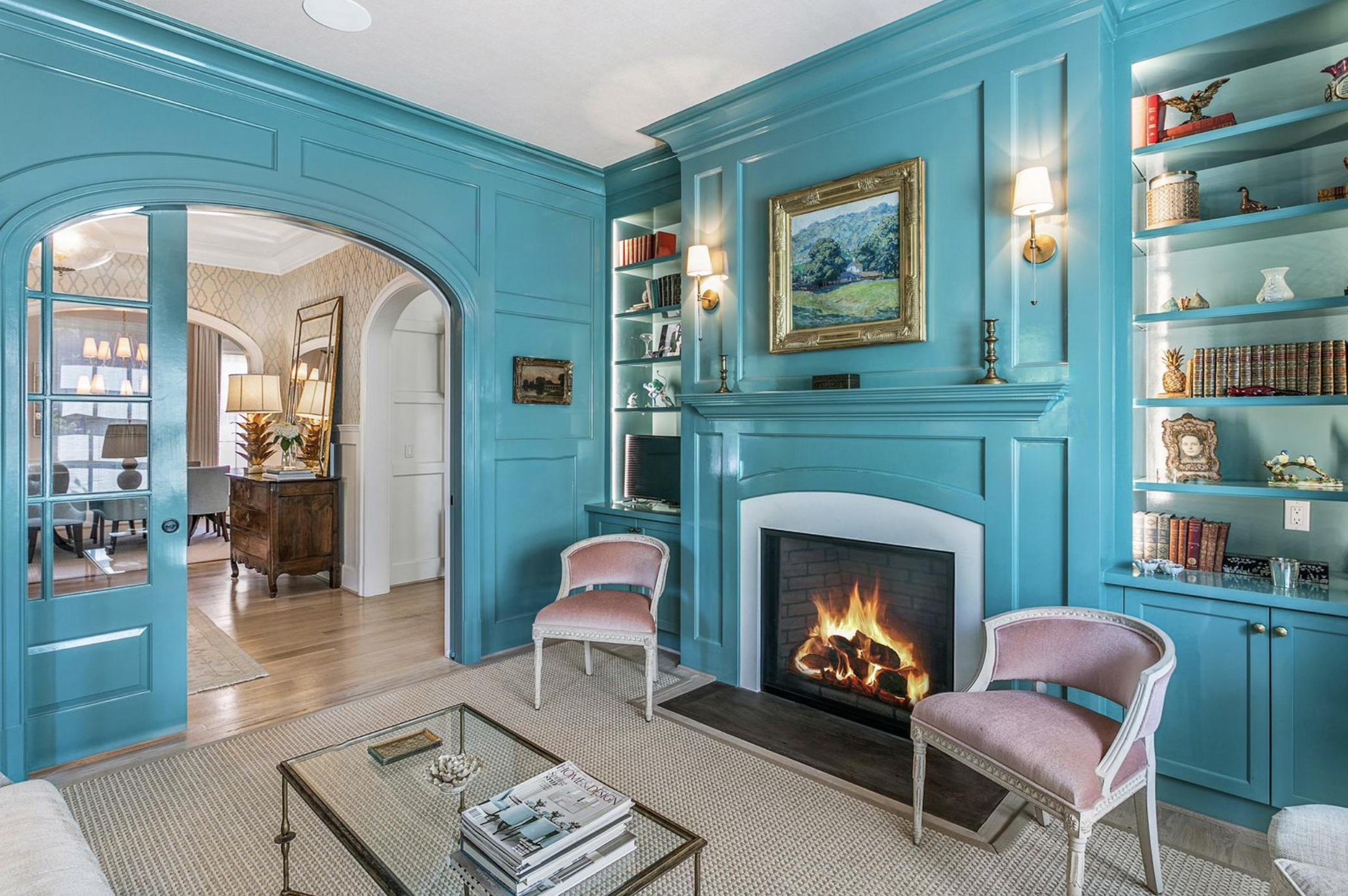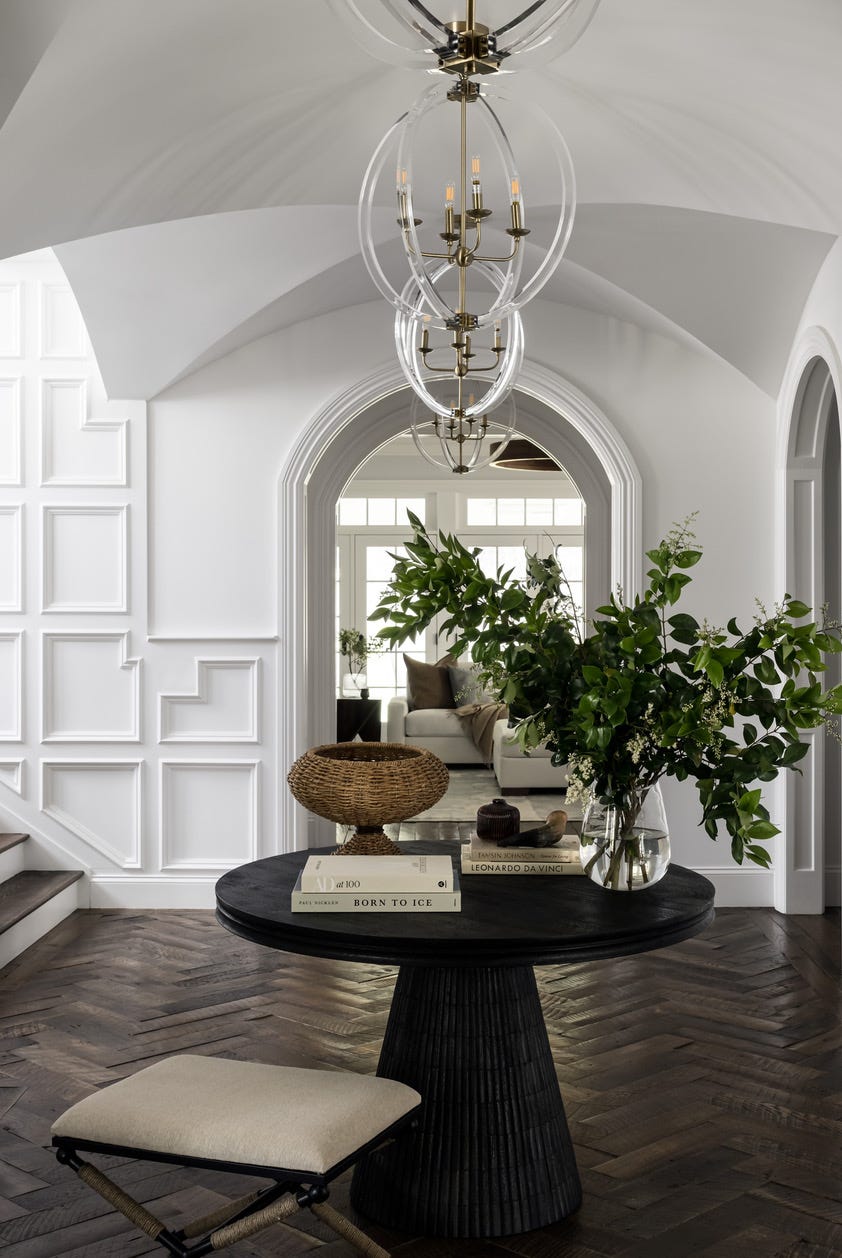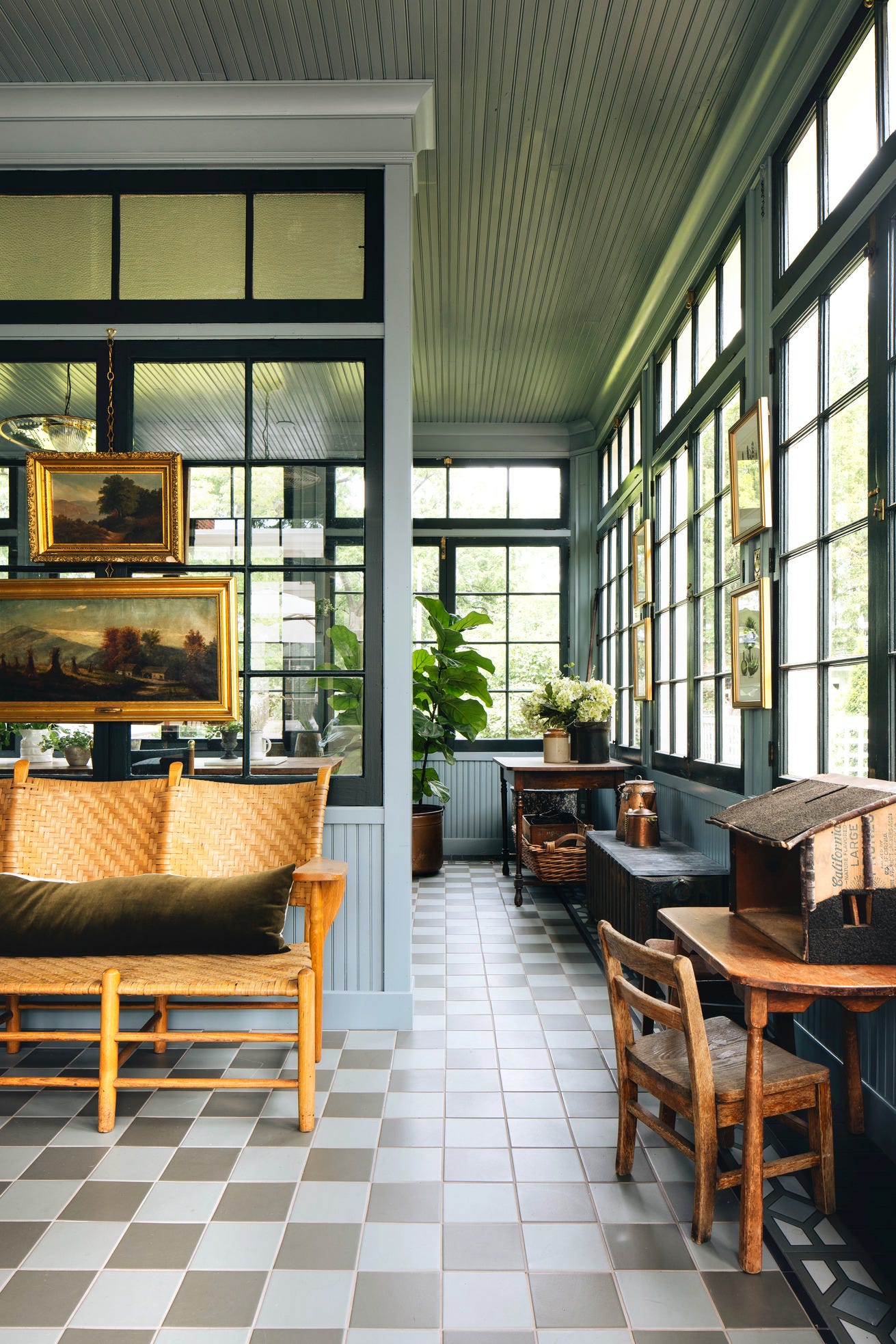
Something old is new again with interior doors
Home improvement television programs, featuring younger personalities who appreciate older architectural styles and fundamental designs, are influencing a shift in interior door trends. Historically, interior doors in Central Florida were primarily shaped by their cost and availability during construction. Before the 1970s, local manufacturers and carpenters produced most doors, often characterized by straight lines, multiple panels, and a robust appearance, which resulted in longer installation times and higher costs due to their custom nature.
The 1970s saw the expansion of door plants and component door manufacturing, leading to the mass production of door slabs that were then assembled with door jambs and casing at local plants. This innovation created pre-built units that expedited installation and reduced job delays. The popular style at this time was a smooth wood lauan door with clamshell casing, which could be painted or stained. While affordable and quick to install, these doors lacked distinctive style. The pursuit of improved aesthetics led to advancements in hardboard doors, which featured embossed designs. By the early 1980s, six-panel hardboard doors, coupled with colonial casing, became the dominant interior door choice, balancing affordability and style, and remain popular today.
The mid-1990s introduced further stylistic variations with arch and panel designs in hardboard doors. As homes grew in size, door heights increased from 80 to 96 inches, offering a more dramatic look. Additionally, sound-proof, solid-core doors were developed to enhance privacy in bedrooms and media rooms, broadening consumer options.
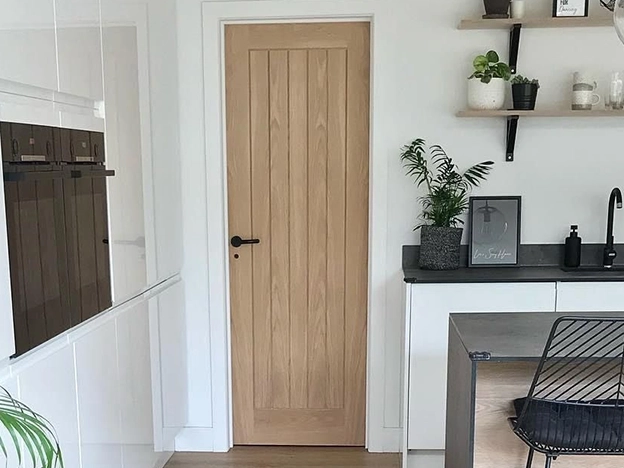
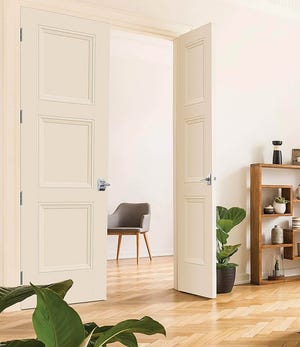
Contemporary homeowners are increasingly seeking the beefier, custom-made door styles reminiscent of older homes. Masonite, a major manufacturer of door slabs, has responded to this demand by reintroducing styles that echo earlier designs. Their Livingston interior door, for instance, is a three-panel hardboard door with wider styles, available in hollow or solid core and various heights, mimicking the look of carpenter-built doors. This follows the introduction of other classic styles like Lincoln Park, Logan, and Winslow, which feature basic panel and straight-line designs to give a perception of higher quality. Homeowners are also opting for wider, thicker eased-edge casing to complement these vintage-inspired doors.
Thanks to Masonite's ability to mass-produce and distribute these hardboard doors efficiently, the price difference between these new, cleaner styles and the standard six-panel doors used for decades is minimal. Many prospective custom home buyers and remodelers are often unaware of these stylish yet affordable options. A significant advantage for existing homeowners is that there are no Florida Building Code requirements for upgrading interior doors to these newer styles. Homeowners interested in Masonite's new designs can contact local door shops, which can typically match hinge and lock bore locations. This allows for a complete change in a home's appearance by simply replacing the door slab, transforming the aesthetic of a home by leveraging modern manufacturing to reproduce classic designs affordably and efficiently.
#InteriorDoors #HomeRenovation #ArchitecturalStyles #HardboardDoors #Masonite #DoorDesignTrends #HomeImprovement #BuildingMaterials #InteriorDoors #HomeRenovation #ArchitecturalStyles #HardboardDoors #Masonite #DoorDesignTrends #HomeImprovement #BuildingMaterials
0 comment in total
 No comments yet
You may also like
Internal Doors

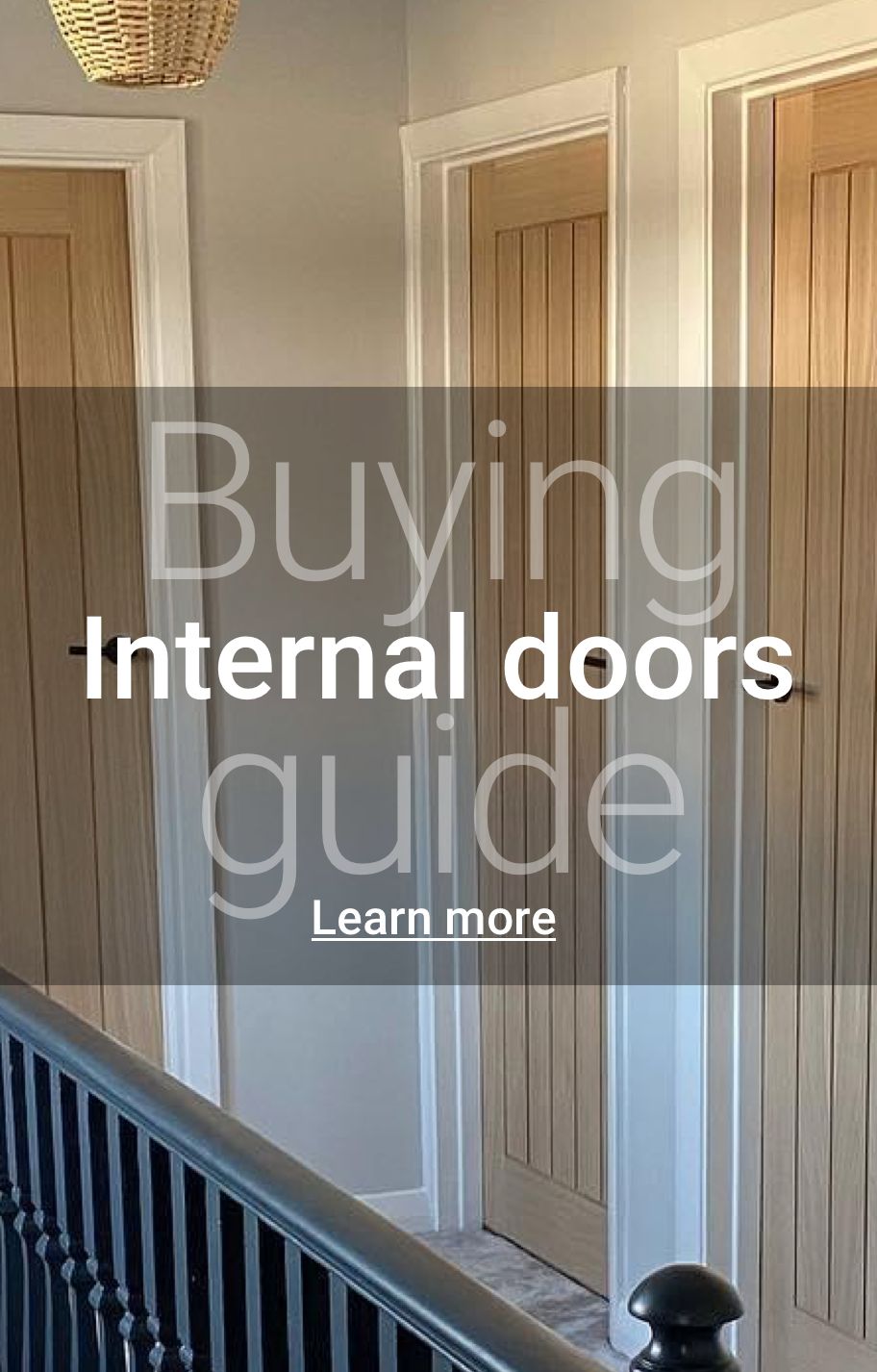
Glazed Internal Doors
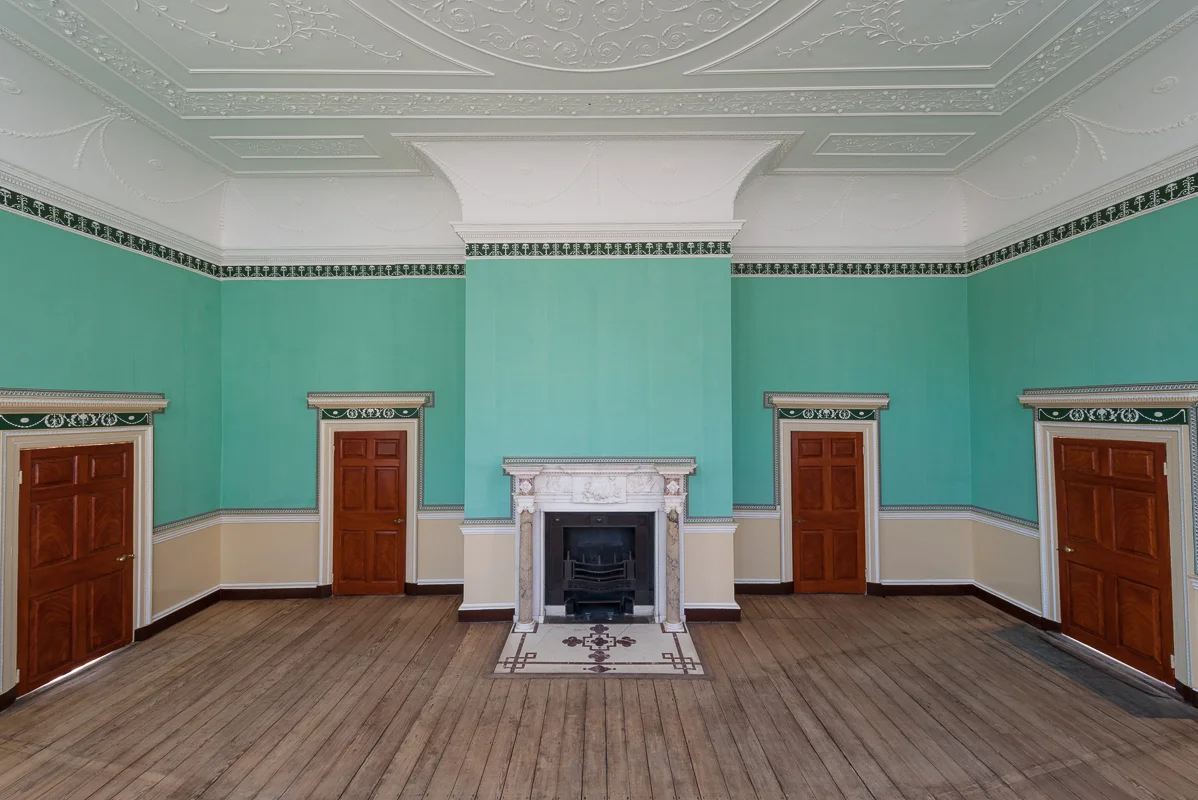
The New Room’s Floorboards

Old House Handyman: Restoring front door with new glass three decades in the making
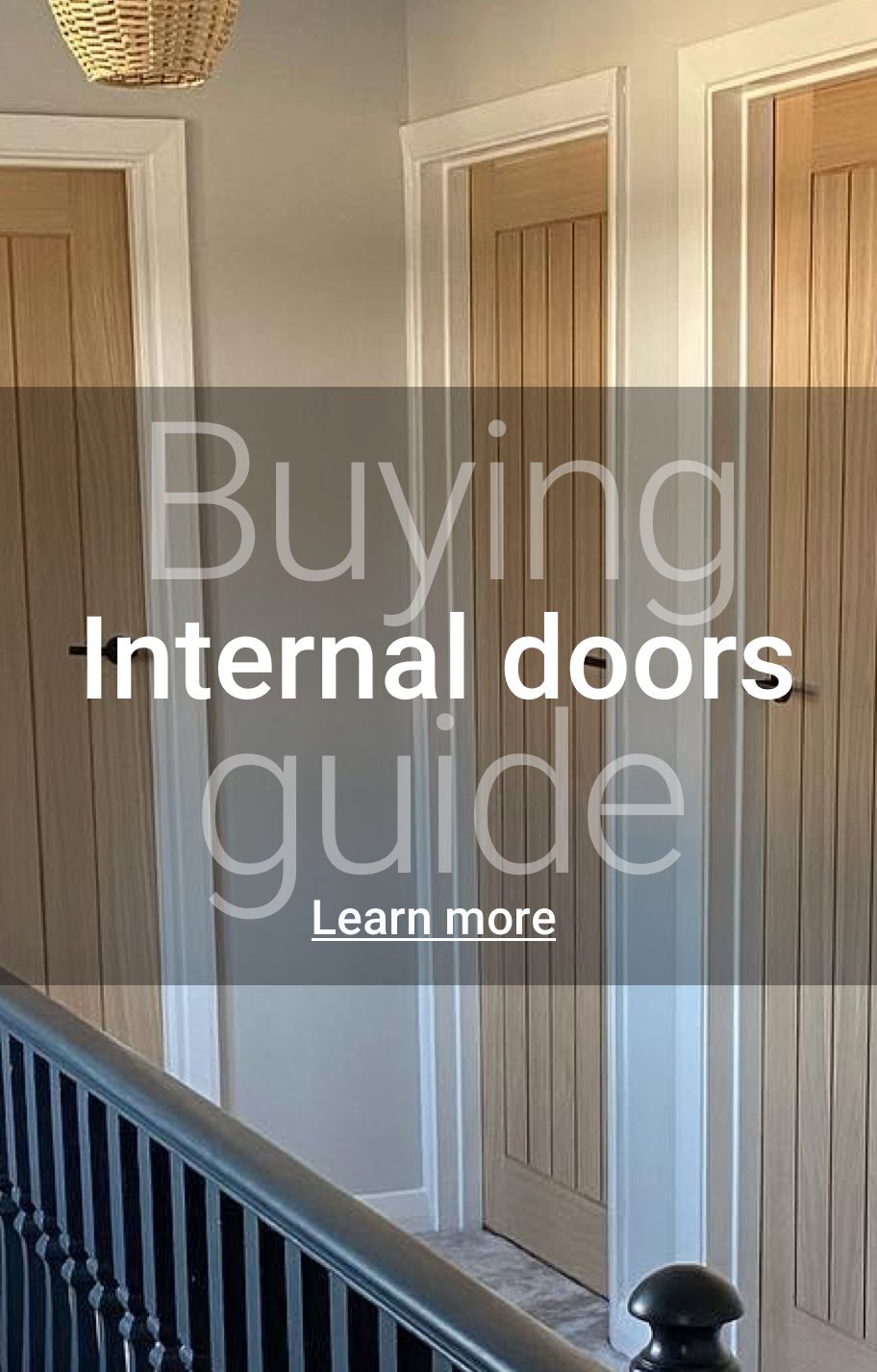
White Internal Doors

Inside the High-Tech Interiors Revival

Front door: Does it keep your home safe, warm and looking stylish?
Updated Kitchen Tells a New Story

Old Versus New: Victorian Home Gets Modern Update

Clean, Modern Slab-Style Doors
Historic Kitchen Reimagined

Eight inviting entrance halls that set the tone for the rest of the home
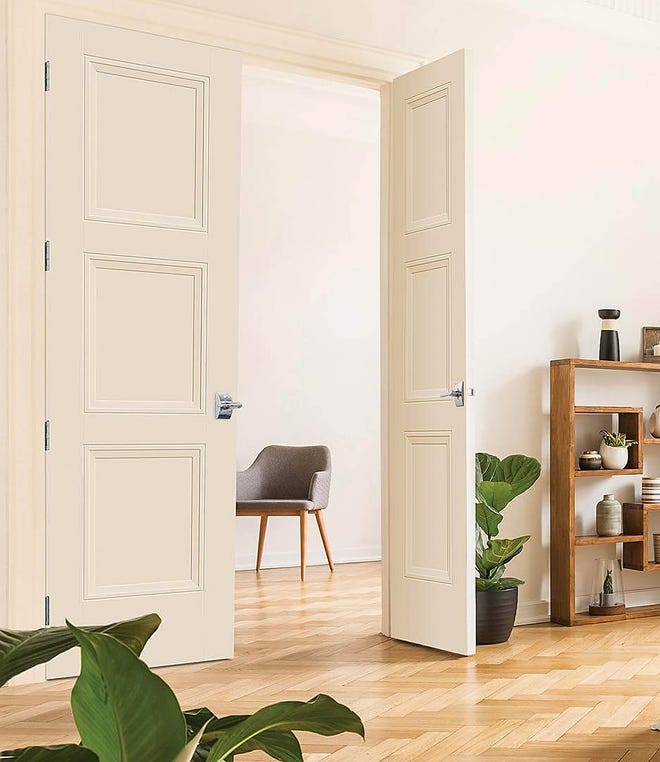
Something old is new again with interior doors
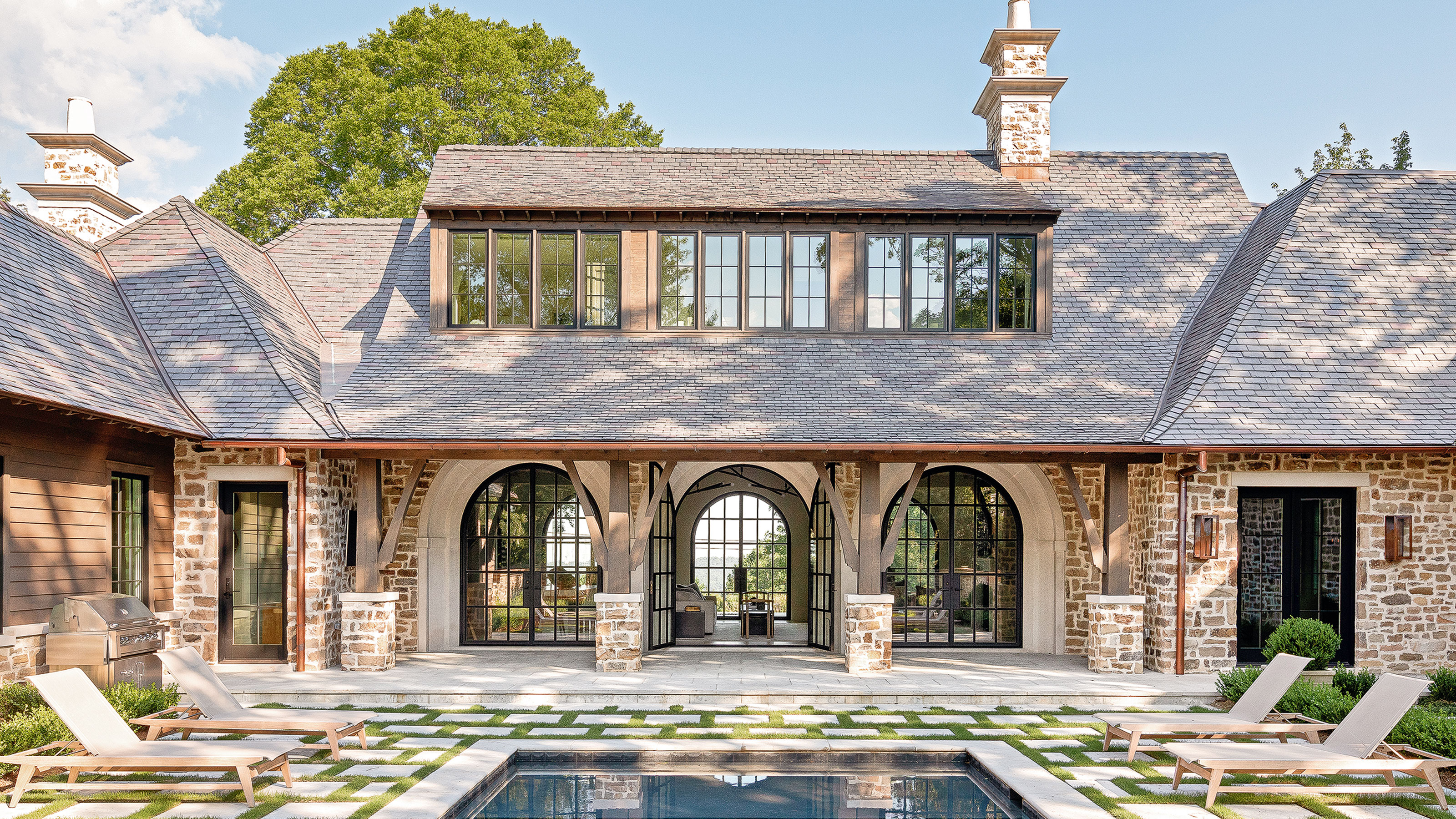
Natural materials and a neutral palette create a timeless interior in this new-build home

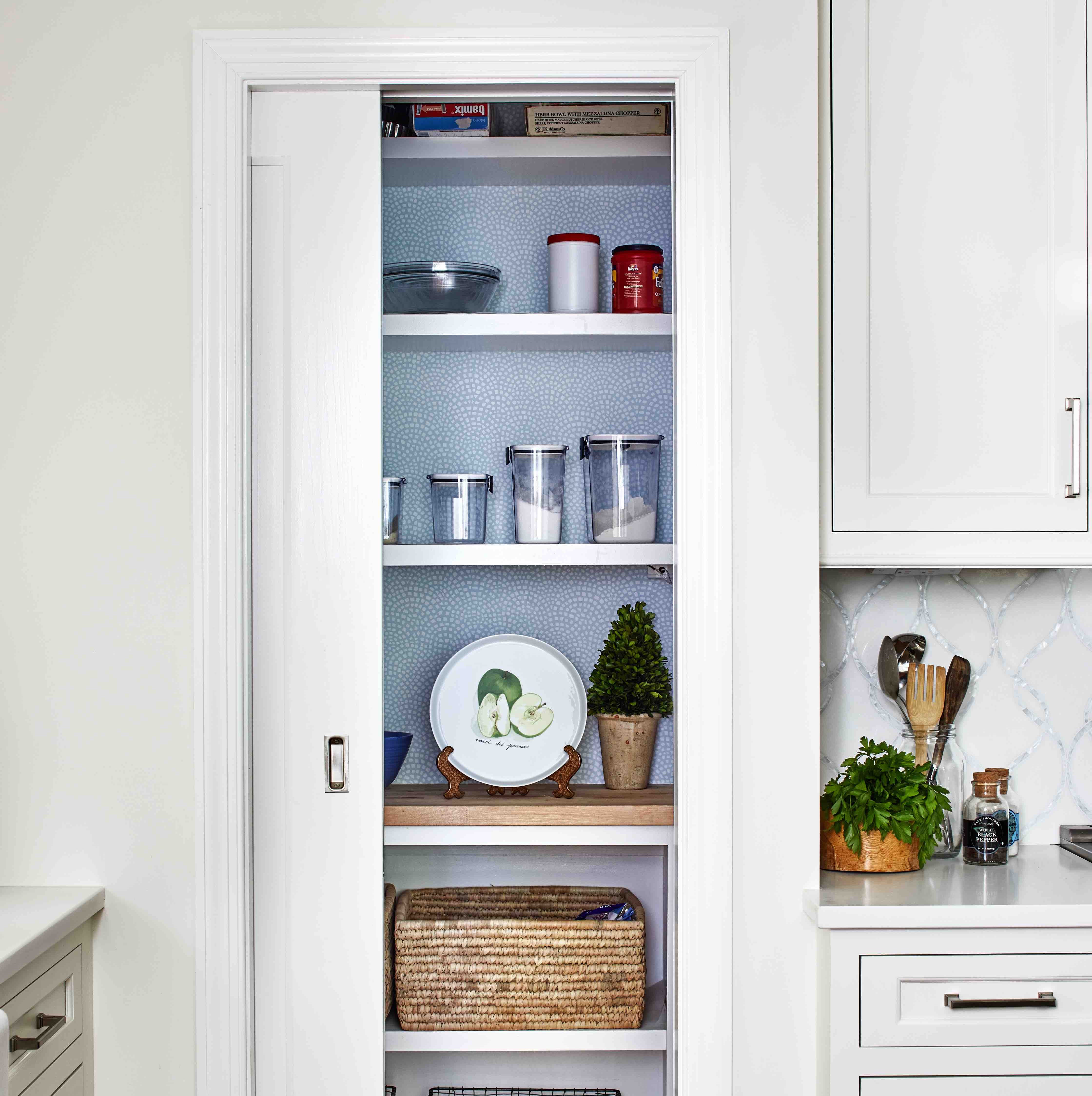
Designers Say This Vintage Home Feature Is Back

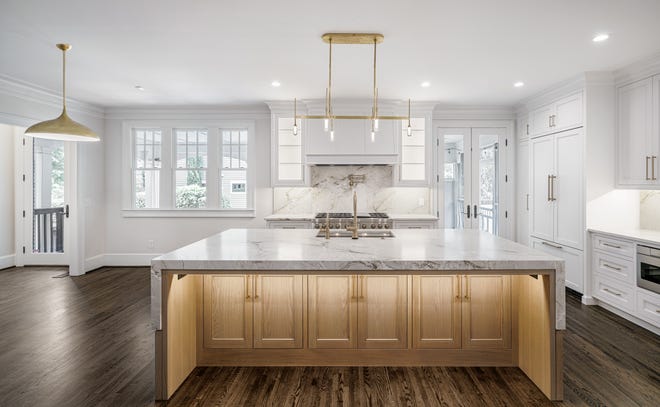
Floor plan changes create 'new home inside existing one'

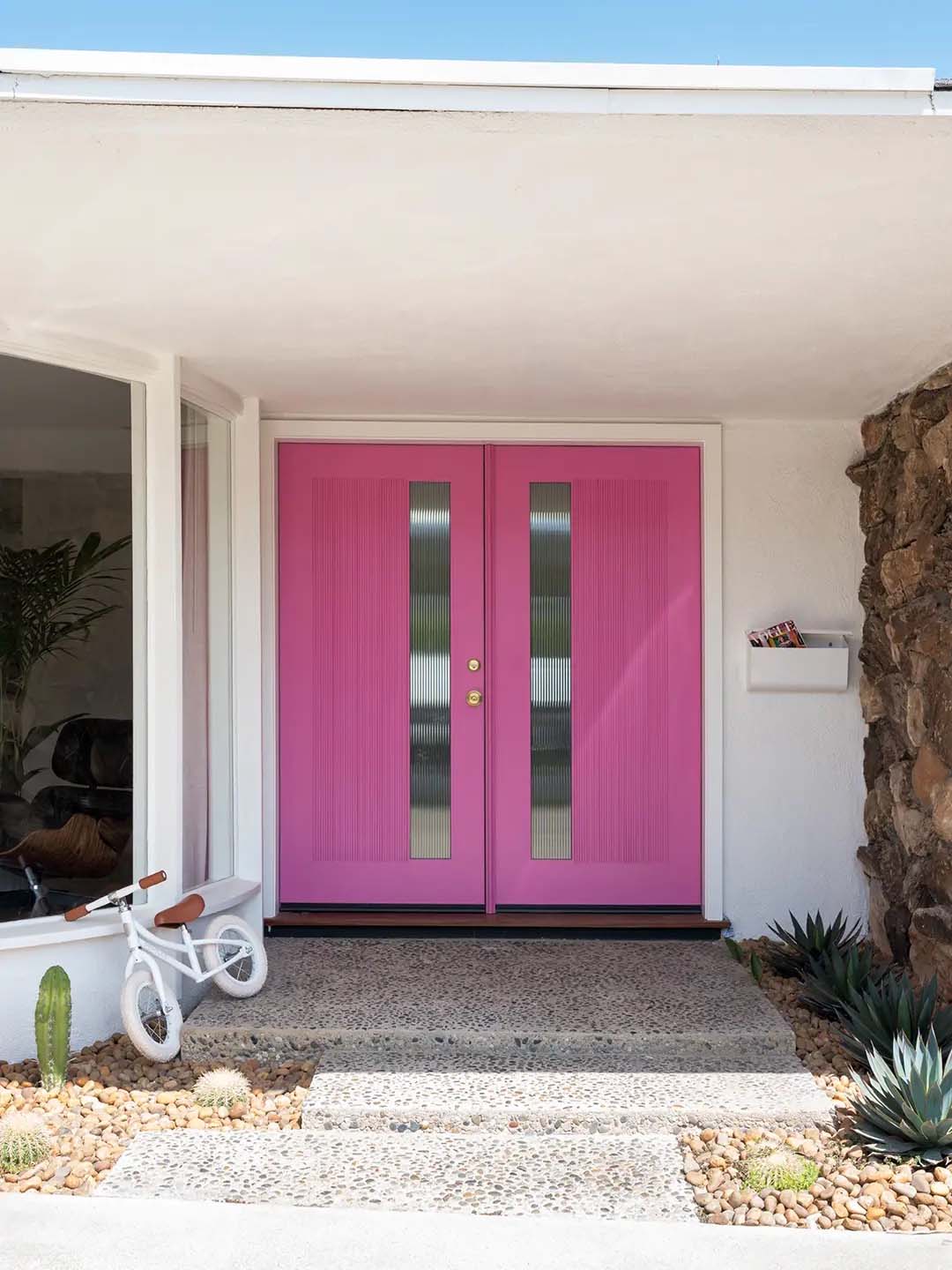
16 Front Doors That Make the Case for a Fresh Coat of Paint

Old Meets New in this Newton Family’s Home Renovation
12 Designer-Approved Tricks to Fill a New Home With Vintage Character
Interior doors can add light, personality