We Asked Designers How to Brighten a Dark Room and We’re Using These All Winter
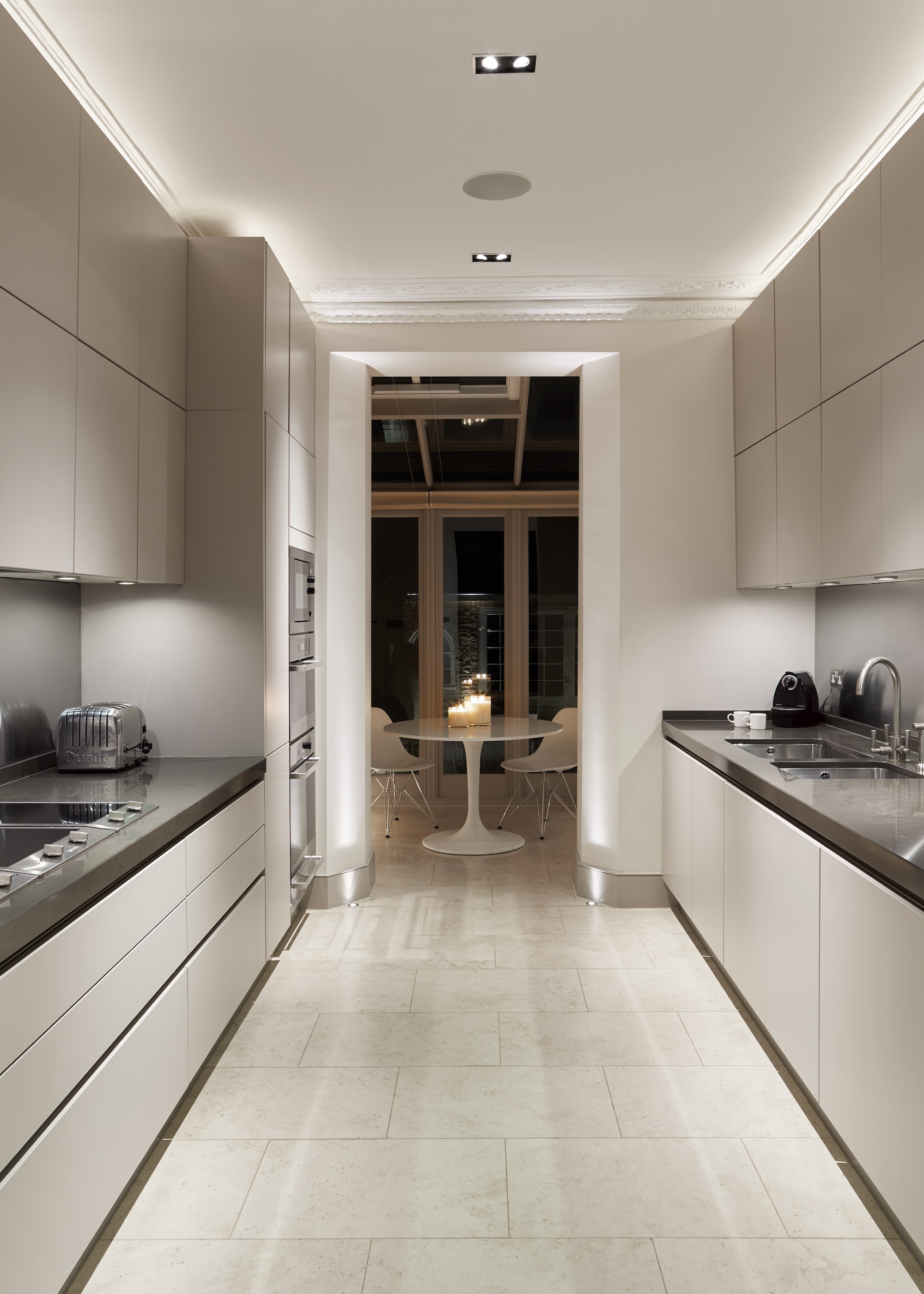
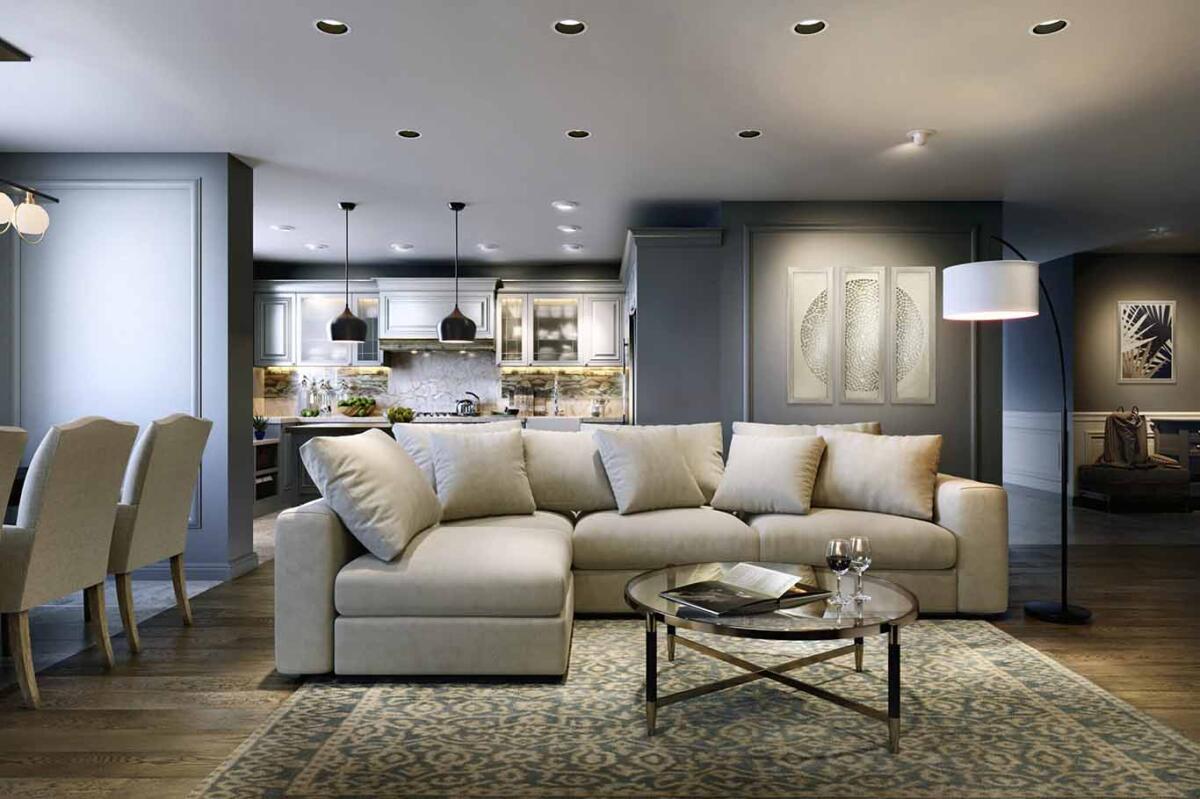
Even rooms with limited natural light can be transformed into bright, inviting spaces through thoughtful design choices. Several creative and budget-friendly strategies exist to enhance a room's luminosity, ranging from paint selection to strategic decor placement. Interior designers Emma Kemper and Laura Park offer expert insights into these techniques.
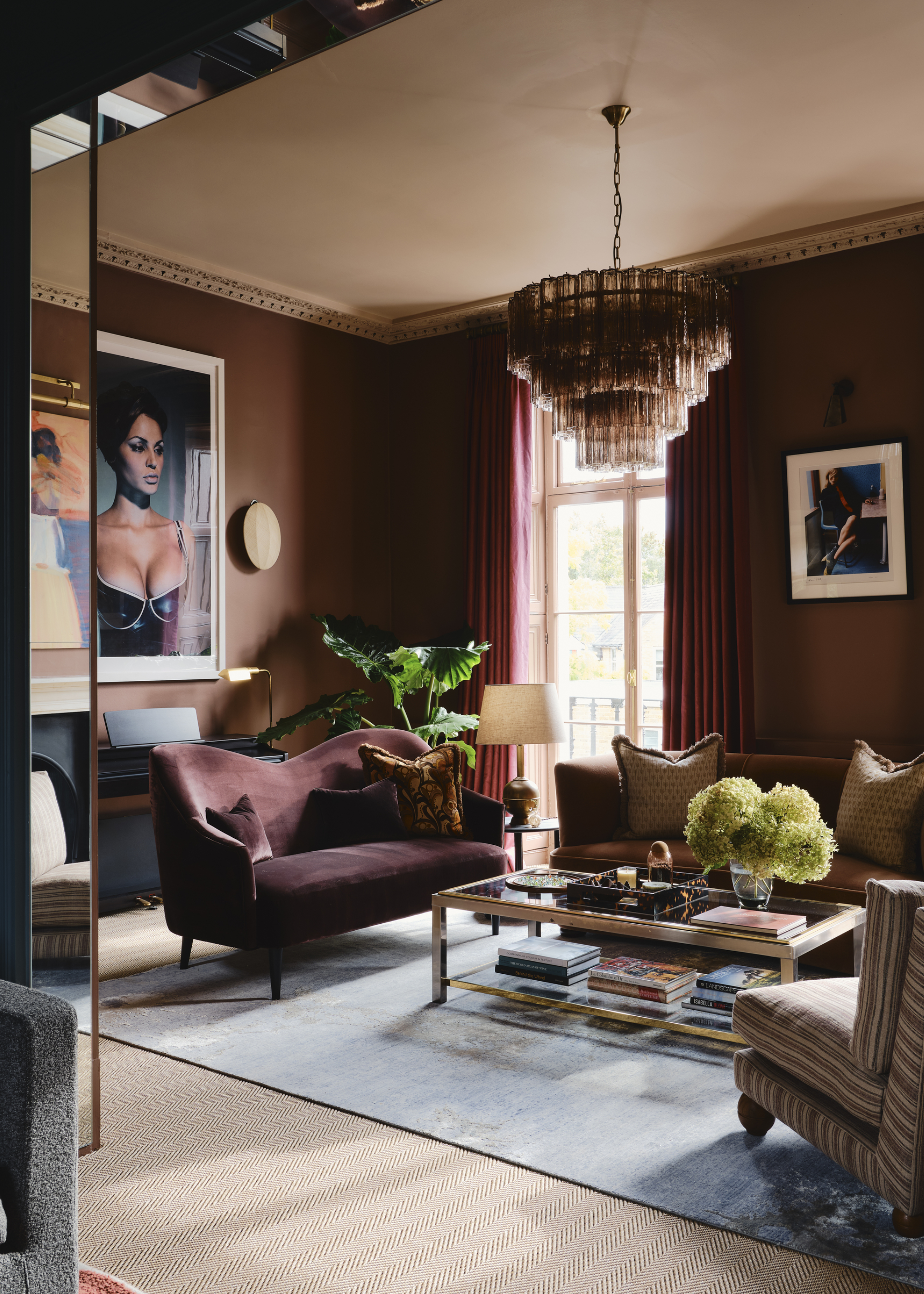
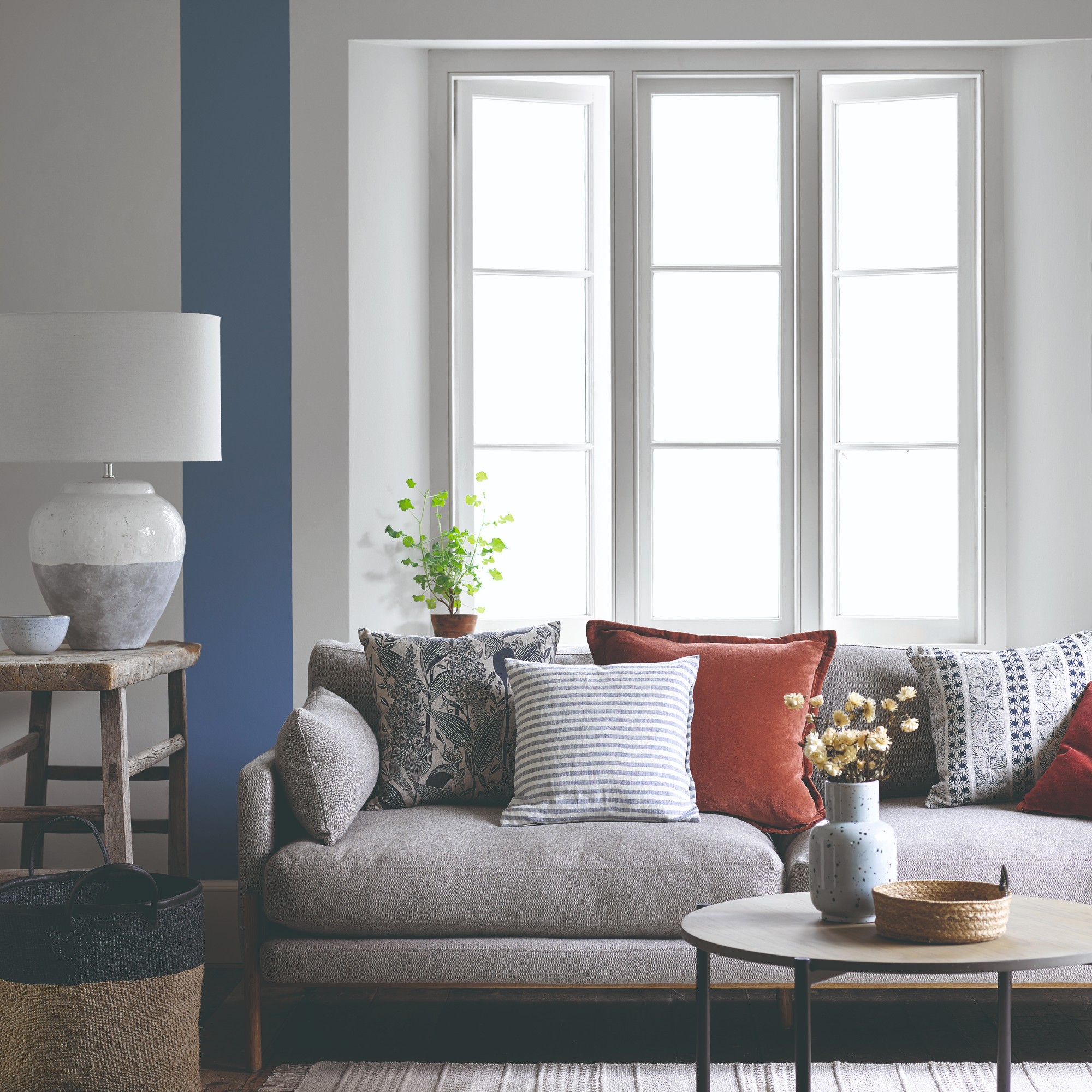
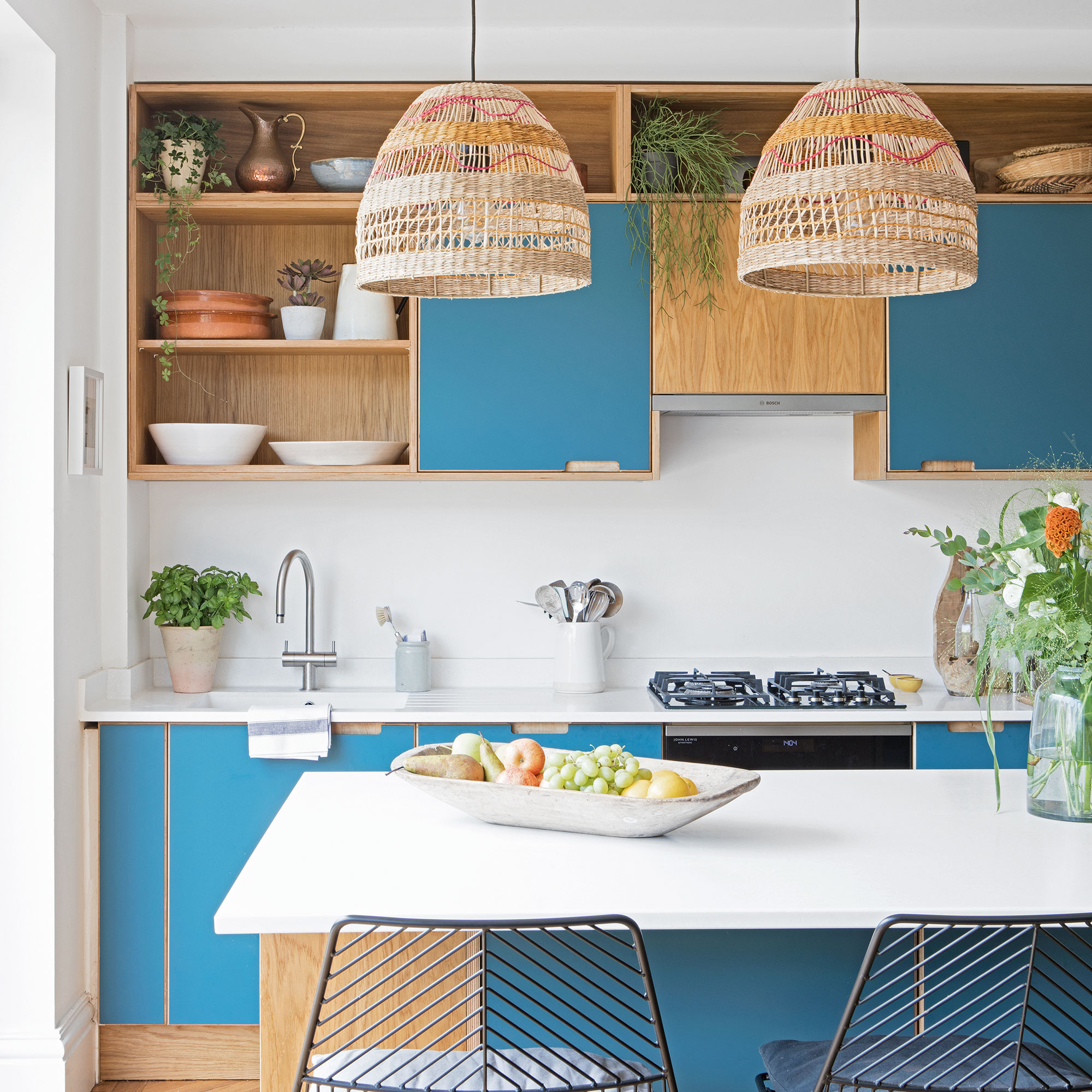
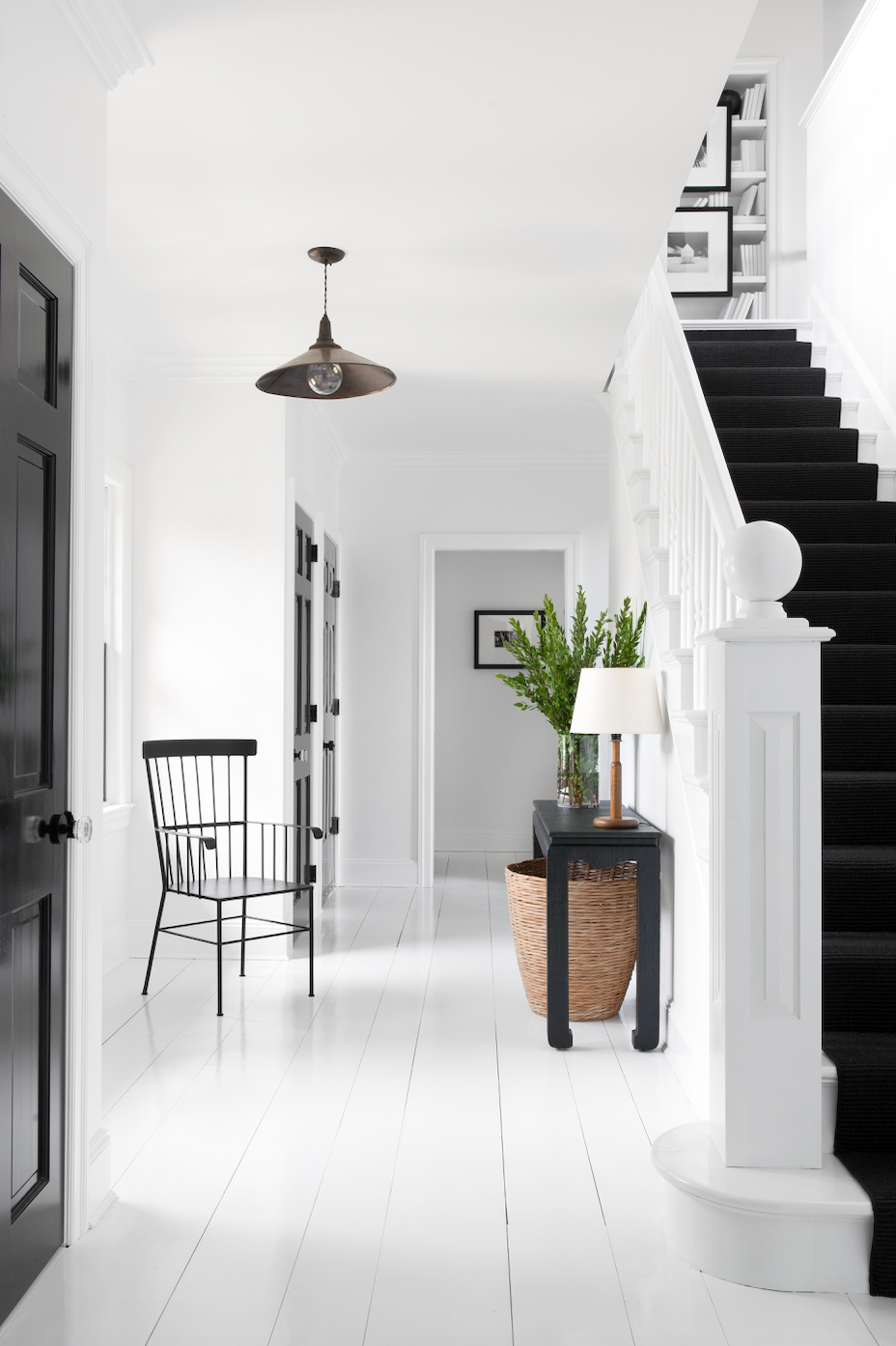
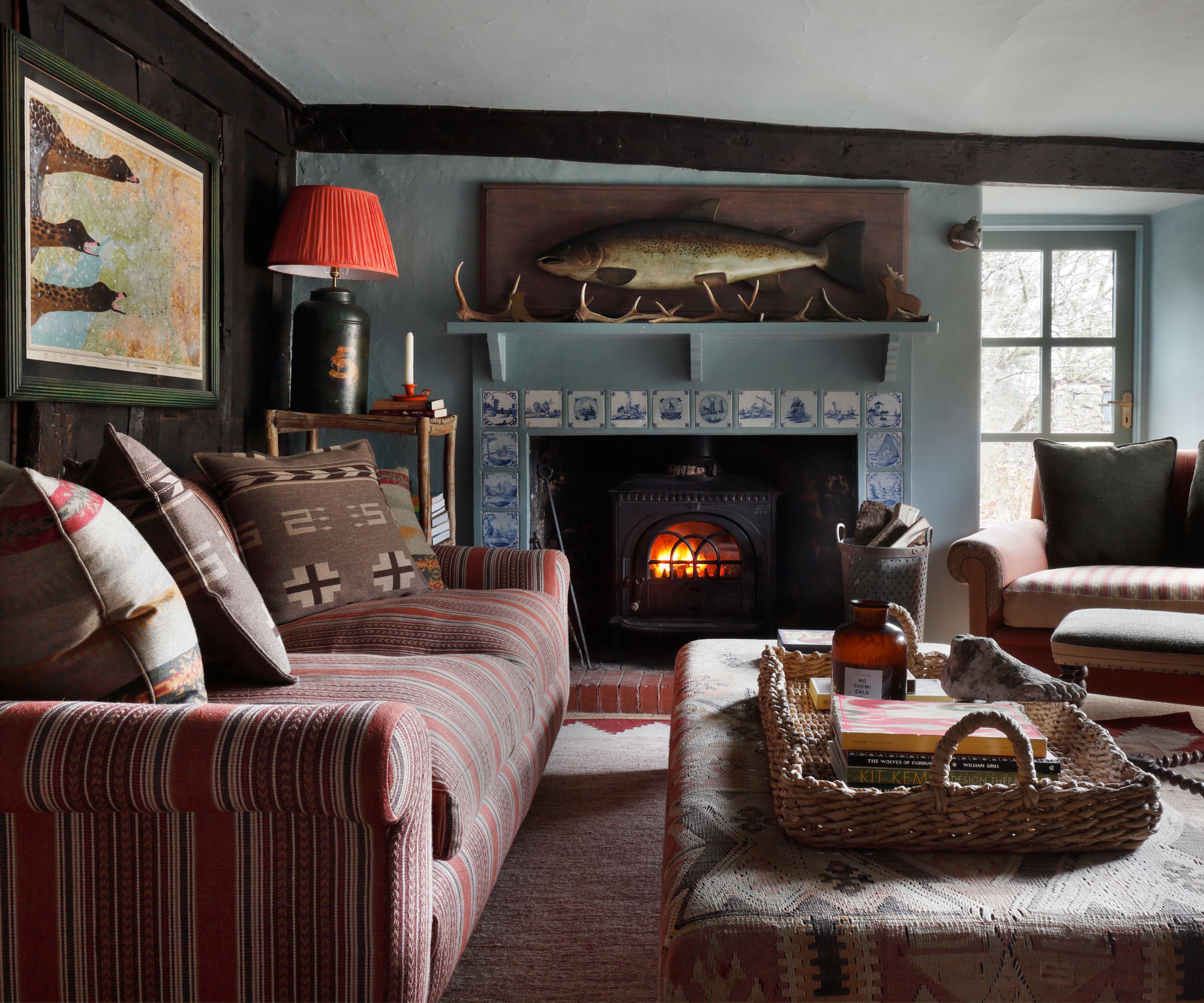
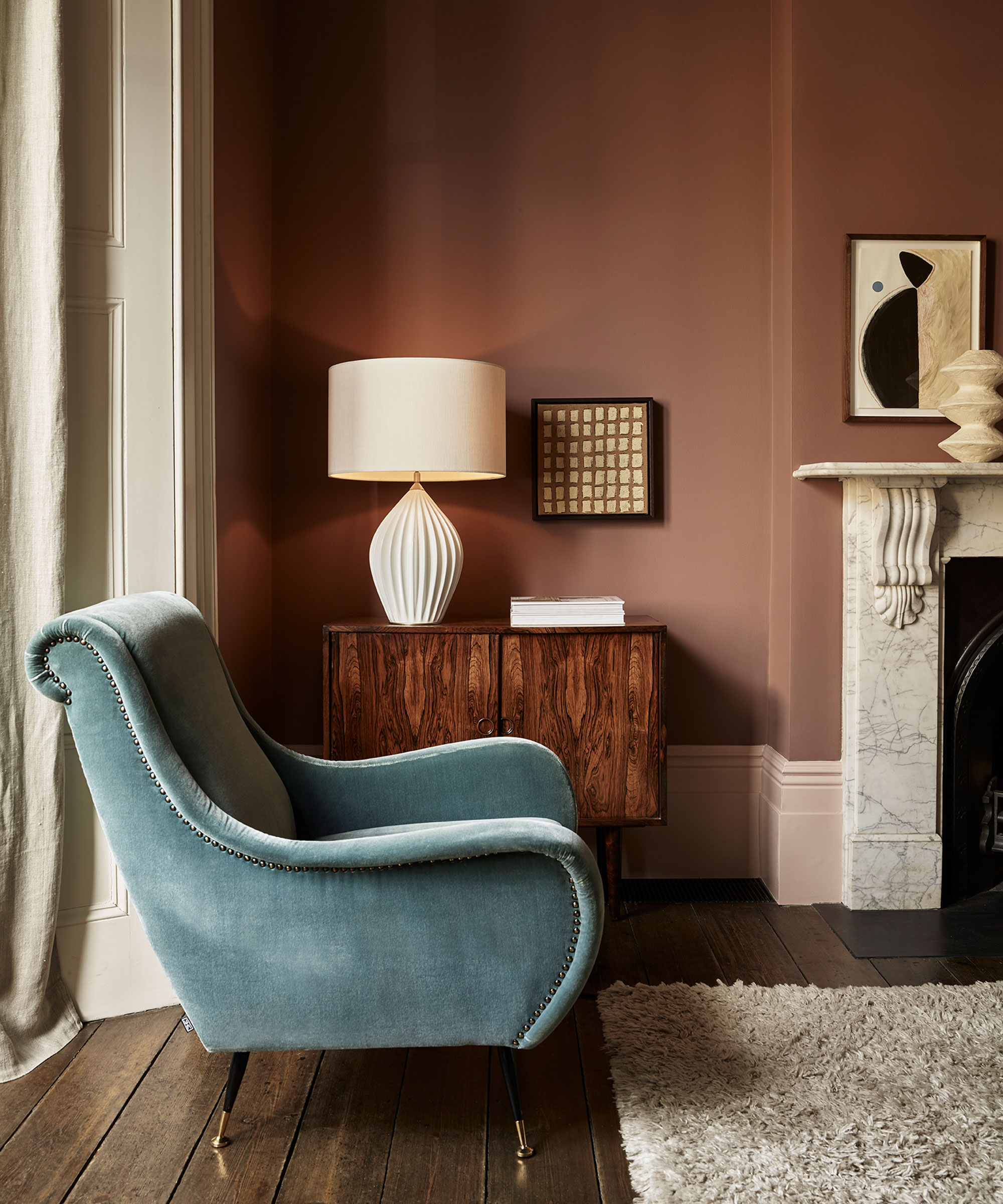
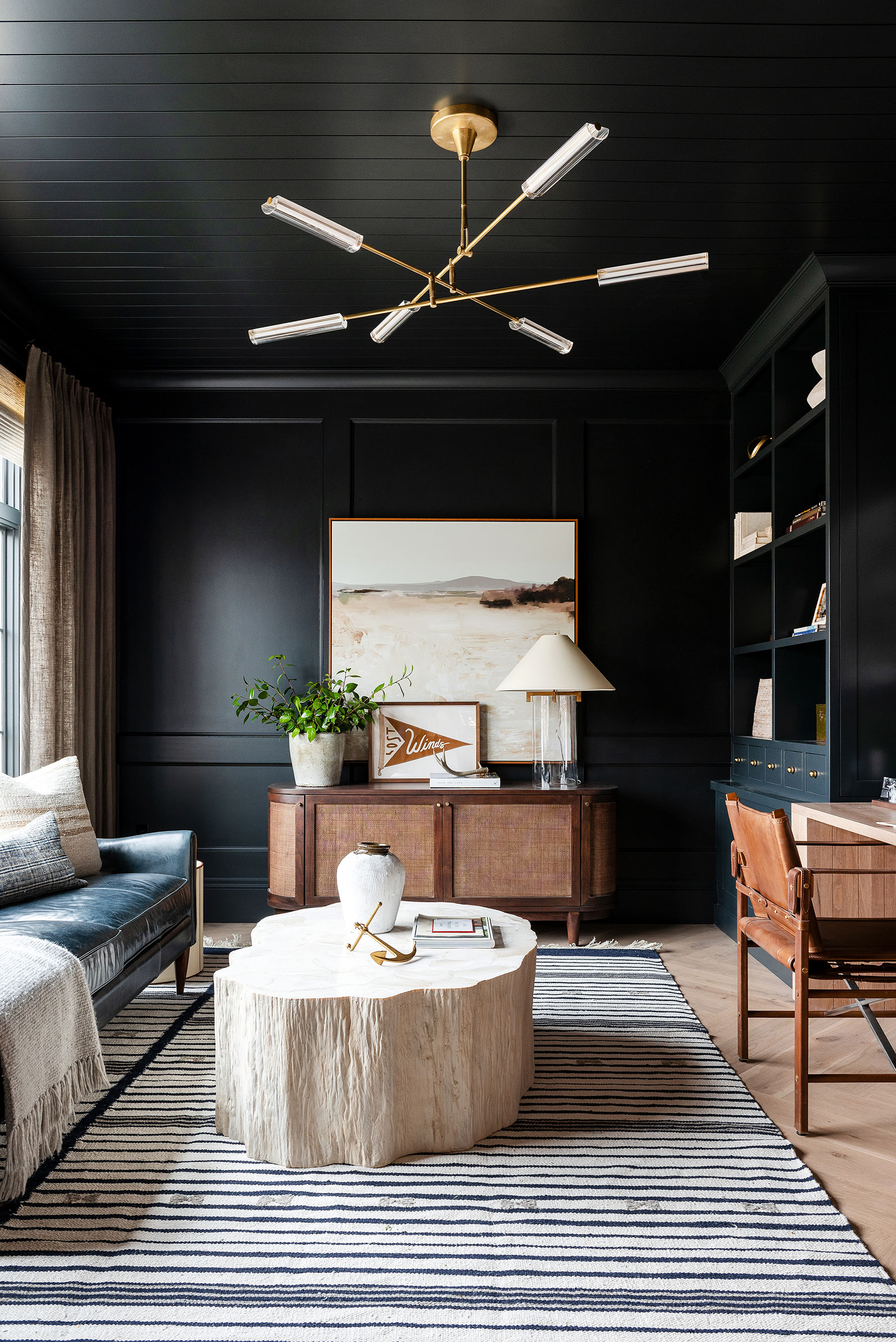
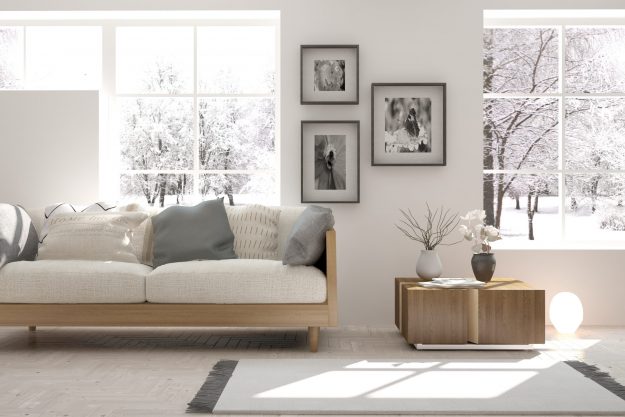
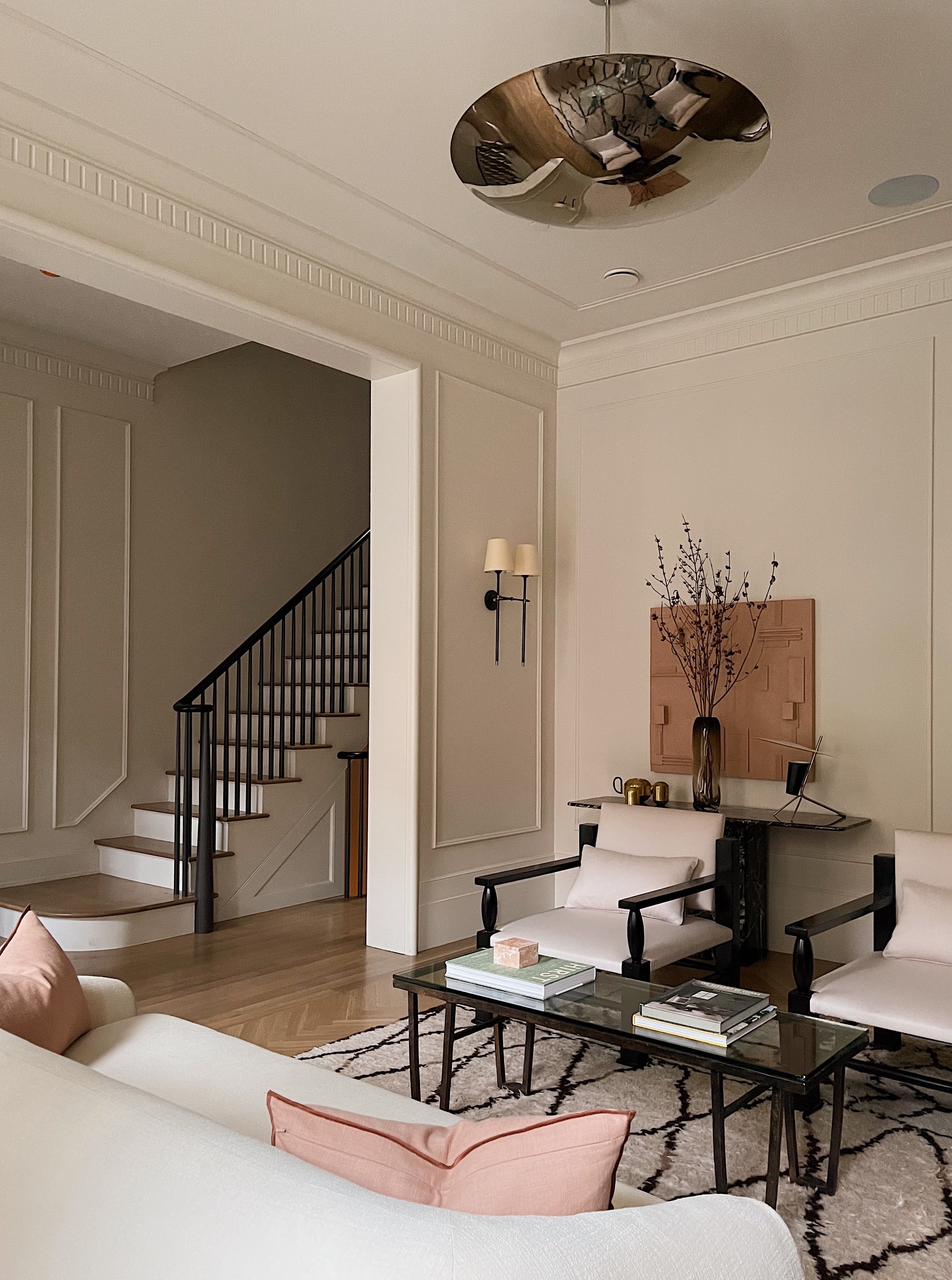
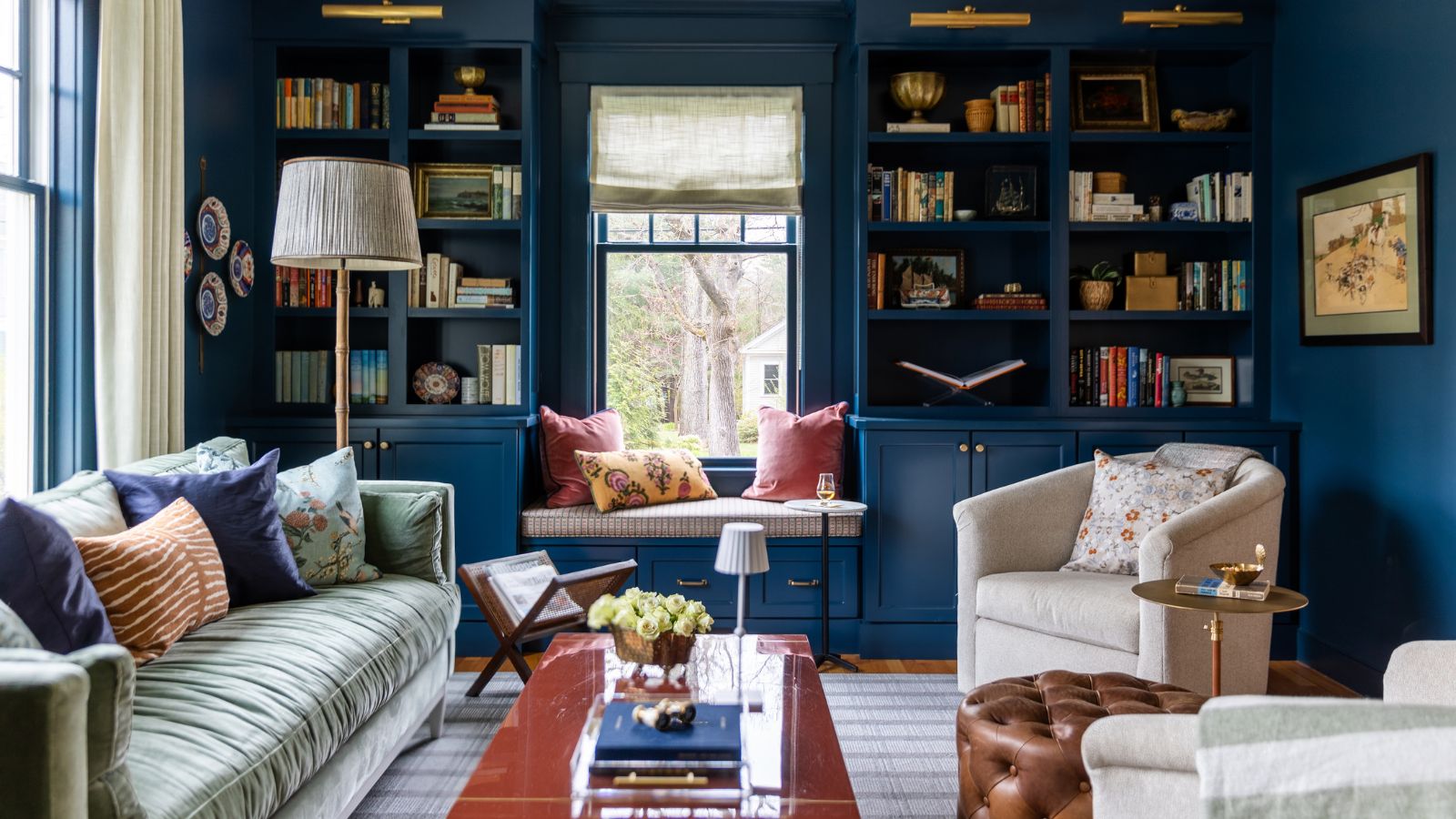
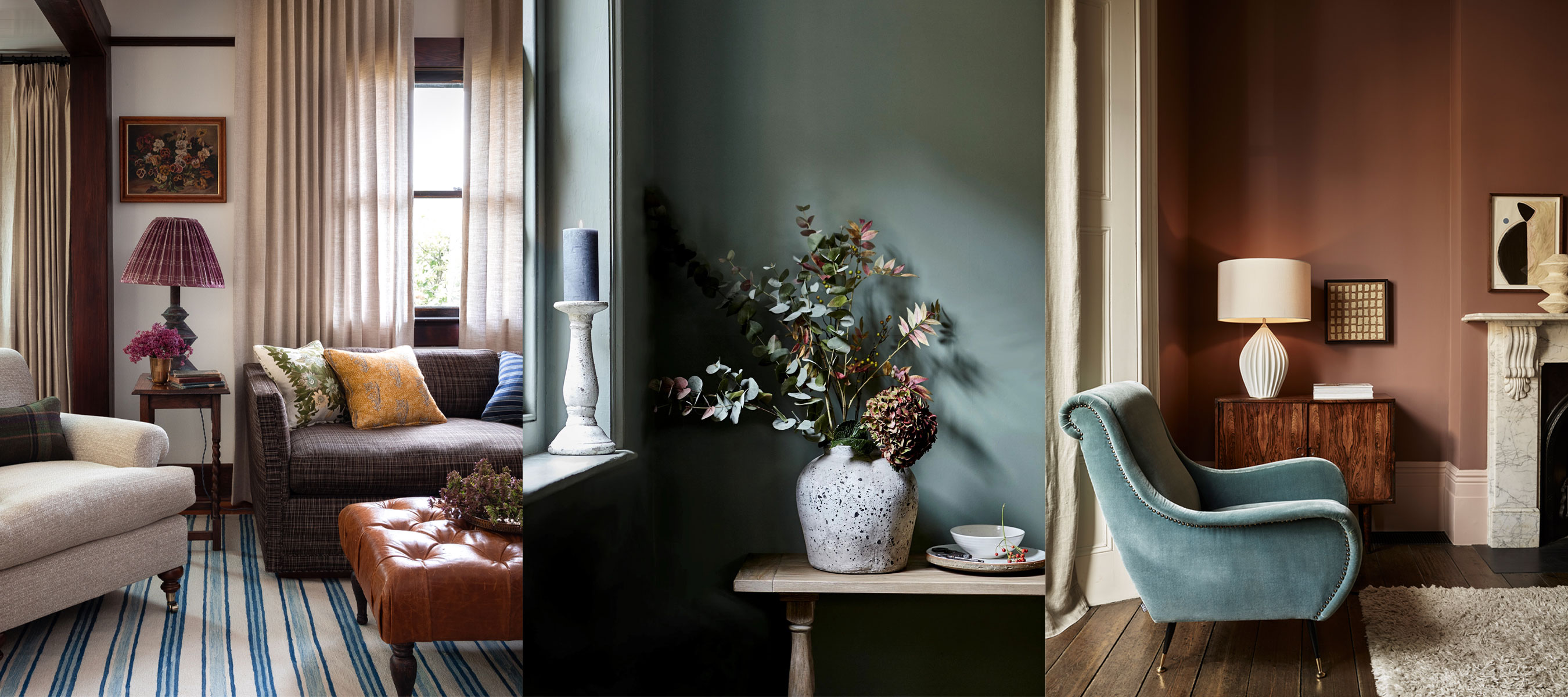
One fundamental approach involves painting the walls a light, airy color. While white is a classic choice, light gray or pastel hues can also effectively reflect light. It's crucial to test paint swatches on the walls and observe them throughout the day to understand how the color interacts with varying light conditions before making a final decision. Counterintuitively, painting the ceiling a darker color can also create the illusion of taller walls, making the room feel larger overall.
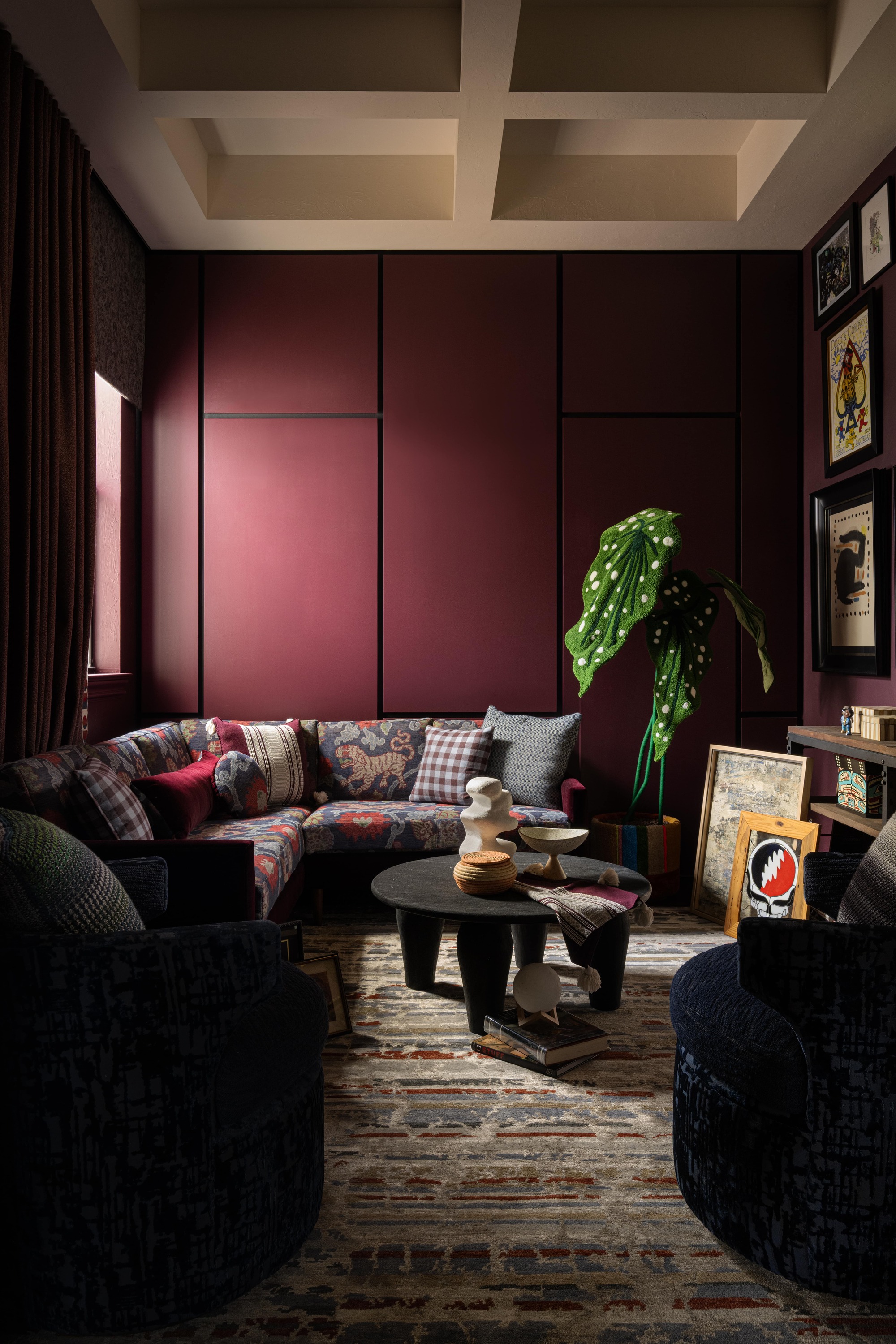
Wallpaper can play a significant role in brightening a dark room. Vibrant wallpapers, especially those with large motifs or lighter backgrounds, can infuse a space with energy, visually expand it, and bounce light around to create a luminous ambiance. For renters, peel-and-stick options provide a flexible solution.
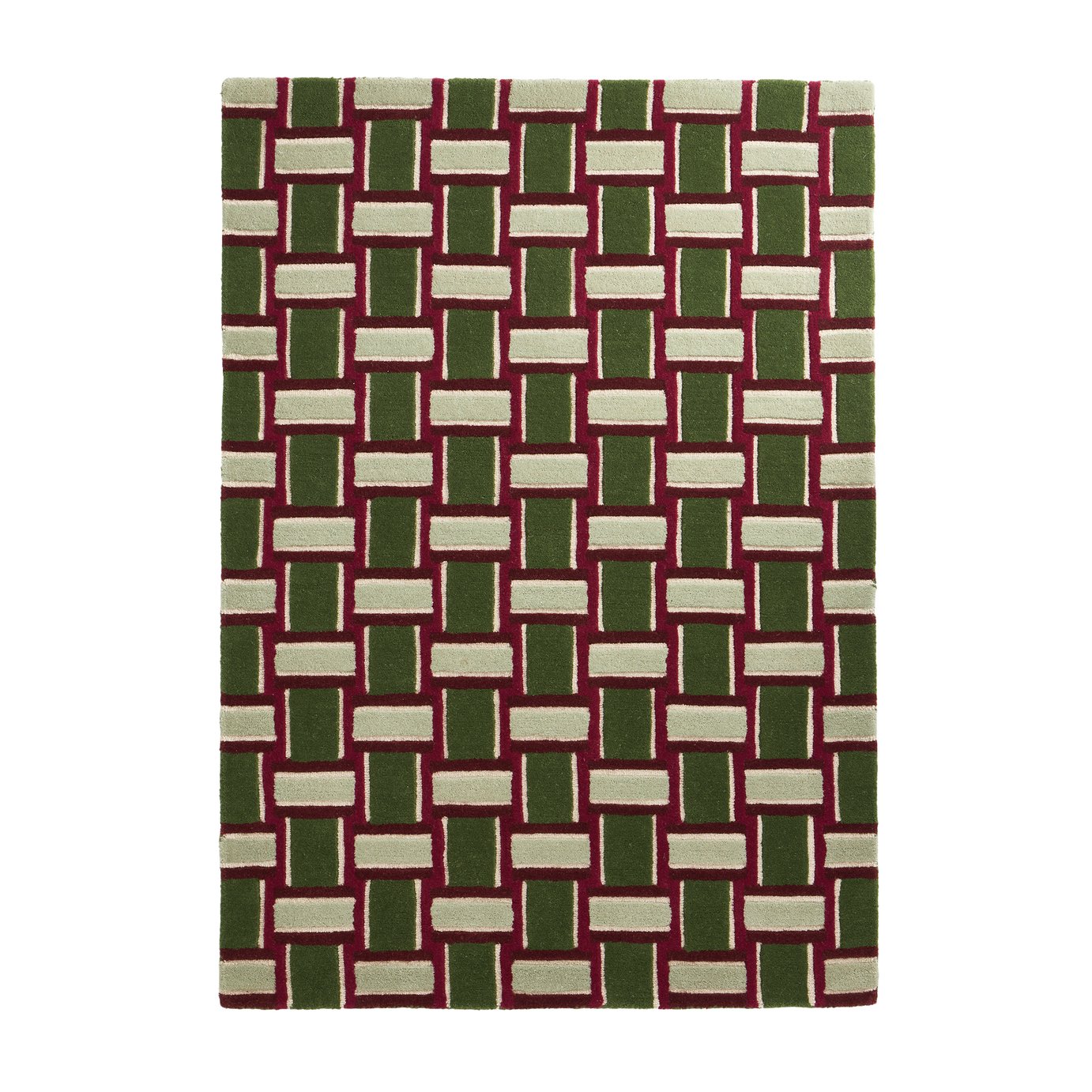
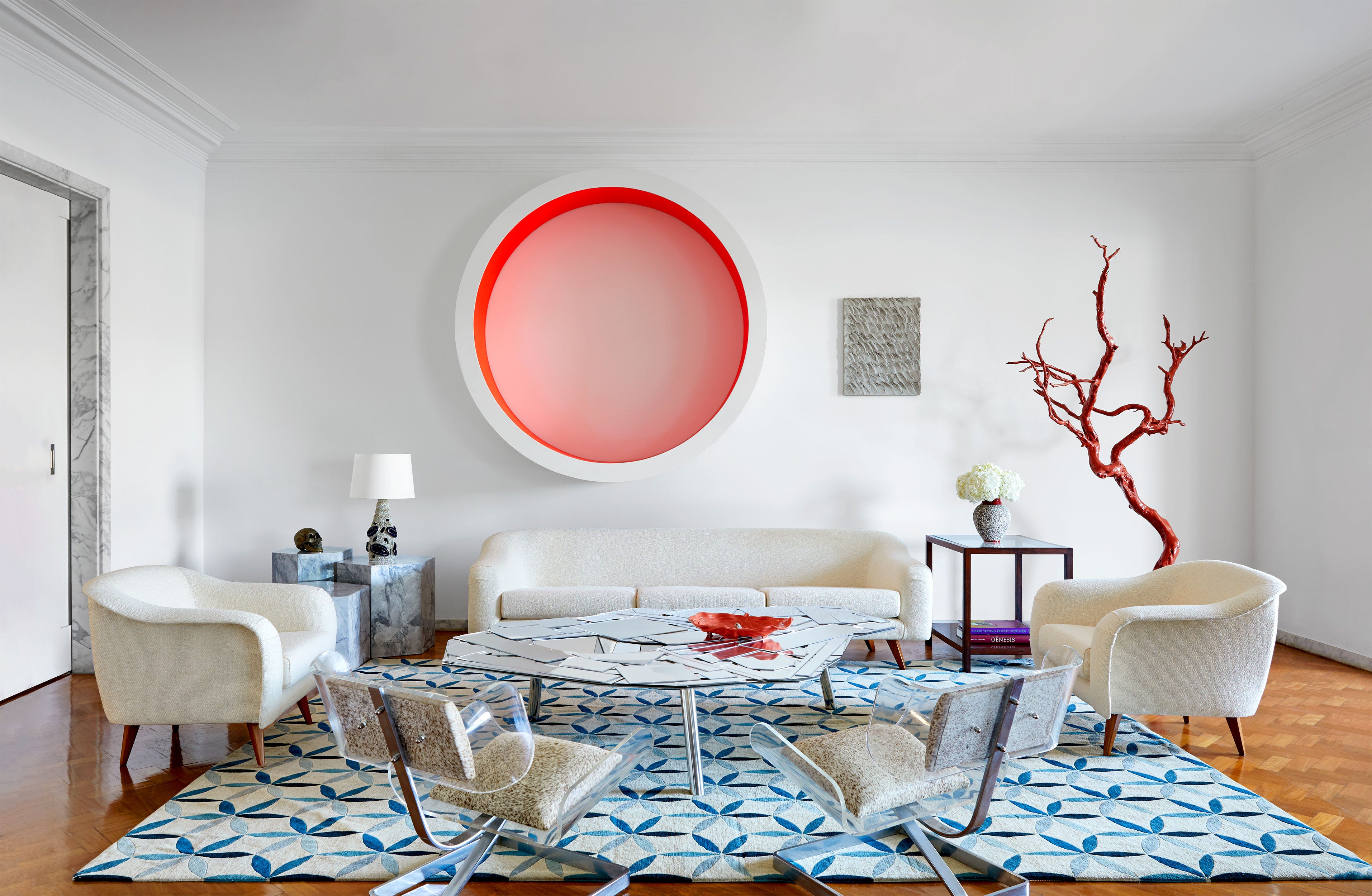
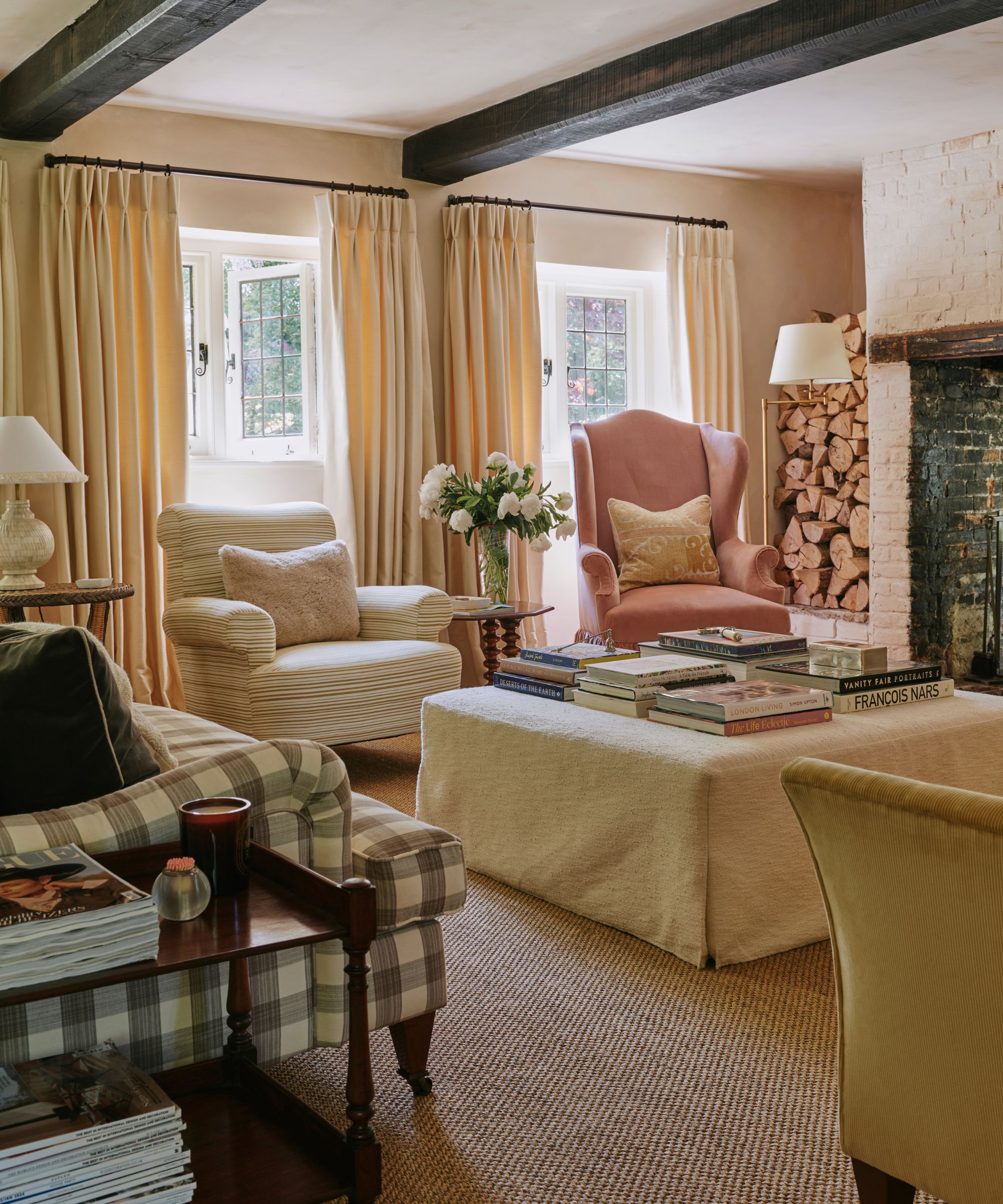
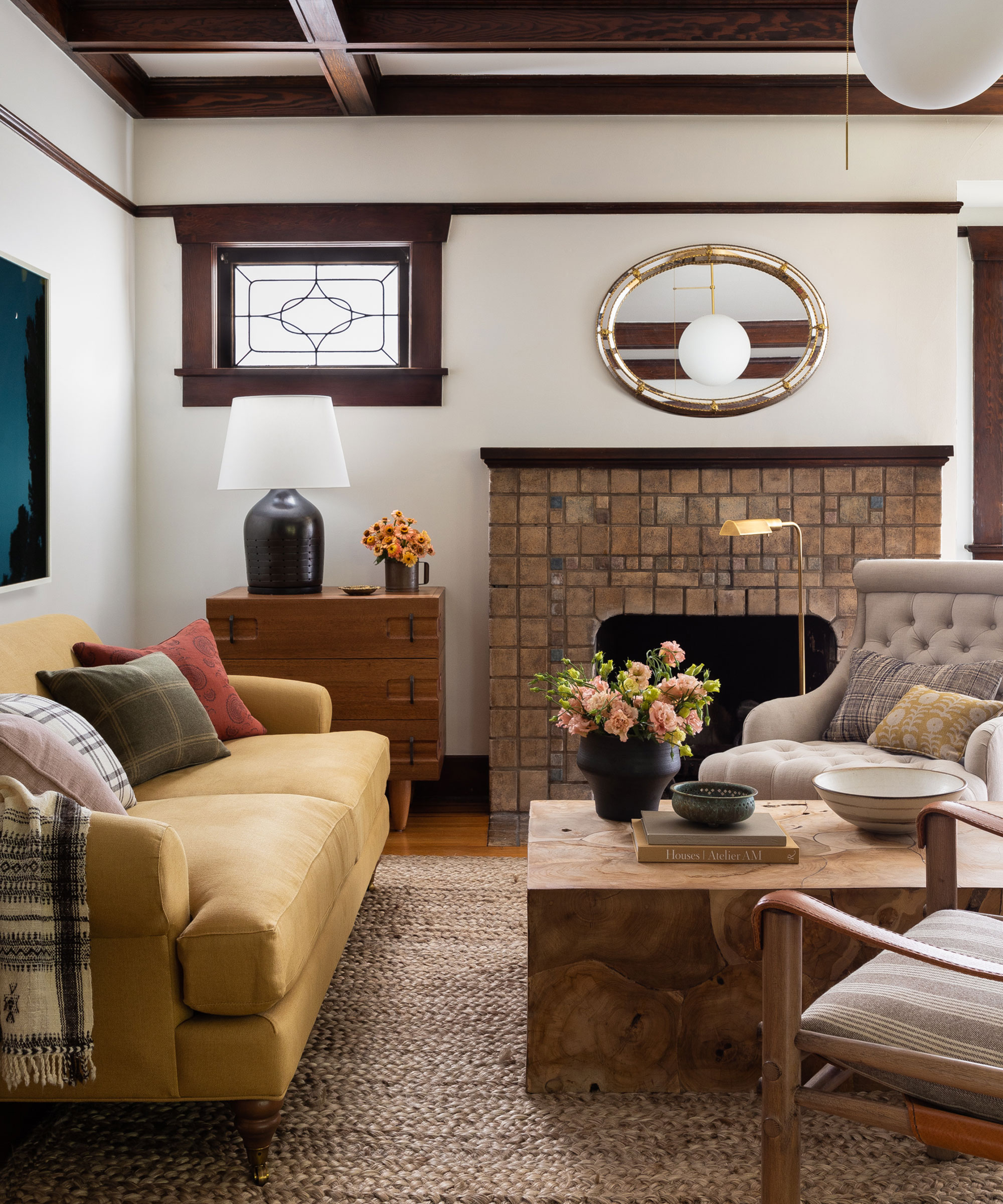
Flooring also impacts a room's brightness. If a room has dark floors, introducing a light-colored rug, such as a jute rug or a plush neutral option, can reflect light upwards onto the walls. Similarly, selecting light-colored window treatments in white, cream, light gray, or pastel shades is essential. Heavy, deeply-hued drapes should be avoided. Strategic mounting of curtain rods, a few inches above and wider than the window frame, maximizes the amount of light entering the space and makes windows appear larger.
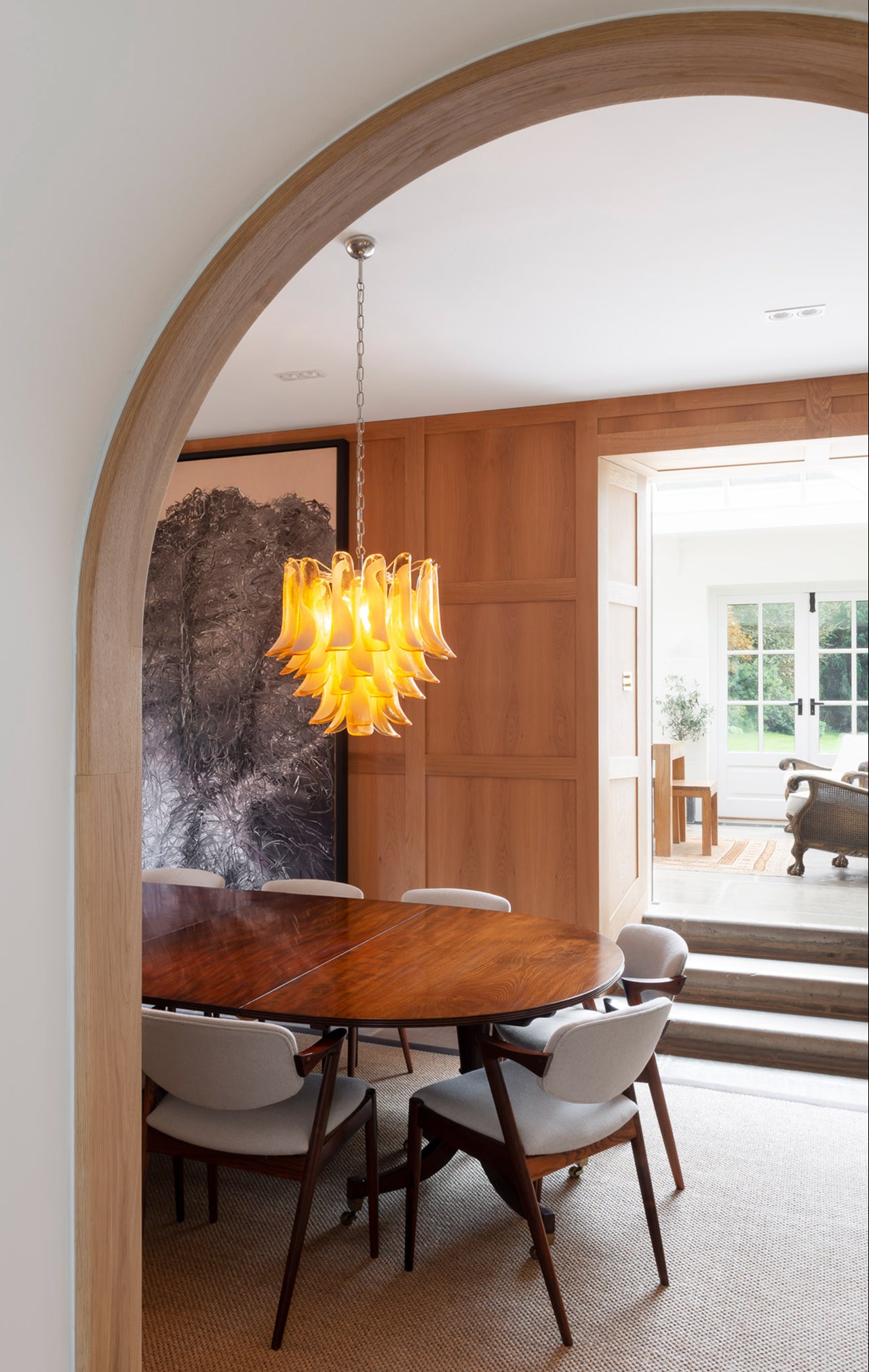
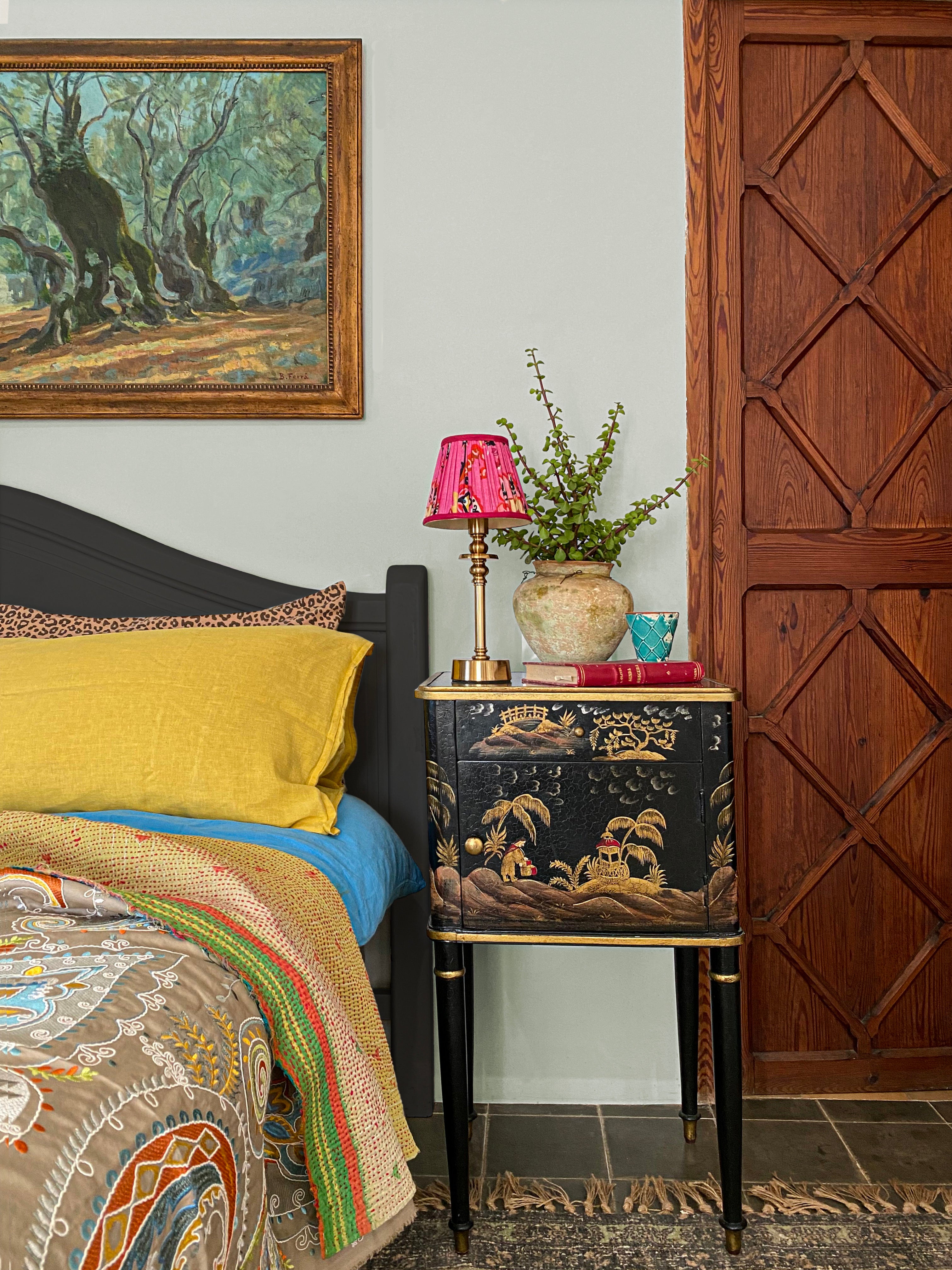
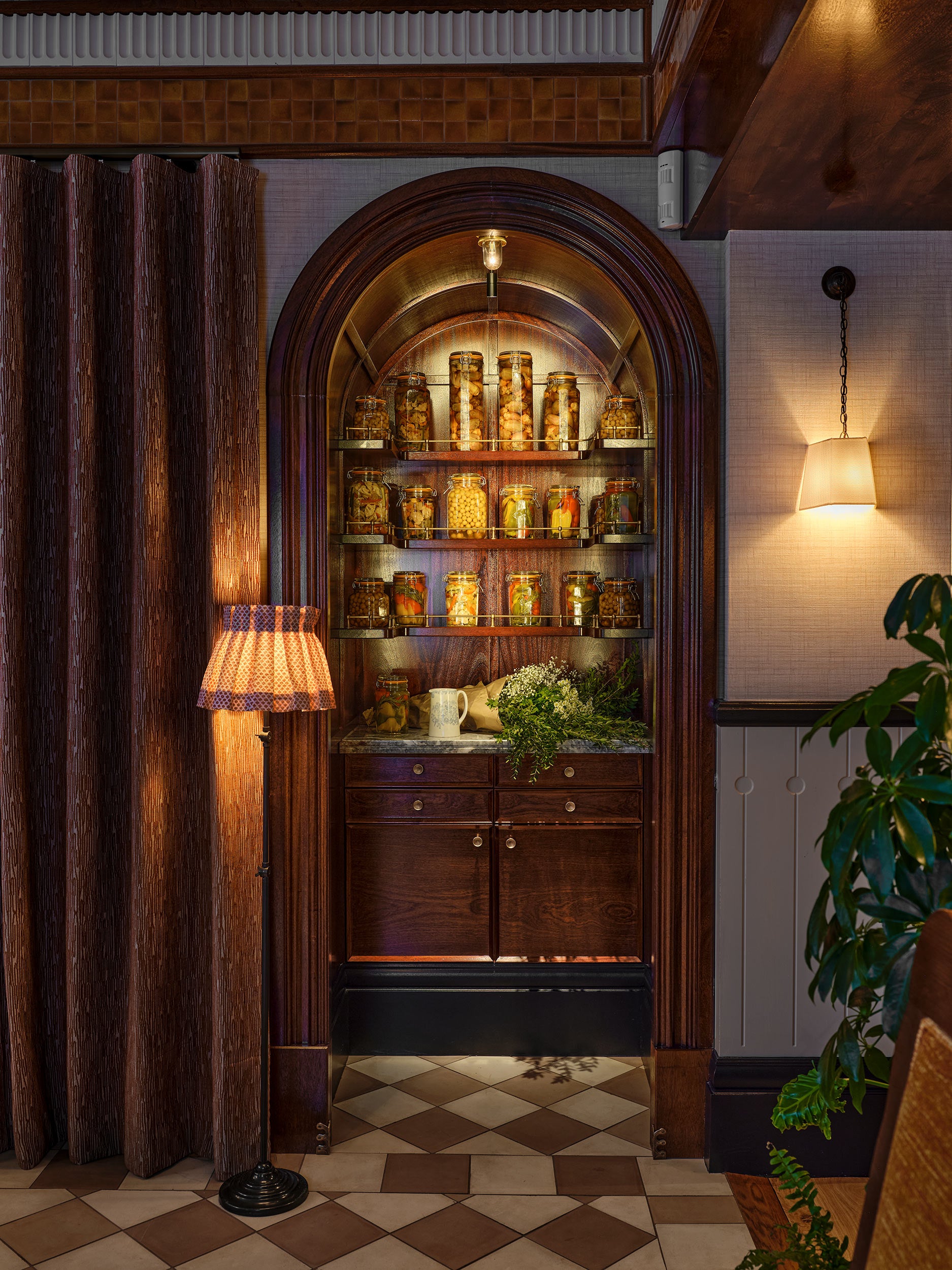
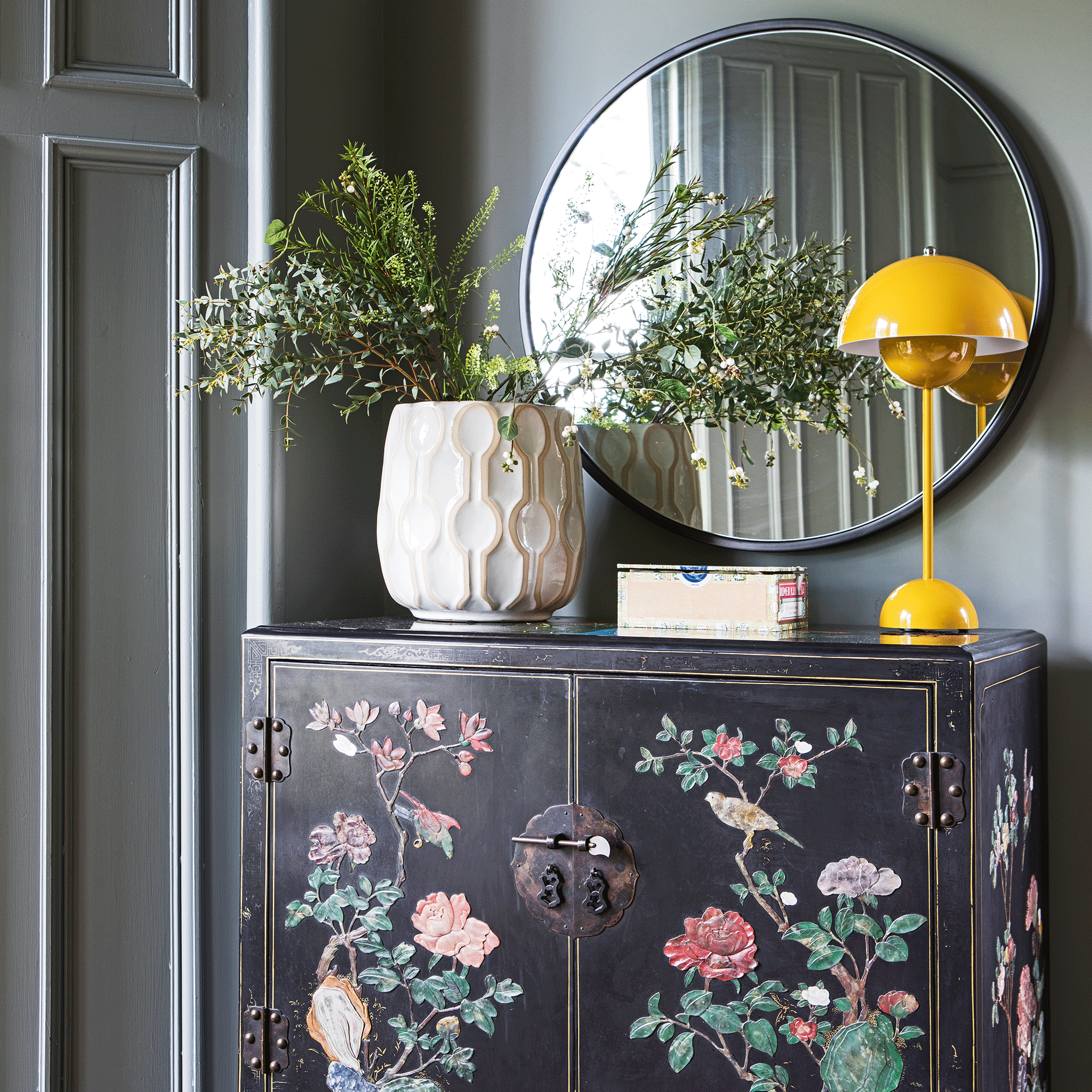
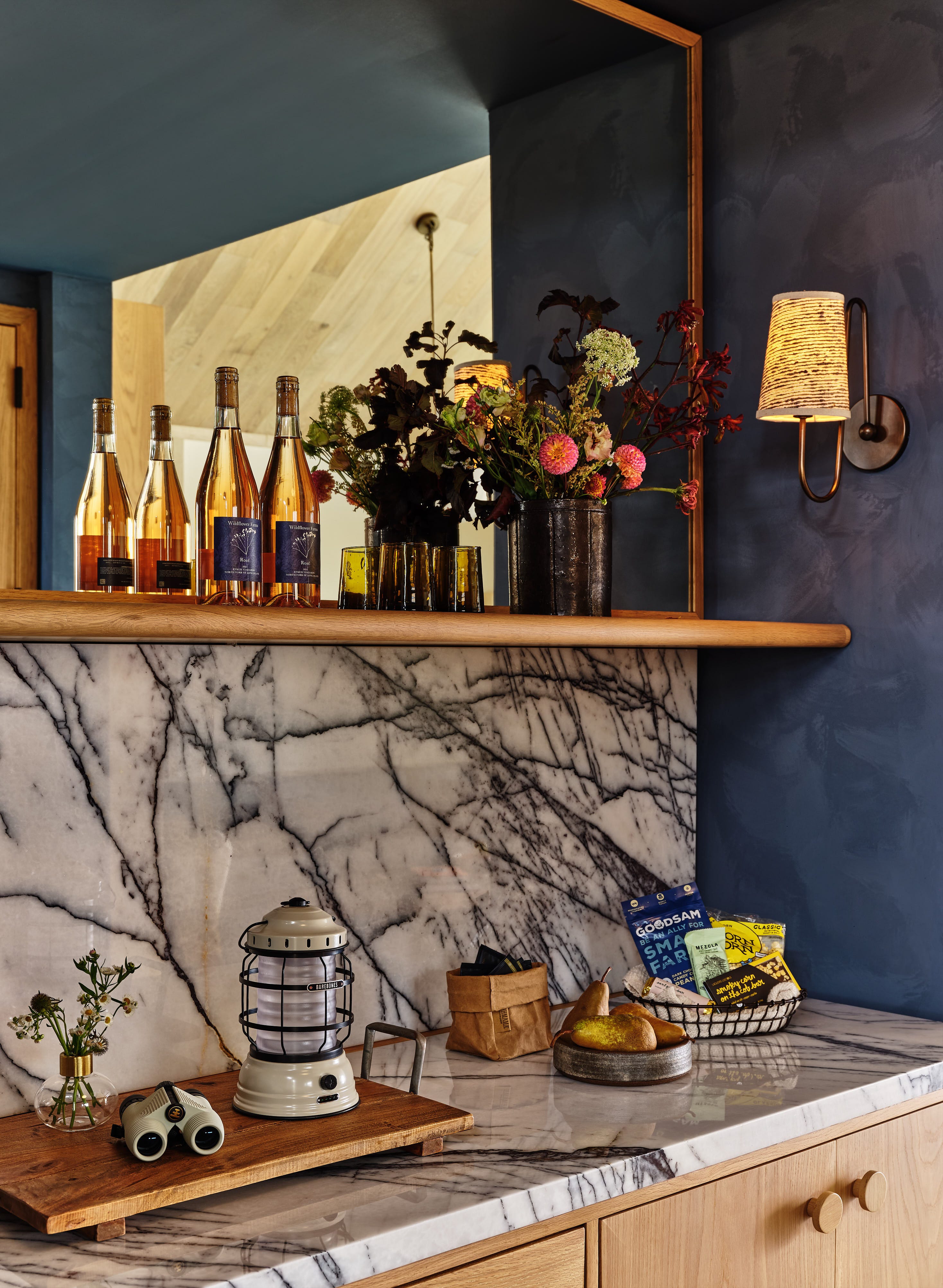
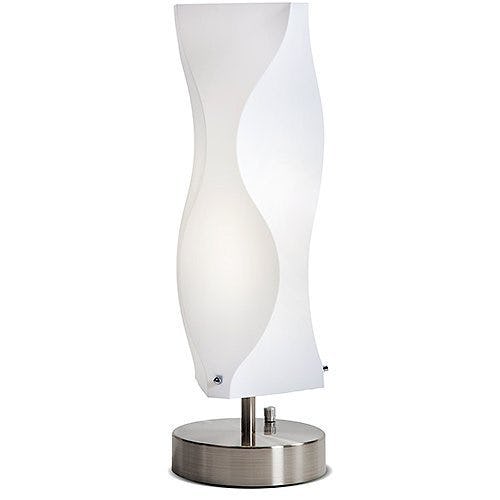
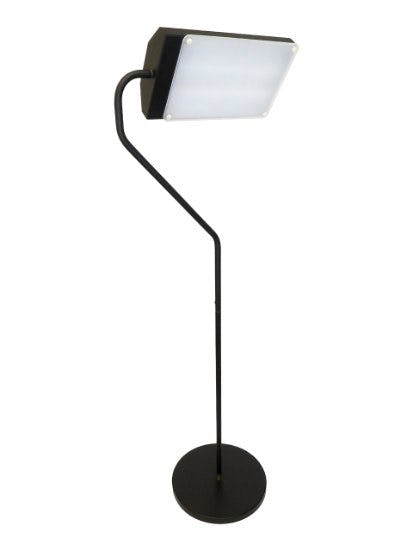
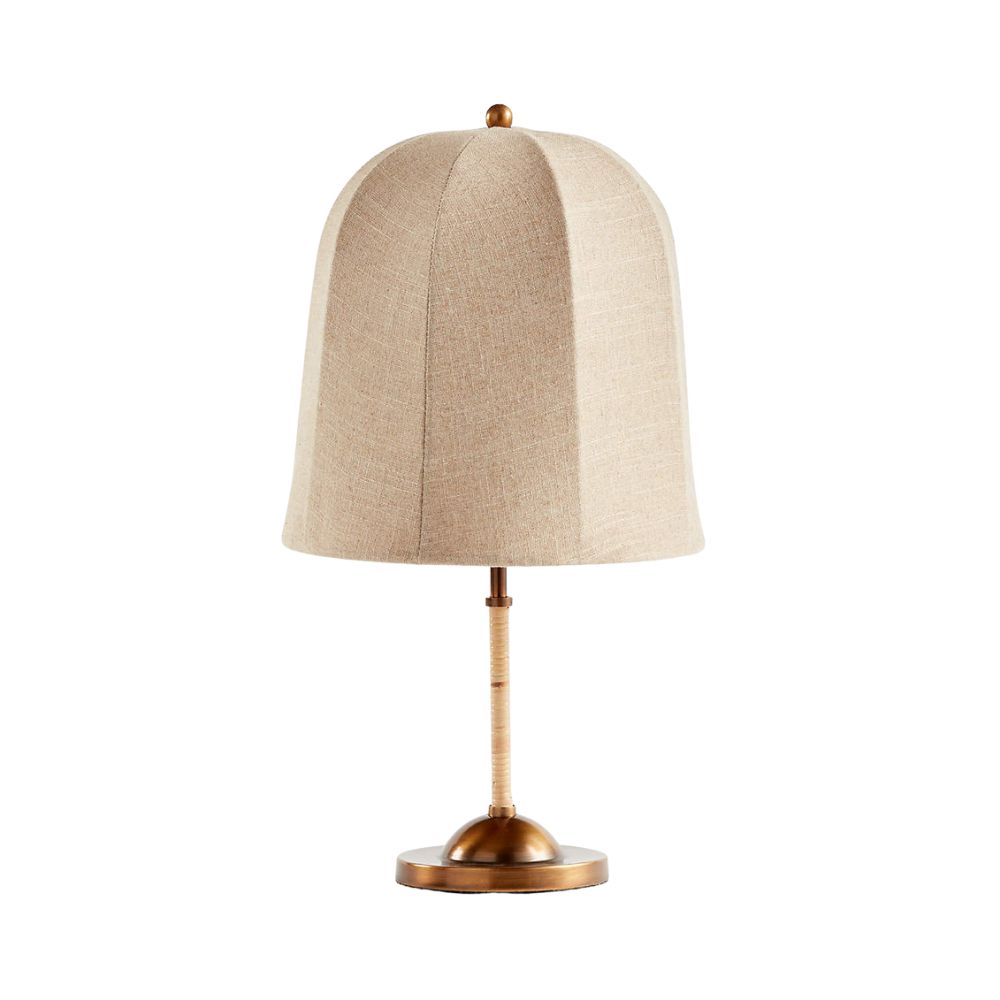
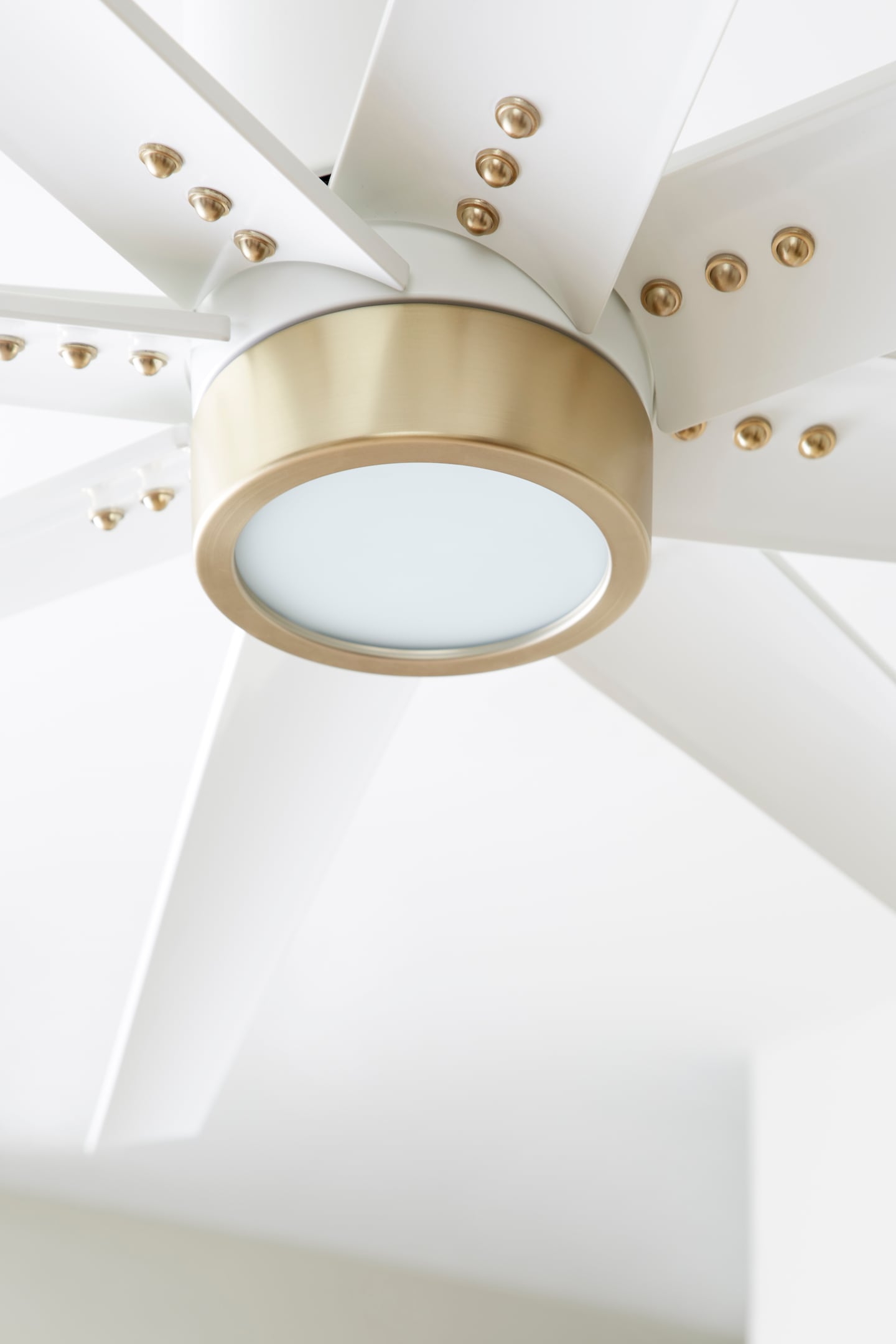
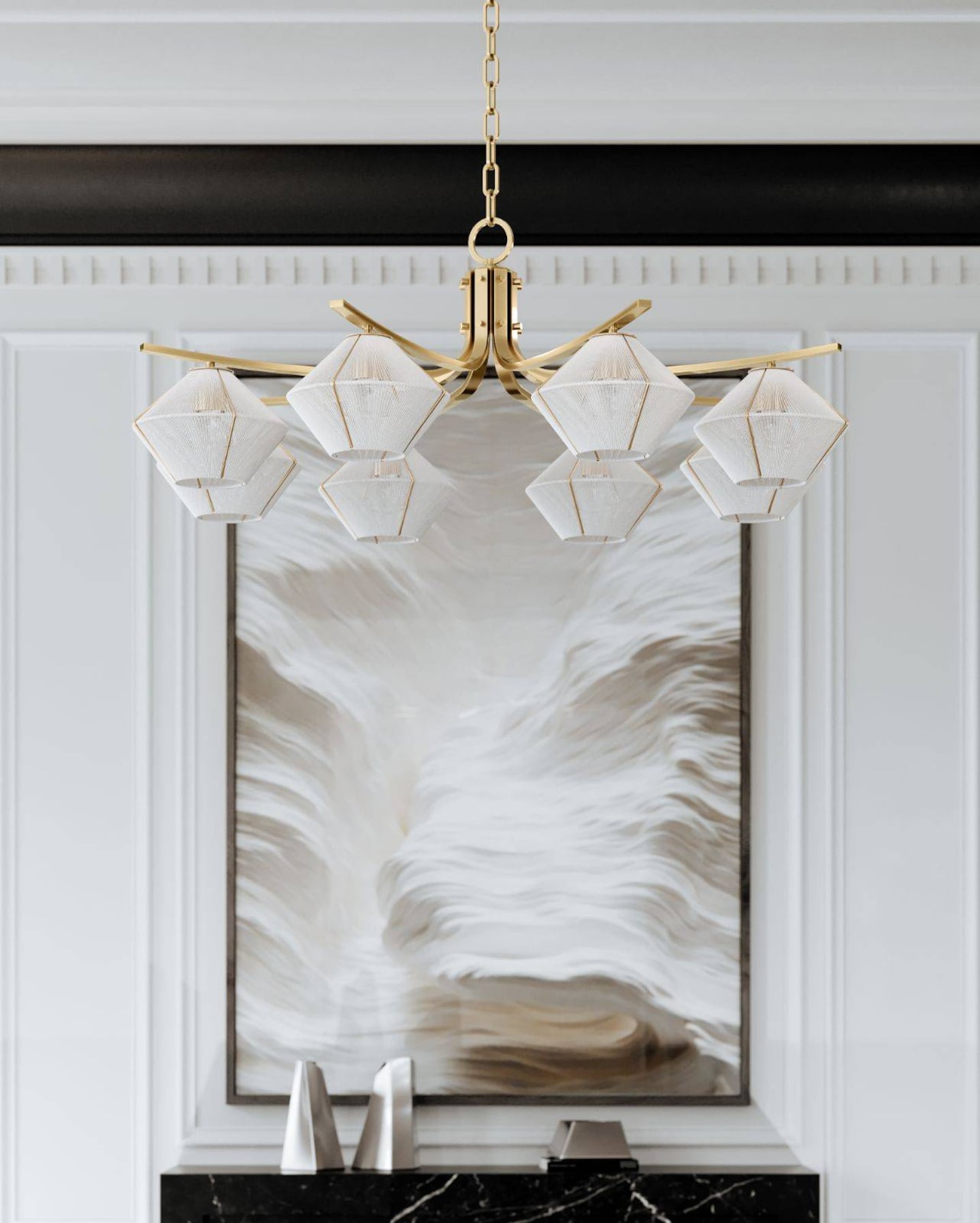
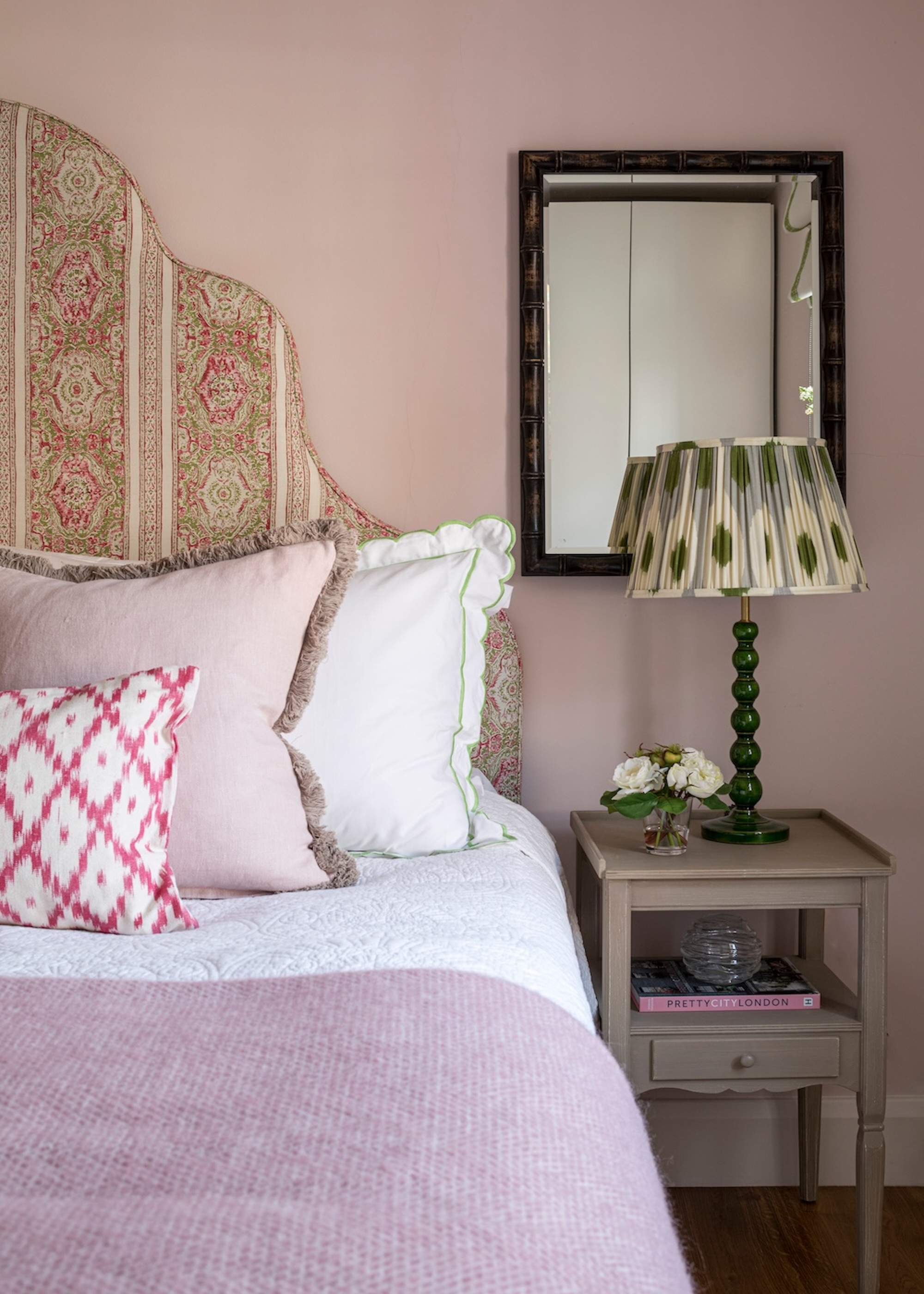
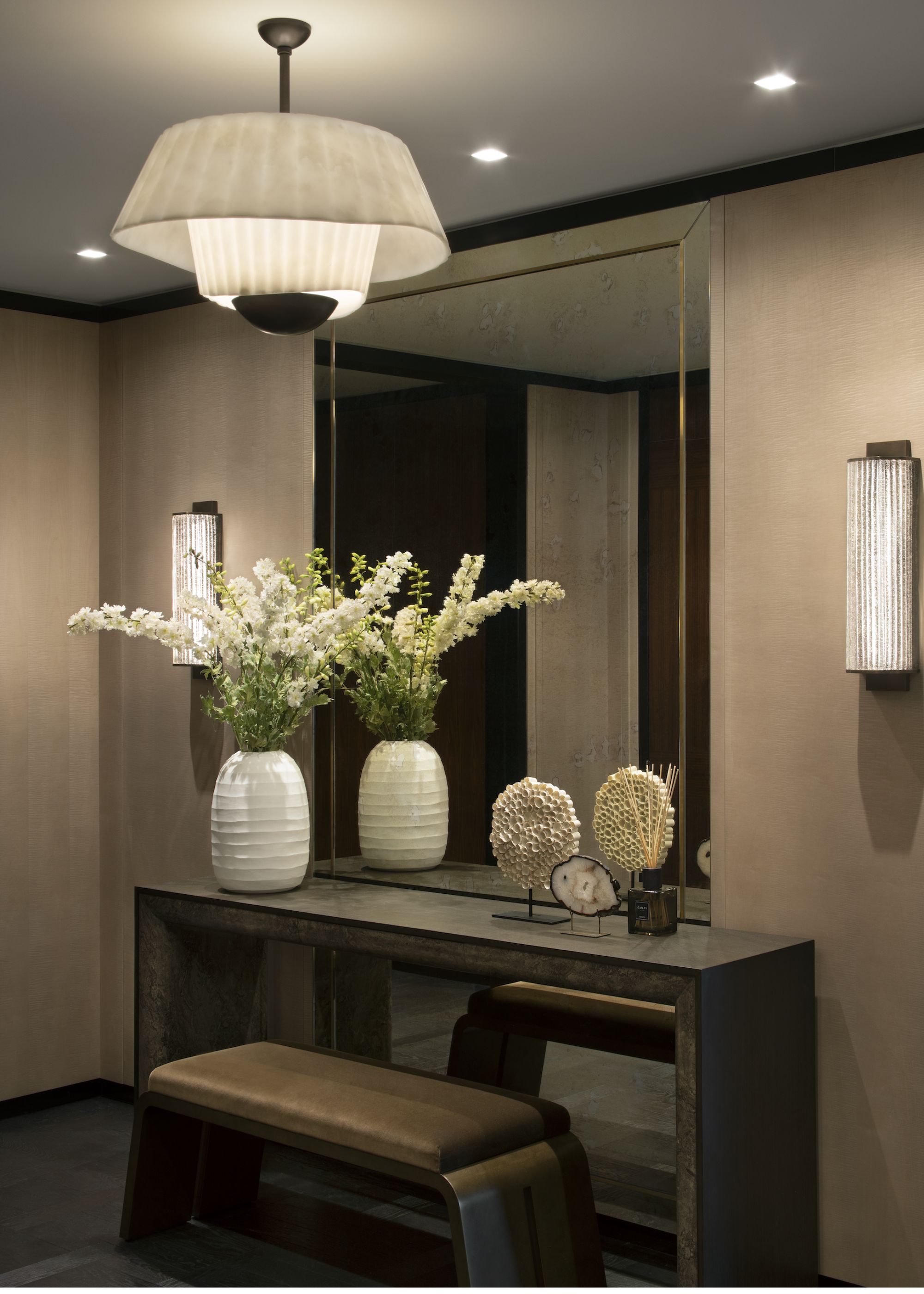
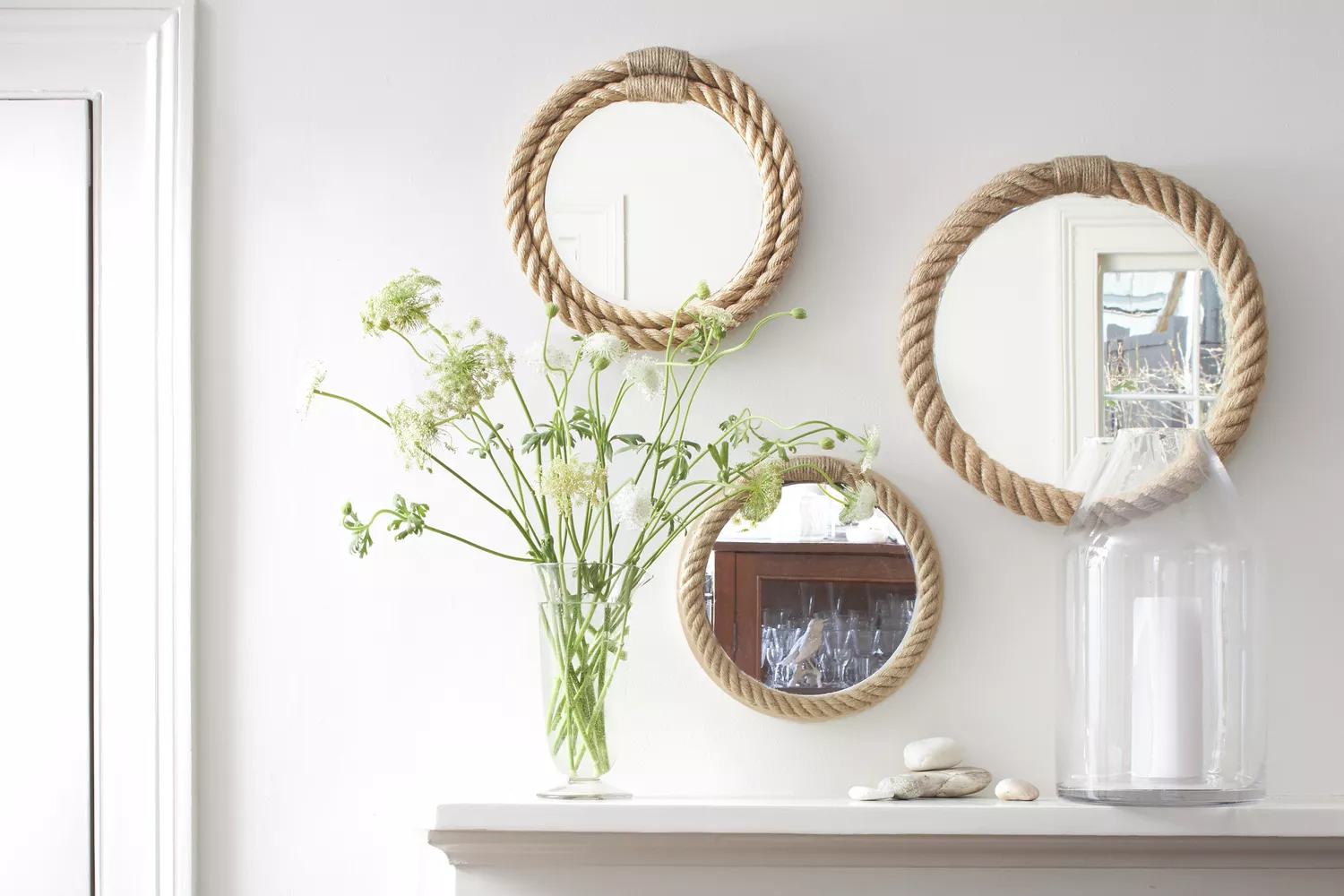
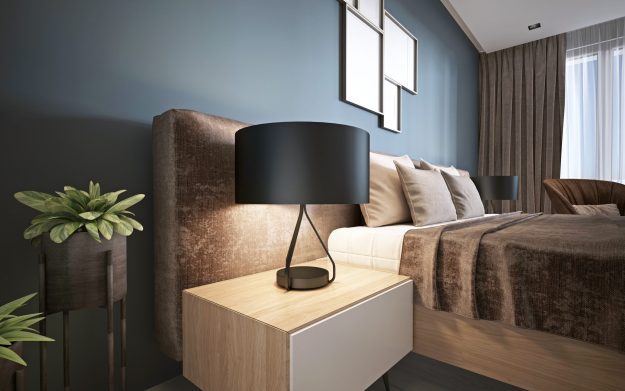
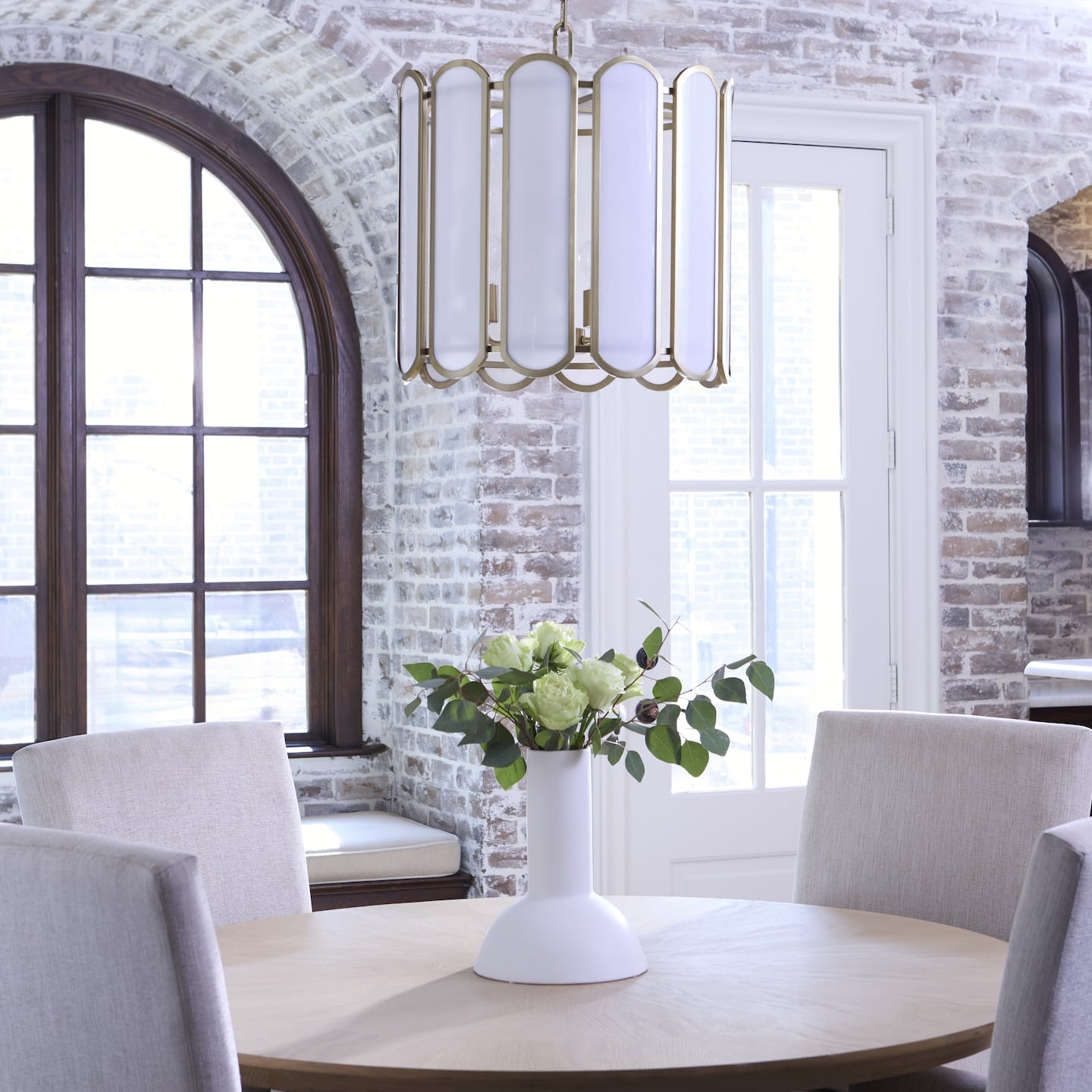
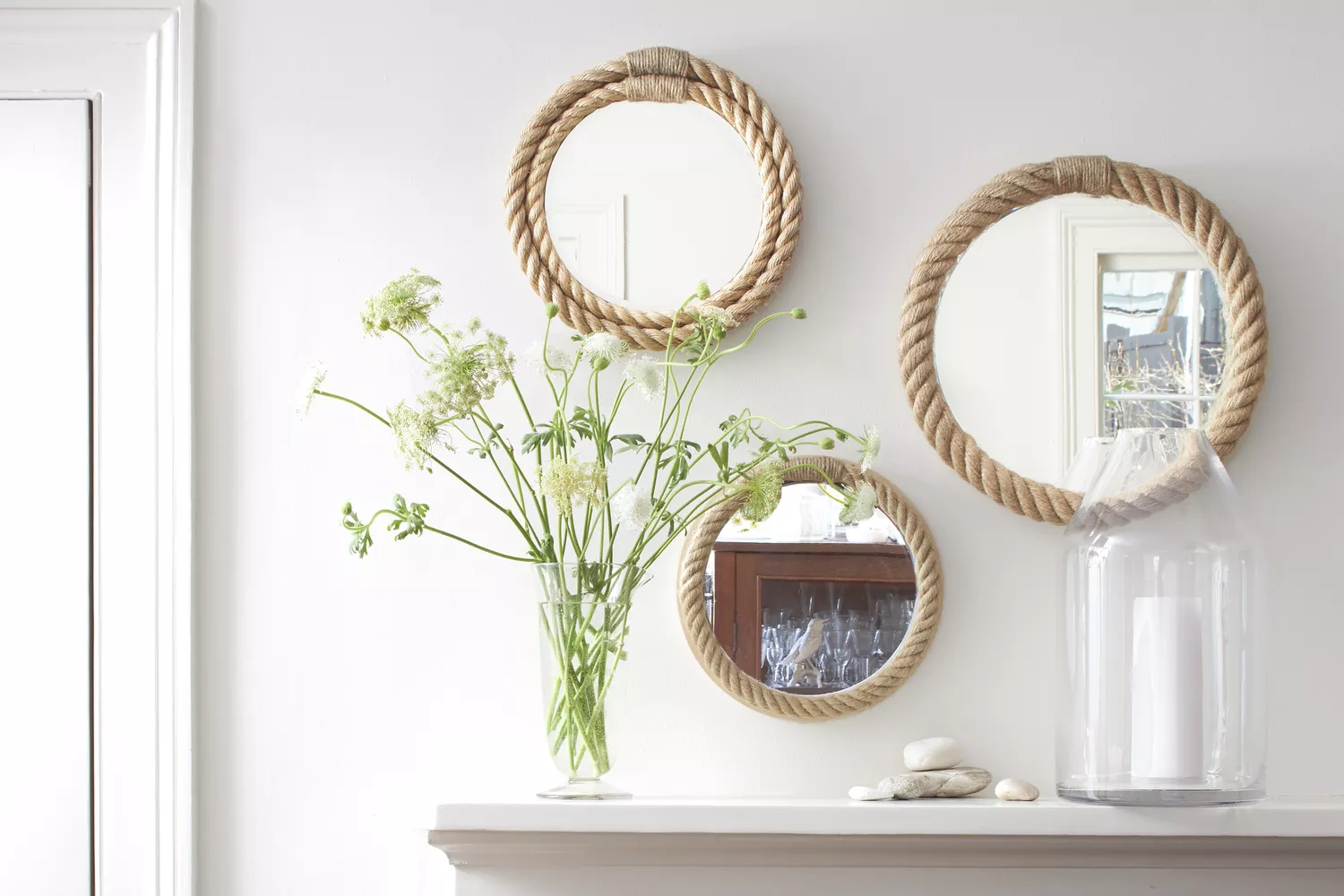
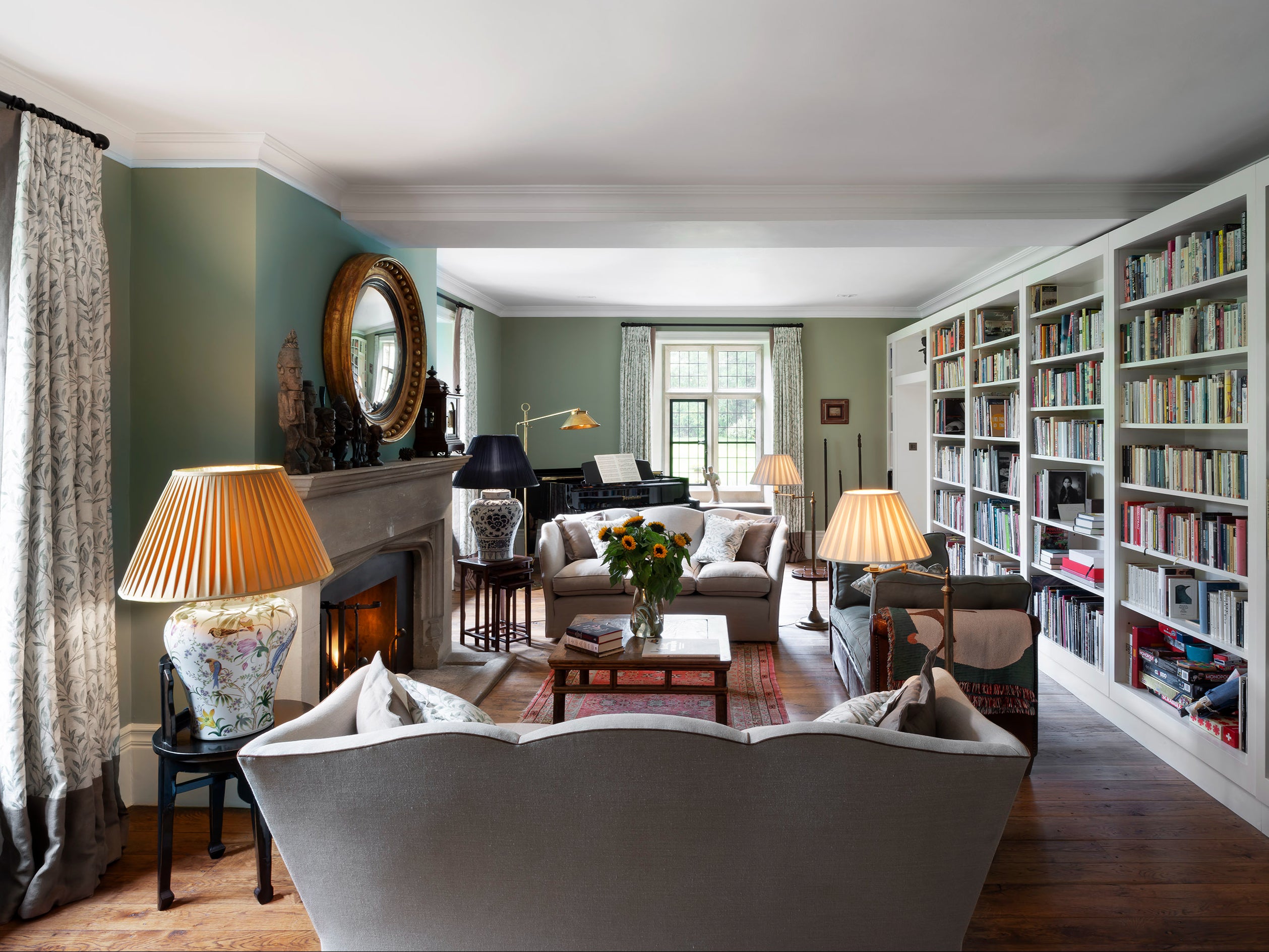
Mirrors are powerful tools for light manipulation. Strategically placing mirrors, especially across from windows, can significantly bounce light and brighten a room. Reflective decor pieces like vases, coffee tables, and art can further contribute to this effect. Layered lighting is also crucial, complementing natural light with accent lighting from table lamps, floor lamps, and overhead fixtures. Placing table lamps in particularly dark areas can make a substantial difference in overall brightness.
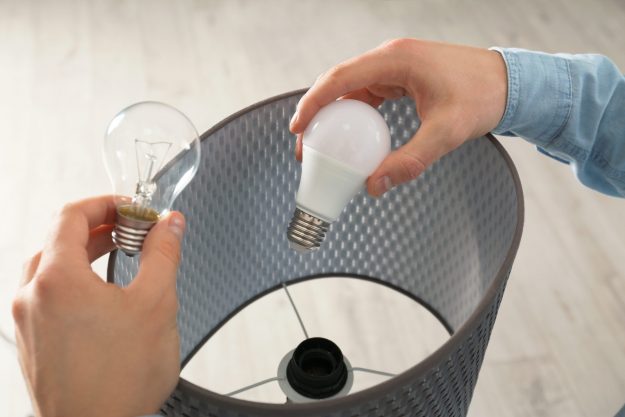
Beyond decor, simple maintenance like cleaning windows thoroughly, both inside and out, can dramatically increase natural light penetration. The choice of light bulbs is equally important; LED bulbs with a high lumen output in cool white or daylight color temperatures are recommended for optimal brightness and ambiance. Finally, incorporating light-colored furniture and decorative accents can further enhance a room's luminosity. For existing dark furniture, a fresh coat of light-colored furniture paint can give it new life.
#InteriorDesign #RoomBrightening #LightColors #WallpaperTrends #WindowTreatments #StrategicLighting #MirrorPlacement #HomeDecorTips #SpaceIllumination #InteriorDesign #RoomBrightening #LightColors #WallpaperTrends #WindowTreatments #StrategicLighting #MirrorPlacement #HomeDecorTips #SpaceIllumination
0 comment in total
 No comments yet
You may also like
How do I Make a Cold Room Feel Warmer? 5 Ways to Cozy up Your Home Without Cranking up the Heat

5 SAD Lamps That Would Actually Look Good In Your Apartment, Because Fighting The Winter Blues Should Be Snazzy
Design experts offer lighting tips for upgrades that shine

10 Ways to Brighten a Dark Room, According to Interior Designers

As clocks go back, expert lighting tips to get you through the darker months
As the Days Get Darker, These Are the 2 Lighting Shifts Designers Make in Every Home They Design
Why Designers Are Calling Layered Lighting the Winter Upgrade Every Home Needs

Winter living room ideas – 12 looks for a cozy and cocooning environment

How to fake natural light in a dark room - 5 design tricks to brighten up a gloomy space
We're Spilling Designers' Go-To Formula for Perfect Lighting in Any Room
We Tried the Twinkly Smart Christmas Lights, and Now We Create Custom Light Shows

6 Best Indoor Winter Lighting Tips for Homeowners in Utah

We Asked Designers How to Get More Natural Light in Our Homes and We're Following This Advice All Winter
Winter Lighting 101: Essential ambient lighting tips to transform your home in the cold season | Hindustan Times

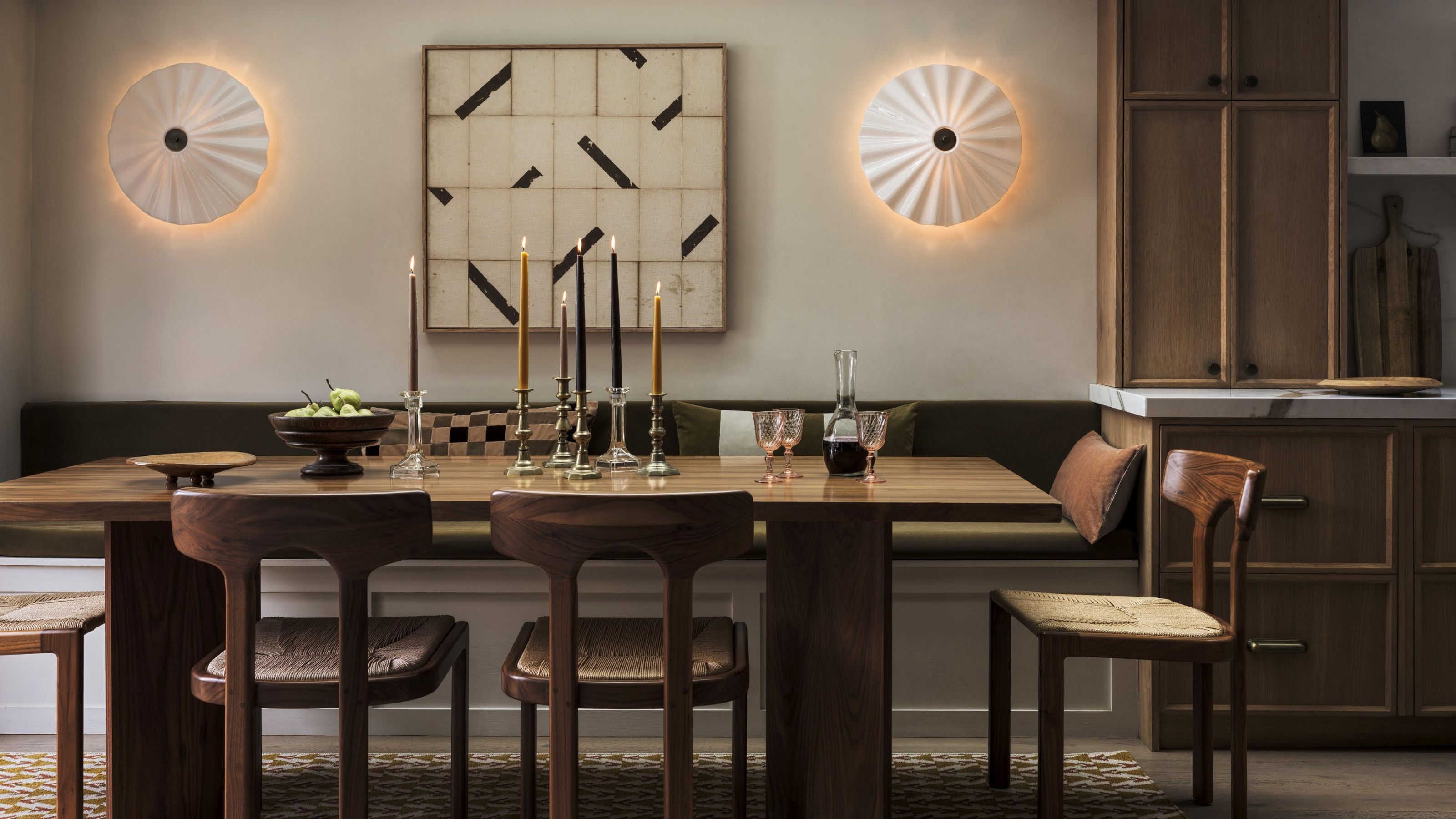
Let There Be Light — 10 Lighting Tricks That Will Transform Any Dark Room Into A Warm and Inviting Space
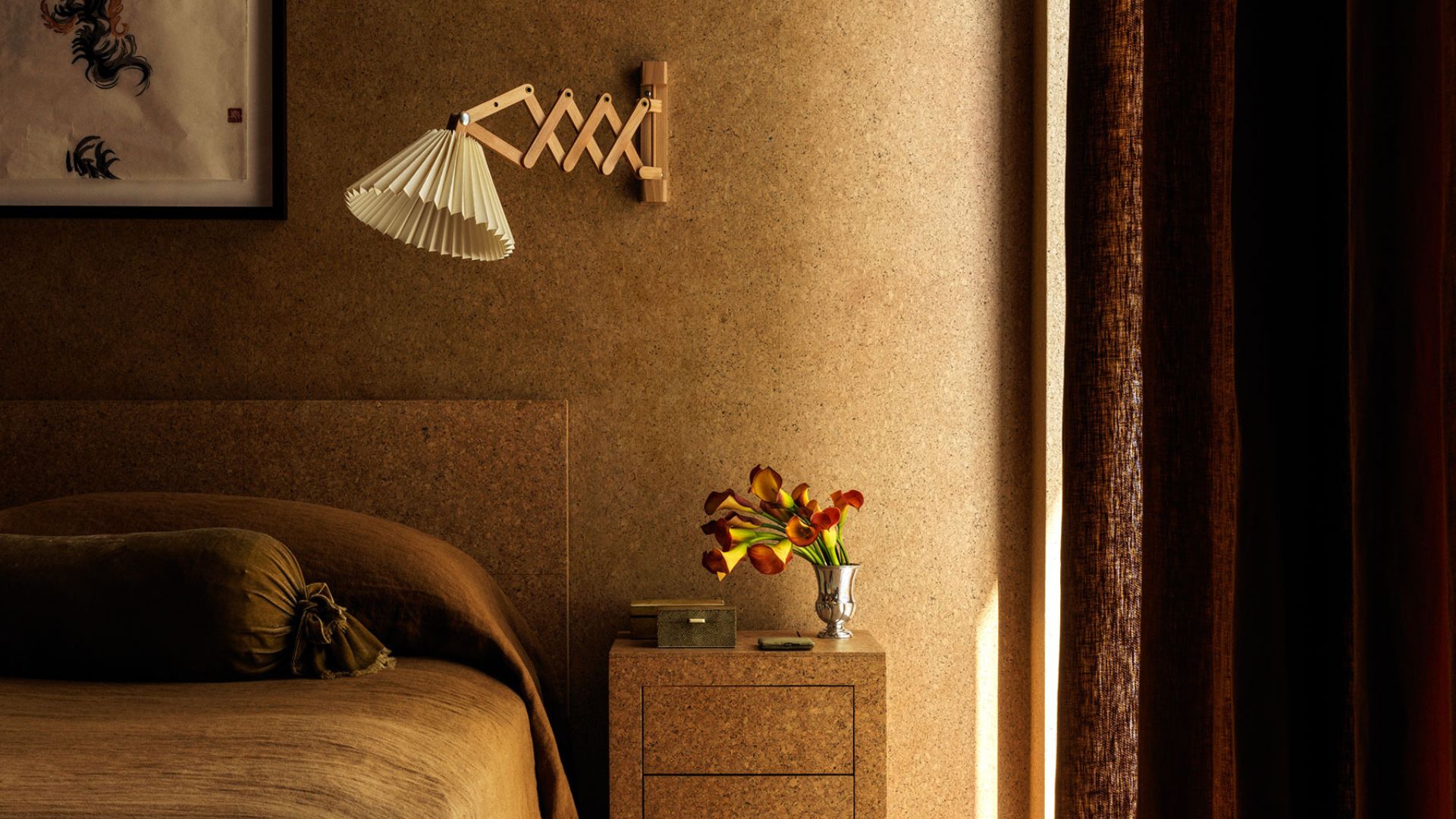
5 Tricks to Maximize Your Home's Natural Light on Darker Autumnal Days Using Artificial Lighting
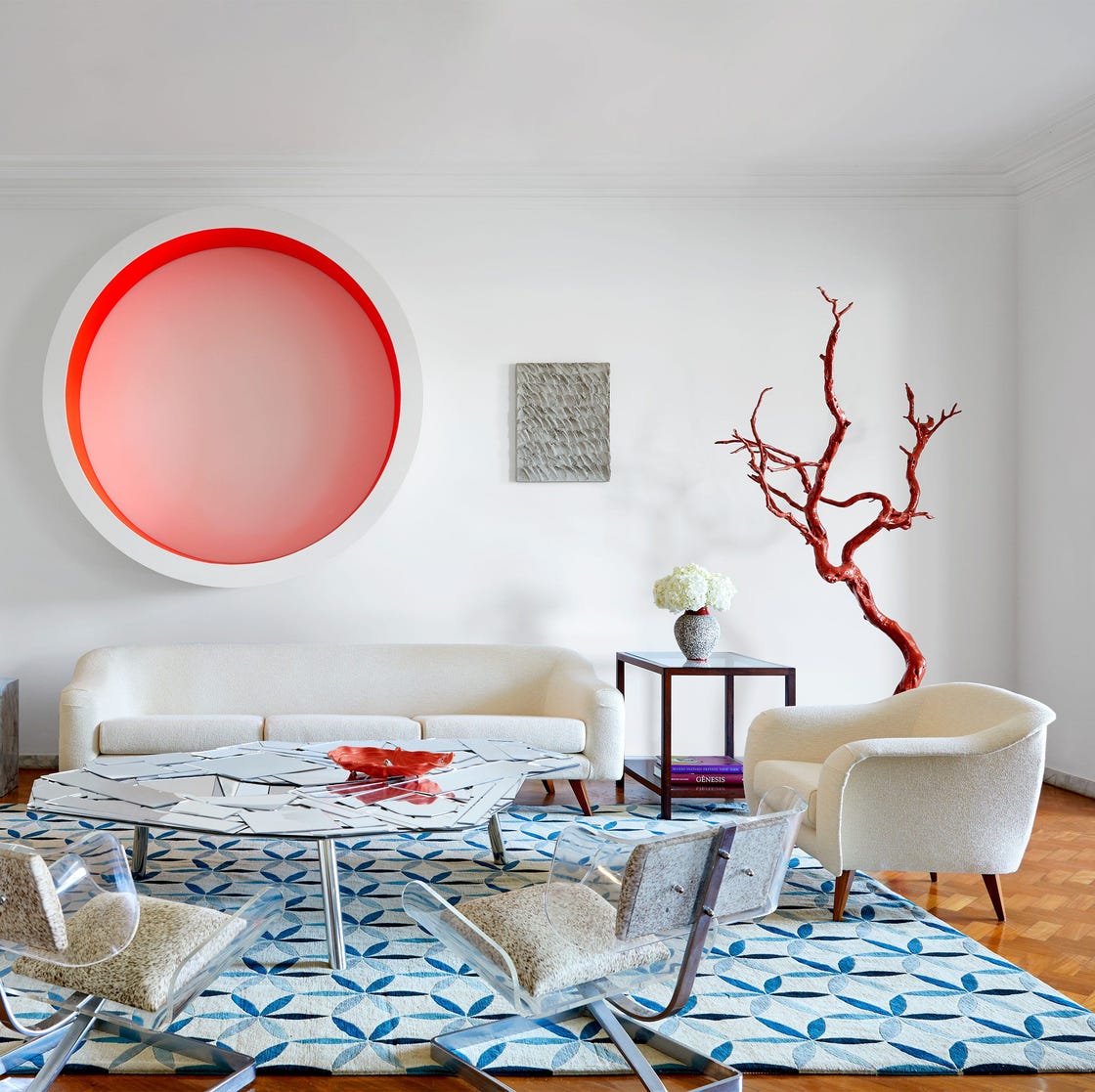
So You Live in a Lightless Cave. Here’s How to Create the Illusion of Sunshine

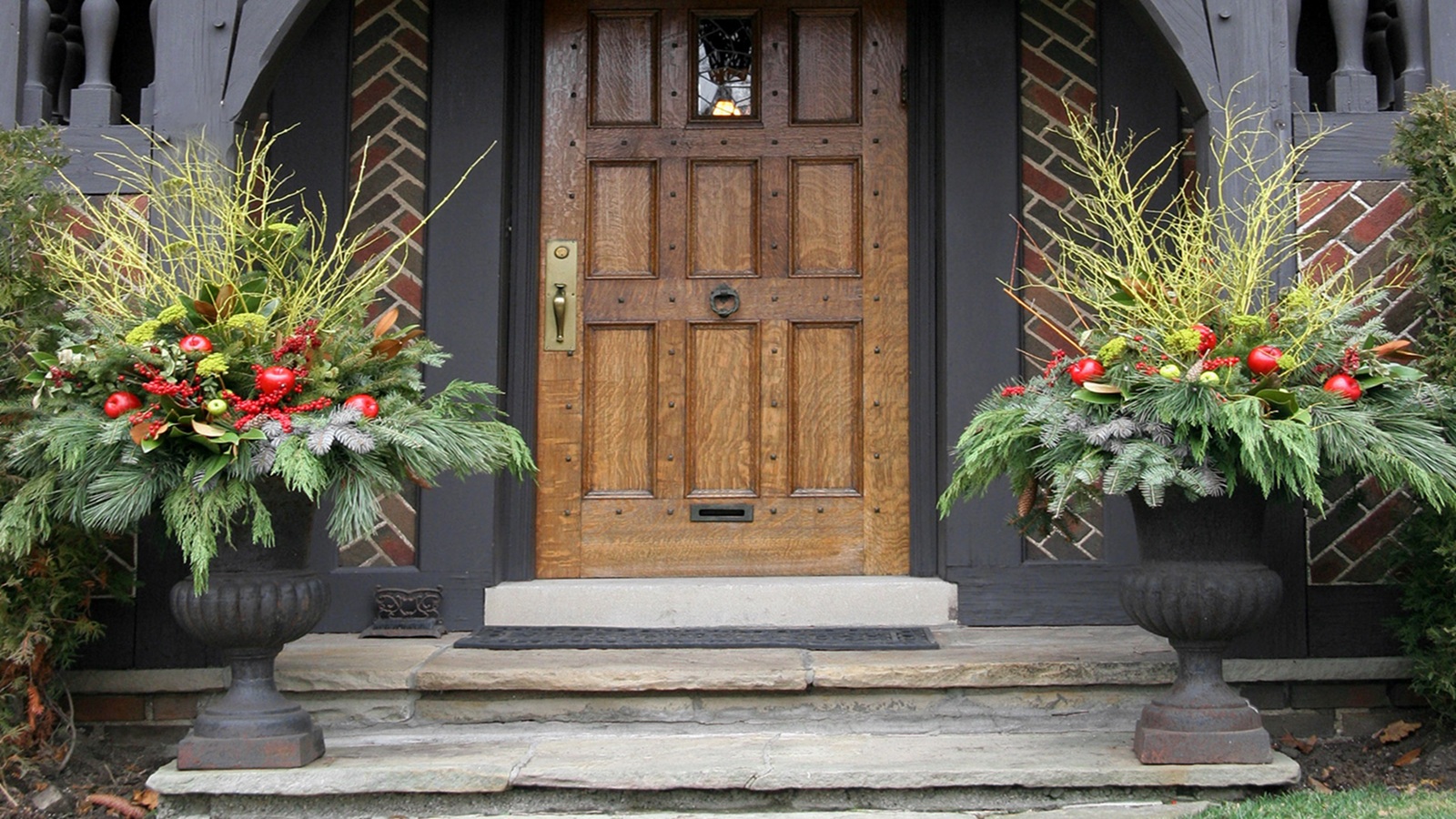
I Spoke to Pro Designers for Secrets to Styling a Porch in Freezing Winters
I Tried Cork Tiles to Achieve Warm Texture in a Dark Space

10 Cozy Winter Decorating Trends You'll See Everywhere in 2024