1/5
The Rise, Fall, and Return of the American Porch
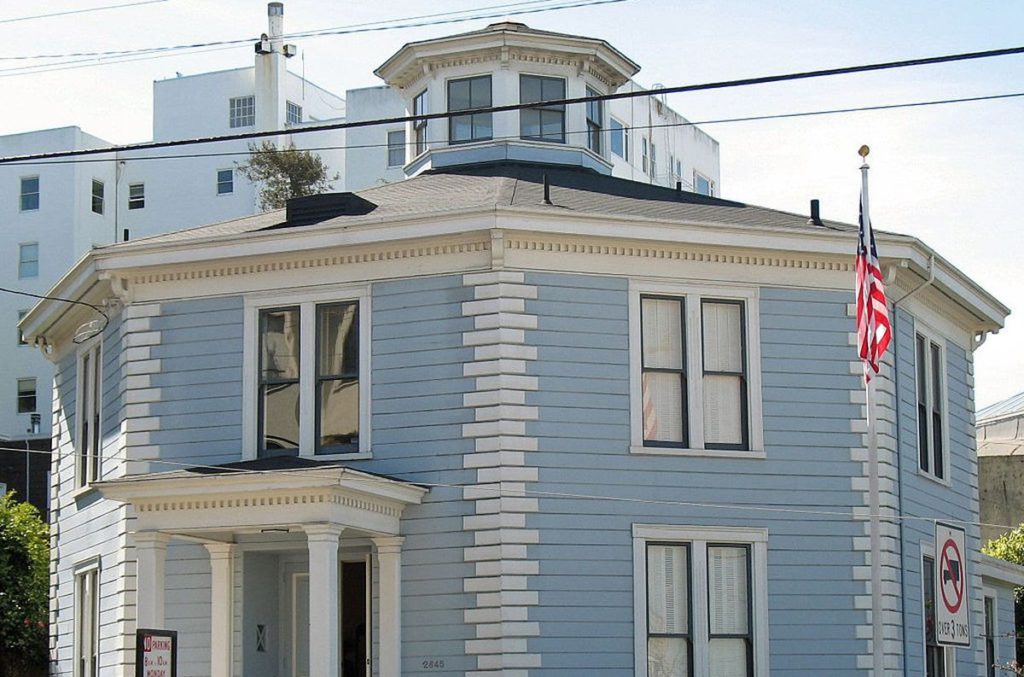
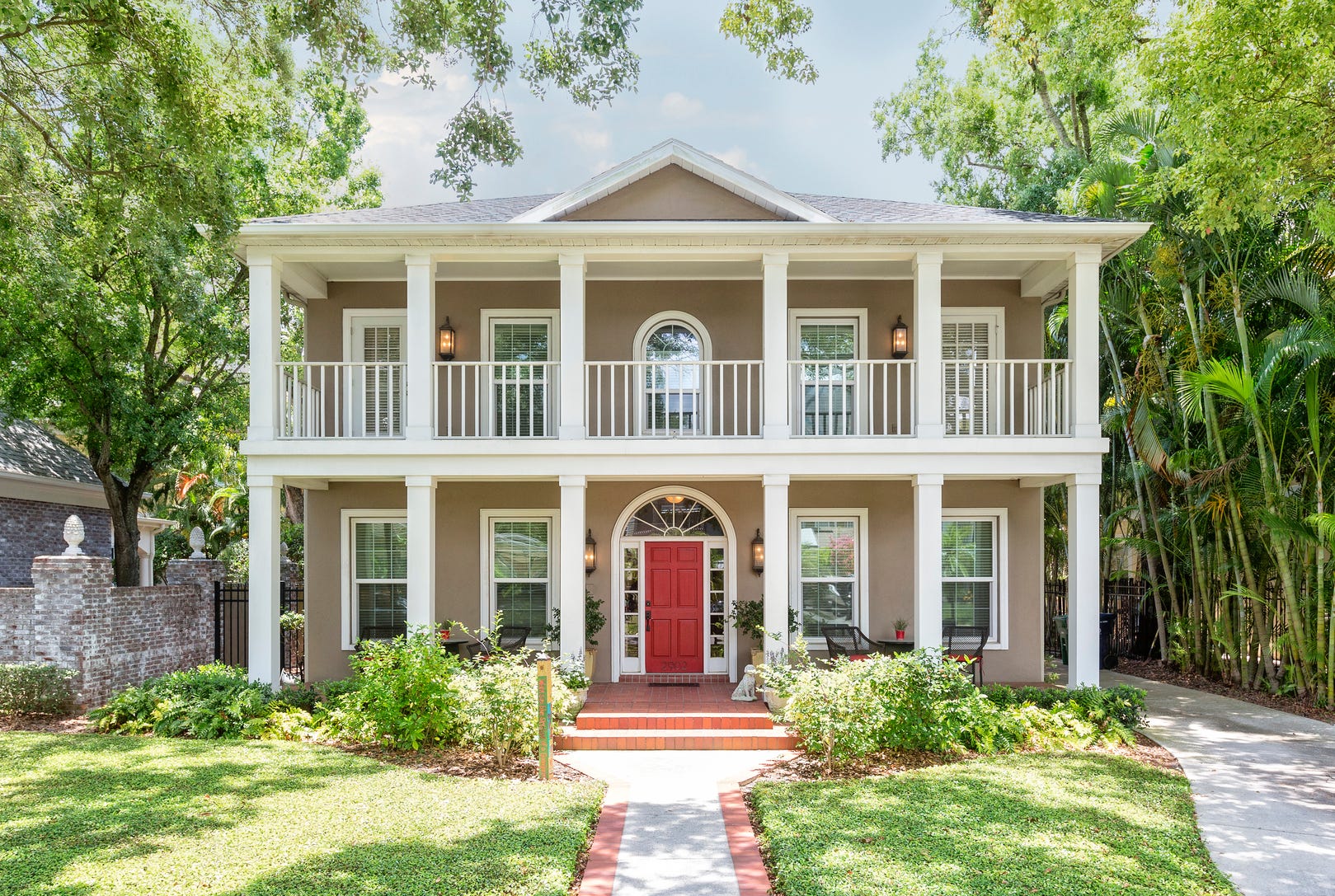
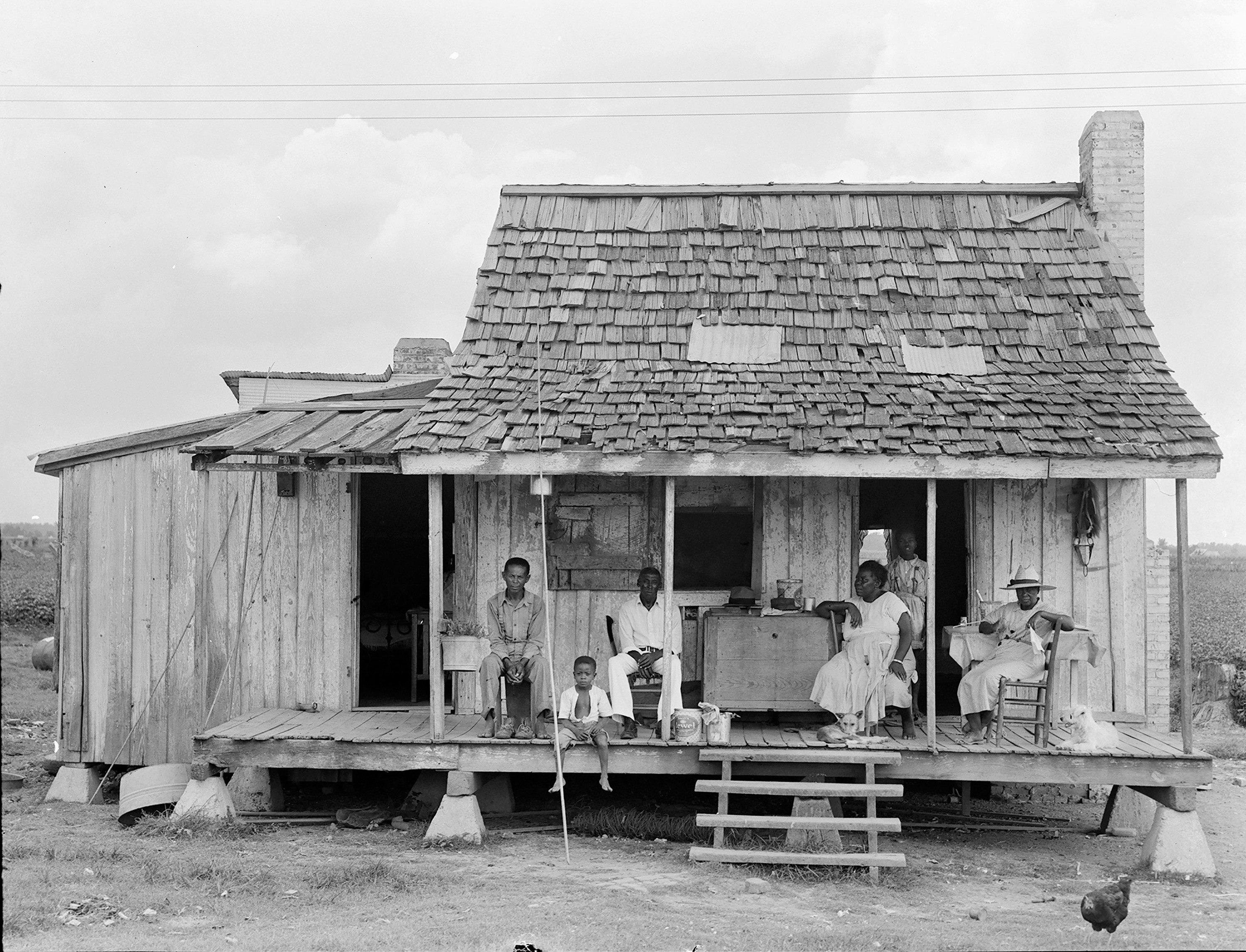
The American porch, an architectural element deeply embedded in the country's domestic landscape, serves as a powerful indicator of shifting cultural and environmental factors. Its prominence reached a peak in the mid-19th century, evolving from a simple structural necessity to a vital social hub. Early American porches, often found in the South, drew inspiration from French Colonial galleries and African-descended enslaved people's cabins, providing crucial shade and air circulation in warm climates. These initial designs were characterized by their wooden construction, columns, railings, and restrained ornamentation, emphasizing symmetry.
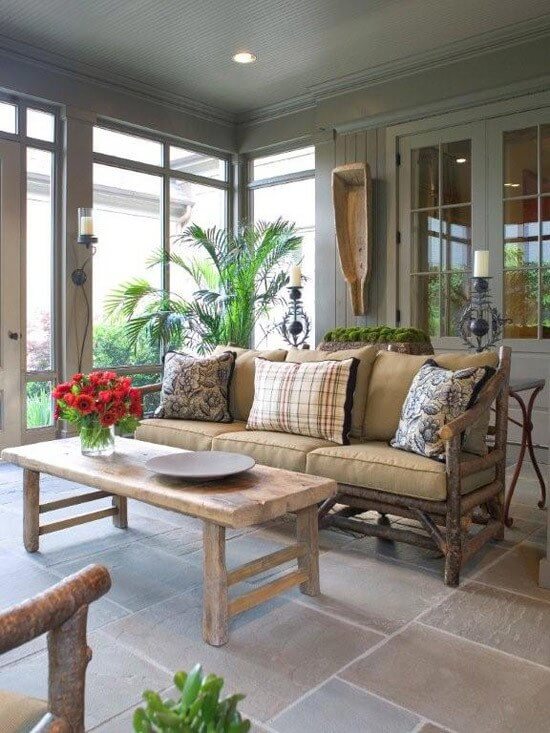
Beyond their aesthetic and climatic functions, porches played a significant role in public health and community building. Before the advent of air conditioning and electric fans, 'sleeping porches' offered a cool retreat during nighttime, often located on the second floor adjacent to bedrooms. These screened-in spaces were also considered a preventative measure against tuberculosis, with fresh-air exposure being a common treatment in an era preceding antibiotics. Simultaneously, the front porch transformed into an open-air parlor, facilitating social interactions within American households. For Black Americans, facing widespread discrimination in public spaces, porches provided a safe and essential environment for community gathering and connection.
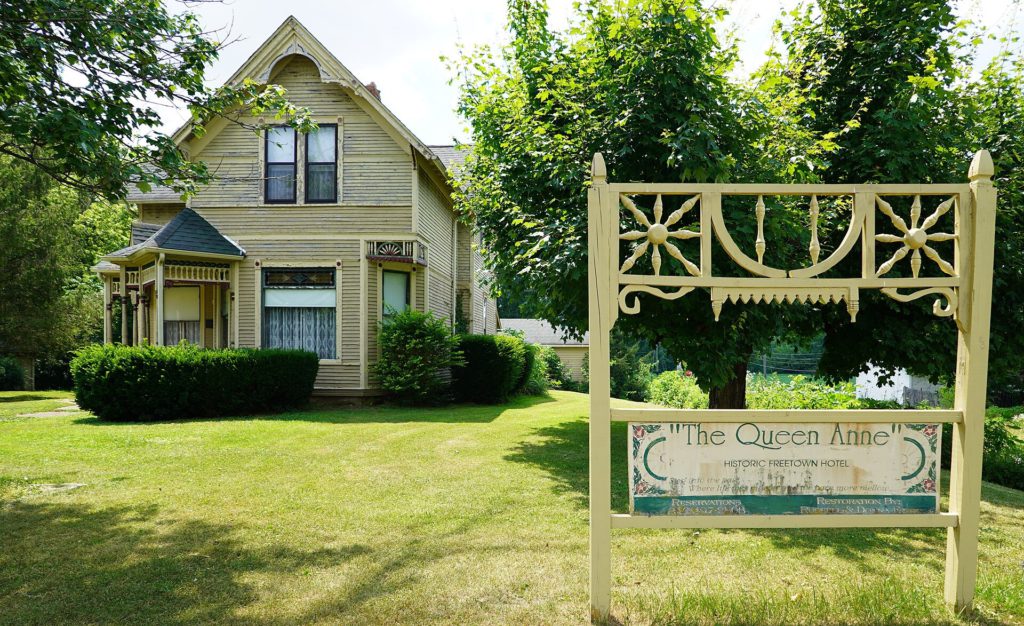
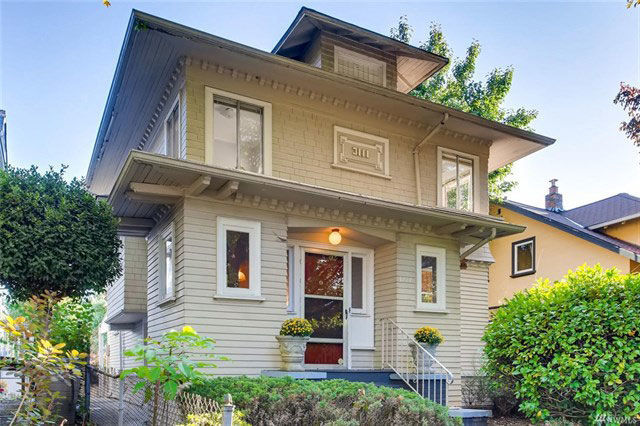
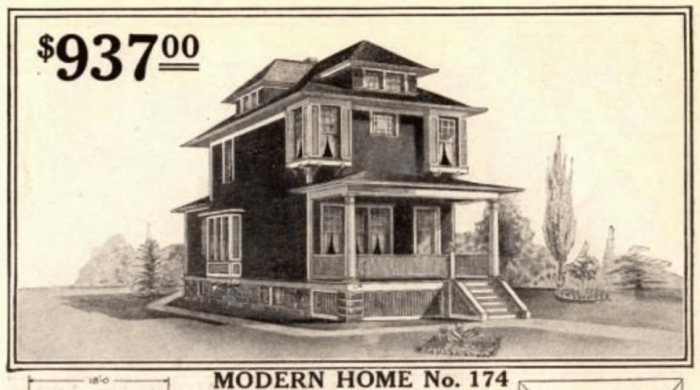
As the porch solidified its status as a residential staple, its aesthetic diversified, reflecting the vernacular styles of different regions across the burgeoning United States. The Victorian era saw the emergence of intricate wraparound porches adorned with delicate spindle work and vibrant paint, showcasing a penchant for elaborate design. Conversely, the early 20th-century Craftsman style favored robust, exposed beams, unpainted wood, and deep eaves, emphasizing a more grounded and natural aesthetic. In cities like New Orleans, shotgun houses featured front porches that seamlessly extended the interior living spaces.
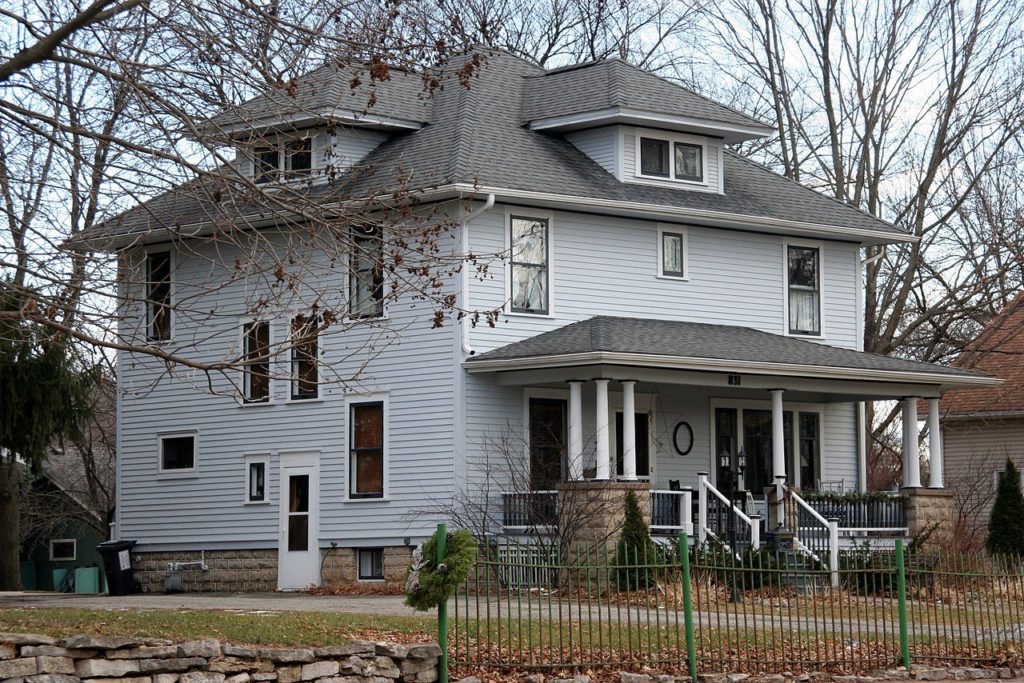
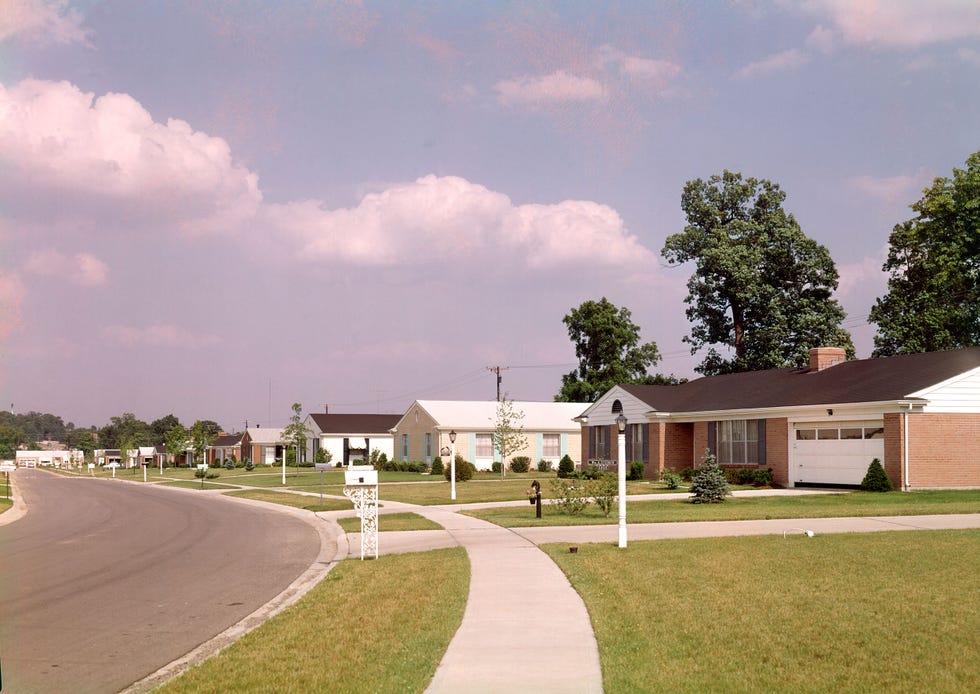
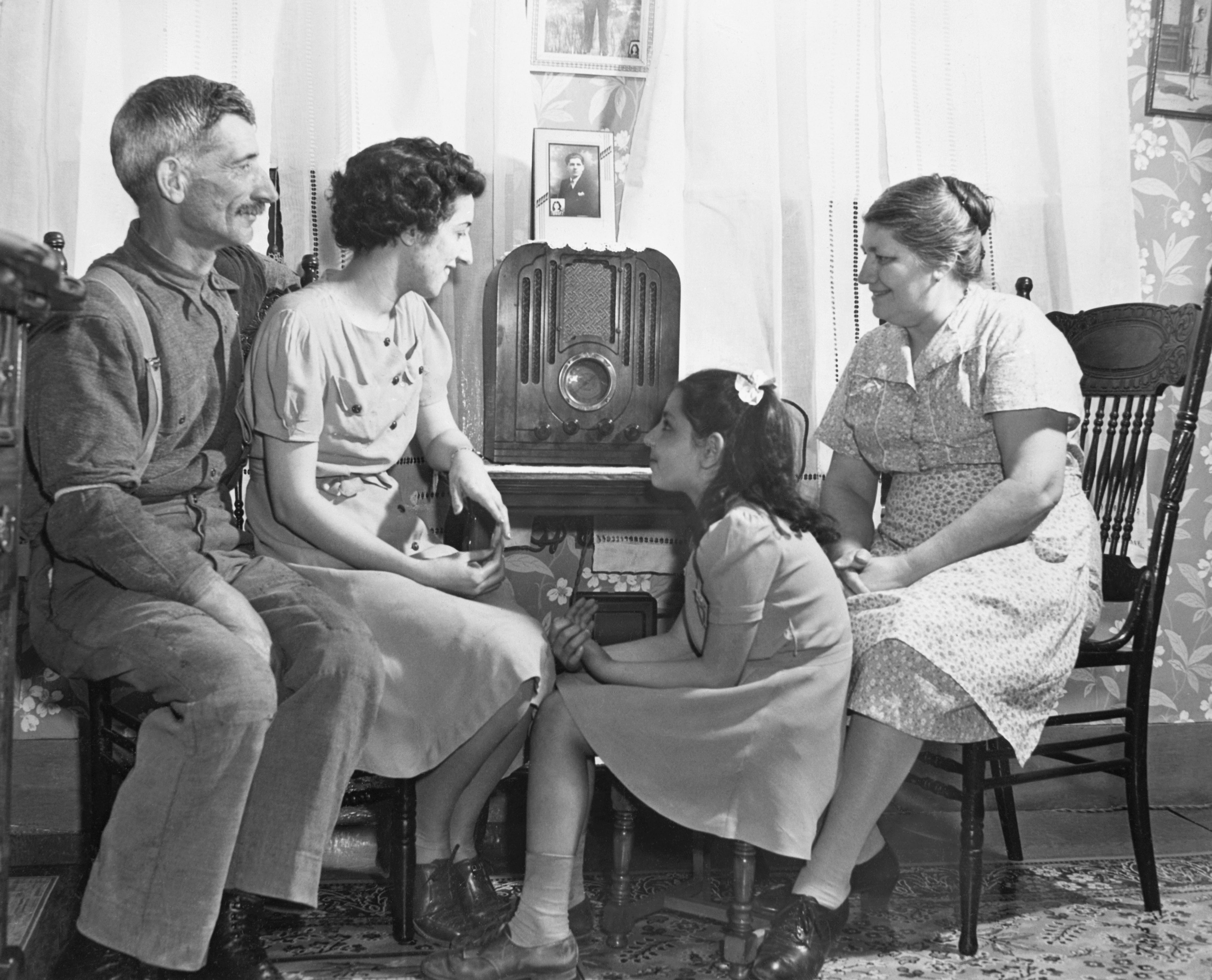
However, the interwar era marked a significant decline in the construction of porches in new American homes. This shift was largely influenced by evolving housing policies and technological advancements. The Federal Housing Administration, established in 1934, introduced stricter building guidelines that favored more streamlined designs. Concurrently, the rise of car culture brought increased noise and air pollution to streets, diminishing the appeal of front yards and porches as recreational areas. Suburban developments began to prioritize backyard-centric designs, shifting leisure activities to the rear of homes. The widespread adoption of air conditioning and television further contributed to the decline of porch-centric social gatherings, as entertainment and comfort moved indoors.
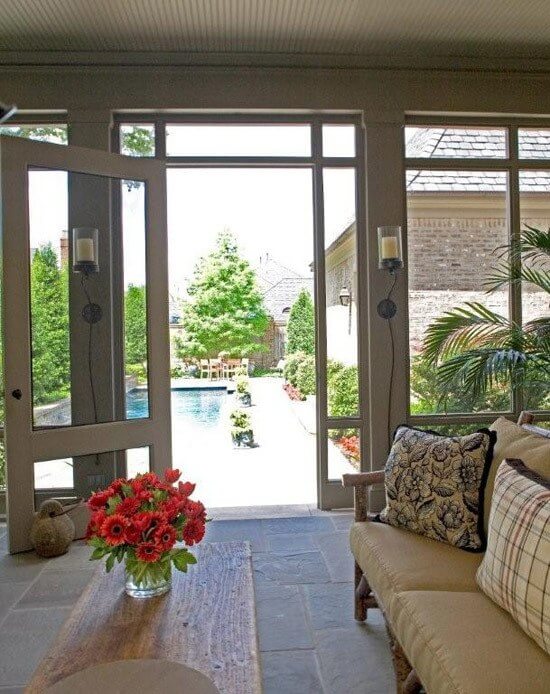
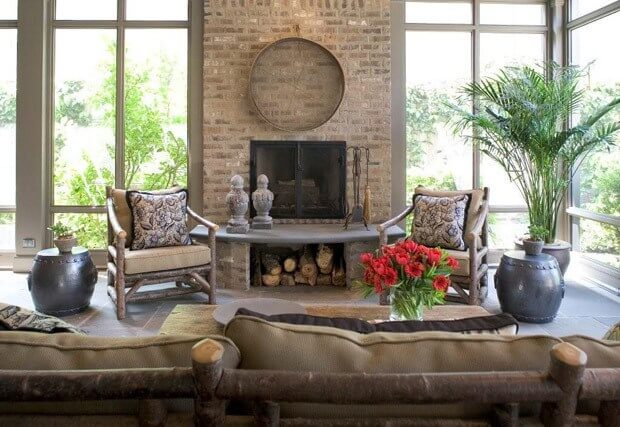
Despite this decline, the American porch is now experiencing a notable revival. Data from the National Association of Home Builders indicates a consistent increase in the percentage of new single-family homes built with porches, rising from 42 percent in 1994 to 66.4 percent in 2022. The COVID-19 pandemic underscored the porch's utility, facilitating safe social interactions during times of isolation. The New Urbanism movement, which advocates for human-scale development and walkable communities, has also championed the inclusion of porches as a key design element. This renewed appreciation for the porch's architectural and social significance is encapsulated in the 2025 Venice Architecture Biennale's exhibition, 'PORCH: An Architecture of Generosity,' which explores the porch's role as a fundamental fixture of American architecture and its cultural character.
#AmericanPorch #ArchitecturalHistory #HomeDesign #CulturalClimate #SocialHub #UrbanPlanning #ArchitecturalRevival #ResidentialArchitecture #CommunityBuilding #AmericanPorch #ArchitecturalHistory #HomeDesign #CulturalClimate #SocialHub #UrbanPlanning #ArchitecturalRevival #ResidentialArchitecture #CommunityBuilding
0 comment in total
 No comments yet
You may also like

20 Old House Styles No Longer Built Today
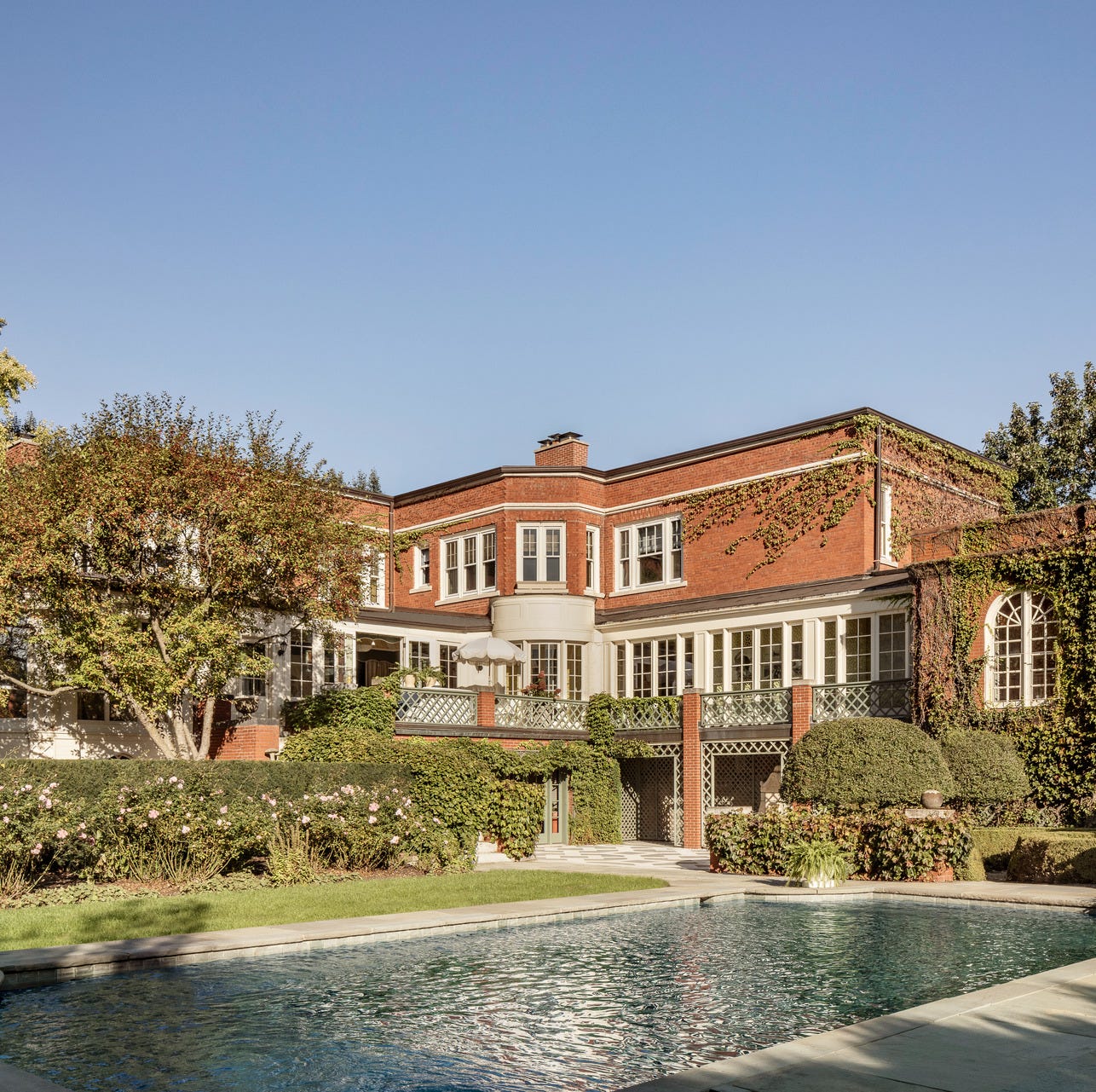
6 "Essential" Architecture Trends Design Lovers Need to Know

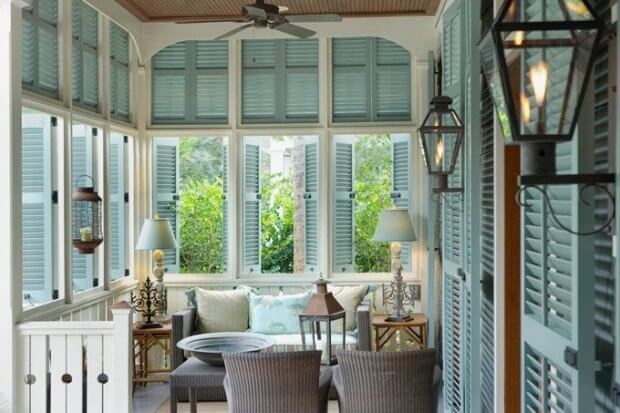
Beautiful Southern Porches

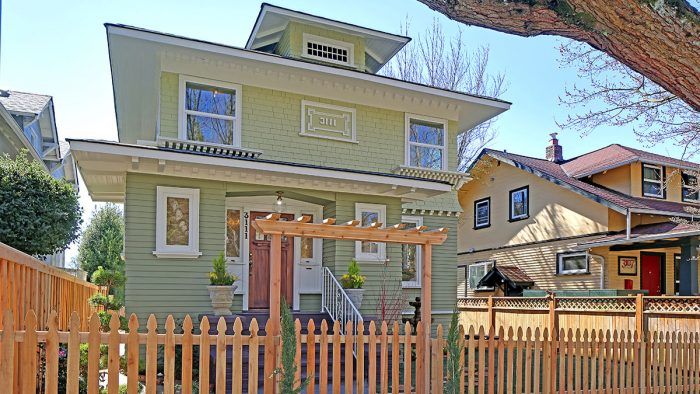
Restoration of an American Foursquare

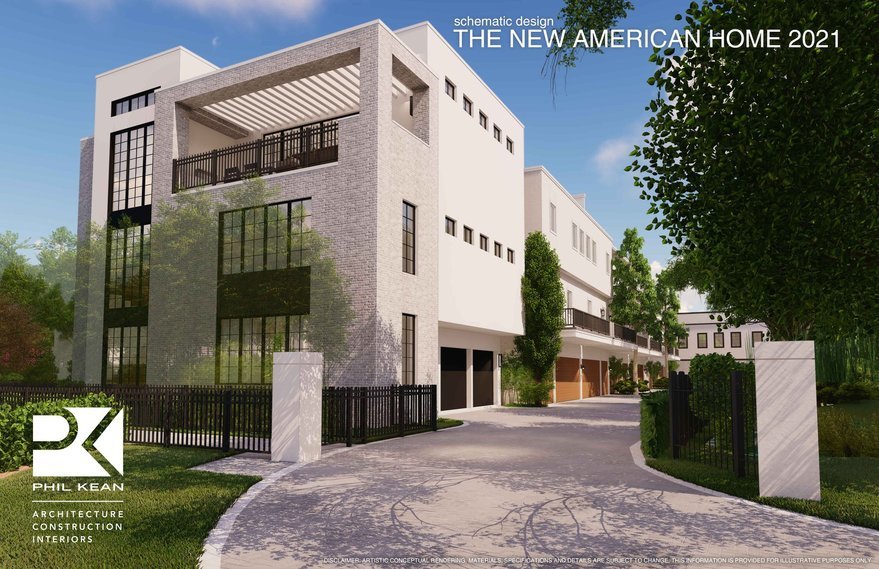
New American Home Design Features "Upside-Down" Layout

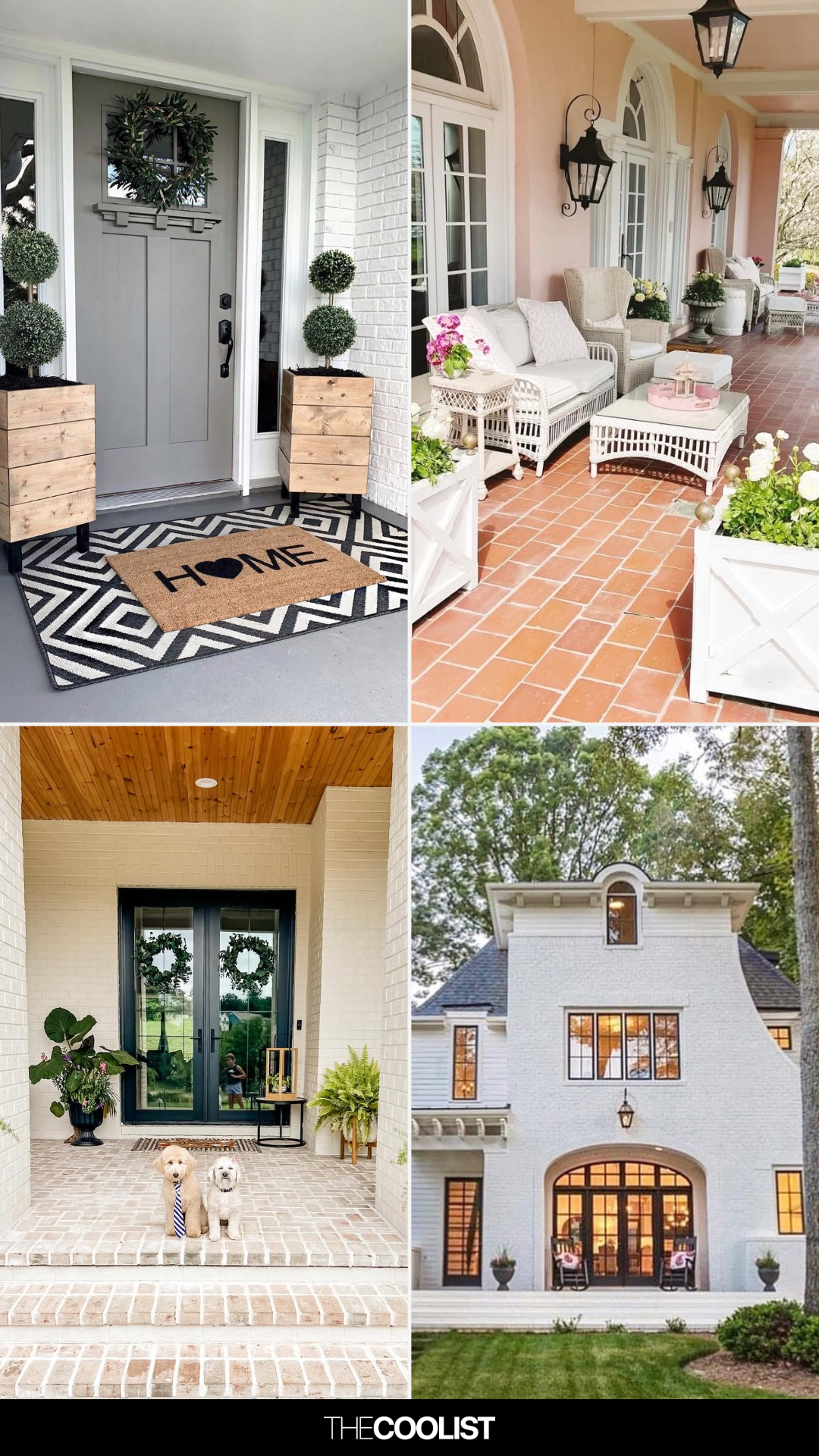
29 Front Porch Ideas You Haven’t Seen Repeated All Over Pinterest or TikTok

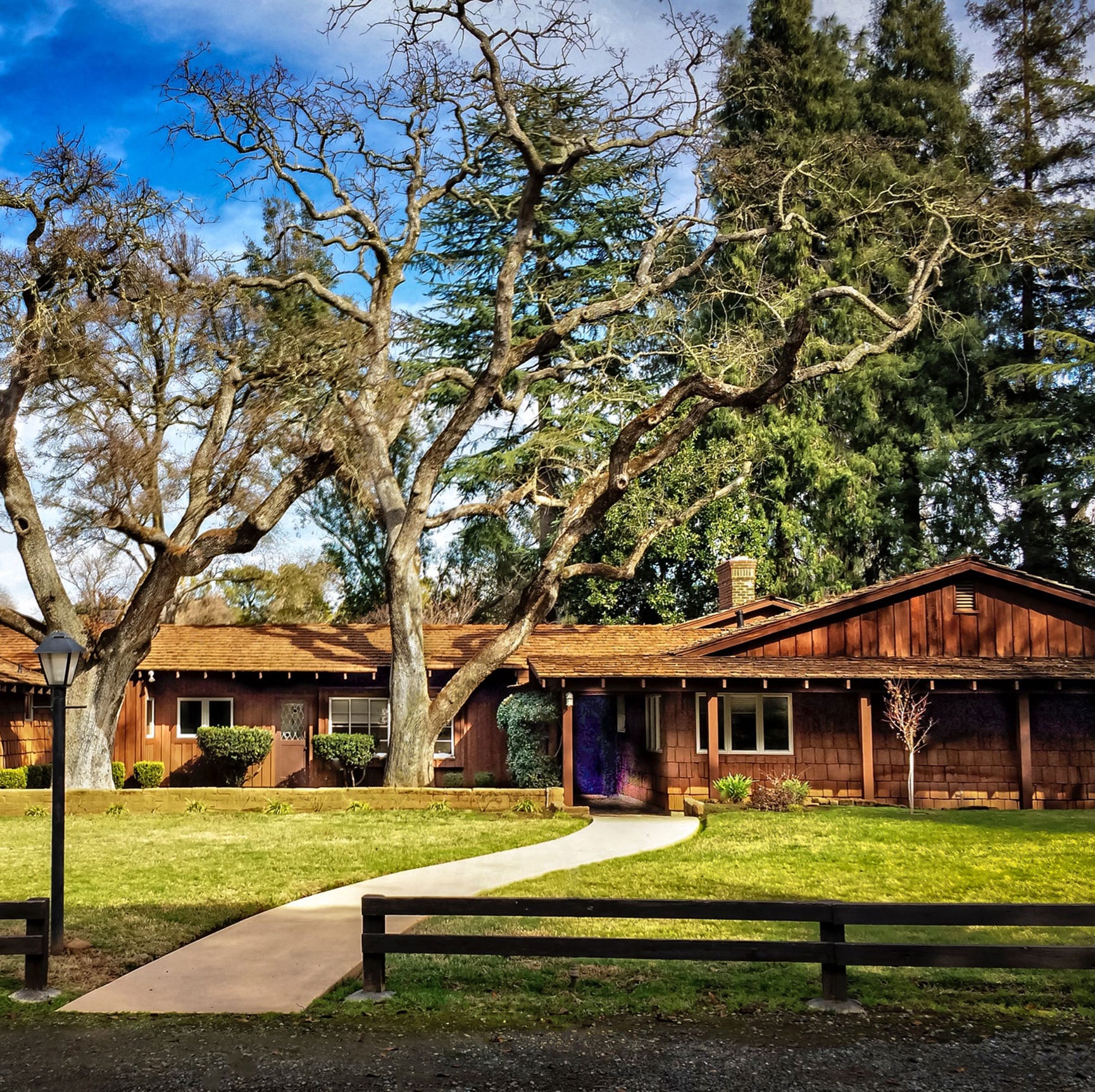
Everything You Need to Know About Ranch-Style Houses
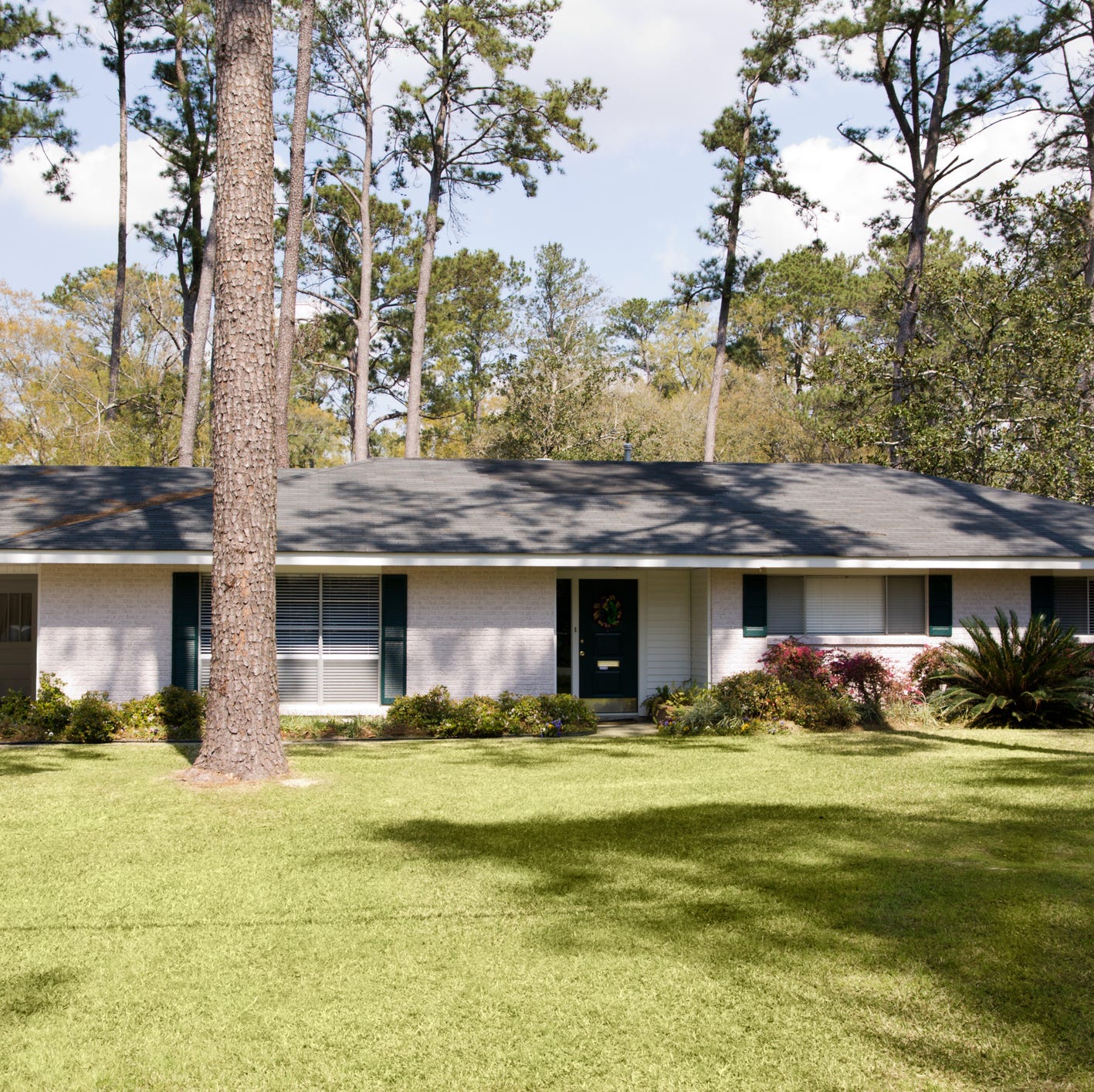
Why This Architect Says Ranch-Style Houses Are ‘Important Historical Artifacts’

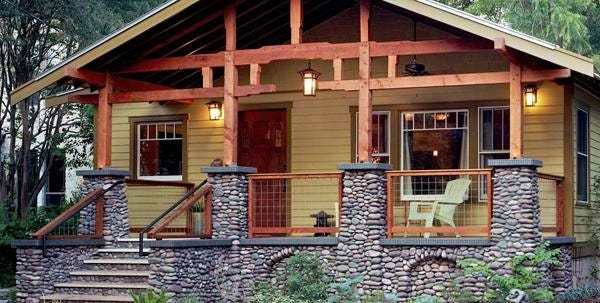
Porches are a room with a view

Here's What the American Home Looked Like the Year You Were Born

Americana Decor Is Trending Again—Here’s How to Keep It Chic and Balanced, According to Experts
What Exactly Is a Colonial Revival Home?