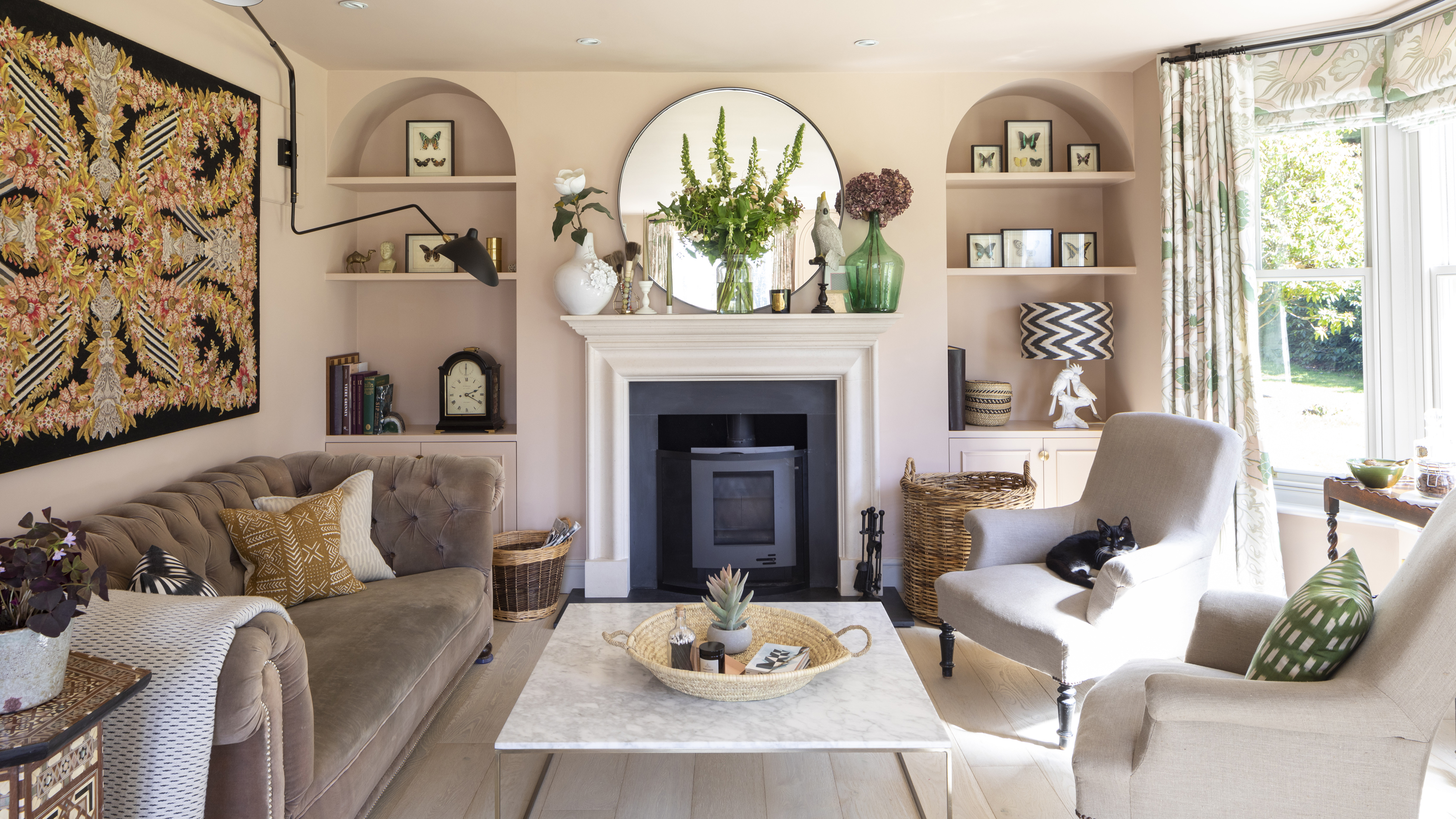
1/11
Family living room ideas – 10 ways to create a living space fit for the whole household
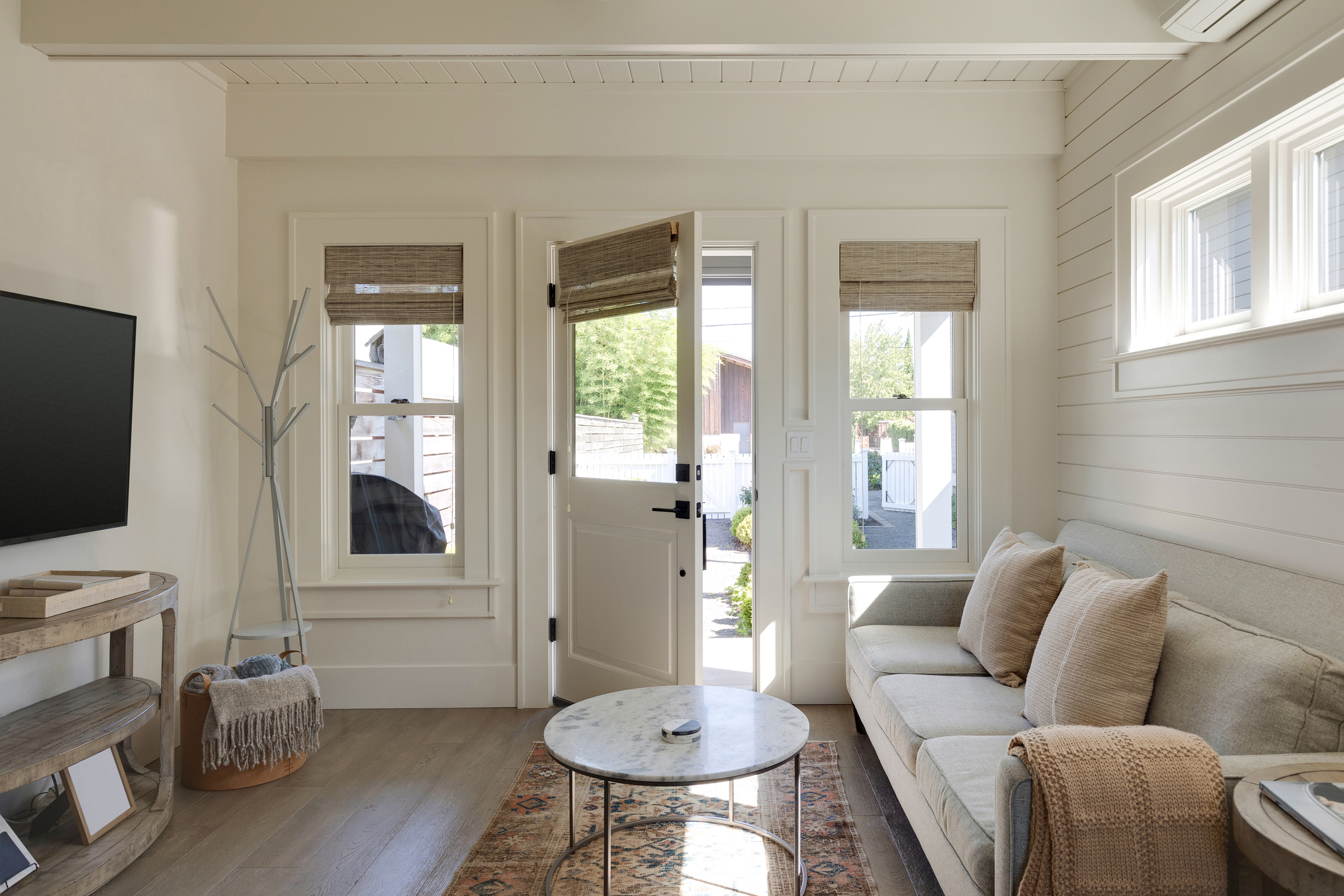
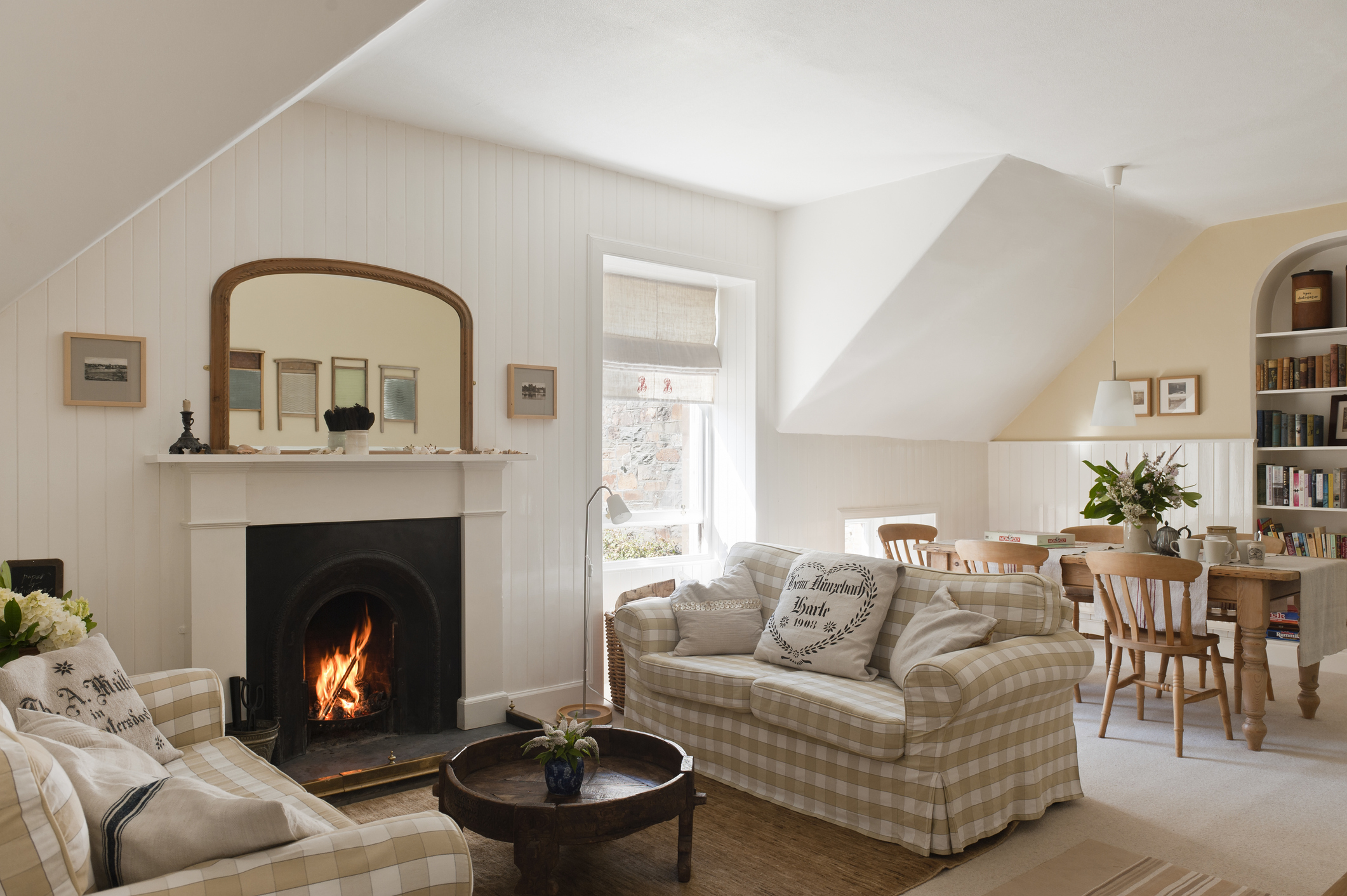
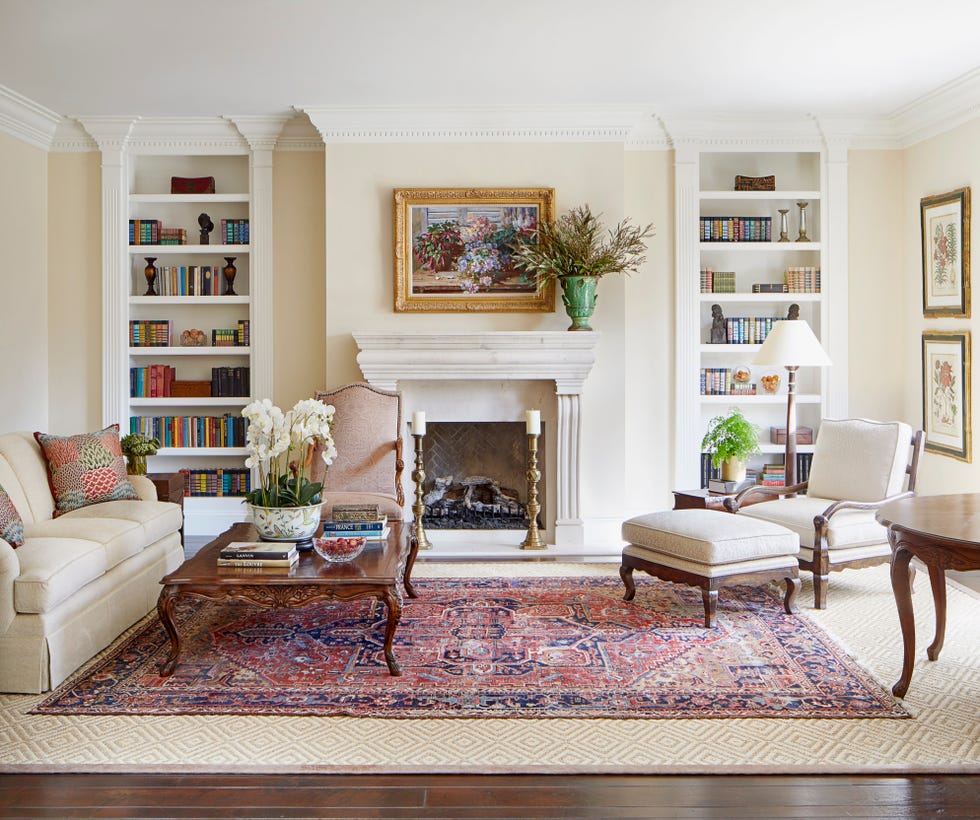
This article explores various strategies for designing a family living room that accommodates the needs and preferences of every household member, from young children to adults. It emphasizes creating a space that is both functional for everyday family activities and aesthetically pleasing. The core idea revolves around balancing the informal, active nature of a family room with the potential need for more formal living spaces, especially in homes with only one dedicated living area.
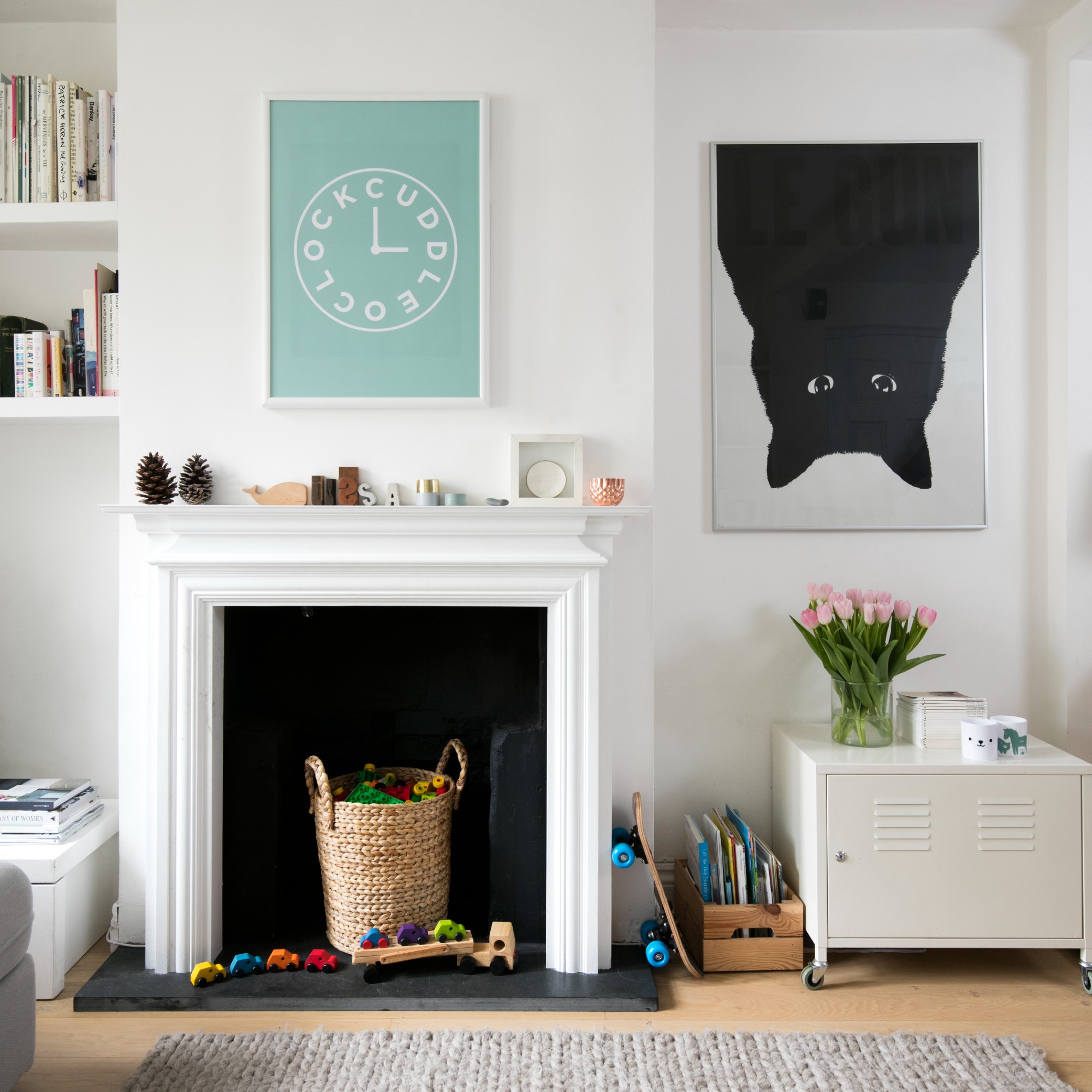
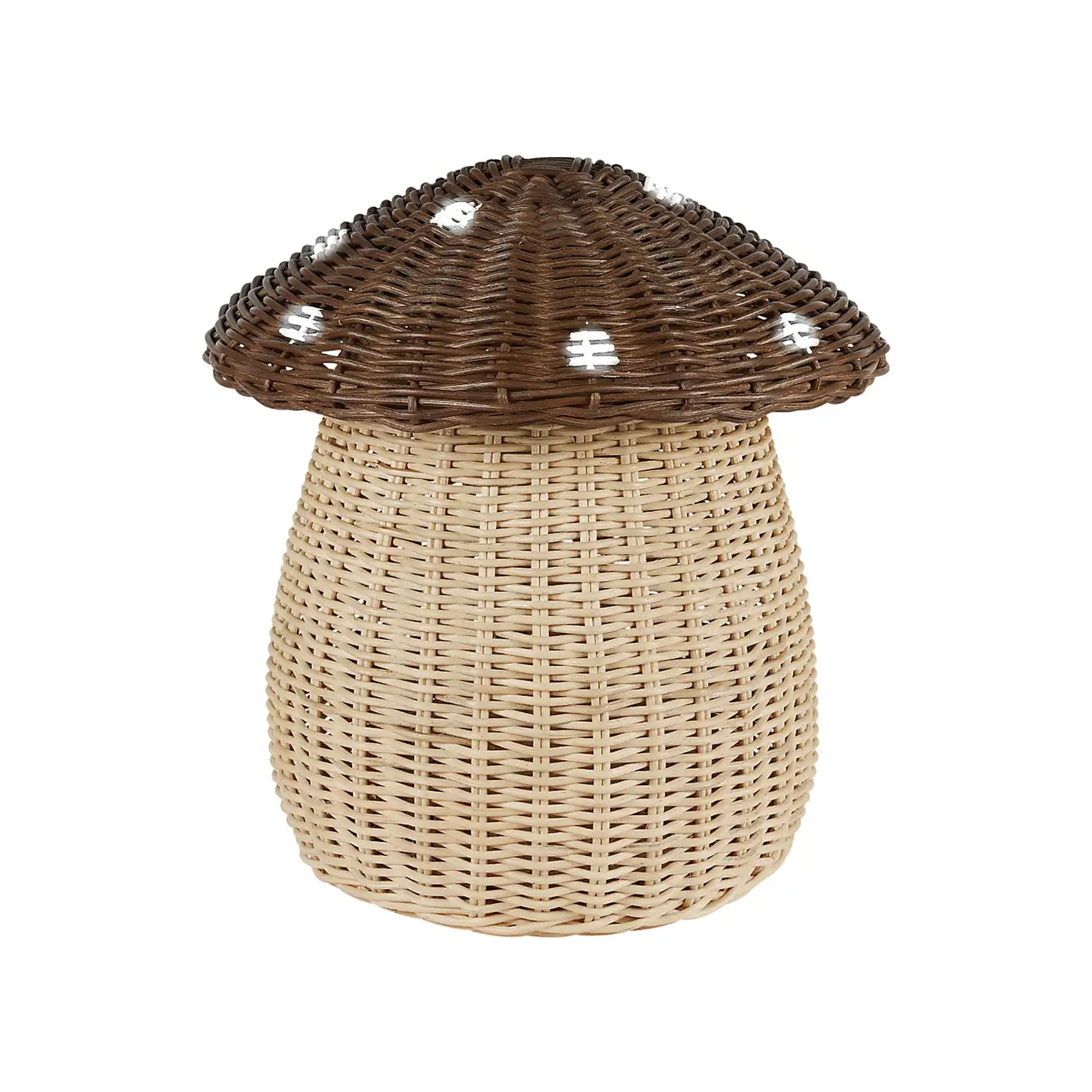
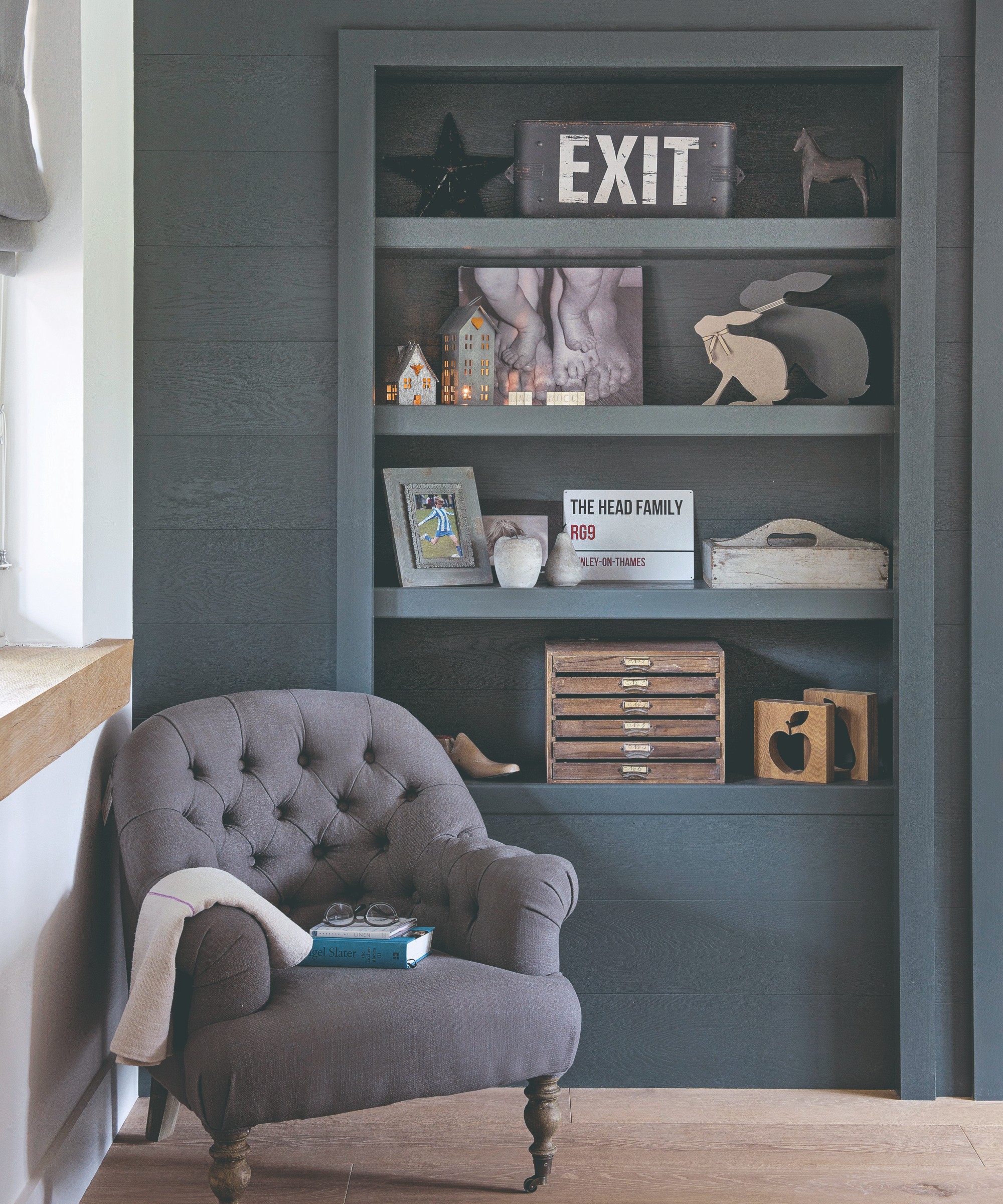
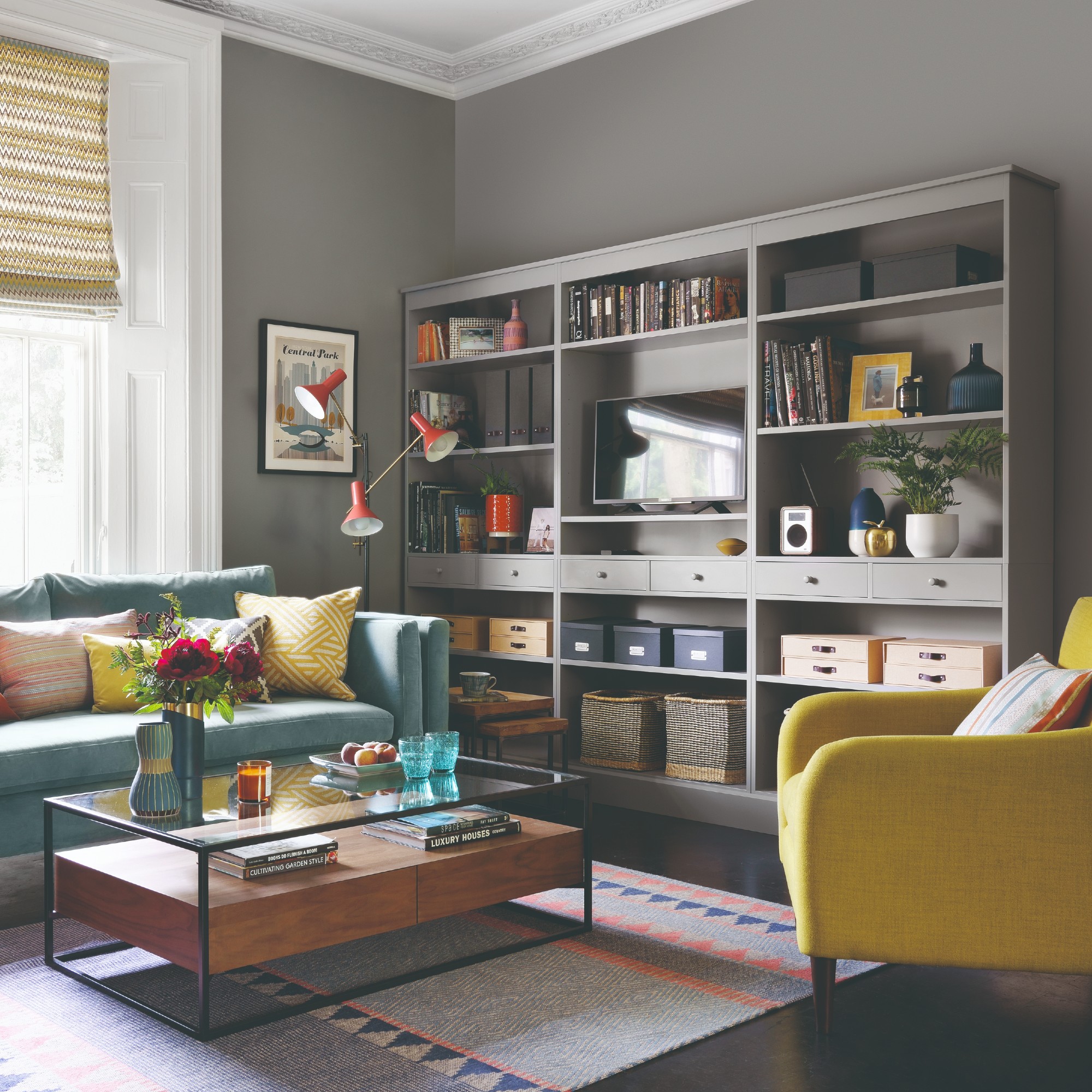
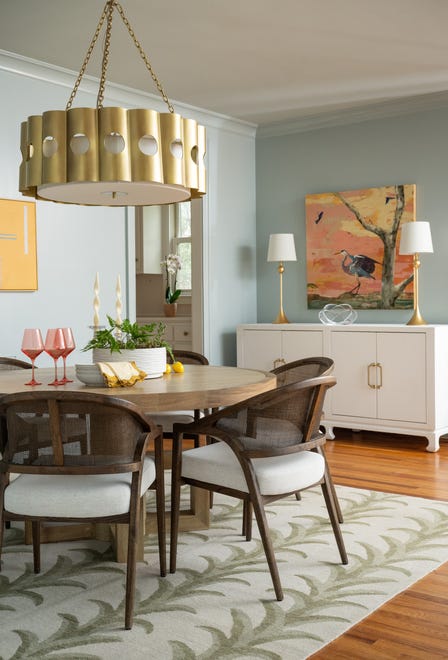
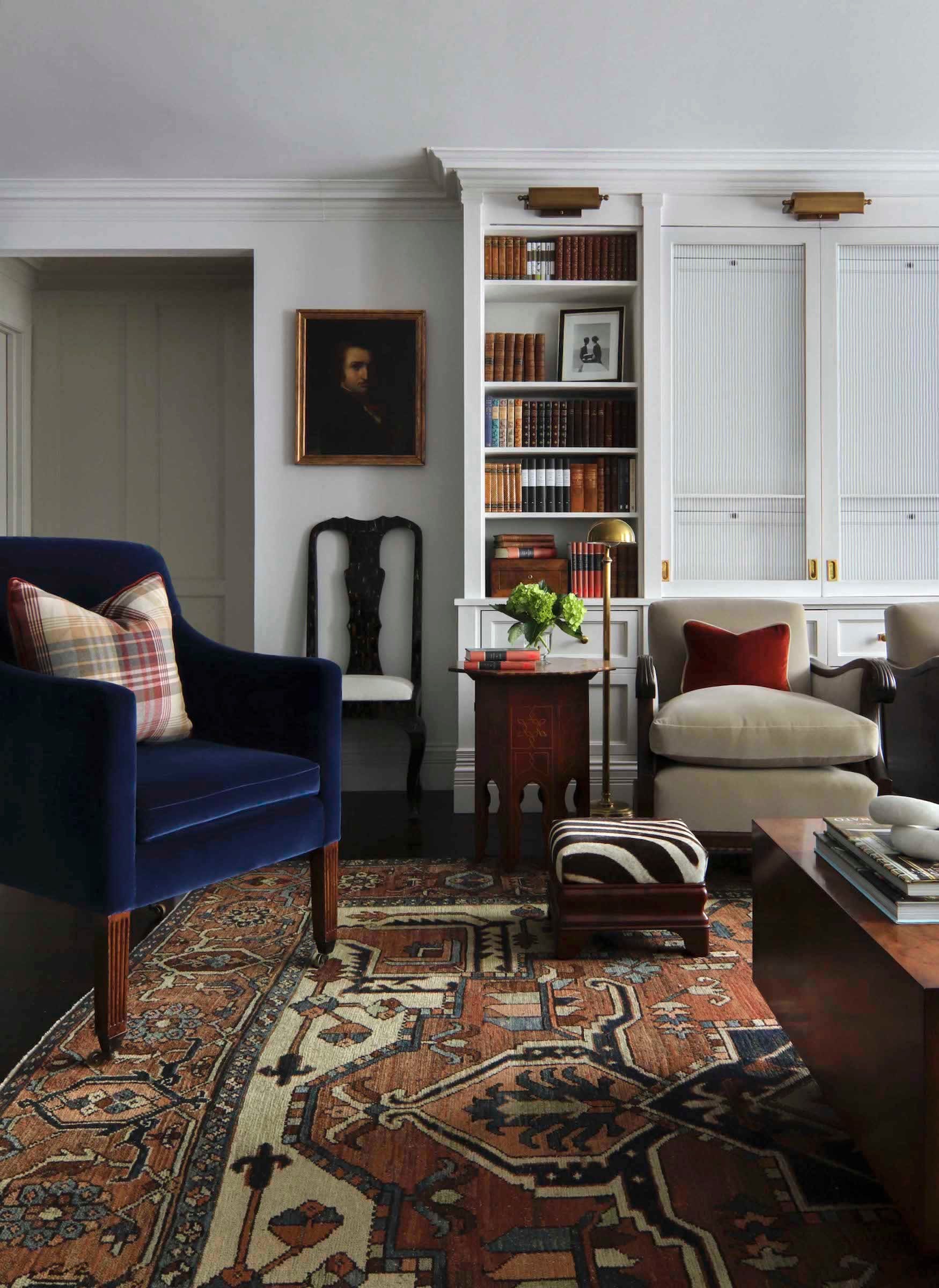
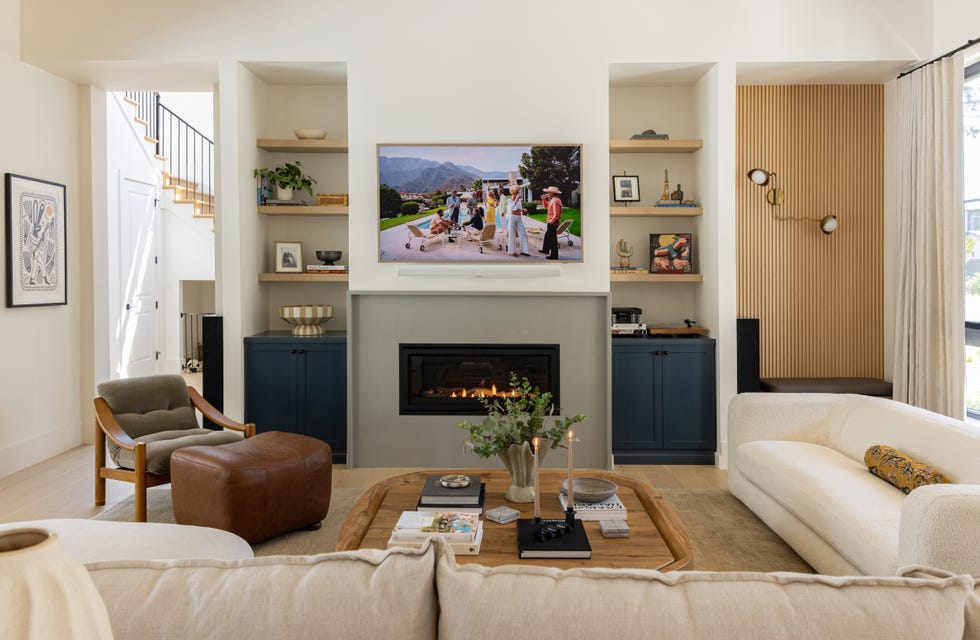
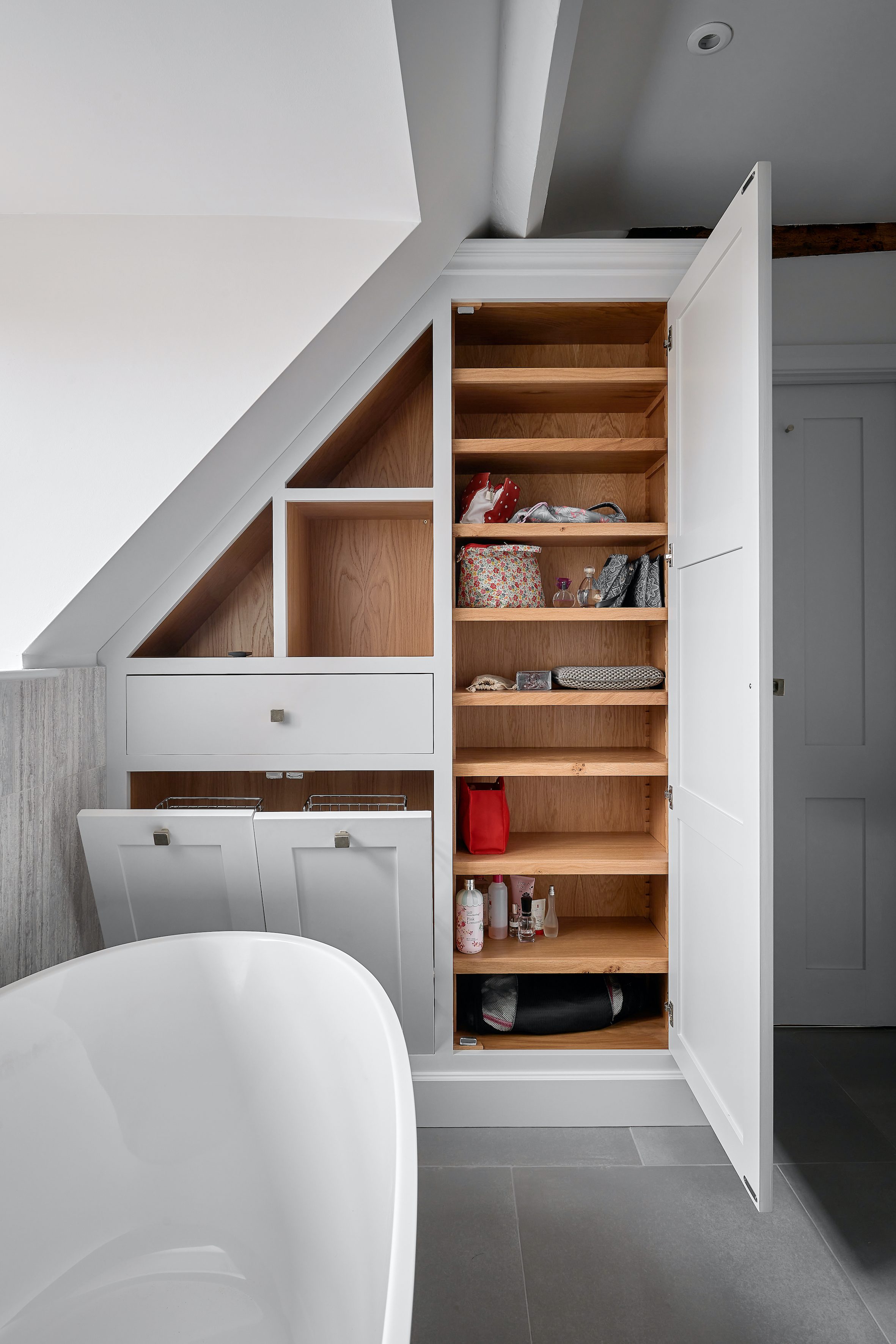
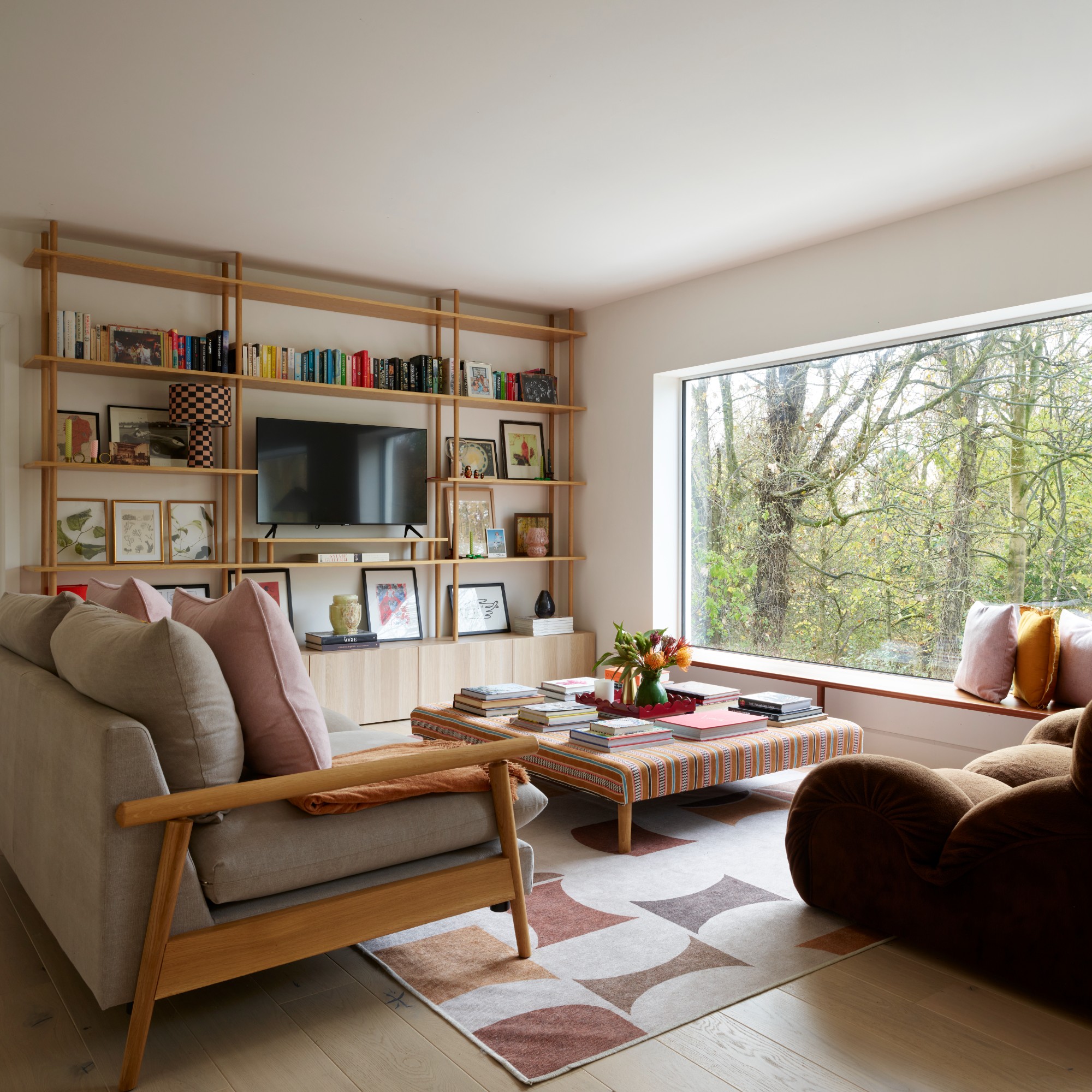
One key recommendation is the integration of smart storage solutions to manage clutter effectively. Built-in cabinetry around entertainment units or enclosed sideboards are suggested for discreetly stowing away toys and other items. For smaller living rooms, these built-in solutions are particularly beneficial for maximizing space. Additionally, practical items like blanket baskets or magazine holders are proposed as accessible storage for children's toys, along with utilizing space under side tables. The article highlights that these storage options help maintain aesthetic appeal while keeping essentials within reach.
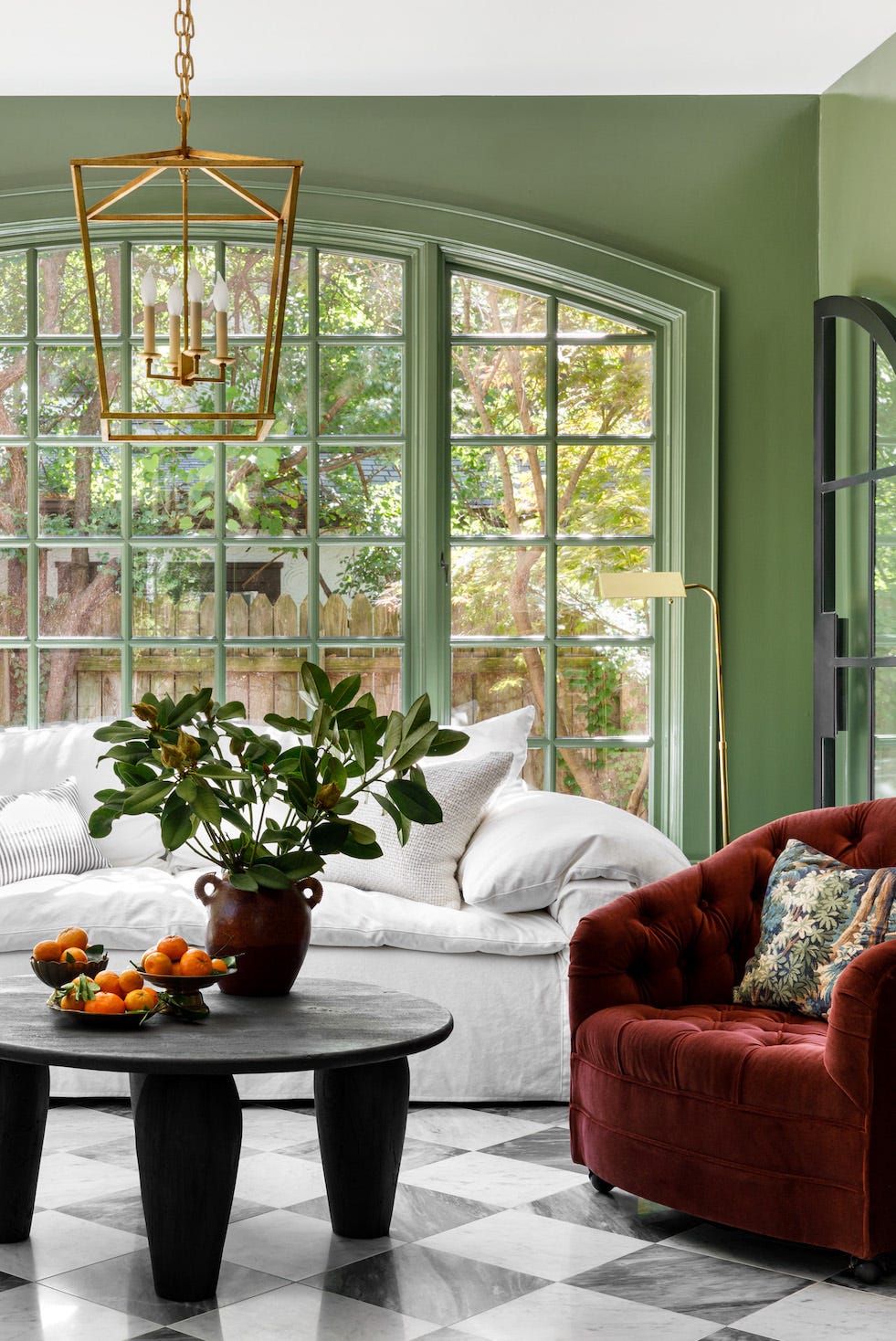
For homes with open-plan layouts, the article suggests creating a dedicated family room area within a larger kitchen-dining space. This approach fosters a more relaxed environment, typically located near the kitchen where families spend most of their time. This design allows for seamless transitions between cooking, dining, homework, and relaxation, making the space highly versatile for concurrent family activities.
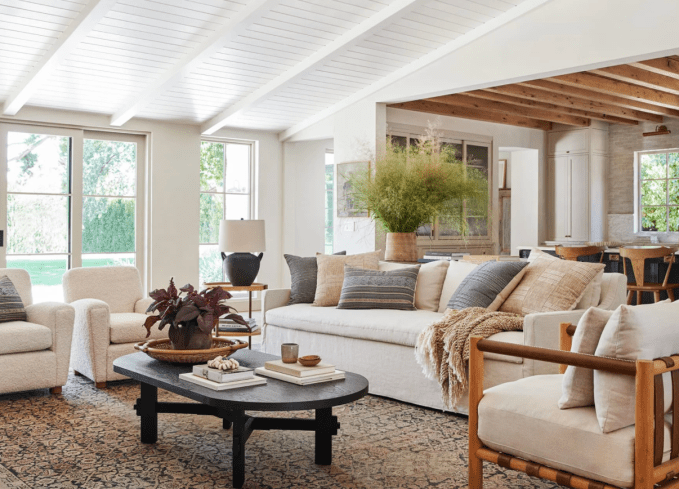
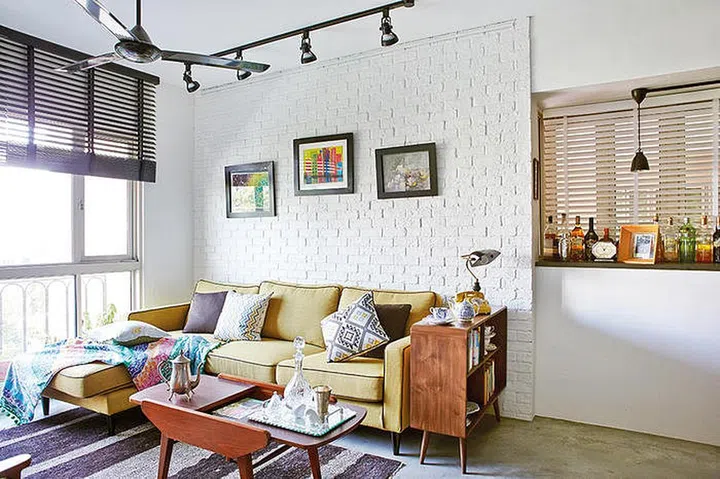
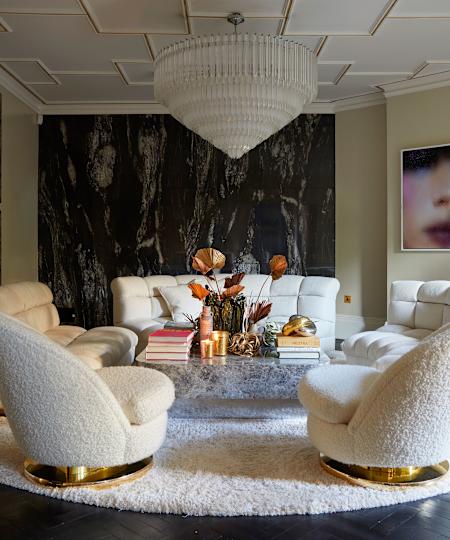
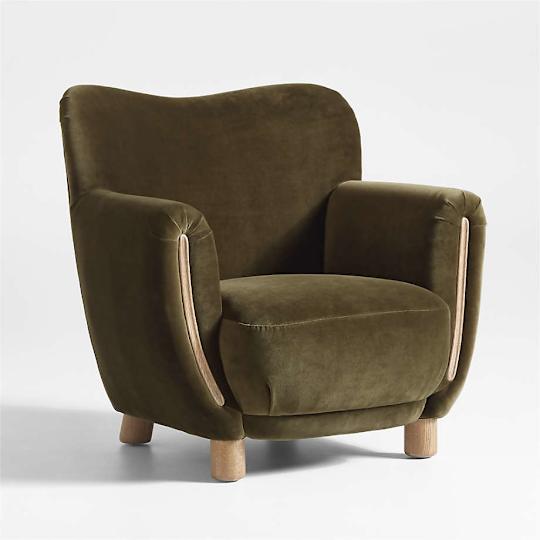
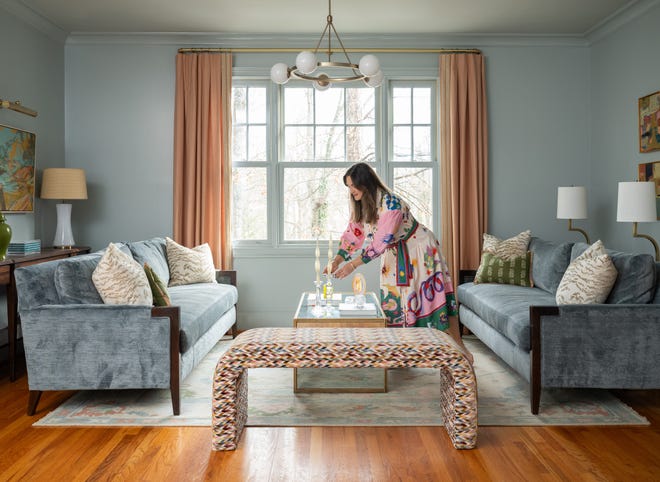
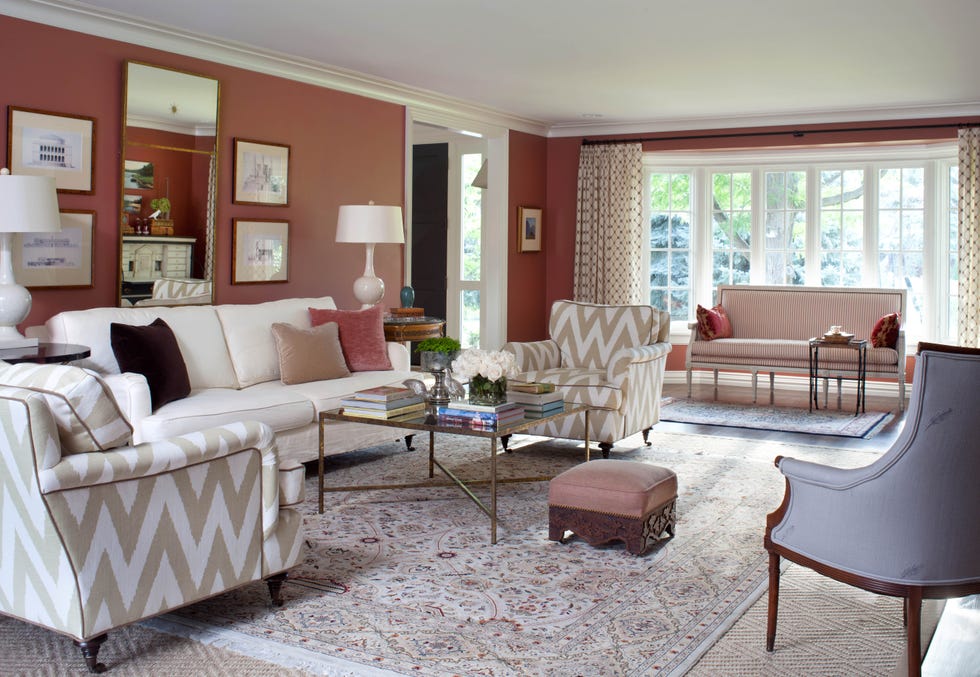
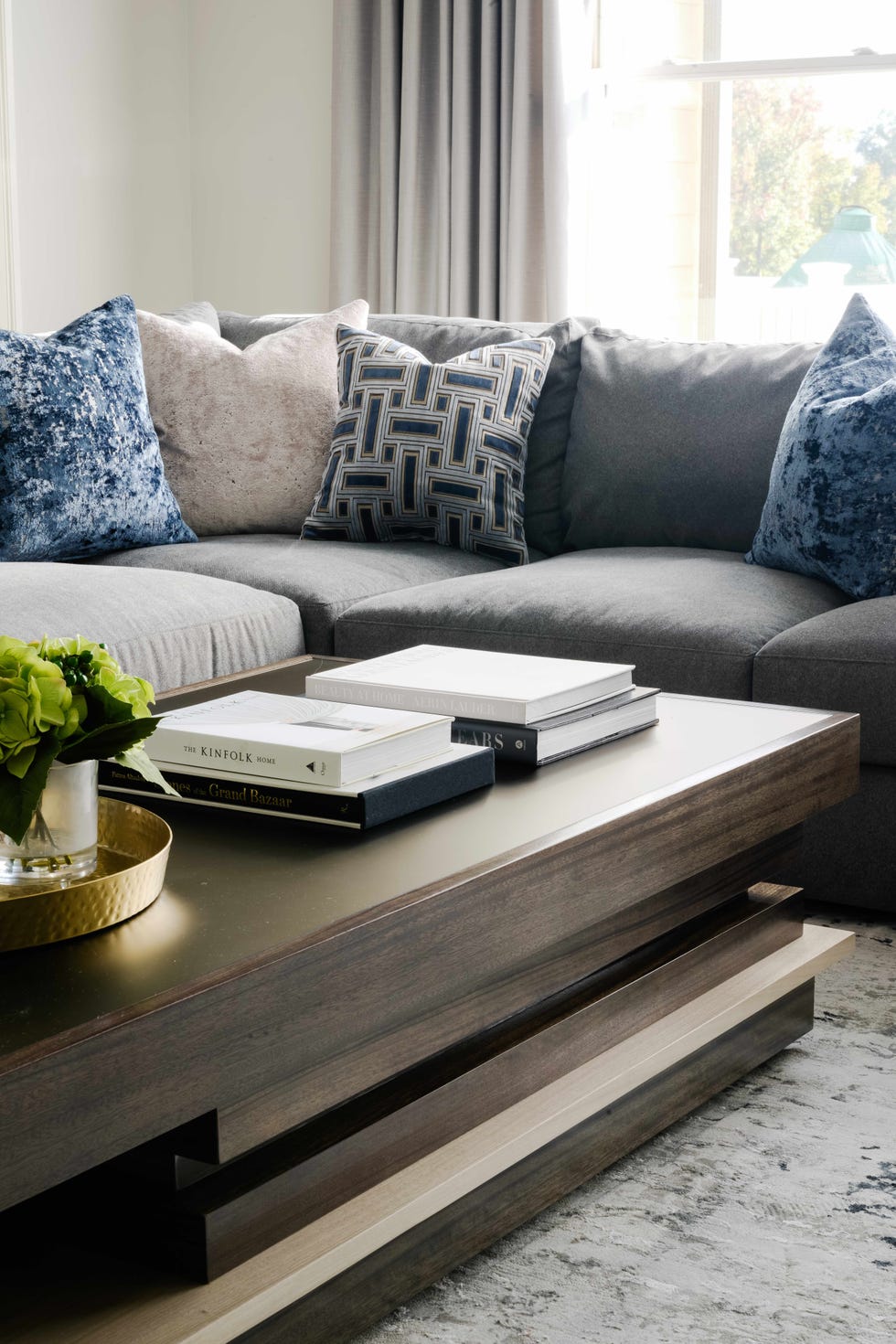
Diverse seating arrangements are crucial to cater to different family members' comfort and activities. The advice includes incorporating various types of seating such as sofas, lounge chairs (with swivels being a practical option), and smaller, more upright chairs. A notable trick is the use of a higher coffee table with pull-out ottomans on wheels, which can serve as extra seating or footstools while being easily storable. Large corner sofas are also recommended for their capacity to comfortably seat multiple people and allow for sprawling, promoting a fluid play area for children.
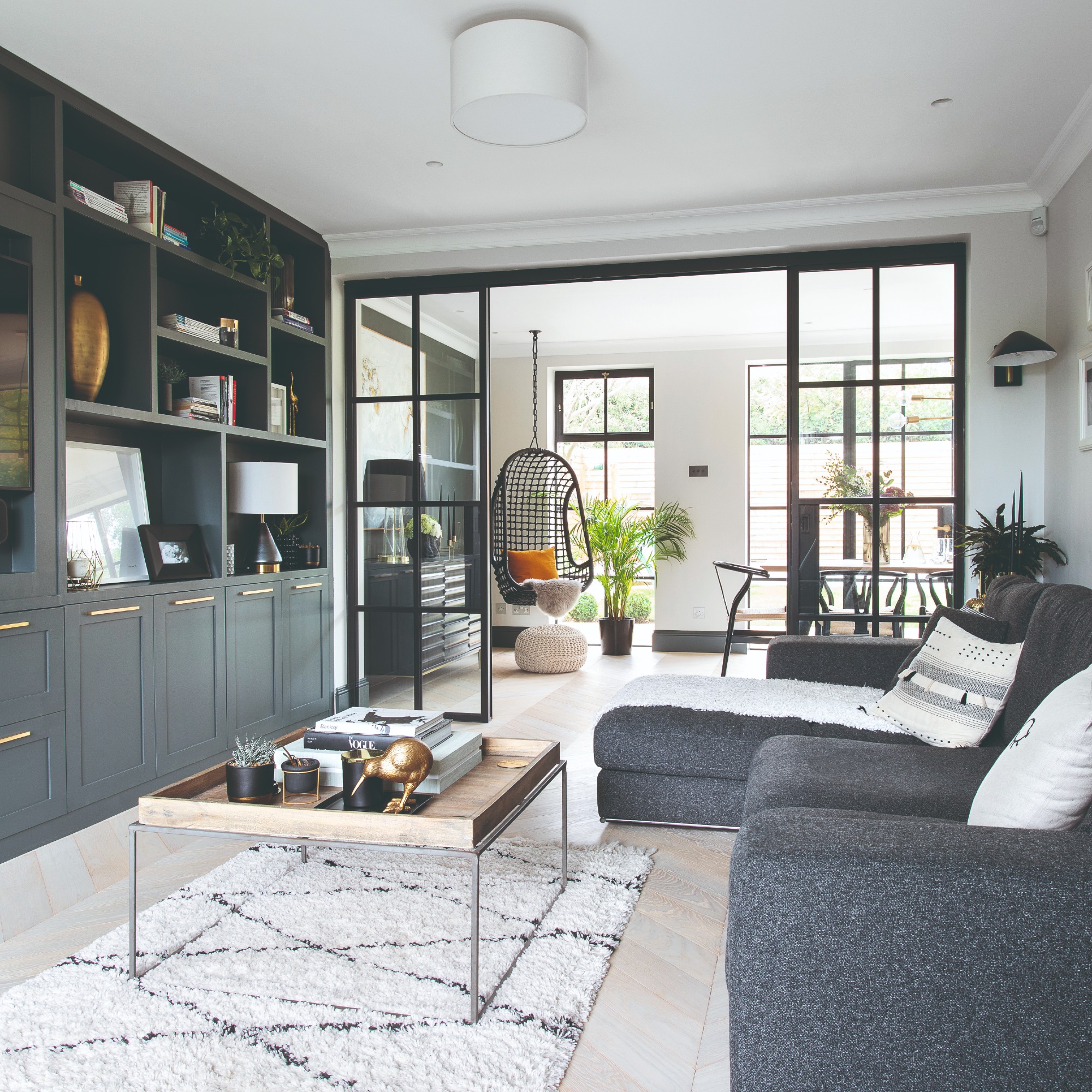
Zoning strategies are presented for multi-functional rooms. If a single space must serve as both a formal living room and a family play area, the article proposes creating an 'ante-chamber' or a section that can be closed off with sliding doors. This allows for containing children's toys and activities, preventing them from clashing with the more formal decor of the main living area. An example given is transforming a smaller section of an L-shaped drawing room into a library snug with a comfortable sectional sofa and television.
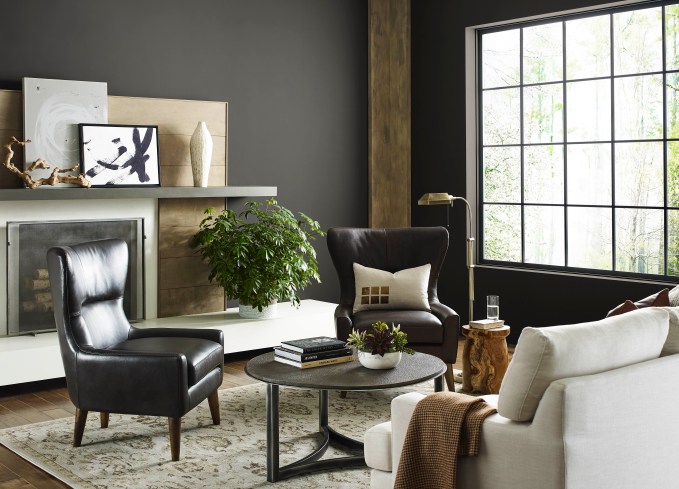
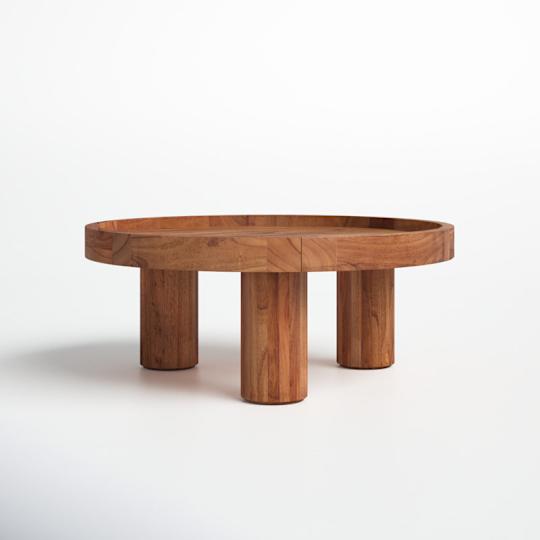
Safety is a significant consideration for families with young children. The article advises opting for upholstered furniture and soft finishes over sharp-edged items like glass coffee tables. Instead, large ottomans with trays or wooden/marble alternatives are suggested. Utilizing soft woven storage baskets and padded fireplace guards are also mentioned as ways to enhance safety without compromising style.
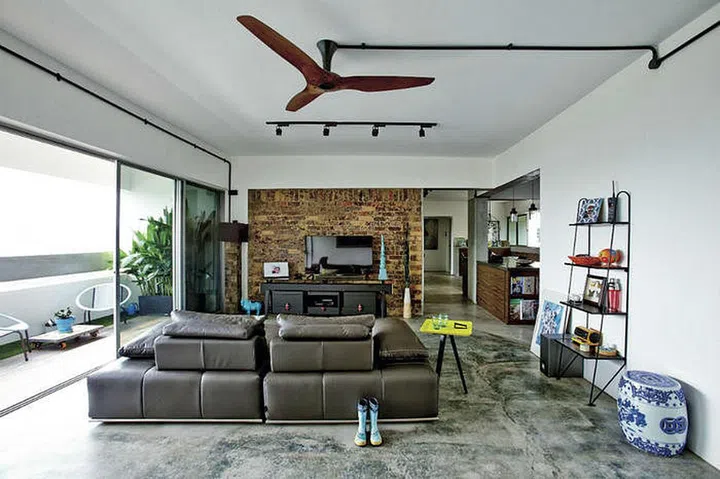
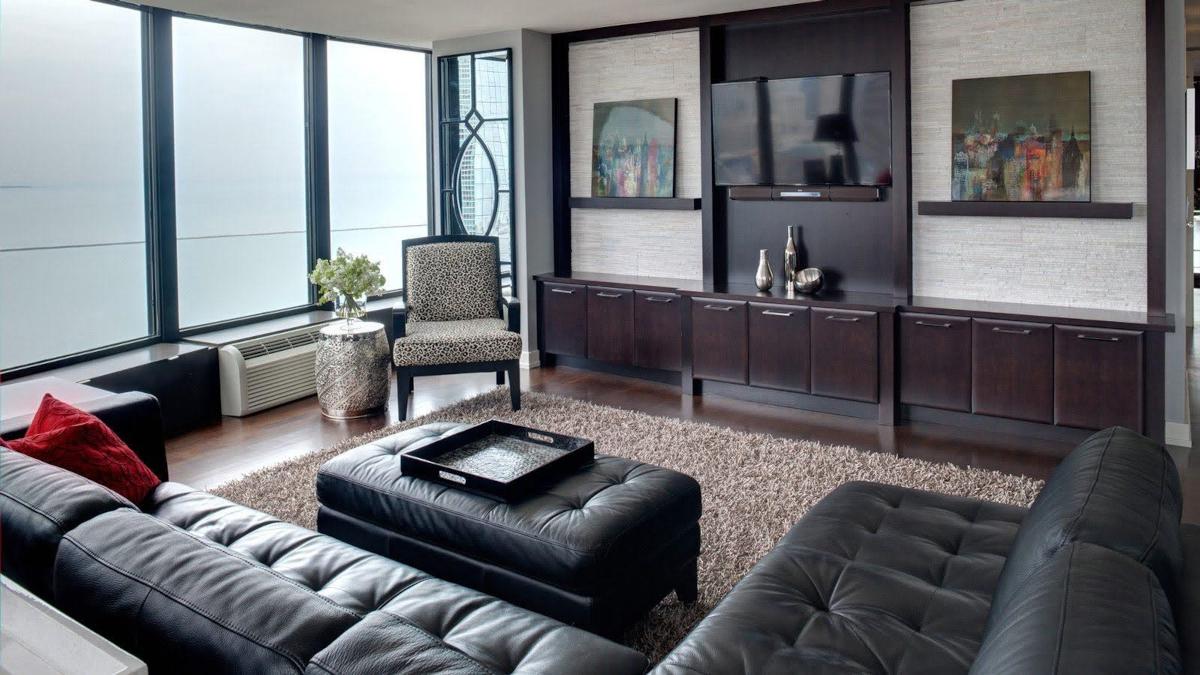
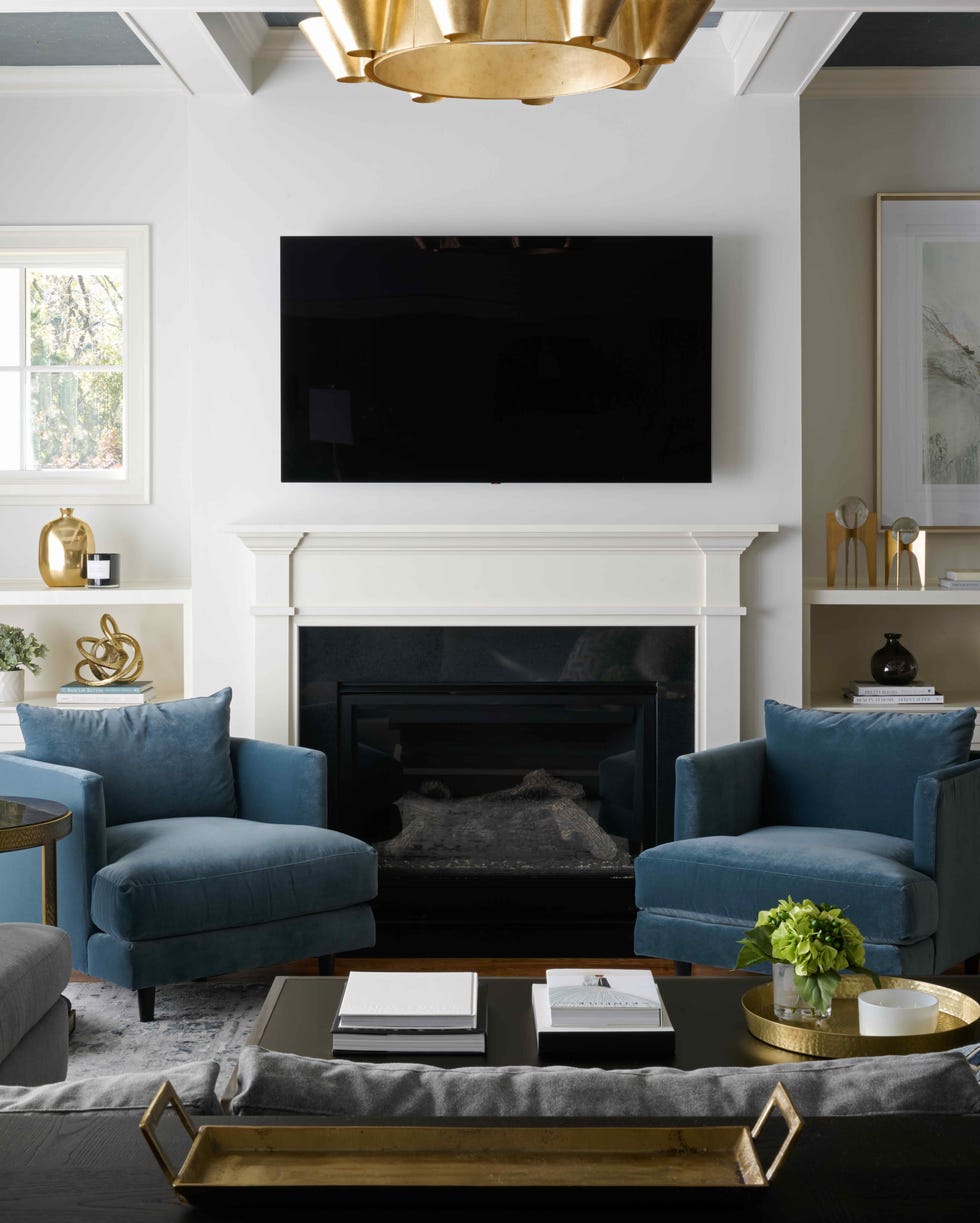
The challenge of incorporating a television into a family room without it dominating the aesthetic is addressed. Solutions include built-in cabinetry that conceals the TV behind sliding doors or using a Samsung Frame TV, which doubles as digital art when not in use. This creative approach helps integrate the television more harmoniously into the room's design.
For textiles, the article emphasizes the availability of kid-safe and pet-friendly fabrics that do not require sacrificing aesthetics for functionality. Performance fabrics and repurposed rugs made from recycled plastic are cited as examples of durable and stain-resistant options. Modular carpet tiles are also recommended for their benefits in acoustics, warmth, slip prevention, and ease of cleaning, making them suitable for family rooms, offices, and kids' rooms.
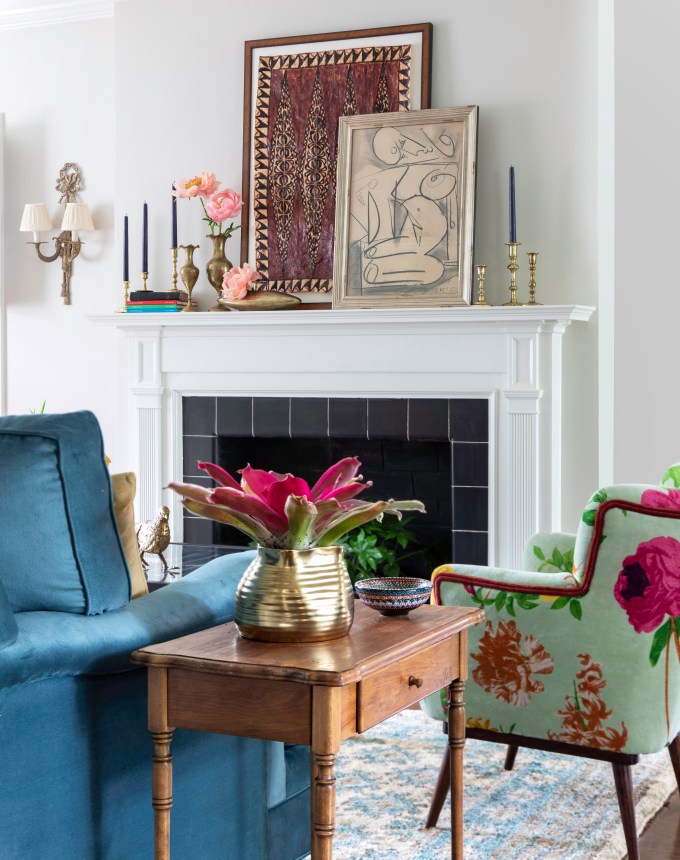
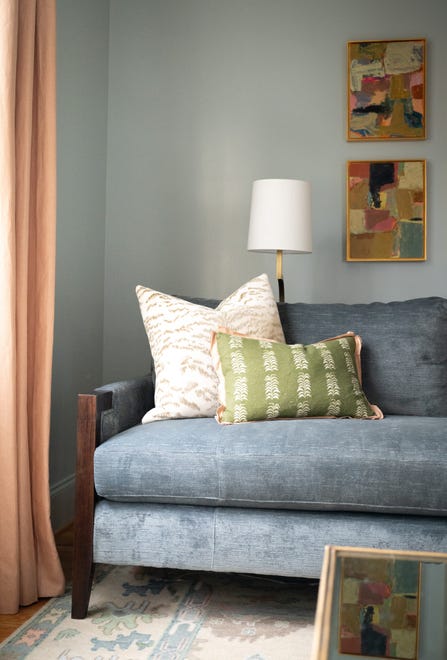
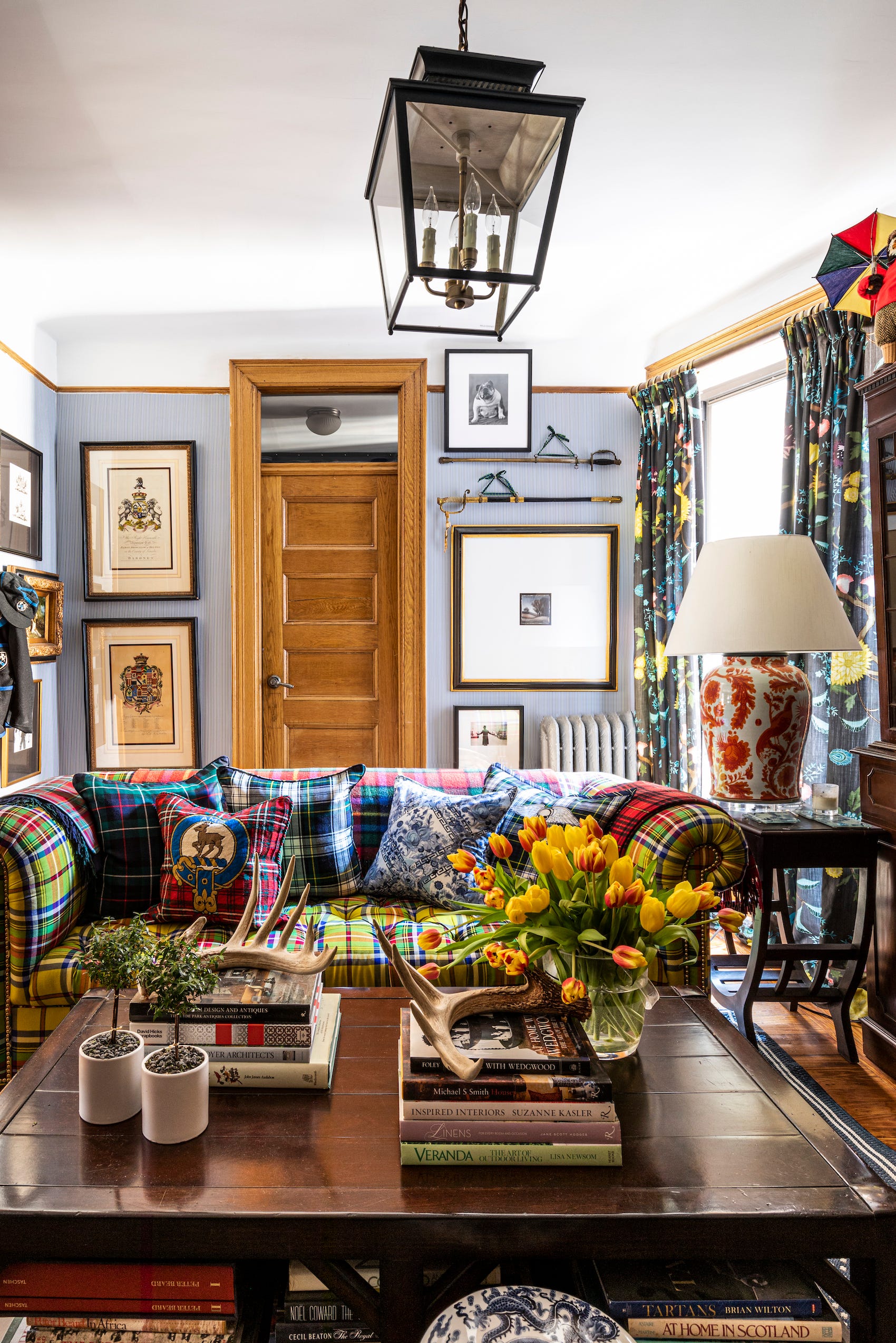
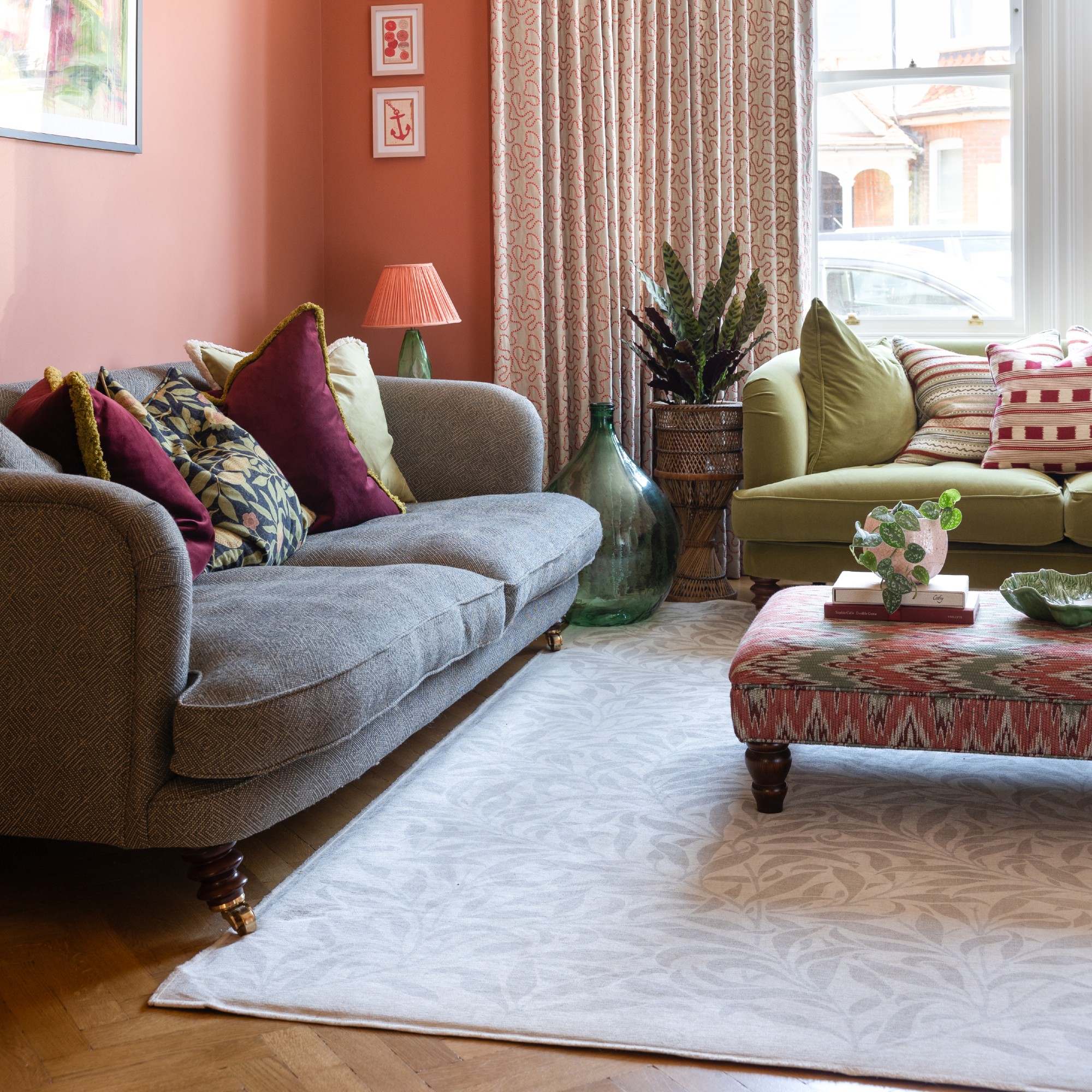
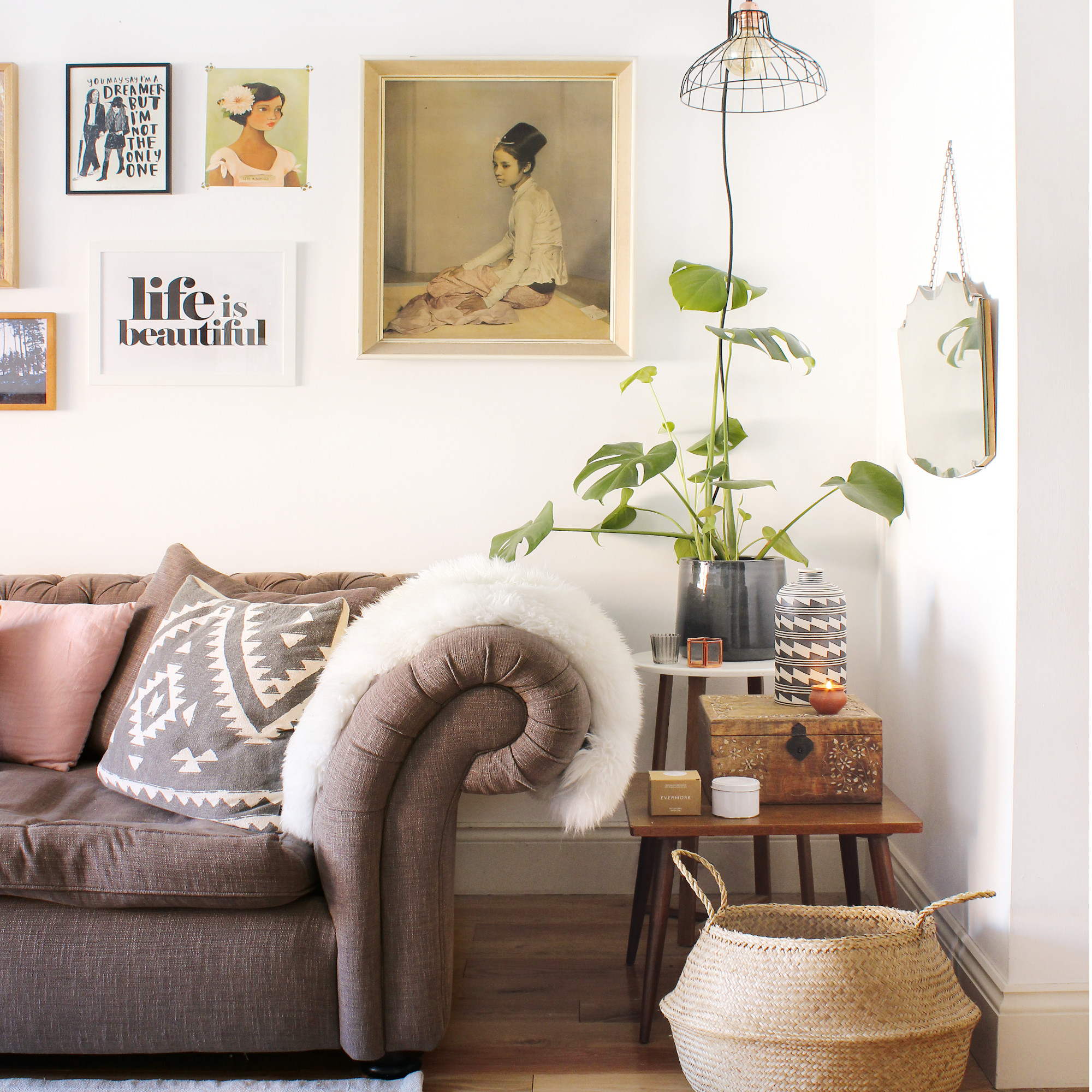
The article also suggests alternatives to traditional photo gallery walls. Cantilevered shelves are proposed for displaying family photos and children's artwork, offering flexibility for easy updates as the family grows and new memories are made. Finally, embracing bold colors and patterns in the family living room is encouraged. This not only makes the space more inviting and fun for children but also provides a clear distinction from more formal areas and helps disguise potential stains from everyday mishaps. The overall aim is to create a dynamic, comfortable, and practical living environment that genuinely caters to the diverse needs of a family.
#FamilyLivingRoom #InteriorDesign #SmartStorageSolutions #OpenPlanLiving #SeatingArrangements #ChildFriendlyDesign #TextileChoices #HomeDecor #FunctionalSpaces #FamilyLivingRoom #InteriorDesign #SmartStorageSolutions #OpenPlanLiving #SeatingArrangements #ChildFriendlyDesign #TextileChoices #HomeDecor #FunctionalSpaces
0 comment in total
 No comments yet
You may also like
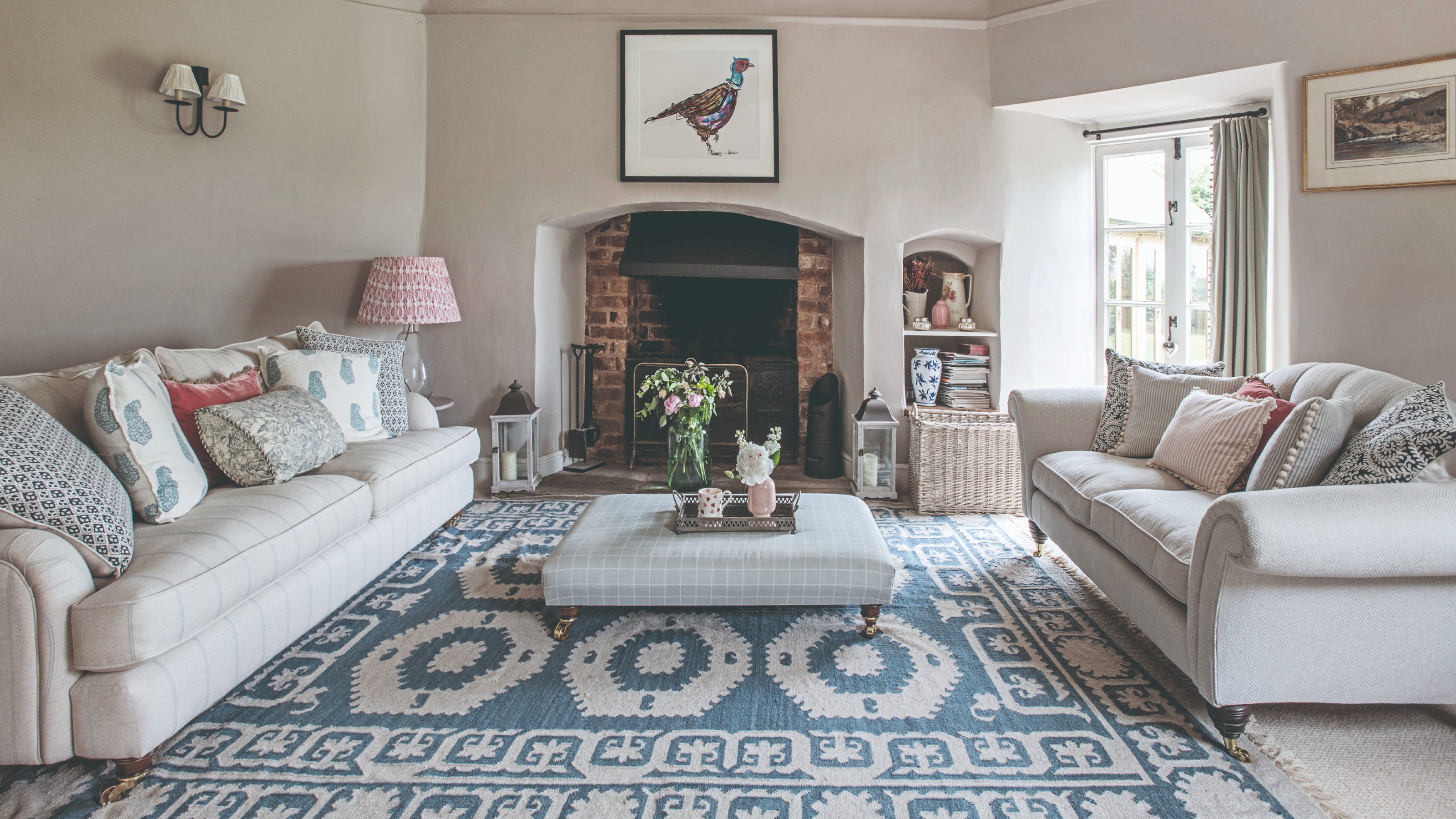
26 family living room ideas to turn your lounge into an inviting and functional space for adults and children alike
Living room design ideas: 11 ways to furnish and decorate your space
13 Welcoming Living Room Layout Ideas

6 Golden Rules of Living Room Design for Creating a Cozy Yet Stylish Space, According to Pros

12 common family living room mistakes that pros warn against

Anne Hathaway’s living room showcases the ultimate furniture arrangement – experts are praising her perfect ‘conversational seating'
The Difference Between a Family Room and Living Room—Plus, Designer Tips for Styling Them
How to Make an Open-Concept Space Feel Welcoming

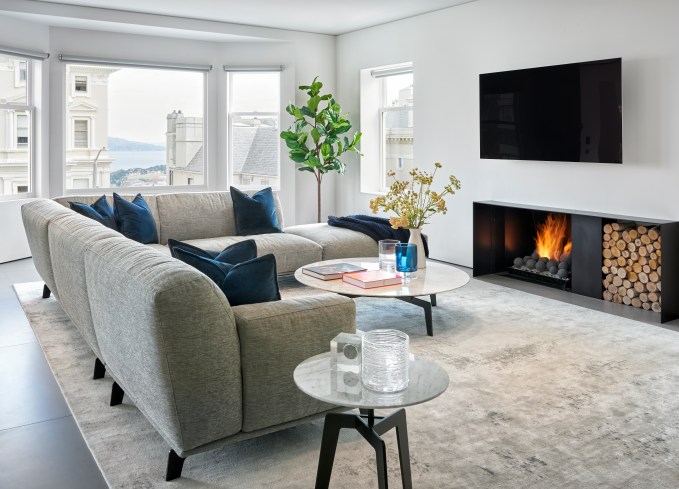
21 Family Room Decorating Ideas, Ranging from a Quick Refresh to a Total Overhaul

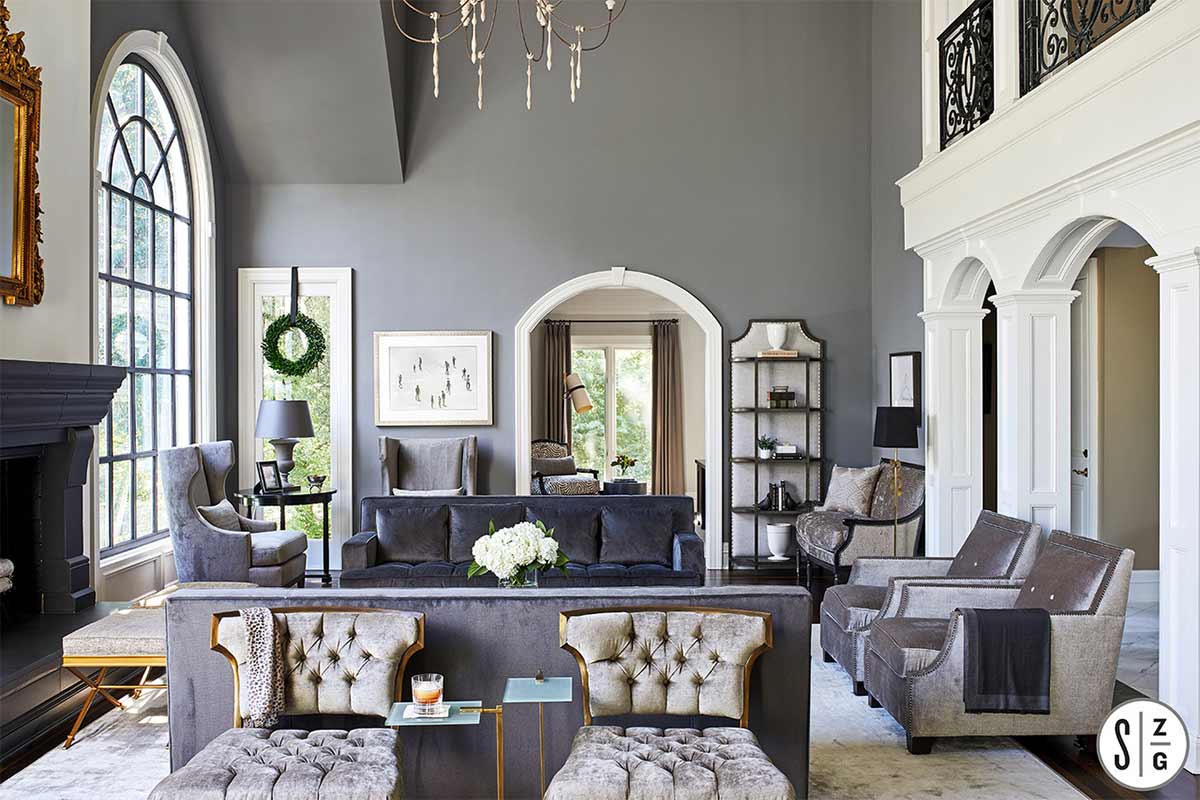
Get home inspiration with these 3 family-friendly living room redos
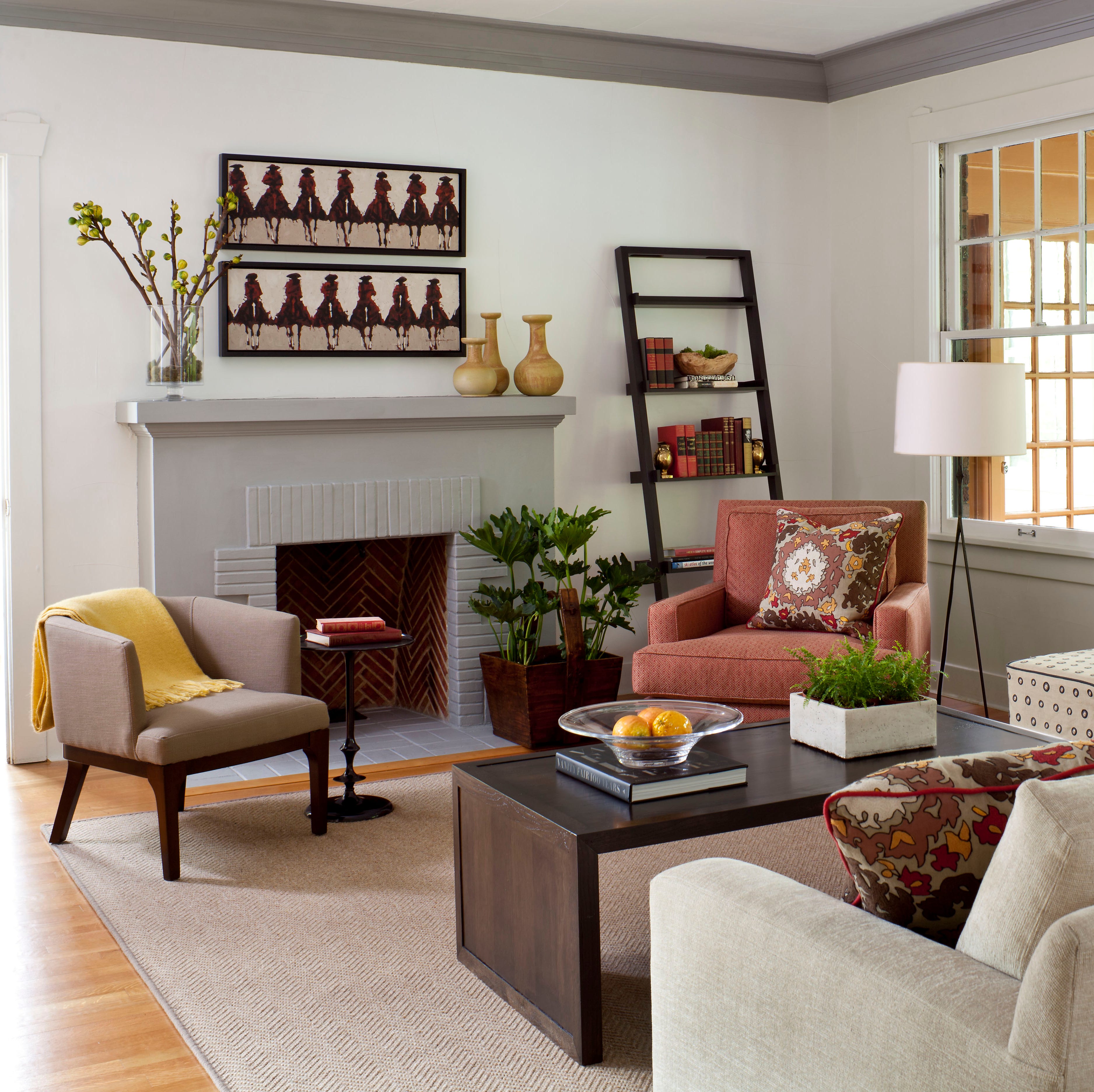
Designers Cracked the Code on the Perfect Living Room Seating Arrangement

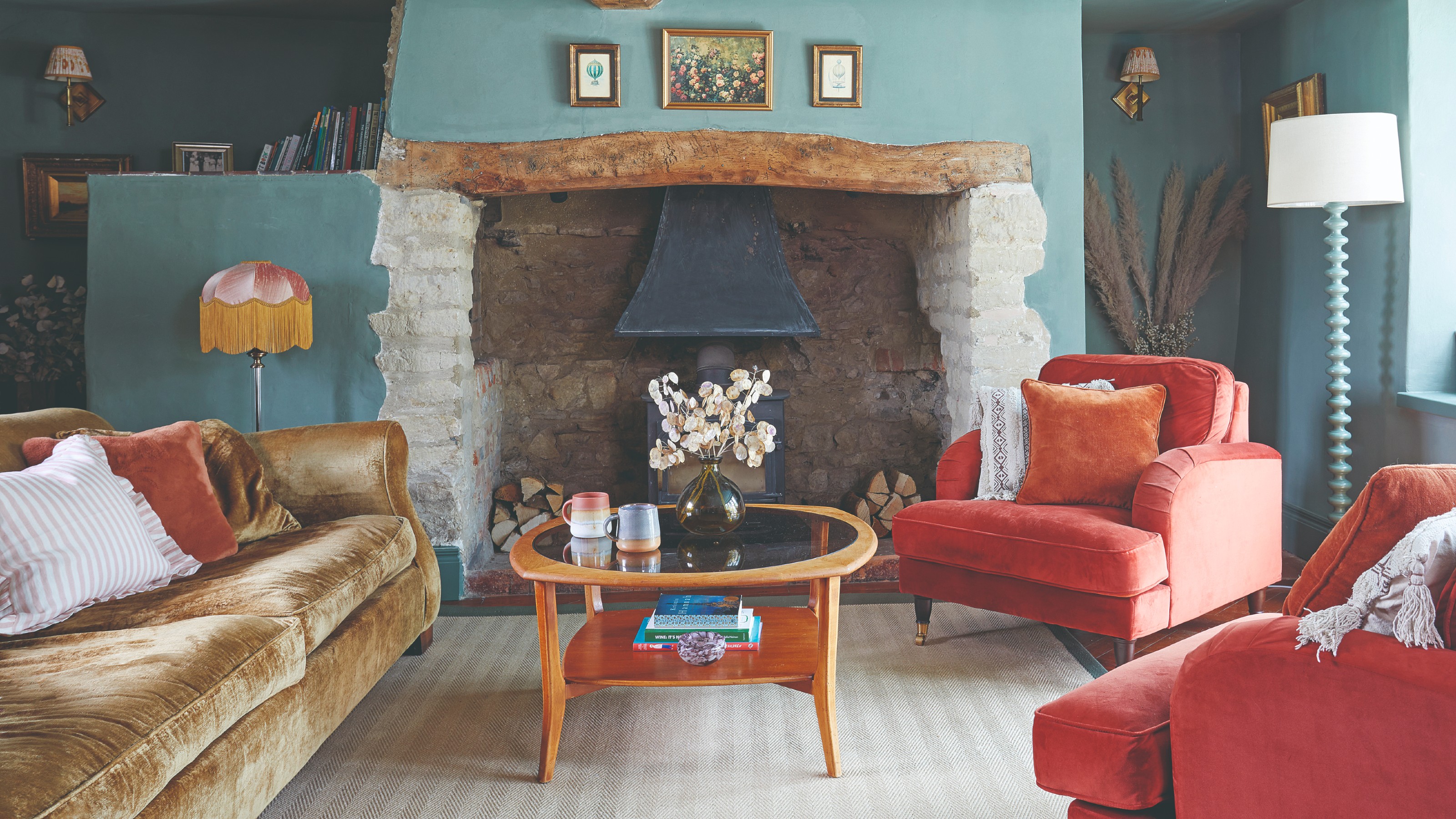
‘It makes your living room feel more connected and comfortable’ – the 4-inch seating rule is the trick interior designers have been using for years
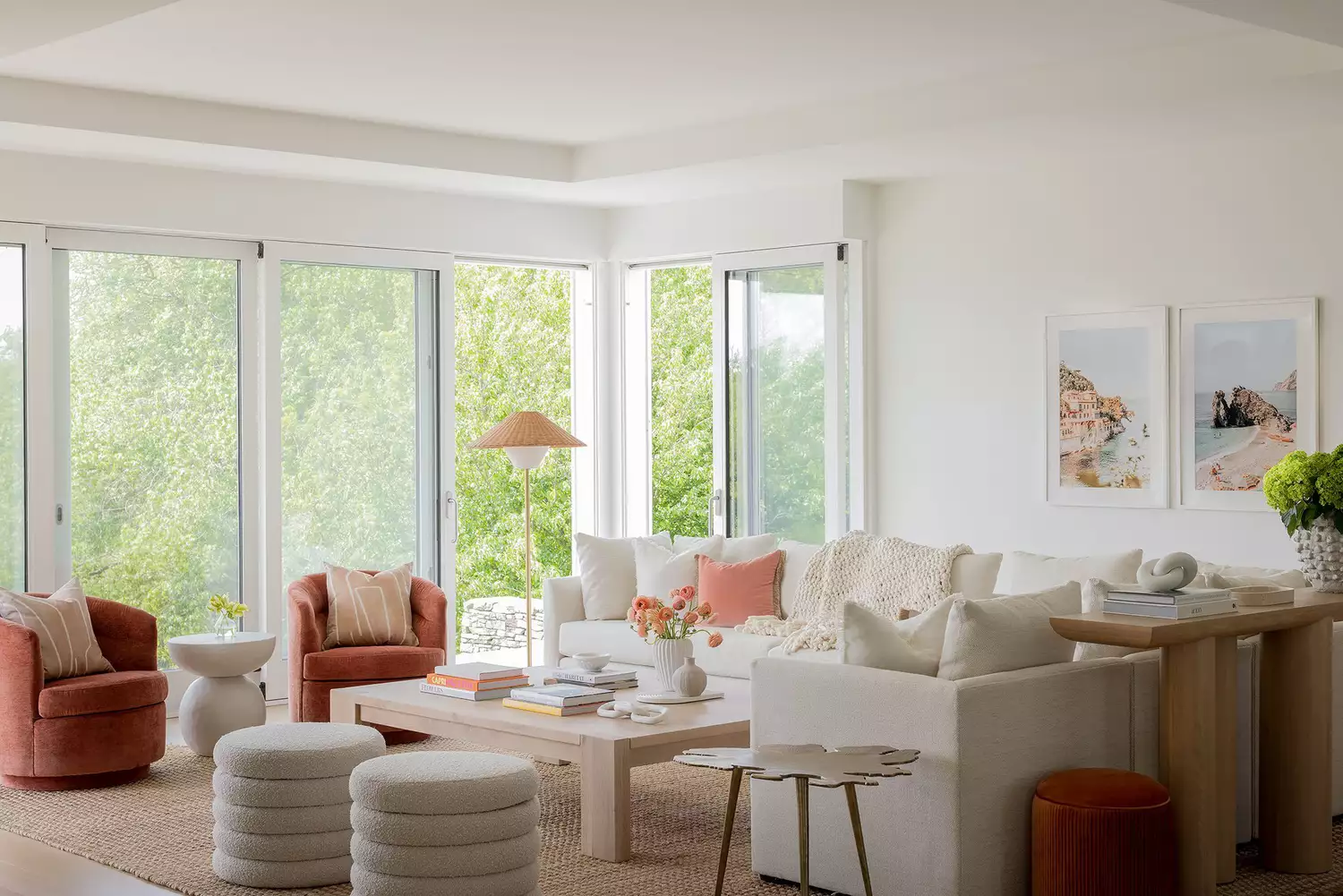
What's the Difference Between Family Rooms and Living Rooms? Turns Out There Are Many

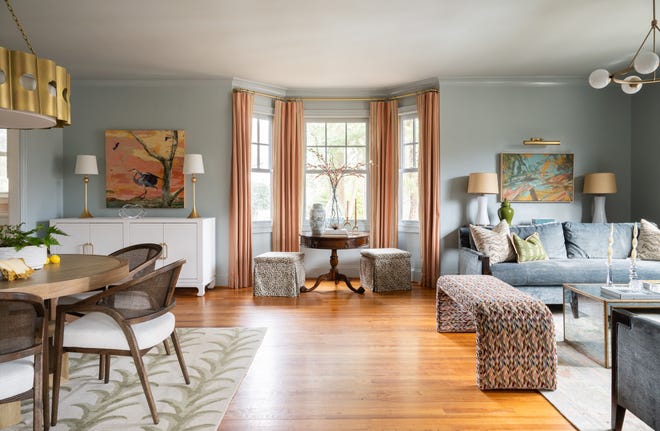
Living-dining room stylish, but surprisingly kid-friendly
Family bathroom ideas – 20 practical but pretty rooms to suit all ages
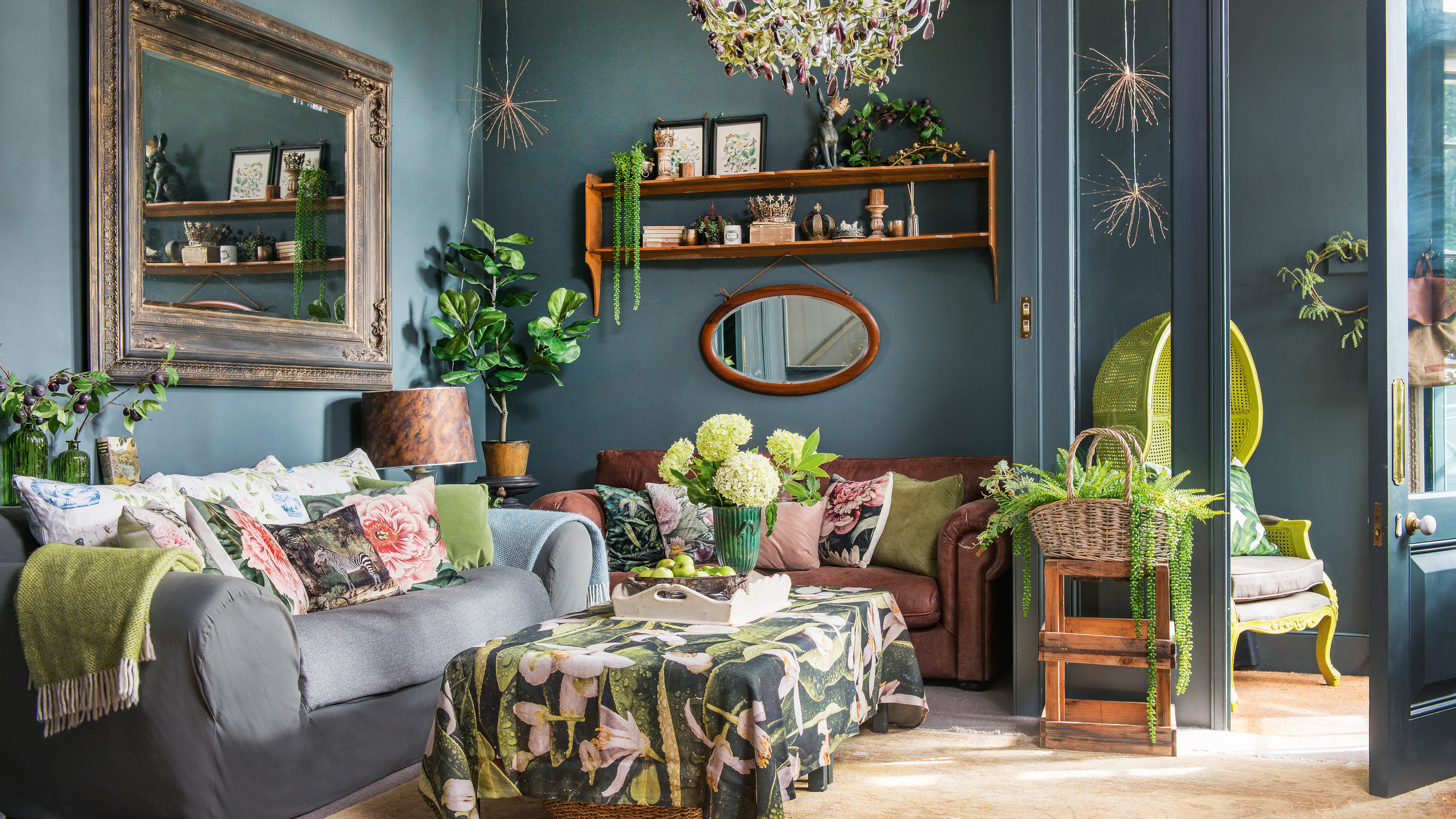
10 boho living room ideas - create an eclectic relaxed space to kick-back
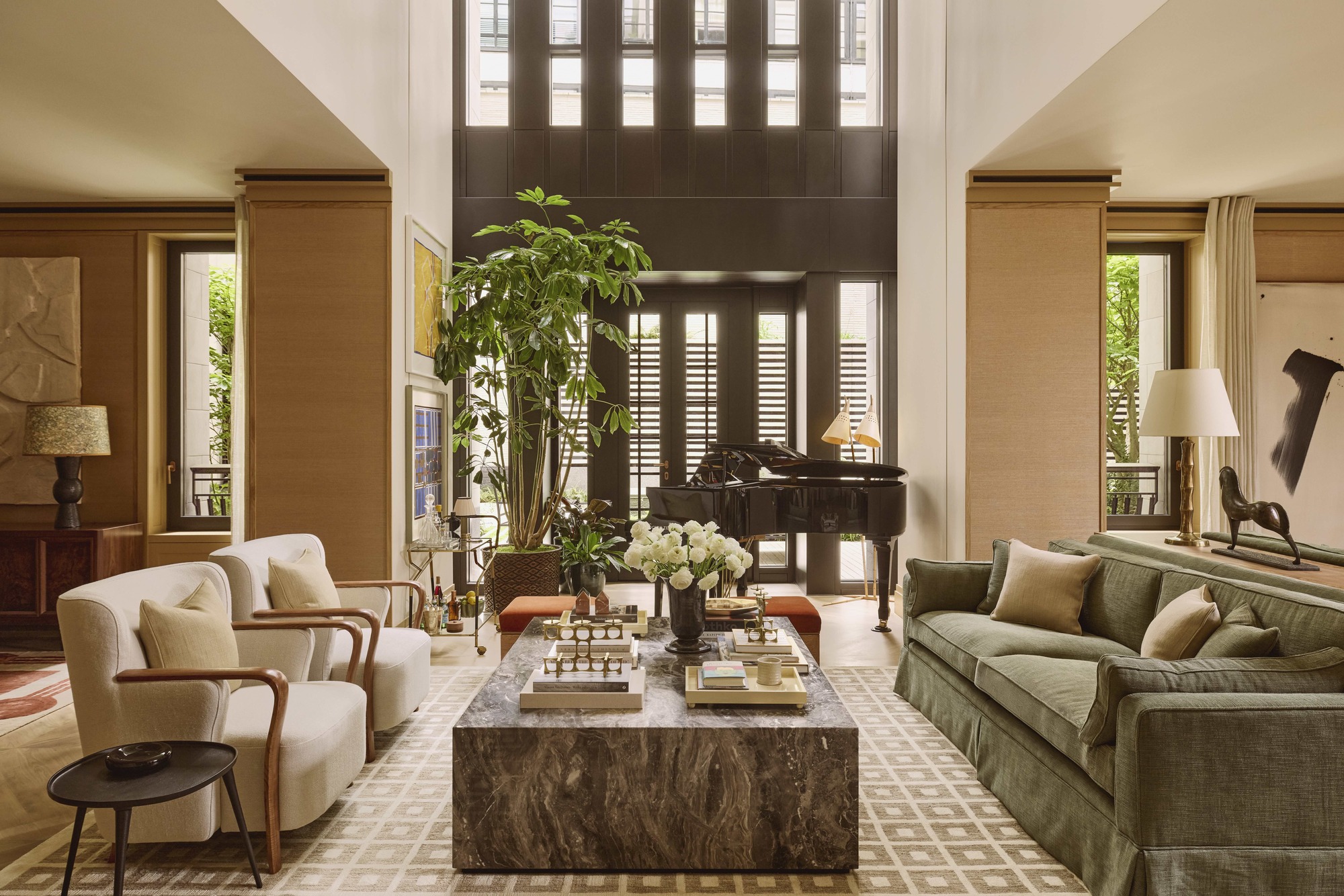
5 Genius Ways Interior Designers Know How to Adapt Your Living Room’s Layout When You’re Hosting a Lot of People
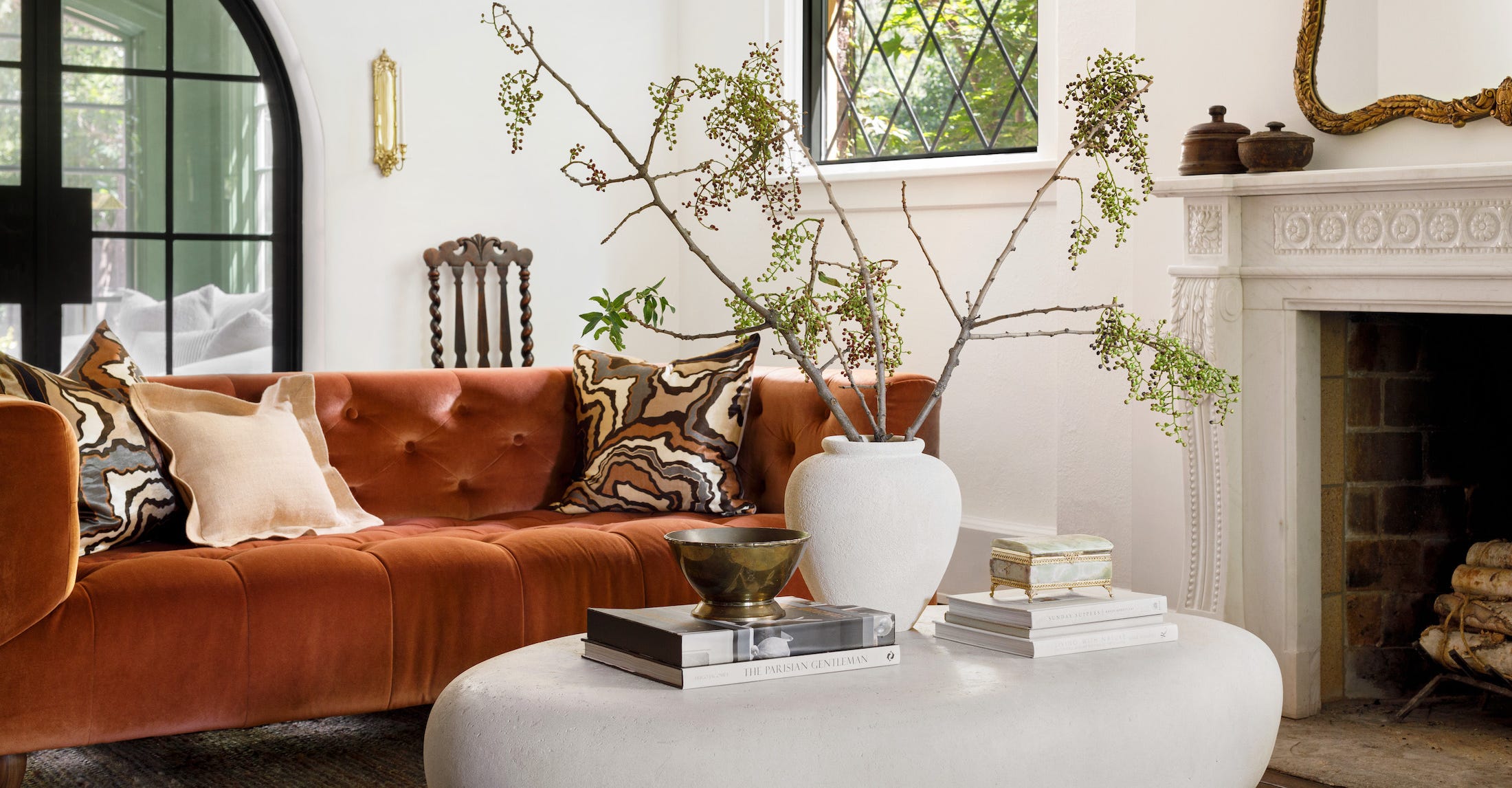
25 Ways to Make Any Living Room Feel Ten Times Cozier
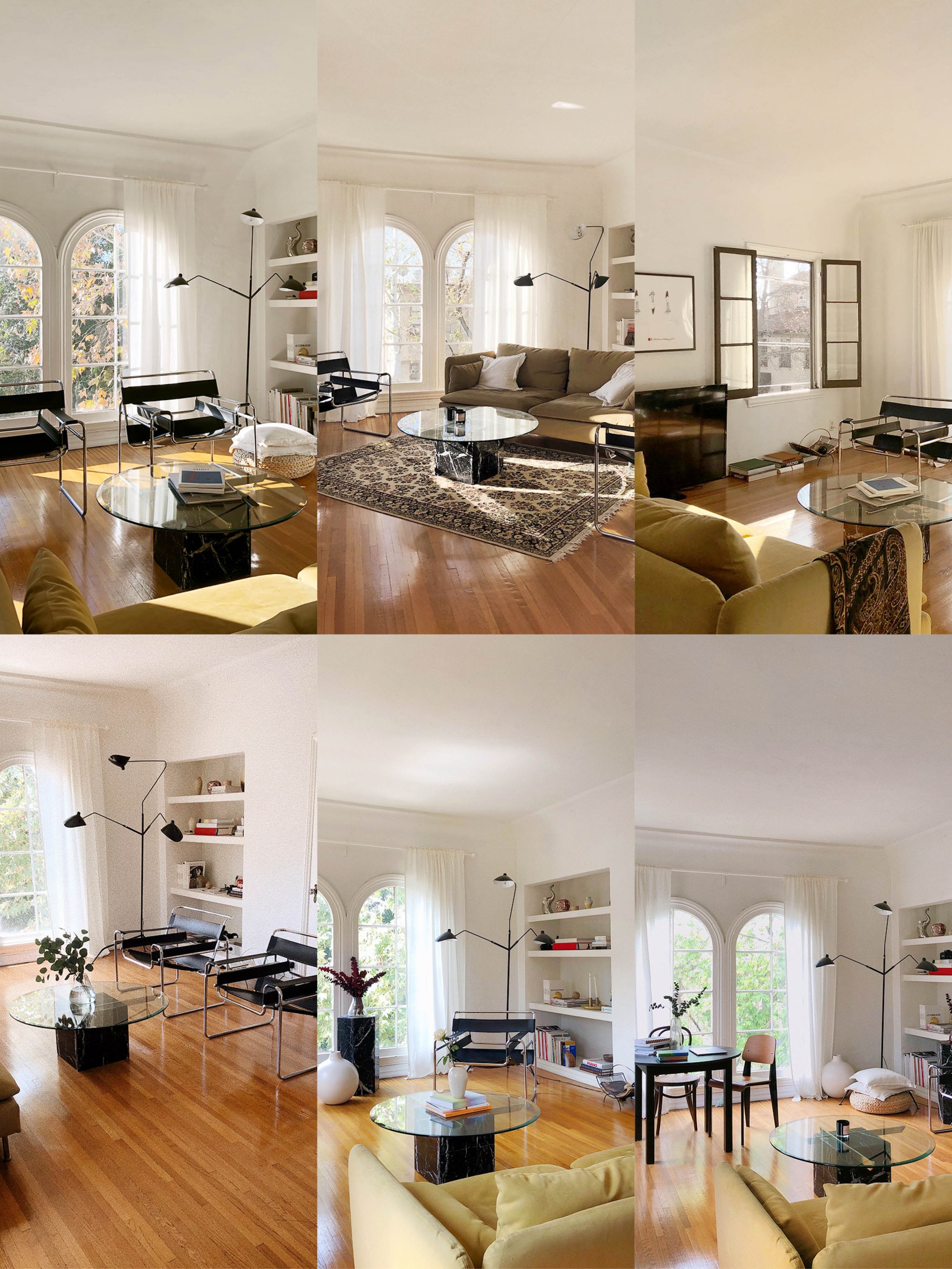
One Living Room, 6 Ways, All With the Same Furniture
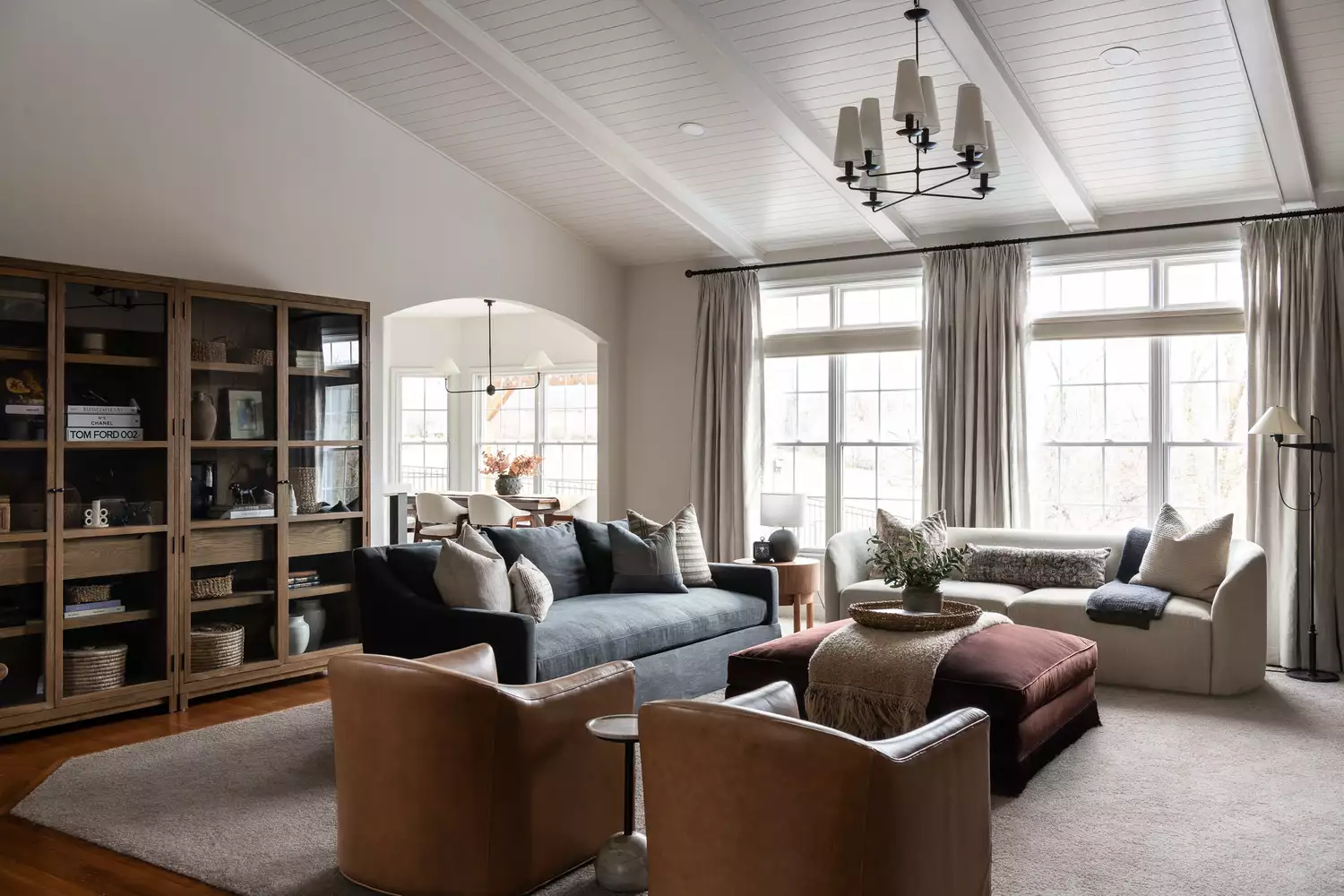
13 Living Room Layout Ideas to Make Any Space Feel Its Best