1/7
One Living Room, 6 Ways, All With the Same Furniture
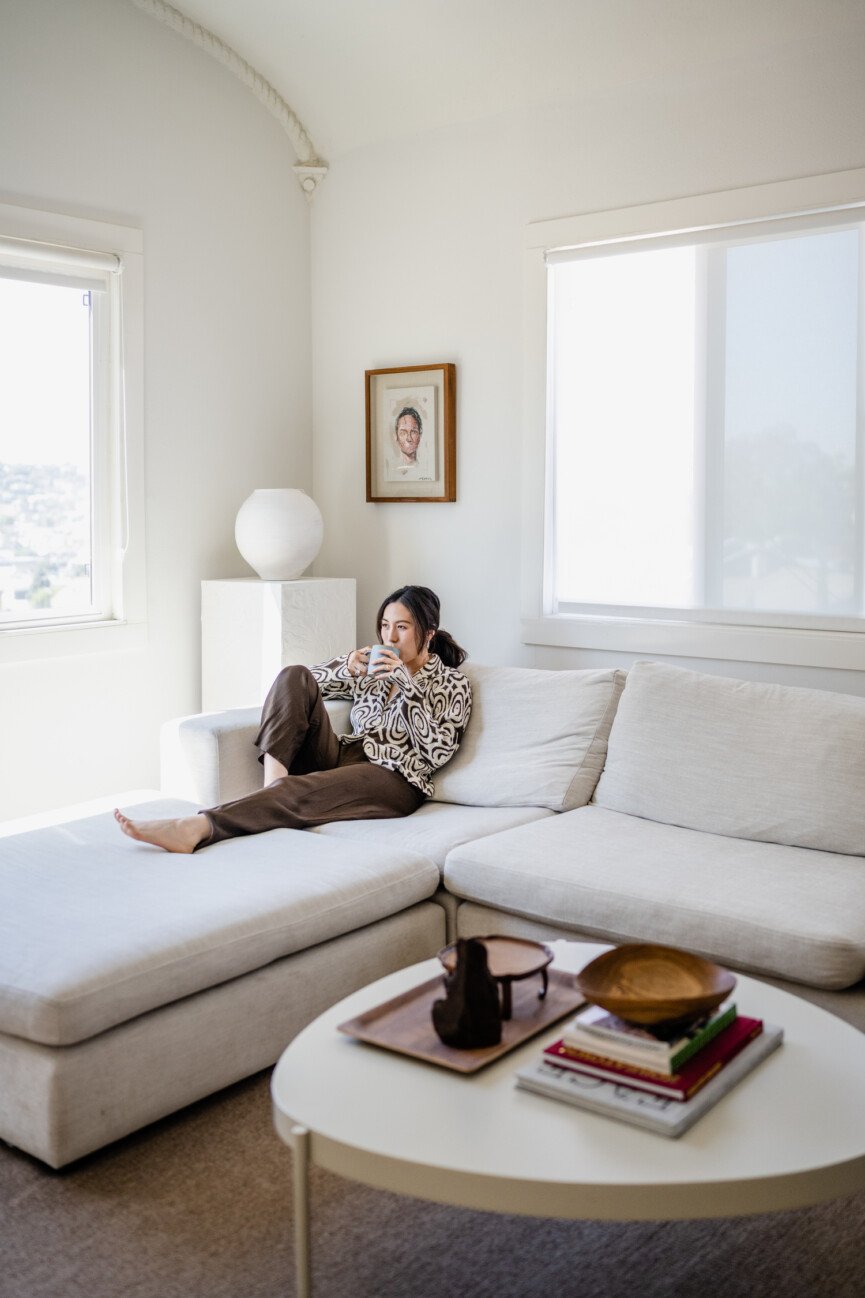
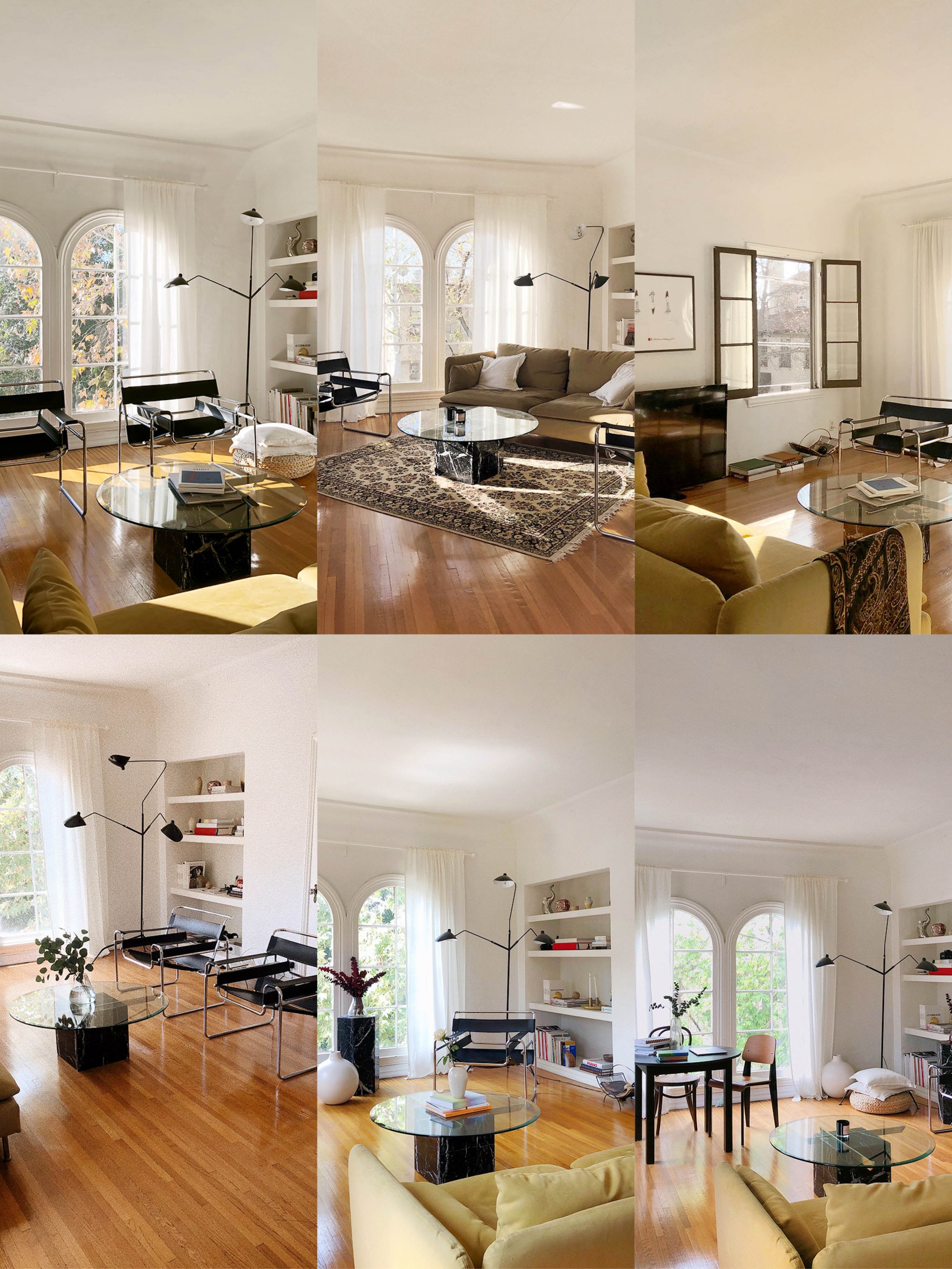
The article chronicles Isabelle Dimang's approach to continually refreshing her living room space in her 1920s Art Deco-style apartment in Los Angeles, California. Dimang, a photo director for Nordstrom, regularly rearranges her furniture every few months to find new inspiration and a renewed appreciation for her belongings, all without incurring any additional cost. This practice evolved during the pandemic, forcing her to consider both aesthetics and functionality in her arrangements. The piece details six different living room configurations, highlighting the successful and unsuccessful aspects of each setup.
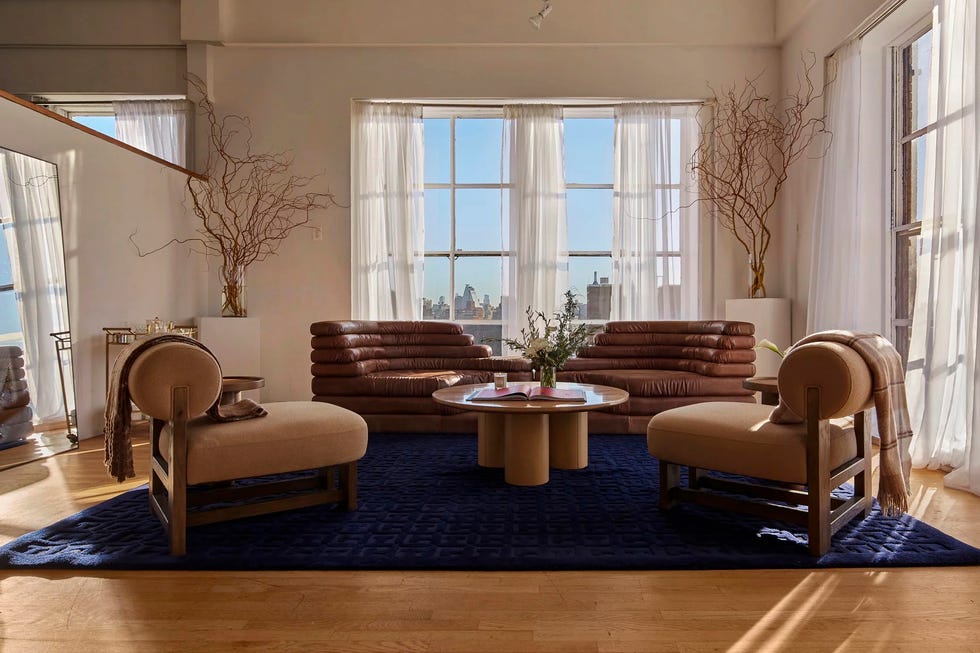
The first configuration, titled “The One With the Dreamy Light,” involved placing two black chairs in front of arched windows and the sofa across the room. This arrangement effectively showcased the natural light entering the corner, which Dimang found appealing, especially in the mornings. However, a significant drawback was the inability to view the outside from the chairs, limiting their practical use for enjoying the exterior.
Next, “The One on a Diagonal,” was inspired by Pinterest trends and featured a corner couch setup with an added rug. While this arrangement created a conducive environment for socializing, with chairs framing the couch and facing each other, it resulted in an unbalanced look. It obstructed views of the windows and a prominent bookshelf, which Dimang considered key features of her living space.
“The One That Ignored the TV” aimed to de-emphasize the television by relocating it to a different wall and centering the living room around seating. This setup allowed the sofa to be beautifully positioned between two windows. Despite its aesthetic appeal, it proved impractical for watching television, causing discomfort due to neck craning from the seating arrangement.
The fourth setup, “The One With Lots of Negative Space,” involved using a black marble column, originally a dining table base, as a decorative element between the two windows, separating the two black chairs. This arrangement effectively highlighted the bookshelf and lamp corner. However, it created an excessive amount of unused space at the back of the room, which Dimang was attempting to fill with a desk but had not yet finalized, leading to an incomplete feeling.
“The One With a WFH Setup” represented Dimang's second attempt at integrating a home office. She used a round table and two chairs from another room as a workspace, complemented by an easel for creative activities during quarantine. This setup offered an excellent natural Zoom background from the bookcase and abundant natural light. Yet, Dimang found it aesthetically unappealing, as her living room was intended for relaxation, not work, despite its improved functionality during remote work conditions.
The final described configuration, “The One With the Greenery,” emerged when remote work became permanent. Dimang rearranged the table and couch to create distinct professional and lounge areas. This version benefited from the inclusion of various plants, such as eucalyptus, hydrangeas, peace lilies, and a pothos, to enhance the vibrancy of her home. However, Dimang was not entirely satisfied with the sofa obstructing her window view, indicating her continuous search for the ideal arrangement. The article concludes by encouraging readers to subscribe for more design insights, including a feature on Ayesha Curry’s home, underscoring how design can influence one's environment. #LivingRoomDesign #HomeDecor #InteriorDesign #FurnitureArrangement #SmallSpaceLiving #DIYDecor #WorkFromHomeSetup
0 comment in total
 No comments yet
You may also like
Two Sofas Facing Each Other With a TV — How to Make It Work

Designers Share 4 Common "Mistakes" You're Making in Your Living Room—and How to Correct Them

Living room case study: a brand new look for under £6,000

6 Things You Can Find in Every Stylish Room, According to Interior Designers

10 common living room design disasters experts warn against falling for
Is Having Two Sofas Facing Each Other Actually Comfortable for Watching TV? Tips for Getting This Trending Layout Right
Designers Say This Tiny Tweak Could Save Your Living Room From Looking Tacky (And It's Free)
Designers Say This Is the "Perfect" Living Room Seating Arrangement
6 Light Blue Living Rooms That Find the Perfect Balance Between Cool and Cozy
These 6 Living Room Details Always Give Designers the Ick
6 failsafe formulas designers always follow when planning a living room

Should I 'float' my living room furniture? The how and why of moving your sofa away from the walls
6 Best Furniture Pieces to Give Your Living Room A Makeover
5 Genius Ways Interior Designers Know How to Adapt Your Living Room’s Layout When You’re Hosting a Lot of People
How to Fix the Most Common Living Room Layout Mistakes

How can you make an open-plan apartment feel cohesive? Follow these designer's furniture placement rules
Ahem: You're Gonna See These 6 Living Room Trends All! Year! Long!
5 dated living room layouts to always avoid and what designers are doing instead for 2025
4 Dated Living Room Layouts That Simply Won't Work in 2026

Living Room Organization Q&A With The Home Edit