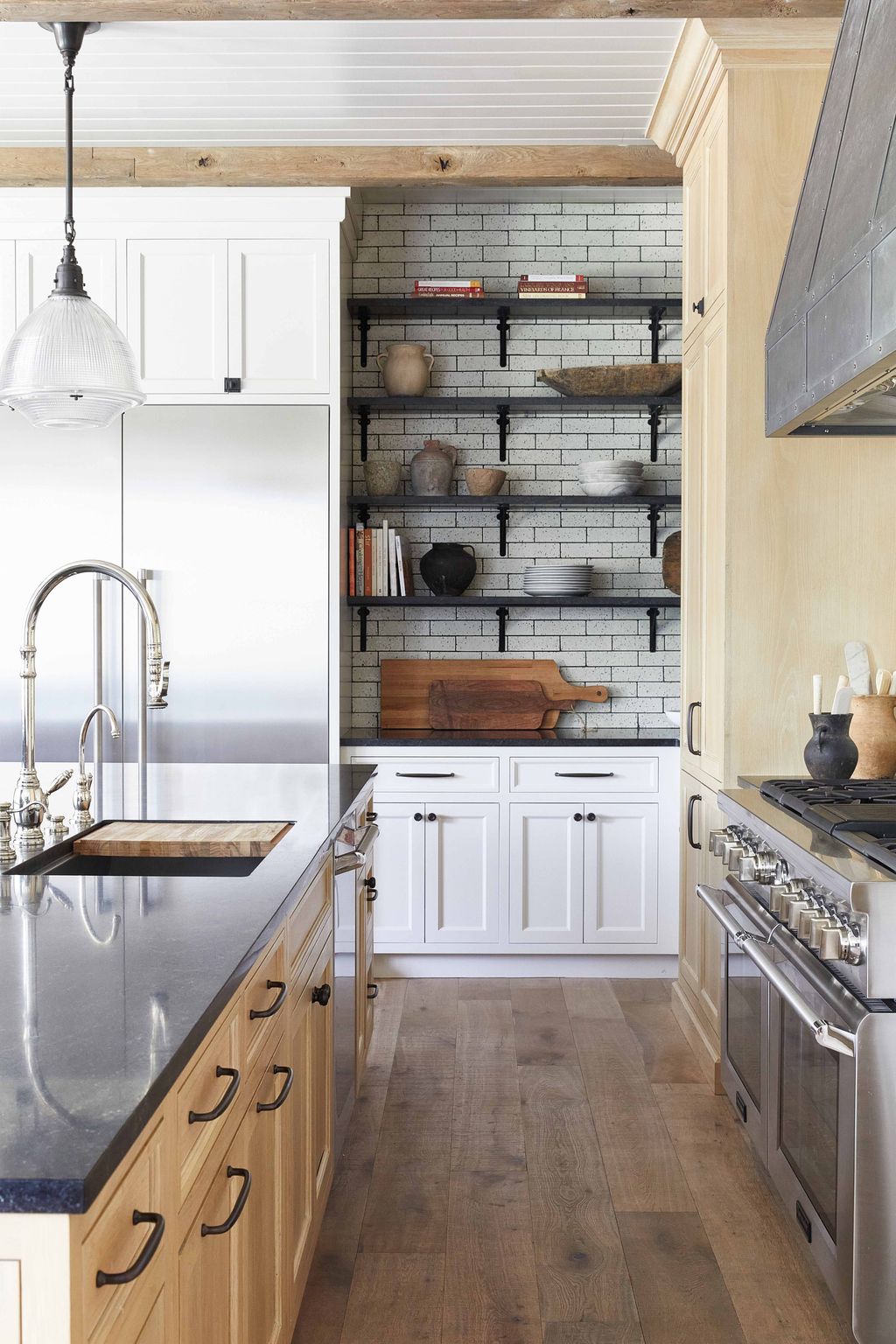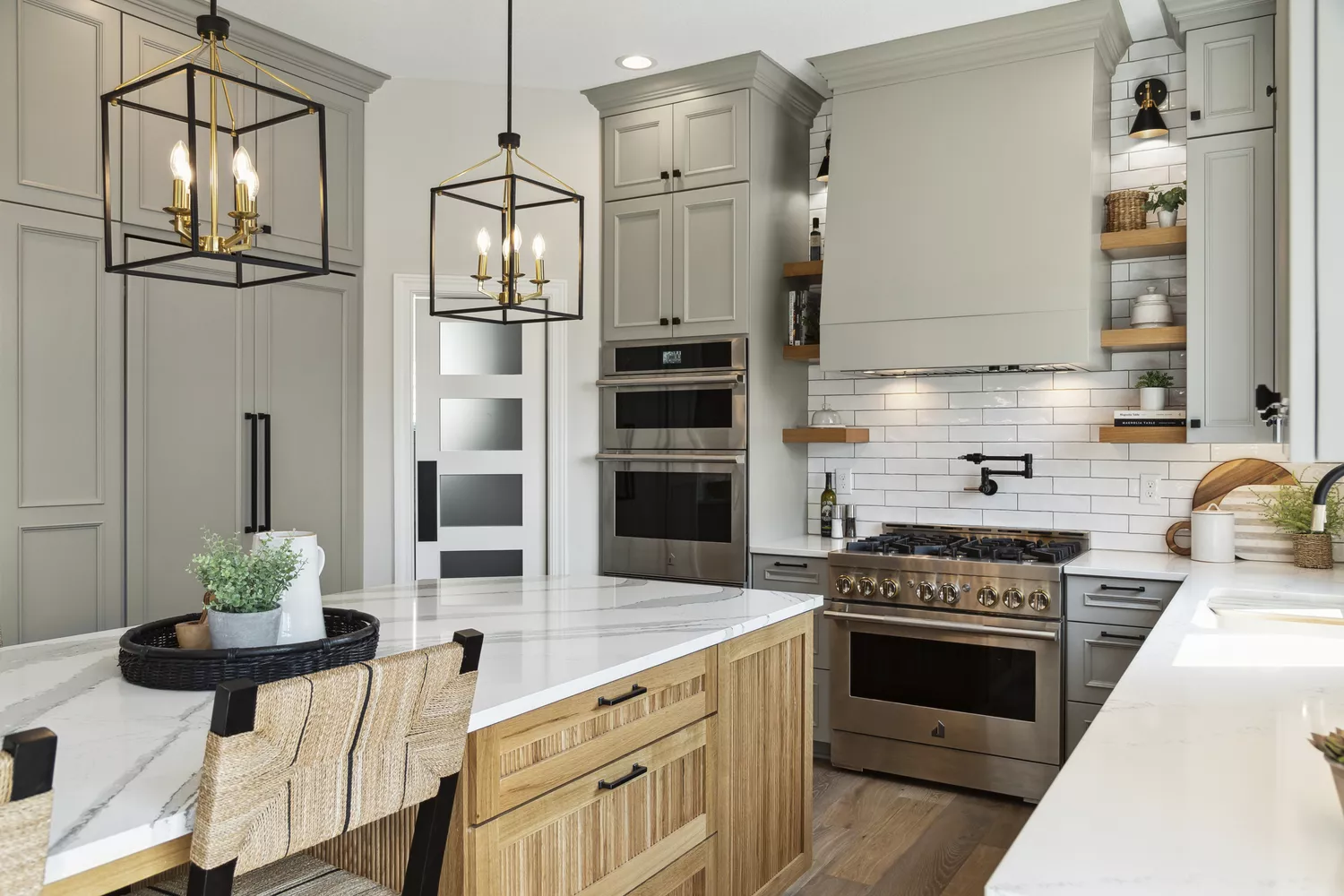
1/2
These Colonial Kitchen Designs Radiate Warmth and Comfort—Here's How to Get the Look
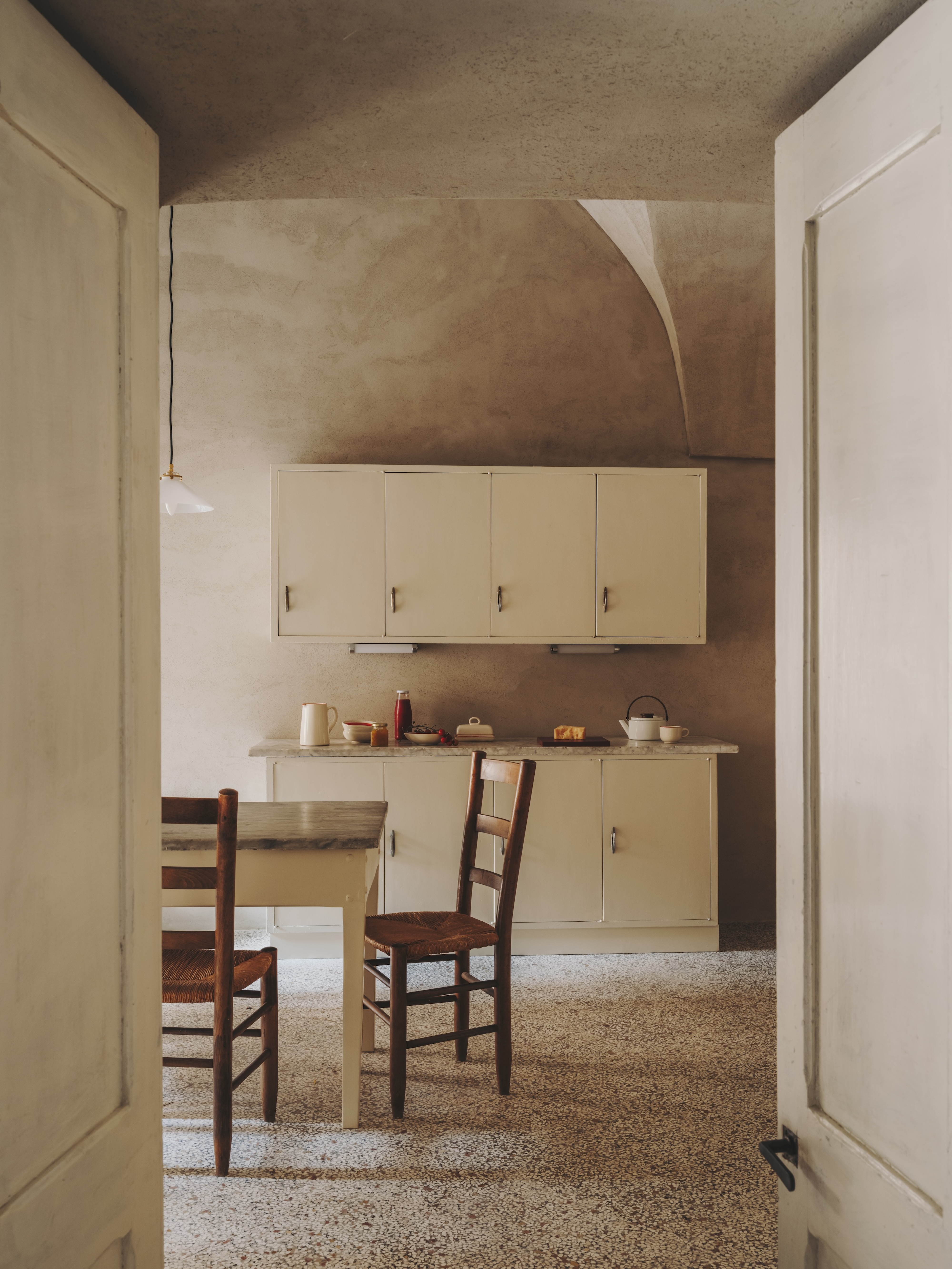
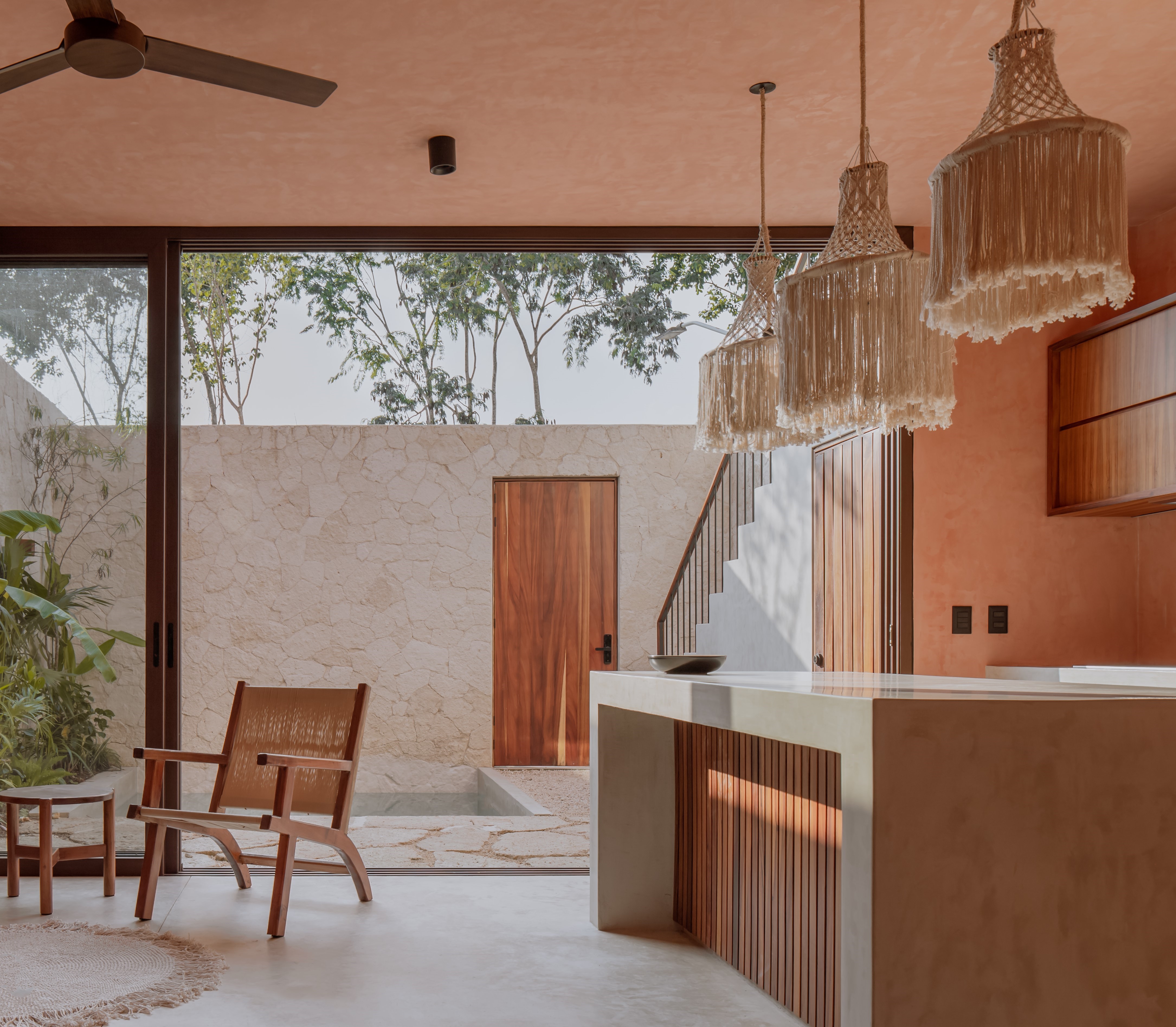
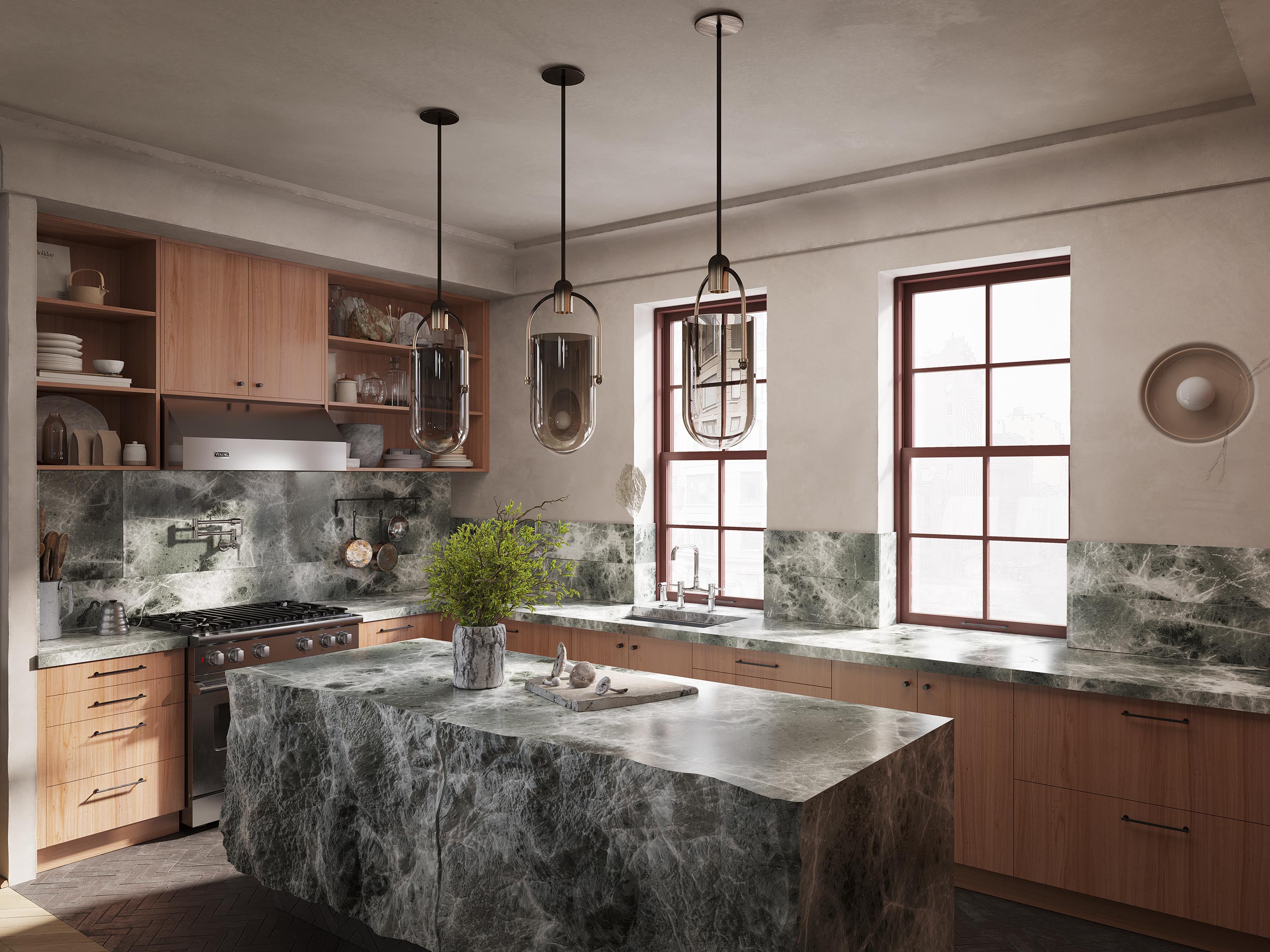
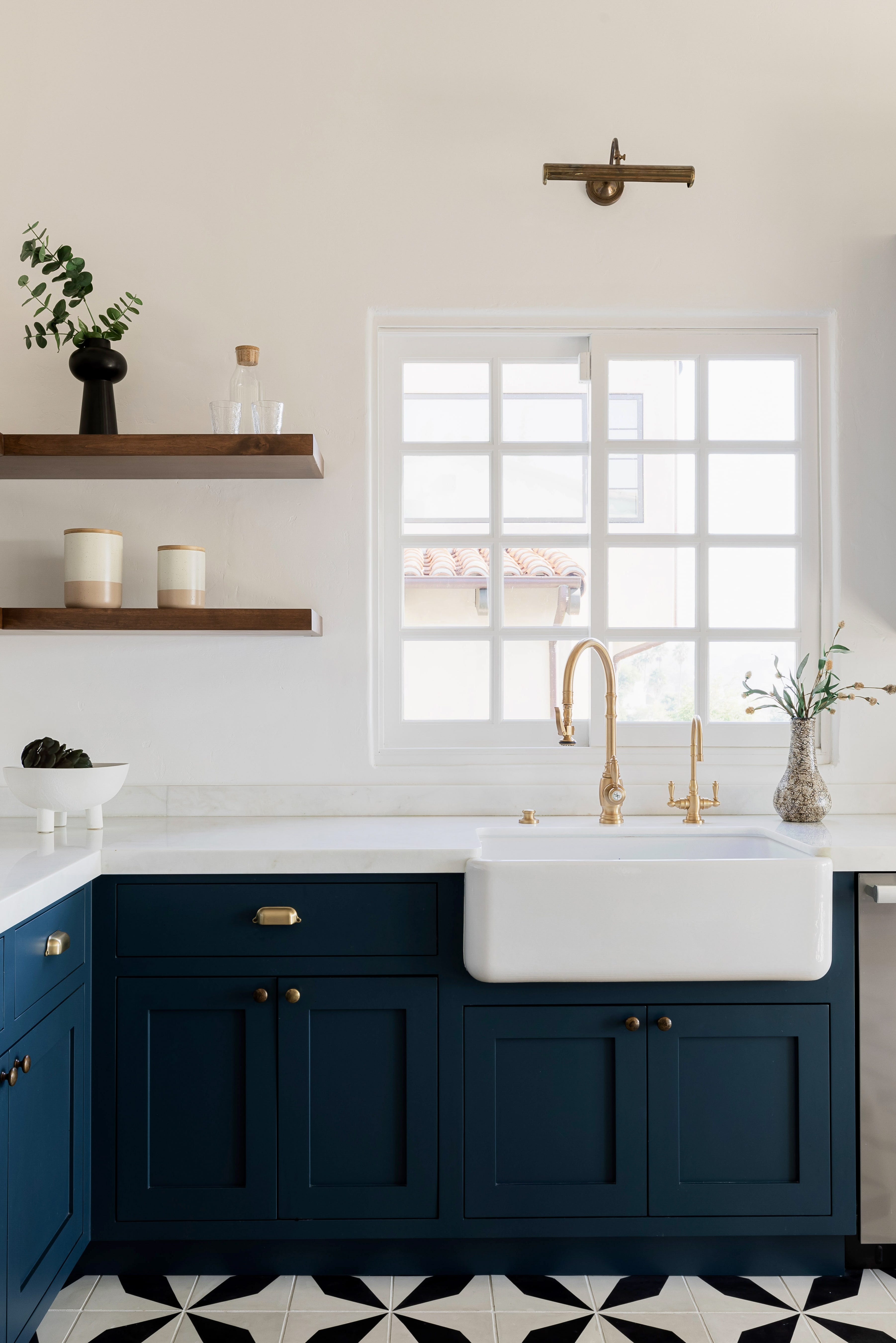
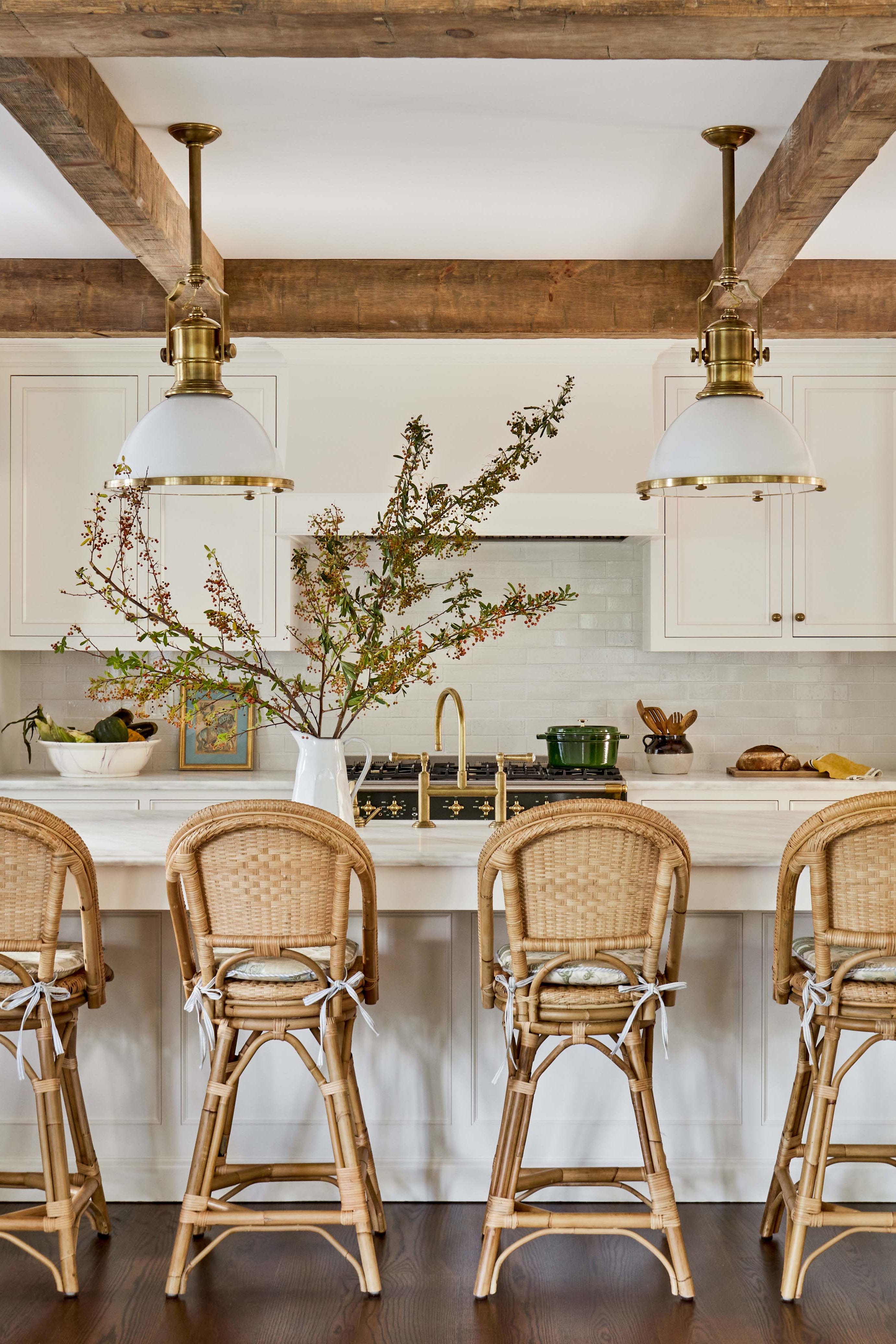
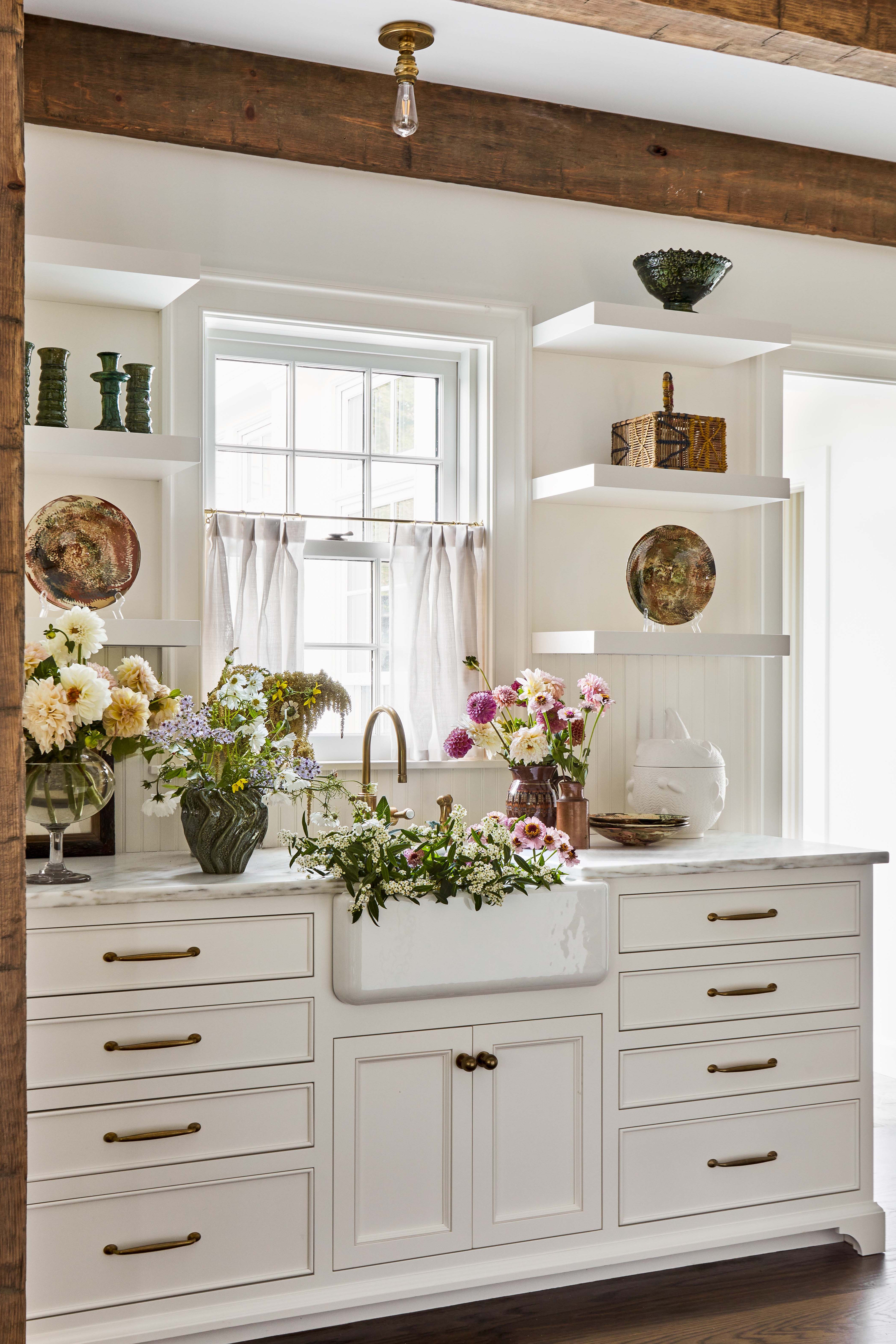
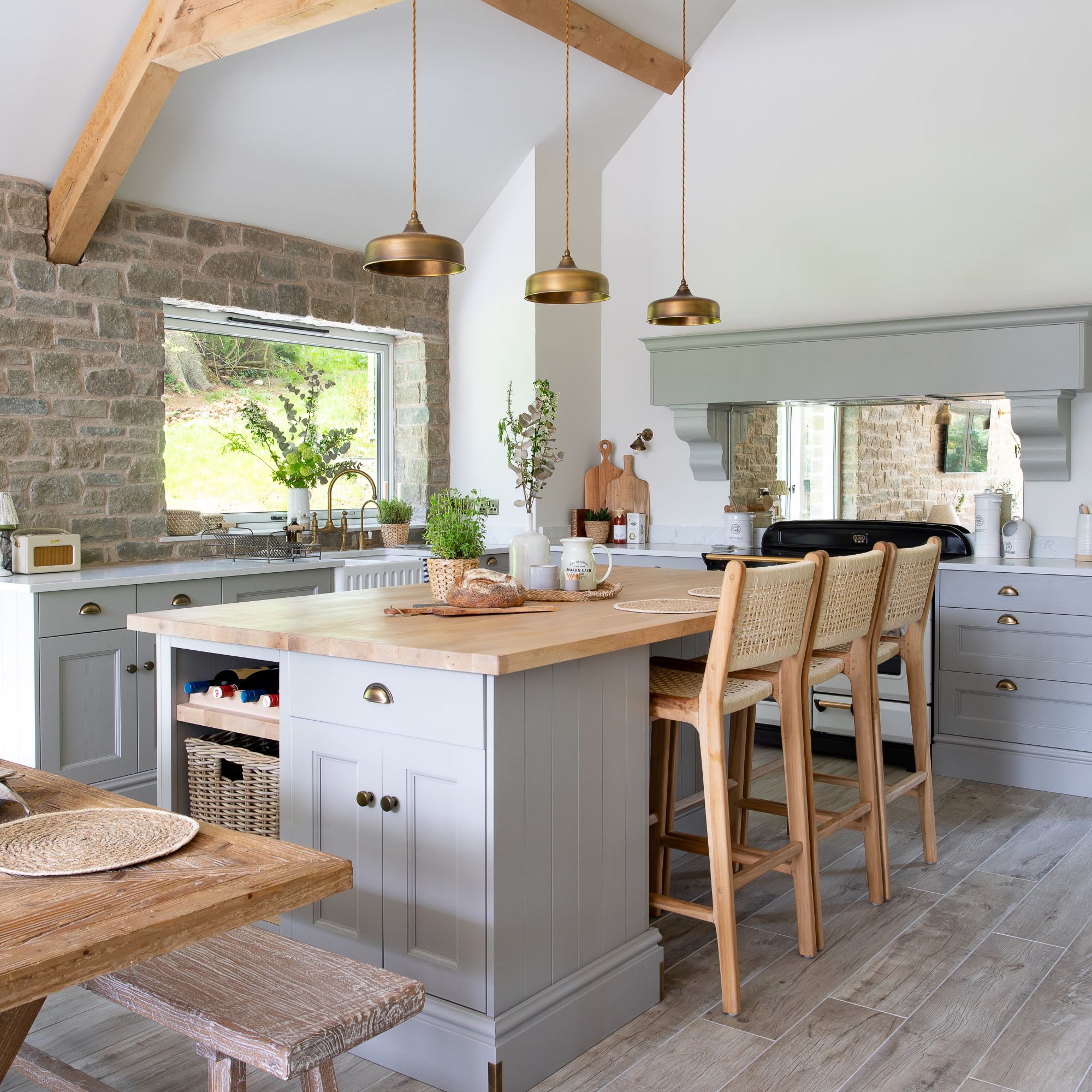
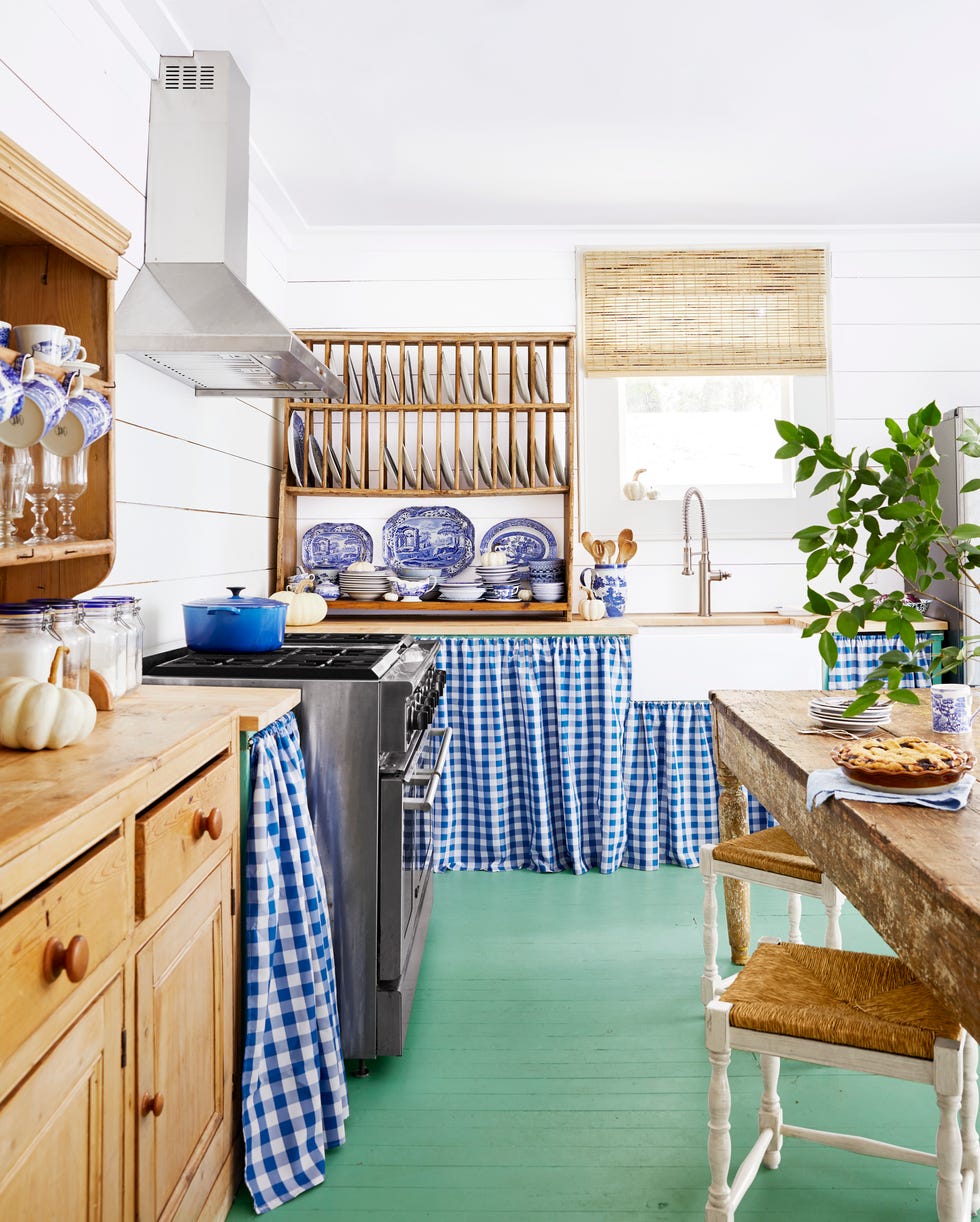
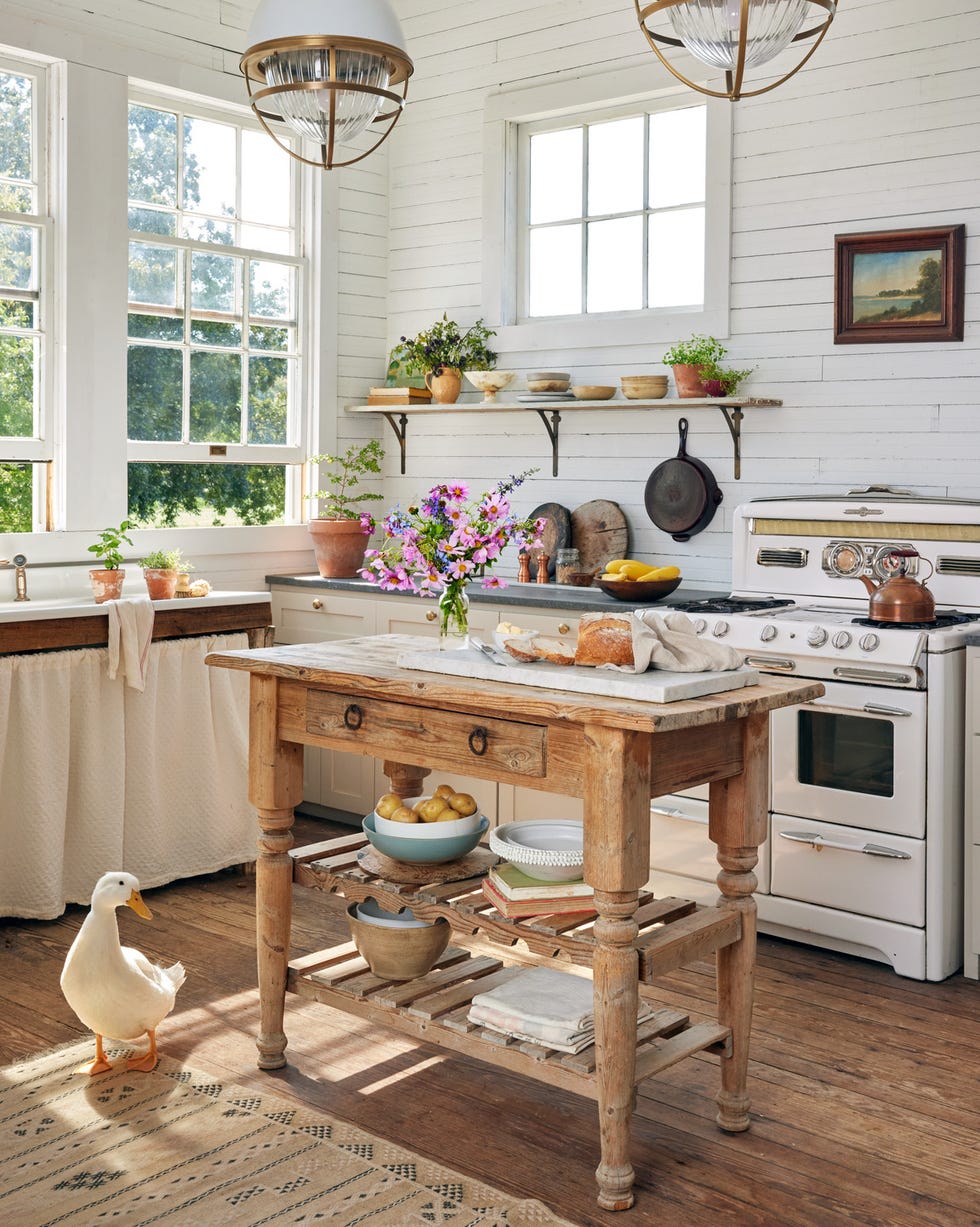
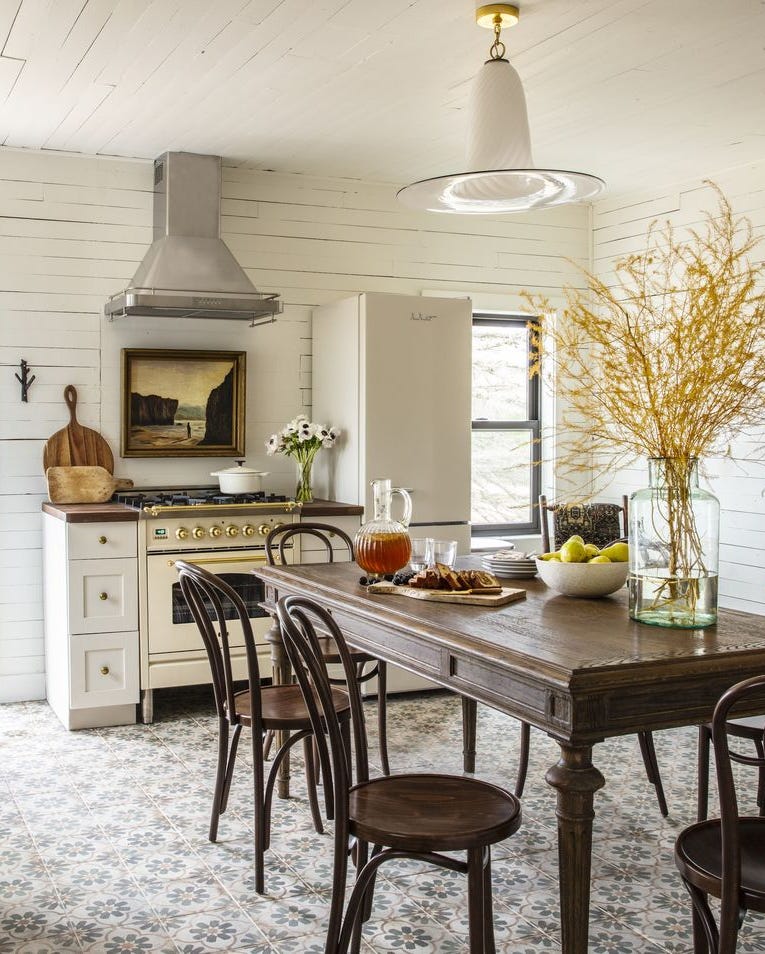
This article explores how to integrate Colonial-style elements into modern kitchens, creating a timeless design that blends rustic charm with contemporary functionality. The approach emphasizes achieving a Colonial-inspired look without sacrificing modern conveniences, such as air fryers and espresso machines. Designers Samantha Tosti and Pamela O'Brien highlight the versatility and welcoming nature of Colonial design, suggesting several key components for a successful modern interpretation.
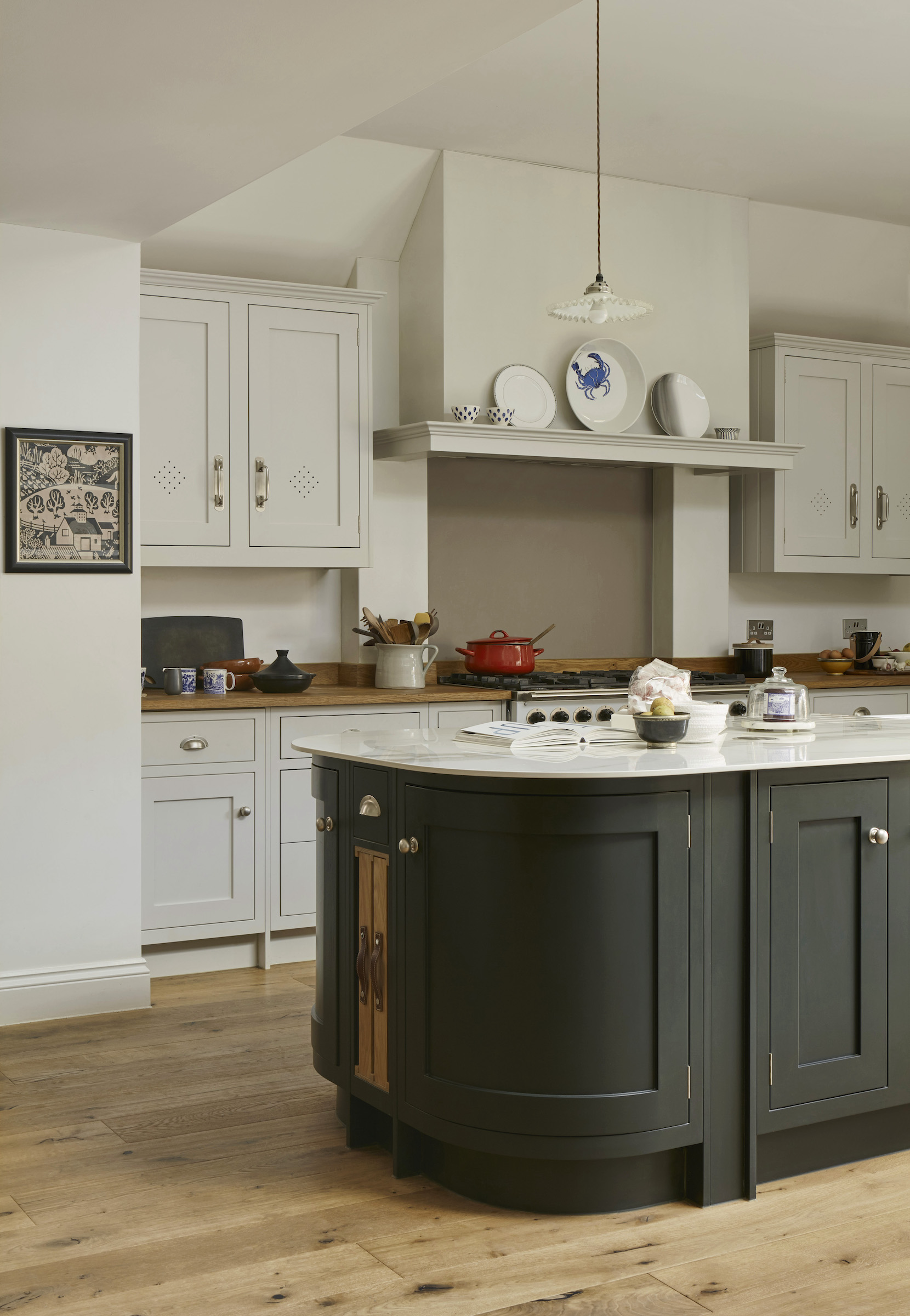
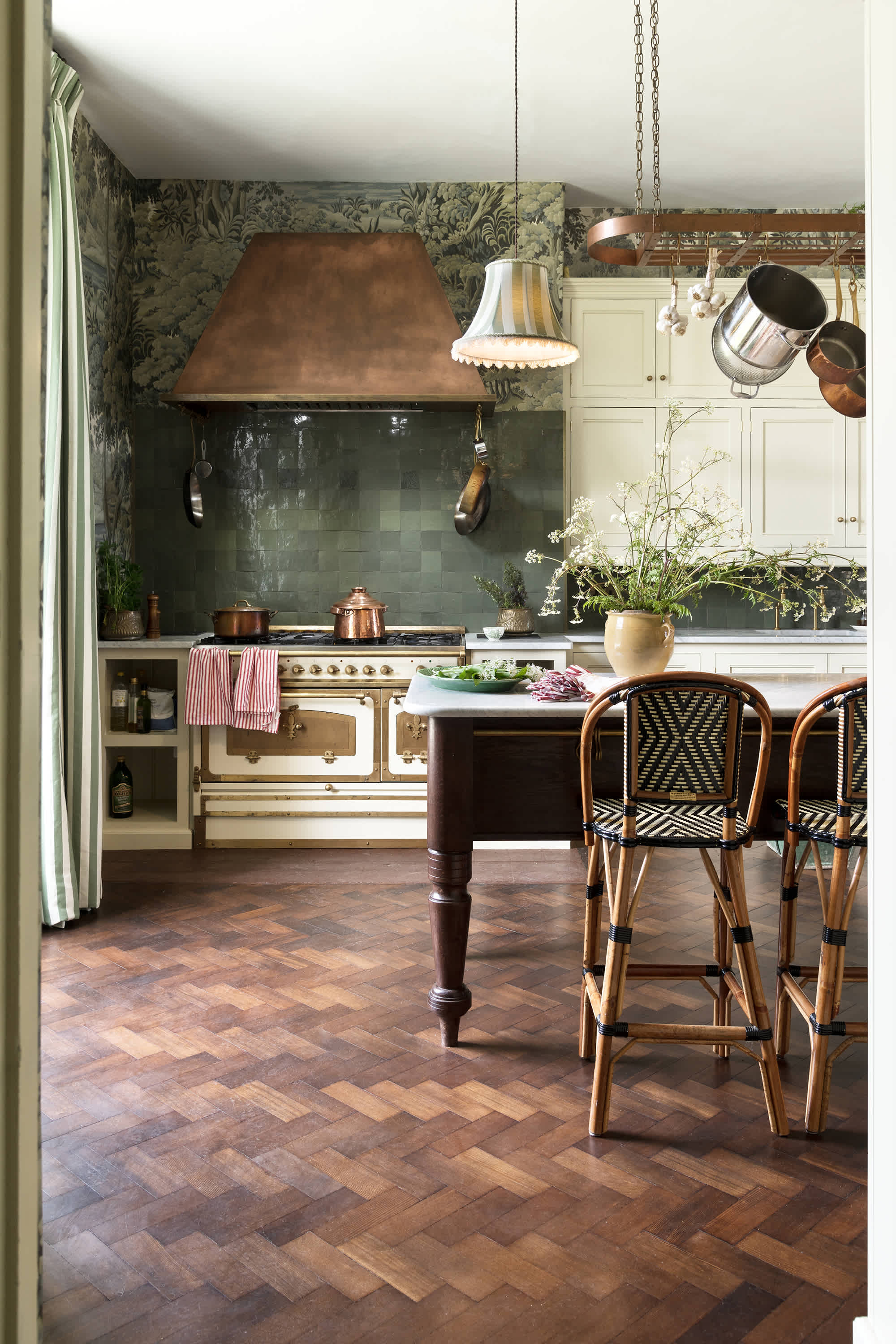
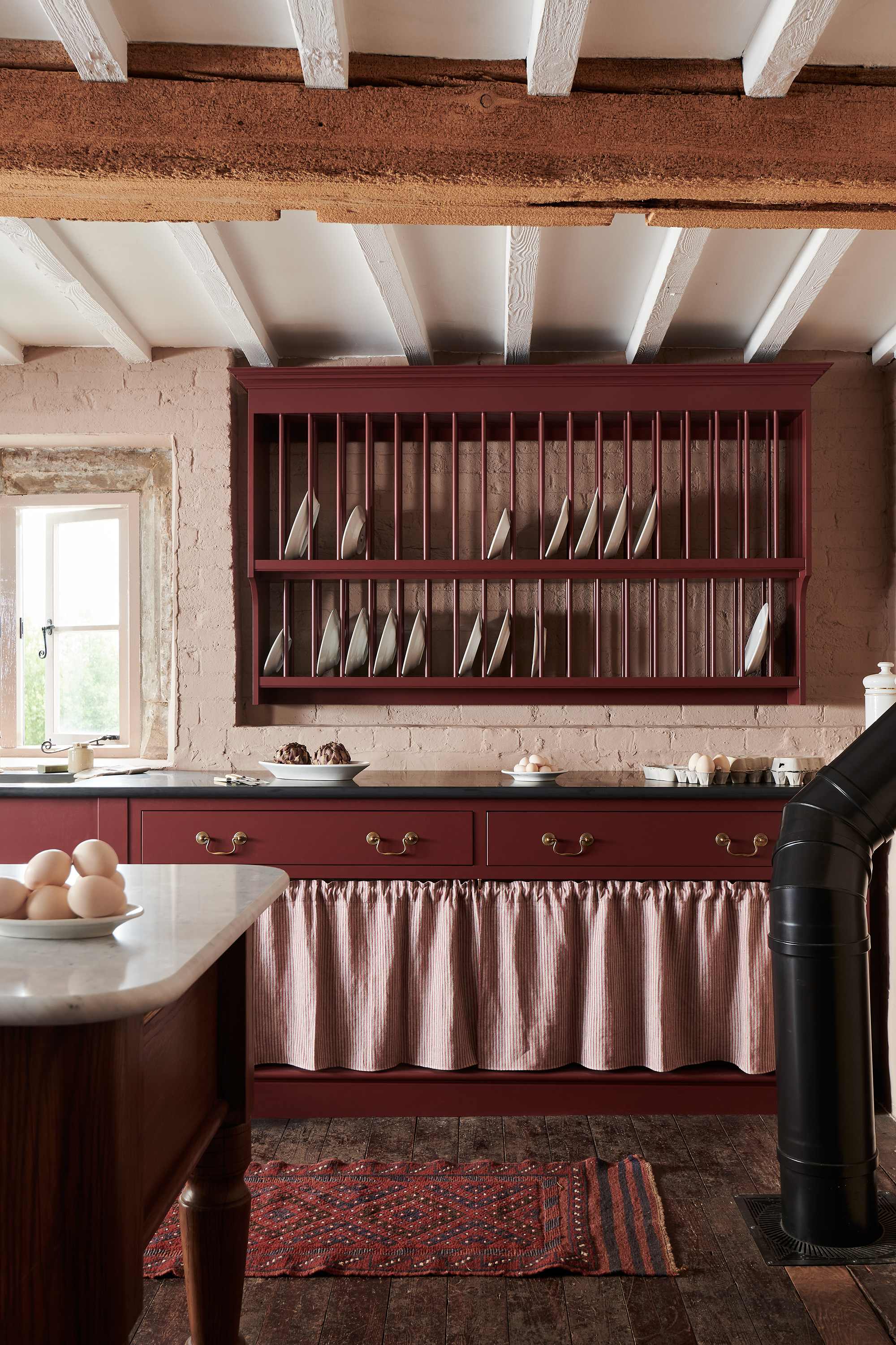
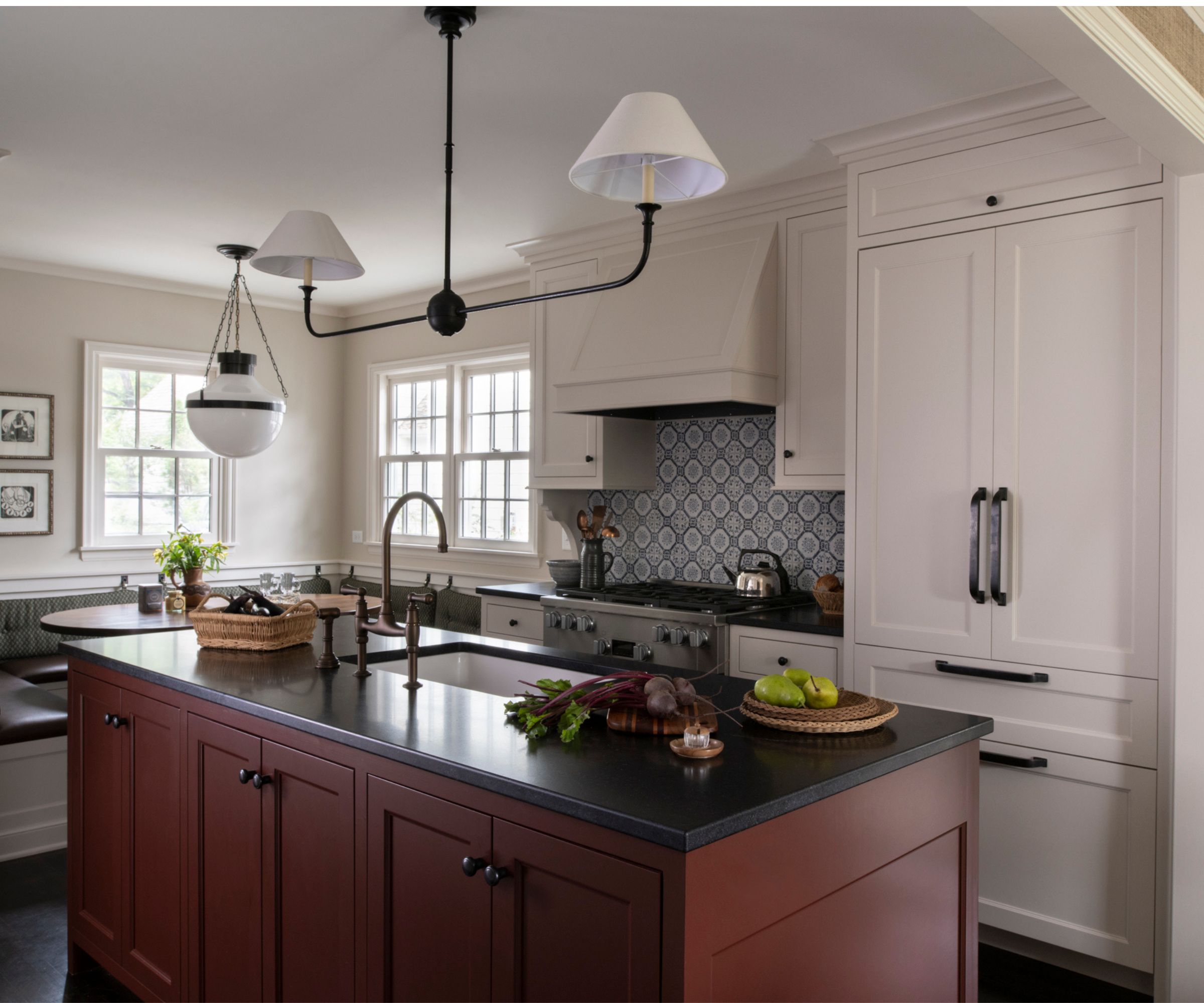
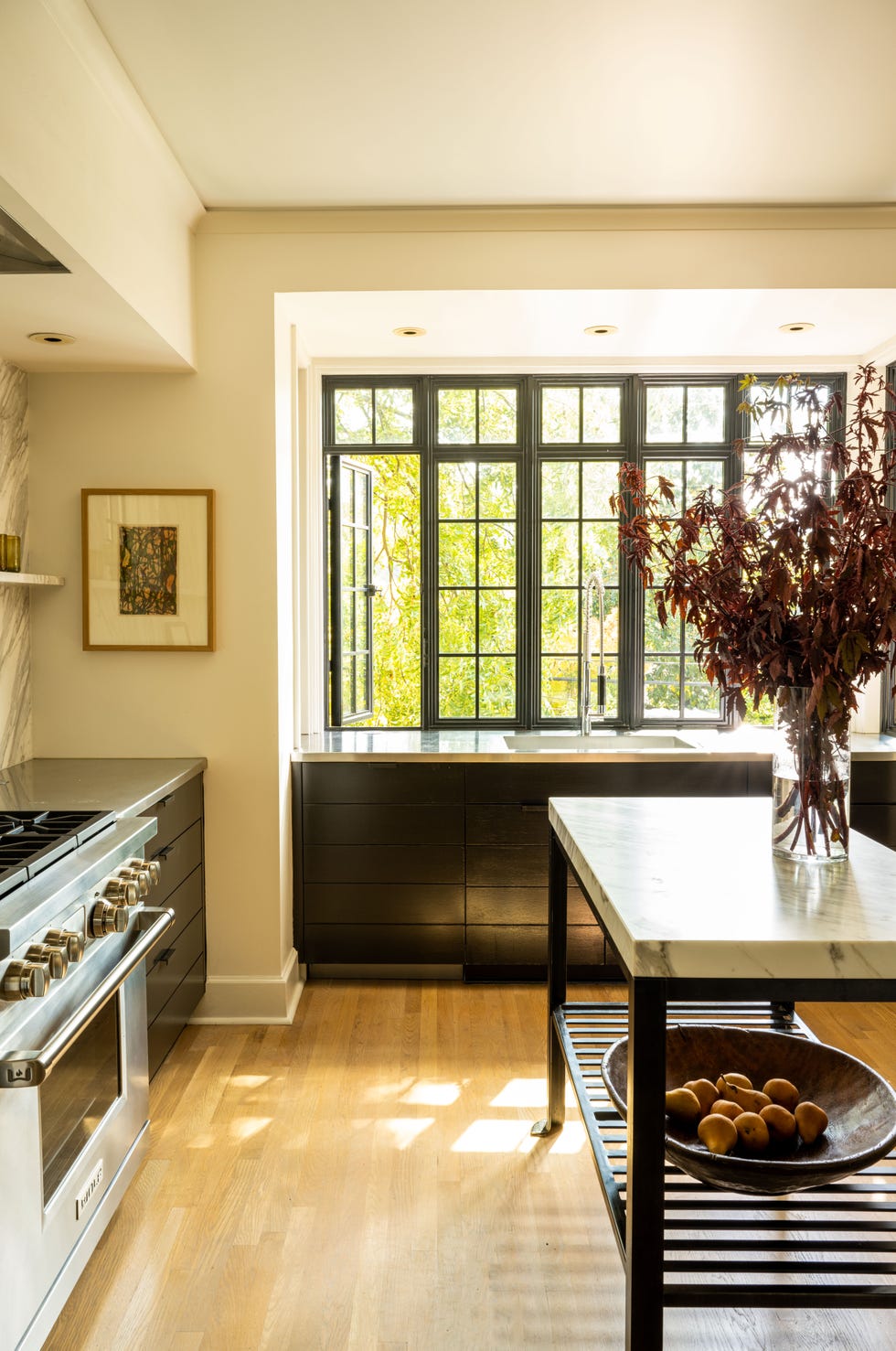
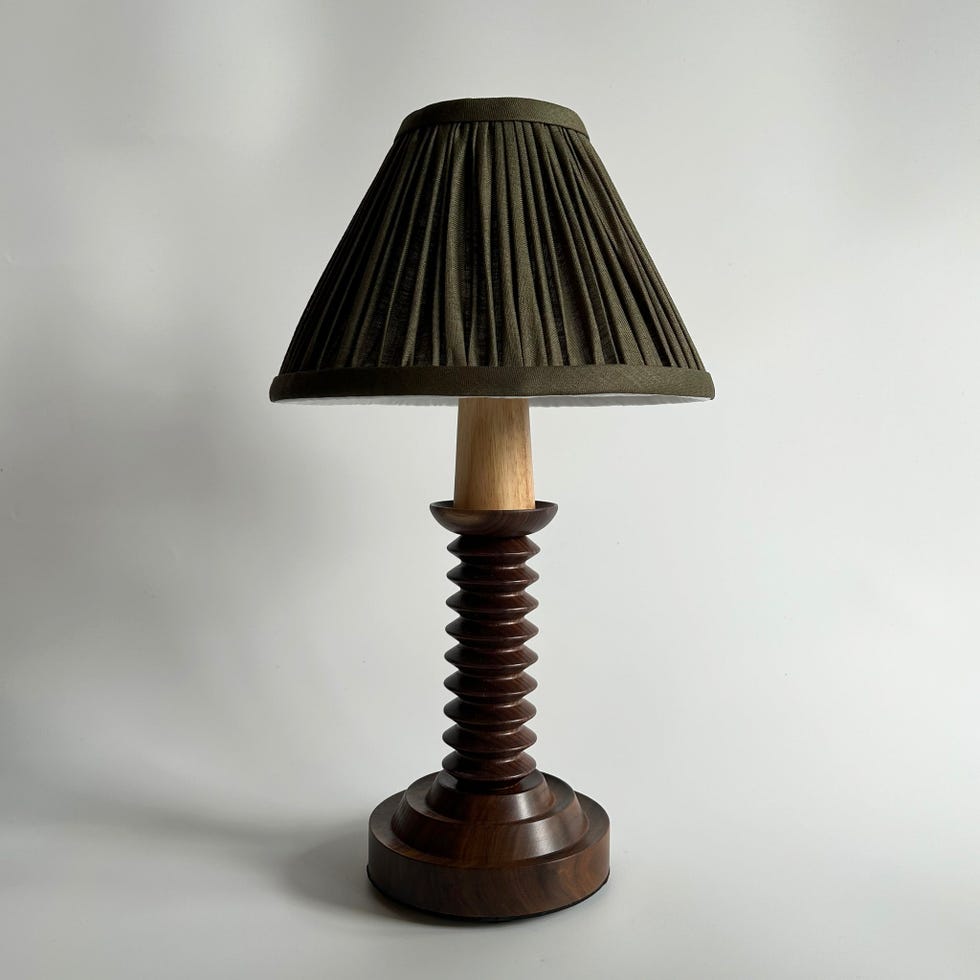
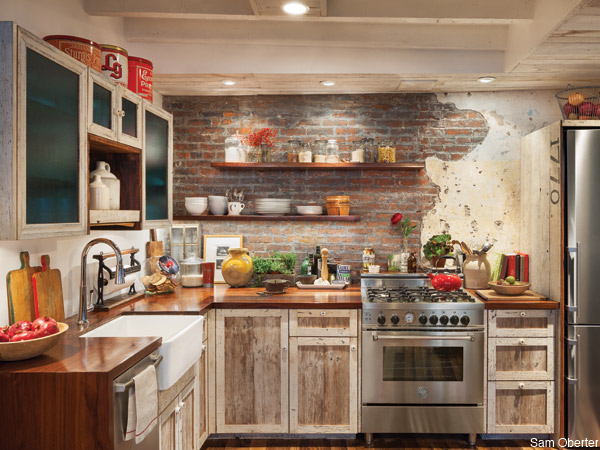
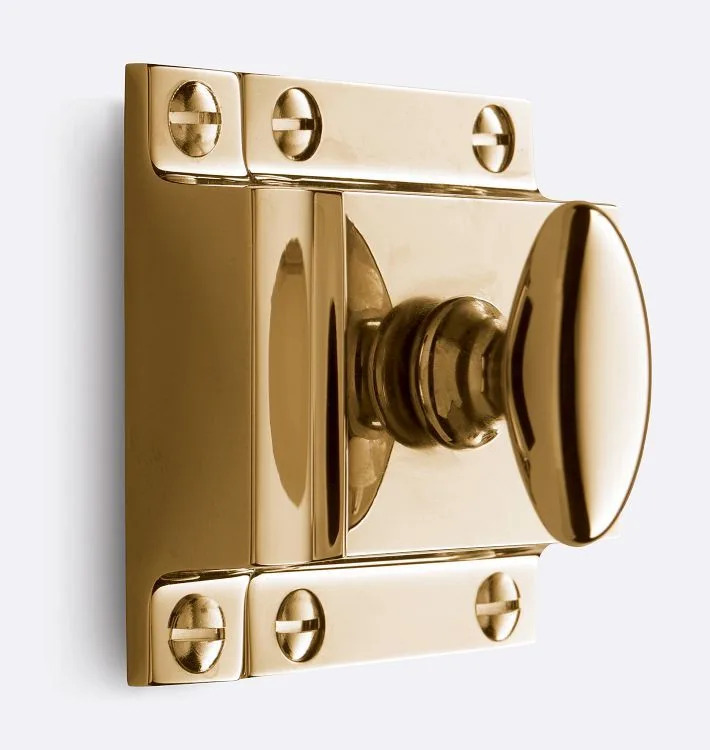
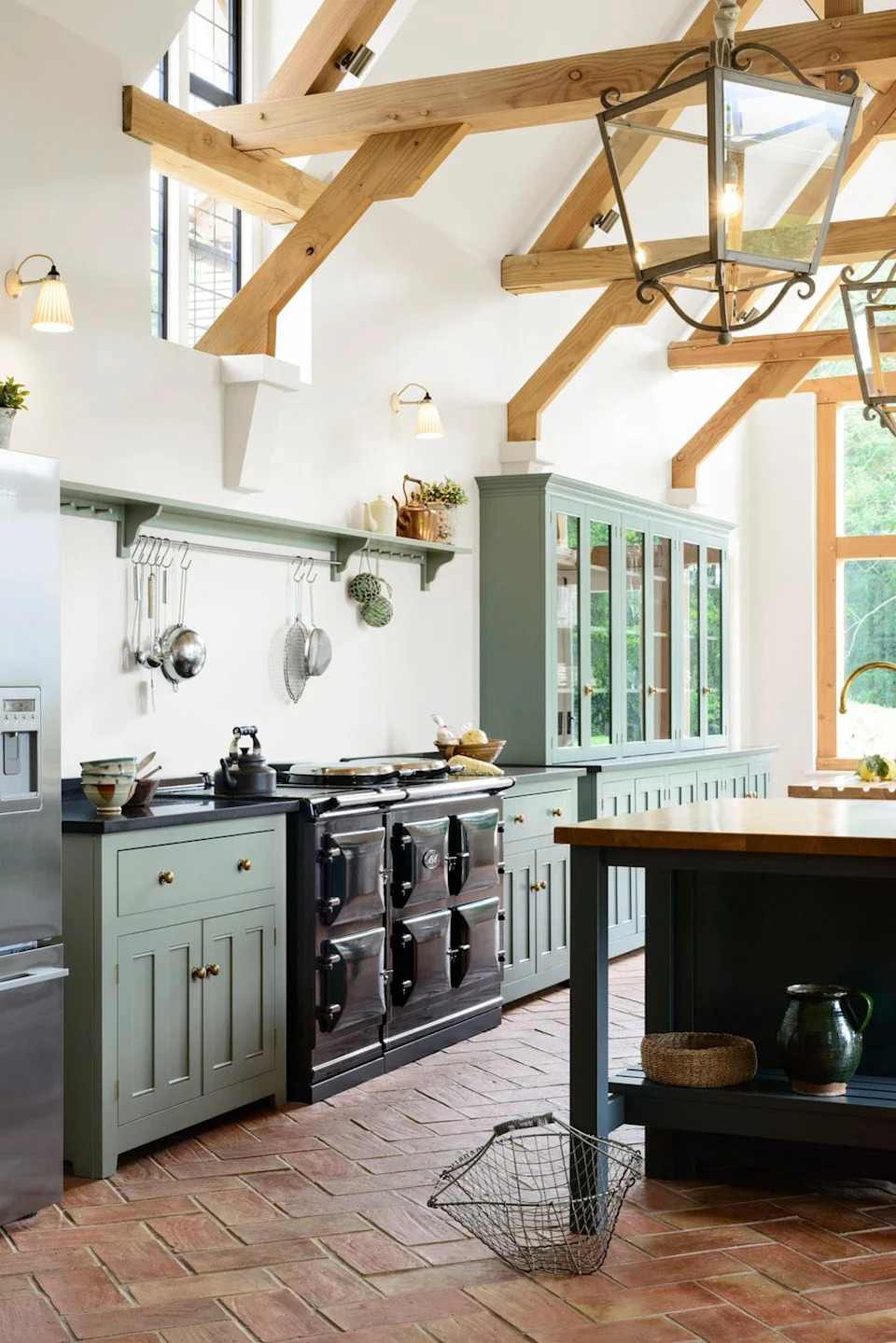
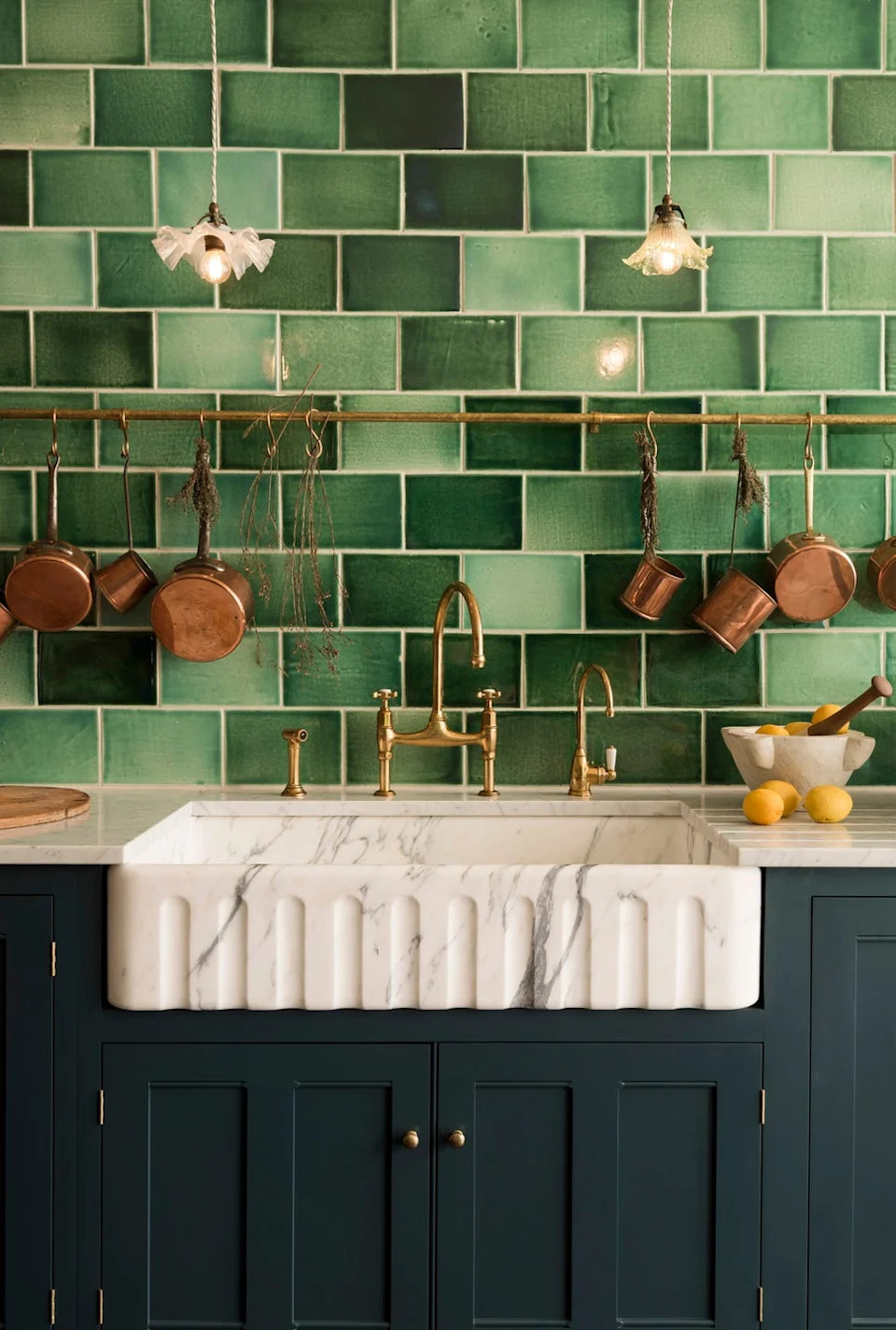
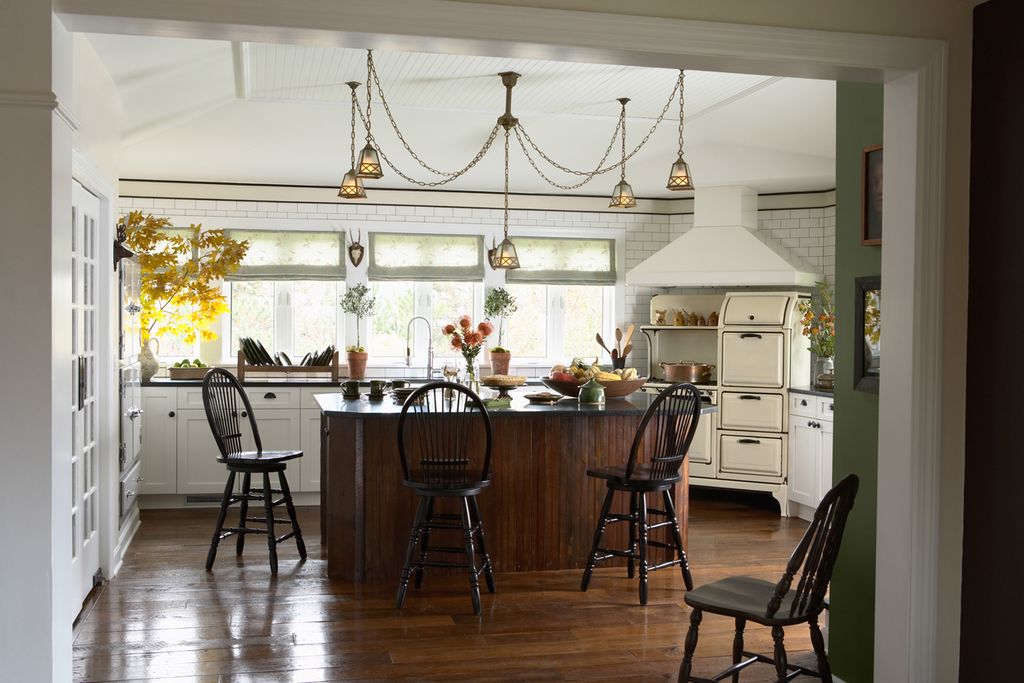
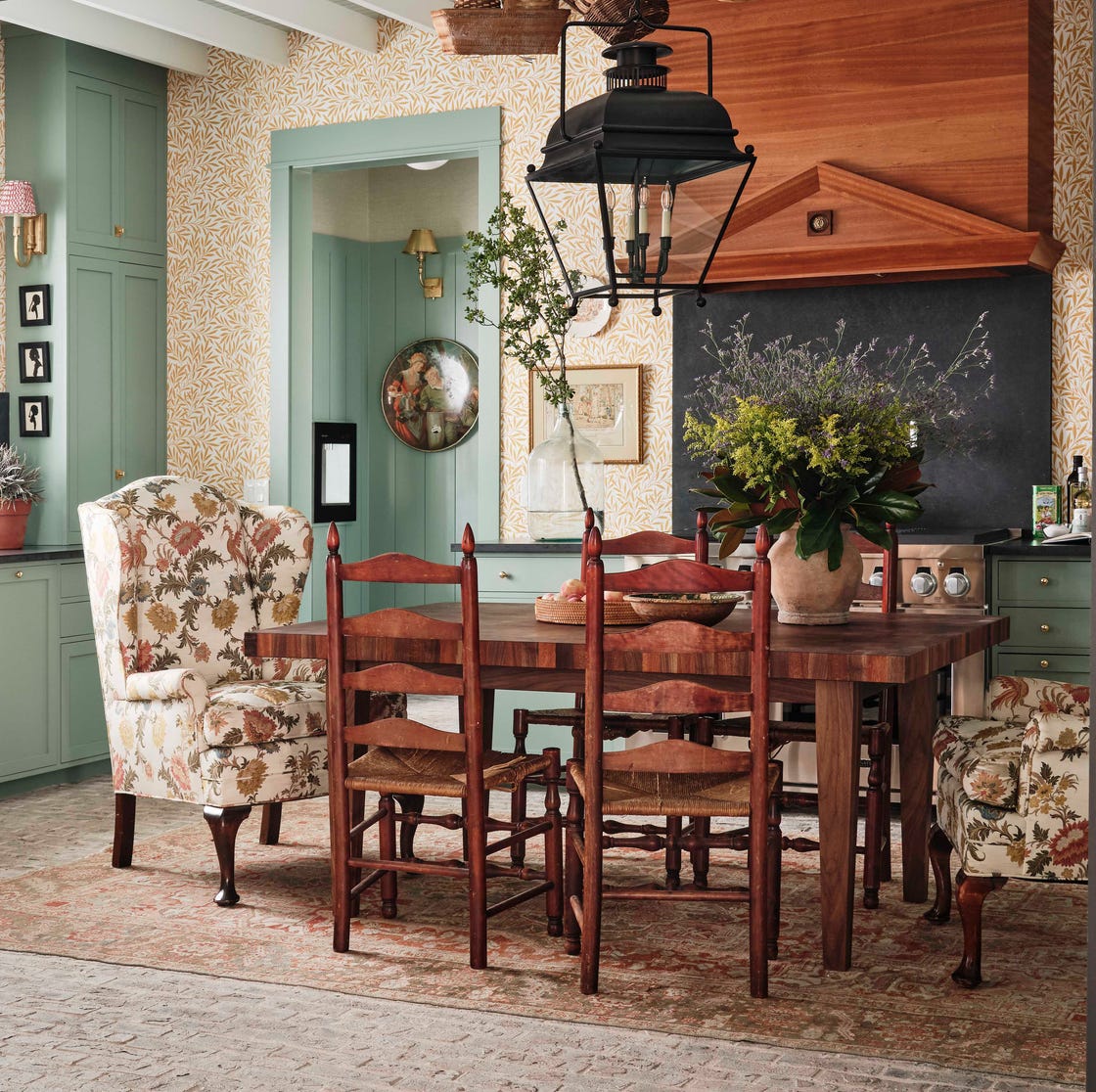
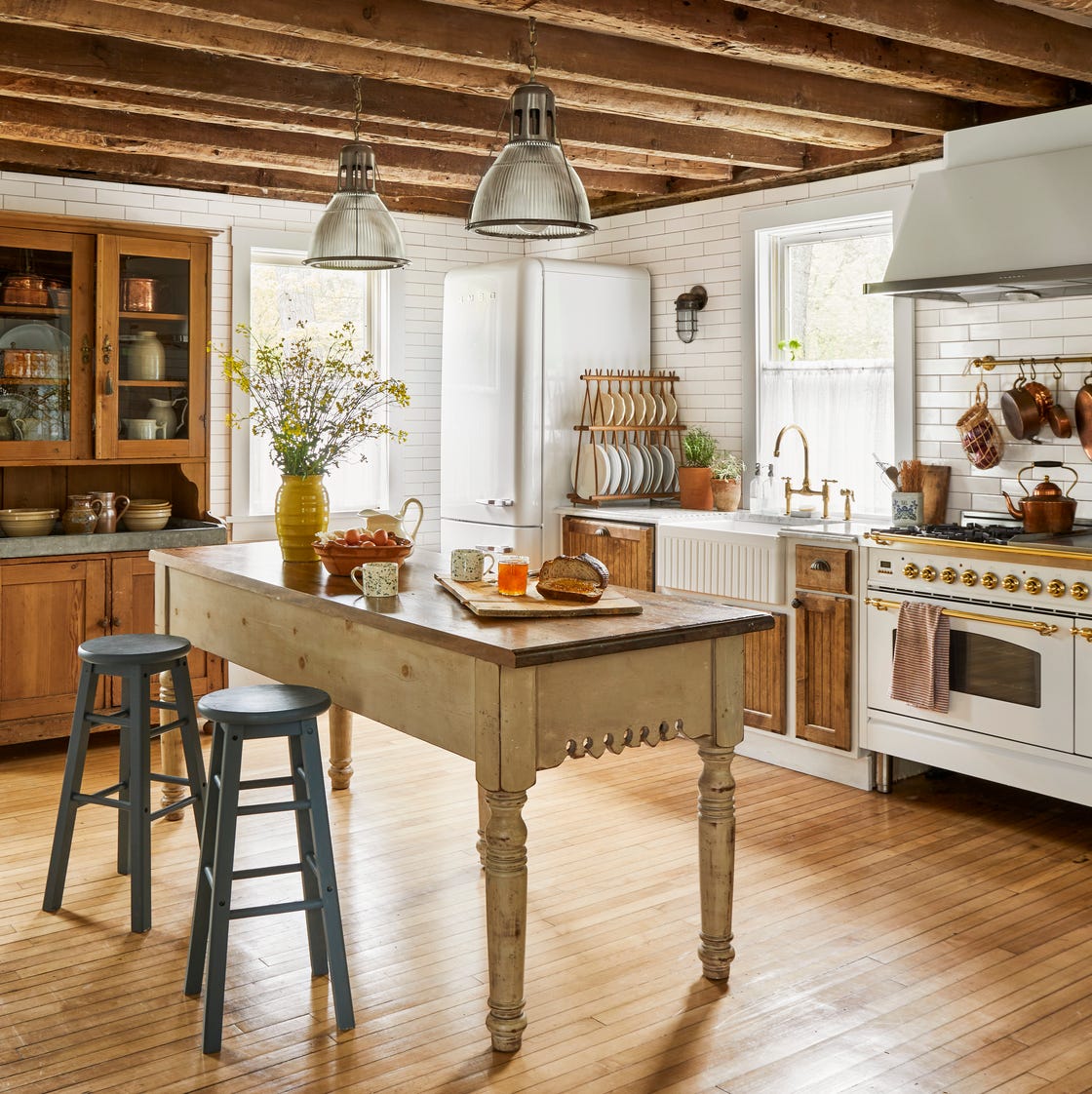
One foundational idea is to blend black and brown tones, which resonate with the natural materials often found in Colonial homes. This color combination complements wood and other earthy textures, establishing a rustic base. Incorporating modern touches alongside antiques is also crucial; this involves updating classic materials like brick with contemporary applications and peppering in authentic antique pieces to enhance the design's credibility. Mixing metal finishes, particularly copper with gold hardware, adds glints of light that contrast with the typically rustic aesthetic. Unexpected shapes and silhouettes, like popular squiggles and waves, can modernize dark wooden elements and provide an eye-catching focal point.
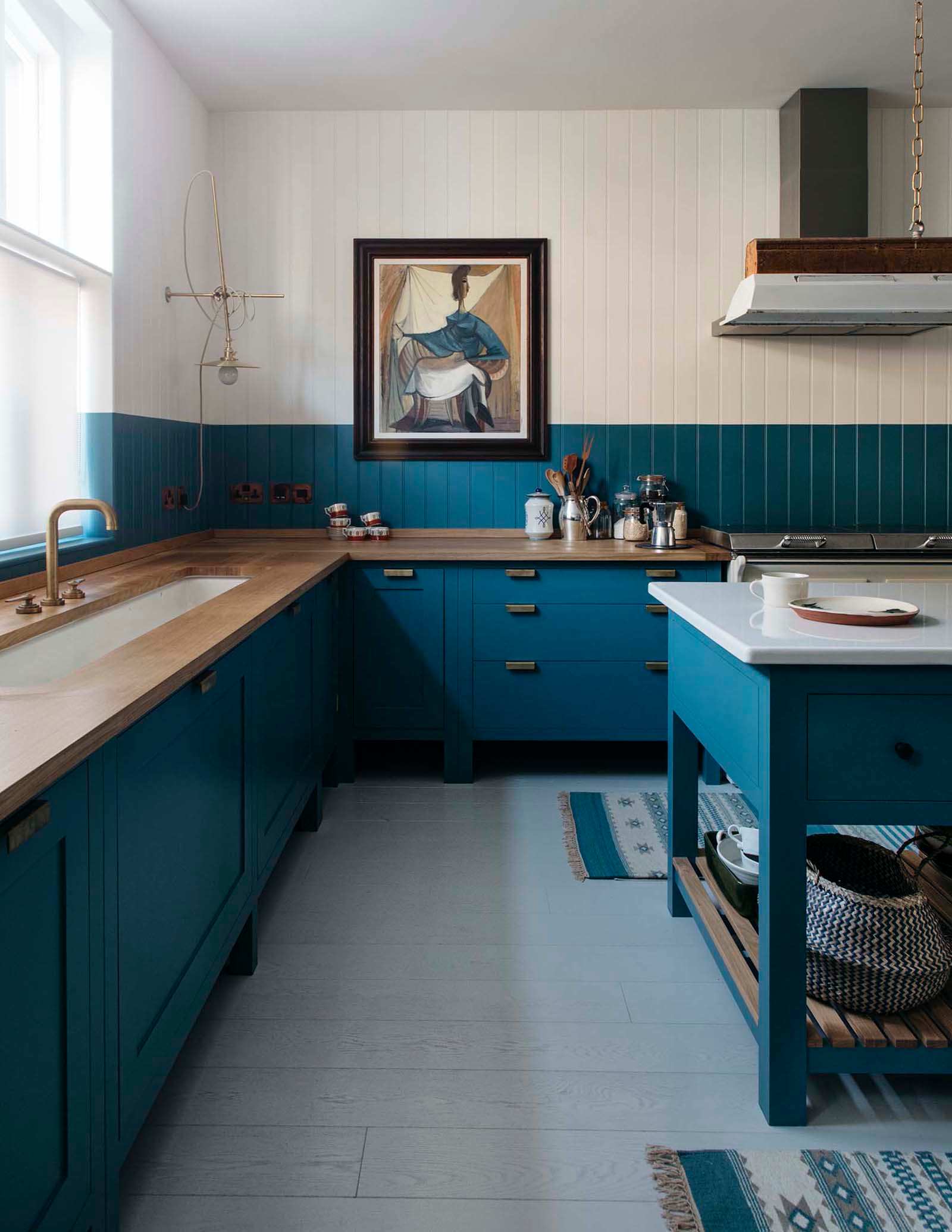
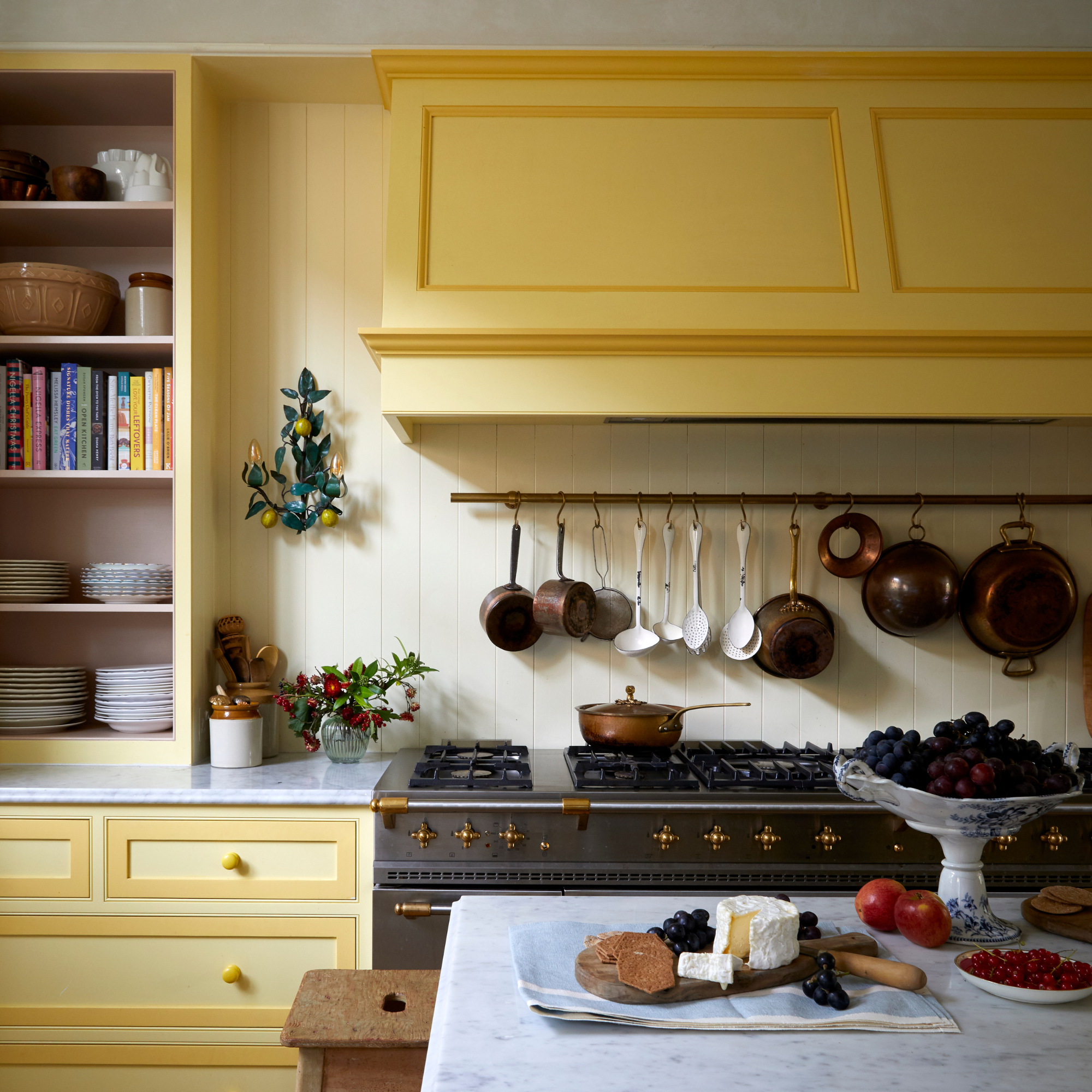
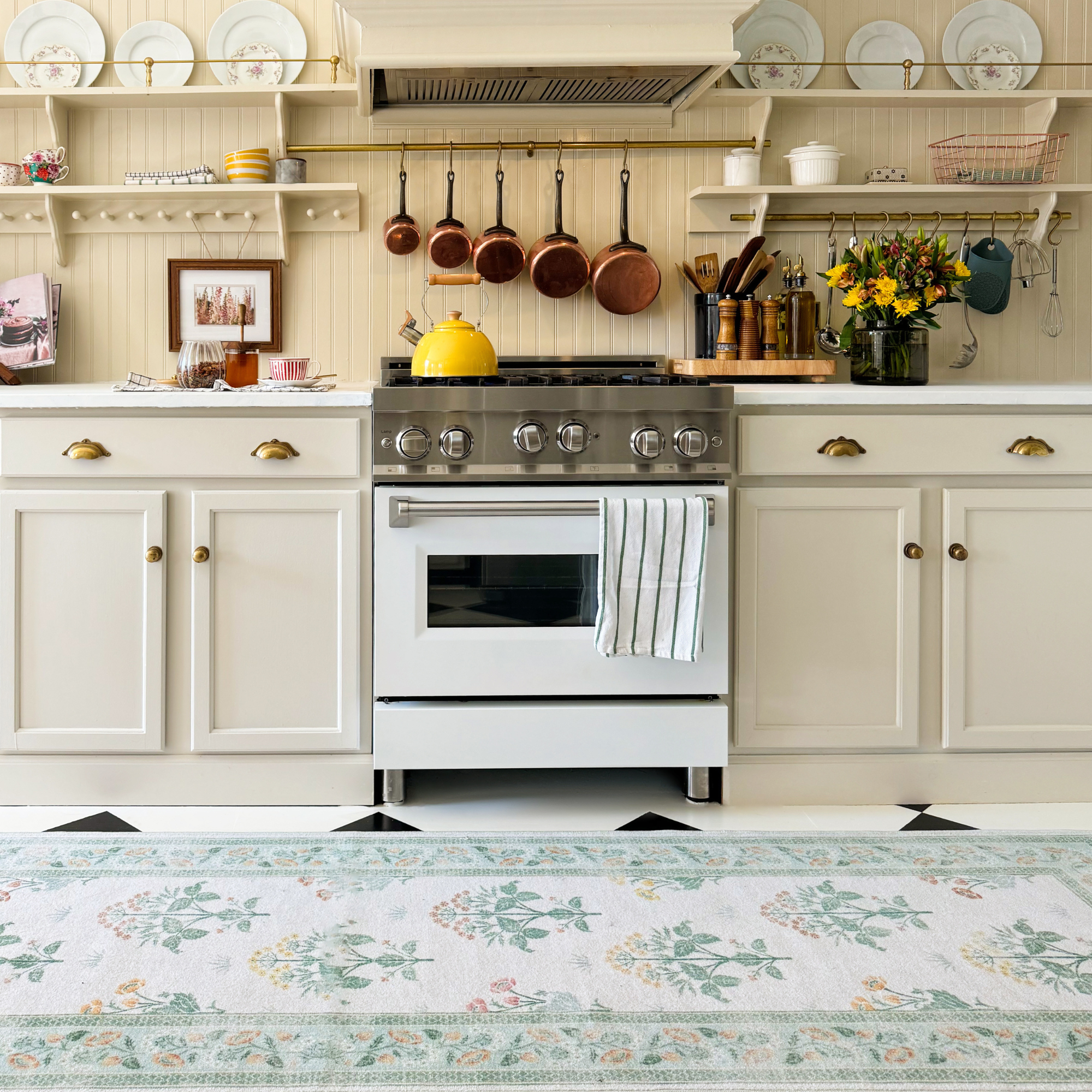
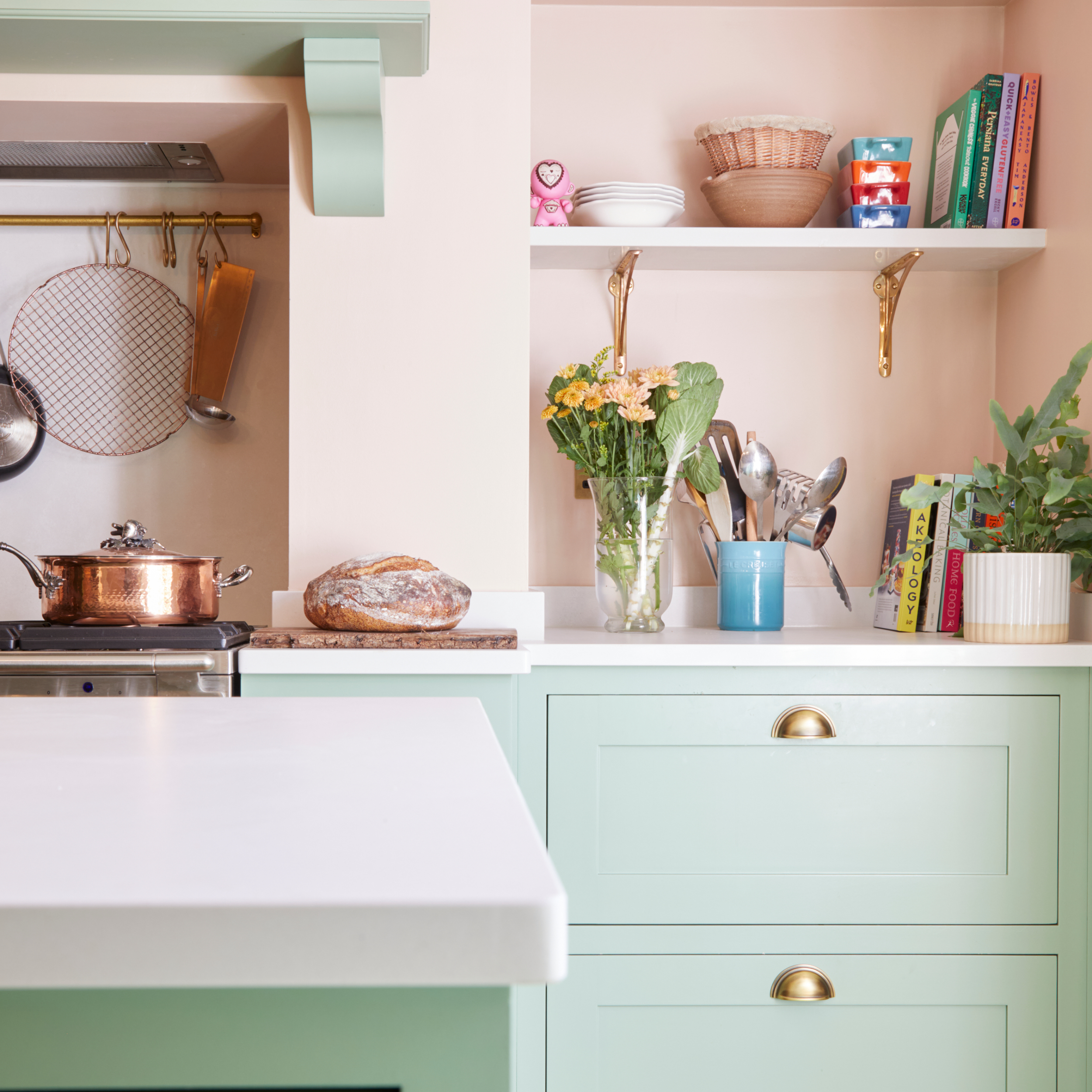
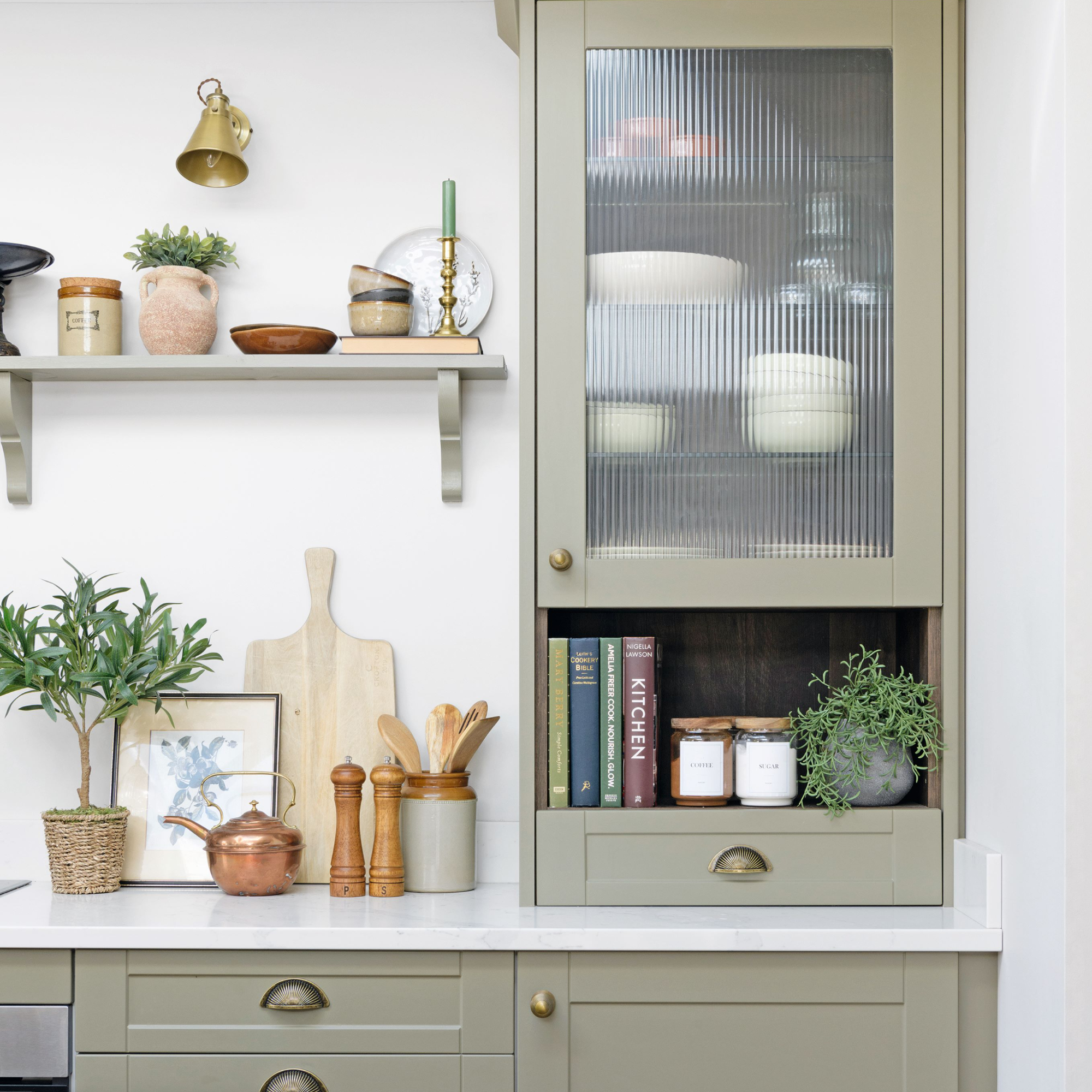
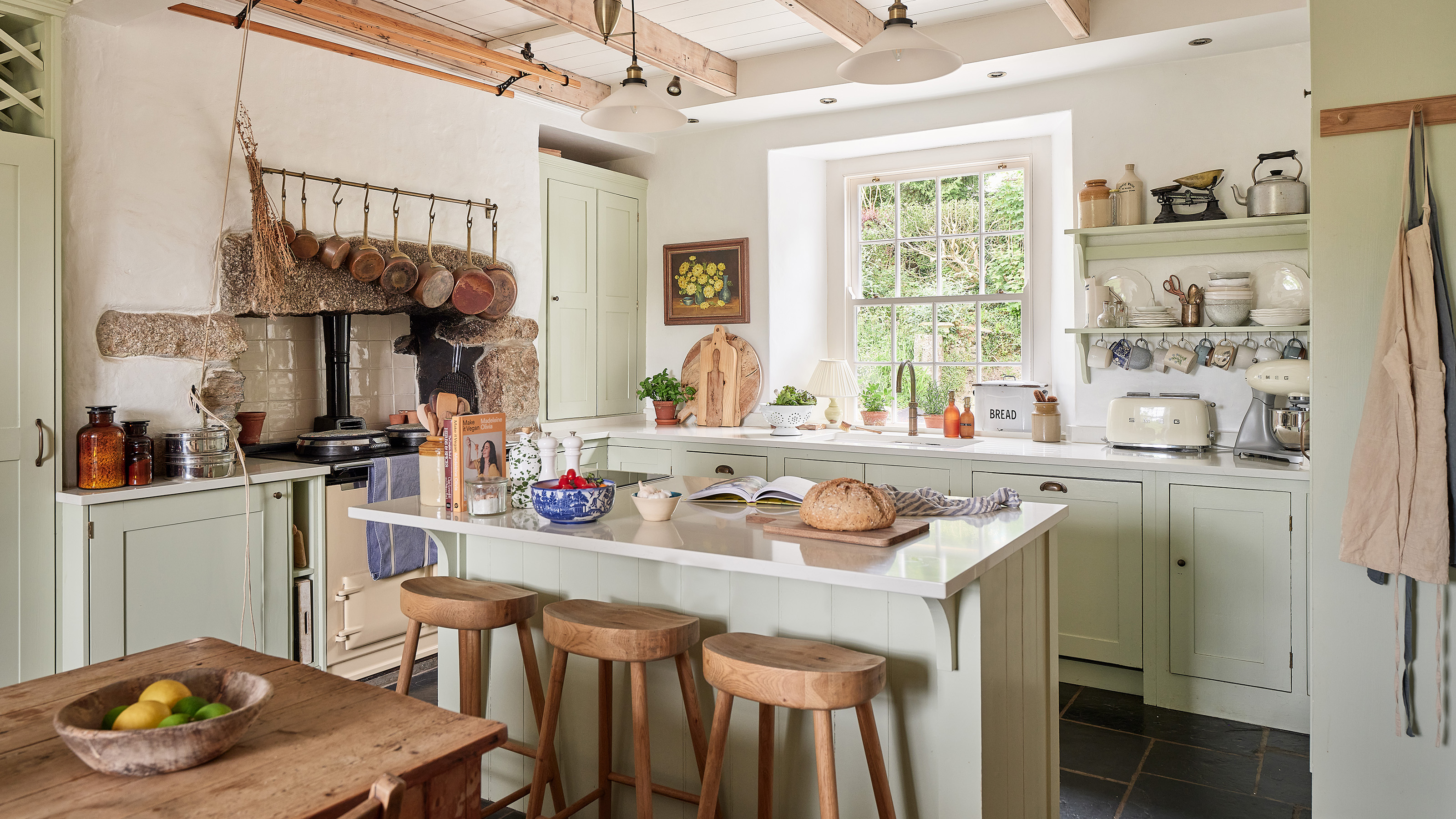
Copper accents are essential for evoking a sense of history, whether through utilitarian items like cookware or decorative elements such as crockery and pottery. To prevent the space from feeling entirely antiquated, introducing glossy surfaces, such as polished tiles, can add a contemporary flair. When incorporating color, the article advises subtlety, recommending muted greens, dusty blues, or earthy reds to maintain a historically sensitive palette. A significant aspect of Colonial kitchens was their large cooking areas, so embracing oversized ovens, stovetops, and islands, framed by Shaker-inspired range hoods and open shelving, can recreate this functional grandeur.
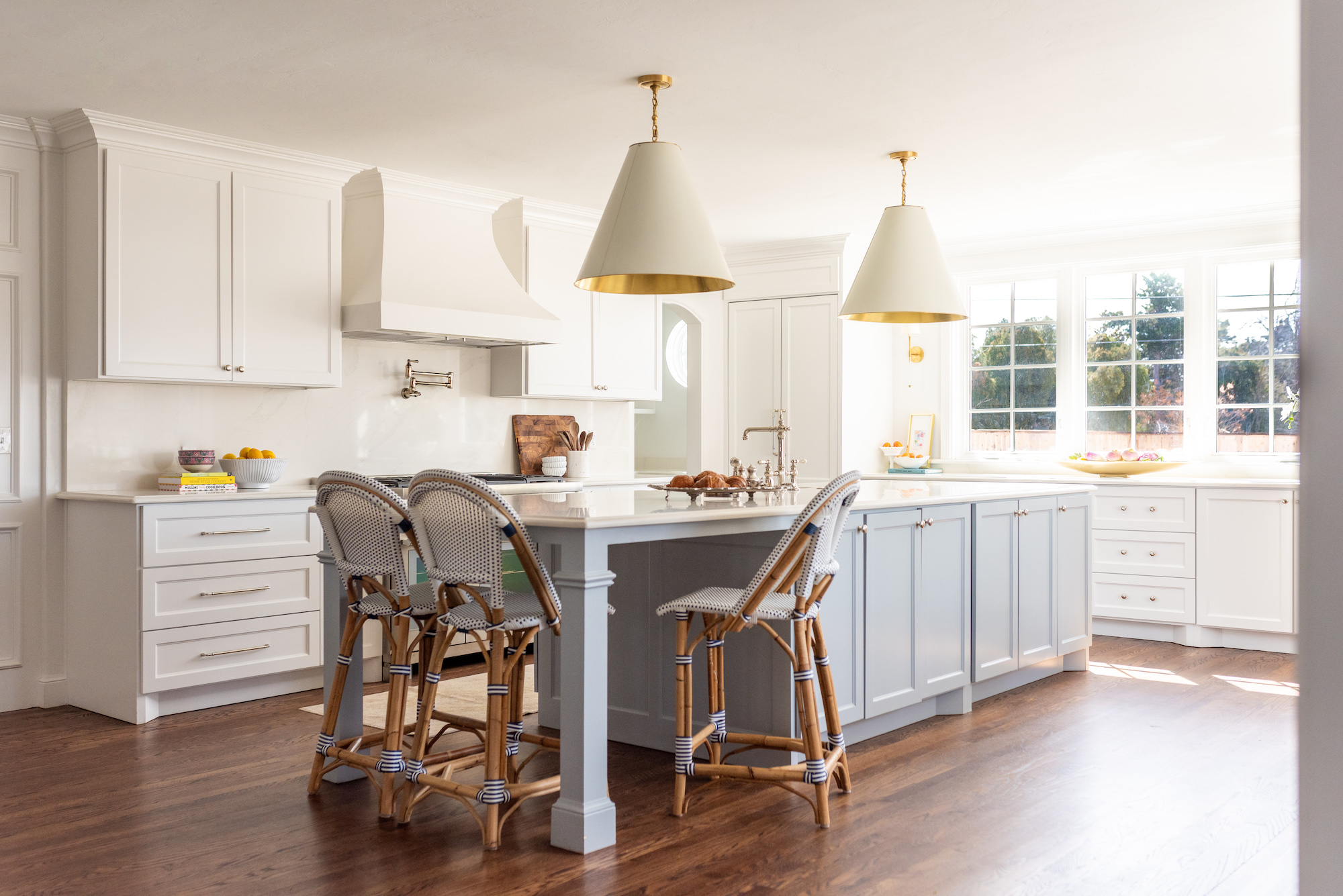
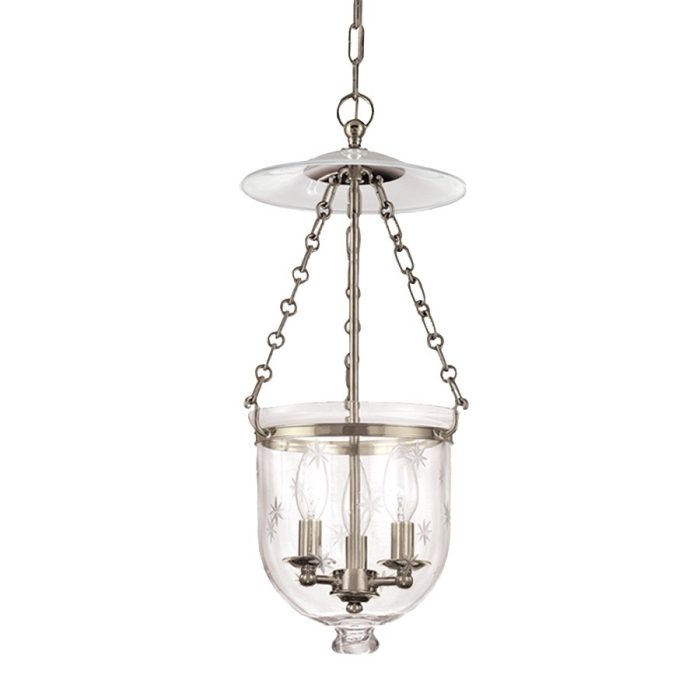
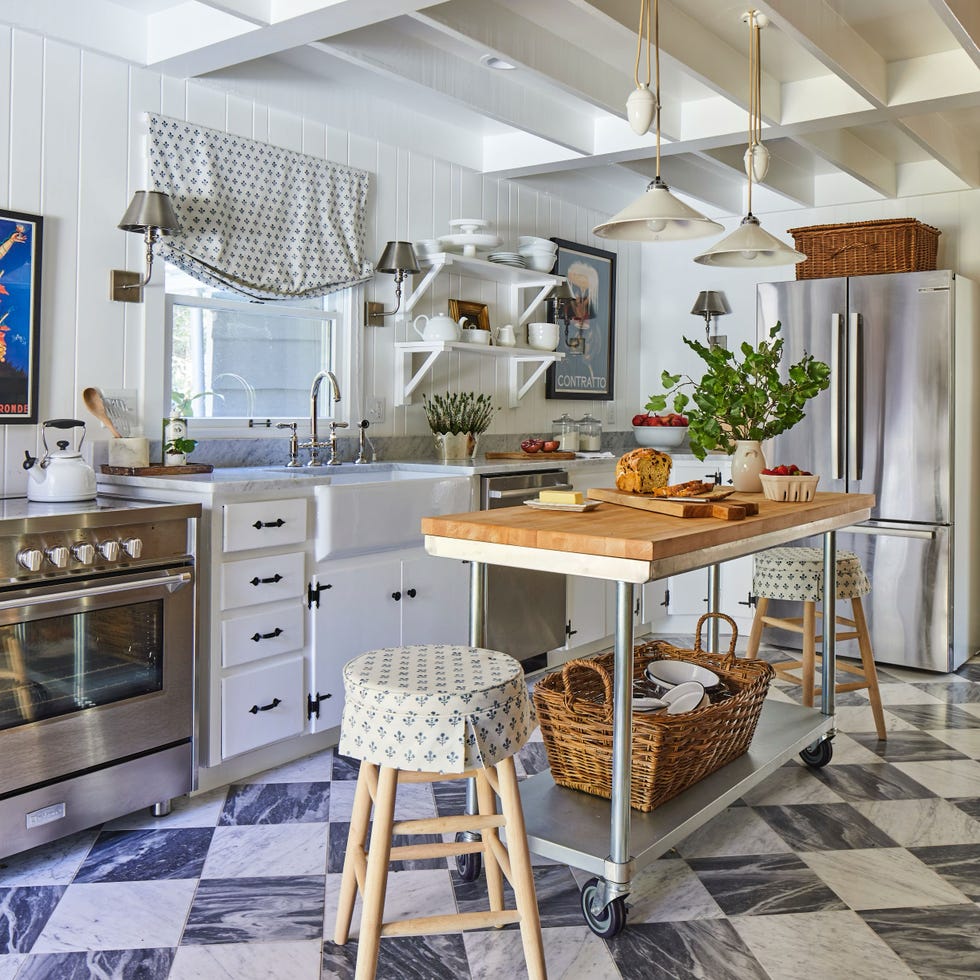
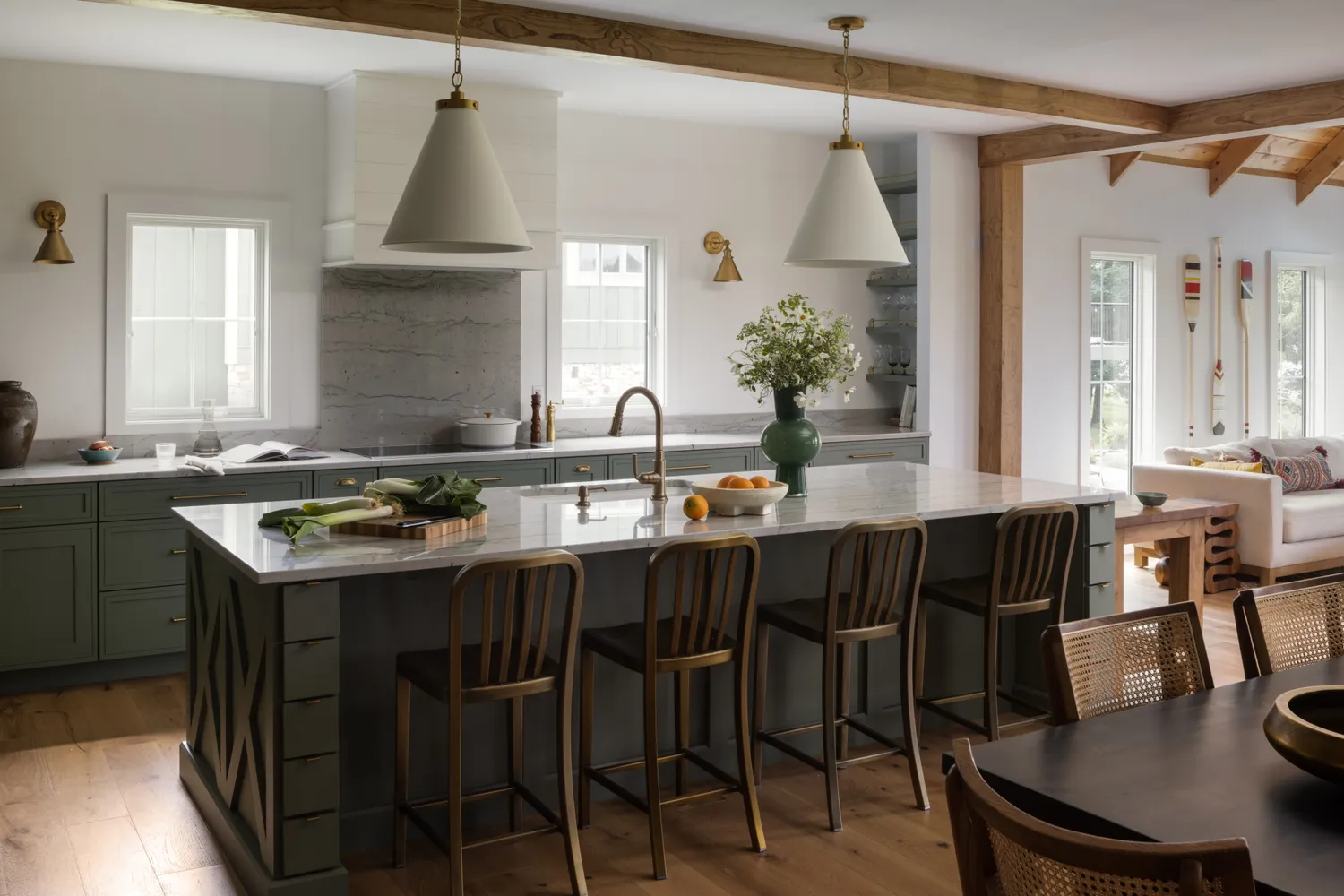
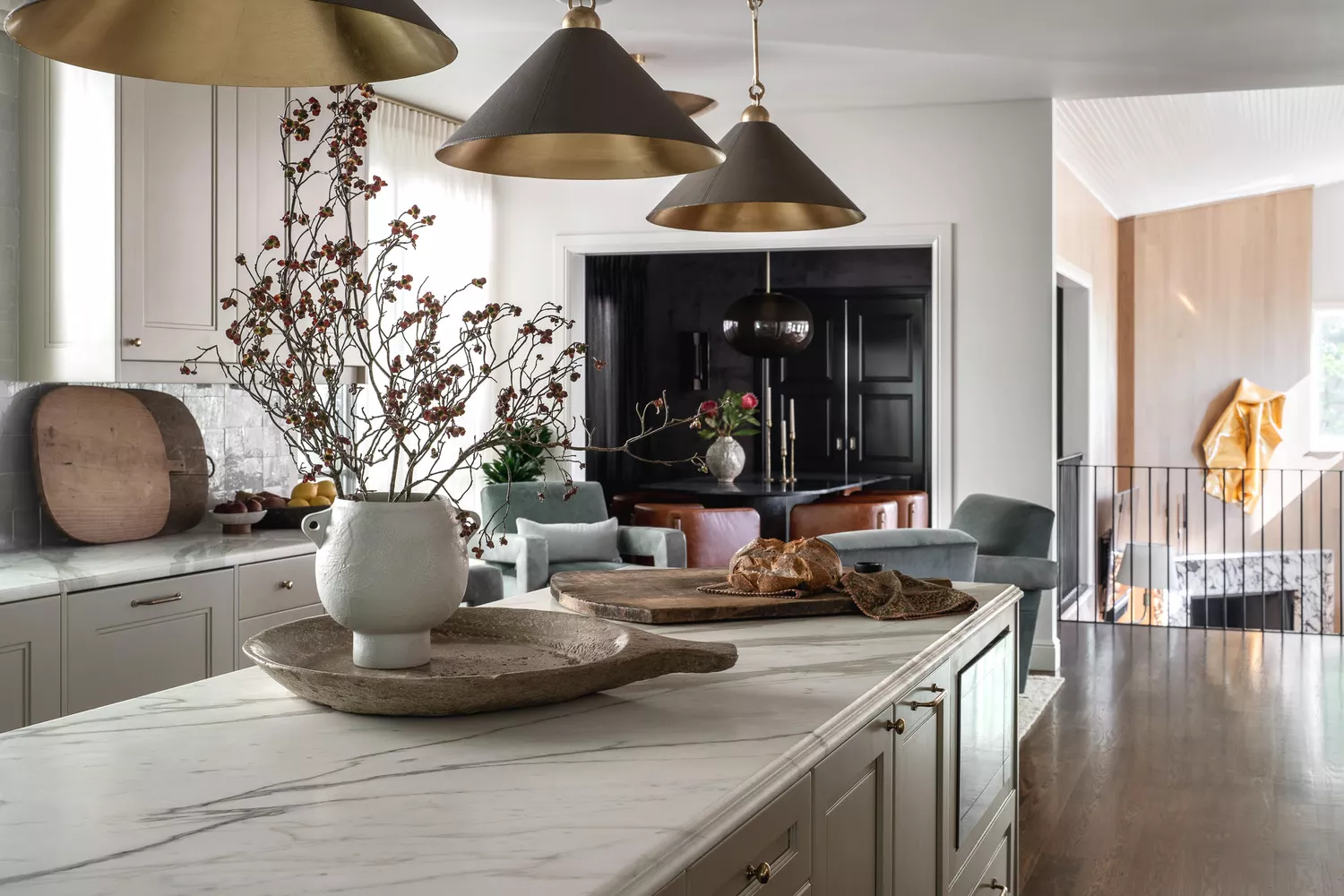
Leveraging natural architectural elements like exposed wooden beams forms a strong foundation for a Colonial aesthetic. The inclusion of antique-inspired appliances and utensils, even if symbolic, can tie the theme together. Modern lighting fixtures, such as white and gold pendants, are recommended to brighten spaces often dominated by darker woods, ensuring the kitchen remains functional and inviting. Maintaining a simple structural design, with rough-hewn and raw elements, aligns with the original Colonial ethos. Natural fabrics like linen, flax, and cotton can be introduced through light fixtures, napkins, or decorative items, reflecting the material focus of the era. Maximizing the use of wood—in cabinets, islands, or smaller utensils—is paramount, as timber was a primary building material in the 17th and 18th centuries.
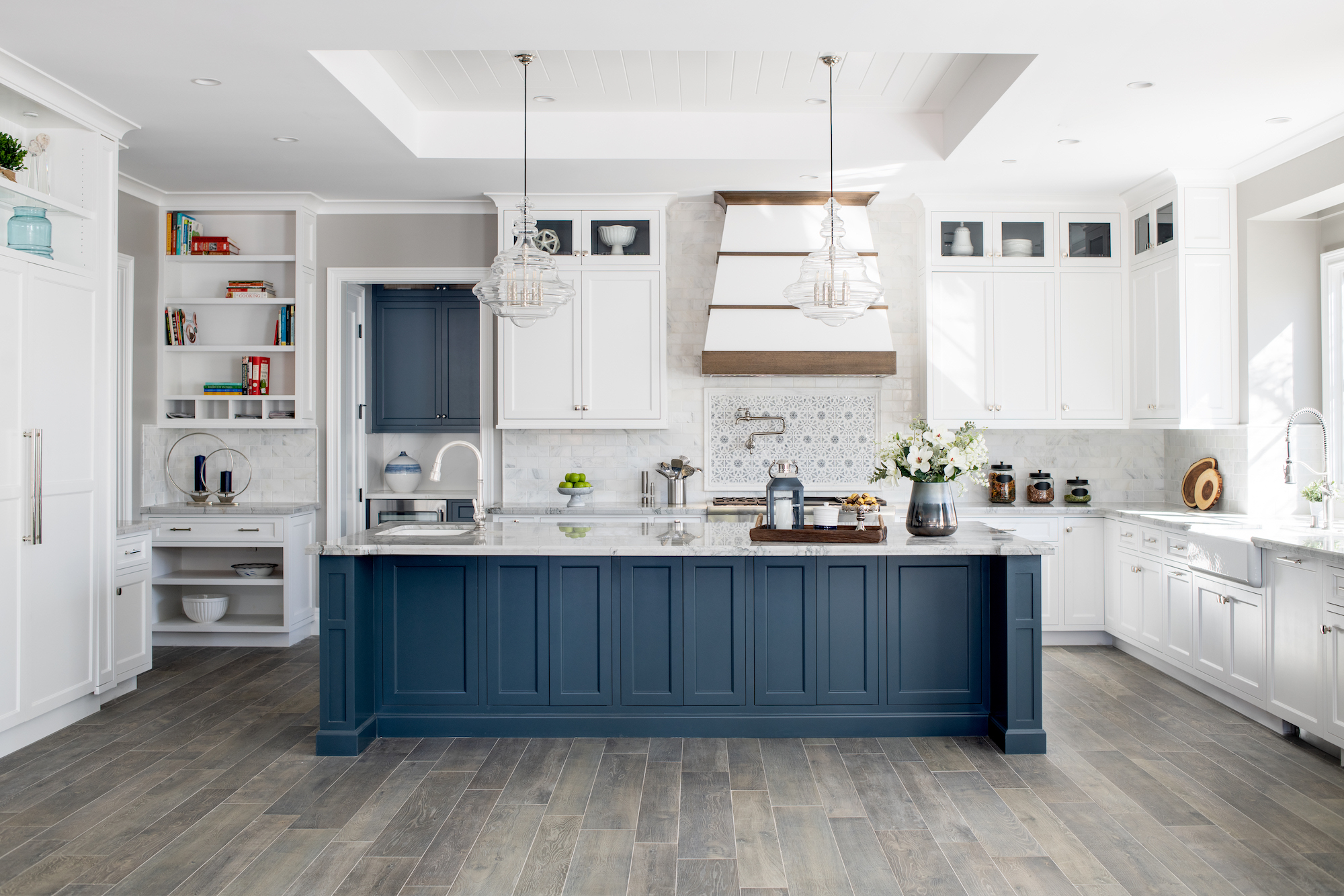
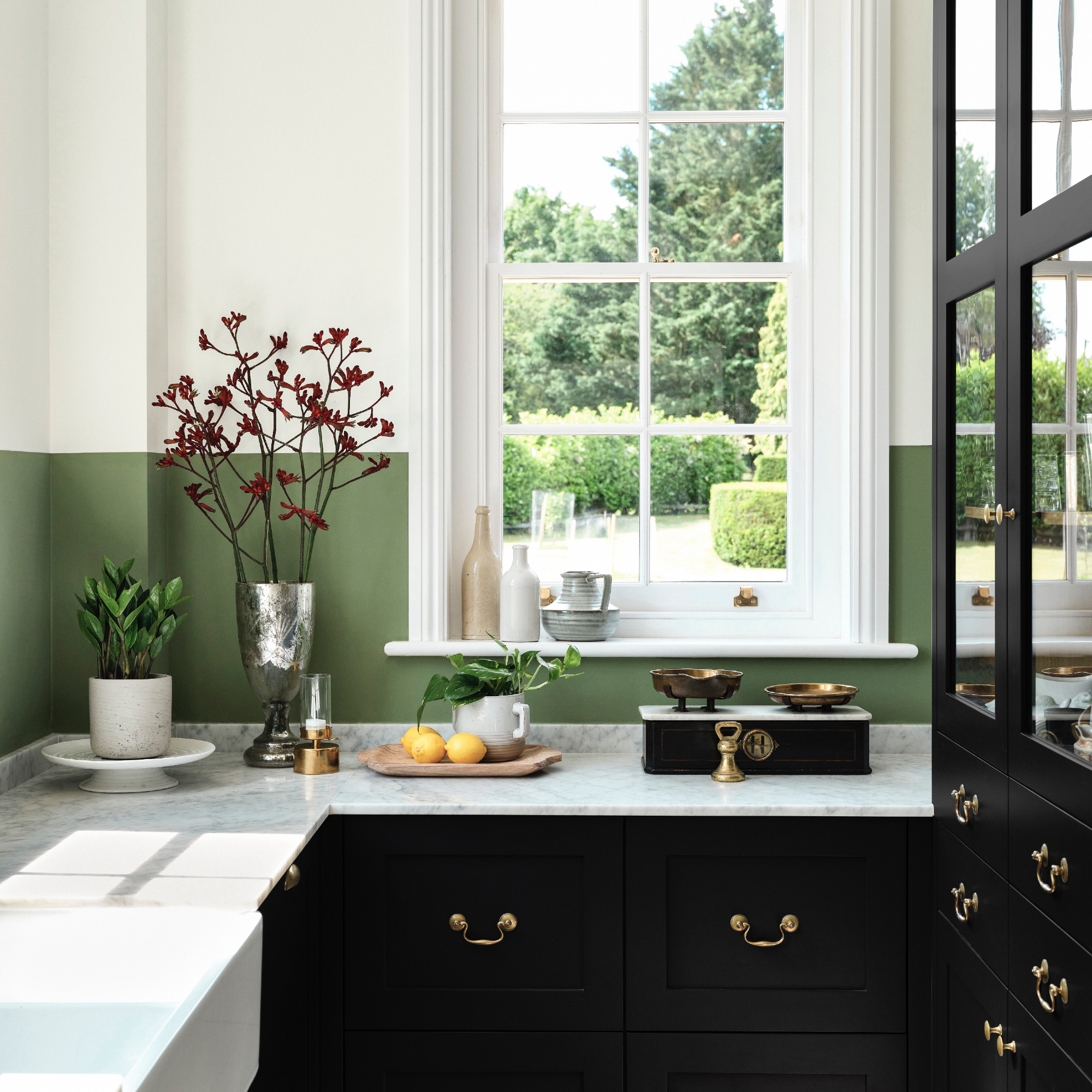
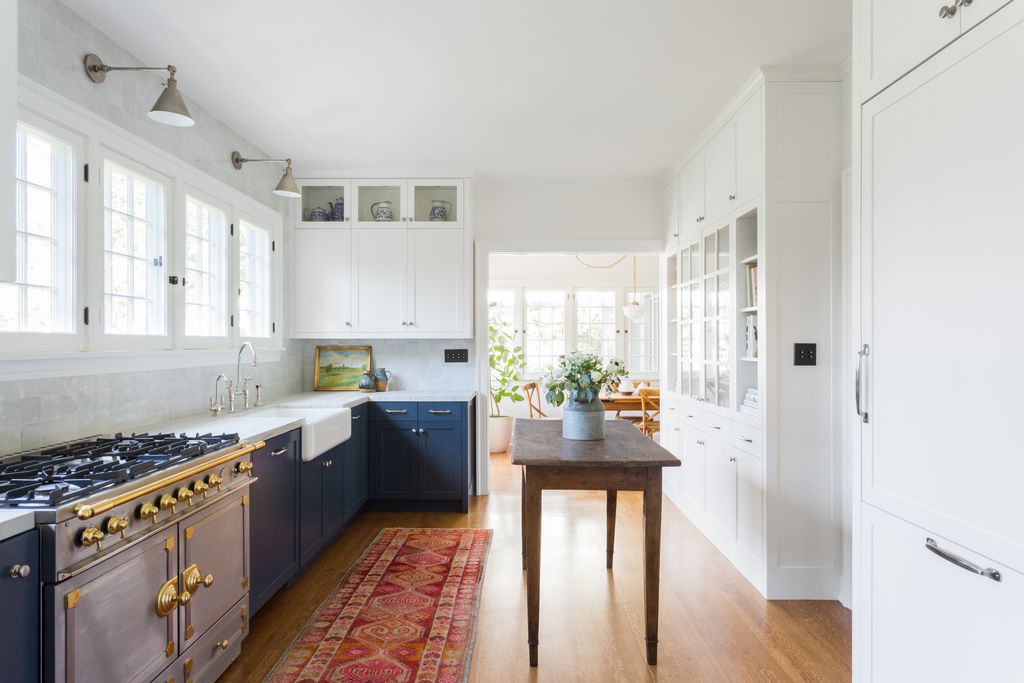
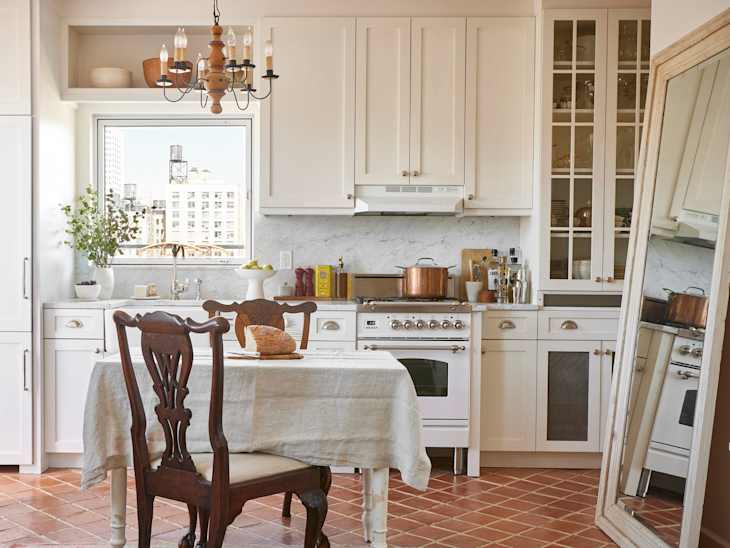
For those hesitant to fully commit, a subtle nod to Colonial style through small touches like wooden shelves or lantern-like light fixtures is perfectly acceptable. Balancing deep shades with lighter hues, such as white Shaker cabinets paired with dark wooden beams, creates a timeless and antique-inspired contrast. Ambient lighting further enhances the mood, providing a softer glow that complements the functional bright lights. These ideas collectively demonstrate how to infuse traditional Colonial charm into a modern kitchen, creating a harmonious and aesthetically rich environment.
#ColonialKitchen #KitchenDesign #ModernTraditional #InteriorDesign #HomeDecor #RusticKitchen #DesignTrends #Antiques #ArchitecturalStyle #ColonialKitchen #KitchenDesign #ModernTraditional #InteriorDesign #HomeDecor #RusticKitchen #DesignTrends #Antiques #ArchitecturalStyle
0 comment in total
 No comments yet
You may also like
Traditional kitchen ideas – 20 classic ways to create a characterful feel

This Kitchen Trend Can Make Your Space Look Like a Charming, Tuscan Retreat — "It's Instantly Warming"

A 1940s Colonial Revival Where Color and Pattern Mix With Old and New to Create a Truly Transitional Family Home
28 Cottagecore Kitchen Ideas That’ll Make You Want to Bake Bread and Stay Home

A 1920s Colonial Revival Gets a New Kitchen

For a Homey and Charming Kitchen Vibe, Designers Say to Choose This Aesthetic

13 Farmhouse Kitchen Ideas That Are Cozy, Classic, and Inviting
The British Design Trend Taking Over America in 2025
A British Design Is Now America's Most Stylish Kitchen
30 Gorgeous Décor Ideas to Make Your Kitchen More Inviting

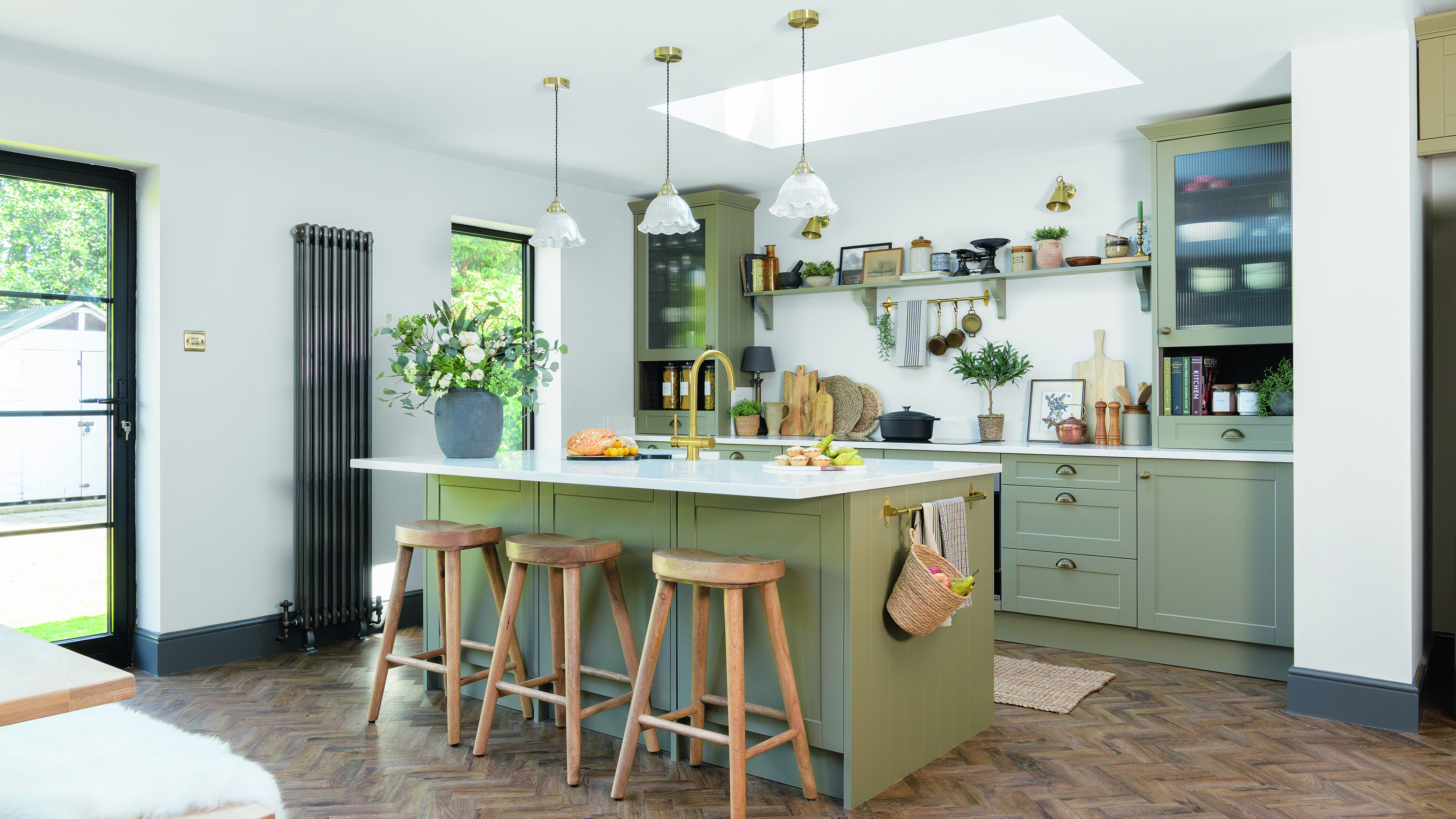
8 cottagecore kitchen ideas to instantly add a pretty rustic charm to your space
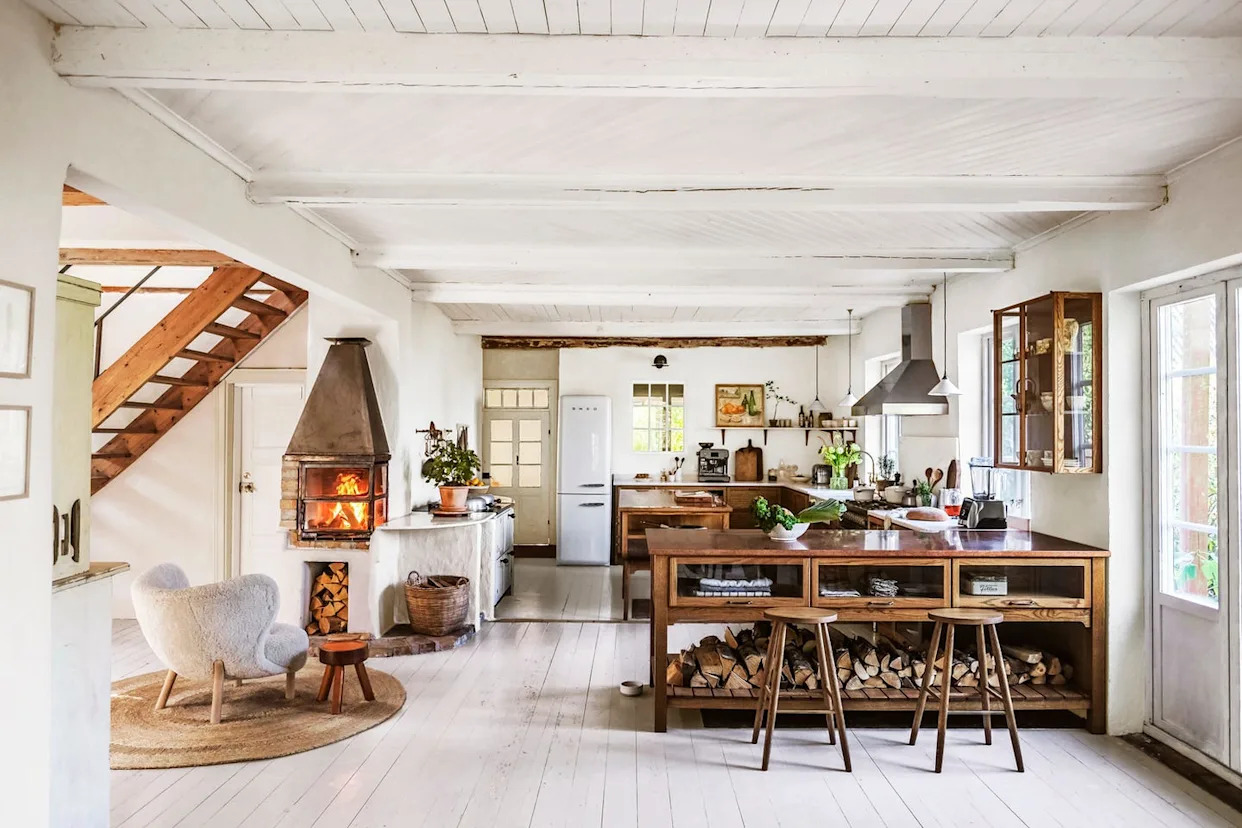
The Cozy Kitchen Style That's Replacing Modern Farmhouse
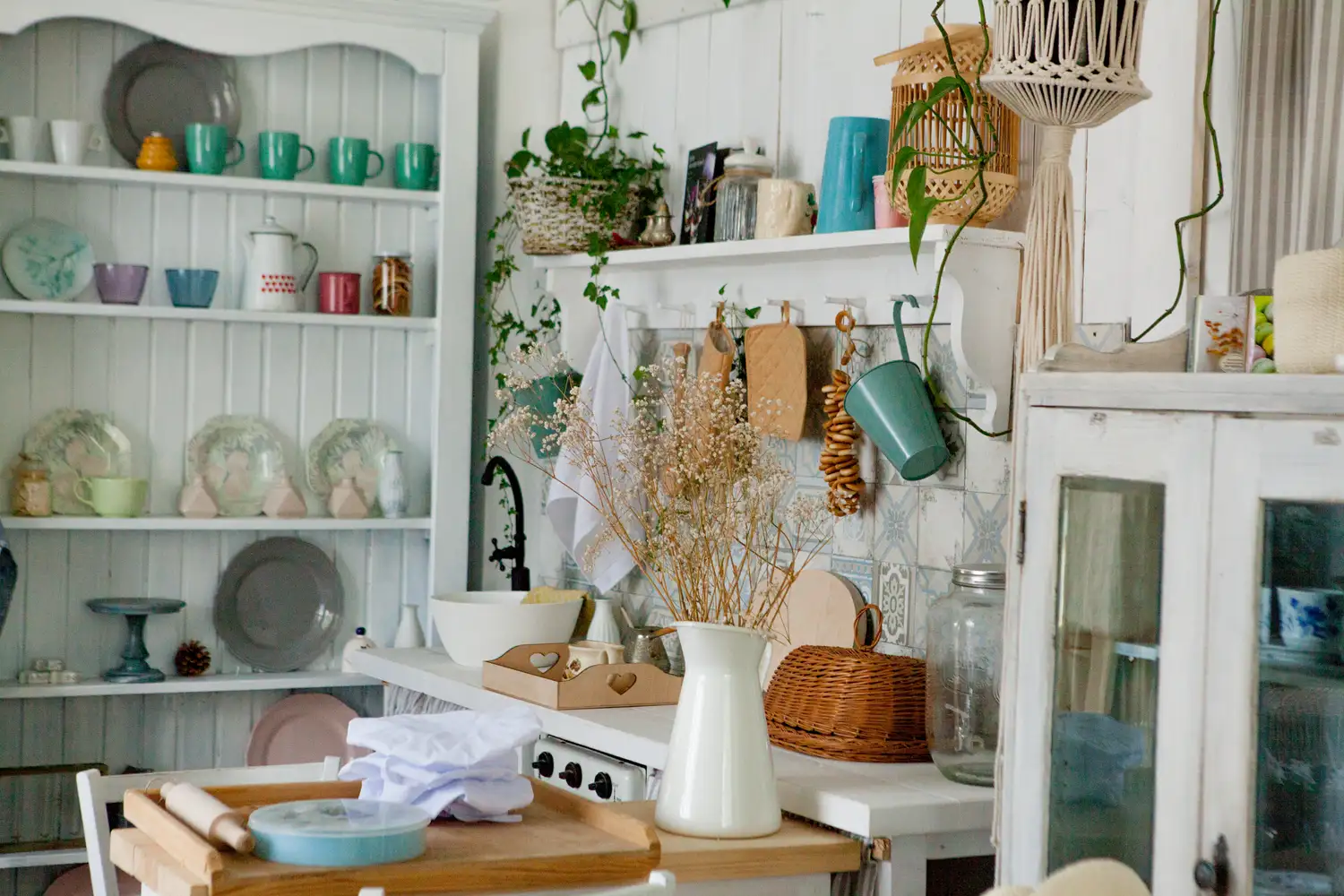
Cottage Kitchens Are Trending—Here’s How to Bring the Cozy Look Home
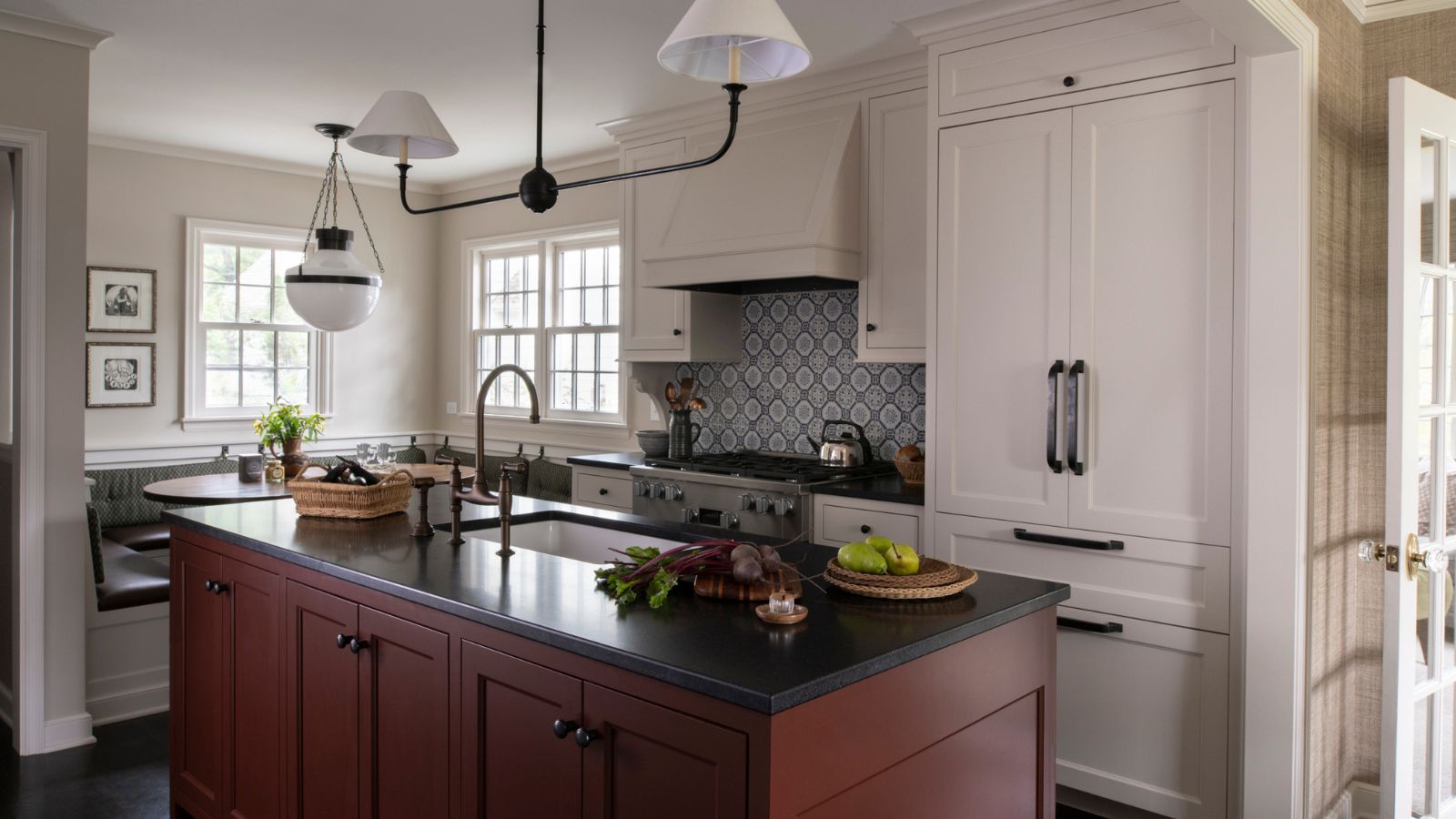
The mission was to 'stay true to the era, but add a healthy dose of casual charm' in this Colonial home that is full of unexpected features – including a kitchen cabinet detail you'll want to copy
Philadelphia Home: Photos of Philly’s Best Kitchens

35 Soulful Rustic Kitchen Ideas You’ll Want to Copy

21 warm and inviting country kitchen ideas to add charm to the heart of your home
Why We’re Declaring the Kitchen the New Living Room

What is replacing farmhouse kitchens? These 6 country-inspired trends are the ones to watch for 2025
Thoughtful Design Yields an AMAZING Southern Kitchen!