Still Have One of These Outdated Paint Colors and Styles in Your Home? Designers Say It’s Time to Repaint
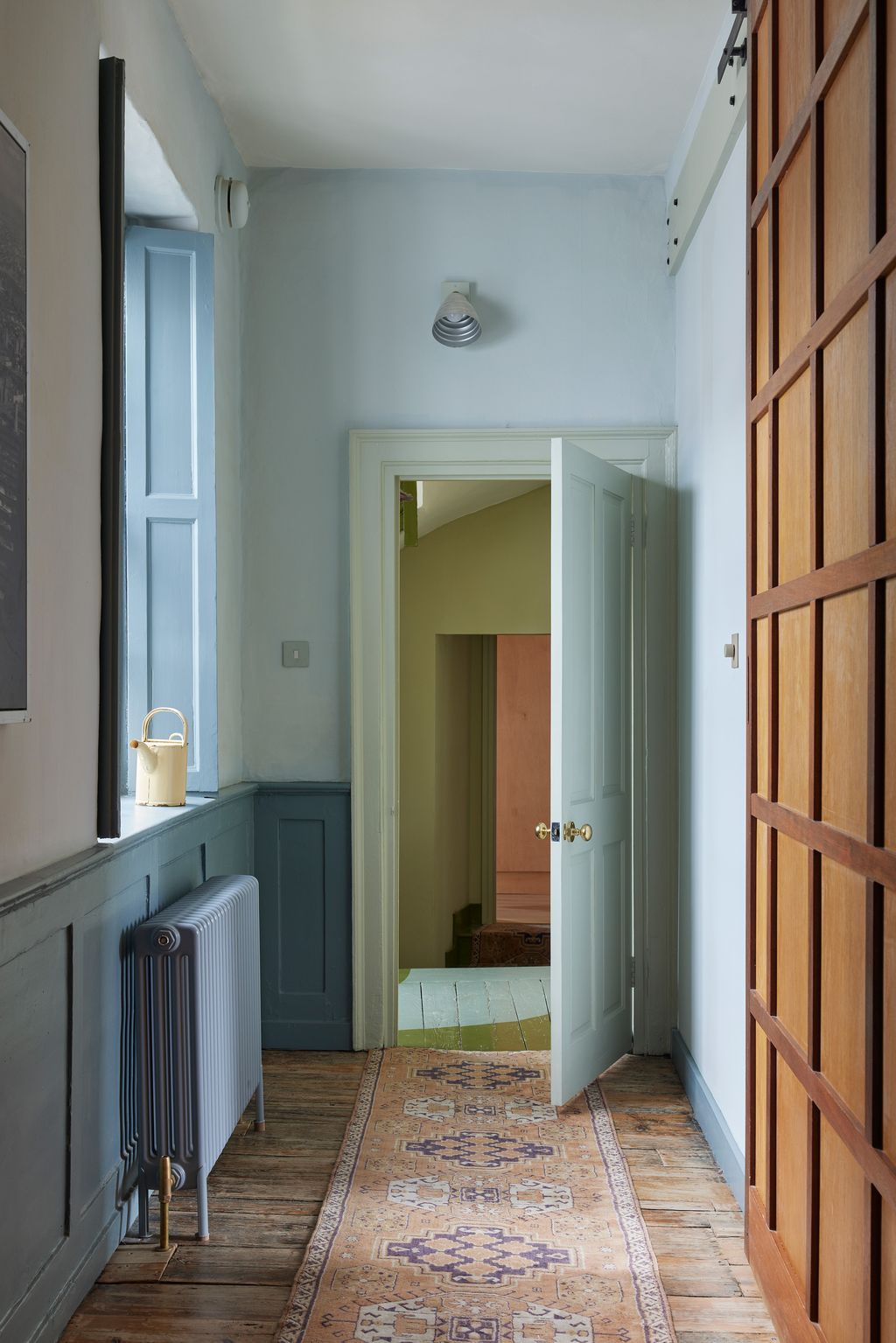
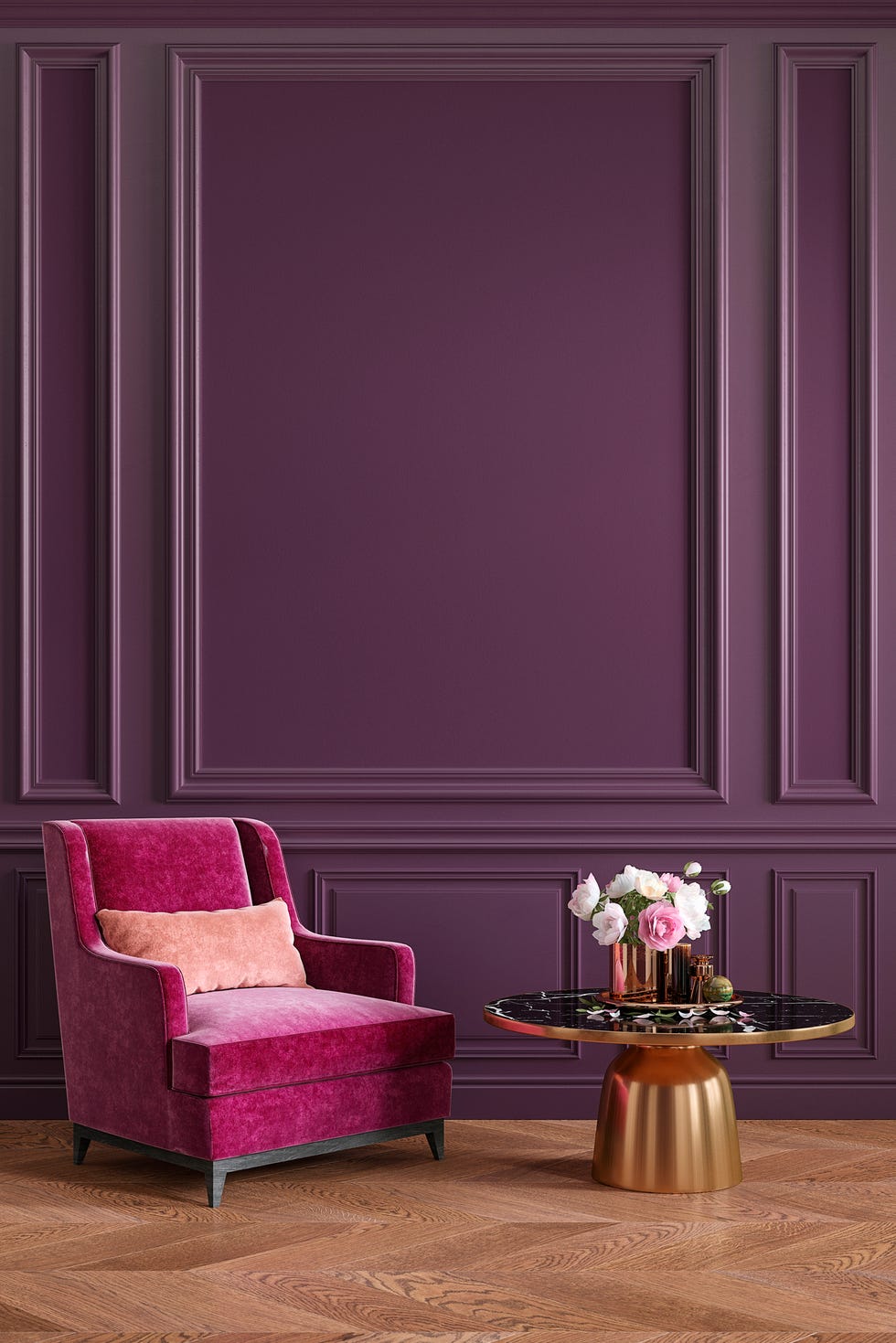
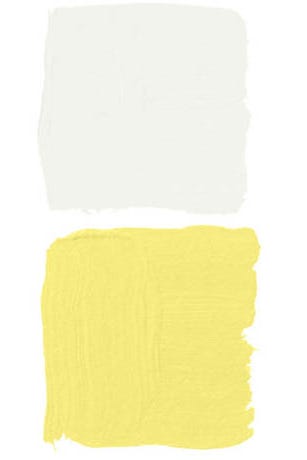
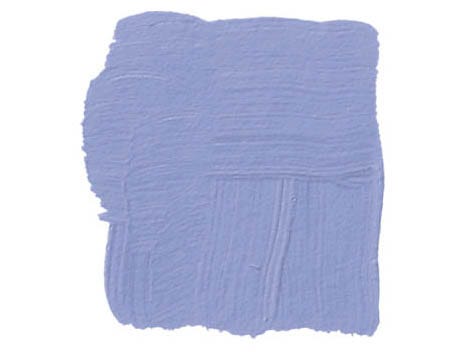
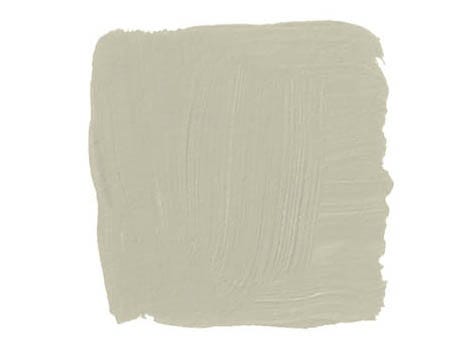
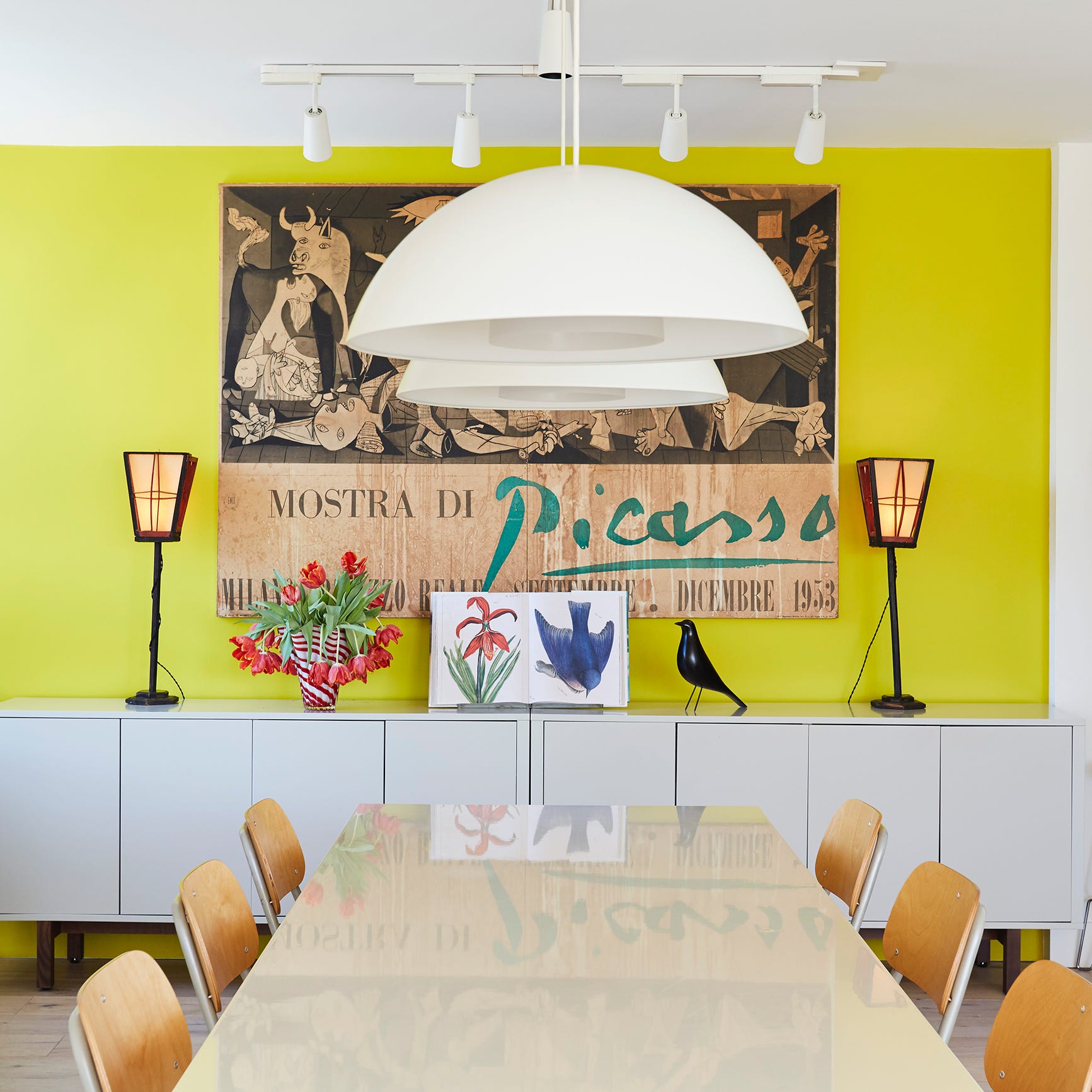
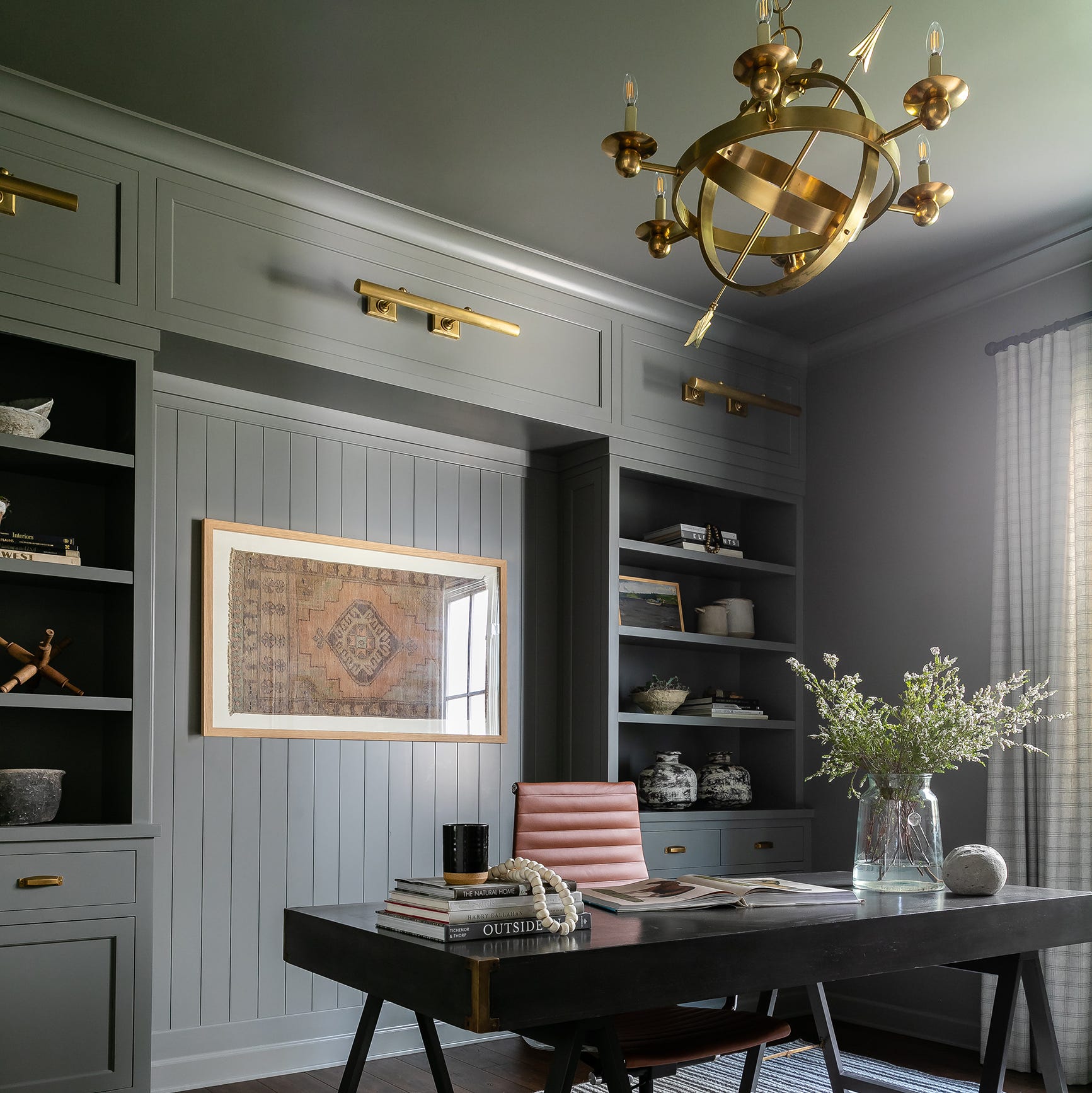
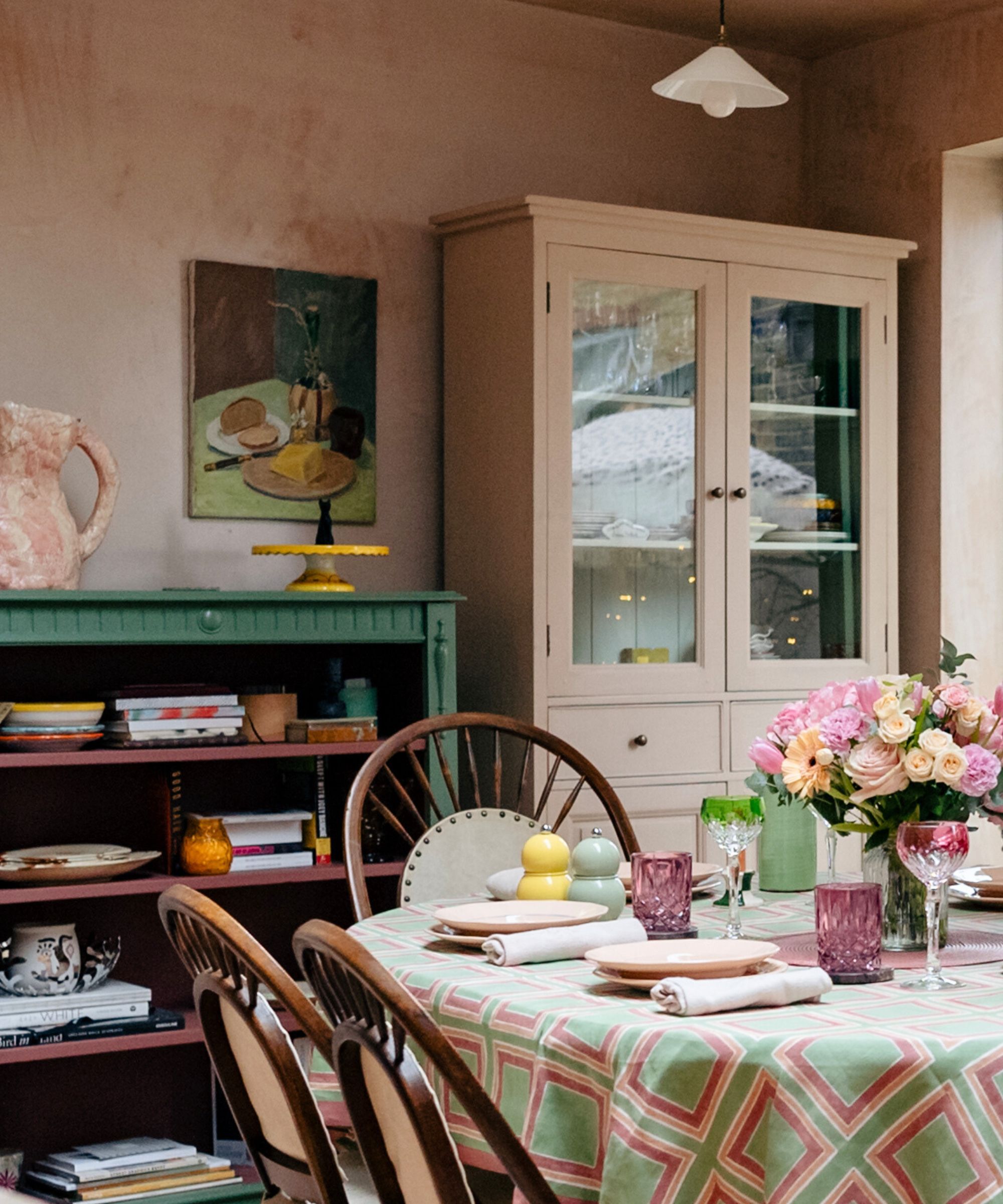
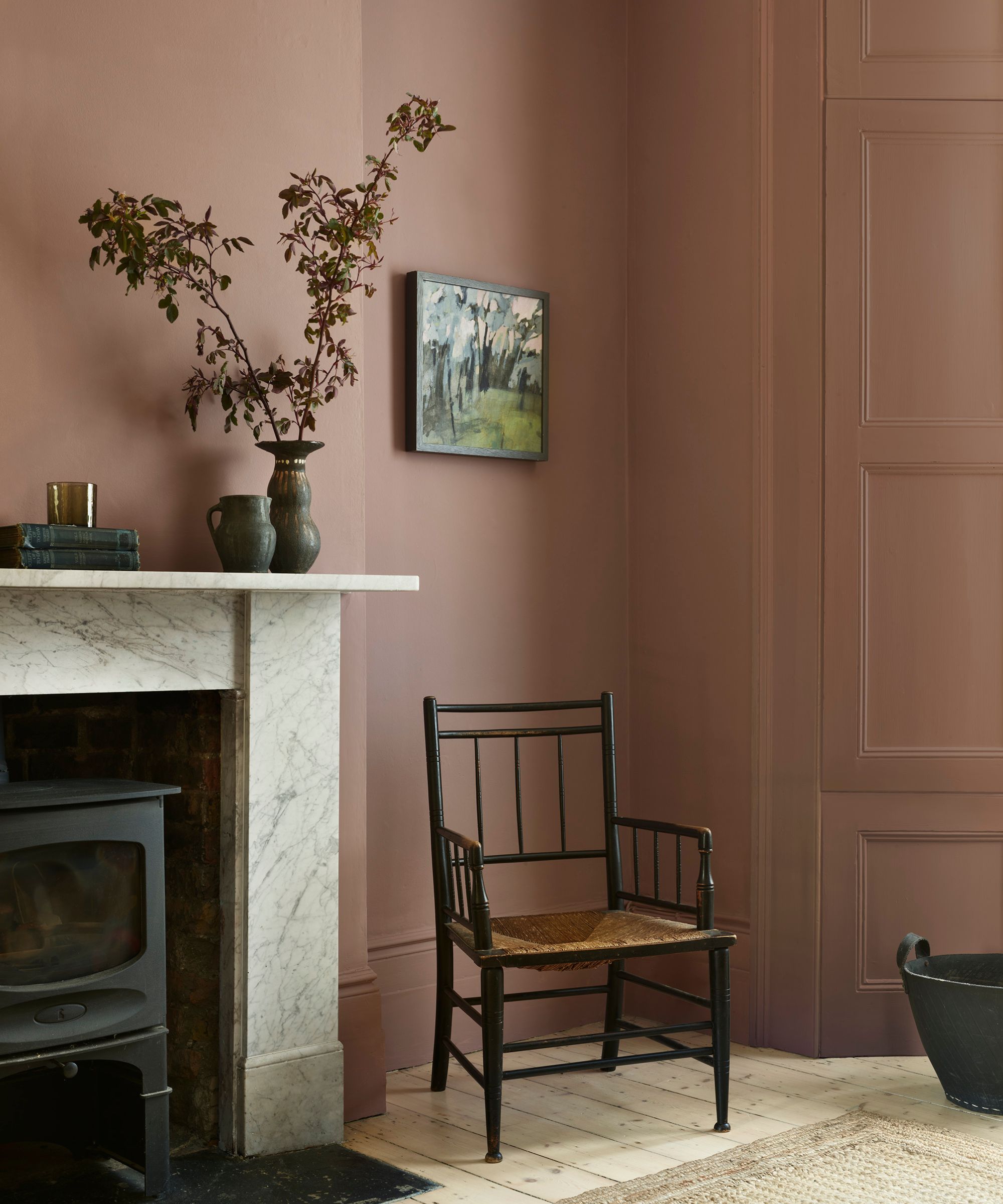
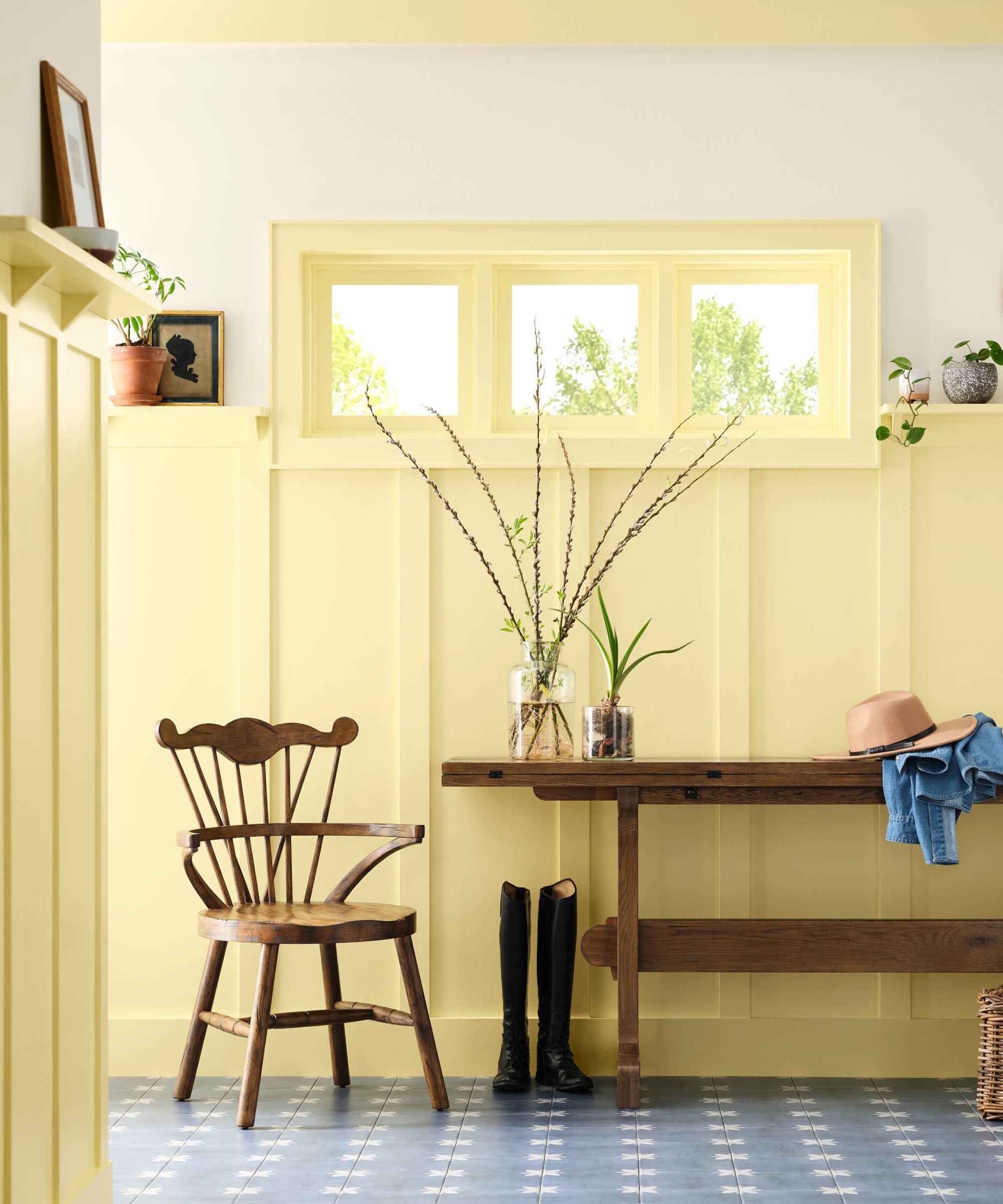
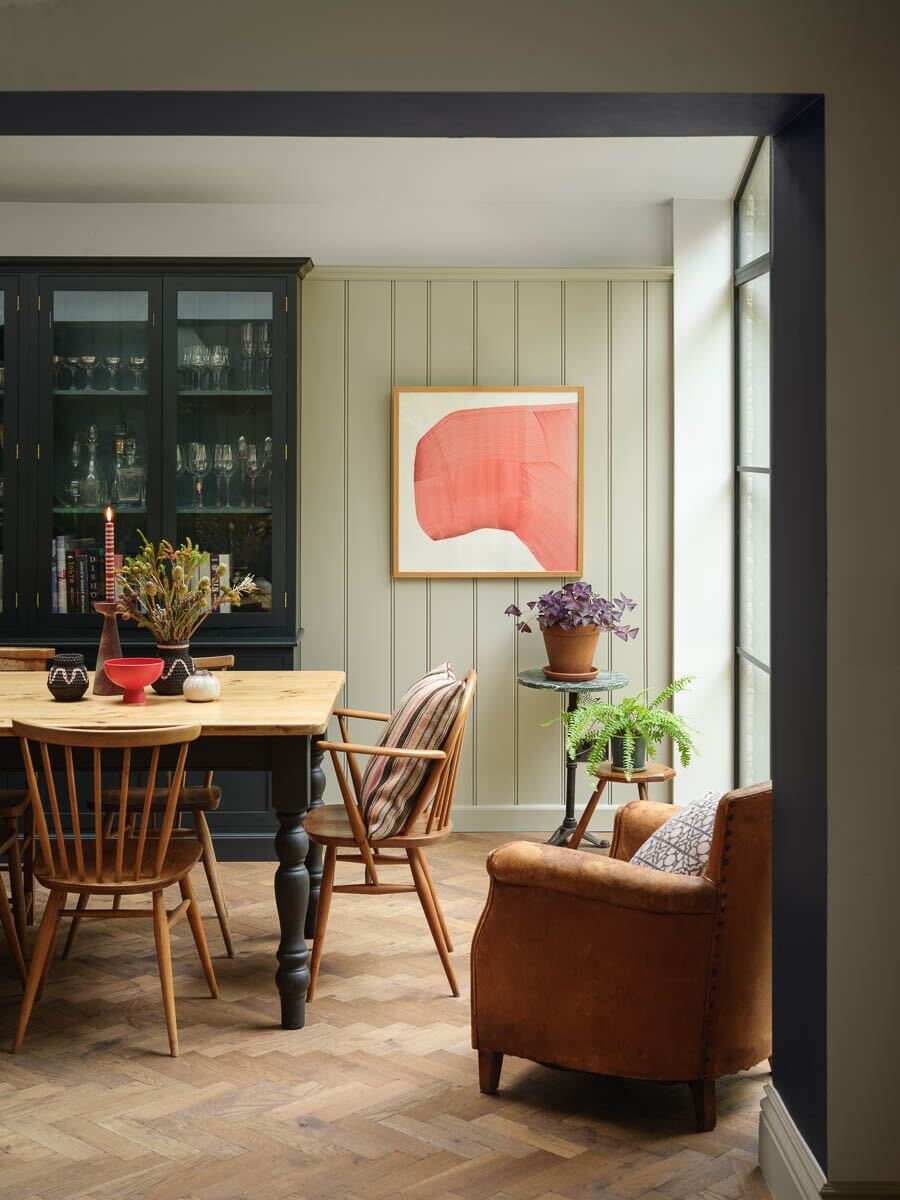
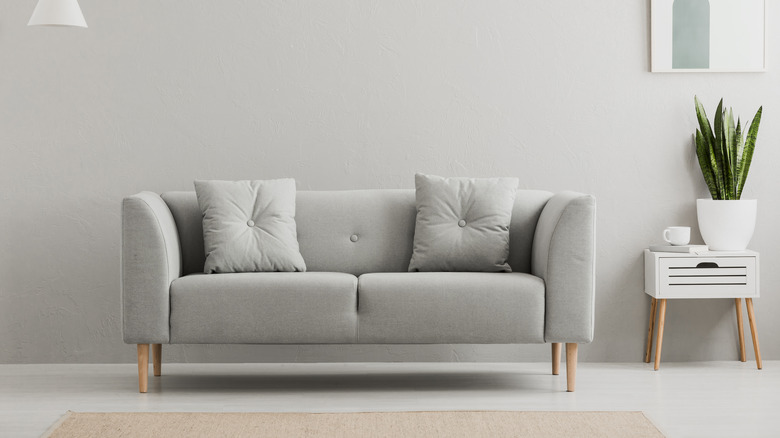
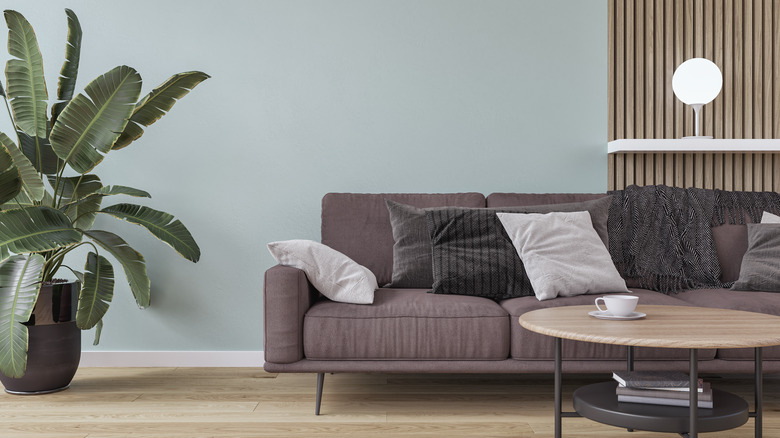
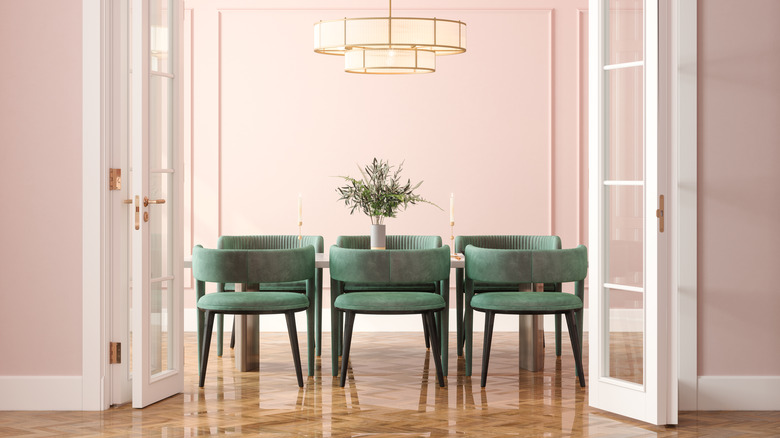
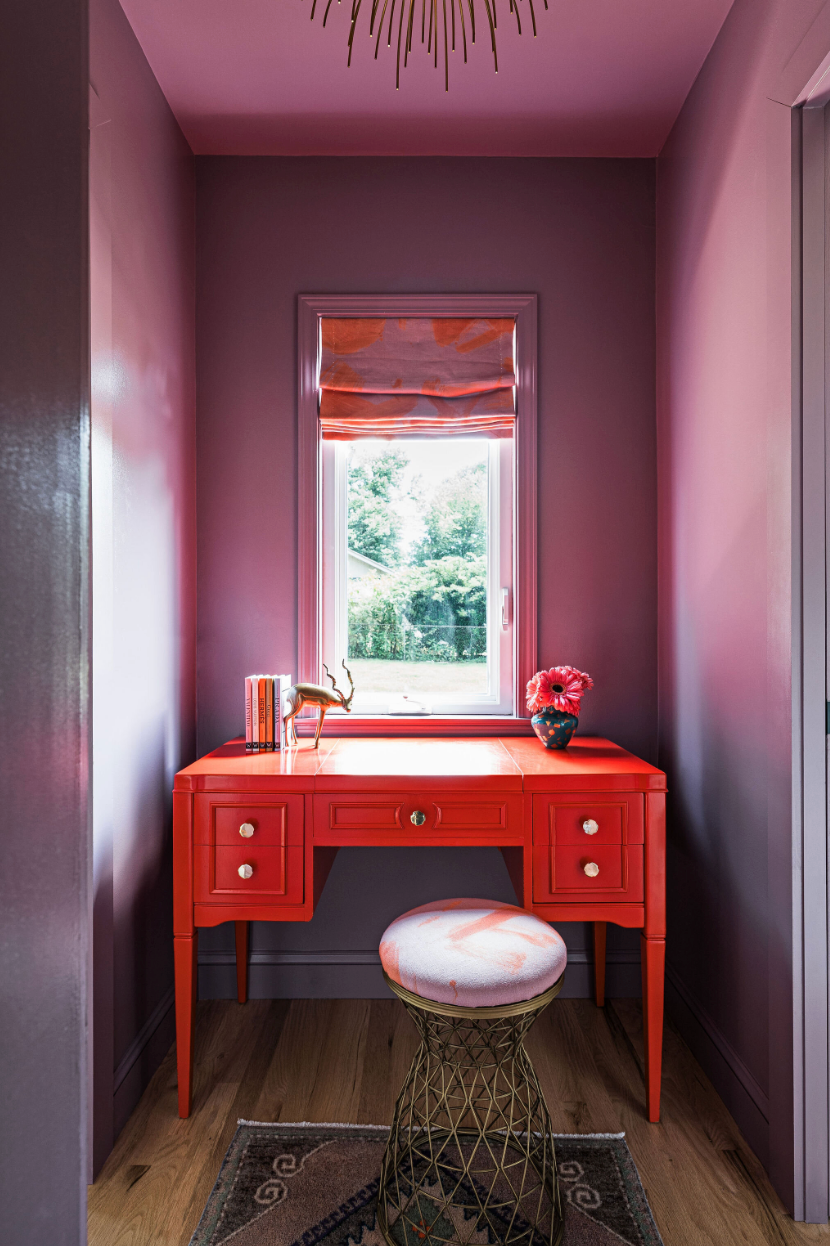
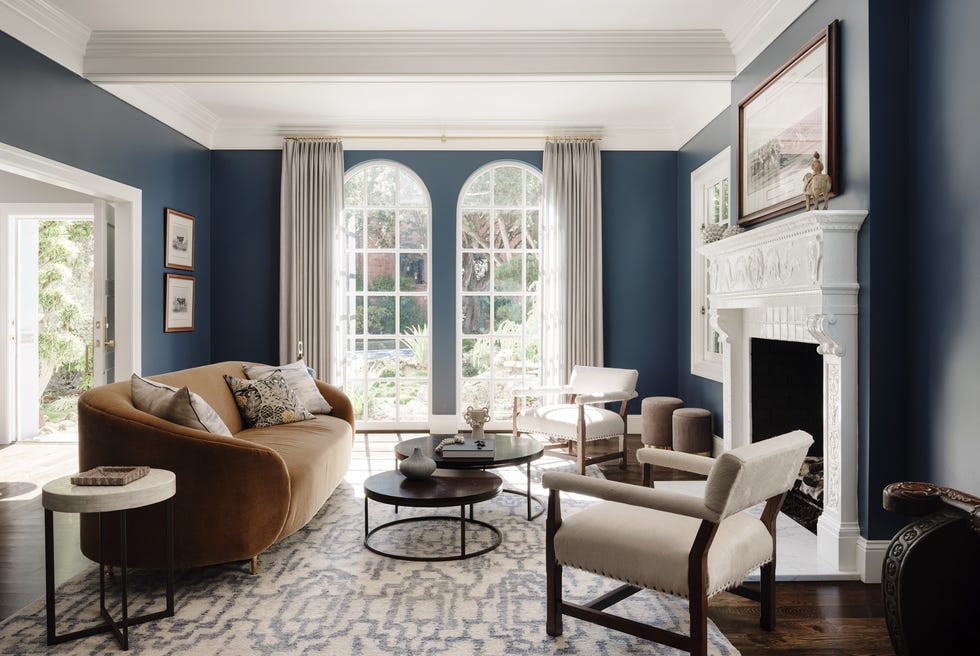
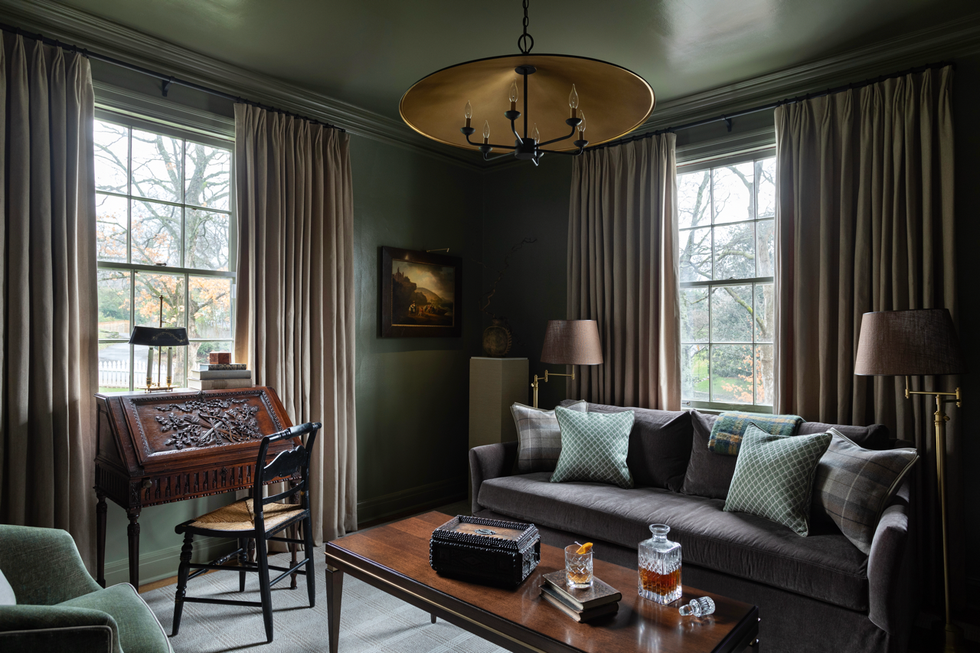
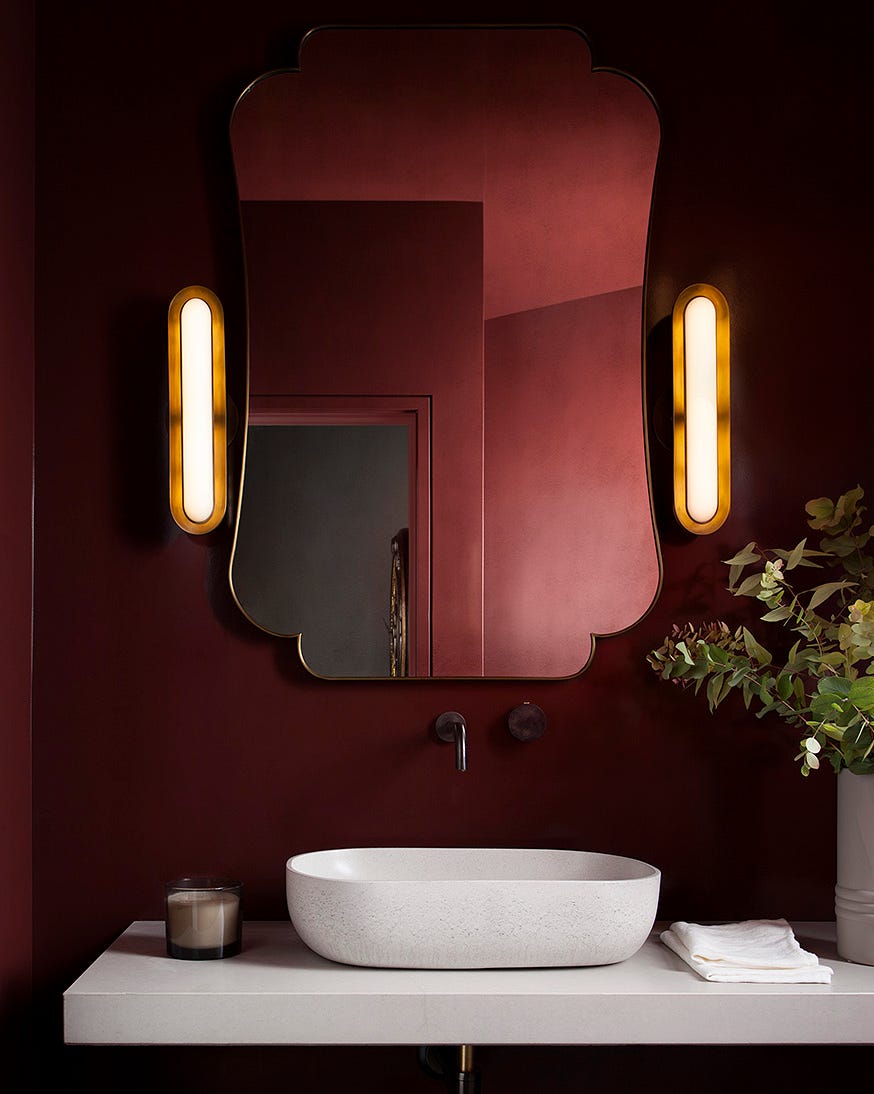
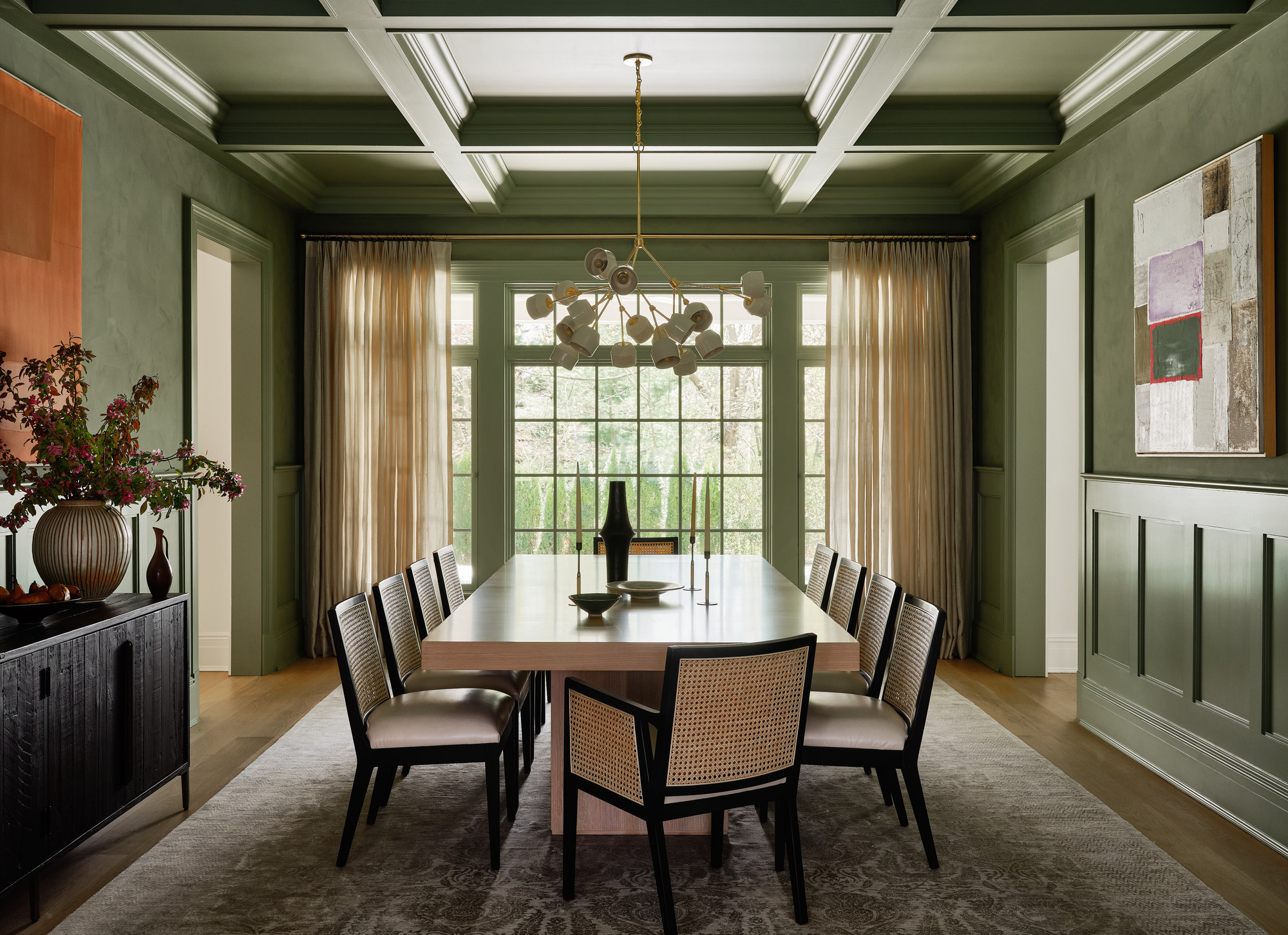
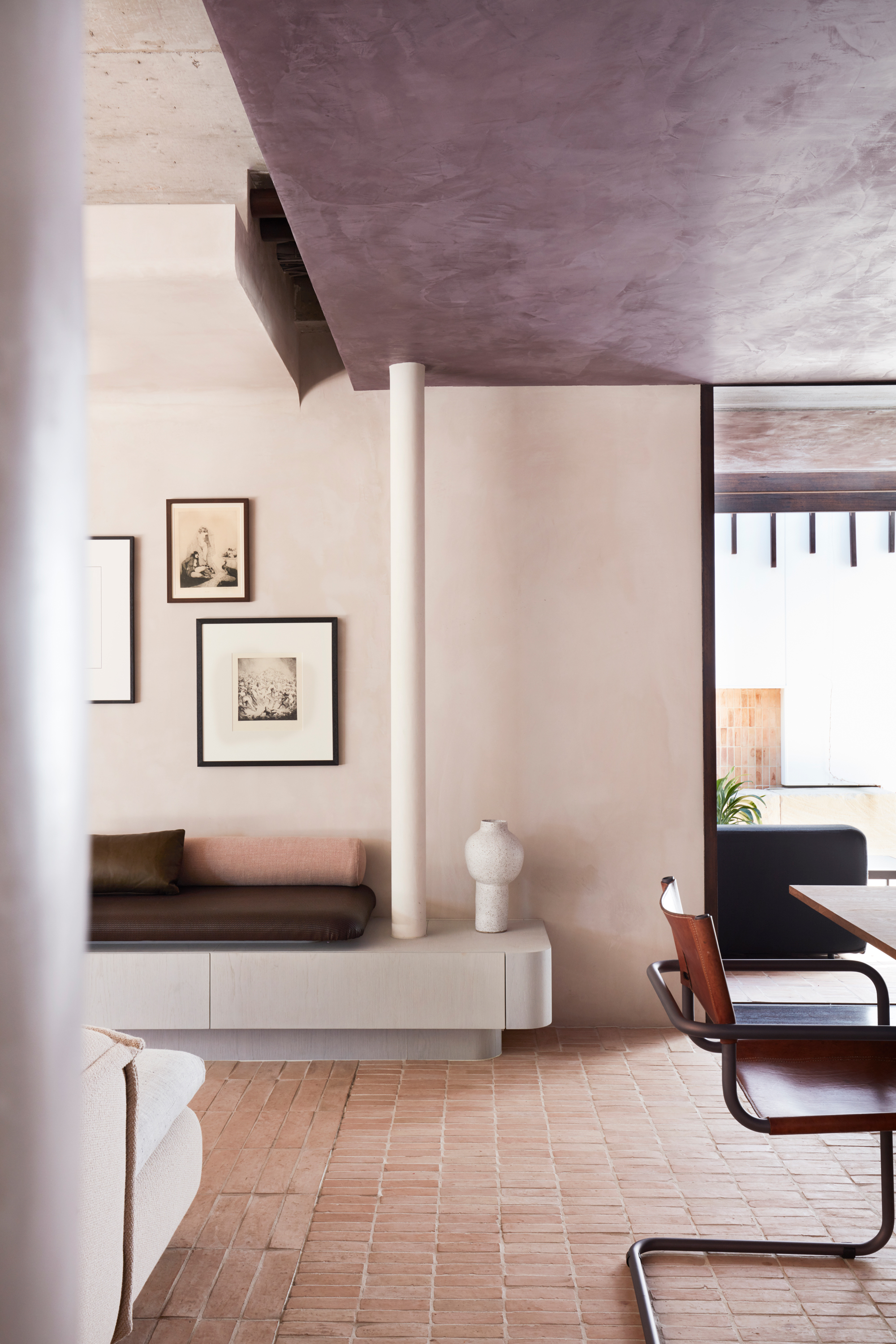
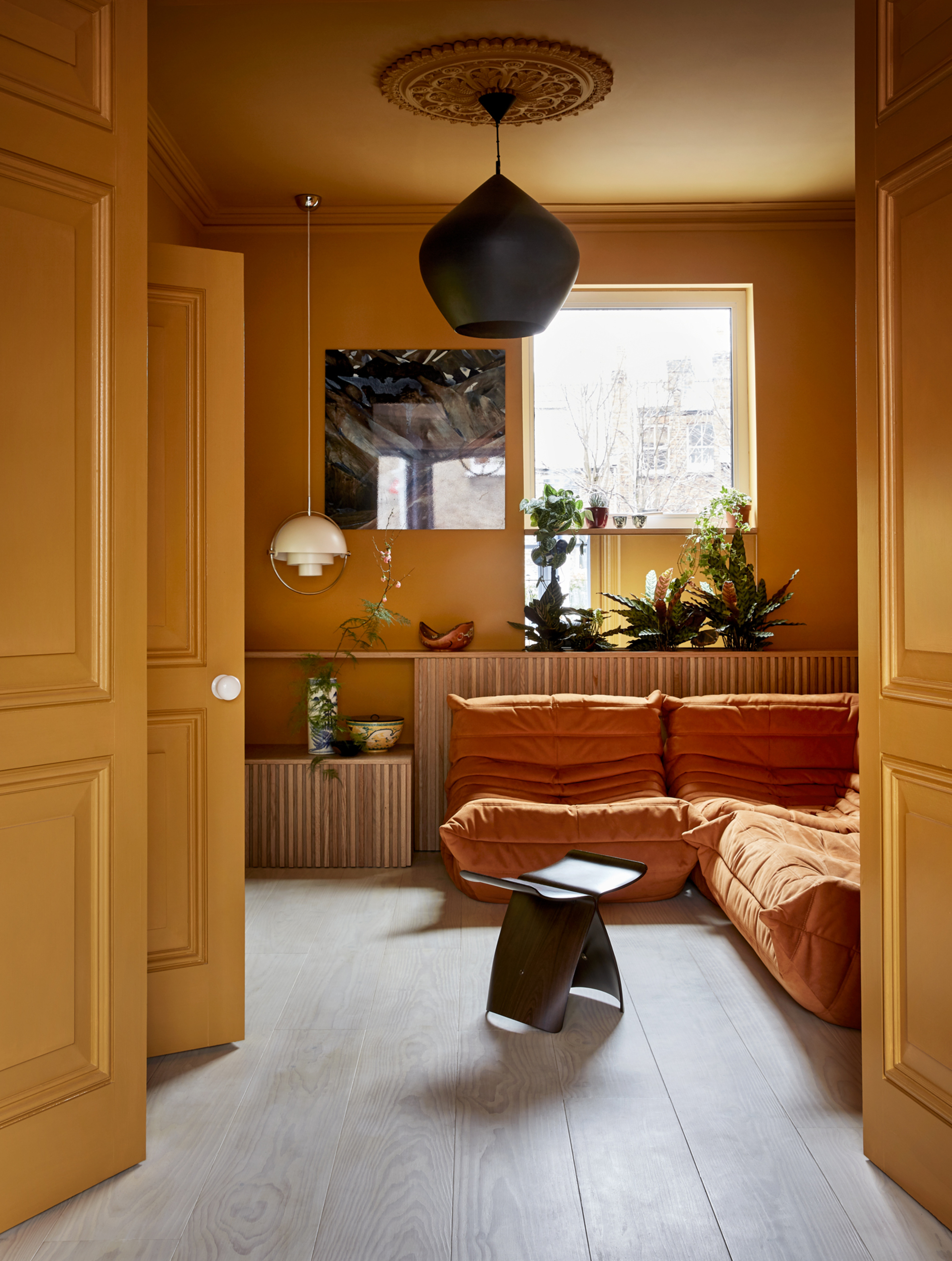
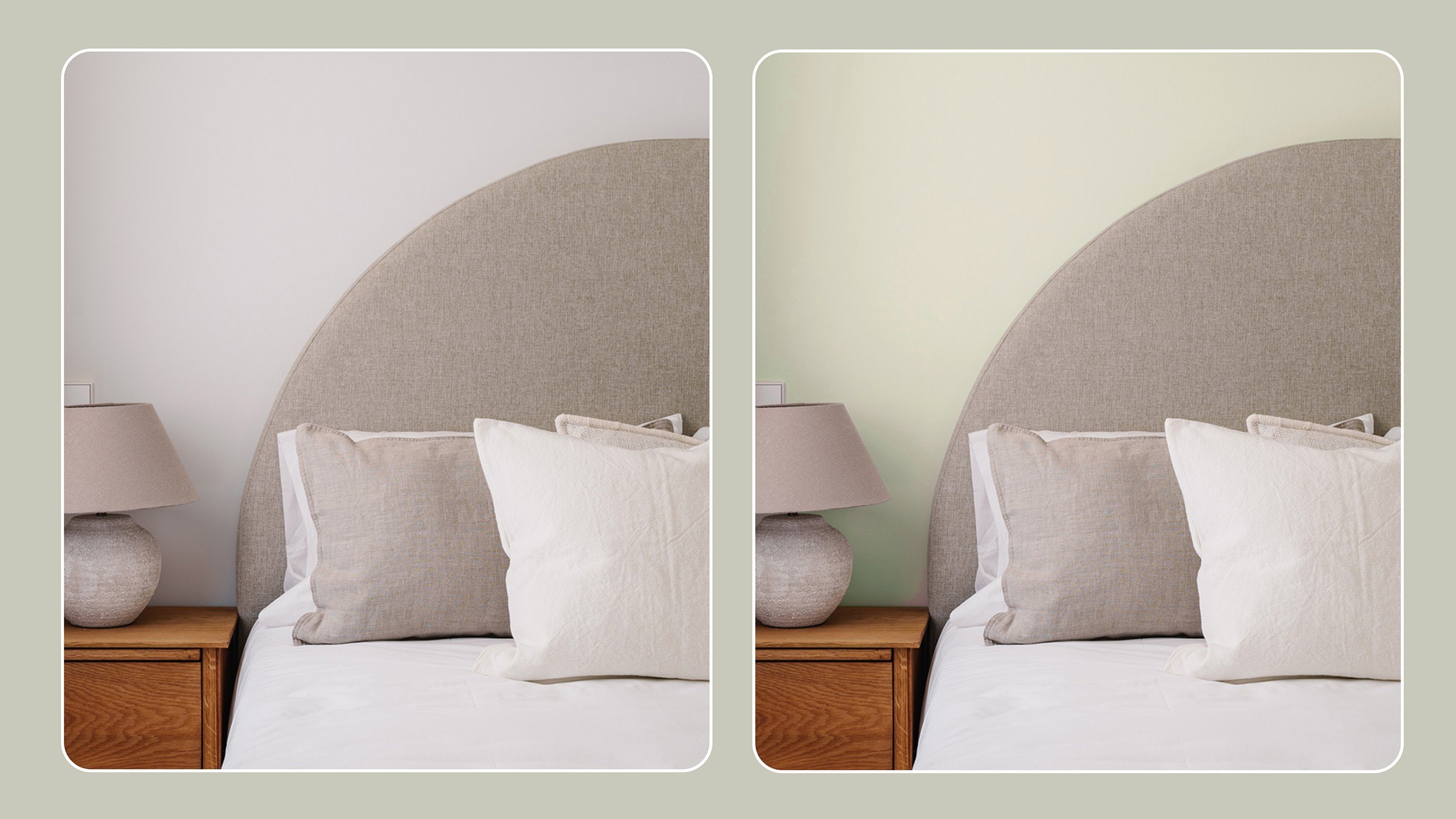
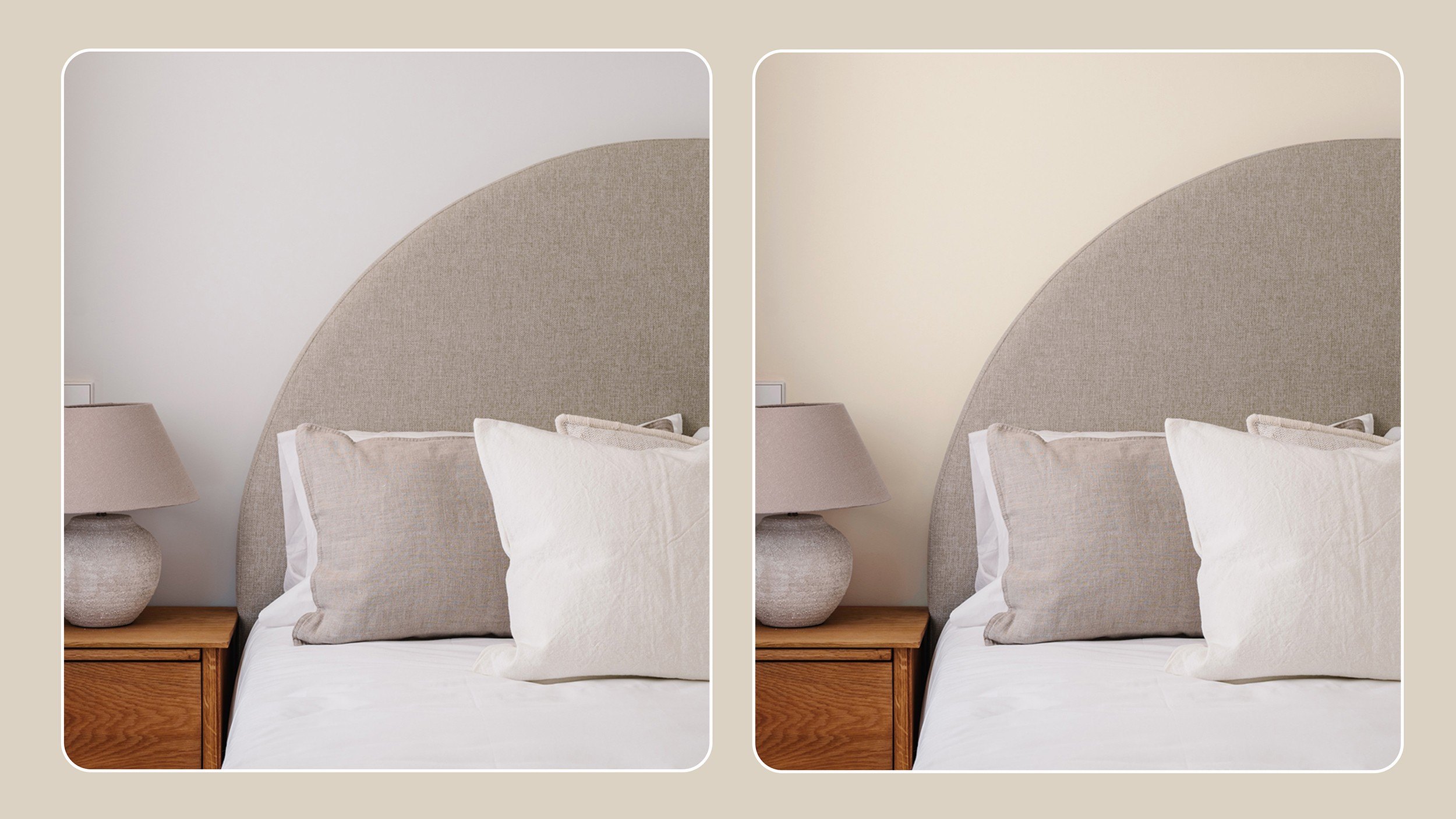
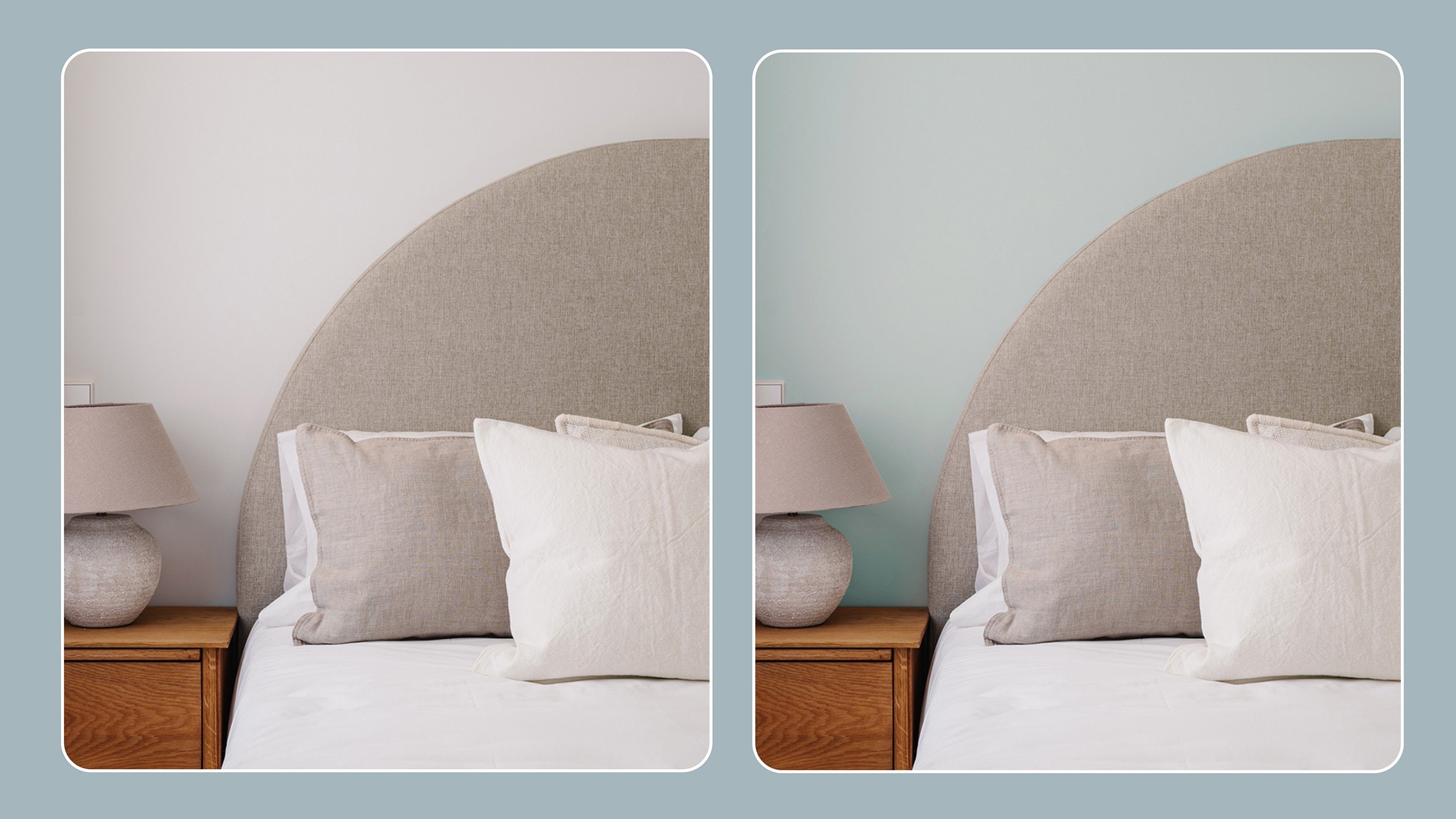
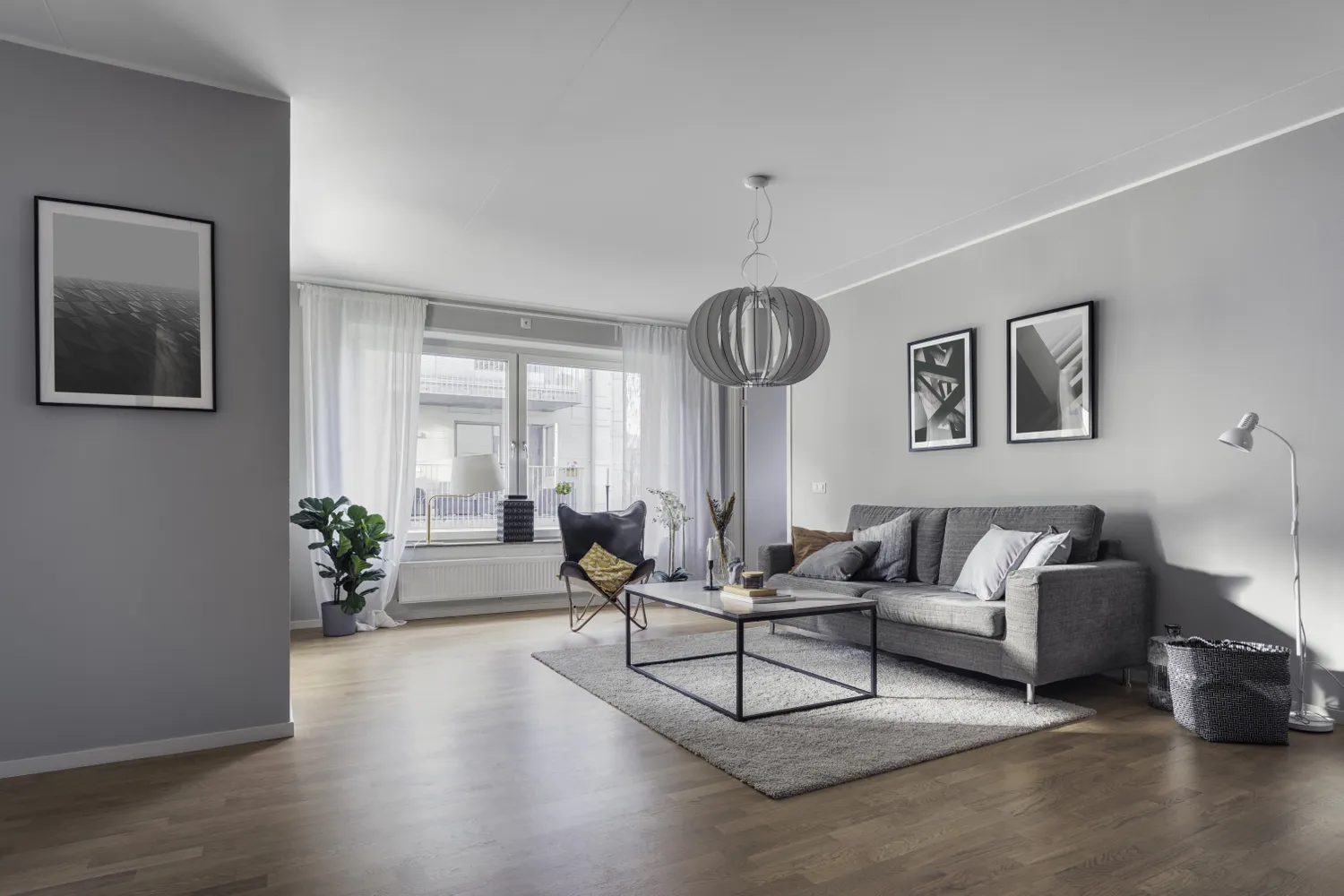
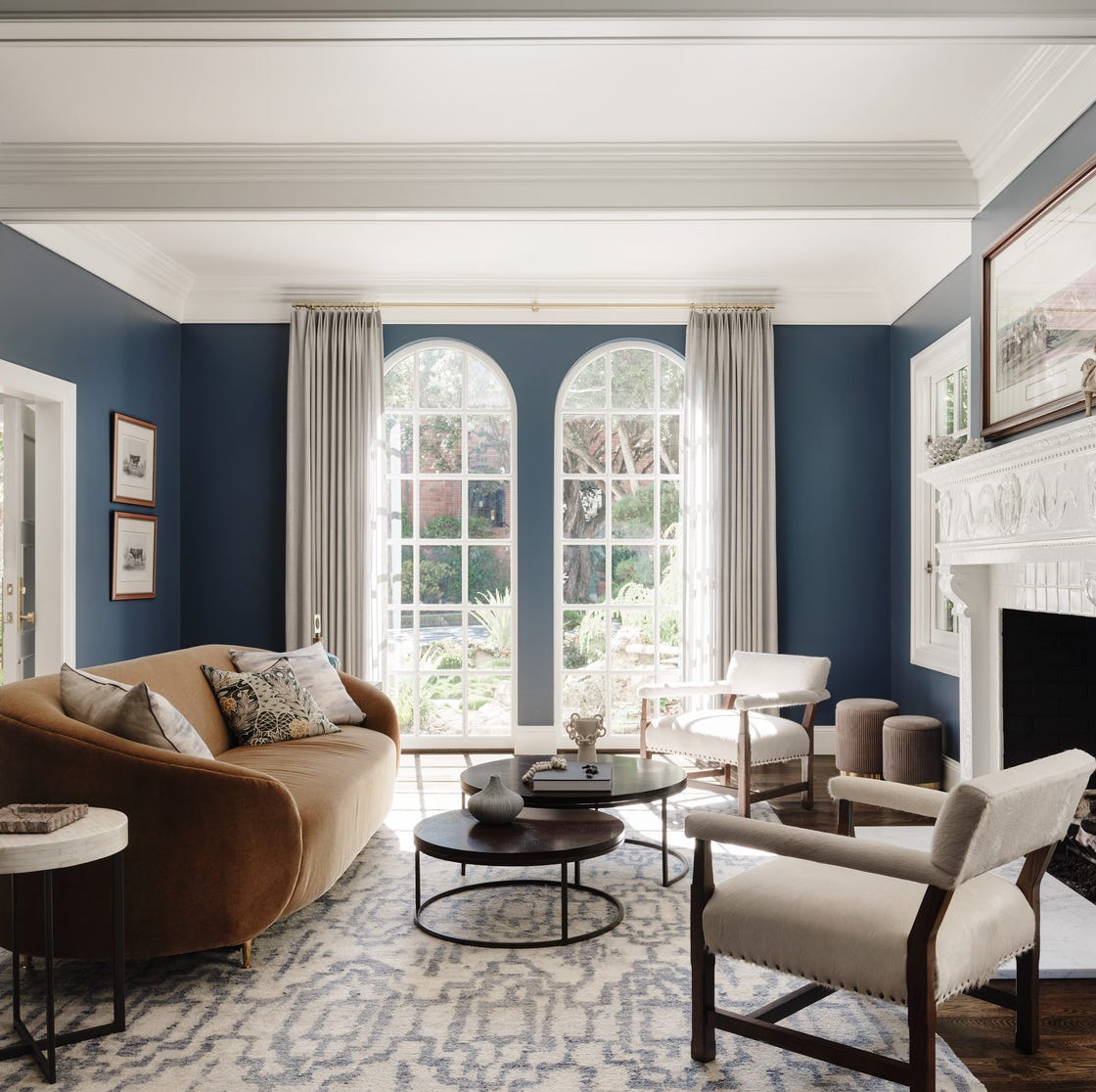
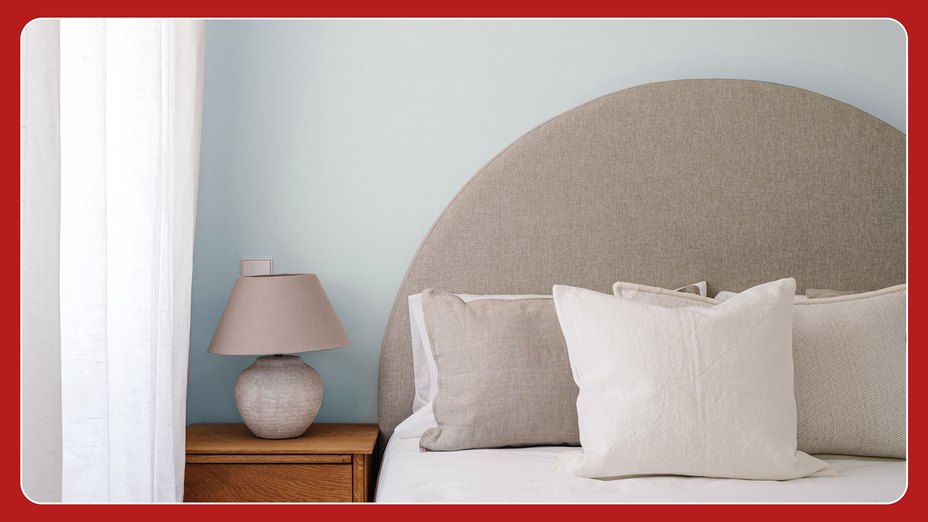
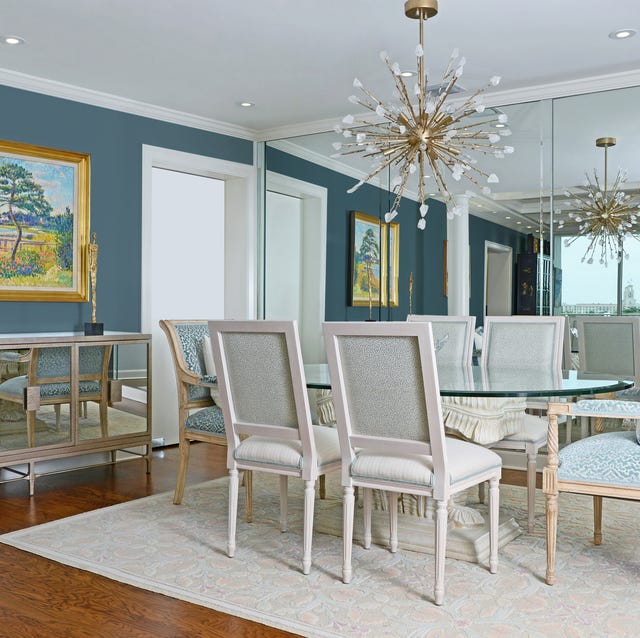
This article discusses several paint colors and styles that are considered outdated by design experts, and offers solutions for updating a home's aesthetic. The first outdated trend identified is millennial gray, a cool-toned neutral that has been popular for years but is now perceived as flat and less inviting. Designers recommend shifting towards warmer neutrals, such as soft greiges and creamy whites, to create a cozier and more welcoming environment. The second trend to avoid is bright, over-saturated colors, like brilliant royal blue or neon yellow. These intense hues are seen as less fashionable and harder to incorporate into a timeless design. Instead, subtler versions of bold colors, such as a rich blue with a hint of gray or a creamy yellow, are suggested for their calming effect and longevity. The third outdated style involves yellow-toned beiges, often referred to as "builder's grade" beige. These paints are described as muddy and dull, making walls appear heavy and lifeless. The advice is to replace them with more vibrant earth tones that offer a sophisticated backdrop.
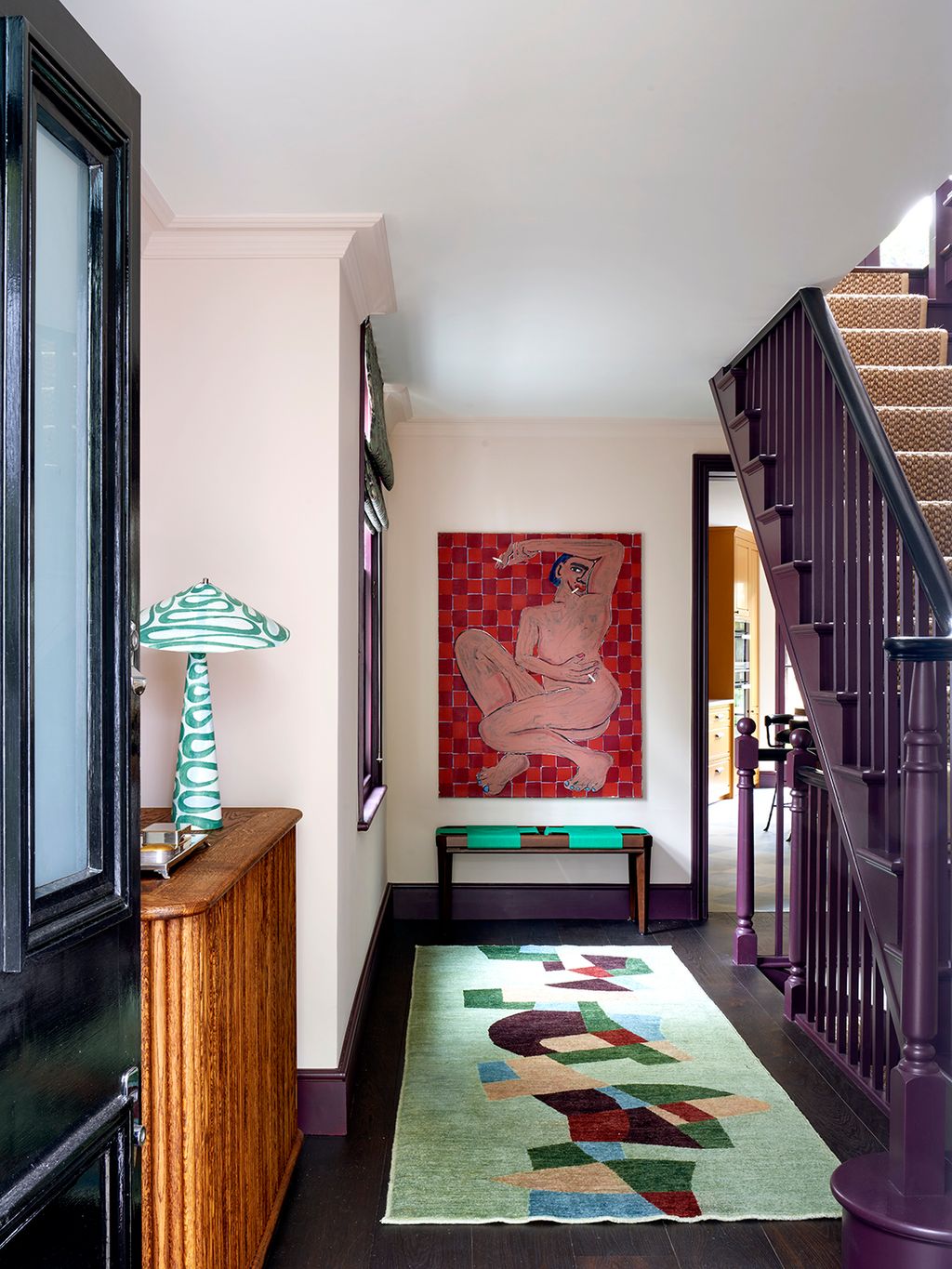
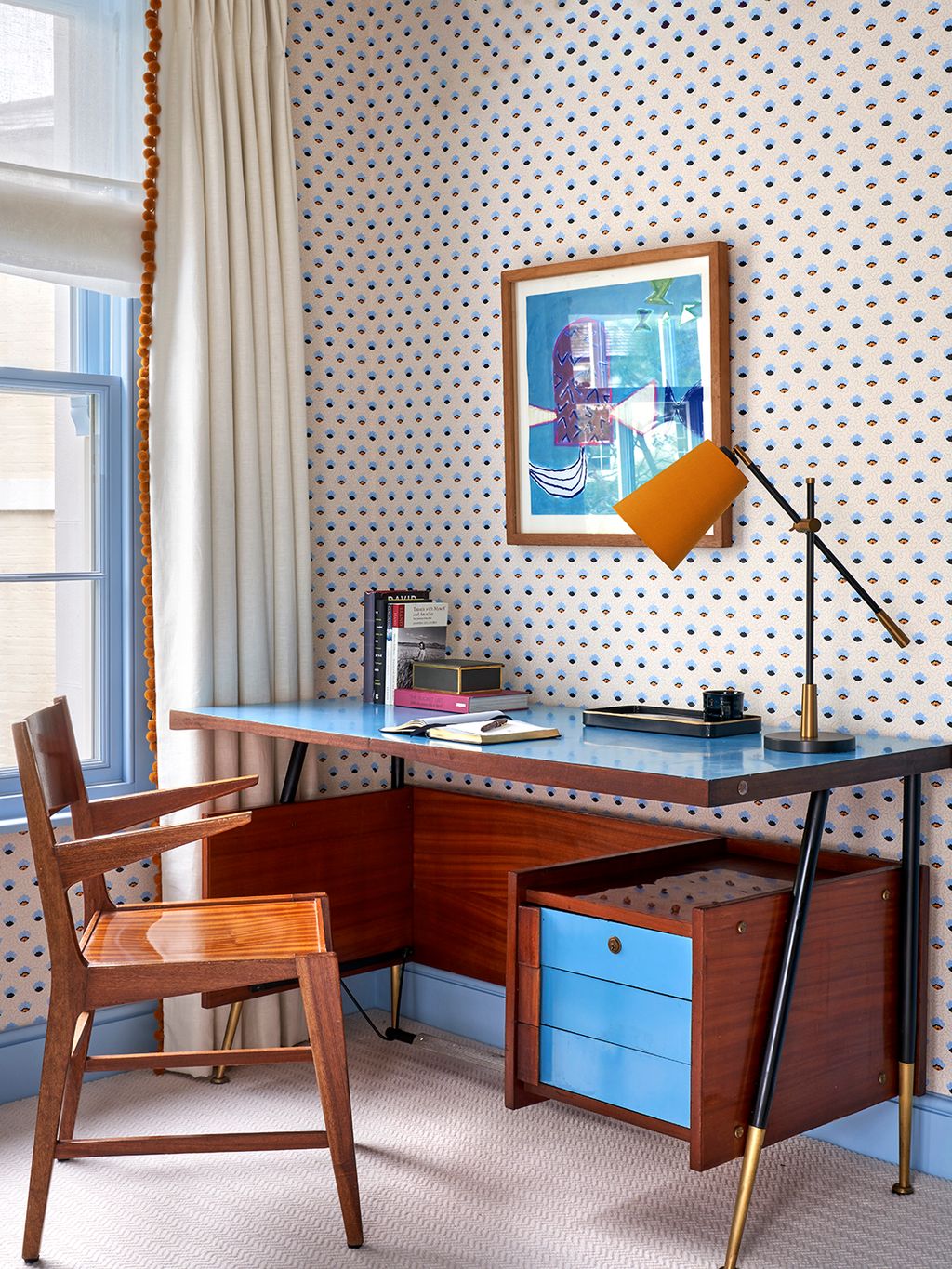
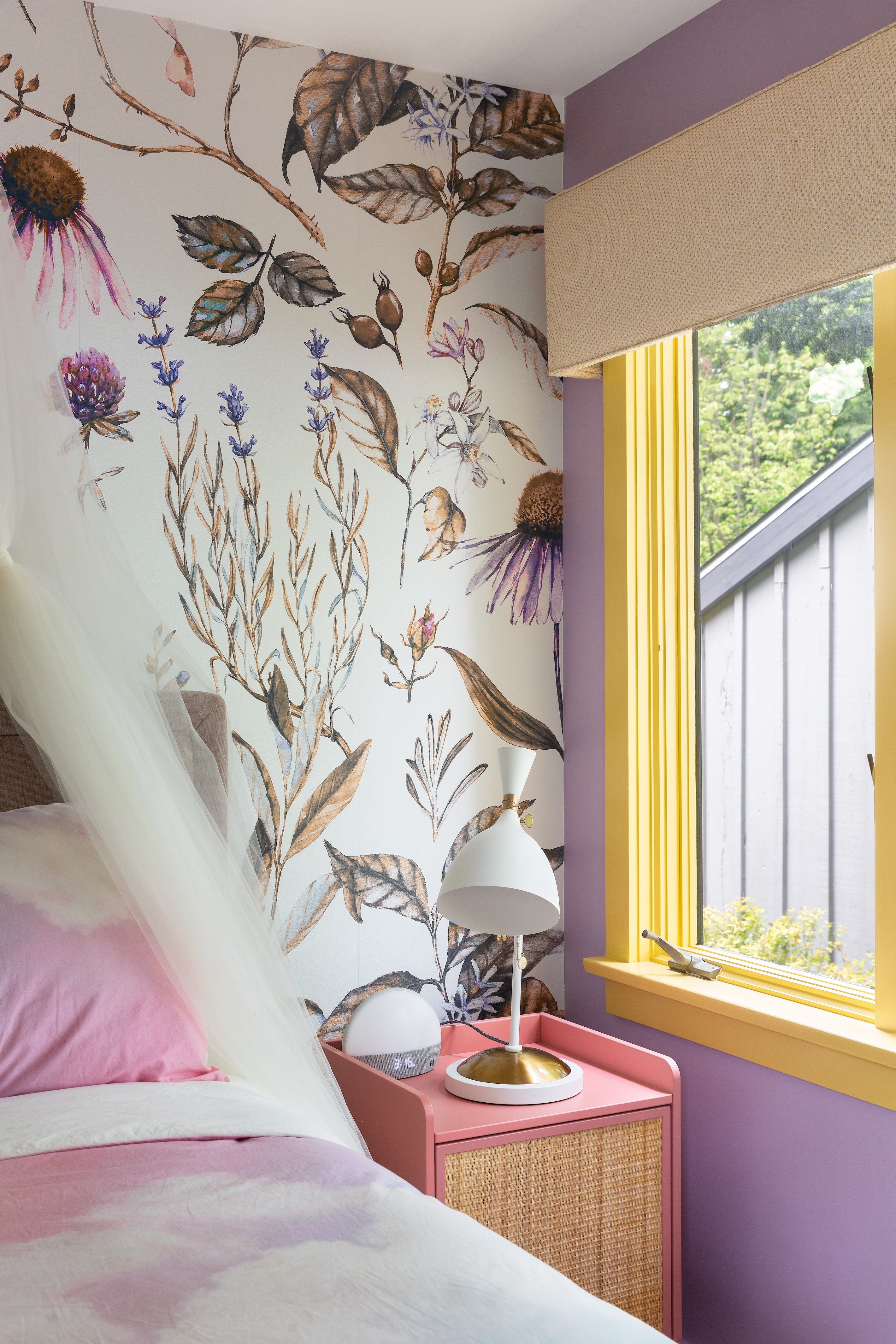
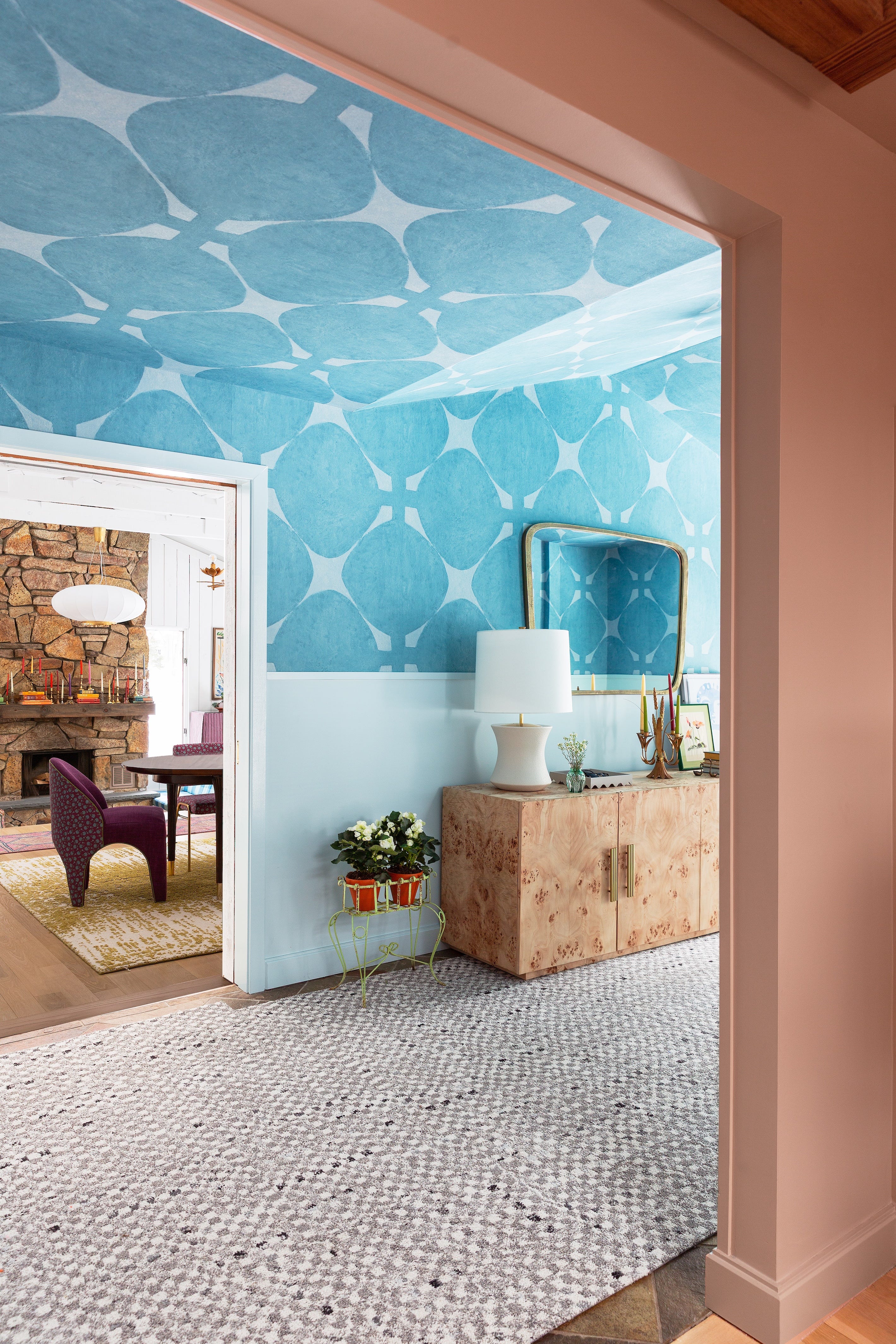
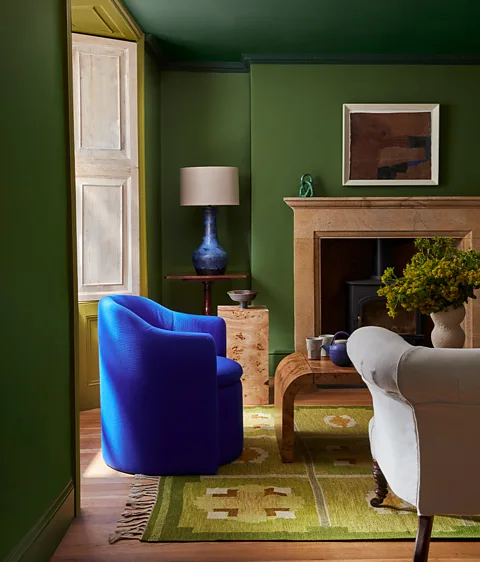
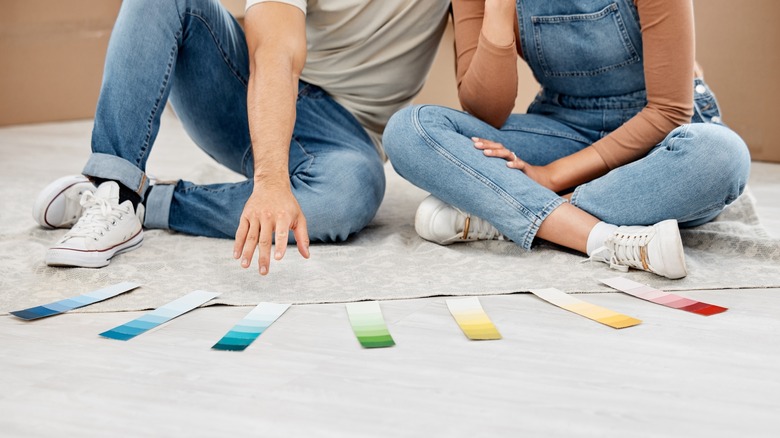
The article also addresses the pitfalls of choosing paint colors based solely on yearly trends. While acknowledging the appeal of 'color of the year' selections, it cautions homeowners to prioritize personal preference and happiness over fleeting fads. The emphasis is on selecting colors that resonate with individual taste and contribute to a joyful living space. A fourth outdated element is the use of flat paint finishes. Beyond color, the finish significantly impacts a wall's appearance and durability. Flat paint tends to look dull, shows scuffs easily, and is difficult to clean. Designers suggest opting for eggshell or satin finishes, which provide a subtle sheen and are more durable and washable. Finally, the article highlights the single bold accent wall as an outdated design technique that visually fragments a room. Instead of a single accent wall, it is recommended to paint all four walls in a desired shade, whether bold or neutral, for a more cohesive look. Alternatively, strong colors can be introduced through large art, rugs, or furniture.
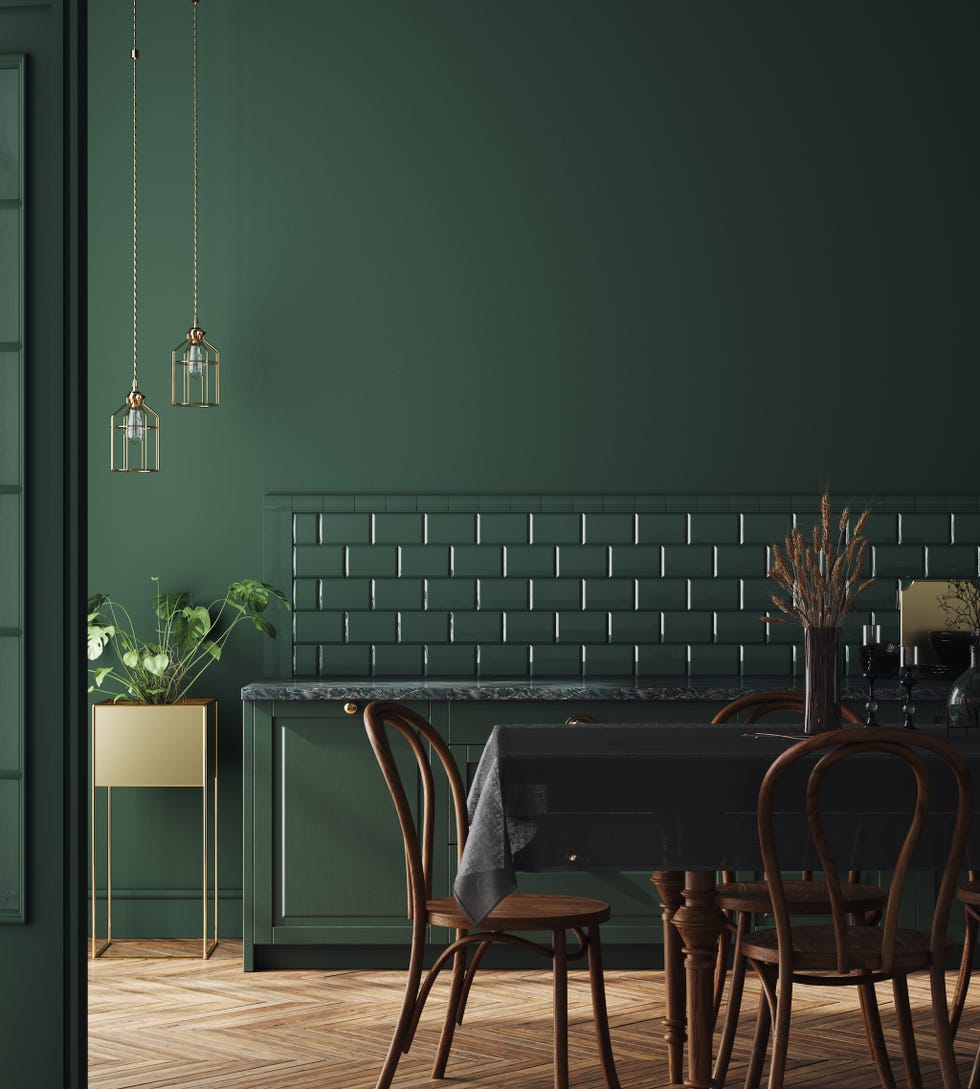
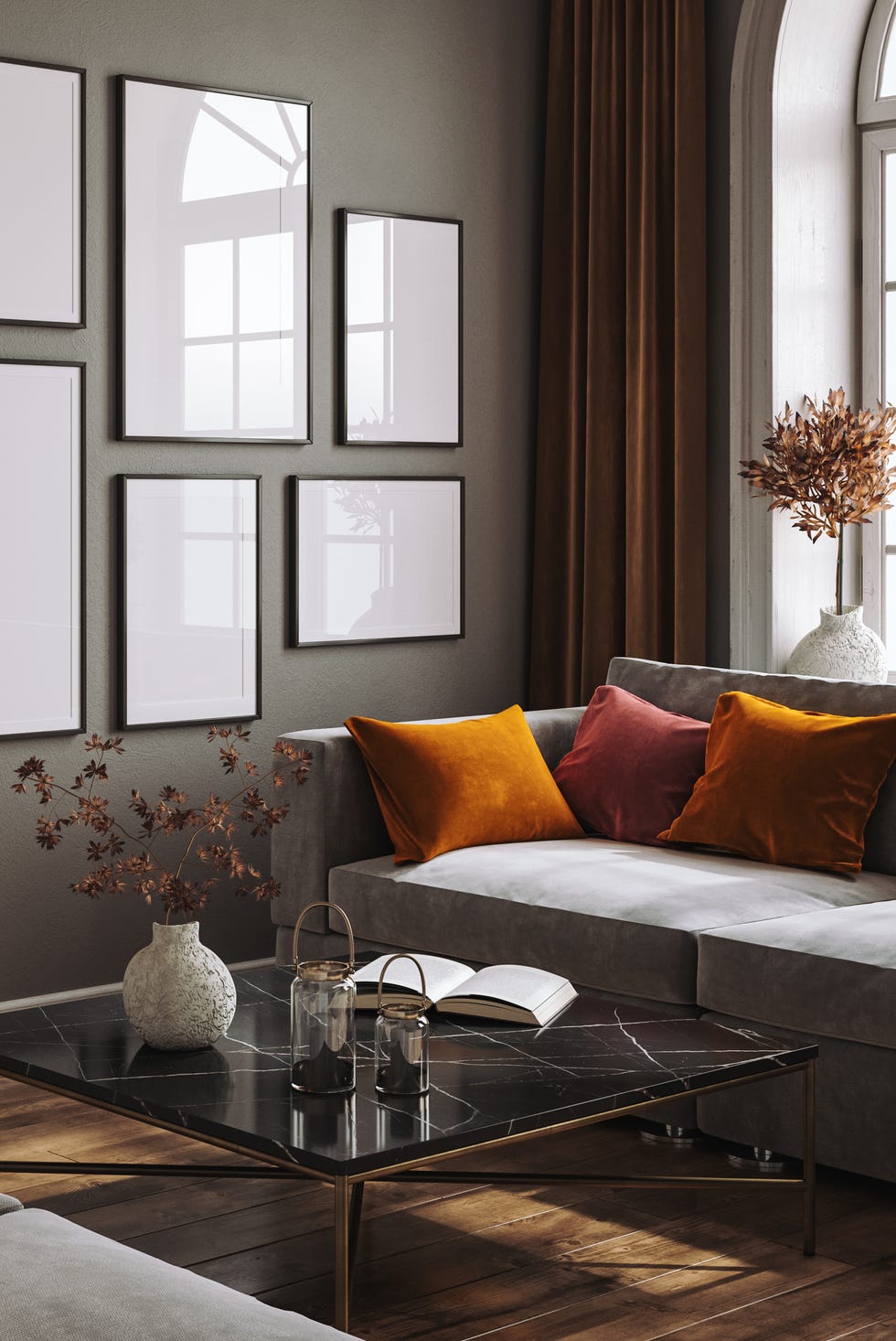
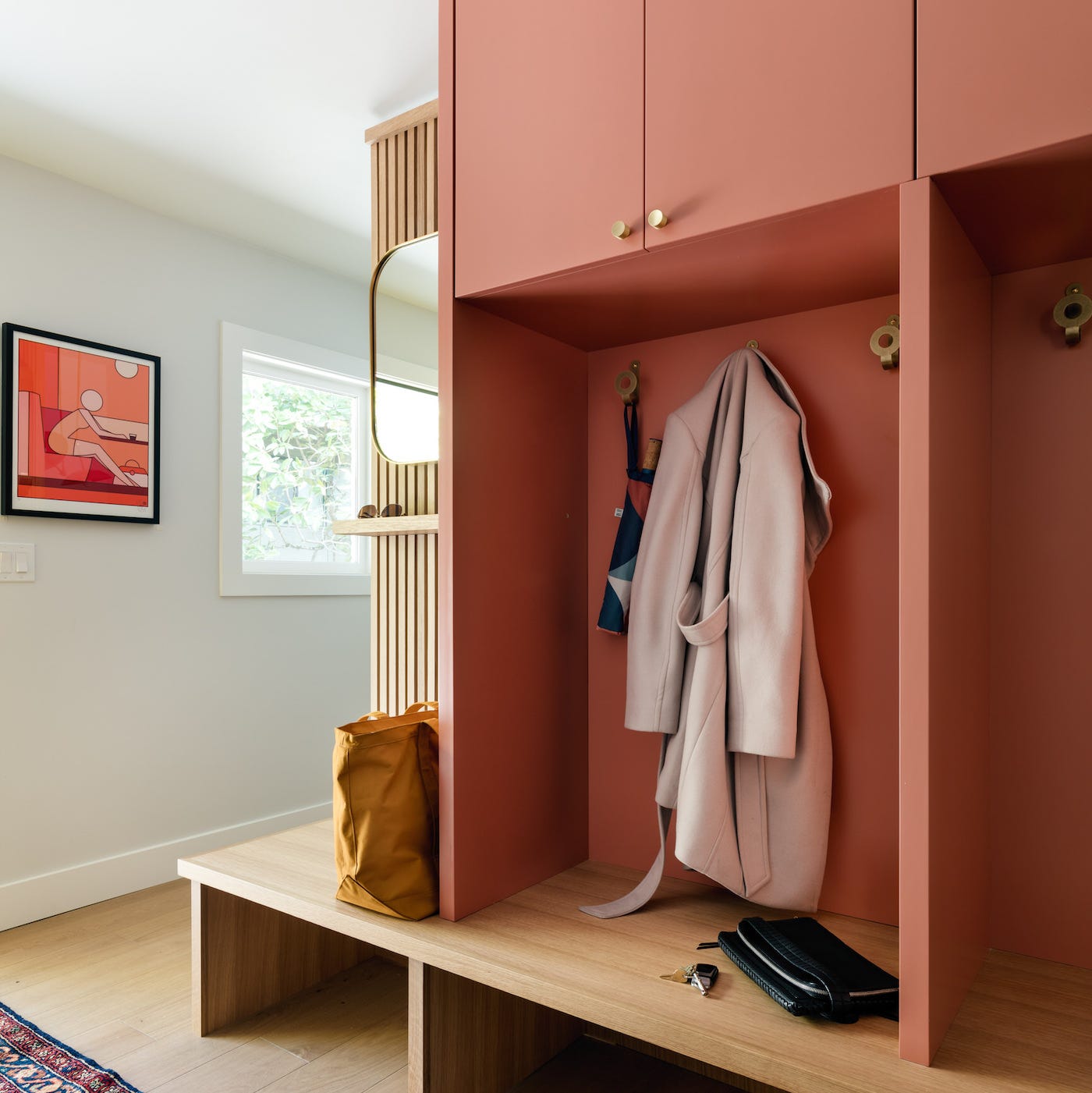
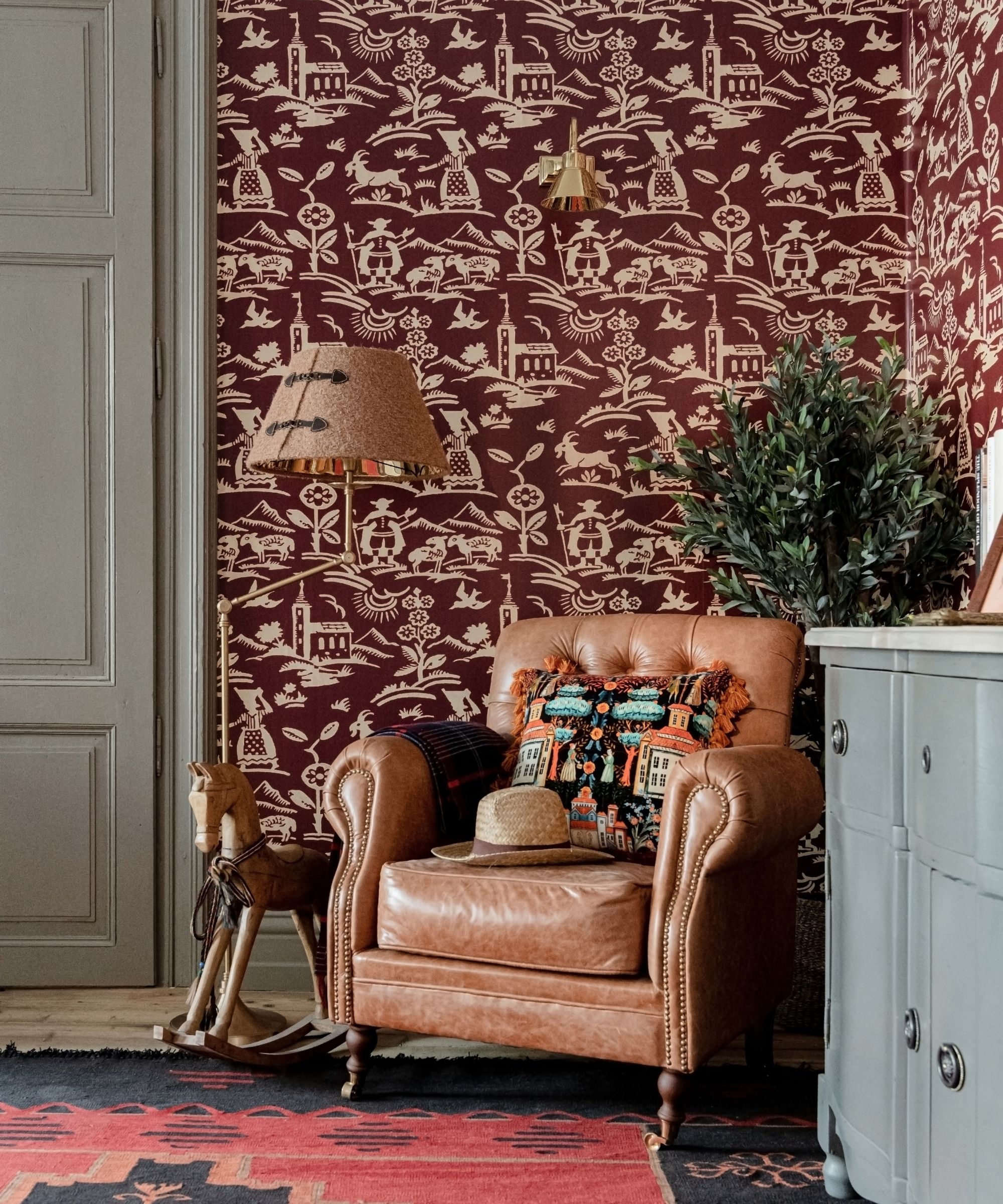
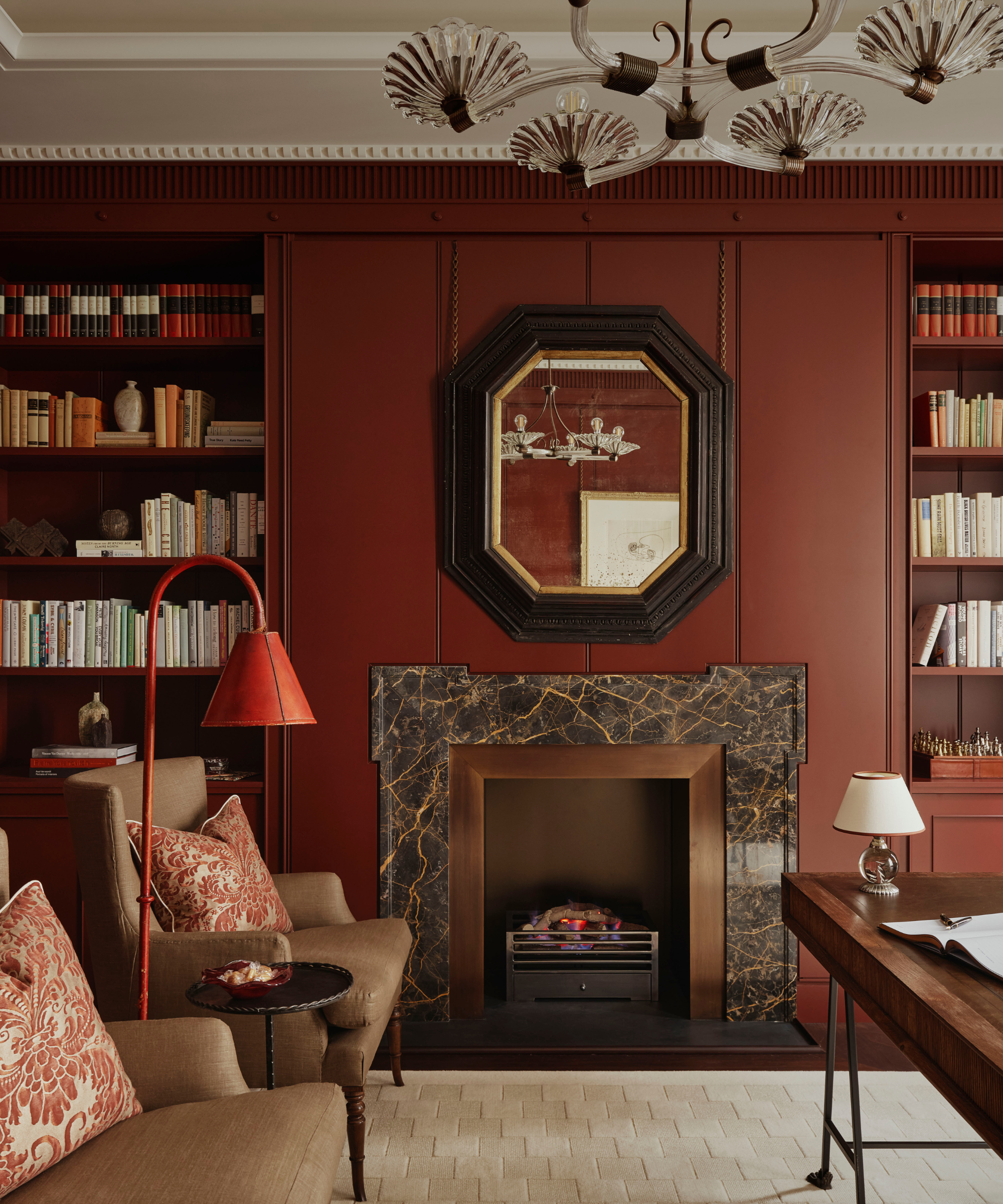

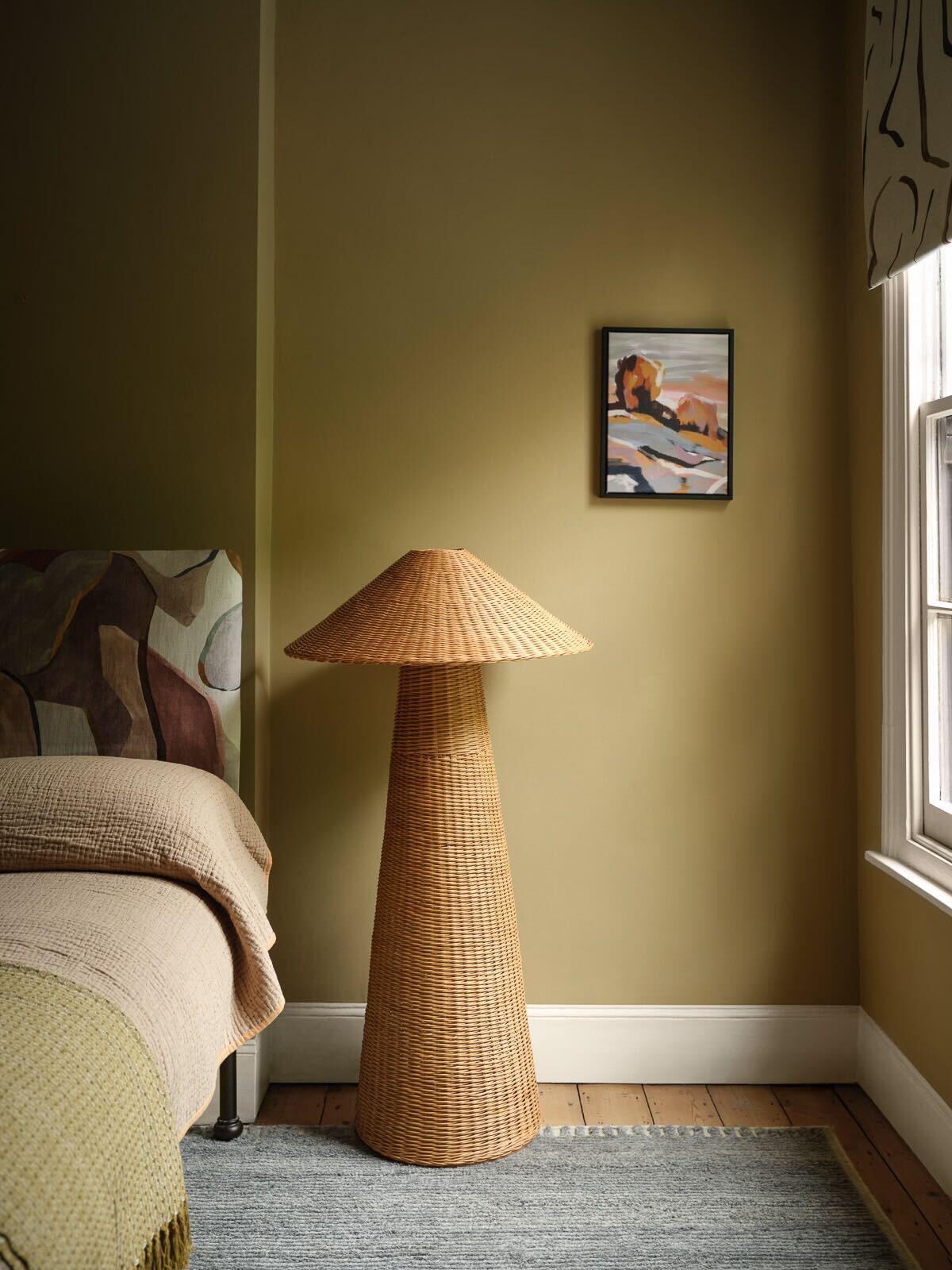
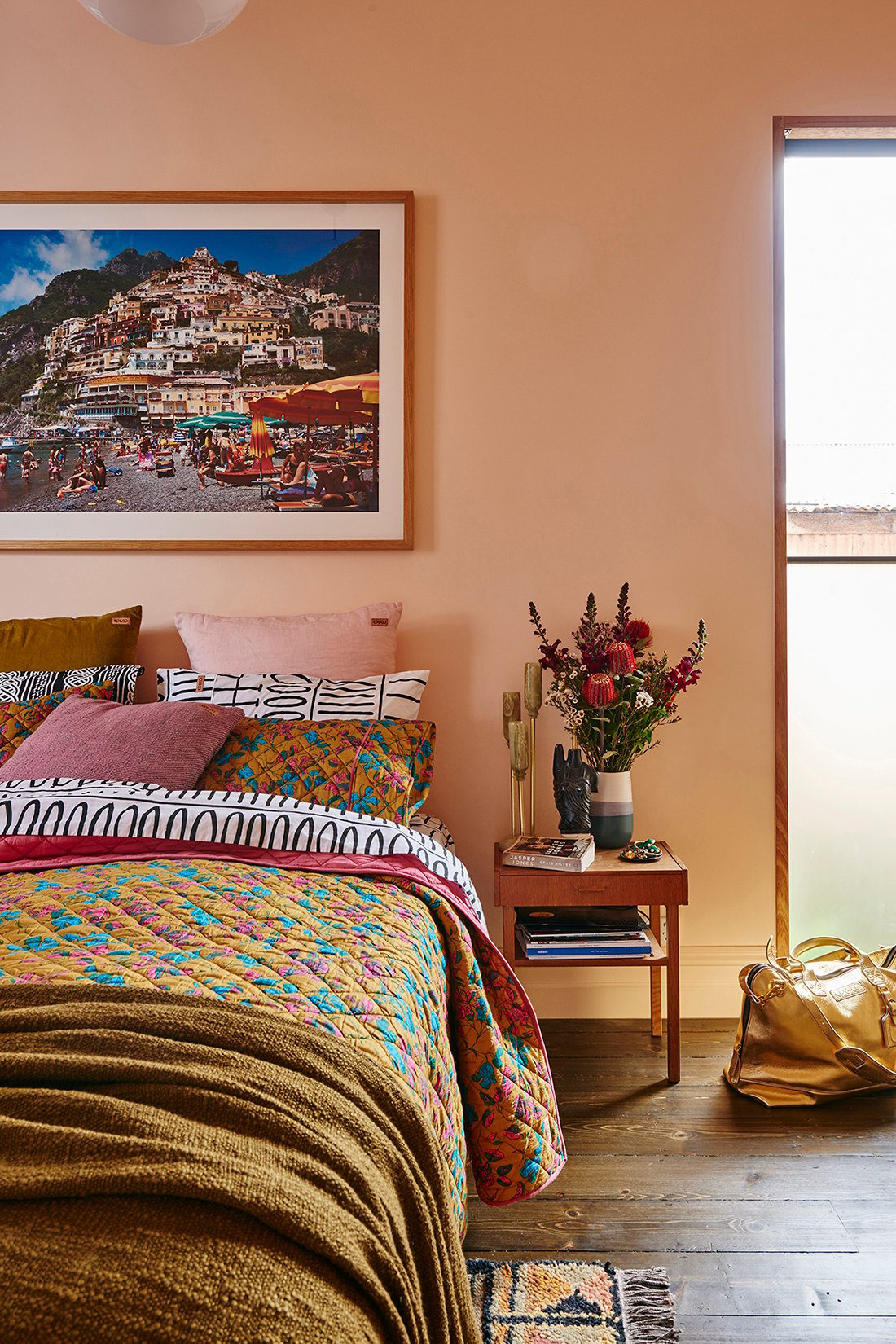
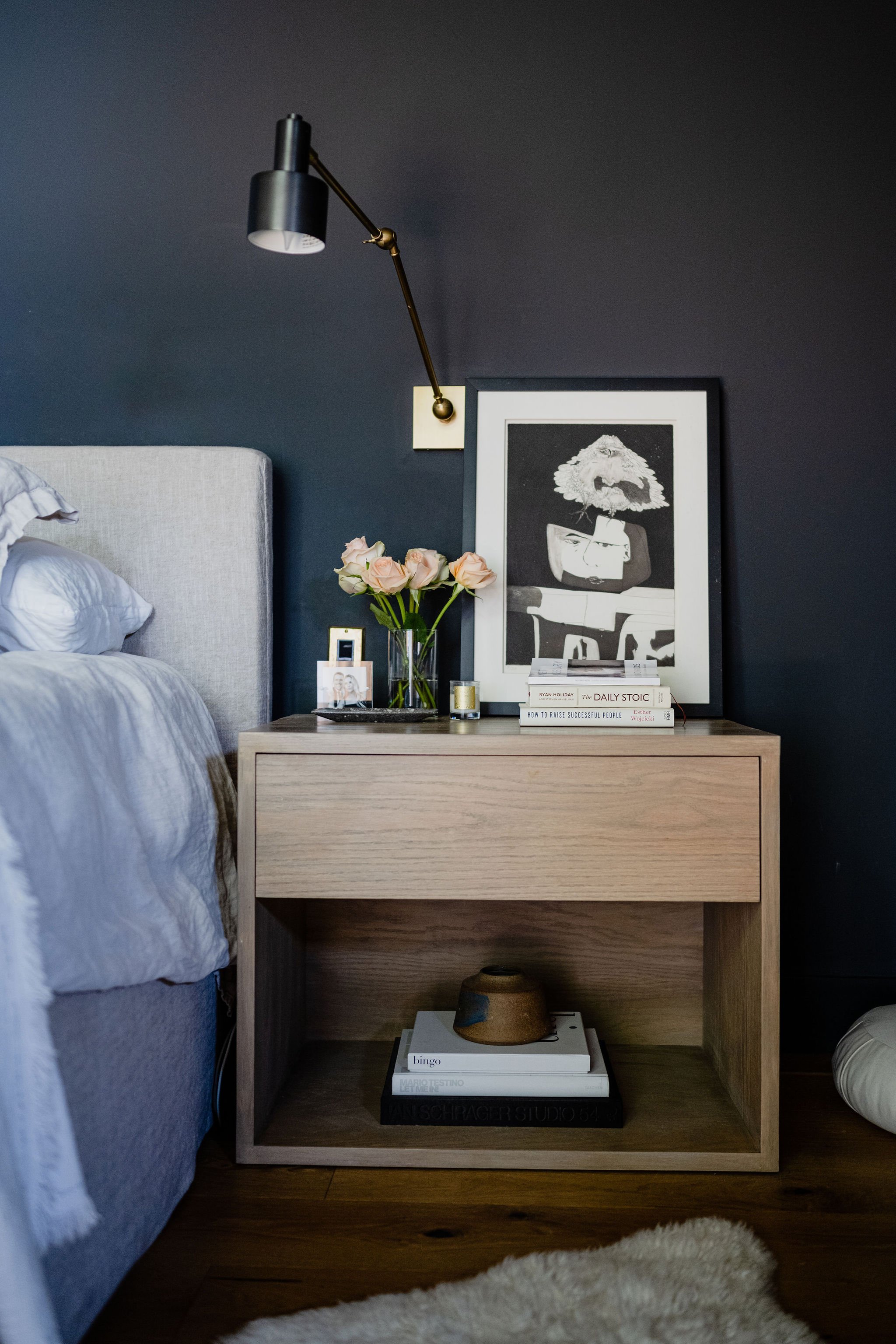
Beyond just repainting, the article provides additional tips for refreshing a space. High-traffic areas like kitchens, hallways, and bathrooms typically require repainting every three to five years due to wear and tear, while less-used rooms can go a decade or more. Adjusting lighting can also dramatically change a room's feel; swapping harsh, cold light bulbs for soft, warm LEDs (2700K–3000K) can neutralize cool undertones in paint. Refreshing trim and ceilings with clean, bright white paint can also make existing wall colors appear more deliberate and less faded. Lastly, if a full repaint is not immediately feasible, accessorizing with artwork, pillows, and other decorative items in bold, sophisticated accent colors (like deep olive green, rust, or terracotta) and incorporating rich textures (such as aged brass metals, warm woods, and chunky fabrics) can help balance out and update a dated paint color.
#OutdatedPaintColors #HomeDecor #InteriorDesignTrends #PaintColorTrends #HomeImprovement #ColorSchemes #PaintFinishes #AccentWalls #DIYHomeDecor #OutdatedPaintColors #HomeDecor #InteriorDesignTrends #PaintColorTrends #HomeImprovement #ColorSchemes #PaintFinishes #AccentWalls #DIYHomeDecor
0 comment in total
 No comments yet
You may also like
Time to rethink coloured ceilings and woodwork
The 5 outdated paint colors of 2024 designers loathe — and what they're loving instead

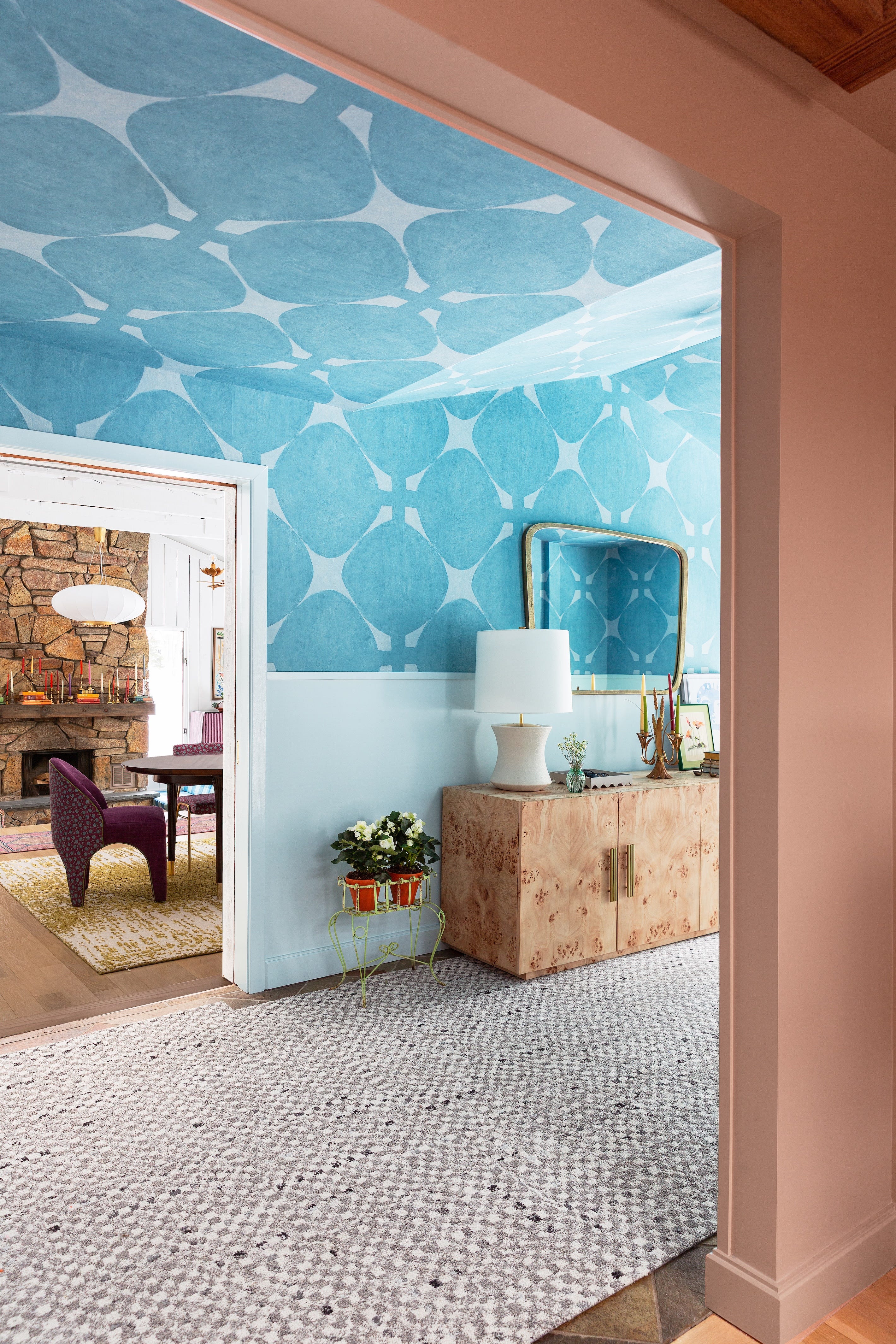
Designers Say These Unusual Paint Color Combos Will Transform Your Home

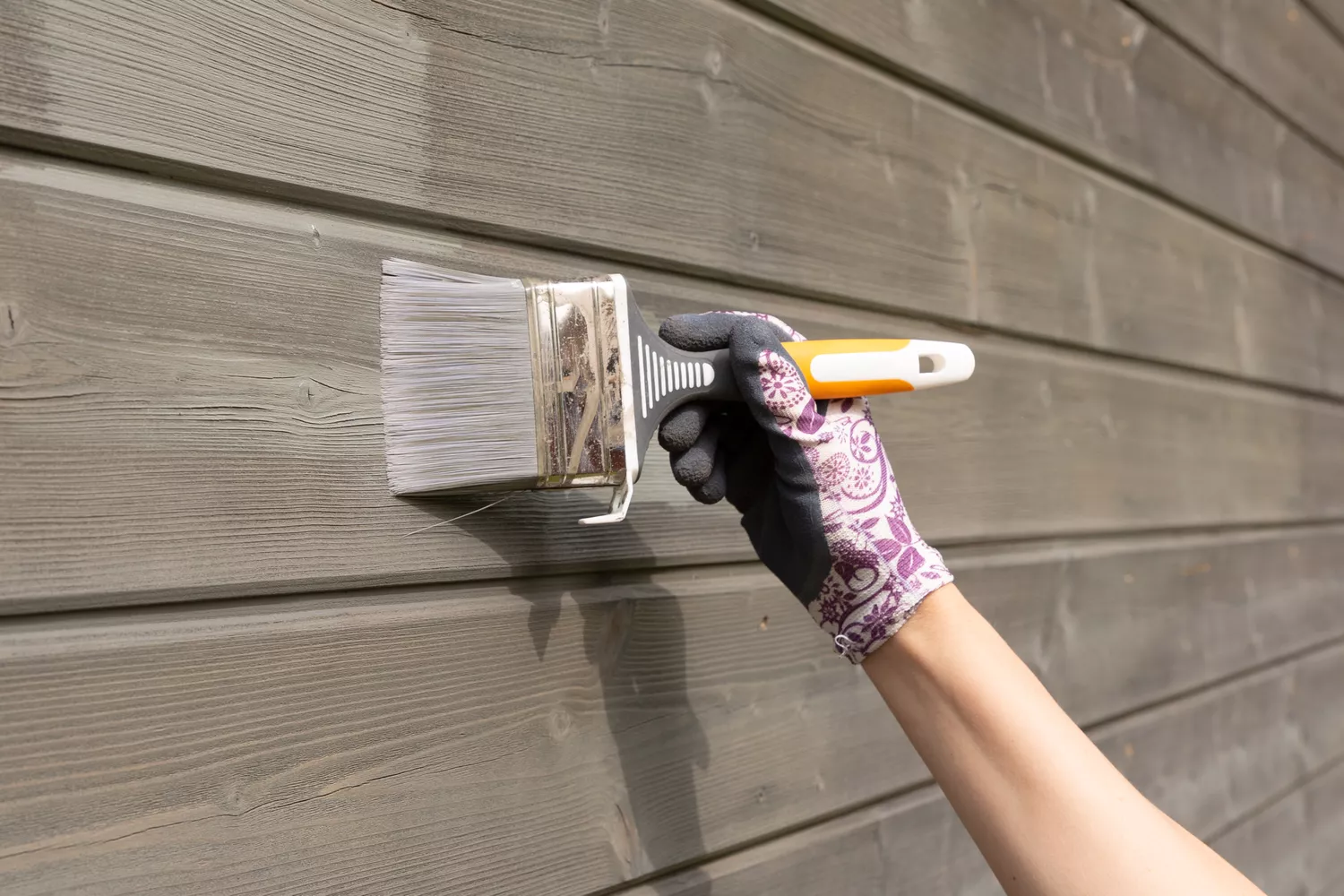
Don't Wait Much Longer—This Is the Best Time of Year to Paint a House, Reno Pros Say

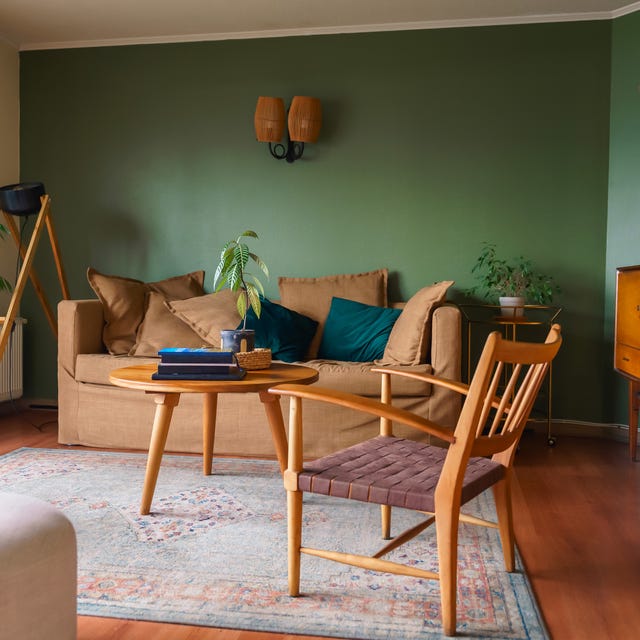
Designers Say These Vintage Paint Colors Are Back
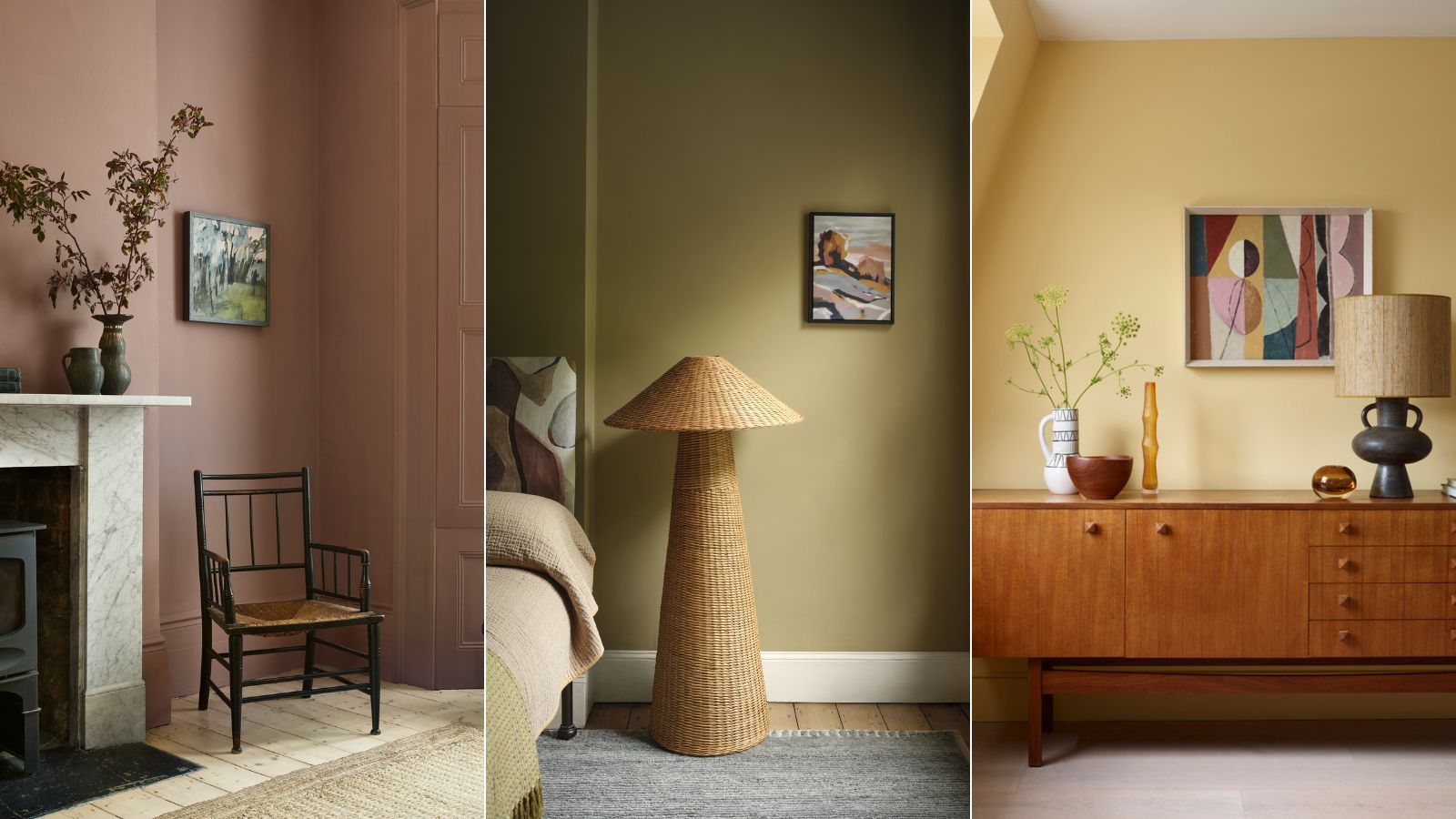
Vintage paint colors making a comeback this year – experts reveal their top shades for adding a touch of nostalgia

12 Vintage Paint Colors That Are Trending Again, According to Color Experts
Decorating expert reveals this is the best time of year to paint your home

Need A Furniture Refresh? These Are Paint Colors That Top Designers Recommend

How Often Do Designers Really Recommend Painting a Home to Stay On Trend? We Got Answers
4 Interior Designers Share the Biggest Paint Color Trends Right Now (and What’s Out!)

'Mocha mousse' to plum: The nine paint colours that can transform your home
4 Living Room Paint Colors That Are So Outdated, According to Designers
The Best Vintage-Inspired Paint Colors — 6 Expert-Approved Shades for a Touch of Chic Nostalgia

11 Paint Colors That INSTANTLY Make Your Home Look "Expensive," According to Designers

Millennial Gray Is So Over—Here Are 5 Paint Colors to Try Right Now
Design Pros Have Spoken: Here Are the Only Paint Color Trends That Matter in 2023
Once-Trendy Paint Colors That Will Make Your Home Look Dated In 2025
5 outdated paint trends that interior designers are glad to see the back of – and what they're doing instead
Increase your home's value by choosing the right paint color