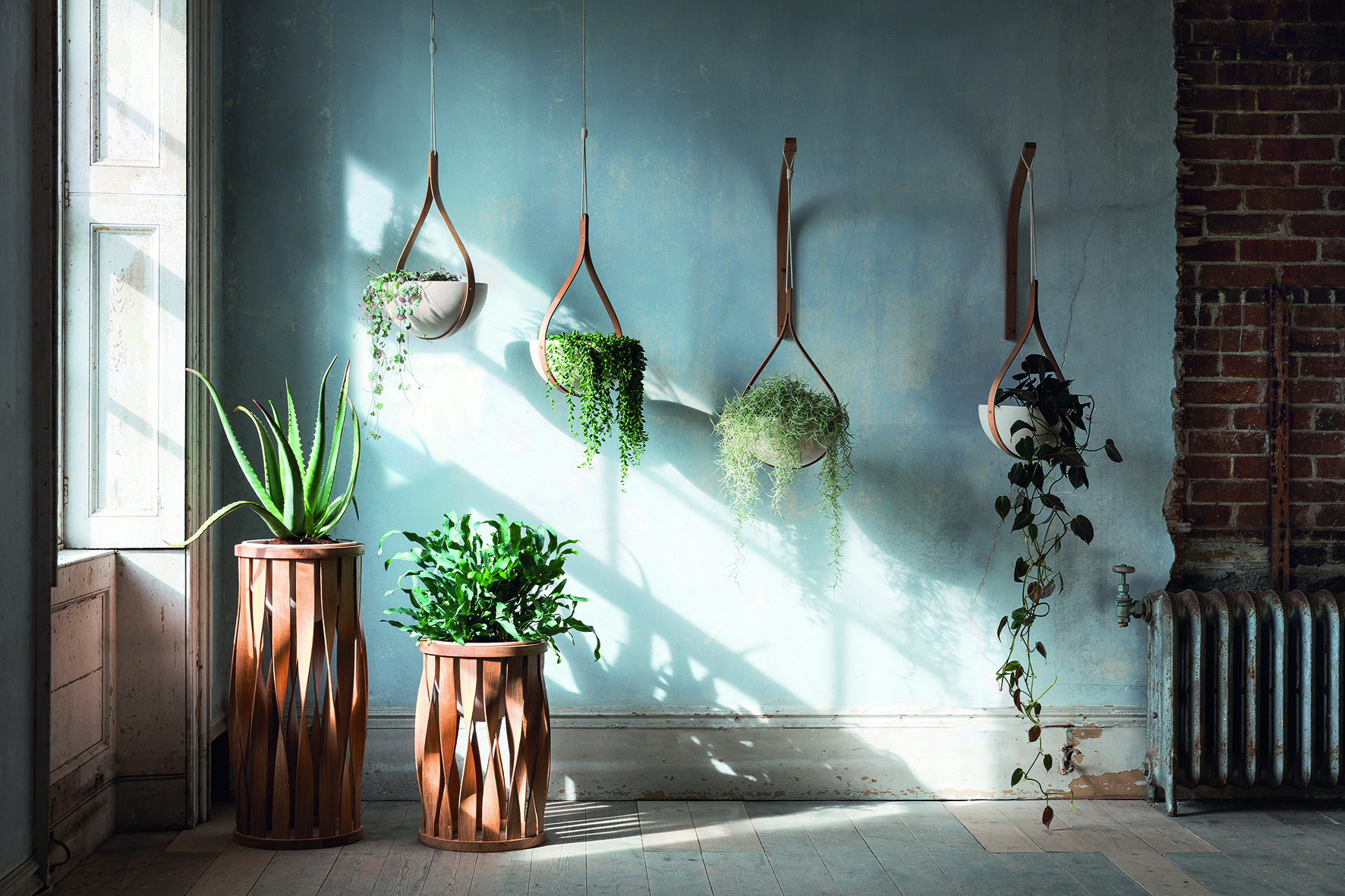
1/4
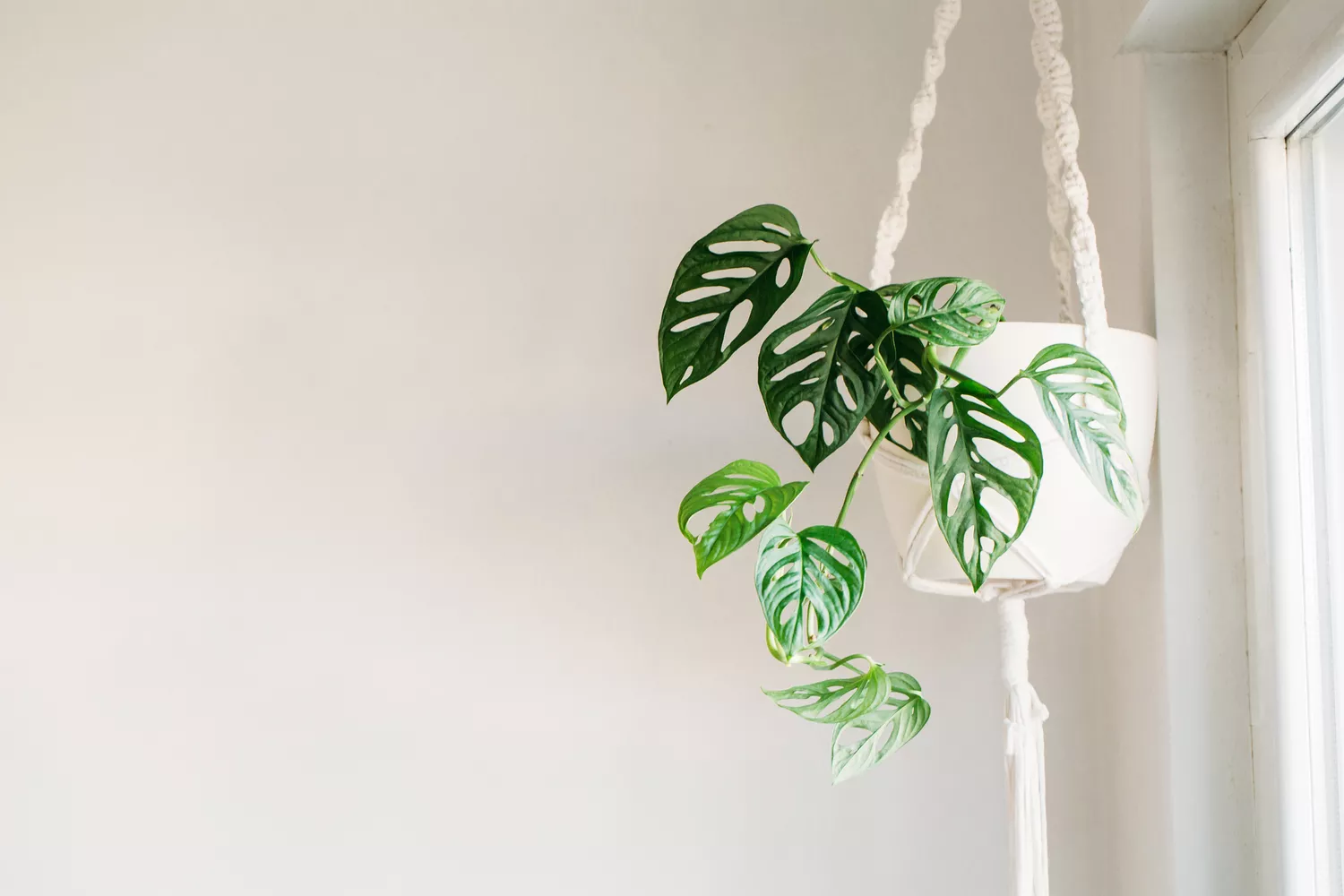
How to hang plants from the ceiling - expert tips to add greenery overhead safely
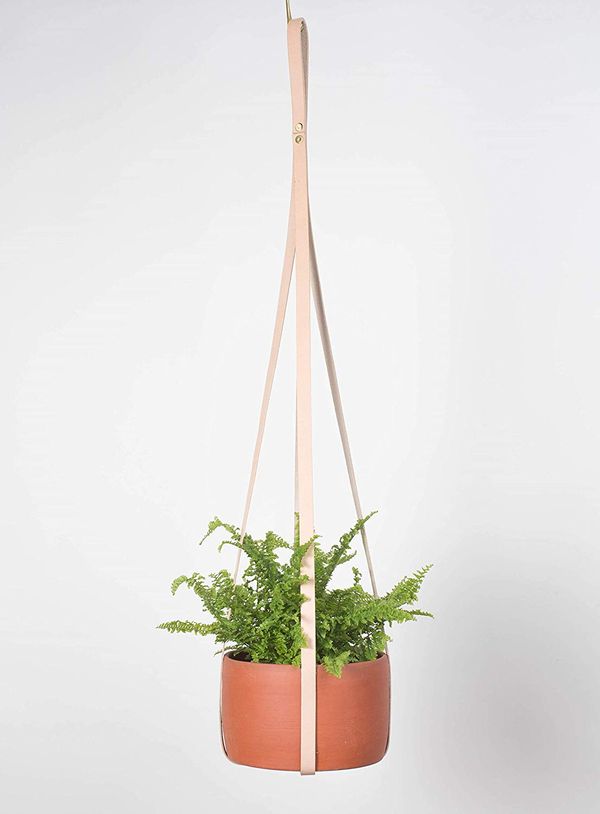
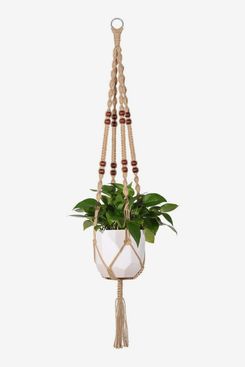
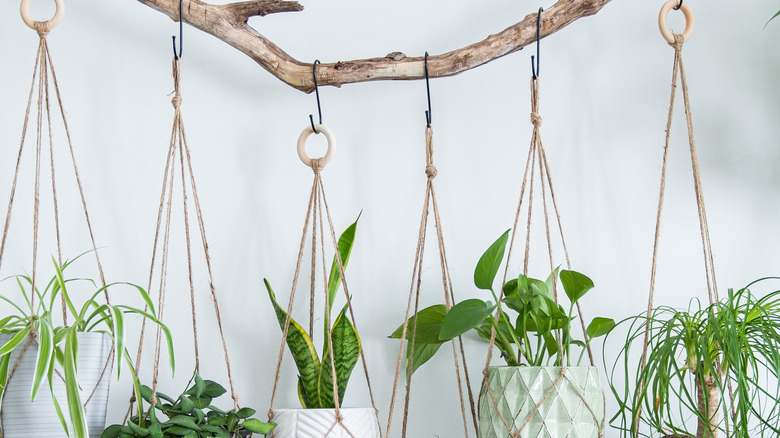
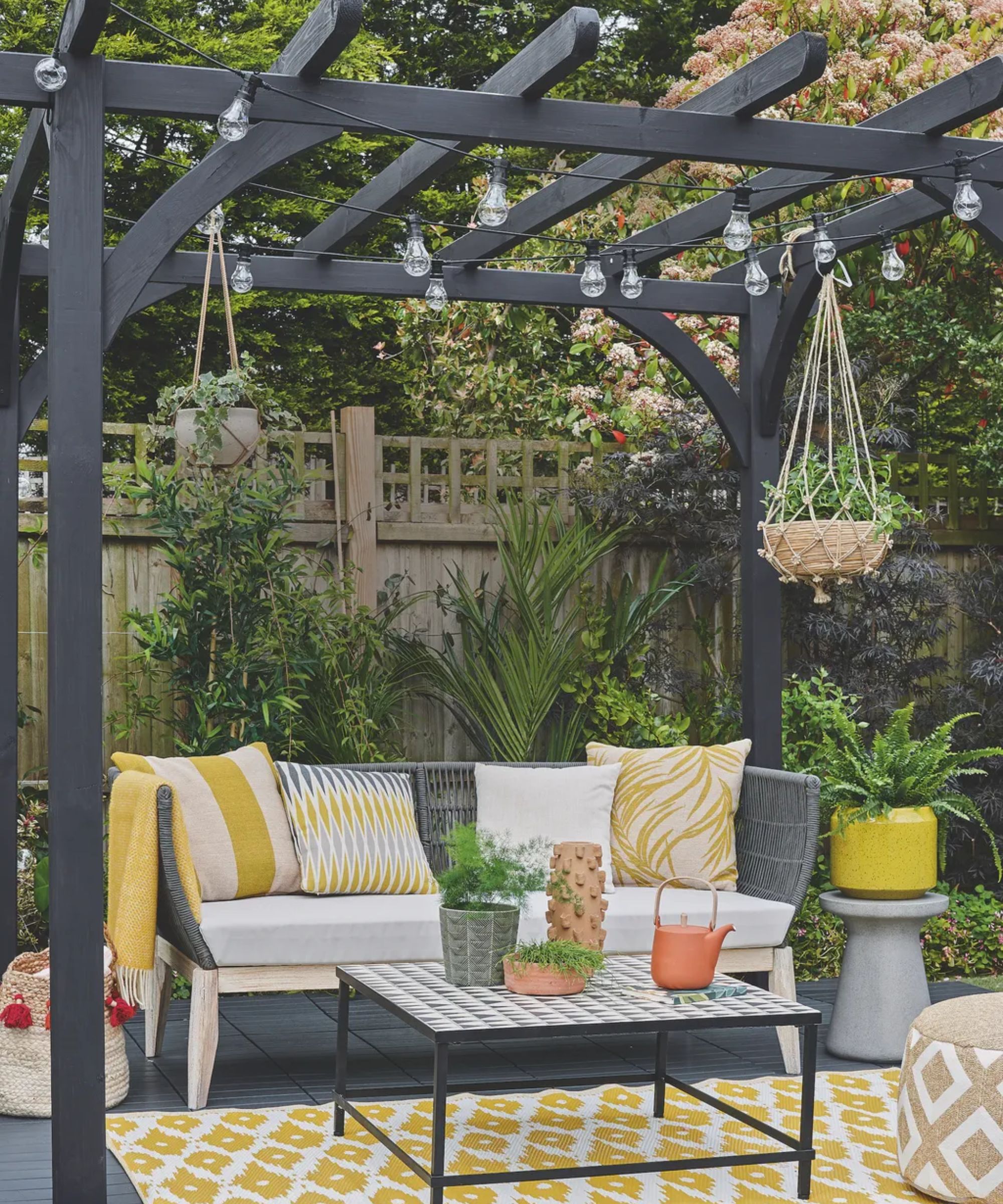
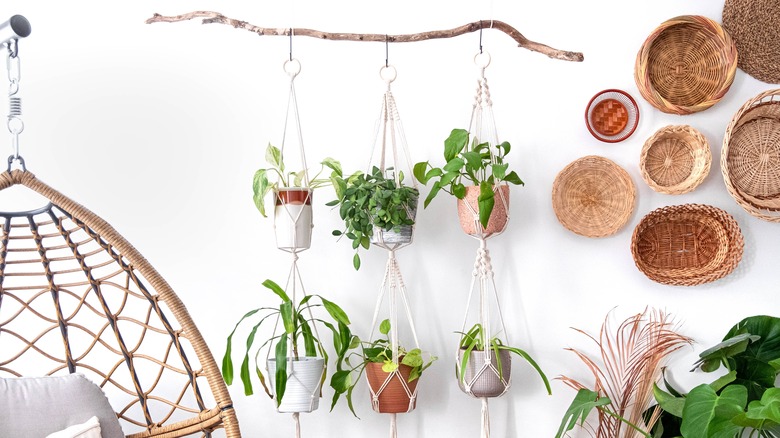
This article explores the benefits and methods of hanging plants from the ceiling, offering practical advice and expert tips for creating an on-trend greenery display in your home. Hanging plants provides several advantages, including maximizing floor space, adding visual dimension by introducing foliage at various heights, and keeping certain toxic houseplants out of reach of pets and young children. Popular houseplants like pothos, peace lilies, philodendrons, ZZ plants, and English Ivy contain chemical compounds that can cause unpleasant symptoms if ingested, making elevated placement a safer option. Additionally, hanging plants are particularly beneficial for small or restricted living spaces, allowing residents to utilize vertical space that might otherwise remain empty. Beyond aesthetics, they contribute to air purification and help filter dust.
The process of hanging plants from the ceiling involves several key considerations. First, it is crucial to select the appropriate plant based on its light exposure needs, watering requirements, drainage preferences, and temperature tolerances. This assessment helps determine the optimal room and position within the home for the plant to thrive. It is also important to consider the plant's growth pattern to ensure sufficient space from walls and windows. Second, choosing a suitable hanging planter is essential. Planters should offer excellent drainage to prevent stagnant water, which can lead to disease and rot. A practical approach is to unclip the plant for watering in a sink, allowing it to drain fully before re-hanging.
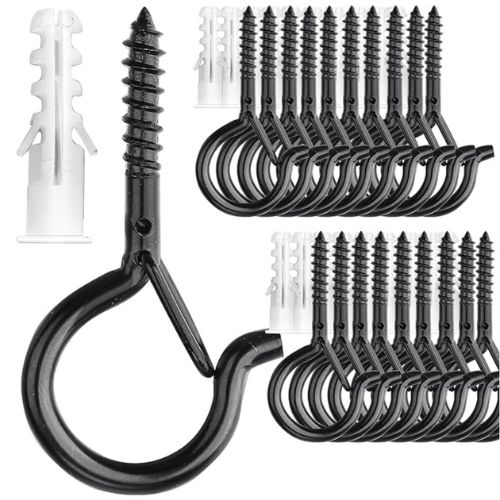
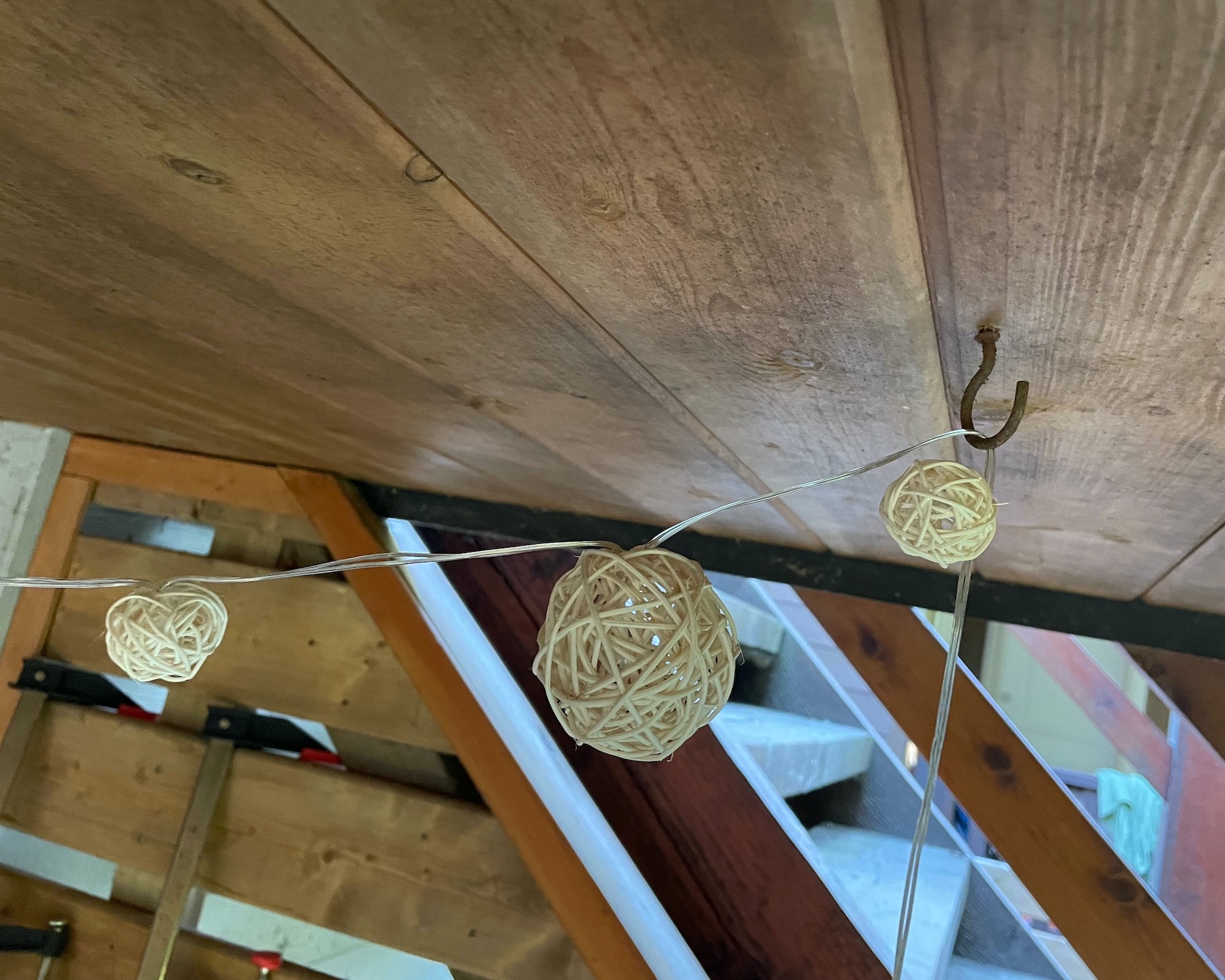
Third, assessing the ceiling material is vital for proper installation. Different ceiling materials, such as brick, hardwood, plasterboard, or concrete, require specific drill bits and clips. The type and size of the plant will also dictate the load-bearing capacity needed for the hook. For drywall without support beams, anchors and screws are recommended to support the plant's weight. If drilling into drywall with a support beam or directly into wood, a simple screw may suffice. Fourth, selecting the correct plant hook is important for both safety and aesthetics. Hook screws, which feature a hook on one end and an anchor for ceiling joists or studs on the other, are common. A variety of specialist plant hooks are available, allowing for decorative choices.
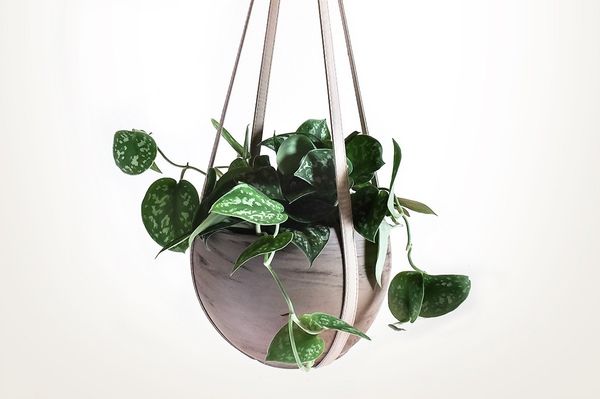
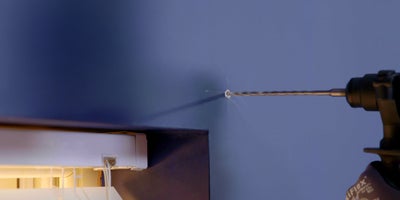
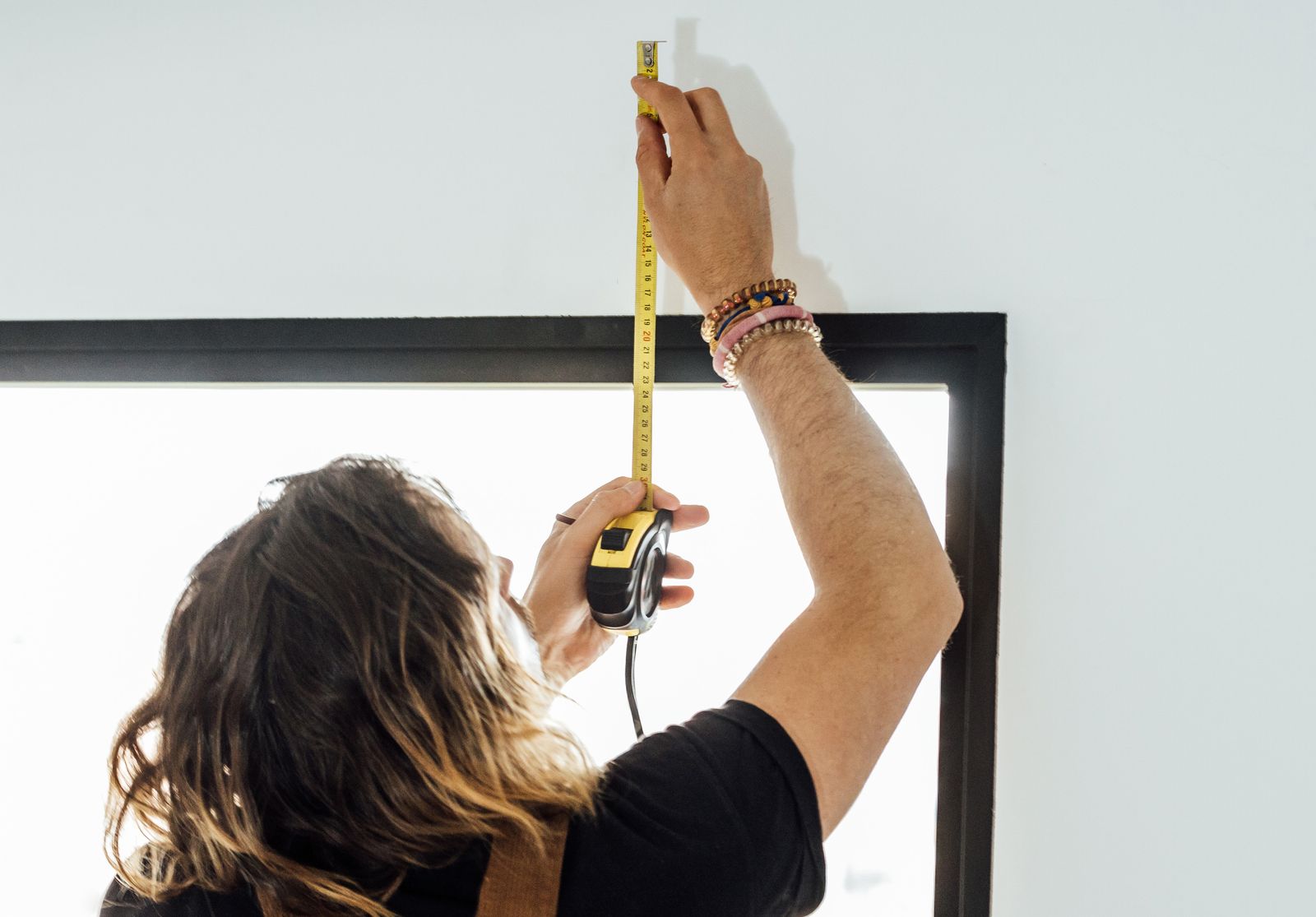
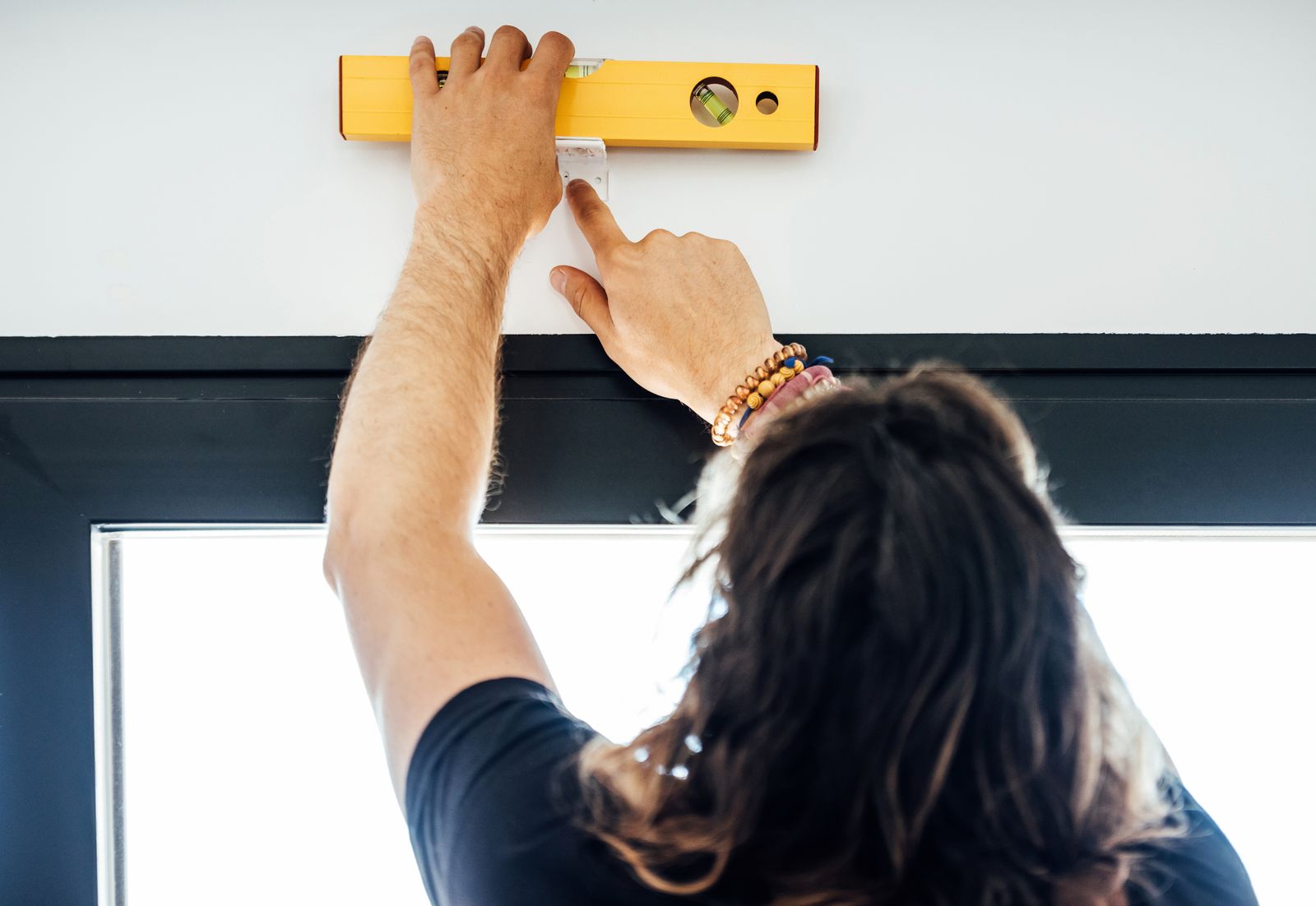
Fifth, the installation of the plant hook requires a stud finder, power drill, drill bit, pencil for marking, and a step ladder. After marking the spot, a pilot hole should be drilled, matching the diameter of the hook's shank. The screw is then twisted into the hole until tight and flush with the ceiling. For those who prefer not to drill, plants can be hung from exposed beams or pipes using S-hooks. The article also recommends specific plants that are well-suited for hanging planters. Vining plants are particularly effective for creating a dramatic cascading effect. Recommendations include Scindapsus and Pothos varieties for lower light conditions, Hoyas for partial sun, and Senecio plants like String of Pearls for direct sun. Other suitable options include red prayer plants, Philodendron Brasil, Boston ferns, and Nepenthes Pitcher Plants.
Finally, general tips for maintaining plants in hanging planters are provided. These include considering light, water, humidity, and the environment, similar to tabletop or floor plants. Watering frequency should align with the ease of access to the hanging planter; plants requiring less frequent watering might be better for hard-to-reach locations. It is advised to avoid hanging plants near air conditioners, heating units, or open windows to prevent drafts, as most houseplants prefer stable environments. For hanging planters without drainage holes, creating a false bottom with lava rocks or similar material before adding potting mix can improve drainage and plant health.
#HangingPlants #PlantCare #HomeDecor #IndoorGardening #HomeImprovement #PlantSafety #InteriorDesign #SmallSpaceLiving #DIYHome #HangingPlants #PlantCare #HomeDecor #IndoorGardening #HomeImprovement #PlantSafety #InteriorDesign #SmallSpaceLiving #DIYHome
0 comment in total
 No comments yet
You may also like
What Are the Best Ways to Hang Plants (and What Plants Should You Hang)?
ALDI's $4.99 garden wall planter is back in stock for 2025

7 DIY tips for how to hang a gallery wall from experts

How to Hang Curtains From the Ceiling And Why It’s Better Than Using a Rod

Damage-Free Ways To Hang Plants In Your Rental
How to hang a curtain pole


How to Hang Outdoor String Lights (and Make Them Look Good) | Reviews by Wirecutter
How to hang outdoor string lights in 6 simple steps

How to hang outdoor string lights – 4 safe and secure ways
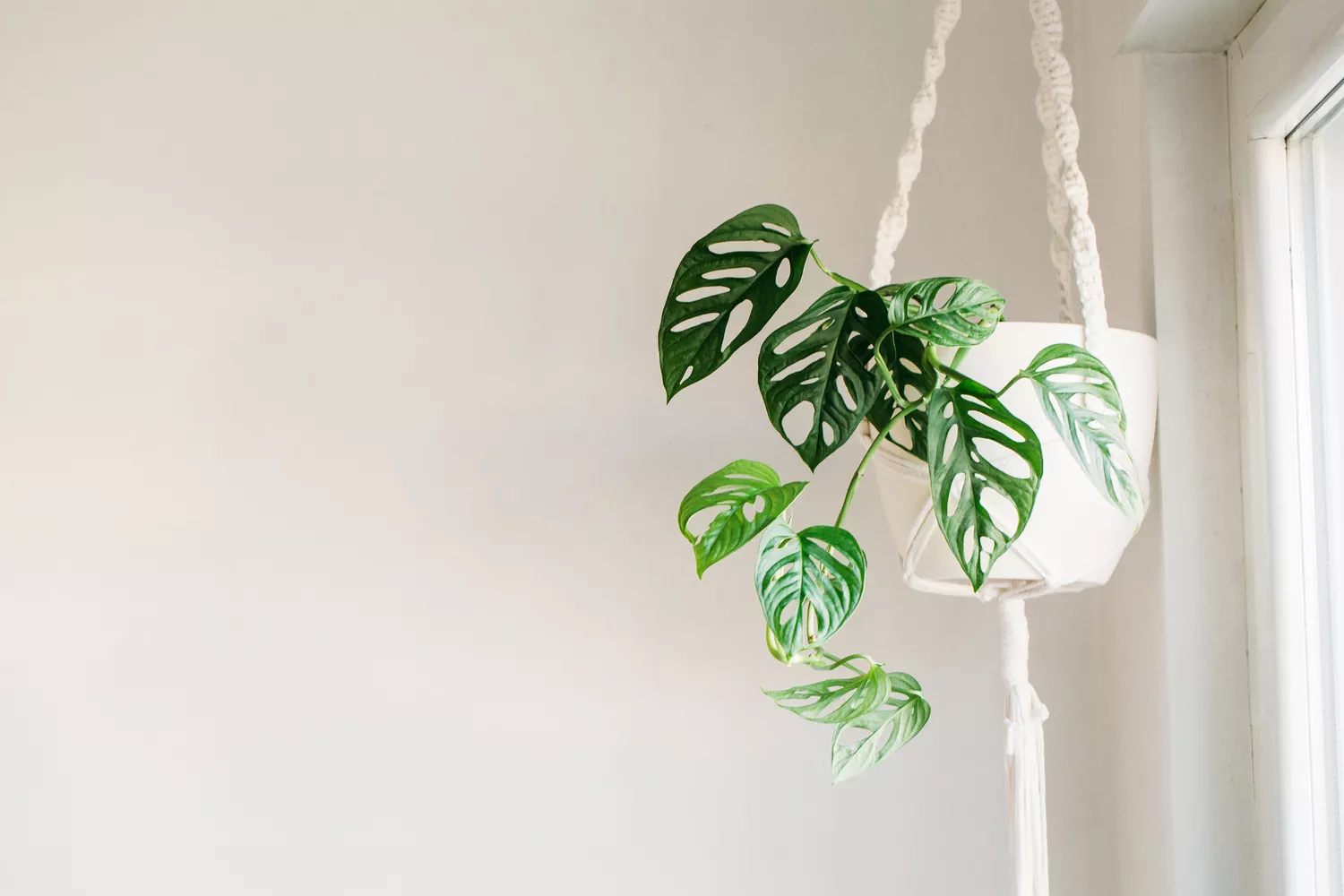
16 Low-Light Hanging Plants to Try Growing


The best ways to securely hang Christmas lights – both inside your home and out
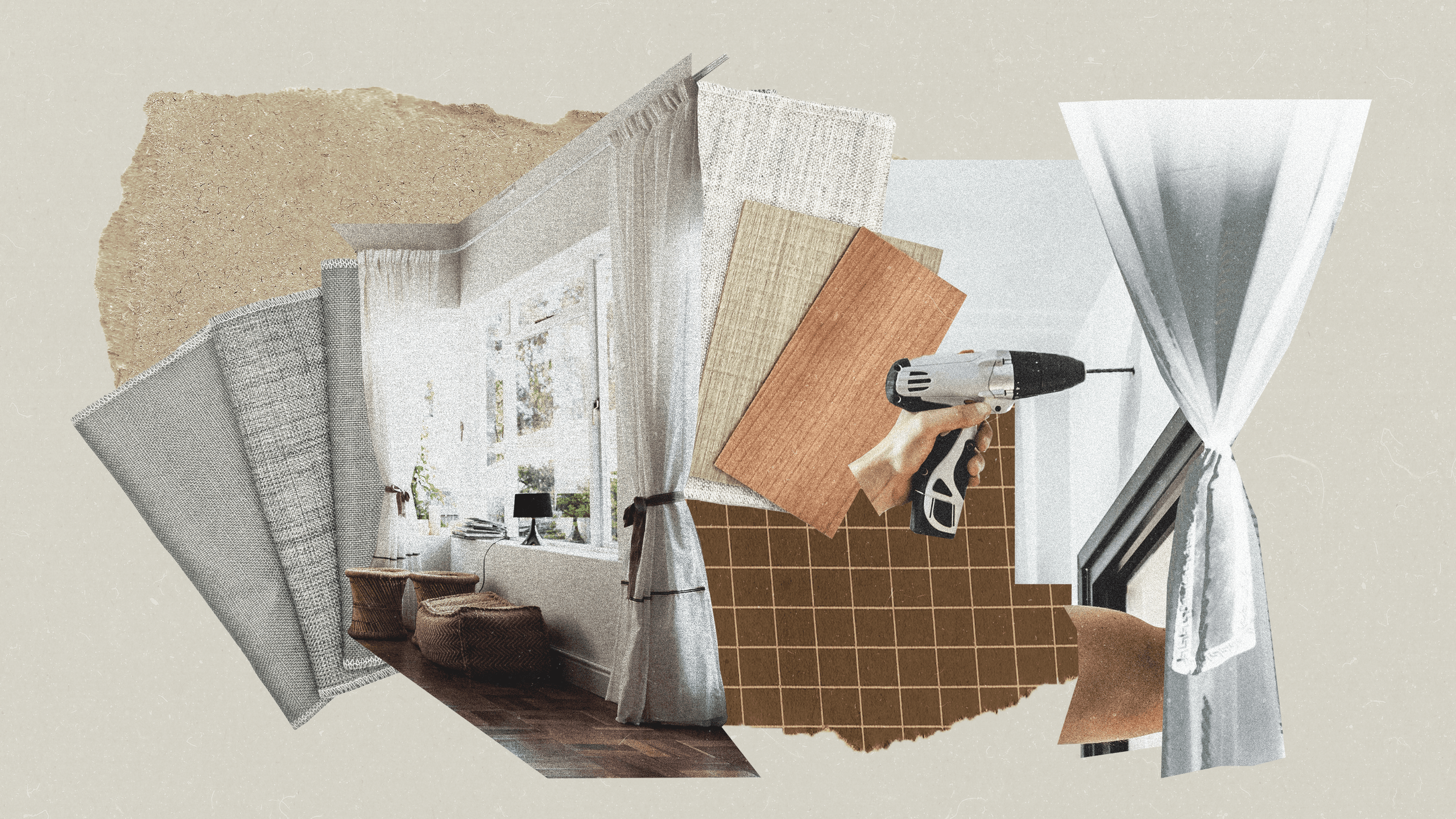
How to Hang Curtains: A Hassle-Free 5-Step Guide

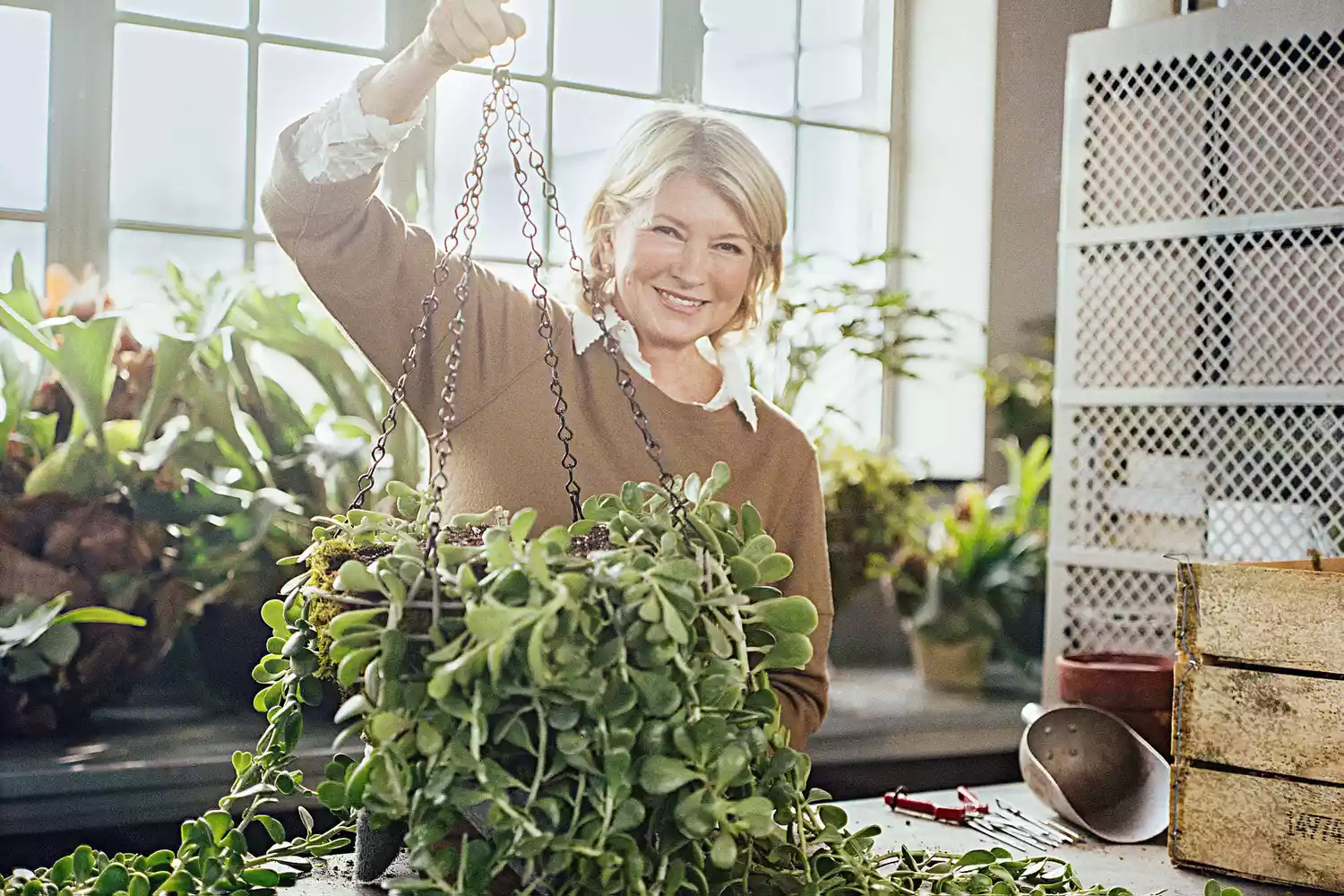
14 Indoor and Outdoor Hanging Plants for Your Home


How To Hang a Garland on a Mantel — 6 Easy, Damage-Free Tricks Interior Designers Use

Vertical indoor garden ideas: 7 elevating ideas
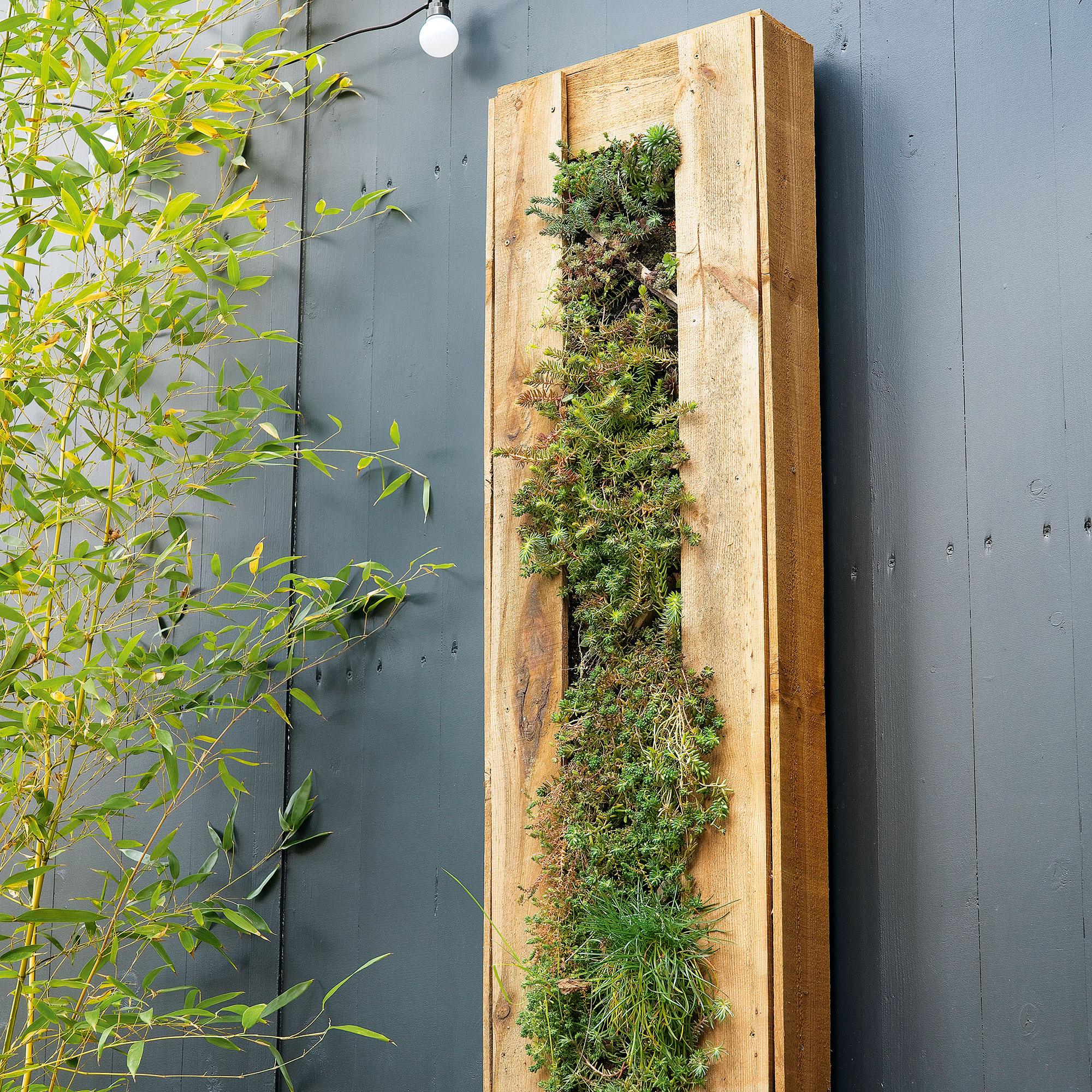
Living wall ideas to create a stylish vertical garden in your space
20 Hanging Planters That Will Take Your Indoor Plant Wall to the Next Level

These Tips Will Help You Hang Outdoor Christmas Lights Like a Pro This Holiday Season
15 Genius Pro Tips to Hang Your Garland In Style

27 Great Ways to Decorate With Plants