1/14
The Best Spray Paints for Your DIY Projects
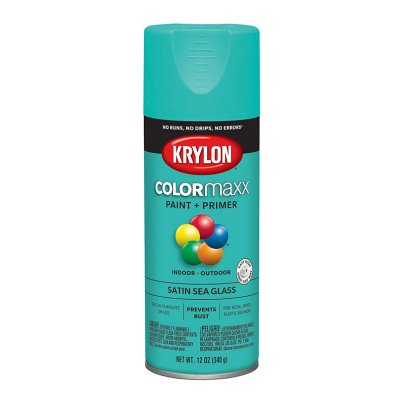
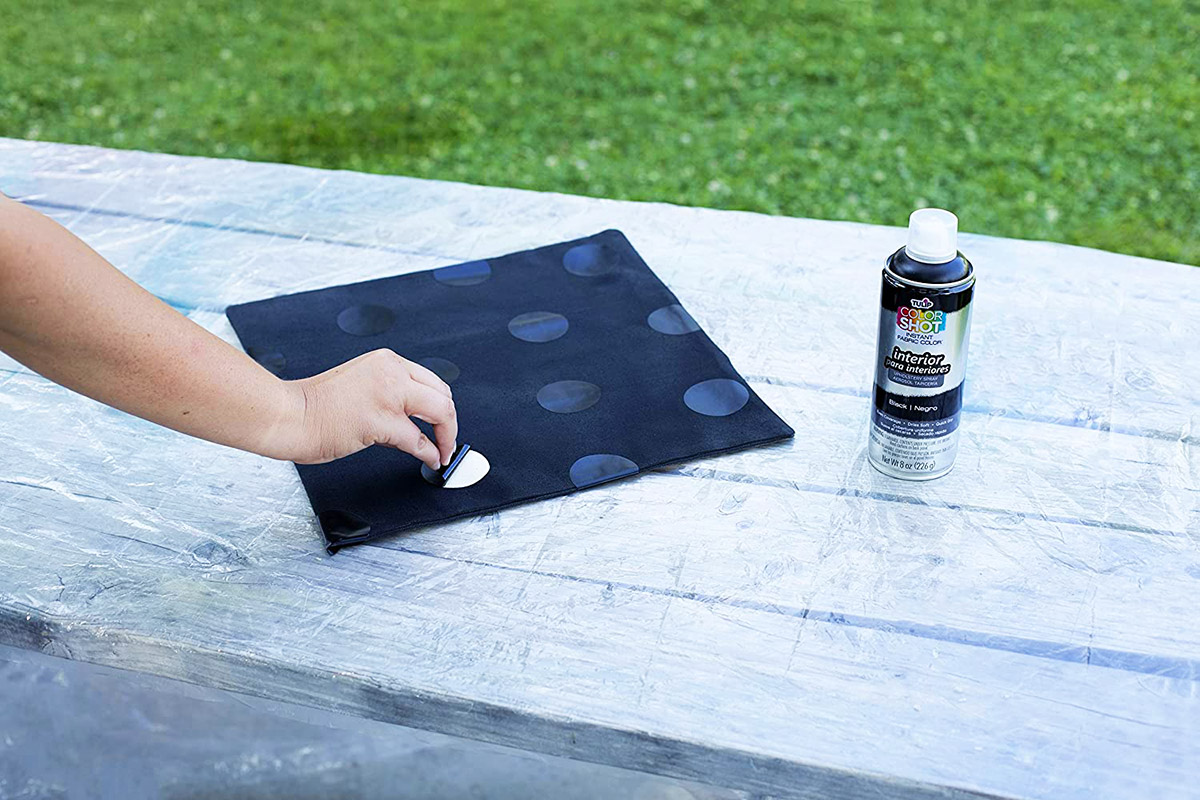
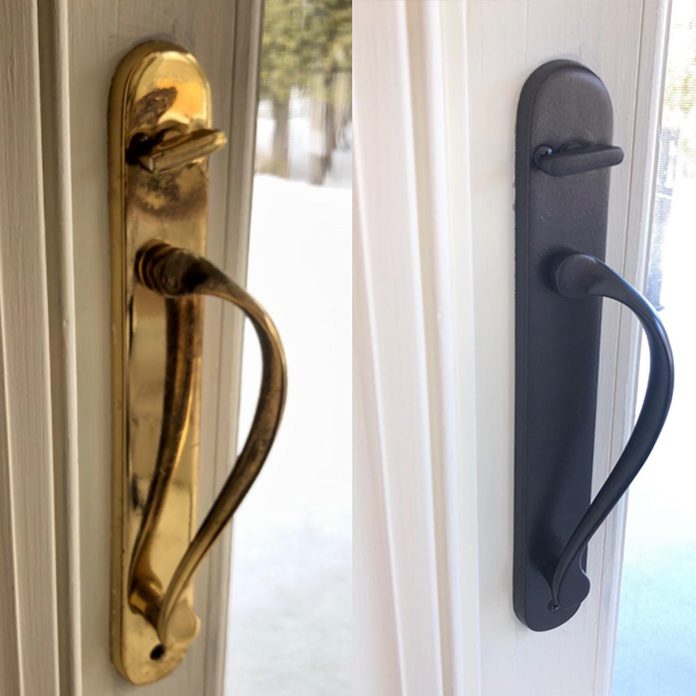
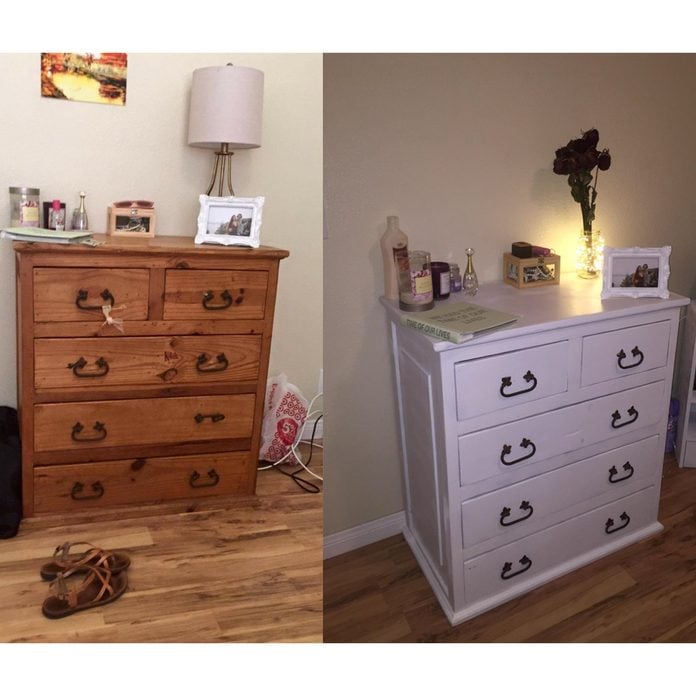
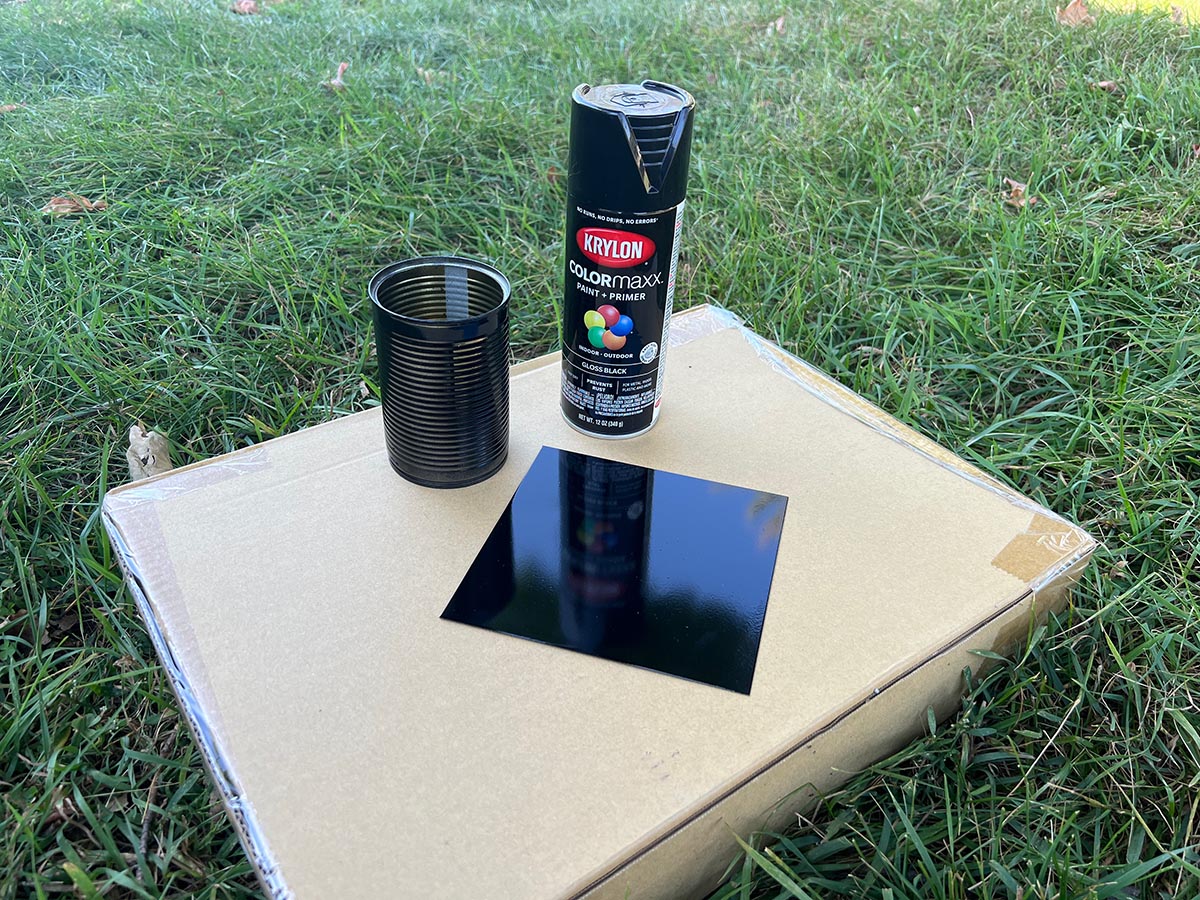
This comprehensive guide explores the best spray paints for various DIY projects, emphasizing the importance of selecting the right product for optimal results. High-quality spray paint can deliver a professional-looking finish, covering surfaces effectively and providing long-lasting protection. The guide outlines key factors to consider when choosing spray paint, including paint type, surface compatibility, color, finish, texture, drying time, paint base, thickness, opacity, and versatility.
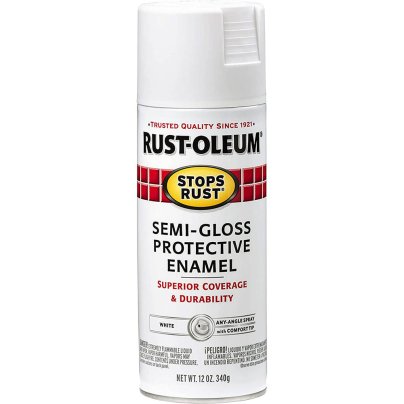
The article details different paint types such as general-purpose paint for wood, metal, wicker, plastic, and masonry, and all-surface paint, which often includes a primer for broad application. Rust-prevention paints are highlighted for their ability to protect metal surfaces from oxidation, especially in outdoor settings. Professional enamel paints are noted for their durability and quick drying, sometimes offering high-temperature resistance. Marking and striping paints are discussed for temporary outdoor applications like utility marking. Special use paints, including chalk, hammered, and metallic finishes, are presented as options for unique aesthetic effects, with some also featuring high-temperature formulations. Automotive paints are specified for vehicles, preventing rust and oxidation on primed metal, plastic, and fiberglass.
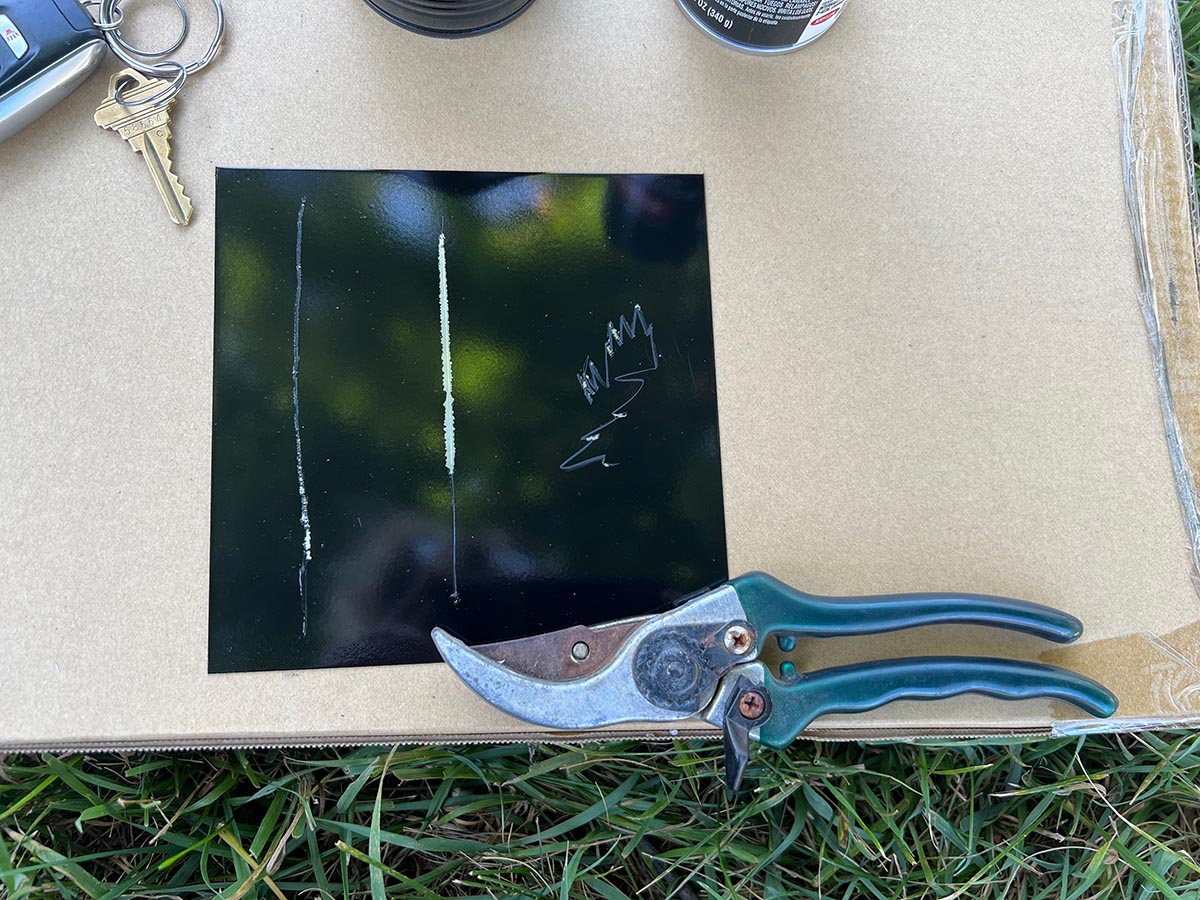
The guide also delves into the variety of finishes available, from high-gloss, which is shiny but highlights imperfections, to flat, which hides flaws but is harder to clean. Intermediate options like gloss, eggshell, and satin finishes are also mentioned. Texture is explored as a way to add unique visual and tactile elements to projects, with examples like hammered, stone, and metallic finishes that can also help conceal surface imperfections. Drying time is presented as a crucial practical consideration, with fast-drying options available for quicker project completion. Paint bases, specifically oil-based and water-based, are compared, noting oil-based paints' durability and often reduced need for primer, and water-based paints' easier cleanup but frequent requirement for primer. Enamel spray paints are recognized for their durability and aesthetic appeal.
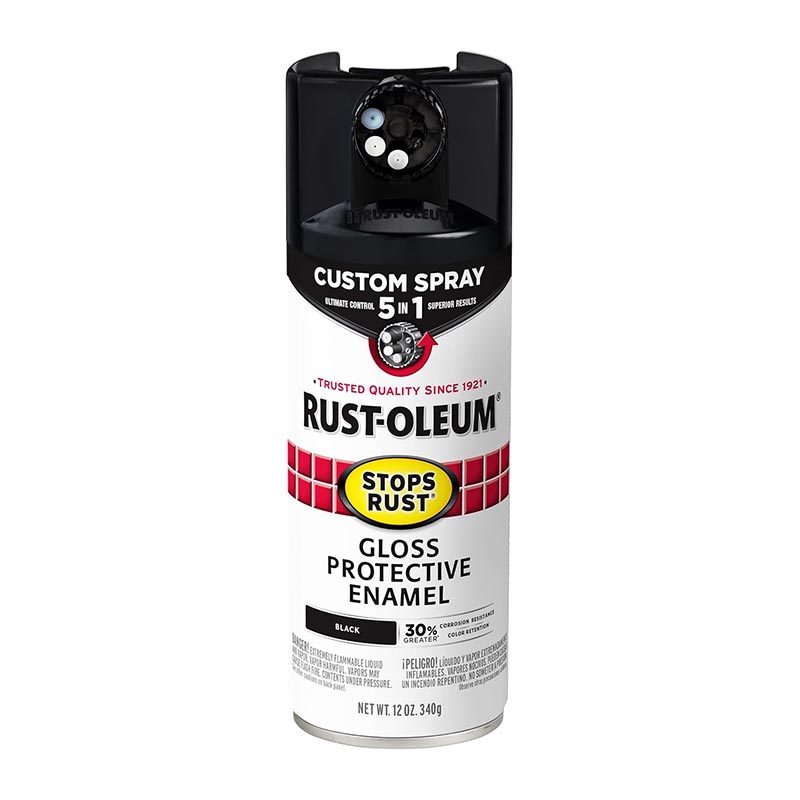
Thickness and opacity are discussed for their role in creative applications, such as blending colors or achieving specific coverage. The article highlights that some paints incorporate built-in primers to reduce the number of coats needed. Versatility is emphasized as a key factor, with general-purpose paints being suitable for most DIY tasks, while specialized projects, such as painting a barbecue grill, may require specific high-temperature formulas. The article then presents a curated list of top spray paint recommendations across various categories, including best overall, runner-up, best chalk paint, best gloss paint, best stone look, best metallic look, best fluorescent, best high heat, and best for outdoor furniture, each with a brief description of its features and ideal applications.
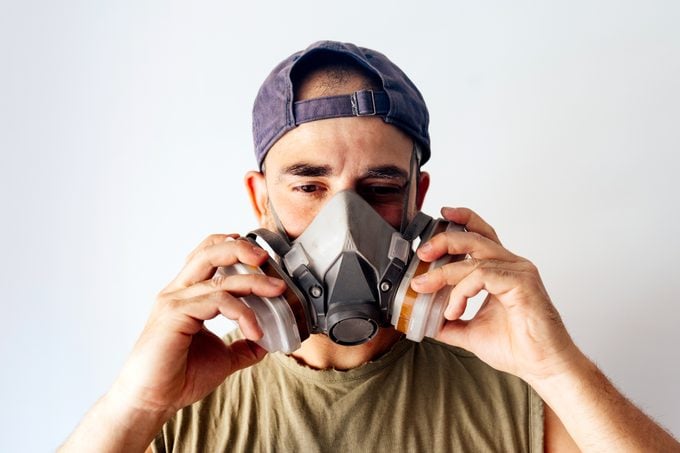
Practical tips for using spray paint are provided, including recommendations for ideal weather conditions (dry, warm, low wind), the importance of ventilation and wearing a mask, and the benefits of using a primer coat for a consistent finish. The guide concludes by addressing frequently asked questions about spray paint, such as its primary uses, whether it can be painted over, the necessity of priming, and its shelf life, offering practical advice for common scenarios encountered by DIY enthusiasts.
#SprayPaint #DIYProjects #HomeImprovement #PaintFinishes #RustPrevention #PaintTypes #SurfacePreparation #OutdoorFurniture #Crafting #SprayPaint #DIYProjects #HomeImprovement #PaintFinishes #RustPrevention #PaintTypes #SurfacePreparation #OutdoorFurniture #Crafting
0 comment in total
 No comments yet
You may also like
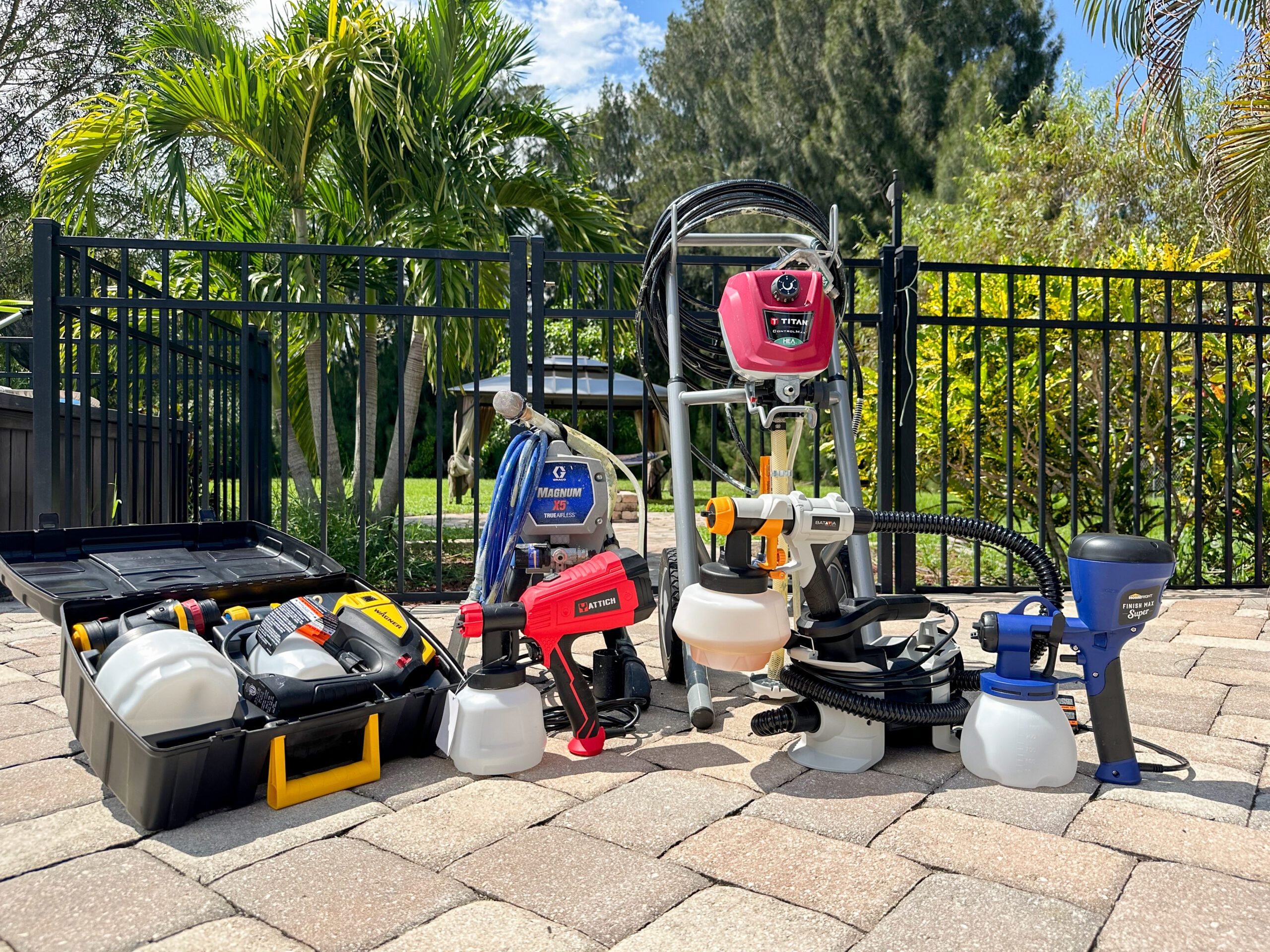
Best Paint Sprayers for DIY Projects, Tested and Reviewed by a Painting Pro

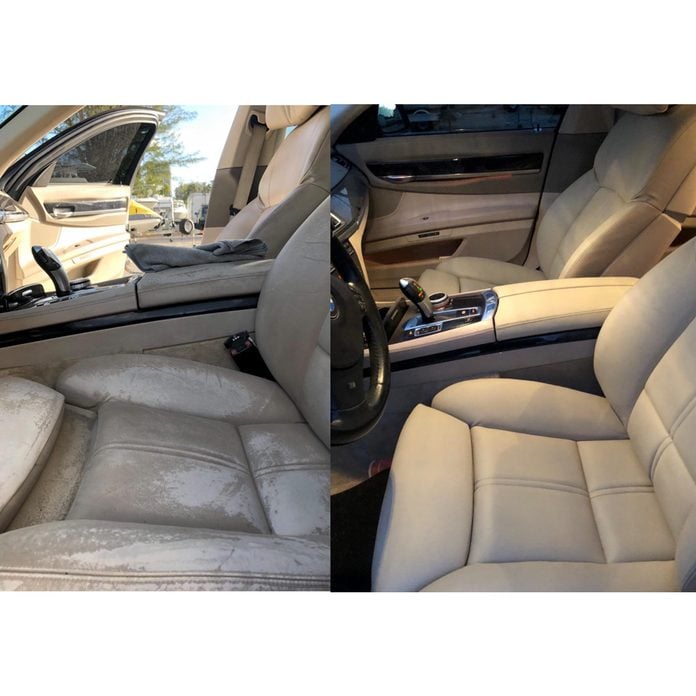
Before and After Spray Paint Photos That Will Blow You Away
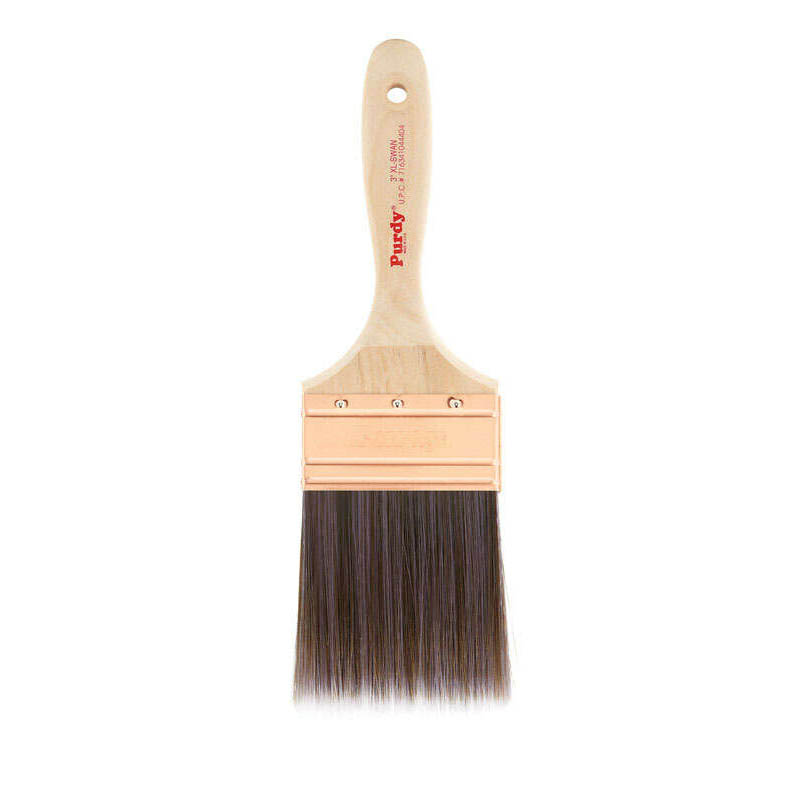
The Best Paint Brushes, Tested and Reviewed
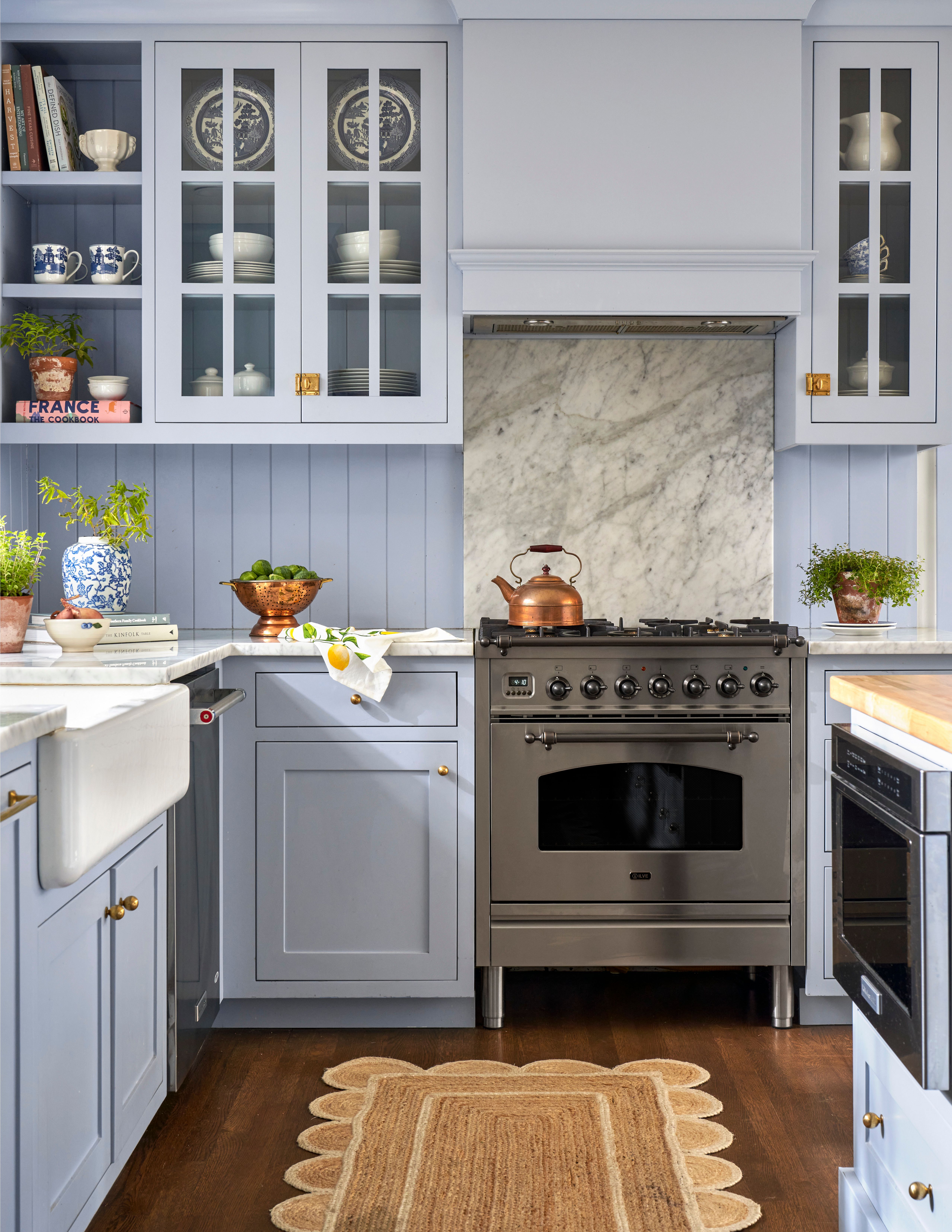
Should You Spray or Brush-Paint Cabinets? Here's What the Pros Recommend

The Best Fabric Spray Paint for Your DIY Projects
I Used to Dread Painting Projects. Then I Tried Graco’s Magnum ProX17 Paint Sprayer.
How To Spray Paint Safely
Best Painting Tools on Amazon for House Painting Projects & More
The Best Paint Sprayers For Cabinets
These Paint Sprayers Make Any DIY Painting Project a Breeze
We Tested the Best HVLP Guns on the Market—Here’s What We Found
Everything you need to know about painting over new plaster - including how long to wait before painting
These Paint Sprayers Make Any DIY Painting Project a Total Breeze
The 15 Best Paint Brands
We Tested the Best Spray Paints for Metal and This Was The Winner
The Best Painting Tools
We Tested the Best Airless Paint Sprayers and Our Favorite Provided Professional Looking Results with Ease
5 Best Places to Buy Paint Online for Your Next DIY Project
Understanding paint finishes
5 Painting Mistakes That Are Actually Ruining Your Projects, According to Reno Pros