1/2
How To Choose A Lampshade That Works Well In Any Space
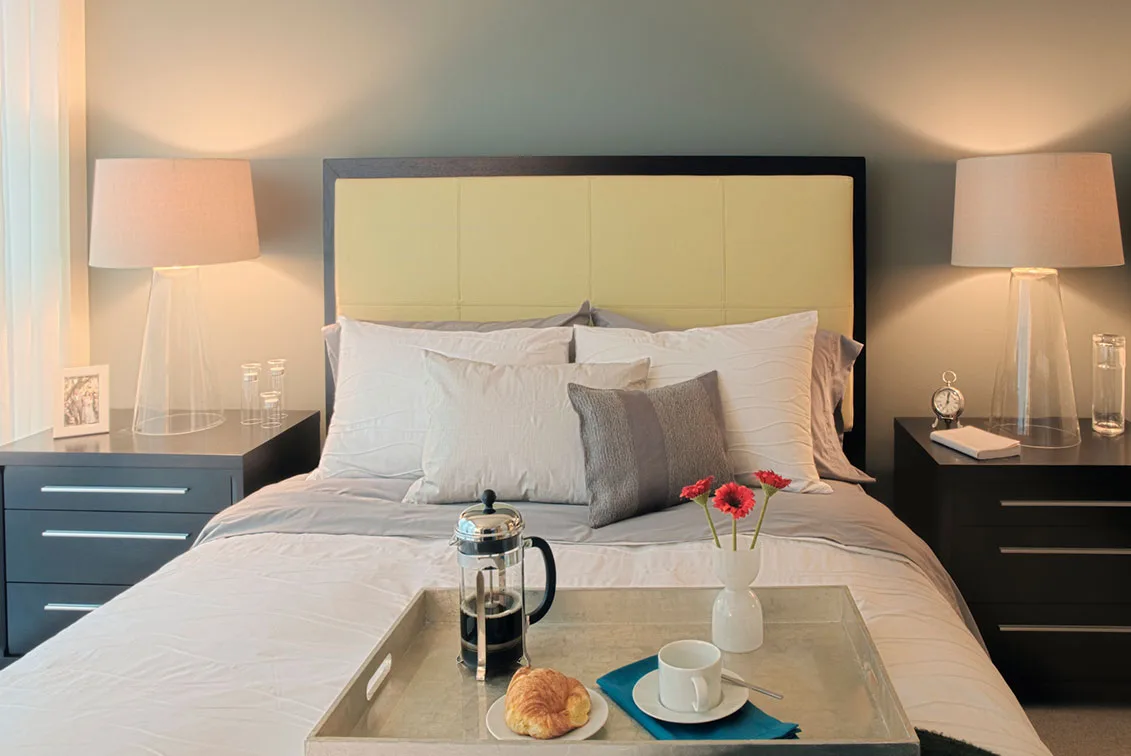
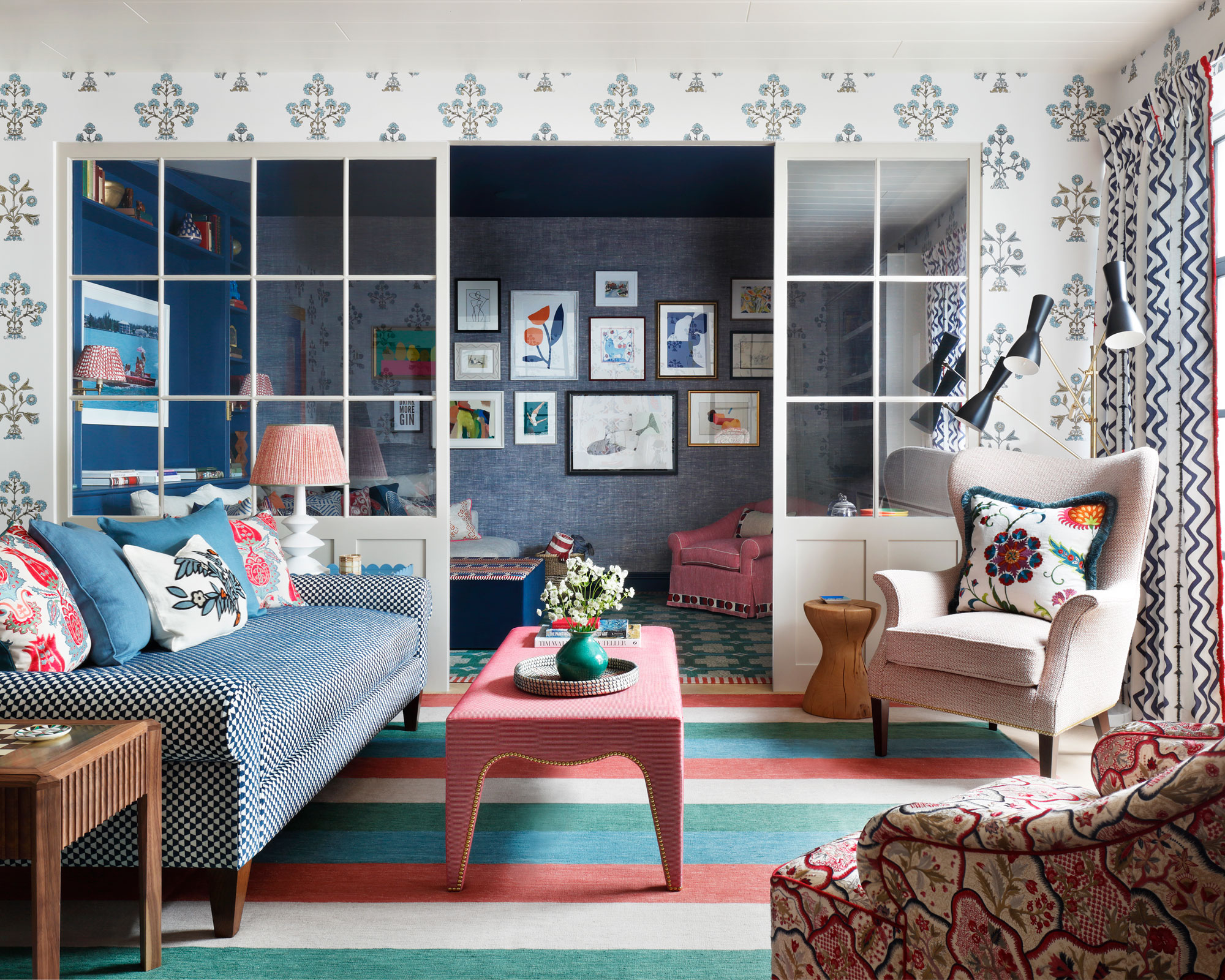
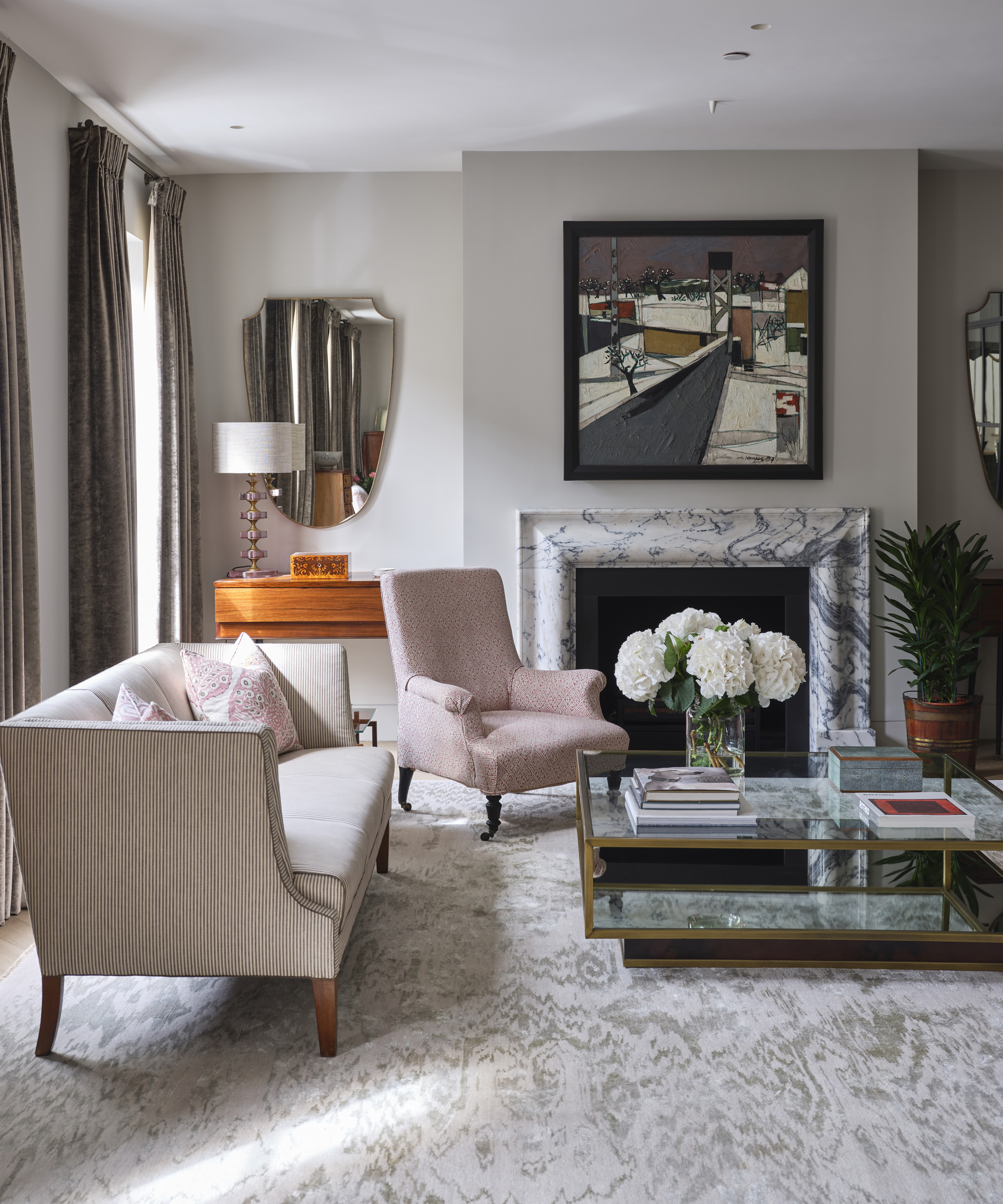
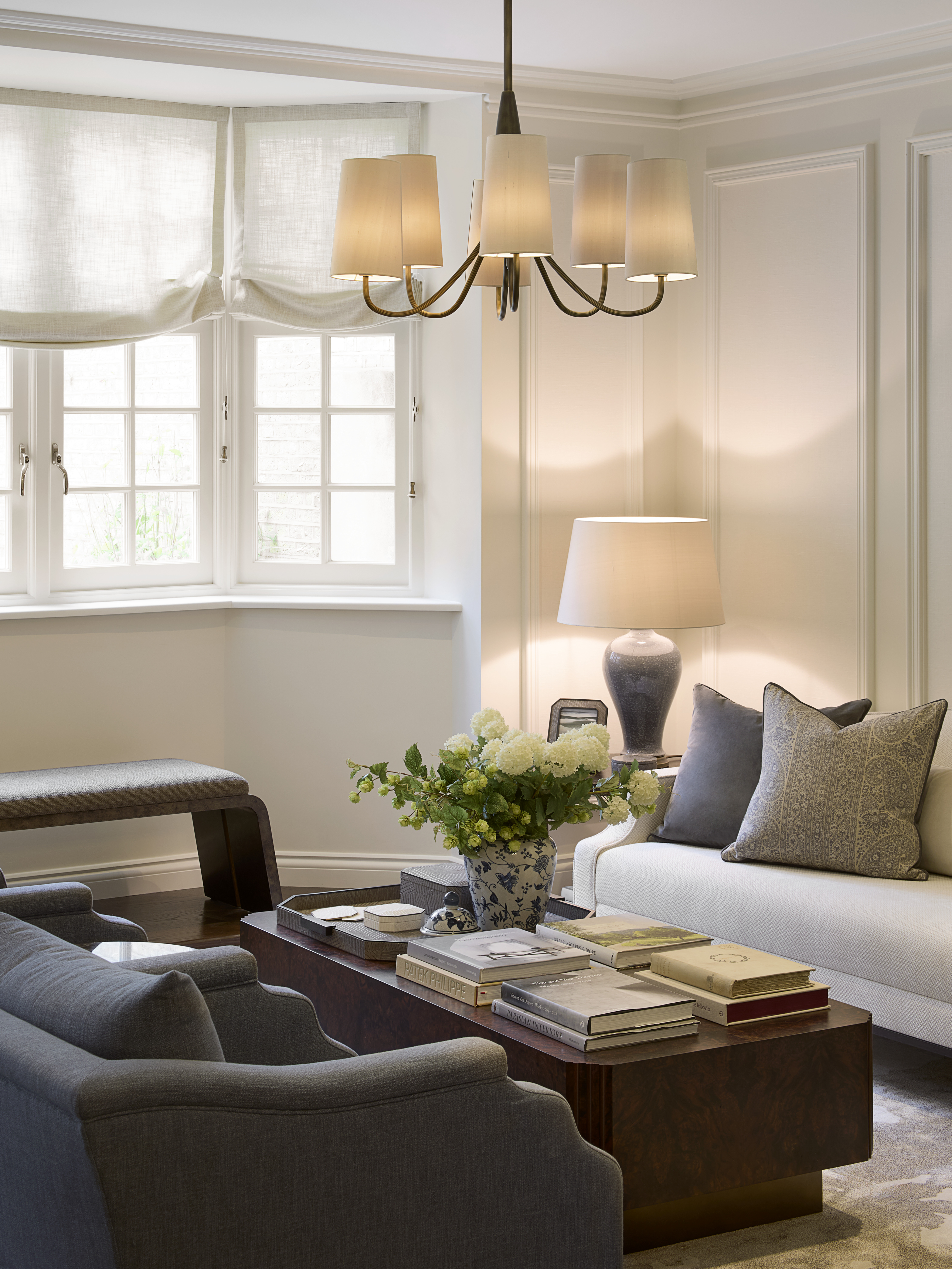
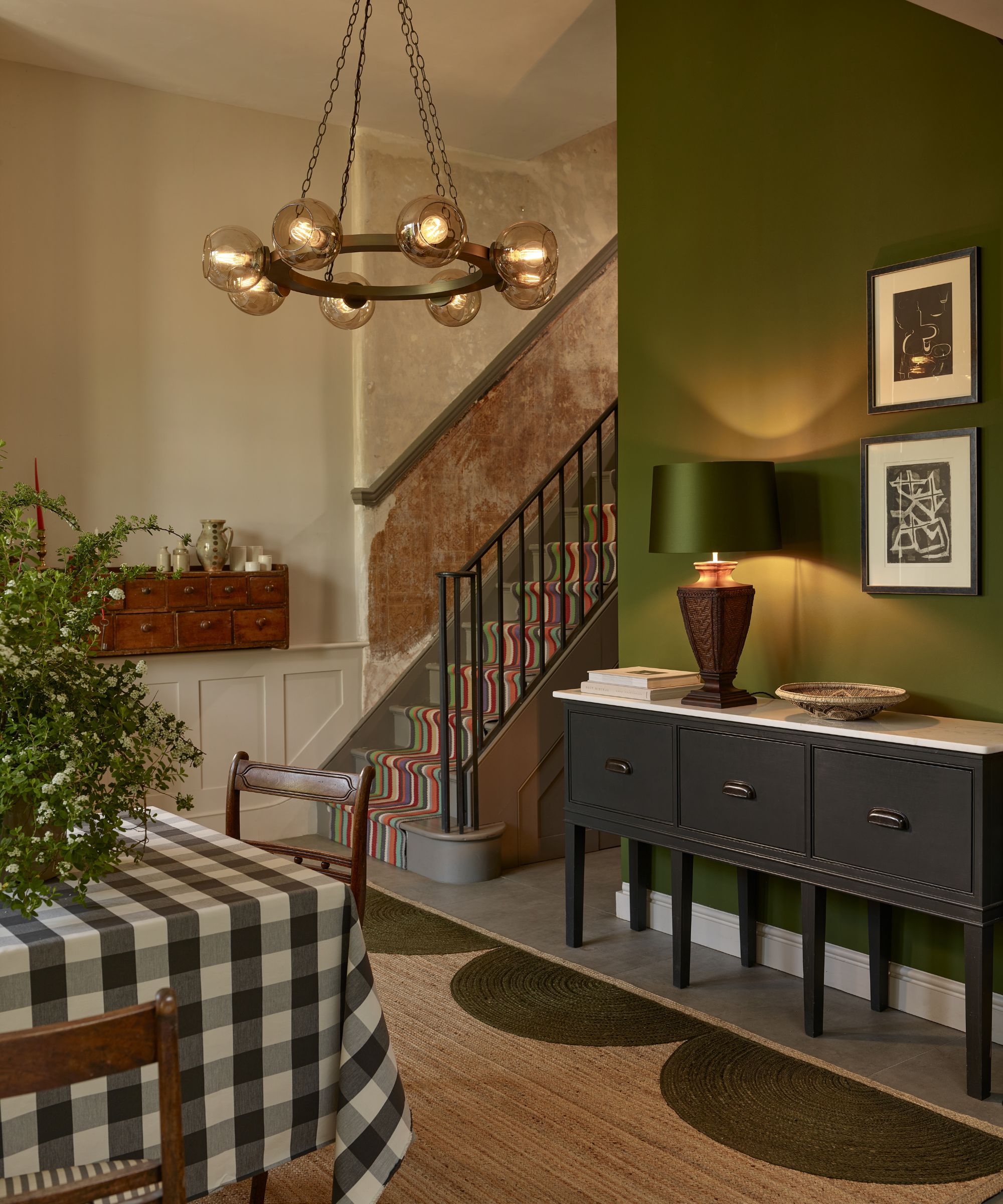
Lamps often serve as long-lasting household items, frequently passed down through generations or acquired from antique stores, due to their ease of repair and rewiring. While the lamp bases themselves endure, their lampshades are subject to deterioration, such as yellowing, damage, or simply falling out of style. The process of selecting a suitable replacement lampshade can be challenging given the variety of options available.
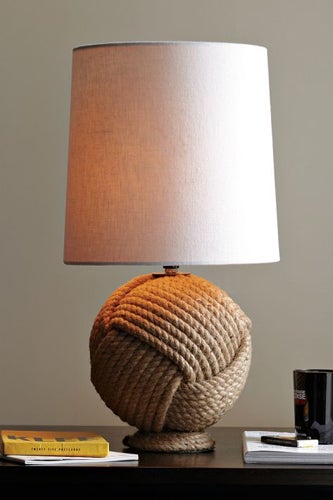
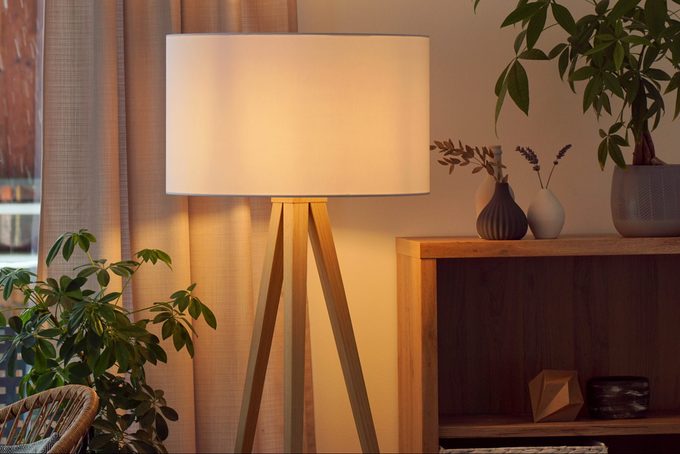
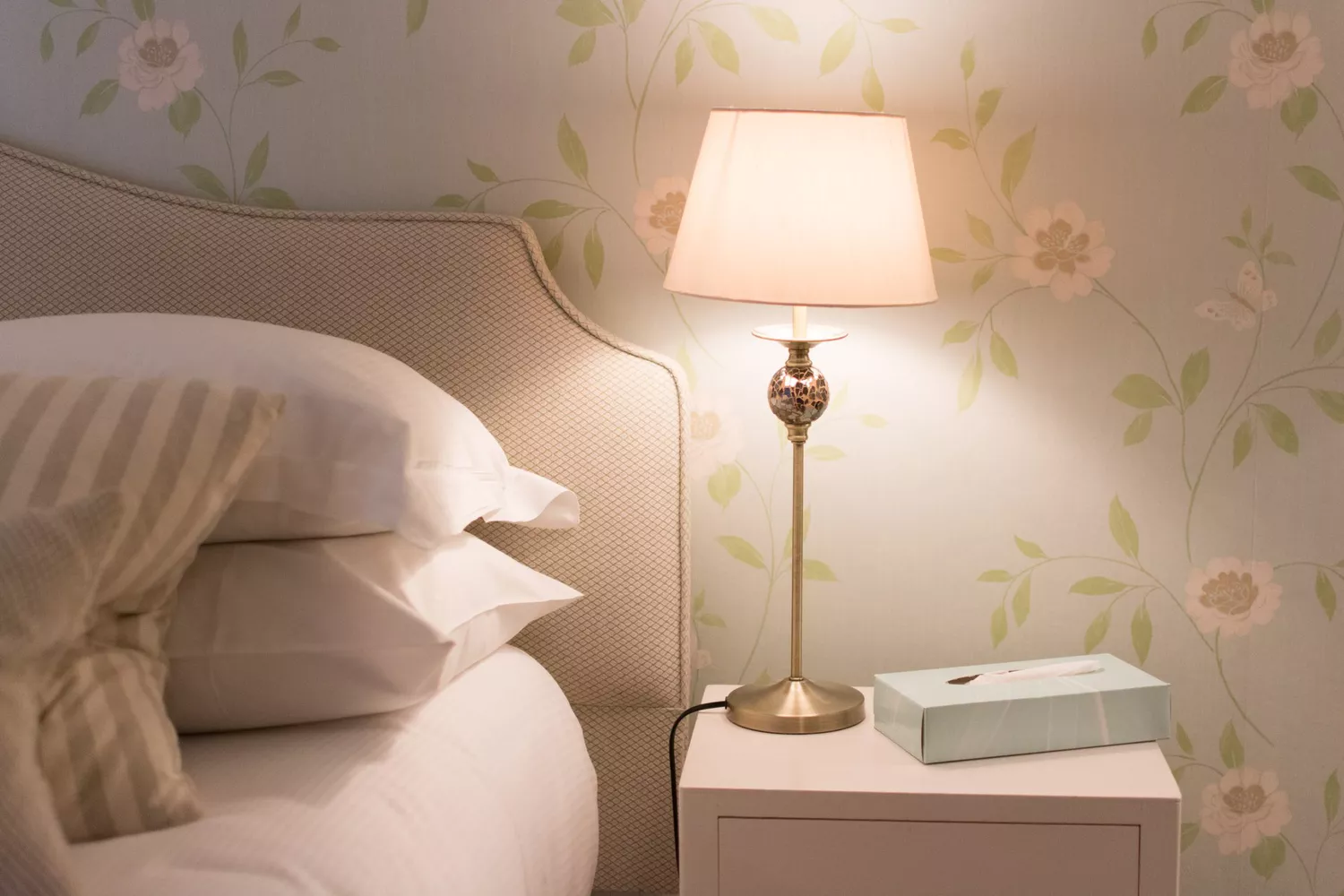
When choosing a lampshade, measurements are crucial. A general guideline suggests that the lampshade's diameter should be approximately twice the width of the lamp base's widest point. The shade must also fully cover the bulb socket, with no more than one inch of the lamp's neck visible. The width of the shade is the primary consideration, and the harp—the metal frame supporting the shade—can be adjusted as needed to accommodate the chosen shade.
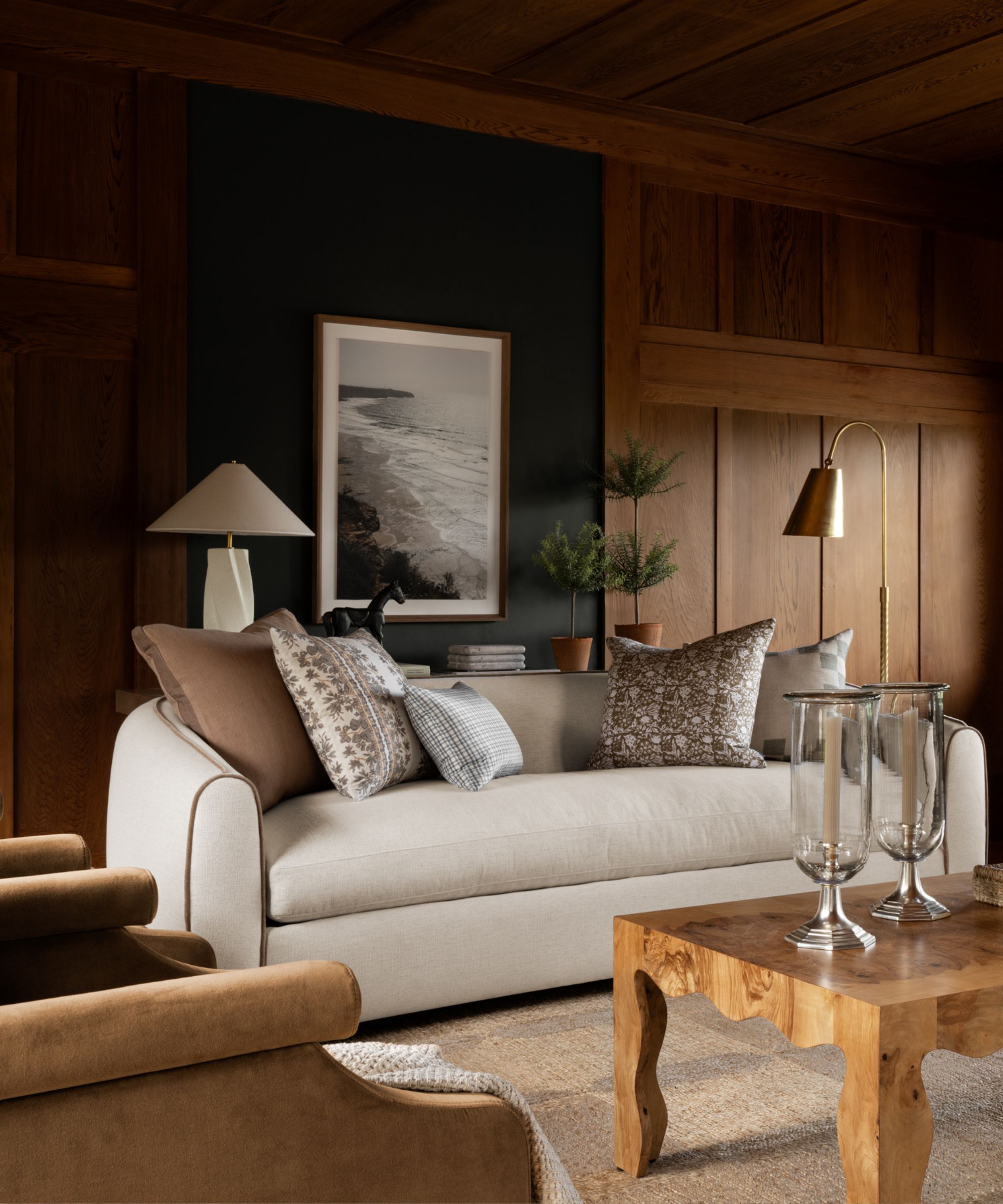
Another important design consideration is the shape of the lamp itself. Ideally, the lampshade's shape should mirror that of the lamp base; for instance, a round base pairs well with a round shade, and a square base with a square shade. Although deviations can be made for creative purposes, caution is advised. Common lampshade shapes include bell, drum, empire drum, and tapered square, among others.
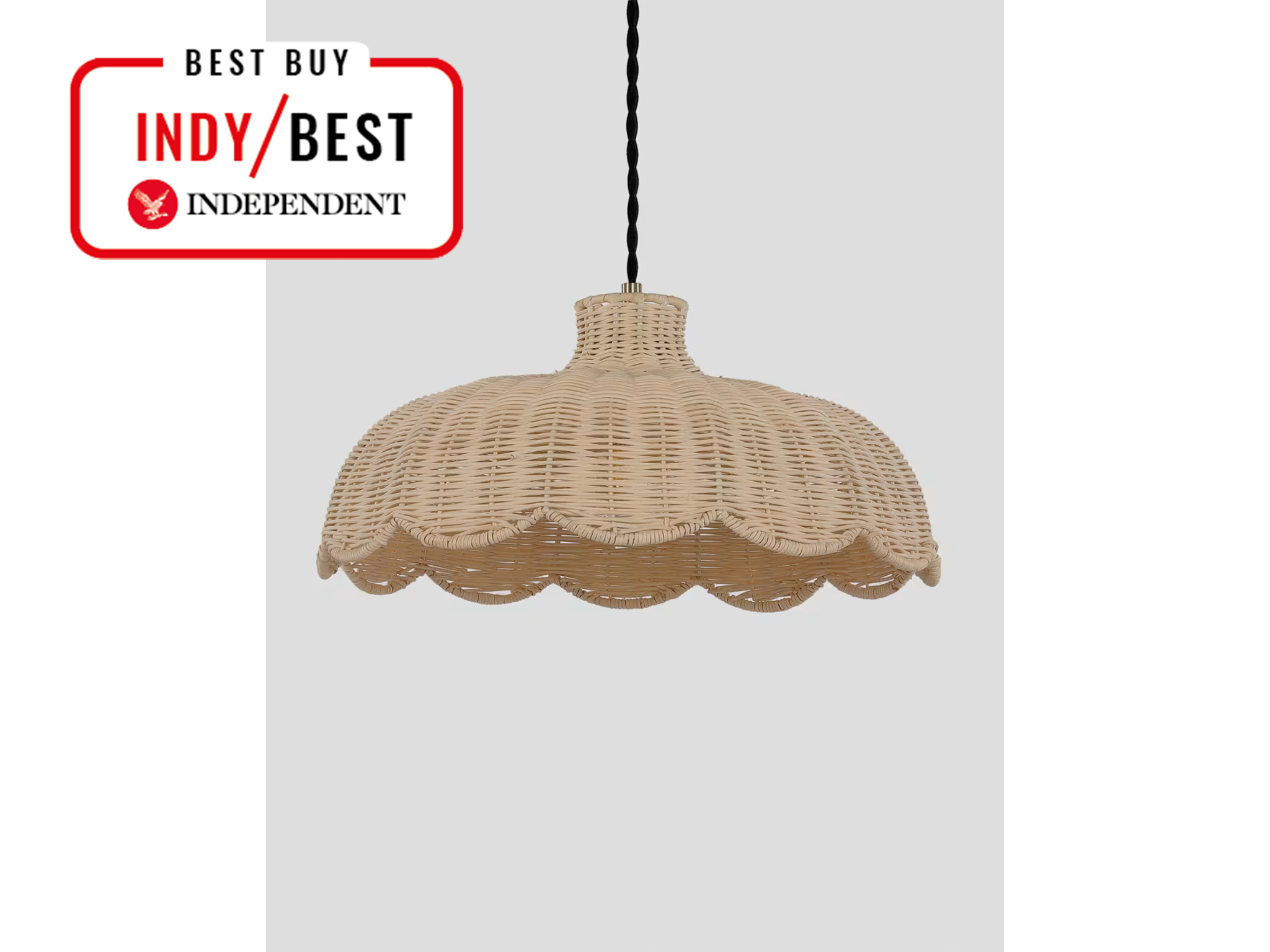
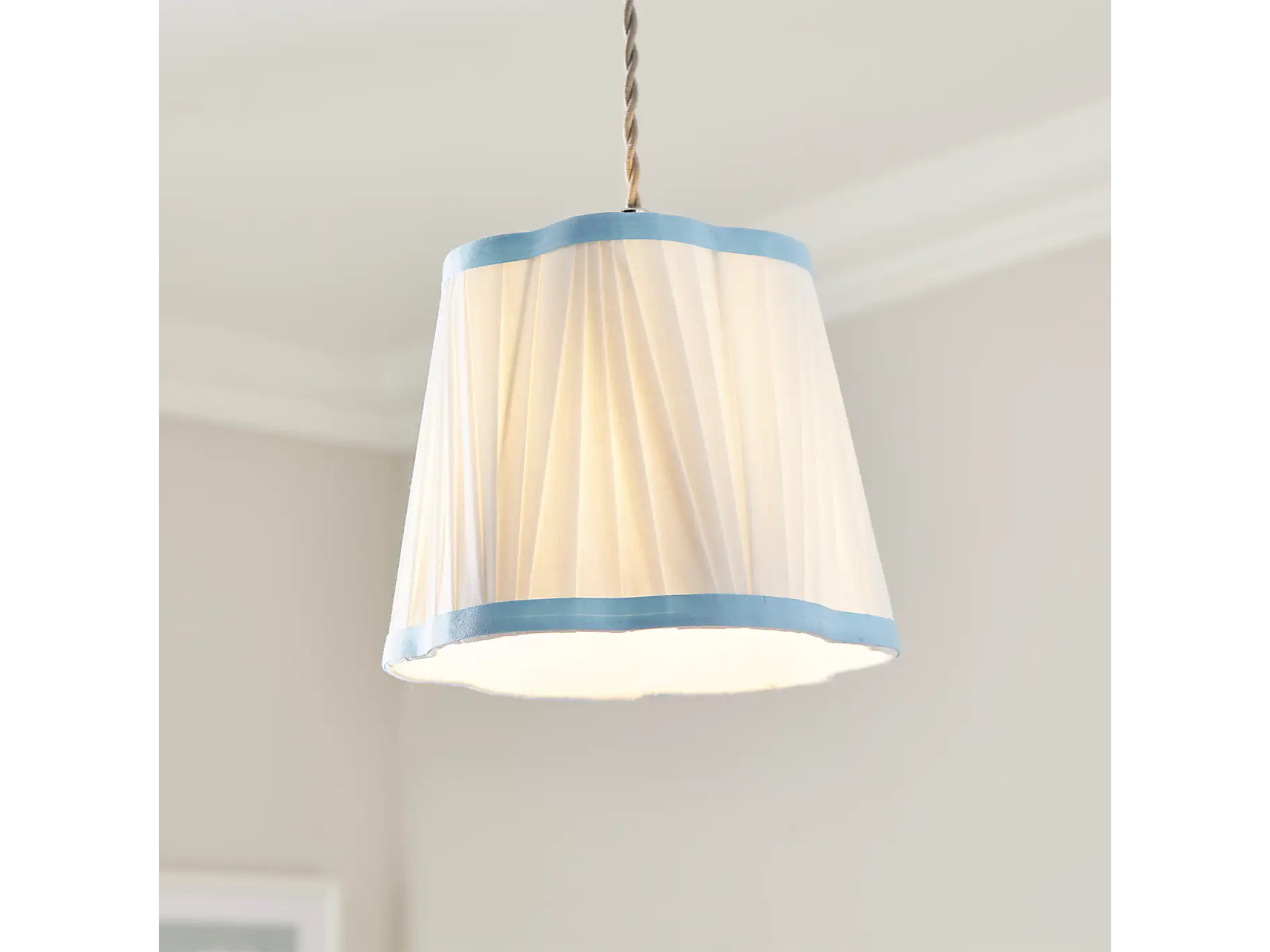
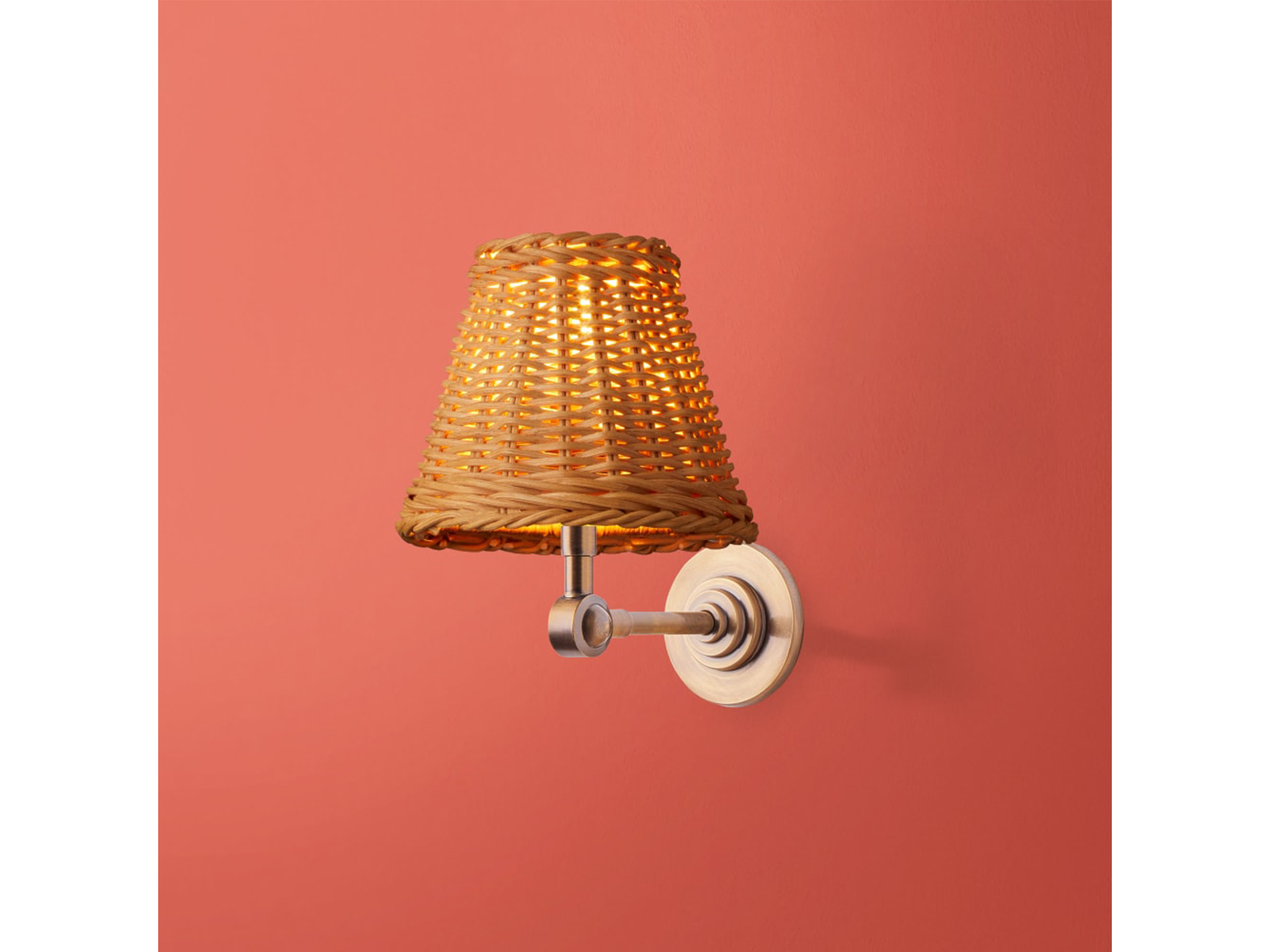
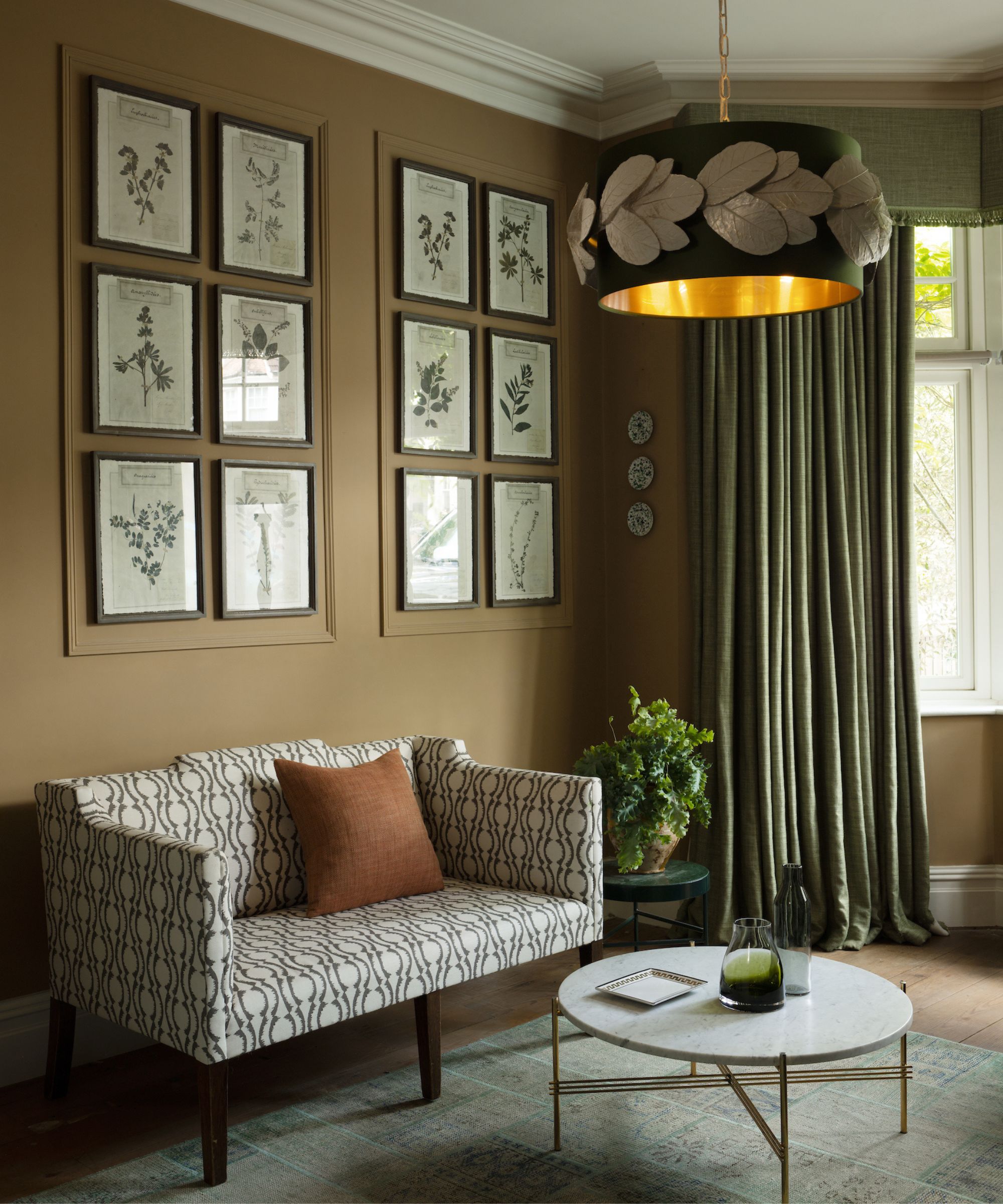
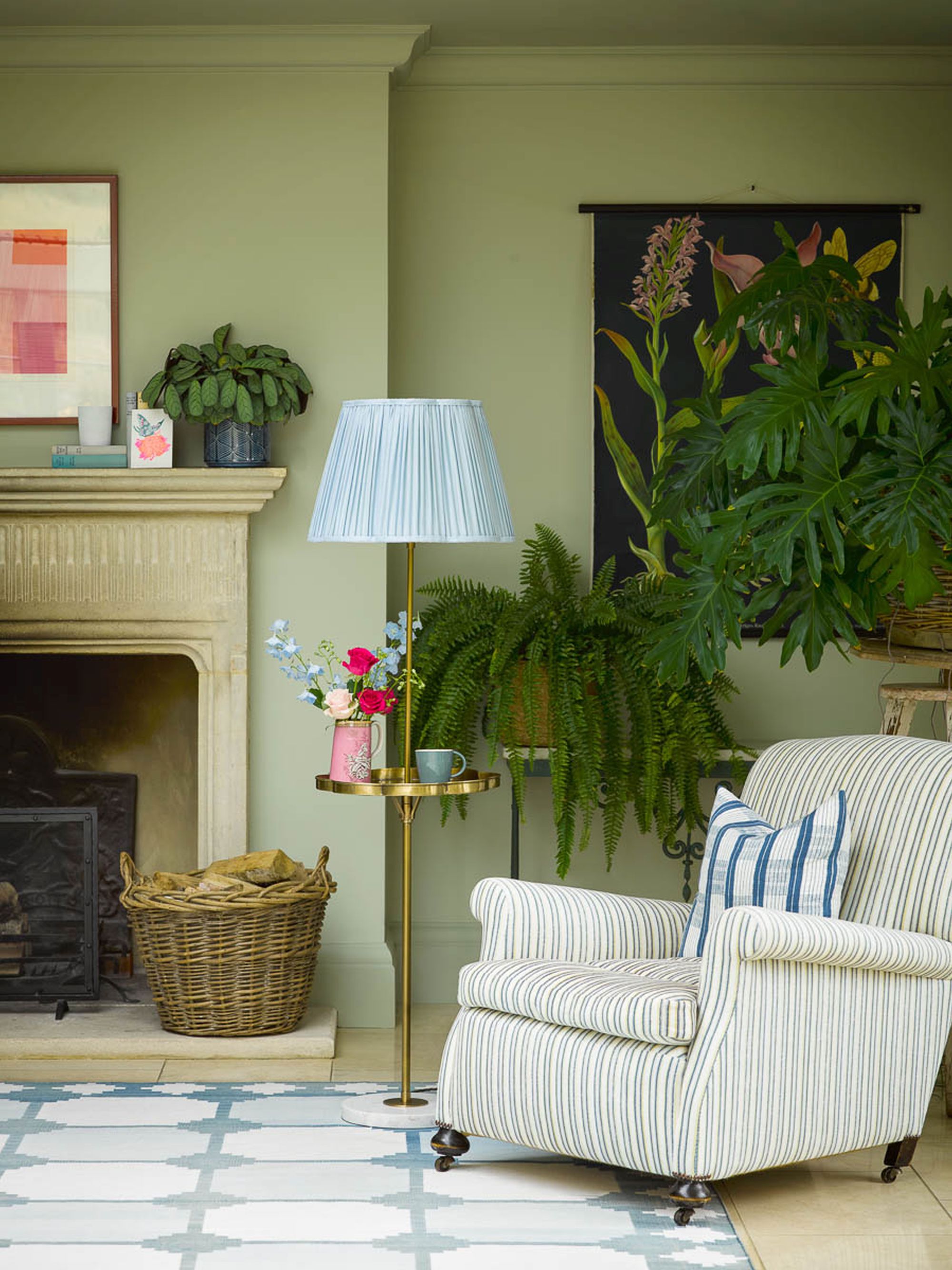
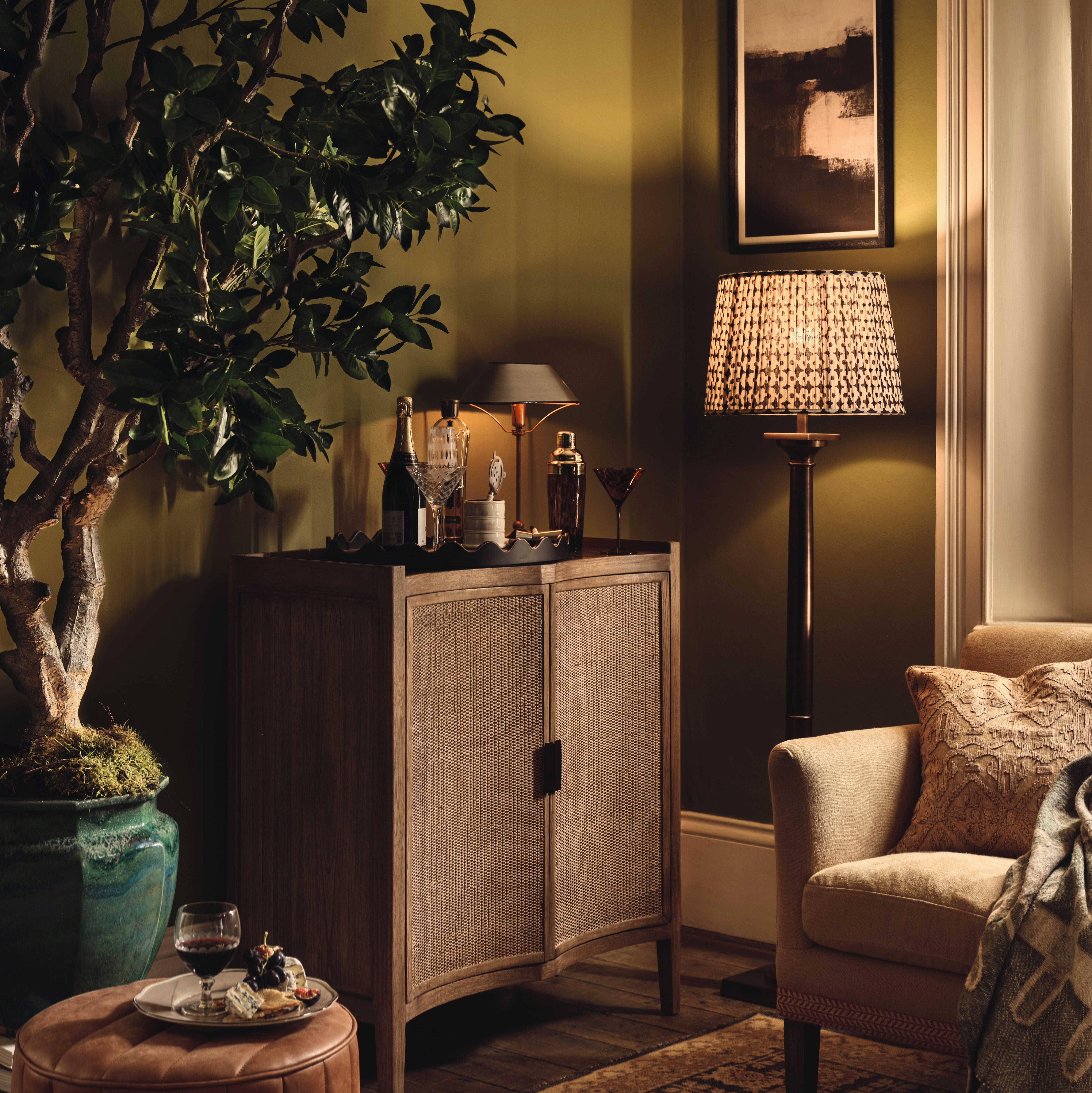
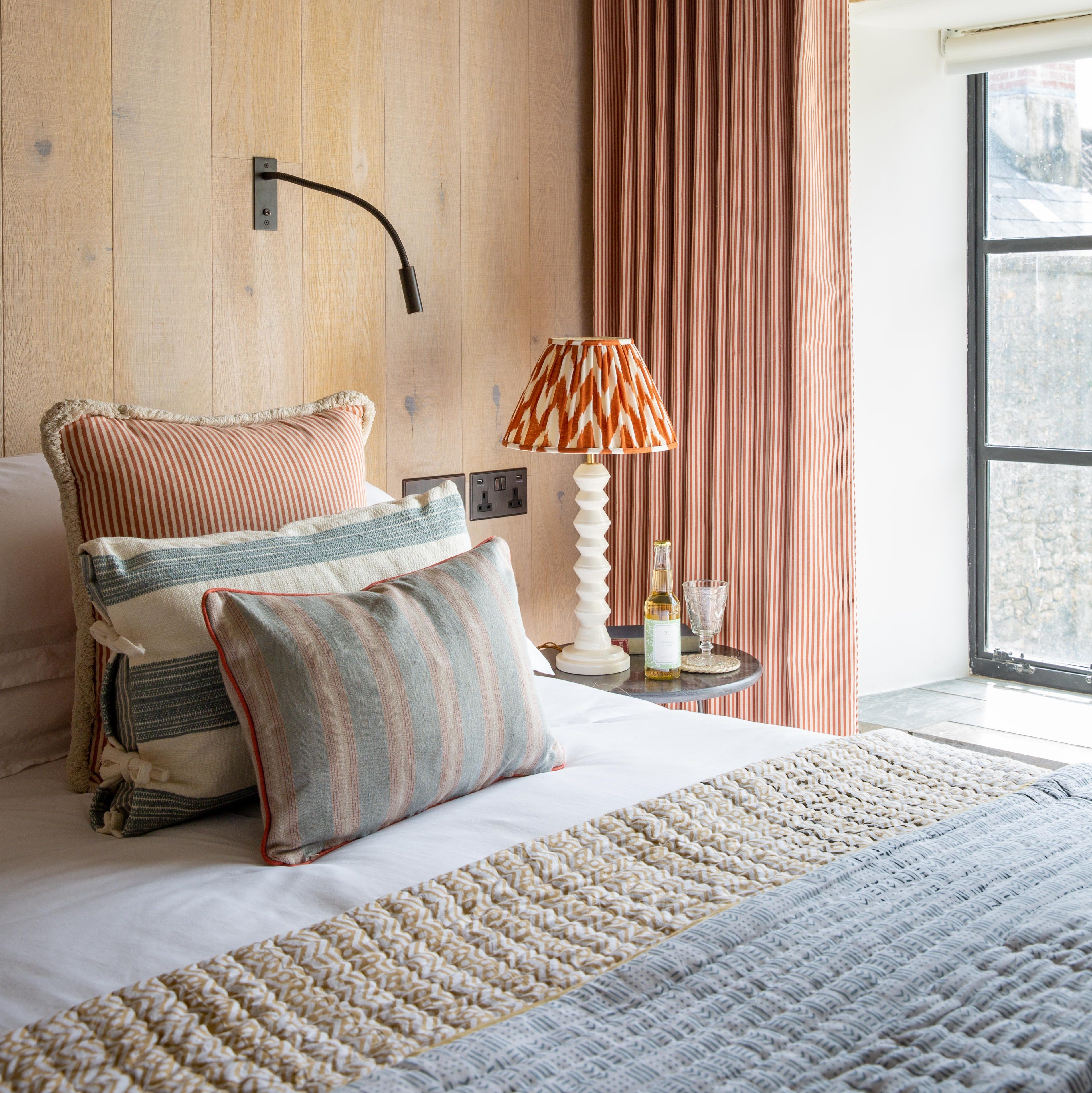
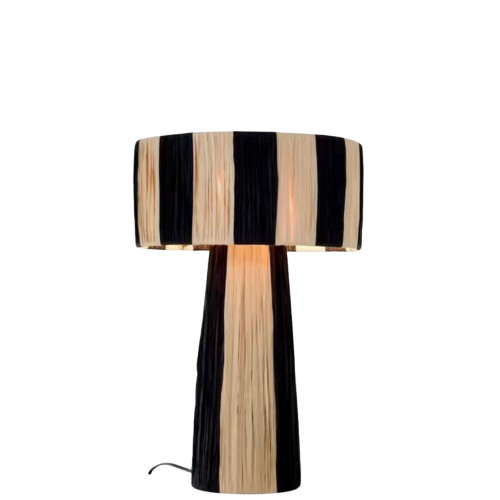
Lampshades are available in various materials, such as linen, silk, and metal. Fabric-covered, pleated shades are currently fashionable. The material and color of a lampshade directly influence the amount of light it emits. Darker shades, for example, provide less light than white shades and tend to create a more formal atmosphere.
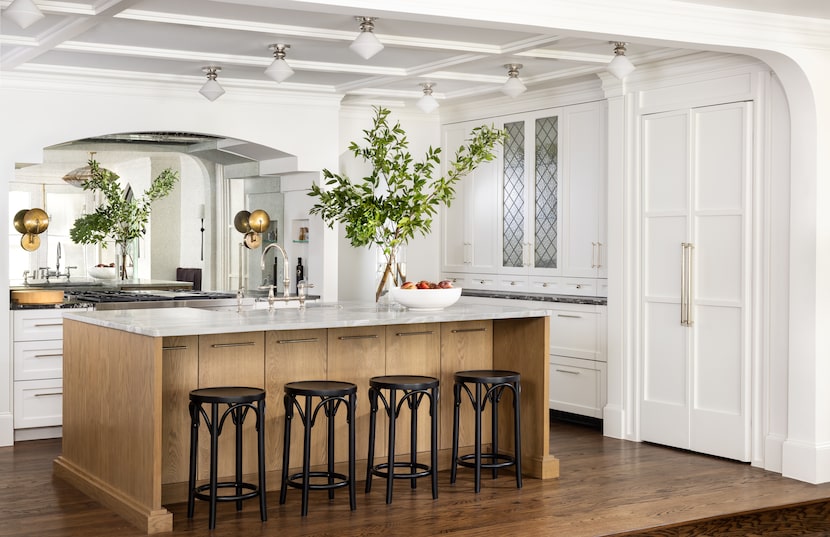
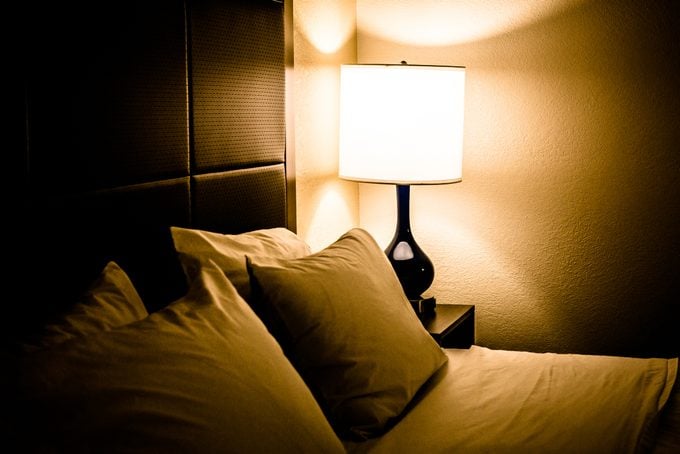
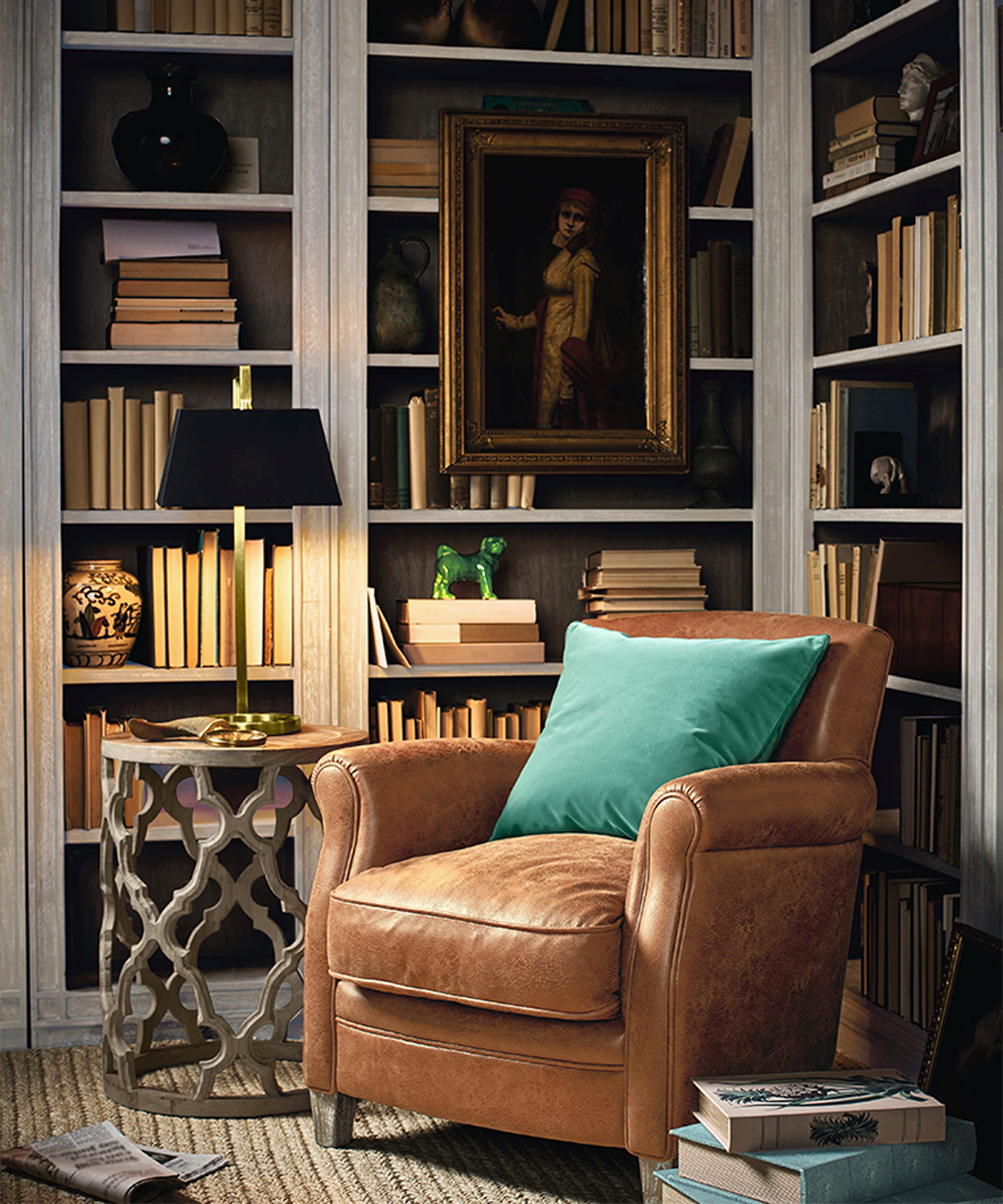
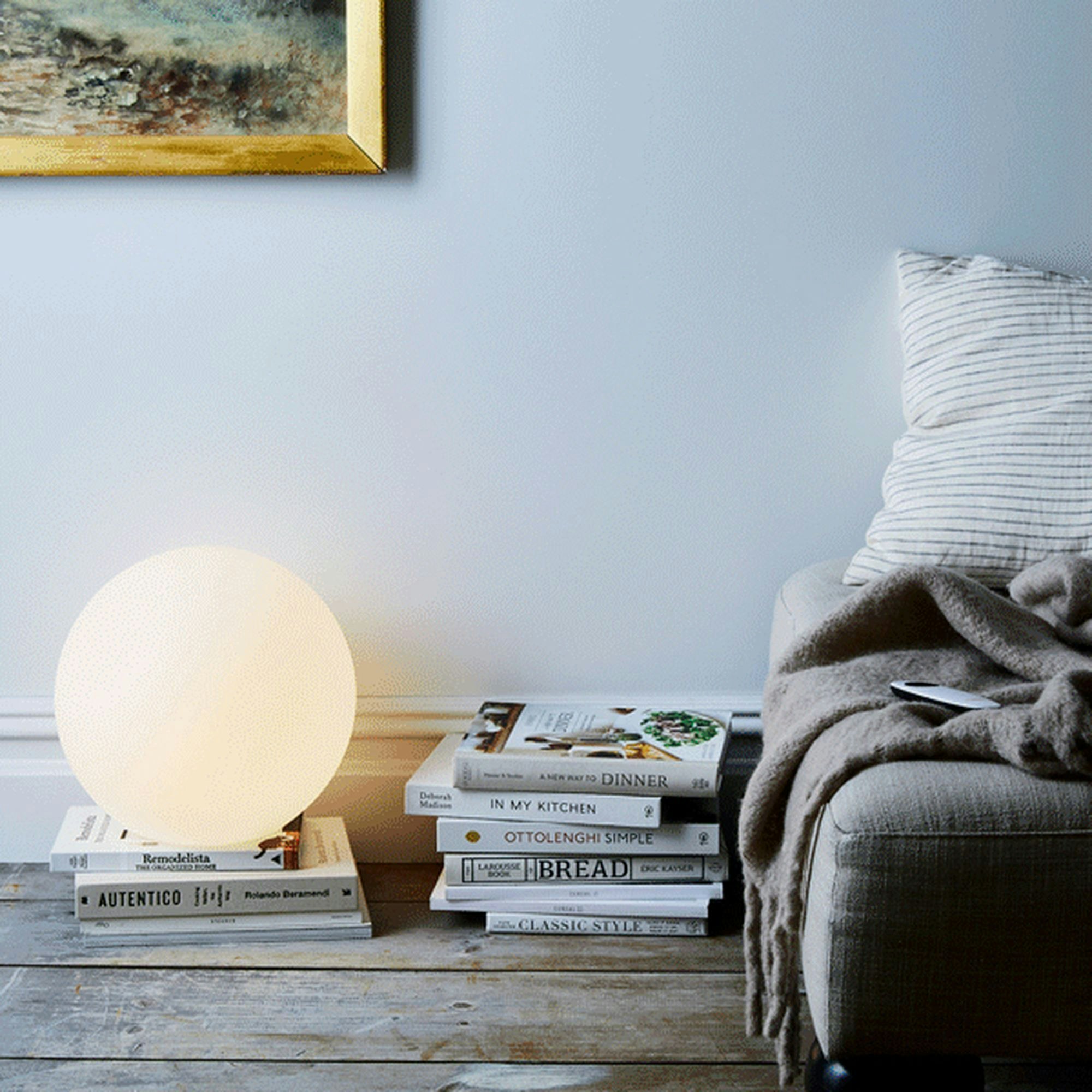
Beyond aesthetics, lamps play a vital functional role in a room by controlling how light enters, exits, and circulates. Proper lamp placement is key to optimizing a room's illumination and ambiance. A task lamp with a shade that directs light downwards is suitable for a reading chair, while a table lamp with a drum shade offers 360 degrees of light. Lamps also contribute to a room's ambiance, providing a welcoming glow, especially when entertaining guests. When uncertain, it is advisable to bring the lamp to the store to try different shades, as selecting the right one often involves trial and error.
The article also addresses frequently asked questions regarding lampshade fittings and types. Lampshades typically attach to lamps using three main fittings: spider, clip-on, and uno, with the spider fitting being the most common. Lamp holders, which are the components that secure the bulb, commonly come in screw, pin, and bayonet types. The empire lampshade, known for its classic shape, is identified as the most common type of lampshade.
#LampshadeSelection #HomeDecor #LightingDesign #InteriorStyling #LampMeasurements #ShadeMaterials #RoomAmbiance #LampshadeSelection #HomeDecor #LightingDesign #InteriorStyling #LampMeasurements #ShadeMaterials #RoomAmbiance
0 comment in total
 No comments yet
You may also like
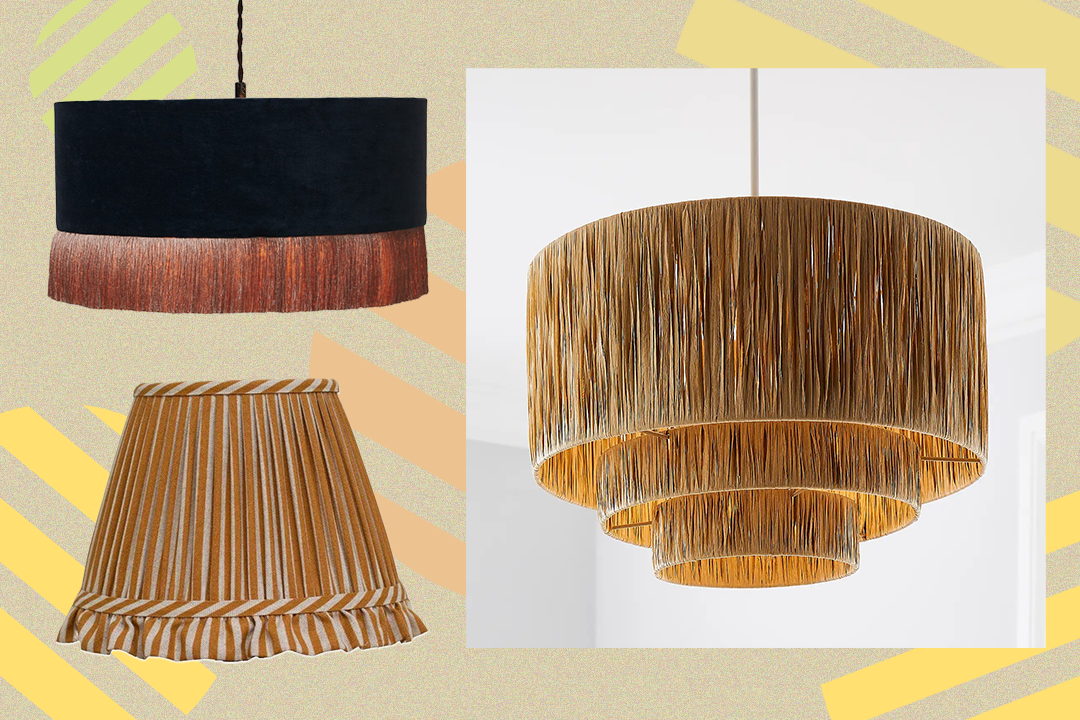
Best lampshades to illuminate your space in style
Chic Lighting Fixtures - Lighting To Redecorate Your Rooms

What is lampscaping? Interior designers share their tips for creating a cohesive lighting scheme across the whole home

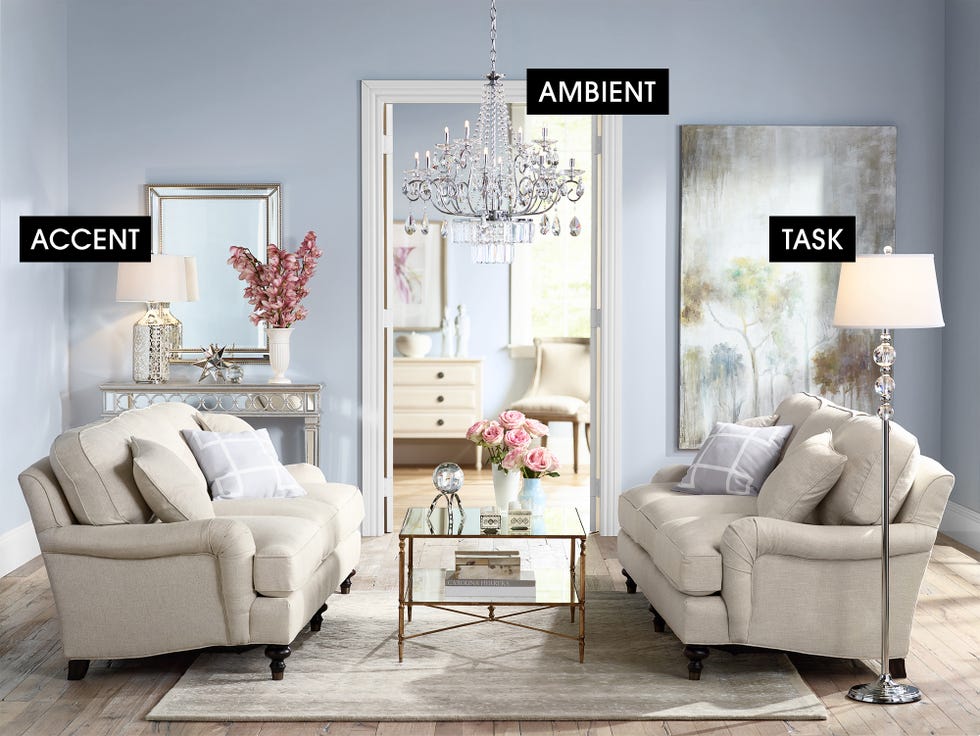
The 3 Types Of Lighting Every Room Needs

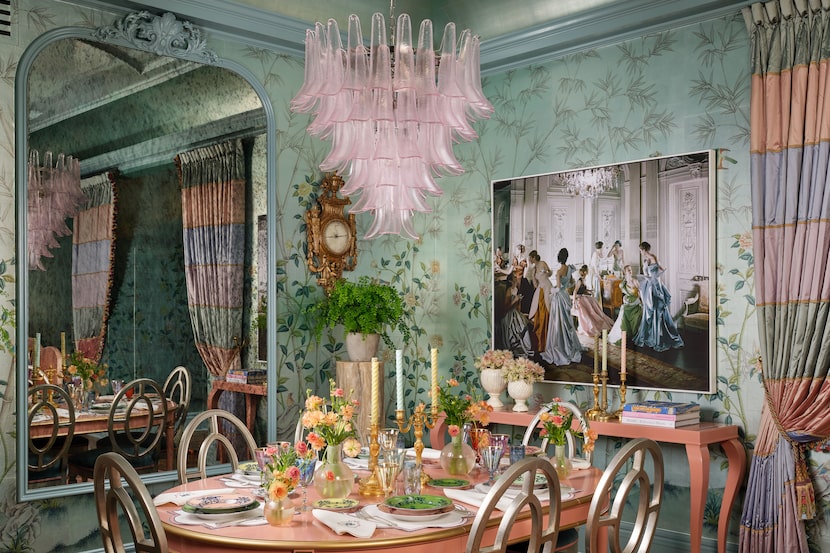
Simple or sculptural, the right light fixture can make any room shine

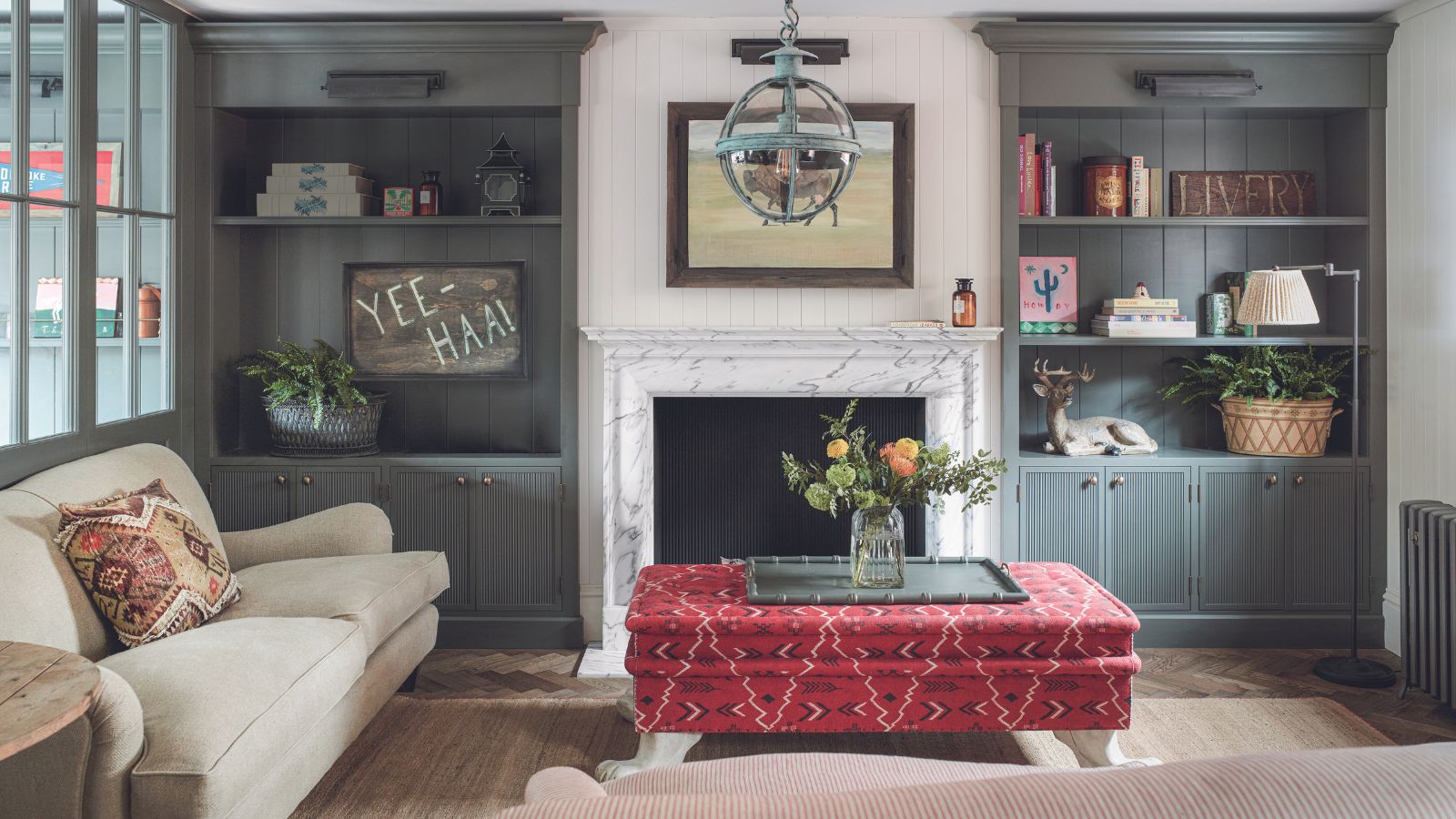
How to make a living room lighter – an interior designer's 10 tips for a creating brighter space
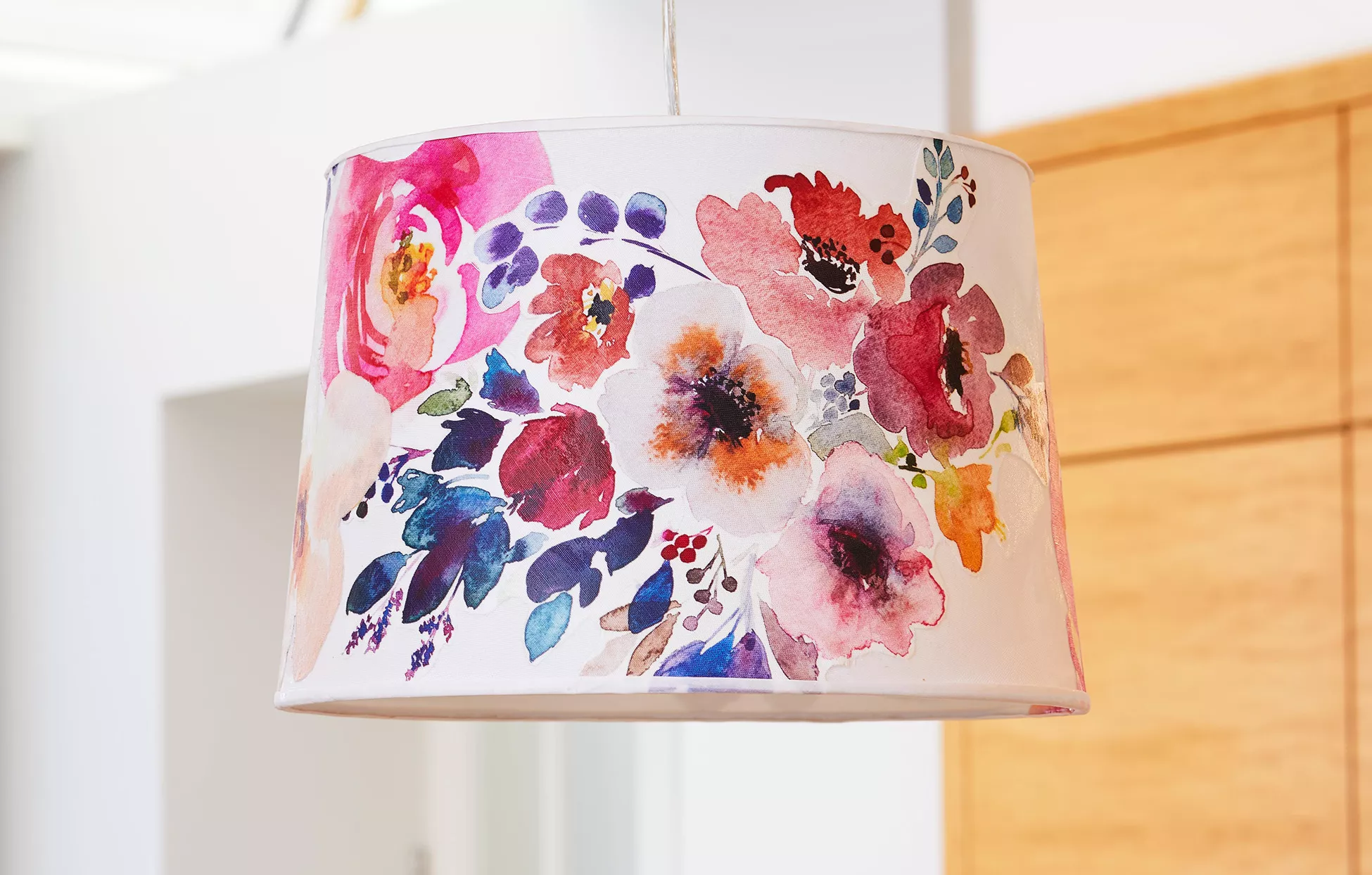
22 DIY Lampshade Ideas for Creative Updates in Less Than an Hour

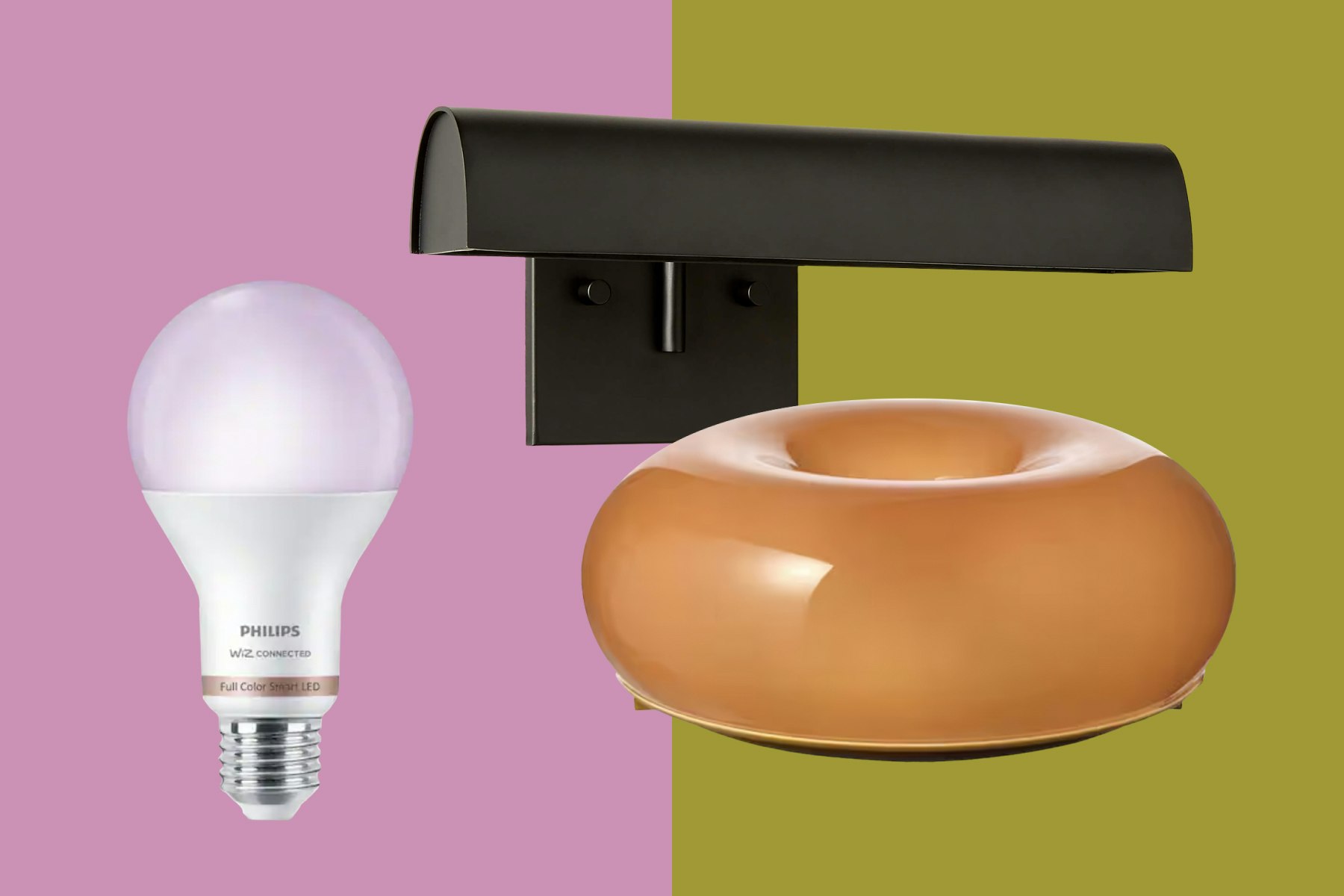
15 Lighting Products That Will Work in Any Home, From a Cramped Studio to a Windowless Basement

The best lighting for every room in the house


Our Favorite Picks From The Shade Store
Marie Flanigan teaches us how to find the perfect light fixture diameter – she says it's 'the best design tip I've learned'
What Your Lamp Choice Says About Your Design Style
5 Styling Tricks Designers Always Use to Make Any Room Look Instantly Finished

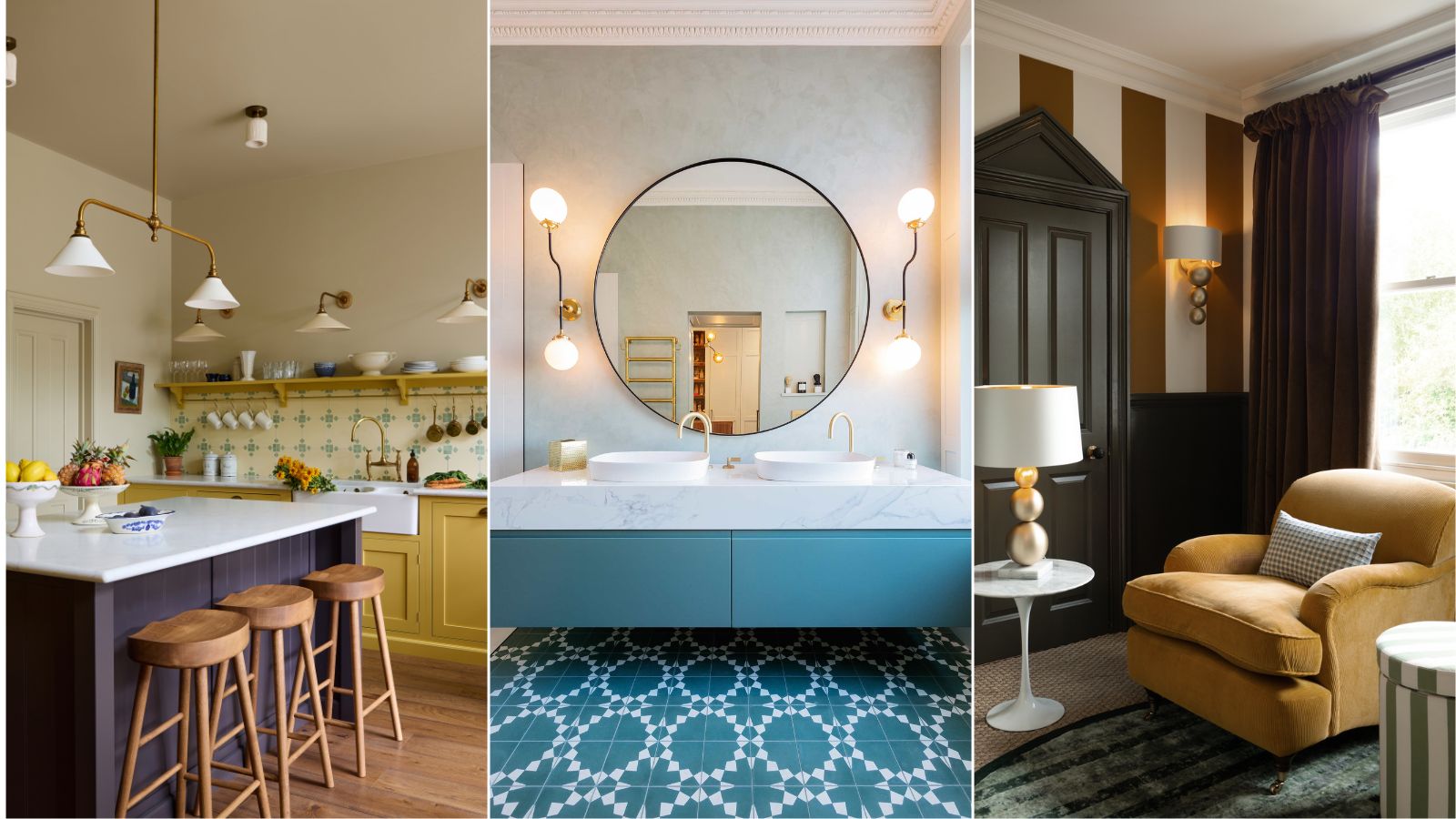
How to layer lighting – expert tips to create the perfect soft yet practical scheme for every room
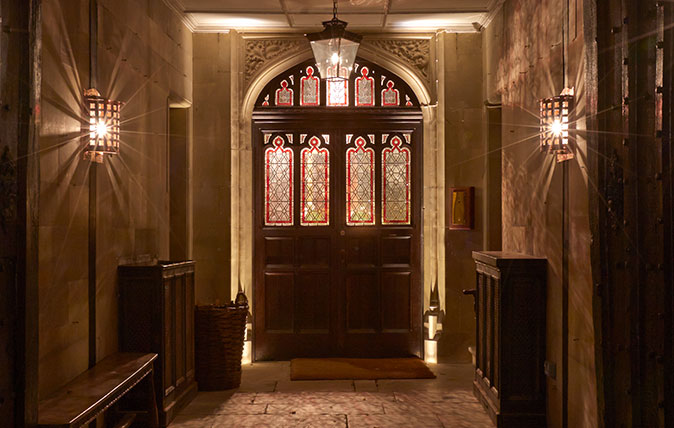
Get your home's lighting just right: Seven questions answered
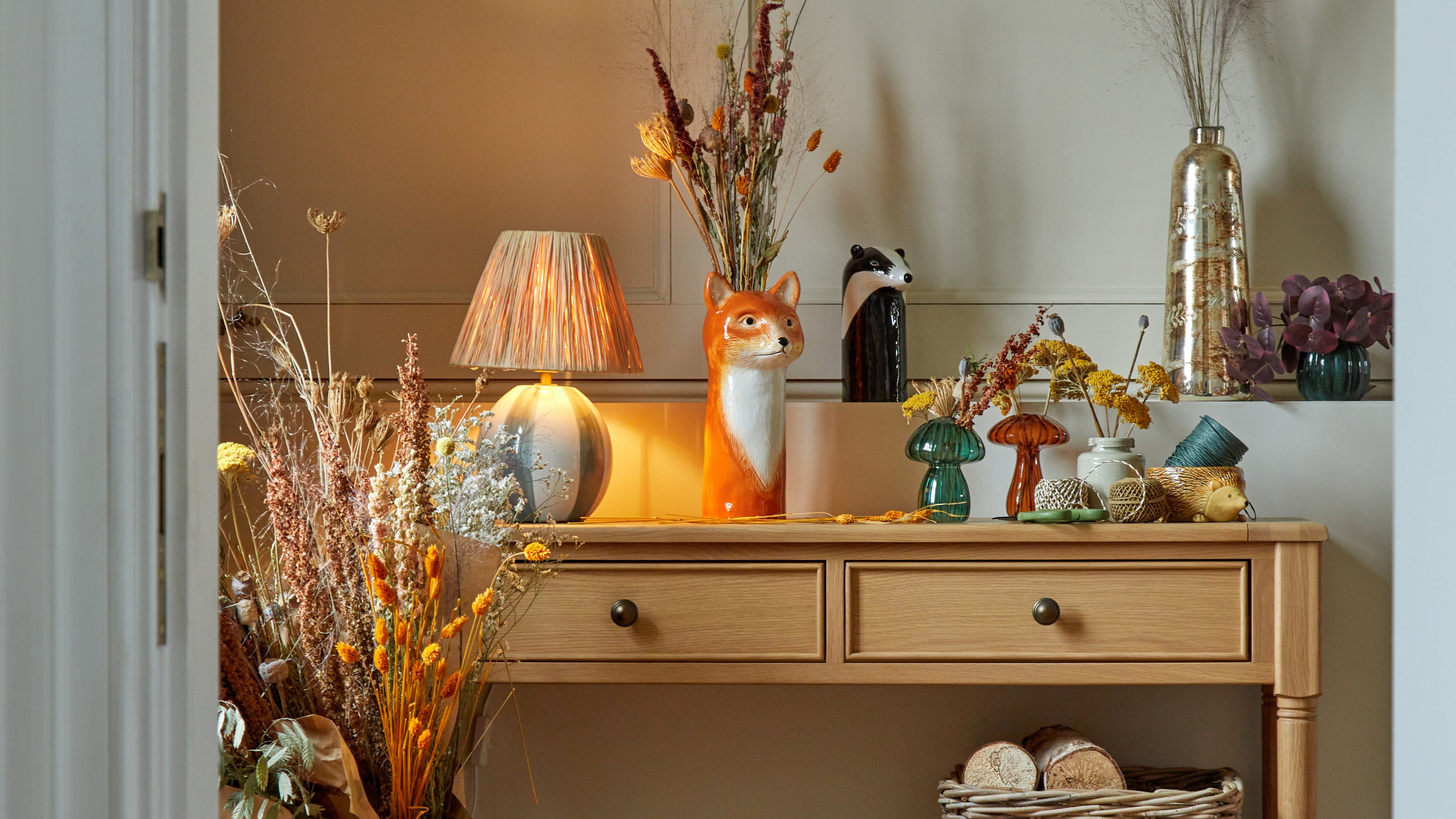
Striped lamps are the foolproof way to add flair to any room
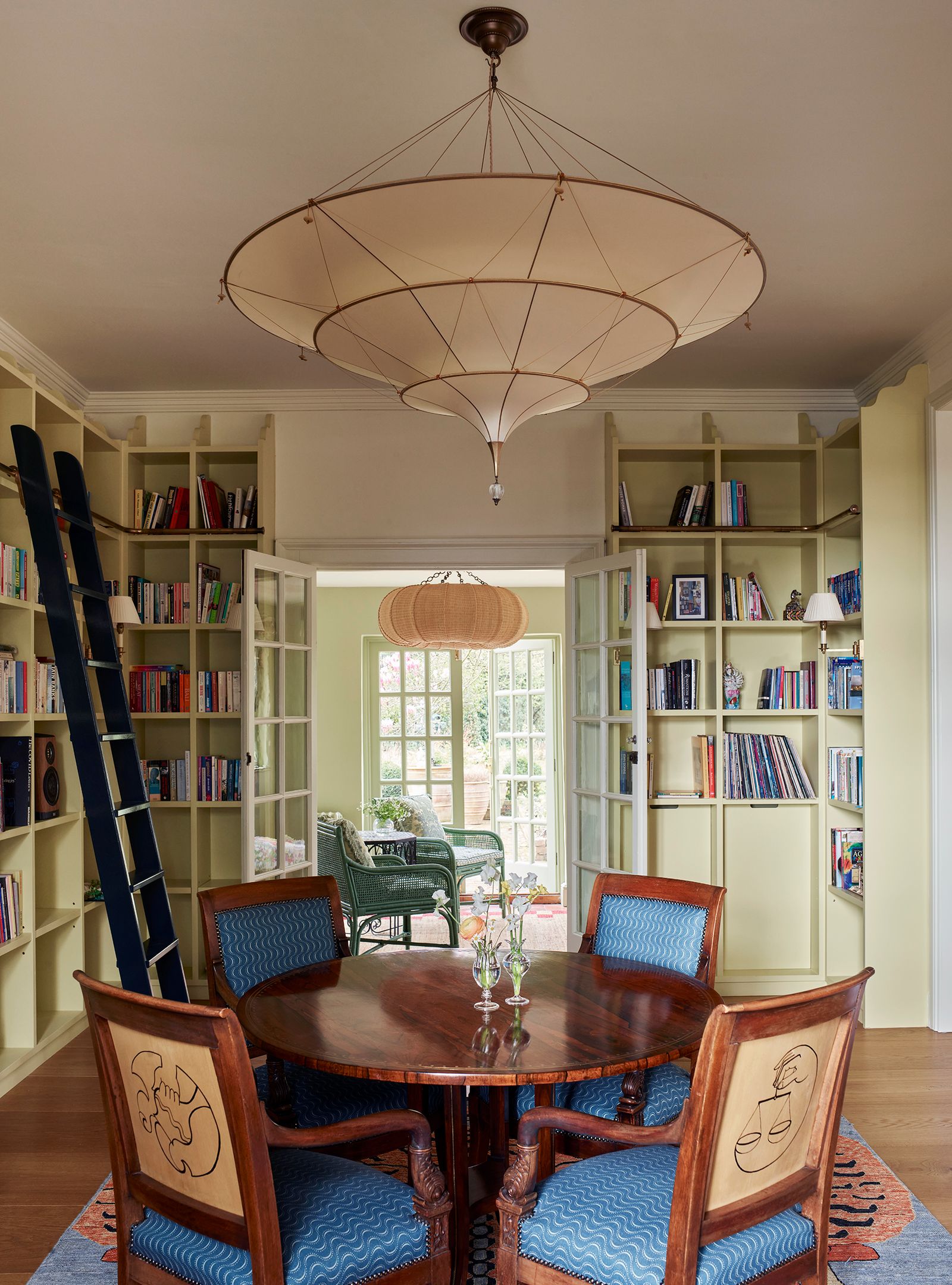
The dos and don'ts of lighting your house
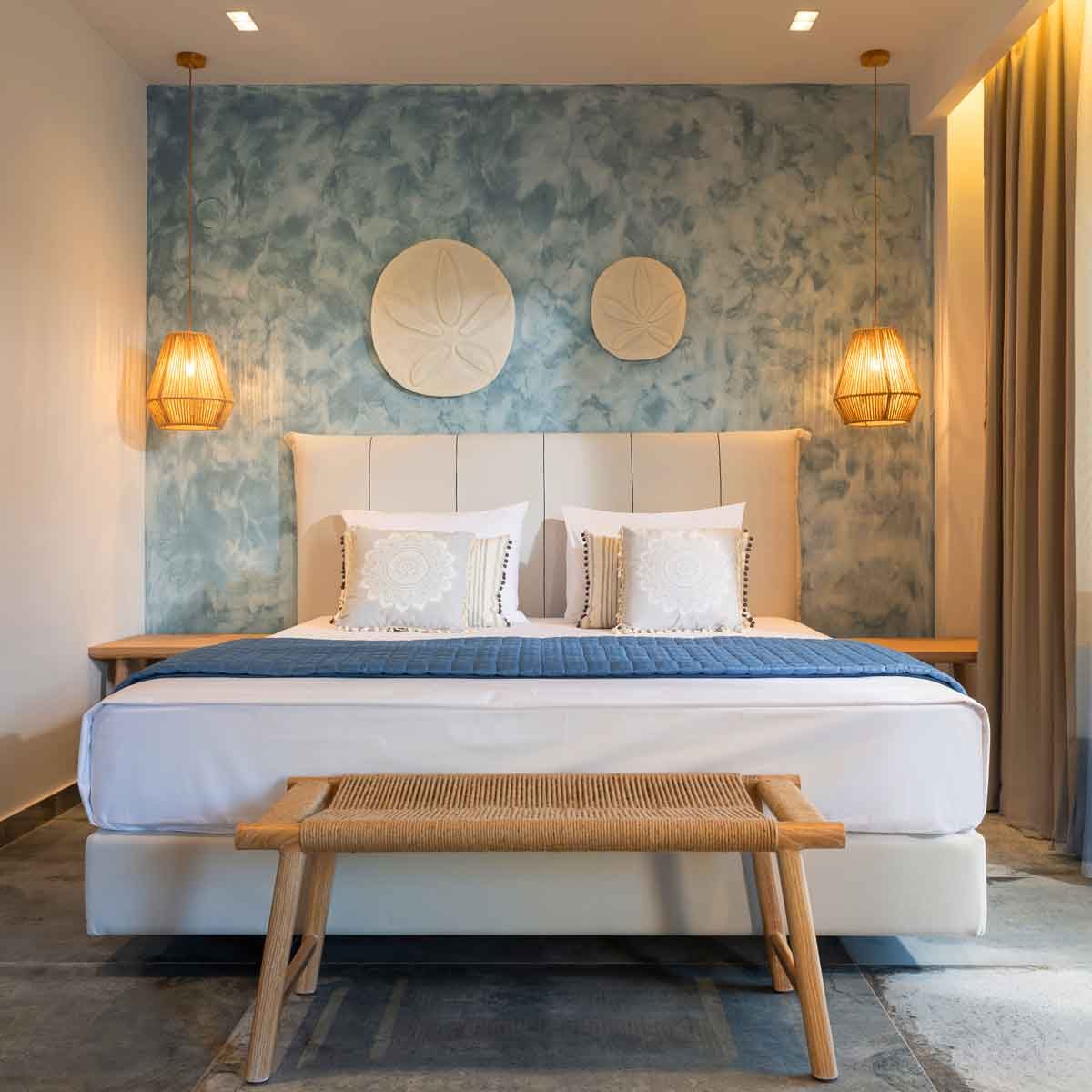
Tips for Choosing the Best Bedroom Lighting

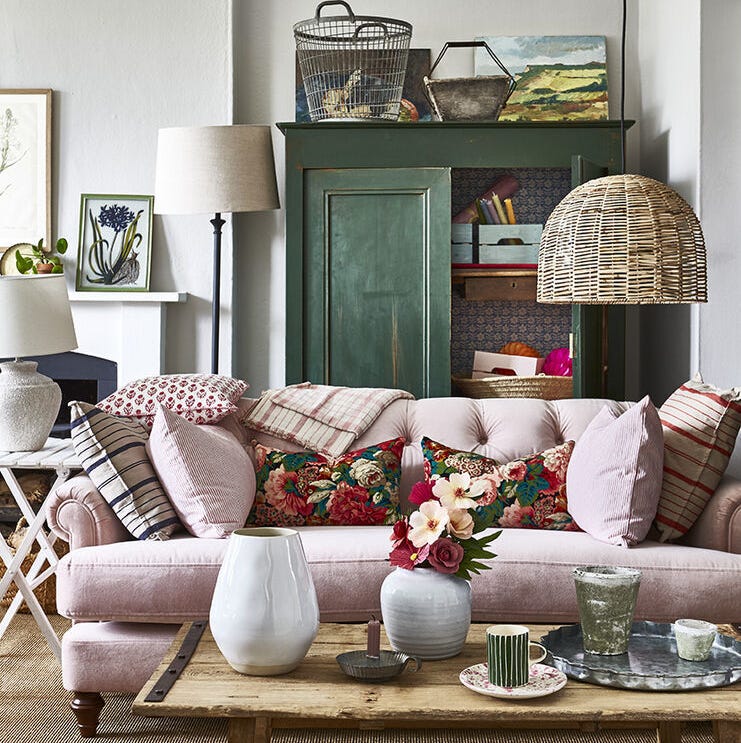
‘Lamp layering’ is the secret trick designers use to elevate their interiors
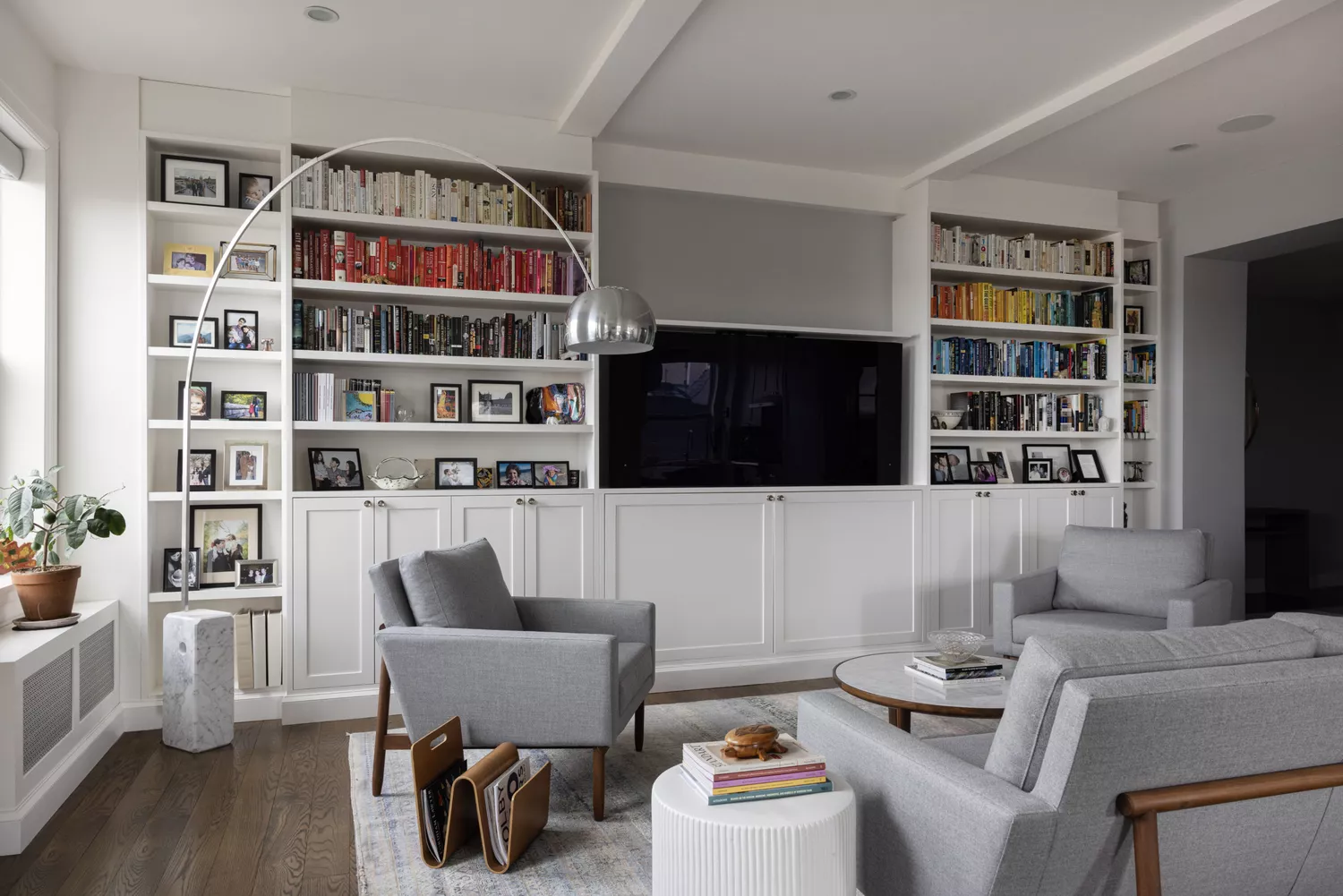
5 Easy, Designer-Approved Lighting Hacks to Brighten Up Your Home