Why Do Homes These Days Have So Much Recessed Lighting?
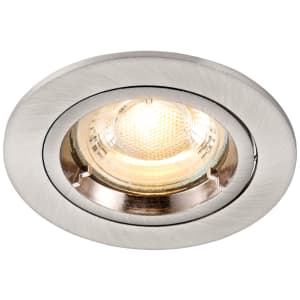
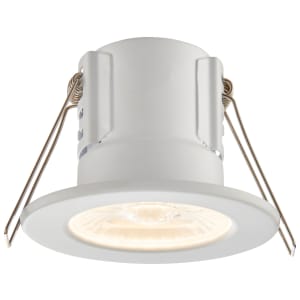
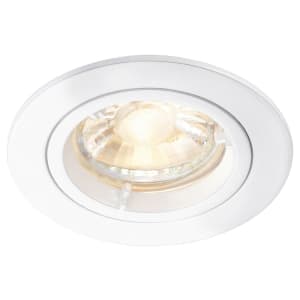
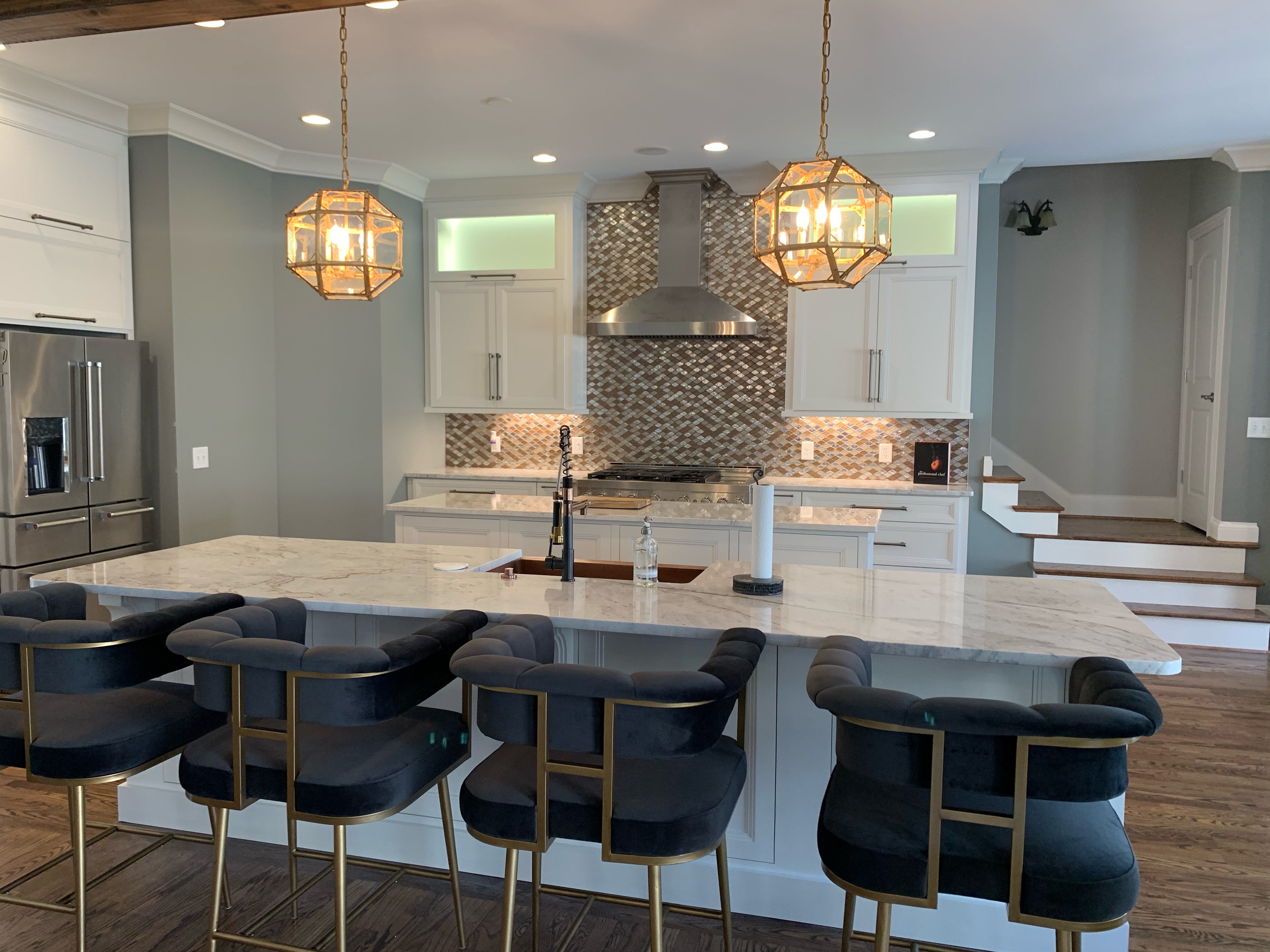
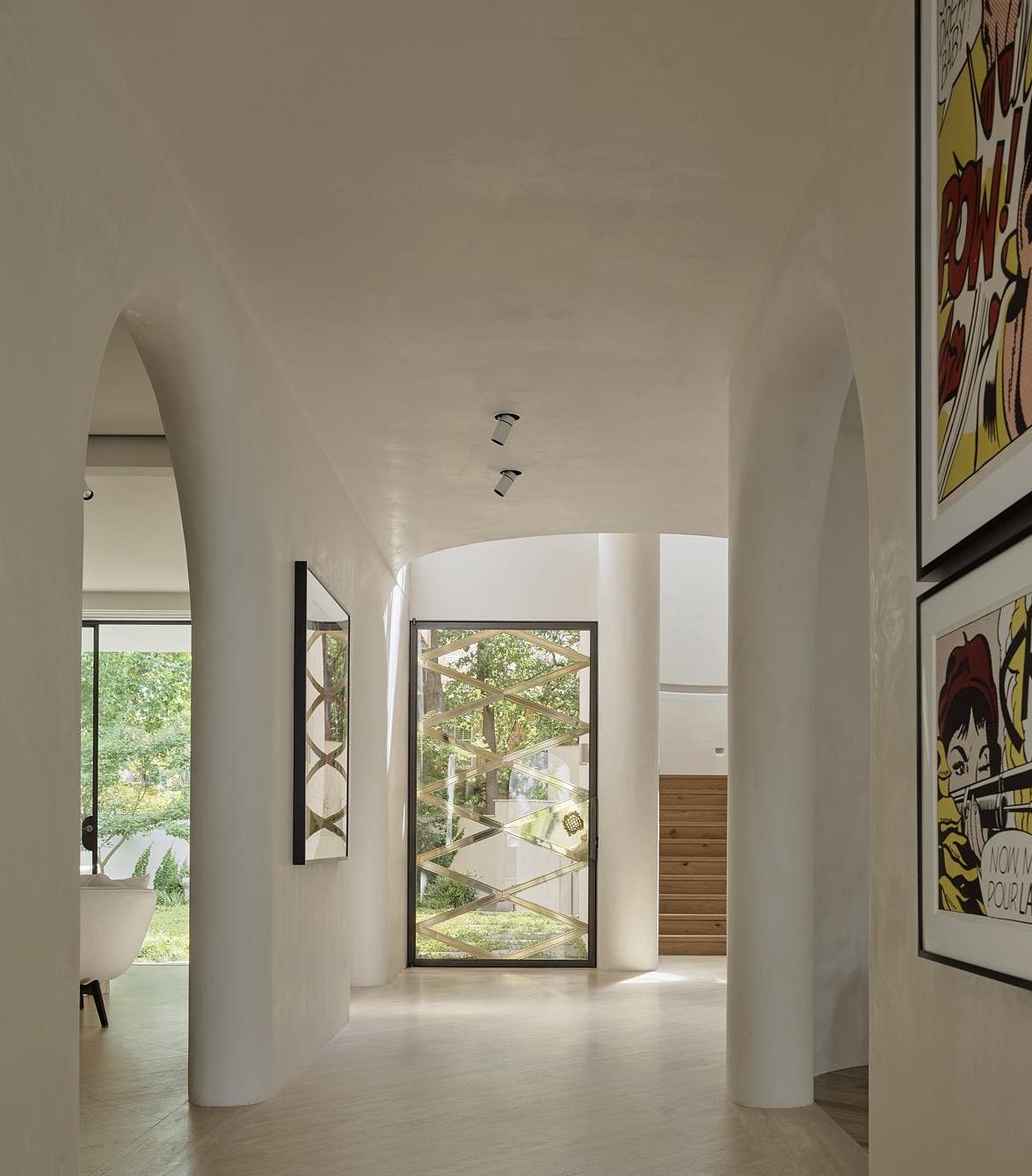
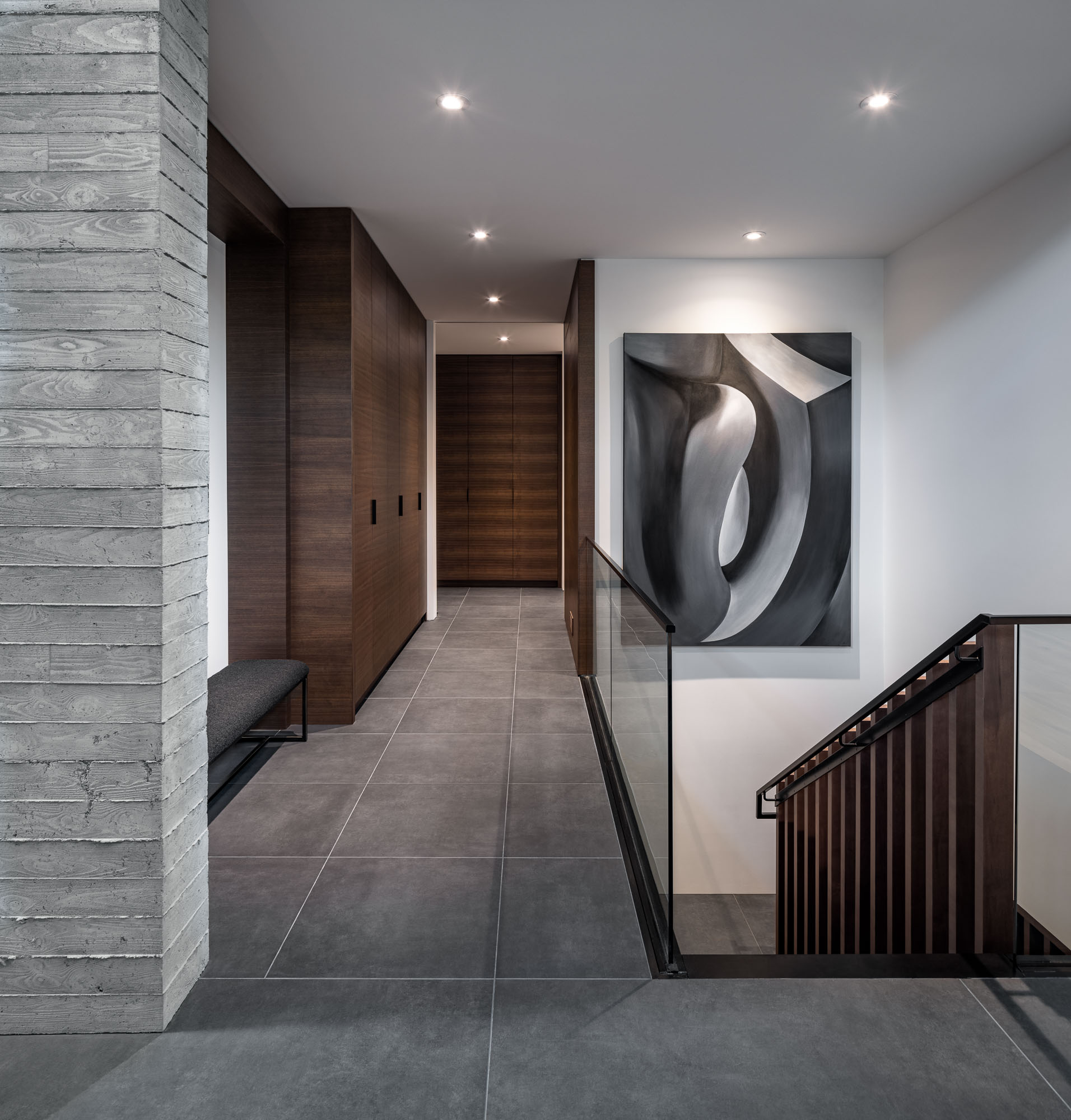

Recessed lighting, often called can lights, has become a ubiquitous feature in both new home constructions and renovation projects, a trend that began its significant rise in the 1960s, primarily within retail and commercial settings. Its initial appeal stemmed from its ability to provide illumination without adding visual clutter, particularly in spaces with low or drop ceilings. However, after a period of decreased popularity towards the end of the 20th century, these lights have experienced a remarkable resurgence in the last decade, becoming a standard element in modern interior design.
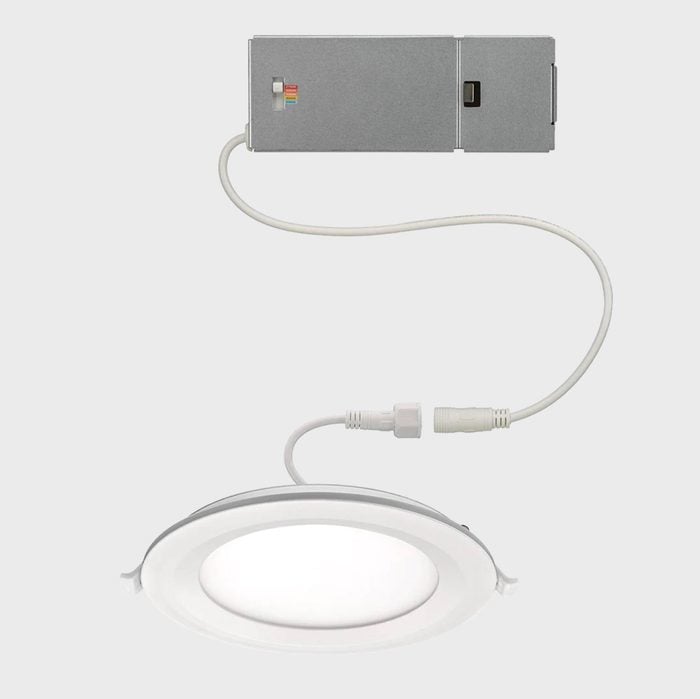
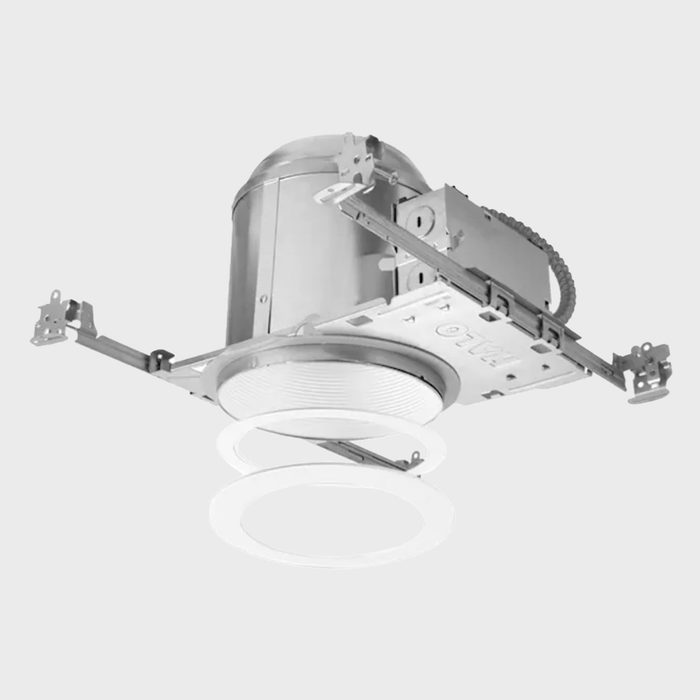
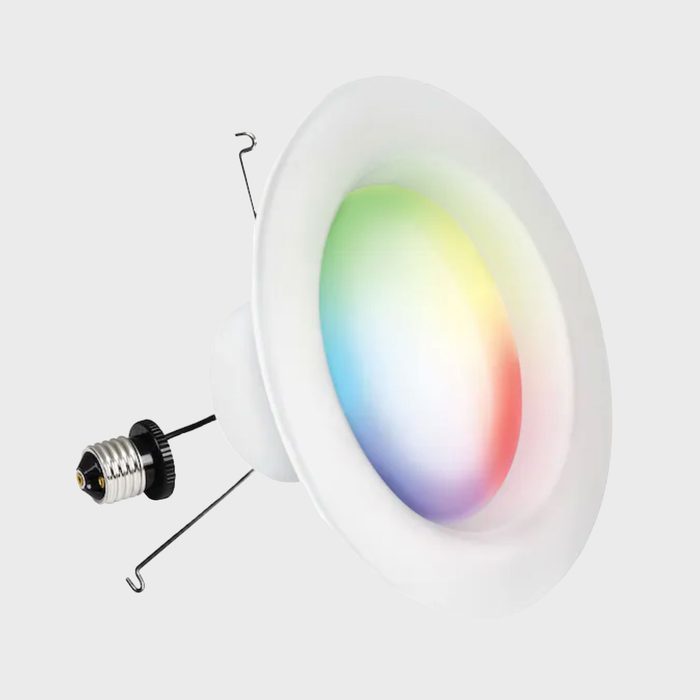
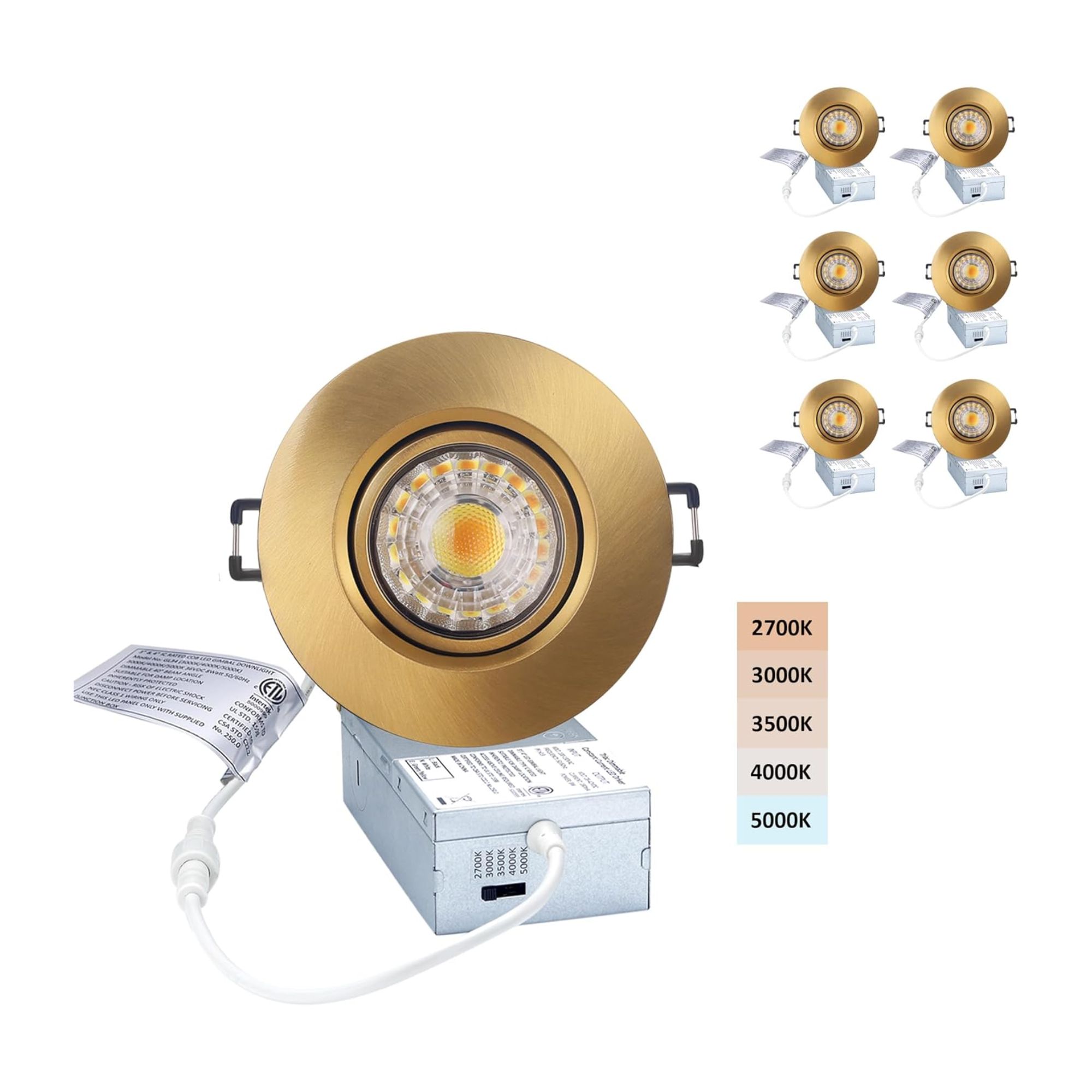
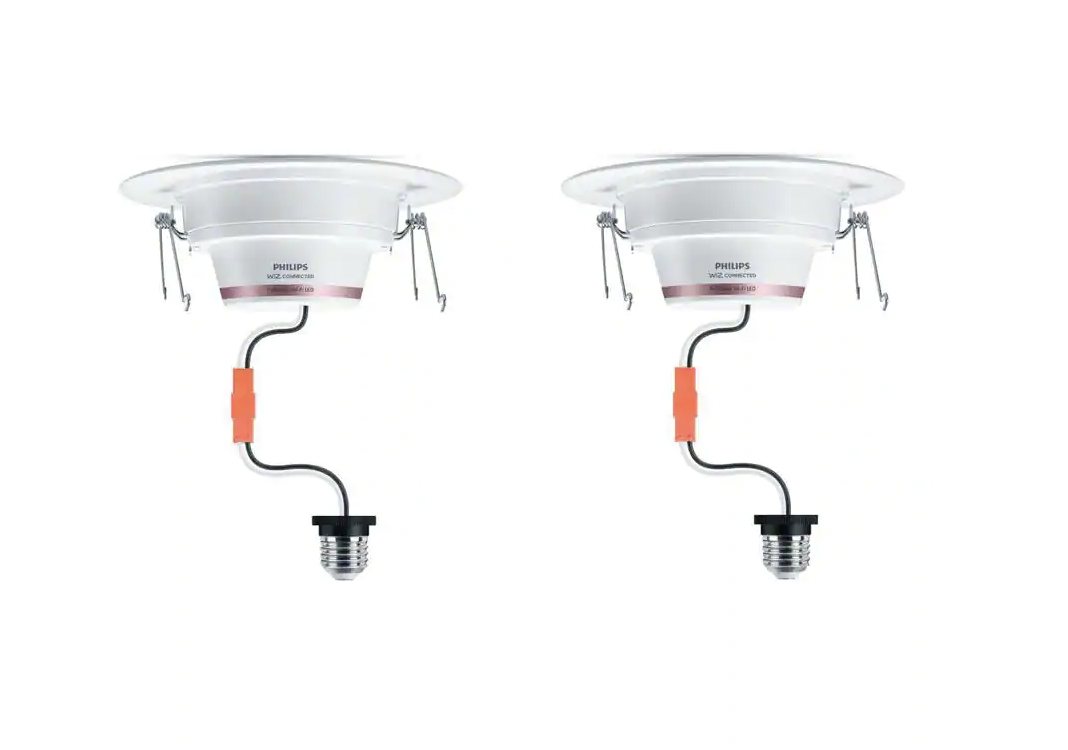
The widespread adoption of recessed lighting is largely attributed to advancements in LED technology and more efficient supply chains. Modern LED fixtures are often integral, meaning the LED is built directly into the unit, offering longevity and, in some modular cases, ease of replacement. The dramatic reduction in the cost of LED lights, combined with the development of small, lightweight hardware and a simple, minimalist design, has made recessed lights exceptionally affordable to manufacture and distribute on a large scale. This affordability stands in stark contrast to other lighting options like pendant lights or chandeliers, which typically come with a higher price tag. Despite their low cost, some perceive recessed lighting as a high-end, built-in feature, especially when compared to older, more basic lighting solutions like a single overhead fixture or a floor lamp, harking back to a time when abundant artificial light was a sign of affluence.
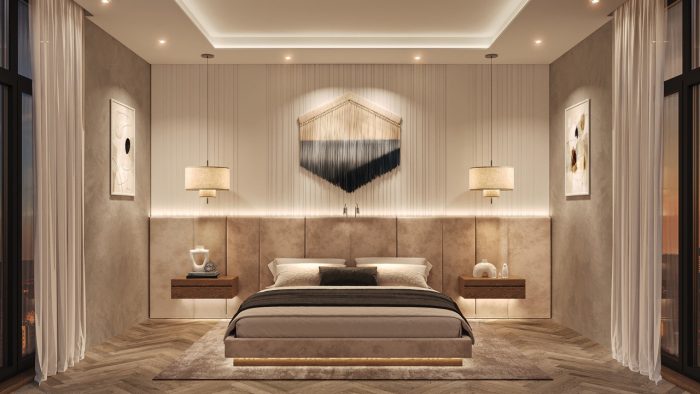
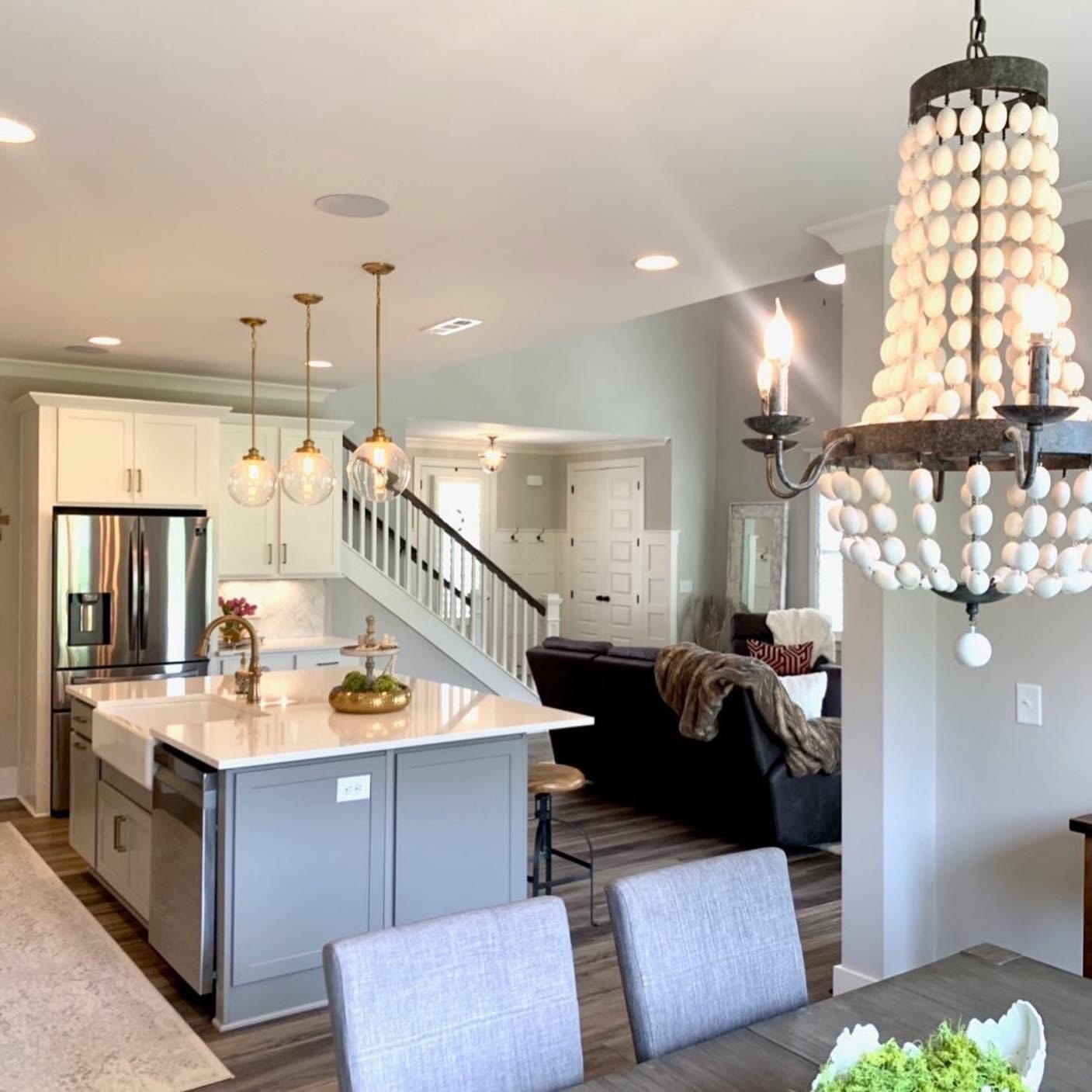
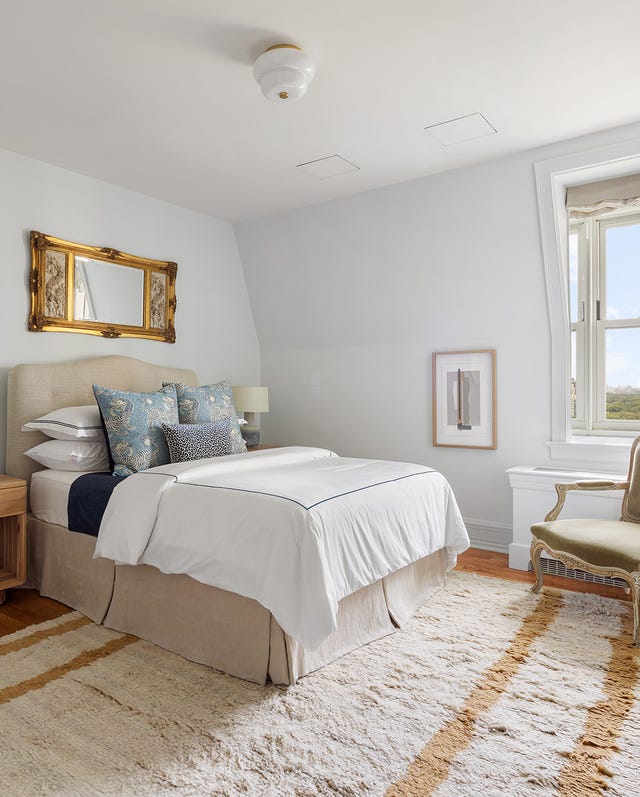
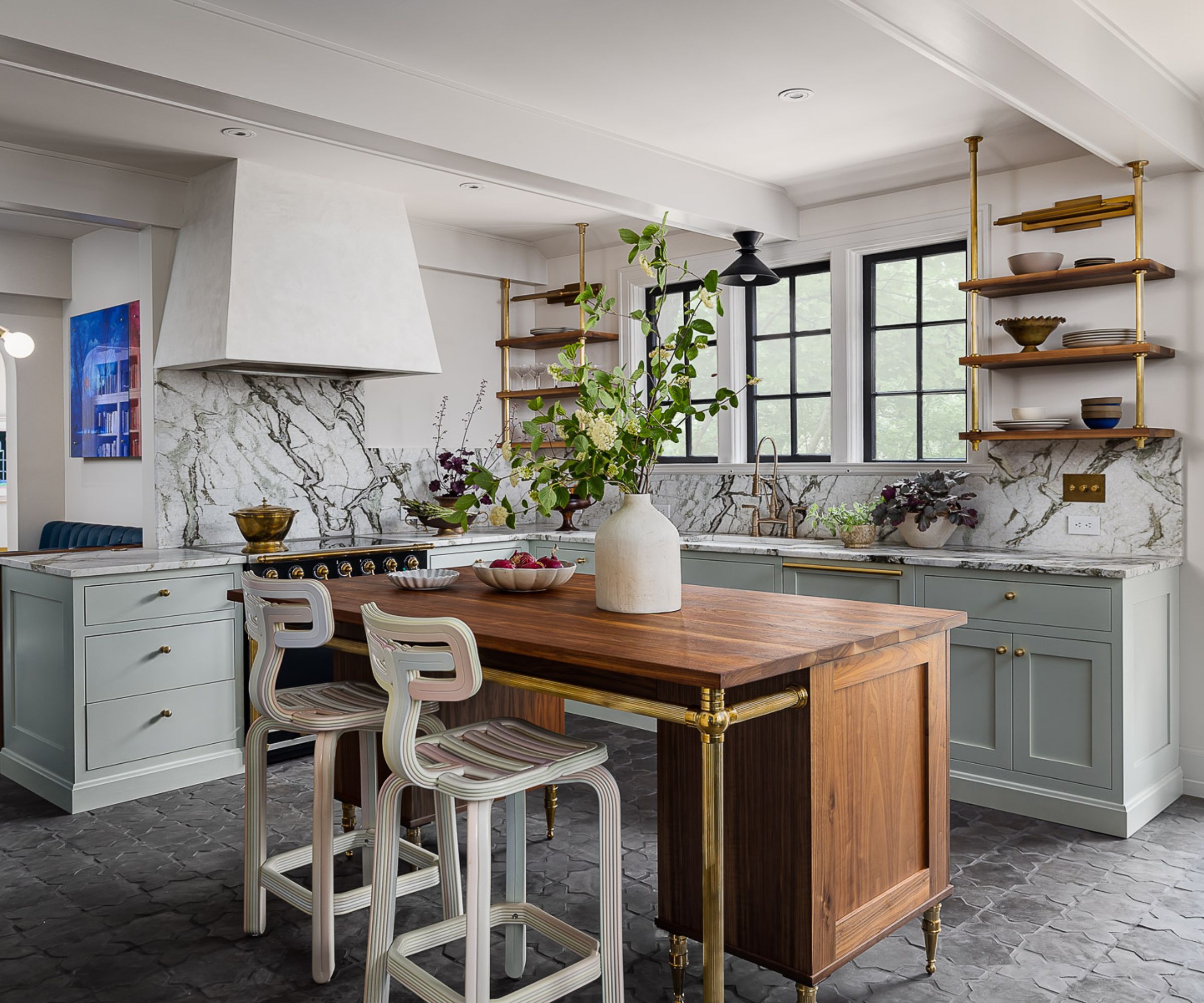
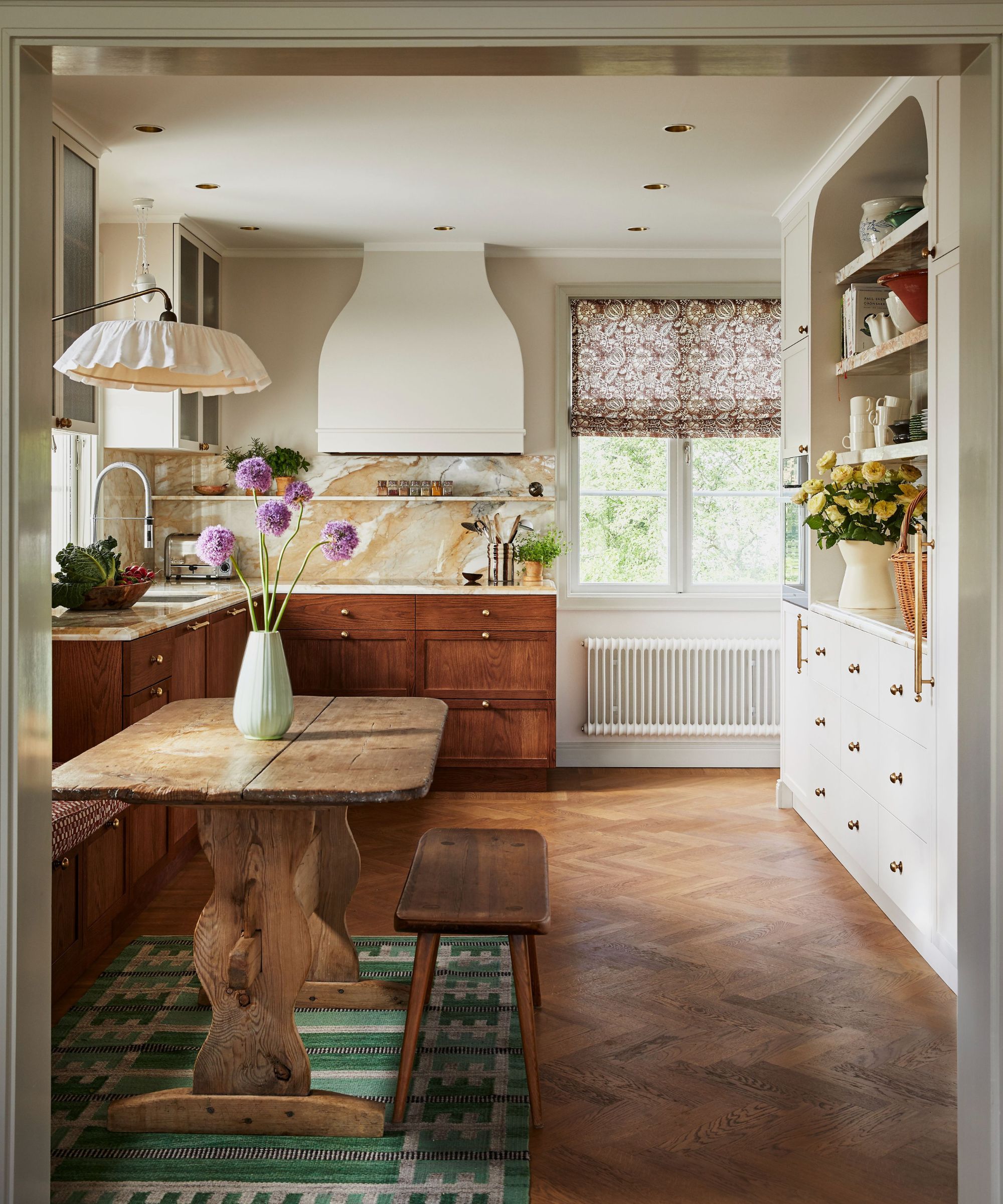
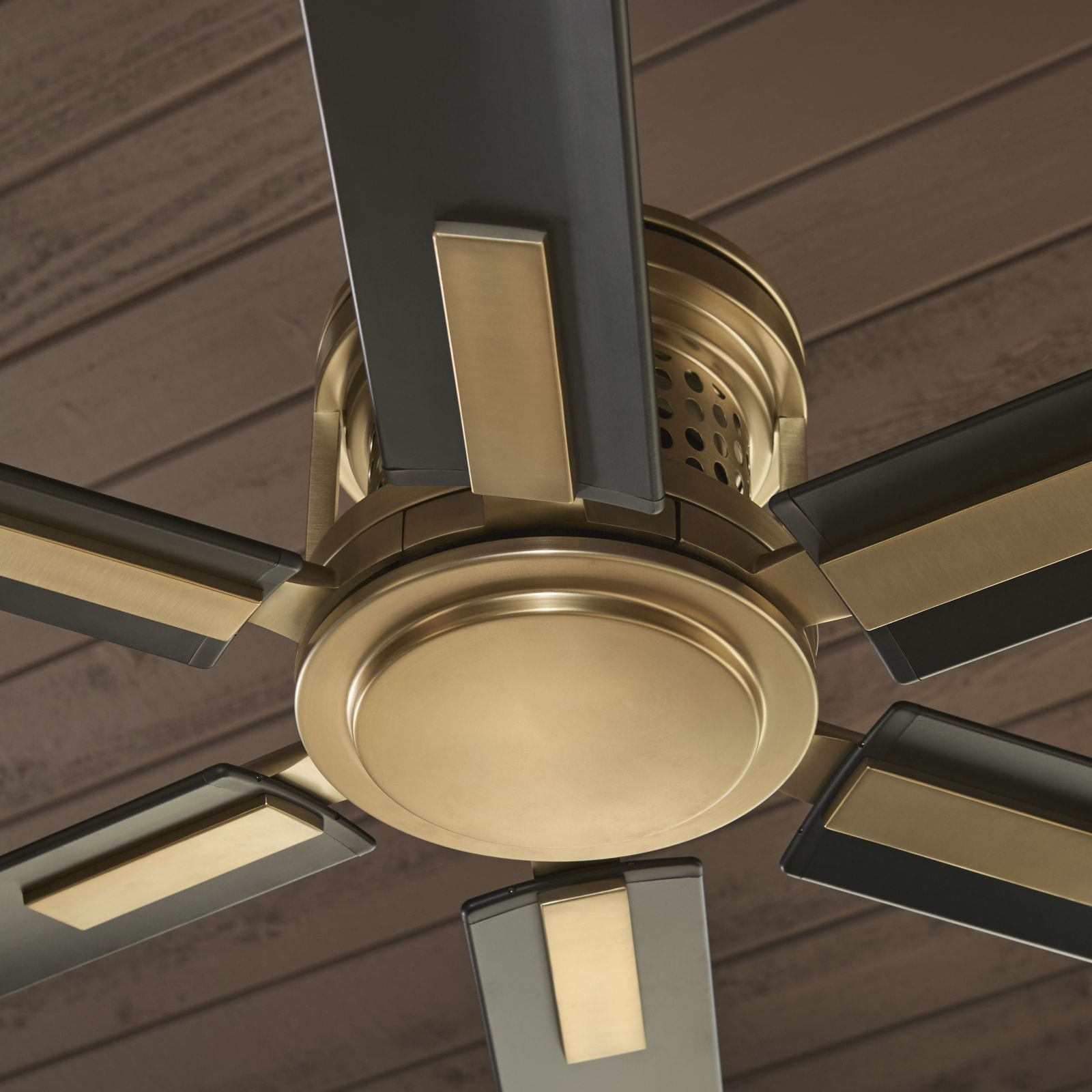
However, recessed lighting is not without its critics and drawbacks. Designers often lament its excessive and haphazard application, dubbing it "Swiss cheese" or "ceiling acne." The primary functional issue is its directional nature; as a spotlight from directly above, it can cast unflattering shadows on faces, making people appear tired. This characteristic makes it particularly unsuitable for areas like bathrooms where clear, diffused light is essential for tasks such as applying makeup or shaving. The installation process also presents challenges, as the hardware often resides above the ceiling, requiring careful planning around structural elements like beams and joists. This can lead to irregular layouts, often seen as a "random splattering effect," compounded by considerations such as proximity to ceiling fans (to avoid a strobe effect) and insulation requirements that limit fixture power to prevent overheating and fire hazards.
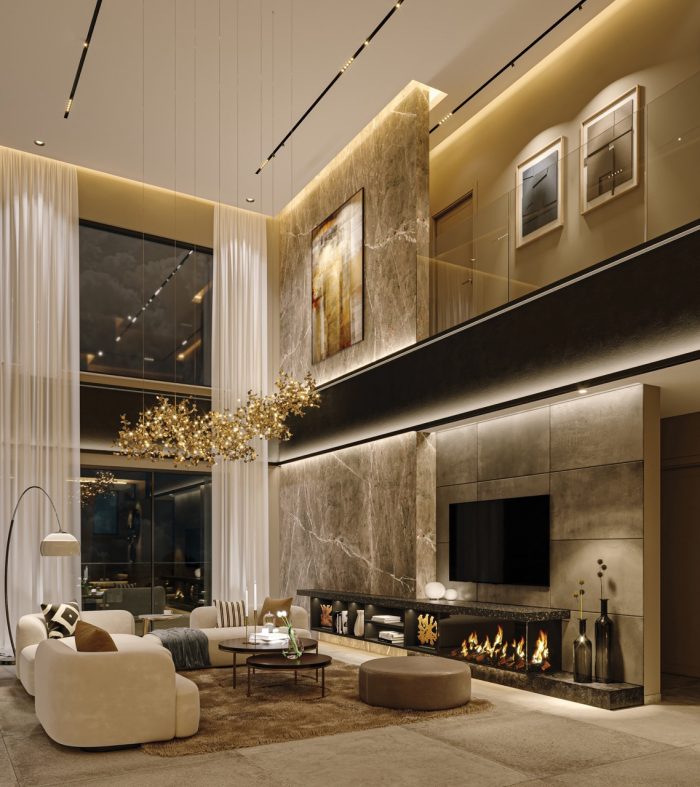
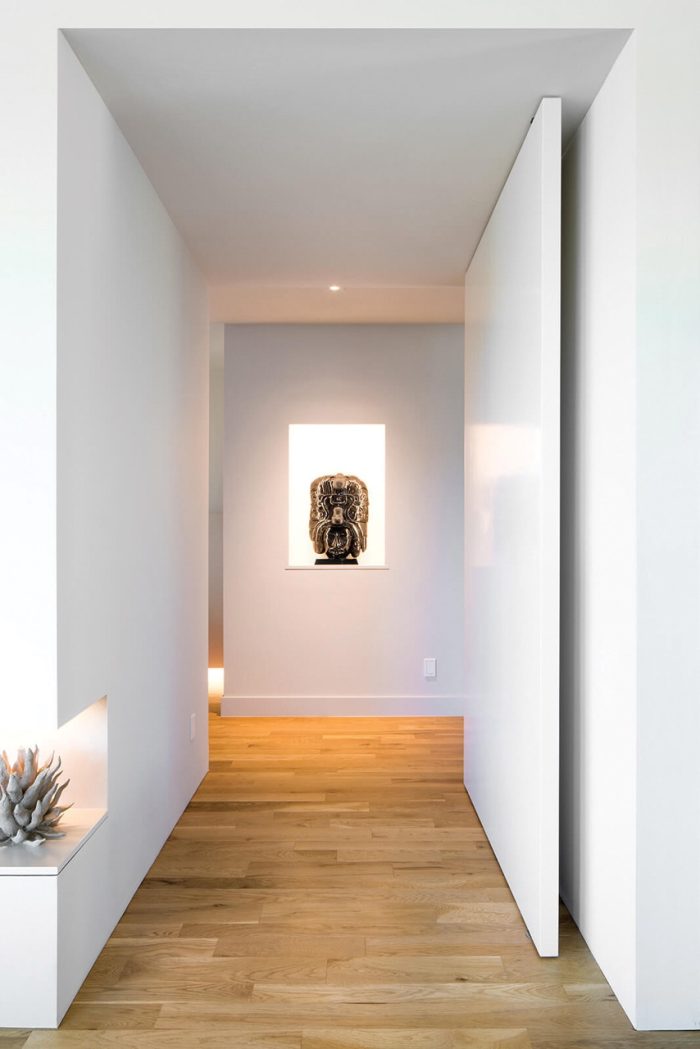
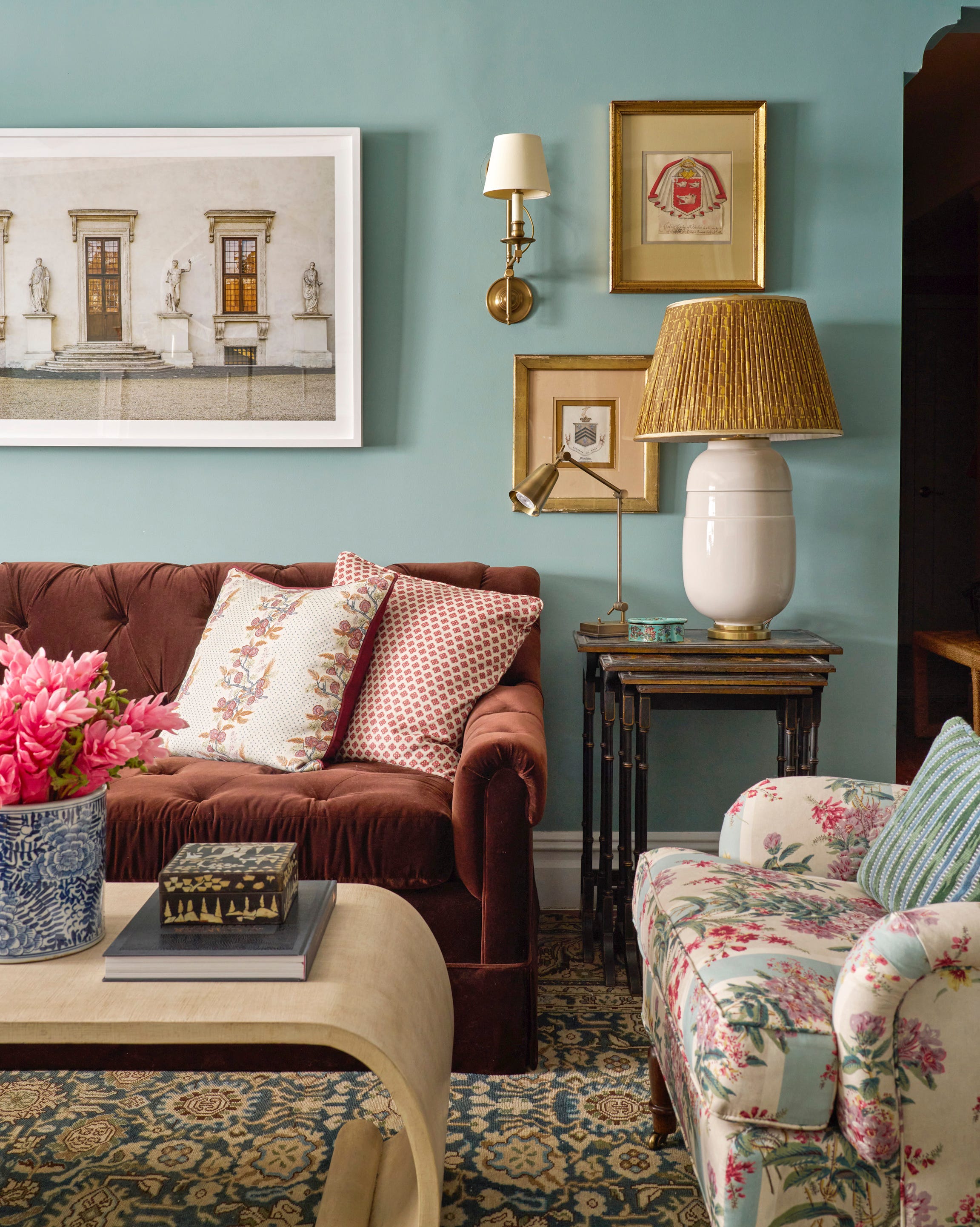
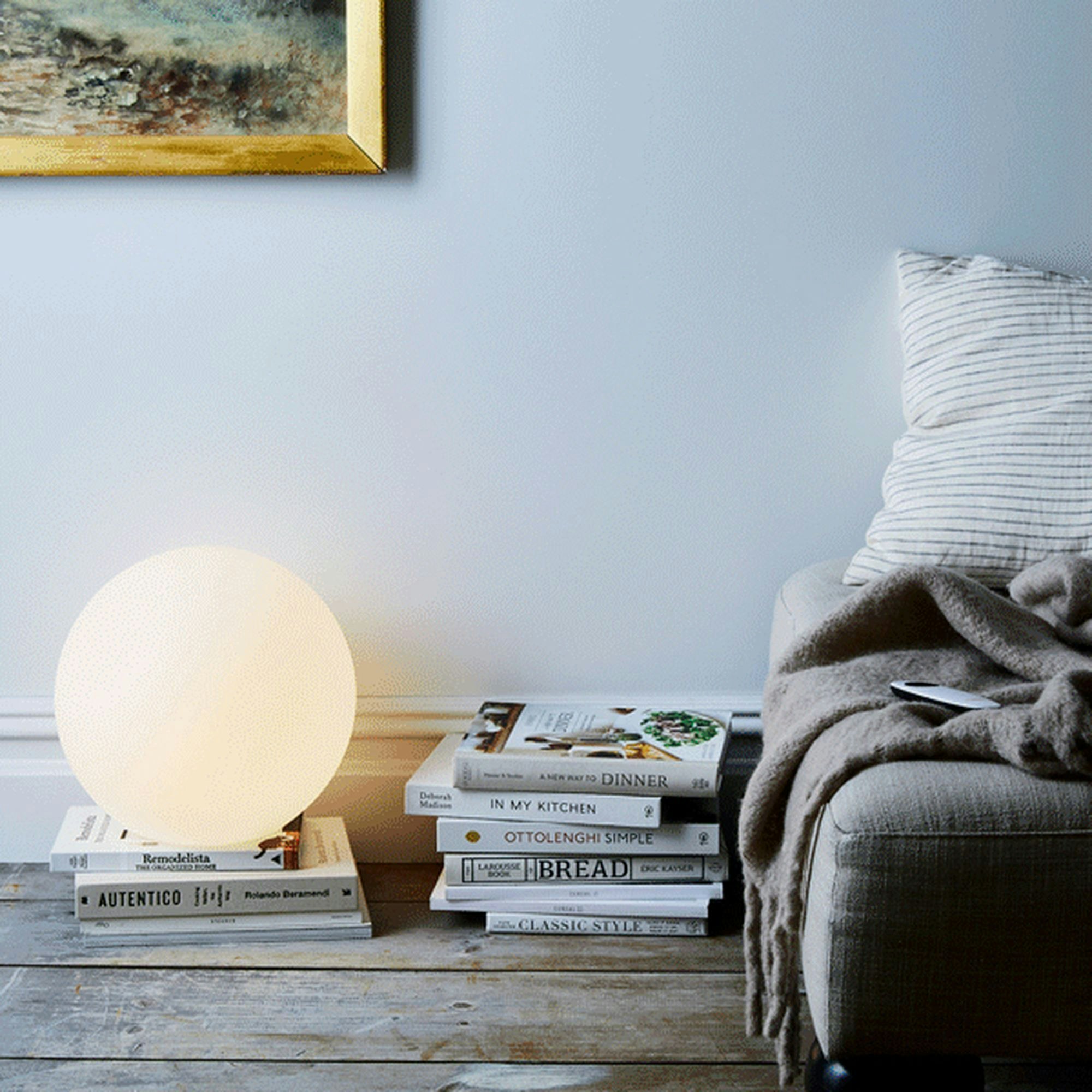
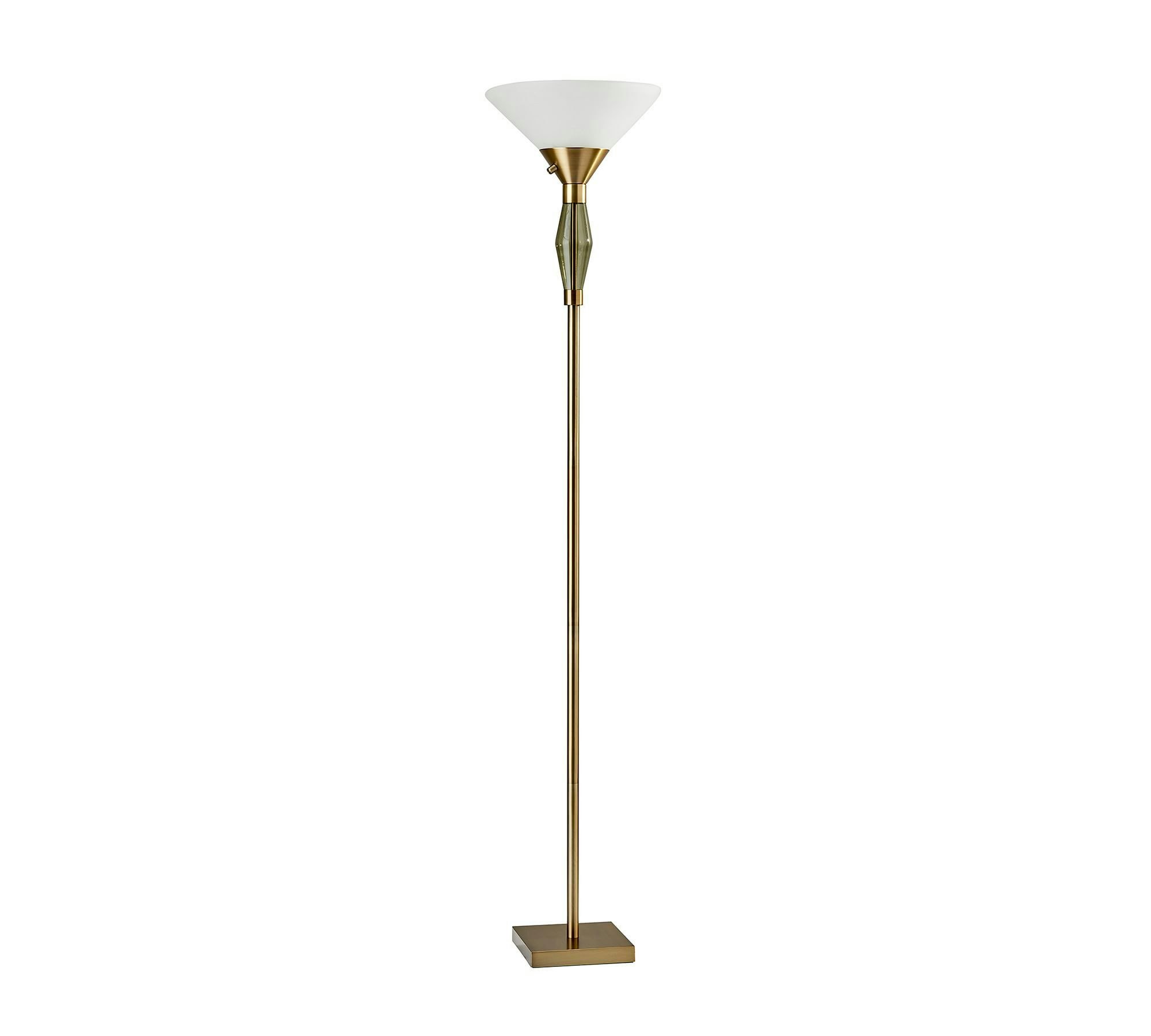
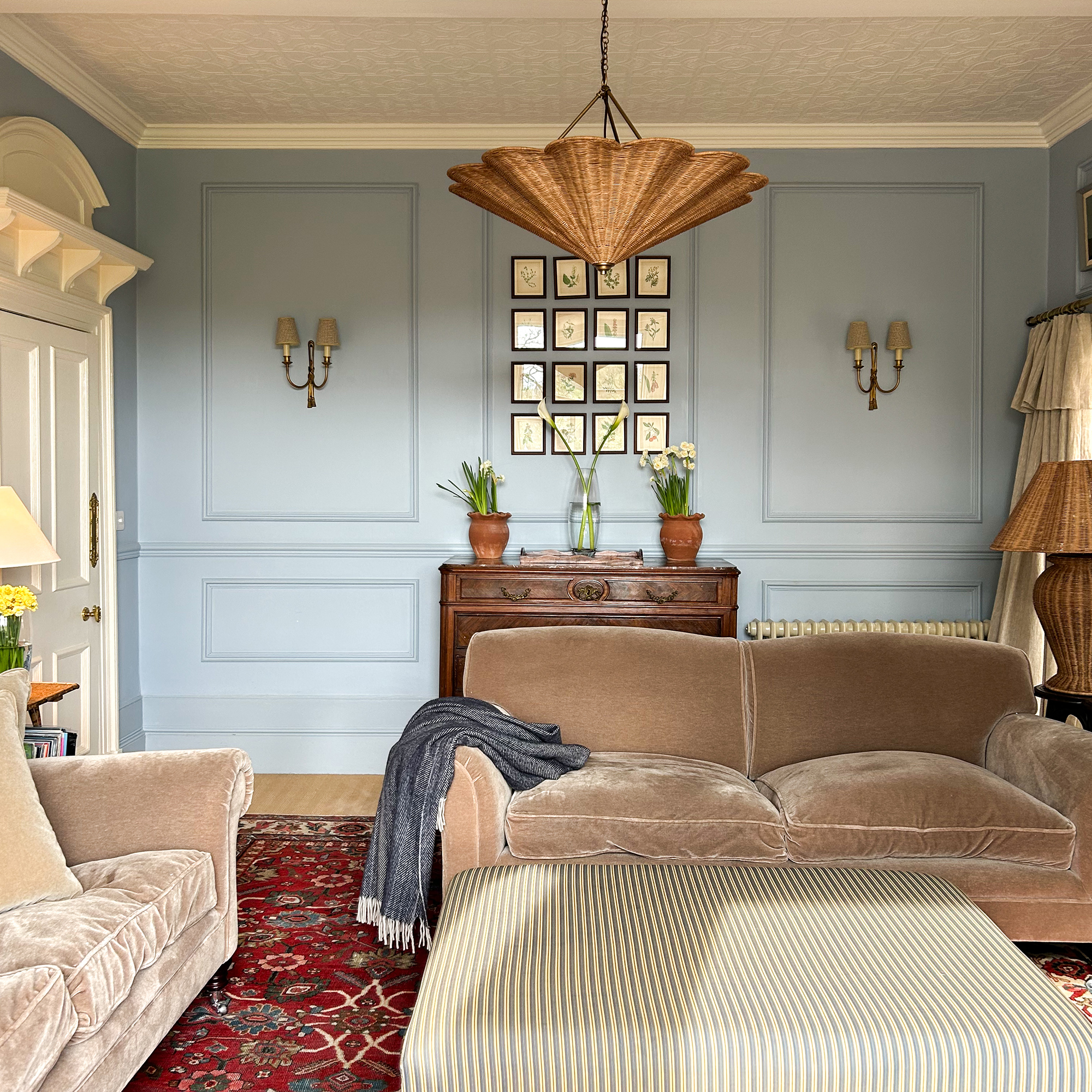
Despite these criticisms, experts acknowledge that recessed lights have their appropriate applications, such as highlighting artwork or illuminating work surfaces. The key to successful implementation lies in moderation and integration with other lighting sources. Over-reliance on recessed lighting alone can result in a harsh and uninviting ambiance. Complementing recessed lights with sconces, floor lamps, and other fixtures can create a more balanced and flattering lighting environment. Ultimately, while clients often request recessed lighting due to its perceived modernity and affordability, thoughtful design emphasizes its strategic use rather than its indiscriminate proliferation.
#RecessedLighting #HomeLighting #InteriorDesign #LEDTechnology #ArchitecturalLighting #HomeRenovation #ModernHomes #DesignTrends #LightingDesign #RecessedLighting #HomeLighting #InteriorDesign #LEDTechnology #ArchitecturalLighting #HomeRenovation #ModernHomes #DesignTrends #LightingDesign
0 comment in total
 No comments yet
You may also like
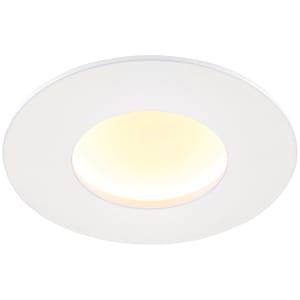
Downlights

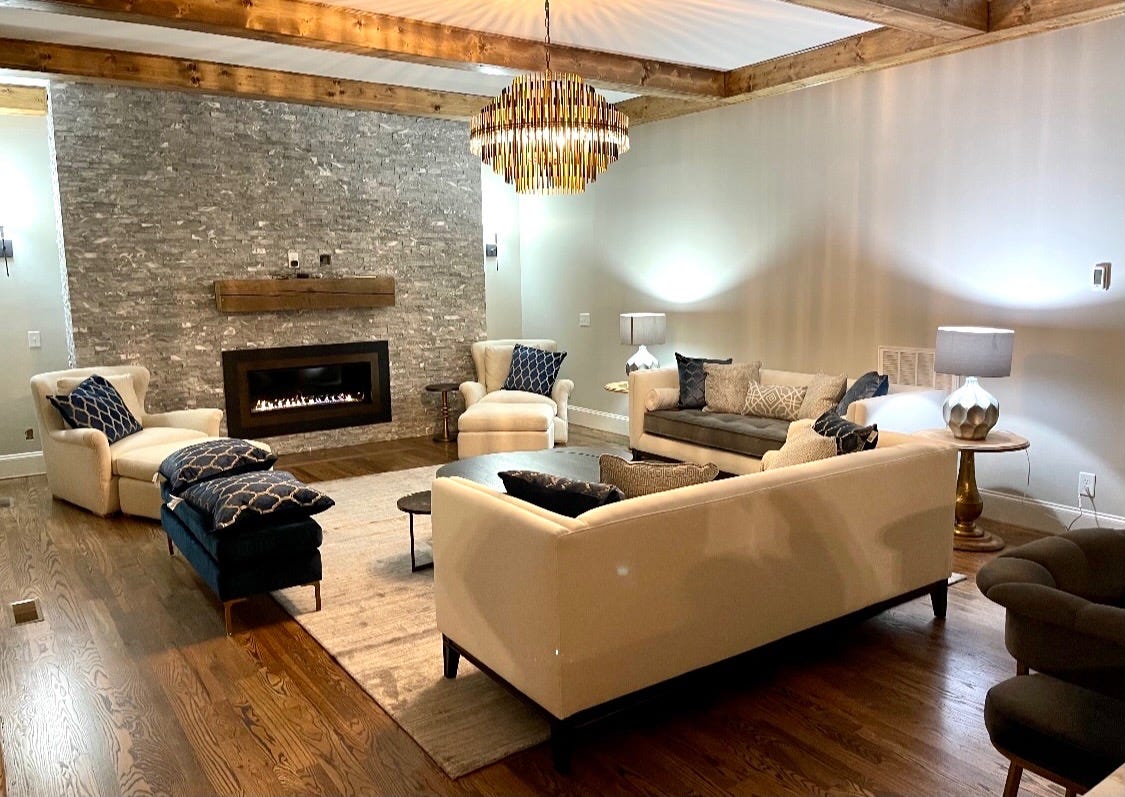
Proper lighting can add drama and coziness to any space

15 Lighting Products That Will Work in Any Home, From a Cramped Studio to a Windowless Basement
5 Lighting Trends That Are So Outdated, According to Designers

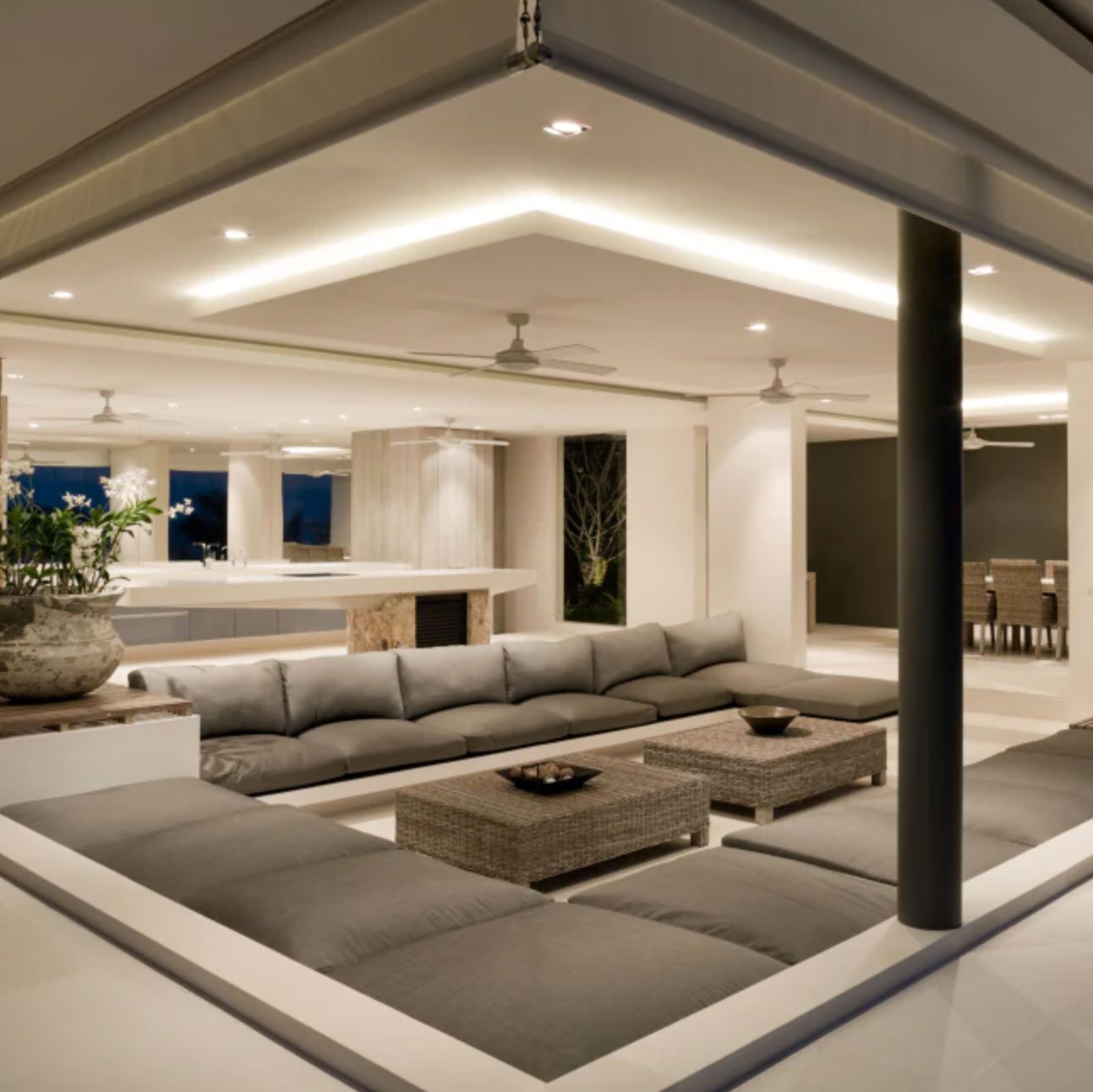
10 Best Recessed Lights to Buy for Your Home in 2025

Your "Boob Lights" Are Cheapening the Look of Your Home—Here's How Designers Fix Them

6 Outdated Lighting Trends to Skip in 2024, According to Designers
New lighting? Designers offer tips for upgrades that shine.

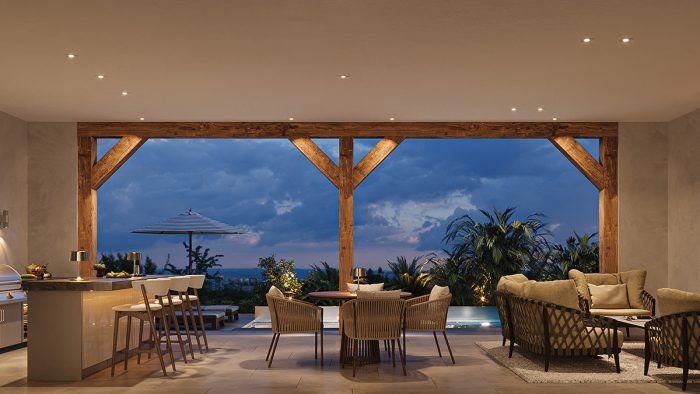
A Recessed Downlighting Guide for Every Budget

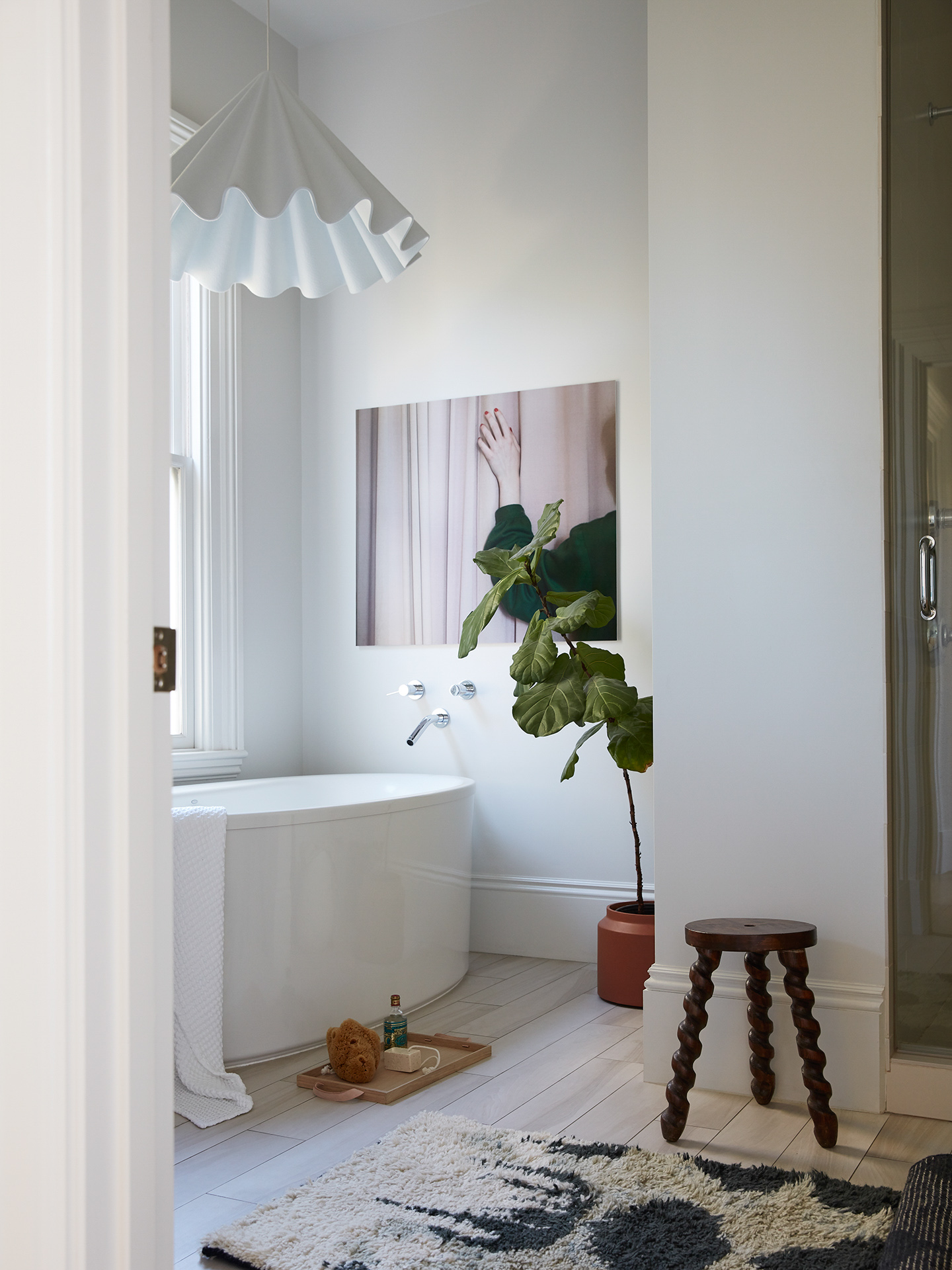
The One Lighting Feature Designers Hate But Home Buyers Love

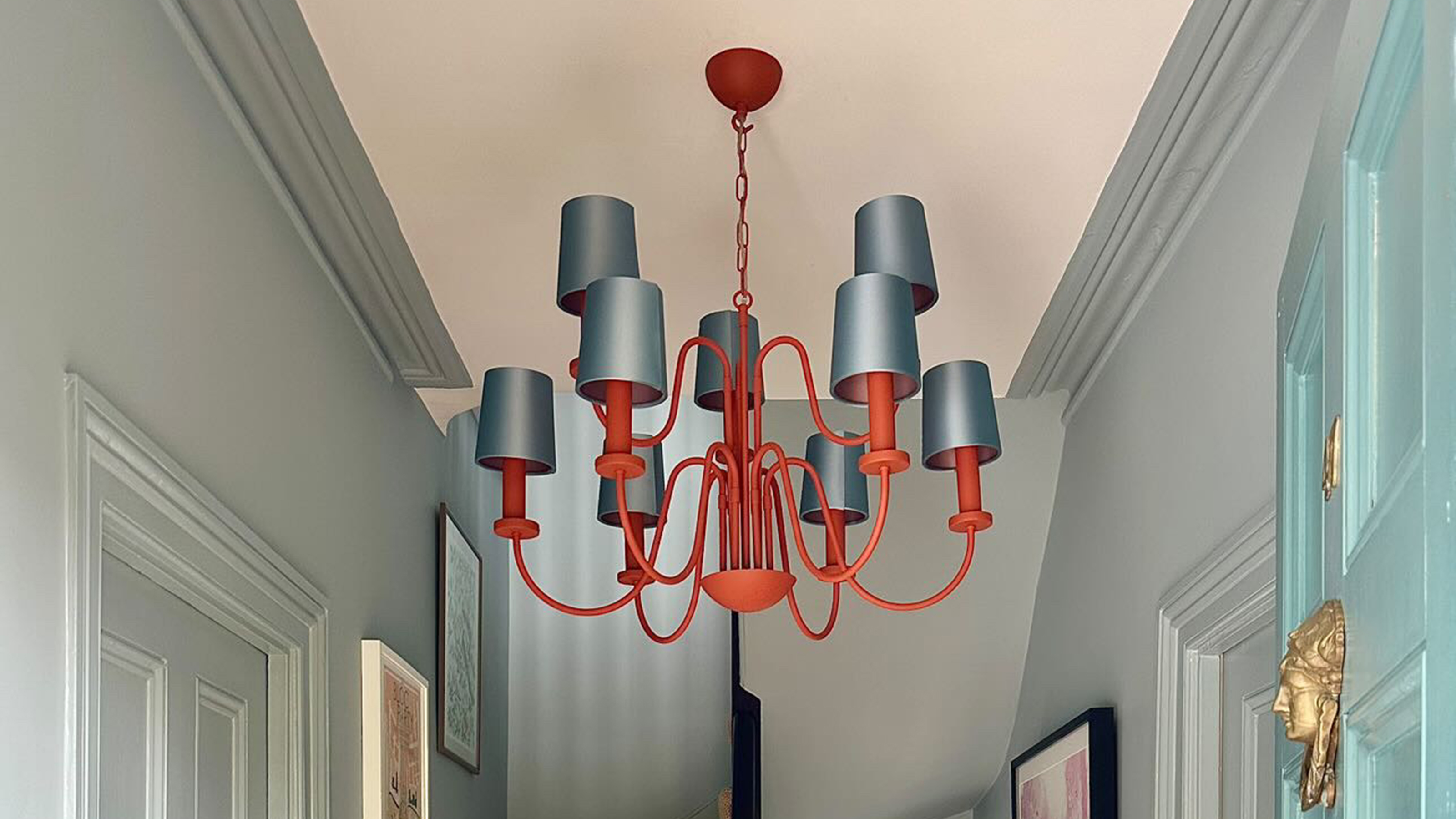
I'm sharing my little black book of lighting – where I find big statement pieces at prices much smaller than you'd imagine
Chic Lighting Fixtures - Lighting To Redecorate Your Rooms

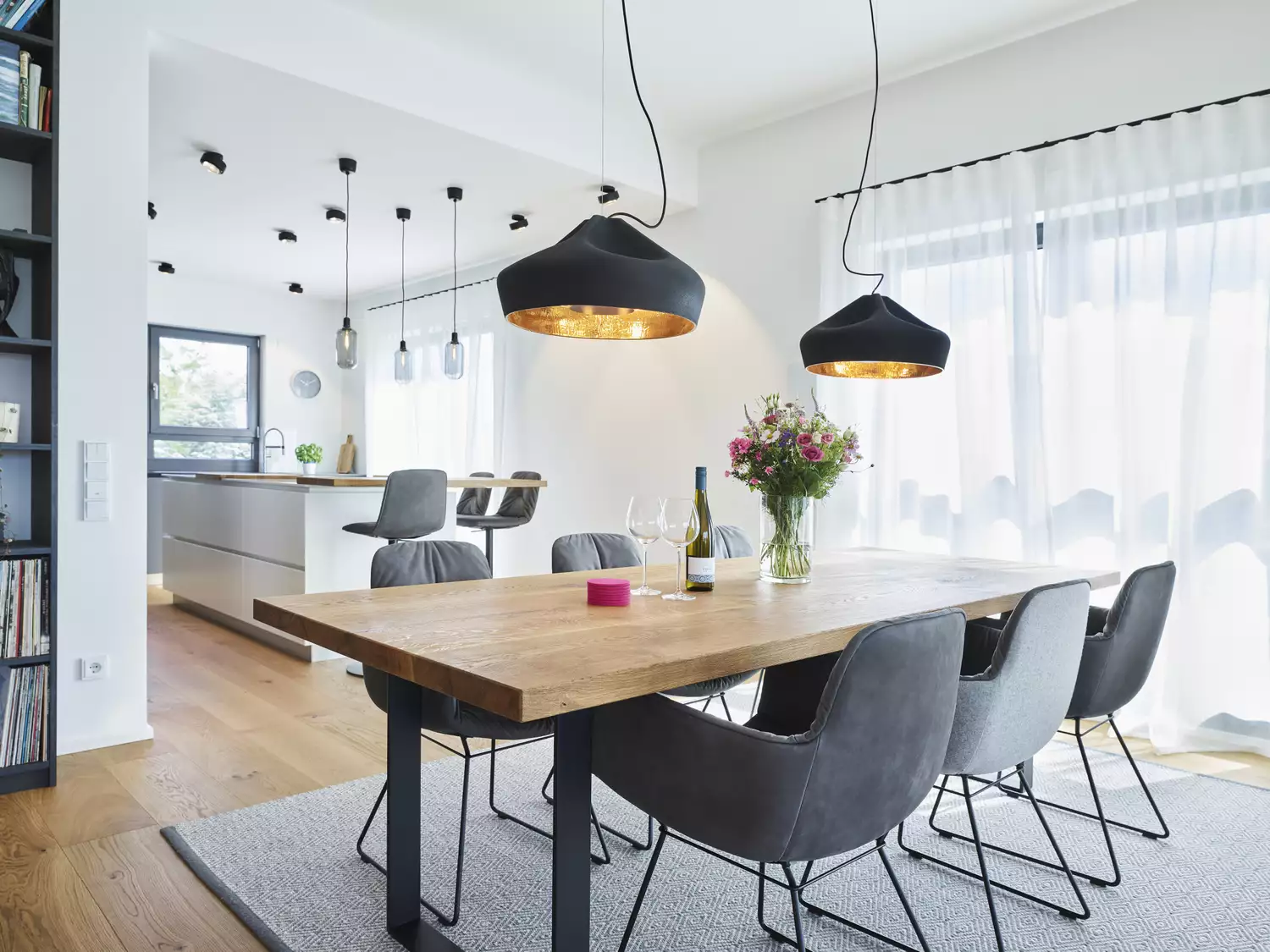
6 Outdated Lighting Trends to Avoid in 2025, According to Interior Designers
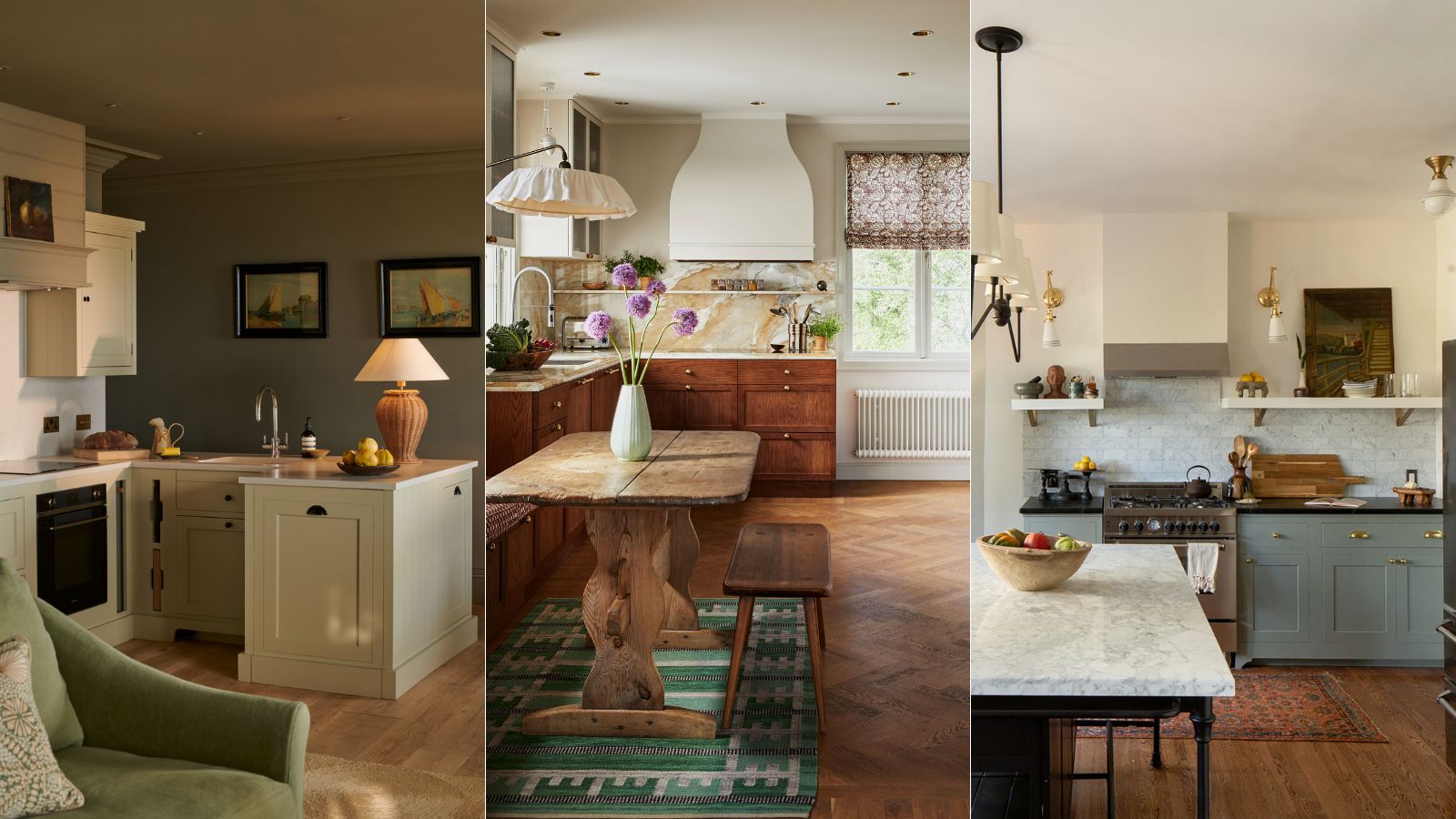
Why I regret using recessed lights in my kitchen remodel

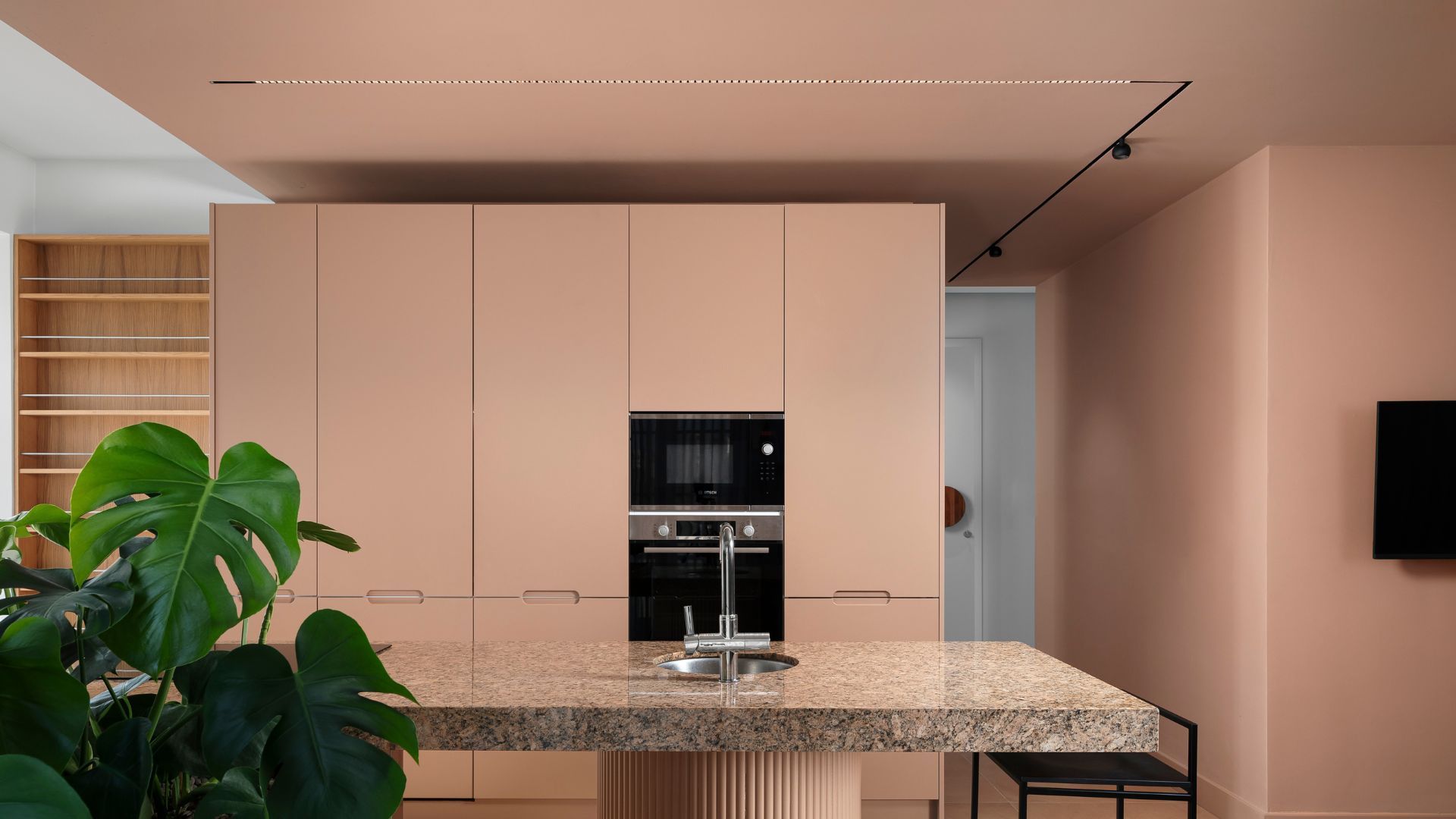
Have We Evolved Beyond Spotlights? Why Designers Aren't Choosing This Lighting Anymore, and Where It Still Comes in Handy

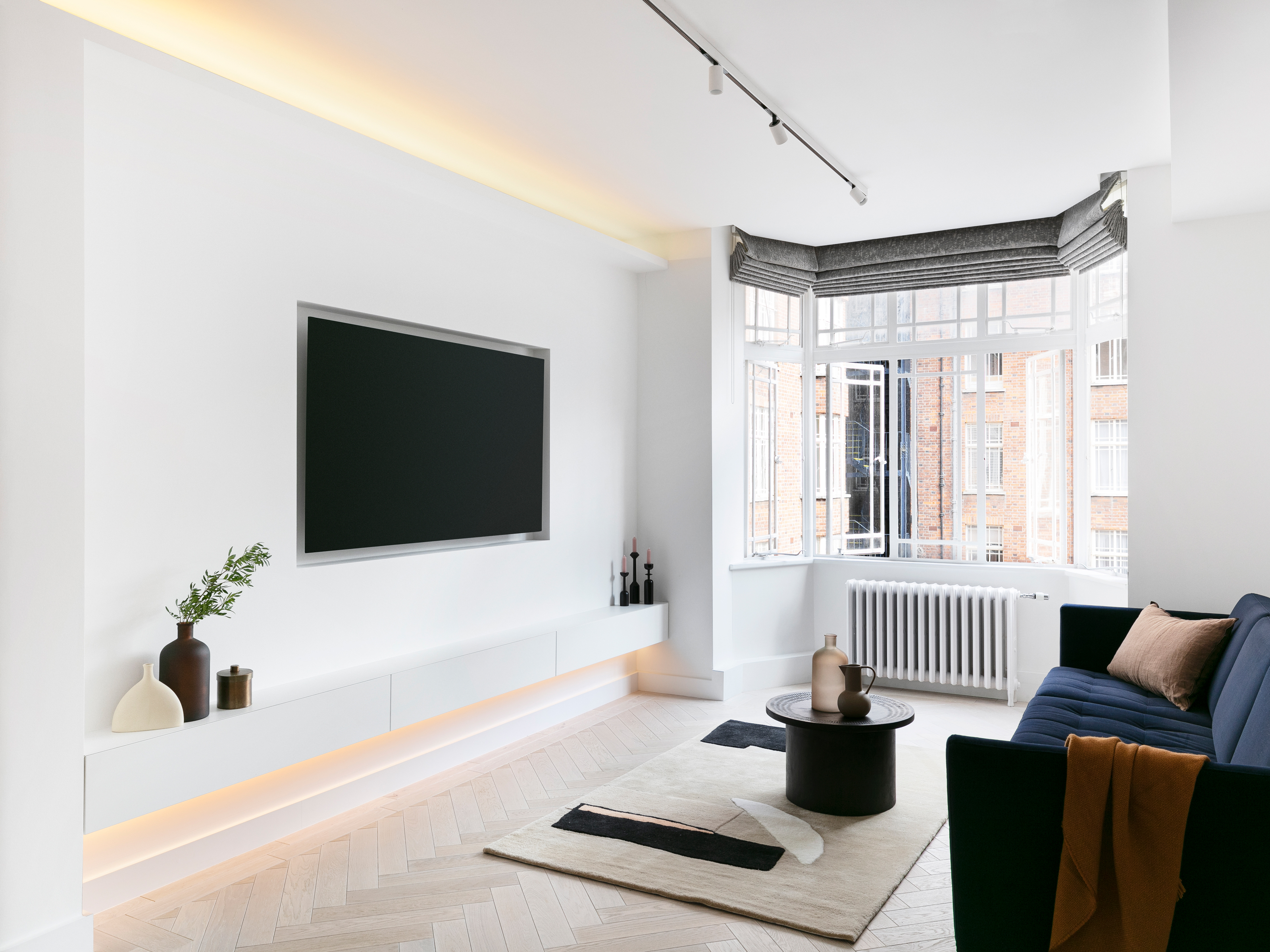
These genius LED lighting ideas look super luxe, but are surprisingly easy to recreate yourself
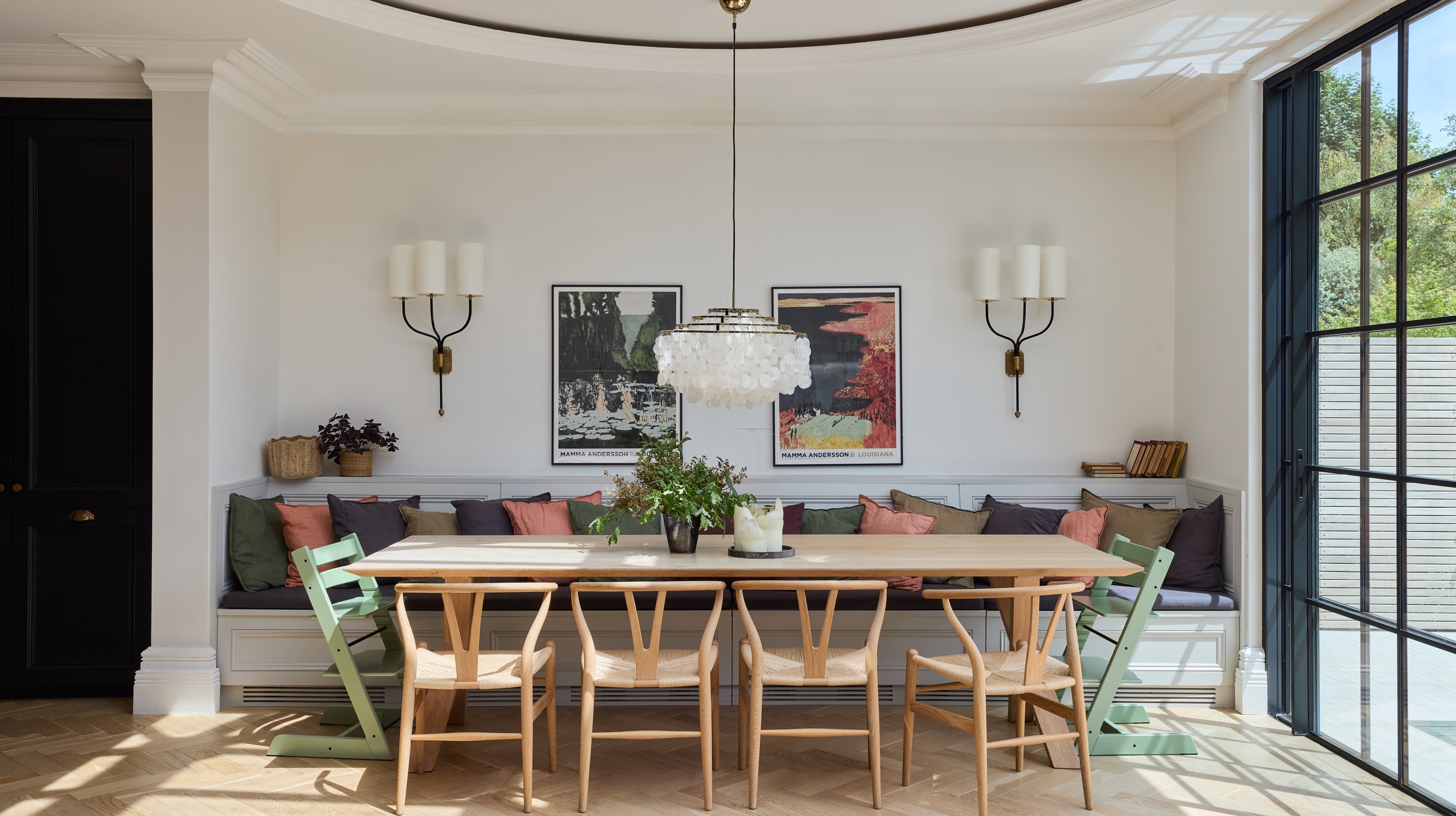
7 Outdated Lighting Trends to Avoid in 2026 Renovations — And What You Should Be Doing Instead
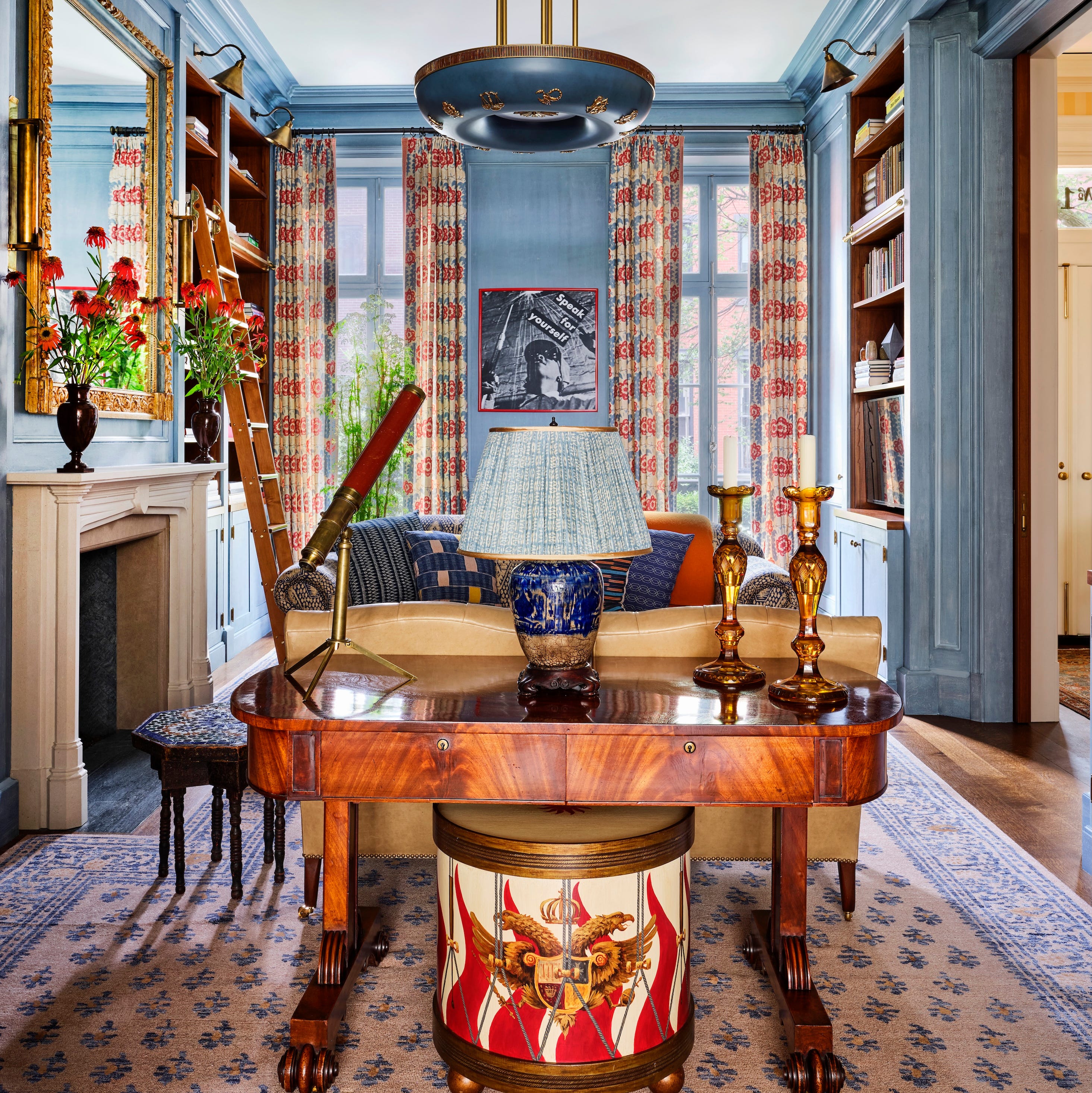
These Lighting Trends Will Be Everywhere in 2026, According to Designers

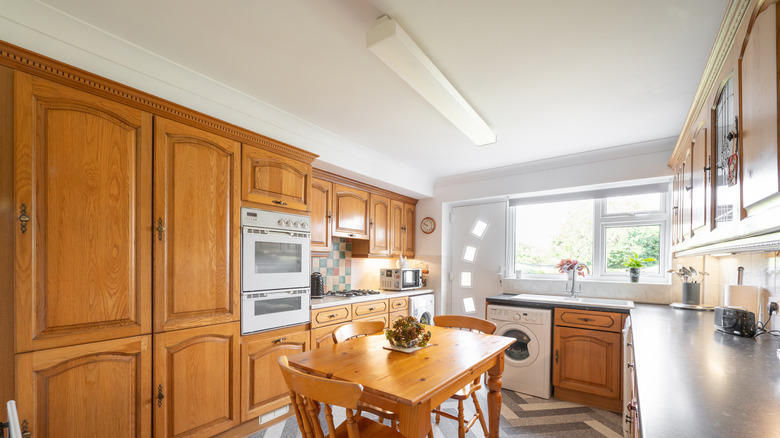
Kitchen Lighting Mistakes That Are Making Your Space Look Dated
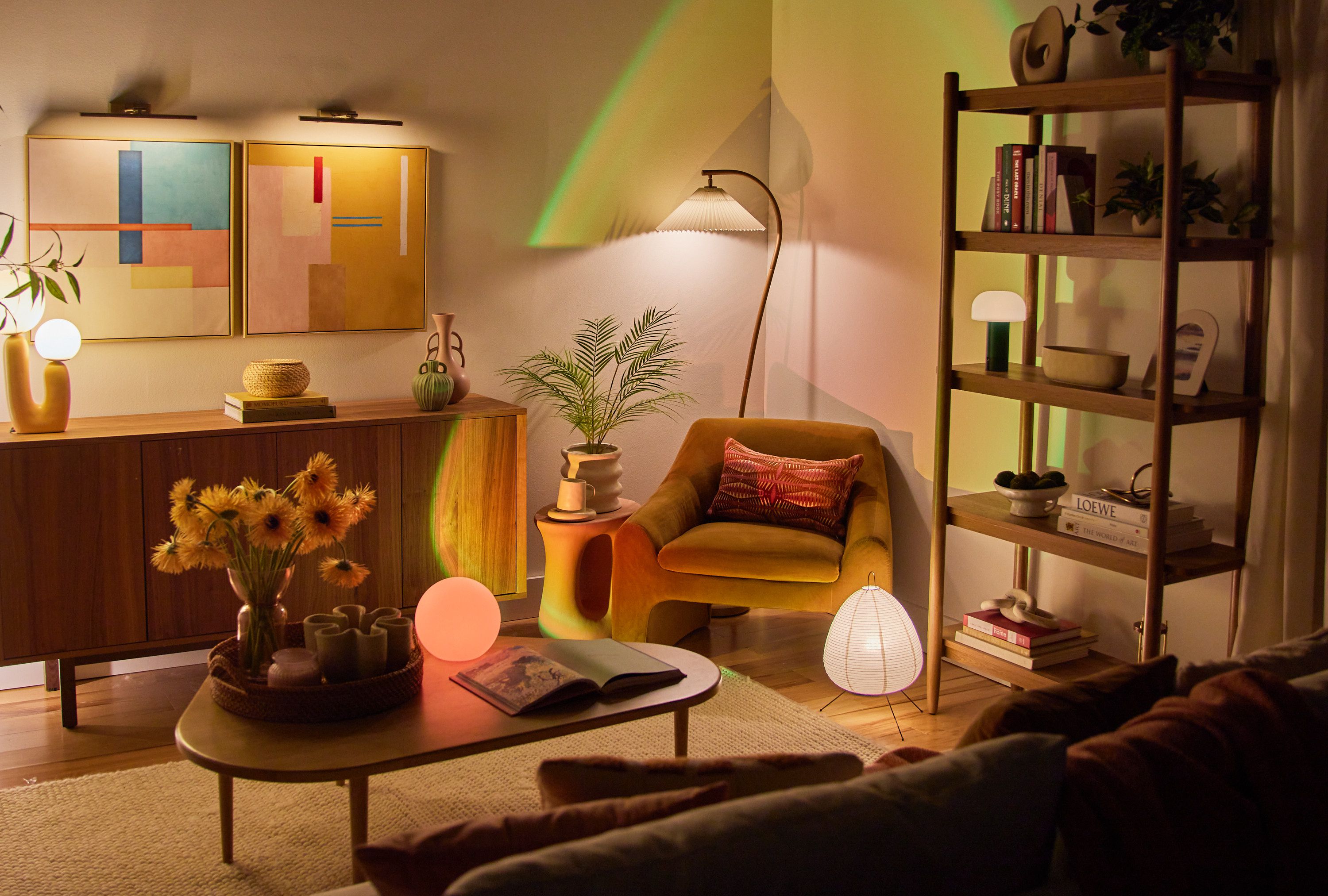
6 Little Light Ideas that Will Let You Say Goodbye to the Big Light for Good