The One Lighting Feature Designers Hate But Home Buyers Love
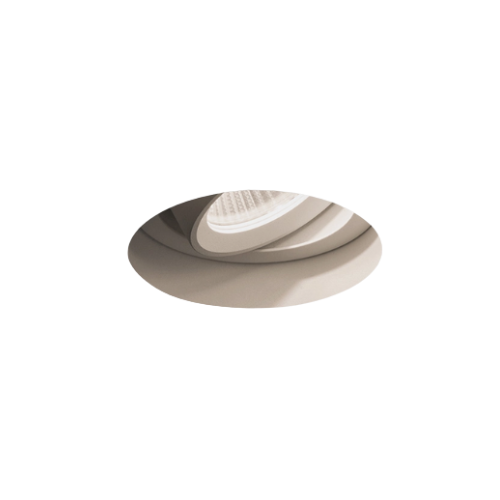
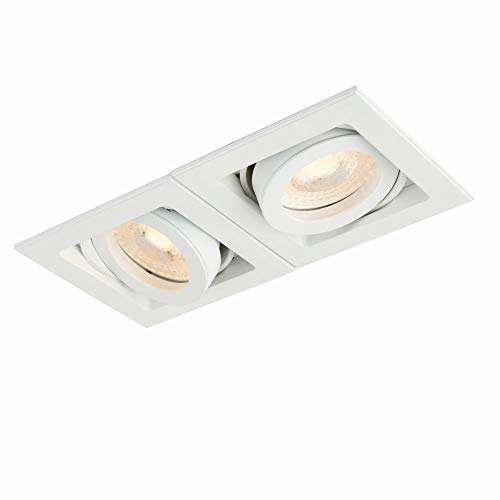
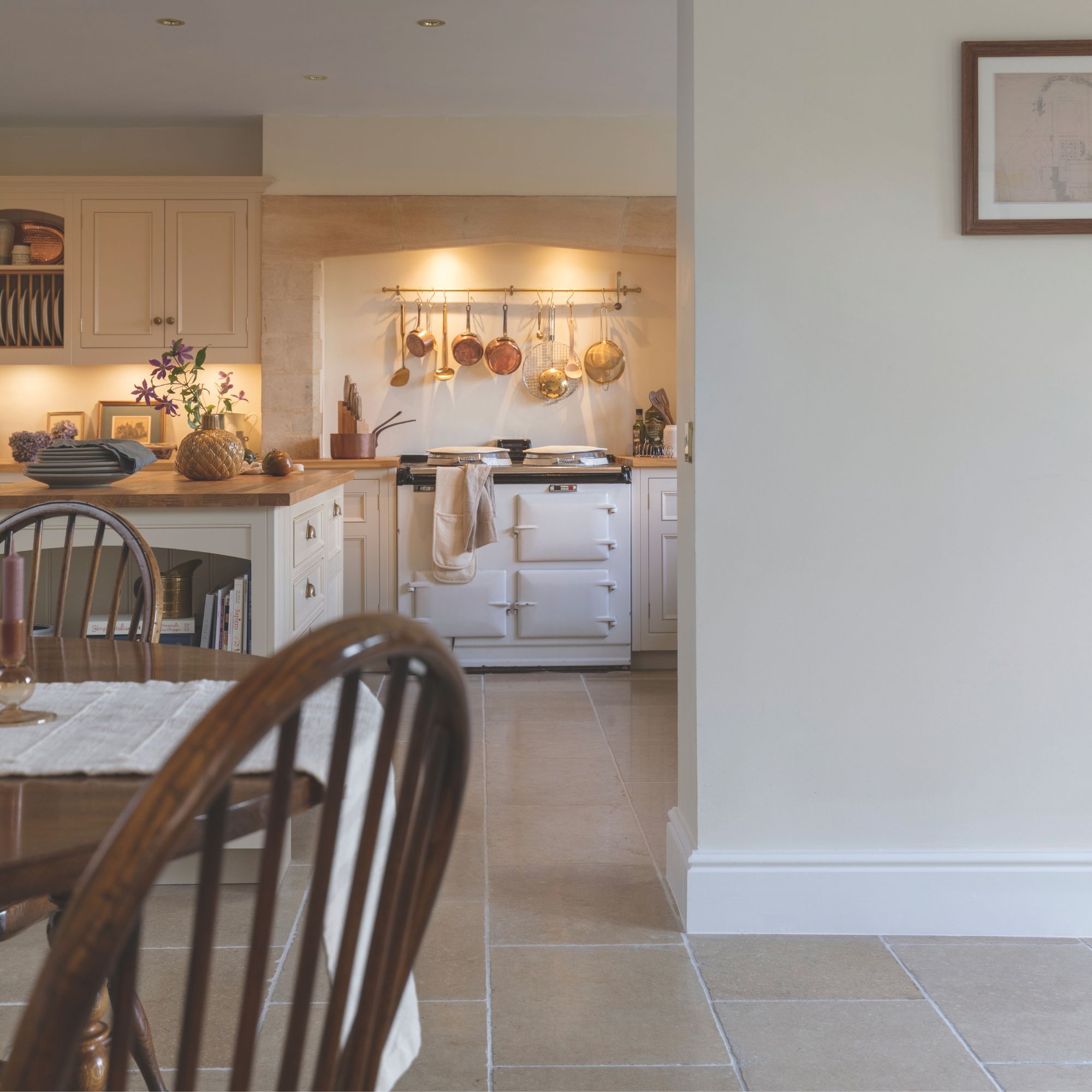
Recessed lighting, often referred to as can lights, presents an interesting dichotomy in the real estate and interior design worlds. While these fixtures are highly favored by home buyers and rank as the third most valuable element in a house, according to Redfin's spring 2022 data—following only a new kitchen and a front patio—they are widely disliked by professional interior designers. Designers often find builder-grade recessed lighting to be unappealing and restrictive. Robert McKinley, for instance, expresses strong disapproval for these fixtures, and Sean Ronnie Hill of Rise Design Studio prefers lighting that offers flexibility and movement rather than being fixed over a single focal point.
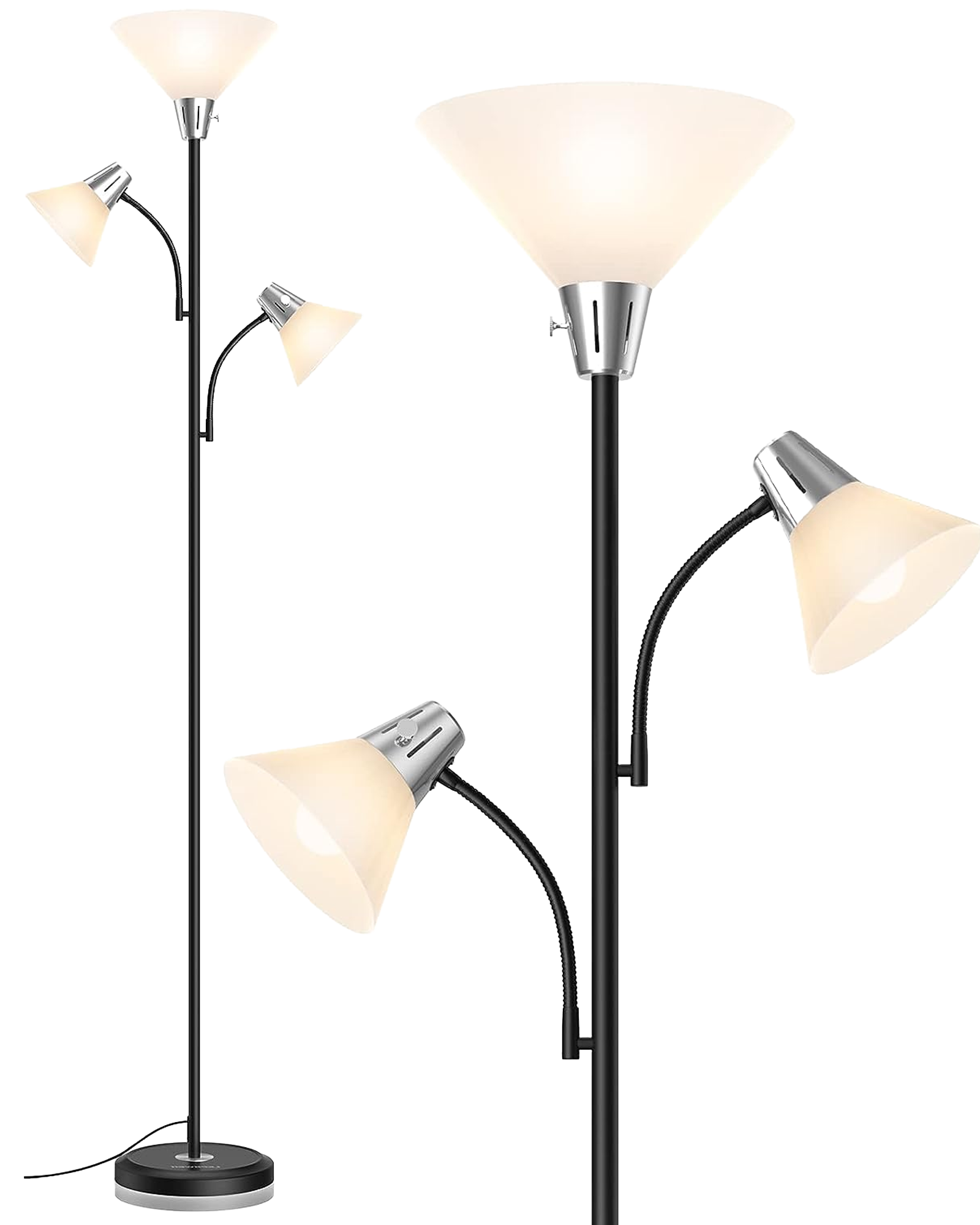
Despite designers' reservations, the popularity of recessed lighting among home buyers means that many homes are equipped with this type of illumination. For homeowners who find themselves with these ubiquitous, yet often uninspiring, lighting fixtures, several straightforward solutions exist to enhance their aesthetic and functionality without undertaking extensive or costly renovations. These solutions aim to mitigate the common complaints associated with recessed lighting, such as harsh glares and a lack of ambiance.
One effective method to improve recessed lighting is the installation of dimmer switches. A significant issue with can lights is their tendency to produce a stark, almost fluorescent glare, which can create an unwelcoming atmosphere. By integrating dimmer switches, homeowners gain control over the light intensity, allowing them to adjust it to create a softer, more inviting mood. Further enhancing this effect, opting for warmer-toned lightbulbs can significantly mellow the overall glow, contributing to a more comfortable and aesthetically pleasing environment.
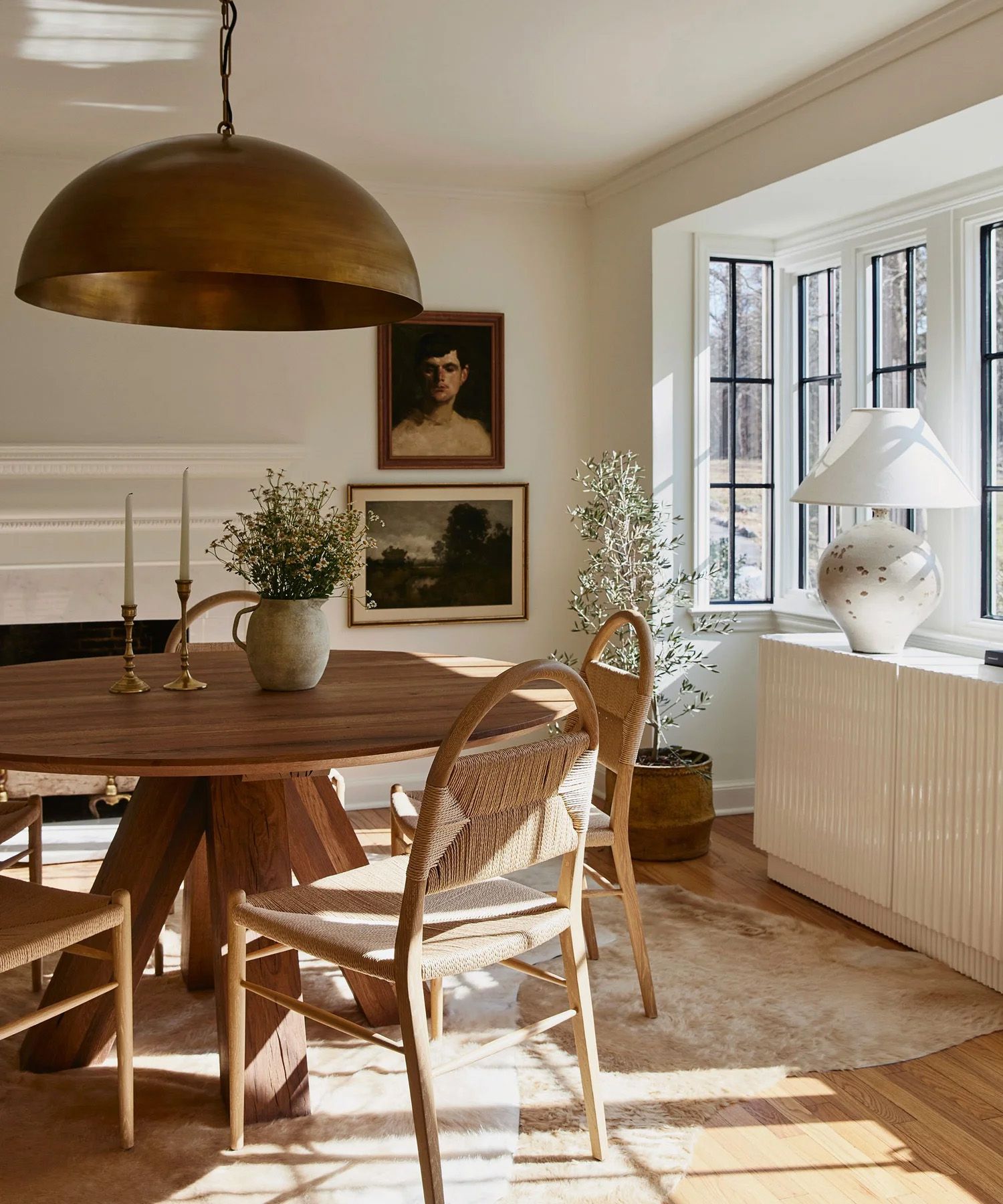
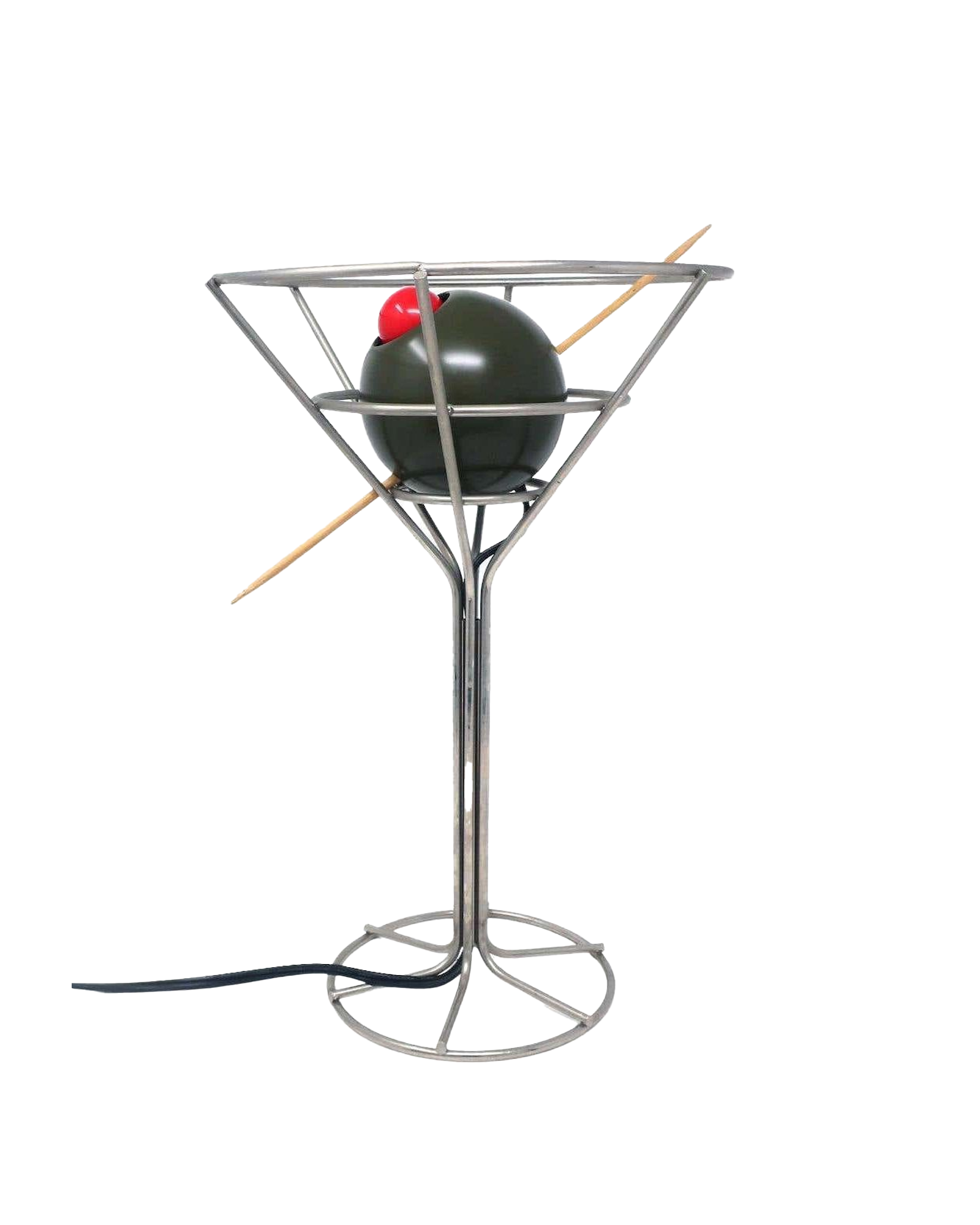
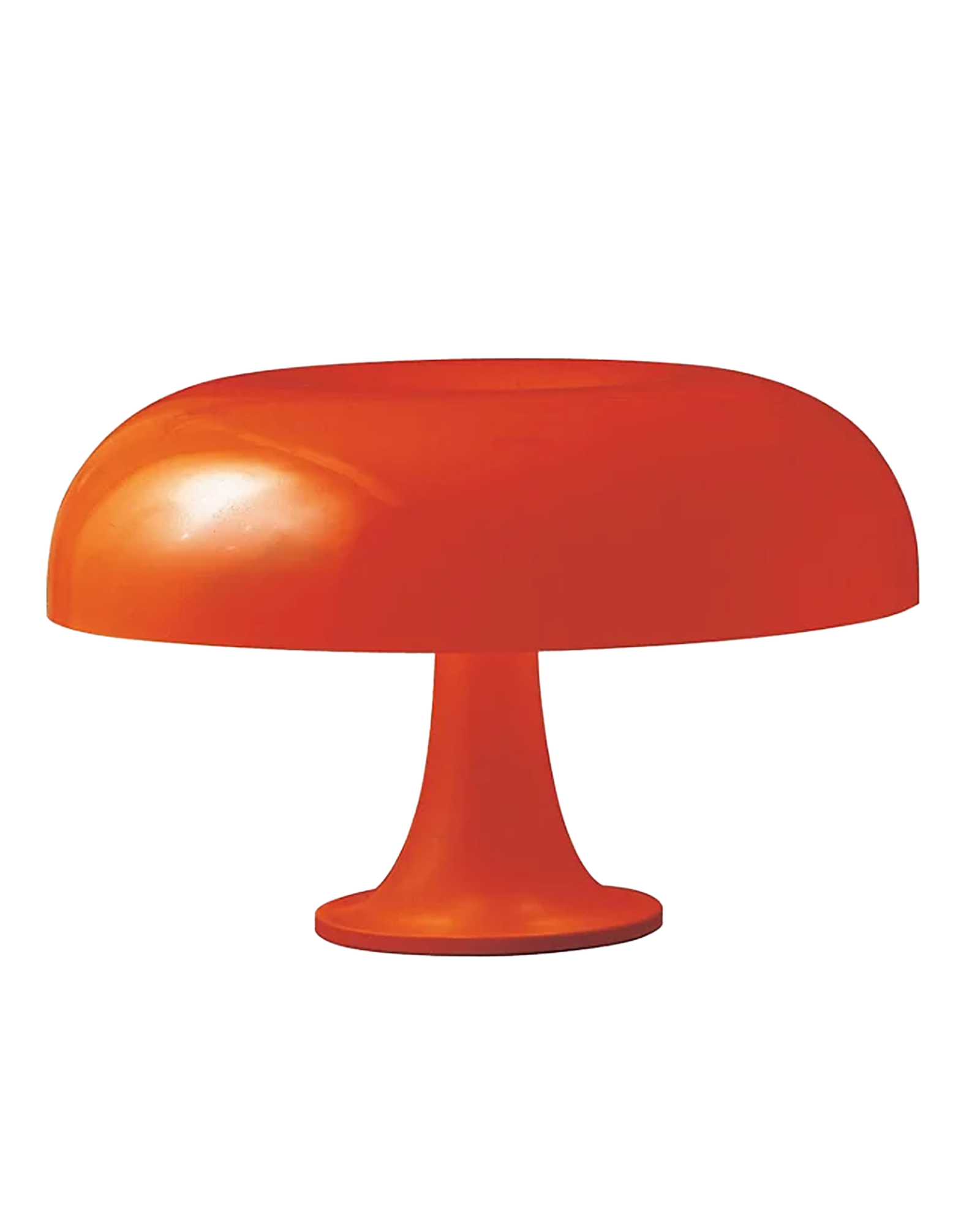
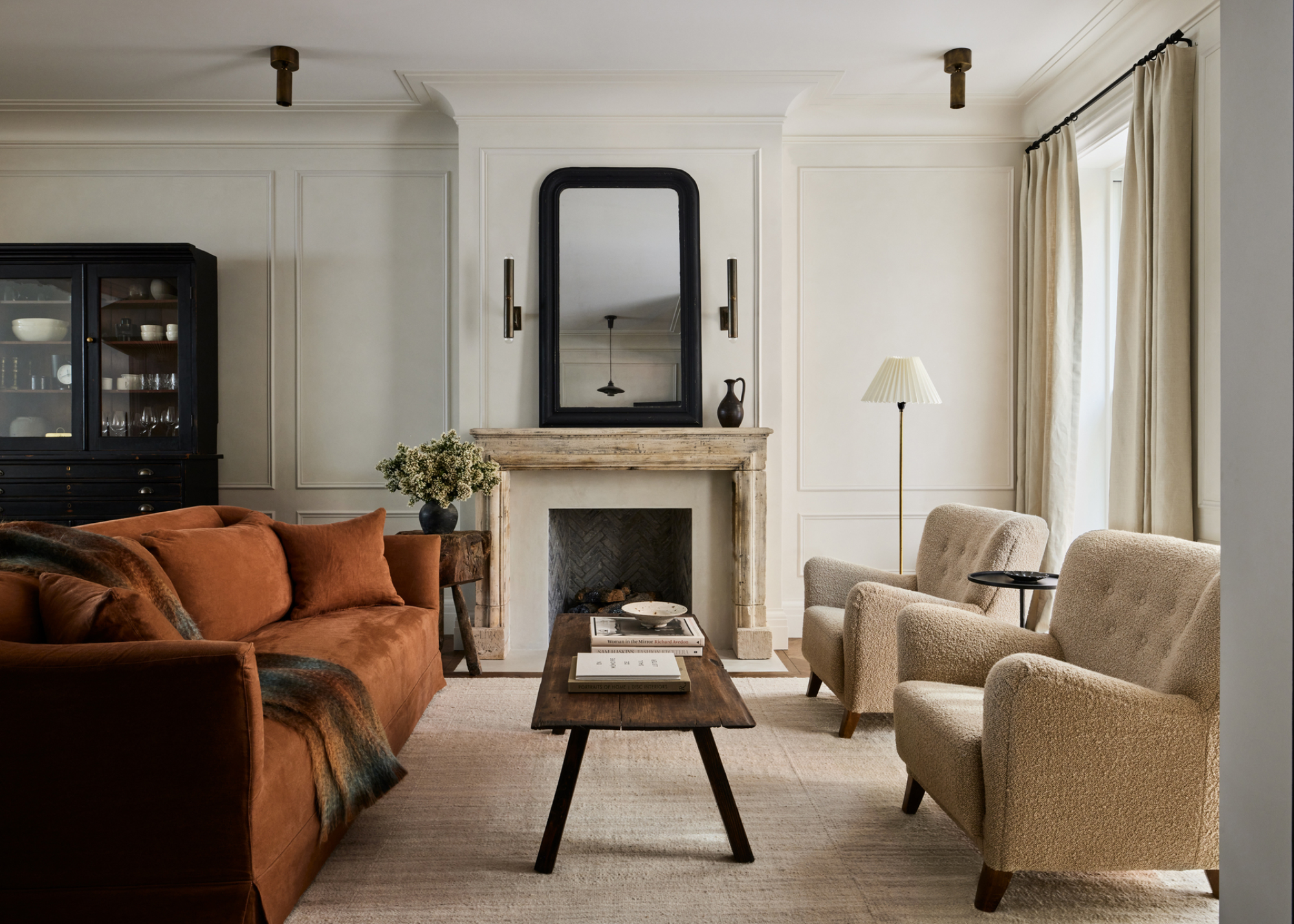
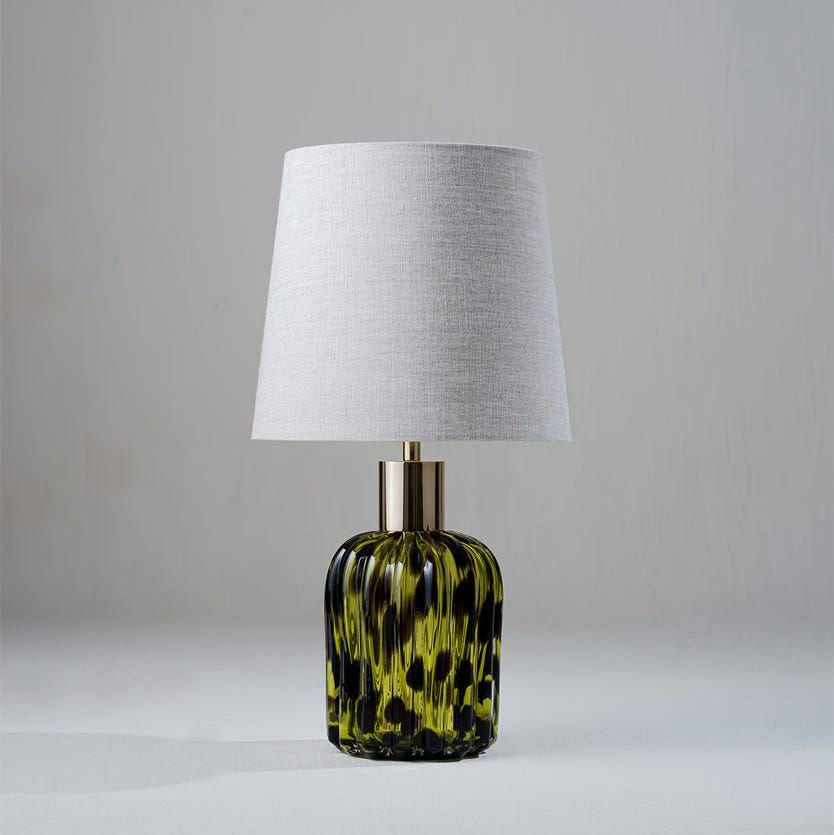
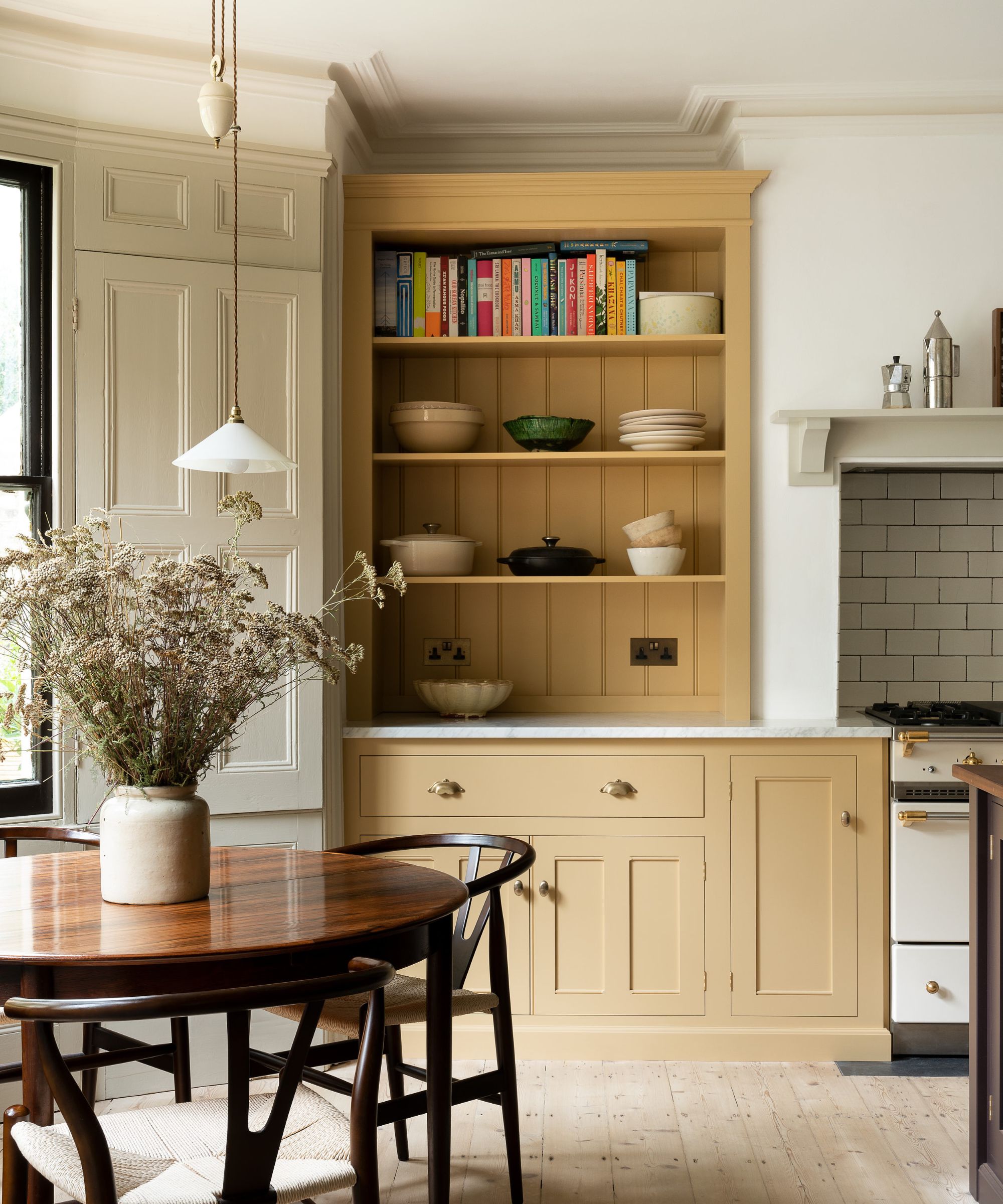
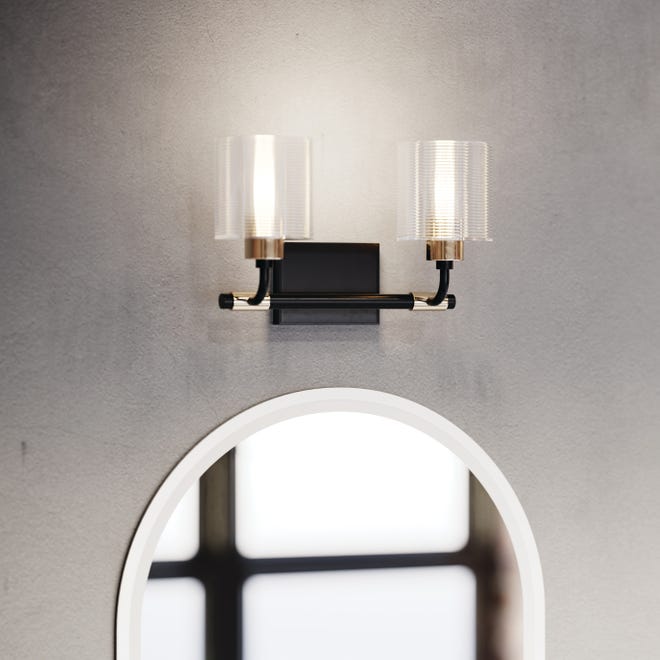
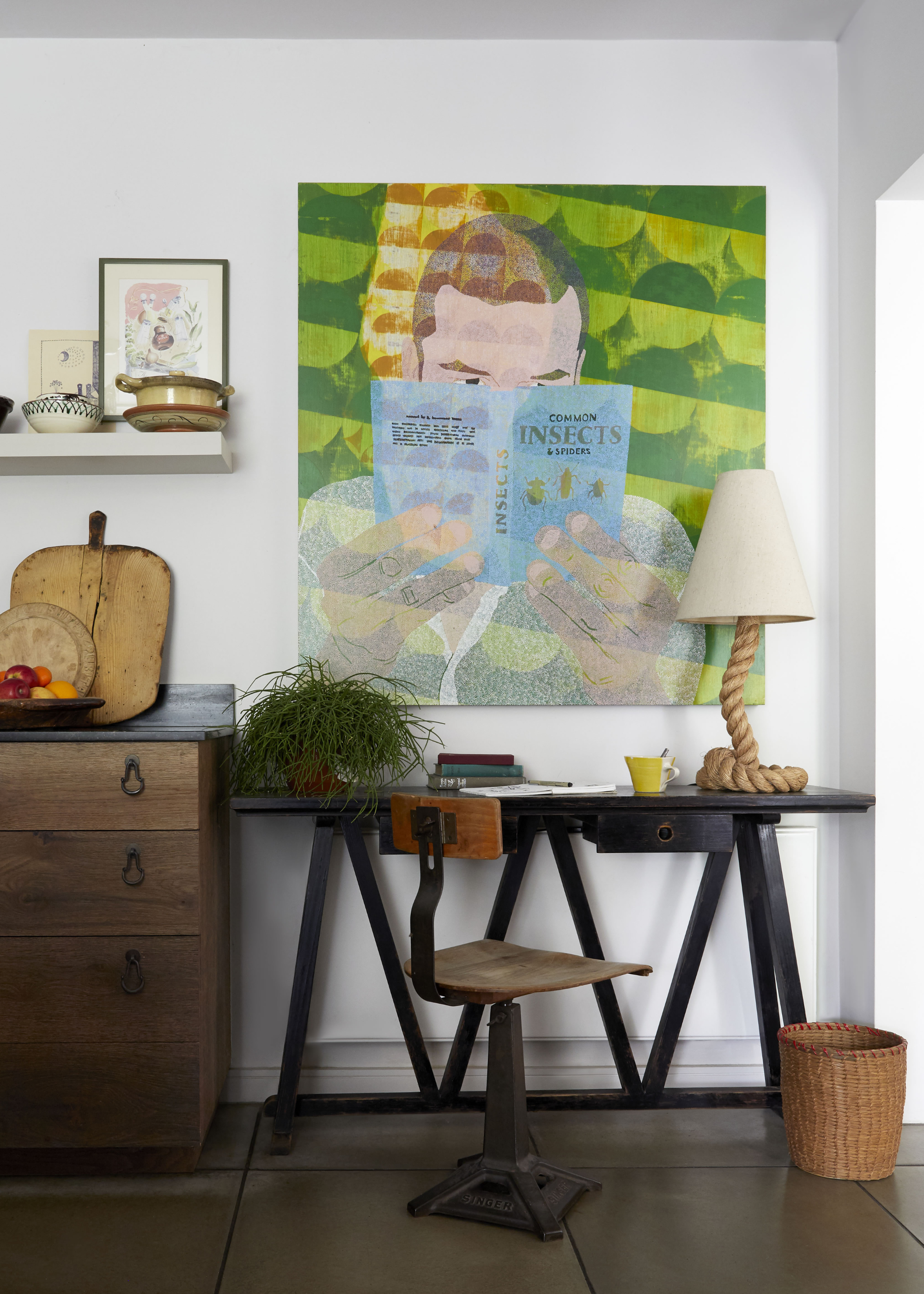
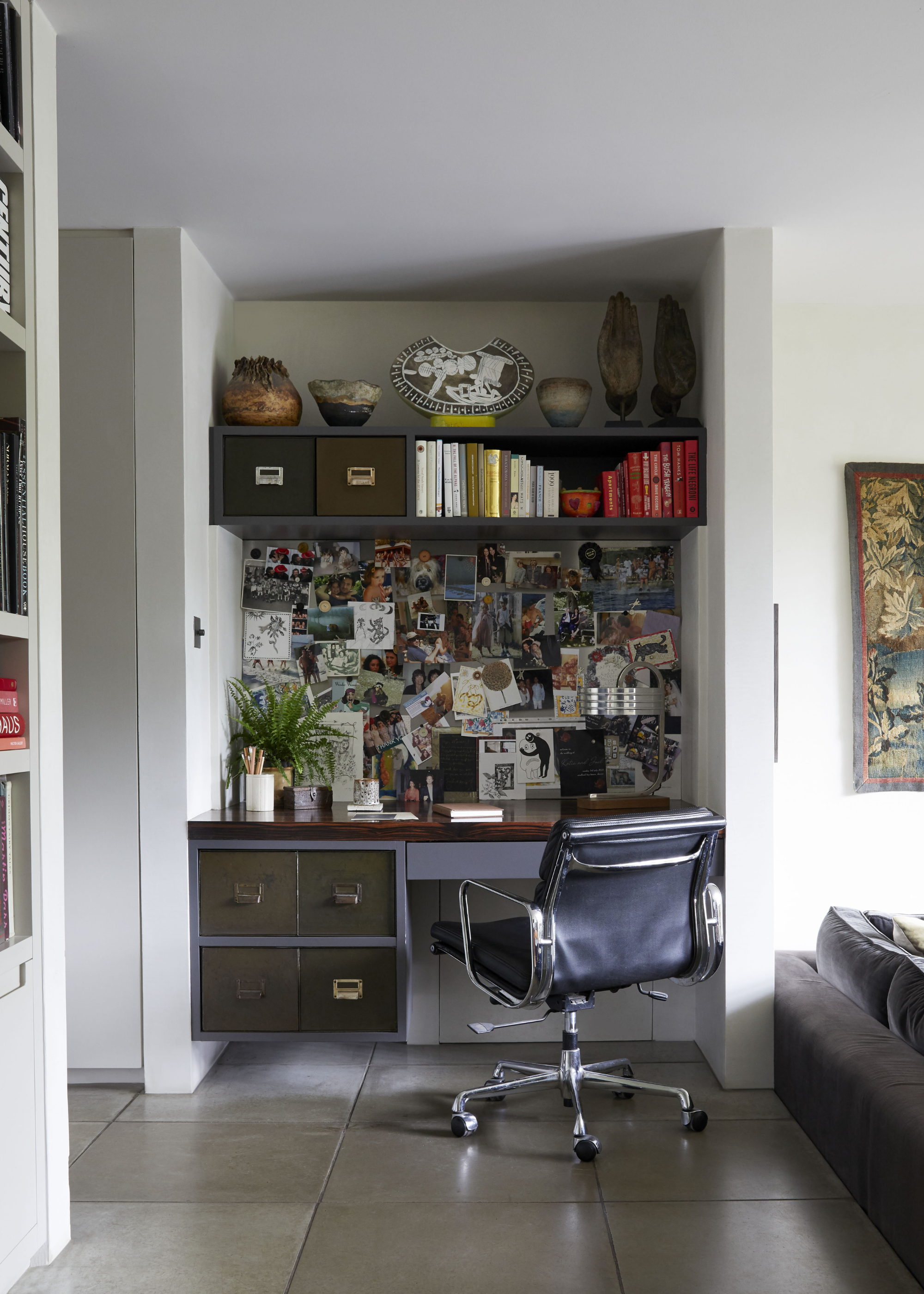
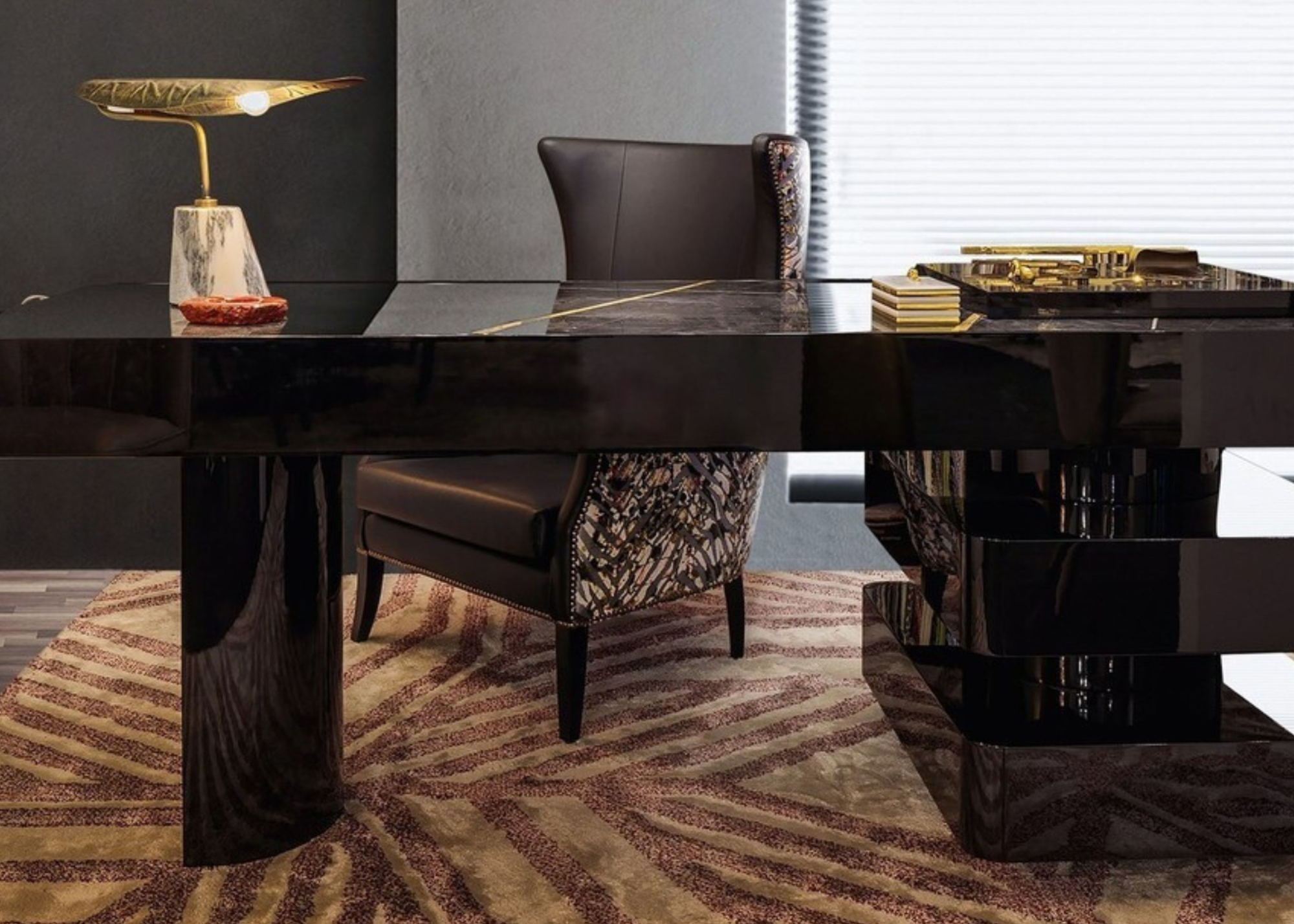
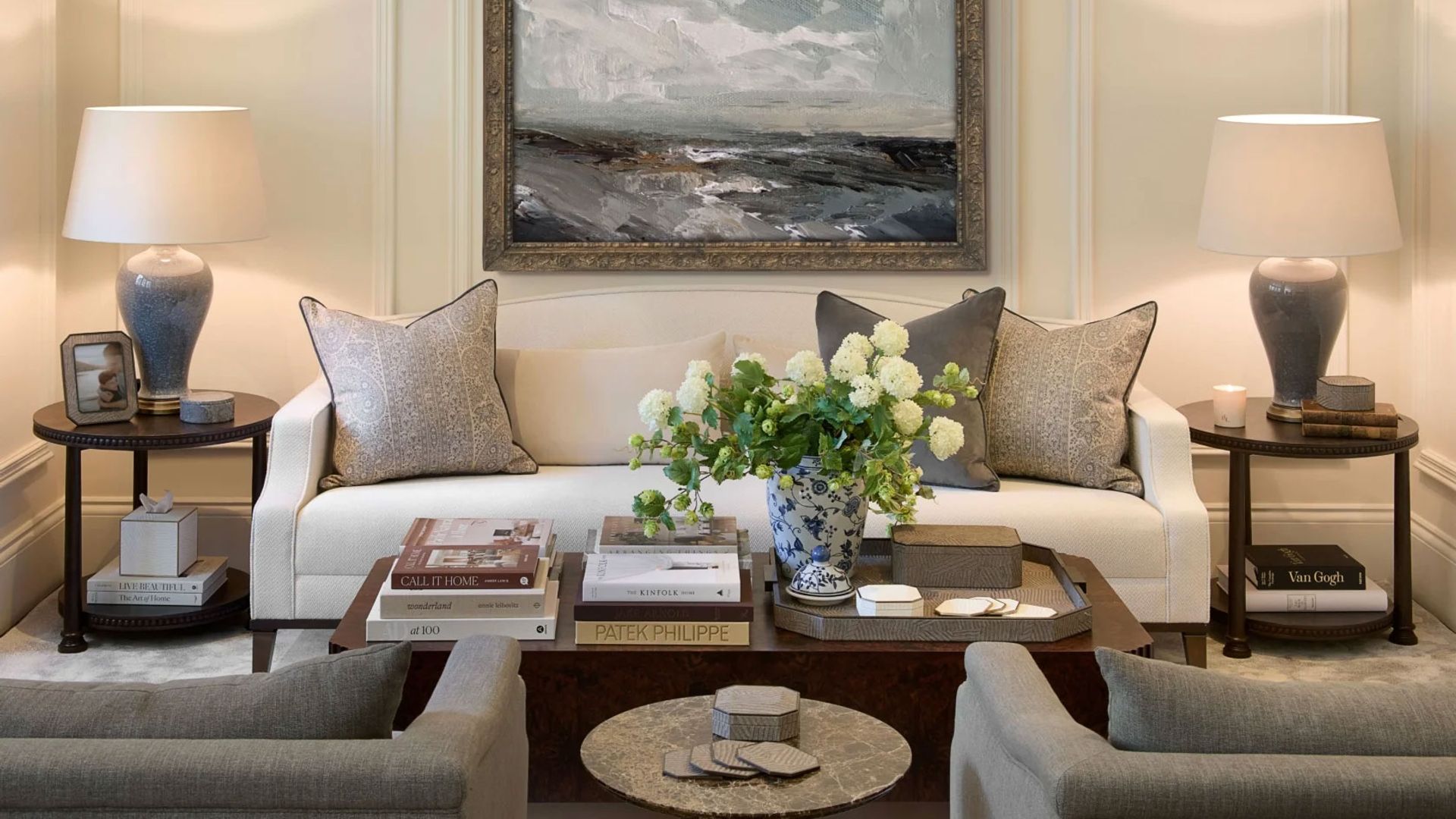
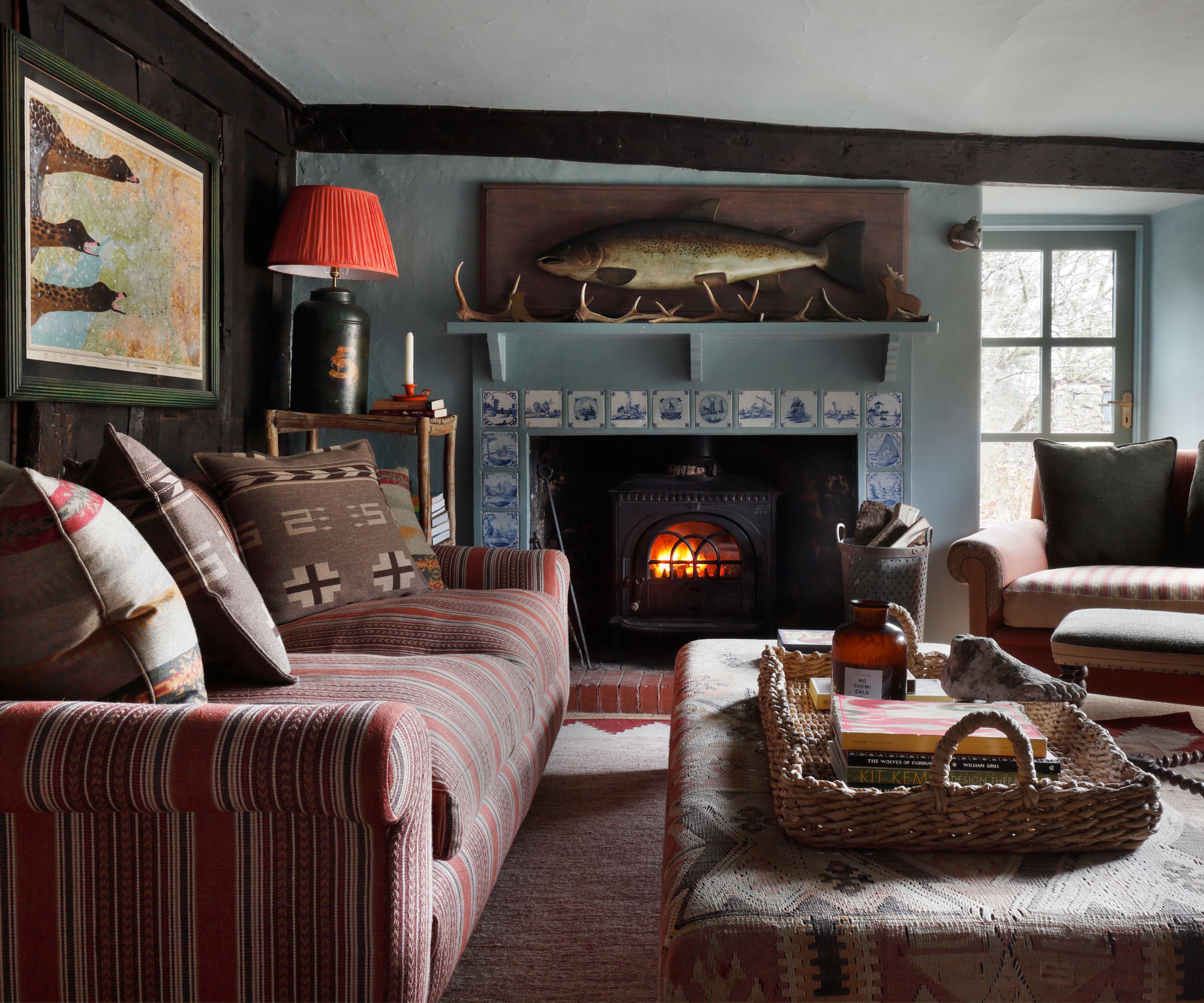
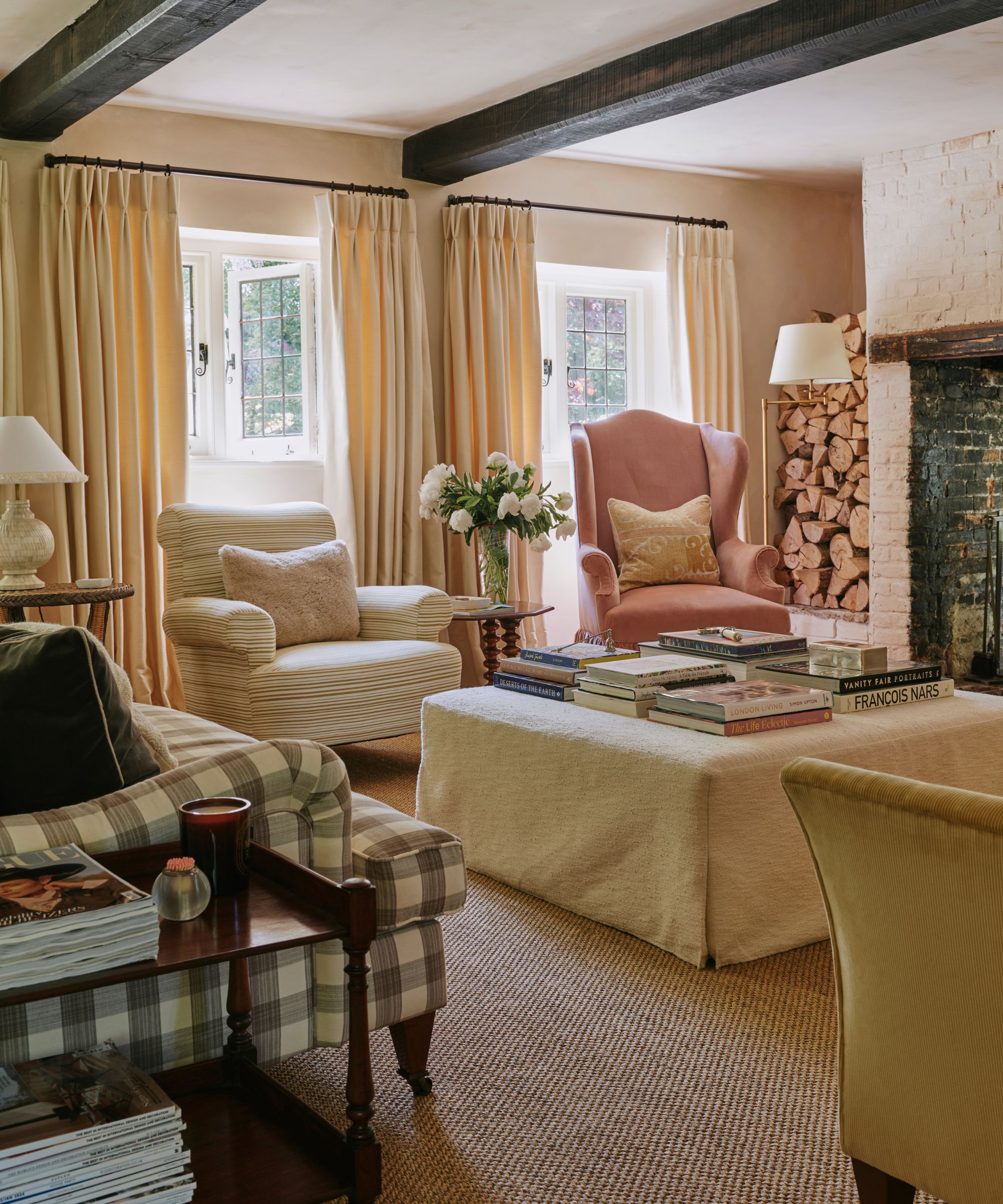
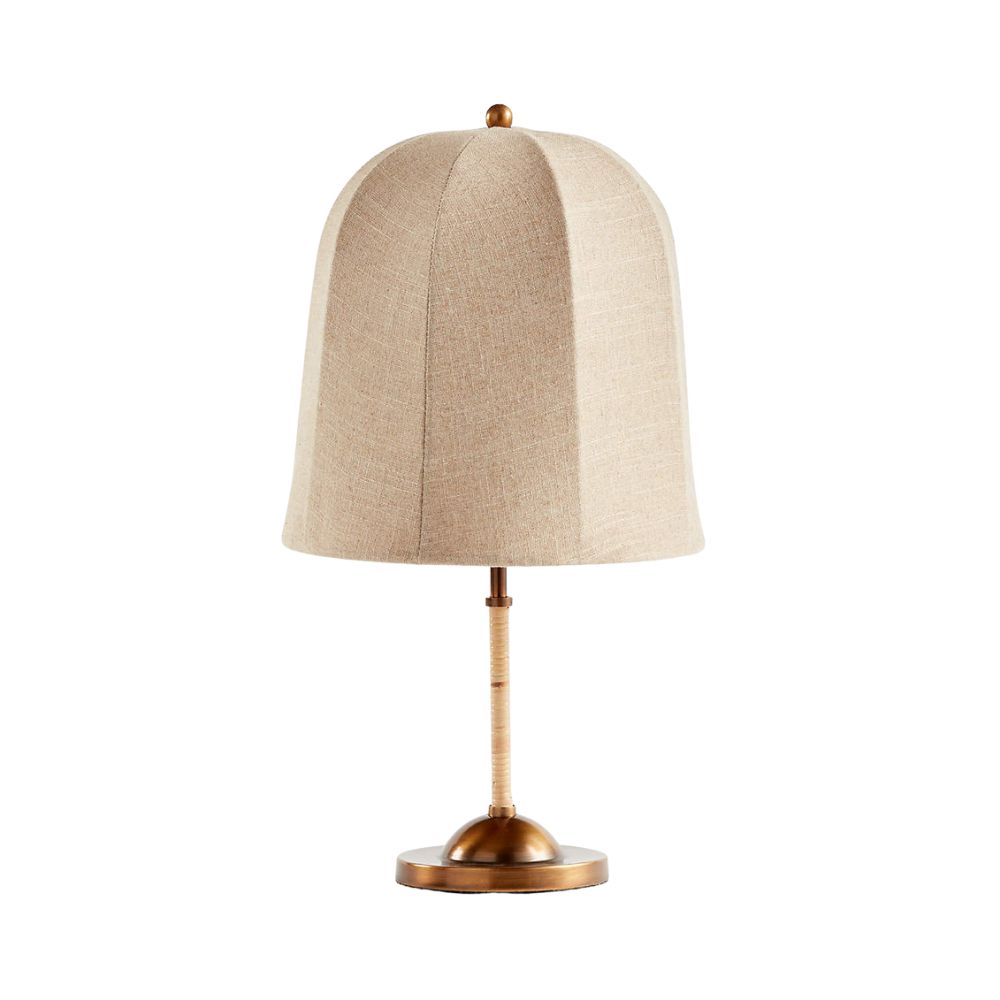
Another approach involves supplementing or even replacing overhead recessed lighting with alternative light sources, particularly table lamps. For individuals who are not fond of overhead illumination, closing off the recessed light openings and strategically placing chic table lamps can transform the lighting scheme. Table lamps can be effectively utilized on nightstands, kitchen islands, and even bathroom vanities. These smaller fixtures cast a more ambient and localized light, which can contribute to a more layered and intimate lighting design, offering a stark contrast to the broad, often flat, light provided by recessed fixtures.
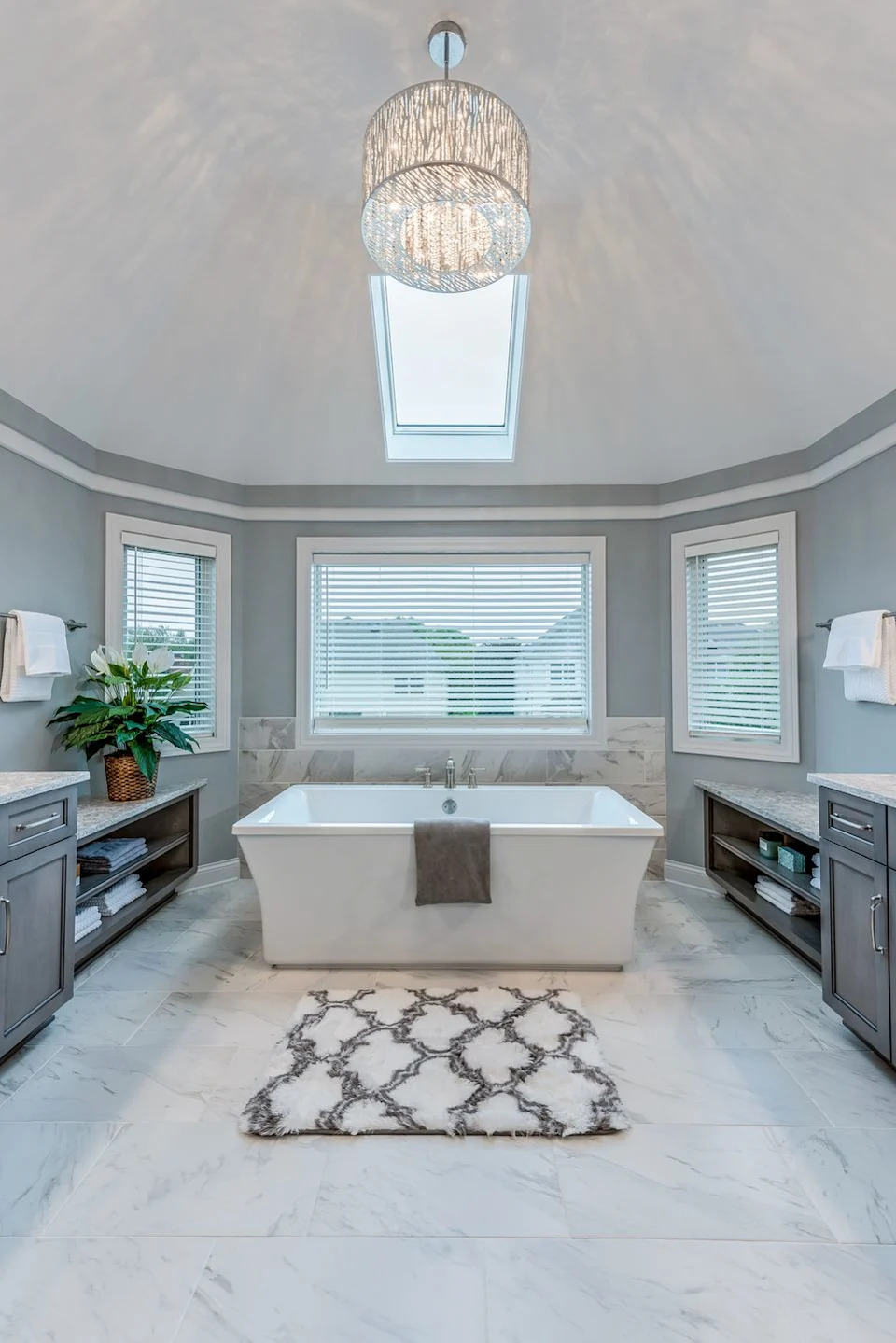
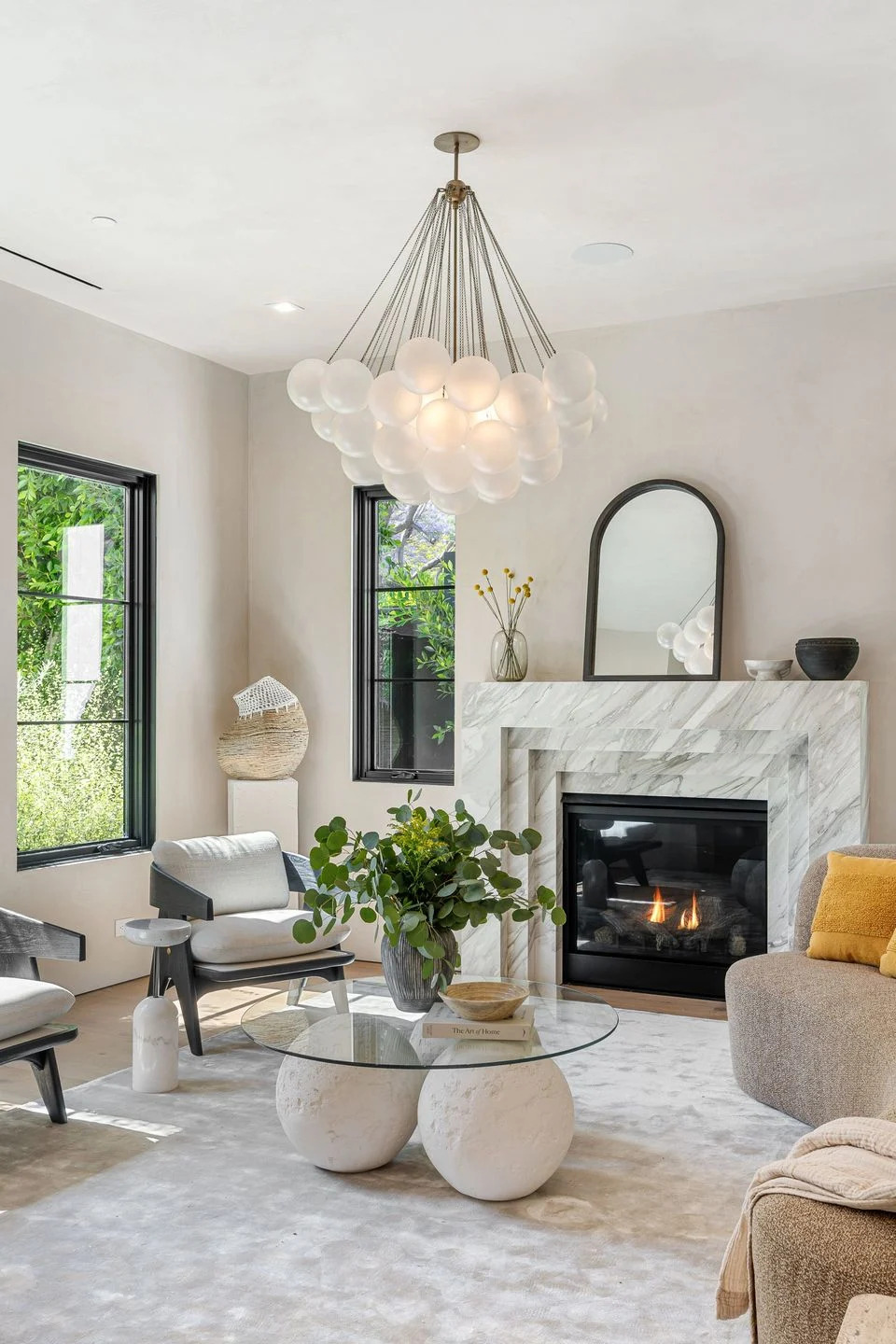
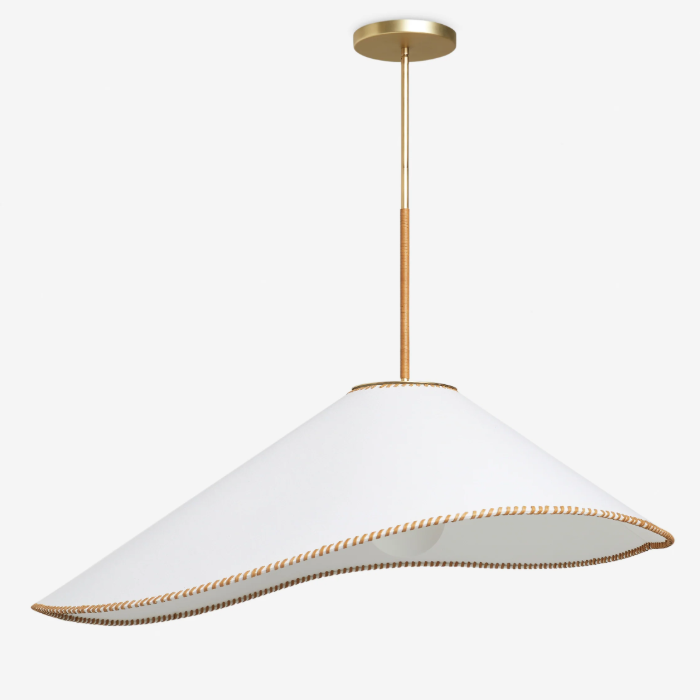
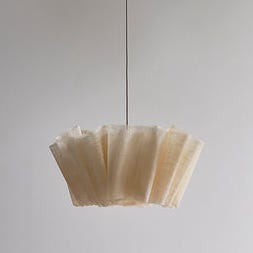
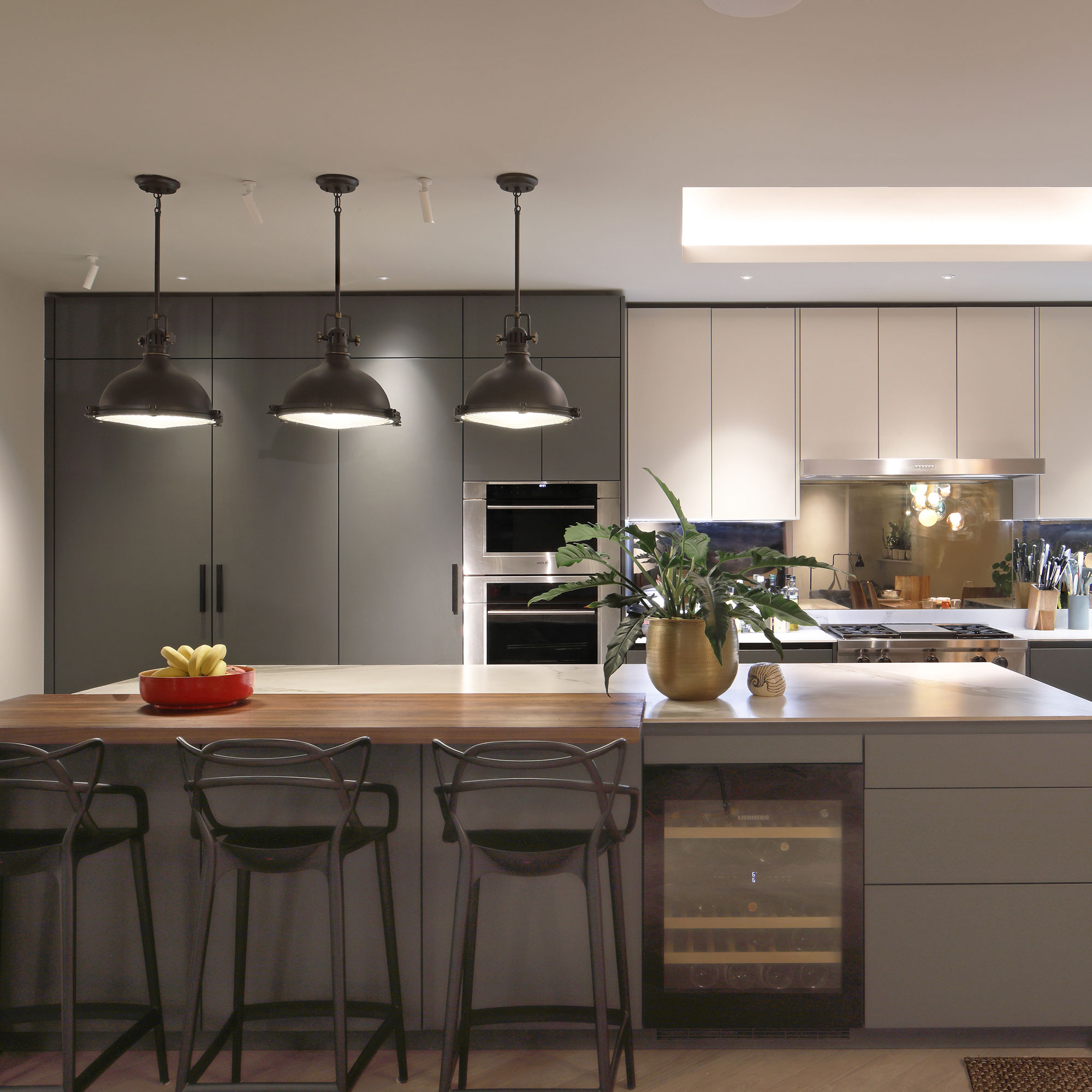
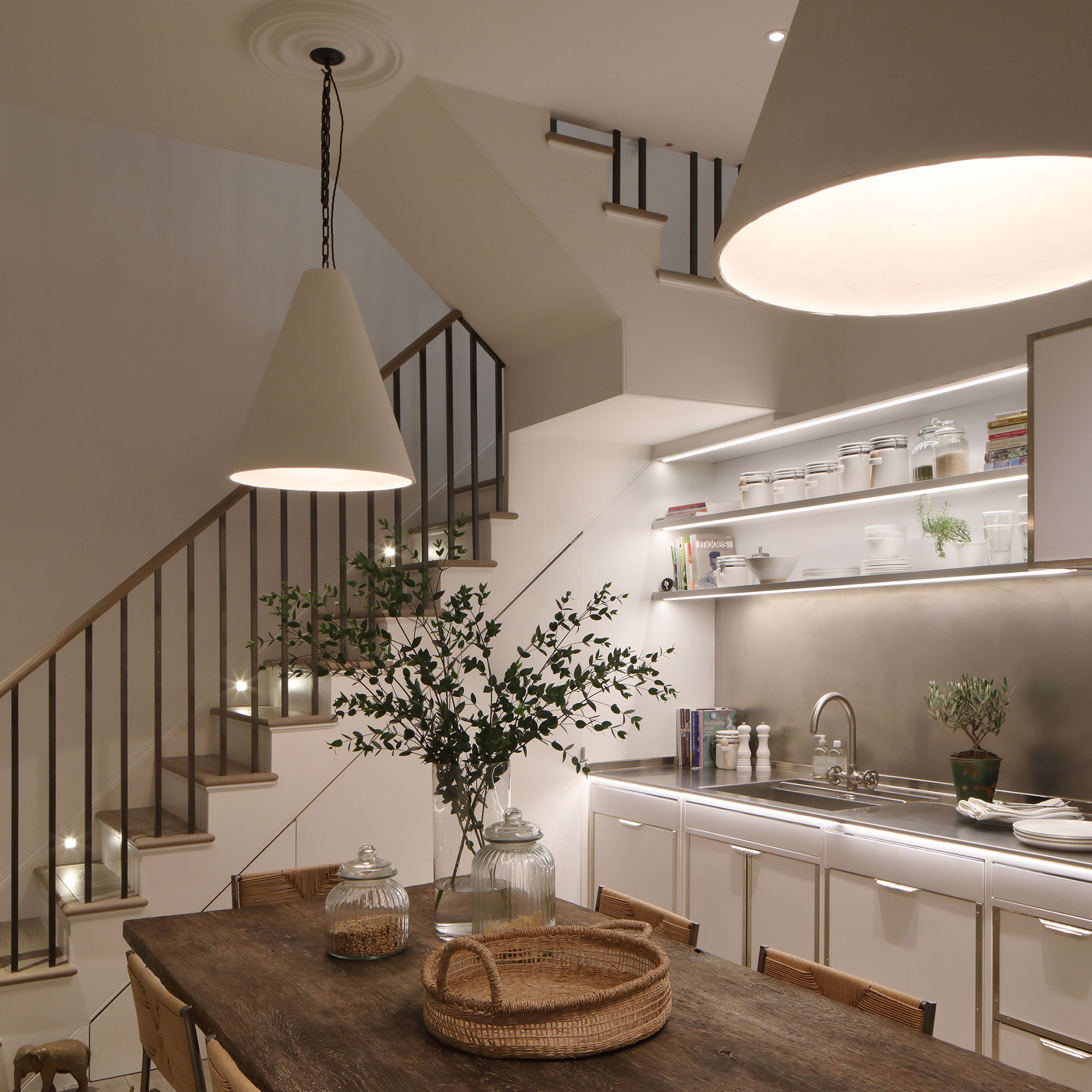
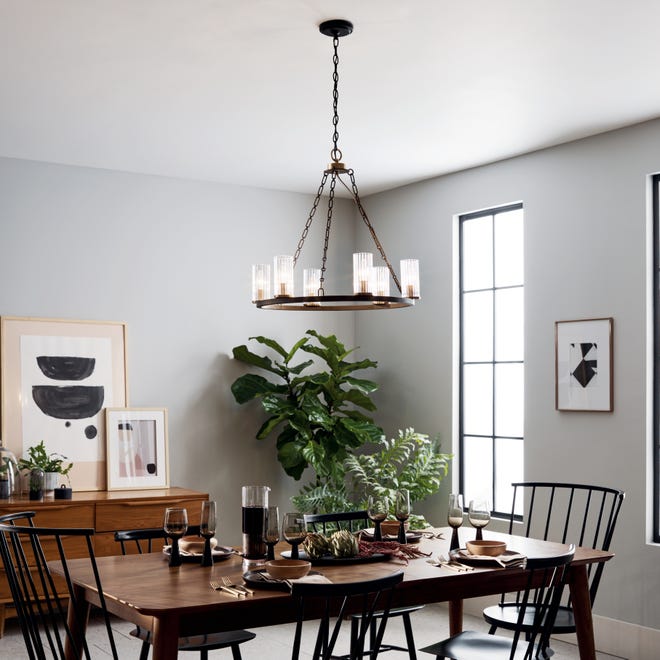
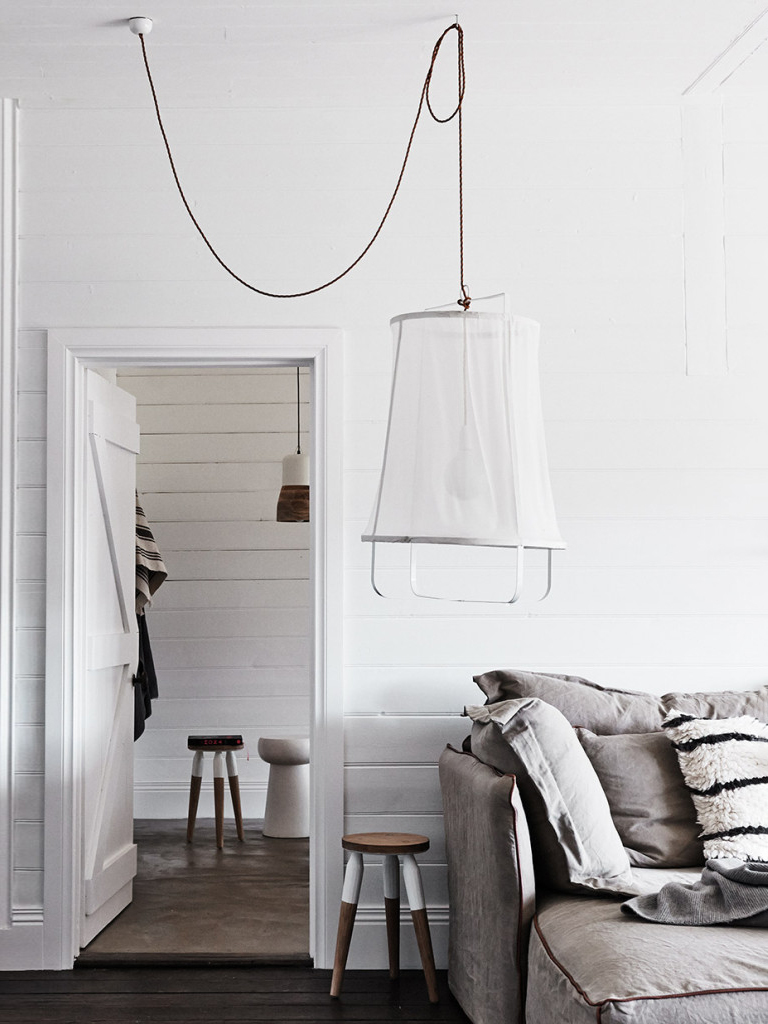
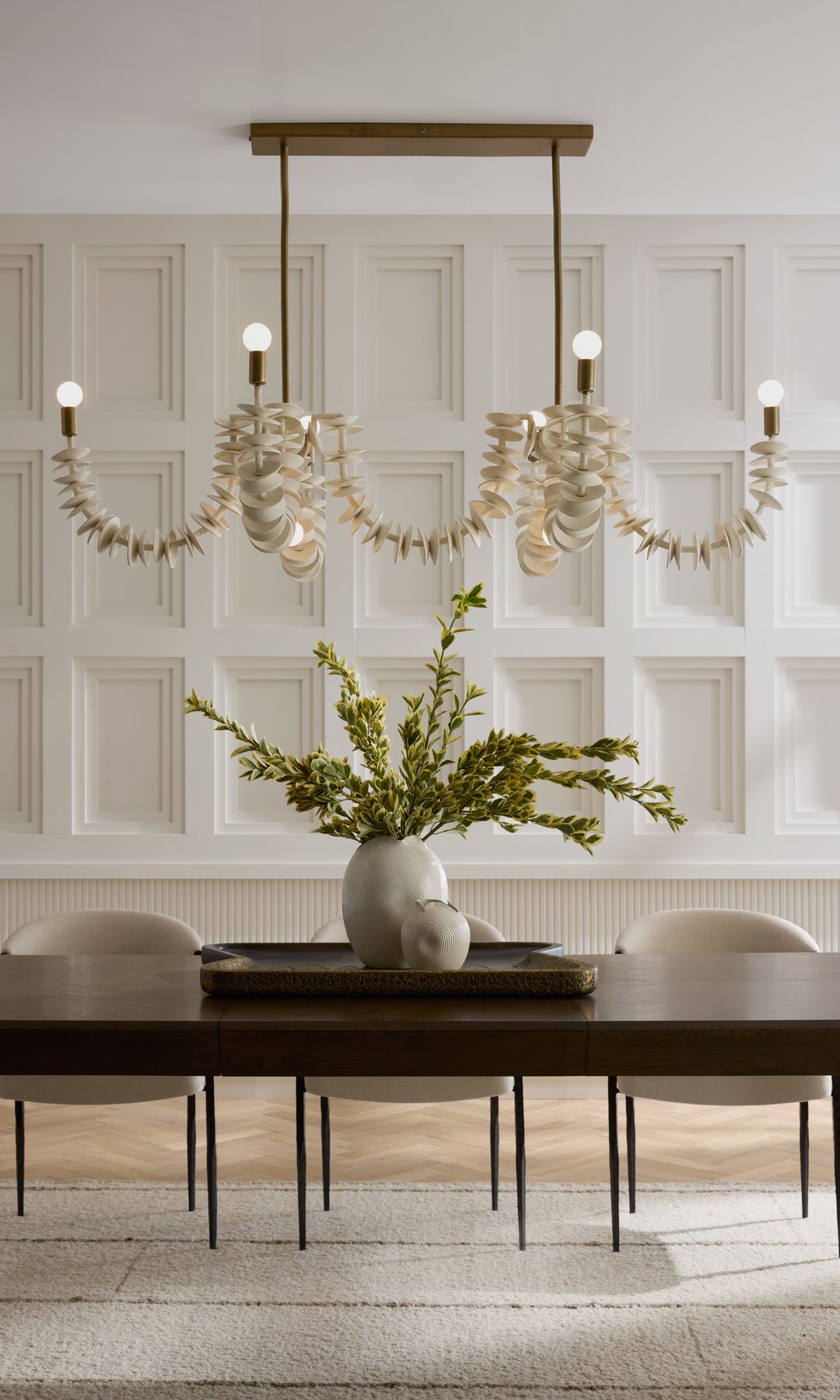
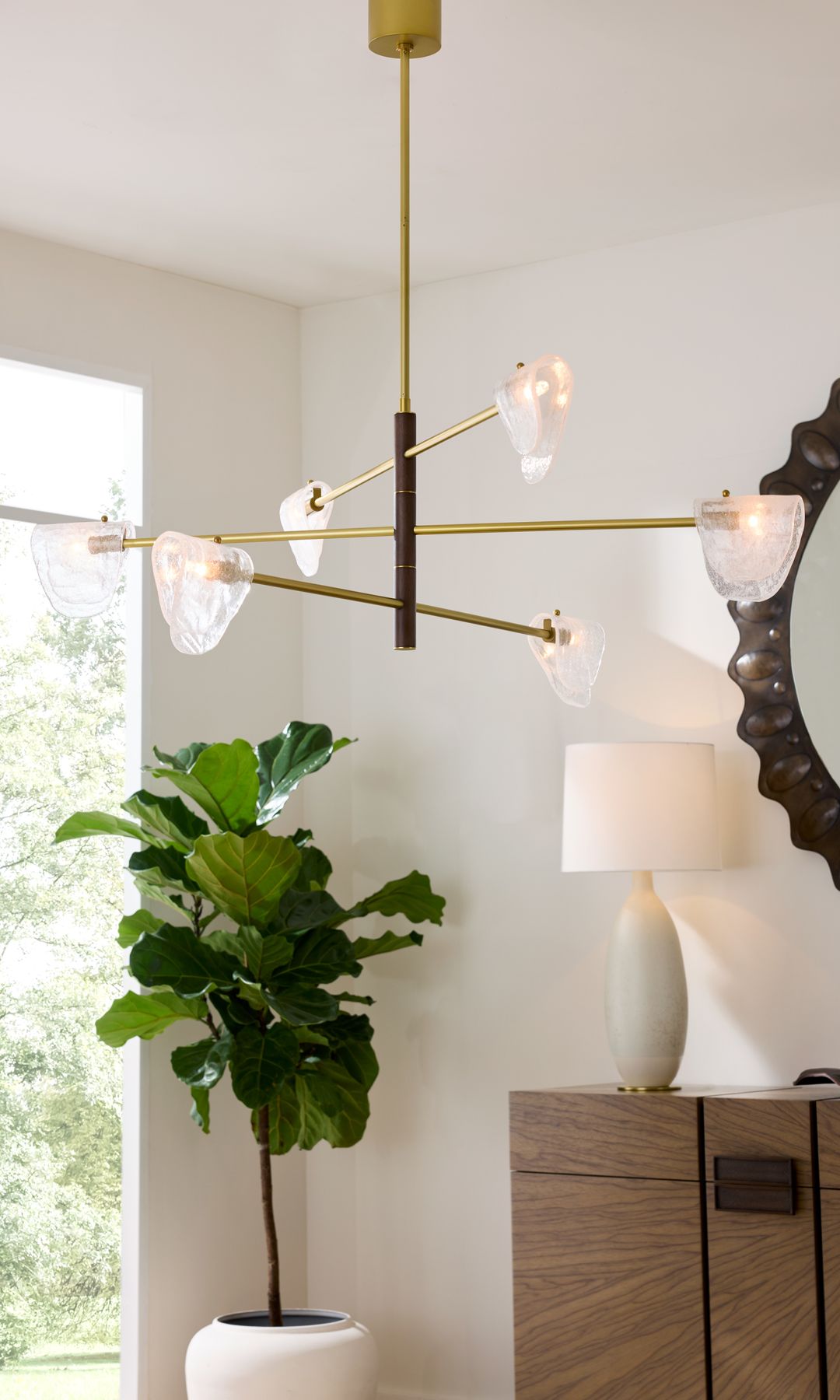
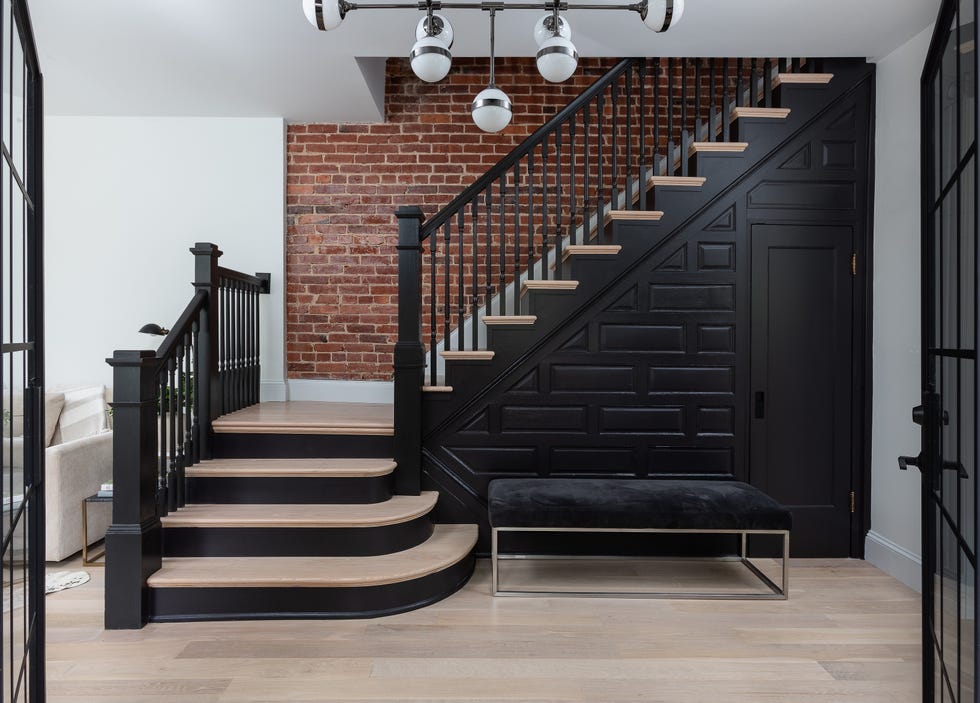
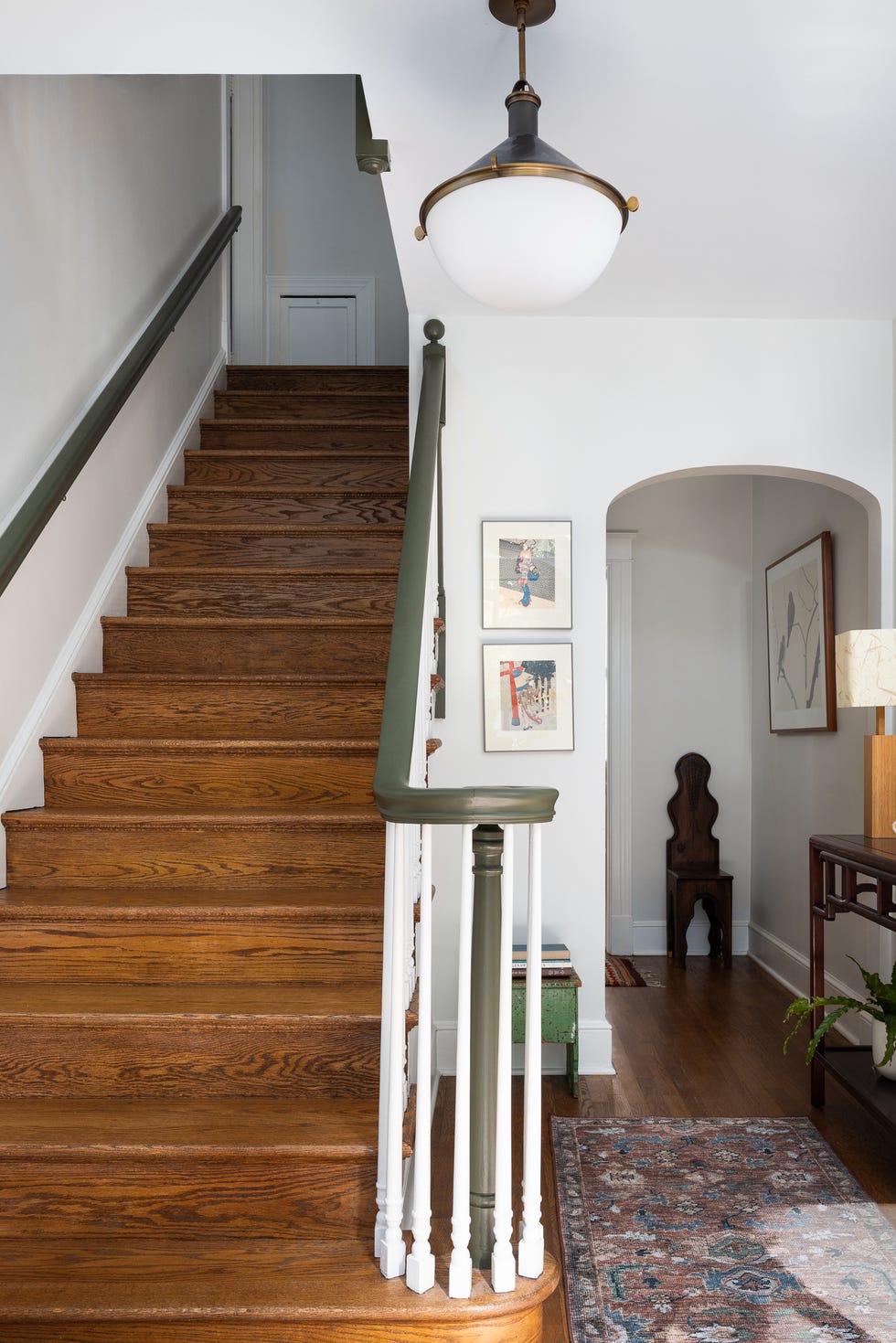
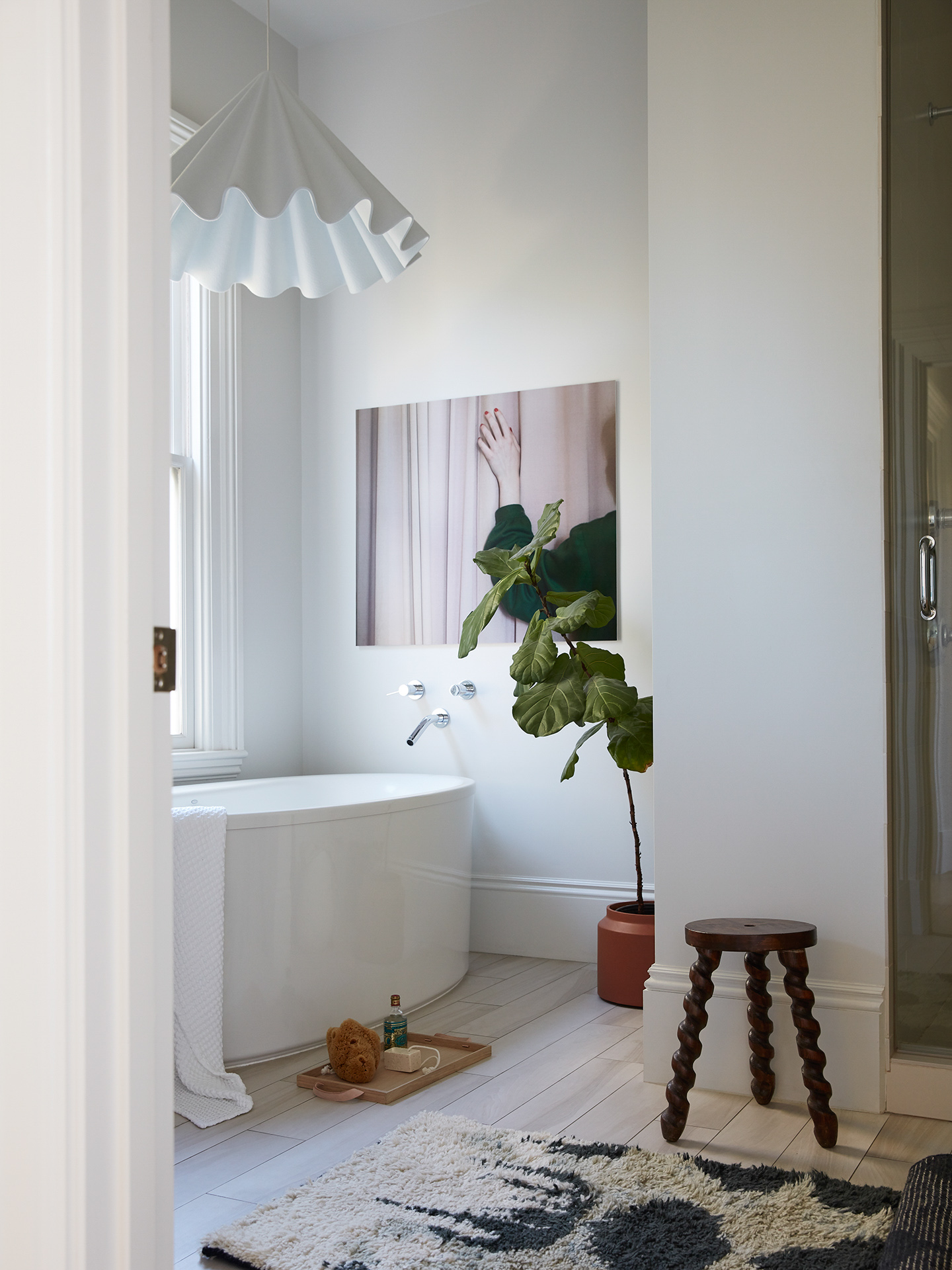
For those willing to undertake a more hands-on project or hire an electrician, converting recessed lights into pendant lights offers a significant upgrade. Conversion kits are readily available at hardware stores or online retailers. These kits enable homeowners to transform existing recessed lighting fixtures into points for hanging pendant shades of their choice. This modification not only introduces a decorative element but also allows for a more directed and often softer light distribution, moving away from the purely functional, and often sterile, look of standard recessed lighting. This option provides an opportunity to infuse personal style and design flair into a space that was previously defined by a more generic lighting solution.
Ultimately, while recessed lighting may be a strong selling point in the real estate market due to its perceived modernity and efficiency, homeowners and designers alike can find ways to adapt or enhance these features to align with contemporary design preferences and create more appealing living spaces. The choice to modify or embrace recessed lighting often comes down to individual taste and the desired atmosphere for a home.
#RecessedLighting #HomeBuyers #InteriorDesign #LightingUpgrades #HomeImprovement #DimmerSwitches #TableLamps #PendantLights #RealEstateTrends #RecessedLighting #HomeBuyers #InteriorDesign #LightingUpgrades #HomeImprovement #DimmerSwitches #TableLamps #PendantLights #RealEstateTrends
0 comment in total
 No comments yet
You may also like

Unexpected Red Is So 2024—Here’s the Design Hack that Ruled 2025

5 Types of Lighting Designers Would Never Use —They're Harsh and Unflattering and Here's Why

23 Things Designers ALWAYS Buy for Their Homes

Renovators Swear by This Pendant Light Hack
What Your Lamp Choice Says About Your Design Style
I'm a Design Editor and These Are My Favorite Light Fixtures Right Now
Pulling the plug on dated light fixtures is a great home update. Here's how to choose new ones
4 rules for luxurious lighting according to interior design experts

The Top Home Features Designers Always Skip
A Controversial Home Furnishing Is Tearing Households Apart. I Kind of Love It.
Homestyle: Lighting the way
Upgrading THIS Simple Feature Makes Your Home Look More Expensive, According to Designers
Lighting Trends We’re Loving
Designers say this 1 unassuming and affordable feature will make your home look more expensive

Designers Notoriously Hate This Feature—Here’s Why I (Respectfully) Disagree
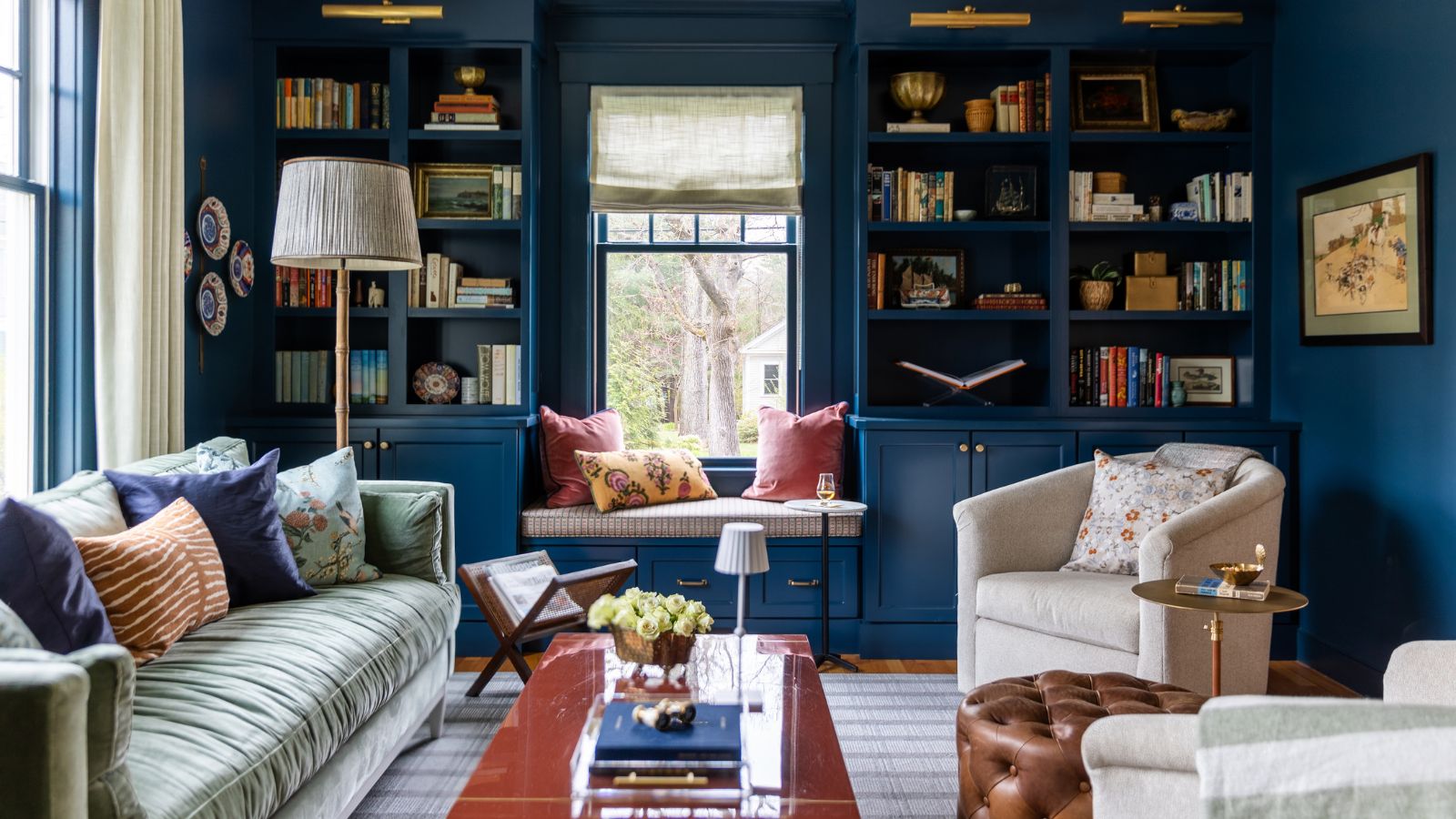
As the Days Get Darker, These Are the 2 Lighting Shifts Designers Make in Every Home They Design
The #1 Home Trend You Should Avoid, According to Designers

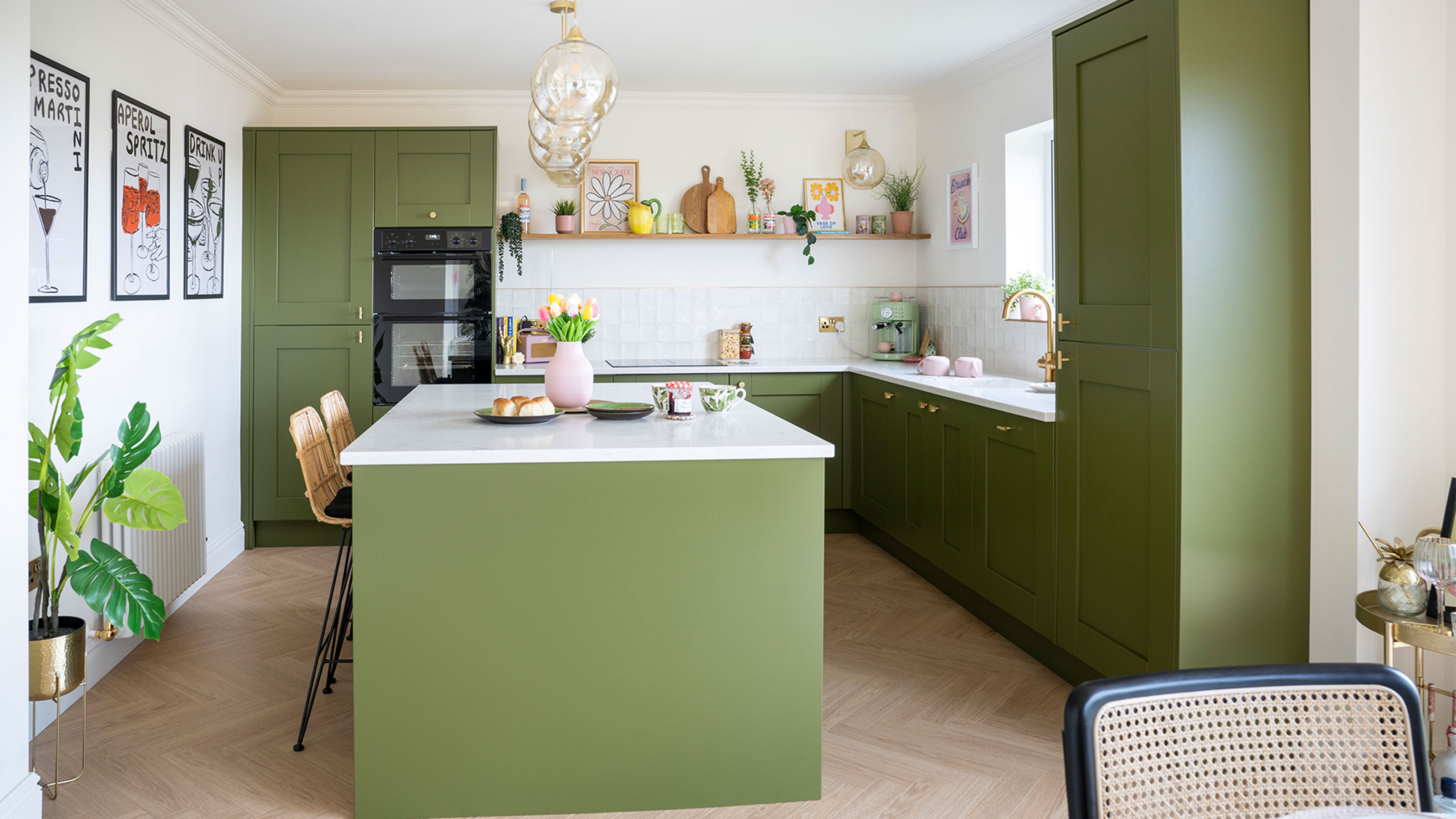
Experts warn this is the biggest mistake people make when choosing lighting for their kitchen
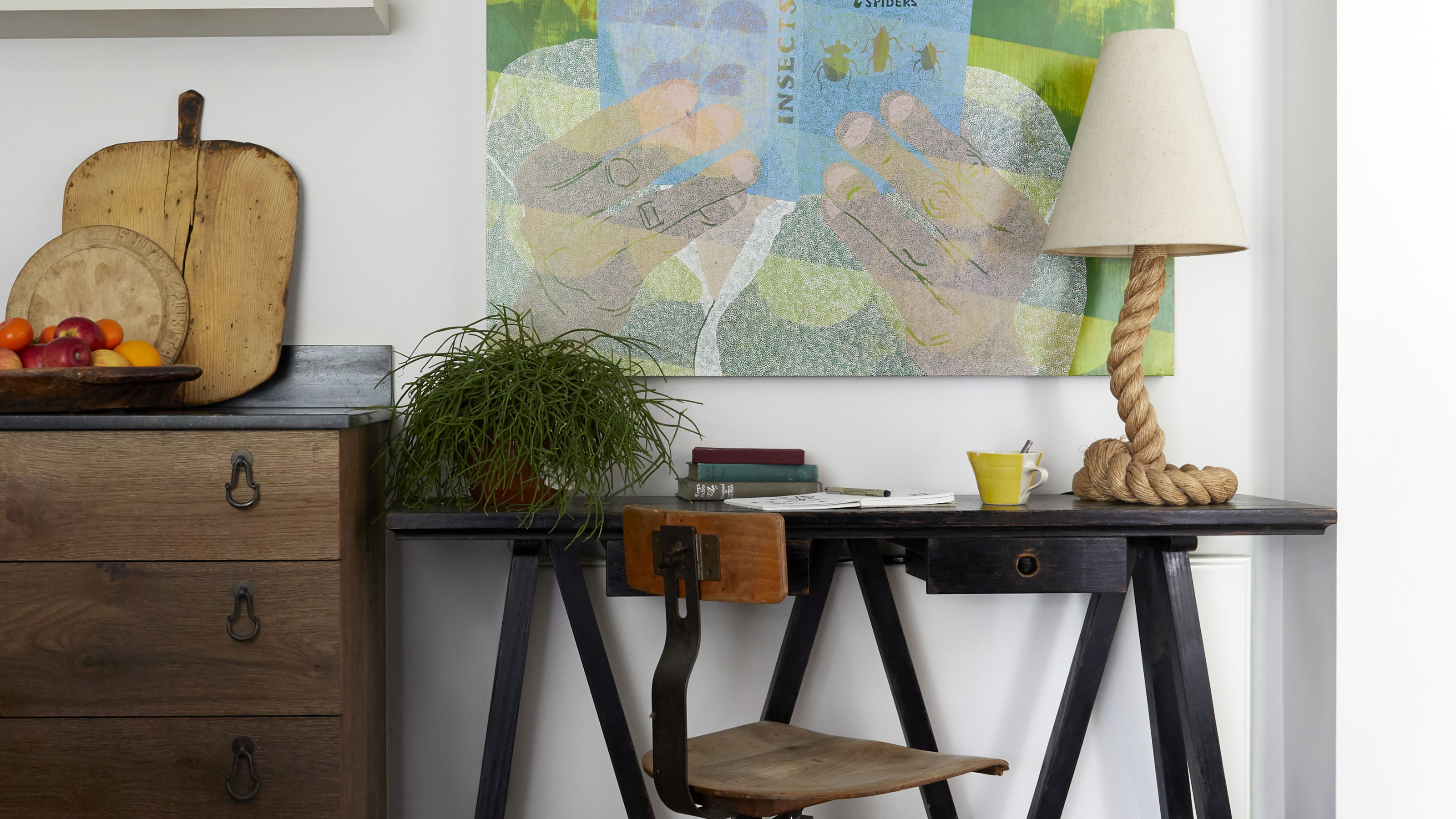
The One Lighting Trick This Designer Uses in a Home Office
7 Home Décor Trends Designers Say Are a Waste of Money