Legacy of a Woodworking Master
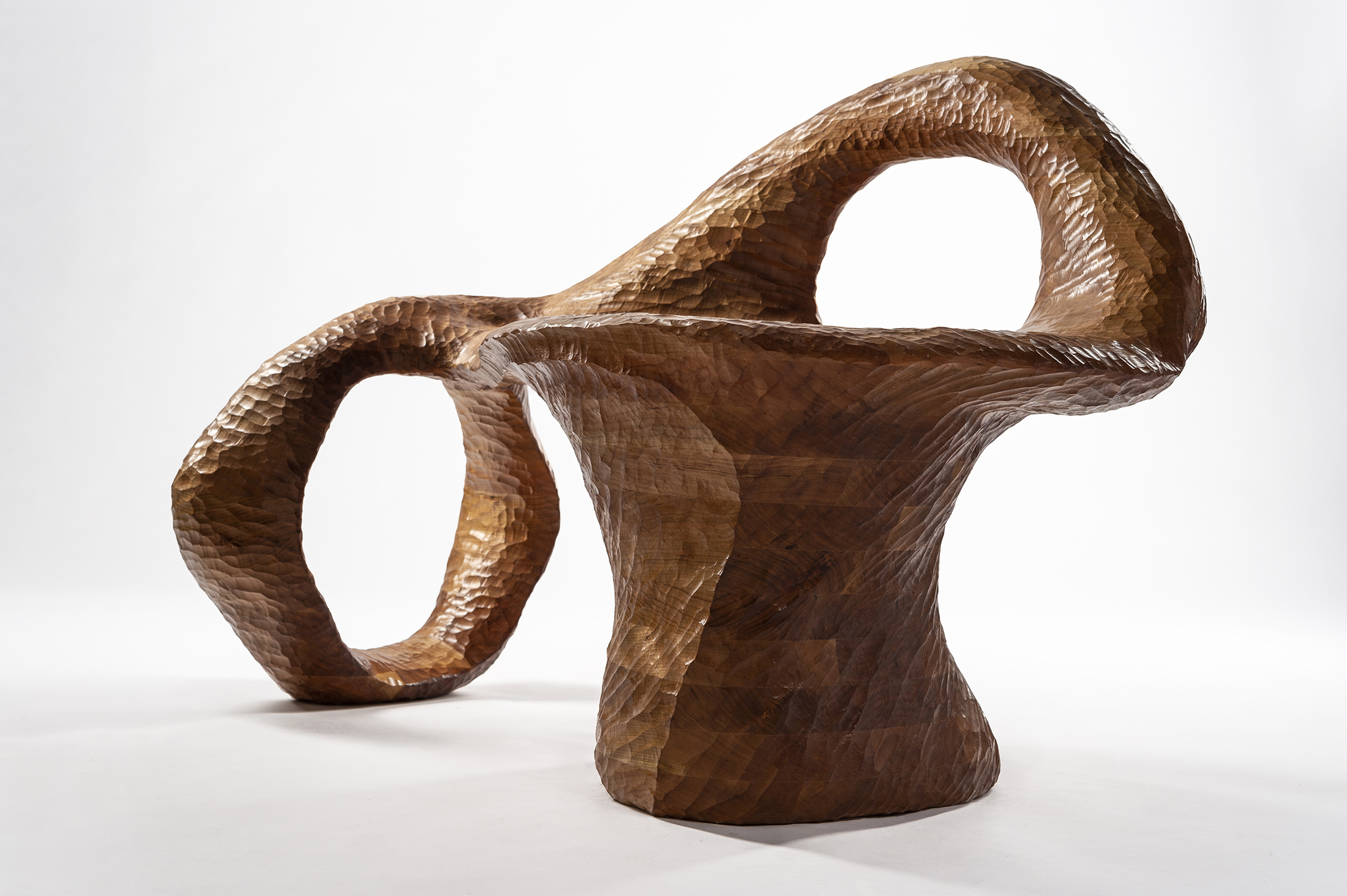
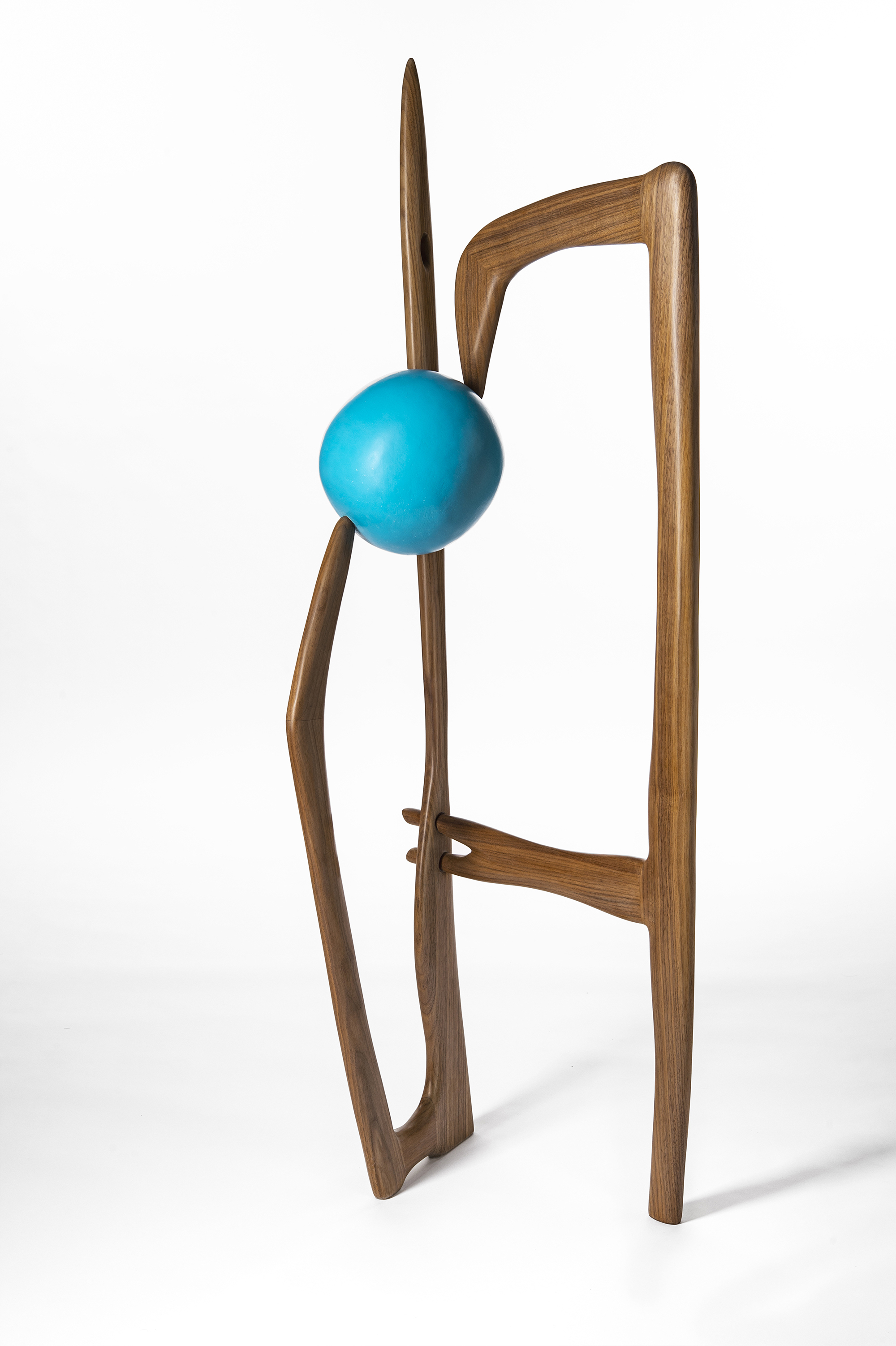
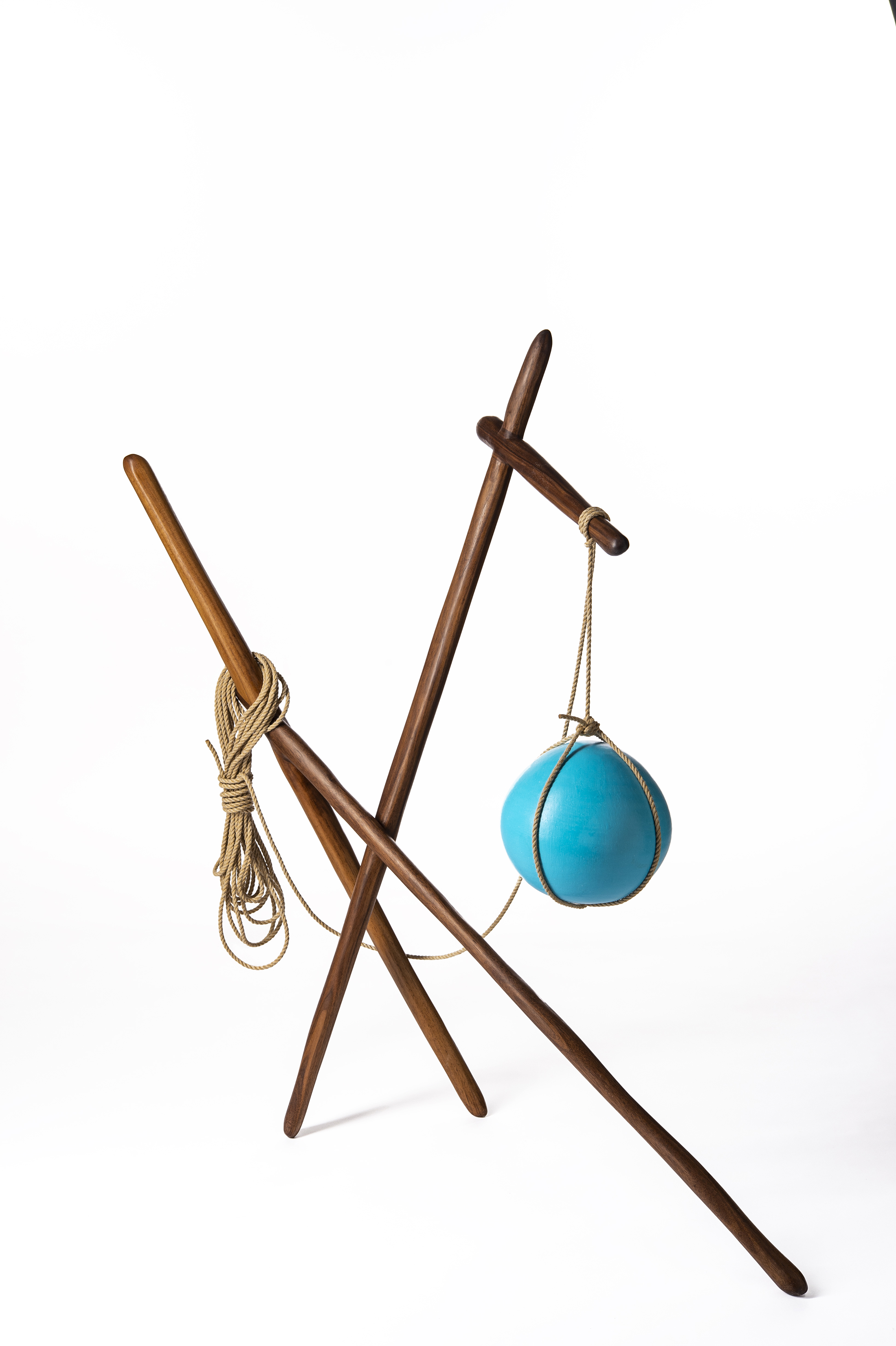
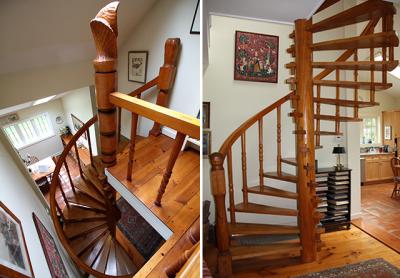
The article highlights the previously unseen work of Hans Hokanson, a Swedish-born sculptor renowned for his mastery of wood, who resided in East Hampton from 1961 until his passing in 1997. While his sculptures and functional art, including chairs, benches, beds, and tables, are featured in various public and private collections, a significant two-story spiral staircase he crafted has remained largely private for 45 years within an East Hampton home. This massive oak staircase, installed in 1970 during the conversion of a barn into a residence, serves as a prominent example of Hokanson's ability to blend sculptural art with functional design.
The owners of the barn initially faced a challenge regarding access to the hayloft, which was only reachable by a ladder. They sought an alternative to a metal spiral staircase, which they felt would clash with the barn's rustic aesthetic. Following a friend's suggestion, they commissioned Hokanson for a wooden spiral staircase. Despite providing a Shaker staircase photograph as a reference, Hokanson, known for his intuitive approach to wood, created a piece that, while initially surprising to the owners, ultimately brought them satisfaction. For much of its existence, the staircase was situated against a wall separating the living room and kitchen, limiting its visibility. However, after the removal of this wall around Thanksgiving, the staircase is now exposed to natural light from all sides, allowing it to be appreciated in its full, three-dimensional glory.
Hokanson immigrated to the United States from Sweden in 1951 at the age of 26. He spent time in California, working as a construction carpenter, before moving to New York City in 1956. In New York, his diverse experiences included stretching canvases for artist Mark Rothko, working as a stage designer at the Living Theater, and serving as a technician at the Museum of Primitive Art. In 1961, he relocated to East Hampton to undertake carpentry work for Willem de Kooning. Although his collaboration with de Kooning was brief, Hokanson found a lasting connection to the area, particularly a place on Northwest Creek that he described as "beautiful."
Beyond the spiral staircase, Hokanson's architectural legacy also includes a house he built for himself and his wife, Barbara, in Northwest Woods, which was described by House Beautiful as his "largest work in progress." He also furnished this home with many of his handmade pieces. His son, Bengt Hokanson, and daughter-in-law, Trefny Dix, now reside in the house. Bengt, who assisted his father with woodworking, pursued glassmaking after studying at Tulane University. Today, he and Ms. Dix operate HokansonDixGlass, with their work displayed in over 40 galleries, museum shops, and high-end retail establishments globally. The staircase itself is notable for its construction without nails or screws, allowing its joints to expand and contract naturally, a feature expected to ensure its longevity as long as the wood endures.
#HansHokanson #WoodSculpture #SpiralStaircase #EastHampton #FunctionalArt #WoodworkingMastery #HomeDesign #ArchitecturalLegacy #ScandinavianDesign #HansHokanson #WoodSculpture #SpiralStaircase #EastHampton #FunctionalArt #WoodworkingMastery #HomeDesign #ArchitecturalLegacy #ScandinavianDesign
0 comment in total
 No comments yet
You may also like
A Master Carver Preserves Old World Craft at Naples' Premier Woodworking Guild
Timber

Sculpture and Furniture Design

Here's the Truth About Wood Veneers

Woodcarver Brings Bespoke Details to Homes
Master Carver Coaxes Feathers From Wood
These Mesmerizing GIFs Illustrate the Art of Traditional Japanese Wood Joinery


‘Patina is who I am’: Adrian Molitor’s journey to restoring historic hardwood floors in Madison
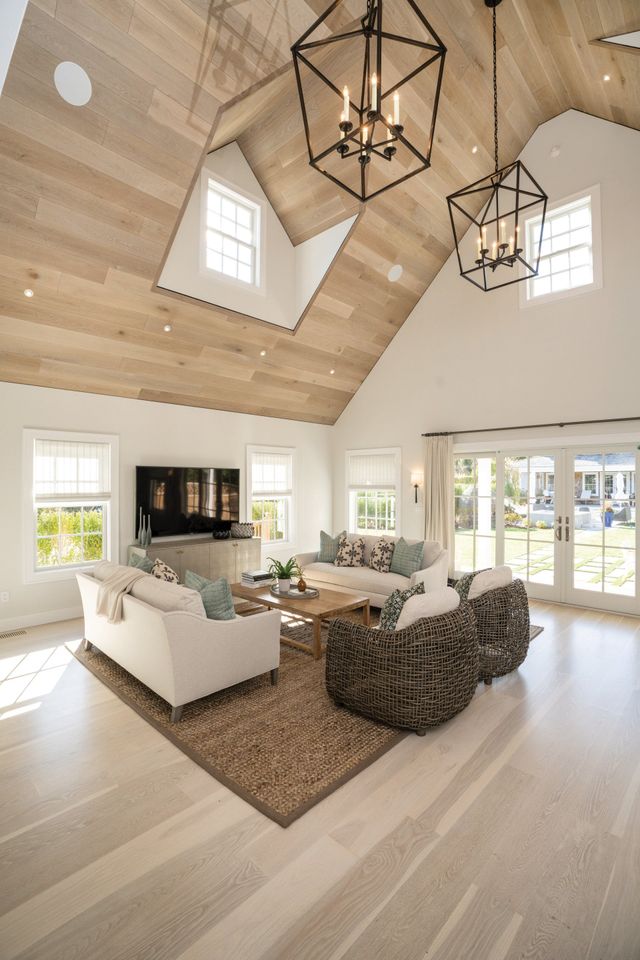
BEHIND THE VENEER

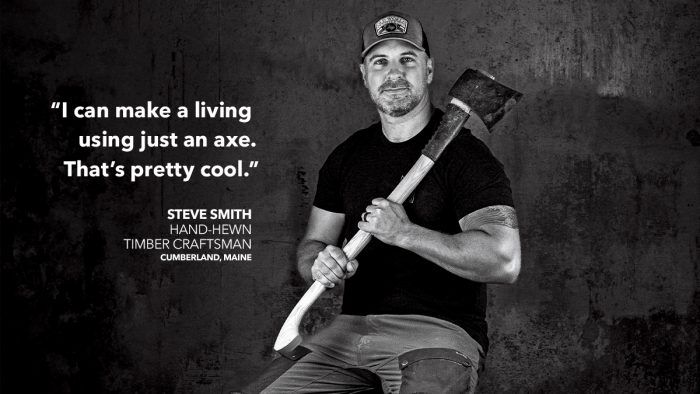
Steve Smith, Hand-Hewn Timber Craftsman

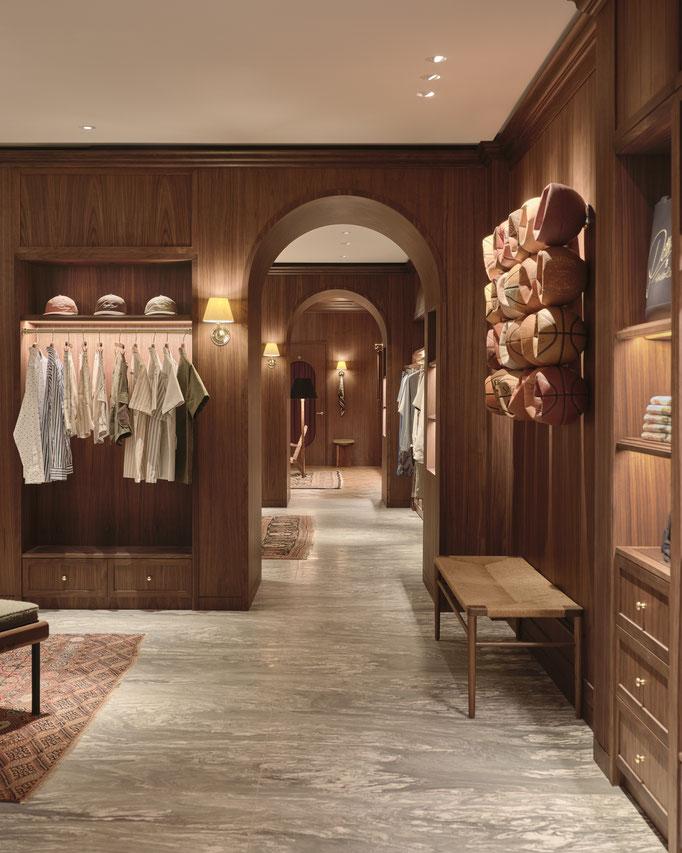
New York millwork shop blends tradition and innovation to create a legacy

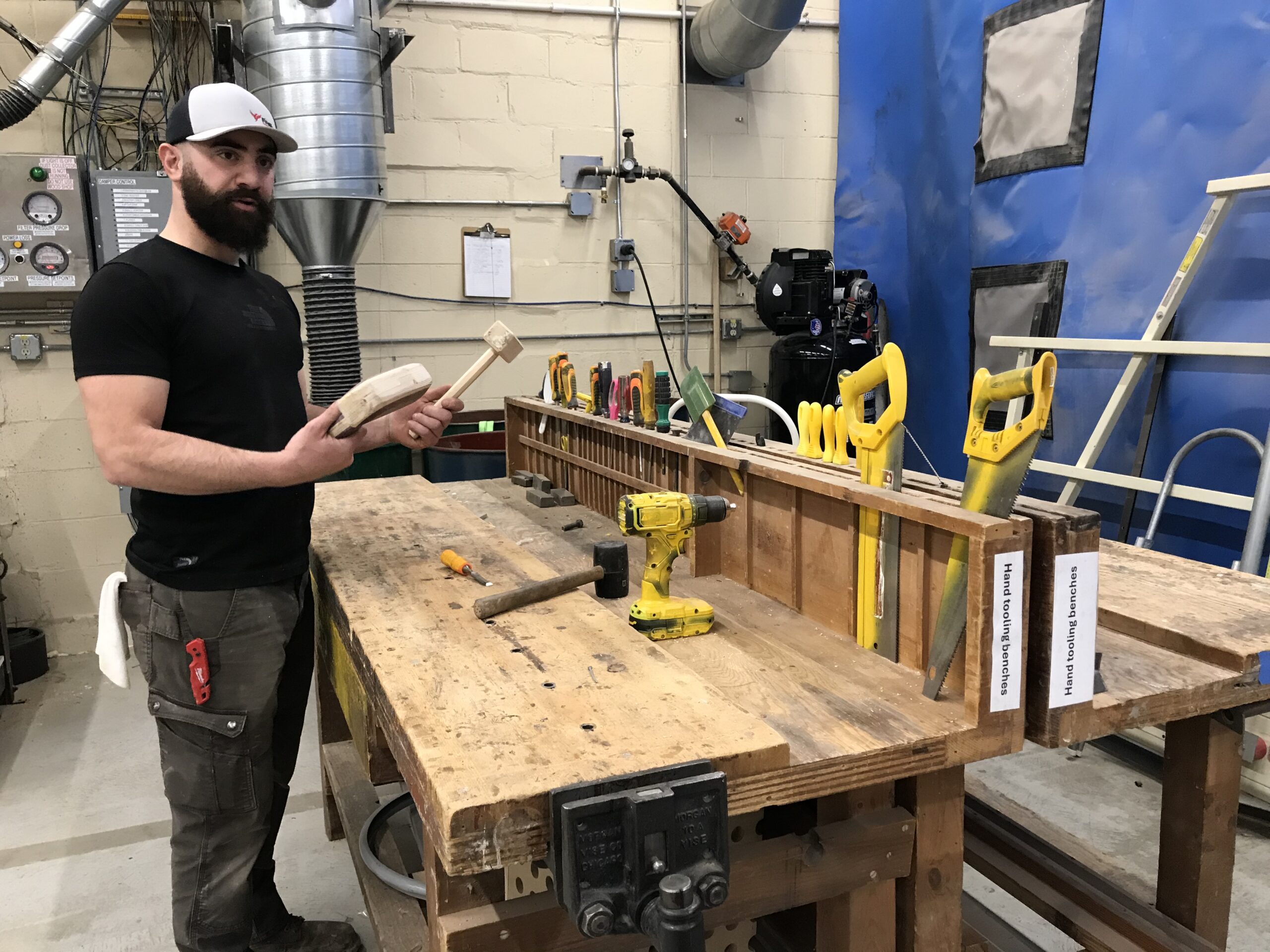
Wood Flow designs: a builder’s journey from construction to creativity

Woodworking Magic
Designed & Made's integrated approach to custom woodworking projects
Nine designers work socially distanced wonders with wood
The Kanna Finish: How to Get Glass-Smooth Surfaces in Wood Without Sandpaper or Varnish

Toronto Woodworkers Making Heirloom-Quality Wares

Mark’s wood: Talking joinery and timber with England’s fastest bowler


From oil diver to exotic timber craftsman

12 Woodworking Projects That Sell Online (2026)