1/8
Do curtains need to match? Interior designers share whether it's best to clash or compliment
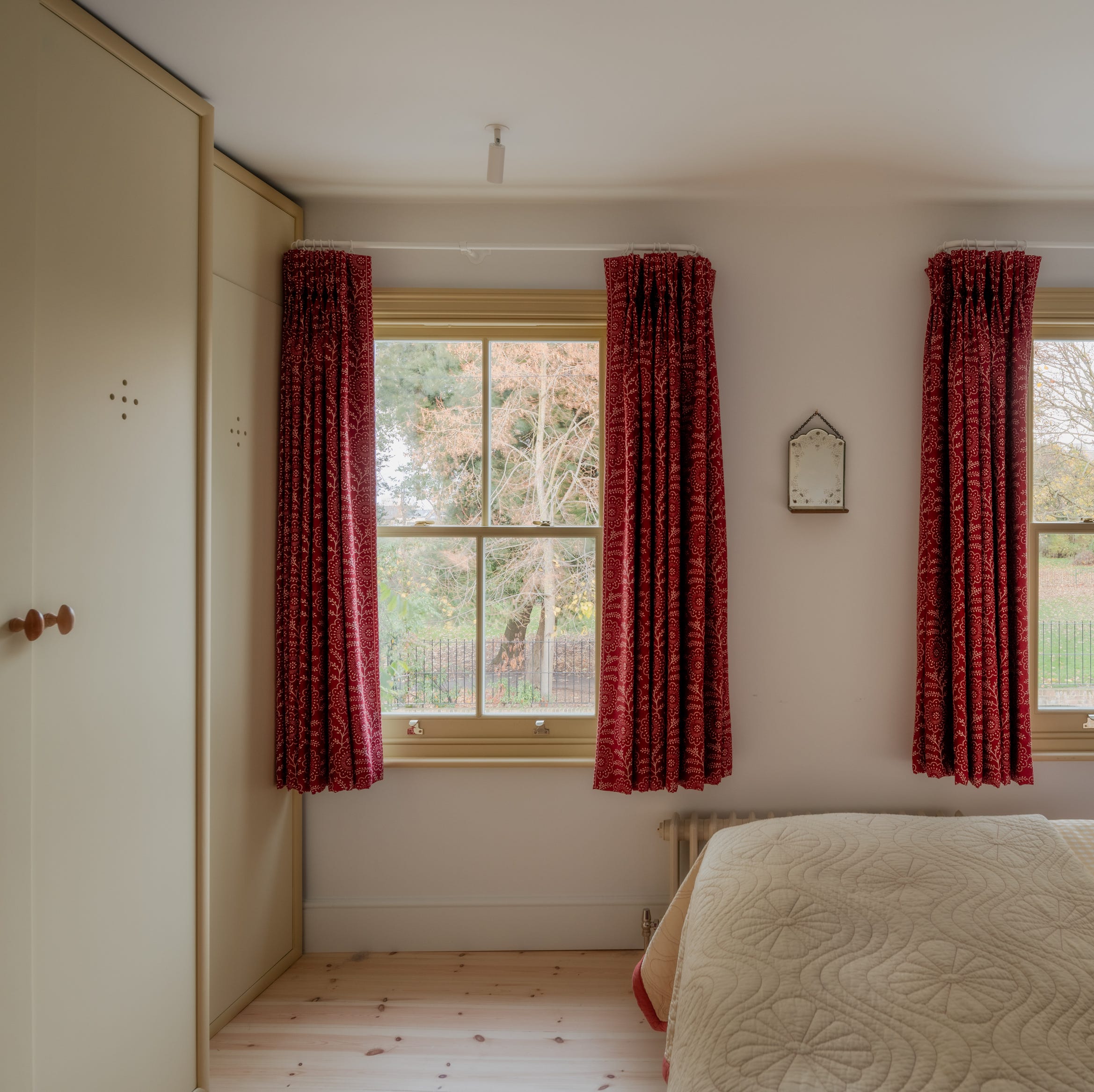

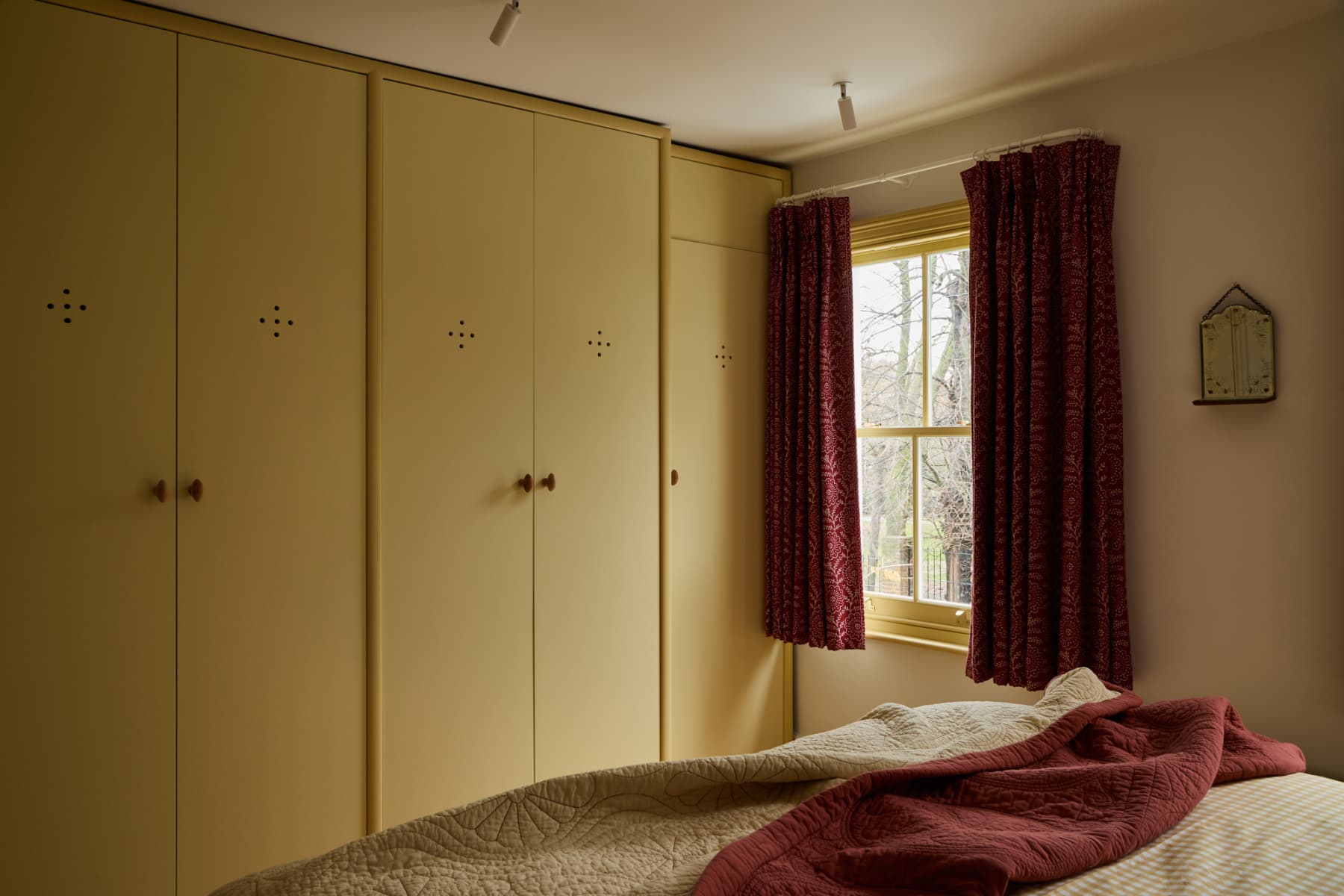
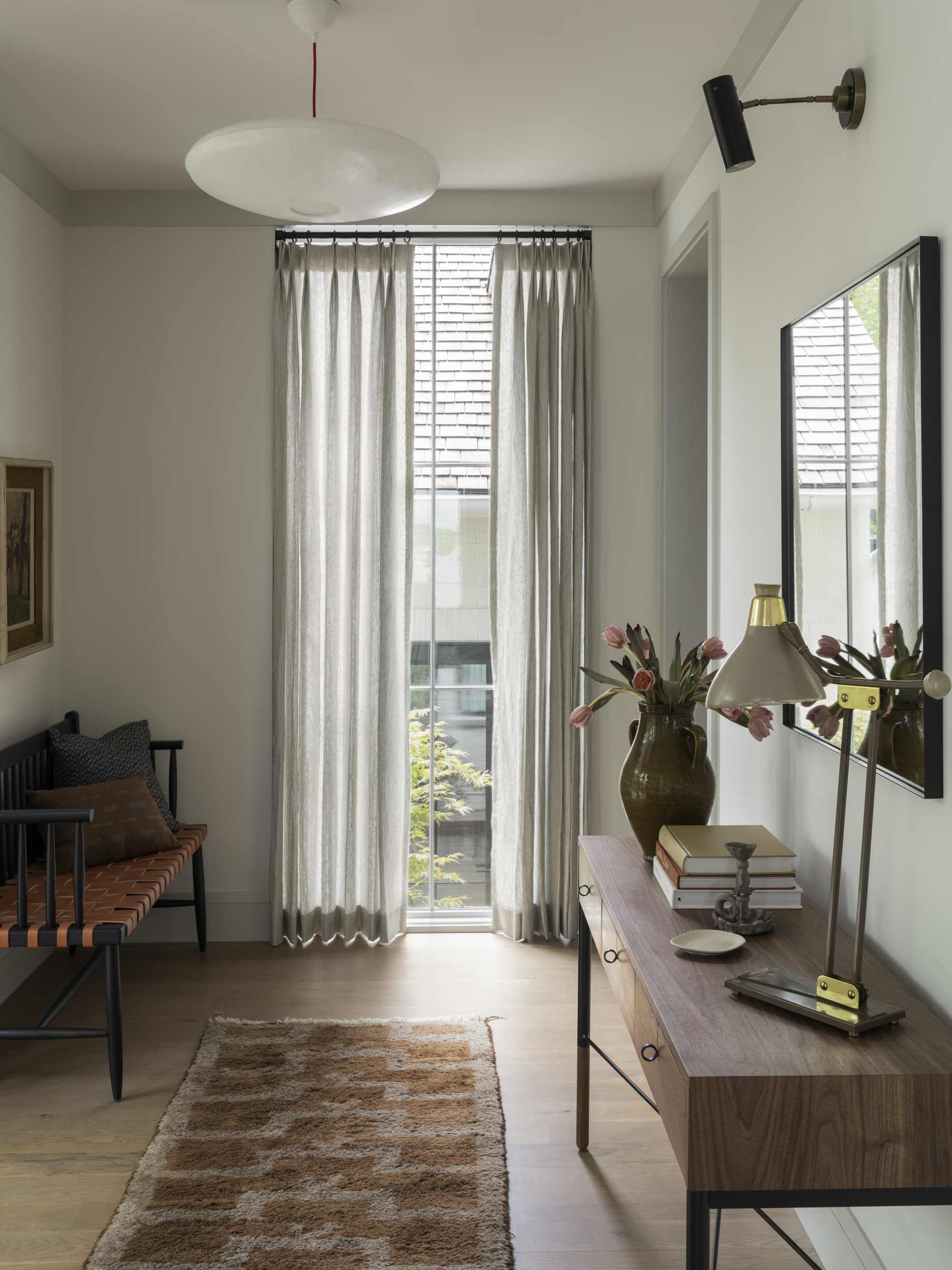
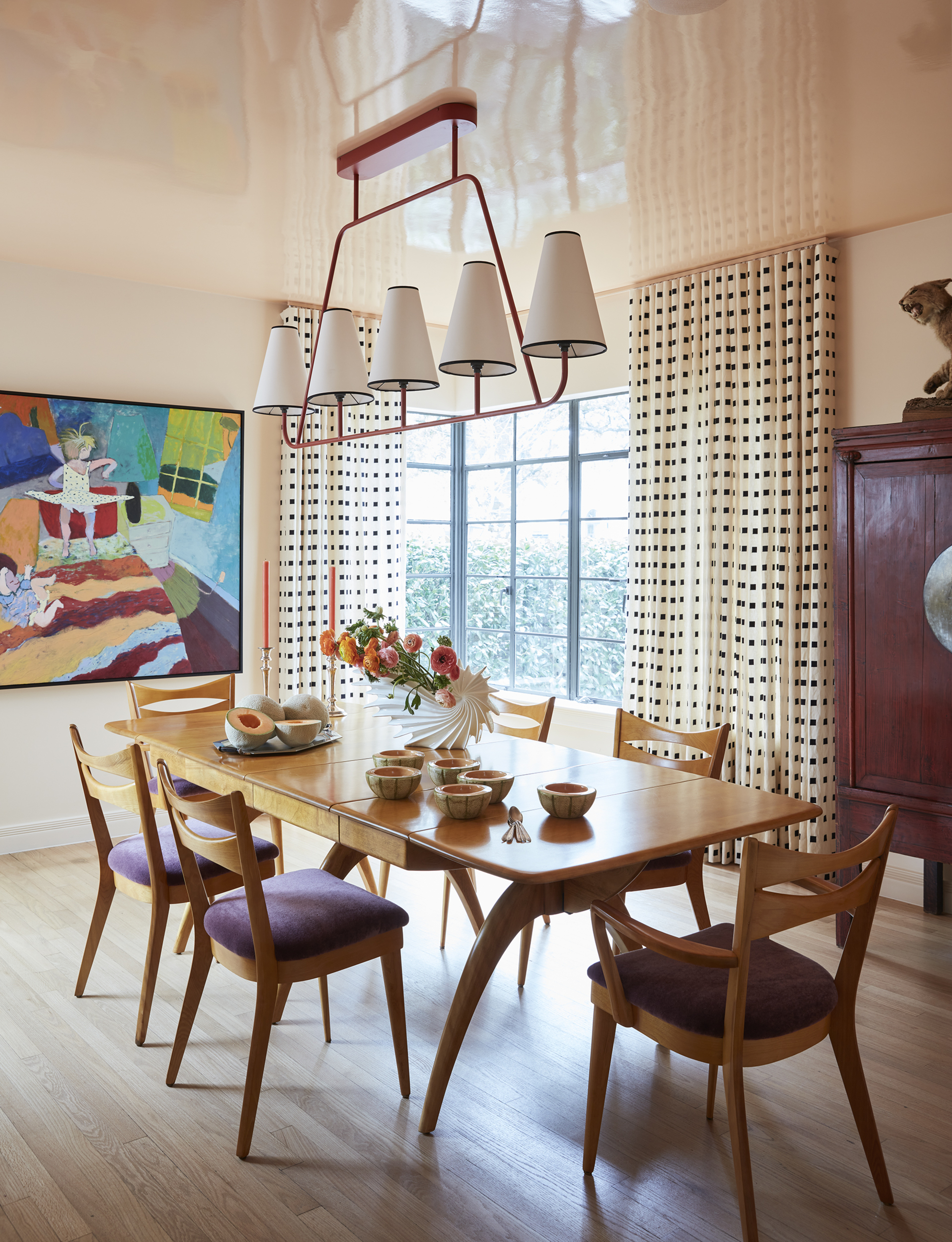

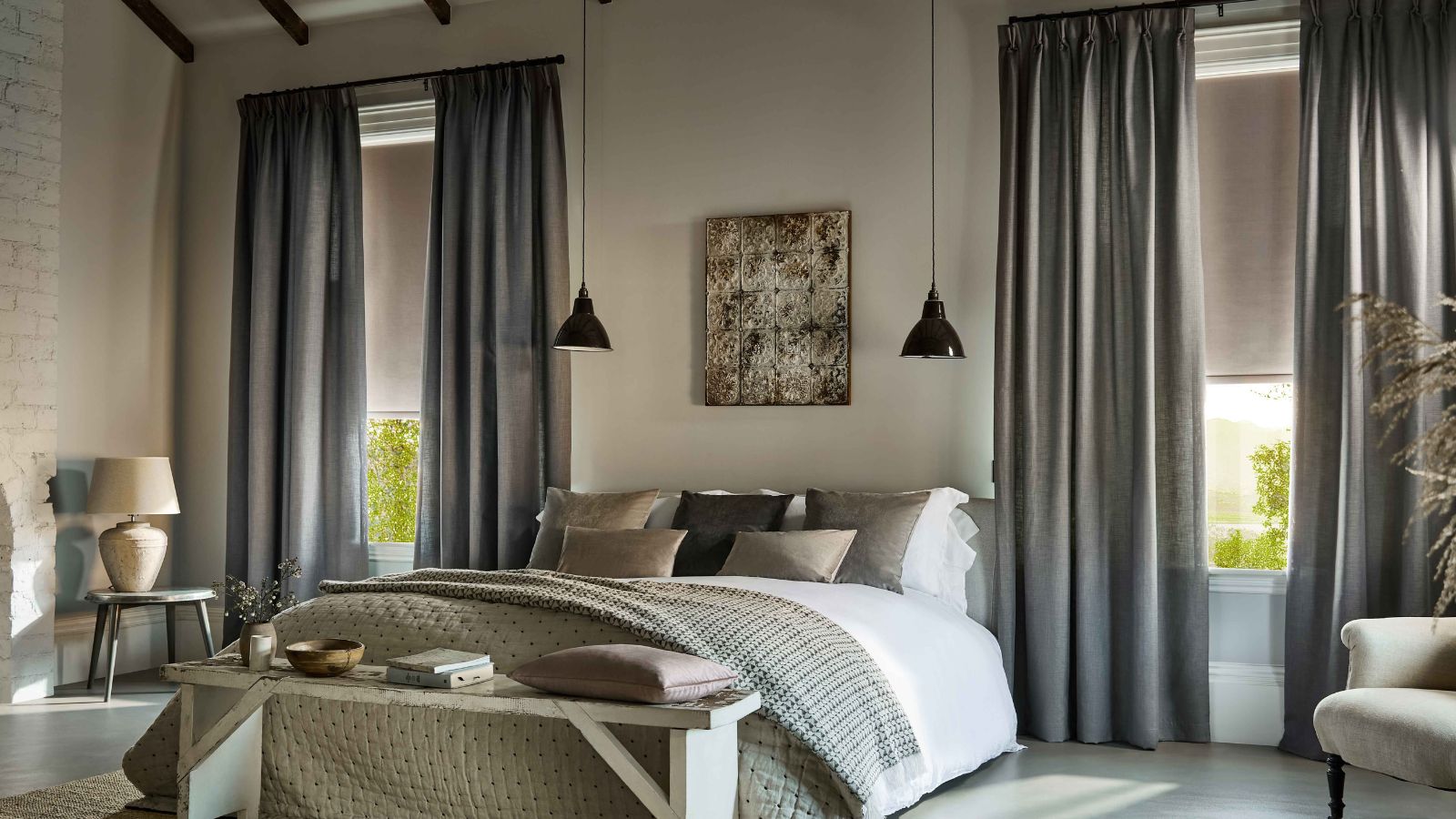
Selecting the right curtains for a room involves careful consideration of various factors beyond mere aesthetics, encompassing the overall style, practicalities, and desired visual harmony. While matching curtains throughout a space can create a cohesive and balanced look, interior design experts suggest that exact matching is not always necessary and that coordinating elements is often key. The decision to match or mismatch curtains depends heavily on the intended visual effect and the room's specific characteristics.
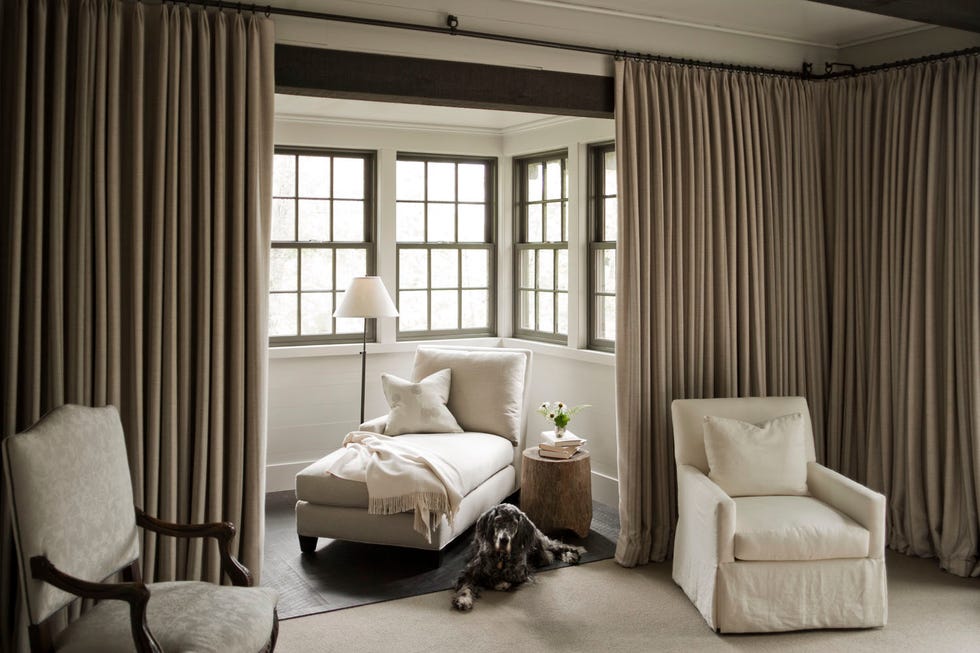
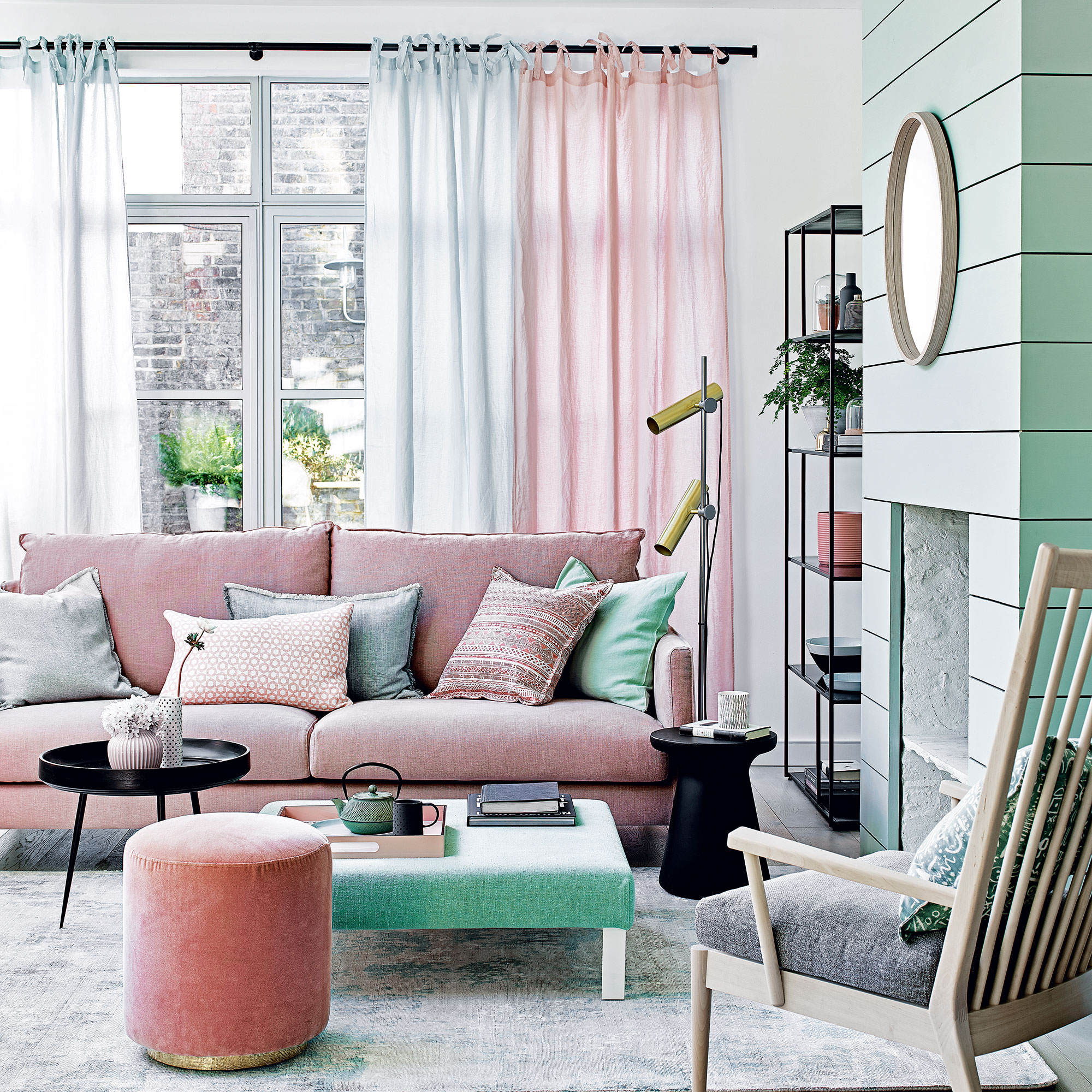
Matching curtains contribute to a visually pleasing and stable backdrop for the room's decor, preventing a sense of imbalance. When curtains in close proximity are mismatched in style, color, or texture, they can appear jarring and detract from the overall aesthetic. Maintaining consistency in curtain design provides a cohesive framework, allowing for diverse details within the room to stand out without creating visual chaos. This approach helps in tying the room together, ensuring that all elements work in harmony.
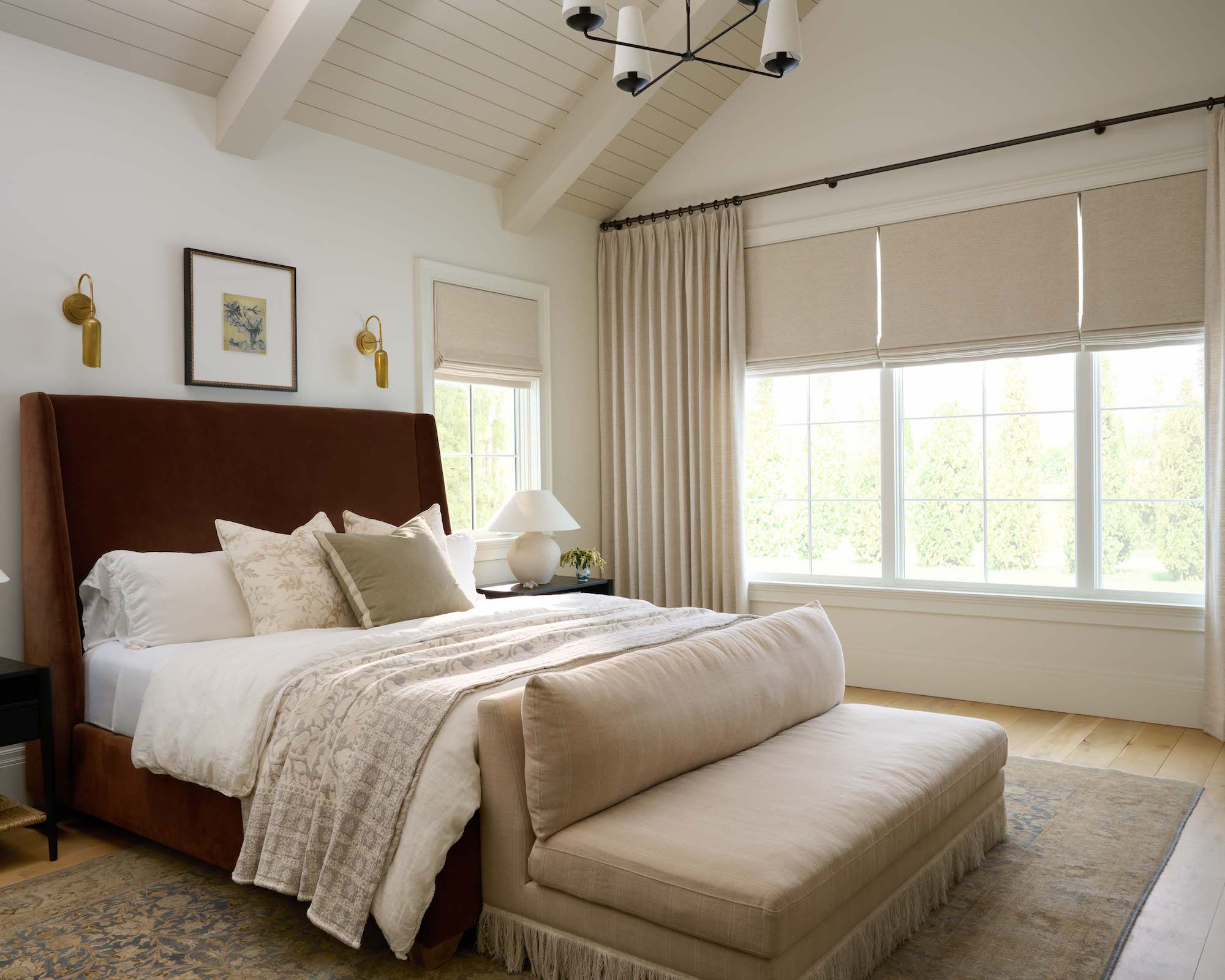
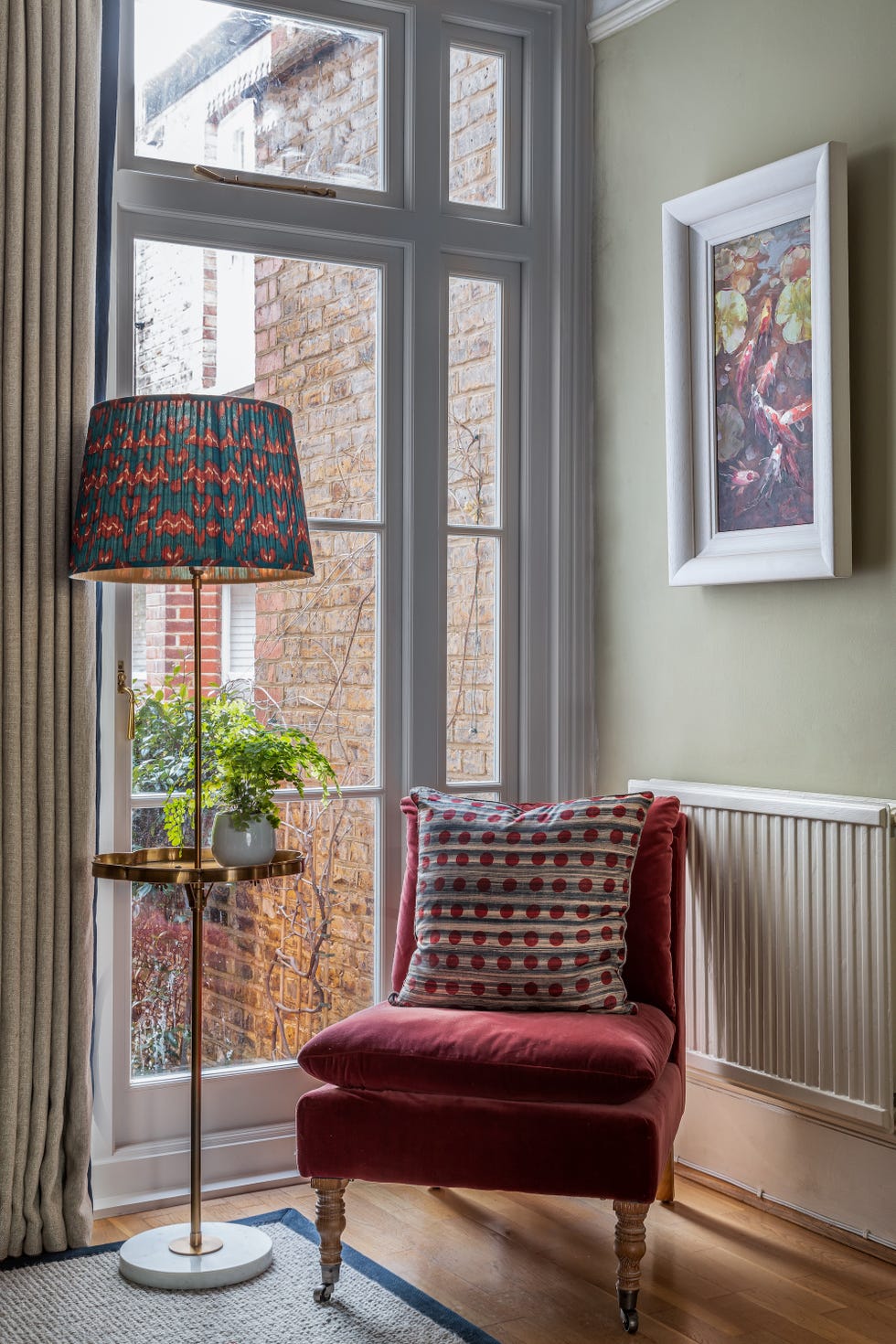
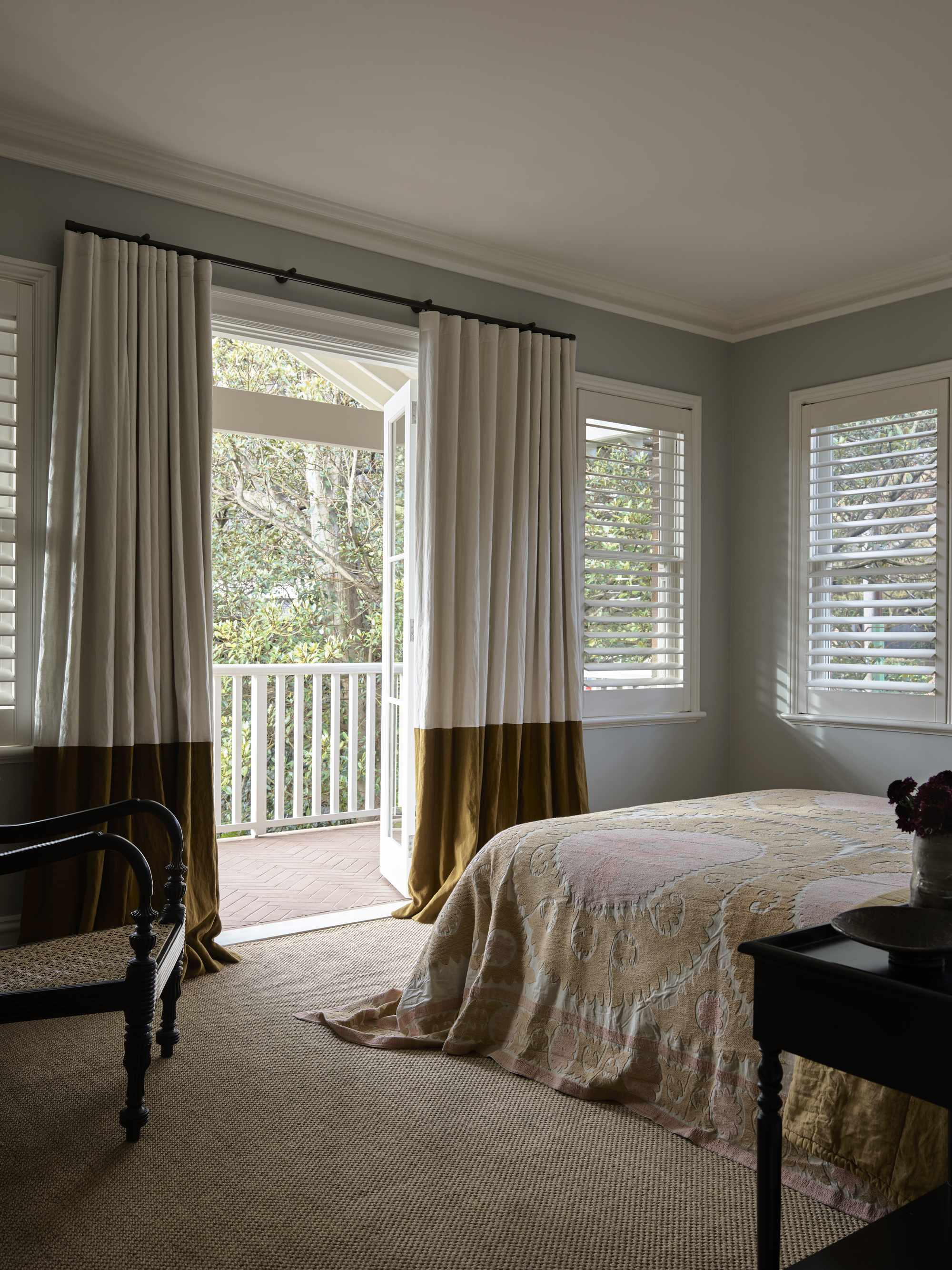
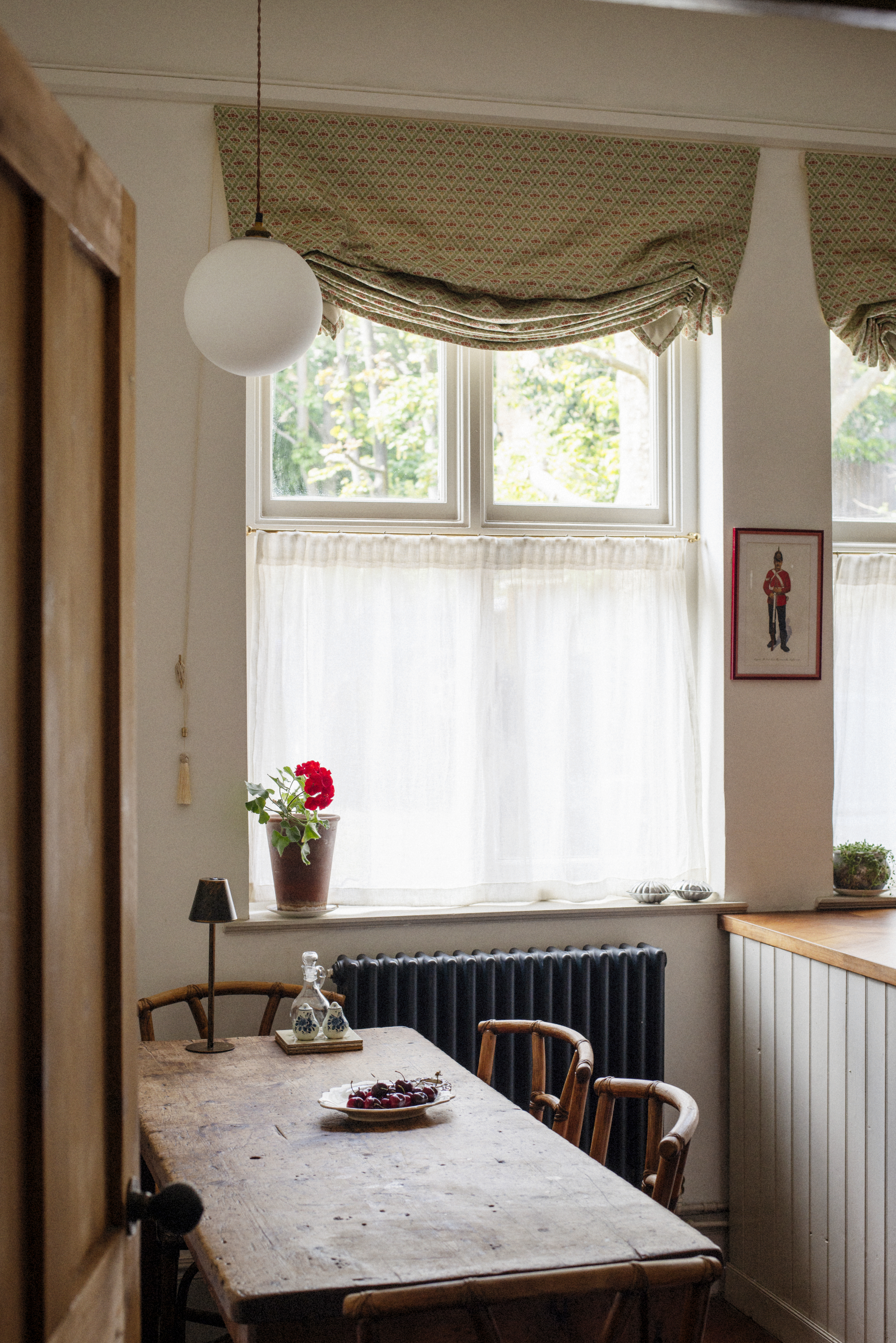
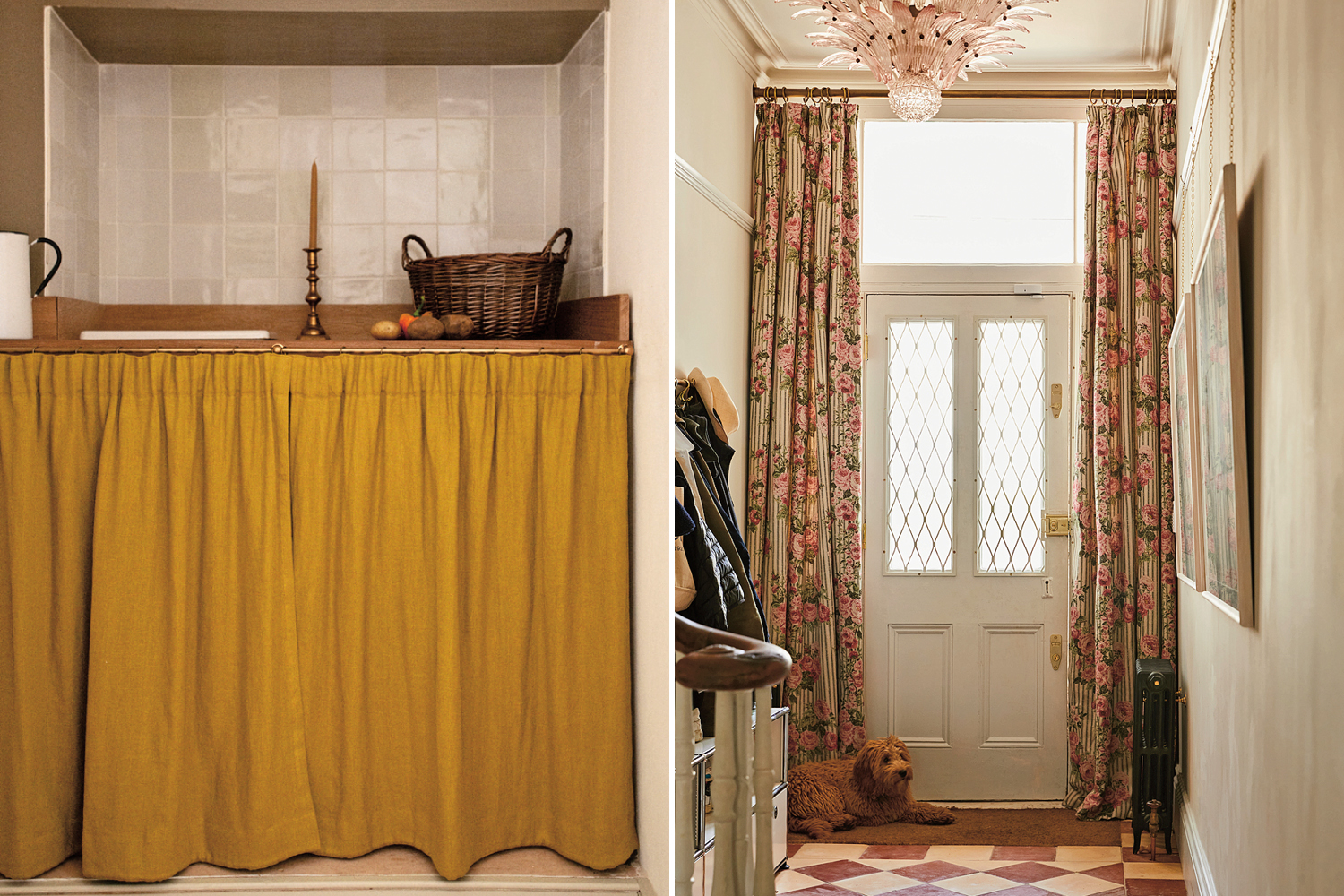
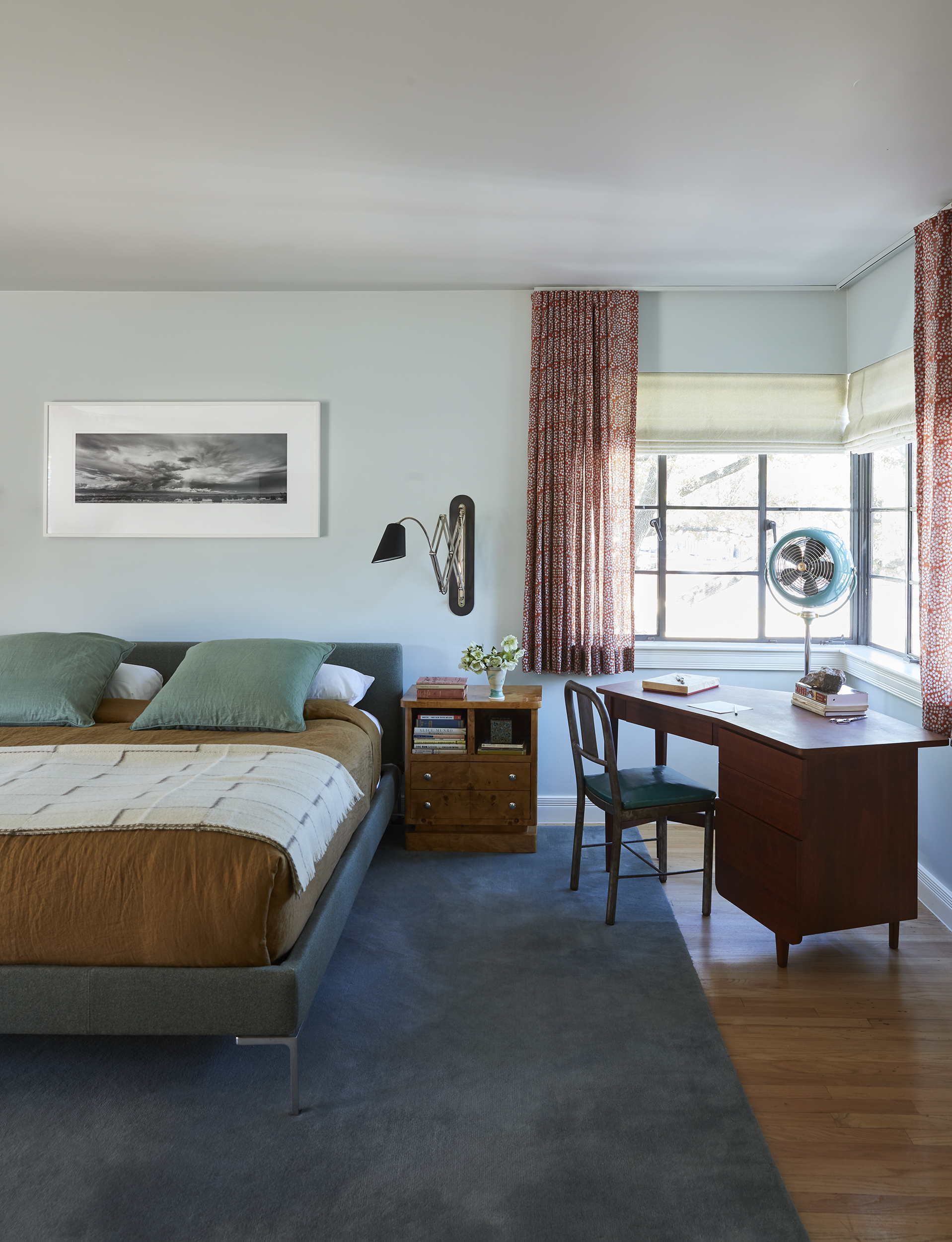
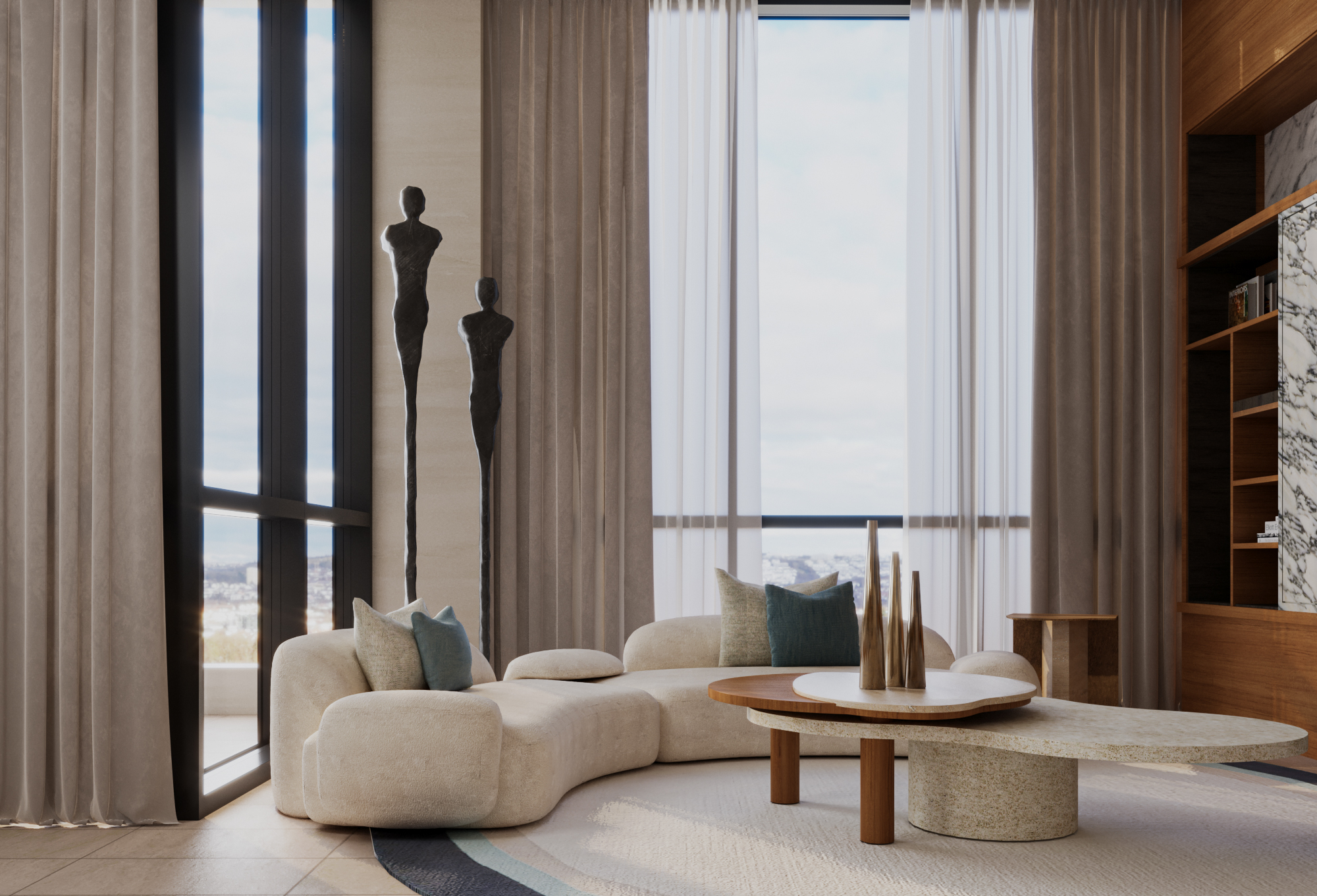
Practical considerations significantly influence curtain choices. The function, maintenance, and durability of fabrics must be evaluated, particularly in high-traffic areas or rooms exposed to substantial sunlight. Easy-to-clean and maintain fabrics are often preferred for longevity. Additionally, the specific characteristics of each window in a room may necessitate different types of window treatments. For instance, full-height doors might suit linen curtains, while a smaller window with a radiator underneath could be better served by a Roman blind. Mixing curtains with blinds can offer both aesthetic appeal and functional benefits, but it is crucial that a common color or pattern element ties these different treatments together to maintain coherence.
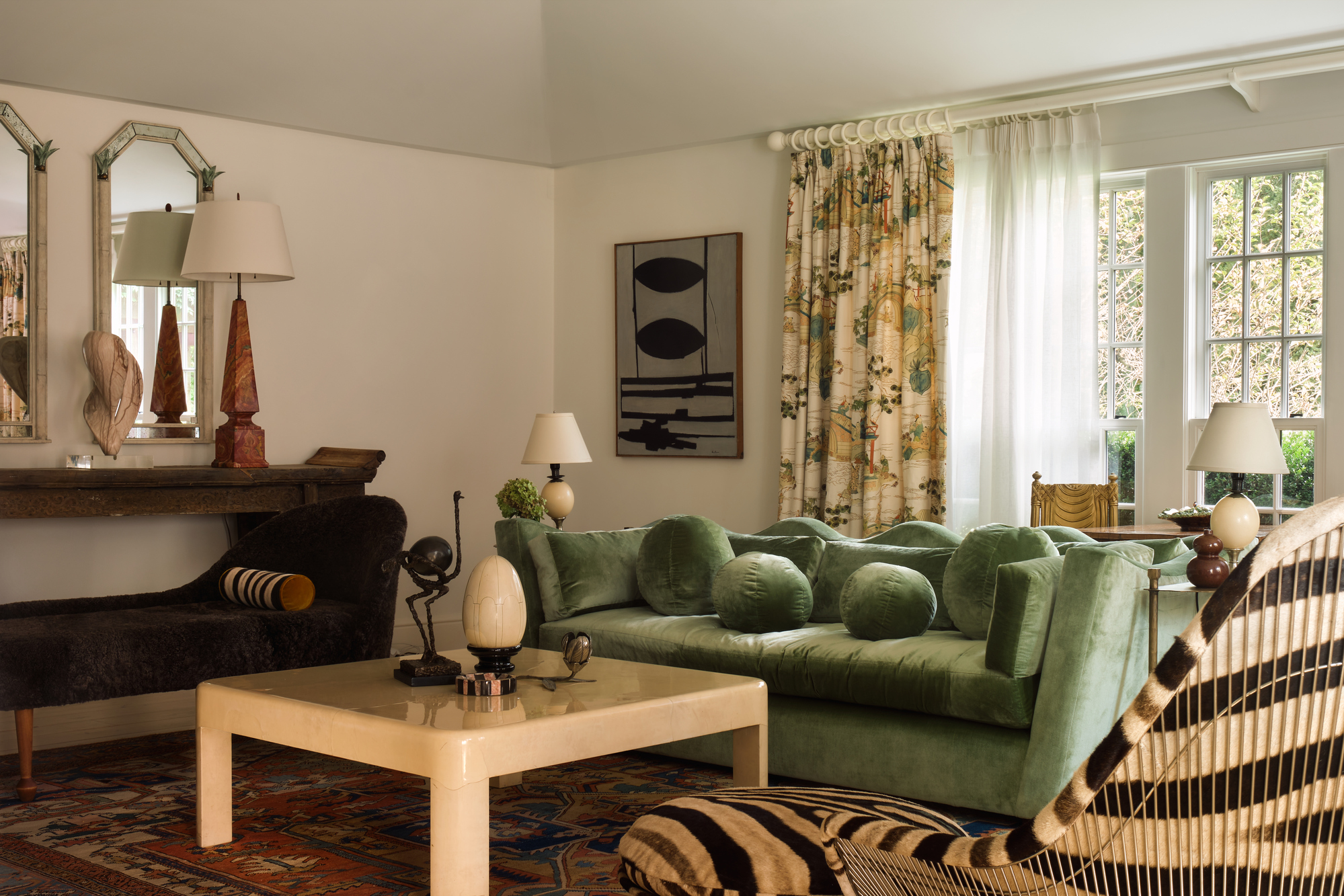
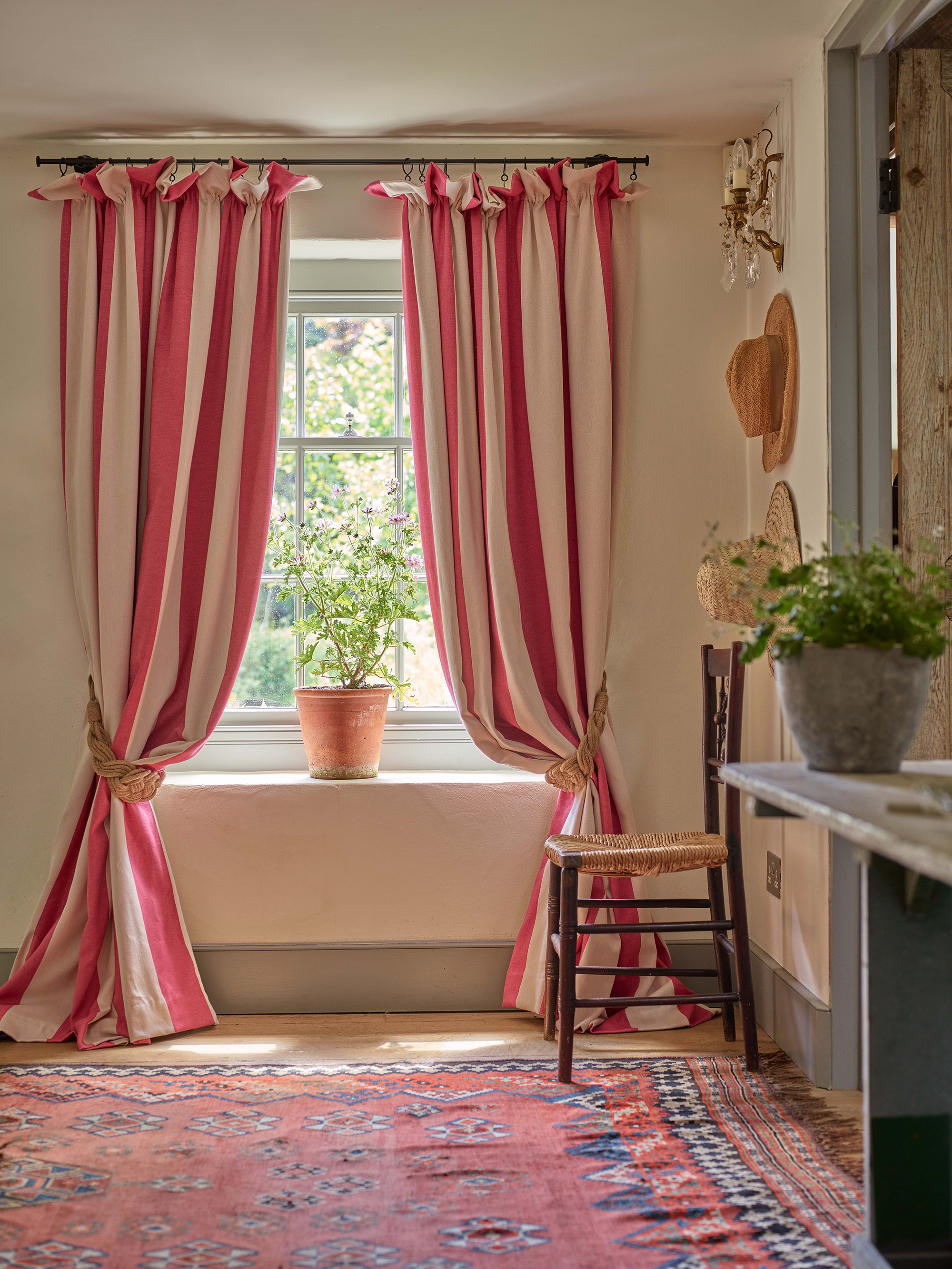
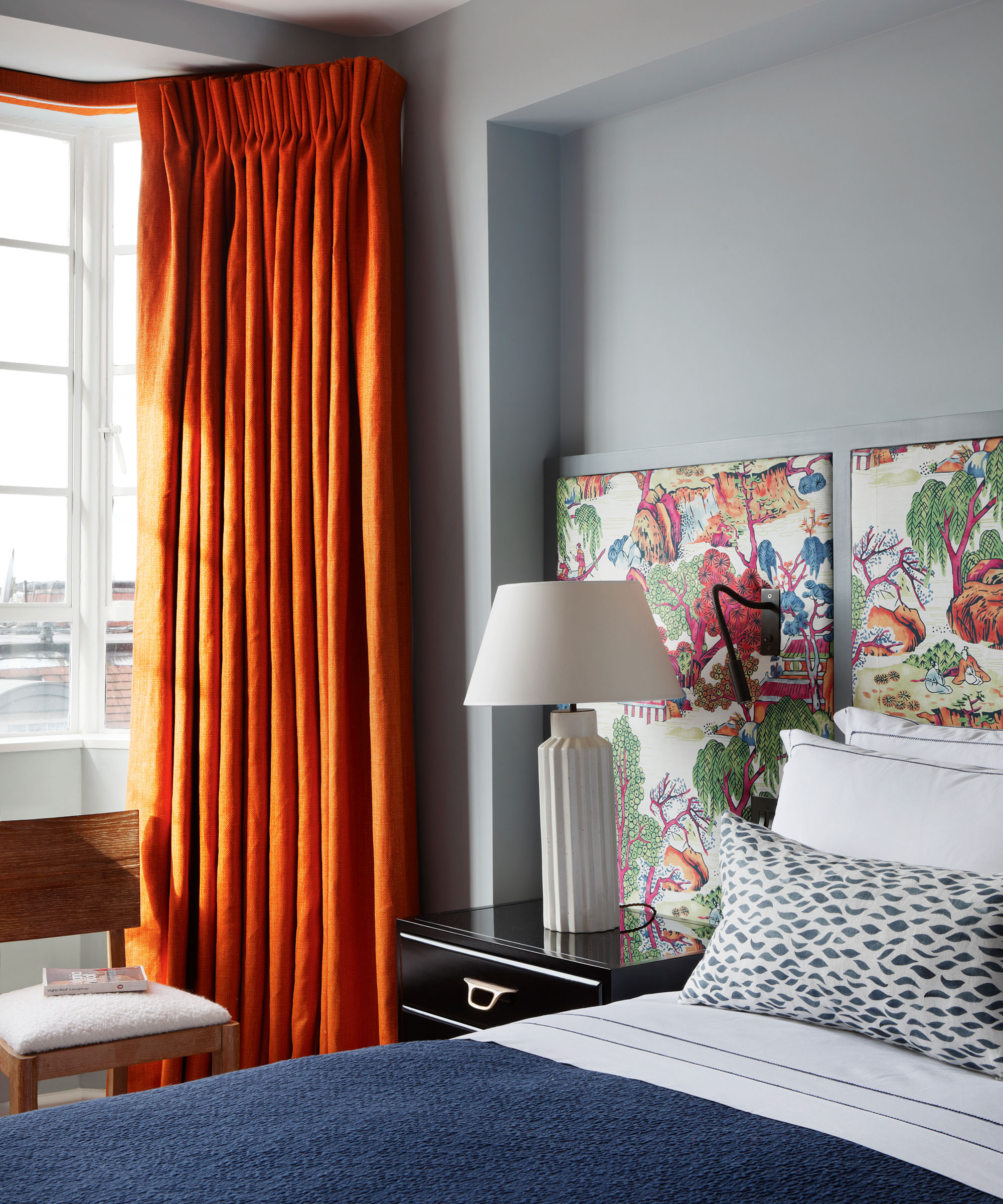
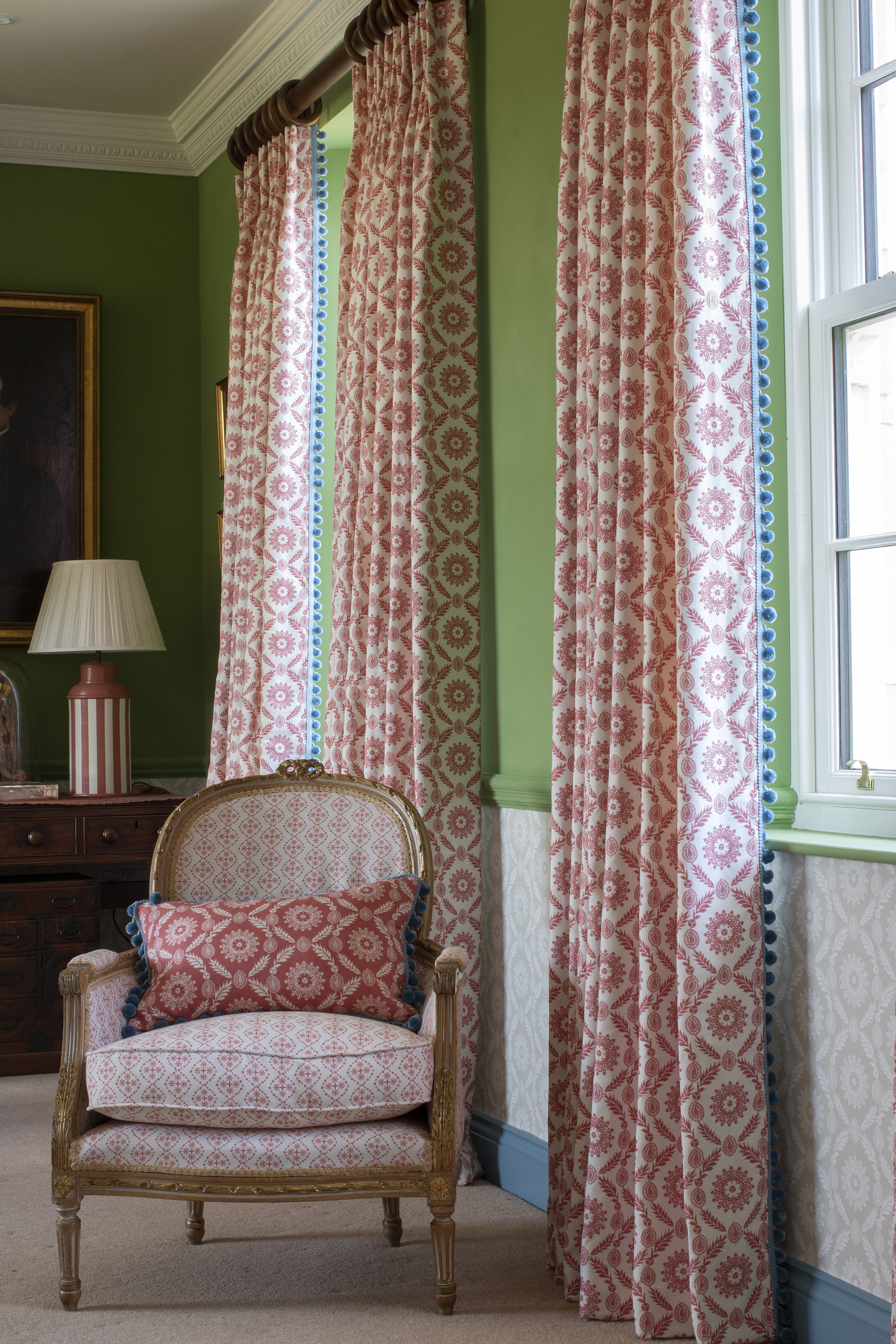
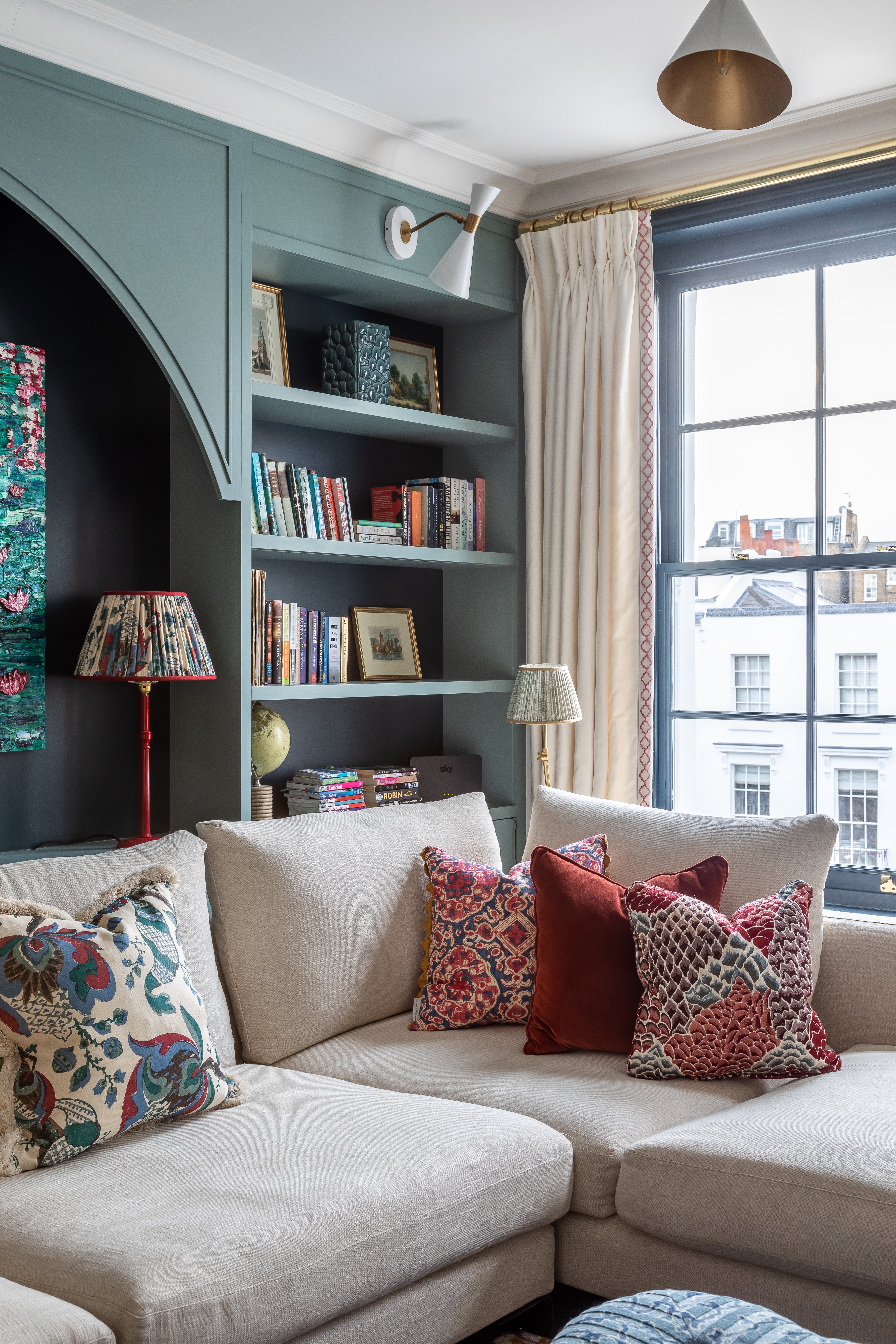
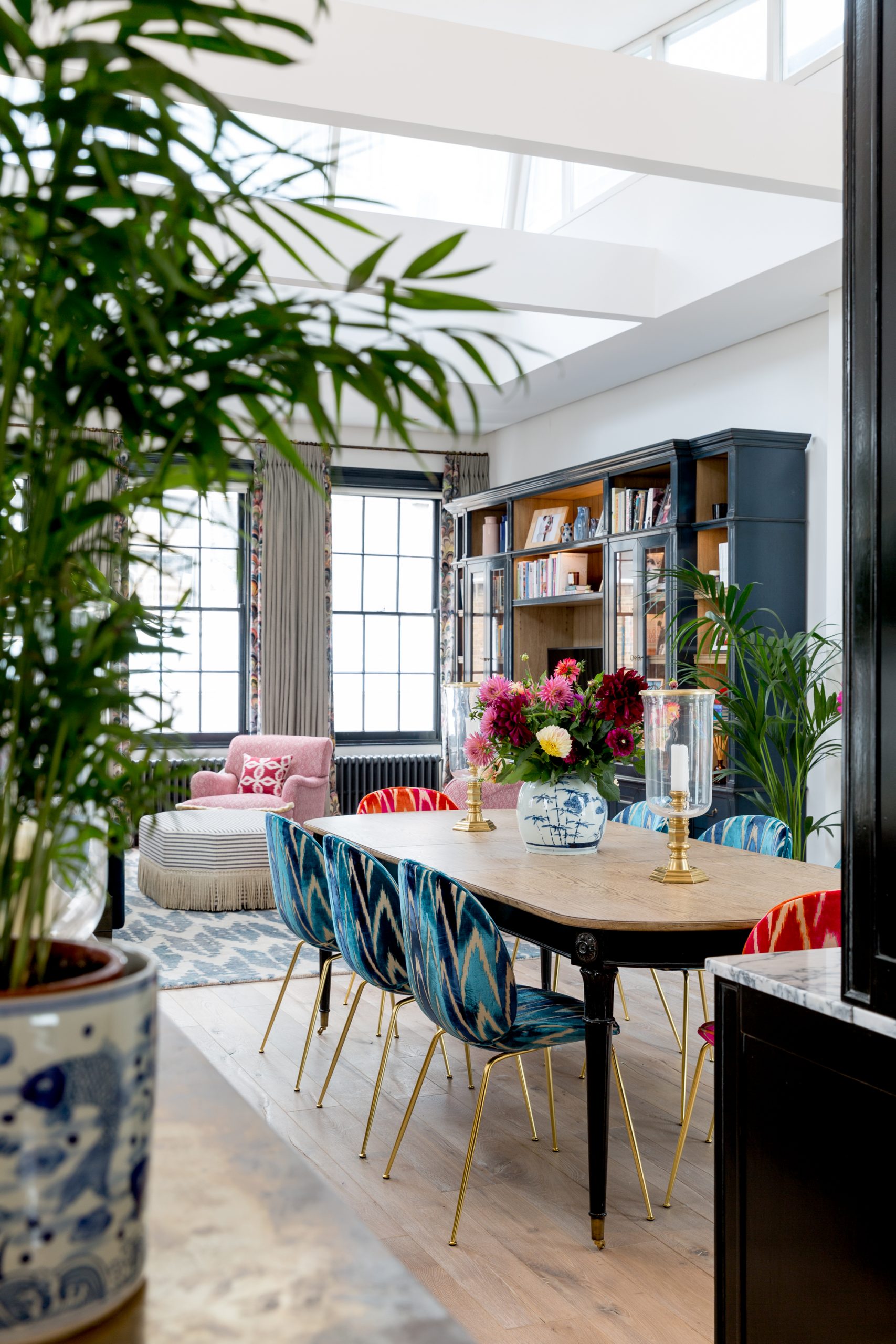
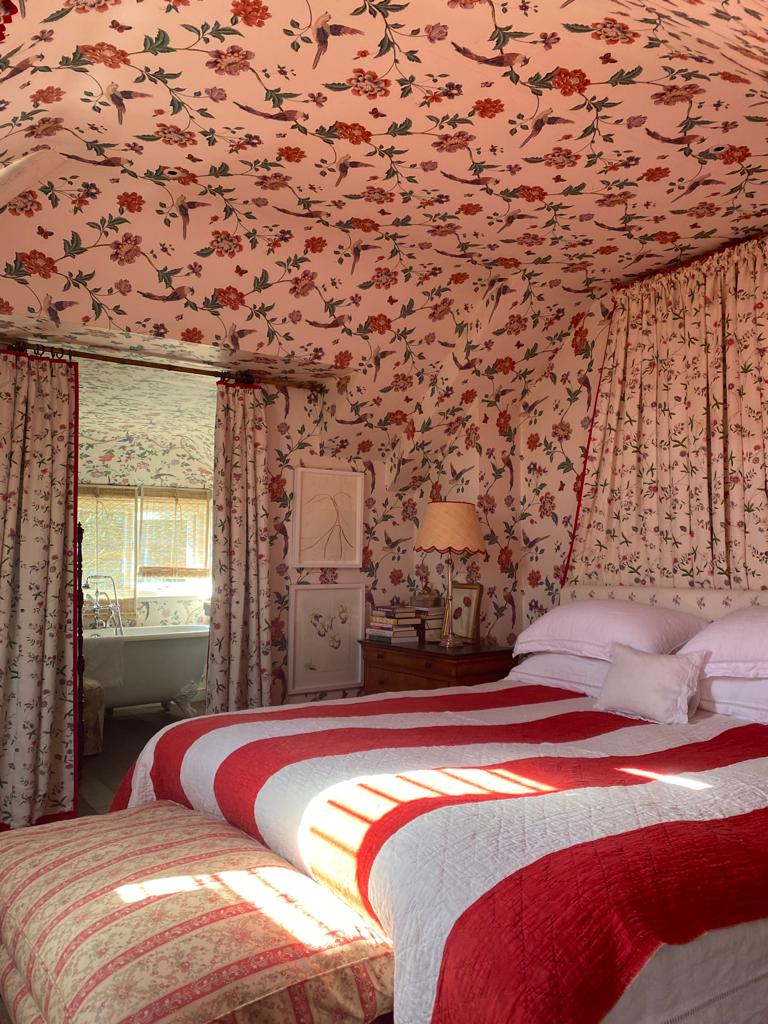
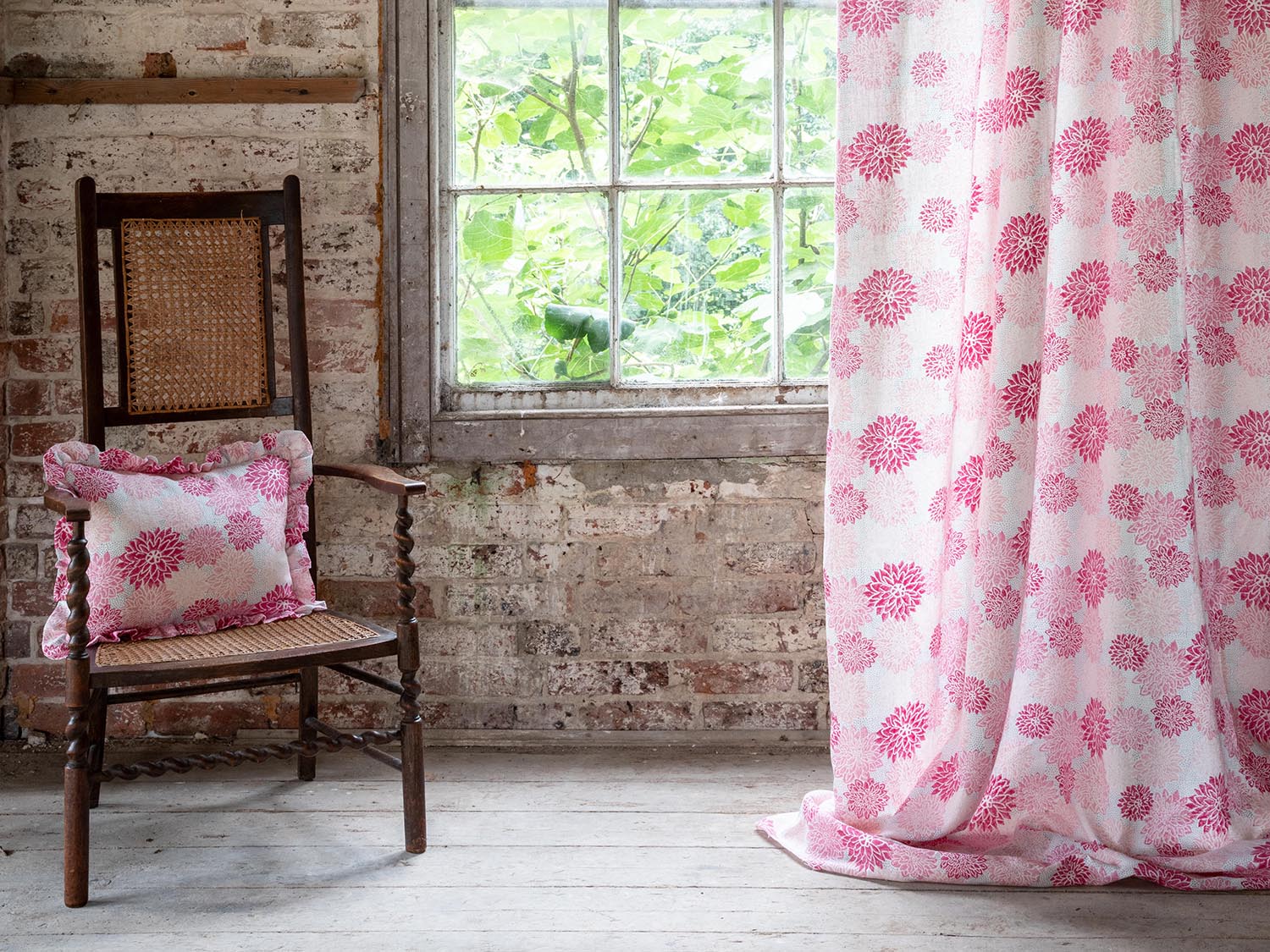
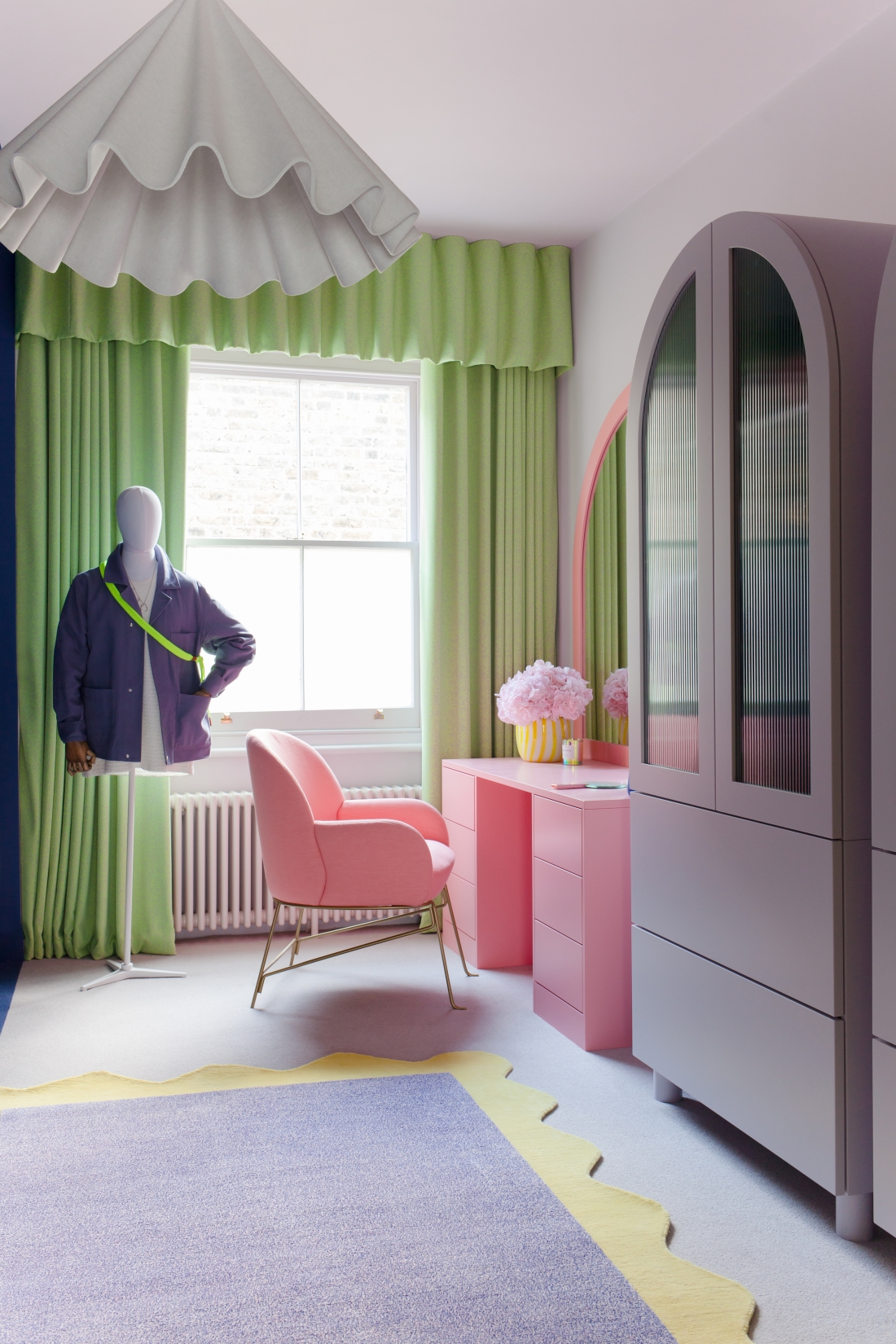
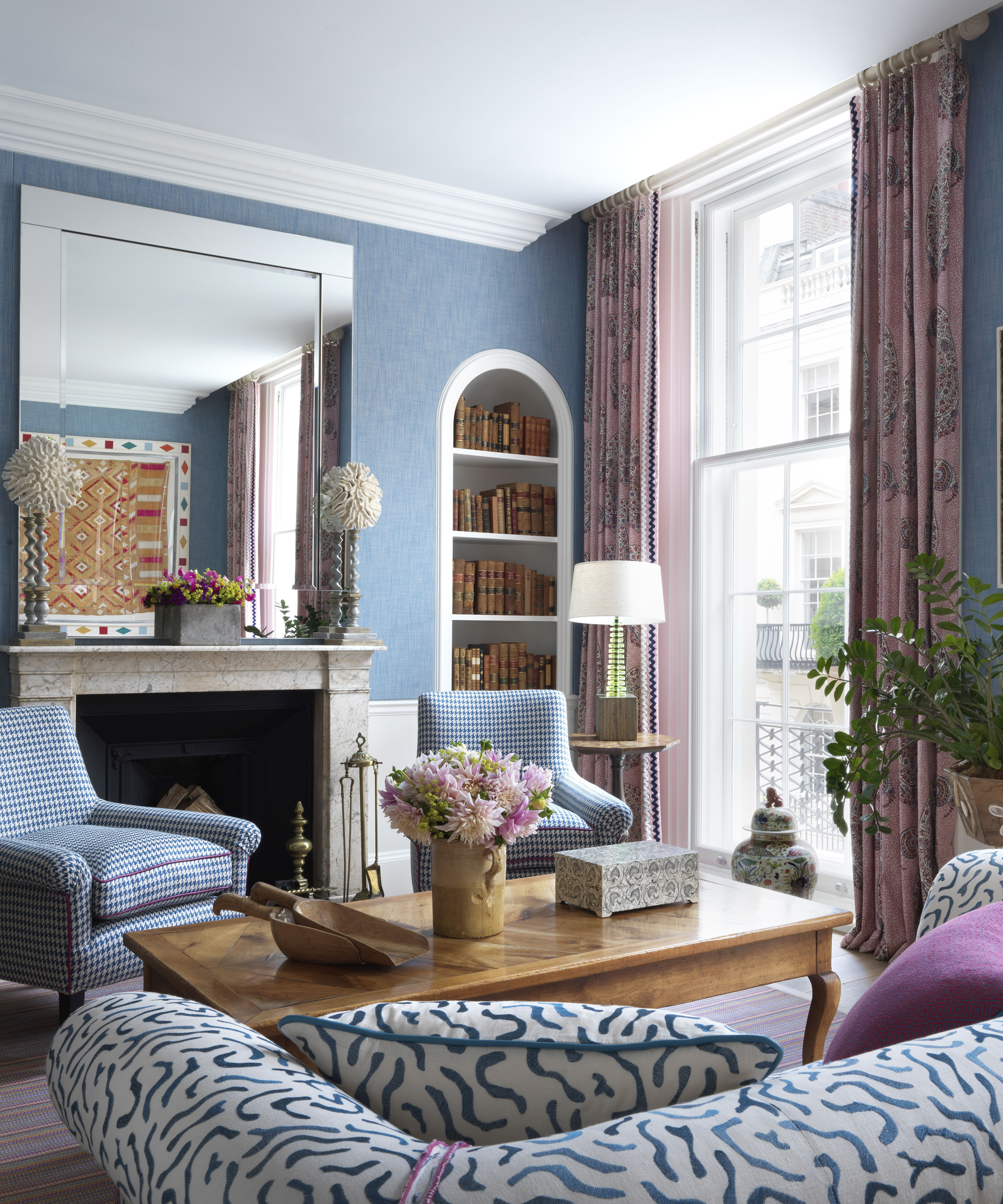
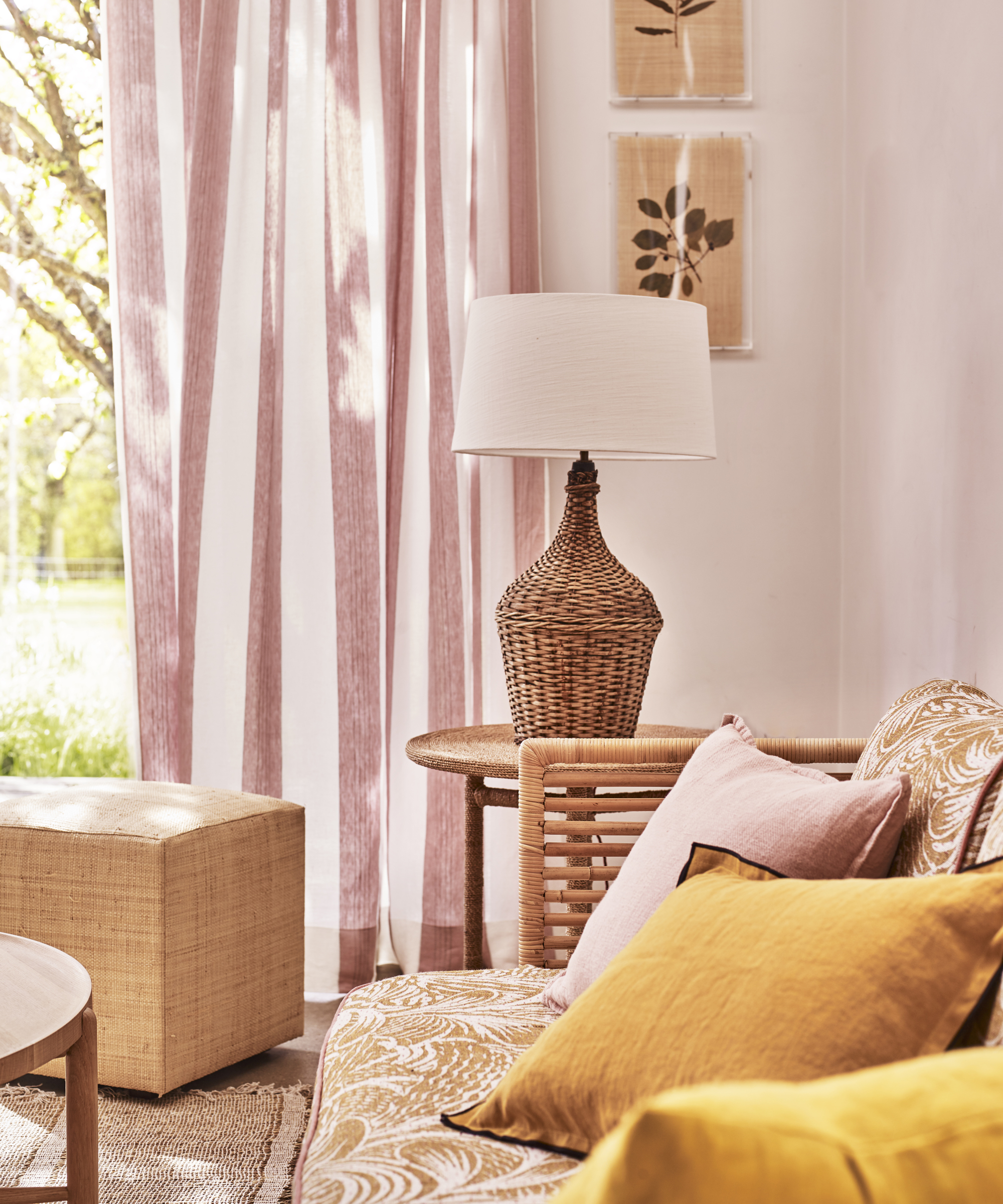
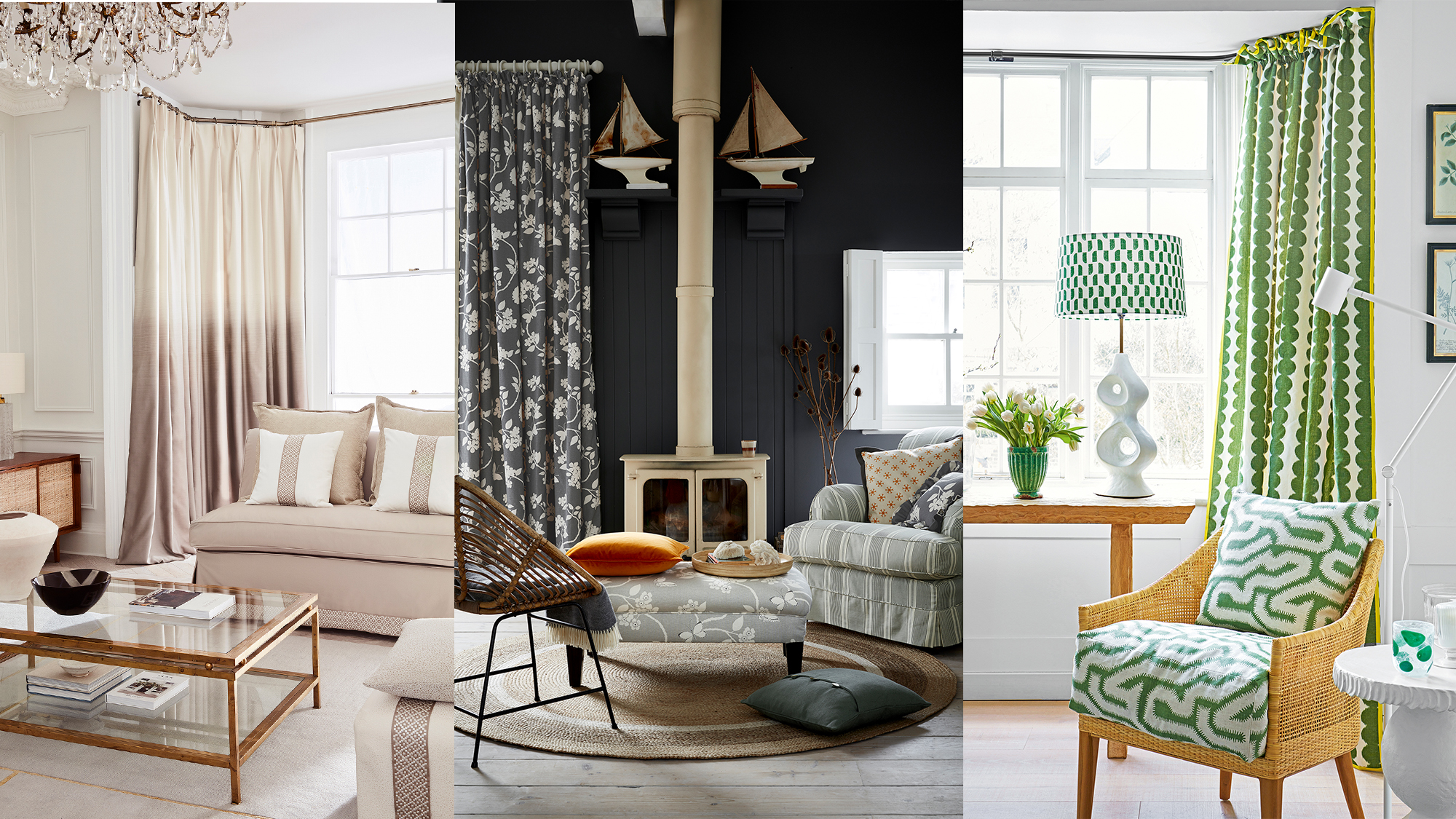
Introducing a mix of patterns and solid colors in curtains can add variety without sacrificing harmony. The goal is to choose fabrics and colors that blend well, creating a cohesive rather than a clashing effect. This can be achieved by alternating a floral curtain with a striped blind, for example, but incorporating the stripe as a trim on the floral curtain or swapping the face/front fabric to ensure a common color flows between them. In open-plan spaces, different patterns can effectively zone areas, such as using a printed fabric in the kitchen and a complementary pattern or solid fabric in the dining area. This strategy creates visual interest and character without requiring physical barriers.
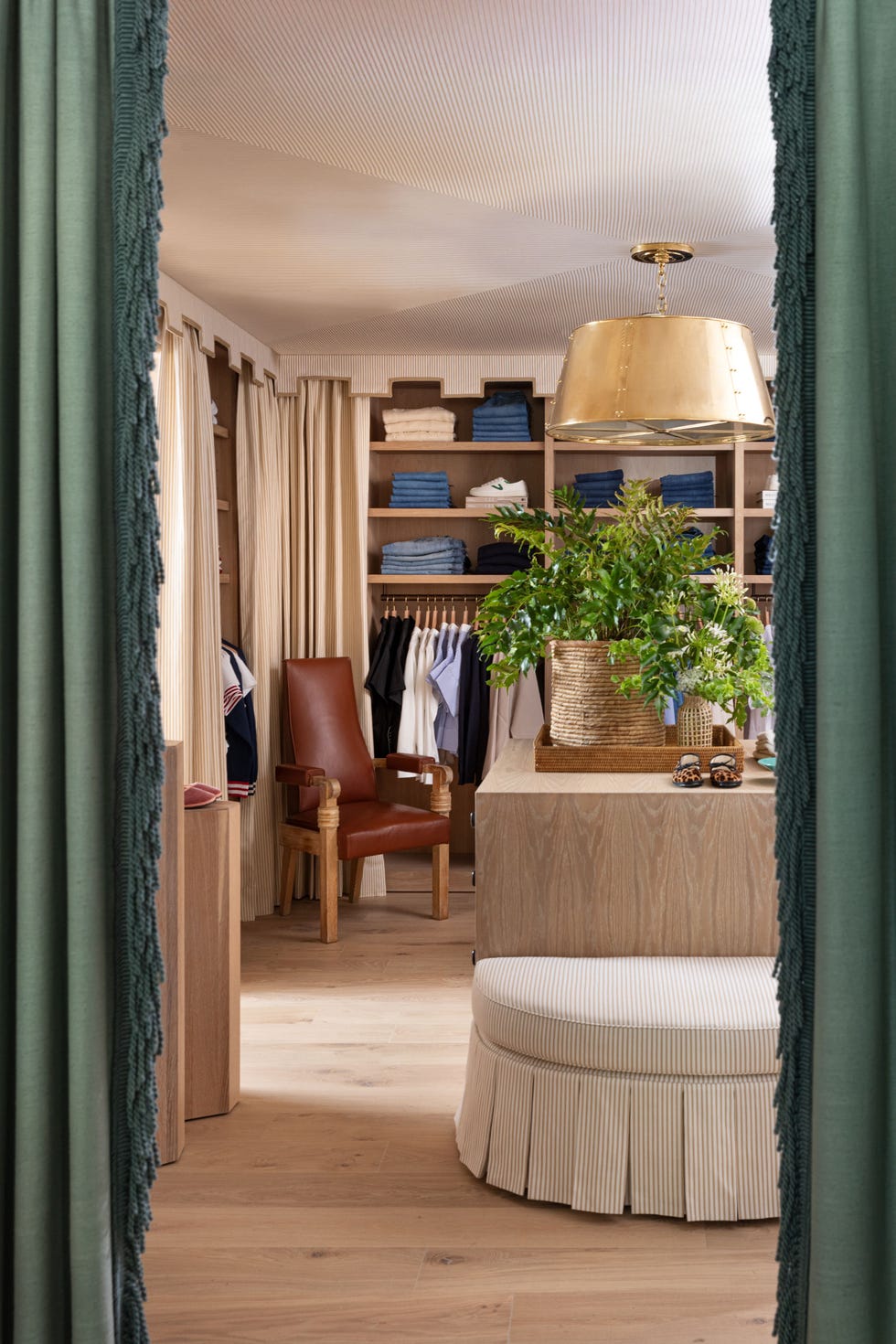
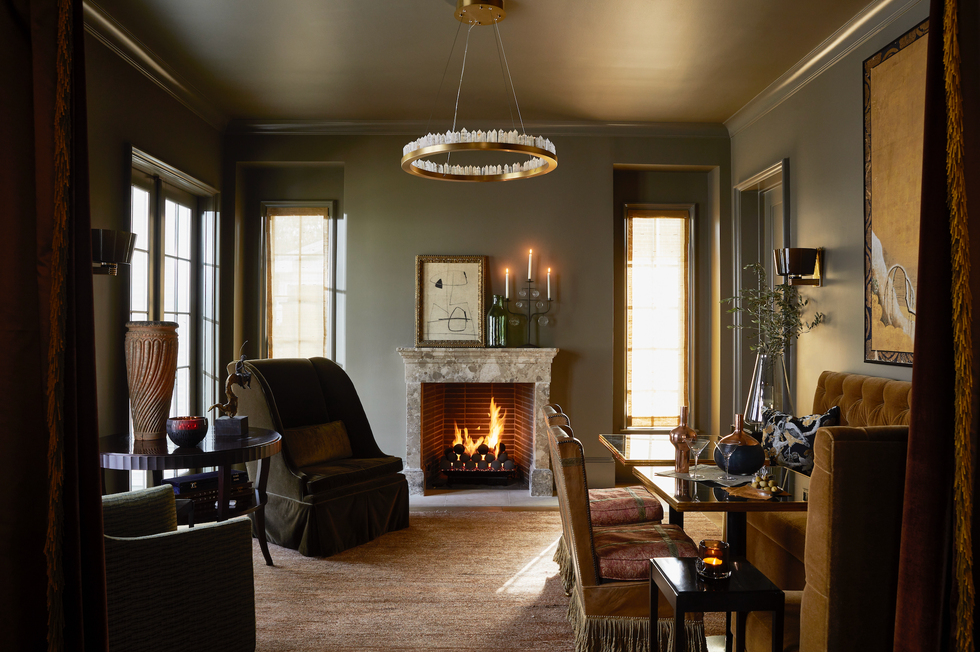
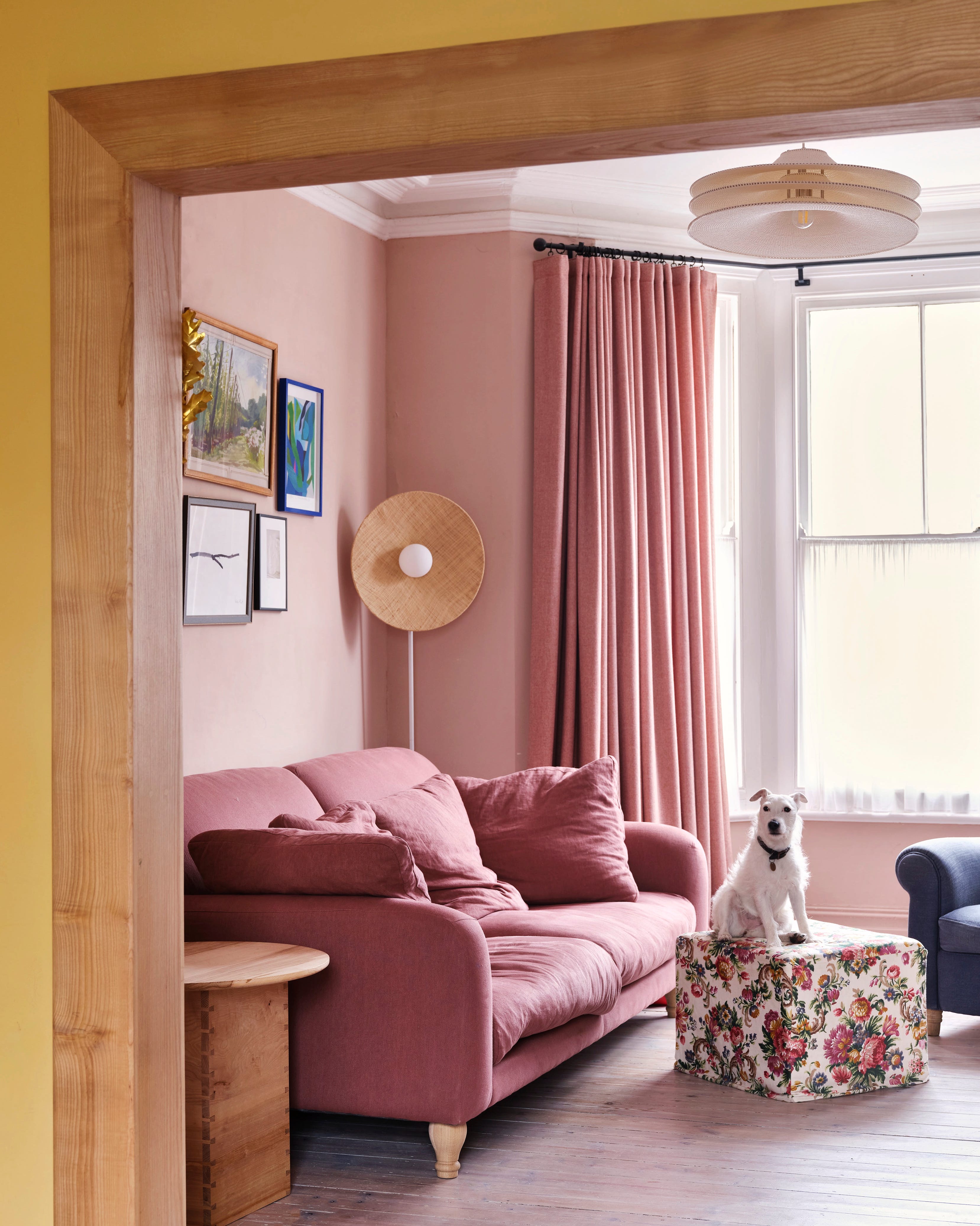
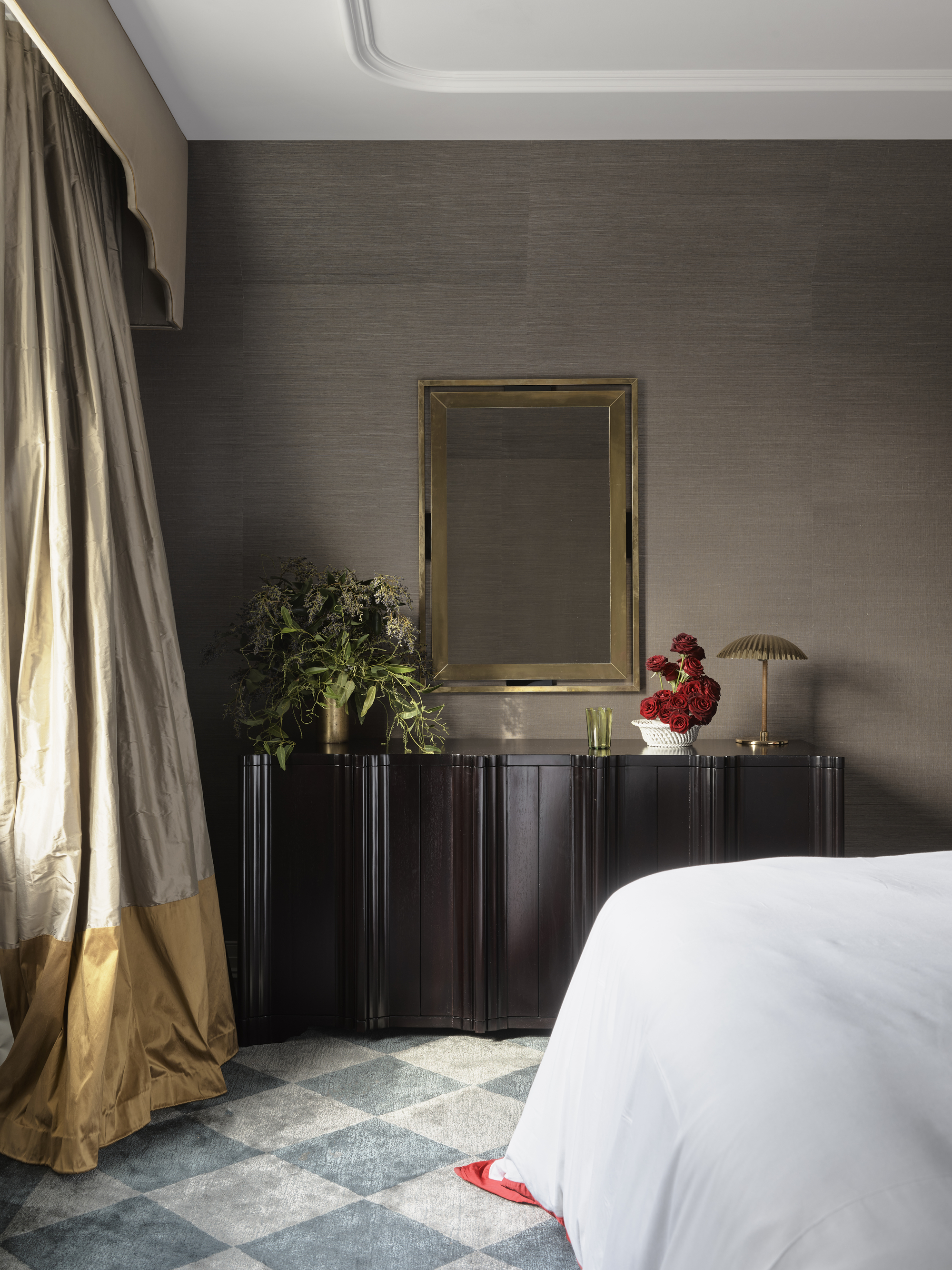
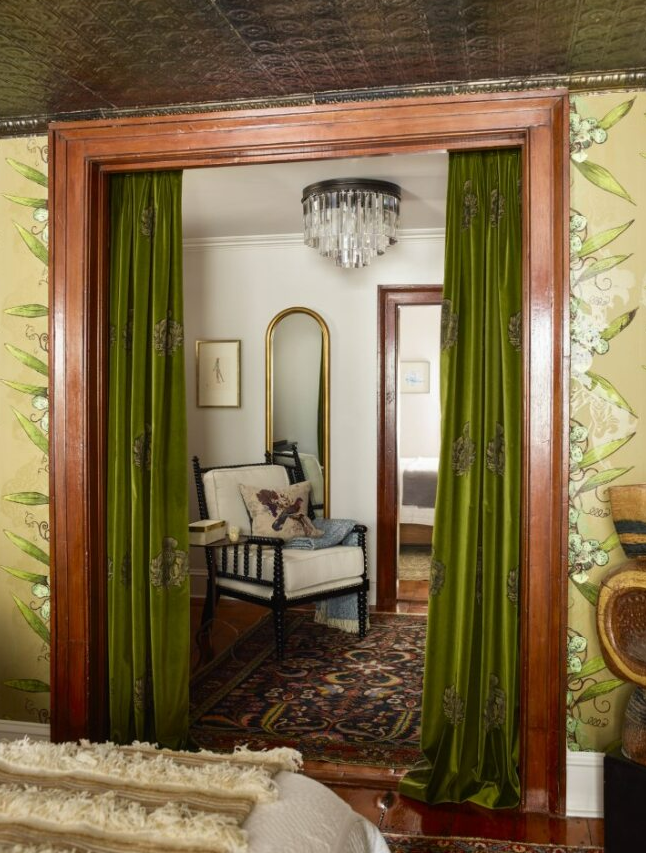
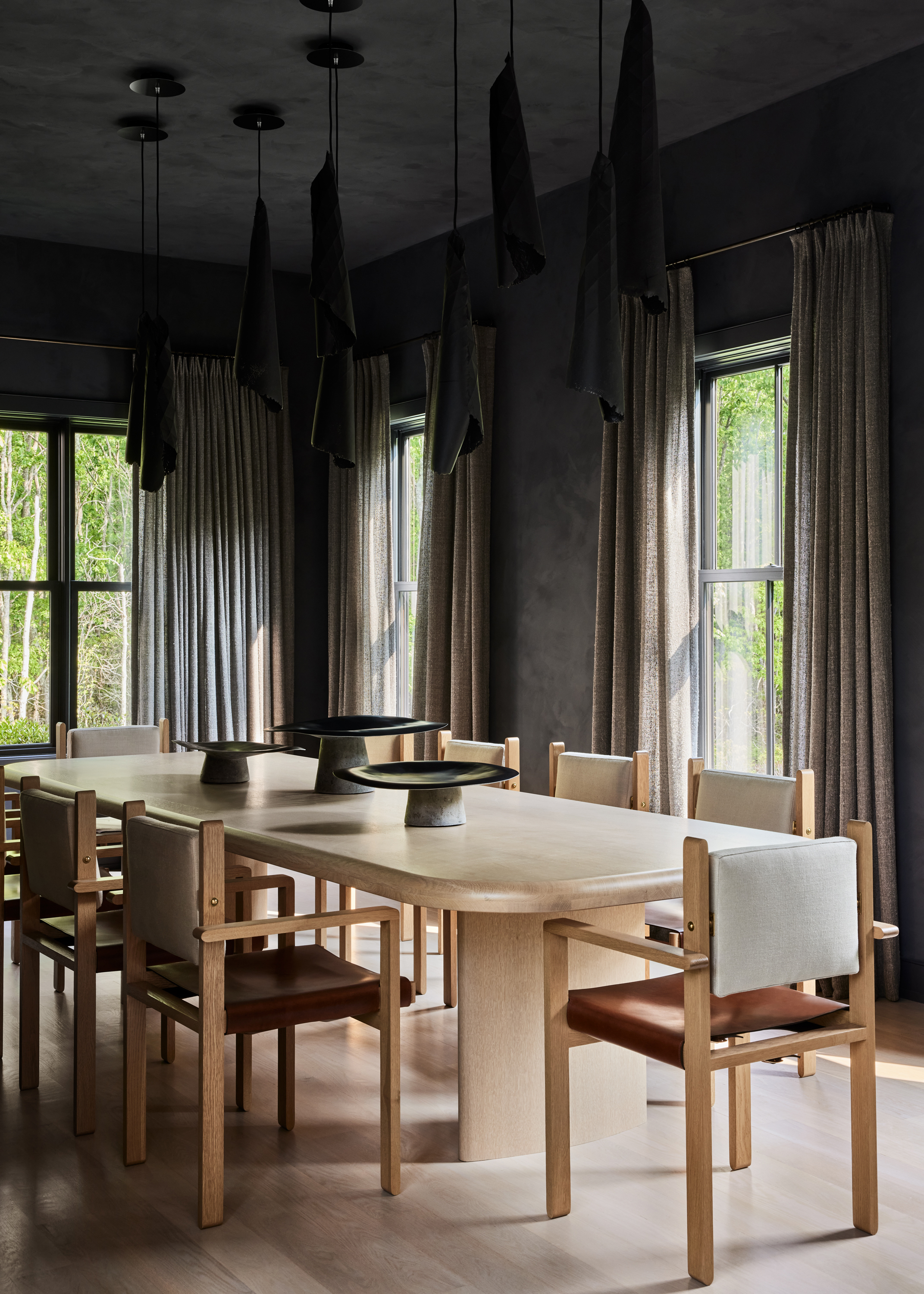
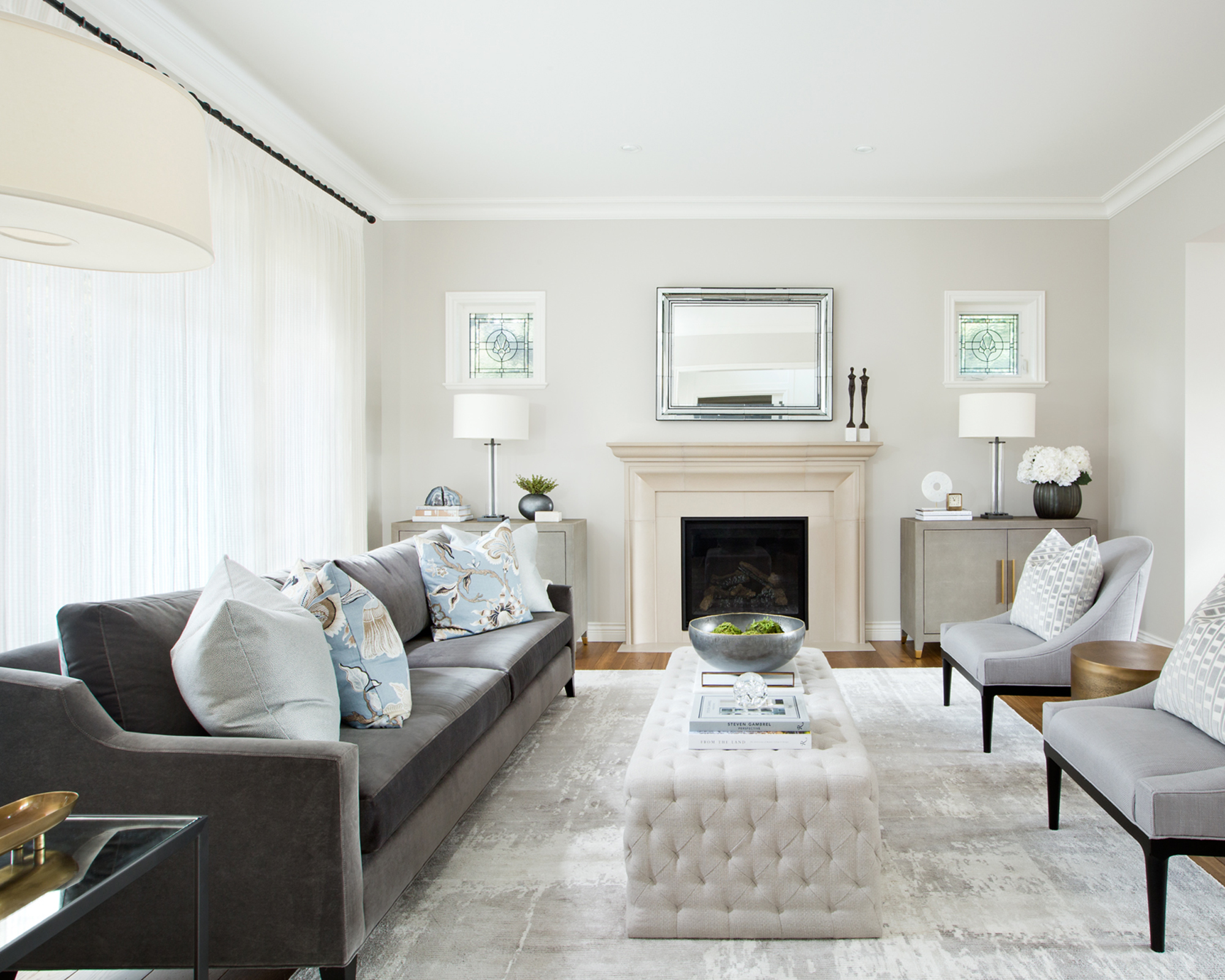
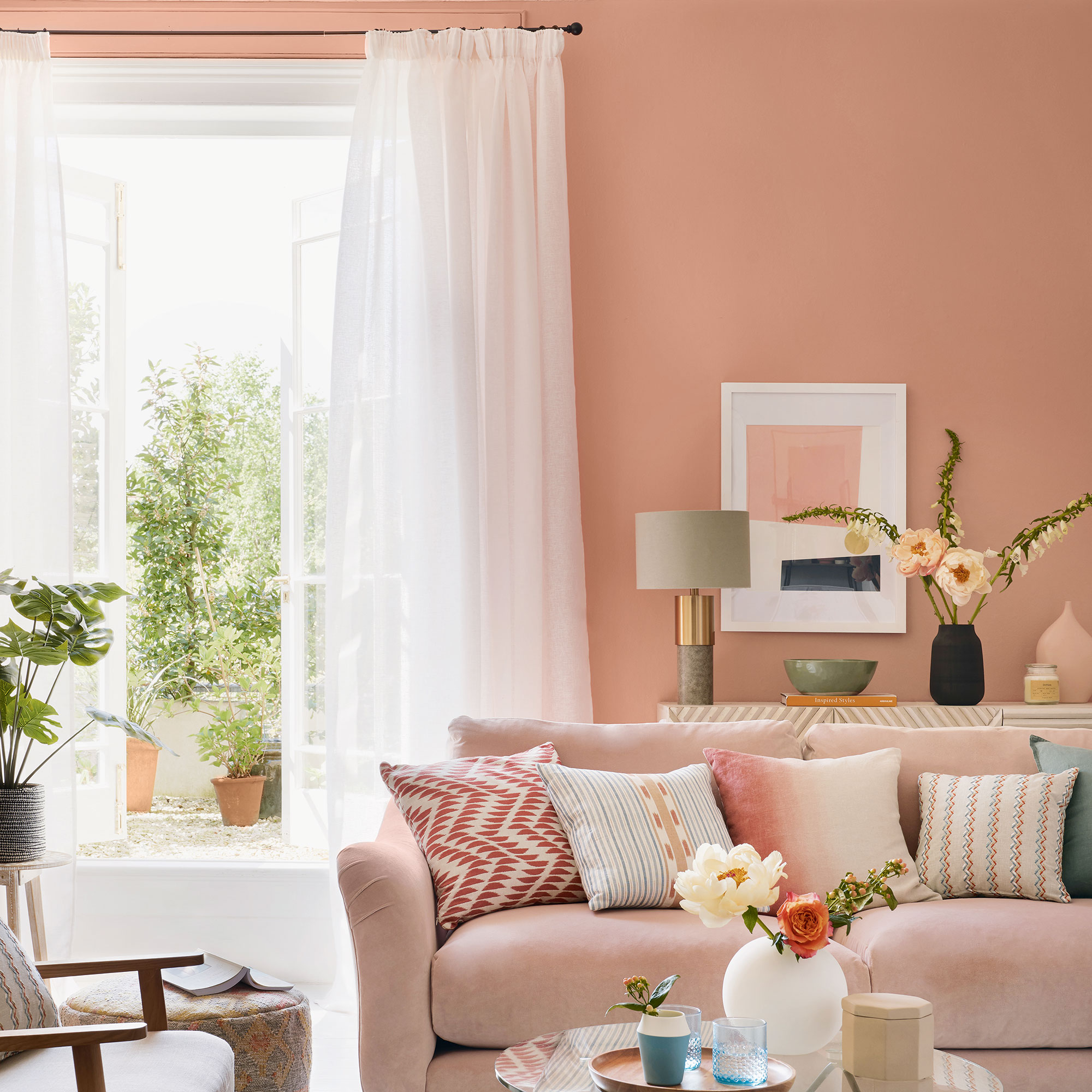
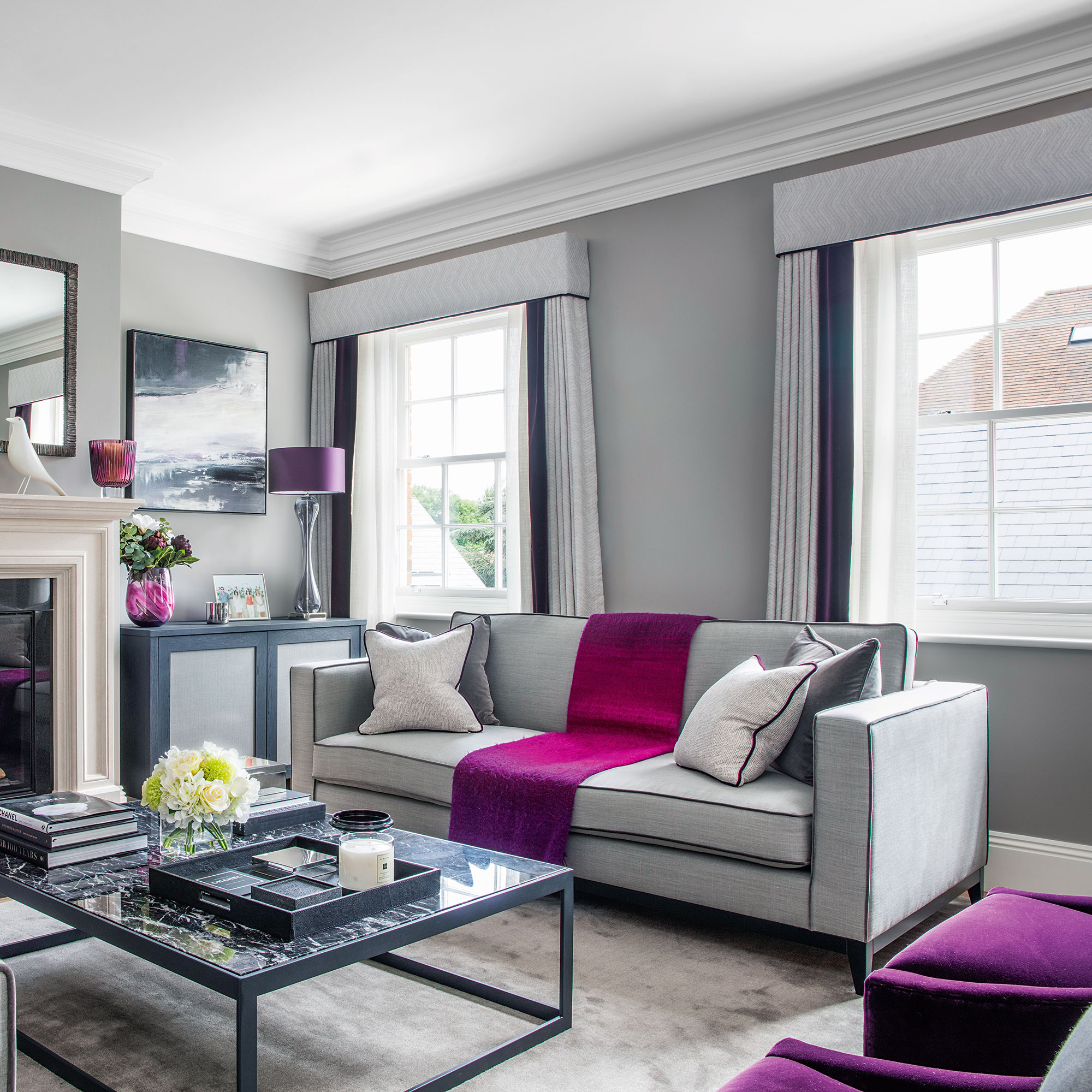
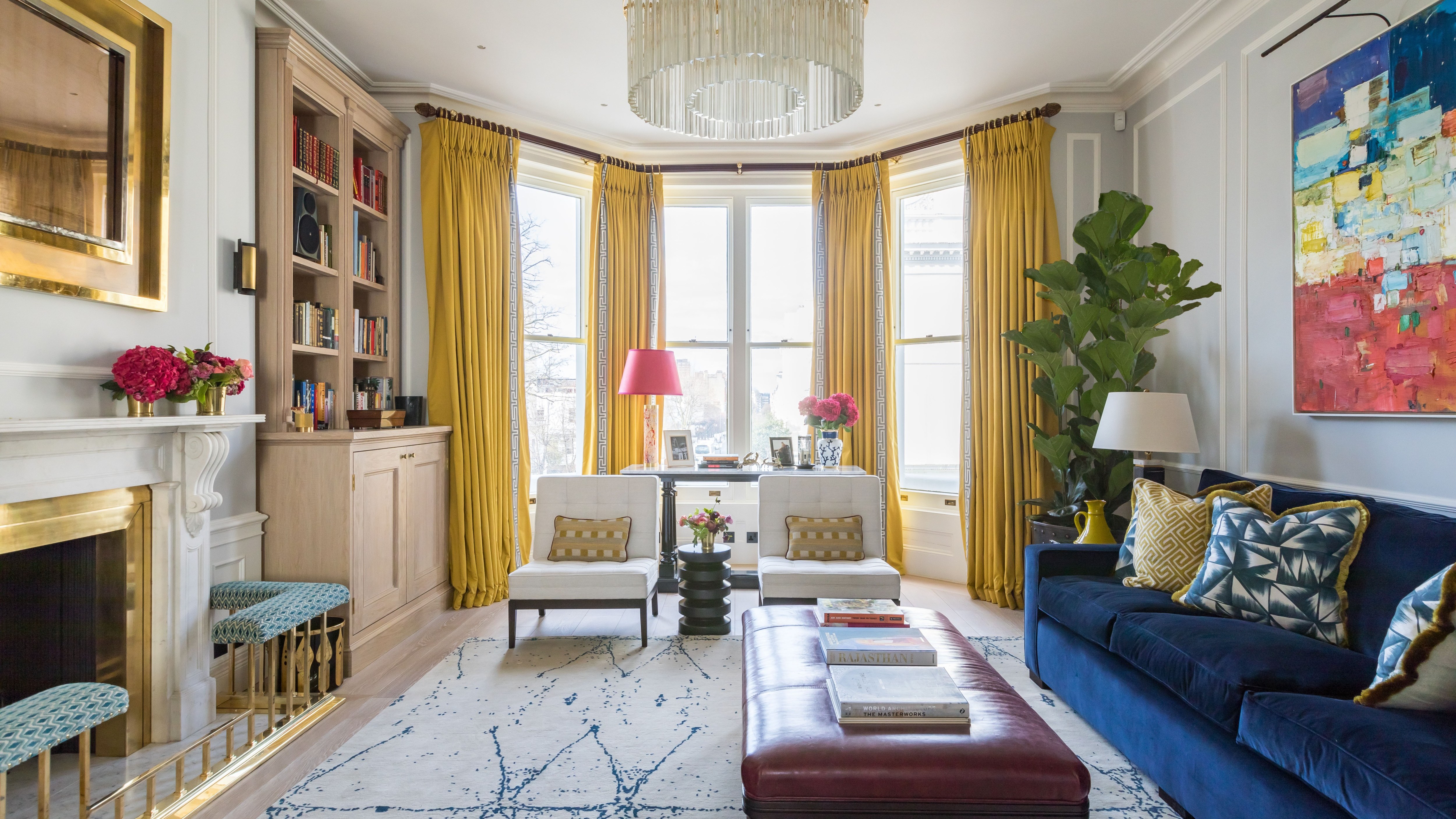
Finally, coordinating curtains with the rest of the room's decor is essential. Curtains should harmonize with the overall color scheme, furniture, and other soft furnishings. This does not imply identical matching but rather a complementary relationship. Beyond color, the texture of the curtains should align with other textiles in the room, such as upholstery and rugs. For instance, luxurious fabrics like velvet might be suitable for formal settings, while light, airy linens are better for casual spaces. For a subtle integration, choosing curtains slightly lighter or darker than the wall tone can work effectively, or an accent color from other room elements like cushions or throws can be picked up. Neutral-colored curtains offer versatility and can blend seamlessly with various interior styles, providing a subtle backdrop that enhances other design elements. Ultimately, balancing matching and mismatched approaches depends on the space and individual interior design style, with the key being a thoughtful balance and a common thread to unite the elements.
#Curtain #InteriorDesign #HomeDecor #WindowTreatment #ColorCoordination #PatternMixing #FabricSelection #RoomBalance #DesignCohesion #Curtain #InteriorDesign #HomeDecor #WindowTreatment #ColorCoordination #PatternMixing #FabricSelection #RoomBalance #DesignCohesion
0 comment in total
 No comments yet
You may also like
"Should All My Window Treatments Match?" Here's How Designers Decide, and Make It Work Either Way

Style Debate: Could Short Curtains Be The Next Big Interior Design Trend?

Should you ever replace doors with curtains? I say yes, and asked designers when to make the switch

Drapery dilemma: the pros and cons of custom versus ready-made curtains

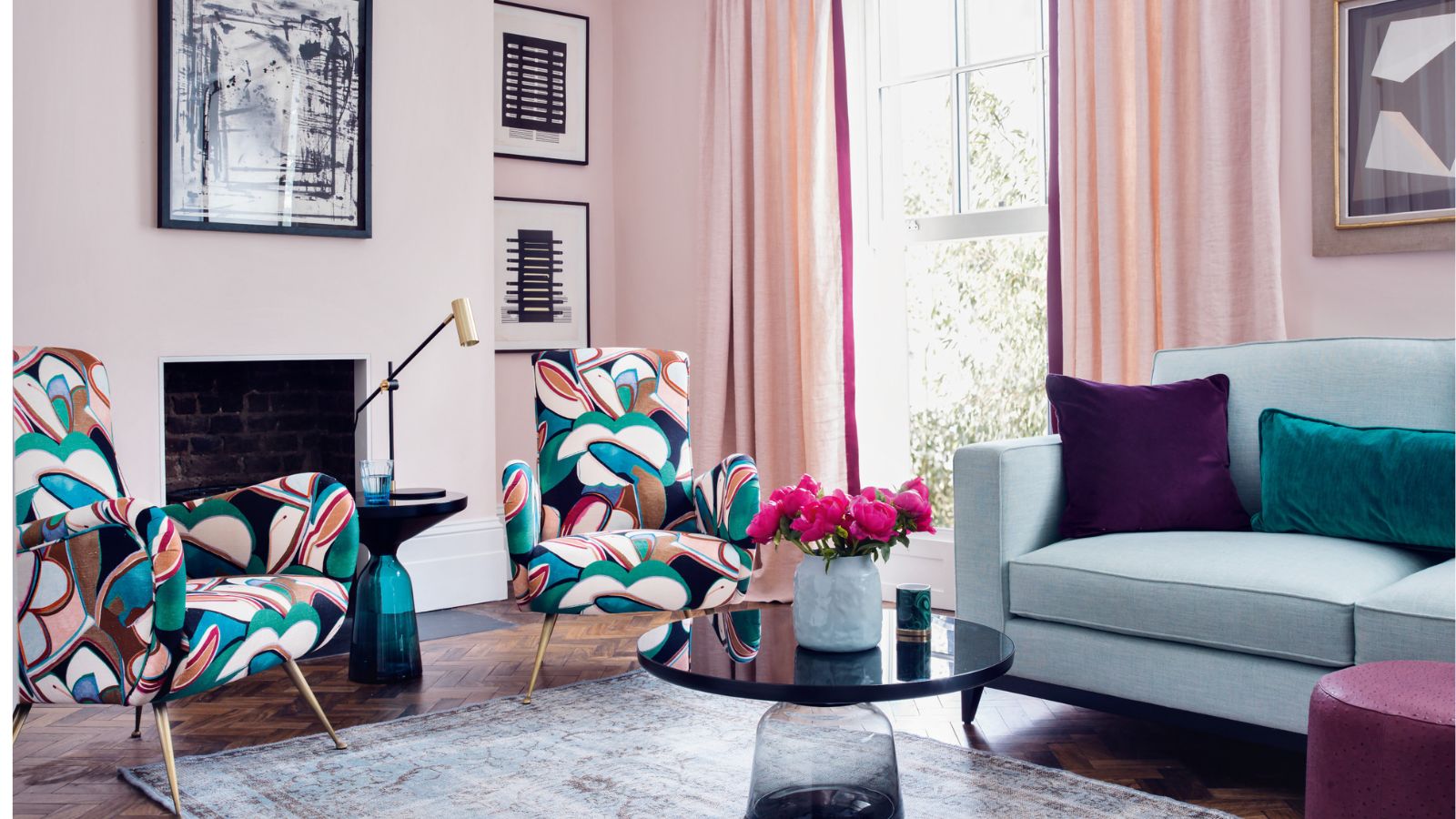
How to choose curtain colors for any room – experts reveal 7 trade secrets
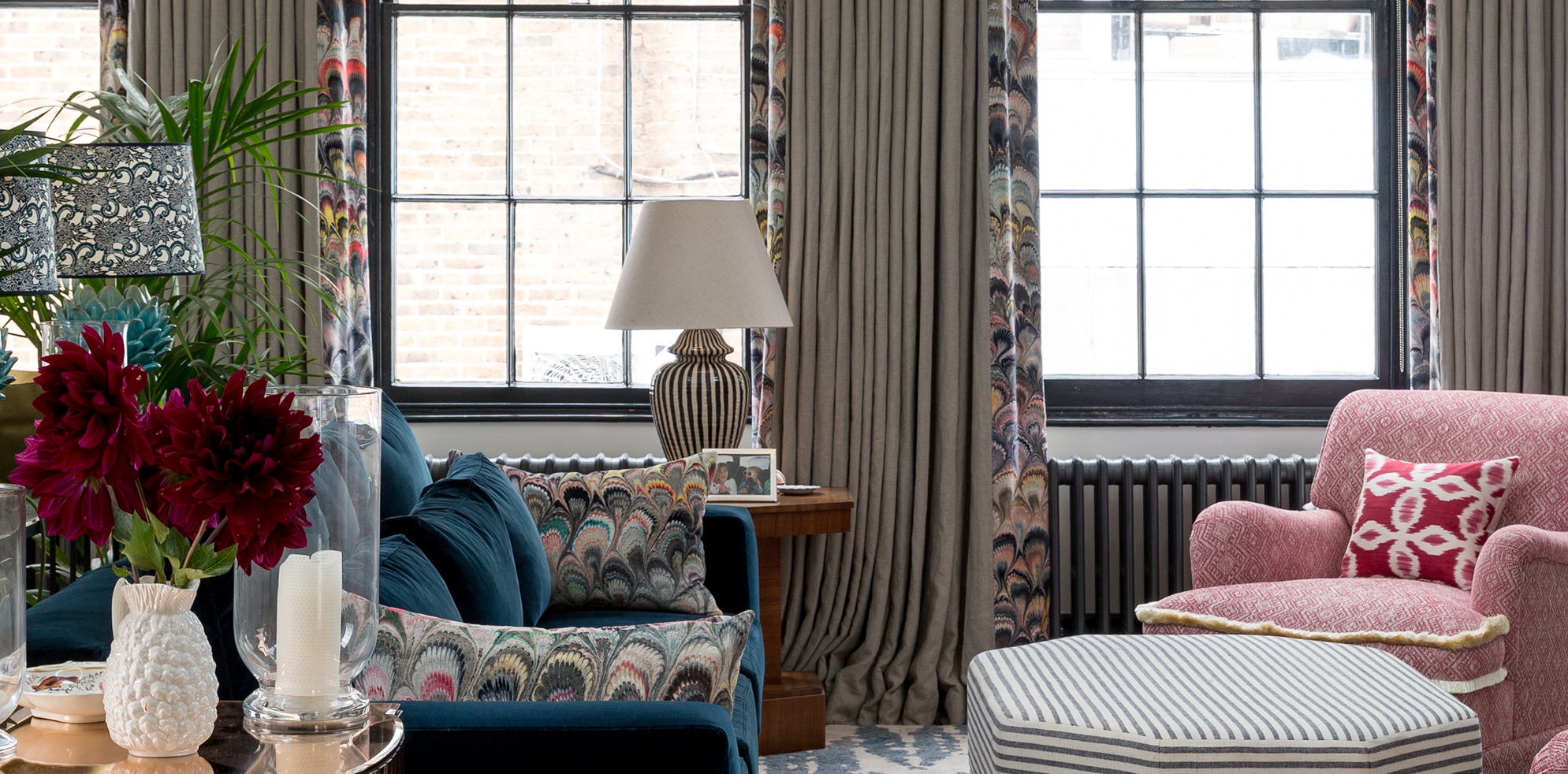
An easy add-on to your curtains makes rooms look expensive - designers explain
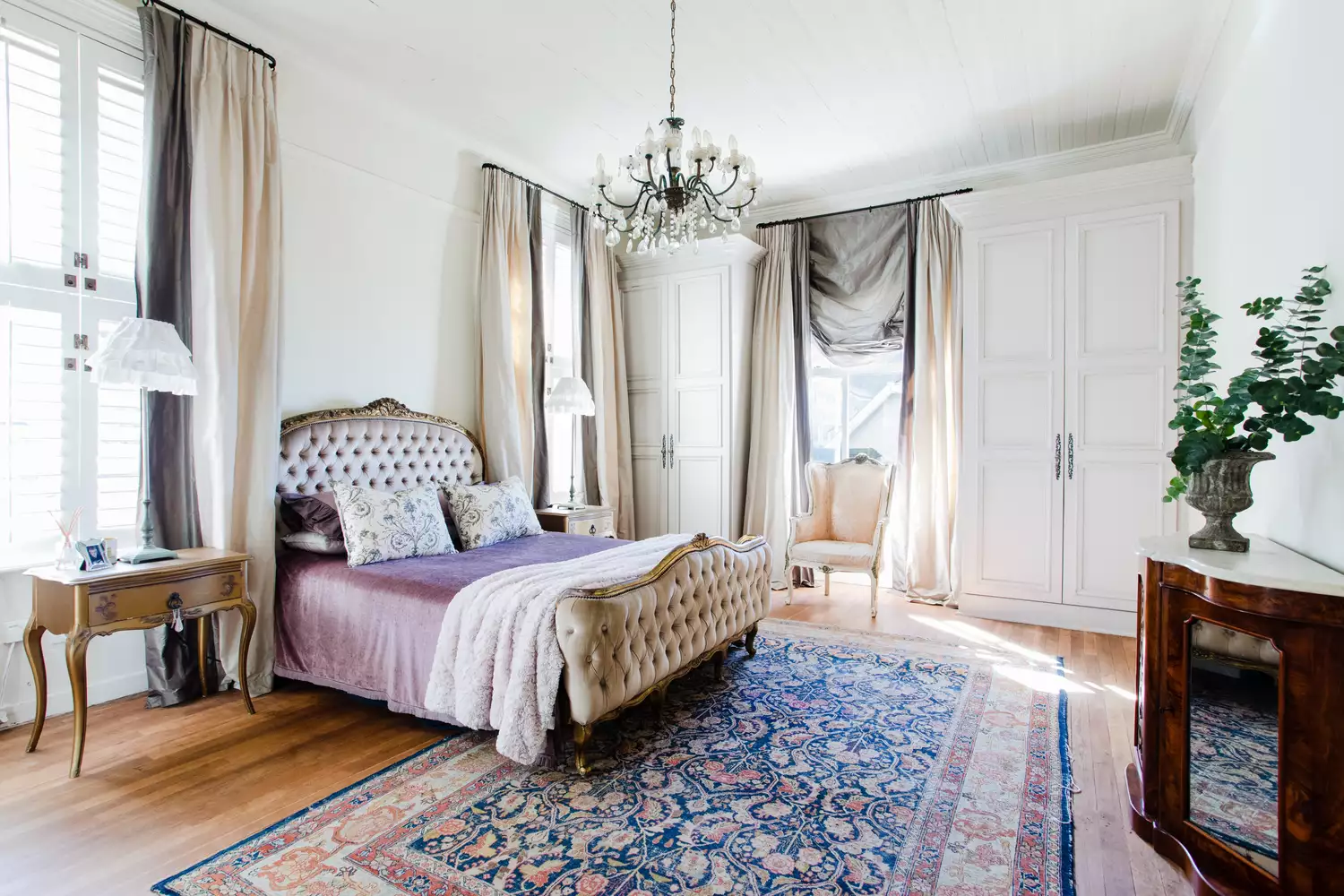
6 Window Treatments That Instantly Make a Room Look "Tacky," Designers Say

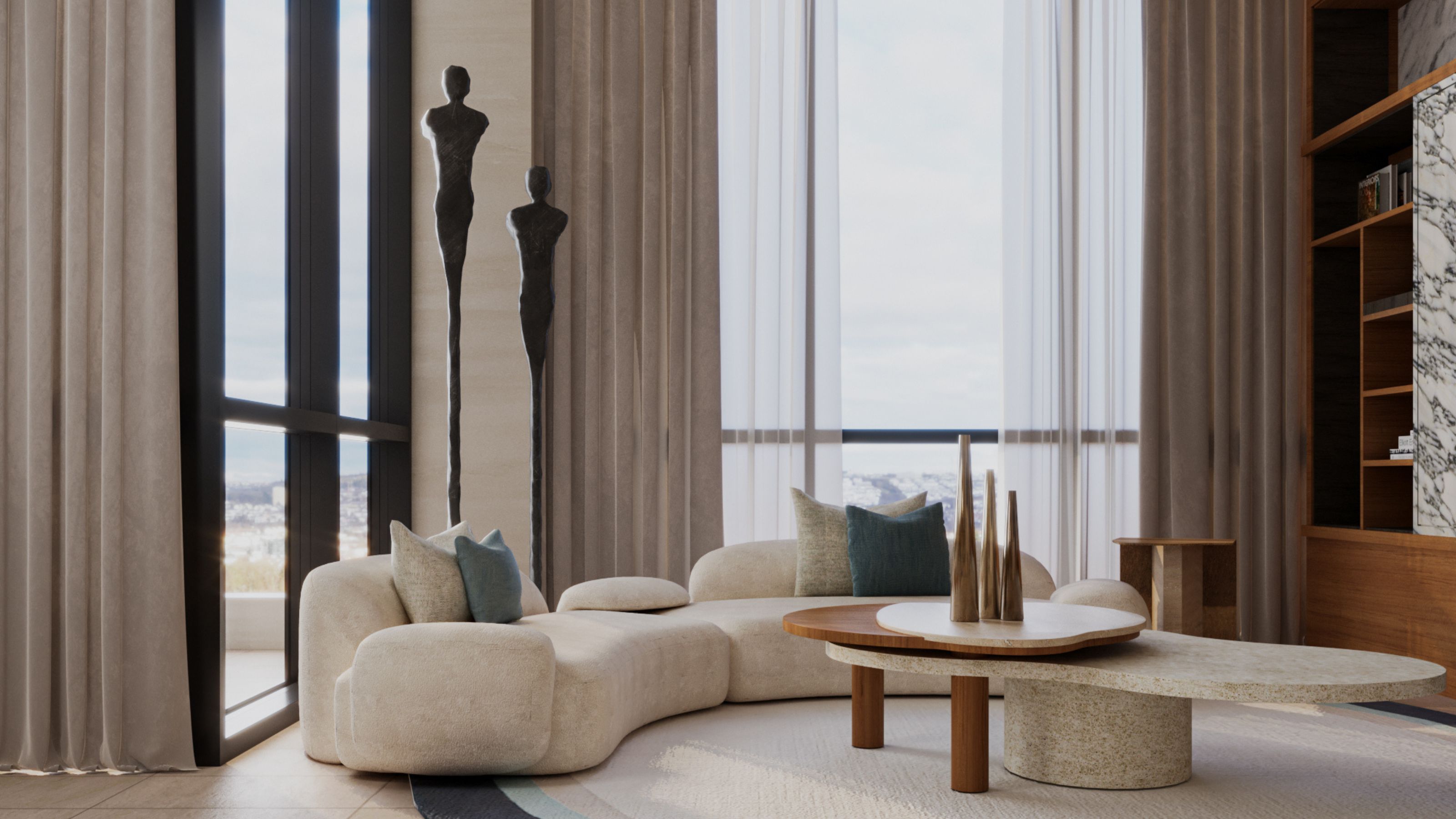
How to Hang Curtains the Way an Interior Designer Would — To Balance, Blur Lines, and Bring Impact to a Room
The Design World Is DIVIDED on This Controversial Curtain Styling Trend
When to Choose Drapery, Curtains, or Blinds, According to Experts
Bye-bye blinds — how curtains became cool again
Living room curtain ideas – 17 tips for stylish drapery
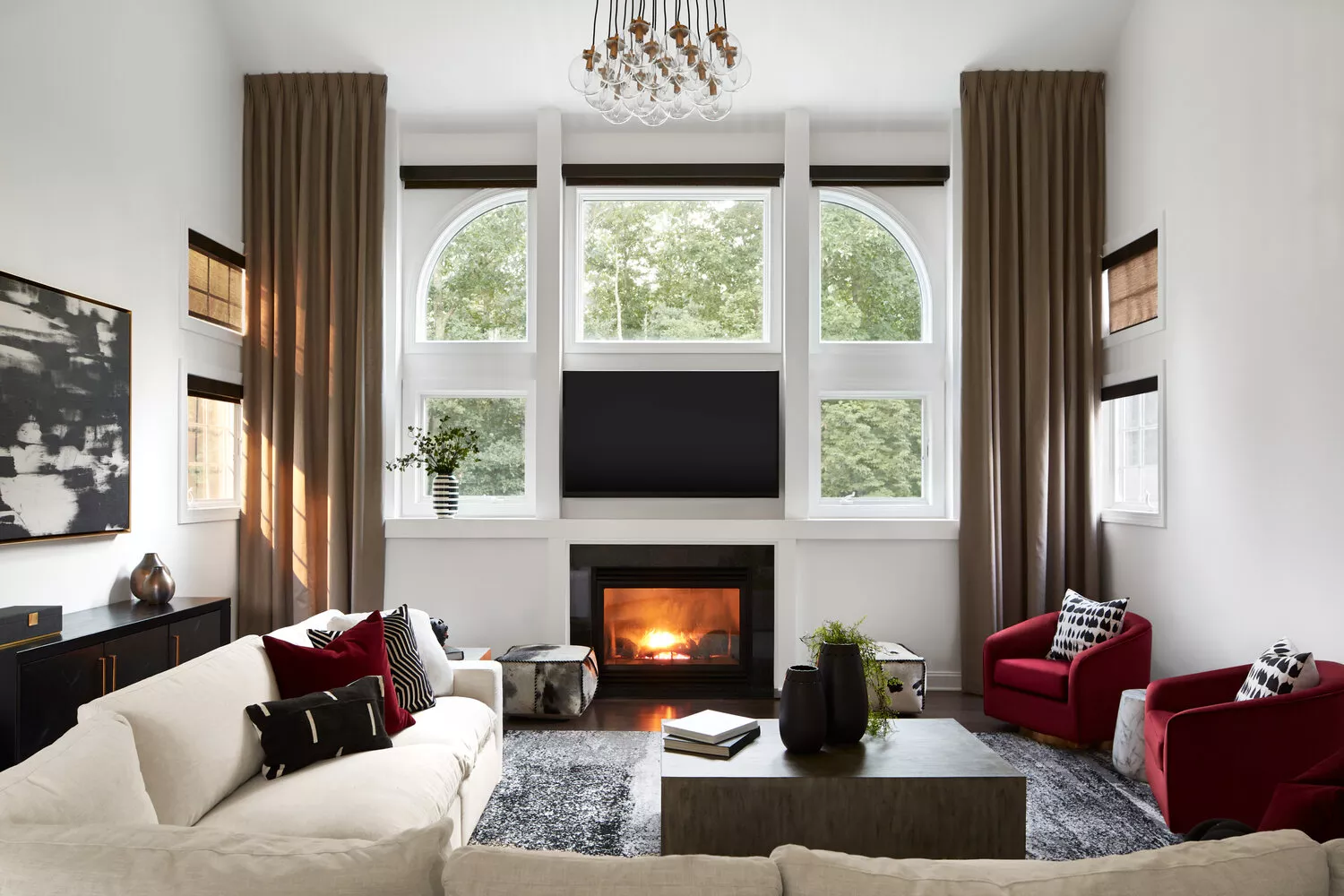
How to Choose Curtains for Your Home the Right Way
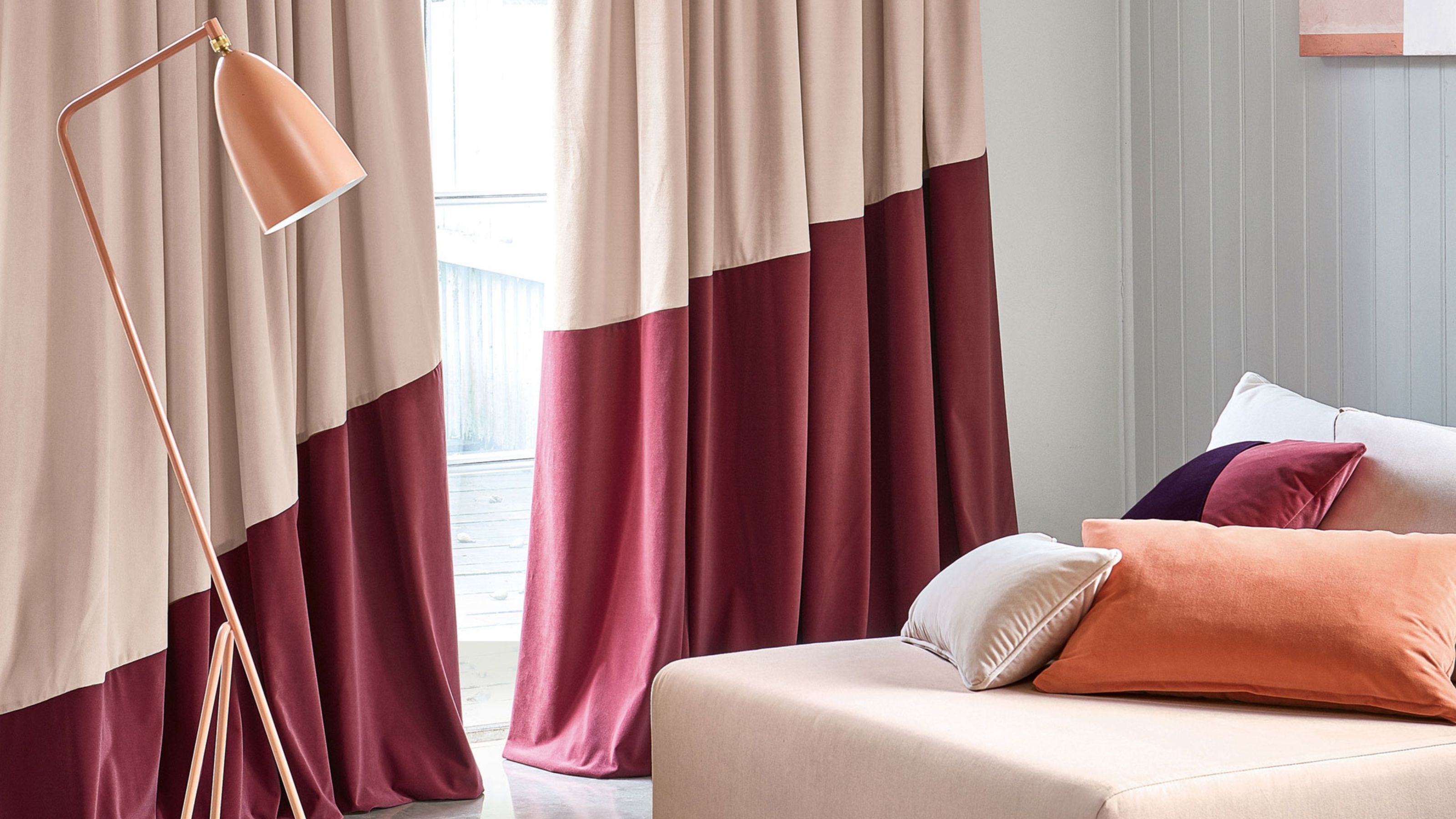
Turns Out, This Cool Two-Tone Curtain Trick Does Something Way More Important Than Just Look Good
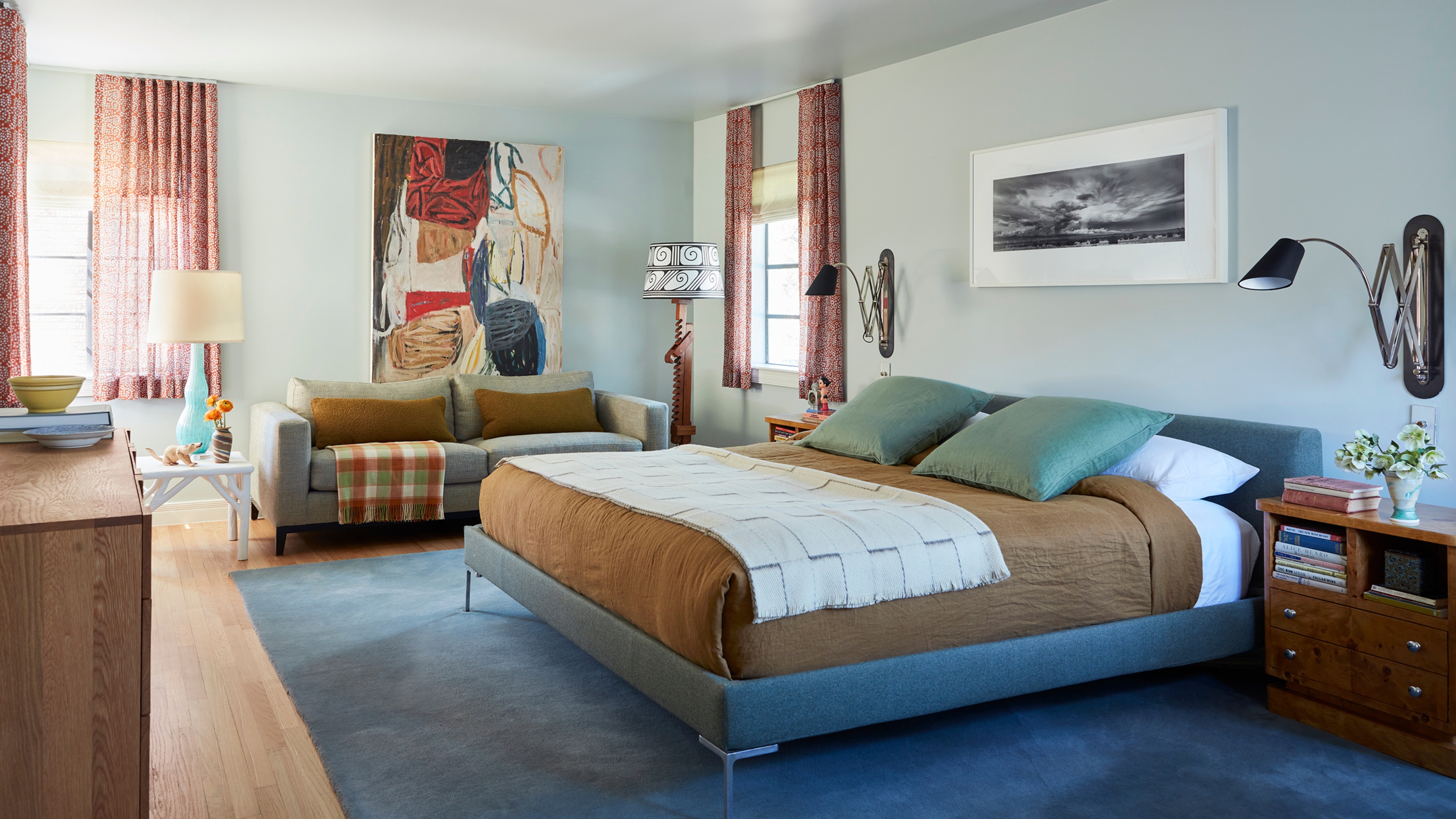
Suddenly, Short Curtains Have Got My Attention in the 'Long vs Short Curtain' Debate

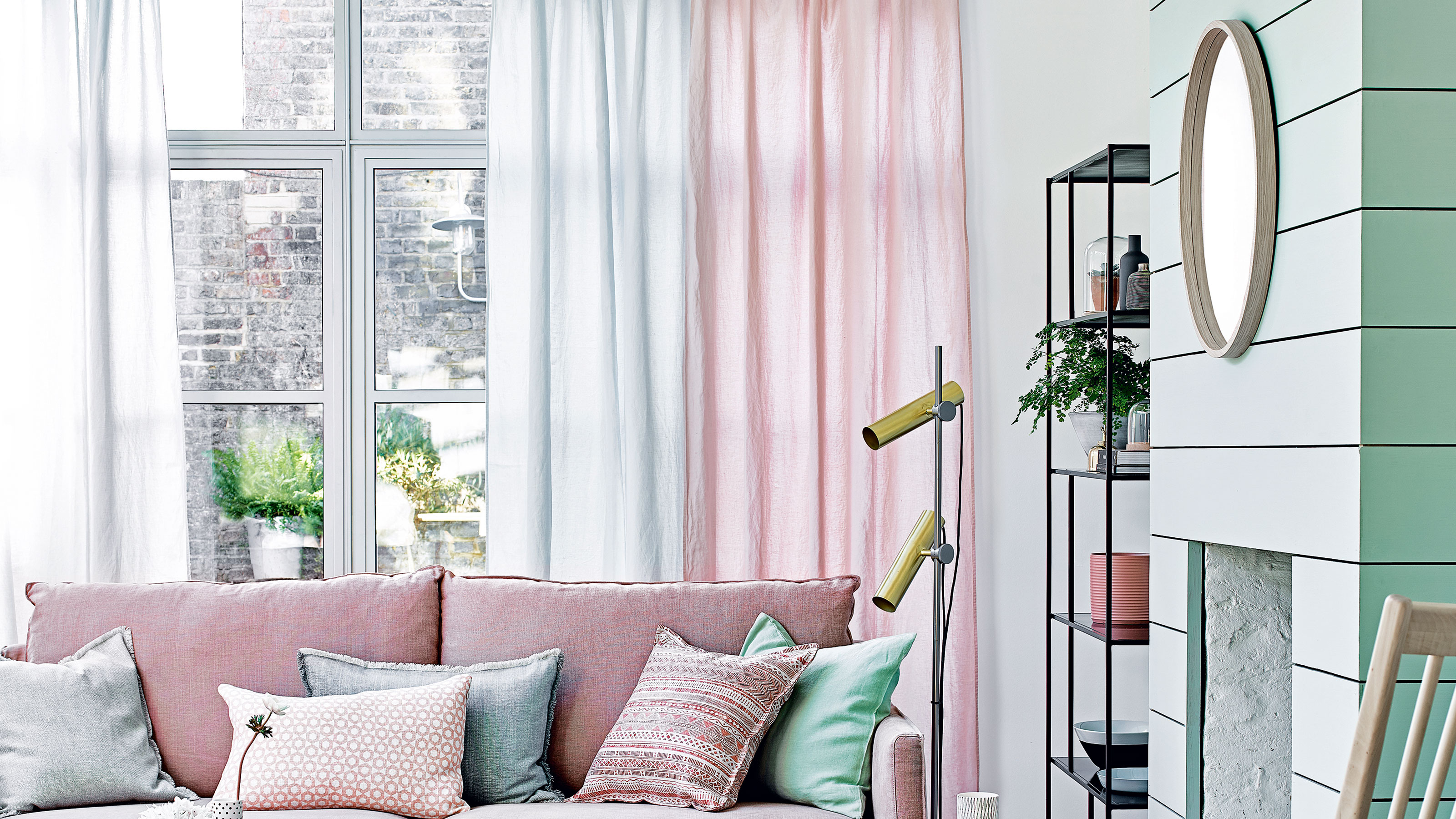
Living room curtain ideas to dress windows to perfection - whatever your style

Matching or Mismatched Gallery Wall? Big-Time Designers Have a VERY SPECIFIC Preference
Design Talk: Miles Redd Discusses the Sheer Appeal of Unlined Curtains

Are Curtains Out of Style? Of Course Not, but Some Designs Will Date Your Space Faster — Here's What to Know
Curtain Call: Choosing Window Treatments