Hot Take: Showing Off the Pages of Your Books Makes for More Cohesive Styling
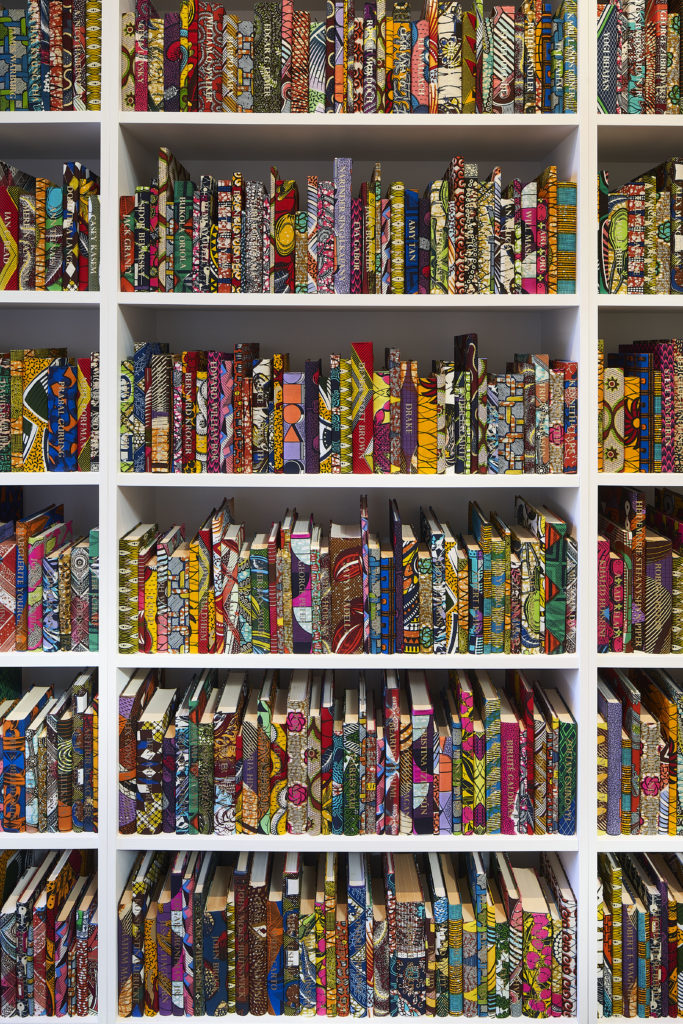
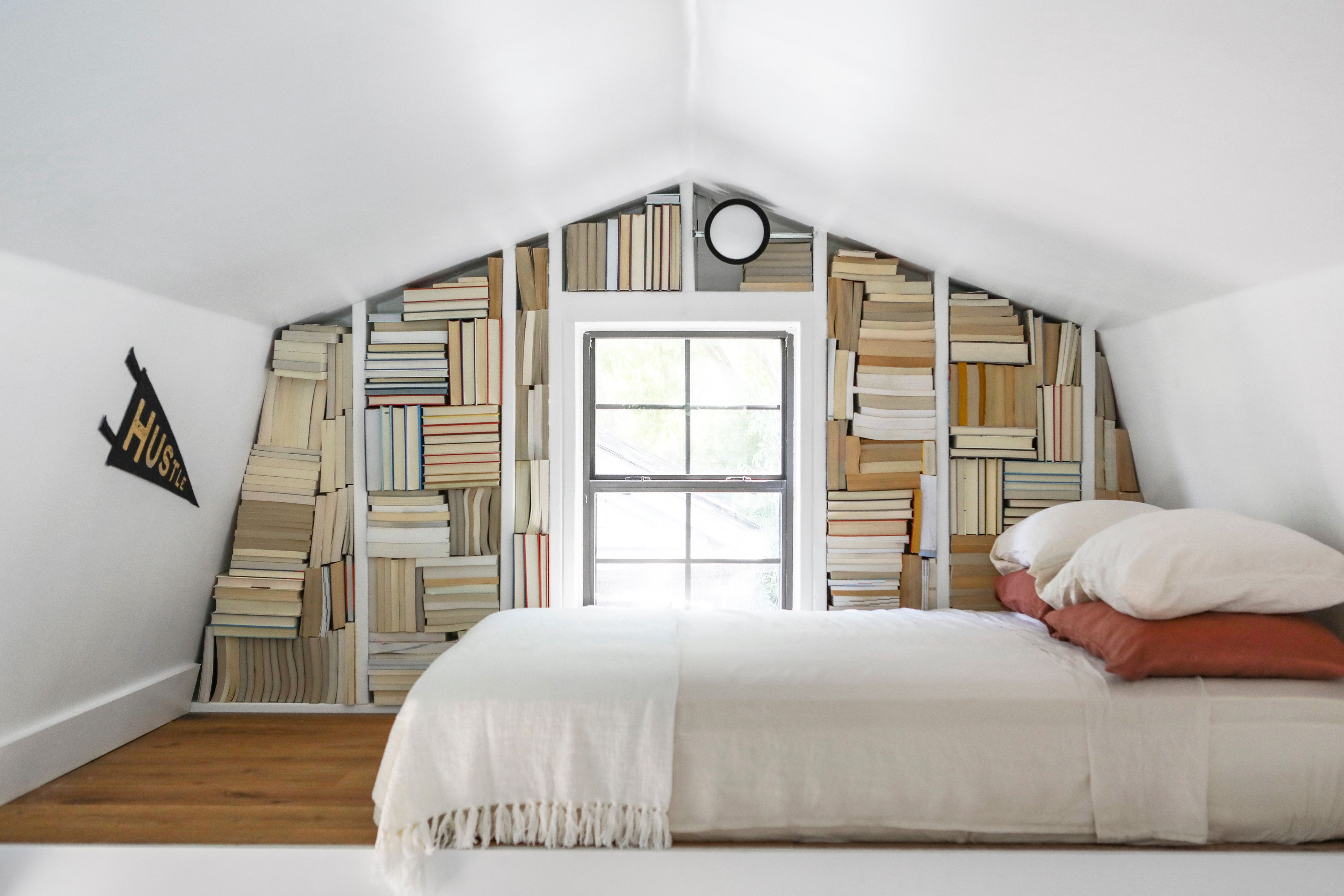
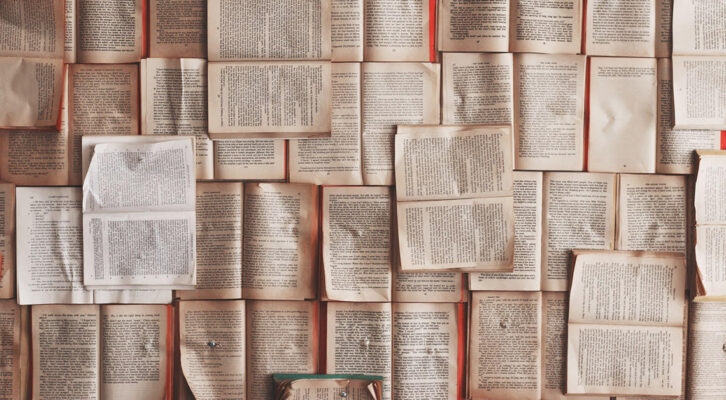
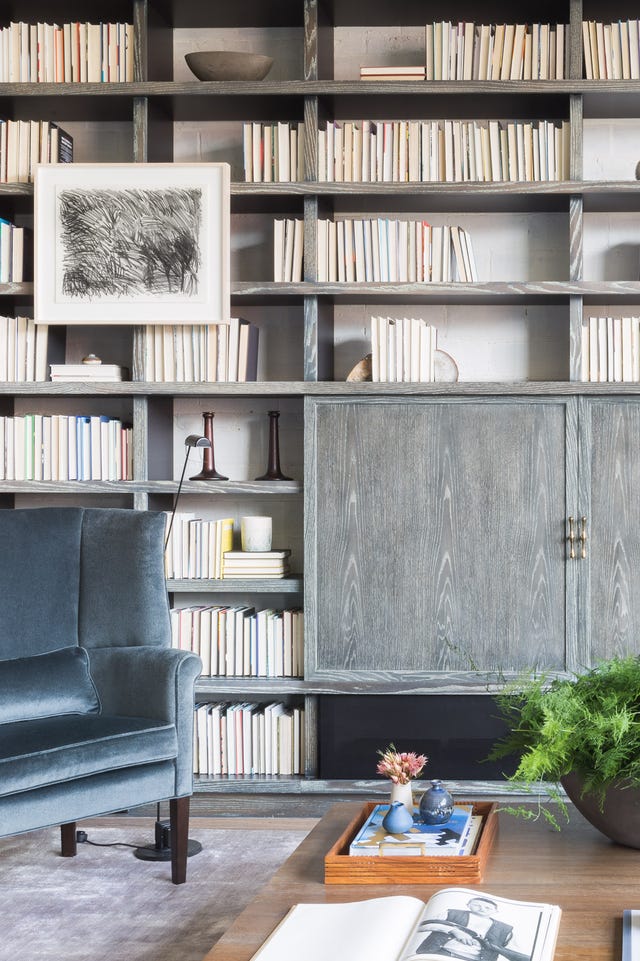
A current design trend involves displaying books with their pages facing outwards rather than their spines, a technique gaining popularity among homeowners and designers for creating a clean and minimalist aesthetic. This method is often employed by furniture and home accessories stores to cultivate a lived-in impression, according to Juan Nicholas Guacheta, director of sales at Txtur, a custom furniture brand. He notes that this approach results in a "lovely, clean, and textural focal wall." The trend, while seemingly specific, aligns with Scandinavian design principles, emphasizing minimalism, order, neutrality, and organic elements.
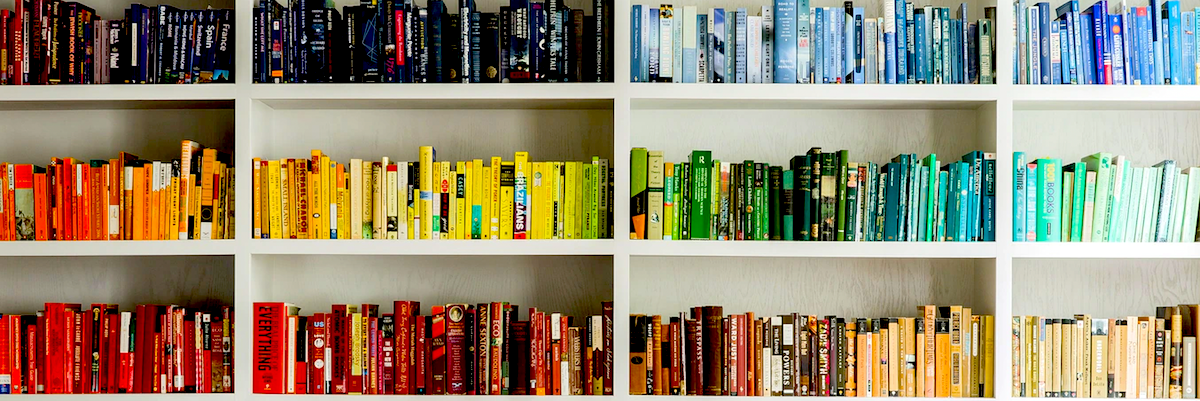
One significant advantage of this display technique is its cost-effectiveness in filling empty shelves. Since the emphasis is on the neutral book pages, the specific titles or content become secondary. This allows individuals to acquire books inexpensively from sources like garage sales, consignment shops, or community library sales. The outcome is a textural display that promotes minimalist cohesion within a space. The article references other literary design trends, such as the "rainbow library," which prioritize aesthetics over practical content organization for bibliophiles.
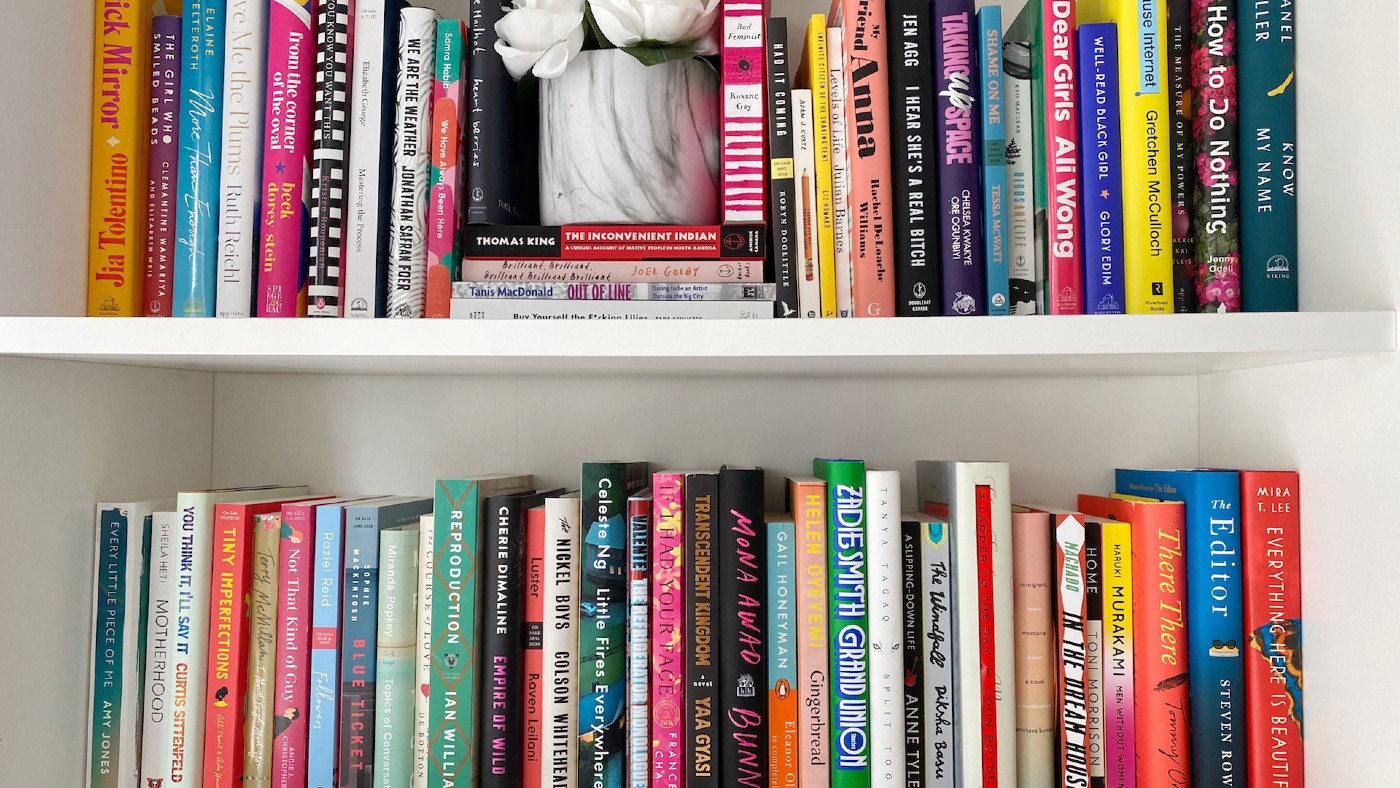
However, the practicality of this backward book display is a key consideration. For those who prioritize ease of navigation and access to their literature, this method may not be ideal. Guacheta points out that a bookcase that cannot be easily navigated is less utilitarian than one that can. He also suggests that while a shelf of neutral paper might be visually pleasing to some, it is inherently less genuine than a diverse collection showcasing various colors, scales, and fonts. Therefore, if a true library feel that highlights the literature is desired, or if a more eclectic display is preferred, this trend might not be suitable.
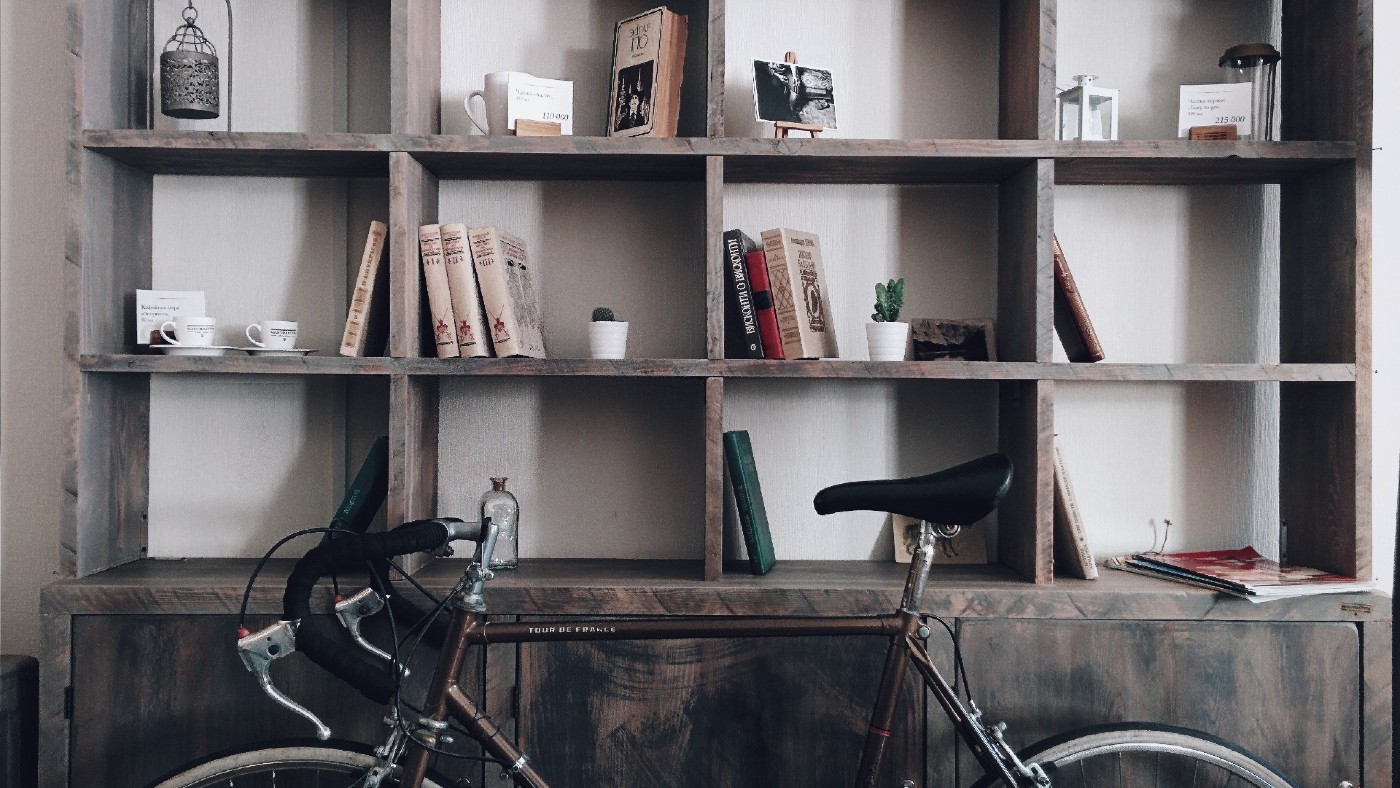
Certain areas of the home are more conducive to the backward book display. Guacheta recommends using this technique on upper shelves of open kitchen cabinets, where books serve a decorative rather than storage function, keeping actual cookbooks within easy reach. Nurseries and guest bedrooms are also identified as ideal spaces, where a mix of exposed and backward-facing books can create visual interest. Additionally, employing this technique on a console table in an entryway can add textural balance and create a more dynamic and lived-in foyer.
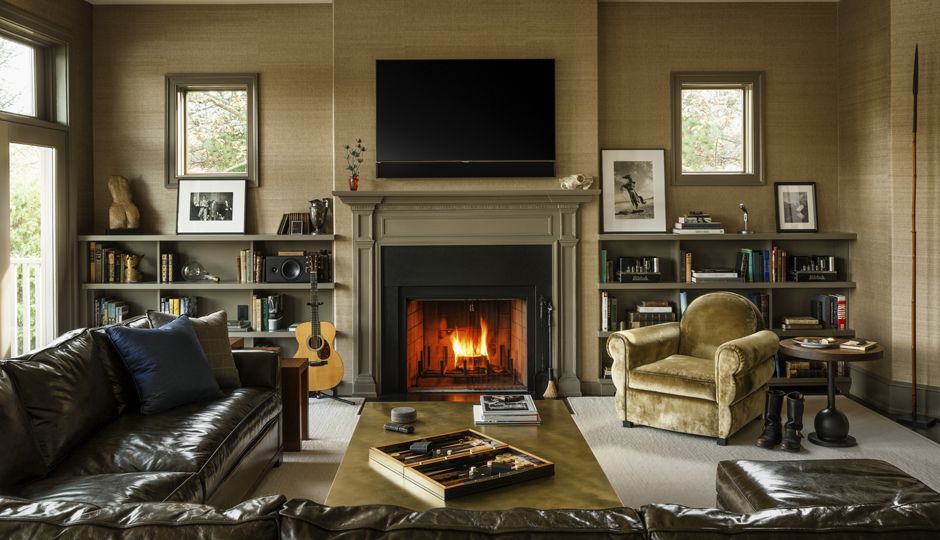
Conversely, there are instances where flipping books backward is best avoided. The article suggests that when books are turned this way, they essentially become props. Guacheta advises against this practice in spaces like living rooms, dens, or offices, where an honest collection of books is more aesthetically appropriate and functional. While the appeal of a cohesive, monochromatic look is acknowledged, the intrinsic character of a curated collection of tomes is also highlighted. The long-term staying power of this trend is debated, with the conclusion that if practicality is paramount, it may not endure; however, if a highly cohesive, orderly, and monochromatic aesthetic is desired, the backward book display can remain a fixture in a space for an extended period.
#HomeDecor #InteriorDesign #ShelfStyling #MinimalistDecor #BudgetDecorating #ScandinavianDesign #BookDisplay #HomeOrganization #DesignTrends #HomeDecor #InteriorDesign #ShelfStyling #MinimalistDecor #BudgetDecorating #ScandinavianDesign #BookDisplay #HomeOrganization #DesignTrends
0 comment in total
 No comments yet
You may also like
How to style a bookcase – the 10 rules our decorating editors never break

12 Unique Ways to Style Books — How Designers Use Reading Material to Elevate Decor

“Bookshelf Wealth” Is the New (Viral!) Way to Style Your Old Books & Trinkets
How To Arrange And Style Coffee Table Books, According To Designers
6 Styling Tricks to Try for Your Bookshelf–Turned–Zoom Background
I’ve been using Kelly Hoppen’s top tip for styling shelves for years – and it always gets me compliments from guests
Displaying books around the home is 'a reflection of you,' say local book lovers
Interior designers warn against these 17 bookshelf styling mistakes – this is what you should avoid

Ashley Judd's bookshelf uses this aesthetically pleasing organization technique – the results are visually stimulating

How Chelsea Handler ensures her busy shelves feel curated
13 Designer Styling Secrets to Elevate Your Bookcases

How to use books for home decor and interior design

Inside the Picture Perfect—and Highly Lucrative—Business of Book Styling

The Most Clever Bookshelf Organizing Tips
Sometimes You Have to Build the Book Cover in Your Living Room
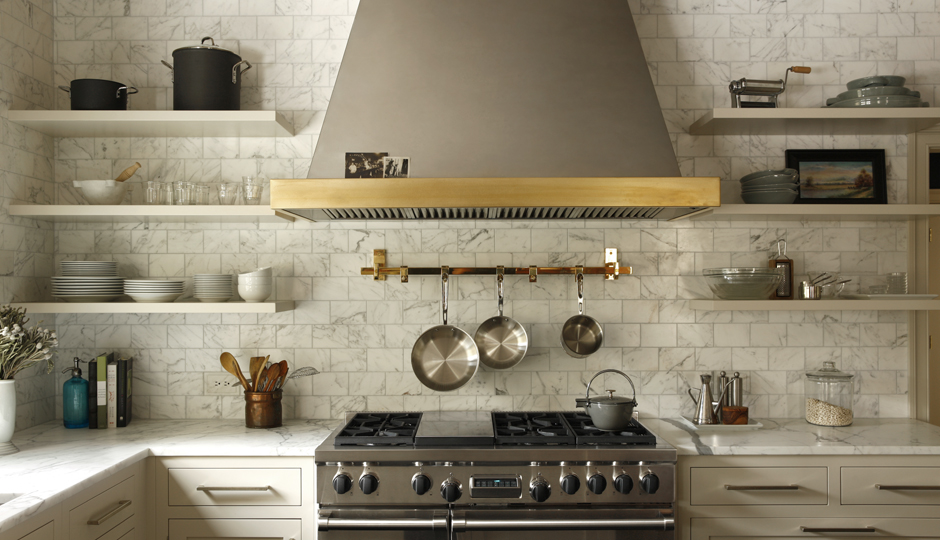
7 Pro Tips for Creating Magazine-Worthy Open Shelves
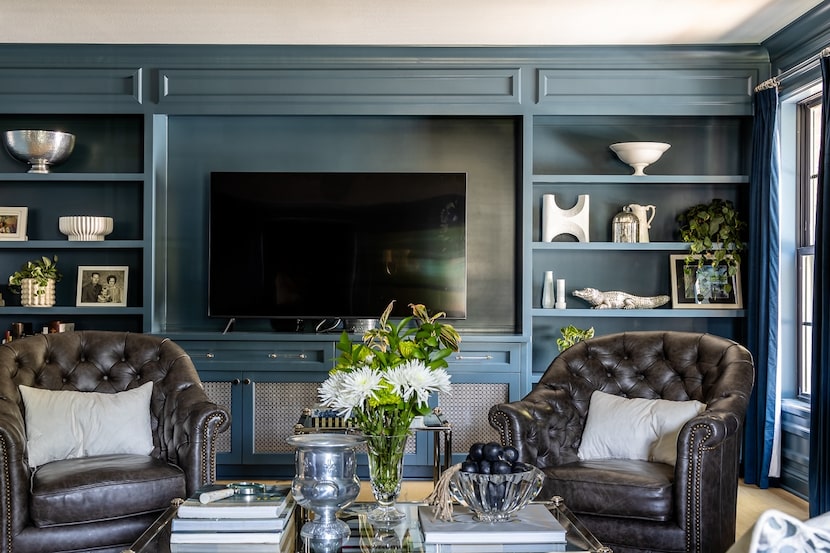
Master the art of styling bookshelves with these tips from design experts

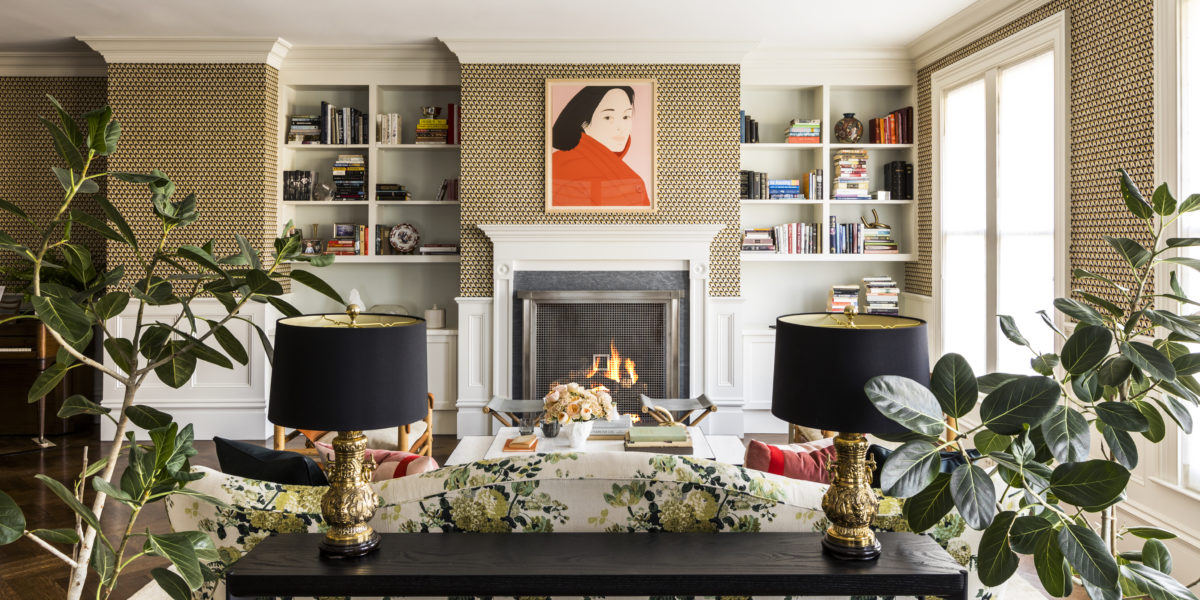
A Book Lover’s Guide to Styling Your Shelves
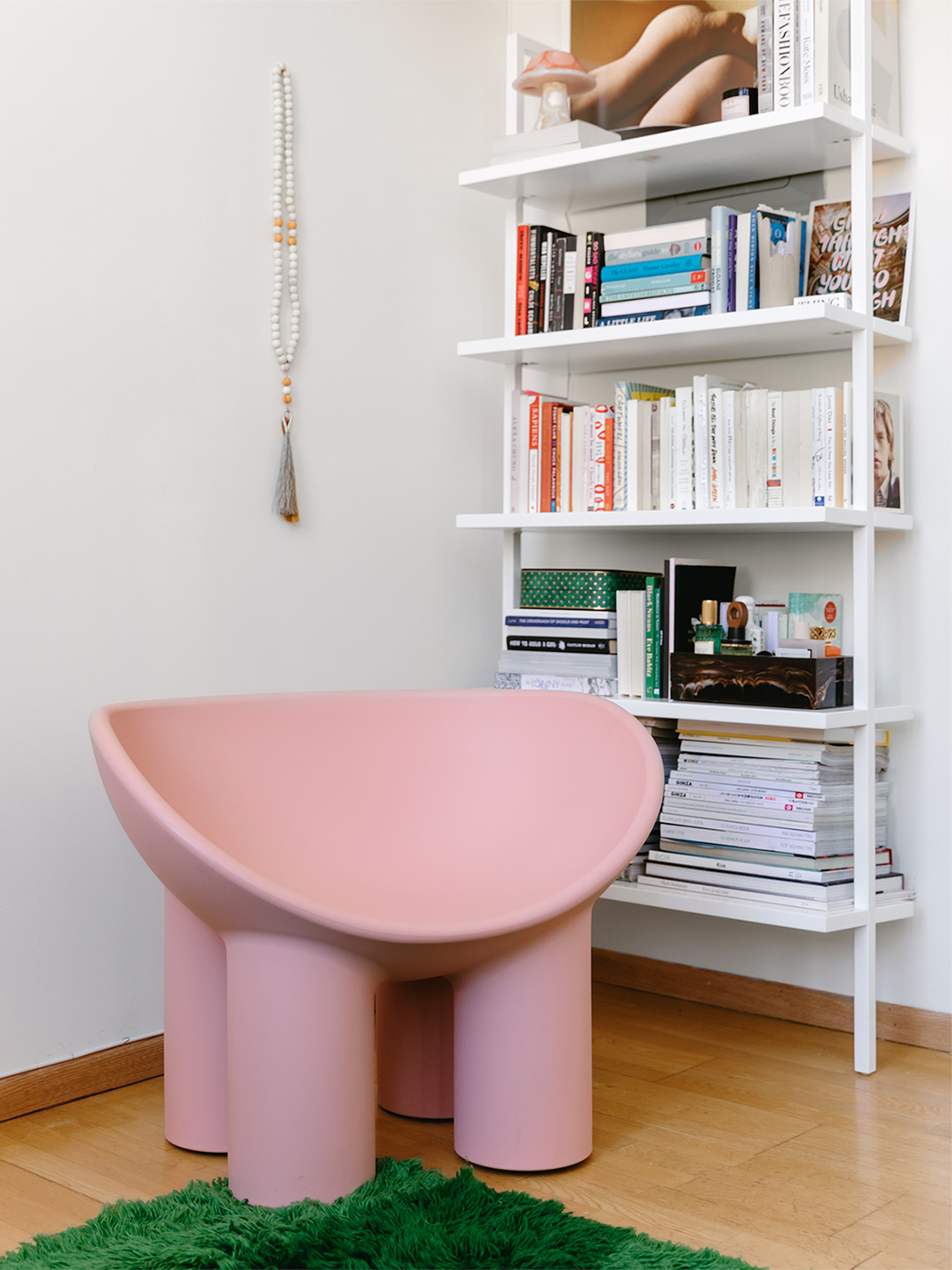
Finally, an Easy-as-1-2-3 Equation for Styling Your Bookshelves

Can We Please Stop Acting Like Backward Books Are A Legit Trend?