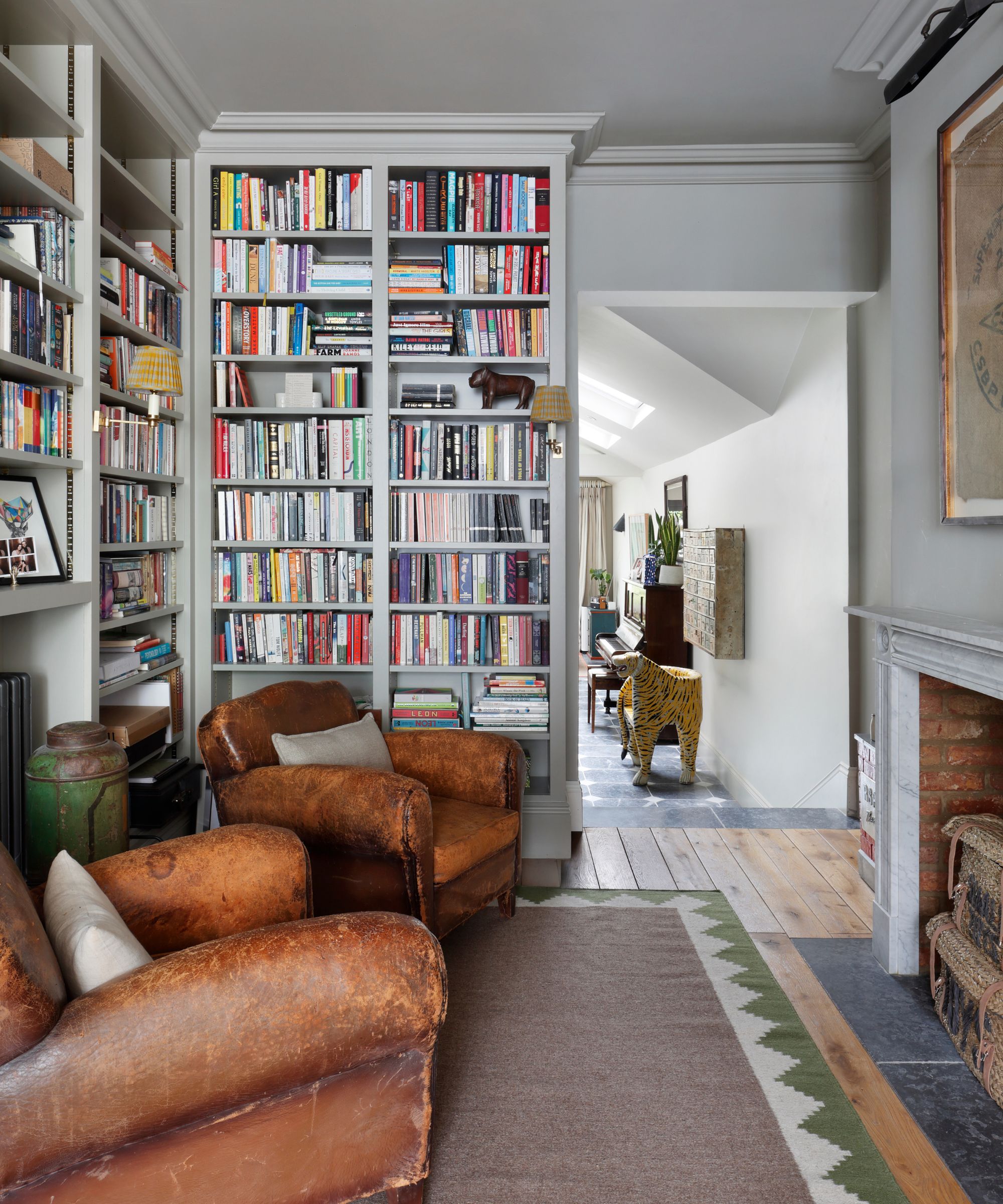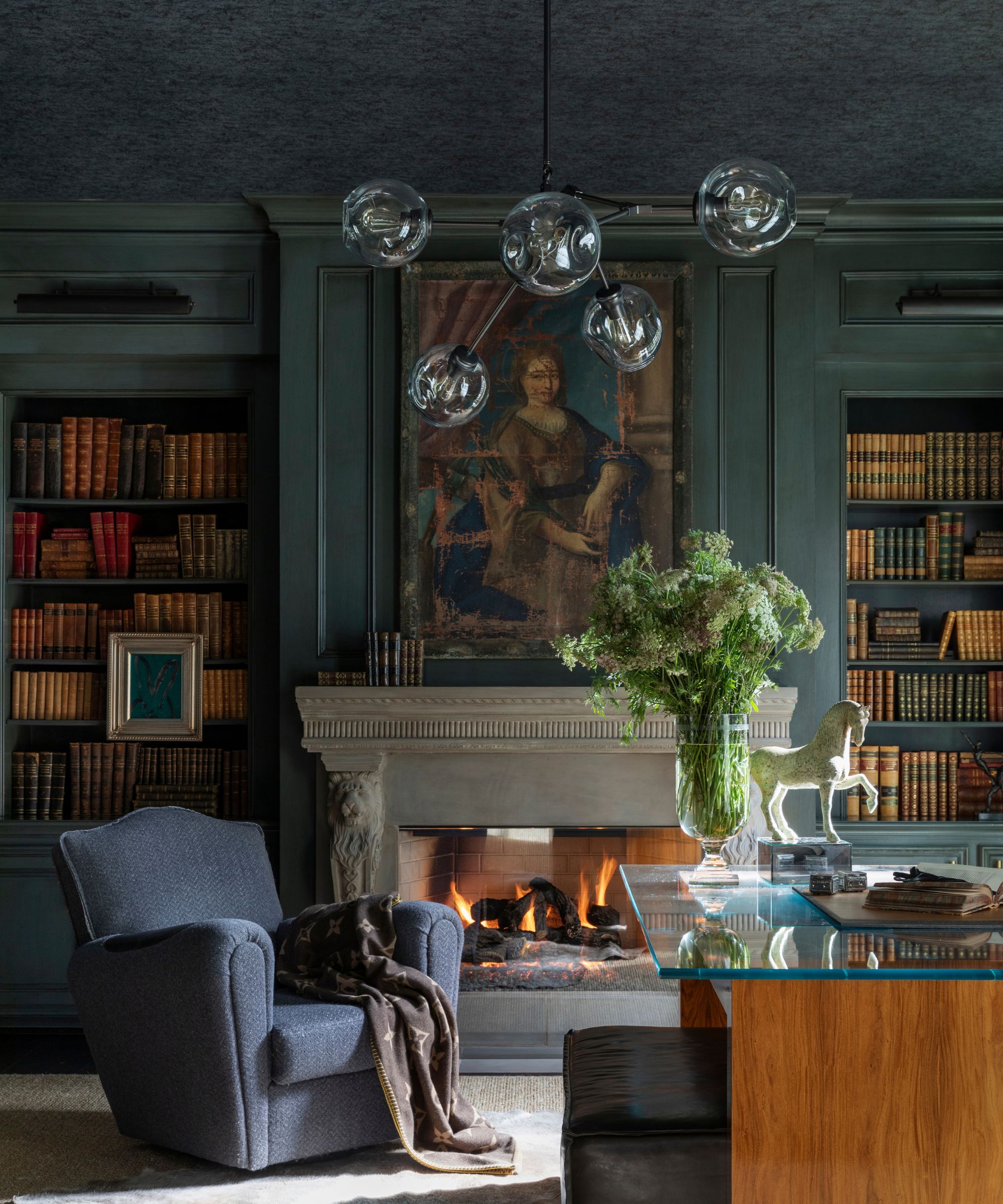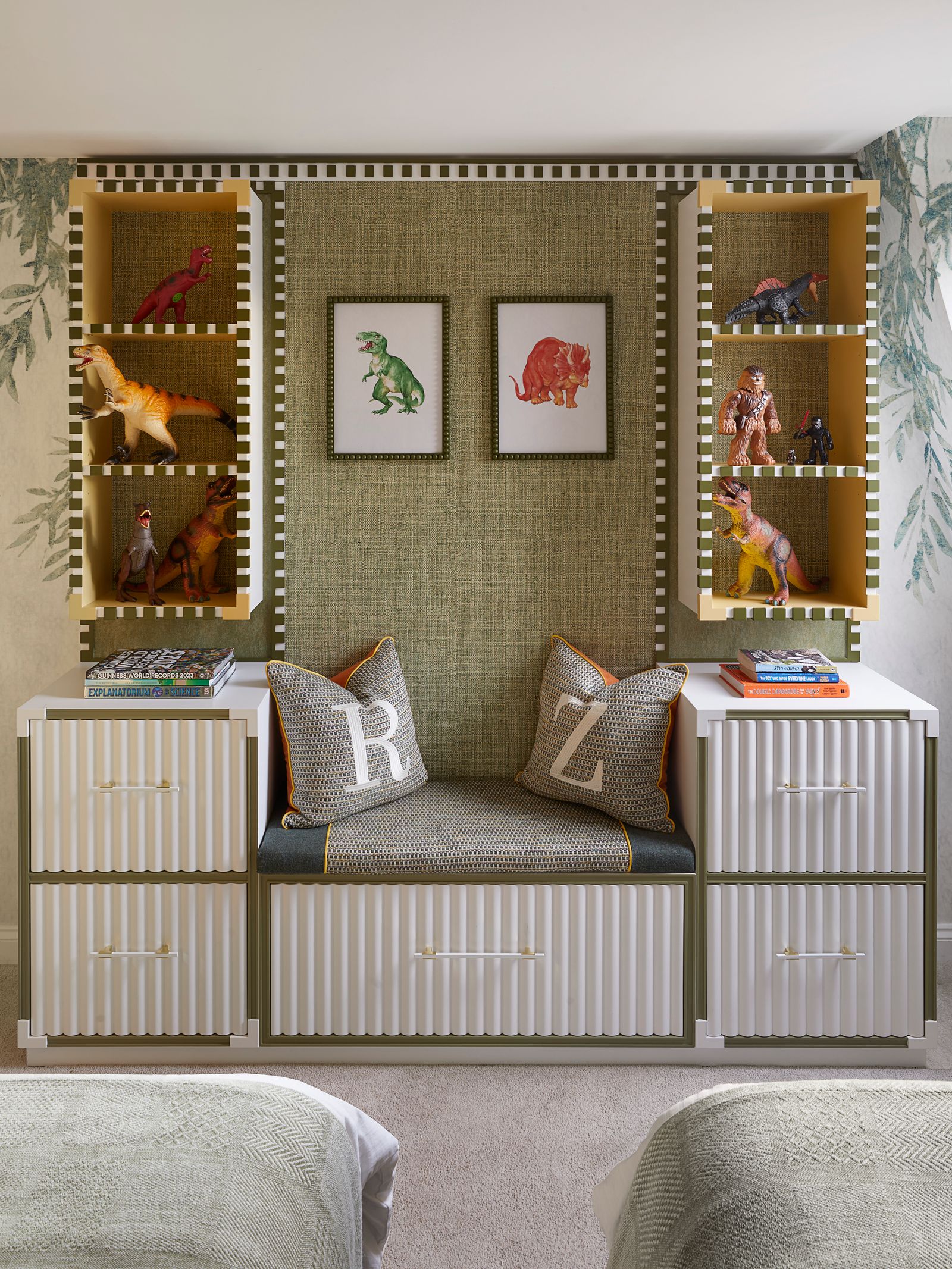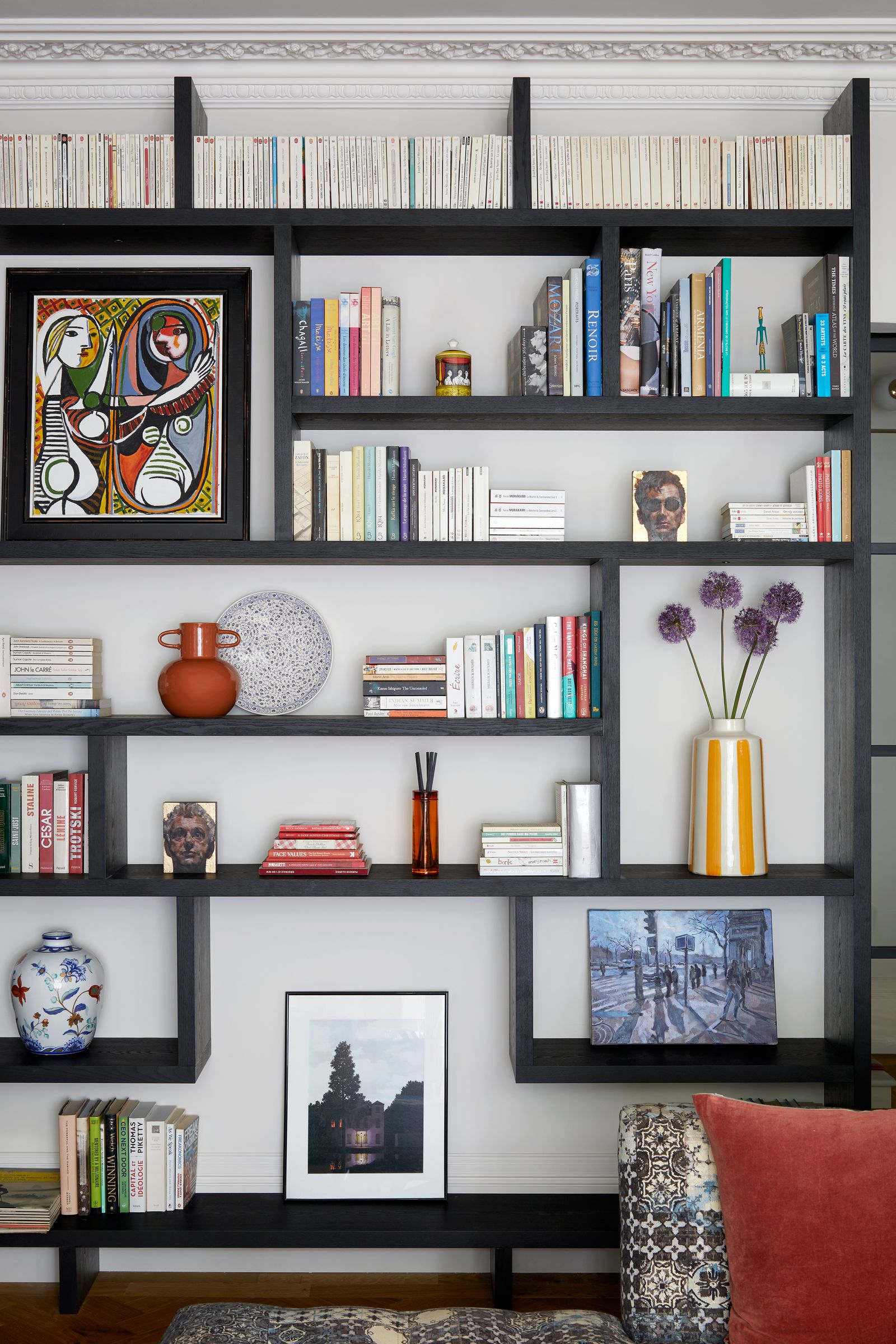
1/6
Finally, an Easy-as-1-2-3 Equation for Styling Your Bookshelves
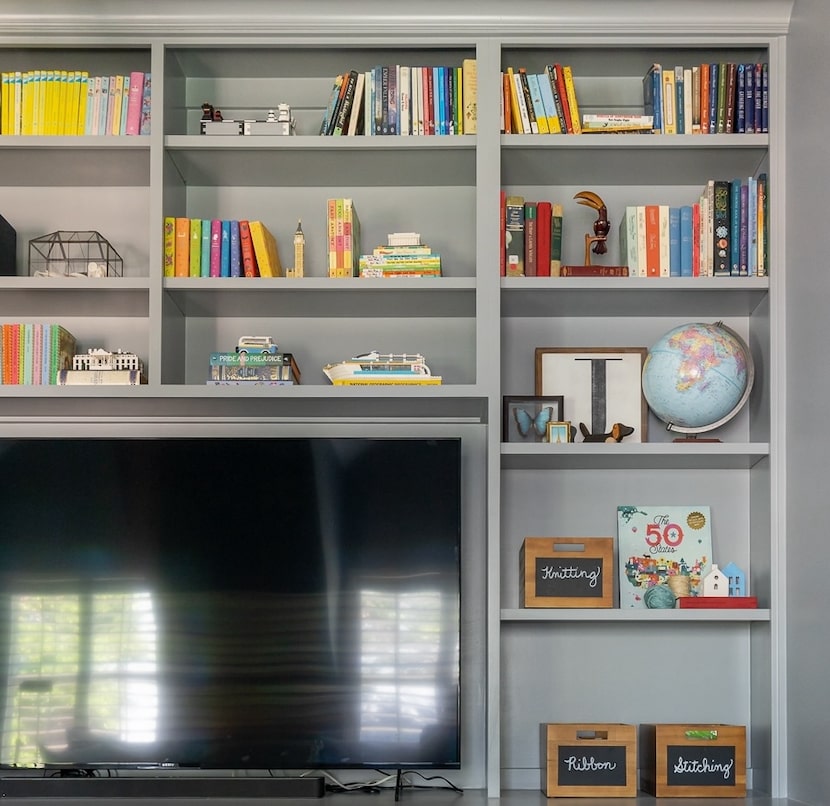
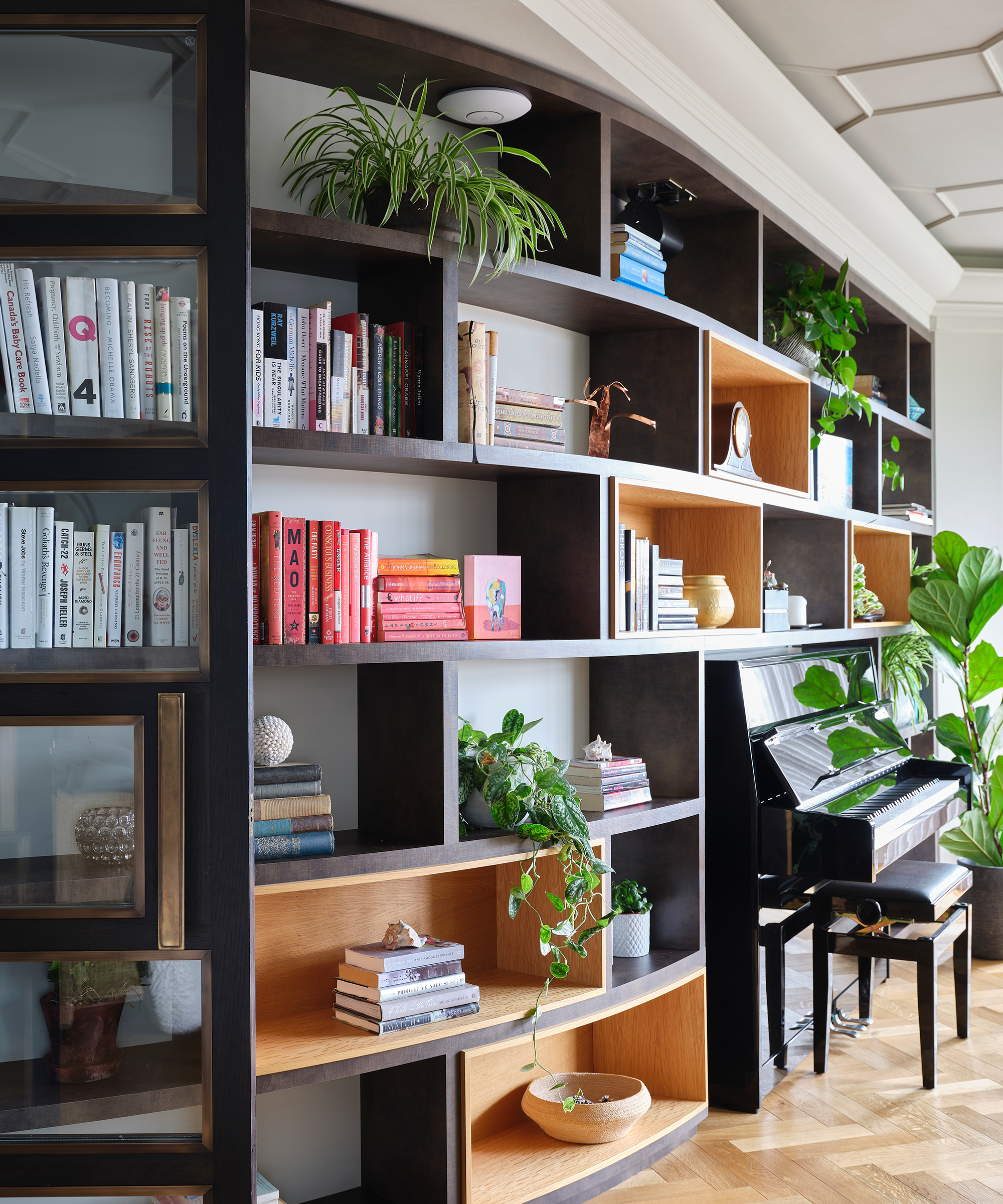
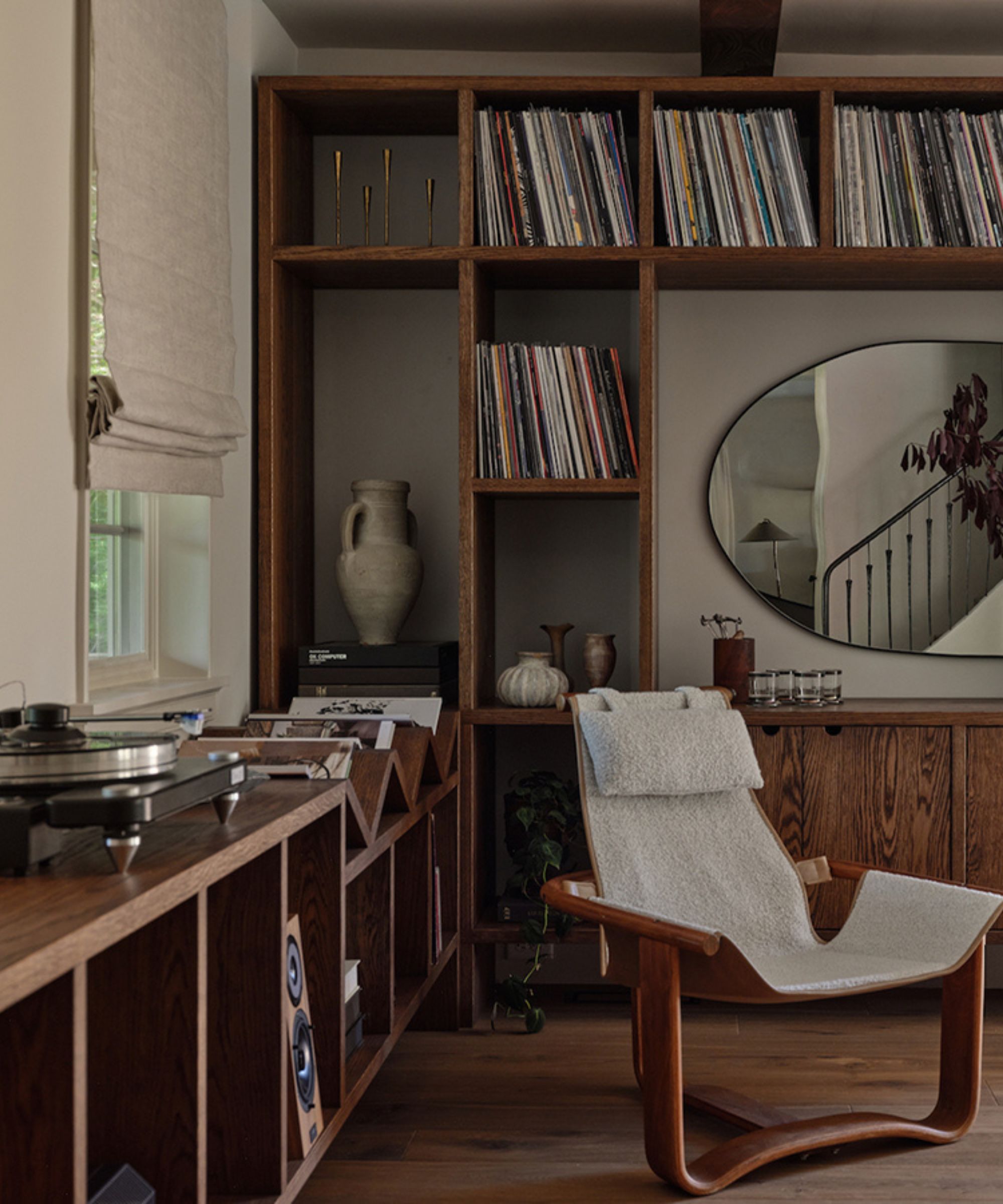
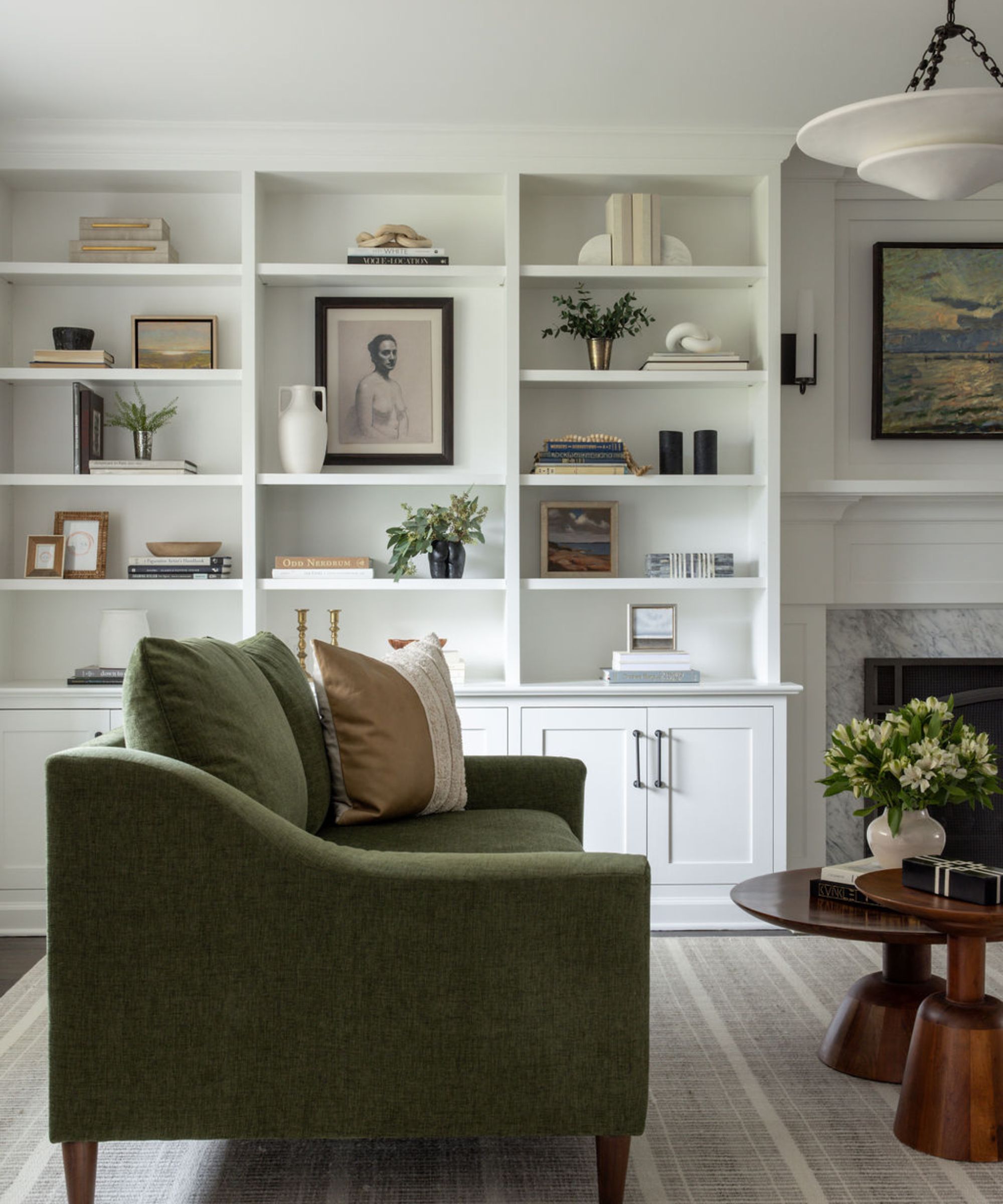
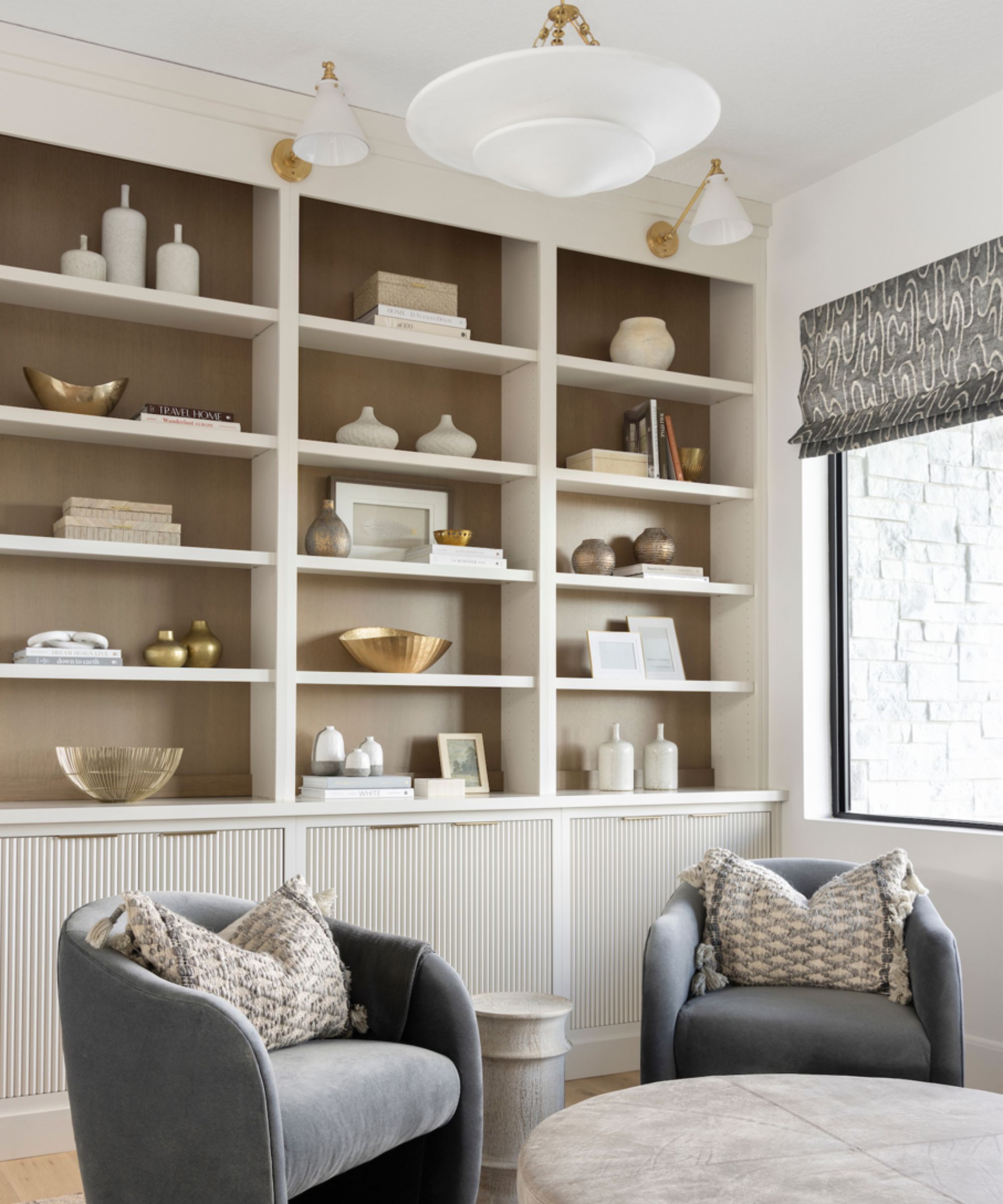
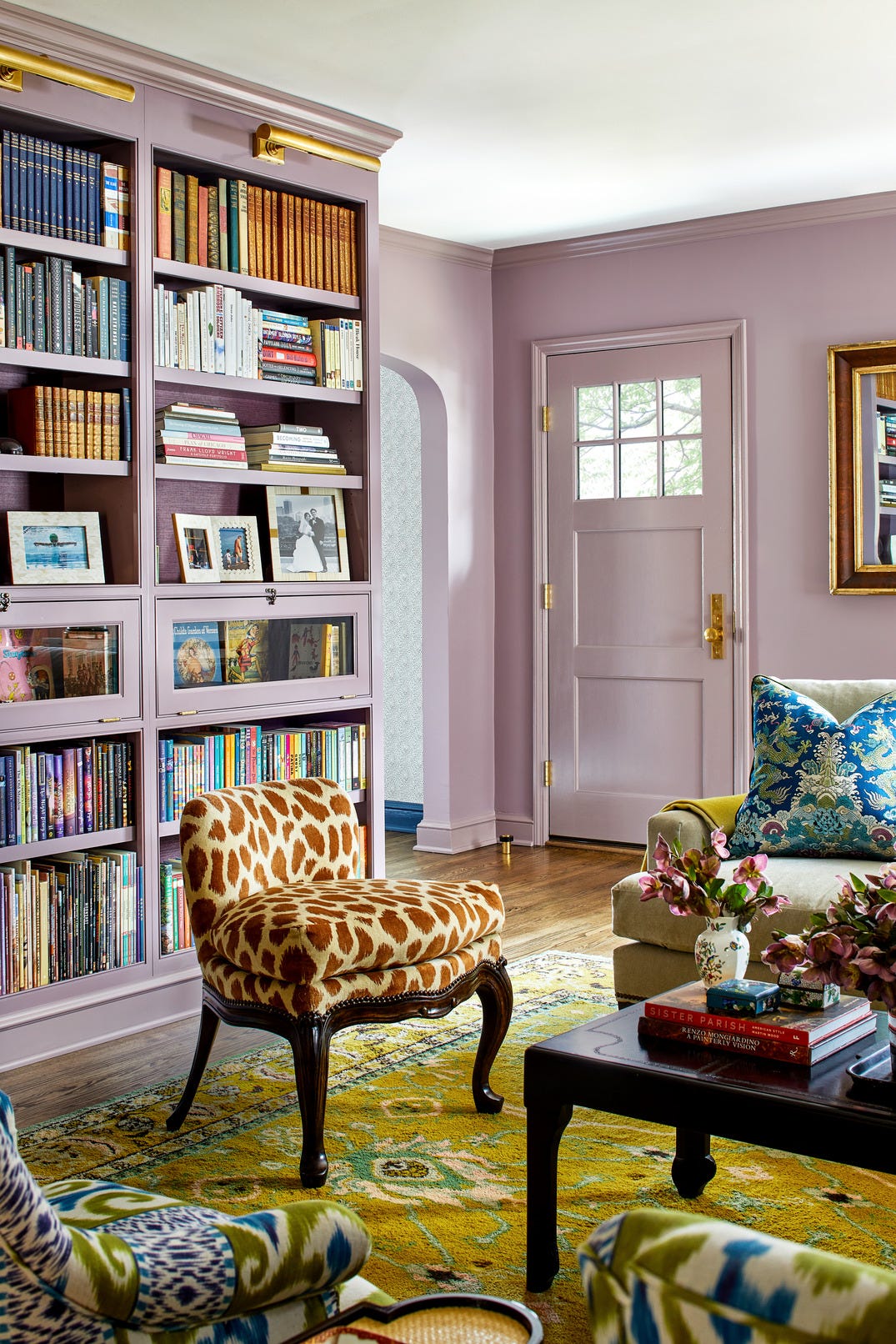
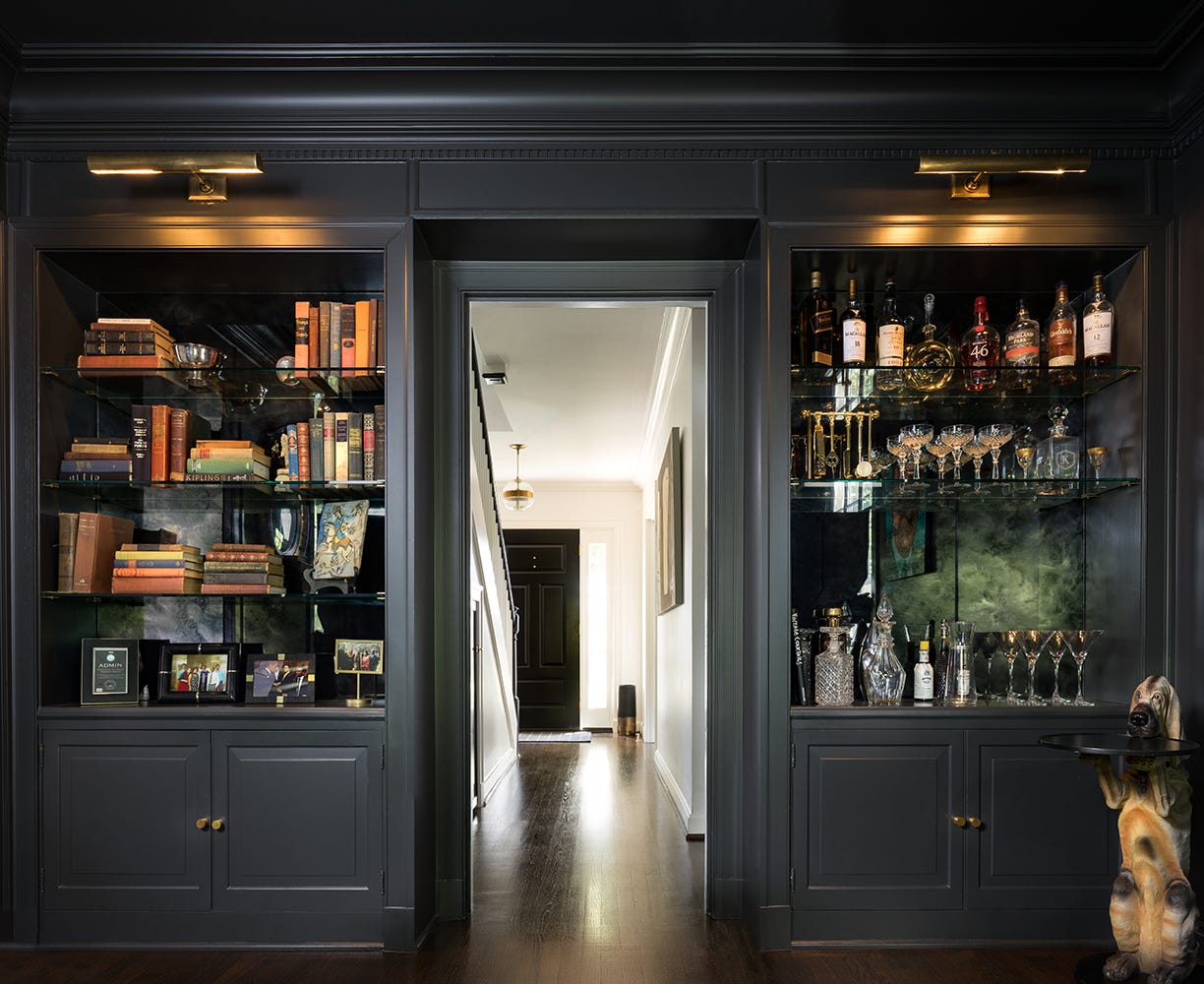
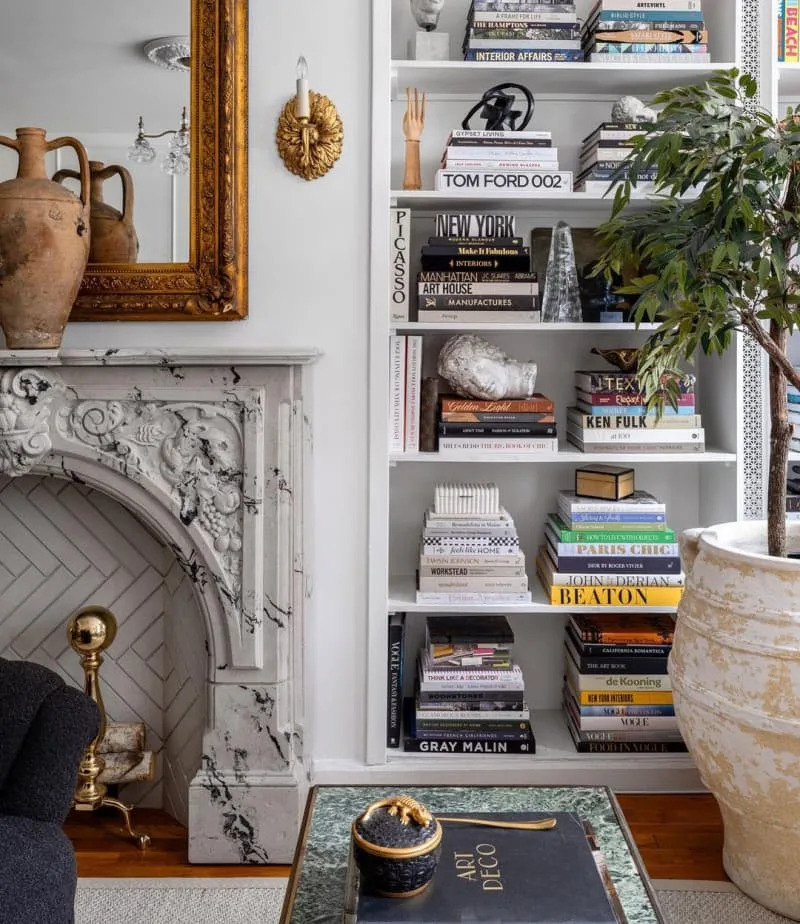
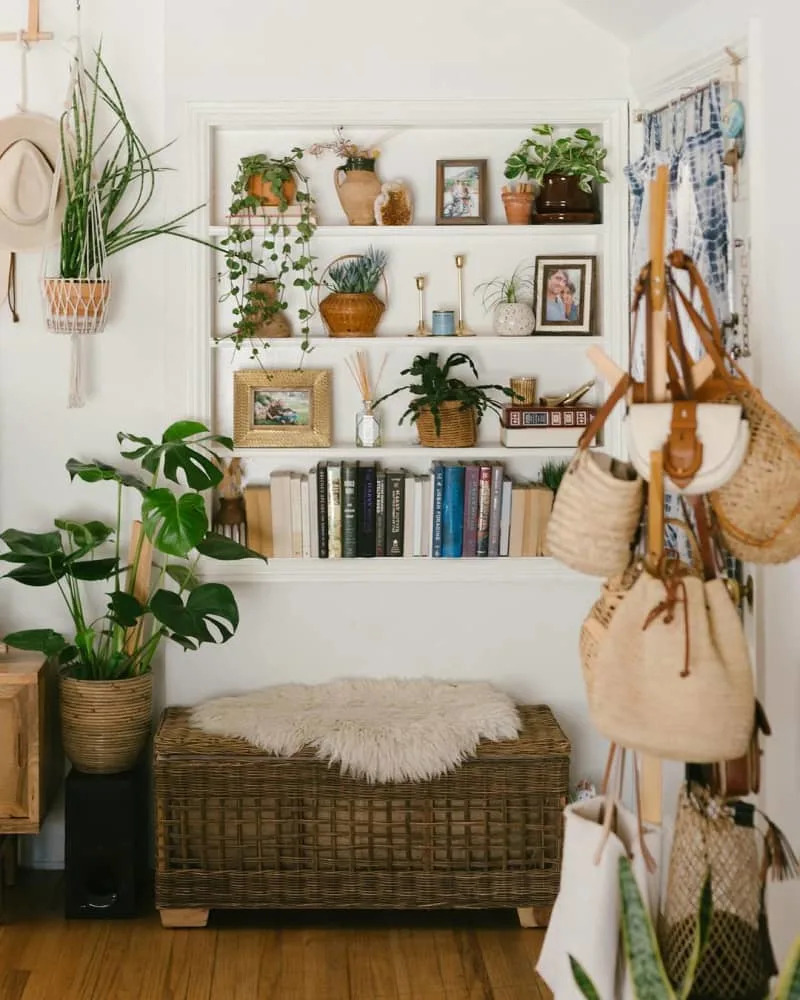
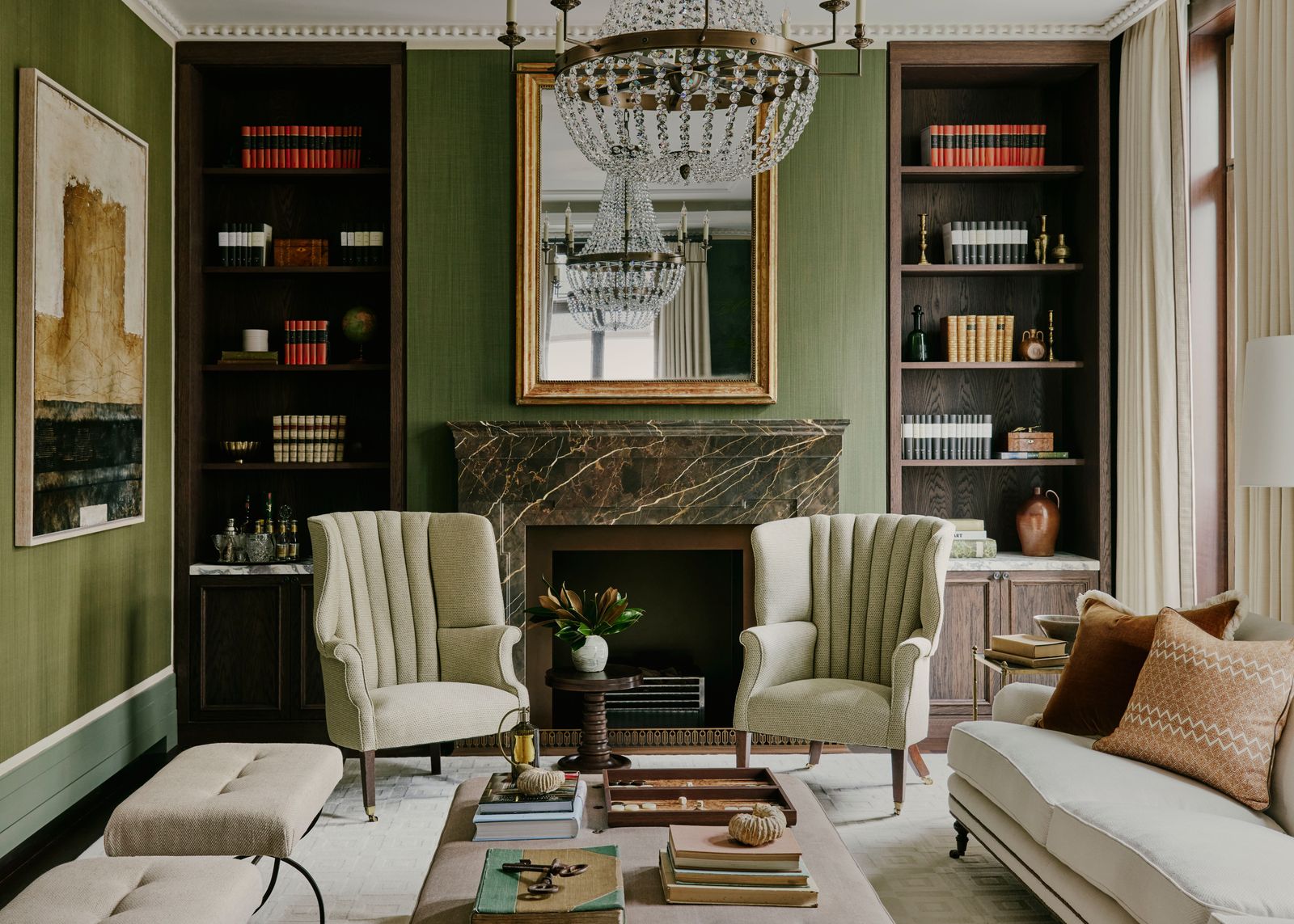
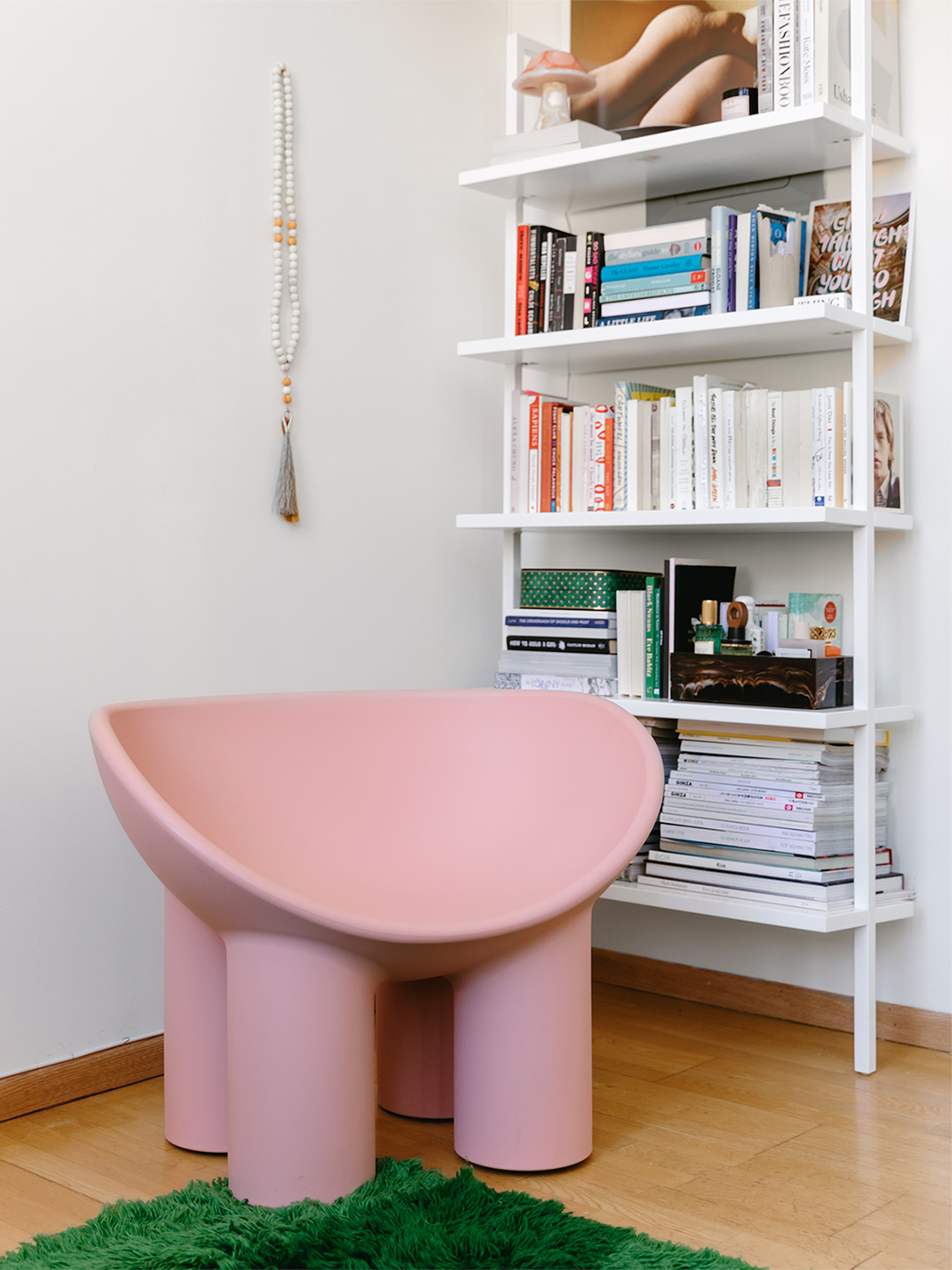
Monica Khemsurov and Jill Singer, founders of Sight Unseen and authors of "How to Live With Objects," emphasize the importance of personal style in home design, advocating for an intentional approach to arranging objects. Their book distinguishes between "decorating," which involves creating a holistic vision for a space, and "styling," which focuses on arranging objects at a micro-level to create compelling vignettes. The authors propose that true object lovers instinctively focus on styling to showcase their cherished possessions, making the interior a setting for these items rather than the other way around.
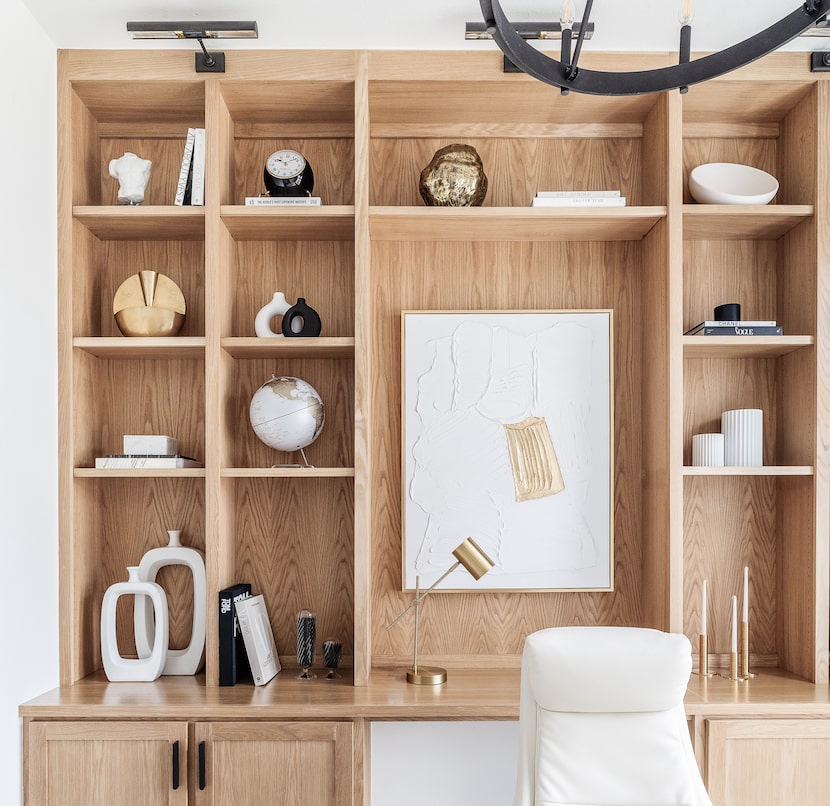
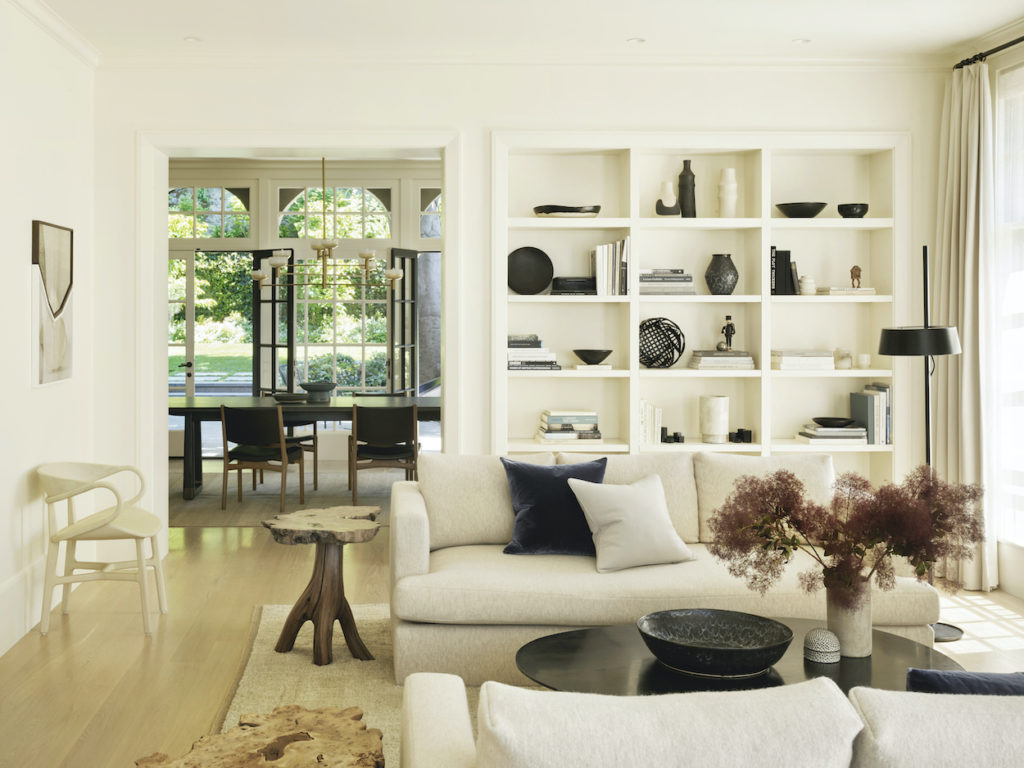
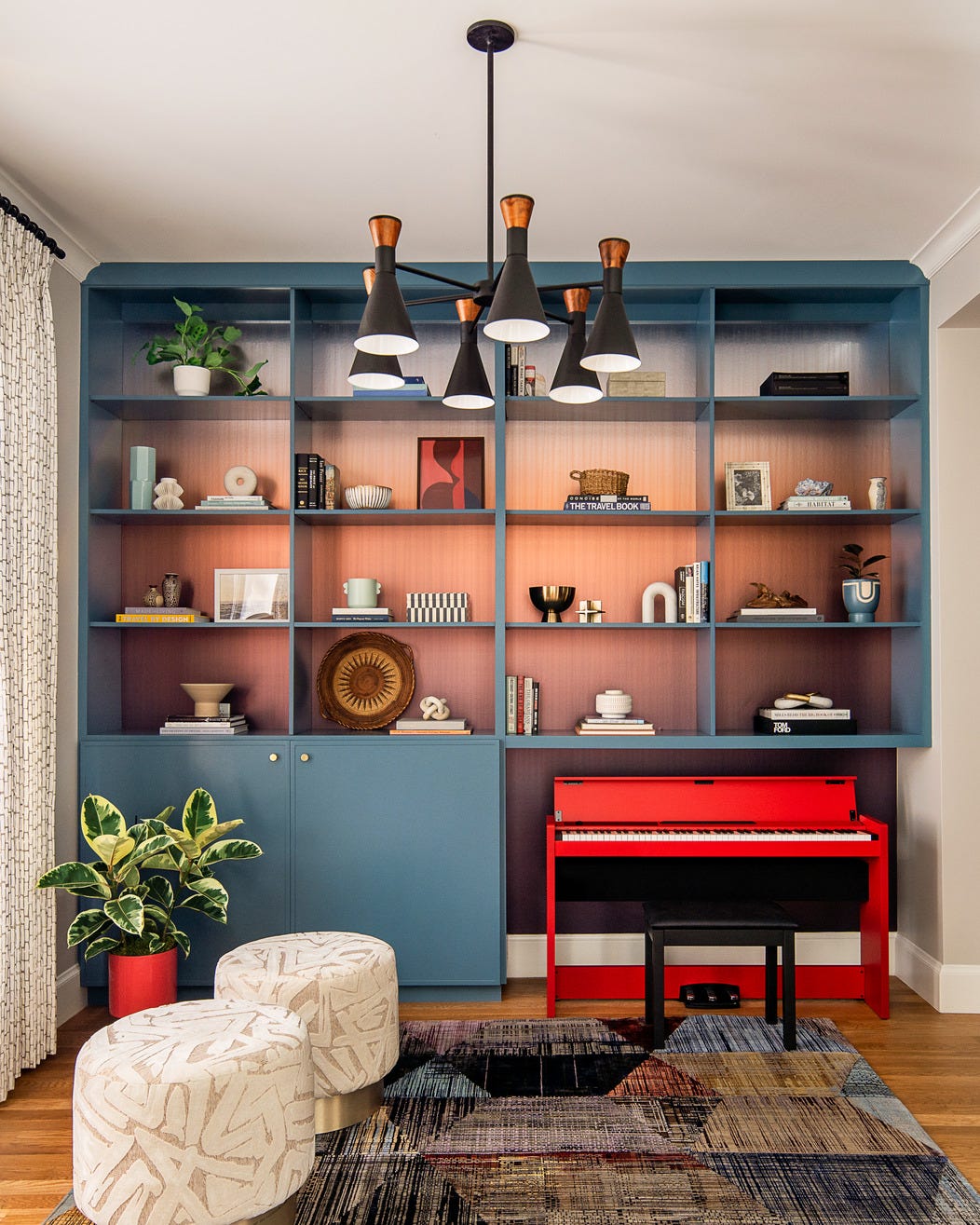
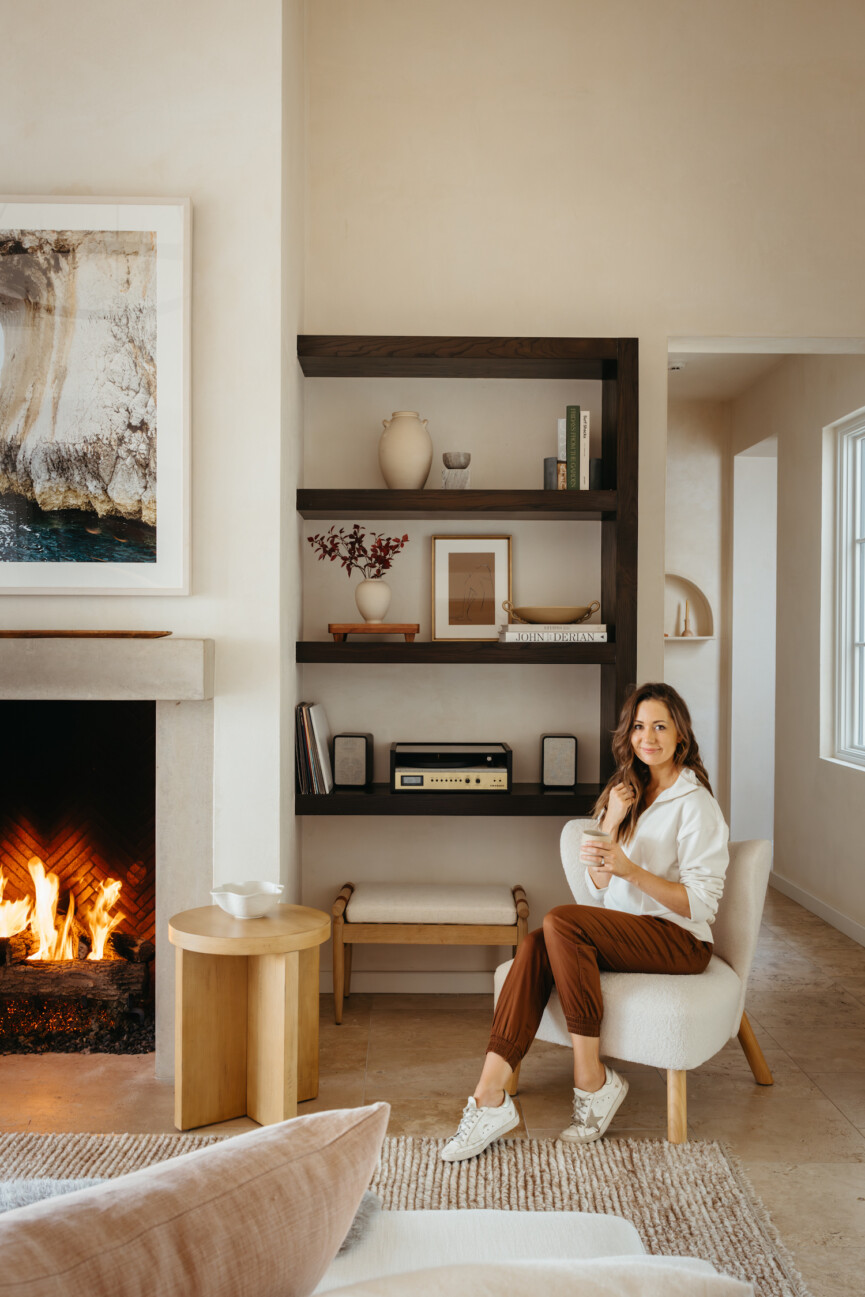
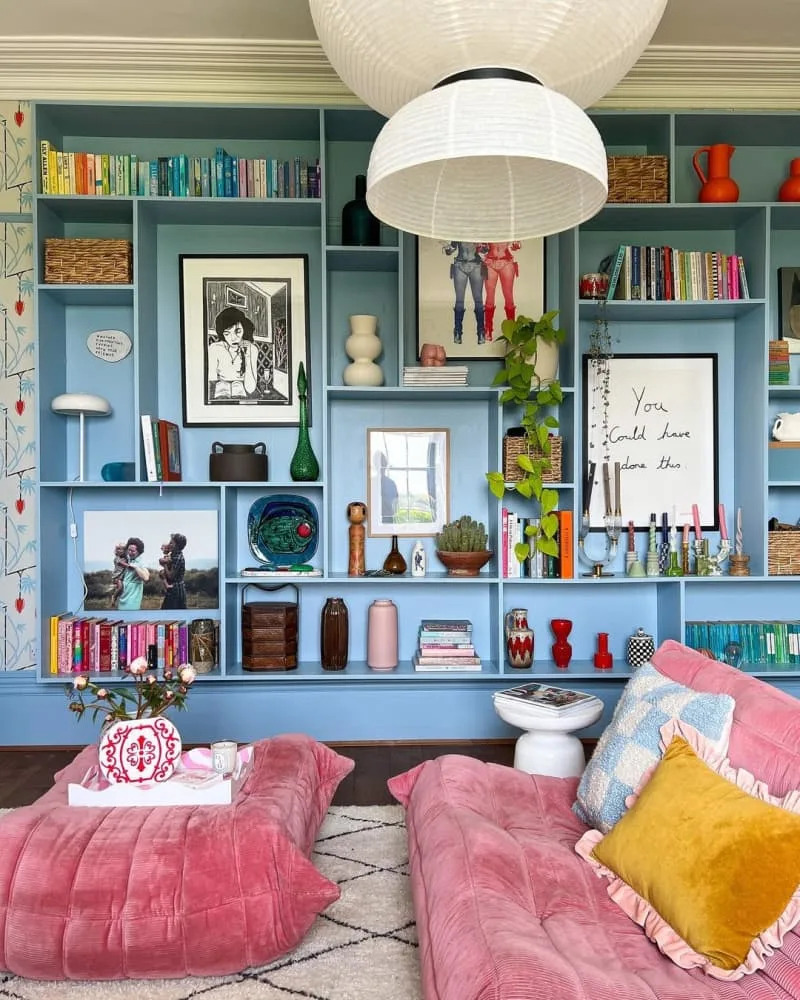
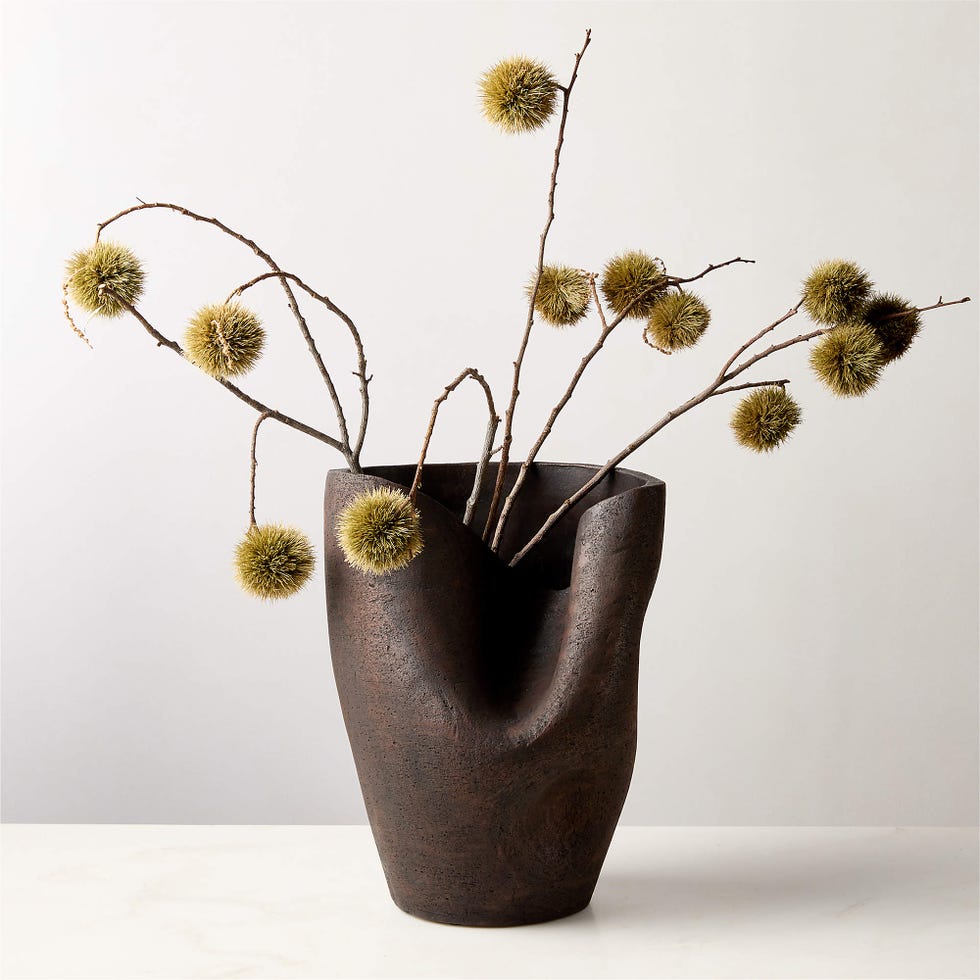
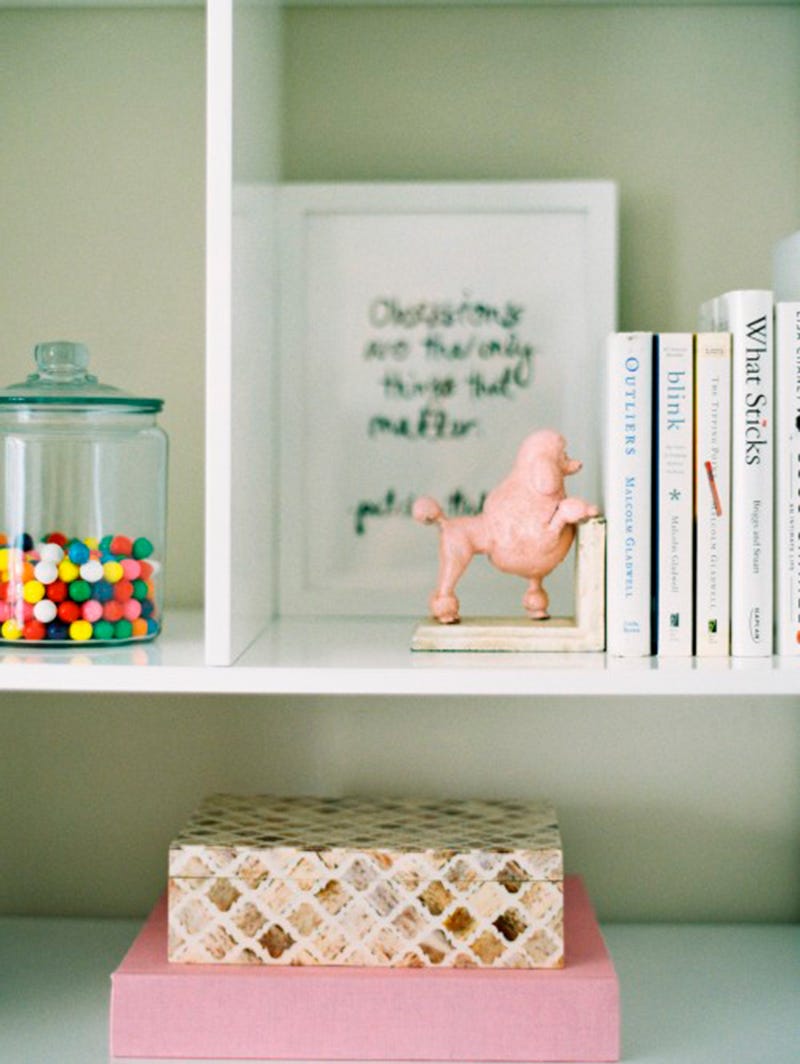
The article outlines several key principles for successful object styling, beginning with "Letting Objects Breathe." This concept highlights the need to give individual objects sufficient space to be properly appreciated and to maximize their visual impact. While clustering similar objects can be effective, standout pieces benefit from unobstructed views. This principle often necessitates making thoughtful decisions about how to allocate limited shelf or table space, reflecting a philosophy of conscious acquisition, where new items are introduced only as needed and if they can hold their own within the space.
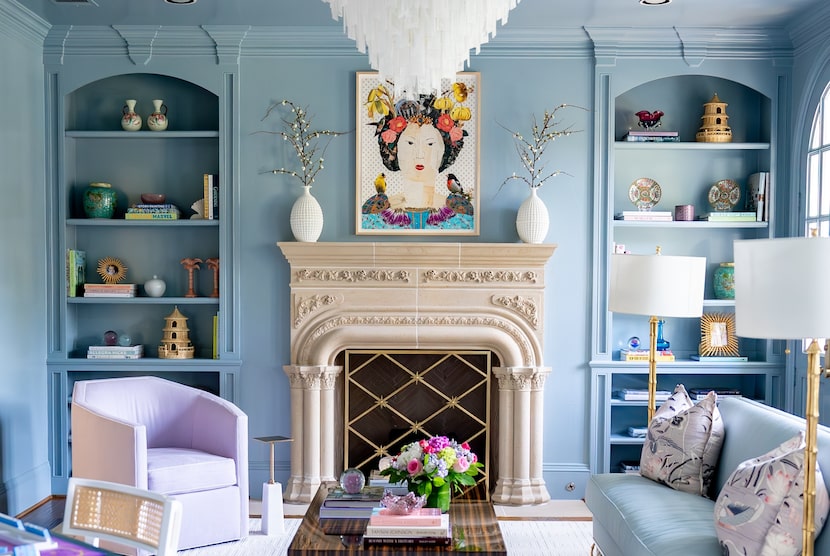
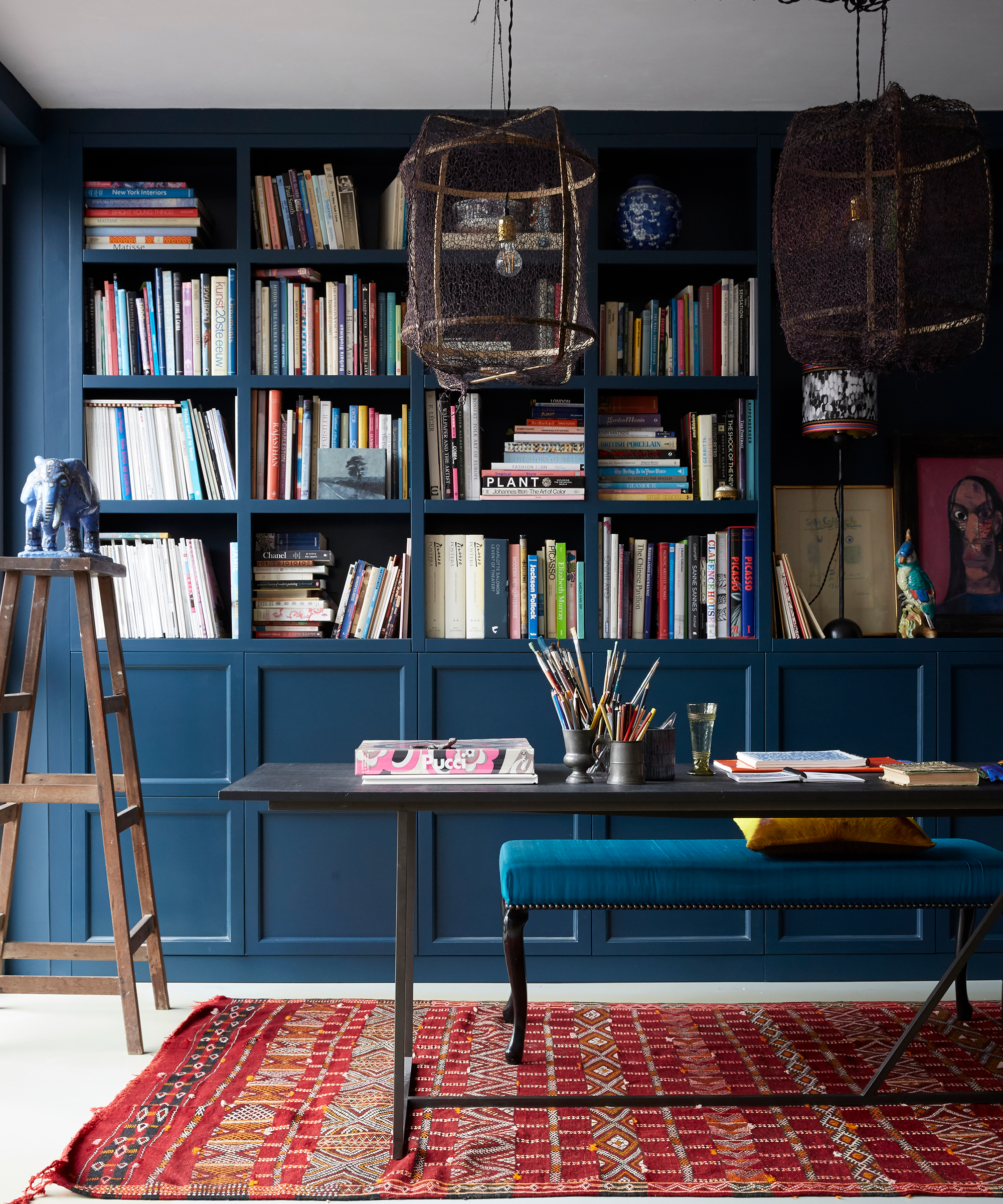
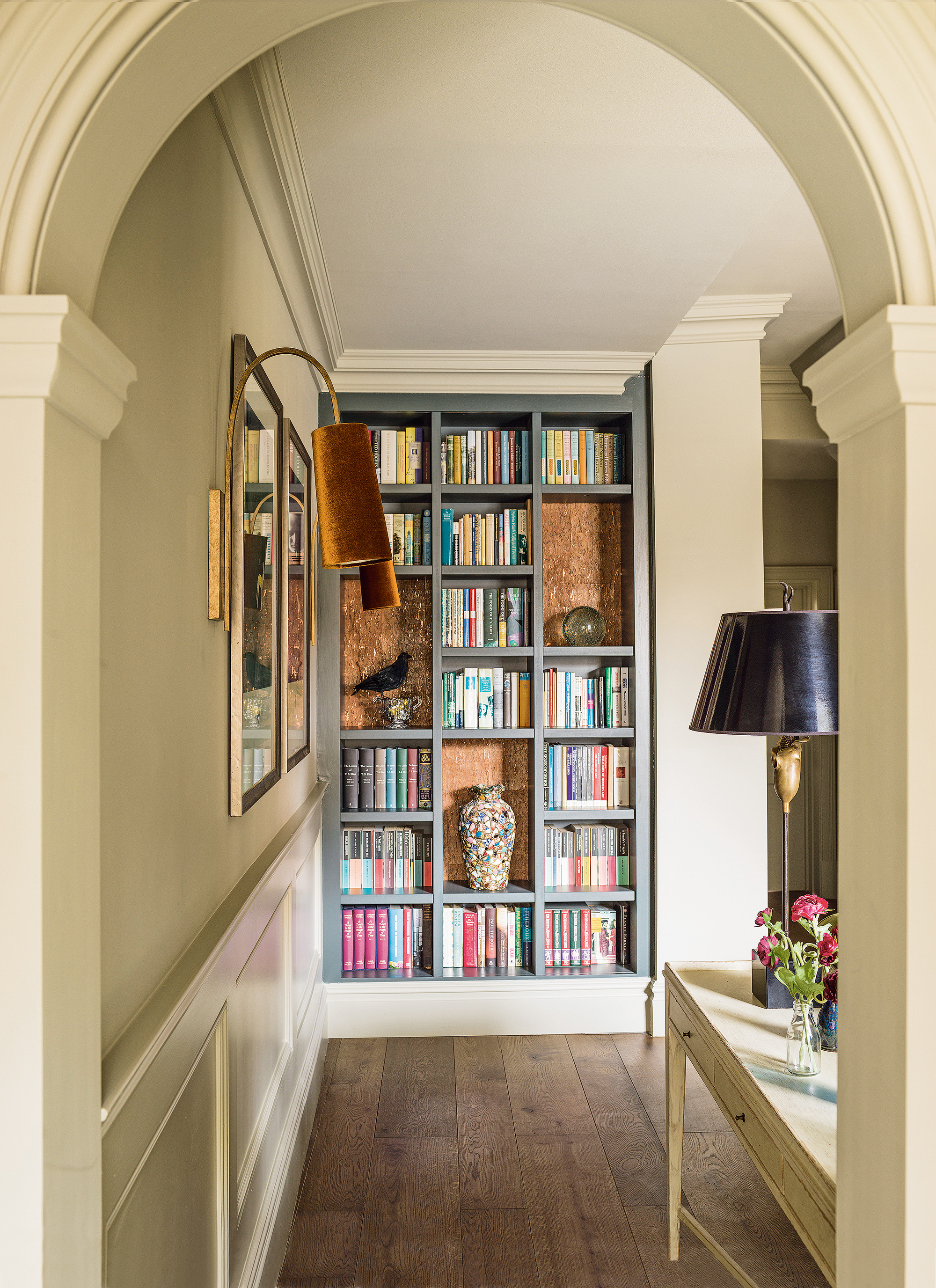
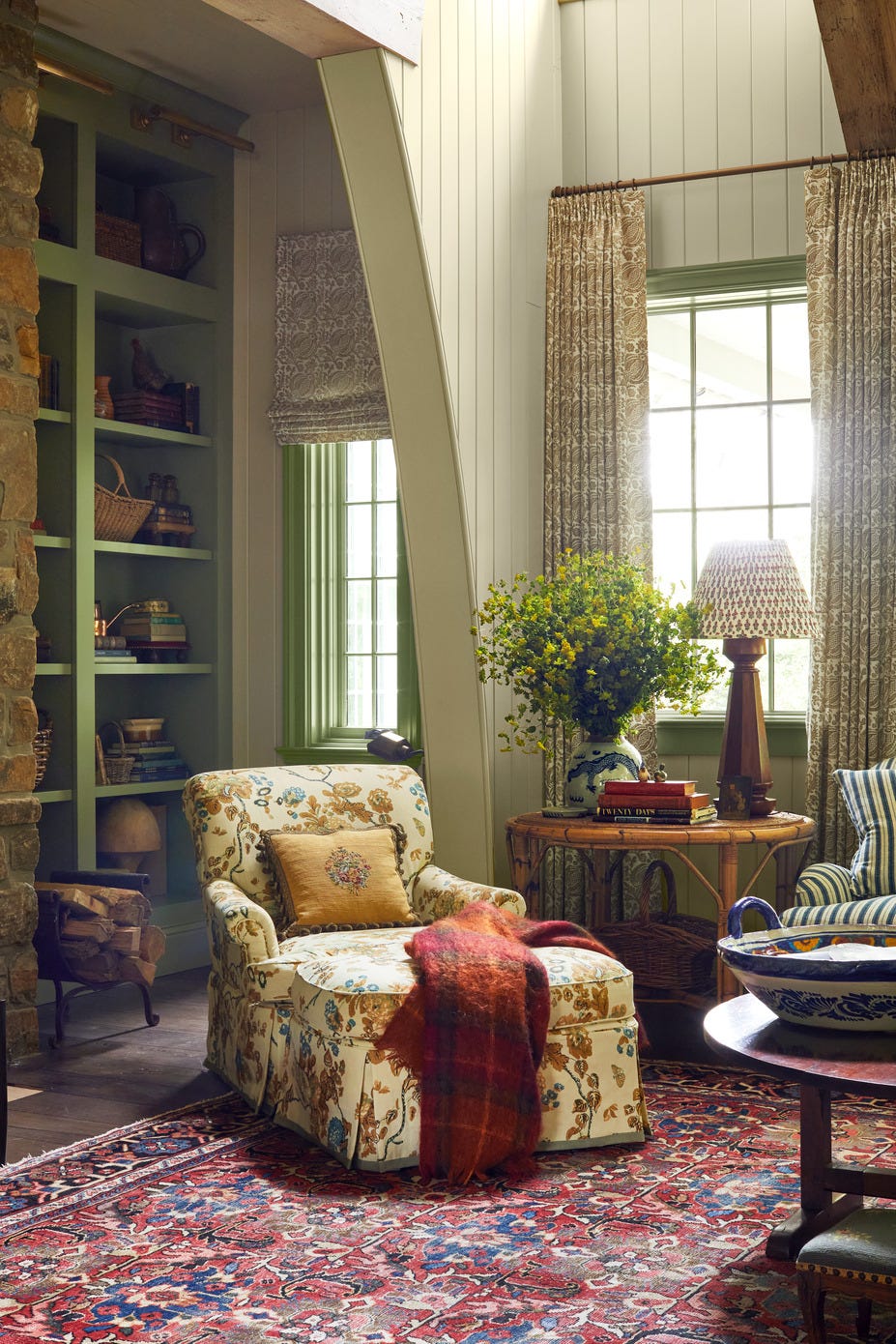
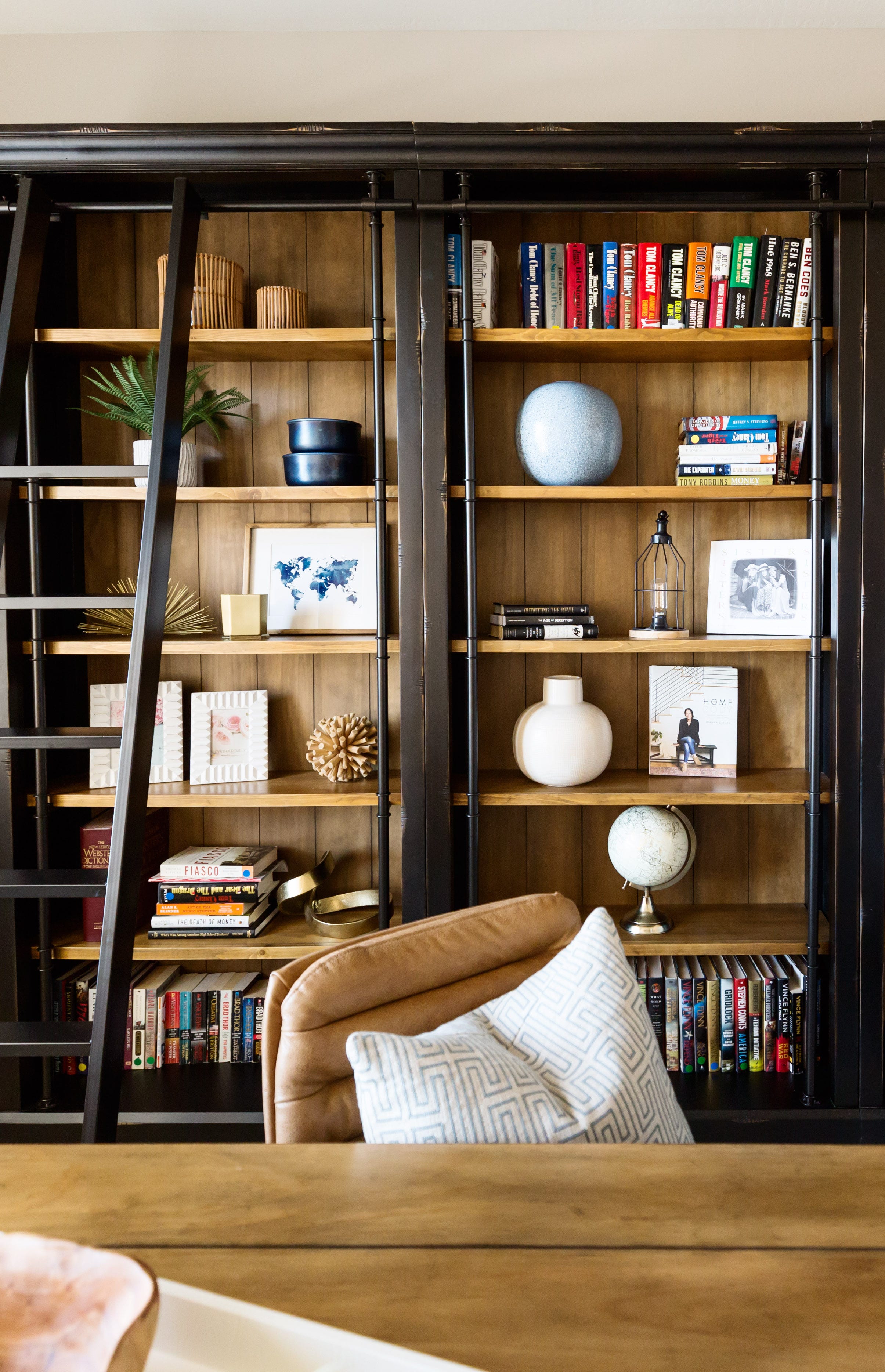
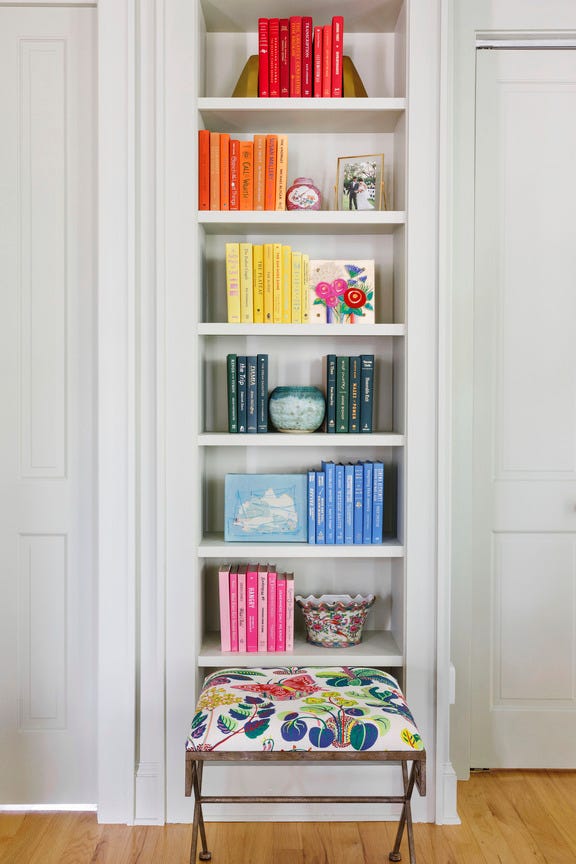
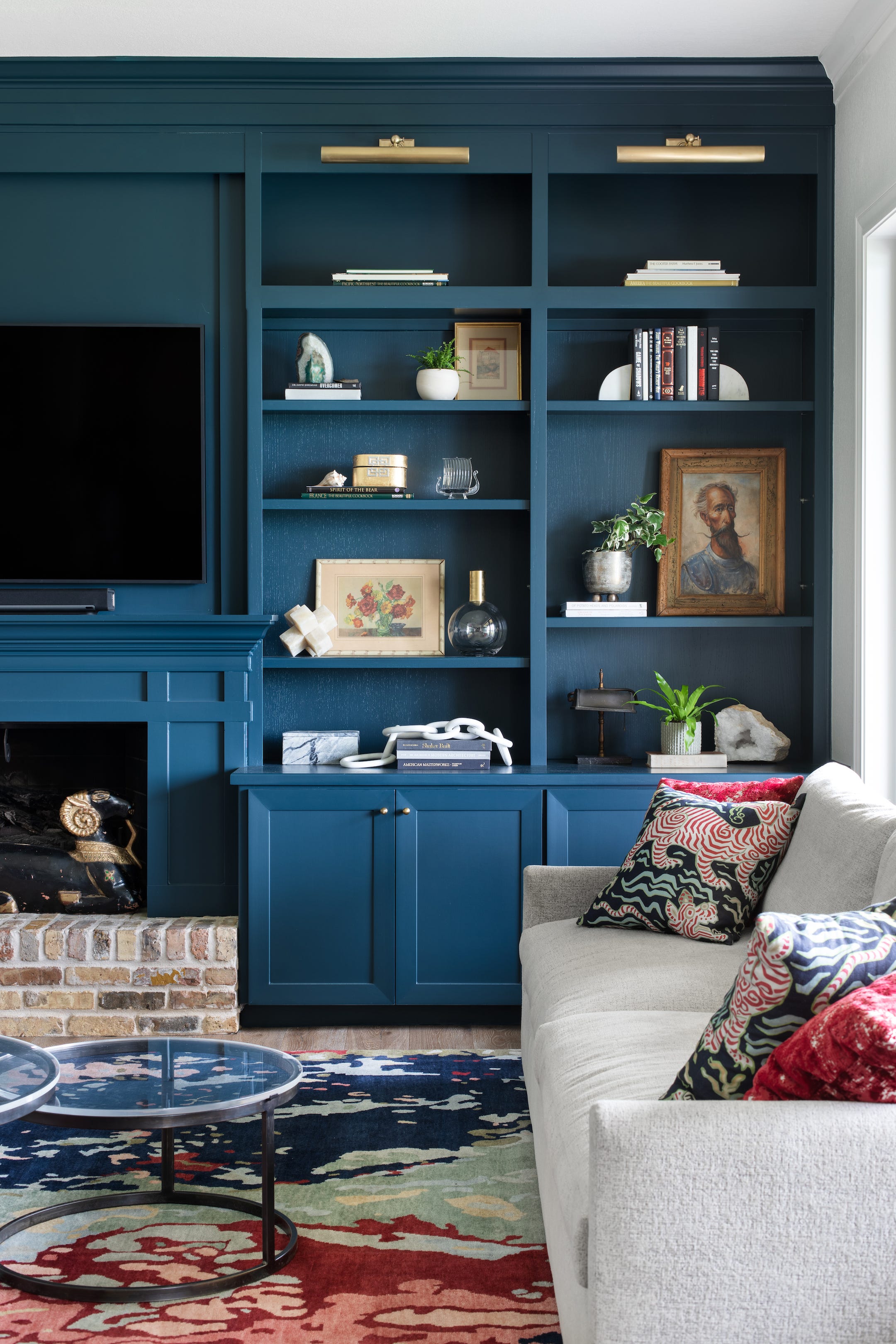
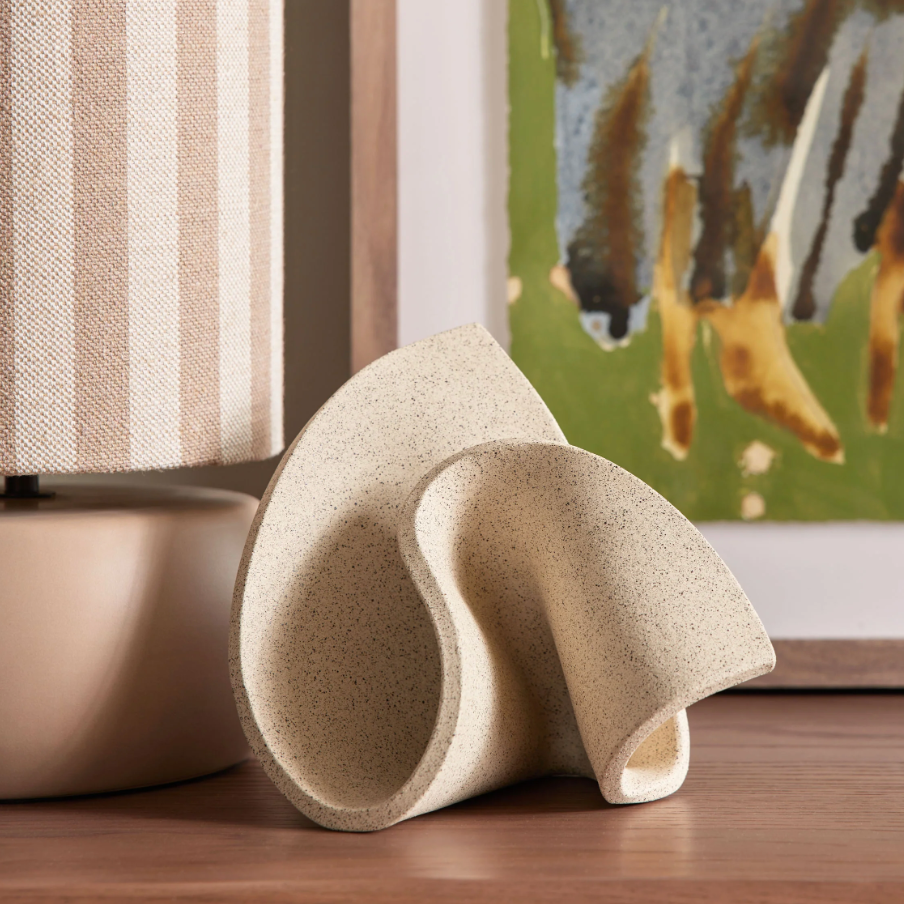
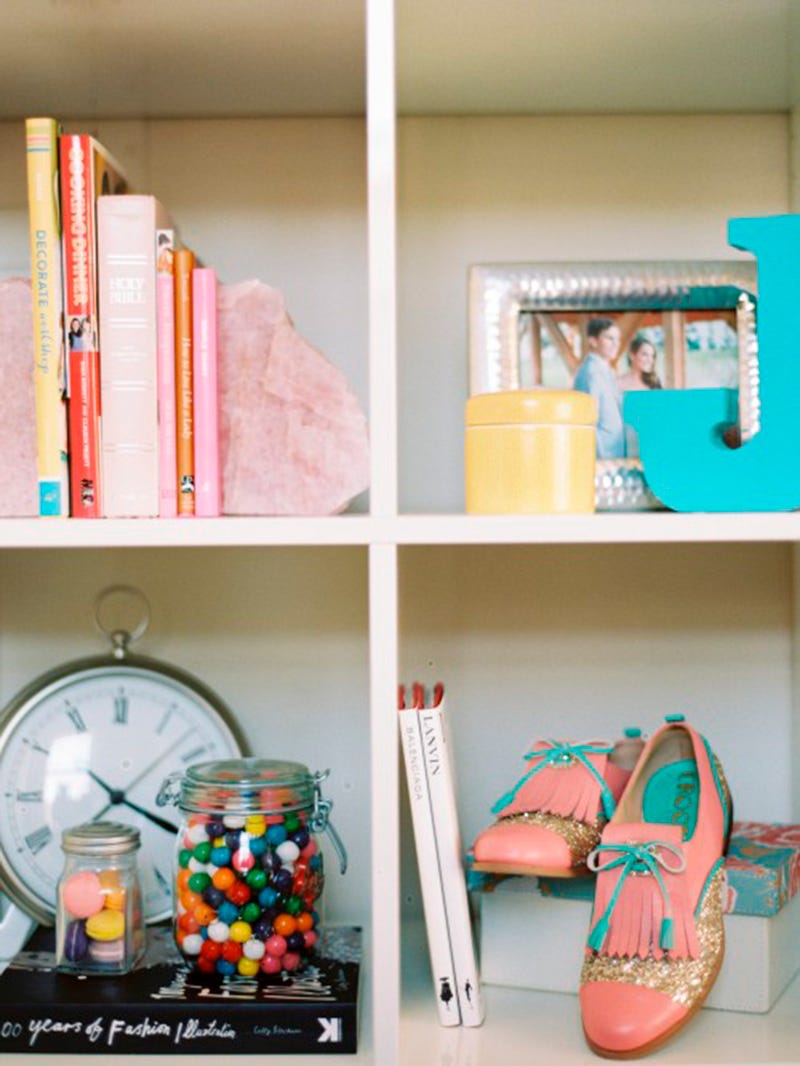
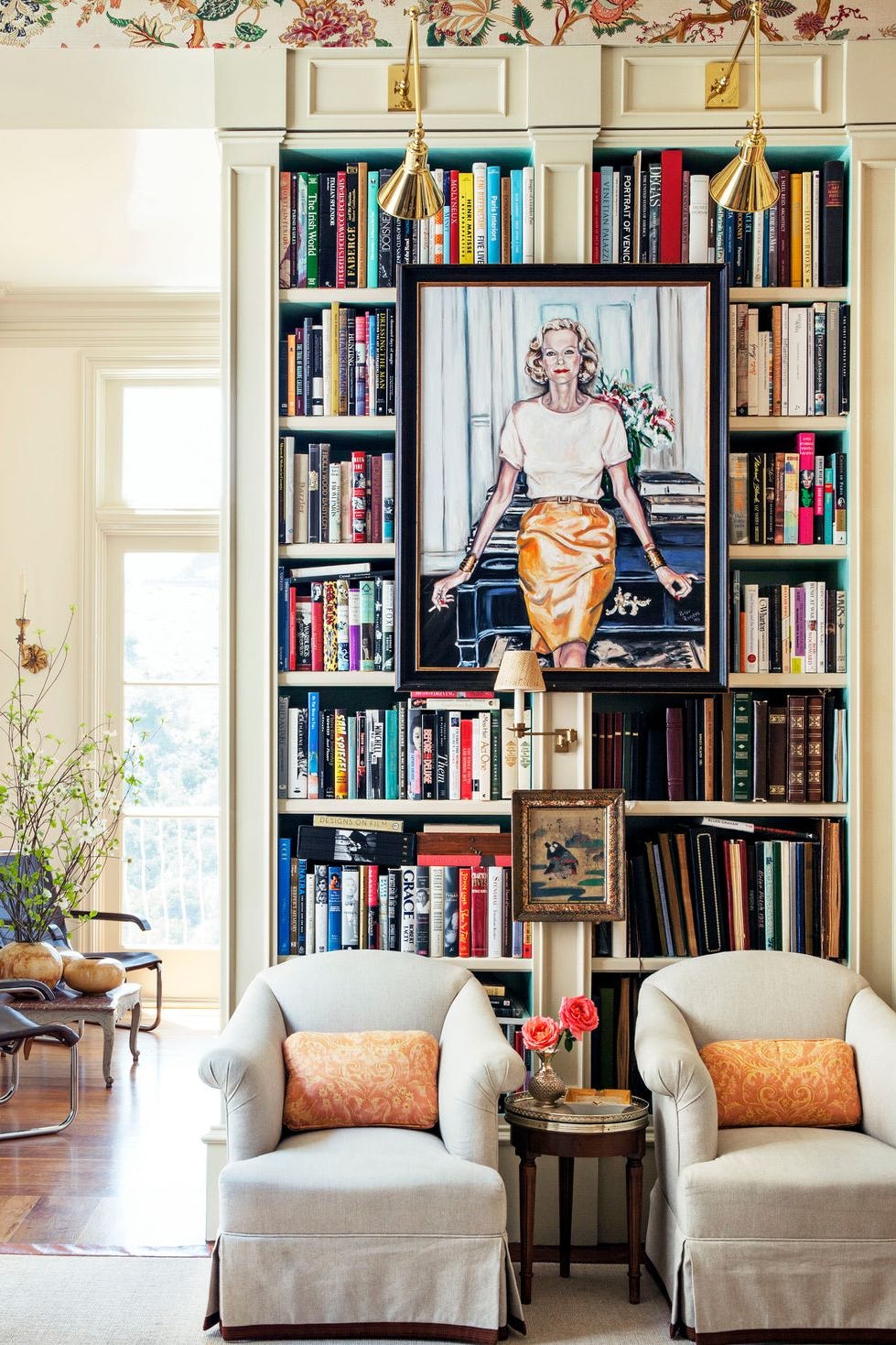
The second principle, "Juxtaposing and Layering," addresses the challenge of integrating diverse objects with varying aesthetics. It encourages mixing natural with man-made, vintage with contemporary, and organic with linear elements. The aim is to create visual harmony by finding commonalities like shape or color, ultimately leading to more sophisticated and thoughtful interiors. Experts demonstrate this by placing high-value artworks next to unexpected finds, emphasizing the conversational dynamic between disparate objects and even incorporating natural elements like plants to alter scale and feeling.
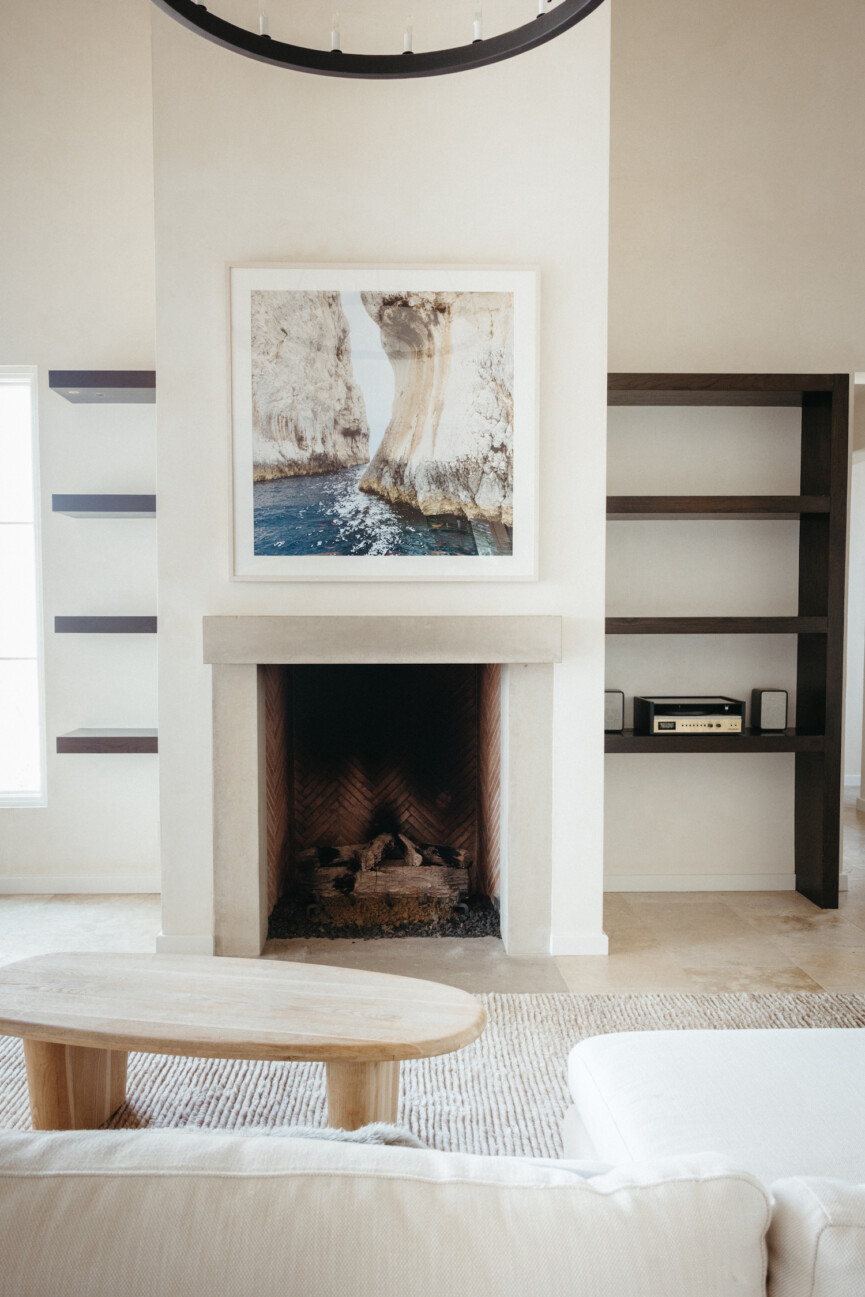
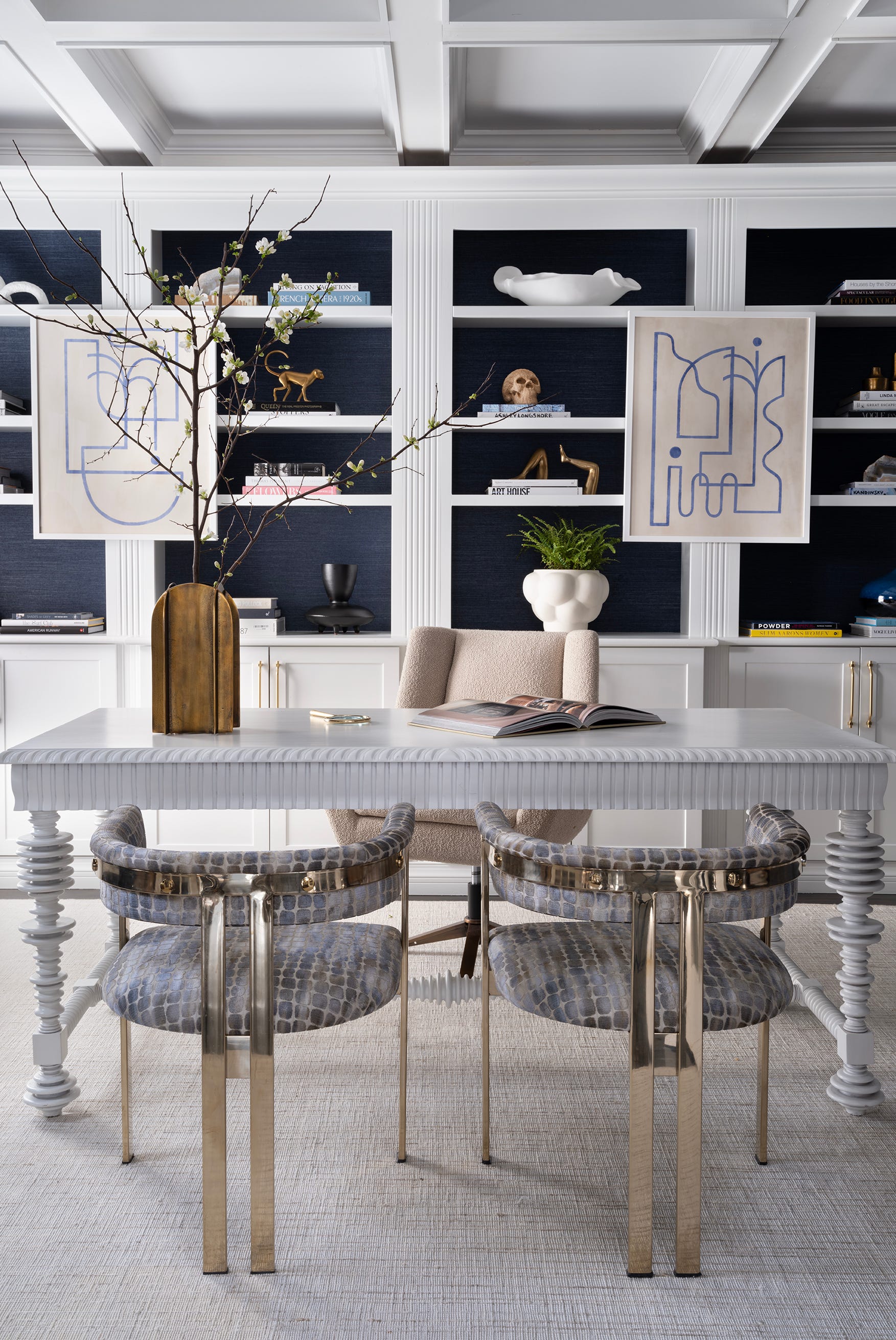
"Finding Balance" is the third principle, focusing on the spatial placement of objects to achieve visual harmony. This involves ensuring that items displayed together are proportionate and that the overall arrangement doesn't appear too heavy or crowded on one side. Techniques such as "triangulation," where a prominent object is balanced by smaller ones below it, are suggested. This process largely relies on careful observation, intuition, and understanding how objects can complement each other. The goal is to create compositions that are pleasing to the eye, whether symmetrical or asymmetrical.
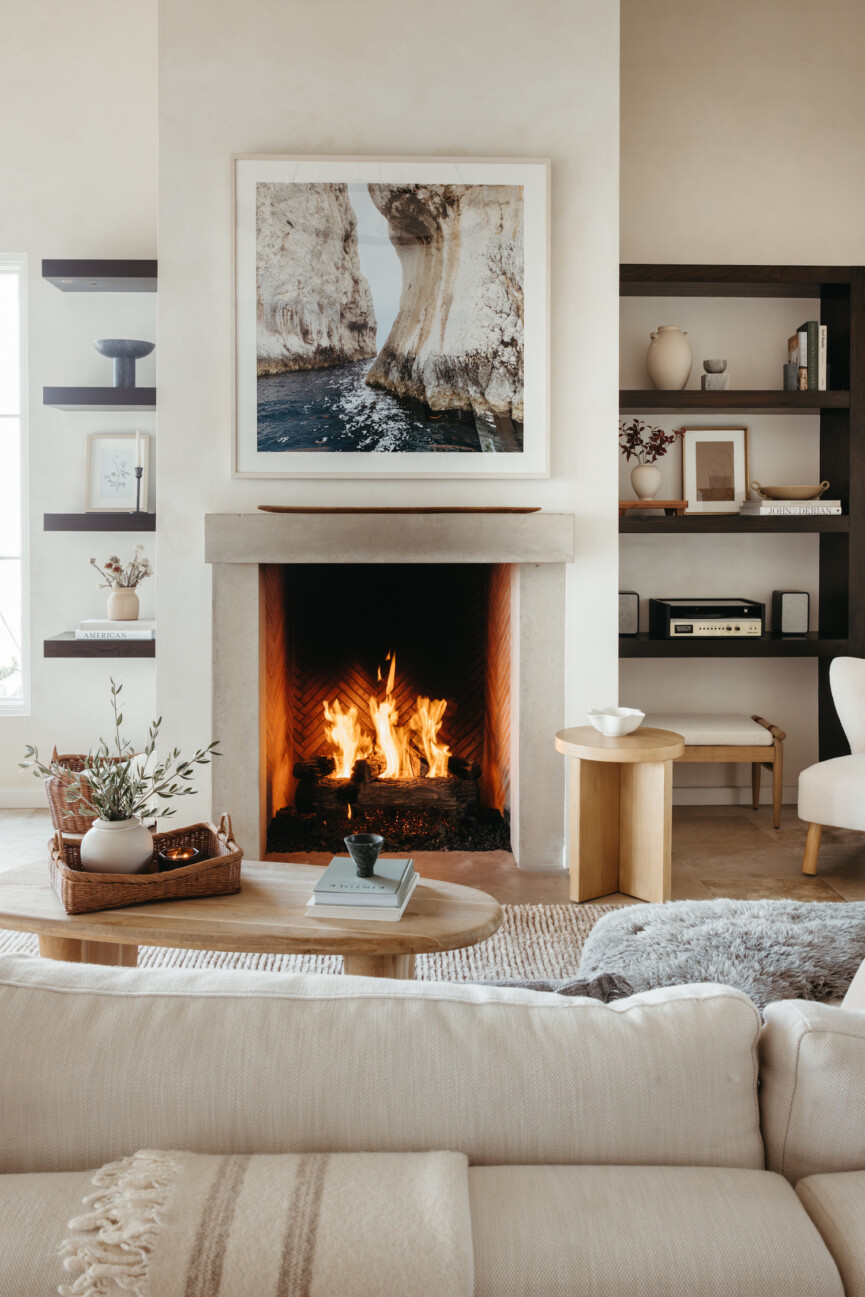
The fourth principle, "Repositioning and Repurposing," advocates for a dynamic approach to object arrangement. Instead of maintaining a static display, the article suggests that homes should evolve with changing interests and desires for new energy. This flexibility encourages homeowners to frequently rearrange objects, even large items like furniture, to discover new perspectives and incorporate new acquisitions. It also promotes repurposing existing objects in different rooms, giving them new contexts and extending their utility rather than discarding them.
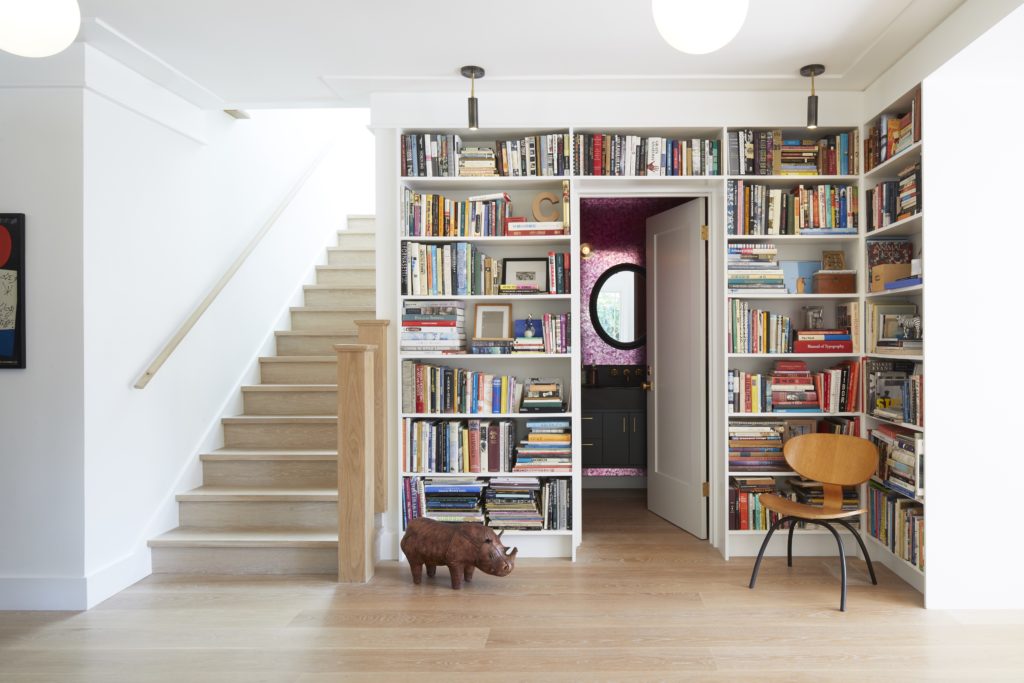
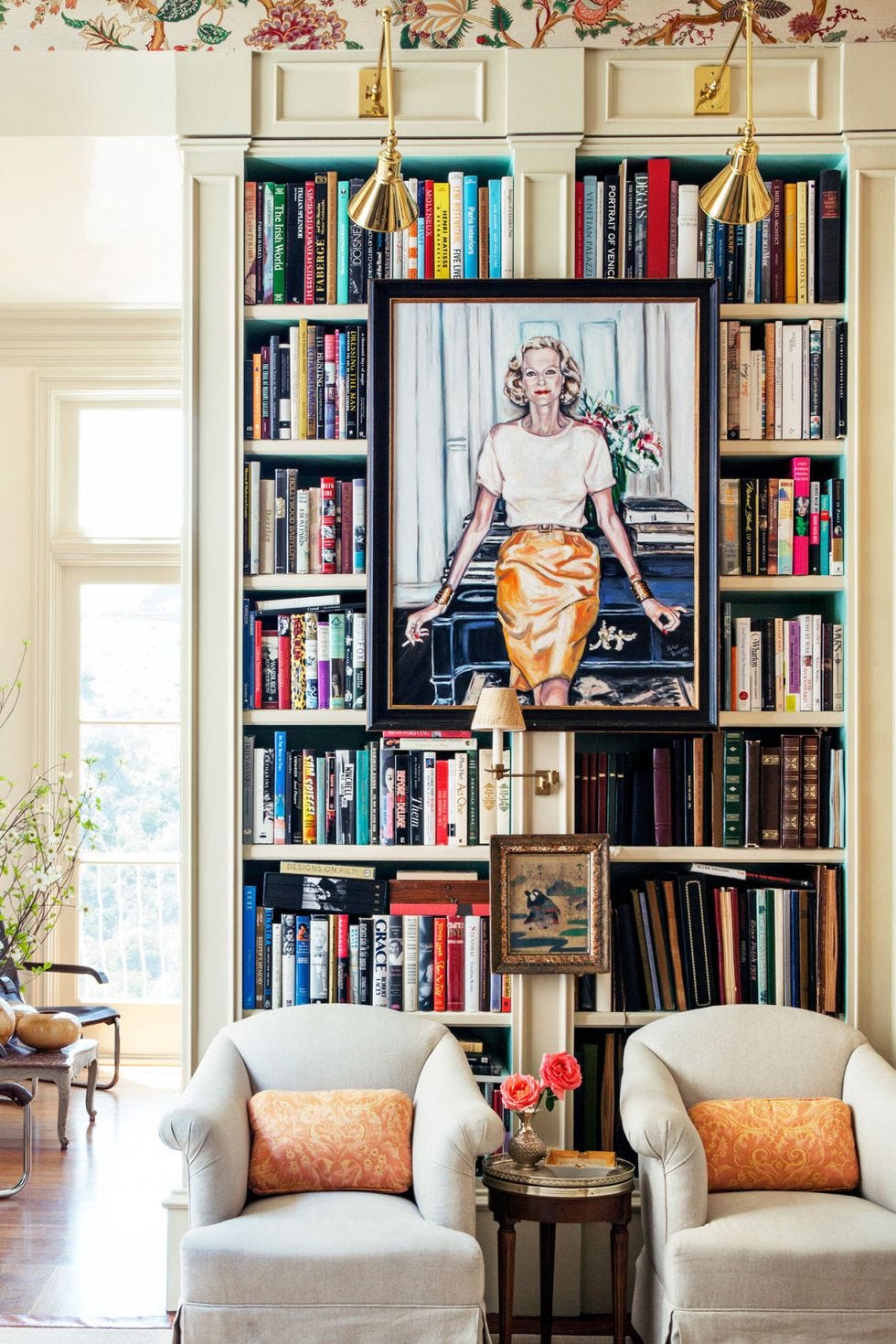
Finally, "The Art of the Edit" addresses the crucial task of curating possessions. It acknowledges the difficulty of parting with sentimental items but stresses that editing is essential to prevent clutter and allow displayed objects to truly shine. The process involves conscious acquisition—considering an object's future home before purchase—and mindful display, prioritizing quality over quantity, especially on surfaces. For sentimental items, the article suggests questioning whether the memory itself is sufficient without keeping the physical object. For aesthetic items, a temporary storage period can reveal whether their absence is truly felt, guiding decisions about selling or donating.
#HomeStyling #ObjectArrangement #InteriorDesign #BookshelfDecor #HomeDecor #PersonalStyle #DesignInspiration #VisualBalance #Decluttering #HomeStyling #ObjectArrangement #InteriorDesign #BookshelfDecor #HomeDecor #PersonalStyle #DesignInspiration #VisualBalance #Decluttering
0 comment in total
 No comments yet
You may also like
Master the art of styling bookshelves with these tips from design experts


How To Style Your Bookshelves Perfectly, According to Designers

How 3 Designers Would Spend $200 to Style Your Bookshelf

Jessica Simpson's bookshelves show us how styling is a fine art – but it's one we can master with these simple tips
A Book Lover’s Guide to Styling Your Shelves
22 Ways to Style Your Bookshelf Like a Designer

Is the Color-Coded Bookshelf Here to Stay? Here’s What Designers Have to Say

Here's How Designers Really Feel About Those Rainbow Bookshelves

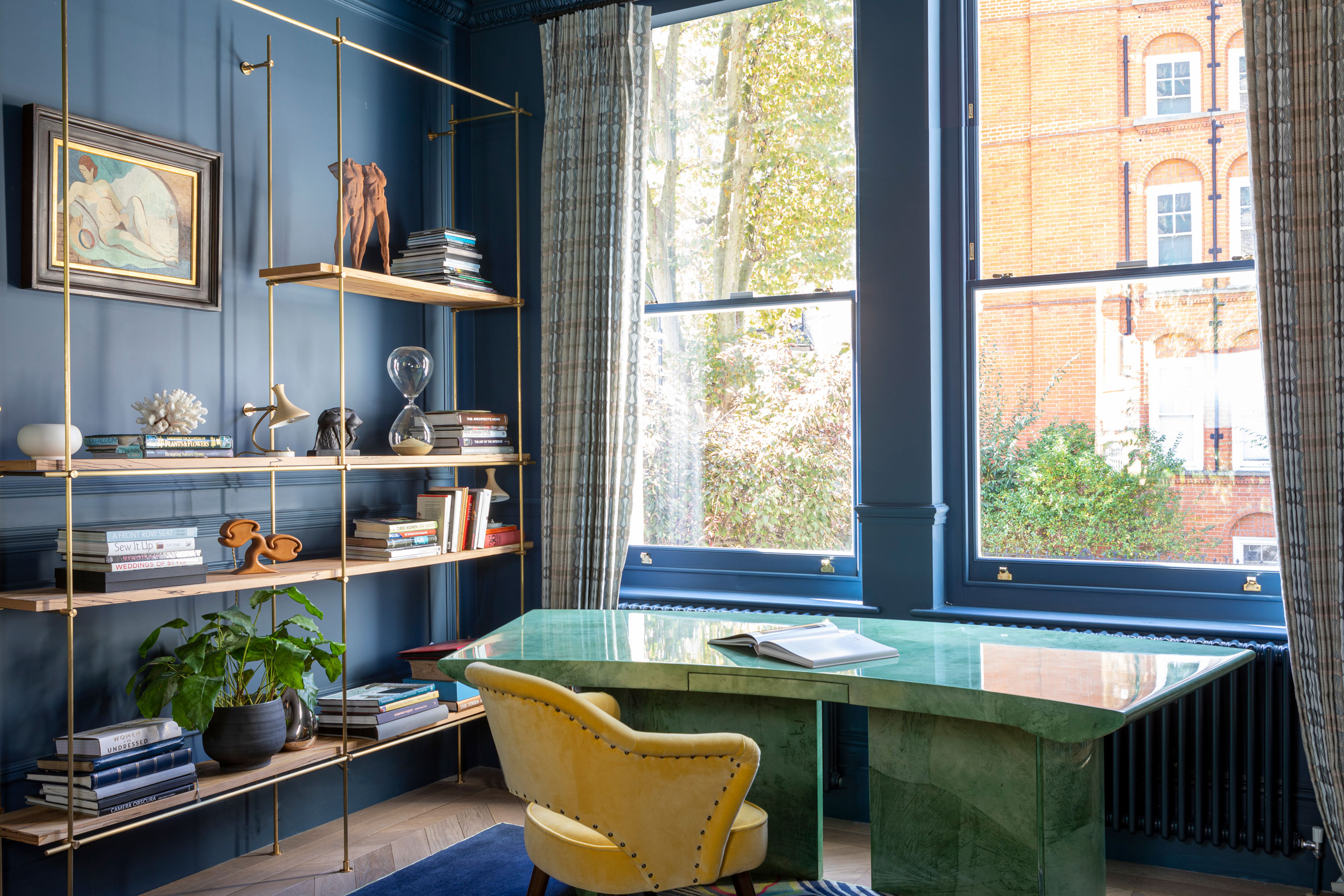
How to style a bookcase – the 10 rules our decorating editors never break

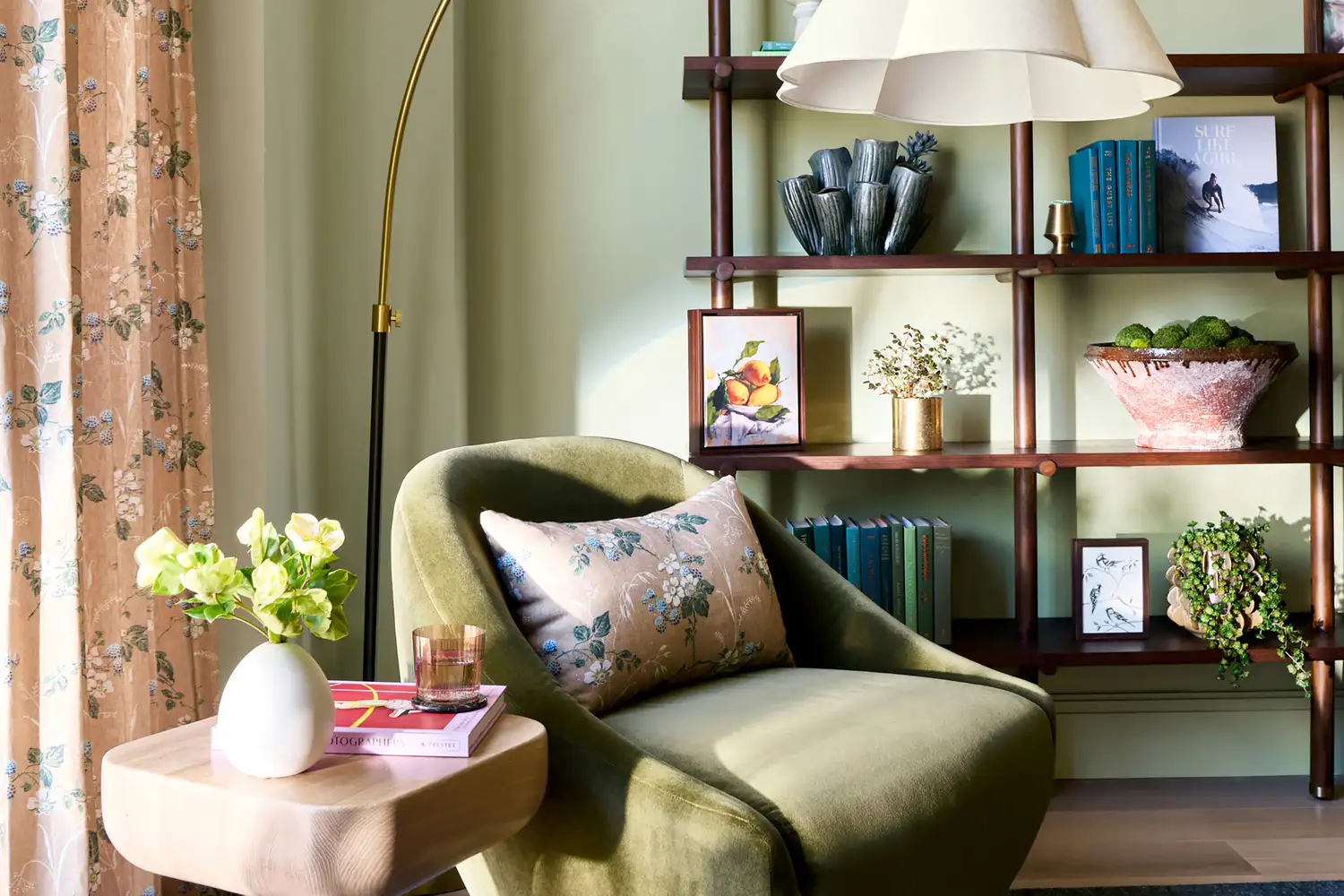
The 'Rule of 3' Is the Designer Trick for Styling Everything From Bookshelves to Coffee Tables—Here's How to Master It
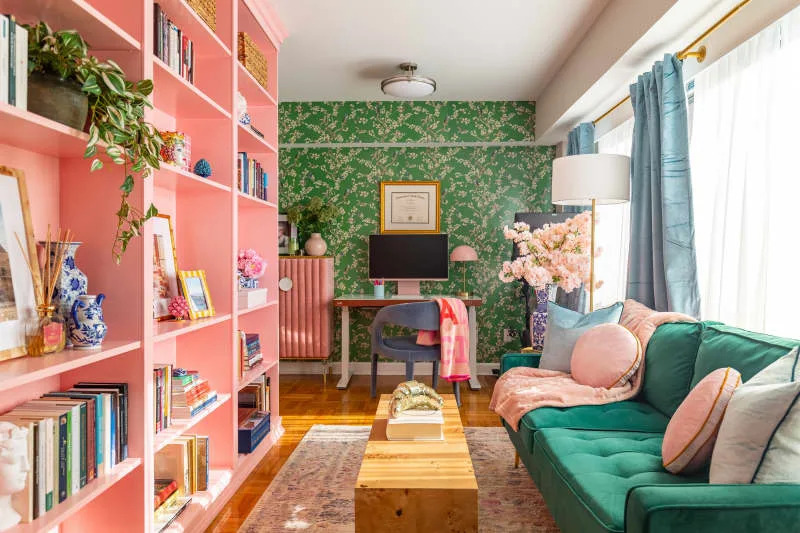
11 Clever Bookshelf Decor Ideas for Styling Your Space Like a Pro

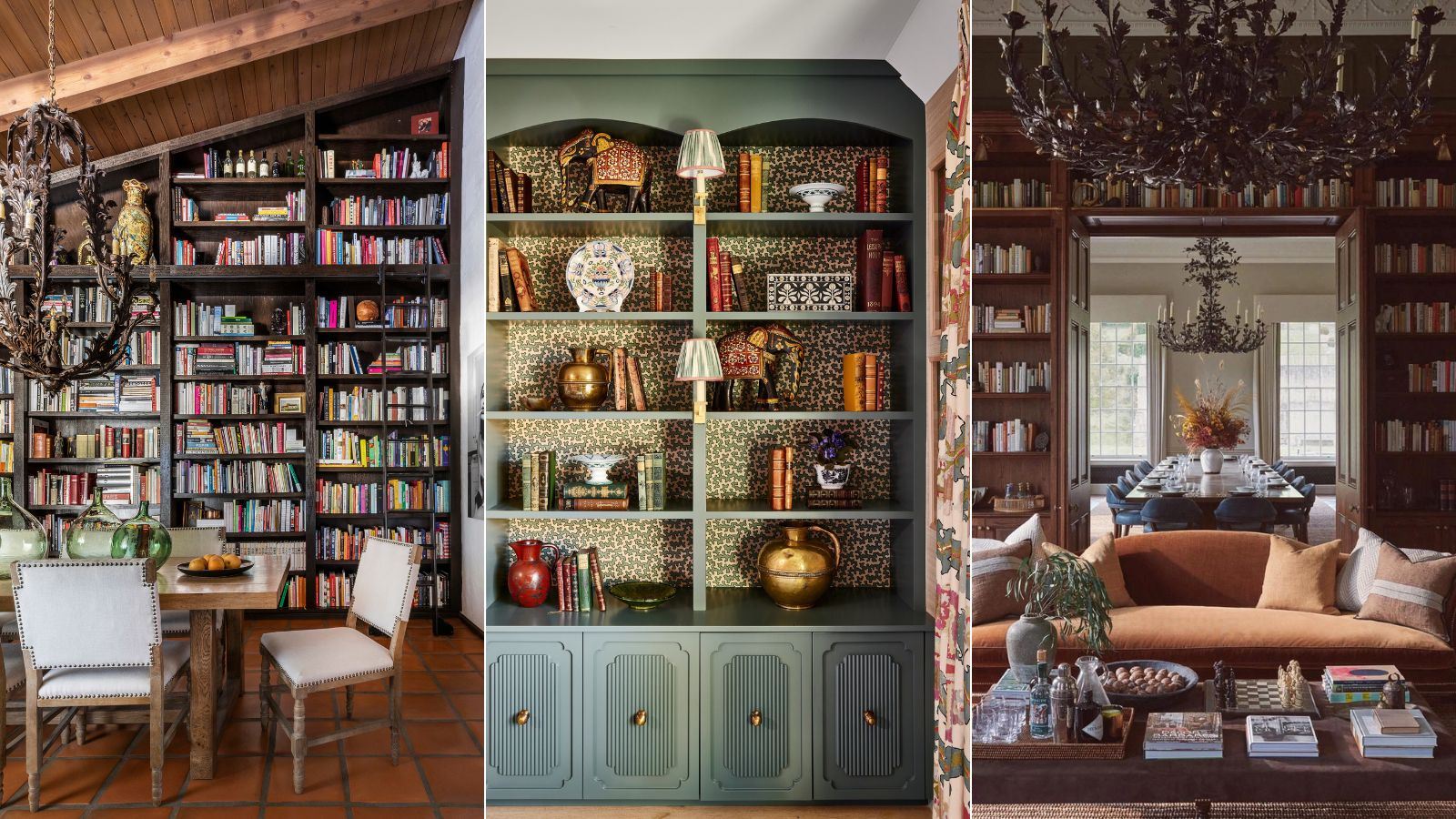
7 examples of Bookshelf Wealth that are nailing this timeless trend (and styling tips from the designers behind them)
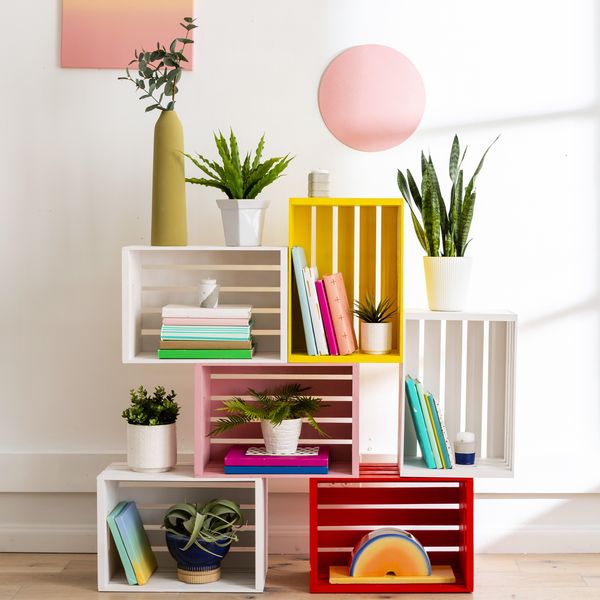
36 Creative & Effortless Ways To Style Your Bookshelf Decor

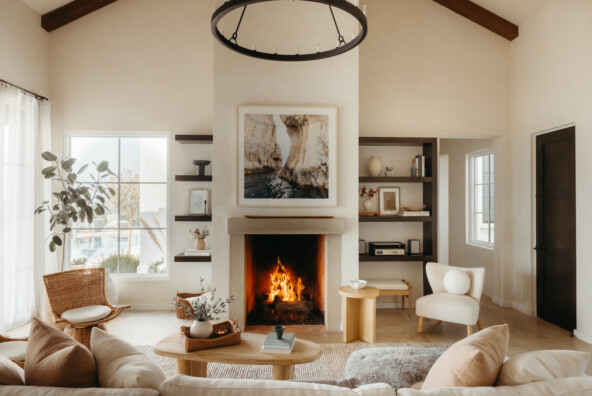
My Best Bookshelf Styling Tips Ever—Just in Time for Fall


Nate Berkus Reveals His Go-To Styling Hack—and It’s GENIUS
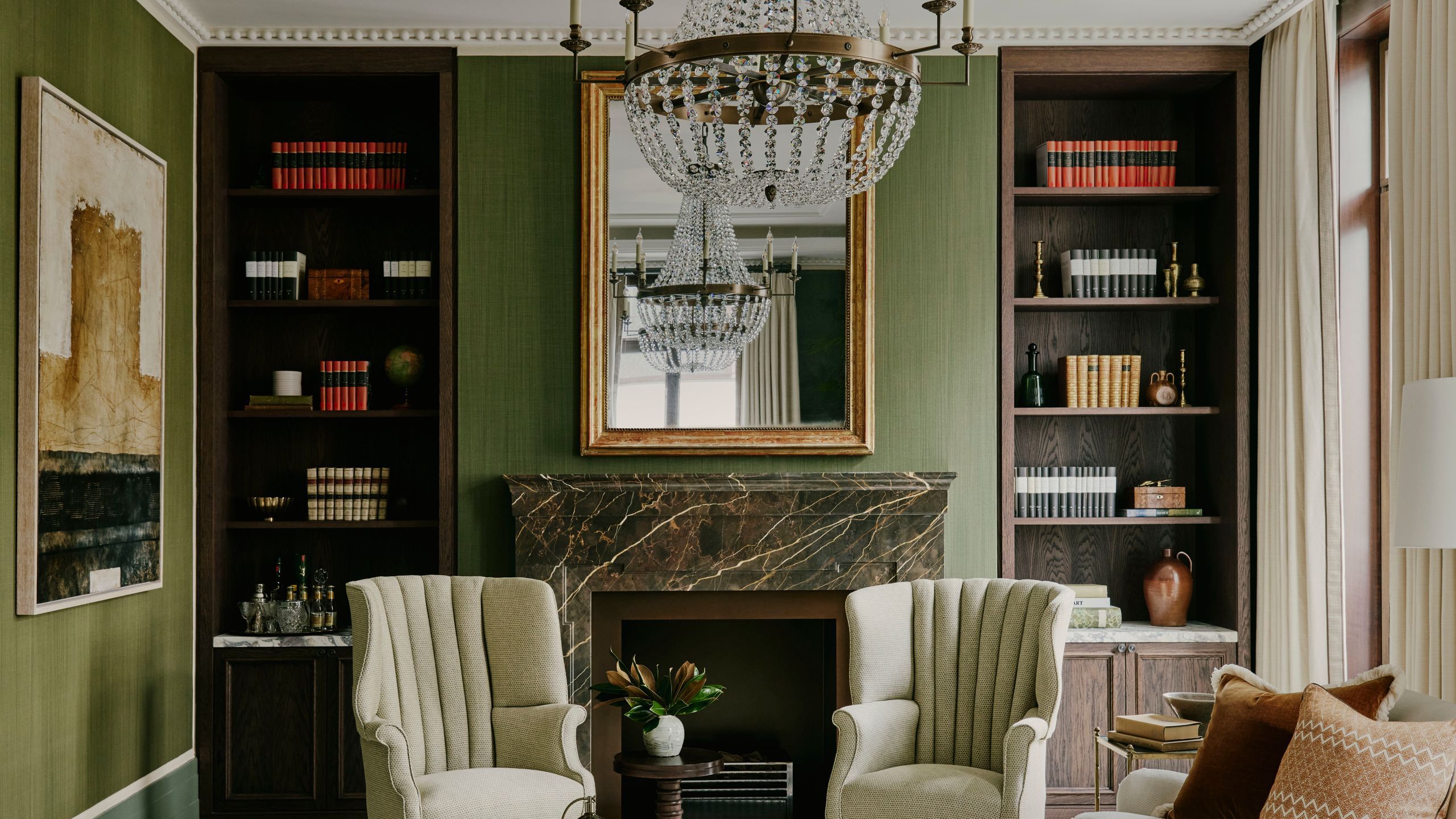
Styling Shelves: Your Expert (Five-Point) Guide
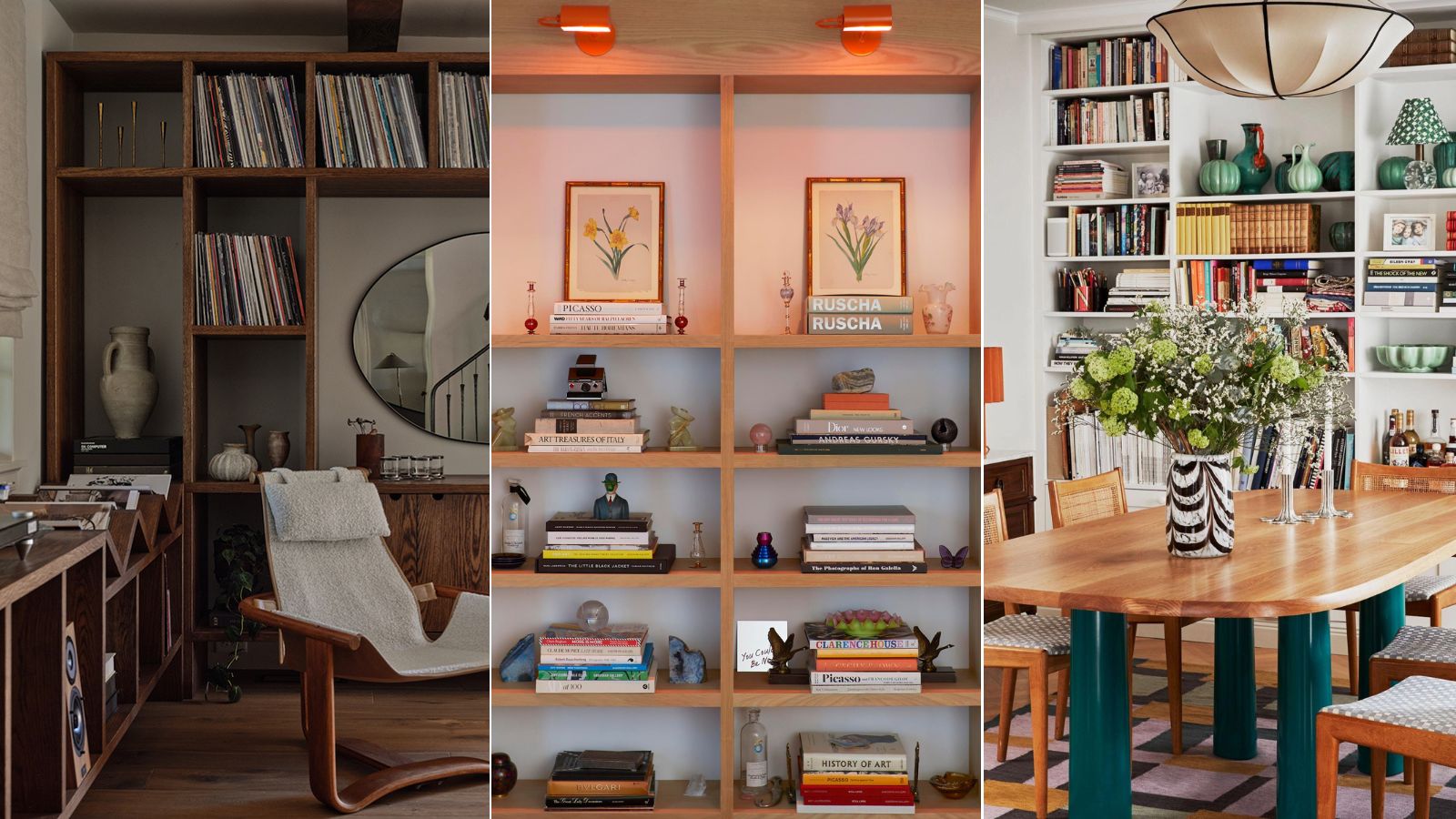
Interior designers warn against these 17 bookshelf styling mistakes – this is what you should avoid
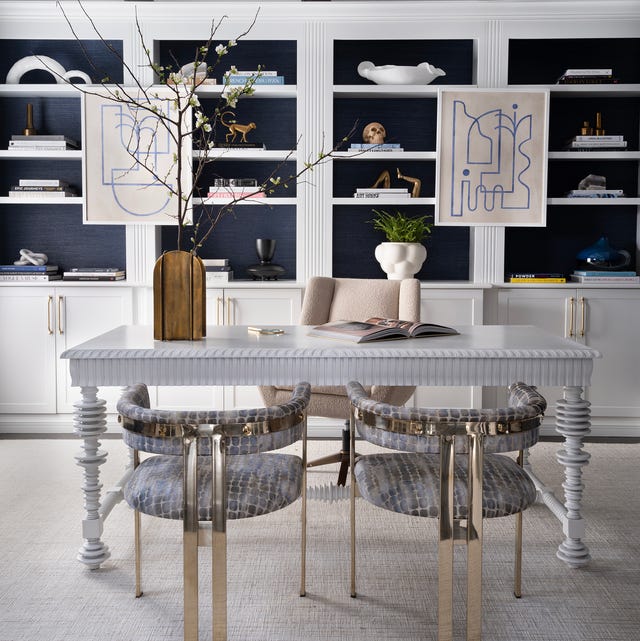
13 Designer Styling Secrets to Elevate Your Bookcases
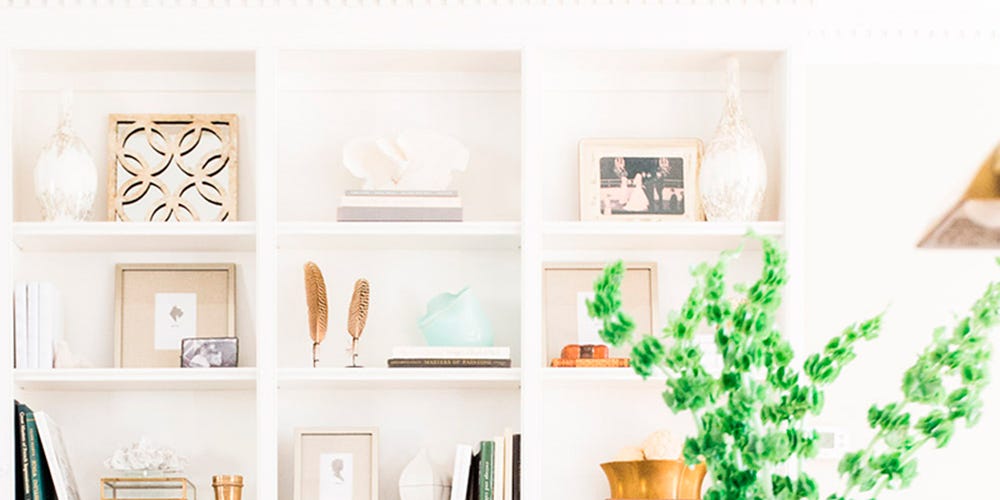
How to style your shelves
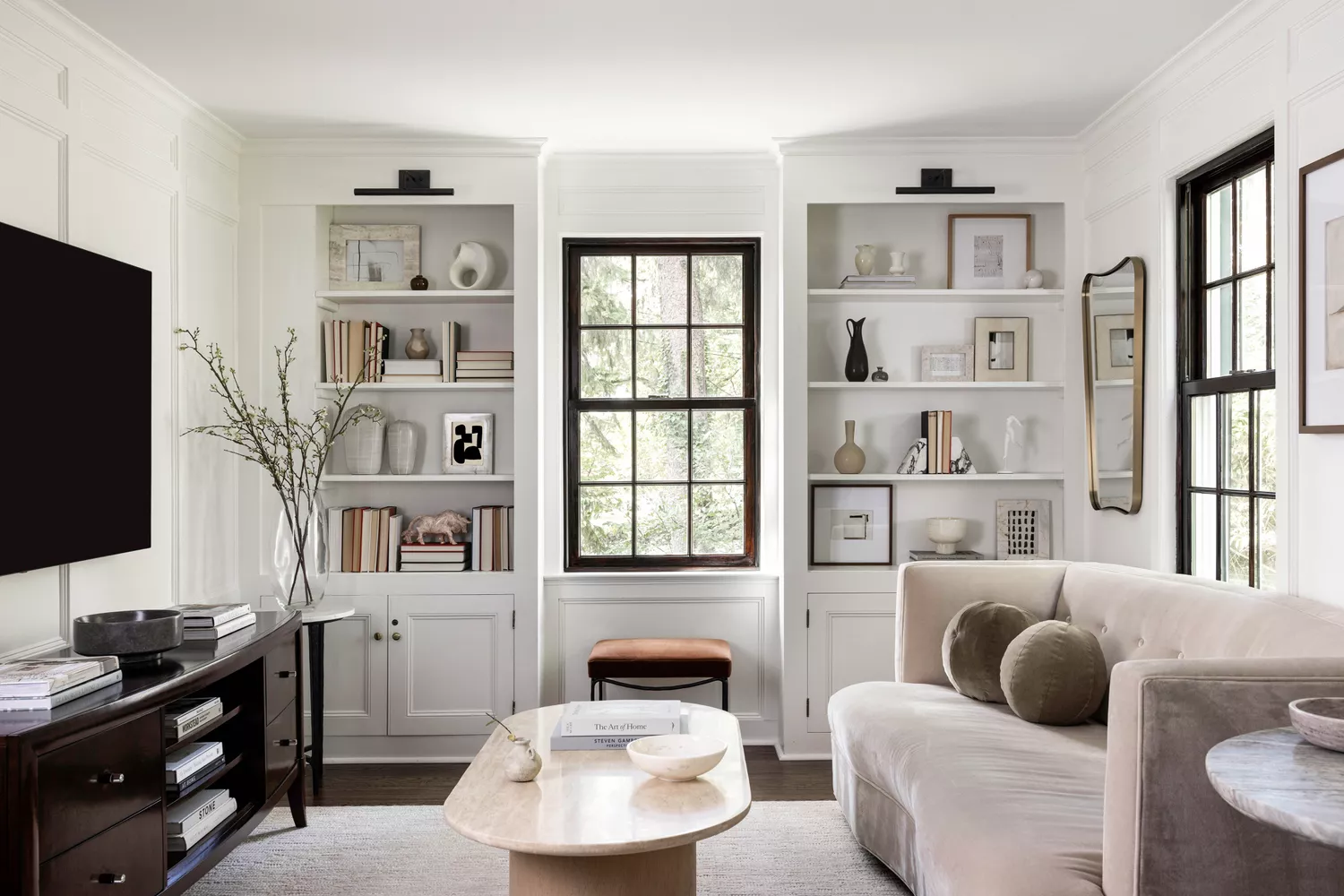
How to Style Your Bookshelves, According to Interior Designers and Stagers