1/4
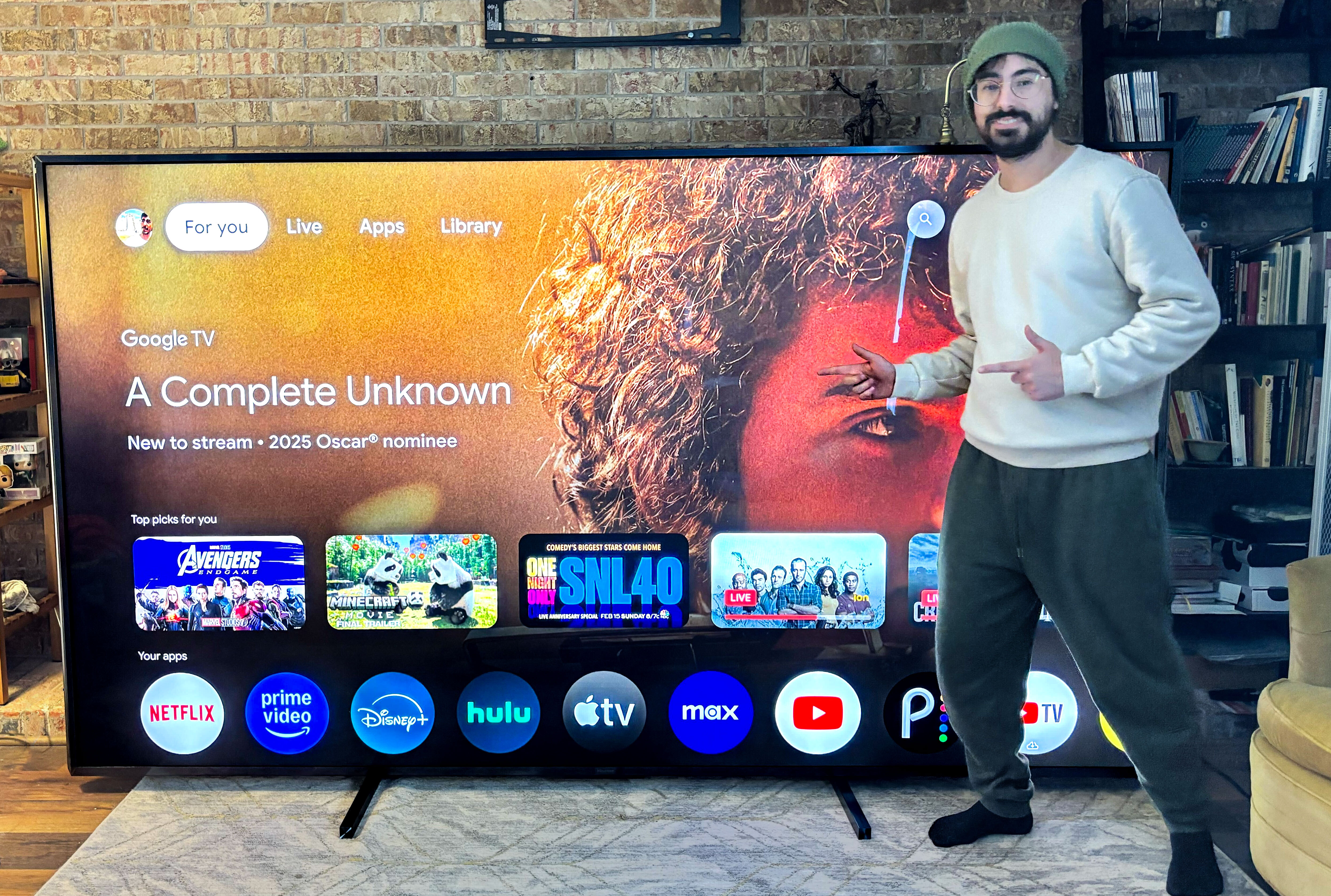
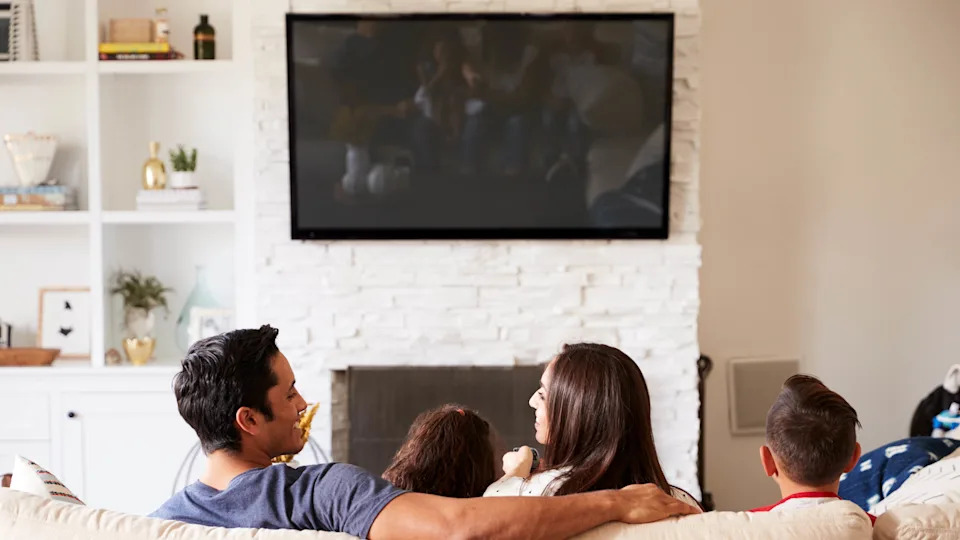
I test TVs for a living, and this is the one spot in my living room I would never put my TV
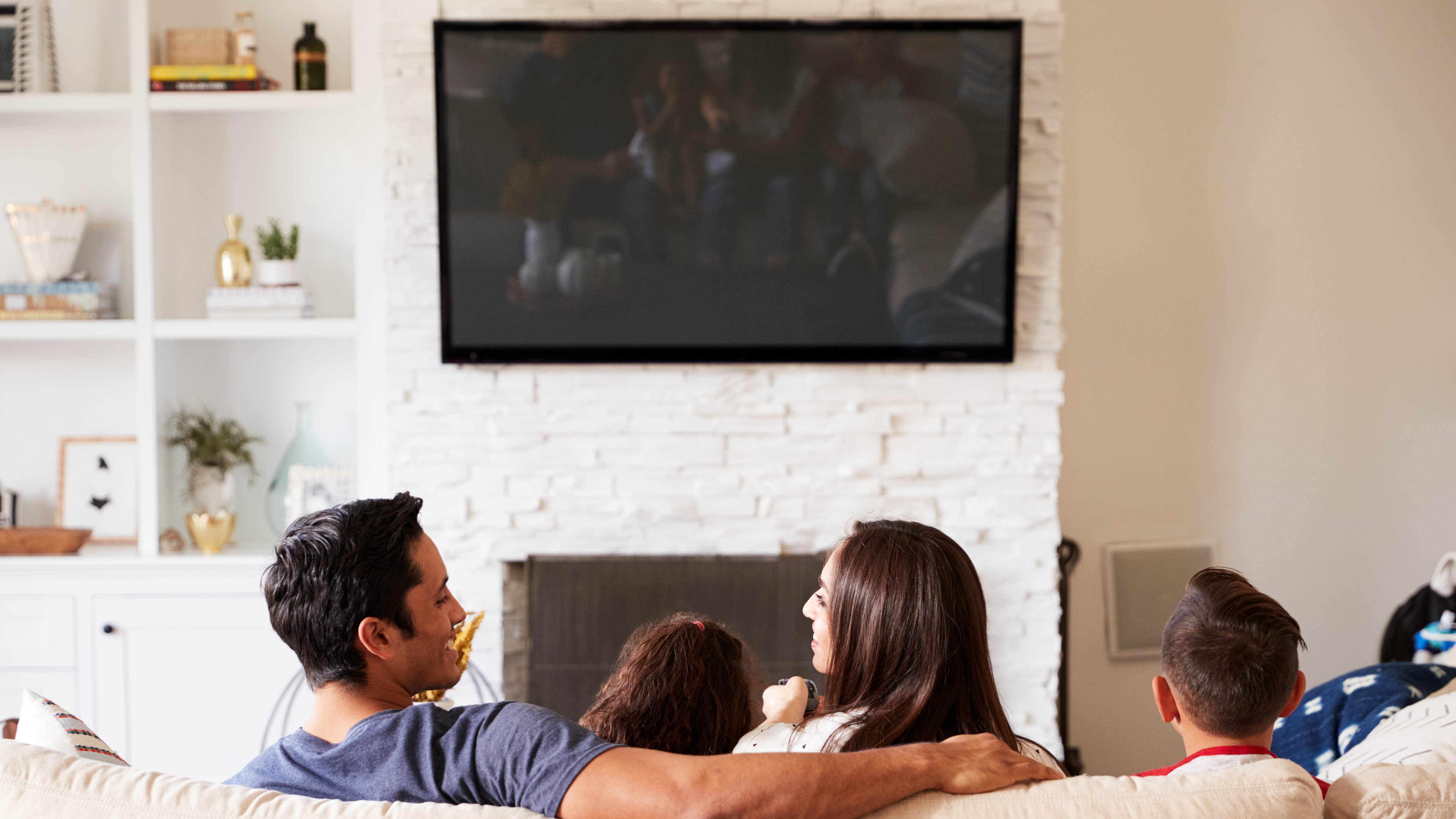
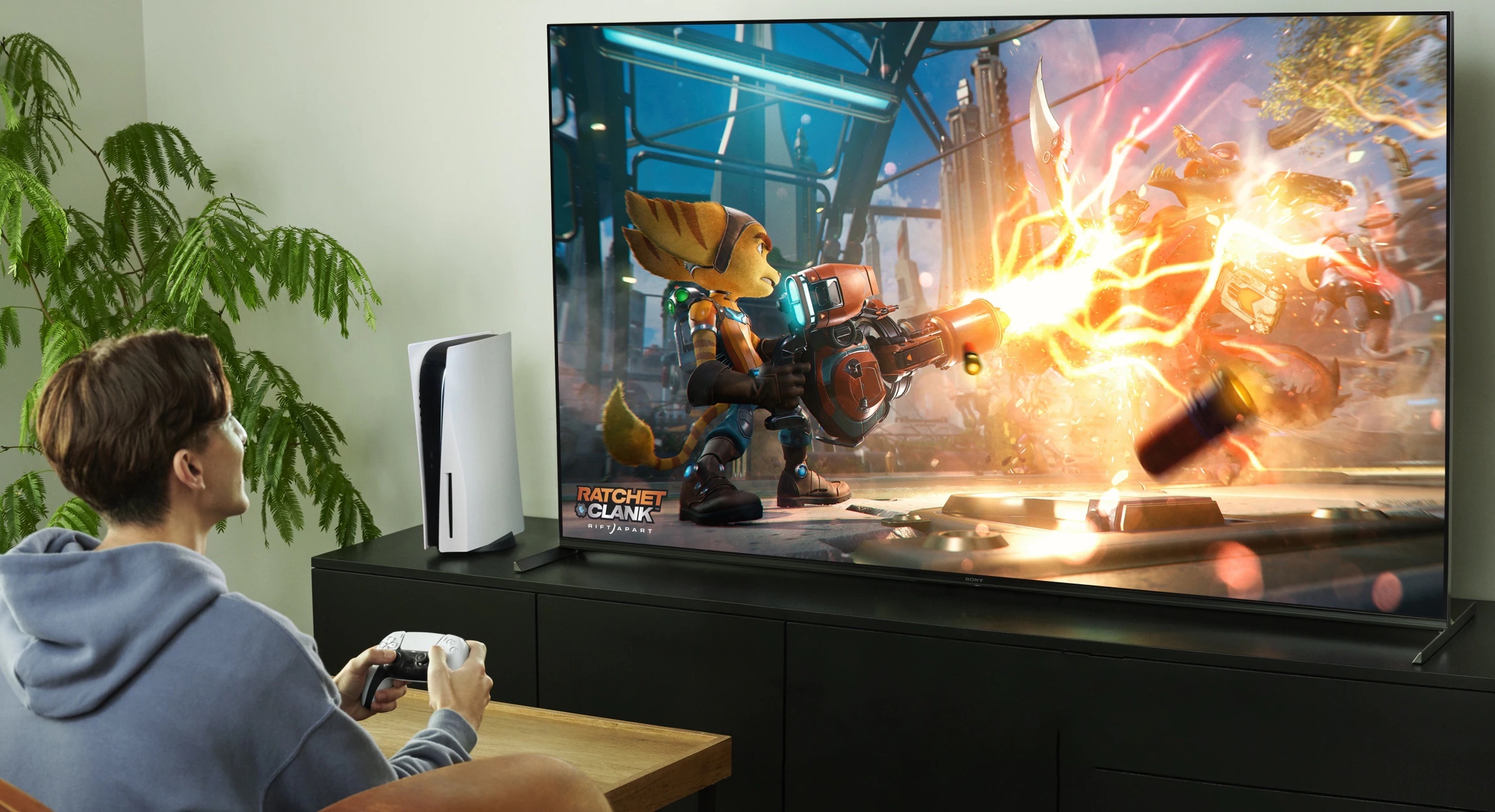
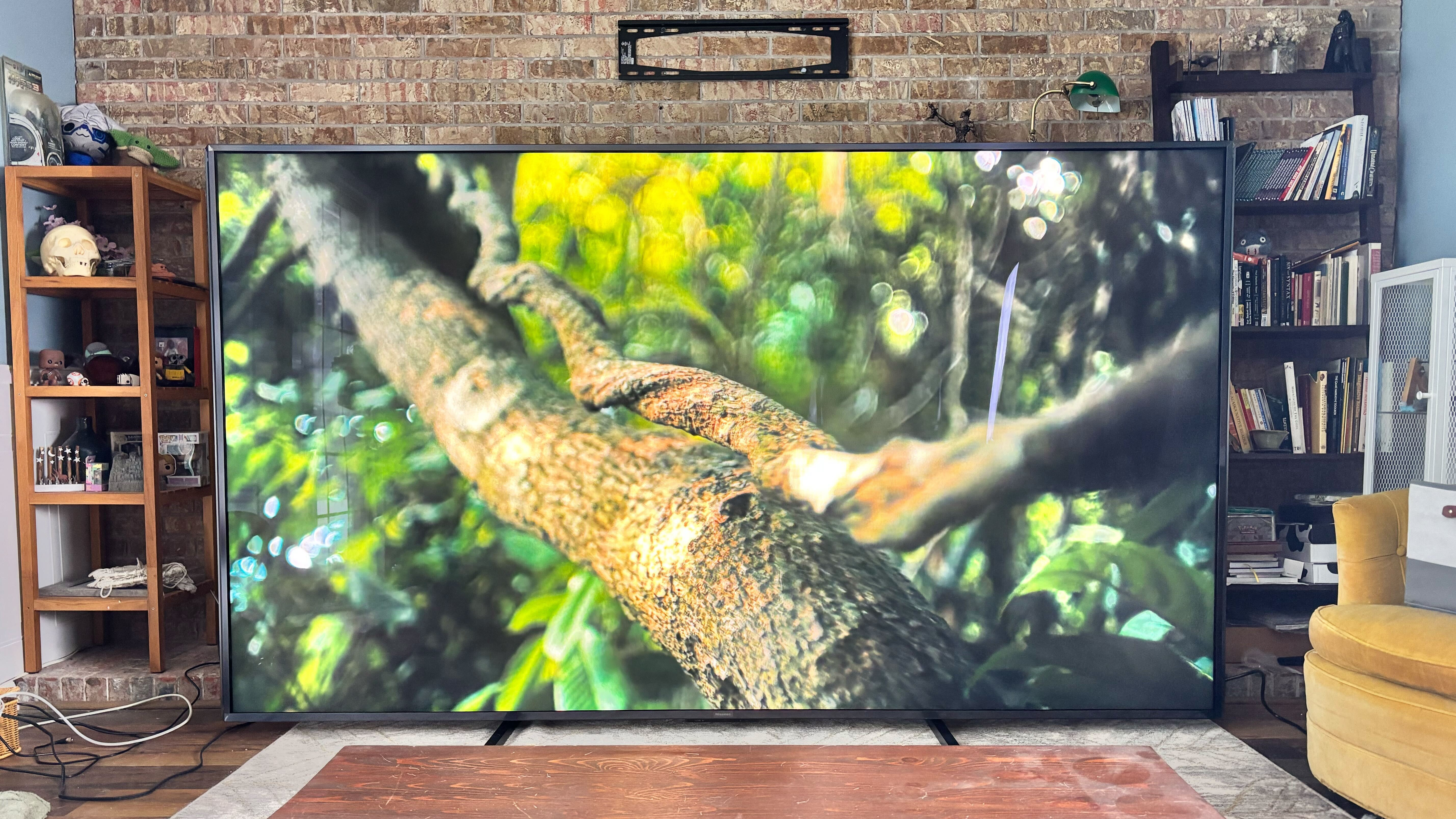
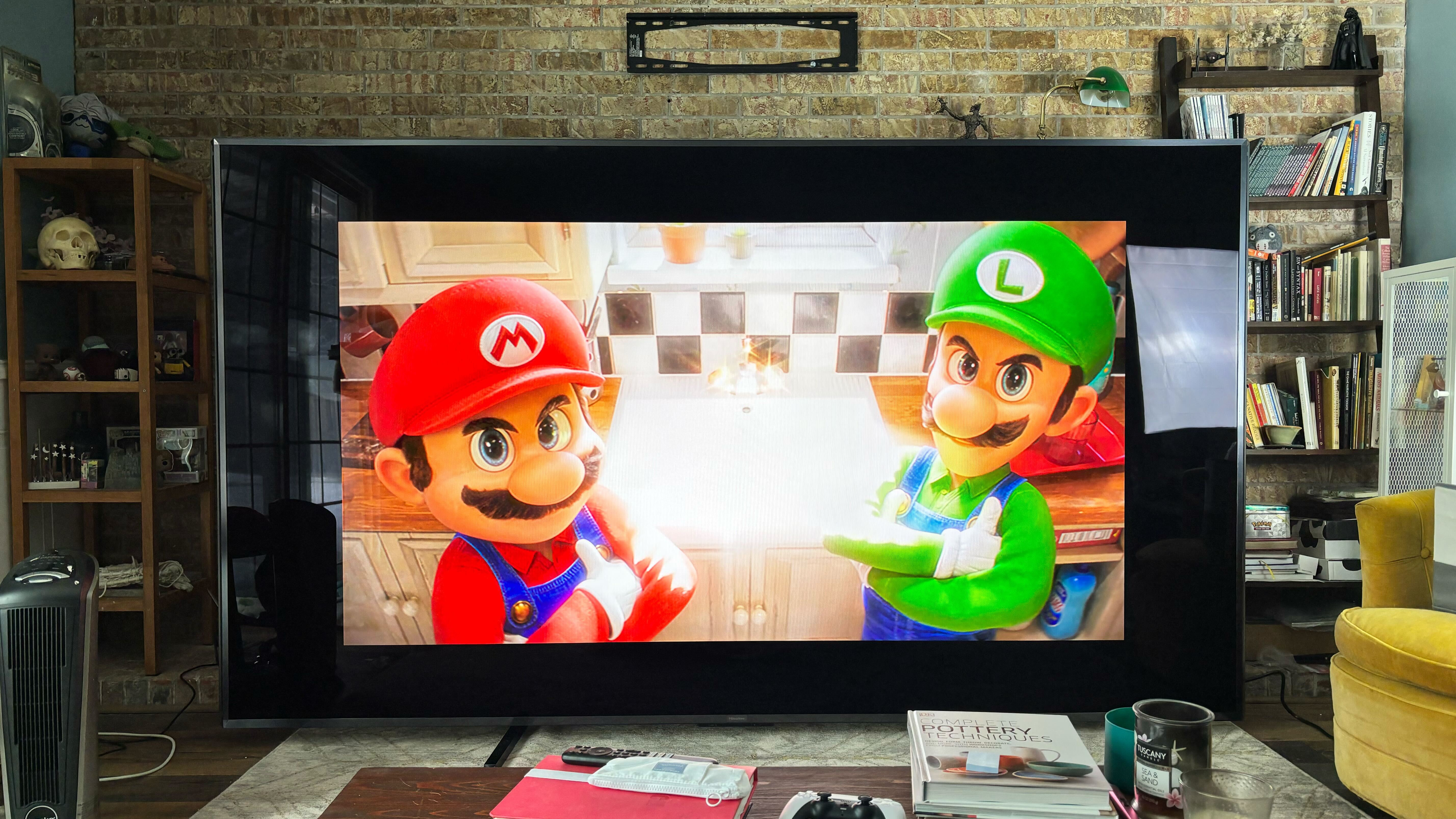
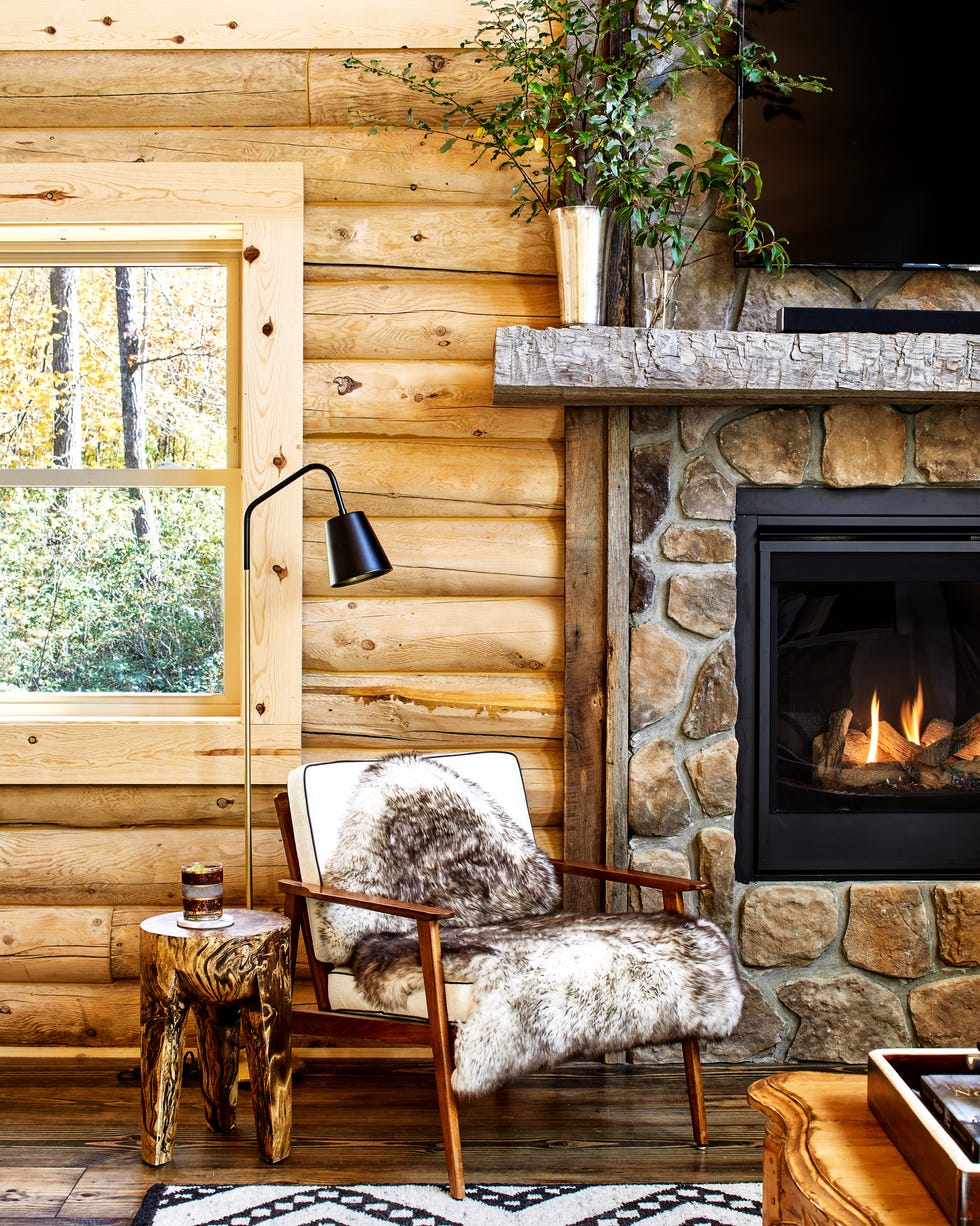
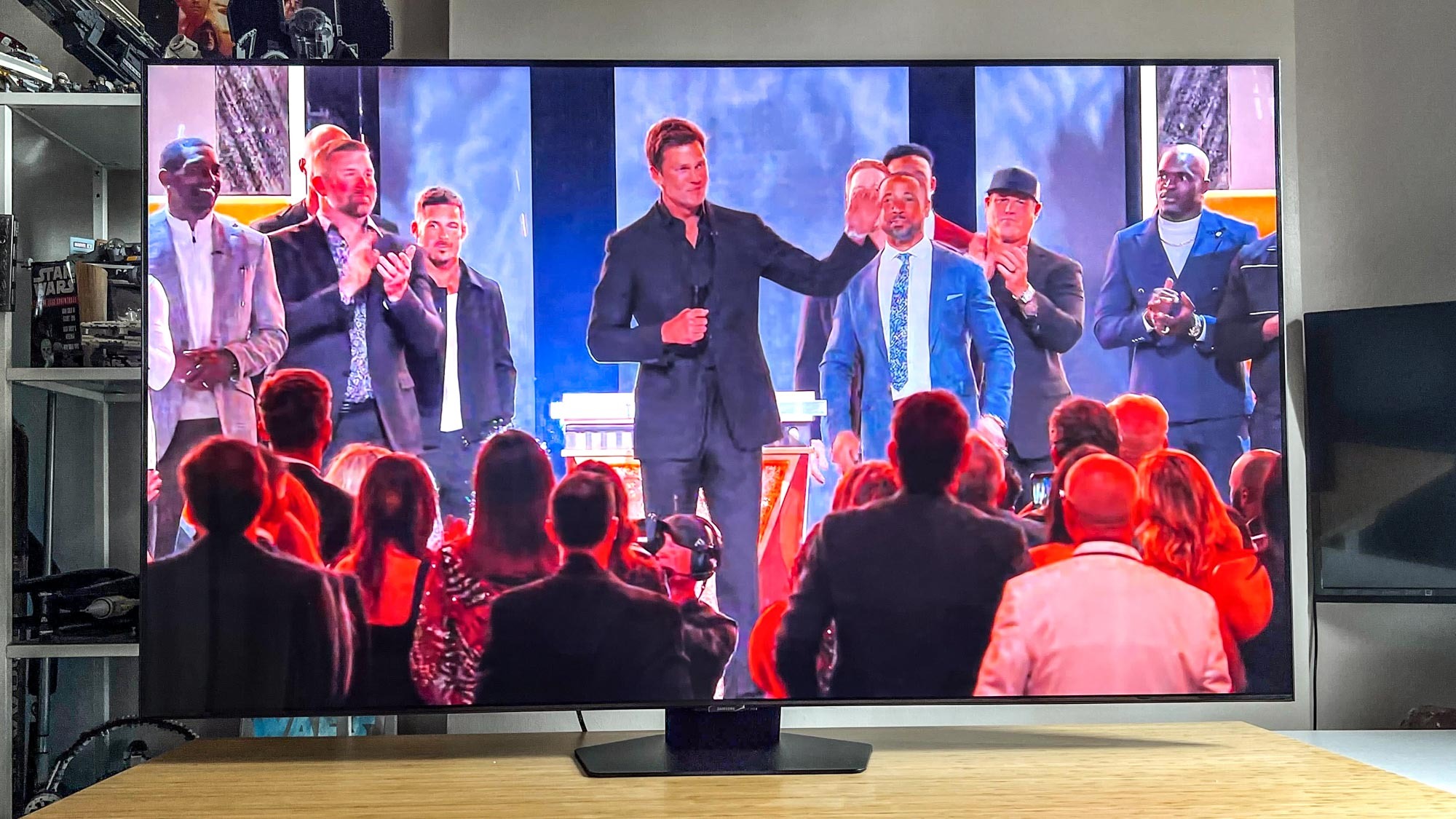
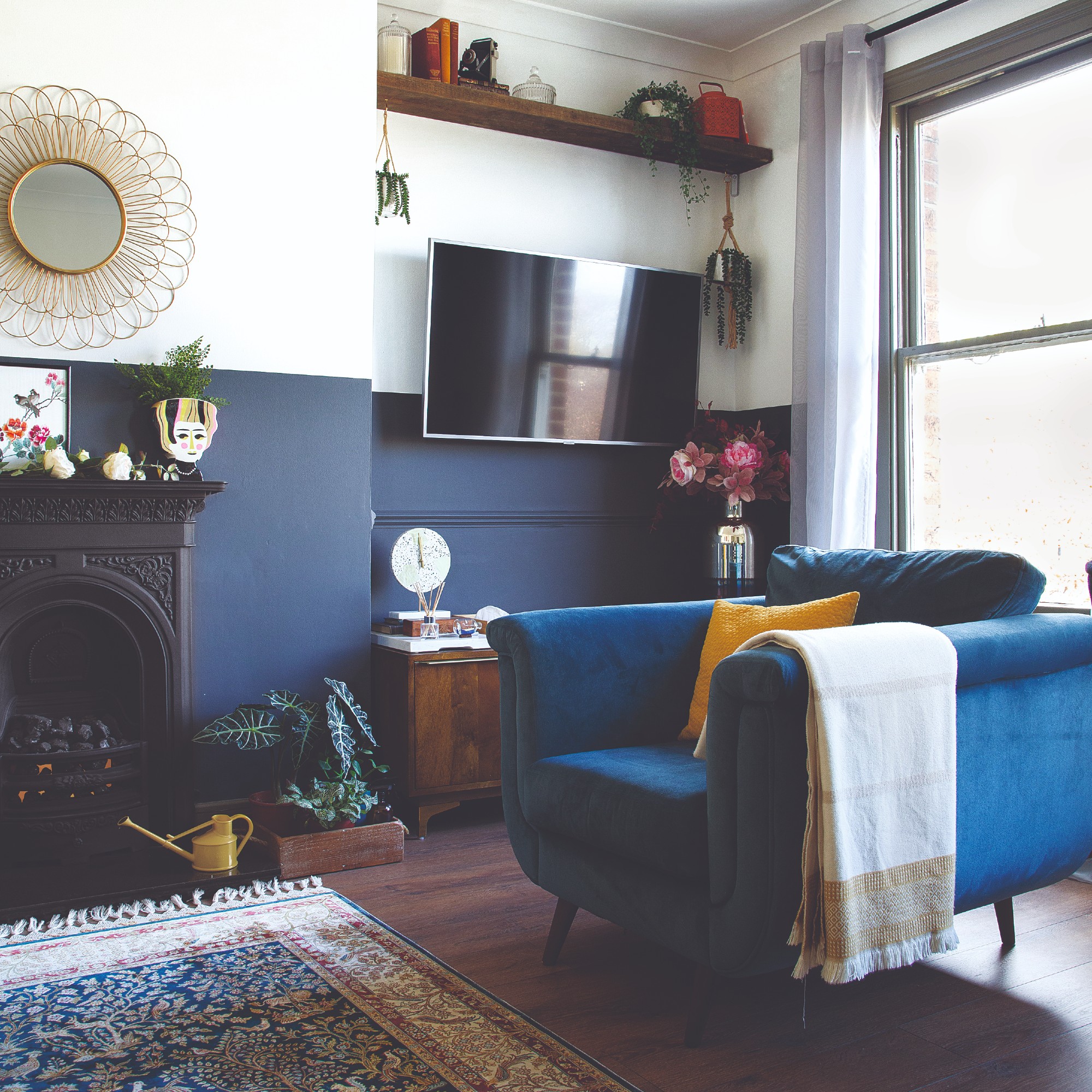
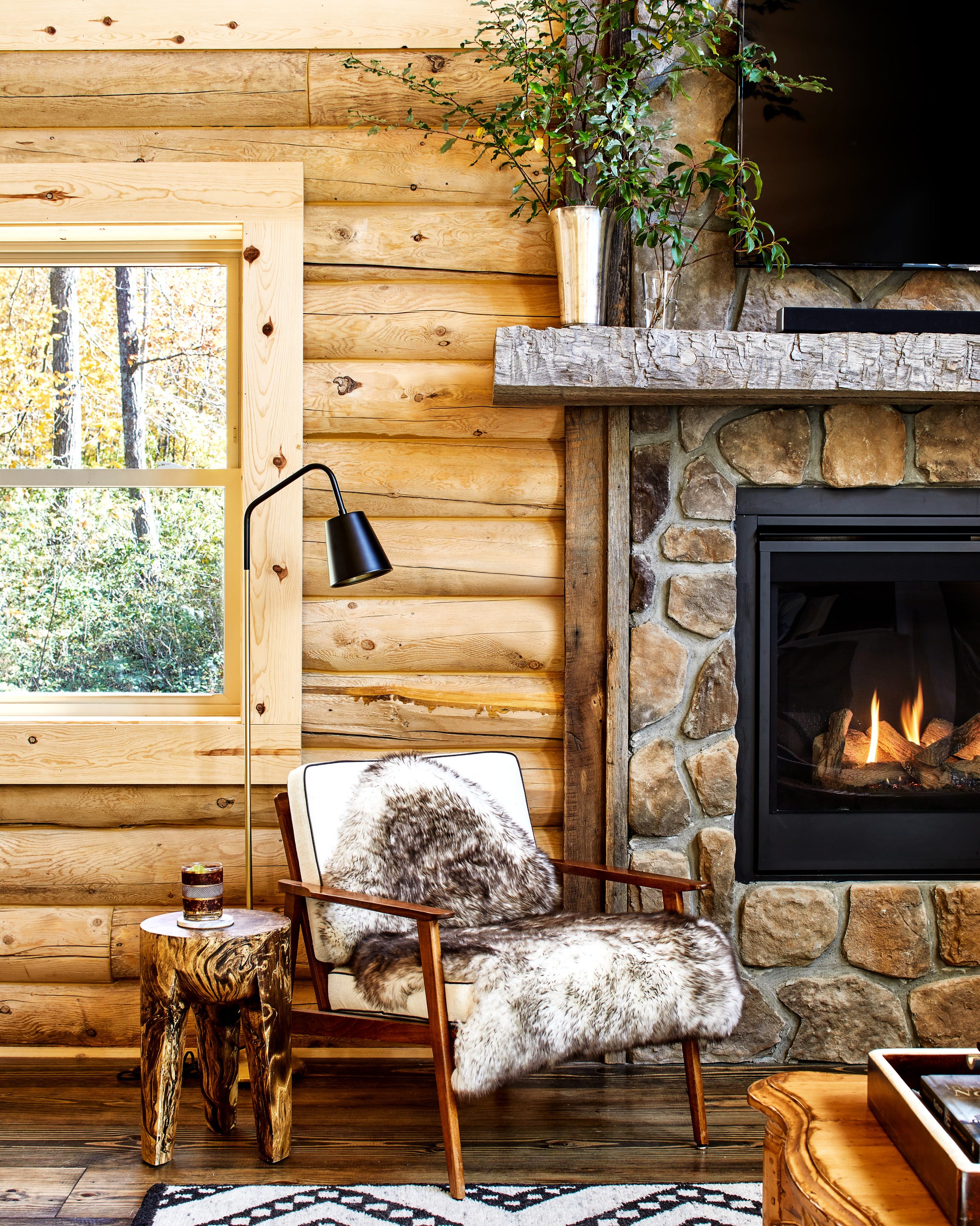
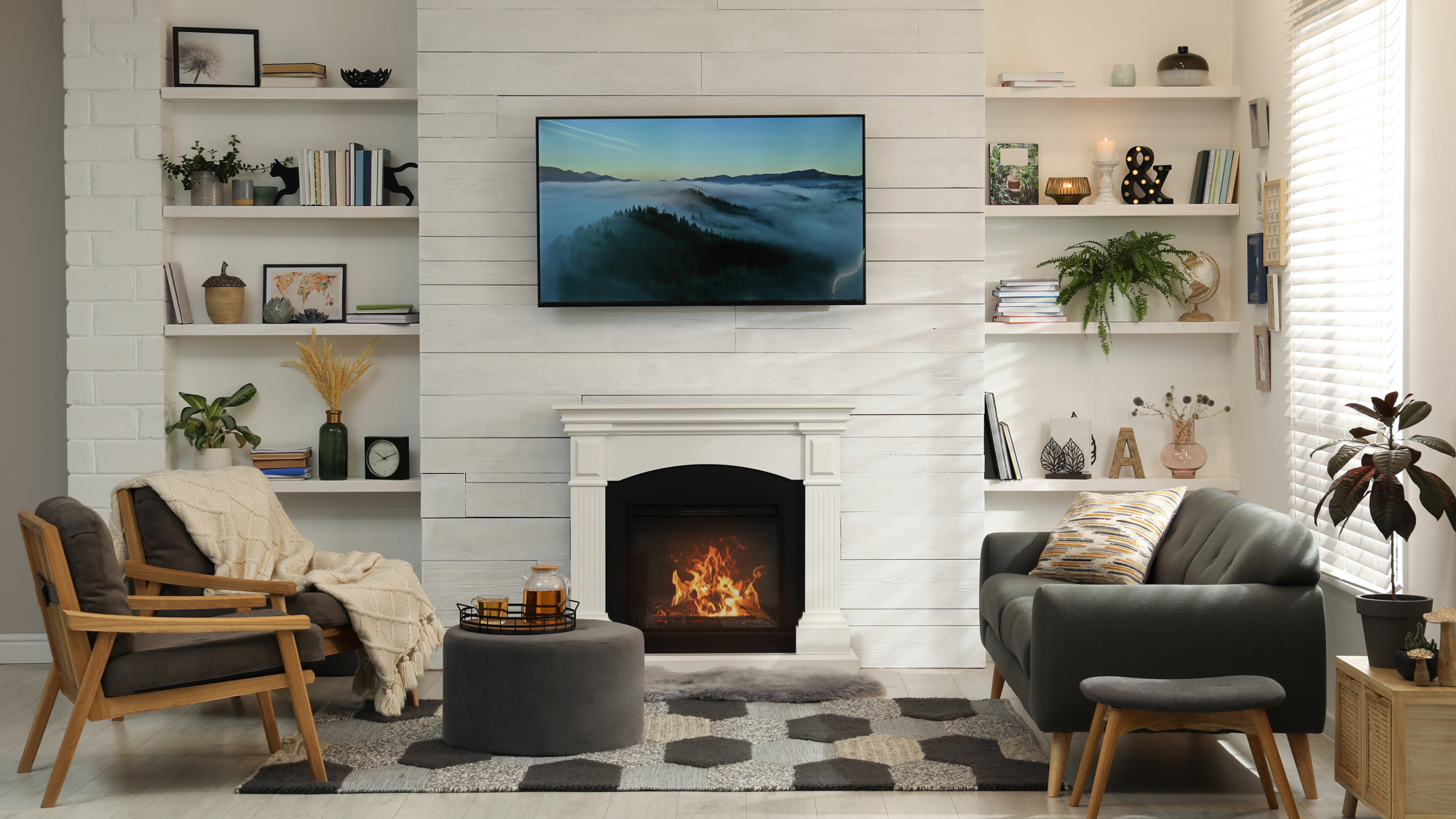
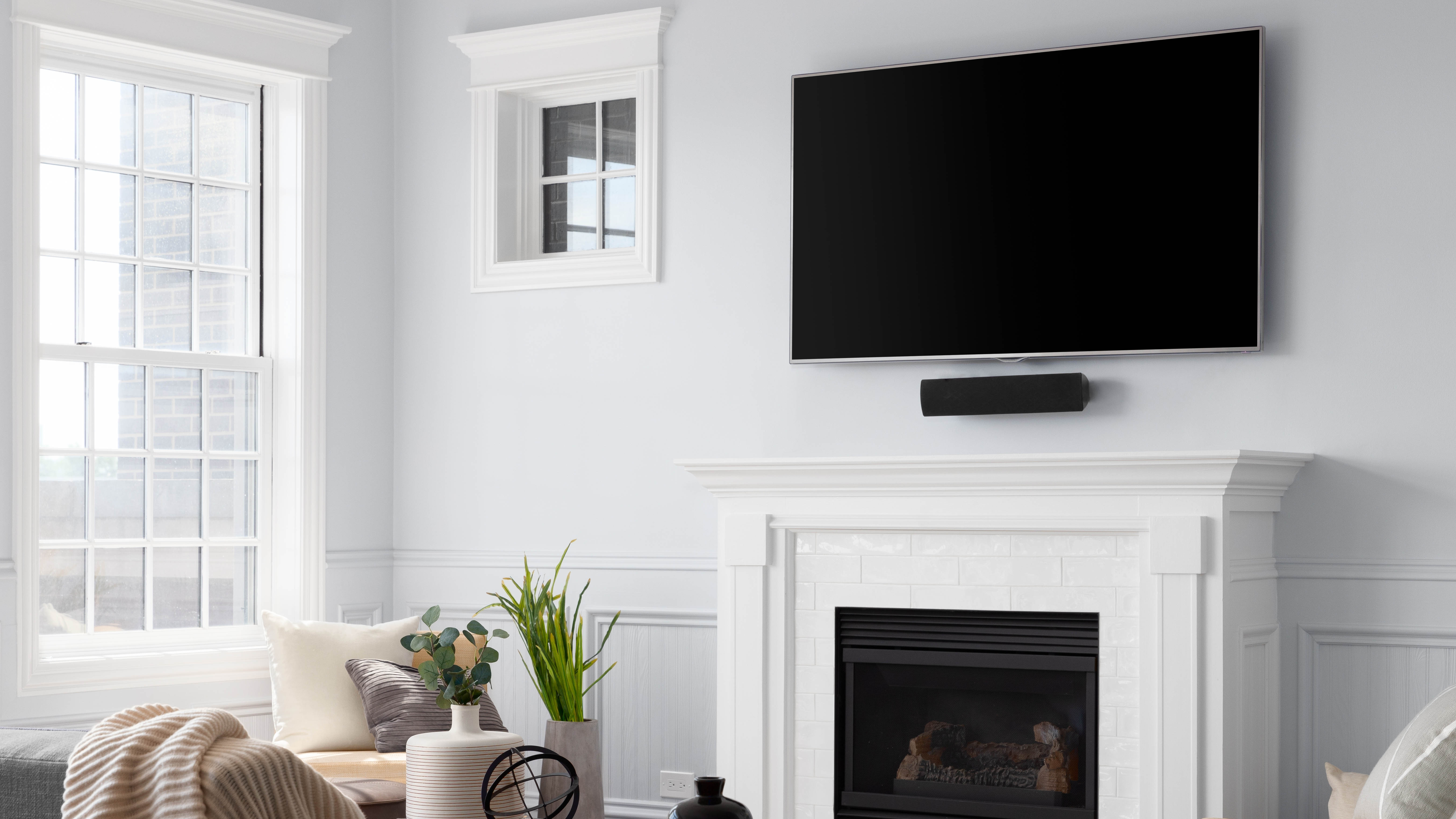
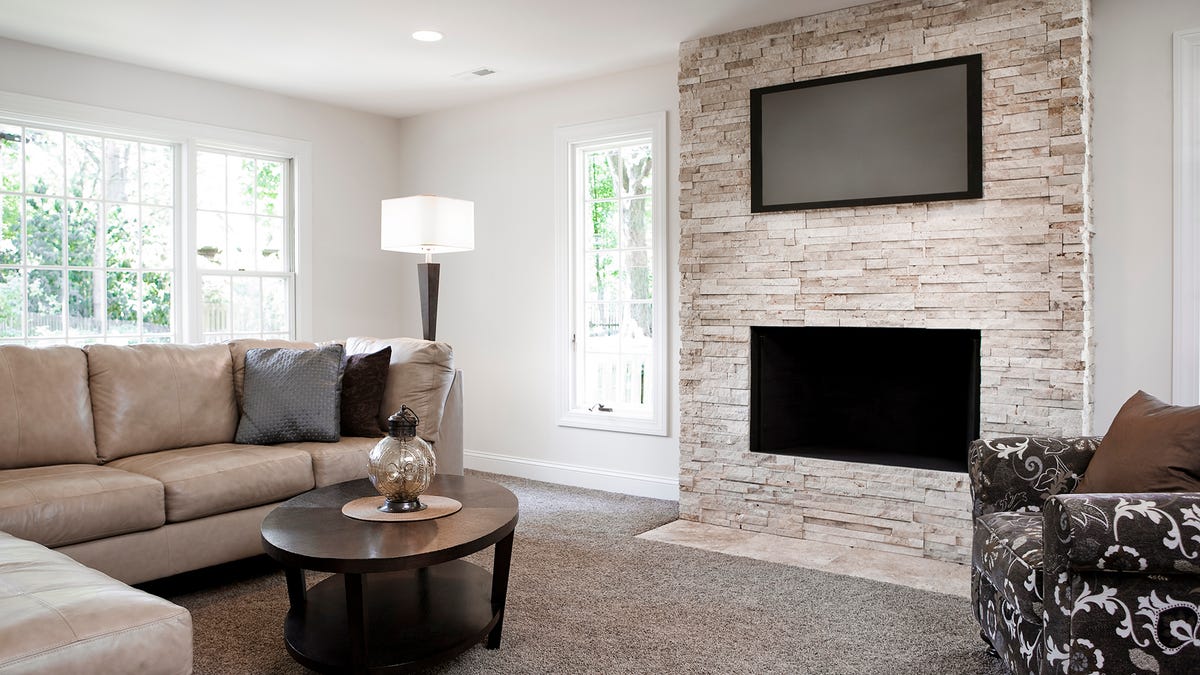
The author, an experienced TV tester, emphasizes that the placement of a television significantly impacts both its performance and longevity. While common issues like glare from windows and excessive distance from seating can hinder the viewing experience, the most detrimental placement is mounting a TV above a fireplace. This seemingly aesthetic choice carries several serious long-term consequences that could damage the hardware and degrade the viewing experience.
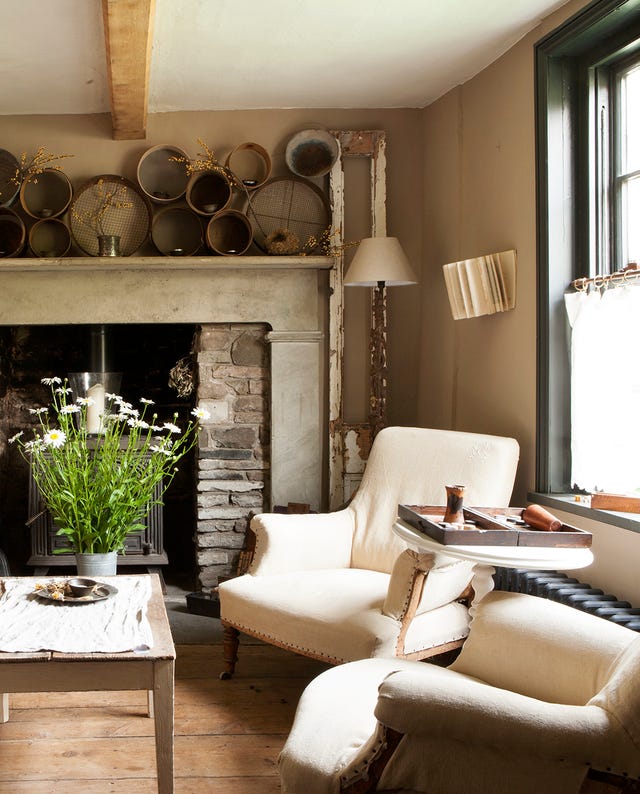
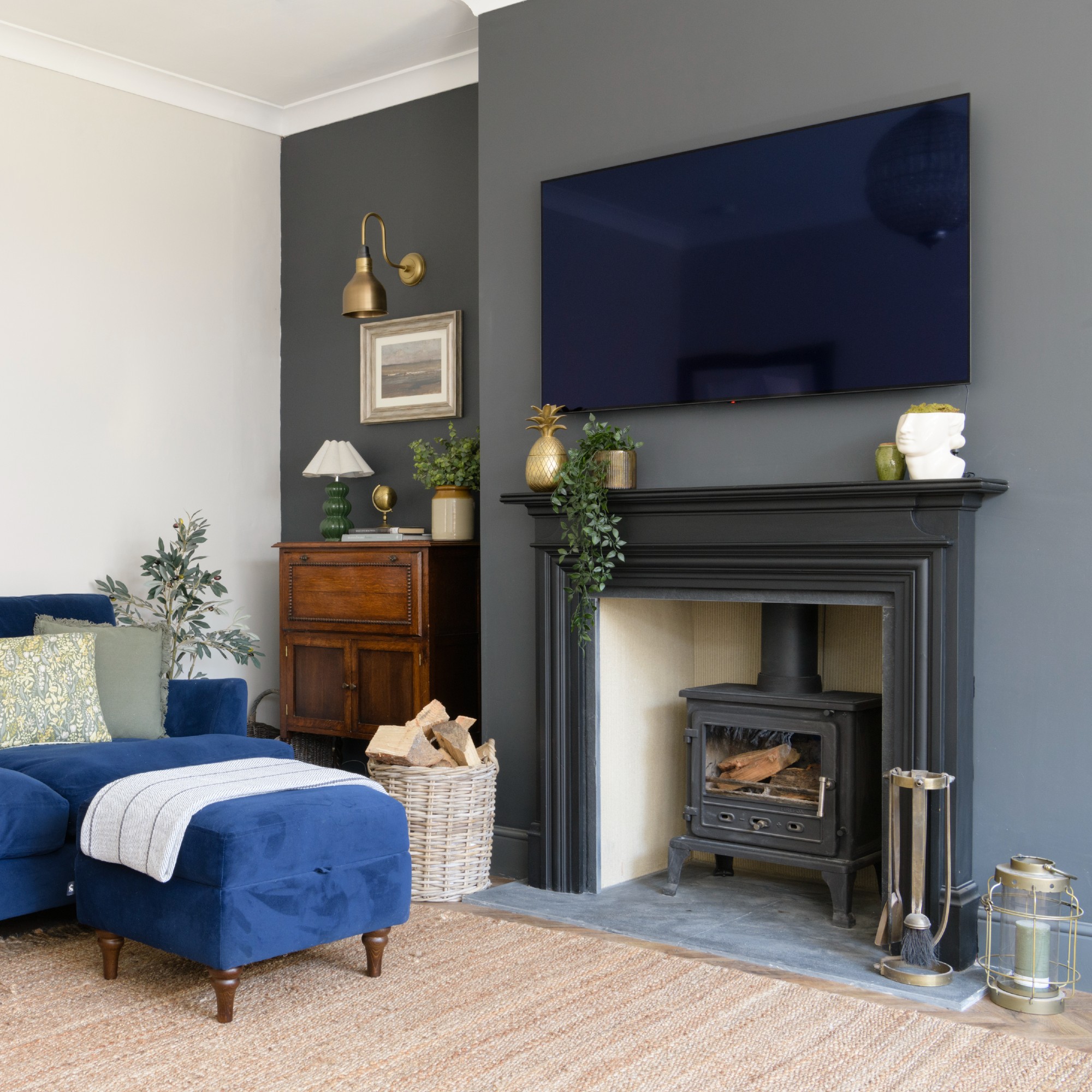
The primary concern is the potential for hardware damage. The heat generated by a fireplace, even if perceived as minimal or if a thick mantle is present, can expose the TV's internal components to elevated temperatures. Electronic devices, including televisions, require adequate air circulation to maintain optimal operating temperatures for components such as the backlight and circuitry. Prolonged exposure to heat can shorten the lifespan of these sensitive parts. Furthermore, soot and smoke produced by a fireplace pose another significant threat. These byproducts can accumulate on and within the TV's delicate hardware, leading to corrosion and malfunction over time. Protecting an expensive investment like a high-end television necessitates avoiding such risks.
Beyond hardware concerns, mounting a TV above a fireplace often results in an uncomfortable viewing angle. Ideally, a television should be positioned at eye level for ergonomic viewing, preventing neck strain. Placing a TV significantly higher than eye level, as is typical when mounted above a fireplace, forces viewers to crane their necks upwards for extended periods, leading to discomfort. Some homeowners meticulously measure eye-level height before mounting, a practice that is often disregarded when opting for an above-fireplace placement.
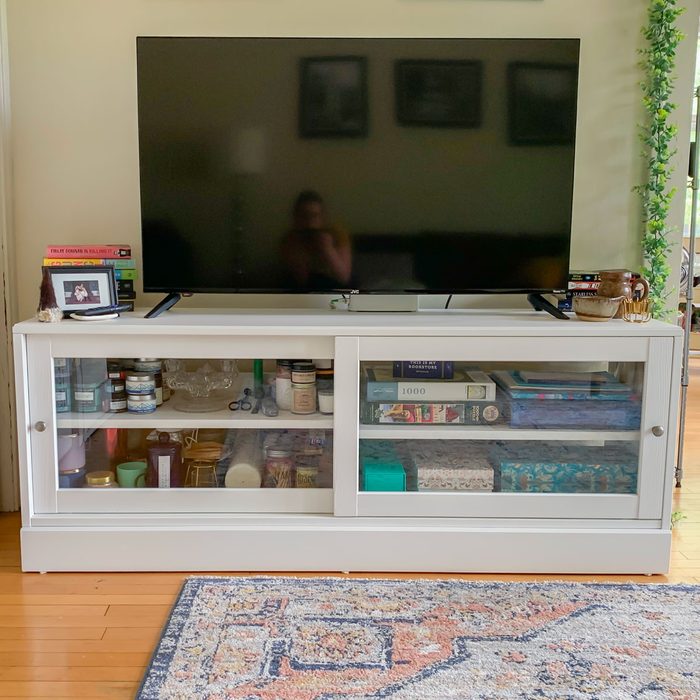
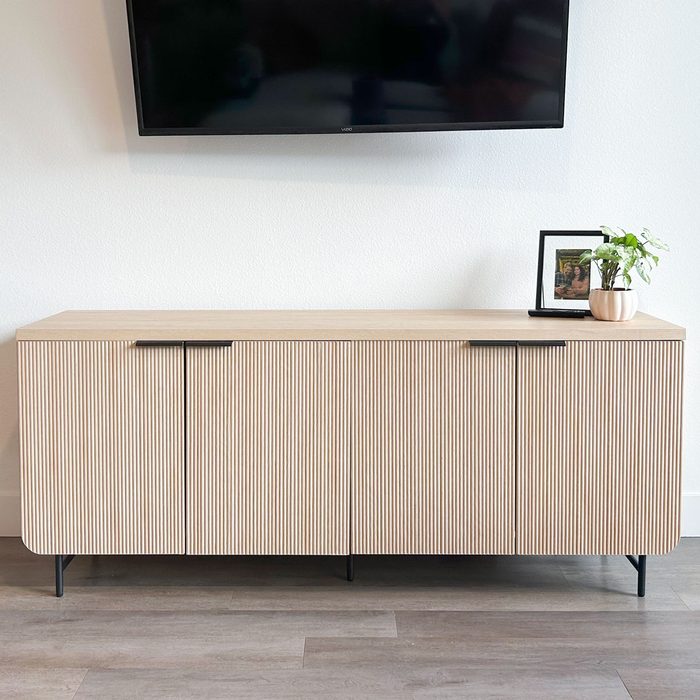
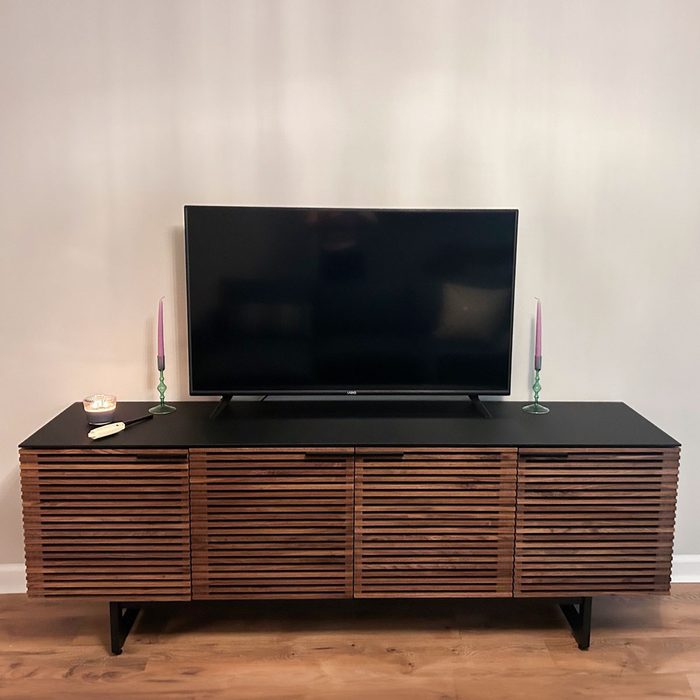
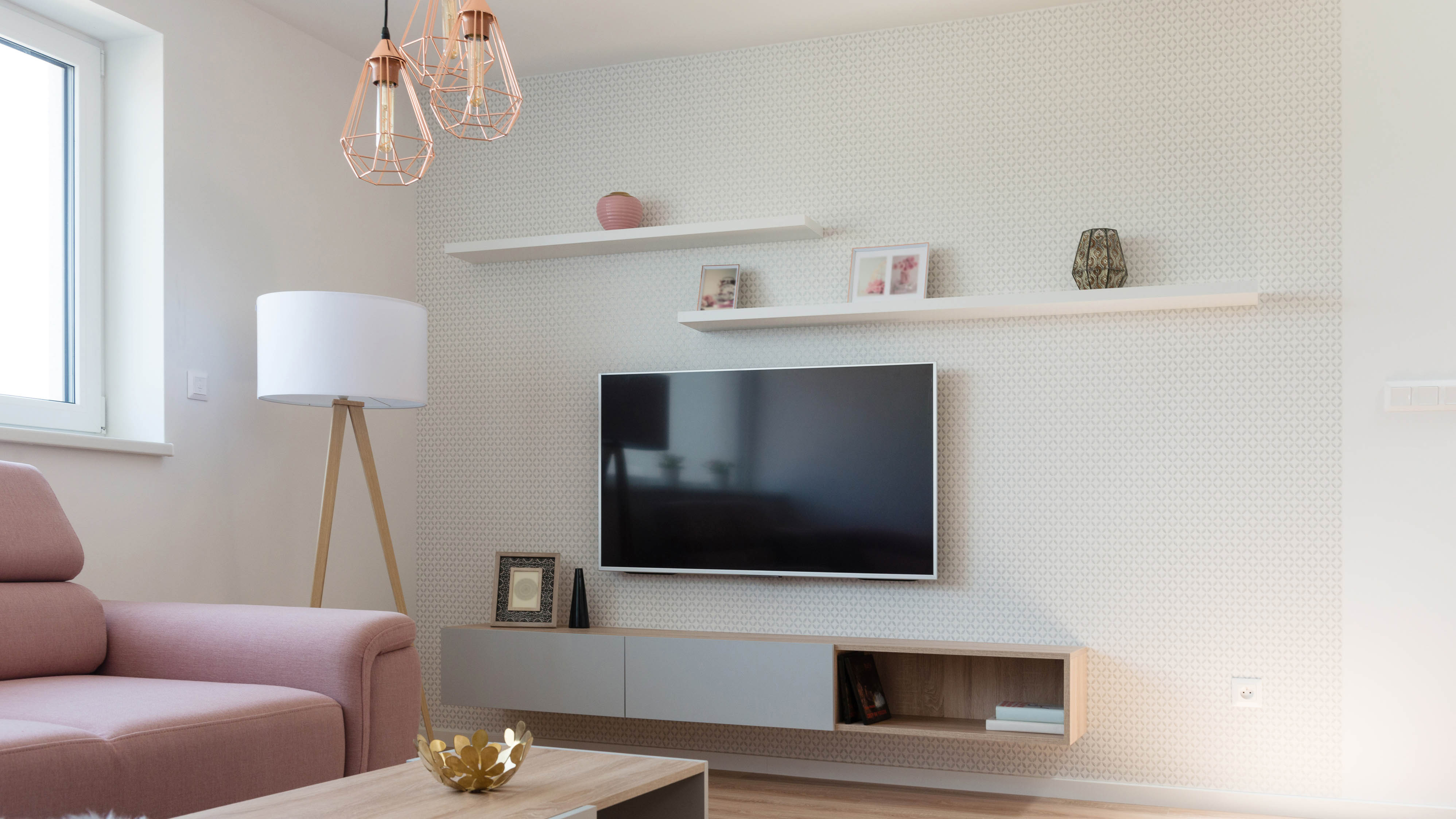
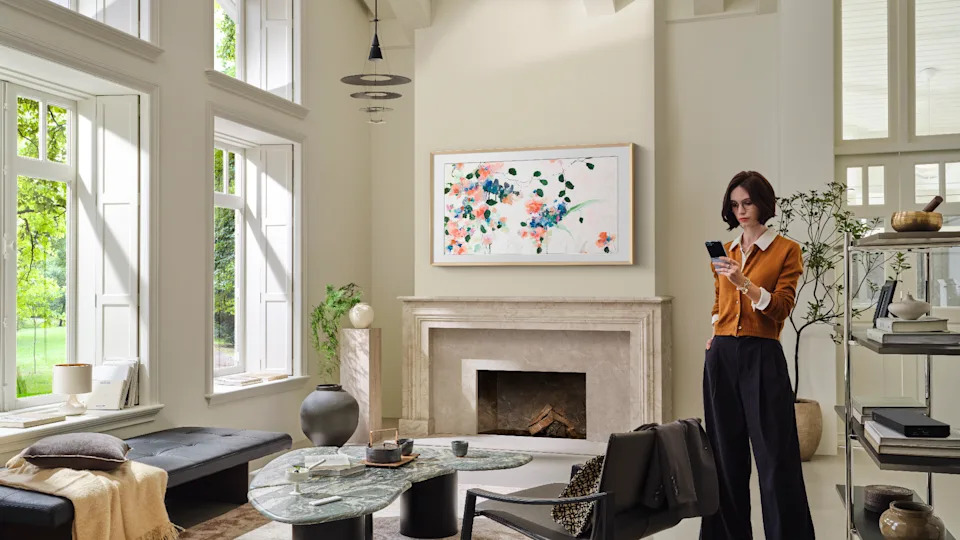
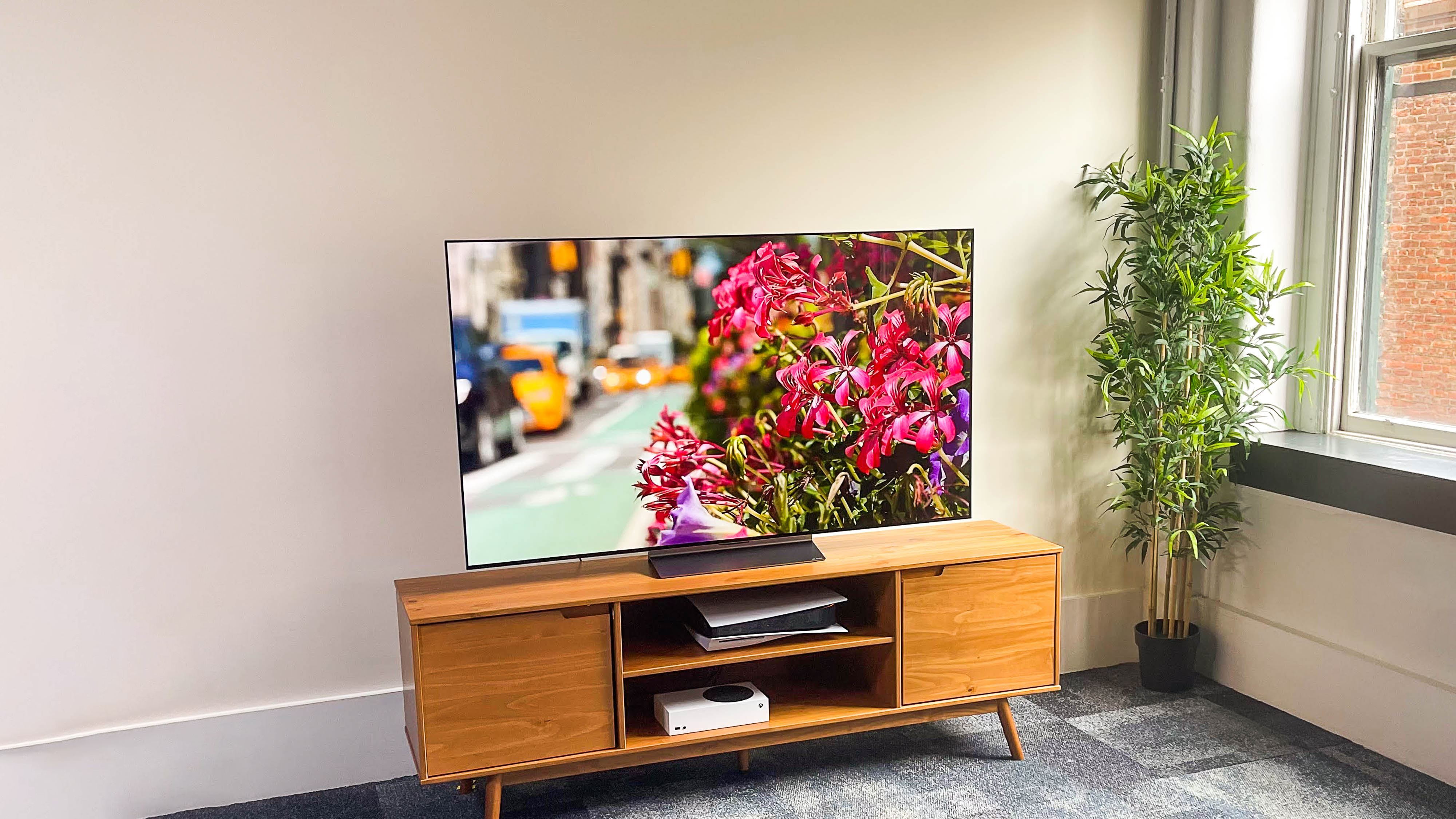
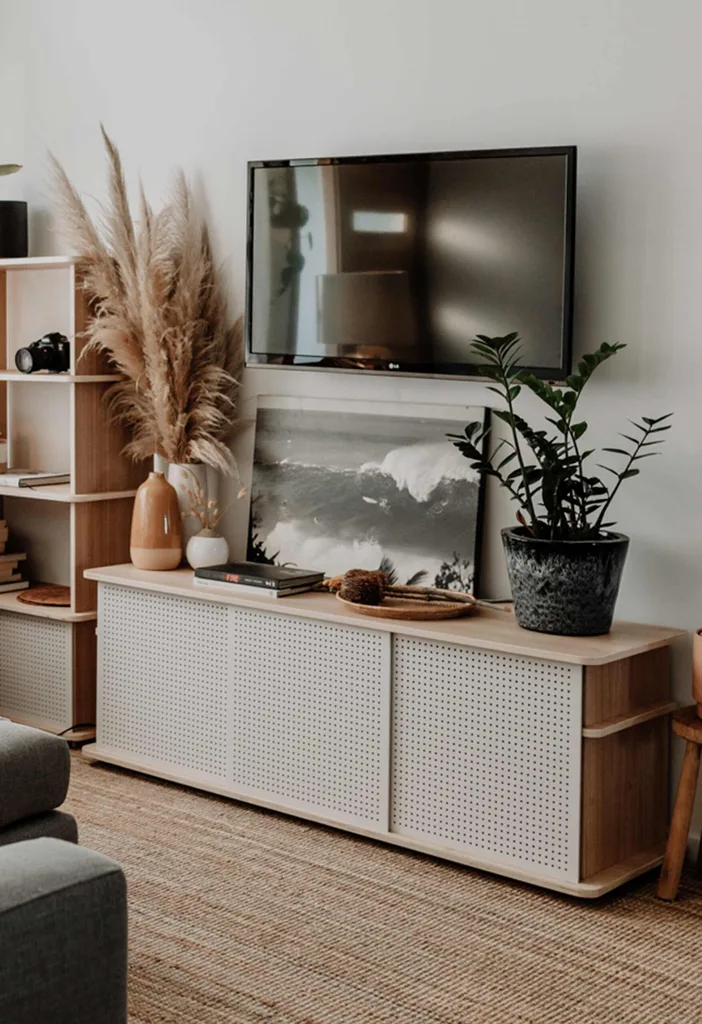
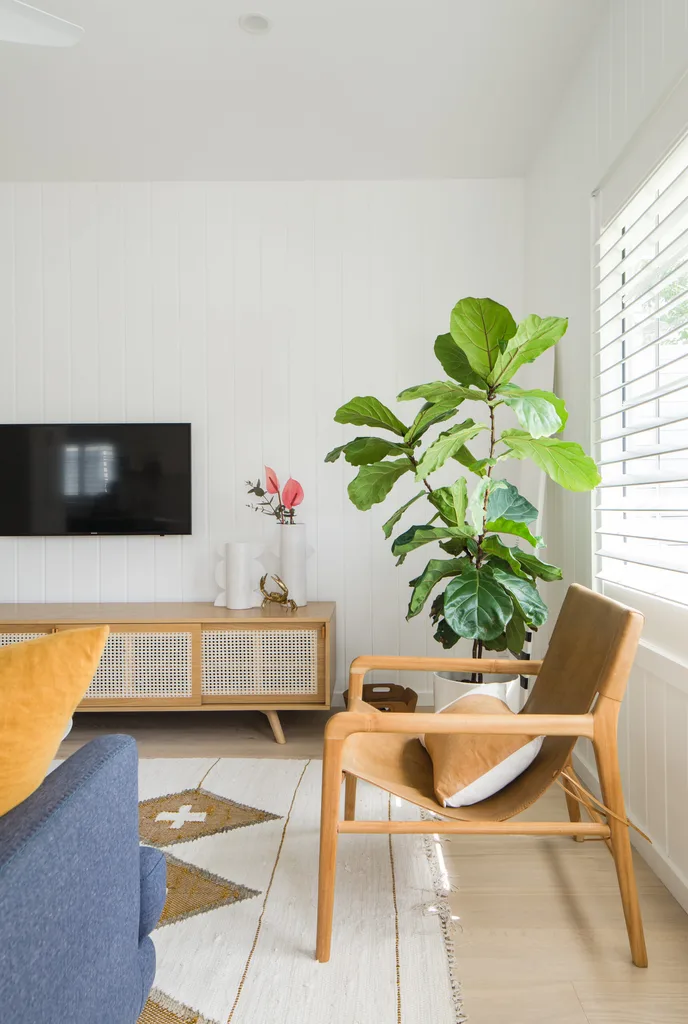
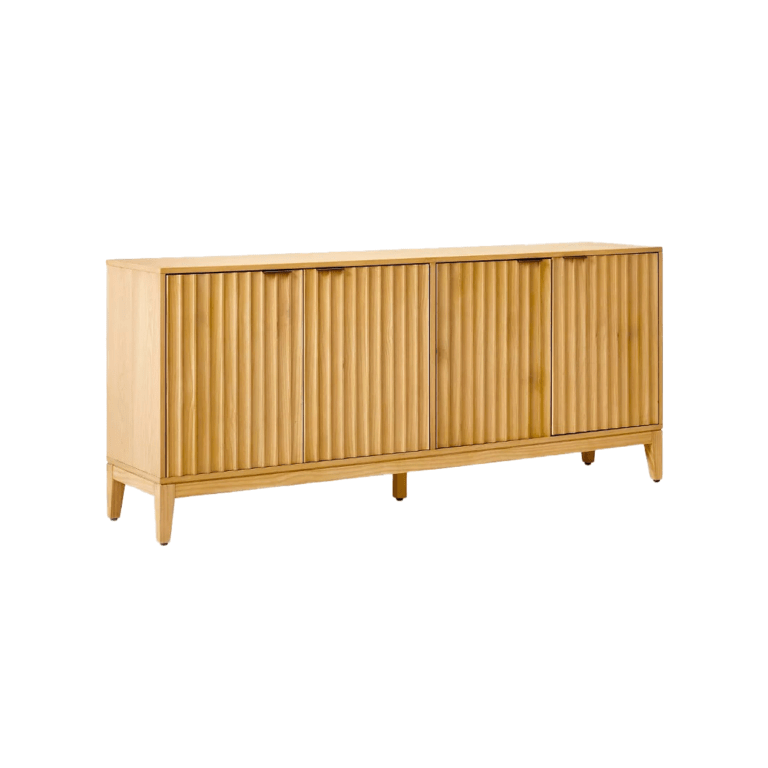
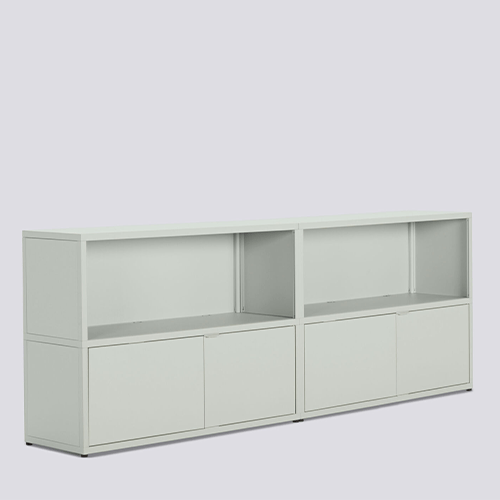
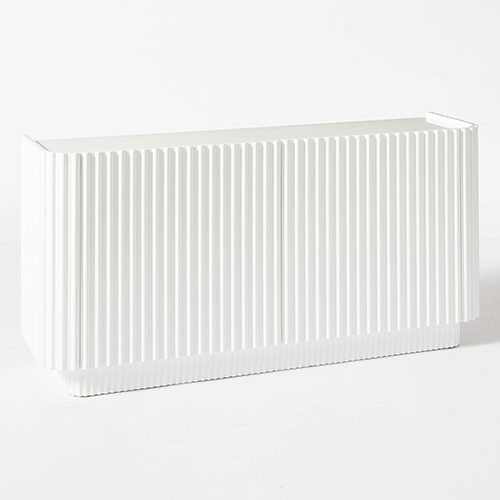
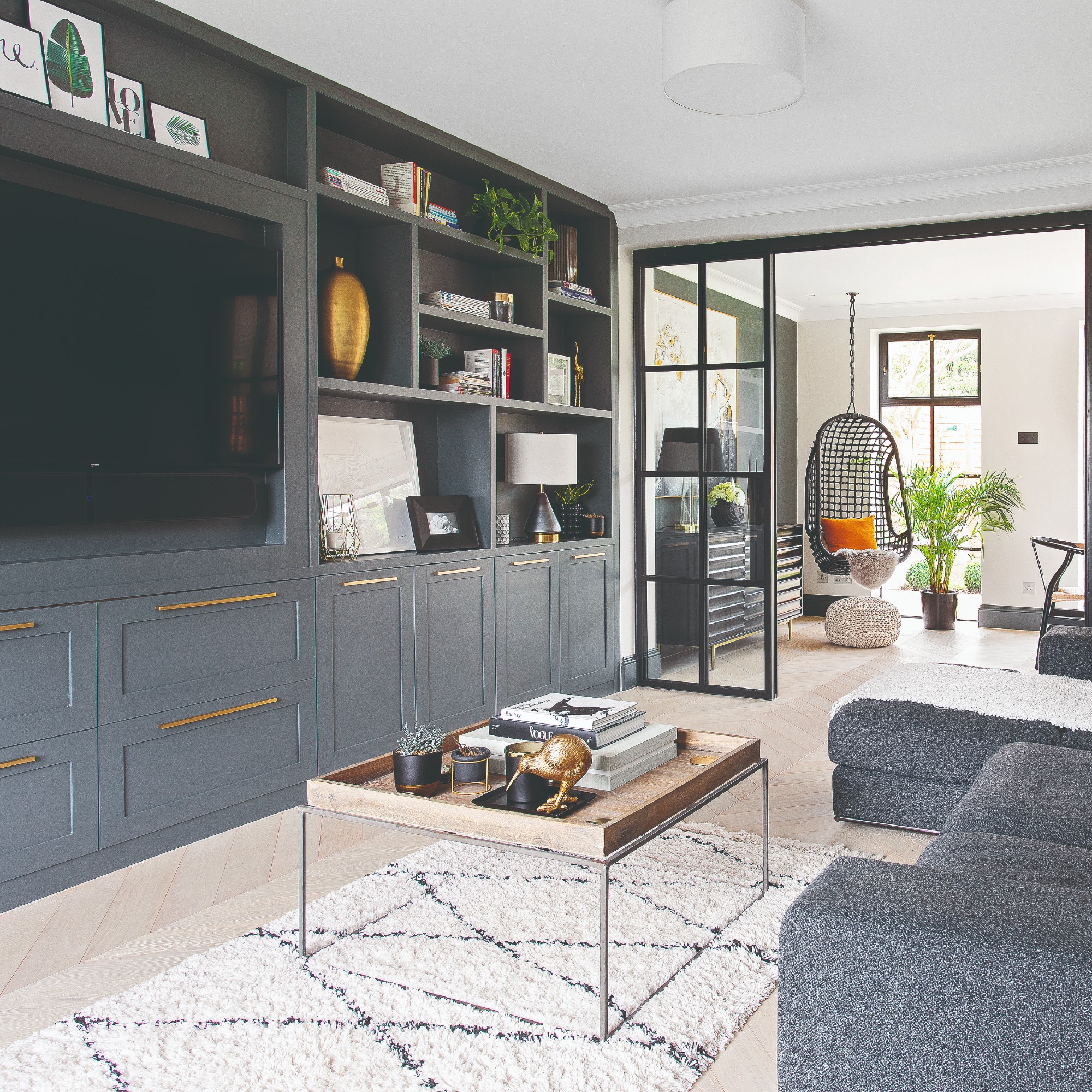
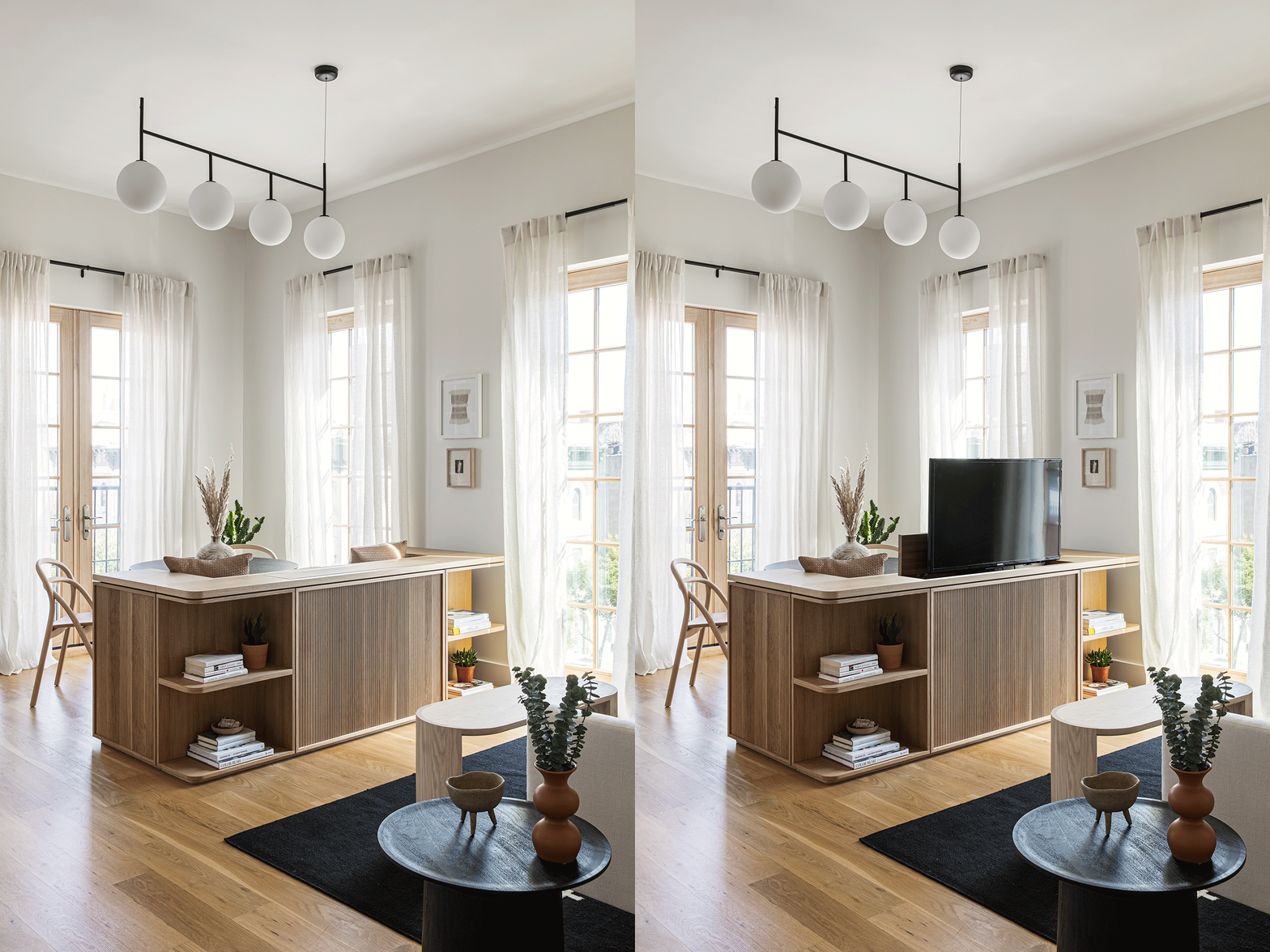
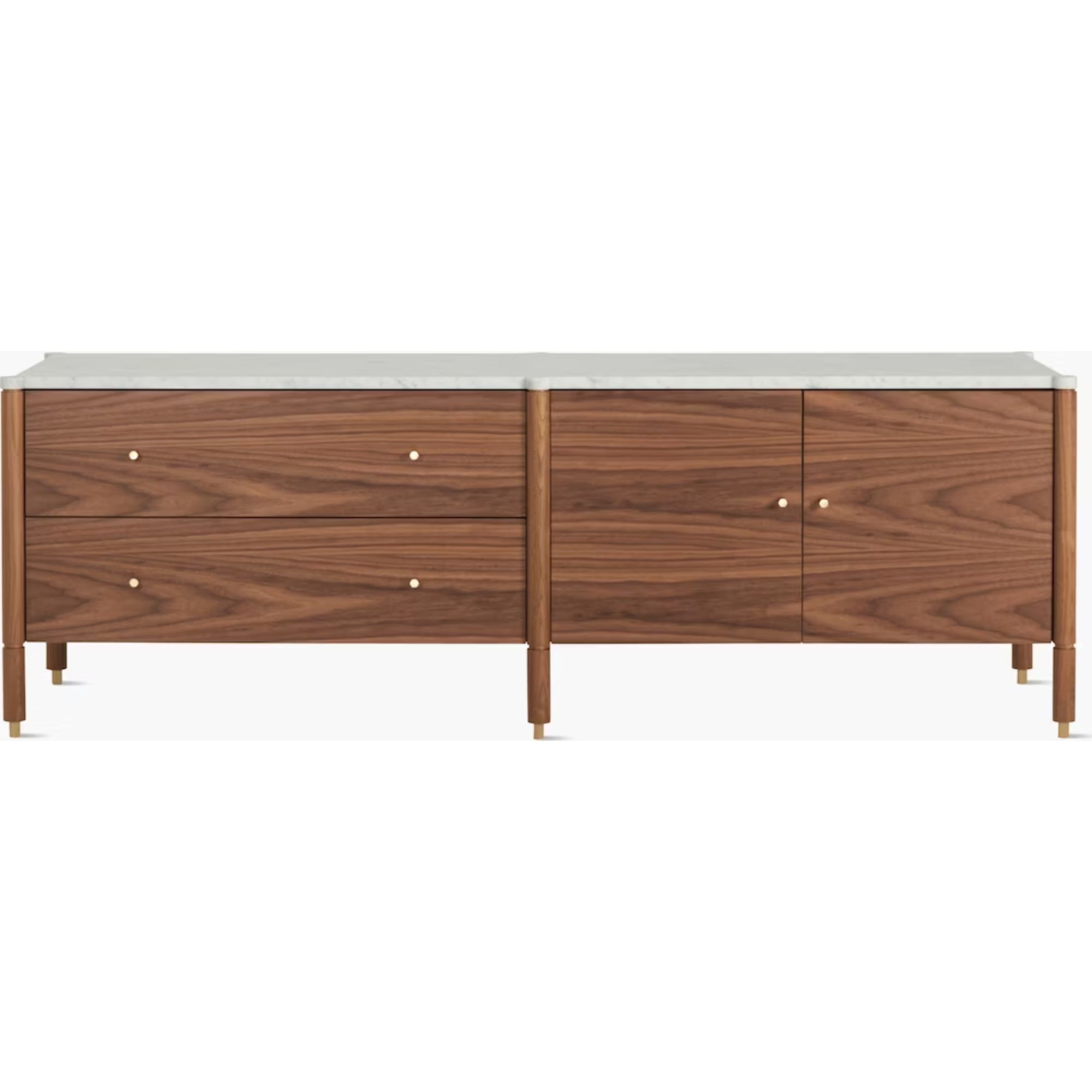
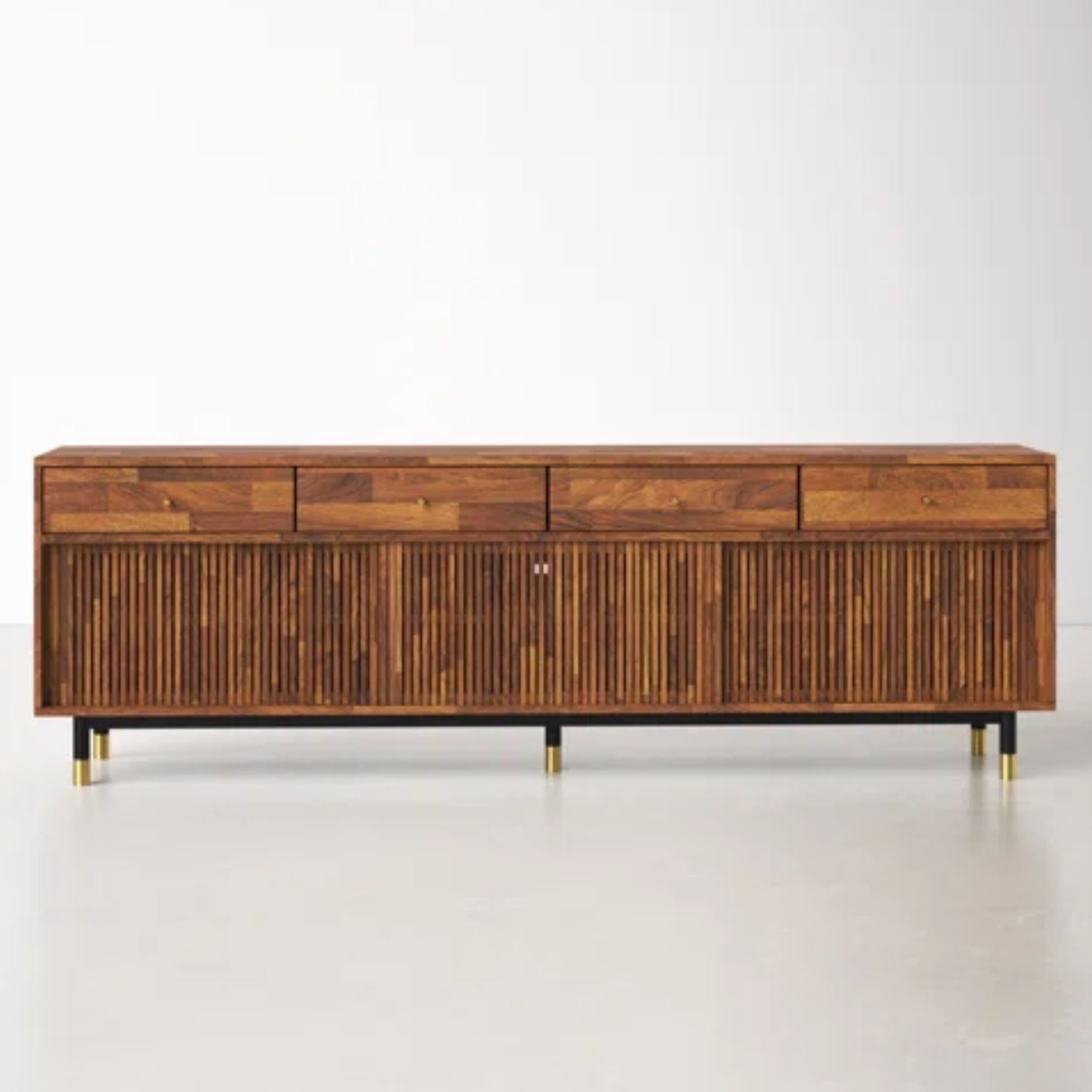
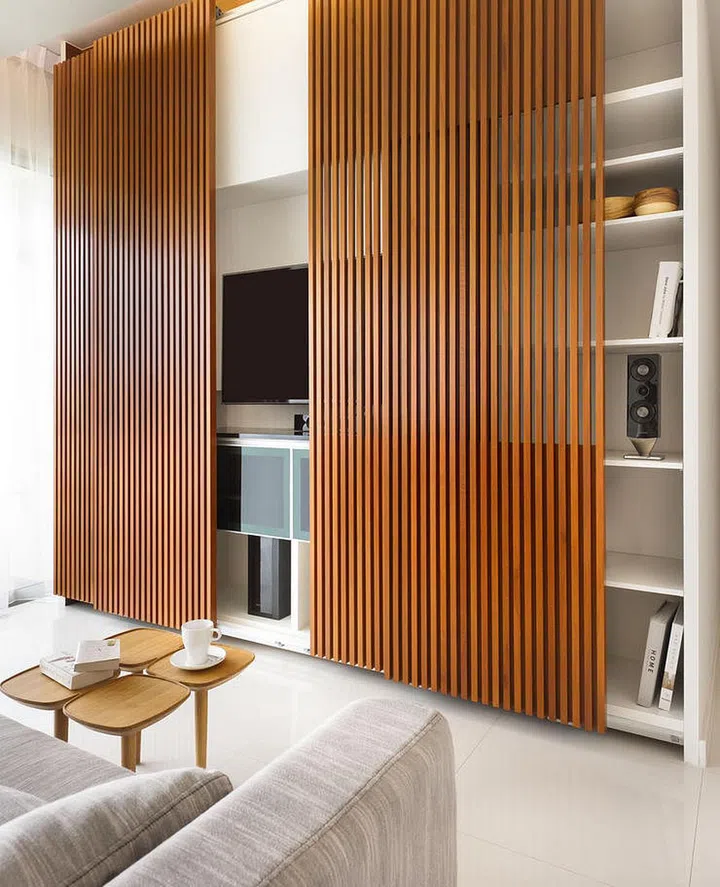
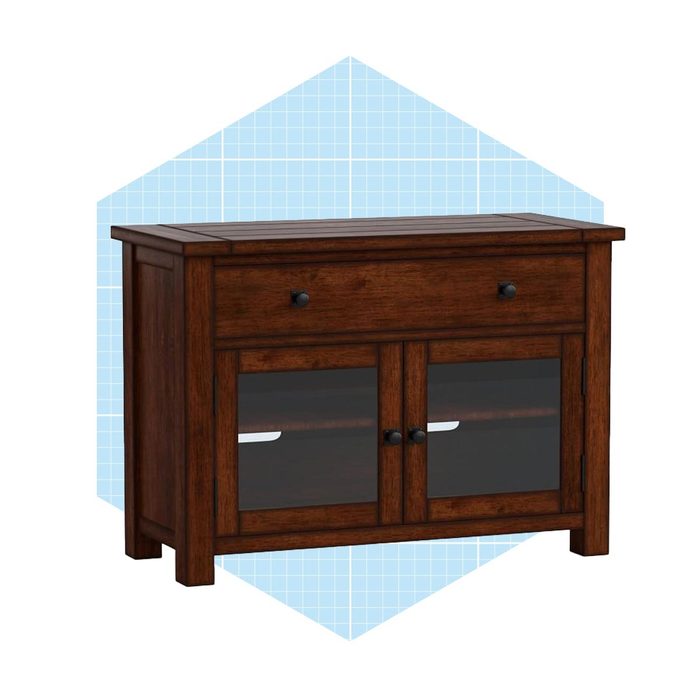
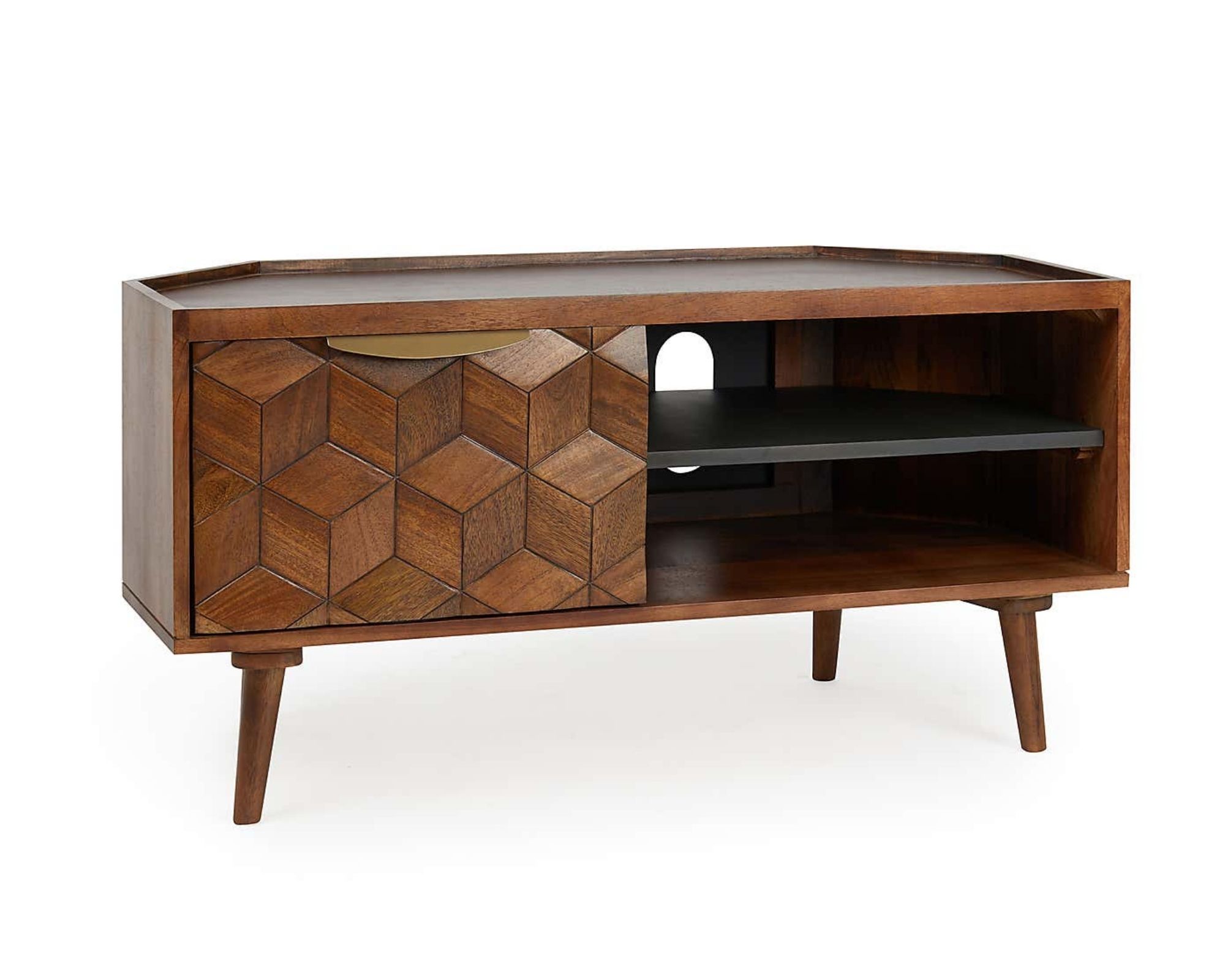
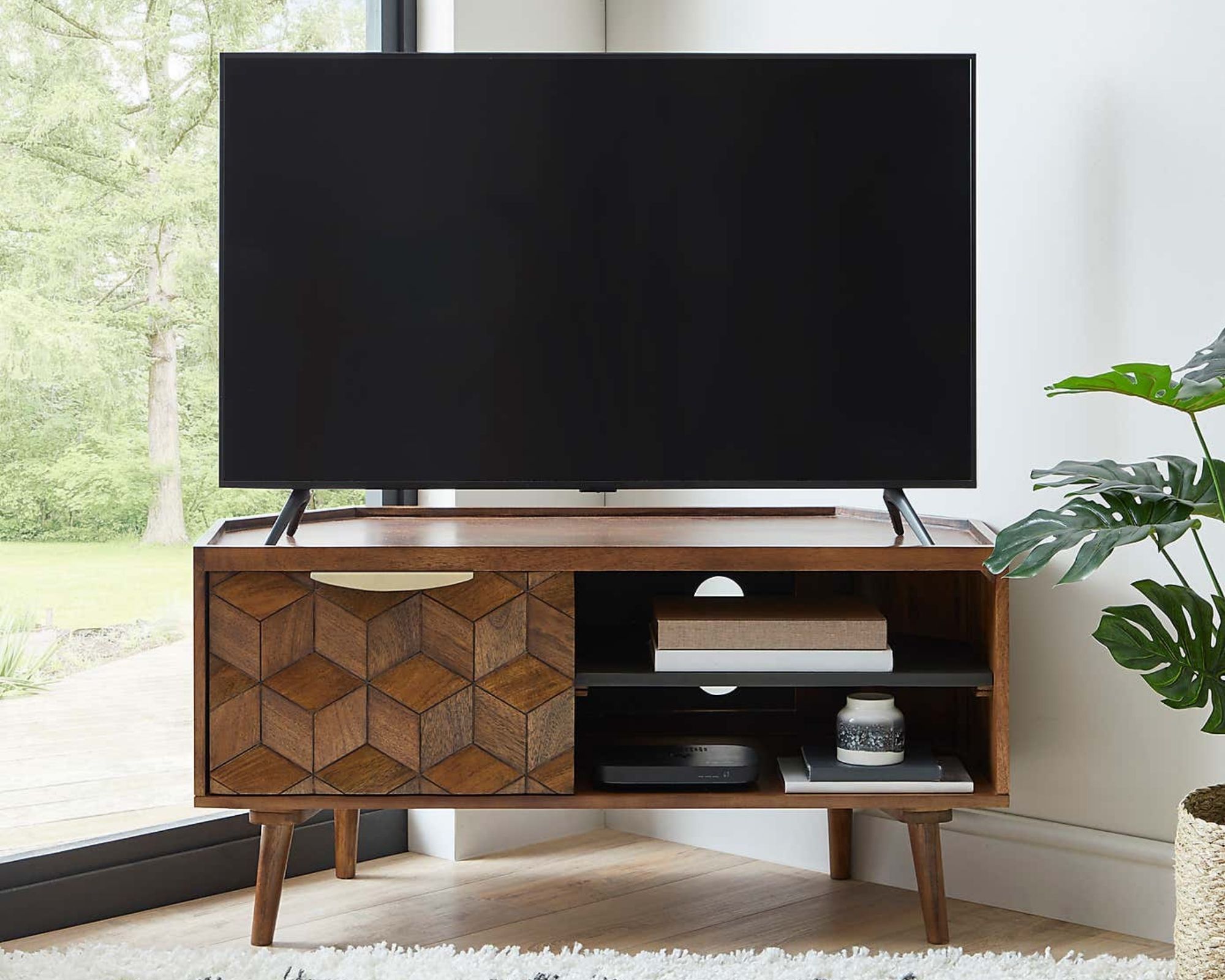
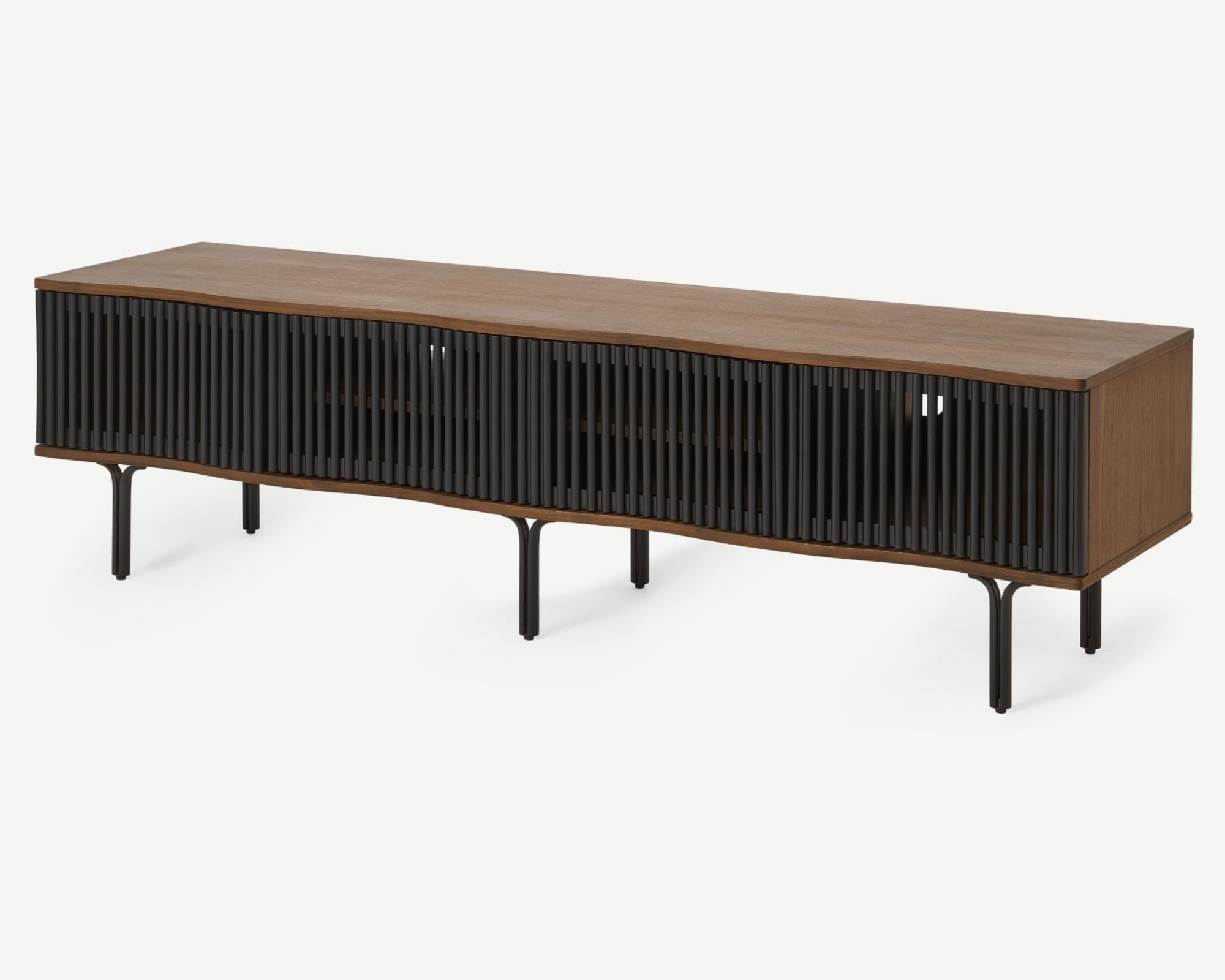
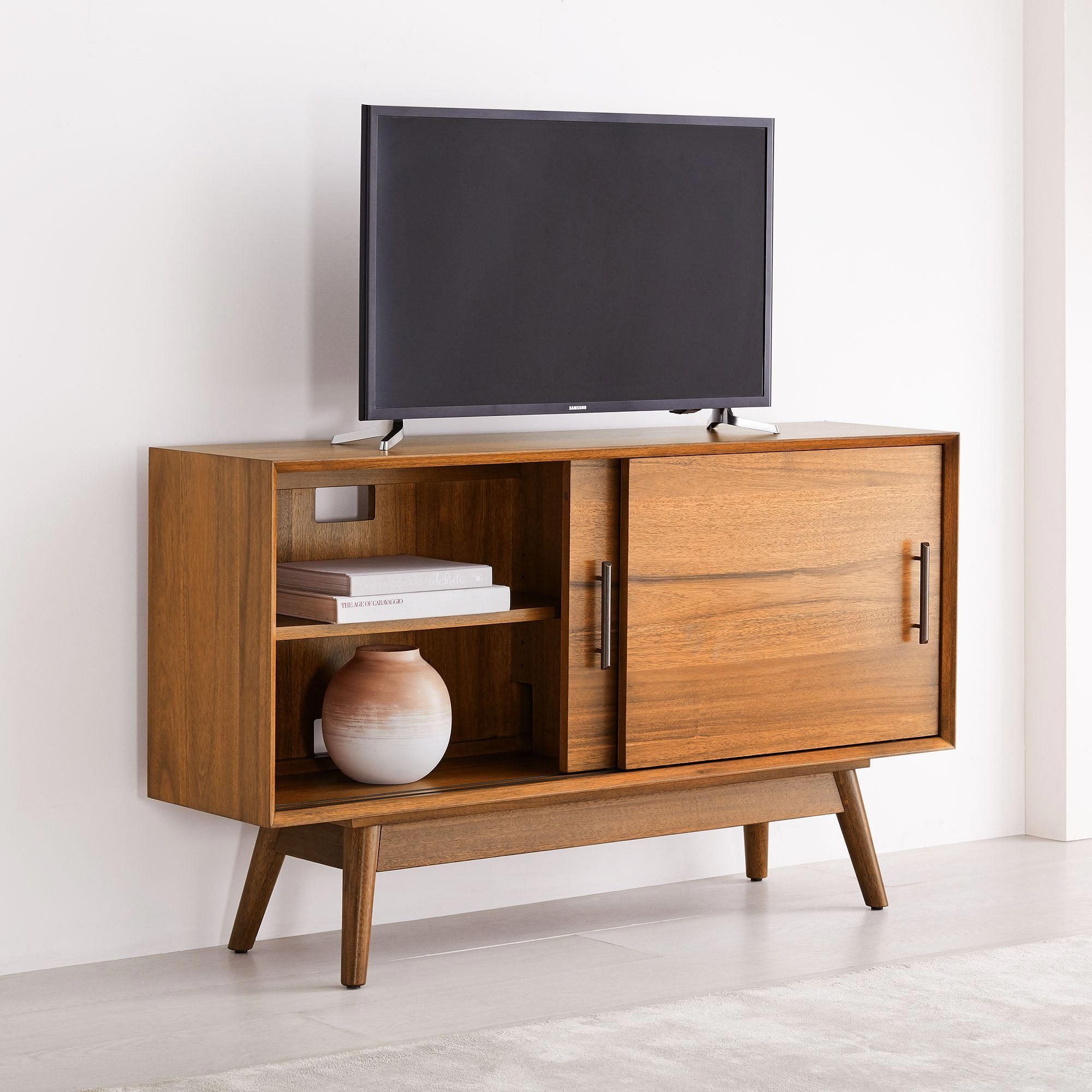
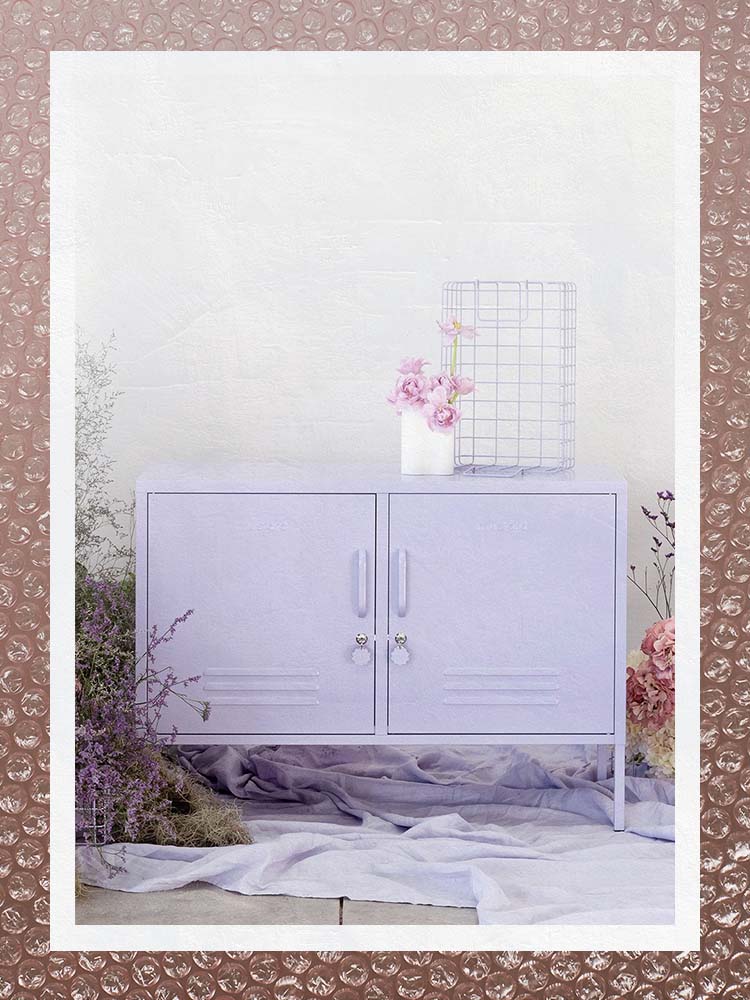
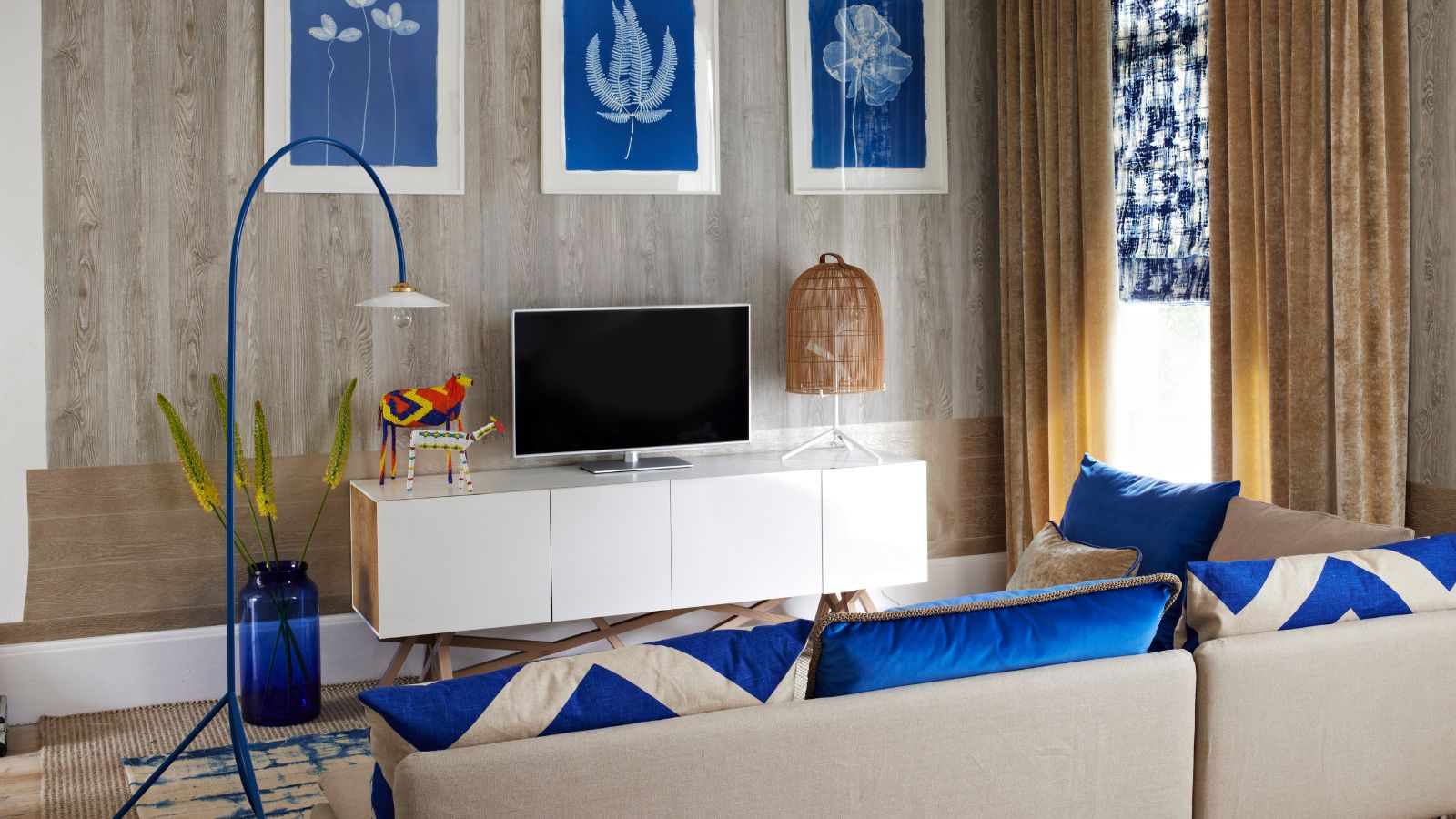
Additionally, from an interior design perspective, positioning a TV above a fireplace creates a visual conflict. Both the fireplace and the television are often intended as central focal points in a room, and having them stacked can disrupt the room's flow and create a sense of competition for attention rather than harmonious integration. The author prefers a classic credenza for TV placement, suggesting it allows the television to serve its purpose without clashing with other design elements.
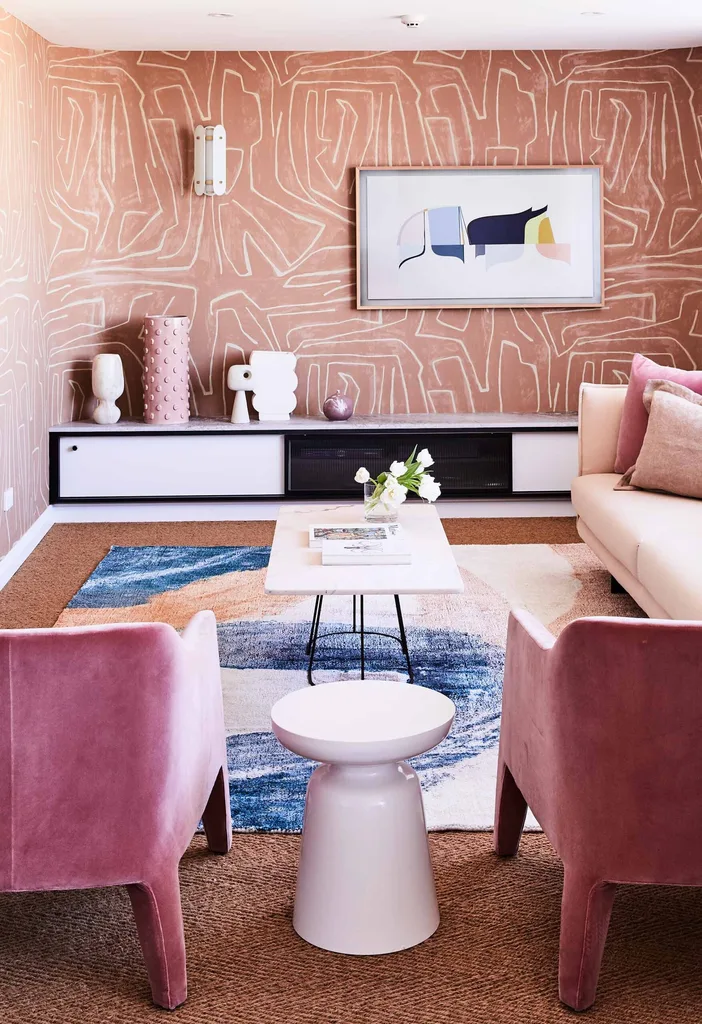
However, the article acknowledges that some homeowners may have limited options due to room layout or size, making an above-fireplace placement seem unavoidable. In such cases, there are wall mounts available that offer tilting and extending capabilities, which can improve the viewing angle, though they do not mitigate the risks associated with heat and smoke. For those committed to this placement, especially when purchasing a new TV, the author suggests considering models like Samsung's The Frame TV, which can display artwork when not in use, helping it blend more seamlessly with the room's decor and reduce visual disruption. Ultimately, while individuals are free to decorate their homes as they see fit, understanding the inherent risks to the TV's longevity and viewing comfort associated with above-fireplace mounting is crucial.
#TVs #TVPlacement #WallMount #Fireplace #HomeTheater #ElectronicsCare #InteriorDesign #HomeDecor #TVs #TVPlacement #WallMount #Fireplace #HomeTheater #ElectronicsCare #InteriorDesign #HomeDecor
0 comment in total
 No comments yet
You may also like
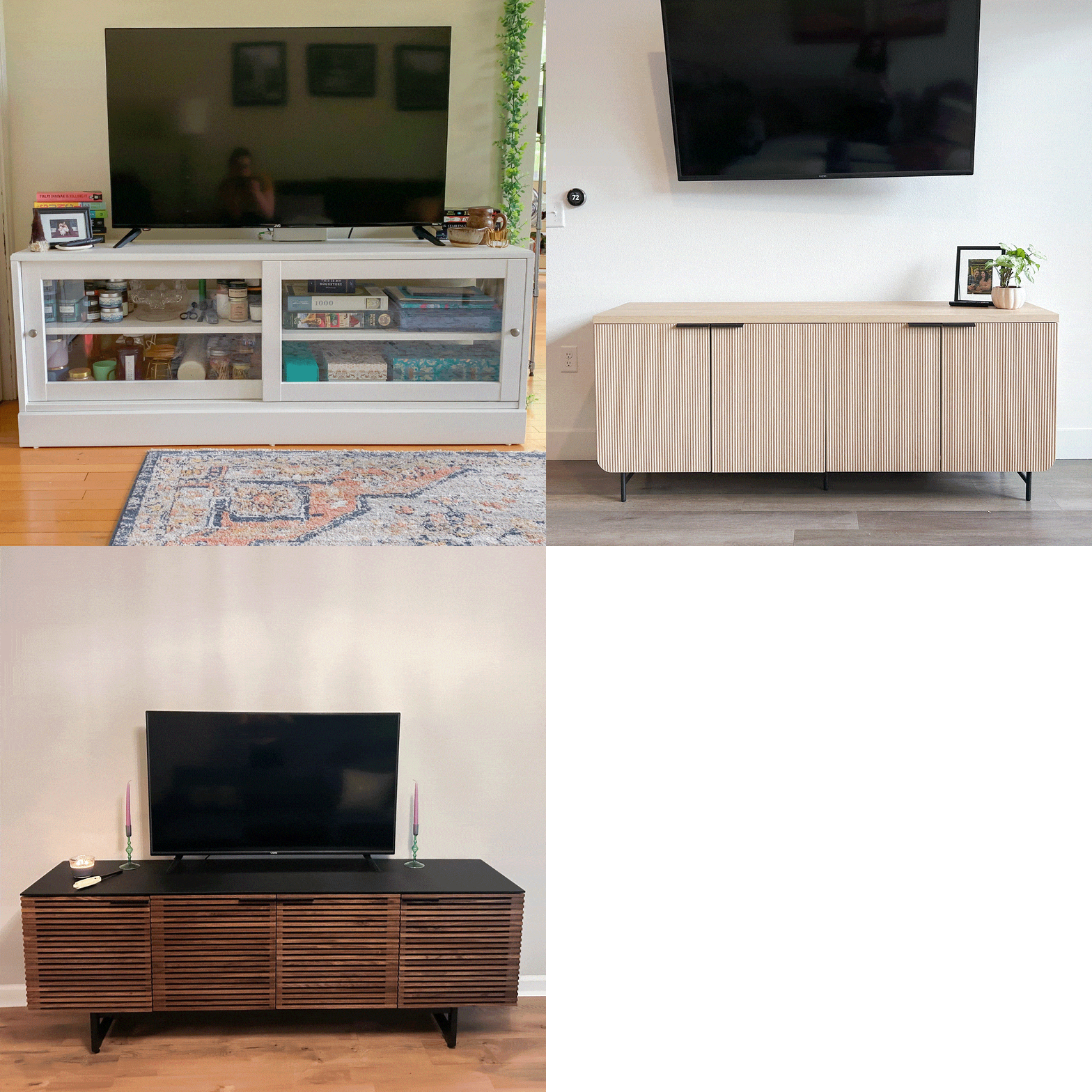
5 Best TV Stands That’ll Stand the Test of Time, Tested and Reviewed

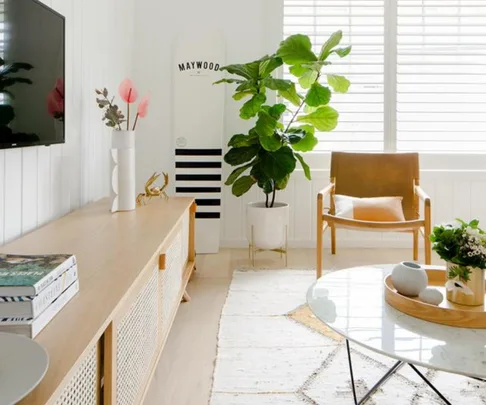
10 best TV consoles and entertainment units that will elevate your living room

This Is the Ultimate Way to Hide Your TV

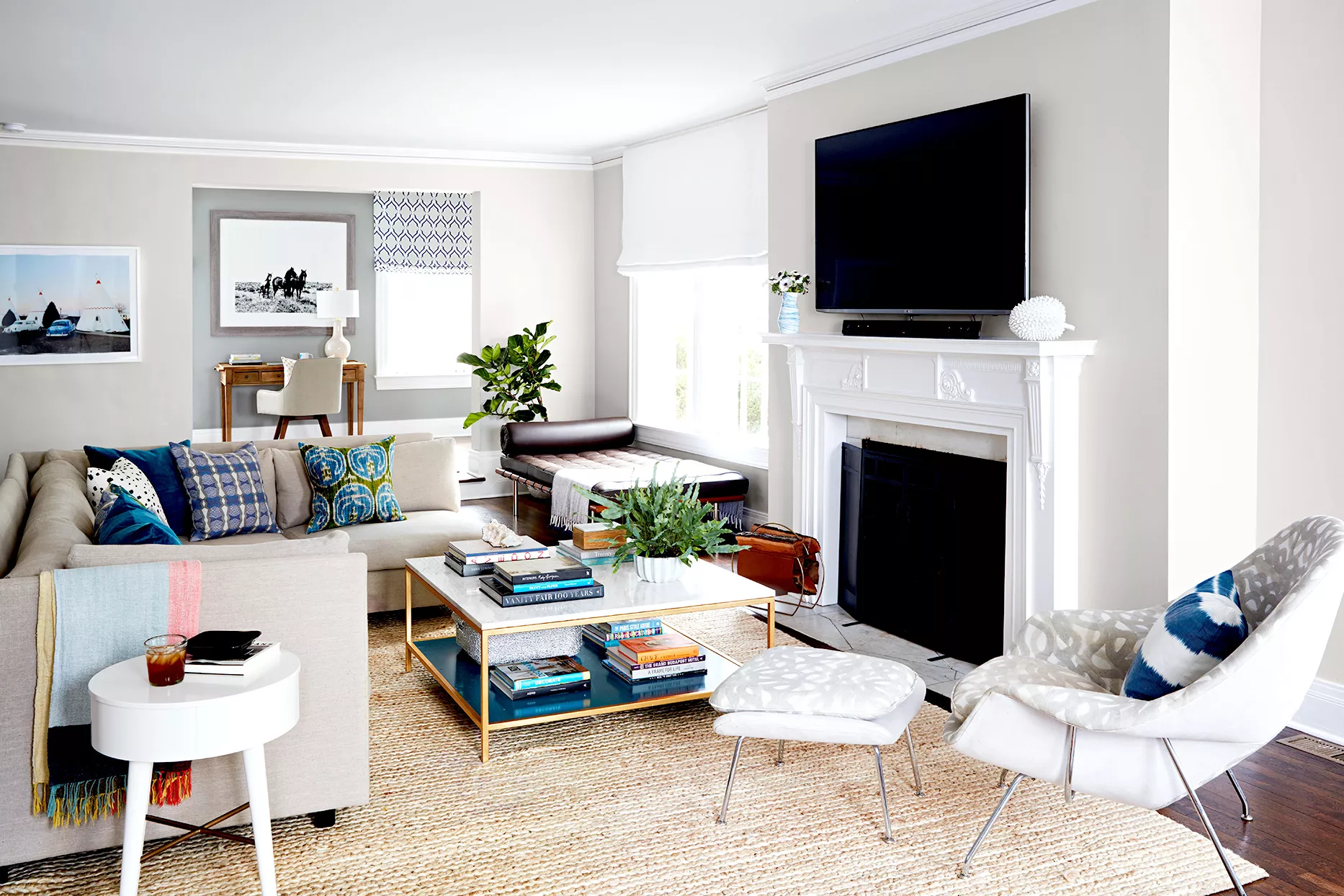
Should You Hang a TV Above Your Mantel? Experts Settle the Design Debate

Interior expert reveals the common TV placement mistakes you're probably making
Where should your living room TV go? Designers weigh in on the best spots
Should You Really Put Your Television Over Your Mantel?
For Your Viewing Pleasure: The 8 Best TV Stands for Small Spaces
I tested this 110-inch TV for 3 months — and it's the best and worst thing to happen to my living room
I ditched my TV stand for this standing desk and I’m not going back
The best TV stands in 2024
This is where to put a TV in a small living room, according to interior designers

I test TVs for a living, and this is the one spot in my living room I would never put my TV

This DIY-Friendly Storage Unit (for Less Than $200) Tops Our List of Best TV Stands

Best TV stands - media units to tidy your TV room


Shopping edit: 11 stylish TV stands to upgrade your setup
Don't Mount Your TV Above Your Fireplace: Here's Why

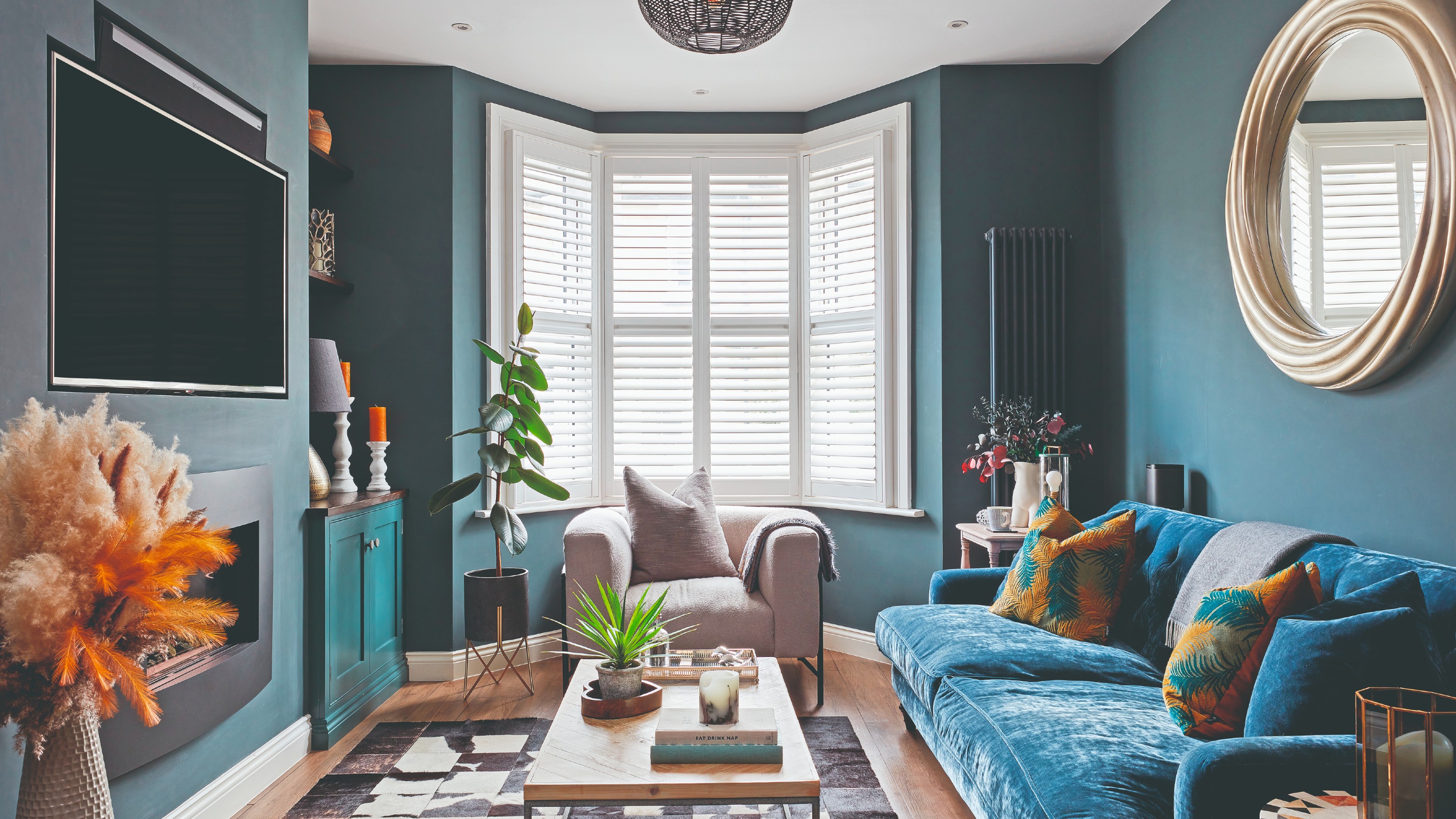
Should you put a TV above the mantelpiece? Experts all agree on this newly sparked debate
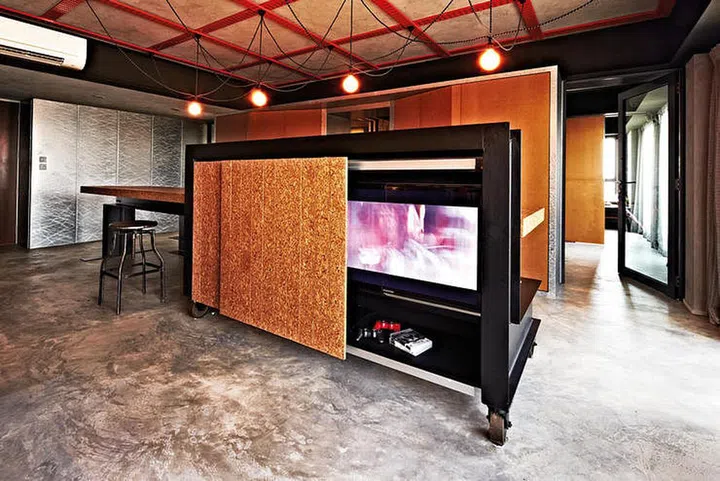
Living room design ideas: 6 ways to conceal your TV
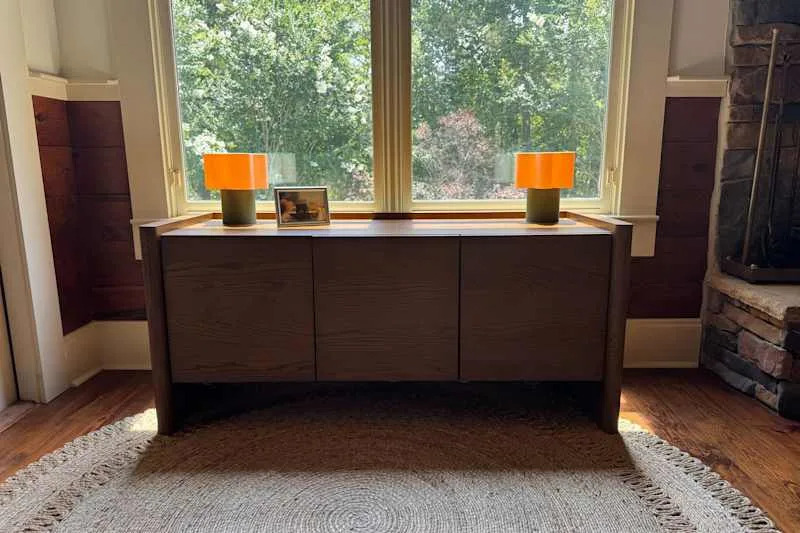
The Small-Space Media Console That Doesn’t Disappoint on Storage or Design