1/4
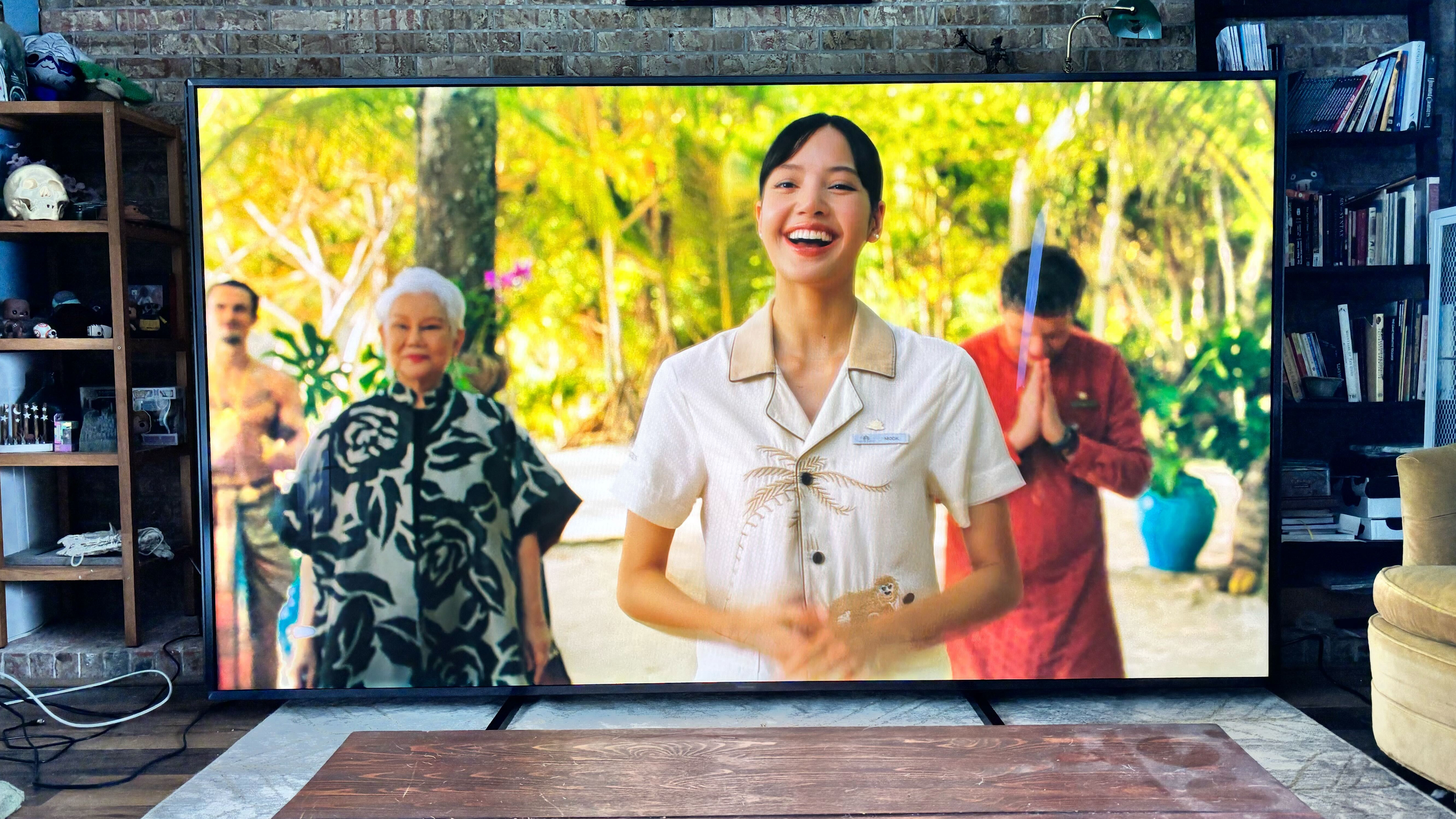
I tested this 110-inch TV for 3 months — and it's the best and worst thing to happen to my living room
The author, a TV reviewer with a decade of experience, spent three months living with a 110-inch Hisense UX TV. This article details the practical challenges and surprising benefits of owning such a massive television, offering insights beyond a typical product review. The experience revealed both the awe-inspiring potential and the significant drawbacks of ultra-large screens in a home environment.
The initial setup of the 110-inch Hisense UX was a major undertaking, requiring a small team to unbox and position the 250-pound device. The author expressed concern about handling a $15,000 television, emphasizing the fragility of large screens. The physical effort involved in moving and installing the TV highlighted its impracticality for the average consumer, whose living space might not be designed for such a behemoth. Furthermore, the sheer size necessitated a significant rearrangement of the living room, including moving the couch much further back than usual to maintain a comfortable viewing distance, even then sometimes feeling the need for more space during dynamic scenes.
One of the most immediate and positive impacts of the 110-inch TV was the cinematic immersion it provided. The screen's size dramatically enhanced the viewing experience, making details in films and video games far more noticeable and engaging. Friends and family frequently visited, drawn by the unique opportunity to watch content on such a large display, treating the author's living room as a personal cinema. This aspect highlighted the aspirational dream of a home theater that can rival a commercial one.
However, the massive screen size also brought unexpected performance issues. Despite its premium status, the Hisense UX is a 4K TV, and the author argued that a screen of this magnitude, released in 2025, should ideally be 8K. The lower pixel density of 4K on a 110-inch display resulted in noticeable fuzziness with older or lower-resolution content, such as YouTube videos or films from a decade ago. The TV's upscaling capabilities, which the author has previously criticized in other Hisense models, were found to be insufficient to compensate for the larger pixels, leading to a compromised viewing experience for non-native 4K content. The discussion also touched upon the practical limitations of 4K resolution on such a large display compared to the potential benefits of 8K's higher pixel density and advanced upscaling algorithms.
Another practical concern was the significant screen glare during daytime viewing. While not a personal issue for the author who primarily works in a different room, this factor would undoubtedly be a major inconvenience for many potential users. The article concludes with a reflection on the overall experience, acknowledging the privilege of testing such a device while tempering enthusiasm with the realities of its practical implementation. The author suggested that for most consumers, a 75-inch or 85-inch television might offer a more balanced and manageable large-screen experience, indicating that the appeal of a 110-inch TV is not without its caveats.
#Hisense #LargeScreenTV #TVReview #HomeTheater #4KTV #8KTV #ConsumerElectronics #ProductTesting #ViewingExperience #Hisense #LargeScreenTV #TVReview #HomeTheater #4KTV #8KTV #ConsumerElectronics #ProductTesting #ViewingExperience
 No comments yet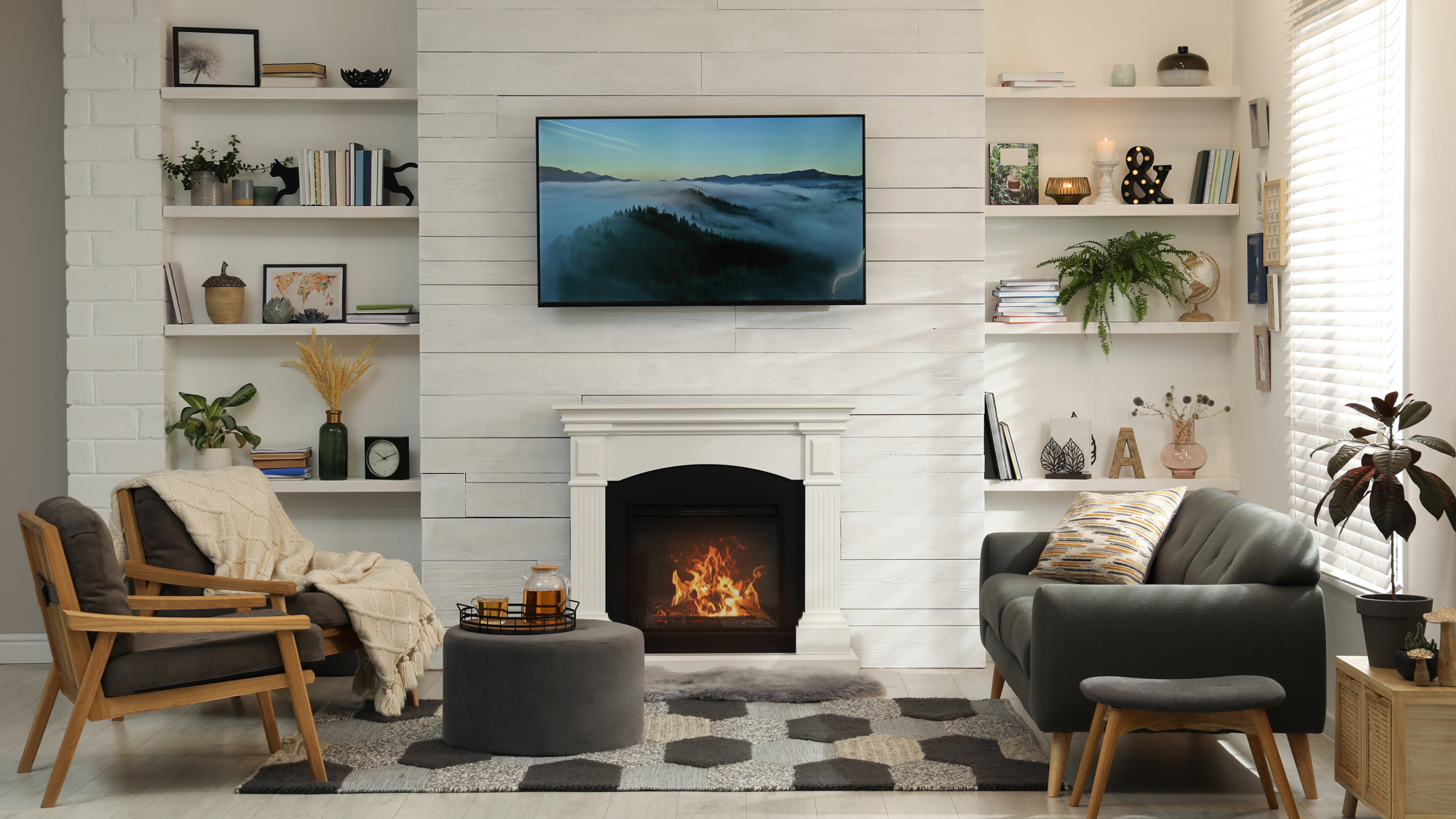
I test TVs for a living, and this is the one spot in my living room I would never put my TV
I tested Samsung's Bespoke AI 4-Door French Door refrigerator for 3 months — here's my honest verdict

This Rental Kitchen Reno Took Just 3 Weeks to Pull Off

I test TVs for a living, and this is the one spot in my living room I would never put my TV

I Replaced My Bedroom TV with This Tablet