1/3
Design/build: Firepits and fireplaces
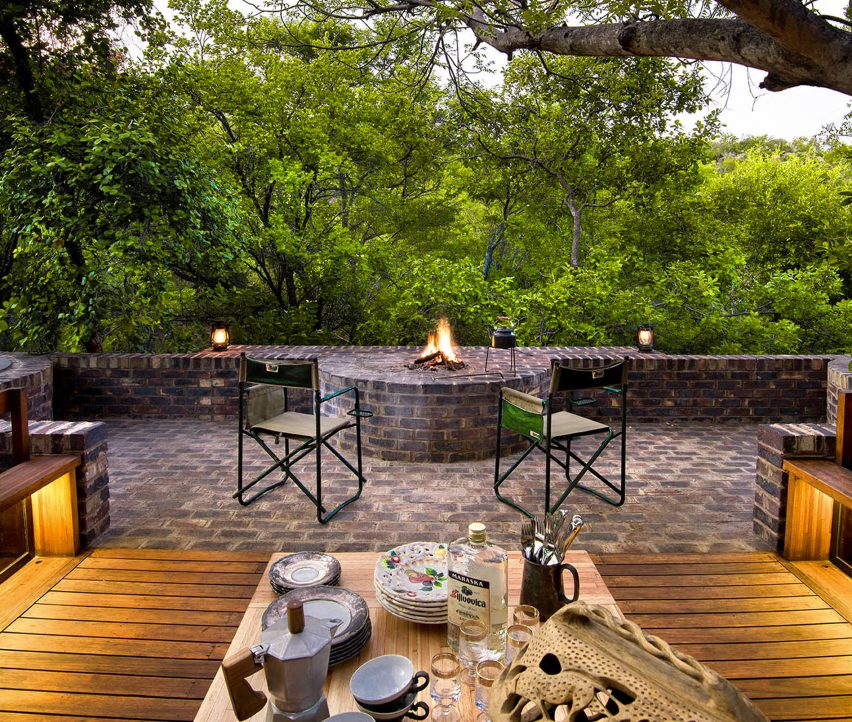
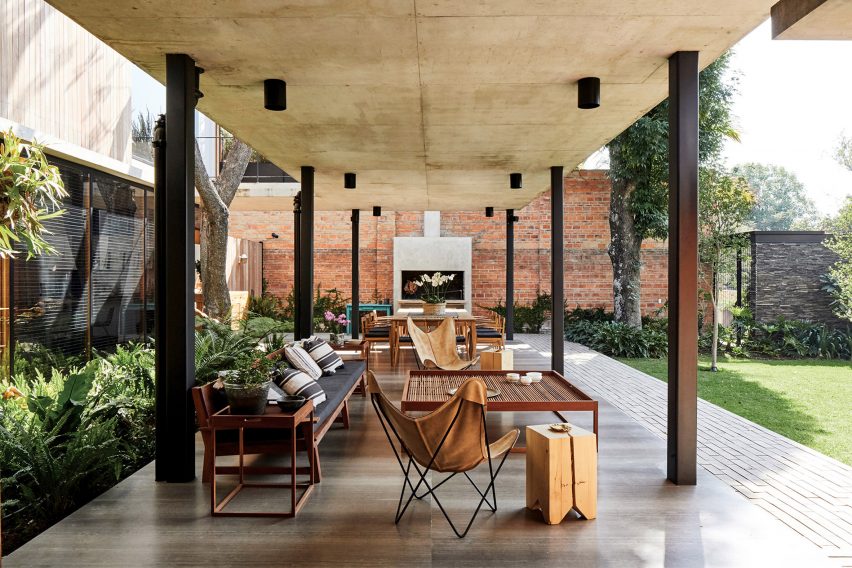
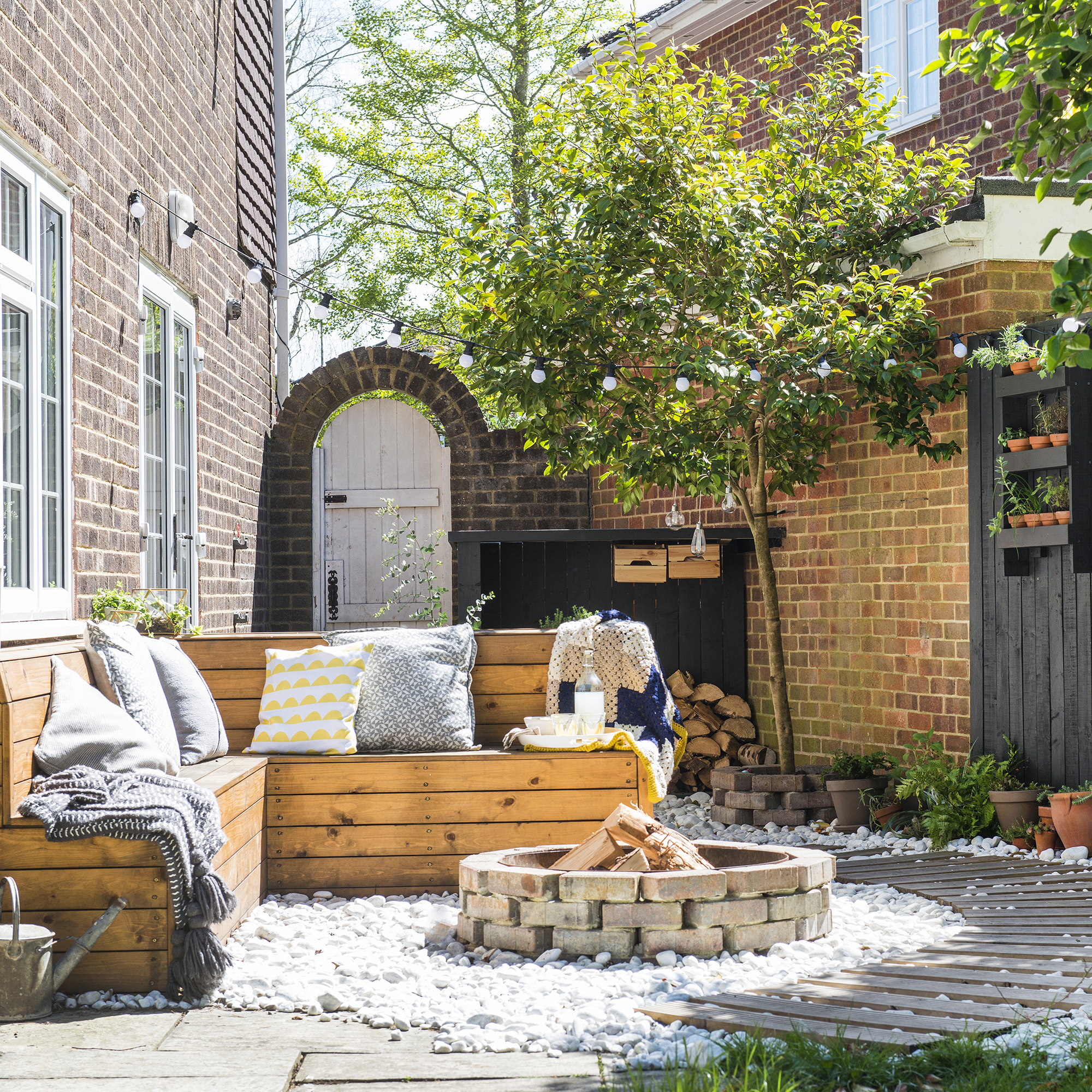
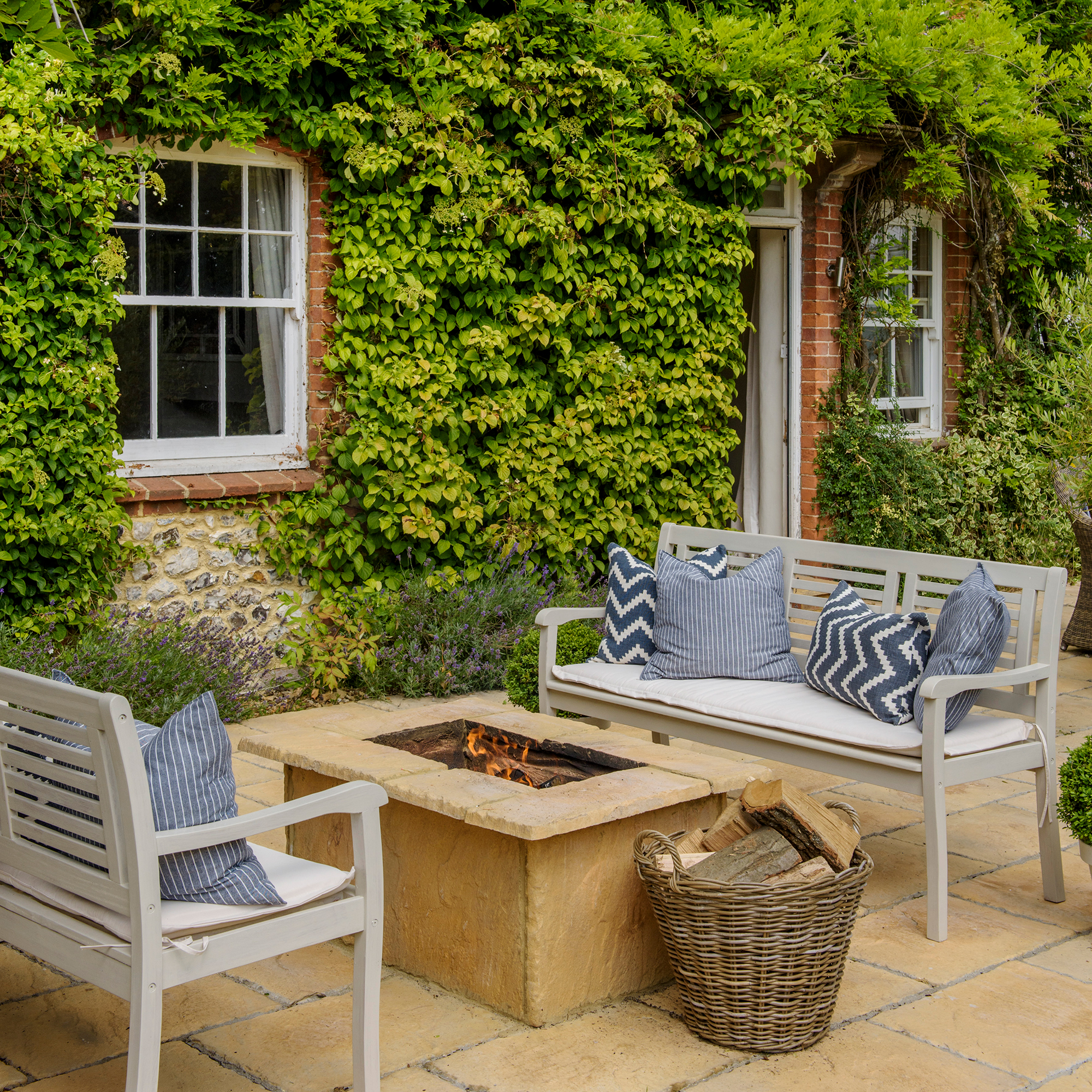
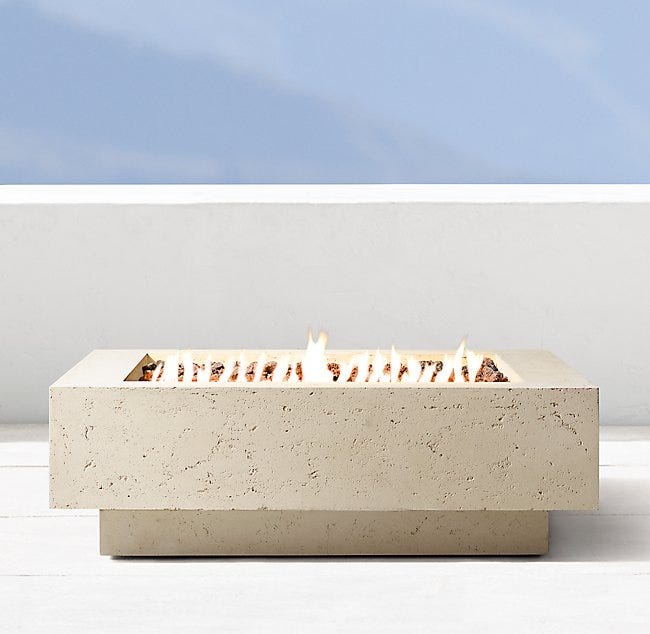
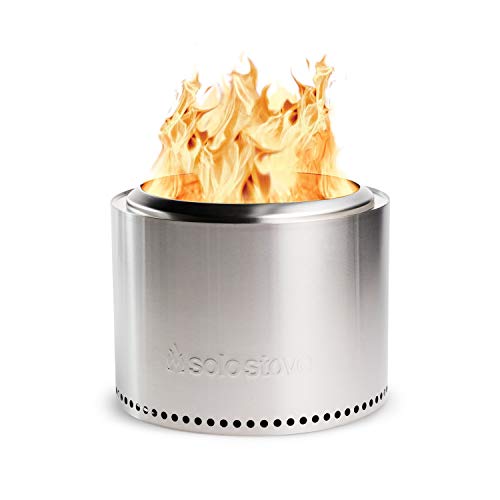
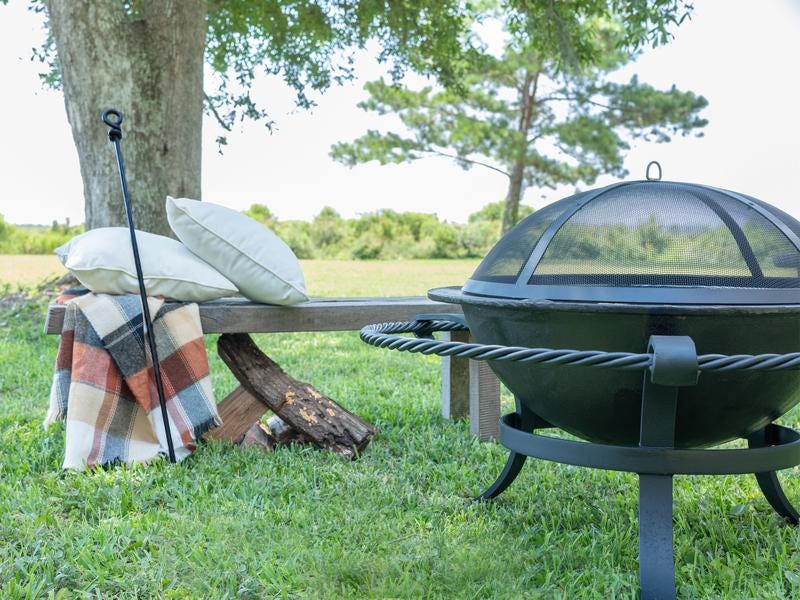
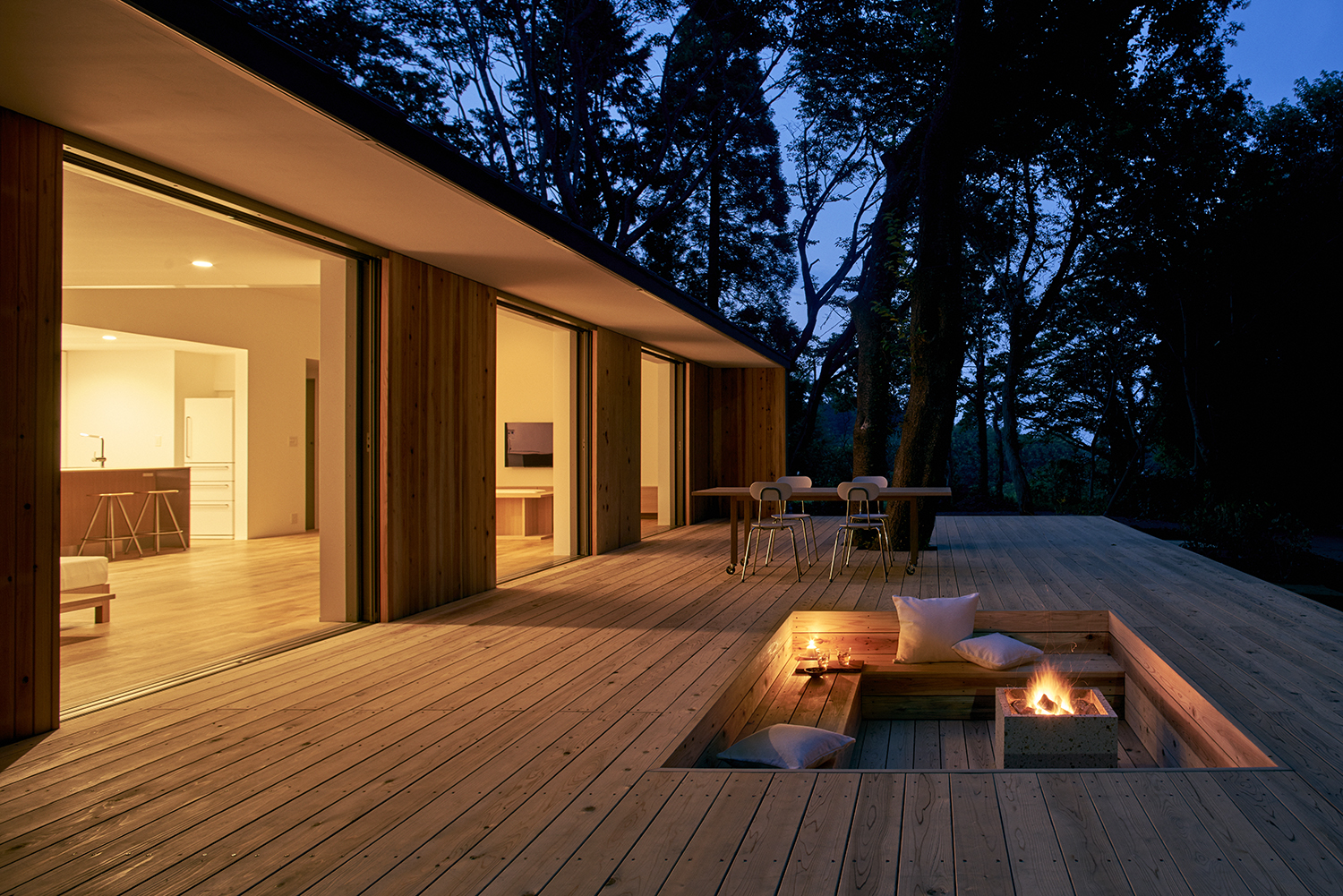
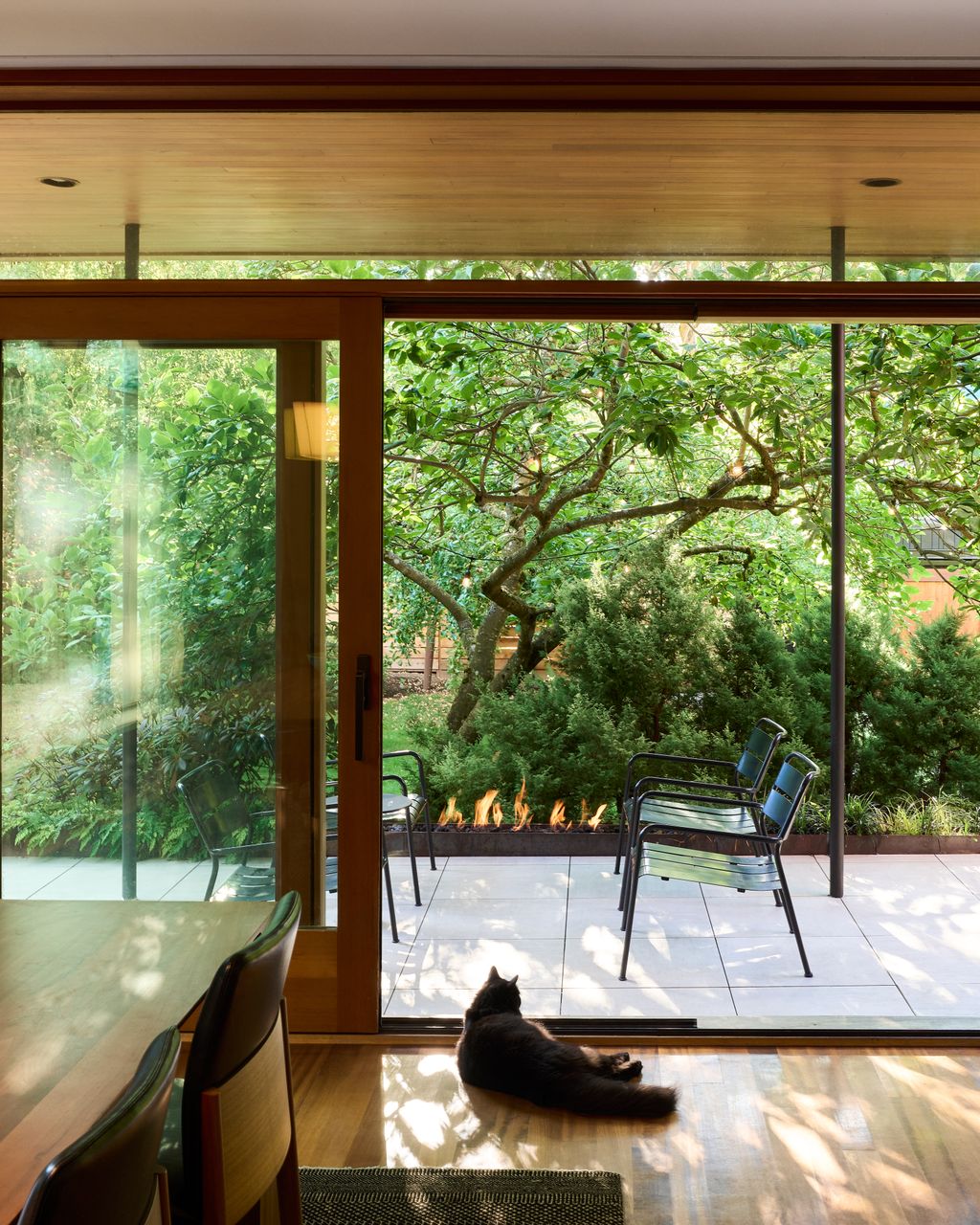
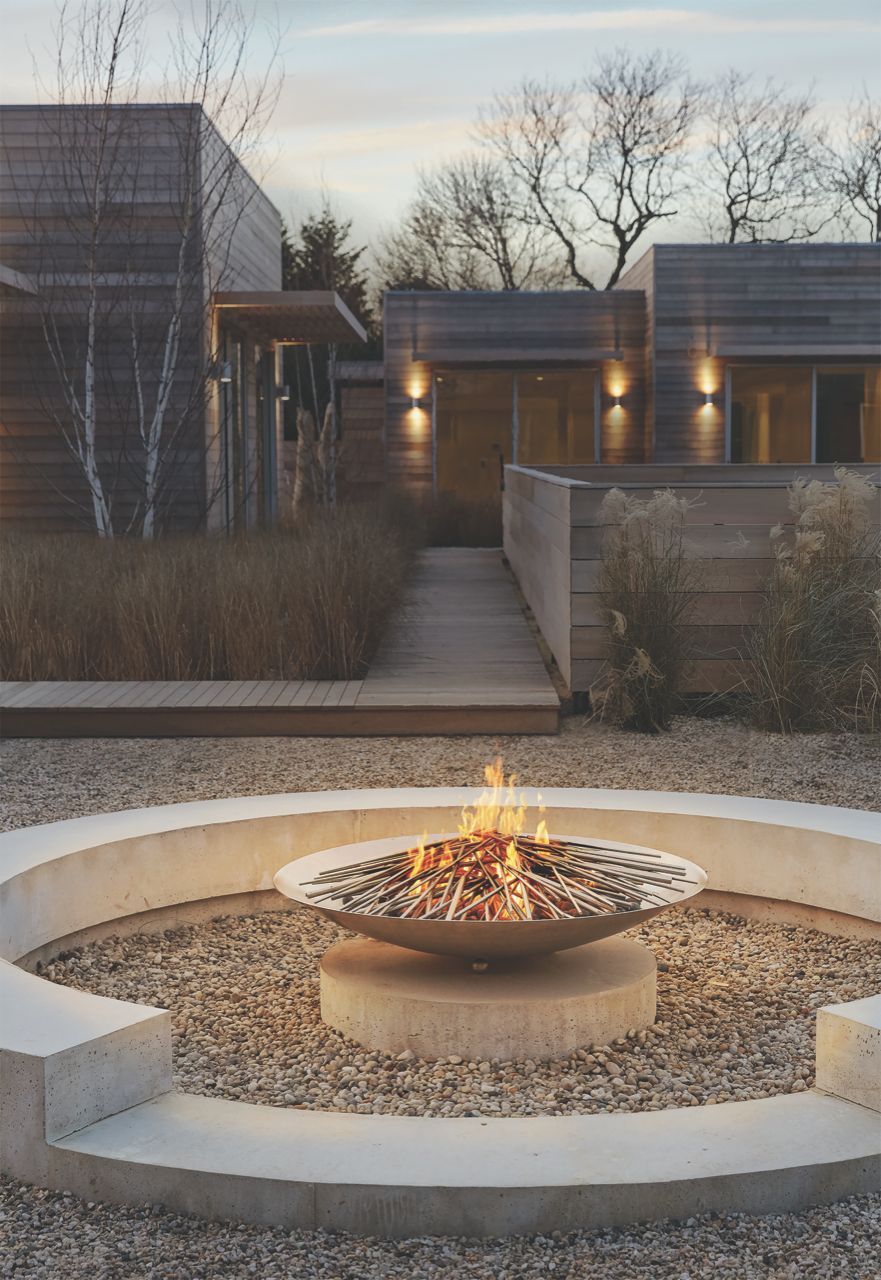
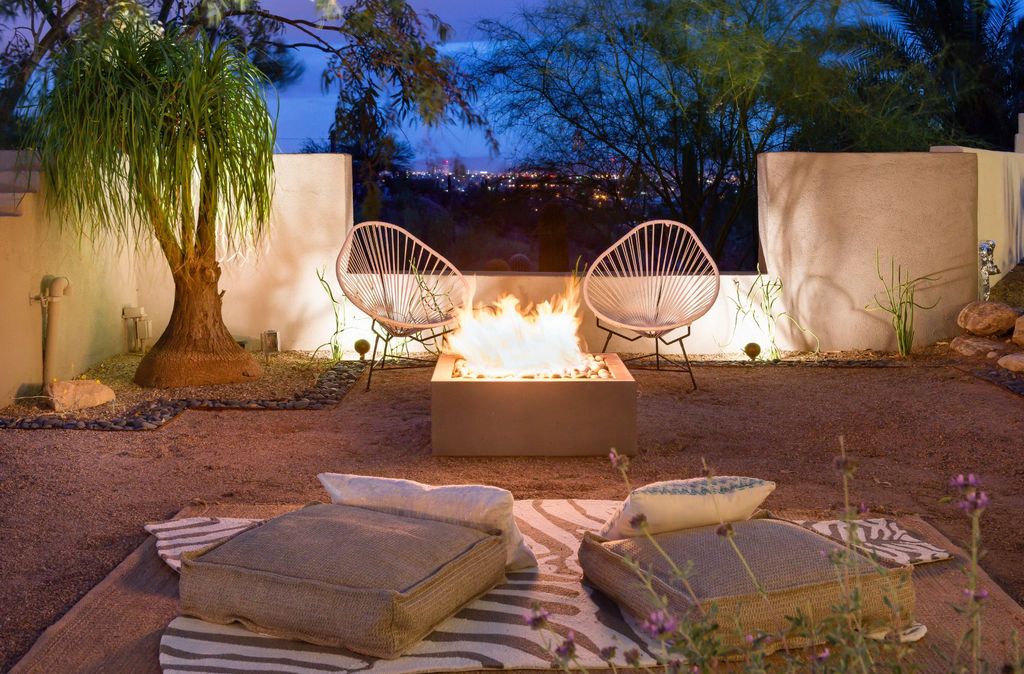
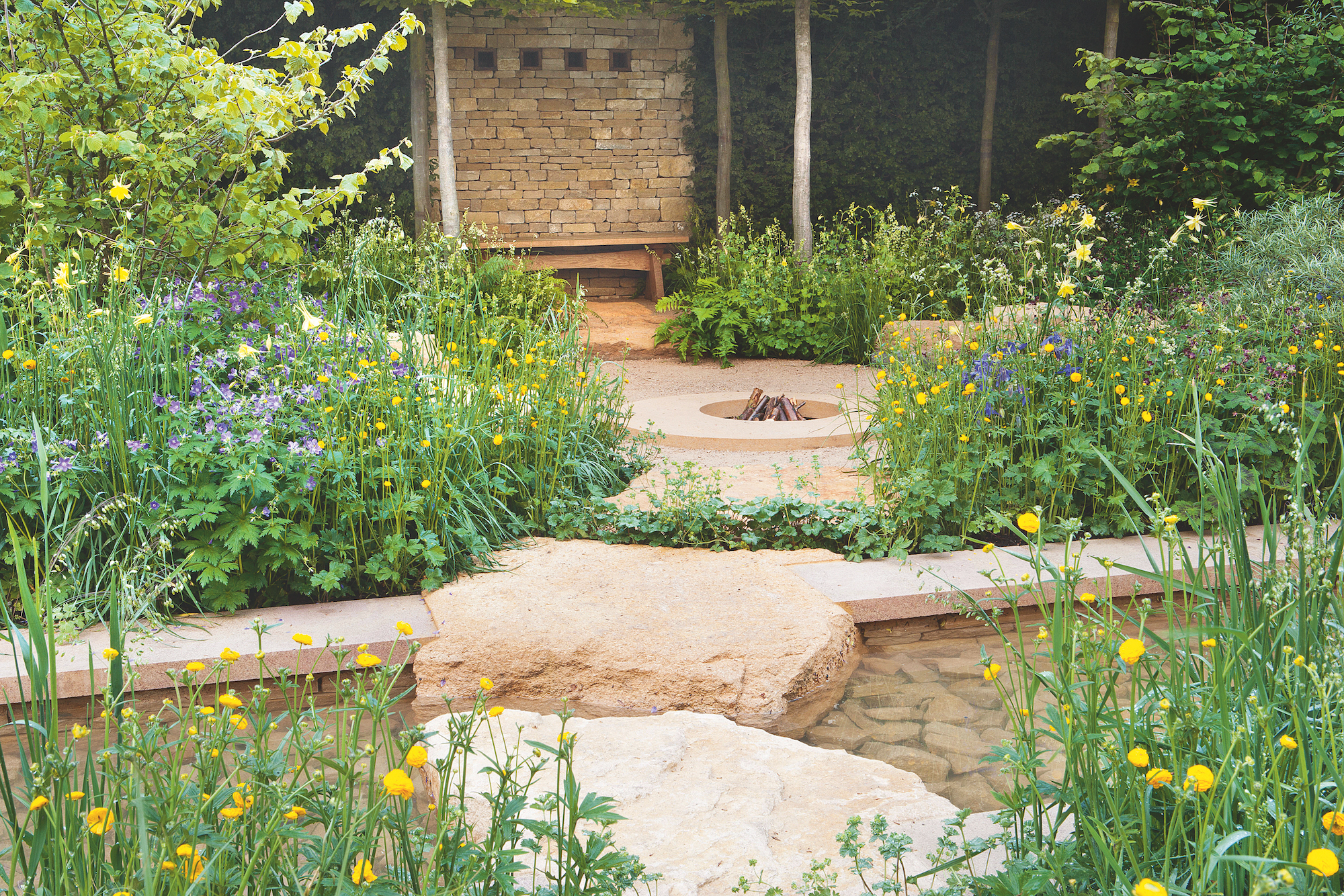
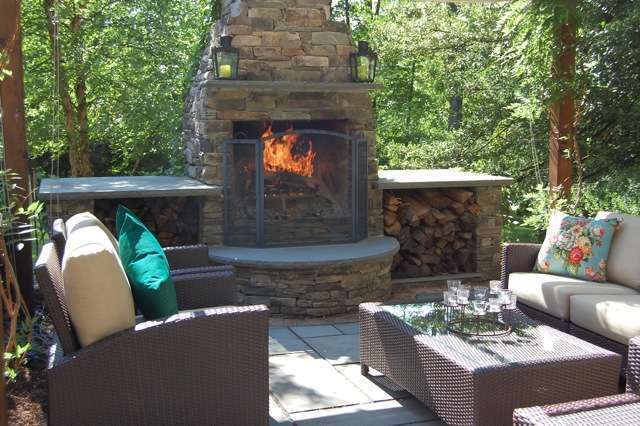
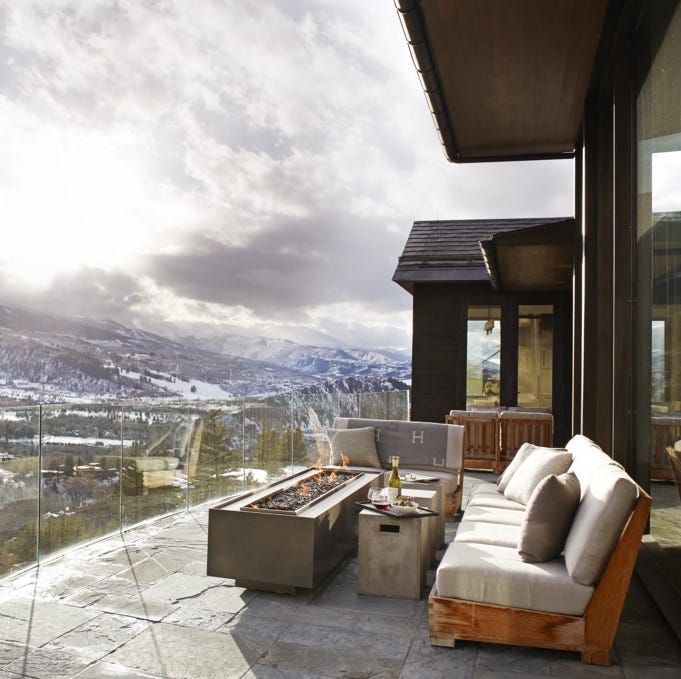
The increasing popularity of outdoor fire features, such as firepits and fireplaces, reflects a growing desire among homeowners to enhance their outdoor living spaces. These installations provide ambiance, warmth, and a focal point for social gatherings, extending the usability of outdoor areas into cooler evenings. Landscape professionals have observed a significant surge in demand for these features, even in modestly sized properties, noting a shift in client preferences from water features to fire installations.
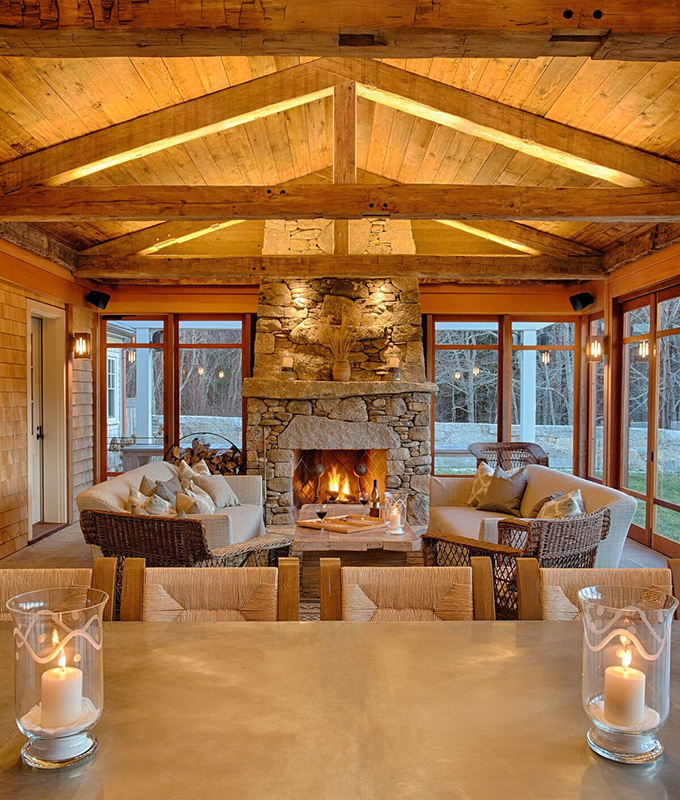
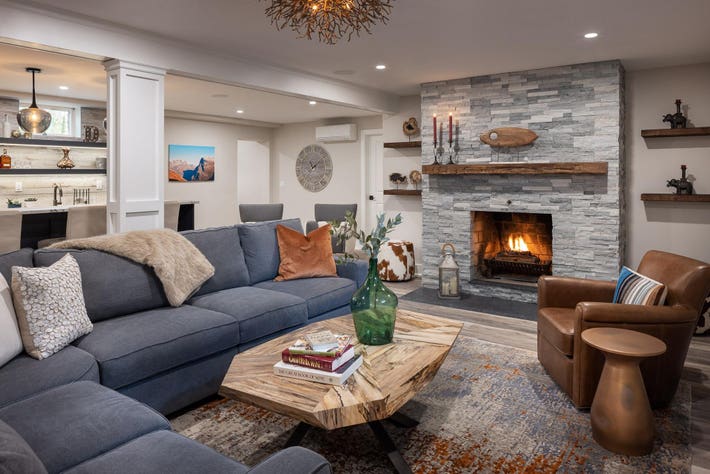
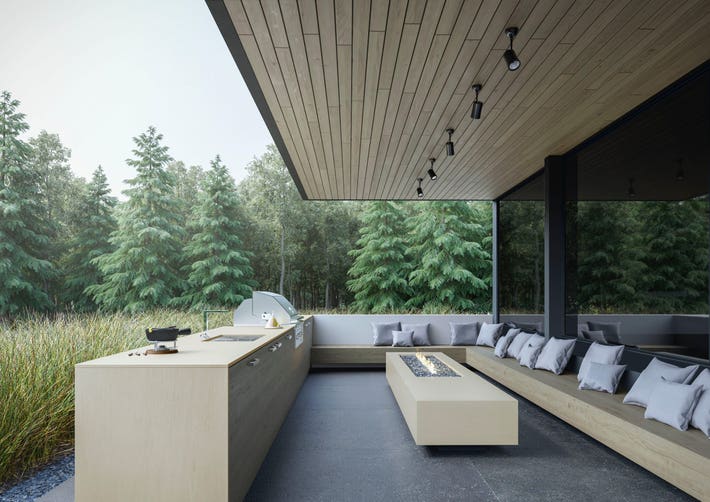
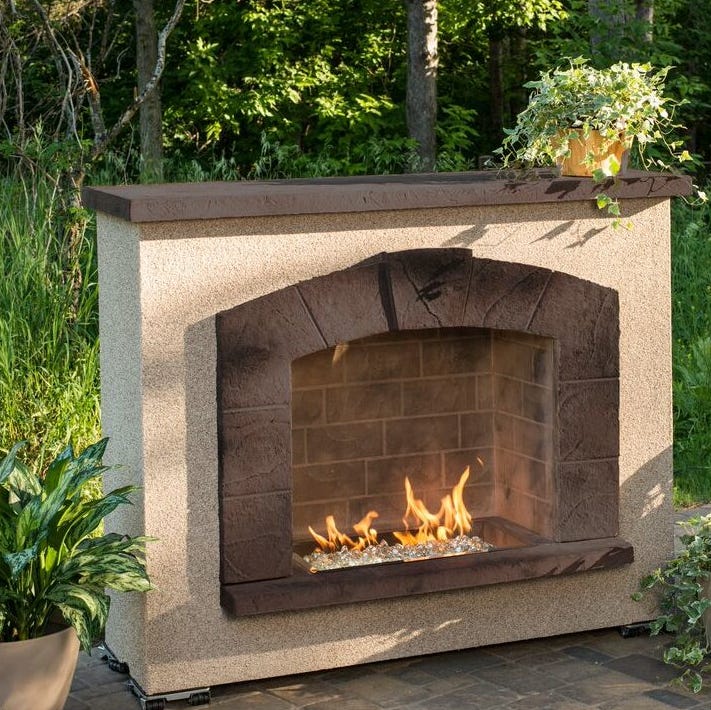
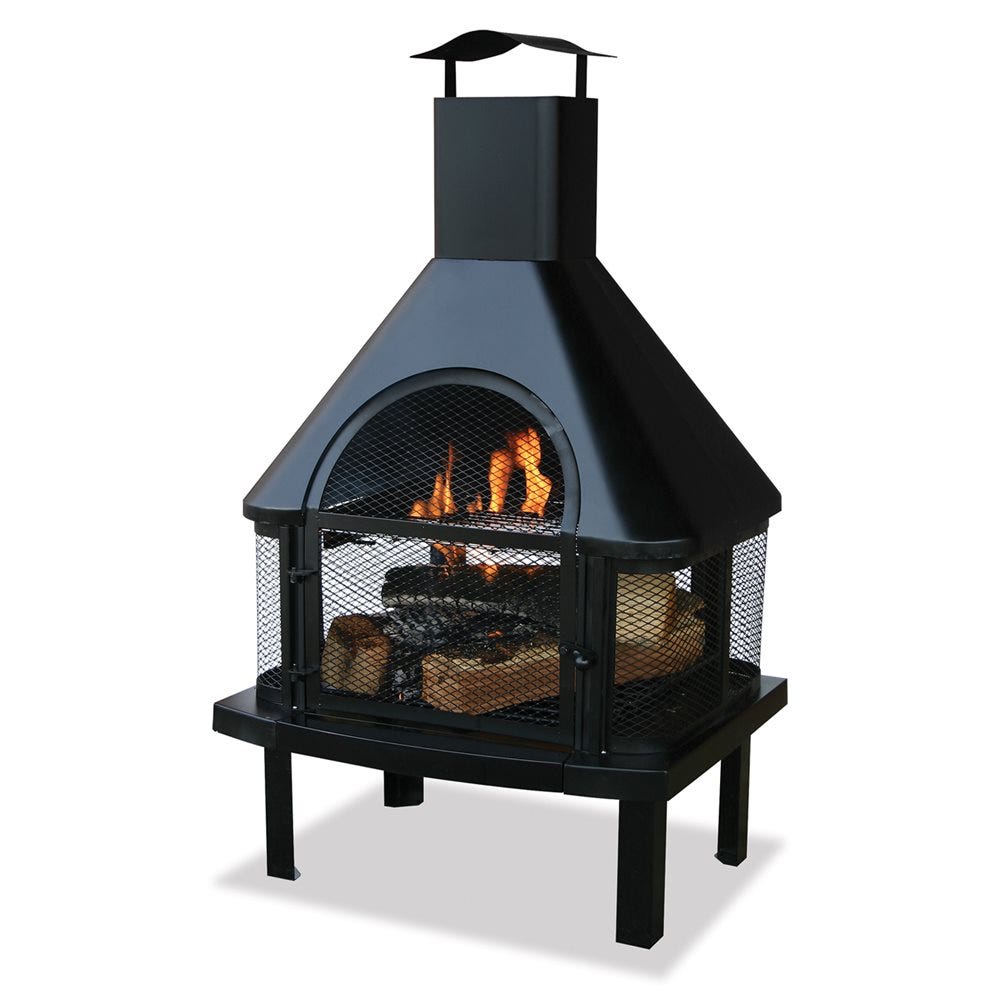
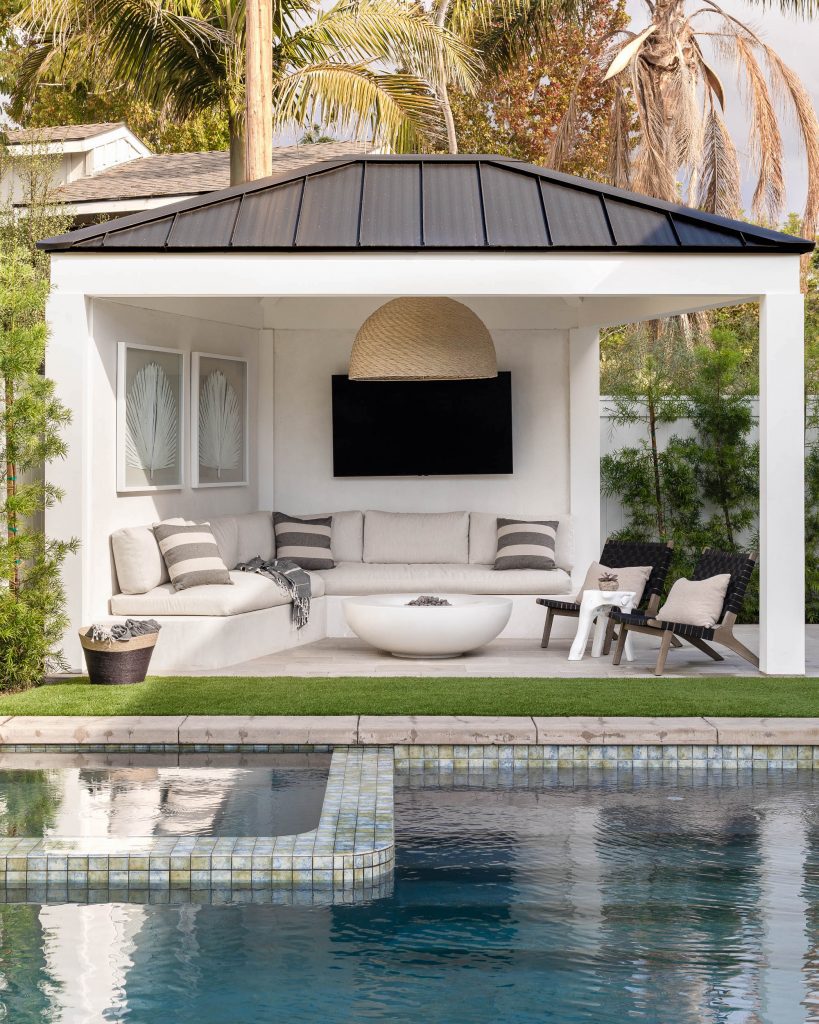
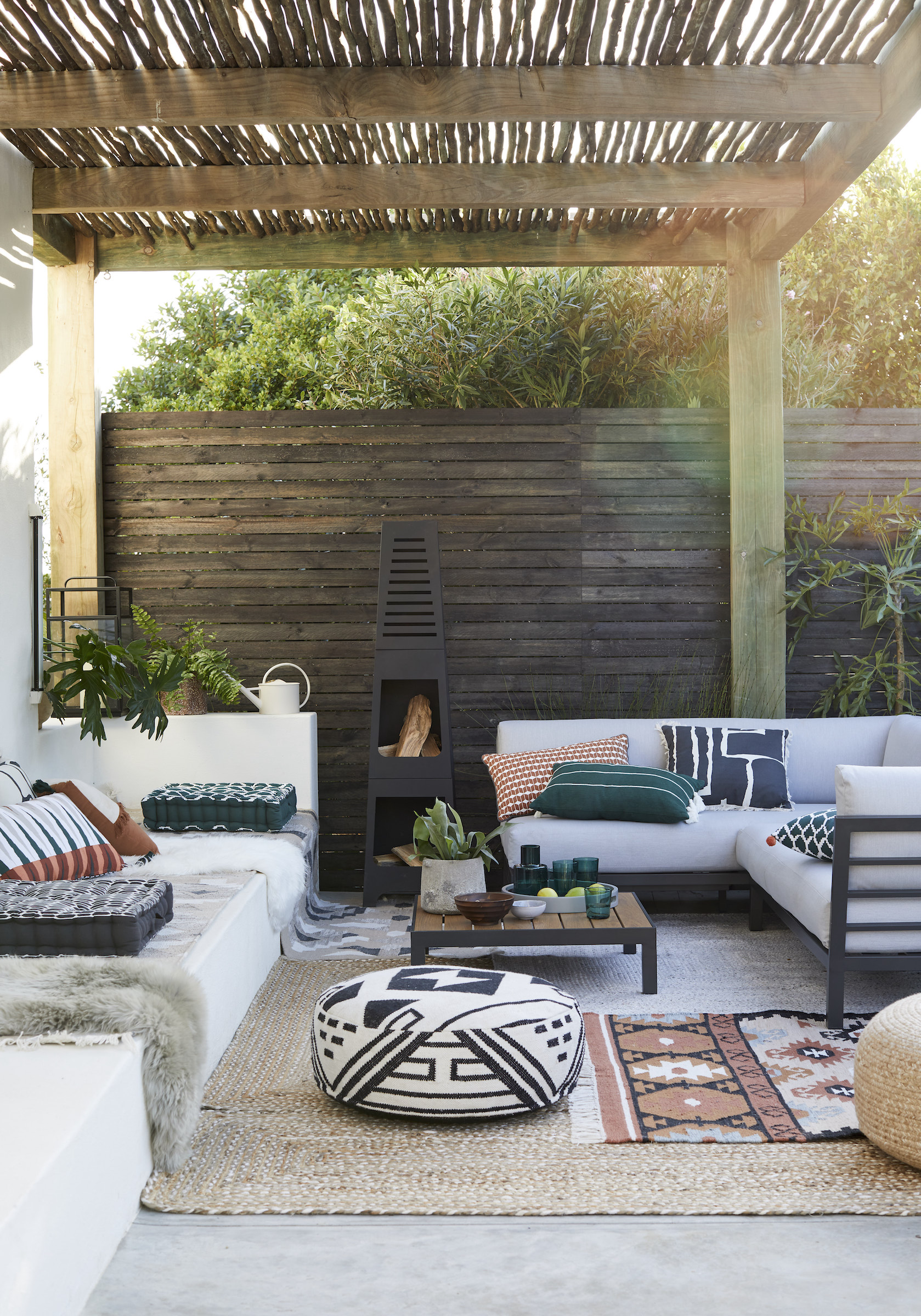
Fire features are frequently incorporated into larger outdoor projects, including outdoor kitchens and patios. Their relatively low maintenance requirements make them an attractive upsell opportunity for landscape designers, offering profit margins of 30 percent or more. When integrating these elements into a design, several factors require consideration, beginning with the choice between a firepit and a fireplace. Firepits are generally more casual and cost-effective, but they lack a strong vertical design element and do not control smoke. Fireplaces, on the other hand, serve as a more formal and romantic focal point in the landscape but demand more space and limit seating to one side.
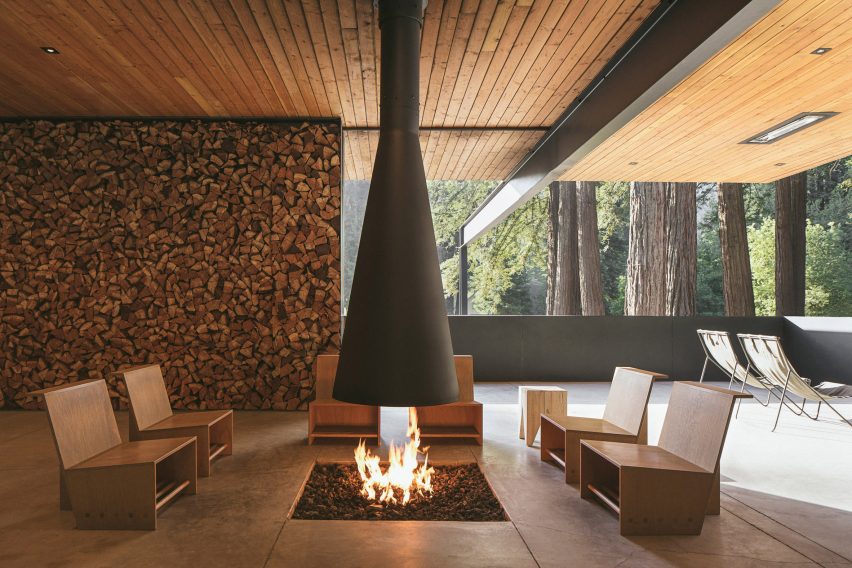
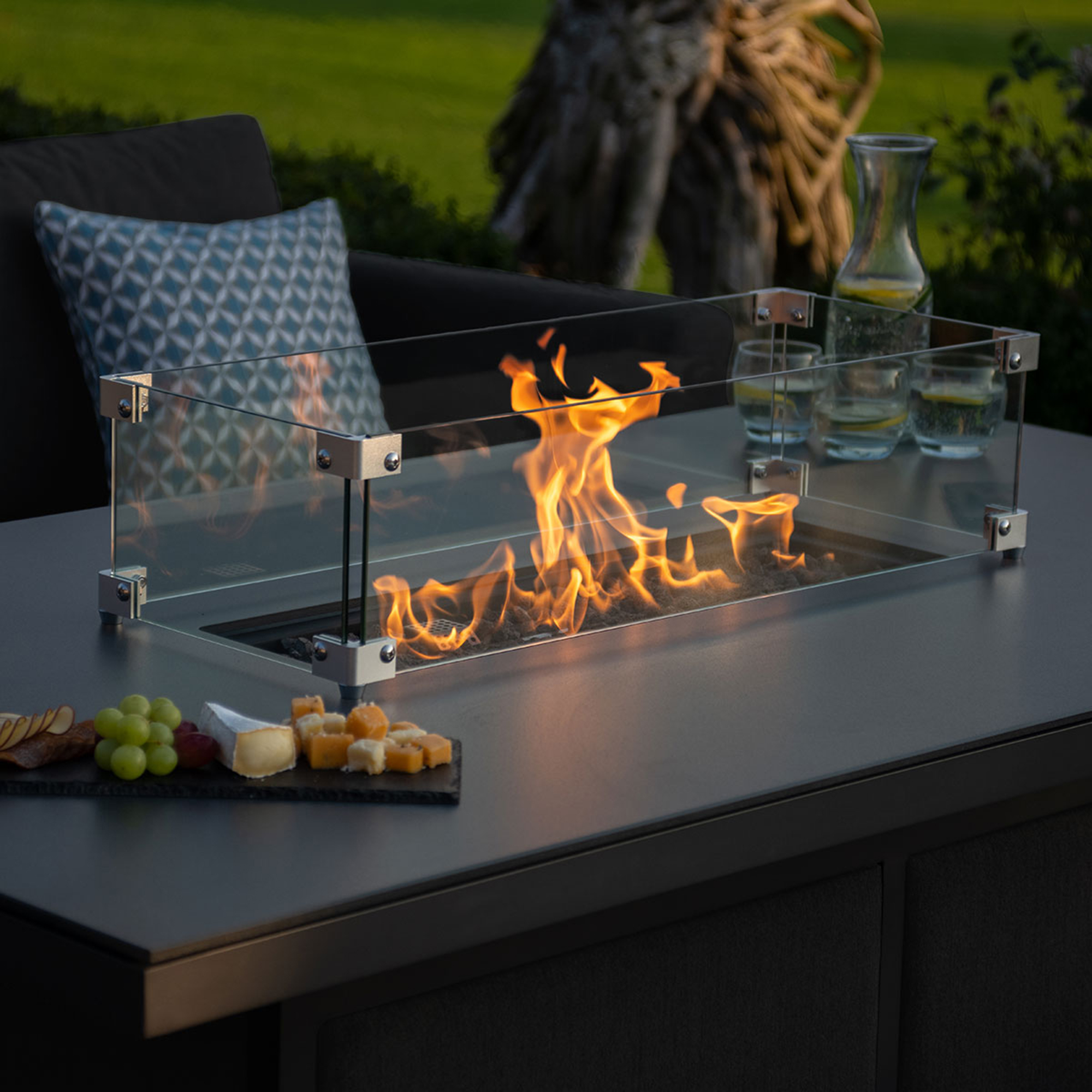
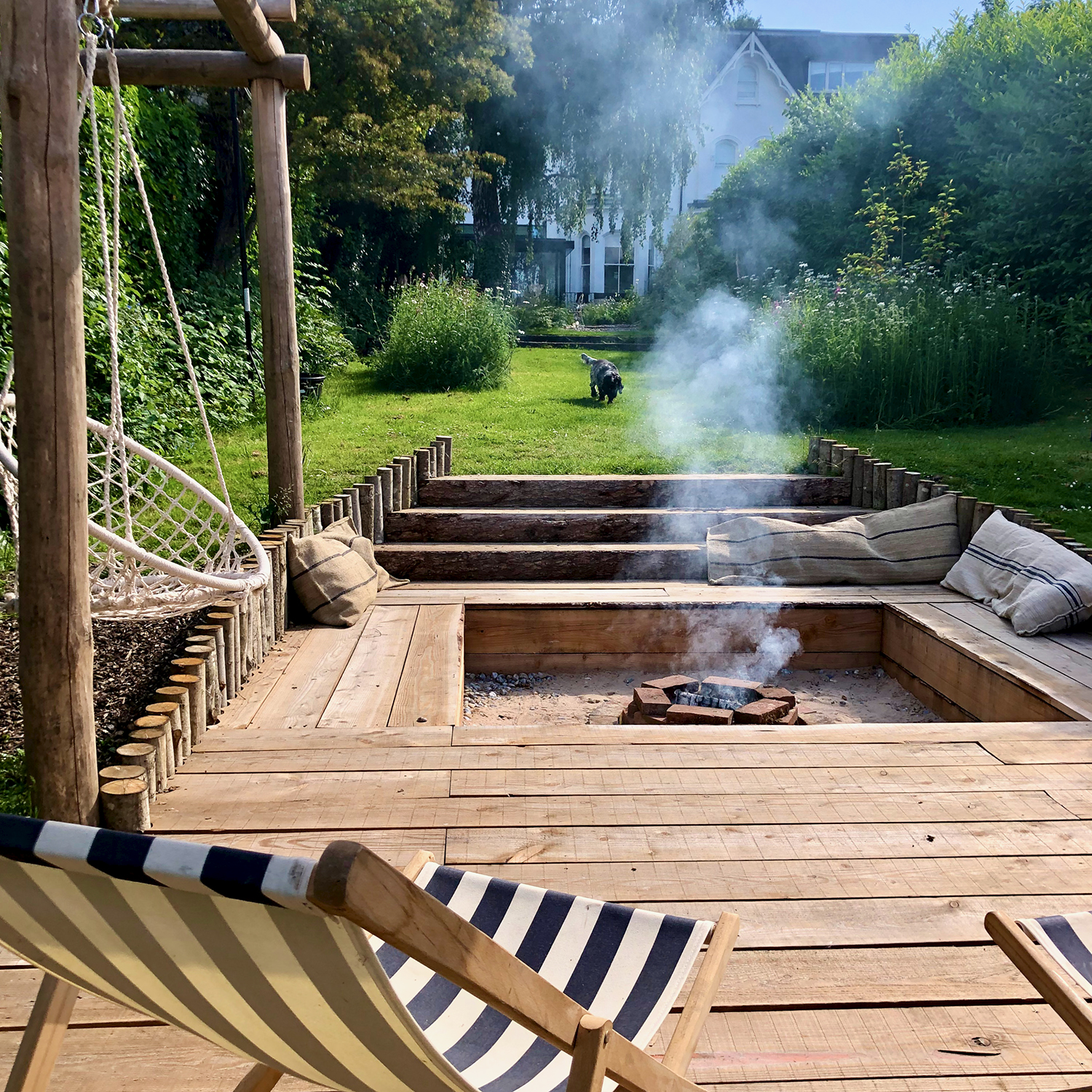
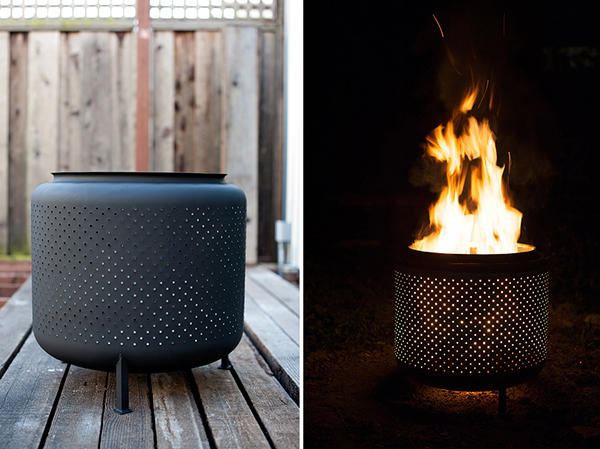
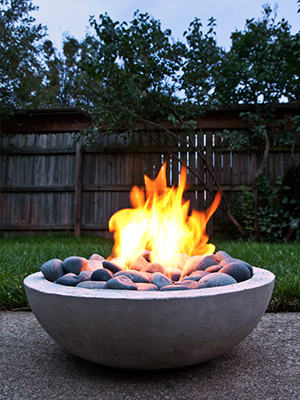
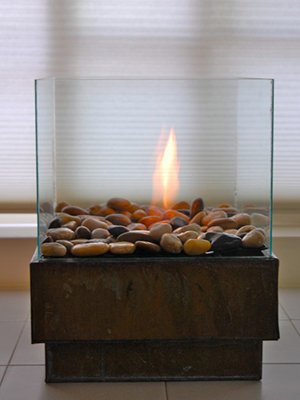
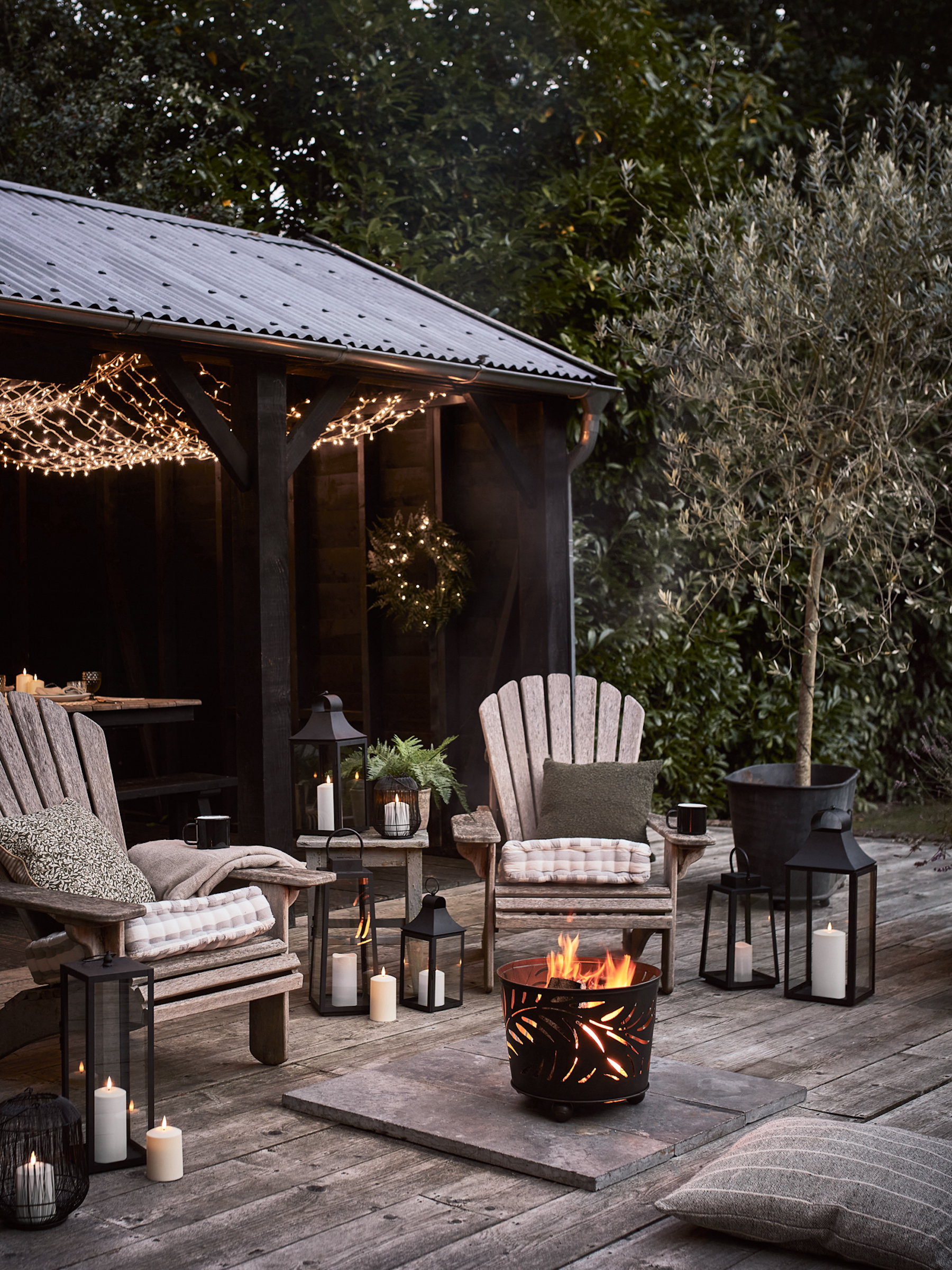
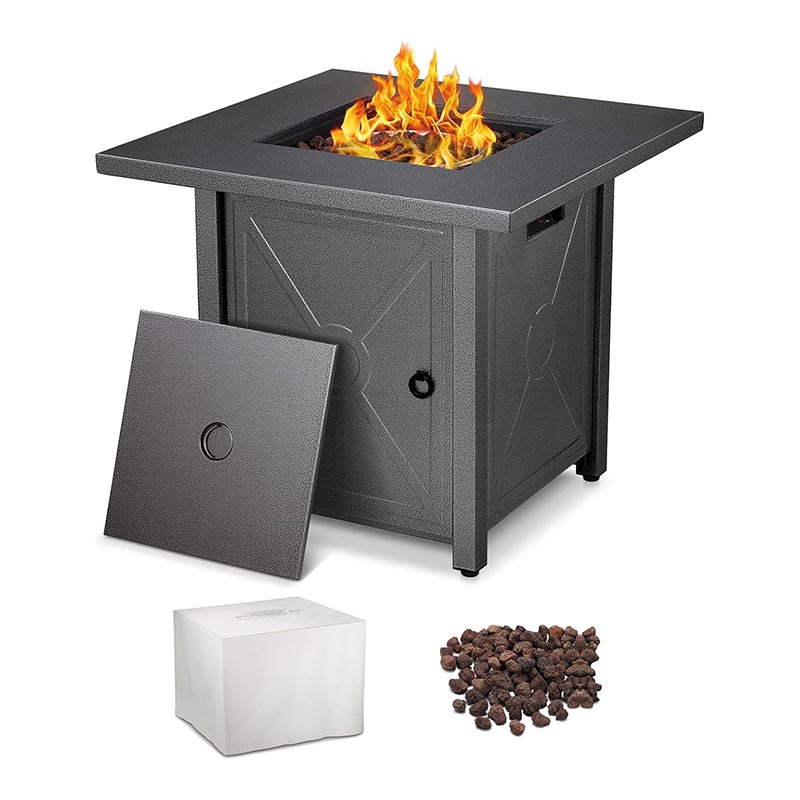
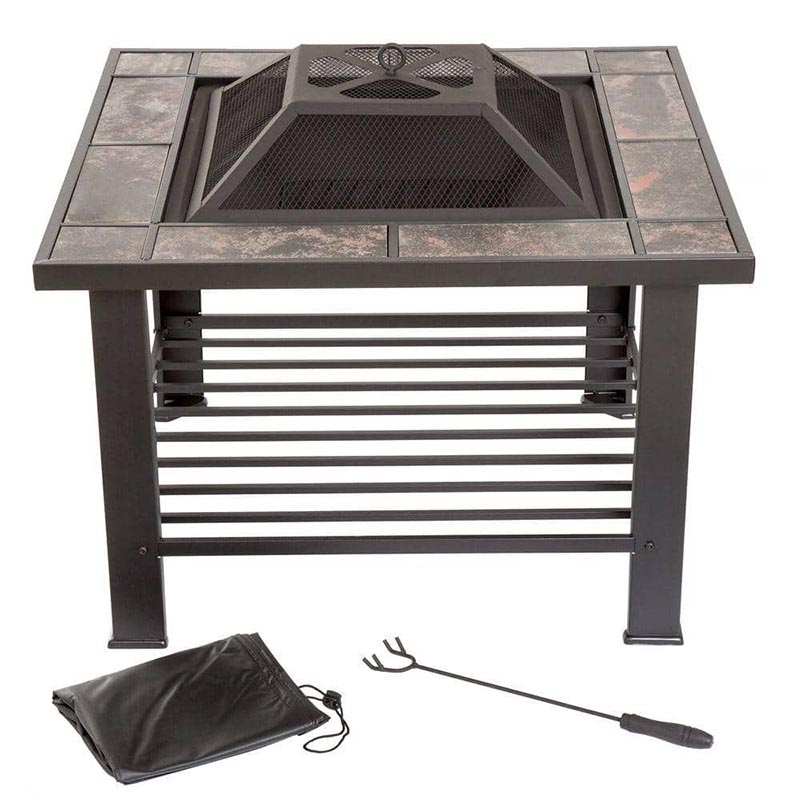
Both firepits and fireplaces can be fueled by wood or gas. Wood fires appeal to clients who enjoy the sensory experience of crackling wood and its scent, while gas options offer convenience and cleanliness, often featuring electric ignition or gas starters for wood burners. Neither type typically requires winterization beyond covering gas burners to protect them from the elements.
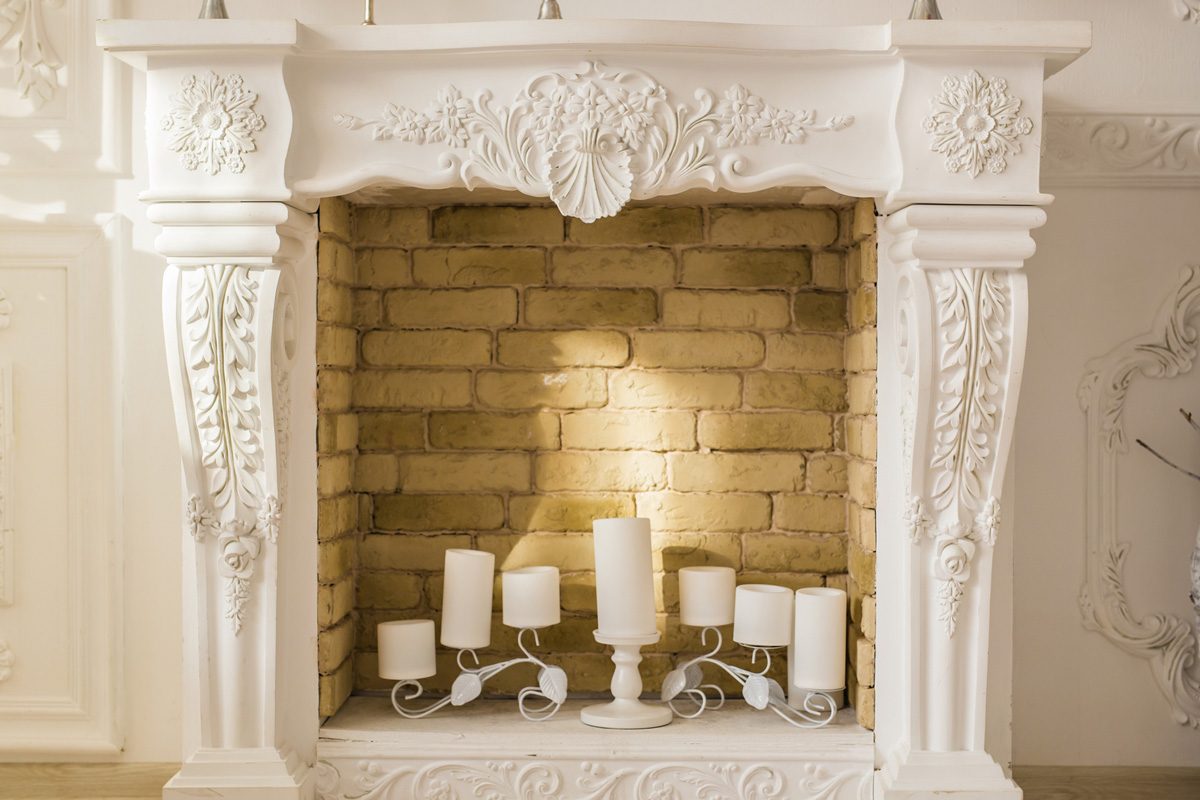
The cost of custom fire features varies significantly, with custom firepits ranging from $2,500 to $5,000, and custom fireplaces starting around $12,000 and potentially exceeding $30,000, depending on added elements like wing walls and mantel pieces. Prefabricated kits can reduce these costs by approximately one-third. Common construction materials include synthetic veneers, stucco, brick, slate, or concrete with firebrick interiors. Natural stone, such as sandstone, is generally not recommended for wood-burning firepits due to its susceptibility to cracking under high heat.
Compliance with national and local fire codes is crucial, typically requiring firepits and outdoor fireplaces to be at least 15 feet away from structures like houses, garages, sheds, or fences. Local ordinances may also impose restrictions on fireplace size and chimney height. Permits and inspections for electrical and plumbing work are usually mandatory, and some municipalities classify outdoor fireplaces as accessory-use buildings, subjecting them to broader building codes.
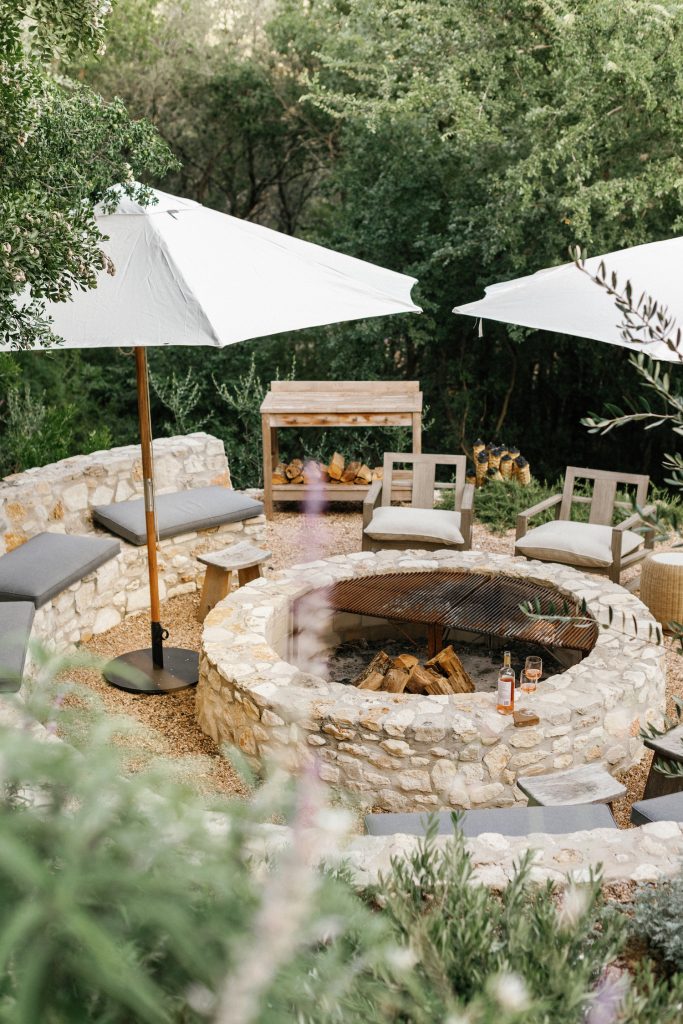
Optimal placement of these features is determined during the initial consultation, considering the overall layout of the outdoor living space. Firepits do not obstruct views, while fireplaces can define or even provide views. It is advisable to position them close enough to the main residence to encourage frequent use and in a location visible from inside the house if they are intended as a prominent focal point. Traffic flow should be carefully examined to ensure that the fire feature does not impede access to other outdoor amenities like grills or pools. The design must also accommodate adequate seating, with recommendations often including space for at least four Adirondack chairs. Identifying the location of existing utilities, particularly gas lines, is essential to avoid costly placement issues.
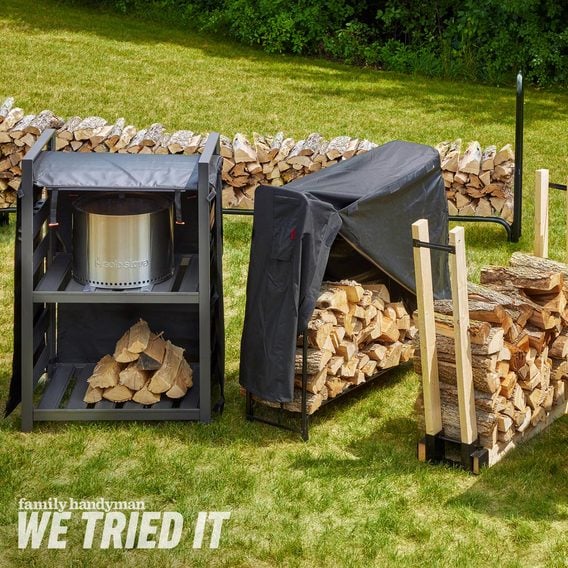
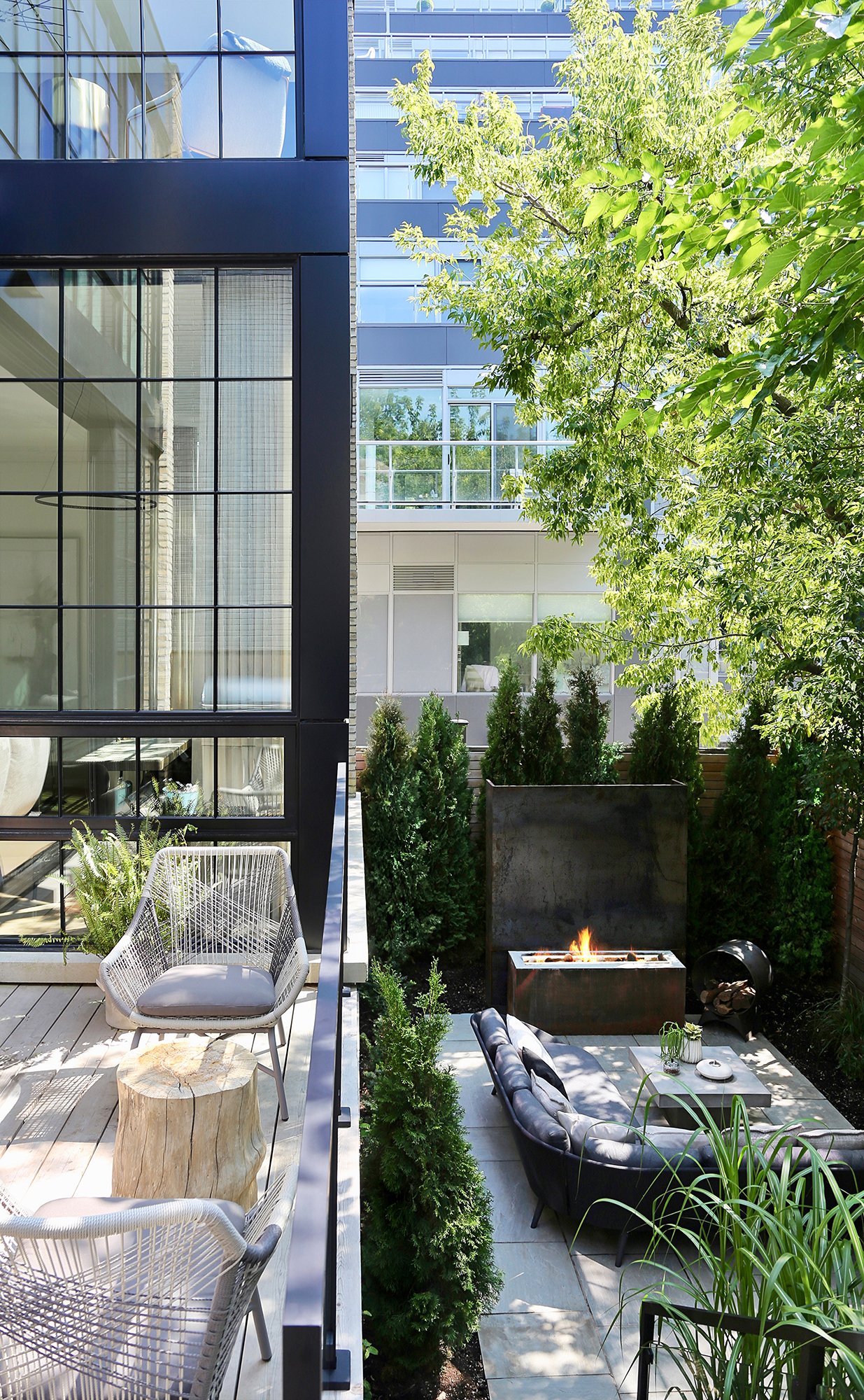
Finally, the design should prioritize functionality. Fireplaces can serve practical purposes beyond aesthetics, such as acting as wind blocks, enhancing privacy for a patio, or screening undesirable views, effectively creating functional outdoor 'rooms.' Proportionality is key when integrating fire features with other landscape elements, ensuring a fireplace does not overpower its surroundings. For firepits, the fire's height should be slightly elevated to prevent it from appearing to burn at the bottom of a barrel. Additional design elements like capstones for seating, integrated TVs for entertainment, or removable cooking grates for firepits can further enhance the space. Wood storage boxes, if included, should be placed slightly away from the immediate seating area, perhaps in an alcove, to manage pests while remaining conveniently accessible.
#OutdoorDesign #Firepit #Fireplace #LandscapeDesign #OutdoorLiving #Hardscaping #HomeImprovement #BuildingCodes #GasFirepit #WoodFirepit #OutdoorDesign #Firepit #Fireplace #LandscapeDesign #OutdoorLiving #Hardscaping #HomeImprovement #BuildingCodes #GasFirepit #WoodFirepit
0 comment in total
 No comments yet
You may also like
Fires & Fireplaces


New Fire Features Add Romance, Comfort And Resale Value To Home Spaces

13 Gorgeous Fire Pits Ideas That’ll Make You Want to Spend Every Second Outside
Where there’s smoke, there could be a poorly built fireplace

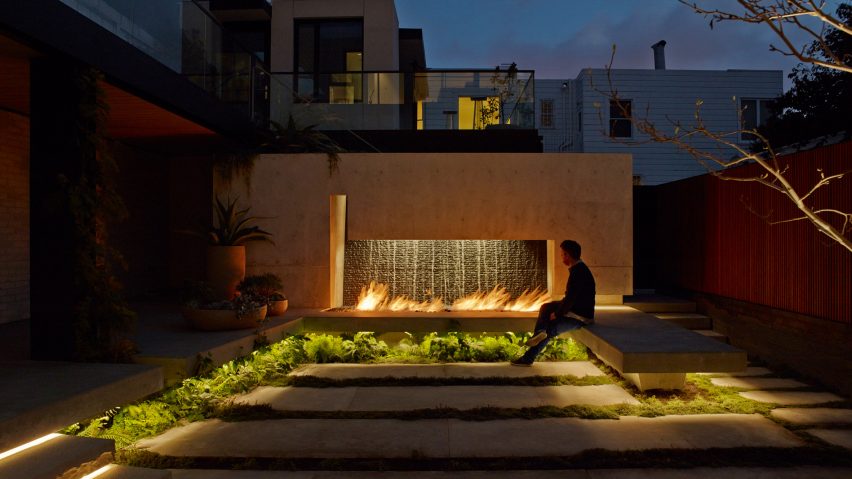
Ten outdoor spaces with warming fireplaces and fire pits
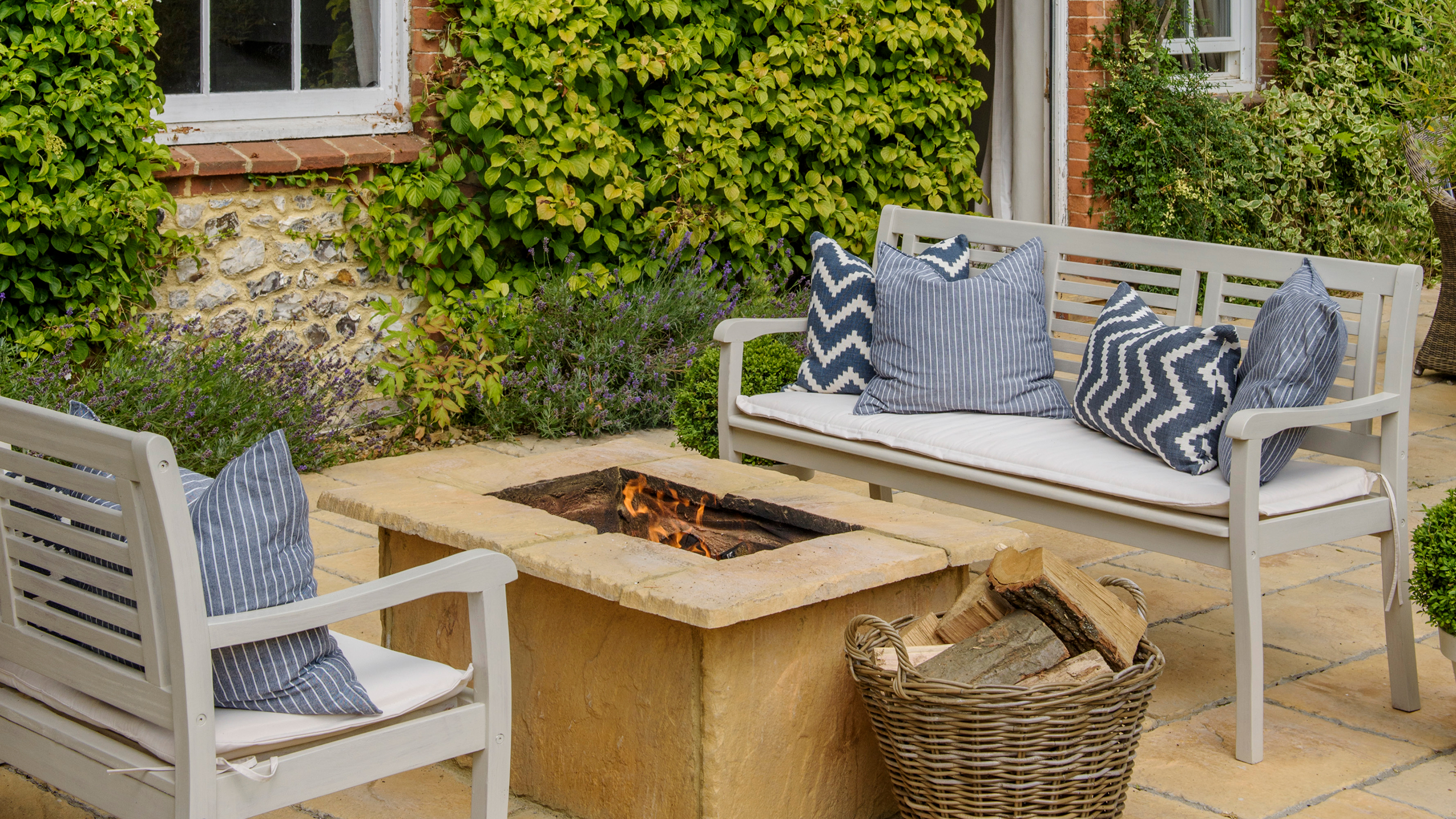
16 fire pit ideas to turn up the heat in your garden - whatever size space you have
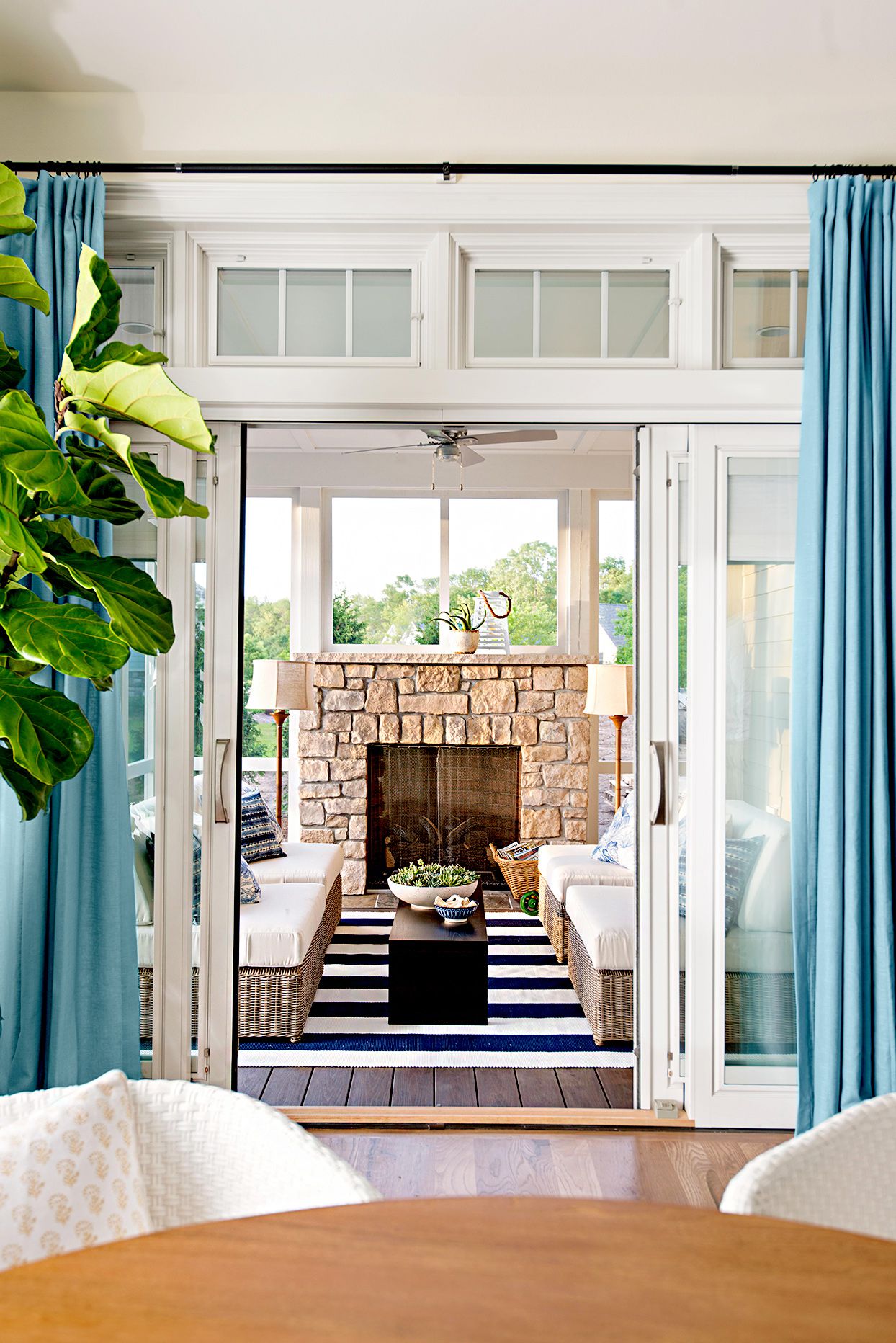
What You Need to Know About Fireplace Installation in Your Home


These 33 Outdoor Fireplace Ideas Will Spark the Coziest Fall Hangouts

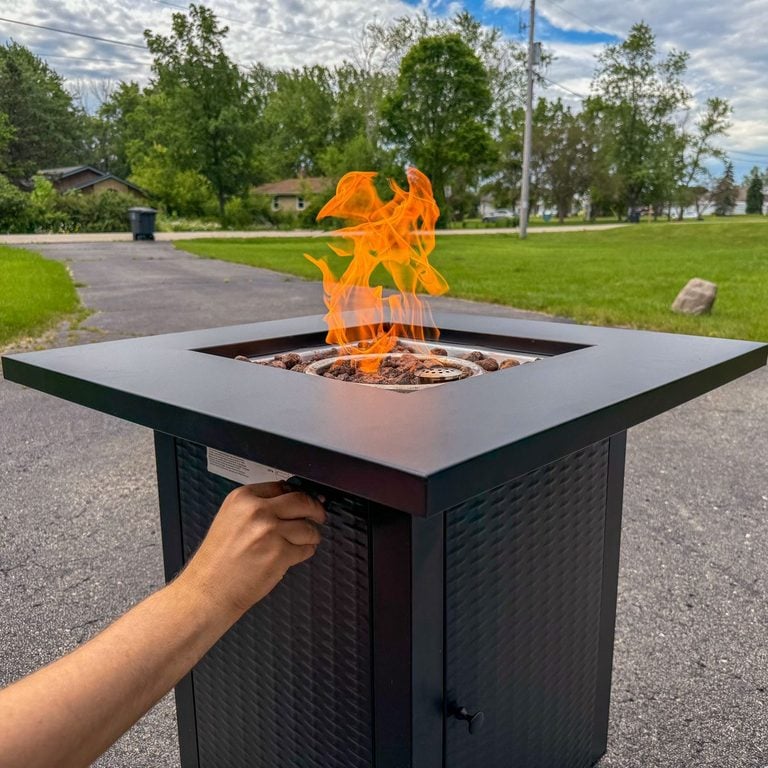
Fireplace Ideas and Installation

Light Your Fire
8 outdoor fireplace ideas to turn up the heat on even the coolest of summer nights

Backyard fire pit ideas – 10 ways to create a warming focal point

Here’s What We Wish We’d Known Before We Put in a Firepit
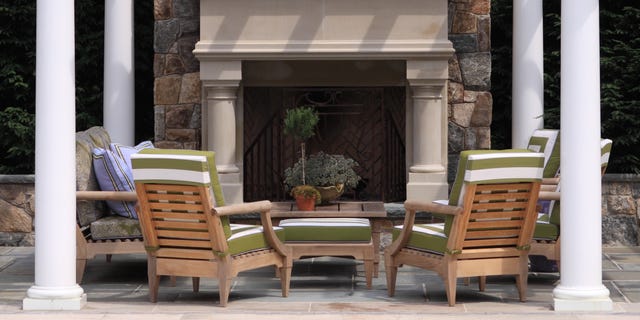
Everything You Need To Know About Buying An Outdoor Fireplace

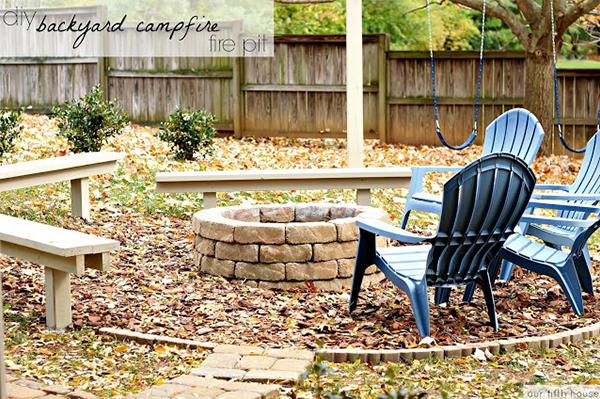
5 DIY fire pit ideas

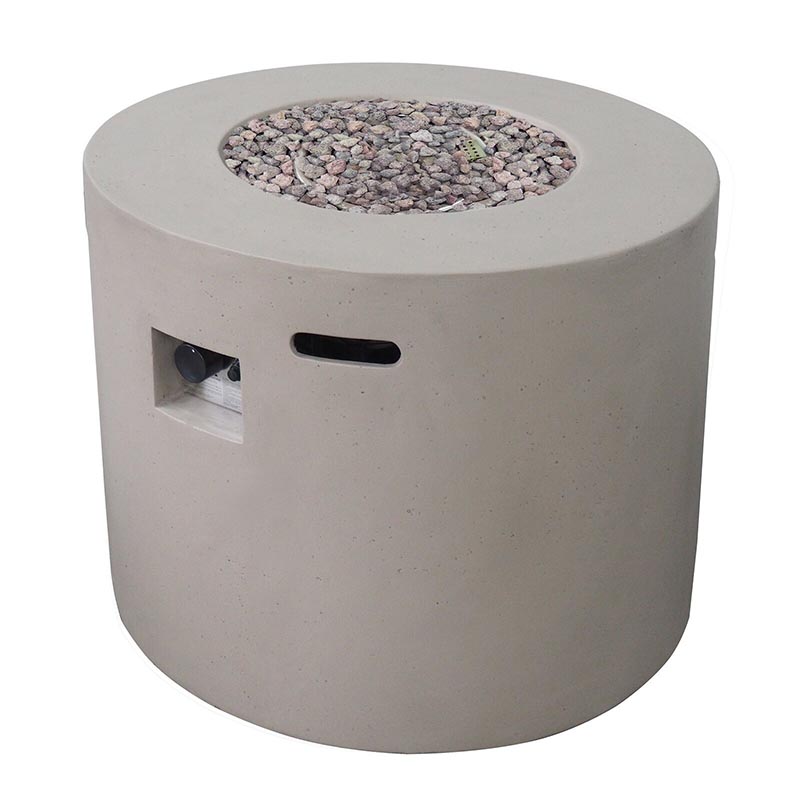
Our Favorite Fire Pit Table is Easy to Start and Built to Last

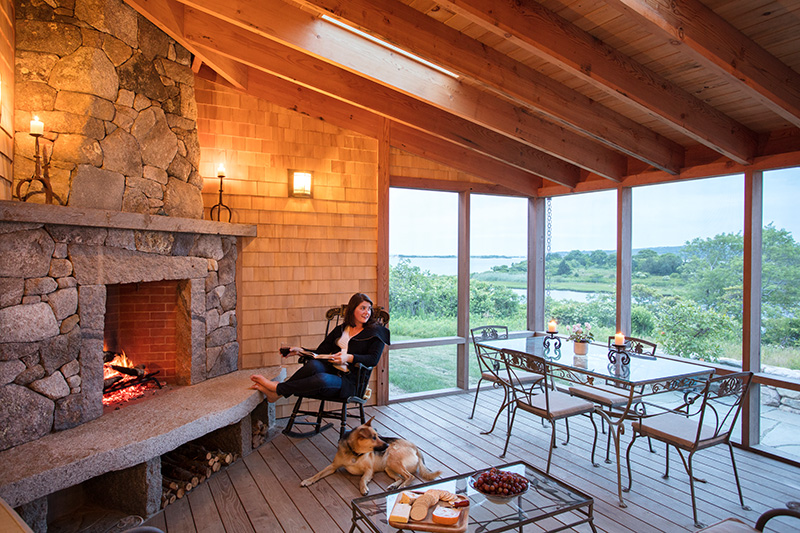
Design Q+A: Fireplaces
8 Best Fire Pits for Keeping Your Backyard Cozy All Winter Long
Product watch: Focus’ sculptural fireplaces with eco credentials

Interior Experts Share the Secrets to Crafting an Exquisite Space Around a Chic and Cozy Fireplace