1/4
5 Things That Always Make Your Patio Look Empty, According to Designers
This article discusses common mistakes that lead to patios appearing empty and offers expert advice from three interior designers—Lindsay Olson, Lauren Lerner, and Kerith Flynn—on how to create a more inviting and functional outdoor space. The primary goal is to encourage readers to view their patios as extensions of their indoor living areas, deserving of the same attention to detail in design and decoration.
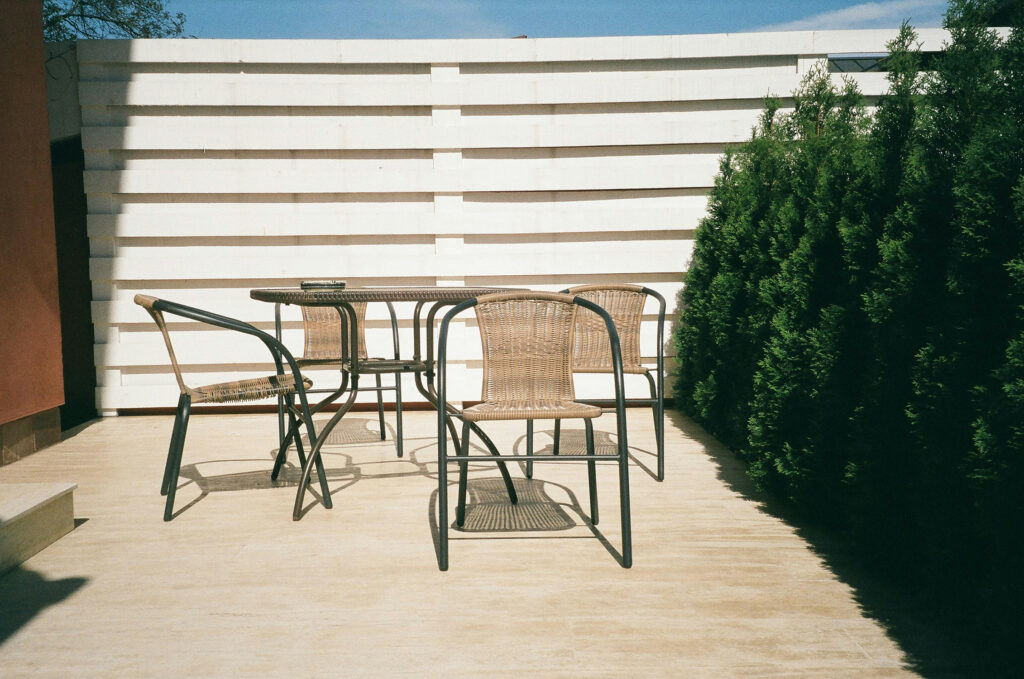
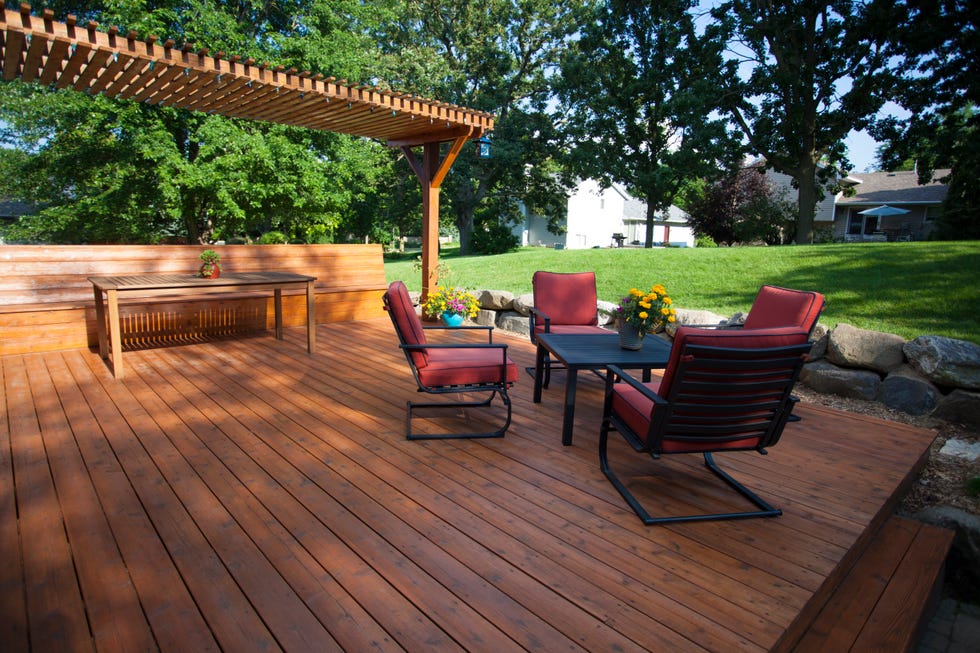
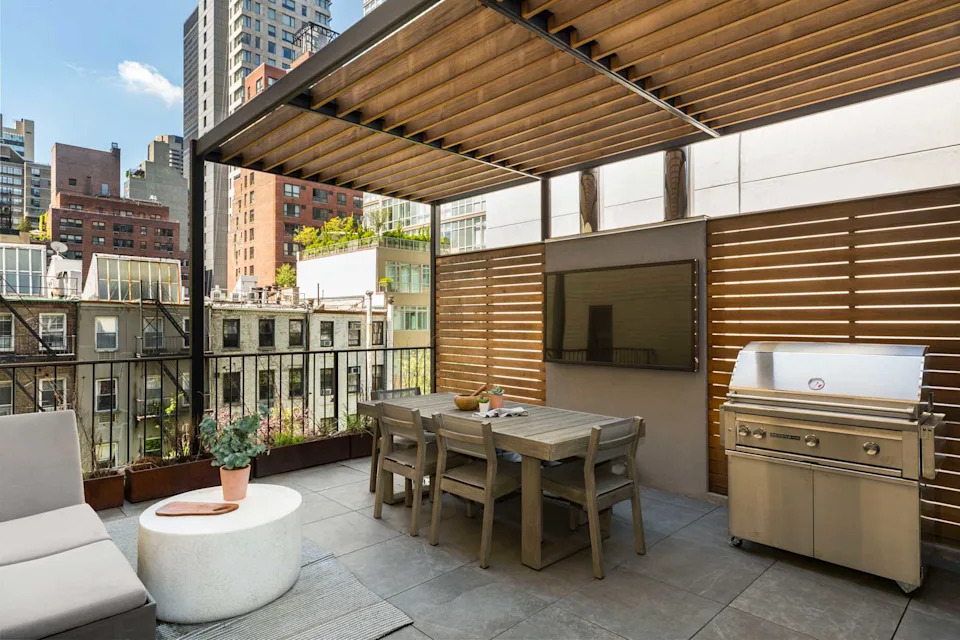
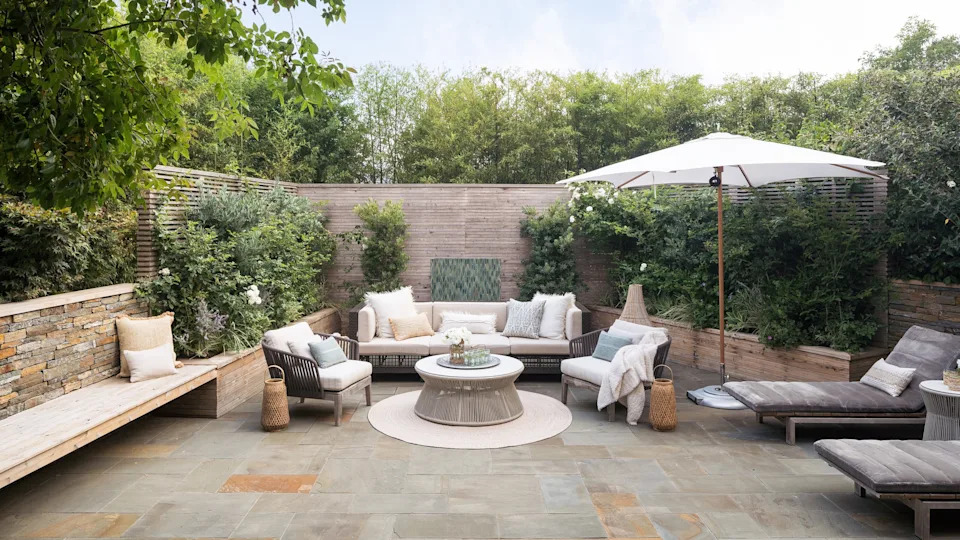
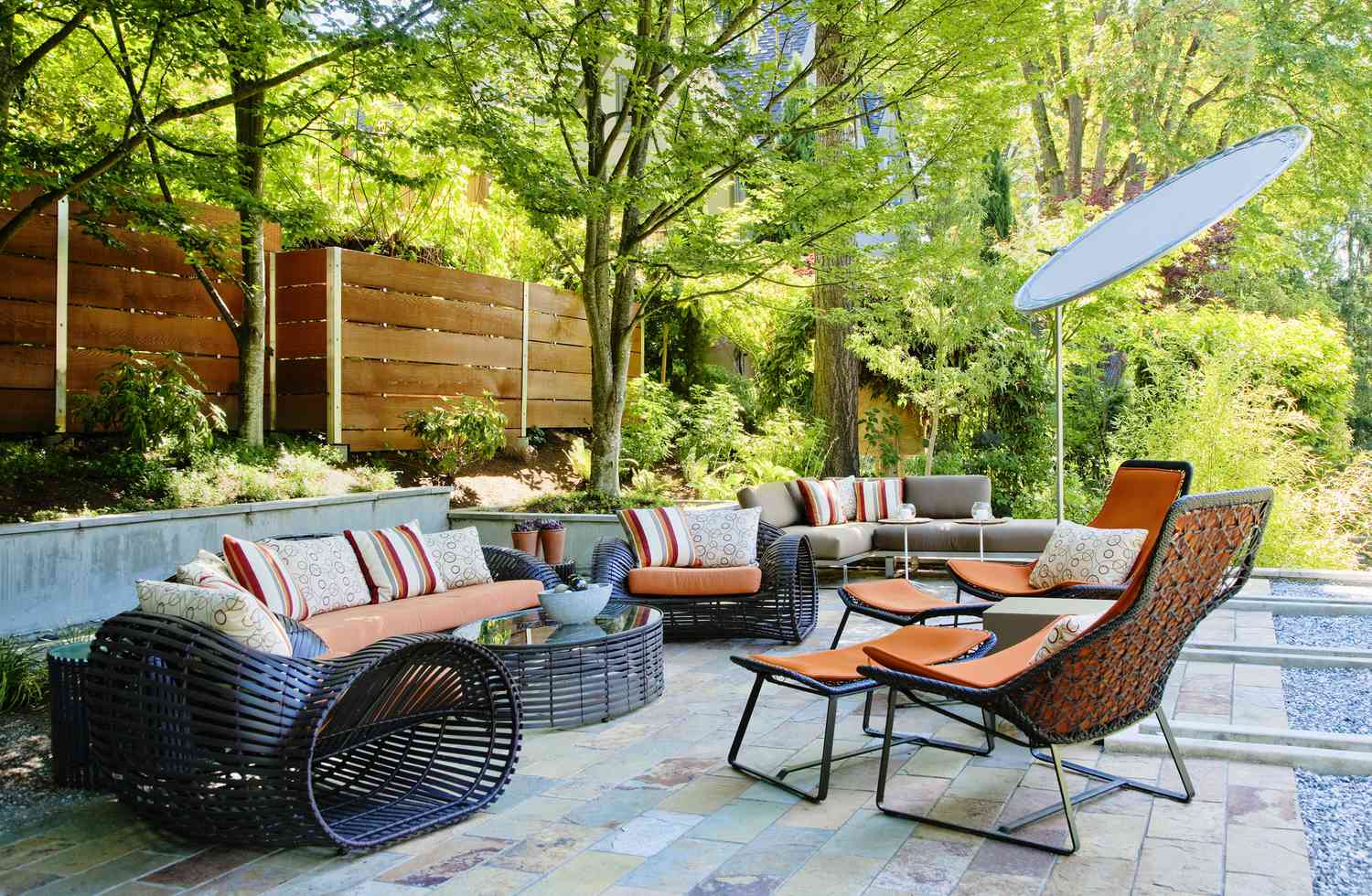
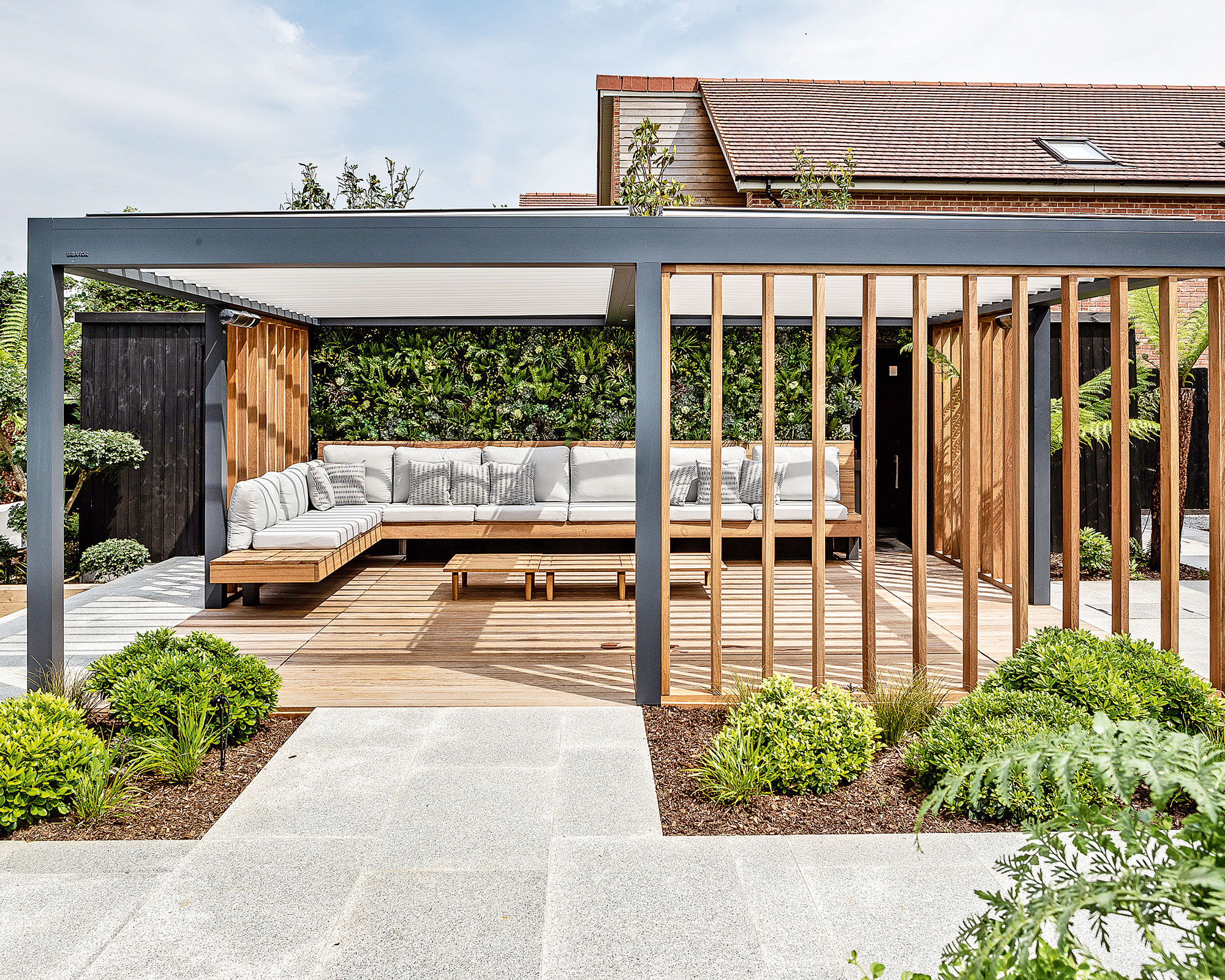
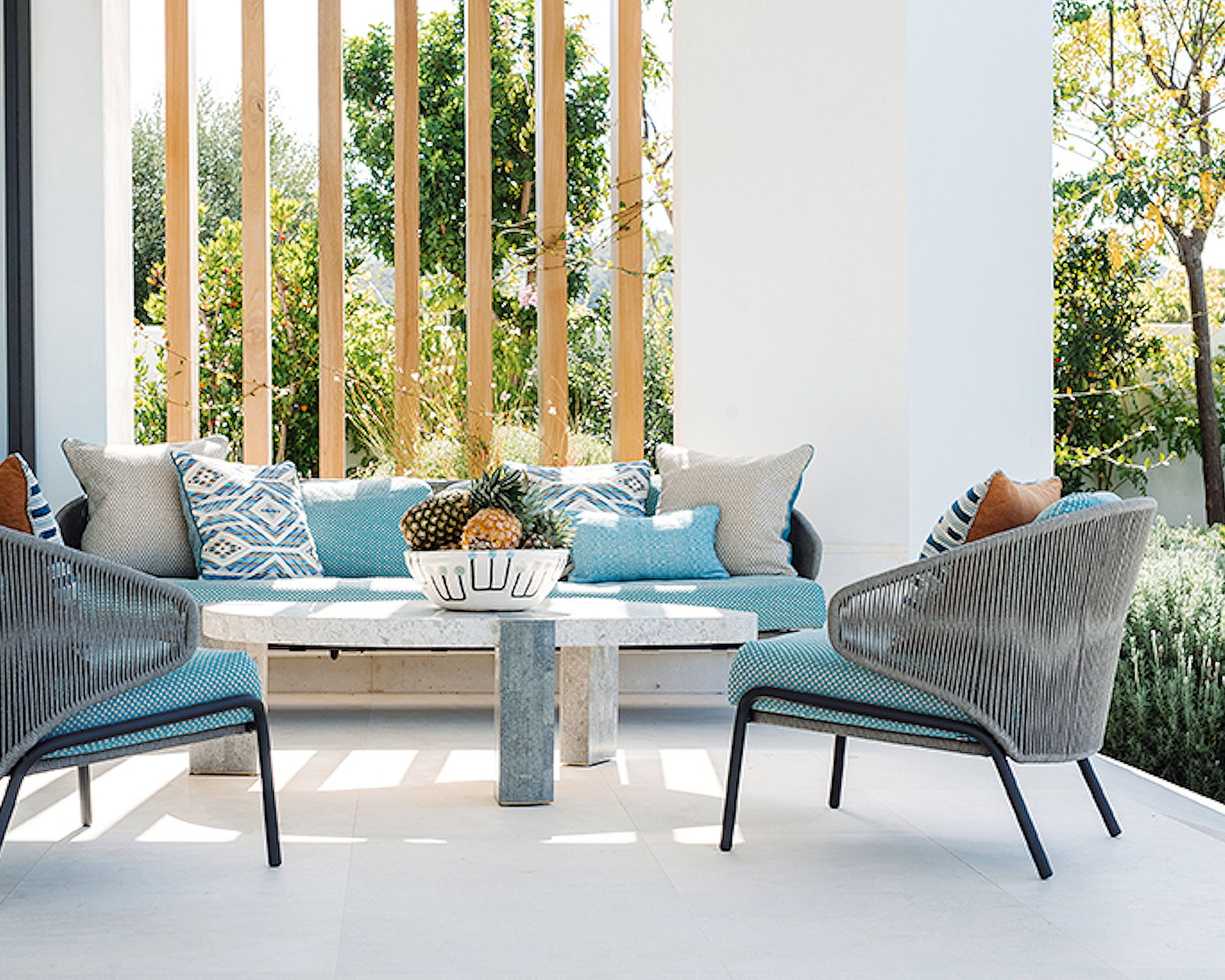
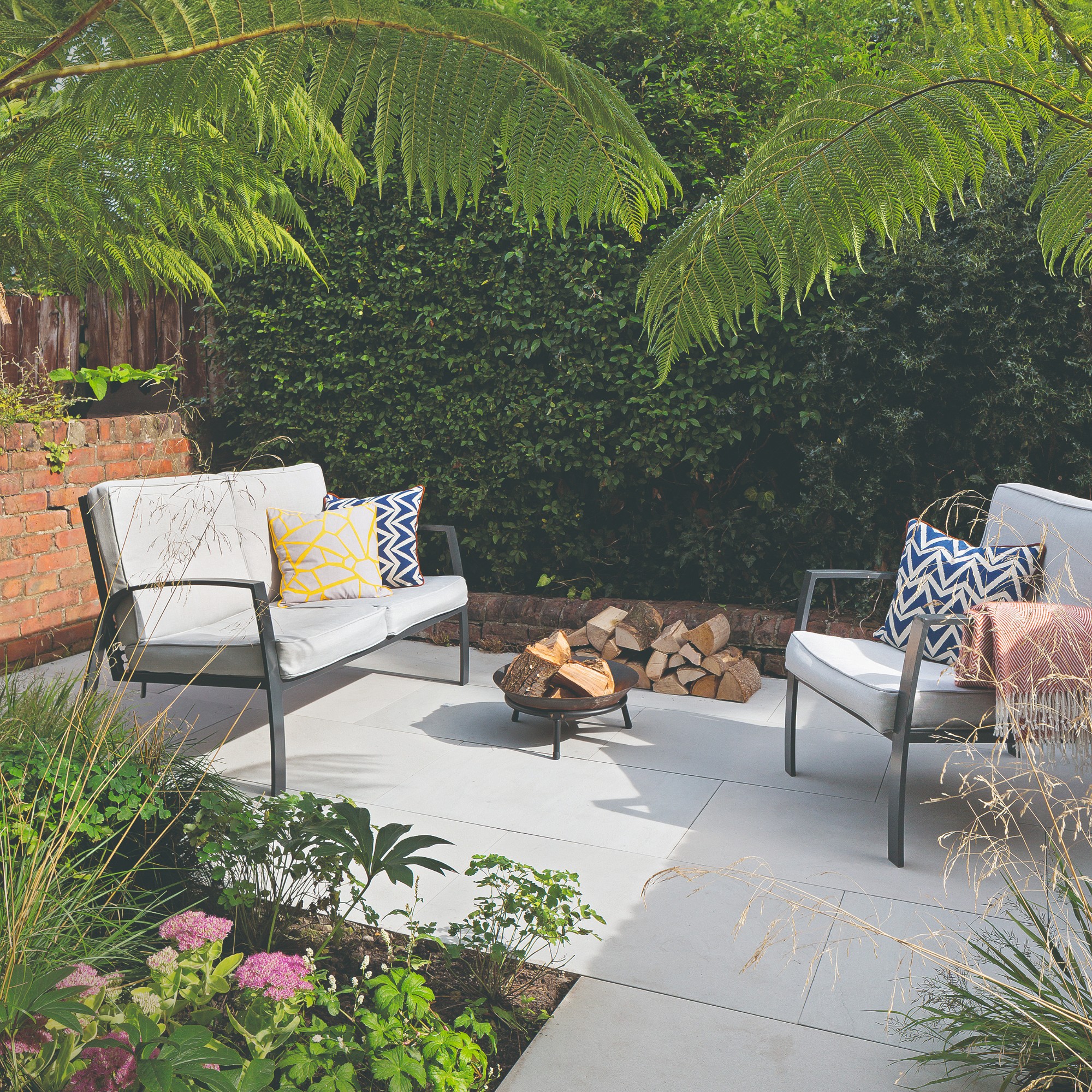
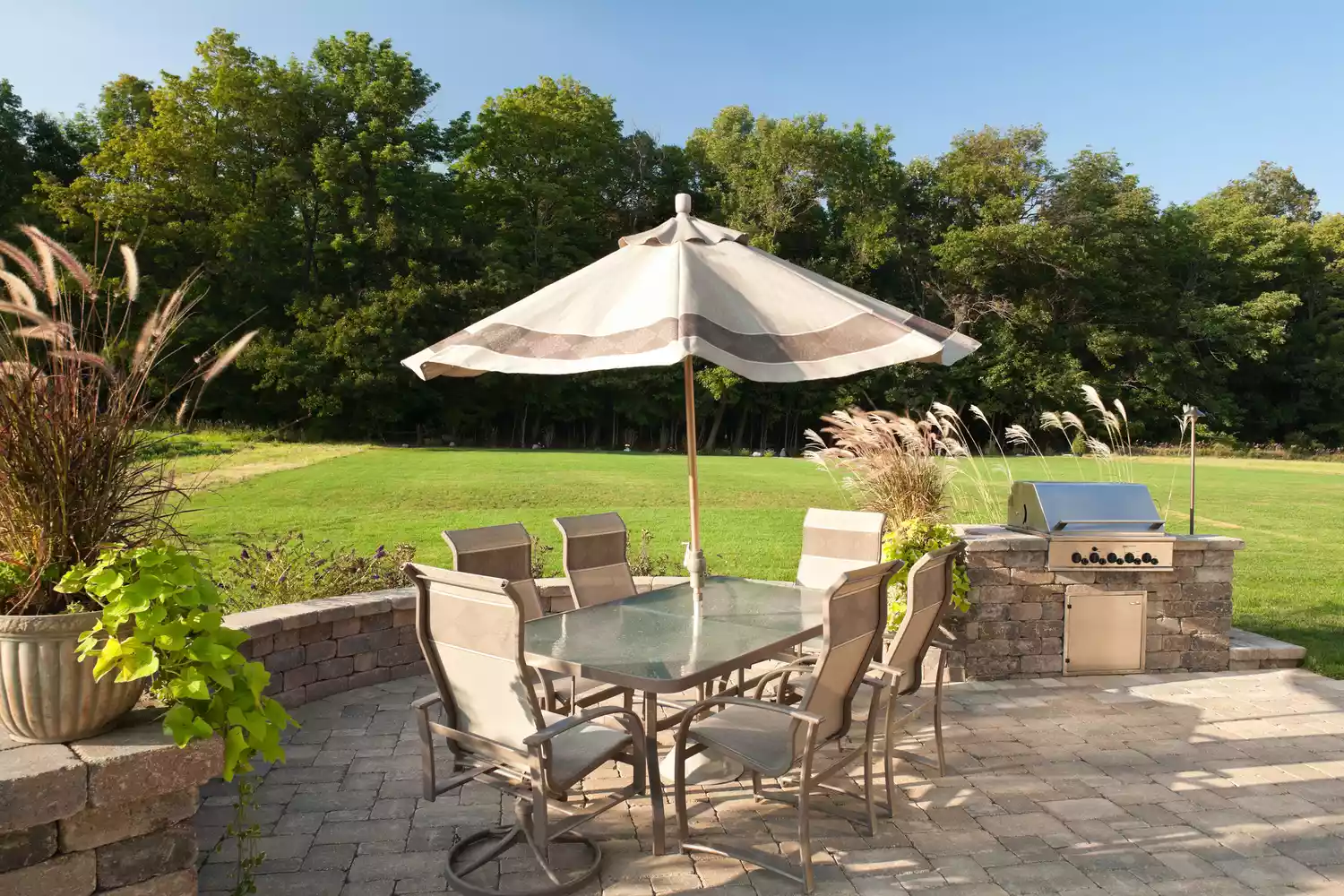
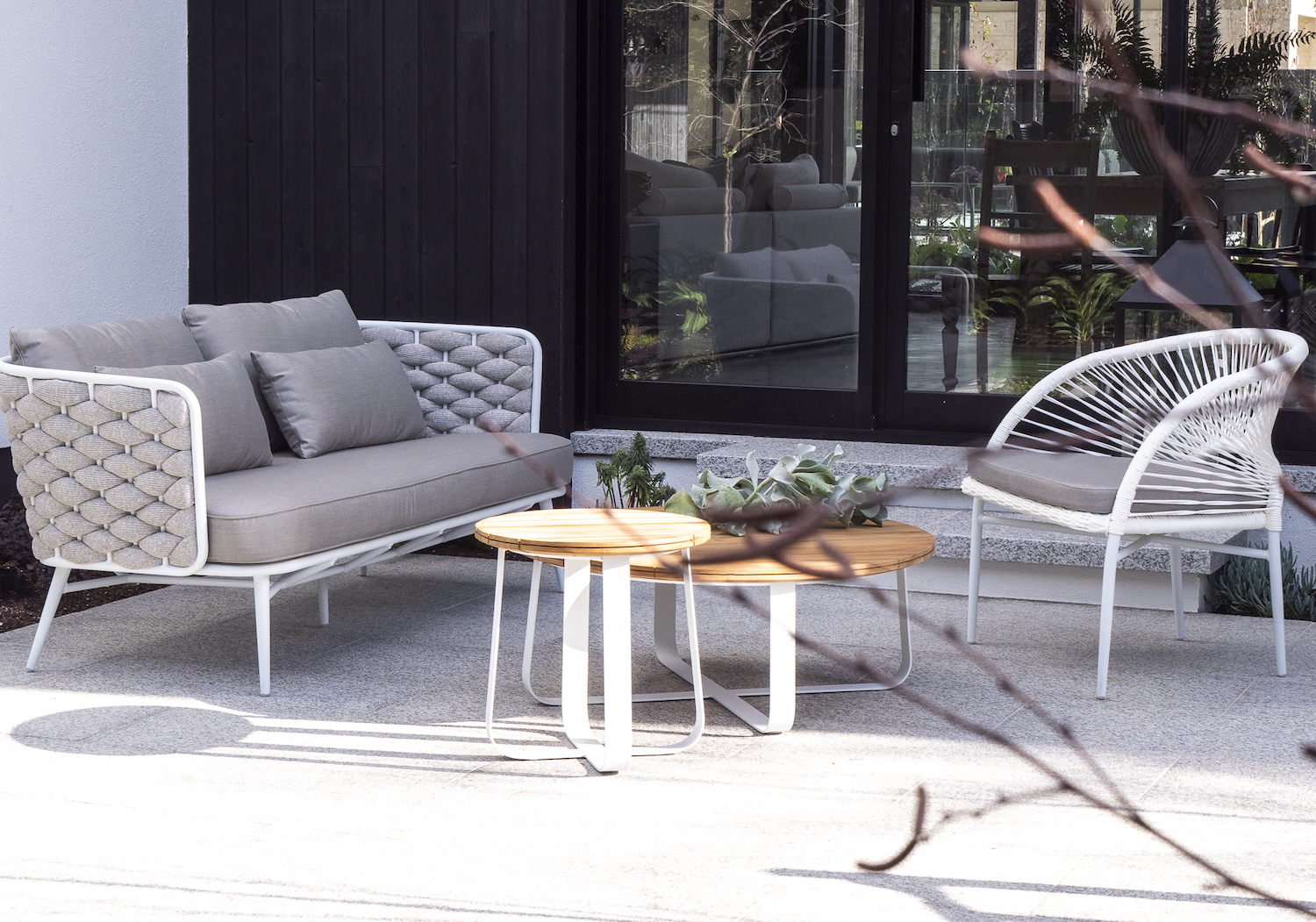
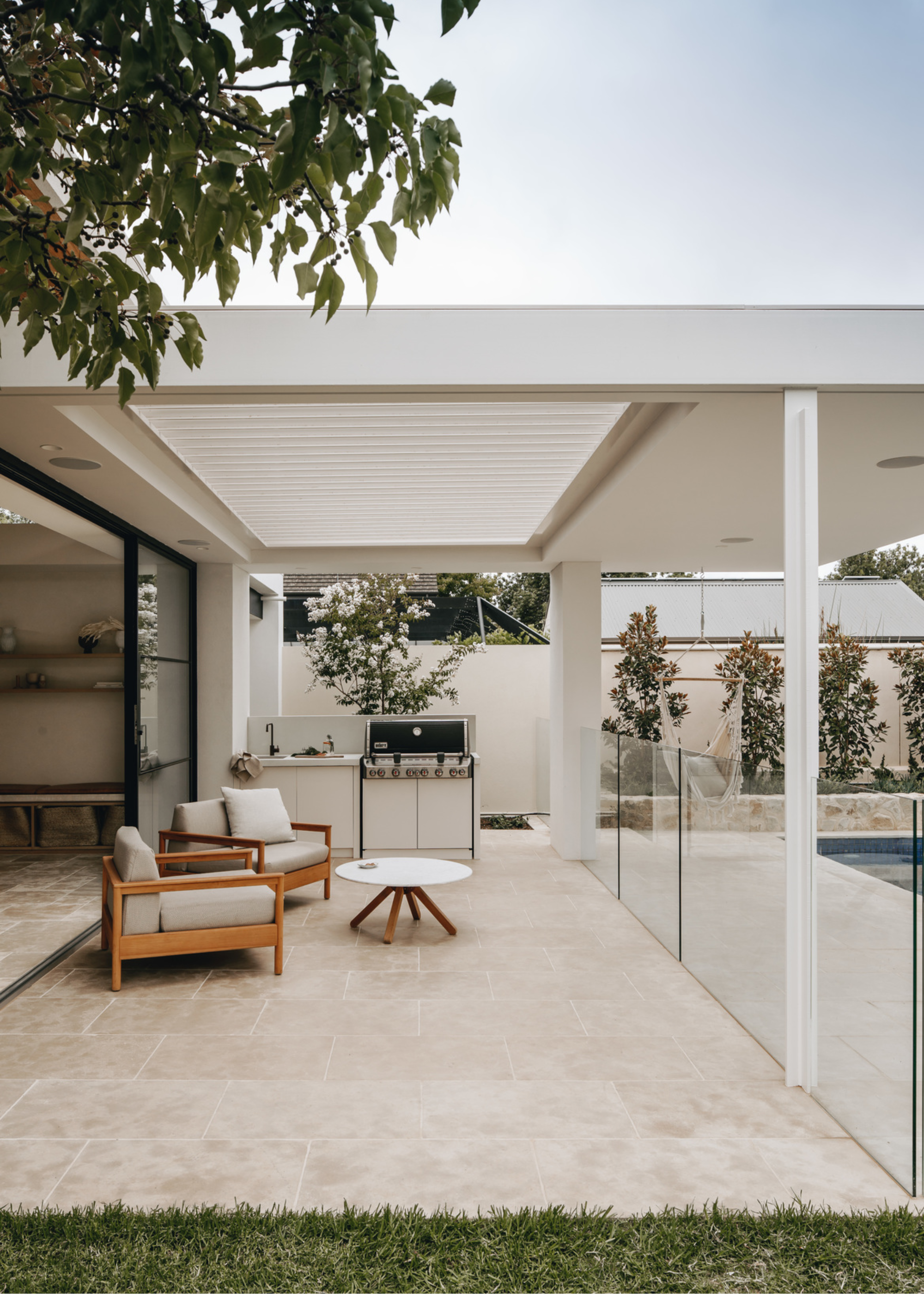
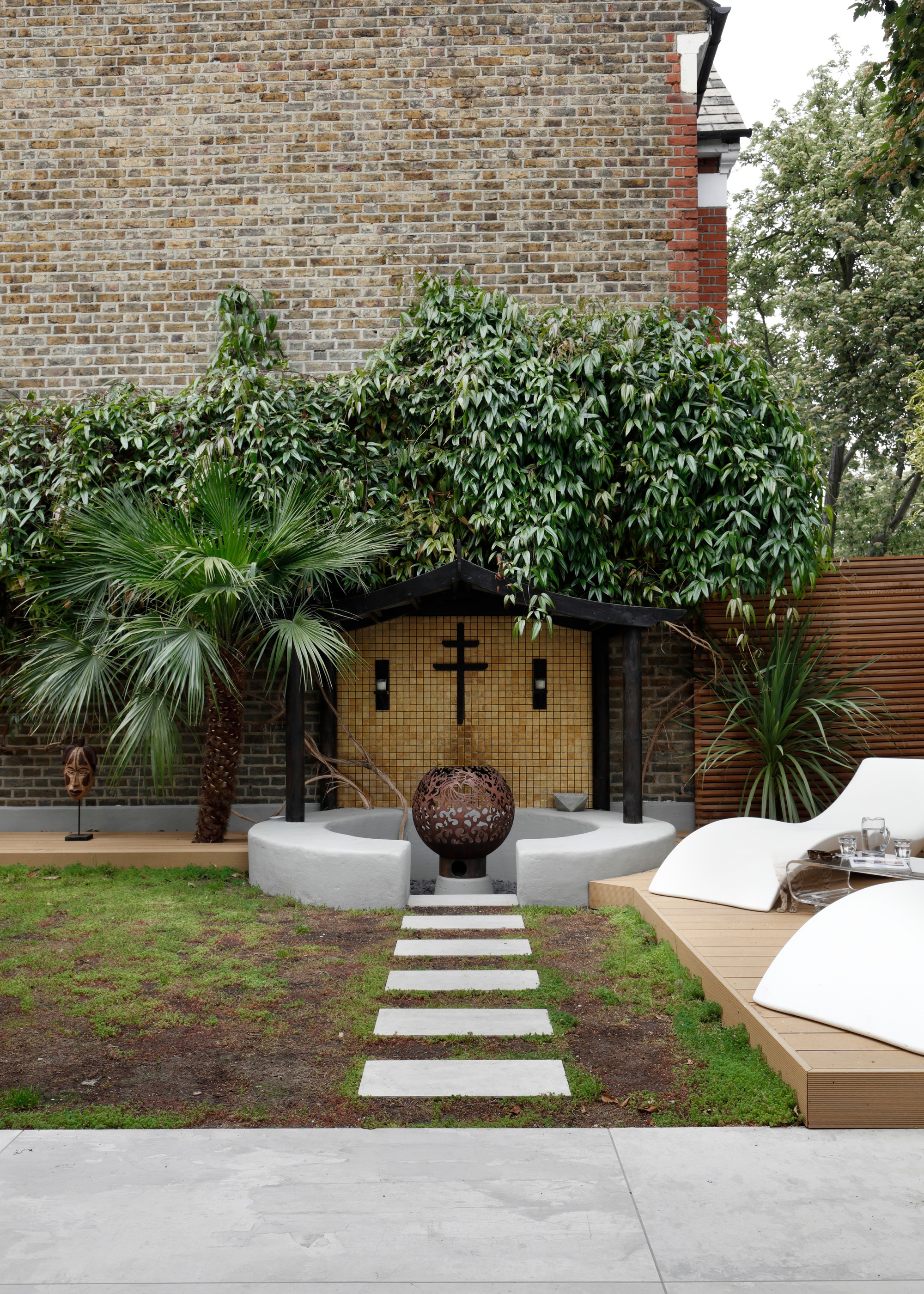
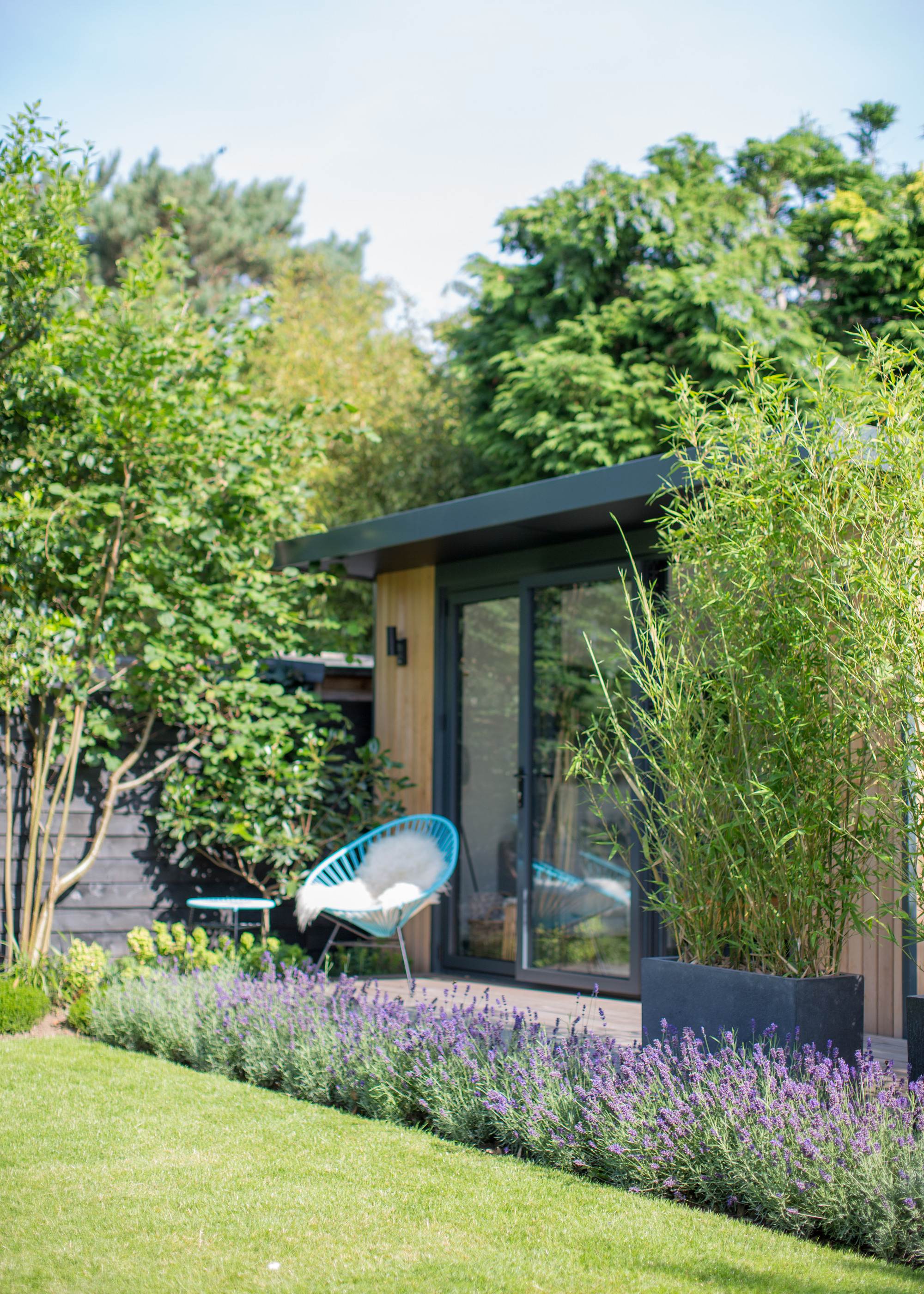
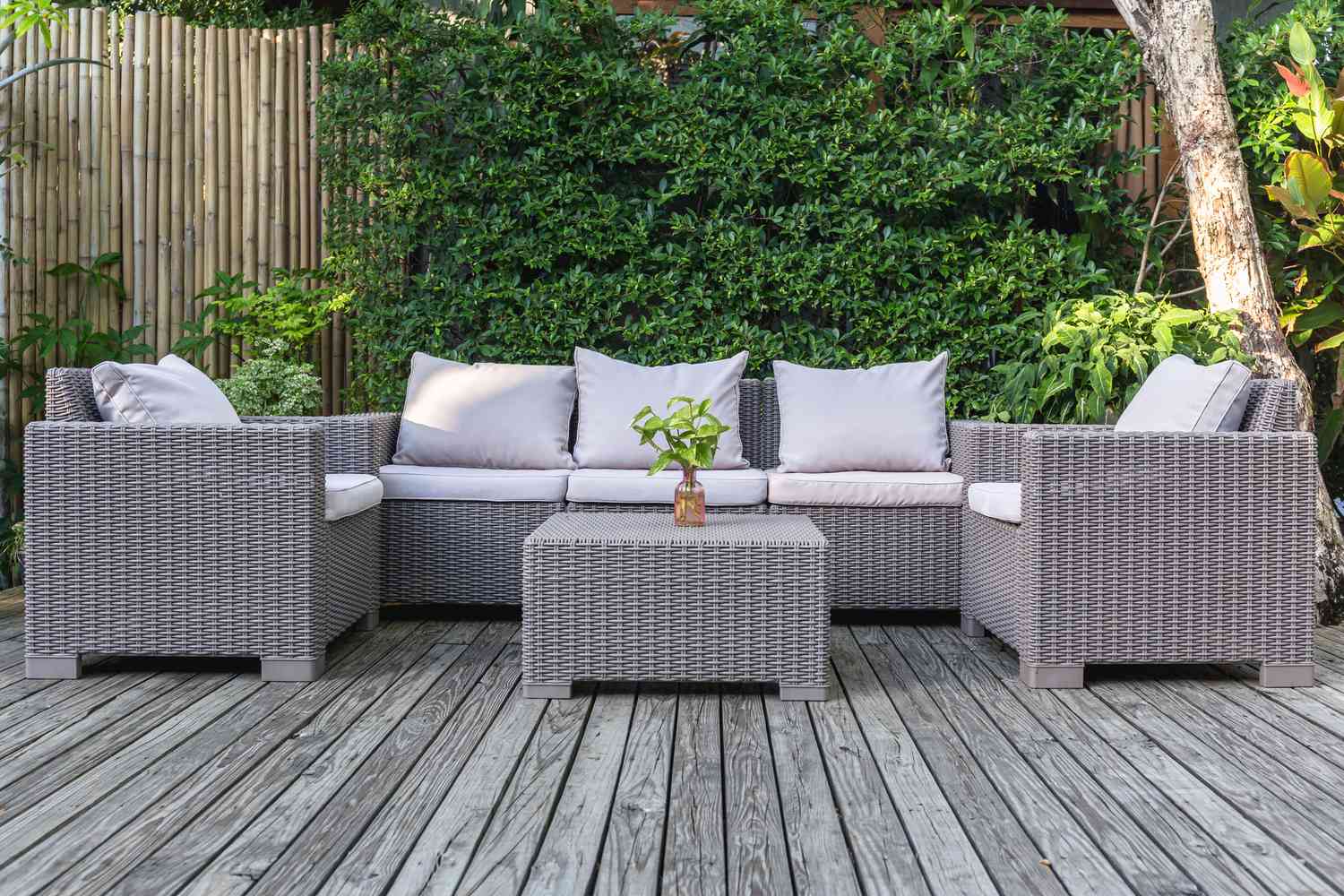
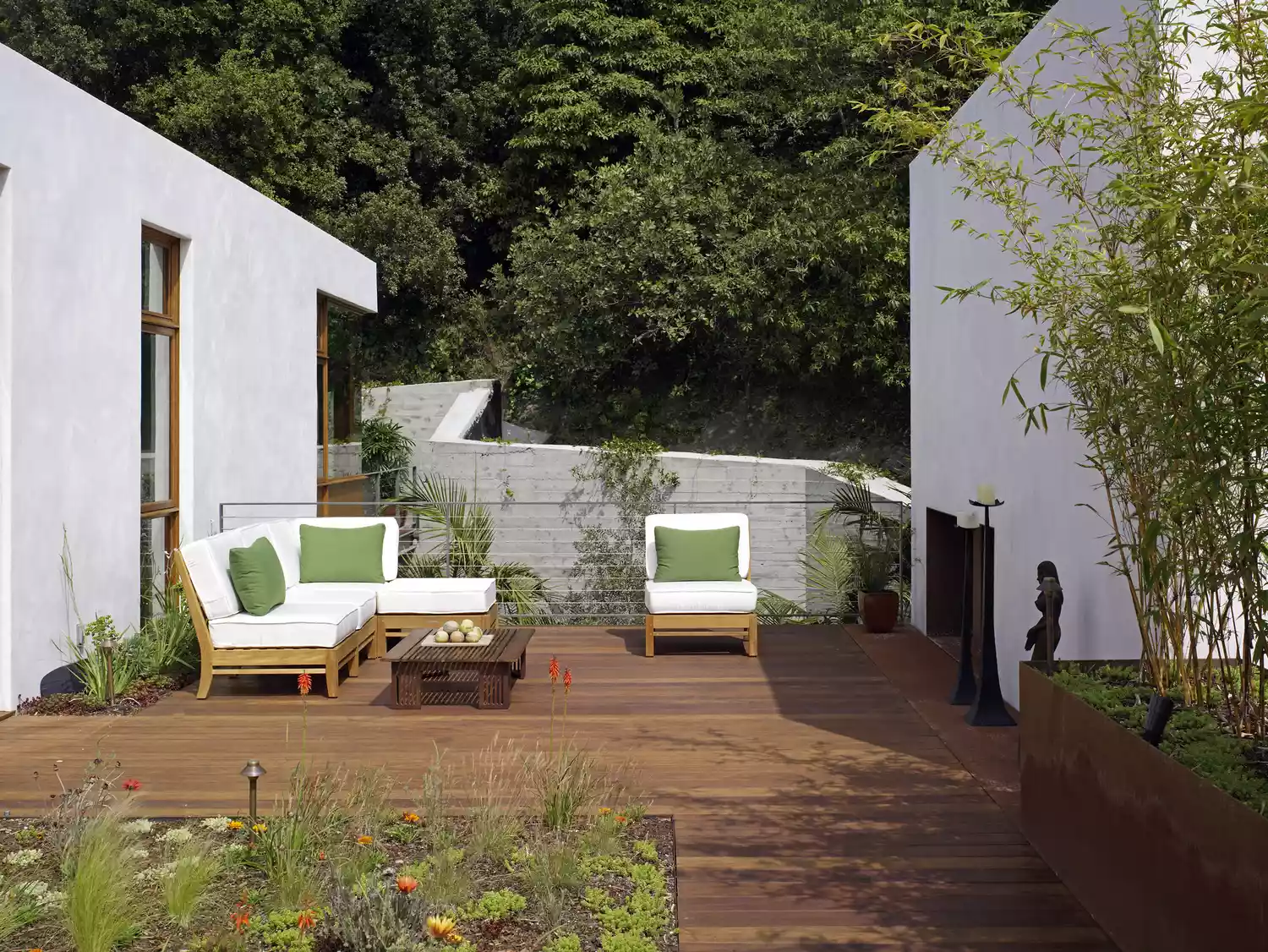
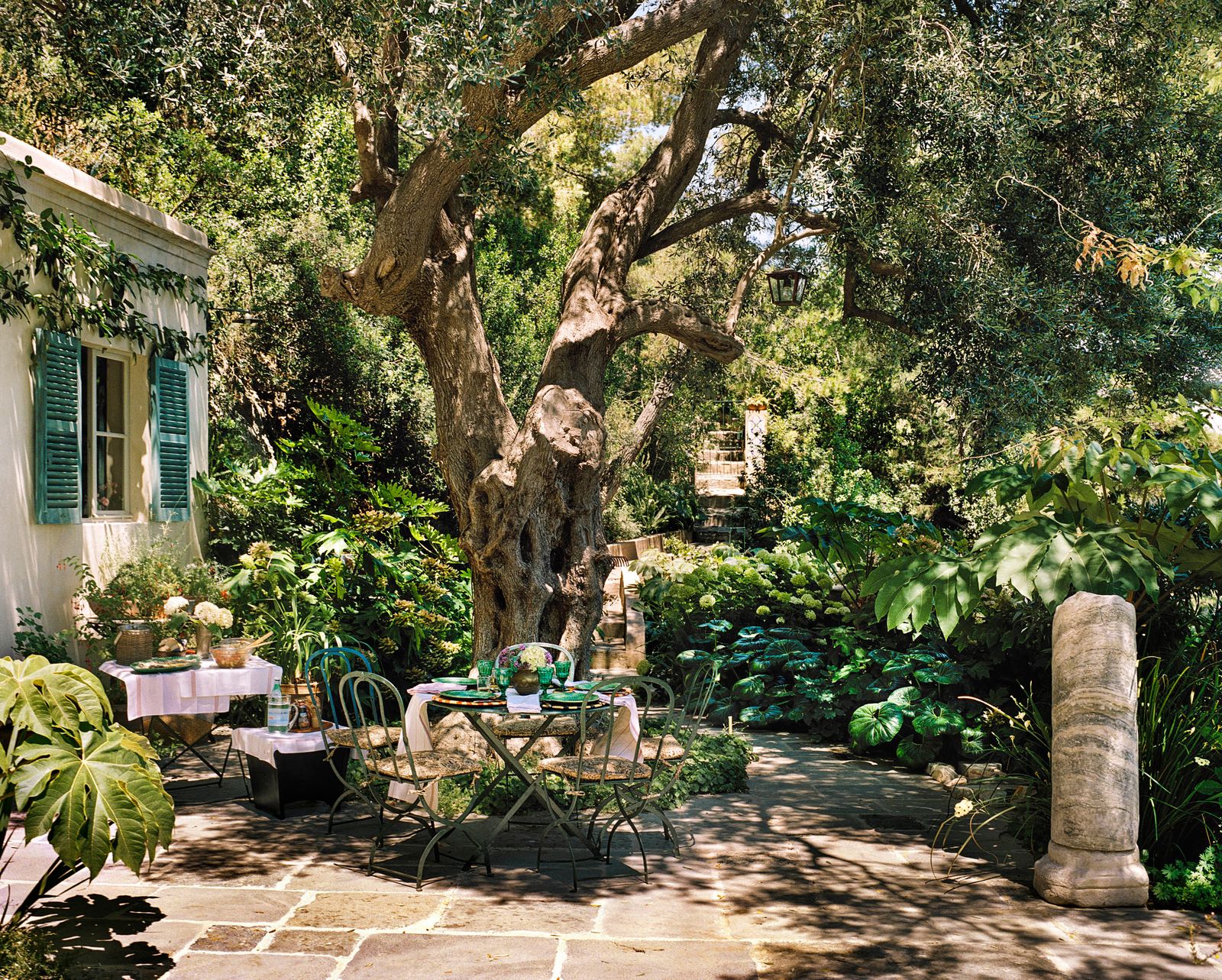
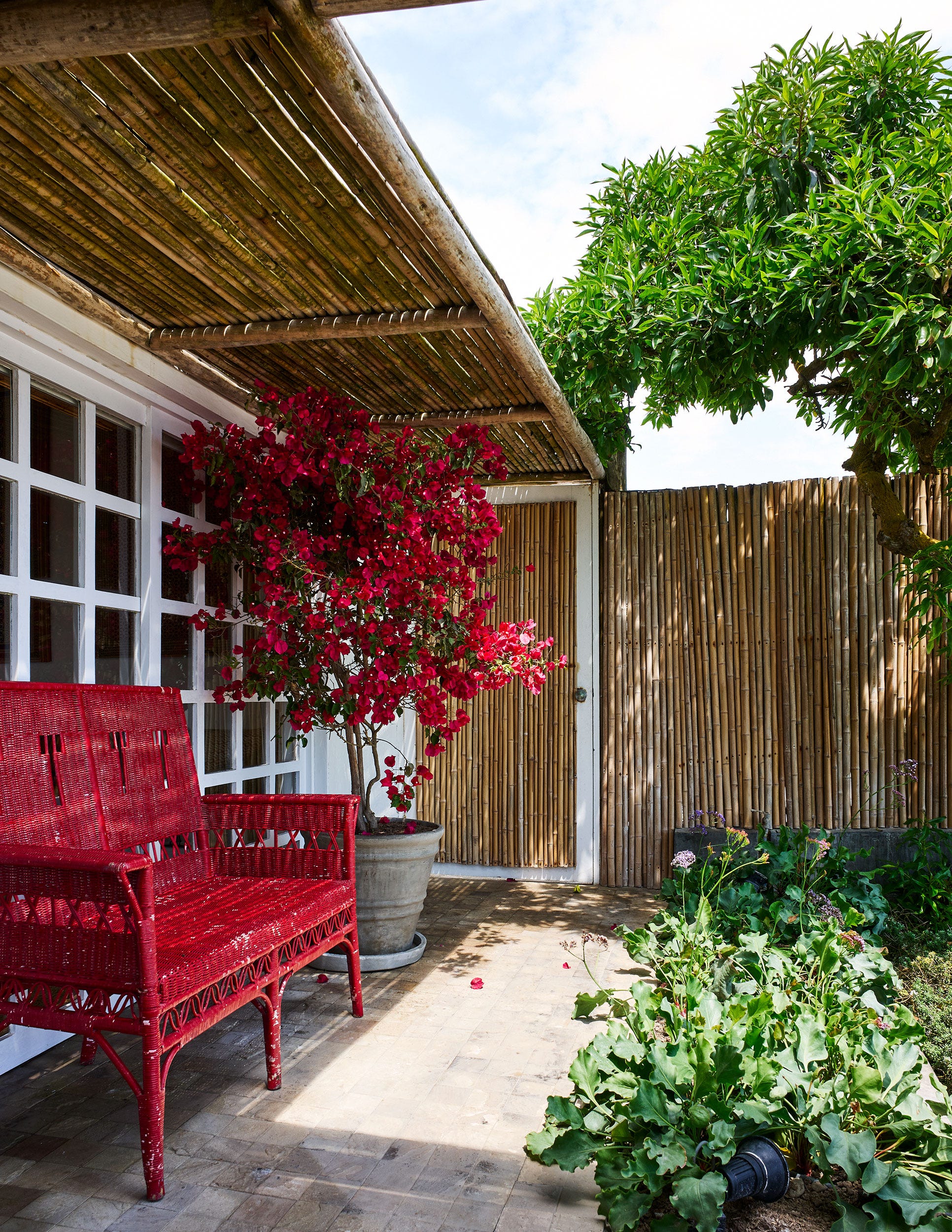
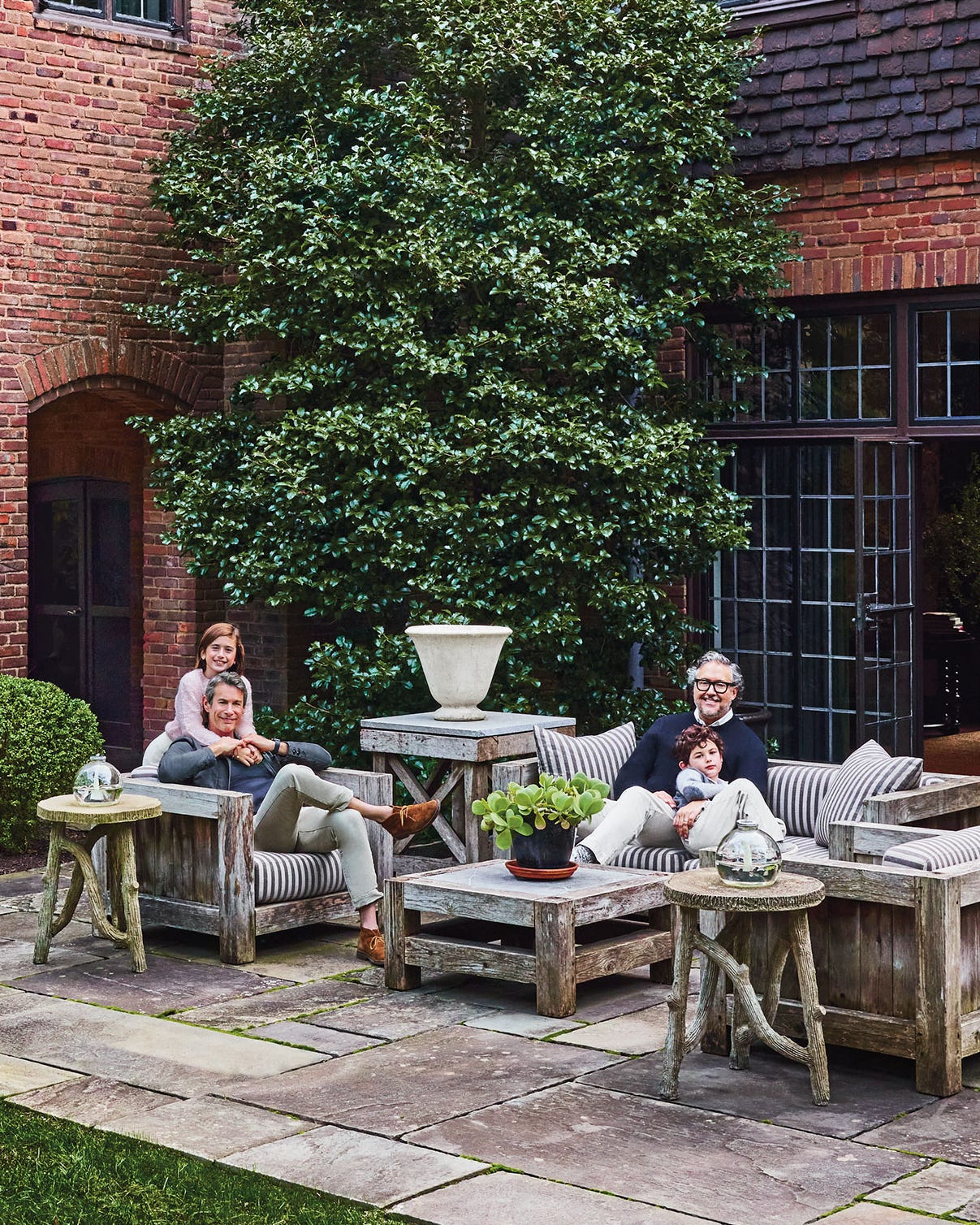
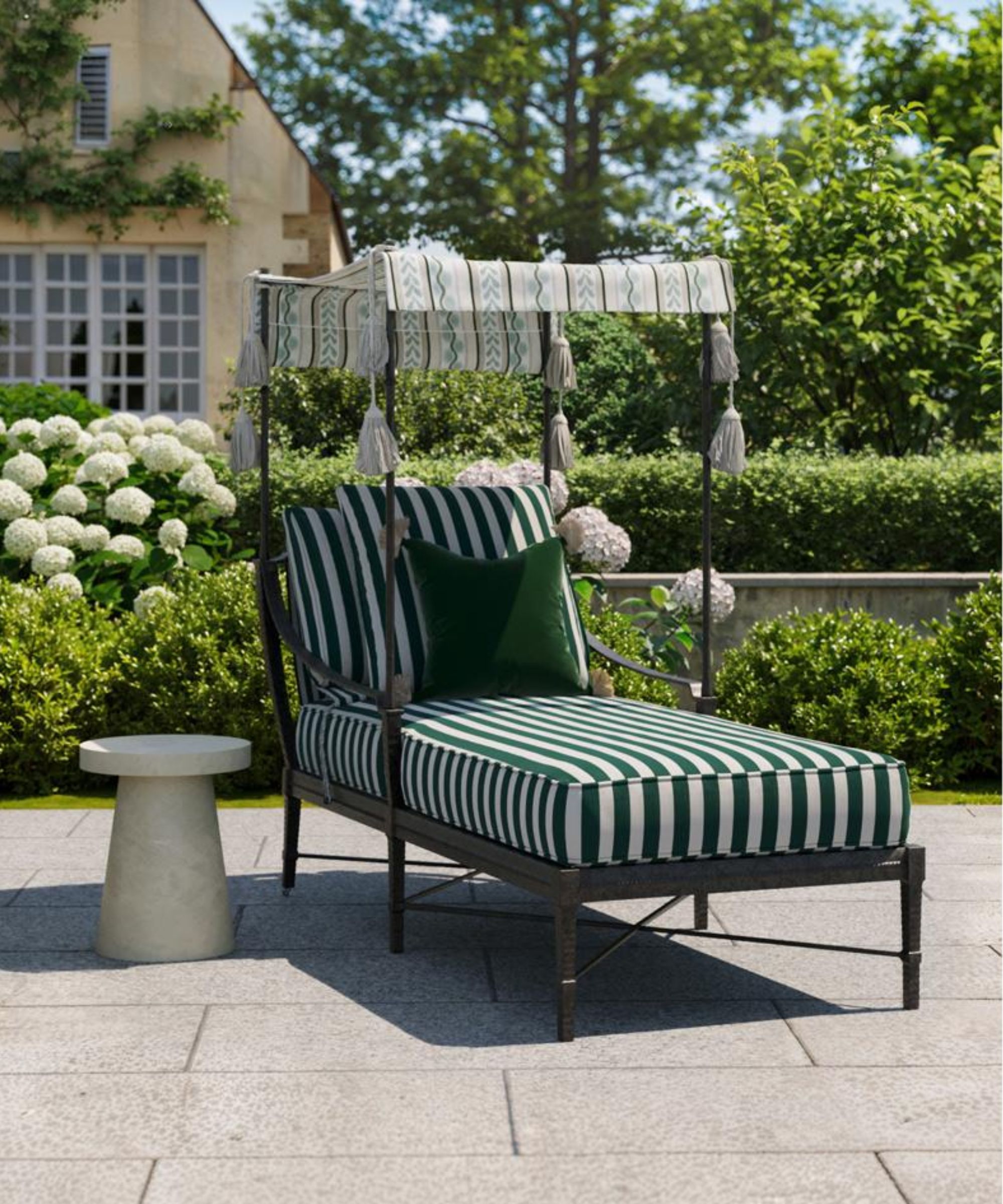
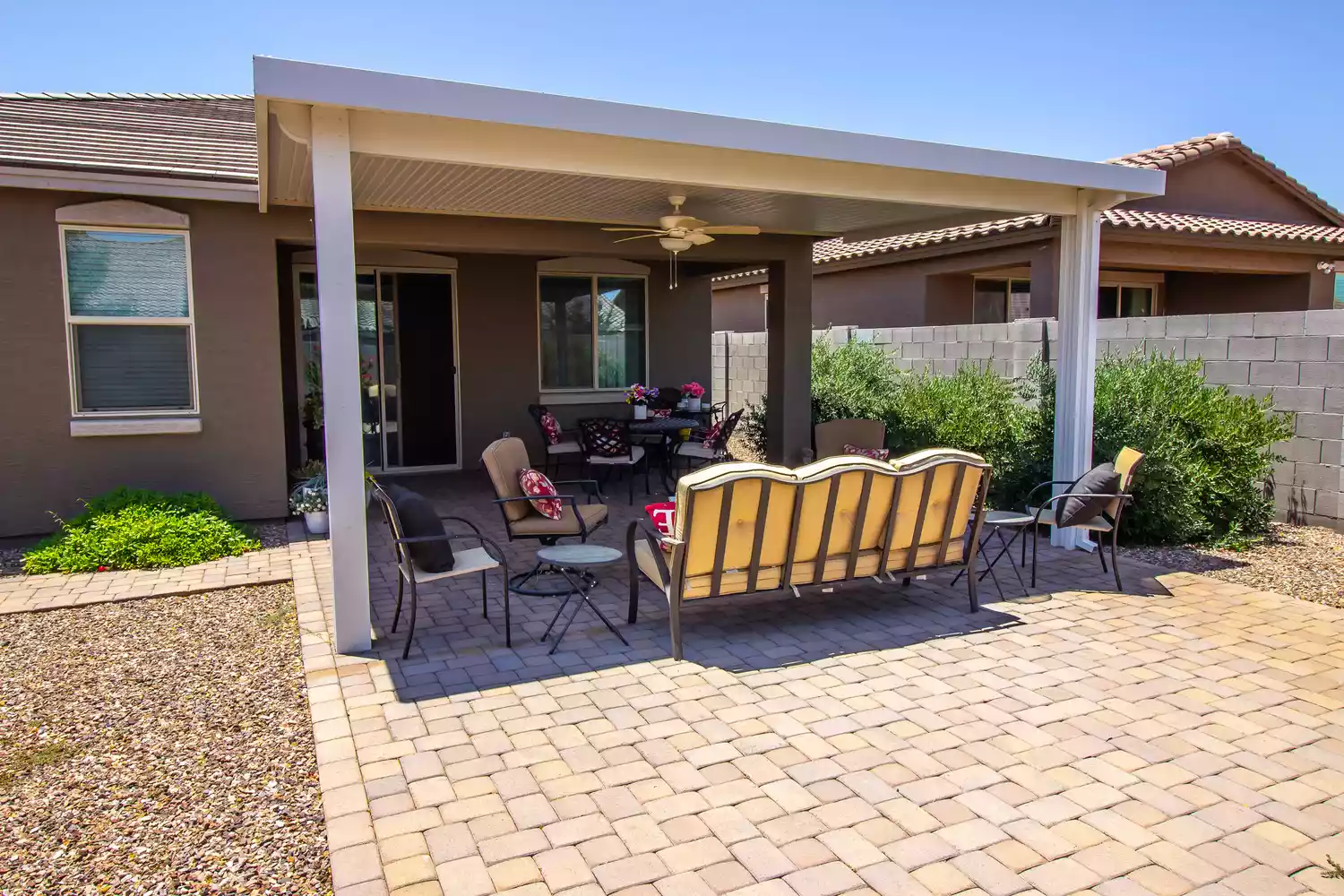
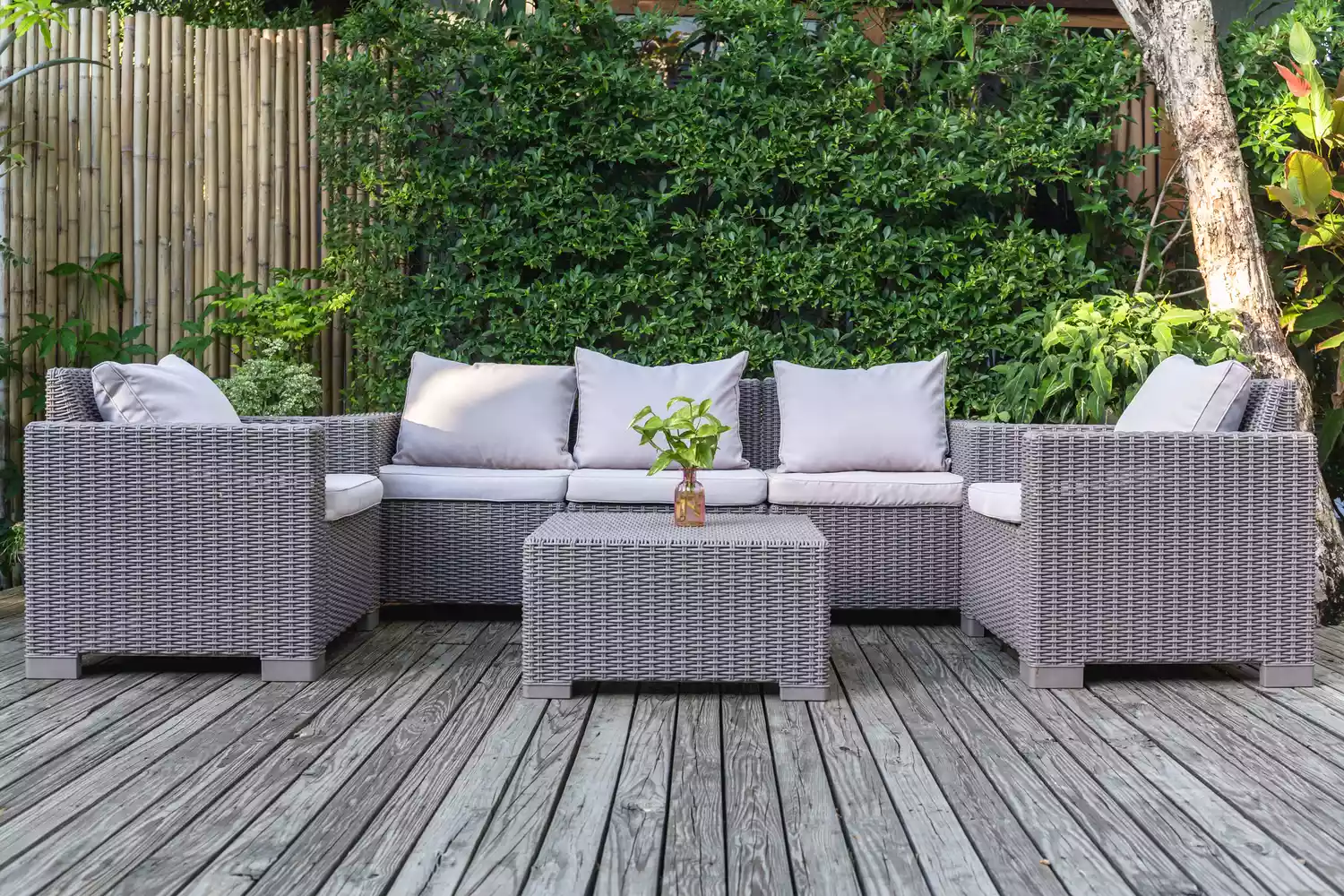
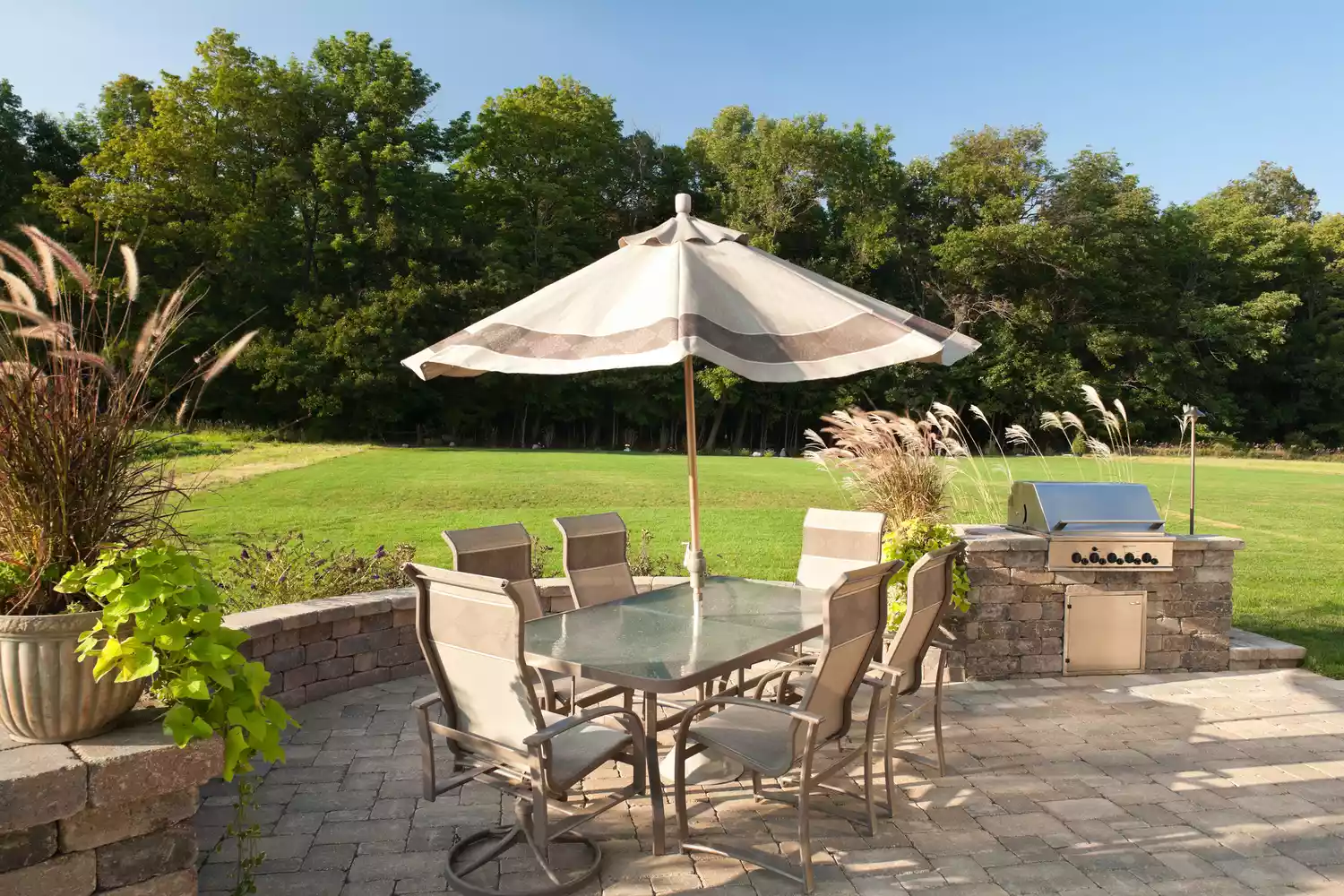
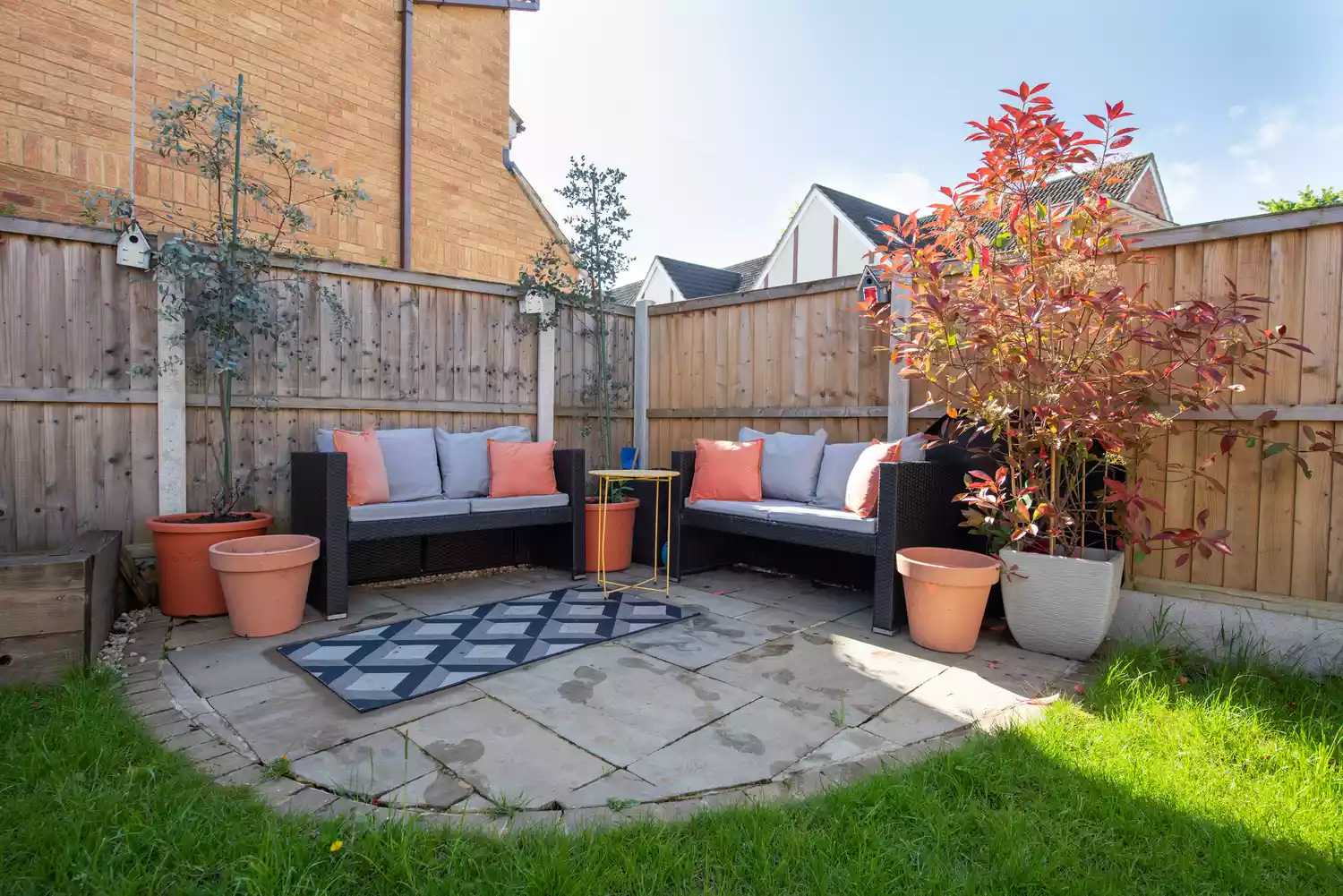
The first key point highlighted by the designers is the issue of limited furniture. A patio with only a dining table and chairs can feel temporary and unwelcoming. To combat this, the article suggests incorporating diverse seating options such as lounge chairs, hanging chairs, or built-in benches. This approach transforms the patio into a versatile area suitable for various activities like reading, working, or socializing, thereby enhancing its livability and encouraging longer stays.
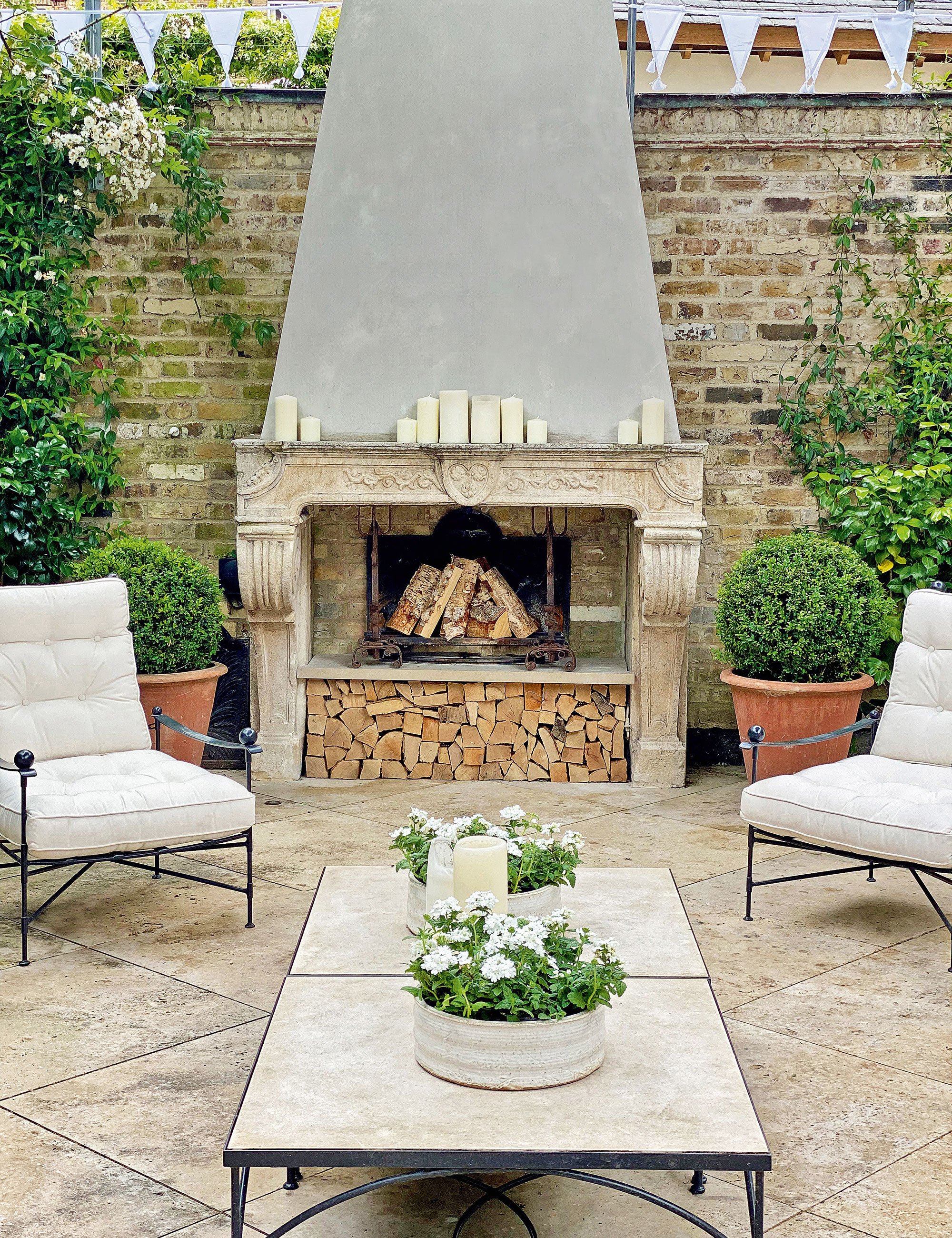
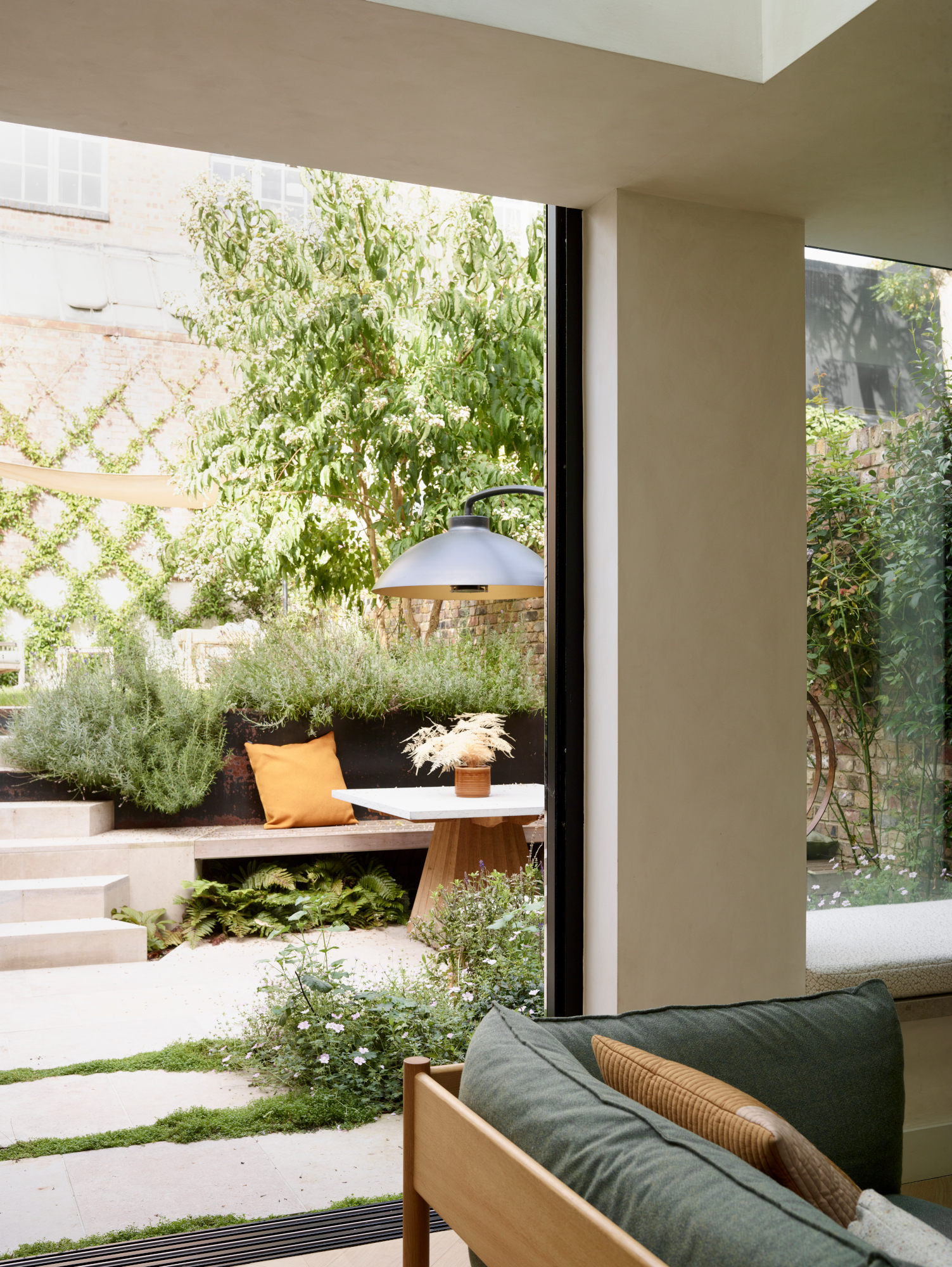
Secondly, inadequate lighting is identified as a significant factor contributing to an empty-looking patio, especially after sunset. Without proper illumination, a patio's potential for evening enjoyment is severely limited. The designers recommend a variety of lighting solutions, including string lights, lanterns, sconces, and fire pits. Layering different types of lighting can create a cozy and well-defined ambiance, making the outdoor space functional and appealing both day and night.
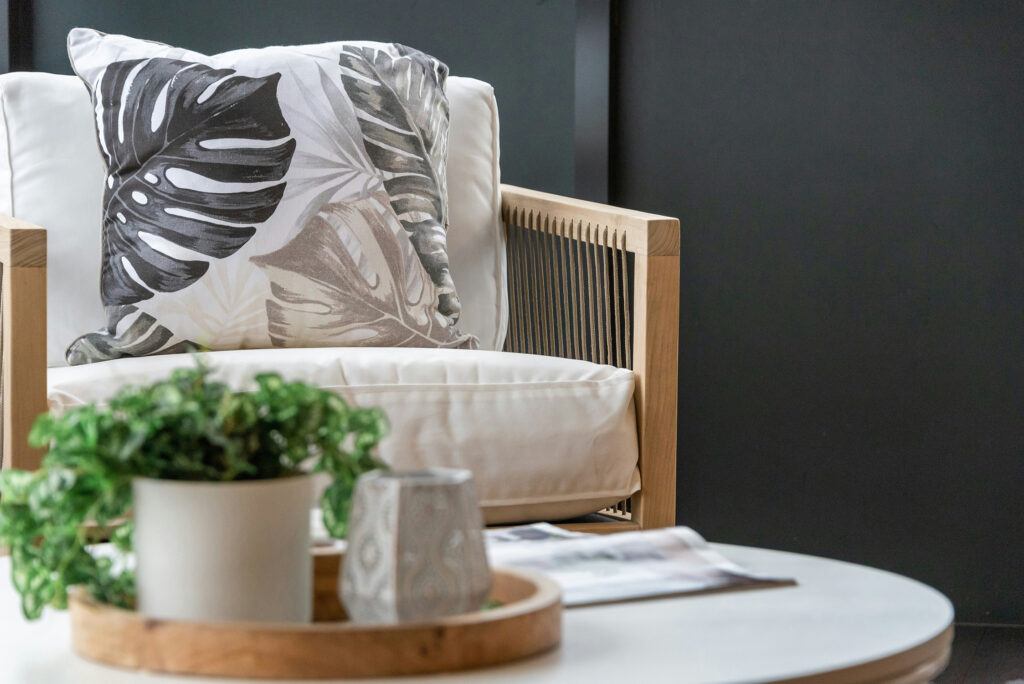
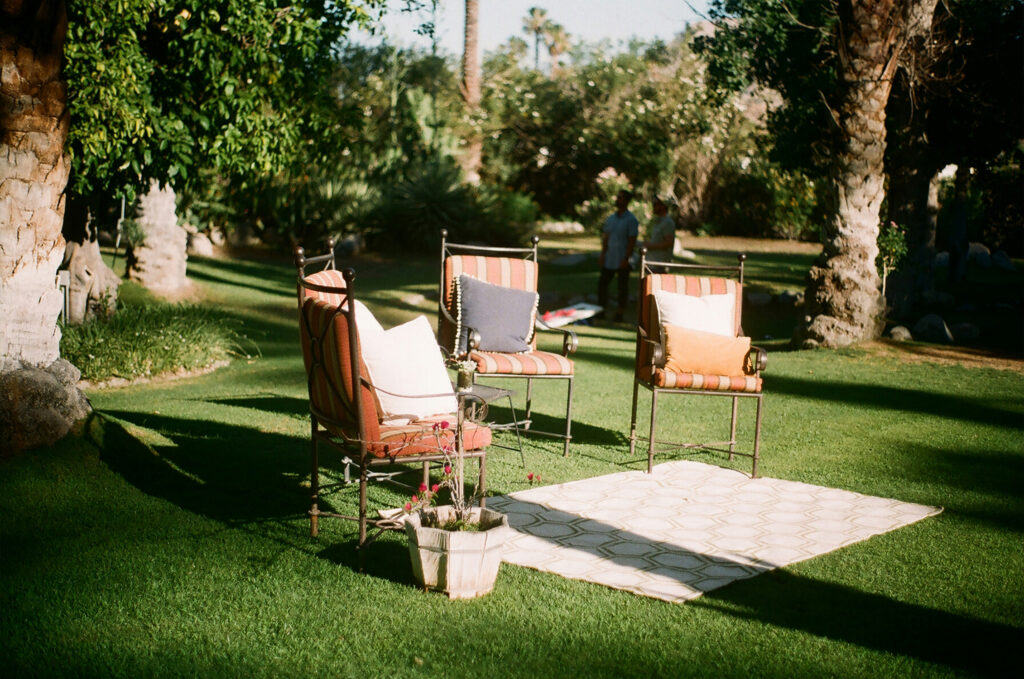
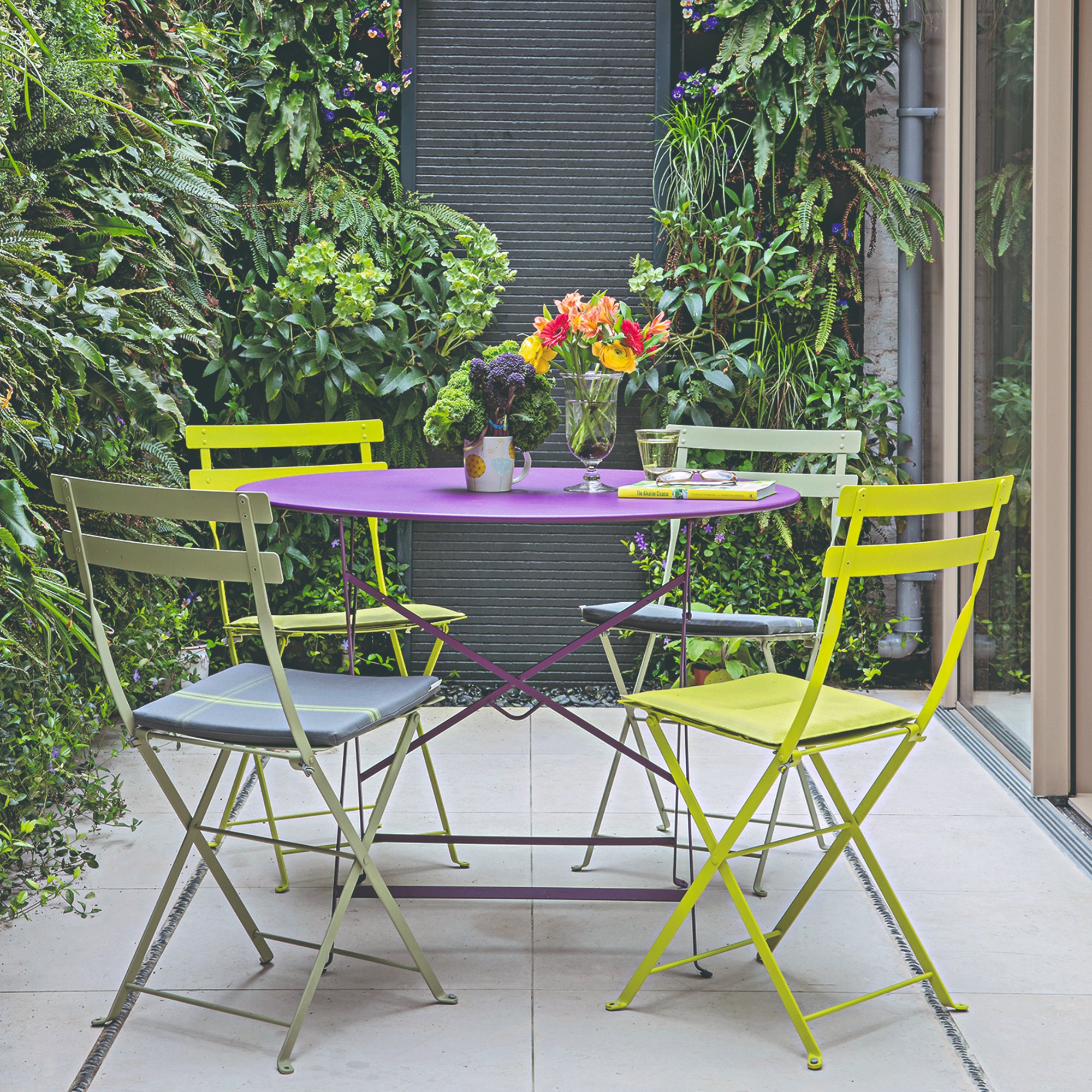
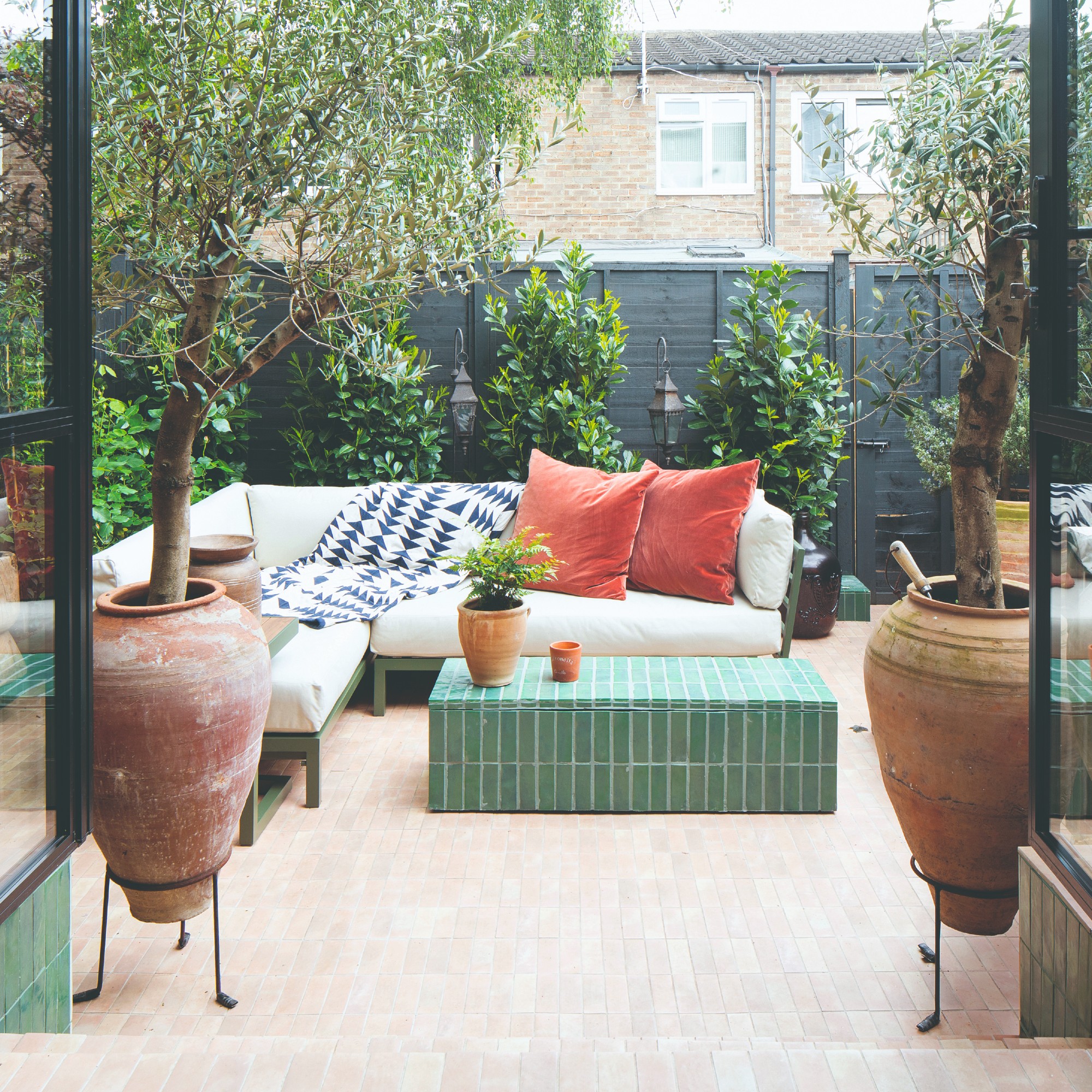
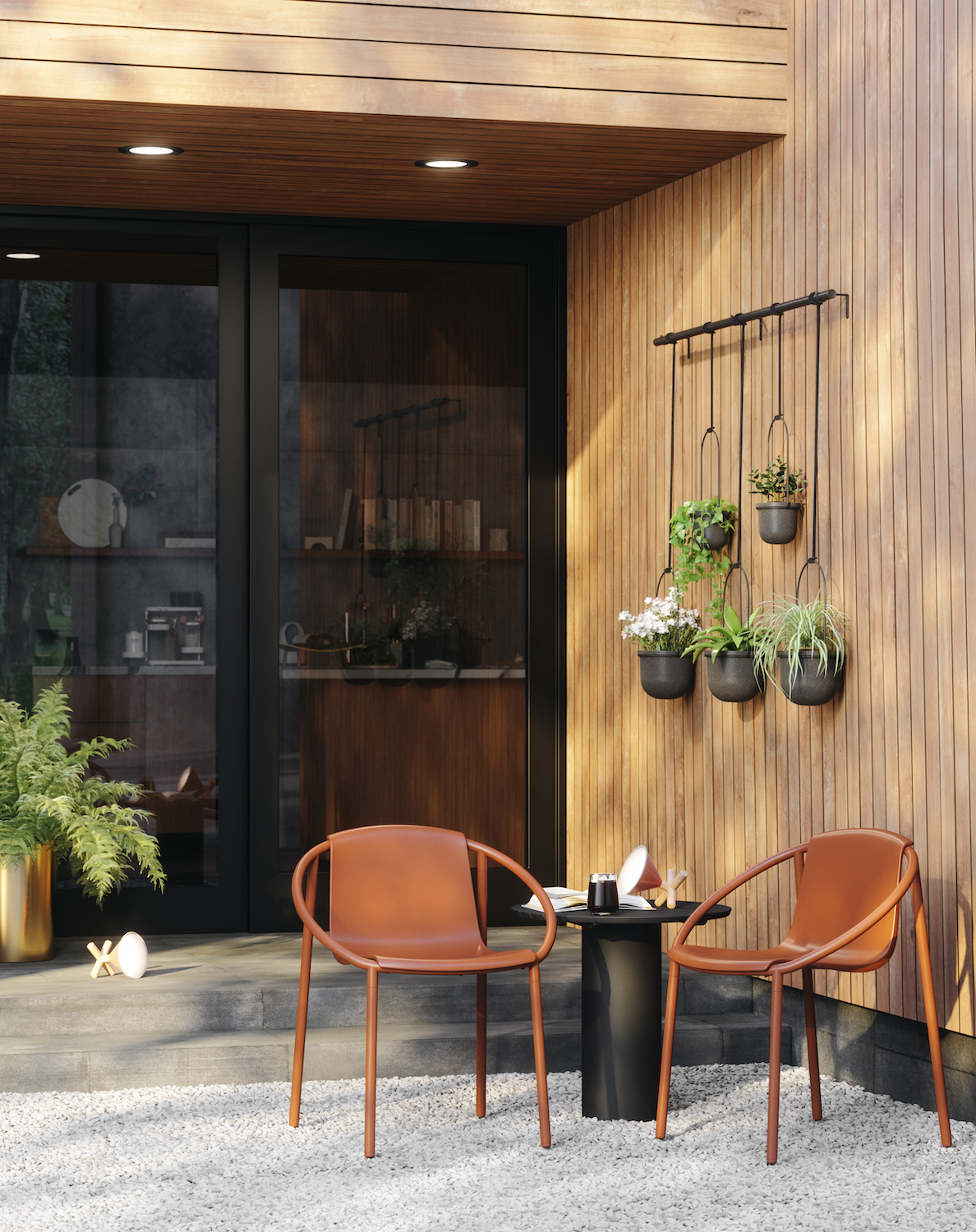
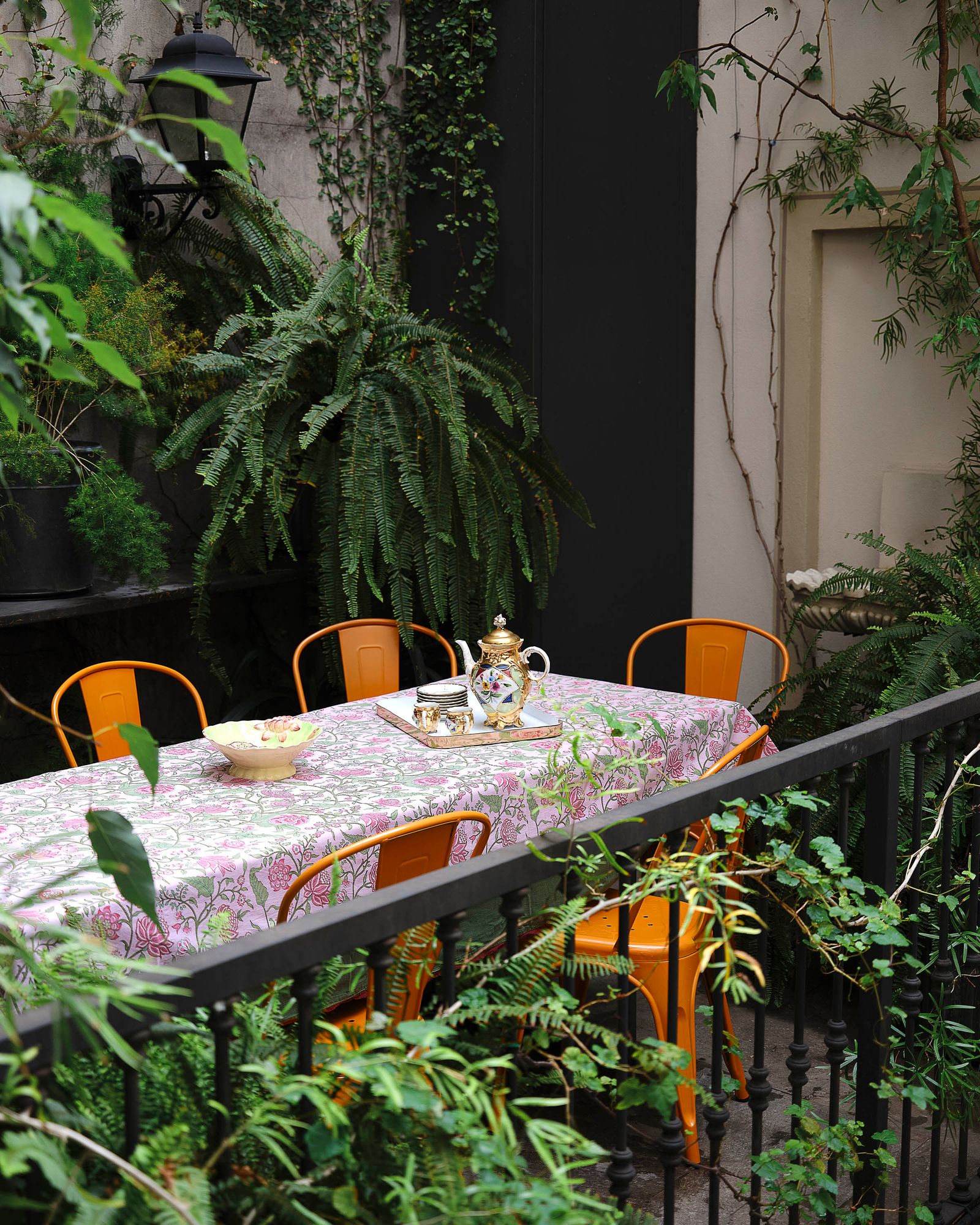
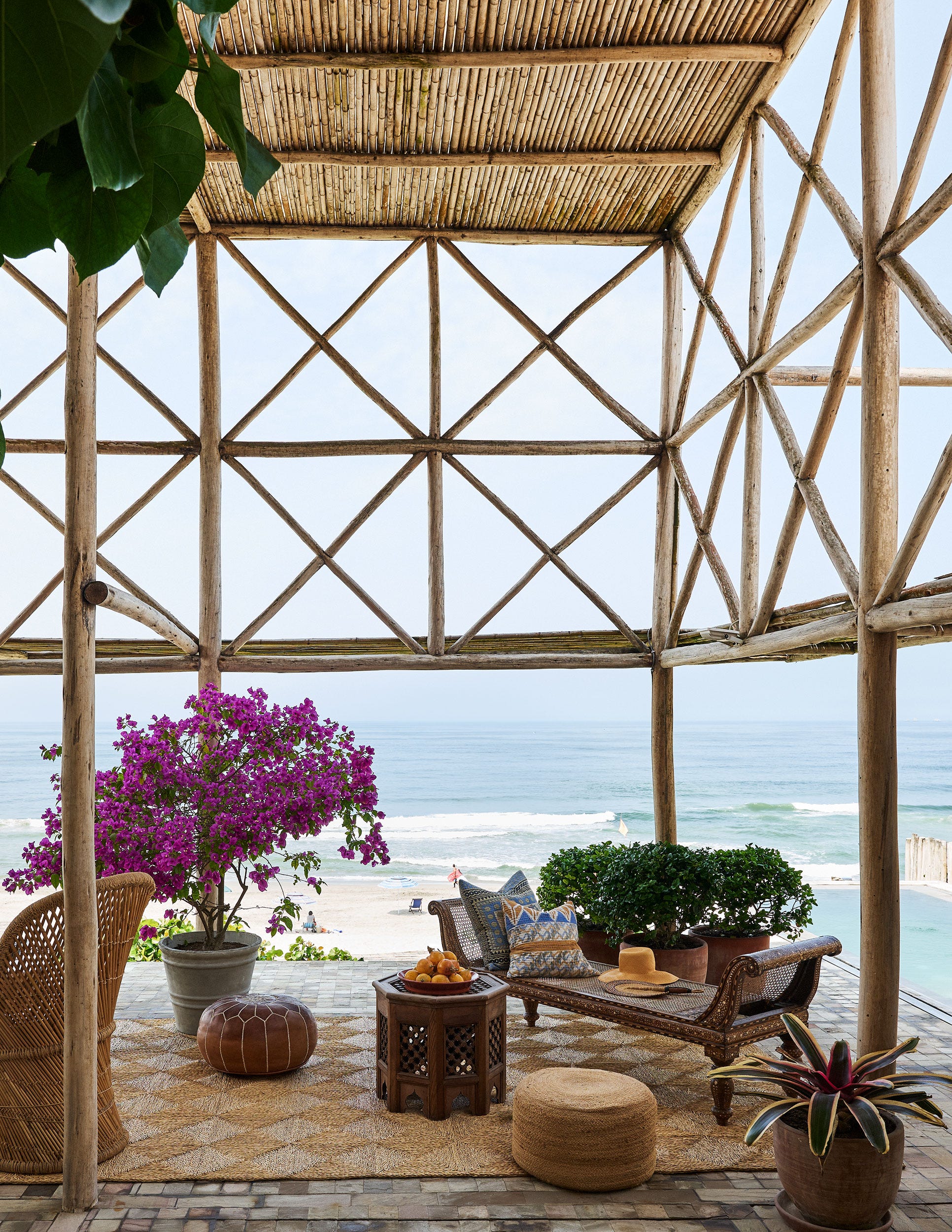
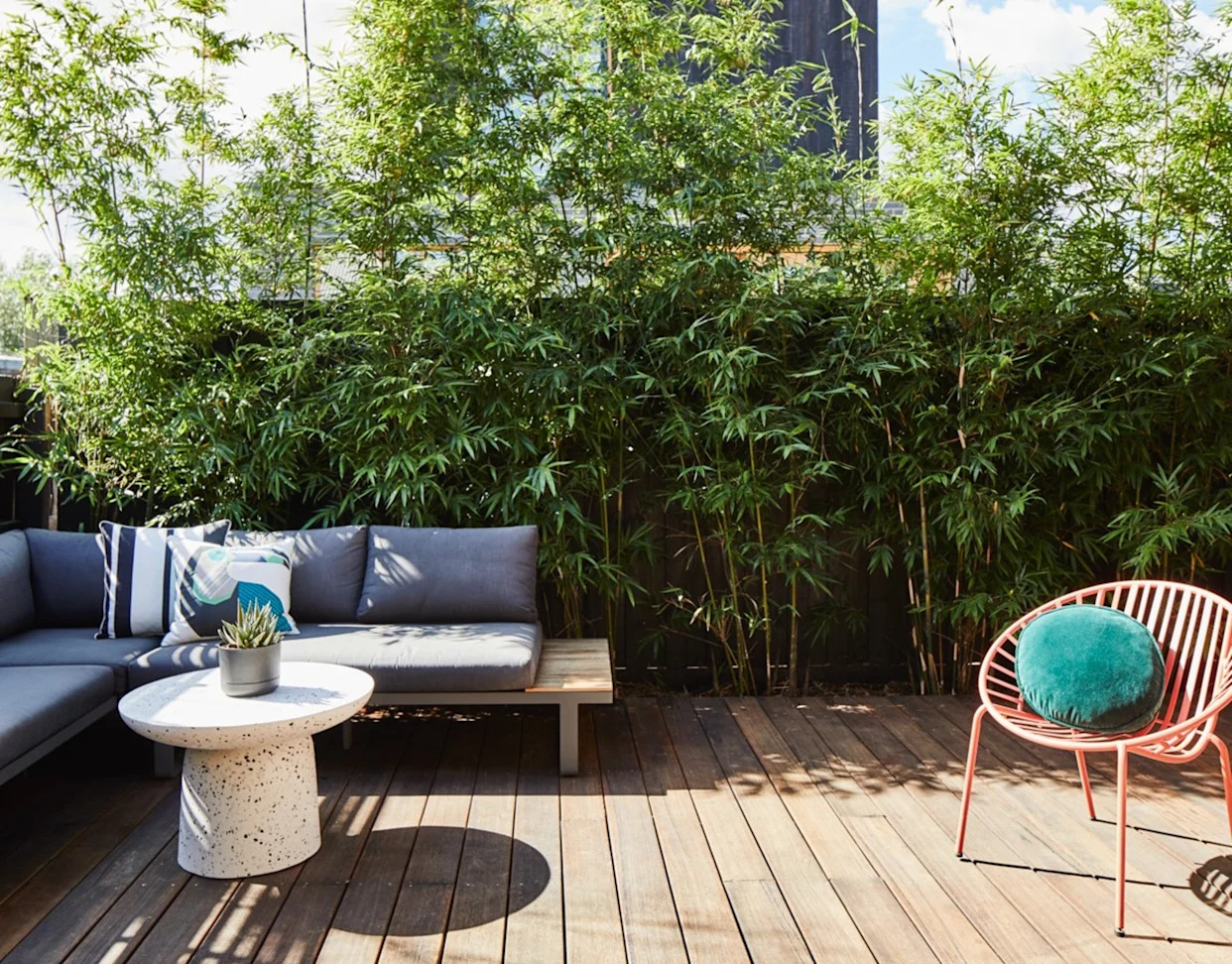
The third common oversight is the absence of decorative accessories. Just as interior rooms benefit from thoughtful adornment, patios require accessories to feel complete and lived-in. The article advises adding outdoor rugs, pillows, and various planters to introduce texture, color, and warmth. These elements contribute to a curated look, preventing the patio from appearing as a bare, open area and instead fostering a comfortable, inviting outdoor room aesthetic.
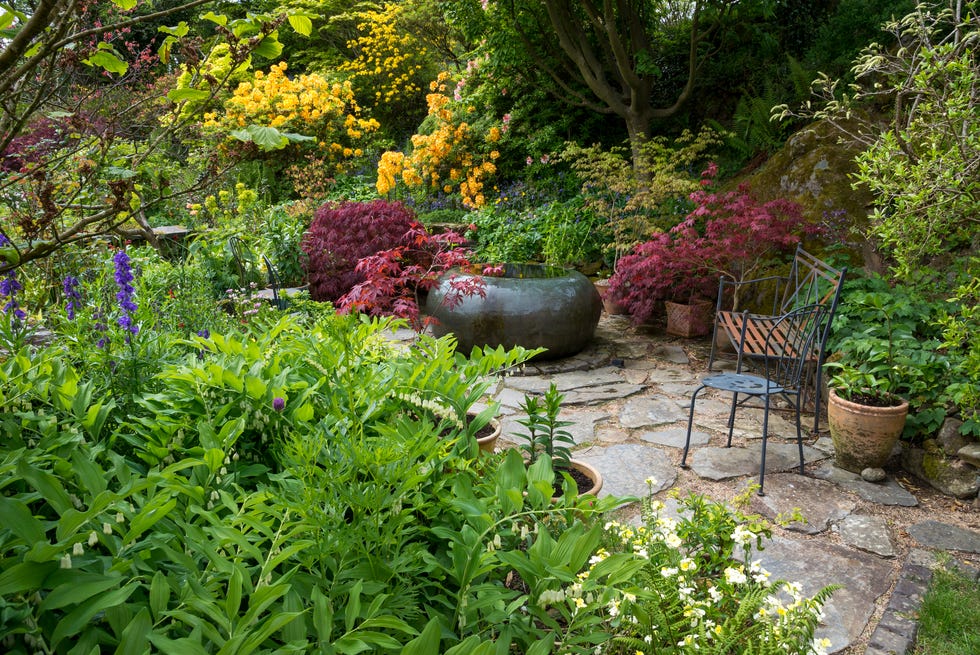
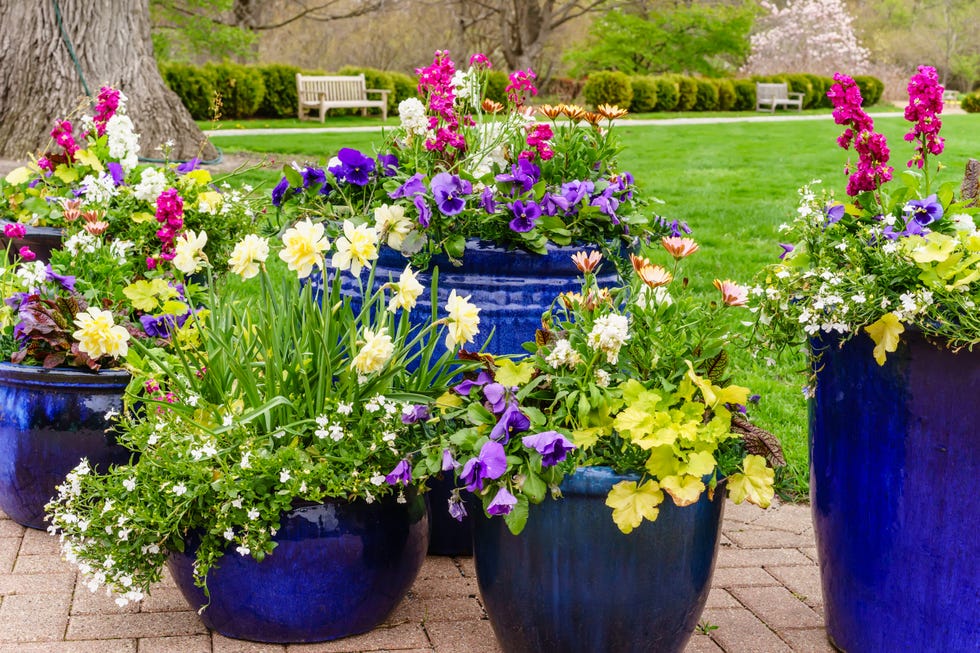
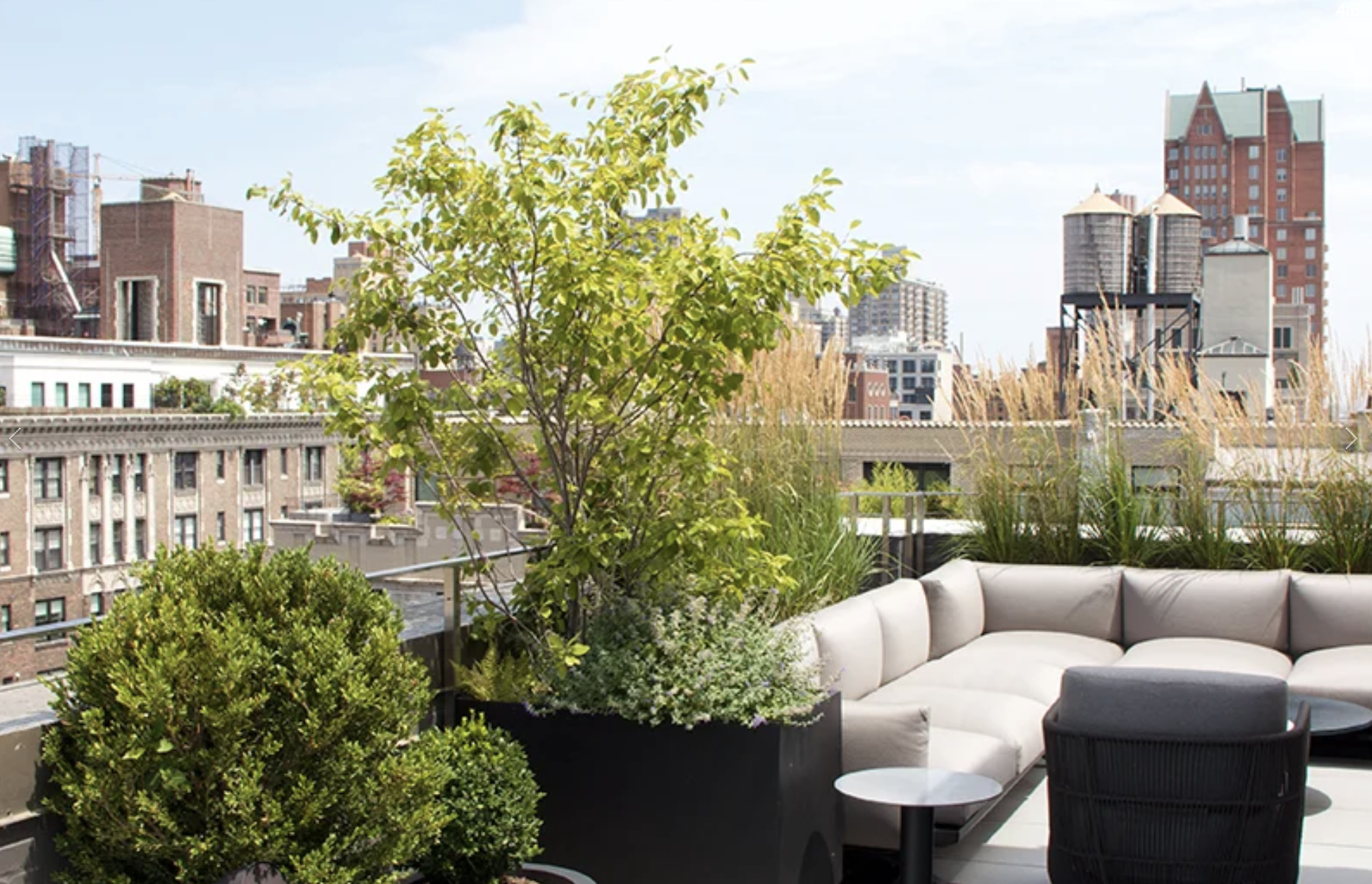
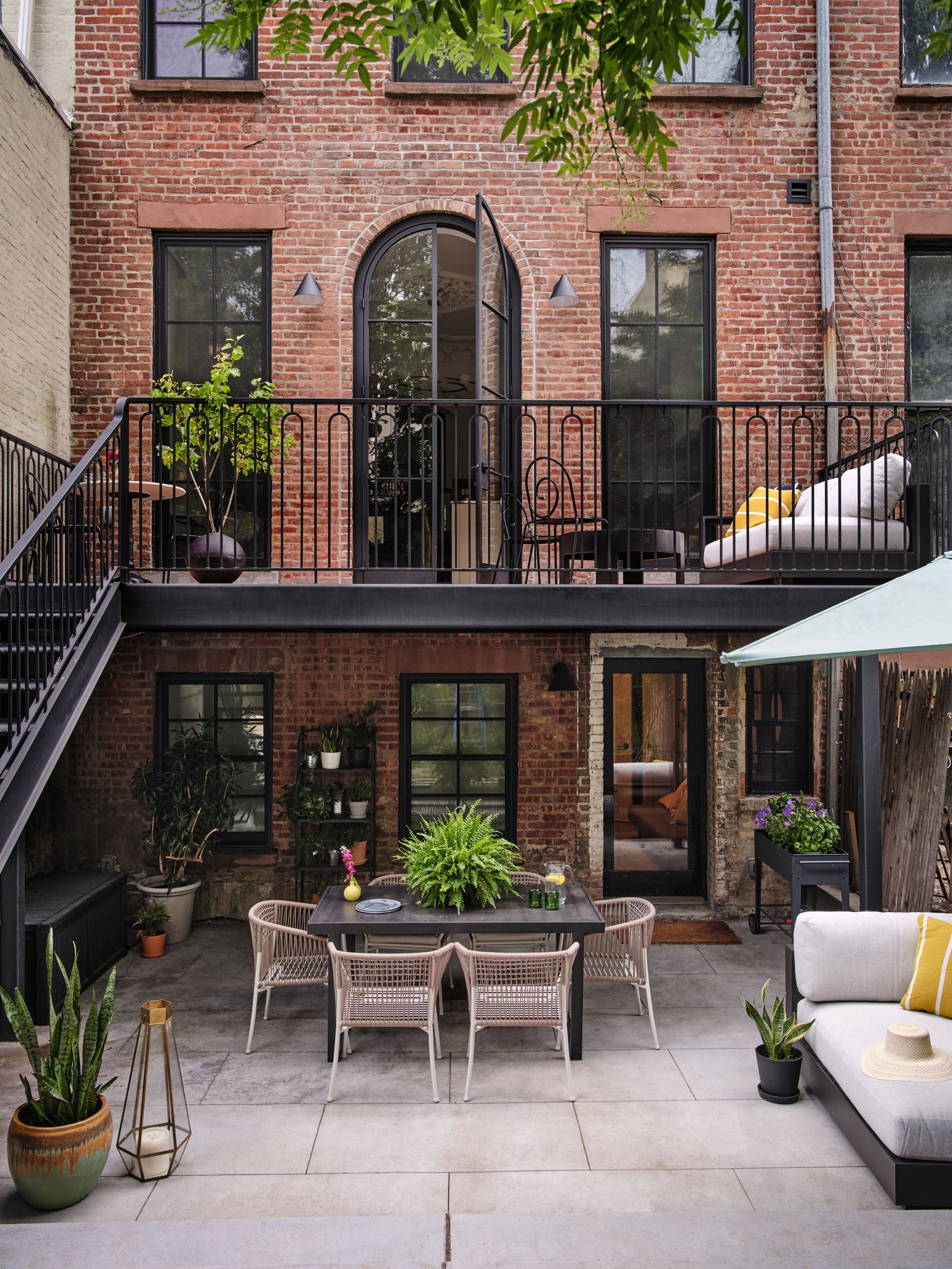
Fourthly, the lack of plants in planters is noted as a reason for a sparse patio appearance. Olson emphasizes that too much open space and hardscaping can make an area seem stark. Integrating greenery through planters helps to fill these voids, softening the hardscape and adding natural vibrancy. The article also suggests that beautiful planters do not necessarily need to be expensive, with affordable options available through secondhand sourcing.
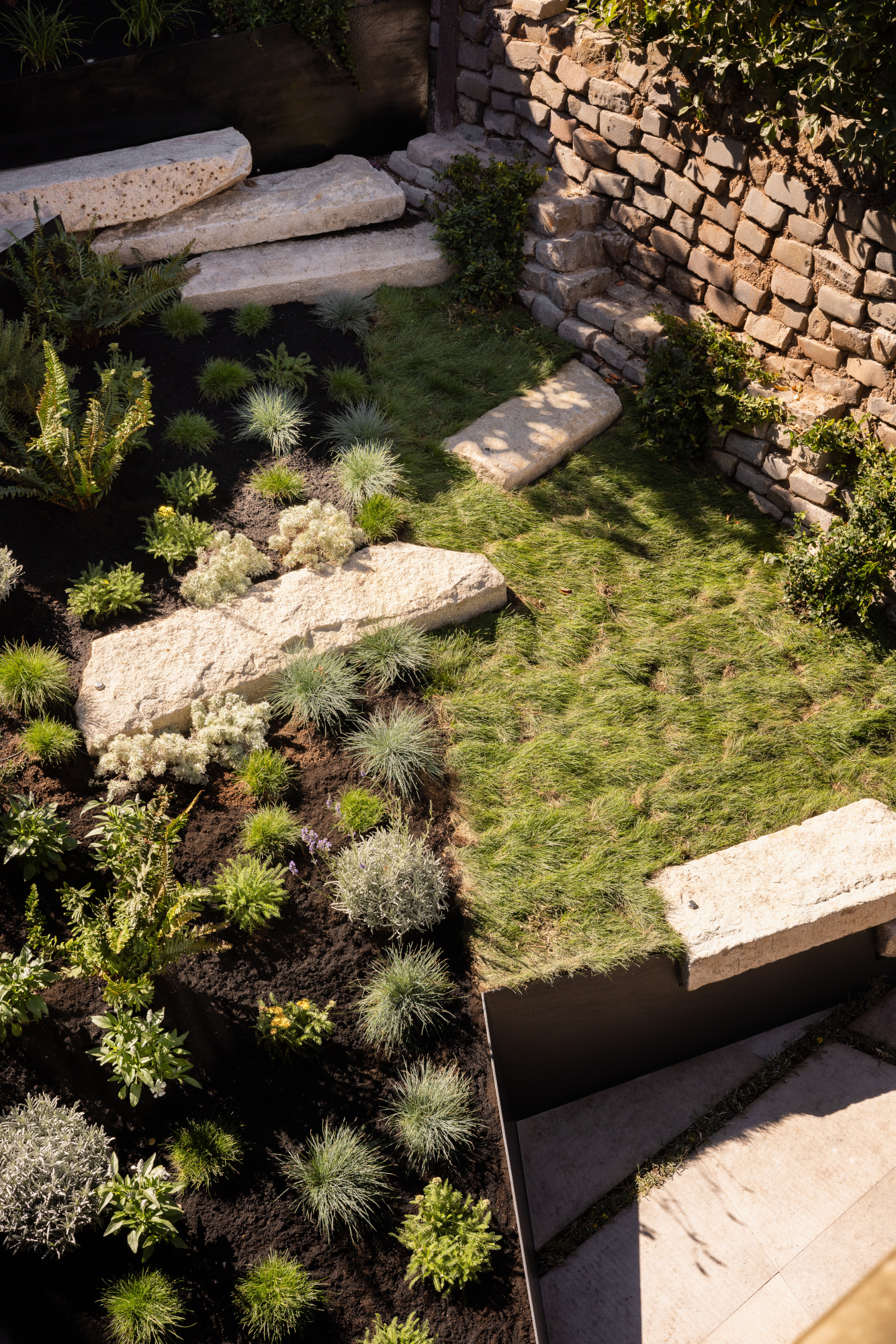
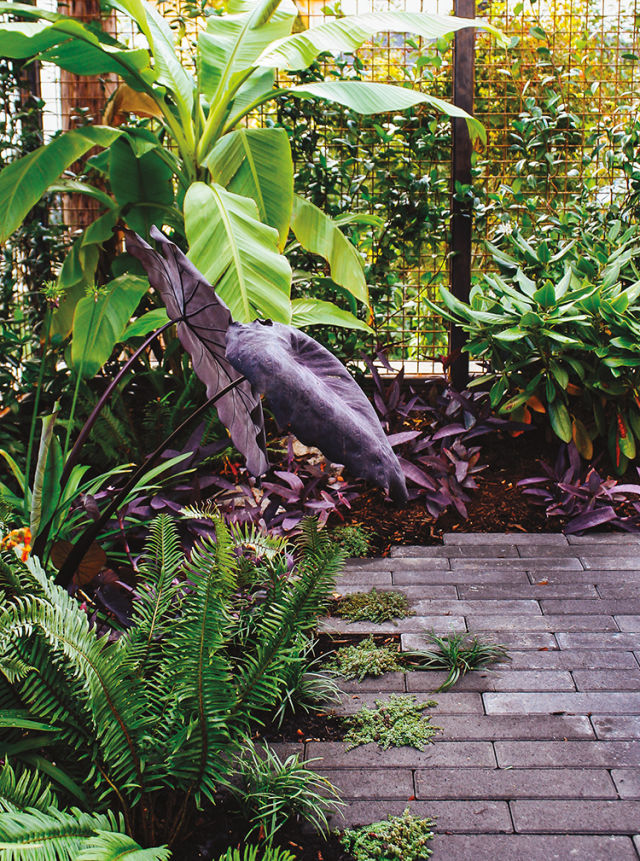
Finally, the importance of selecting the right-sized plants is underscored. Simply adding greenery is not enough; the scale and density of the plants matter. Olson recommends using plants large enough to cover visible dirt in gardening beds, supplemented with pebbles or mulch, to create the illusion of a full, lush space. This strategic planting ensures that the greenery effectively enhances the patio’s design and prevents it from looking incomplete. By addressing these five elements, homeowners can transform an empty-feeling patio into a vibrant and comfortable outdoor retreat.
#PatioDesign #OutdoorLiving #HomeDecor #InteriorDesignTips #OutdoorFurniture #PatioLighting #OutdoorAccessories #GardeningTips #Greenery #PatioDesign #OutdoorLiving #HomeDecor #InteriorDesignTips #OutdoorFurniture #PatioLighting #OutdoorAccessories #GardeningTips #Greenery
0 comment in total
 No comments yet
You may also like
5 Mistakes Designers Want You to Stop Making with Your Outdoor Furniture
5 Outdated Backyard Designs That Landscape Designers Have Left Behind – And What They're Doing Now Instead

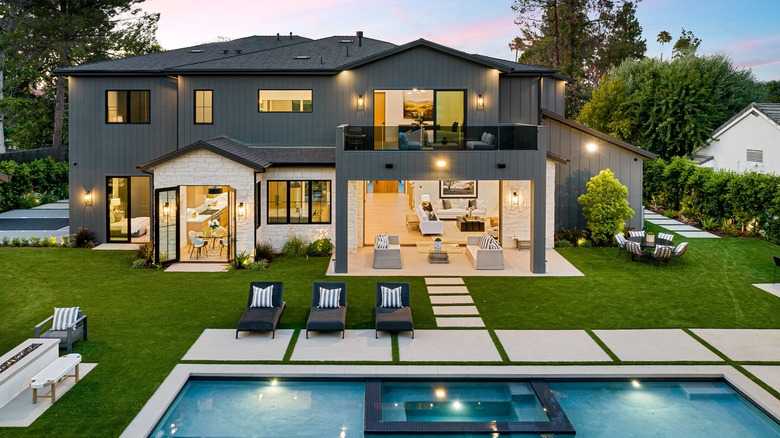
Backyard Design Choices That Are Making It Harder For You To Sell Your House
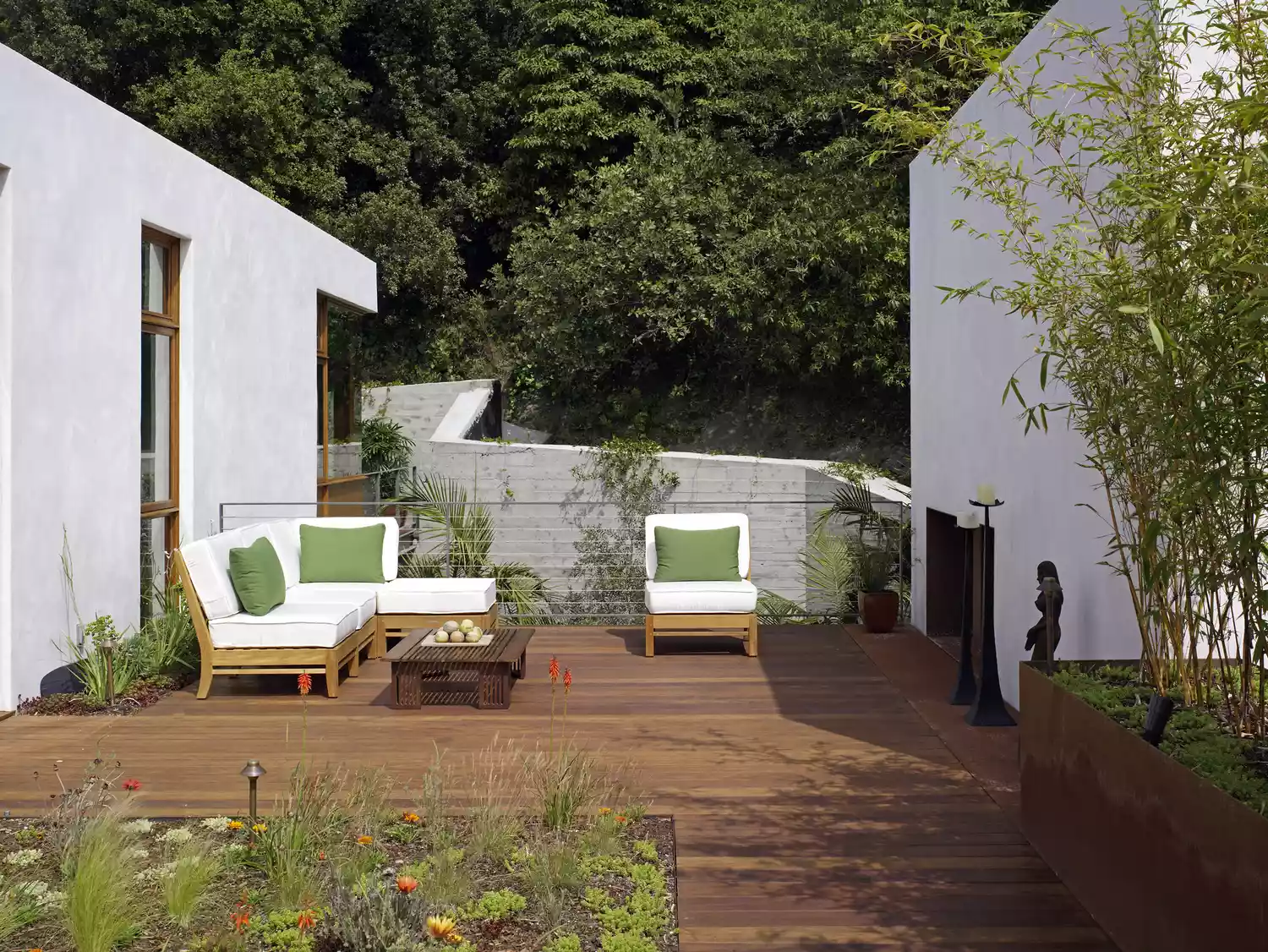
5 Patio Staples You Should Never Splurge on, According to Designers
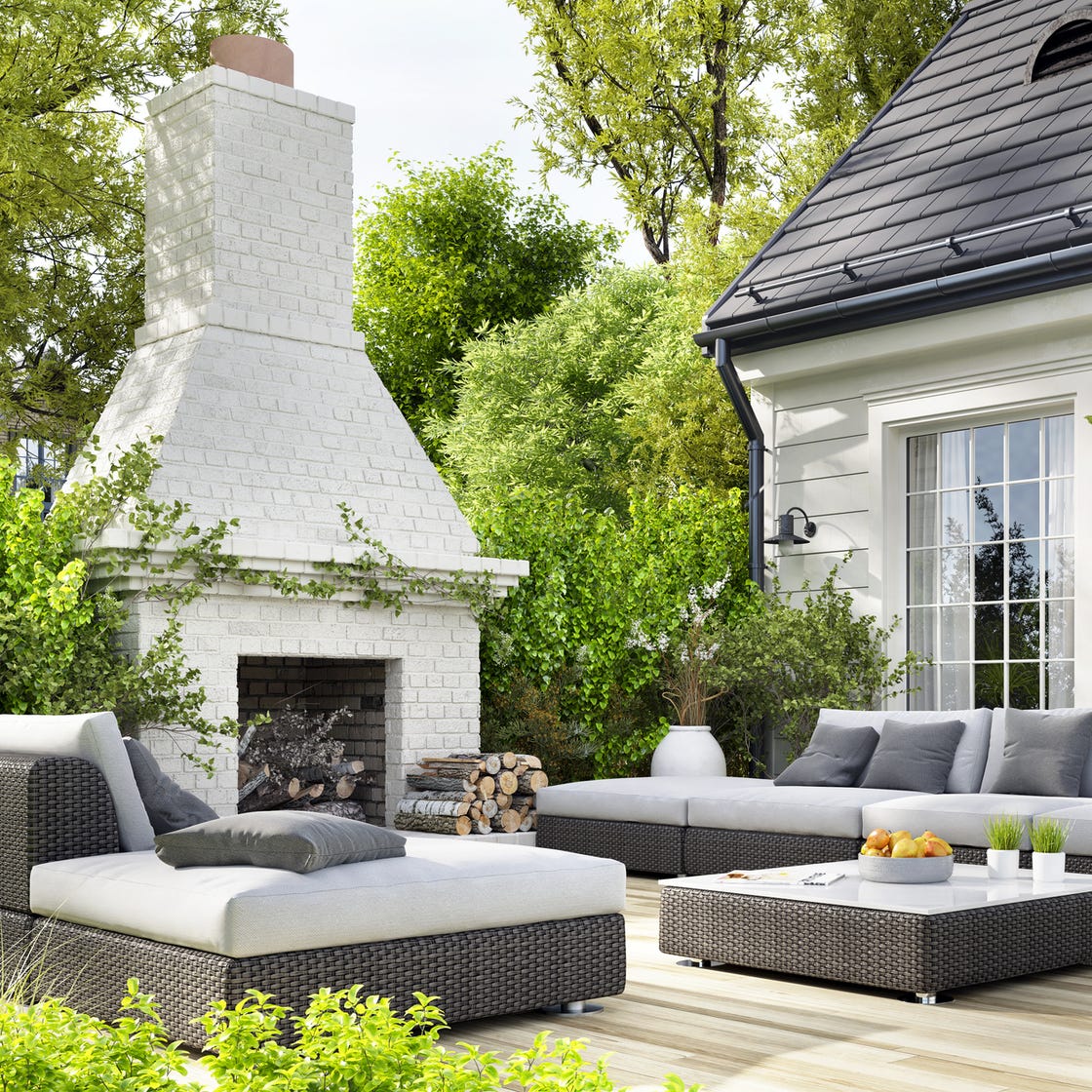
9 Patio Design Mistakes You're Probably Making—And How to Avoid Them

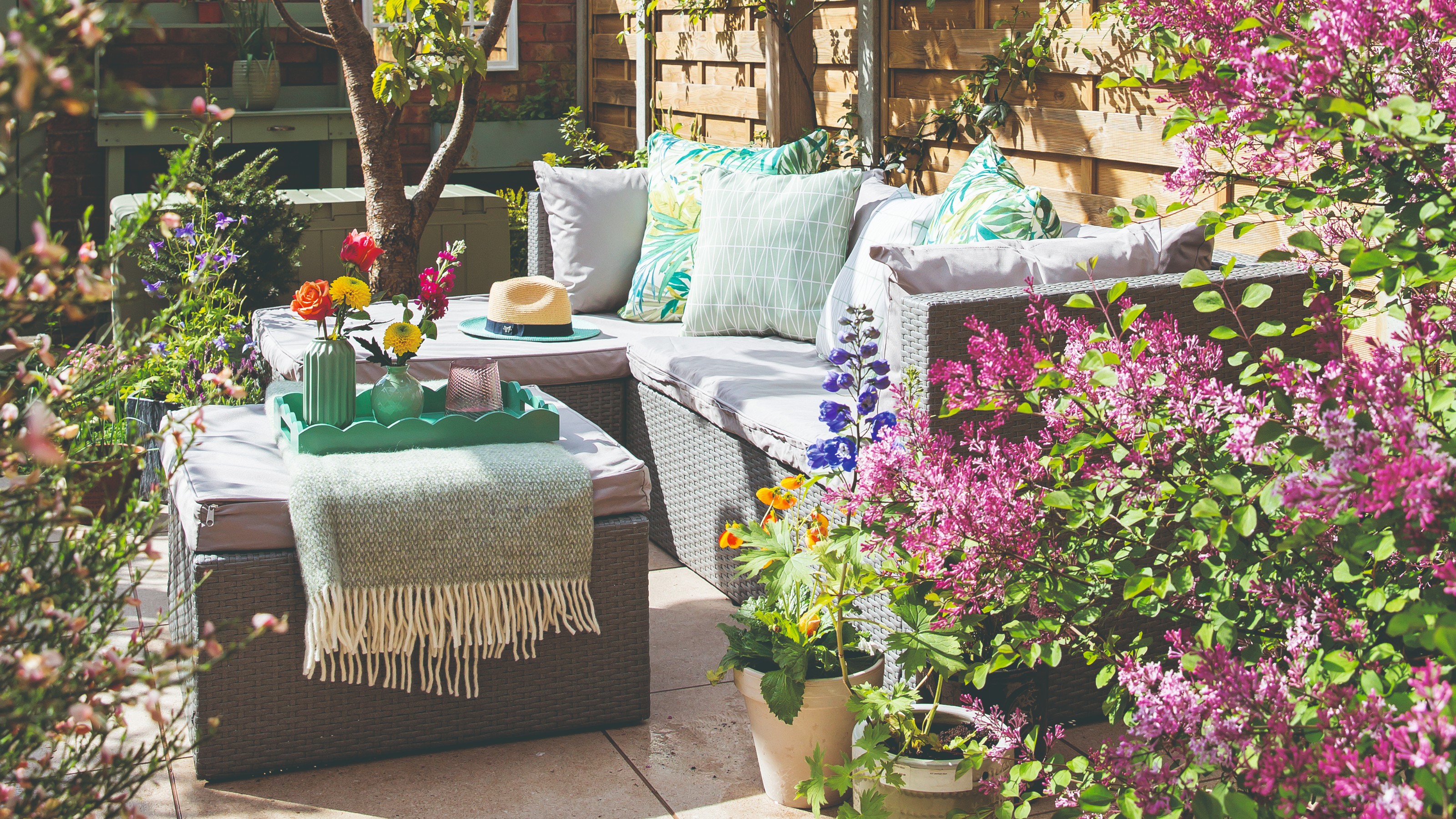
7 outdated rules to ignore when designing a small patio – experts say ditching them will transform your space
5 Common Patio Features That Actually Give Designers the "Ick"
How to Style Your Outdoor Space in 5 Easy Steps, According to Interior Designers
5 ways to hide outdoor eyesores – the tricks landscape designers use to disguise your backyard's worst features

5 Things That Immediately Make Your Backyard Look Bad, According to Designers
7 Design Mistakes Interior Designers Always Notice

50 Small Patio Ideas That Are Big on Style
6 Things That Immediately Make Your Patio Look Bad, According to Designers
Outdoor Furniture Layout Plans for a Small Patio — 5 Ideas Landscape Designers Say You Should Try
Your Messy Patio Has an Easy Fix. These Deck Boxes Hide Everything—And Look Good Doing It.
This is the one mistake that could make your patio furniture wear out twice as fast

Outdoor living room mistakes – 5 errors to avoid, and the tips garden designers use to get it right
5 Mistakes in Your Garden's Design You'll Only Notice When Temperatures Soar in the Summer
Build Your Perfect Backyard Patio in 5 Easy Steps

5 Backyard Features That Are So Outdated, According to Designers