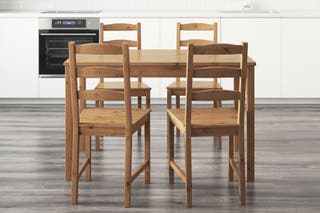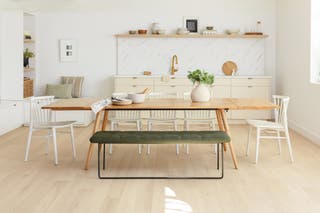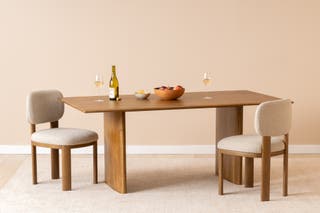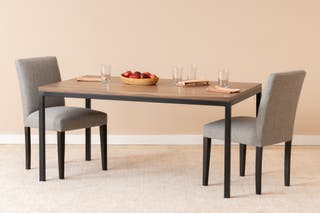
1/6
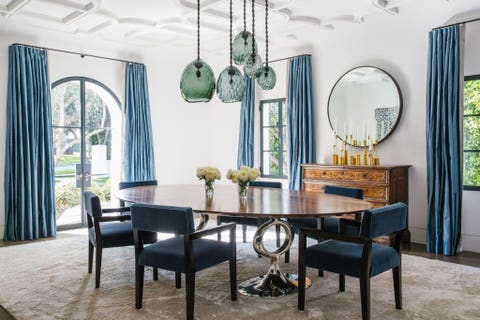
The 8 Best Types Of Wood For A DIY Dining Table
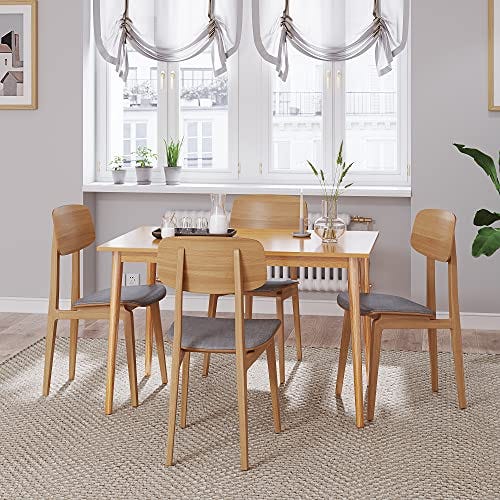
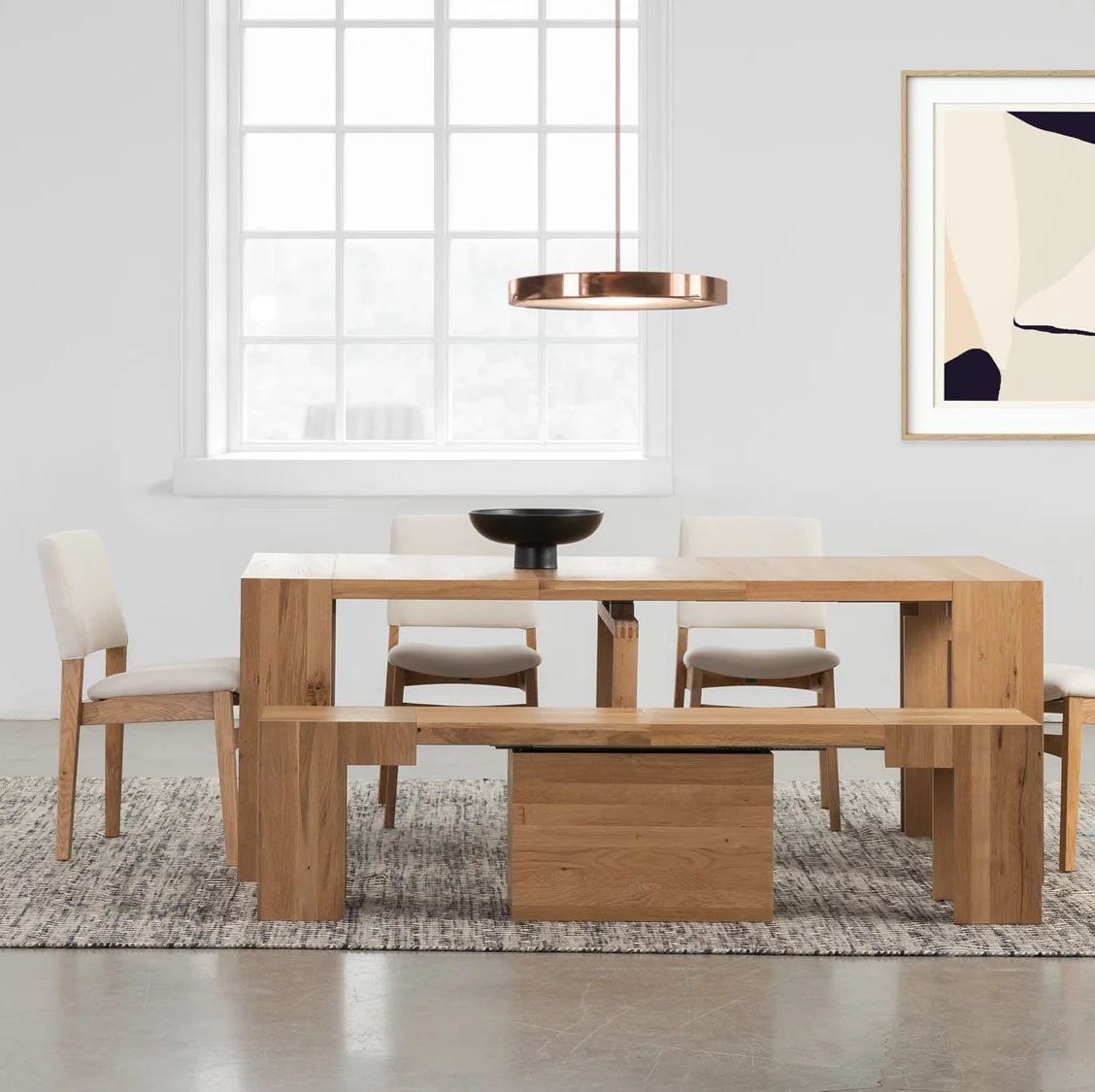
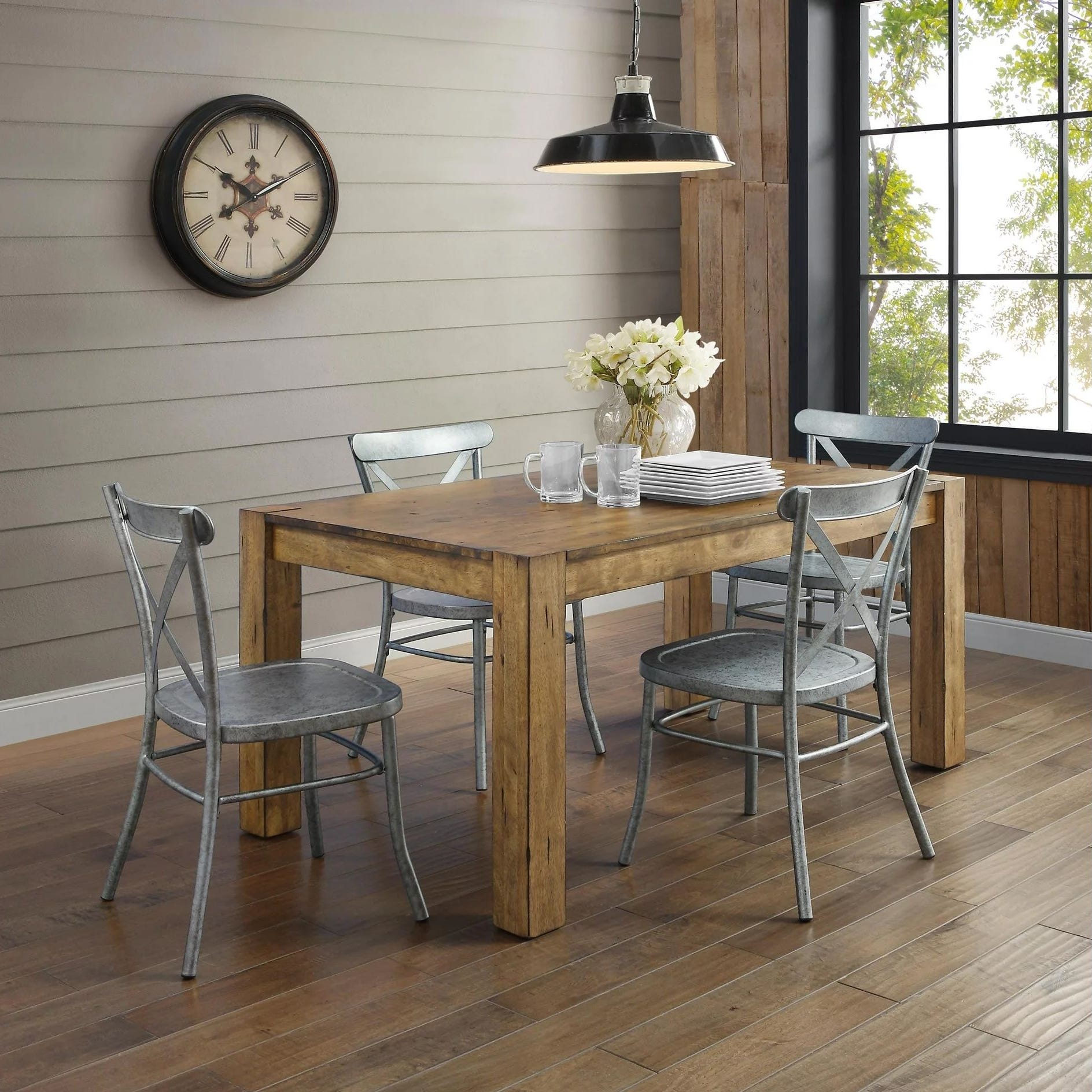
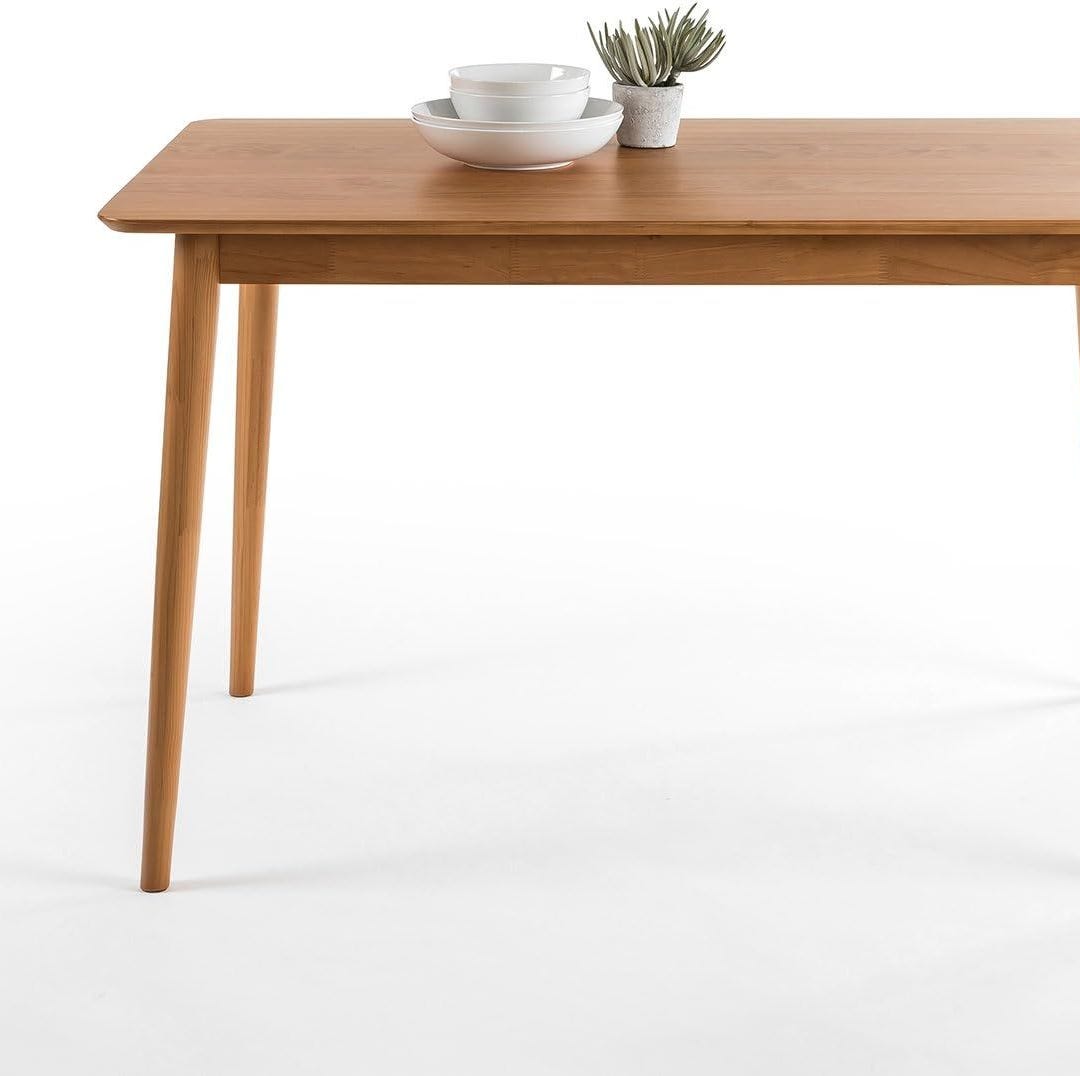
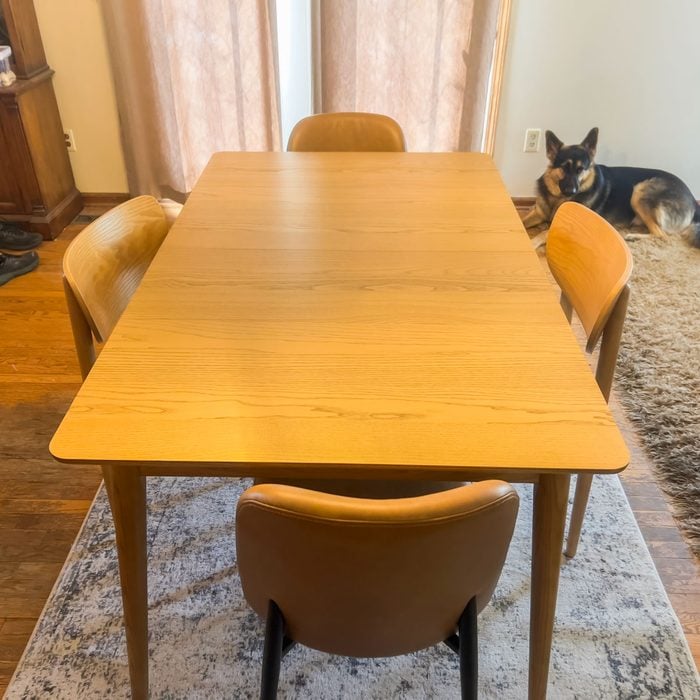
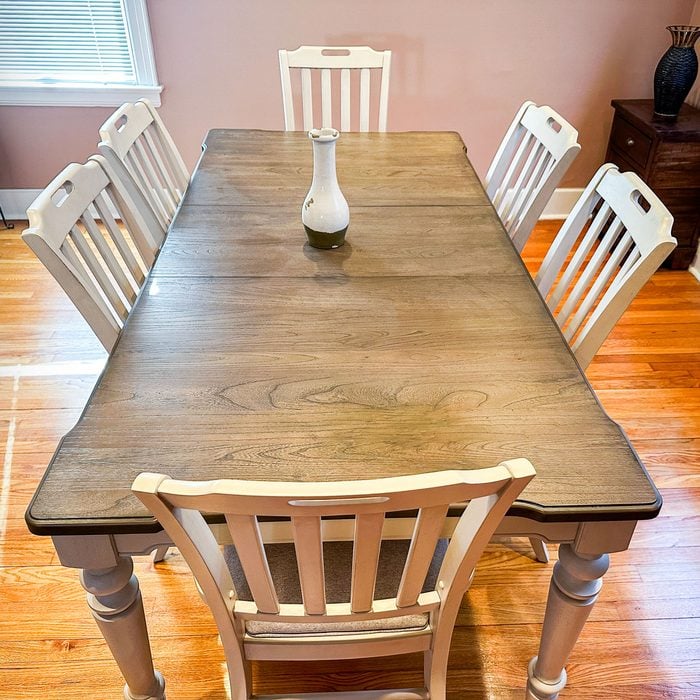
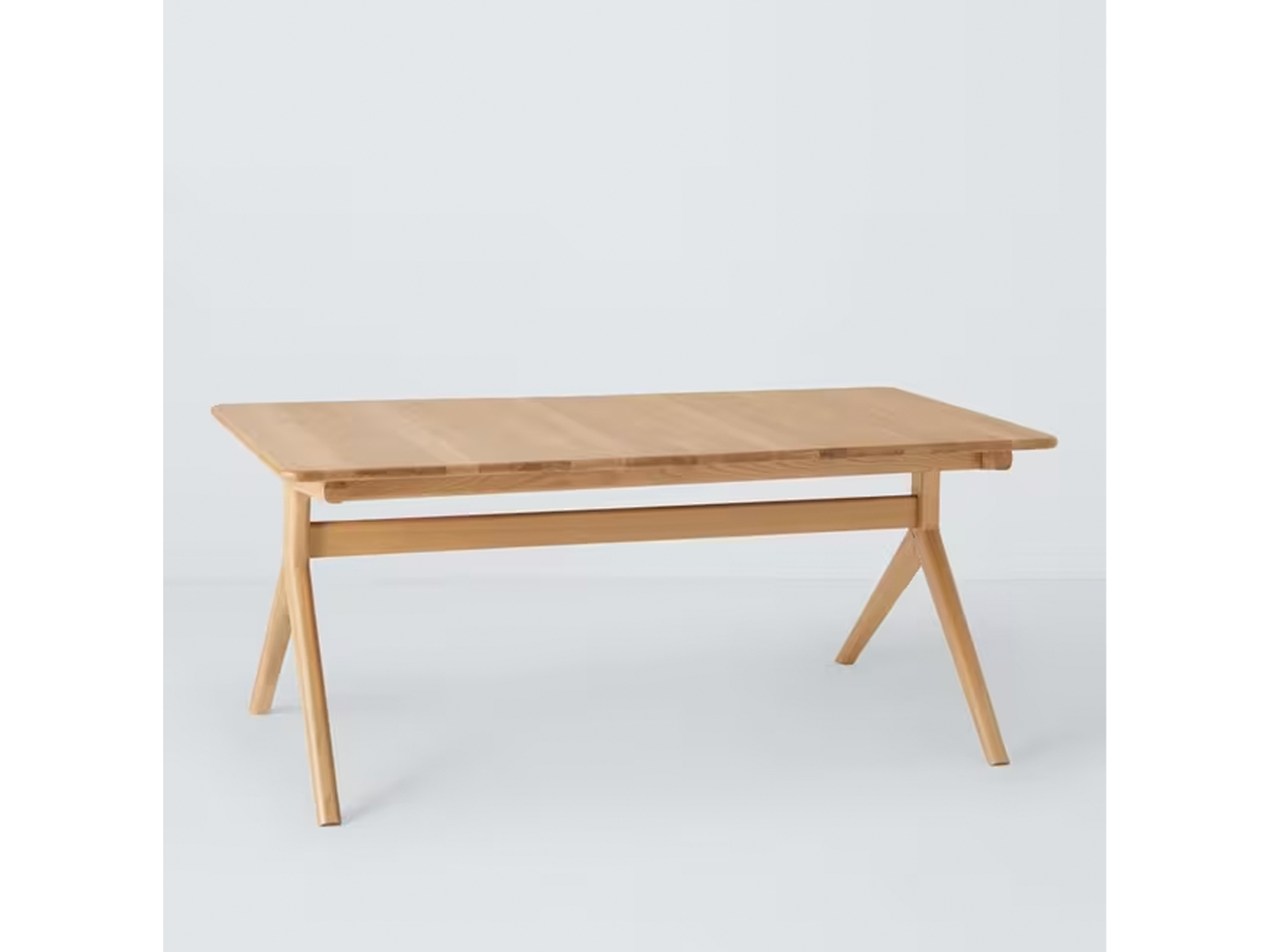
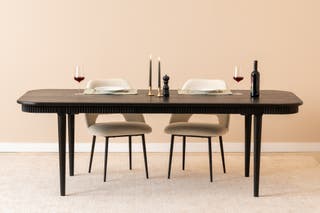
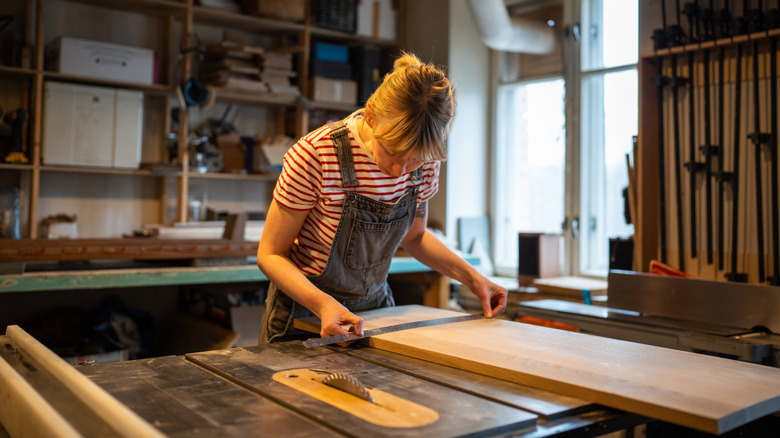
Building a DIY dining table can be a rewarding project, offering a long-lasting piece of furniture. The selection of wood is a critical first step, involving considerations of hardness, grain patterns, durability, and cost. This guide explores eight hardwood species, each suitable for carpentry projects and rated on the Janka wood hardness scale, which measures resistance to damage. These woods offer various advantages, including resistance to rot, insects, and water, budget-friendliness, ease of staining and finishing, or simple assembly with wood glue. Understanding the pros and cons of each wood type is essential for choosing the best material for a handcrafted dining table that suits a household's specific needs and the builder's skill level.
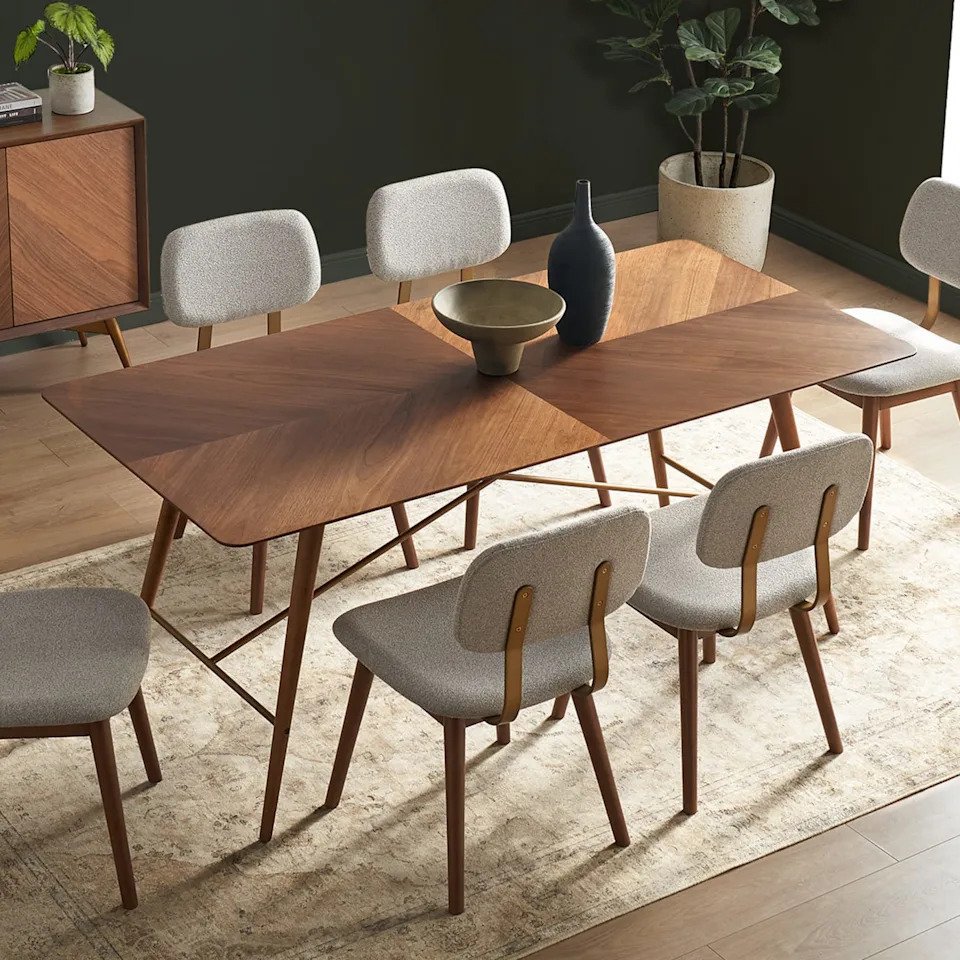
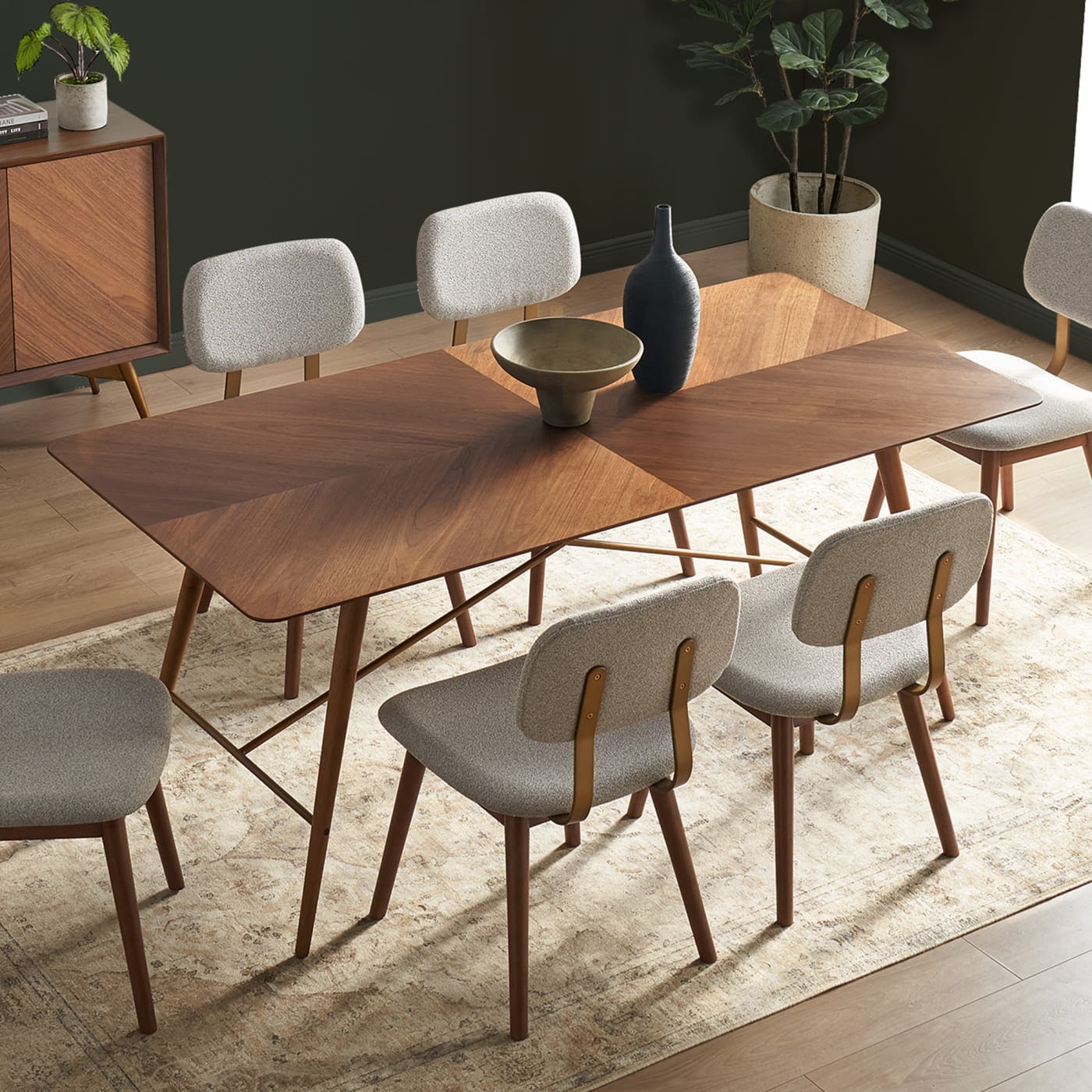
Poplar wood, with a Janka rating of 540, is an excellent choice for beginner DIYers due to its malleability, uniform grain, and ease of cutting with hand tools. It has a beige to brown coloring that darkens with age and is budget-friendly at around $3.90 per board foot. However, it doesn't absorb finishes well, making it better suited for table frames or legs, paired with a more durable top. Grade-A teak wood, rated at 1,070 on the Janka scale, is highly resistant to termites, mold, mildew, and moisture, making it suitable for both indoor and outdoor use. It boasts a golden to medium brown color and various grain patterns but is expensive, costing about $25 per board foot, and its natural oils repel finishes, making staining difficult. Black walnut, with a 1,010 Janka rating, offers dynamic pale brown to chocolate hues and various grain patterns. It is rot-resistant, easy to shape and assemble, and absorbs stains well, costing $12 to $15 per board foot.
Authentic birch wood, characterized by a pale whitish-beige coloring and a fine, straight grain, has a high Janka rating of 1,260. It is affordable at about $5 per board foot and often used for framing or even butcher blocks. A drawback is its porosity, which can lead to blotchy stains, though a pre-stain conditioner can mitigate this. Red and white oak, with Janka ratings from 1,290 to 1,360, are durable, workable, and resistant to insects and rot. Red oak, at $4.50 to $6 per board foot, is more accessible and affordable than white oak, which costs $11 to $17.30. Hard maple, rated 1,450 on the Janka scale, is light in color with a straight grain and is highly durable, making it ideal for high-use surfaces. It costs $6 to $12.50 per board foot, but its hardness can make it tricky to work with, requiring sharp tools and pre-conditioners for staining.
Acacia wood, with a Janka rating of 1,750 or higher, offers distinct interlocked and varied grain patterns, making each piece unique. It is highly resilient against weather, insects, and rot, and scratch-resistant, ensuring a lifetime of use. While surprisingly workable, its interlocking grain requires sharp tools. Acacia costs $13 to $15 per board foot, with rarer species being more expensive. Brazilian cherry (Jatoba), with a Janka rating of around 2,350, features reddish-pink to deep red and orange-brown hues with darker striping. It is highly resistant to moisture and pests and can be sanded and refinished multiple times. Priced at $10 to $13 per board foot, its denseness and interlocking grain make it challenging for beginners, requiring carbide drill bits and specialized saw blades to prevent dulling tools and tearout. It is recommended for those with more woodworking experience.
#DIYDiningTable #Woodworking #HardwoodTypes #JankaRating #HomeImprovement #FurnitureMaking #WoodSelection #DIYHomeDecor #WoodDurability #DIYDiningTable #Woodworking #HardwoodTypes #JankaRating #HomeImprovement #FurnitureMaking #WoodSelection #DIYHomeDecor #WoodDurability
0 comment in total
 No comments yet
You may also like
8 dining room table ideas – the best styles and decor tips to elevate your dining space

11 Top-Rated Dining Tables for Every Style and Budget

The 8 Best Kitchen and Dining Room Tables of 2025, Tested and Reviewed

Time to Upgrade Your Dining Table? These Designer-Approved Picks Are on Sneaky Sale

11 Dining Tables to Fit Every Home Aesthetic
11 Top-Rated Dining Tables for Every Style and Budget

How to Choose the Right Dining Table for Your Home (Published 2018)
8 of the best extendable dining tables to suit every home

The best dining tables for all styles and budgets

10 Best Dining Tables for Modern Homes

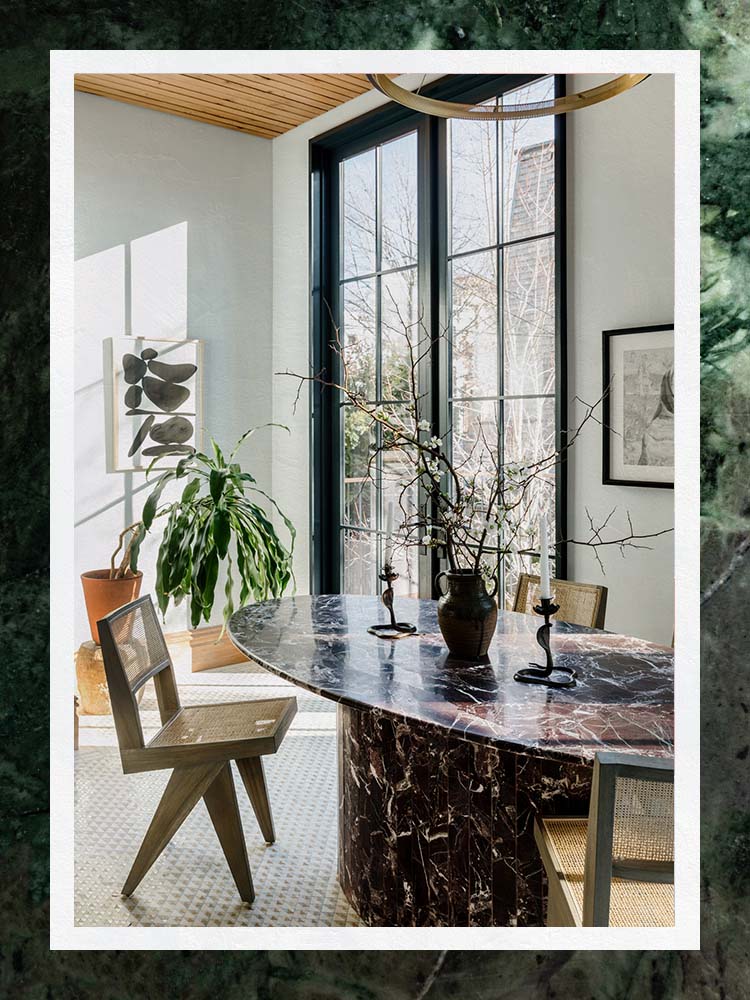
The Best Dining Tables, as Seen in Our Favorite Spaces

The Best Dining Tables (and How to Shop for One)
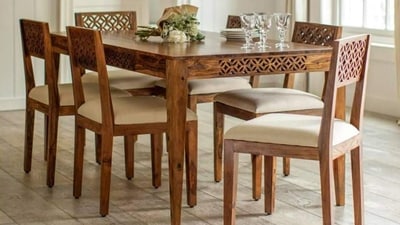
Best dining table sets: Explore top 10 choices for your home decor | Hindustan Times

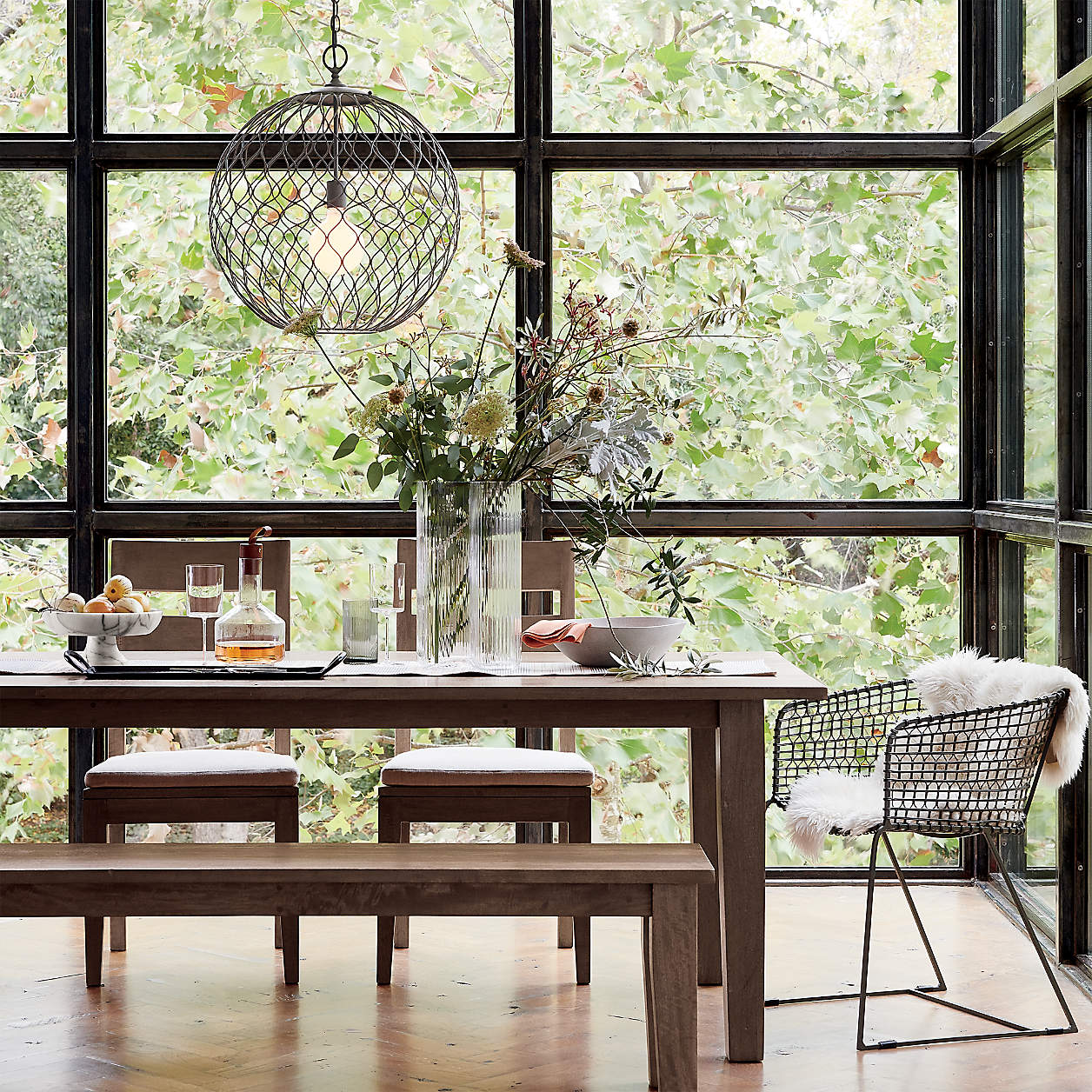
The Best Dining Room Tables, According to Design Pros

The best dining tables for entertaining in style, tried and tested
Our Favorite Dining Tables

The 20 Best Dining Room Tables, According to Designers

10 best dining tables for entertaining in style, tried and tested

10 Unique Dining Table Ideas

Top 10 Innovative Wooden Furniture Designs To Elevate Your Home Décor