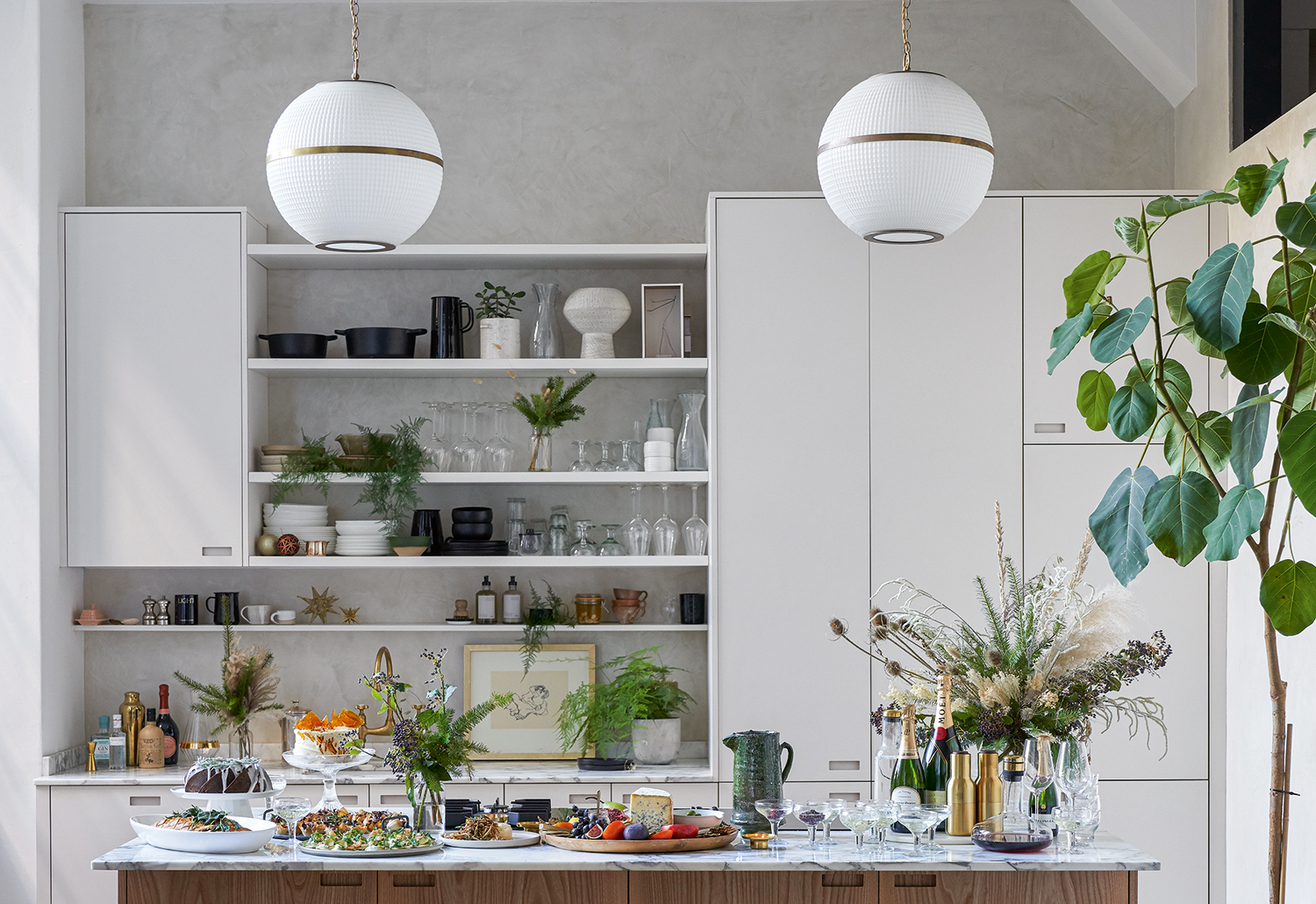
1/6
How many lights should there be in a kitchen? Designers agree on how to get it right
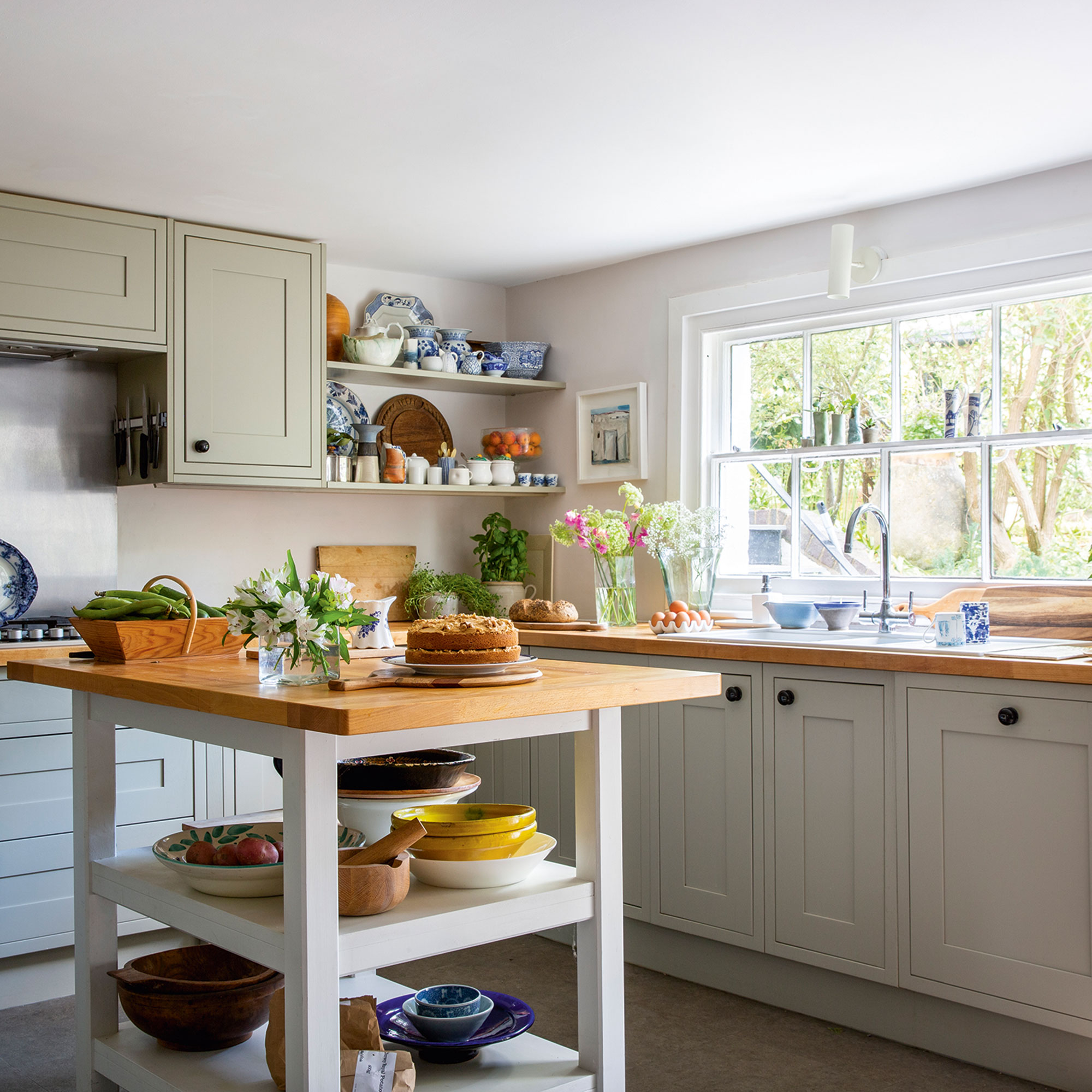
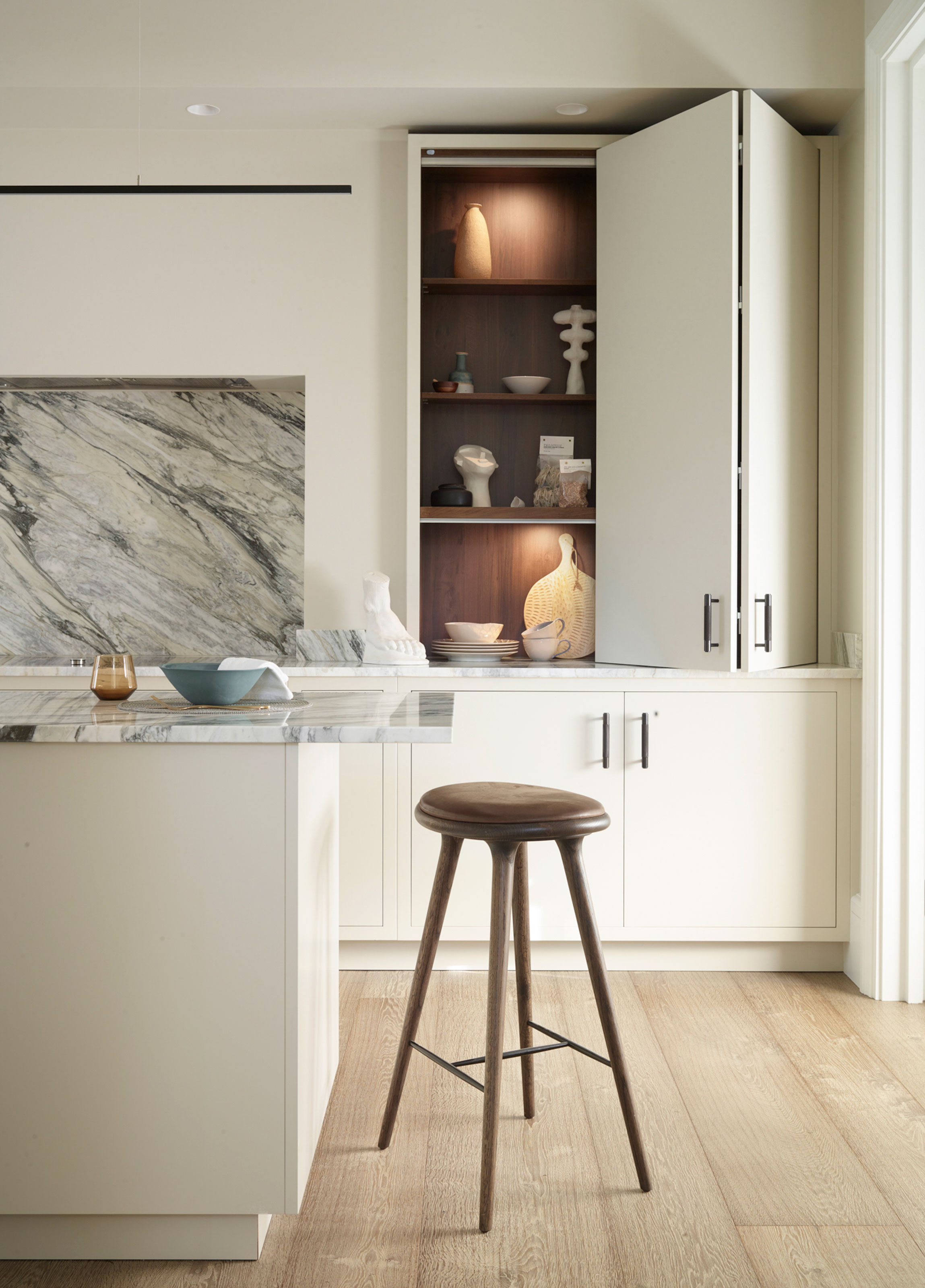
Determining the optimal number of lights in a kitchen is a complex task, influenced by several factors such as kitchen size, ceiling height, and the available natural light. There isn't a universal answer, as the specific needs of each kitchen vary significantly. Kitchen lighting design emphasizes three primary types: overhead or ambient lighting, task lighting, and accent lighting, rather than a fixed quantity of fixtures.
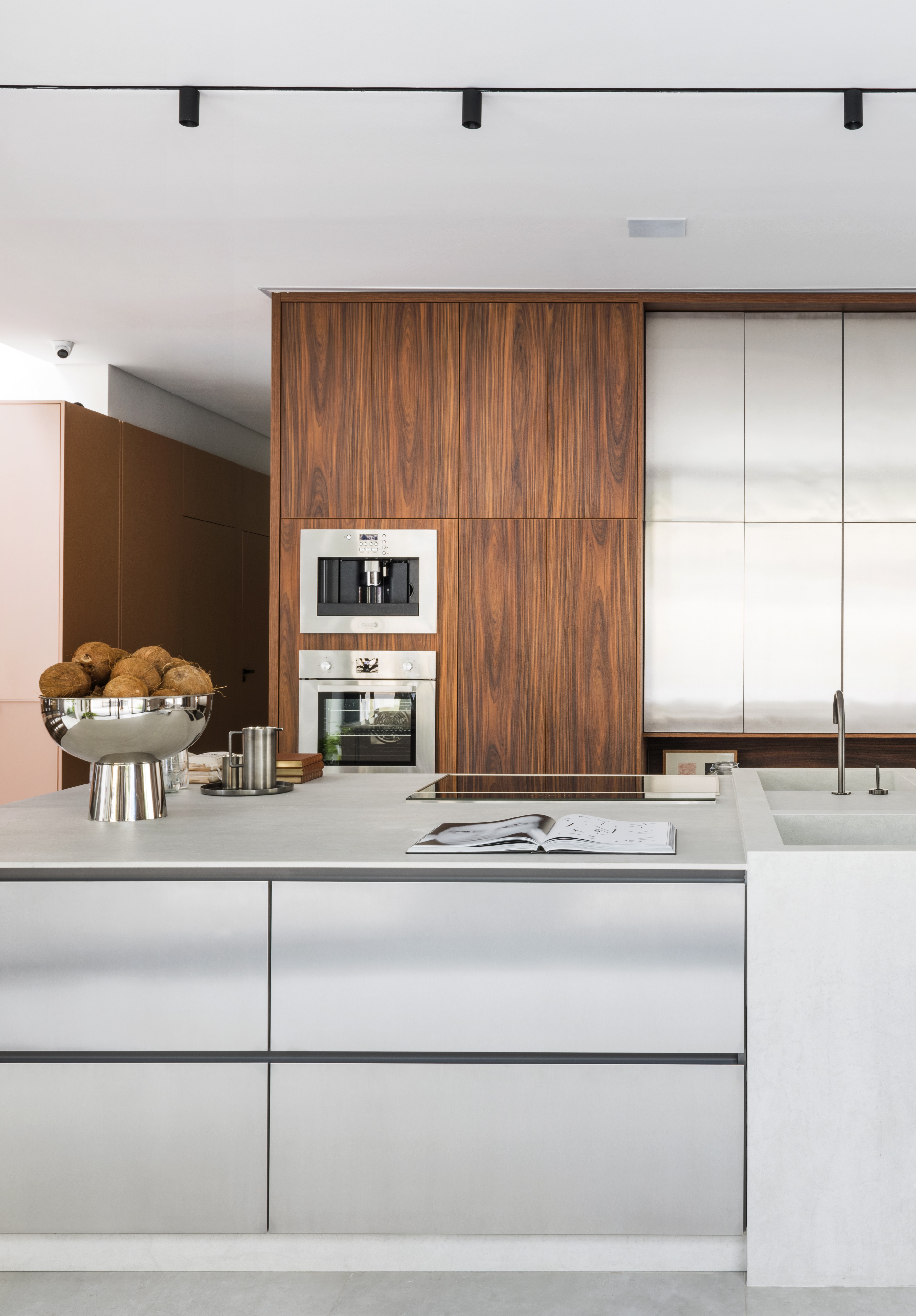
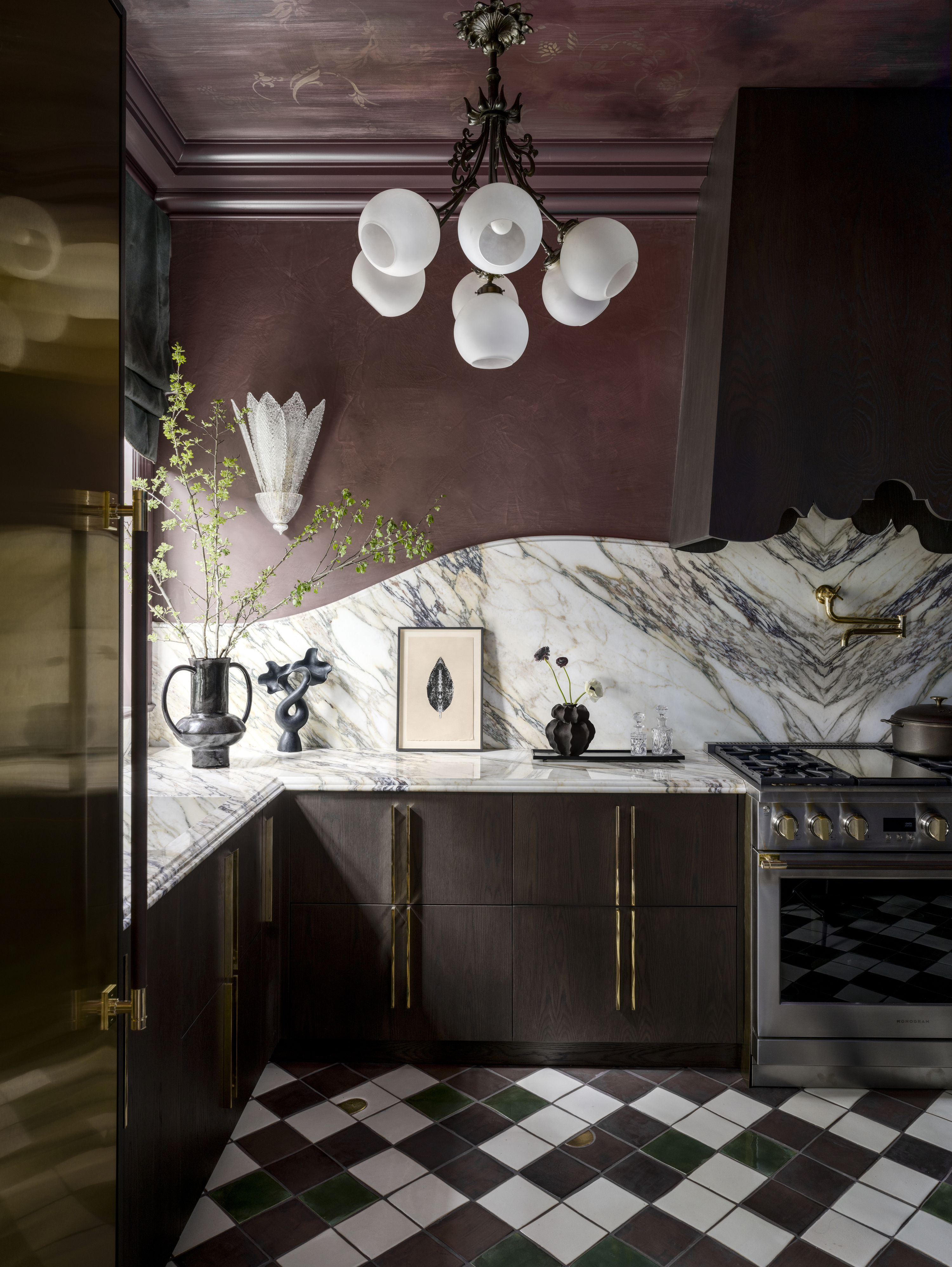
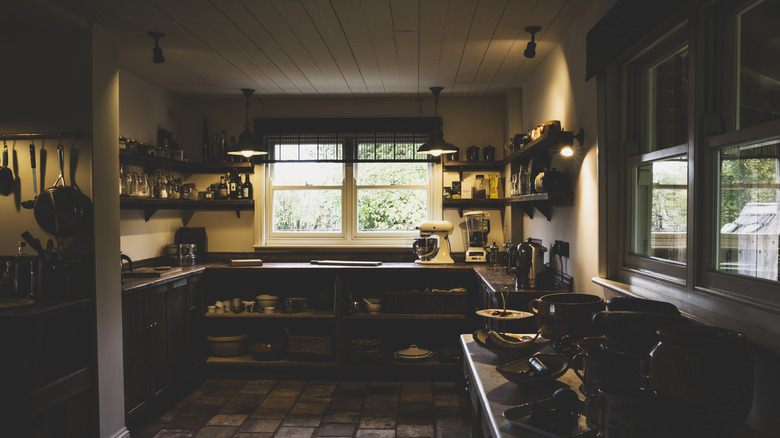
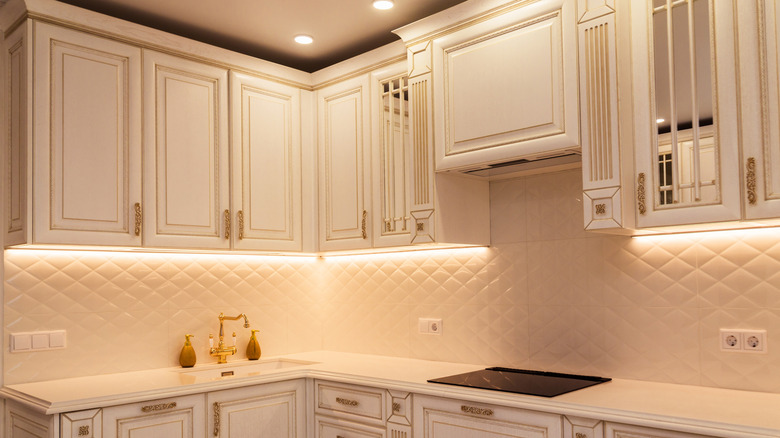
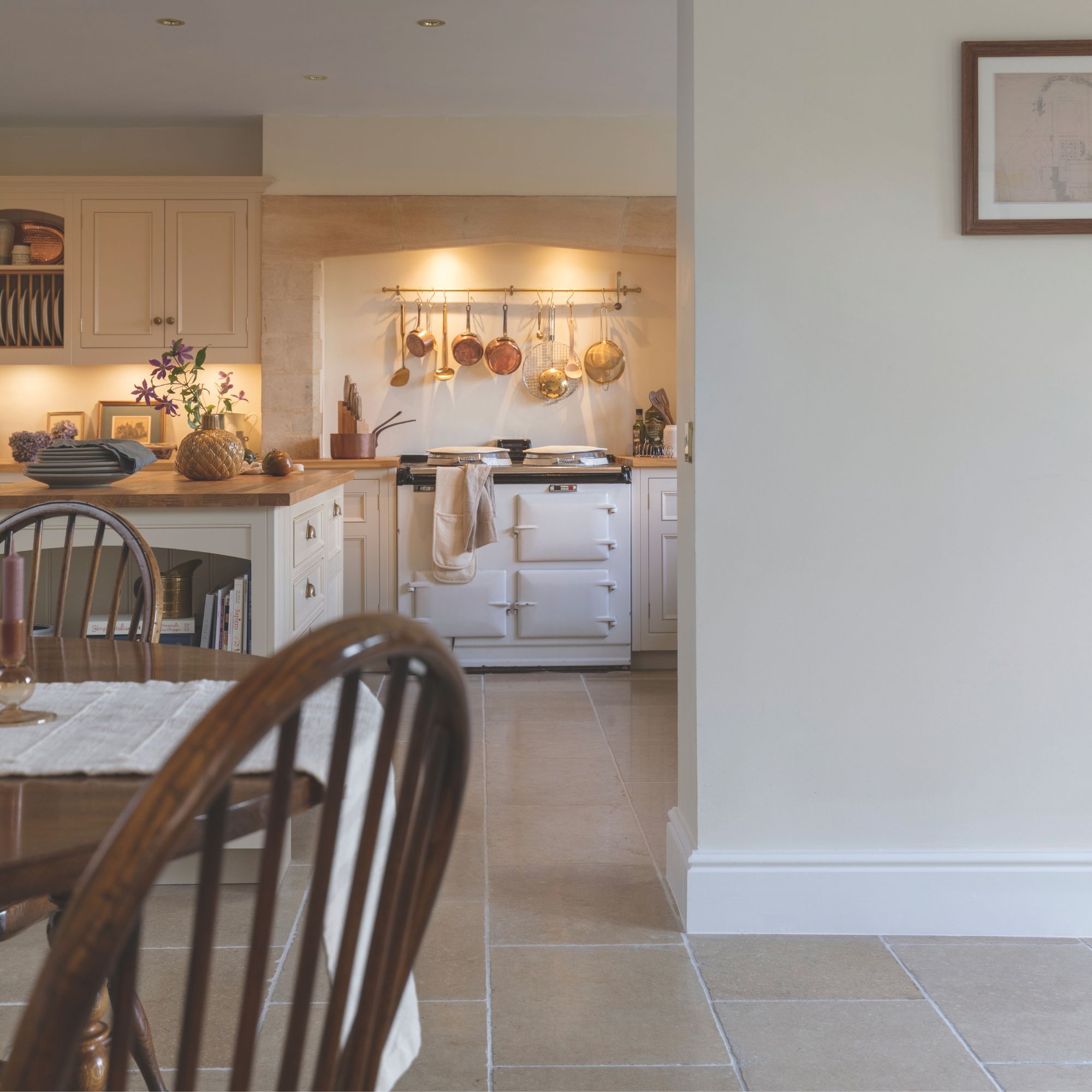
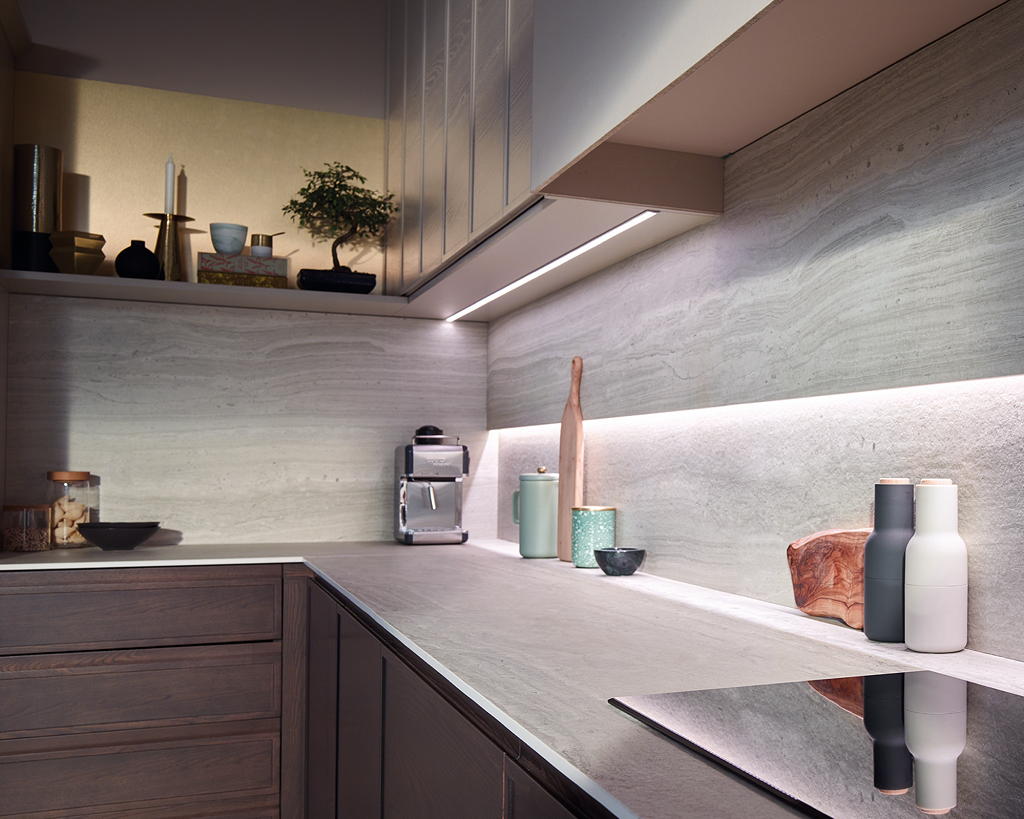
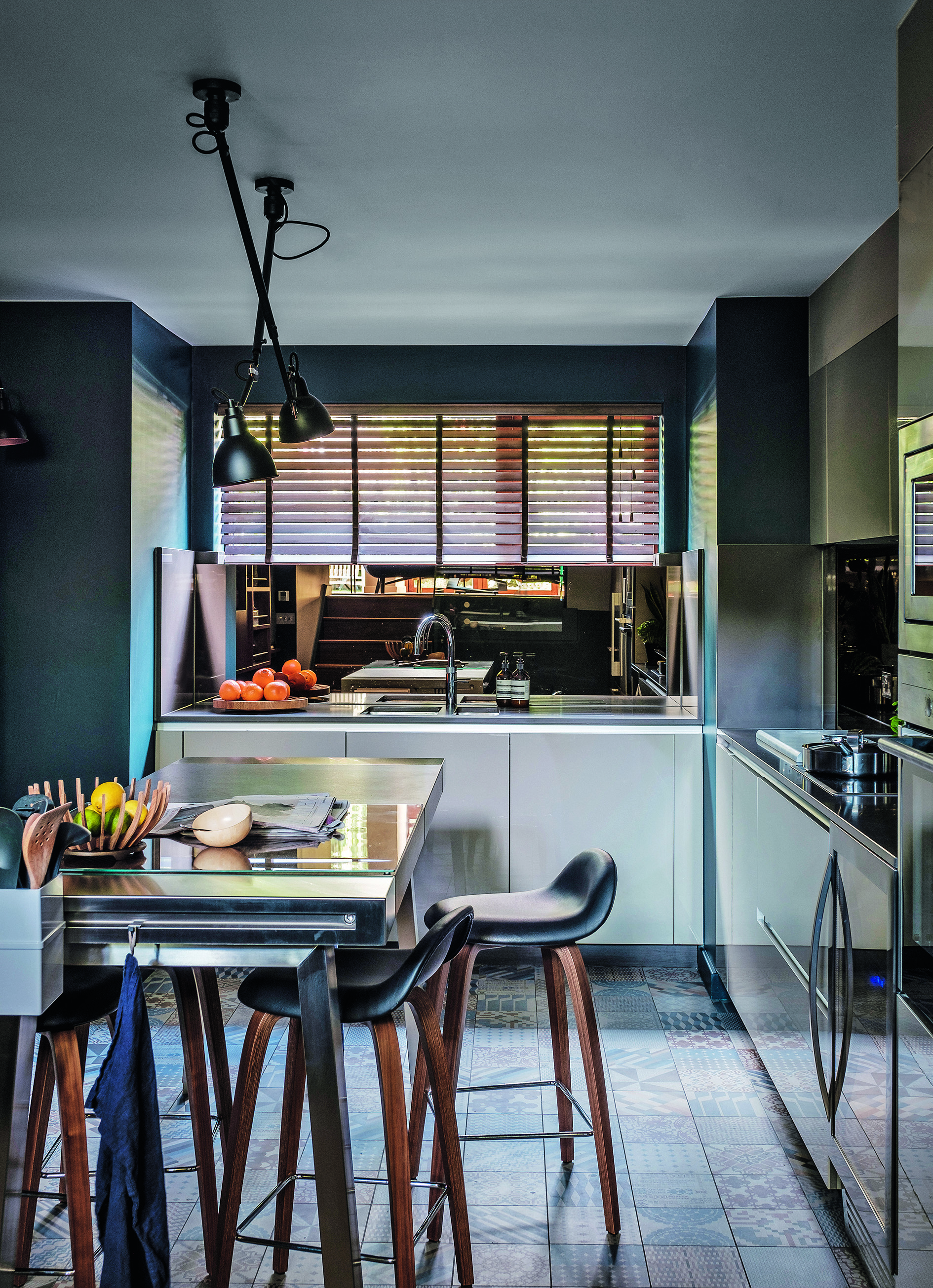
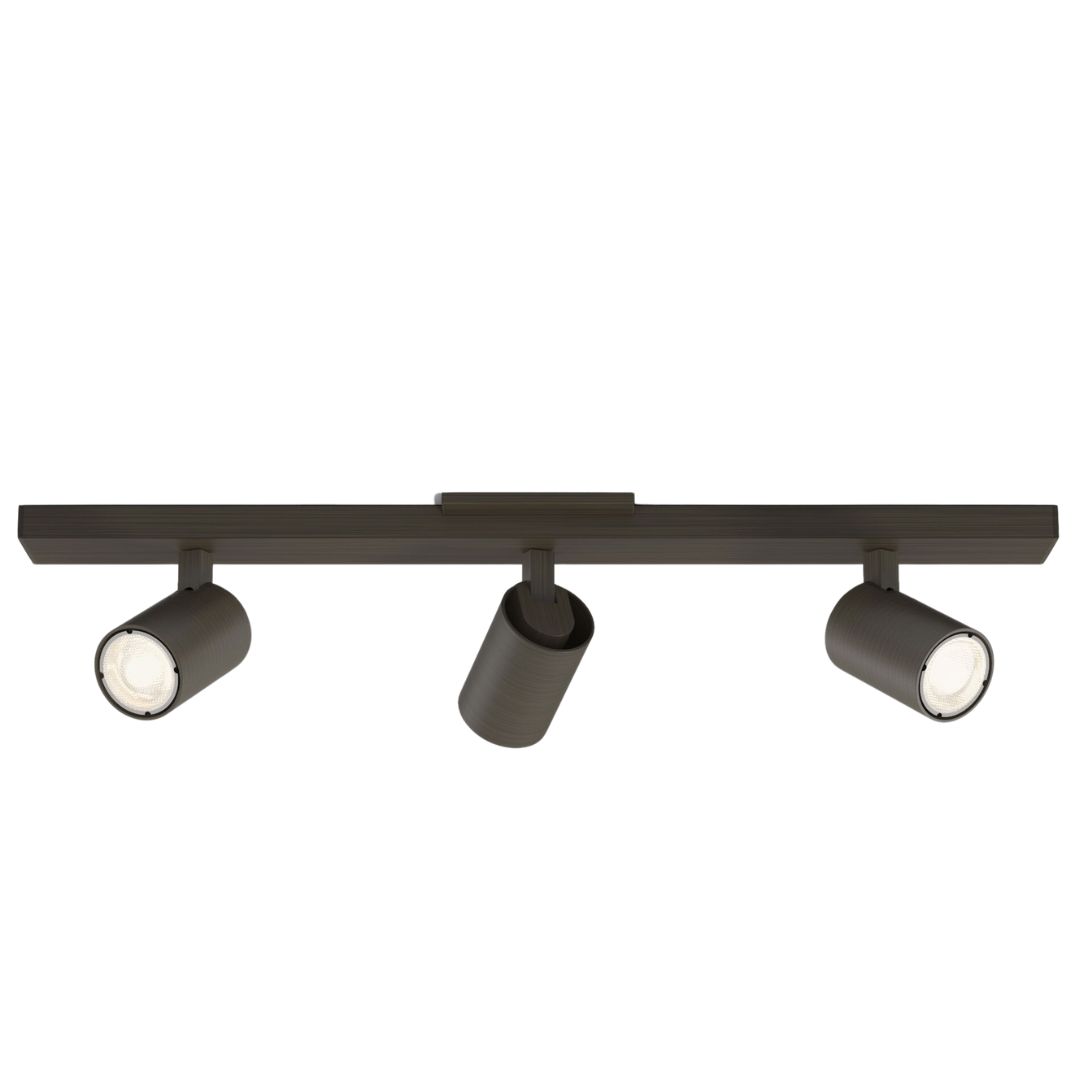
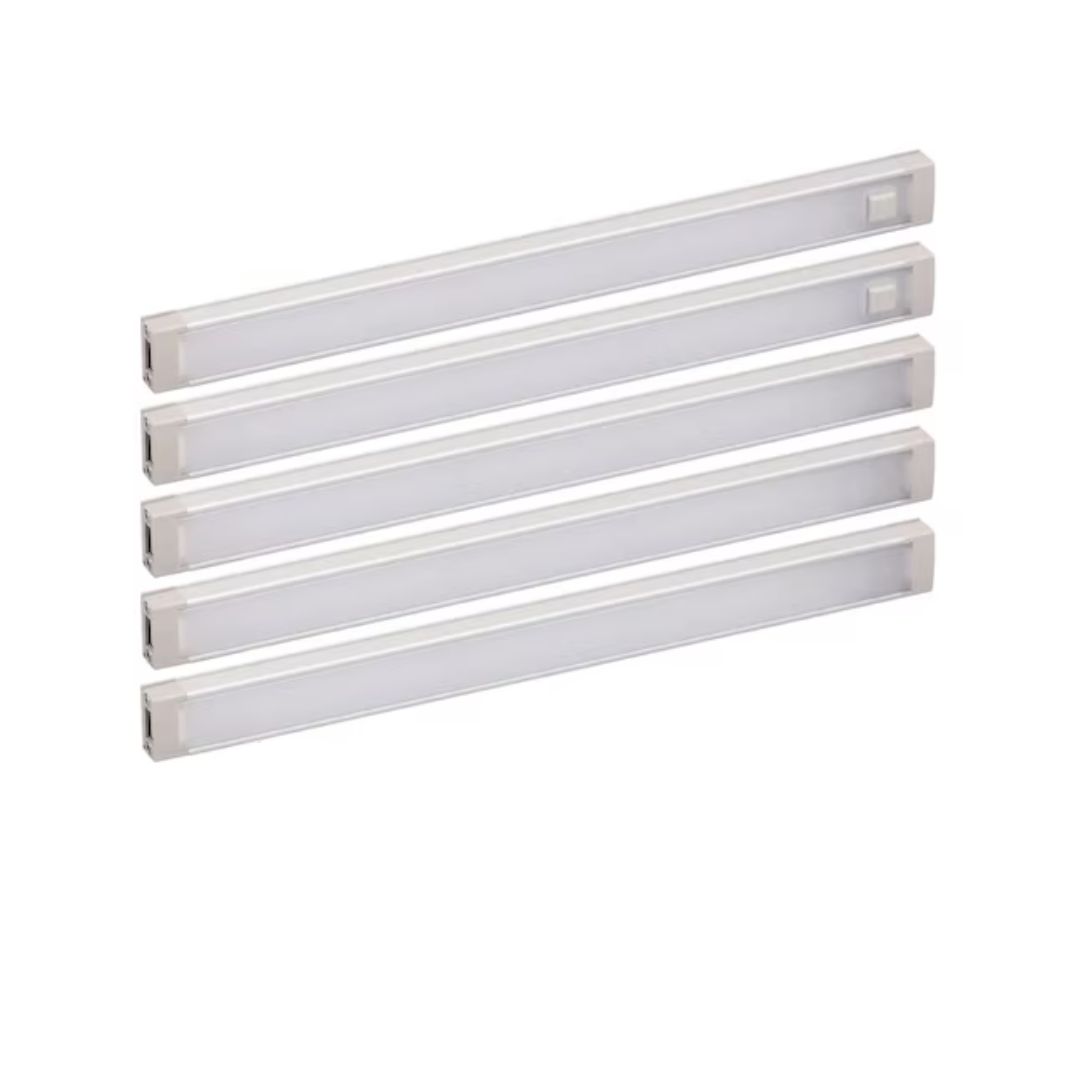
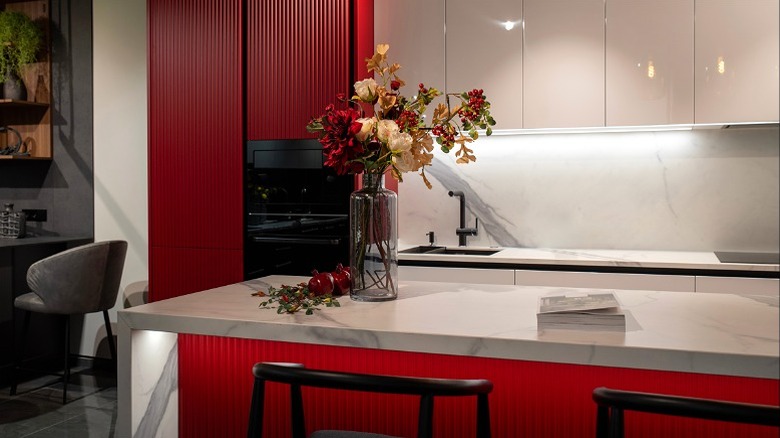
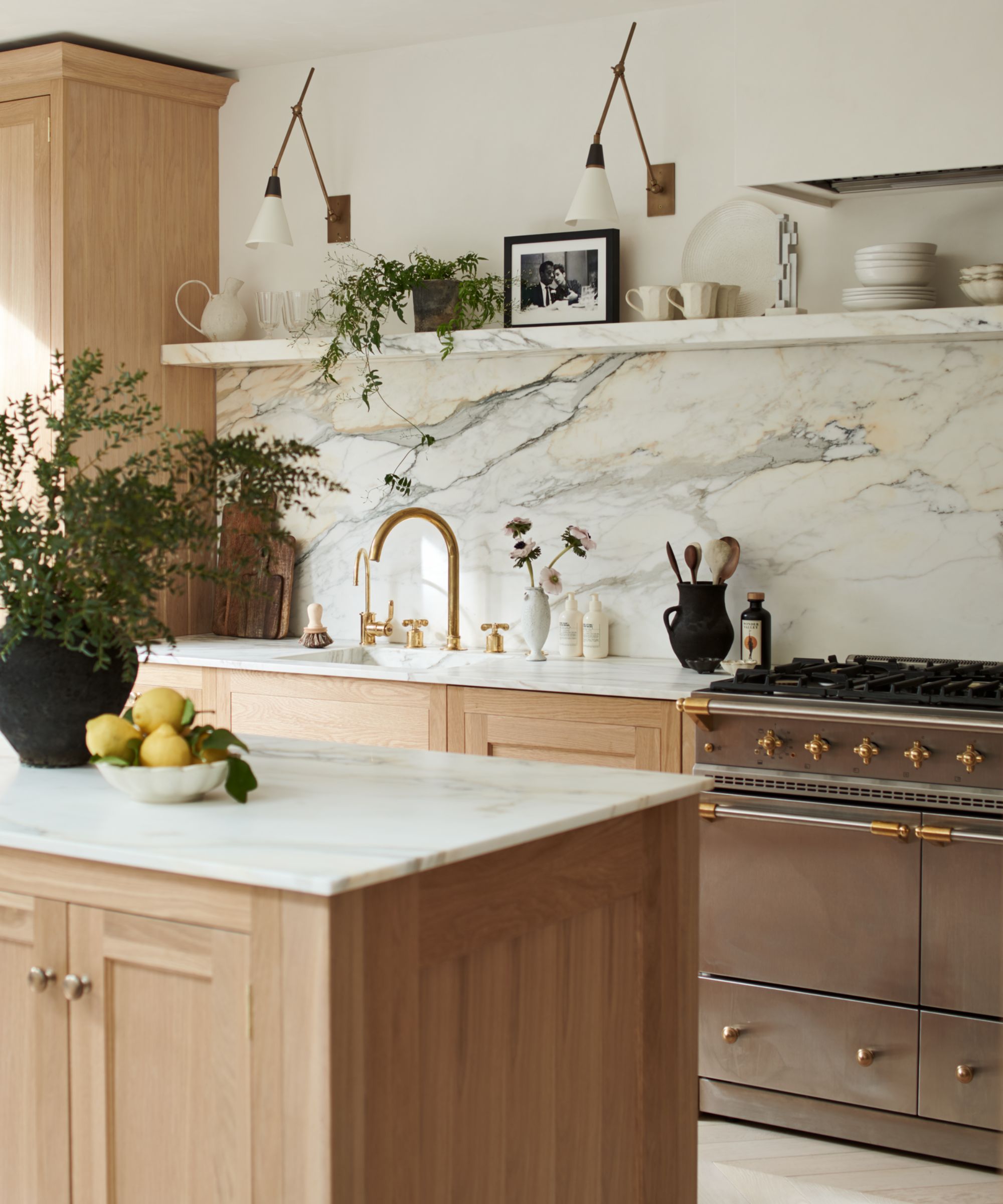
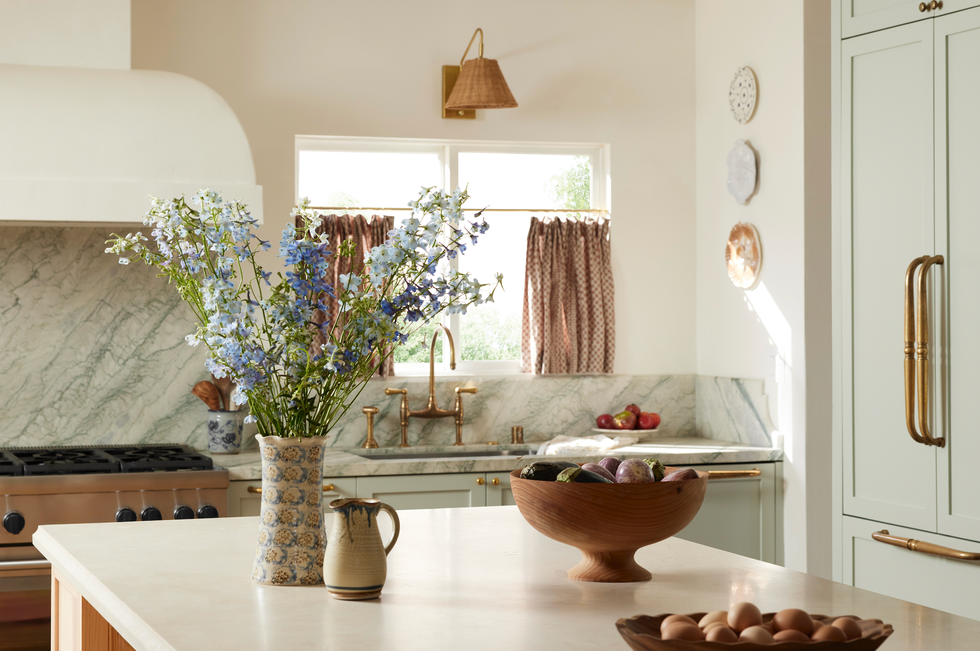
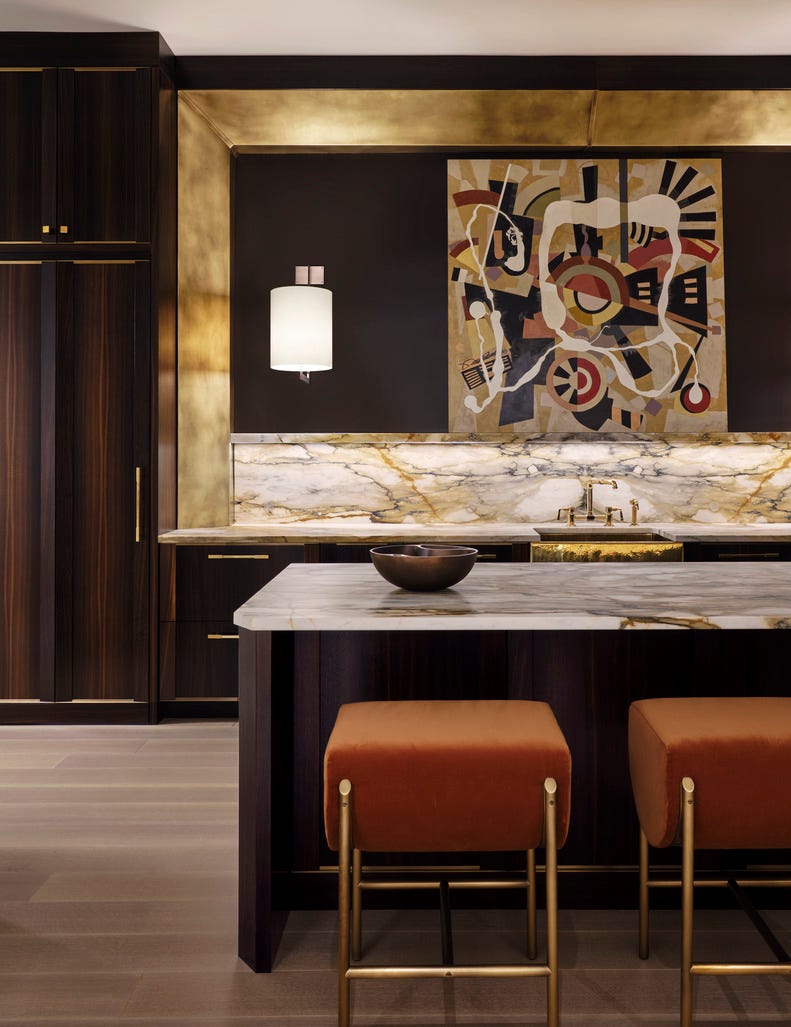
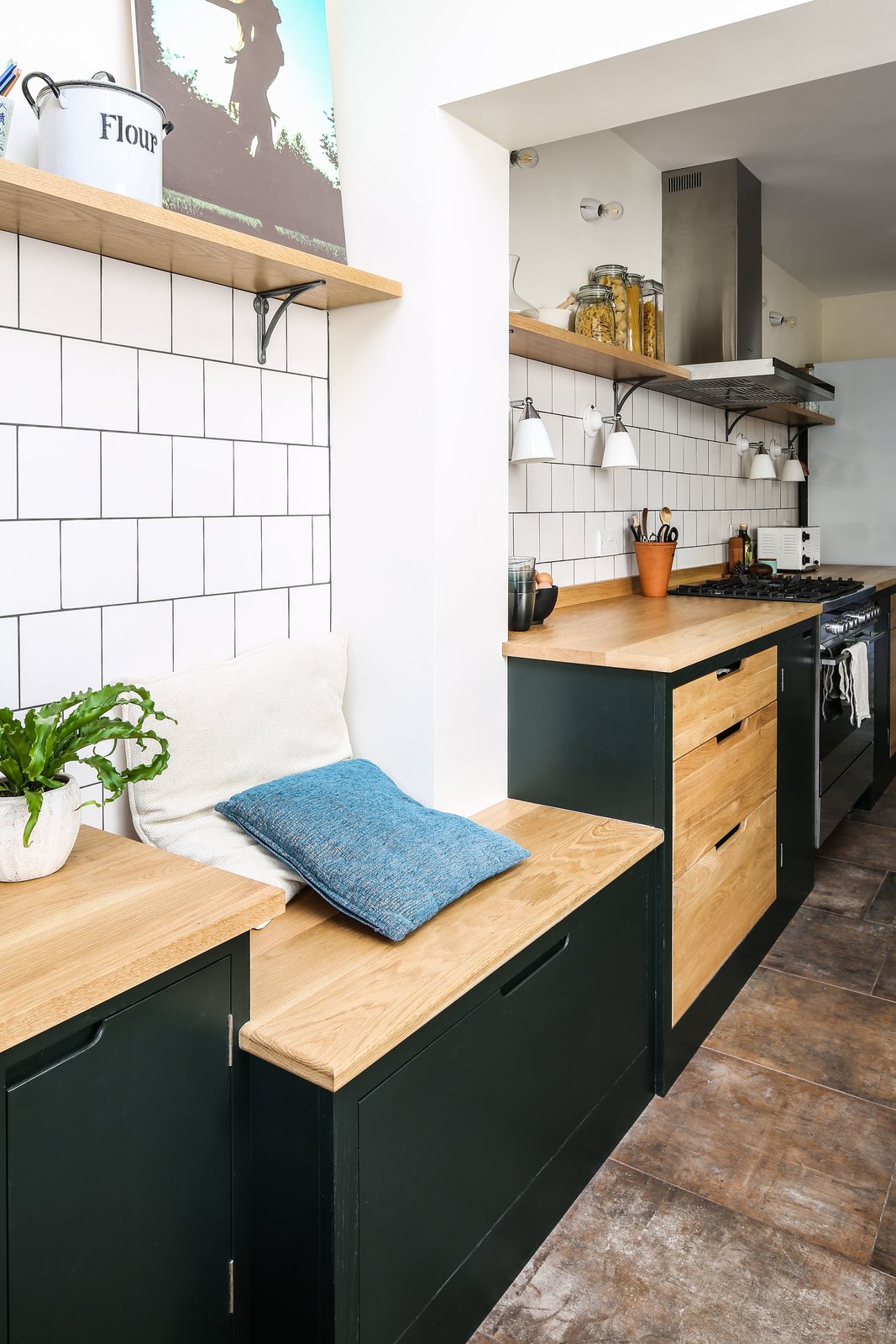
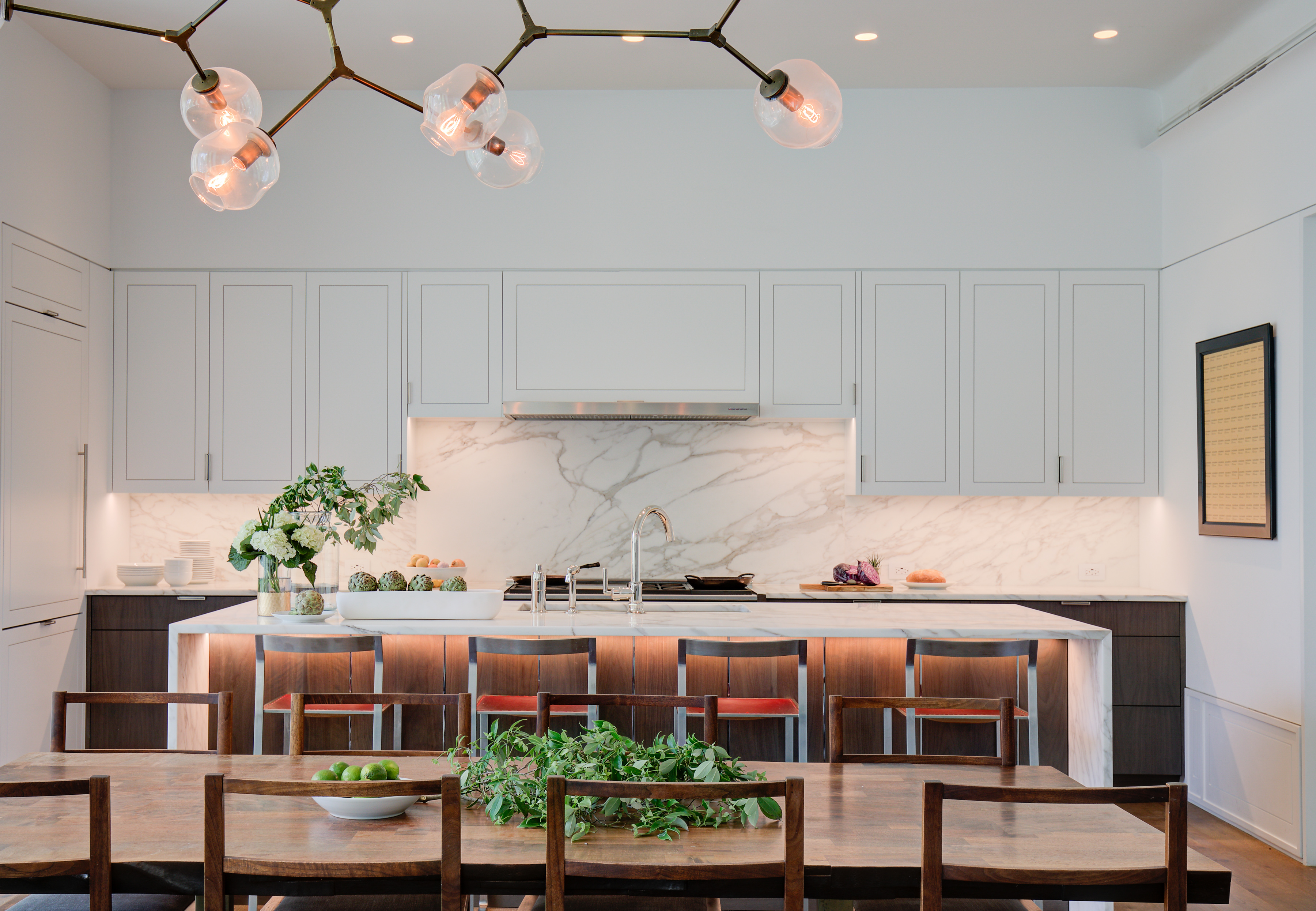
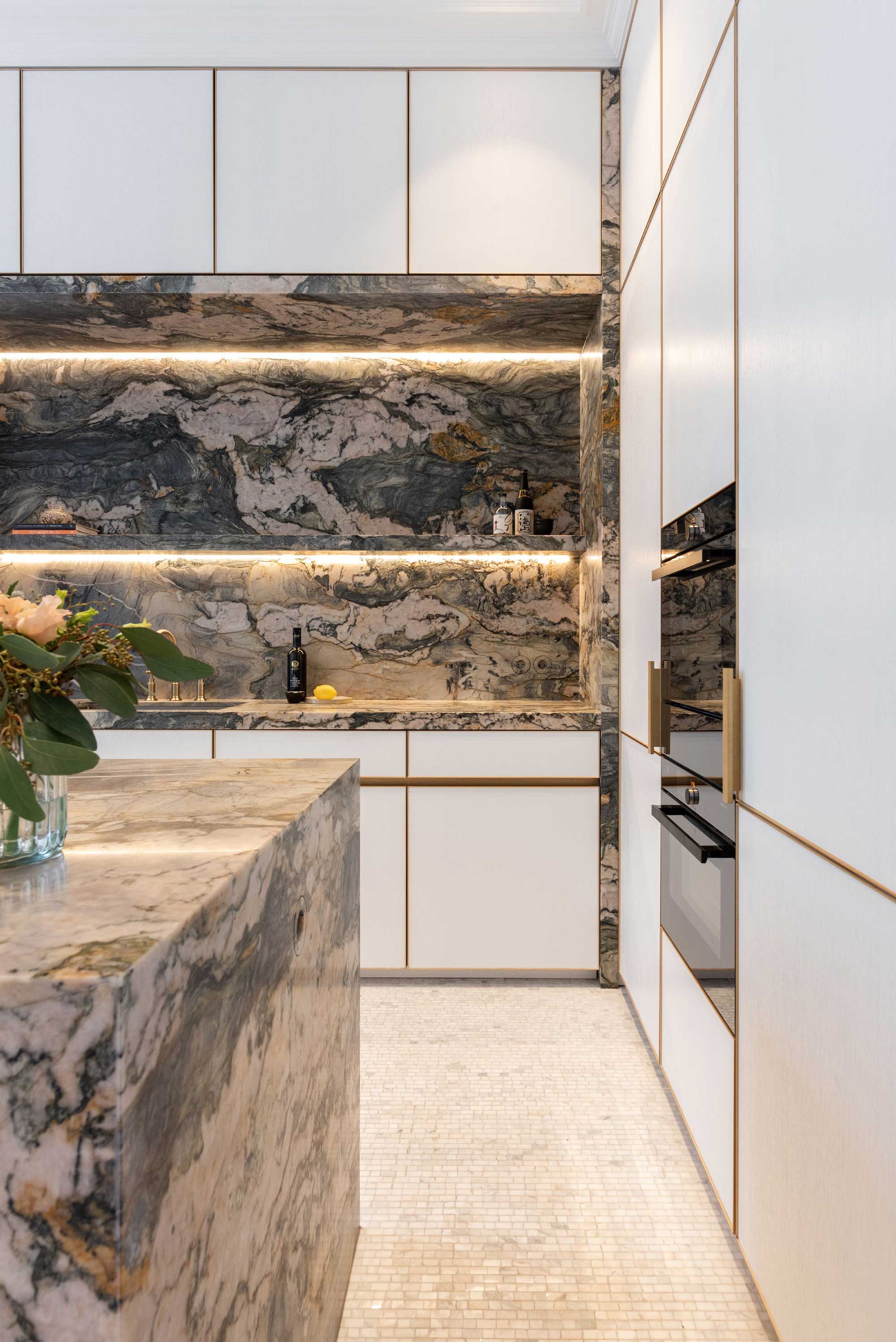
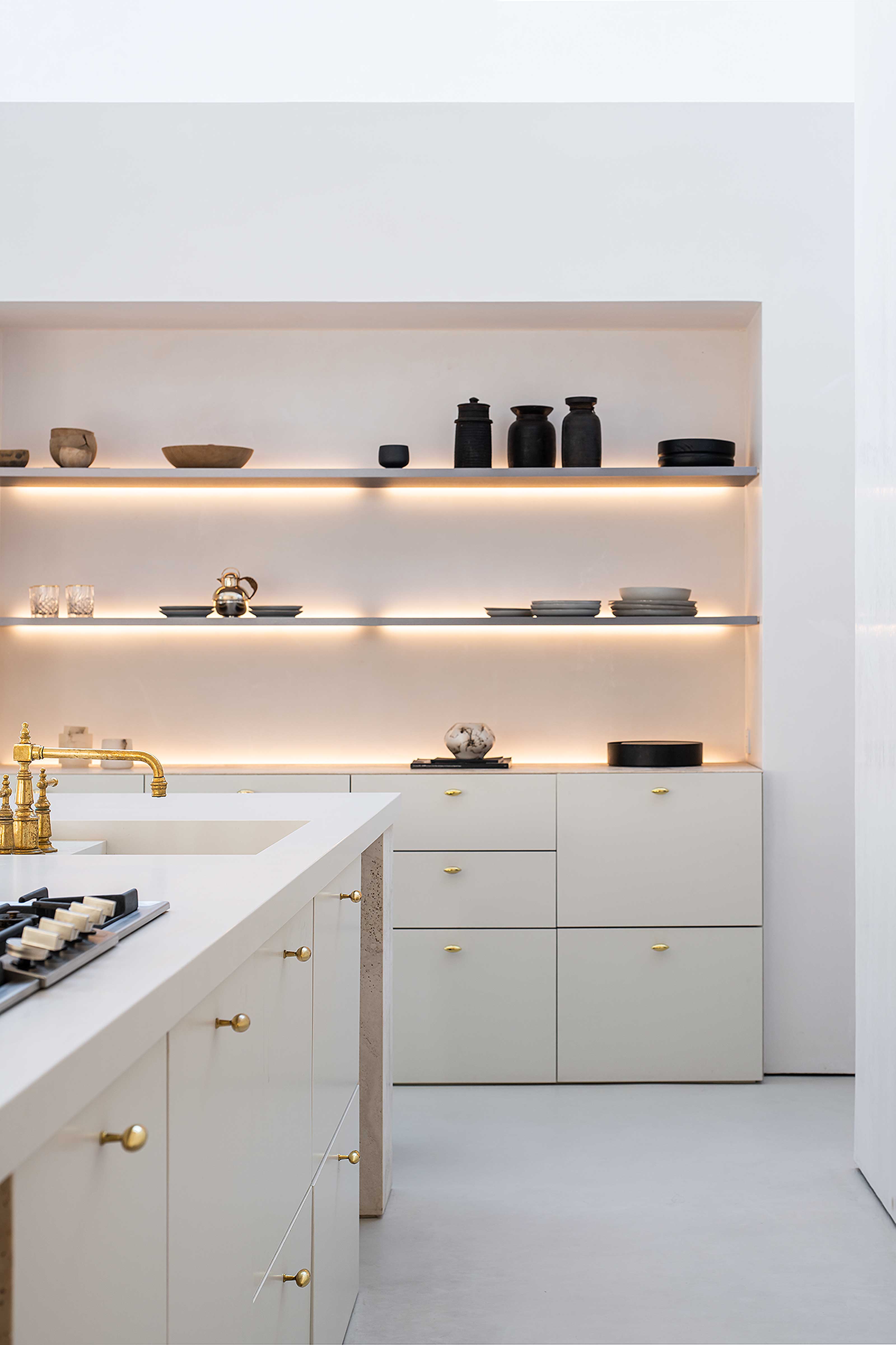
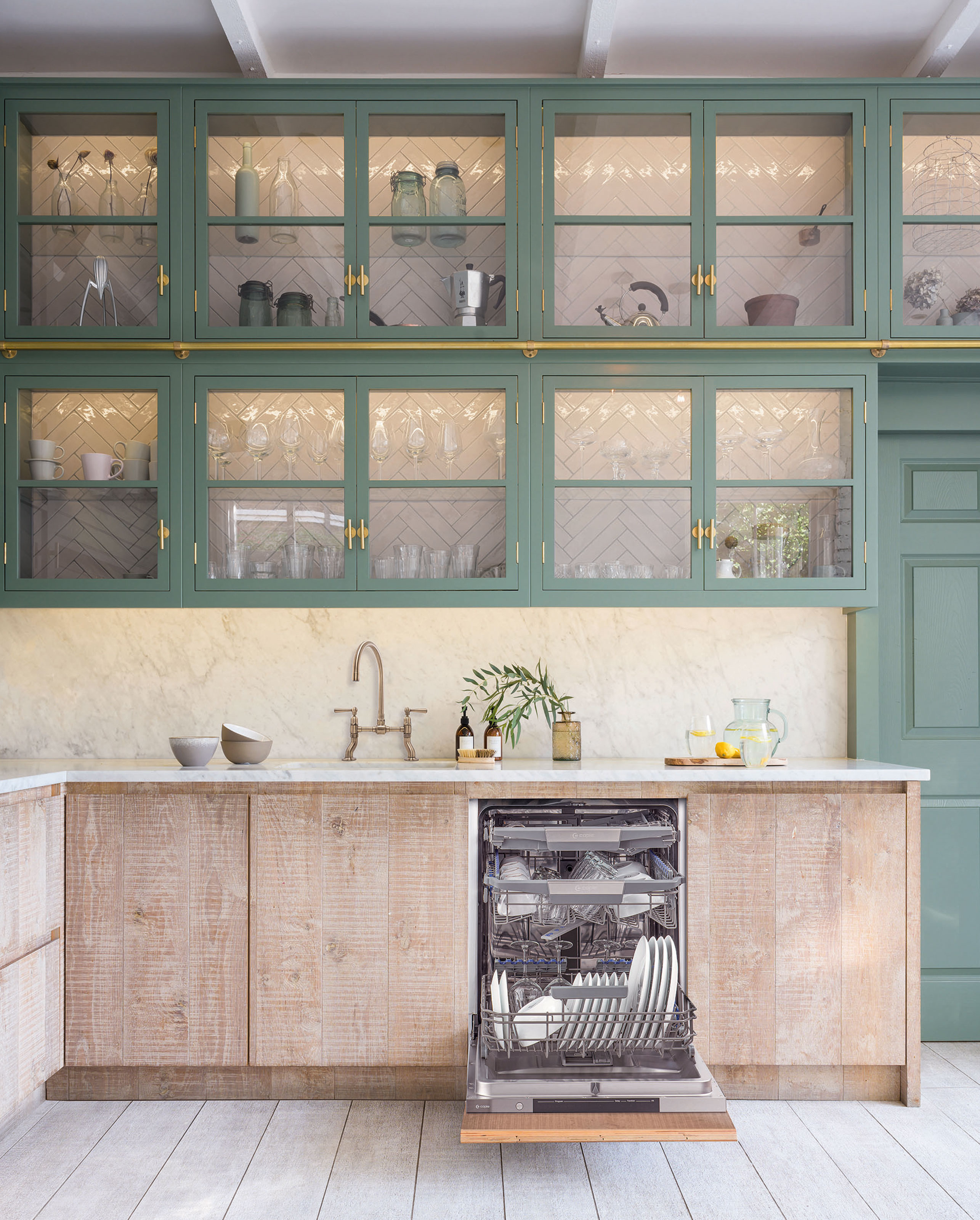
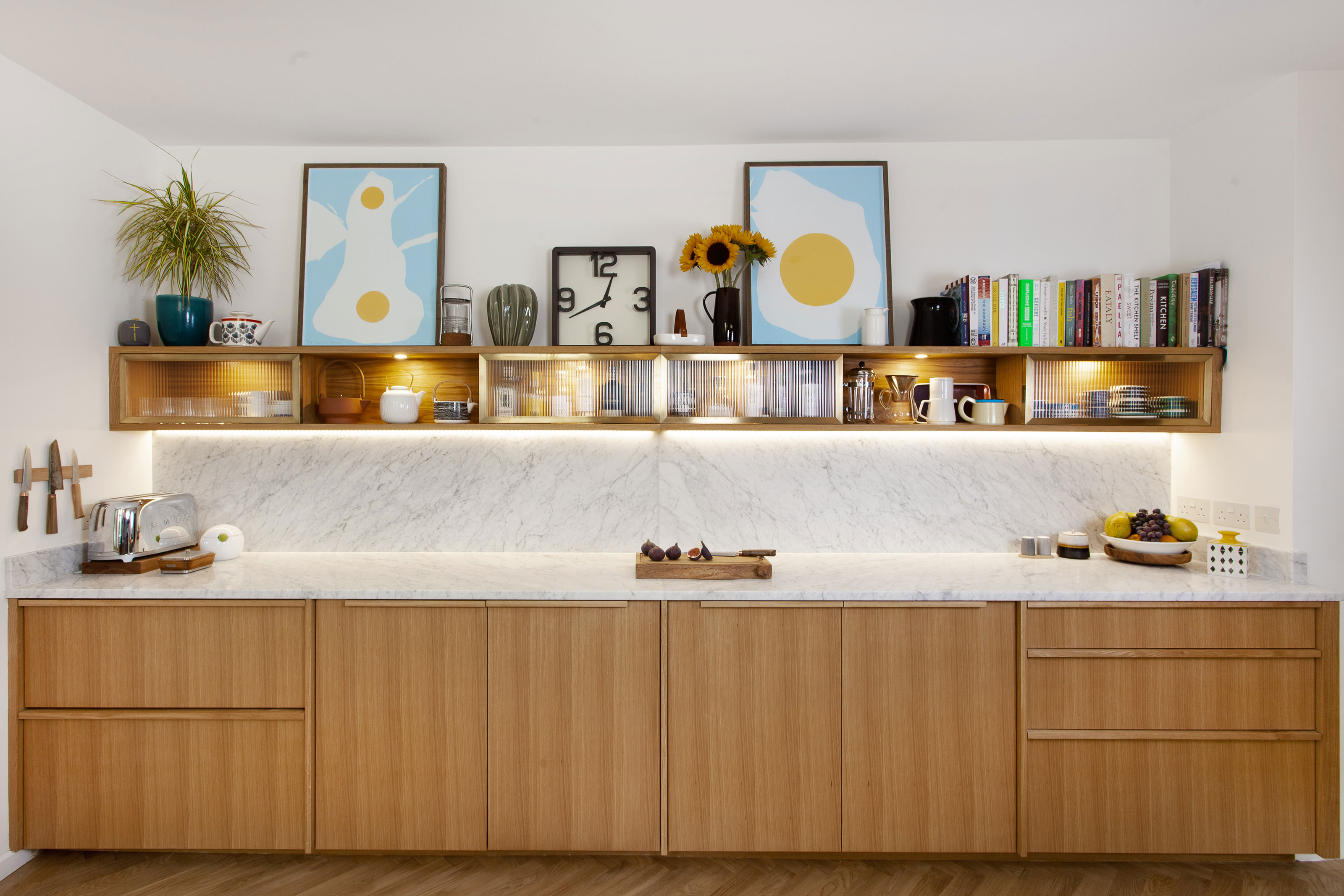
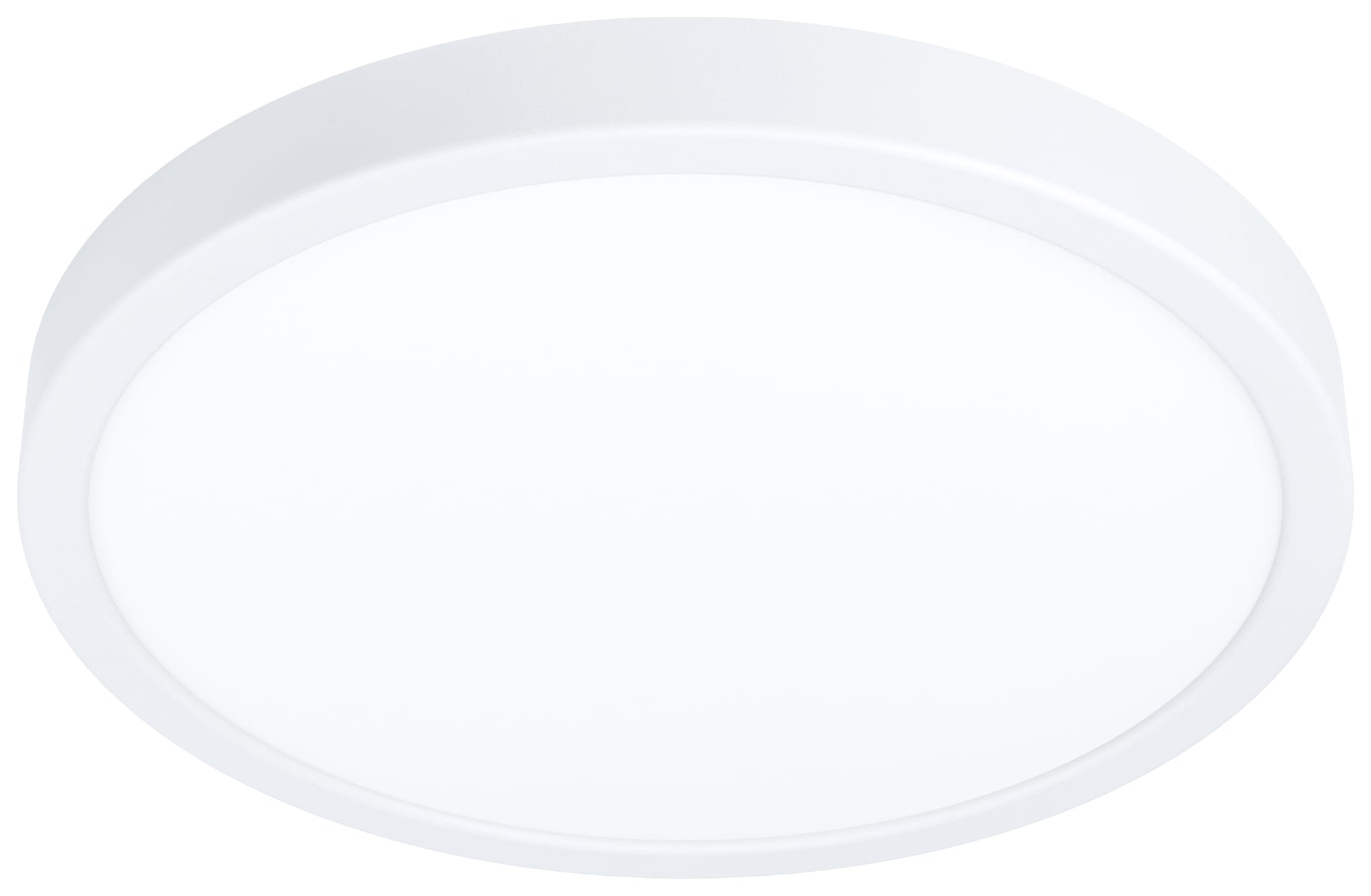
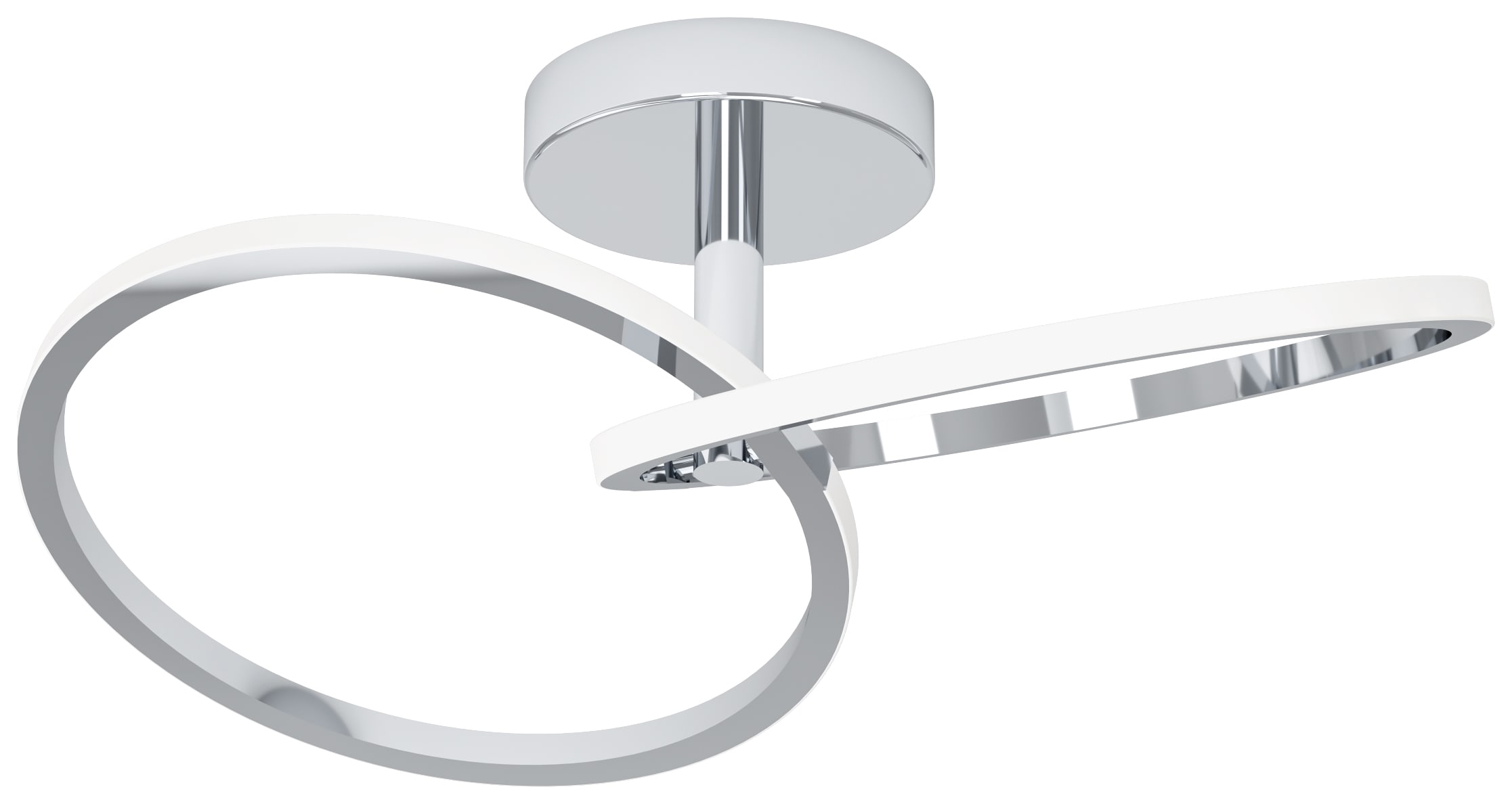
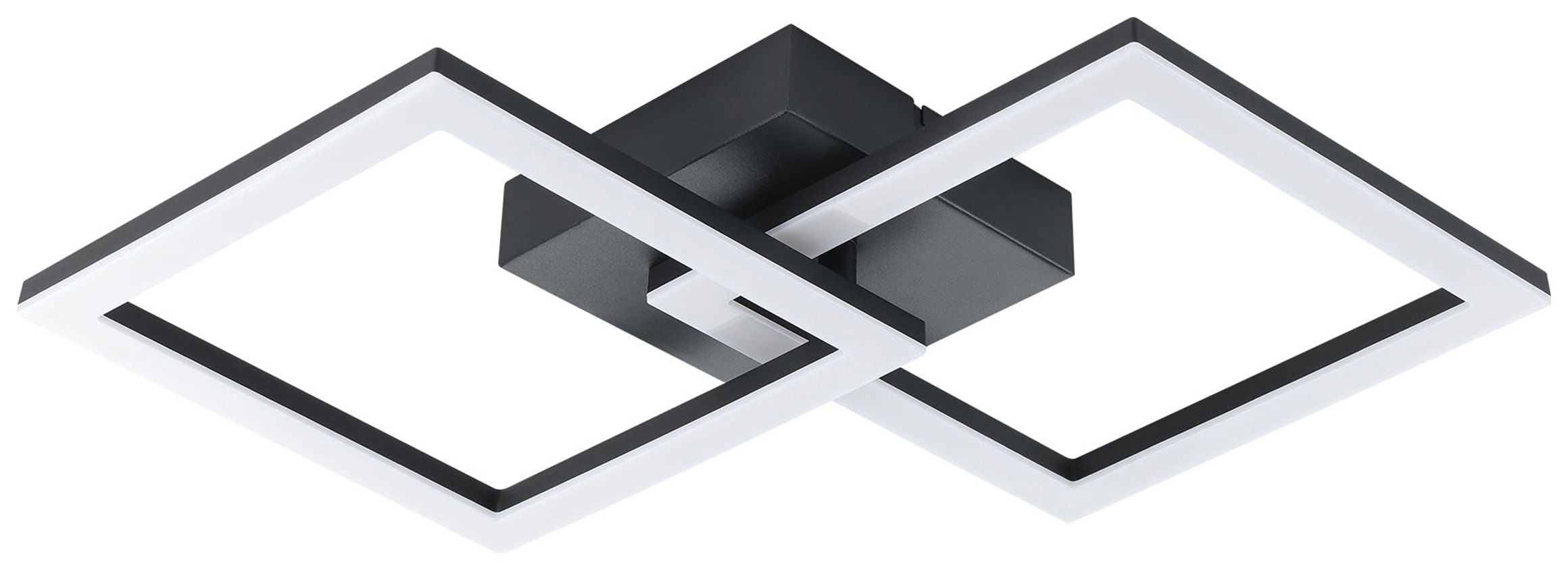
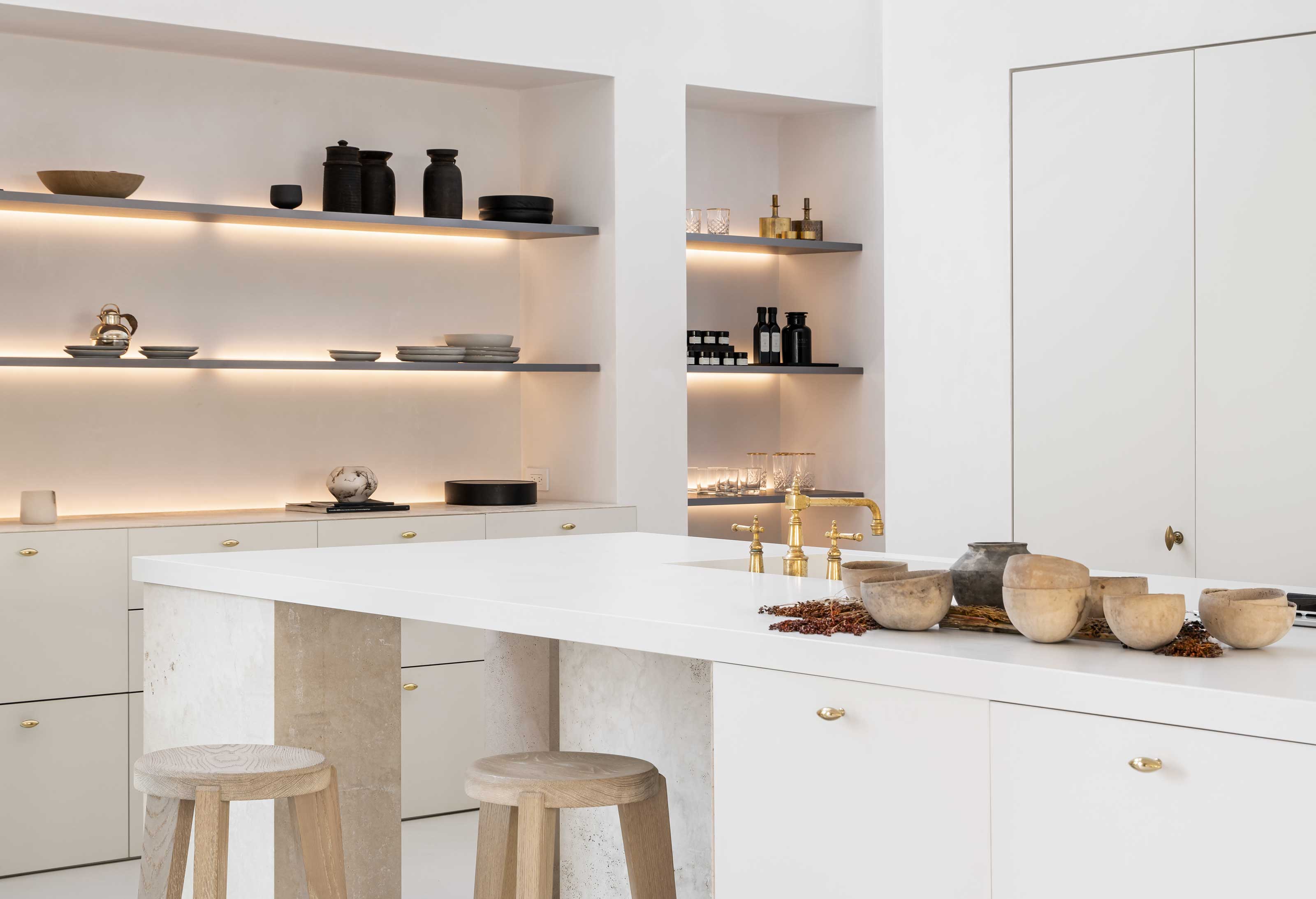
Ambient lighting, providing general illumination, can be achieved through recessed lights, flush-mount fixtures, track lighting, or decorative options like chandeliers and pendants. All ambient lighting sources benefit from dimmer controls to adjust the atmosphere and mood. Task lighting is crucial for functional areas, particularly countertops where food preparation occurs. This type of lighting aims to eliminate shadows, ensuring visibility for tasks such as chopping and cooking. Wall lights, strategically placed, can also serve as effective task lighting, brightening the space and enhancing usability. Accent lighting highlights specific architectural features or decorative elements within the kitchen, such as inside cabinets or under shelves. This can draw attention to collections of china or artwork and contribute to the overall brightness of the room. LED lighting is a prevalent choice, with a preference for warm color temperatures.
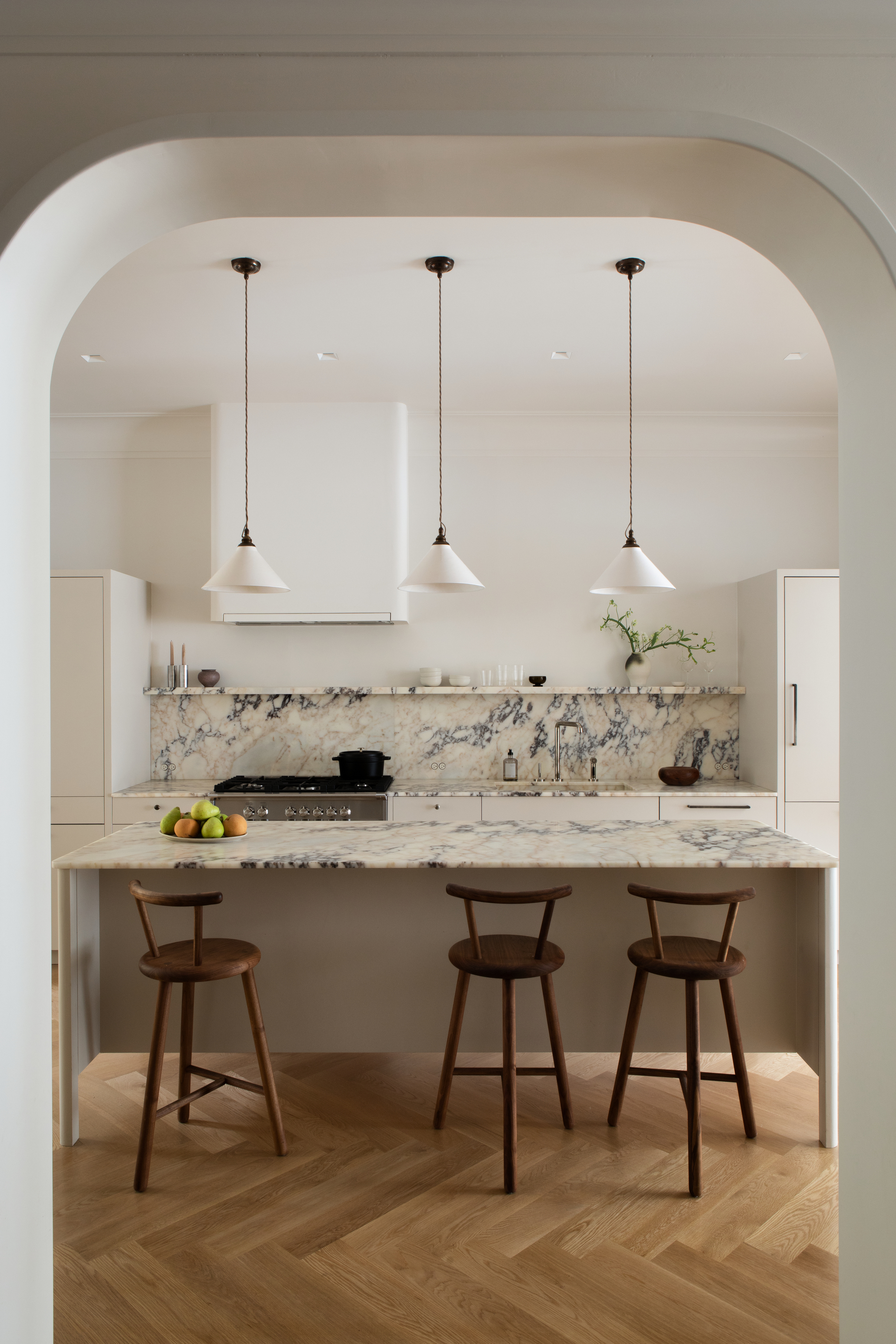
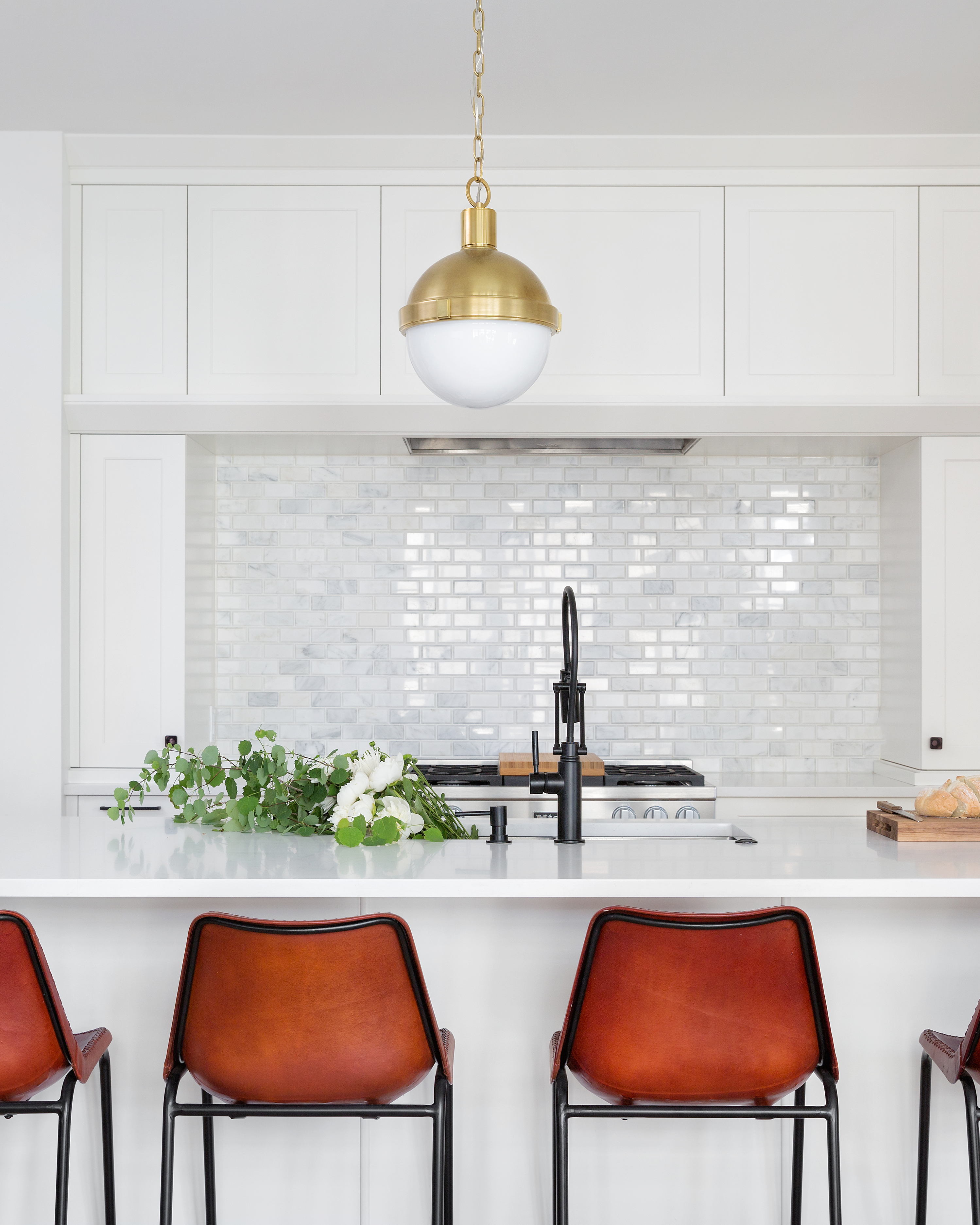
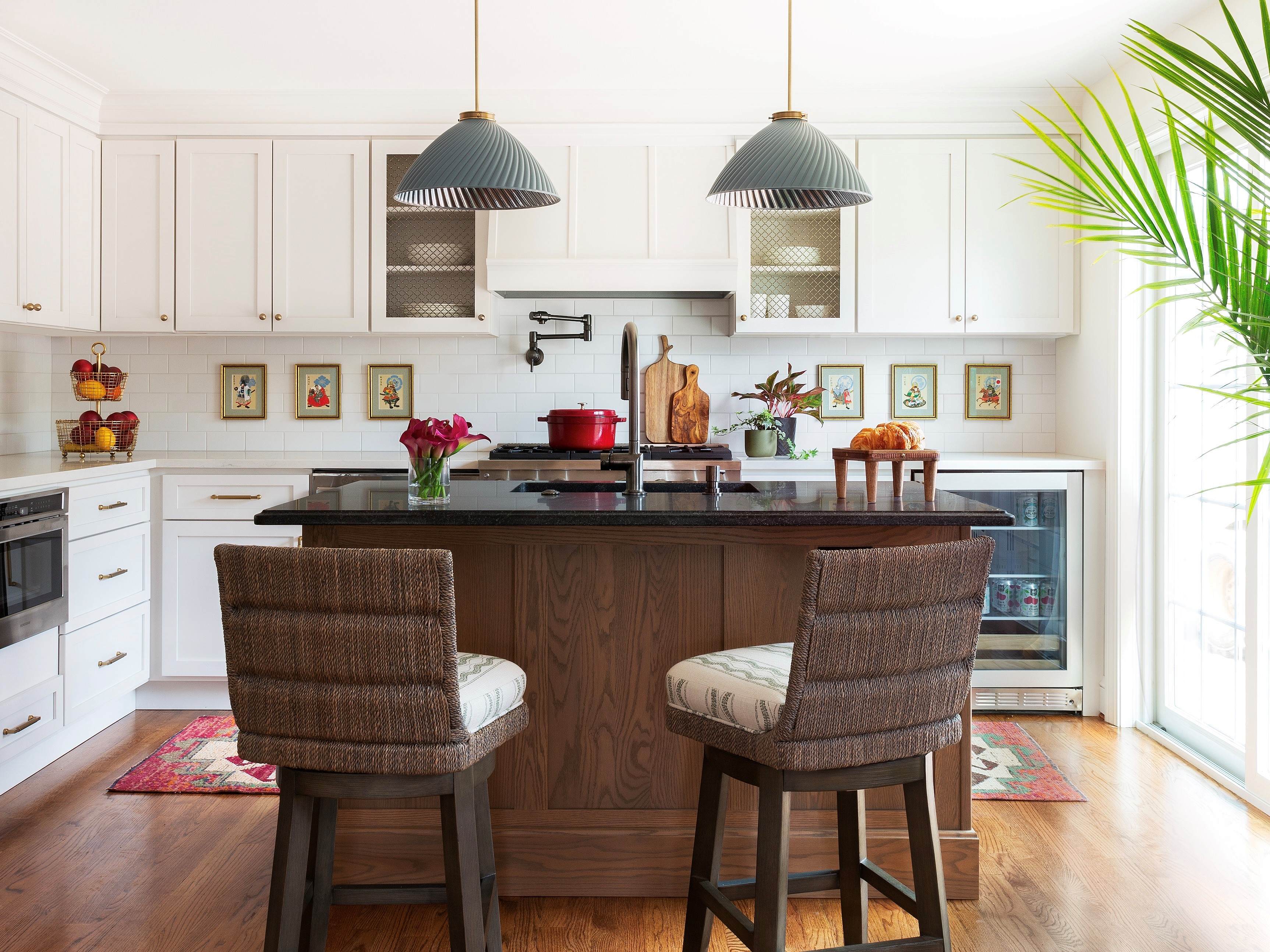
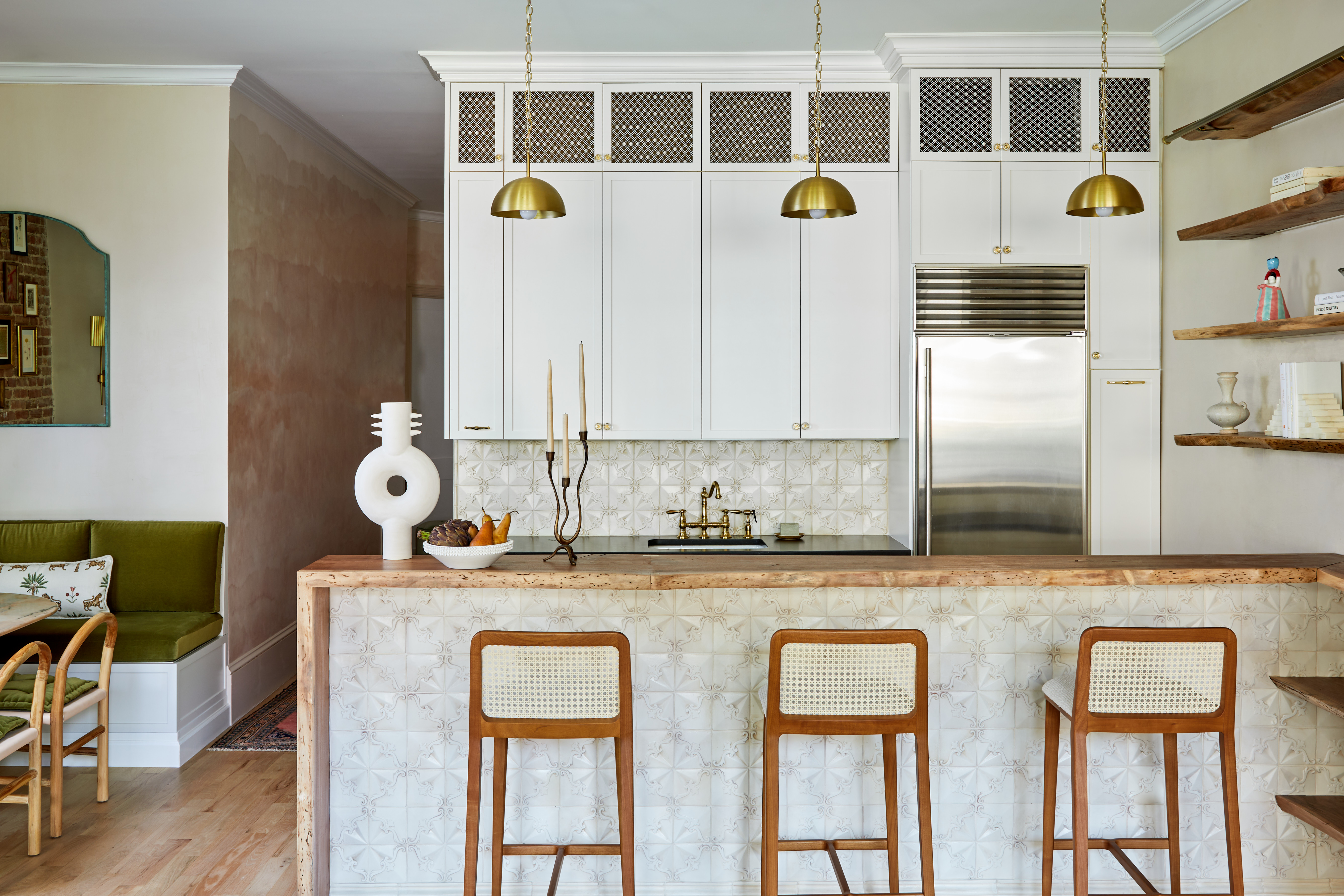
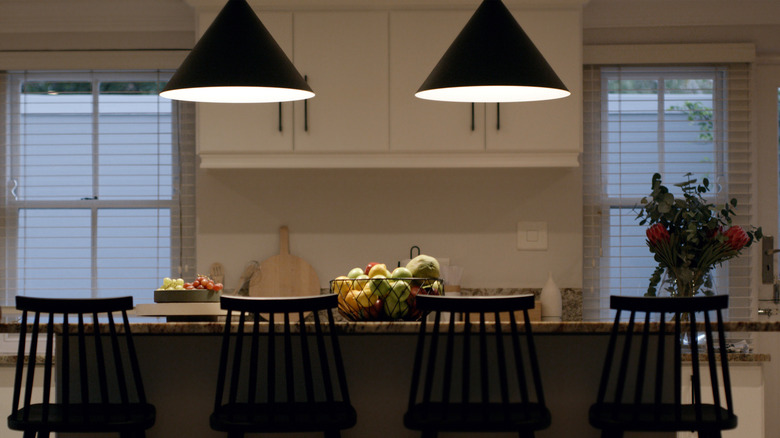
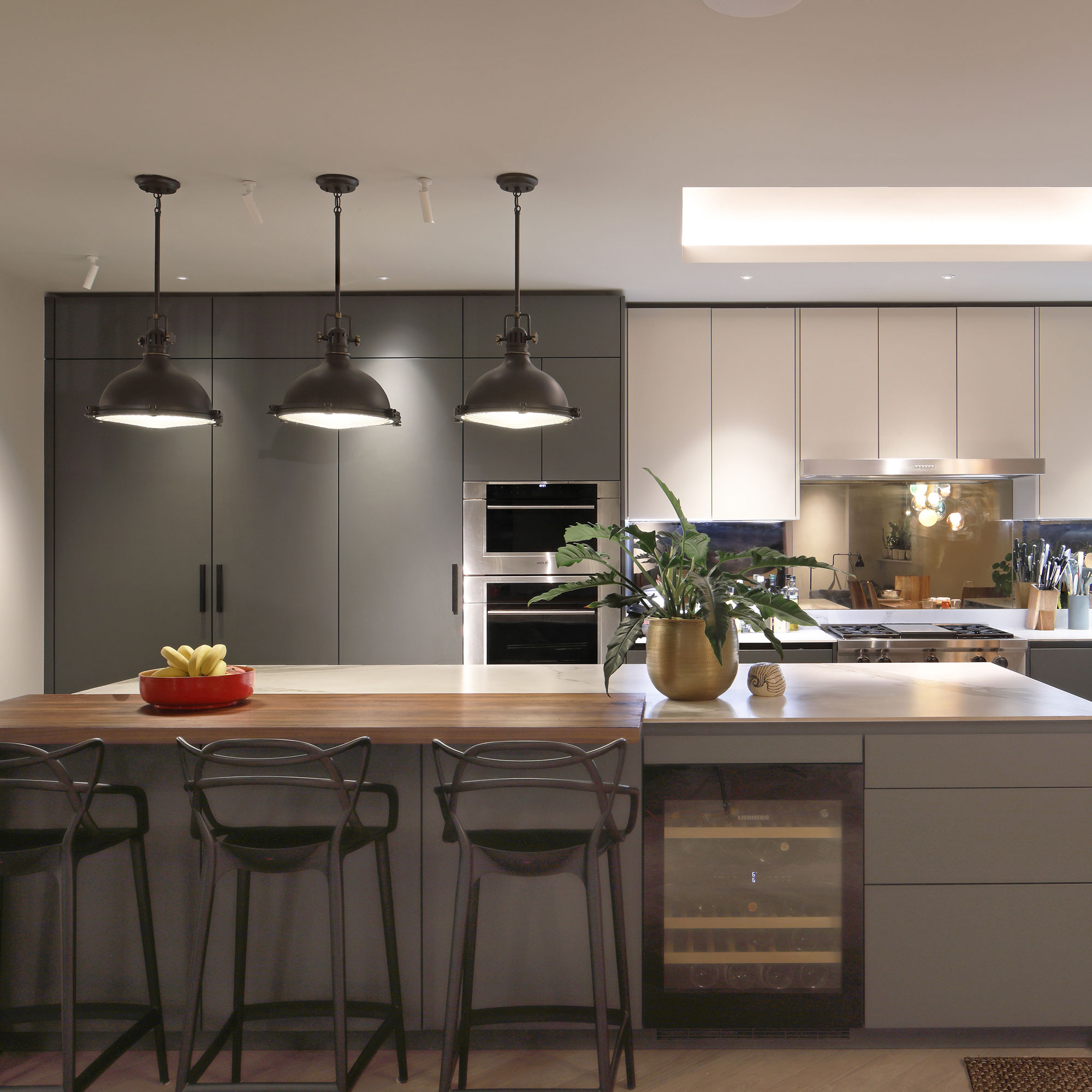
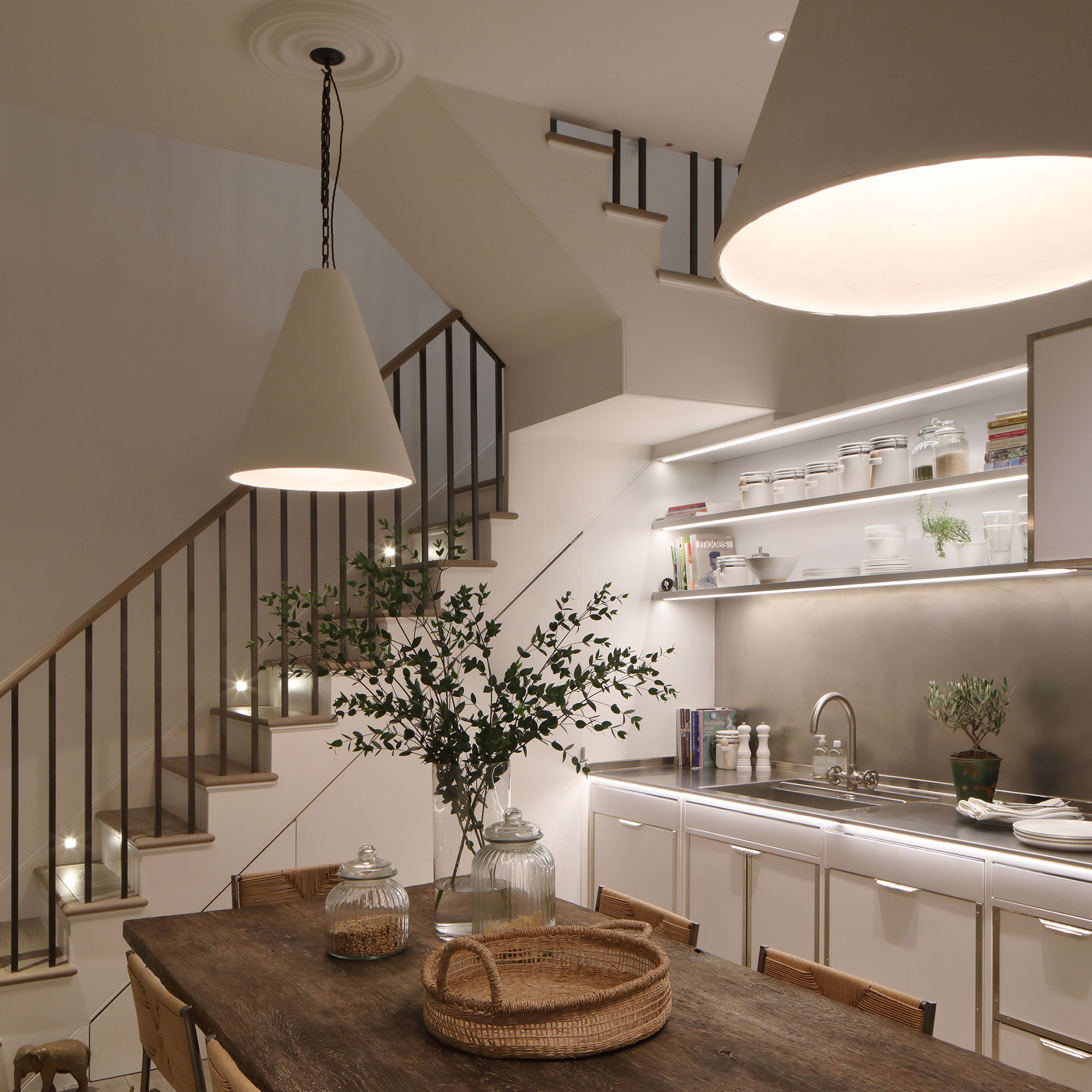
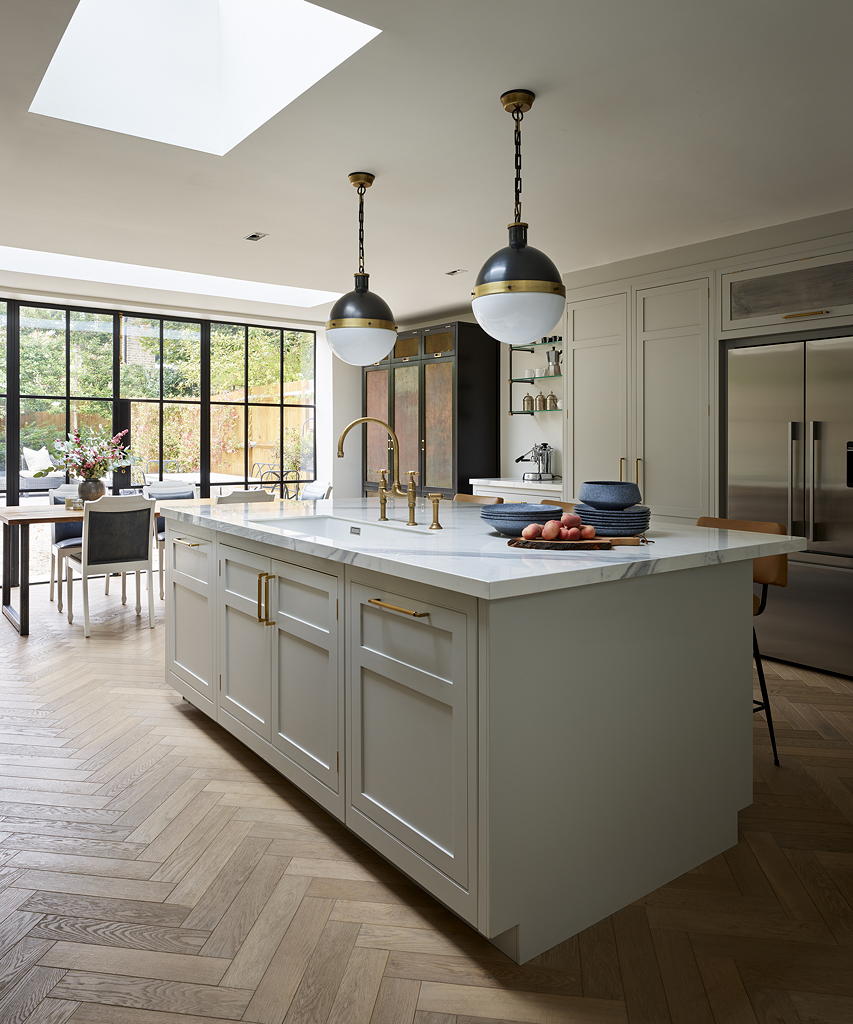
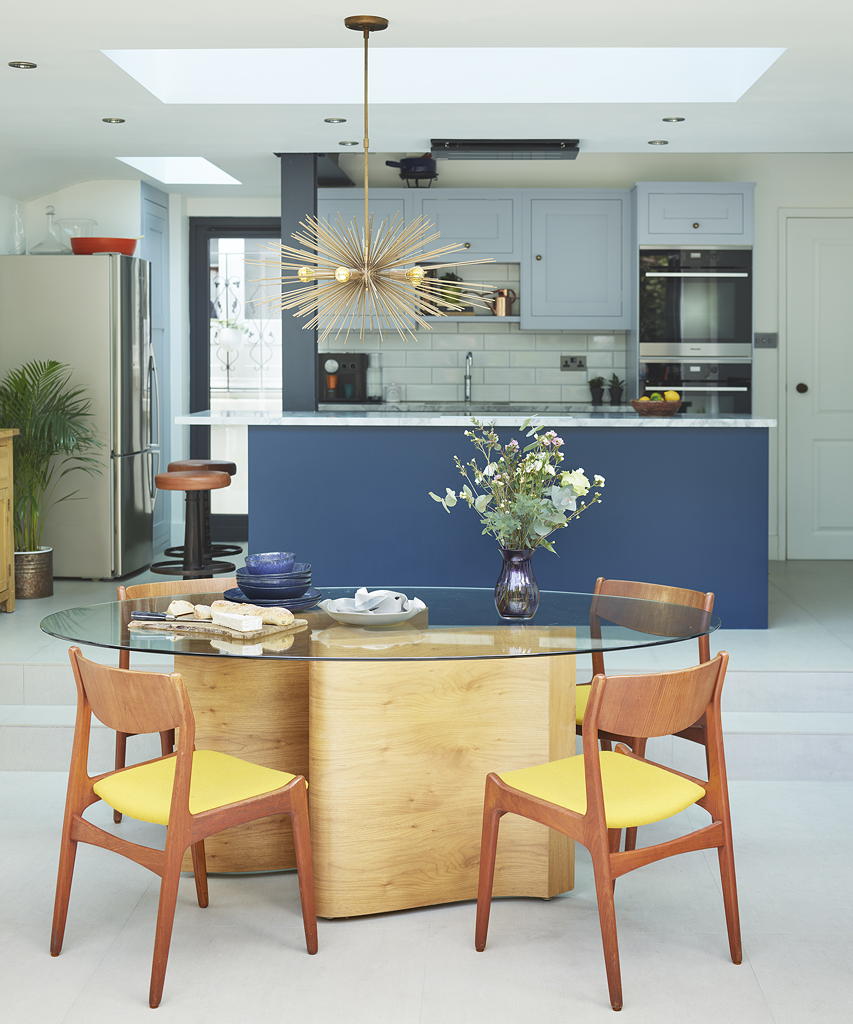
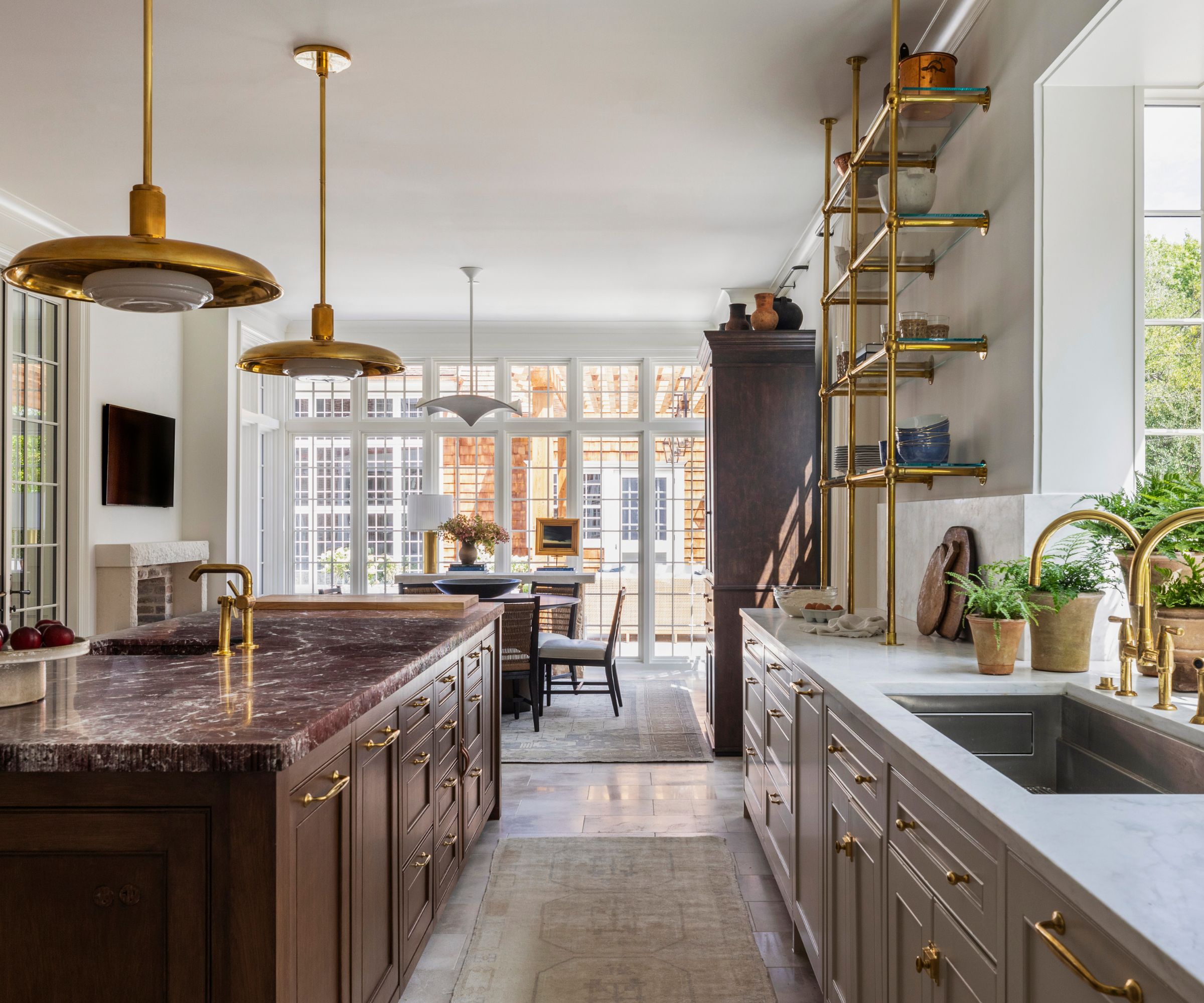
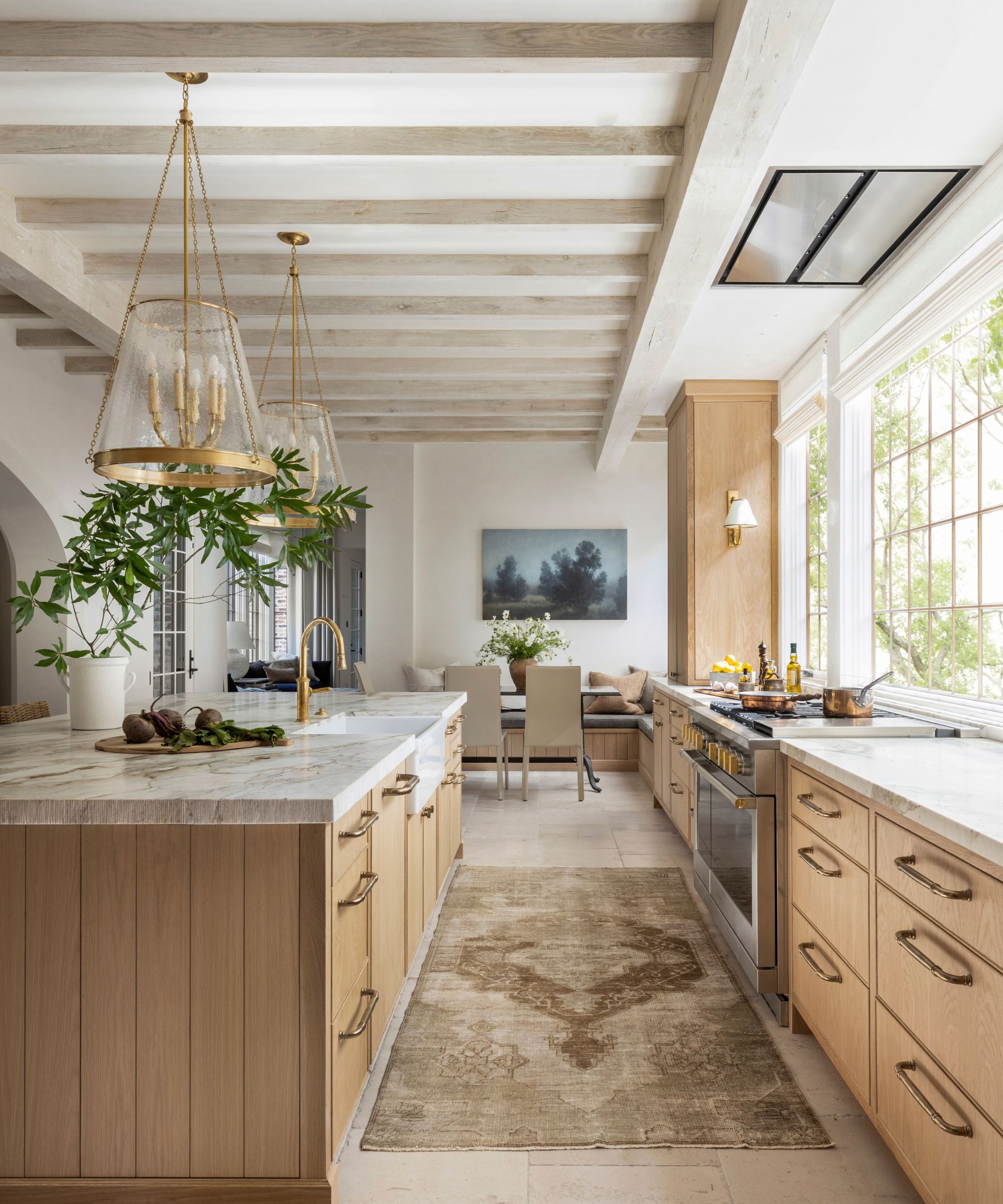
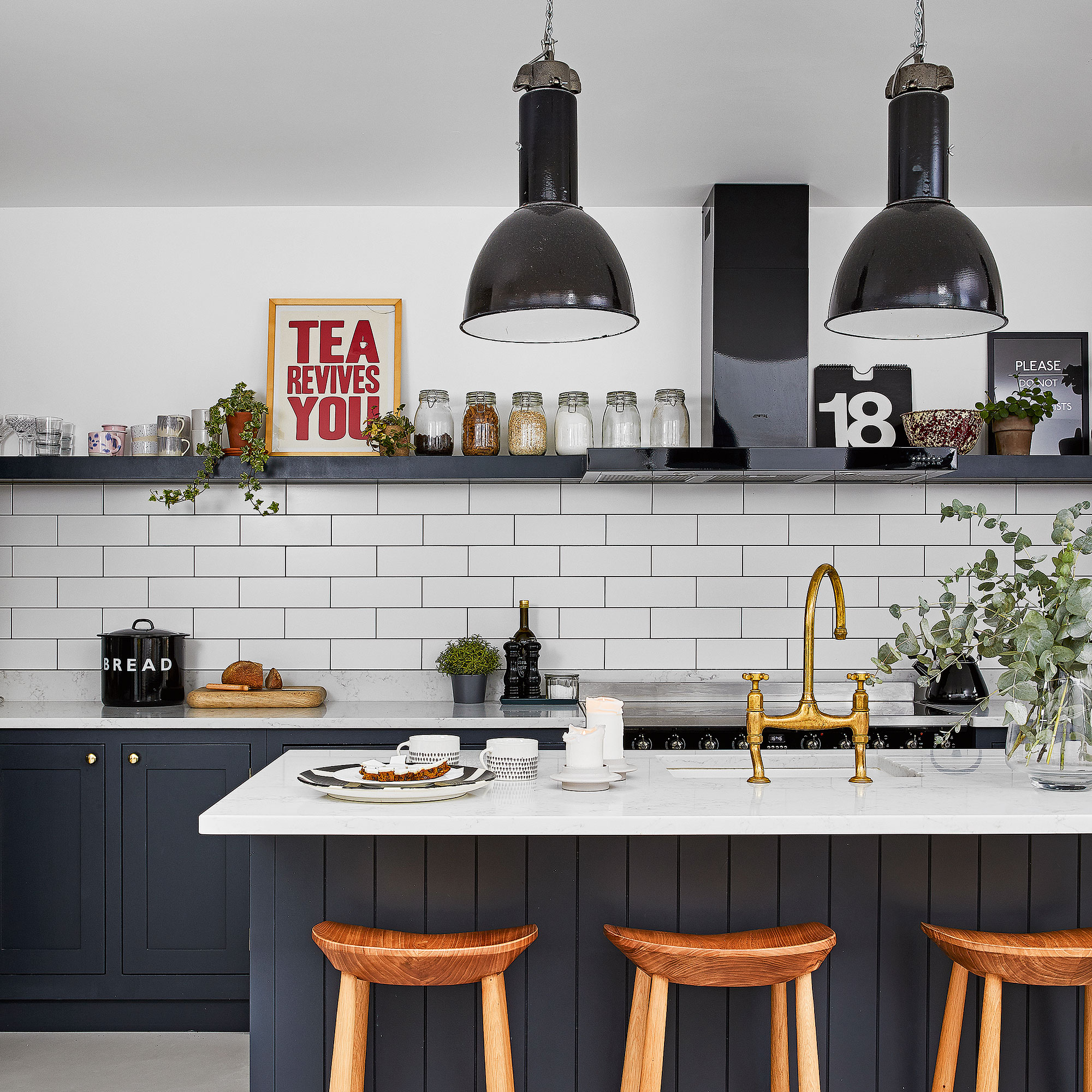
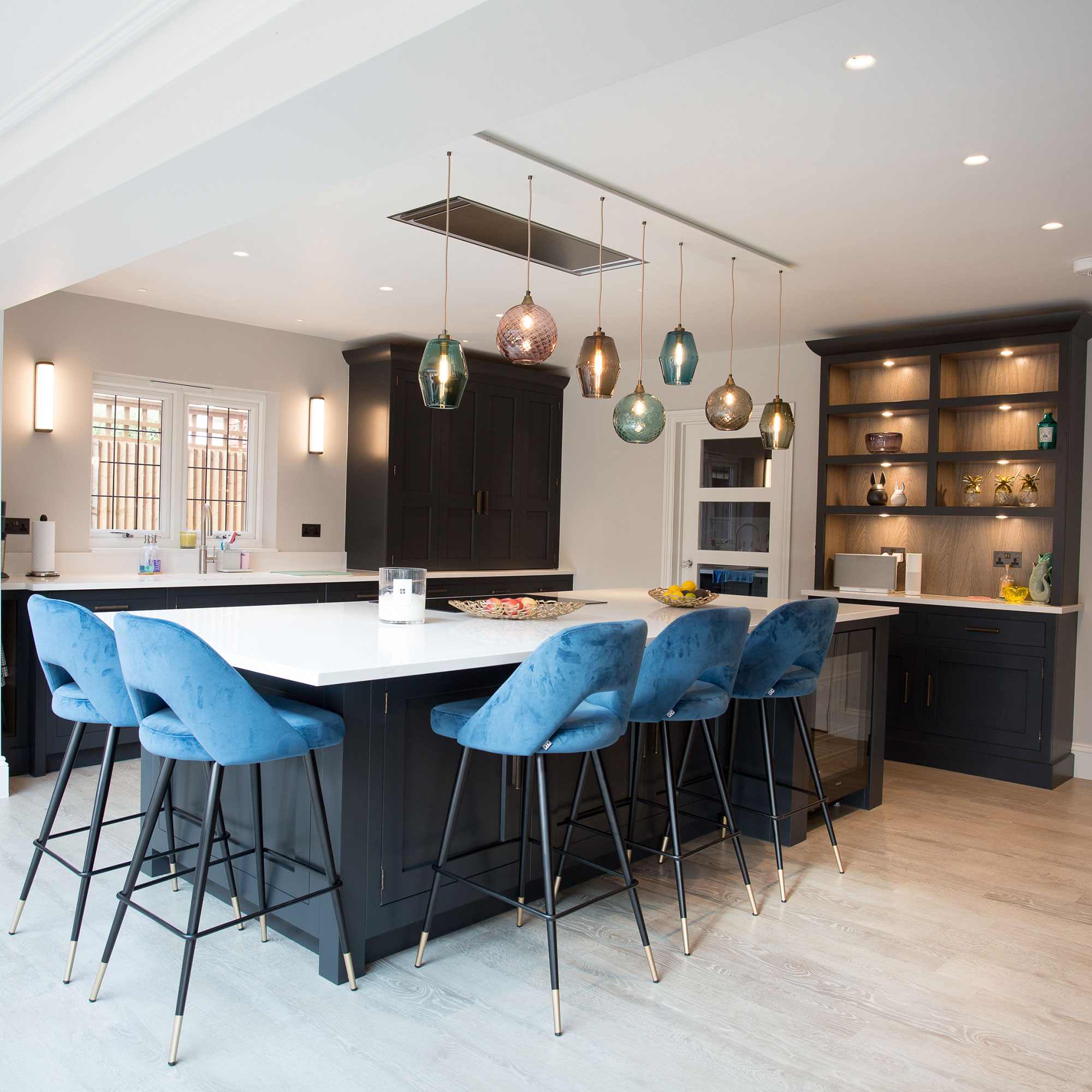
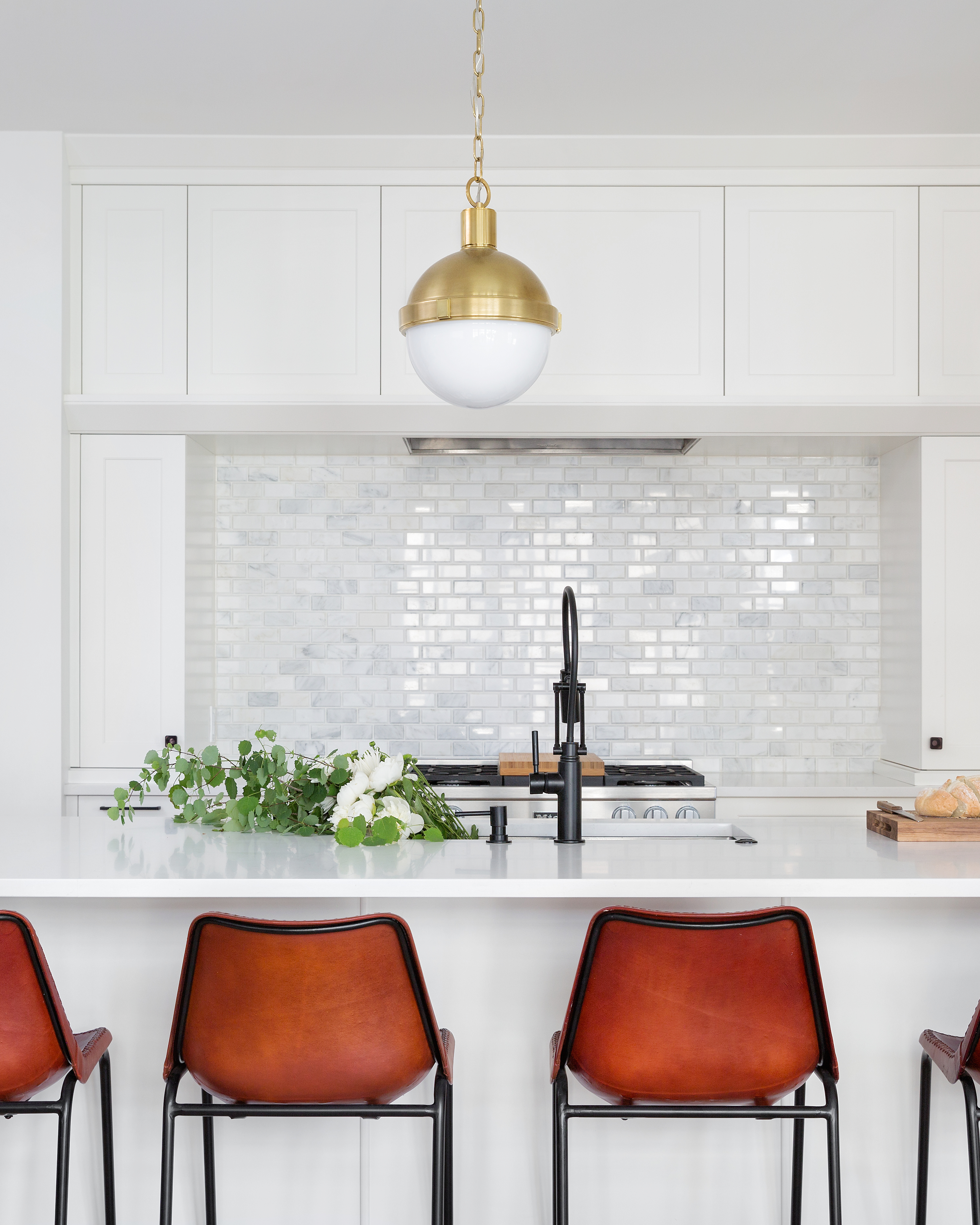
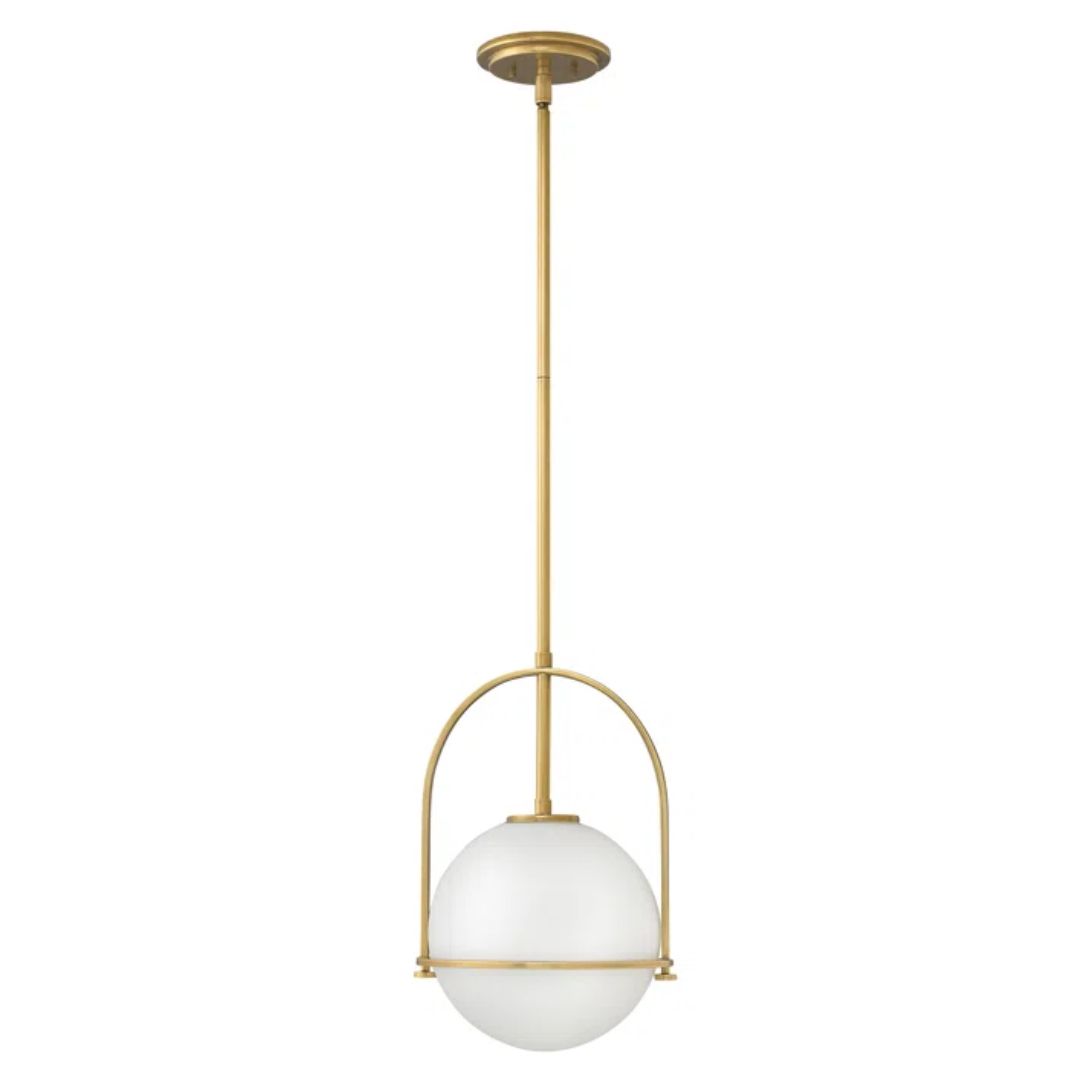
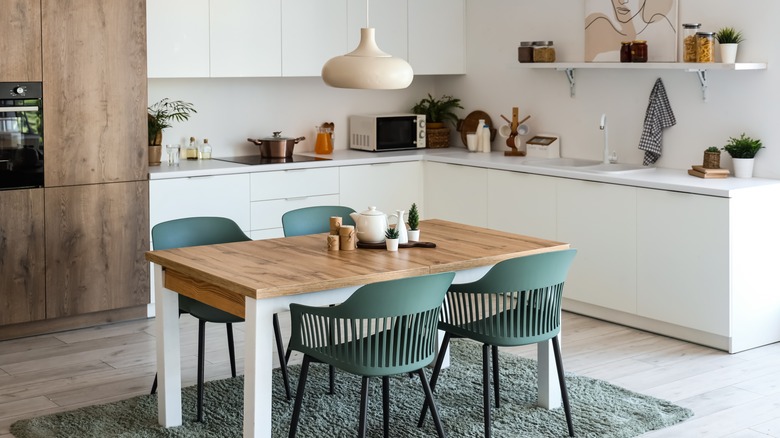
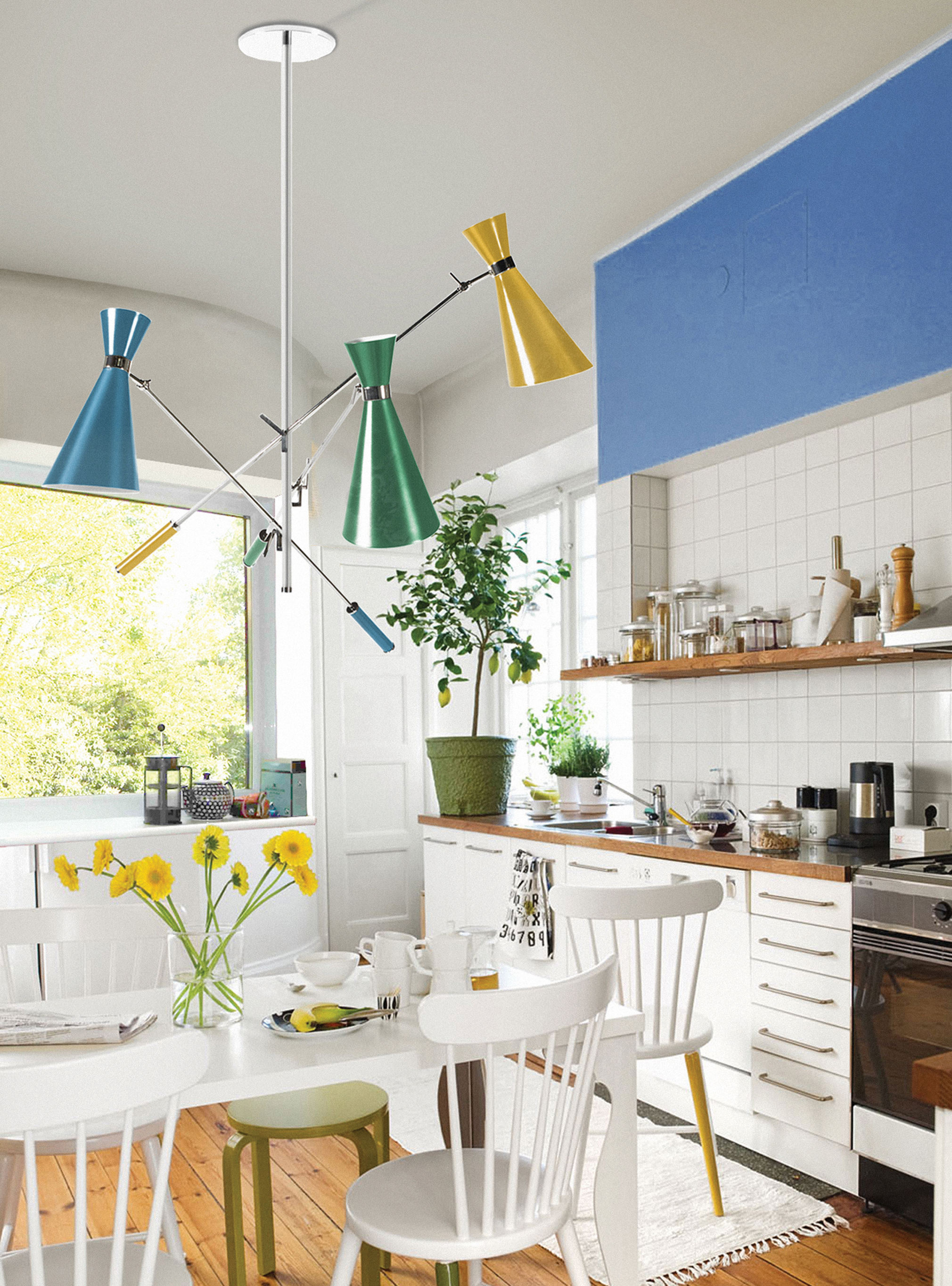
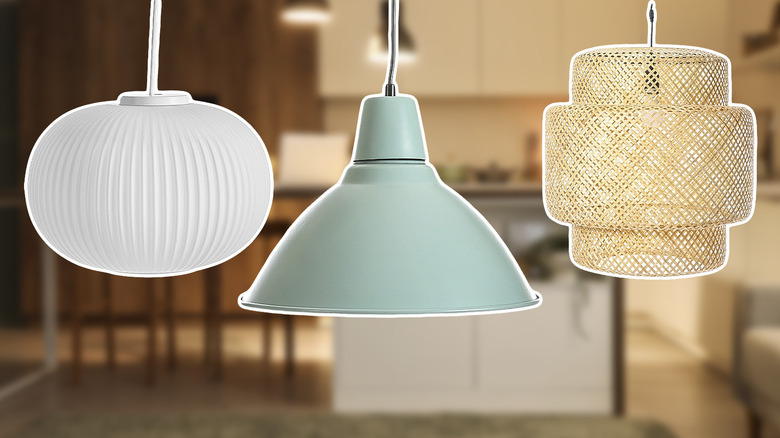
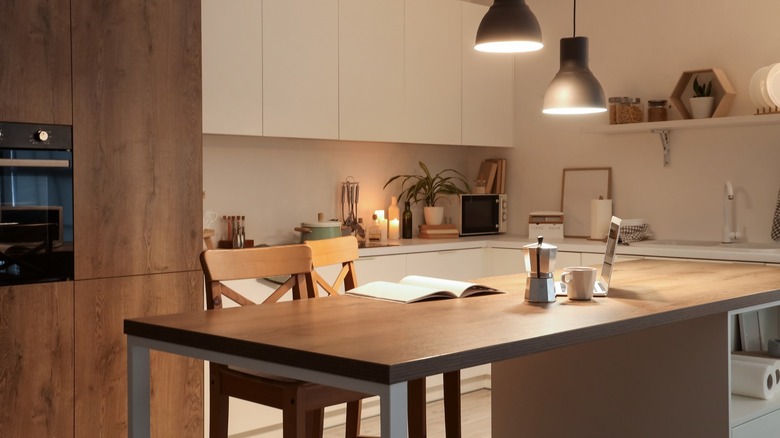
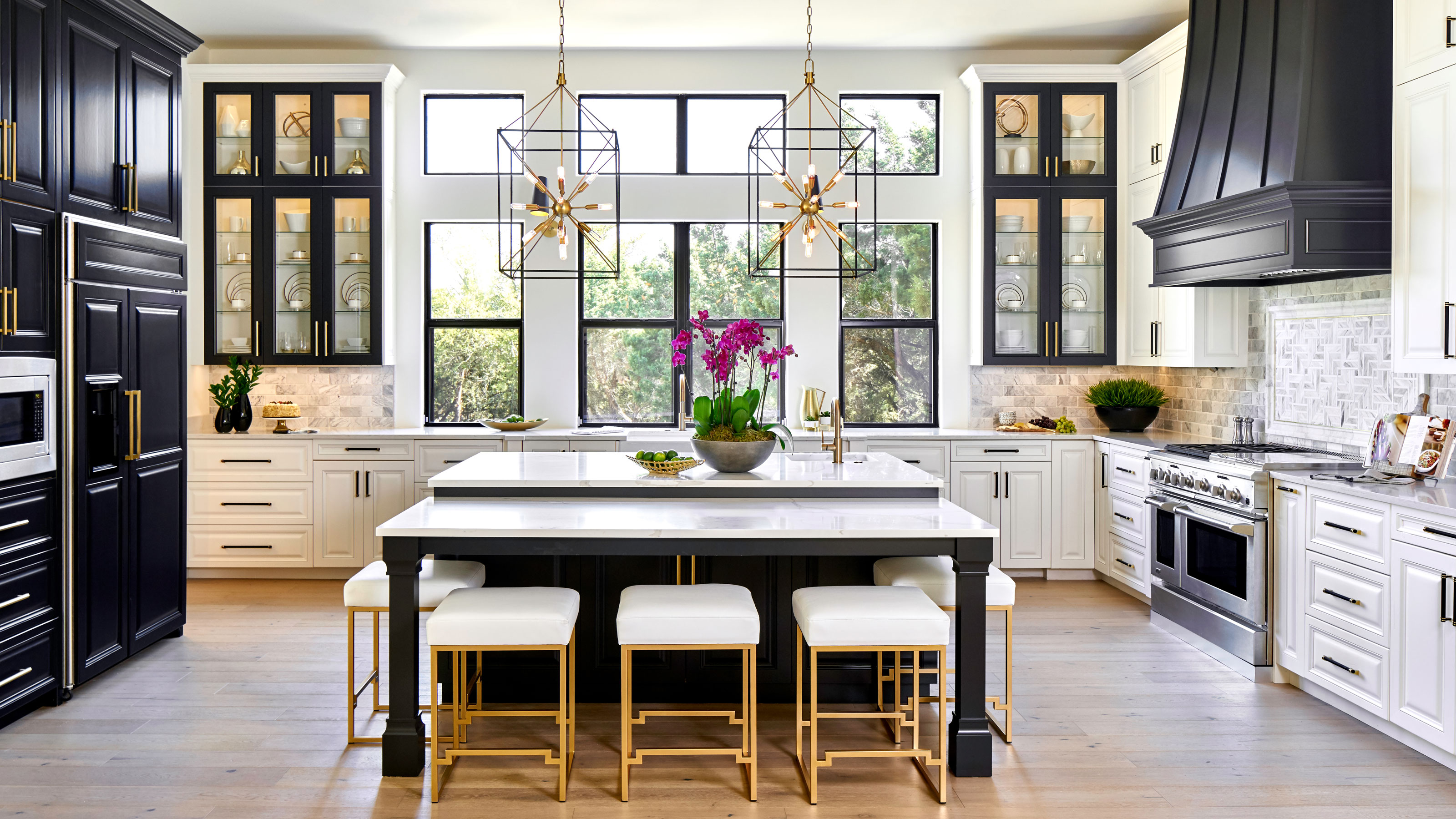
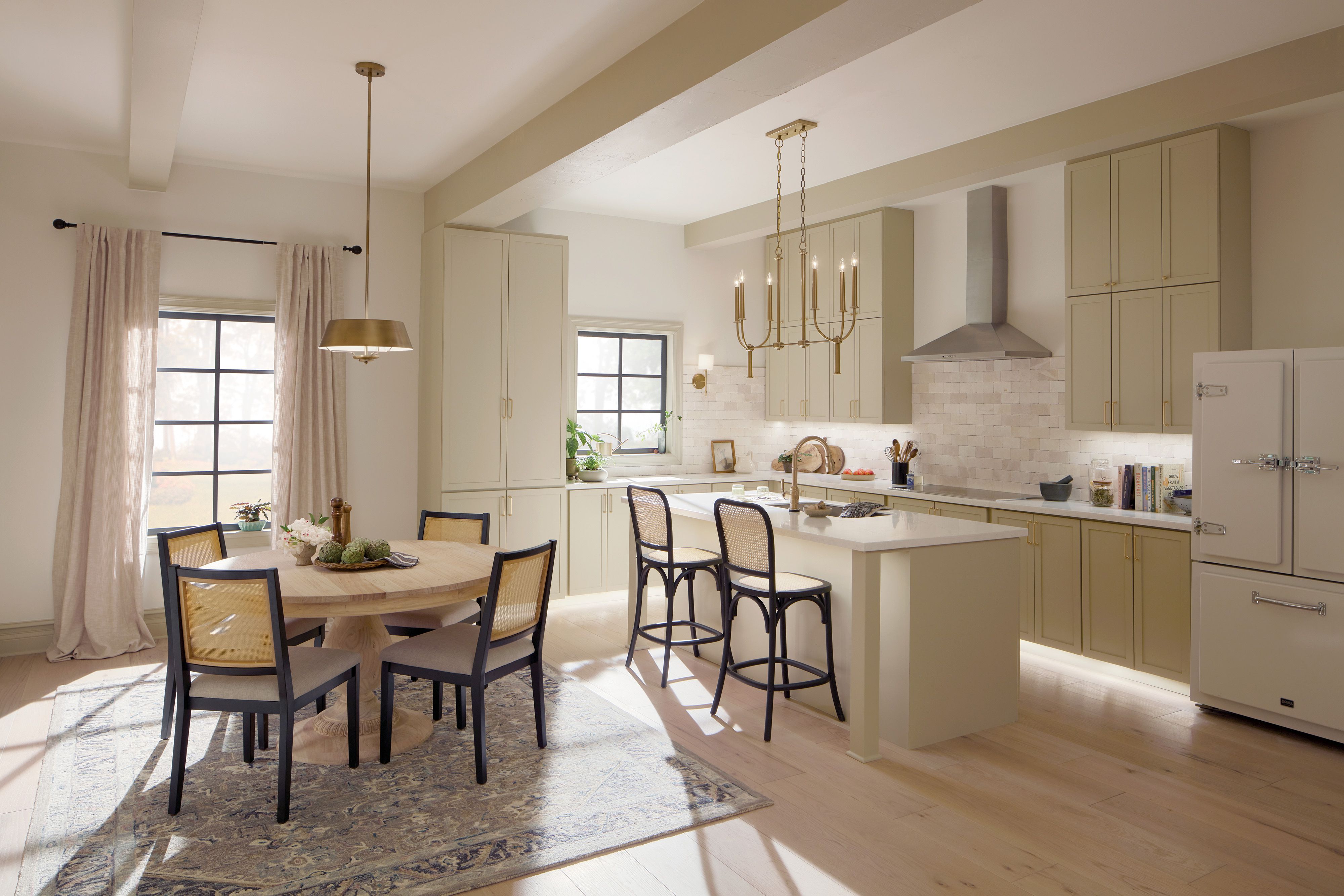
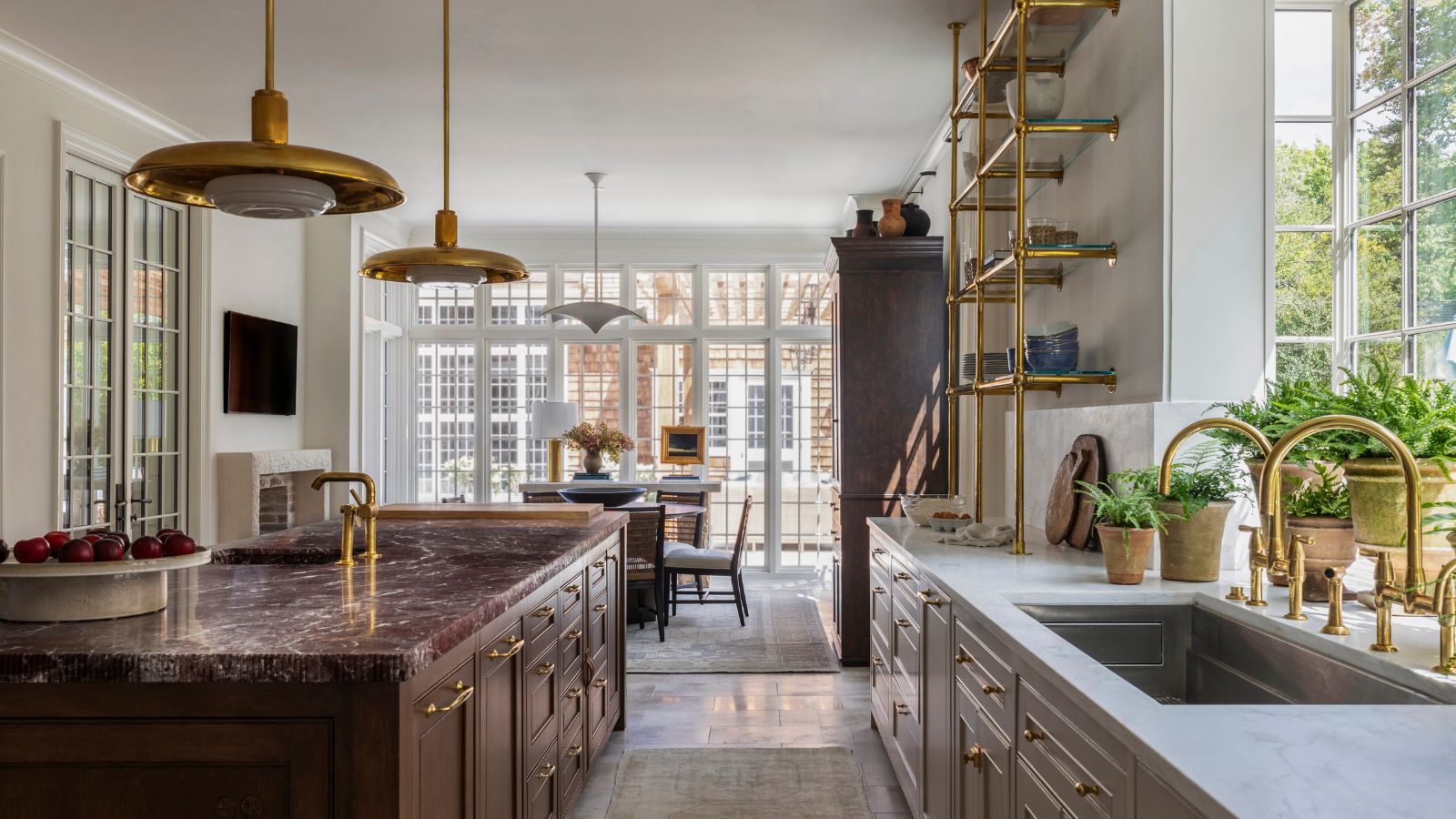
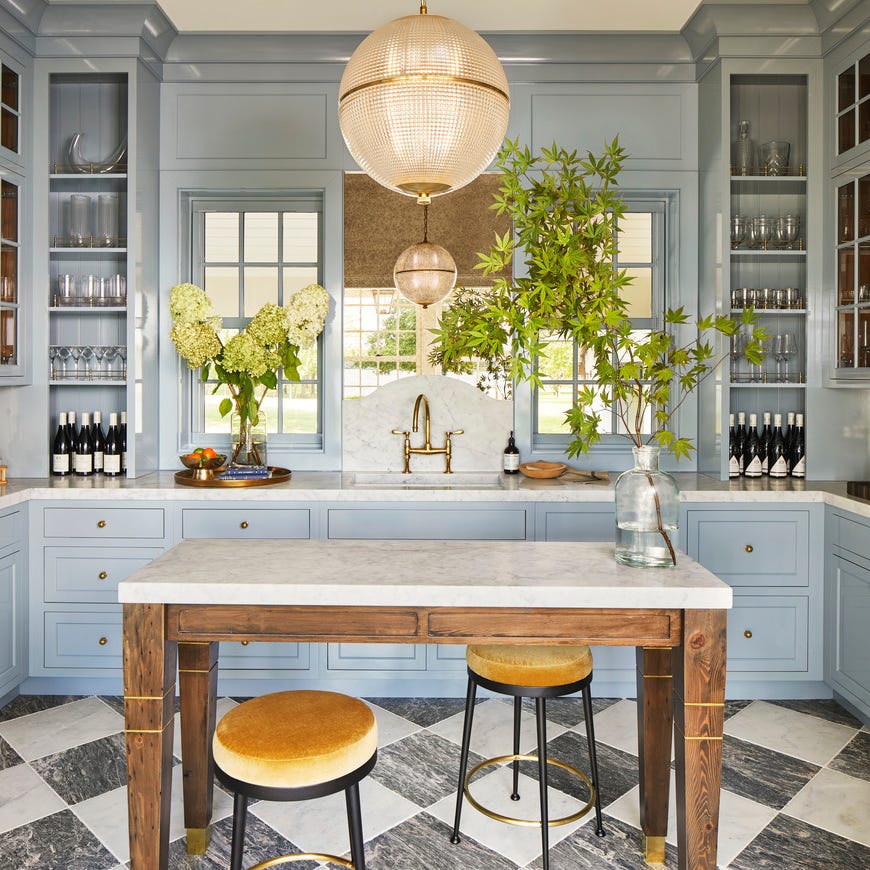
Pendant lighting is a popular choice for overhead illumination, especially over kitchen islands or dining tables, acting as both a light source and a design statement. When selecting pendants, considering the rule of three can create a balanced and cohesive design, though a single, larger pendant can make a significant impact in smaller areas. A common error is choosing pendants that are too small for the space. Designers often recommend clusters of smaller pendants or varying heights to create visual interest. The height of pendants is also critical; a suggested placement is approximately 34 inches above the surface to foster intimacy and prevent the fixture from feeling disconnected from the activity below. Dimmable pendants are highly versatile, allowing for transitions between functional and relaxed settings.
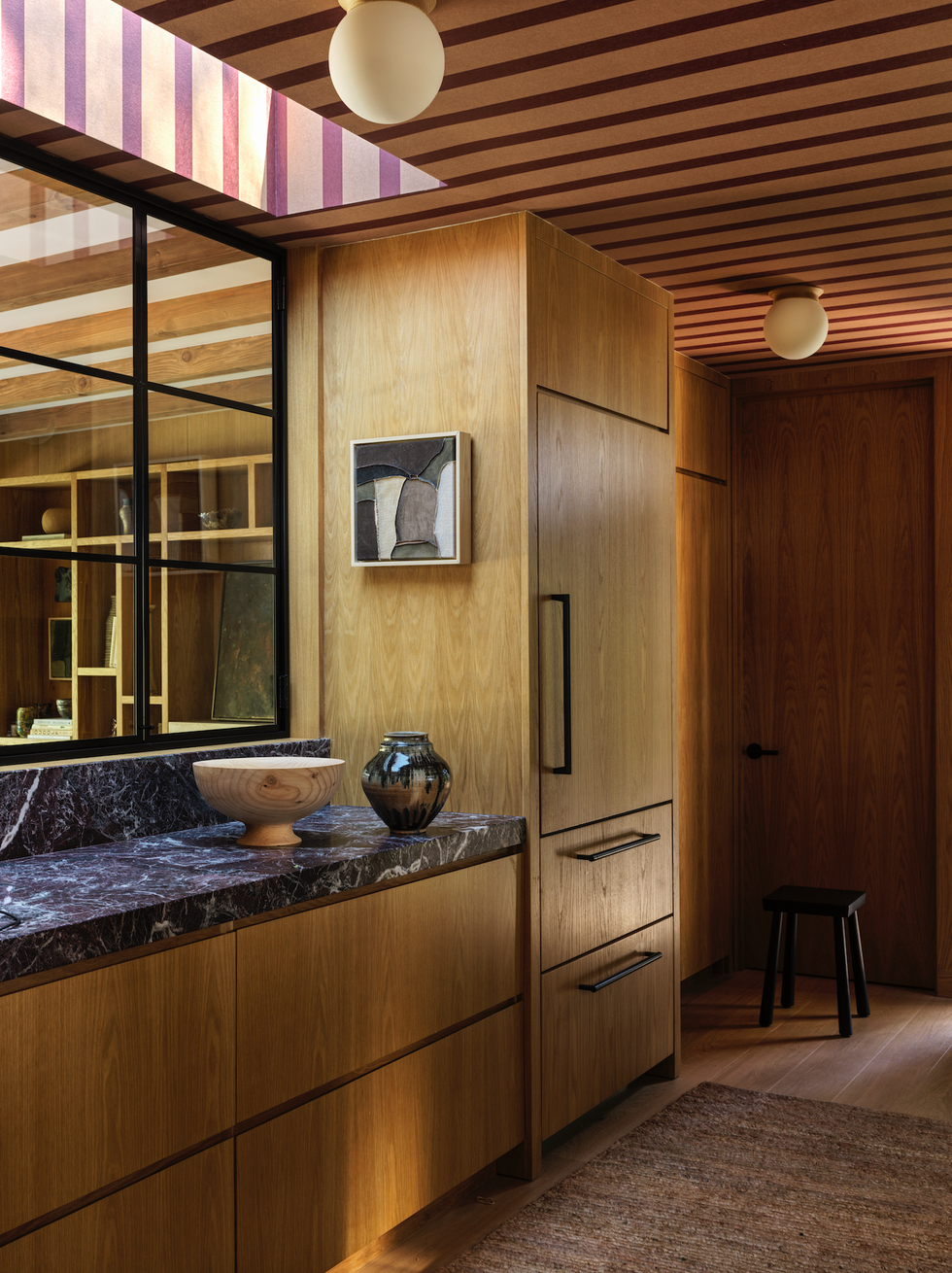
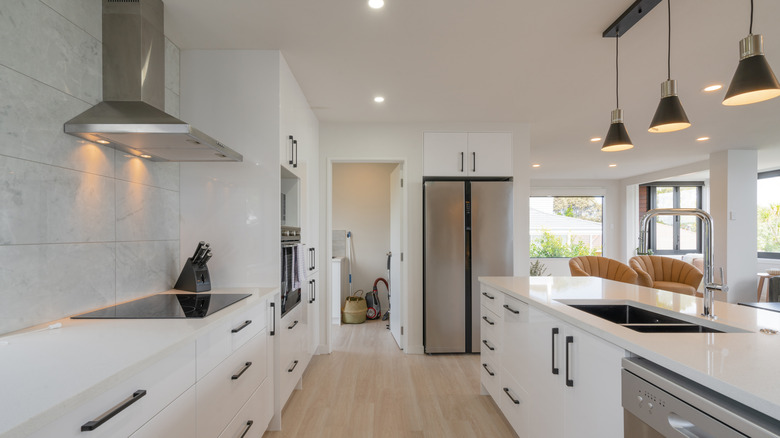
Floor lamps are generally not recommended for traditional kitchens due to potential safety hazards and lack of suitable placement, but they might be suitable for larger kitchens or open-plan areas. Small accent lamps can be used in darker corners or as movable task lighting for specific needs. Recessed lighting is effective for uniform ambient illumination, particularly in areas not covered by sconces or pendants. A general guideline suggests one recessed light for every 4 to 6 square feet of ceiling space to ensure even light distribution. The spacing of recessed lights depends on factors like room orientation and ceiling height. Instead of arranging them in strict rows, they should be evenly distributed. A practical rule of thumb is to space 4-inch recessed lights about 4 feet apart and 6-inch recessed lights about 6 feet apart. The flexibility to dim all lighting sources is essential, allowing homeowners to customize the ambiance for any occasion.
#KitchenLighting #HomeDesign #InteriorLighting #PendantLighting #TaskLighting #AmbientLighting #AccentLighting #RecessedLighting #LightingDesign #KitchenLighting #HomeDesign #InteriorLighting #PendantLighting #TaskLighting #AmbientLighting #AccentLighting #RecessedLighting #LightingDesign
0 comment in total
 No comments yet
You may also like
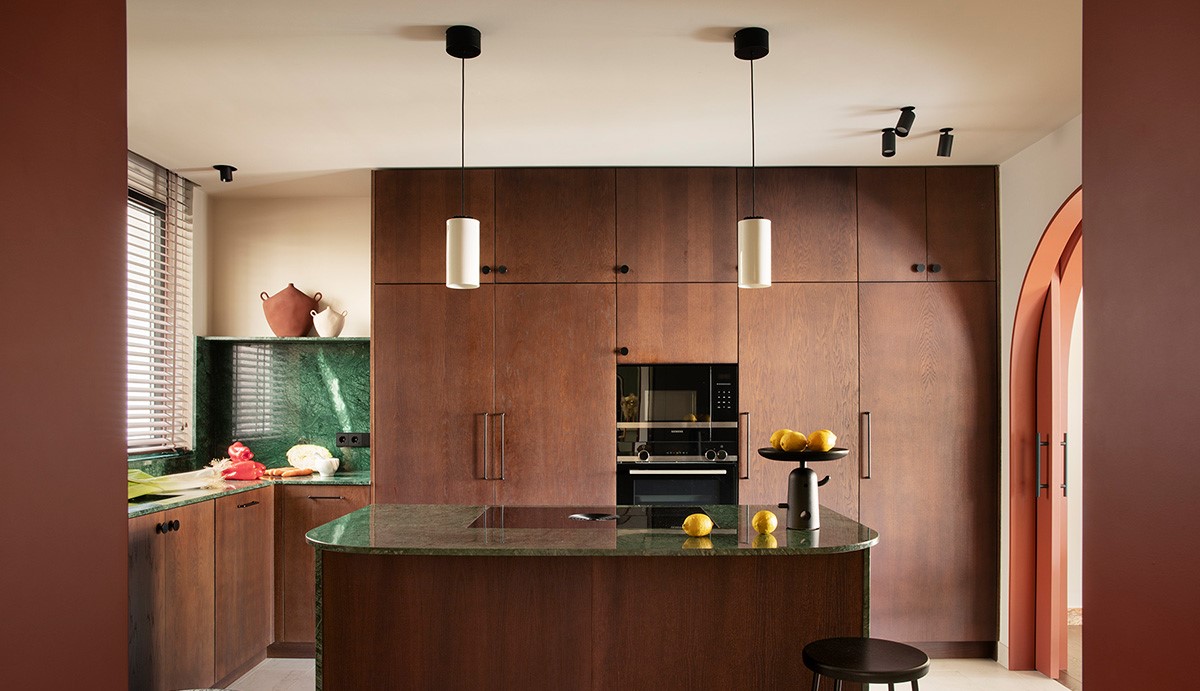
Should You Have Lights Over The Kitchen Island? Designers Unanimously Agree If They Are Worth Budgeting For
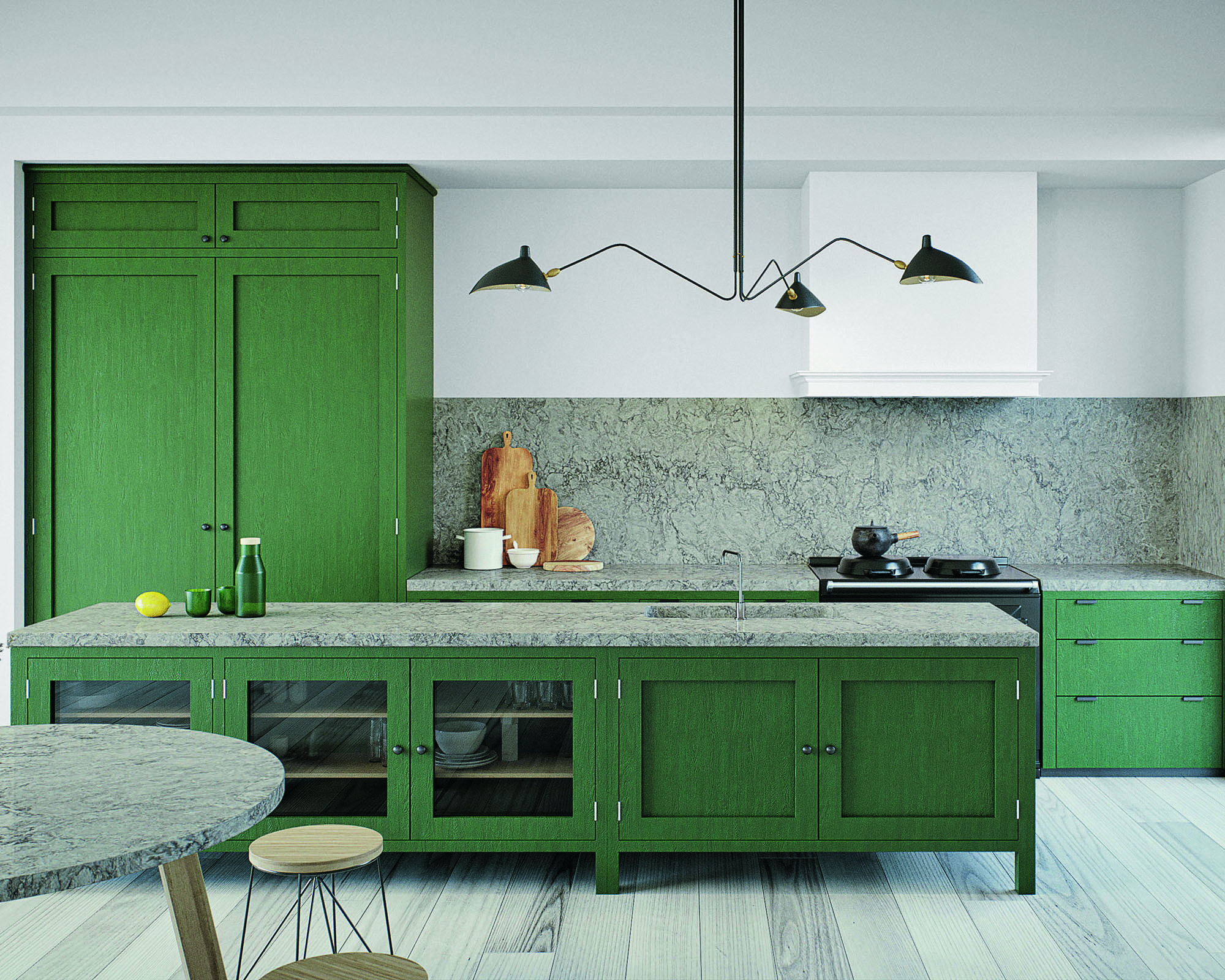
How to plan kitchen lighting — create a scheme in sync with your routine

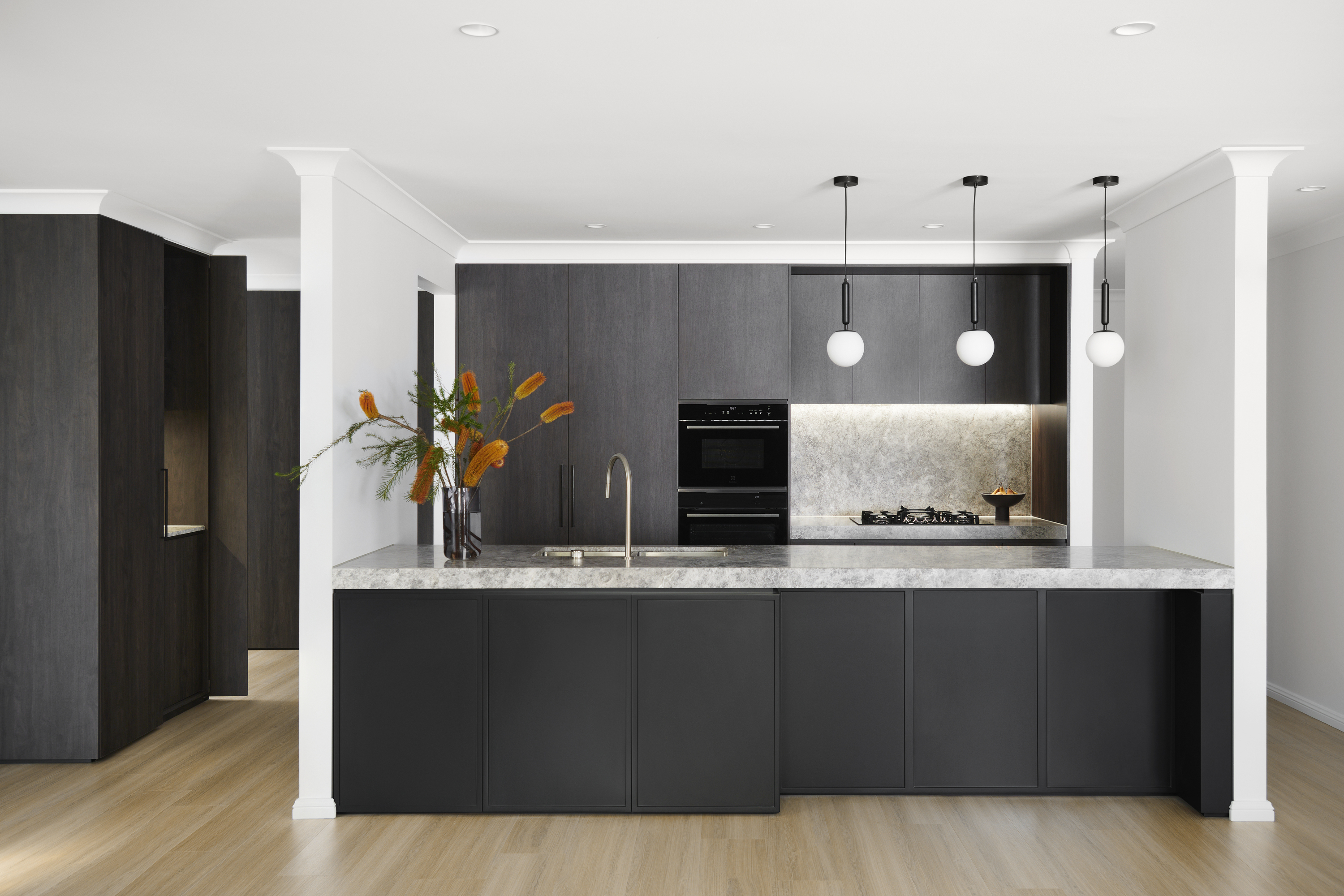
Designers Agree This Type of Bulb is Best in a Kitchen — 'It Makes Tasks Easier,' Say Experts
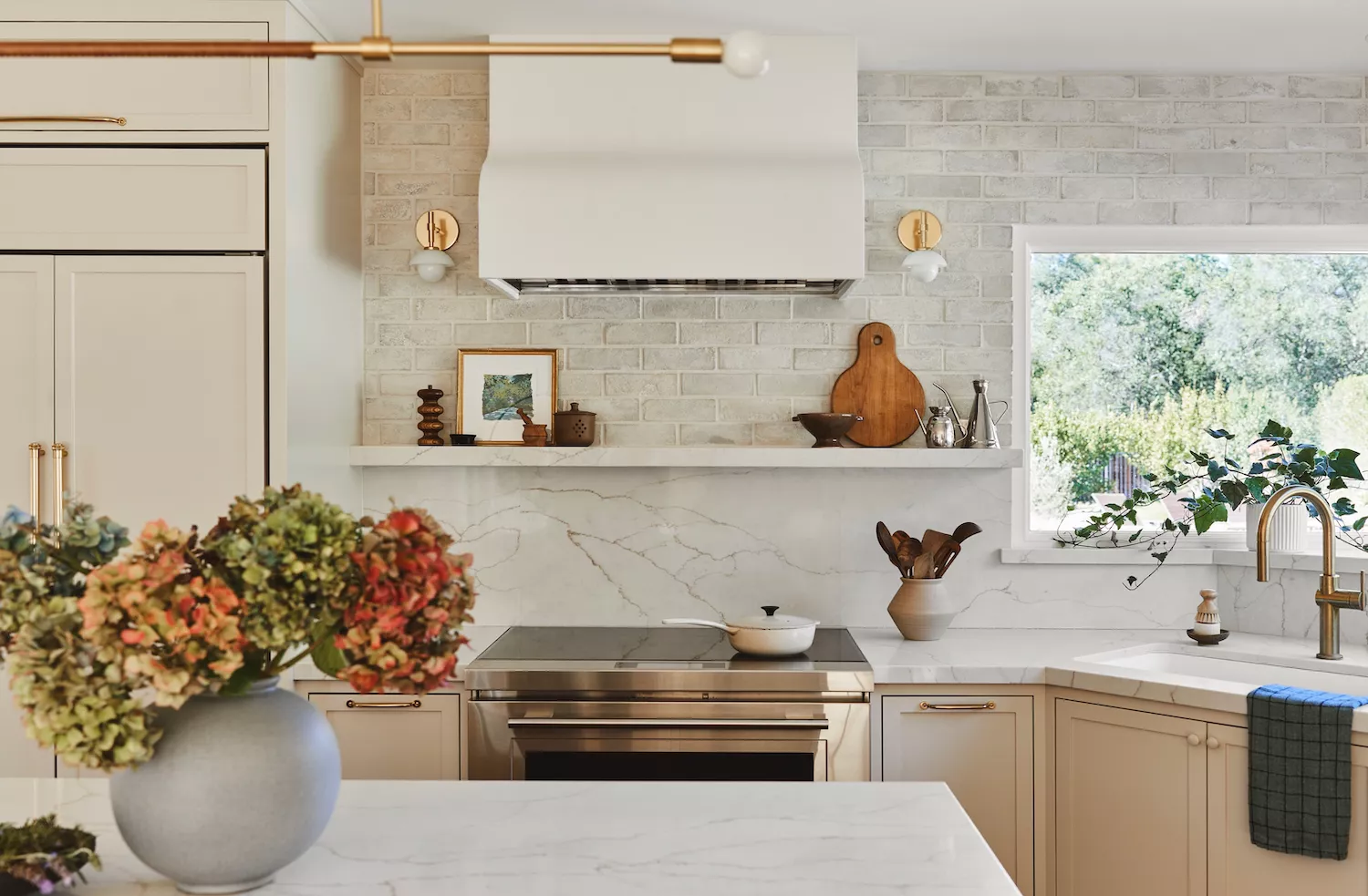
Small Kitchen, Big Impact: 5 Lighting Ideas Designers Actually Use to Instantly Brighten a Space

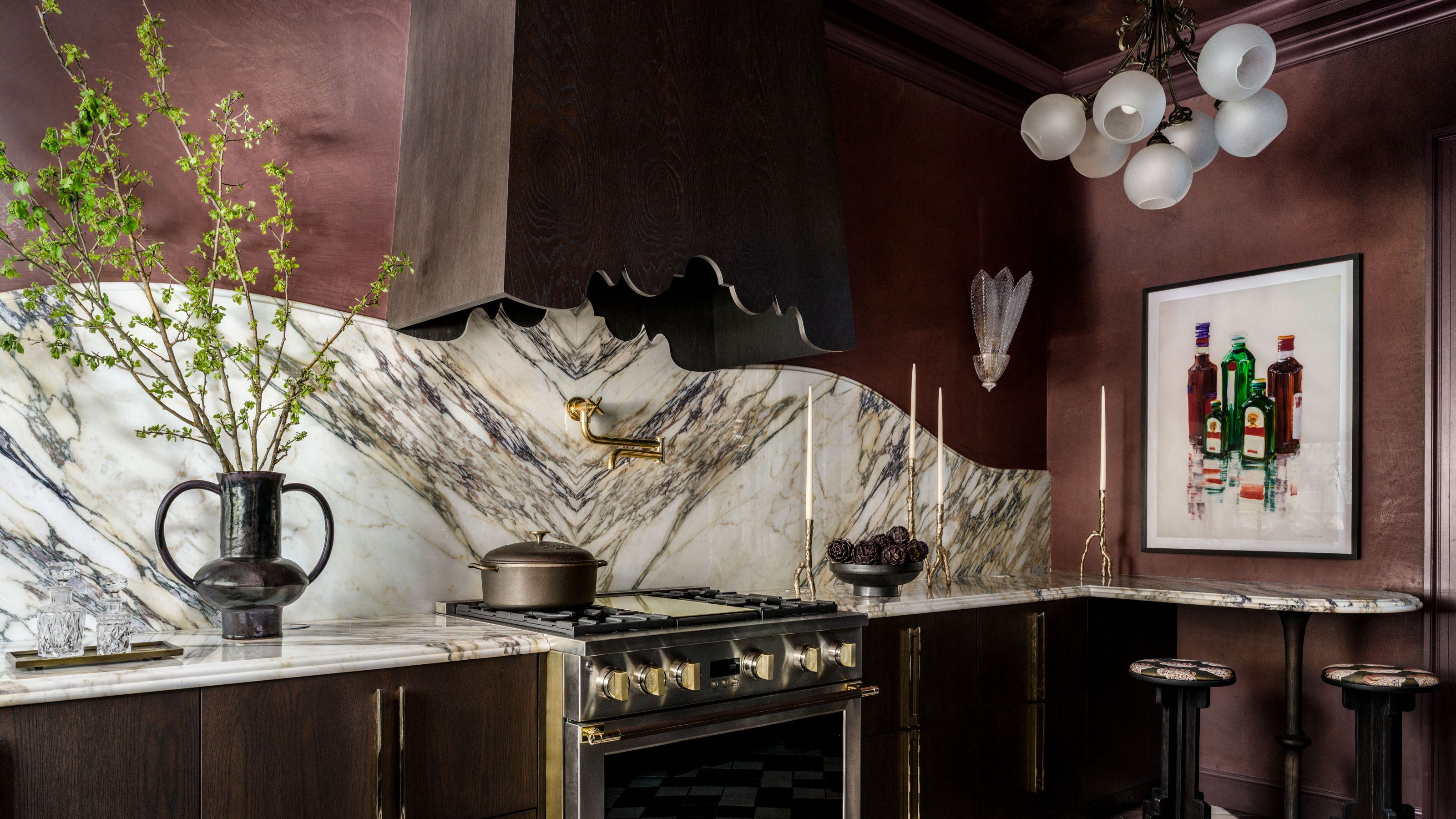
5 Kitchen Lighting Design Rules Interior Designers Warn You Should Never Ignore for a Well-Lit Space
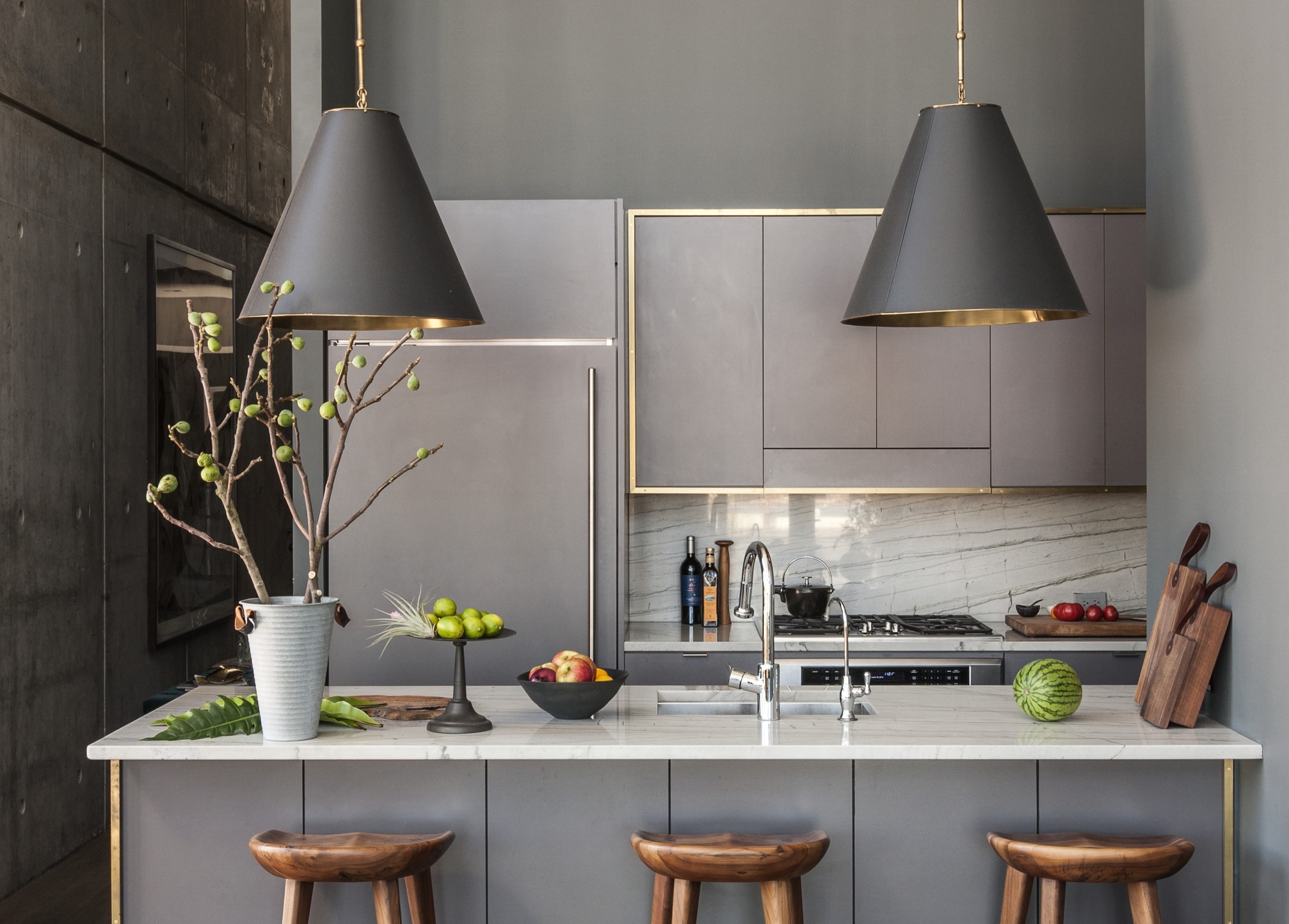
Every Mistake I Made While Designing My Kitchen Lighting Scheme — The 5 Errors I Strongly Advise Against
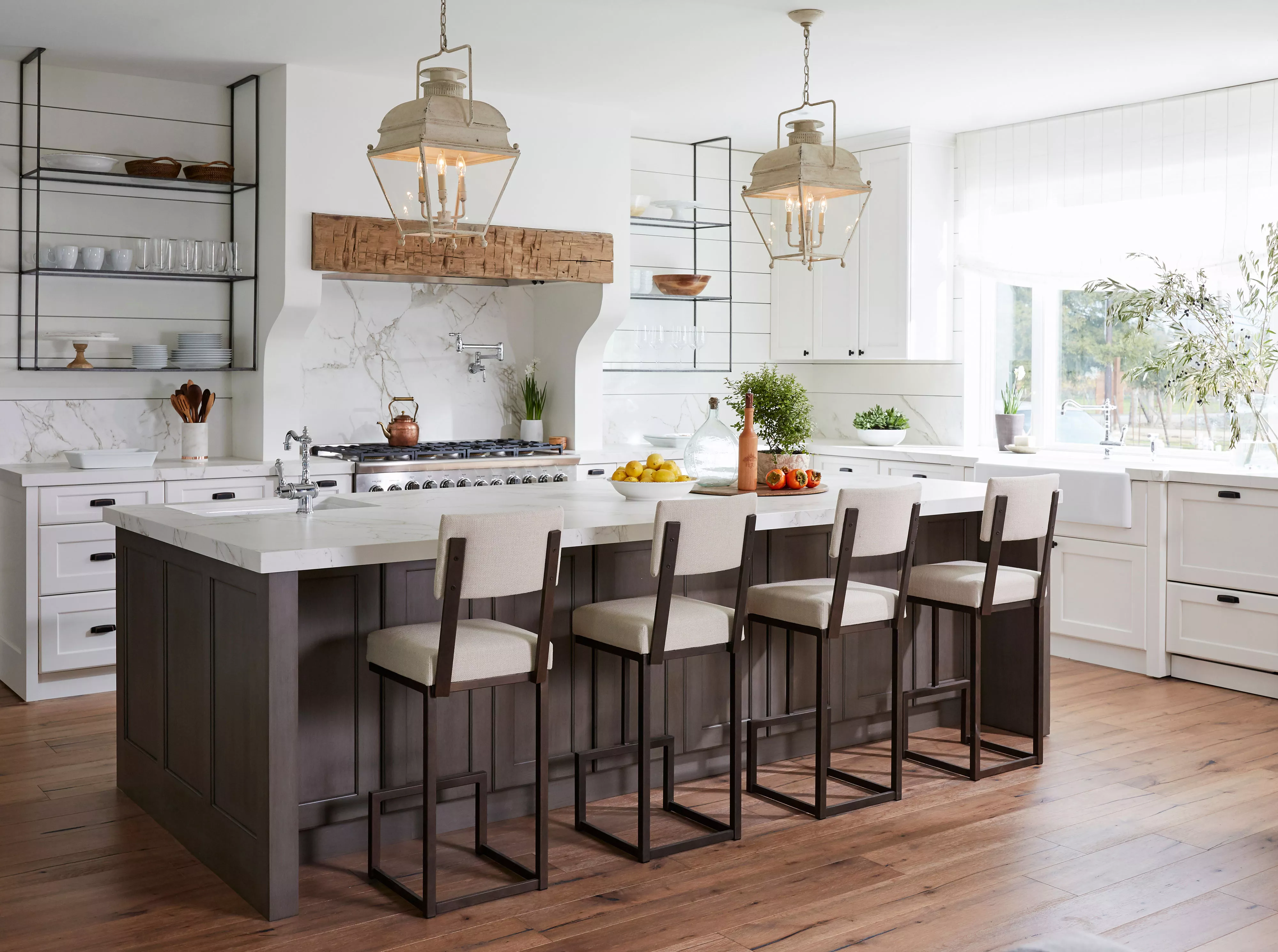
3 Steps to Perfect Kitchen Lighting, According to an Expert

5 ideas for using LED lighting in a kitchen that make me regret not including it in my own remodel
12 Kitchen Lighting Mistakes (And How To Avoid Them)

The Low-Effort Kitchen Lighting Trend That Adds Instant Elegance

15 Kitchen Lighting Mistakes Everyone Makes
Kitchen cabinet lighting ideas – how to create an illuminated feature out of your units
Essential Kitchen Lighting Tips, According to Industry Pros
The Kitchen Lighting 'Rule Of 3' Will Instantly Make Your Space Look Expensive – And Designers Swear By It For A Perfectly Layered Scheme
The BEST Way to Light Your Kitchen Is Not What You Think


Kitchen Lights | Kitchen Ceiling and Cabinet Lighting

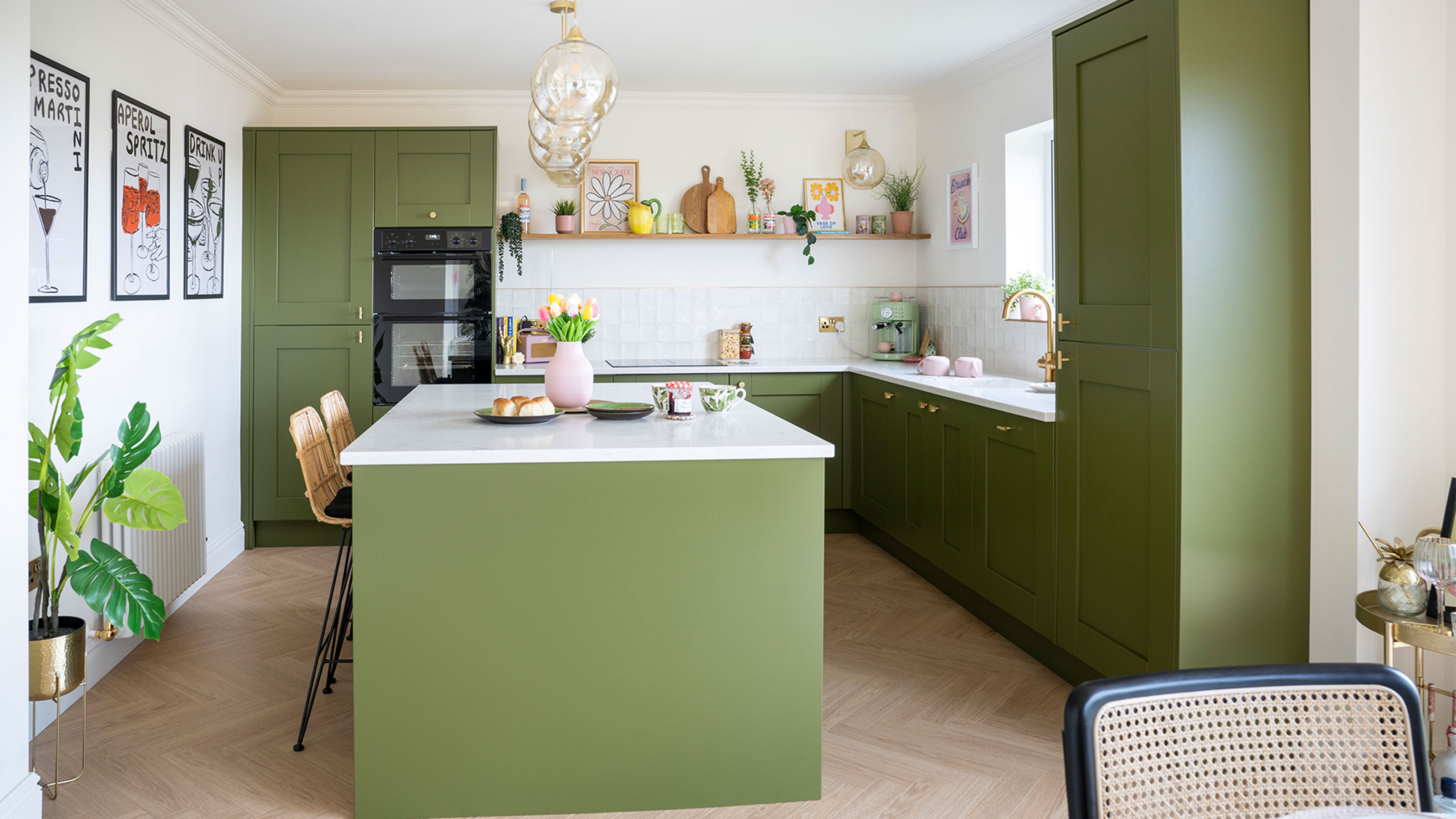
Experts warn this is the biggest mistake people make when choosing lighting for their kitchen
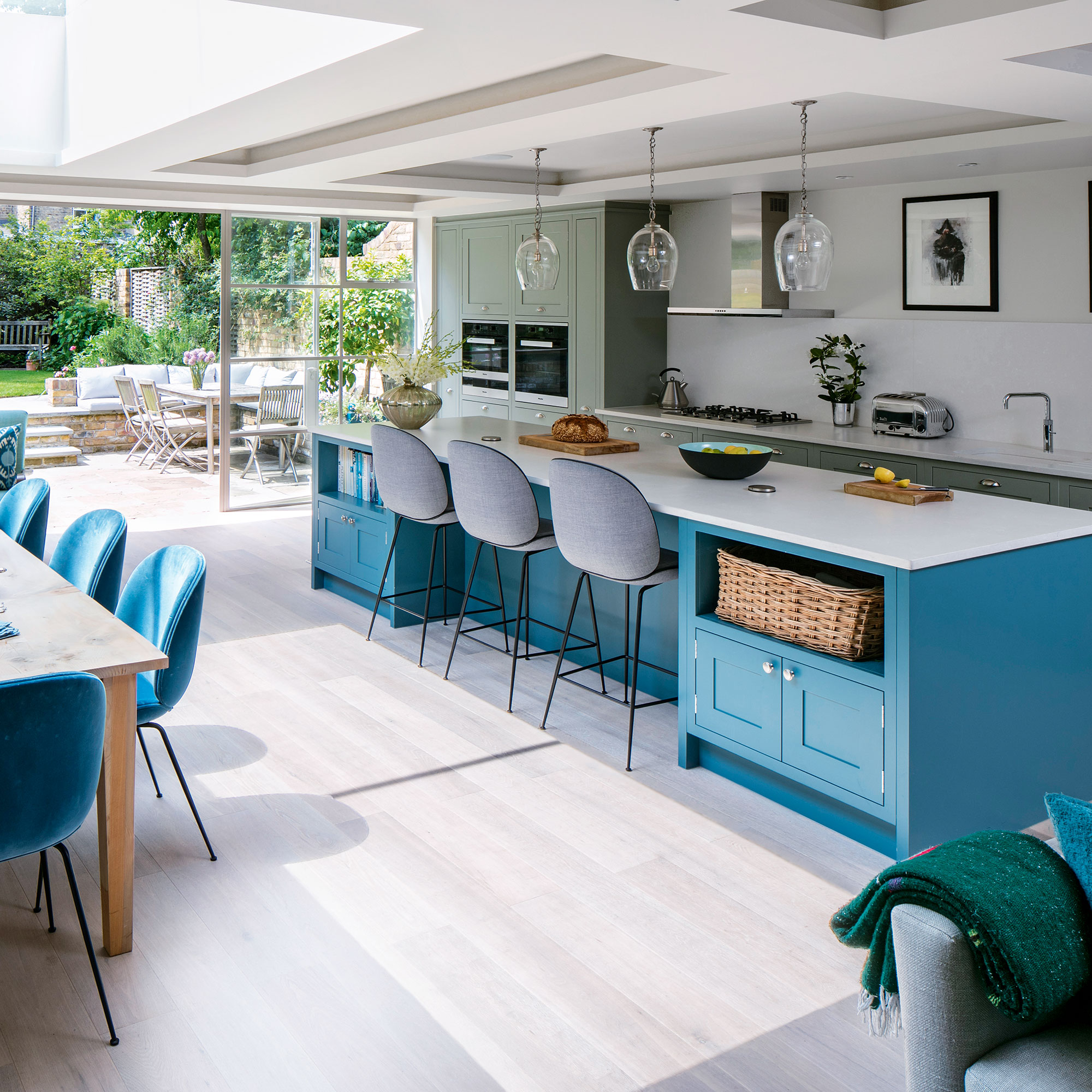
5 kitchen lighting layouts to illuminate your space to perfection
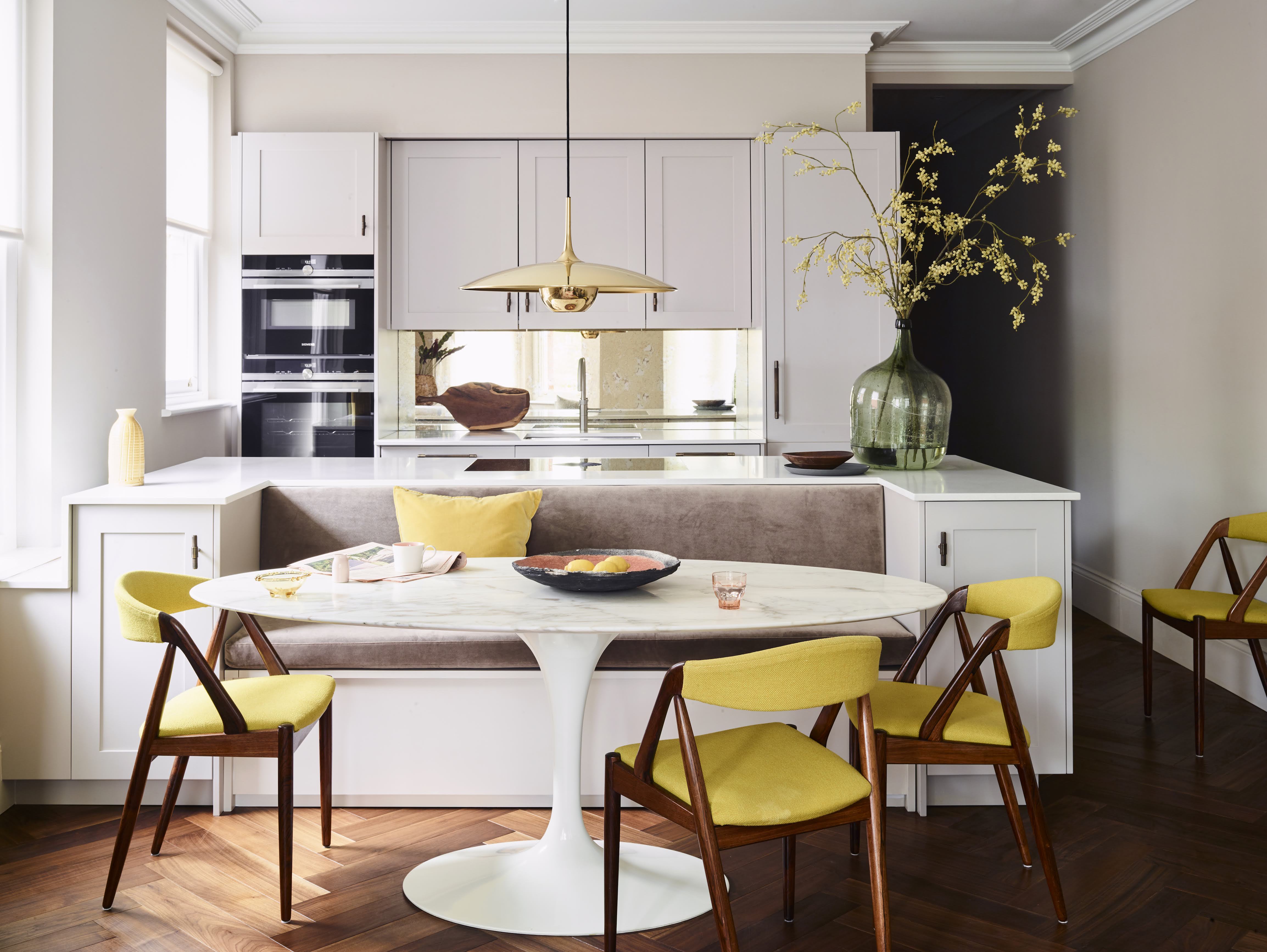
Lighting ideas for small kitchens – 10 ways to brighten up compact rooms
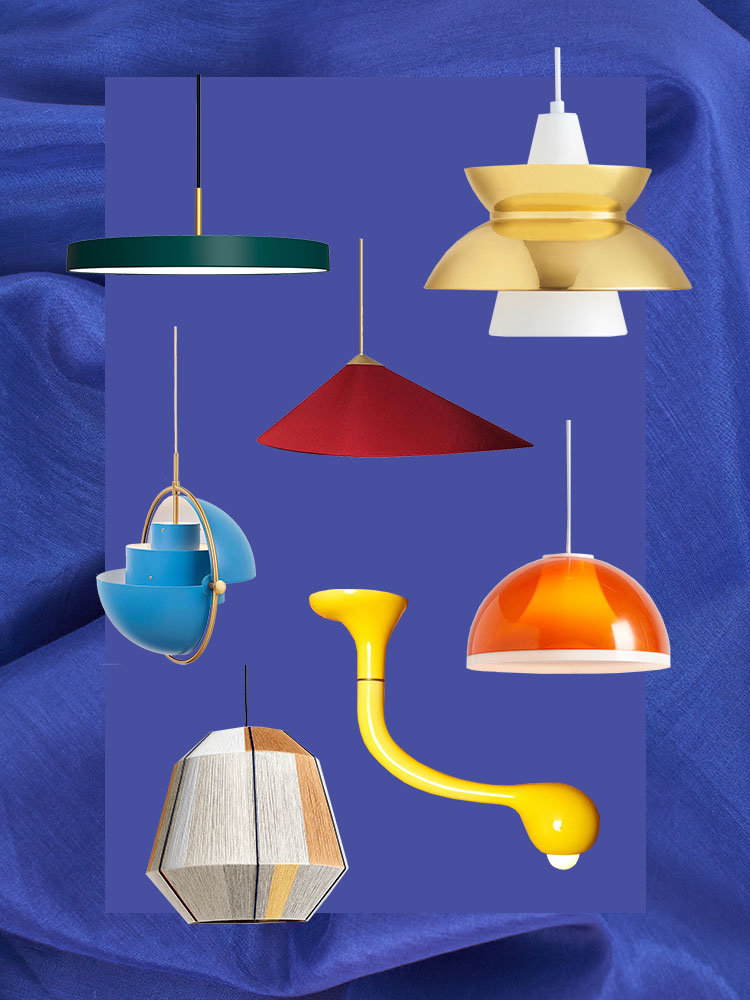
Goodbye, Fluorescent Lighting; Hello, Beautiful Kitchen Pendants