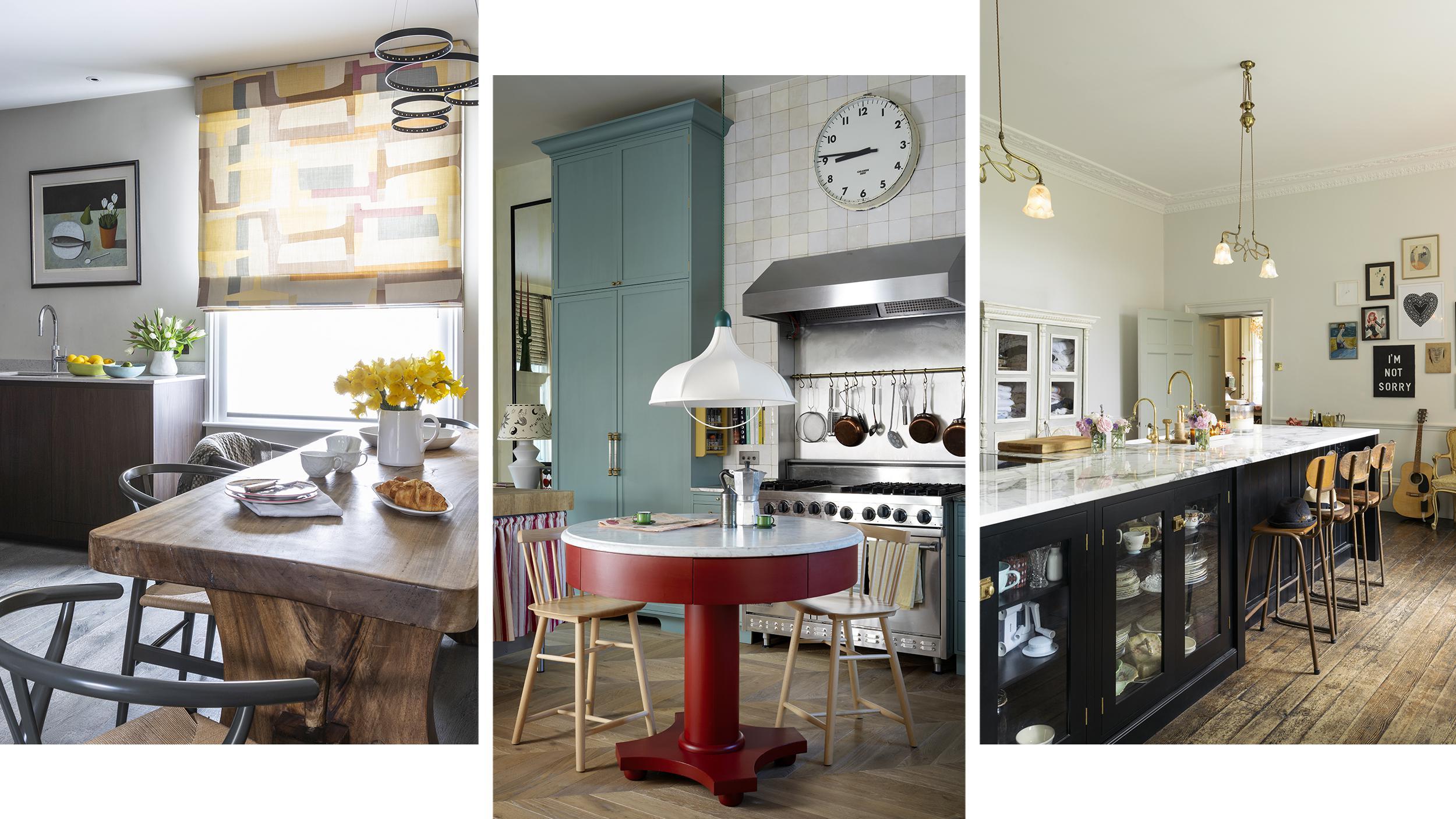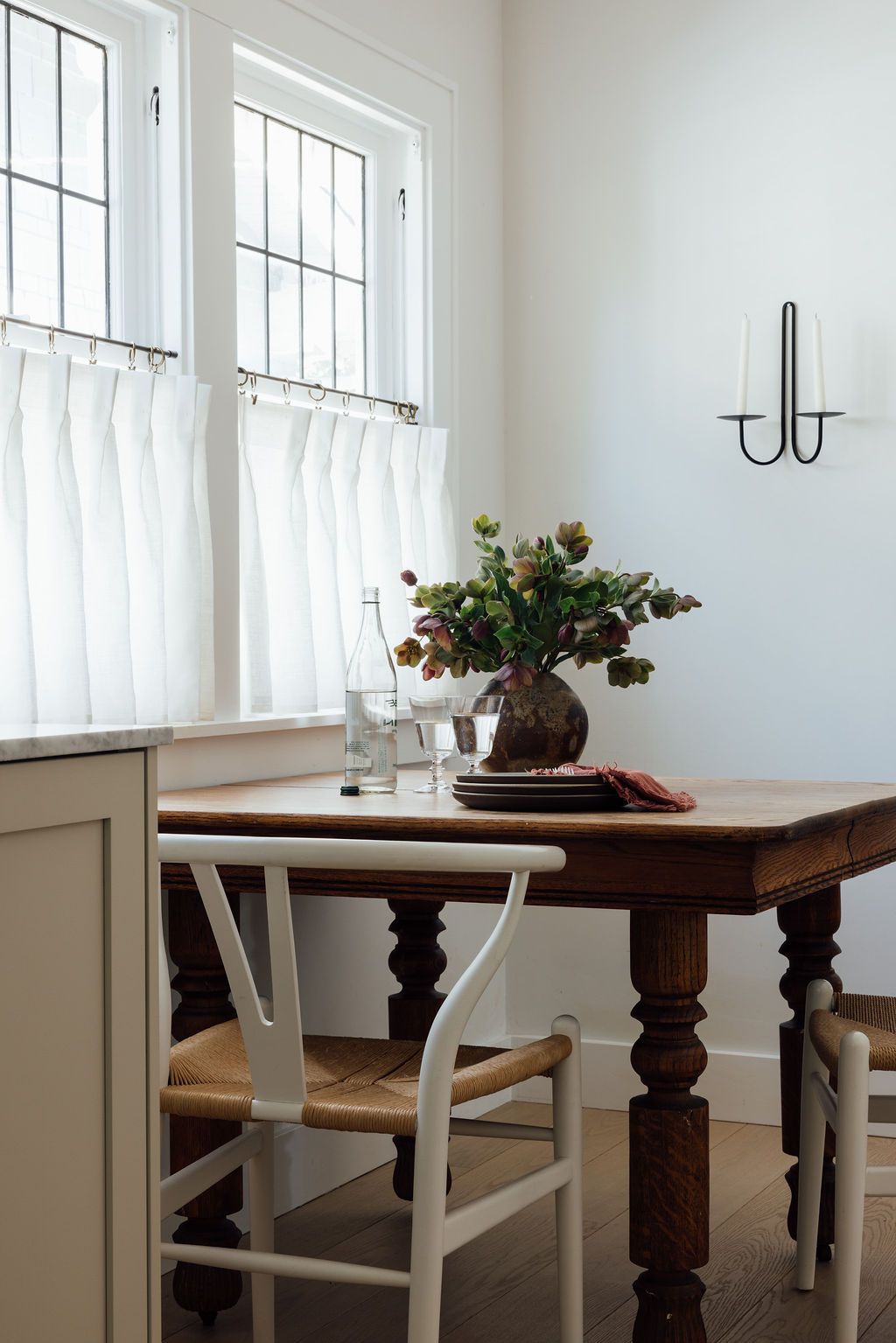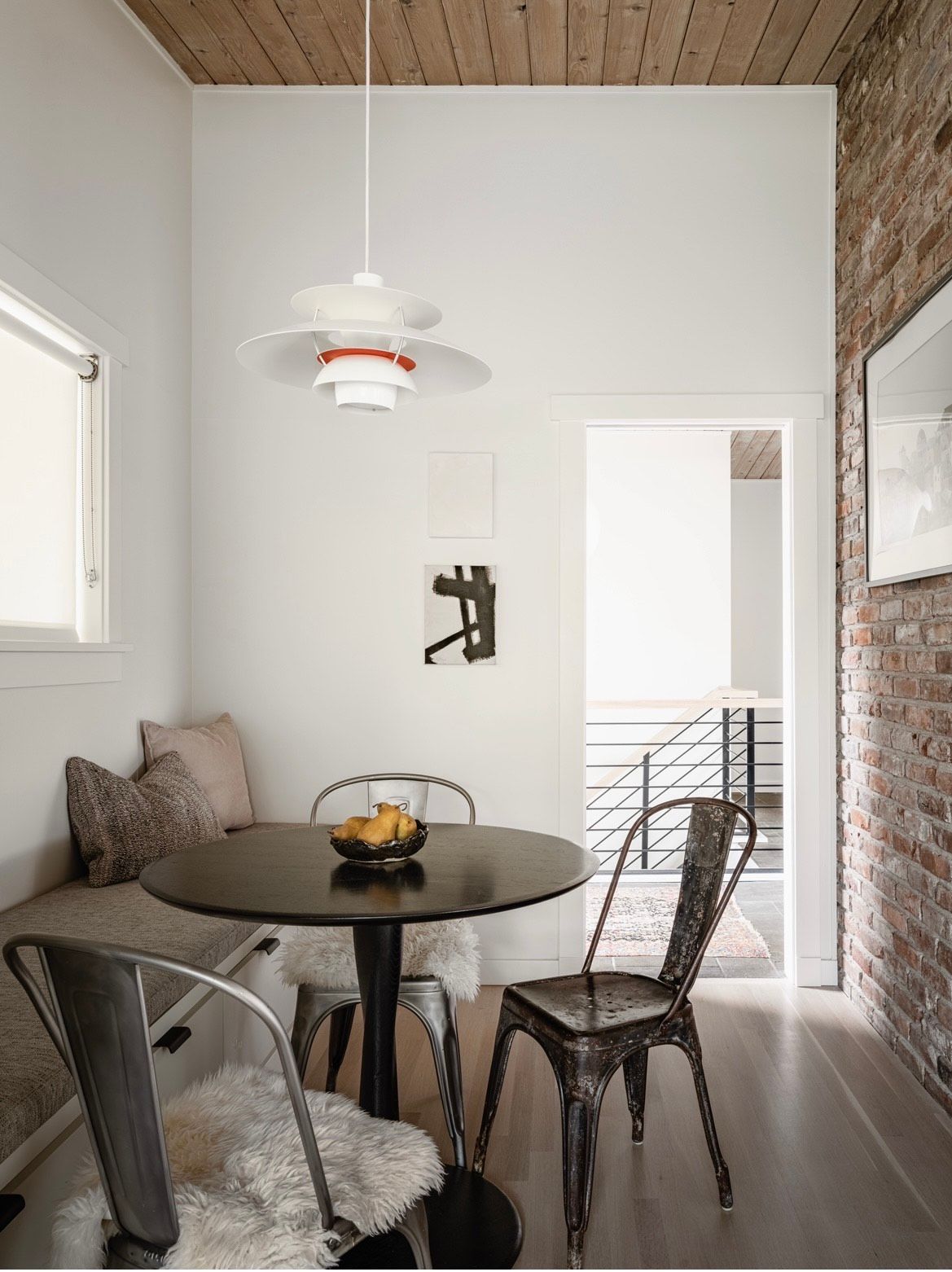
Waking up to kitchen breakfast bars
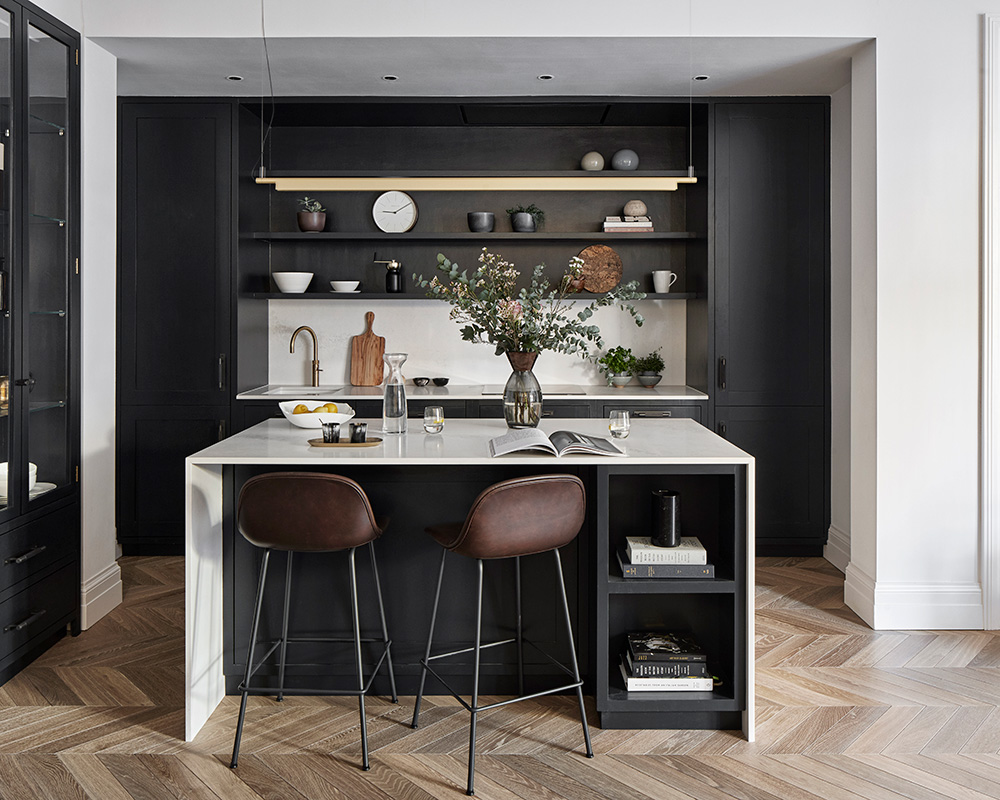
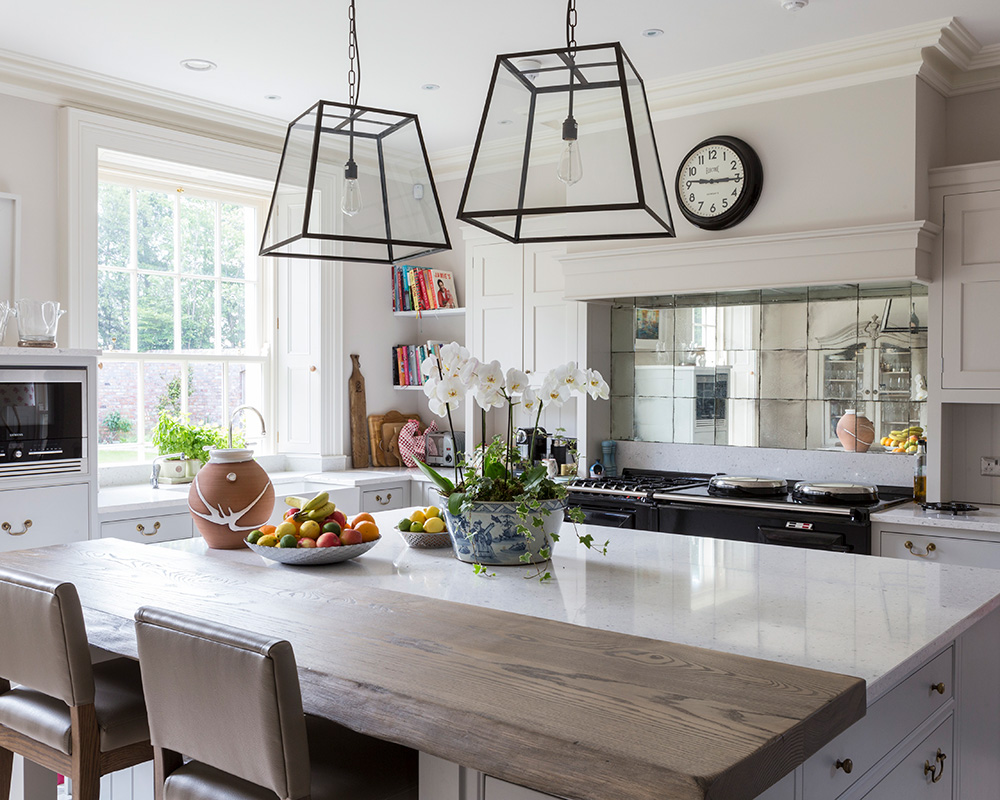
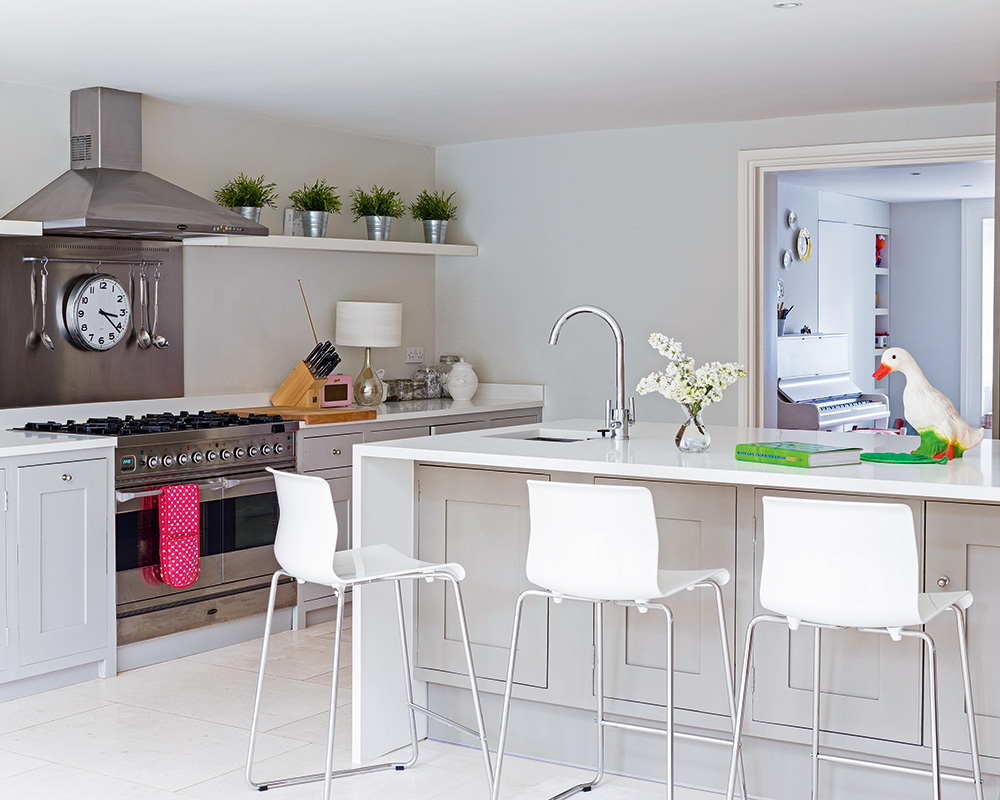
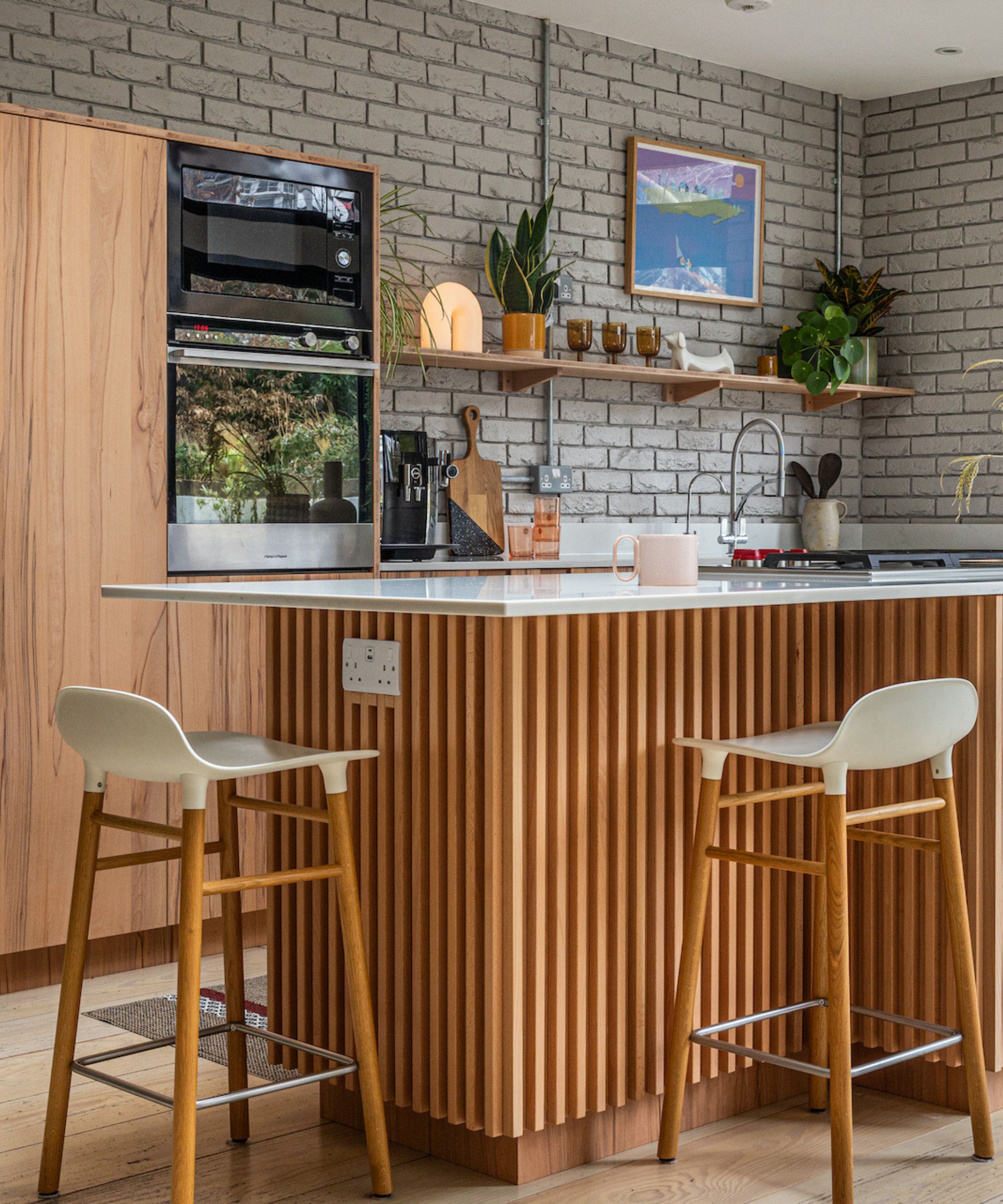
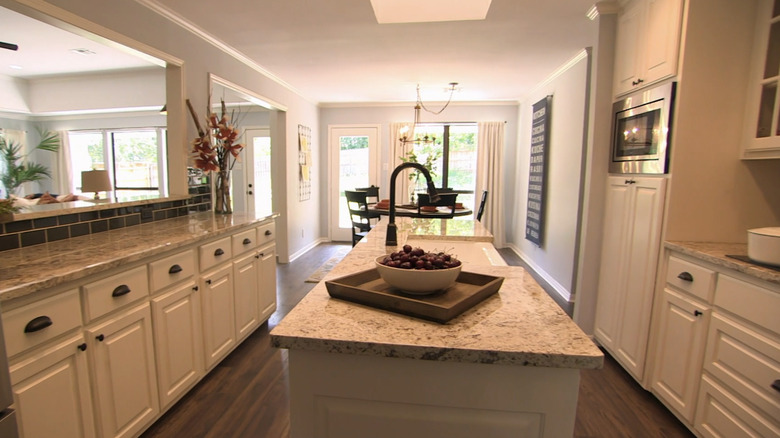
The article discusses the growing trend of integrating breakfast bars into kitchen designs, driven by the need for convenience in busy households. These specialized kitchen areas are designed to streamline morning routines by providing easy access to breakfast foods, dining ware, and appliances.
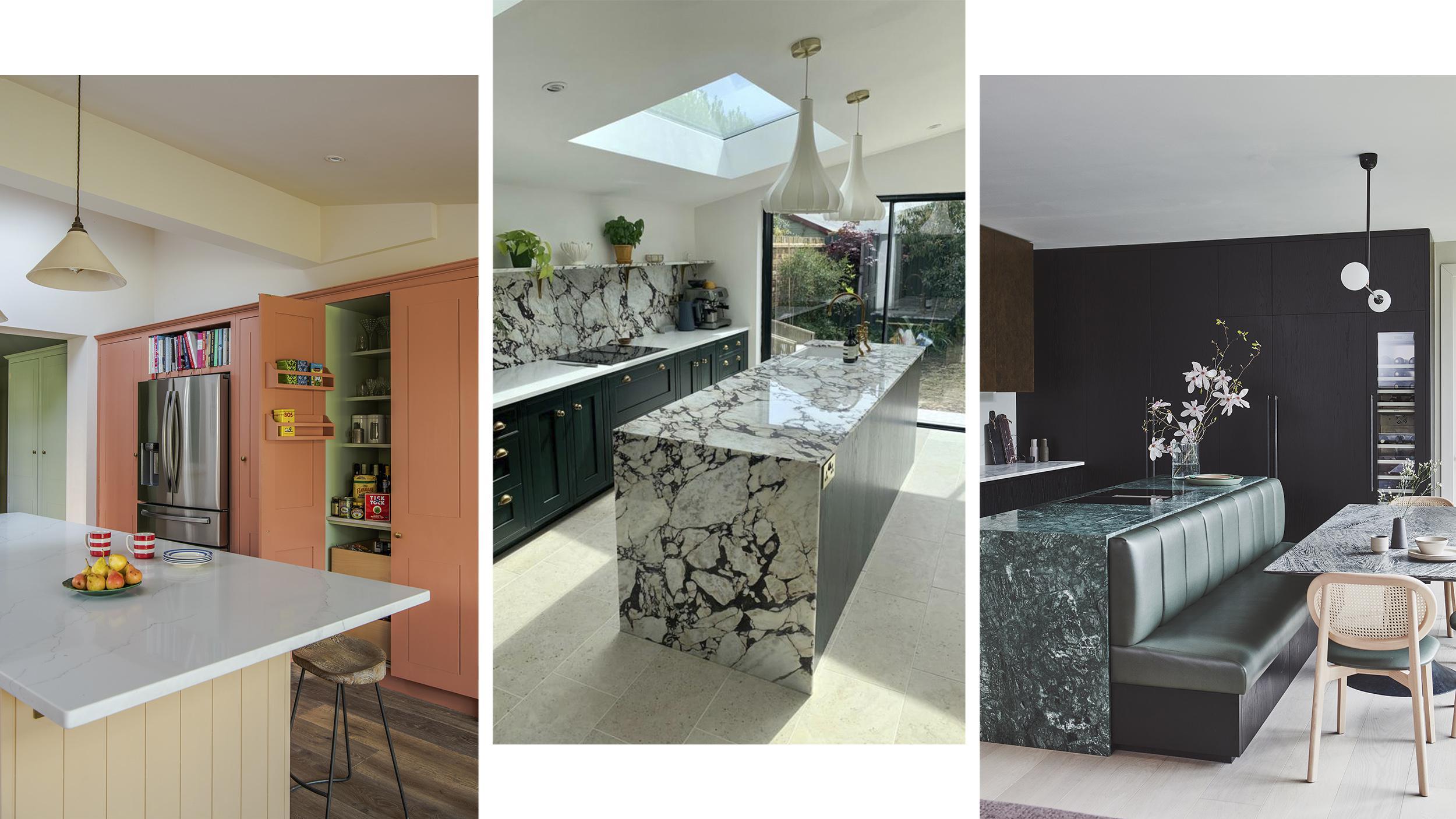
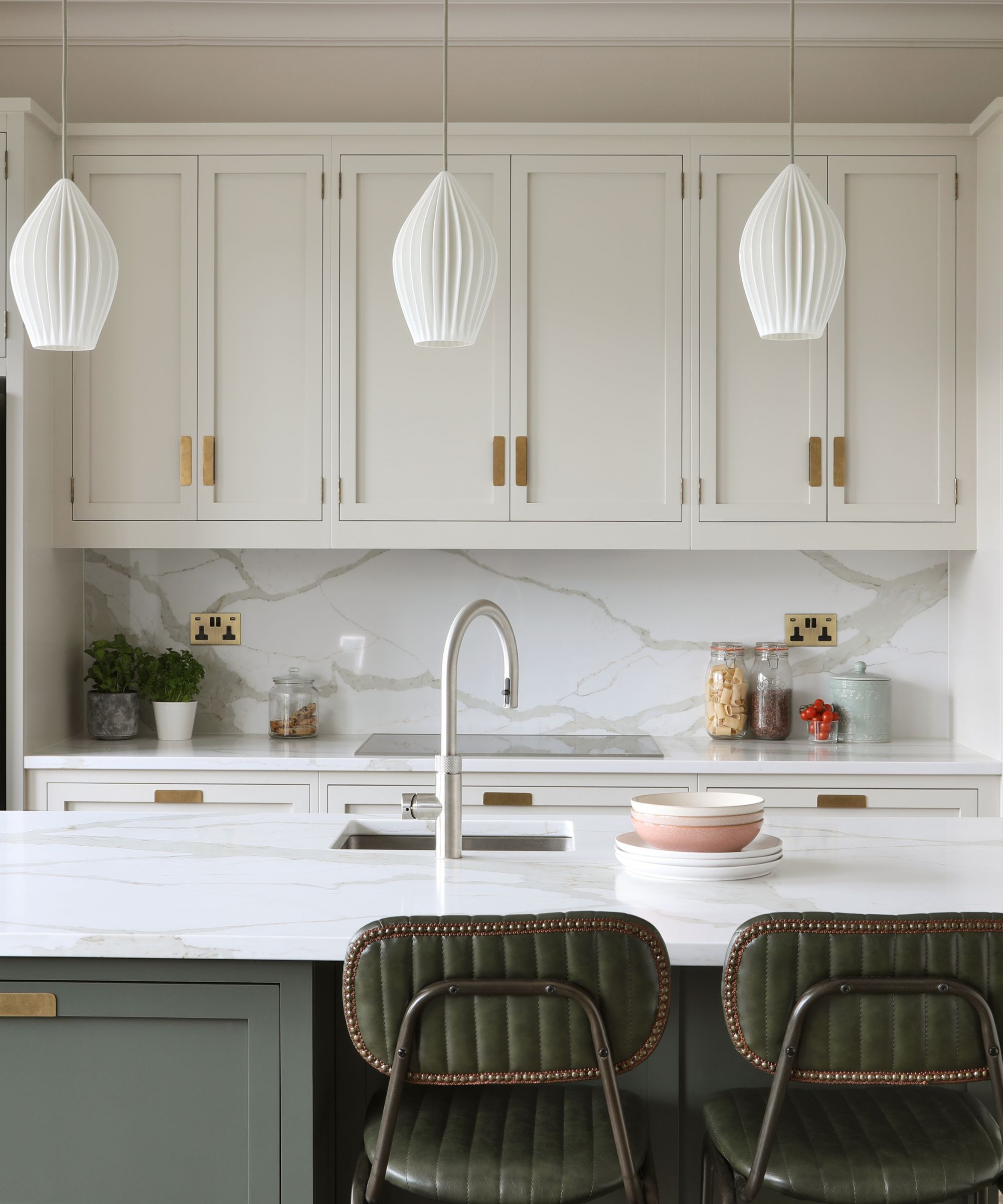
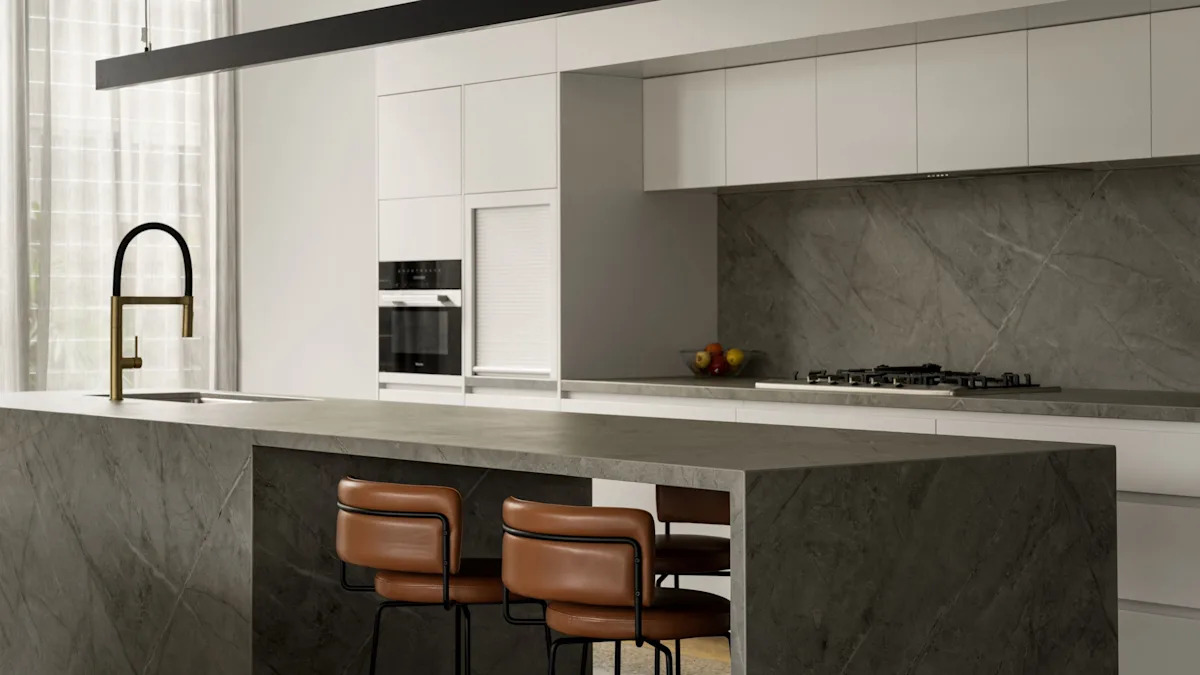
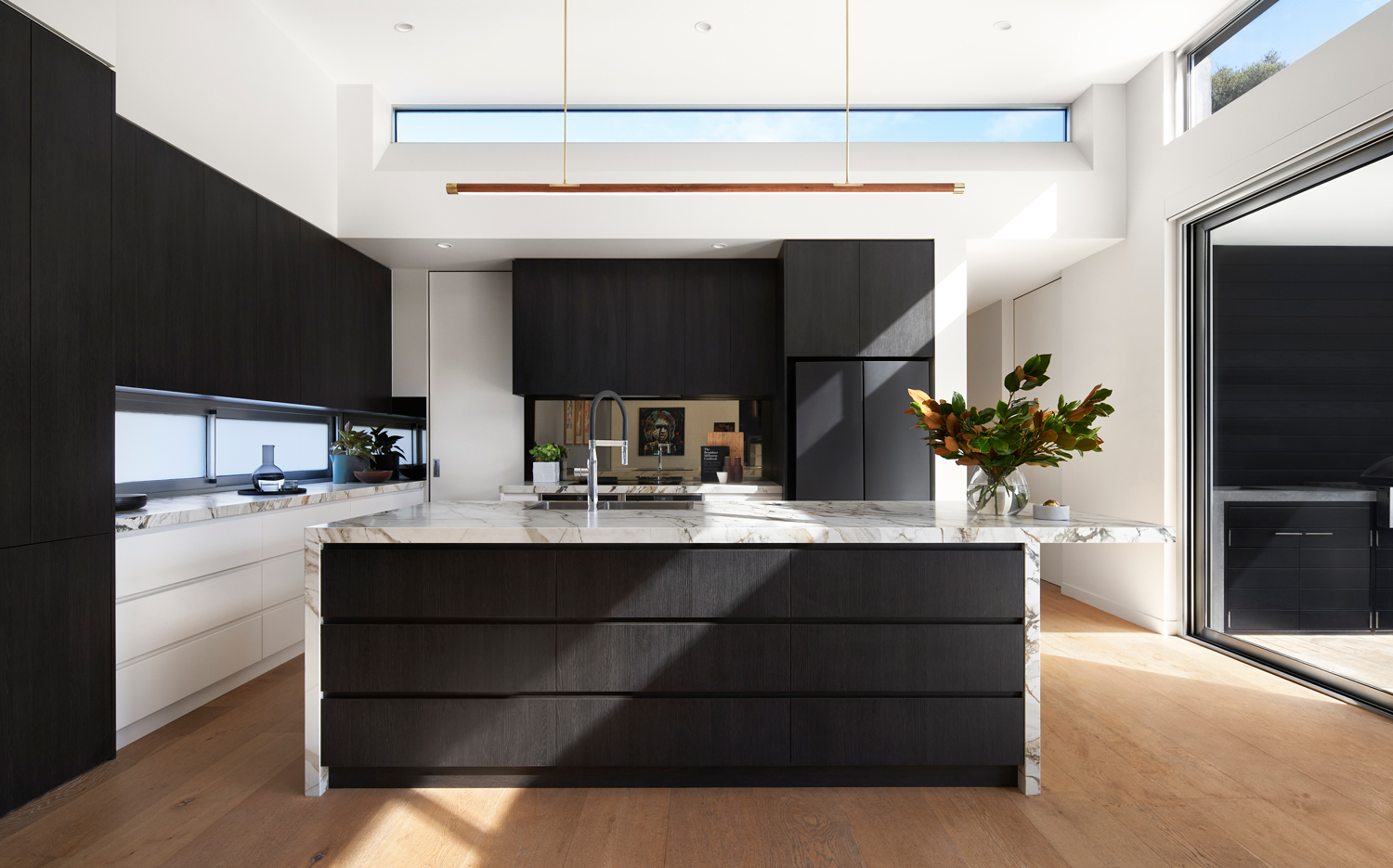
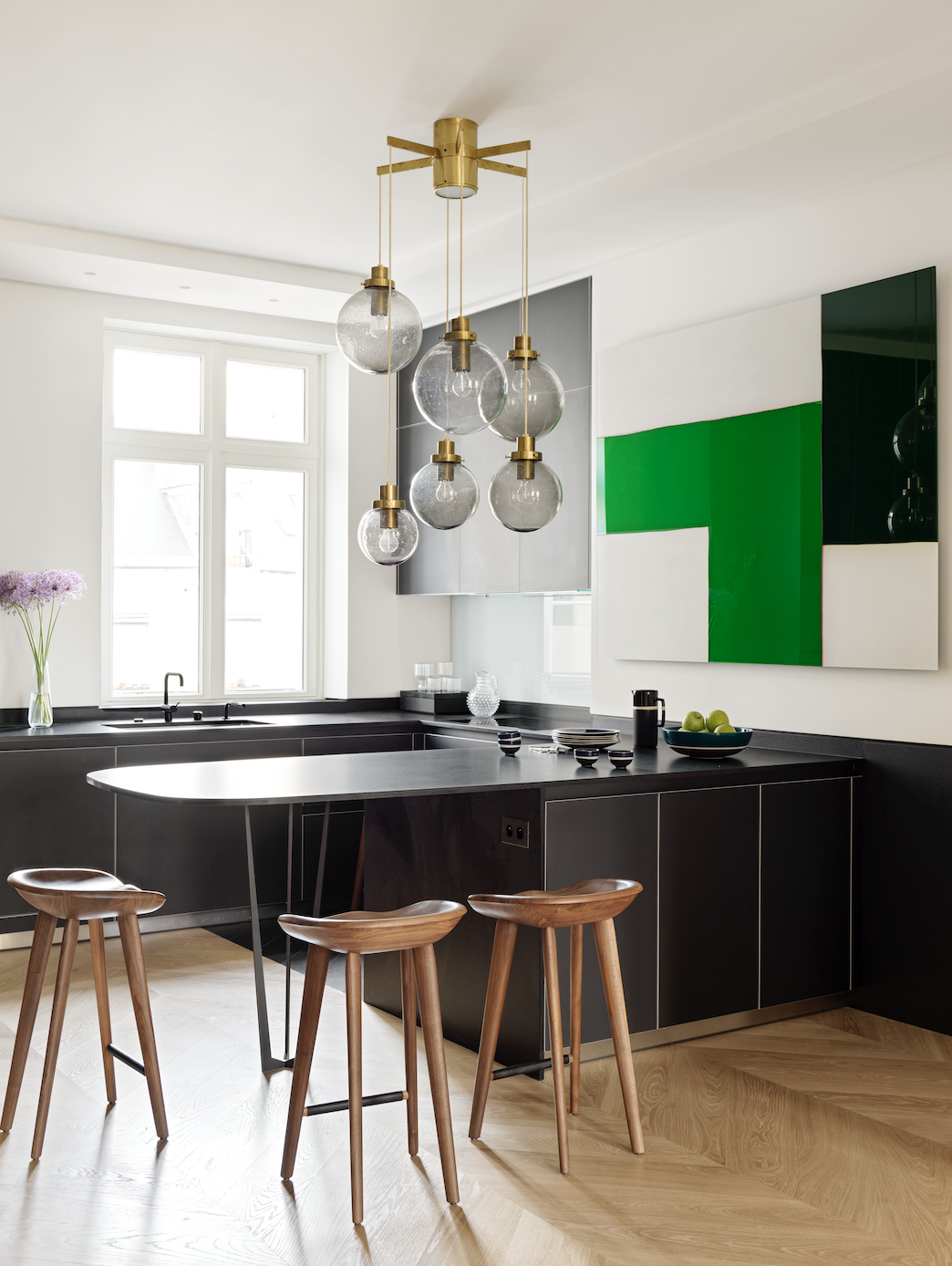
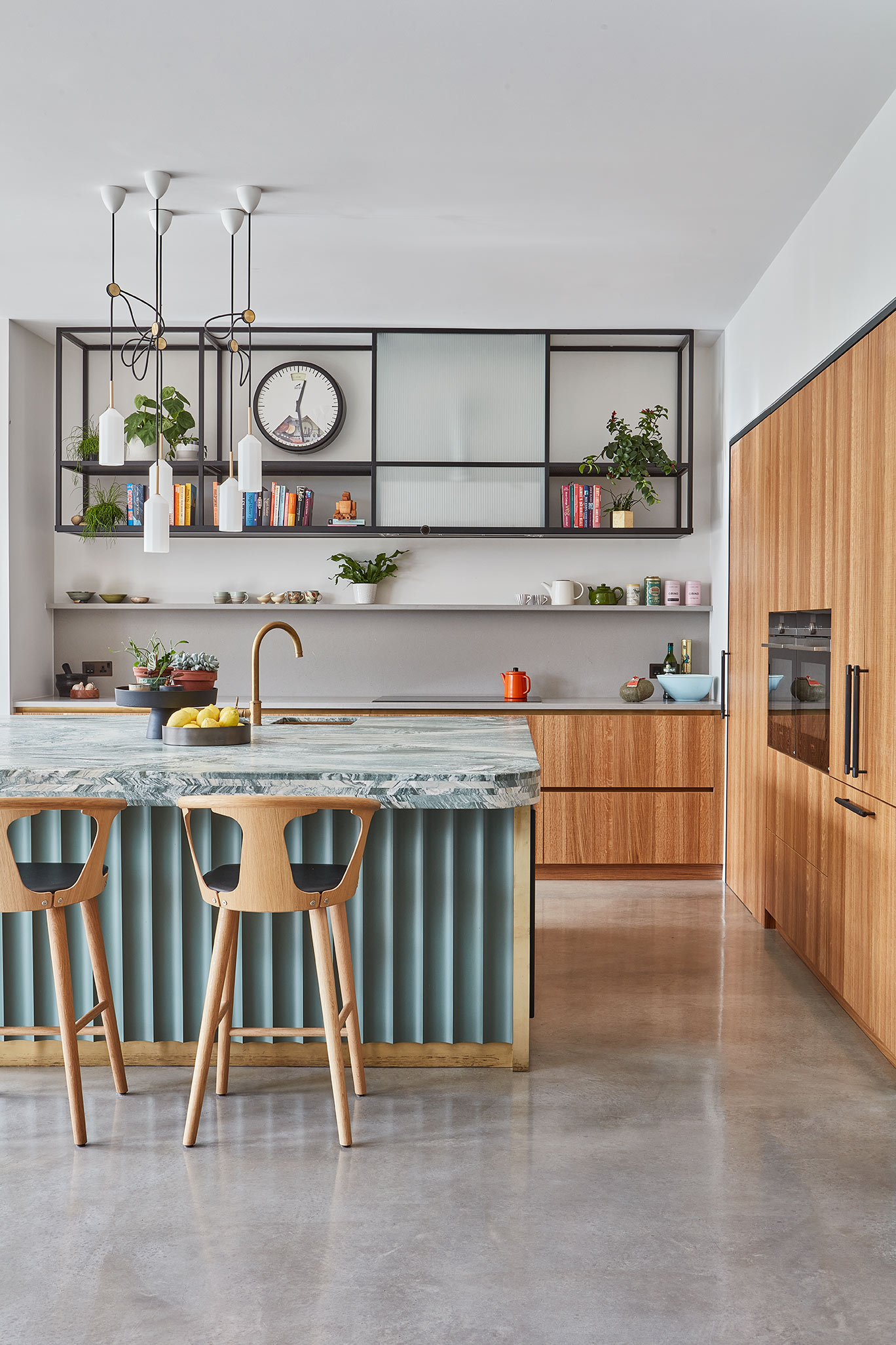
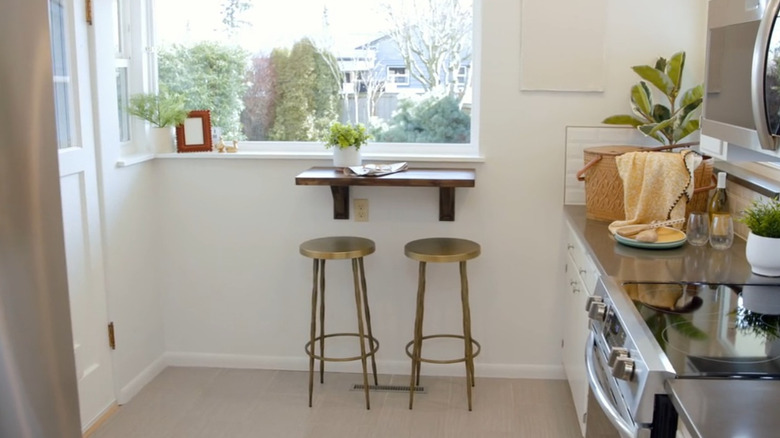
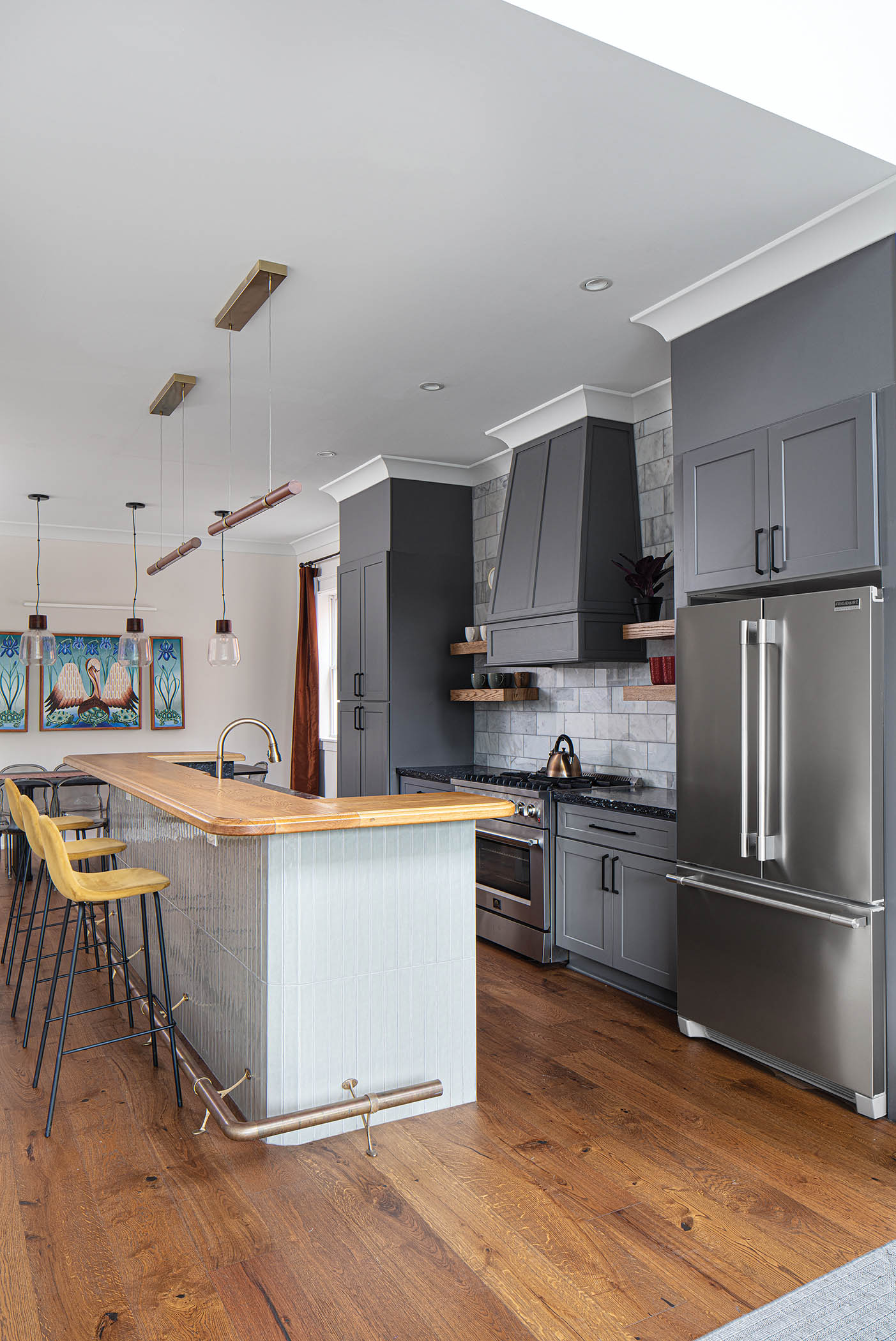
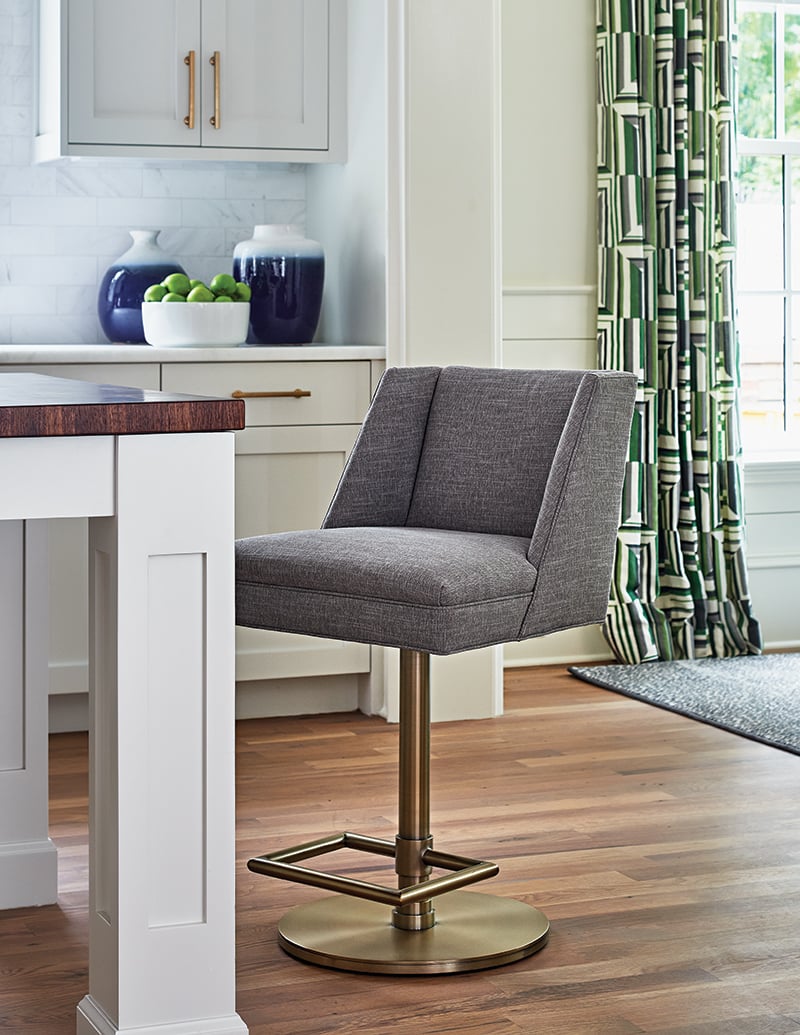
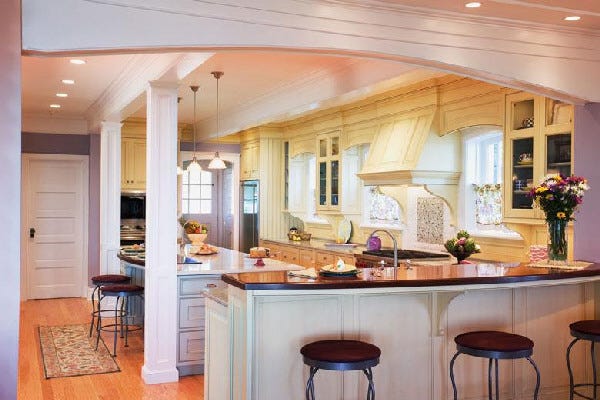
A prime example is the Herlihy family's renovated 1918 beach house in Westbrook, Conn., where a 9-foot-by-2-foot breakfast bar serves as a functional and social hub. This bar features a 2-inch-thick, dark-stained walnut top set on a 42-inch-high raised counter, accommodating stools for casual dining. Adjacent to it is a 36-inch-high work counter made of green Costa Esmerelda granite, complete with a sink. This lower counter cleverly conceals any mess or small appliances, maintaining a tidy appearance. The design, by Covenant Kitchens and Baths Inc., aimed to blend the casual beach atmosphere with the interior, creating a space that effectively bridges the kitchen and main living area, particularly useful for a family with four children.
Gerard Ciccarello, a certified master kitchen and bath designer and president of Covenant Kitchens and Baths Inc., emphasizes that comfortable spaces like breakfast counters allow family members to gather or eat quickly before starting their daily activities. He highlights that the kitchen has become the functional and visual centerpiece of the home. Homeowners seeking to implement a breakfast bar do not necessarily need a full kitchen remodel; instead, they can organize a separate area within their existing kitchen by strategically placing appliances and food items.
This shift in kitchen design reflects a broader consumer demand for efficiency and health-conscious living, as observed by Jacob Maurer, a core buyer for Seattle-based Sur La Table. He notes that coffeemakers have surpassed stand mixers as the best-selling appliance, indicating a preference for items that facilitate quick and healthy breakfast preparation. Consumers are increasingly investing in appliances such as tea makers, juicers, blenders, and advanced toasters that offer convenience, such as single-serving brewing or keeping bread warm.
For an effective breakfast bar, several items are recommended. Appliances like mini-refrigerators, microwaves, juicers, blenders, coffeemakers, toasters, and even cooktops should be located near or under the countertop. Food storage should include non-perishable items like cereals, oatmeal, protein mixes, bread, and sweeteners in sealed canisters or baskets. Perishable items such as fresh fruits, juices, yogurt, milk, frozen waffles, butter, jams, and eggs should be stored in nearby refrigerators or freezers. Cookware and dining ware, including unbreakable juice glasses, plates, cereal bowls, eating utensils, mugs, griddle pans, and egg poachers, should be easily accessible, especially for children, to promote an organized and efficient morning routine.
#KitchenDesign #BreakfastBars #HomeRenovation #KitchenAppliances #HomeOrganization #InteriorDesign #LifestyleTrends #KitchenDesign #BreakfastBars #HomeRenovation #KitchenAppliances #HomeOrganization #InteriorDesign #LifestyleTrends
0 comment in total
 No comments yet
You may also like
Breakfast bar ideas – 11 stylish ways to create space in your kitchen for snacking

15 Chic & Cheerful Breakfast Area Ideas

In The Design Studio: Breakfast Nooks and Cozy Kitchen Seating
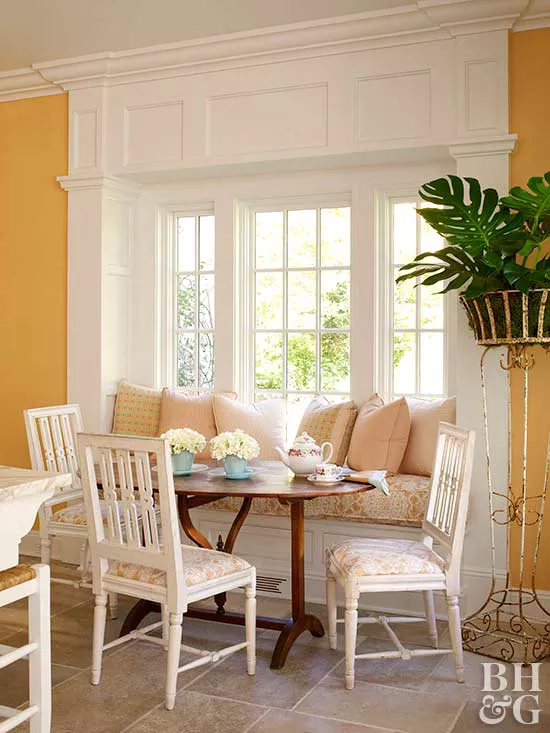
Space-Savvy Breakfast Nook Banquettes


Kitchen Upstands

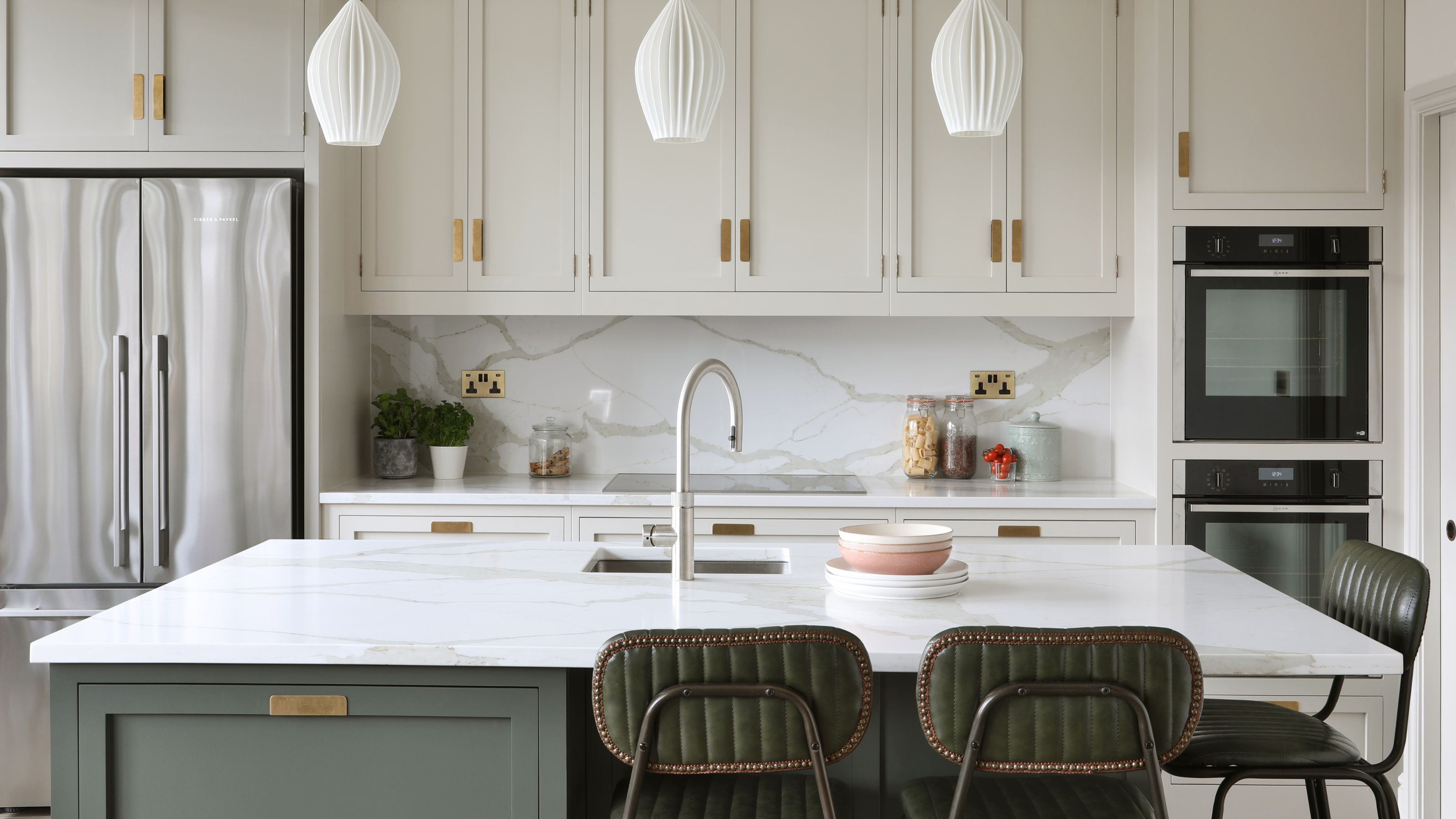
Kitchen island breakfast bar ideas — 7 ways to create a stylish dining zone, according to design experts


Add A Cozy Breakfast Bar To Your Kitchen With Inspo From HGTV's Unsellable Houses
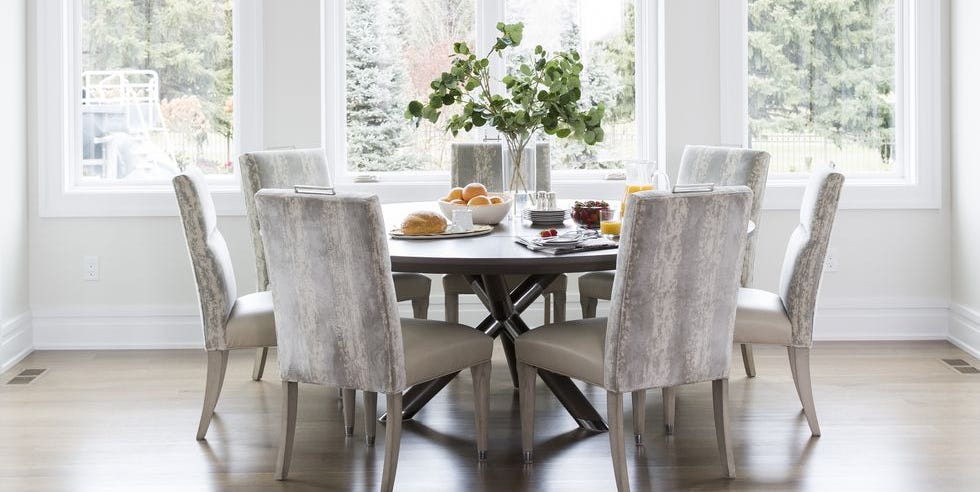
15 Breakfast Nooks That Are Full of Charm

Should you get a kitchen island, a breakfast bar or a table?
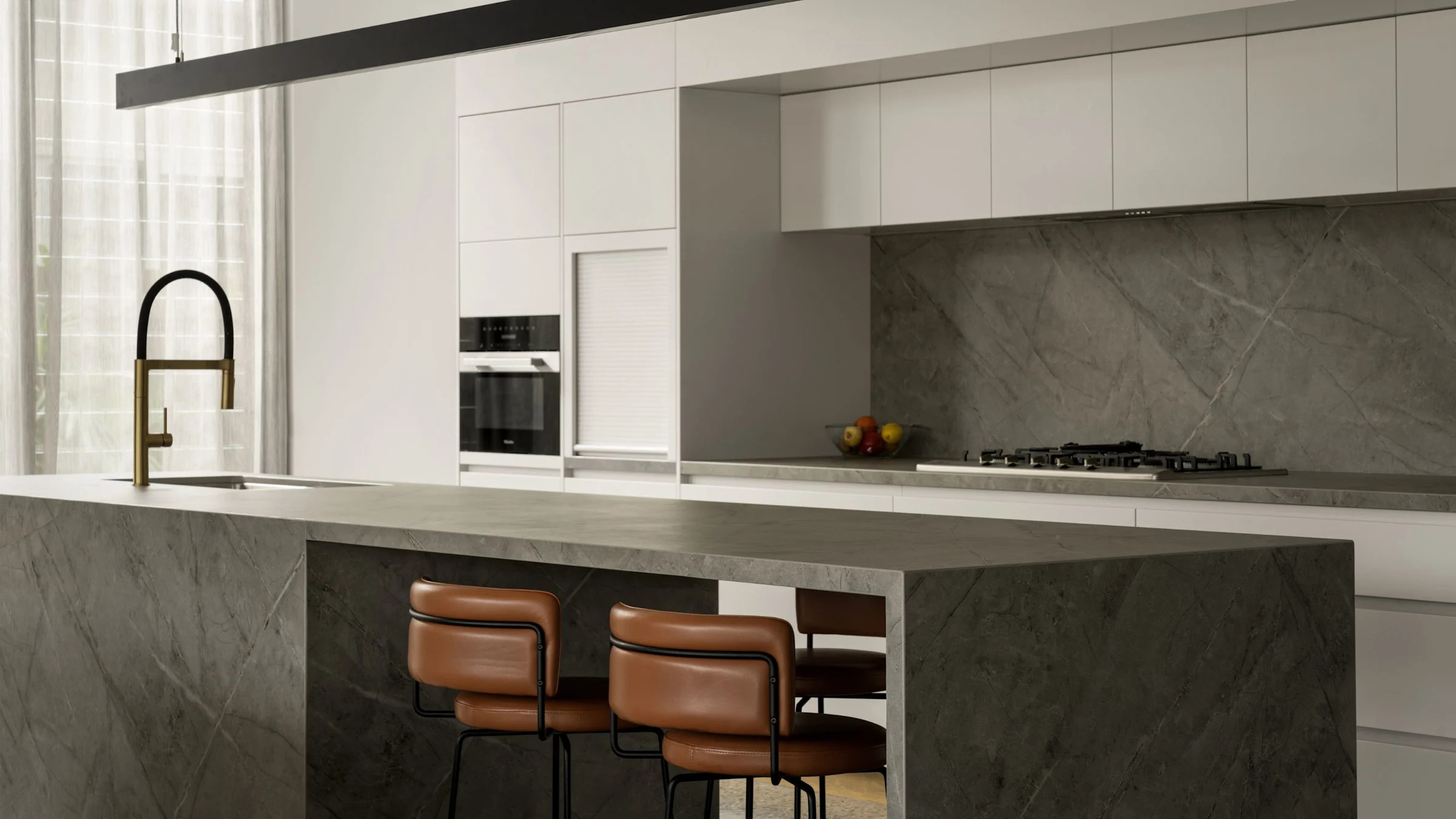
Should You Choose a Kitchen Island or a Breakfast Bar? Experts Weigh-in on the Debate

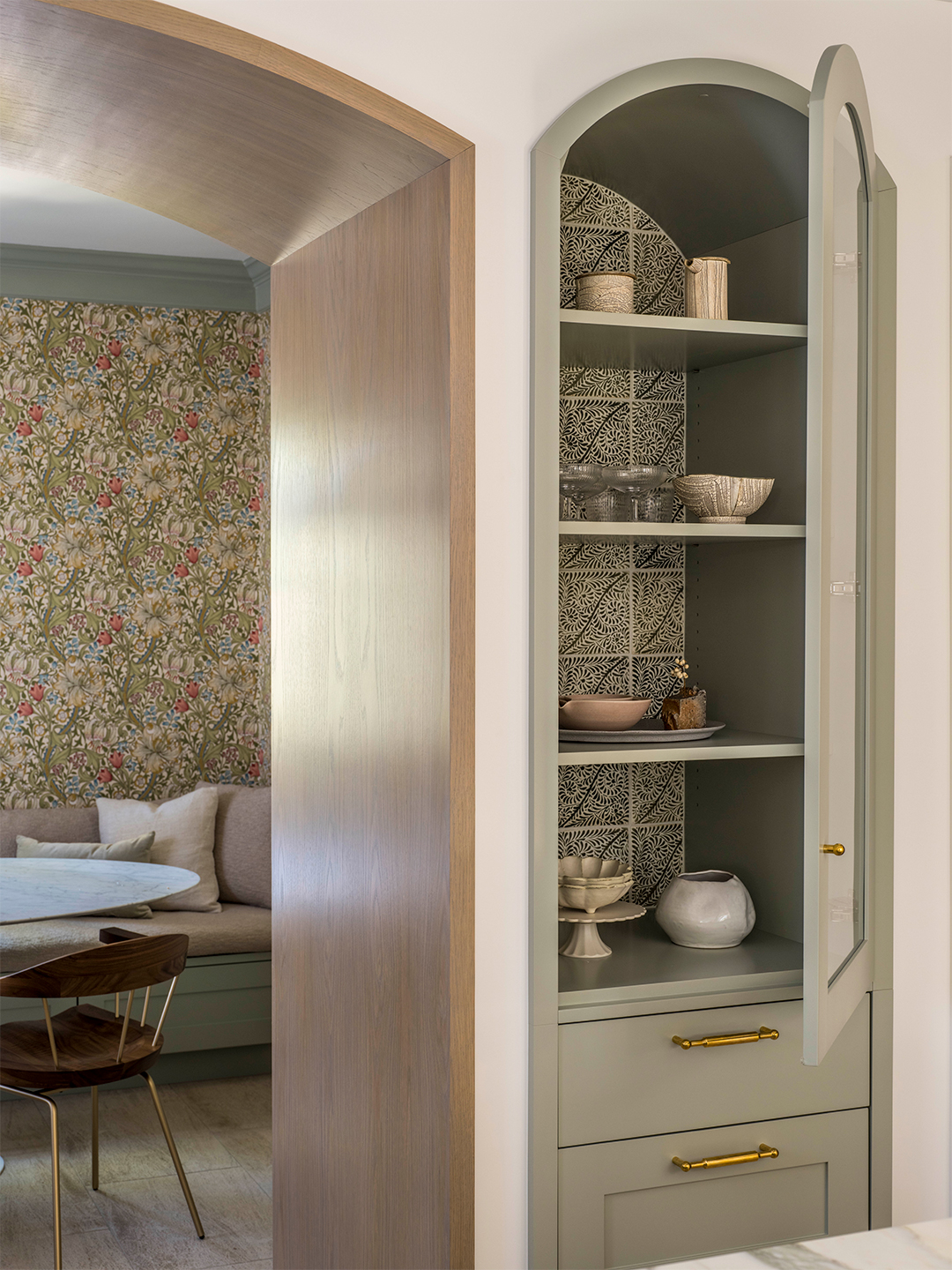
So Long, Granite and Dark Wood Kitchen; Hello, Cozy Breakfast Nook and Hidden Pantry

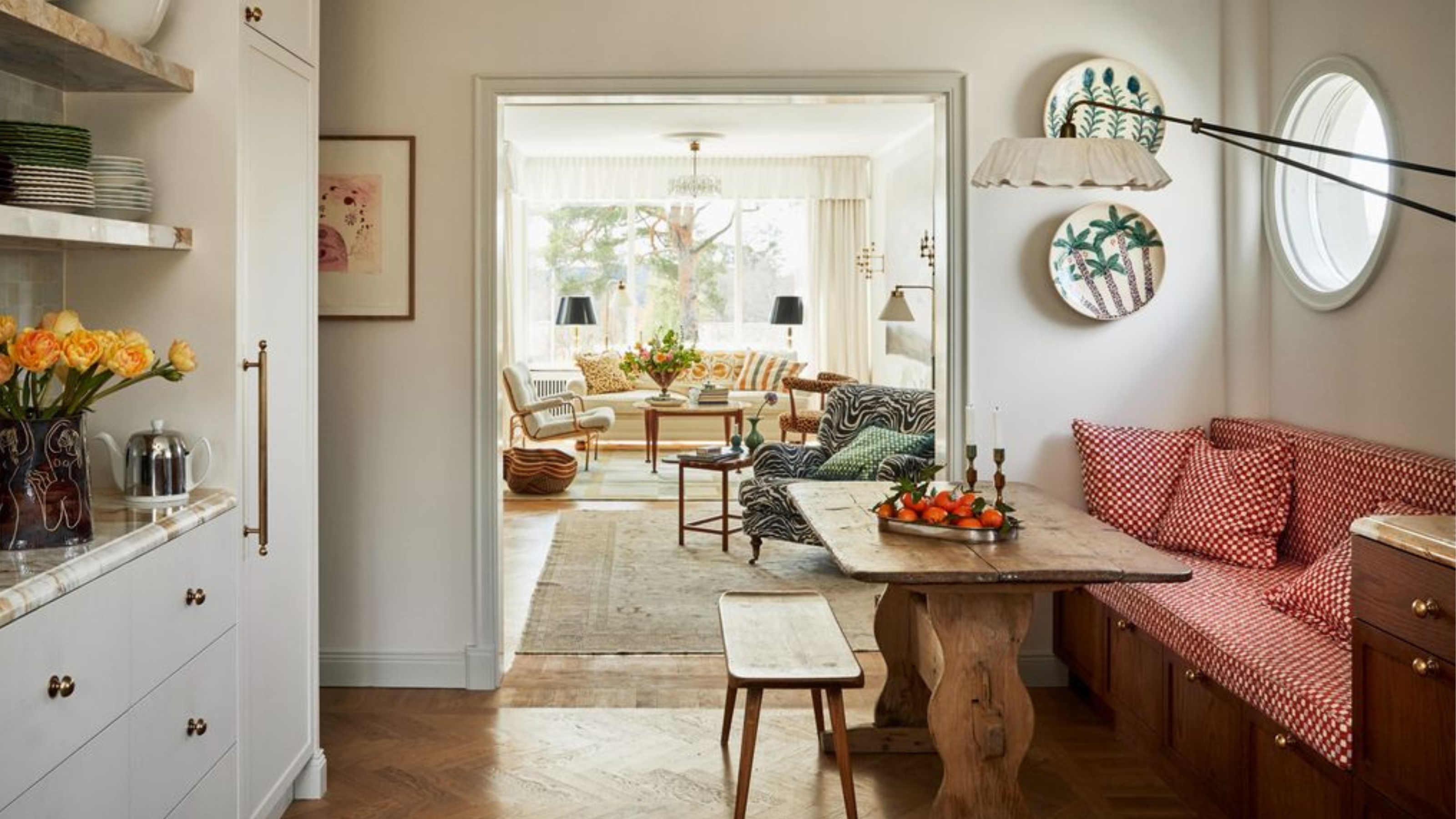
7 breakfast nook ideas for a relaxing start to the day

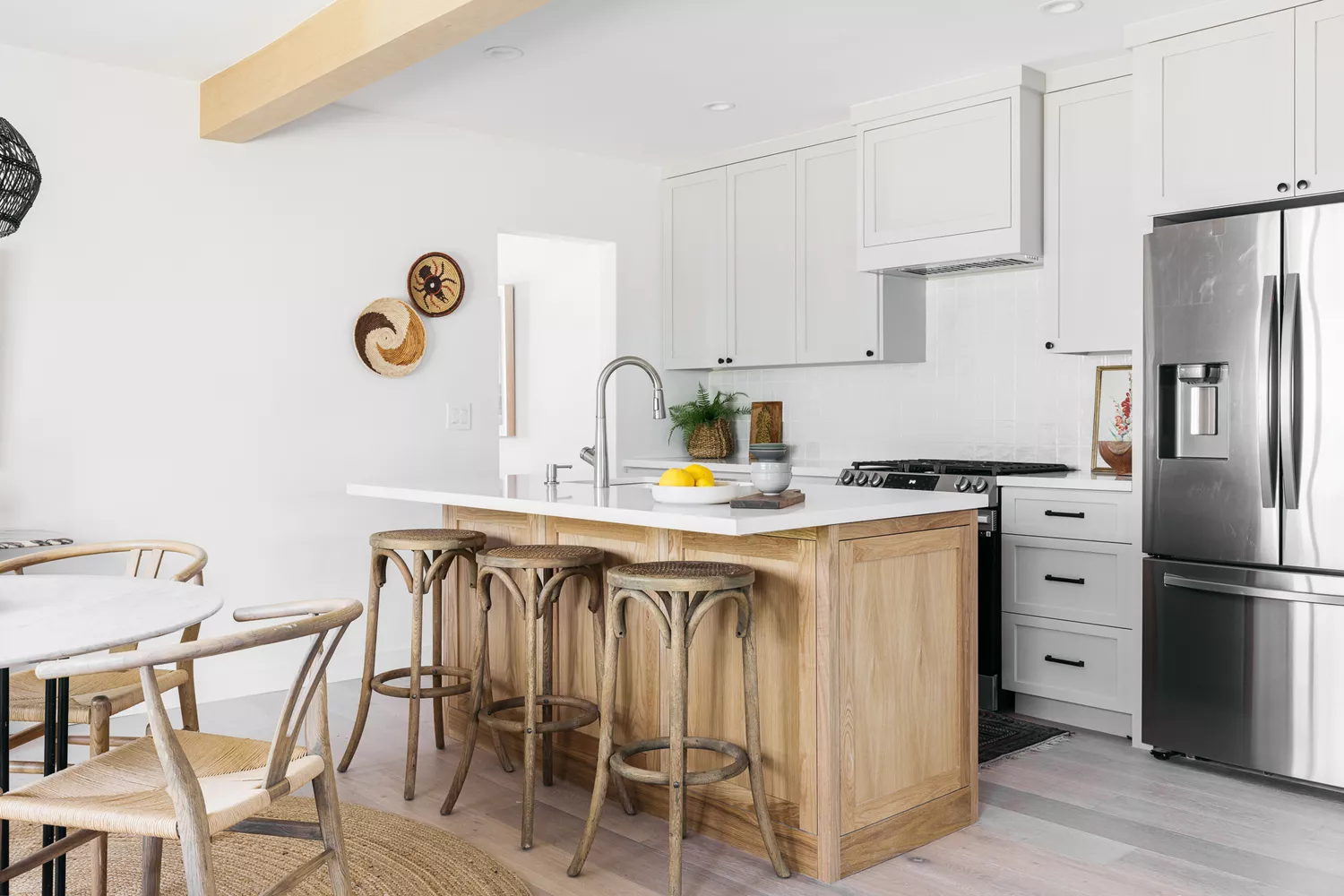
15 Beautiful Kitchen Breakfast Bars to Copycat

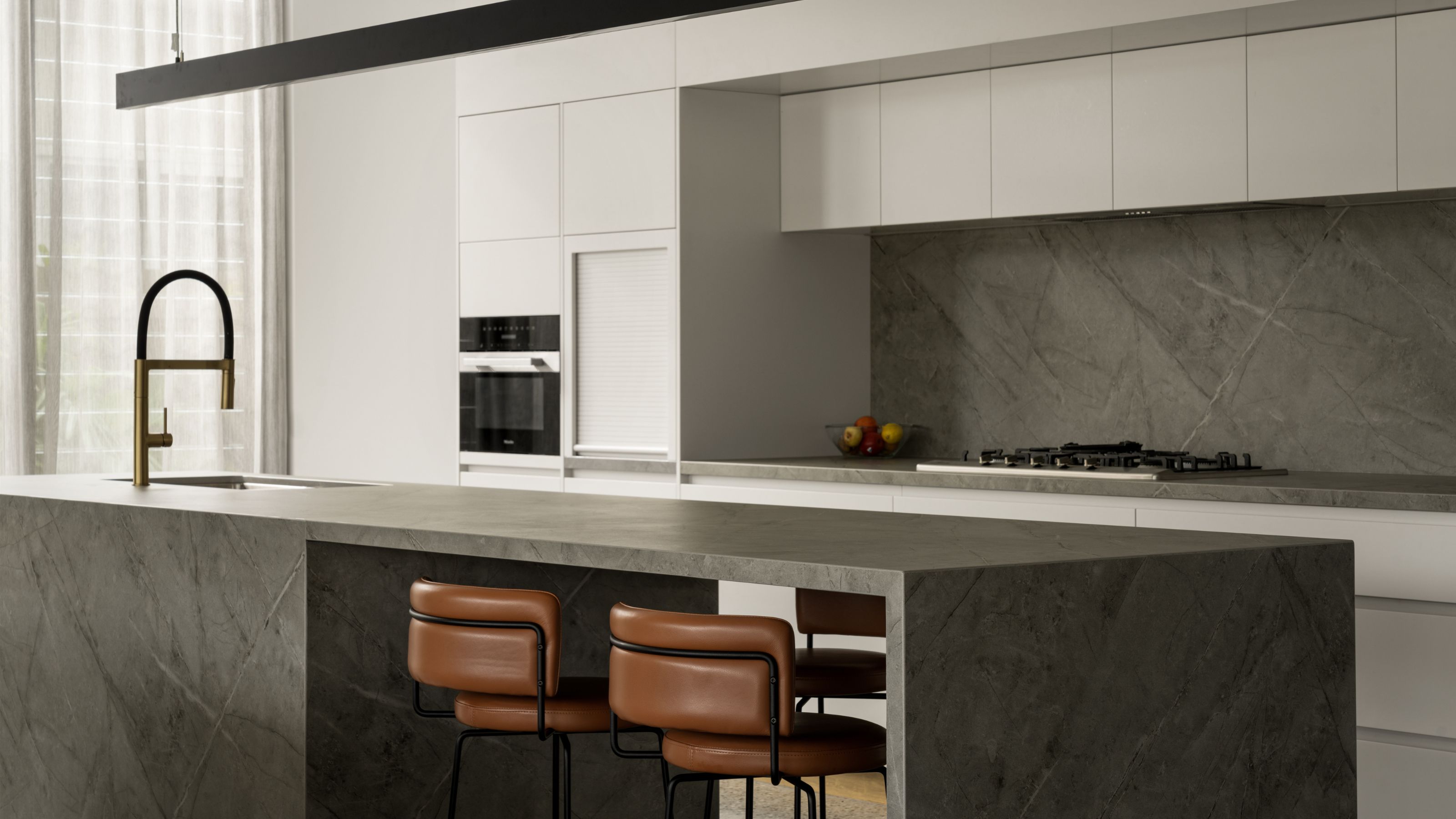
Should You Choose a Kitchen Island or a Breakfast Bar? Experts Weigh-in on the Debate

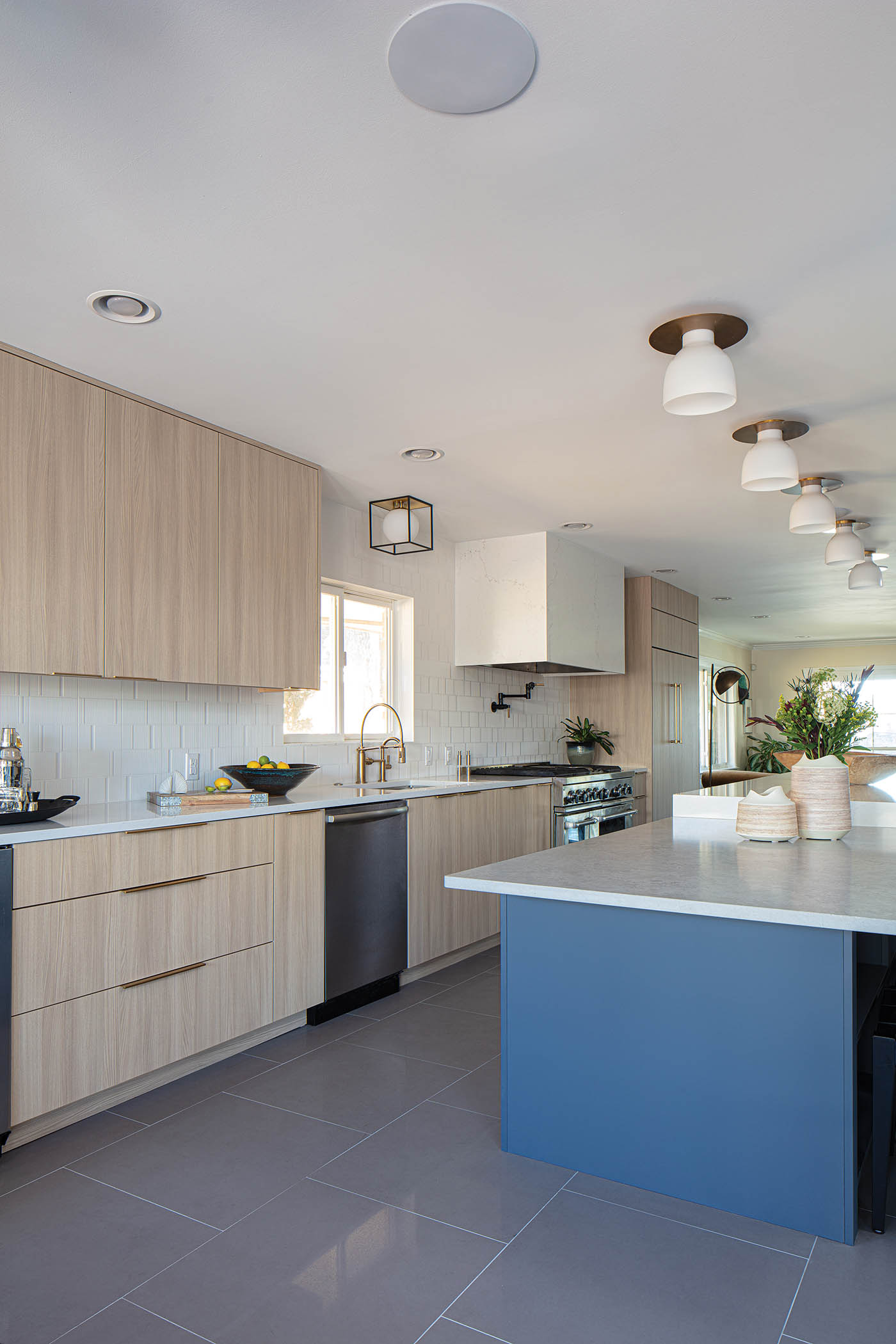
Kitchens

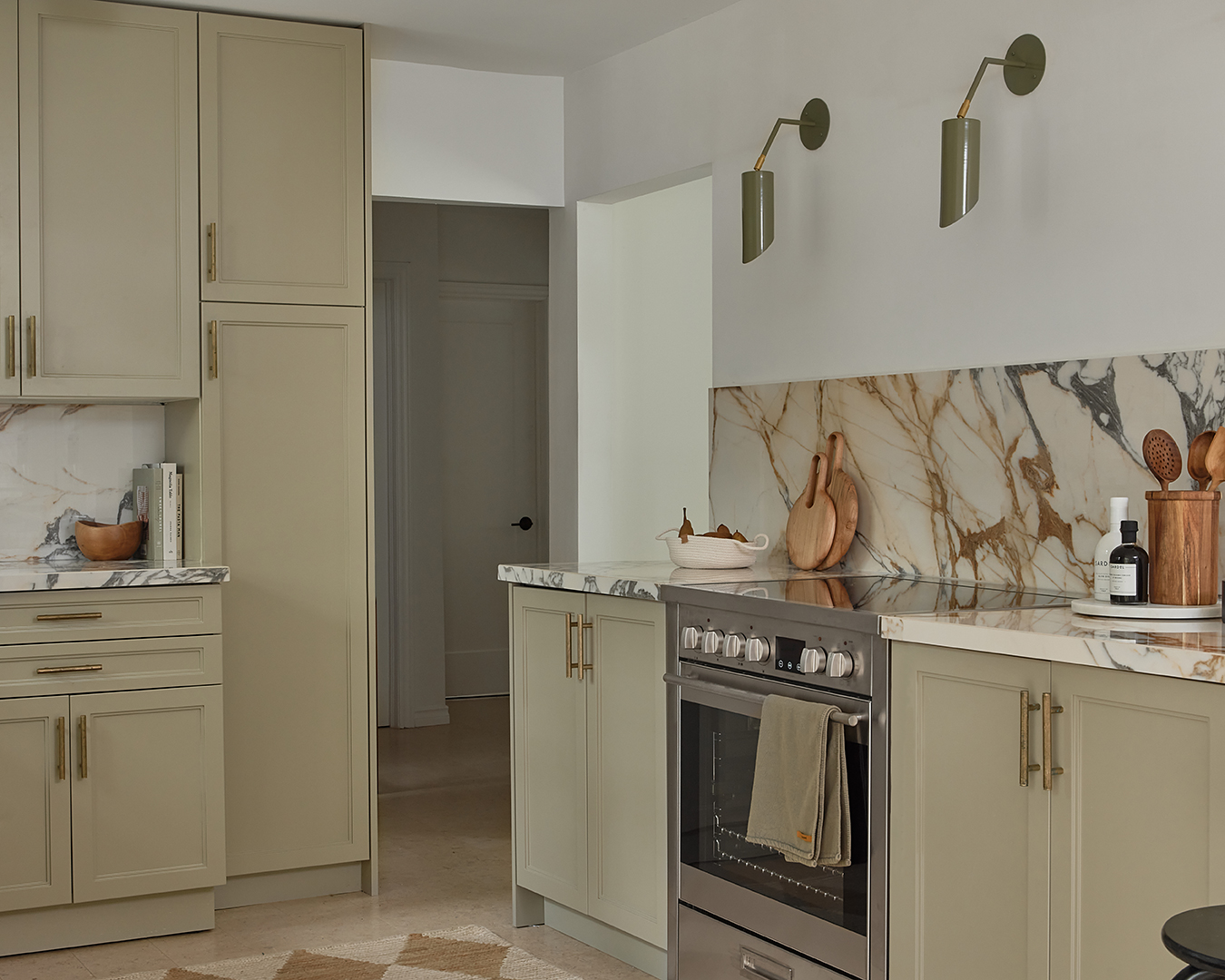
The Breakfast Peninsula Takes On a New Look in This U-Shaped Kitchen Reno

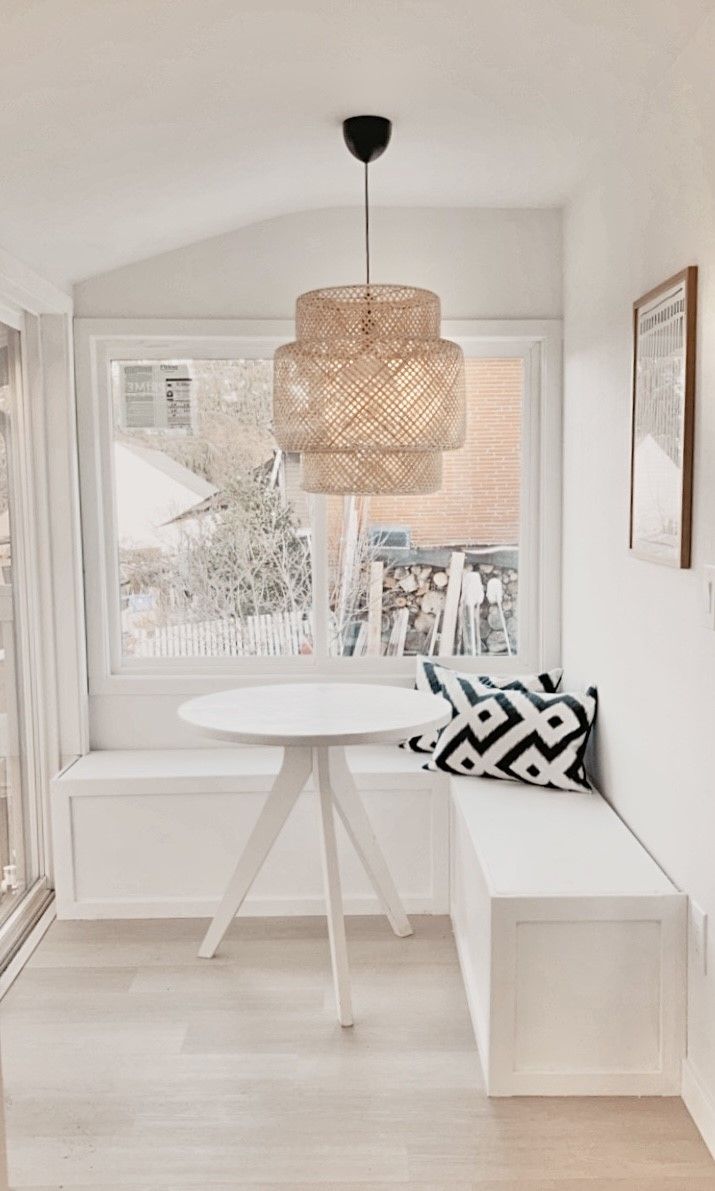
Extend your kitchen space with a cozy, multipurpose breakfast nook

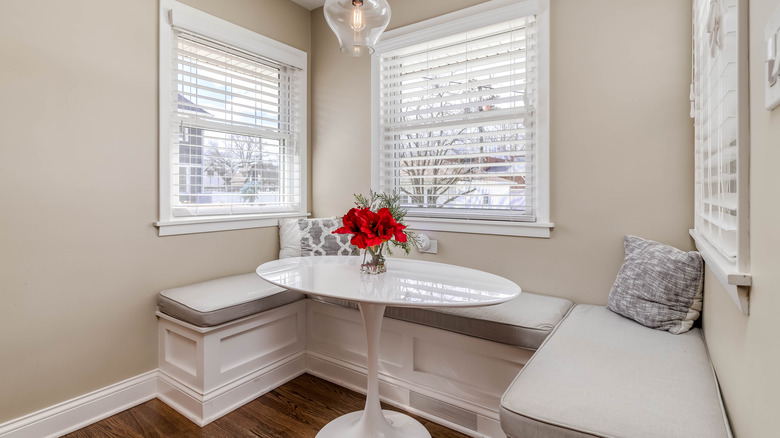
These Are The Best Breakfast Nooks Featured On Fixer Upper
31 Breakfast Nook Ideas From the AD Archive

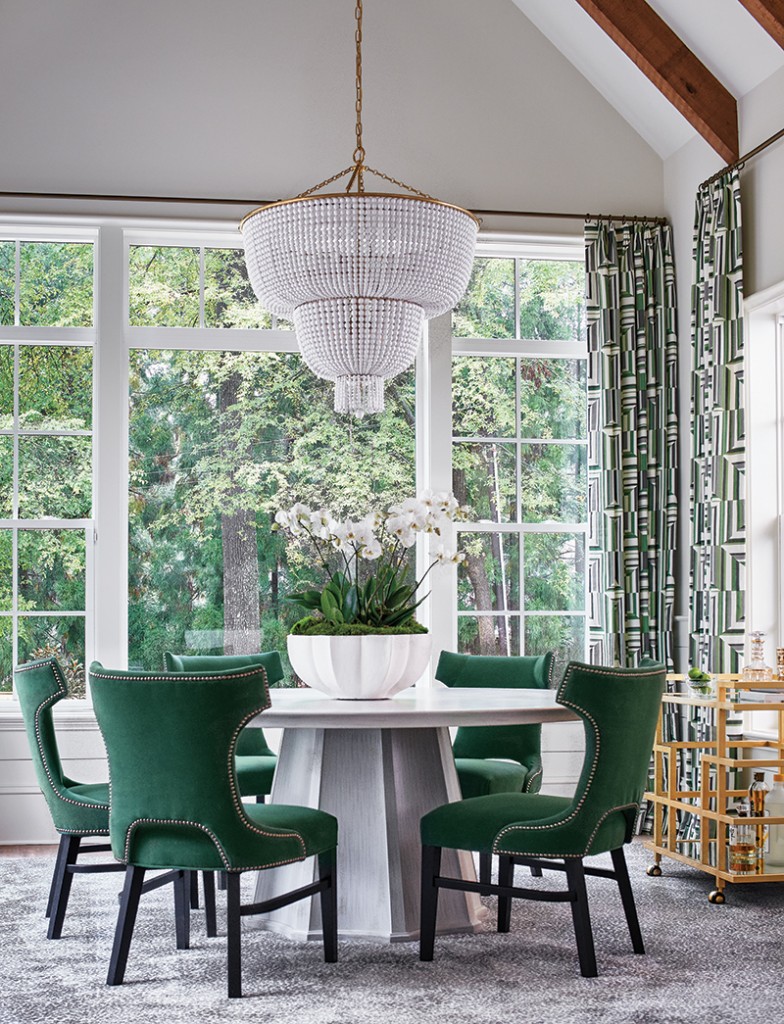
Room We Love: A Breakfast Nook in Cotswold