1/2
Stop Storing Your Purses the Wrong Way—Here Are the Best Solutions
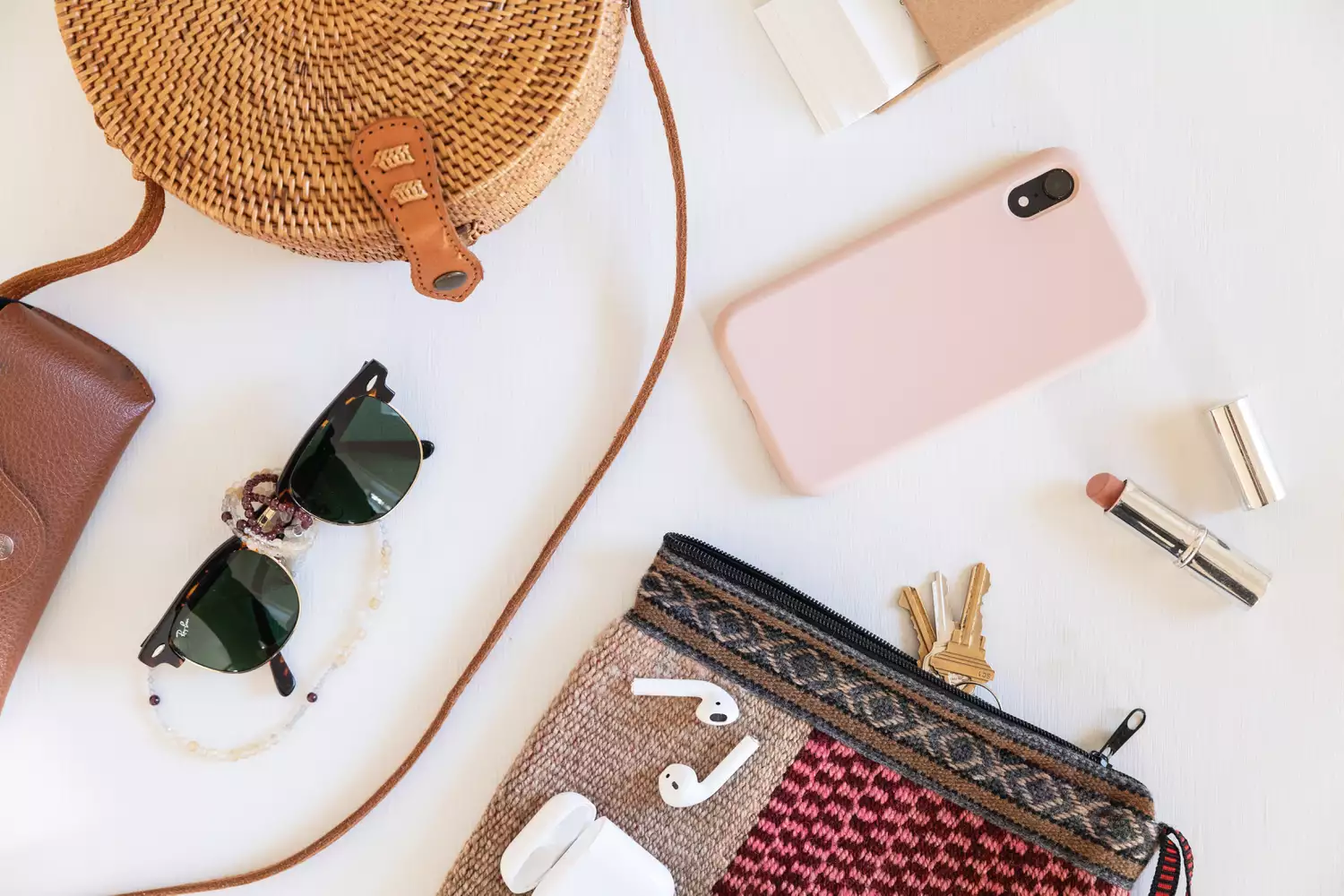
This article offers 26 effective methods for organizing and storing handbags and purses, catering to various bag types, storage needs, and space constraints. Handbags, ranging from work bags to clutches, often create clutter when not in use, making practical storage solutions essential. The guide provides both DIY and store-bought organizational tools, emphasizing efficient use of space and protection of bags.
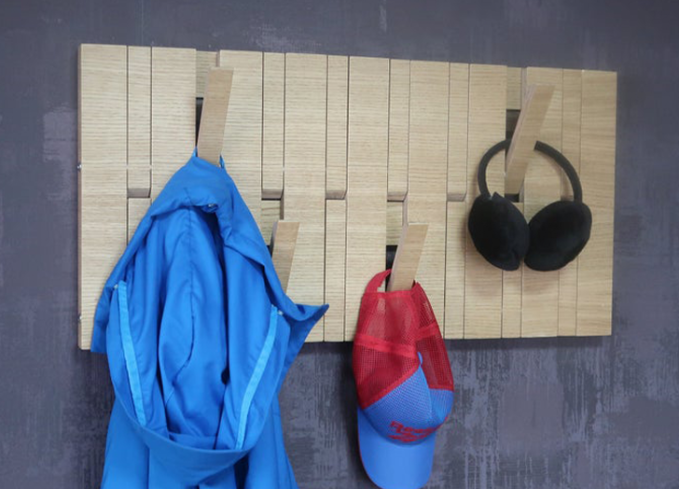
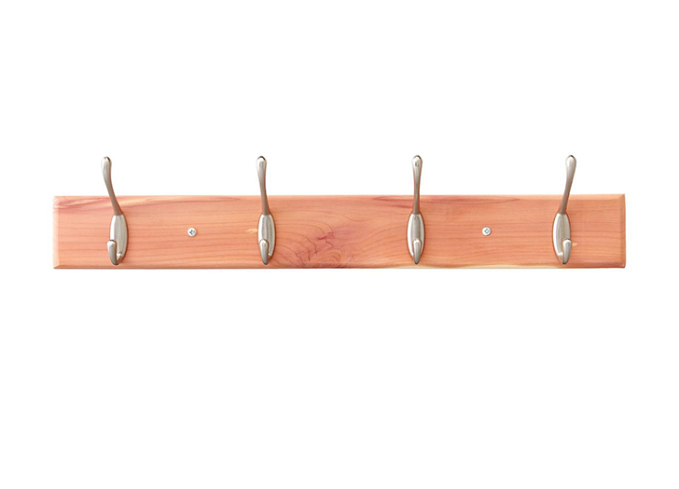
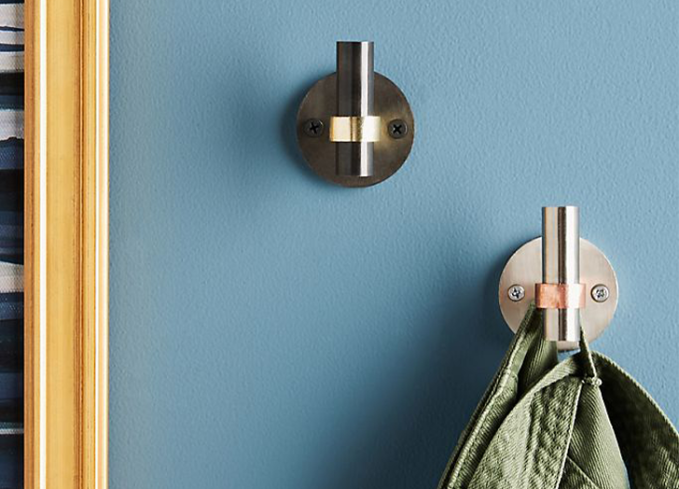
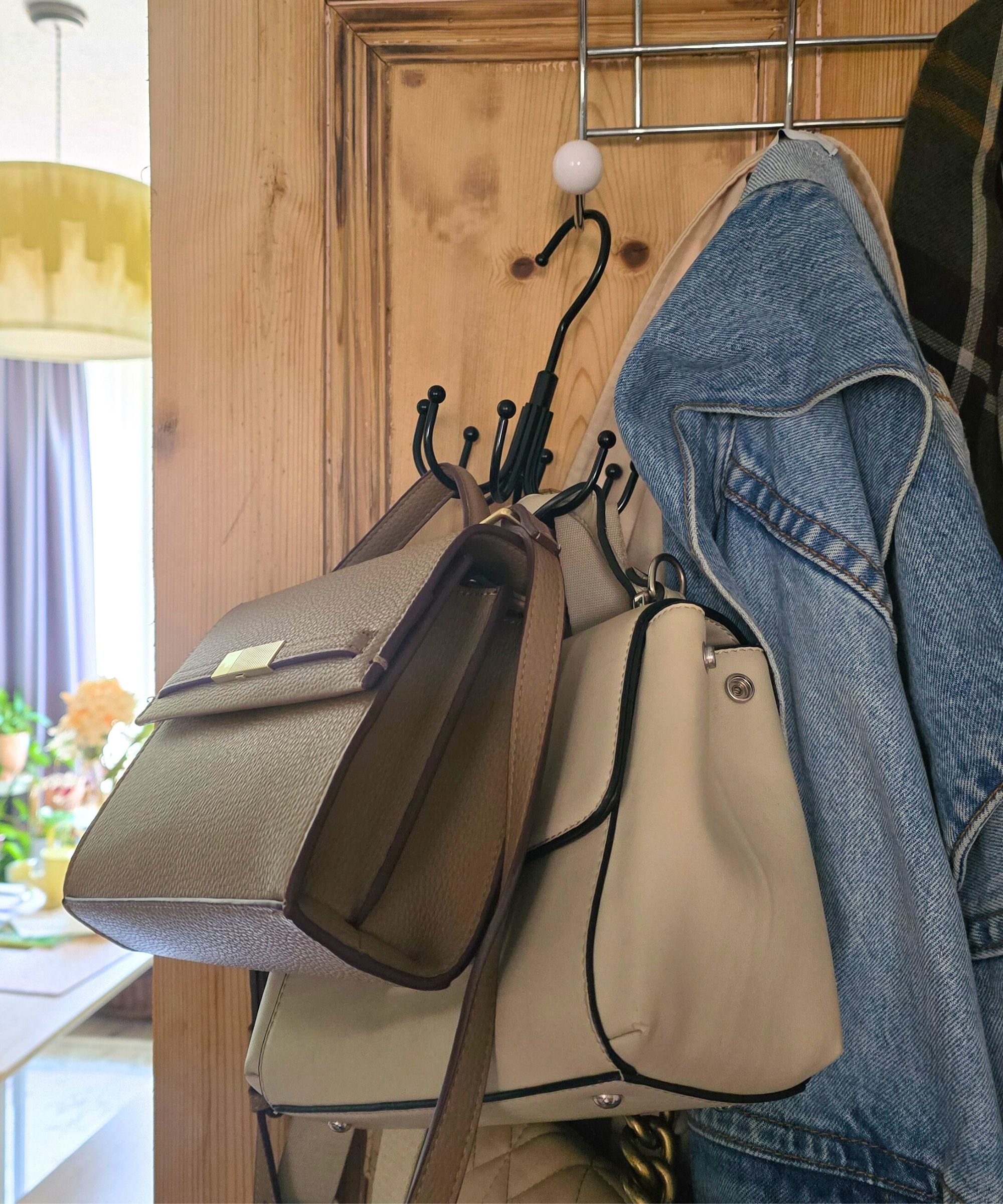
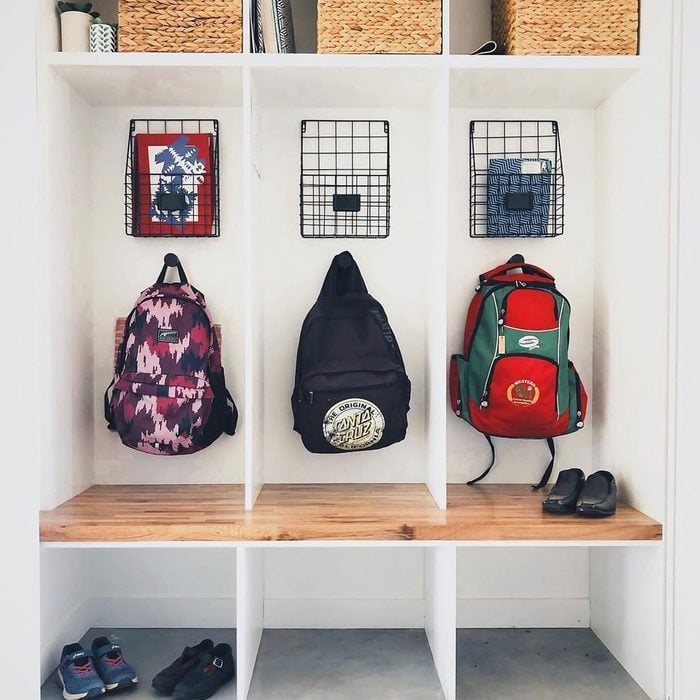
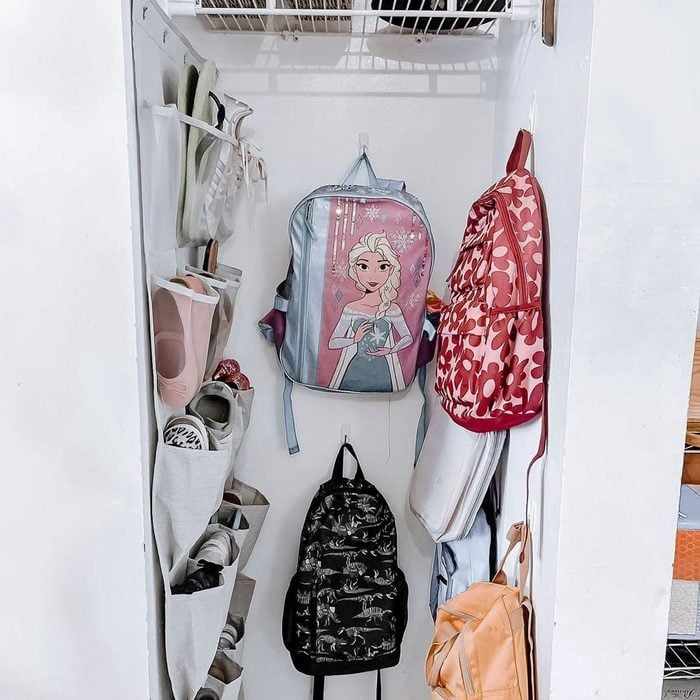
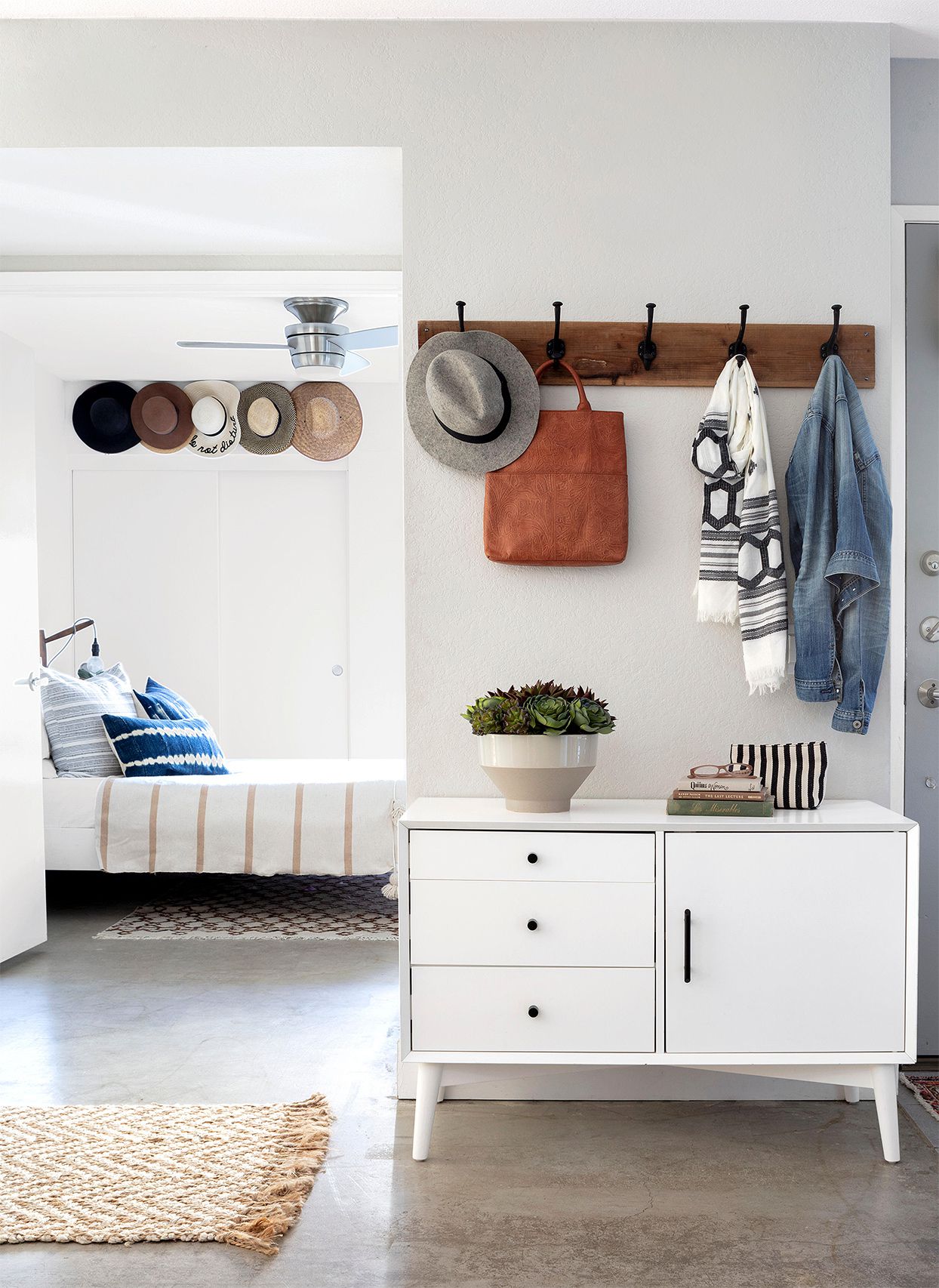
The methods discussed include using cubbies and bins, which are versatile for different sizes and can be installed or simply placed in closets or under beds for protection. Hooks, either on doors or walls, offer an accessible storage option, provided bags are hung neatly and in areas where they won't be frequently bumped. Specialized bag organizers, such as purse files or door-mounted racks, are highlighted for their vertical storage capabilities, ideal for saving space.
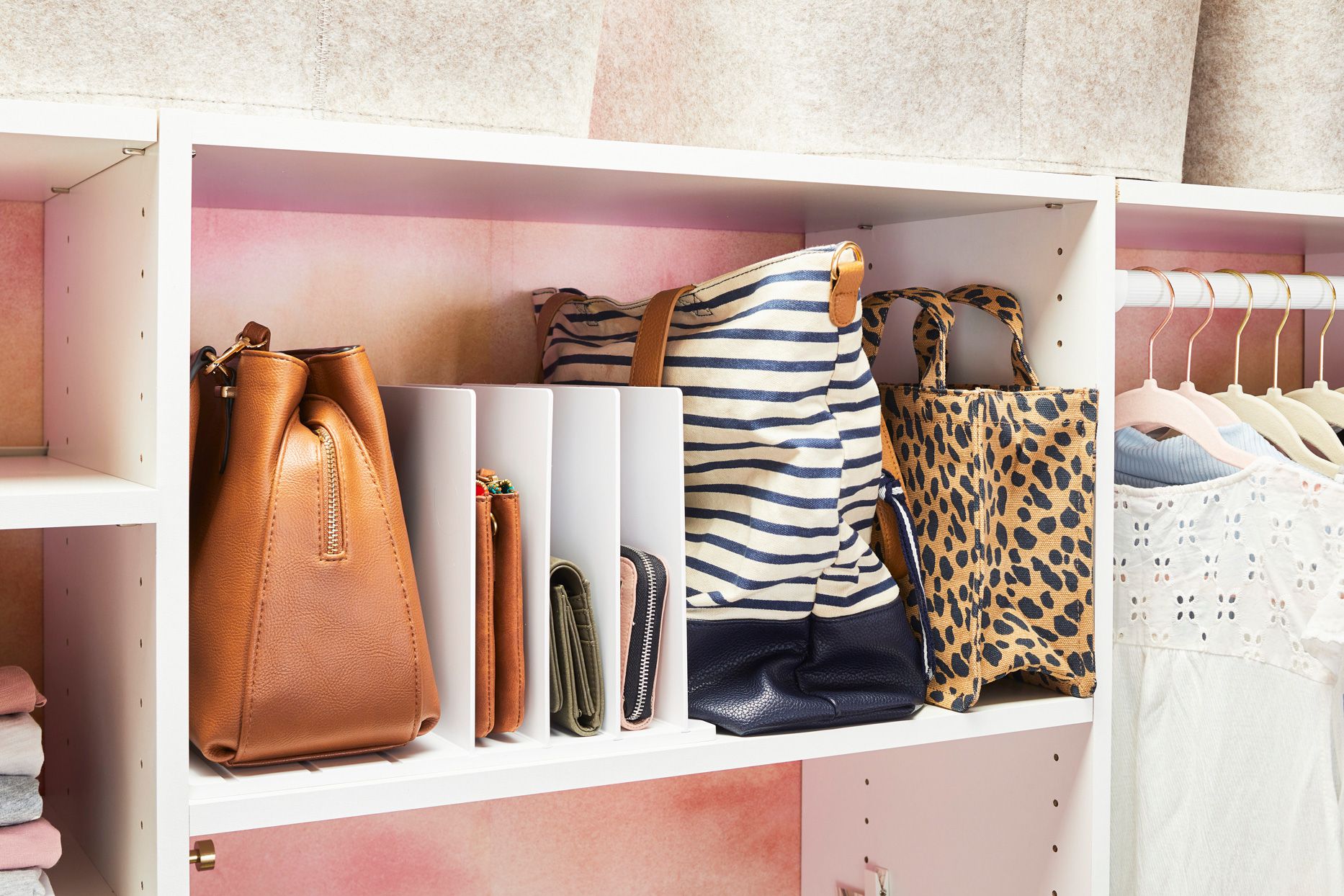
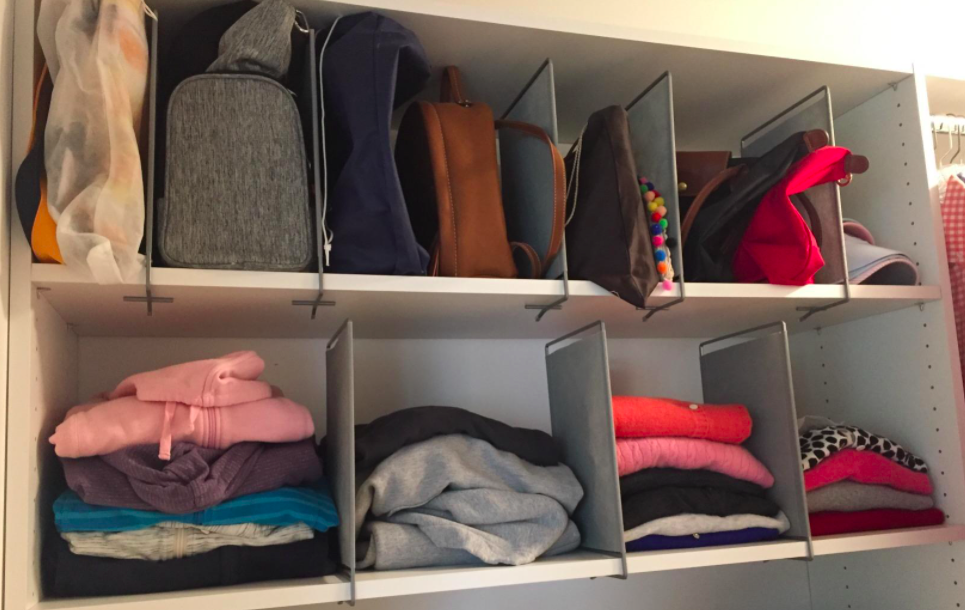
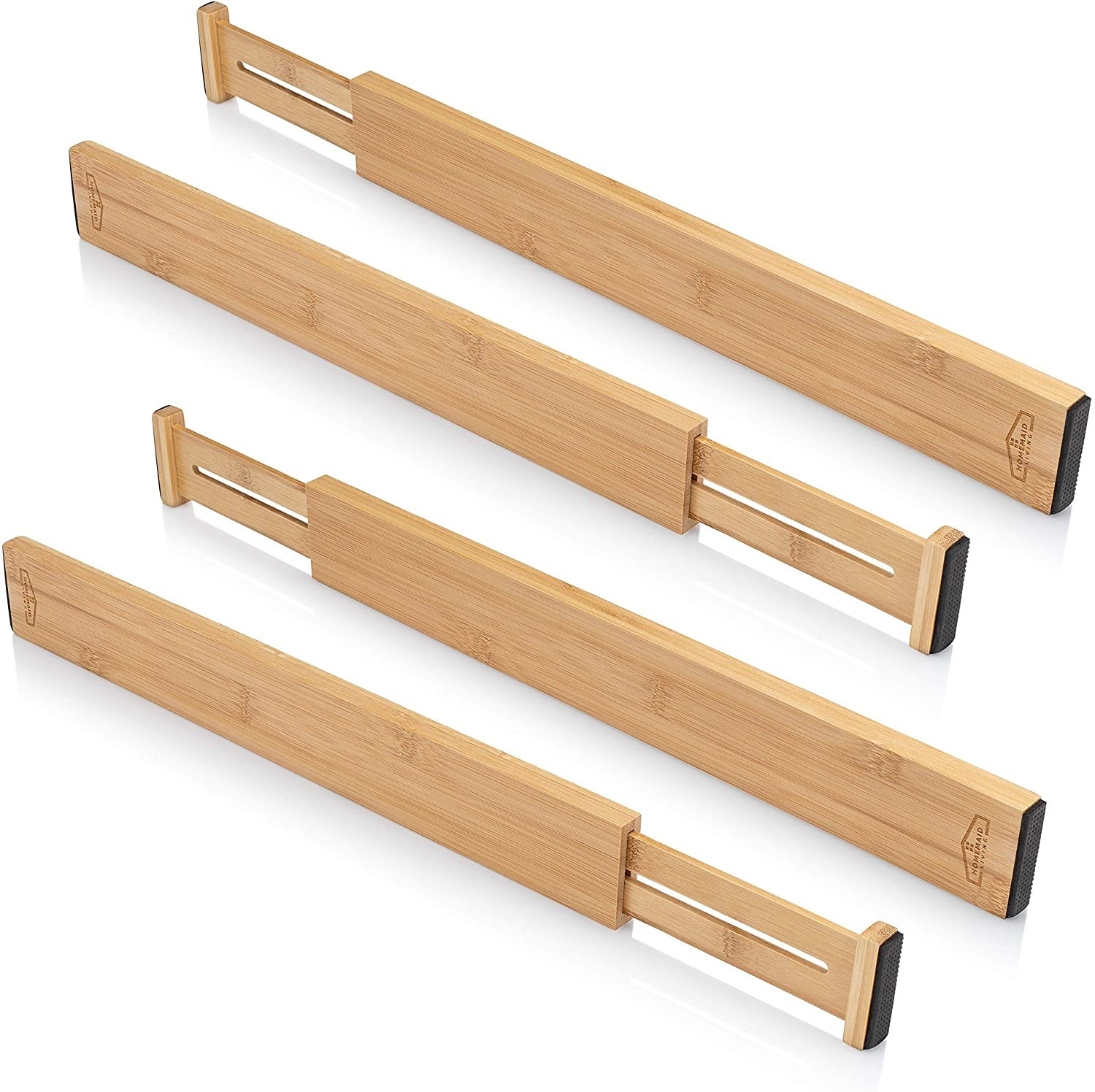
Repurposing household items like magazine holders for slim bags or utilizing shelf dividers to keep bags upright and separated on shelves are also suggested. For an economical approach, shower curtain rings can be used on closet rods to hang bags by their straps, though this is not recommended for heavy bags. The article also advises strategic use of high closet shelves, where handbags are easier to inventory than folded clothing.
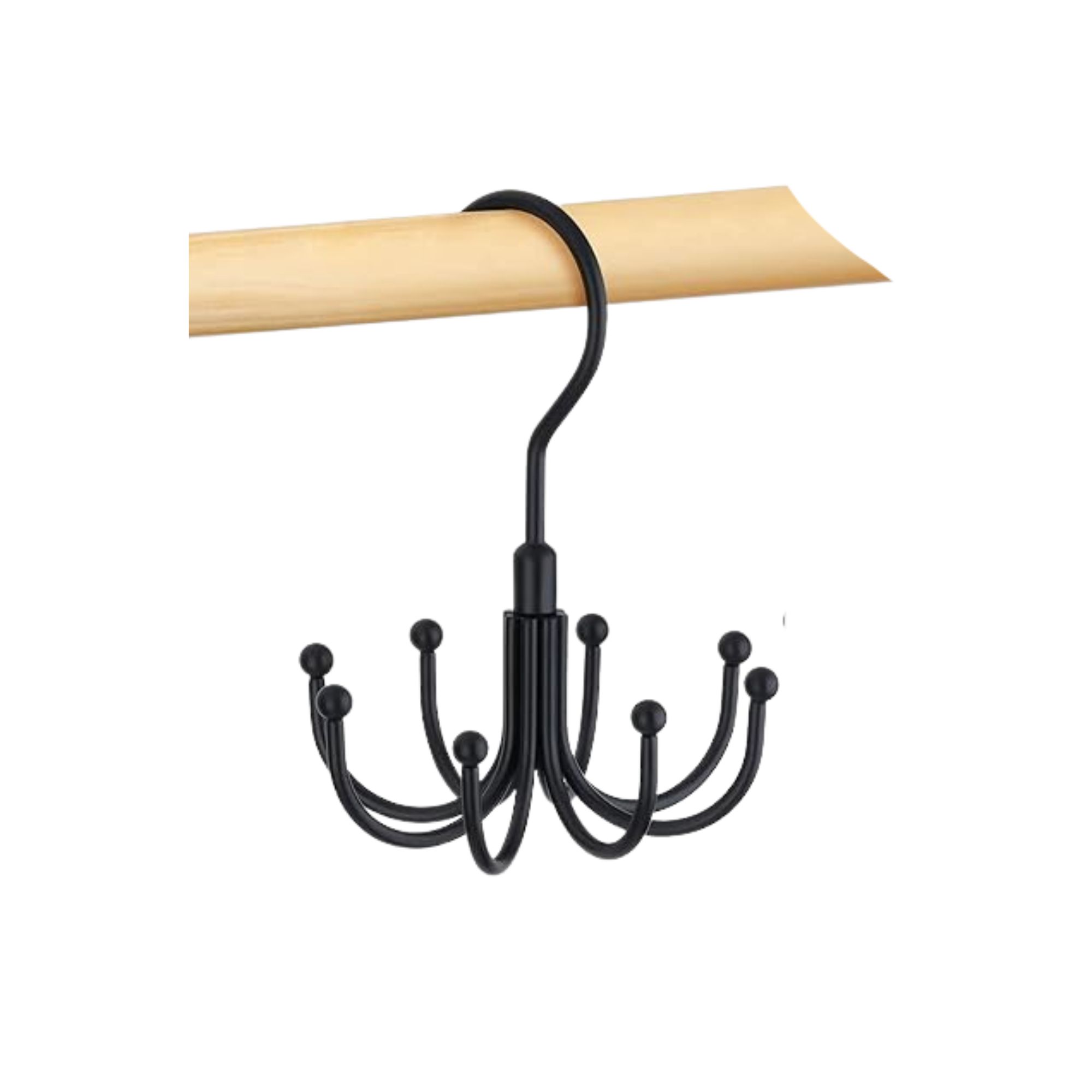
Displaying handbags as decor pieces is another recommendation, achieved through wall shelving or integrating them into bookcases. Handbag hangers, specifically designed to maintain the shape of bag handles, are presented as a streamlined alternative to traditional hangers. For extensive collections, creating a dedicated 'purse wall' with color-coordinated or textured arrangements is an option, using clear acrylic dividers for tidiness. Smaller, eclectic collections can benefit from color coordination and acrylic boxes for separating items like coin purses.
Maximizing often-overlooked spaces, such as the back of a bedroom or closet door with hooks or over-the-door hangers, is discussed. An 'accessories corner' that combines shoes and purses facilitates outfit planning, with dividers helping to organize items. The article also stresses the importance of employing multiple storage methods tailored to different bag sizes, such as tucking smaller wallets into dividers and placing larger totes on higher shelves.
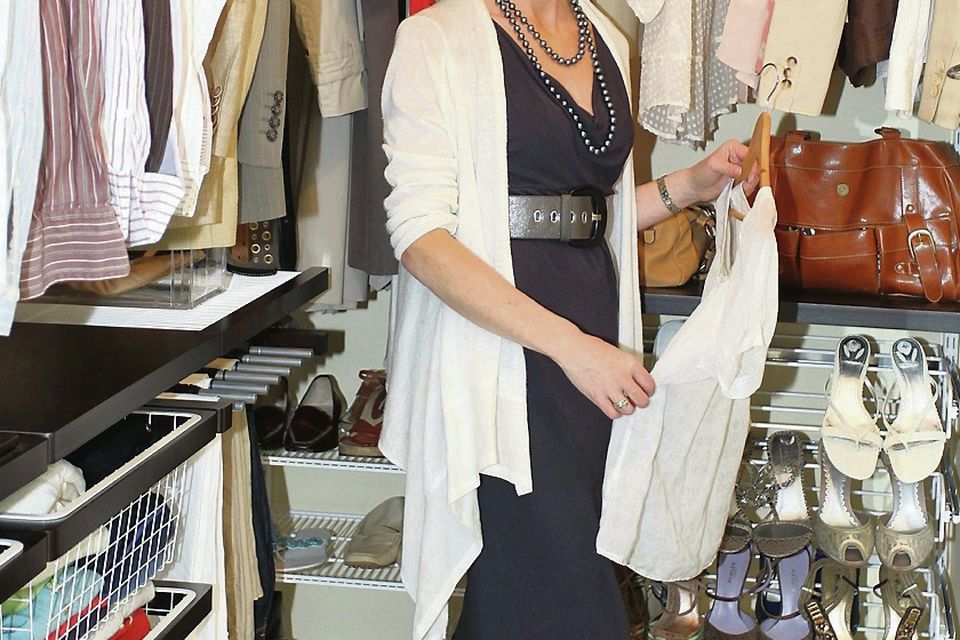
Specific solutions for clutches include storing them upright in clear acrylic holders. For those with ample space, open shelving or a dedicated accessories closet with transparent doors can beautifully display collections. Optimizing every corner of a closet with narrow shelves and cubbies, or repurposing a letter holder for small clutches, are clever space-saving techniques. Displaying bags in a walk-in closet transformed into a dressing room encourages their use. For off-season storage or bags used less frequently, labeled baskets on shelves or storage cubes can conceal clutter while keeping items accessible. The article also addresses common concerns such as storing purses in small rooms, using plastic containers, displaying bags on shelves, and preventing bags from slouching, offering practical advice like using dividers, purse inserts, or tissue paper.
#HandbagStorage #PurseOrganization #HomeOrganization #ClosetStorage #StorageSolutions #DIYStorage #SpaceSaving #HomeDecor #HandbagStorage #PurseOrganization #HomeOrganization #ClosetStorage #StorageSolutions #DIYStorage #SpaceSaving #HomeDecor
0 comment in total
 No comments yet
You may also like
13 Purse Storage Ideas, According to a Professional Organizer
Never Make These Closet Organization Mistakes, Warn Experts

Hide Away Your Overflow of Throws in the Best Storage Ottomans

The Perfume Storage Mistake You Need To Stop Making, According To An Expert
I love this renter-friendly solution for purses in entryways

How to store clothes long term: 7 ways pros love
You're Storing Your Knives Wrong — We Found the Right Way

6 Tips For Storing Offseason Clothes, According To Organizers
35 Storage Solutions If You Accidentally Have *Way* Too Much Stuff
5 Simple Storage Ideas for Bulk and Backstock Items

25 Storage Hacks for When You've Absolutely Run Out of Closet Space

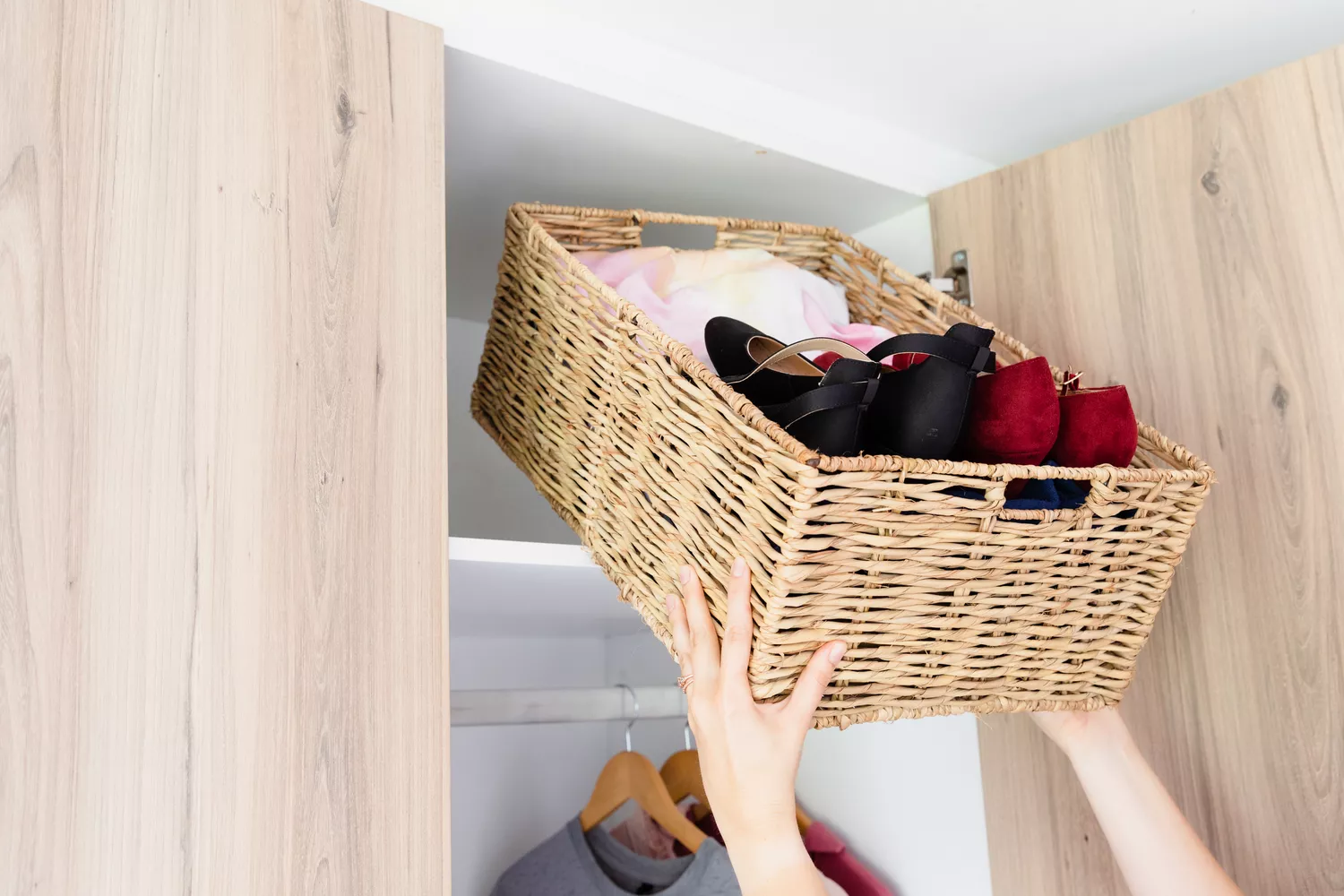
Organizers Say These 8 Things Don’t Belong in Your Closet — Here’s Why
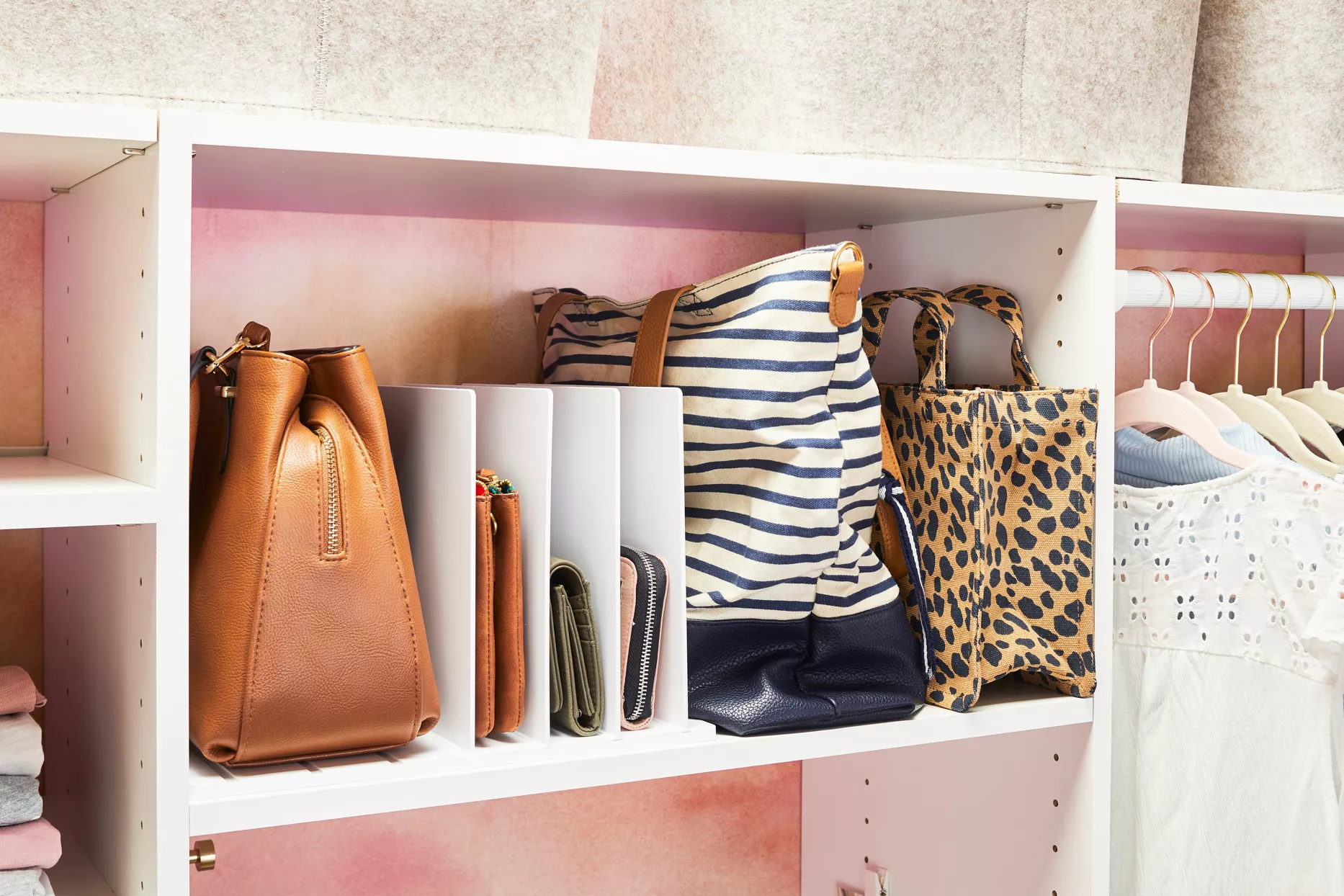
10 Clever Purse Storage Ideas to Keep Your Favorite Handbags Organized
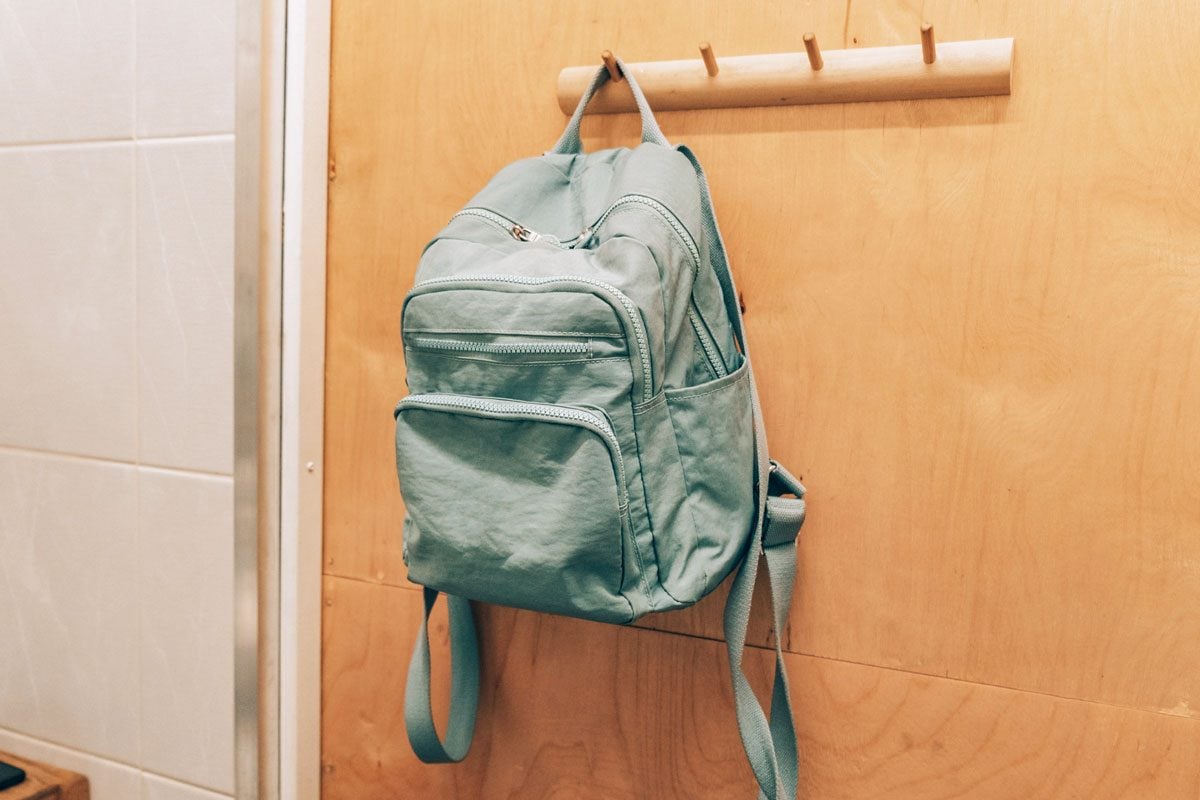
8 Ways and Ideas for Storing Backpacks in an Apartment

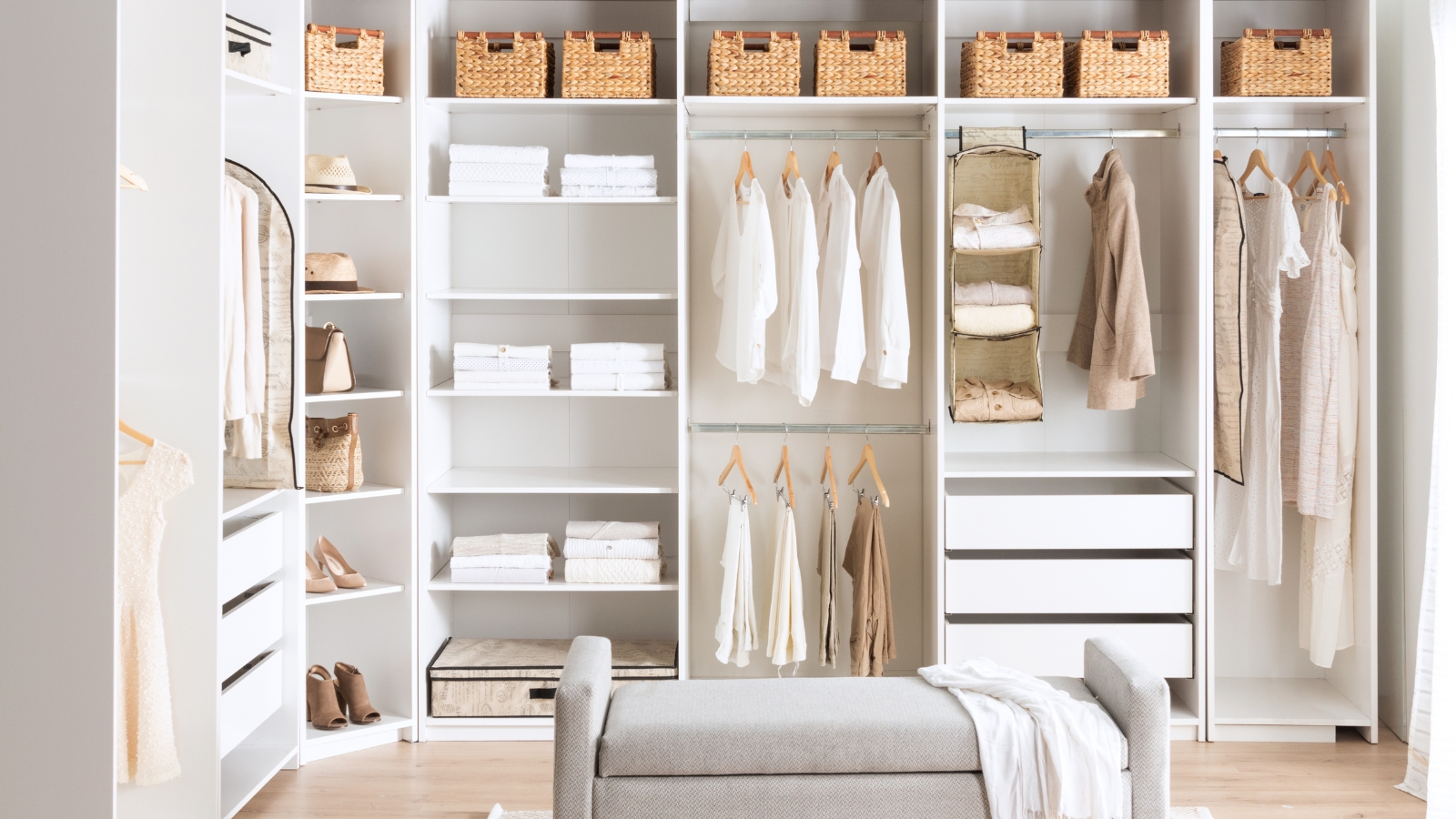
9 things professional organizers wish you wouldn't spend your money on – and what's worth the spend instead
Are You Making These Closet Organization Mistakes? Read Our Expert Tips on What Not to Do
19 Ways To Neatly Store All The New Loungewear You've Been Buying

Out of the Closet: Solving your storage problems
The Best Storage Tips to Steal from a Design Expert’s Closet
6 Hat Storage Ideas to Organize Your Favorite Accessories