Are You Making These Closet Organization Mistakes? Read Our Expert Tips on What Not to Do
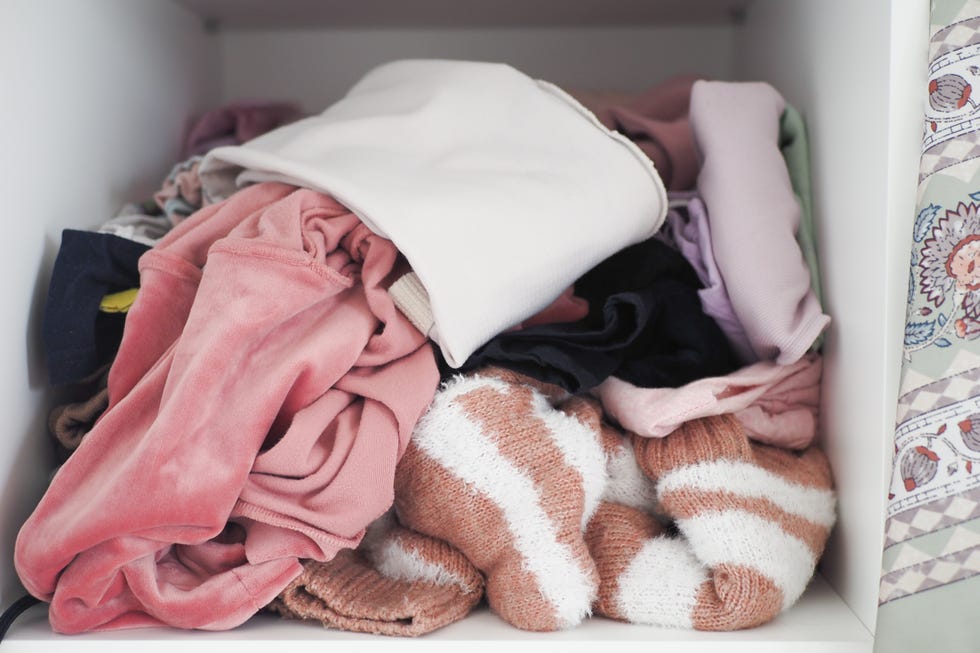
Maintaining a well-organized closet offers numerous advantages, extending beyond simply simplifying outfit selection. A tidy closet mitigates issues such as wrinkled clothing and prevents garments from falling to the floor and accumulating dust. Effective organizational habits can also prevent redundant purchases, as individuals often buy items they already own but cannot locate within a cluttered space. While professional organizing services may not be accessible to everyone, understanding and rectifying common closet storage errors can significantly improve organization.
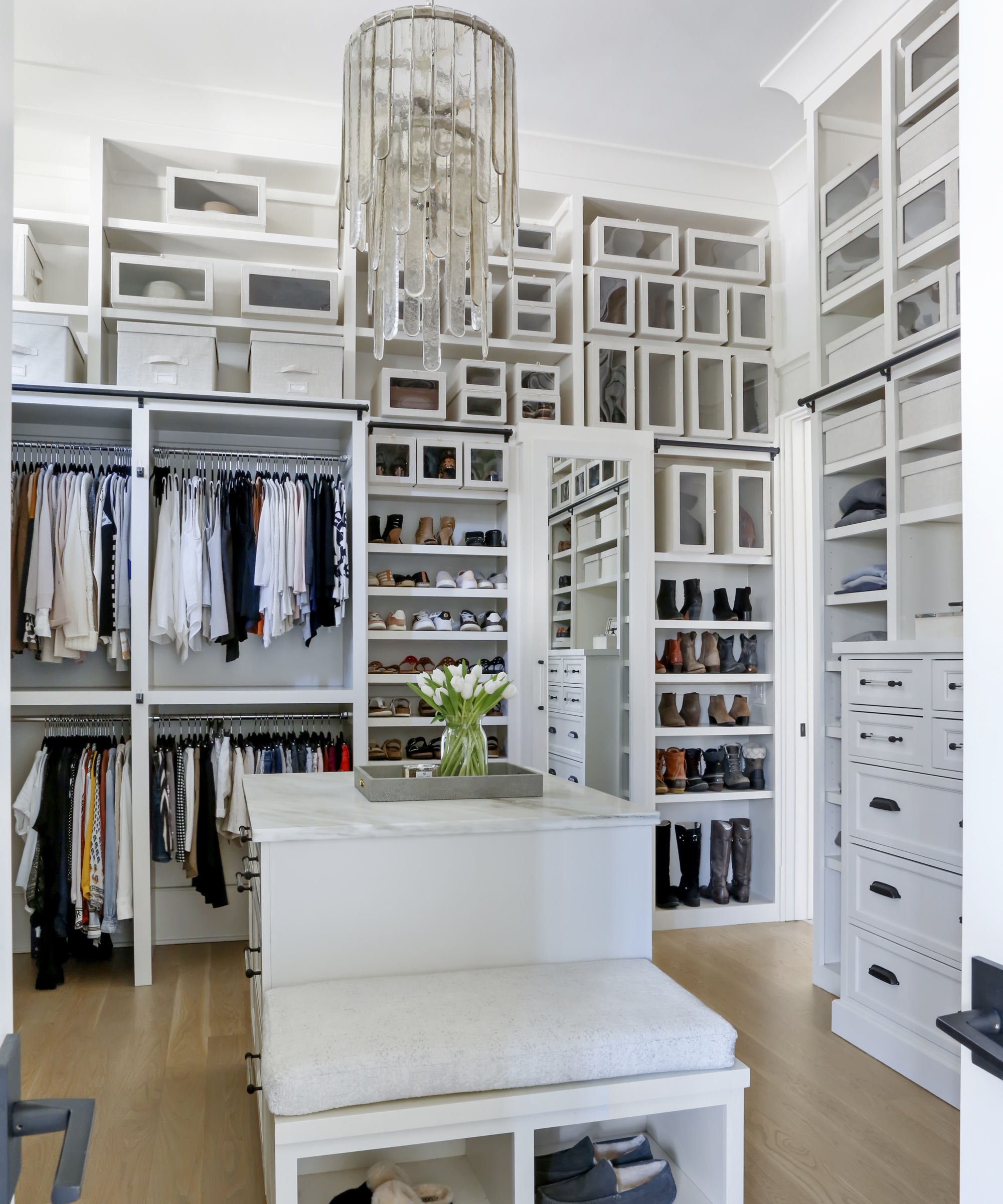
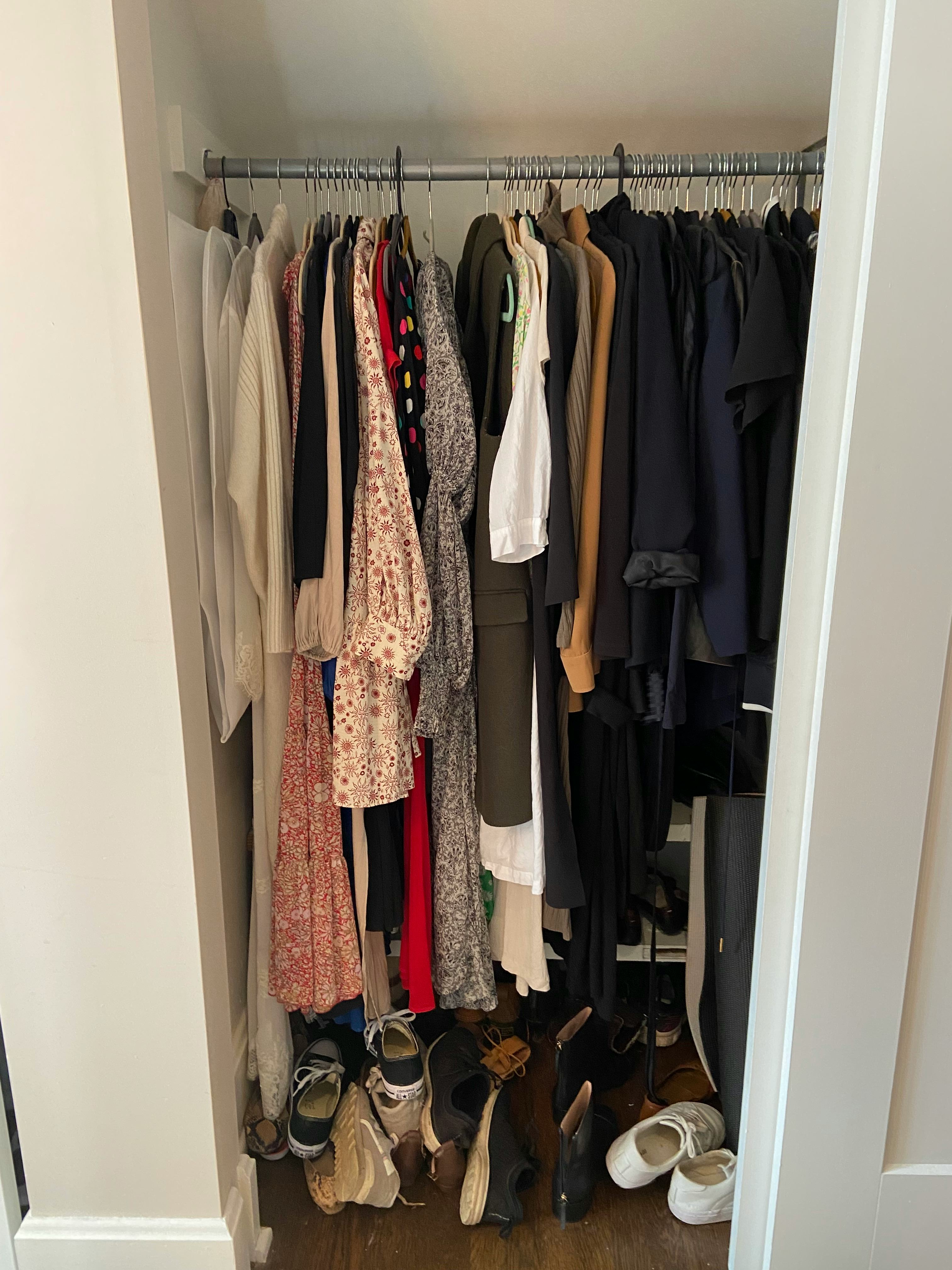
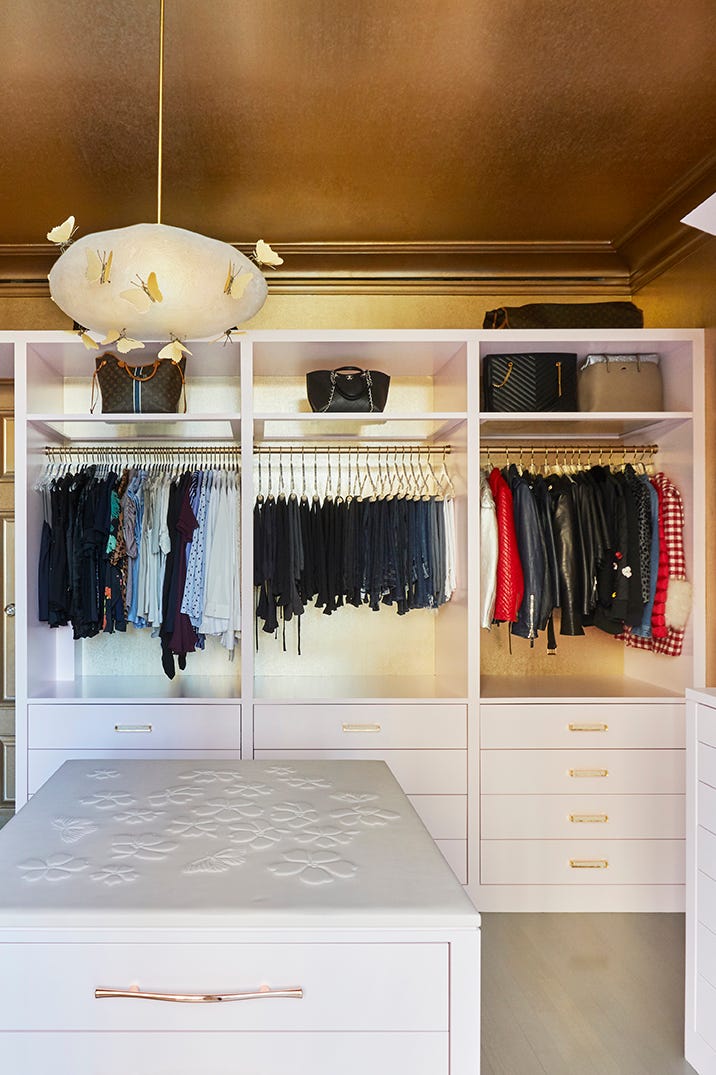
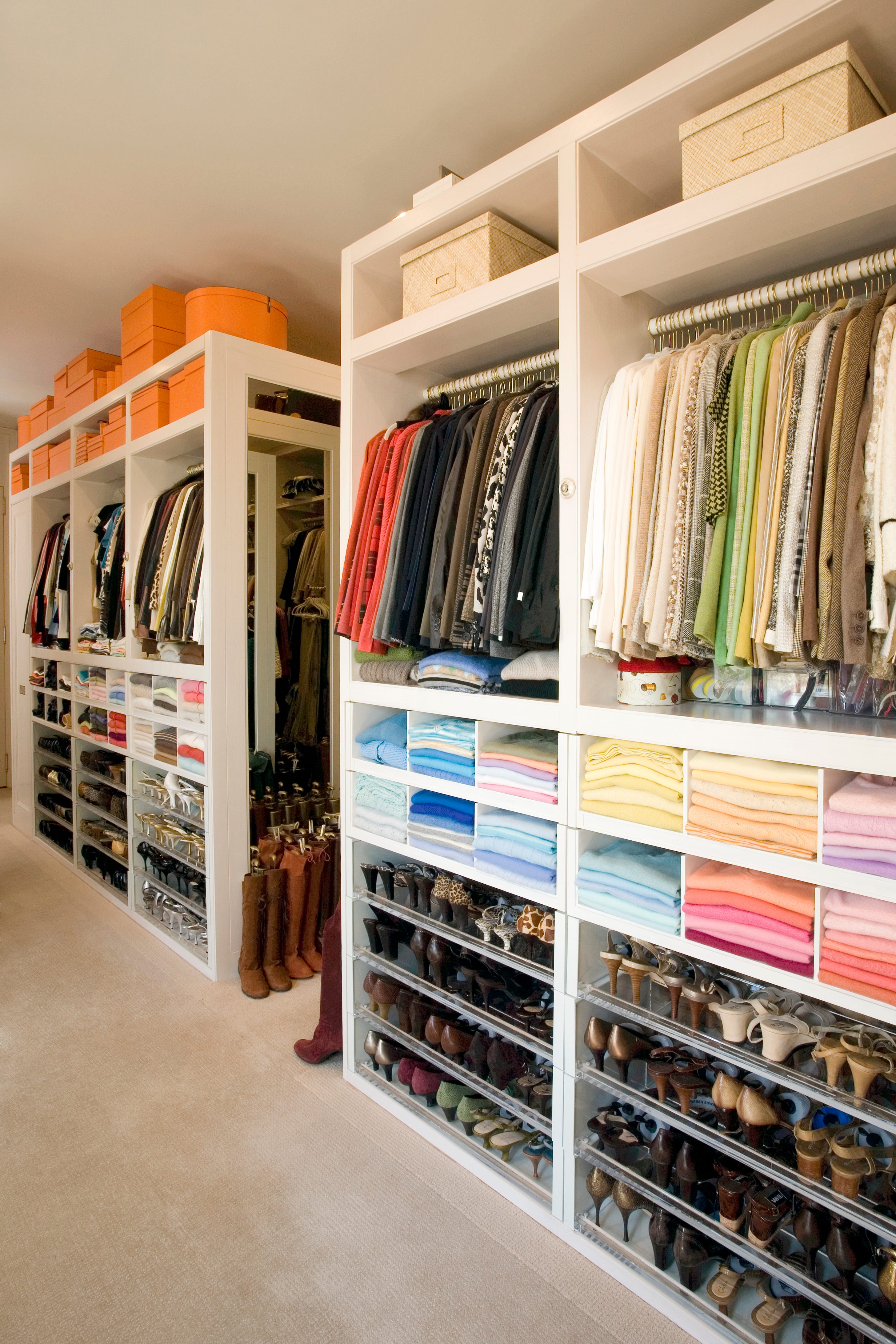
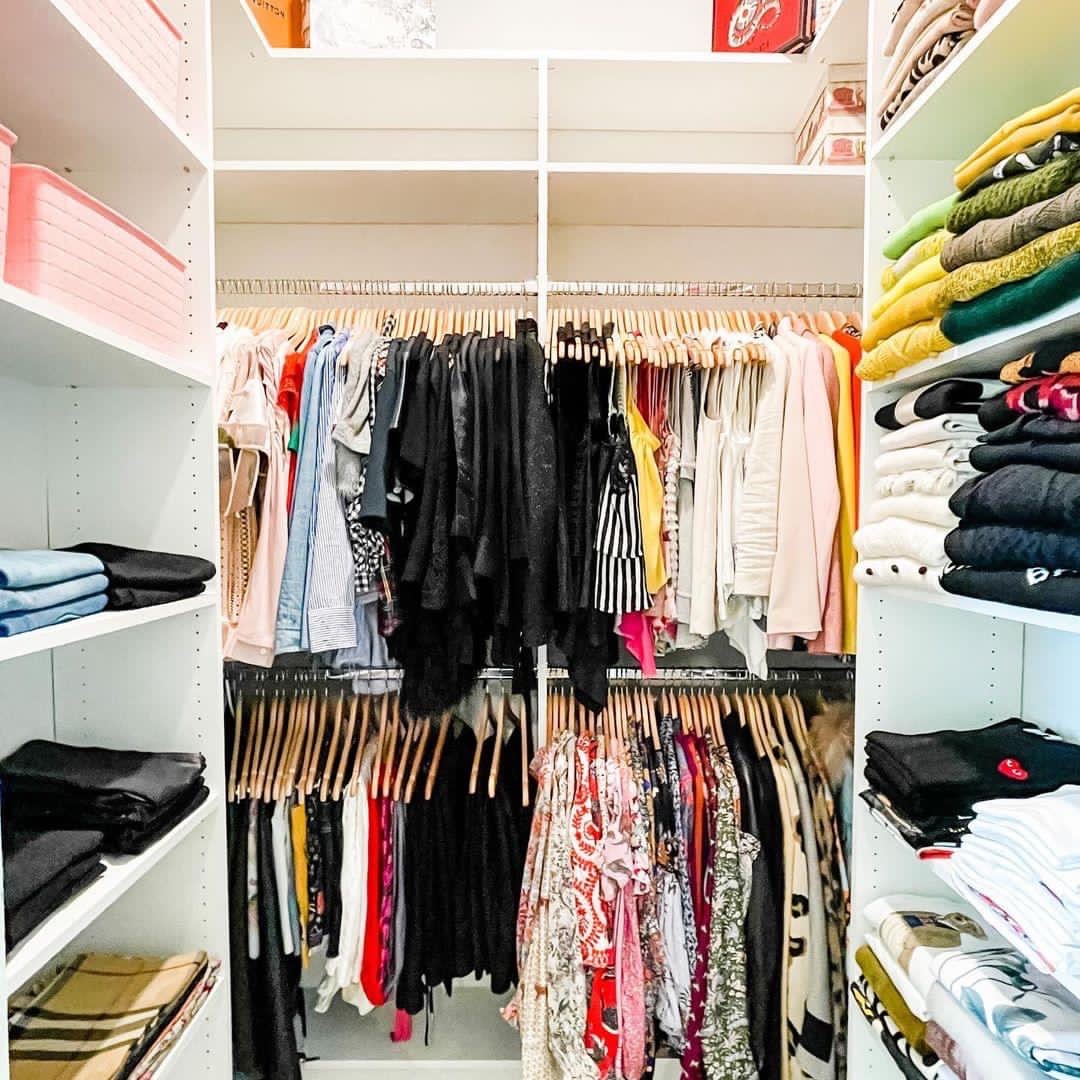
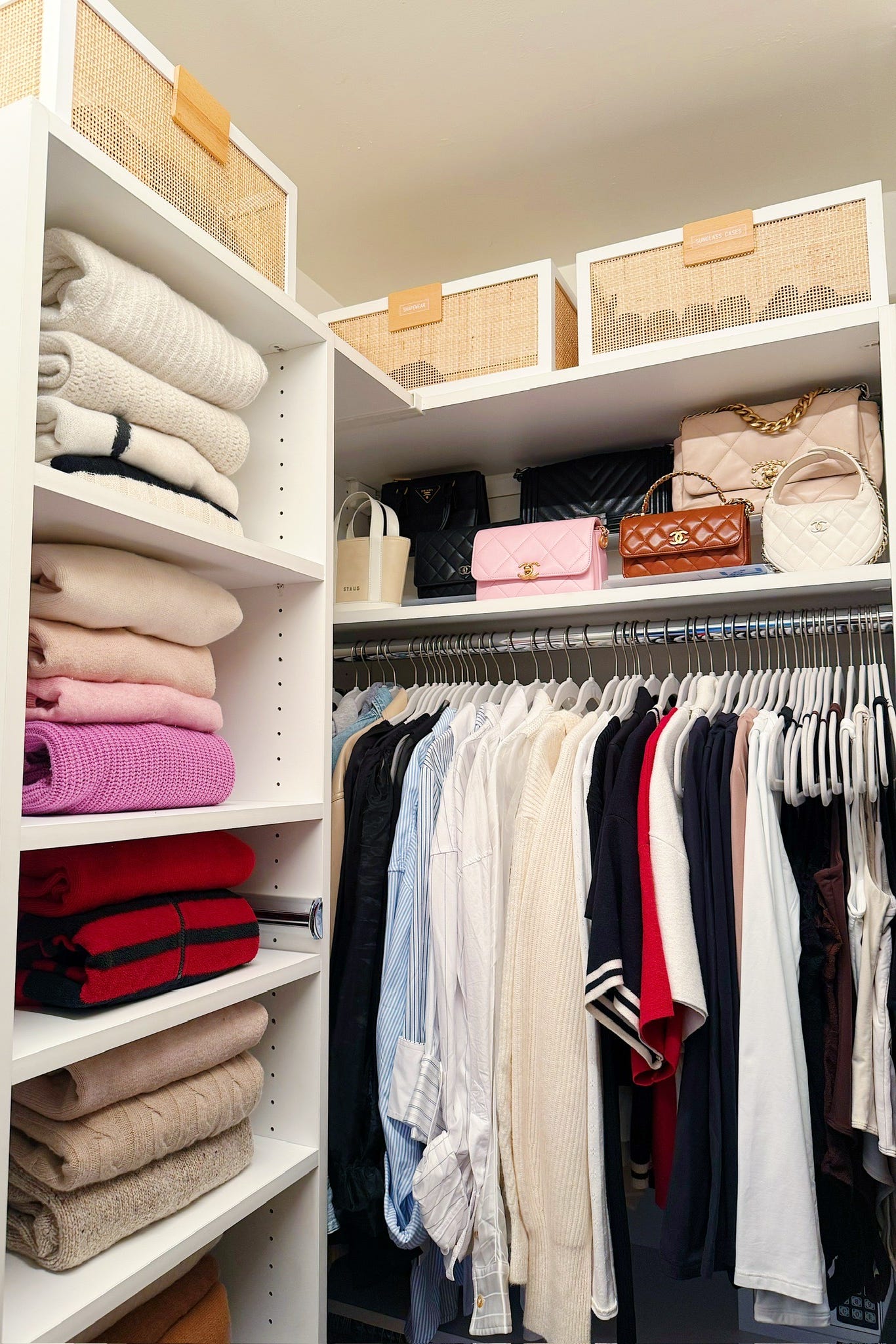
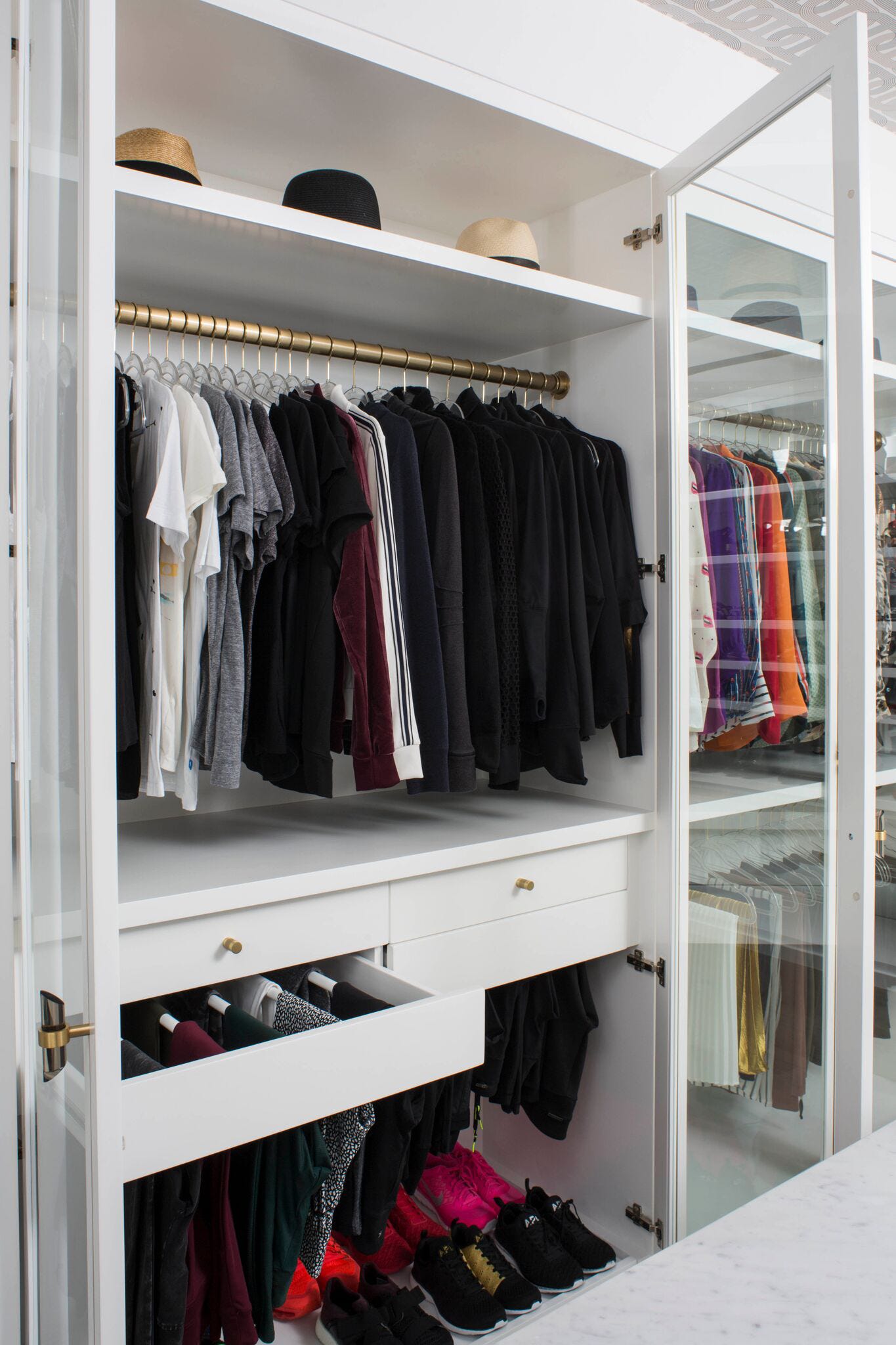
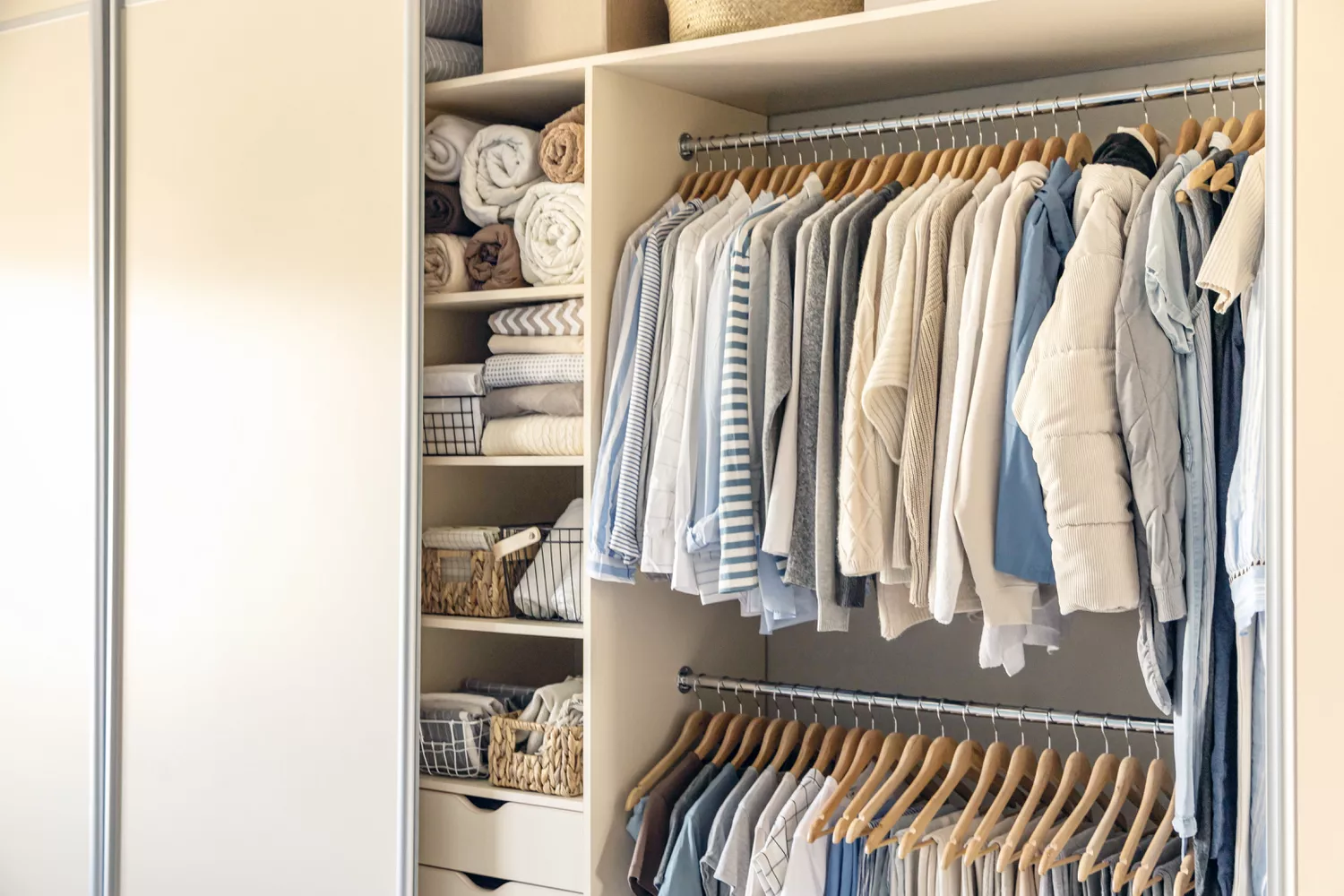
One prevalent mistake is failing to group similar items. Experts recommend dividing closets into distinct sections for specific activities, such as activewear or formal wear. This sectional approach allows for easier selection of clothing based on immediate needs. Another common error involves assigning equal importance to all items. Instead, frequently used clothing should be prioritized and placed in easily accessible locations, while less-used items can be relegated to less prominent areas.
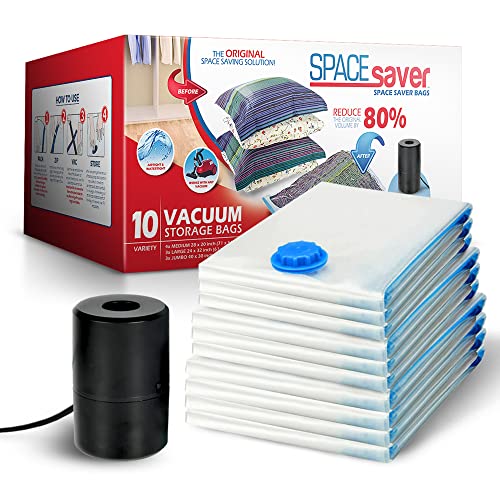
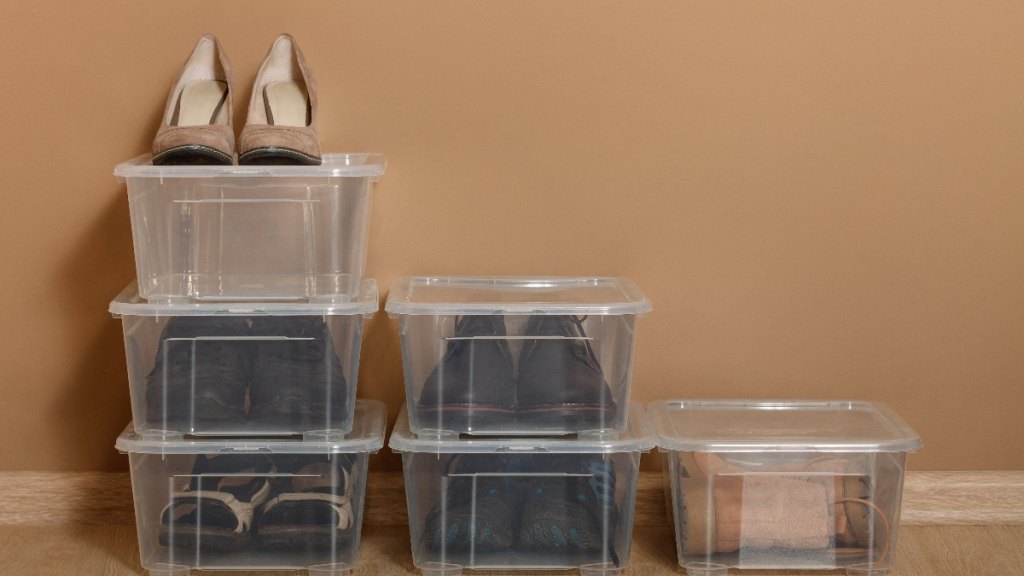
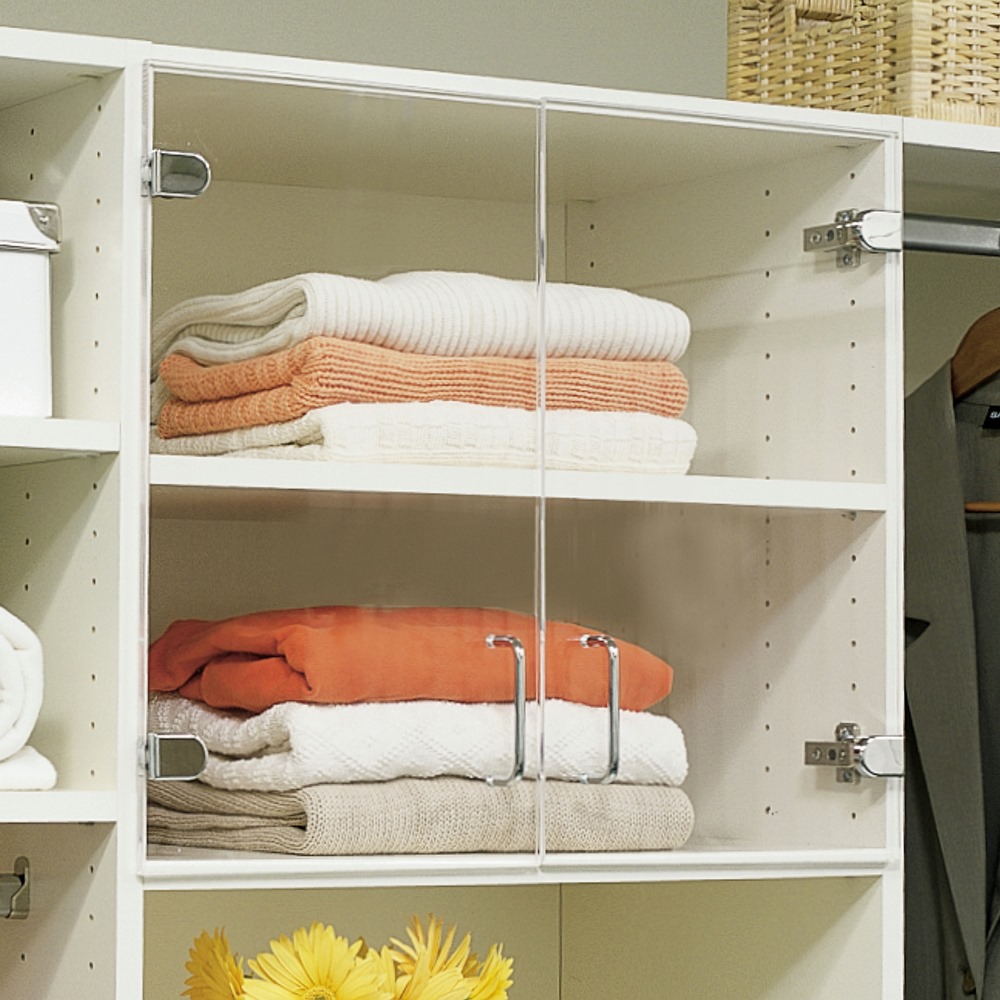
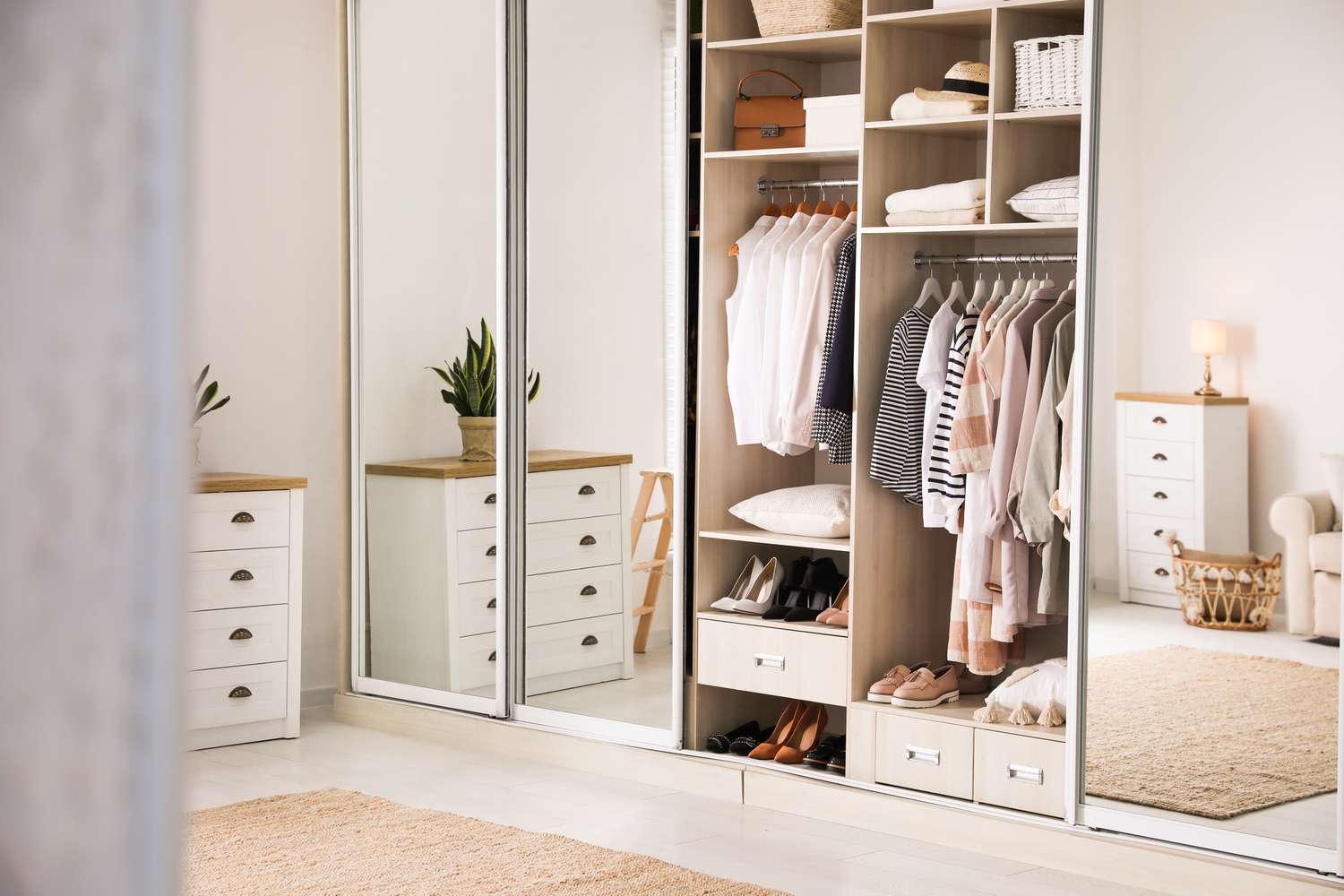
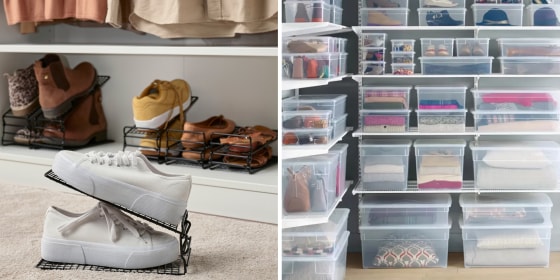
Storing clothes from all seasons together also contributes to disorganization and inefficiency. If space permits, out-of-season garments should be moved out of the primary closet and stored in bins on upper shelves or under beds to maximize available space.
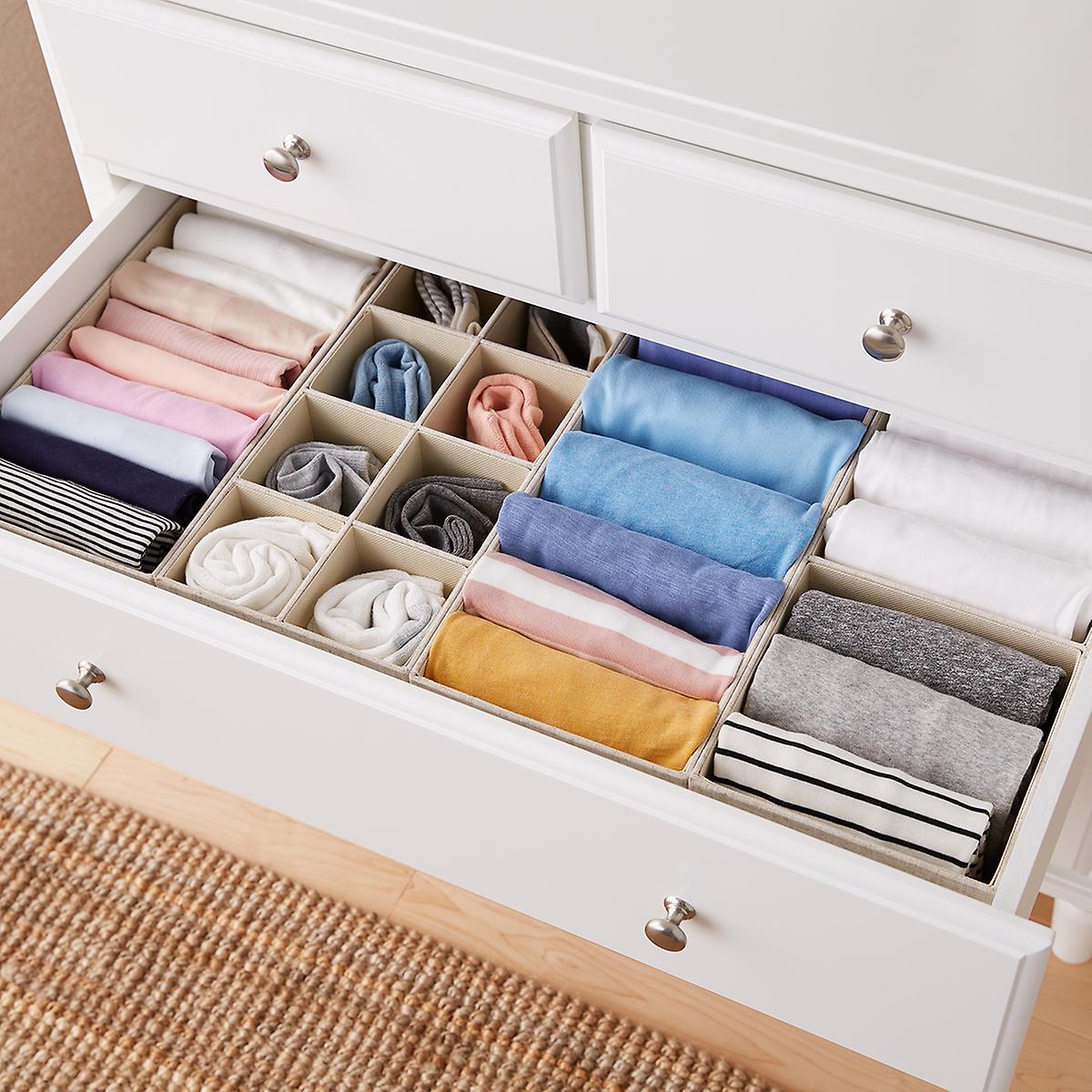
Impulse buying of storage solutions without prior planning and measurement is another significant mistake. Before acquiring any organizational systems, it is crucial to categorize all clothing into groups (e.g., shirts, dresses) and then subdivide these into more specific categories (e.g., long-sleeved, short-sleeved). This detailed inventory helps determine the exact storage needs and appropriate solution sizes.
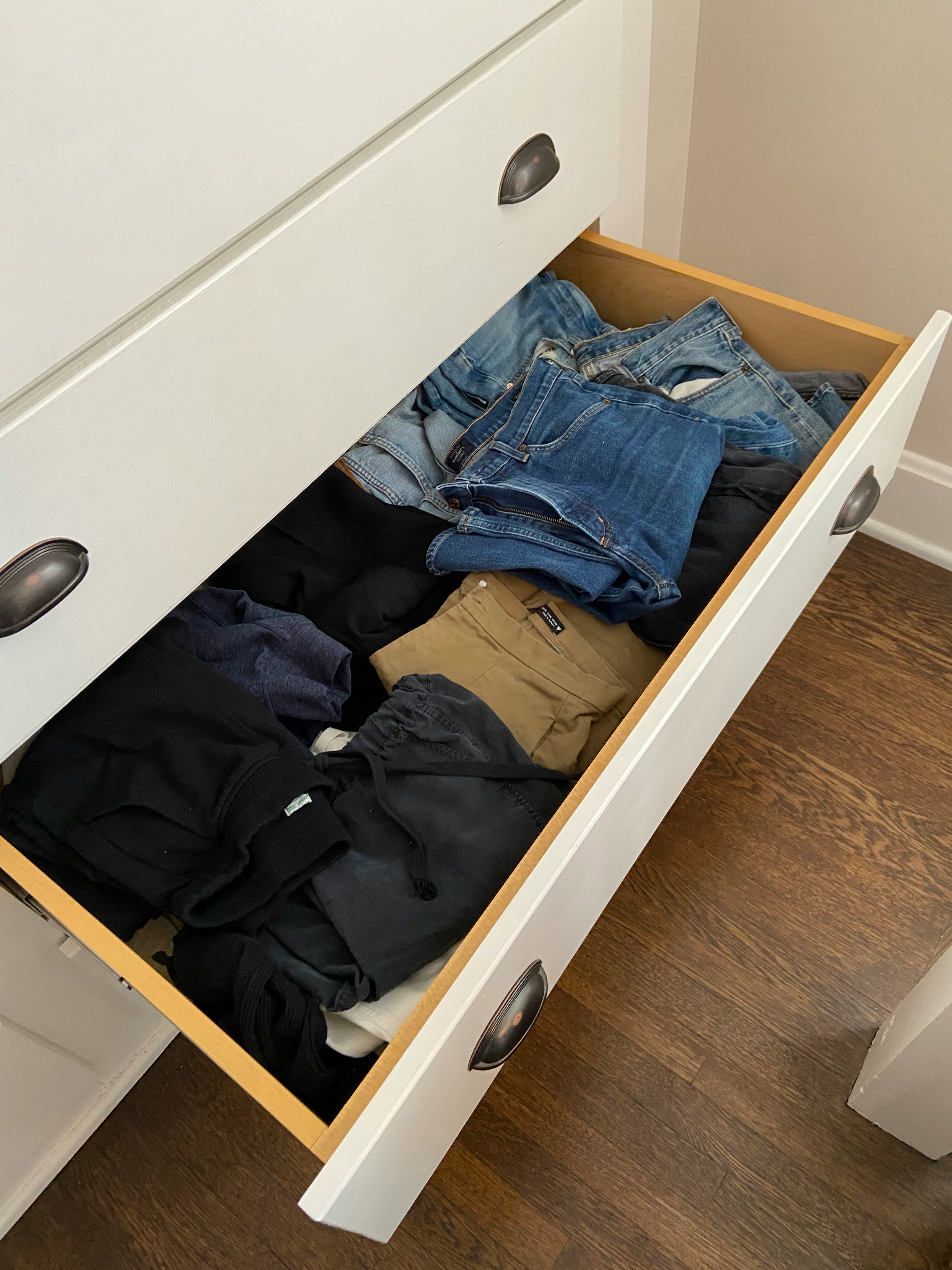
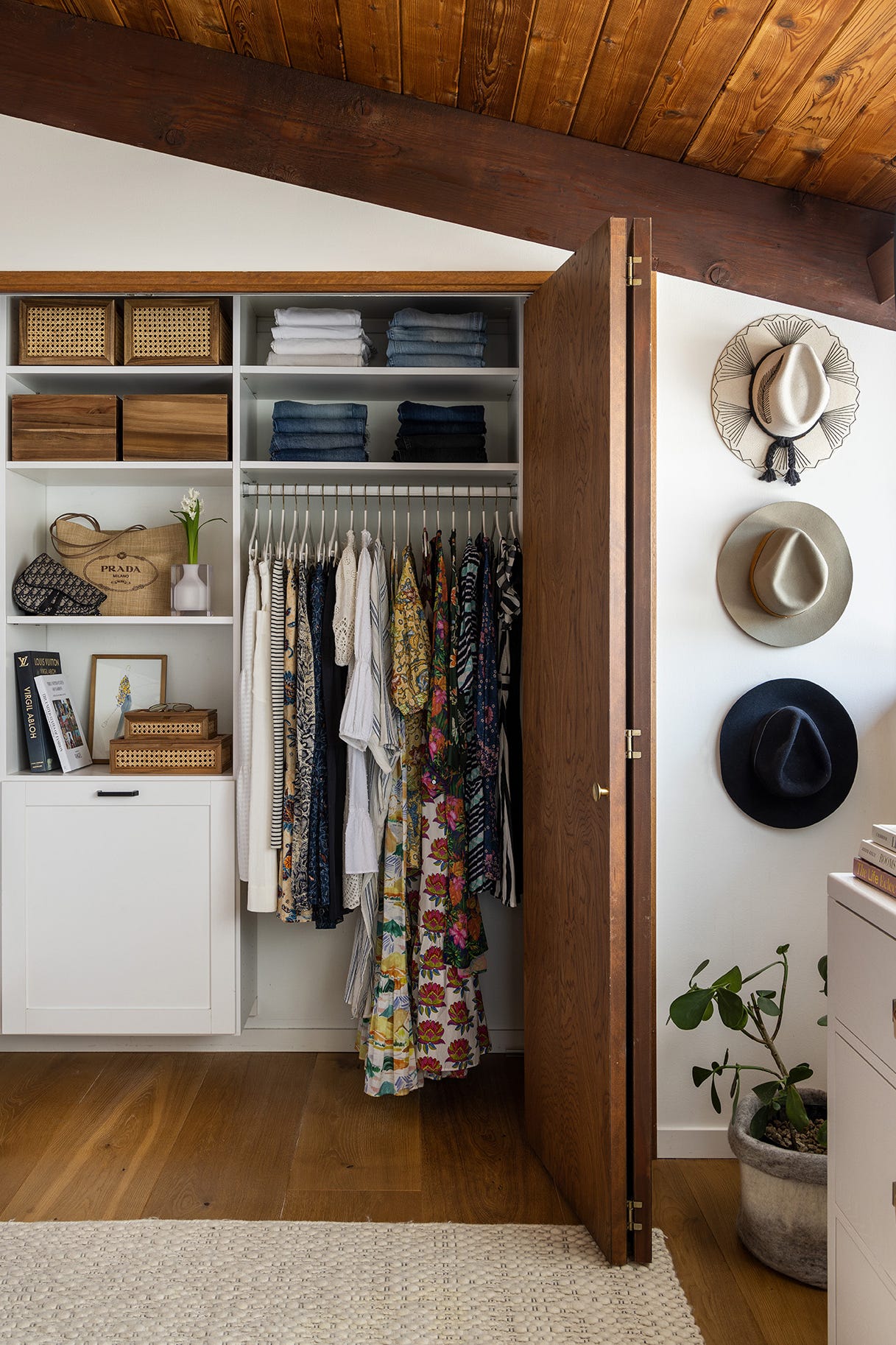
Furthermore, adopting a closet layout based on external aesthetics, such as those seen on social media, without considering personal preferences can be counterproductive. An effective organizational system should align with an individual's habits; for instance, if drawers are typically where items are misplaced, alternative storage methods should be chosen, regardless of aesthetic appeal.
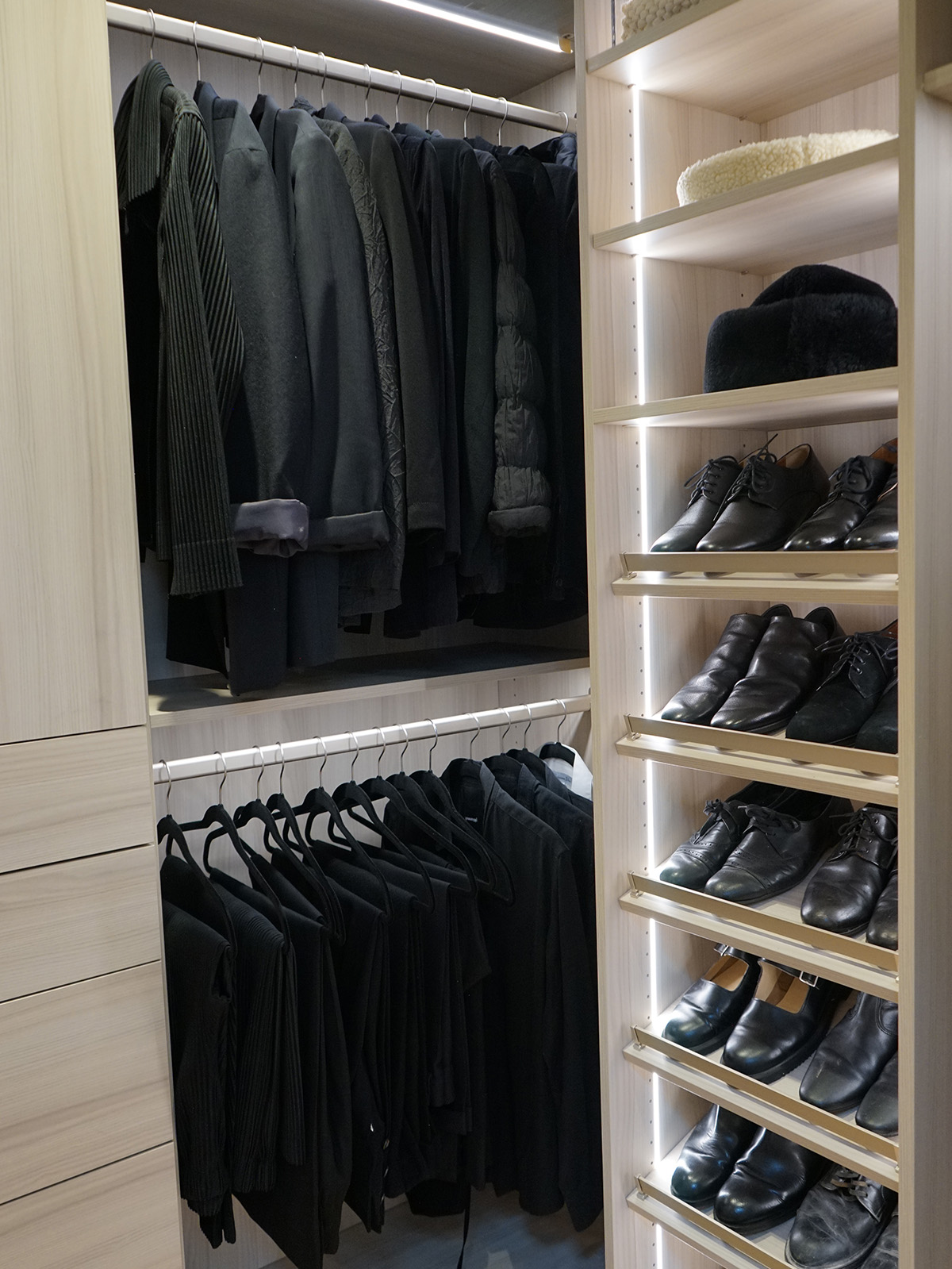
Utilizing valuable floor space for shoe storage is inefficient. Vertical shoe organizers or over-the-door solutions can free up floor space for larger storage units or dressers. Holding onto unused items, whether due to sentiment or aversion to waste, also clutters a closet. Experts advise donating clothes unworn for one to two years or discarding stained/torn items, as most individuals only regularly wear a small percentage of their wardrobe. Critical questions about fit, personal affection for the item, and how it looks on the wearer can guide decluttering decisions.
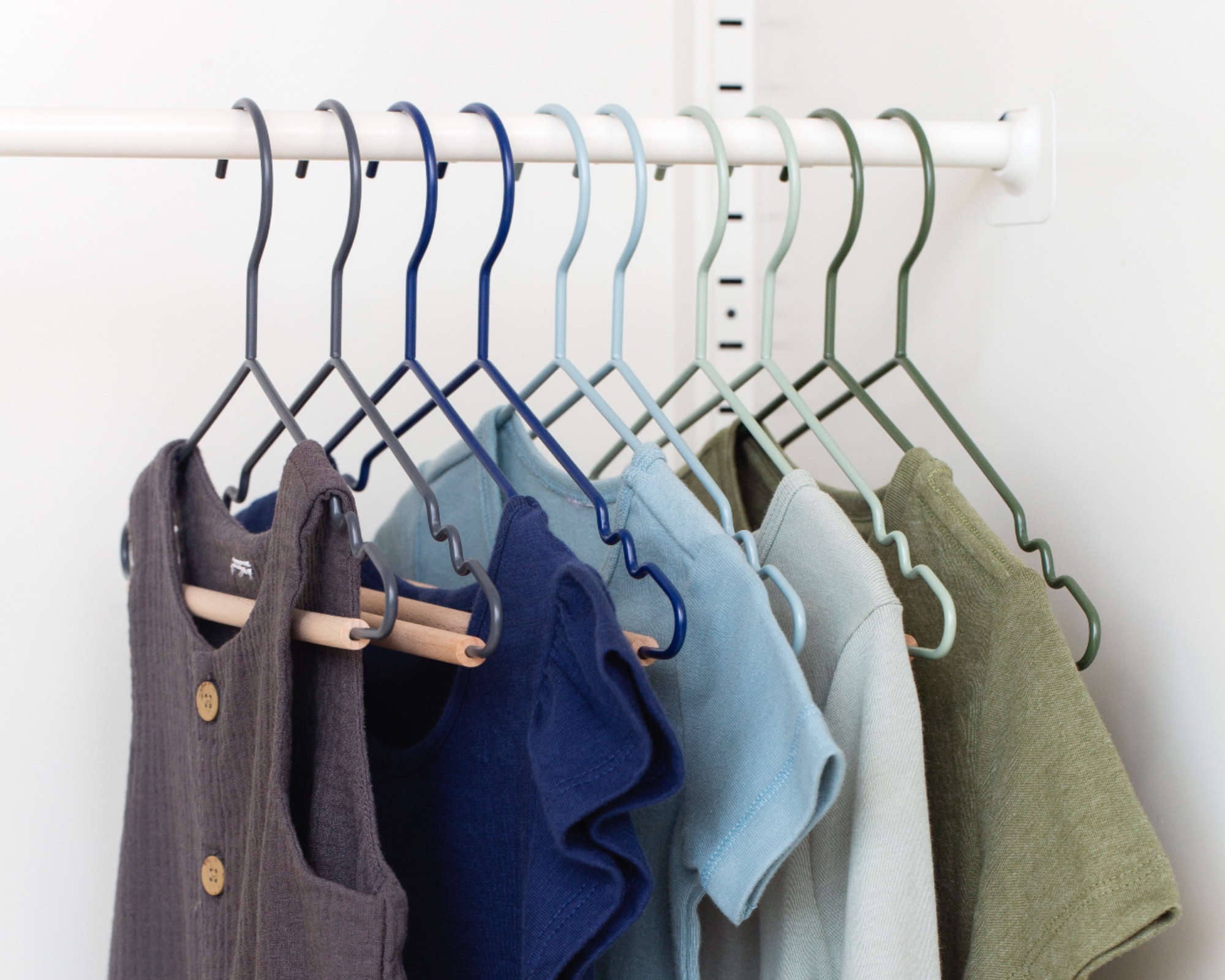
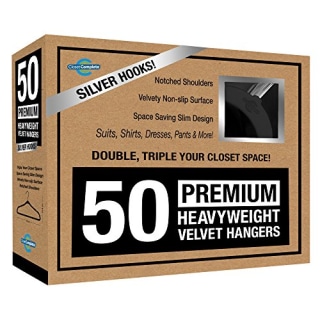
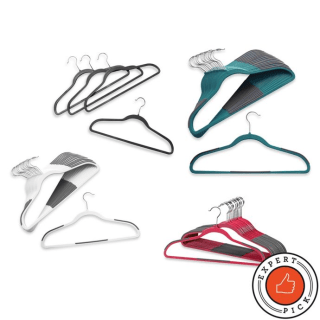
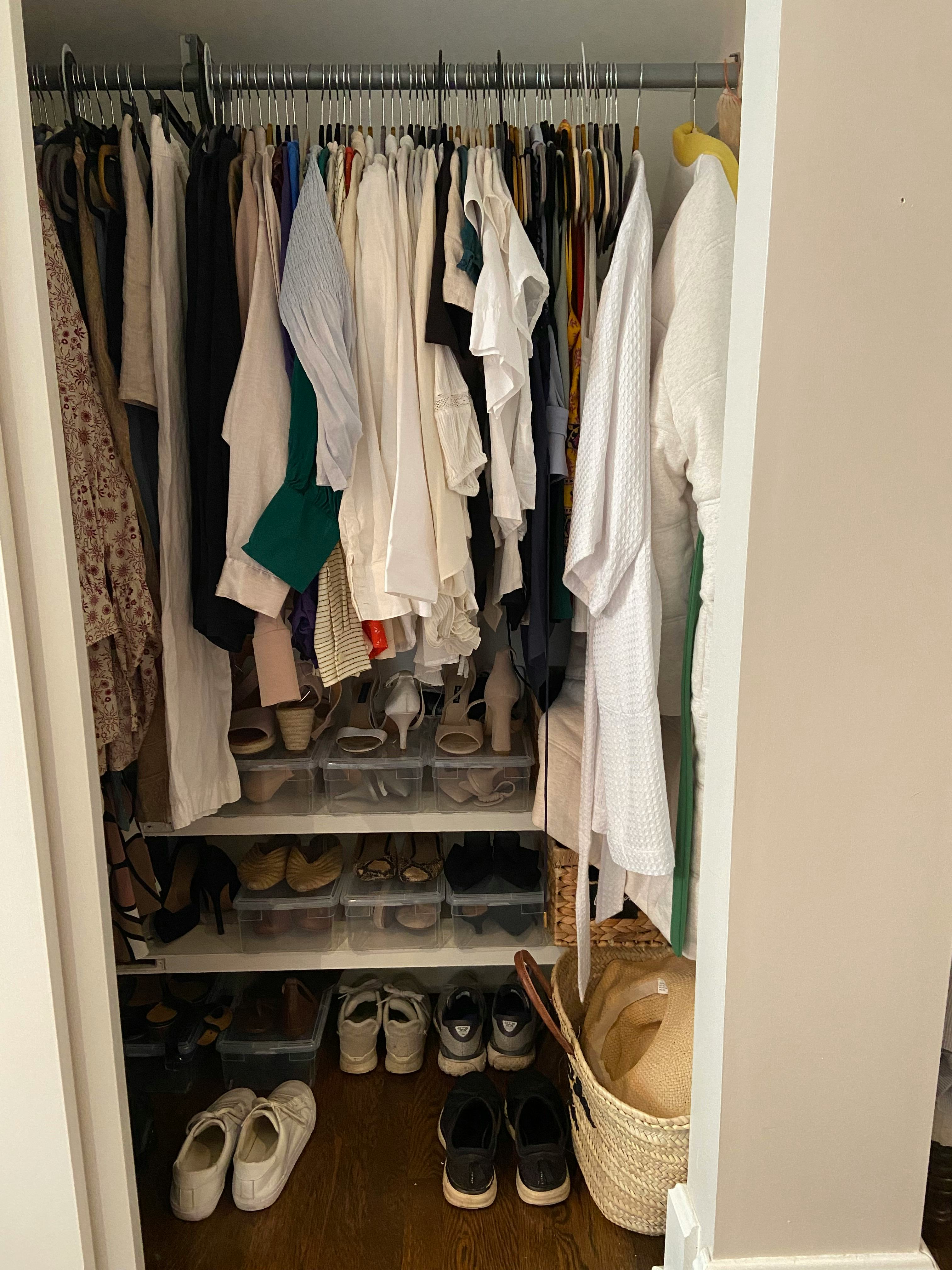
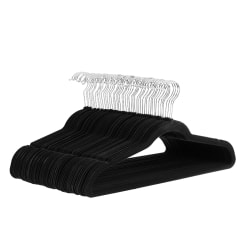
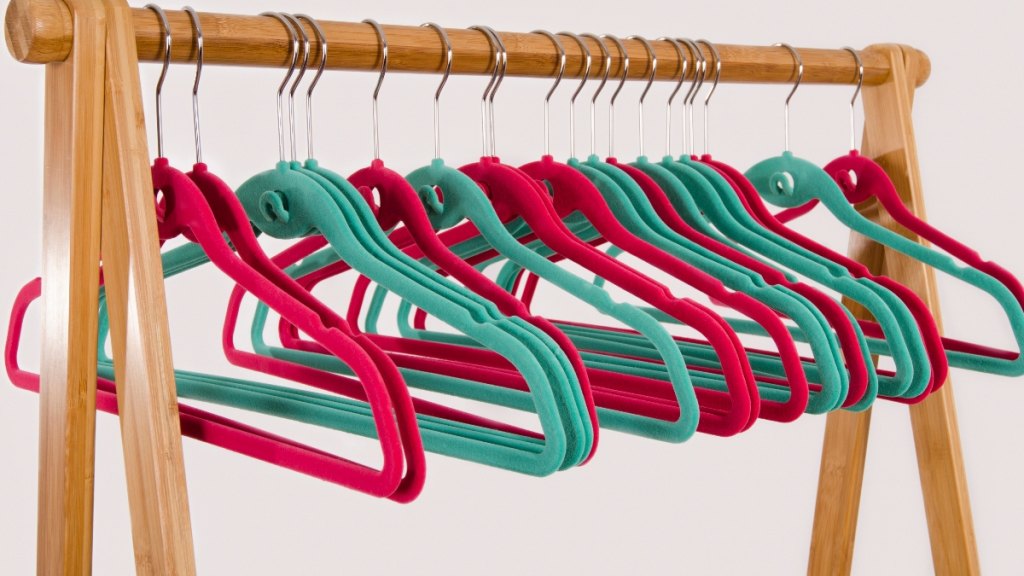
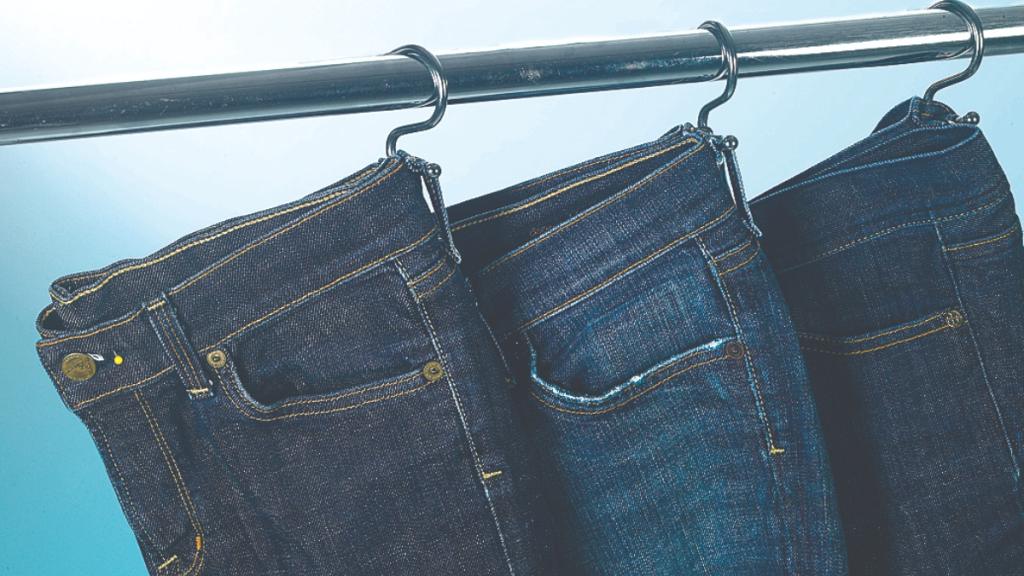
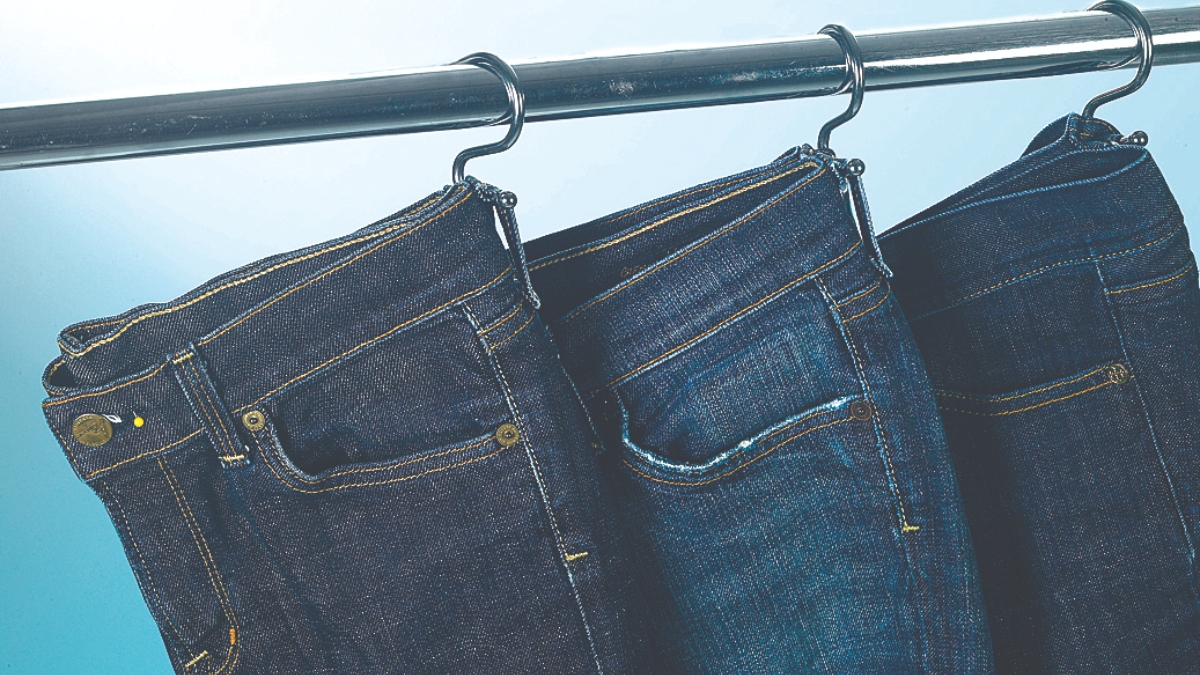
Incorrect use of hangers is another overlooked mistake. Pants should be folded vertically with back pockets facing out to prevent hardware from snagging other clothes. For tops, utilizing support straps minimizes slippage and strain on delicate fabrics. Lastly, storing clothing in cardboard boxes is ill-advised as boxes can transfer odors and glues to garments, which are difficult to remove. Accumulating random items in the closet is also a sign of disorganization; such items should be regularly assessed and relocated to their appropriate storage areas.
#ClosetOrganization #StorageSolutions #HomeOrganization #Decluttering #WardrobeManagement #OrganizationalMistakes #SeasonalClothingStorage #ShoeStorage #HangerUsage #ClosetOrganization #StorageSolutions #HomeOrganization #Decluttering #WardrobeManagement #OrganizationalMistakes #SeasonalClothingStorage #ShoeStorage #HangerUsage
0 comment in total
 No comments yet
You may also like
Never Make These Closet Organization Mistakes, Warn Experts

7 of the best space saving hangers to organize your closet

I Spent a Year Designing My Closet—Here Are My Top 8 Organizing Tips

10 Closet Organization Mistakes That Make Getting Dressed More Stressful

These 5 Linen Closet Organization Mistakes Are Costing You Space and Losing You Time

I Hired A Yelp-Famous Closet Organizer — And Was Shocked By The Results
5 Mistakes People Make When Organizing Their Closets—and How to Fix Them

9 Foolproof Tips for Organizing Your Closet, from Melanie Charlton Fowler

Exclusive: Style Sisters reveal the biggest kitchen organisation mistakes you're making

10 Closet Organizing Mistakes You're Probably Making

8 things a professional organiser would never keep in a hallway – and you shouldn’t either
Messy closets? This local design expert reveals the easy solutions you’ve been waiting for
8 Closet Organization Mistakes That Annoy Pro Organizers—and Make Your Space Way Less Functional

33 Best Closet Systems of 2025, According to Experts

Organizing Pro’s Genius Shower Caddy Hack Frees Up Closet Space + More Storage Tips

10 Clever Ways to Organize a Small Laundry Room


7 things the most organized people have in their closets – and what they always do first


Shared Closet Organization FAQs Answered By the Experts

9 renter-friendly closet organization tips you need to try


The Home Edit's Clea and Joanna on the Biggest Closet Organizing Mistake They See People Make