8 Closet Organization Mistakes That Annoy Pro Organizers—and Make Your Space Way Less Functional
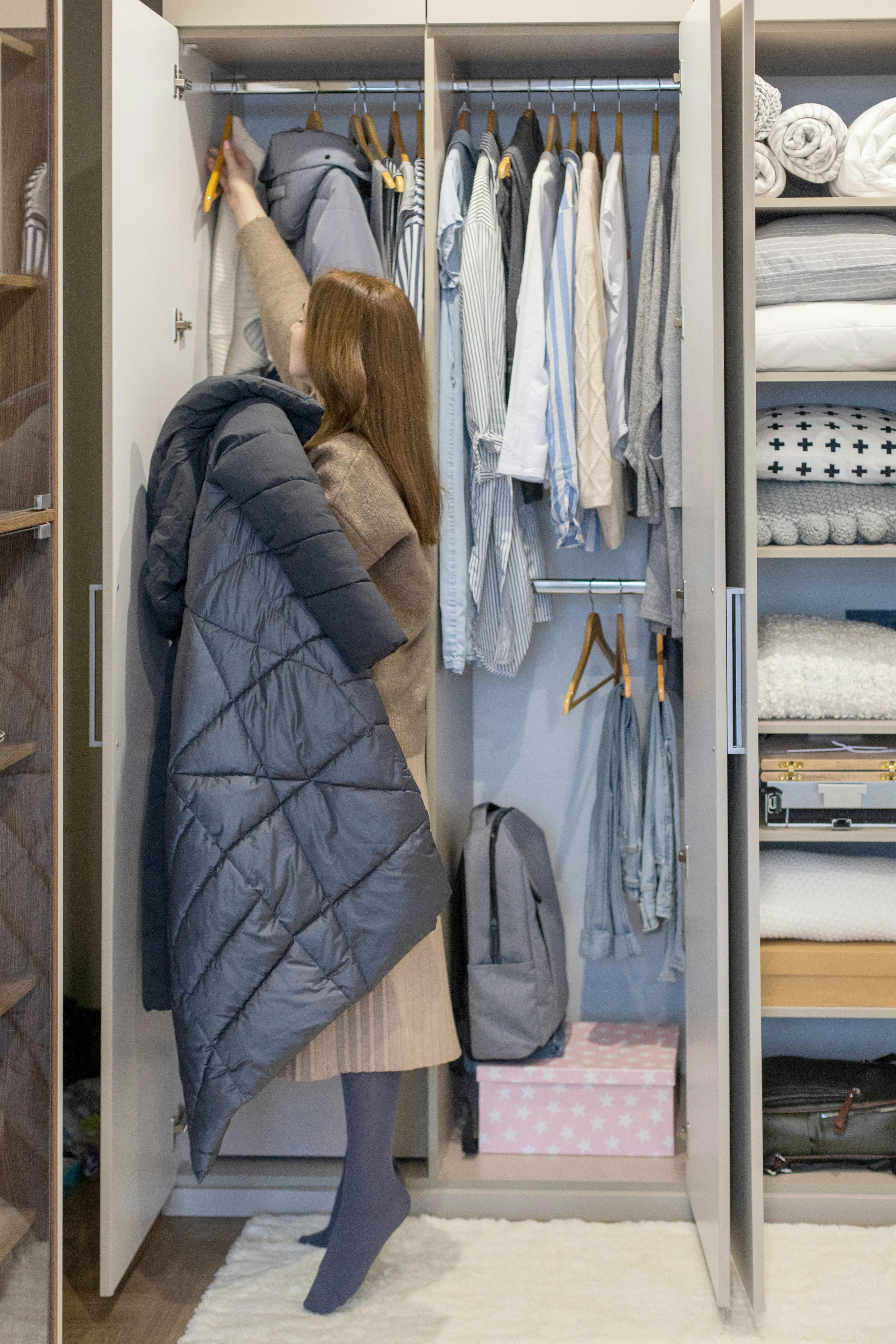
Closets should be functional spaces that reduce stress and simplify daily routines, rather than merely storage areas. To achieve an effective and stress-free closet, certain common organization mistakes should be avoided. Professional organizers Nicole Gabai, founder of B. Organized, and Corey Pence, senior manager of in-home organizing at The Container Store, highlight several key errors that can undermine a closet's efficiency.
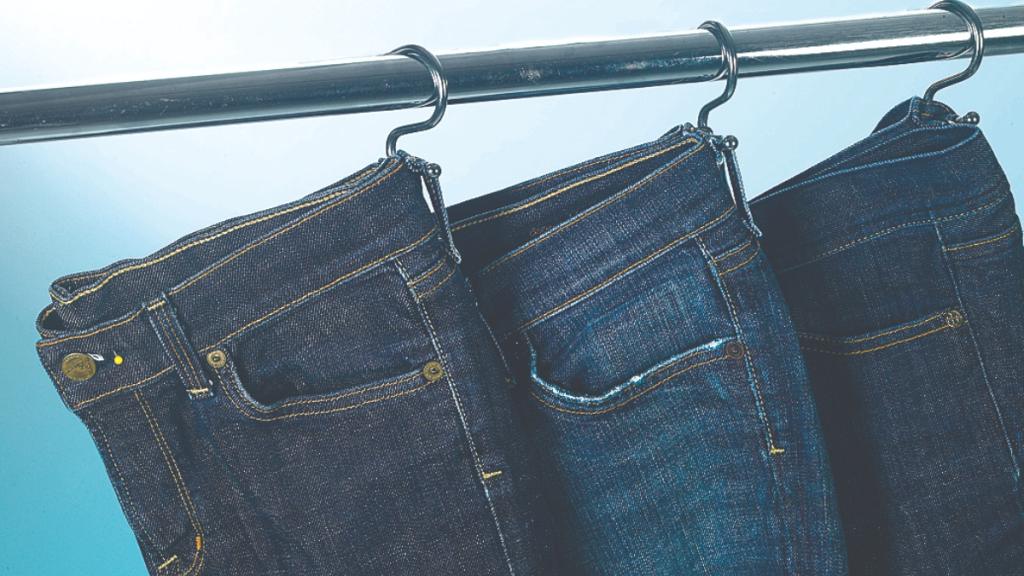
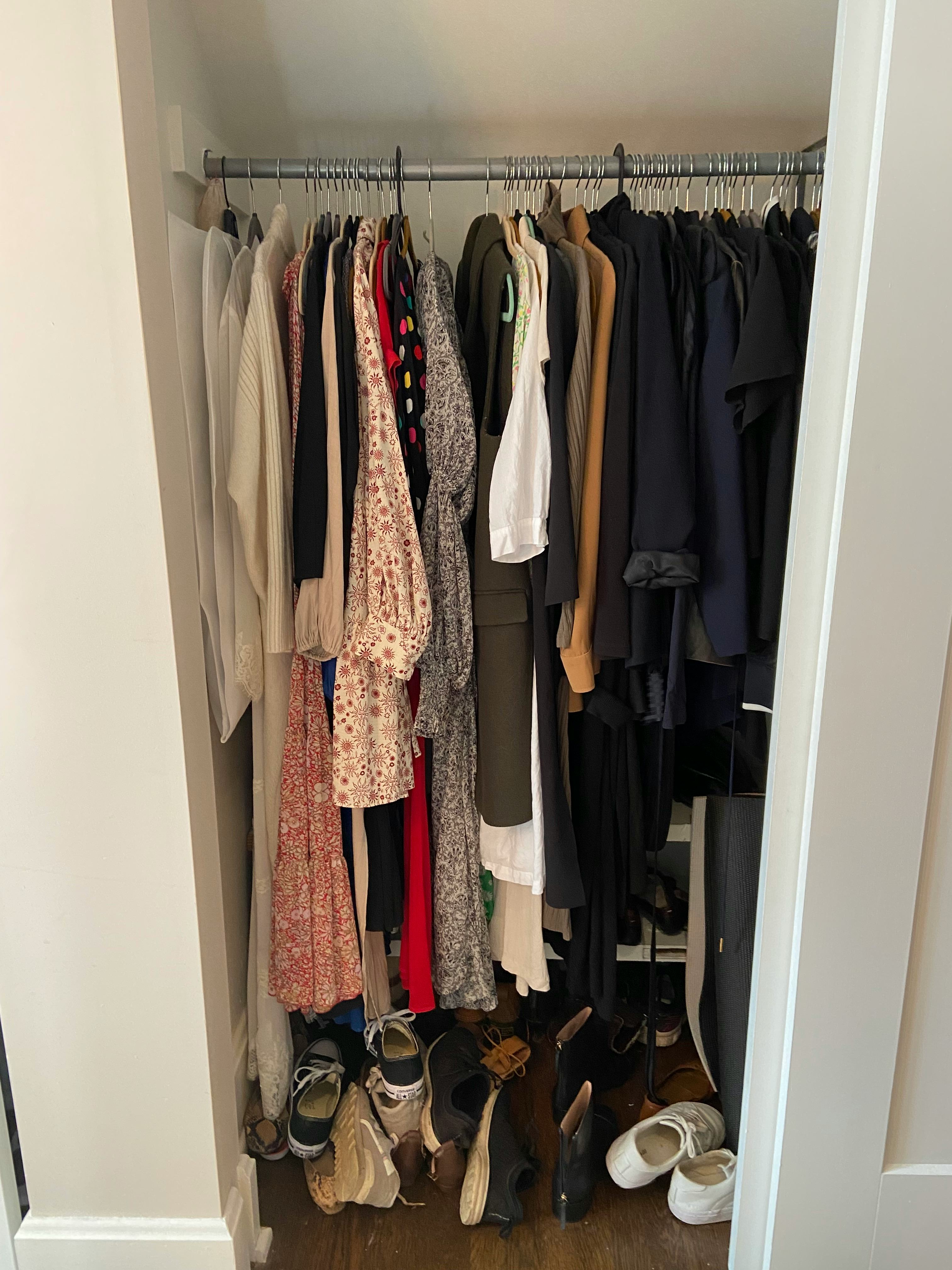
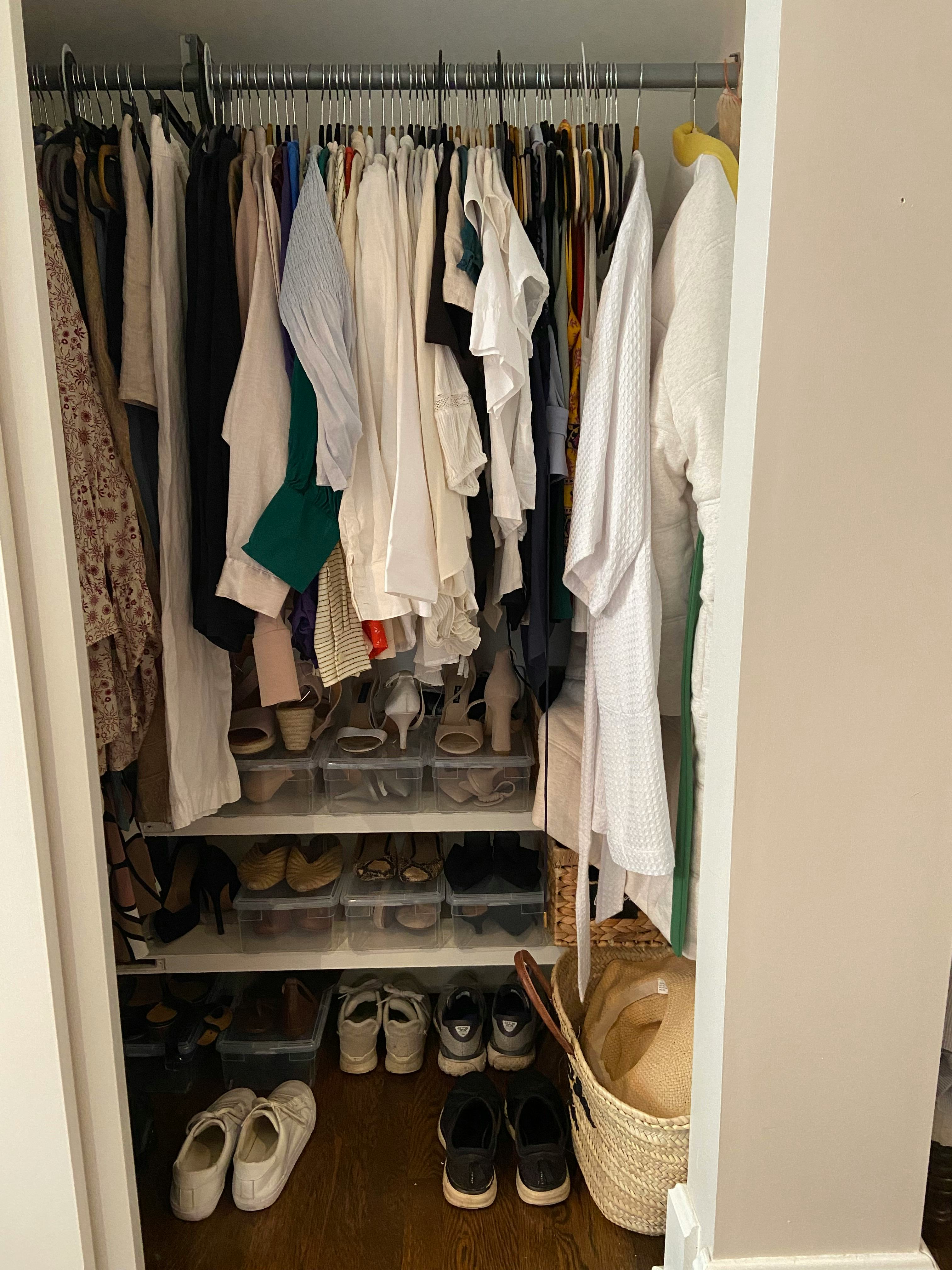
One significant mistake is improperly spaced closet rods. If rods are placed too low, clothes can bunch up and wrinkle, leading to damage. Adjusting rod height to allow for proper hanging is a simple yet effective way to improve functionality. Another error involves intersecting closet rods, which create an "x" shape. This not only looks unappealing but also wastes valuable space, making clothes harder to access and reducing the closet's overall efficiency.
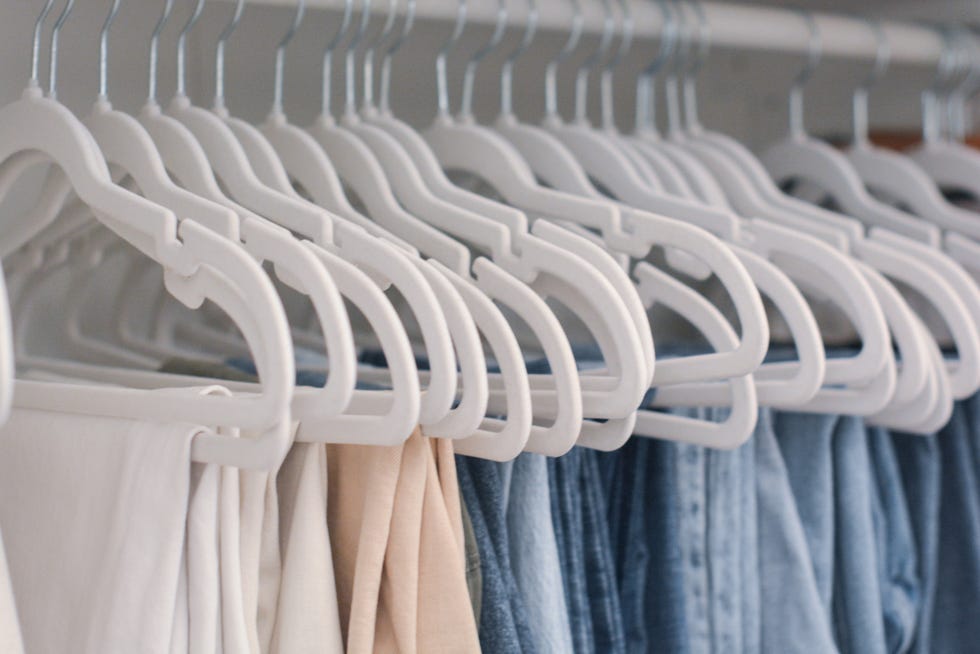
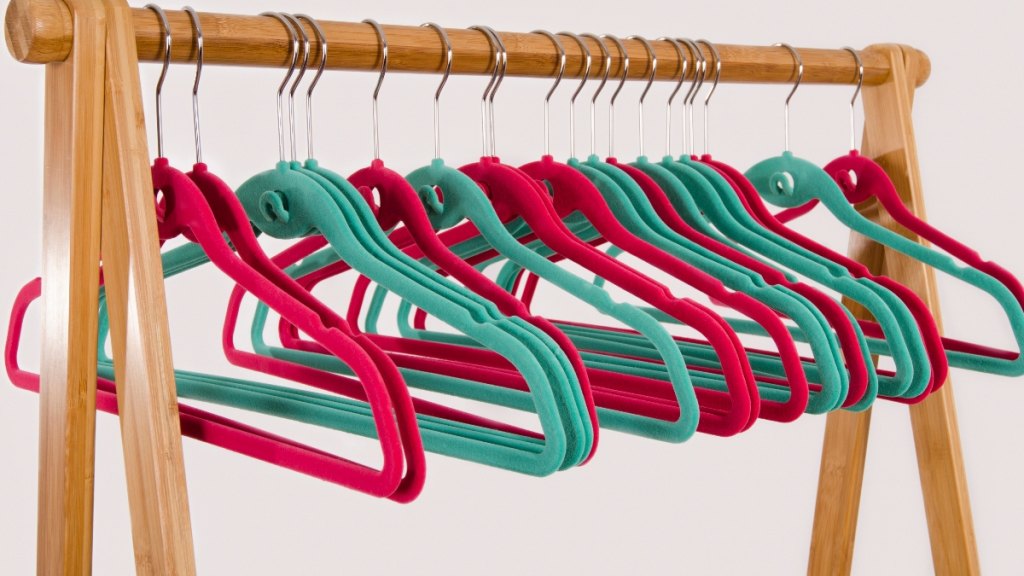
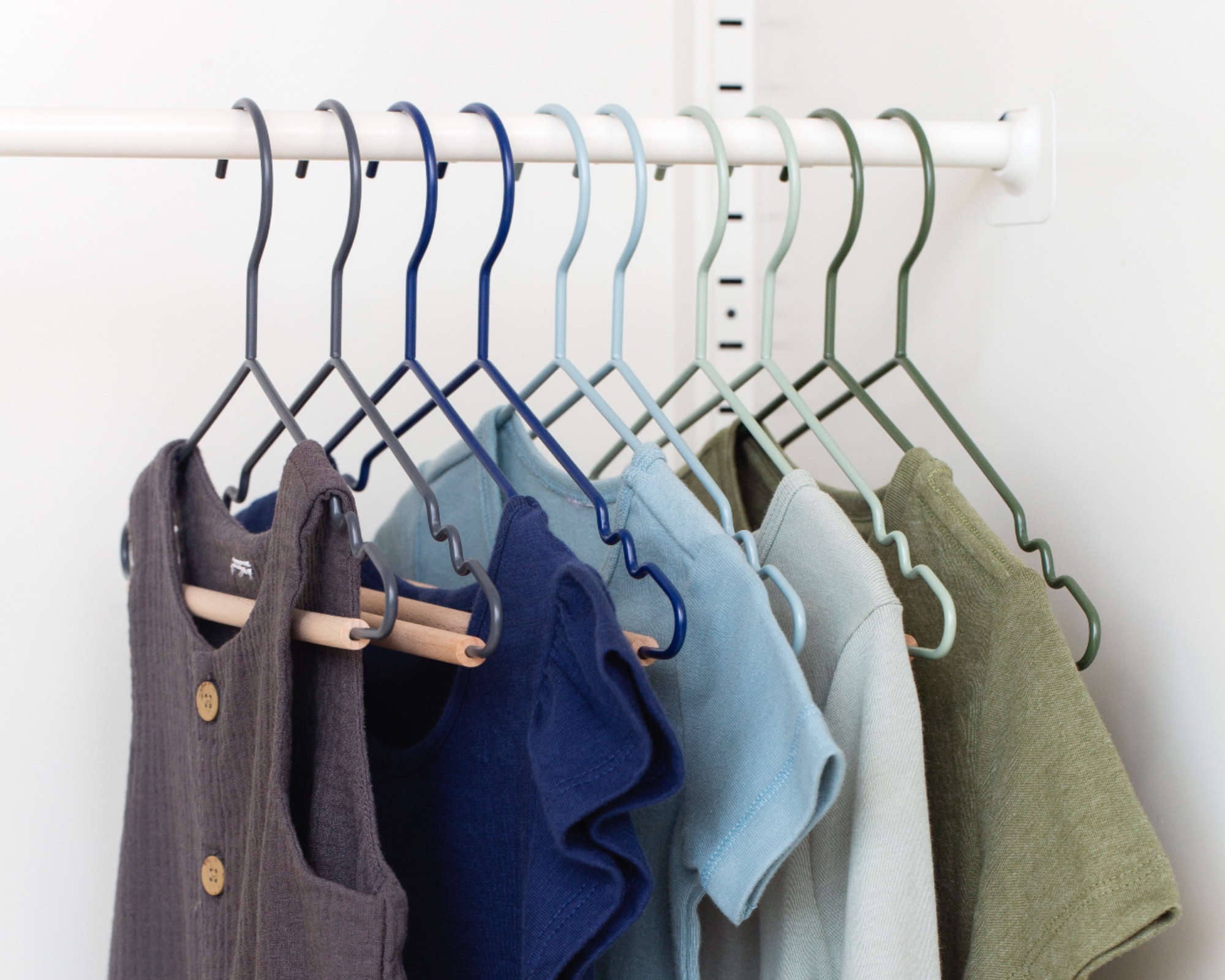
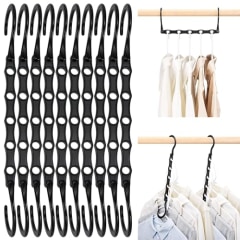
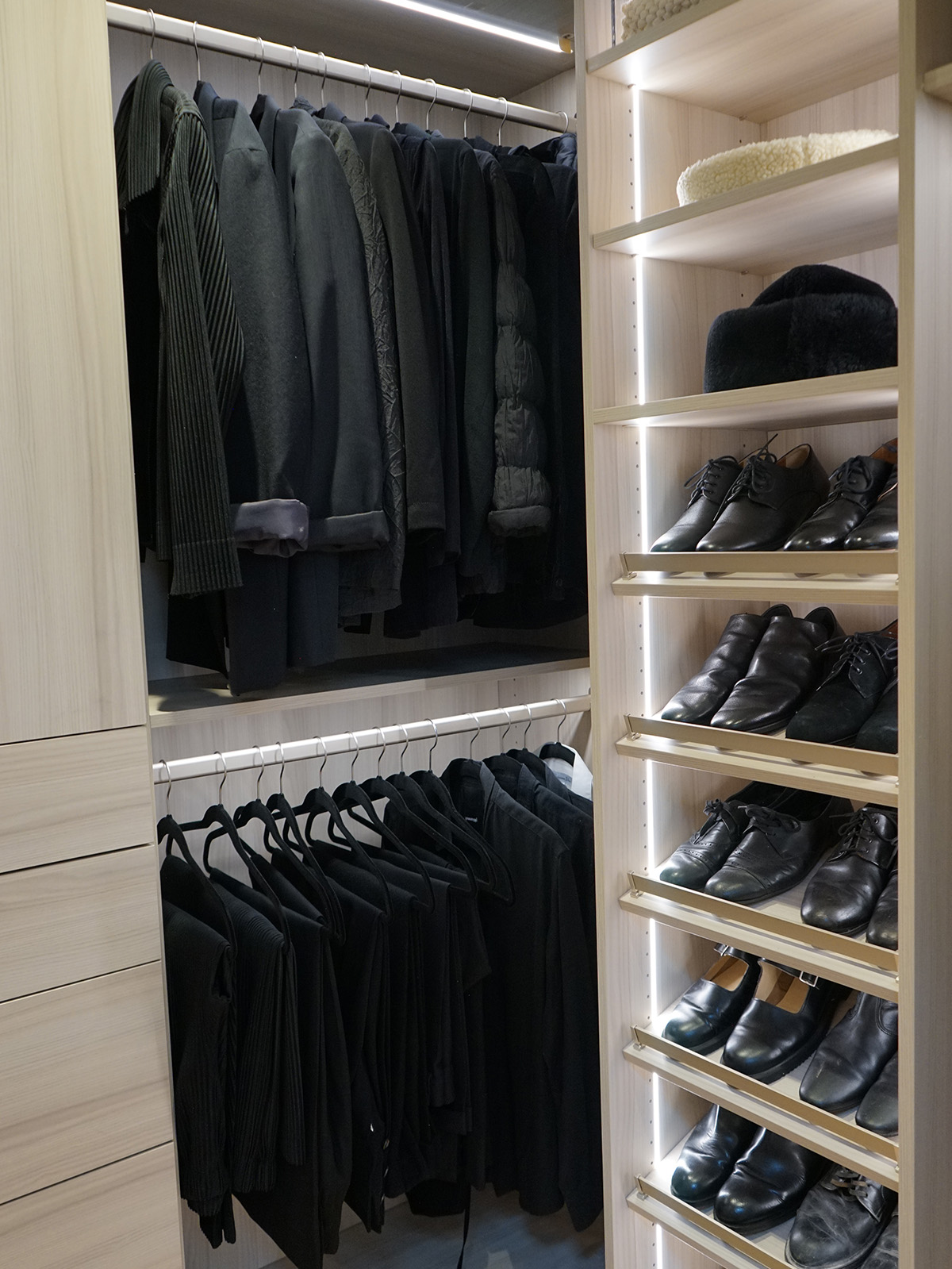
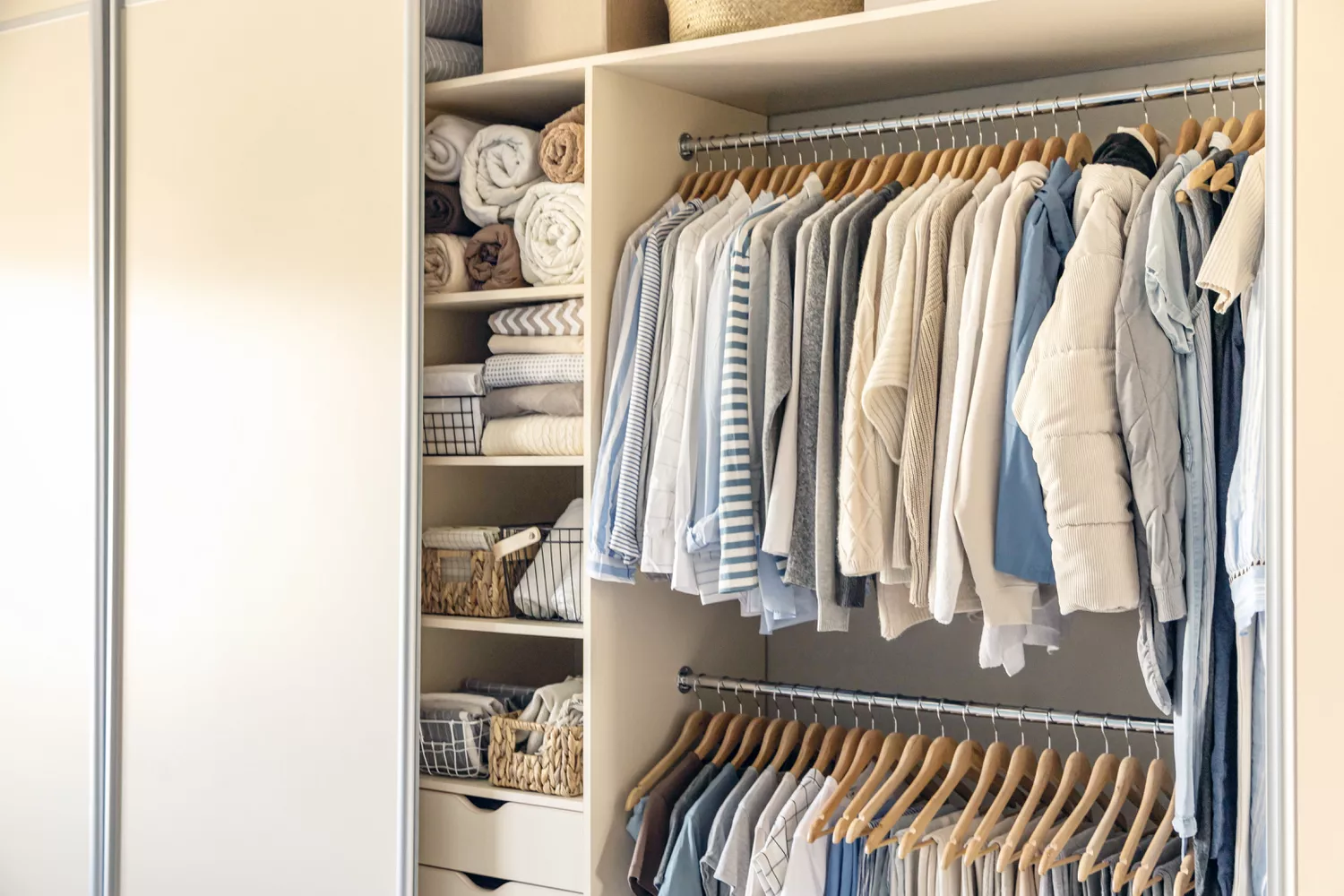
The use of mismatched hangers is also identified as a common pitfall. While seemingly minor, consistent hangers help maximize storage space and create a uniform appearance, ensuring clothes hang correctly and contribute to a more organized feel. Placing clothing in the wrong areas is another frequent mistake. Instead of grouping items solely by type, clothes should be organized based on frequency of use. Everyday items should be easily accessible, while special occasion wear can be stored in less prominent areas to prevent prime real estate from being occupied by rarely used garments.
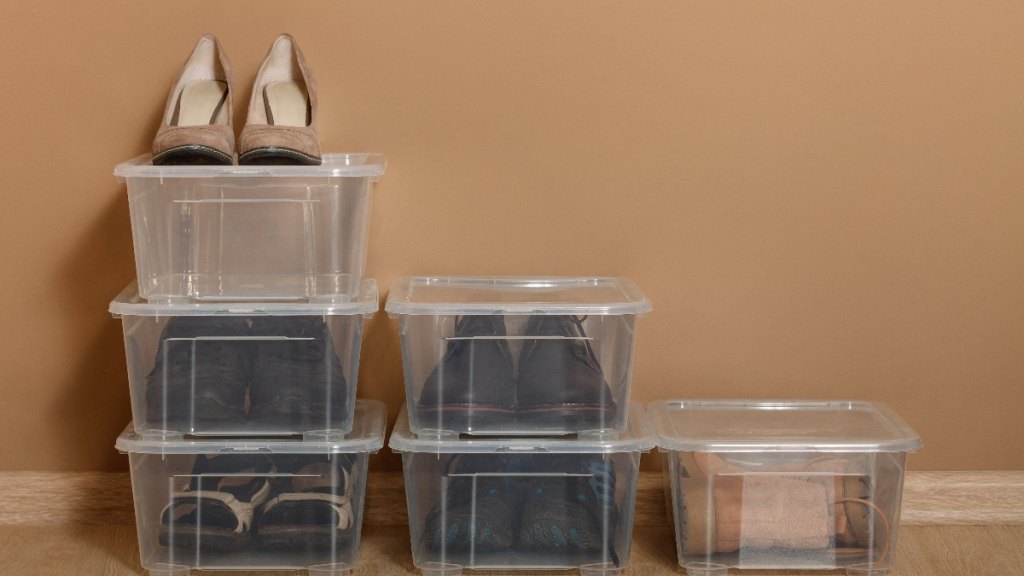
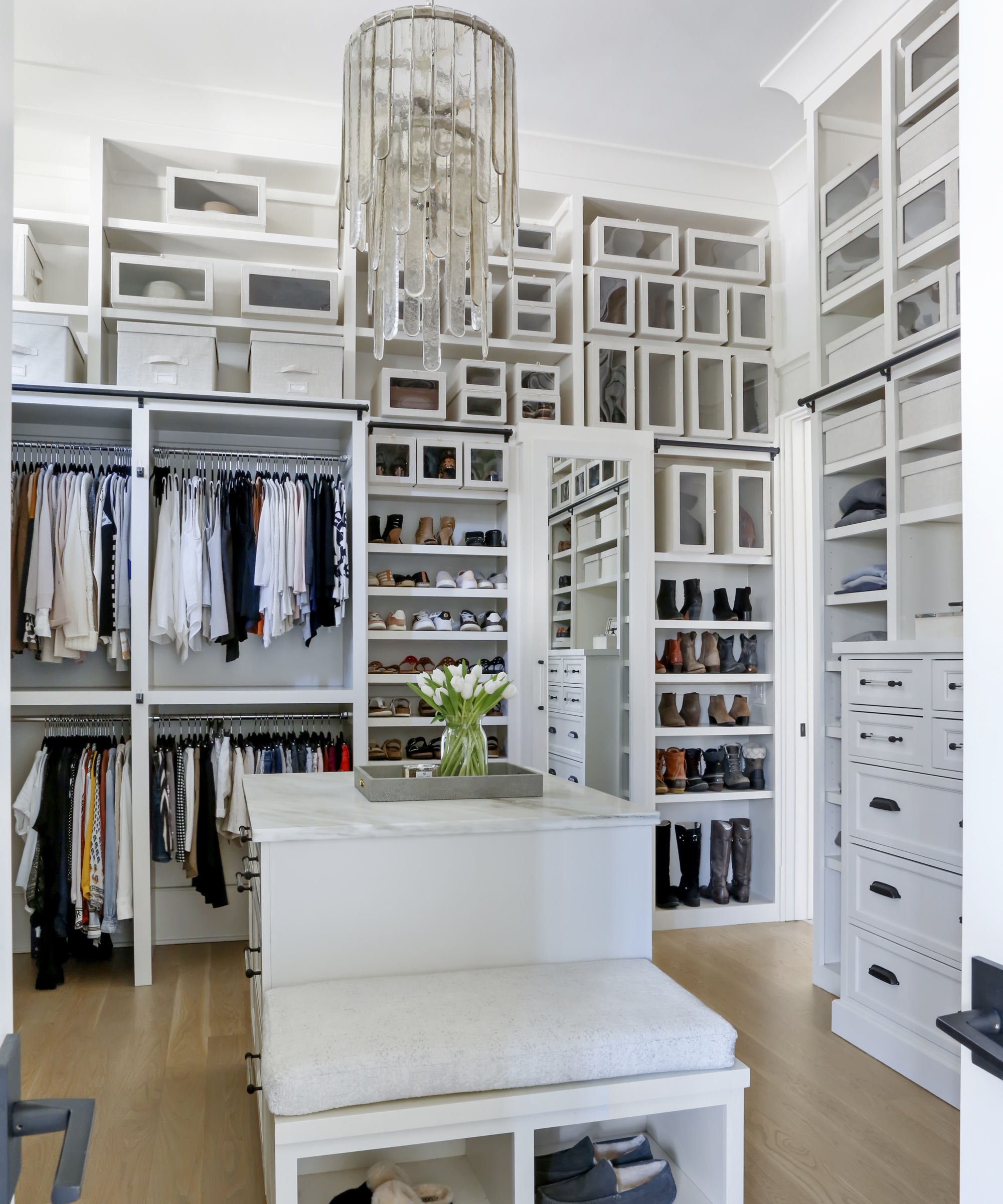
Mixing up clothing seasons is another organizational error. A more effective strategy involves Gabai’s “Zones” technique: frequently worn items go in Zone 1 (easiest to reach), less-used items in Zone 2 (higher shelves or back of the closet), and out-of-season or rarely used items in Zone 3 (storage bins). This requires seasonal adjustments but significantly improves daily access.
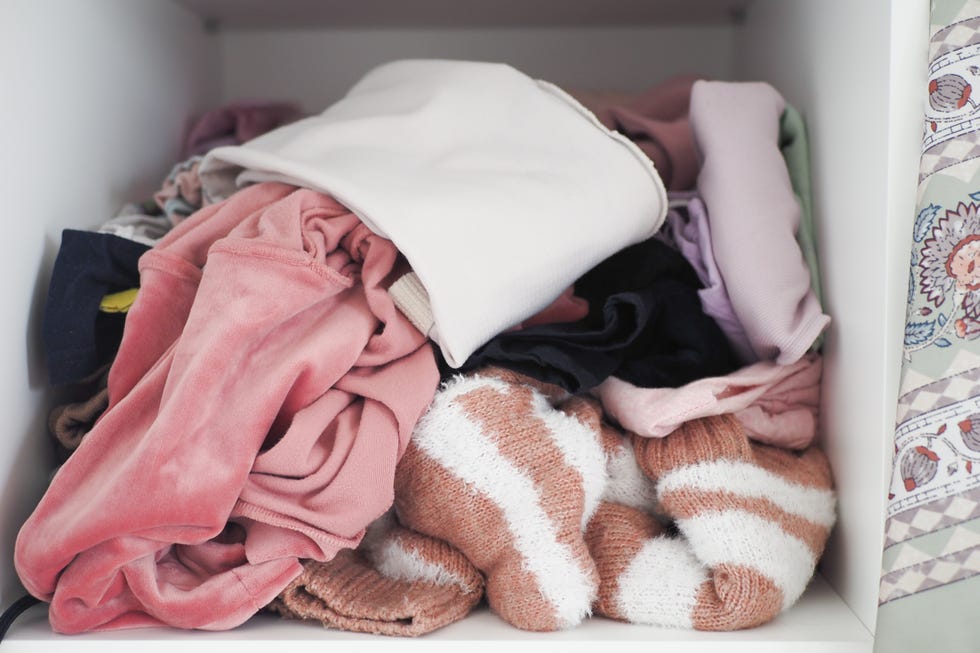
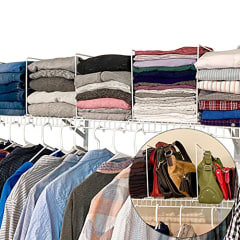
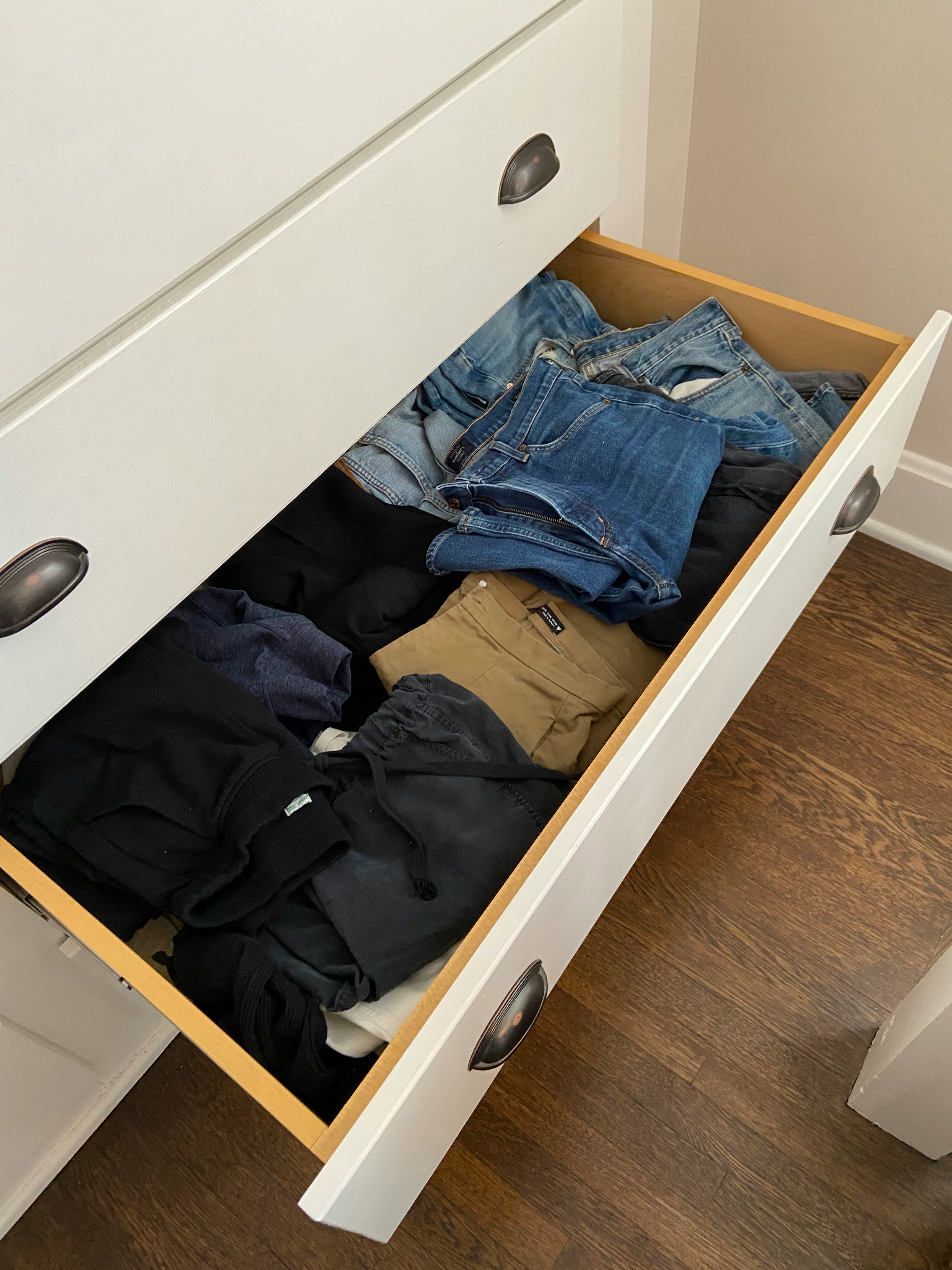
Additionally, incorrectly hanging and folding items can lead to clutter. Not all items require hangers; bulky garments like sweaters should be folded to prevent stretching, and T-shirts can be stored in drawers or on shelves with dividers, using bookends to maintain neat stacks. Storing unnecessary items in a closet designed for clothing is also inefficient. A clothing closet should only contain clothes and accessories; extraneous items like old toys or records waste space and complicate the process of finding specific items.
Finally, neglecting a maintenance plan is a critical mistake. Even a perfectly organized closet will succumb to clutter without a routine upkeep system. Gabai suggests the “Back to One” principle, involving a daily five-minute routine to return items to their designated places. Whether it's hanging clothes or placing dirty items in the laundry bin, consistent maintenance is crucial for sustaining an organized space. Even a weekly clean-up, if daily maintenance isn't feasible, is better than none.
#ClosetOrganization #HomeOrganizing #StorageSolutions #Decluttering #HomeEfficiency #ProfessionalOrganizers #WardrobeManagement #SpaceMaximization #ClosetOrganization #HomeOrganizing #StorageSolutions #Decluttering #HomeEfficiency #ProfessionalOrganizers #WardrobeManagement #SpaceMaximization
0 comment in total
 No comments yet
You may also like
These 5 Linen Closet Organization Mistakes Are Costing You Space and Losing You Time


Exclusive: Style Sisters reveal the biggest kitchen organisation mistakes you're making

7 things the most organized people have in their closets – and what they always do first

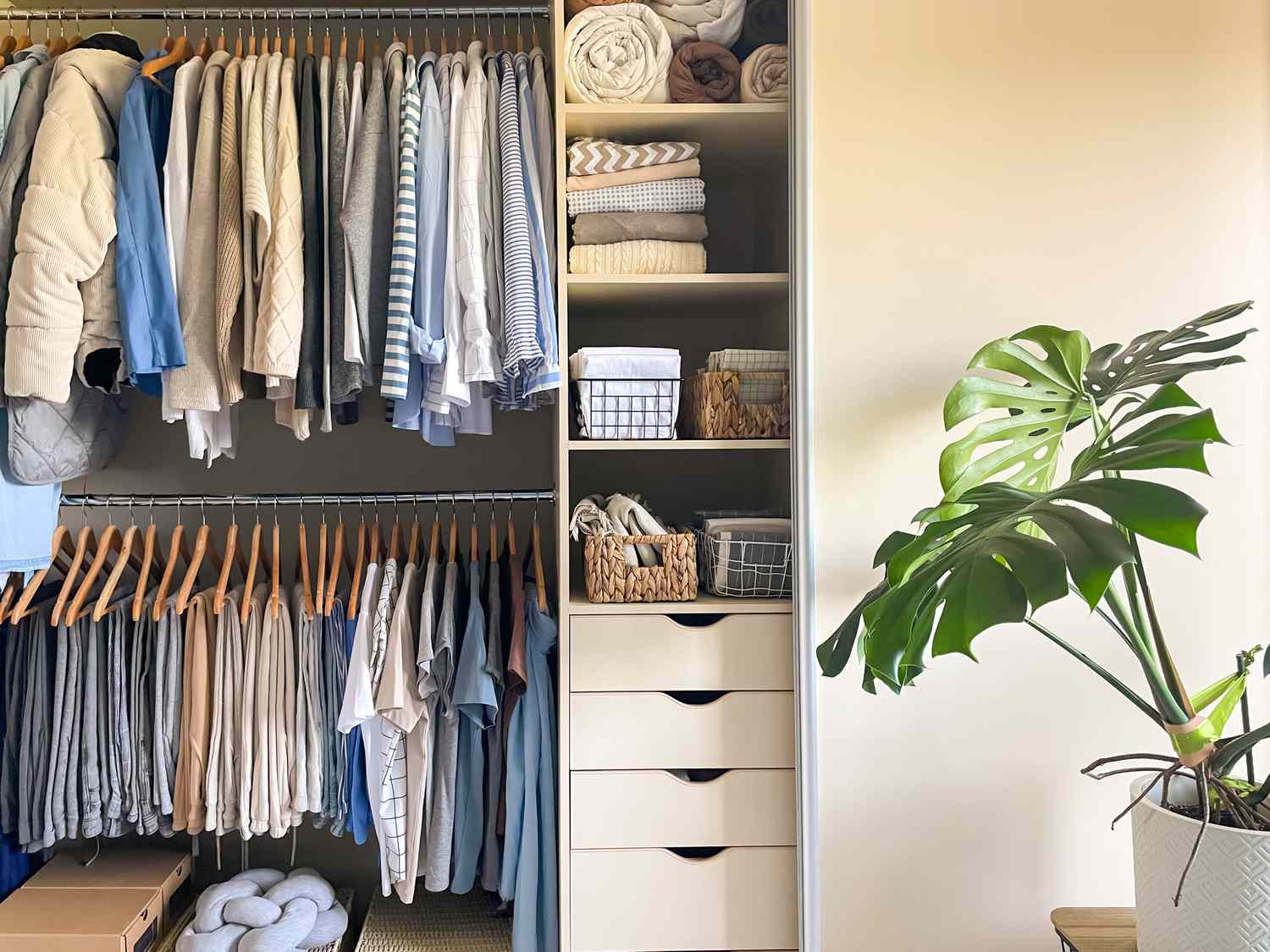
5 Mistakes People Make When Organizing Their Closets—and How to Fix Them

8 things a professional organiser would never keep in a hallway – and you shouldn’t either

5 Storage Mistakes You're Making With Your Kitchen Drawers That Are Sabotaging Your Space's Potential
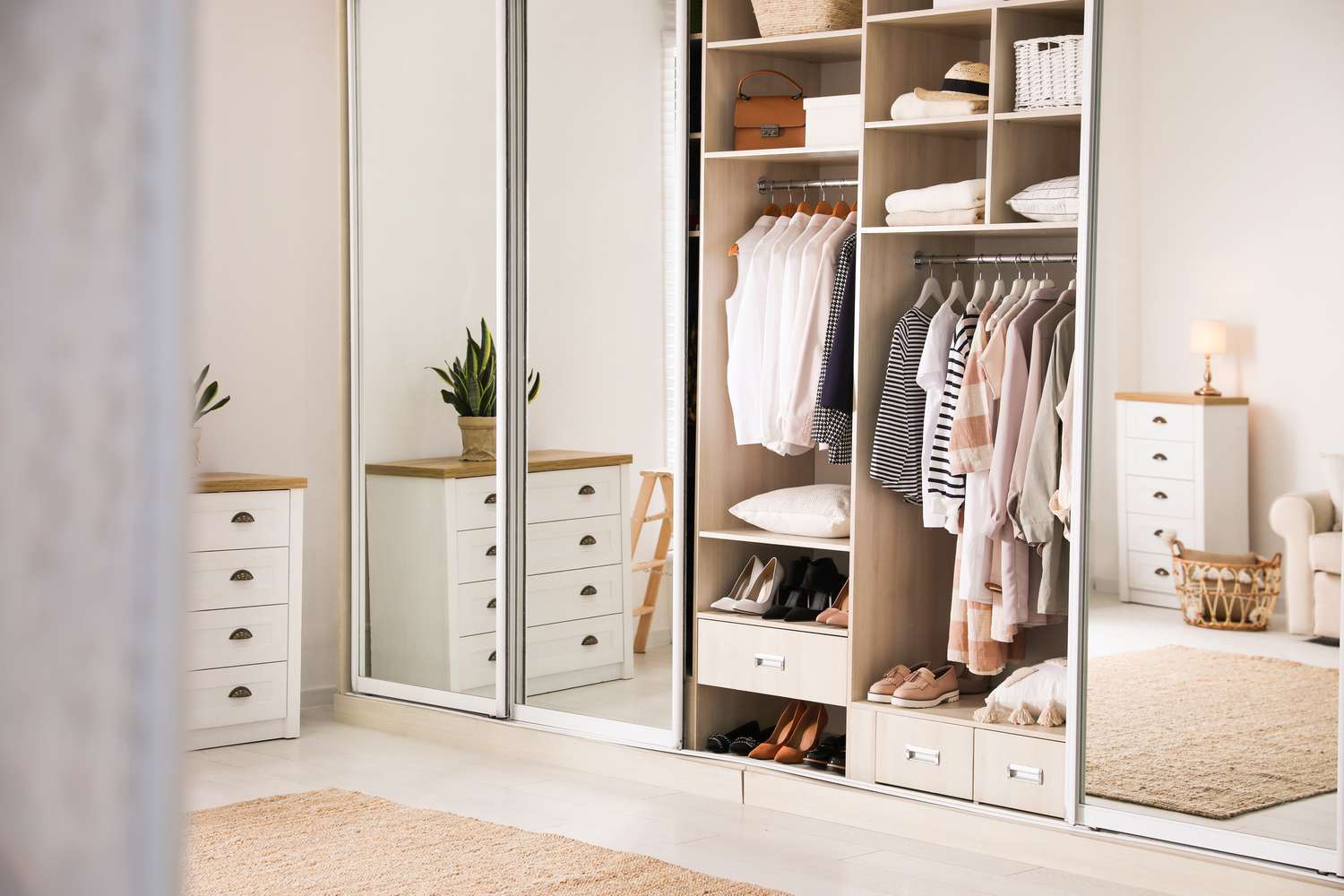
10 Closet Organization Mistakes That Make Getting Dressed More Stressful
9 things professional organizers wish you wouldn't spend your money on – and what's worth the spend instead
Never Make These Closet Organization Mistakes, Warn Experts

Are You Making These Closet Organization Mistakes? Read Our Expert Tips on What Not to Do

The 5 kitchen storage mistakes interior designers always avoid


7 classic organizational staples experts actually hate – and what to pick instead
10 Closet Organizing Mistakes You're Probably Making

Bathroom storage mistakes – 8 that waste space, cause clutter and ruin possessions
33 Best Closet Systems of 2025, According to Experts

I Hired A Yelp-Famous Closet Organizer — And Was Shocked By The Results
5 small entryway storage mistakes designers want you to stop making
Organizing Pro’s Genius Shower Caddy Hack Frees Up Closet Space + More Storage Tips


I Spent a Year Designing My Closet—Here Are My Top 8 Organizing Tips

Organizers Say These 8 Things Don’t Belong in Your Closet — Here’s Why